和白干潟でミヤコドリ、ツクシガモ、雑種ガモほか(動画あり)
年末年始で妻の実家と私の実家へ里帰り。妻の実家では、12月31日と年が明けた1月2日に和白干潟でミヤコドリなどを見てきました。 2018年の正月も和白干潟でミヤコドリ を見ており、1年ぶりの再会です。ミヤコドリは25羽いました。
2日は、早朝から赴き、ミヤコドリの寝起きから採餌に移るまで観察できました。午前7時半ごろが満潮でしたので、ミヤコドリたちは岸から30メートルほどの距離で休んでいました。明るくなるにつれ羽繕いなどしだし、太陽が顔を覗かせると干潟で餌探しを始めました。
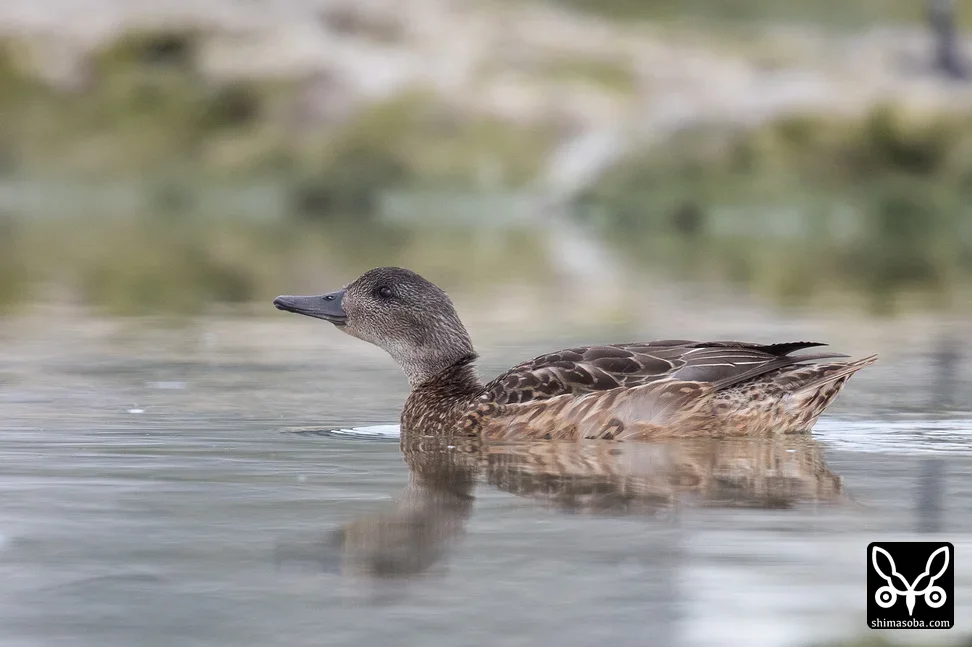
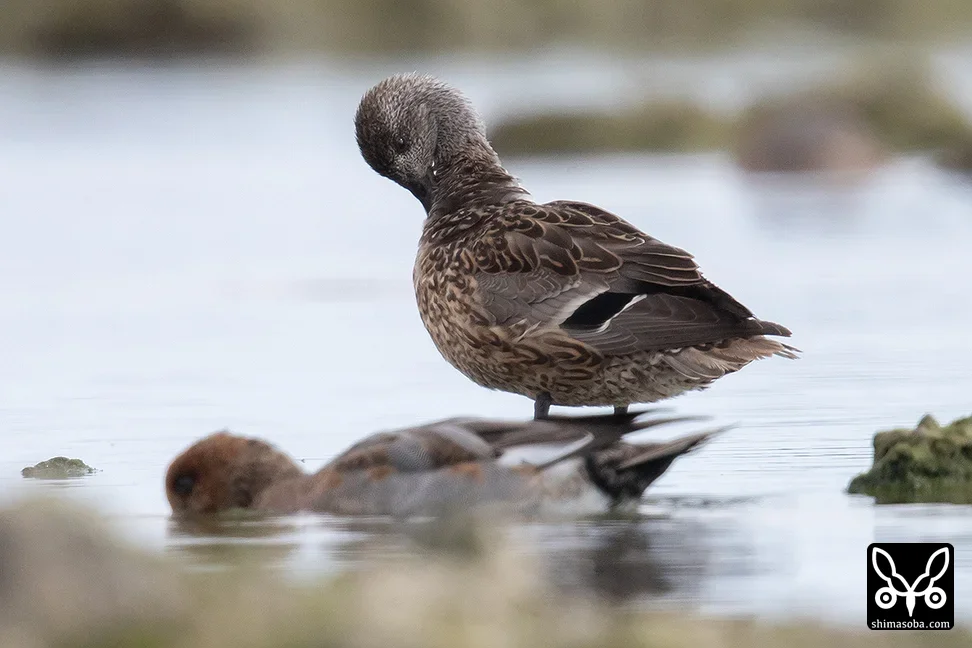
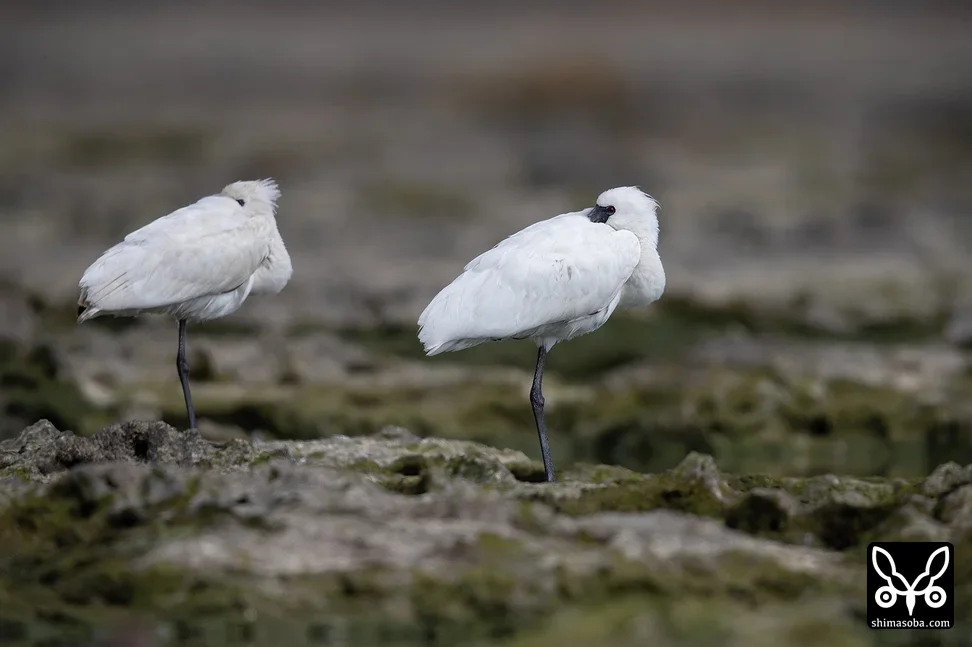
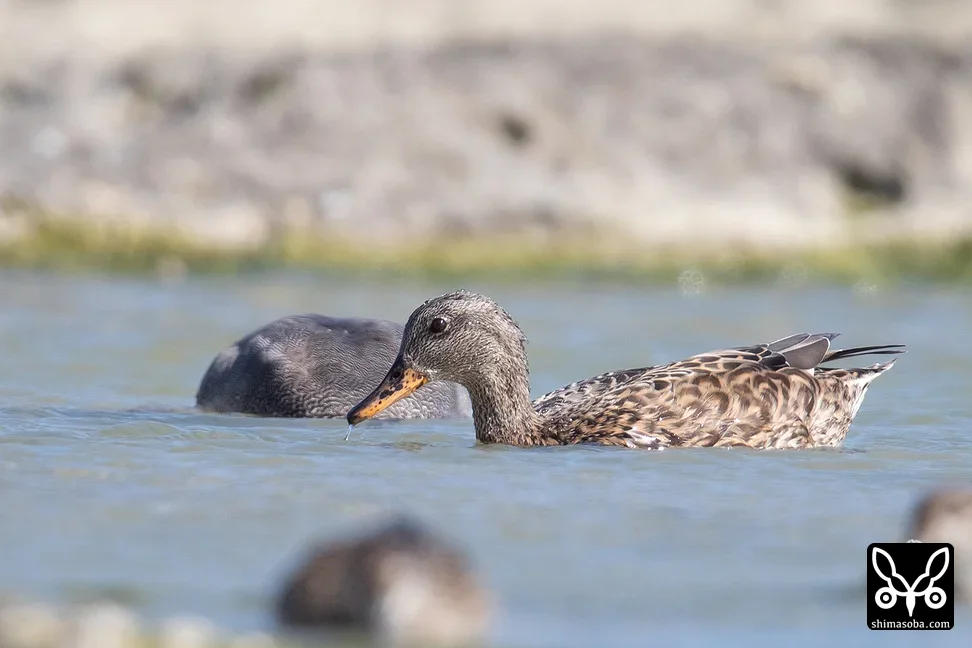
ツクシガモは昨年同様、数え切れないほどの数が飛来していました。アメリカヒドリとヒドリガモの雑種は5羽確認。クロツラヘラサギは3羽のほかヨシガモやオナガガモ、マガモなども比較的近くで休んでいた。沖合にはカモが浮かんでいましたが、種類まで判別できず。
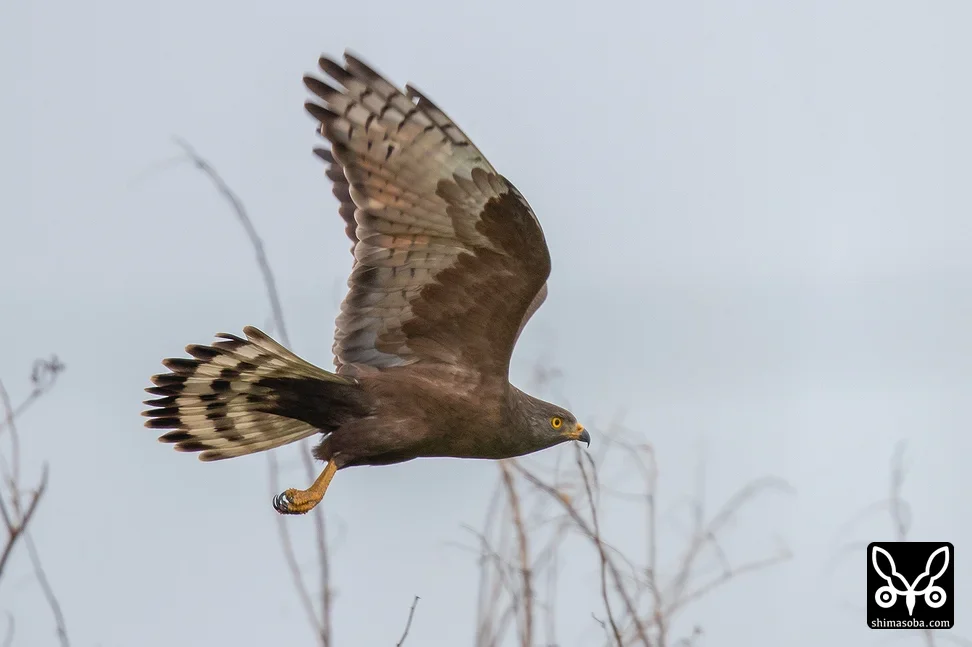
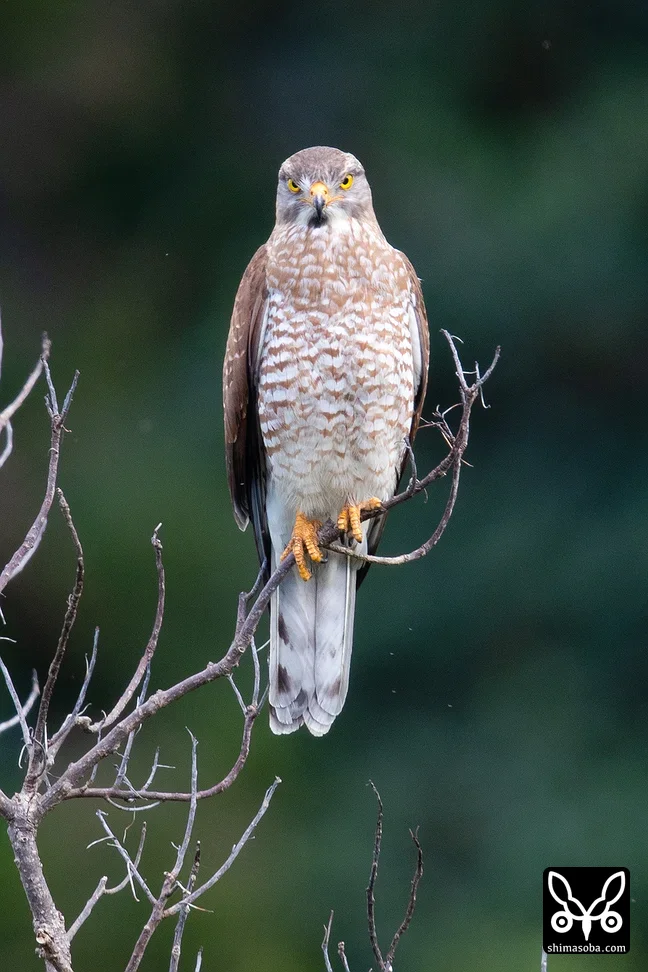
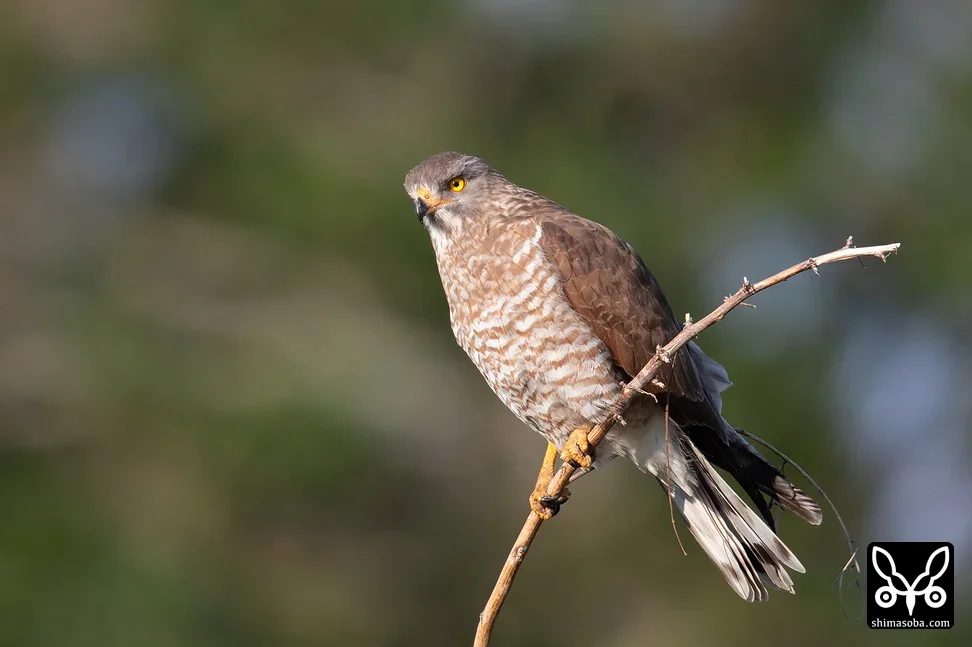
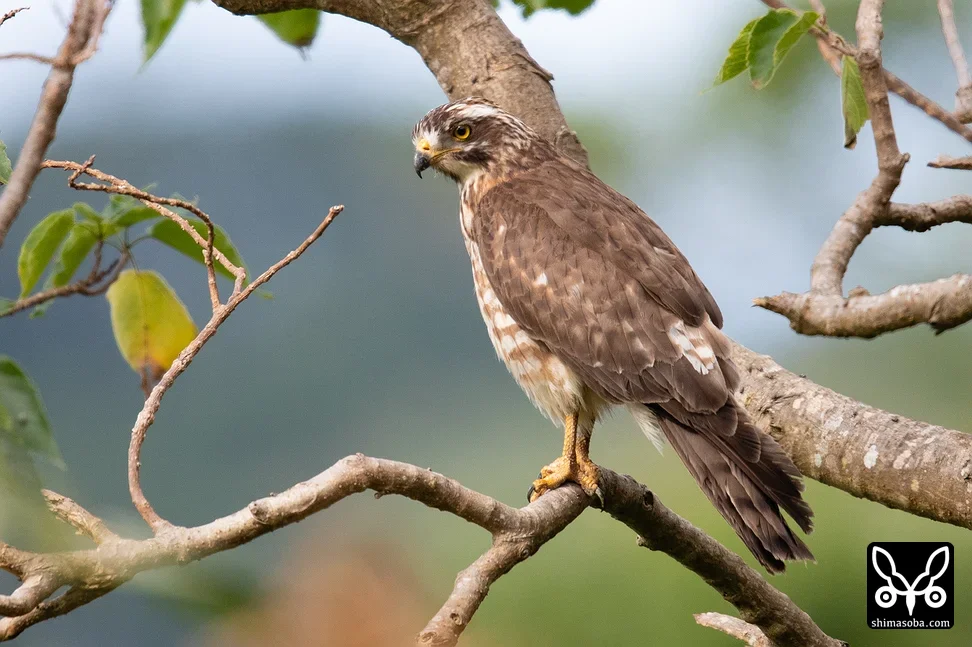
最後はオオタカが上空にやってきて全て飛ばしてしまいました…。^^;
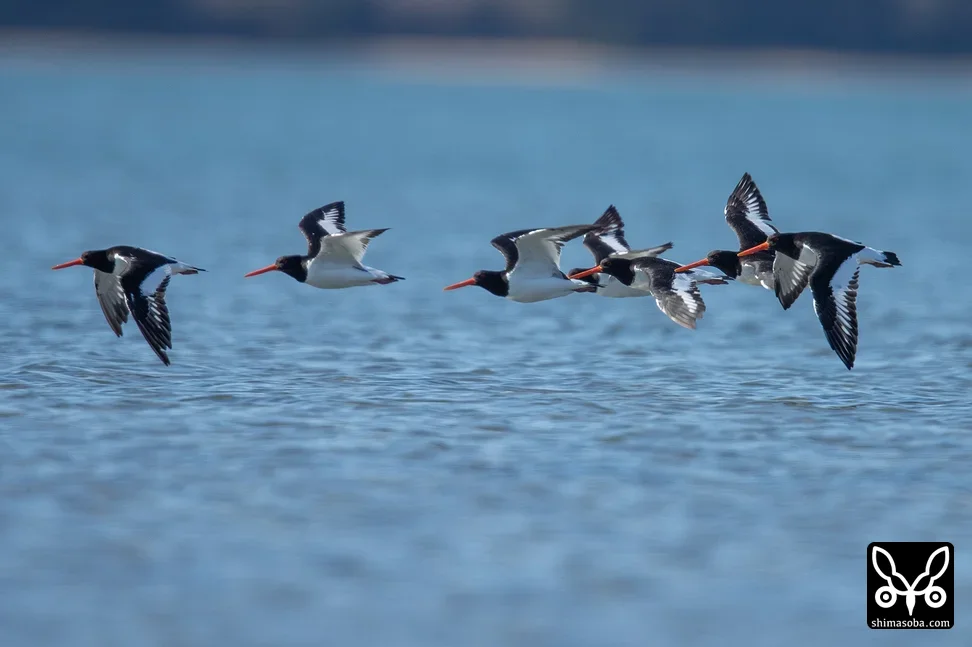
Eurasian Oystercatcher in flight.
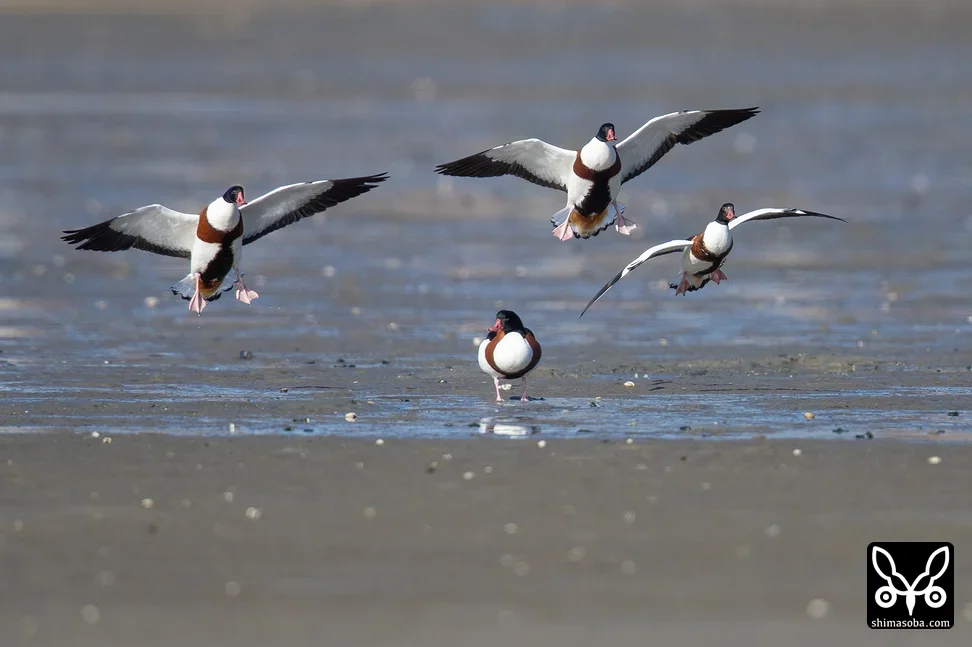
Common Shelduck in flight.
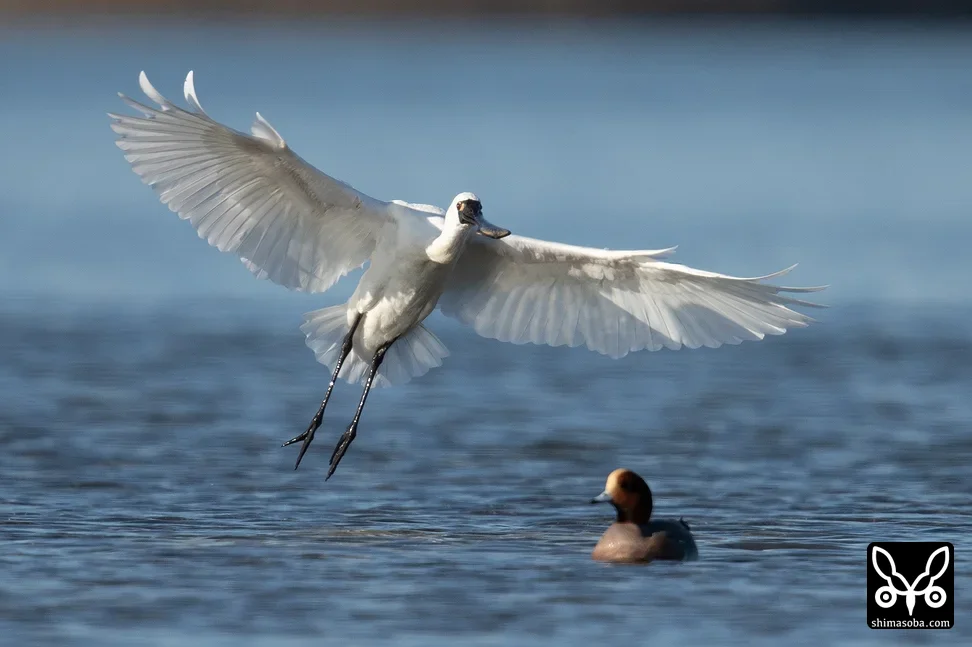
Black-faced Spoonbill in flight. Black-faced Spoonbills are present year-round in Okinawa, so I've grown tired of seeing them — but perhaps the Okinawa birds also pass through Wajiro tidal flat.
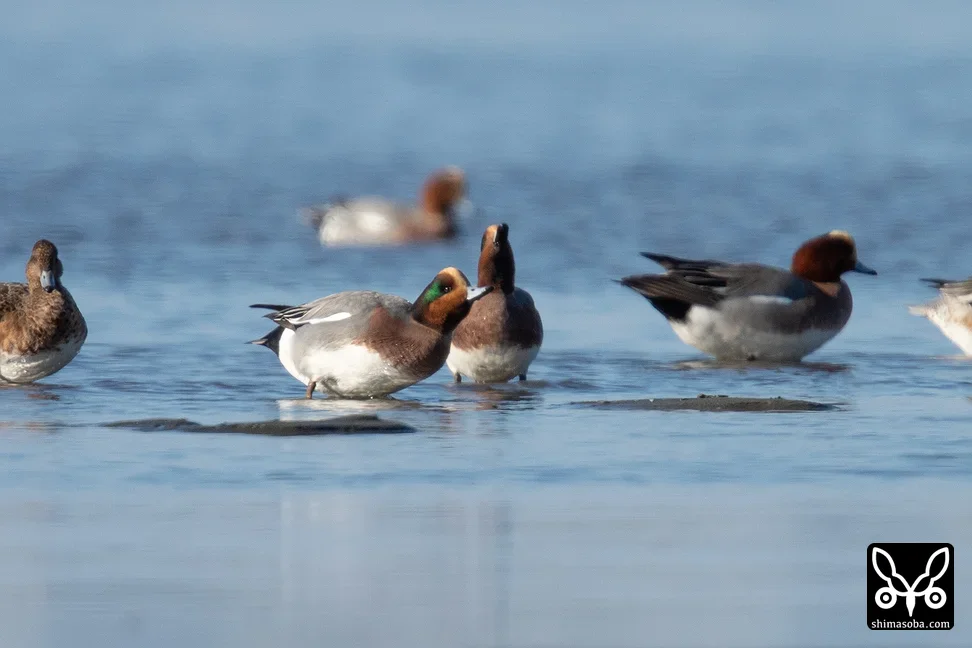
American Wigeon × Eurasian Wigeon hybrid. The two birds drinking water are the hybrids.
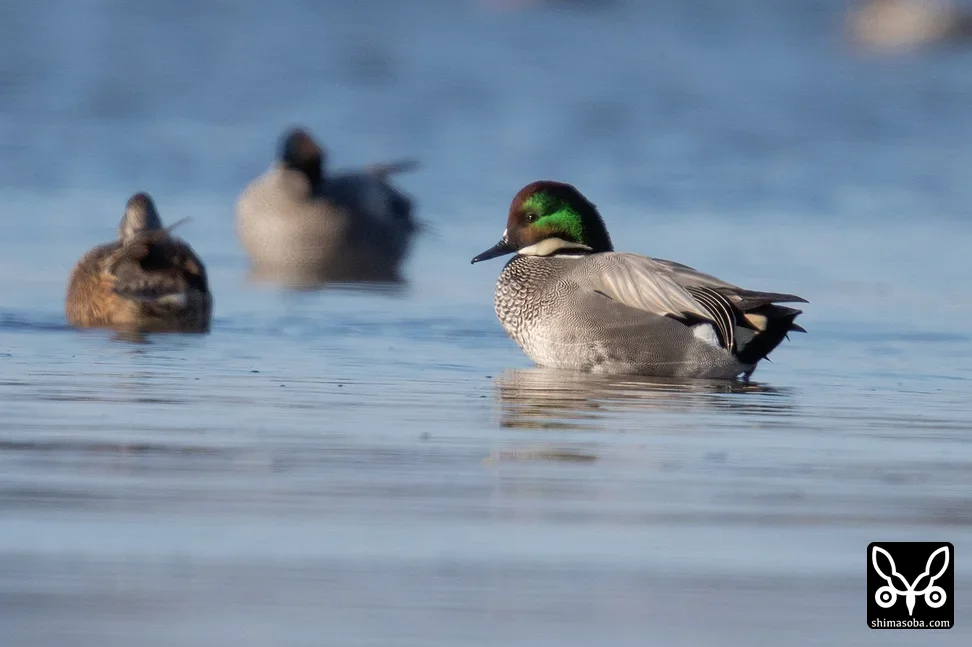
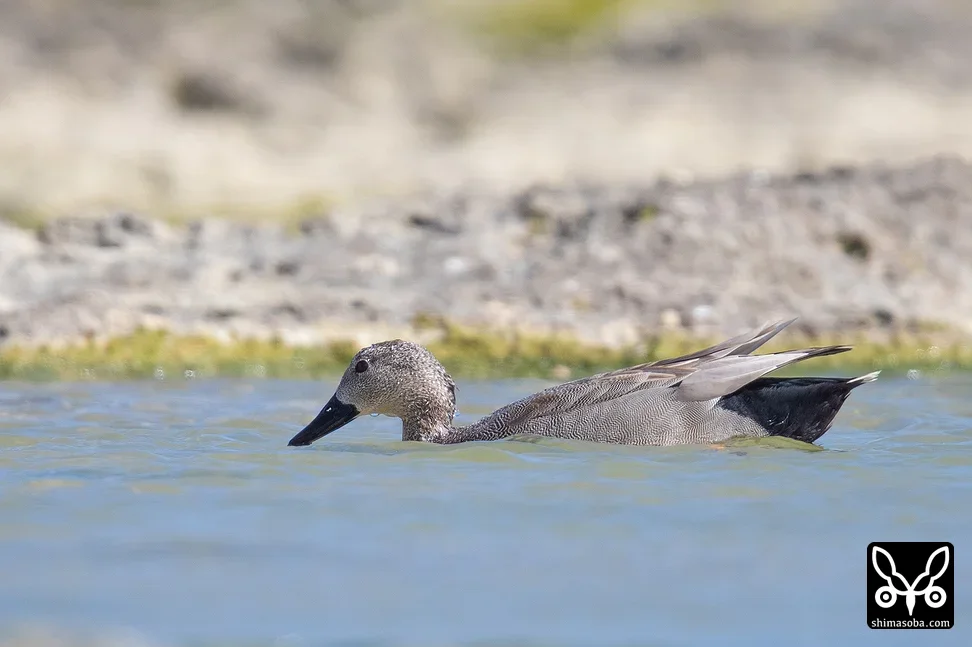
Falcated Duck, male.
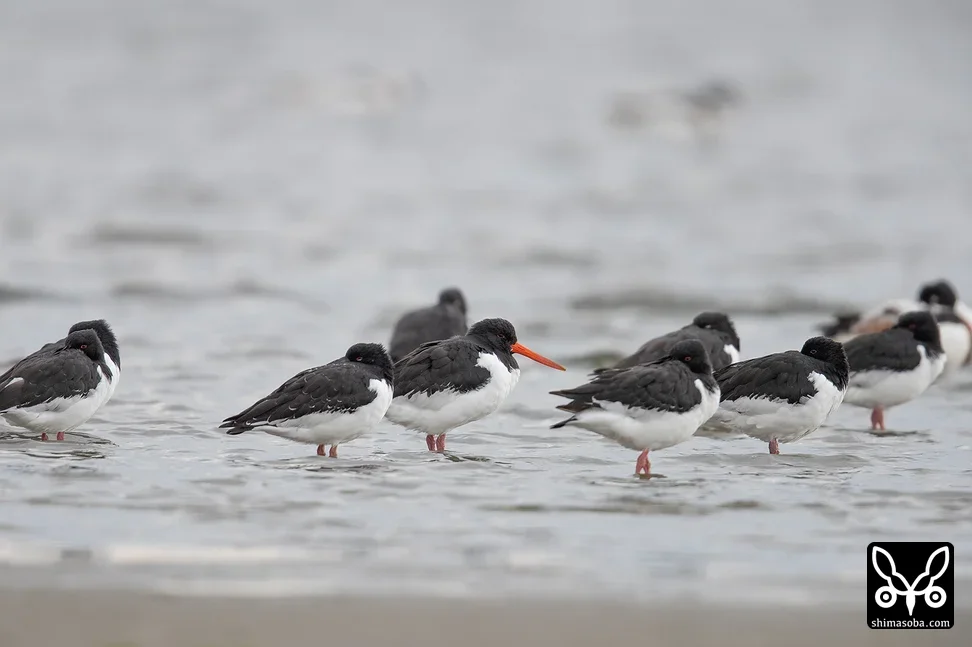
Early in the morning, most of the Eurasian Oystercatchers were asleep.
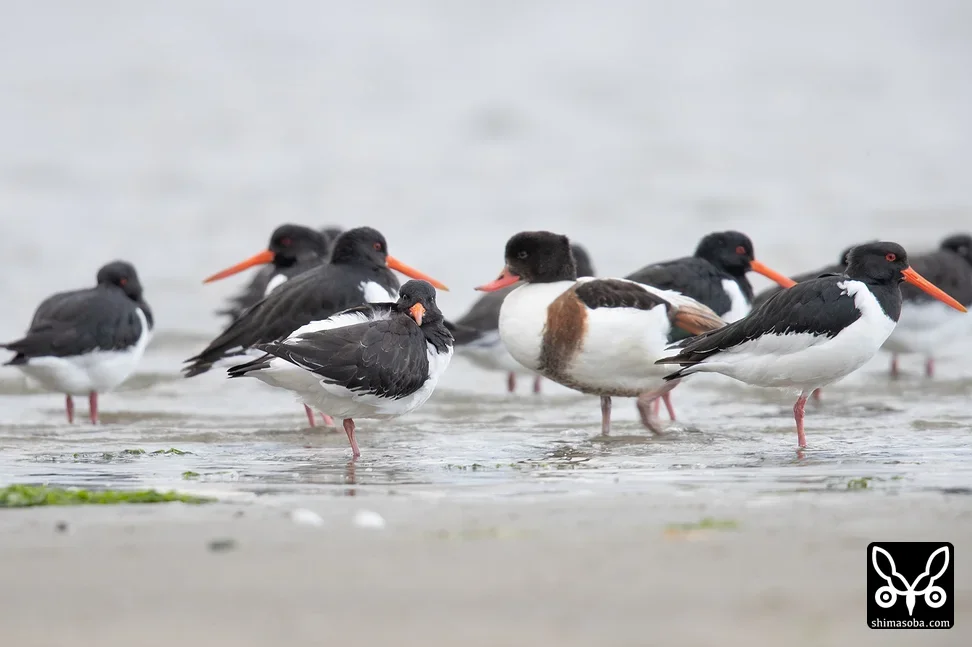
From around 9 a.m. they started to wake up. There's one odd one mixed in. Well, the colouring is close enough… ^^
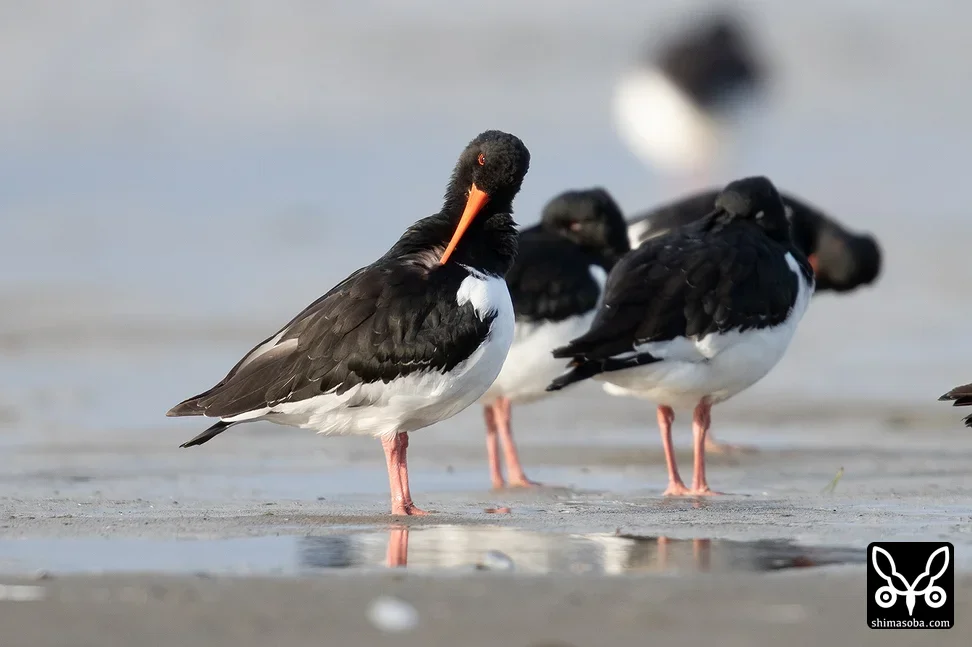
When the sun came out, they began preening.
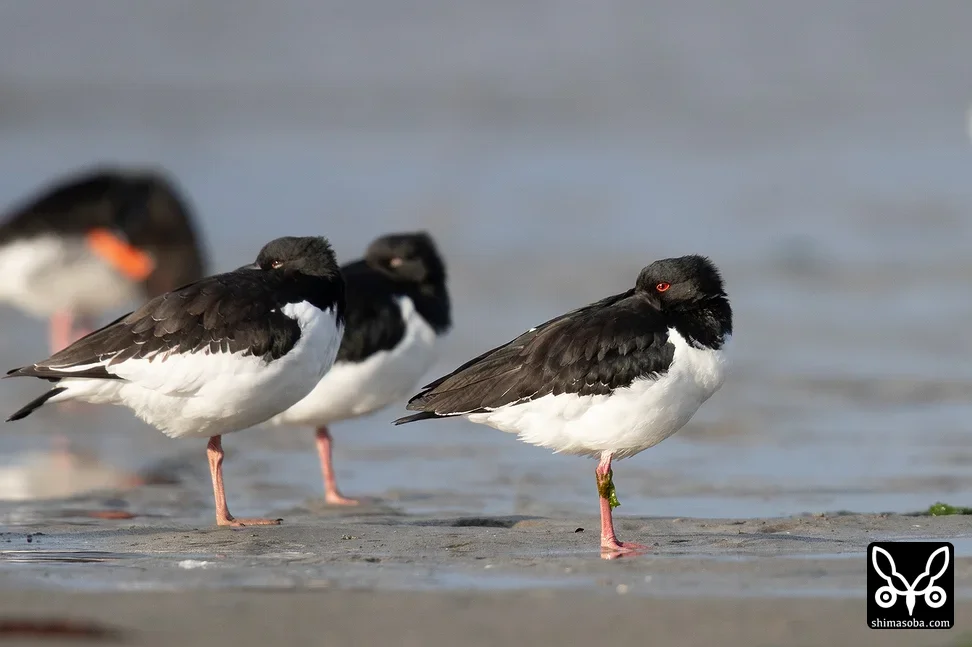
One individual that still wouldn't take its bill out from between its feathers — perhaps still cold.
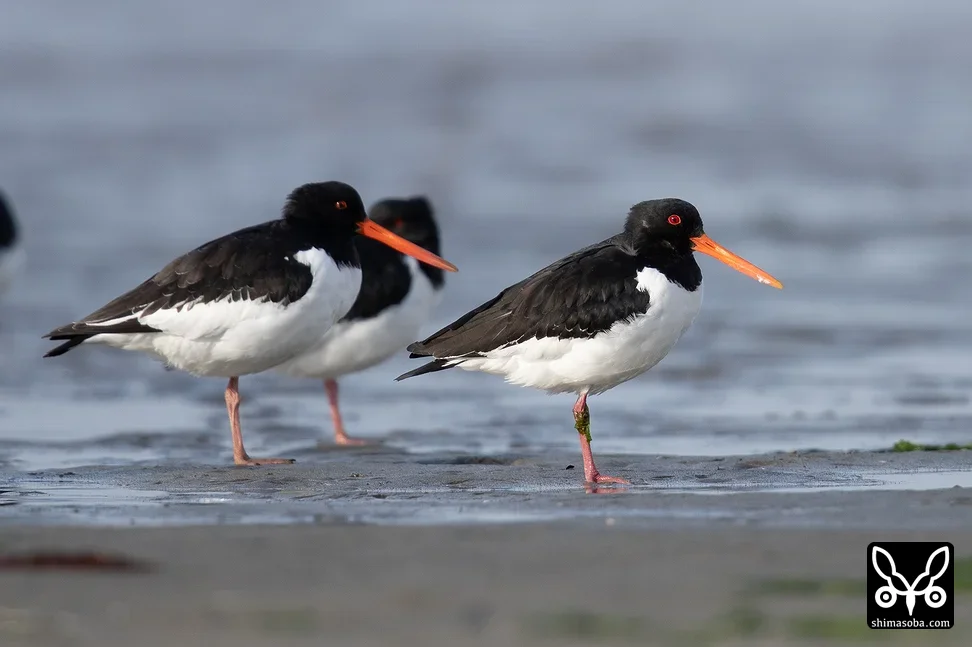
Awake now. The beauty of the Eurasian Oystercatcher really only shows when the sun hits them.
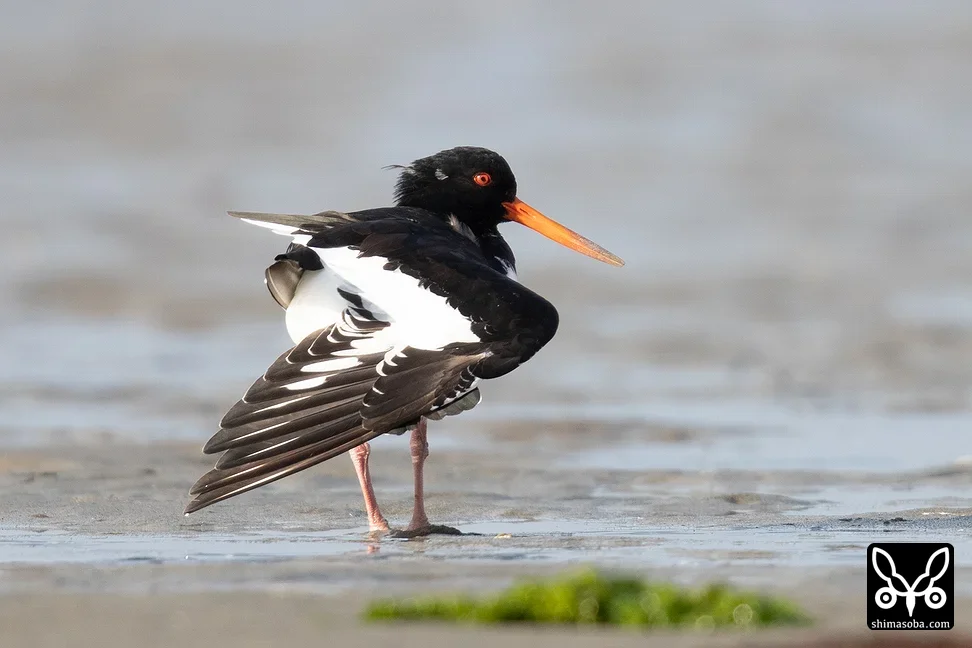
A stretch before taking flight. It showed off the wing pattern.
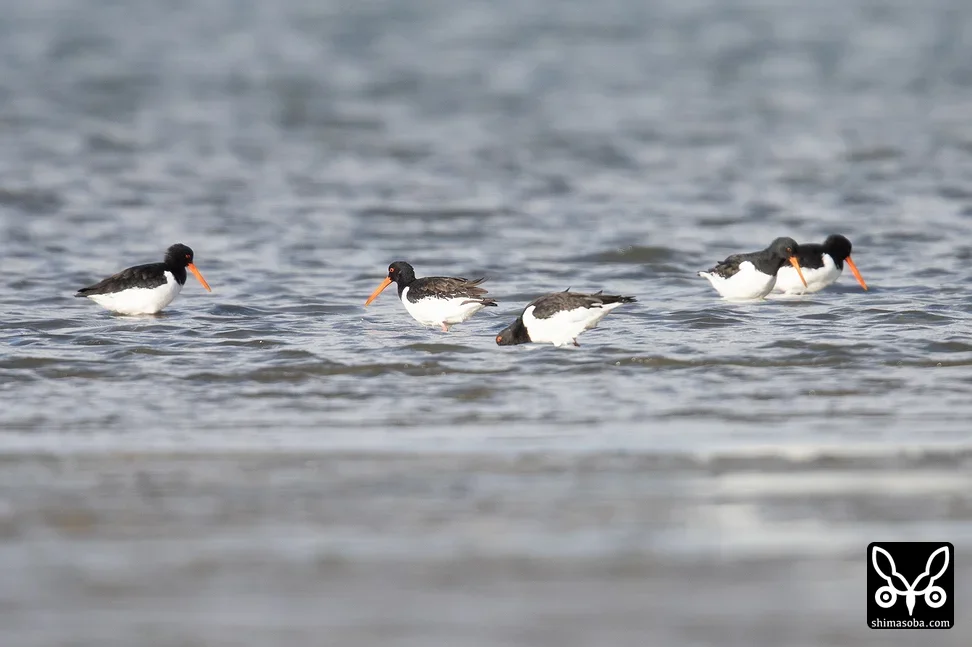
The flock searched for food on the tidal flat.
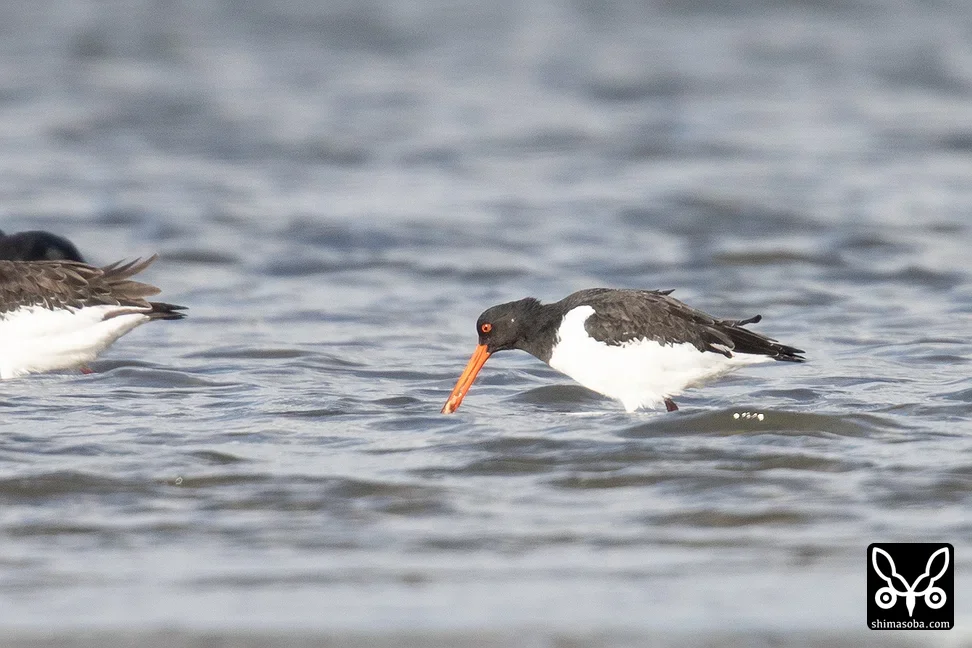
A Eurasian Oystercatcher skilfully pecking at what appears to be a bivalve and extracting the contents.
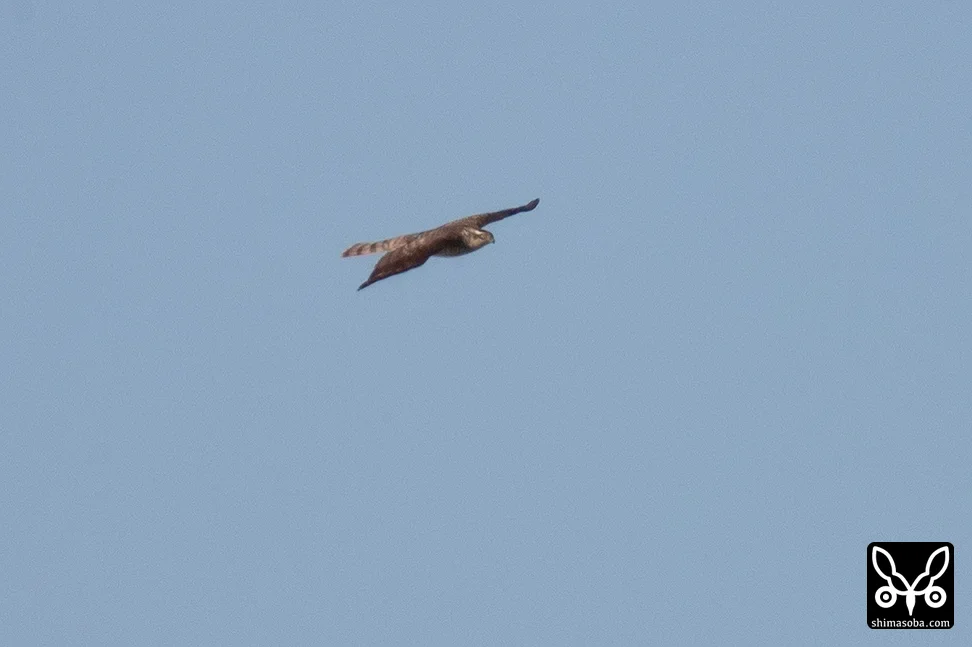
The culprit who flushed the tidal flat birds.