A daily record.
Featuring photos of wild birds and nature, mainly from Okinawa Main Island and Ishigaki Island

All Three Snipe Species Together

Sept. 19, 2026

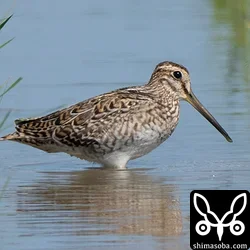
All three snipe species on Ishigaki Island — Pin-tailed Snipe, Swinhoe's Snipe, and Common Snipe — are finally present at the same time. From here, Pin-tailed and Swinhoe's Snipe numbers will decline, while Common Snipe will increase.

A textbook individual — identifiable as Pin-tailed Snipe at a glance.

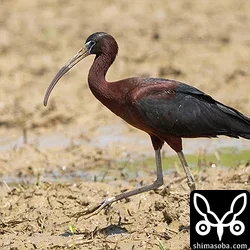
Glossy Ibis: Day 5

July 17, 2026

The Glossy Ibis that arrived on Ishigaki Island with Typhoon No. 9 is now in its fifth day of stay. It has become less wary and easier to observe.

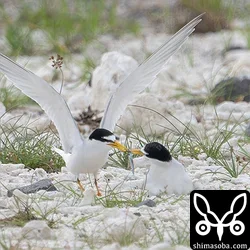
Wood Sandpipers and Little Ringed Plovers on autumn migration have increased rapidly in the rice paddies. Little Terns that apparently bred on the island came to bathe, bringing their recently fledged chicks.

The Ruddy Kingfisher along the forest road has finished raising its young and is taking it easy.

By the fifth day of its stay, wariness had faded. It stopped flushing even when tractors and kei trucks passed by.

Construction starts — Little Terns and Kentish Plovers suffer

June 8, 2024

Construction has finally begun. No matter that the endangered Little Terns are incubating eggs — no consideration is given at all. Bird-deterrent tape and kites were put up only now, belatedly. There is not a shred of compassion on display. The approach does not align with the Ministry of the Environment's "Guidelines for the Conservation and Consideration of Little Tern Breeding Sites" either.

The male bringing food to the incubating female (right). It struggled to deliver the food while spooked by a raptor-shaped kite set up as a bird deterrent.

Little Tern and Kentish Plover nesting

June 7, 2024

Little Terns and Kentish Plovers are breeding at a construction site where work is about to begin. Several pairs of Little Terns are incubating. Kentish Plovers range from chicks that can just barely fly to pairs still incubating.

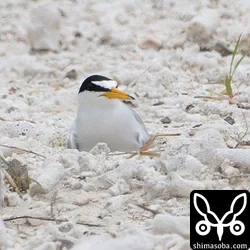
A Little Tern on the nest.

Lesser Cuckoo, Northern Boobook, Little Tern, and others

May 29, 2024

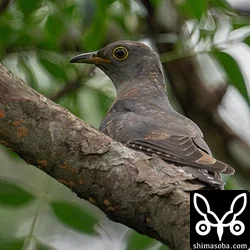
I had a close-range view of Lesser Cuckoo — an adult and a young bird, foraging in a pine grove. Around six Asian Koels were in the area too, making it a spot with a notably high concentration of cuckoos.

Despite the heavy rain, the Northern Boobook's incubation seems to be going smoothly; the male was keeping a steady watch. Year by year it has become less wary, and it shows no concern when walkers pass right in front of it.

Little Terns have arrived at the planned site of the cruise-terminal building — close to 30 birds, the same location as last year. Some individuals were already incubating. Last year the nest colony was completely wiped out by a PAC-3 deployment, so I wonder whether this season will go better. Kentish Plovers were running about — several chicks at various stages, from just-hatched to those that could manage a short flight.

White-breasted Waterhen are in full breeding mode; I often come across pairs with chicks. The breeding season is long, so for a while yet I expect to encounter families at all different stages of development.

In the paddies after the rice harvest, Purple Herons, Grey Herons, Intermediate Egrets, and Little Egrets are gathering to hunt.

A Common Cuckoo still in juvenile plumage. I was able to observe it at close range.
Oriental Pratincole and Kentish Plover breeding, Little Tern breeding, first juvenile Common Redshank of the season (video)

Aug. 2, 2023

Oriental Pratincole and Kentish Plover are breeding well, with many fledged chicks on view. The Oriental Pratincoles in particular have formed a flock of nearly 60 juveniles. At the reclaimed land site, chicks from several Kentish Plover pairs have fledged and are running around energetically.

The Little Terns, which share the same site as the Kentish Plovers in a colony, had their nests flooded by heavy rain brought by the typhoon. Some eggs that had been submerged for several hours did hatch, but their prognosis looks poor.

In the rice paddies, juvenile Common Redshank arrived for the first time this season. Every year, Common Redshank is the first shorebird species to arrive as a juvenile.

Migrating waders and plovers are gradually increasing. Wood Sandpiper, Long-toed Stint and Grey-tailed Tattler have arrived in the paddies. On the coast, Greater Sand Plover, Siberian Sand Plover and Grey-tailed Tattler numbers are building.

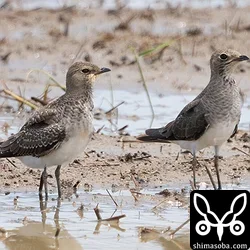
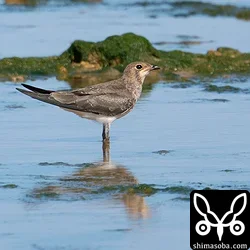
Oriental Pratincole in juvenile plumage (left) and first-winter plumage.

Little Tern suffers again

July 12, 2023

I had hoped that with no typhoons this year, Little Tern breeding would go smoothly — but things rarely work out that way. In early June, PAC3 deployment caused Little Terns and Kentish Plovers to abandon their nests. This time, pre-season beach maintenance prompted another nest abandonment….

The Little Tern is listed as Vulnerable on the Ministry of the Environment's Red List, and is designated an internationally rare wild species under the Japan–Australia Migratory Bird Agreement's Act on Conservation of Endangered Species of Wild Fauna and Flora — and yet this is how they are treated.

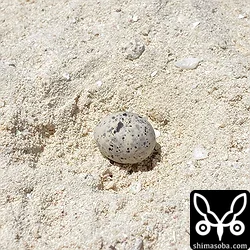
A Little Tern nest abandoned after a single egg was laid.

White-winged Tern, Whiskered Tern, Little Tern, Gull-billed Tern, Black-headed Gull

June 5, 2023

A look at the terns around Ishigaki Island over the past few days. After Typhoon No. 2 passed, a flock of Whiskered Terns and White-winged Terns arrived. Among roughly twenty Whiskered Terns, three White-winged Terns were mixed in.

Little Terns had been incubating at Painu Hamachō, but with the deployment of PAC3, more than thirty vehicles moved in and that was the end of it. As it's early in the breeding season, I hope they can find somewhere else to nest… We should always keep in mind that human activity affects other living things.

A Gull-billed Tern has been present for several days now. It is completely unafraid — it kept on fishing even with children splashing and making noise nearby.

An out-of-season Black-headed Gull arrived alone. Blown in by the typhoon, perhaps?

I couldn't get a photo, but I also had visual confirmation of several Black-naped Terns. I expect their numbers will build from here as they come to breed on Ishigaki. No Roseate Terns confirmed yet.

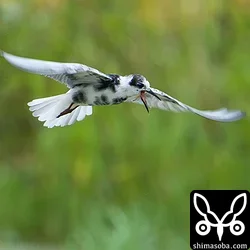
A White-winged Tern was flying over the rice paddies in strong winds left by the tail of a typhoon, catching dragonflies.

美しい夏羽のエリマキシギ、コアオアシシギ、ヒバリシギ(動画あり)

July 13, 2022

夏羽のエリマキシギ成鳥オスが飛来しました。まさか石垣島で夏羽が残ったオスを見られるとは思ってもいませんでした。最初見つけた時は、何かわからず戸惑いました…。

田んぼにはコアオアシシギ、タカブシギ、ヒバリシギ、セイタカシギ、コチドリなどが増え出して秋の渡りが始まったことを感じさせてくれます。

昨年の石垣島の秋の渡りは大当たりで、かなりの人が訪れてフィーバーしておりました。今季はどんな鳥が飛来するか今から楽しみです。^^

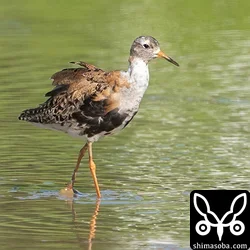
The first Ruff of the season — an adult male in breeding plumage!!

アジサシ5種(動画あり)

June 11, 2022

エリグロアジサシ、ベニアジサシ、コアジサシ、ハシブトアジサシ、クロハラアジサシ5種を一つの海岸で確認できました。島内の他のエリアに飛来しているオオアジサシも期待しましたが、この海岸には現れませんでした…。^^;

エリグロアジサシ、ベニアジサシはコロニーを形成して繁殖序盤です。すでに抱卵しているペアも確認できました。

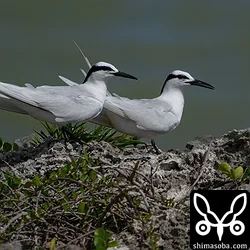
A White-capped Noddy incubating.

コアジサシ、オオメダイチドリほか

April 29, 2022

コアジサシが飛来しました。3羽確認。海岸ではメダイチドリ、オオメダイチドリ、ムナグロ、キアシシギ、トウネン、キョウジョシギなどが多く飛来しています。

First Little Tern of the season.

台風の置き土産でアジサシ5種の大群(動画あり)

Sept. 15, 2021

石垣島にほとんど被害を及ぼさなかった台風14号が明けると田んぼにはアジサシ、コアジサシ、ハシブトアジサシ、クロハラアジサシ、ハジロクロハラアジサシの5種合わせて80羽が休んでいました。

ほかの田んぼでもクロハラアジサシ50羽の群れが確認されたほか、おとなりの西表島でも50羽ほどが飛来したそうです。

今回は台風の悪天候で石垣島に寄りましたが、天気がよければ島に立ち寄らずに多くのアジサシ類が渡っていくのでしょう。

Bridled Tern, adult winter plumage.

アカアシシギ、オオメダイチドリ、クロハラアジサシなど

July 8, 2021

秋の渡り途中と思われるアカアシシギやメダイチドリ、タカブシギなどが少しずつ見られるようになりました。アオアシシギはそれよりも少し多い数で見られます。セイタカシギは6月から増えたり減ったりを繰り返しています。

Common Redshank, first-summer plumage.

オオメダイチドリ、ハシブトアジサシ、トウネンなど

June 30, 2021

オオメダイチドリ、トウネンが到着しました。これからパラパラと動き出しますね。

2羽いたハシブトアジサシは夏羽のほうがいなくなり、冬羽の個体が残っていました。

エリグロアジサシは抱卵中です。台風がくると全滅するので、1カ月ほどはこないことを祈ります。冬羽のコアジサシがいました。ずいぶん早い換羽です。

チュウシャクシギも数羽が滞在中。ほかにはキョウジョシギやキアシシギ、シロチドリなどがいました。

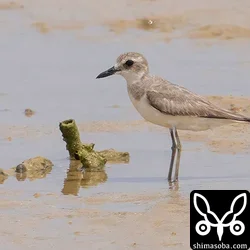
Four Greater Sand Plovers arrived. Transitioning from first-winter to first-summer plumage.

オグロシギ、コアジサシ到着 タマシギは繁殖期(動画あり)

April 25, 2021

今季初のオグロシギとコアジサシを確認。

タマシギは先日の同じエリアの巣作りカップルとは別のペア。タマシギは一妻多夫ですが、ここはメスのなわばりが隣接しているのでしょうか。

コアオアシシギとタカブシギはここ数日で結構な数を確認しました。タシギとチュウジシギはそこそこいるのですが、今季はハリオシギがまだ確認できていません。まもなく5月になってしまうので今季は厳しそうです。

海岸にはたくさんのメダイチドリとその群れの中にオオメダイチドリやトウネンなどが混じっています。ホウロクシギもやってきましたが、警戒心が強いので浜で遊ぶ子どもたちを警戒してすぐに飛び立って行きました。

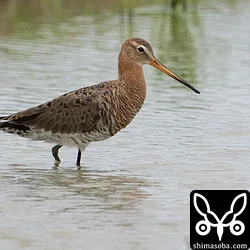
First Black-tailed Godwit of the season. An adult male, starting to come into breeding plumage.

アジサシ4種、巣立ちラッシュ(動画あり)

Aug. 14, 2020

石垣島など八重山で繁殖するアジサシ4種類(エリグロアジサシ、ベニアジサシ、オオアジサシ、コアジサシ)の巣立ちビナを確認することができました。

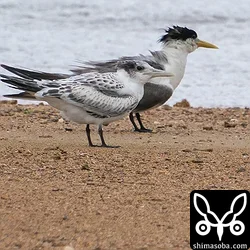
An adult Great Crested Tern with its juvenile (foreground) in tow.

この時期、石垣島で見られるアジサシたち

Aug. 14, 2020

石垣島では、7月の終わりごろになるとクロハラアジサシの秋の渡りが始まることによって、夏の間、八重山で繁殖しているオオアジサシ、ベニアジサシ、エリグロアジサシ、コアジサシと合わせて5種類のアジサシたちが観察できます。

もう少し経つとハシブトアジサシもやってきます。石垣島のオニアジサシはもう少し遅れて11月初旬にやってきます。

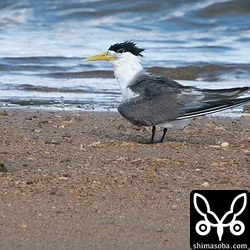
While watching Black-naped Terns, a large tern came in and landed. It was a Caspian Tern.

エリグロアジサシ、コアジサシ子育て順調

July 30, 2020

台風が全く発生しない7月でエリグロアジサシやベニアジサシ、コアジサシの子育てが順調に推移しています。

エリグロアジサシは孵化後2週間ほどのヒナが数羽。抱卵している個体やこれから産卵に入ろうかというペアもいます。コアジサシはすでにヒナが巣立っており、子連れで河口を飛び回っていました。

A pair of Black-naped Terns. They looked as though they were about to lay.

海岸のシギ、チドリ、アジサシなど

July 14, 2020

石垣島は、今年最高となる34度を記録しました。波照間島は34.5度。暑くて死にそうです…。^^;

そんな中、海岸でシギやチドリ、アジサシを見てきたのですが、熱中症になりそうなので早々に引き上げてきました。

メタルリング付きのベニアジサシがいたので番号を読みたいところですが、空気が揺らぐし暑さで集中力がもたないので難しいですね。フラッグとメタルリング付きのキアシシギもいたそうです。

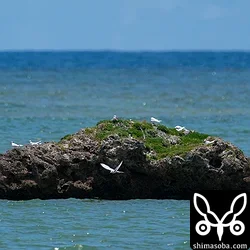
The Black-naped Tern colony. No typhoons so far this year, so things are going smoothly.

秋の渡り始まる シギ・チドリ11種とアジサシ3種

July 7, 2020

近所の海岸と田んぼで秋の渡りチェック。7月ともなれば、渡り鳥の世界ではすでに秋の移動が始まっています。楽しい季節がやってきましたね!!

海岸では、ツバメチドリやメダイチドリ、シロチドリ、トウネン、イソシギ、ソリハシシギが田んぼでは、タカブシギやヒバリシギ、アオアシシギ、アカアシシギ、コチドリが長旅で疲れた体を休めていました。

また、海岸や岩礁ではベニアジサシやエリグロアジサシ、コアジサシが繁殖しており大変賑やかです。

An Oriental Pratincole moulting from juvenile to first-winter plumage. It had come to bathe at a river mouth. Oriental Pratincoles breed on Ishigaki-jima as well, and this individual was probably born here.