Shorebirds along the Coast
April 10, 2025
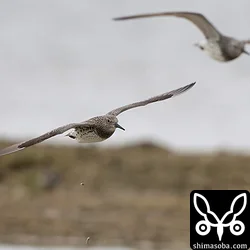
Stopped to check the coast on my way past and scanned for sandpipers and plovers. The tide was wrong and everything was far off. ^^;
Great Knots arrived in a small flock.
Stopped to check the coast on my way past and scanned for sandpipers and plovers. The tide was wrong and everything was far off. ^^;
Great Knots arrived in a small flock.
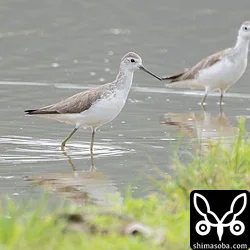
Shorebirds are wintering along the coast and in the rice paddies. The most numerous are Greater Sand Plovers, Siberian Sand Plovers, and Ruddy Turnstones on the coast. Unusually for Ishigaki Island, a flock of Grey Plovers is also wintering.
Shorebird numbers in the paddies this season are low; species present include Common Greenshank, Marsh Sandpiper, Common Snipe, Wood Sandpiper, and Green Sandpiper.
Little Stint, winter plumage.
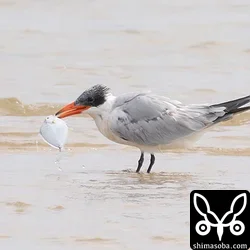
A Caspian Tern was wrestling with a large fish on the coast. The fish was deep-bodied and the tern seemed to have real trouble swallowing it. The thread-like dorsal fin visible in the footage suggests it was a Silvery Moony.
Greater Crested Terns swallow small fish on the wing, but this Monocle Bream was too large, so the bird carried it to the water's edge. Looking closely, I could see it tearing off the obstructive dorsal and pectoral fins with its bill.
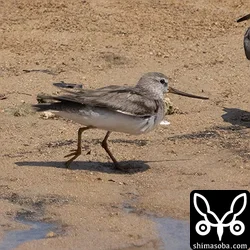
I recorded my first Terek Sandpiper and Sanderling of the season.
There were 3 Terek Sandpipers and 4 Sanderlings, along with Greater Sand Plovers, Siberian Sand Plovers, Grey-tailed Tattlers, Ruddy Turnstones, Red-necked Stints, Pacific Golden Plovers, and Kentish Plovers. Coastal birds are going to keep building from here on.
Juvenile Terek Sandpiper.
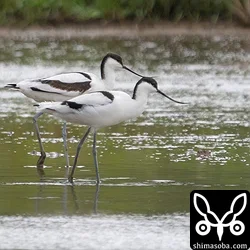
Two Pied Avocets have arrived. They may be individuals already wandering around the island — four more Pied Avocets have also been confirmed elsewhere.
The Common Crane is also in wintering mode. At first it was extremely wary, but now not at all. ^^
A Eurasian Spoonbill is also staying on — a friendly individual. Wintering waders are showing up as well.
Pied Avocets foraging together. The bird in the background is in first-winter plumage; the one in the foreground is an adult in winter plumage.
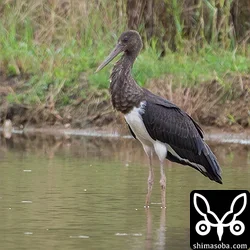
A Black Stork has arrived on Ishigaki. One came in last year too, and they turn up occasionally before that, but they are always quite wary and surprisingly difficult to photograph. This individual, however, could be observed fairly close-up and at leisure — for a Black Stork, anyway.
The Tufted Duck is my first of the season. A juvenile had already been confirmed last month, but this was my first sighting. On the coast there were Grey Plovers, Siberian Sand Plovers, Kentish Plovers, Red-necked Stints, and Sanderlings. Two Caspian Terns were flying distantly. I expect Caspian Tern numbers will increase a little more toward year's end.
Black Stork, juvenile. My wife saw one last year but I missed it. This individual was not especially wary for a Black Stork, and we were able to photograph and observe it at close range.
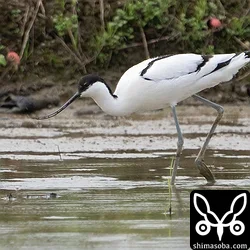
2羽目のソリハシセイタカシギと今季初のサルハマシギが入りました。ミユビシギ、オジロトウネンもぼちぼちやってきています。タシギは越冬組と渡り組が合わさり多くの個体を見ることができます。
The second Pied Avocet of the season.
いろいろ忙しくて鳥を見に行けない日が続き、約3週間ぶりのバードウオッチングへ。といっても短時間のうちに海岸を2カ所ほど回っただけでした。
海岸はシギやチドリでずいぶんにぎやかになっていました。春の渡りが始まったようです。
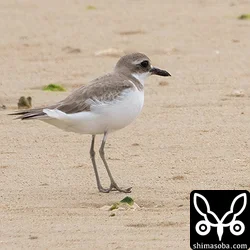
Greater Sand Plover, winter plumage.
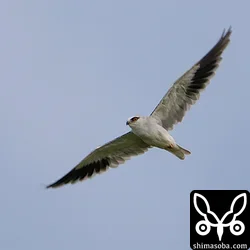
今や田んぼか畑で夕方になればふつうに見られるカタグロトビですが、最近はさらに出会いが多くなっています。この日は、職場から自宅に帰る20分の間に3羽確認しました。わが家のベランダからも夕方や朝方、獲物を探しながら移動するカタグロトビが見られます。
ベニバトは島内複数箇所で10羽が先週から滞在中。成鳥、幼鳥が混じった群れで、イネ科の草の種子についています。
ハリオシギもまだまだ見られます。今年こそ、越冬個体の長期観察を実現したいですね。
今季初のミユビシギとコガモも確認しました。石垣島では生息環境を選ぶミユビシギの飛来は少ないです。
夏羽を少し残したダイゼンも確認。こちらも当地では少なく、夏羽を残した個体はさらに少ないので得した気分です。^^
田んぼや海岸には越冬組のほか通過組が日替わりで入ってにぎやかです。
Black-winged Kite, a species reliably seen at most of the main paddies on Ishigaki Island. Evening is the recommended time to look for them.
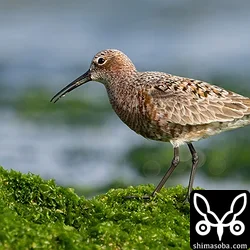
4日前、1羽だったサルハマシギ は2羽になりました。換羽状況から先日のサルハマシギとは別の個体が飛来したようです。ミユビシギも2羽に増えました。
キアシシギも数を増やしています。メダイチドリ、シロチドリ、ムナグロ、トウネン、ウズラシギ、シロチドリ、イソシギ、アオアシシギ、キョウジョシギなども滞在中です。
Adult Curlew Sandpiper moulting from winter to summer plumage.
多忙につき、4月16日までの3日分のバードウオッチングの成果の一部をまとめてご紹介します。今季初となるチュウジシギをやっと確認。後日、追記します。
情報もらっても見に行っていない鳥もいますので、そのあたりは割愛します…。^^; 以下の写真の通り、田んぼや海岸には日替わりで渡り鳥たちがやってきています。この時季の石垣島は、とっても楽しいですよ。
後日追記
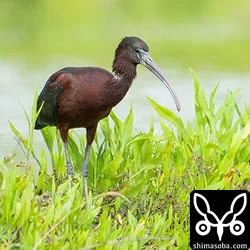
ブロンズトキは毎日のようにハヤブサに追われて落ち着きません。群れの数も19羽から16羽に減りました。食われたか逸れたかしたのでしょう。滞在場所も以前とは違う場所になりました。
海岸にはシギやチドリが日替わりで出たり入ったりを繰り返しています。メダイチドリやキョウジョシギ、トウネンあたりがレギュラーメンバーでその合間にサルハマシギやミユビシギ、オバシギなどが渡ってきます。キリアイも珍しく近くで見ることができました。夏羽のハシブトアジサシも河口で飛び回っています。
The flock of Glossy Ibises has been relentlessly chased by a Peregrine Falcon for the past several days. This individual was struck on the neck but managed to survive.
天気の悪い日が続く石垣島です。鳥たちも島内では移動があるのですが、新たに何か入ってきそうな気配はないですねー。^^;
近所の河口と田んぼを少し回ってきましたが、ほとんどいつものメンバーでした。
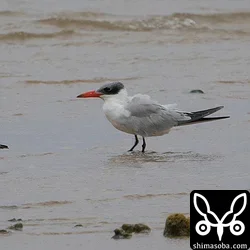
オニアジサシは越冬モードなのですが、河口と田んぼを行ったり来たりしているようです。河口にはダイゼンが増えてきました。ムナグロも少々。ミユビシギは2羽が越冬モードです。メダイチドリとオオメダイチドリは日によっていたりいなかったり。ユリカモメは3羽ほどが島内をぐるぐるしています。
Adult Caspian Tern in wintering mode.
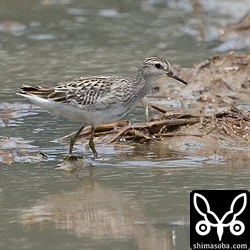
田んぼと海岸を回ってシギ14種とチドリ6種を確認しました。今季初のチュウシャクシギは残念なことに写真に収められませんでした。ムナグロとコチドリはたくさんいましたが撮り忘れ…。^^;
今季初のクサシギは3カ所で合わせて4羽確認。幼鳥も増えてきて、今季初のヒバリシギ、セイタカシギ、メダイチドリそれぞれの幼鳥のほかにアカアシシギ、タカブシギで幼鳥を確認しました。
田んぼでは、今季初確認のチュウサギが1羽いました。
A juvenile Long-toed Stint.
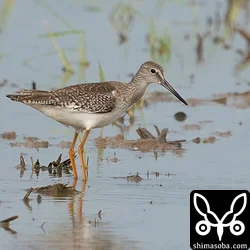
海岸と田んぼを見回り、12種類のシギとチドリを観察。今季初となる幼鳥も確認できました。
田んぼでは、アカアシシギとタカブシギの幼鳥を発見。両種とも今季初の幼鳥です。ほかにはセイタカシギやヒバリシギ、イソシギがいました。海岸には、今季初のムナグロやトウネン、アオアシシギ、ミユビシギ、シロチドリ、メダイチドリ、オオメダイチドリ。
The first Common Redshank juvenile of the season.
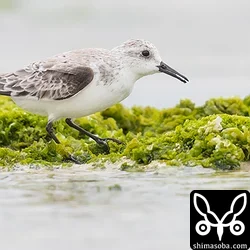
渡り途中だと思われるミユビシギがいました。
沖縄本島では、うるま市など越冬するミユビシギの群れもいるのですが、いつも遠くてよく観察できませんでした。糸満市で見つけたこのミユビシギは、目の前15メートルほどに降り立ってきました。ミユビシギのいるような環境ではないので春の渡りの途中、羽を休めに少し寄っただけでしょう。
True to the origin of its name, I was able to confirm that the Sanderling has only three toes. ^^
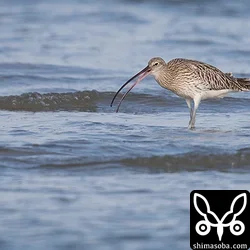
午後から時間が空き、潮もちょうど良かったので砂浜の干潟にバードウオッチングに行ってきました。
ダイシャクシギやミユビシギ、ハマシギ、ダイゼンなど。ミユビシギは、越冬するようで10月から20羽ぐらいが常時います。ダイシャクシギは、1羽だったり2羽だったり。以前見たホウロクシギは抜けてしまったようです。
There was one Eurasian Curlew. It appeared to be catching crabs by probing its long bill into their burrows.
今日は、秋分の日。朝夕は涼しくなってきました。
仕事帰り、小さな田んぼを一度は通り過ぎたのですが、気になったのでUターンして戻ってみるとオグロシギが1羽とエリマキシギが1羽いました。ほかには、コアオアシシギやセイタカシギ、ヒバリシギ、トウネン、アカアシシギなどなど。初めて寄った田んぼですが、これからは巡回コースに入れようと思います。^^
海岸にはミユビシギが数羽いました。沖縄本島でミユビシギを見たのは初めてでしたが遠かったー。^^;
堆肥の撒かれた畑にもエリマキシギがいました。ことしは、エリマキシギをよく見かけます。多いのですかね。キョウジョシギやキアシシギ、ムナグロ、イソシギなども堆肥に湧いた虫を食っていました。
ツメナガセキレイも十数羽まとまっていました。石垣島ではいたるところにいますが、沖縄本島でこれだけ集まっているのは初めて見ました。
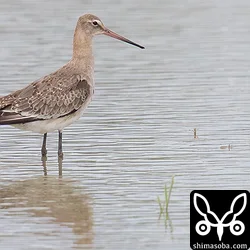
Black-tailed Godwit, juvenile to first-winter.