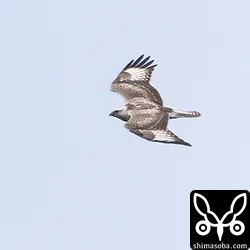
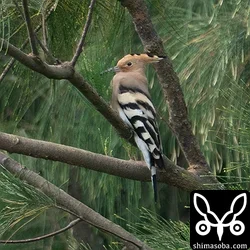
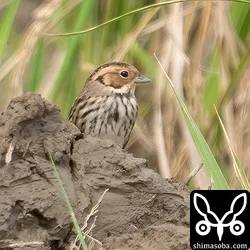
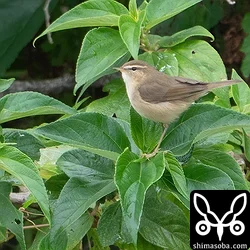
About five days on Yonaguni for work. Managed a little birdwatching in the spare time. Around Yonaguni Airport: two Upland Buzzards, an Eastern Buzzard, a Hen Harrier, a Peregrine Falcon and a Common Kestrel, apparently hunting small birds in the grass along the runway.
Pale Thrushes were present in large numbers across the island — flocks of thirty or more in the best spots. A few Brown-headed Thrushes were also seen. Pale Thrushes and Brown-headed Thrushes were concentrated mainly in the northern part of the island from Sonai to Kubura, while Dusky Thrushes were conspicuous in the south from Minamimakiba to Hikawa.
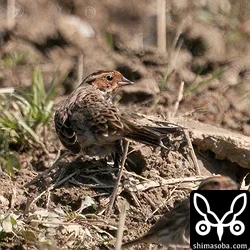
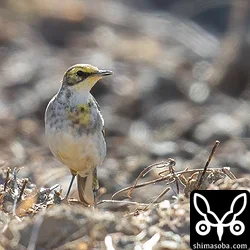
Little Buntings, Eastern Yellow Wagtails, Red-throated Pipits and Daurian Redstarts were all holding on through the strong winds. At Kubura fishing port, two Black-tailed Gulls and four Black-headed Gulls were staying over.
A juvenile Upland Buzzard appeared in the distance.
Common Hoopoes are being reported from all over the island. It looks like a decent start to the season.
The Rosy Starling that has been wintering since last year is gradually moulting. I'm hoping it will stay as long as possible, but I have a feeling it may move on soon…
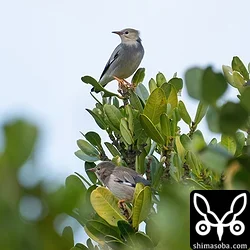
Lately, a fairly large flock of Red-billed Starlings has been coming to the car park at my workplace. They appear to be feeding on the fruits of the planted ironwood trees.
A completely fearless White's Thrush turned up — spotted and pointed out to me by a friend visiting from Akita Prefecture. I had several encounters with White's Thrush from late last year into early January, but after that they vanished. This individual seems to have stopped in on spring passage.
Japanese Bush Warblers have increased sharply, just as the Manchurian Bush Warblers have completely disappeared. I'm hearing subsong frequently these days. Little Buntings and Red-throated Pipits — whether they're on passage or moving around within the island I can't say — are fluctuating, with numbers going up and down.
Eurasian Hoopoes at the reliable spot. There appeared to be around four of them.
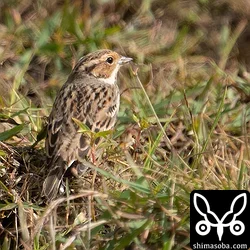
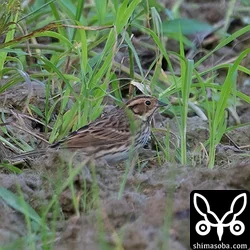
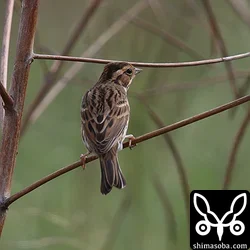
Little Buntings are wintering here, but they bury themselves in the grass and are hard to photograph. Their call notes can be heard everywhere.
Red-throated Pipits also tend to stay hidden, but this flock came out into open ground and was easy to observe. The birds were in various stages of moult, which made for a good mix.
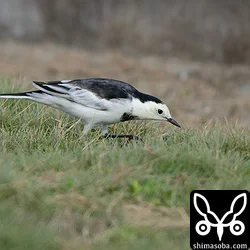
Wagtails included White Wagtail, Taiwanese White Wagtail, Eastern Yellow Wagtail and Grey Wagtail all together.
A fair number of Little Buntings are wintering in the rice paddies on the island, but they're difficult to photograph.
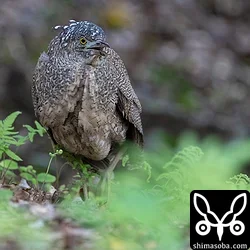
林道でズグロミゾゴイの幼鳥に遭遇。座って見ているとこちらへ寄ってきて2メートルほど横を通り過ぎました。ズグロミゾゴイは警戒心の弱い個体が多いです。
越冬中のクイナに最近、よく会います。この日は、バンやタシギの群れていました。
田んぼにはムネアカタヒバリ、コホオアカ、ハクセキレイなどが多くいます。シベリアジュリン、ノゴマ、ミヤマホオジロ、キマユホオジロも滞在中ですが藪の中にいて姿を見るには、なかなか根気が入ります。
ツグミが再び増えてきました。シロハラ、アカハラ、トラツグミもいますが、こちらも根気がないと写真には収められませんね。^^;
A juvenile Black-crowned Night Heron. It shows so little wariness that I worry about feral cat predation.
石垣島ではさまざまな野鳥が越冬します。その中で観察しにくいのが小鳥たち。鳴き声をよく耳にするところでは、コムシクイ、キマユムシクイ、ノゴマ、ウグイスですが、どれもやぶの中にいるので見るのも大変です。
ムクドリサイズだとギンムクドリ、カラムクドリ、ホシムクドリ、バライロムクドリ、ツグミ、シロハラ、アカハラあたりが越冬しています。ムクドリの仲間は電線などに止まり鳴き声も騒がしいので見つけやすいのですが、行動範囲が広いのでだめなときは全く出会えません…。^^;
White-shouldered Starling. The top bird is male; the two below are female.
与那国島出張で仕事の合間に少しだけ探鳥してきました。観察できたのは45種と少なめ…。
小鳥が大変多く、コホオアカとジョウビタキが特に多かったです。ついでマミジロタヒバリ、ムネアカタヒバリ、ハクセキレイ、シロハラ、シマアカモズ、ノビタキの順。ルリビタキとハチジョウツグミ、 シベリアアオジは1個体ずつ撮影できました。
撮影できなかったけど数が多かったのが、アカヒゲとノゴマ。ノゴマは2回ほど目の前に現れたのですが、狭い道路で一瞬の出来事で撮影できず。アカヒゲは地鳴きをあちこちで聞きました。クロツグミやミヤマホオジロ、ウグイスあたりは粘れば撮れそうです。
猛禽類はノスリやサシバ、チョウゲンボウ、ハヤブサ、ミサゴなどを確認。ノスリのみ撮影。カタグロトビは写真に収めたかったのですが、警戒心が強すぎてかないませんでした。カタグロトビは石垣島のように繁殖している可能性もありますね。
カモはキンクロハジロが数十羽とハシビロガモが十数羽。オシドリも2羽いました。そして、沖縄では珍しいスズガモを2羽撮影することができました!! トビ、ハシボソガラス、モズと同様にスズガモを撮影できたことは沖縄の人にしか分からない感動。^^;
There were plenty of Little Buntings, but twigs kept getting in the way for photos.