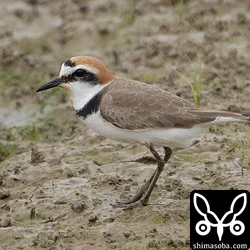
A Kentish Plover turned up that looks slightly different from the birds that breed on Ishigaki. I haven't paid much serious attention to Kentish Plovers before, but this individual stood out.
First Whiskered Terns of the season confirmed — two birds quartering over the rice paddies. A juvenile Eurasian Spoonbill is also still present; it's an individual with a noticeably pale bill. Wood Sandpiper and Black-winged Stilt numbers are up, though the peak for waders in the paddies hasn't really arrived yet this season. Little Ringed Plover and Long-toed Stint are also gradually increasing.
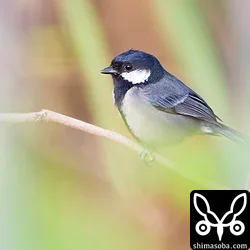
Isabeline Shrikes are thinning out as they head to breeding grounds. The pair of overwintering Peregrine Falcons is still here. The one-eyed Crested Serpent Eagle near my home is somehow hanging on. Ishigaki Tit appears to be busy with nesting.
Male Kentish Plover in breeding plumage. Beautiful. The breeding population in Okinawa is considerably paler.
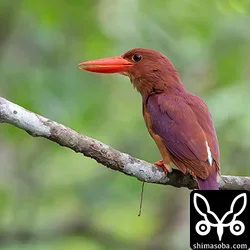
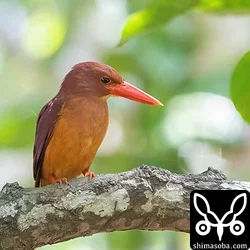
Ruddy Kingfishers are becoming more numerous. On Ishigaki they can be seen through October.
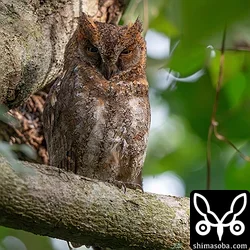
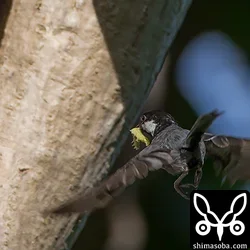
While searching for Ruddy Kingfishers I came across some noisy Ishigaki Tits. One was carrying food, so I watched from a distance and saw it disappear into a tree hollow — evidently nesting. I confirmed breeding at two locations.
The paddies are lively too, with Chinese Pond Herons in breeding plumage and Eastern Cattle Egrets adding to the bustle.
A male Ryukyu Kingfisher. I haven't examined it closely yet, but it appears to be the same individual as last year.
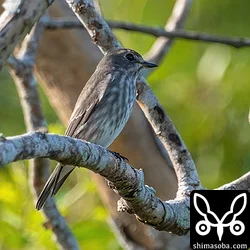
I searched for birds in an area where Black-naped Oriole has been appearing repeatedly over the past few days. I couldn't find the Black-naped Oriole itself, but Arctic Warbler, Eastern Crowned Warbler, Dark-sided Flycatcher, and Grey-streaked Flycatcher turned up in good numbers.
Grey-streaked Flycatchers moving through in numbers during the Chinese Sparrowhawk season.