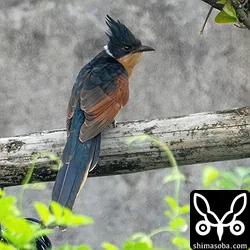
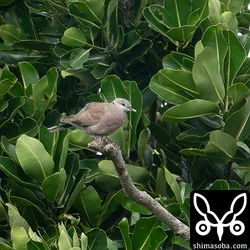
I had a work trip to Yonaguni Island after a long absence, so I went birding in my spare time. I came across a Chestnut-winged Cuckoo — found it at a private house in Sonai. It looked annoyed at being pestered by a Brown-eared Bulbul. I also spotted what appeared to be a Pale Buzzard.
Across the island, Emberizas were coming in in good numbers — Rustic Bunting, Yellow Bunting, Little Bunting and others. Narcissus Flycatcher, Daurian Redstart and Grey-streaked Flycatcher were staying all over the island. One Common Pochard had dropped into Kubura Mitou.
A juvenile Coral-billed Ground Cuckoo. It seemed to be using the drainage channel running behind some houses, but was chased off by a Brown-eared Bulbul and flew away somewhere.
The second wave of Common Hoopoes seems to be winding down. Somewhere between 40 and 50 Common Hoopoes have arrived on Ishigaki this season. While searching for them I came across several Malayan Night Herons whose nuptial colouring has deepened noticeably.
Red-throated Pipit and Siberian Pipit numbers are fluctuating wildly — flocks seem to be passing through one after another. The season's first Pacific Swift and Temminck's Stint also appeared. Little Ringed Plovers are fully in summer plumage and moving through. There was a beautiful male Common Ringed Plover in summer plumage too, but I missed the shot… ^^;
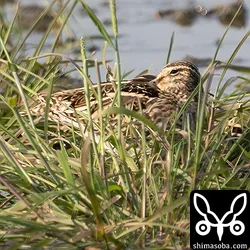
For snipe it's all Common Snipe. The Pin-tailed Snipe I found on 20 February and the Swinhoe's Snipe on 21 February remain the only records, with nothing since.
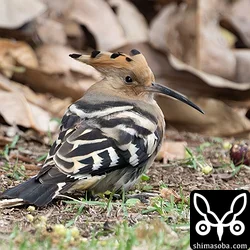
A Eurasian Hoopoe looking tired, apparently just arrived on migration.
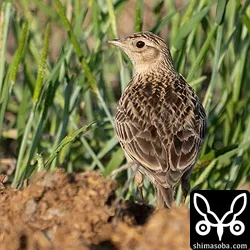
I spent the New Year holidays in Nagoya, so I squeezed in three hours of birdwatching. There were several bunting species in the same area and it was fun listening to their calls. A short outing, but very satisfying — experiences you simply can't have on Ishigaki Island. ^^ I also got to see Eurasian Skylark and Bull-headed Shrike, both rarely encountered on the island.
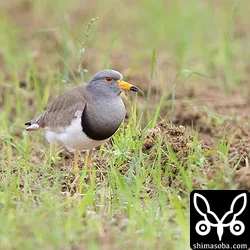
There was a Common Starling in the same paddy field, which surprised me. Five birds were mixed in with a flock of White-cheeked Starlings. Northern Lapwing and Grey-headed Lapwing were there too. Grey-headed Lapwings are always around in that area, but it was my first time seeing Northern Lapwing there.
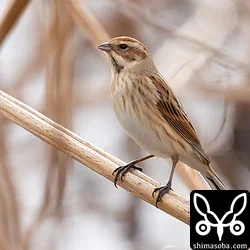
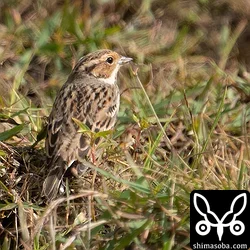
I was listening for Emberiza calls when a Reed Bunting appeared right in front of me. You don't get to see these on Ishigaki.
The raptors that winter on Ishigaki Island are now all showing up: Upland Buzzard, Saker Falcon, Eastern Marsh Harrier, Grey-faced Buzzard, Common Kestrel, Short-eared Owl, and more.
The ducks, Eurasian Coots, and small birds that serve as prey are on edge whenever a raptor appears.
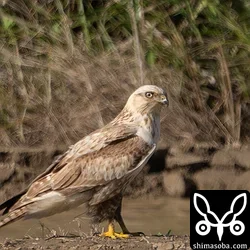
Juvenile Upland Buzzard. One appears every year, but this individual is not very wary and is easy to observe and photograph.
Lesser White-fronted Goose, Siberian Pipit, Northern Lapwing, Eurasian Sparrowhawk, and Caspian Tern all photographed for the first time this season in one go. Red Collared Doves continue to stay at multiple locations.
Common Snipe numbers are growing as birds settle into wintering mode. Dunlin, Green Sandpiper, Black-winged Stilt, Common Greenshank, Marsh Sandpiper, and Common Redshank are also wintering in the island's paddies, though in small numbers.
Among raptors, Crested Serpent Eagle is becoming easier to find, and Common Kestrel, Grey-faced Buzzard, Eastern Marsh Harrier, Hen Harrier, and Peregrine Falcon are all increasing.
Pale-capped Pigeon male juvenile. Spooked by raptors and not coming down into the paddies.
Visited my family home in Aichi and did some birdwatching on the side. I was targeting Latham's Snipe, but in spring they are far fewer in number and the timing was a little early, so I struck out…
Even so, I managed to see birds that are hard to come by in Okinawa or on Ishigaki, so it was a satisfying trip.
Common Snipe. I'm not sure of the situation in Aichi, but could this be a wintering bird?
One Javan Pond Heron and three Chinese Pond Herons are staying on — all four are always together.
Oriental Pratincoles are increasing. On this day, nine were resting in the paddies, taking a break from the rain.
A Siberian Yellow Wagtail was on a paddy bund. The distance and the grass obscuring the bird made observation difficult; getting a few photos was the best I could manage. A Siberian Pipit was nearby.
The wintering Common Snipe have all but disappeared, though migrants are trickling through. Swinhoe's Snipe should be arriving soon.
Four Garganey turned up. If there's a duck that says spring on Ishigaki, it's the Garganey.
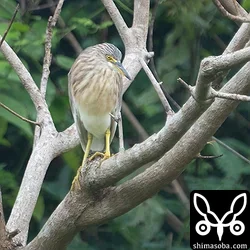
A Javan Pond Heron in winter plumage. Probably a first-winter individual.
At year-end, having coughed up blood to get all my copy filed before the end of the year, I squeezed in a short final birdwatch for 2022.
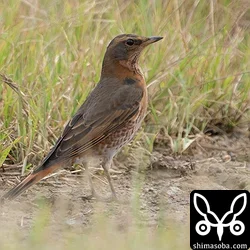
Entering December, Dusky Thrushes, Brown-headed Thrushes, and Pale Thrushes had increased sharply. Most of the Dusky Thrushes were Naumann's Thrushes, and the variation in plumage tones makes comparing them a pleasure in itself. Brown-headed and Pale Thrushes have also relaxed since shortly after arrival and are easier to observe.
Manchurian Bush Warblers and Dusky Warblers were calling from patches of scrub here and there, though slightly fewer than last year.
Daurian Redstart, Amur Stonechat, Red-throated Pipit, and Eastern Yellow Wagtail are also wintering.
In addition to the three Ruddy Shelduck already present, four Common Shelduck also arrived. Tundra Swans, Common Cranes, and Eurasian Spoonbills continue to stay on.
Among the ducks, Northern Shoveler were the most numerous, followed by Eurasian Wigeon, Eurasian Teal, and Tufted Duck. Ferruginous Duck has not been confirmed this season.
Large numbers of Common Snipe are wintering; among roughly 200 counted across multiple paddies, there was one Swinhoe's Snipe.
Crested Serpent Eagles — both immatures and adults — have become easier to see. Road casualties will increase from here on, so care is needed when driving on Ishigaki Island and Iriomote Island.
The most vividly coloured Naumann's Thrush of the day. An adult.
新年最初のバードウオッチングで見つけたマキバタヒバリ は今日も健在でした。このまま石垣島で越冬してほしいですね。
タヒバリやムネアカタヒバリの群れと一緒に行動していました。タヒバリ属3種の混群は姿をまったく消すこともあるのですが、そこは餌場に執着するタヒバリ属でしばらくすると舞い戻ってきます。
マキバタヒバリは一番、草に潜る傾向が強く、飛んでシャッフルされるたびに探し出すのが大変ですが、そこが面白いでもありますね。
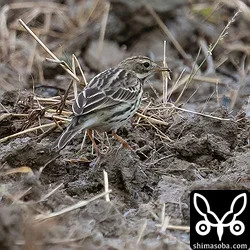
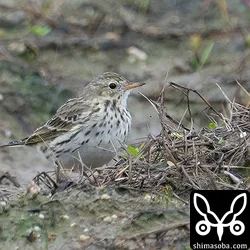
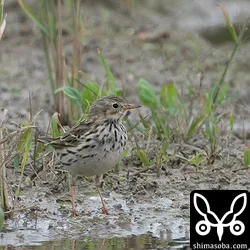
The Buff-bellied Pipit was there again today. First-winter plumage, perhaps. One field guide states that the darkened claw can be used as an identification feature, but from what I saw today, individuals of both Buff-bellied Pipit and Red-throated Pipit with darkened claws are perfectly common… ^^;
田んぼには先日より、セキレイの仲間の群れとヒバリの群れが越冬中でにぎやかです。
セキレイ科ではセキレイ属のシベリアハクセキレイ、ホオジロハクセキレイとハクセキレイとツメナガセキレイ、タヒバリ属はムネアカタヒバリとタヒバリが合わせて50羽程度逗留中です。
ヒバリは10日前から滞在 していますが、この日は少し数を減らしていました。亜種としてオオヒバリ、カラフトチュウヒバリが飛来する可能性もありますが、形態からの識別方法は確立されていないようです。鳴き声(フライトコール)は前出の記事にあります。
群れとなって一緒に移動するのですが、それぞれの種は完全には交ざらず、ある程度種ごとに集まって採餌していました。
夕方になるとリュウキュウヨシゴイが目の前に出てきました。
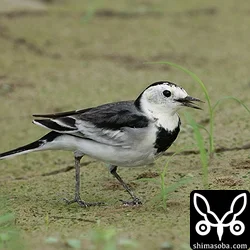
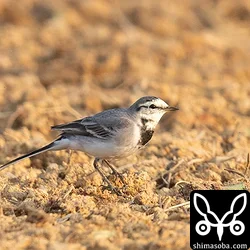
White Wagtail (leucopsis), first-winter.
春の渡りが始まりつつあるのか、石垣島内のサシバはほとんどいなくなっています。暗色型サシバも見当たりませんでした。11月から滞在していたアオシギもここ数日の間に見られなくなりました。
タカサゴモズはお気に入りの餌場でイモムシやバッタなどを捕まえていた。シマアカモズは島内で移動している雰囲気ですが本格的な渡りはまだ始まっていないようであちこちの農耕地で確認できました。
渡りの早いカラアカモズは北上が始まっているのか、田んぼと牧草地が混在する農耕地で1羽確認できました。
田植えが始まった田んぼにはツメナガセキレイやハクセキレイ、キセキレイ、キガシラセキレイ、タヒバリ、ムネアカタヒバリなどの群れ。
穏やかな陽気に包まれ、カンムリワシの姿もよく目にしました。
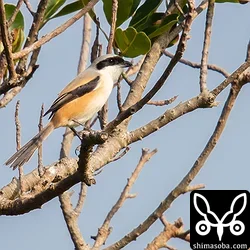
An adult Long-tailed Shrike. I caught a brief snatch of quiet warbling too.
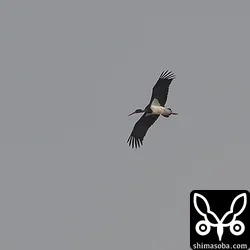
1月14日に名古屋から再び福岡入り。せっかくなので諫早名物のナベコウを見てやろうと義母の車を借りて高速道路をひた走り。2時間半ほどかかりました。遠かった…。^^;
広大な諫早干拓なのに事前の情報ゼロで訪れたので、探せど探せどナベコウは見つからず。あきらめかけた時、上空の高いところを黒っぽい怪鳥が飛んでいます。双眼鏡でのぞいてみると念願のナベコウでした。写真を数枚撮り、降り立った地点を確認の上、現場に現場に駆けつけるも見つけられず…。大きく目立つ鳥ですが、水路に降りてしまうと意外と見つけにくいようです。
干拓内では、マナヅルやコチョウゲンボウ、ハイイロチュウヒ、オオジュリン、ミヤマガラスのほか、石垣島でもおなじみのタヒバリやタゲリ、タシギ、ヘラサギ、クロツラヘラサギなどがいました。
A Black Stork in the distance.
ハクセキレイ20羽ほどの群れにタイワンハクセキレイとホオジロハクセキレイがいました。タヒバリ2羽やキセキレイ、ツメナガセキレイなども付近にいますが、ハクセキレイとは一緒に行動していないようです。ツメナガセキレイとキセキレイは一緒に行動していた。
違う田んぼですが、妙に白いアカモズがいました。シマアカモズのオスだと思われますが、かなり遠くからでも白さが目立っていました。すぐに飛んでしまい、背面や横からの写真は撮れず…。^^;
キセキレイは白化個体と思っていたら、同じようなのが近くに3羽も!! 白化個体がこんなにいるはずないのでよくよく見てみたら三列風切の一部が脱落して白い部分が目立っているだけのような…。^^;
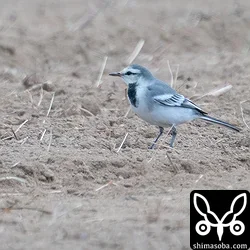
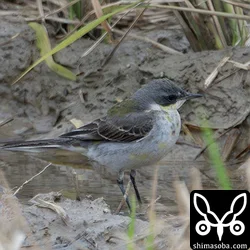
First-winter plumage of a White Wagtail (race ocularis). Presumed male.