A daily record.
Featuring photos of wild birds and nature, mainly from Okinawa Main Island and Ishigaki Island

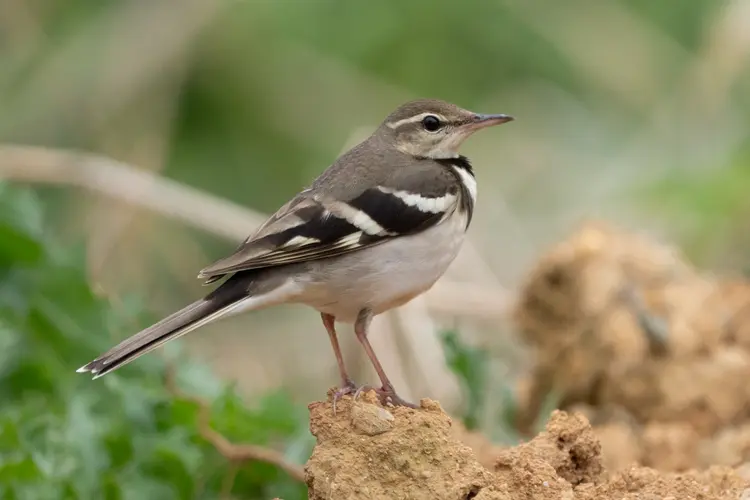
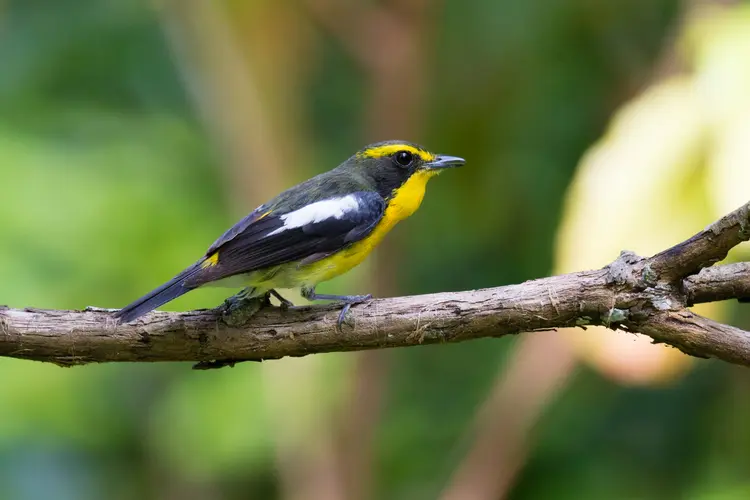
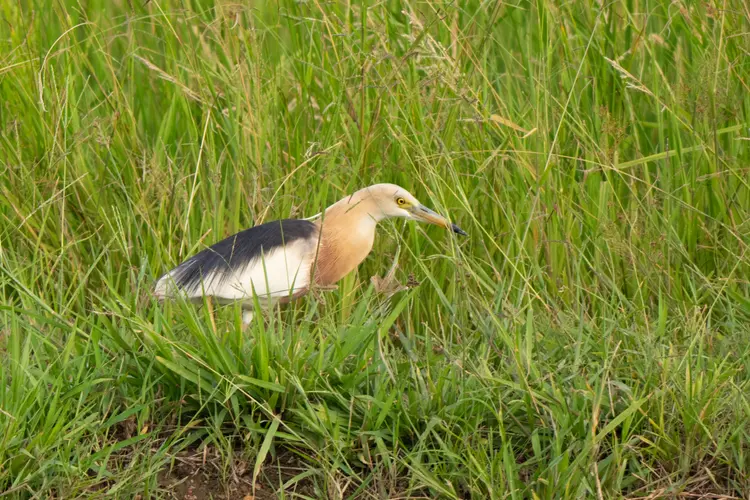
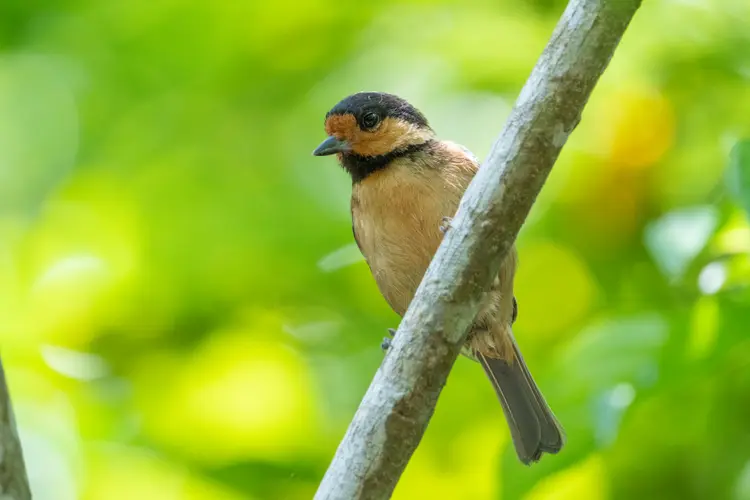
Forest Wagtail Ryukyu flycatcher Javan pond heron Iriomote Tit Eurasian Hoopoe

GUIDED BIRDWATCHING TOUR

Go where the birds are. The SHIMASOBA Tour launches.

We'll drive you around Ishigaki Island to wherever the birds are showing best that day. Observation is mostly from inside the vehicle, and we keep it to a maximum of 3 guests so everyone can take their time.

Max. 3 guests 4 hours in the morning Beginners welcome
Check availability and book

A Juvenile Crested Serpent Eagle at Last

I heard from Ishigaki Island BIRD Kansatsu-san and the number one bird guide on Ishigaki, Spotter-san, that there were as many as three juvenile Crested Serpent Eagles in the same area, including the eleventh juvenile of this year, so I went to see.

This year many juvenile Crested Serpent Eagles have been identified, but I haven't had many encounters. With three juveniles here, I should be able to enjoy them for a while. ^^

Common Kestrel, Peregrine Falcon, Eurasian Sparrowhawk, Eastern Marsh Harrier and others are also wintering.
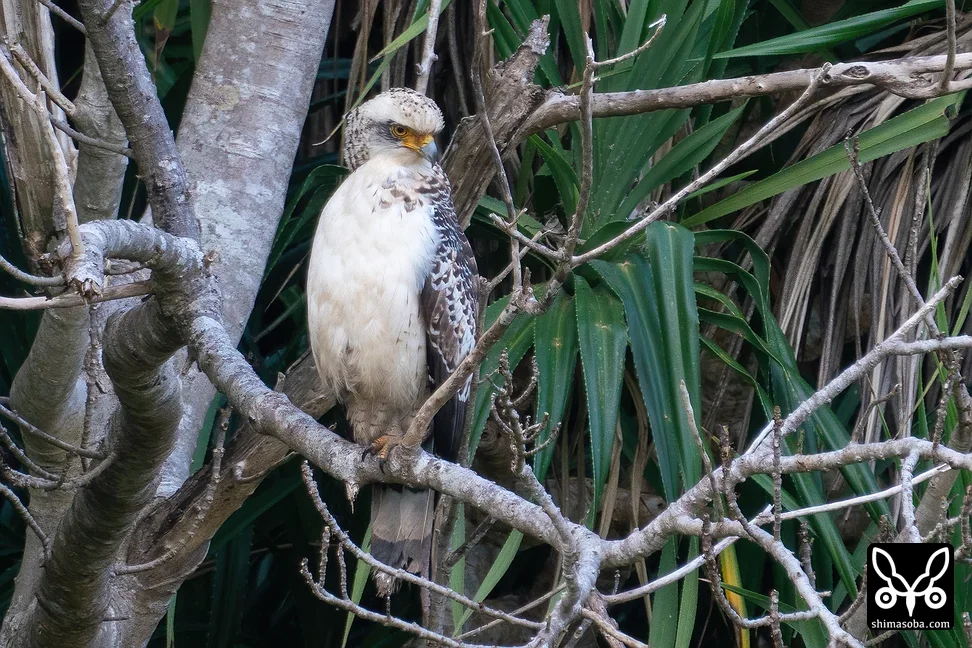
Crested Serpent Eagle

A juvenile Crested Serpent Eagle. It will remain in full juvenile plumage until next spring.
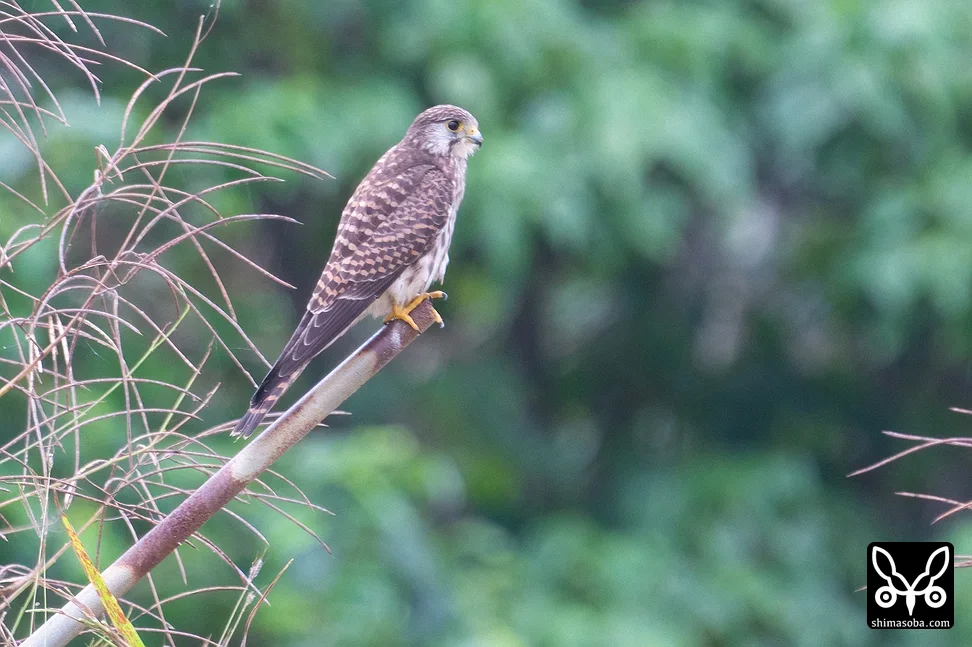
Common Kestrel
Common Kestrel

A juvenile Common Kestrel, moulting into first-winter plumage. This individual showed no inclination to flee.
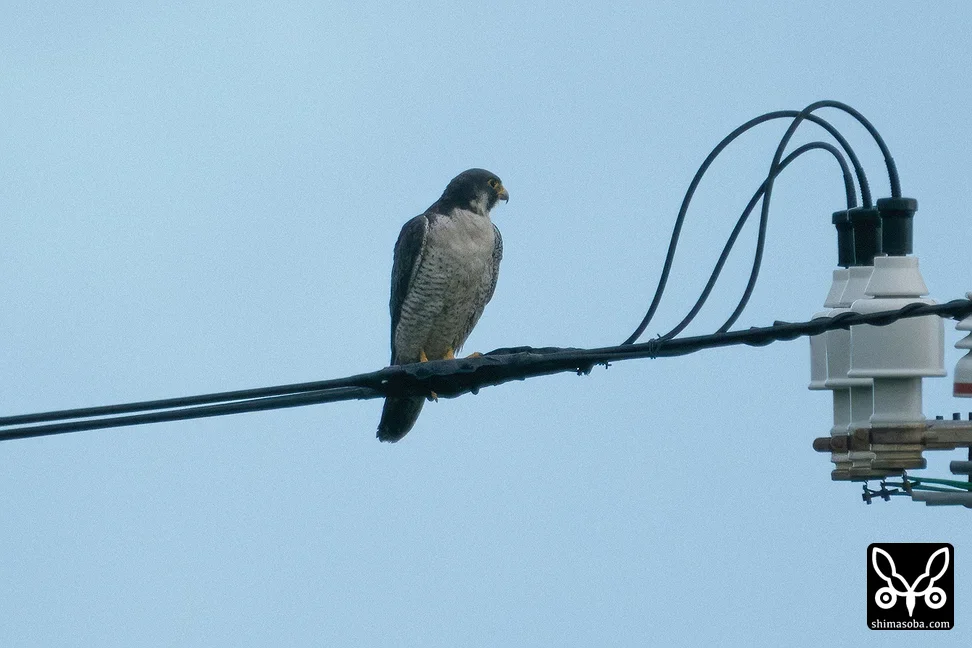
Peregrine Falcon
Peregrine Falcon

An adult male Peregrine Falcon. It was distant, in the rain…
Categories: 野鳥

Siberian White Wagtail and Other Wagtails and Larks

Flocks of wagtails and a flock of larks have been wintering in the paddies since the other day, and it is lively.

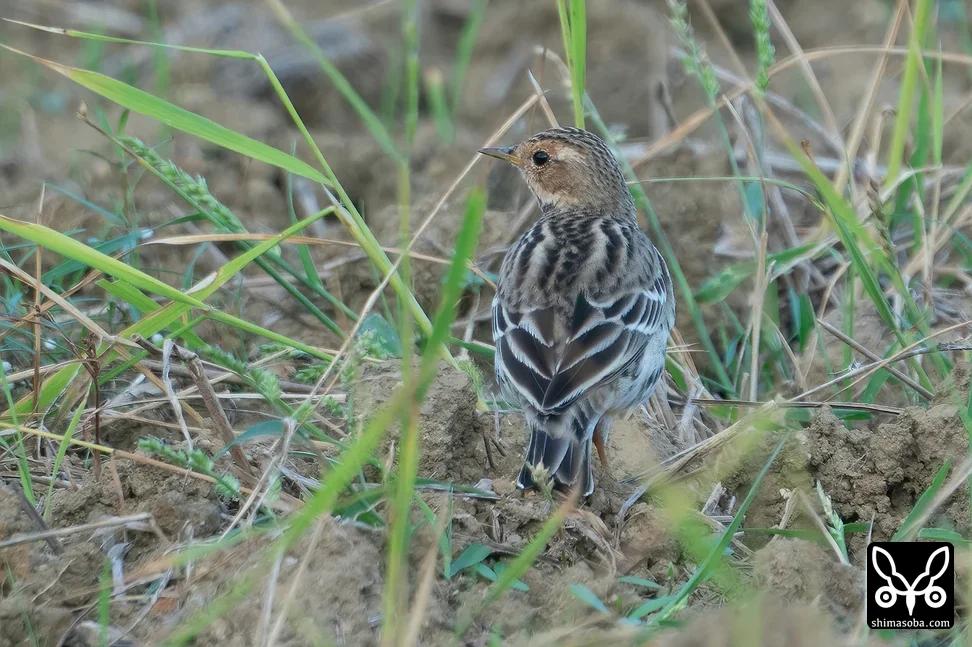
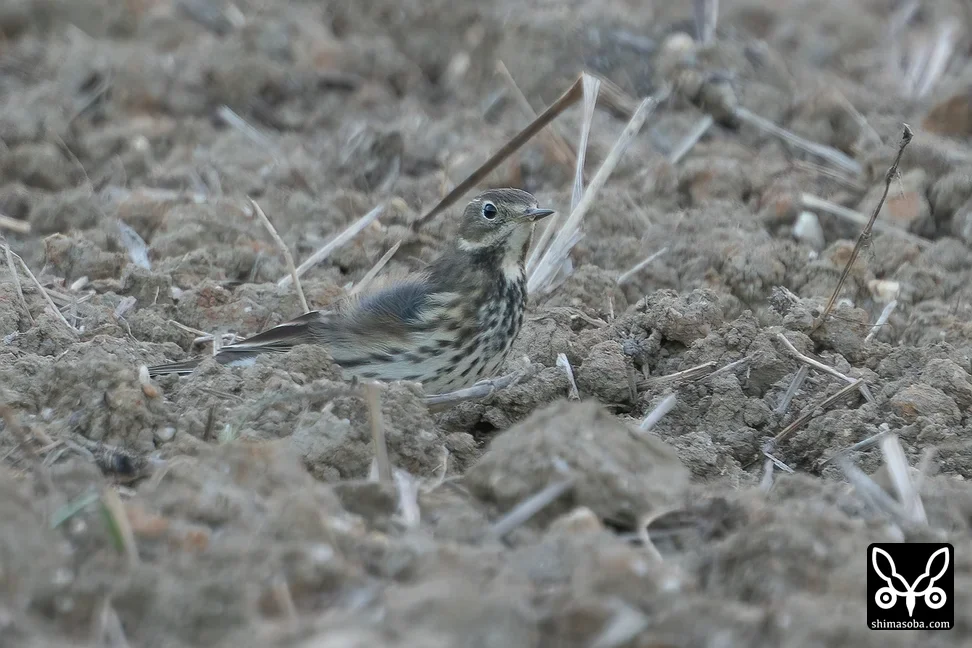
Among the wagtails (genus Motacilla) there are Siberian White Wagtail, Black-backed Wagtail and White Wagtail, and Eastern Yellow Wagtail; of the pipits (genus Anthus), Red-throated Pipit and Siberian Pipit are staying, about 50 birds in total.

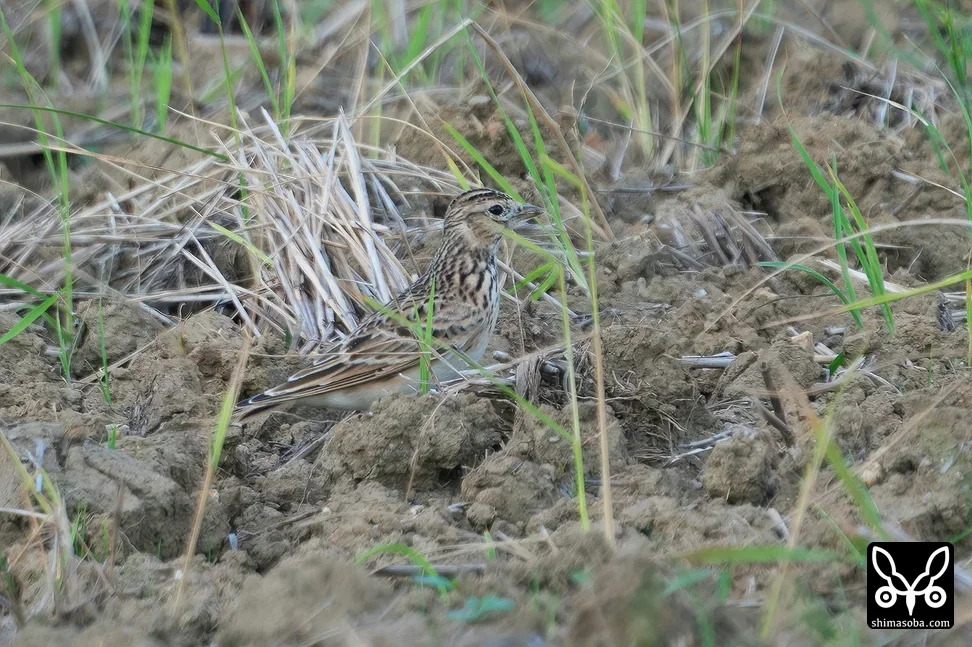
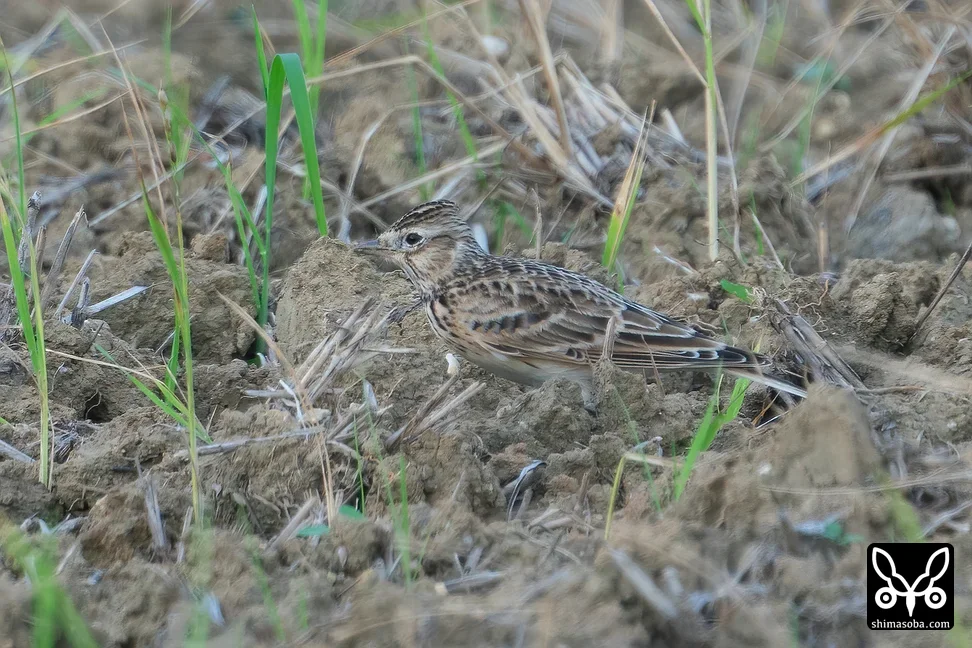
The Eurasian Skylarks have been here for 10 days, but their numbers were a little lower on this day. The subspecies Oo-hibari and Karafuto-chuhibari might also arrive, but there seems to be no established way to tell them apart by form. The call (flight call) is in the earlier article.

They move together as a flock, but the species do not mix completely; they gathered to some extent by species while feeding.

In the evening a Cinnamon Bittern came out right in front of me.

White Wagtail
White Wagtail

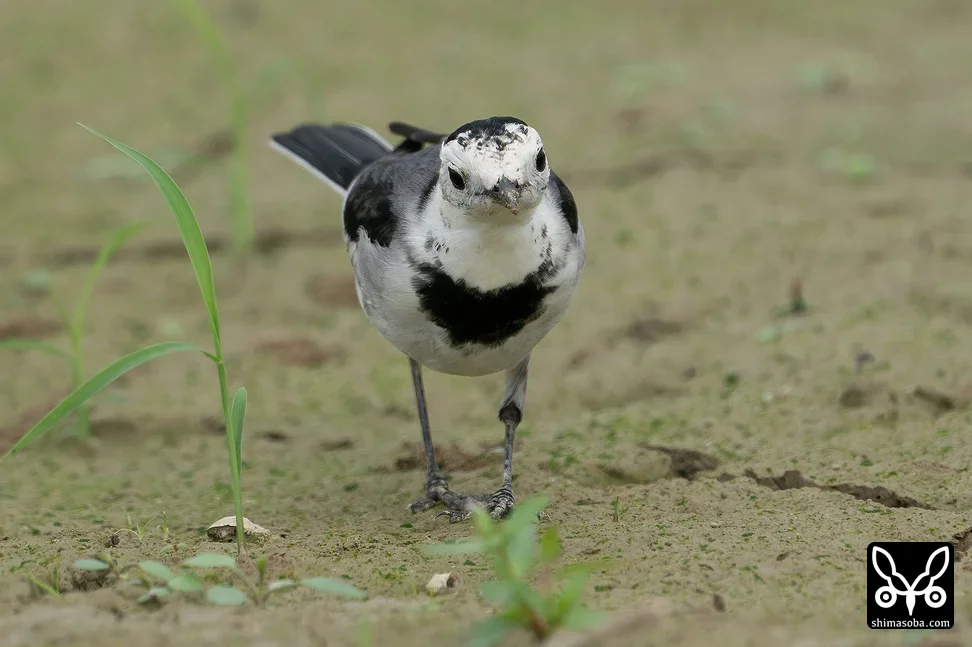
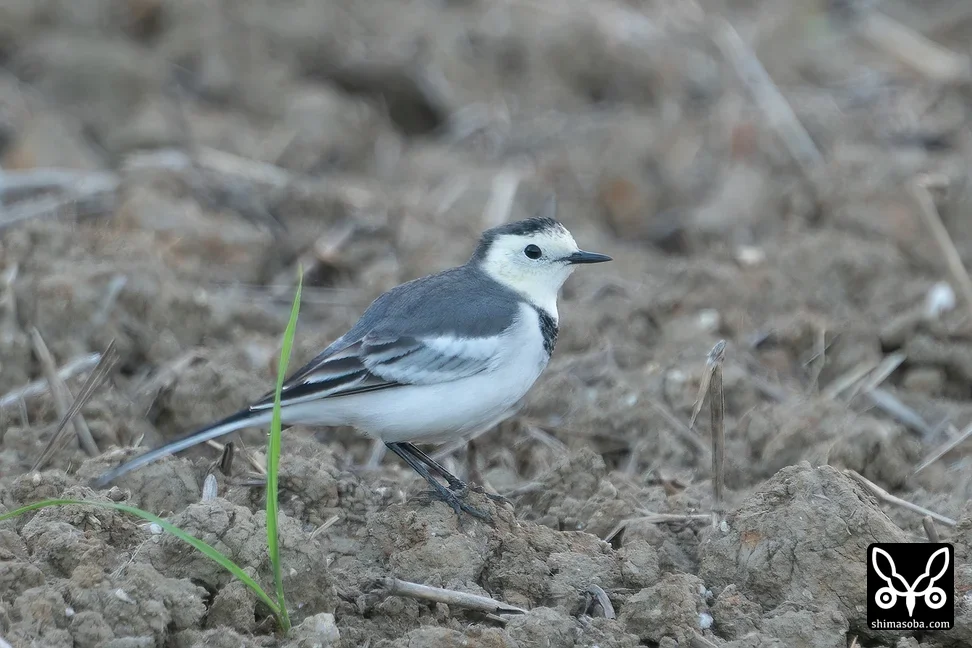
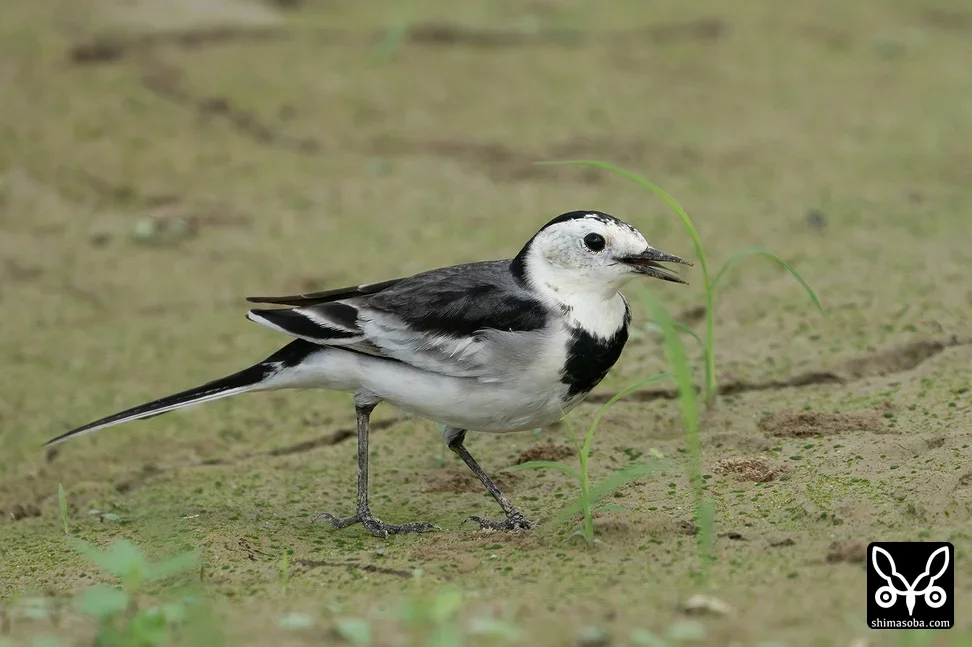
White Wagtail (leucopsis), first-winter.

White Wagtail
White Wagtail

The same individual as above, from the front.

White Wagtail
White Wagtail

An individual likely to be Mekong Wagtail. Female, first-winter. Separating first-winter leucopsis, ocularis, and baicalensis White Wagtails is tricky.

Eastern Yellow Wagtail

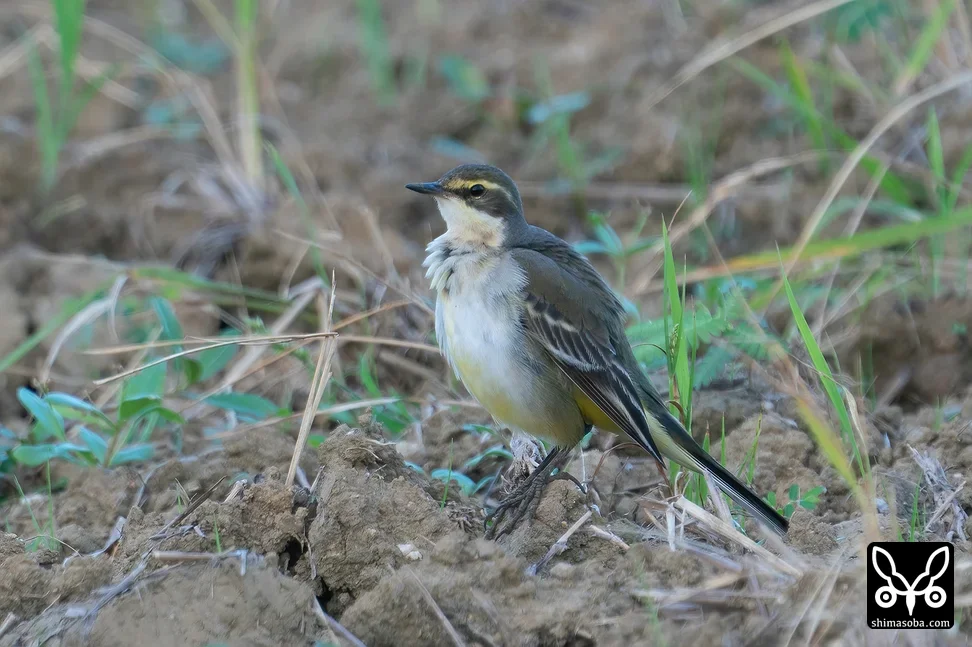
Yellow Wagtail (taivana), first-winter.

White Wagtail
White Wagtail

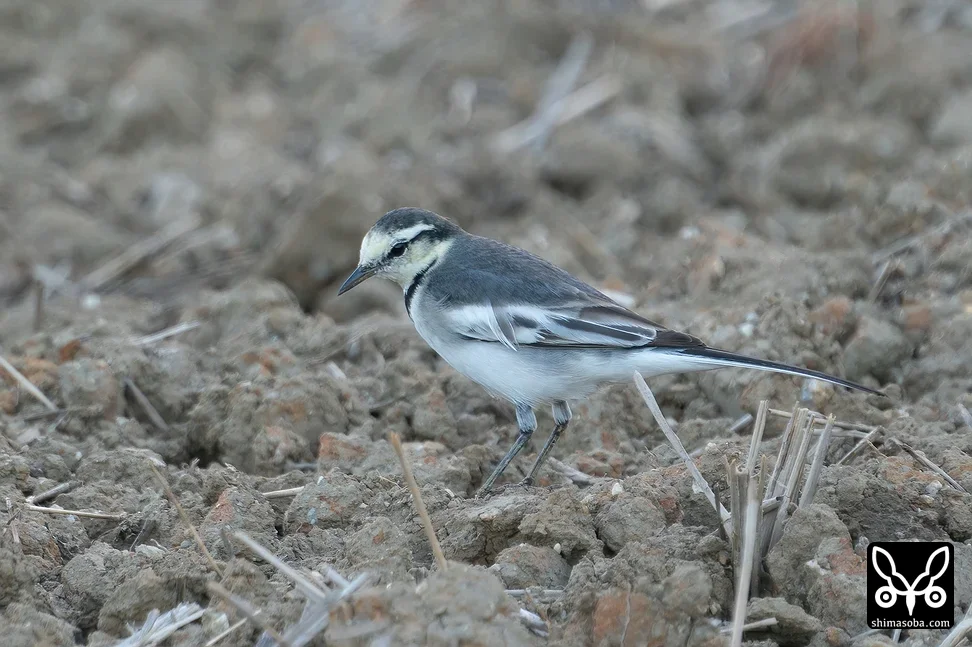
White Wagtail, first-winter.

Red-throated Pipit
Red-throated Pipit

Red-throated Pipit, adult. Mid-moult from breeding to winter plumage.

Water Pipit
Water Pipit

Buff-bellied Pipit, winter plumage.

Eurasian Skylark
Eurasian Skylark

Eurasian Skylark, first-winter.

Eurasian Skylark
Eurasian Skylark

A different individual from the one above. Eurasian Skylark, first-winter.

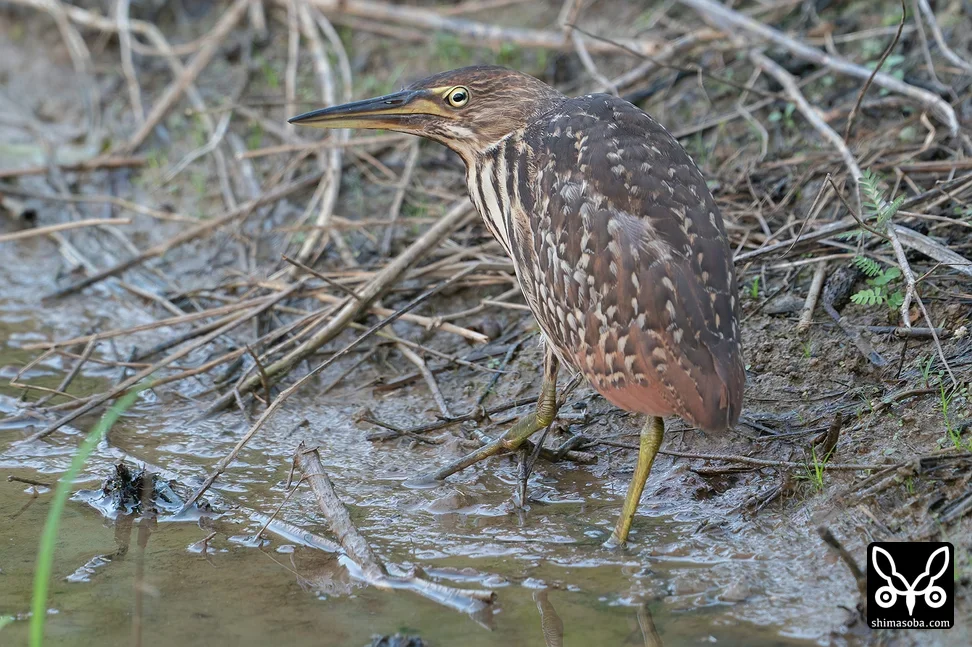
Yellow Bittern
Yellow Bittern

A juvenile Ryukyu Striated Heron appeared right in front of me in the evening.

Categories: 野鳥

Siberian Rubythroat Photographed Two Years Running

Last year I photographed the Siberian Rubythroat in early December, but this year I managed it a month earlier. And it was a beautiful adult male, in the valuable winter plumage.

I could hear the Siberian Rubythroat's call note from a shallow thicket between the farm road and the river. After watching for a while I could make out a small shape moving.

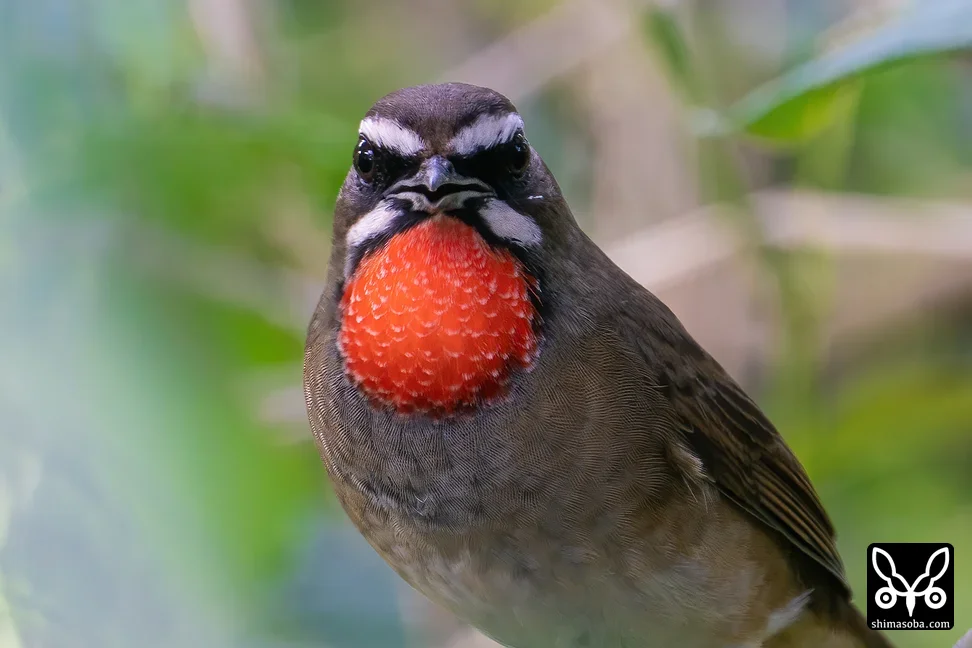
When I looked through the binoculars, a bright red round patch leapt into view. Last year it was a female, so I wanted to get this male, and after holding out for about 20 minutes it finally appeared in a spot where I could take photos.

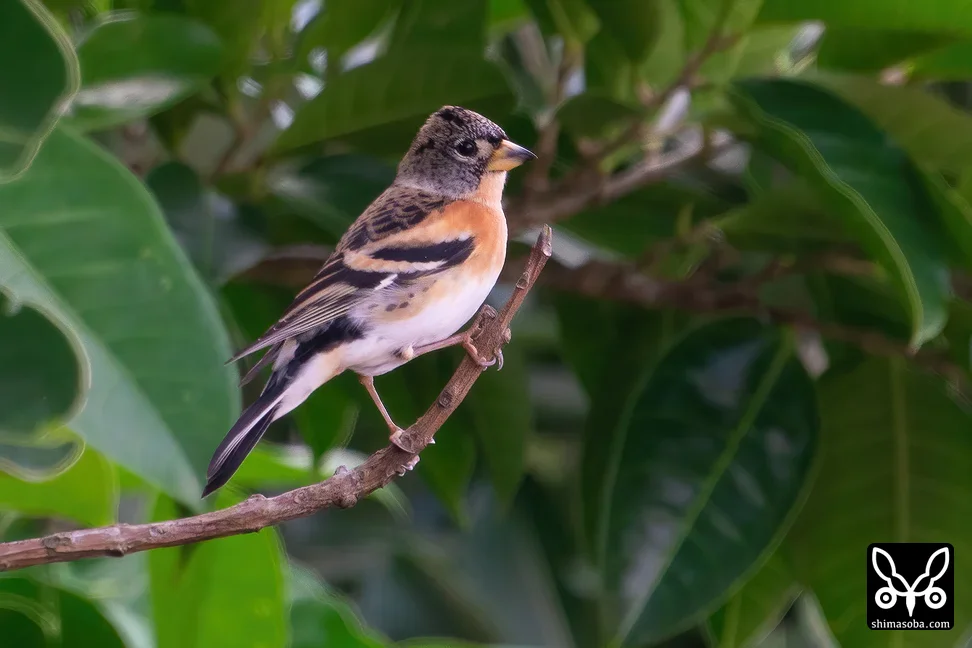
Bramblings were in a paddy where the harvest was finished. Among many Oriental Turtle Doves, they fed and rested rather timidly.

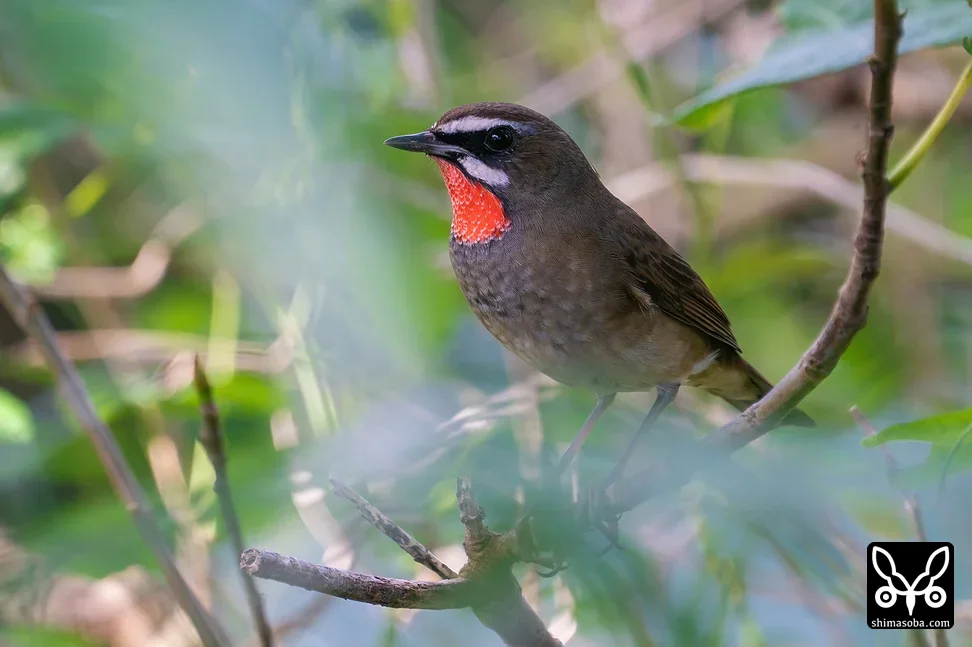
Siberian Rubythroat
Siberian Rubythroat

Siberian Rubythroat, adult male, winter plumage. Last year I found one at the dam lakeside; this time it's by a riverside. Perhaps Siberian Rubythroats prefer to be near water.

Siberian Rubythroat
Siberian Rubythroat

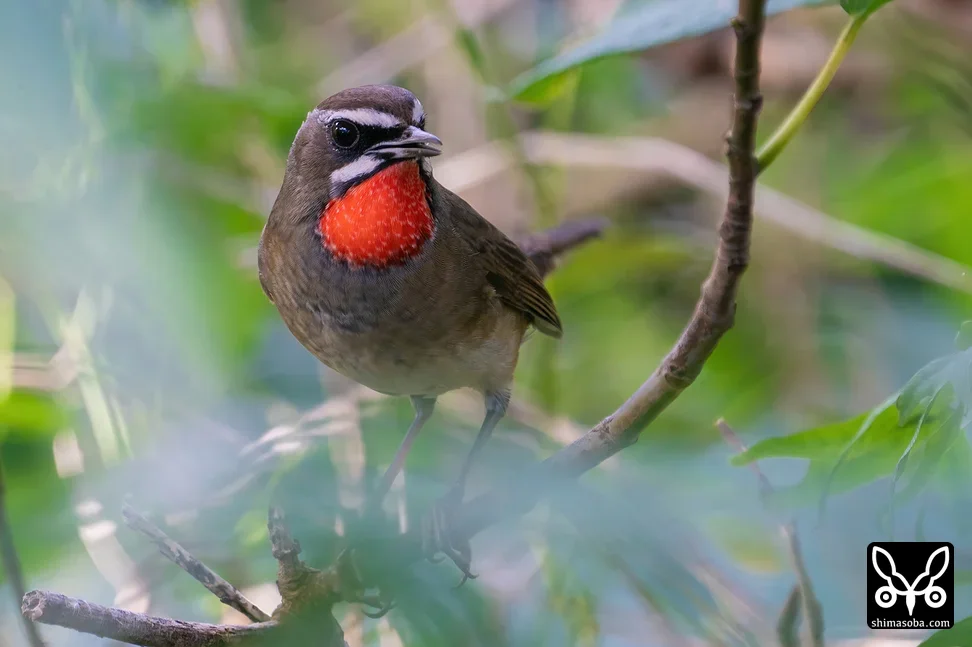
A Siberian Rubythroat was moving through the secondary woodland, calling with a low "gug-gug."

Siberian Rubythroat
Siberian Rubythroat

I wanted to watch it for longer, but it kept moving through the shrubs and undergrowth.

Brambling
Brambling

Brambling, male, winter plumage.

Categories: 野鳥

The Black Grey-faced Buzzard, Third Winter on Ishigaki

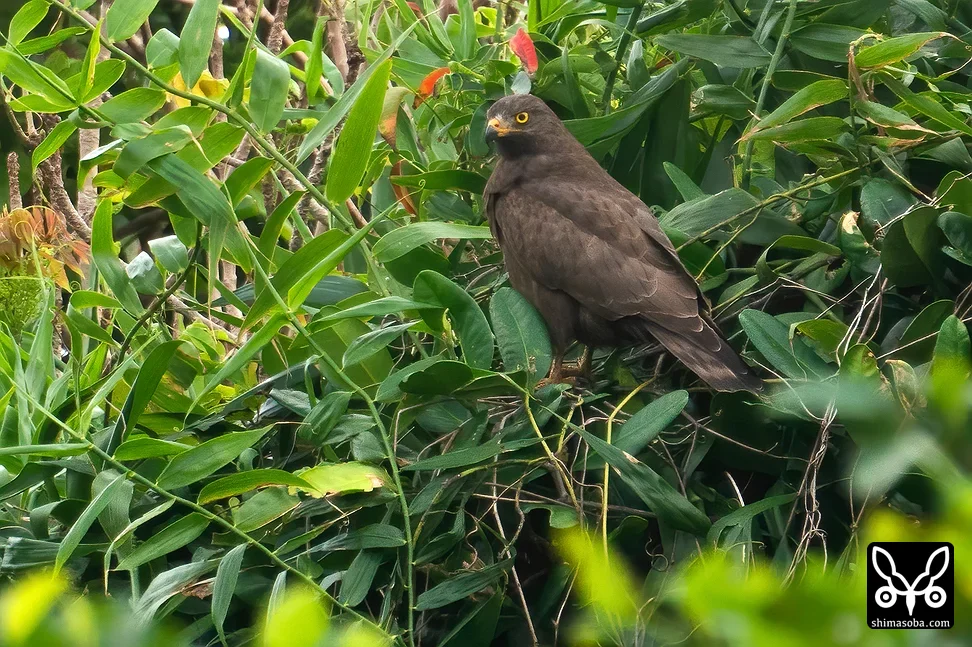
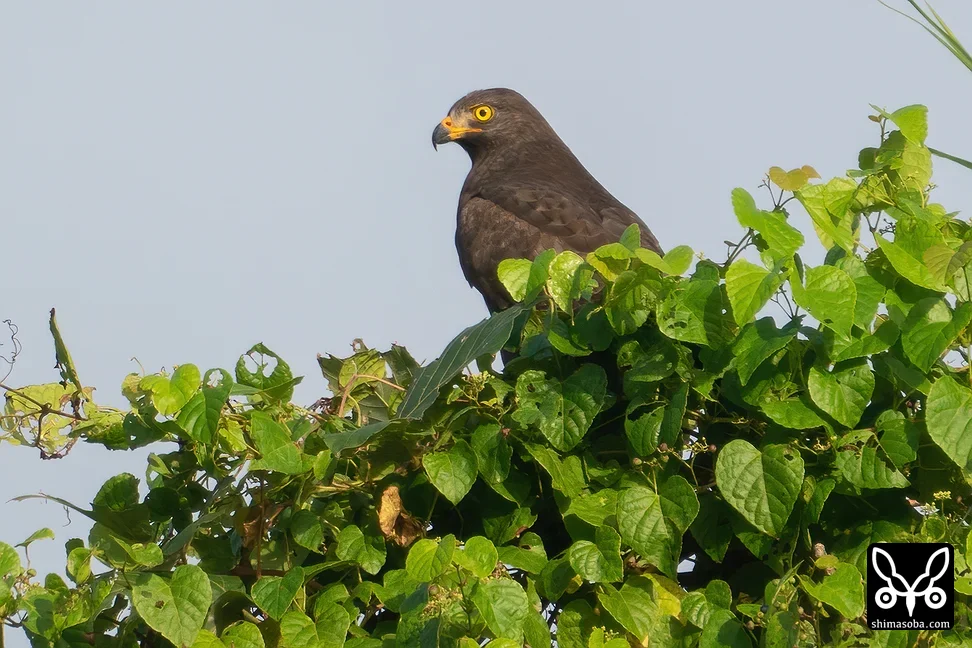
The dark-morph Grey-faced Buzzard (known as the Black Grey-faced Buzzard), which has wintered on Ishigaki since it was a juvenile, has arrived for the third year in a row. Last year it came back as an adult and stayed until March. I hope it keeps coming back to Ishigaki healthy every year from here on.

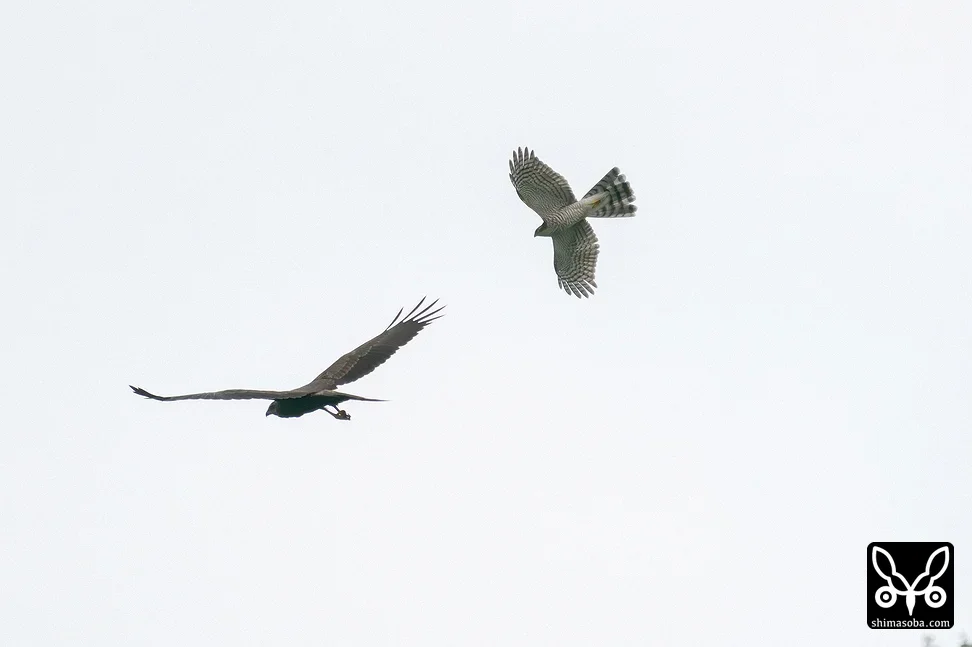
Along the river an Eastern Marsh Harrier was being chased by a Eurasian Sparrowhawk. Eurasian Sparrowhawks have been seen in paddies here and there since last month, but they are wary everywhere.

Grey-faced Buzzard
Grey-faced Buzzard

A dark-morph Grey-faced Buzzard that first appeared as a juvenile in autumn 2018, now returning for the third consecutive year.

Grey-faced Buzzard
Grey-faced Buzzard

The dark-morph Grey-faced Buzzards are all quite wary, including the individual from the Okinawa main island.

Eastern Marsh Harrier
Eastern Marsh Harrier / Eurasian Sparrowhawk

A Eastern Marsh Harrier being chased by a Eurasian Sparrowhawk.

Categories: 野鳥

Yellow Bittern, Cinnamon Bittern, Chinese Pond Heron

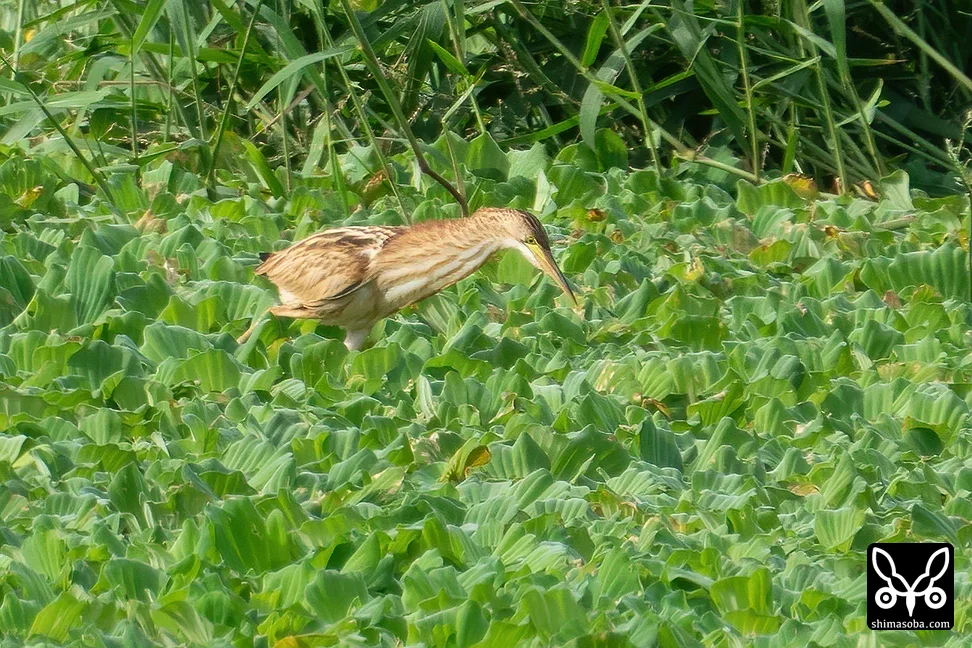
Since last month Ishigaki Island BIRD Kansatsu-san had told me about the Yellow Bittern many times, but the timing never worked and I hadn't been able to photograph it. At last I got it. It seems a small number come to winter on Ishigaki every year. I am so used to Cinnamon Bitterns that the Yellow Bittern looks quite odd to me.

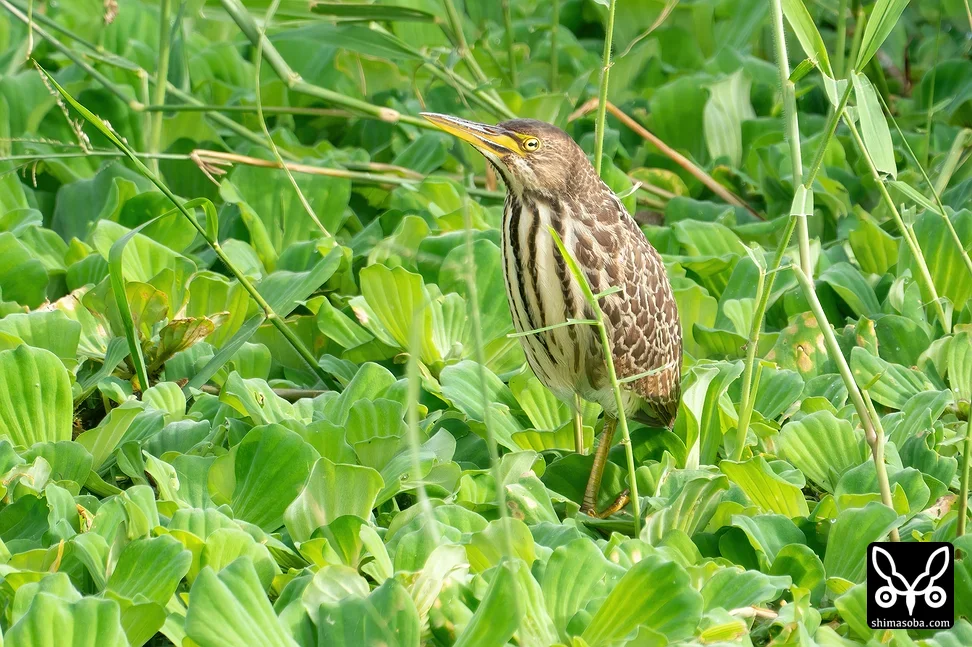
A Cinnamon Bittern also appeared near the Yellow Bittern. I'm told the Cinnamon Bittern is larger than the Yellow Bittern, but I can't tell the difference in the field... ^^;

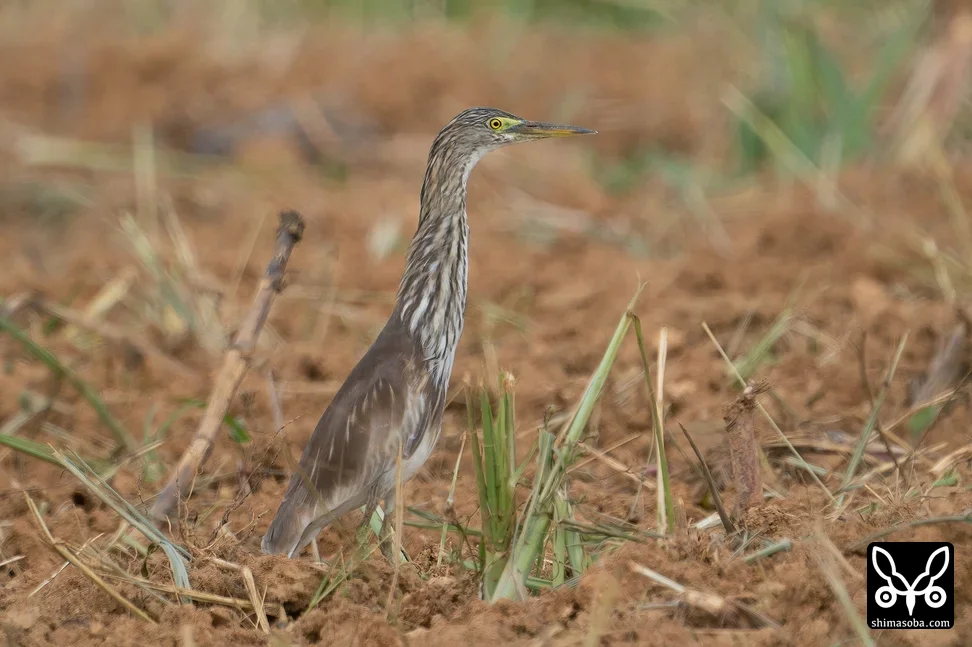
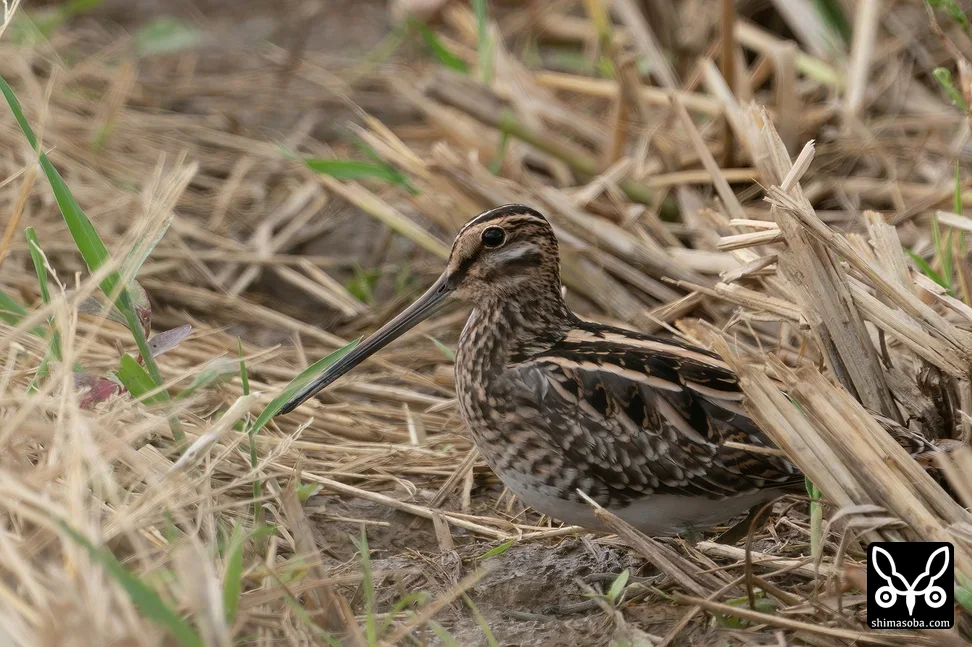
On farmland a Chinese Pond Heron was feeding in a sugarcane field that had been turned over. Many wintering Common Snipe are staying in the paddies.

Yellow Bittern
Yellow Bittern

Yellow Bittern, juvenile. An individual with little wariness.

Yellow Bittern
Yellow Bittern

Ryukyu Minivet — wait, Cinnamon Bittern, juvenile. This one was also not particularly wary.

Chinese Pond Heron
Chinese Pond Heron

Chinese Pond Heron, first-winter.

Common Snipe
Common Snipe

A Common Snipe caught off guard for a moment, out in a dry spot.

Categories: 野鳥