A daily record.
Featuring photos of wild birds and nature, mainly from Okinawa Main Island and Ishigaki Island

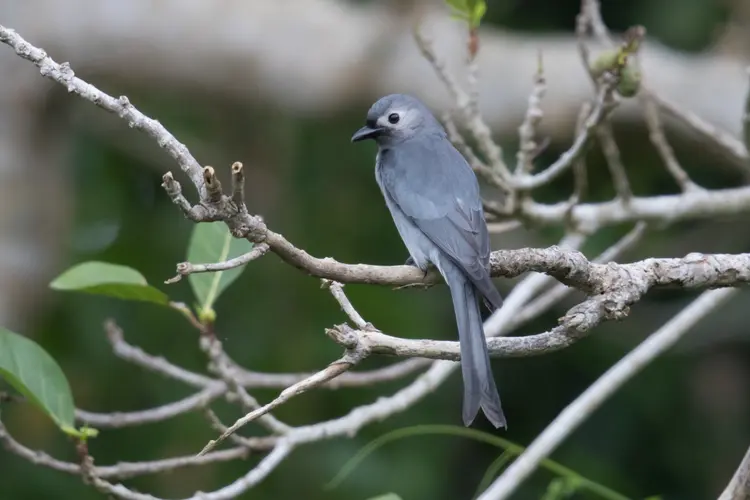
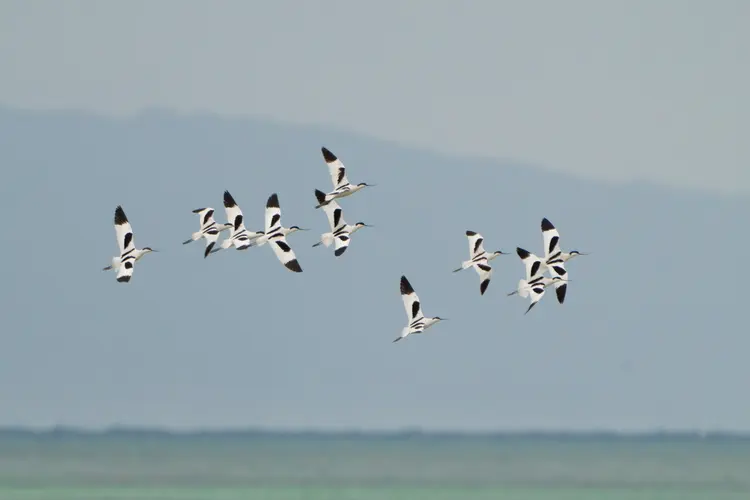
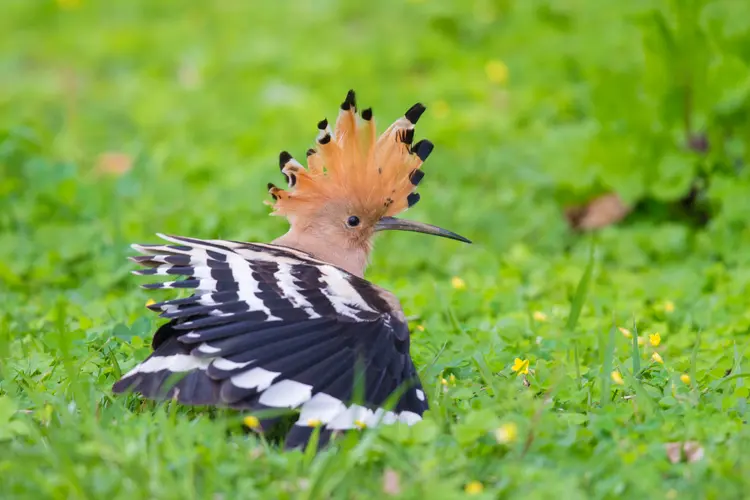
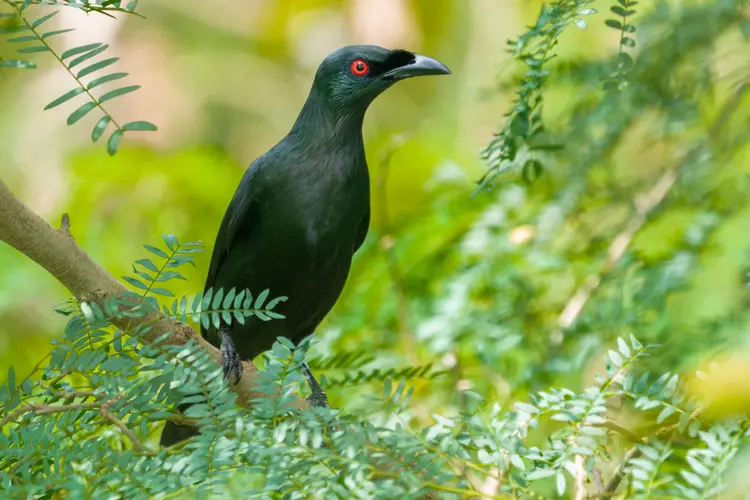
Ruddy Kingfisher Ashy drongo Pied Avocet Eurasian Hoopoe Asian Glossy Starling

GUIDED BIRDWATCHING TOUR

Go where the birds are. The SHIMASOBA Tour launches.

We'll drive you around Ishigaki Island to wherever the birds are showing best that day. Observation is mostly from inside the vehicle, and we keep it to a maximum of 3 guests so everyone can take their time.

Max. 3 guests 4 hours in the morning Beginners welcome
Check availability and book

Back on Ishigaki for a Second Year: Everyone's Favorite Black Grey-faced Buzzard

The dark-morph Grey-faced Buzzard that came last year as a juvenile. The bird known as the Black Grey-faced Buzzard has come to the same place again this year to winter. I was relieved to see it fully adult. ^^ It is as wary as ever.

When I found it in the morning it was far away, so I stopped by again in the evening and it was perched relatively close.

At least two adult dark-morph Grey-faced Buzzards winter on the main island of Okinawa, and they may be arriving about now this year too. The dark-morph Grey-faced Buzzard in the south. The dark-morph Grey-faced Buzzard in the central area.
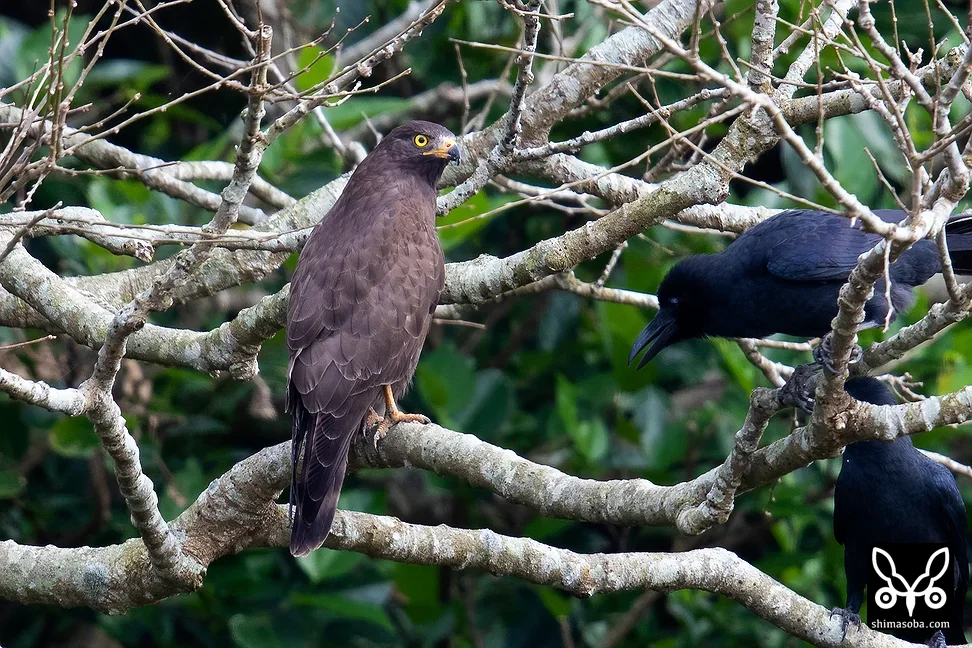
Grey-faced Buzzard
Grey-faced Buzzard

A dark-morph Grey-faced Buzzard harassed by two crows. Called a black buzzard, but compared to the crows it doesn't look that dark.
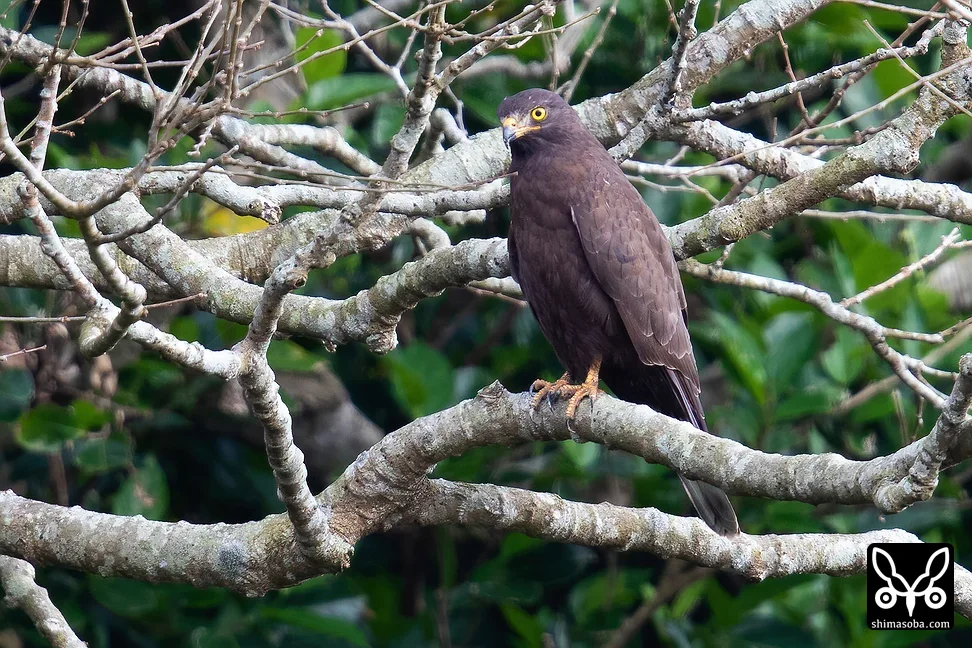
Grey-faced Buzzard
Grey-faced Buzzard

I have a feeling it looks more striking than it did last year when it was still a juvenile.
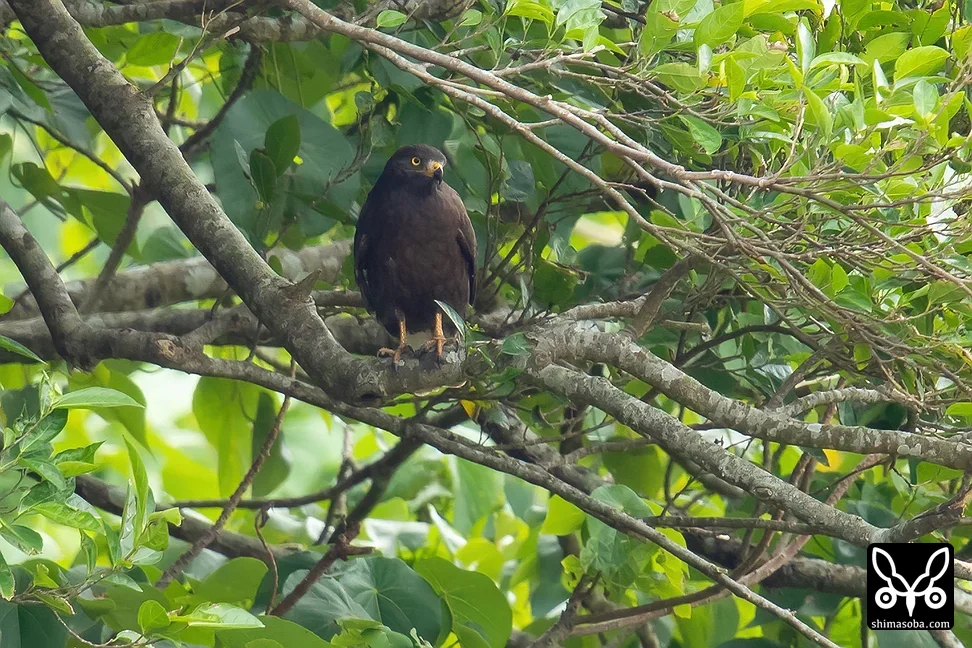
Grey-faced Buzzard
Grey-faced Buzzard

In the morning it was tucked away somewhere like this, and I had a hard time finding it.
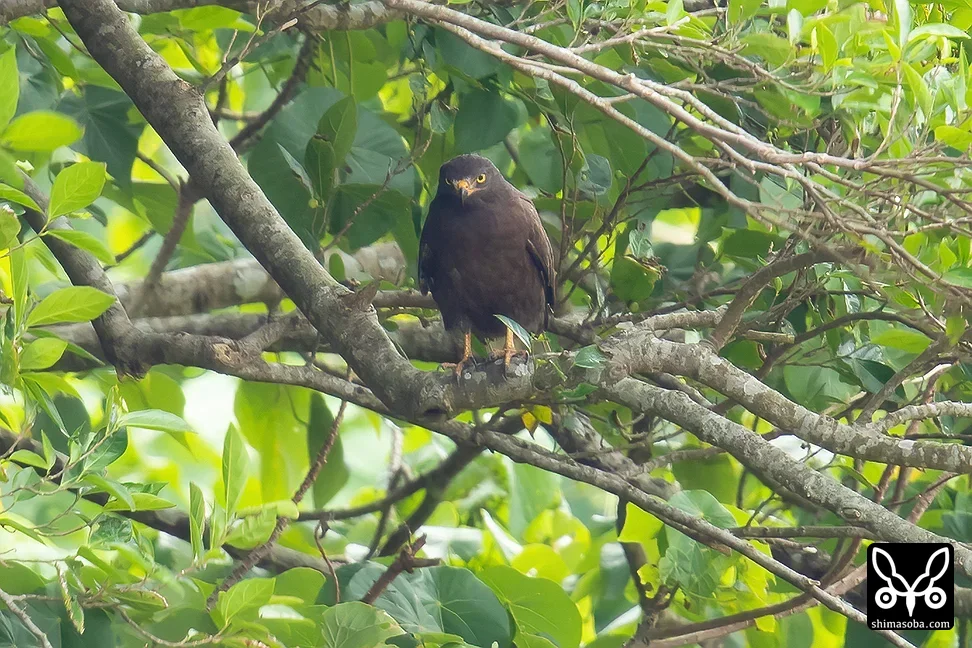
Grey-faced Buzzard
Grey-faced Buzzard

That blackness actually makes it surprisingly hard to spot compared with a normal Grey-faced Buzzard.
Categories: 野鳥

Amur Stonechat in the Paddies and Ducks on the Pond

The Amur Stonechat from the other day is still here. In the flooded paddies, Northern Pintail, Eurasian Wigeon, Eurasian Teal and Eastern Spot-billed Duck come and go. They arrive and then disperse around the island.

At the settling pond there were Northern Shoveler, Tufted Duck, Eastern Spot-billed Duck, Eurasian Teal, Little Grebe and others.

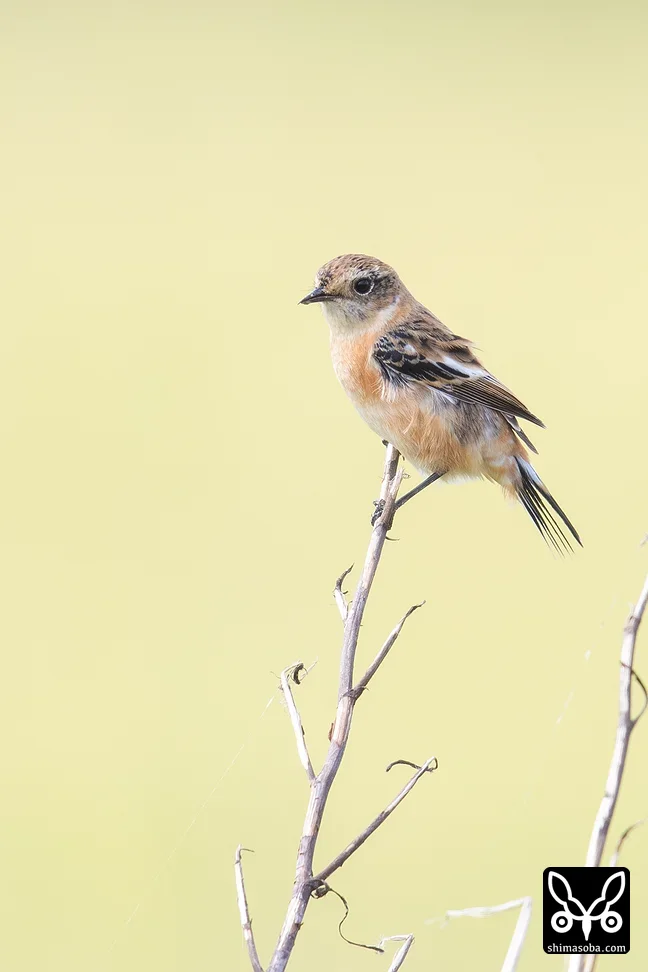
Siberian Stonechat
Siberian Stonechat

Siberian Stonechat, which often came down to the field path because of the strong wind.

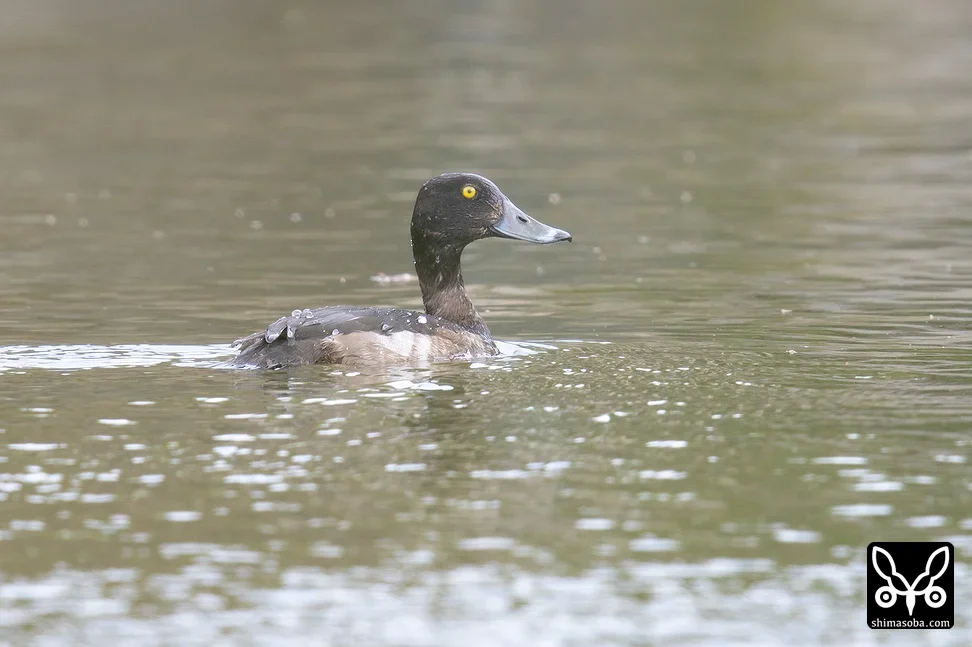
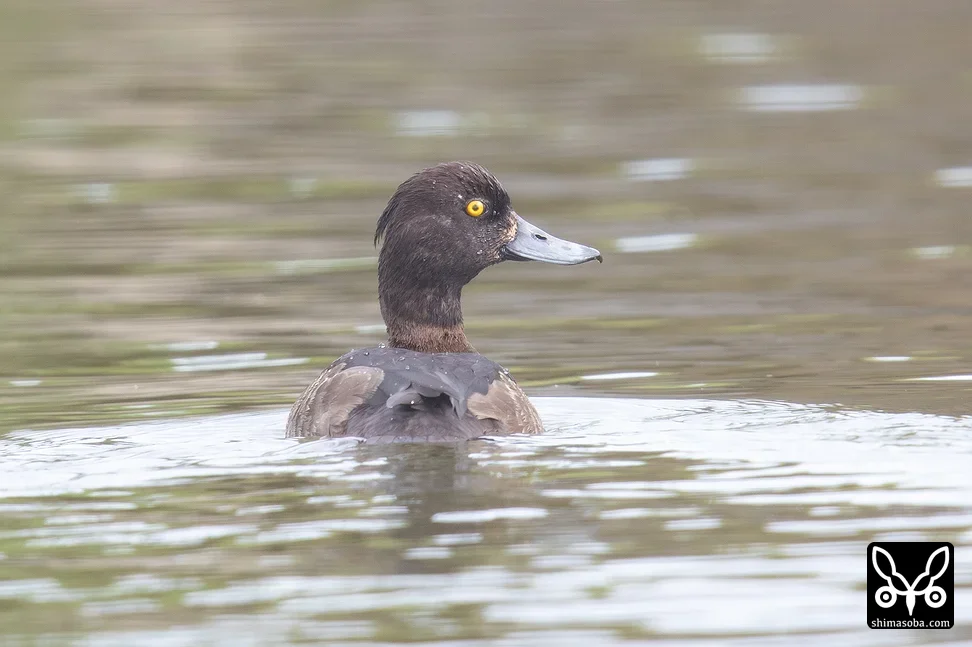
Tufted Duck
Tufted Duck

Tufted Duck, male eclipse.

Tufted Duck
Tufted Duck

Tufted Duck, female in winter plumage.

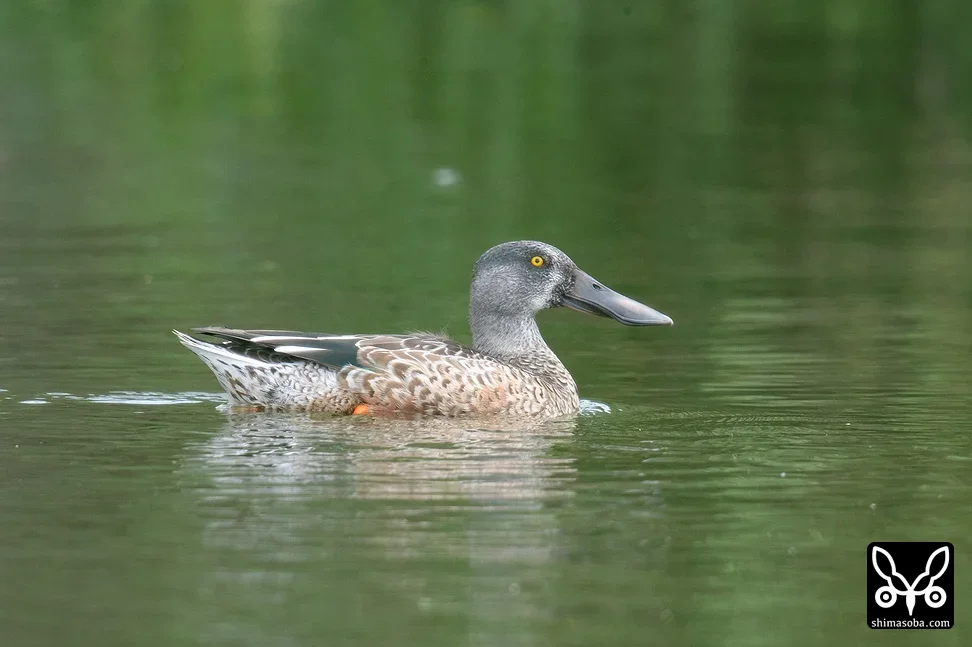
Northern Shoveler
Northern Shoveler

Northern Shoveler, male. Moulting from eclipse into breeding plumage.

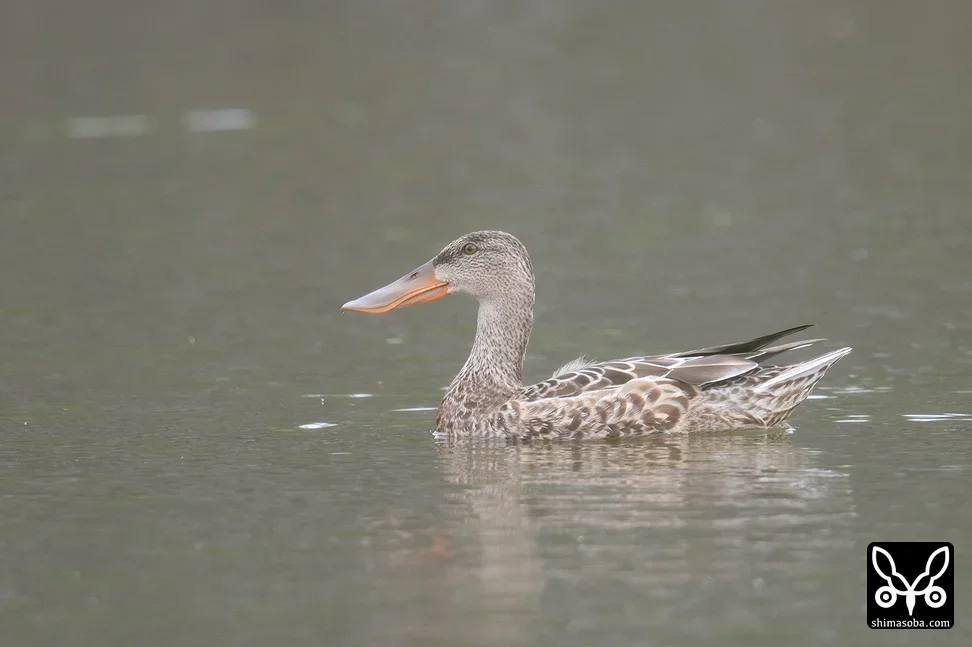
Northern Shoveler
Northern Shoveler

Northern Shoveler, female juvenile.

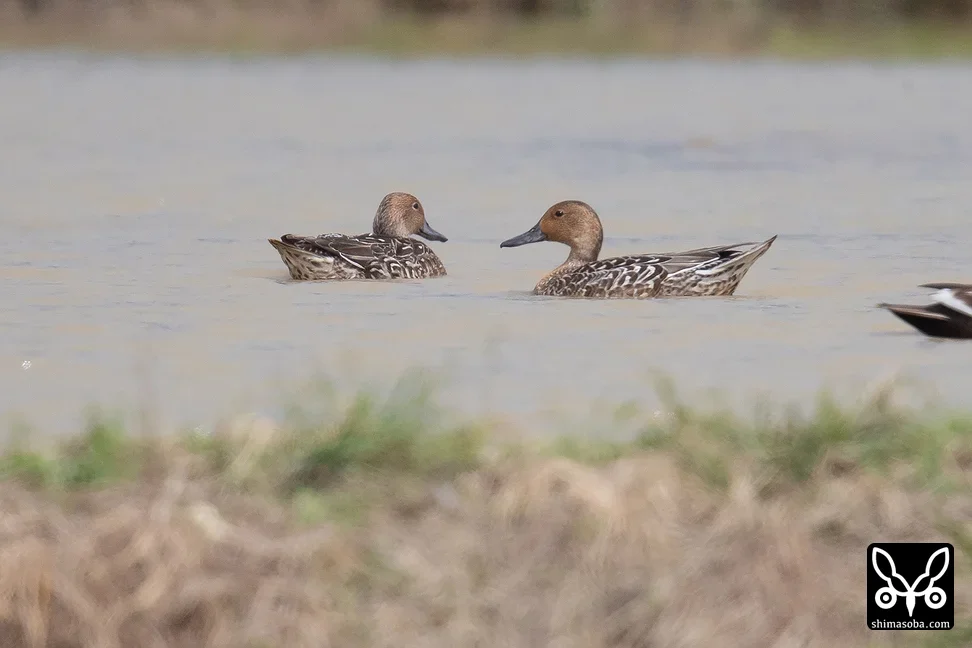
Northern Pintail
Northern Pintail

Northern Pintail, female non-breeding (right) and male juvenile.

Categories: 野鳥

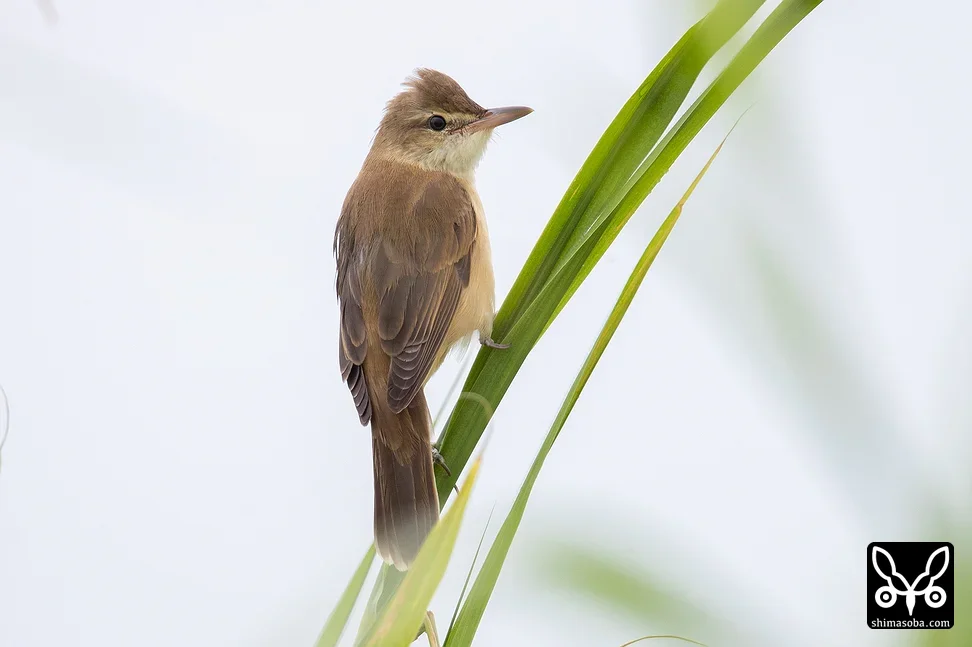
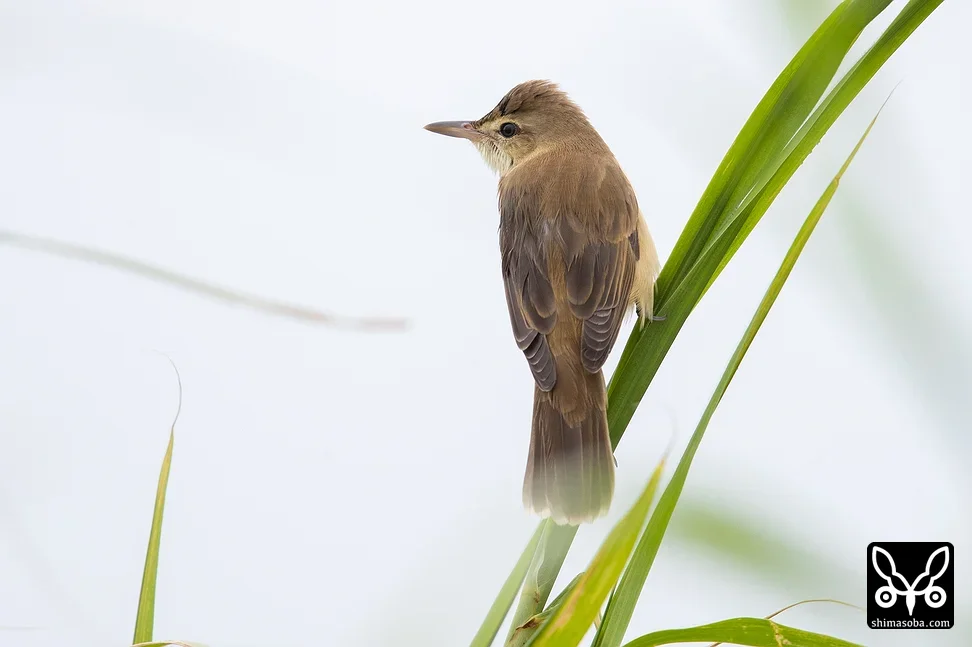
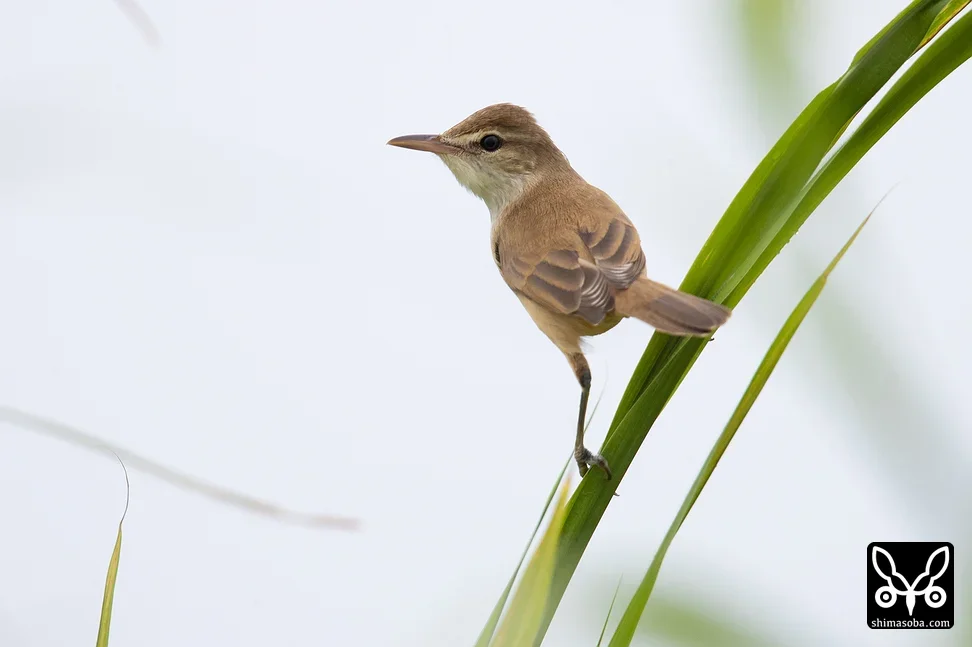
Four Very Brownish Oriental Reed Warblers

I found a small flock of Oriental Reed Warblers in a paddy. At least four were moving through the silver grass and weeds. It's the first time I have seen four at once on Ishigaki during migration. I have also seen them on Yonaguni during spring migration but didn't get photos, so this is the first time I have photographed them this clearly in Okinawa. ^^

However, every one of these Oriental Reed Warblers had plumage browner than any Oriental Reed Warbler I have seen so far. I wondered whether they were a different subspecies from the ones I usually see and checked the literature, but the details are unclear.

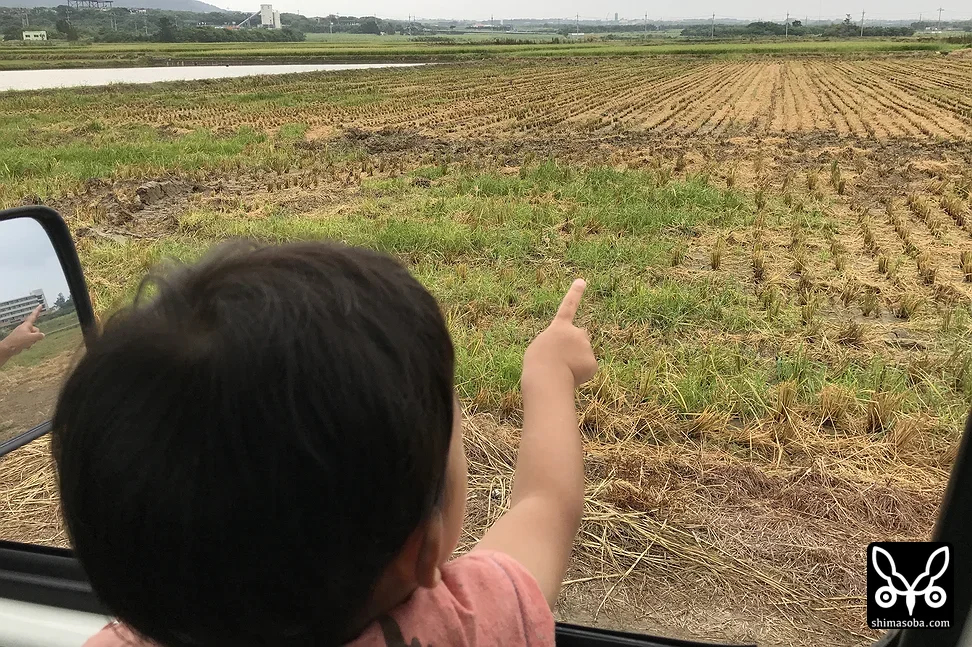
In the paddies in the same area, Red-throated Pipit, Red Collared Dove and Common Starling are staying. I was birdwatching with my child, so I've left out the photos. Sorry... ^^;

Great Reed Warbler
Great Reed Warbler

The Great Reed Warbler normally stays stubbornly hidden in the sugarcane fields and undergrowth, but the timing coincided with a break in the rain and it briefly came out into the open where I could see it well.

Great Reed Warbler
Great Reed Warbler

Same individual as above. It appeared to be drying its rain-soaked feathers.

Great Reed Warbler
Great Reed Warbler

This one pushed the bird above off its perch, so it is the same leaf but a different Great Reed Warbler. It looks even more heavily washed with brown.

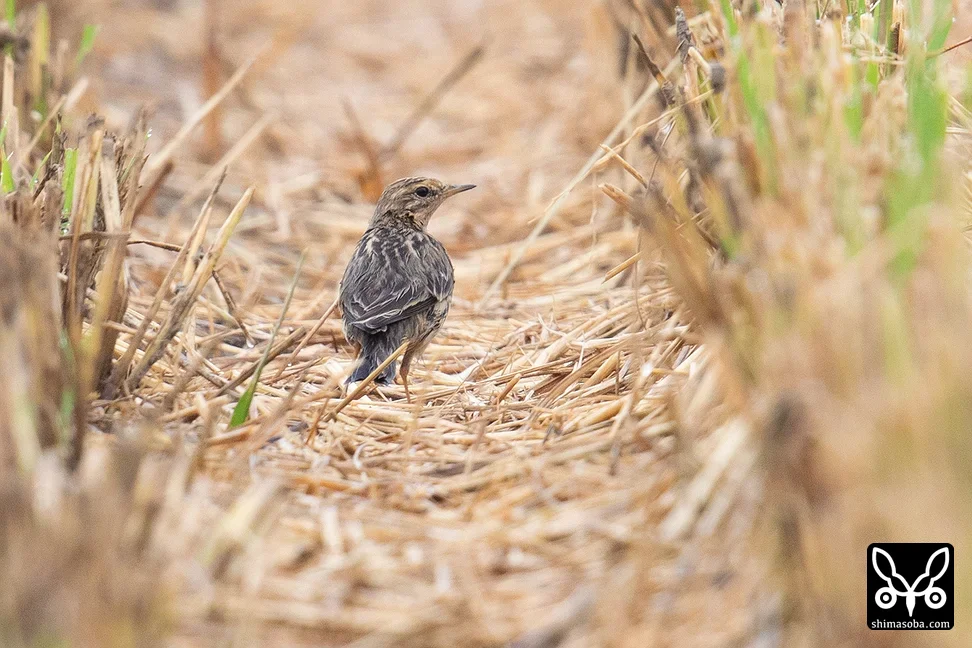
Red-throated Pipit
Red-throated Pipit

More than ten Red-throated Pipits had come down into the recently harvested paddy. A Rosy Starling and a Pale-backed Pigeon were also mixed in among the flock of Oriental Turtle Doves in the same field.

My son can now tell several species apart. Birdwatching with him — a fan of the picture books Tsubame Kōkū, Poppo Kōkū and Karugamo Yūranssen (all by Keiji Motoyasu) — is a real pleasure.

Categories: 野鳥

Raptors of Ishigaki: Black-winged Kite, Crested Serpent Eagle, Common Kestrel

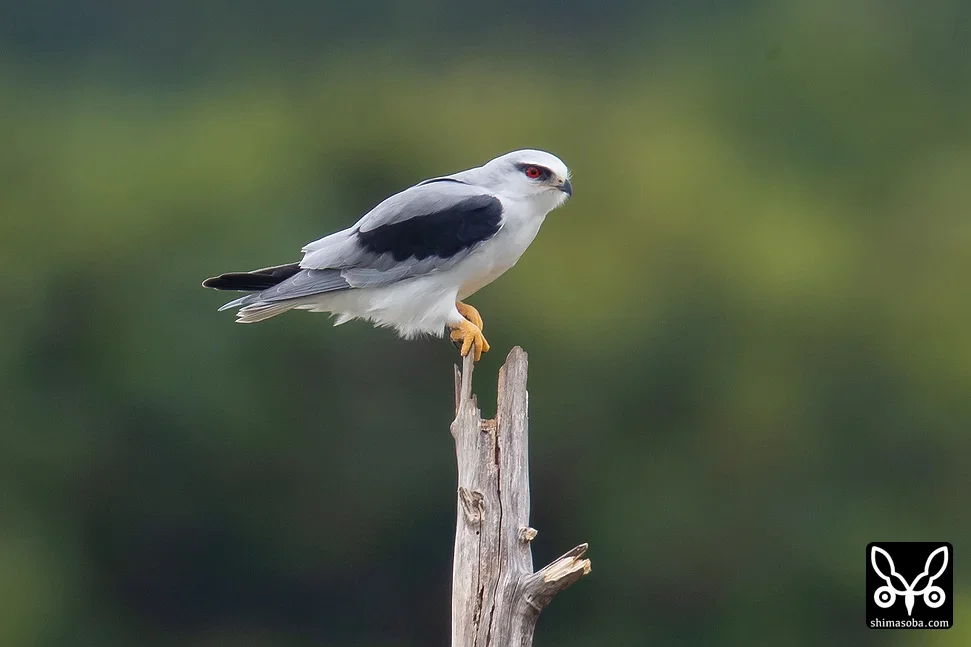
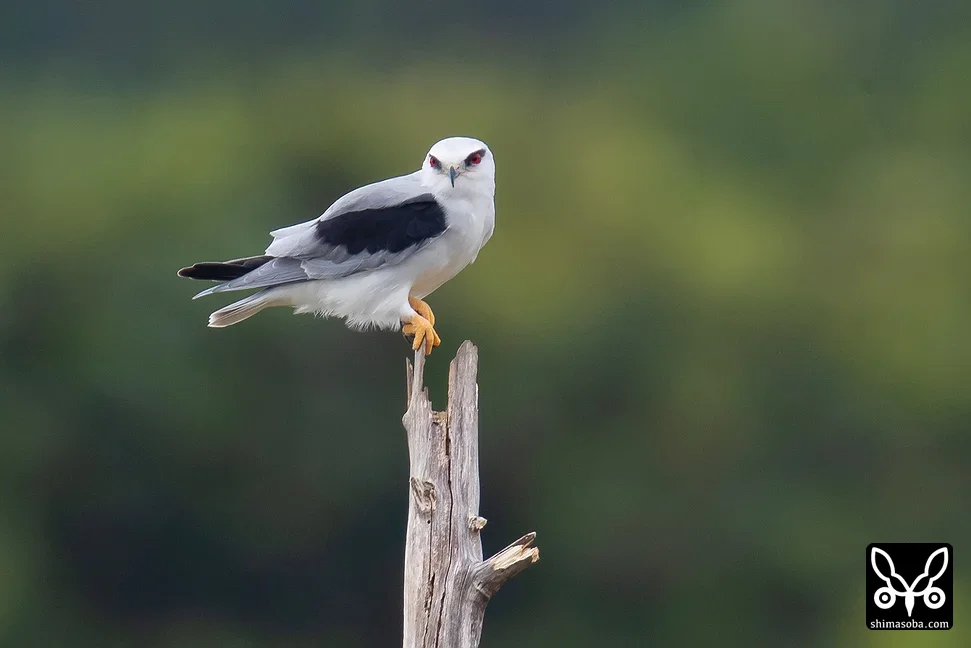
Black-winged Kites on Ishigaki have been breeding steadily, and about 20 now live on the island. They are present at almost all the paddies and pastures where you would go birdwatching. The chances of meeting them are especially high in the morning and evening.

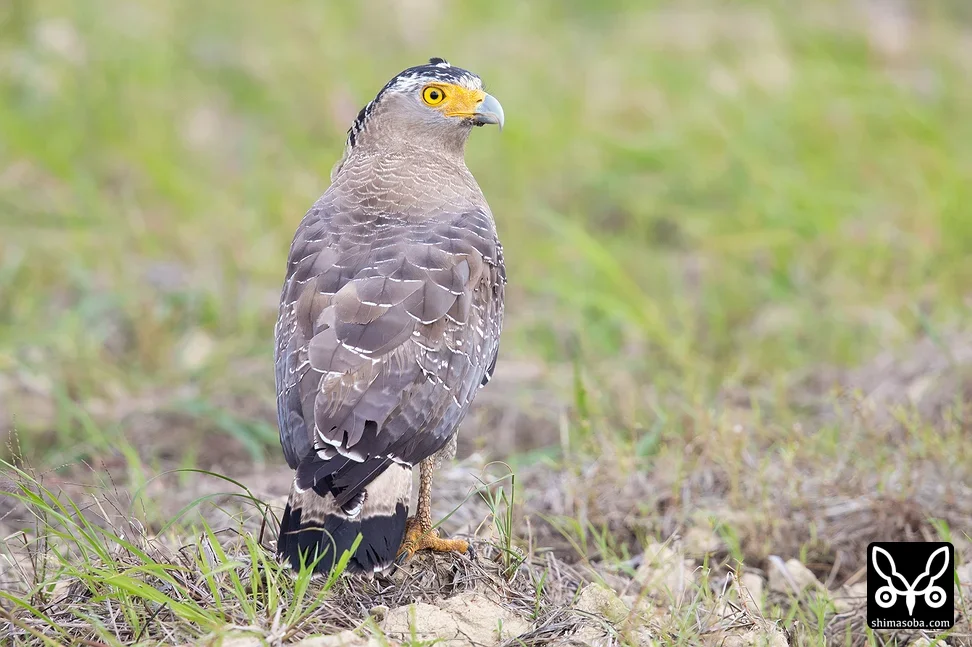
Crested Serpent Eagles have also finished breeding and rice harvesting has started in the paddies, so I am encountering them more often. As last year, the number of juveniles is low this season.

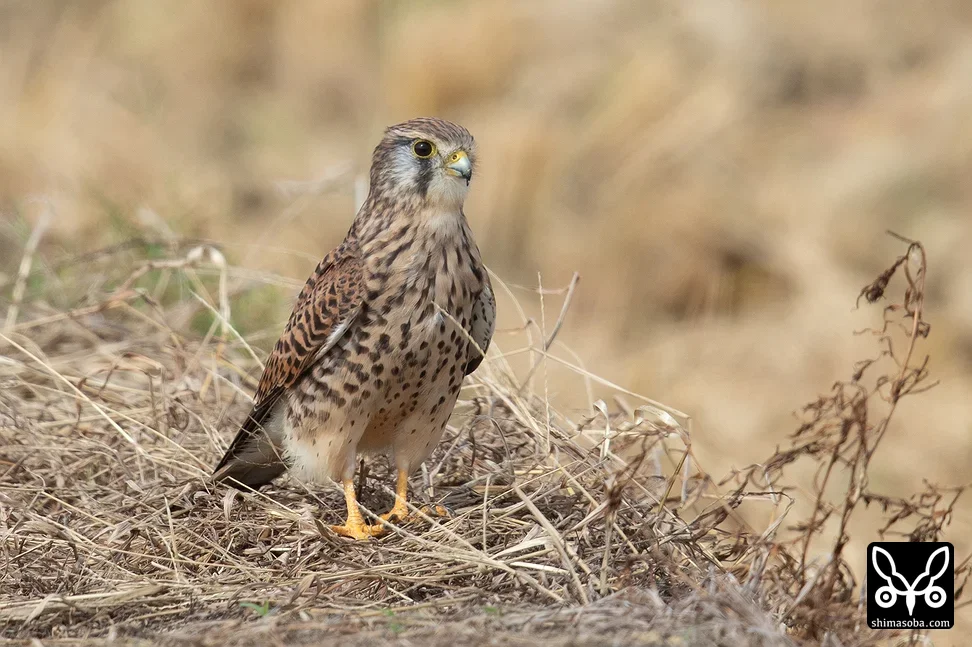
Common Kestrels are numerous. They show up everywhere. When I'm watching Eastern Yellow Wagtails, Siberian Pipits or Oriental Turtle Doves, it's the Common Kestrel that comes along and scatters the flock. ^^;

Black-winged Kite
Black-winged Kite

The Black-winged Kite at this spot is a fairly approachable individual, so I was able to observe it at close range. ^^

Black-winged Kite
Black-winged Kite

Those bright red eyes of the Black-winged Kite are a real draw for birdwatchers. ^^

Crested Serpent Eagle

A Crested Serpent Eagle came to a paddy field where rice harvesting was under way.

Common Kestrel
Common Kestrel

Common Kestrel, adult female.

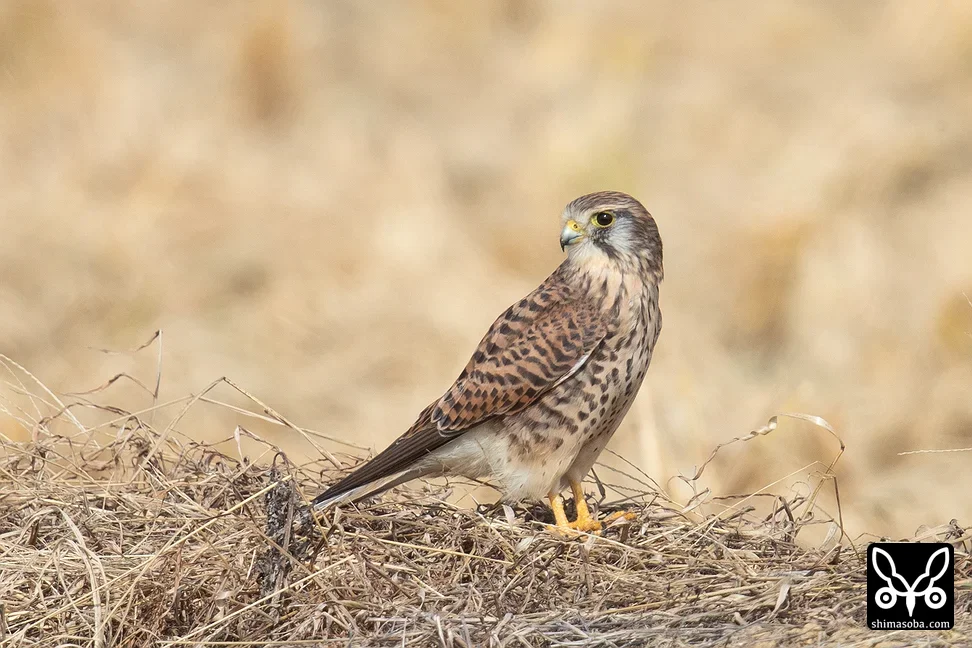
Common Kestrel
Common Kestrel

It was scanning for prey from the field berm.

Categories: 野鳥

First Caspian Tern of the Season Arrives

The first Caspian Tern of the season arrived at the rice paddies. Caspian Terns in the paddies move on quickly, so I contacted my birding friends right away. The first friend rushed over, and before long the bird flew off to the east. But while we stood there talking for about ten minutes, the Caspian Tern actually came back. The next day there were two Caspian Terns on the coast. ^^

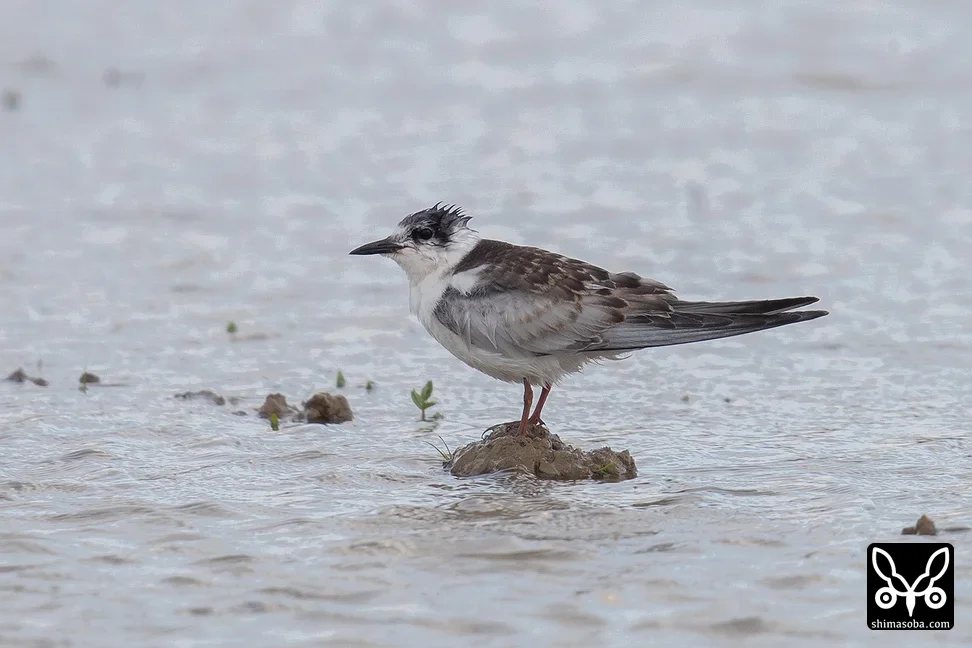
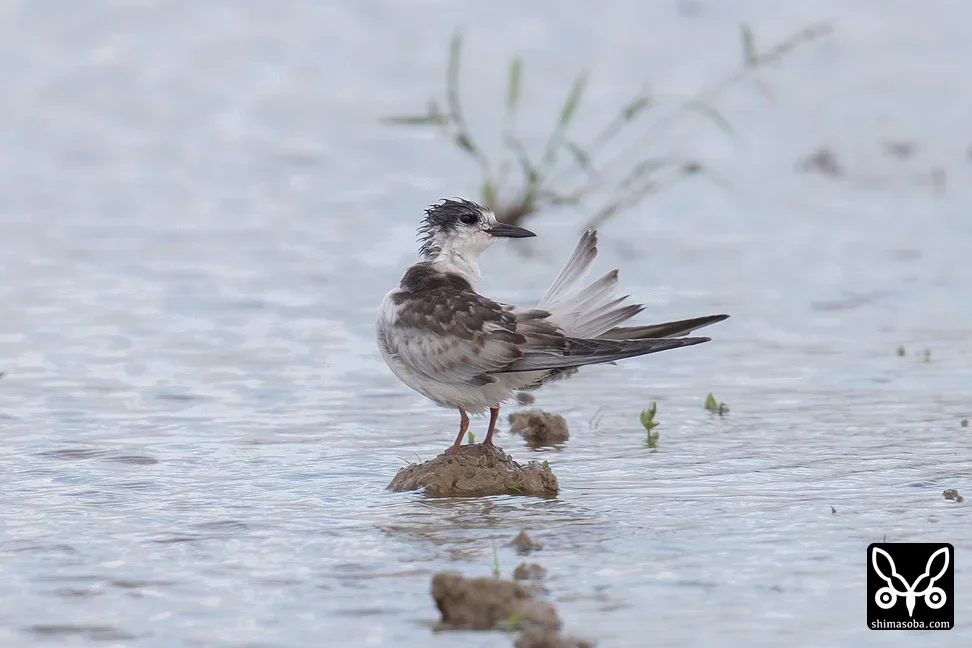
In the evening, at another paddy, backlight and poor light made a suspicious-looking juvenile marsh tern. But when I photographed it and looked closely, it was a juvenile Whiskered Tern.

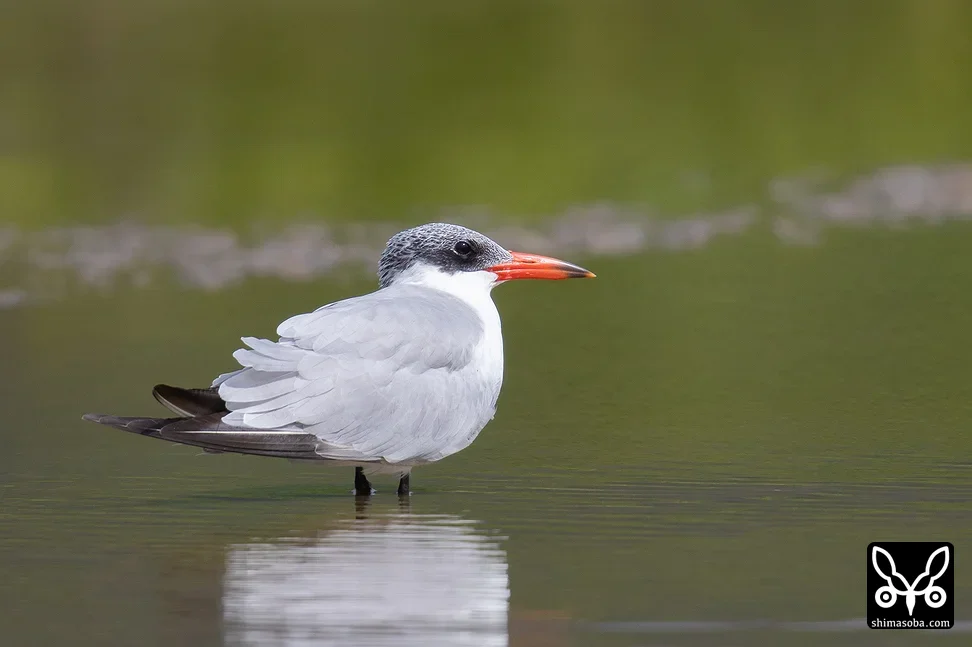
Caspian Tern
Caspian Tern

Caspian Tern, adult winter plumage. Some of the primaries still retain summer plumage.

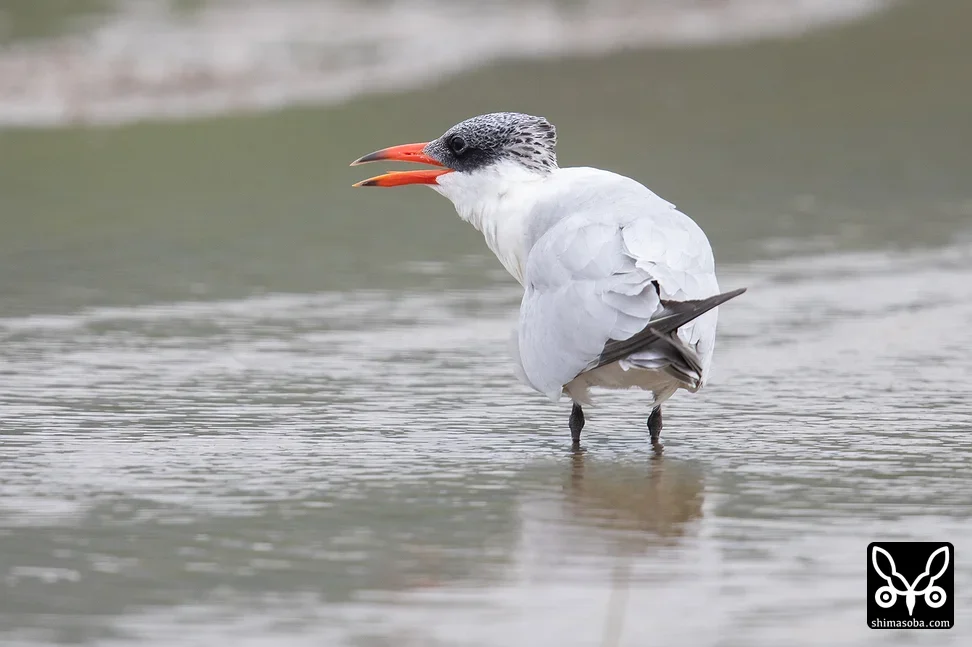
Caspian Tern
Caspian Tern

It looked like it was about to cough up a pellet, but never did.

Caspian Tern
Caspian Tern

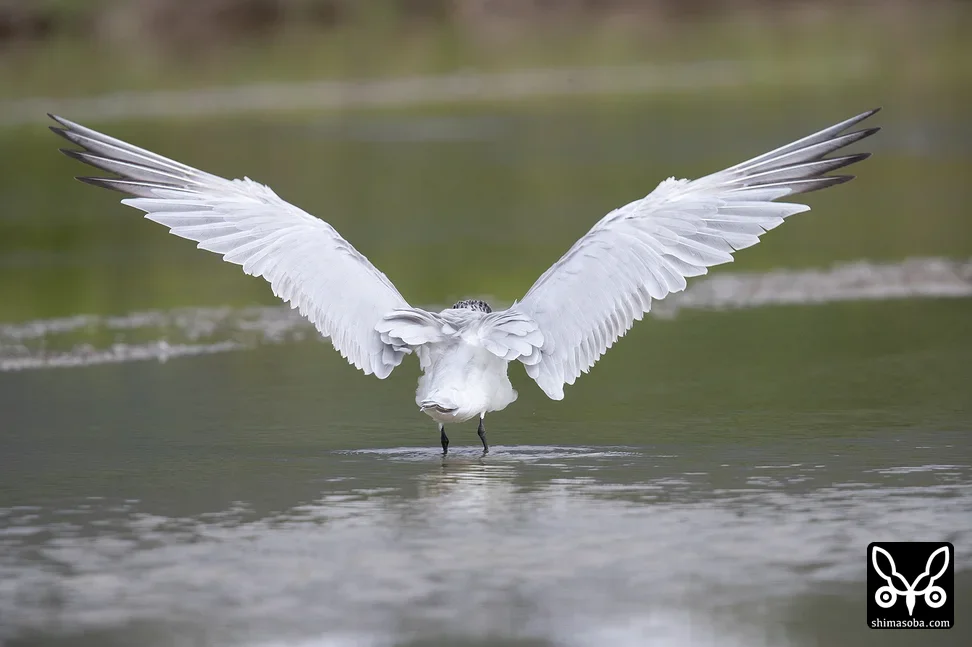
Spreading the wings shows the moult clearly. Mostly winter plumage, but a few primaries are still in summer plumage.

Whiskered Tern
Whiskered Tern

In the evening light it was dark, and for a moment a juvenile White-winged Tern gave me a start.

Whiskered Tern
Whiskered Tern

It looked to me like a juvenile Black Tern — but maybe not.

Categories: 野鳥