A daily record.
Featuring photos of wild birds and nature, mainly from Okinawa Main Island and Ishigaki Island

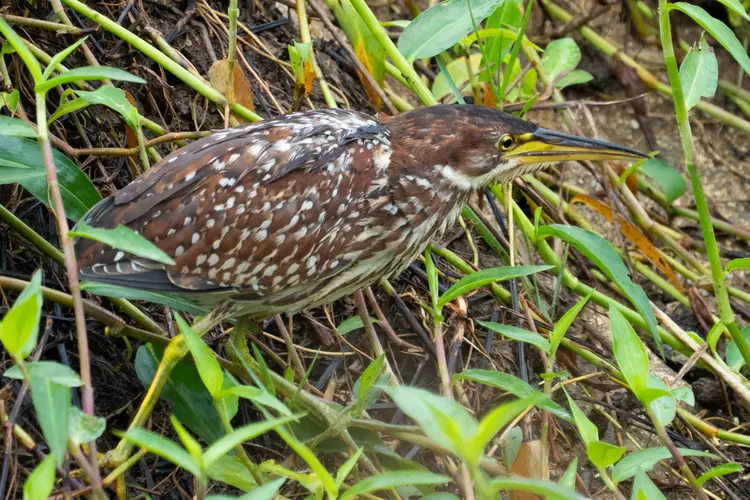
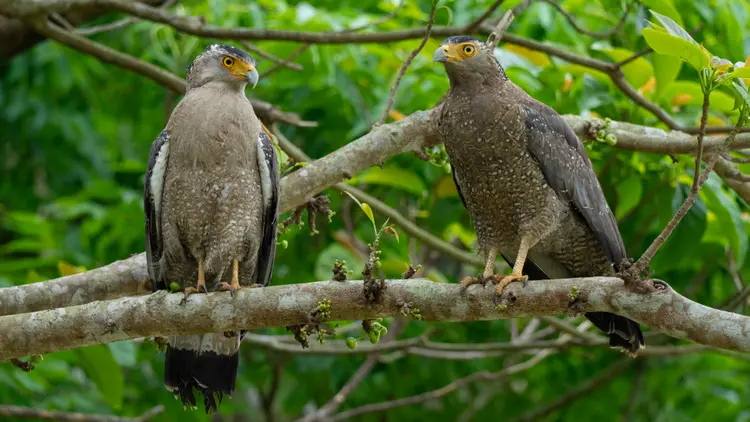
Schrenck's little bittern Crested serpent eagle Asian Glossy Starling Forest Wagtail Pied Avocet

GUIDED BIRDWATCHING TOUR

Go where the birds are. The SHIMASOBA Tour launches.

We'll drive you around Ishigaki Island to wherever the birds are showing best that day. Observation is mostly from inside the vehicle, and we keep it to a maximum of 3 guests so everyone can take their time.

Max. 3 guests 4 hours in the morning Beginners welcome
Check availability and book

Third Black-headed Bunting of the Season

I keep meeting Black-headed Buntings this season. After October 30 and October 31, this is the third individual.

I spotted an odd one in a huge flock of Eurasian Tree Sparrows. For a moment I panicked, thinking it was a House Sparrow... ^^;

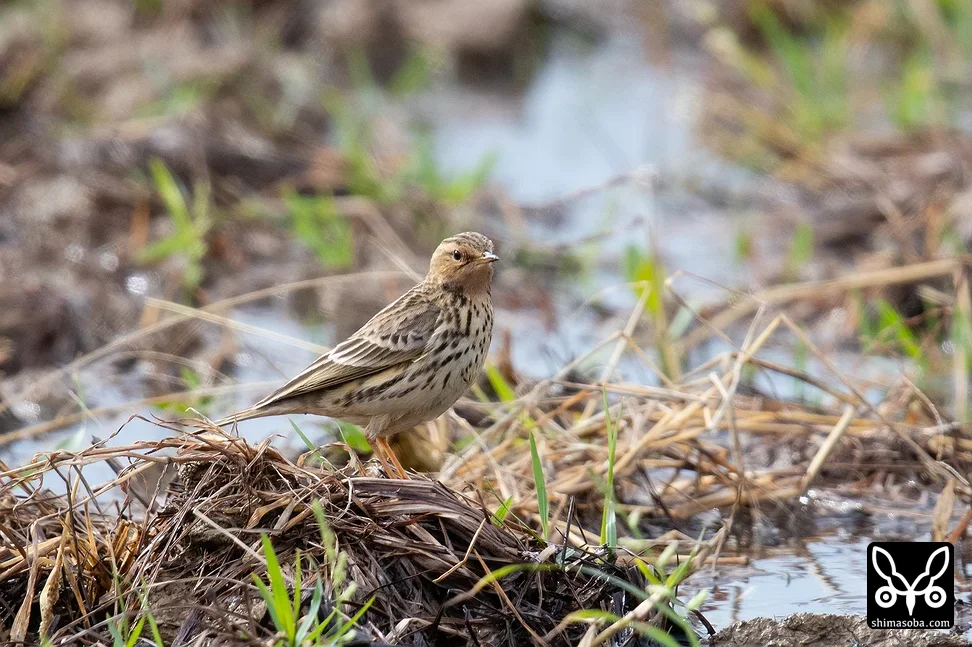
The other day there were lots of Siberian Pipits, but on this day there were lots of Red-throated Pipits. I could hear a Richard's Pipit calling in the flock, but couldn't find it.

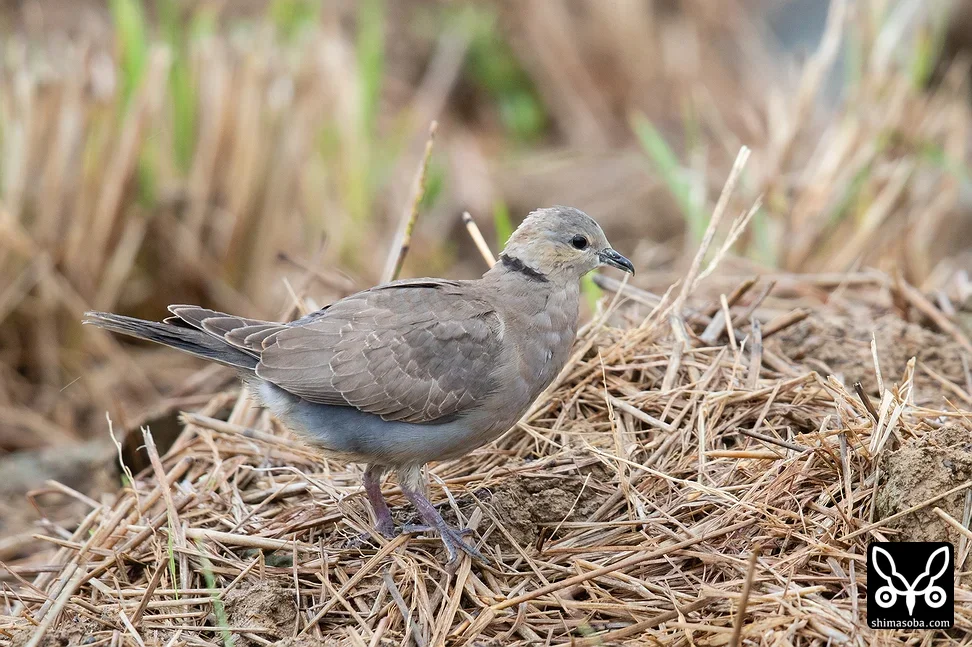
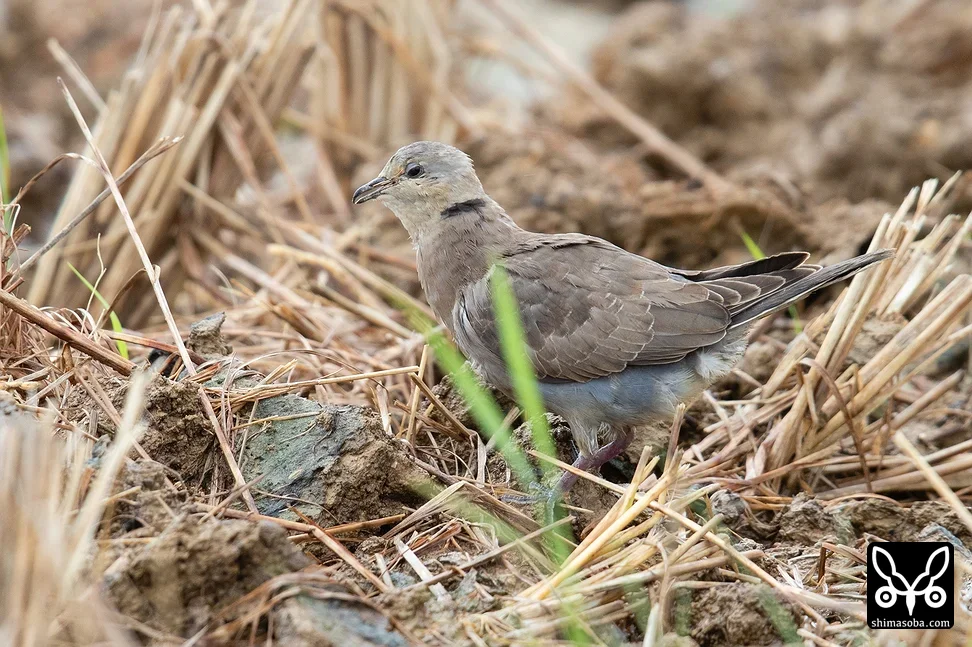
As for the Red Collared Dove, a juvenile that seems to be the same bird as one of the three Red Collared Doves I found the other day was still there.
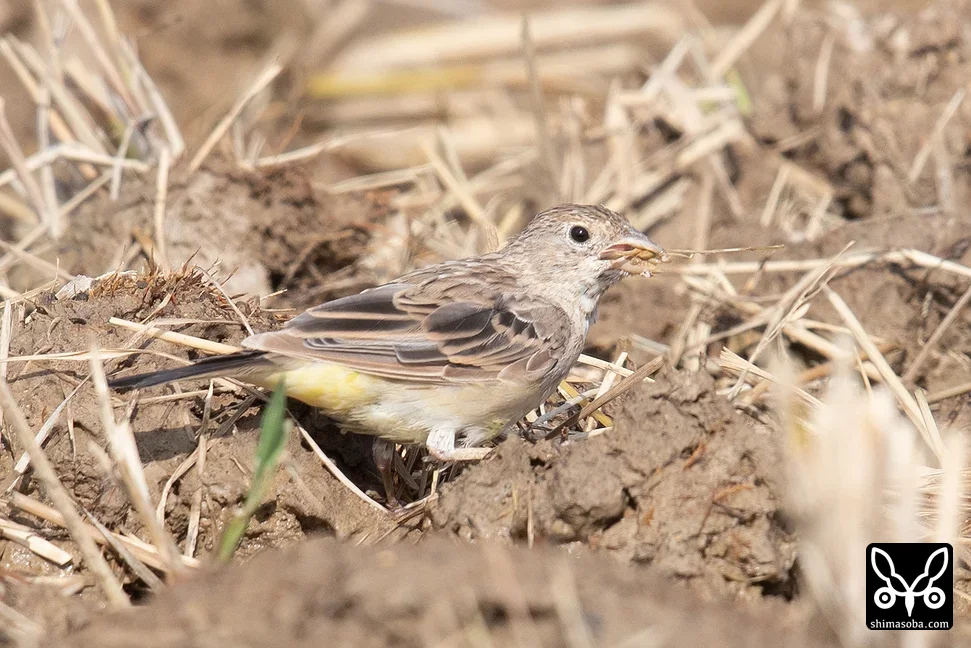
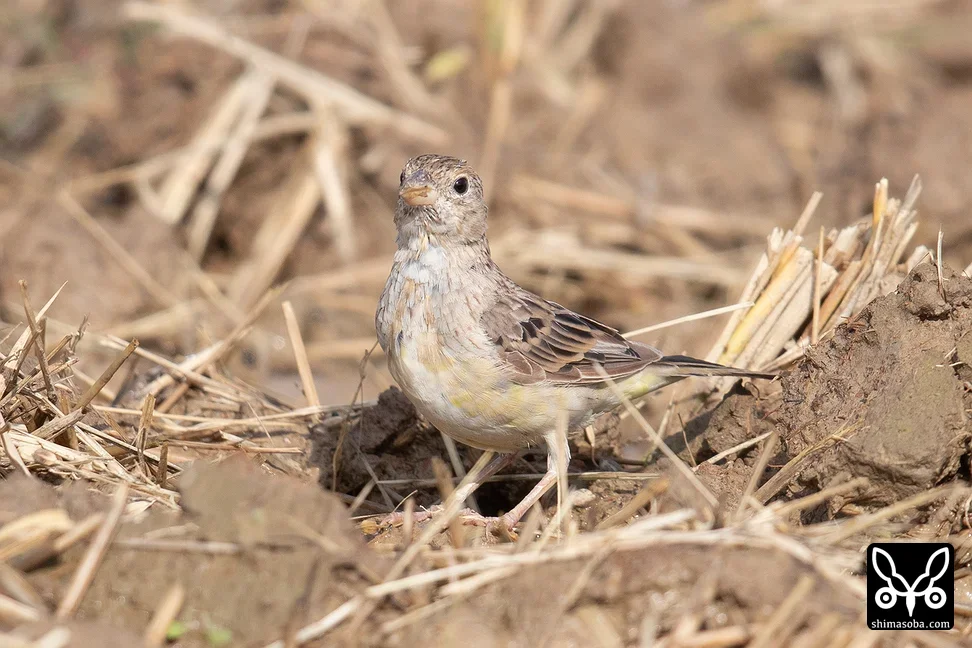
Black-headed Bunting

Black-headed Bunting pecking at fallen grain.
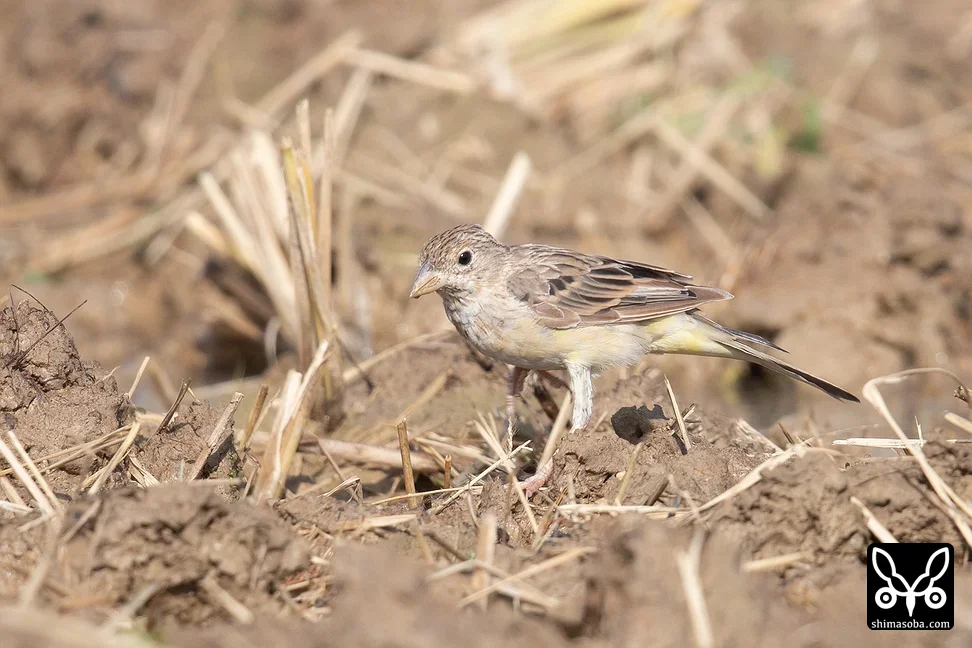
Black-headed Bunting

This is what it looks like from the front.
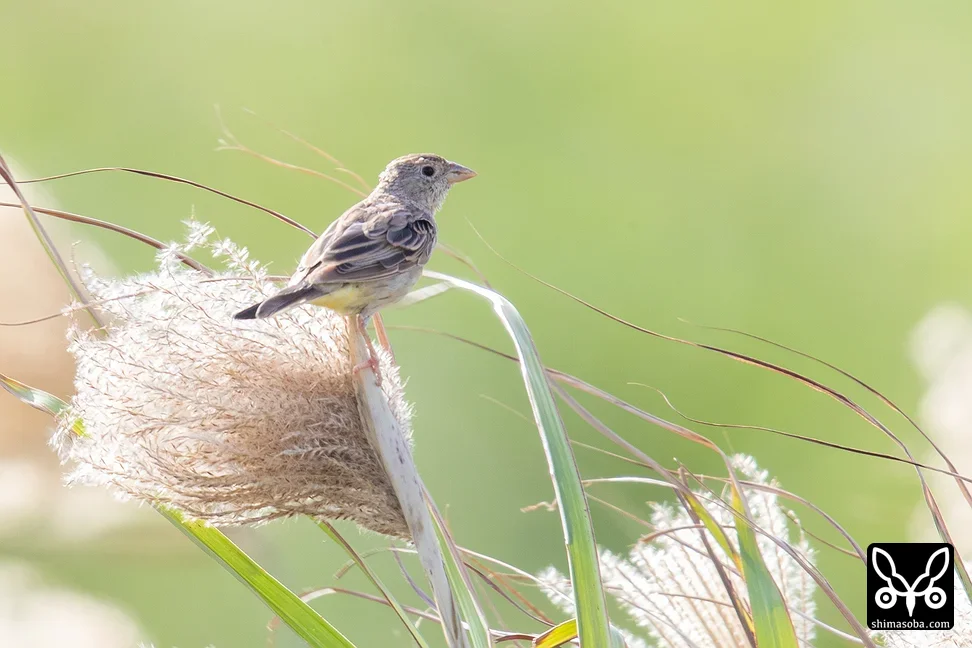
Black-headed Bunting

Black-headed Bunting, first-winter. It was distant when I first found it, but gradually worked its way closer.
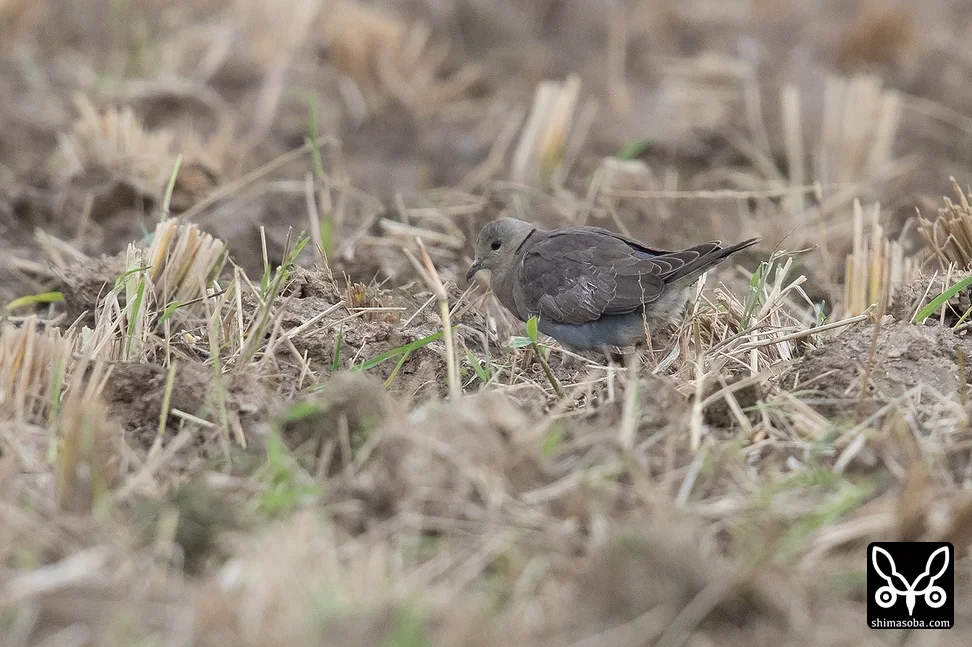
Black-headed Bunting

Black-headed Bunting perched on Japanese pampas grass.
Eurasian Collared Dove

Crimson-breasted Finch, juvenile. No adult male was to be found.
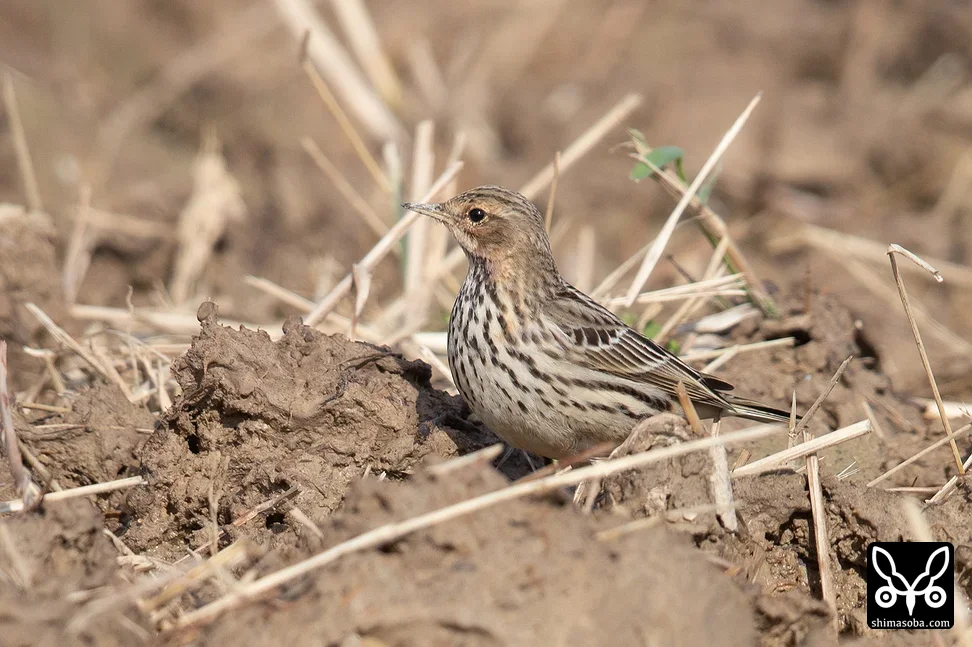
Red-throated Pipit
Red-throated Pipit

Red-throated Pipit in a flock of several dozen. Turnover is rapid.
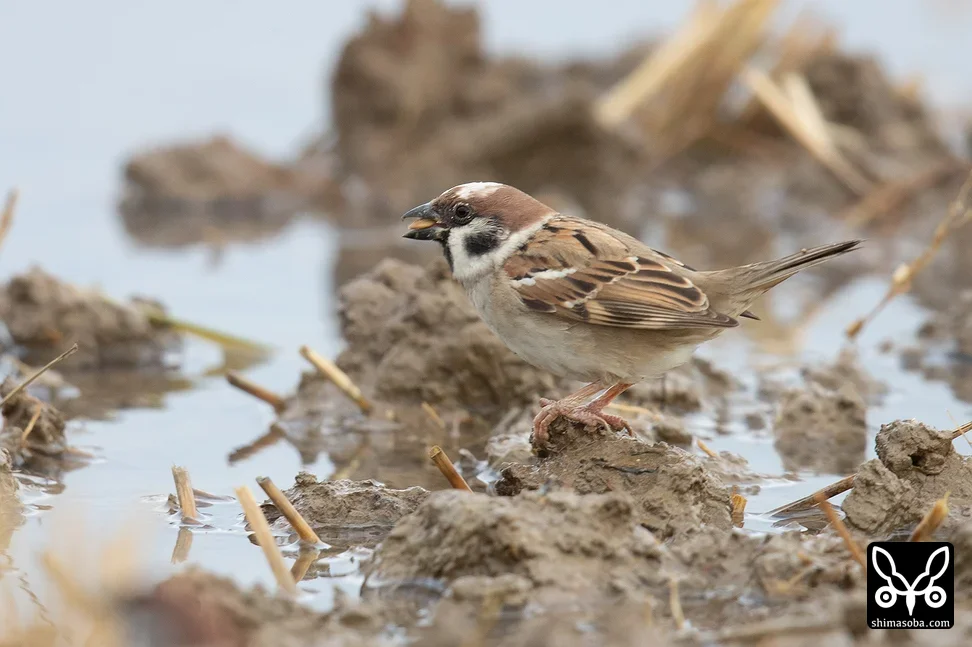
Eurasian Tree Sparrow

Eurasian Tree Sparrow with partial albinism — the crown is white.
Categories: 野鳥

Wintering Siberian Rubythroat, Japanese Bush Warbler and Ryukyu Flycatcher

I got word of a Mugimaki Flycatcher and went to see it, but drew a blank. With nothing else to do I looked around the area, and a Siberian Rubythroat's call note came from the thicket. I could see a shadow moving, so I waited a little, and it came out for just a moment in a spot where I could get a photo. I had heard Siberian Rubythroat call notes many times on Yonaguni Island the other day, so it proved useful in an unexpected place.

The Siberian Rubythroat seemed to be moving along with a Japanese Bush Warbler, neither close together nor far apart. The Japanese Bush Warbler came out right in front of me. At this time of year both Japanese Bush Warbler and Sakhalin Leaf Warbler can be seen on Ishigaki Island.

The Ryukyu Flycatcher came out many times at the spot it uses as a feeding place. Probably the same individual.

Siberian Rubythroat
Siberian Rubythroat

Female Siberian Rubythroat.

Siberian Rubythroat
Siberian Rubythroat

It seems some female Siberian Rubythroats also have a red throat.

Ryukyu Flycatcher
Ryukyu Flycatcher

Ryukyu Robin, female winter plumage. It kept coming out to the feeding area and catching small insects. There was also a first-winter male present.

Japanese Bush Warbler

Japanese Bush Warbler, male. Does not appear to be a Sakhalin Leaf Warbler.

Japanese Bush Warbler

Same individual as above. It came right out in front of me.

Categories: 野鳥

Pied Avocets Up to Two, Wintering Solitary Snipe and More

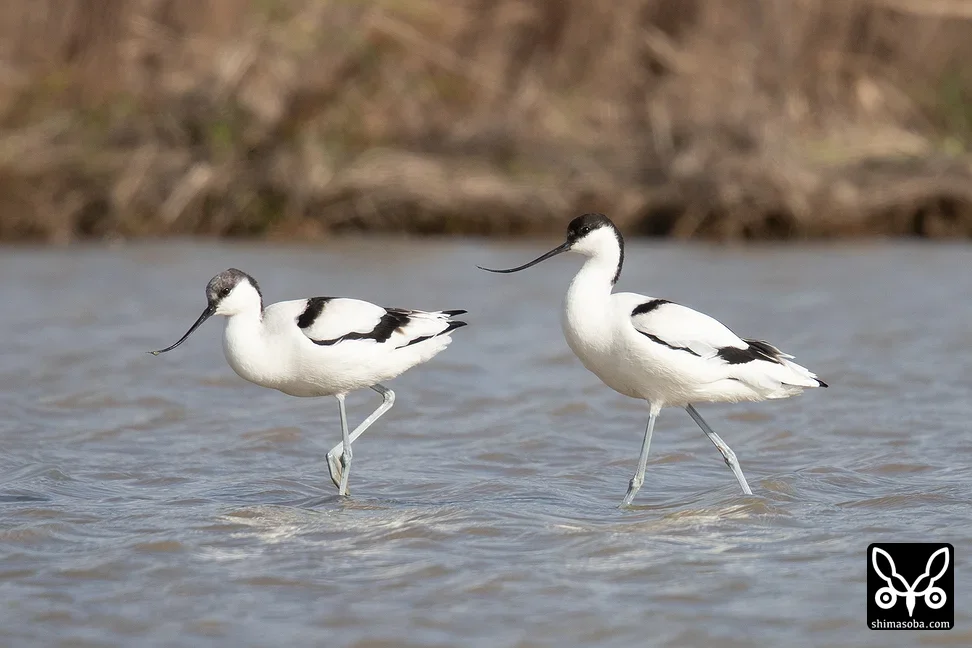
The Pied Avocet that arrived alone the other day has moved to a different place and increased to two. ^^

The two fed without straying far from each other.

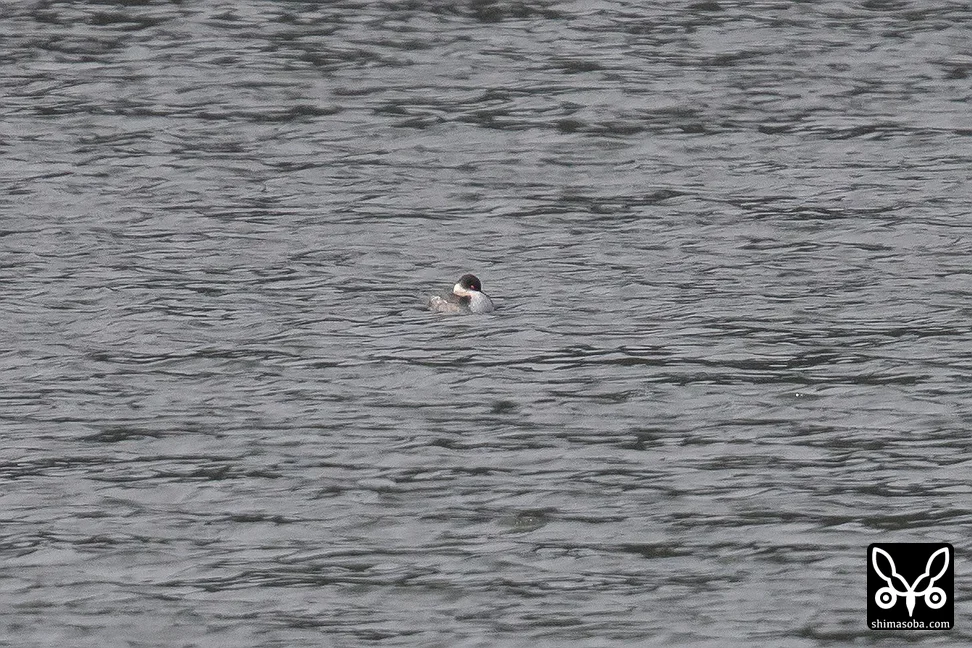
There was a Black-necked Grebe, which is rare in Okinawa. I wondered if it might be a Horned Grebe, though...

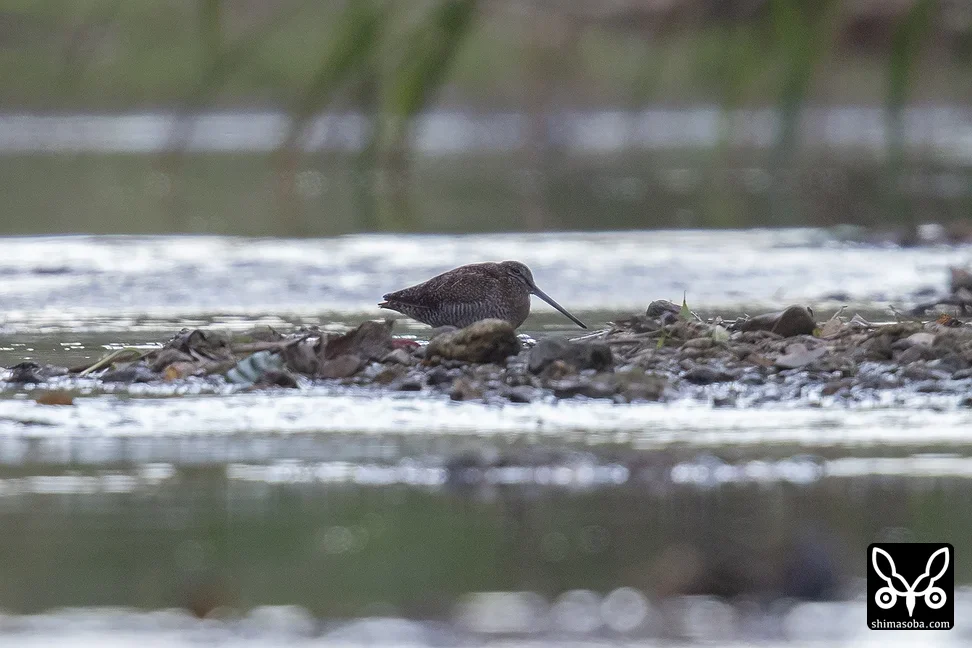
The Solitary Snipe is also wintering well, undisturbed by anyone.

Pied Avocet
Pied Avocet

Adult female (right) and juvenile Pied Avocet.

Pied Avocet
Pied Avocet

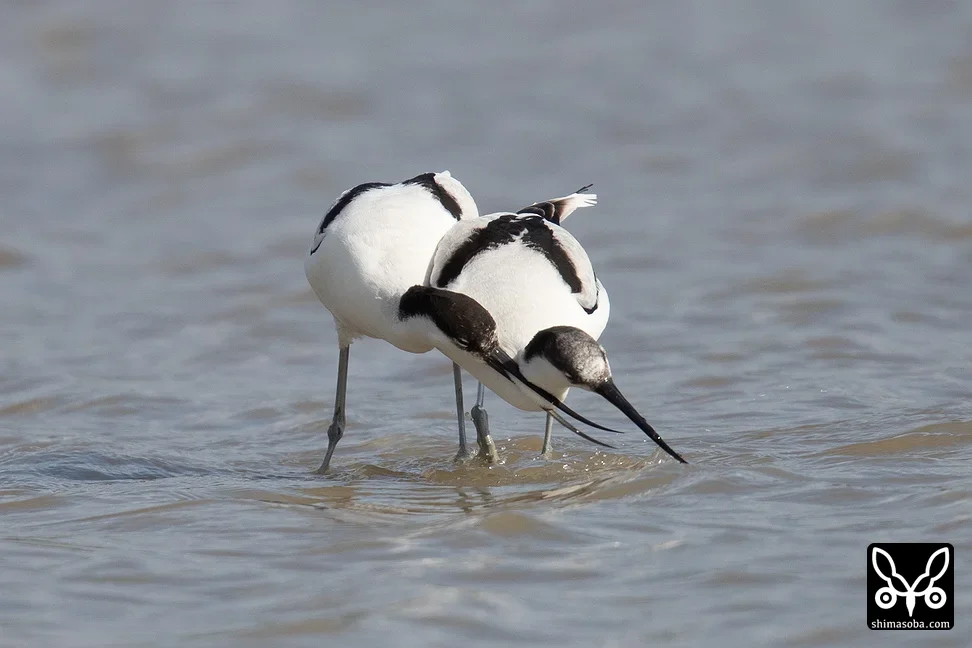
They were occasionally squabbling over food.

Pied Avocet
Pied Avocet

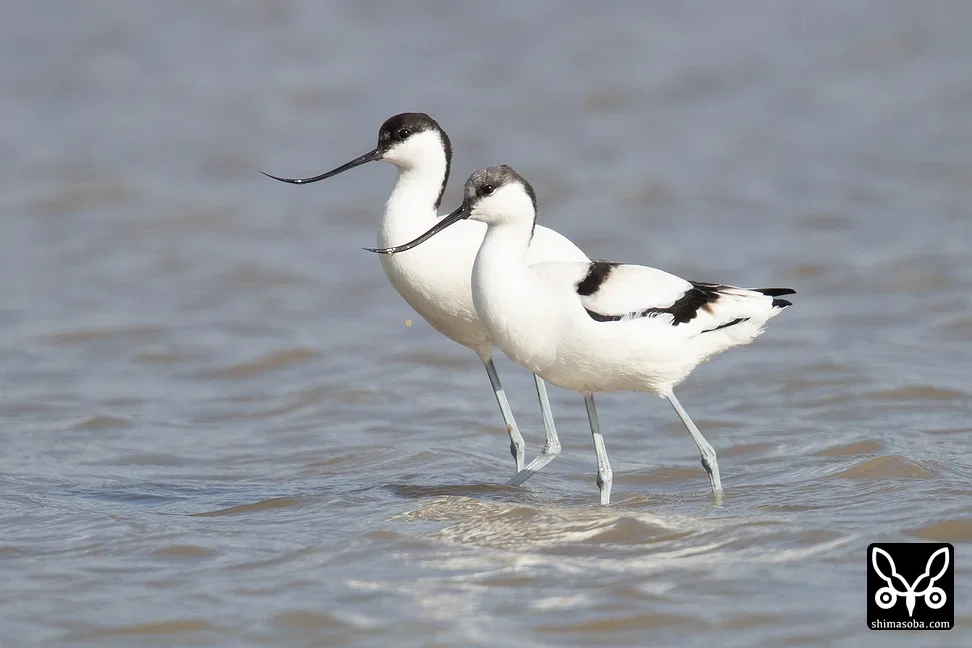
The two were side by side, showing synchronised behaviour.

Solitary Snipe
Solitary Snipe

A Solitary Snipe that had been in the same spot despite my concern after the heavy rain that fell for several days prior had caused water levels to rise.

Black-necked Grebe
Black-necked Grebe

I was unsure whether it was a Black-necked Grebe or a Horned Grebe, but it appears to be a Black-necked Grebe. First time I've seen one on Ishigaki Island. ^^ Probably the first record for Ishigaki Island.

Categories: 野鳥

Black-winged Kite and Peregrine Falcon

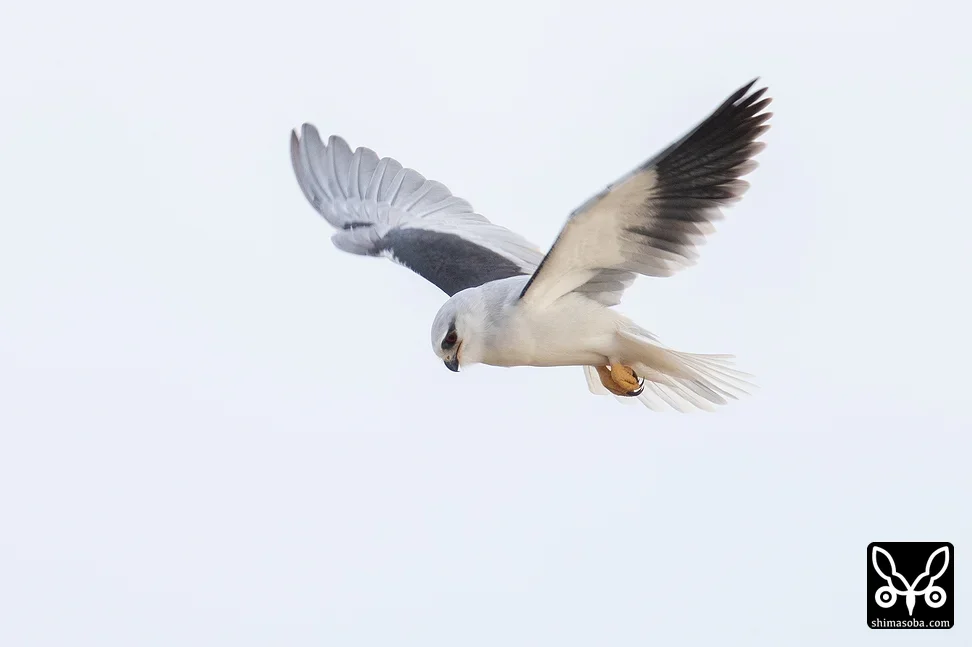
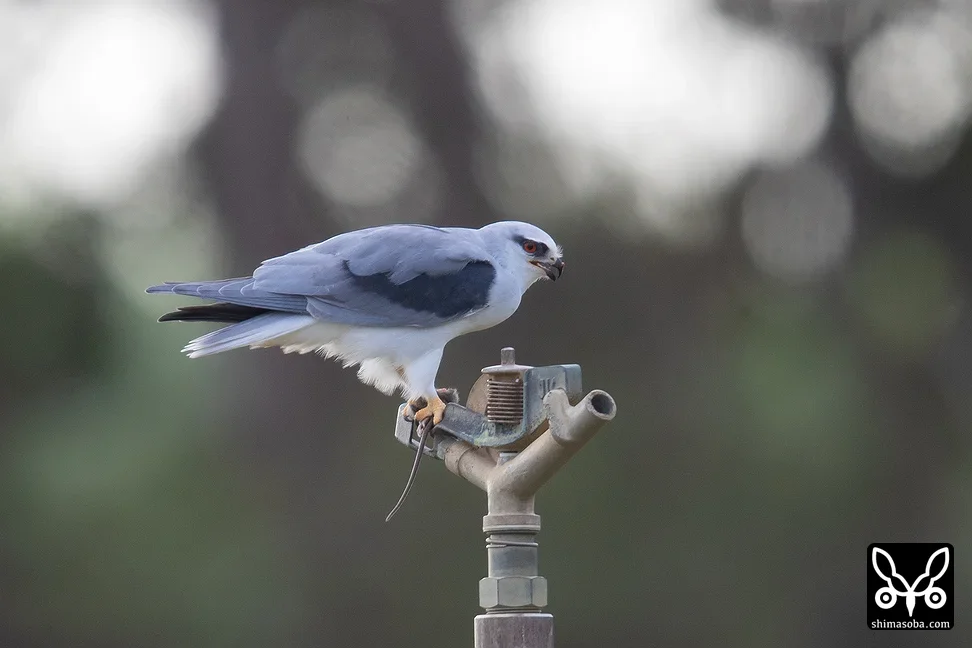
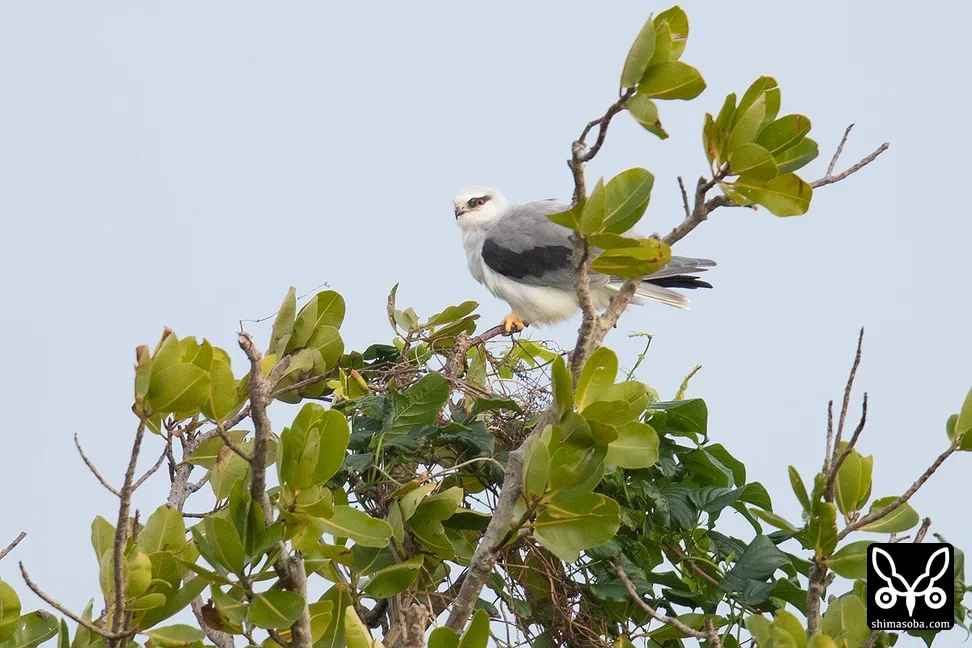
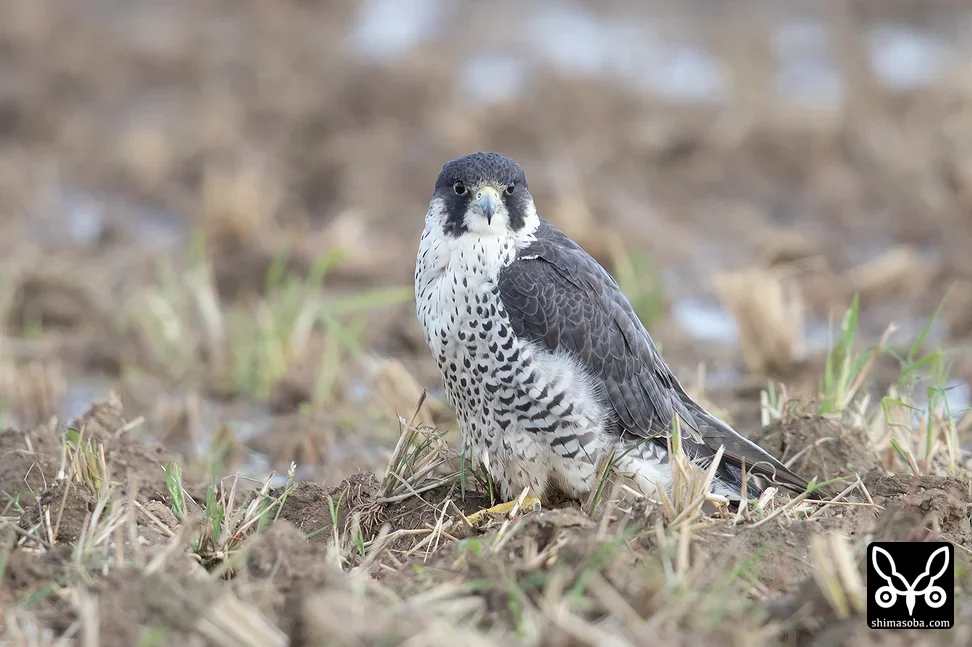
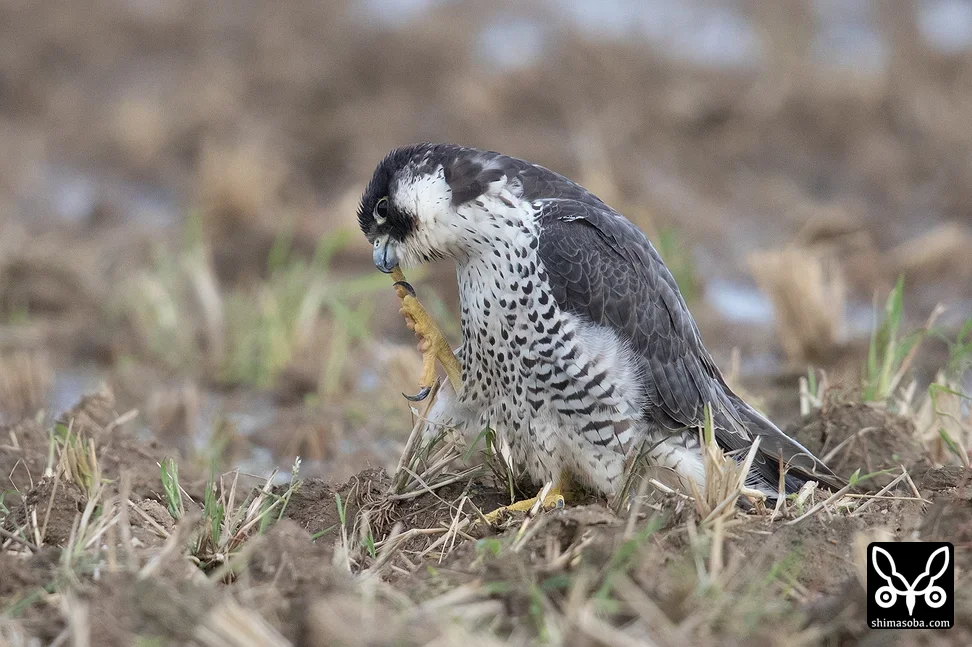
A Black-winged Kite and a Peregrine Falcon were in the same paddy field. The Peregrine Falcon dived at a Common Pheasant but failed. The Black-winged Kite caught a rat neatly.

Both were not very wary, and I could observe and photograph them from relatively close range.

Black-winged Kite
Black-winged Kite

Having been established for about four years now, with numbers increasing, the Black-winged Kite has become a familiar sight on Ishigaki Island.

Black-winged Kite
Black-winged Kite

A Black-winged Kite eating a mouse it had caught. It always eats on top of a sprinkler.

Black-winged Kite
Black-winged Kite

Black-winged Kites moult completely into adult plumage in about a year. The eye colour has also changed from the pale orange of the juvenile stage to deep red.

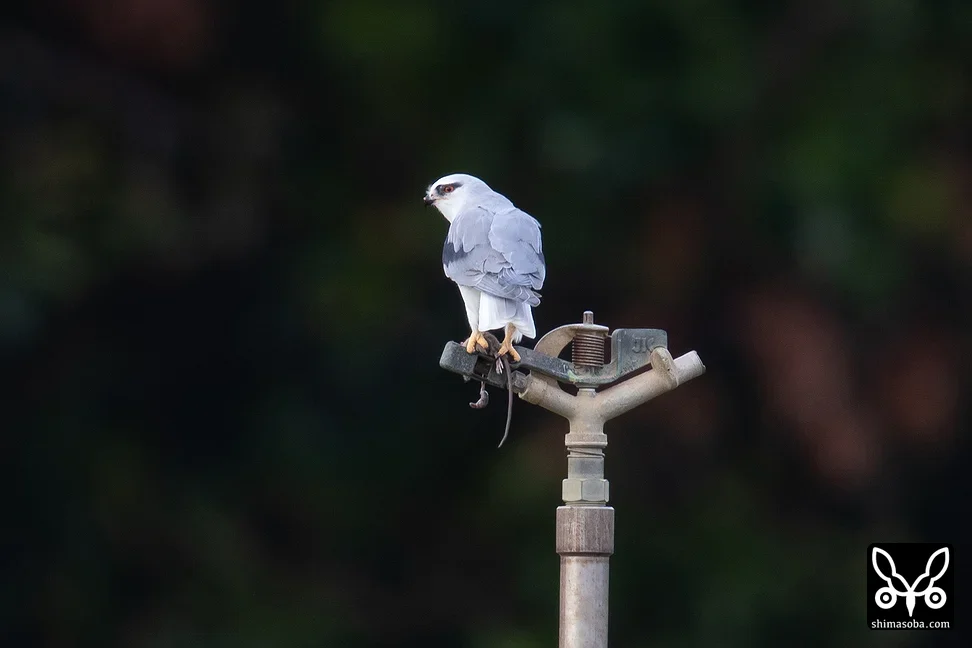
Black-winged Kite
Black-winged Kite

A favourite lookout post.

Peregrine Falcon
Peregrine Falcon

Adult female Peregrine Falcon. A few juvenile feathers remain, so it is still a young bird.

Peregrine Falcon
Peregrine Falcon

Compared to the Peregrine found last month, which appears to have come from the continent, you can see the impression is quite different.

Categories: 野鳥

Red Collared Doves, Naumann's Thrush and Red-throated Pipits in the Rice Paddies

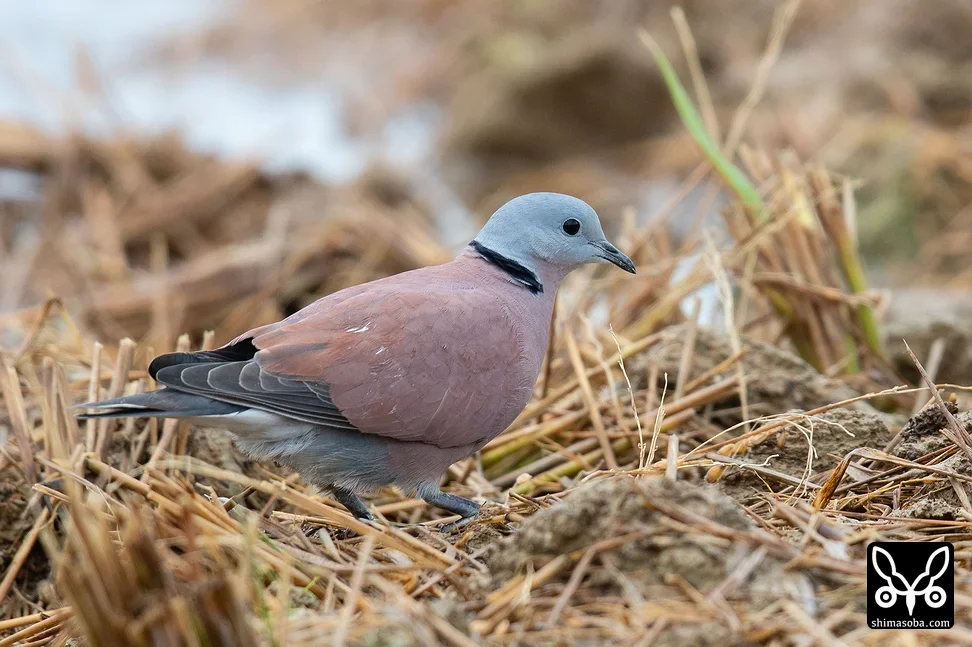
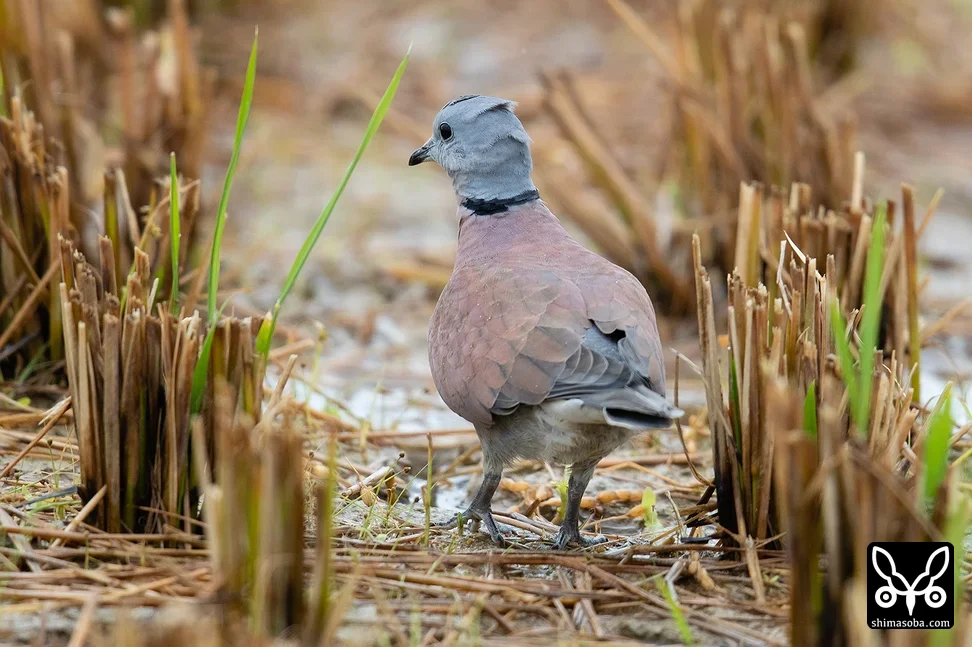
On my lunch break I looked in on the rice paddies and found two male Red Collared Doves and one juvenile. This is an unusually good year for Red Collared Doves. Since autumn they have been turning up without a break in fields all over the place.

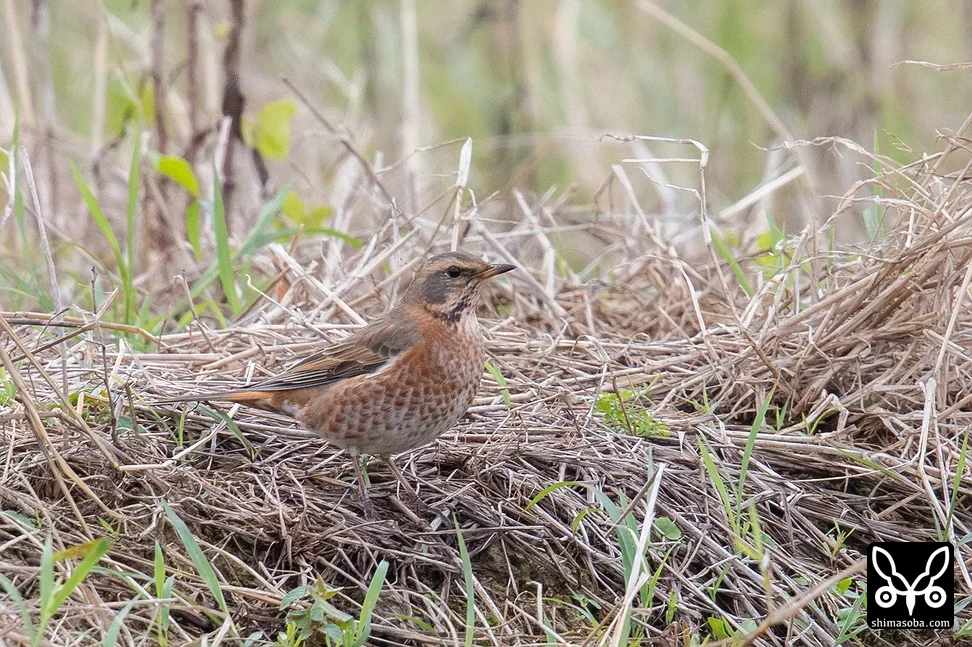
A Naumann's Thrush had come into the same paddy. Pale Thrushes and Brown-headed Thrushes are very numerous and can be seen anywhere. Dusky Thrushes are also increasing. Naumann's Thrush, which breeds farther north than the Dusky Thrush, can now be seen as well.

Among today's pipits, I'd say the order of abundance was Red-throated Pipit, Siberian Pipit, then Richard's Pipit, but it changes from day to day, so the turnover seems to be fast.

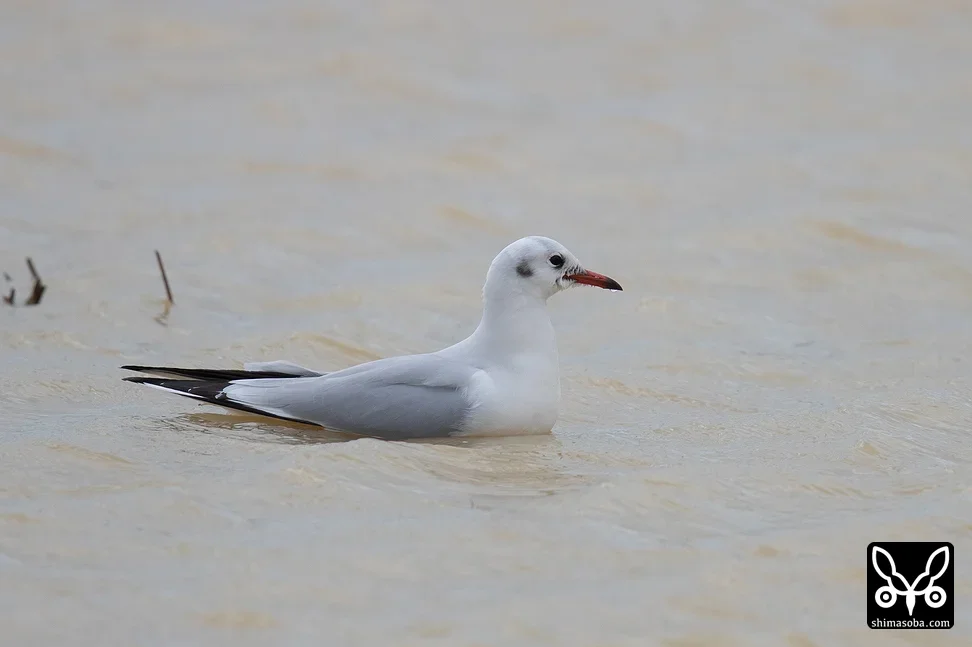
Black-headed Gulls have arrived at a nearby fishing port, and I watched individuals coming to bathe in the paddy.

Swan Goose, Taiga Bean Goose, Greater White-fronted Goose, a dark-morph Grey-faced Buzzard, Solitary Snipe, Pied Avocet and Chinese Pond Heron are also all spending the winter here in good shape. ^^

Eurasian Collared Dove

Adult male Ruddy Ground Dove. It looked small among a flock of Oriental Turtle Doves, but its beautiful plumage stood out all the more.

Eurasian Collared Dove

Another adult male. Compared to the individual above, the shaft streaks on the tertials are more prominent.

Eurasian Collared Dove

Ruddy Ground Dove juvenile. First-winter feathers are coming in to some extent, but it is mostly still in juvenile plumage.

Eurasian Collared Dove

Feeding on rice husks in a paddy field after the harvest.

Naumann's Thrush
Naumann's Thrush

Adult Naumann's Thrush. An intermediate individual between Naumann's and Dusky Thrush. Sex unknown.

Red-throated Pipit
Red-throated Pipit

The most numerous are Red-throated Pipits. Next are Water Pipits. Buff-bellied Pipit was confirmed by call only.

Black-headed Gull
Black-headed Gull

Adult Black-headed Gull in winter plumage. It came to a paddy field and was bathing.

Categories: 野鳥