A daily record.
Featuring photos of wild birds and nature, mainly from Okinawa Main Island and Ishigaki Island

Pied Avocet, Marsh Sandpiper, Common Snipe, Northern Lapwing and more

Nov. 30, 2023

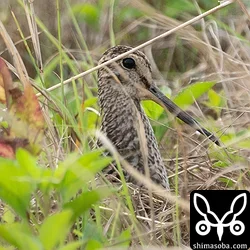
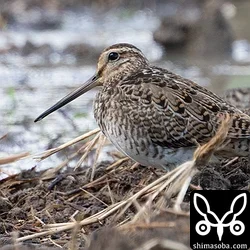
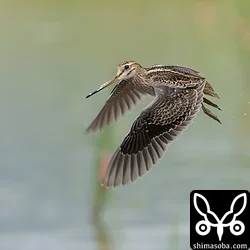
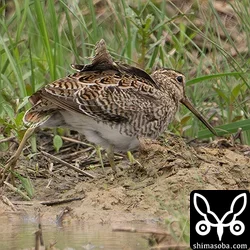
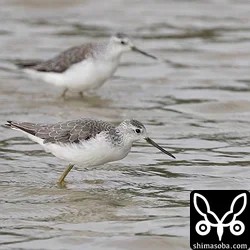
Overwintering in the paddies: Pied Avocet, Black-winged Stilt, Marsh Sandpiper, Common Greenshank, Common Redshank, Green Sandpiper, Common Snipe, Little Ringed Plover, and Northern Lapwing. Dozens of Common Snipe are staying, but Swinhoe's Snipe have not been found…

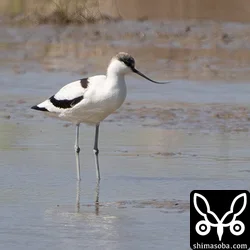
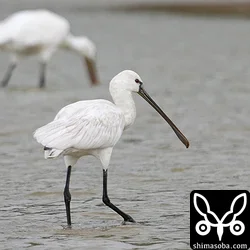
Pied Avocet, first-winter.

Red Collared Dove, Lesser White-fronted Goose, Eurasian Sparrowhawk, Caspian Tern and more

Nov. 15, 2023

Lesser White-fronted Goose, Siberian Pipit, Northern Lapwing, Eurasian Sparrowhawk, and Caspian Tern all photographed for the first time this season in one go. Red Collared Doves continue to stay at multiple locations.

Common Snipe numbers are growing as birds settle into wintering mode. Dunlin, Green Sandpiper, Black-winged Stilt, Common Greenshank, Marsh Sandpiper, and Common Redshank are also wintering in the island's paddies, though in small numbers.

Among raptors, Crested Serpent Eagle is becoming easier to find, and Common Kestrel, Grey-faced Buzzard, Eastern Marsh Harrier, Hen Harrier, and Peregrine Falcon are all increasing.

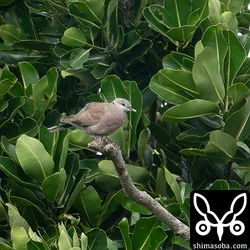
Pale-capped Pigeon male juvenile. Spooked by raptors and not coming down into the paddies.

Forest Wagtail roosting, Red Collared Dove staying

Nov. 4, 2023

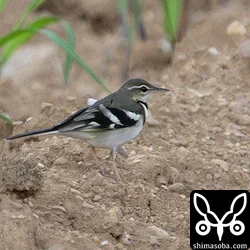
On the way home from work I found a pre-roost gathering of about 50 Grey Wagtails and 20 Eastern Yellow Wagtails, and while checking for anything mixed in I spotted one Forest Wagtail. They normally live along forest tracks, so finding a Forest Wagtail in a sugarcane field was a real surprise.

The following day it was again mixed in with the Grey Wagtail flock at the same spot, so it is presumably spending its days somewhere on a nearby forest track. One White Wagtail was in the same flock. It would be nice if it overwintered together with the Grey Wagtails.

Two Red Collared Doves are staying, but they look unsettled — a Black-winged Kite, Hen Harrier, and Eurasian Sparrowhawk come by every day. For some reason a Brown Shrike was moving around with the Red Collared Doves and Oriental Turtle Doves — perhaps because it too is wary of the raptors.

A rare experience — encountering a White-browed Wagtail in a sugarcane field. It appears to roost together with other wagtails.

Pied Avocet, Pin-tailed Snipe, Spotted Redshank, Japanese Leaf Warbler, and more

Oct. 14, 2023

The first Pied Avocet, Spotted Redshank, Eurasian Wigeon, and Northern Shoveler of the season have arrived. I had been hearing Japanese Leaf Warbler by call for several days, but this time I finally managed a photograph.

Pin-tailed Snipe numbers have dropped; today I could only squeeze out a single bird. Swinhoe's Snipe are past their peak but still well represented. Common Snipe are increasing.

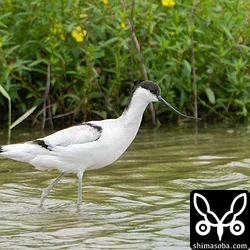
Pied Avocet, juvenile.

Pin-tailed Snipe, Swinhoe's Snipe and Common Snipe

Sept. 23, 2023

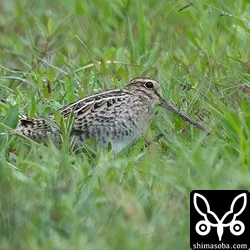
Found a mixed flock of about ten birds — Pin-tailed Snipe, Swinhoe's Snipe and Common Snipe. Scanning for Pin-tailed Snipe first, I turned up only two. Most were Swinhoe's Snipe, with two Common Snipe.

From there I settled in to try to photograph tail feathers, keeping an eye on my surroundings so as not to get in the way of the farmers working nearby, while staying focused on the snipe through the viewfinder and binoculars. It is more tiring than you might expect, but when you manage a clean tail-feather shot, it makes for a very satisfying day out. ^^

Pin-tailed Snipe, juvenile. A typical individual — no room for doubt.

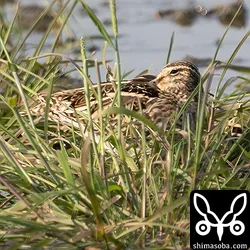
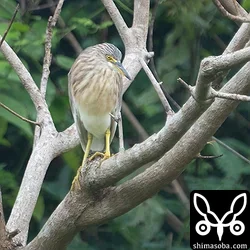
Pin-tailed Snipe, Common Snipe, Chinese Pond Heron

April 29, 2023

Shorebird numbers are up overall, but snipe numbers have been dropping. This day I found a paddy field holding about five snipe. Two were Pin-tailed Snipe, so I tried to get a shot of the tail feathers on the more approachable of the two. The other bird spent almost all its time hidden behind vegetation and I couldn't photograph it.

Pin-tailed Snipe having a stretch.

Pectoral Sandpiper staying on, Pin-tailed Snipe present, first Whiskered Tern of the season

April 20, 2023

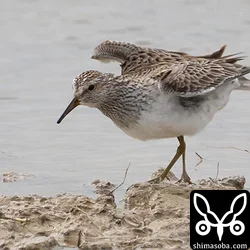
The Pectoral Sandpiper first recorded on 15 April is now into its fifth day. It is spending its time among a flock of Sharp-tailed Sandpipers. Autumn juvenile records are the norm, so a spring adult is a rare find.

Several Pin-tailed Snipe are also staying at multiple sites. Spring records of Pin-tailed Snipe are very scarce, making these birds equally valuable. They are approachable and allow extended observation — great fun. ^^ Swinhoe's Snipe and Common Snipe are also present.

The season's first Whiskered Tern arrived, following a tractor as it puddled a field.

A precious spring record of Pectoral Sandpiper.

First Pin-tailed Snipe of the Season, Wintering Eurasian Bittern, Far Eastern Curlew Arrival, and More

April 13, 2023

Confirmed the first Pin-tailed Snipe of the season. Spring passage Pin-tailed Snipe on Ishigaki are a rare find. Swinhoe's Snipe are also present, cycling in and out, while Common Snipe remain the most numerous.

Among the curlews, a Far Eastern Curlew arrived after the Eurasian Whimbrel. It may be the individual some university students spotted at sea just after leaving Ishigaki port on the Yonaguni ferry a few days ago. The seabirding on that route this spring was apparently quite good — though the sea was rough, so you need to steel yourself before boarding. ^^;

I got to see the Eurasian Bittern that has been wintering since last year, for the first time in a while. As usual, it showed no wariness at all. The several Chinese Pond Herons present were starting to come into breeding plumage.

The first Pin-tailed Snipe of the season.

Ruddy Kingfishers on the Increase (video)

April 6, 2023

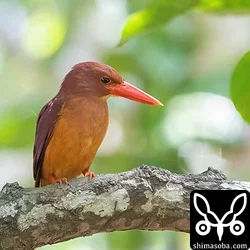
Ruddy Kingfishers are becoming more numerous. On Ishigaki they can be seen through October.

While searching for Ruddy Kingfishers I came across some noisy Ishigaki Tits. One was carrying food, so I watched from a distance and saw it disappear into a tree hollow — evidently nesting. I confirmed breeding at two locations.

The paddies are lively too, with Chinese Pond Herons in breeding plumage and Eastern Cattle Egrets adding to the bustle.

A male Ryukyu Kingfisher. I haven't examined it closely yet, but it appears to be the same individual as last year.

First Swinhoe's Snipe of the Season, Javan Pond Heron, Pied Avocet, and More

April 5, 2023

Confirmed the first Swinhoe's Snipe of the season — two birds on a paddy bund. Several Common Snipe as well.

Six Pied Avocets arrived, which I believe is a record count for a flock here. The paddies also hold Common Redshank, Black-winged Stilt, Wood Sandpiper, Oriental Pratincole, and Grey-headed Lapwing — a scarce species on Ishigaki.

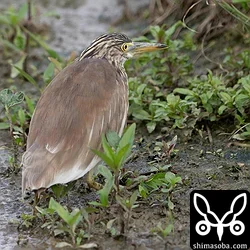
A small group of four pond herons — Javan Pond Heron and Chinese Pond Heron combined — is also lingering.

In the farmland on the western side of the island, Daurian Redstarts have arrived in large numbers. Apparently the situation is similar on Iriomote.

The first Swinhoe's Snipe of the season. It's good to finally meet one again.

Birdwatching in Aichi

April 4, 2023

Visited my family home in Aichi and did some birdwatching on the side. I was targeting Latham's Snipe, but in spring they are far fewer in number and the timing was a little early, so I struck out…

Even so, I managed to see birds that are hard to come by in Okinawa or on Ishigaki, so it was a satisfying trip.

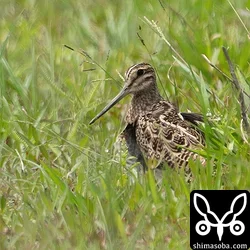
Common Snipe. I'm not sure of the situation in Aichi, but could this be a wintering bird?

Javan Pond Heron, Oriental Pratincole, Siberian Yellow Wagtail, and More

March 31, 2023

One Javan Pond Heron and three Chinese Pond Herons are staying on — all four are always together.

Oriental Pratincoles are increasing. On this day, nine were resting in the paddies, taking a break from the rain.

A Siberian Yellow Wagtail was on a paddy bund. The distance and the grass obscuring the bird made observation difficult; getting a few photos was the best I could manage. A Siberian Pipit was nearby.

The wintering Common Snipe have all but disappeared, though migrants are trickling through. Swinhoe's Snipe should be arriving soon.

Four Garganey turned up. If there's a duck that says spring on Ishigaki, it's the Garganey.

A Javan Pond Heron in winter plumage. Probably a first-winter individual.

Chinese Pond Heron, Purple Heron, Malayan Night Heron, and More

March 21, 2023

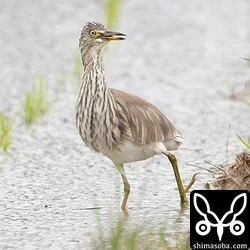
The Chinese Pond Herons that have been wintering since last year — about four of them. One individual appears to be a Javan Pond Heron. When the tractors started turning over the paddies, they joined the Eastern Cattle Egrets and took part in the attendant feeding.

Purple Herons can be found as young birds from last year as well as adults. The adults are in nuptial colour and looking particularly fine.

Wader numbers in the paddies have dropped considerably; just scattered Common Greenshank, Common Redshank, Green Sandpiper, and Black-winged Stilt. The wintering Common Snipe seem to have headed north, and almost none remain. Looking forward to the arrival of passage birds.

Chinese Pond Heron, winter plumage.

Chinese Pond Heron, Common Redshank, Common Greenshank and others

March 4, 2023

A few Chinese Pond Herons are wintering on Ishigaki Island. One individual is particularly unwary and has been useful for individual identification — it doesn't flee at all, which is almost worrying.

Common Redshank, Common Greenshank and Temminck's Stint are all wintering birds. Little Ringed Plovers have suddenly increased in number; I've confirmed several flocks of around 20 birds. Spring migration is under way.

A Chinese Pond Heron so tame it looked like it could perch on your hand. Winter plumage, but just a little summer plumage is starting to come in.

Eurasian Spoonbill, Common Shelduck, Common Snipe and others

Feb. 25, 2023

A Eurasian Spoonbill and Common Shelduck are staying in the rice fields. The Ruddy Shelducks were startled by a hunting dog, flew off and have not returned — they may have taken refuge somewhere around the dam.

Wintering Common Snipe are everywhere, but a wintering Swinhoe's Snipe has not been found since the end of the year…

Two Eurasian Spoonbills, moving back and forth between Anparu wetland and the rice fields.

Crested Serpent Eagle, Common Kestrel and others

Feb. 15, 2023

A quick burst of birdwatching in a spare moment. Crested Serpent Eagles are active and encounters with both adults and juveniles are frequent. Common Kestrels are wintering all over the place.

Two Black-tailed Gulls were at the fishing harbour, apparently eyeing up bait from the anglers.

Northern Lapwing flocks have appeared in various locations. The largest was over ten birds. Red-billed Starlings and Dusky Thrushes come to the compost heaps in the sugarcane fields every day.

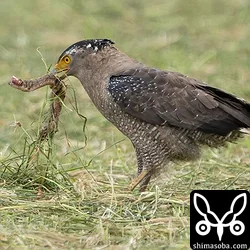
A Crested Serpent Eagle eating a habu.

Last birds of 2022

Dec. 29, 2022

At year-end, having coughed up blood to get all my copy filed before the end of the year, I squeezed in a short final birdwatch for 2022.

Entering December, Dusky Thrushes, Brown-headed Thrushes, and Pale Thrushes had increased sharply. Most of the Dusky Thrushes were Naumann's Thrushes, and the variation in plumage tones makes comparing them a pleasure in itself. Brown-headed and Pale Thrushes have also relaxed since shortly after arrival and are easier to observe.

Manchurian Bush Warblers and Dusky Warblers were calling from patches of scrub here and there, though slightly fewer than last year.

Daurian Redstart, Amur Stonechat, Red-throated Pipit, and Eastern Yellow Wagtail are also wintering.

In addition to the three Ruddy Shelduck already present, four Common Shelduck also arrived. Tundra Swans, Common Cranes, and Eurasian Spoonbills continue to stay on.

Among the ducks, Northern Shoveler were the most numerous, followed by Eurasian Wigeon, Eurasian Teal, and Tufted Duck. Ferruginous Duck has not been confirmed this season.

Large numbers of Common Snipe are wintering; among roughly 200 counted across multiple paddies, there was one Swinhoe's Snipe.

Crested Serpent Eagles — both immatures and adults — have become easier to see. Road casualties will increase from here on, so care is needed when driving on Ishigaki Island and Iriomote Island.

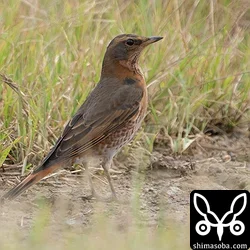
The most vividly coloured Naumann's Thrush of the day. An adult.