A daily record.
Featuring photos of wild birds and nature, mainly from Okinawa Main Island and Ishigaki Island

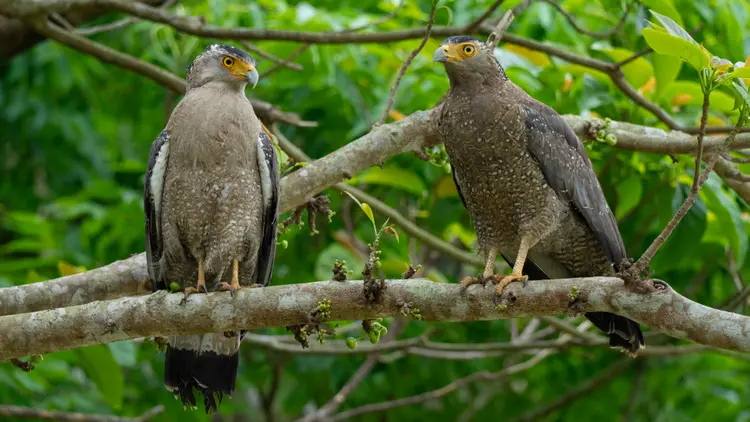
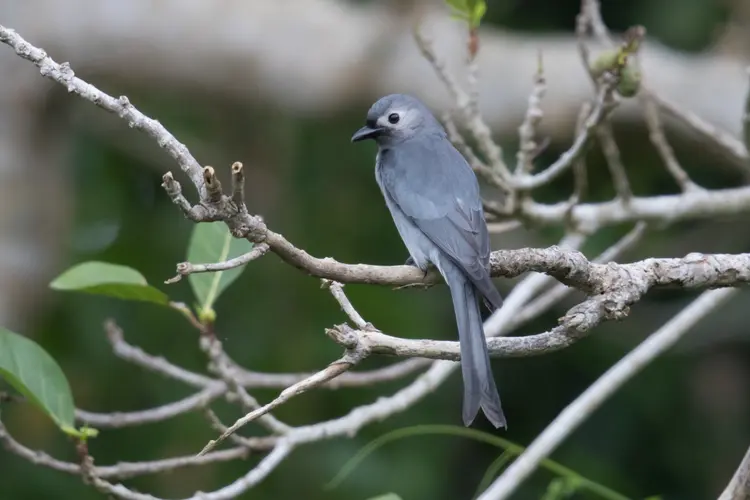
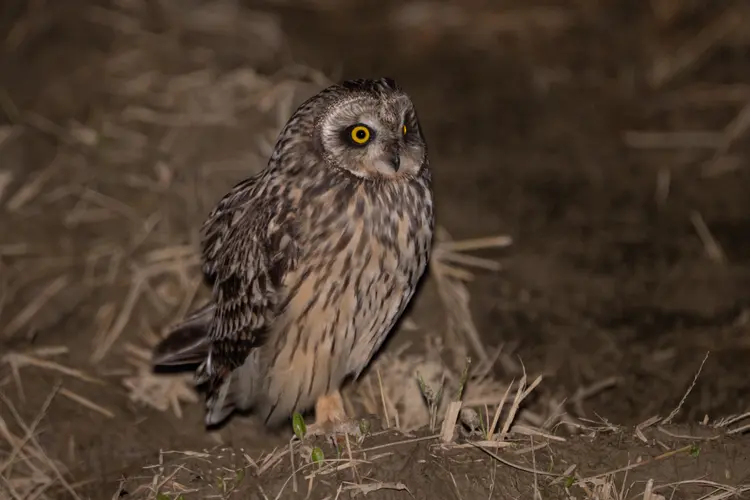
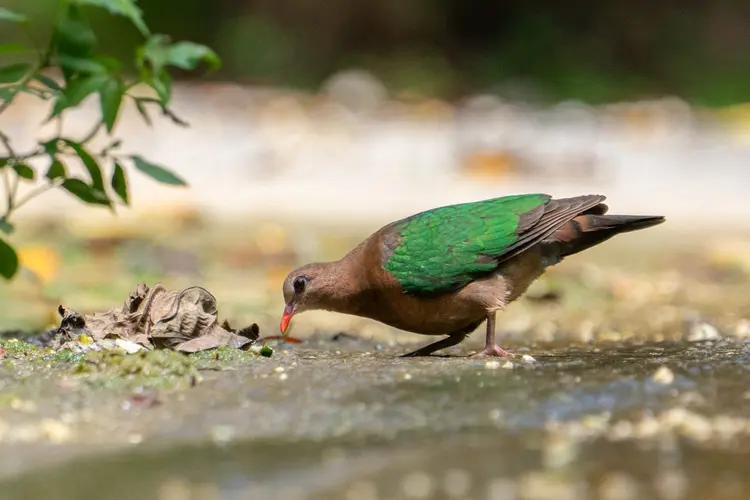
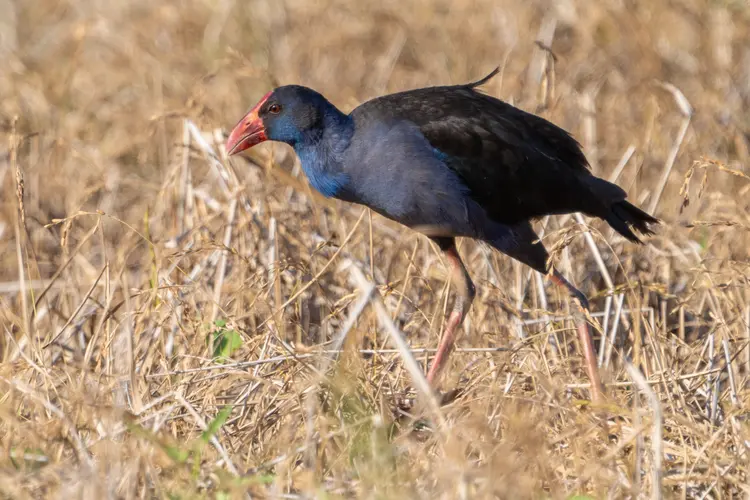
Crested serpent eagle Ashy drongo Short-eared Owl Emerald dove Purple Swamphen

GUIDED BIRDWATCHING TOUR

Go where the birds are. The SHIMASOBA Tour launches.

We'll drive you around Ishigaki Island to wherever the birds are showing best that day. Observation is mostly from inside the vehicle, and we keep it to a maximum of 3 guests so everyone can take their time.

Max. 3 guests 4 hours in the morning Beginners welcome
Check availability and book

Black-winged Kite and the Grey-faced Buzzard Migration

I went to the Black-winged Kite's feeding spot for the first time in a while. In the evening it comes looking for rats to eat. It made several hunting attempts, but I never saw it catch anything.

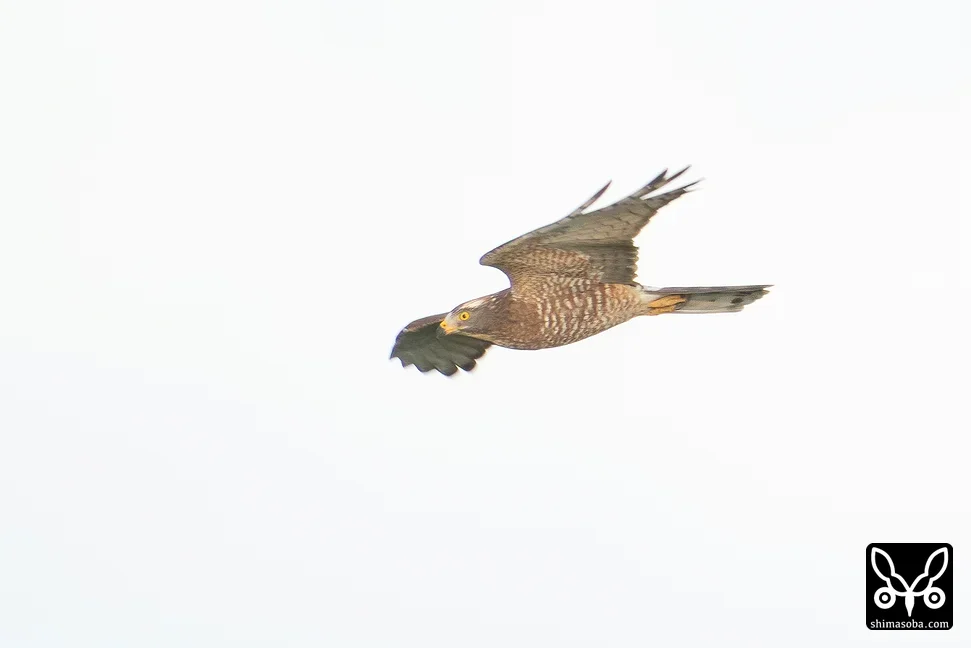
The Grey-faced Buzzard migration started a little while ago, and about 30 birds flew past on this day. The peak is still to come. I'm hoping for good weather.

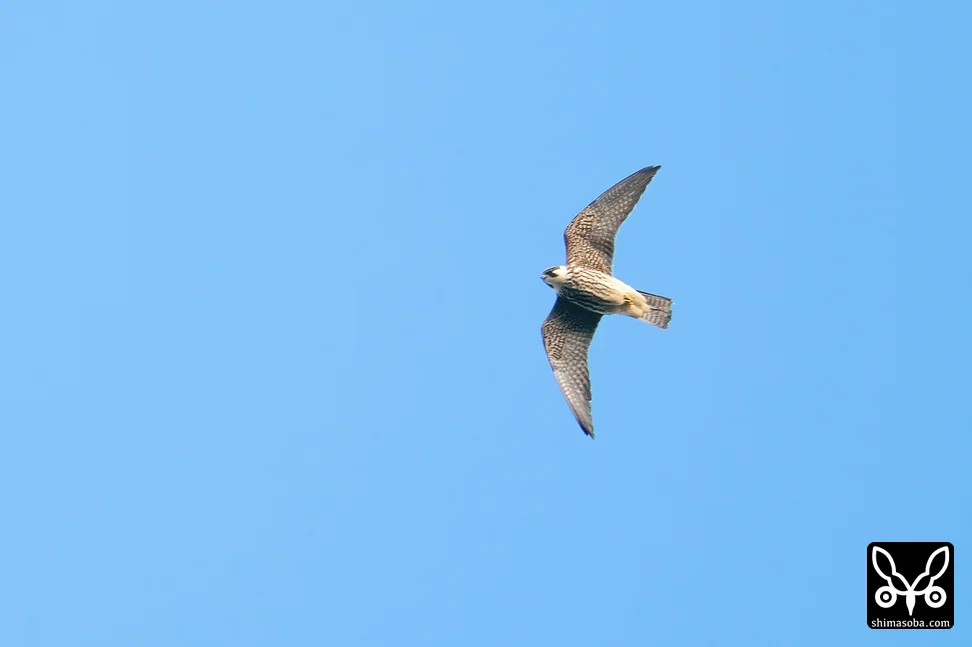
While watching the Grey-faced Buzzard migration, a Eurasian Hobby appeared. Every year a few of them come with the Grey-faced Buzzards and continue south.
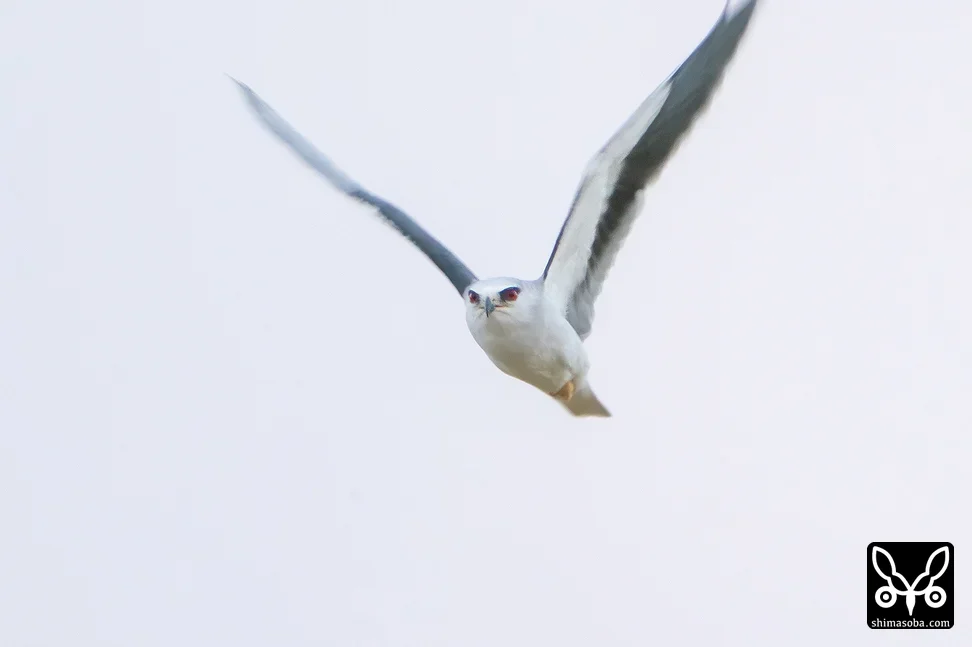
Black-winged Kite
Black-winged Kite

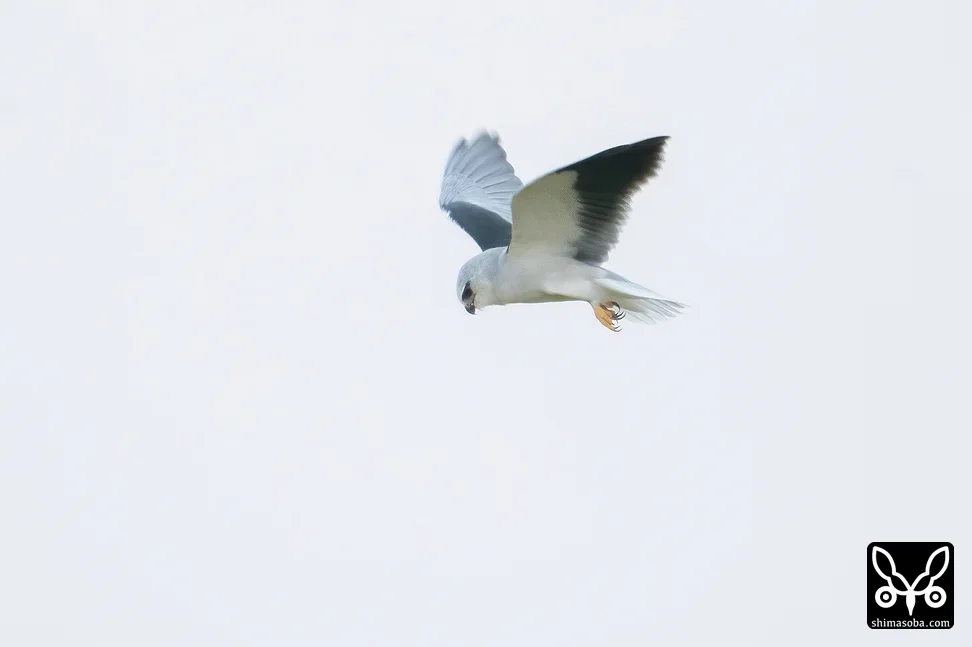
A Black-winged Kite appeared in the evening. Shot handheld at 1200 mm, so it came out blurry.
Black-winged Kite
Black-winged Kite

Black-winged Kite hovering. Mice are the main prey.
Grey-faced Buzzard
Grey-faced Buzzard

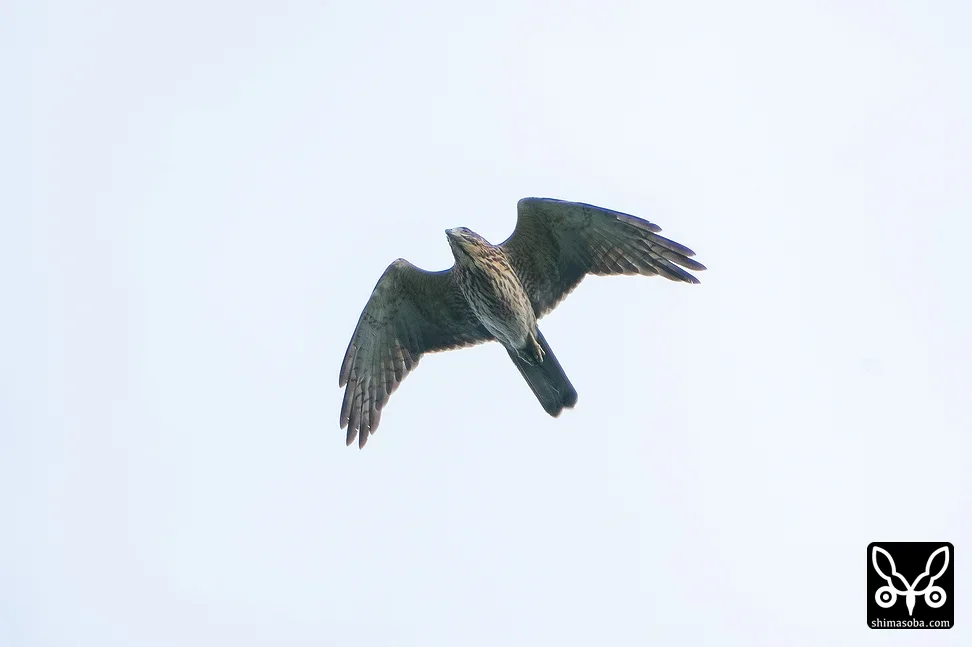
Grey-faced Buzzard, juvenile.

Grey-faced Buzzard
Grey-faced Buzzard

Grey-faced Buzzard, adult.

Eurasian Hobby
Eurasian Hobby

A Eurasian Hobby appeared, just for a moment.
Categories: 野鳥

Javan Pond Heron, Chinese Pond Heron, Purple Heron and More

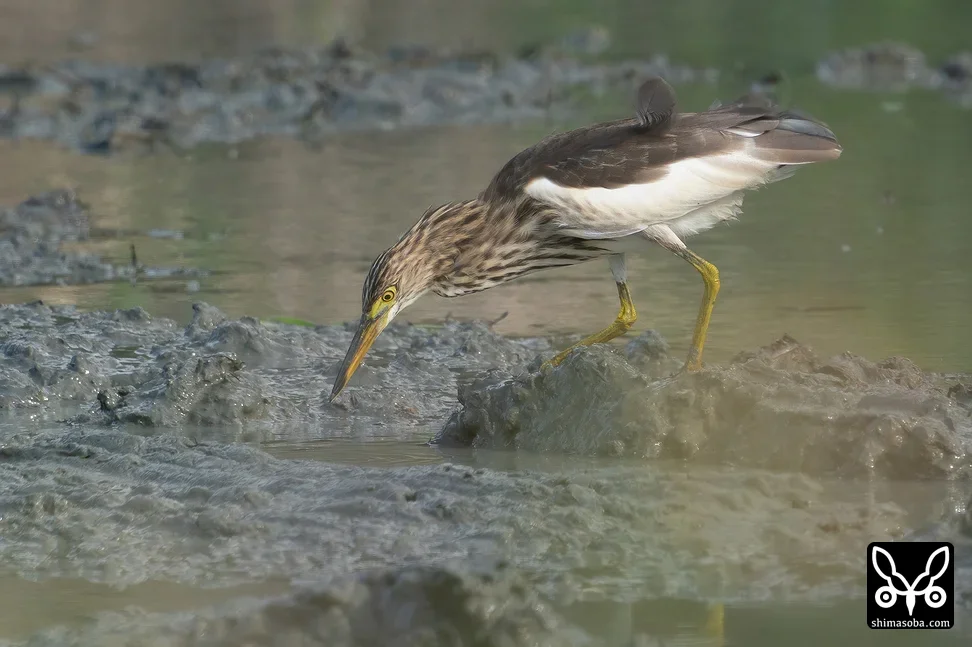
At this time of year various herons come to Ishigaki Island. A Javan Pond Heron and a Chinese Pond Heron were sharing the same paddy. The Chinese Pond Heron seemed to be the stronger one and drove off the Javan Pond Heron whenever it came close. This is the fourth Javan Pond Heron of the season. The Chinese Pond Heron is the second. Chinese Pond Herons will increase from here.

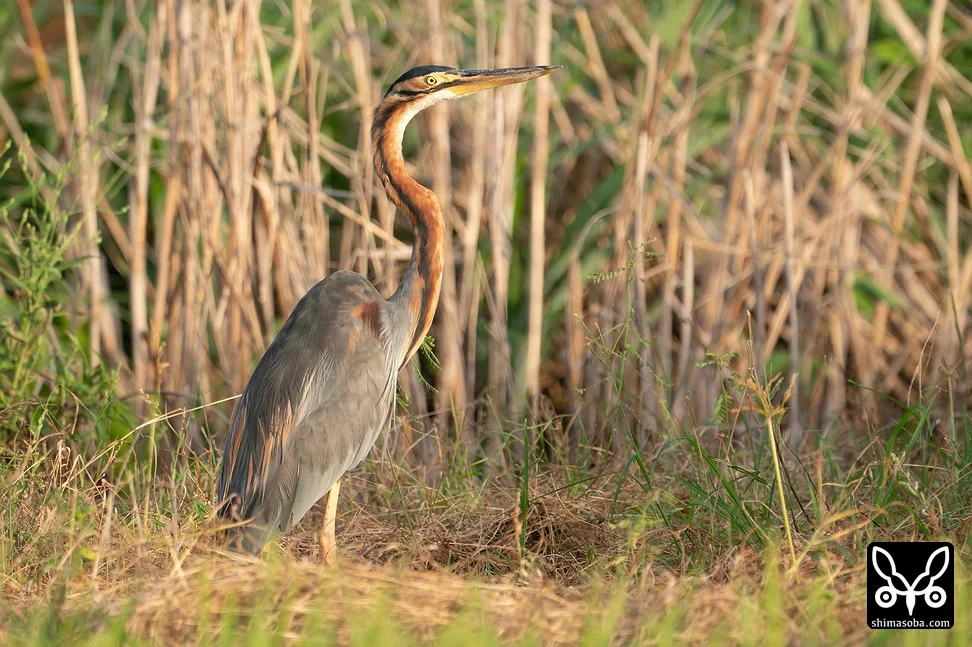
Purple Herons, both juveniles and adults, are often seen in autumn.

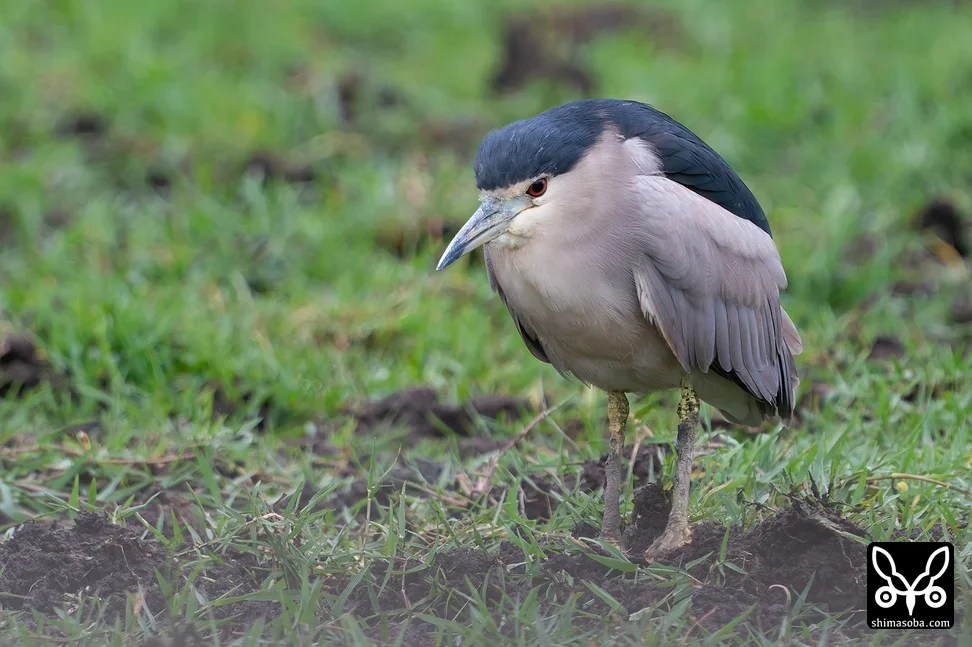
Black-crowned Night Herons have also increased. You meet many of them if you go to the paddies at night, but this day one was walking on the grass of a pasture.

Javan Pond Heron
Javan Pond Heron

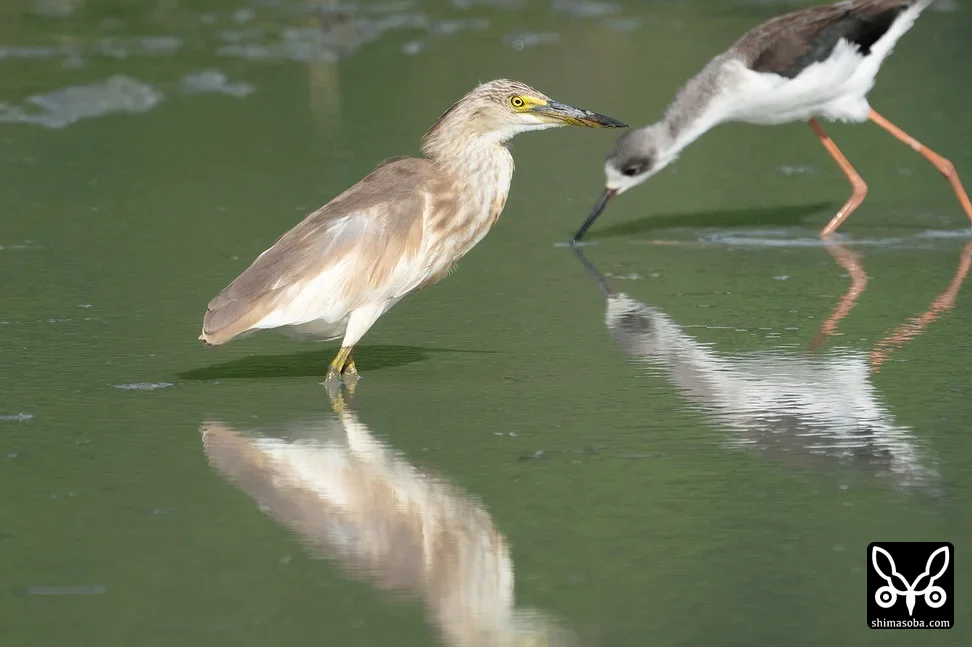
Javan Pond Heron, non-breeding plumage. Unusually, it was following behind a tractor.

Chinese Pond Heron
Chinese Pond Heron

Chinese Pond Heron, non-breeding plumage. It was in the same paddy field as the Javan Pond Heron above, and was also following the tractor around.

Purple Heron
Purple Heron

Purple Heron, adult.

Black-crowned Night Heron

Black-crowned Night Heron, adult, at a pasture.

Categories: 野鳥

Gull-billed Tern, Greater Sand Plover and More on the Coast

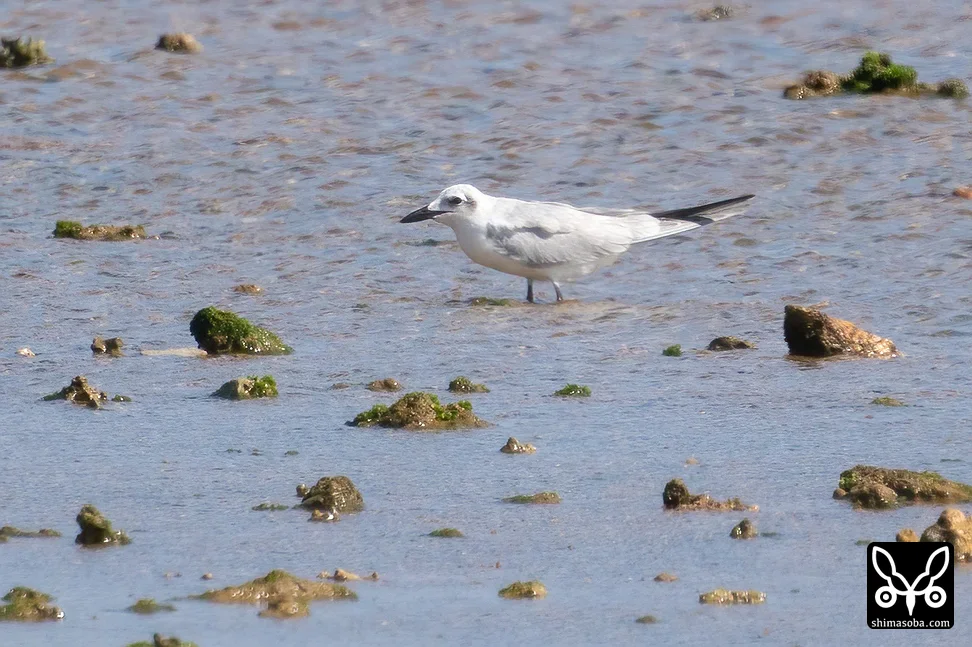
A Gull-billed Tern had arrived. Following the juvenile the other day, this is the second of the season.

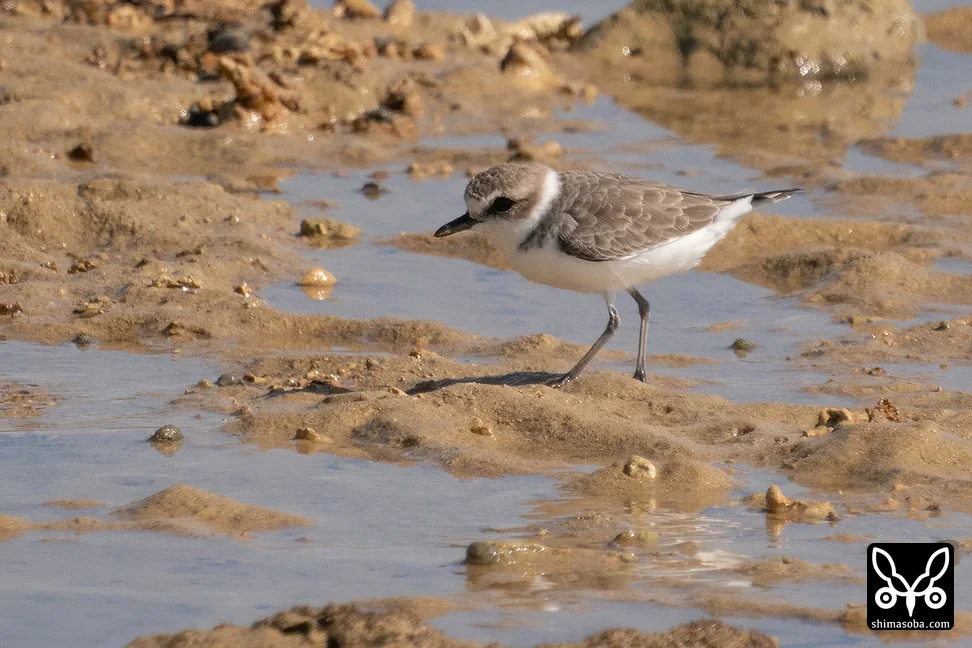
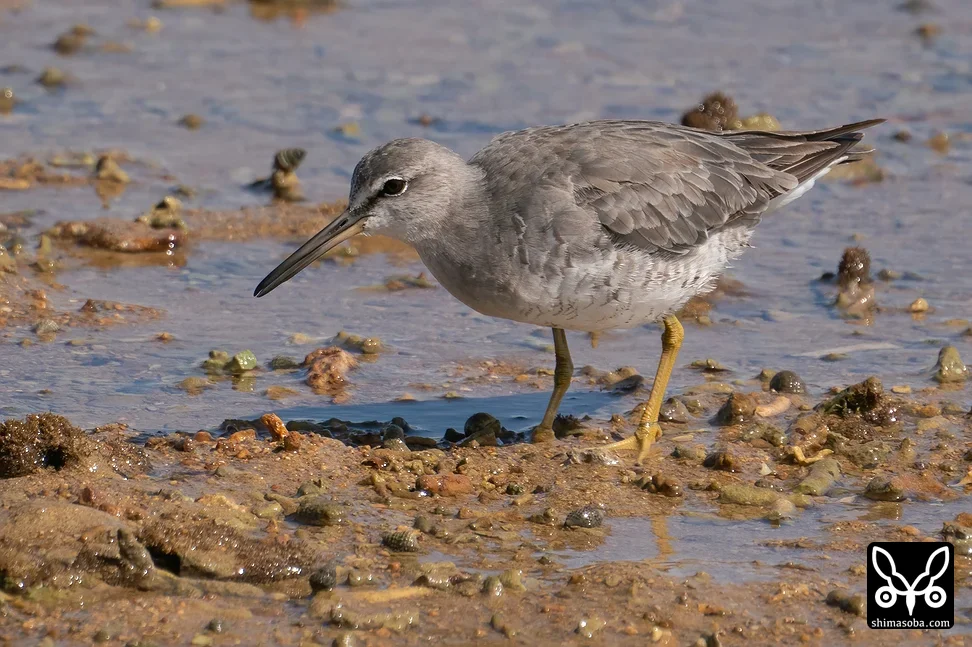
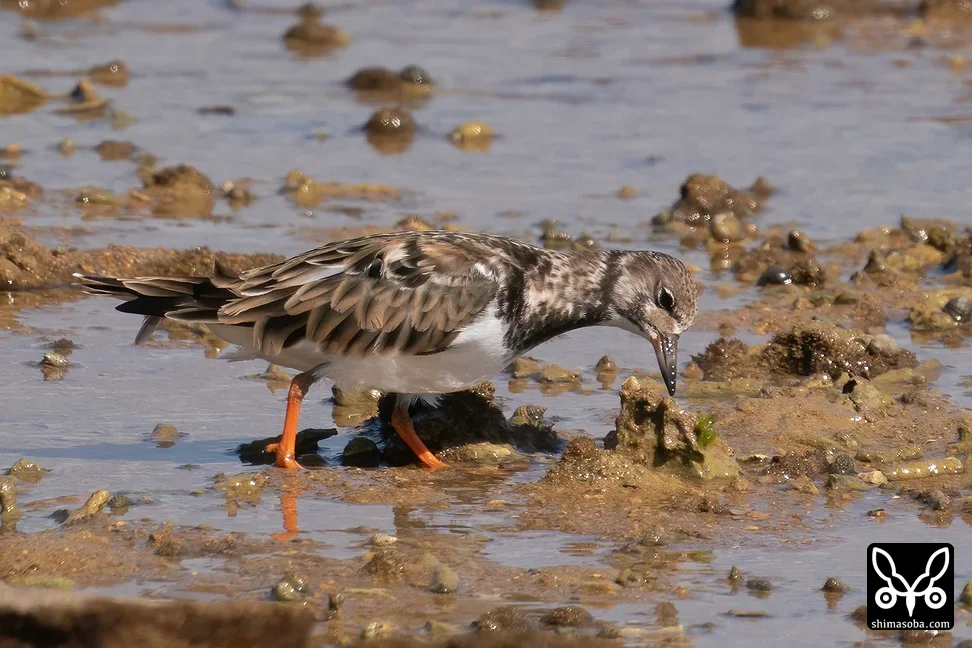
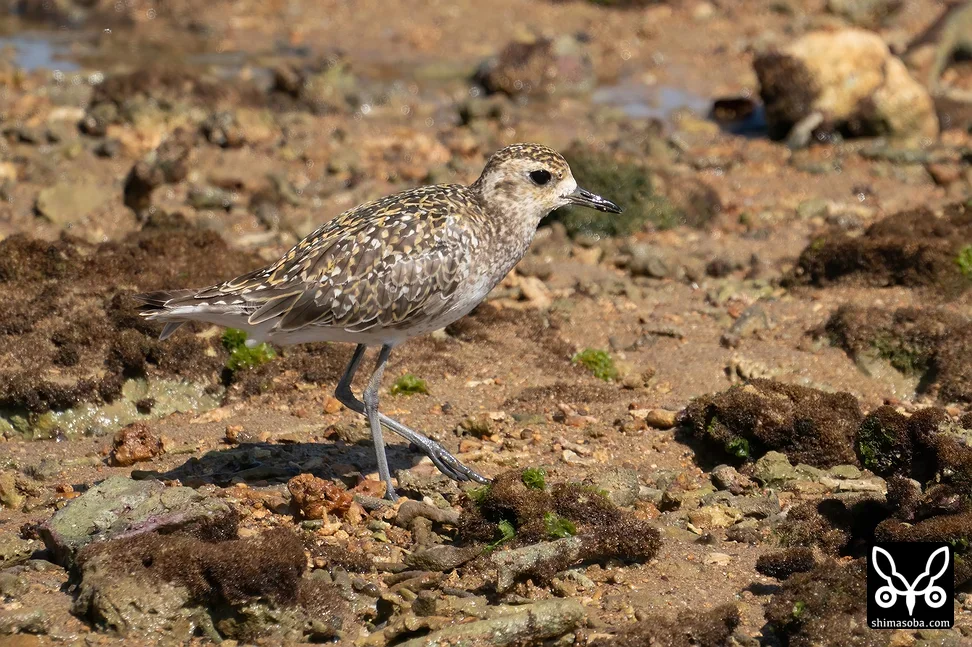
The plovers on the coast are also decreasing in number, but there are Greater Sand Plovers, Siberian Sand Plovers, Pacific Golden Plovers, Kentish Plovers and others. For sandpipers there are a few Ruddy Turnstones, Grey-tailed Tattlers, Eurasian Whimbrels and others. The numbers are small, but it is still enjoyable.

Lesser Crested Tern
Lesser Crested Tern

At first glance it looks like an adult, but this is a Lesser Crested Tern in first-winter plumage.

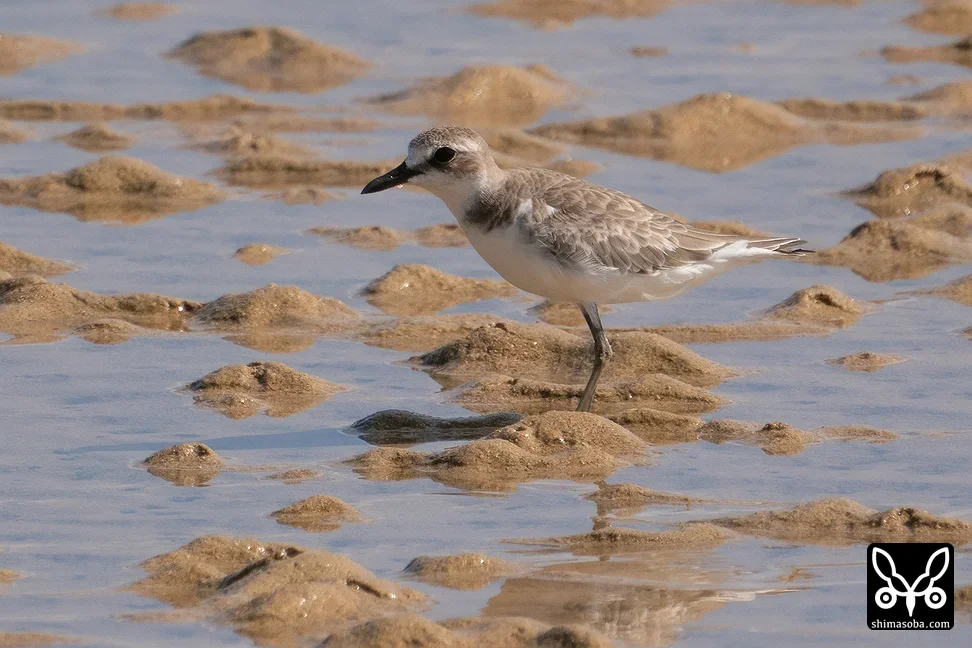
Greater Sand Plover
Greater Sand Plover

Greater Sand Plover, first-winter plumage.

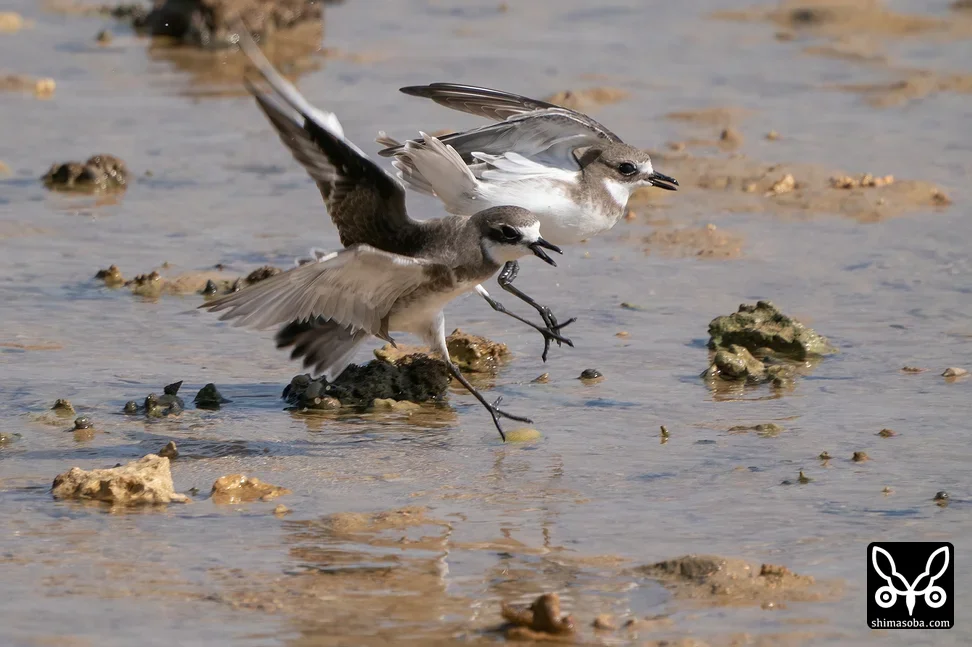
Lesser Sand Plover
Lesser Sand Plover

Lesser Sand Plovers were having a battle. Both are in winter plumage, but the individual in the foreground is the type without a white frontal bar, while the one in the background has a frontal bar.

Kentish Plover
Kentish Plover

Kentish Plover, first-winter. Small and cute. ^^

Grey-tailed Tattler
Grey-tailed Tattler

Grey-tailed Tattler, adult. Moulting from breeding to non-breeding plumage.

Ruddy Turnstone
Ruddy Turnstone

Ruddy Turnstone, adult. Moulting into non-breeding plumage.

Pacific Golden Plover

Pacific Golden Plover, adult. Moulting from breeding to non-breeding plumage.

Categories: 野鳥

First Forest Wagtail, Red-throated Pipit and Eastern Yellow Wagtail of the Season

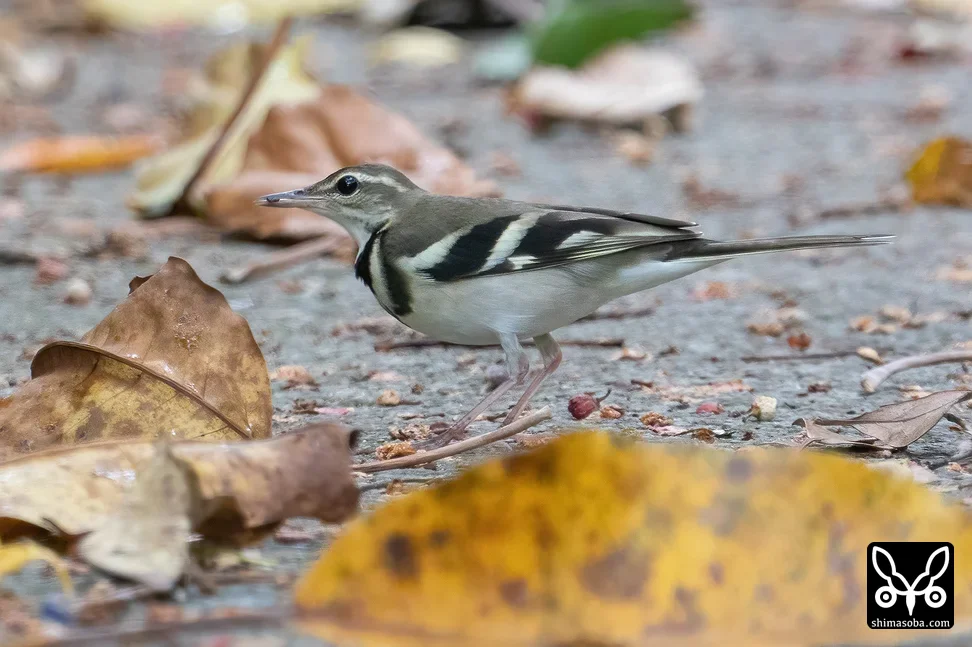
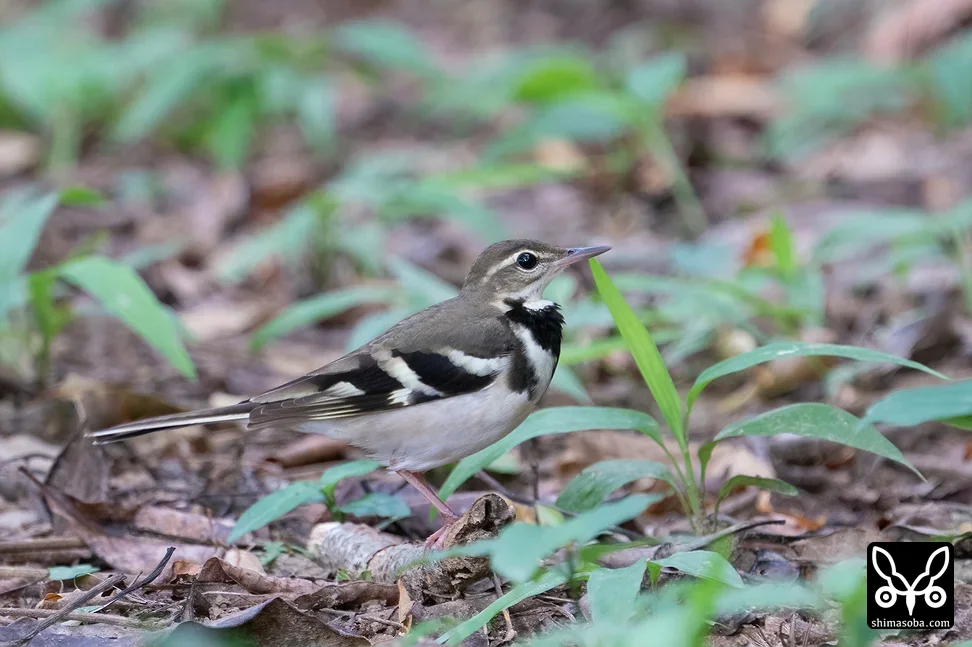
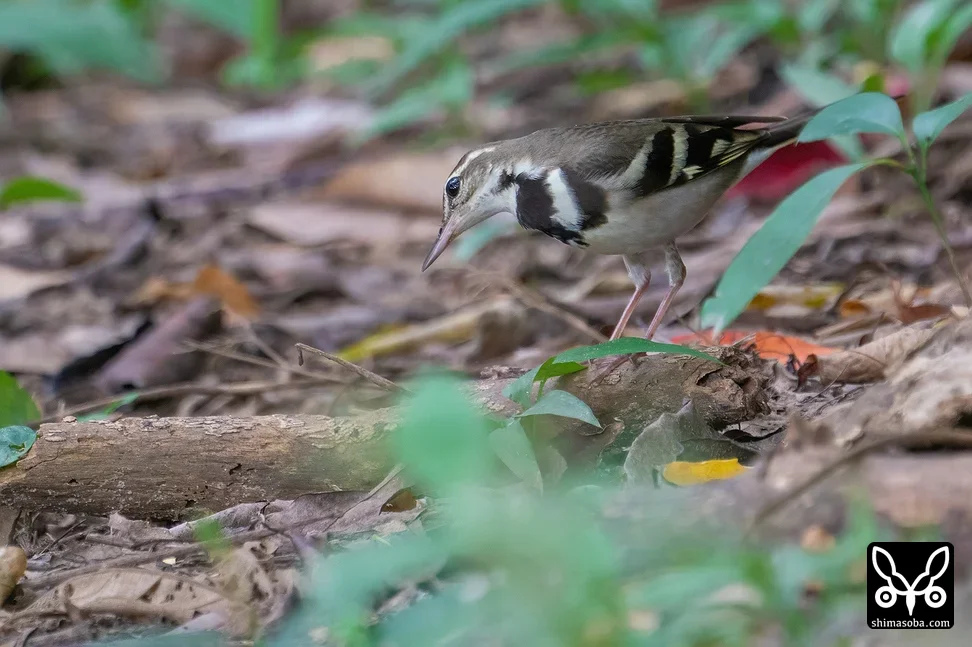
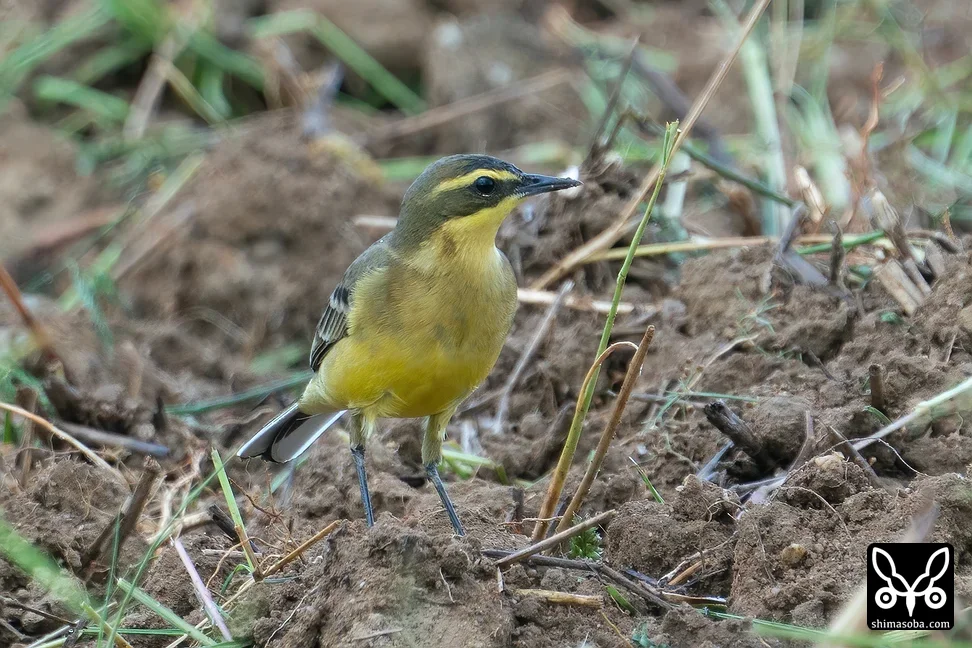
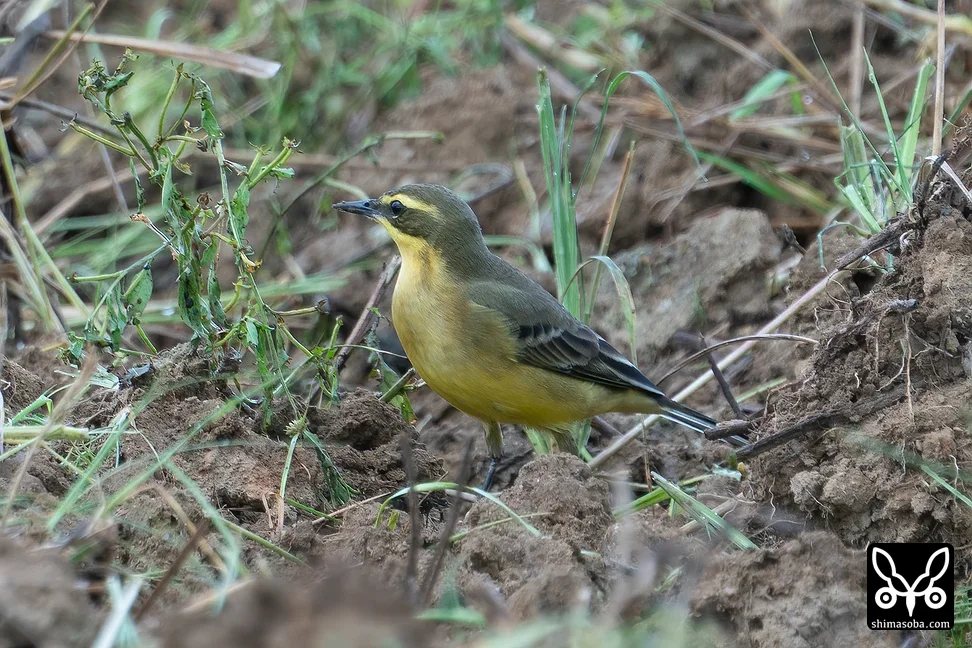
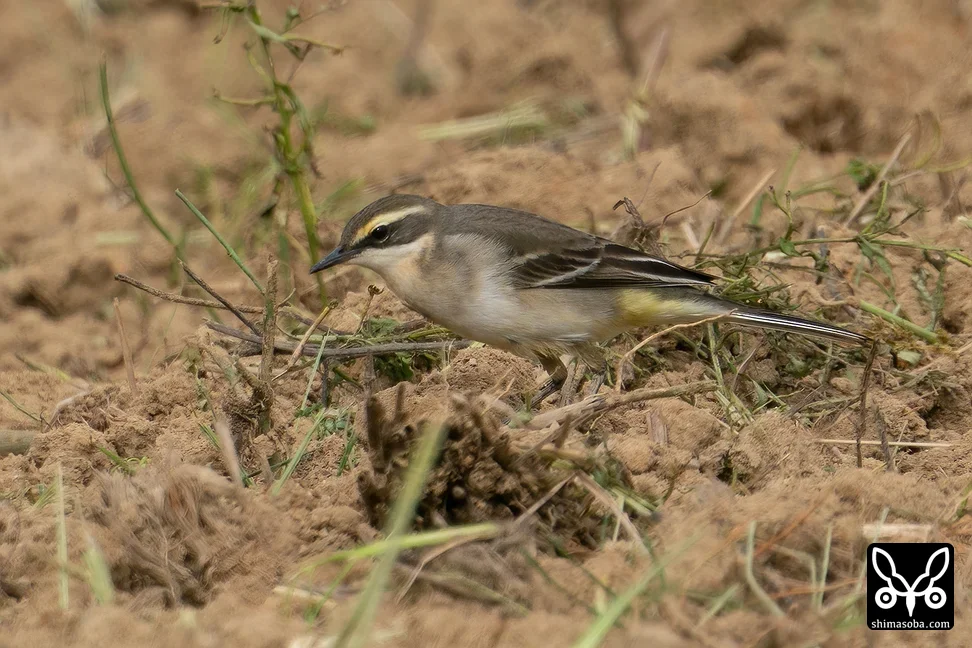
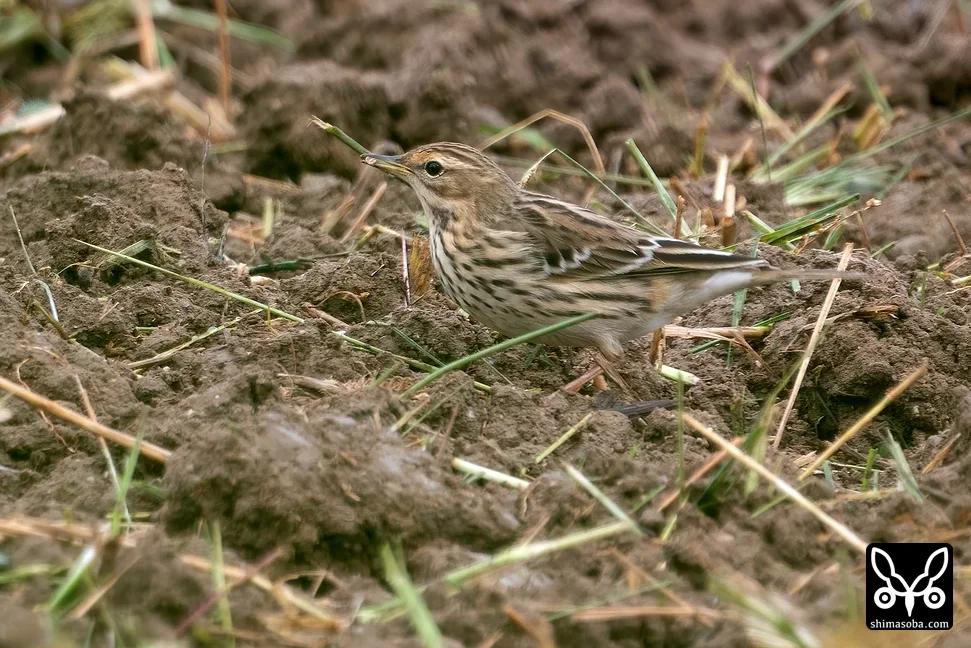
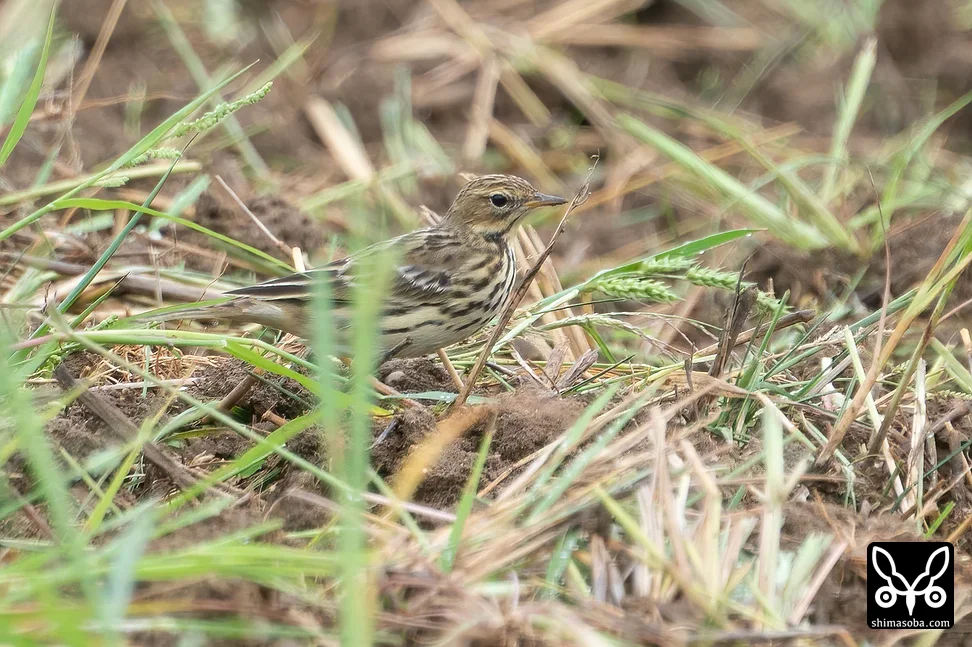
I confirmed three species for the first time this season: Forest Wagtail, Red-throated Pipit and (Kimayu) Eastern Yellow Wagtail.

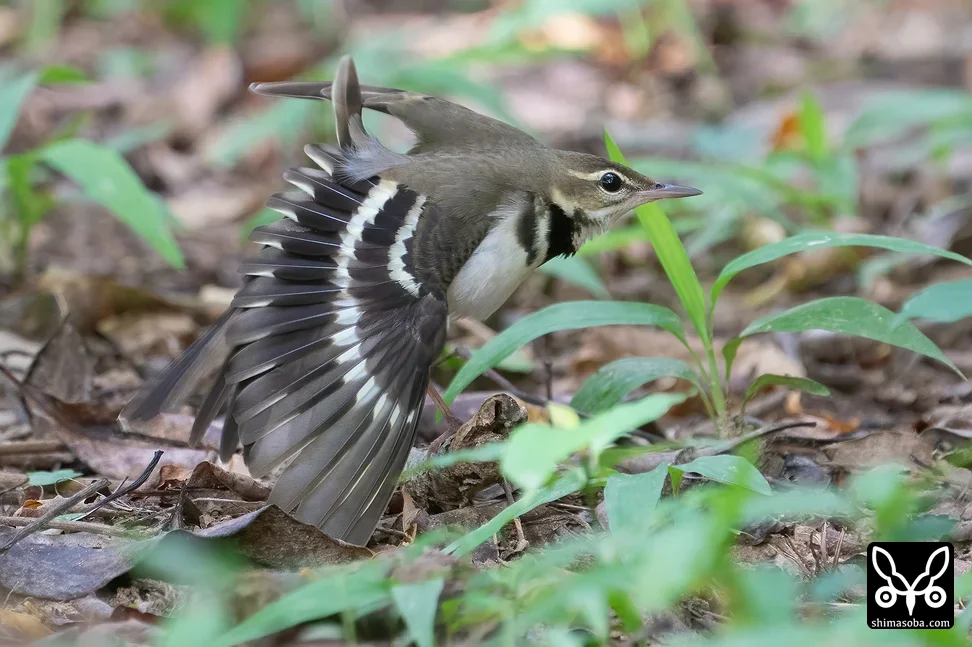
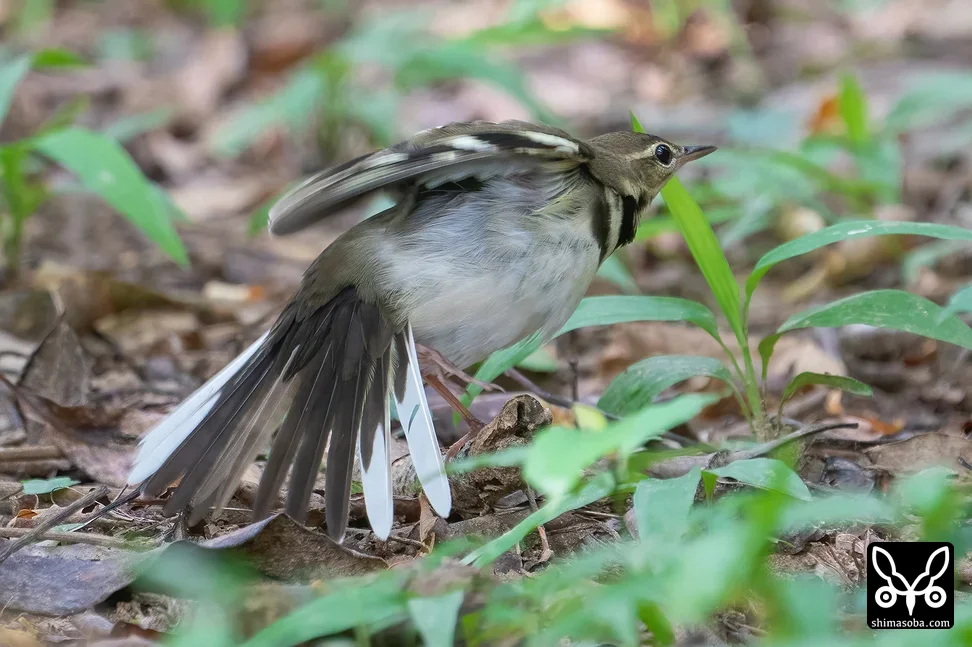
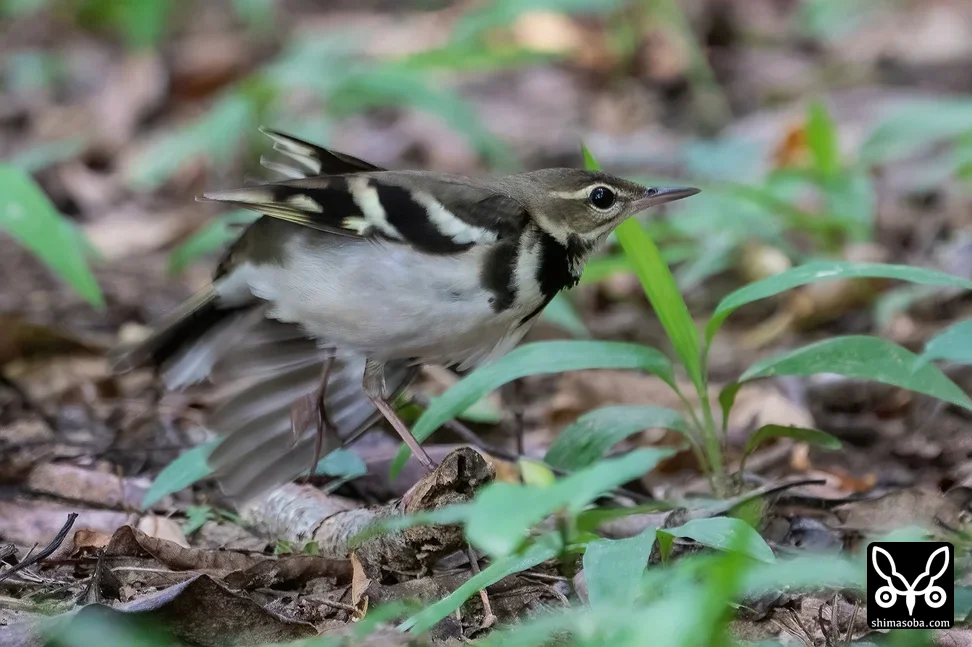
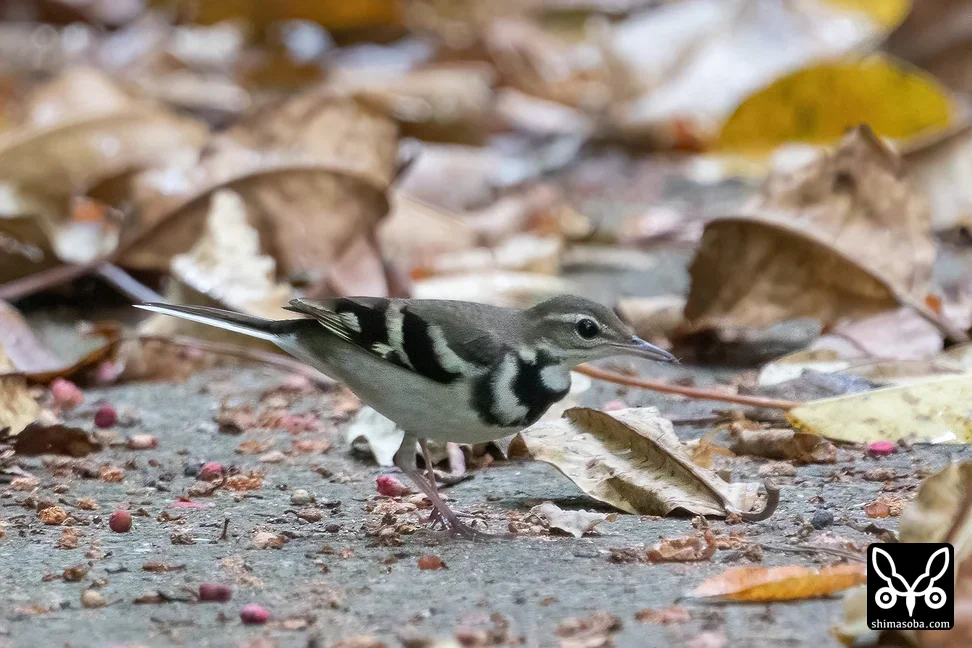
Forest Wagtails on Ishigaki Island usually arrive mostly around mid-September, when the Chinese Sparrowhawks migrate through, but this year it showed up a little late. It's my first Forest Wagtail in a while. It is a bit small and subdued in colour, and for some reason it slowly swings its tail from side to side, which makes it a rather quirky, likeable bird. ^^ It was with a Grey Wagtail, but next to the 20 cm Grey Wagtail, the 15 cm Forest Wagtail is clearly smaller.

Red-throated Pipits will keep increasing in number through winter, and before long Siberian Pipits and Richard's Pipits will join them, making the small birds of Ishigaki's paddies fun to watch.

In a normal year the (Kimayu) Eastern Yellow Wagtail should arrive at about the same time as the Mamijiro Eastern Yellow Wagtail, but this year I waited and waited without finding one. Only in October did I finally come across a flock of (Kimayu) Eastern Yellow Wagtails.

Grey Wagtails live in all sorts of habitats, from forest roads to lawns and paddies, in ones and small groups.

Grey Wagtail
Grey Wagtail

A Malabar Wagtail stretching. This is the shot I wanted!! There are flies on two of the secondaries.

Grey Wagtail
Grey Wagtail

The tail feathers appear to be moulting further as well.

Grey Wagtail
Grey Wagtail

Stretching the other wing too.

Grey Wagtail
Grey Wagtail

A Malabar Wagtail preying on ants. I wonder if such tiny prey does anything to fill its stomach.

Grey Wagtail
Grey Wagtail

It caught an unidentified insect.

Grey Wagtail
Grey Wagtail

The Malabar Wagtail prefers dim conditions. Tiring to photograph…

Grey Wagtail
Grey Wagtail

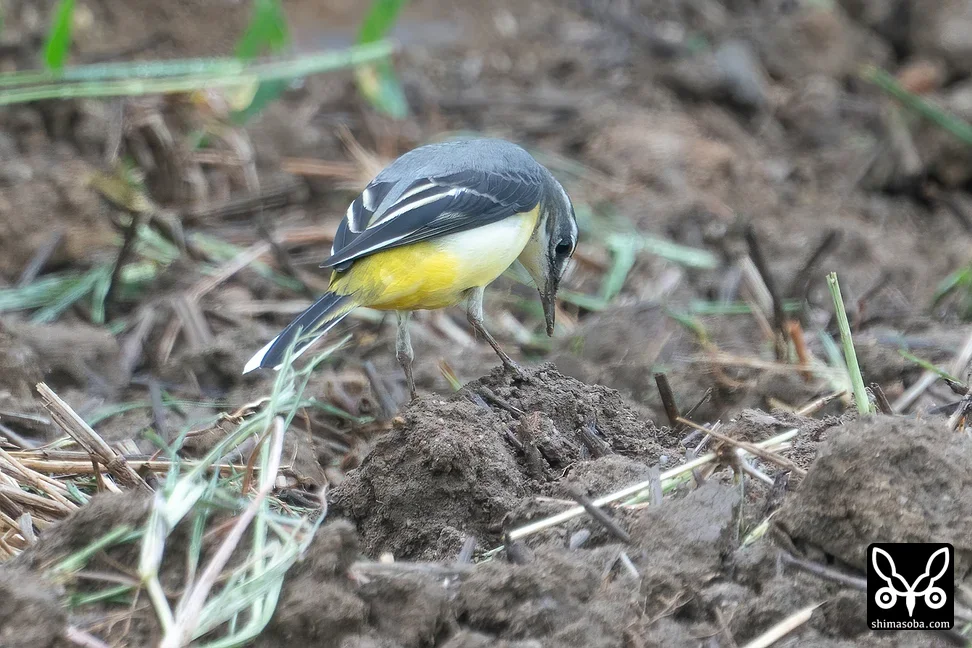
A Malabar Wagtail staring at the ground, sensing the presence of prey.

Eastern Yellow Wagtail

The (Yellow-browed) Eastern Yellow Wagtail finally showed up. The adult male is still very much in summer plumage.

Eastern Yellow Wagtail

The upperparts have an olive tinge.

Eastern Yellow Wagtail

A juvenile (Yellow-browed) Eastern Yellow Wagtail.

Red-throated Pipit
Red-throated Pipit

The first Red-throated Pipit of the season. It was eating grass seeds.

Red-throated Pipit
Red-throated Pipit

Having just arrived on migration, it was very wary, and I could only photograph a distant individual.

Grey Wagtail
Grey Wagtail

A Grey Wagtail slightly apart from the flock of Eastern Yellow Wagtails in the rice paddies. Always seems to position itself like that. ^^;

Categories: 野鳥

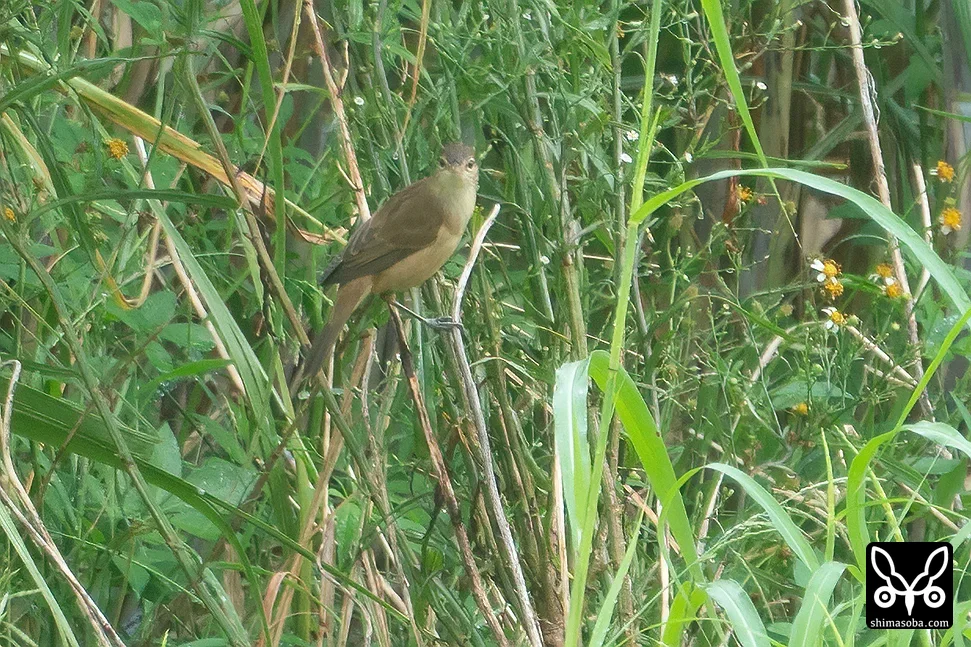
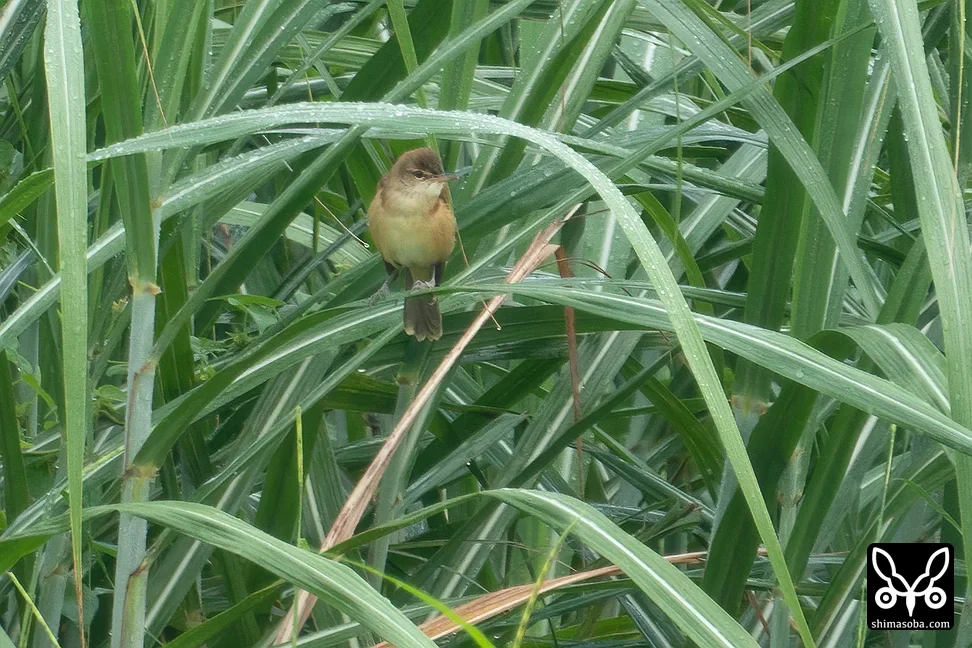
An Oriental Reed Warbler Shows Up

The Oriental Reed Warbler I photographed last November. On the mainland you see them singing noisily in the reed beds, but wintering and migrating birds on Okinawa Island and in Yaeyama move quietly through the undergrowth, so there are few chances to see them.

Today, after a squall, two came out at the edge of a sugarcane field, perhaps to dry their feathers, and I was able to photograph them.

Oriental Reed Warblers also breed on the continent in summer, but I wonder where the ones that come to Ishigaki Island come from.

Great Reed Warbler
Great Reed Warbler

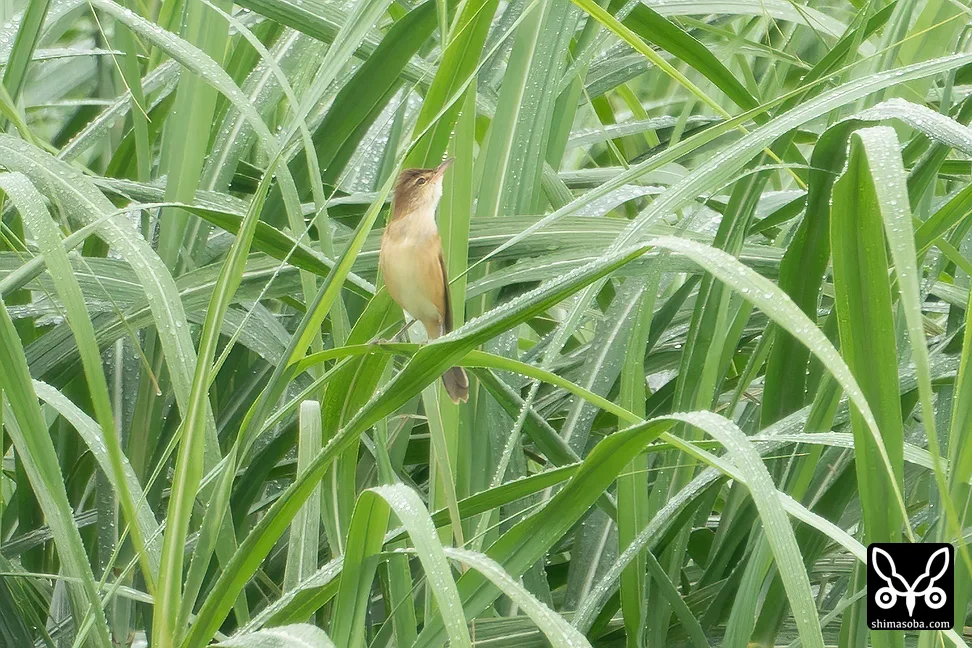
Great Reed Warbler — a scarce bird on Ishigaki Island. Juvenile. This was the best I could do at around 80 metres.

Great Reed Warbler
Great Reed Warbler

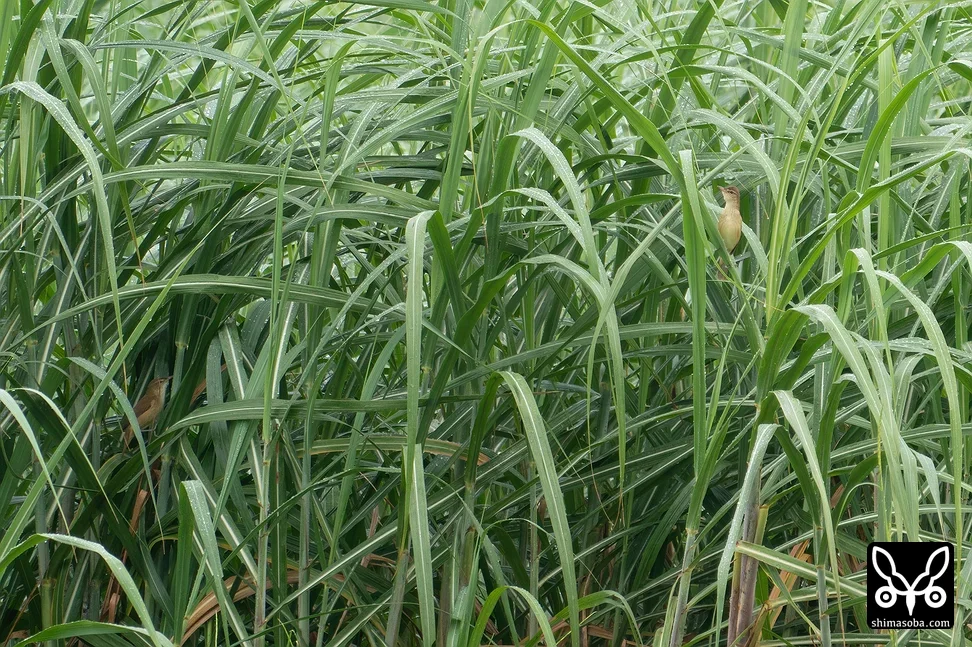
Two Oriental Reed Warblers — upper right and lower left in the frame. They were chasing each other around occasionally.

Great Reed Warbler
Great Reed Warbler

The Oriental Reed Warblers would sometimes call out in that loud voice of theirs.

Great Reed Warbler
Great Reed Warbler

It looked like they were picking up insects or something.

Great Reed Warbler
Great Reed Warbler

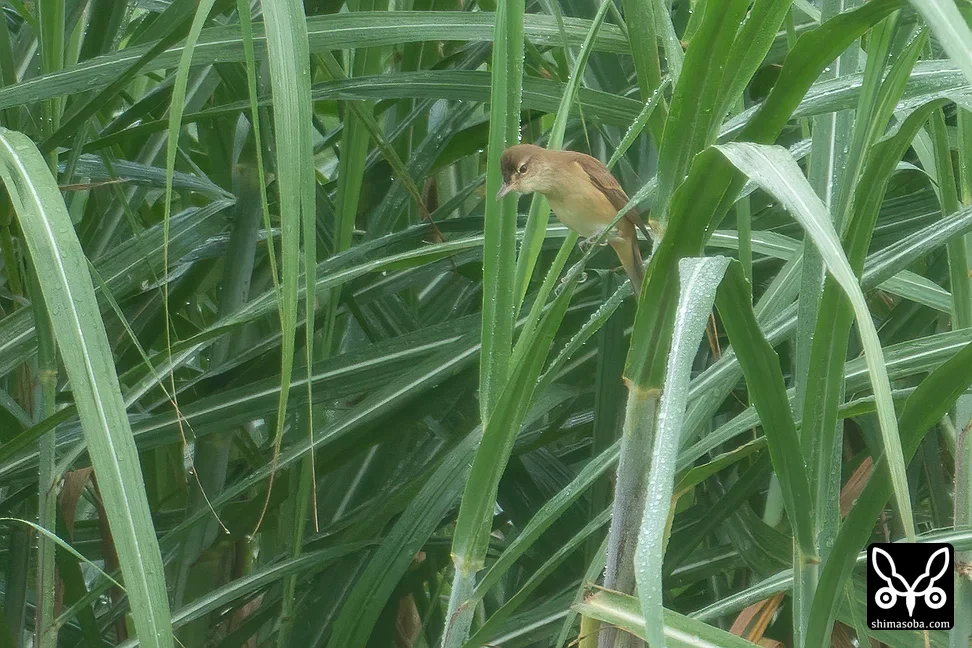
A gang of Oriental Reed Warblers that were constantly moving around and quite difficult to photograph.

Categories: 野鳥