Javan Pond Heron Numbers Growing
Sept. 4, 2026
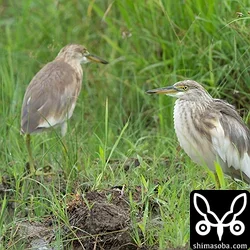
The Javan Pond Heron population on Ishigaki Island is increasing; around 10 individuals are currently being observed across several sites.
Two Javan Pond Herons.
The Javan Pond Heron population on Ishigaki Island is increasing; around 10 individuals are currently being observed across several sites.
Two Javan Pond Herons.
This is the extras edition of the 7th Ishigaki Island Snipe Camp. Since we had already observed both adult and juvenile Pin-tailed Snipe and Swinhoe's Snipe to a reasonable degree on the first day, the second day was spent observing a wider variety of species beyond snipe. This post covers those sightings, including observations from day one.
Please also see the main report from the Ishigaki Island Snipe Camp.
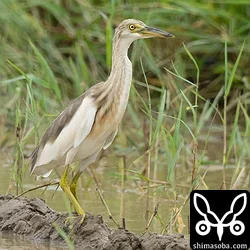
Three Javan Pond Herons confirmed during the Ishigaki Island snipe camp.
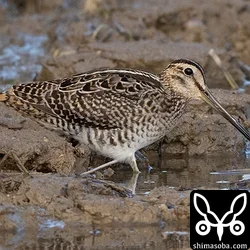
The first Swinhoe's Snipe juveniles of the season have finally arrived. This year they came in earlier than the Pin-tailed Snipe juveniles.
The Javan Pond Heron is also settling in for a long stay.
The long-awaited juvenile Swinhoe's Snipe has appeared. Beautiful. ^^
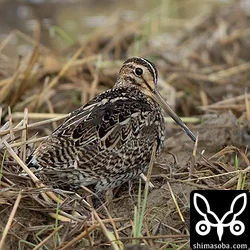
With the 7th Ishigaki Island Snipe Camp a week away, I spent concentrated time looking for snipe in the usual paddies. Juveniles had not yet arrived, but both Pin-tailed Snipe and Swinhoe's Snipe adults are present.
Javan Pond Heron and Chinese Pond Heron are also staying on. Grey Herons are slowly increasing.
A Pin-tailed Snipe at relatively close range.
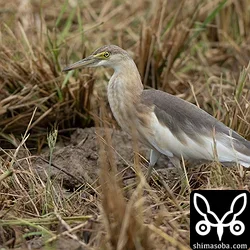
Two Javan Pond Herons and one Chinese Pond Heron are currently present. Encounters with Cinnamon Bittern and Purple Heron — both adults and juveniles — are becoming more frequent.
Snipe numbers are also growing steadily. On this day I found several individuals each of Pin-tailed Snipe and Swinhoe's Snipe.
Javan Pond Heron in winter plumage. Two birds have been present for the past few days.
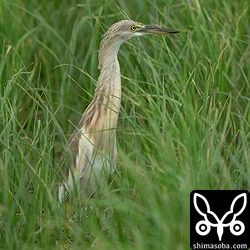
Three Javan Pond Herons turned up. While I was watching one, two more burst out chasing each other from among the rice in a nearby paddy. As happens every year, once Javan Pond Herons have been around for a while on Ishigaki in autumn, Chinese Pond Herons follow. Two Javan Pond Herons are also currently staying on Okinawa main island.
Encounters with Cinnamon Bittern — adults and juveniles alike — are becoming more frequent. It is the season when numbers peak after the breeding period ends. Purple Heron adults and juveniles are also showing up regularly.
Pin-tailed Snipe seem to be increasing gradually. I confirmed the first juvenile Black-winged Stilt of the season.
最初に見つけたジャワアカガシラサギ。あまり警戒心のない個体でした。
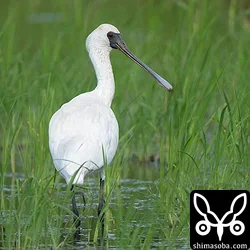
I recorded the first Black-faced Spoonbill and Dunlin of the season. The Javan Pond Heron disappeared after about a week.
I have been busy lately and have not been shooting much, but I am keeping up my daily observations. On the island, the terns, owls, Ruddy Kingfisher, and Black Paradise Flycatcher that breed here have finished raising their young. Crested Serpent Eagle and Common Emerald Dove fledglings should be appearing around now too.
The migration that began in mid-July is moving along at its own pace. I expect it to accelerate sharply once we get past the middle of August.
The first Black-faced Spoonbill of the season arrived. It was an easy bird to watch, showing no wariness at all.
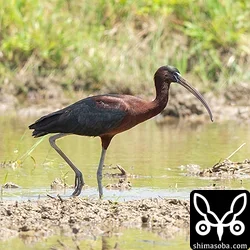
The Glossy Ibis is still here. A Javan Pond Heron in beautiful summer plumage has also turned up. Both are unwary and easy to observe and photograph.
I recorded the first Common Greenshank, Long-toed Stint, and Black-winged Stilt of the season. Young Purple Herons have also started to appear — breeding seems to have concluded successfully.
A Crested Serpent Eagle was on the forest road, likely in the middle of raising chicks. I expect fledglings to appear from late August onward.
The other day I went to check on a recently fledged Ryukyu Scops Owl and found the parent locked in a battle with crows — apparently holding its own against four of them.
The Glossy Ibis seems to have a favourite paddy — it is always in the same spot.
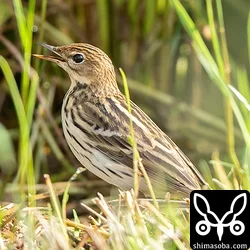
Pechora Pipits have arrived again this season, in small numbers. Last year I found two among a flock of Red-throated Pipits. This time I noticed them by their calls overhead, and after a flock of five dropped into the paddy I searched and found two individuals. ^^
While looking for the Pechora Pipits, a Brown-cheeked Rail also appeared. It was a brief encounter — the bird was very wary — but a welcome one.
Ducks are growing in number and variety; I had my first Northern Shoveler of the season on this day. By the time the ducks arrive, both Pin-tailed Snipe and Swinhoe's Snipe have already moved on, leaving large numbers of Common Snipe behind.
The Javan Pond Heron that arrived in late July was still present. At peak there were three, but now only one remains. It should stay until around February, being in wintering mode.
Elsewhere, I noted Masked Bunting and Yellow Bittern. A Pied Avocet apparently made its way into the grounds of a facility where a friend of mine works.
Paddyfield Pipit seen again this season.
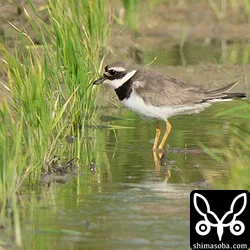
The Common Ringed Plover that appeared in early September was still present — three weeks into its stay. It seems to be moving widely around the island, between the rice paddies and the coast. The Javan Pond Heron is also on an extended visit.
The first Pacific Golden Plover juvenile of the season has also arrived. When these appear, the wader migration is in its final stages.
Pin-tailed Snipe and Swinhoe's Snipe numbers fluctuate daily as residents mix with birds moving through.
A Kentish Plover still present.
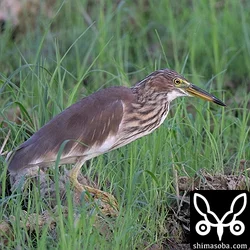
One month after the first Javan Pond Heron, the Chinese Pond Heron has finally arrived. In recent years a pattern has continued in which Chinese Pond Herons arrive after the Javan Pond Herons. There are also more years now when Javan Pond Herons outnumber Chinese Pond Herons.
The Eastern Yellow Wagtails first confirmed last month are increasing steadily in number. The white-supercilium form appears to predominate. Every flock is a mix of juveniles and adults.
The first Chinese Pond Heron of the season. It was eating a tadpole.
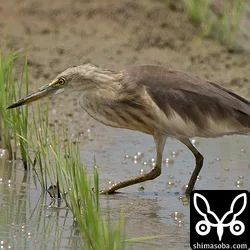
The Javan Pond Heron that arrived in July has been staying long-term and numbers have been building.
In the same rice field, Greater Painted-snipe and Common Moorhen are incubating eggs. They appear to breed multiple times a year. White-breasted Waterhens are at all sorts of different breeding stages simultaneously — newly hatched chicks alongside large, well-grown ones. They too may be raising several broods a year.
Three Javan Pond Herons are staying in the same rice field. They have also been recorded in other areas, and there seem to be a fair number on the island. On the Okinawa main island, arrivals have been confirmed in the north, central, and south. Their range appears to be expanding steadily eastward in recent years.
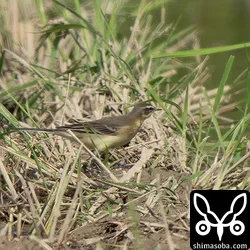
I recorded the first Eastern Yellow Wagtail of the season. It is a juvenile, but appears to be of the subspecies tschutschensis with the white supercilium. The Javan Pond Heron, with zero wariness of humans, continues its long stay.
The Greater Painted-snipe may be on a second breeding attempt — the male was collecting dead leaves and building a nest. When a snipe came close, he threatened it.
A juvenile Eastern Yellow Wagtail (superciliated form), the first confirmed record of the season.
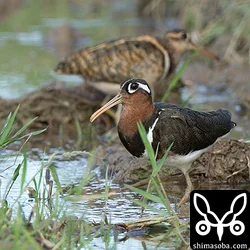
While watching snipe, a female Greater Painted-snipe appeared. She started flapping her wings and then a male emerged from the undergrowth. After that the two moved around together, bathing and going about their business. A second breeding attempt perhaps? The Javan Pond Heron is still on its extended stay.
A pair of Greater Painted-snipe moving around together.
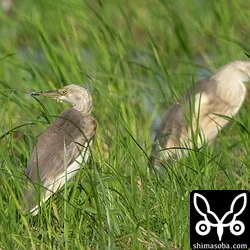
Javan Pond Heron have increased, with 4 birds confirmed at 3 sites. They seem to be turning up steadily on Okinawa Island too, and have become a fixture of this time of year. I recorded the first juveniles of the season for Black-winged Stilt, Long-toed Stint, Wood Sandpiper, and Marsh Sandpiper. Both the variety and numbers of juveniles are growing day by day.
Two Javan Pond Herons. Not particularly wary — easy to observe.
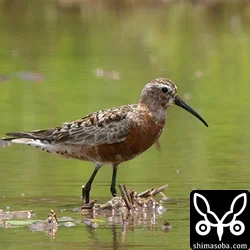
On Ishigaki Island, the autumn wader passage is growing more active by the day, with both species and numbers on the rise.
In the paddies I recorded the first Curlew Sandpiper, Dunlin, and Long-toed Stint of the season. Little Ringed Plover juveniles have also arrived. Wood Sandpiper can be seen in flocks of several dozen birds across various paddy areas around the island. Common Greenshank are also passing through in good numbers. Four Whiskered Tern — the first of the season — had arrived as well.
The first Curlew Sandpiper of the season.
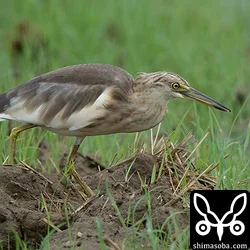
The Javan Pond Heron has arrived. Over the past ten years or so it has become a regular sight on Ishigaki Island and Okinawa Island. In recent years the pattern has become standard: Javan Pond Herons arrive first, followed by Chinese Pond Herons.
A Javan Pond Heron appearing alone. It was catching tadpoles and insects in the rice paddies.
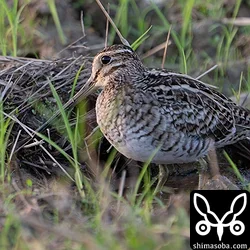
After finding the season's first Pin-tailed Snipe the day before , I went back after work to try for shots of the tail feathers. You want the first record of the season to be done properly. While I was there I also picked up the season's first Swinhoe's Snipe — more than a month earlier than usual. Spring migration this year is behaving strangely.
Two Javan Pond Herons are continuing to winter here. Every year I hope they'll stay long enough to come into breeding plumage, but in most years they depart during February. We'll see how this season goes.
I'll be holding the "2nd Ishigaki Snipe Camp" sometime in early to mid-April. A report from the 1st is here → Day 1 , Day 2 , Extra edition .
First-winter Pin-tailed Snipe. Same individual as the previous day.
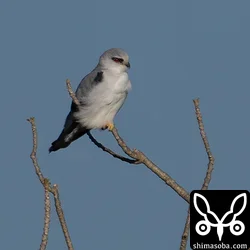
On Ishigaki Island, juvenile Black-winged Kites and Crested Serpent Eagles have been showing themselves and delighting birdwatchers. Common Kestrels, Grey-faced Buzzards, and Eurasian Sparrowhawks are wintering. Upland Buzzards, Peregrine Falcons, and Eastern Marsh Harriers are also present.
A Javan Pond Heron and a Chinese Pond Heron are wintering companionably in the same rice paddy. They have been here since last year and made it safely through the new year. A few breeding-plumage feathers are beginning to show.
A Black-winged Kite observed at eye level at one of my regular spots. It's perching on its favourite branch as usual, eyes gleaming red.
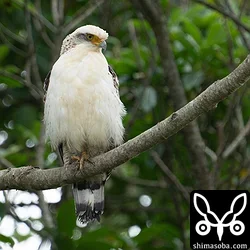
A juvenile Crested Serpent Eagle, which has been hard to find reliably this season, was out in the farmland. A Common Kestrel that has been present for several days seems to have taken a liking to the pasture and was hunting in a relaxed manner.
The Javan Pond Heron has been staying a long time, but the recent pattern is for it to leave around March, before shifting into breeding plumage.
Six Pied Avocets are staying at four sites. How long will they stick around?
Juvenile Crested Serpent Eagle. I heard its call and went looking — and there it was.