A daily record.
Featuring photos of wild birds and nature, mainly from Okinawa Main Island and Ishigaki Island

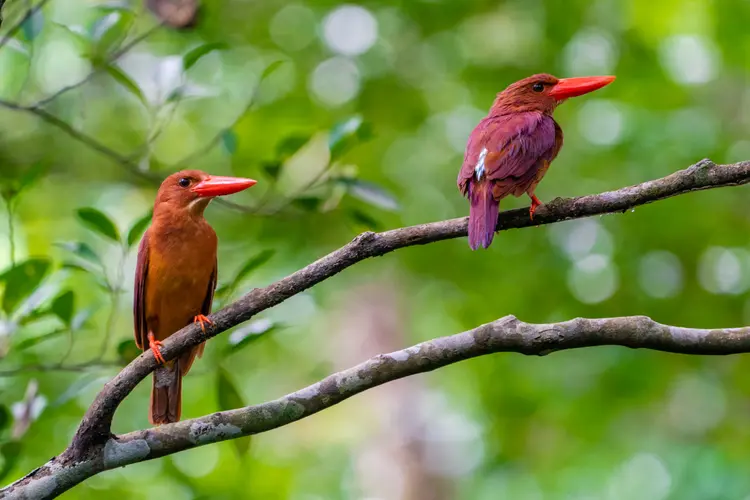
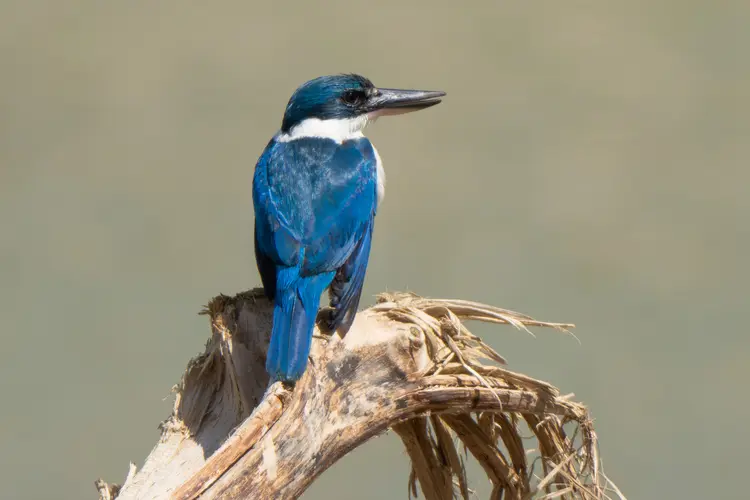
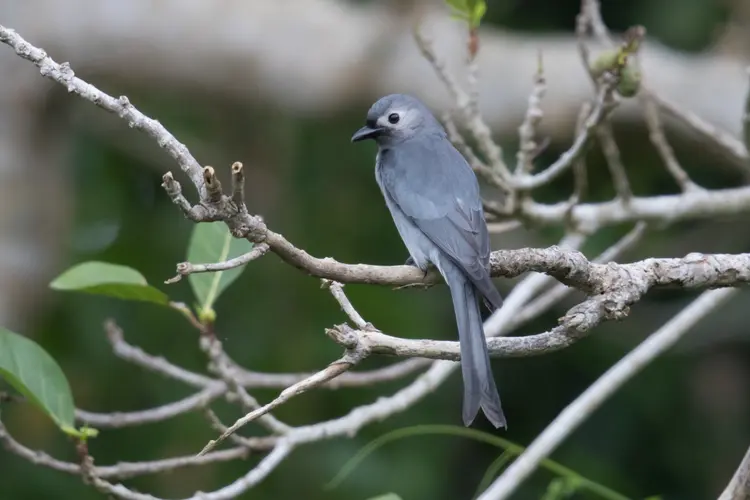
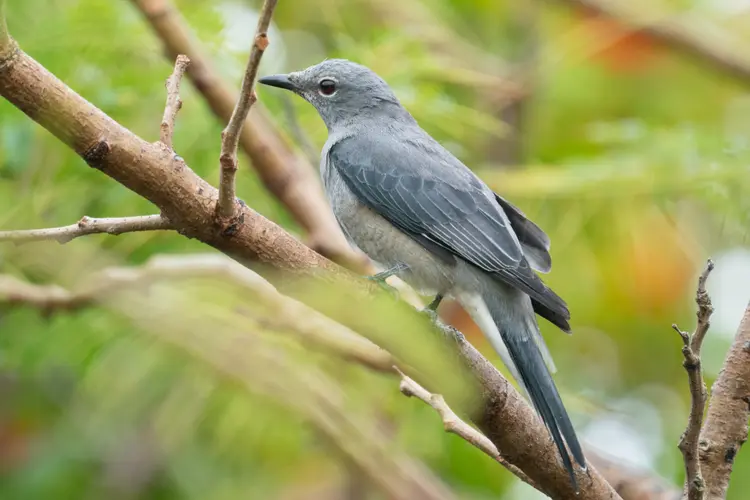
Ruddy Kingfisher Collared Kingfisher Ashy drongo Black-winged Cuckooshrike Ryukyu flycatcher

GUIDED BIRDWATCHING TOUR

Go where the birds are. The SHIMASOBA Tour launches.

We'll drive you around Ishigaki Island to wherever the birds are showing best that day. Observation is mostly from inside the vehicle, and we keep it to a maximum of 3 guests so everyone can take their time.

Max. 3 guests 4 hours in the morning Beginners welcome
Check availability and book

Slaty-legged Crake rescued

On the way home, I found a Slaty-legged Crake on the road near my house — apparently hit by a car. I brought it home and kept an eye on it overnight in a cardboard box.

By the next day its pupils were responding well to light and there seemed to be no fractures, so I released it using a semi-soft-release approach. It walked off steadily into the forest.
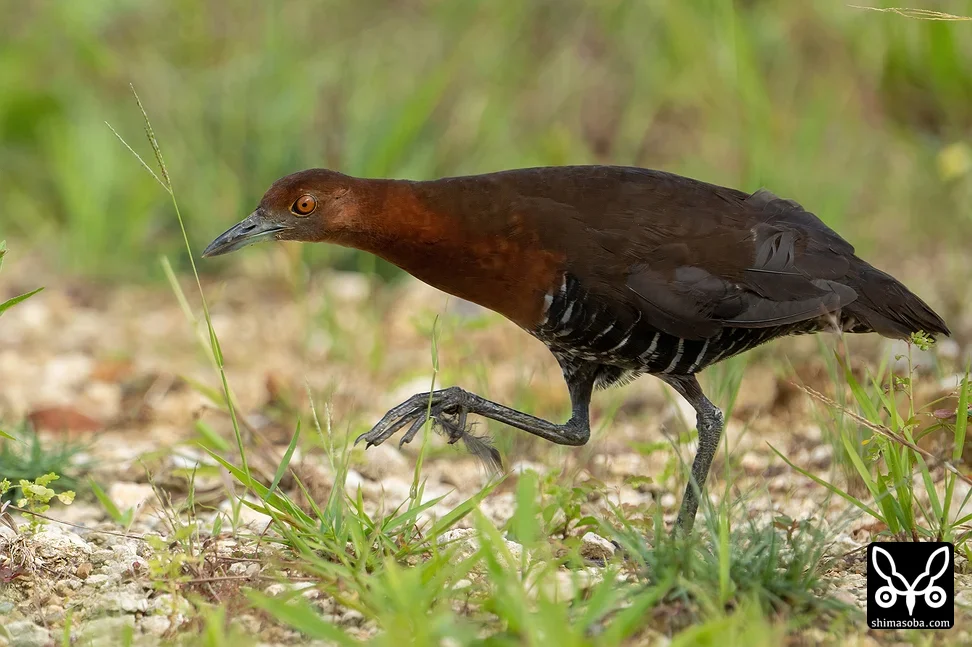
Slaty-breasted Rail
Slaty-breasted Rail

Slaty-breasted Rail, male. I placed a cardboard box on the ground with the flap slightly open, and after a while it came out, looking around warily.
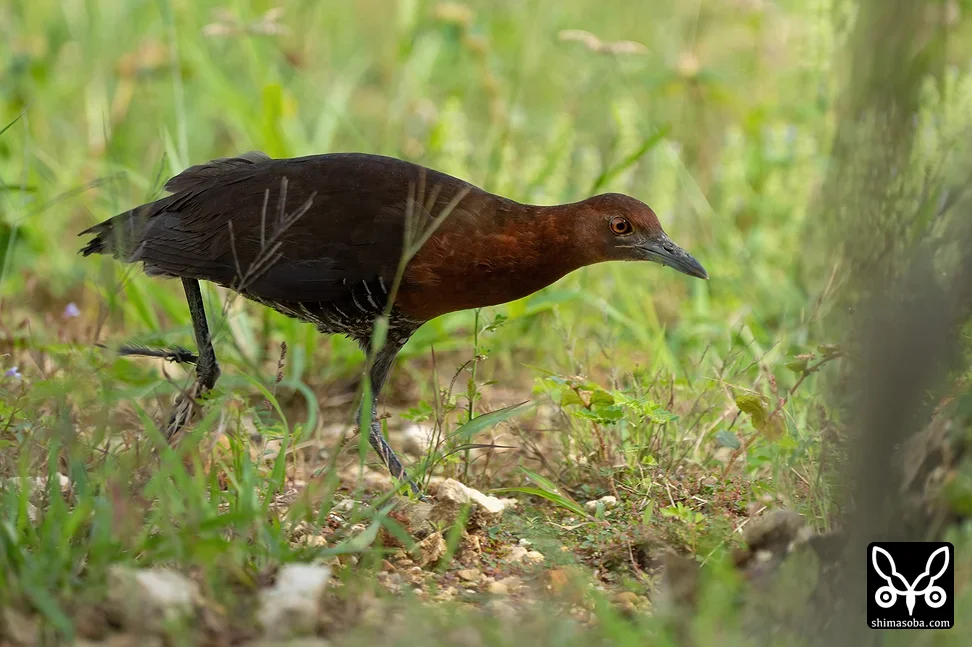
Slaty-breasted Rail
Slaty-breasted Rail

The Slaty-breasted Rail was quite sensitive to the presence of crows, but this individual seemed little bothered by humans.
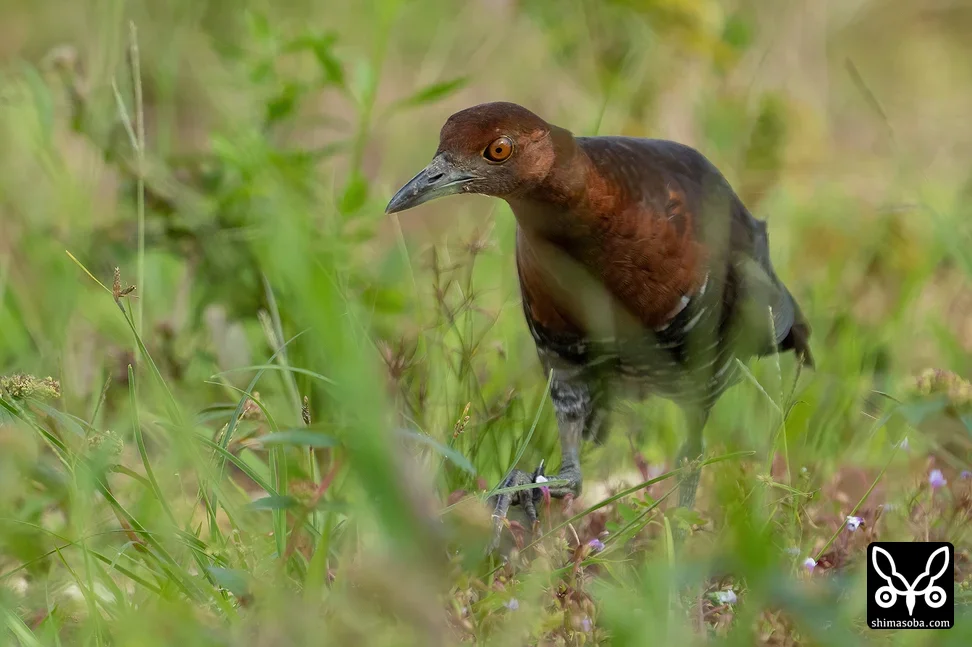
Slaty-breasted Rail
Slaty-breasted Rail

When I crouched down and watched quietly, it kept walking closer and closer to me. In the end it passed right between my legs and went back into the forest. What on earth was that about?
Categories: 野鳥

Juvenile Black Stork arrives (video)

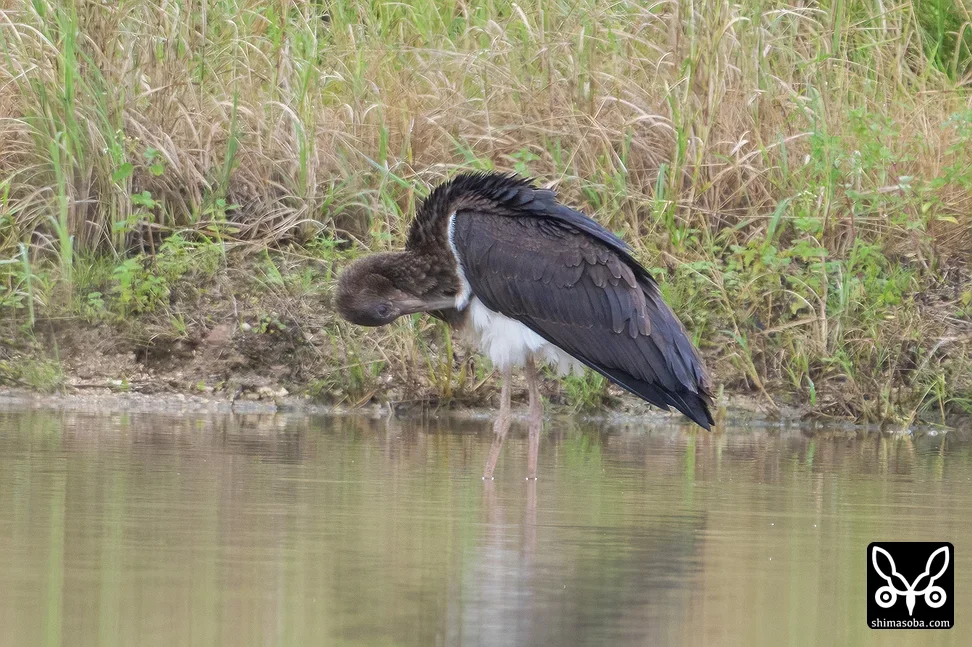
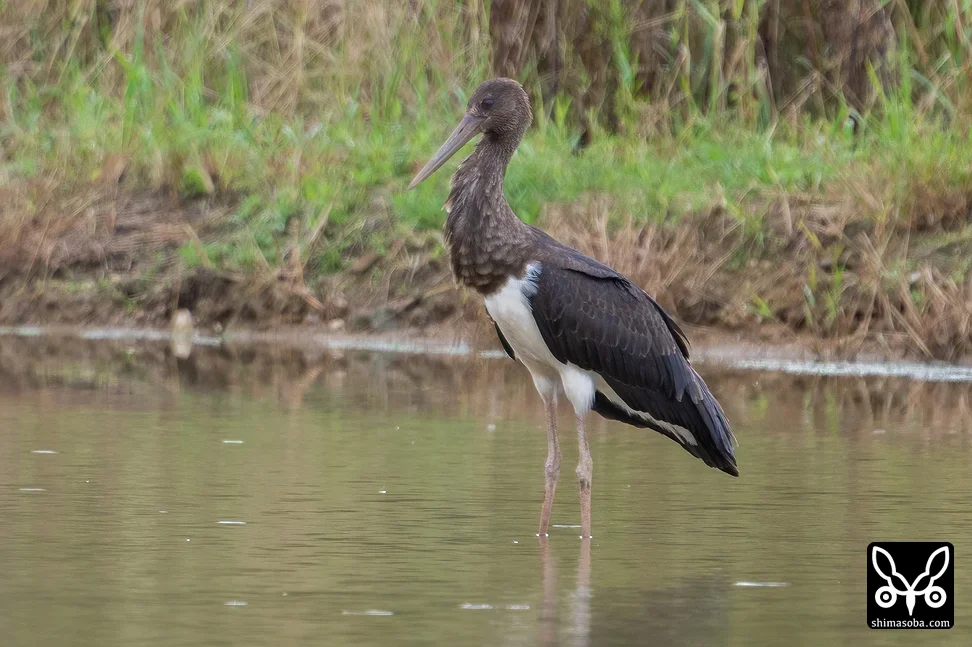
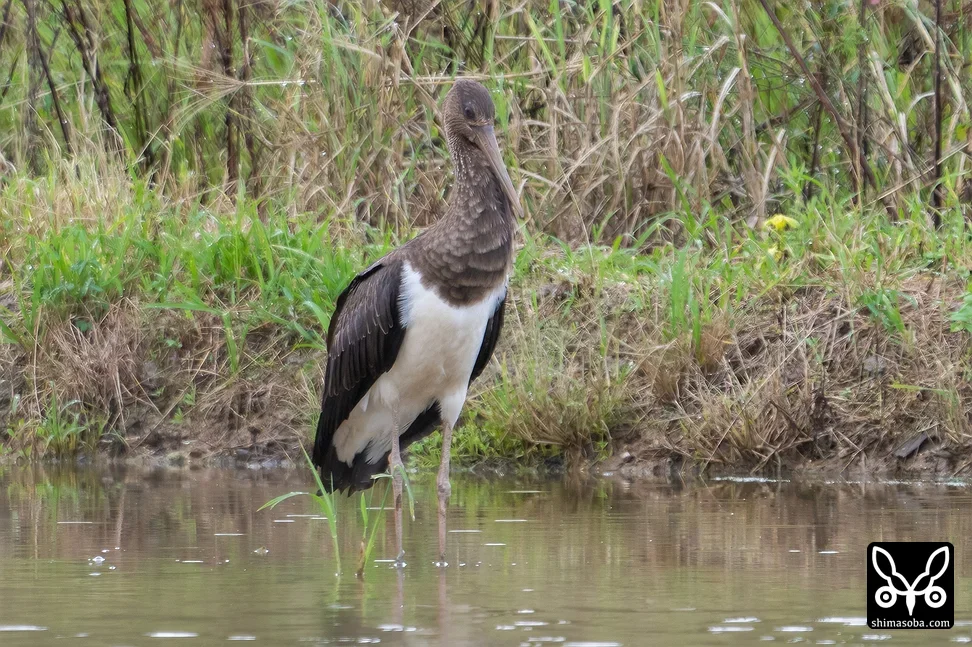
A Black Stork has arrived on Ishigaki. One came in last year too, and they turn up occasionally before that, but they are always quite wary and surprisingly difficult to photograph. This individual, however, could be observed fairly close-up and at leisure — for a Black Stork, anyway.

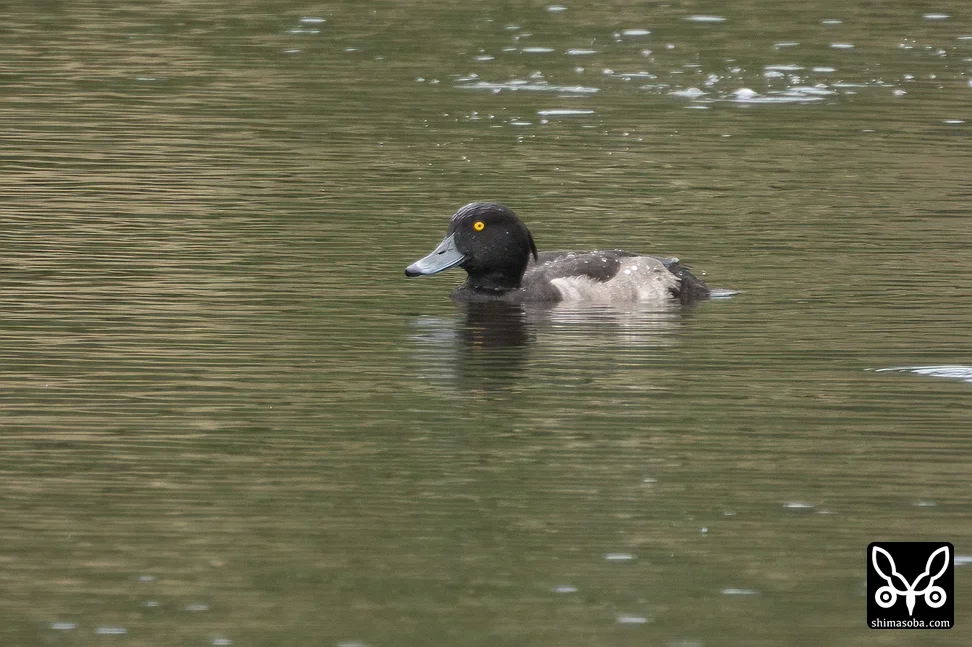
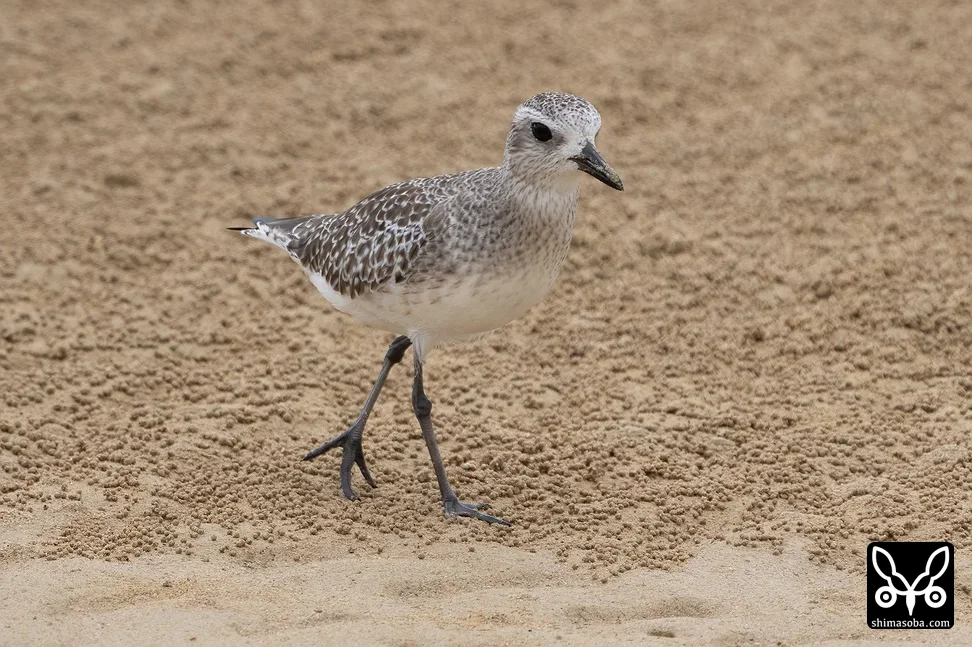
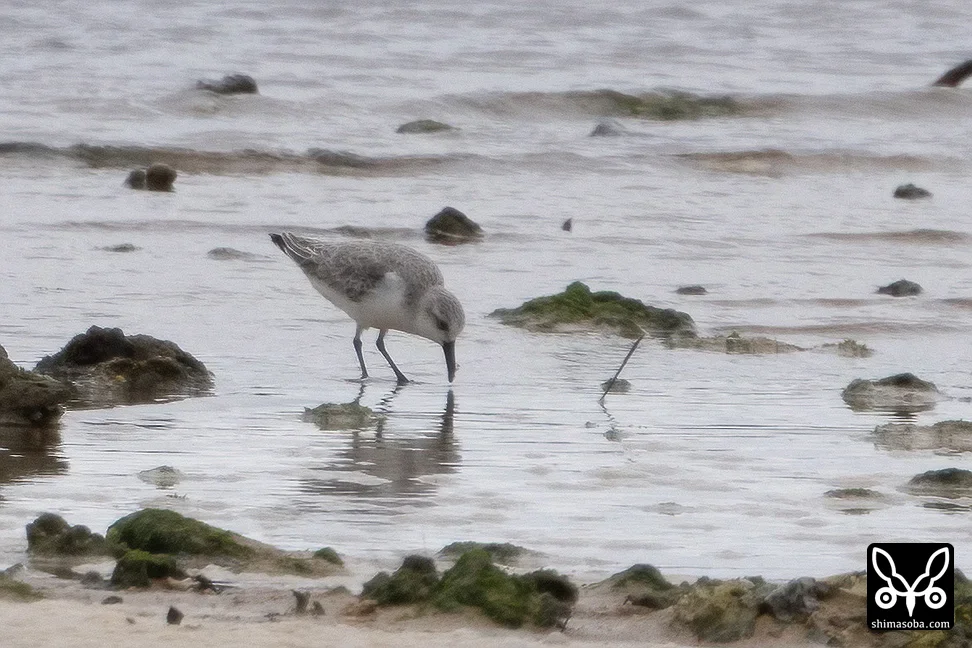
The Tufted Duck is my first of the season. A juvenile had already been confirmed last month, but this was my first sighting. On the coast there were Grey Plovers, Siberian Sand Plovers, Kentish Plovers, Red-necked Stints, and Sanderlings. Two Caspian Terns were flying distantly. I expect Caspian Tern numbers will increase a little more toward year's end.

Black Stork
Black Stork

Black Stork, juvenile. My wife saw one last year but I missed it. This individual was not especially wary for a Black Stork, and we were able to photograph and observe it at close range.

Black Stork
Black Stork

It was startled into flight by a farm vehicle, but it was at close range. Birds of this size cover a lot of ground in a single flight. Last year's Black Stork was also moving back and forth between Ishigaki Island and Iriomote Island.

Black Stork
Black Stork

It relaxed and showed us some preening as well.

Tufted Duck
Tufted Duck

Tufted Duck, male. Molting from eclipse into breeding plumage.

Grey Plover
Grey Plover

Grey Plover, winter plumage.

Sanderling
Sanderling

Sanderling, winter plumage. They are less common on Ishigaki Island than on the Okinawa mainland.

Red-necked Stint
Red-necked Stint

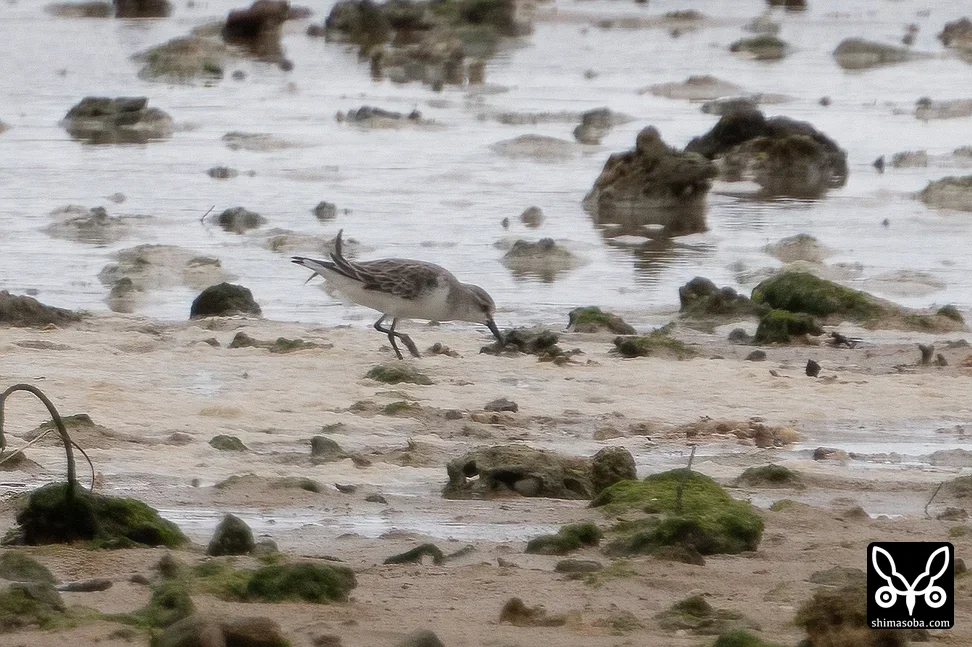
Red-necked Stint in winter plumage. A few birds were on the shore.

Kentish Plover
Kentish Plover

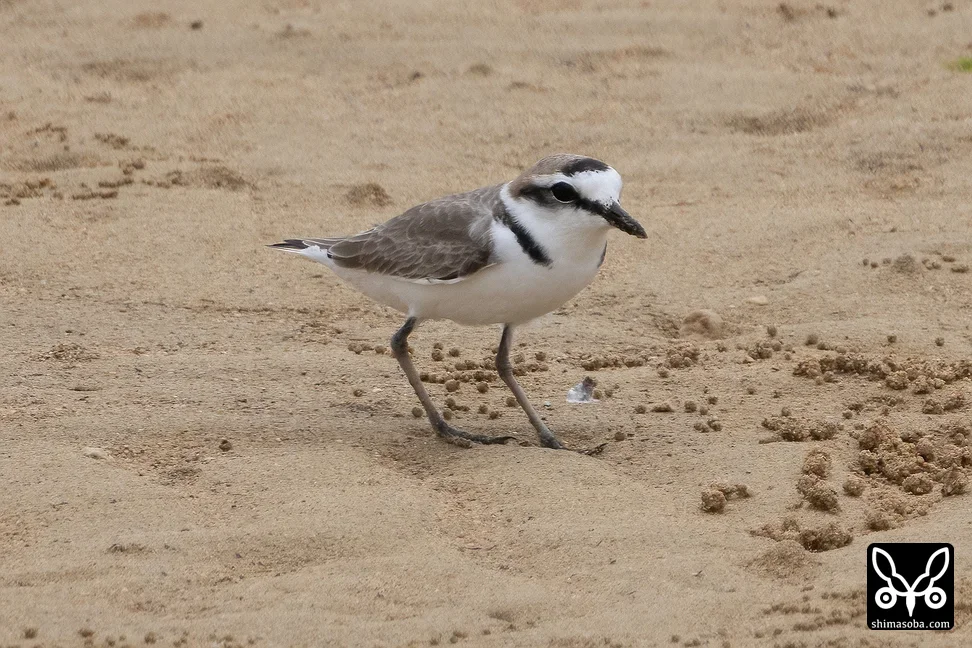
Kentish Plover, male in winter plumage.

Categories: 野鳥

Juvenile Rosy Starling

Since around mid-November, Rosy Starlings have been appearing at two locations. Today I went to see the one closer to home.

It seems to be touring the farmland day by day, mixing with flocks of Common Starlings and Red-billed Starlings. On this occasion it had joined a flock of about ten White-cheeked Starlings. I was on the move between work assignments, so I had only about fifteen minutes to observe.

On the coast, Ruddy Turnstones, Grey-tailed Tattlers, Siberian Sand Plovers, Pacific Golden Plovers, and Red-necked Stints were present. Again, about fifteen minutes of observation. Lately I've been too busy to get out properly.

Rosy Starling
Rosy Starling

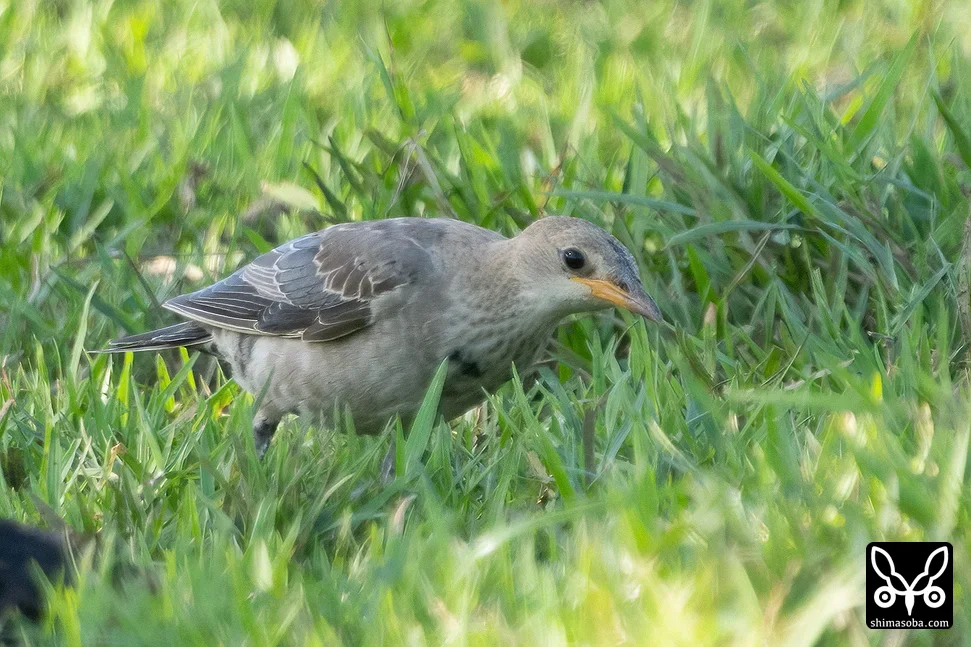
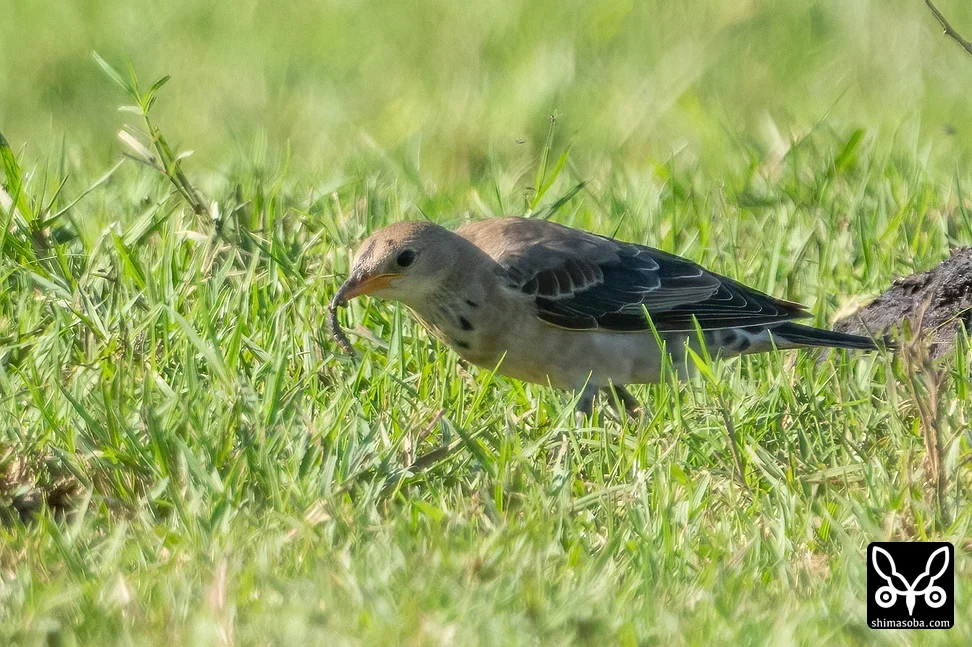
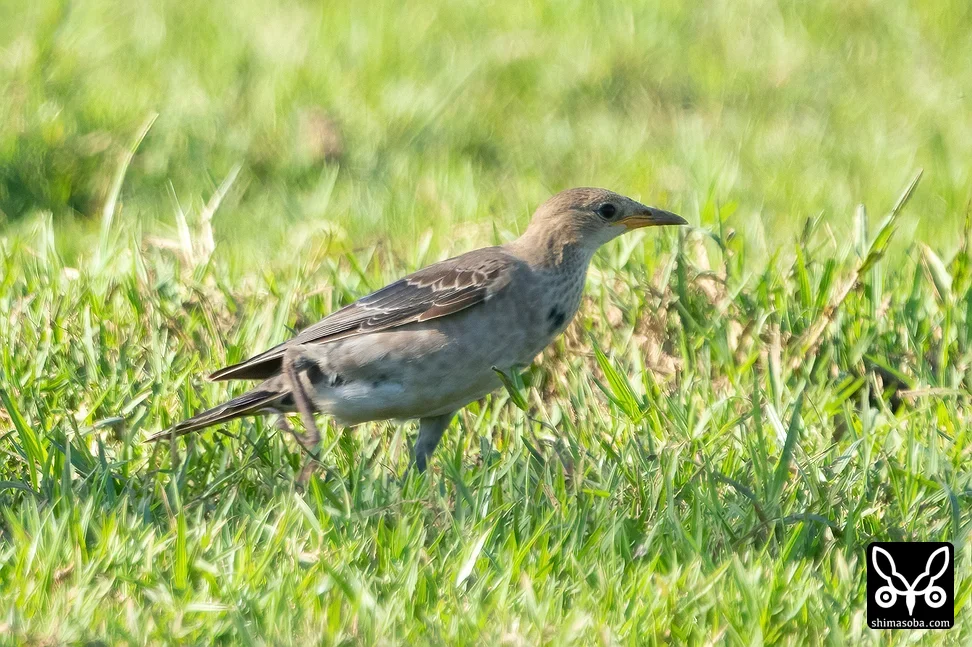
Rosy Starling, juvenile. Molting from juvenile into first-winter plumage.

Rosy Starling
Rosy Starling

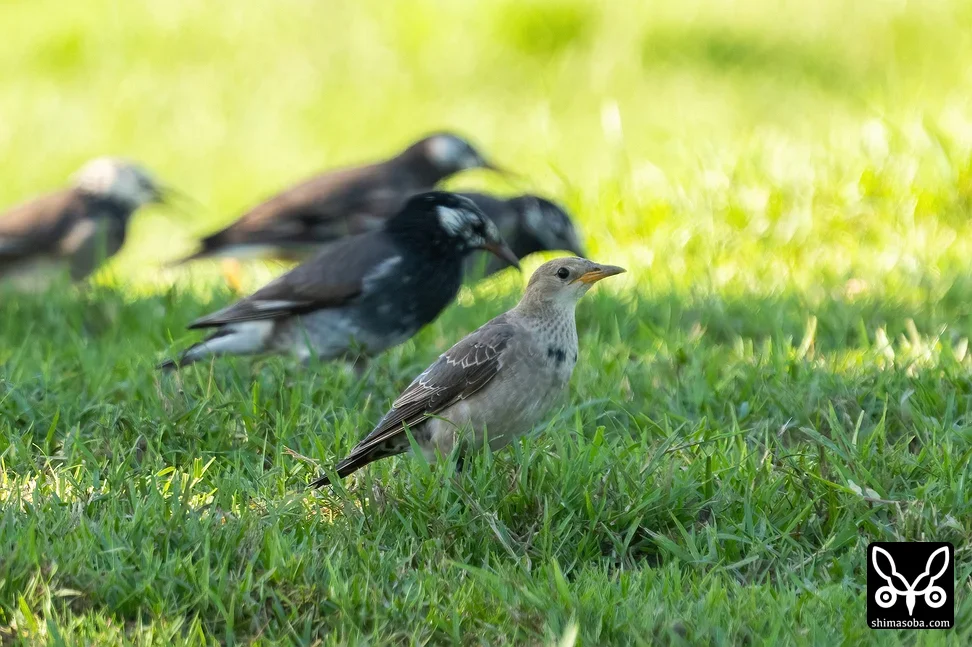
Size comparison with White-cheeked Starling. The Rosy Starling looks slightly smaller.

Rosy Starling
Rosy Starling

A Rosy Starling that caught some kind of larva.

Rosy Starling
Rosy Starling

By around the new year, the molt should have progressed and the bird will likely have taken on the colors typical of a Rosy Starling.

Grey-tailed Tattler
Grey-tailed Tattler

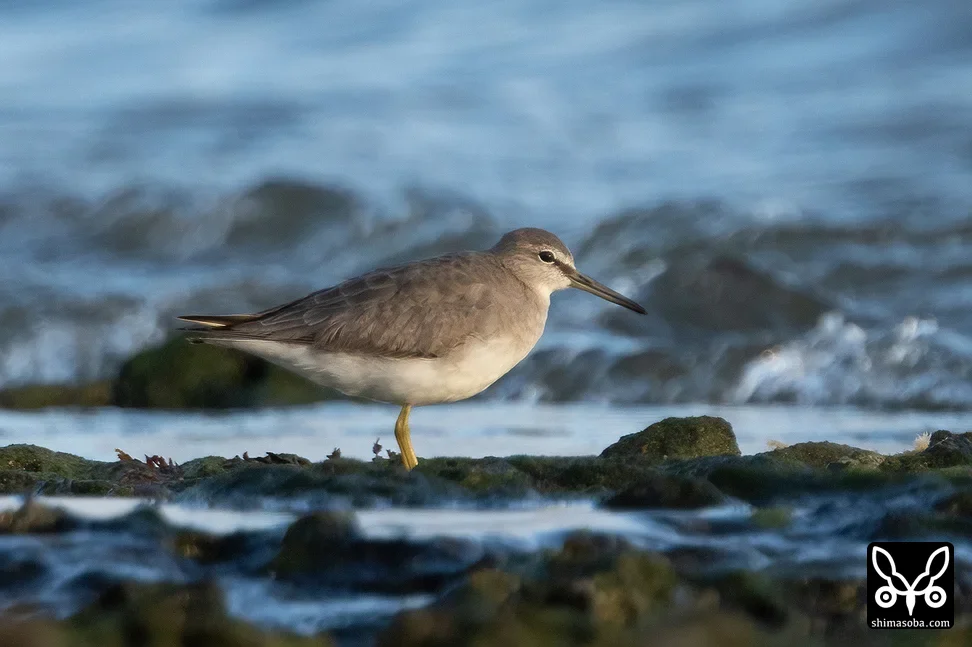
Grey-tailed Tattler, first-winter plumage.

Ruddy Turnstone
Ruddy Turnstone

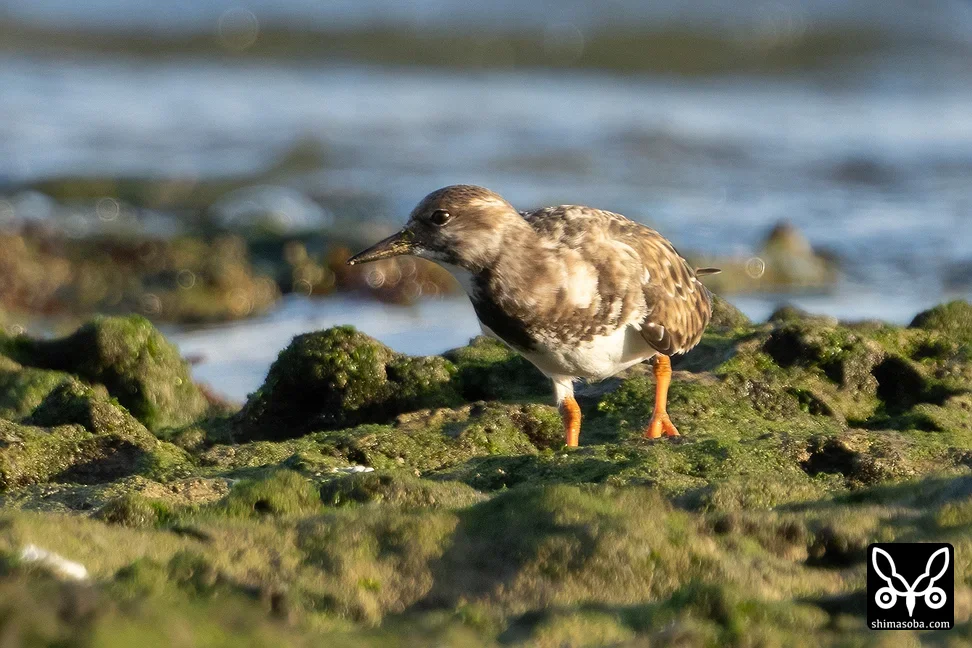
Ruddy Turnstone, winter plumage.

Categories: 野鳥

Third Ruddy Shelduck of the season, long-staying Greylag Goose, summer-plumage Siberian Sand Plover (video)

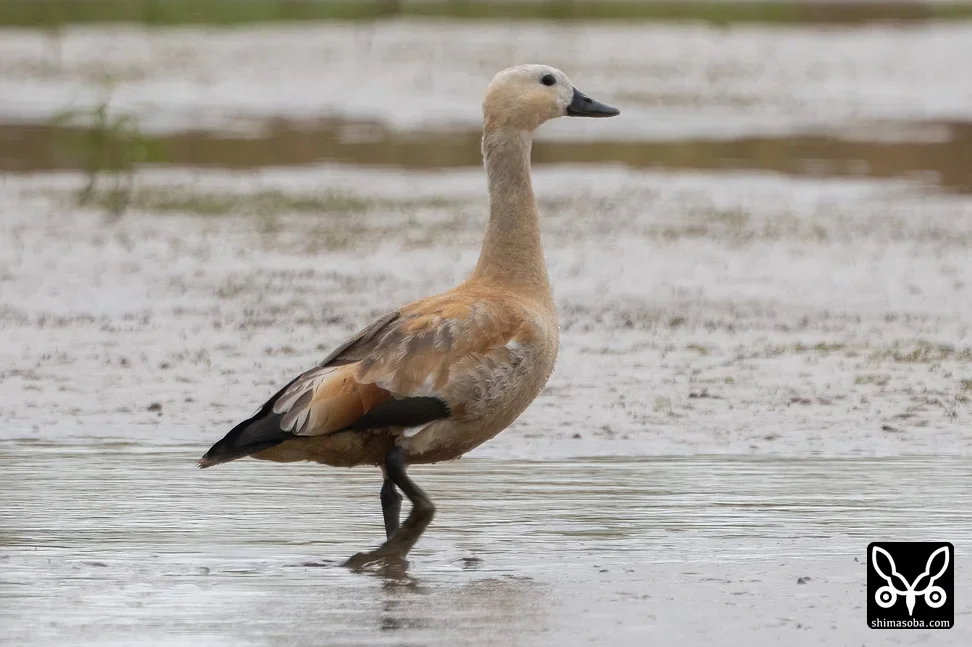
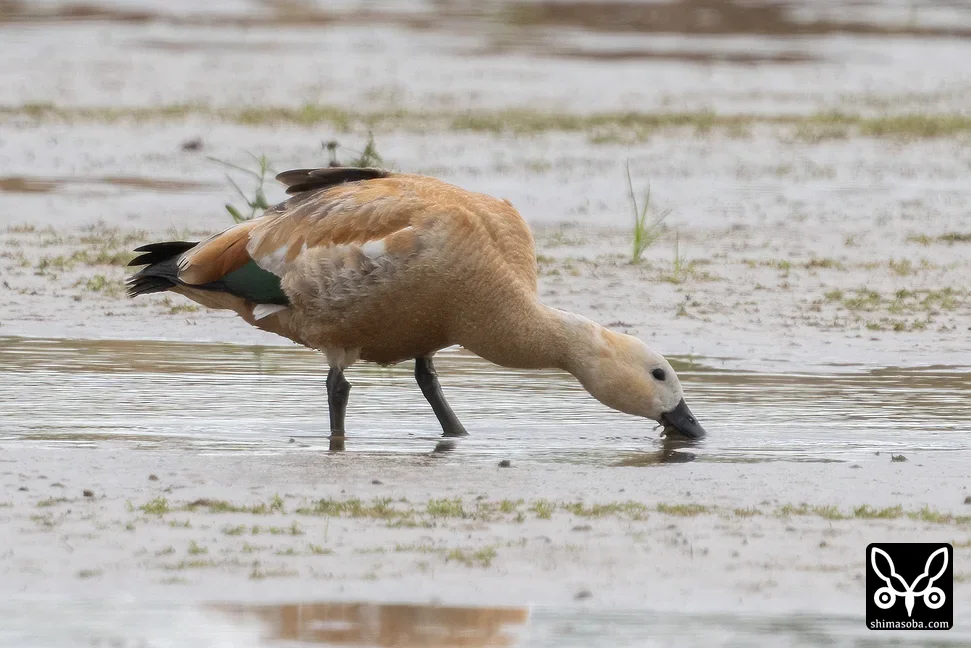
Following the previous two adults, a juvenile Ruddy Shelduck has now arrived. The adults were extremely wary, but this juvenile showed almost no wariness — perhaps a sign of its youth — and was easy to observe.

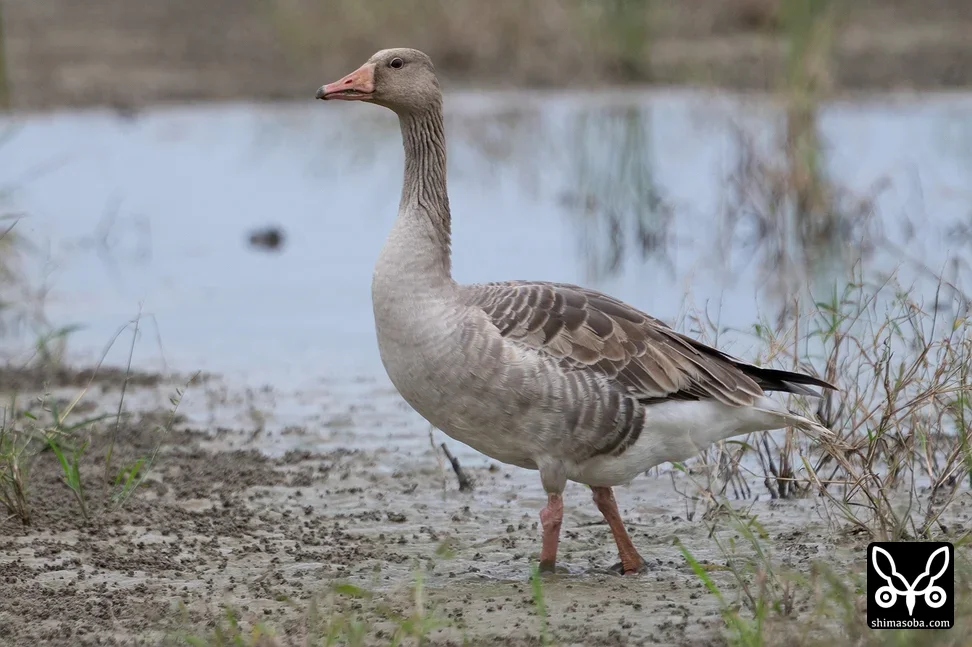
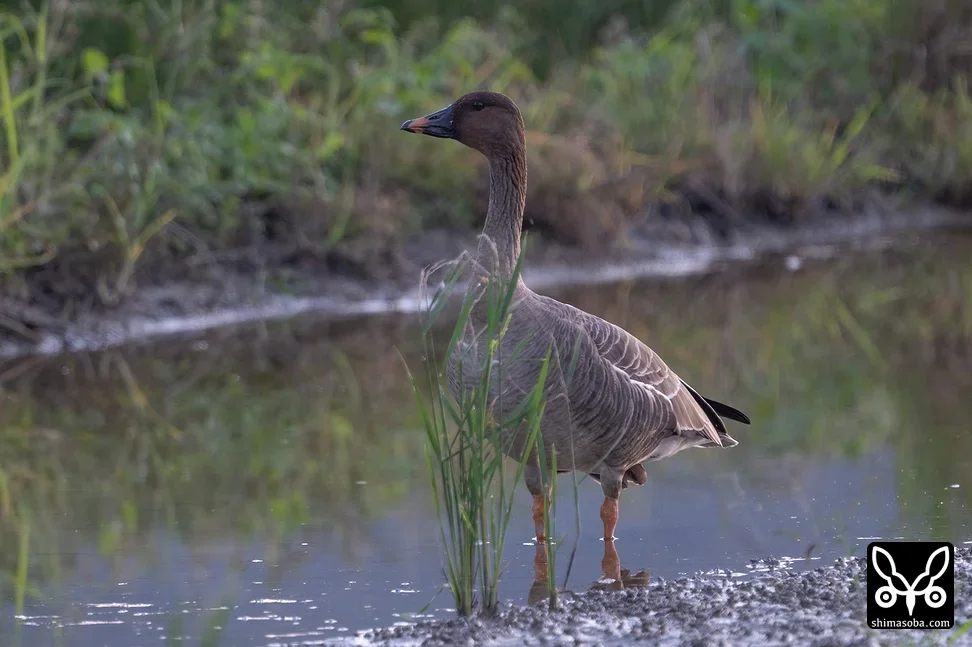
The Greylag Goose has been staying a long time; it looks like it may well winter over. Taiga Bean Goose, Greater White-fronted Goose, Lesser White-fronted Goose, and Common Crane are also still present.

On the coast, small numbers of Siberian Sand Plovers, Kentish Plovers, Pacific Golden Plovers, Ruddy Turnstones, Common Greenshanks, and Dunlins are staying on. In the paddies, Spotted Redshanks, Black-winged Stilts, Wood Sandpipers, Long-toed Stints, Sharp-tailed Sandpipers, and Common Snipe are conspicuous. Whiskered Terns — both adults and juveniles — are also still present.

This season, the starling family is represented by several species but numbers are low.

Dusky Thrushes, Pale Thrushes, Brown-headed Thrushes, and Eyebrowed Thrushes have started arriving.

Ruddy Shelduck
Ruddy Shelduck

The third Ruddy Shelduck of the season was a juvenile — in the process of moulting from juvenile plumage into first breeding plumage.

Ruddy Shelduck
Ruddy Shelduck

Feeding in a dry, unflooded rice paddy. I wonder what it's eating.

Greylag Goose
Greylag Goose

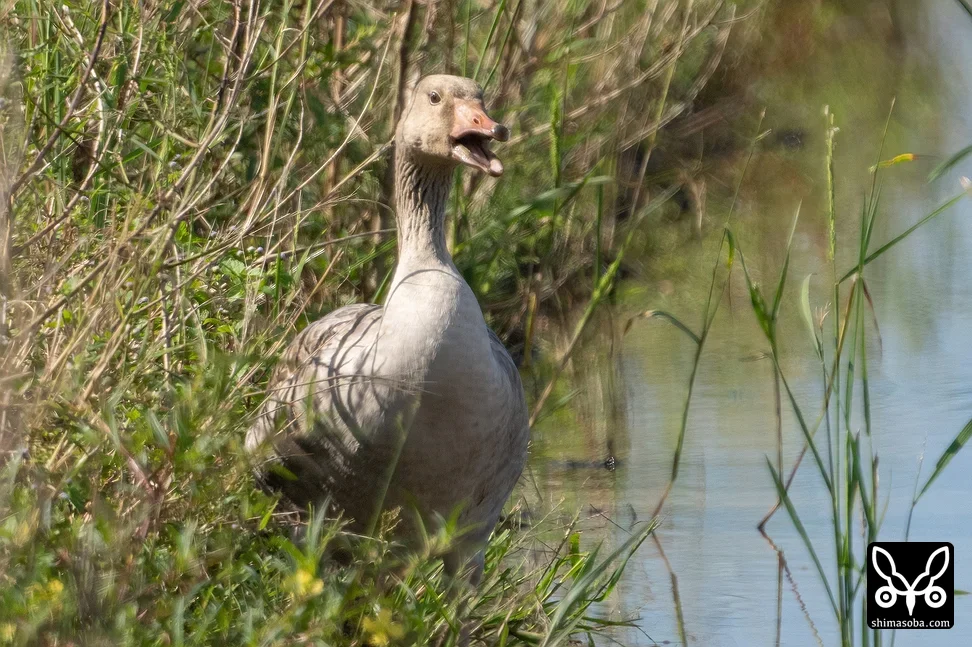
The Greylag Goose, completely unafraid, is in the middle of a long stay. Does it intend to winter here?

Tundra Bean Goose
Tundra Bean Goose

The bird always accompanying the Greylag Goose is a Tundra Bean Goose. For some reason these two never join the flocks of Greater White-fronted Geese and Lesser White-fronted Geese.

Lesser Sand Plover
Lesser Sand Plover

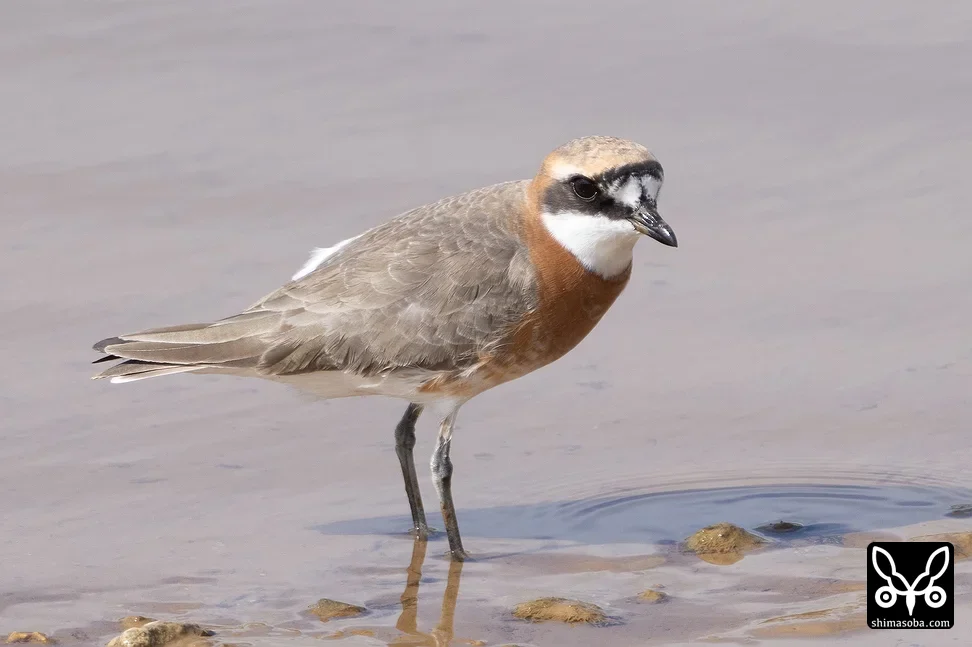
Lesser Sand Plover in breeding plumage. At this season almost all individuals are in winter plumage, but every now and then one turns up that still hasn't shaken off its summer mood. Where do they come from?

Lesser Sand Plover
Lesser Sand Plover

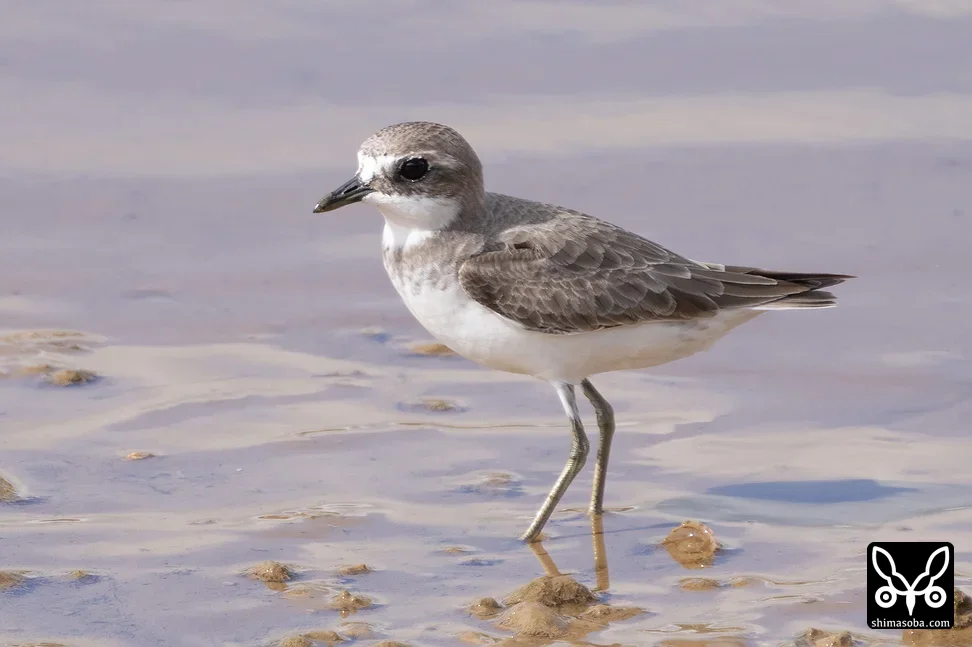
Lesser Sand Plover in winter plumage. This is what the vast majority look like.

Lesser Sand Plover
Lesser Sand Plover

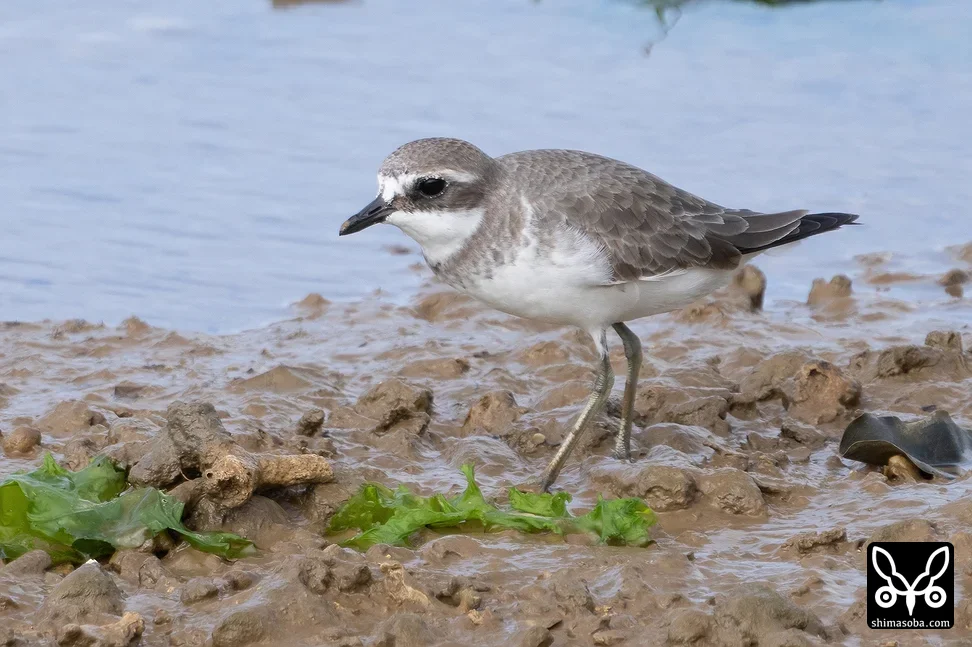
Lesser Sand Plover, juvenile. Molting into first-winter plumage.

Spotted Redshank
Spotted Redshank

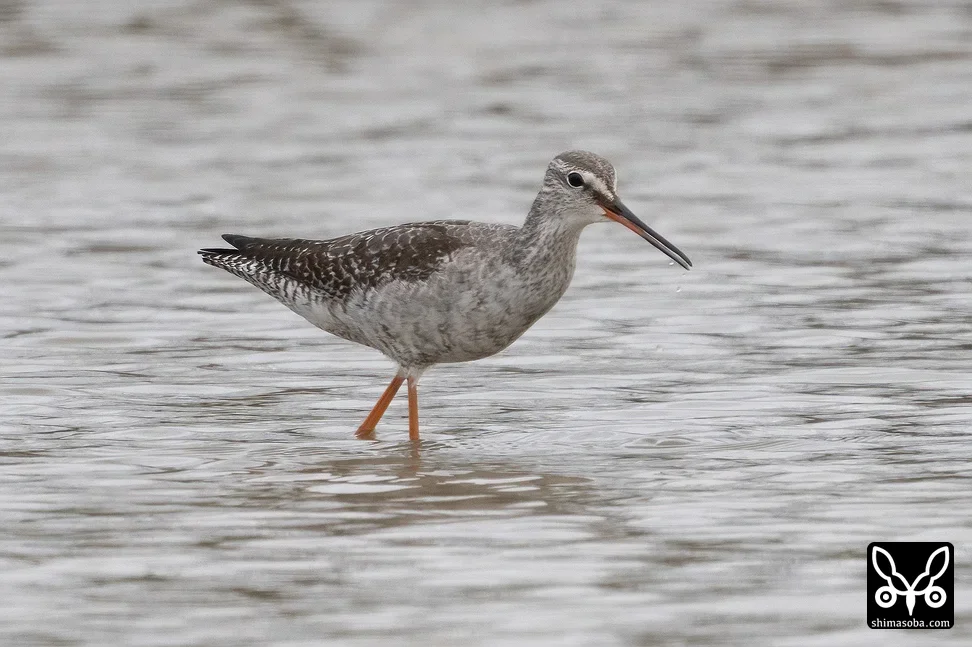
Spotted Redshank, adult. Molting into winter plumage.

Common Greenshank
Common Greenshank

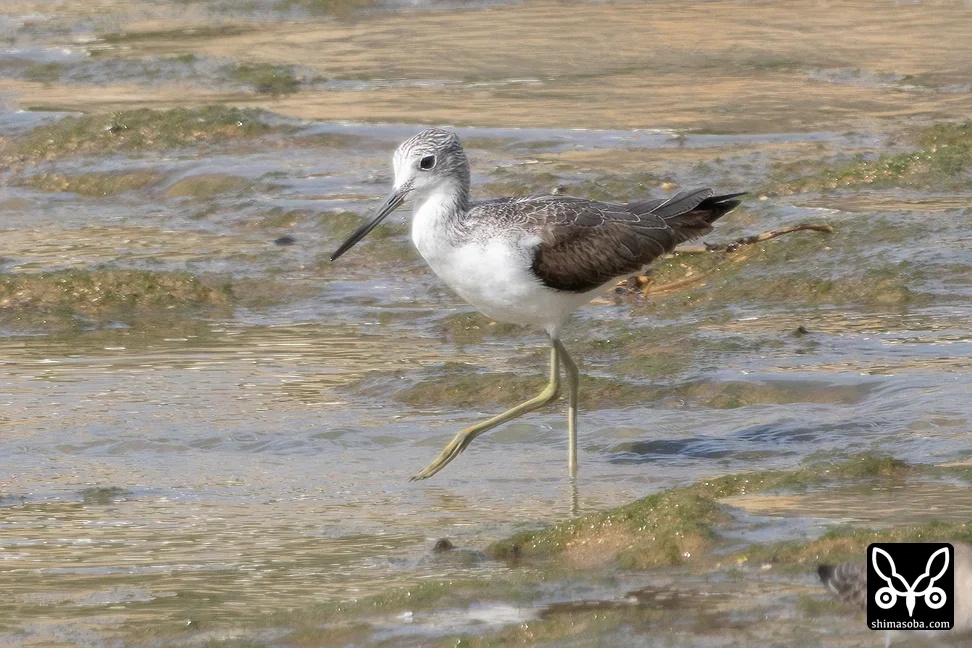
Common Greenshank, juvenile.

Kentish Plover
Kentish Plover

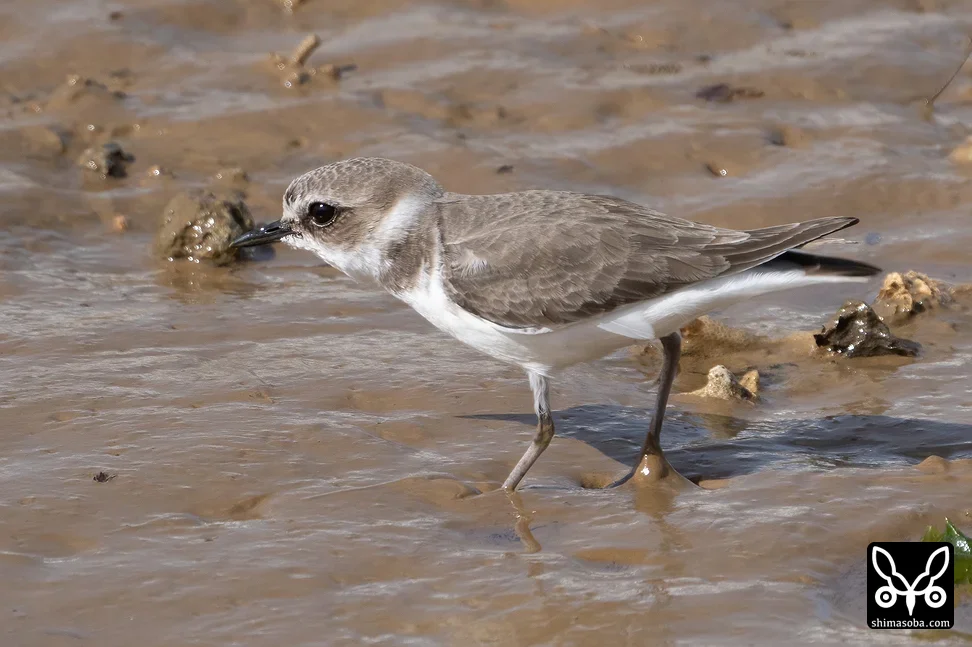
Kentish Plover, juvenile.

Dunlin
Dunlin

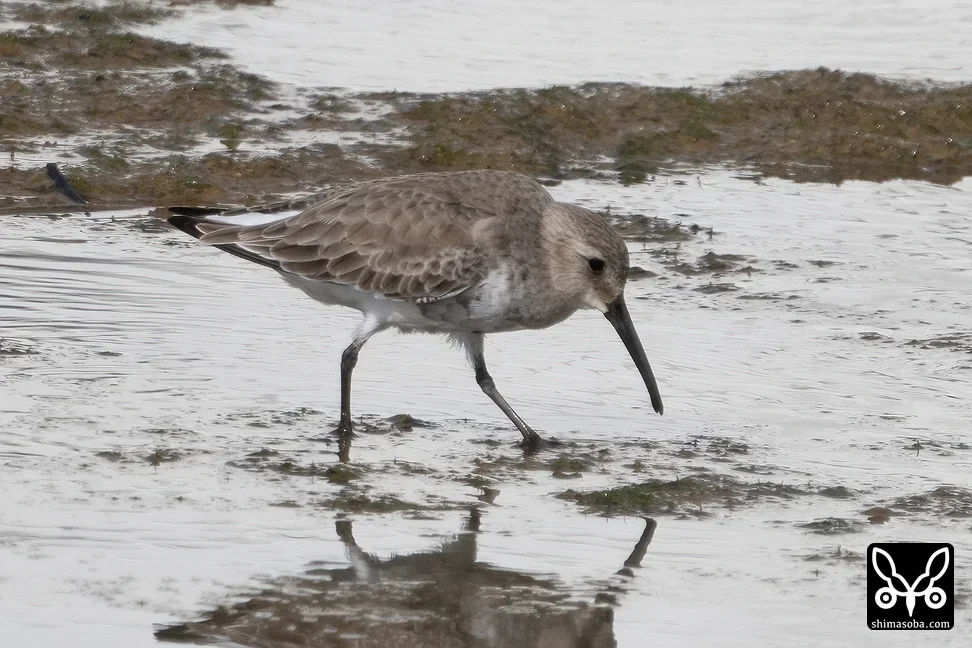
Dunlin, winter plumage.

Dunlin
Dunlin

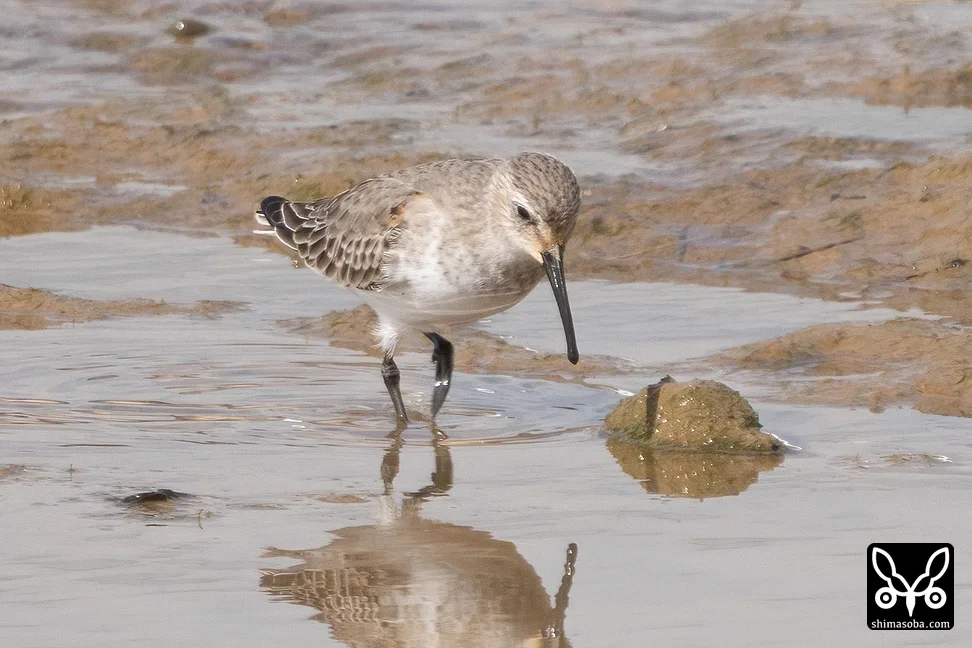
Dunlin resting on the coast and in rice fields.

Whiskered Tern
Whiskered Tern

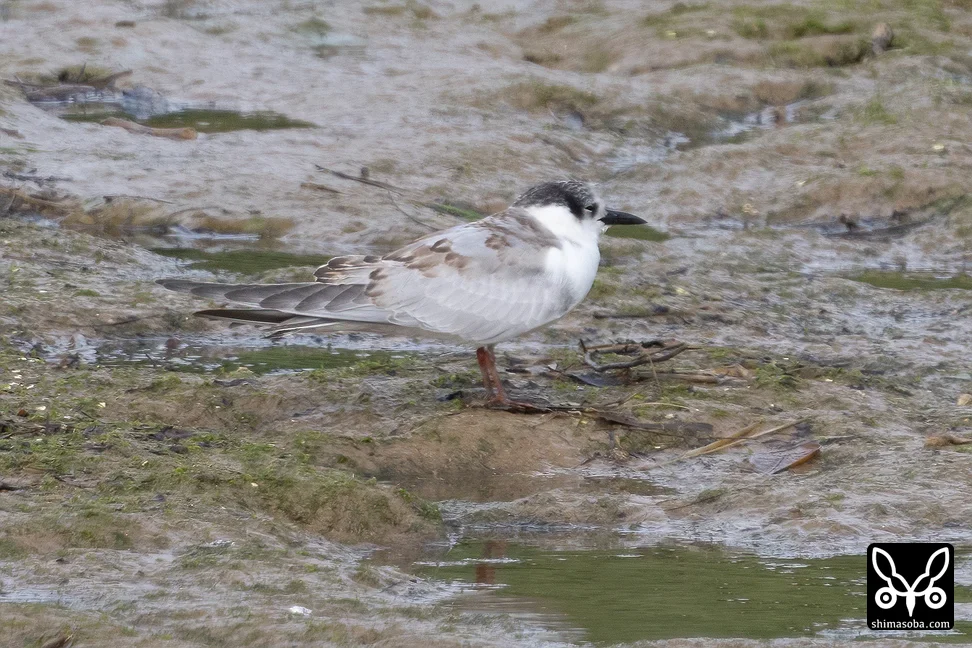
White-winged Tern, juvenile.

White-shouldered Starling

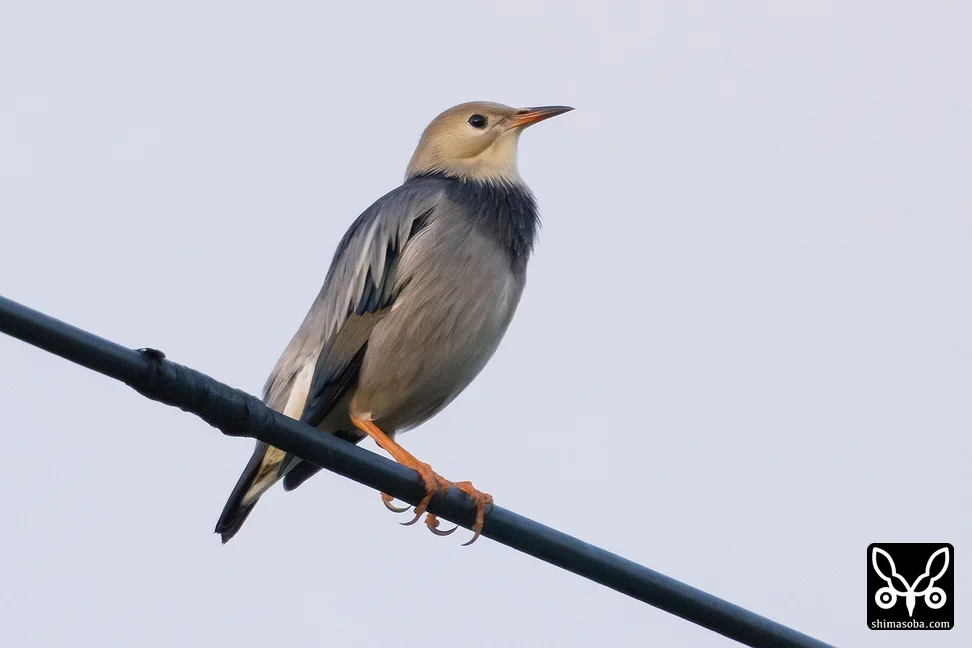
Rosy Starling, adult male. Most of this year's flocks have been on the small side.

Categories: 野鳥

Greylag Goose, juvenile Crested Serpent Eagle, Caspian Tern and others

The Greylag Goose that appeared about ten days ago is still here. Alongside the Greylag Goose, Ishigaki currently hosts a Lesser White-fronted Goose, a Greater White-fronted Goose, a Taiga Bean Goose, a Tundra Swan, and a Common Crane — quite an unlikely lineup for a southern island.

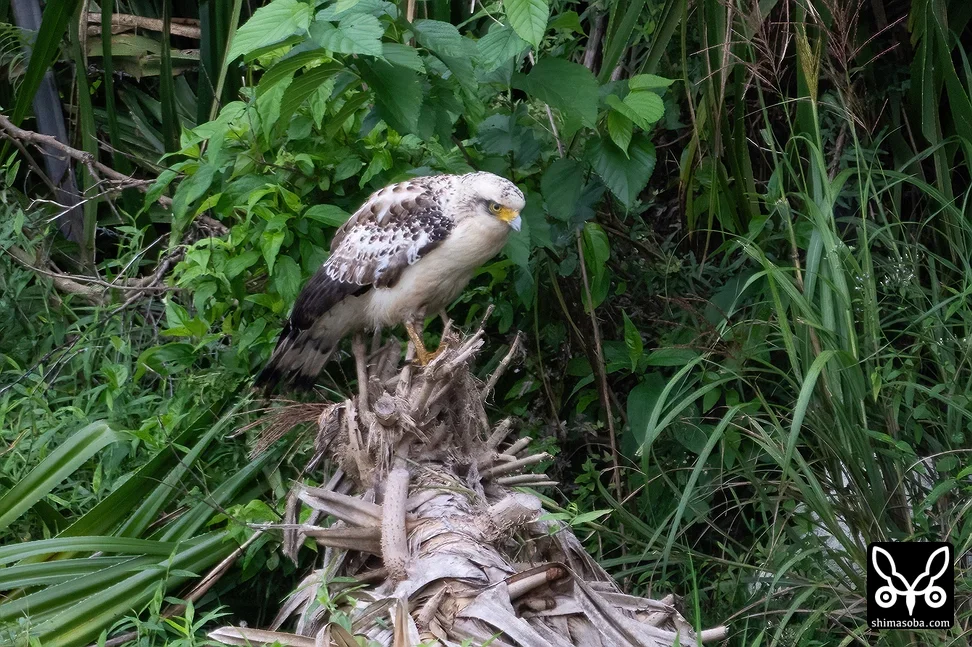
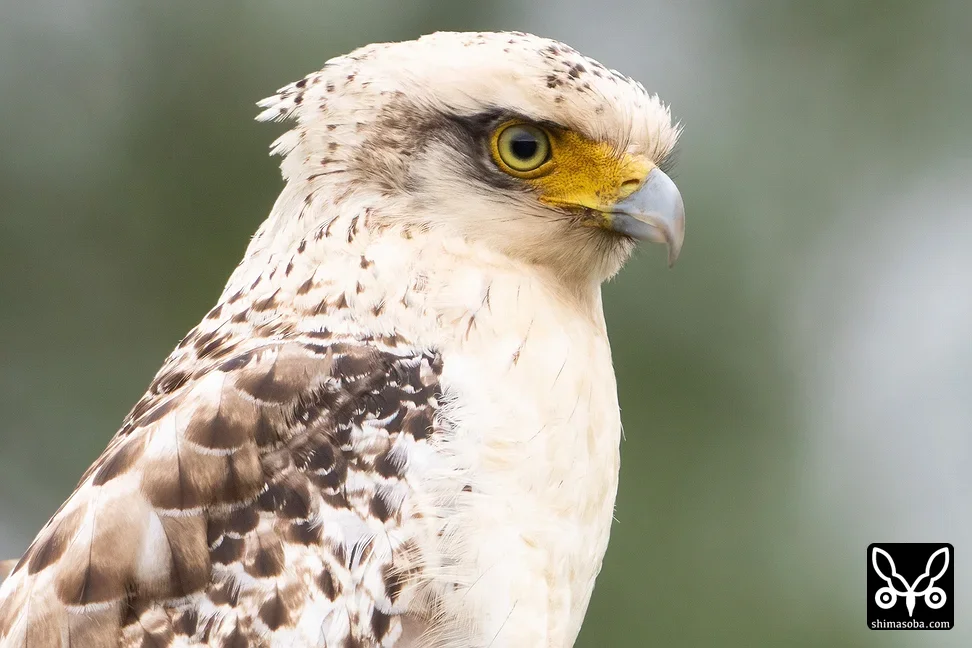
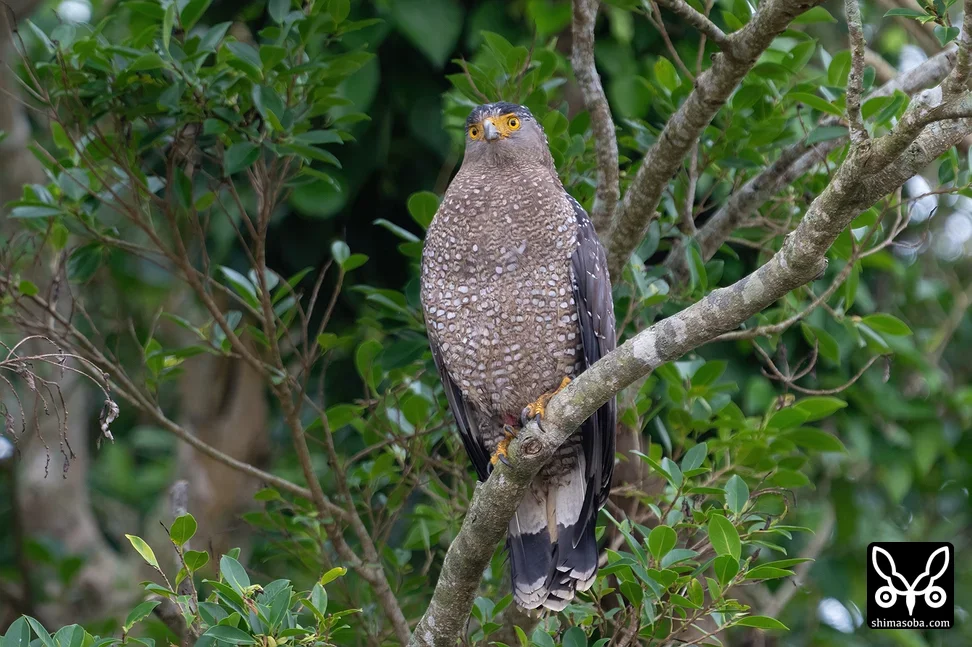
The juvenile Crested Serpent Eagle was the ninth individual of the season. A very active bird, it was catching prey in the rice paddies and mown grasslands.

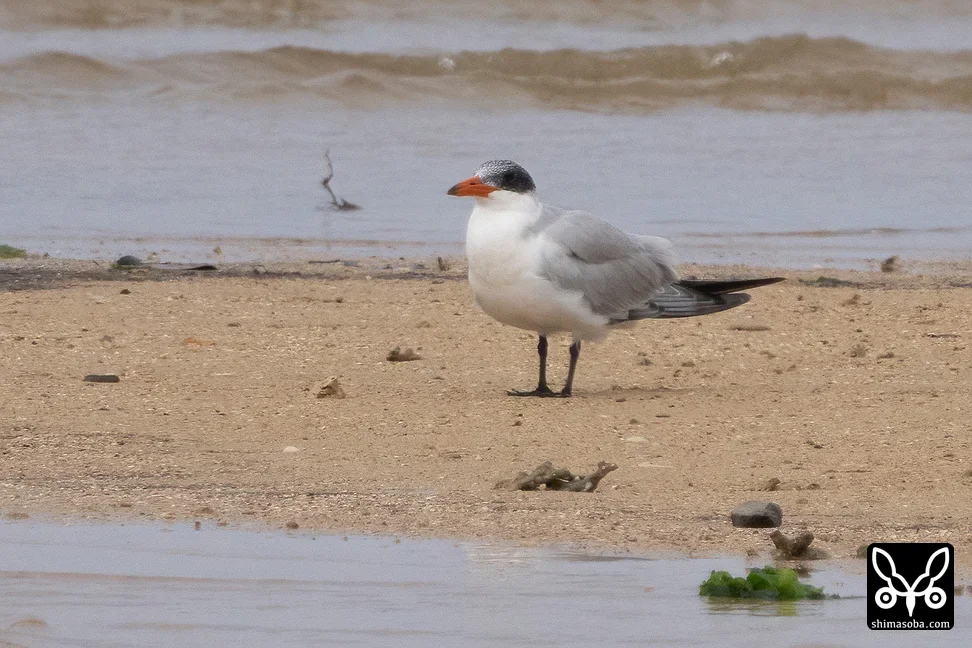
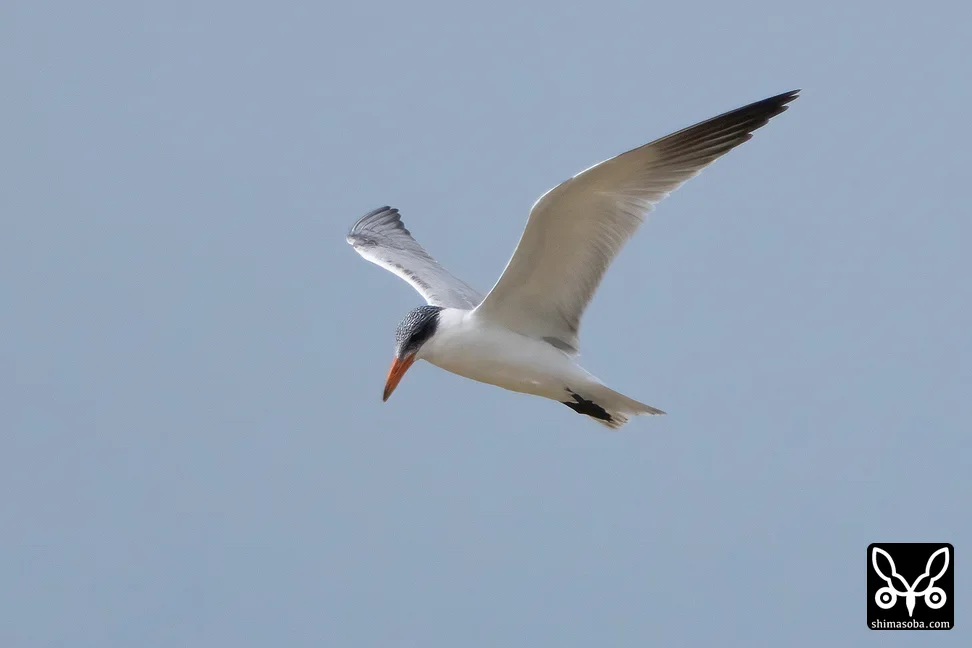
Caspian Terns have also been coming in over the past few days. They usually stay for a while each year but rarely winter over. On the coast, Siberian Sand Plovers, Kentish Plovers, Little Ringed Plovers, Pacific Golden Plovers, Grey-tailed Tattlers, Common Greenshanks, and Ruddy Turnstones are present in fluctuating numbers.

Greylag Goose
Greylag Goose

I had already seen a flock of five Greylag Geese at the end of last year on Okinawa Island, but this was my first encounter with the species on Ishigaki Island.

Crested Serpent Eagle

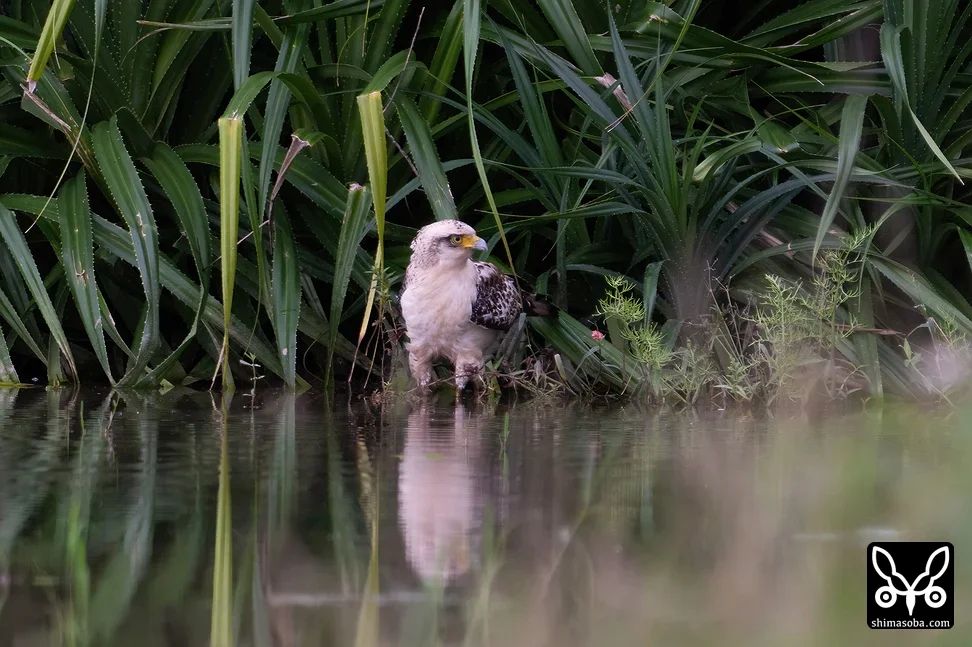
A juvenile Crested Serpent Eagle that plunged into a rice paddy. Did the hunt fail?

Crested Serpent Eagle

Scanning for prey from a good vantage point.

Crested Serpent Eagle

An individual with no fear of people — it came and perched on the wire right in front of me.

Crested Serpent Eagle
Crested Serpent Eagle / Ringed / flagged bird

An adult female Crested Serpent Eagle. This is 'Kikki,' an individual rescued in 2009, with a red band on the right leg.

Caspian Tern
Caspian Tern

A Caspian Tern resting on a sandy beach.

Caspian Tern
Caspian Tern

It took off, but flew off somewhere without hunting.

Lesser Sand Plover
Lesser Sand Plover

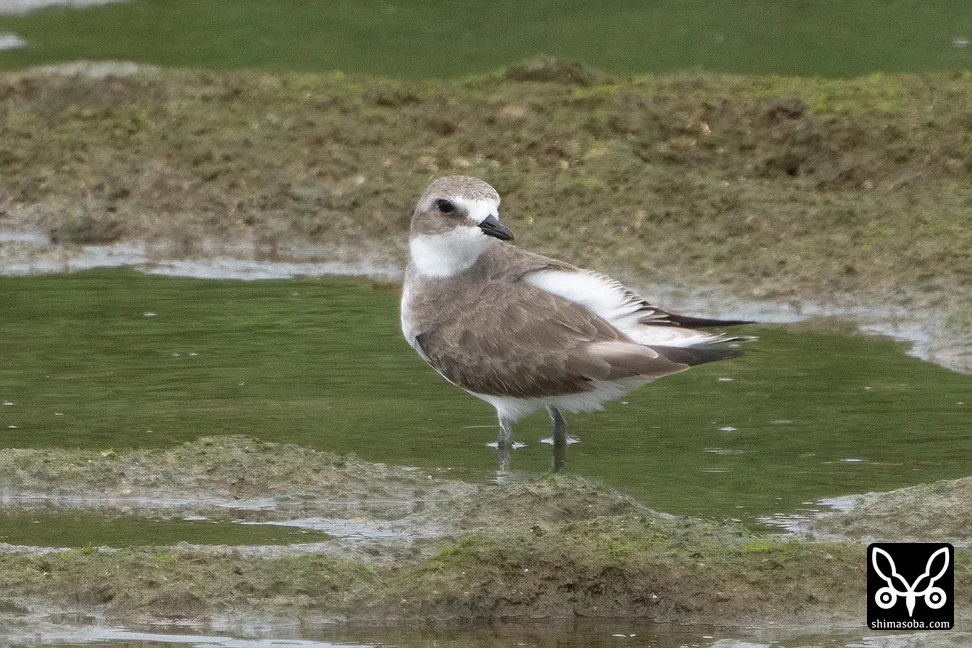
Lesser Sand Plover in winter plumage. Numbers have dropped from their peak but birds are still present along various stretches of coastline.

Kentish Plover
Kentish Plover

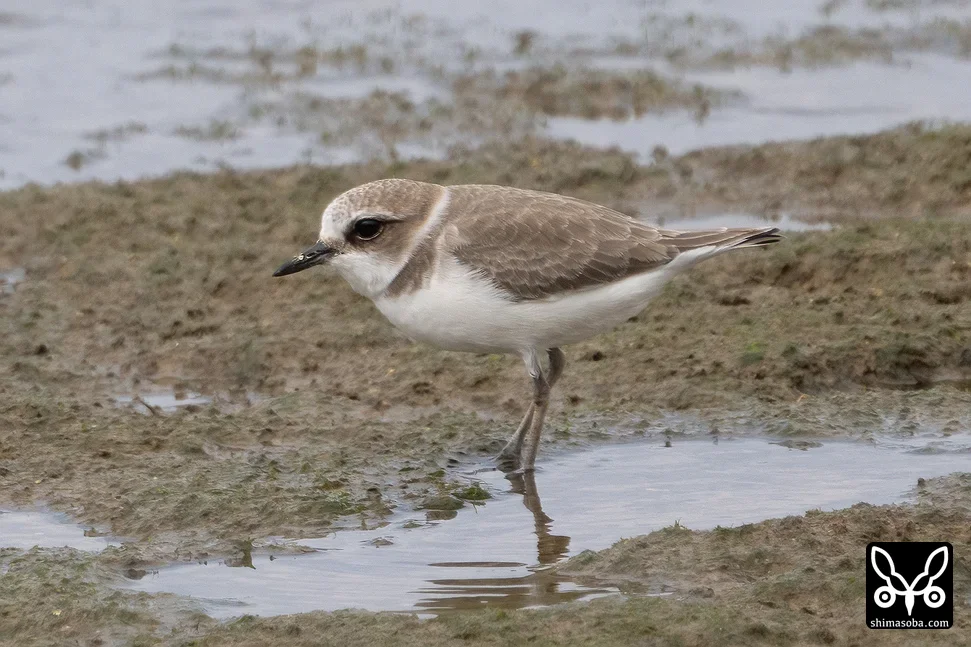
Kentish Plover in winter plumage. Numbers are well down compared to the peak here too.

Little Ringed Plover

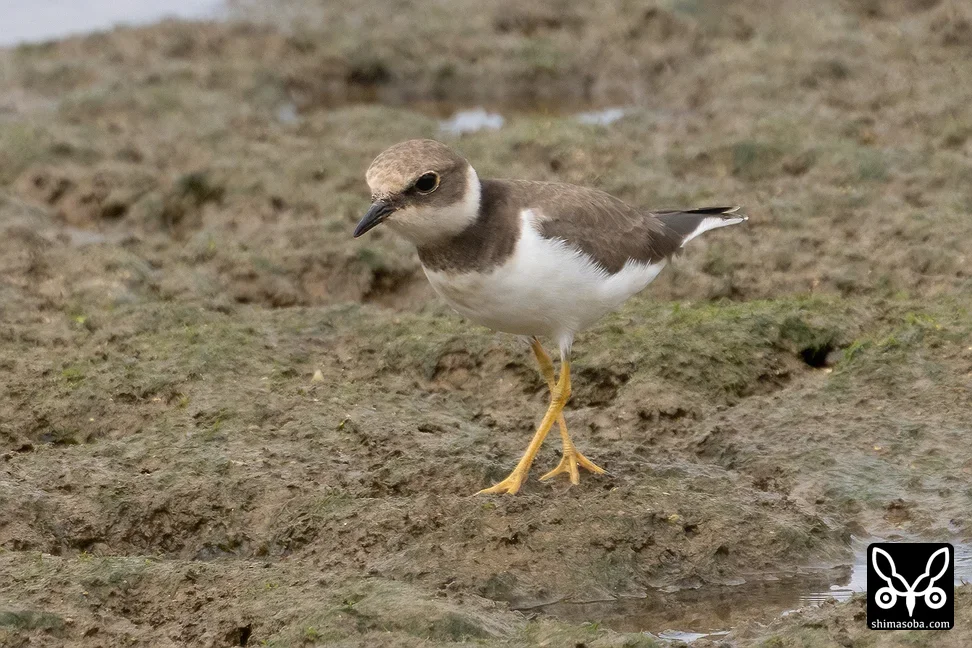
Little Ringed Plover in winter plumage. Still present on beaches and in rice paddies.

Categories: 野鳥