A daily record.
Featuring photos of wild birds and nature, mainly from Okinawa Main Island and Ishigaki Island

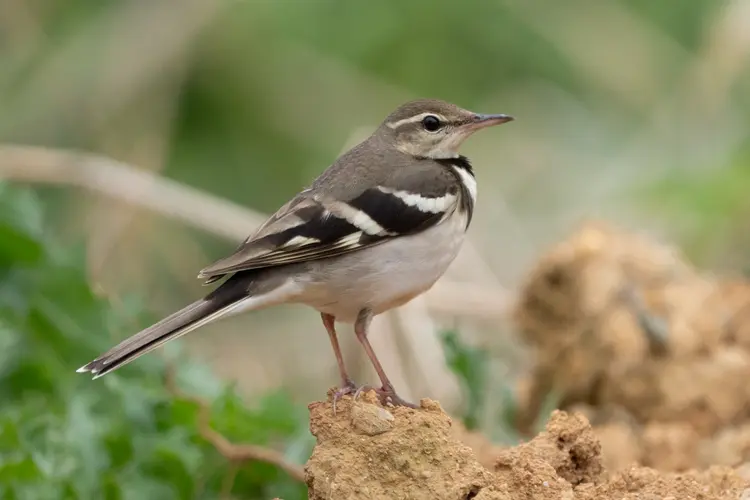
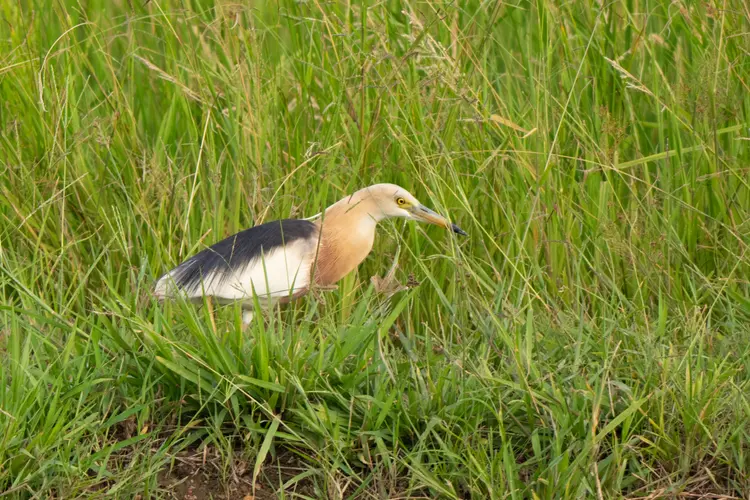
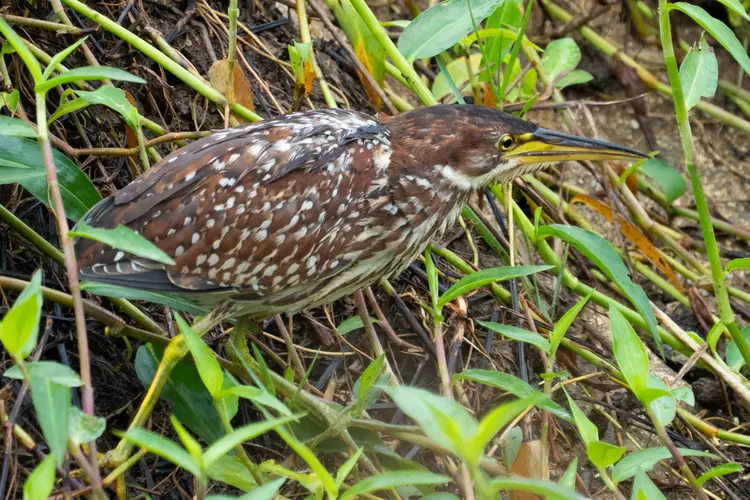
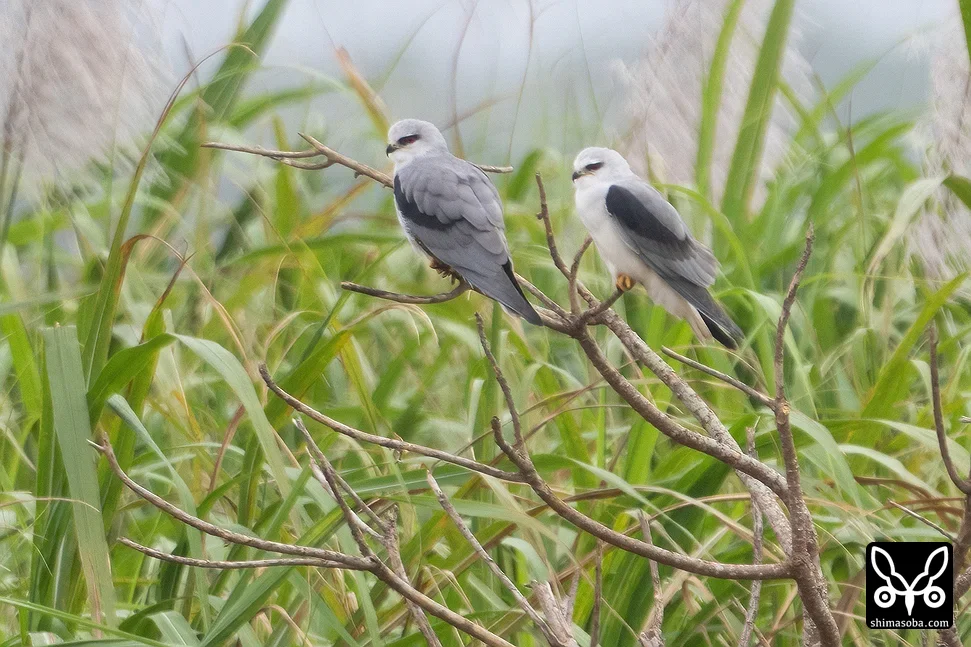
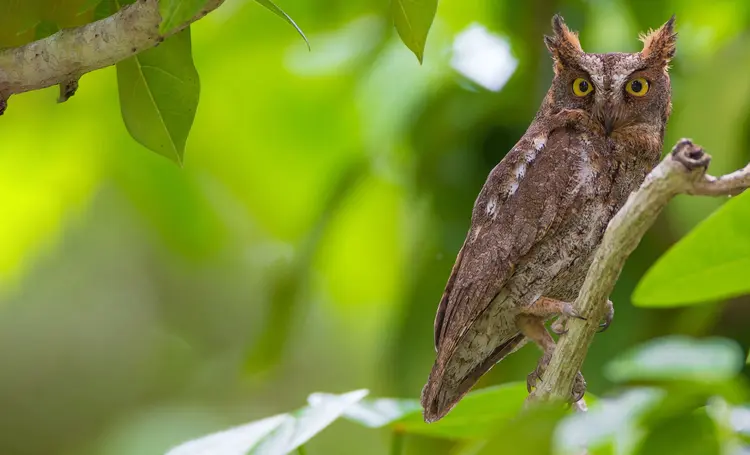
Ryukyu scops owl Black-winged kite Forest Wagtail Javan pond heron Schrenck's little bittern

GUIDED BIRDWATCHING TOUR

Go where the birds are. The SHIMASOBA Tour launches.

We'll drive you around Ishigaki Island to wherever the birds are showing best that day. Observation is mostly from inside the vehicle, and we keep it to a maximum of 3 guests so everyone can take their time.

Max. 3 guests 4 hours in the morning Beginners welcome
Check availability and book

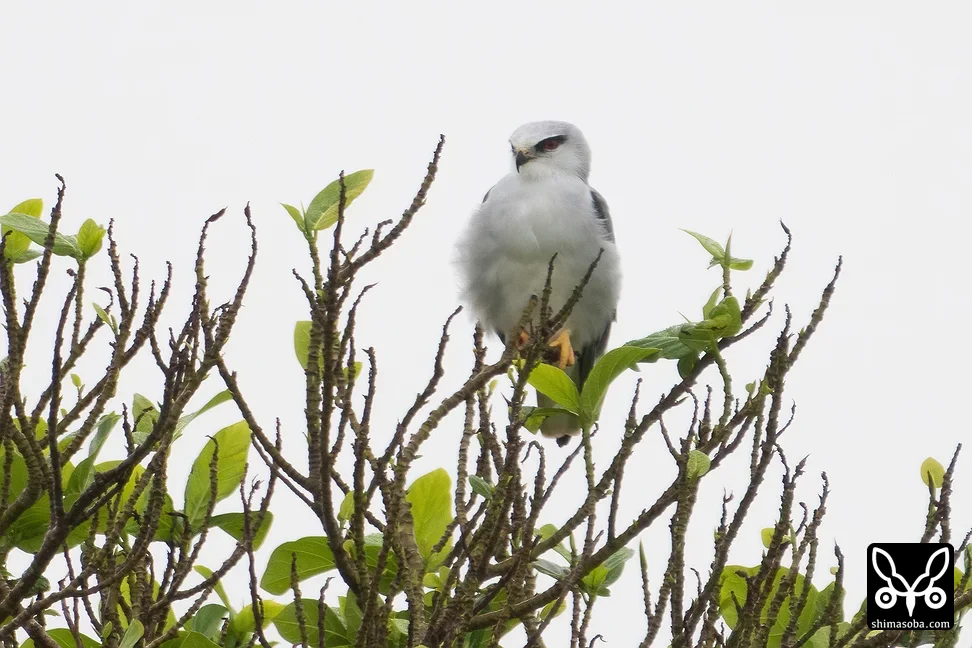
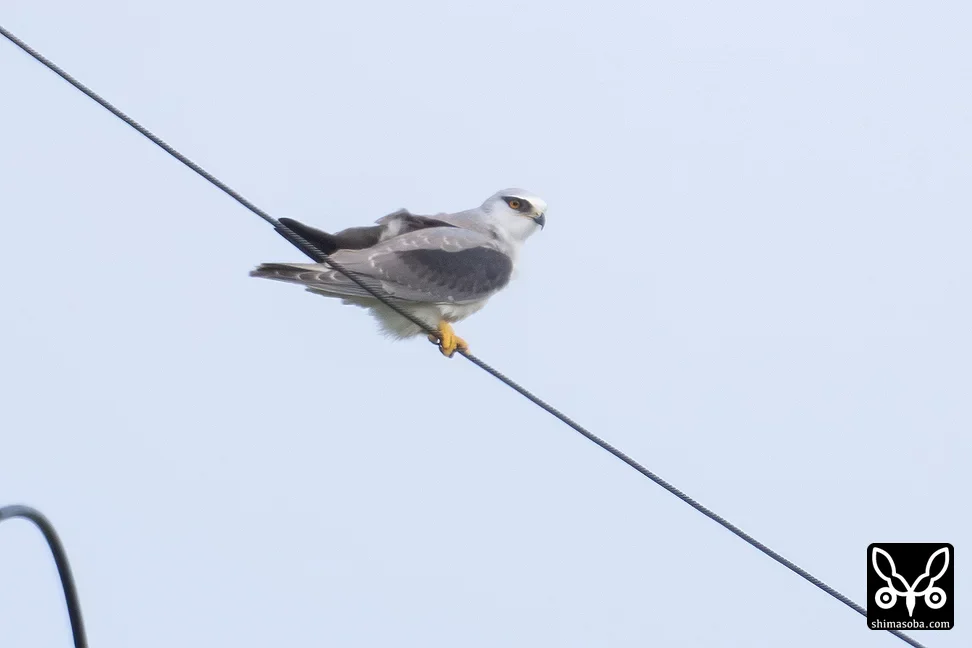
A pair of Black-winged Kites

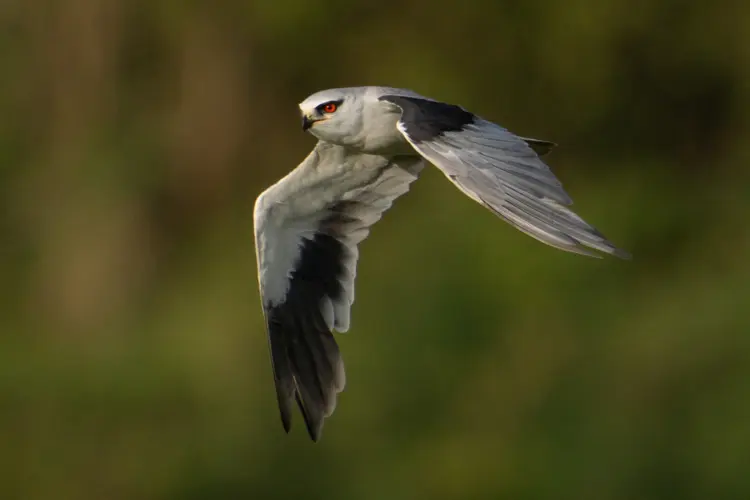
Black-winged Kites are seen in numbers on a given day, with many pairs apparently moving into breeding. Crested Serpent Eagles are also in the early stages of breeding, and calling between individuals can be observed. The number of birds visible is high.

Black-winged Kite
Black-winged Kite

A pair of Black-winged Kites. These individuals showed little wariness.

Black-winged Kite
Black-winged Kite

Same individual as above.

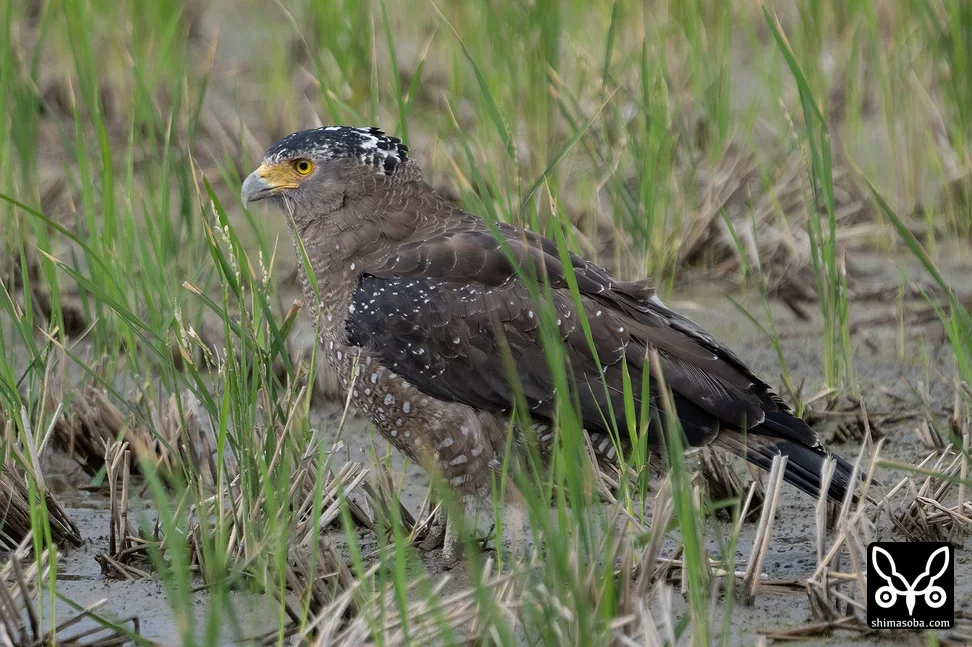
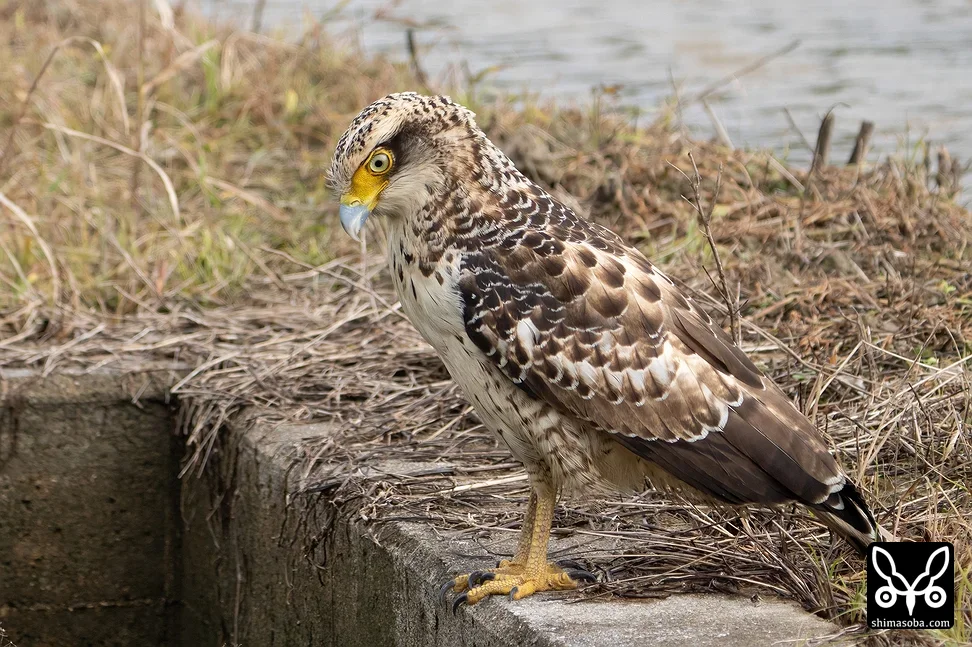
Crested Serpent Eagle

A Crested Serpent Eagle foraging in a rice field. It was wandering about on foot.

Categories: 野鳥

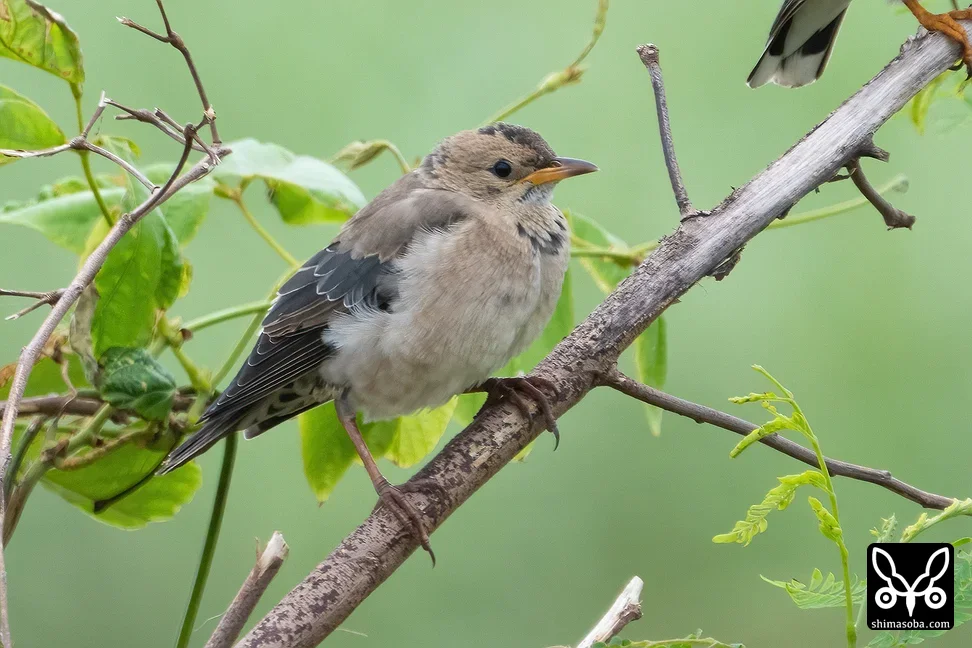
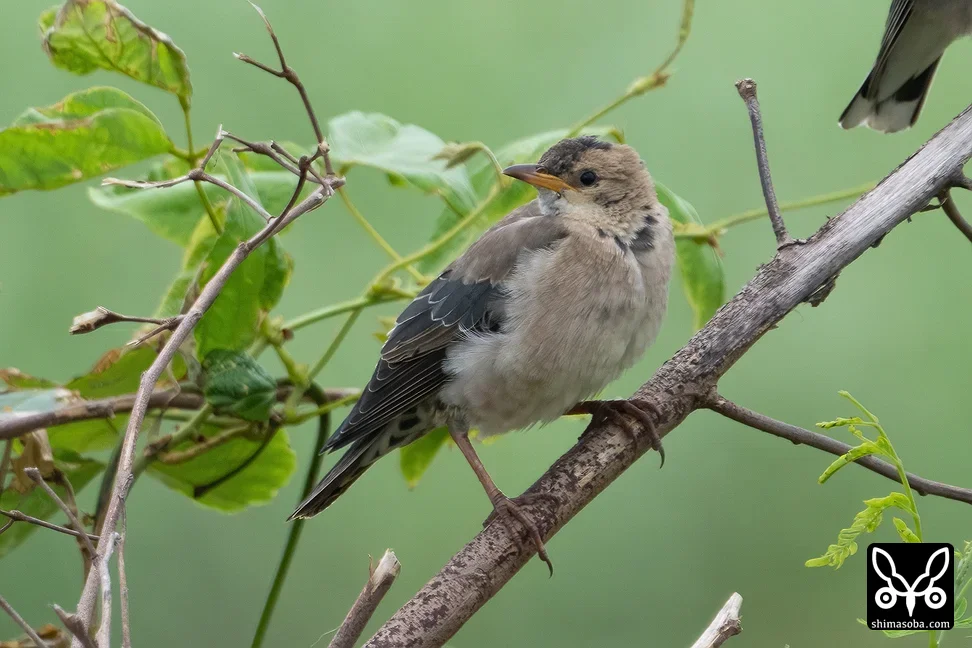
Rosy Starling — two months on (video)

The Rosy Starling that has been present since November last year . Moult appears to have progressed a little, but there is still a long way to go. It was associating with a flock of White-cheeked Starlings, Red-billed Starlings, and Common Starlings.

Rosy Starling
Rosy Starling

The moult is progressing and the juvenile look is starting to fade from the face.

Rosy Starling
Rosy Starling

If it stays until March, I should get to see that beautiful rosy colour.

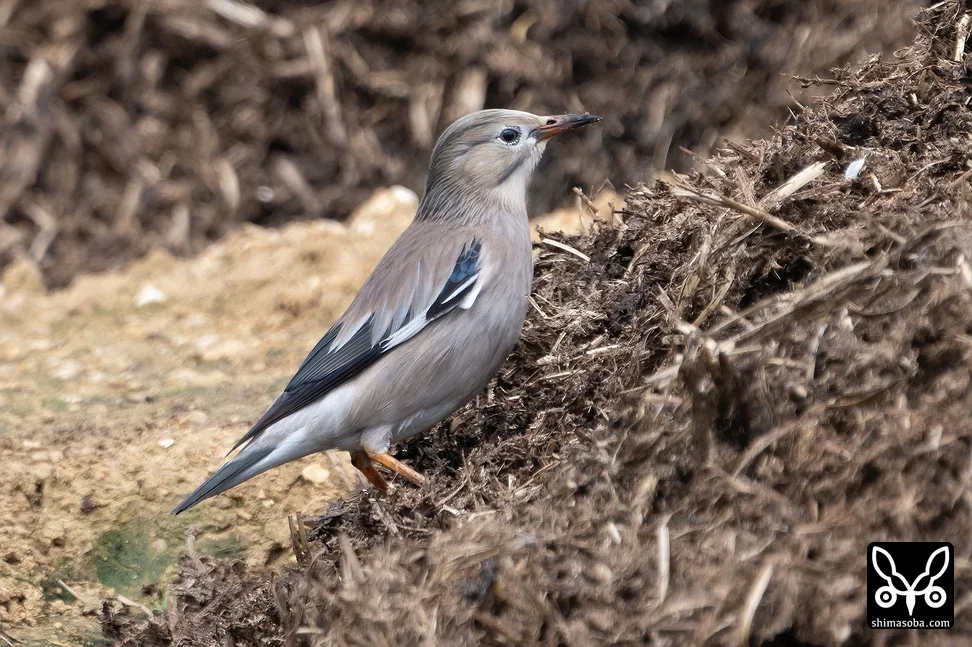
White-shouldered Starling

Around the end of the year I often saw large flocks of White-shouldered Starlings, but lately it's mostly groups of just a few birds. Maybe they've spread out across the island?

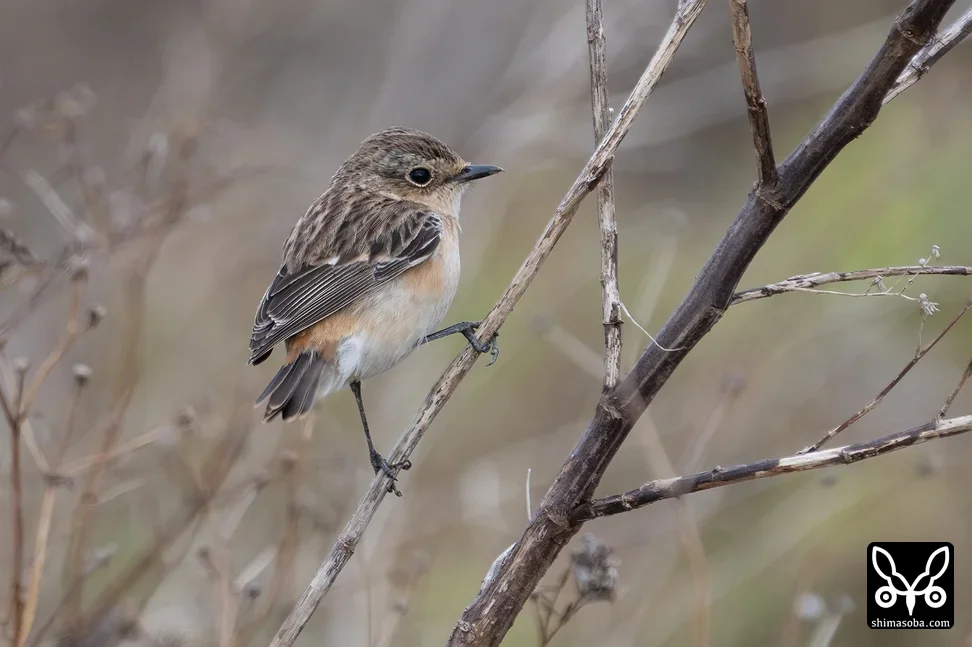
Siberian Stonechat
Siberian Stonechat

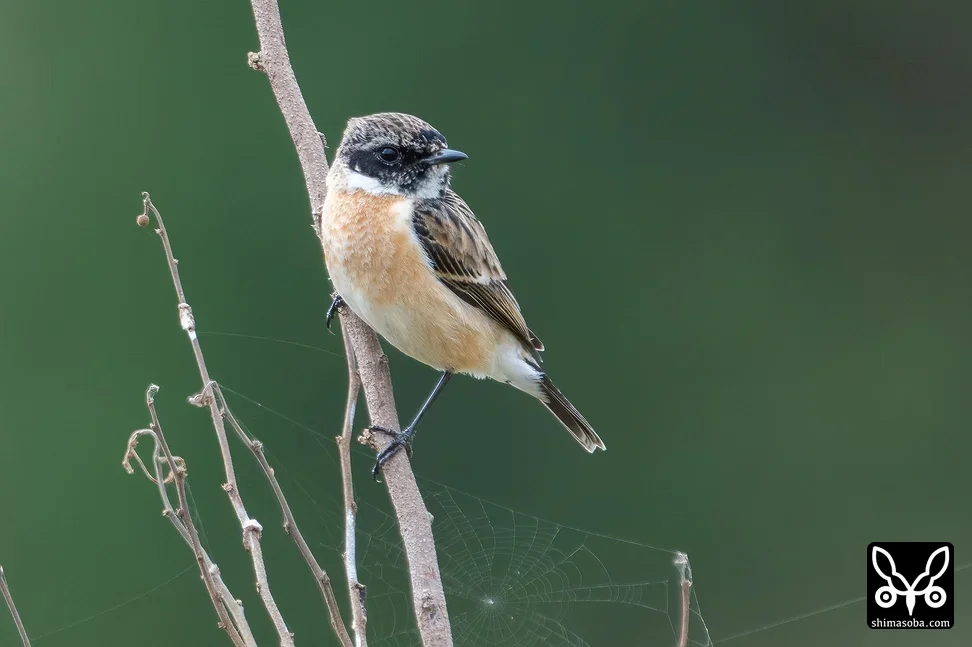
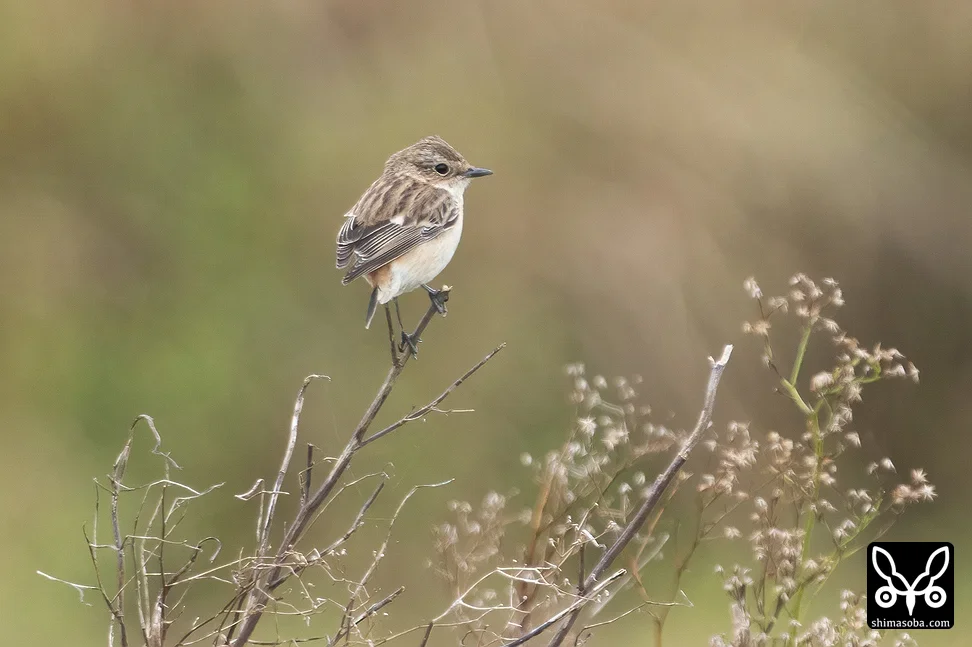
Female Siberian Stonechat. Small numbers are wintering here.

Categories: 野鳥

Western Yellow Wagtail or Russian Yellow Wagtail!!

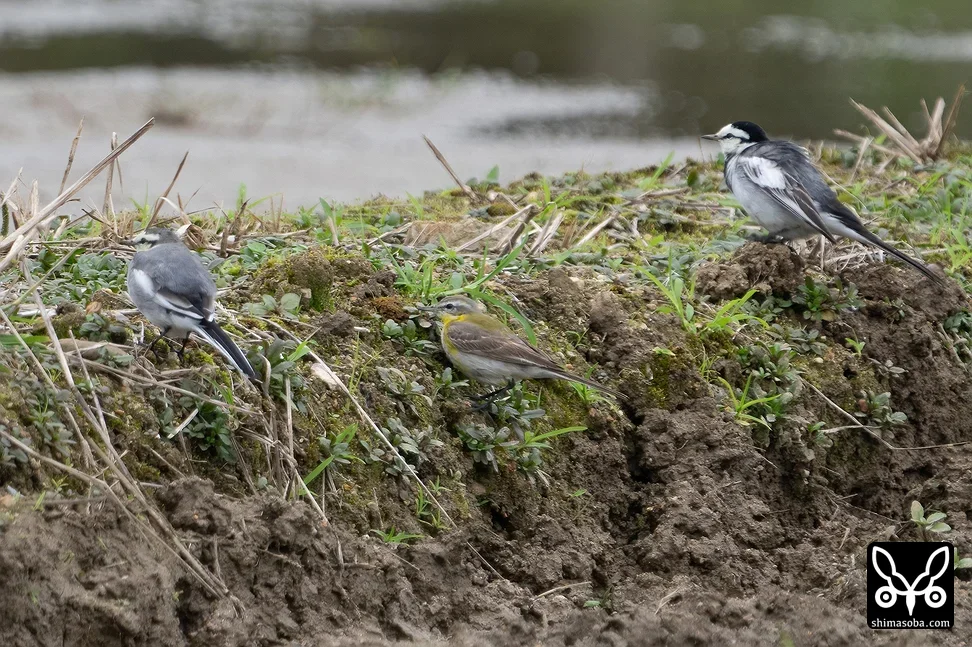
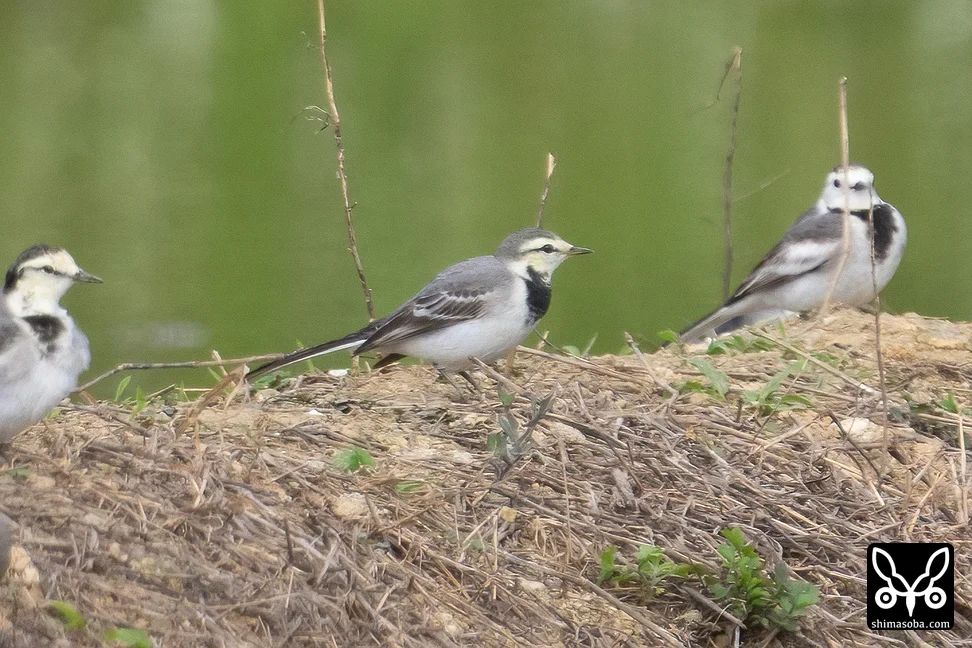
Within a mixed flock of around 100 White Wagtails, Eastern Yellow Wagtails, and Red-throated Pipits, I found one individual that stood out from the rest.

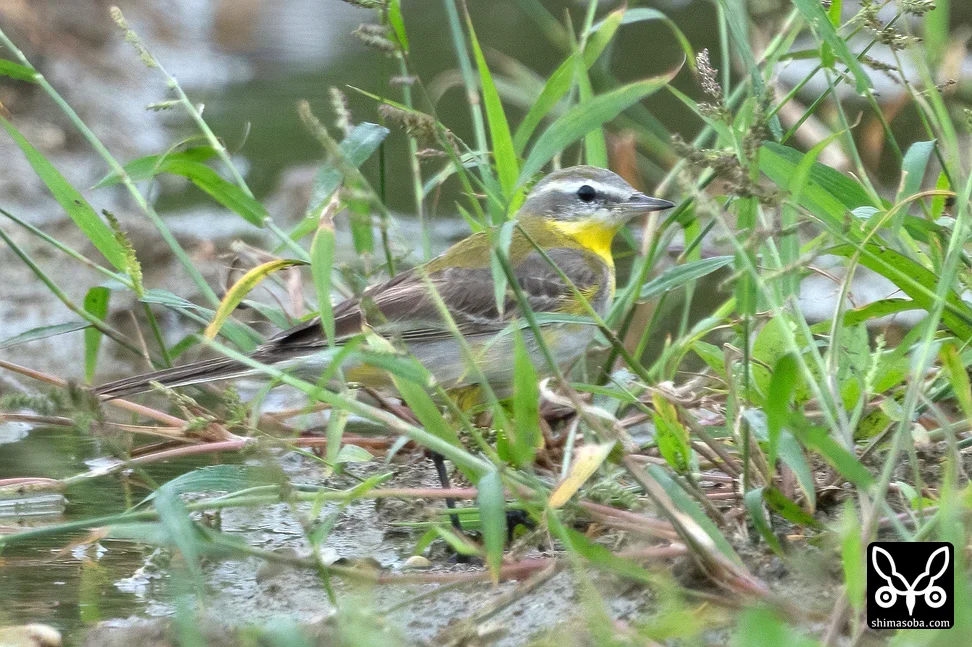
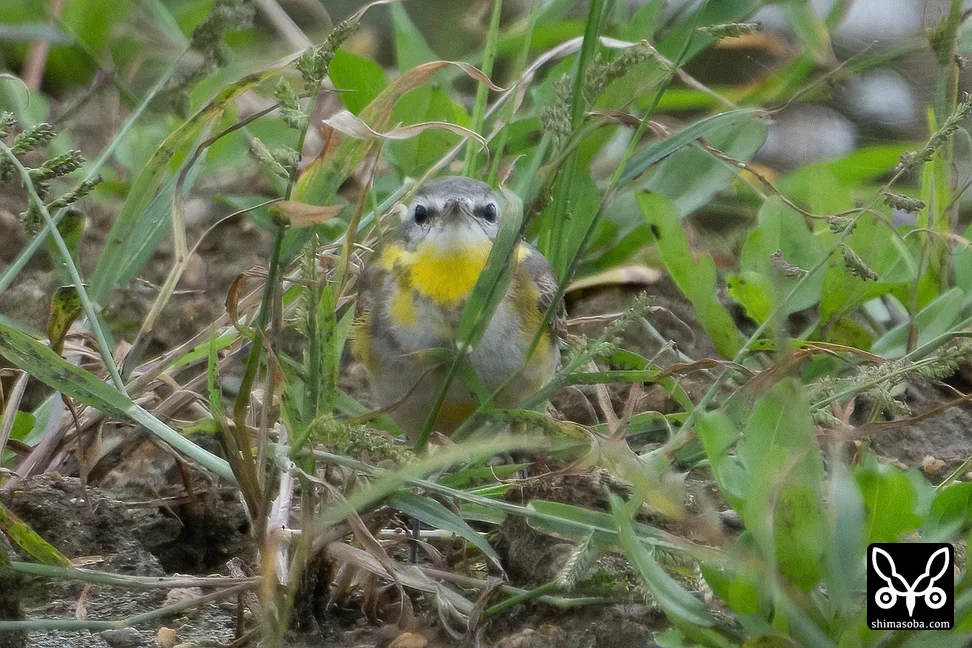
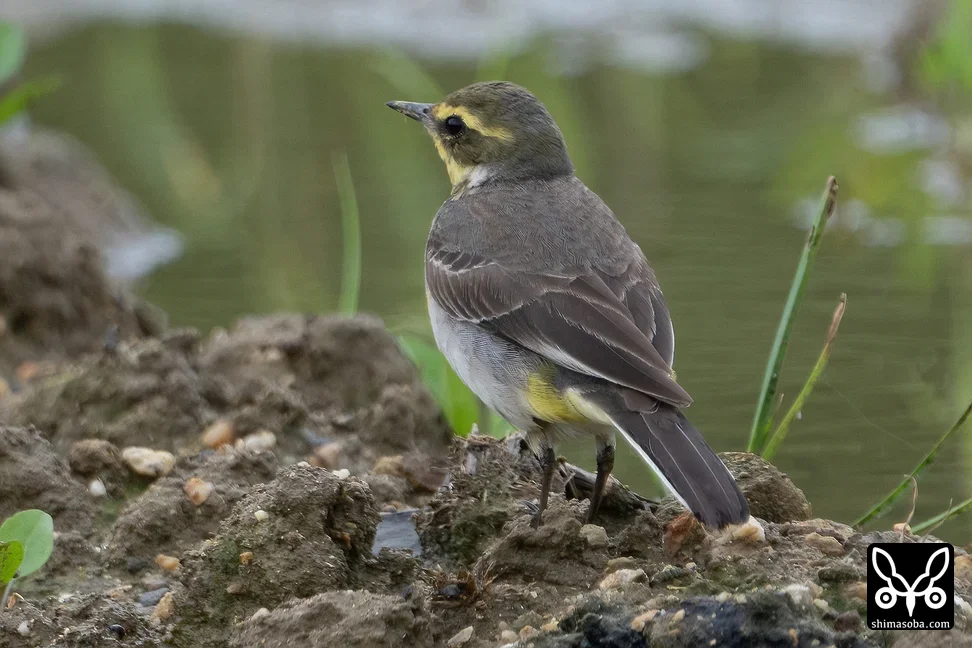
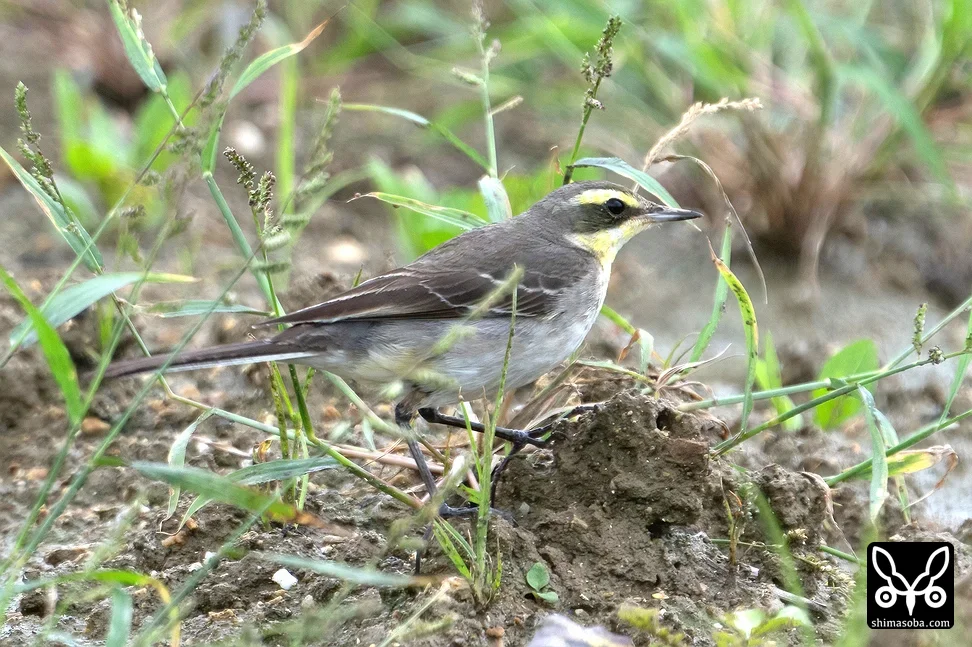
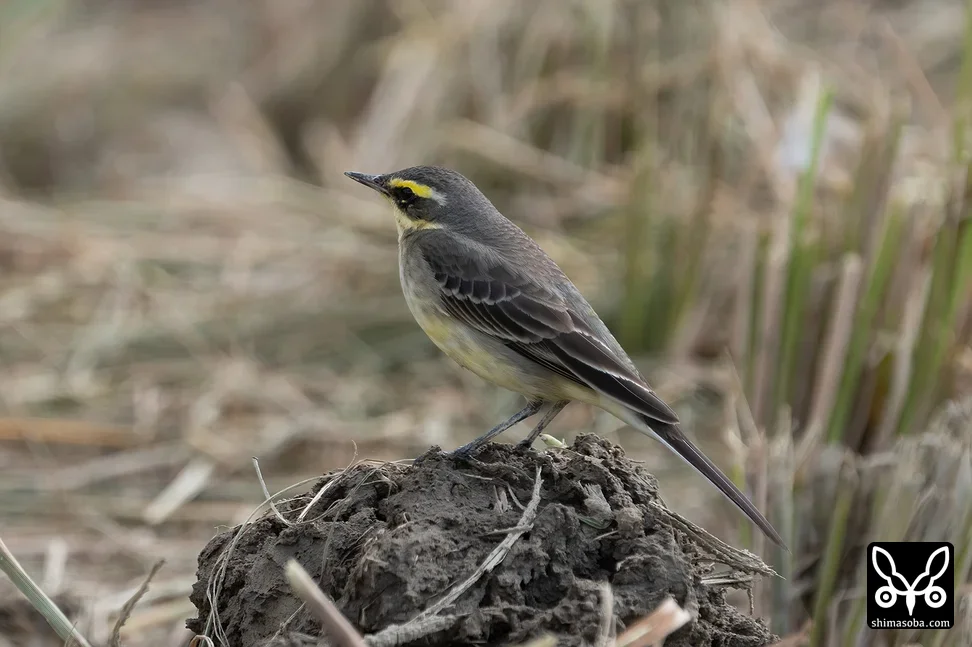
Aside from being at a different stage of moult compared with the surrounding (Blyth's) Eastern Yellow Wagtails, the bird's bright blue-grey head, broad and long supercilium, white below the eye, and white throat suggest it could be Western Yellow Wagtail ( Motacilla flava beema ) or Russian Yellow Wagtail ( Motacilla flava flava ).

Incidentally, some taxonomic treatments regard Western Yellow Wagtail as a species separate from Eastern Yellow Wagtail, in which case Russian Yellow Wagtail would be a subspecies of Western Yellow Wagtail.

However, since this individual is in first-winter plumage, moult will need to progress a bit further before anything conclusive can be said. Picking out a bird like this from within a huge wagtail flock is its own kind of fun.

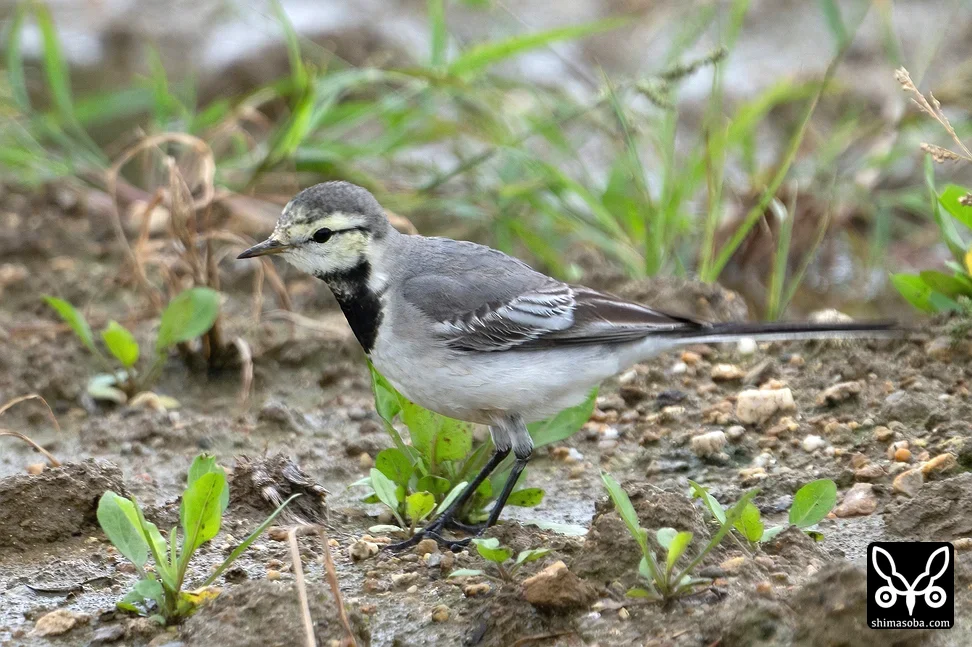
Within the White Wagtail flock, alongside the White Wagtails proper, there were also Taiwanese White Wagtails and White-faced White Wagtails.

Western Yellow Wagtail
Western Yellow Wagtail / Green-headed Wagtail

An individual that looks distinctly odd — probably a Western Yellow Wagtail or an Eastern Yellow Wagtail. That said, there are cases where first-winter Citrine Wagtails moulting into summer plumage also show white below the eye.

Western Yellow Wagtail
Western Yellow Wagtail / Green-headed Wagtail

Same individual as above. The bright blue-grey of the head and the white throat are striking.

Western Yellow Wagtail
Western Yellow Wagtail / White Wagtail / Green-headed Wagtail

Same individual as above, in the centre.

Eastern Yellow Wagtail

This one is a perfectly ordinary (Yellow-browed) Eastern Yellow Wagtail, first-winter.

Eastern Yellow Wagtail

Also a (Yellow-browed) Eastern Yellow Wagtail, first-winter. No Citrine Wagtails mixed in.

Eastern Yellow Wagtail

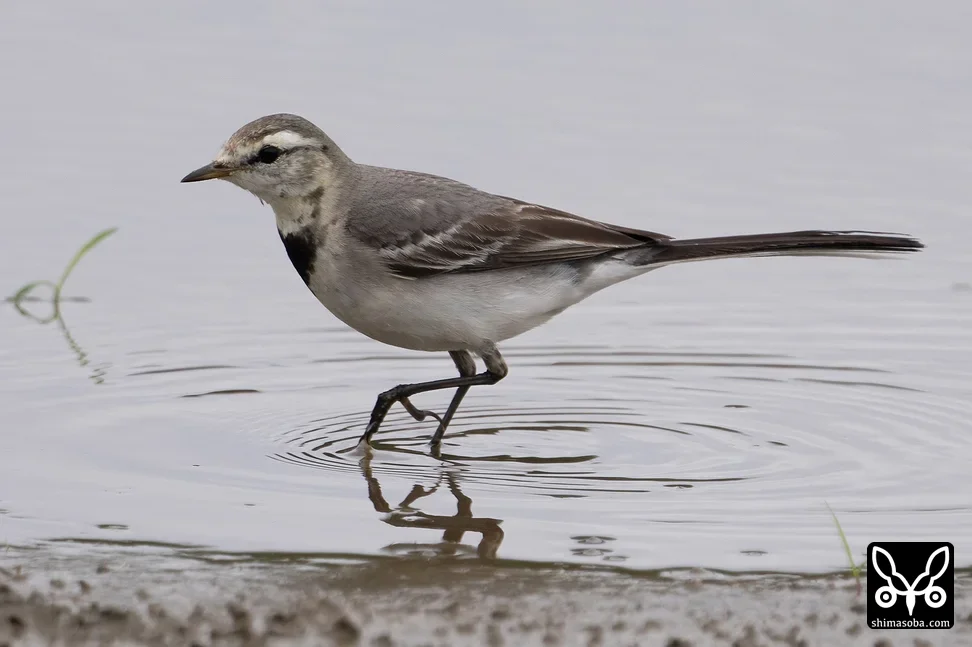
White Wagtail (ocularis), first-winter.

Eastern Yellow Wagtail

Also a White Wagtail (ocularis), first-winter.

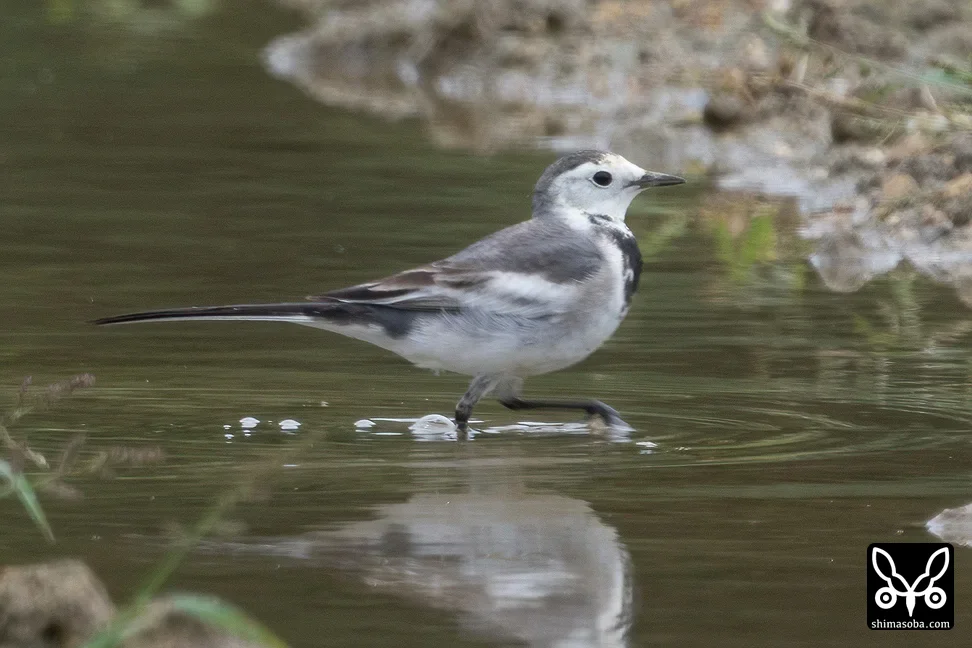
White Wagtail
White Wagtail

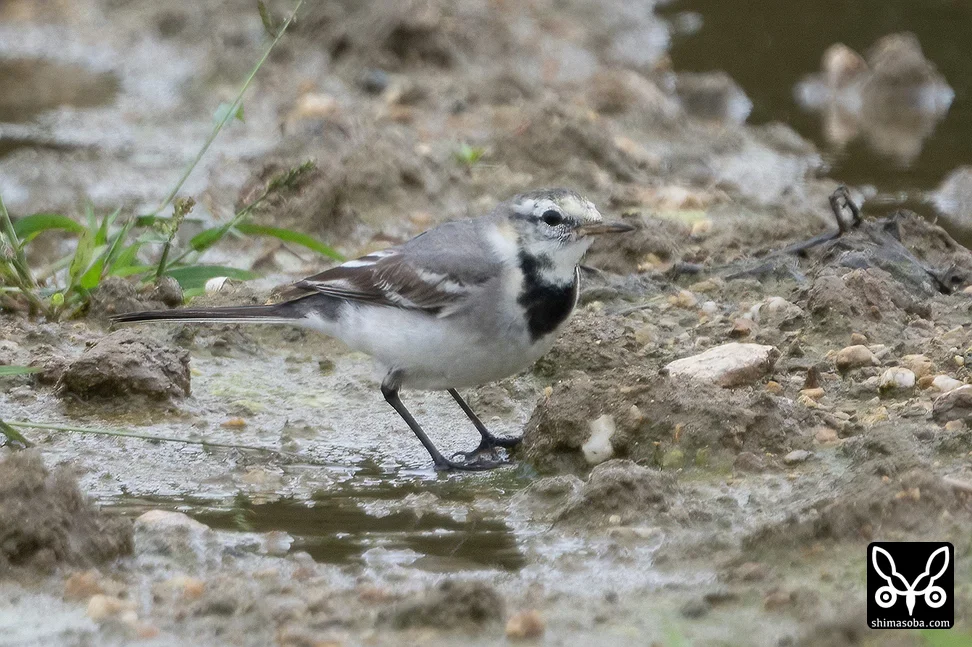
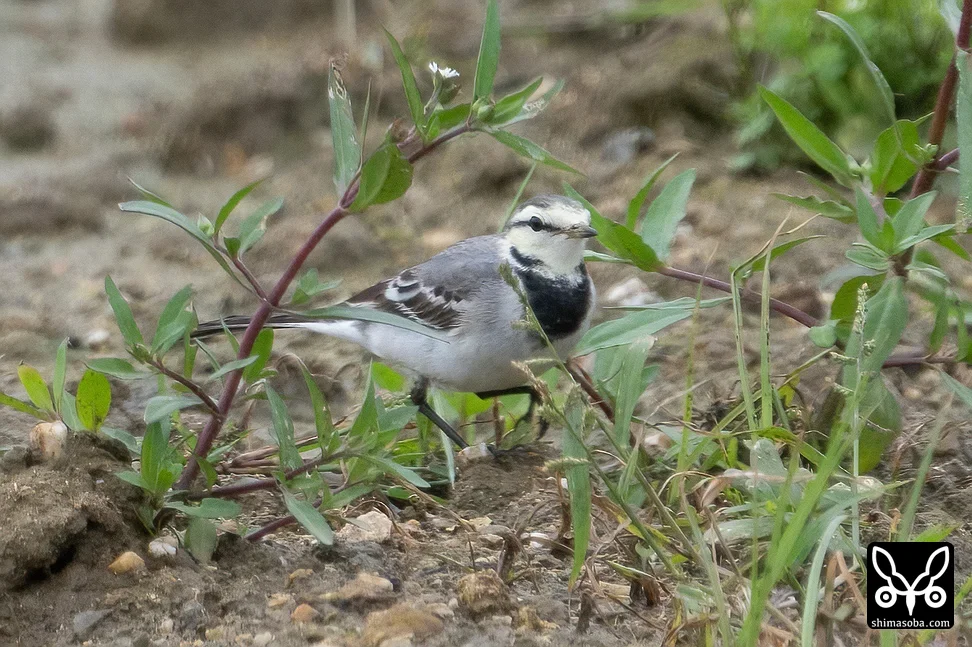
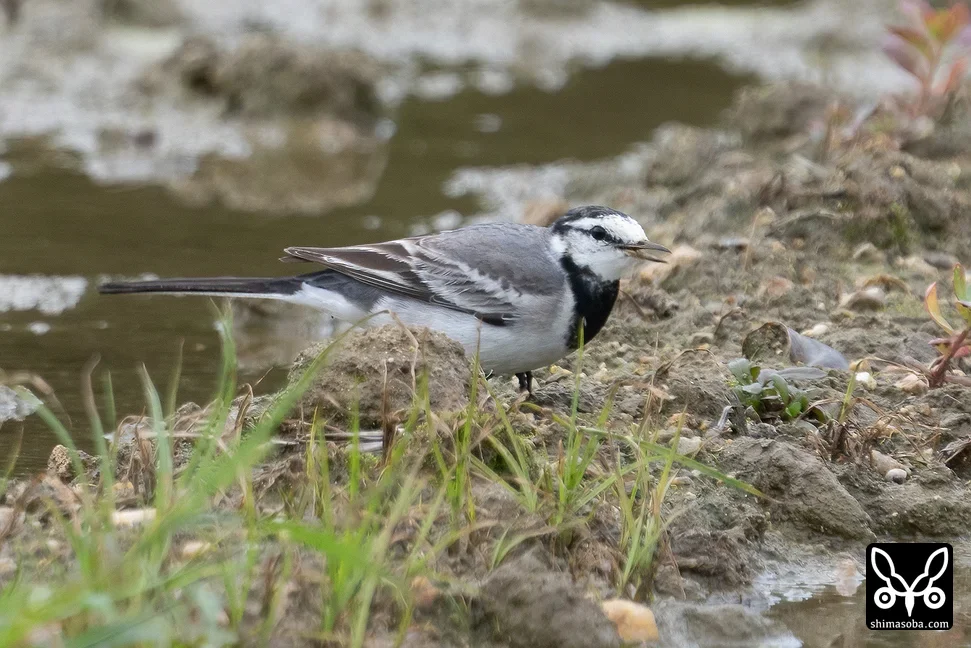
A White Wagtail that caught my attention.

White Wagtail
White Wagtail

Also a White Wagtail.

Eastern Yellow Wagtail

White Wagtail (ocularis), first-winter.

White Wagtail
White Wagtail

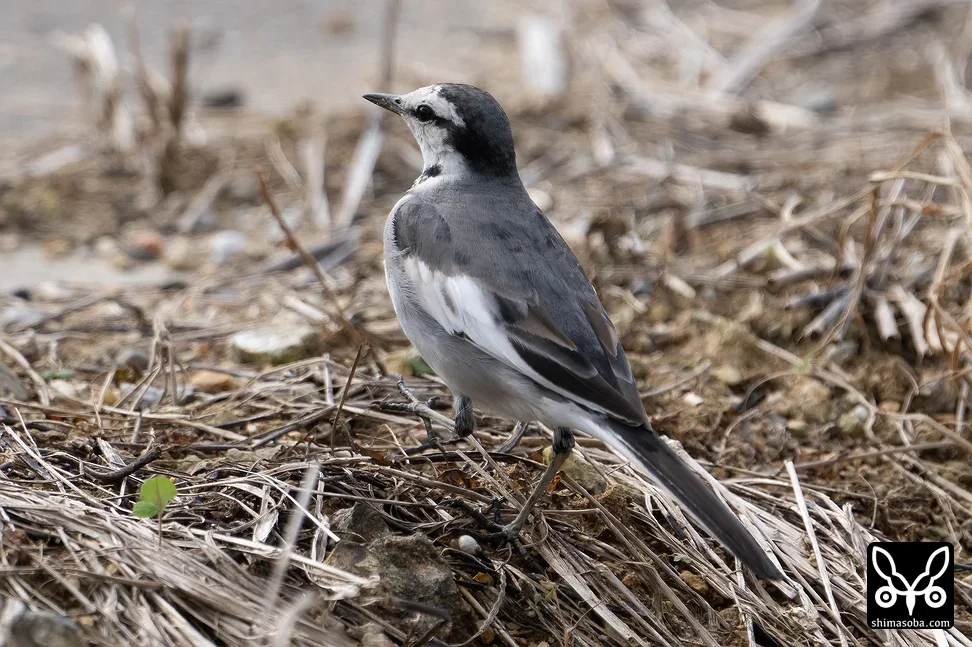
White Wagtail (leucopsis), first-winter.

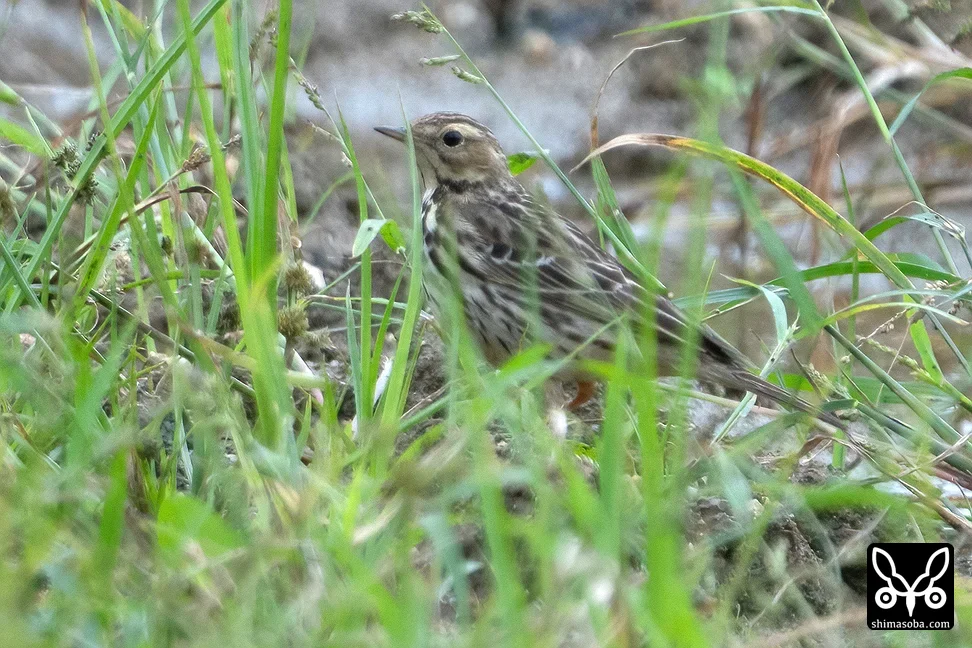
Red-throated Pipit
Red-throated Pipit

Around 20 Red-throated Pipits.

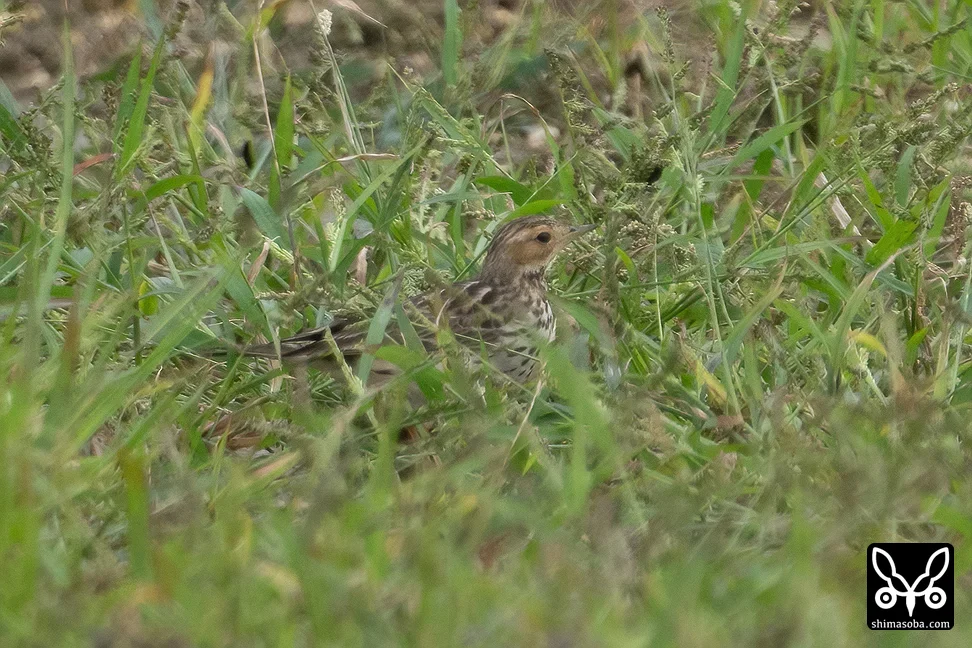
Red-throated Pipit
Red-throated Pipit

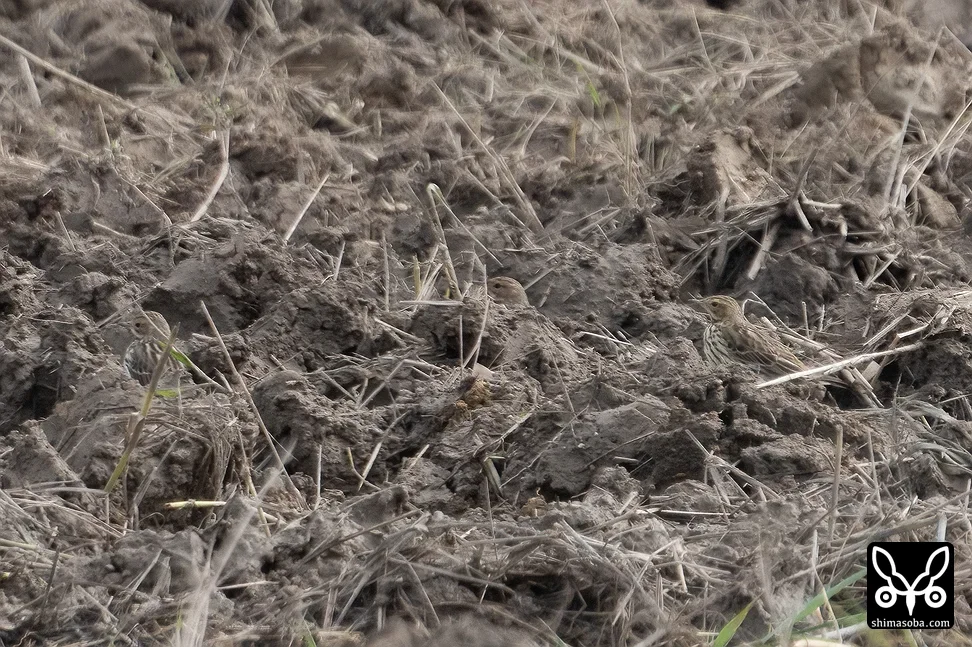
They tend to stay hidden in the grass like this, which makes observation tough.

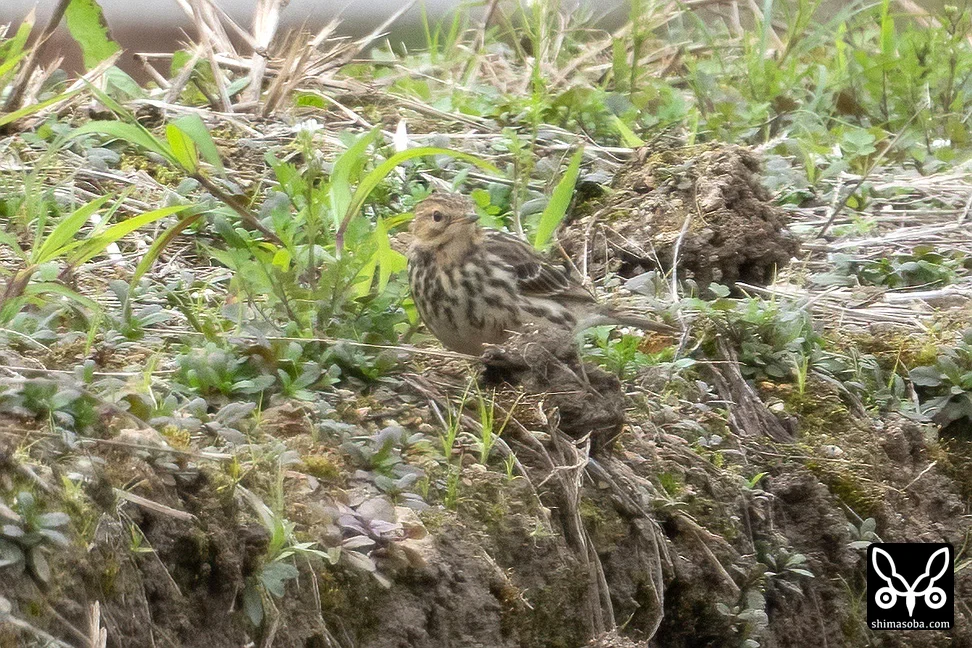
Red-throated Pipit
Red-throated Pipit

Even when they come out onto the ridge, they're so far away…

Categories: 野鳥

First birds of 2023

Wishing everyone a happy new year.

The new year got off to a rough start — the entire family came down with COVID-19 right at the beginning of the holidays. We couldn't go anywhere, and I spent the time in bed until the 8th. ^^

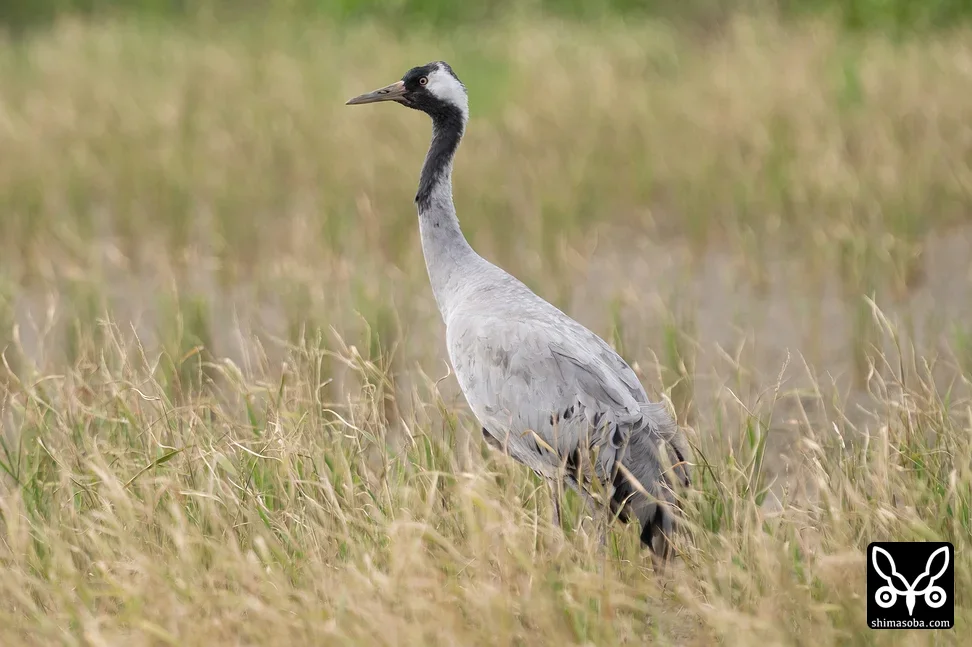
My first birding of the year was on the 9th. Overwintering since last year: Common Crane, Ruddy Shelduck, Common Shelduck, Tundra Swan, Korean Kestrel, Grey-faced Buzzard, Eastern Marsh Harrier, Hen Harrier, thrushes, wagtails, Amur Stonechat, Chinese Pond Heron, and four species of starling.

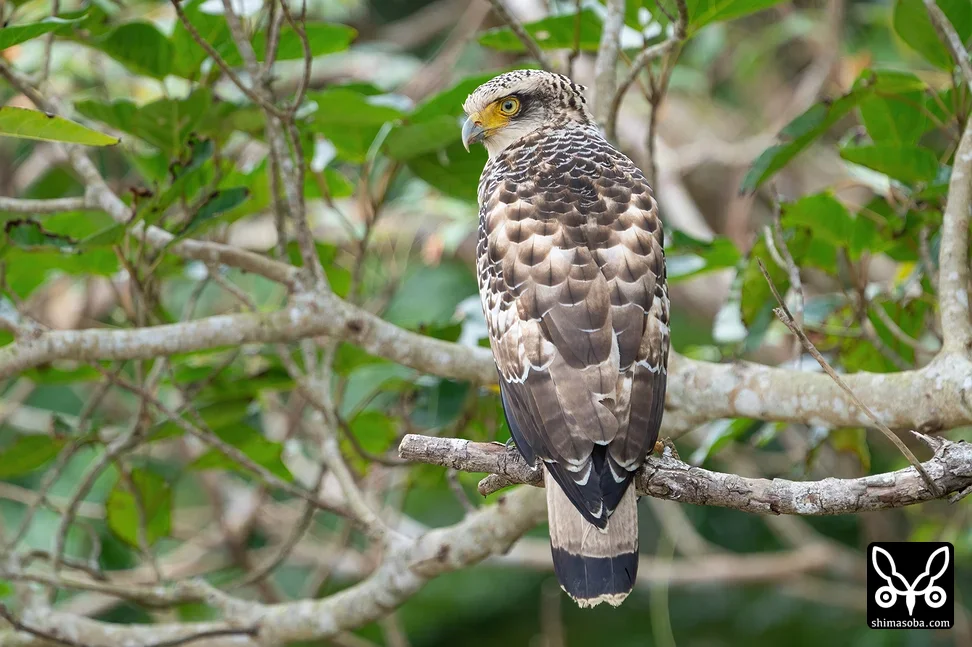
Crested Serpent Eagle

For New Year's, you can't leave out a juvenile Crested Serpent Eagle — the bird celebrated in the Okinawan song "Washi nu Tui-bushi."

Lesser Kestrel
Lesser Kestrel

Lesser Kestrel, juvenile. Wintering in the same spot. An individual with no wariness at all — easy to watch.

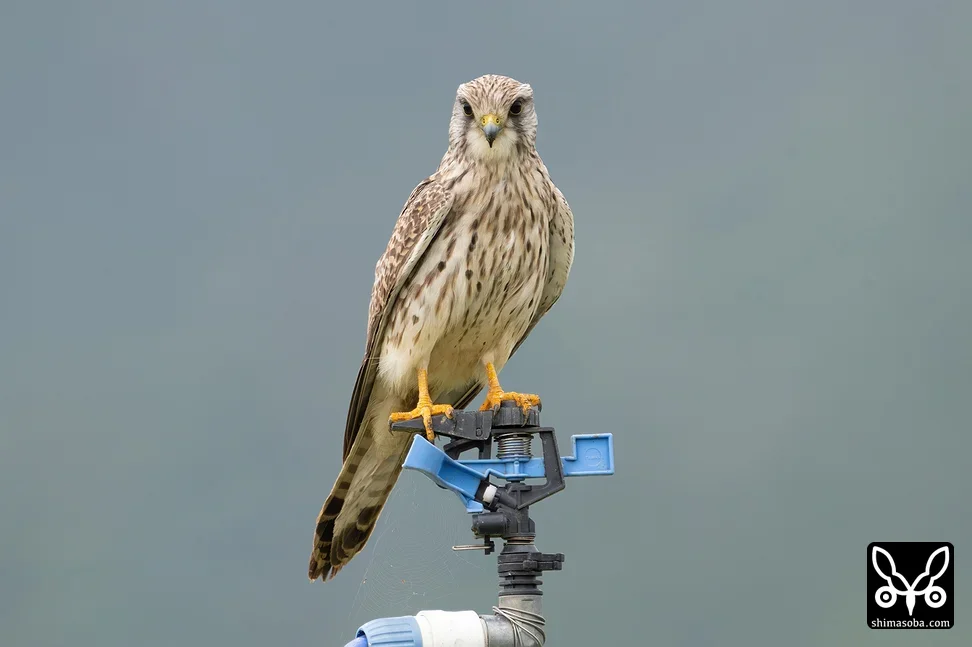
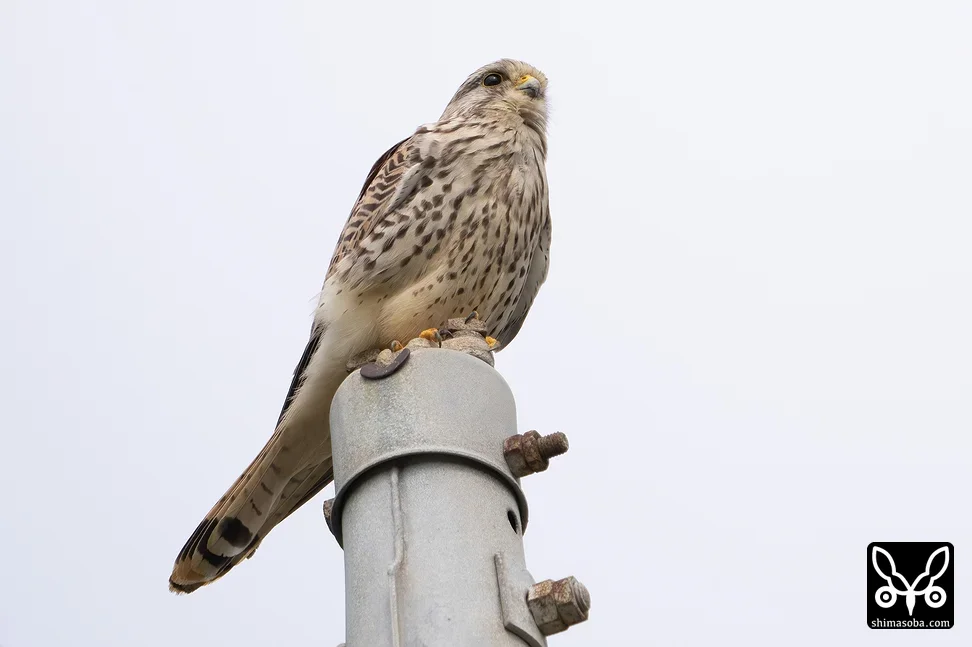
Common Kestrel
Common Kestrel

Common Kestrel, juvenile. This one also showed no wariness whatsoever.

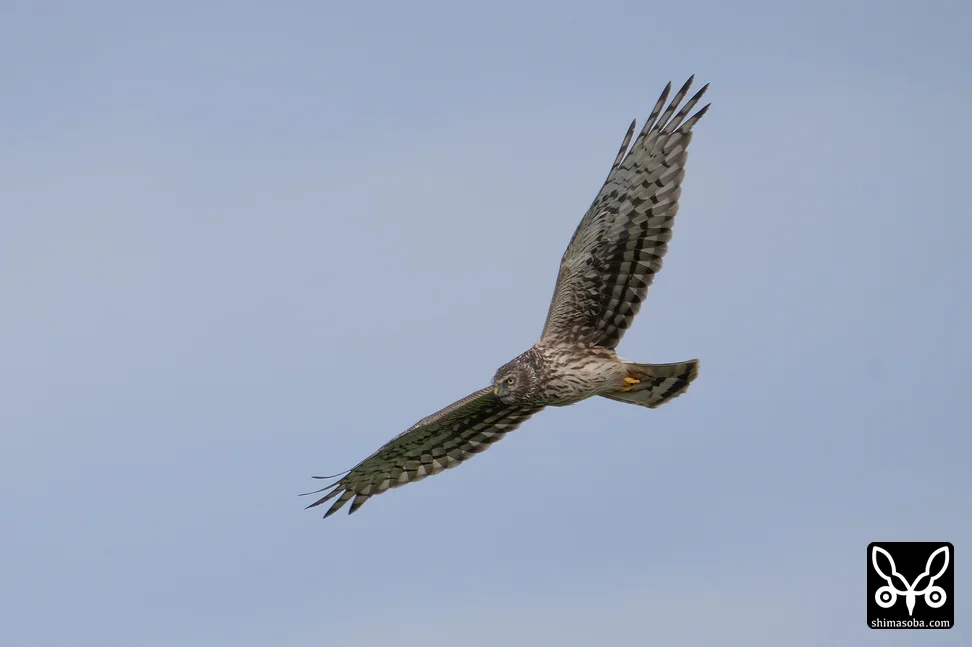
Hen Harrier
Hen Harrier

A Hen Harrier appeared while I was watching the Rosy Starling. It seemed to be eyeing the starling flock but failed. Please, just don't hunt the Rosy Starling… ^^;

Black-winged Kite
Black-winged Kite

Black-winged Kite, juvenile.

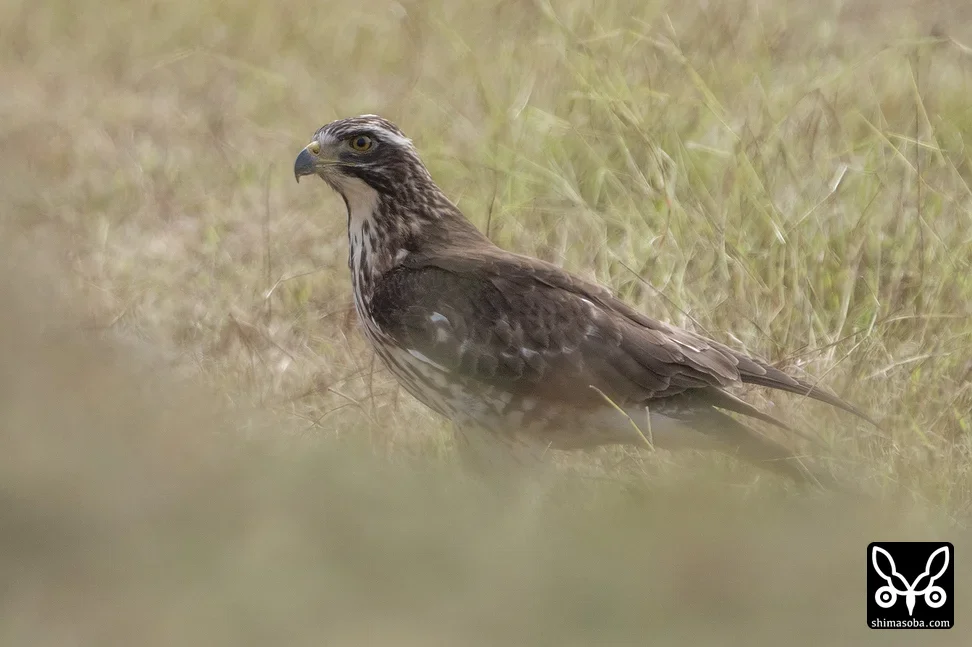
Grey-faced Buzzard
Grey-faced Buzzard

Grey-faced Buzzard, juvenile. It was catching grasshoppers in a mown pasture.

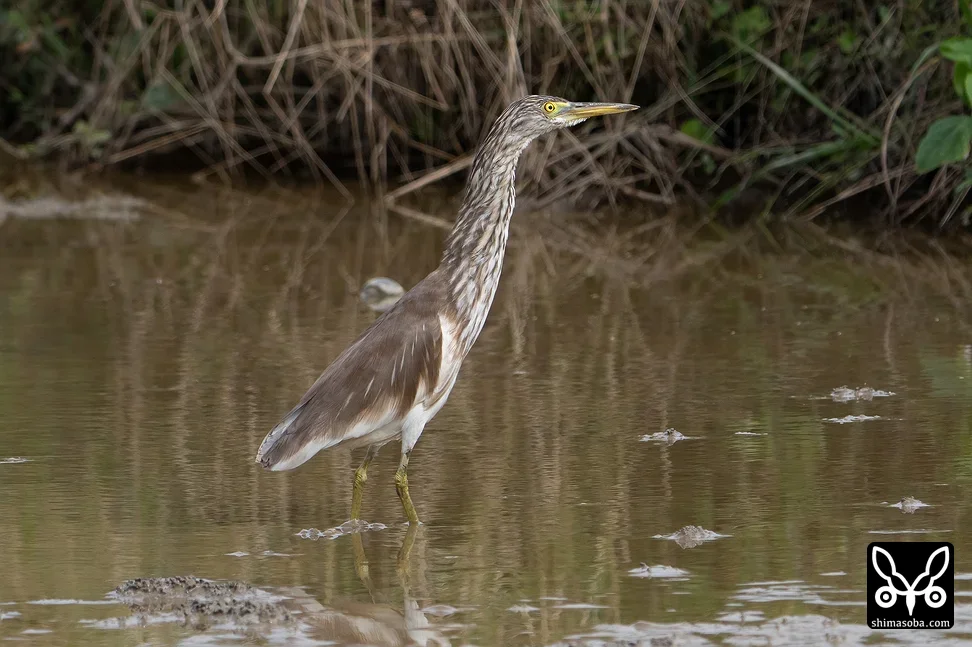
Chinese Pond Heron
Chinese Pond Heron

Three Chinese Pond Herons are staying at two locations.

Hooded Crane
Hooded Crane

A wintering Hooded Crane. Lately it has been moving from feeding site to feeding site almost every day.

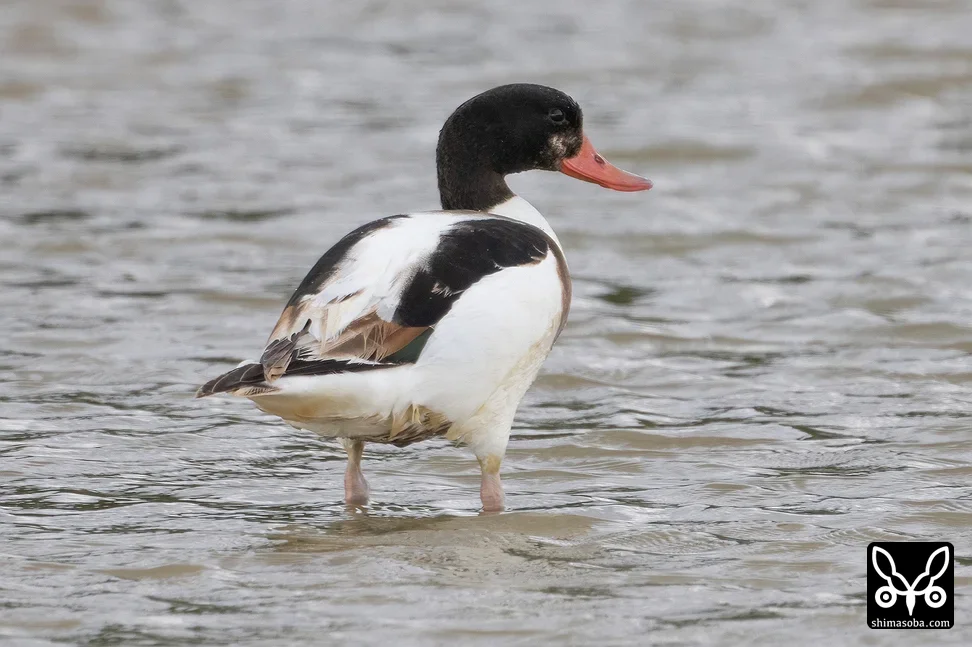
Ruddy Shelduck
Ruddy Shelduck

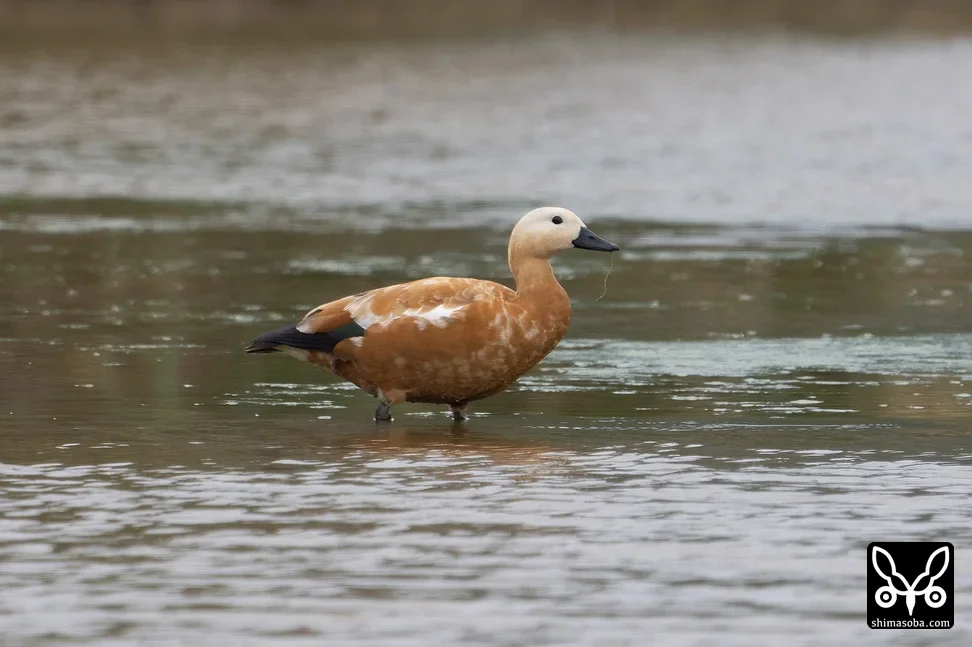
Ruddy Shelduck, juvenile. Starting to come into first alternate plumage.

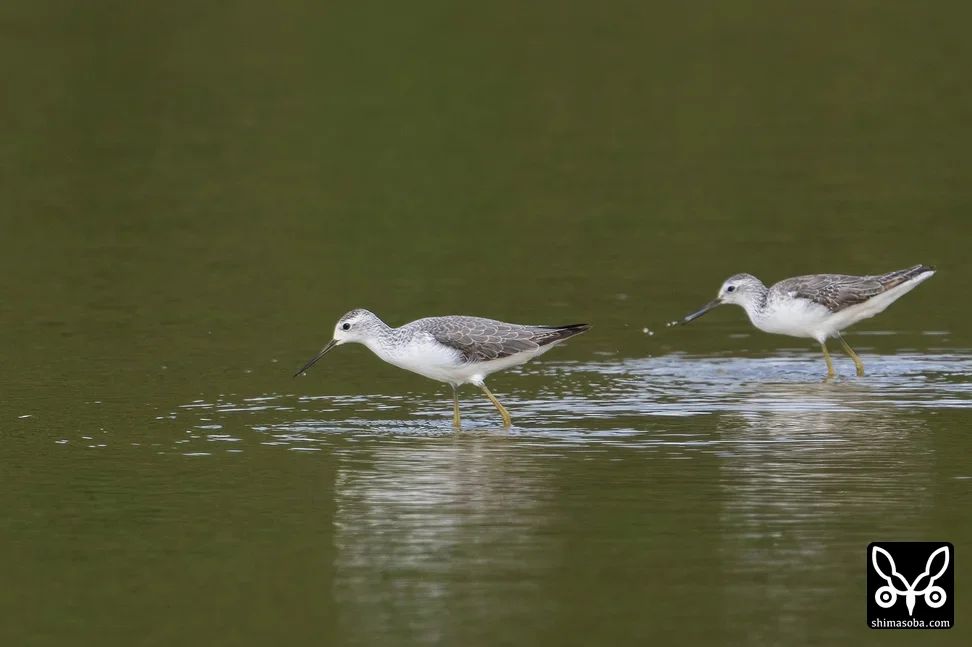
Marsh Sandpiper
Marsh Sandpiper

Marsh Sandpiper, first-winter plumage.

Northern Lapwing
Northern Lapwing

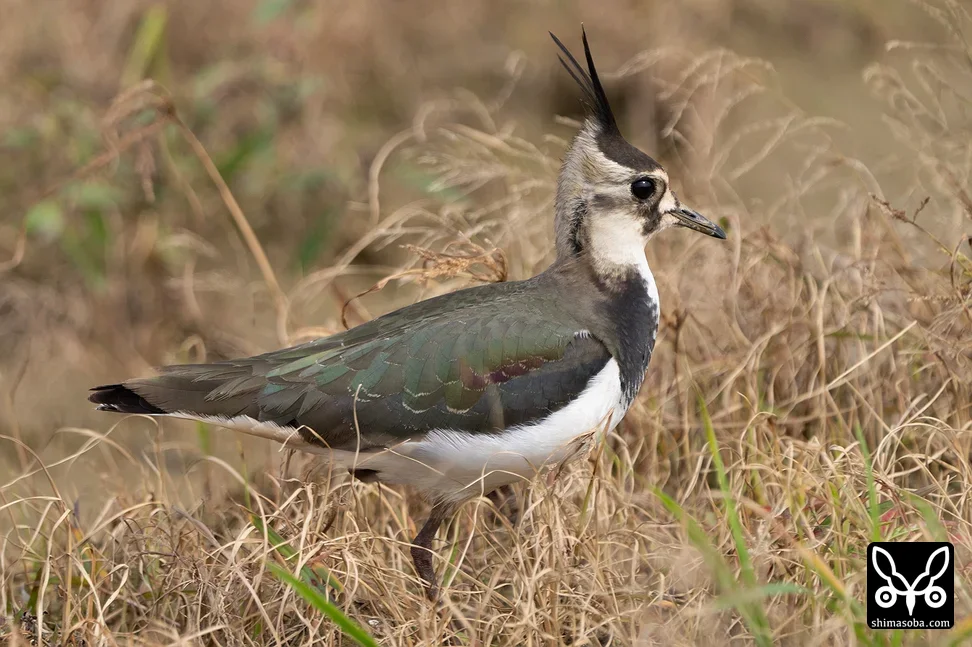
Northern Lapwing. A flock of about ten birds, all juveniles, currently staying in the area.

Eastern Yellow Wagtail

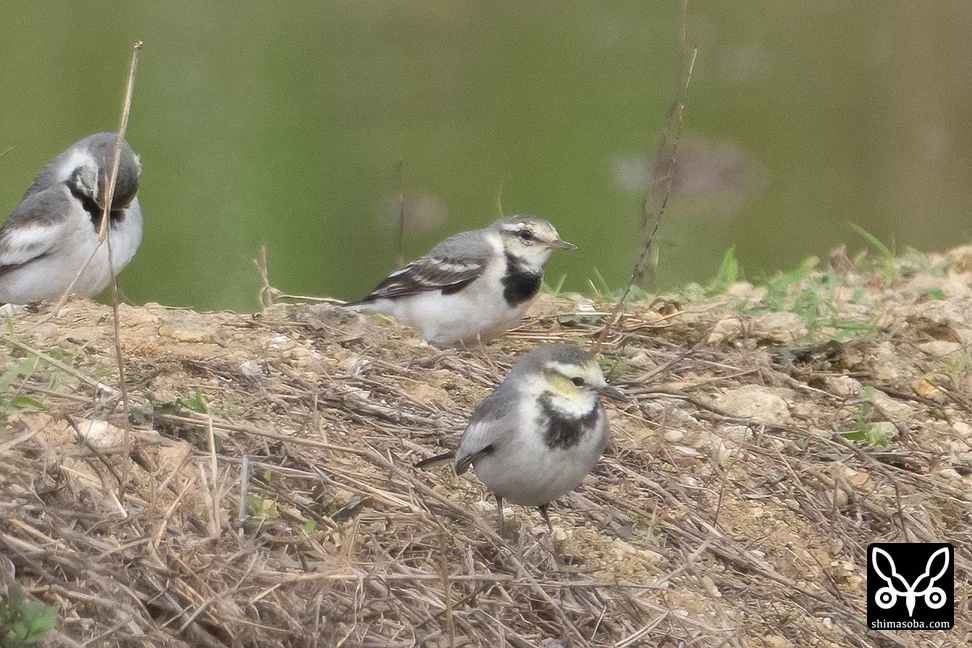
Swinhoe's White Wagtail, first-winter plumage. Two birds were among a flock of about twenty White Wagtails.

Eastern Yellow Wagtail

A different individual from the one above — Swinhoe's White Wagtail, first-winter plumage.

White Wagtail
White Wagtail

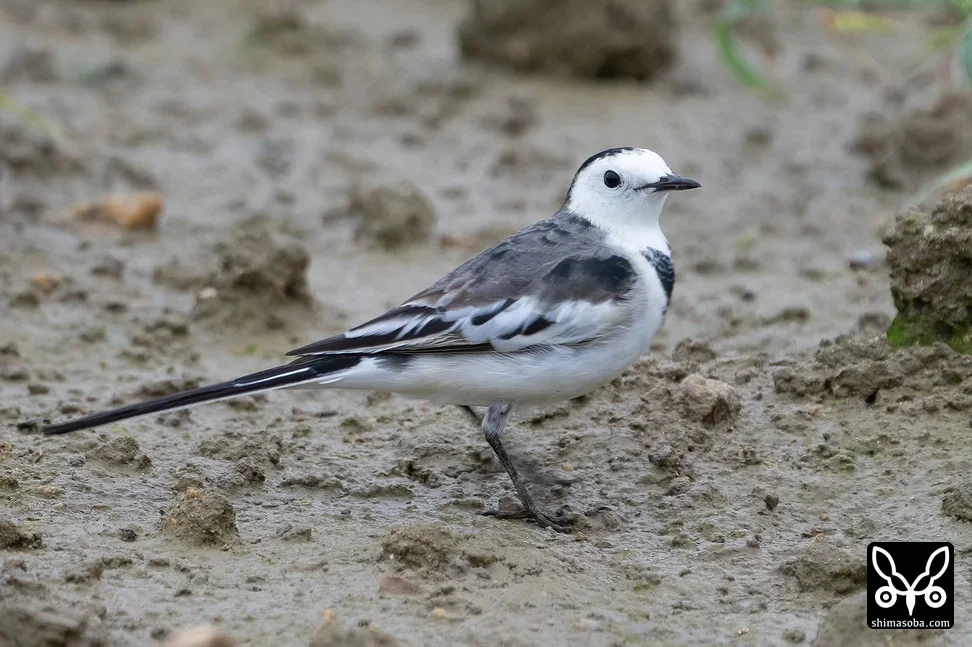
White Wagtail (leucopsis), adult male.

White Wagtail
White Wagtail

White Wagtail, adult male.

Siberian Stonechat
Siberian Stonechat

A wintering male European Stonechat.

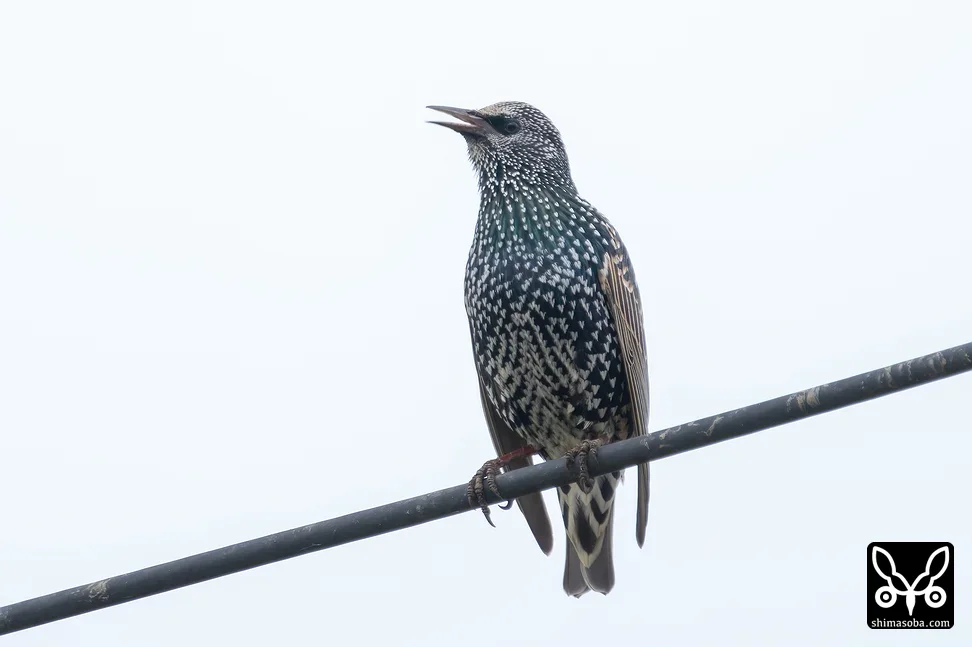
Common Starling
Common Starling

A Common Starling associating with Common Mynas.

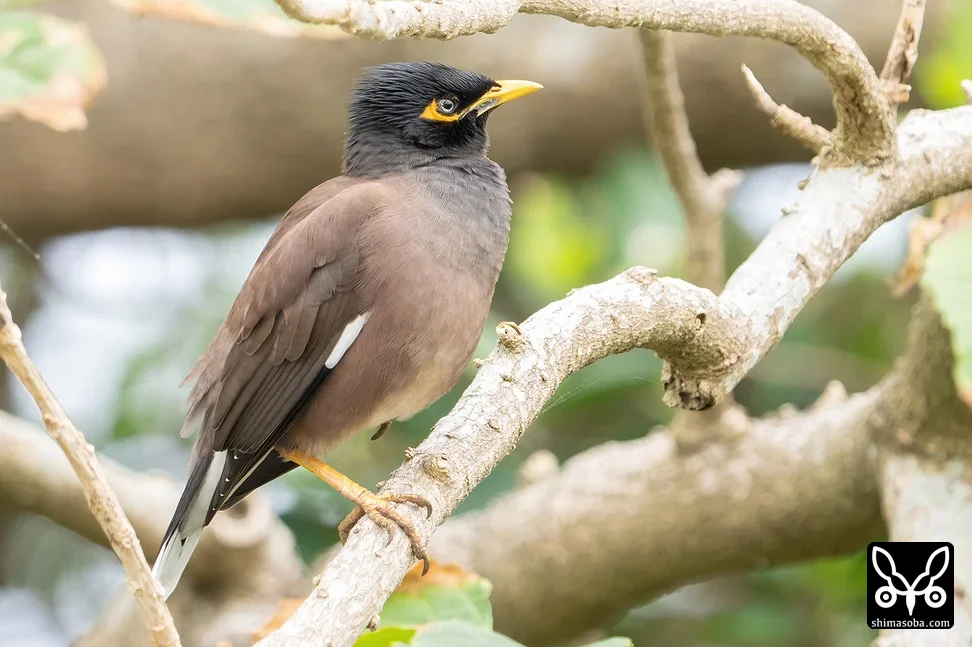
Common Myna
Common Myna

The Common Mynas were in a flock of a dozen or so birds. They were eating Ficus (gajumaru) berries.

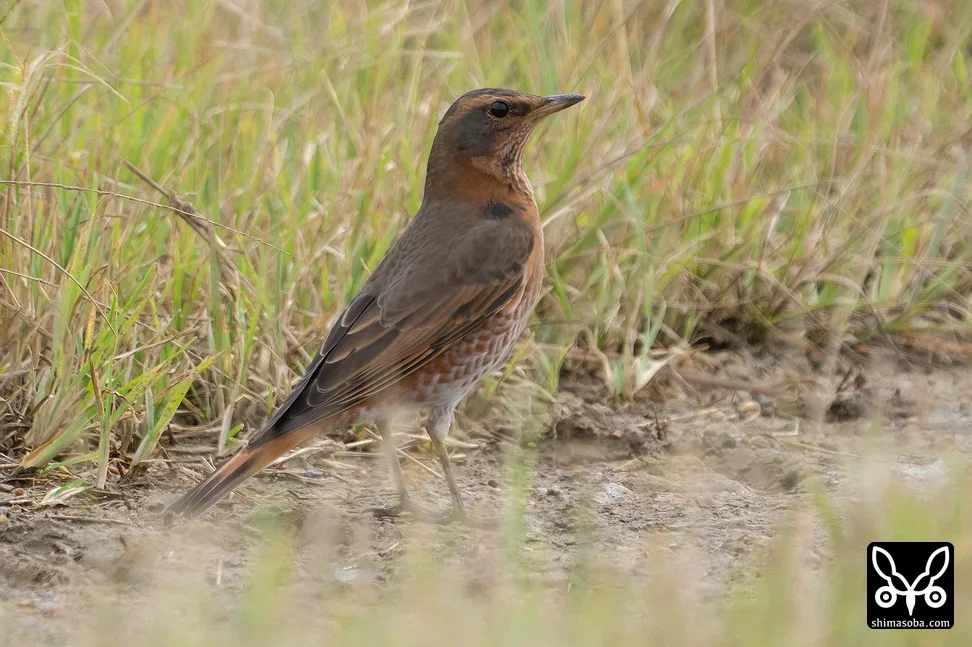
Naumann's Thrush
Naumann's Thrush

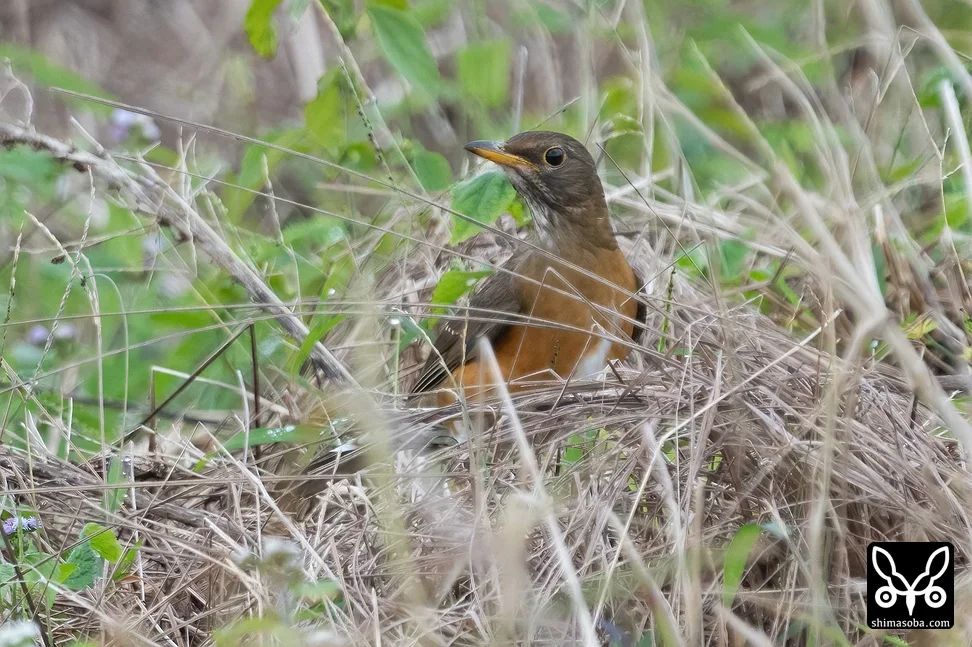
Naumann's Thrush, adult. The tail feathers were almost completely missing.

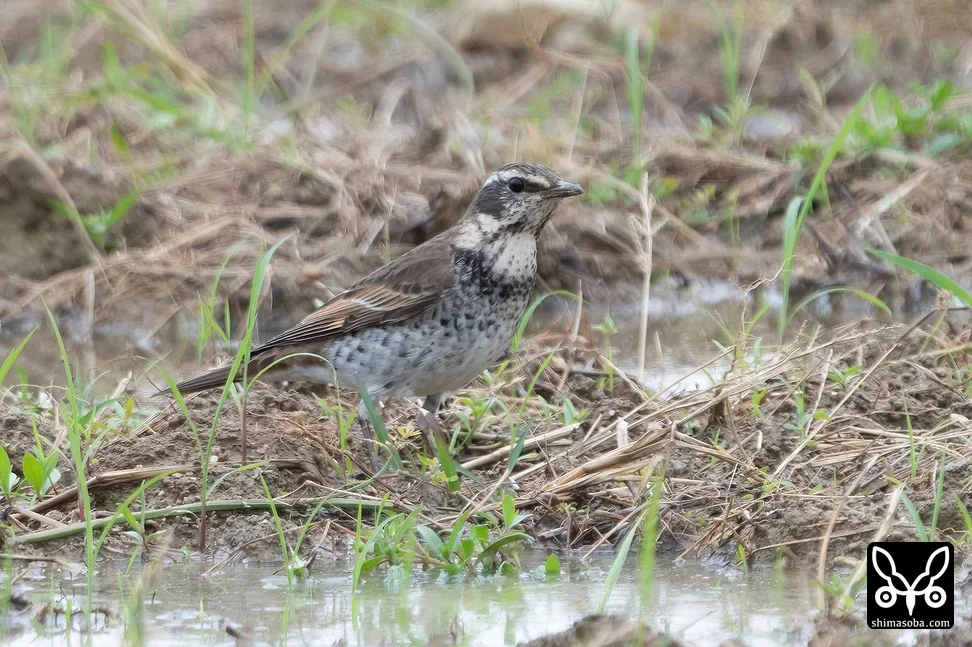
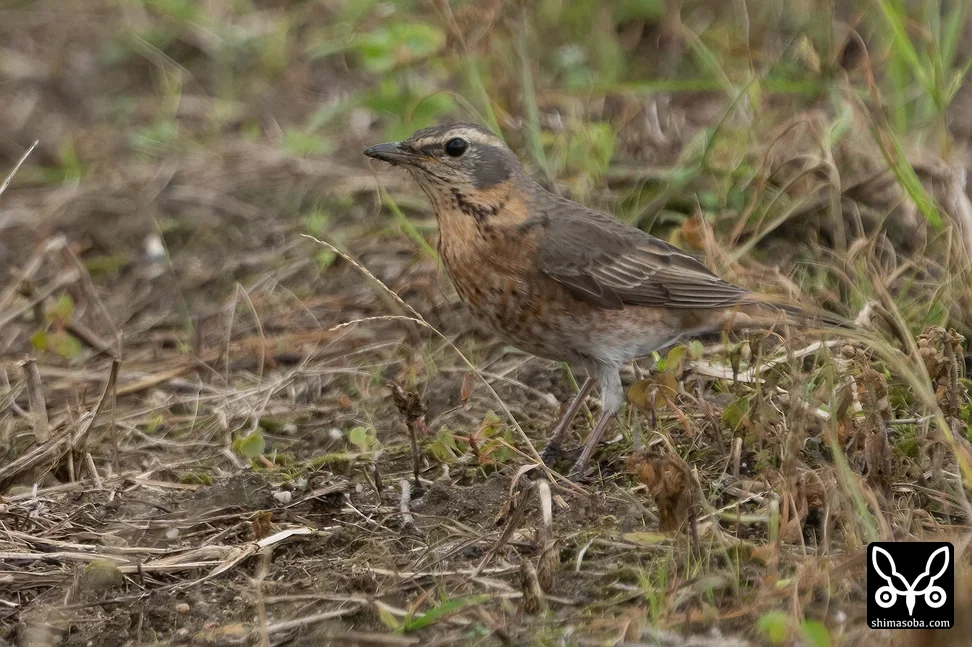
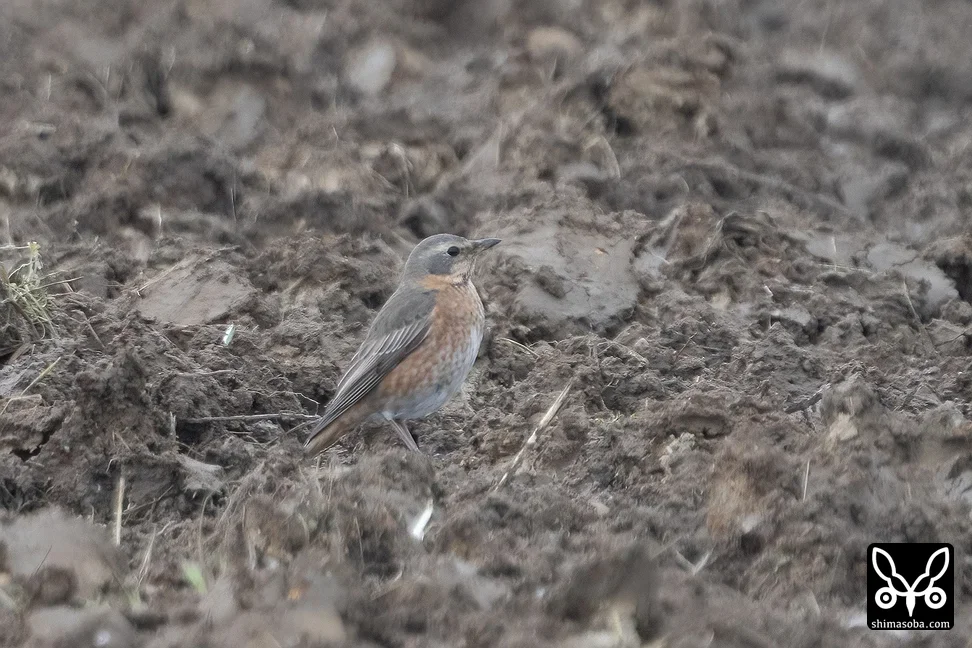
Dusky Thrush
Dusky Thrush

Dusky Thrush, first-winter.

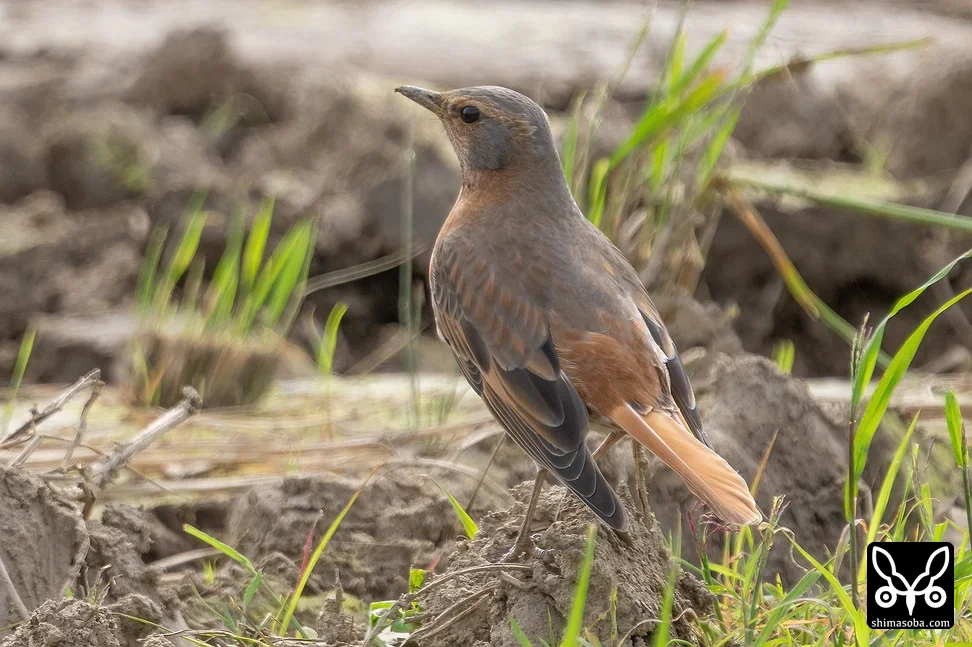
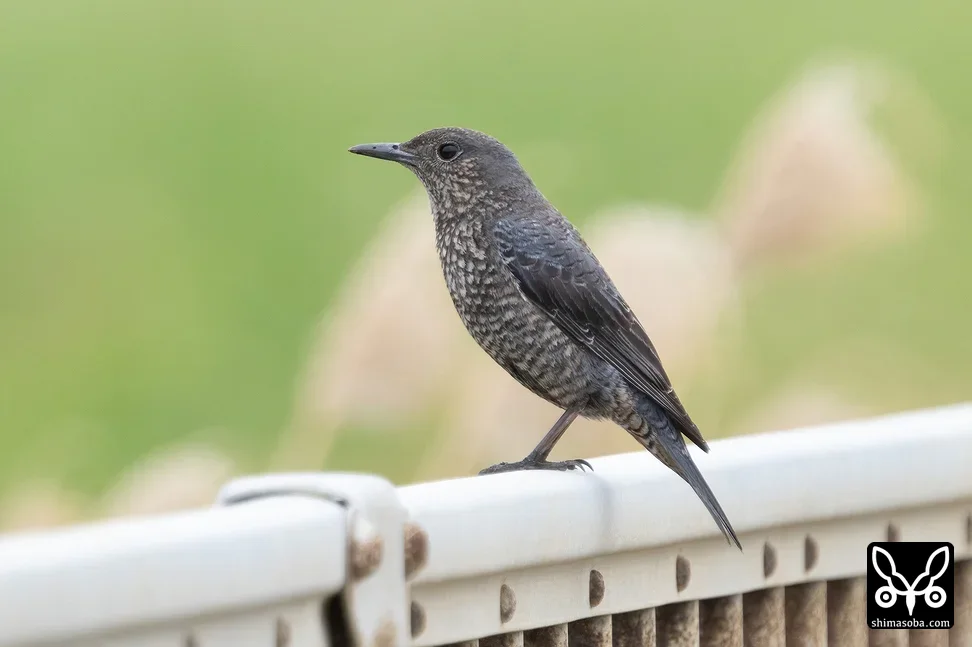
Blue Rock Thrush
Blue Rock Thrush

Blue Rock Thrush, male, first-winter.

Categories: 野鳥

Last birds of 2022

At year-end, having coughed up blood to get all my copy filed before the end of the year, I squeezed in a short final birdwatch for 2022.

Entering December, Dusky Thrushes, Brown-headed Thrushes, and Pale Thrushes had increased sharply. Most of the Dusky Thrushes were Naumann's Thrushes, and the variation in plumage tones makes comparing them a pleasure in itself. Brown-headed and Pale Thrushes have also relaxed since shortly after arrival and are easier to observe.

Manchurian Bush Warblers and Dusky Warblers were calling from patches of scrub here and there, though slightly fewer than last year.

Daurian Redstart, Amur Stonechat, Red-throated Pipit, and Eastern Yellow Wagtail are also wintering.

In addition to the three Ruddy Shelduck already present, four Common Shelduck also arrived. Tundra Swans, Common Cranes, and Eurasian Spoonbills continue to stay on.

Among the ducks, Northern Shoveler were the most numerous, followed by Eurasian Wigeon, Eurasian Teal, and Tufted Duck. Ferruginous Duck has not been confirmed this season.

Large numbers of Common Snipe are wintering; among roughly 200 counted across multiple paddies, there was one Swinhoe's Snipe.

Crested Serpent Eagles — both immatures and adults — have become easier to see. Road casualties will increase from here on, so care is needed when driving on Ishigaki Island and Iriomote Island.
Naumann's Thrush
Naumann's Thrush

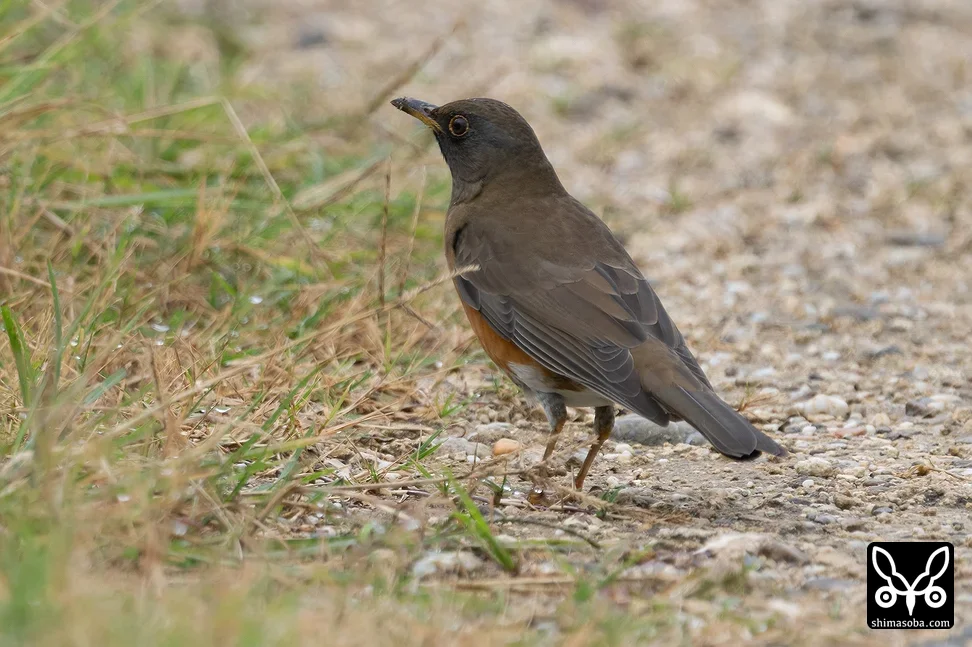
The most vividly coloured Naumann's Thrush of the day. An adult.

Naumann's Thrush
Naumann's Thrush

Naumann's Thrush, first-winter plumage.

Naumann's Thrush
Naumann's Thrush

This one has quite a smoky tone.

Japanese Thrush
Japanese Thrush

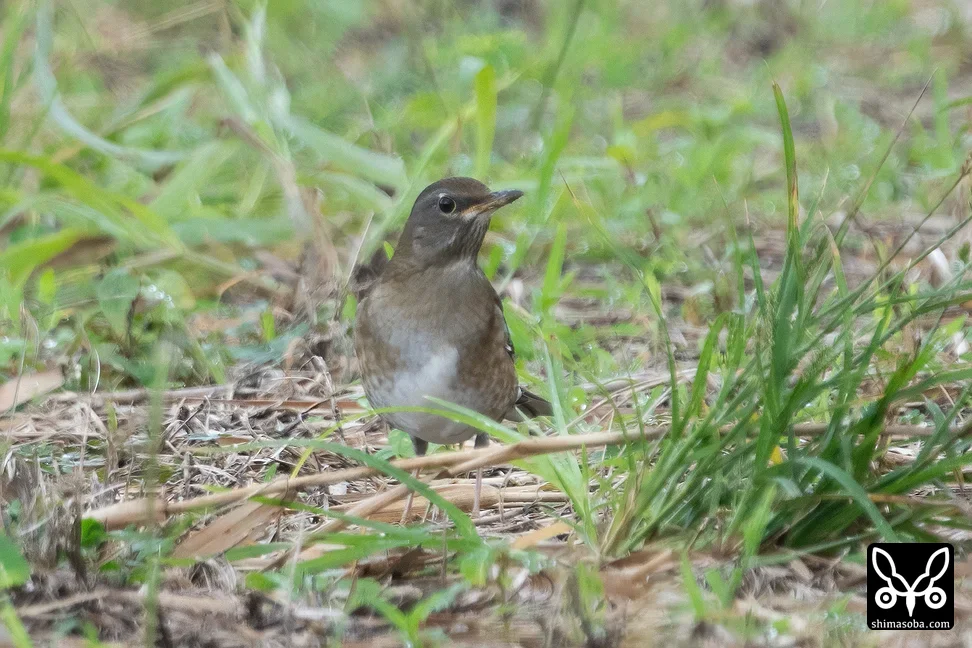
Pale Thrush, first-winter plumage.

Japanese Thrush
Japanese Thrush

Pale Thrush, adult winter plumage.

Pale Thrush
Pale Thrush

White's Thrush, first-winter plumage.

Korean Bush Warbler
Korean Bush Warbler

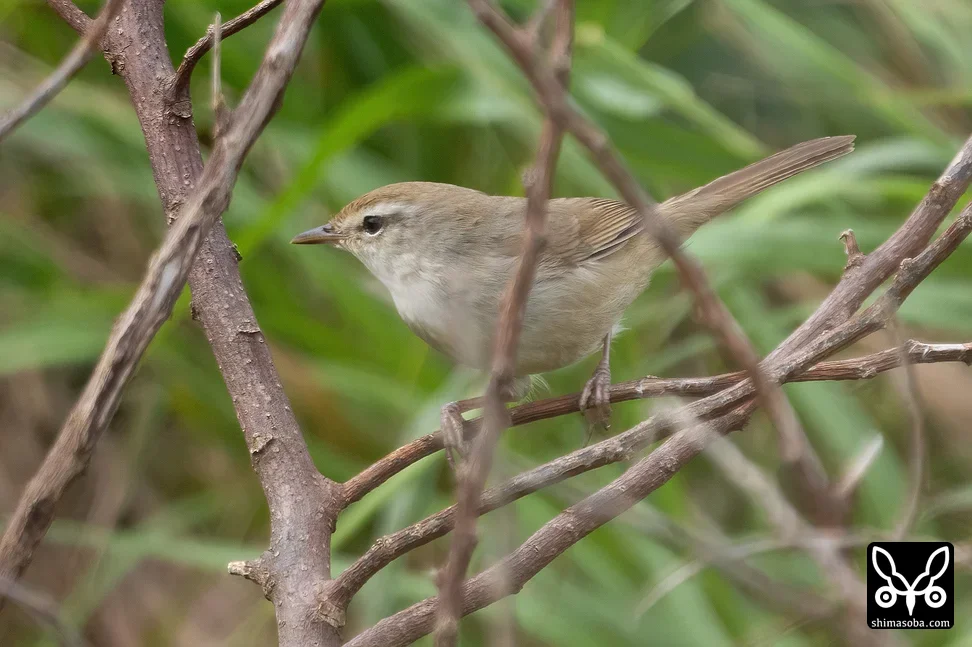
Korean Bush Warbler. It lurks in the kind of scrubby undergrowth you find anywhere. The call note carries well, but getting a clear view is another matter.

Plain Leaf Warbler
Plain Leaf Warbler

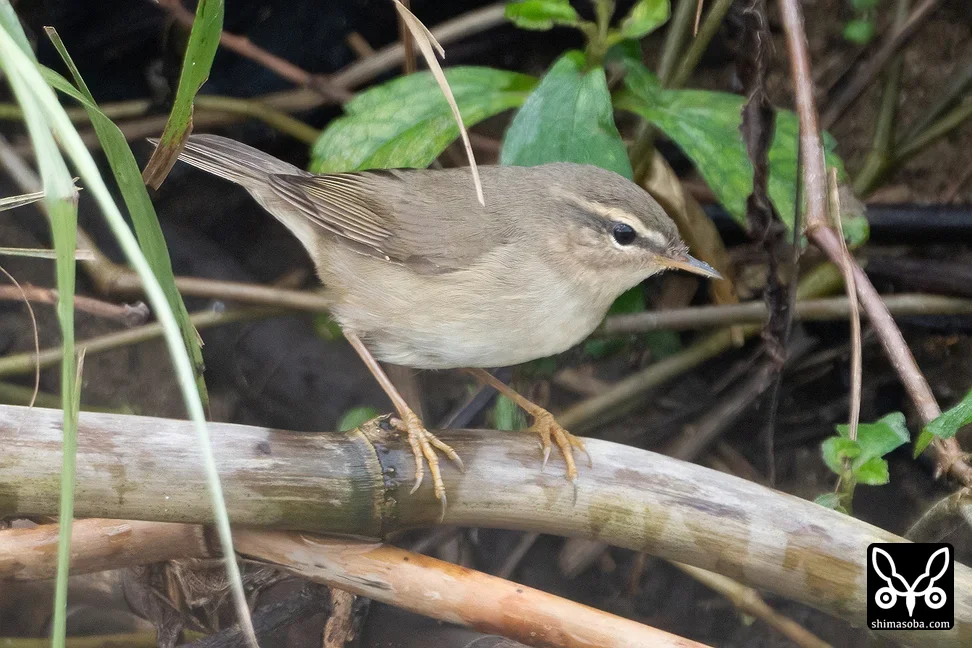
A Radde's Warbler photographed at relatively close range.

Plain Leaf Warbler
Plain Leaf Warbler

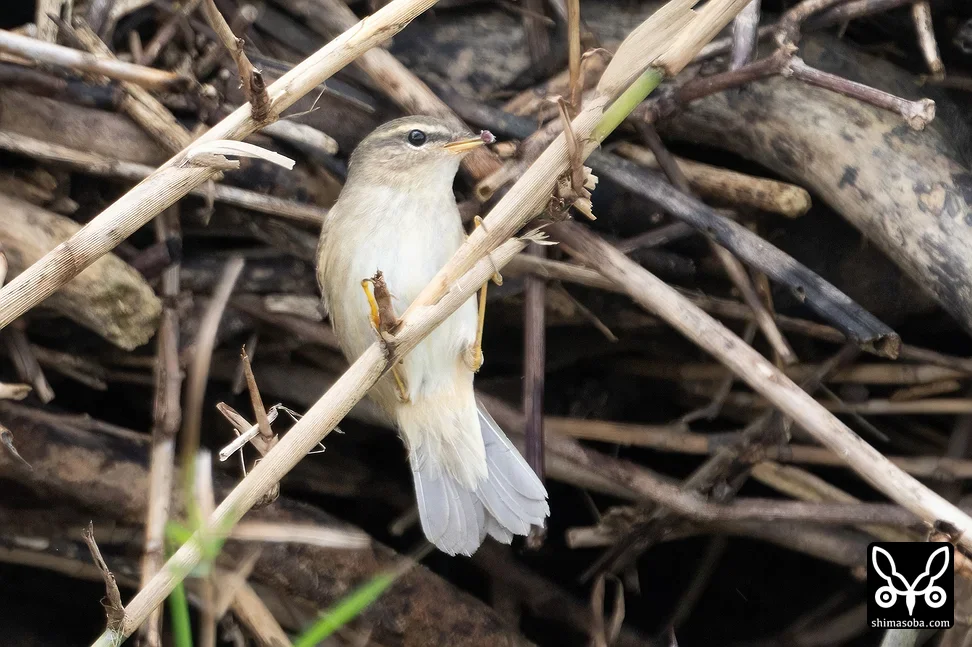
It appears to be eating something like a scale insect. It was also preying on spiders and small insects.

Plain Leaf Warbler
Plain Leaf Warbler

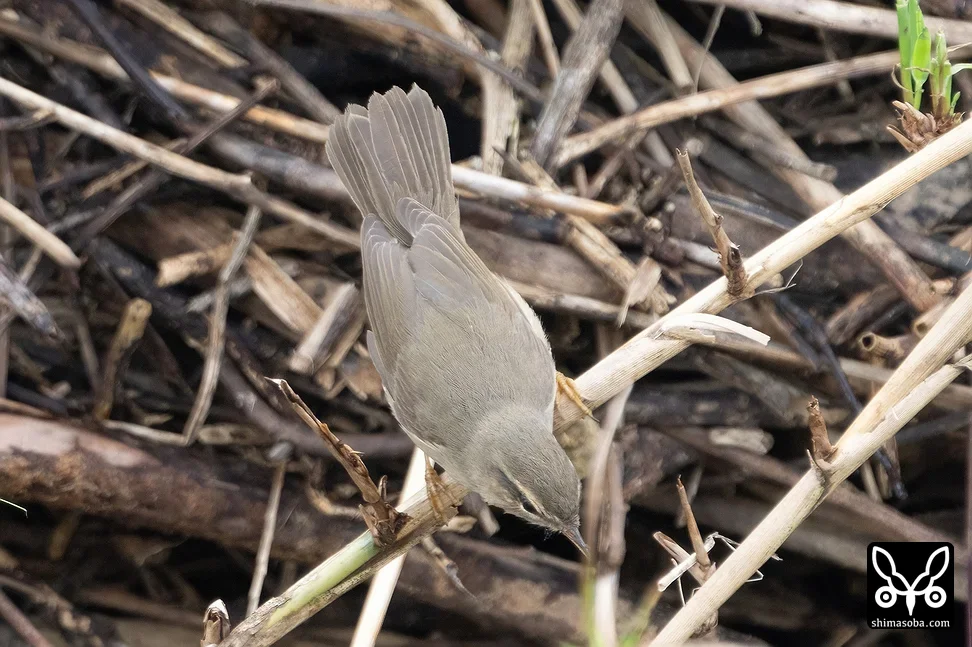
Judging by these tail feathers, I wonder if first-winter plumage is the right call.

Daurian Redstart
Daurian Redstart

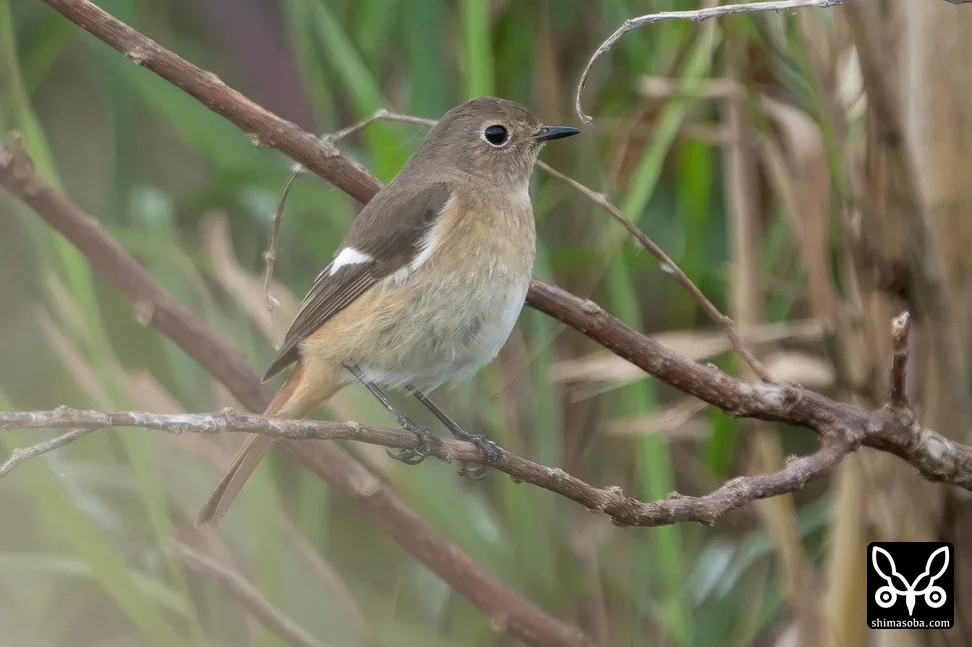
A female Daurian Redstart. A small number are wintering on the island.
Siberian Stonechat
Siberian Stonechat

A female Siberian Stonechat. A small number are also wintering on the island.
Eastern Yellow Wagtail

Eastern Yellow Wagtail, first-winter plumage. Adults are rarely seen.

Red-throated Pipit
Red-throated Pipit

Three Red-throated Pipits. Numbers are down this season.

Ruddy Shelduck
Ruddy Shelduck

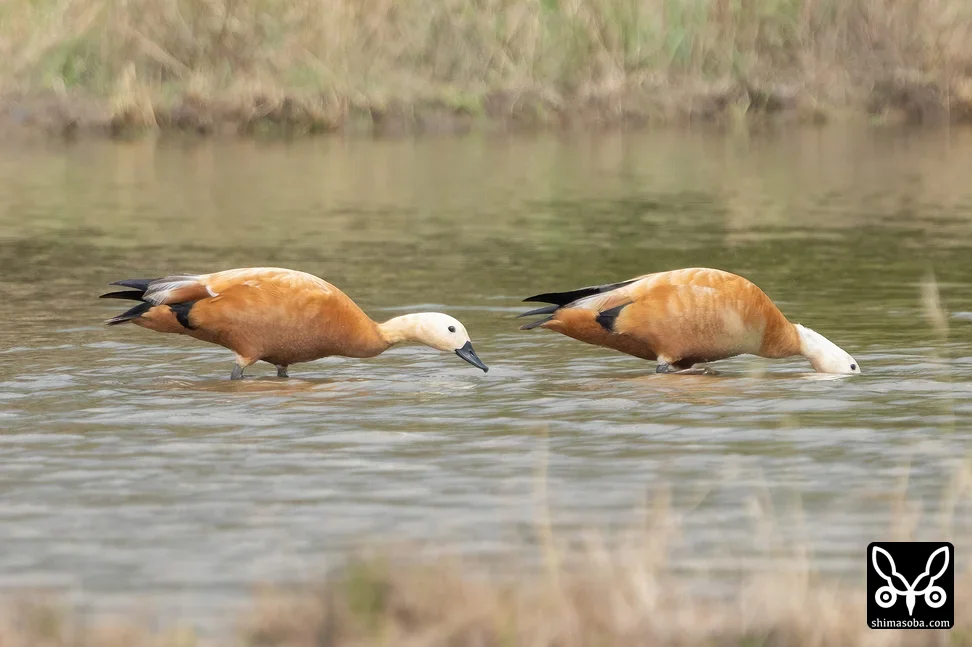
The Ruddy Shelduck count reached a peak of five, but three are currently wintering.

Ruddy Shelduck
Ruddy Shelduck

Four Common Shelducks arrived, spread across two locations.

Crested Serpent Eagle

A juvenile Crested Serpent Eagle seen reliably lately.

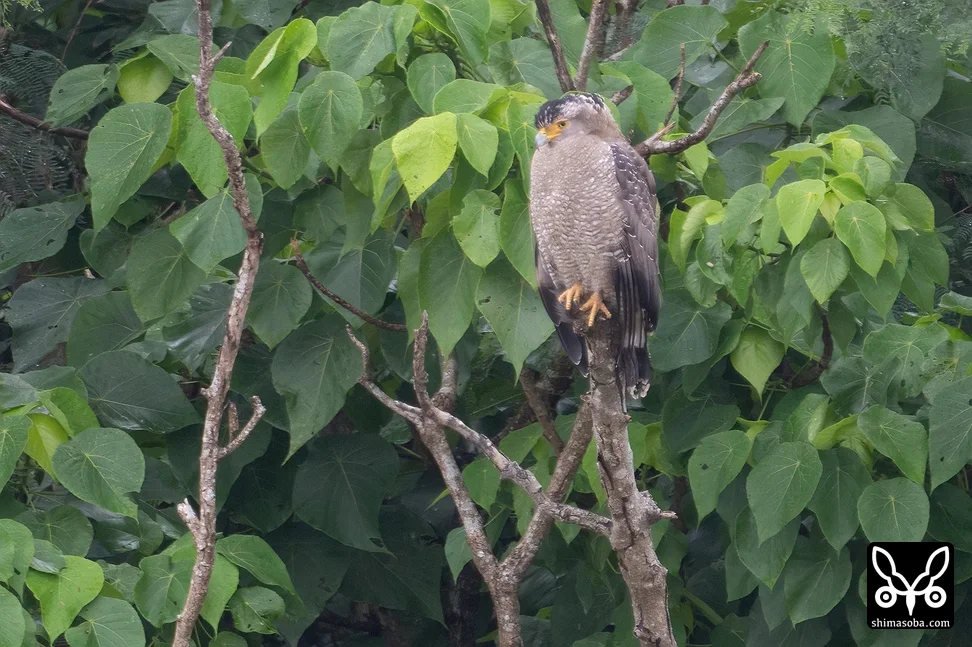
Crested Serpent Eagle

Adult Crested Serpent Eagle.

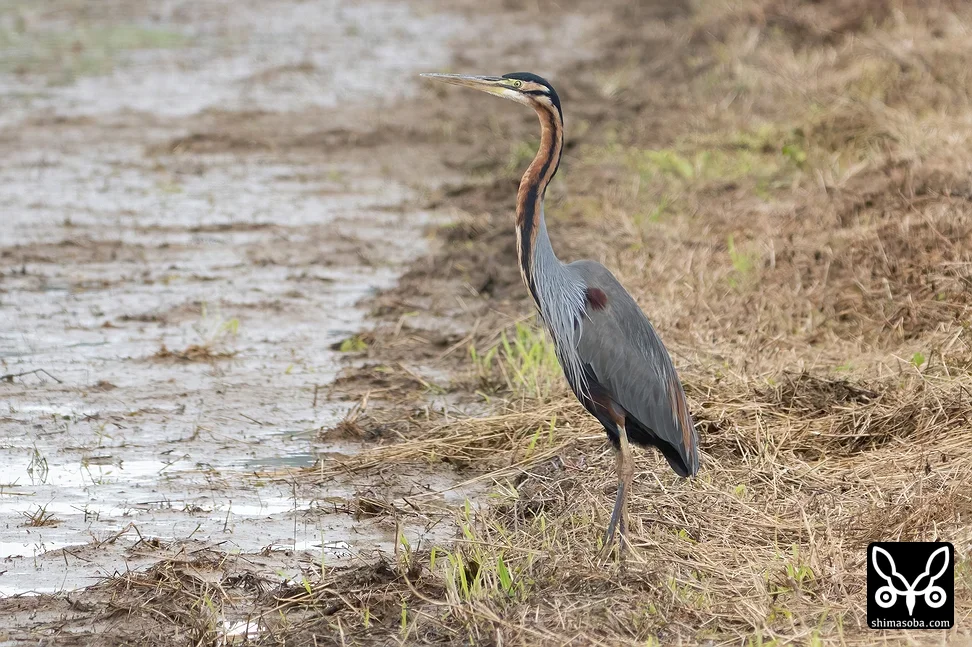
Purple Heron
Purple Heron

Adult Purple Heron.

Swinhoe's Snipe
Swinhoe's Snipe

A wintering Swinhoe's Snipe finally found after going through some 200 Common Snipe across multiple paddies. I was determined to find one before the year was out and searched single-mindedly — utterly exhausted by the end. ^^;
Common Snipe
Common Snipe

Common Snipe, first-winter plumage.
Common Snipe
Common Snipe

A flock of Common Snipe. On Ishigaki, flocks of 10 to 30 birds are wintering.

Greater Painted-snipe

Male Greater Painted-snipe.

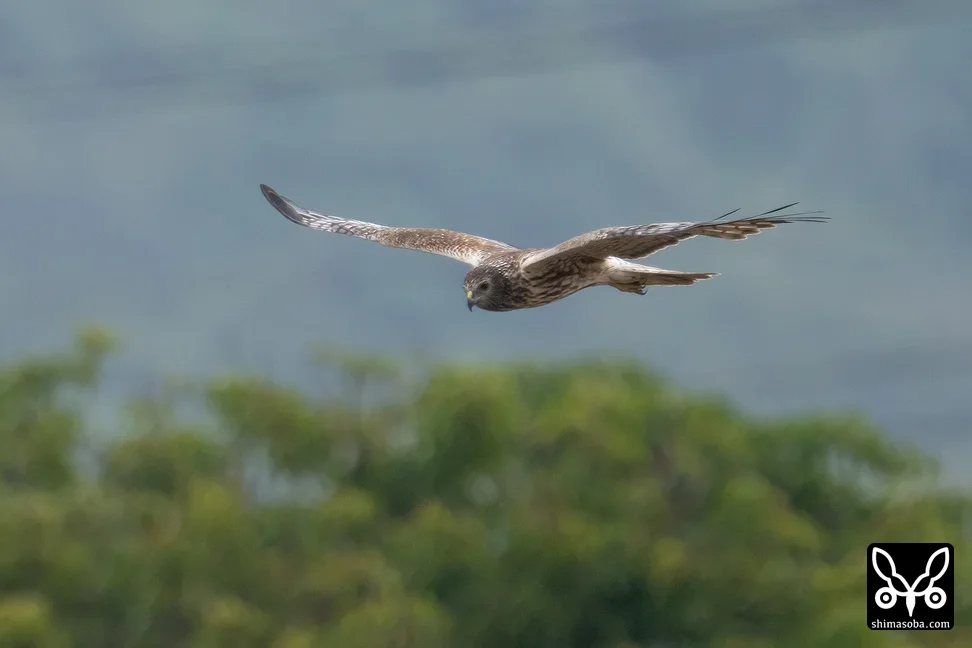
Eastern Marsh Harrier

Multiple Eastern Marsh Harriers are wintering on the island this season, so encounters are frequent.

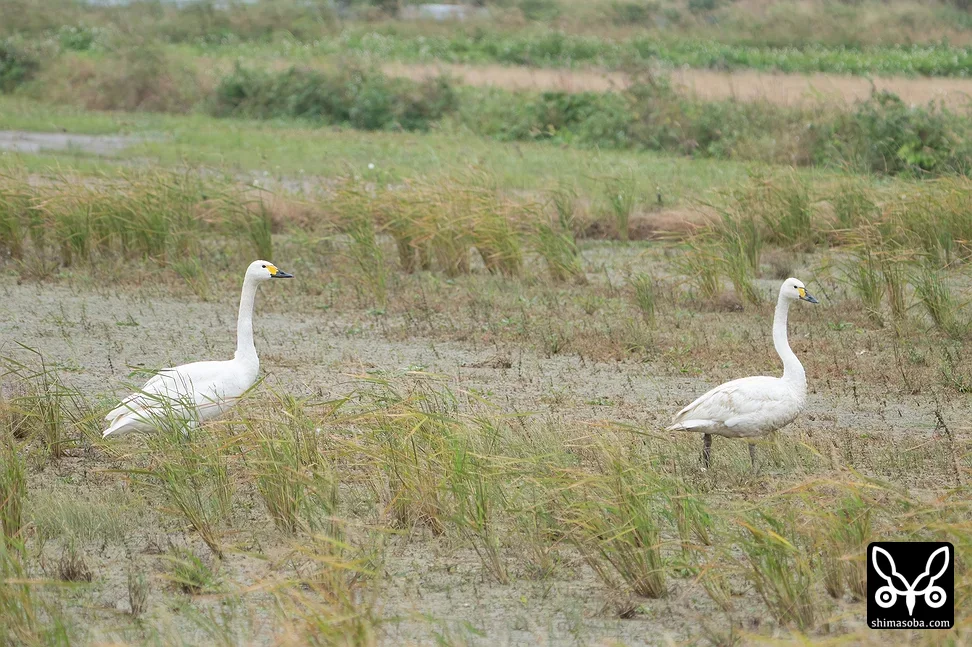
Tundra Swan
Tundra Swan

Two Tundra Swans also making a long stay. The individual on the right appears to have injured one leg.

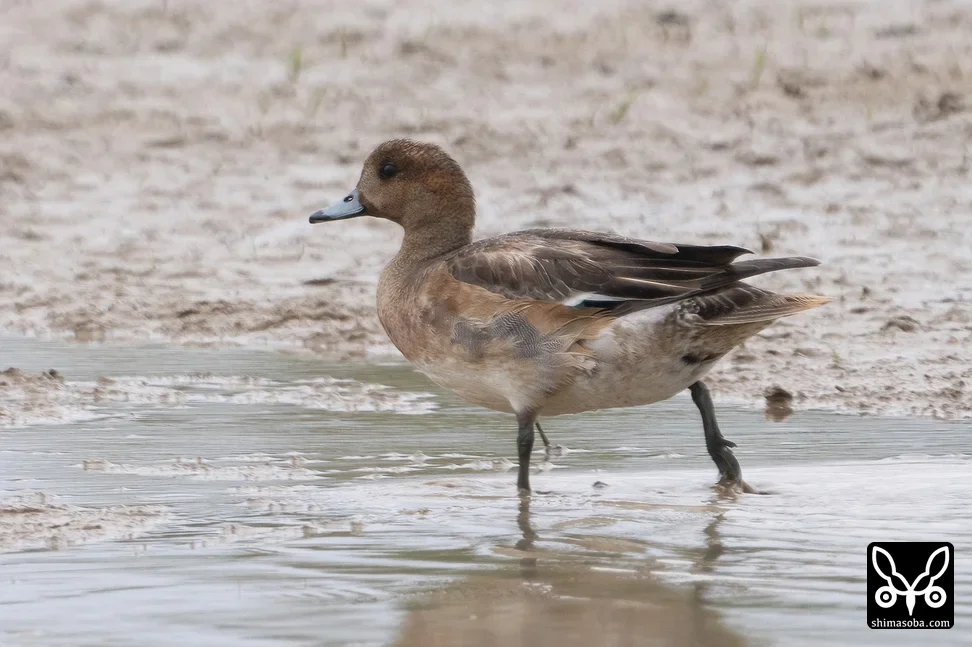
Eurasian Wigeon
Eurasian Wigeon

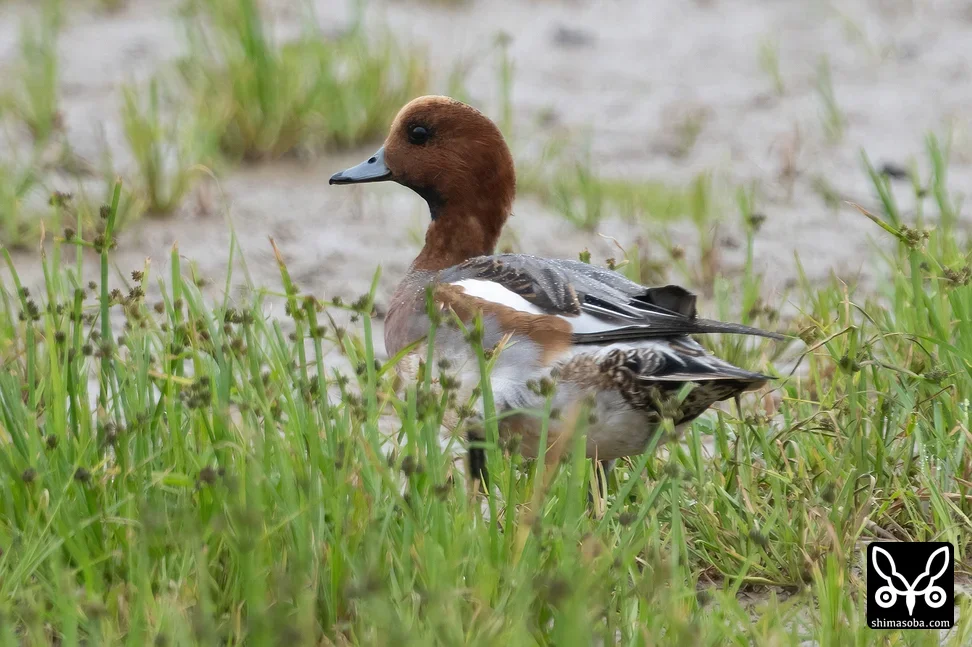
Male Eurasian Wigeon, transitioning from juvenile to first-winter plumage.

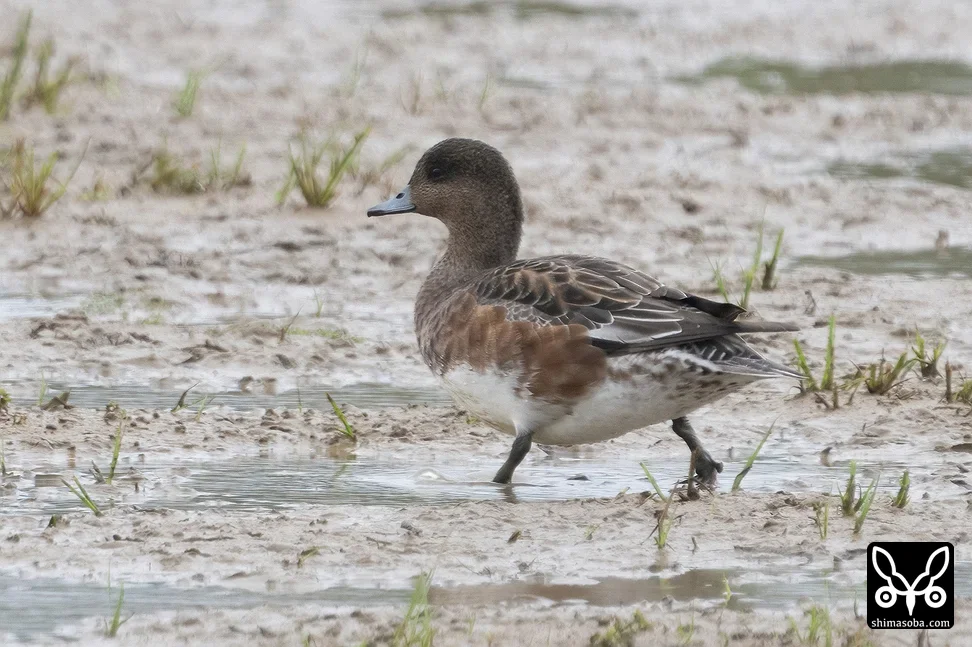
Eurasian Wigeon
Eurasian Wigeon

Adult female Eurasian Wigeon. Non-breeding plumage.

Eurasian Wigeon
Eurasian Wigeon

Adult male Eurasian Wigeon, moulting from eclipse into breeding plumage.

Northern Pintail
Northern Pintail

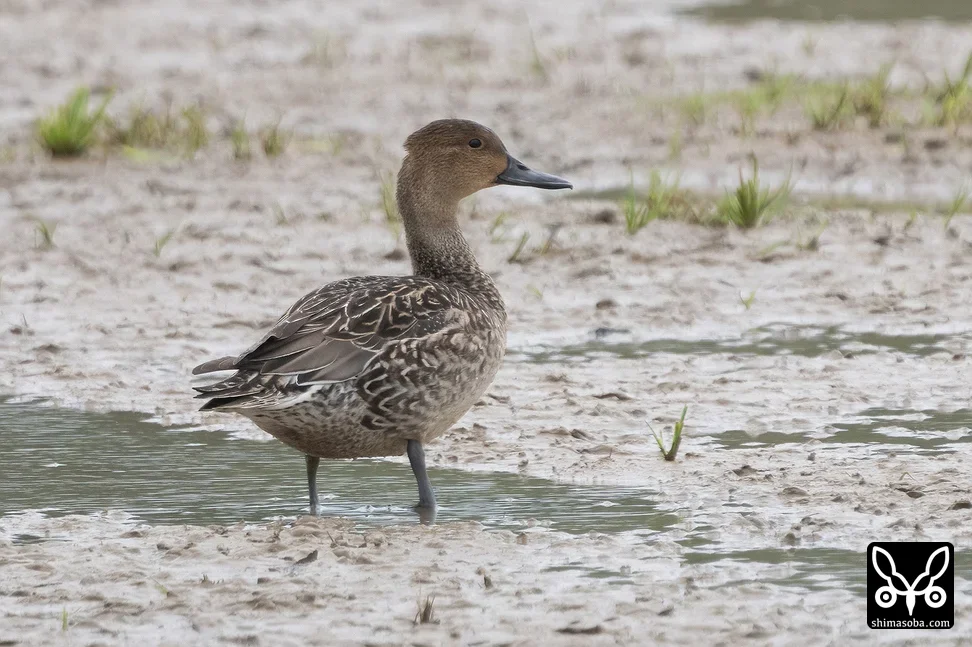
Adult female Northern Pintail. Non-breeding plumage.

Eurasian Teal
Eurasian Teal

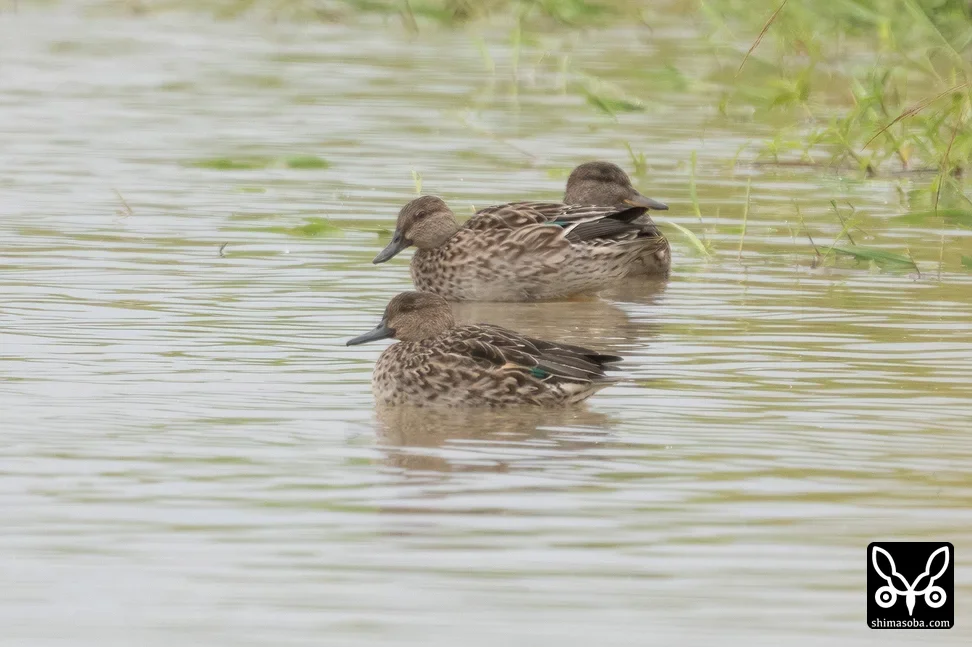
Adult female Eurasian Teal.

Tufted Duck
Tufted Duck

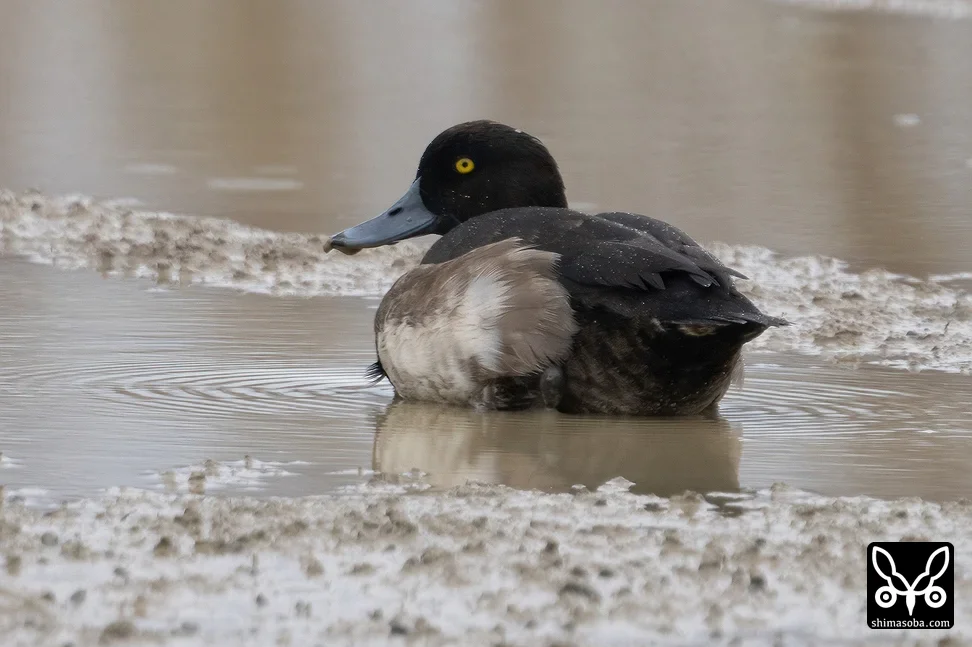
Male Tufted Duck. First-year?

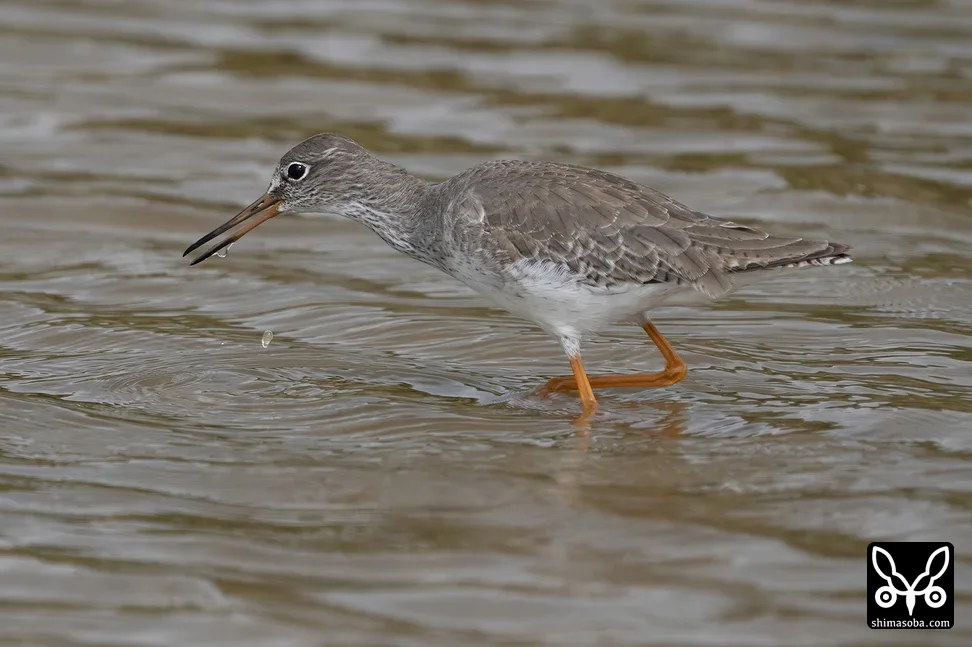
Common Redshank
Common Redshank

Common Redshank, first-winter plumage.

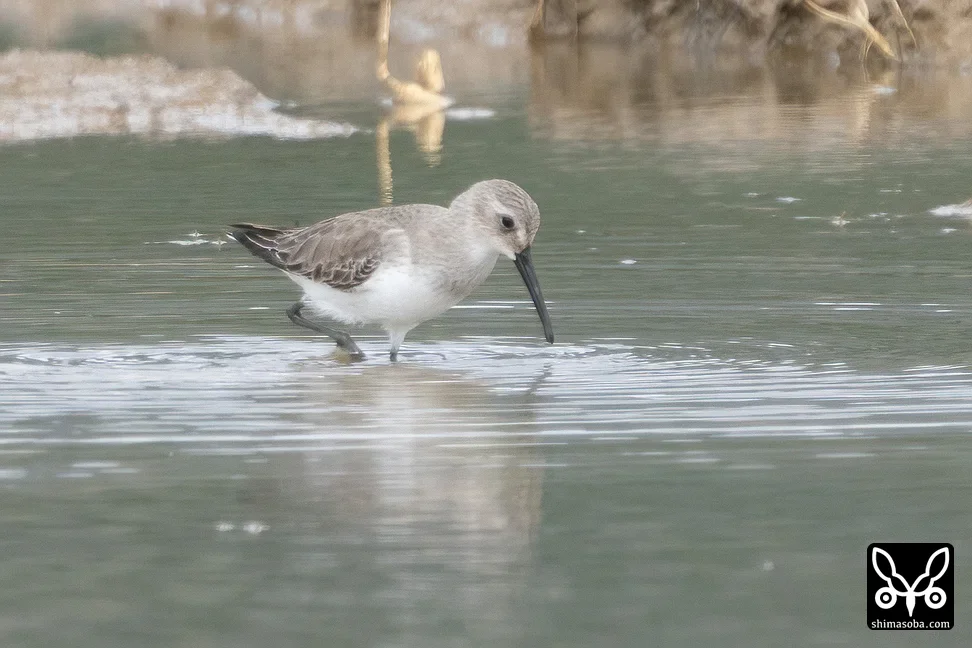
Dunlin
Dunlin

Dunlin, first-winter plumage.

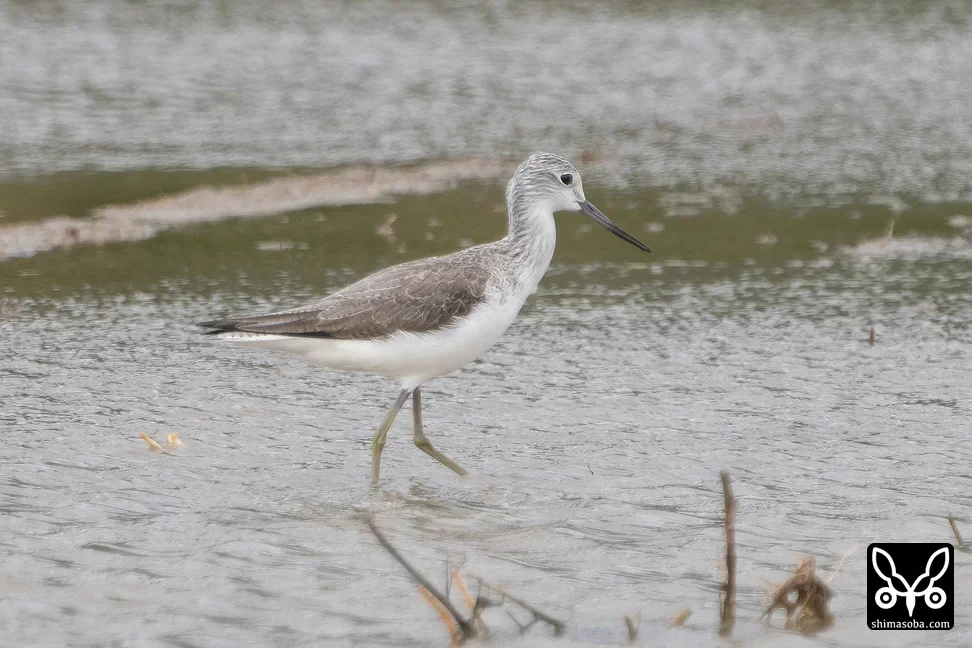
Common Greenshank
Common Greenshank

Common Greenshank, first-winter plumage.

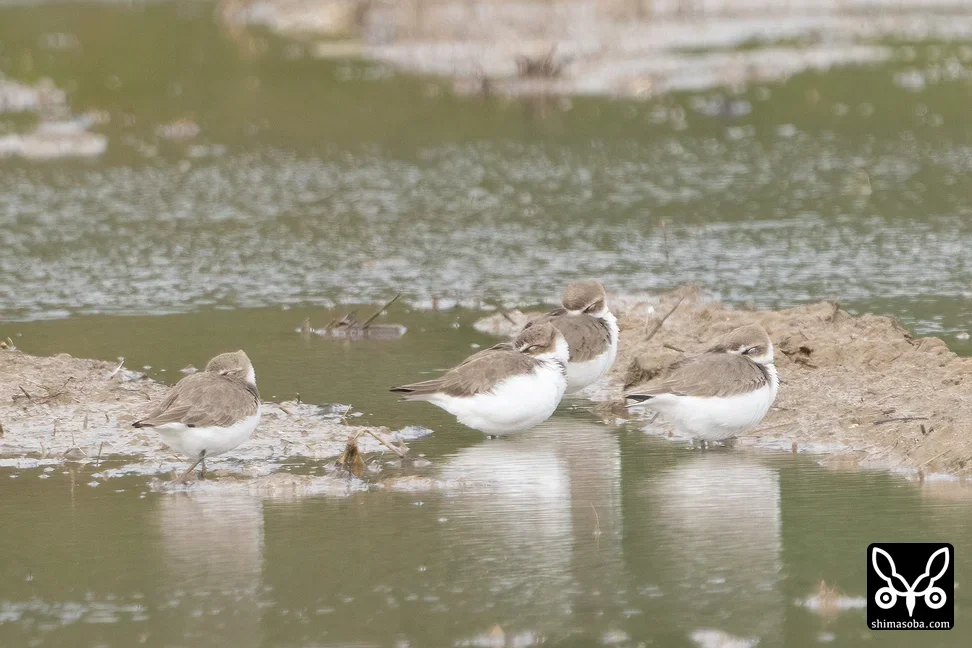
Kentish Plover
Kentish Plover

White-faced Plovers roosting in a flock.

Categories: 野鳥