A daily record.
Featuring photos of wild birds and nature, mainly from Okinawa Main Island and Ishigaki Island

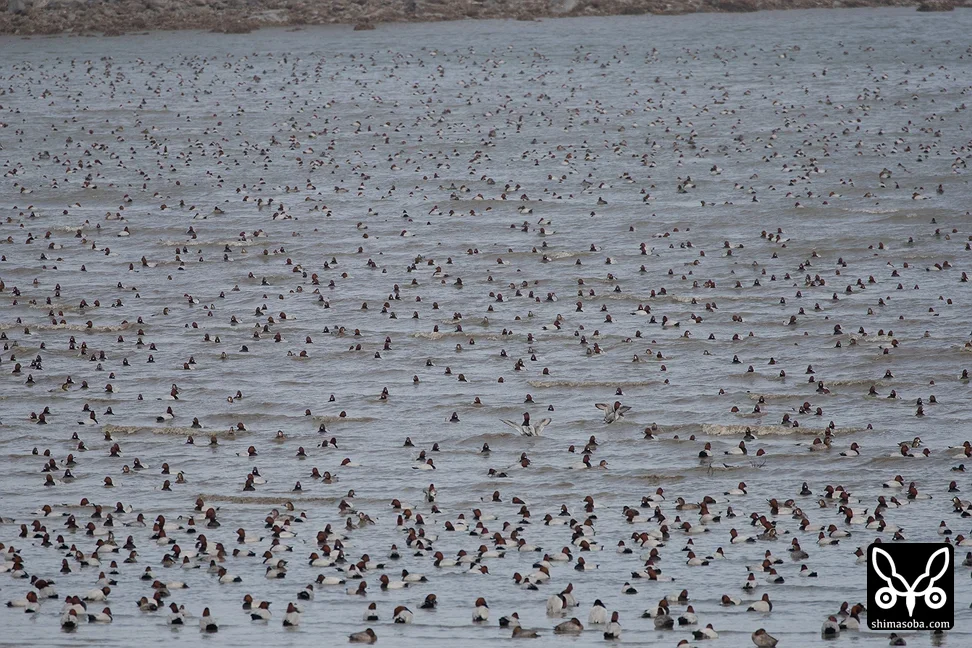
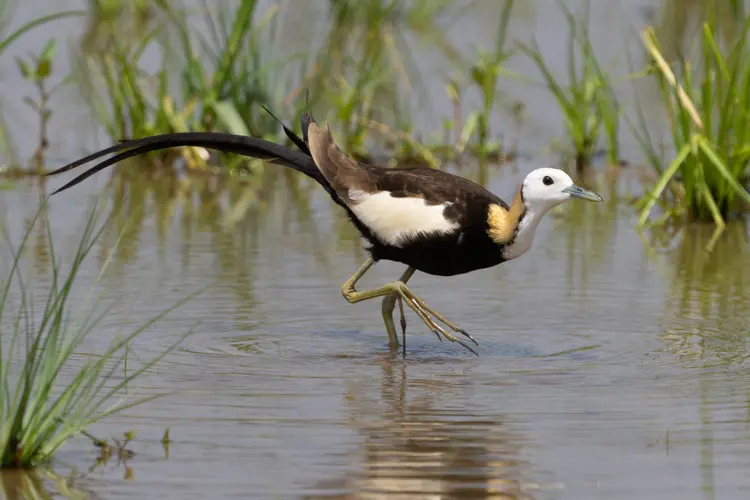
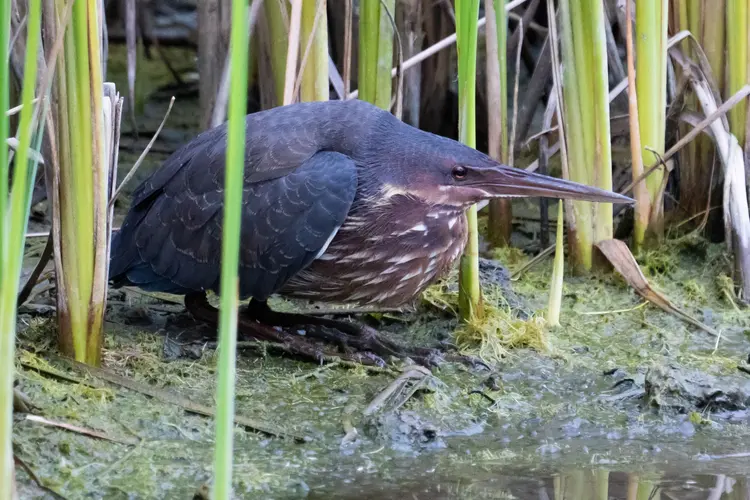
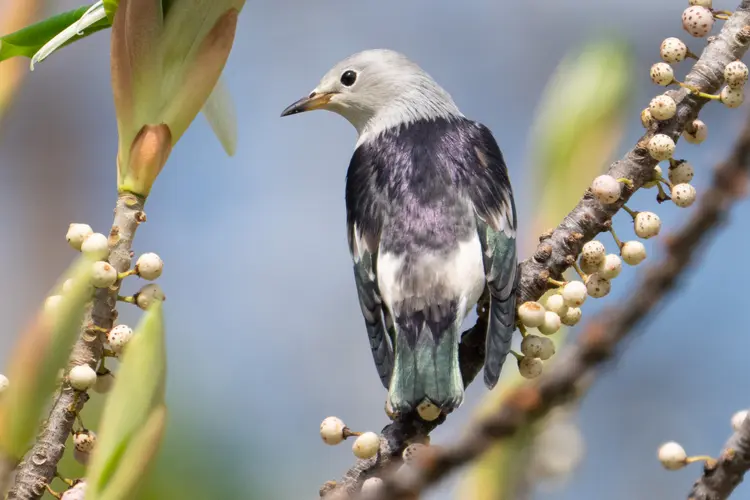
Pheasant-tailed jacana Black Bittern Daurian starling Collared Kingfisher Lesser Whistling Duck

GUIDED BIRDWATCHING TOUR

Go where the birds are. The SHIMASOBA Tour launches.

We'll drive you around Ishigaki Island to wherever the birds are showing best that day. Observation is mostly from inside the vehicle, and we keep it to a maximum of 3 guests so everyone can take their time.

Max. 3 guests 4 hours in the morning Beginners welcome
Check availability and book

Wintering White's Thrush

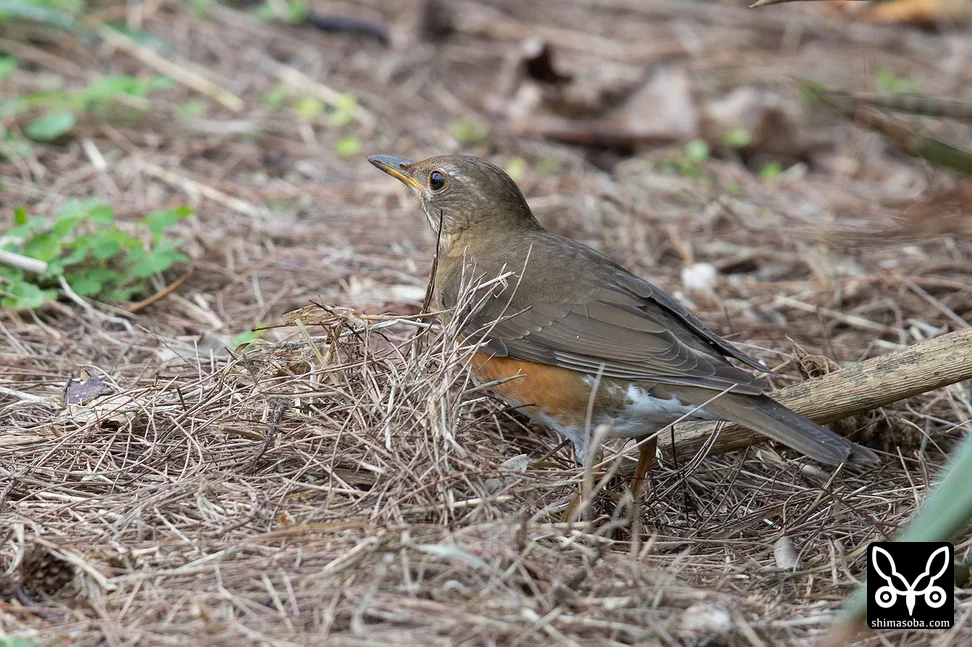
Following yesterday's Common Hoopoe, this White's Thrush was also shown to me by the spotter, a bird guide. It too is a long-staying winter resident on Ishigaki Island. I see White's Thrush fairly often in winter, but they are often wary and hard to observe consistently, so this individual is an excellent one. ^^

It spends its time with Dusky Thrushes, Naumann's Thrushes, Pale Thrushes and Brown-headed Thrushes, but White's Thrush is a size larger than all of them and stands out quite a lot.

When an Osprey or crows passed overhead it reacted sensitively and became alert, and sometimes fled into the thicket, but it was not so wary of people.
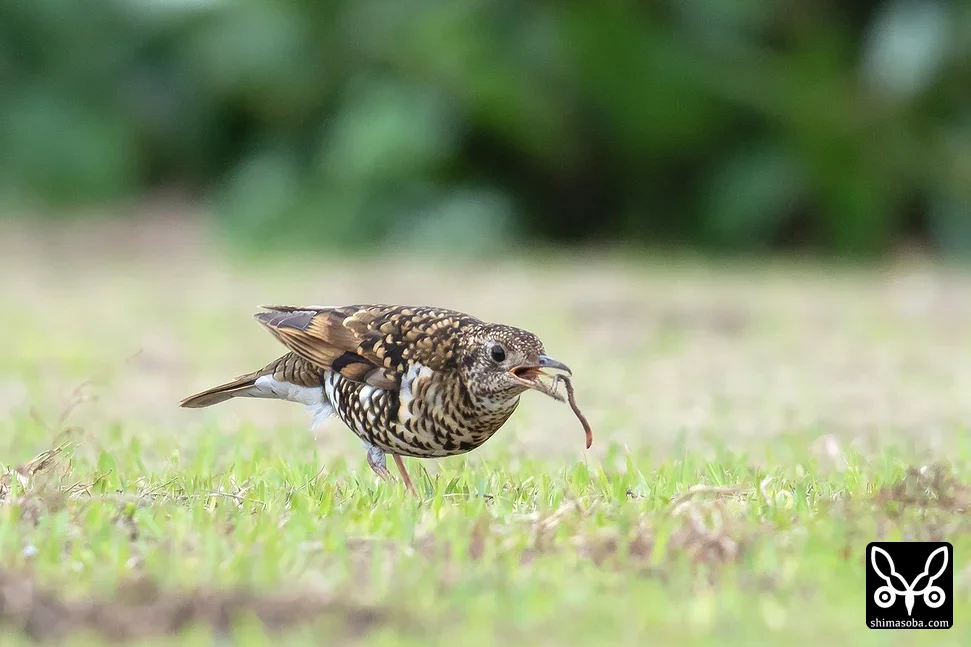
White's Thrush
White's Thrush

A White's Thrush that caught an earthworm. It didn't treat us to the tiger dance.
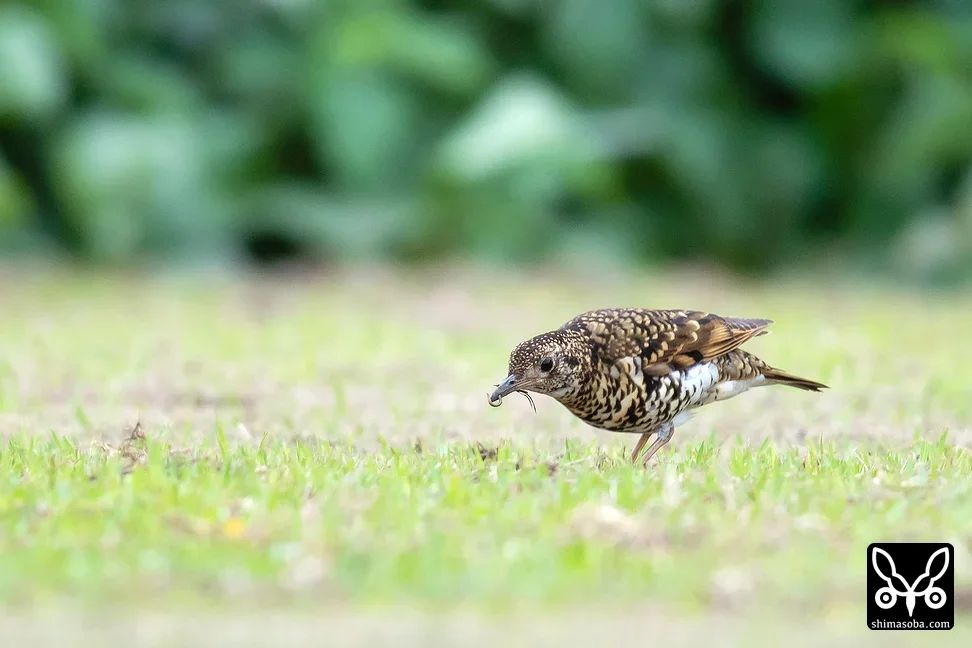
White's Thrush
White's Thrush

This White's Thrush would walk a short distance and catch an earthworm. It was getting to its prey considerably more efficiently than the other thrushes, Brown-headed Thrushes, and Pale Thrushes.
Japanese Thrush
Japanese Thrush

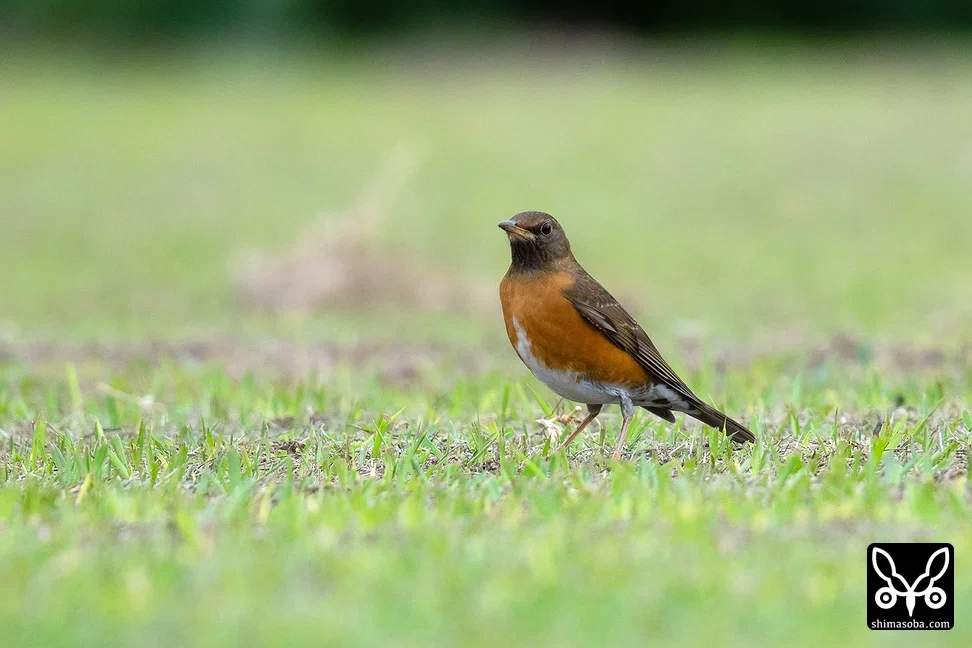
Brown-headed Thrush, first-winter. For a moment it also looked like an Eyebrowed Thrush, but this is Ishigaki Island, so I went with Brown-headed Thrush — a process-of-elimination ID. ^^;
Pale Thrush
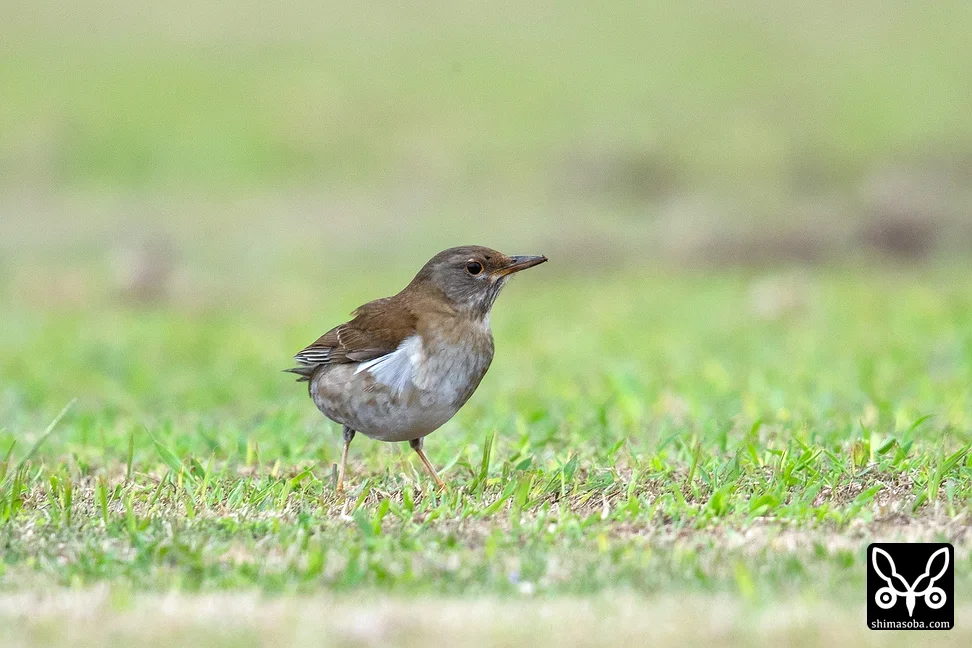
Pale Thrush

The lowest in the pecking order on this lawn was a Pale Thrush, first-winter. It was being chased around by the Brown-headed Thrushes and Dusky Thrushes.
Categories: 野鳥

Common Hoopoe staying long

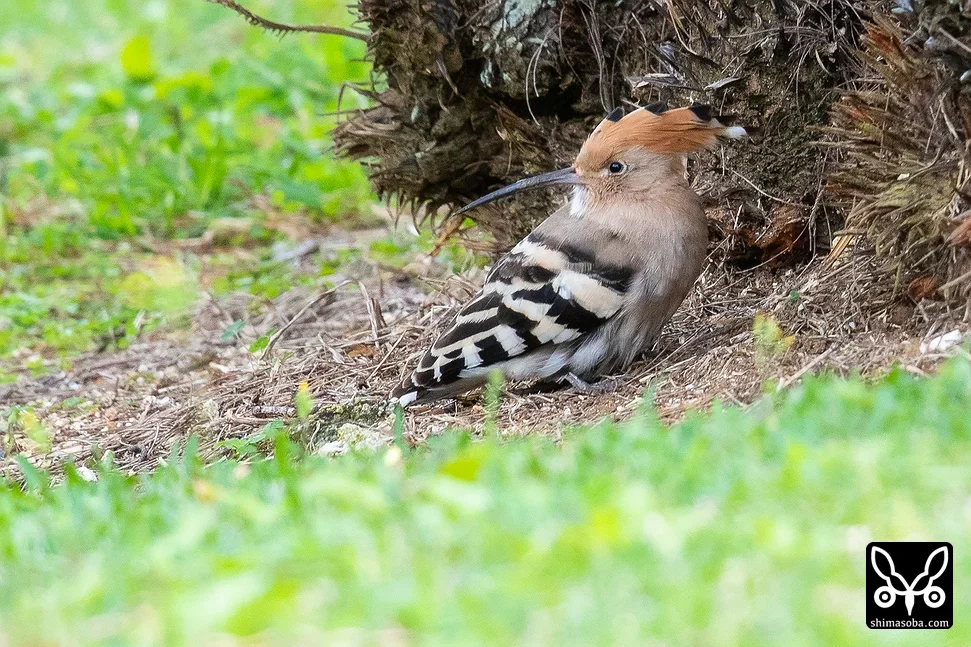
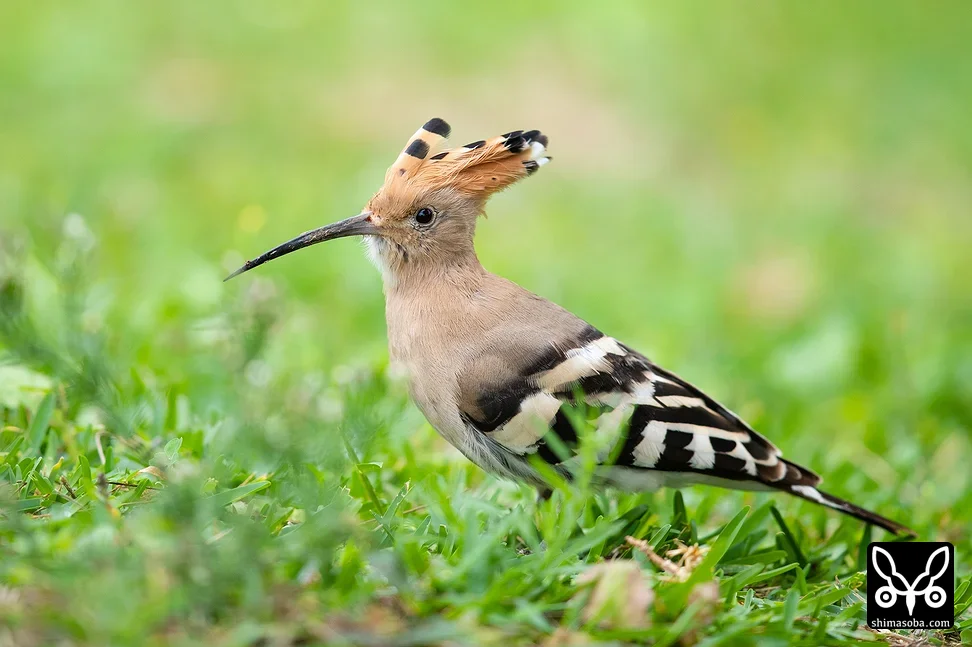
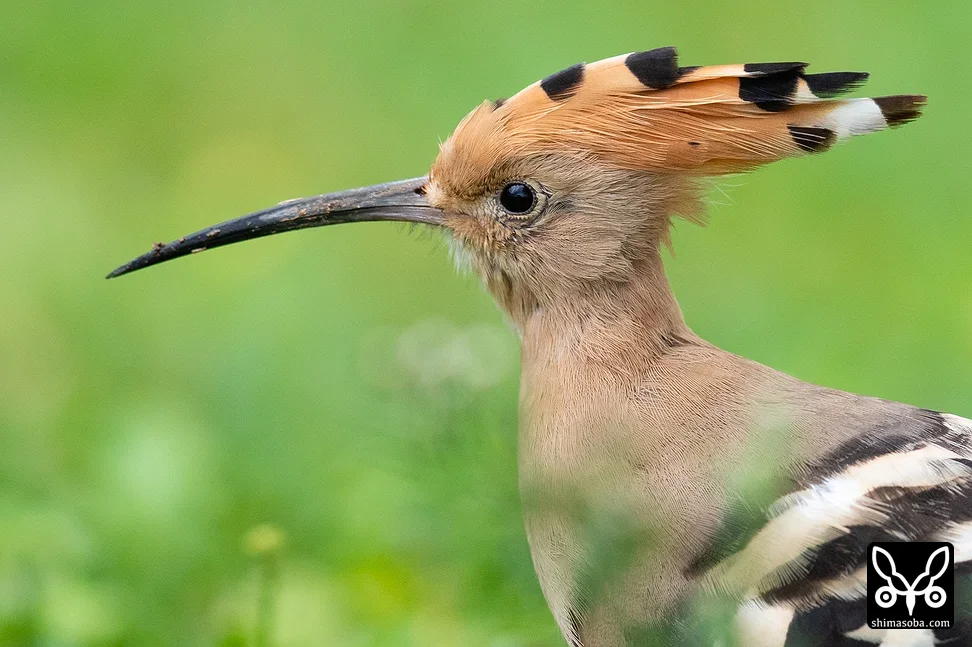
After a month in Fukuoka and Nagoya, my first shoot back on Ishigaki Island was a Common Hoopoe. The spotter, Ishigaki's number one bird guide, told me about it.

The spotter found this Common Hoopoe on January 1, so it has now stayed about a month. Common Hoopoes that arrive on the island around the end of the year often overwinter, so this one may stay until spring. ^^

By the way, the spring migration of the Common Hoopoe peaks from around mid-March.

Brown-headed Thrushes, Pale Thrushes, Dusky Thrushes and Daurian Redstarts are also wintering nearby.

Eurasian Hoopoe
Eurasian Hoopoe

A Eurasian Hoopoe in wintering mode.

Eurasian Hoopoe
Eurasian Hoopoe

Activity was low with light rain falling, but it came out into the open.

Eurasian Hoopoe
Eurasian Hoopoe

The Hoopoe, which dislikes rain, was sheltering under the base of a cycad and similar spots.

Japanese Thrush
Japanese Thrush

A Brown-headed Thrush showing little wariness.

Categories: 野鳥

Verditer Flycatcher in Nagasaki Prefecture

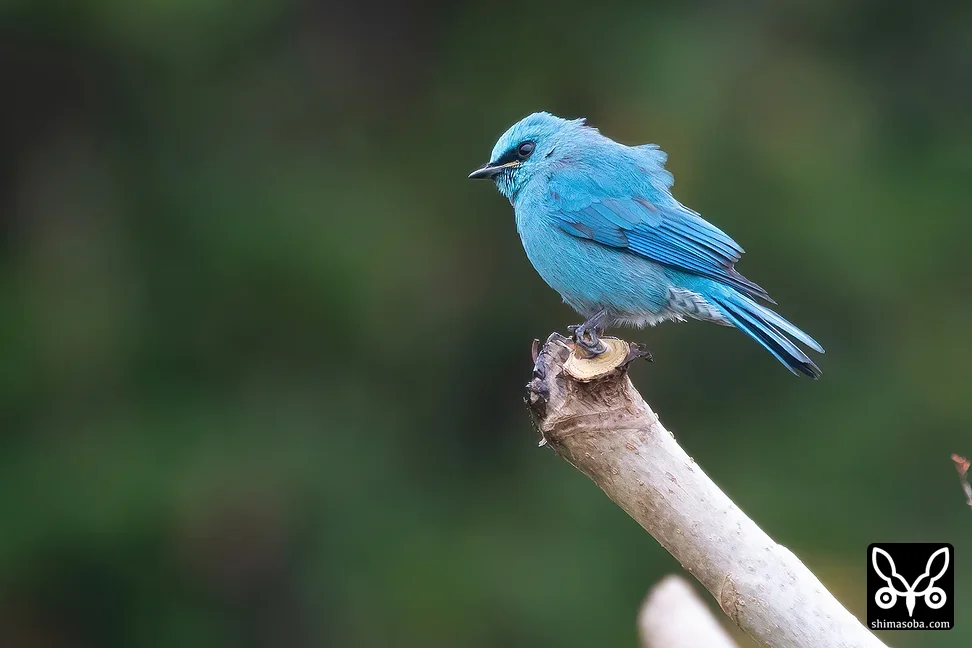
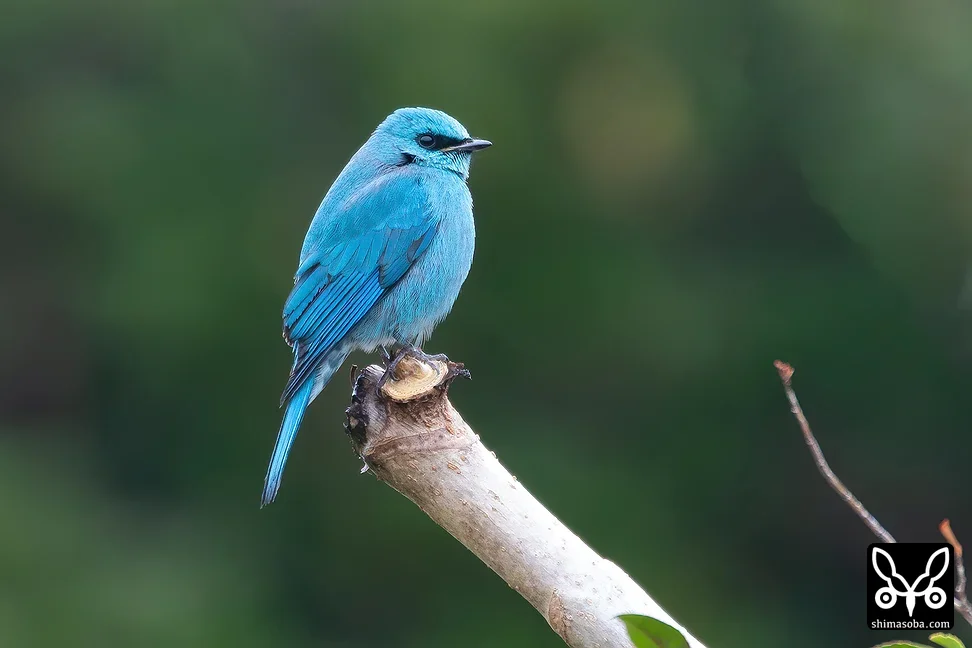
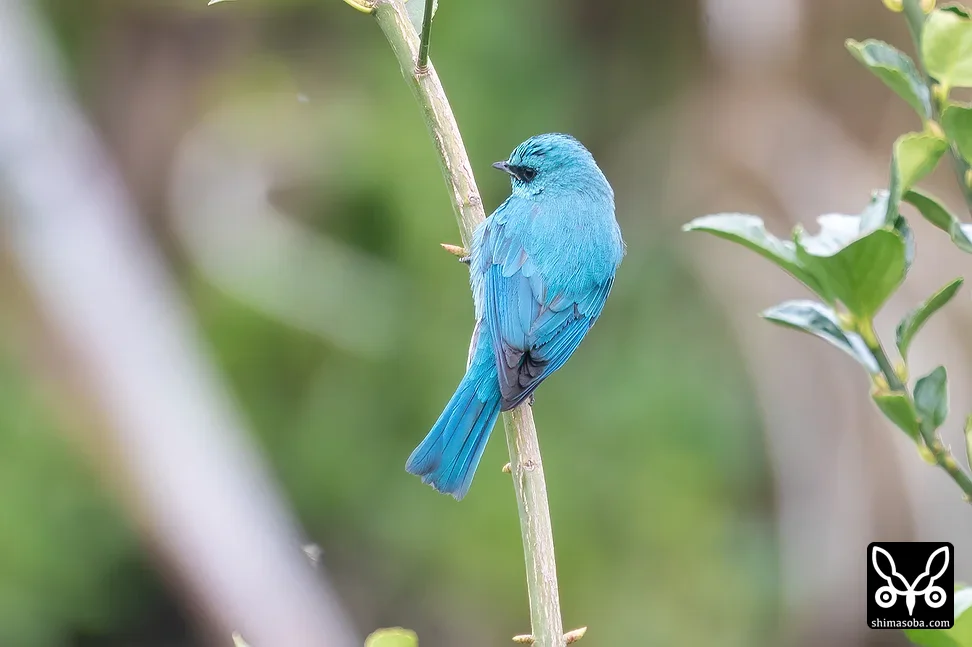
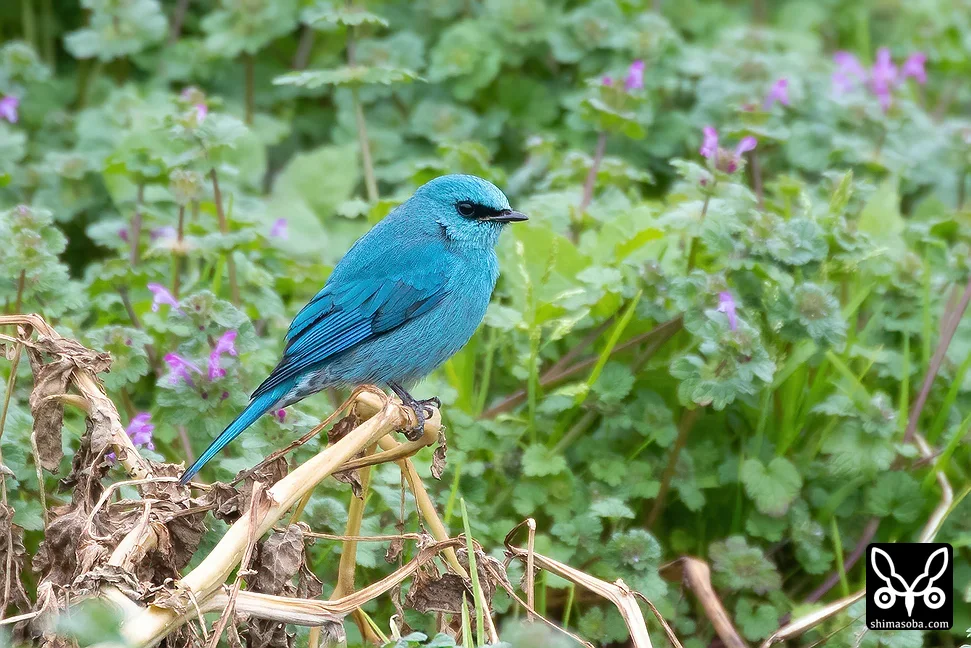
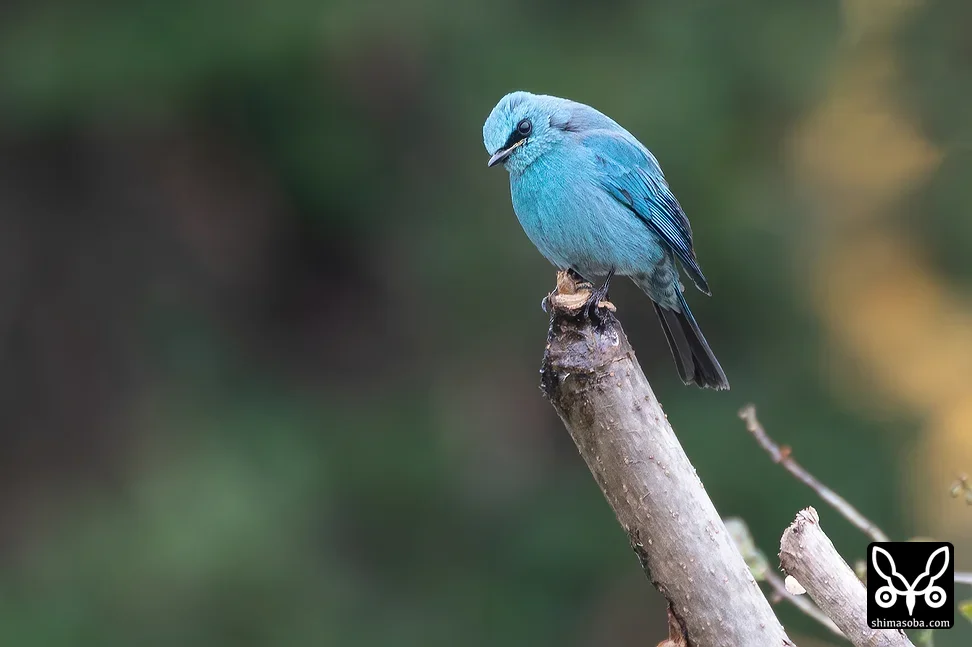
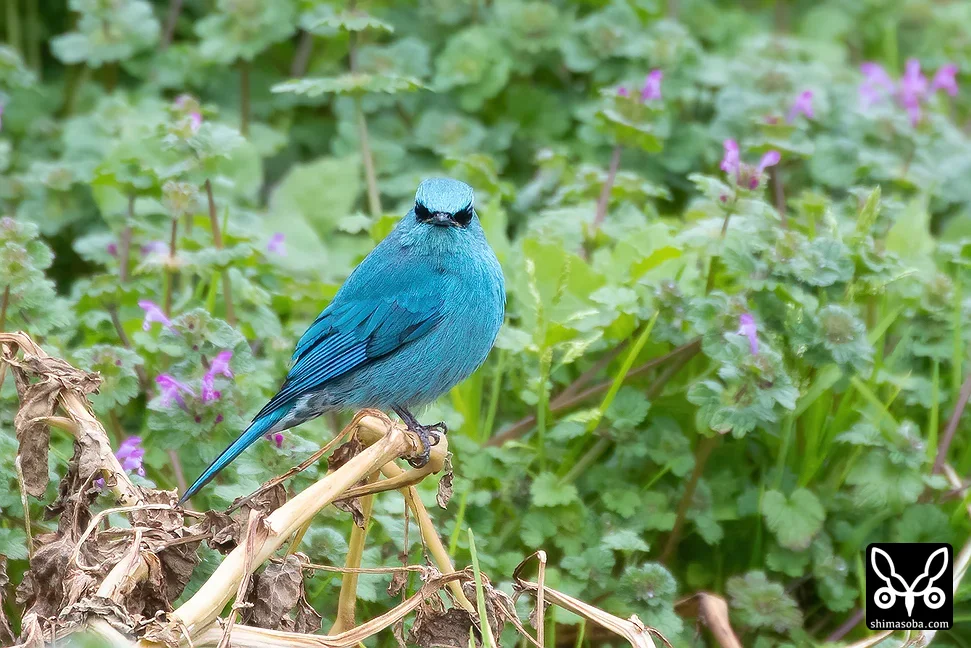
While I was staying in Fukuoka Prefecture, a friend on Ishigaki Island contacted me: "There's a Verditer Flycatcher." There have been about two records on Ishigaki too, but I had never seen one, so I borrowed my mother-in-law's car and went. The news had not yet spread, so only a few people were there. Five minutes after I arrived, the Verditer Flycatcher appeared in front of me, and it was a bluer bird than the rumors, which surprised me.

The Verditer Flycatcher was catching red berries of the spindle tree and small insects. It was hardly wary at all, and at its closest it was only a few metres away. There were two Daurian Redstarts in the same area, but they went about their business without bothering each other. I wanted to hear its call too, but that did not happen...

Vivid Niltava
Vivid Niltava

Male Verditer Flycatcher perched in garden plantings at a field.

Vivid Niltava
Vivid Niltava

Facing the other way.

Vivid Niltava
Vivid Niltava

In flight, the silhouette of the Verditer Flycatcher looked like a Dark-sided Flycatcher.

Vivid Niltava
Vivid Niltava

It was perching on a dead branch near the ground and catching insects.

Vivid Niltava
Vivid Niltava

The Verditer Flycatcher's favourite perch.

Vivid Niltava
Vivid Niltava

A rare front-on view of a Verditer Flycatcher.

Japanese White-eye
Japanese White-eye

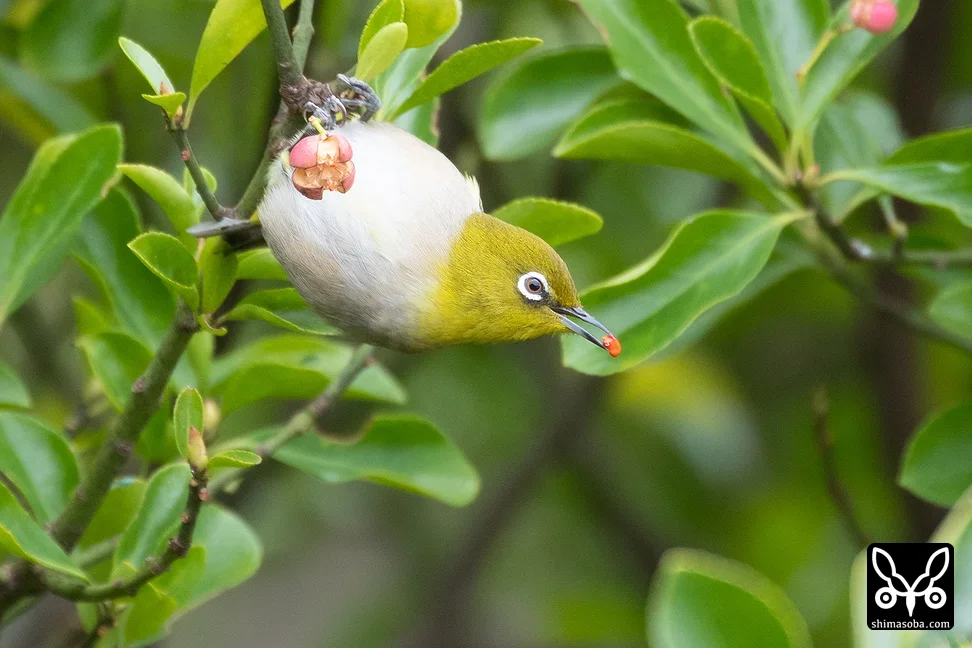
A Japanese White-eye eating Euonymus berries. The Verditer Flycatcher had been eating the same berries.

Categories: 野鳥

Birdwatching at Kayocho Park

I let my child play at Kayocho Park, not far from my wife's parents' home, and did some birdwatching out of the corner of my eye. ^^;

This park felt relatively free: the pond had no fence and there were people lure fishing.

As for the birds, the harvest was an Oriental Magpie, which I had not expected. Others were Naumann's Thrush, Dusky Thrush, Pale Thrush, Long-tailed Tit, Cinereous Tit, Kyushu Japanese Pygmy Woodpecker, Eurasian Wigeon, Eurasian Teal, Mallard, Great Crested Grebe, Little Grebe and so on.

Since the pond had no fence, it was birding where I could never take my eyes off my child. With some effort I might be able to find a few more.

Eurasian Magpie
Eurasian Magpie

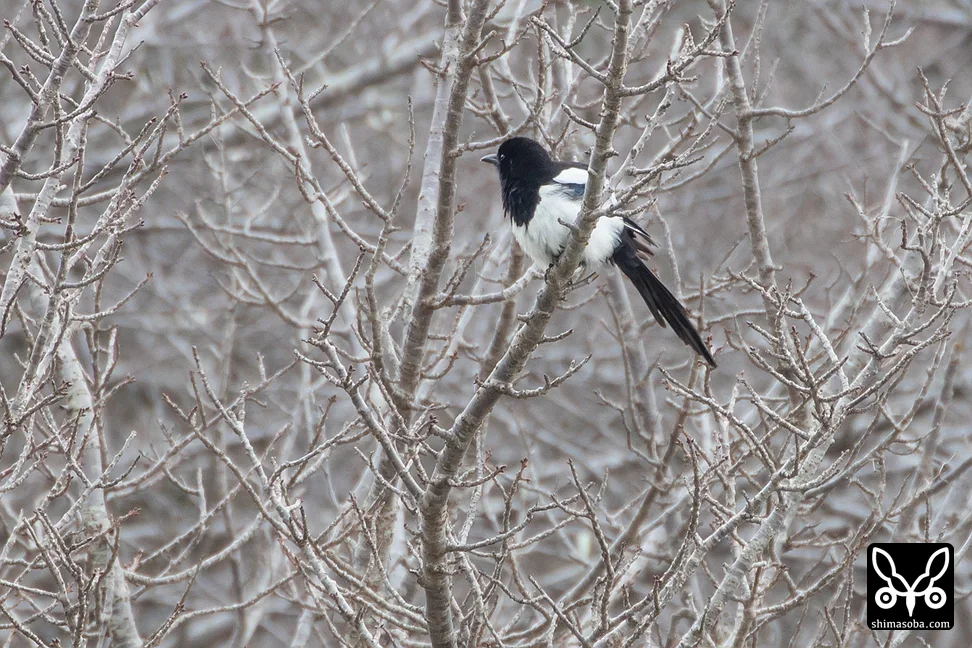
So it turns out you can see Eurasian Magpies in Fukuoka without going all the way to Saga.

Naumann's Thrush
Naumann's Thrush

A Naumann's Thrush accustomed to people. Park birds tend to be relatively unwary, but the birds in this particular park were especially tame.

Naumann's Thrush
Naumann's Thrush

Same individual as above.

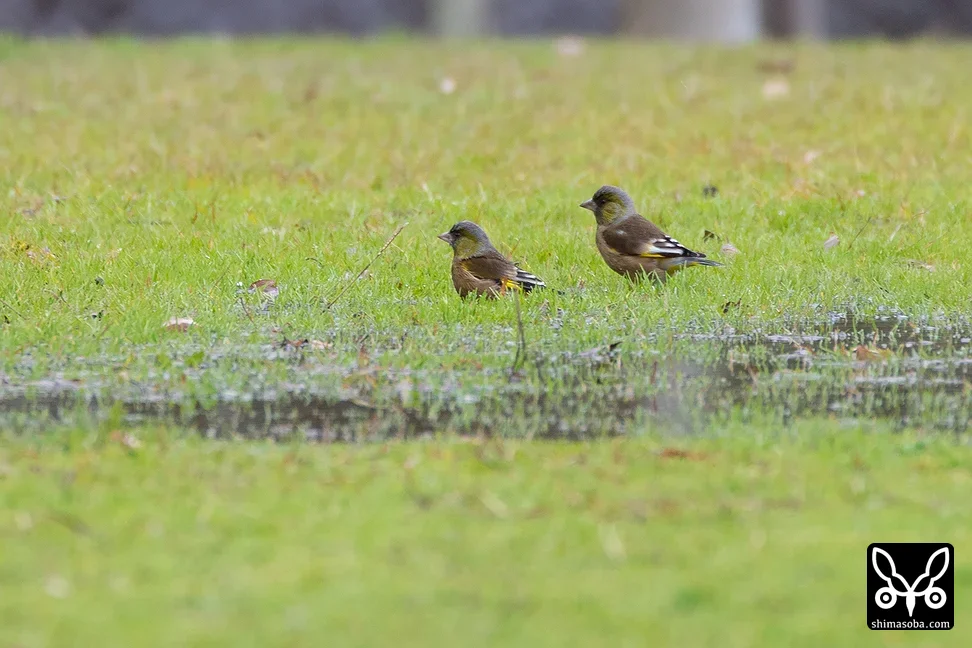
Grey-capped Greenfinch

In the cold, an Oriental Greenfinch was bathing.

Categories: 野鳥

Black Stork, White-naped Crane, Merlin, Common Reed Bunting and more at Isahaya

On January 14 I went to Fukuoka again from Nagoya. Since I was there, I decided to see Isahaya's famous Black Stork, borrowed my mother-in-law's car and drove the expressway non-stop. It took about two and a half hours. It was far... ^^;

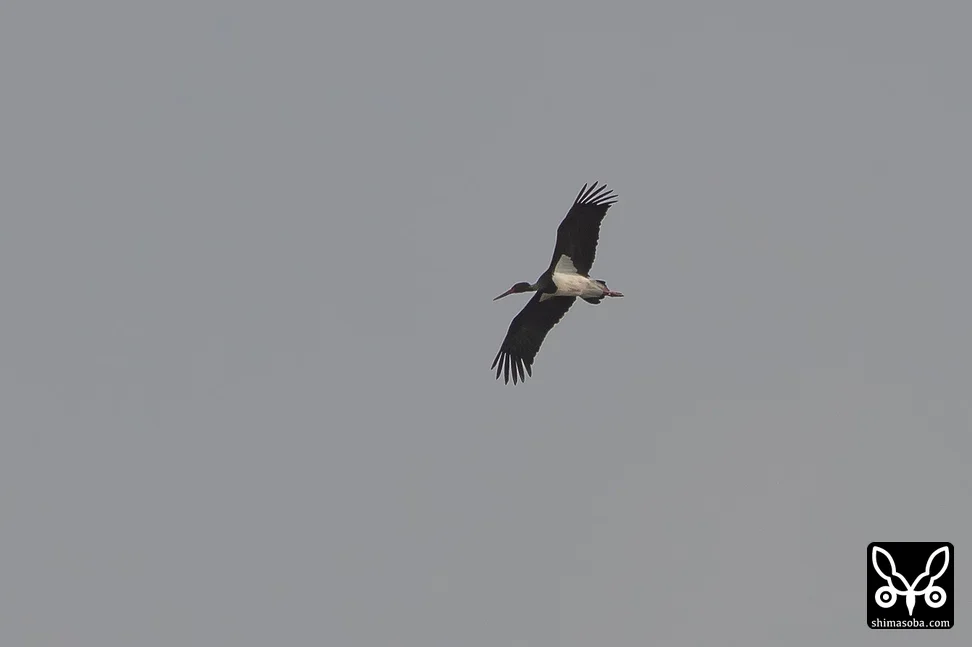
The Isahaya reclaimed land is vast and I had visited with no prior information, so I searched and searched but could not find the Black Stork. Just as I was about to give up, a blackish, strange big bird was flying high overhead. I looked through binoculars and it was the Black Stork I had hoped for. I took a few photos, checked where it came down and rushed to the spot, but could not find it... It is a big, conspicuous bird, but once it drops into a waterway it is surprisingly hard to find.

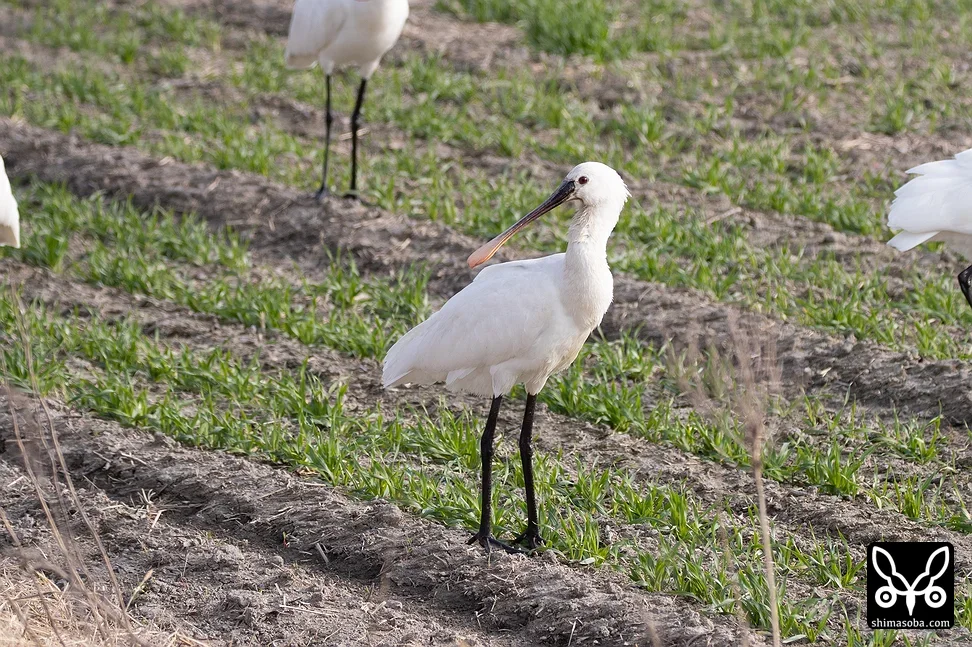
On the reclaimed land there were White-naped Crane, Merlin, Hen Harrier, Common Reed Bunting and Rook, as well as Siberian Pipit, Northern Lapwing, Common Snipe, Eurasian Spoonbill and Black-faced Spoonbill, familiar from Ishigaki Island too.

Black Stork
Black Stork

A Black Stork in the distance.

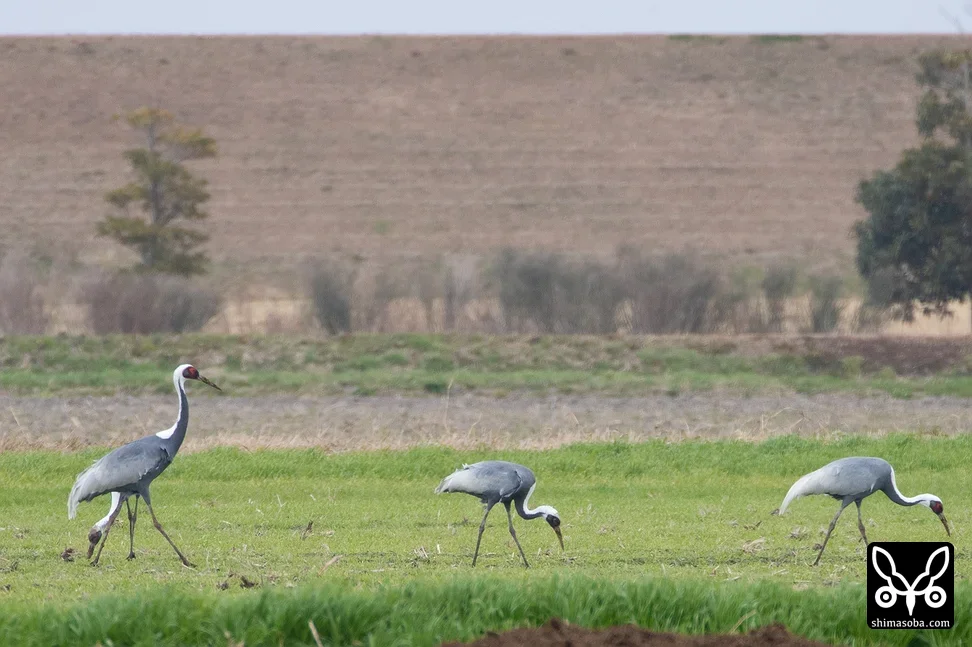
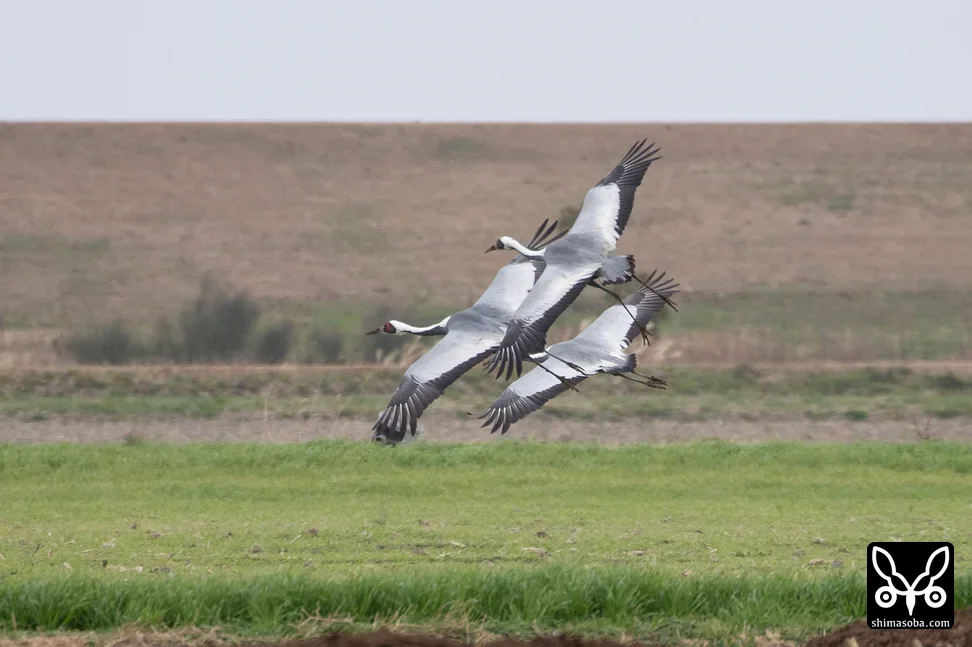
White-naped Crane
White-naped Crane

A family of White-naped Cranes.

White-naped Crane
White-naped Crane

They were foraging in grassland and at a compost dump.

Eurasian Spoonbill
Eurasian Spoonbill

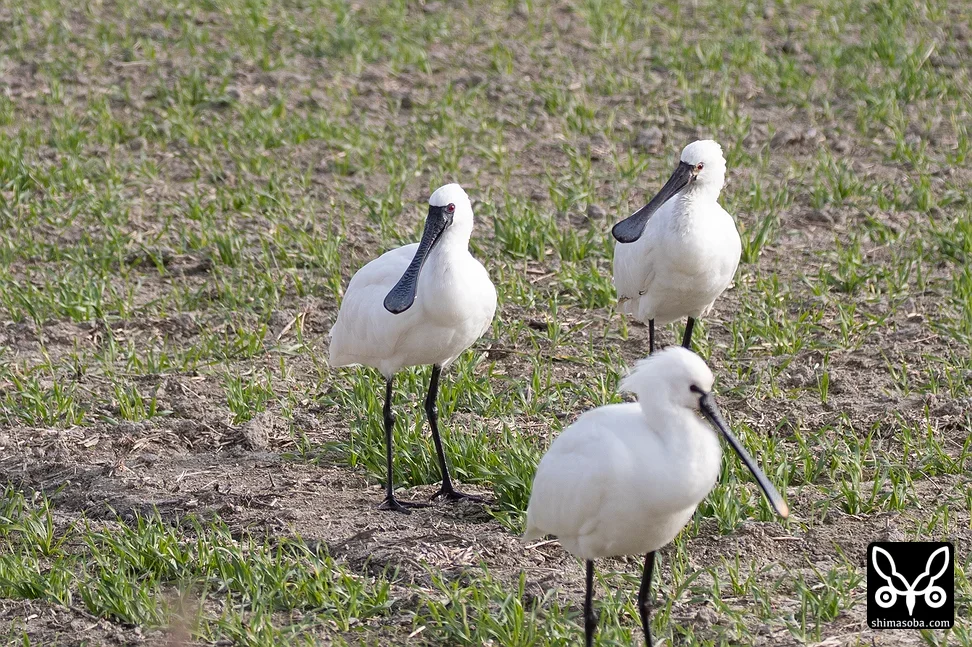
Nine Eurasian Spoonbills and one Black-faced Spoonbill were feeding in a drainage channel.

Black-faced Spoonbill

The single Black-faced Spoonbill mixed in among a group of Eurasian Spoonbills.

Red-footed Falcon
Red-footed Falcon

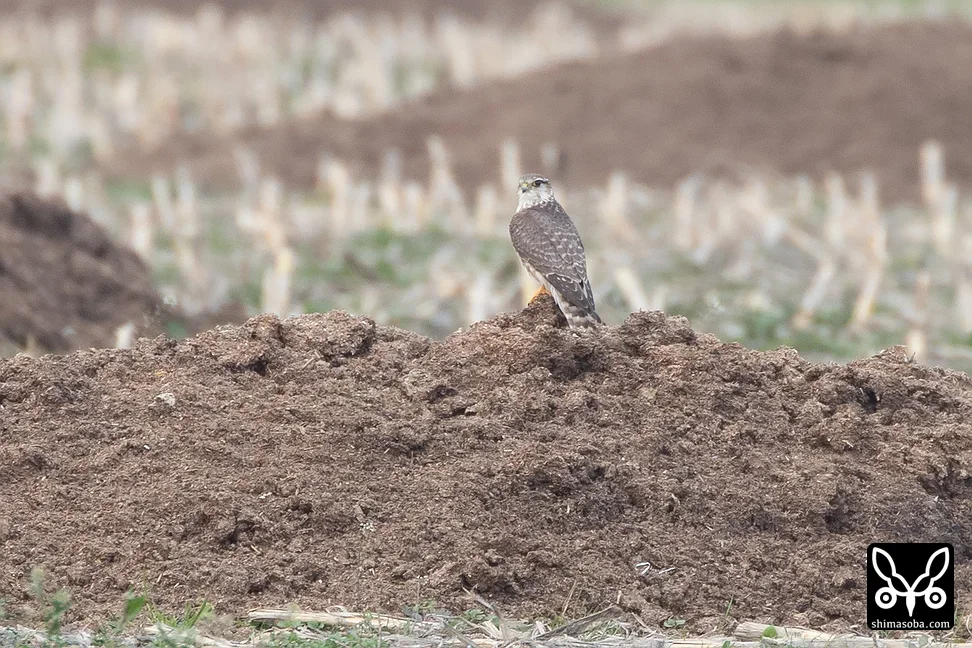
Red-footed Falcon, juvenile.

Red-footed Falcon
Red-footed Falcon

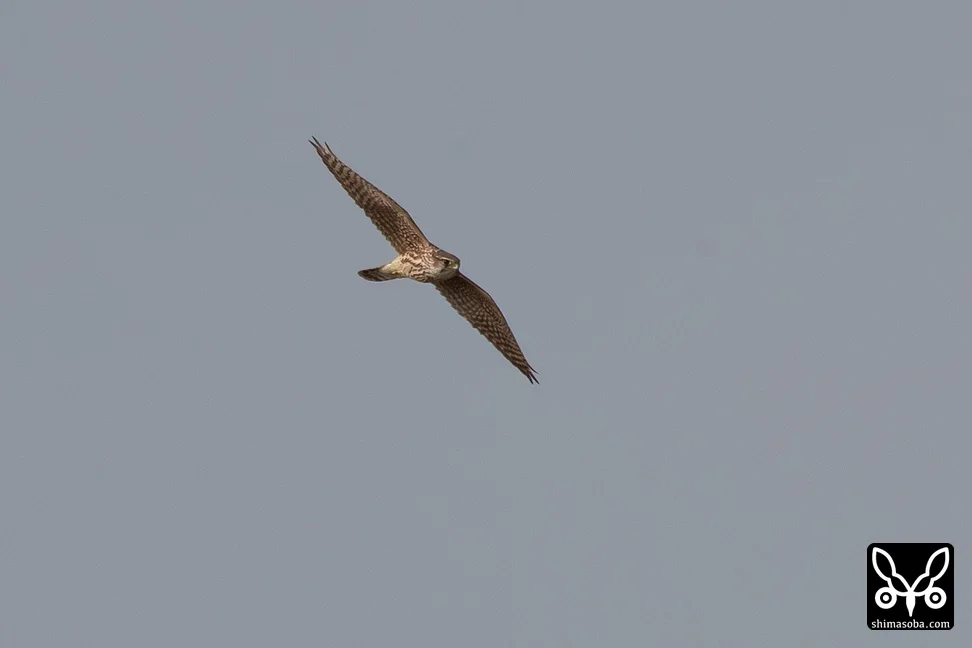
When two Red-footed Falcons flew around, the small birds scattered in all directions.

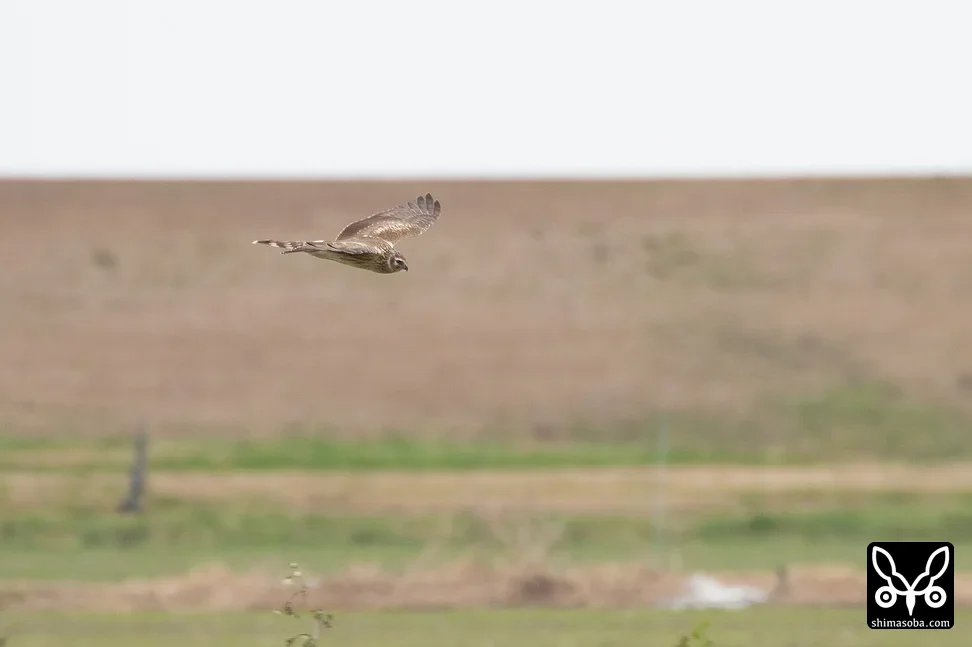
Hen Harrier
Hen Harrier

Hen Harrier, female. There was a male too, but I couldn't get a photo.

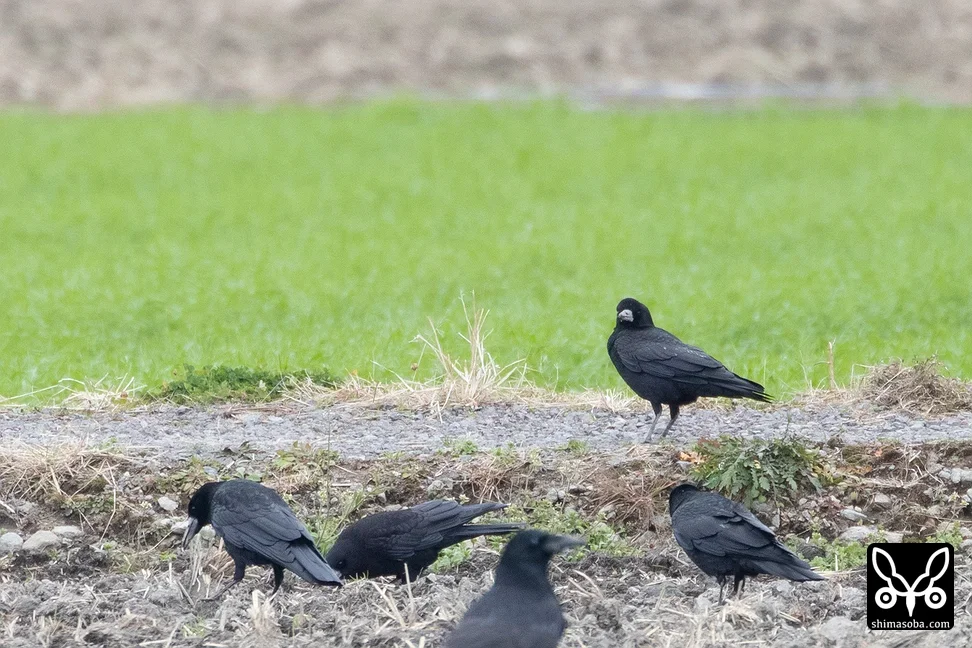
Rook
Rook

Rooks — a large flock of several dozen had come down into the rice fields.

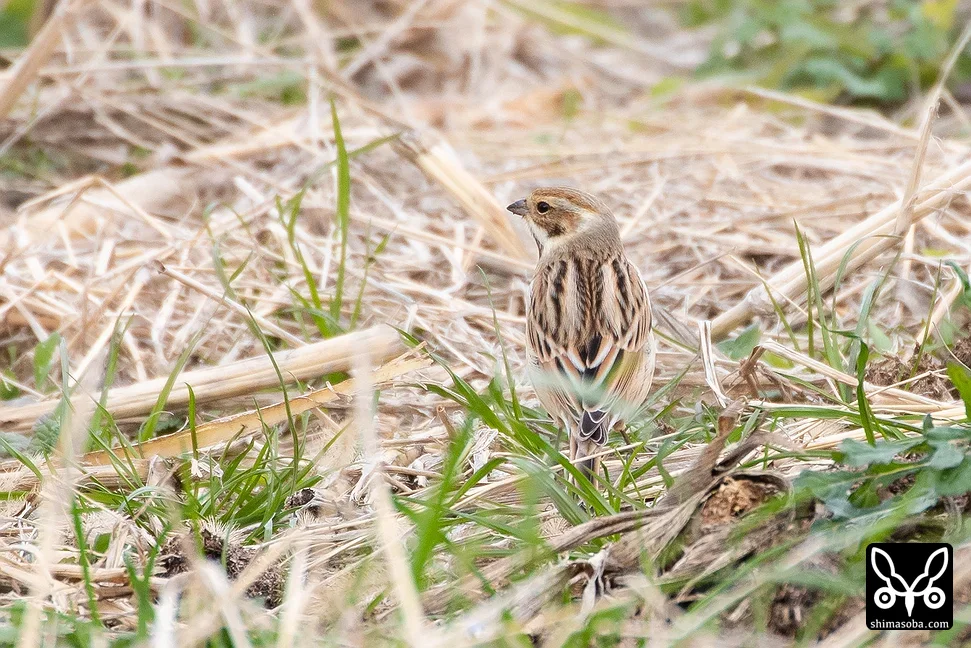
Common Reed Bunting
Common Reed Bunting

There were plenty of Meadow Buntings, but Reed Buntings were on the sparse side.

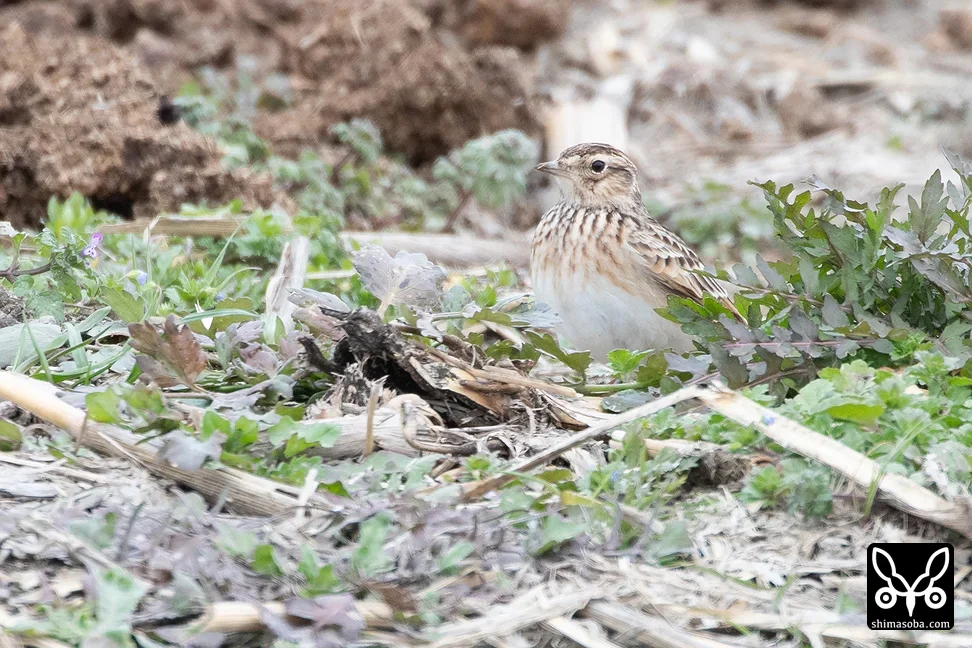
Eurasian Skylark
Eurasian Skylark

The Eurasian Skylark has a different feel from the skylarks rarely recorded in Okinawa.

Water Pipit
Water Pipit

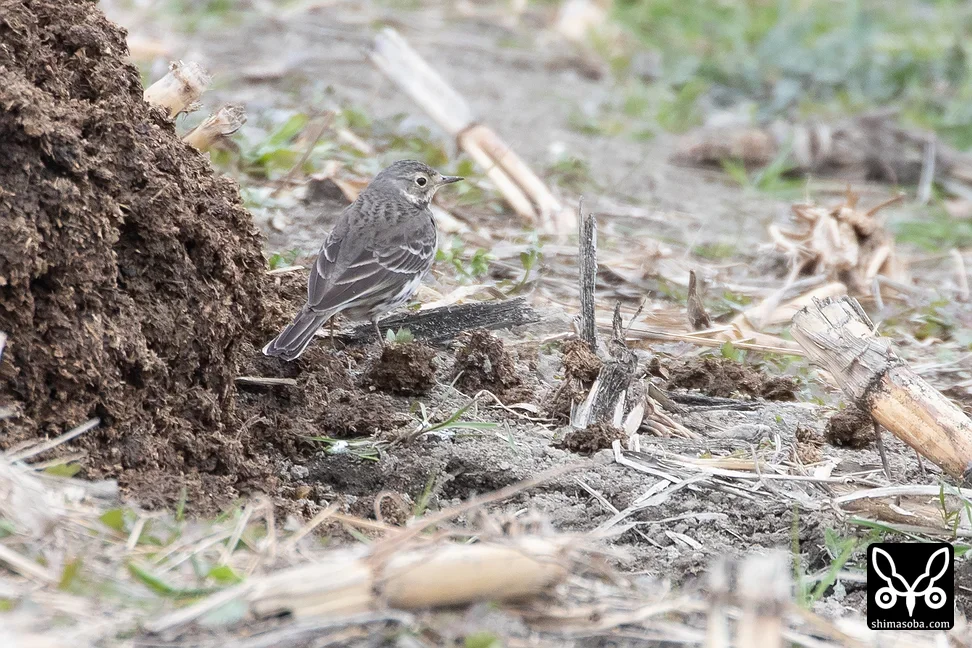
There were Buff-bellied Pipits in large numbers. I looked for any unusual pipit among them but found none.

Dusky Thrush
Dusky Thrush

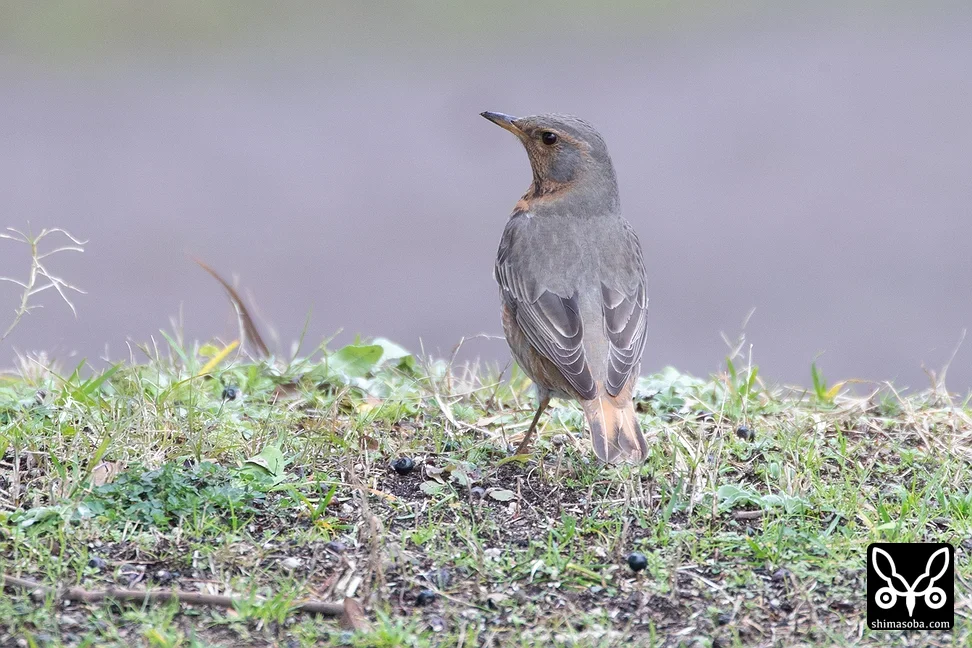
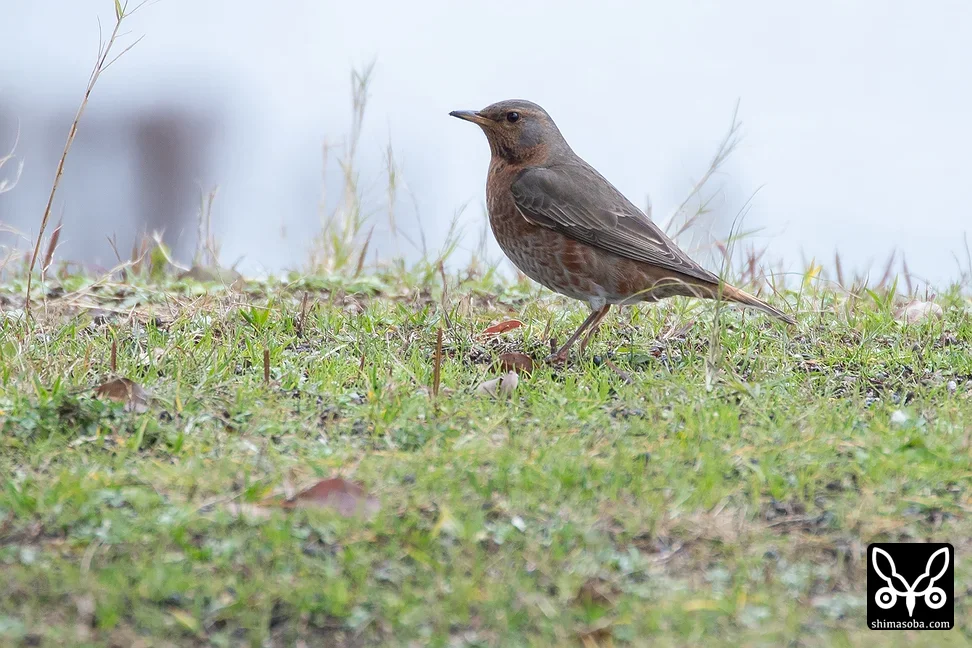
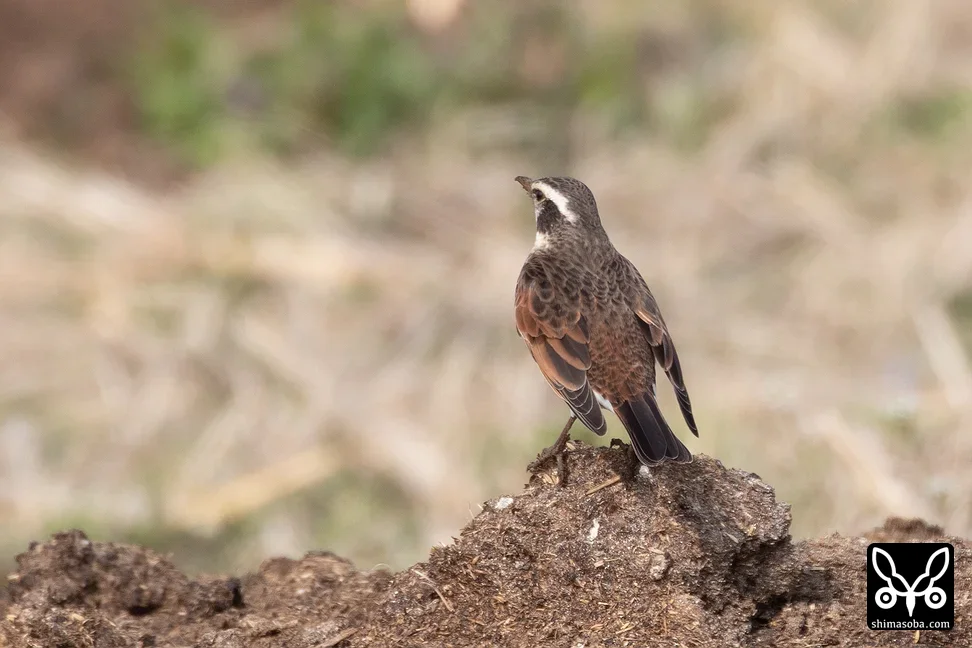
Dusky Thrushes were everywhere too.

Common Snipe
Common Snipe

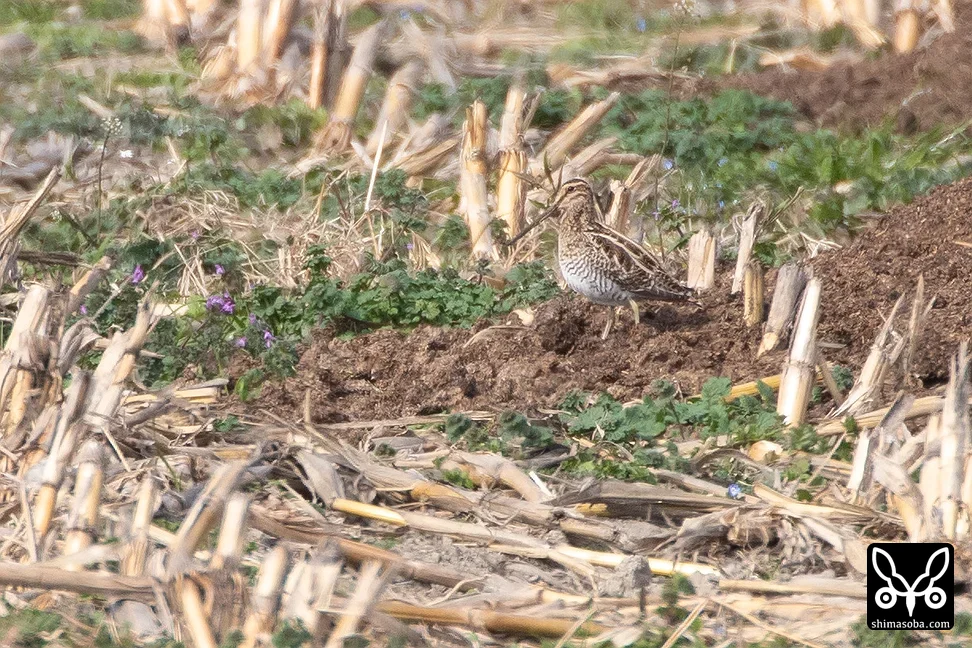
Four Common Snipe, apparently probing for insects in a compost heap.

Northern Lapwing
Northern Lapwing

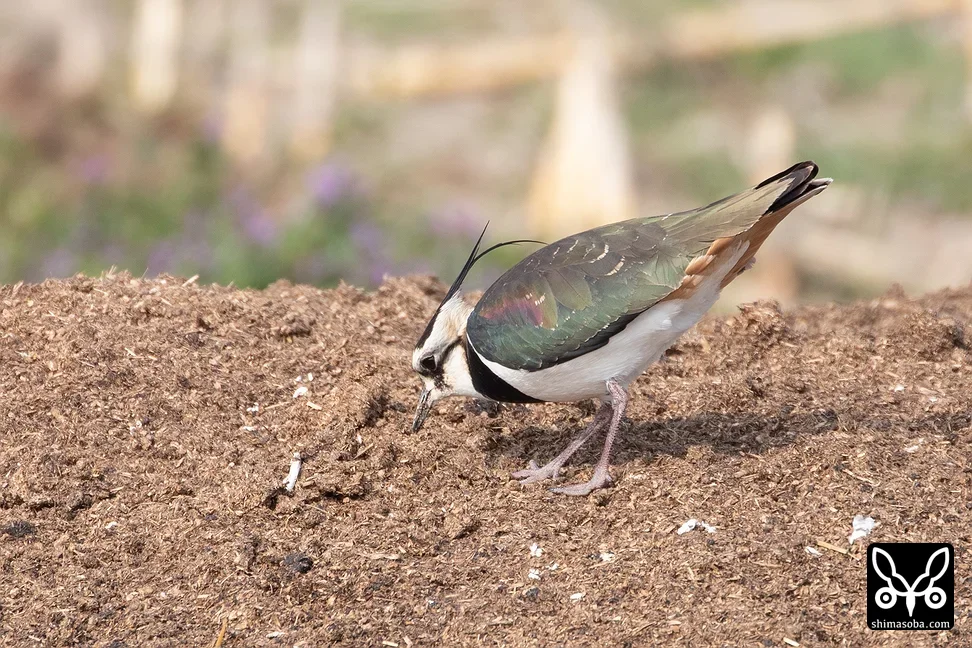
Northern Lapwings too — more than I could count.

Common Pochard
Common Pochard

The Ariake Sea on the way to Isahaya. All Tufted Ducks.

Categories: 野鳥