Common Hoopoe and Chinese Blackbird, Ishigaki's Spring Heralds
It's been a while since my last update. ^^;
I'm on parental leave and looking after the baby every day, so I haven't been out birding, but I got information from Spotter-san, Ishigaki's number one bird guide, and went out to see a variety of birds at pinpoint spots. ^^
It seems that tours with Spotter-san have had cancellations because of the novel coronavirus, so there are openings. Here's your chance!! Your chance to see Chinese Blackbird, Common Hoopoe, Blue Rock Thrush, Long-tailed Shrike, Solitary Snipe and more!! Advertising on his behalf without being asked, as usual. ^^
Spring migration seems to be getting into full swing, and the Common Hoopoe and Chinese Blackbird, which I call Ishigaki's spring heralds on my own authority, have started to appear. I was also told about a Blue Rock Thrush, but I couldn't find it in the short time I had...
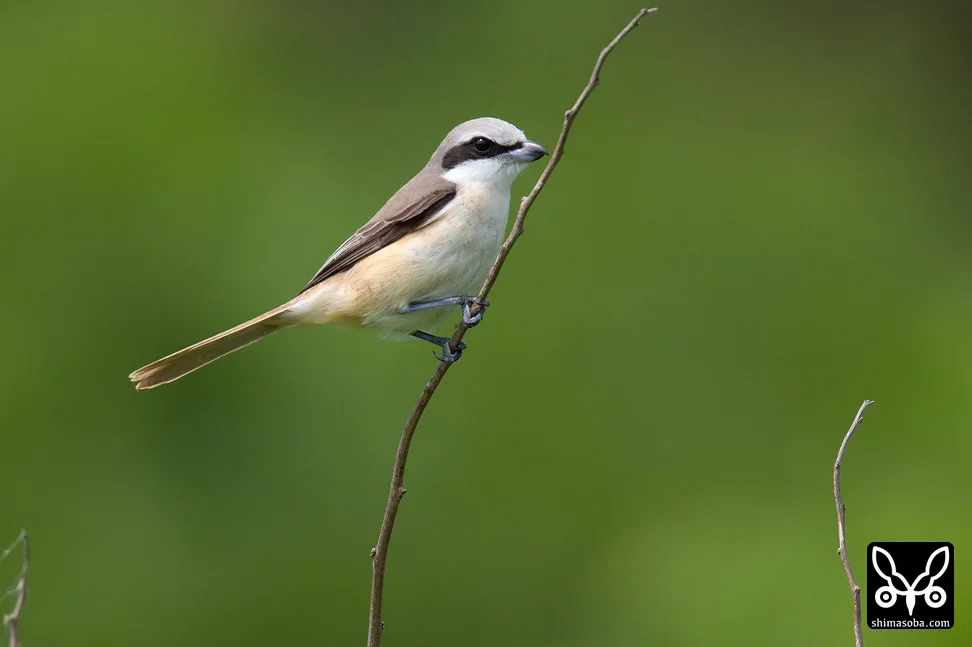
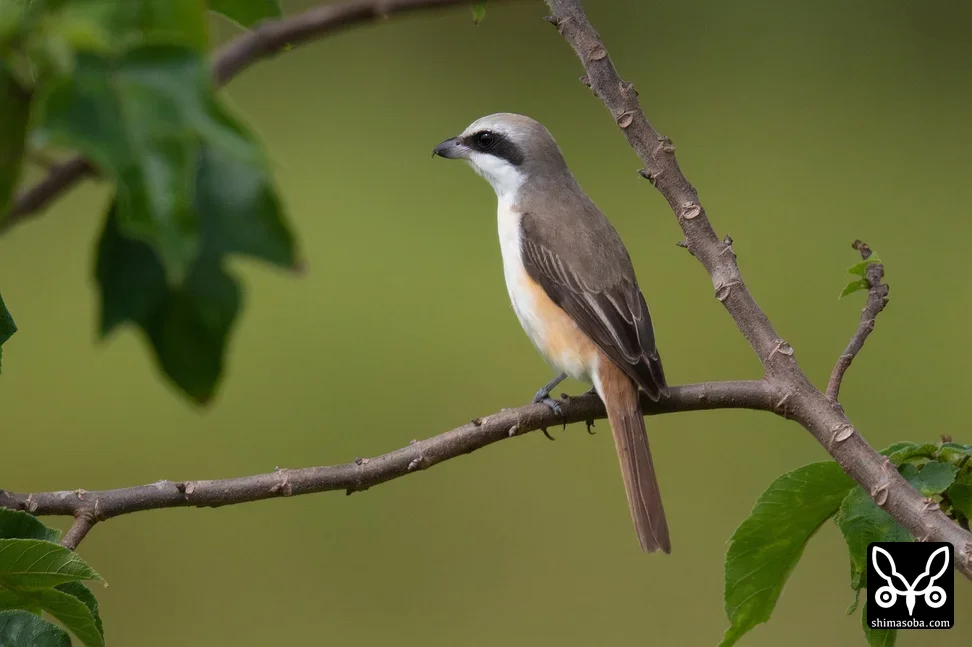
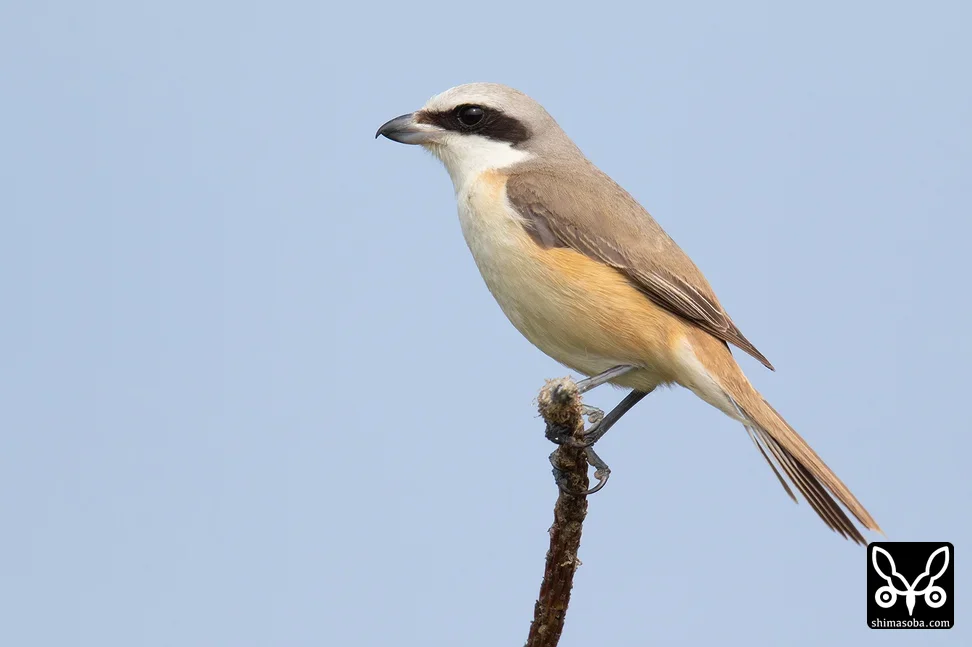
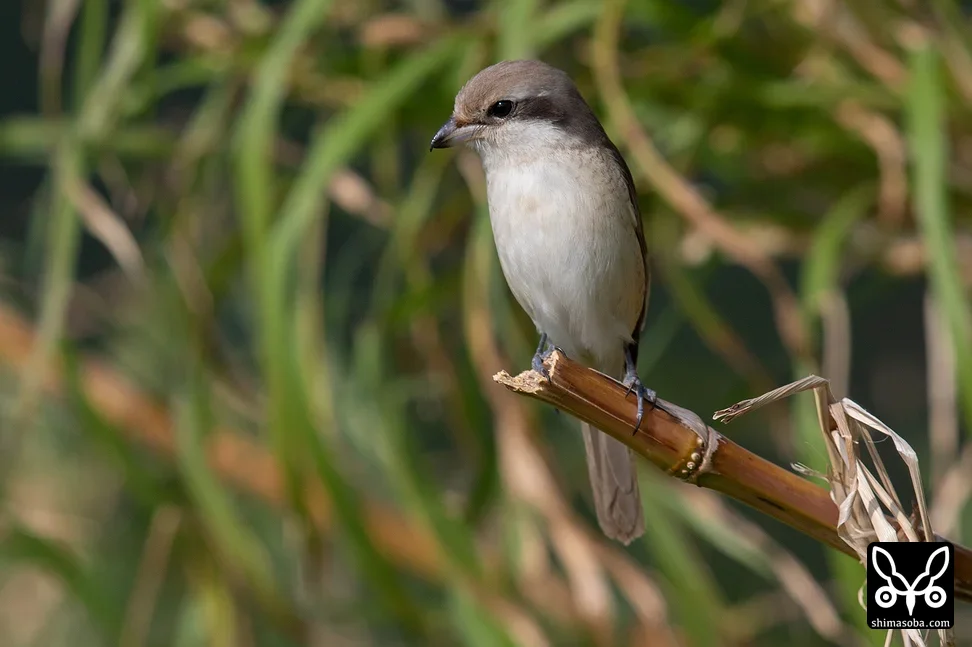
The numbers of Red-backed Shrike (Lanius cristatus lucionensis) are also dropping. They seem to be heading north toward their breeding grounds.
I've also started seeing Dusky Thrushes, Pale Thrushes and Brown-headed Thrushes gathering in groups on power lines and rooftops. This too is a spring movement.
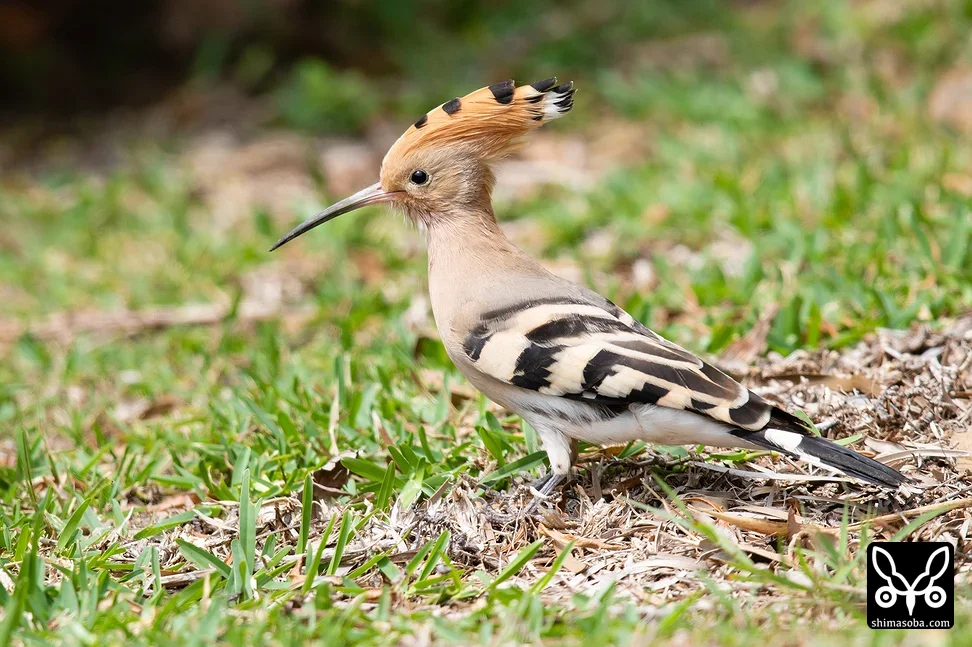
A Eurasian Hoopoe turning up at the go-to spot on Ishigaki Island as well.
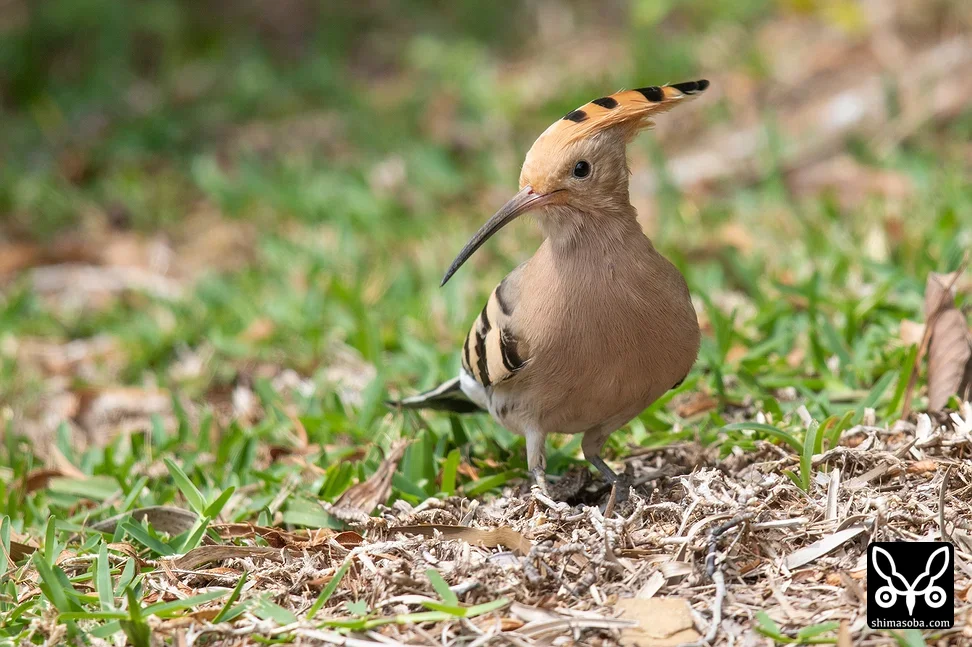
In the Yaeyamas and Okinawa, Eurasian Hoopoes peak from mid-March through early April.
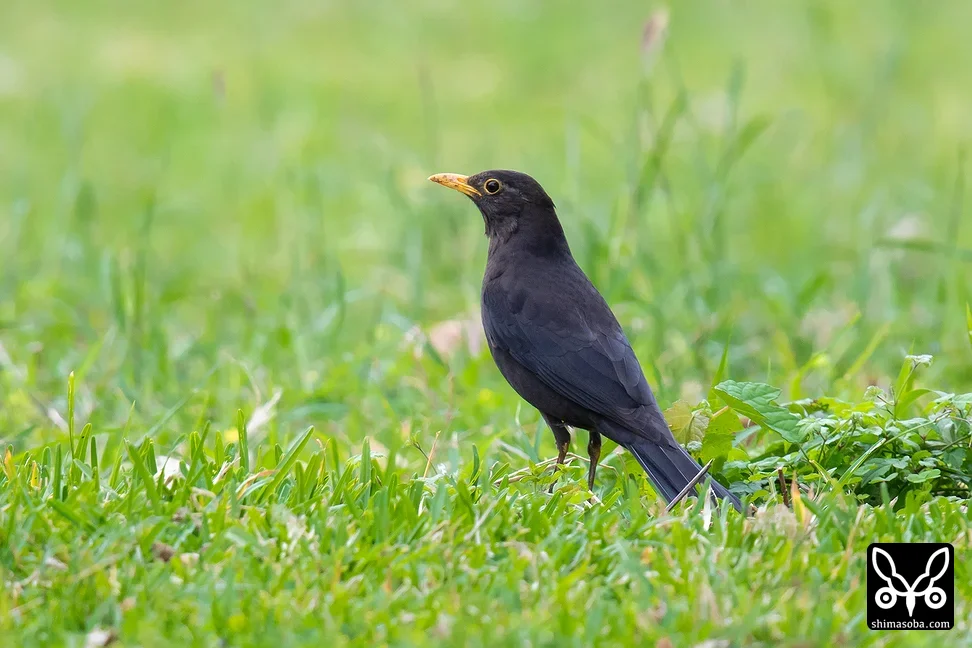
A Common Blackbird — noticeably larger than a Dusky Thrush or Pale Thrush, with a distinctive flight style, and above all that all-black body with just a yellow bill makes it stand out. One bird had turned up on a dark forest road near my home, but a Common Blackbird really does look best on a lawn.
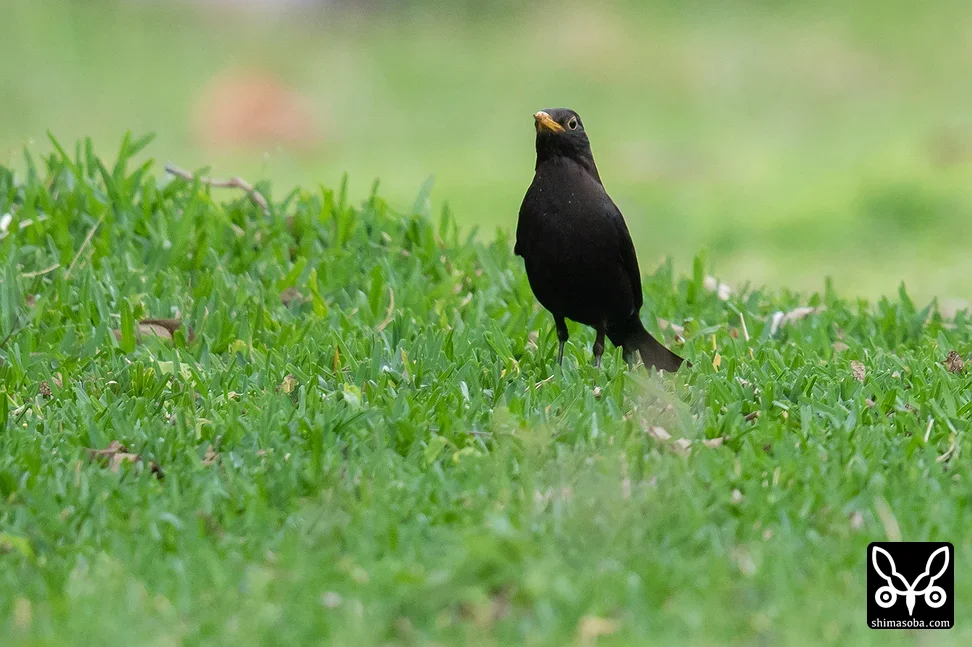
This individual wasn't particularly wary, but it reacted strongly to crows.
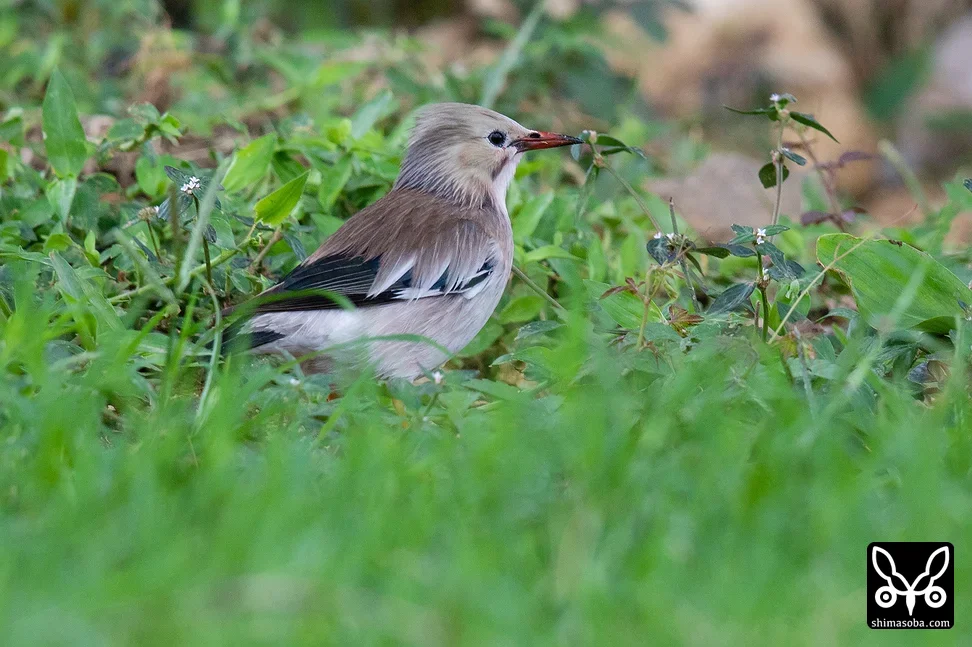
The Rosy Starling was wintering at a cattle barn together with Chestnut-cheeked Starlings and Common Mynas. The Common Mynas were engaging in breeding behaviour.
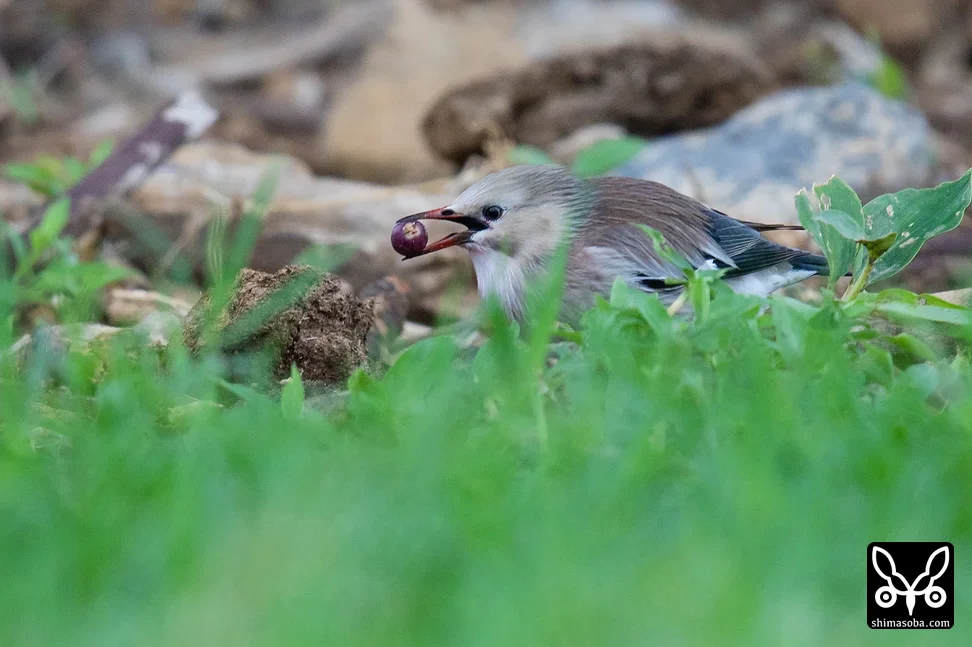
The Rosy Starling was picking up fallen berries and eating them. The Chestnut-cheeked Starlings didn't come down — they were feeding up in the trees.
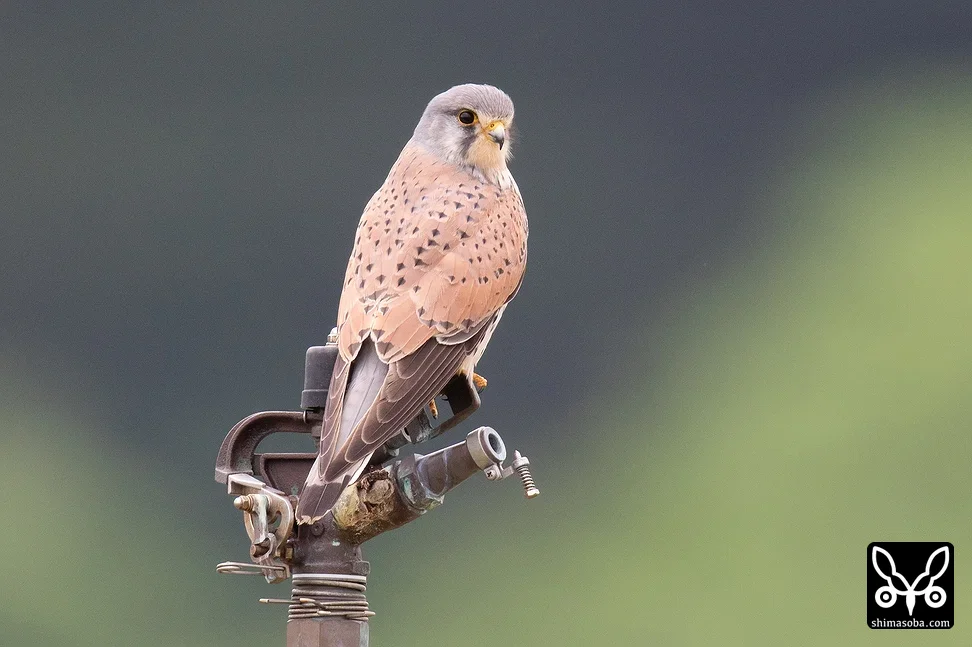
An adult male Common Kestrel that for a moment looked like a Lesser Kestrel. An individual you could easily mistake.
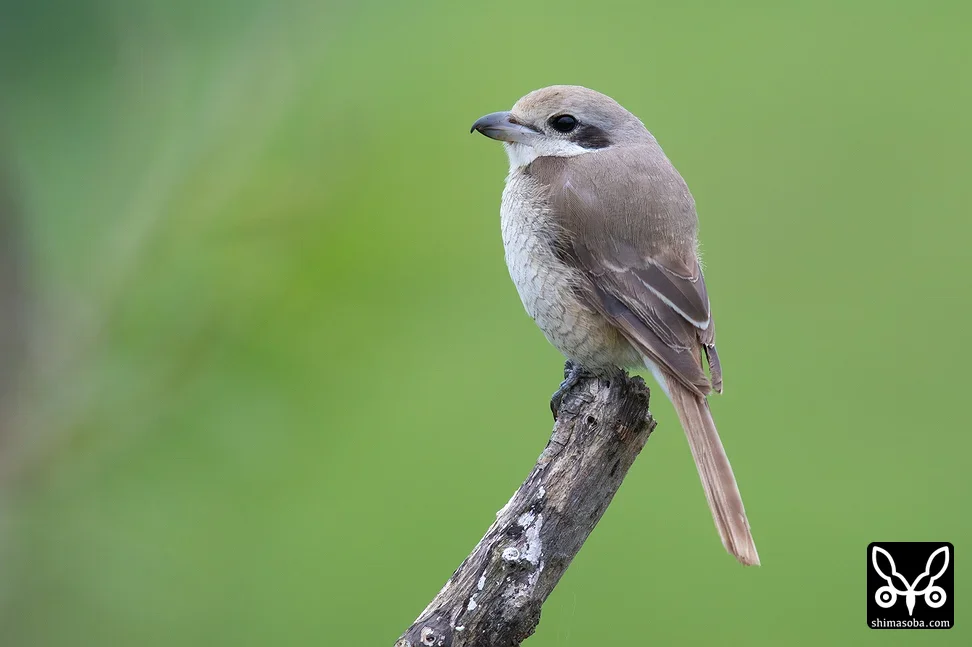
Isabelline Shrikes are moving off to their breeding grounds and thinning out steadily.
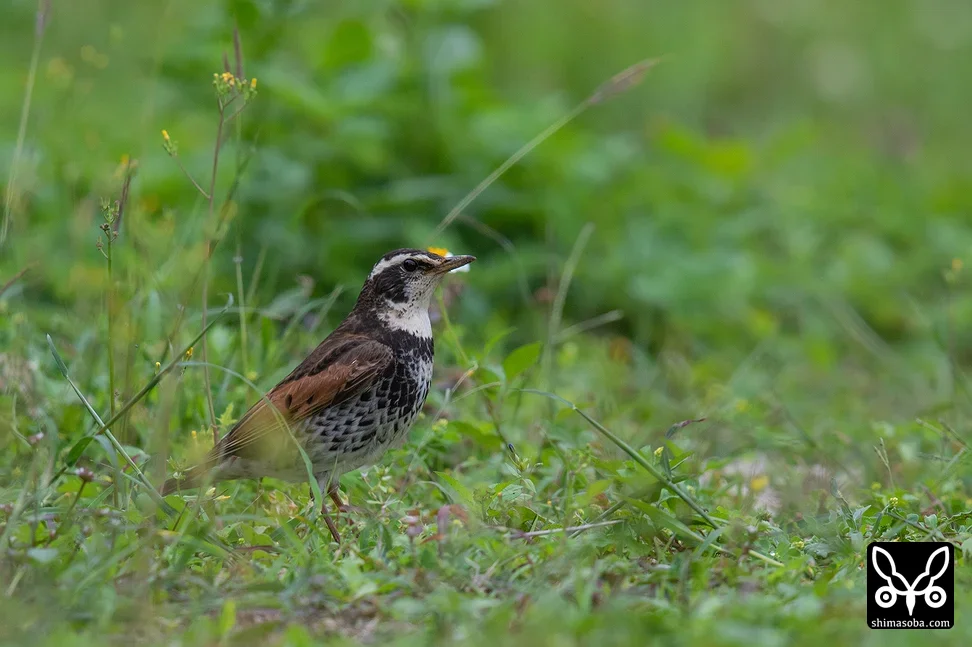
Dusky Thrush, adult male.
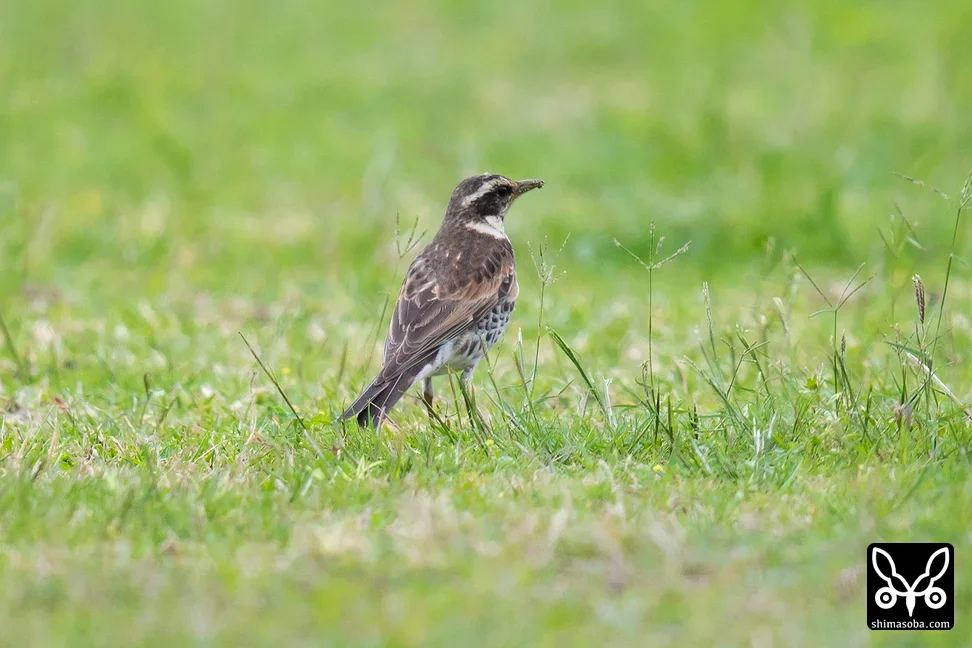
Dusky Thrush, female. Moulting from first-winter into summer plumage.