A daily record.
Featuring photos of wild birds and nature, mainly from Okinawa Main Island and Ishigaki Island

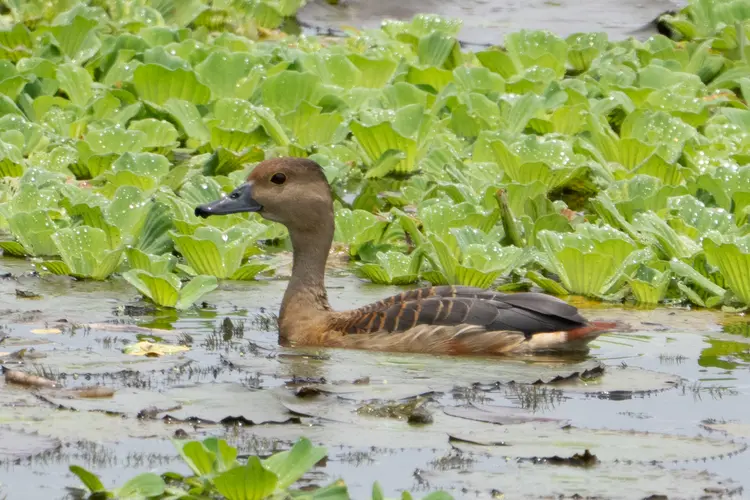
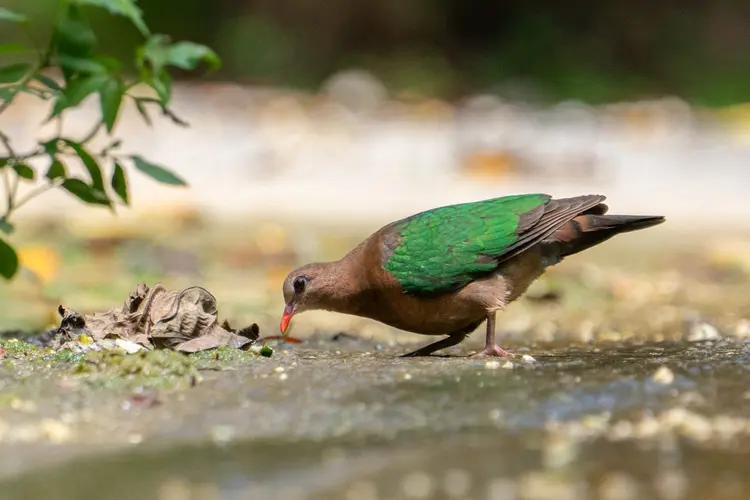
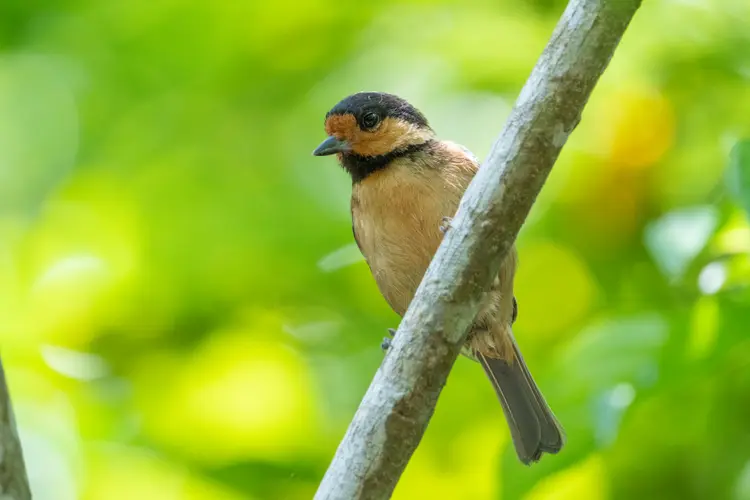
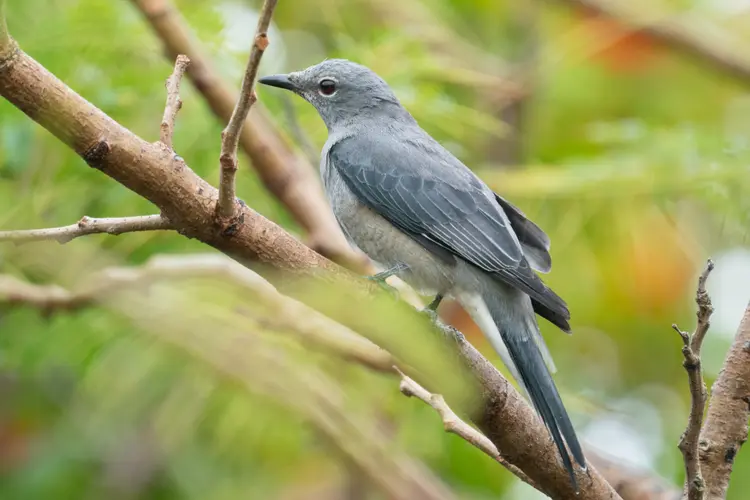
Collared Kingfisher Lesser Whistling Duck Emerald dove Iriomote Tit Black-winged Cuckooshrike

GUIDED BIRDWATCHING TOUR

Go where the birds are. The SHIMASOBA Tour launches.

We'll drive you around Ishigaki Island to wherever the birds are showing best that day. Observation is mostly from inside the vehicle, and we keep it to a maximum of 3 guests so everyone can take their time.

Max. 3 guests 4 hours in the morning Beginners welcome
Check availability and book

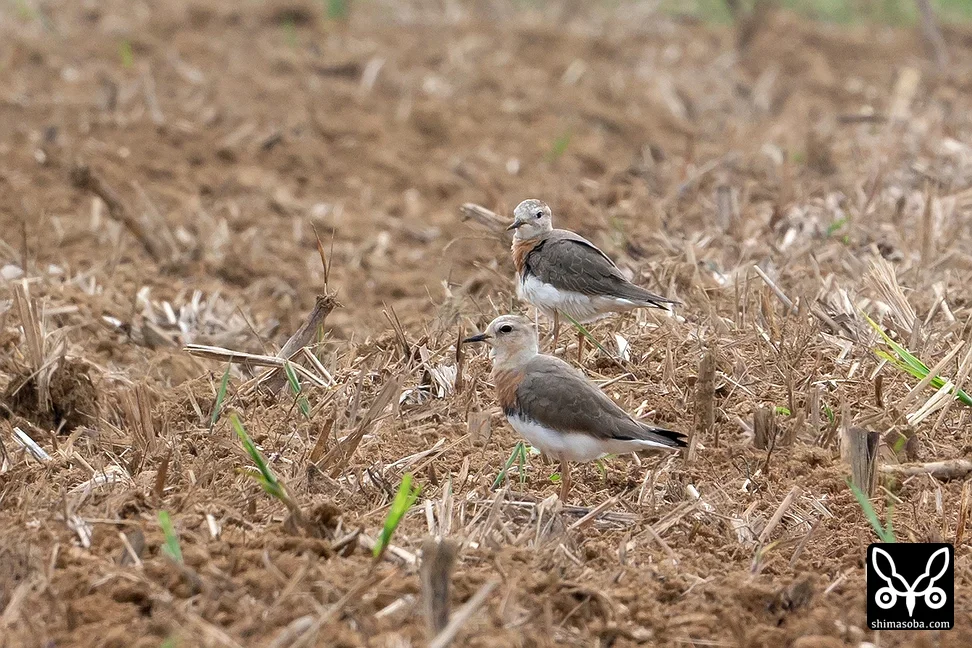
Three Oriental Plovers staying at two sites

I met a friend on site who had missed yesterday's Oriental Plovers. Sadly they were absent, and we searched the area without finding them... After watching Black-winged Kite, Common Starling, Red-billed Starling, Ryukyu Sparrowhawk and others nearby, we went back to the original spot and the 2 Oriental Plovers had returned. ^^

At another site a single Oriental Plover was confirmed, so today there were 3 Oriental Plovers at 2 sites.

Greater Sand Plover
Greater Sand Plover

The Greater Sand Plover was absent first thing in the morning, but returned after a while.

Isabelline Shrike
Isabelline Shrike

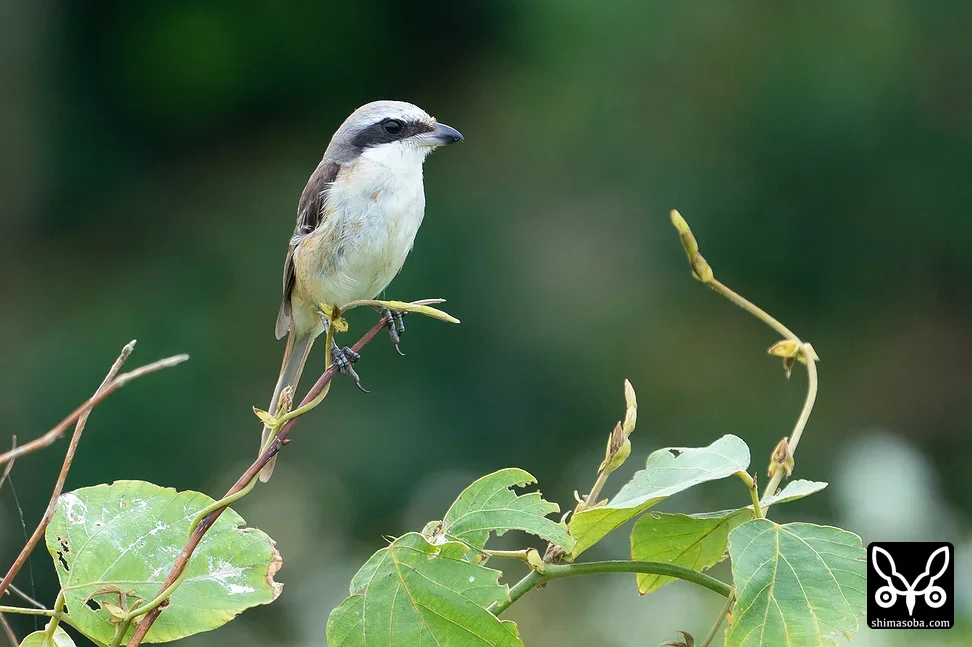
Adult male Brown Shrike.

Categories: 野鳥

Oriental Plovers arrive on Ishigaki

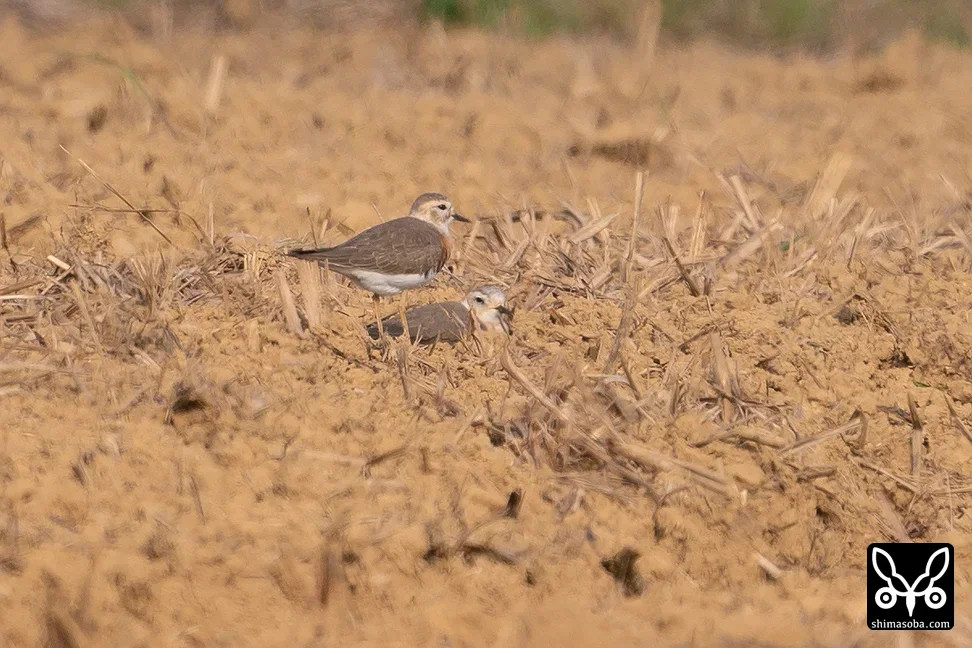
Two Oriental Plovers have arrived on Ishigaki.

It was Sunday, and on the way home from the park with the family, a message came in from Spotter in the island's bird information LINE group: "There are Oriental Plovers." I made a U-turn and rushed straight to the field, where two beautiful Oriental Plovers were standing.

Oriental Plovers had begun to be confirmed on Yonaguni too, and I had just been thinking it must be about time on Ishigaki.

According to Spotter, spring migrants such as Common Hoopoe and Chinese Blackbird are still being seen continuously on Ishigaki. ^^

Greater Sand Plover
Greater Sand Plover

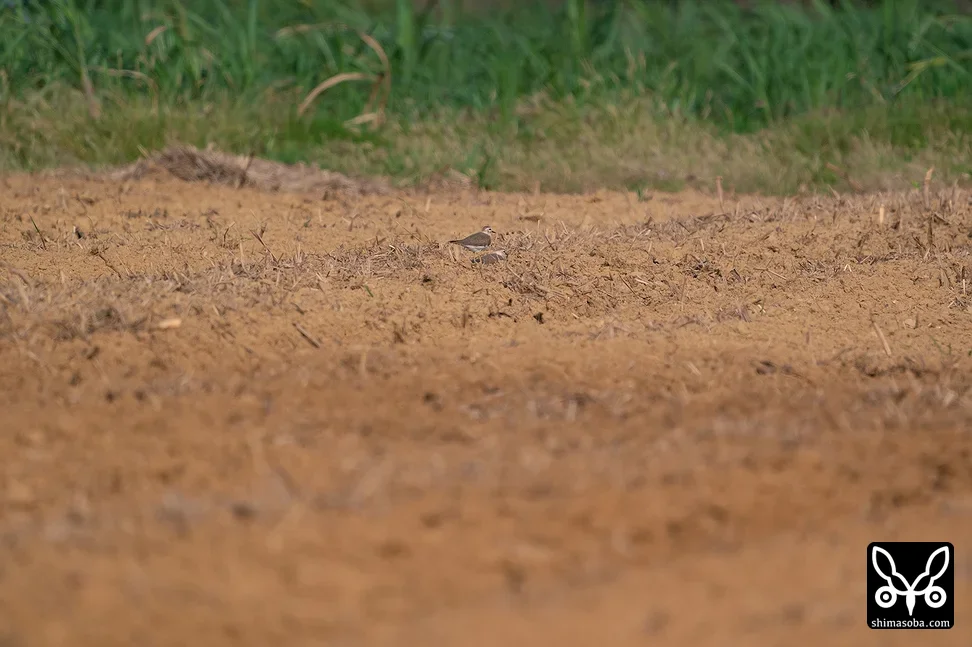
A Greater Sand Plover was resting at the edge of a wide field.

Greater Sand Plover
Greater Sand Plover

This is what you get at 600mm. At that distance it would be near-impossible to spot with the naked eye. ^^; Finding one by methodically working through field after identical field — that's a proper birder for you.

Categories: 野鳥

Common Hoopoe, Chinese Blackbird, Pied Avocet and the three Yaeyama residents

On the spring equinox, one of the twenty-four solar terms, a university student who absolutely wanted to see a Common Hoopoe came to visit, so I played at being a bird guide and searched seriously for birds for the first time in a while. The student had also come to Ishigaki last week but missed the hoopoe, so he returned full of determination. As a result we successfully observed and photographed 2 Common Hoopoes and a beautiful adult Chinese Blackbird. It seems that our group was the only one on Ishigaki to see a Common Hoopoe that day. Anyway, I'm glad we saw it!

As always, I have already reported the three spots we found to Spotter, Ishigaki's number one bird guide. ^^

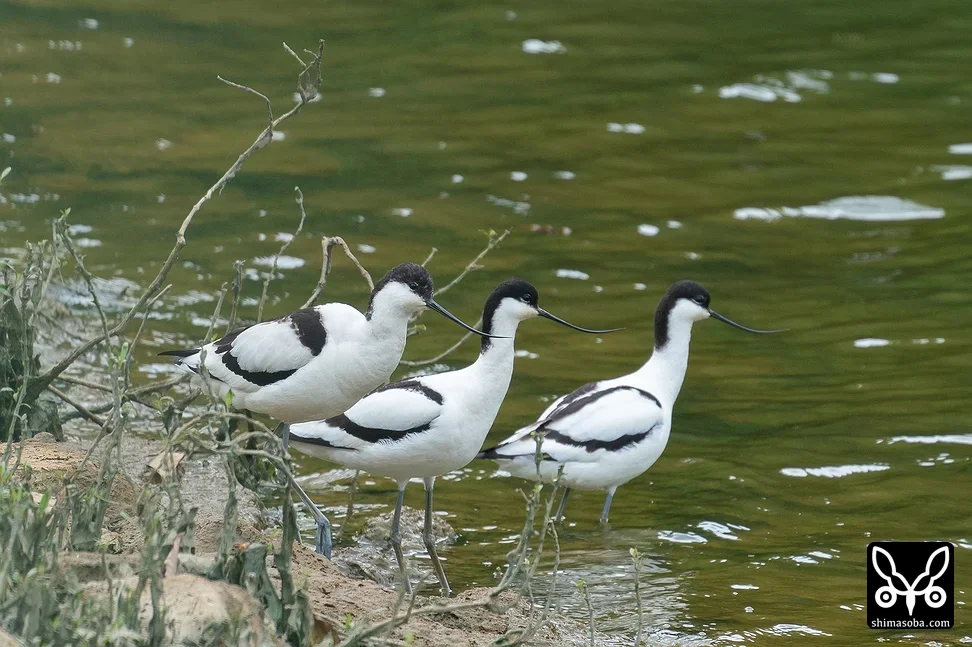
We also saw the 3 Pied Avocets that Spotter had told me about, but they flew off somewhere as soon as construction started nearby.

Among the waders, we confirmed the season's first Black-winged Stilt and Pacific Golden Plover, and Common Redshank, Common Snipe, Wood Sandpiper, Common Greenshank and others are coming onto the island intermittently.

It was overcast all day, but we had many encounters with the three great residents of Yaeyama farmland, Crested Serpent Eagle, Malayan Night Heron and Purple Heron, and everyone enjoyed it together with a friend from Naha. ^^

I could hear a Ryukyu Ruddy Kingfisher calling and looked for it, but didn't find it. They get easier to see once April comes, so it's two more weeks until then.

For the Common Emerald Dove, I confirmed a male calling and briefly saw a female flying away. It will be a while before Common Emerald Doves become easy to see.

After the birding, six of us, including my family, raised a toast at our usual gyoza place. ^^
Eurasian Hoopoe
Eurasian Hoopoe

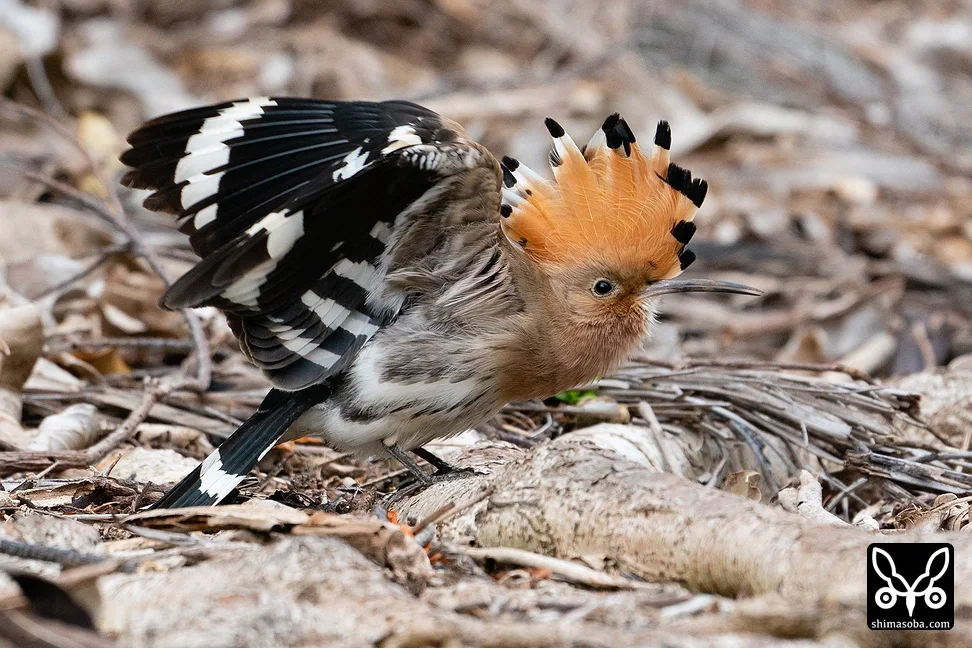
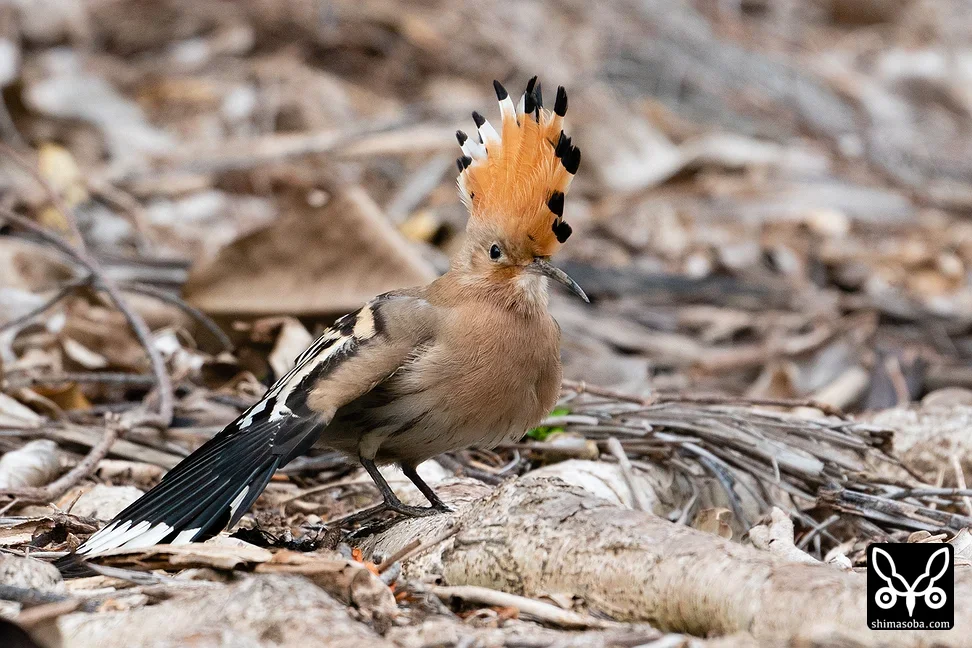
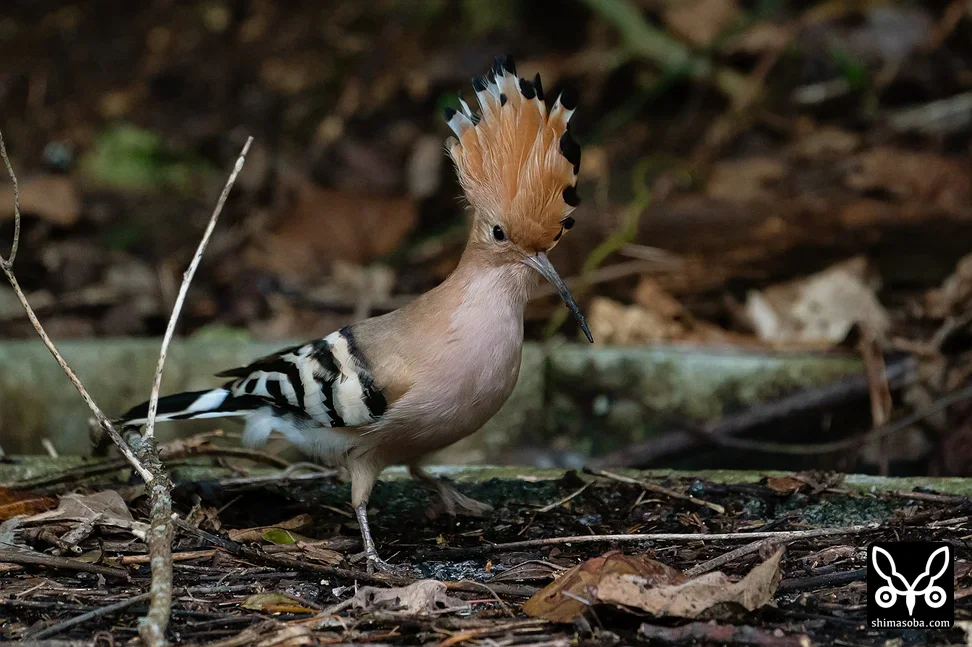
Bagged the Eurasian Hoopoe — my top target. After preening, it fanned its crest open.

Eurasian Hoopoe
Eurasian Hoopoe

A Eurasian Hoopoe stretching its wings and relaxing.

Eurasian Hoopoe
Eurasian Hoopoe

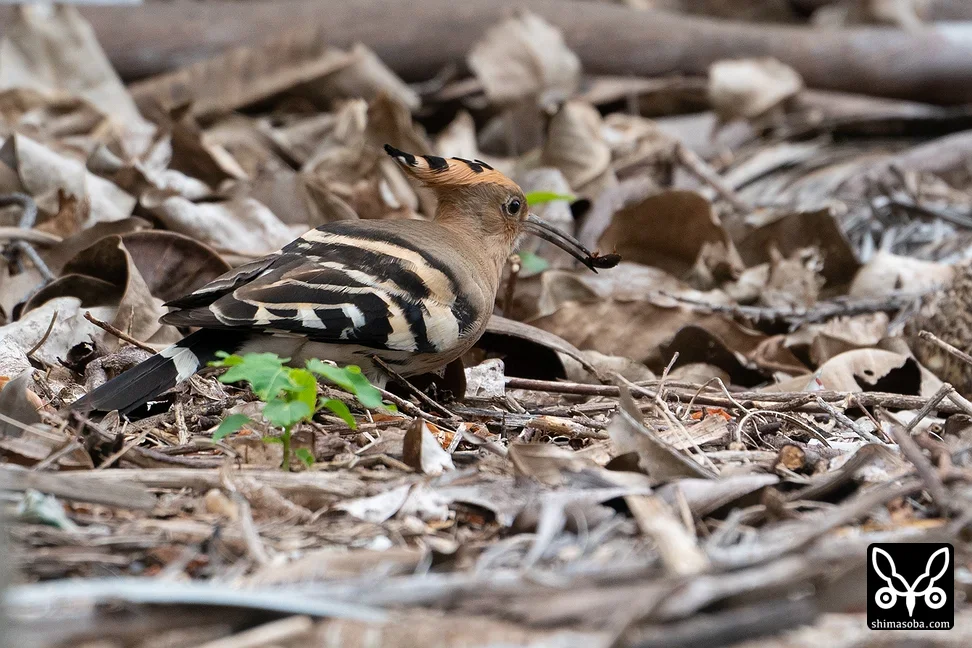
It caught a cockroach.

Eurasian Hoopoe
Eurasian Hoopoe

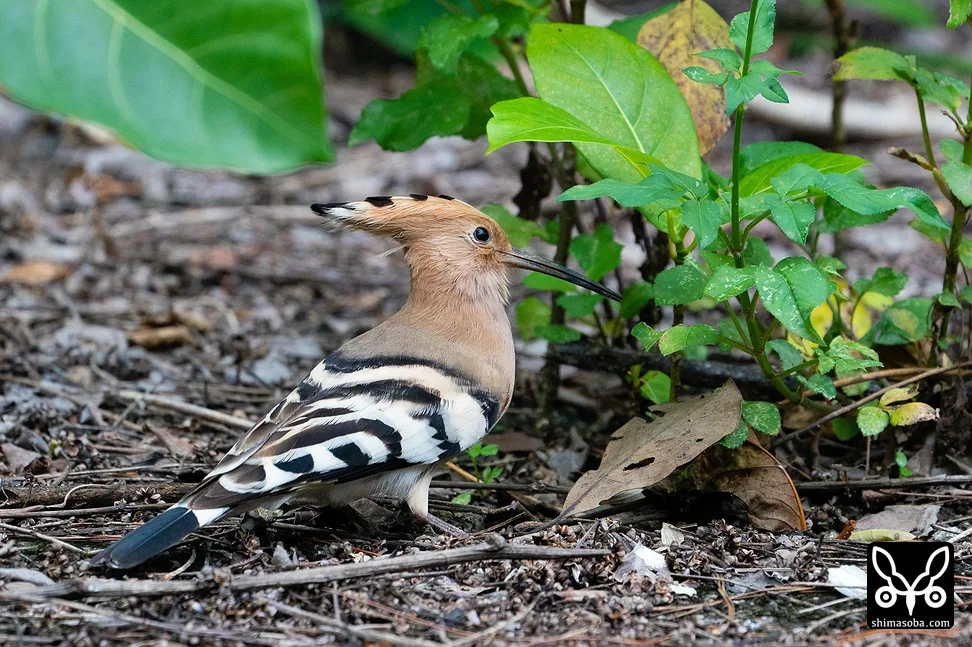
A Eurasian Hoopoe found at a different spot. It had the feel of a bird that had just arrived on migration.

Eurasian Hoopoe
Eurasian Hoopoe

This individual was opening its crest frequently.

Common Blackbird
Common Blackbird

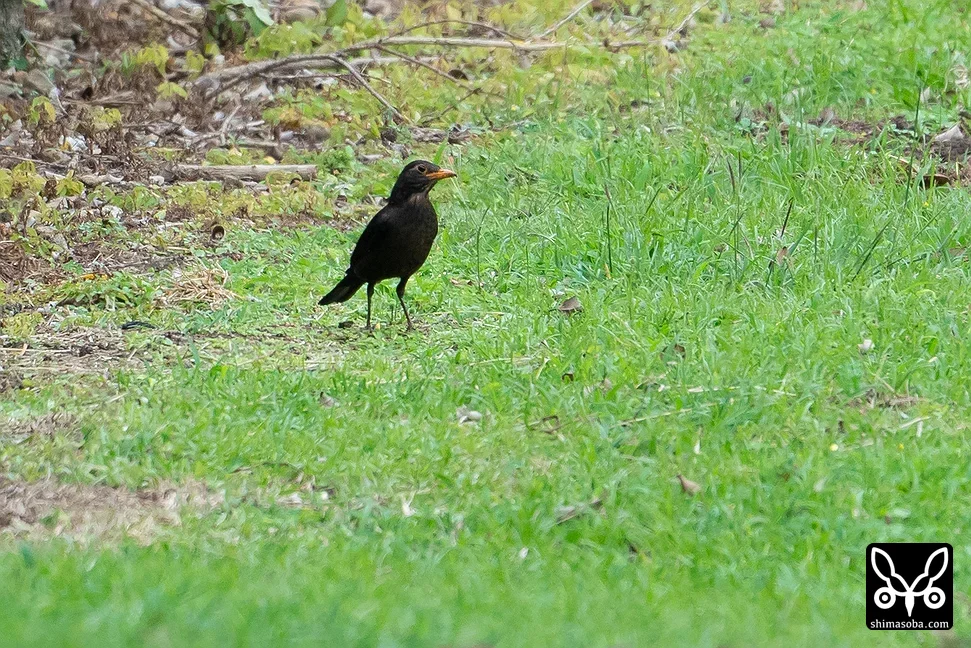
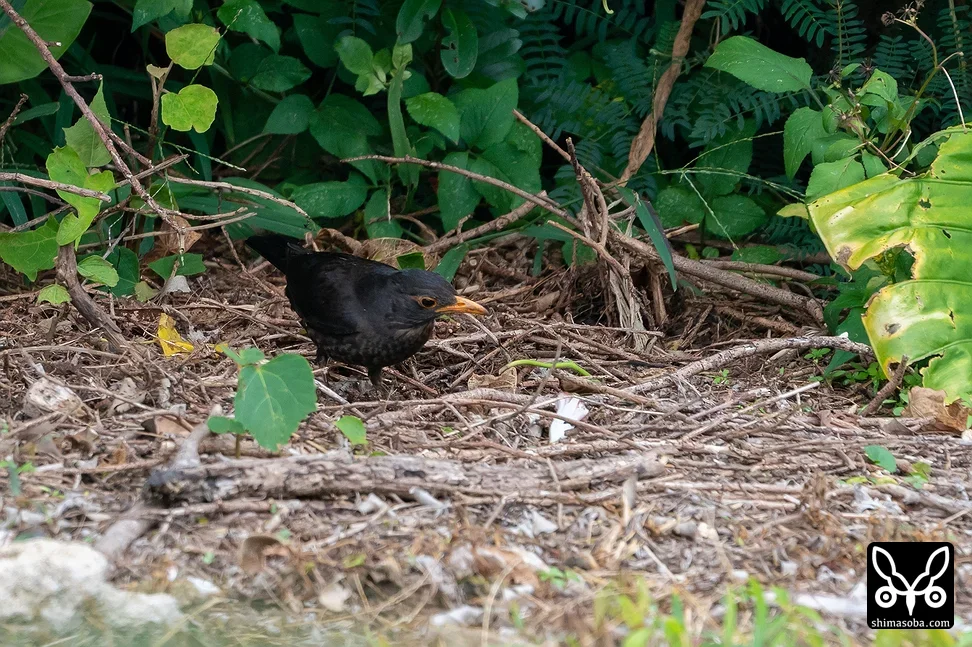
Adult male Common Blackbird. Beautiful.

Common Blackbird
Common Blackbird

The Common Blackbird appears to be rummaging through dead grass in search of insects.

Pied Avocet
Pied Avocet

Three Pied Avocets. A flock of eight had been observed on Yonaguni Island — whether the same group or different, I'm not sure.

Purple Heron
Purple Heron

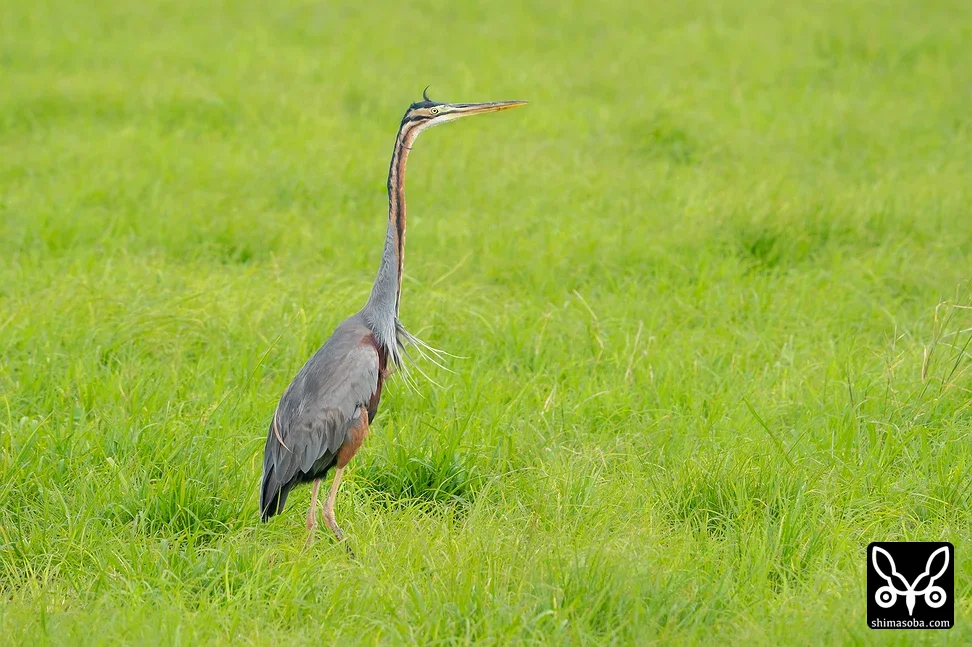
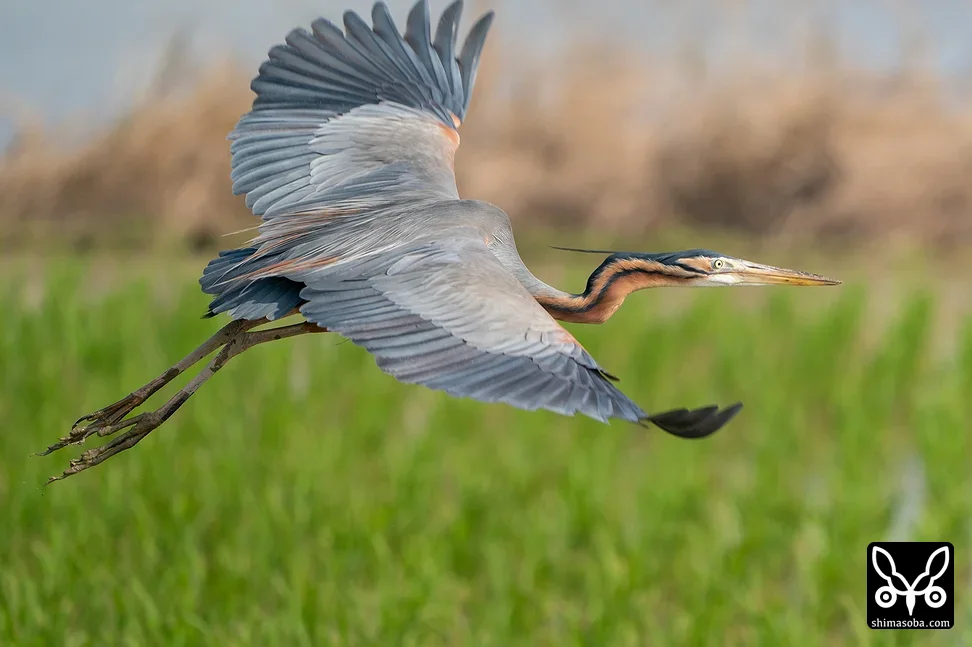
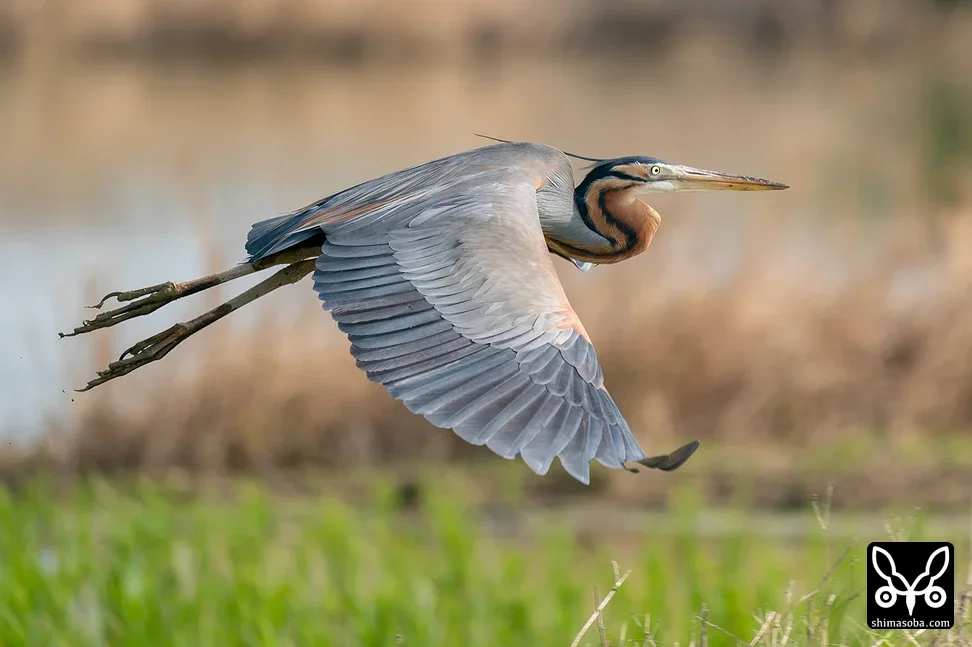
Adult Purple Heron. I encountered many individuals in grasslands and rice paddies.

Purple Heron
Purple Heron

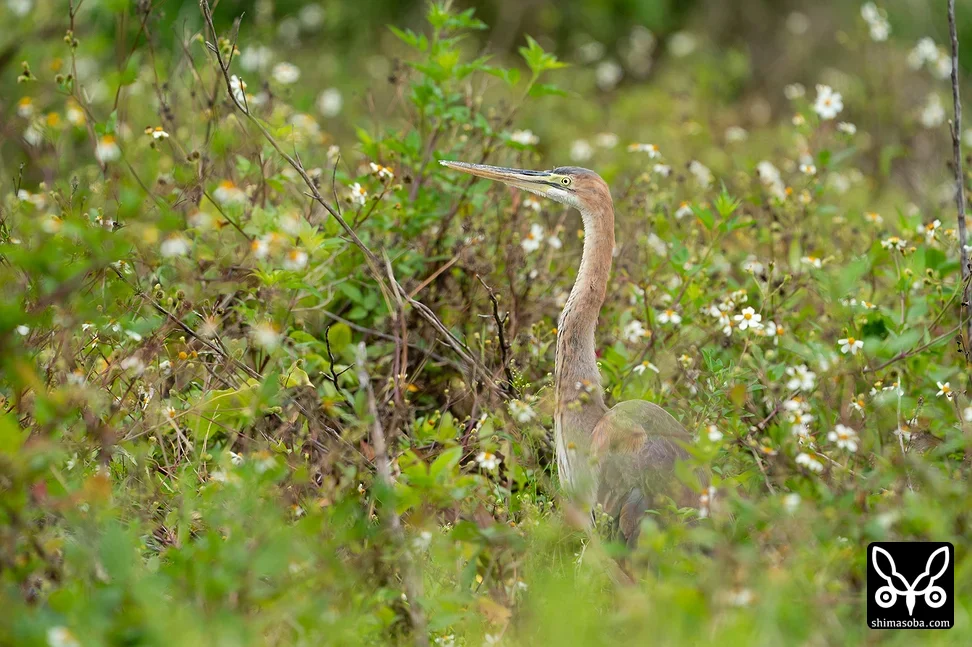
A young Purple Heron.

Purple Heron
Purple Heron

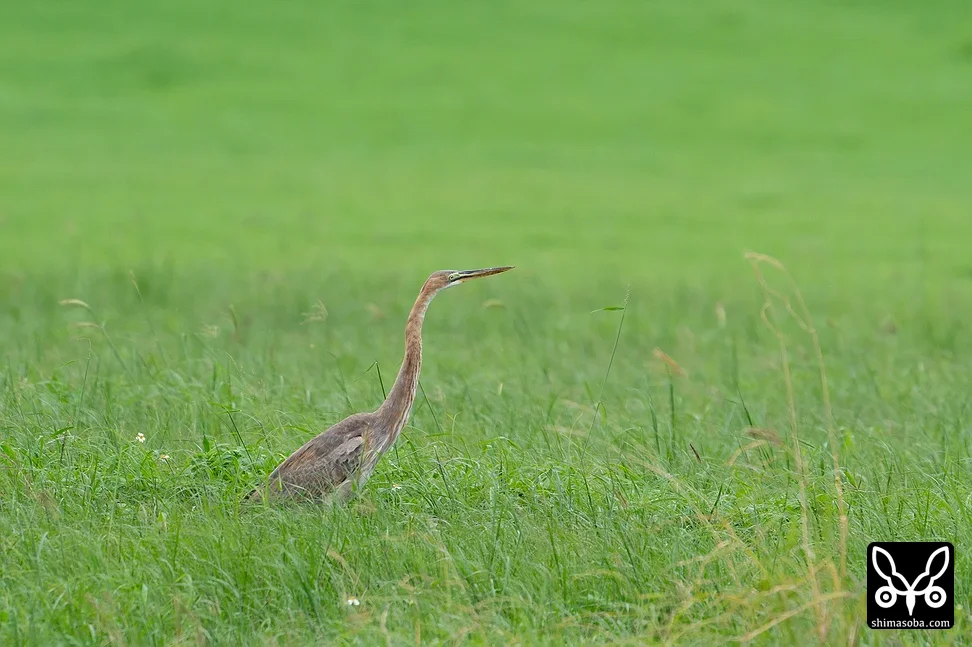
Also a young individual.

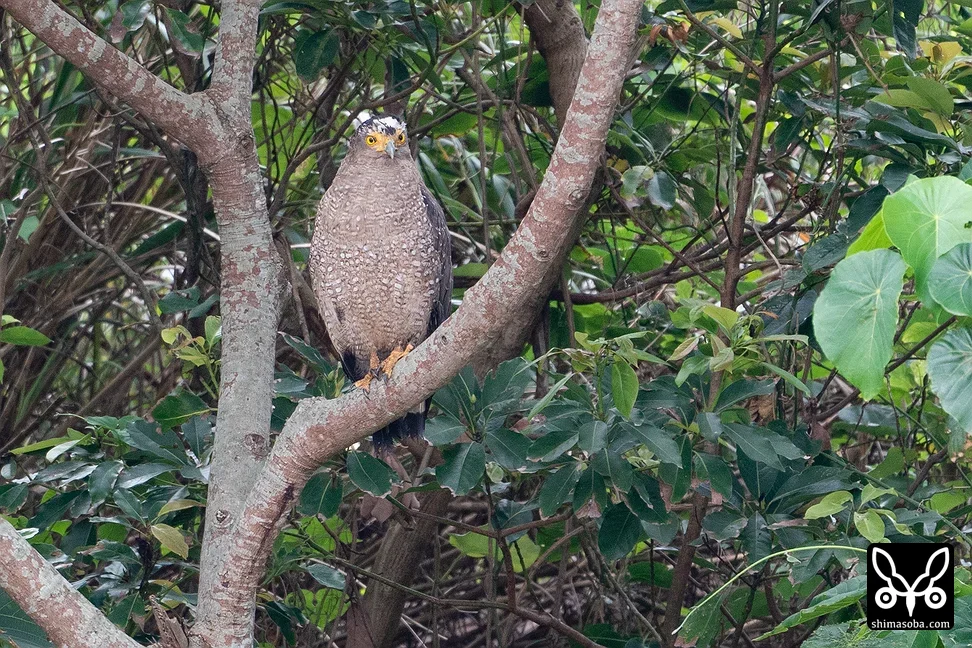
Crested Serpent Eagle

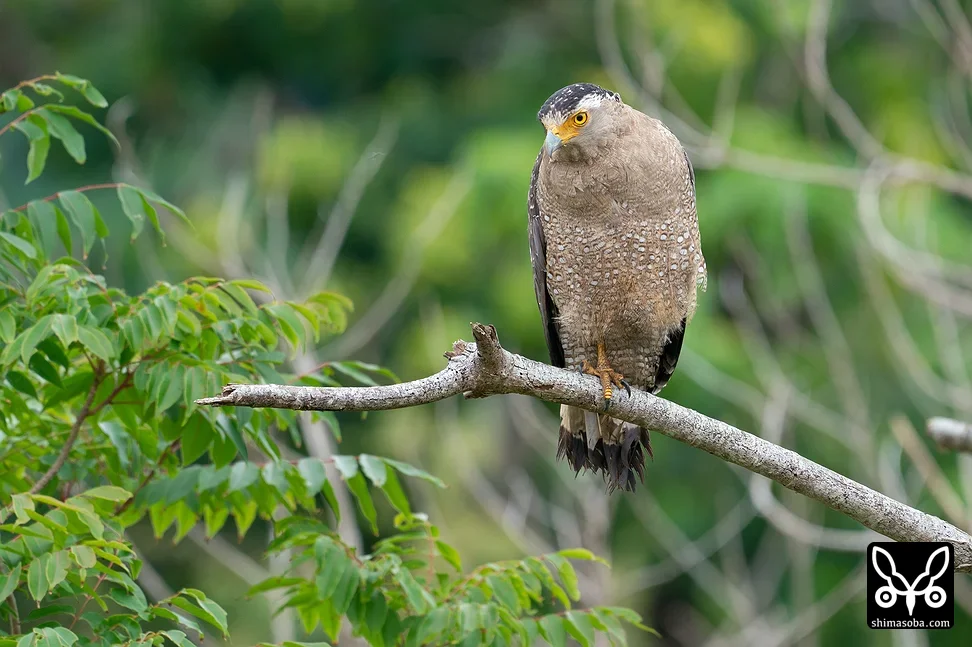
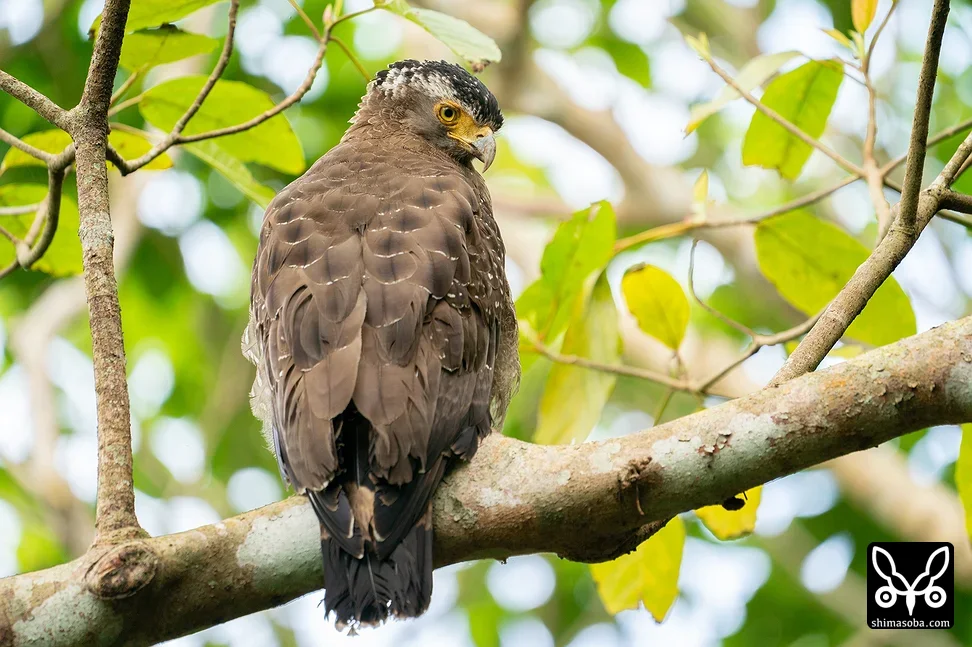
A Crested Serpent Eagle from the north.

Crested Serpent Eagle

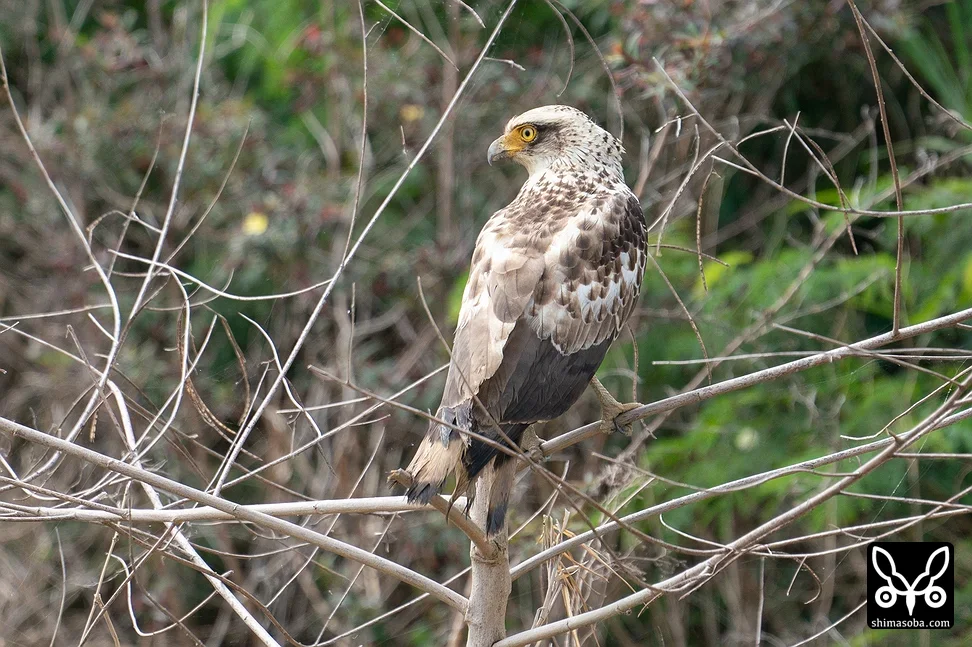
These two Crested Serpent Eagles were in the same pasture. Probably a pair.

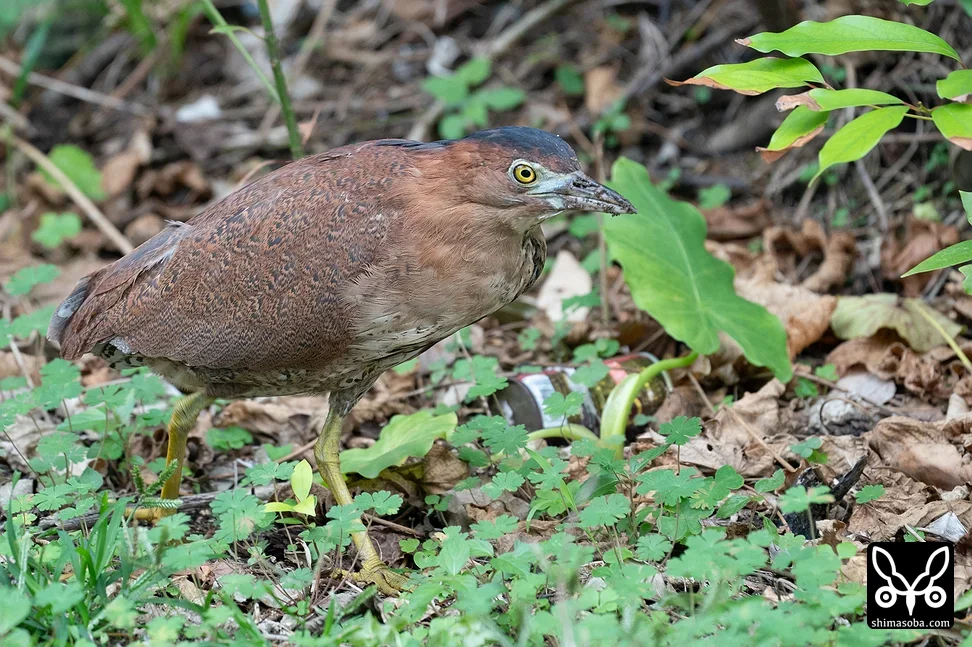
Malayan Night Heron
Malayan Night Heron

Adult Malayan Night Heron. First-summer plumage, perhaps?

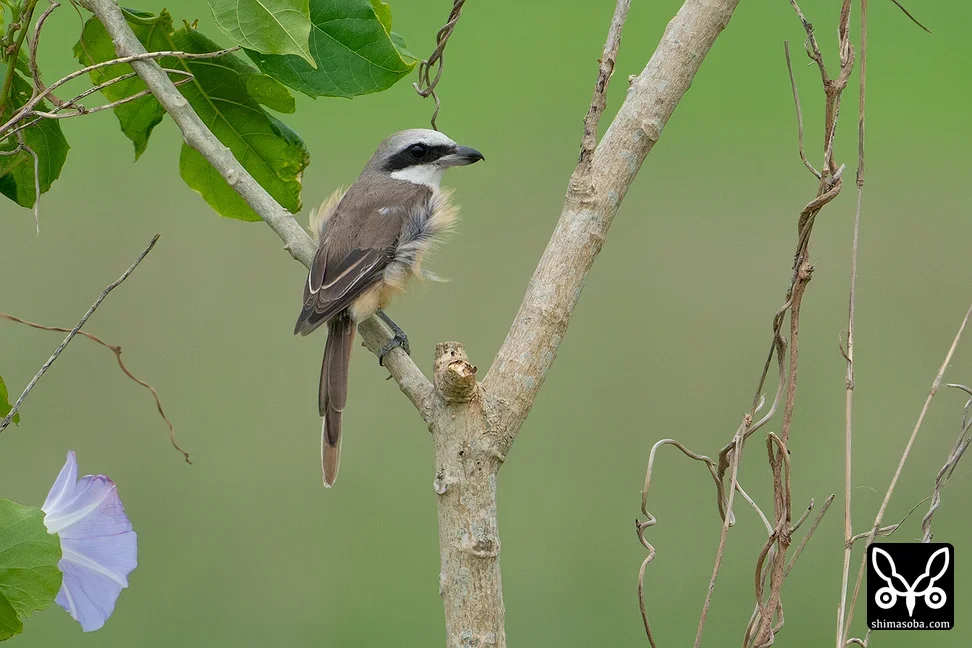
Isabelline Shrike
Isabelline Shrike

Adult male Brown Shrike. Molt is well advanced and it's looking rather ragged.

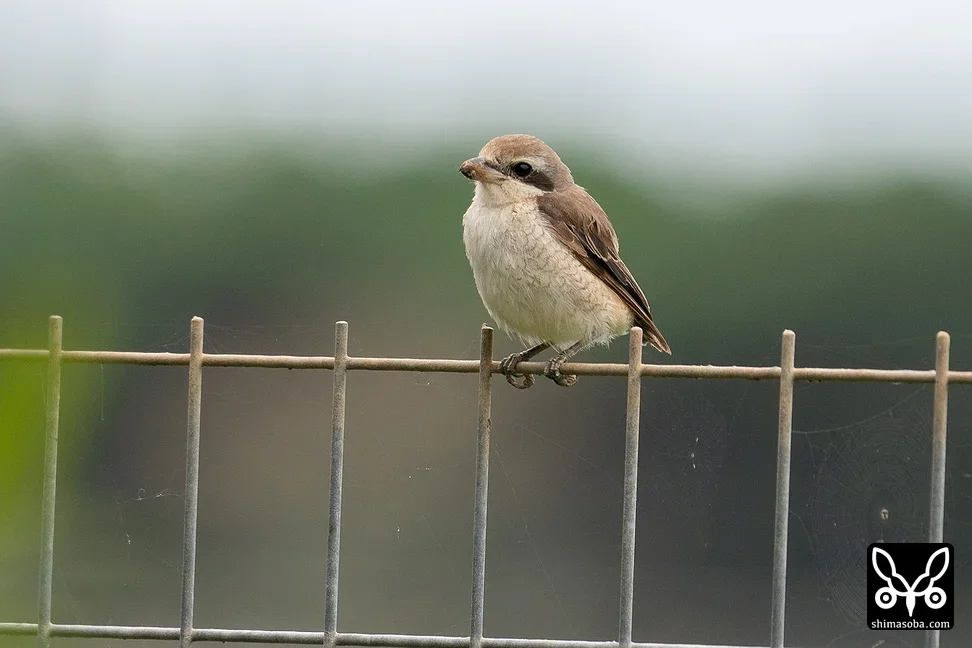
Isabelline Shrike
Isabelline Shrike

A Brown Shrike missing its tail feathers. Attacked by a Japanese Sparrowhawk, perhaps?

Common Redshank
Common Redshank

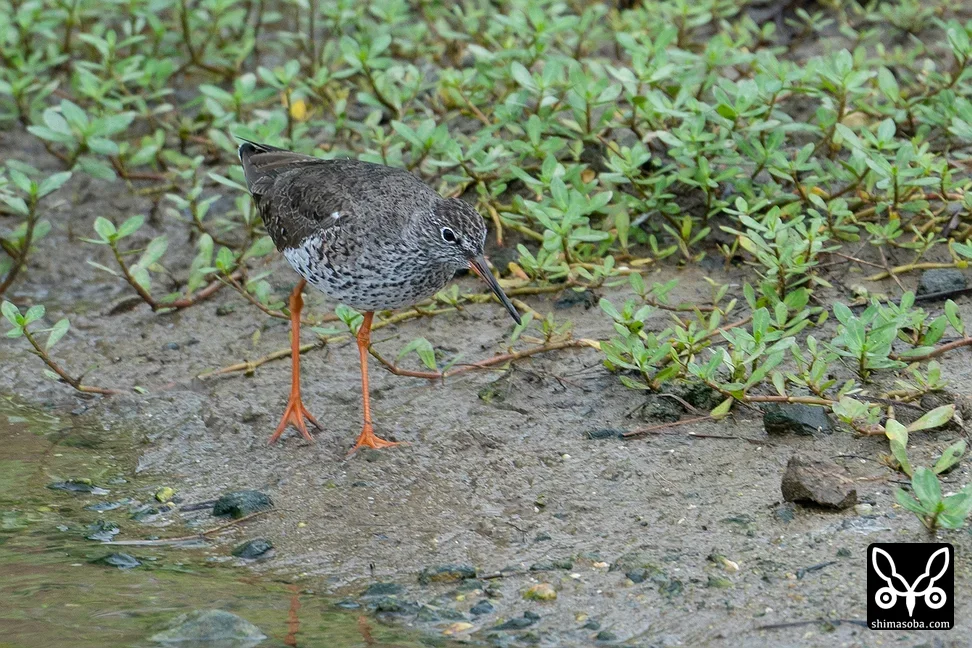
Common Redshank in nearly full summer plumage. A few birds had come down into a drainage channel.

Black-winged Stilt
Black-winged Stilt

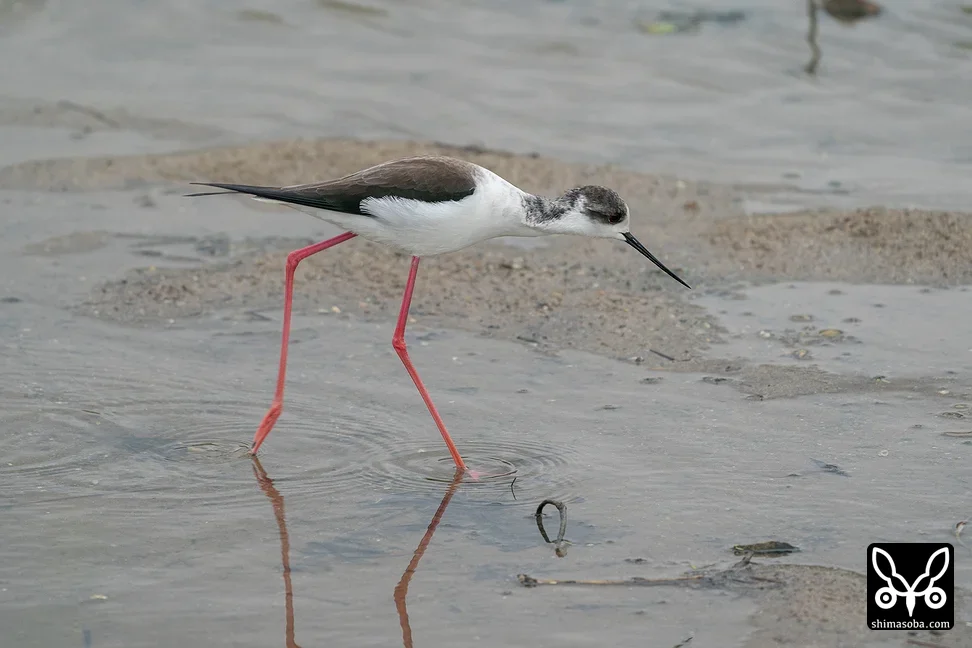
Adult female Black-winged Stilt. This one arrived on its own.

Pacific Golden Plover

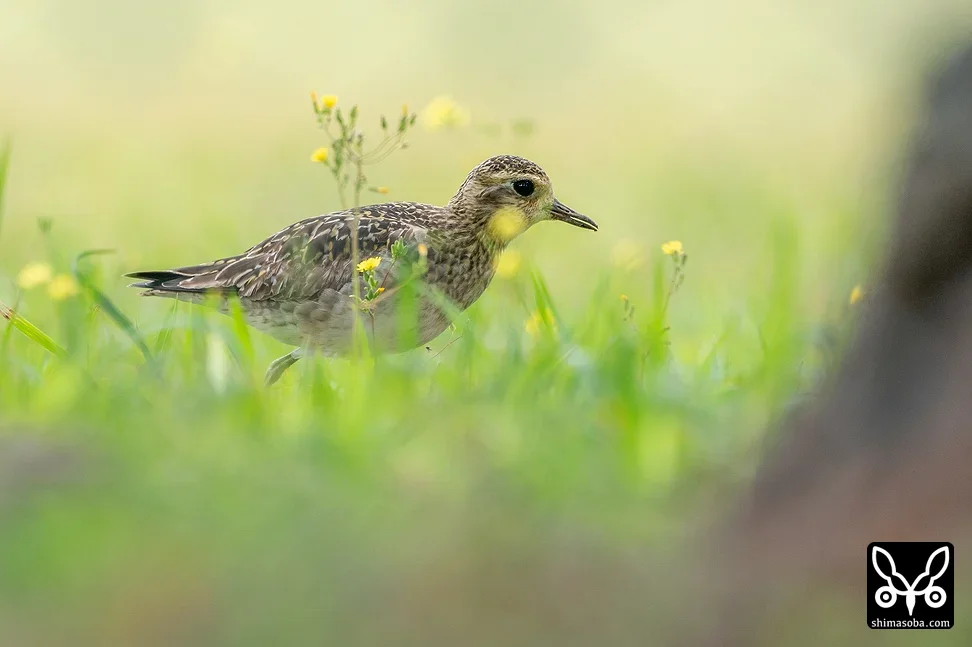
Eight Pacific Golden Plovers were on the school playground. No Greater Sand Plovers mixed in. ^^;

Common Snipe
Common Snipe

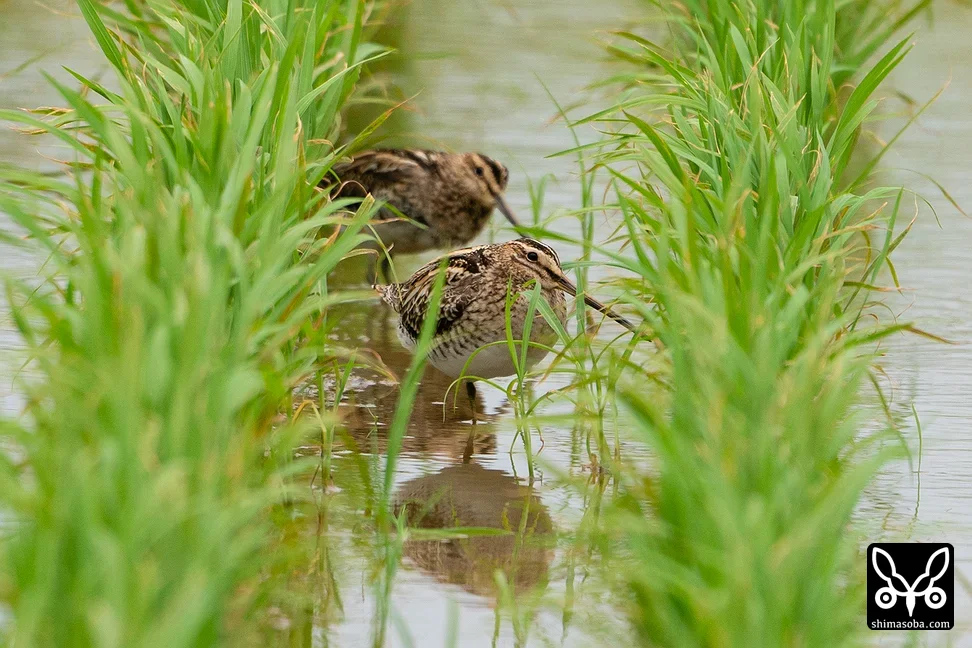
I thought the first wave of Common Snipe had moved on, but I found two.

Common Kestrel
Common Kestrel

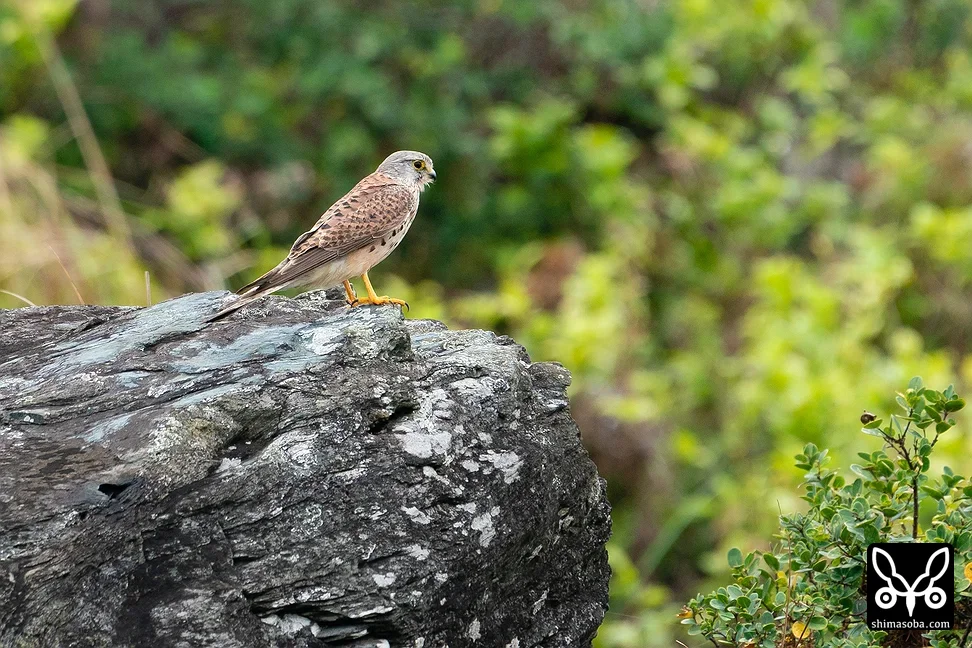
First-year male Common Kestrel. Quite a few juvenile feathers remain in the wing coverts, so first-summer plumage seems right.

Eurasian Coot
Eurasian Coot

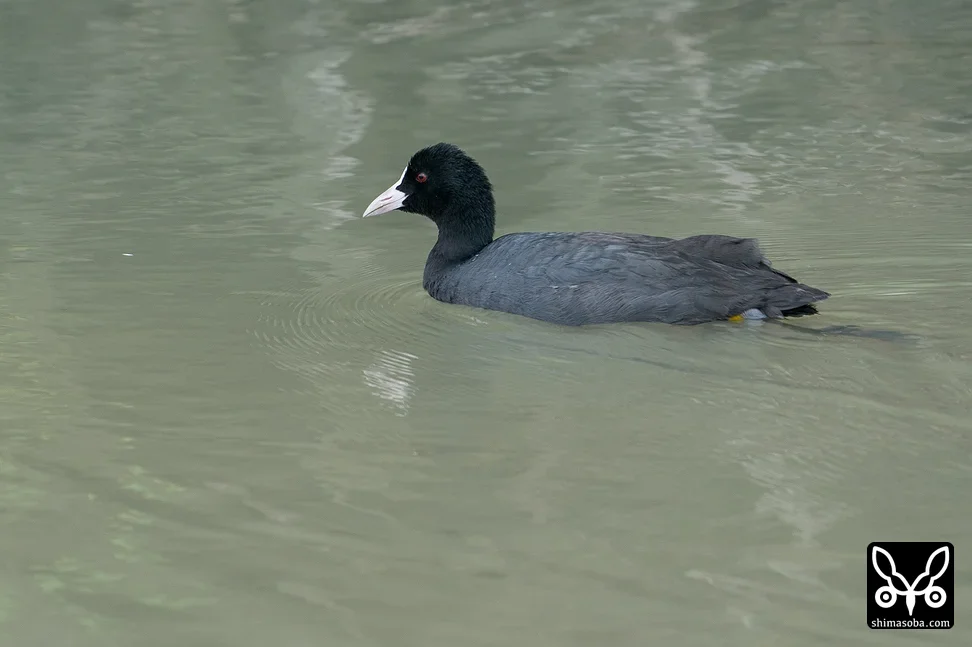
Eurasian Coots had thinned out in number. In recent years some overwinter — or rather, oversummer — on the Okinawa mainland, but I don't see that on Ishigaki.

Categories: 野鳥

Testing the SONY α9 II and FE 200-600mm F5.6-6.3 G OSS

I had been a Canon user for about 15 years, from the original EOS Kiss Digital to the EOS-1D X Mark II, but I have finally strayed to SONY. ^^;

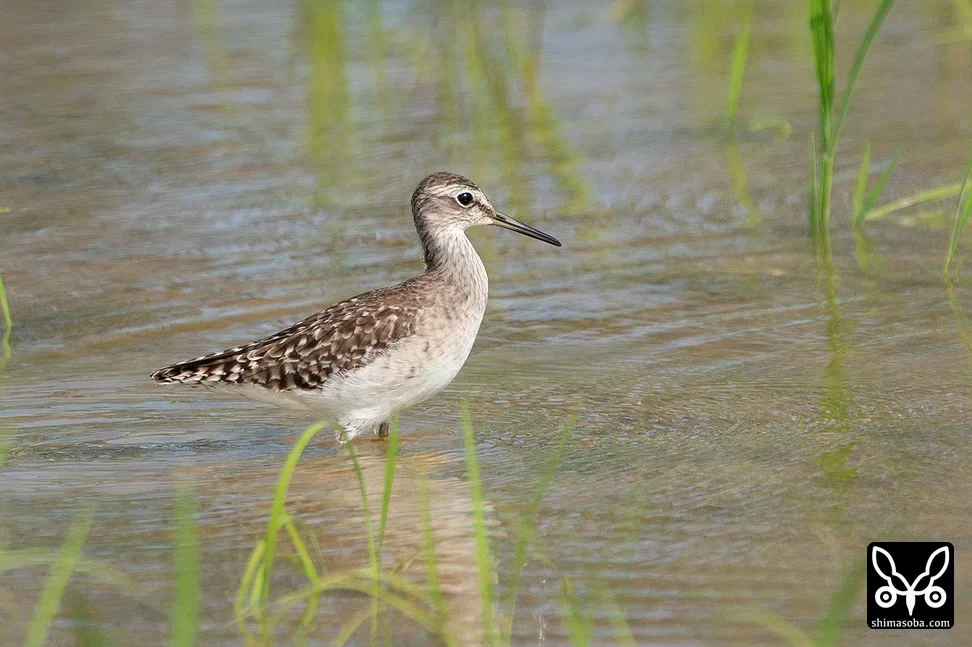
I bought an α9 II and an FE 200-600mm F5.6-6.3 G OSS. My first shoot was while babysitting a newborn, so I tested them on whatever birds caught my eye, such as Crested Serpent Eagle, Purple Heron and Wood Sandpiper.

I had worried about the electronic viewfinder, the smaller body and the different controls feeling strange, but there was no problem at all. If I had to complain, the shutter button is so close that I sometimes tried to press the wrong spot, but I will get used to it. Compared with the heavy, large combination of the 1D X Mark II and EF600mm F4L IS II USM, both handling and image quality are better, and it's great.

I'm also curious about its performance and usability in fast flight, backlight, poor low-light conditions and night shooting with flash.

Crested Serpent Eagle

Shooting a Crested Serpent Eagle handheld at 600mm, 1/160s, looking up while standing — an unstable position, but the 5.5-stop image stabilisation is no joke.

Crested Serpent Eagle

Also handheld, a distant juvenile Crested Serpent Eagle. The higher pixel count means better cropping headroom too.

Purple Heron
Purple Heron

A Purple Heron appeared out of nowhere and I grabbed a shot handheld from inside the car. Good handling really makes a difference when you have to react fast.

Purple Heron
Purple Heron

The autofocus tracks well. The subject is large and slow, so I haven't been able to test it properly yet…

Wood Sandpiper
Wood Sandpiper

Good numbers of Wood Sandpipers had dropped into the rice paddies. Moulting from winter to summer plumage.

Categories: 撮影機材 / 野鳥

Ryukyu Scops Owls and Okinawa Rail in Yanbaru

While on a family trip to the main island of Okinawa, I put the kids to bed and then got a little time to myself for a night search.

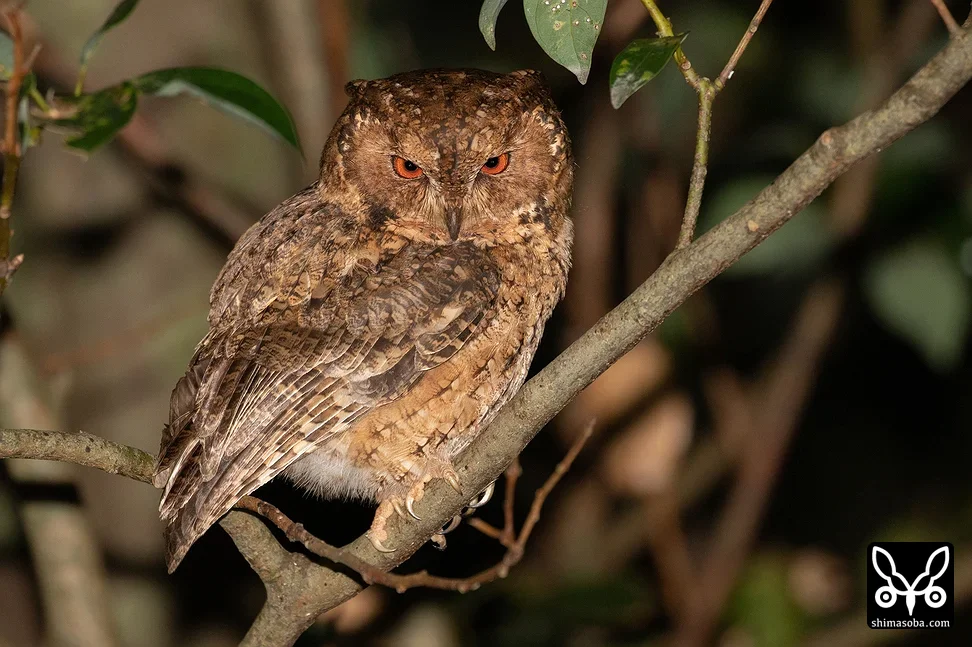
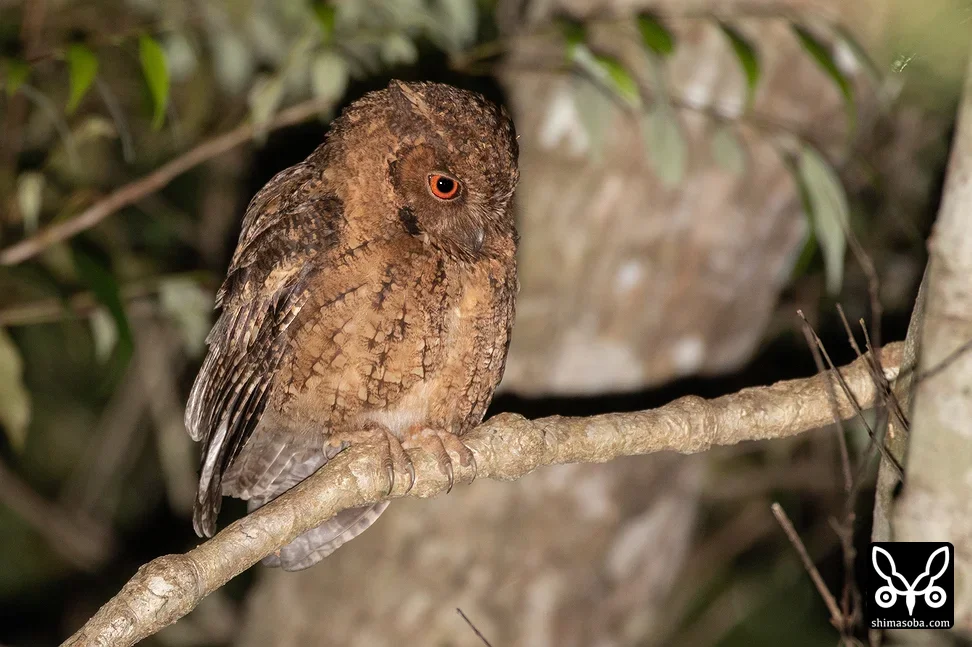
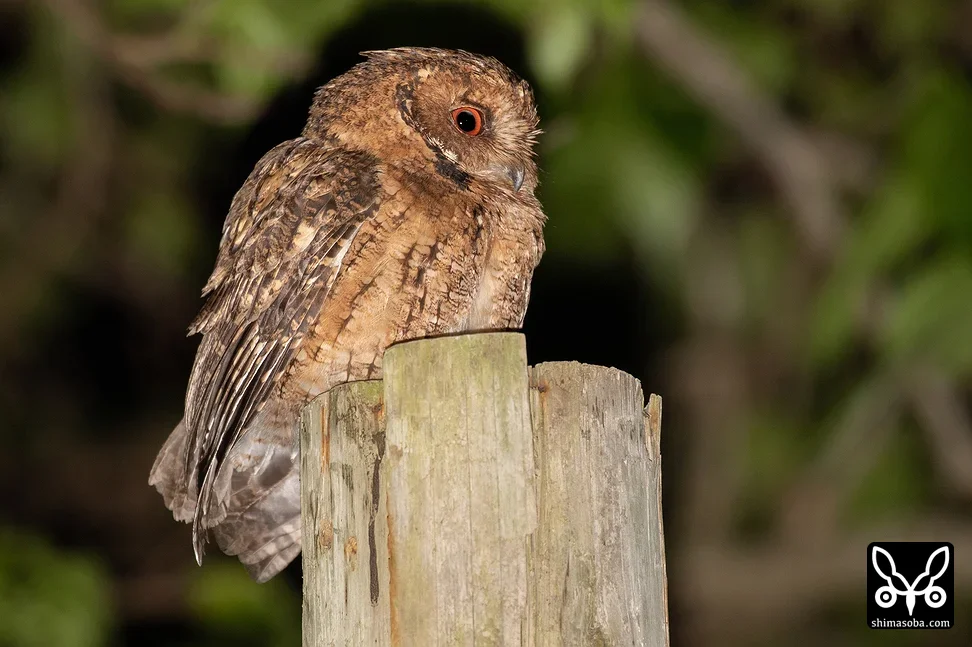
It was cold and late, so conditions were poor, but with the breeding season under way, going round my usual spots I met five Ryukyu Scops Owls. Owls really are great birds. ^^
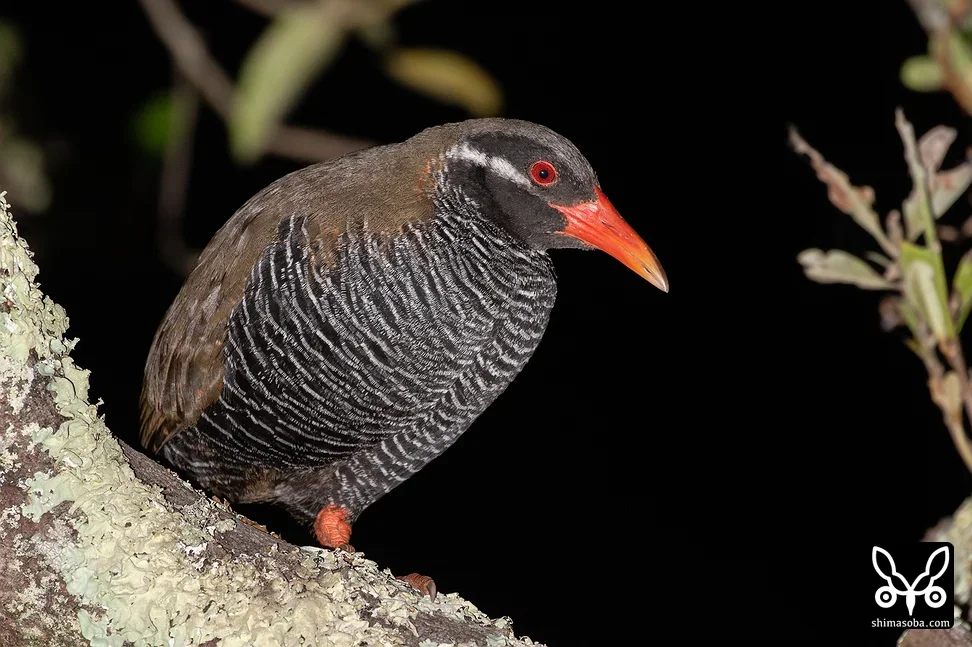
I found only one Okinawa Rail. I photographed it asleep in a tree. At this time of year I was hoping for a pair sleeping side by side, but this one seems to have been single.

I also watched two pairs of Northern Boobooks that seem to be already paired up. Unlike the scops owls, their breeding is still some way off, but they looked like they had already paired.

Japanese Scops Owl
Japanese Scops Owl

Temperatures are still low in Yanbaru. This Buffy Fish Owl had its feathers puffed up and looked cold. The individual was occasionally calling back and forth with a male.

Japanese Scops Owl
Japanese Scops Owl

A Buffy Fish Owl apparently lying in wait for a rat passing through the roadside ditch.

Japanese Scops Owl
Japanese Scops Owl

A female Buffy Fish Owl calling from the top of a post. The male and female of this pair here can be told apart individually.

Okinawa Rail
Okinawa Rail

A Okinawa Rail resting in a tree.

Categories: 野鳥