A daily record.
Featuring photos of wild birds and nature, mainly from Okinawa Main Island and Ishigaki Island

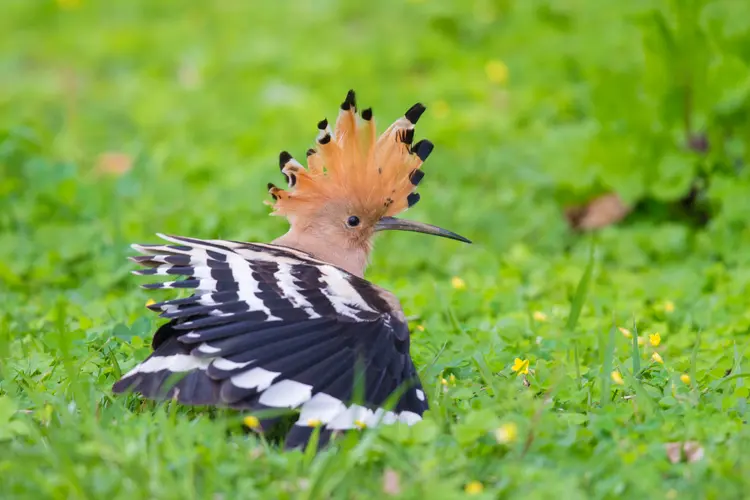
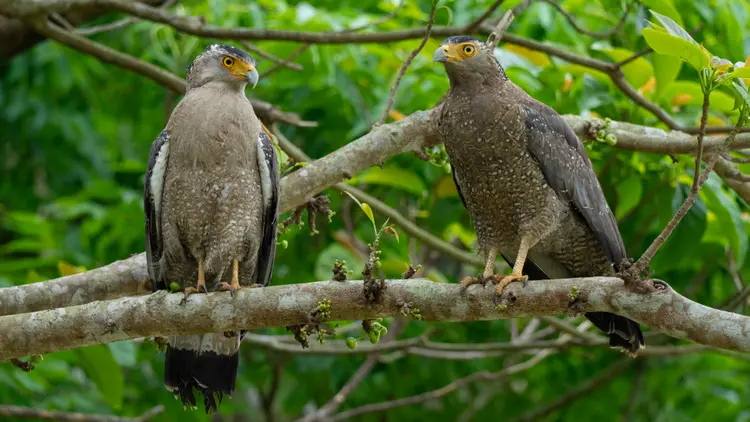
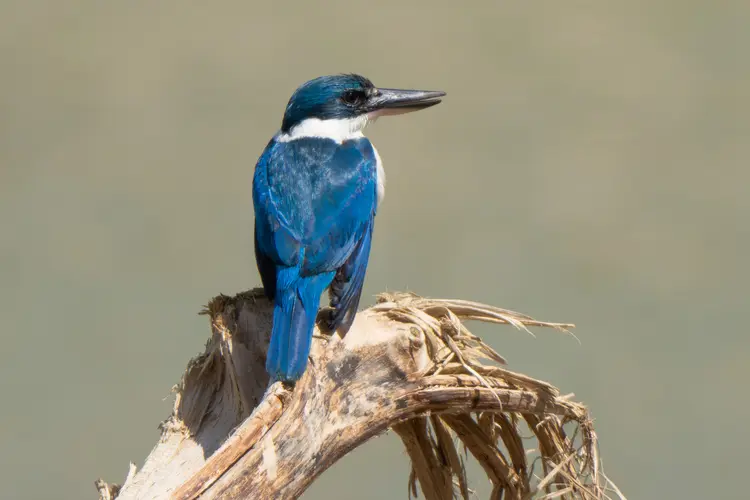
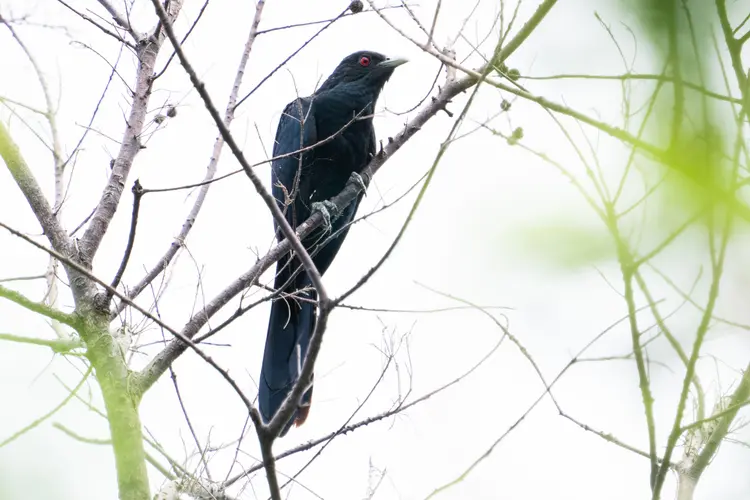
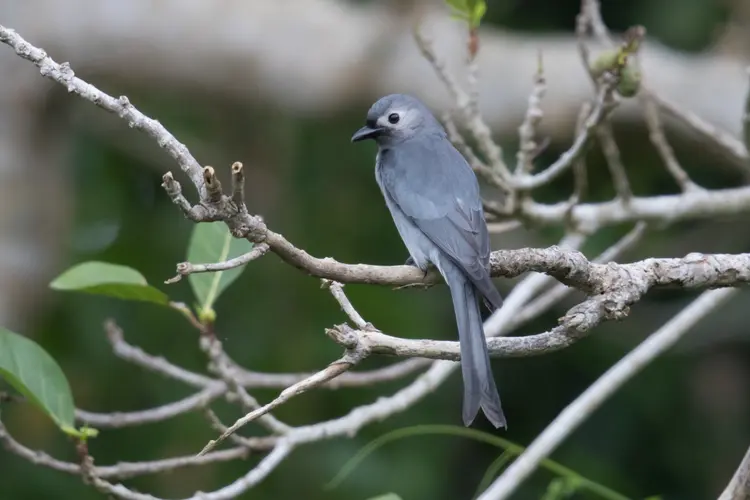
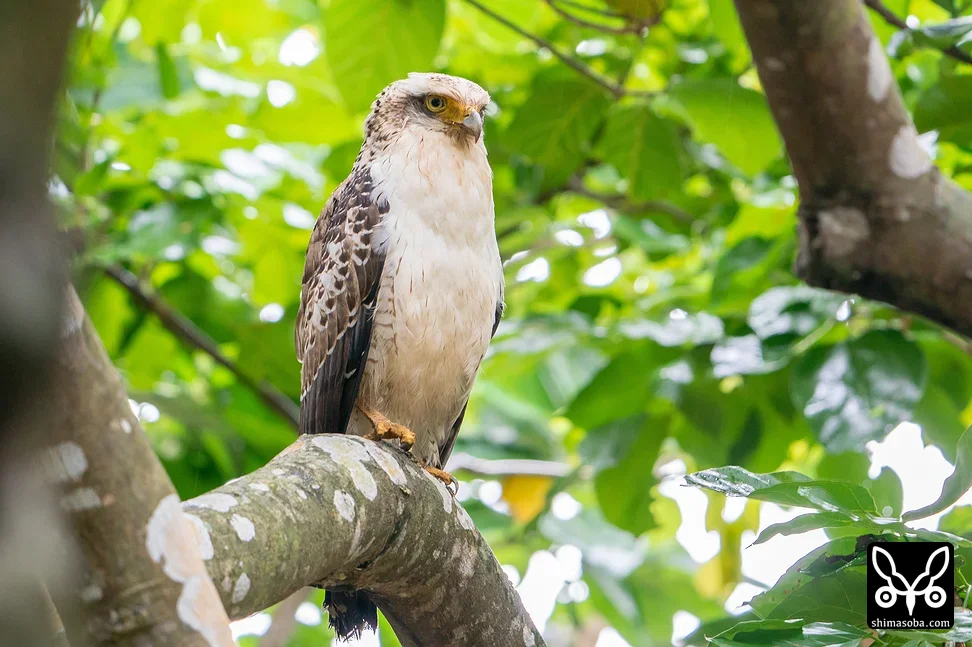
Eurasian Hoopoe Crested serpent eagle Collared Kingfisher Asian koel Ashy drongo

GUIDED BIRDWATCHING TOUR

Go where the birds are. The SHIMASOBA Tour launches.

We'll drive you around Ishigaki Island to wherever the birds are showing best that day. Observation is mostly from inside the vehicle, and we keep it to a maximum of 3 guests so everyone can take their time.

Max. 3 guests 4 hours in the morning Beginners welcome
Check availability and book

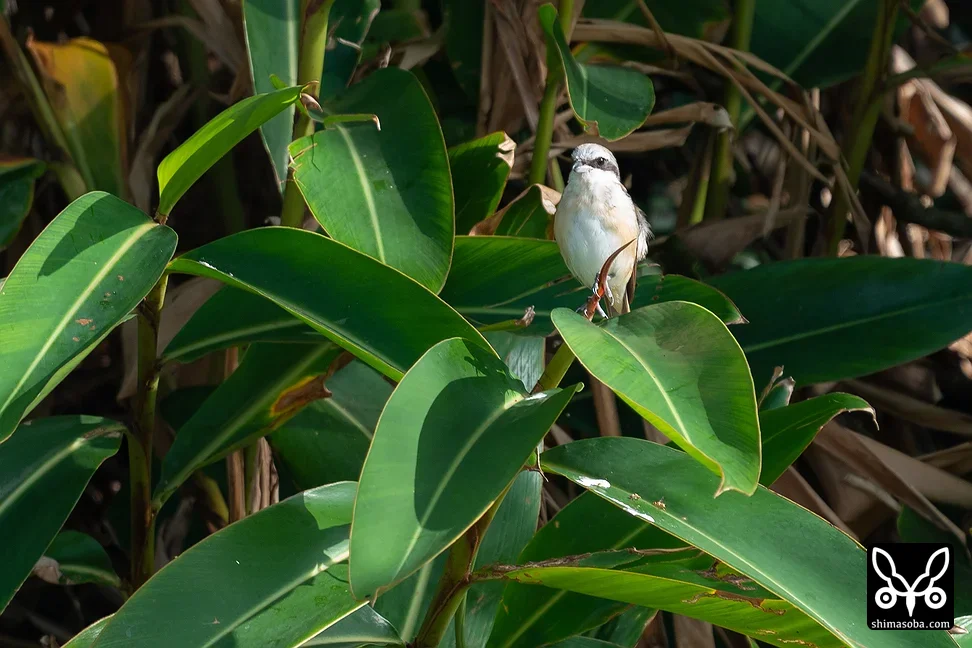
A pair of Ruddy Kingfishers

The Ryukyu Ruddy Kingfisher, first confirmed on Ishigaki this season, already seemed to have paired up.

Today I tried an EF600mm F4L IS II USM on a SONY α9ii through the Metabones V (MB-EF-E-BT5) adapter for mounting Canon lenses. I came away with a strong feeling that it is usable for bird photography. I plan to write a detailed review at a later date.
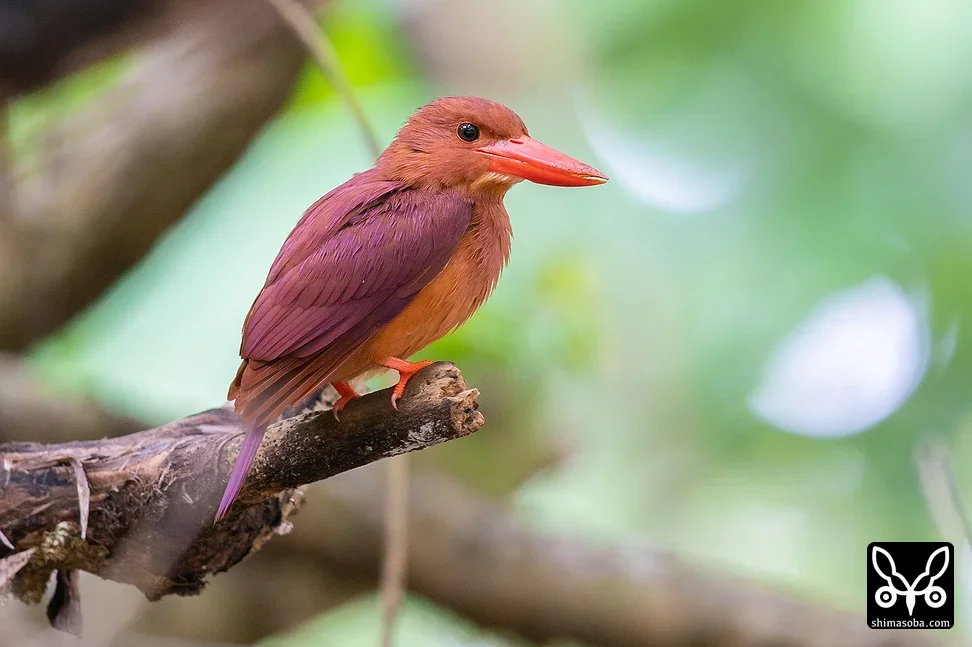
Ruddy Kingfisher
Ruddy Kingfisher

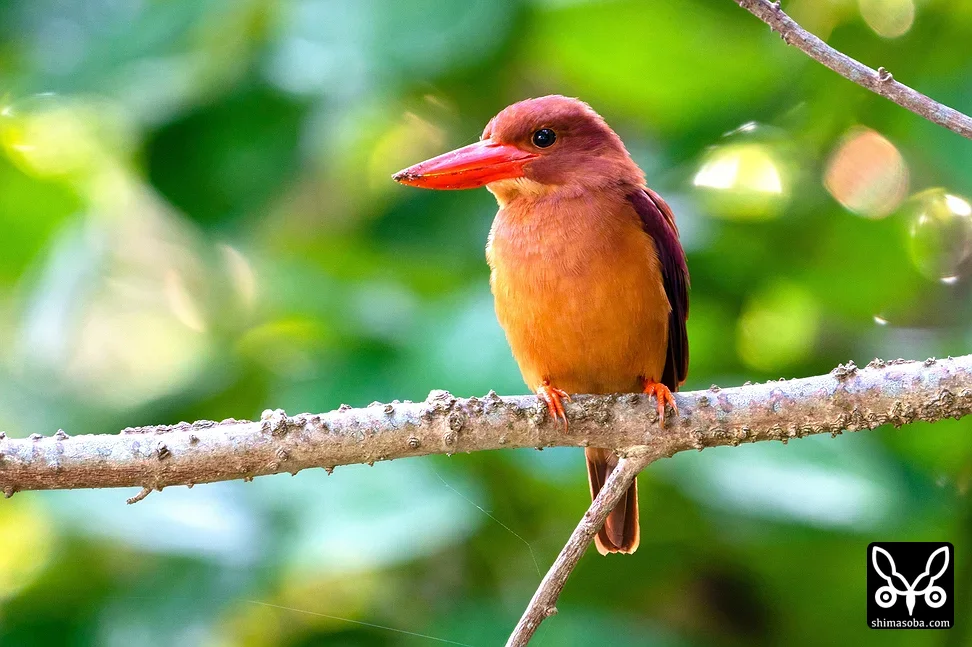
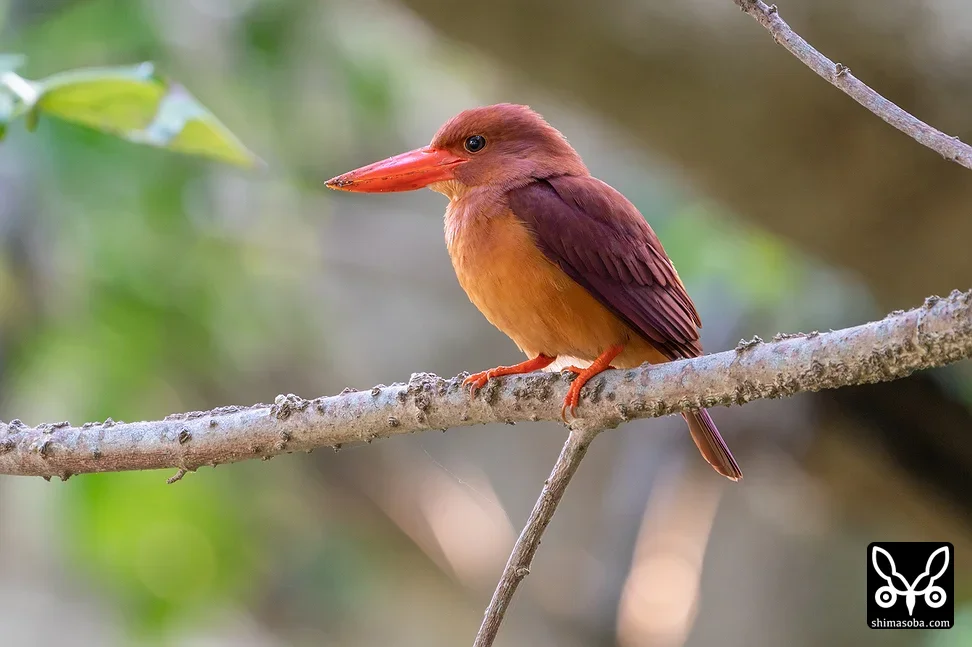
A male Ruddy Kingfisher. I believe this is summer plumage, but I can't really tell the difference…
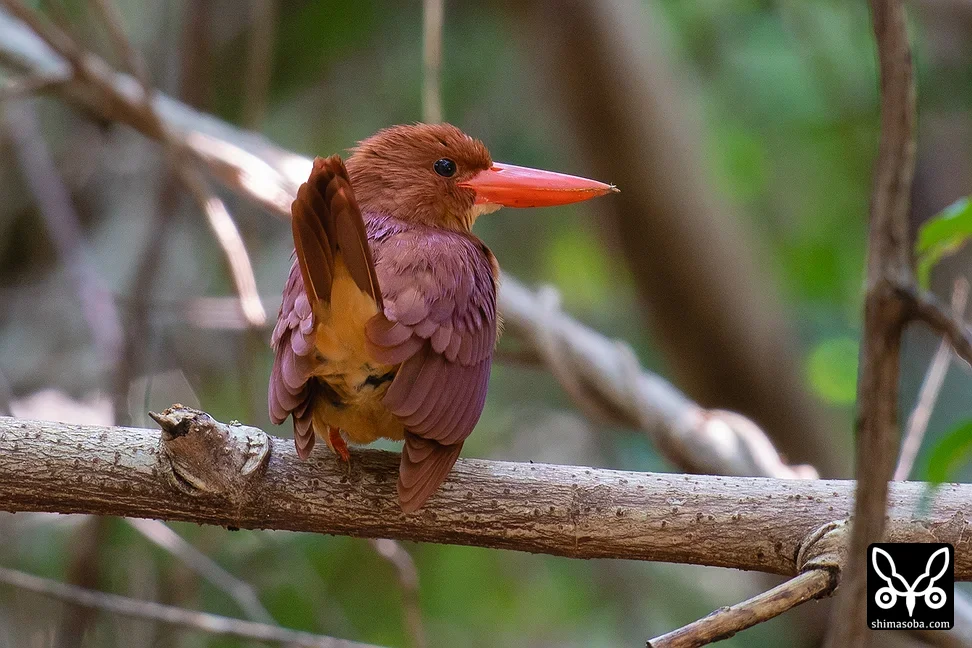
Ruddy Kingfisher
Ruddy Kingfisher

The female paired with the male above. When the male called from deep in the bushes, she was bobbing her tail up and down.
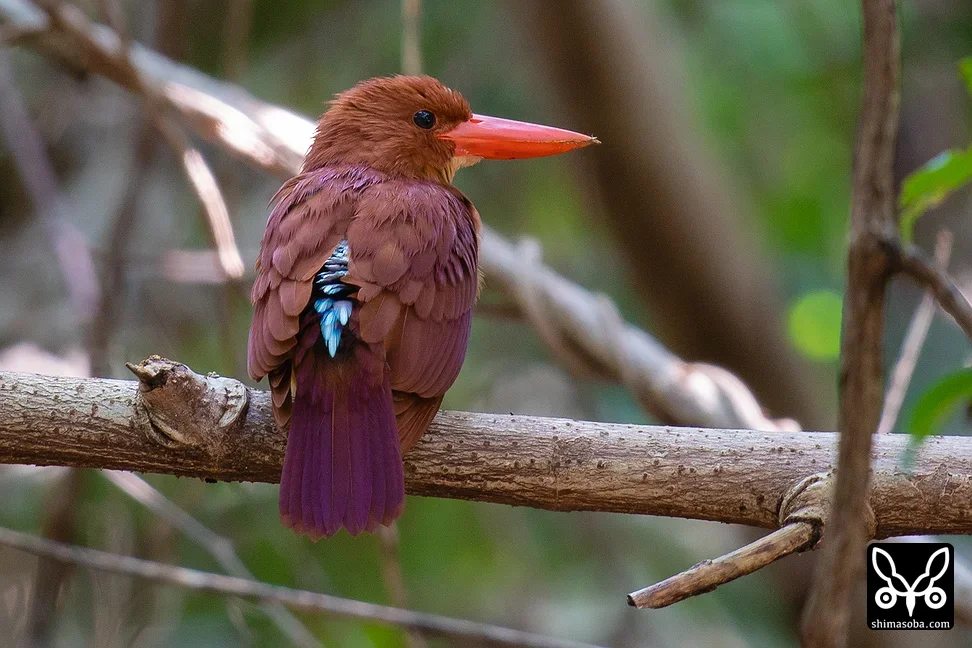
Ruddy Kingfisher
Ruddy Kingfisher

The Ruddy Kingfisher's light-blue rump feathers are beautiful.
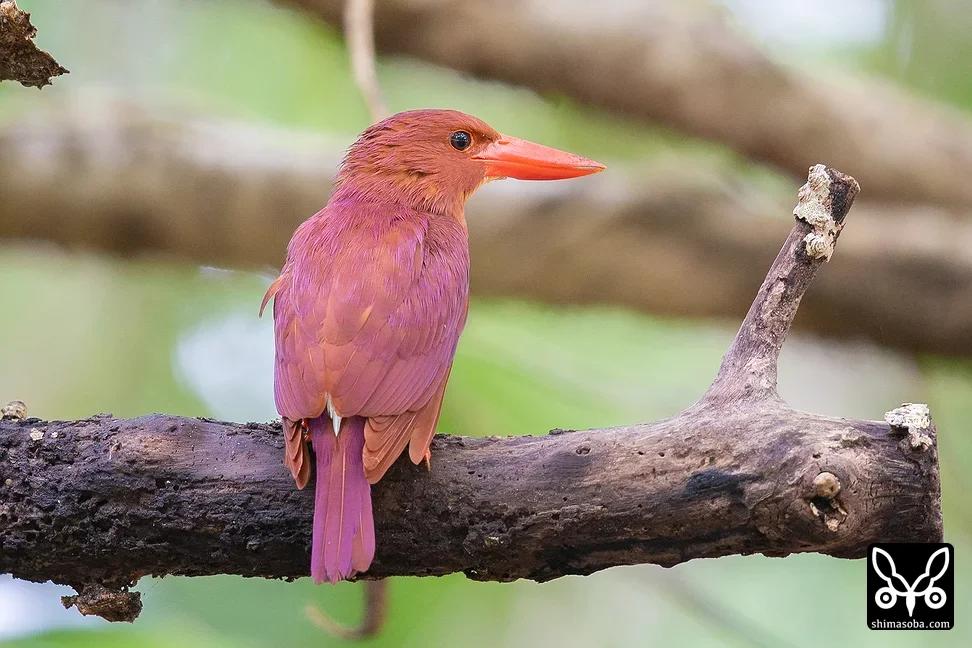
Ruddy Kingfisher
Ruddy Kingfisher

This is the male Ruddy Kingfisher. Partly due to the light, the blue on his rump looked paler than on the female above.
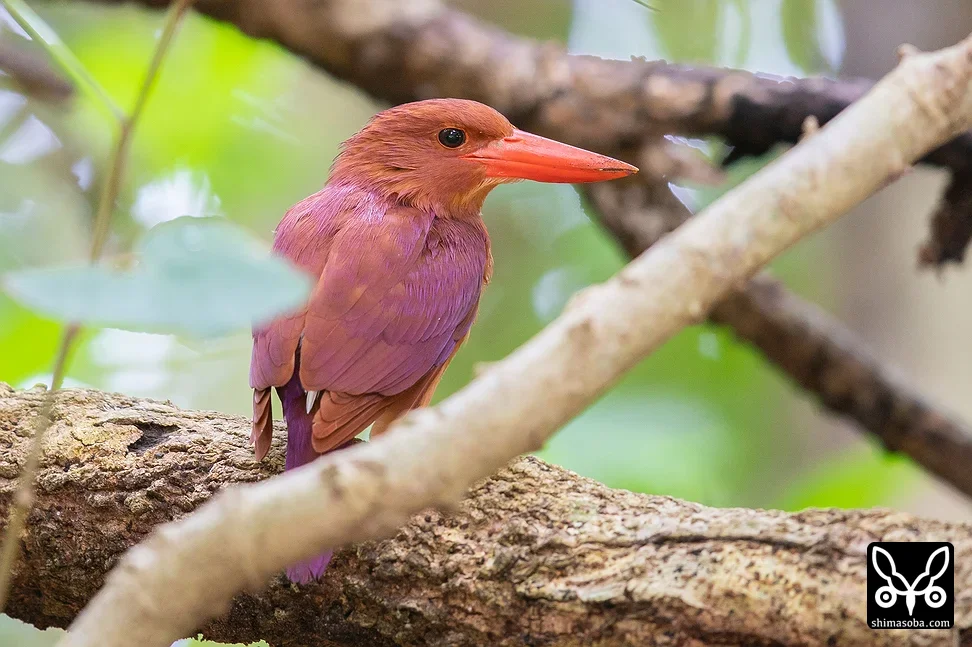
Ruddy Kingfisher
Ruddy Kingfisher

It appears to have mostly moulted into summer plumage, but the primaries seem not yet.
Categories: 野鳥

Raptors of Ishigaki

The raptors that breed on Ishigaki are the Crested Serpent Eagle, the Black-winged Kite and the Ryukyu Sparrowhawk. Wintering species include the Grey-faced Buzzard, Common Kestrel, Peregrine Falcon and Osprey.

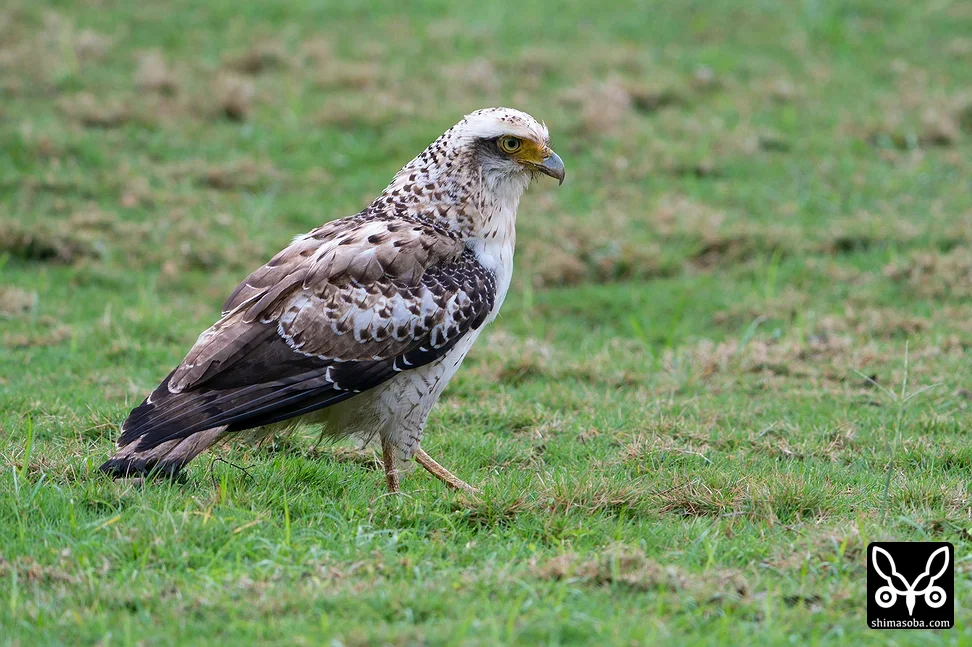
The Crested Serpent Eagle, which had a very poor breeding season last year, seems to have done well this season, and white juveniles are being seen all over.

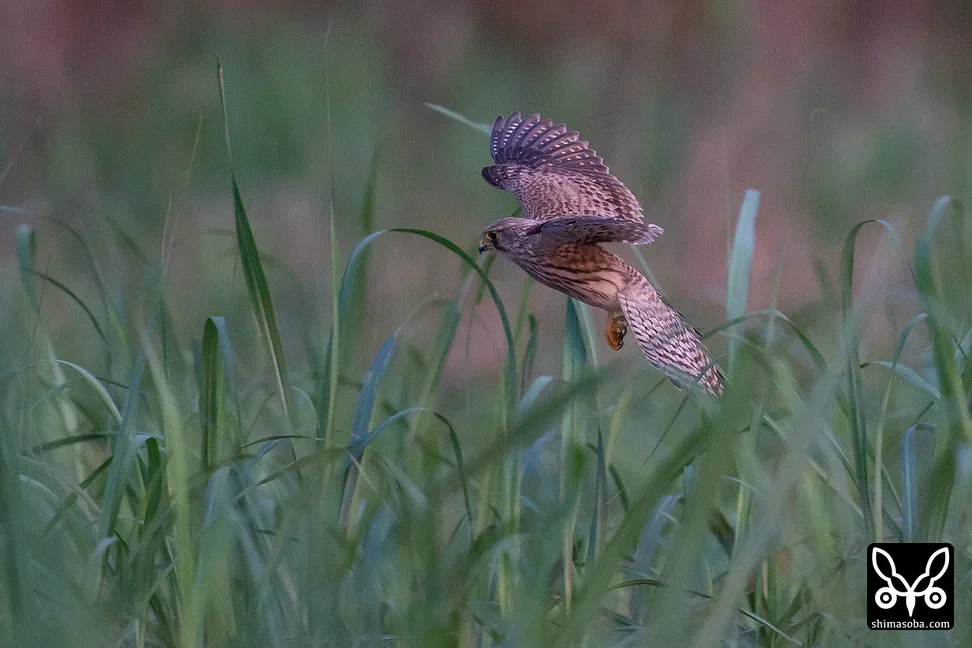
Most Grey-faced Buzzards have moved north. The few I still see are all birds born last year that are not taking part in breeding. Some young Common Kestrels also remain in the same way.

Thanks to their strong breeding, raising young several times a year, Black-winged Kites have increased to the point that they can be seen all over Ishigaki. They have also been confirmed on Yonaguni and Iriomote.

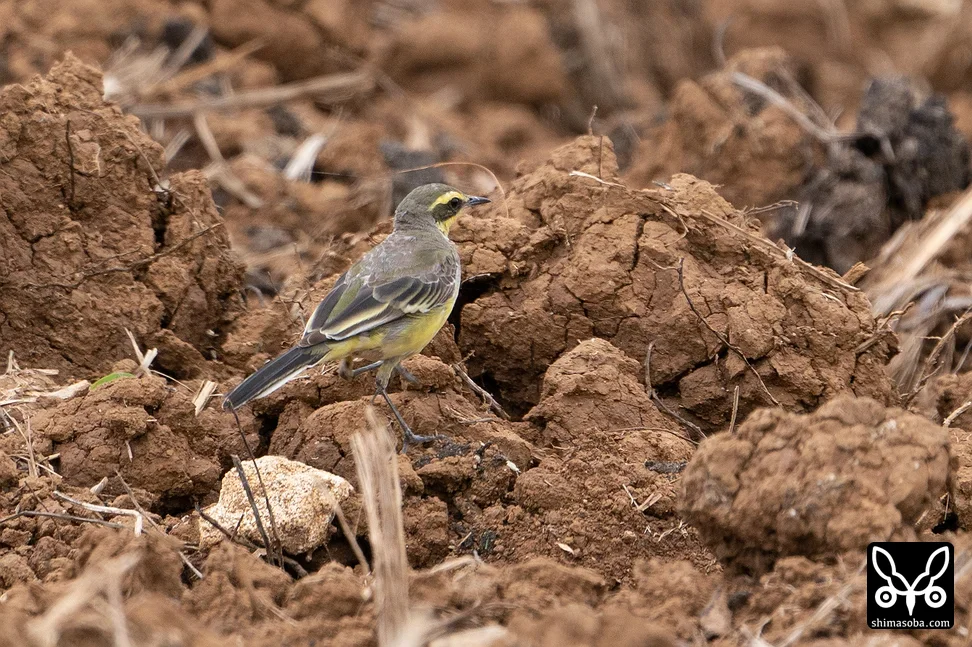
A flock of about 20 Eastern Yellow Wagtails had come into a field the raptors use as a hunting ground.

Crested Serpent Eagle

A juvenile Crested Serpent Eagle. An individual that is a little too used to people — slightly worrying.

Crested Serpent Eagle

The same individual as above. It was walking as if favouring its right foot. Had it been injured?

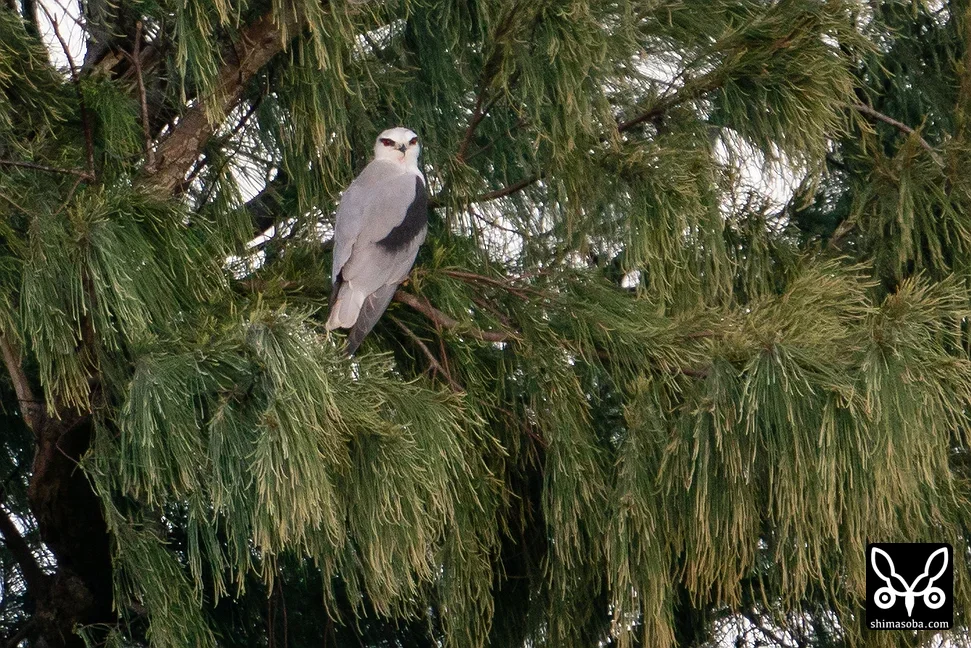
Black-winged Kite
Black-winged Kite

A Black-winged Kite that failed to breed. According to someone who observes them daily, there was an irresponsible person who approached the nest tree on foot.

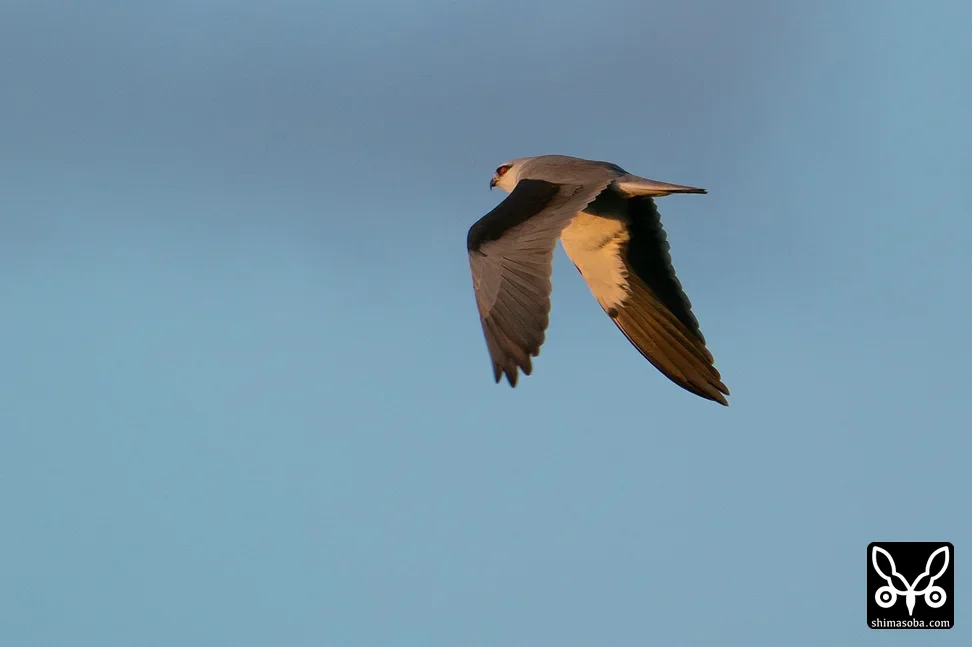
Black-winged Kite
Black-winged Kite

In the evening, a Black-winged Kite crossing over a sugarcane field.

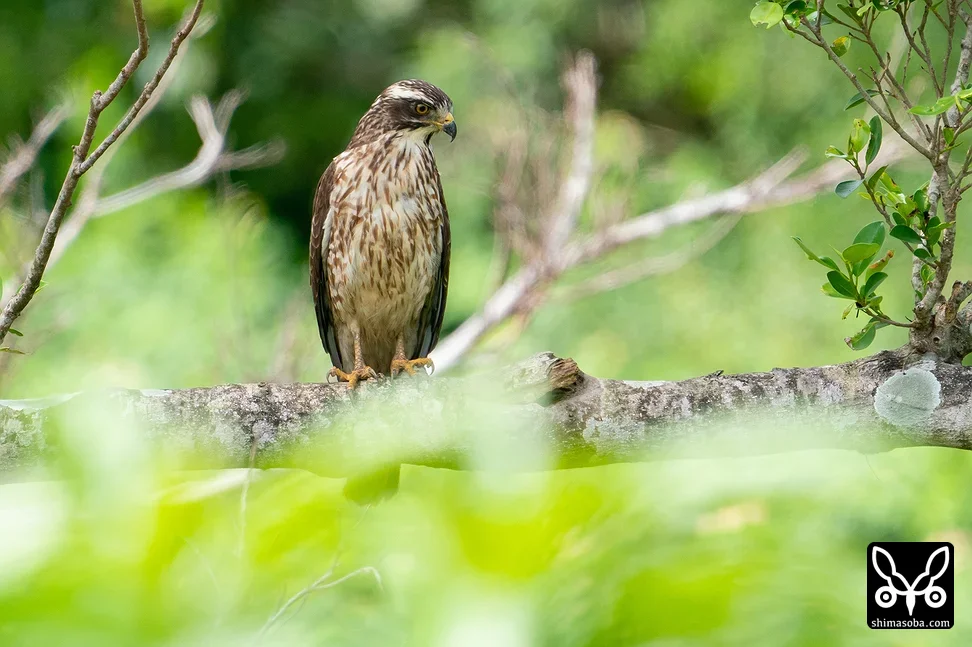
Grey-faced Buzzard
Grey-faced Buzzard

A Grey-faced Buzzard that hasn't migrated yet. Last year's birds don't take part in breeding, so perhaps they're in no hurry?

Common Kestrel
Common Kestrel

A Common Kestrel in a field in the evening.

Eastern Yellow Wagtail

A flock of (Yellow-browed) Eastern Yellow Wagtails that came down into a field.

Categories: 野鳥

Greater Sand Plover and more at Ohama Beach

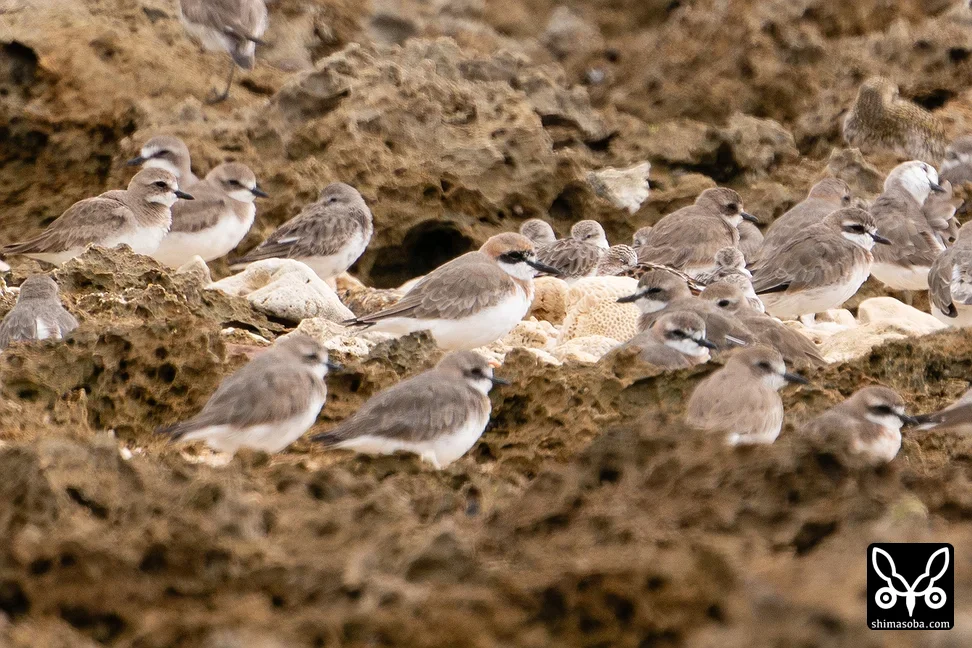
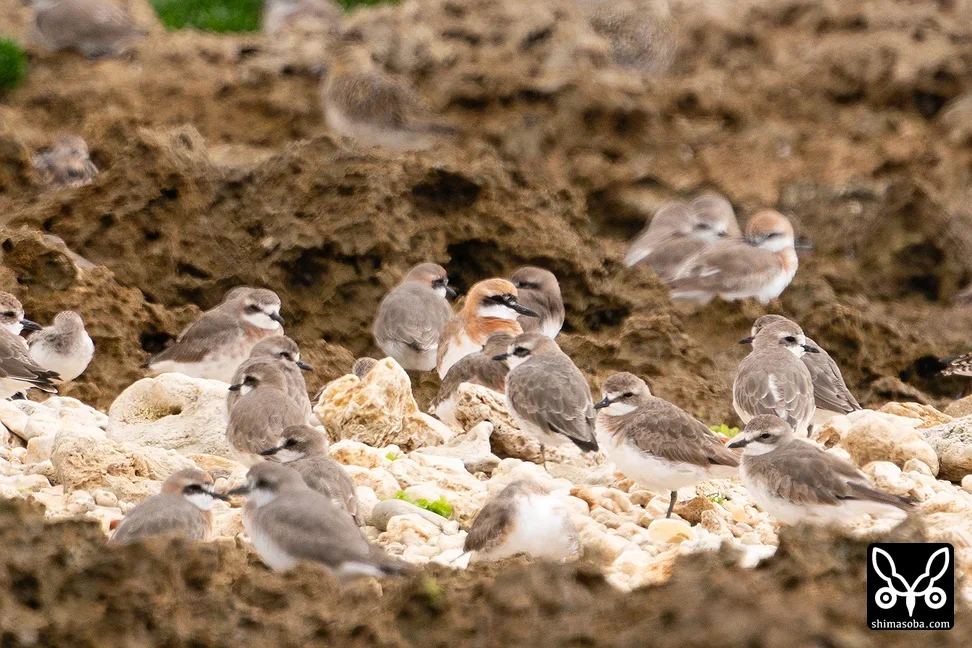
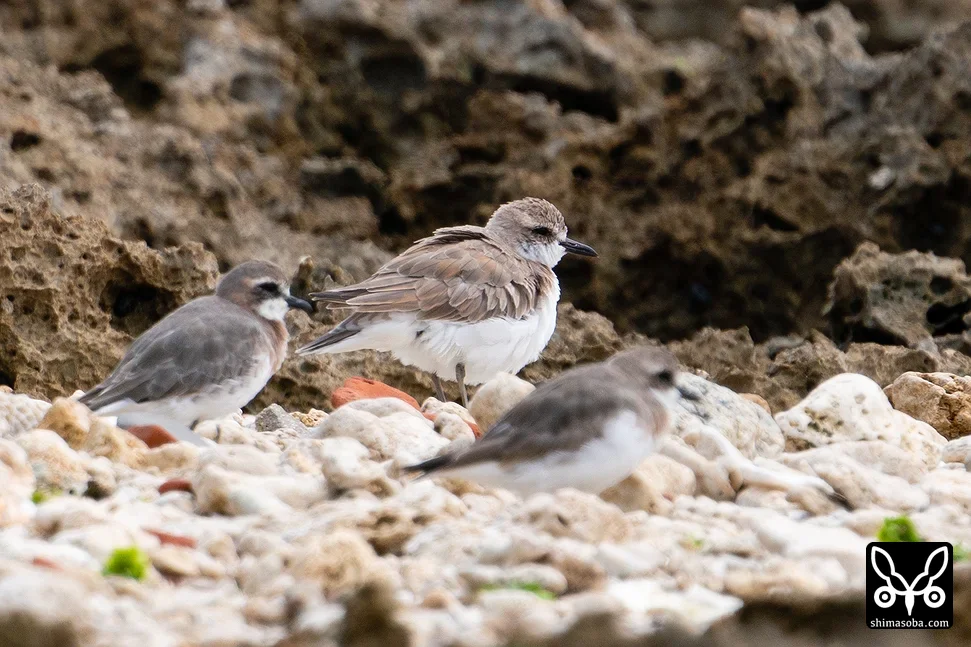
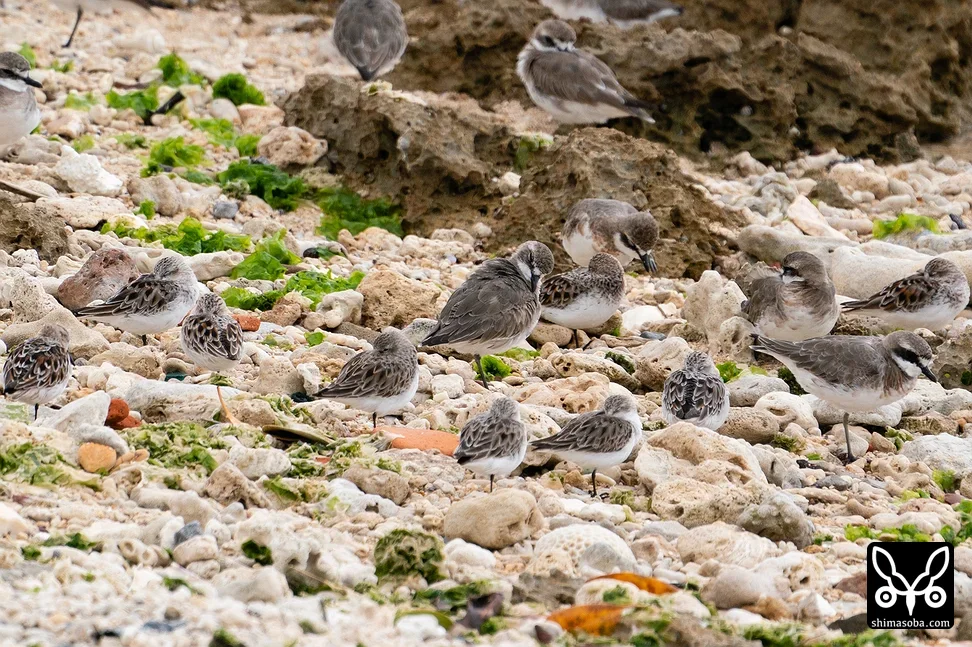
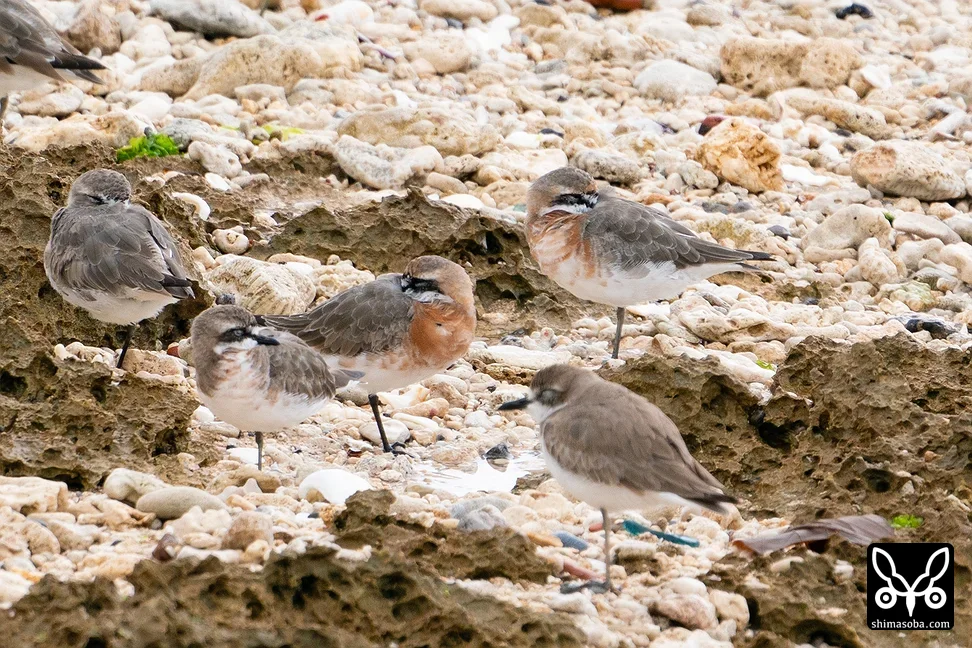
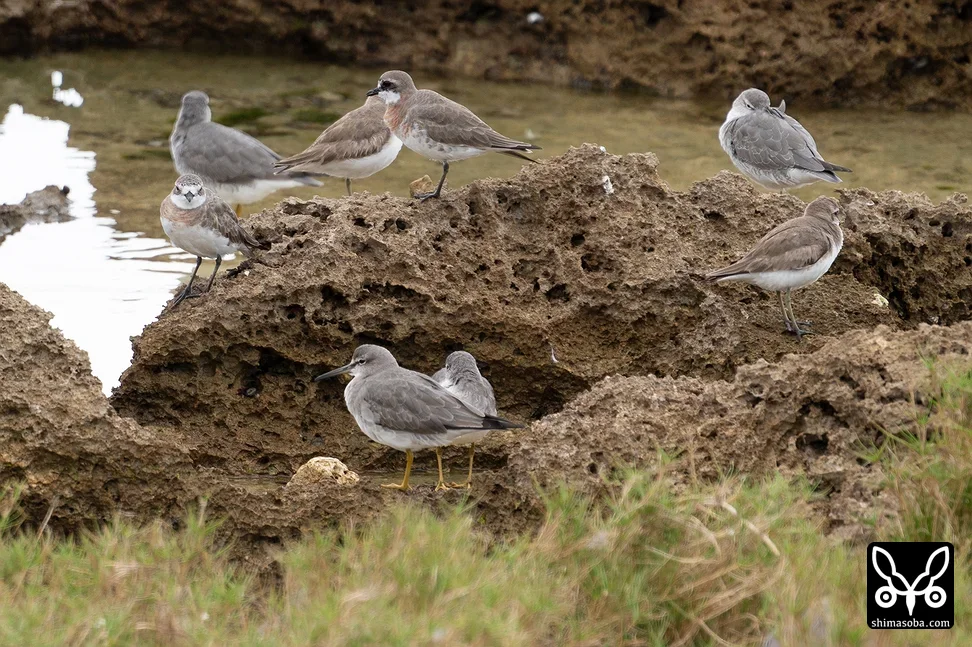
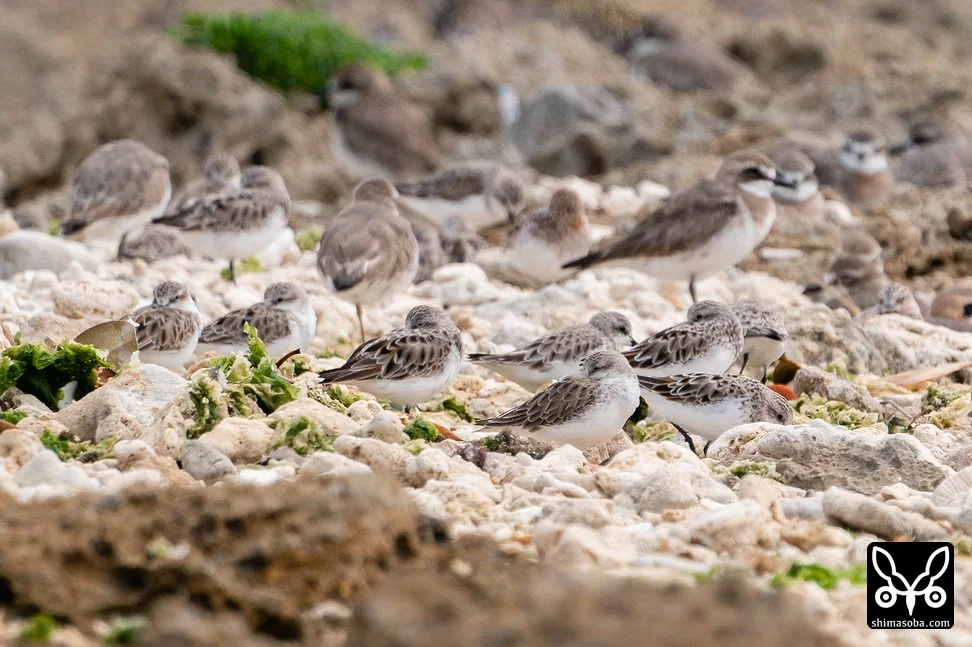
Ohama Beach is a few minutes' walk from home, and I usually only check it with binoculars when I drop my child off at nursery. Today it coincided with high tide, so I photographed it on the way back from nursery. At one point there was a flock of 200 made up mainly of Siberian Sand Plovers, but on this day there were about 40 Siberian Sand Plovers, 5 Greater Sand Plovers, 20 Red-necked Stints, 15 Pacific Golden Plovers, 10 Common Greenshanks, 10 Ruddy Turnstones and 5 Grey-tailed Tattlers.

There was a mix of birds still in winter plumage and birds almost fully moulted into breeding plumage, which made it fun. ^^

Greater Sand Plover
Greater Sand Plover

A Greater Sand Plover in the middle.

Greater Sand Plover
Greater Sand Plover

Another Greater Sand Plover. Its moult into summer plumage is slightly more advanced than the individual above.

Greater Sand Plover
Greater Sand Plover

It's a marginal call, but Greater Sand Plover.

Red-necked Stint
Red-necked Stint / Lesser Sand Plover

Lesser Sand Plover and Red-necked Stint. Among the stints there are both winter-plumage and summer-plumage individuals.

Lesser Sand Plover
Lesser Sand Plover

A sleeping Lesser Sand Plover.

Grey-tailed Tattler
Grey-tailed Tattler / Lesser Sand Plover

Grey-tailed Tattler and Lesser Sand Plover.

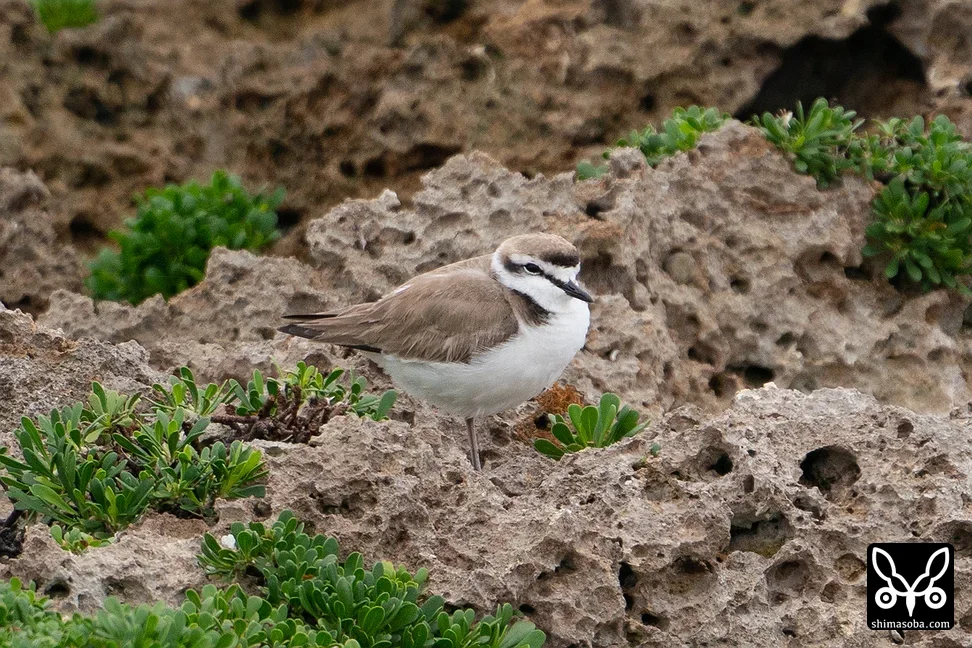
Kentish Plover
Kentish Plover

Kentish Plover moulting into summer plumage.

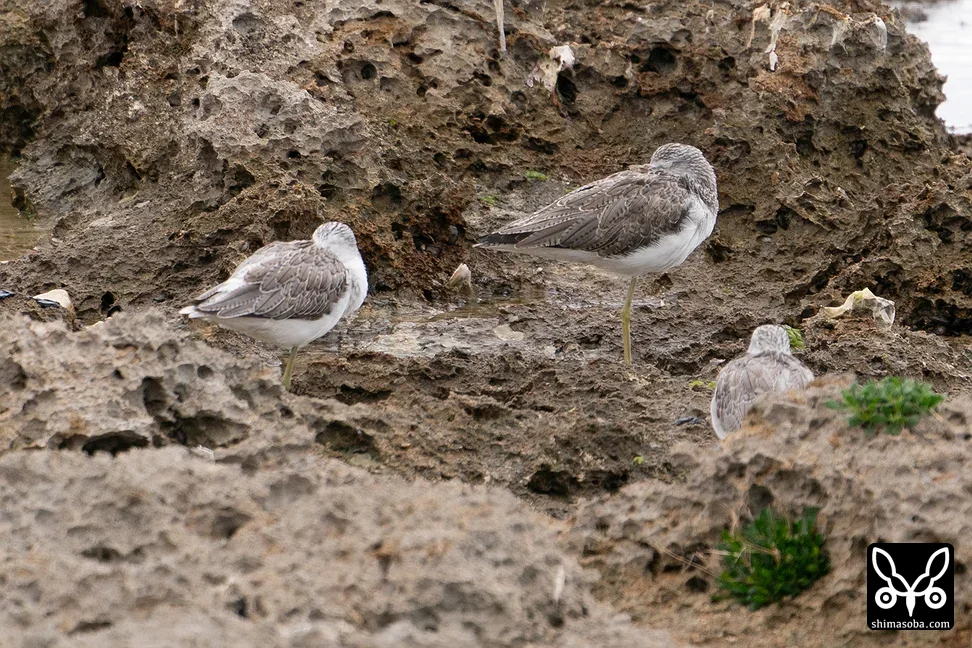
Common Greenshank
Common Greenshank

Common Greenshank in winter plumage.

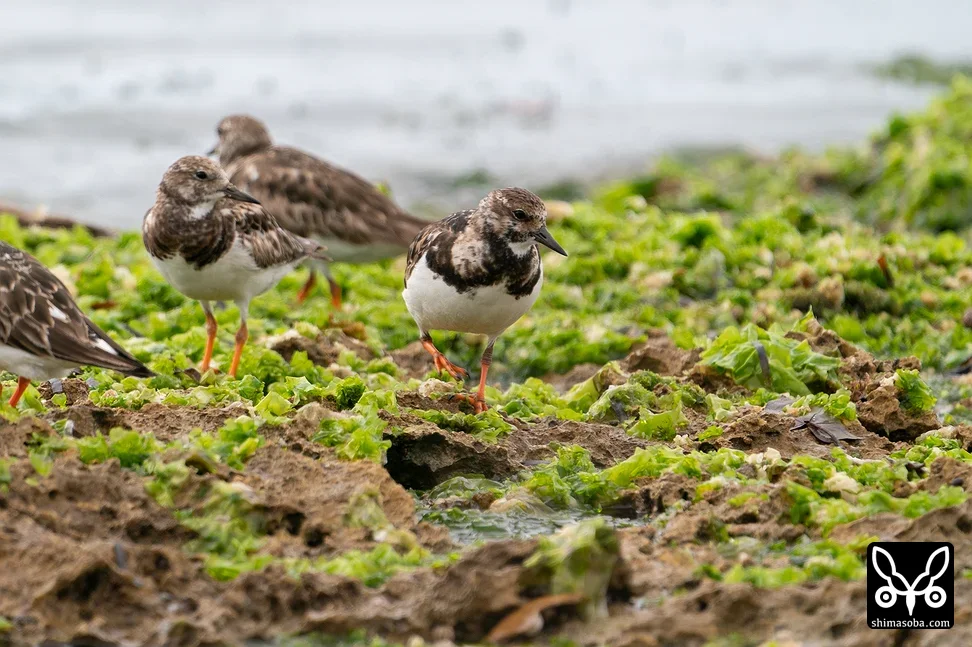
Ruddy Turnstone
Ruddy Turnstone

While the other sandpipers and plovers were sleeping, a flock of Ruddy Turnstones moved about actively, searching for prey.

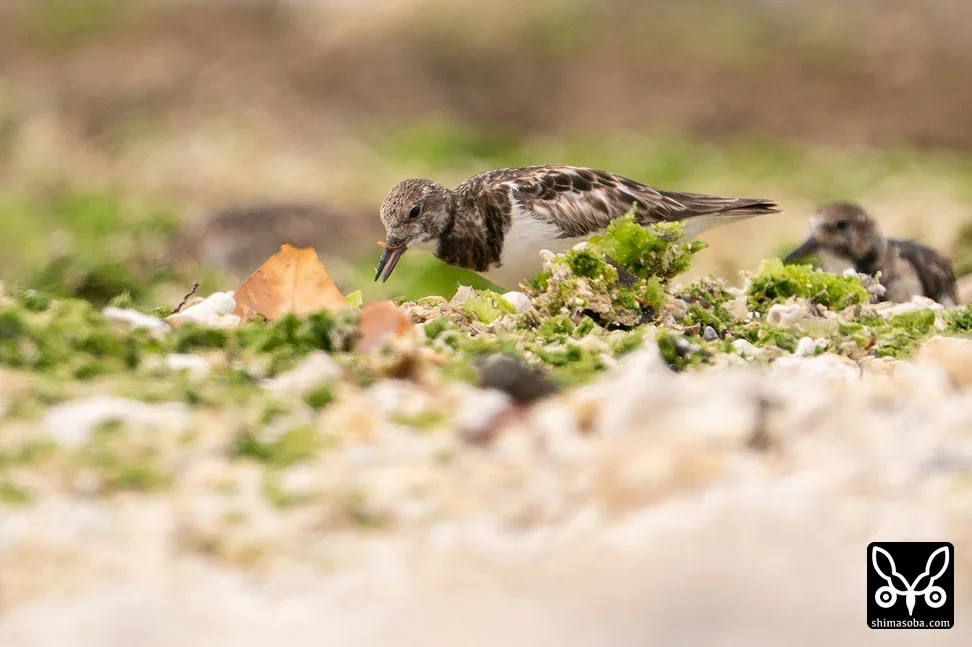
Ruddy Turnstone
Ruddy Turnstone

A Ruddy Turnstone caught a small earthworm-like creature.

Red-necked Stint
Red-necked Stint

The Red-necked Stints show a rich variety, ranging from individuals in full winter plumage to those nearly in full summer plumage.

Pacific Reef Heron
Pacific Reef Heron

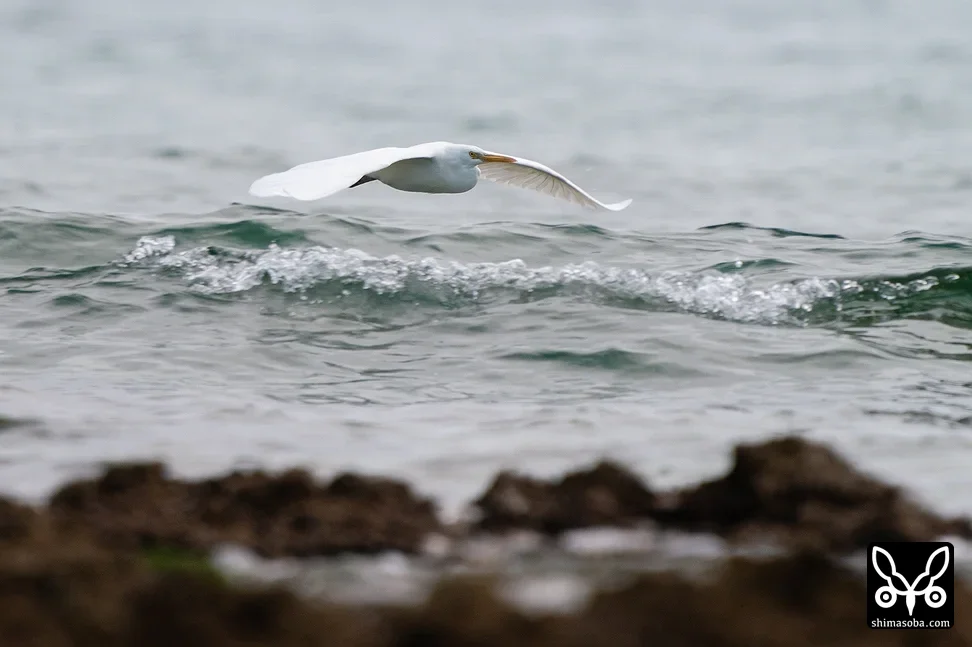
A white-morph Pacific Reef Heron was flying offshore.

Categories: 野鳥

First Ruddy Kingfisher of the season

A pair of Ryukyu Ruddy Kingfishers has come back this year to the spot where they breed every year. Spotter, a bird guide, first confirmed them on March 26. They come out obligingly every day.

It is rare to see Ruddy Kingfishers steadily on Ishigaki from March, so I am grateful. ^^

Spotter says tours have been cancelled because of the new coronavirus, so you can book a bird guide now. ^^

Ruddy Kingfisher
Ruddy Kingfisher

A female Ruddy Kingfisher.

Ruddy Kingfisher
Ruddy Kingfisher

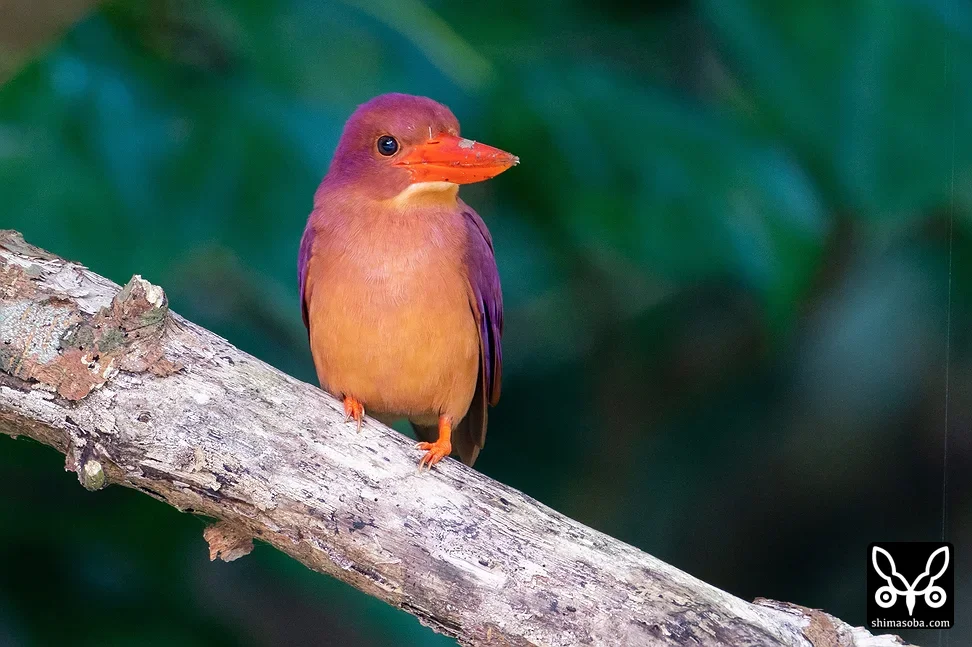
An exceptionally unwary individual — I could shoot to my heart's content. ^^

Ruddy Kingfisher
Ruddy Kingfisher

While waiting in the car, a beautiful Ruddy Kingfisher landed on a branch right in front of me!!

Categories: 野鳥

Weather cleared and the birds left

The Common Hoopoe, Chinese Blackbird and Oriental Plover that had been there until the day before had all gone. With the weather improving, they seem to have departed during the night. (P.S. On the 27th, the next day, Common Hoopoes and others came in again.)

Still, pinning a faint hope on it, I went around Ishigaki and was greeted by birds typical of Yaeyama: Crested Serpent Eagle, Malayan Night Heron, Purple Heron, White-breasted Waterhen and Brown Shrike. While the wintering wagtails were disappearing one after another, I managed to photograph a White Wagtail.

It was not only birds leaving. The Ruddy Kingfisher, whose call I had been hearing for a few days, finally showed itself. I got word from Spotter, Ishigaki's number one bird guide, but by the time we reached the site it seemed to have retreated somewhere.

Reports have come in from others of Ruddy Kingfishers seen, so the Ruddy Kingfisher season on Ishigaki is finally here. ^^

White-breasted Waterhen

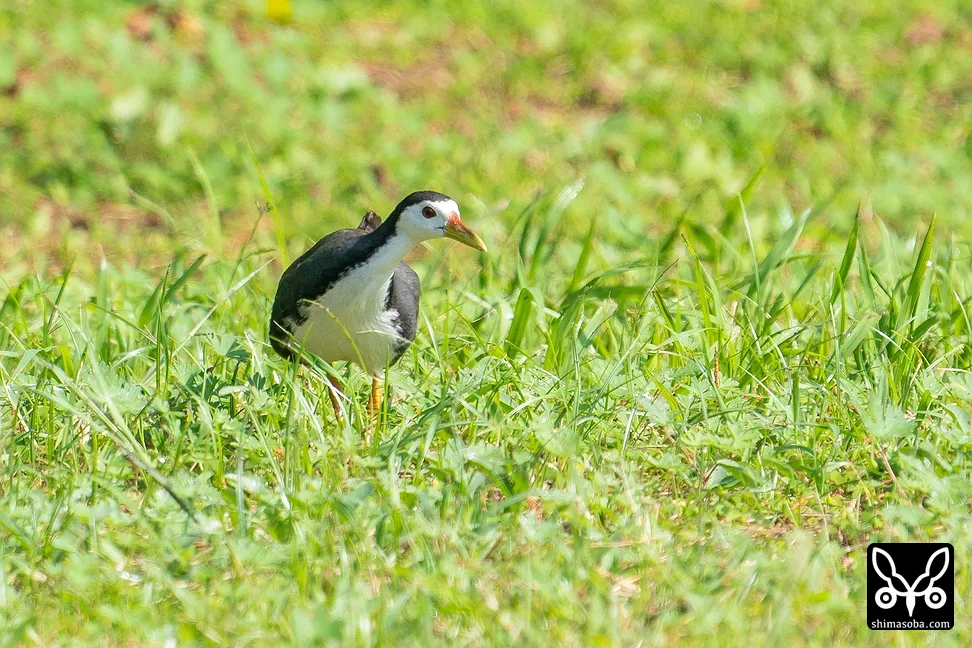
White-breasted Waterhen — I see them often enough, but they rarely let me get a decent photo.

Crested Serpent Eagle

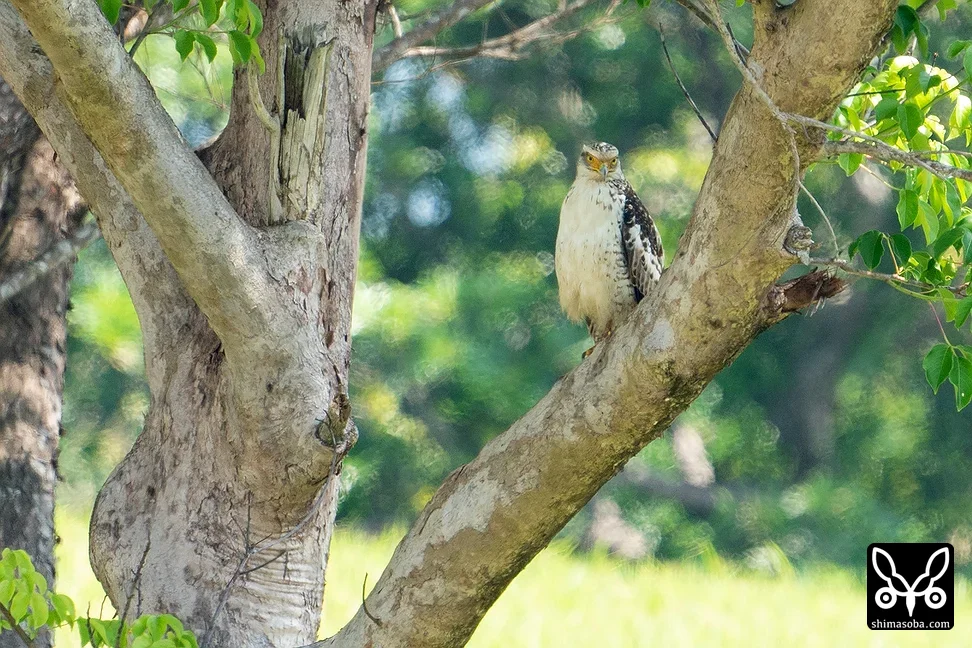
Juvenile Crested Serpent Eagle inside a ranch. The bokeh from the 200–600 is really rough, though… ^^;

Purple Heron
Purple Heron

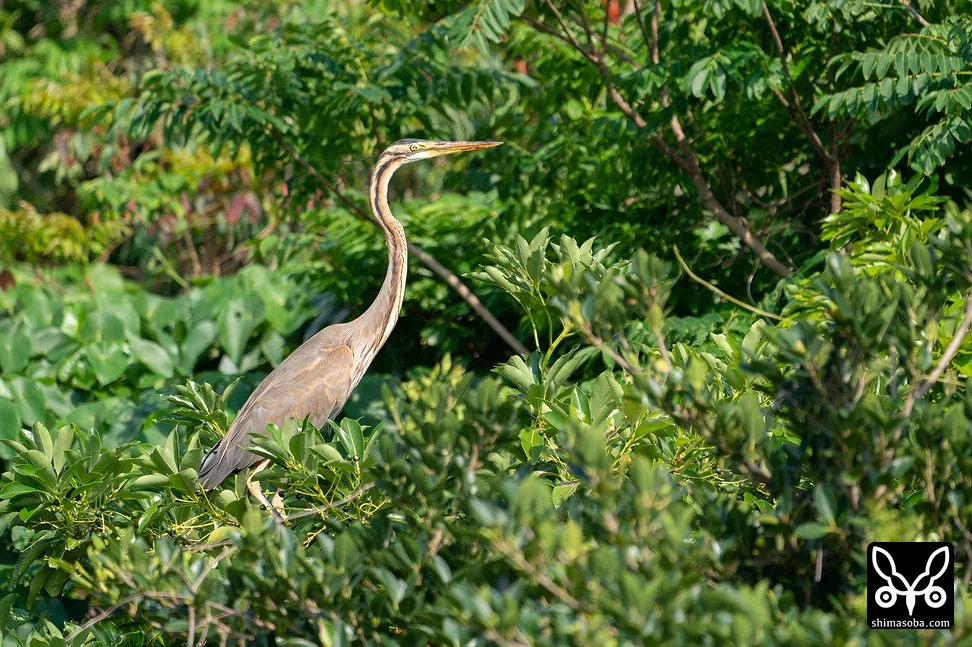
A young Purple Heron.

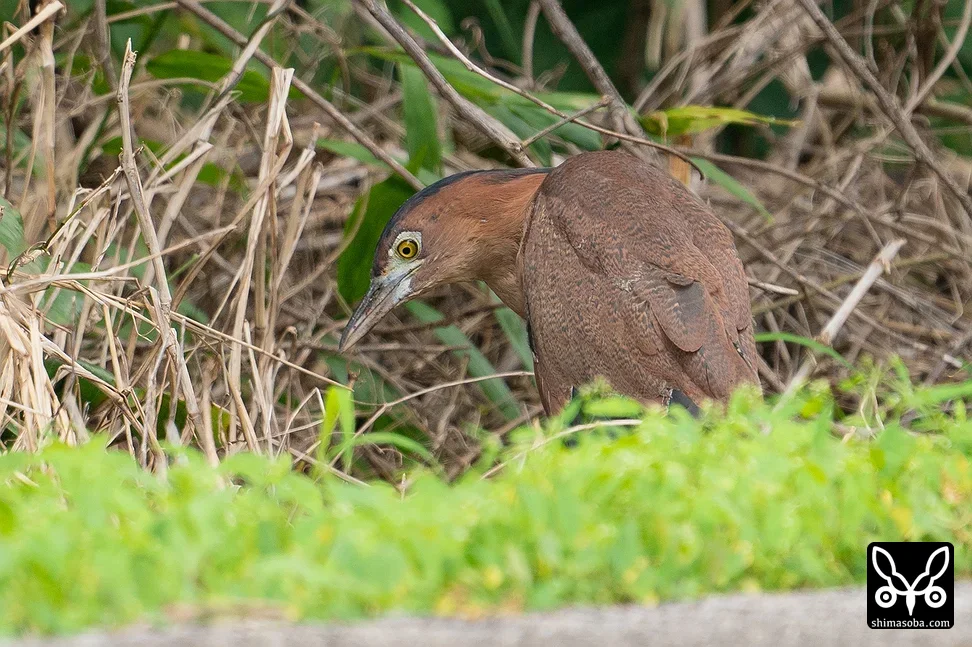
Malayan Night Heron
Malayan Night Heron

A Malayan Night Heron foraging along the prefectural road.

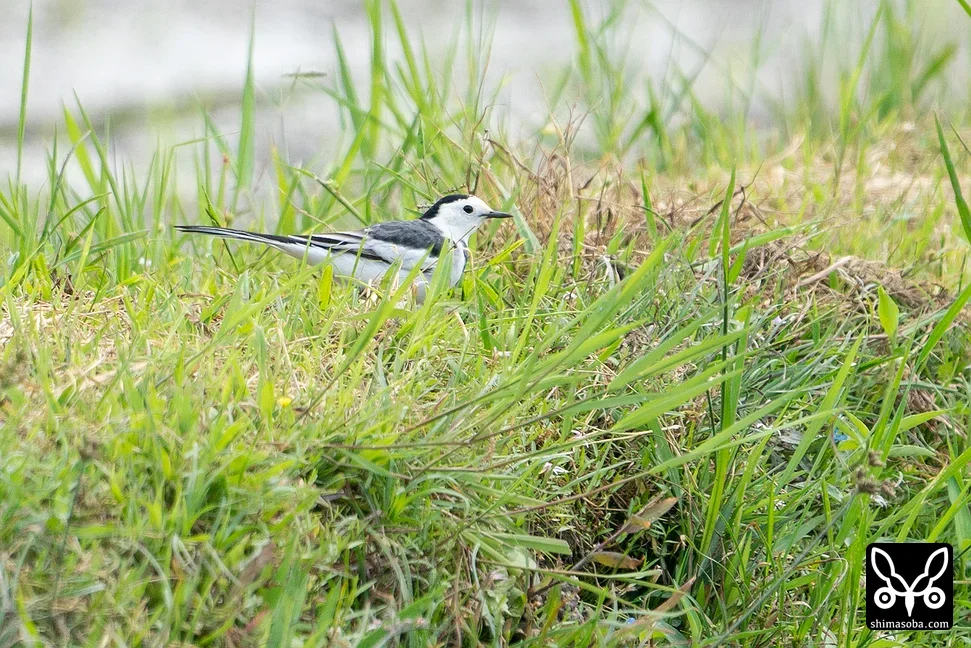
White Wagtail
White Wagtail

Adult male White-faced Wagtail.

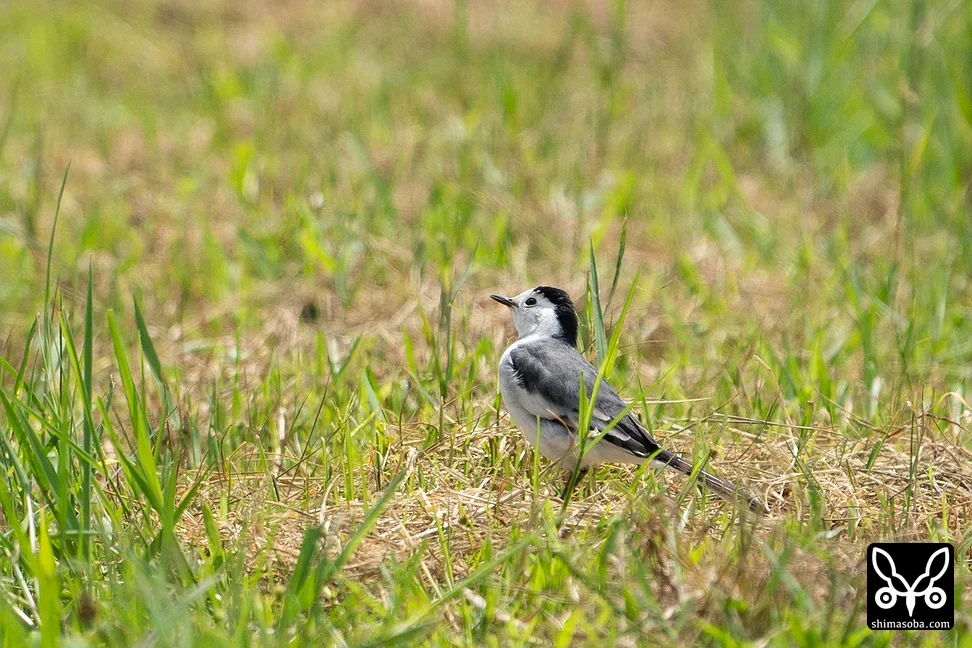
White Wagtail
White Wagtail

It was keeping an eye on the sky above.

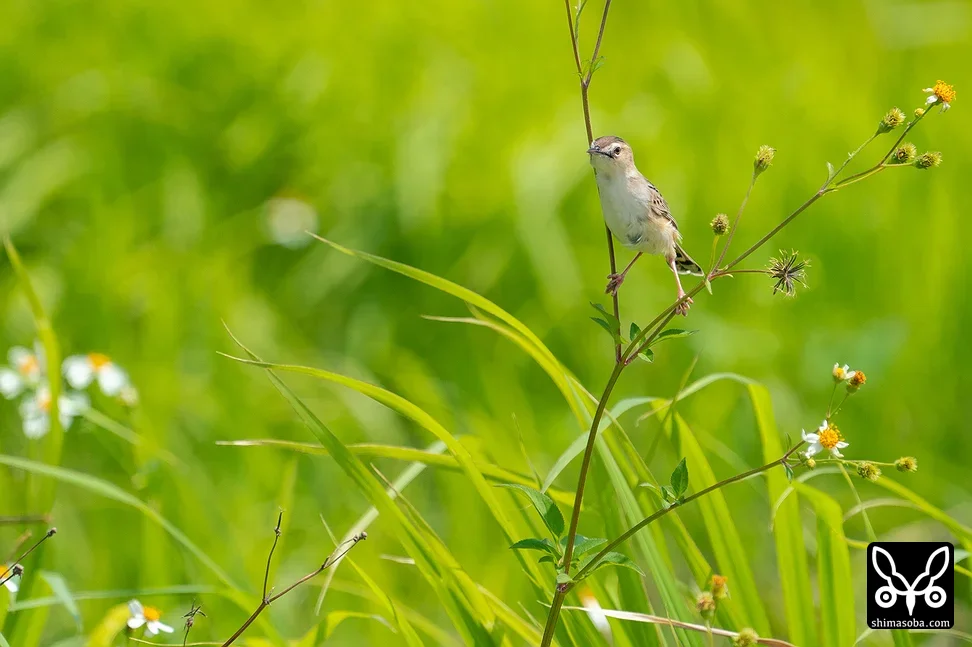
Zitting Cisticola
Zitting Cisticola

Zitting Cisticolas in breeding season are constantly flying over the grassland, calling away.

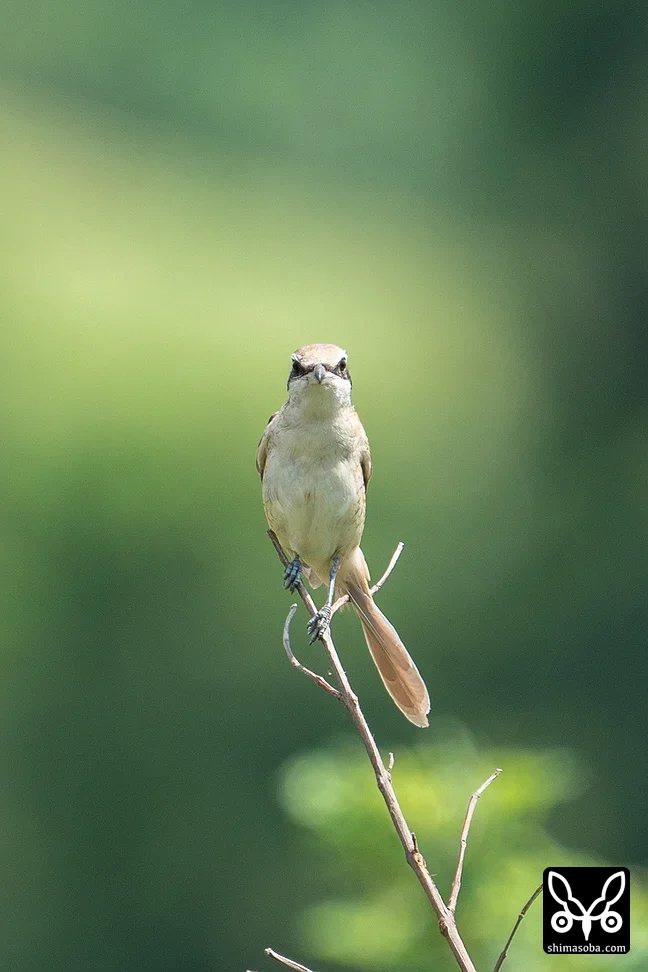
Isabelline Shrike
Isabelline Shrike

First-summer male Brown Shrike.

Isabelline Shrike
Isabelline Shrike

A female Brown Shrike.

Categories: 野鳥