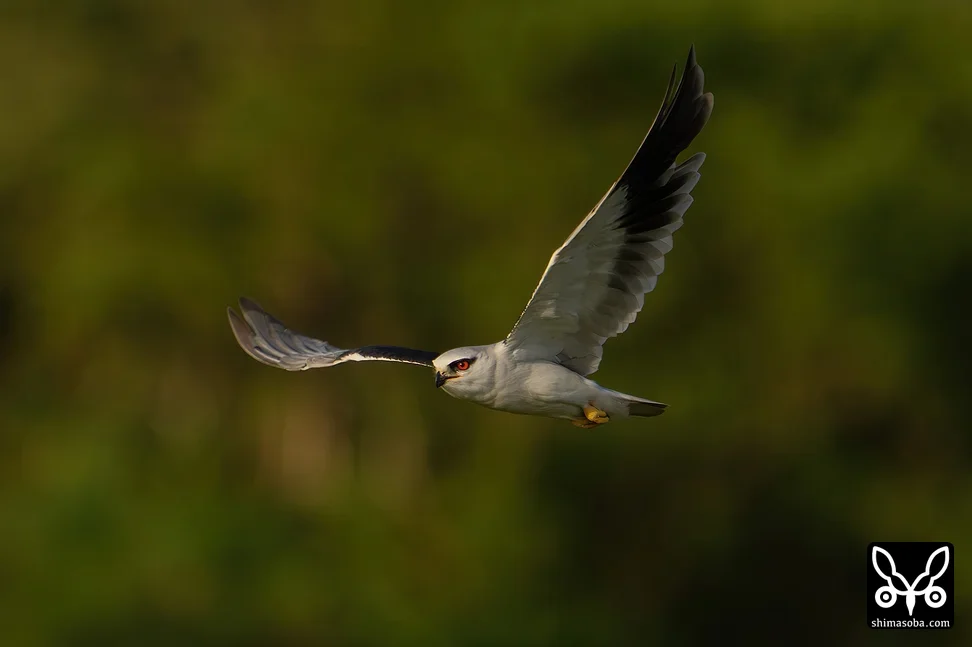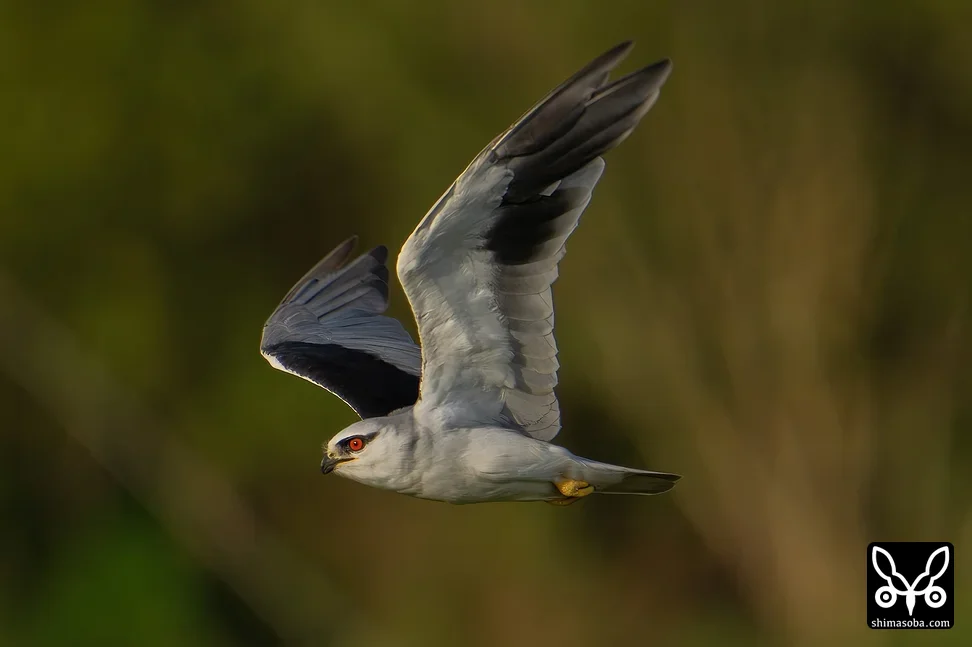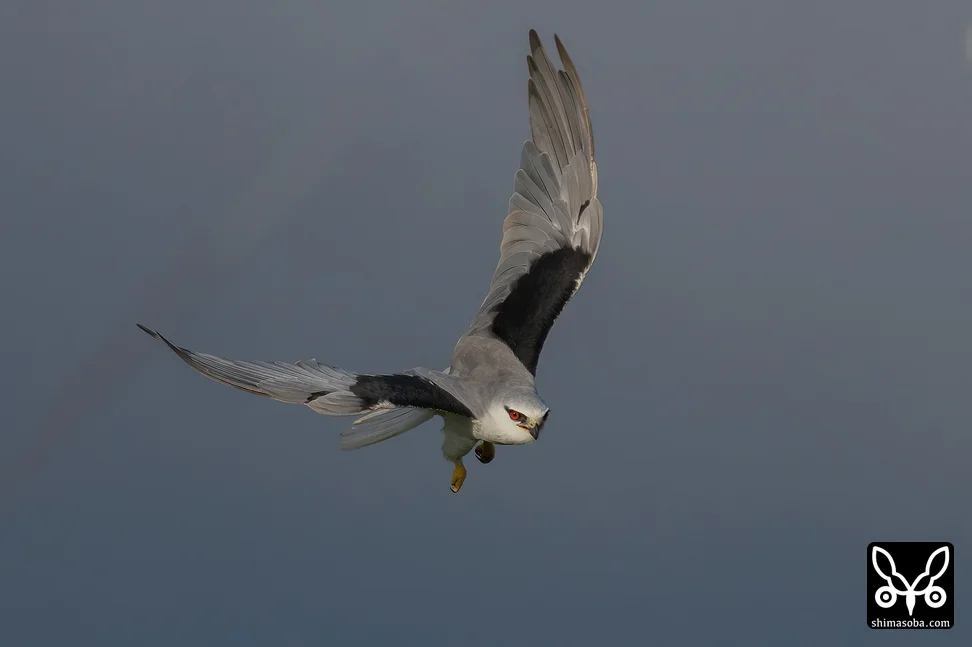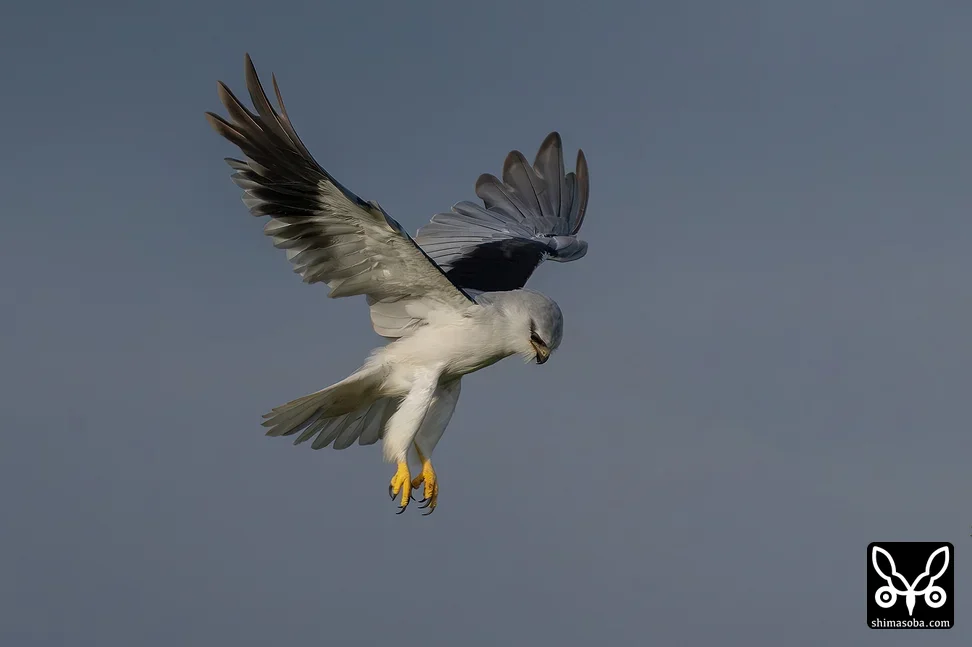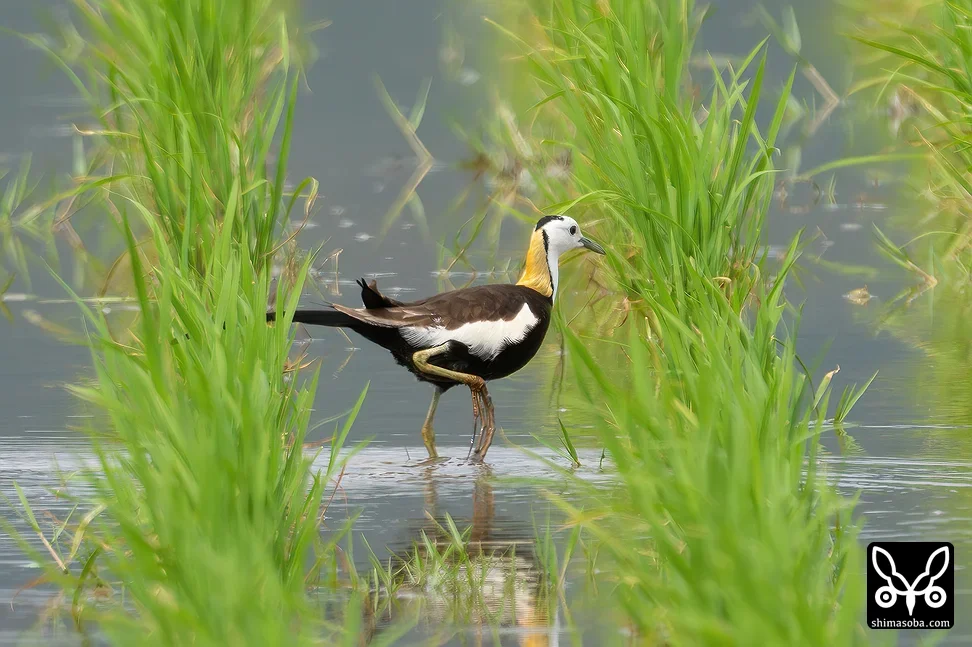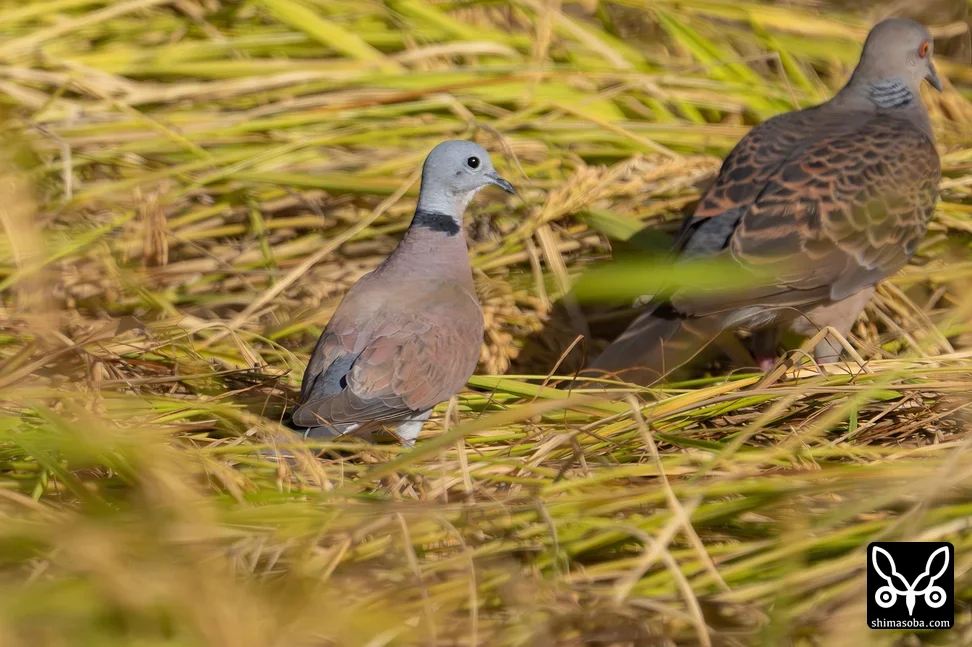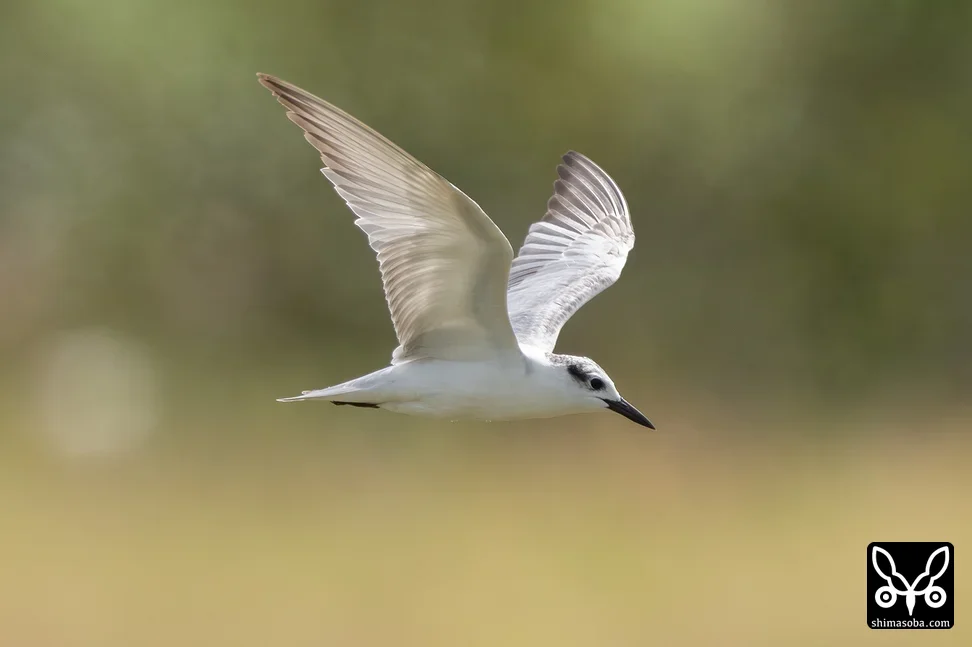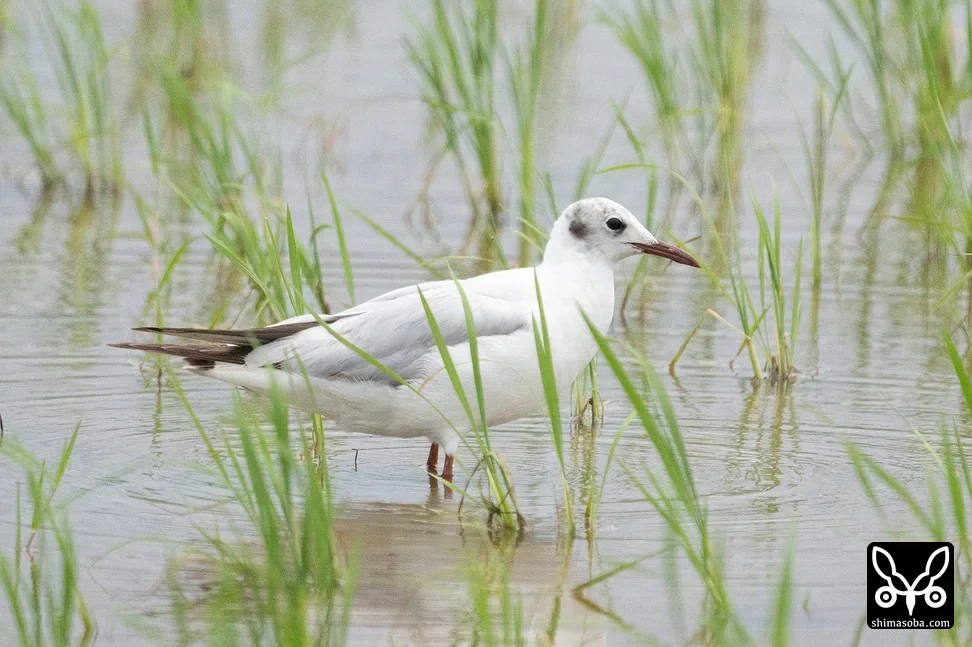
White-winged Tern, Whiskered Tern, Little Tern, Gull-billed Tern, Black-headed Gull
A look at the terns around Ishigaki Island over the past few days. After Typhoon No. 2 passed, a flock of Whiskered Terns and White-winged Terns arrived. Among roughly twenty Whiskered Terns, three White-winged Terns were mixed in.
Little Terns had been incubating at Painu Hamachō, but with the deployment of PAC3, more than thirty vehicles moved in and that was the end of it. As it's early in the breeding season, I hope they can find somewhere else to nest… We should always keep in mind that human activity affects other living things.
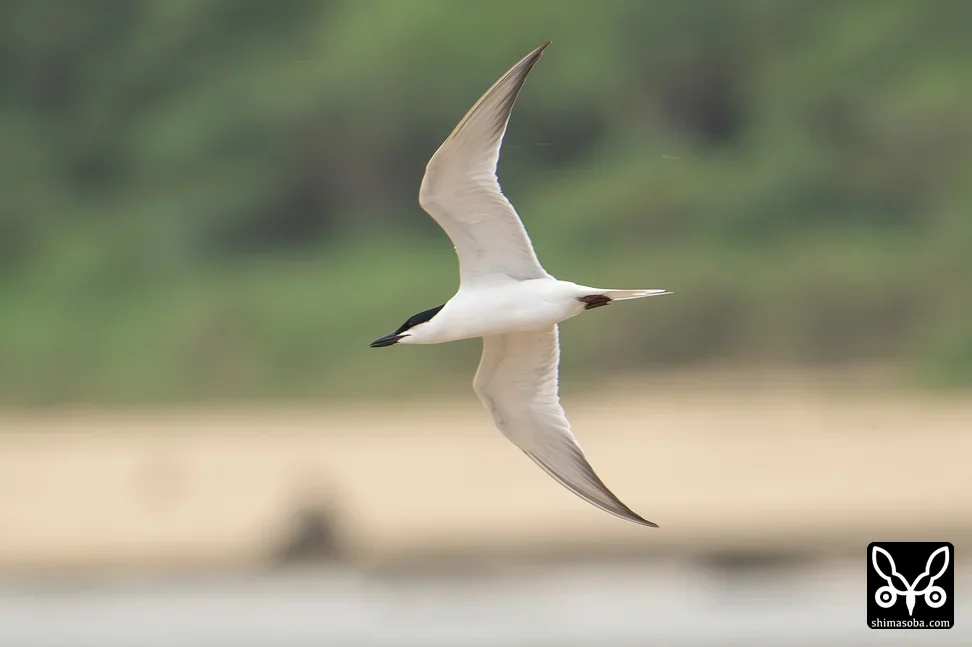
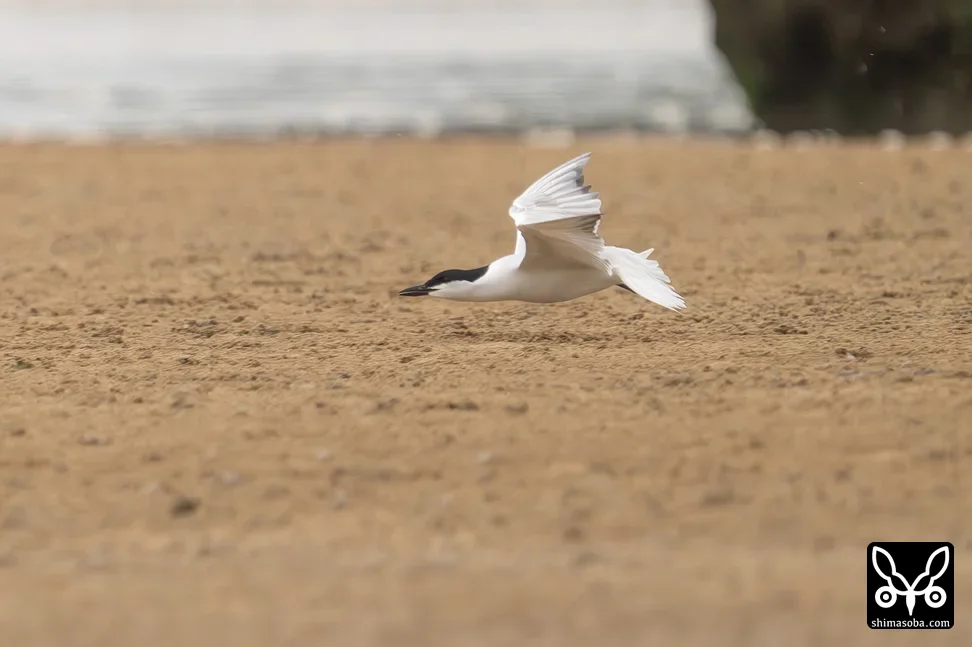
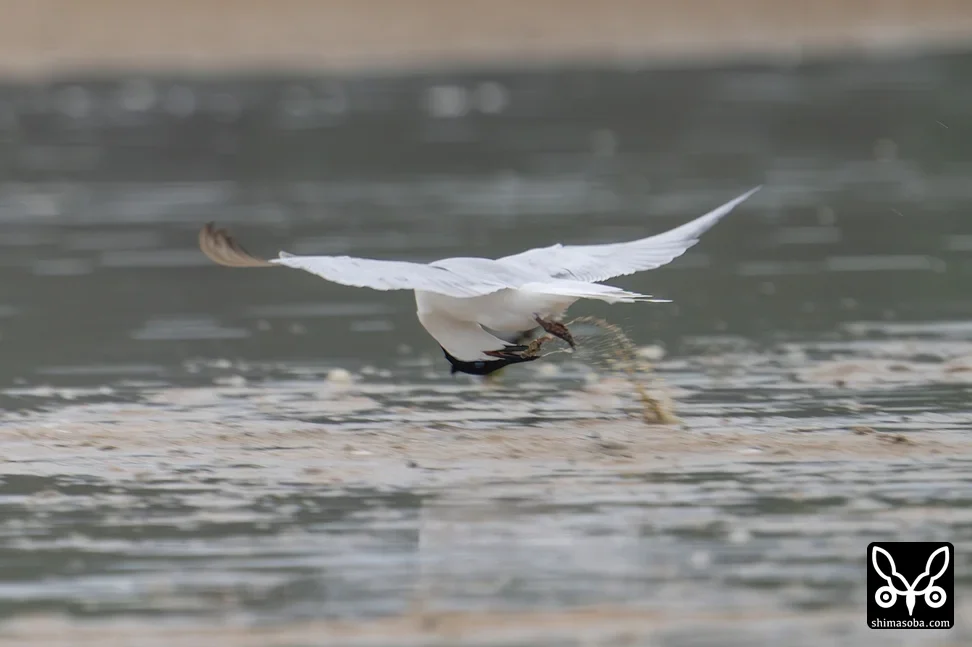
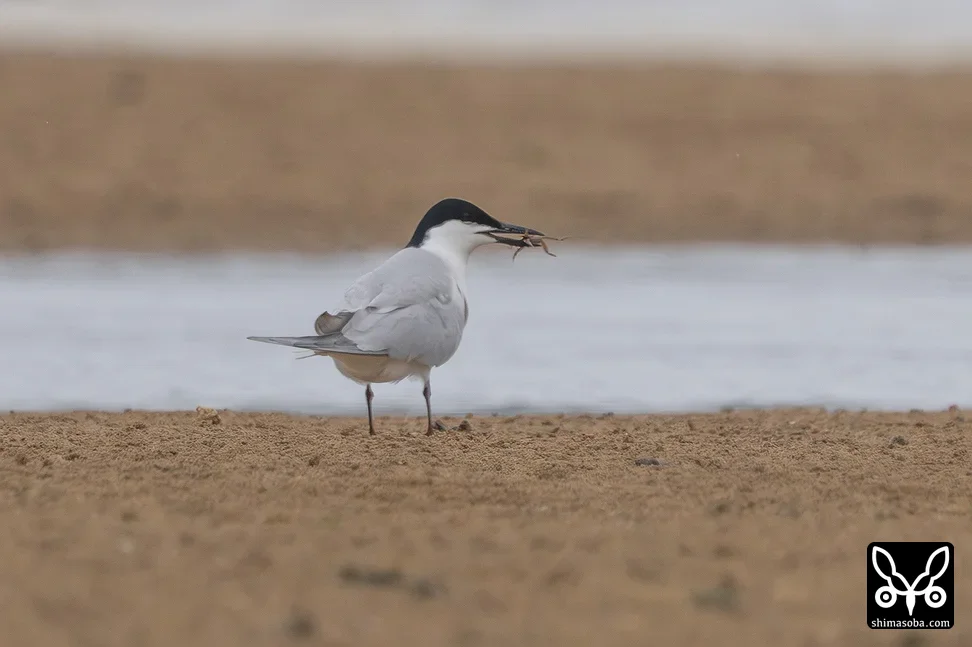
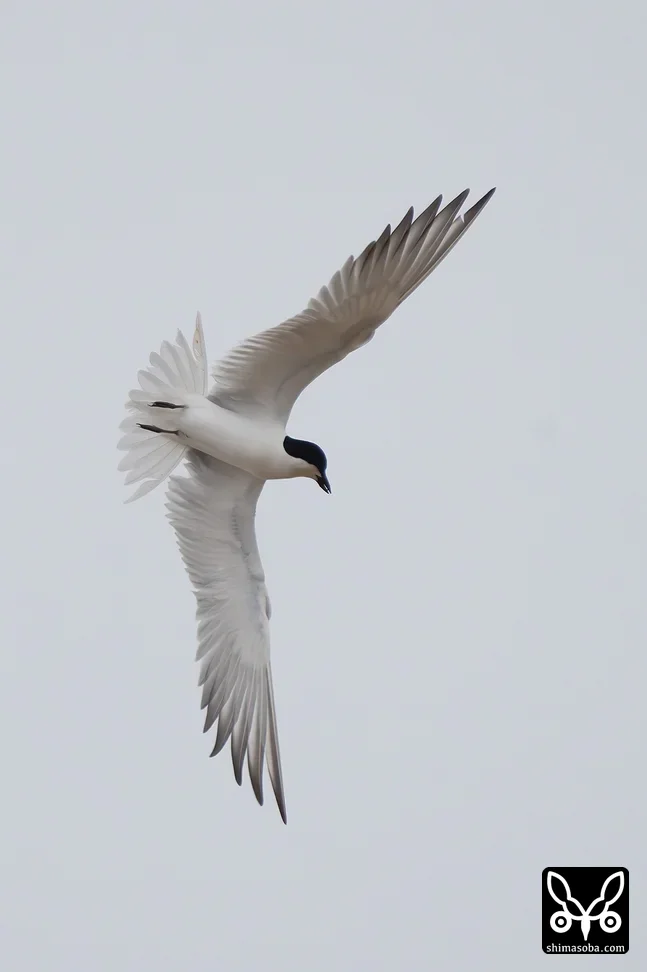
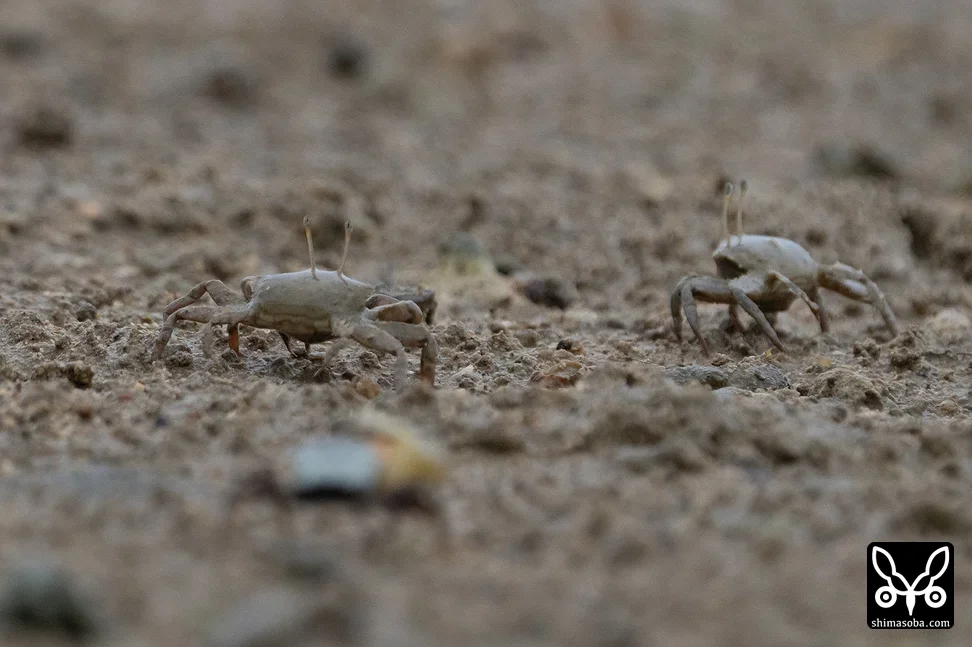
A Gull-billed Tern has been present for several days now. It is completely unafraid — it kept on fishing even with children splashing and making noise nearby.
An out-of-season Black-headed Gull arrived alone. Blown in by the typhoon, perhaps?
I couldn't get a photo, but I also had visual confirmation of several Black-naped Terns. I expect their numbers will build from here as they come to breed on Ishigaki. No Roseate Terns confirmed yet.
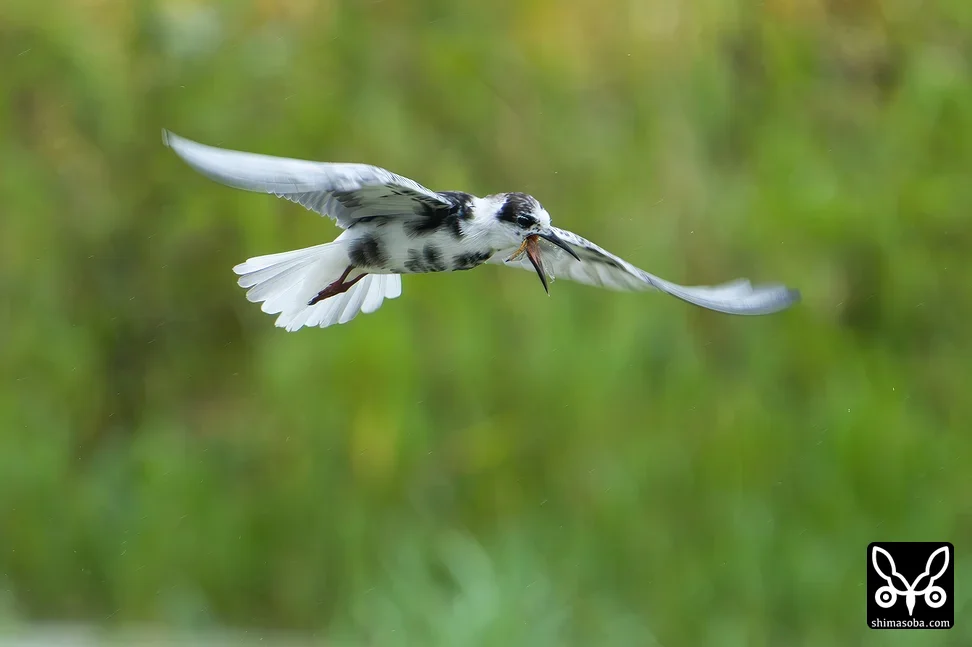
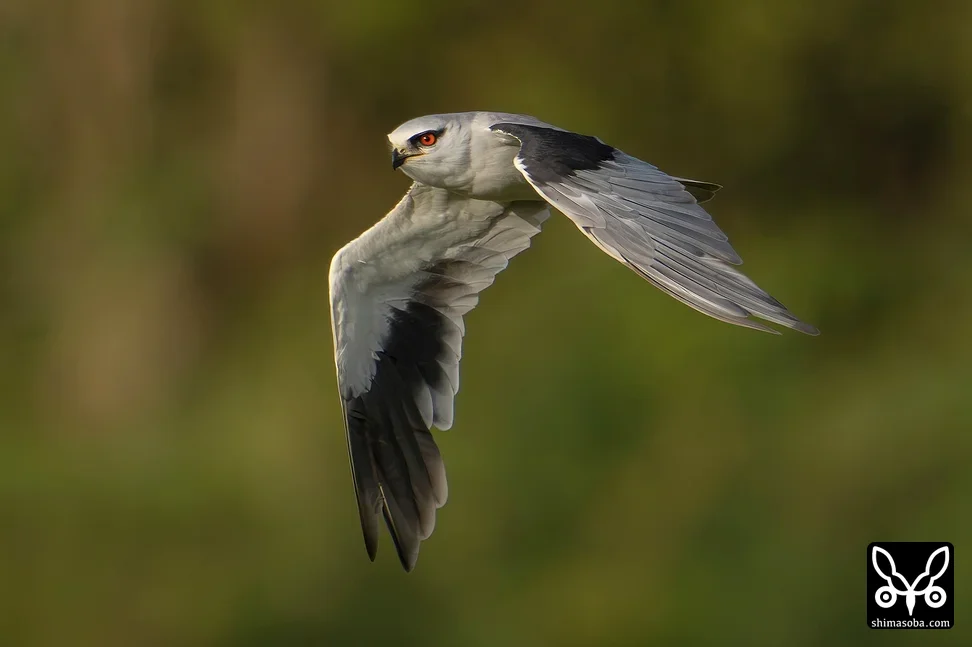
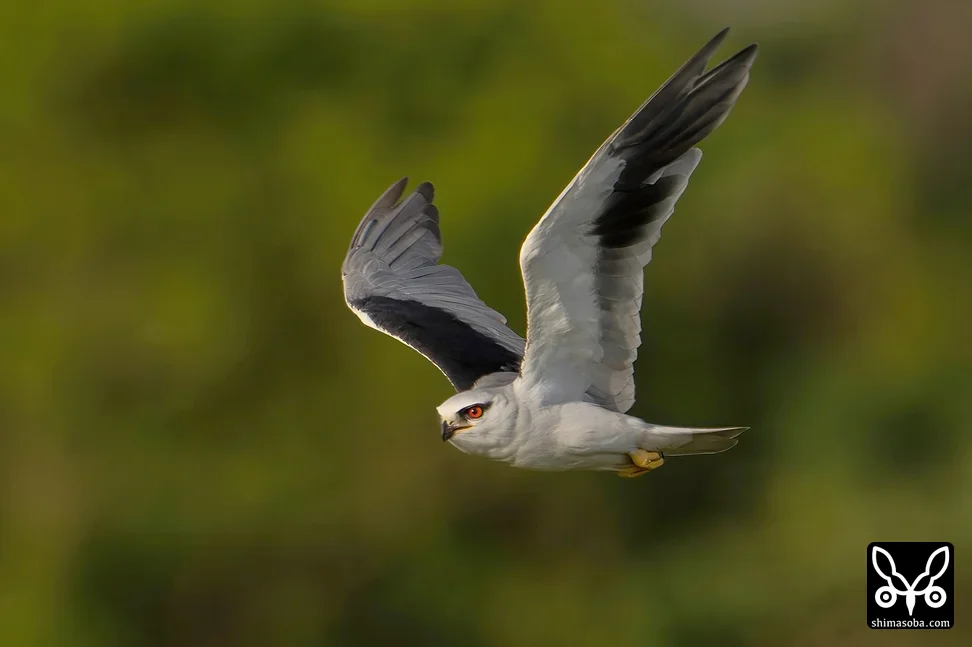
A White-winged Tern was flying over the rice paddies in strong winds left by the tail of a typhoon, catching dragonflies.
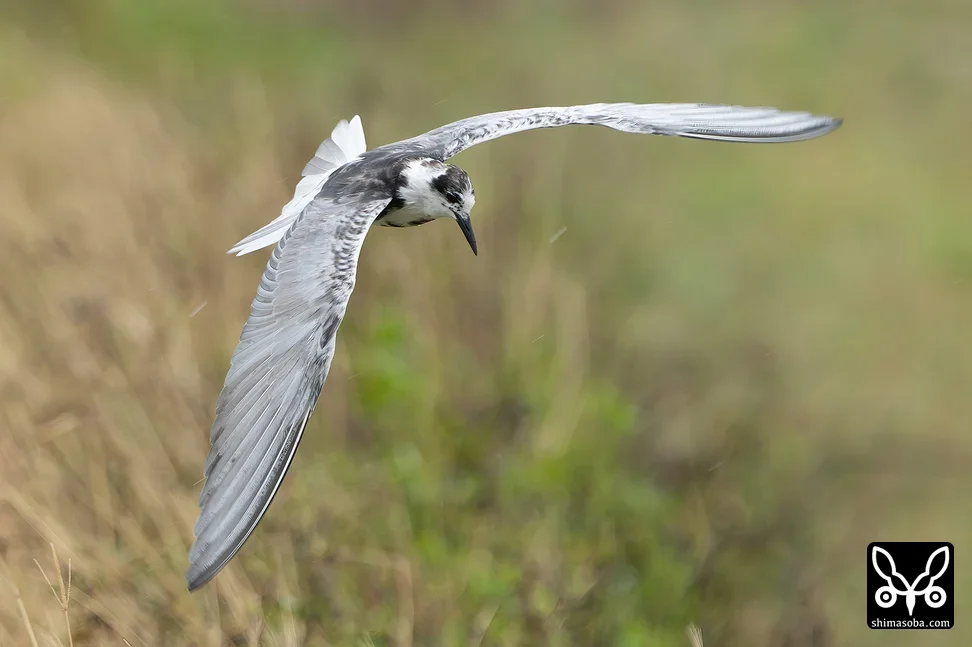
Same individual as above. In mid-moult into breeding plumage — the most advanced moult in the flock.
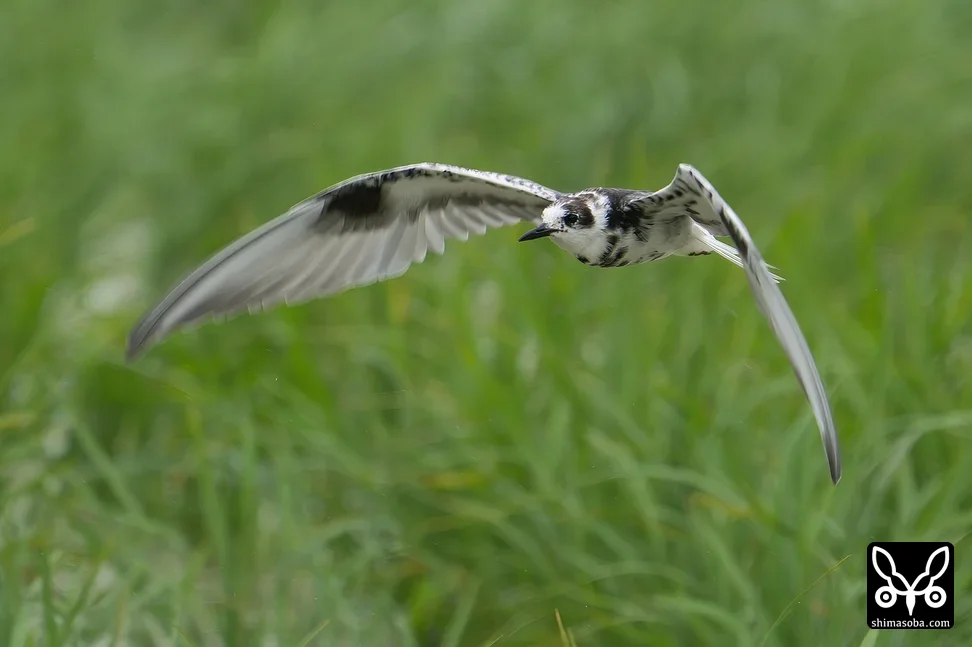
Same individual as above. My daughter was thrilled to have a White-winged Tern flying around so close to us. ^^
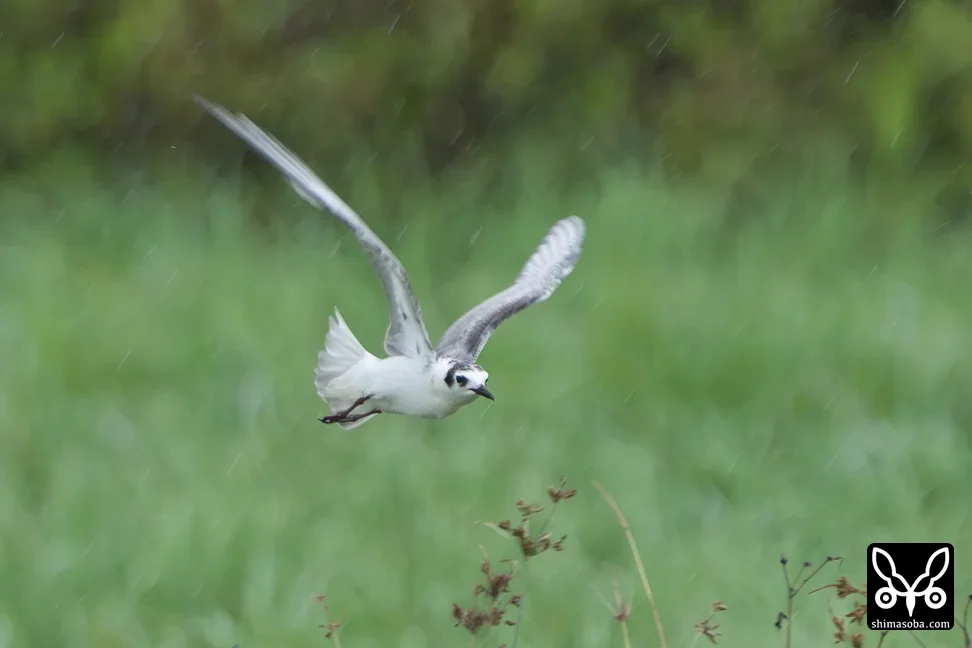
A different White-winged Tern. Almost fully in non-breeding plumage, though a little breeding plumage is still showing.
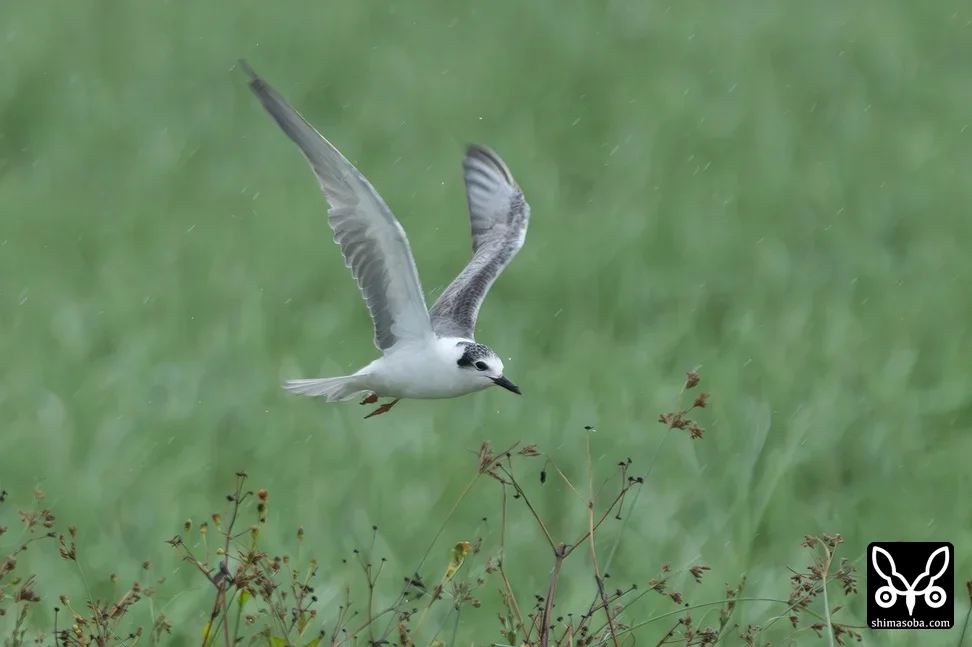
Black Tern, non-breeding plumage.
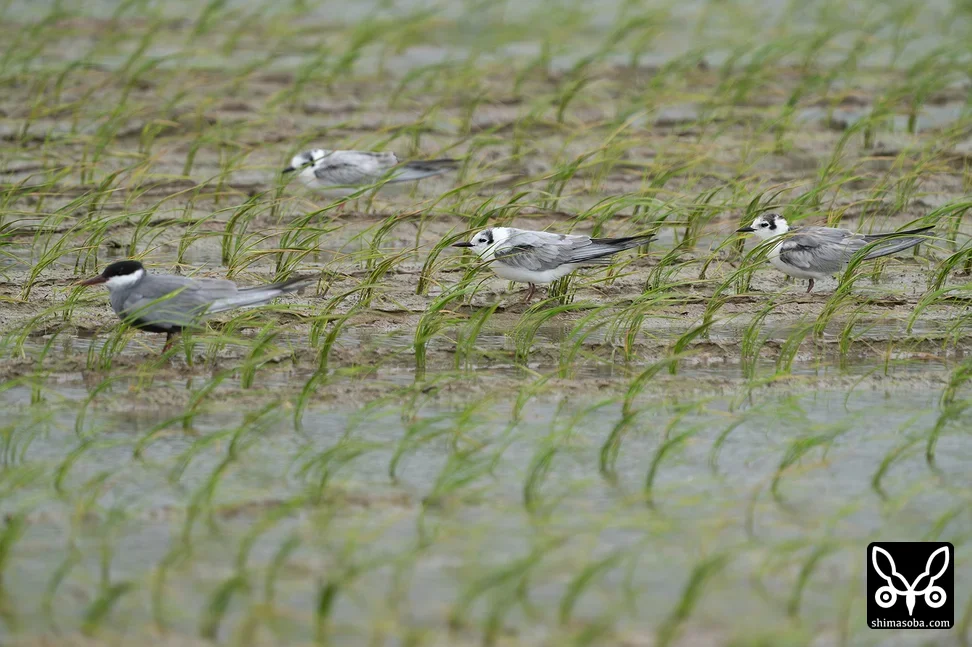
White-winged Tern (right) and Black Tern.
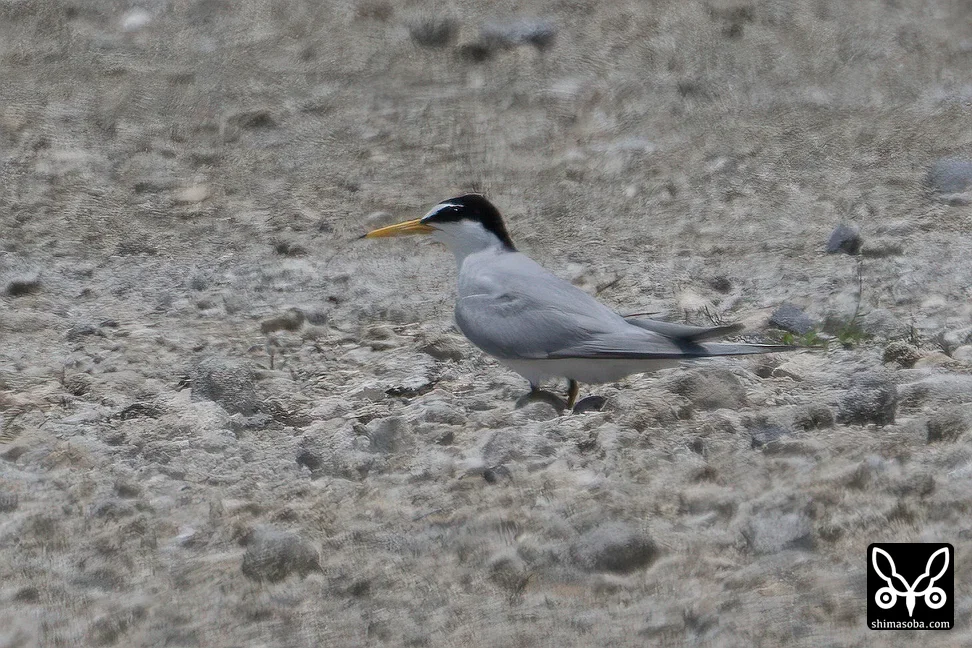
A Little Tern incubating. Two eggs are visible beneath its belly.
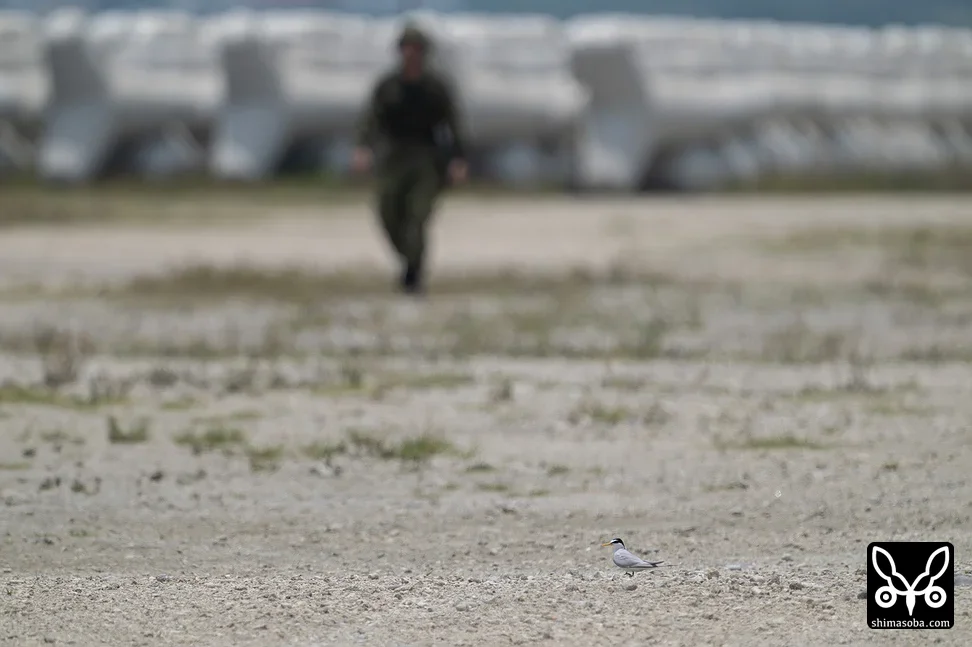
The Little Tern nest was most likely crushed by vehicles deployed for the PAC-3 installation. Kentish Plovers and others had also been present, but all flew off somewhere.
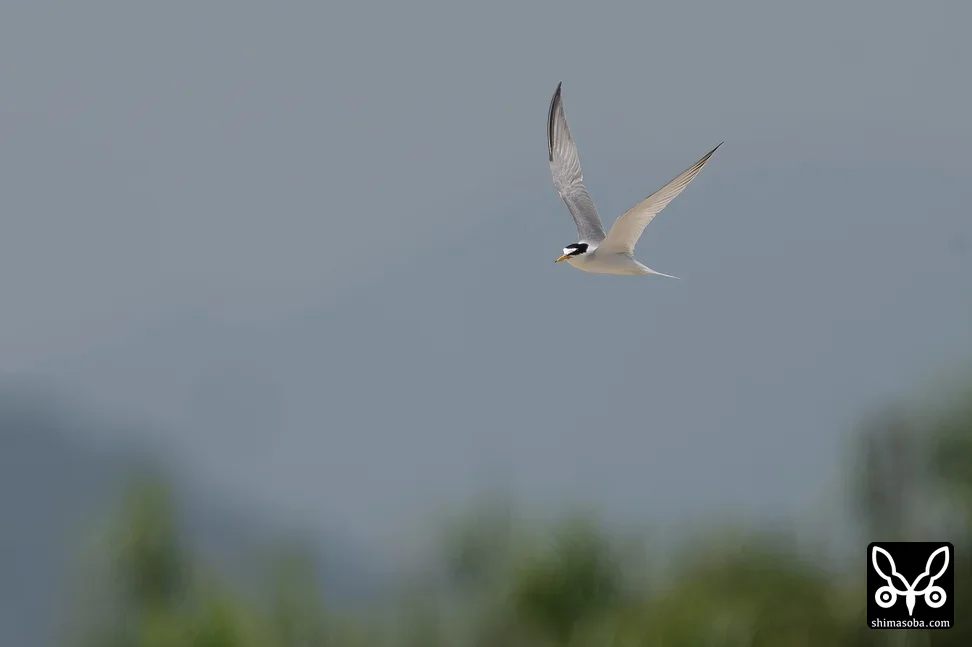
Little Terns flying over a vehicle parked on top of their nest site.
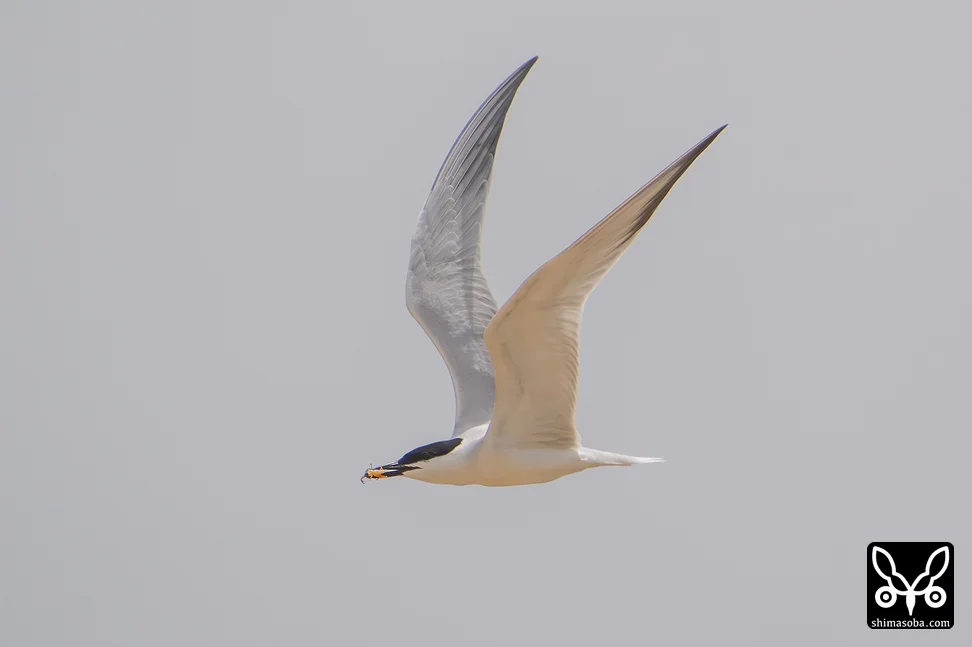
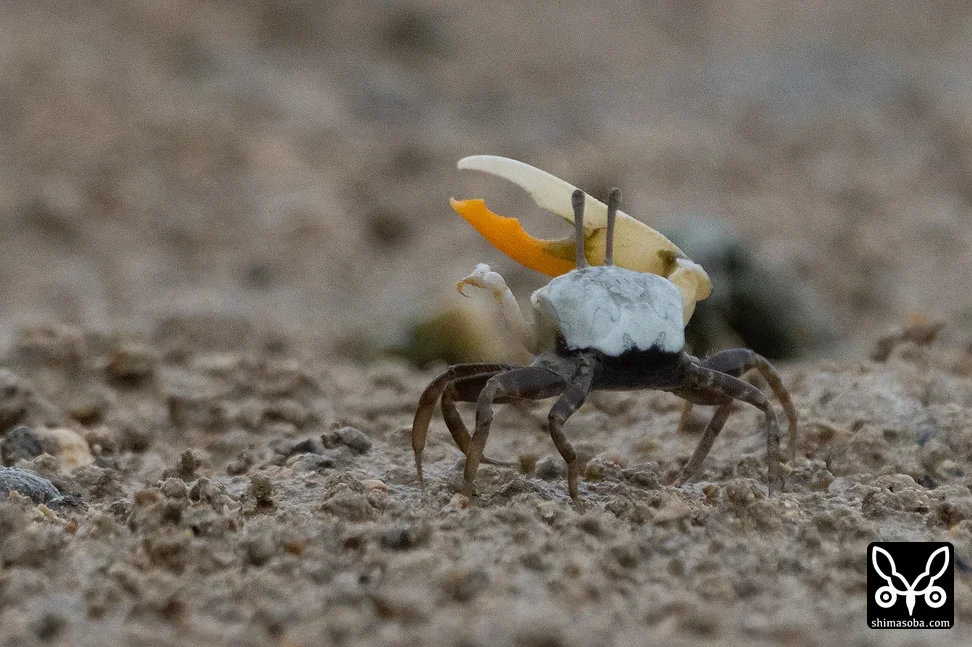
A Greater Crested Tern in breeding plumage carrying a fiddler crab in its bill.
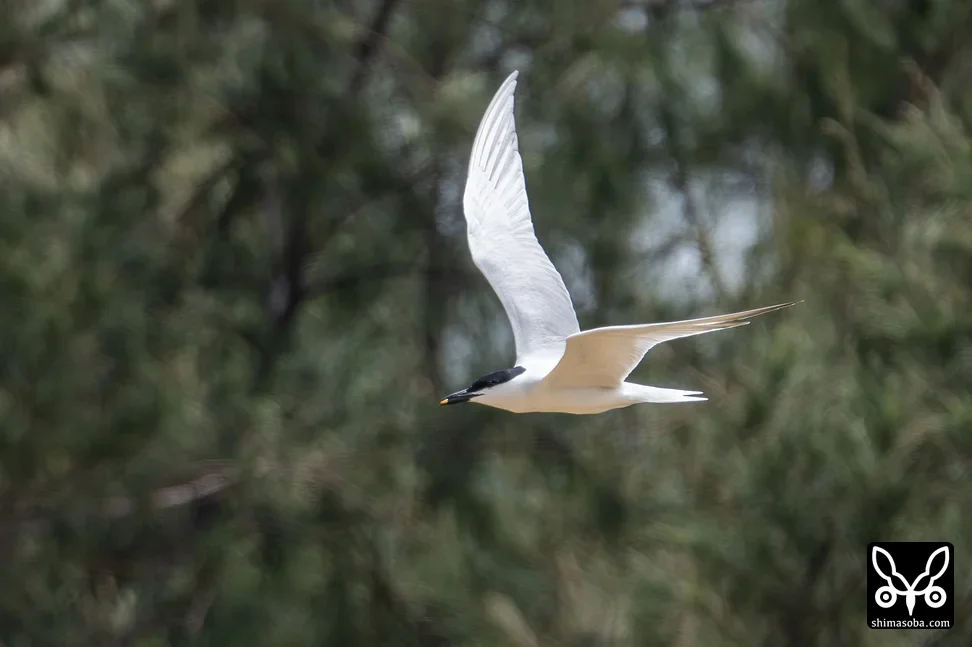
A Greater Crested Tern carrying only a crab claw.
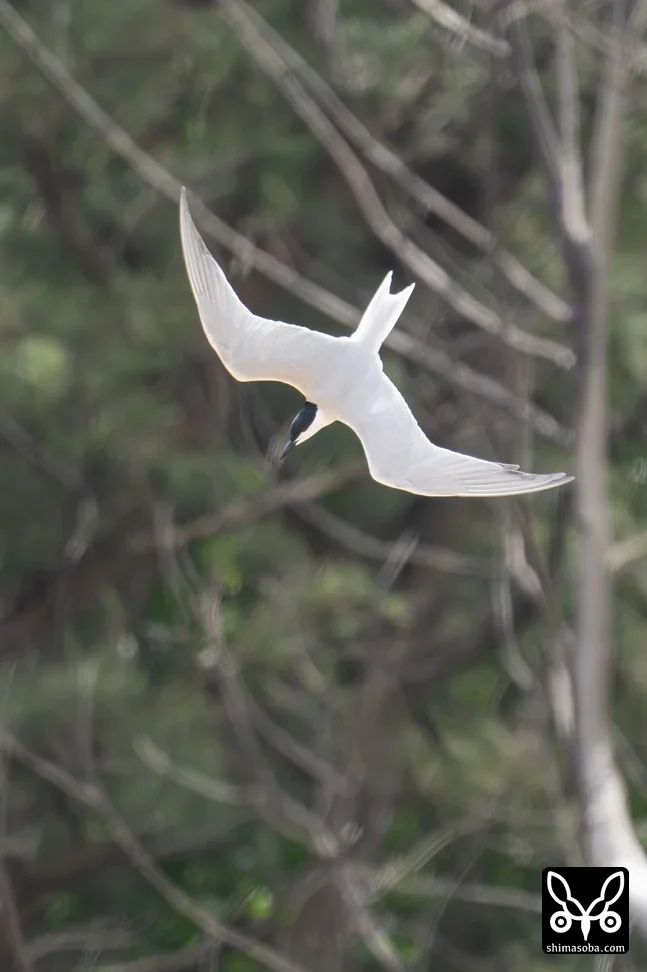
It made repeated dives at the crab again and again.
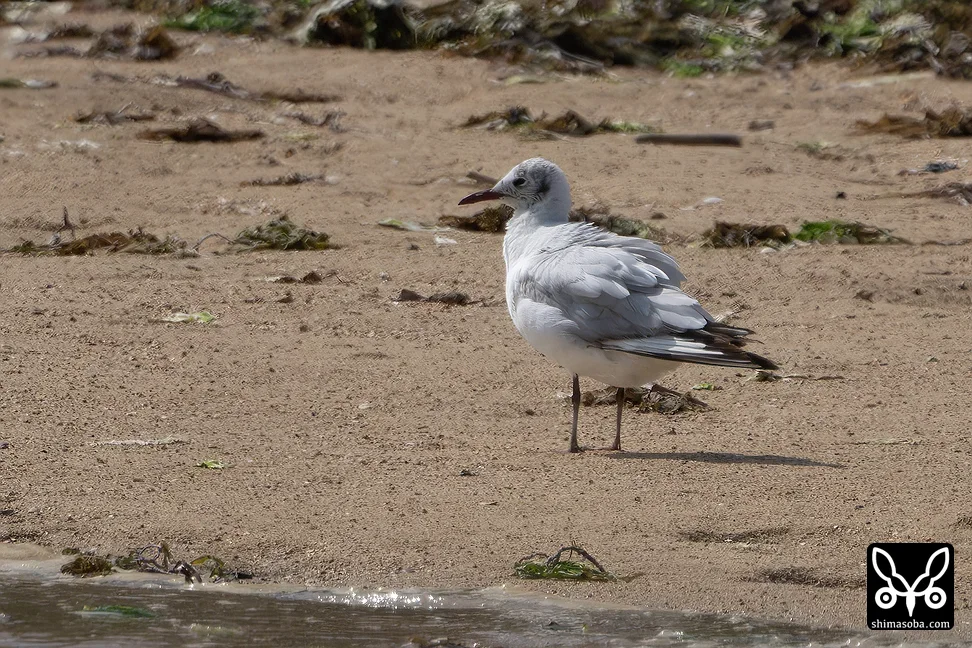
A single Black-headed Gull at the river mouth. An adult moulting from non-breeding into breeding plumage.