First birds of 2023
Wishing everyone a happy new year.
The new year got off to a rough start — the entire family came down with COVID-19 right at the beginning of the holidays. We couldn't go anywhere, and I spent the time in bed until the 8th. ^^
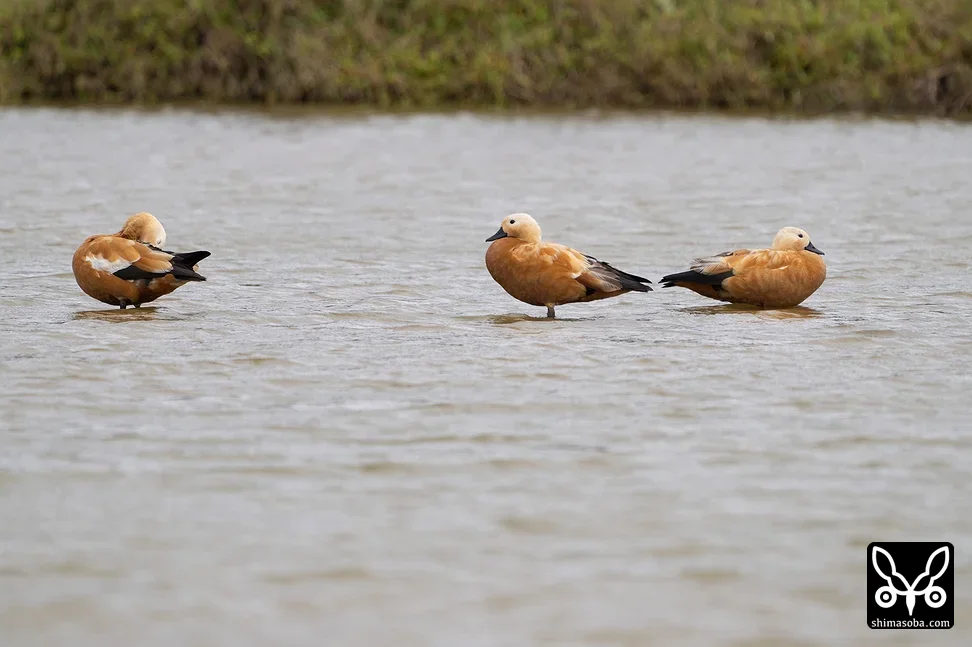
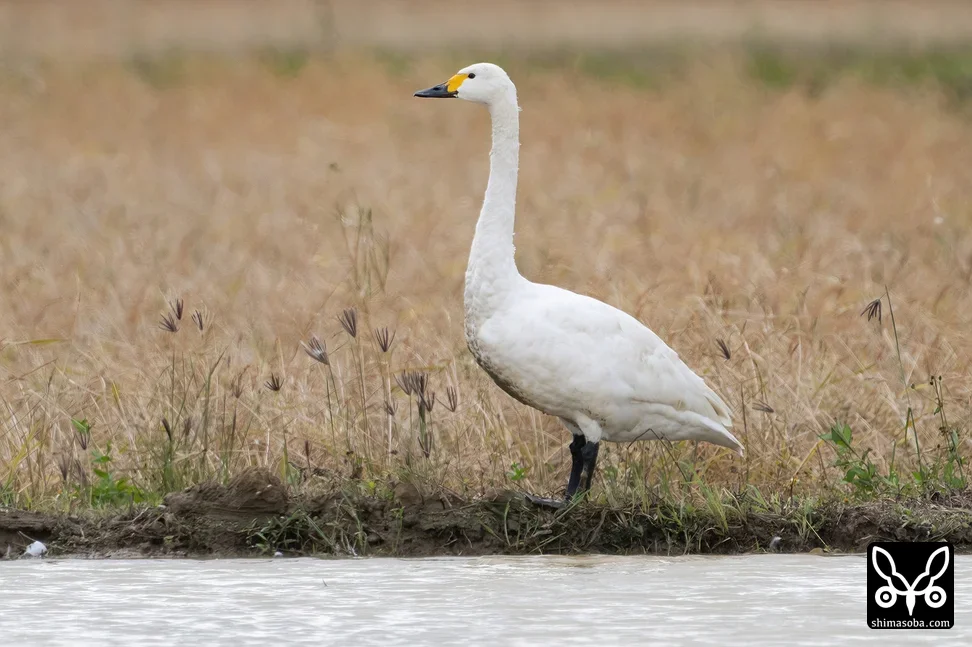
My first birding of the year was on the 9th. Overwintering since last year: Common Crane, Ruddy Shelduck, Common Shelduck, Tundra Swan, Korean Kestrel, Grey-faced Buzzard, Eastern Marsh Harrier, Hen Harrier, thrushes, wagtails, Amur Stonechat, Chinese Pond Heron, and four species of starling.
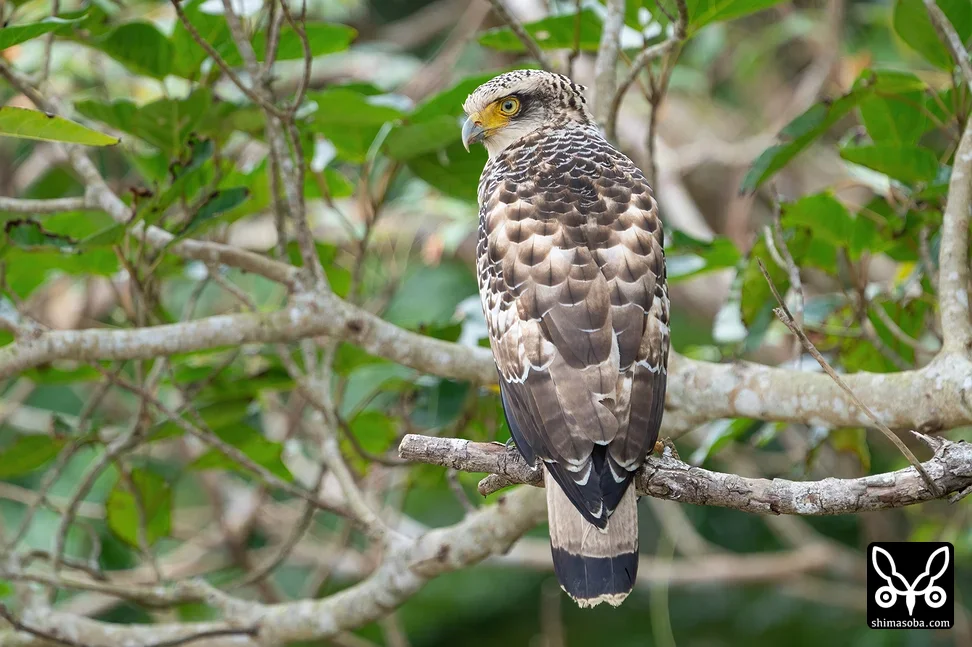
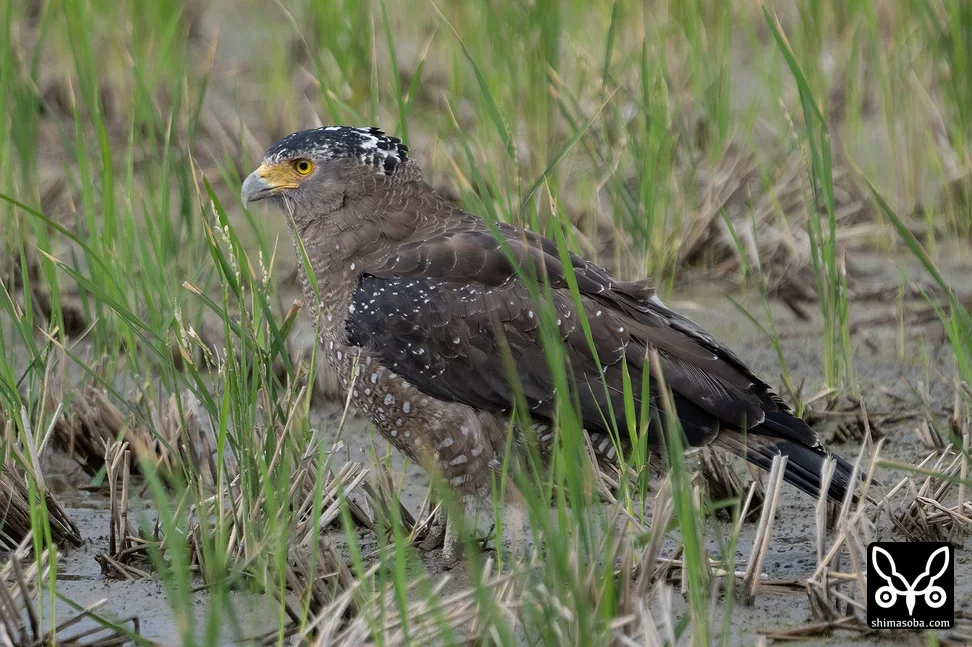
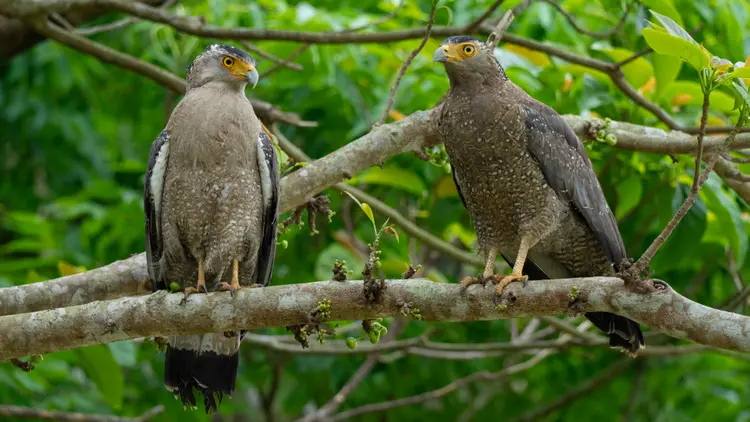
For New Year's, you can't leave out a juvenile Crested Serpent Eagle — the bird celebrated in the Okinawan song "Washi nu Tui-bushi."
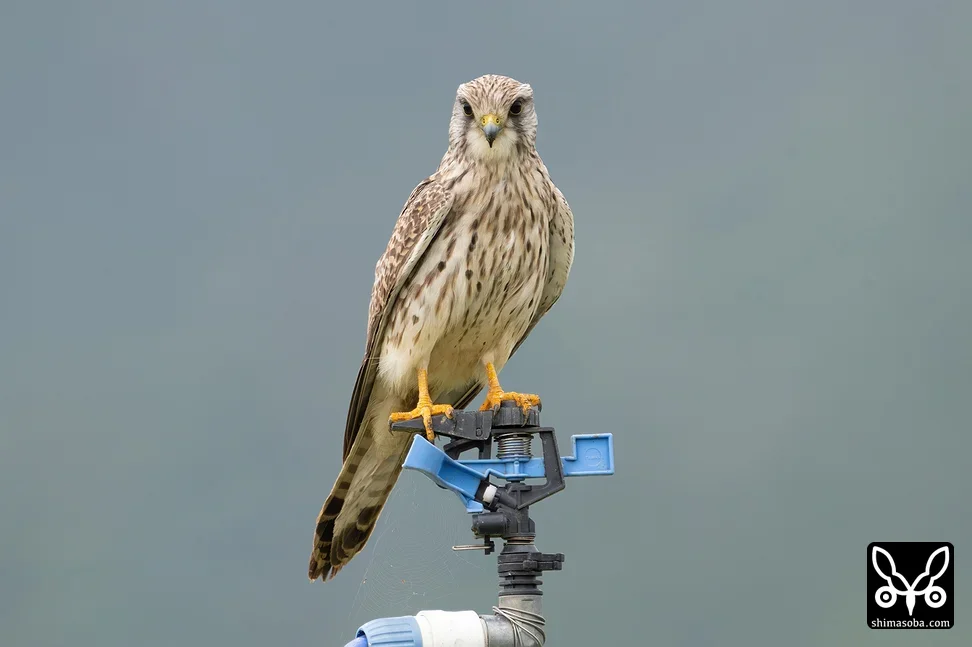
Lesser Kestrel, juvenile. Wintering in the same spot. An individual with no wariness at all — easy to watch.
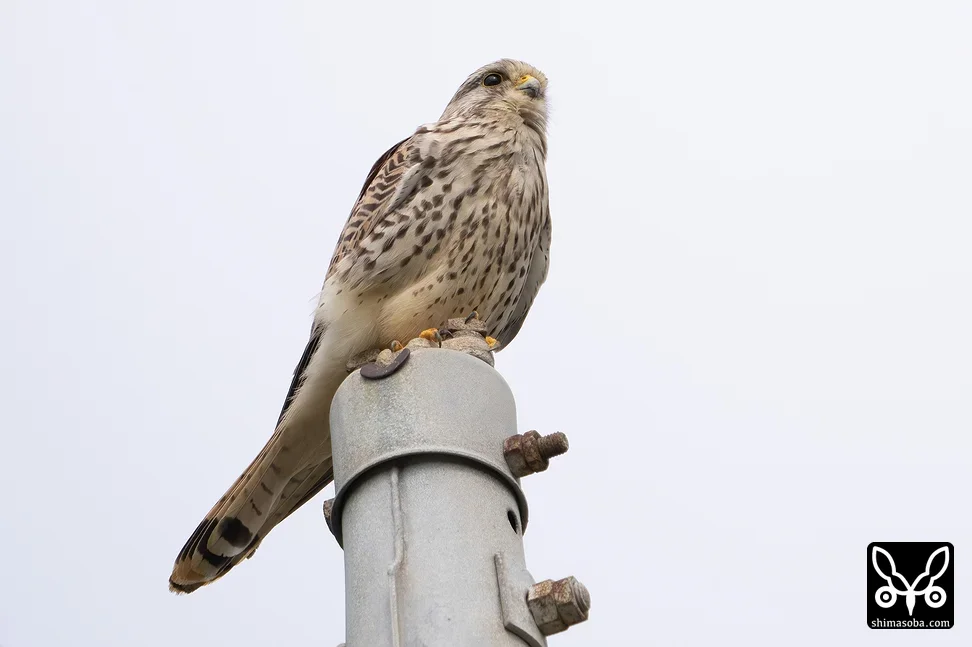
Common Kestrel, juvenile. This one also showed no wariness whatsoever.
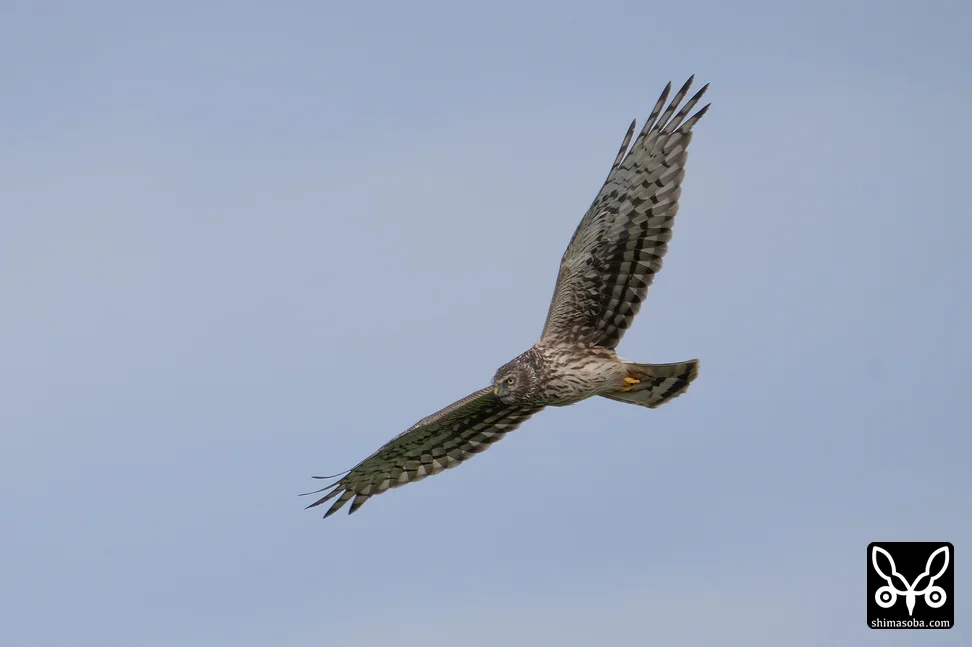
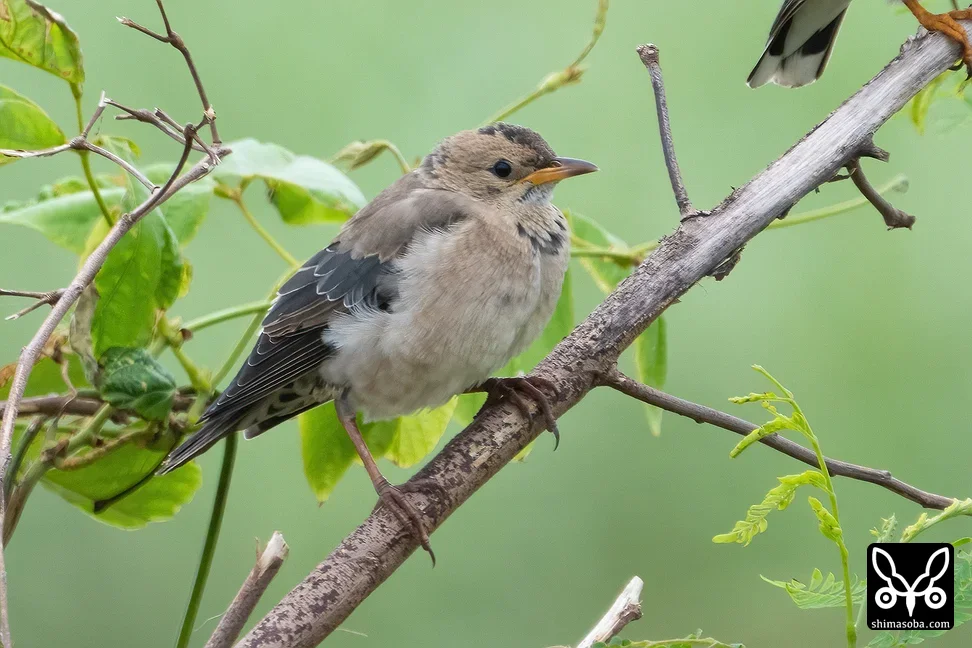
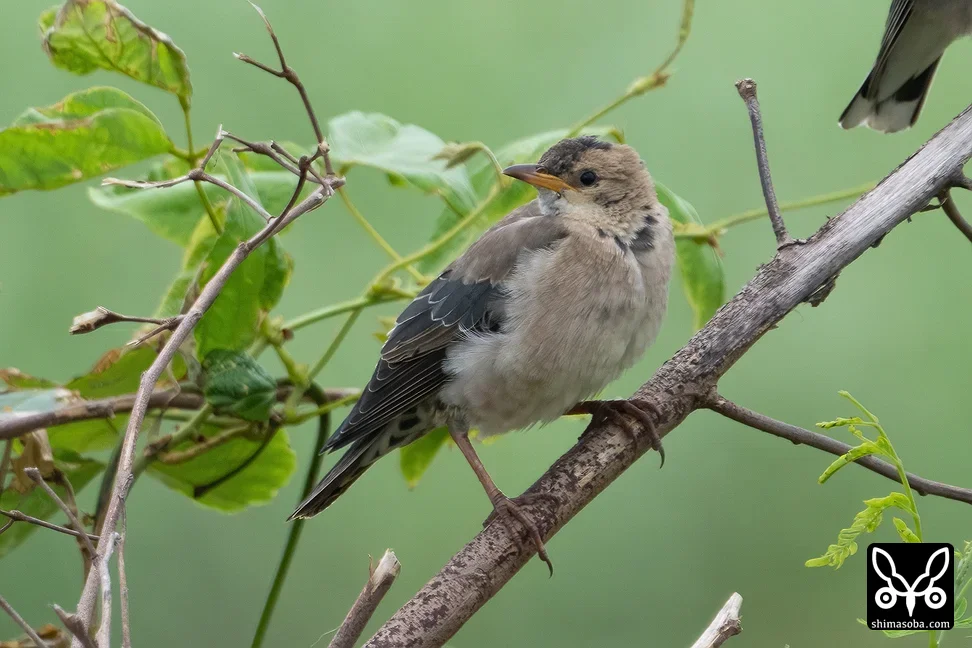
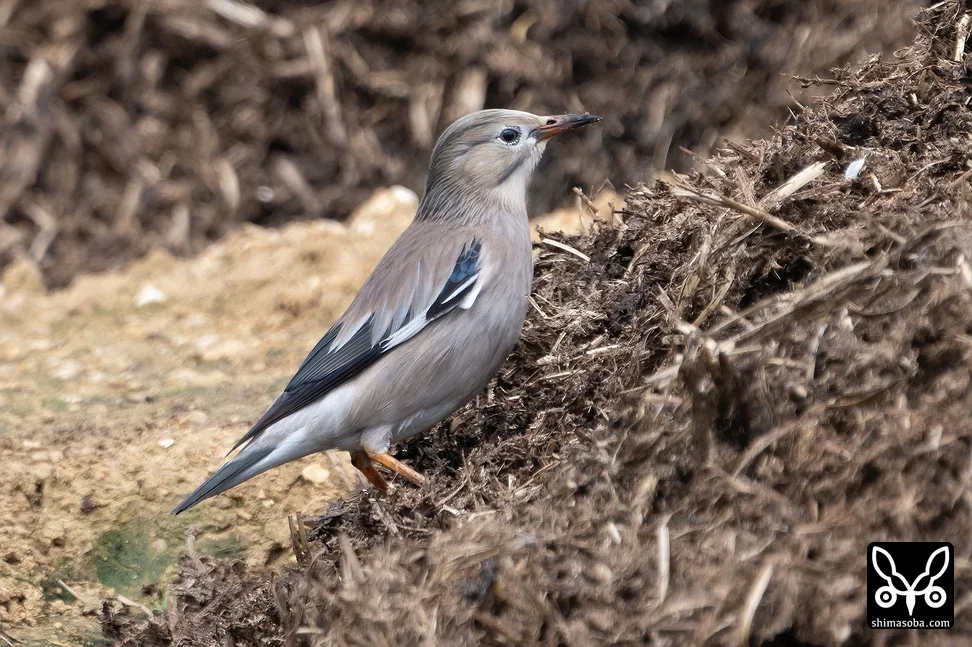
A Hen Harrier appeared while I was watching the Rosy Starling. It seemed to be eyeing the starling flock but failed. Please, just don't hunt the Rosy Starling… ^^;
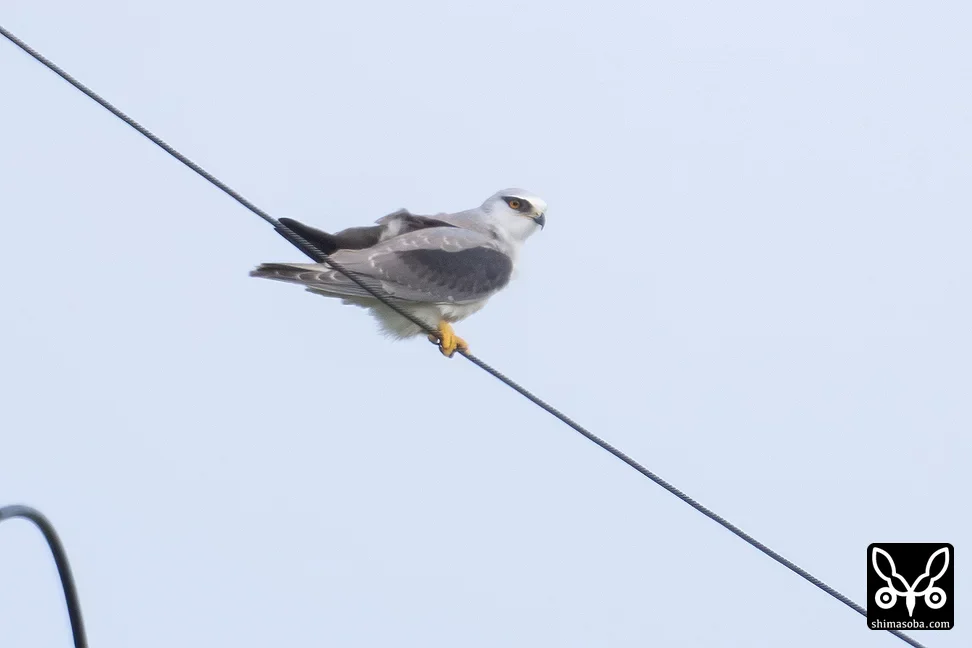
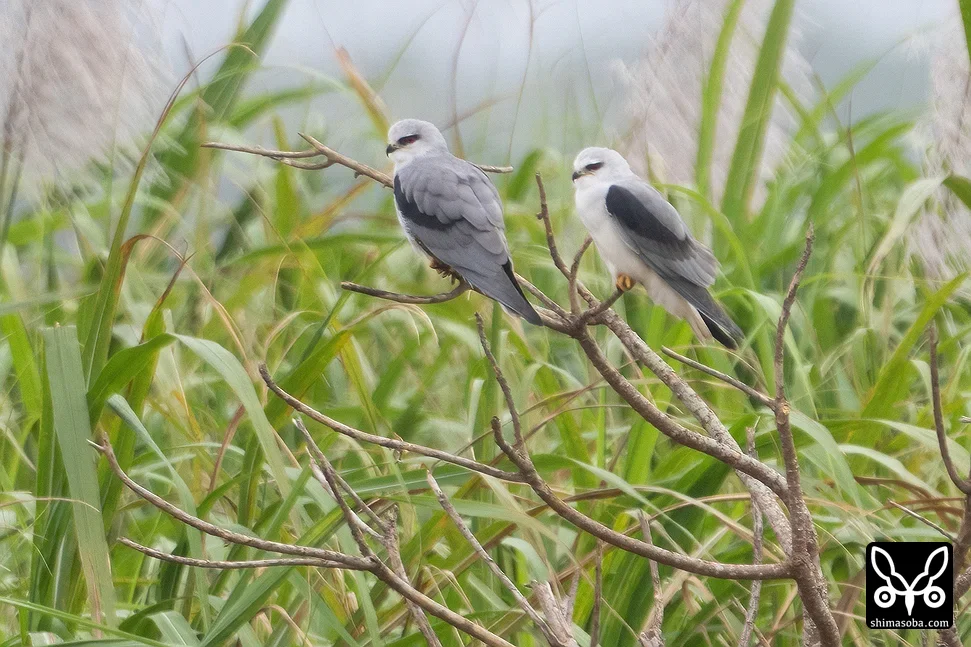
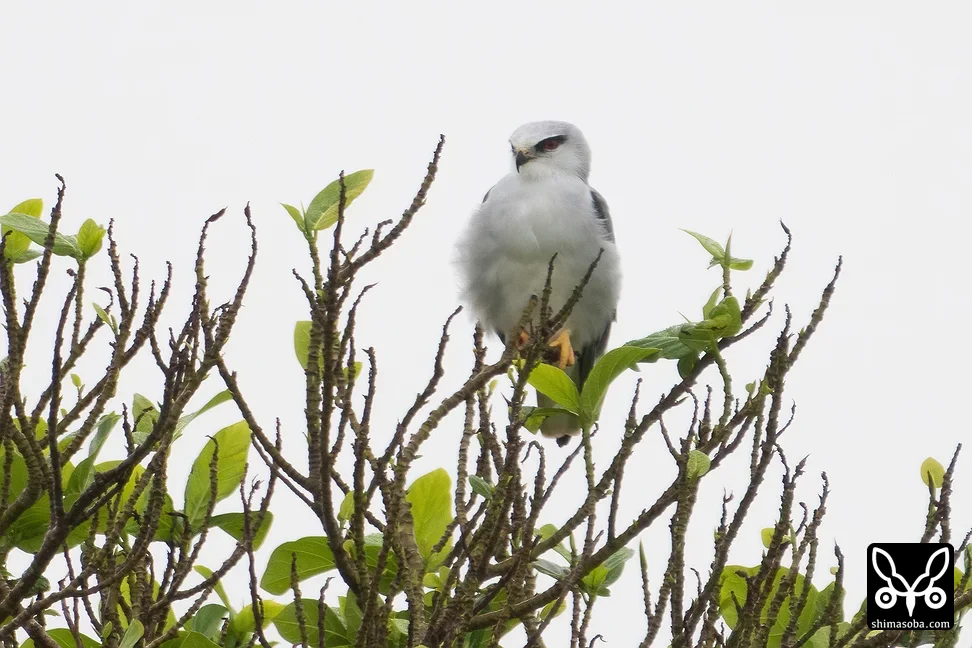
Black-winged Kite, juvenile.
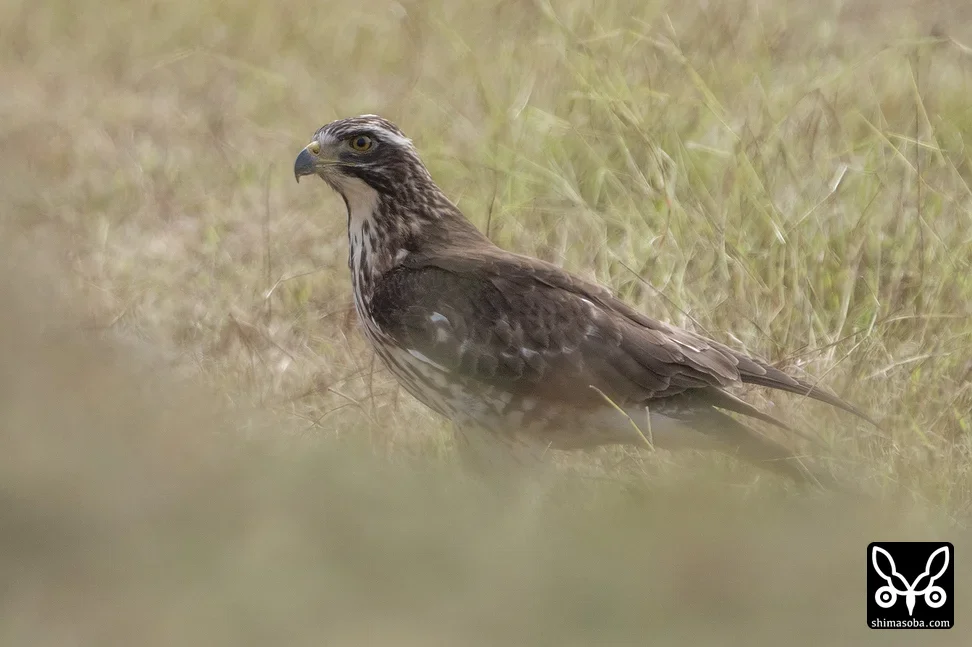
Grey-faced Buzzard, juvenile. It was catching grasshoppers in a mown pasture.
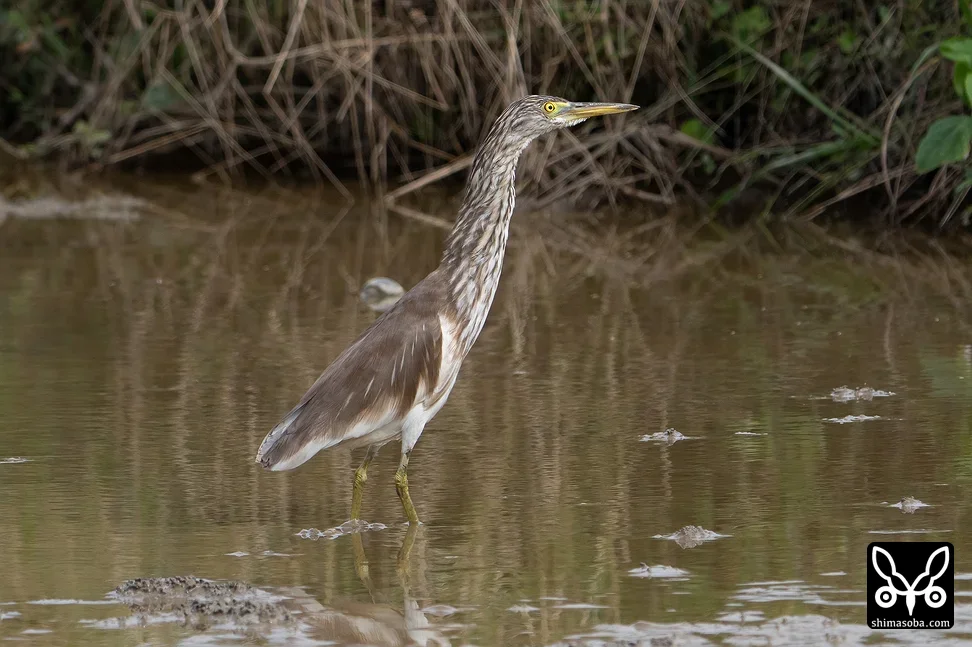
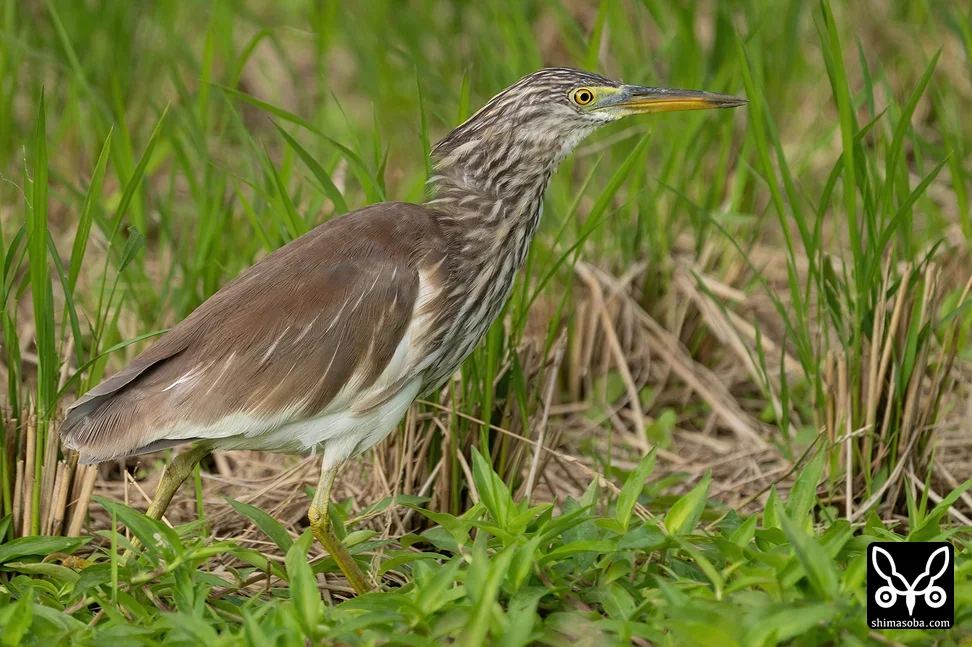
Three Chinese Pond Herons are staying at two locations.
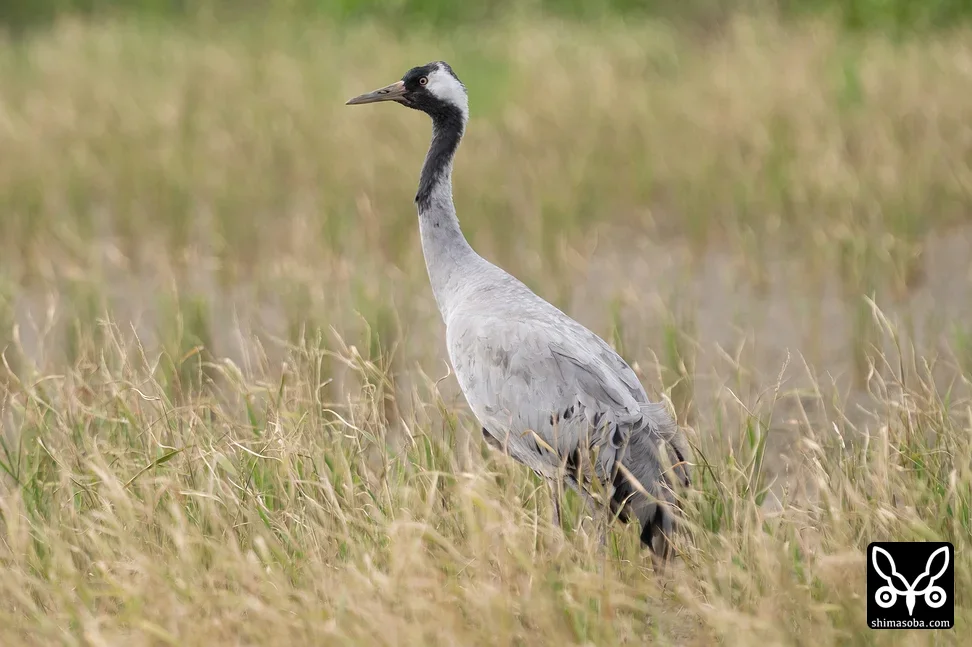
A wintering Hooded Crane. Lately it has been moving from feeding site to feeding site almost every day.
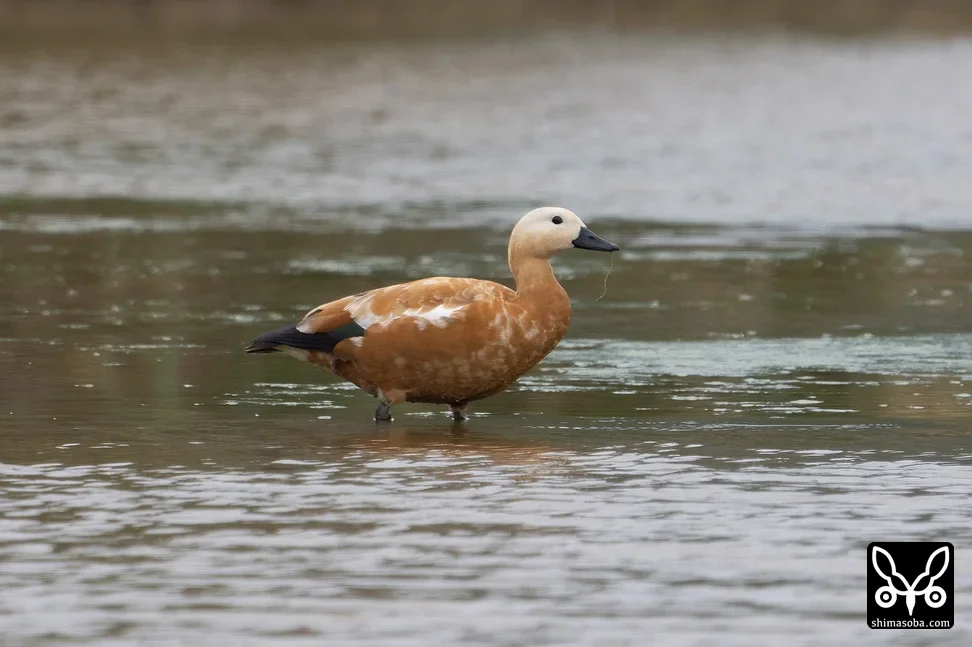
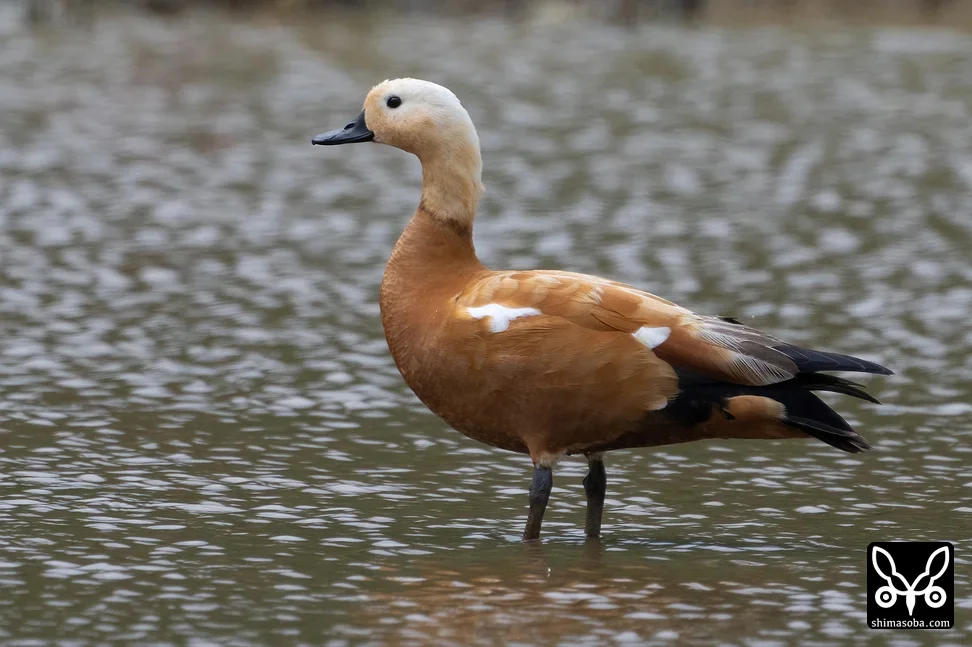
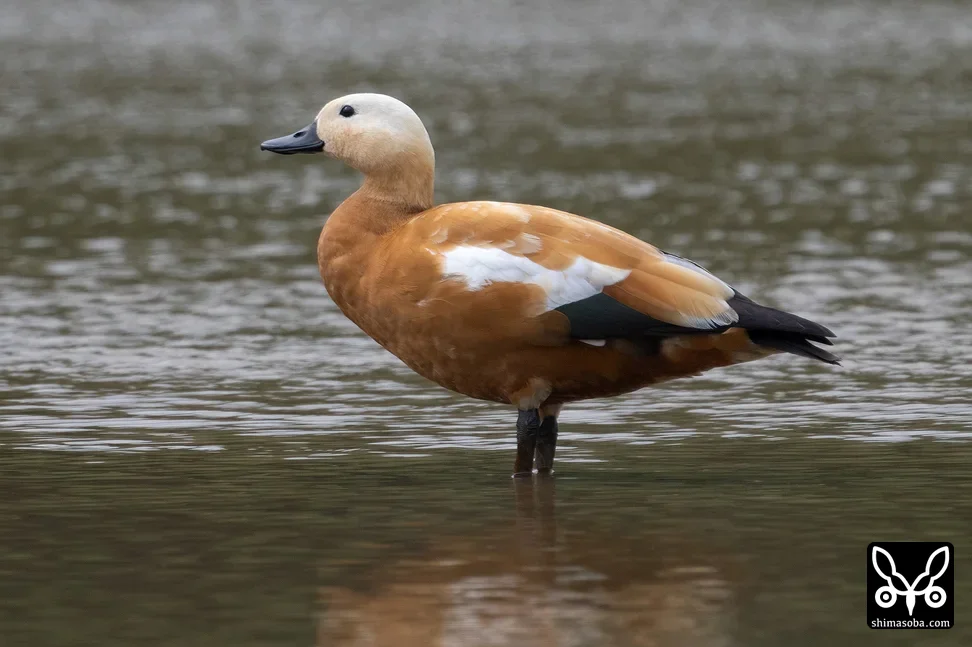
Ruddy Shelduck, juvenile. Starting to come into first alternate plumage.
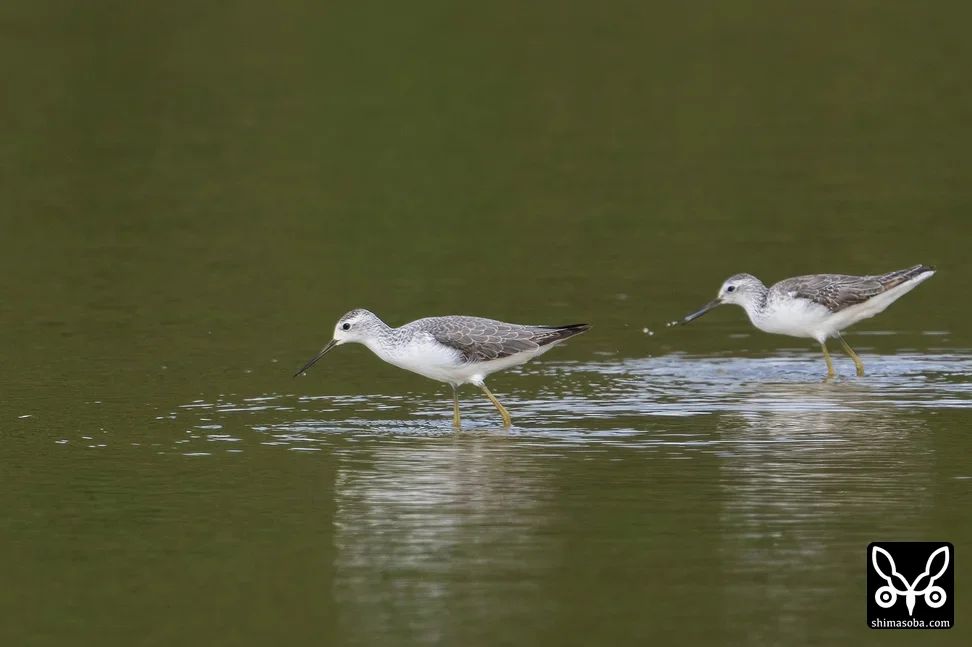
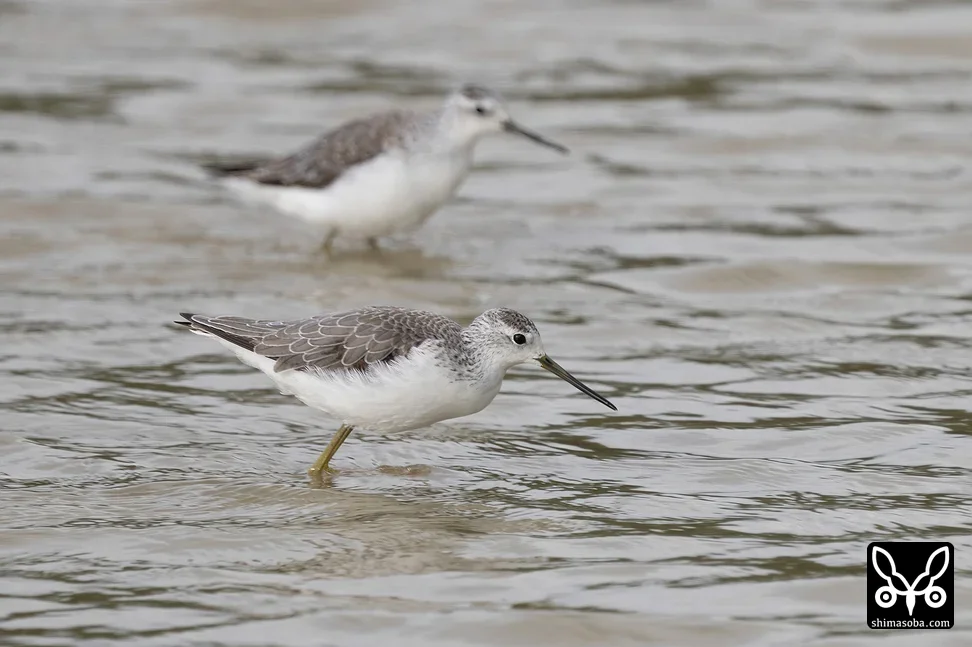
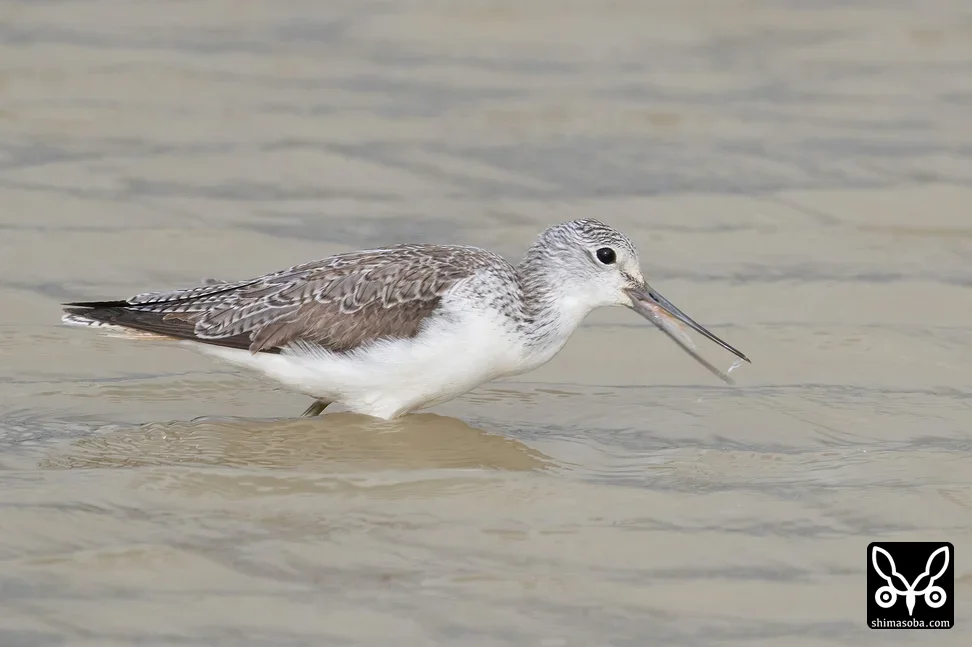
Marsh Sandpiper, first-winter plumage.
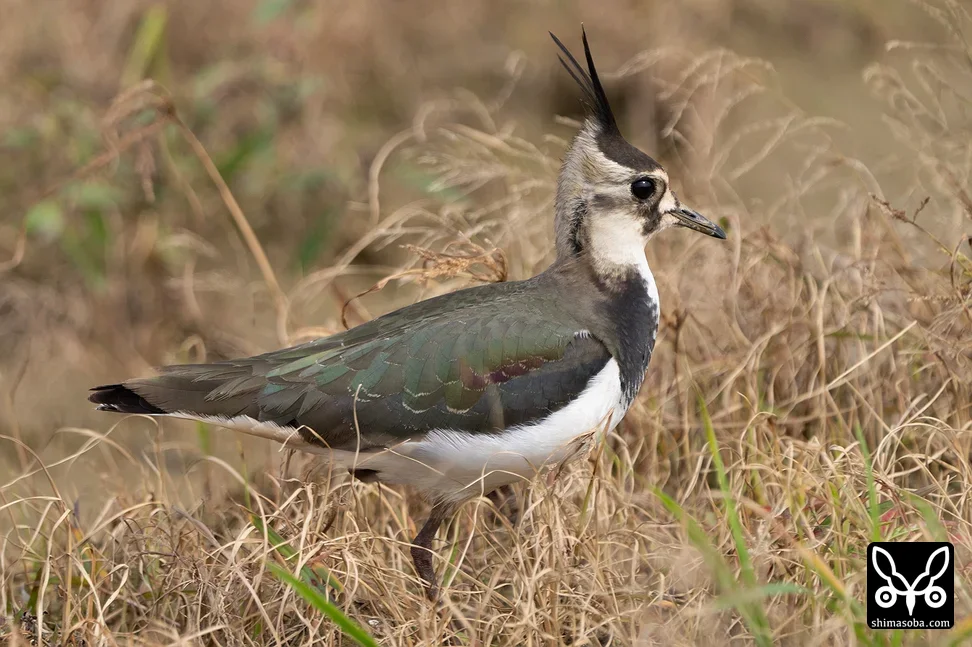
Northern Lapwing. A flock of about ten birds, all juveniles, currently staying in the area.
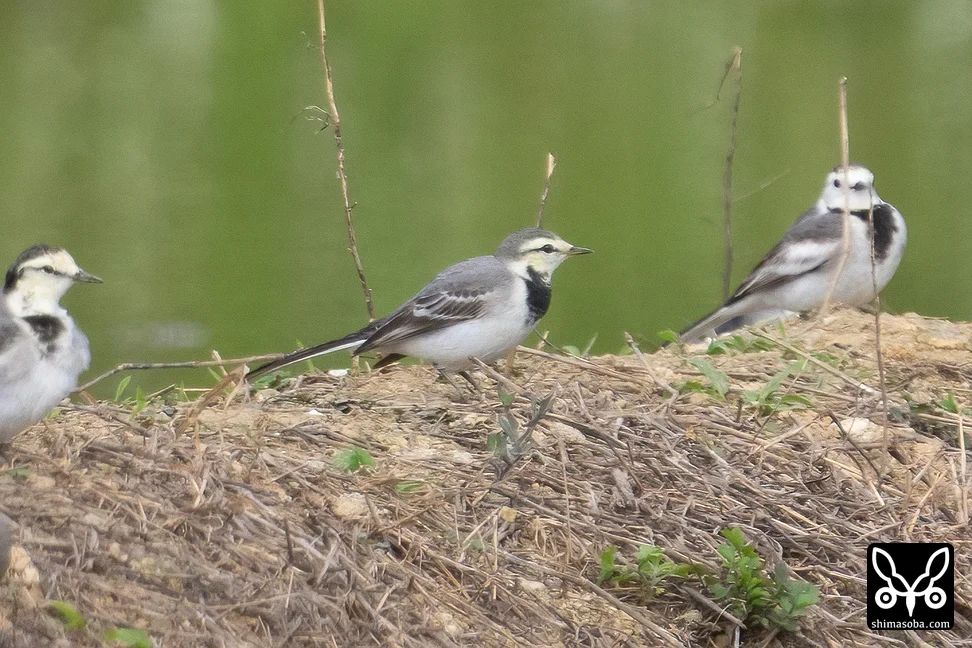
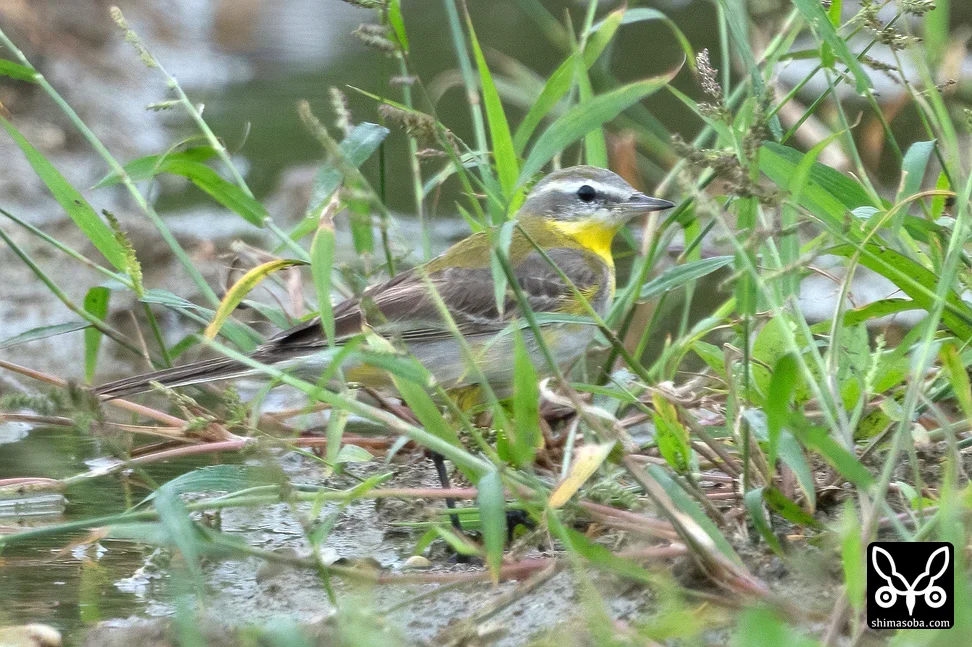
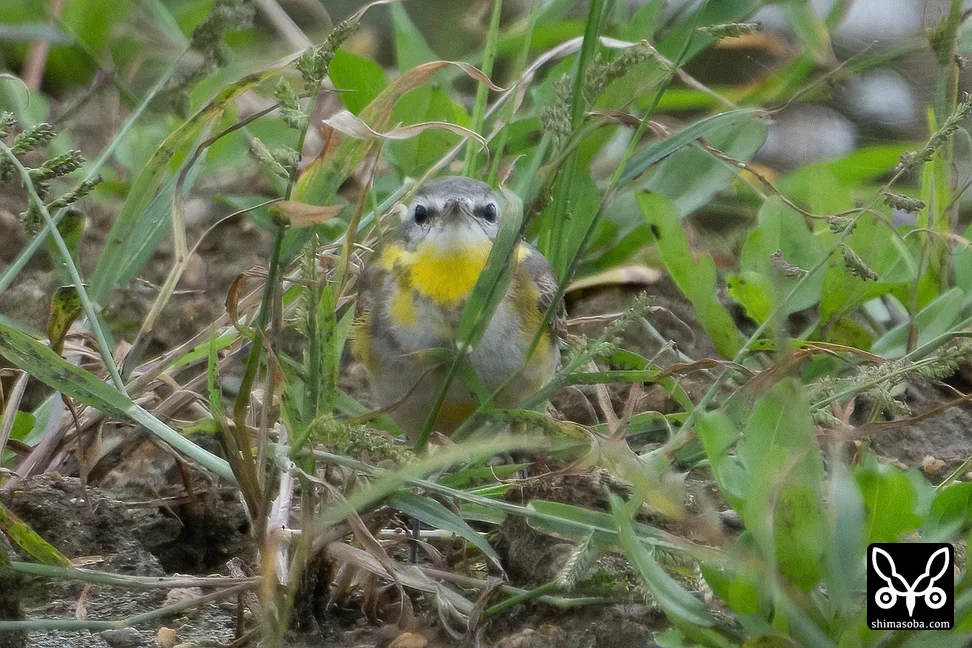
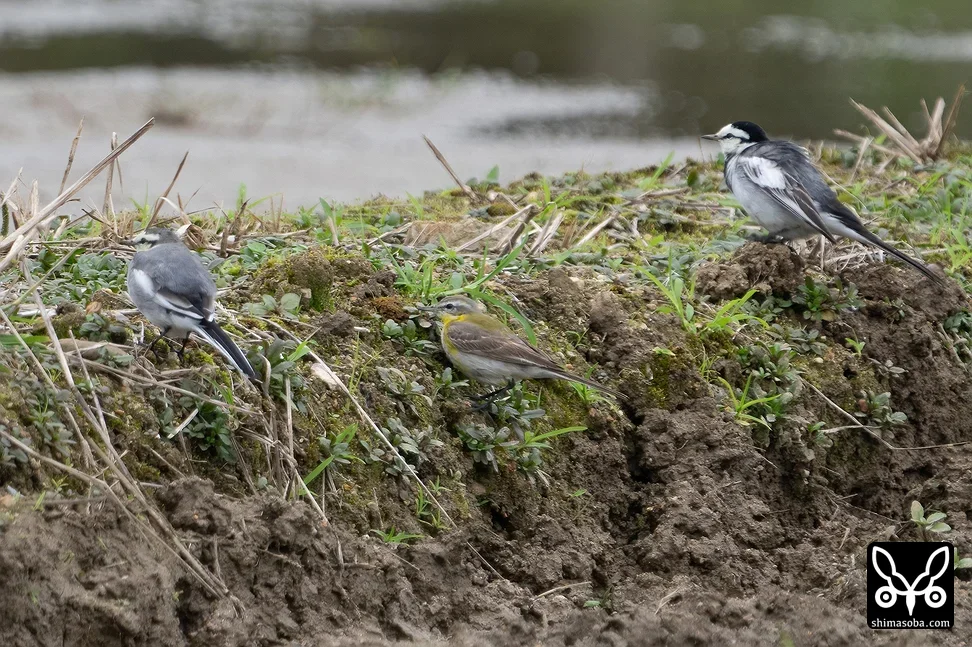
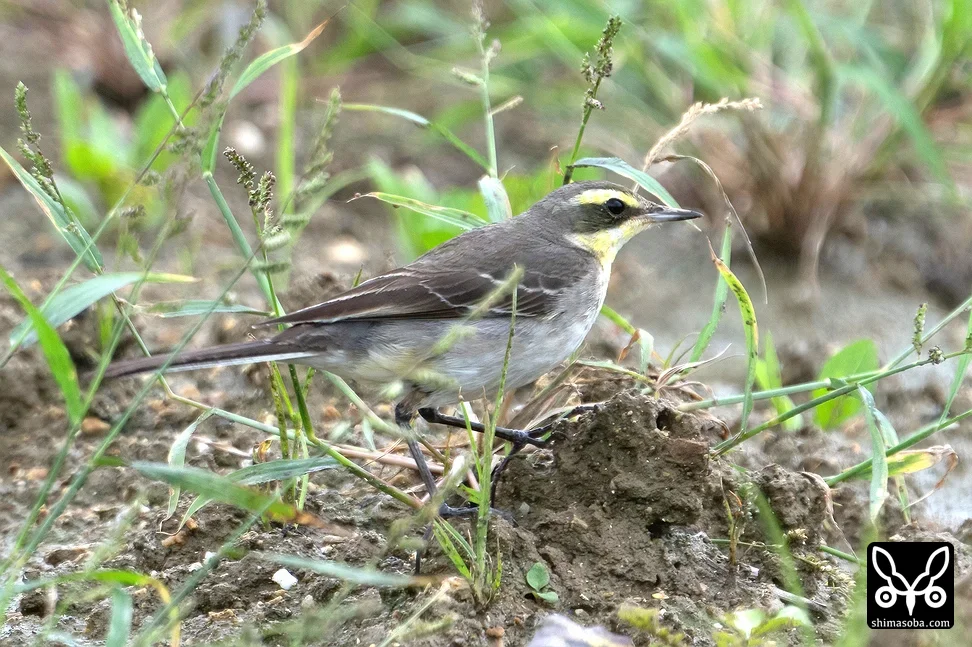
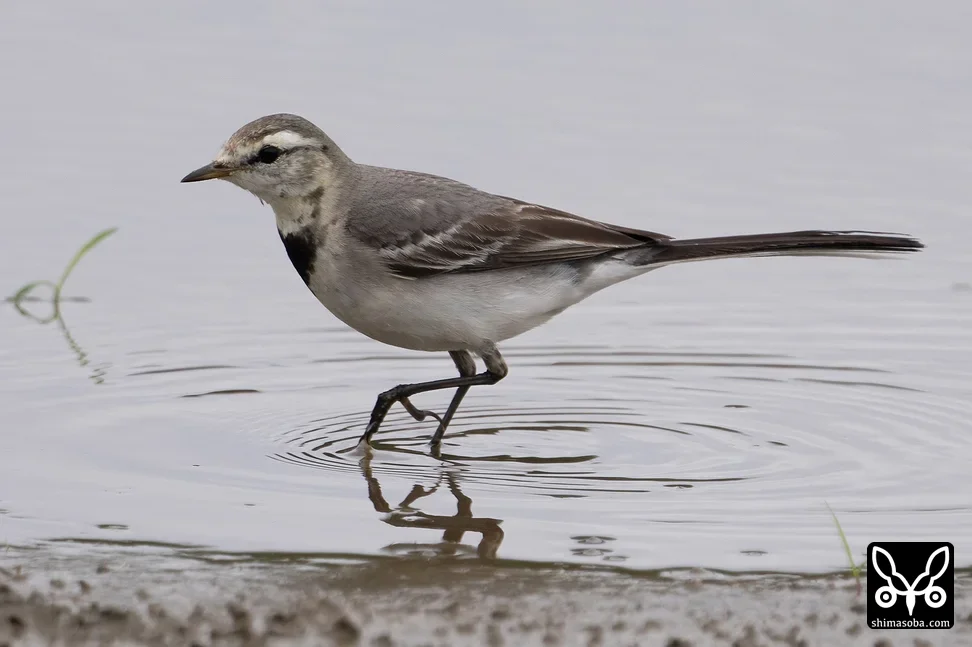
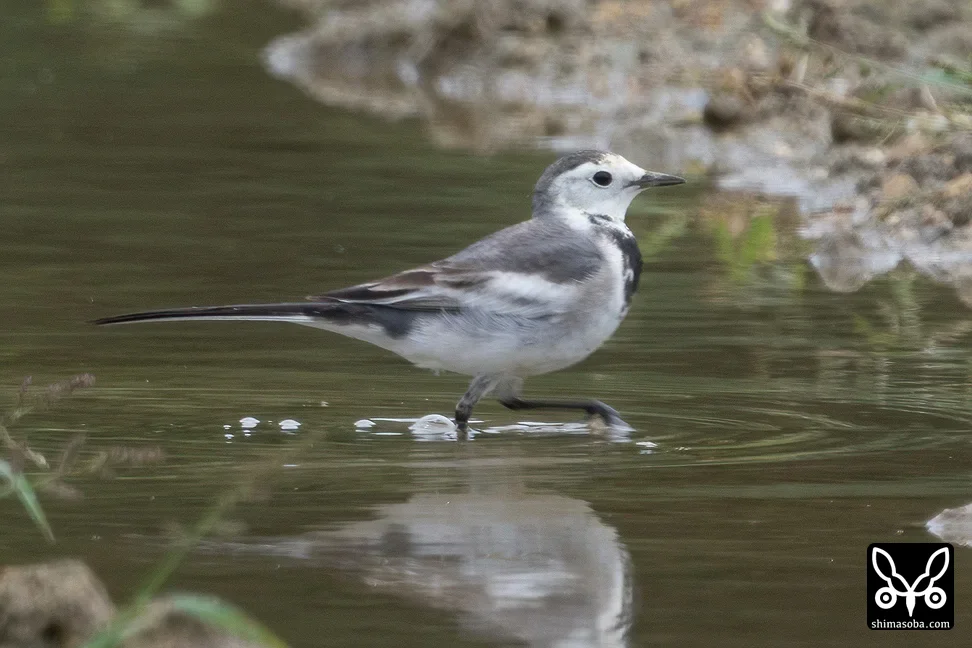
Swinhoe's White Wagtail, first-winter plumage. Two birds were among a flock of about twenty White Wagtails.
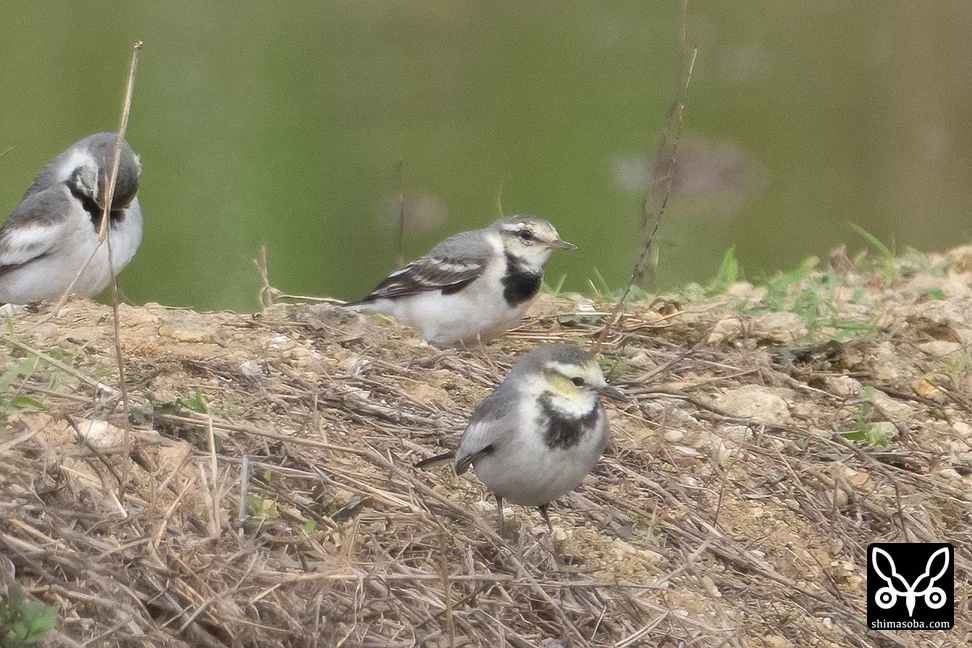
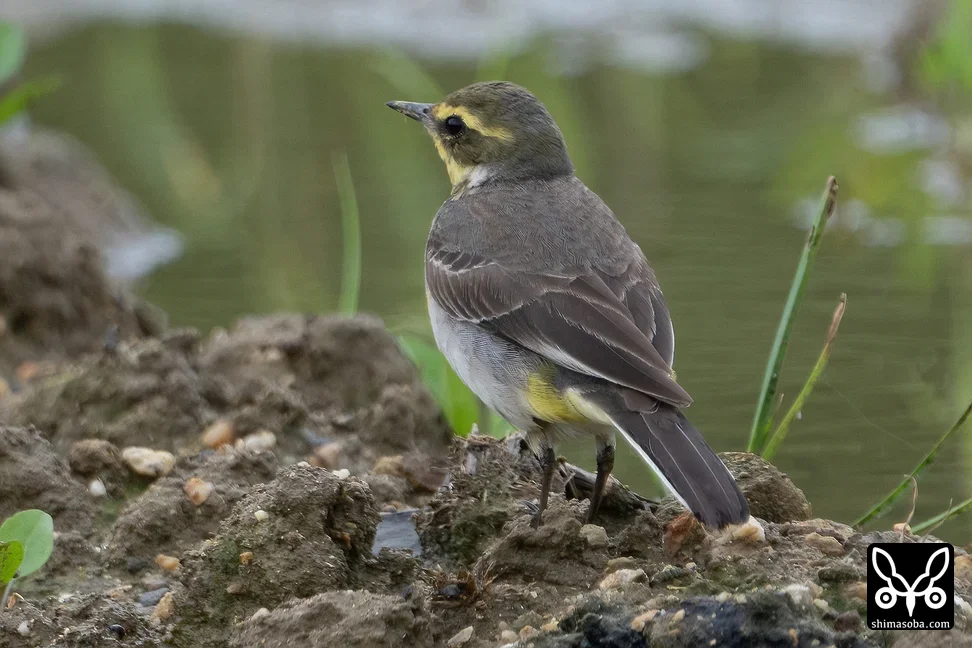
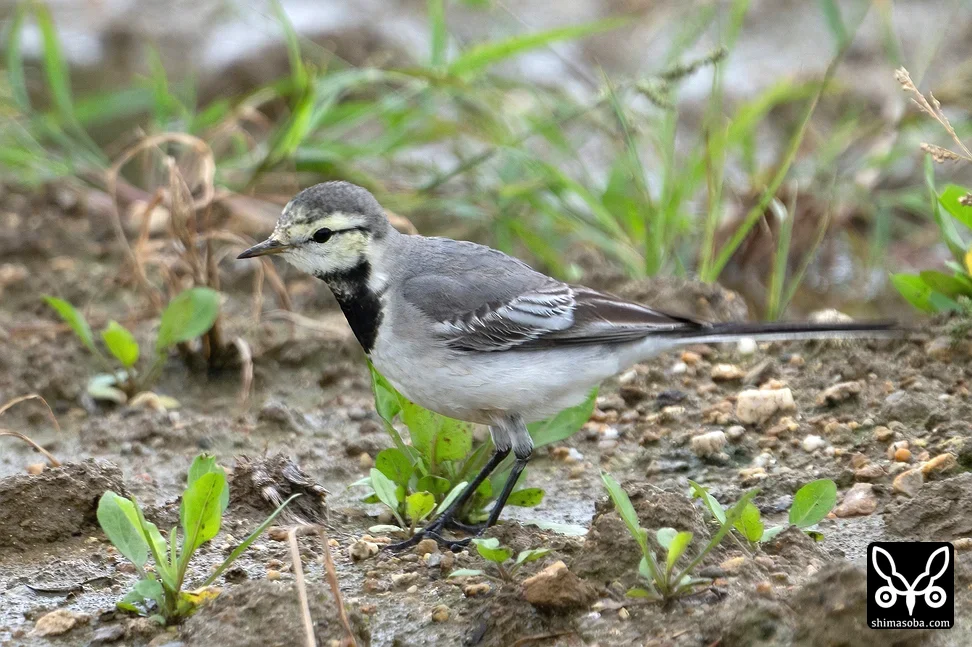
A different individual from the one above — Swinhoe's White Wagtail, first-winter plumage.
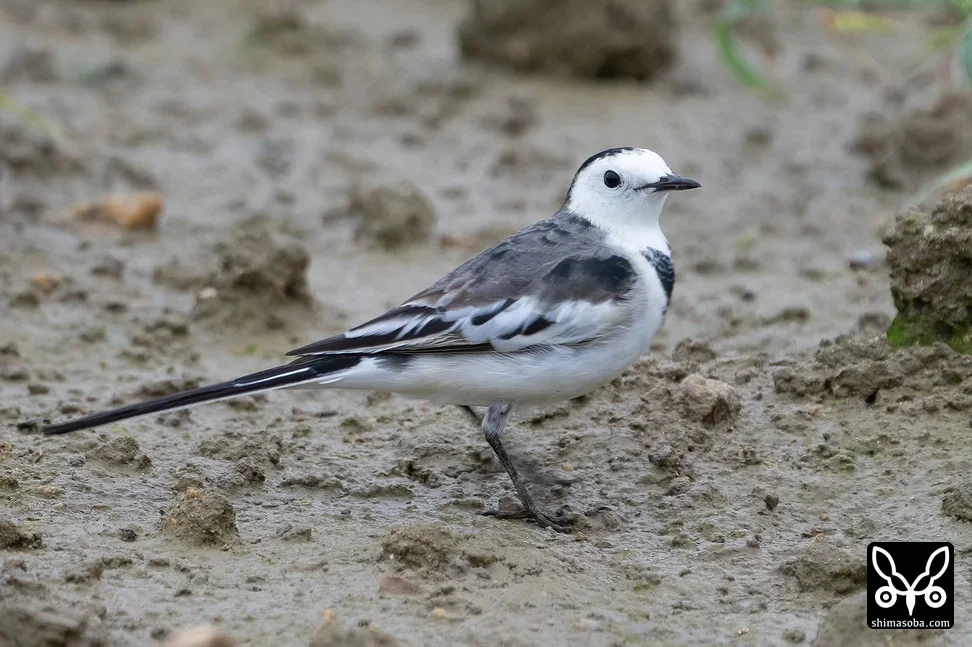
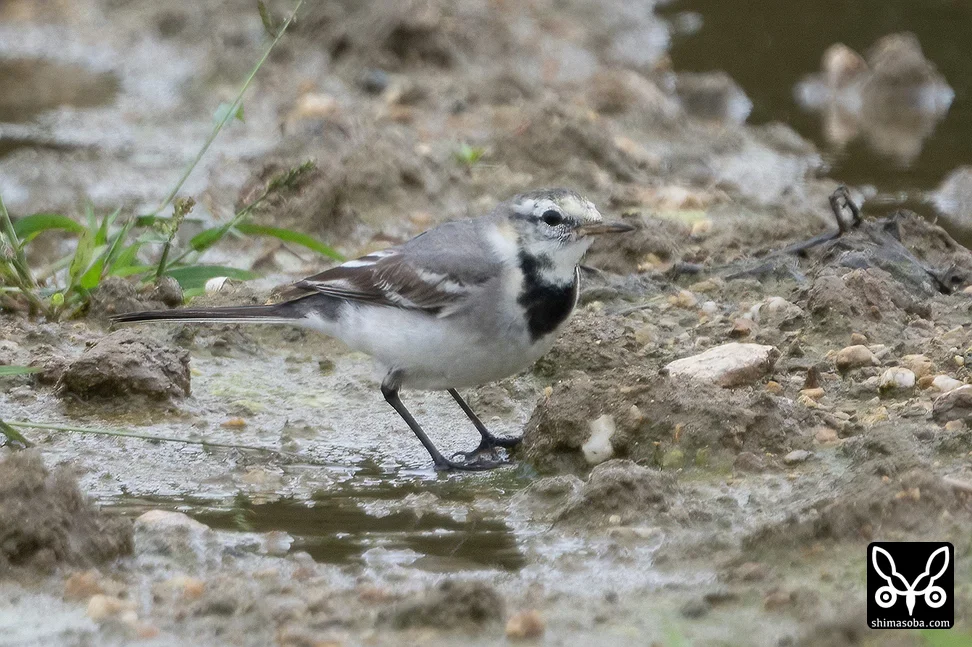
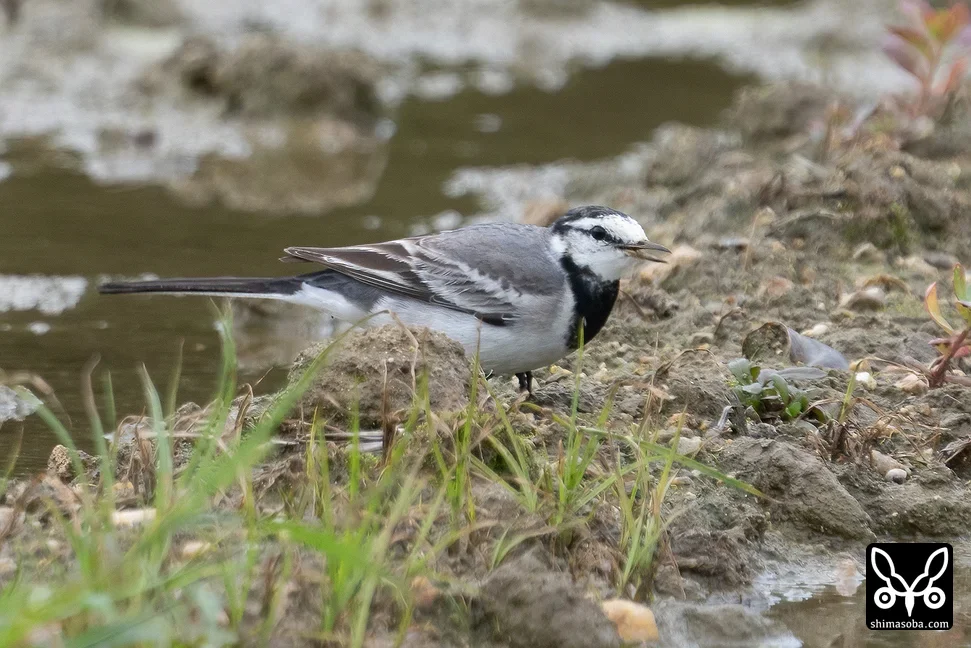
White Wagtail (leucopsis), adult male.
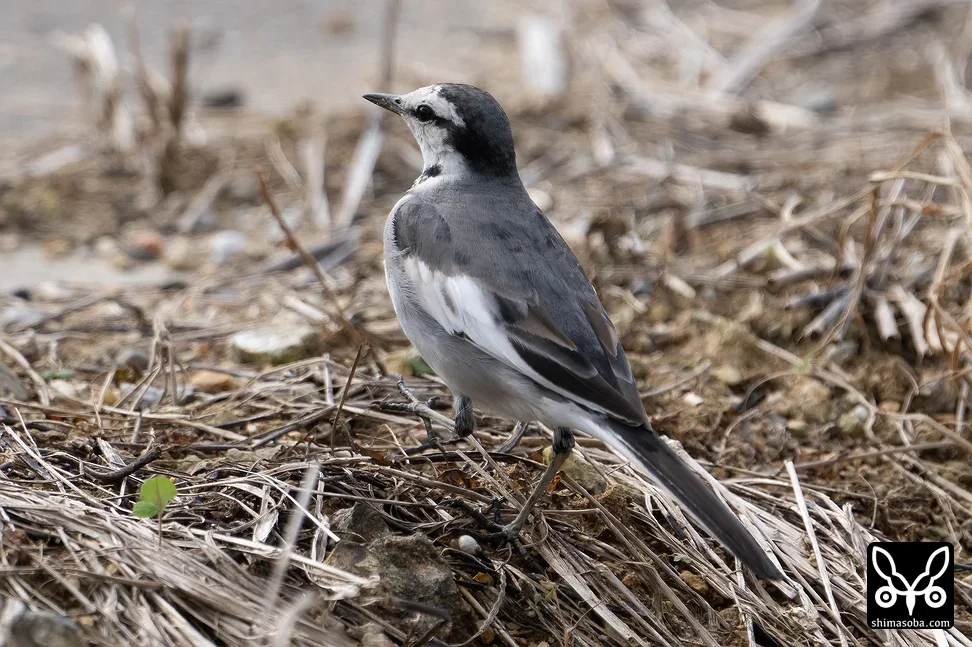
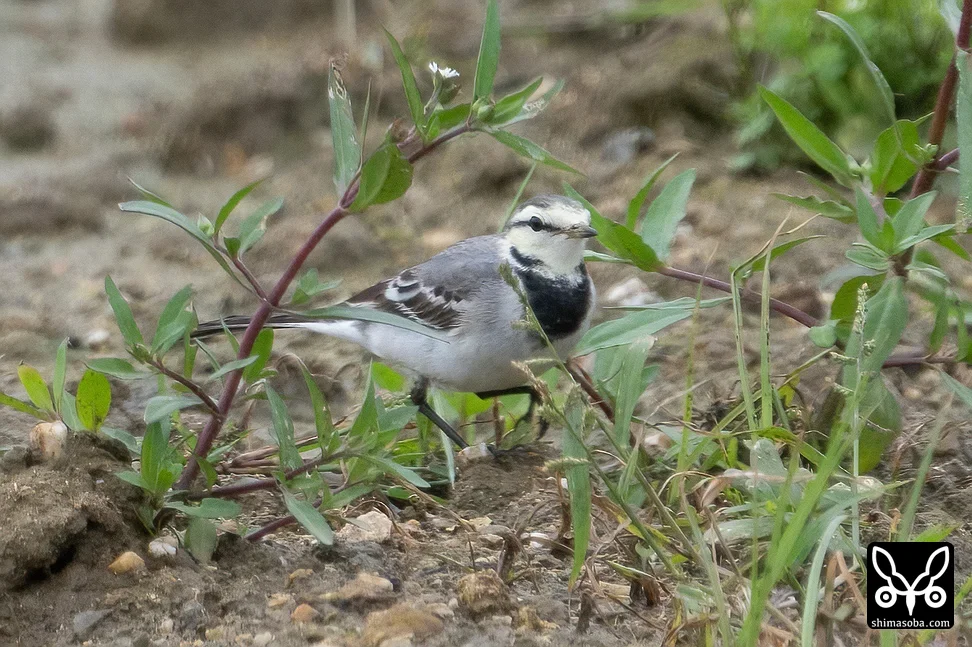
White Wagtail, adult male.
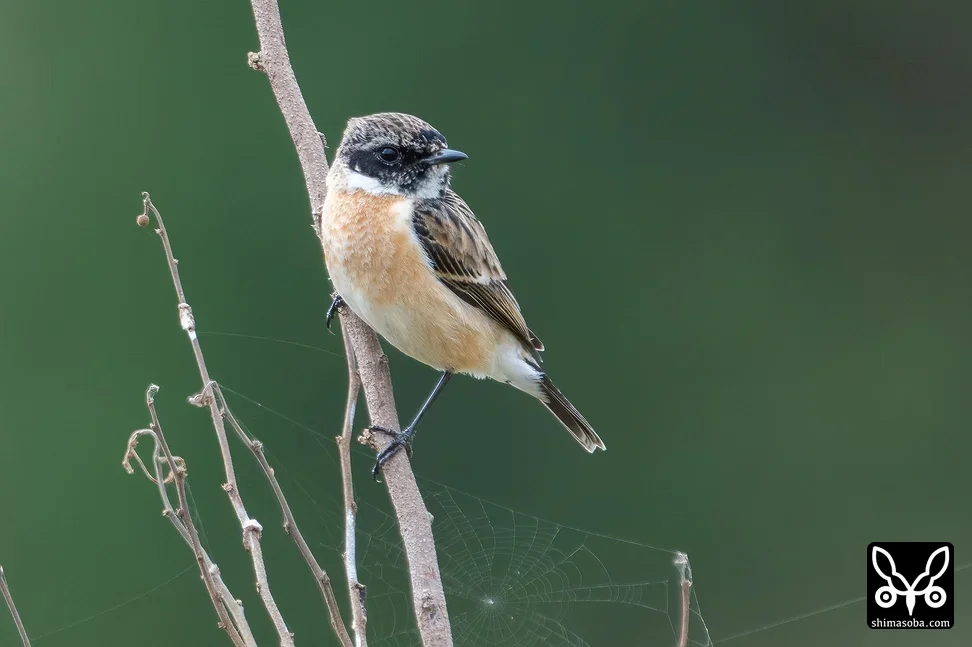
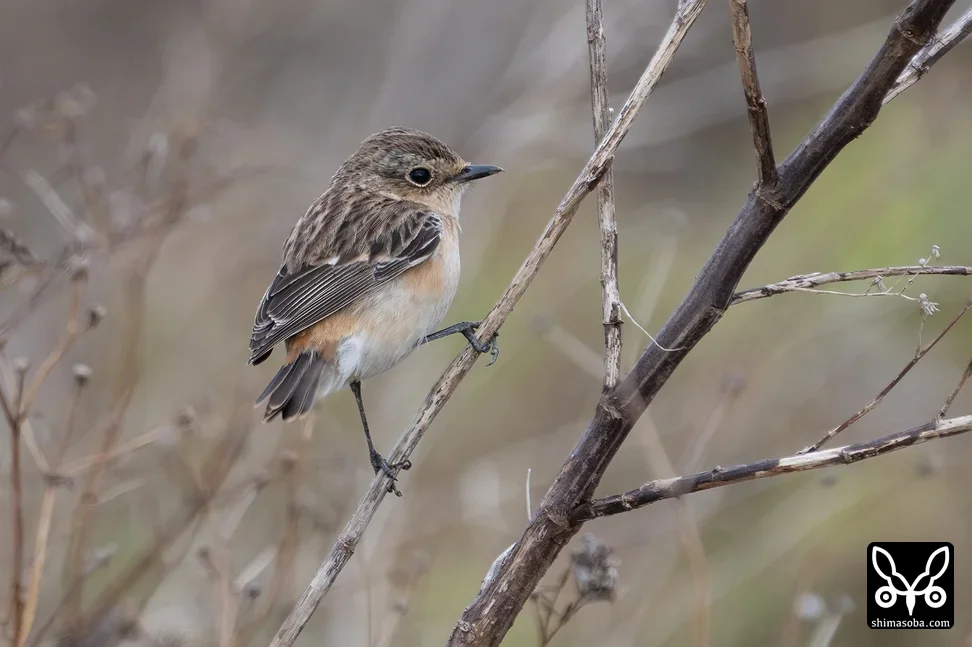
A wintering male European Stonechat.
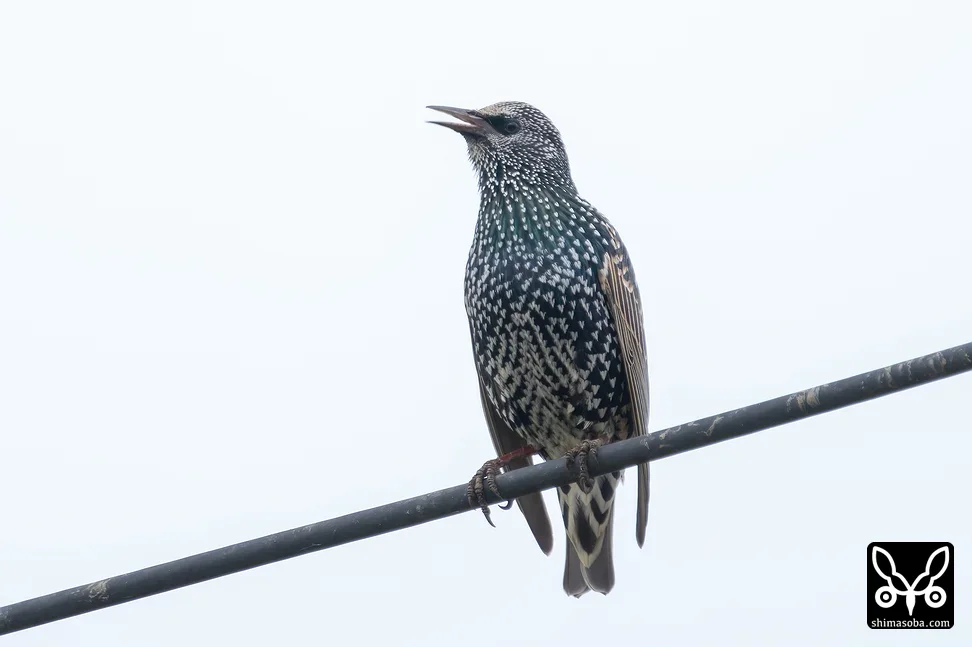
A Common Starling associating with Common Mynas.
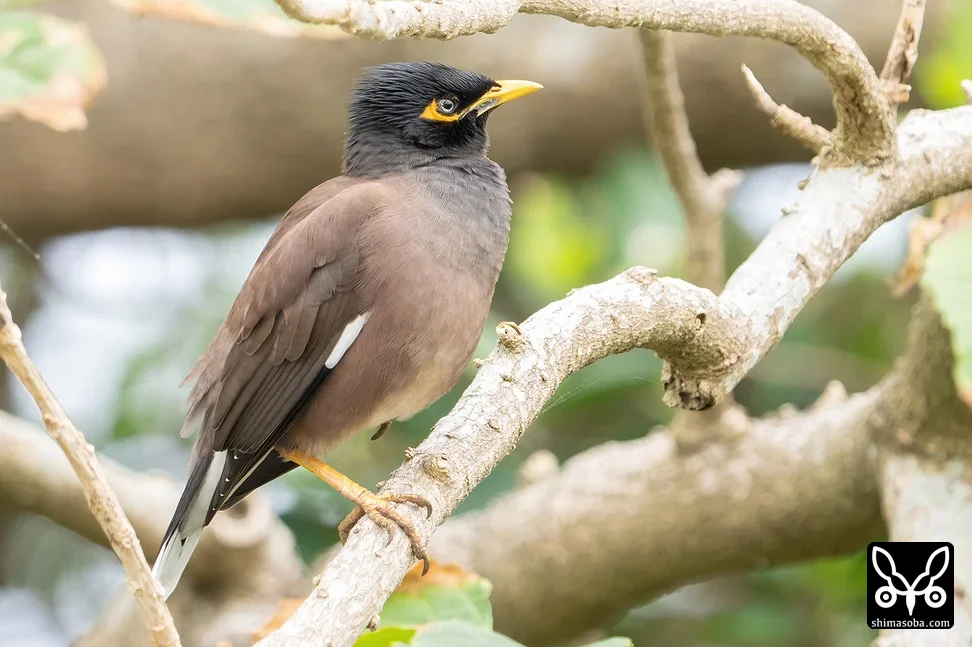
The Common Mynas were in a flock of a dozen or so birds. They were eating Ficus (gajumaru) berries.
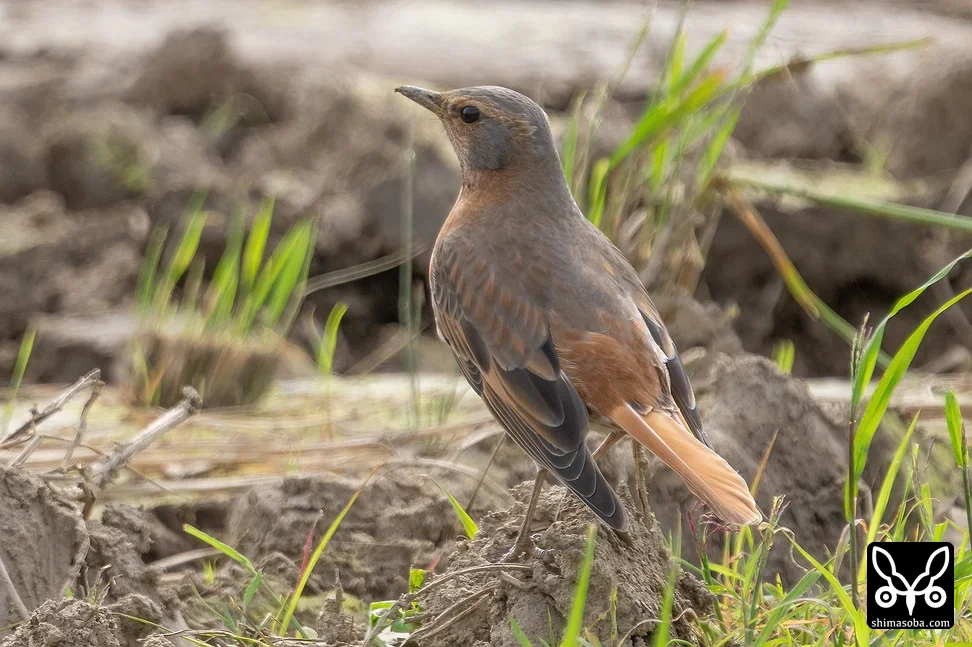
Naumann's Thrush, adult. The tail feathers were almost completely missing.
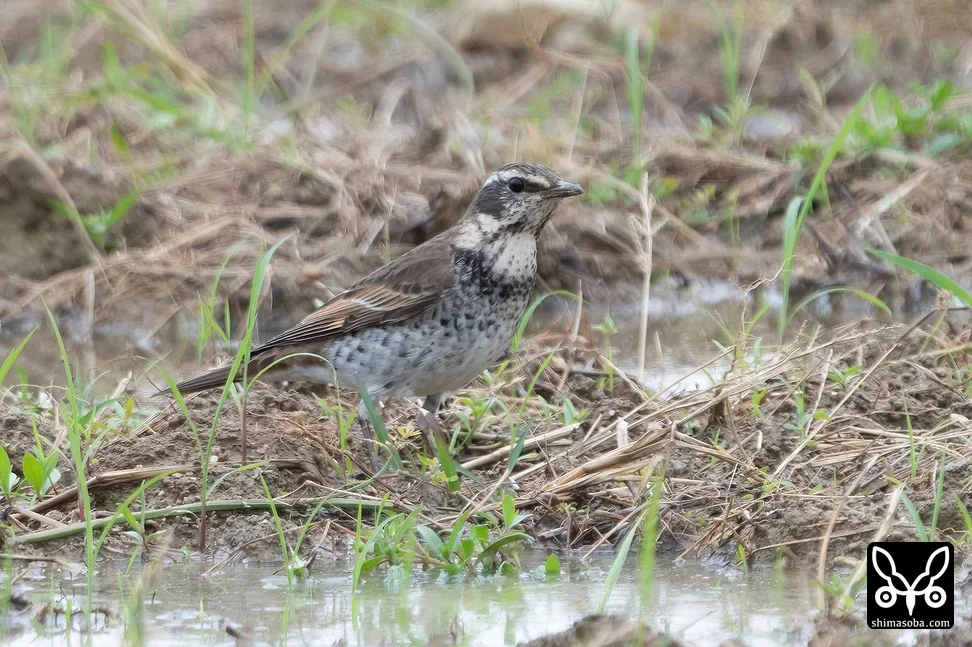
Dusky Thrush, first-winter.
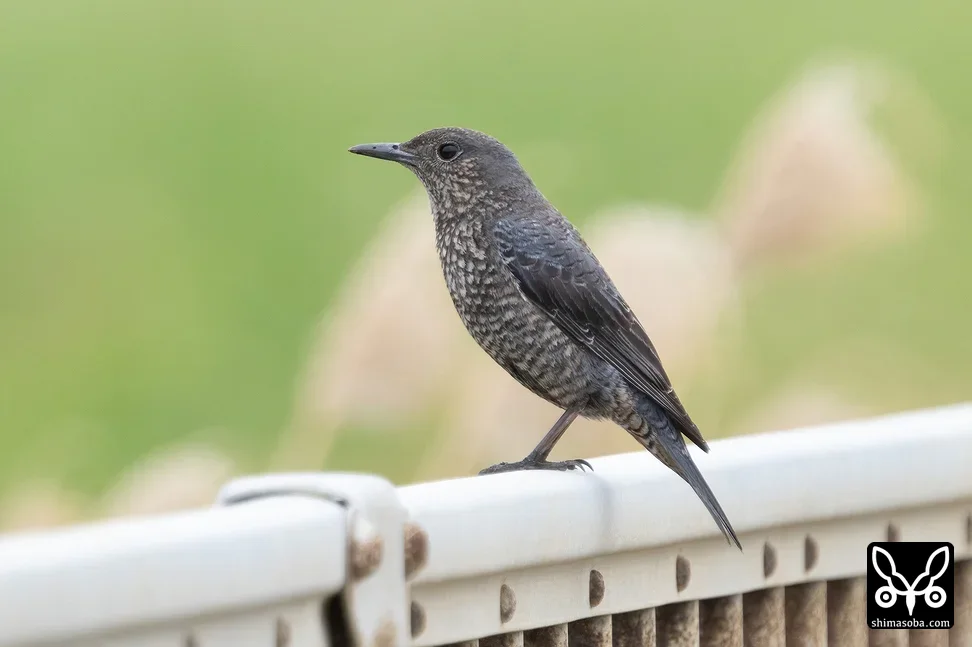
Blue Rock Thrush, male, first-winter.