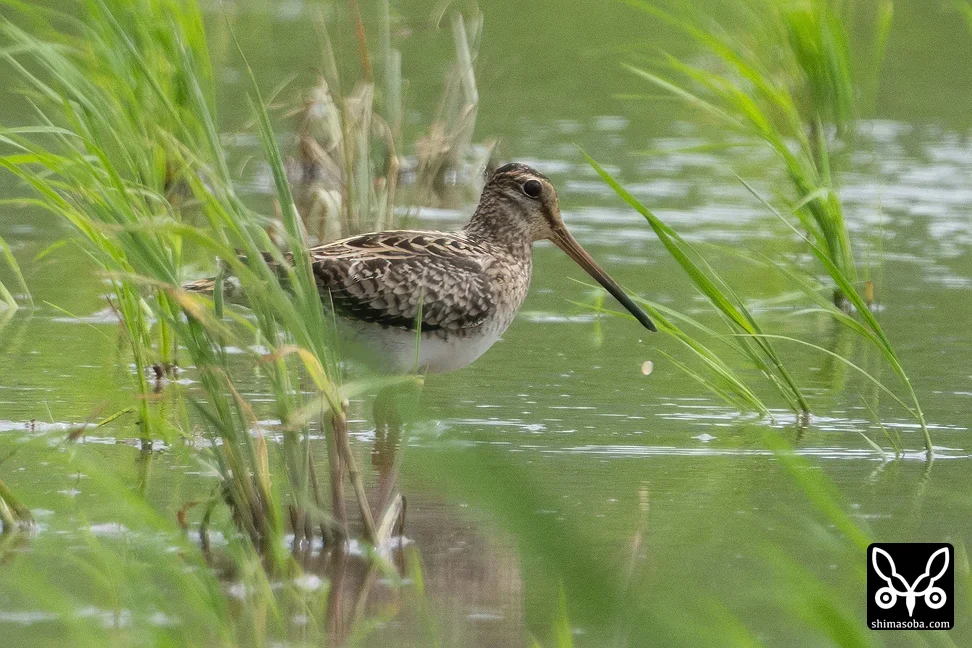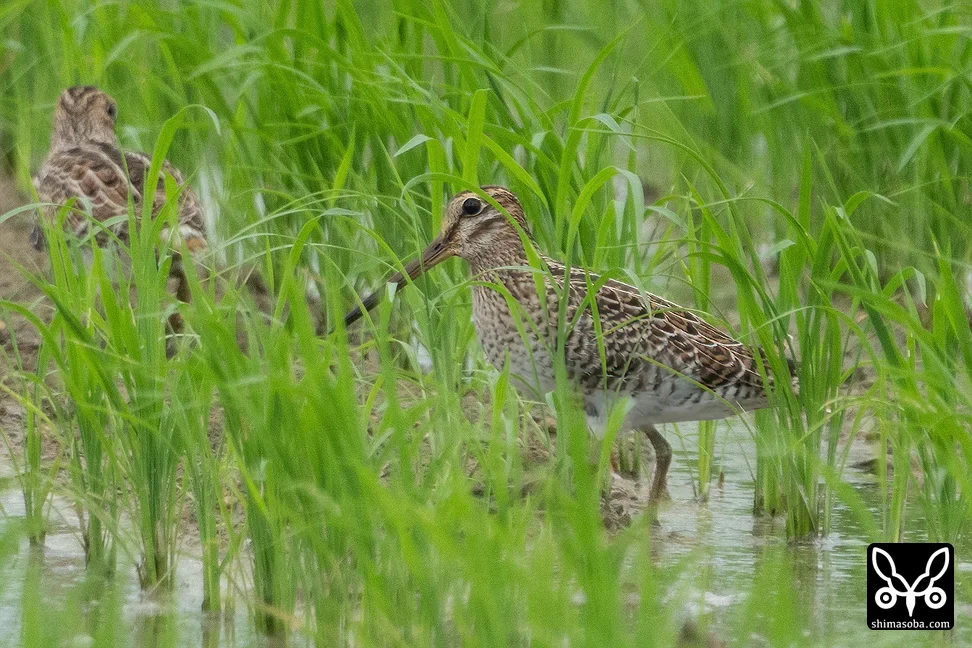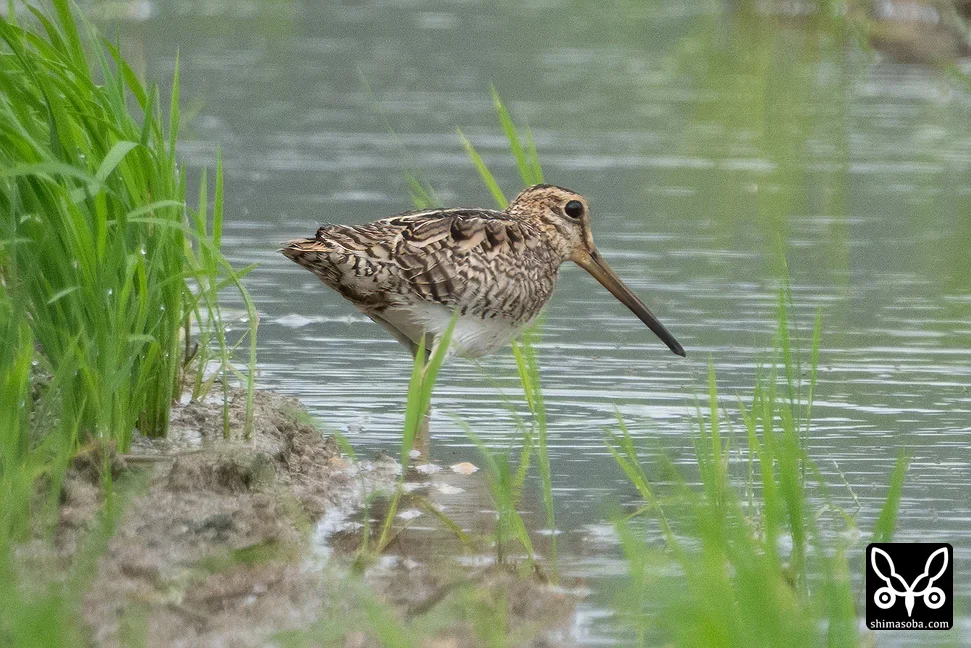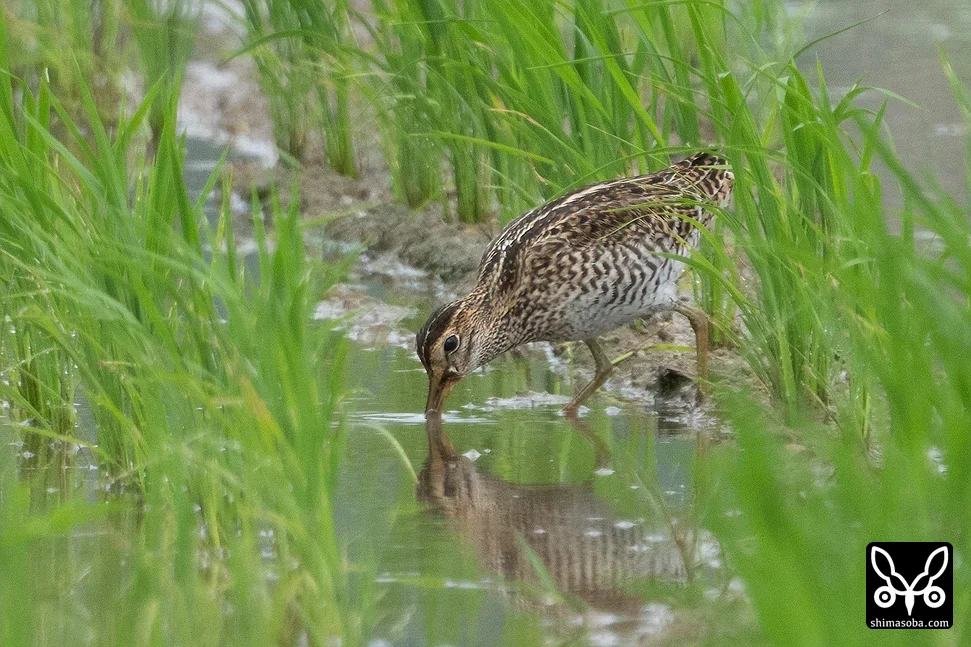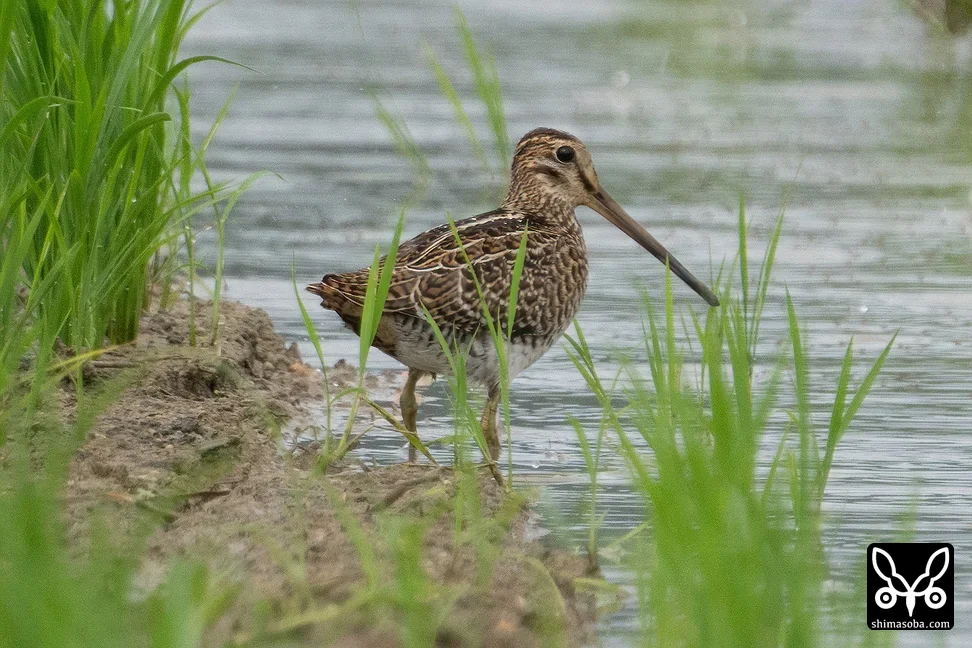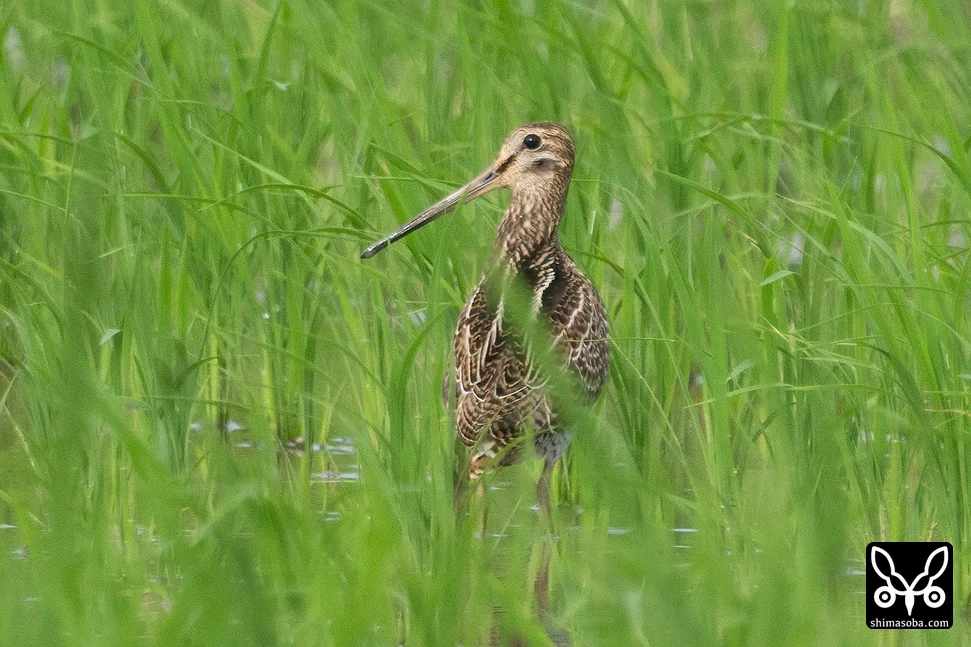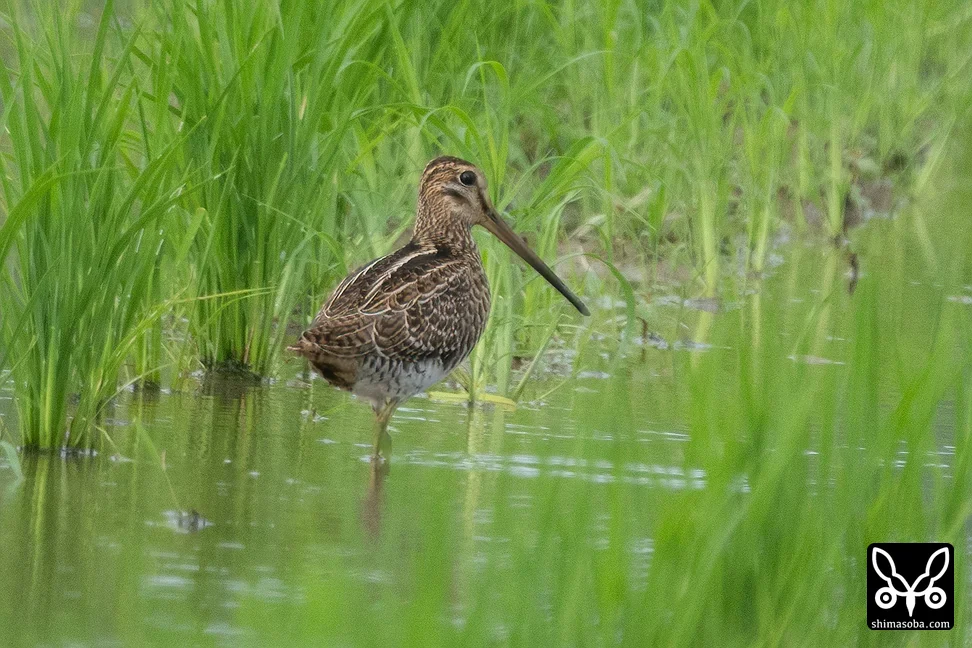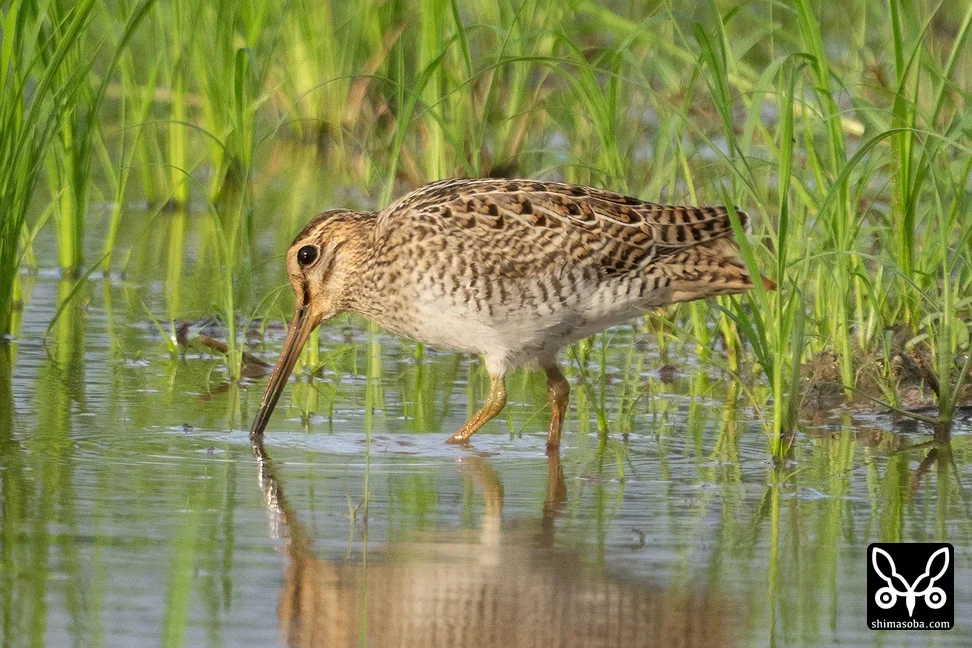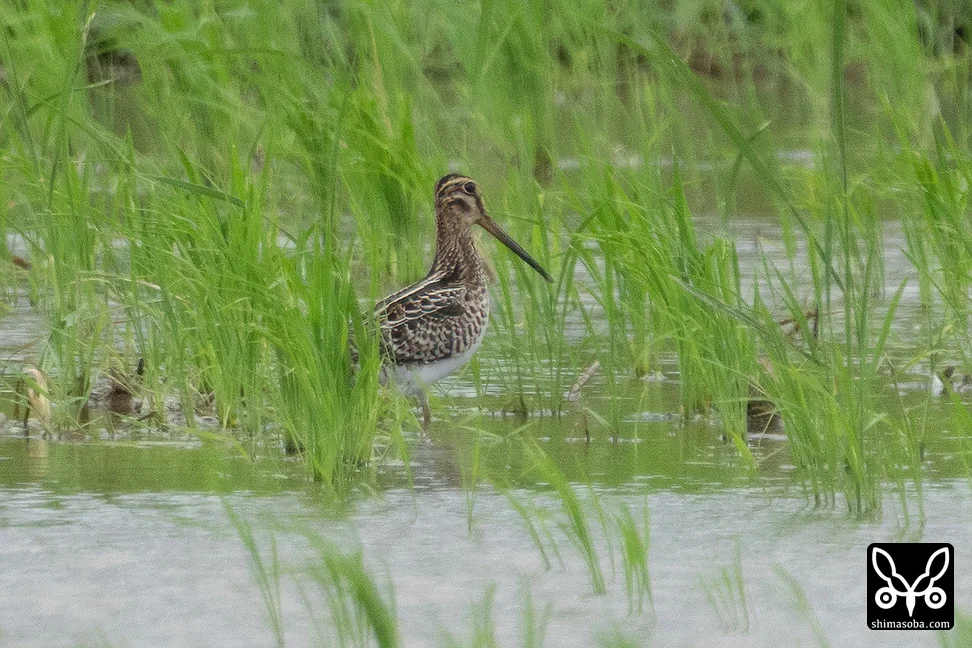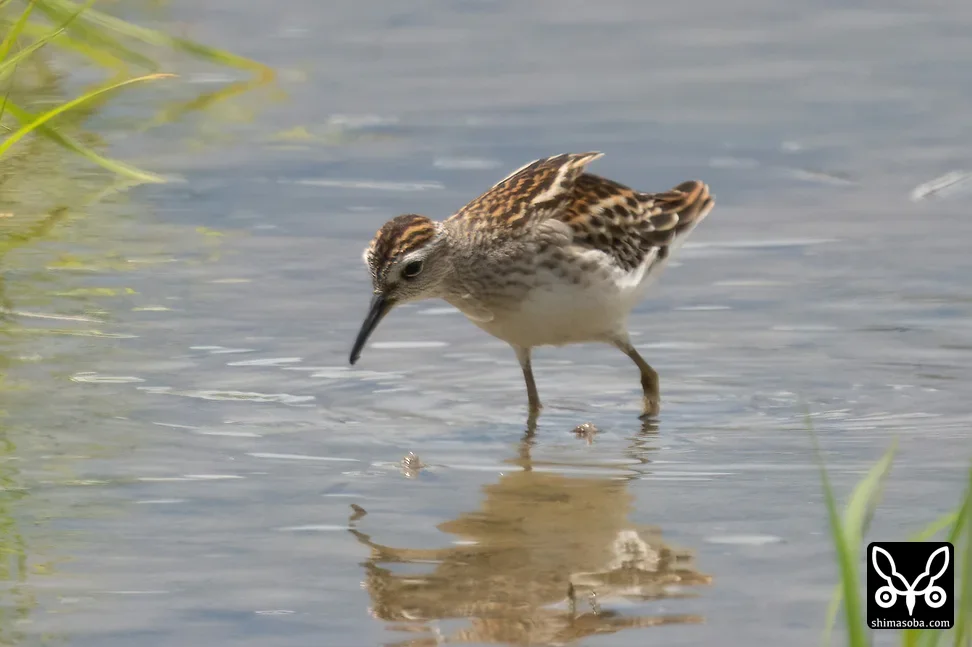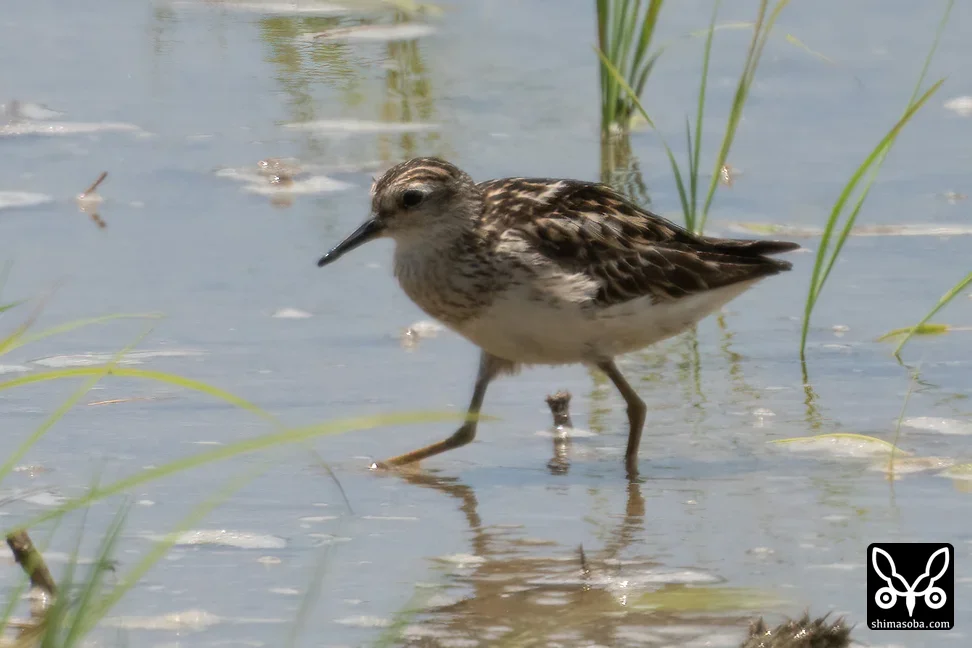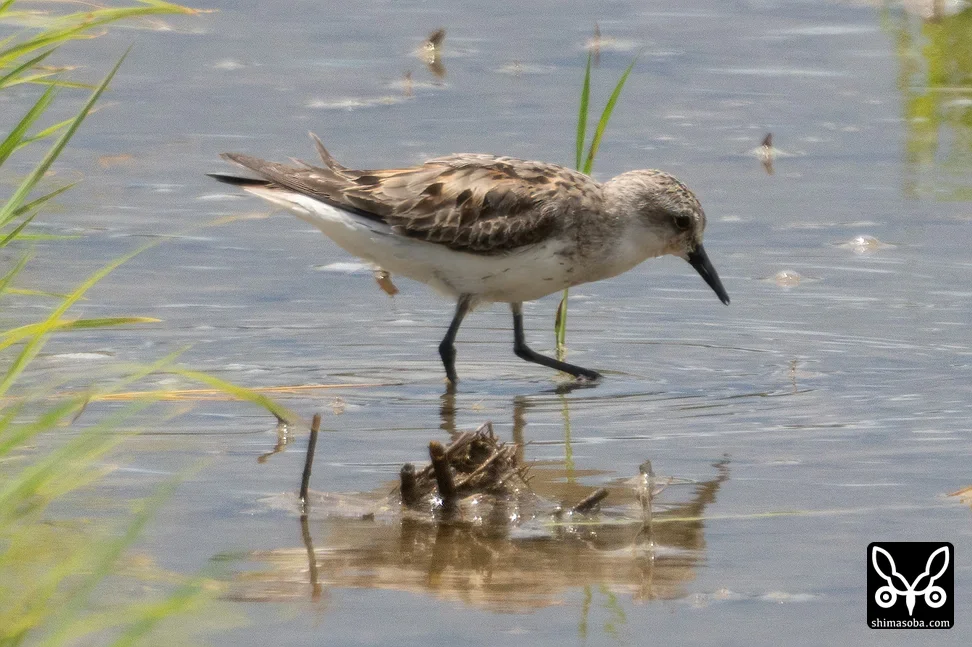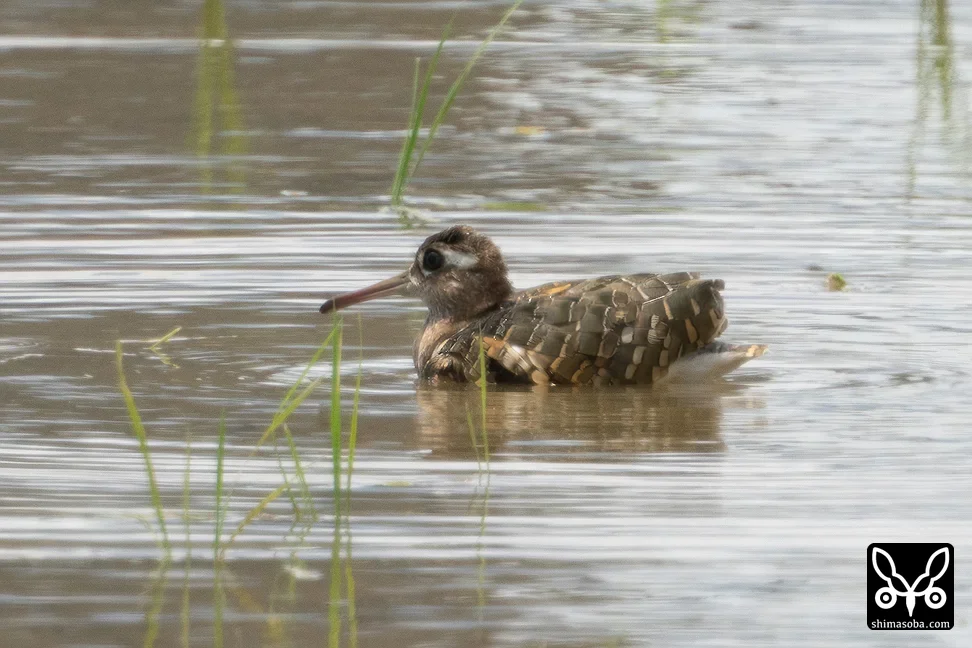
A daily record.
Featuring photos of wild birds and nature, mainly from Okinawa Main Island and Ishigaki Island

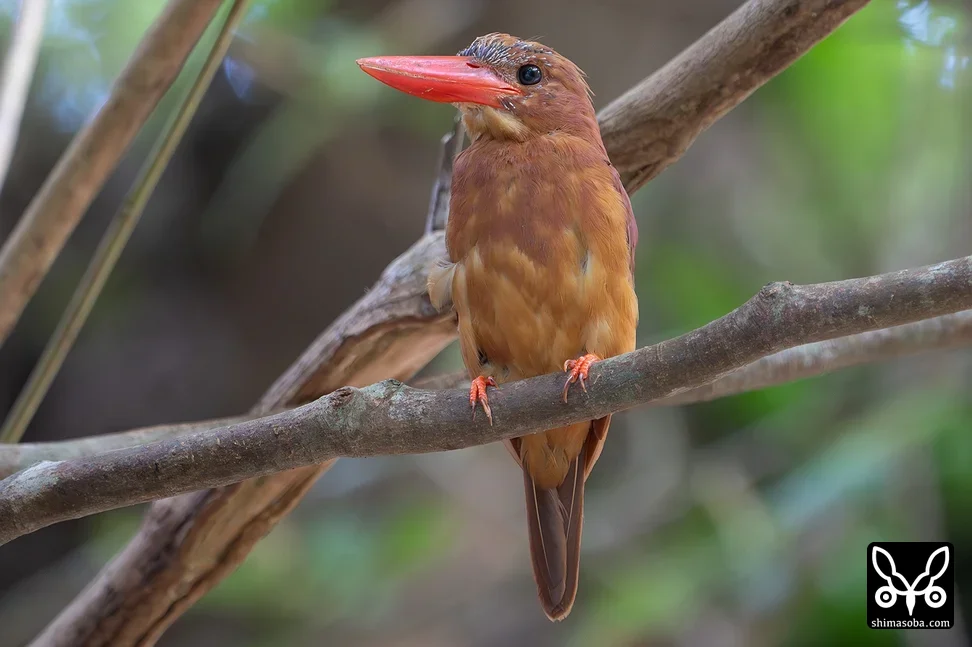
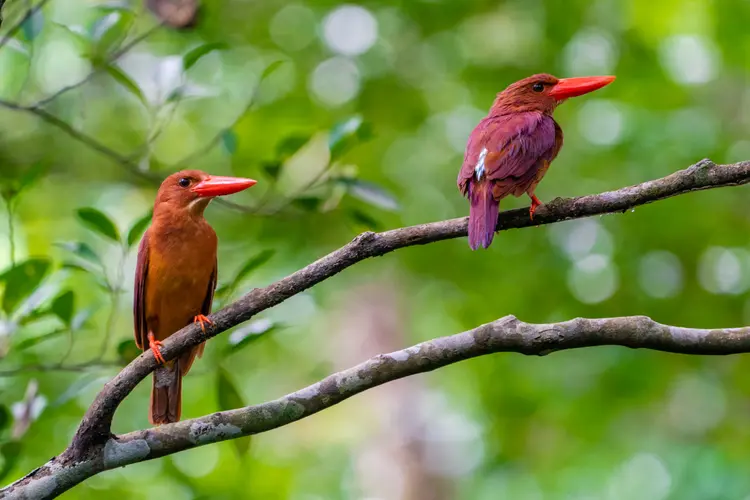
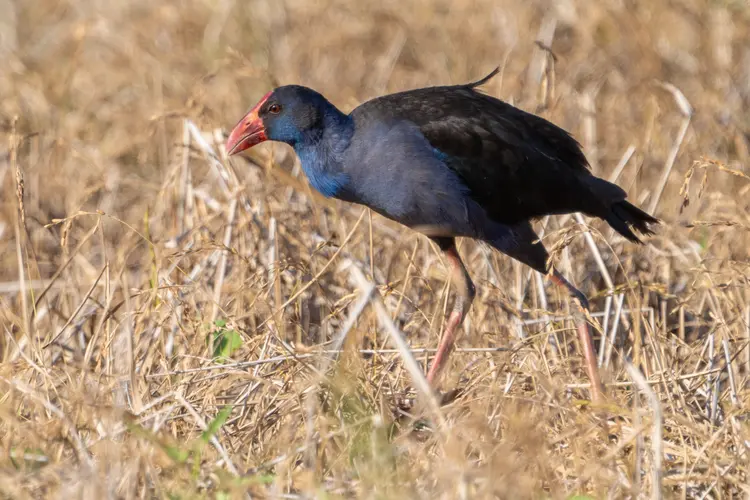
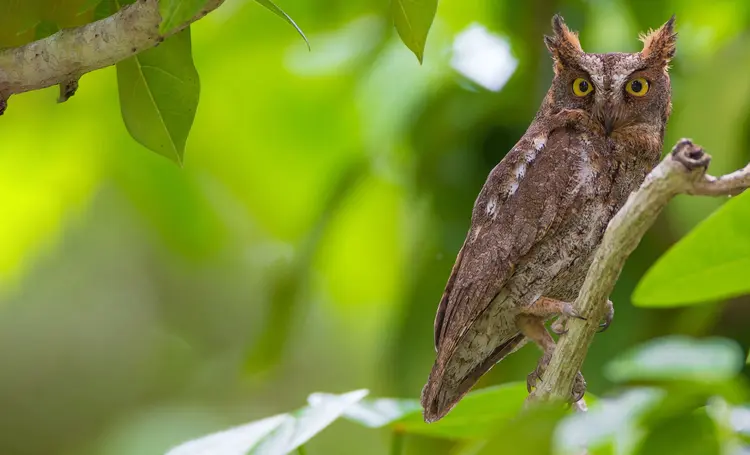
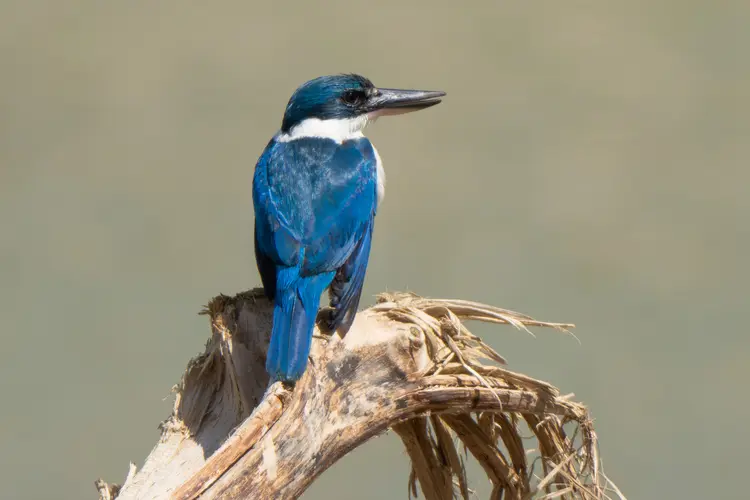
Ruddy Kingfisher Purple Swamphen Ryukyu scops owl Collared Kingfisher Pied Avocet

GUIDED BIRDWATCHING TOUR

Go where the birds are. The SHIMASOBA Tour launches.

We'll drive you around Ishigaki Island to wherever the birds are showing best that day. Observation is mostly from inside the vehicle, and we keep it to a maximum of 3 guests so everyone can take their time.

Max. 3 guests 4 hours in the morning Beginners welcome
Check availability and book

1st Ishigaki Snipe Camp — Day 2

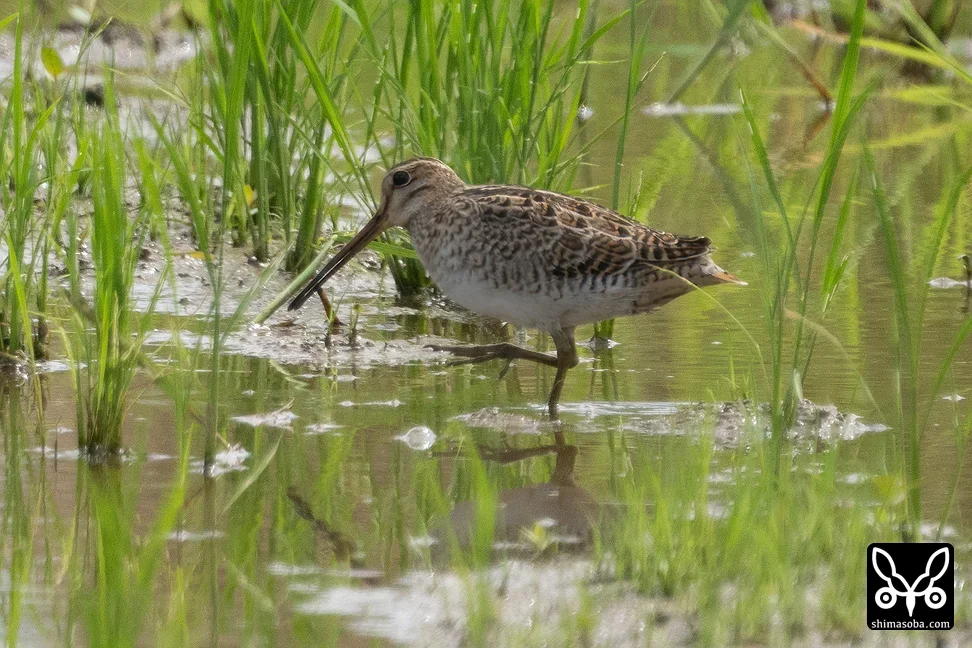
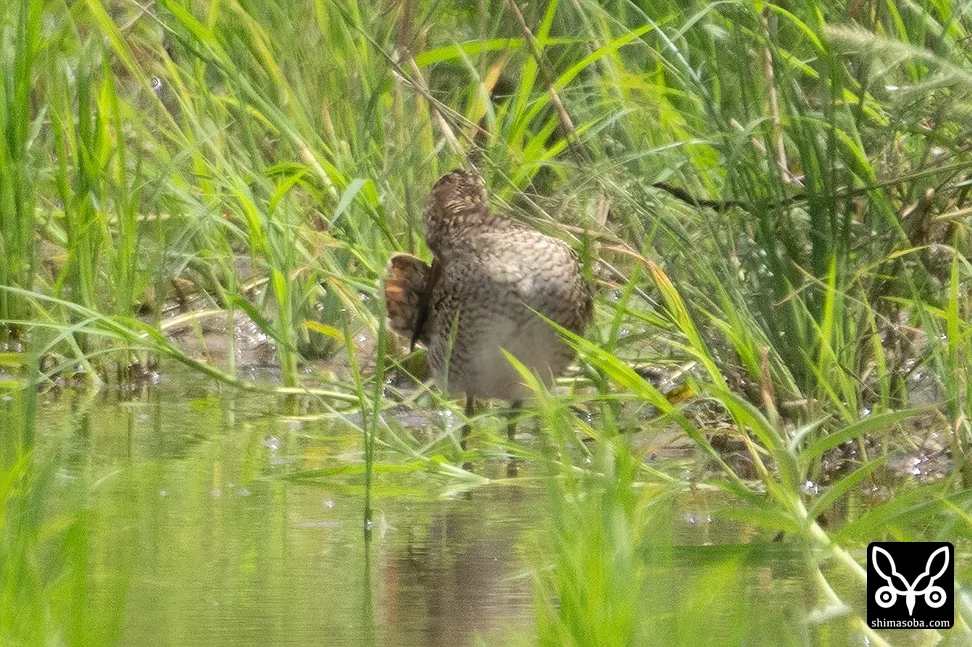
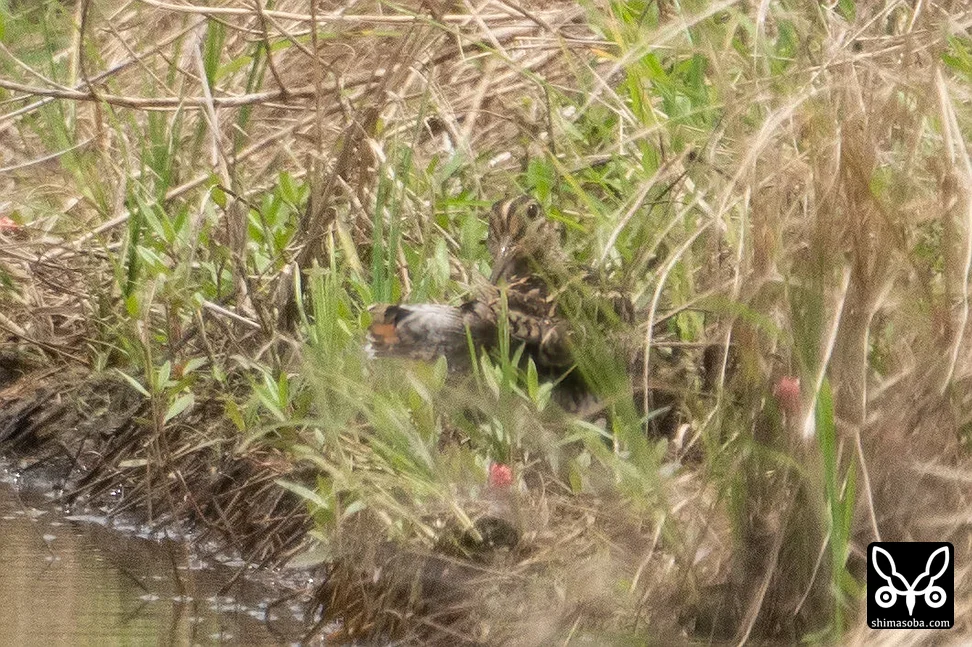
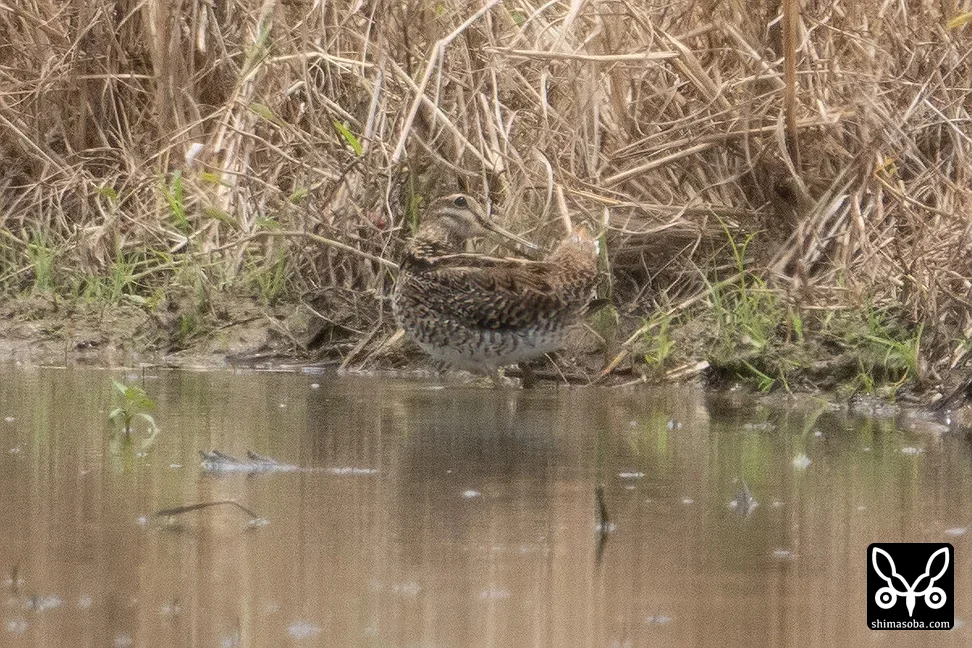
This is day 2 of the 1st Ishigaki Snipe Camp, and the final day. I would have liked to start at first light, but with children to look after, we got going at 9 a.m.

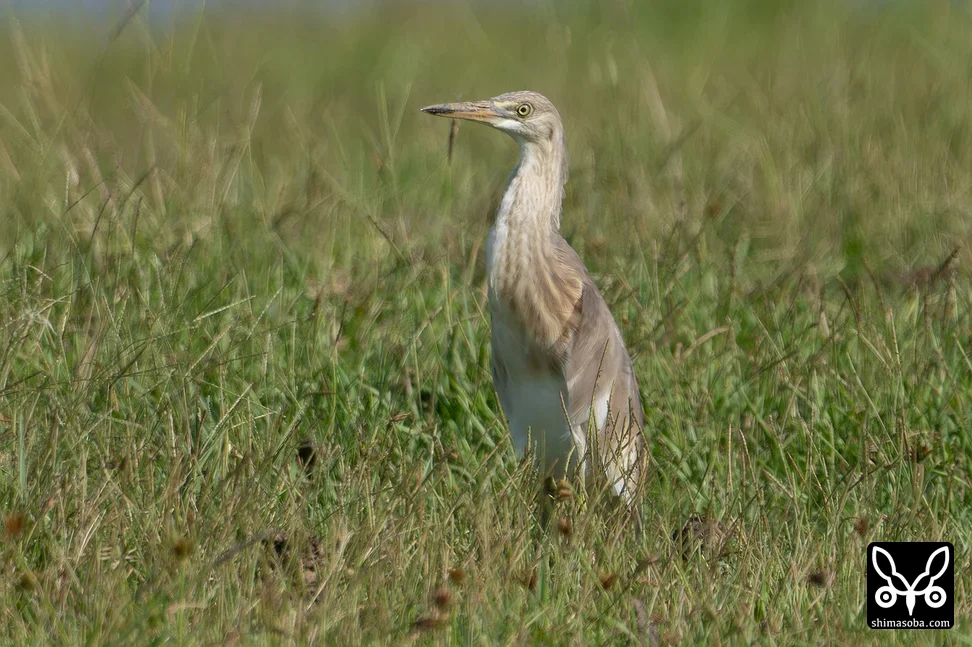
A Javan Pond Heron greeted us at a nearby paddy — the fourth individual on Ishigaki this season, and the fifth of the season counting the first record for Yonaguni Island.

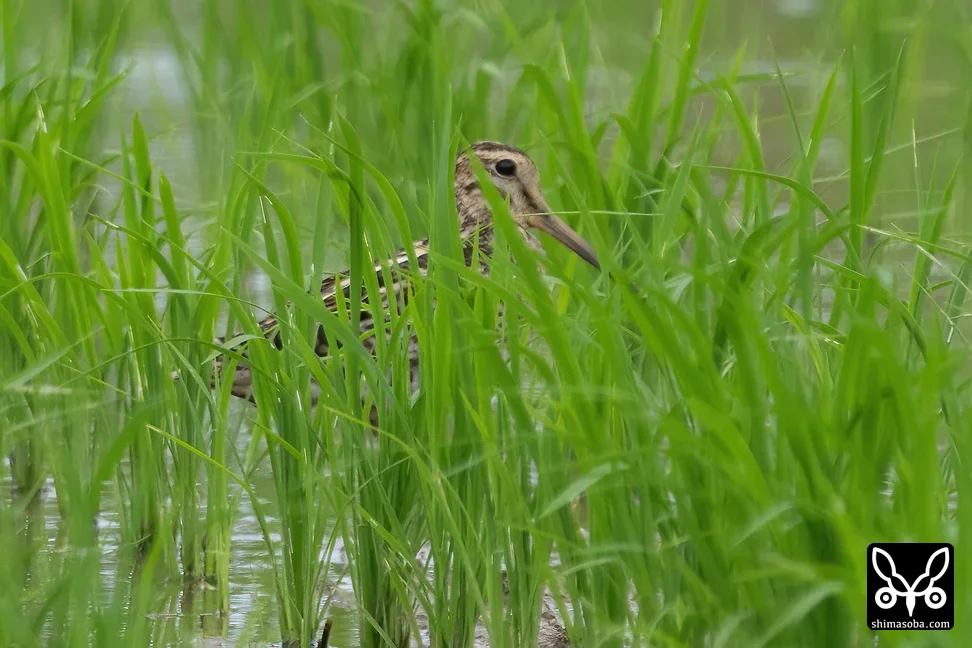
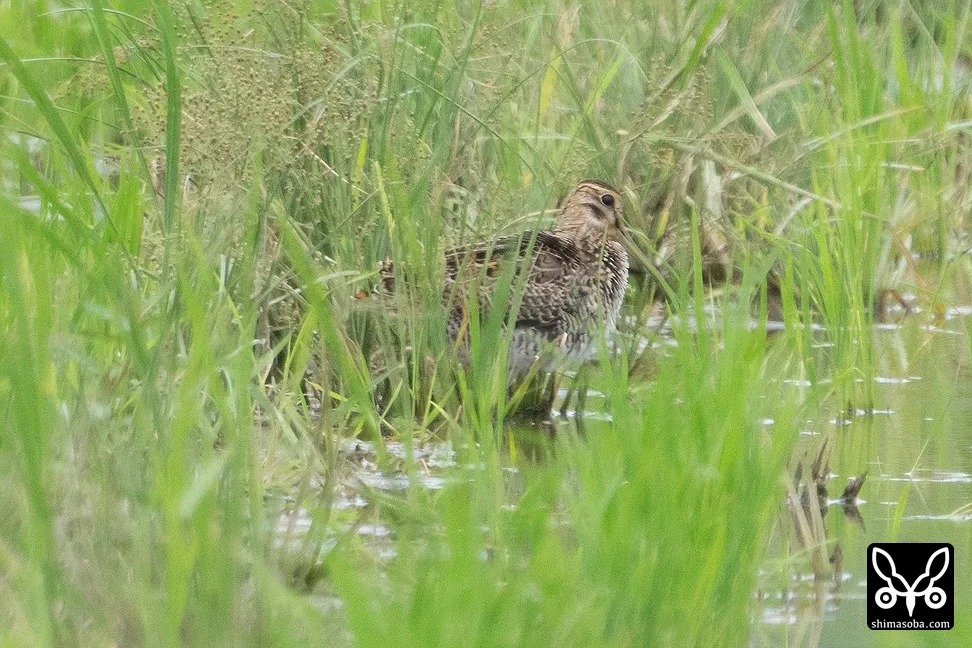
Pin-tailed Snipe and Swinhoe's Snipe were in the same paddy, but the light was badly against us and the grass was tall, so we moved early to the spot that typically holds the most snipe on the island and offers the best views.

We worked through several more sites after that, squeezing every last minute out of the final day right up until participants had to leave for their flights. ^^

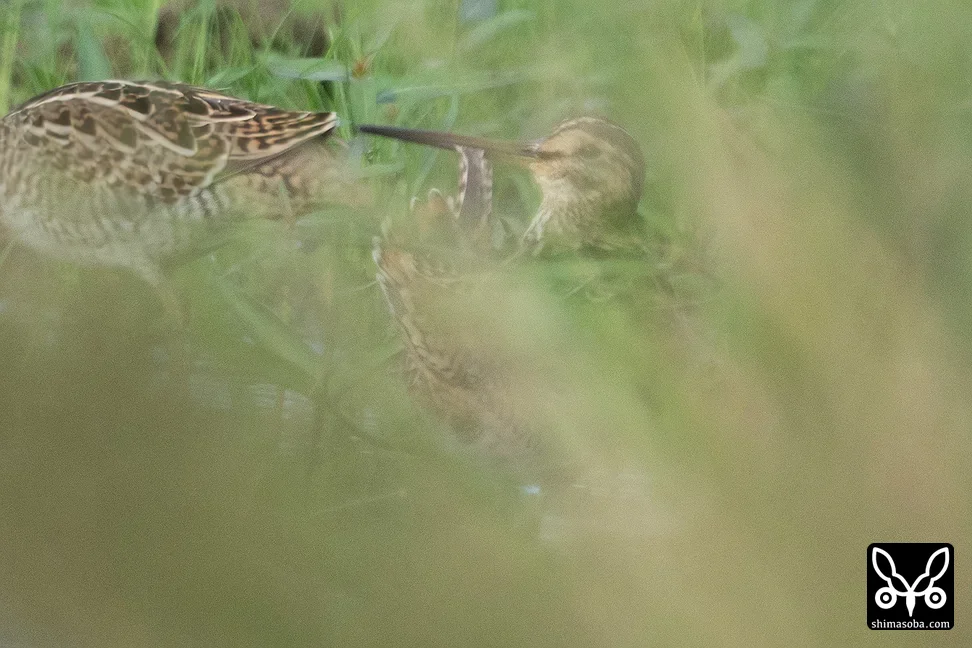
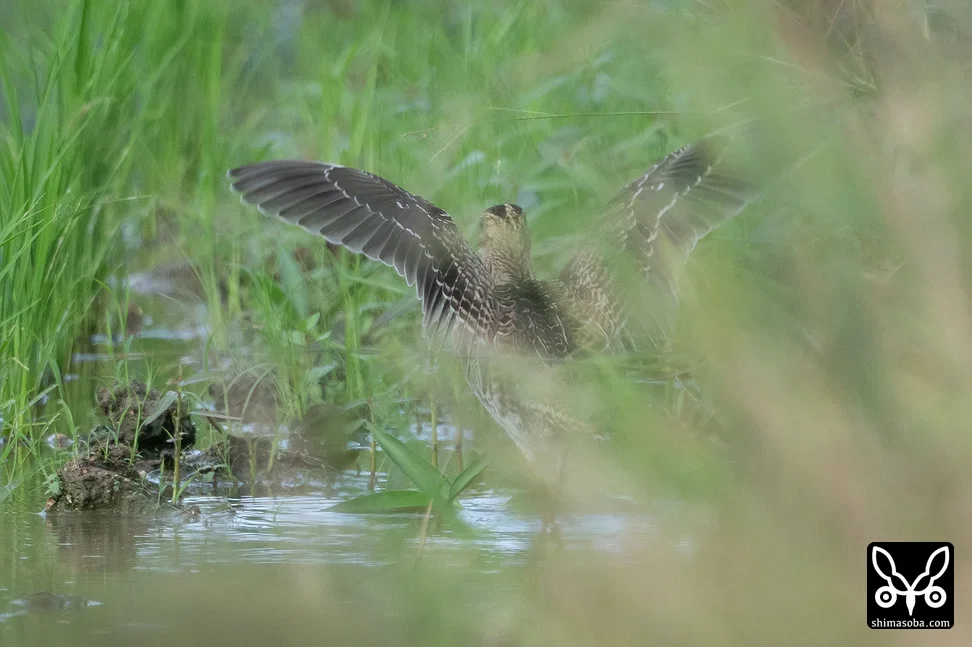
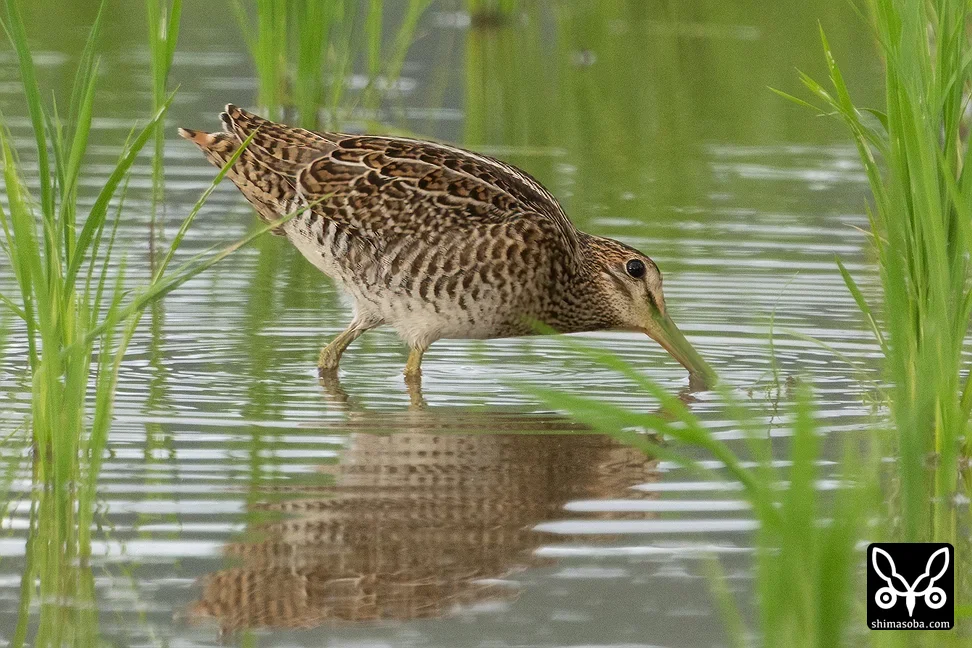
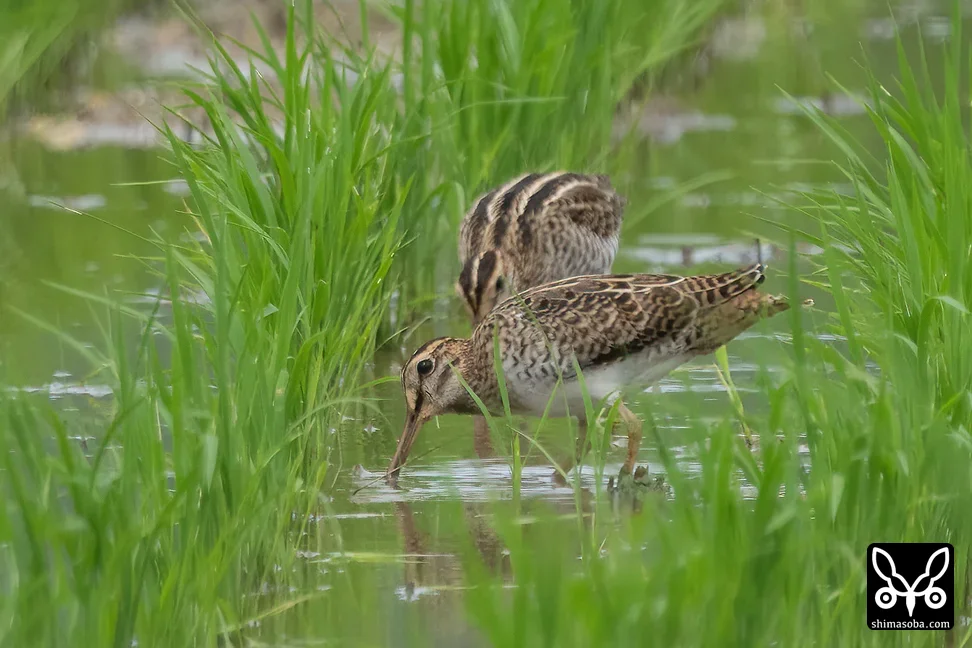
On day 1 we concentrated on Pin-tailed Snipe, but on day 2 we had a bit more breathing room and made a point of photographing Swinhoe's Snipe tail feathers as well. The sideshow is here.
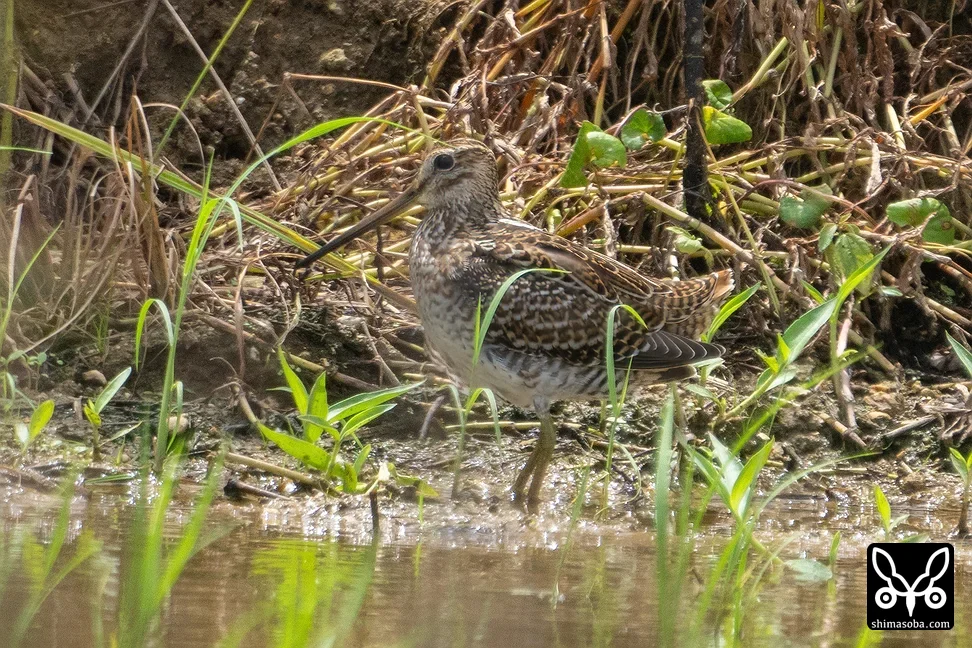
Pin-tailed Snipe
Pin-tailed Snipe

Pin-tailed Snipe, juvenile. I really love the plumage on this type — it reminds me of a Solitary Snipe. This type is uncommon. There's a video below as well.
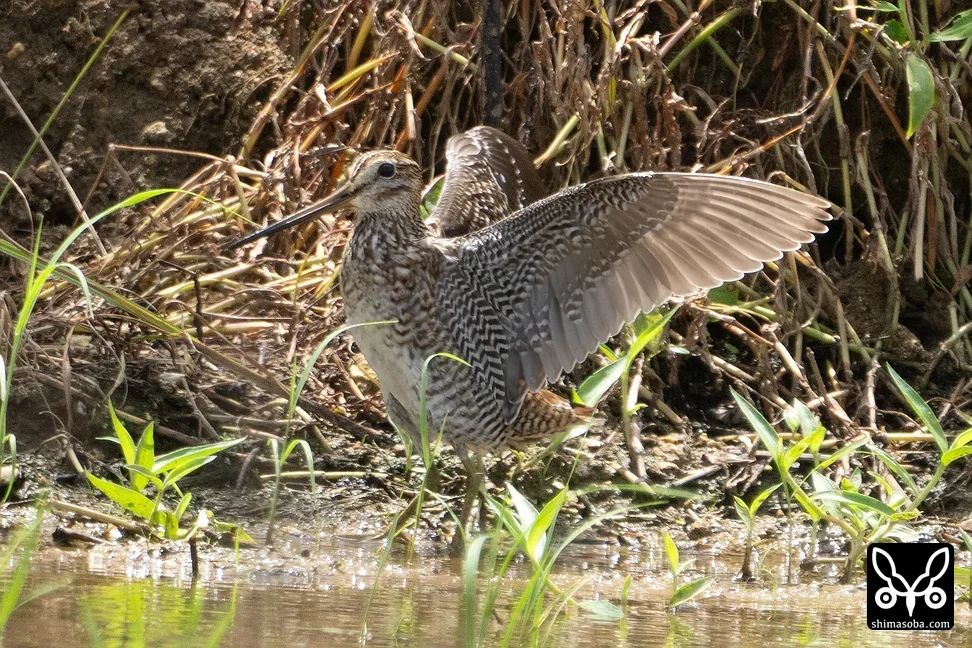
Pin-tailed Snipe
Pin-tailed Snipe

Same individual as above. No moult in the primaries at all.
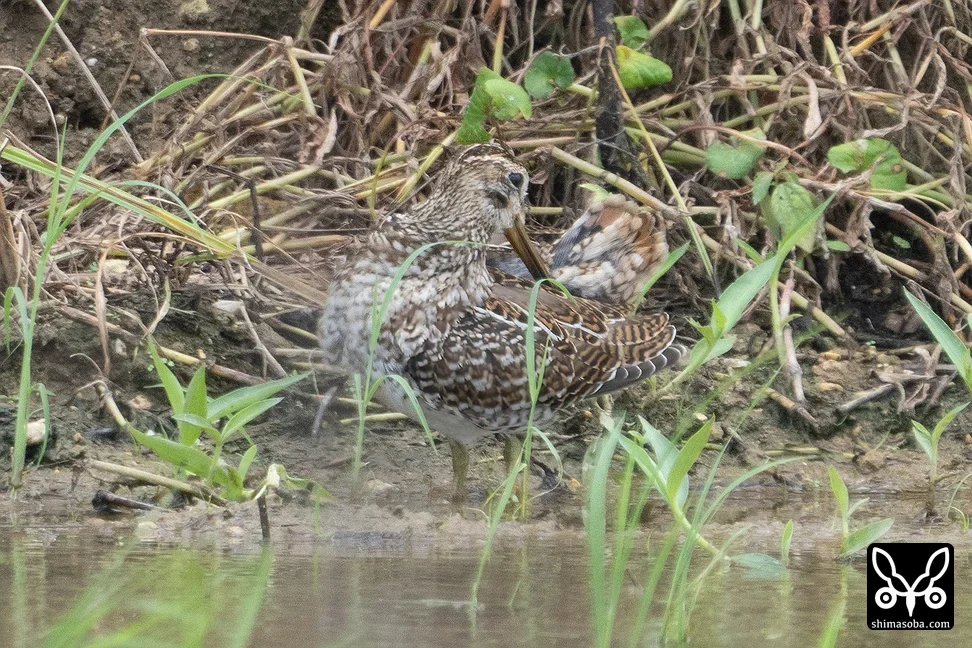
Pin-tailed Snipe
Pin-tailed Snipe

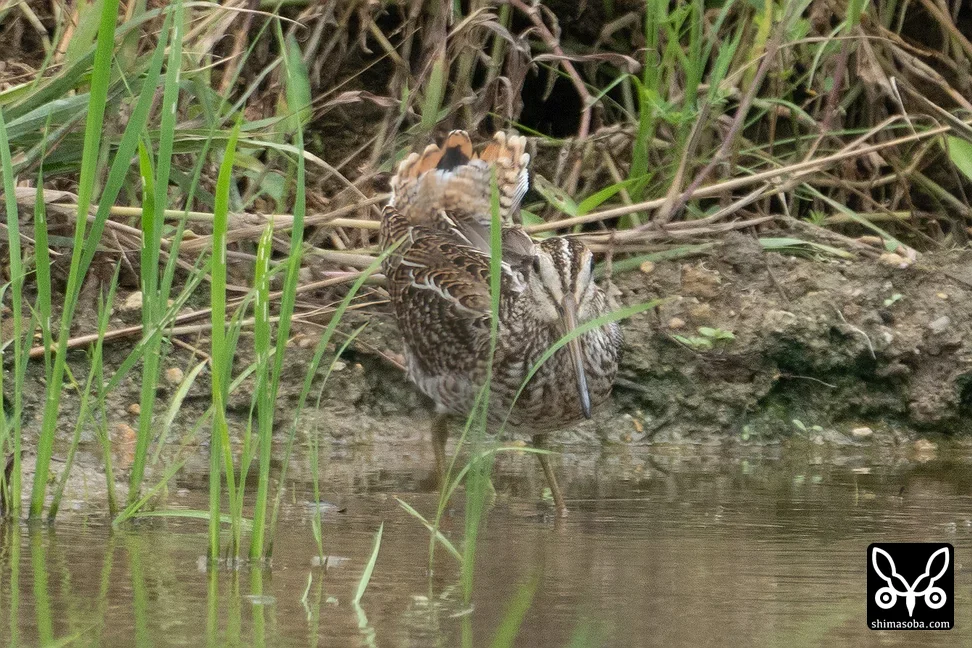
Same individual as above. It showed me its tail feathers too. Can you make out those needle-like outer tail feathers?
Pin-tailed Snipe
Pin-tailed Snipe

Same individual as above. It was on alert because a Common Moorhen had approached, and it spread its tail right out for me. The outer tail feathers of Pin-tailed Snipe are only visible when spread this wide. When they're not visible during normal preening, that's the kind of thing that makes you think 'possible Pin-tailed'… ^^;
Pin-tailed Snipe
Pin-tailed Snipe

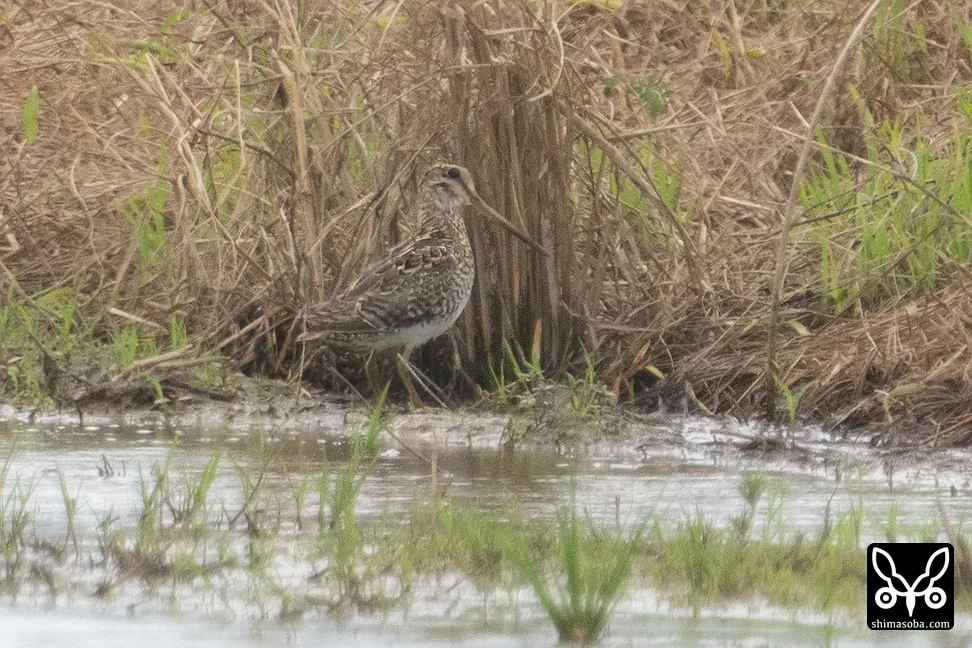
Extremely distant, but this is an adult Pin-tailed Snipe.
Pin-tailed Snipe
Pin-tailed Snipe

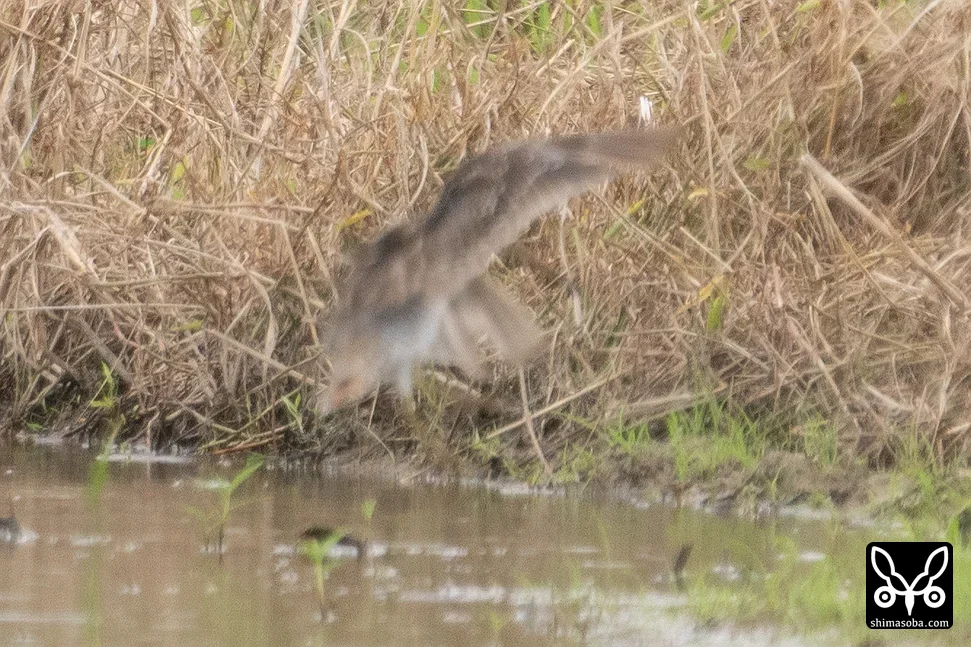
Same individual as above. A blurry shot, but the primary moult is just about visible. It looks like the primaries have been replaced except for two or three old feathers remaining on the outer edge.
Pin-tailed Snipe
Pin-tailed Snipe

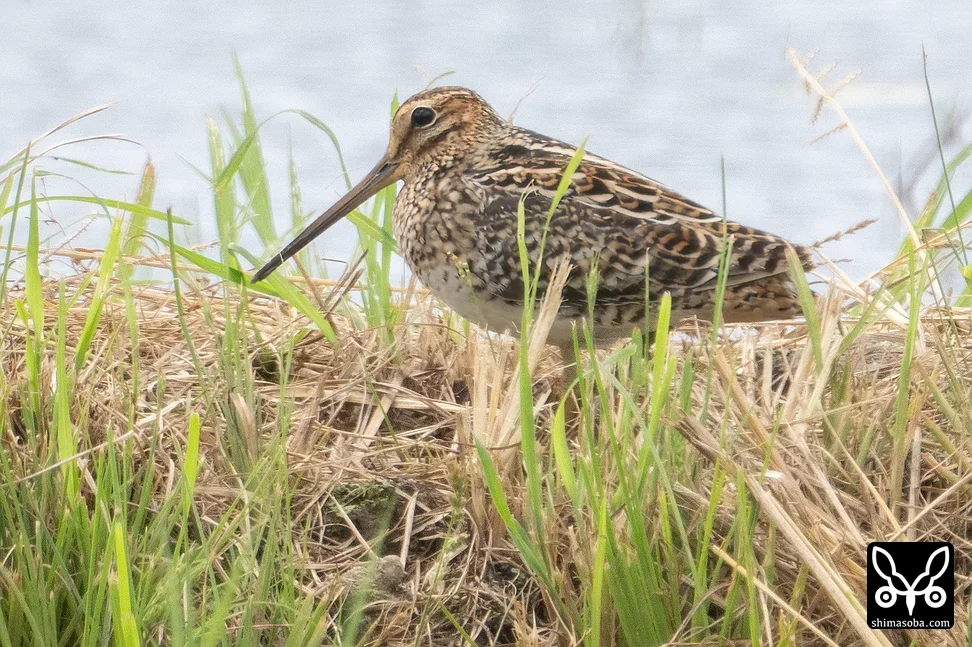
Adult Pin-tailed Snipe resting on a paddy bund. Scapulars already moulted into winter plumage. One new feather visible among the tertials.
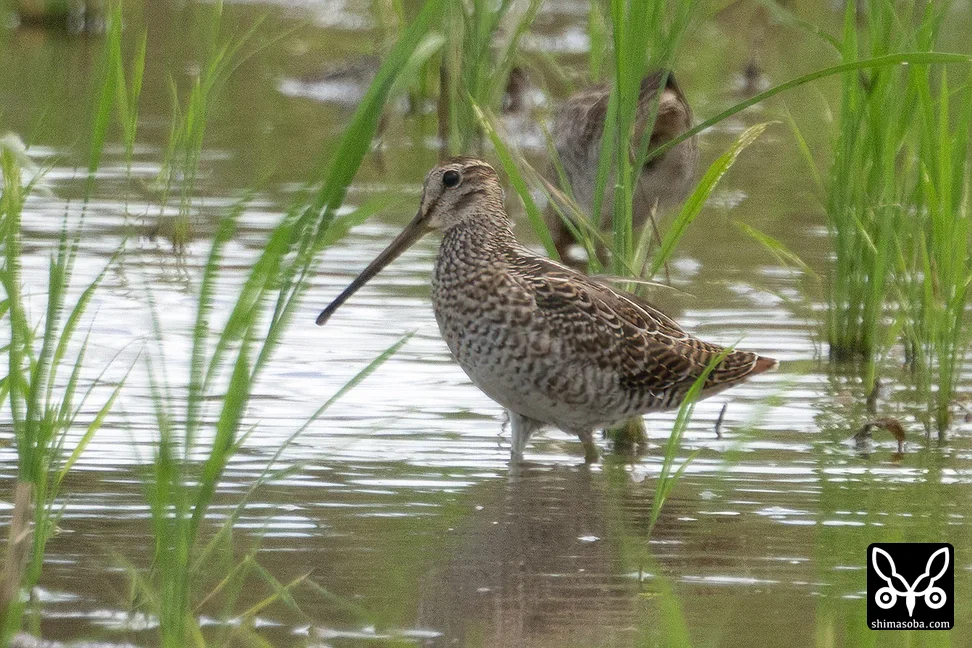
Pin-tailed Snipe
Pin-tailed Snipe

Pin-tailed Snipe, juvenile. Are the scapulars missing?
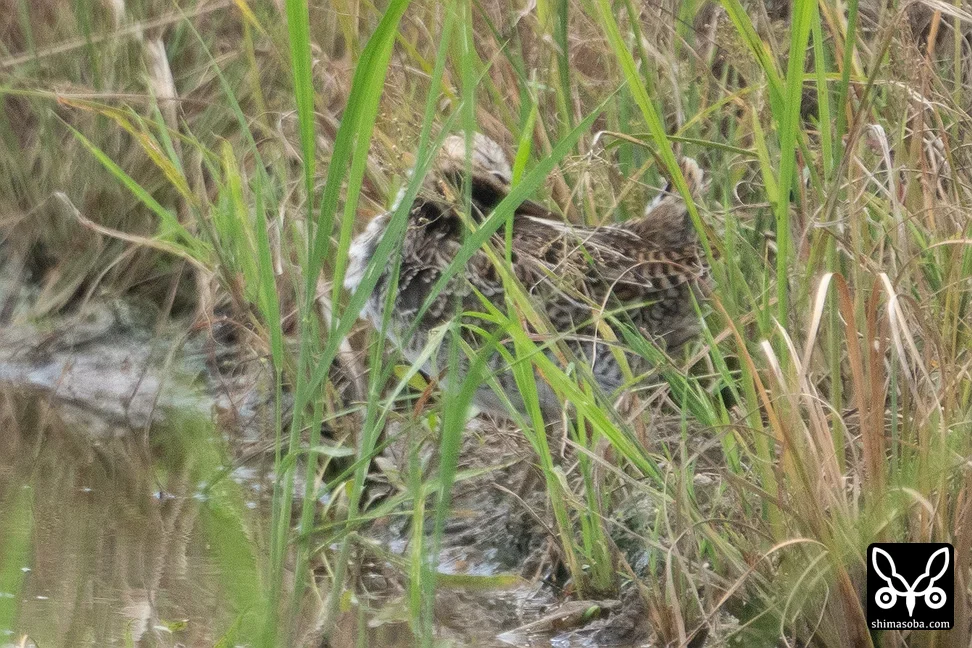
Pin-tailed Snipe
Pin-tailed Snipe

Same individual as above.

Pin-tailed Snipe
Pin-tailed Snipe

Pin-tailed Snipe, juvenile.

Swinhoe's Snipe
Swinhoe's Snipe

Swinhoe's Snipe juvenile preening.

Swinhoe's Snipe
Swinhoe's Snipe

Another Swinhoe's Snipe juvenile.

Swinhoe's Snipe
Swinhoe's Snipe

Yet another Swinhoe's Snipe juvenile.
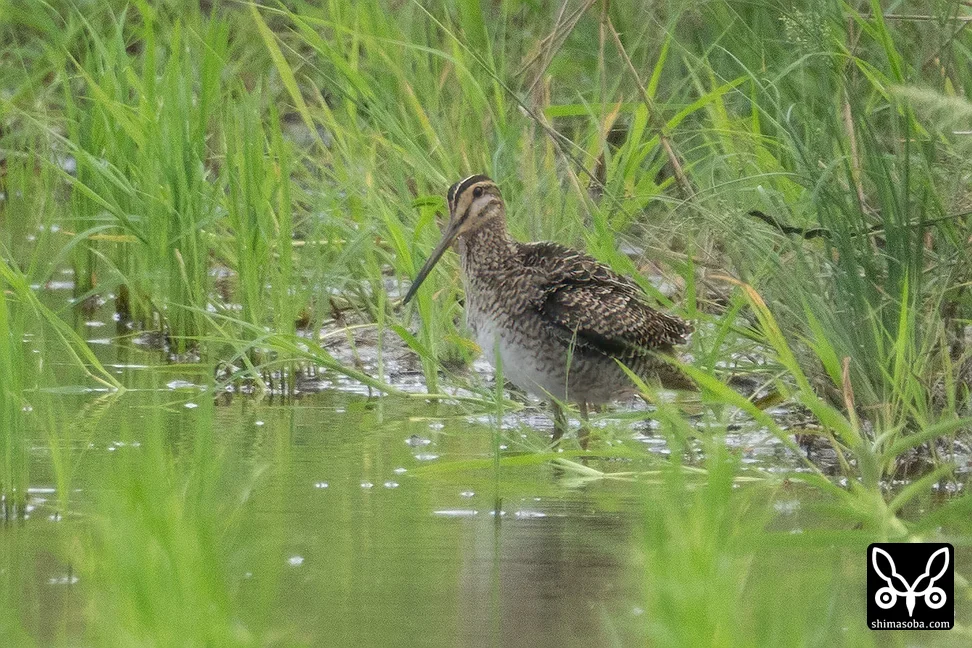
Swinhoe's Snipe
Swinhoe's Snipe

Swinhoe's Snipe, juvenile.

Swinhoe's Snipe
Swinhoe's Snipe

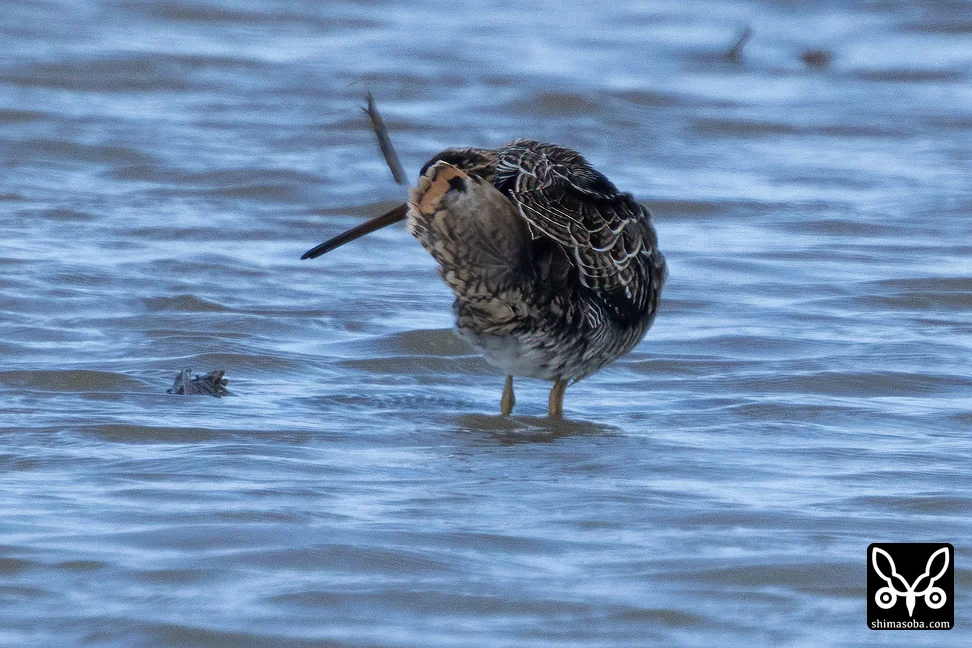
Swinhoe's Snipe, adult. Moult well advanced on the scapulars, tertials, and so on.
Swinhoe's Snipe
Swinhoe's Snipe

The tail feathers of Swinhoe's Snipe are easy to see even during ordinary preening. On the final day, observation ended just after 4:00 p.m. due to my return flight. This individual was the last snipe of the trip.
Categories: 野鳥

1st Ishigaki Snipe Camp!! [Day 1]

I took the liberty of organizing the 1st Ishigaki Island Snipe Camp, complete with a complimentary invitation to Shimasoba-so.

For this inaugural event I was joined by a contributor who writes the field identification articles on snipe for BIRDER magazine. The Pin-tailed Snipes and Swinhoe's Snipes of Ishigaki seemed to hold genuine interest even for a professional eye. During the camp I received a direct lecture on migration timing and moult characteristics of Latham's Snipe and Swinhoe's Snipe from the mainland — extremely educational. As someone who writes about identification, the way they put the distinguishing features into words was precise and impressive.

The results were excellent. We observed large numbers of Pin-tailed Snipe and the so-called western-type Swinhoe's Snipe that are commonly found in the Nansei Islands, including both adults and juveniles. Despite spending nearly all our time on snipe, the by-catch was good too: 2 Javan Pond Herons, the season's first juvenile Common Greenshank and juvenile Green Sandpiper, juvenile Red-necked Stints, and a Sharp-tailed Sandpiper.

On day one I met the participants at the airport at around 1:30 p.m. and had the first Pin-tailed Snipe in the bag just after 2:00 p.m. We watched until 6:00 p.m. I am posting photos of the 10 Pin-tailed Snipes we managed to photograph. Day 2 and the bonus post are covered in separate articles.

I intend to keep running snipe camps in the future. Announcements will appear here on the blog and on social media. The planned timing is around late August, when both adults and juveniles are present and moult variation is at its richest. I would also like to hold one during the spring migration (early to mid-April), when other birds, waders and plovers are enjoyable too, if there is enough interest.

Pin-tailed Snipe
Pin-tailed Snipe

The very first Swinhoe's Snipe of the training camp encountered in conditions like this…. ^^; A valuable adult.

Pin-tailed Snipe
Pin-tailed Snipe

Second individual — a juvenile Swinhoe's Snipe.

Pin-tailed Snipe
Pin-tailed Snipe

Another juvenile Swinhoe's Snipe. Finding them steadily. ^^

Pin-tailed Snipe
Pin-tailed Snipe

Adult Swinhoe's Snipe. The scapulars have already moulted into winter plumage.

Pin-tailed Snipe
Pin-tailed Snipe

Juvenile Swinhoe's Snipe. The fifth Swinhoe's Snipe of the day.

Pin-tailed Snipe
Pin-tailed Snipe

Juvenile Swinhoe's Snipe. As with Pintail Snipe, juveniles far outnumber adults.

Pin-tailed Snipe
Pin-tailed Snipe

Extremely distant juvenile Swinhoe's Snipe. The most common plumage type among autumn juveniles on Ishigaki-jima.

Pin-tailed Snipe
Pin-tailed Snipe

The eighth Swinhoe's Snipe on the first day. Another juvenile.

Pin-tailed Snipe
Pin-tailed Snipe

The closest Swinhoe's Snipe of the first day. A juvenile. It was a particularly small and charming individual even within the flock. There was another bird that looked so similar I thought they might be siblings.

Pin-tailed Snipe
Pin-tailed Snipe

Same individual as above. Most birds that day were too busy foraging to preen much, but I managed to get a view of the tail feathers.

Pin-tailed Snipe
Pin-tailed Snipe

Same individual as above. A beautiful bird with fresh juvenile plumage — moult not progressed at all.

Pin-tailed Snipe
Pin-tailed Snipe

This was the tenth Pin-tailed Snipe of the first day, the last individual of the session. We wrapped up at 6:00 p.m. because there was a barbecue get-together at my place afterwards.

Swinhoe's Snipe
Swinhoe's Snipe

Swinhoe's Snipe, juvenile.

Swinhoe's Snipe
Swinhoe's Snipe

Swinhoe's Snipe juvenile in the distance. Swinhoe's outnumbered Pin-tailed on the day, but since I was focused on finding Pin-tailed, photos of Swinhoe's ended up being an afterthought… ^^;

Categories: 野鳥

First Yonaguni Record of Javan Pond Heron, Yonaguni Wood Pigeon at Tacchigami Rock, and More

I found a Javan Pond Heron on Yonaguni Island — almost certainly a first record. Veterans who have visited the island for decades have not seen one, and it does not appear in any checklist.

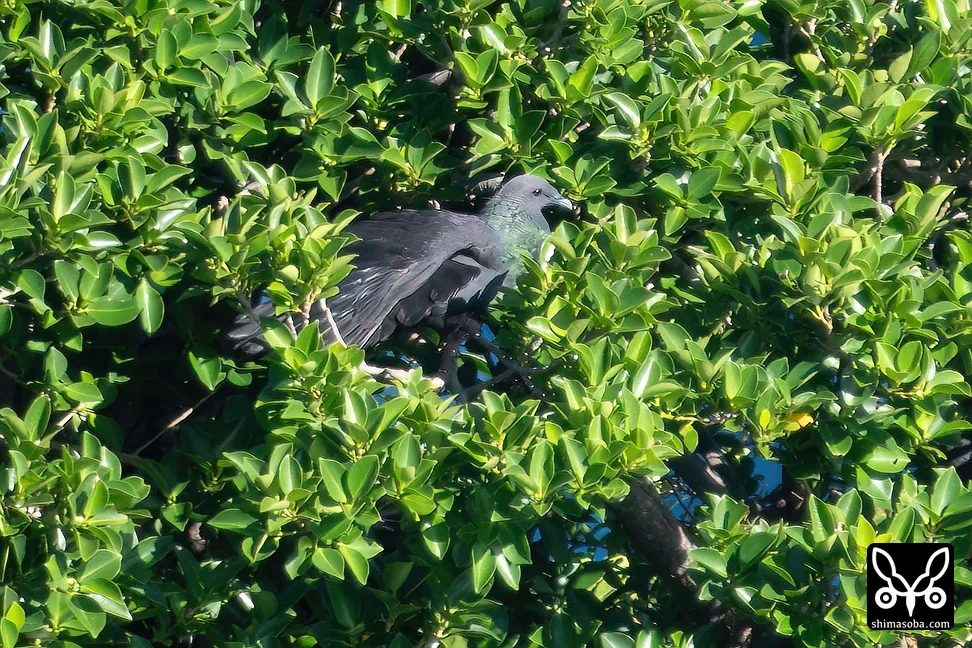
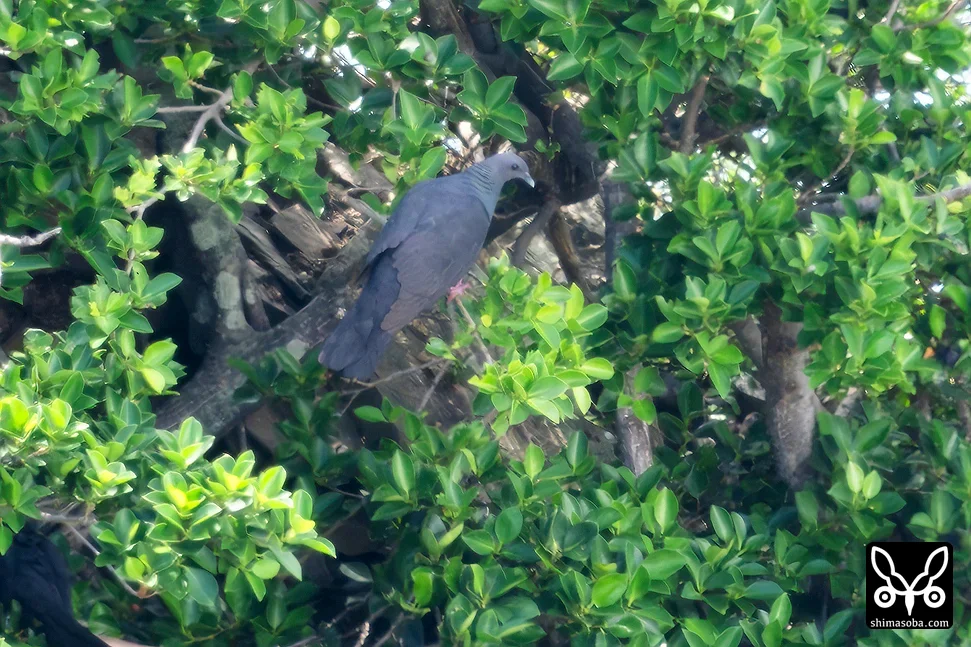
Up to about seven Yonaguni Wood Pigeons came to Tacchigami Rock on the south-east side of the island. What draws them there, I wonder?

On the schoolground of Kubura Elementary School after rain there was 1 Pin-tailed Snipe and 2 Swinhoe's Snipes. The rice fields on Yonaguni have completely dried up, so they presumably have nowhere else to go. A few dozen Pacific Golden Plovers had also come down.

Javan Pond Heron
Javan Pond Heron

A Javan Pond Heron — a first record for Yonaguni Island. It was at Agariizaki. This individual was fairly wary.

Ryukyu Wood Pigeon
Ryukyu Wood Pigeon

A Ryukyu Wood Pigeon sunbathing with wings spread.

Ryukyu Wood Pigeon
Ryukyu Wood Pigeon

The Ryukyu Wood Pigeons formed a flock of up to around seven birds.

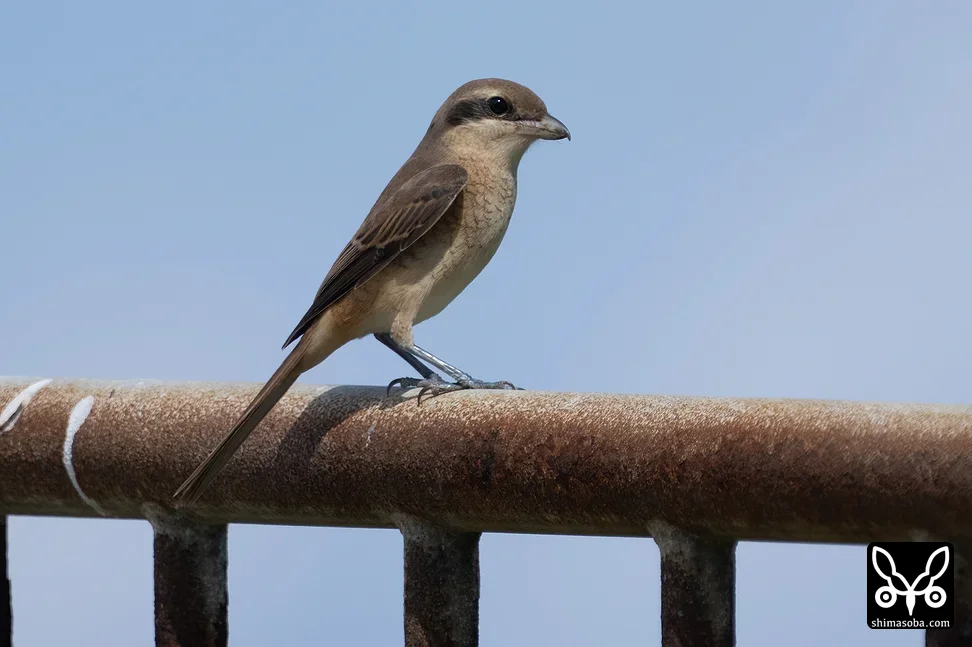
Brown Shrike
Brown Shrike

The first Isabelline Shrike of the season — a female.

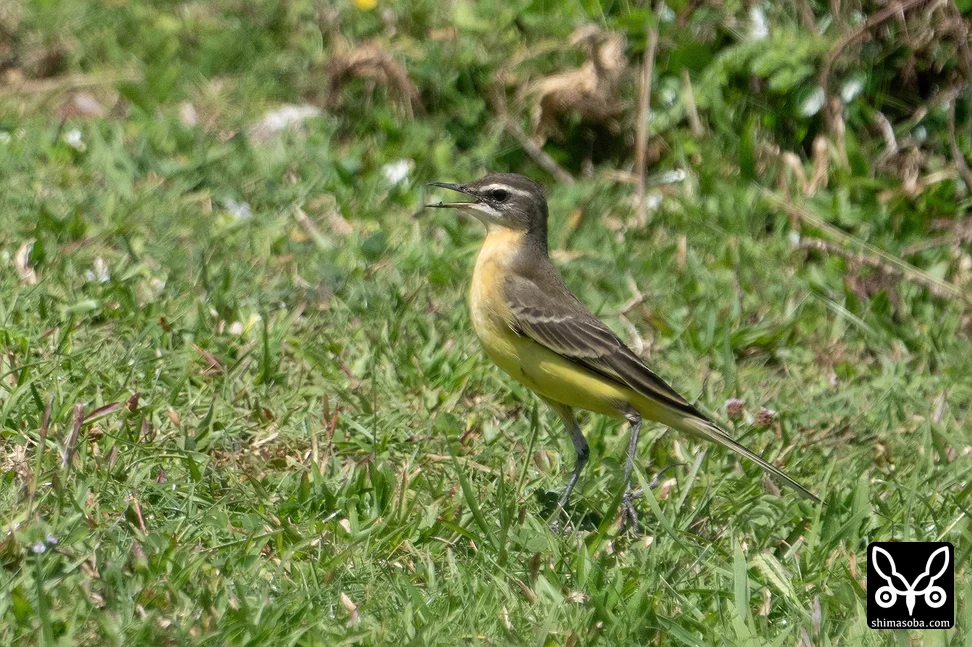
Citrine Wagtail
Citrine Wagtail

A Siberian Wagtail, female, winter plumage.

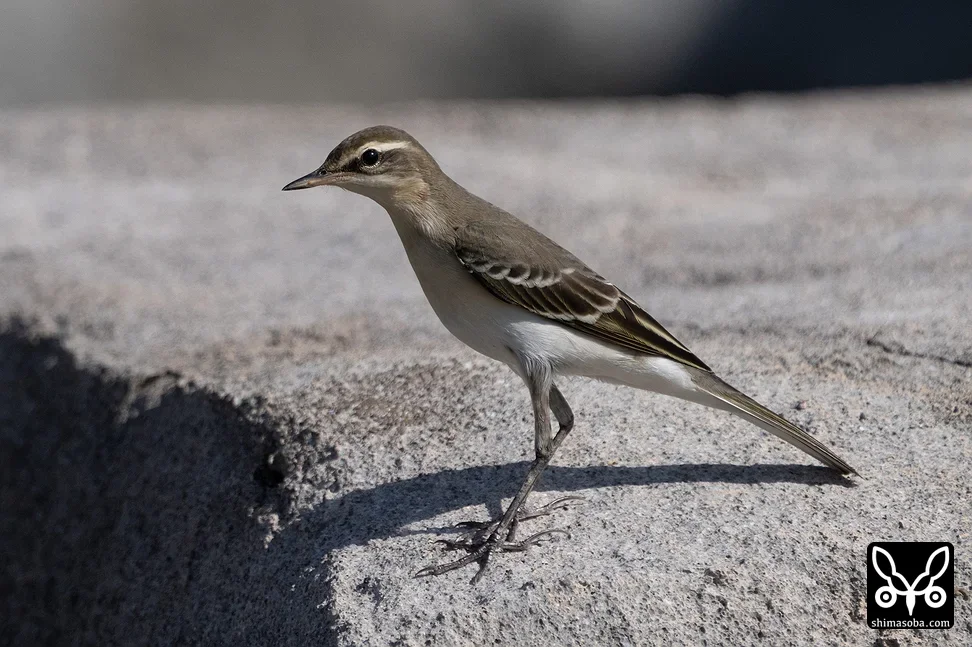
Citrine Wagtail
Citrine Wagtail

A Siberian Wagtail, first-winter plumage.

Pin-tailed Snipe
Pin-tailed Snipe

Pin-tailed Snipe, juvenile.

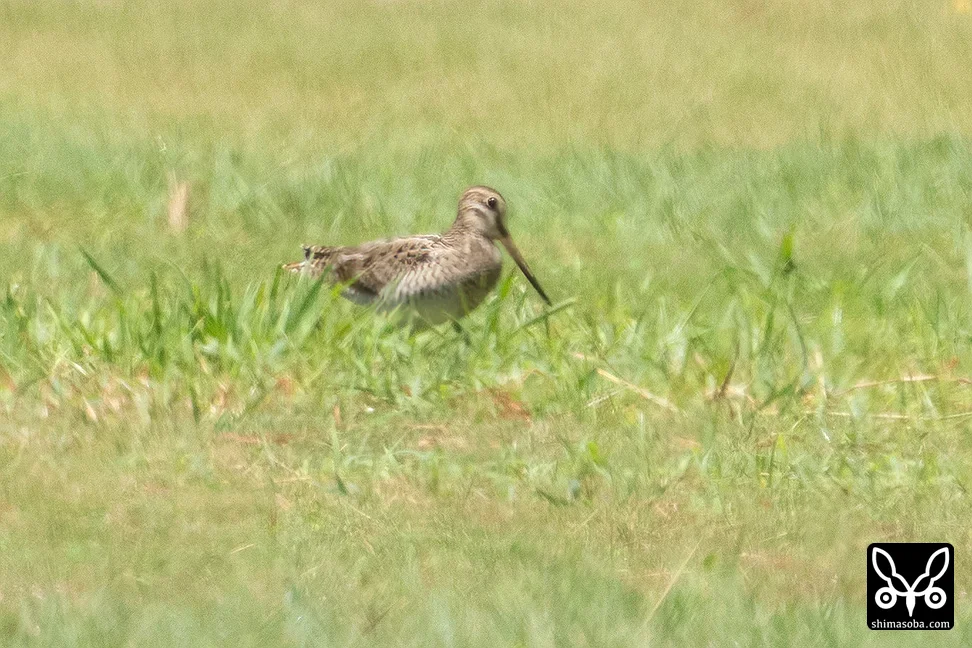
Swinhoe's Snipe
Swinhoe's Snipe

Swinhoe's Snipe, juvenile.

Swinhoe's Snipe
Swinhoe's Snipe

Another Swinhoe's Snipe, juvenile.

Pacific Golden Plover

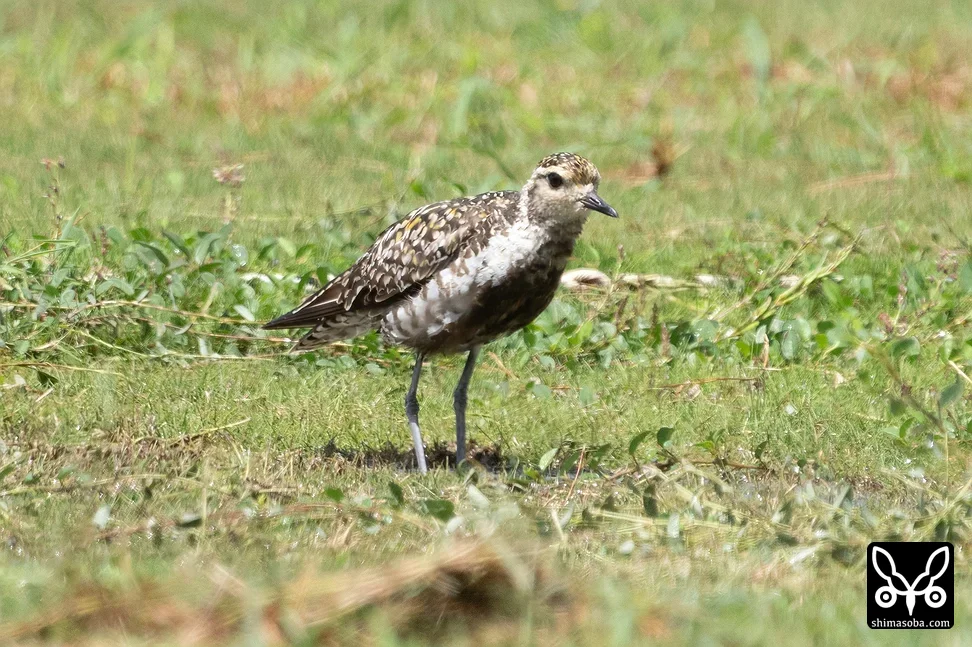
Pacific Golden Plover transitioning from summer to winter plumage.

Categories: 野鳥

Eastern Yellow Wagtails Building Up, Season's First Juvenile Black-winged Stilt, and More

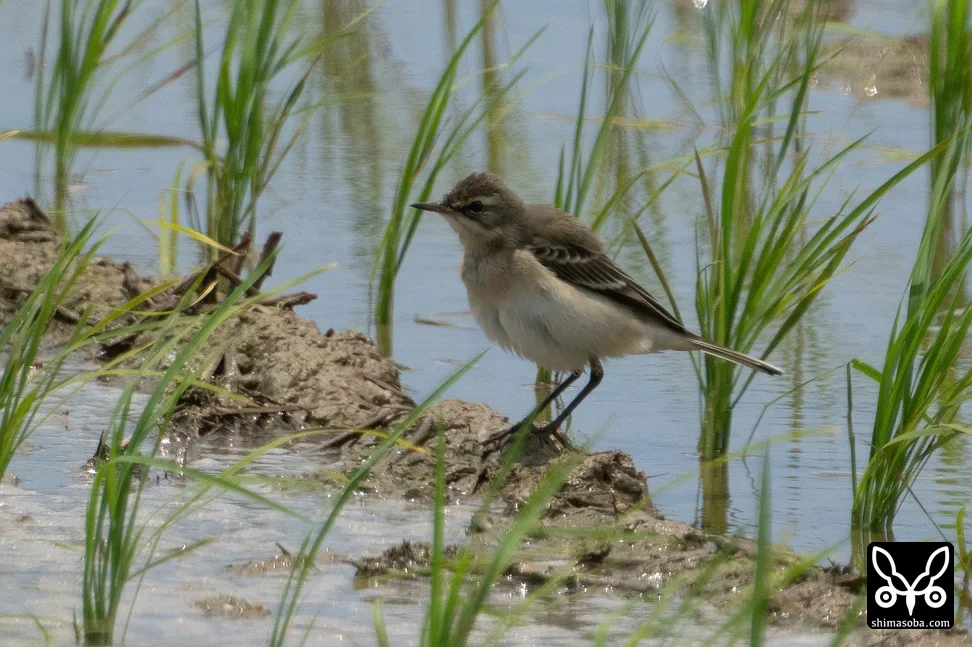
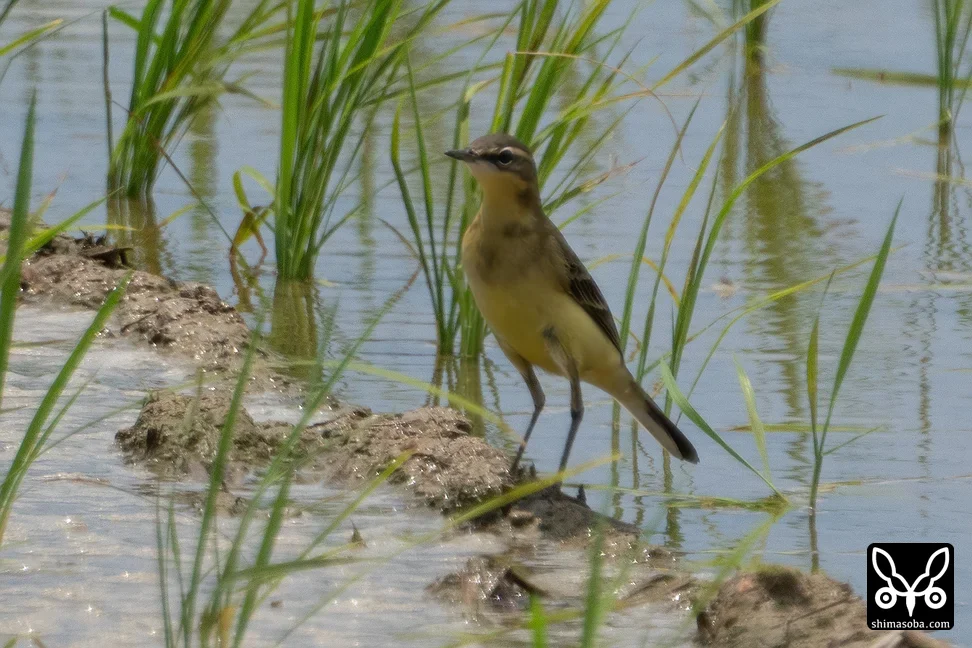
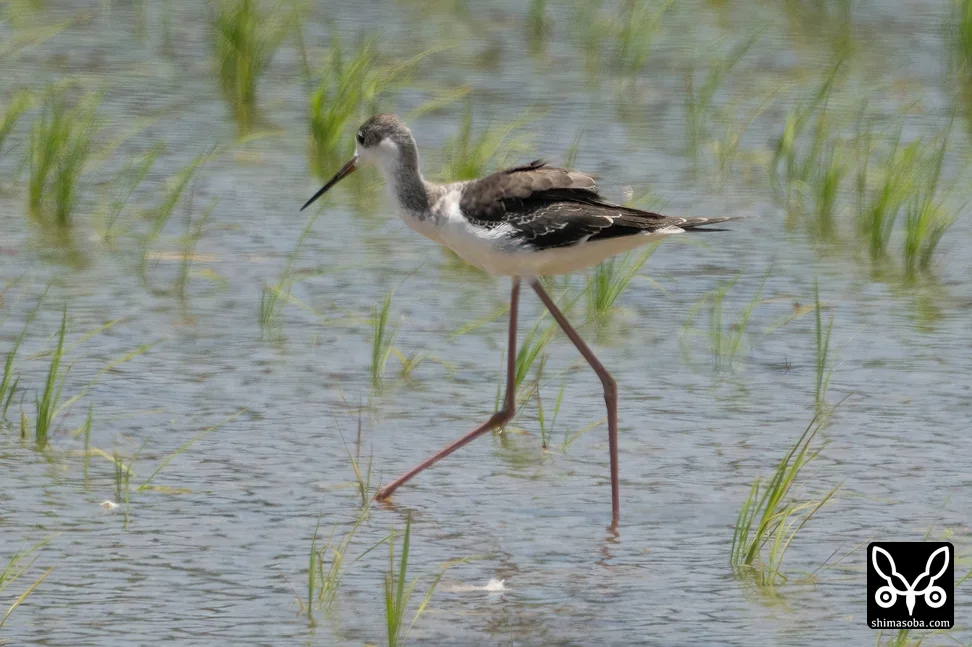
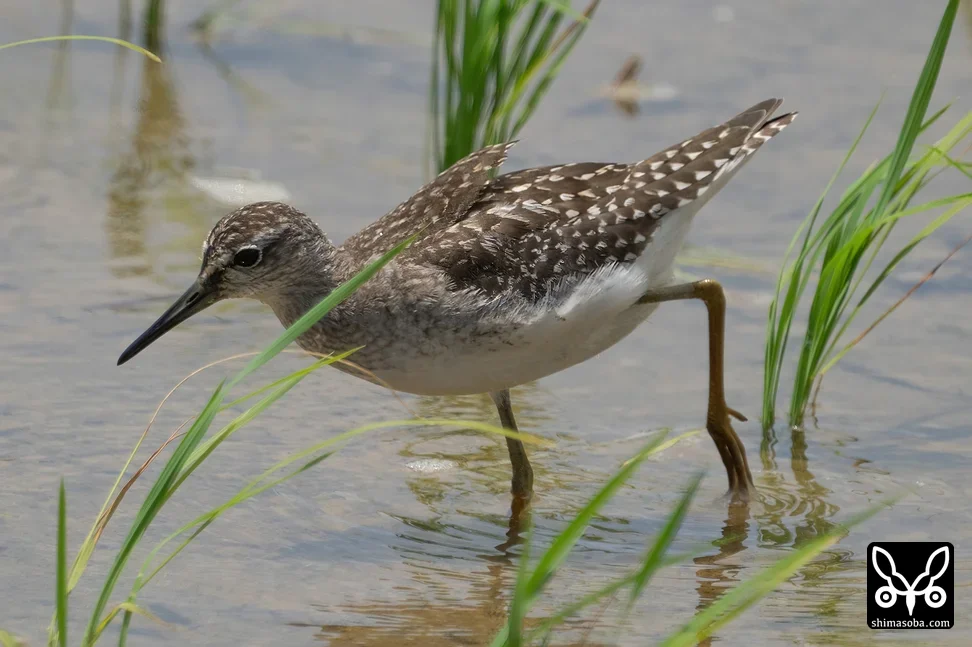
White-browed Eastern Yellow Wagtails are increasing — flocks of up to around 20. I also confirmed the season's first juvenile Black-winged Stilt. Red-necked Stints, Long-toed Stints, and Wood Sandpipers continue to turn over and build in numbers. A Greater Painted-snipe is incubating.

Citrine Wagtail
Citrine Wagtail

Eastern Yellow Wagtail, 1st-winter.

Citrine Wagtail
Citrine Wagtail

Eastern Yellow Wagtail, adult winter.

Black-winged Stilt
Black-winged Stilt

Black-winged Stilt juveniles have also arrived.

Wood Sandpiper
Wood Sandpiper

Wood Sandpiper, 1st-winter.

Long-toed Stint
Long-toed Stint

Long-toed Stint, juvenile plumage.

Long-toed Stint
Long-toed Stint

Long-toed Stint, late breeding plumage.

Red-necked Stint
Red-necked Stint

Red-necked Stint, 1st-summer to winter moult.

Greater Painted-snipe

The incubating Greater Painted-snipe occasionally appears for a bath to cope with the heat.

Categories: 野鳥