A daily record.
Featuring photos of wild birds and nature, mainly from Okinawa Main Island and Ishigaki Island

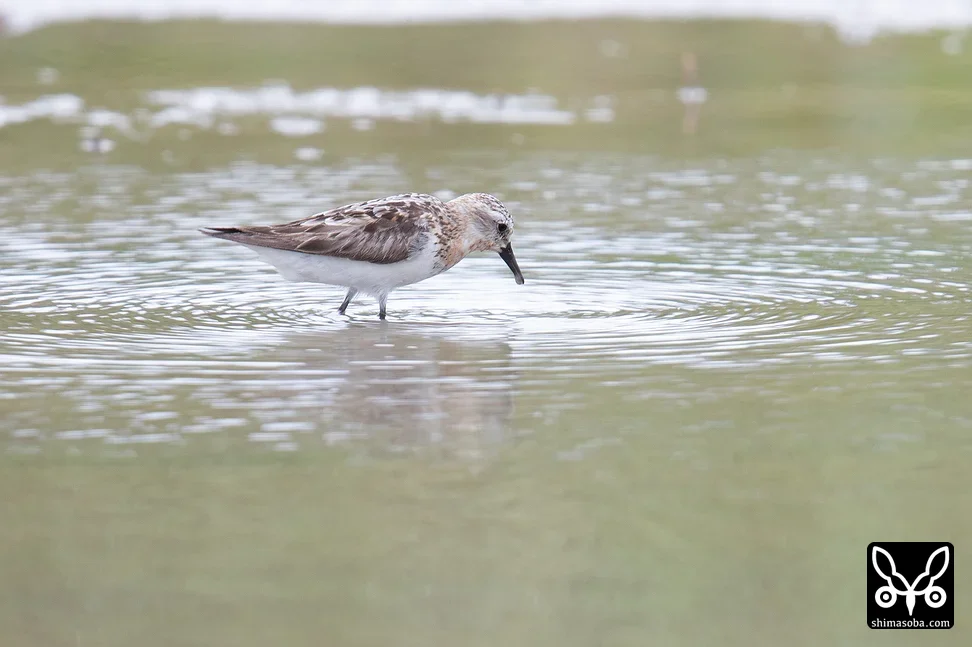
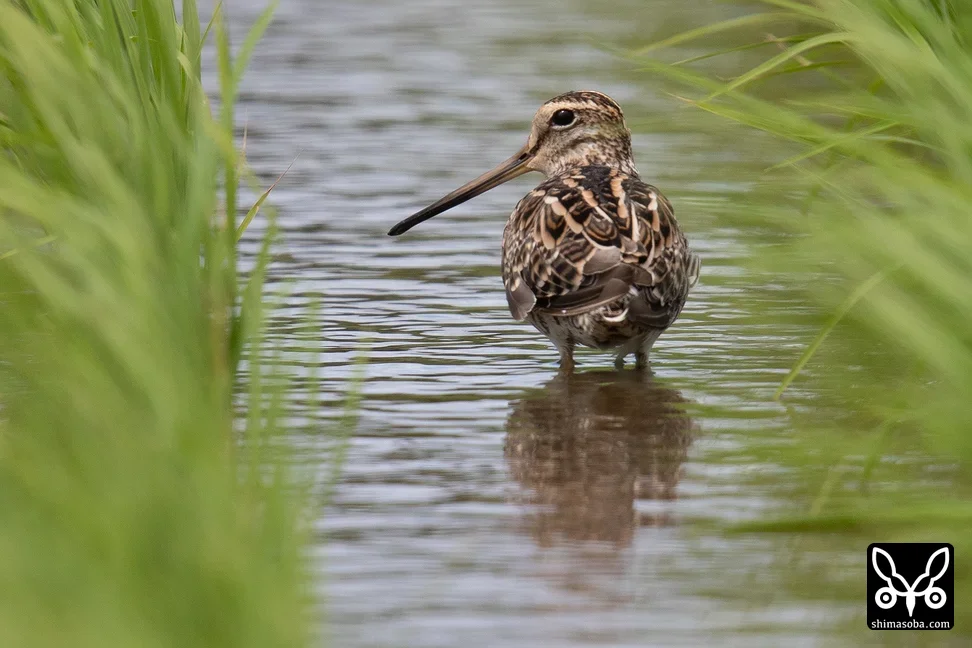
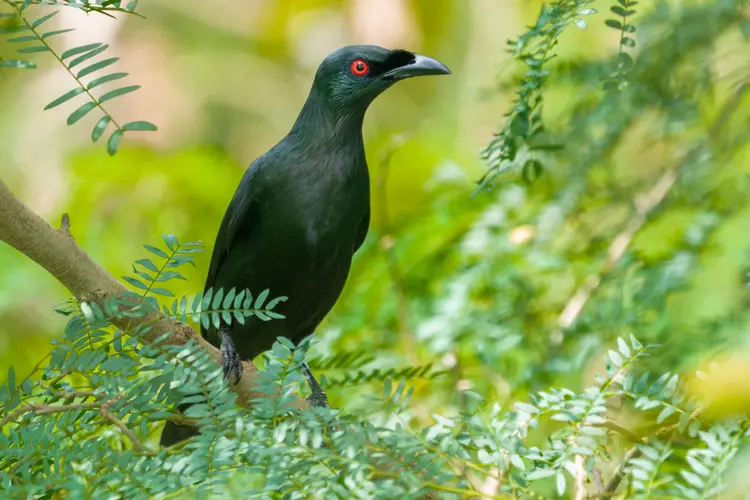
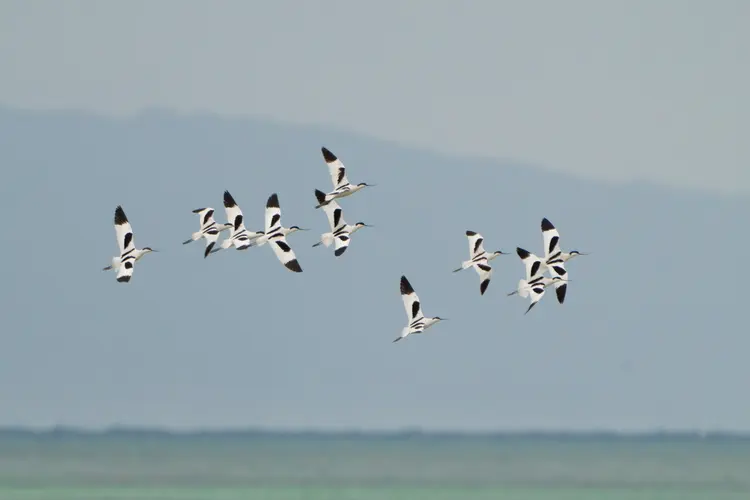
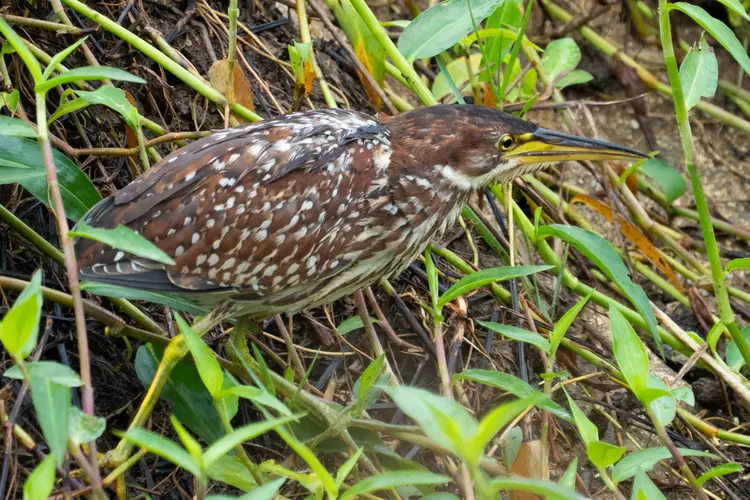
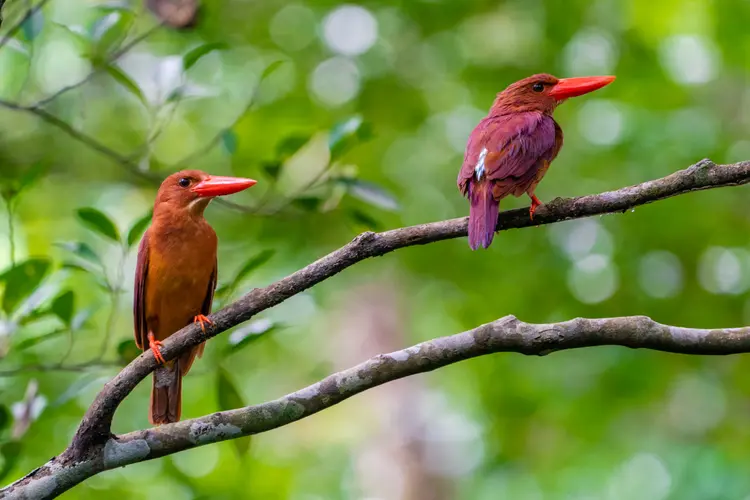
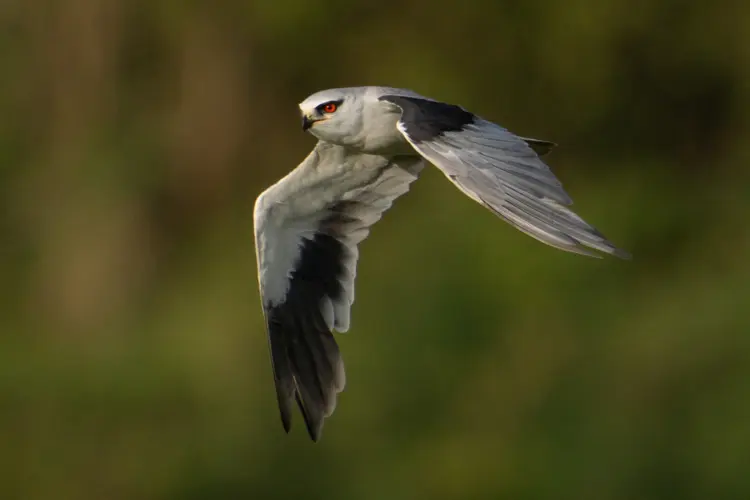
Asian Glossy Starling Pied Avocet Schrenck's little bittern Ruddy Kingfisher Black-winged kite

GUIDED BIRDWATCHING TOUR

Go where the birds are. The SHIMASOBA Tour launches.

We'll drive you around Ishigaki Island to wherever the birds are showing best that day. Observation is mostly from inside the vehicle, and we keep it to a maximum of 3 guests so everyone can take their time.

Max. 3 guests 4 hours in the morning Beginners welcome
Check availability and book

Crested Serpent Eagle Attacks a Giant Toad (Video)

A Crested Serpent Eagle caught a huge toad in a rice field. As usual it flipped the toad onto its back and began eating from around the lower jaw. After a few minutes, a certain bird guide arrived in a wagon and ended up sandwiching the eagle between his vehicle and mine, and the wary eagle flew off.

Not just with Crested Serpent Eagles, but please, everyone, don't do things like sandwiching wild birds between vehicles. ^^;

Flushing it that fast, wouldn't his clients be unable to watch or photograph it? He must have felt quite awkward, because the guide, with clients on board, left without even looking our way...

Fortunately the eagle landed on a ridge between the fields two plots away, so I carefully moved my car closer and resumed observing. After the lower jaw it ate around the belly. Then, with the toad reduced to almost only its lower half, it peeled off the skin as if turning a glove inside out and swallowed it whole.

I had thought it might leave the skin because of the poison glands, but it swallowed the skin whole too. I kept watching for a while after the meal, and it went about its day with no apparent ill effects.

Crested Serpent Eagles eat toads fairly often, but I have never seen one get poisoned. Does toad poison not work on them?

The video also shows how neatly it peels the skin off.
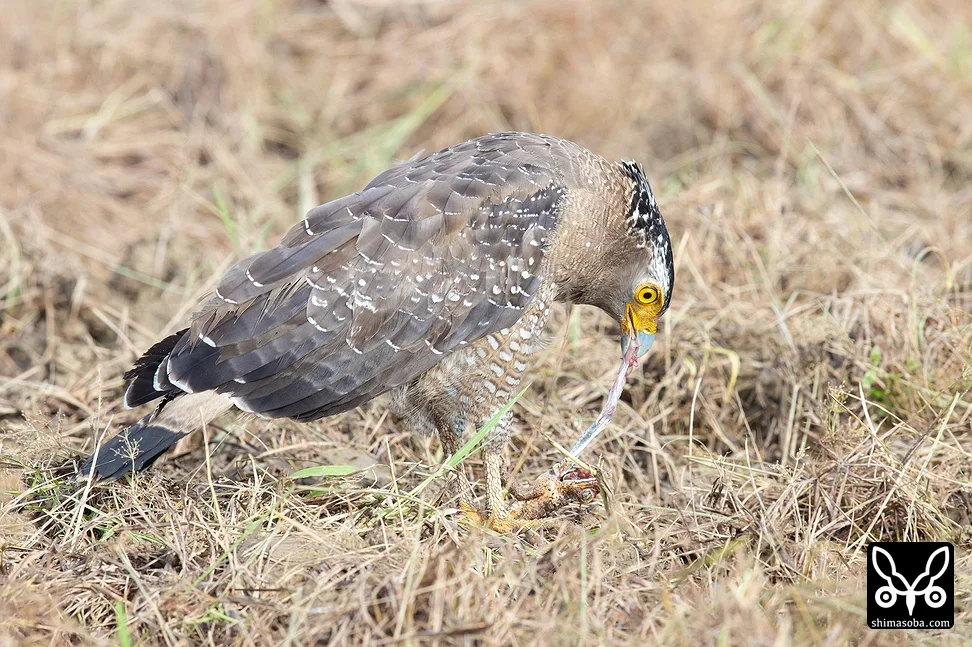
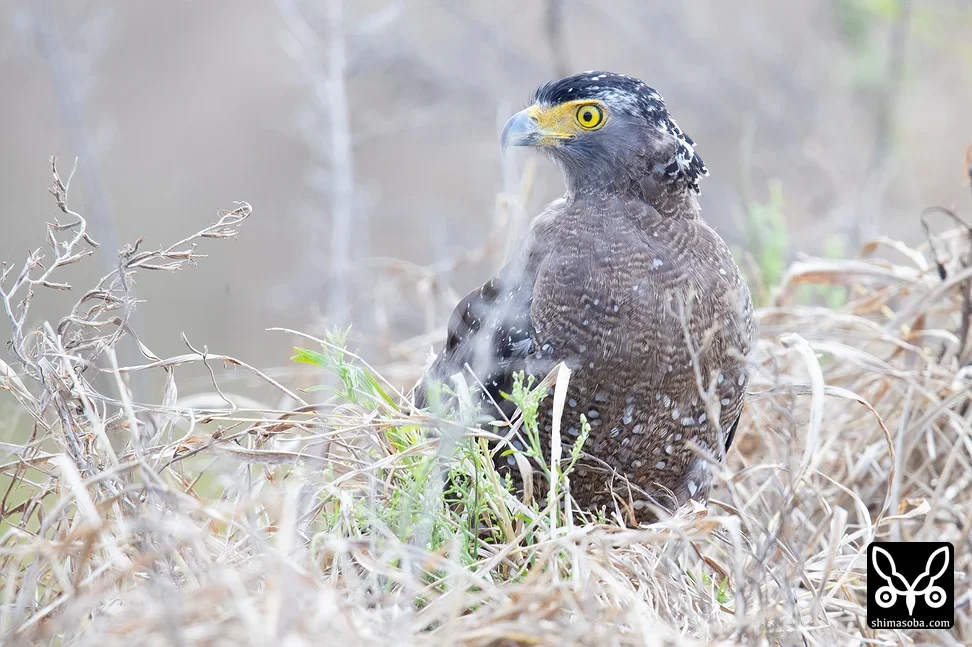
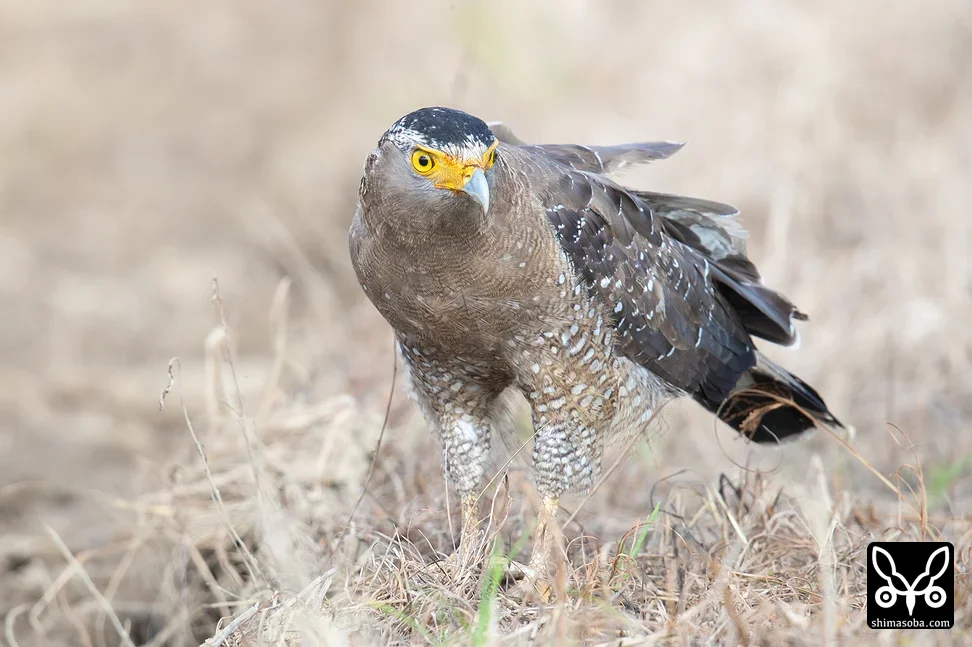
Crested Serpent Eagle

Crested Serpent Eagles almost always start eating from the lower jaw of the toad.
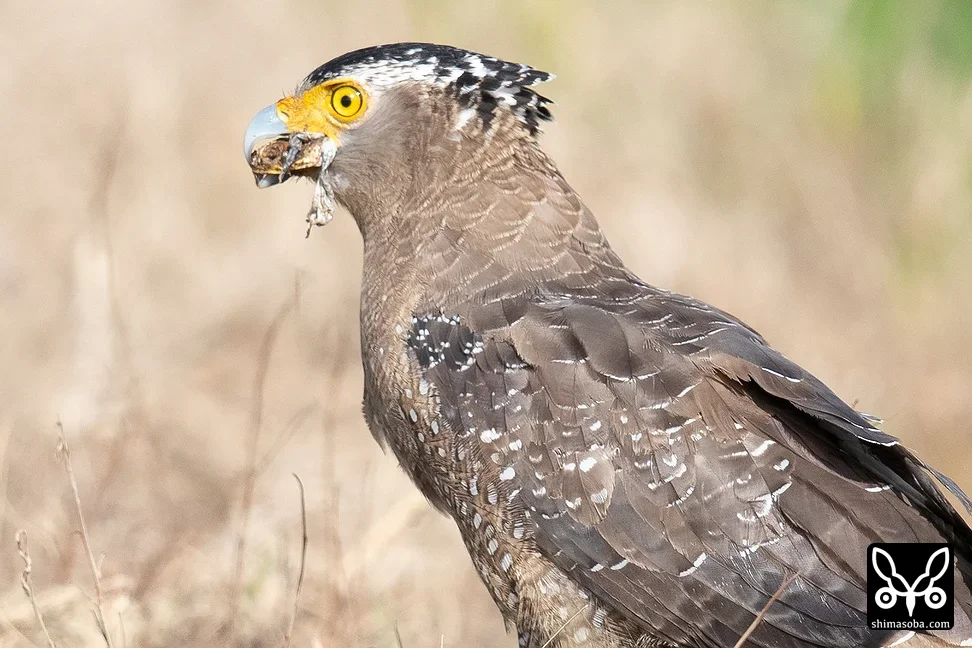
Crested Serpent Eagle

This Crested Serpent Eagle gripped its prey firmly in its talons and moved to a distant paddy field.
Crested Serpent Eagle

Even the stripped skin gets swallowed whole in the end.
Categories: 野鳥

Black-tailed Godwit Arrives; Oriental Pratincole After a While

The first Black-tailed Godwit of the season has arrived. It was feeding busily in a rice field.

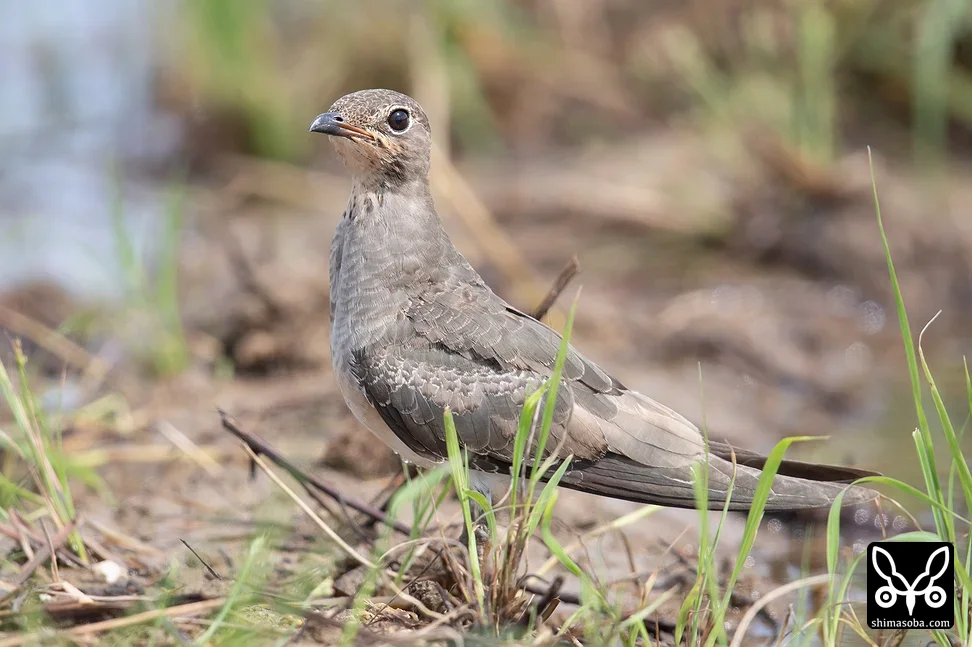
I finally saw an Oriental Pratincole again. It was a juvenile born this year. I searched for others but this was the only one. Did it get separated from its flock by the typhoon?

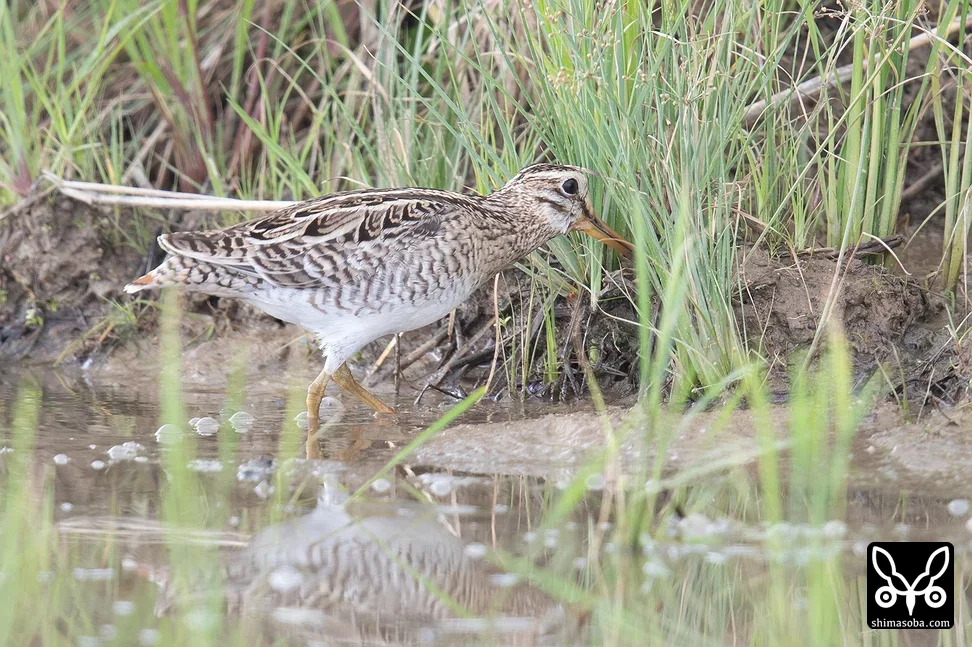
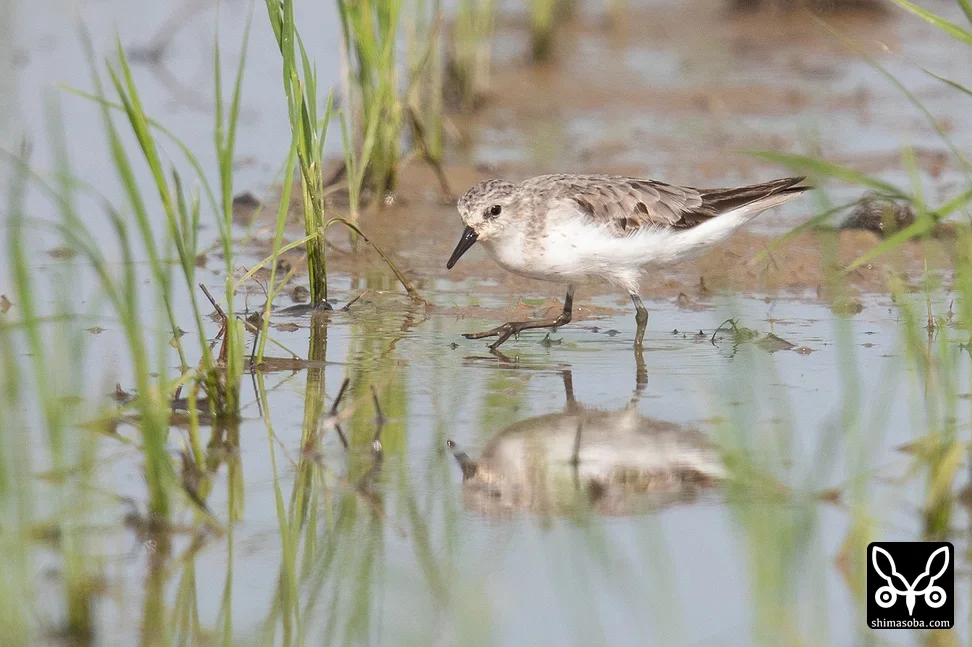
About 20 Red-necked Stints were feeding together in a rice field. The snipe are as usual almost all Swinhoe's Snipe, with one Pin-tailed Snipe. The Common Snipe has not shown up yet.

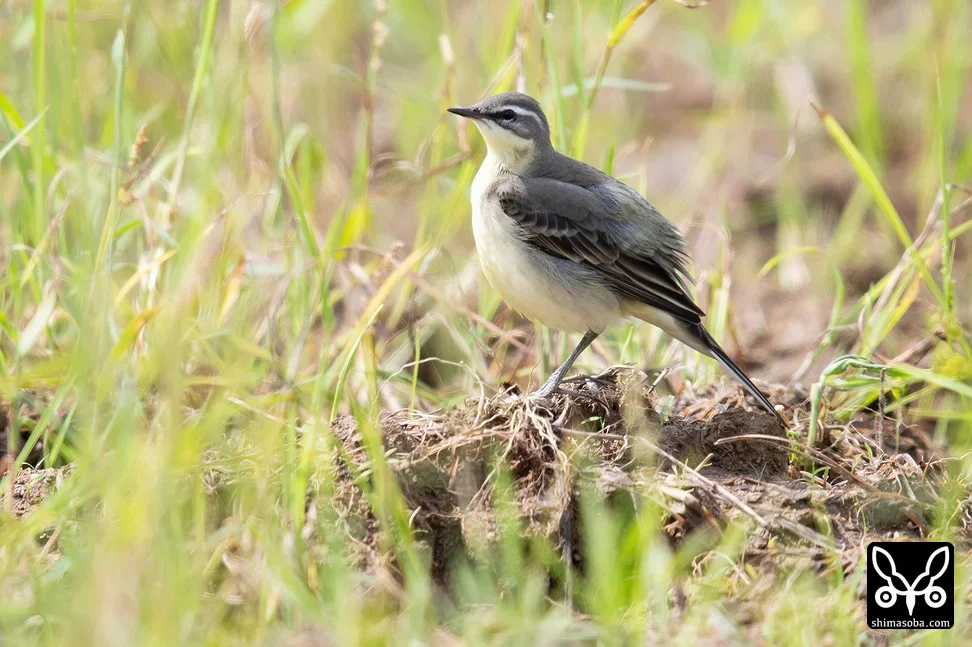
Eastern Yellow Wagtails are numerous in every rice field, farm field and pasture.

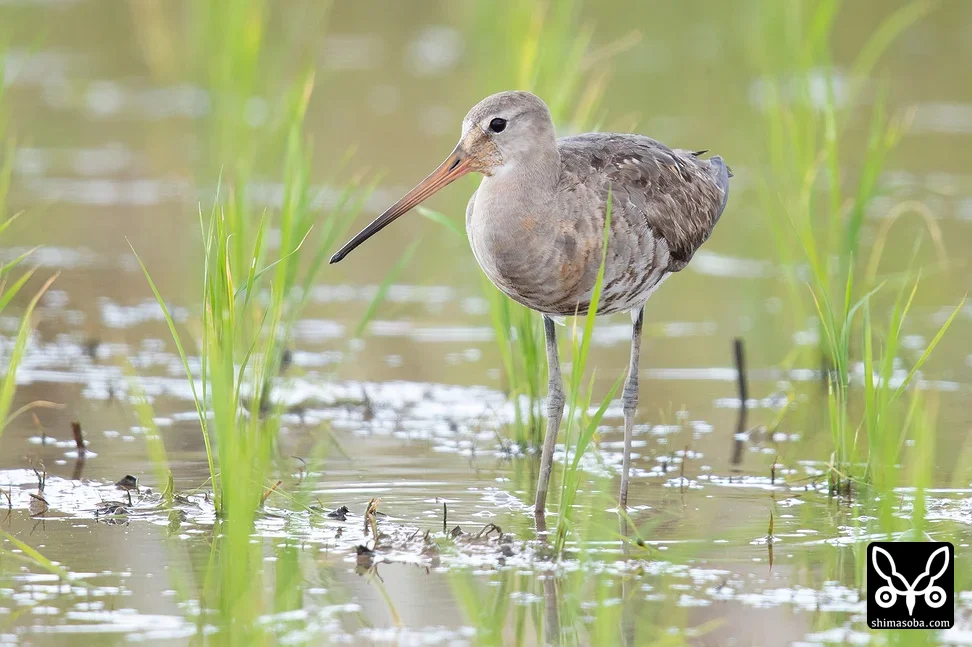
Black-tailed Godwit
Black-tailed Godwit

Black-tailed Godwit, adult male, moulting from summer to winter plumage.

Oriental Pratincole
Oriental Pratincole

Oriental Pratincole, moulting from juvenile to first-winter plumage.

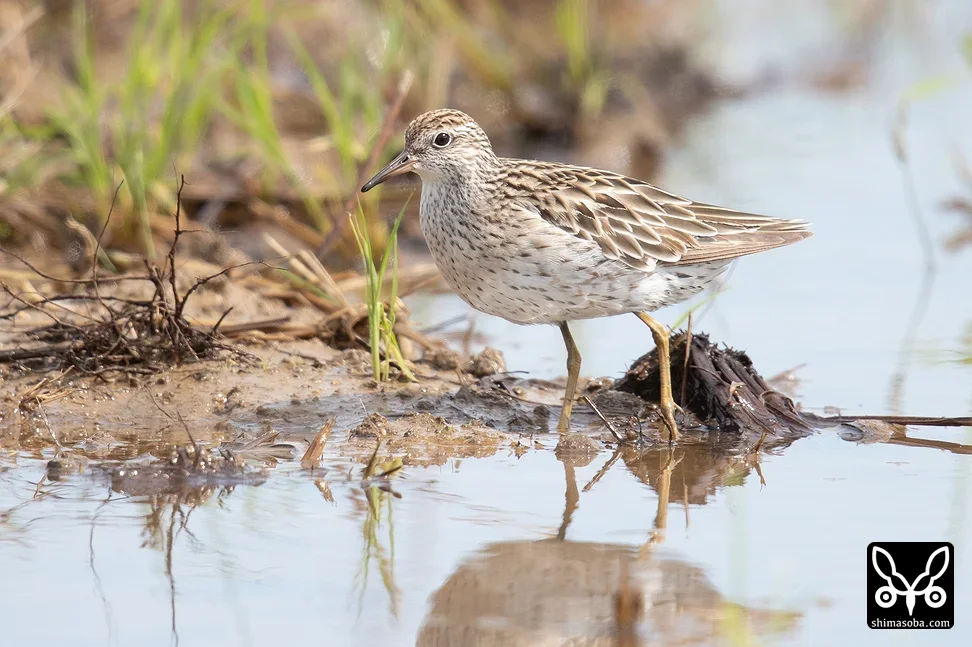
Sharp-tailed Sandpiper

Sharp-tailed Sandpiper, adult, transitioning to winter plumage.

Pin-tailed Snipe
Pin-tailed Snipe

A Pin-tailed Snipe among a large number of Swinhoe's Snipe.

Red-necked Stint
Red-necked Stint

Red-necked Stint, transitioning to winter plumage.

Citrine Wagtail
Citrine Wagtail

White-browed Wagtail, juvenile.

Categories: 野鳥

Red-necked Phalarope and Bull-headed Shrike in the Rice Fields

The autumn migration is reaching its midpoint, and the rice fields are full of shorebirds and wagtails.

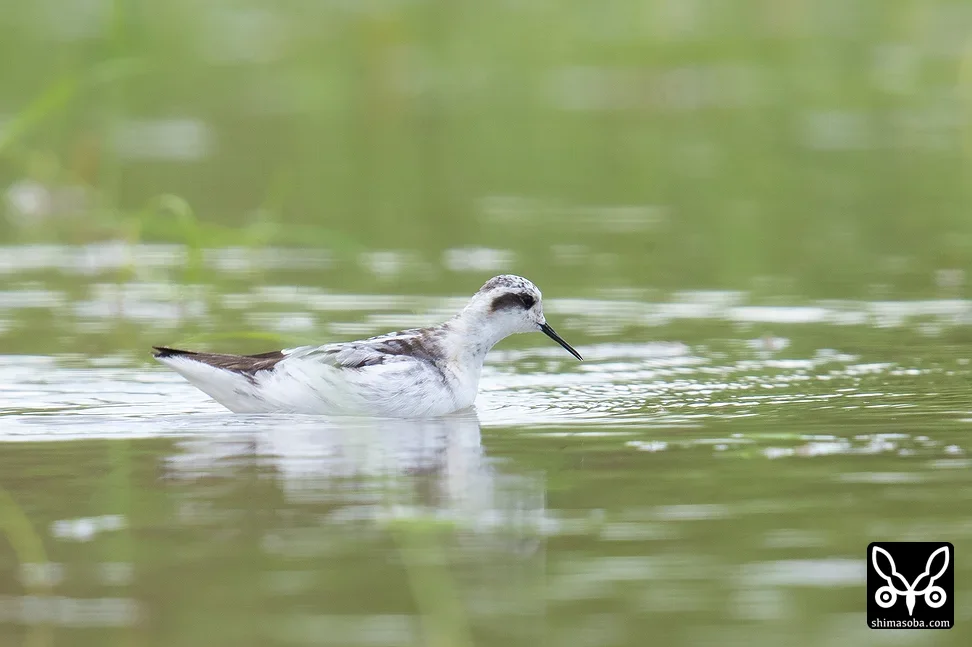
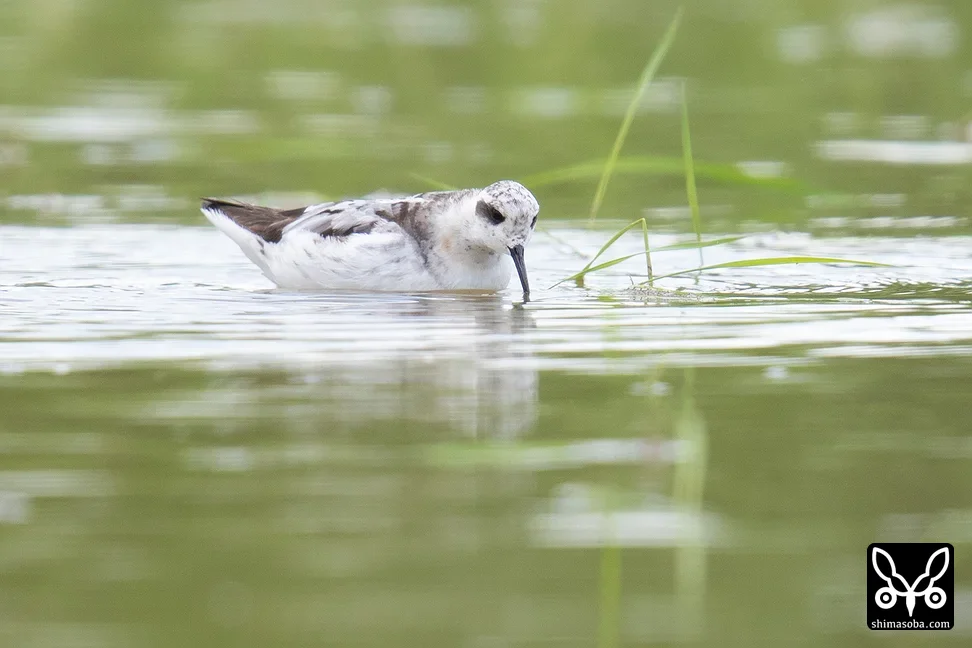
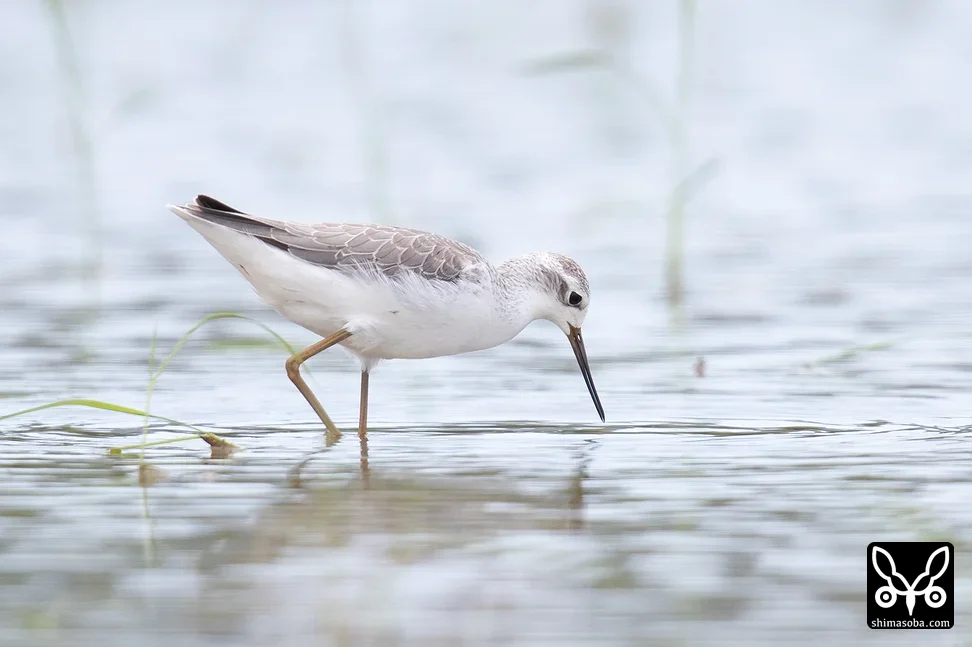
Among them, perhaps because of Typhoon No. 13, a Red-necked Phalarope dropped into a rice field.

Nearby, the Ruff from the other day is still staying. About eight Whiskered Terns, adults and juveniles together, were flying around.

Red-necked Phalarope

Red-necked Phalarope, adult female, transitioning from summer to winter plumage.

Red-necked Phalarope

Typhoons tend to bring in Red-necked Phalaropes. One was catching what looked like a small snail in the rice paddies.

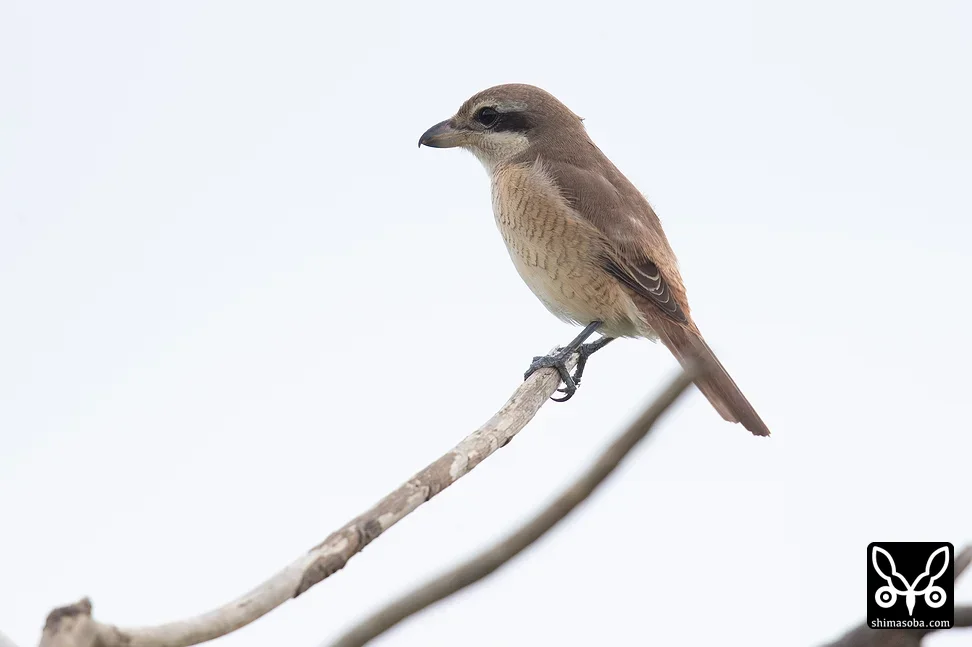
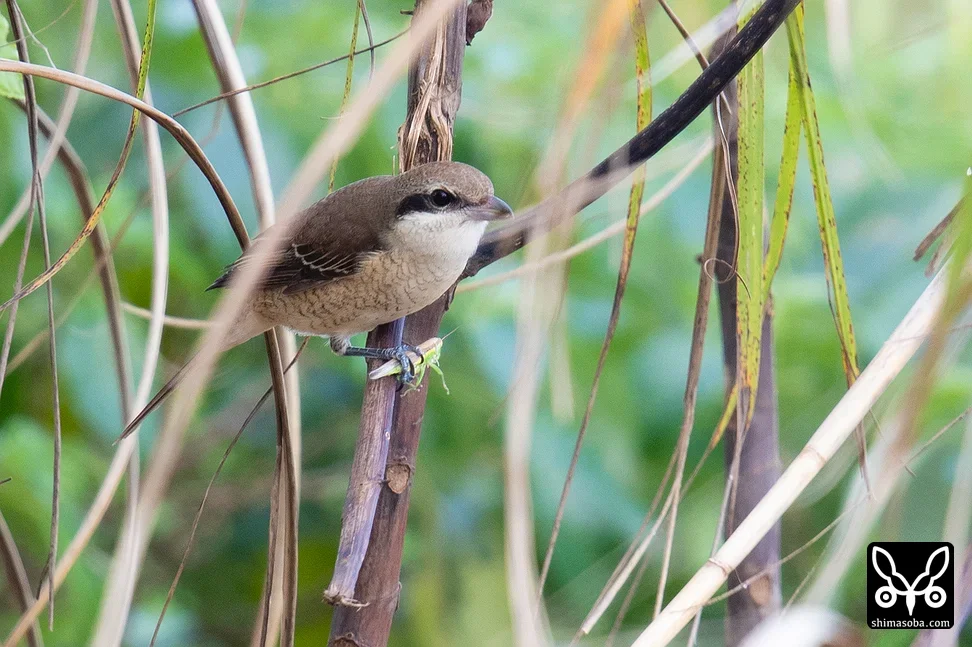
Isabelline Shrike
Isabelline Shrike

Brown Shrike, transitioning from juvenile to first-winter plumage. I had confirmed the first record of the season about a week ago, but this is my first time photographing one this year.

Isabelline Shrike
Isabelline Shrike

Caught a grasshopper.

Marsh Sandpiper
Marsh Sandpiper

Marsh Sandpiper, winter plumage. Numbers of Marsh Sandpipers, both adults and juveniles, have increased considerably.

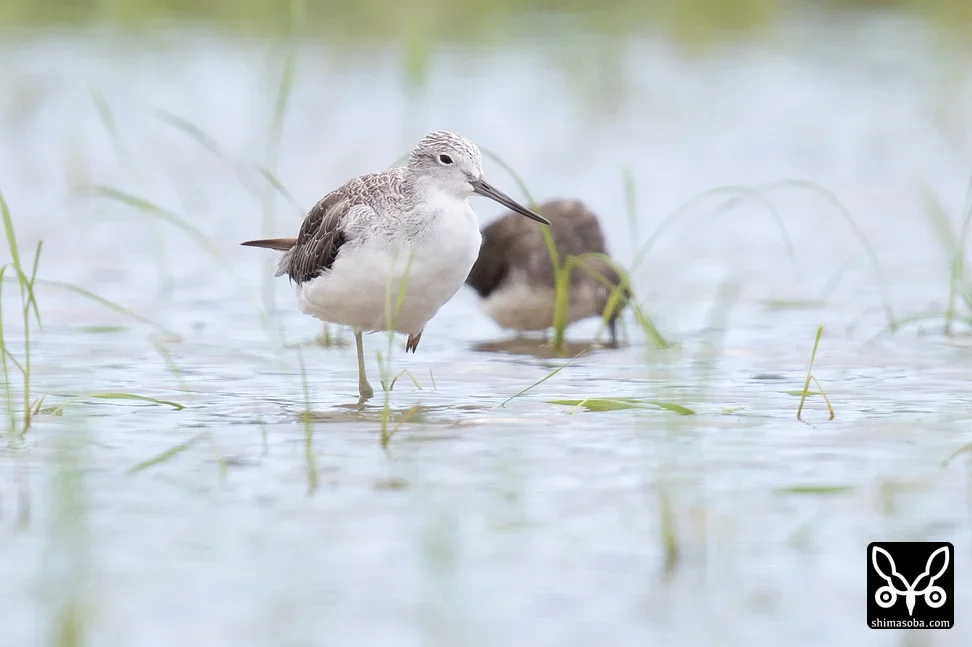
Common Greenshank
Common Greenshank

Common Greenshank is the second most numerous species on Ishigaki Island after Wood Sandpiper.

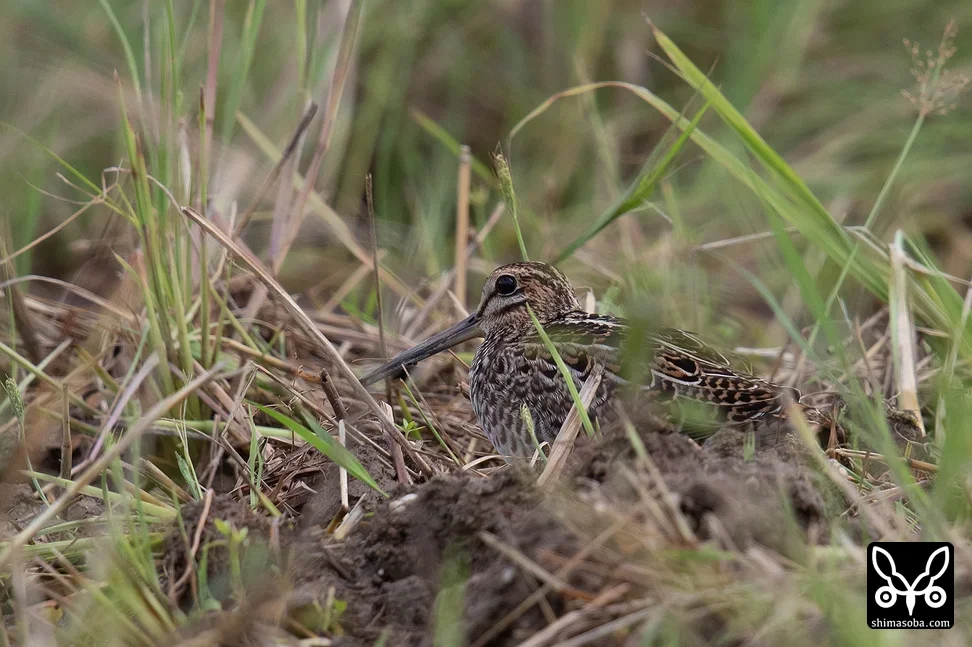
Swinhoe's Snipe
Swinhoe's Snipe

Swinhoe's Snipe, juvenile.

Crested Serpent Eagle

Crested Serpent Eagle breeding has finished, and sightings are becoming more frequent.

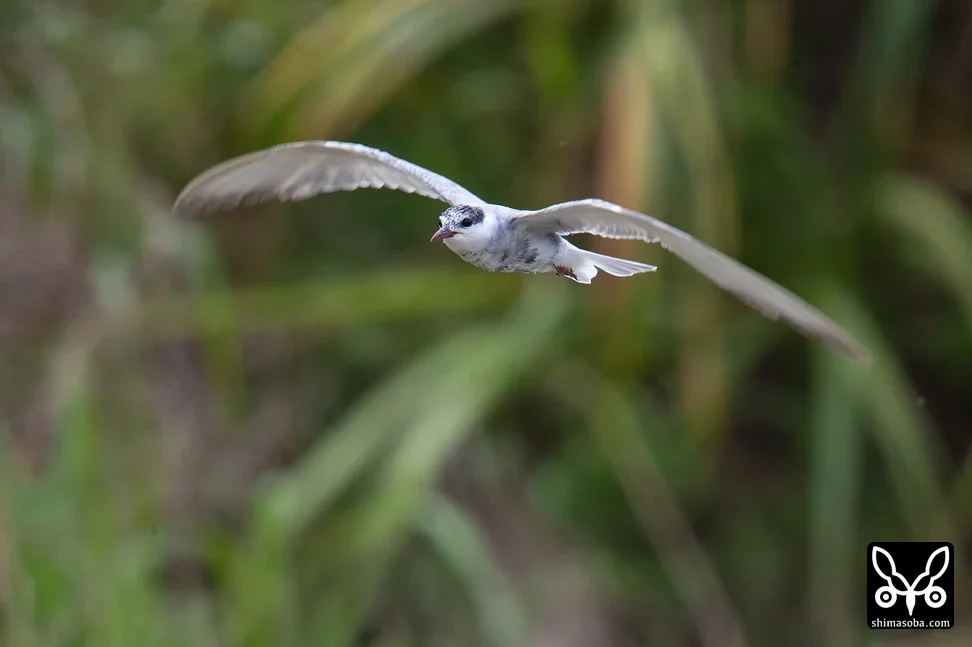
Whiskered Tern
Whiskered Tern

Black-bellied Tern, adult. Traces of summer plumage remain.

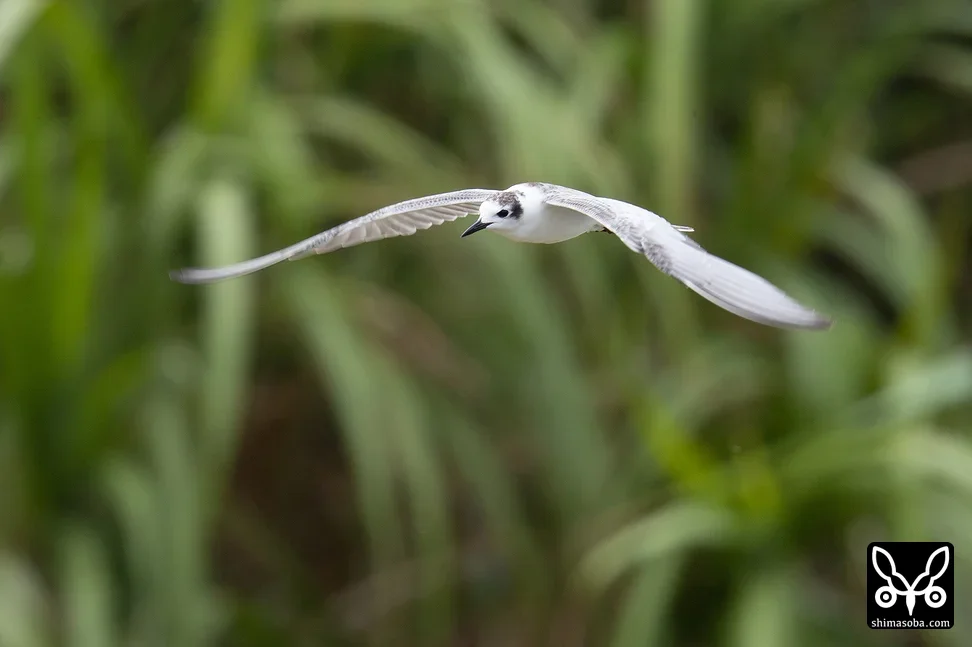
Whiskered Tern
Whiskered Tern

Black-bellied Tern, moulting from juvenile to first-winter plumage.

Categories: 野鳥

Shorebirds and Plovers on the Beach in Front of My House

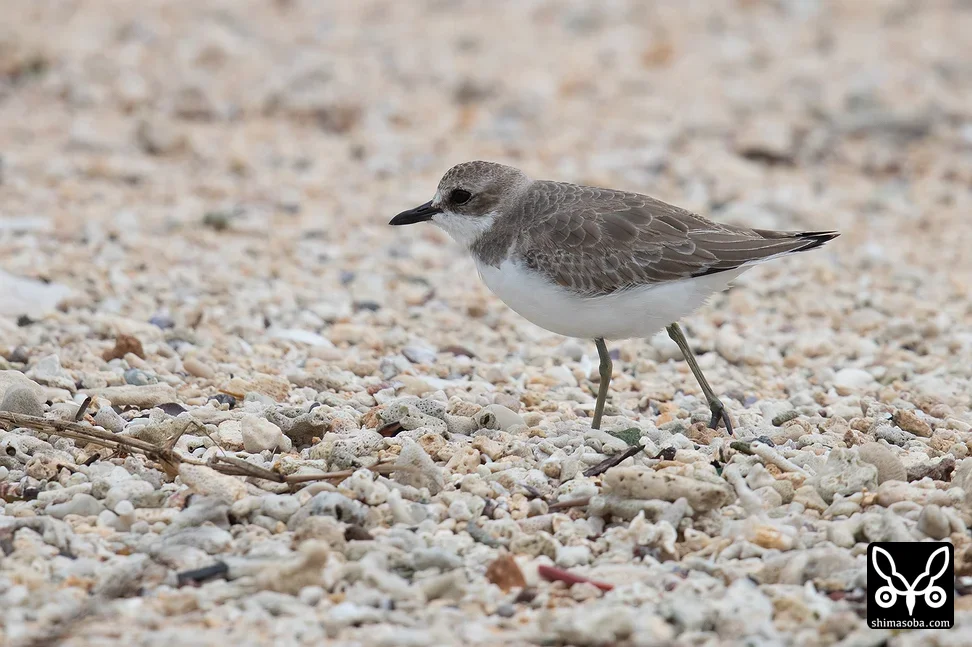
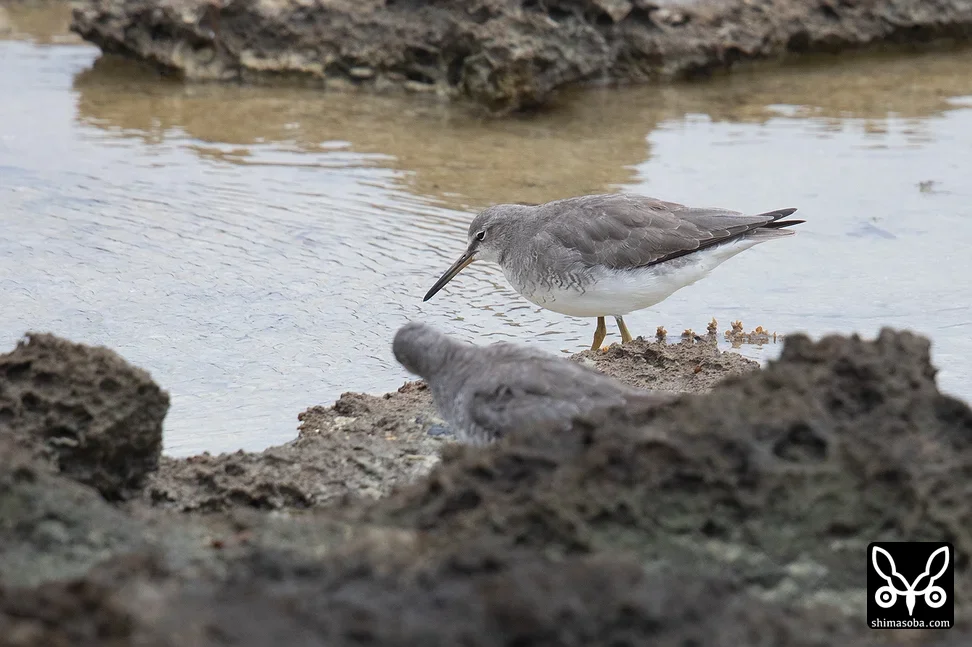
Before the typhoon I looked over the beach in front of my house, and Common Sandpiper, Siberian Sand Plover, Kentish Plover, Ruddy Turnstone, Grey-tailed Tattler, Pacific Golden Plover and others were resting as if sheltering from the strong wind.

I thought the Common Sandpiper was partially albino, but it seems that some of its flight feathers had fallen out in some kind of accident, leaving S8 or S9 visible.

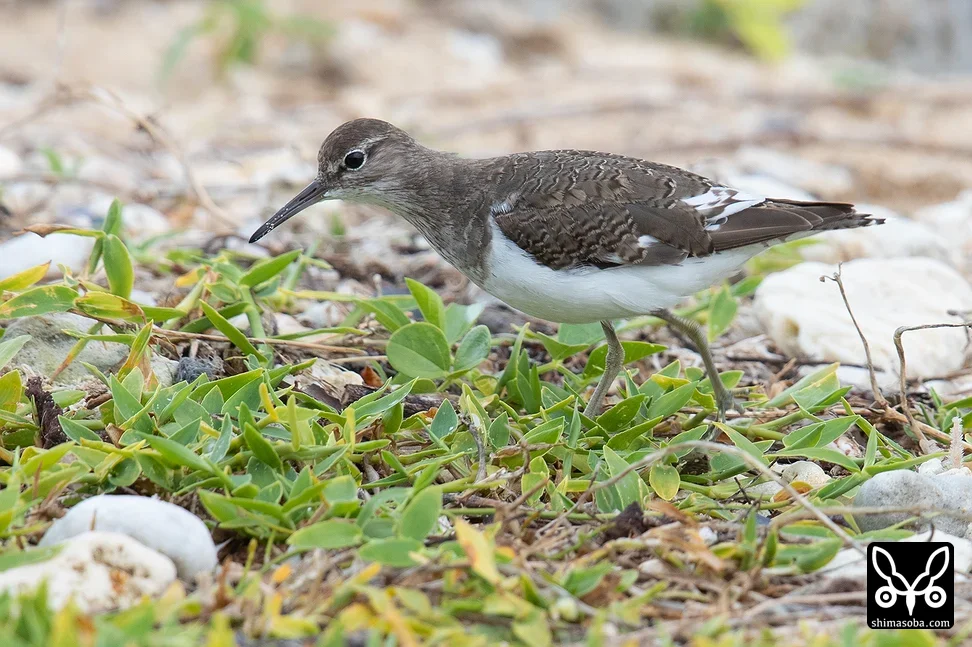
Common Sandpiper
Common Sandpiper

Common Sandpiper, juvenile.

Lesser Sand Plover
Lesser Sand Plover

Lesser Sand Plover, juvenile.

Grey-tailed Tattler
Grey-tailed Tattler

Grey-tailed Tattler, adult.

Categories: 野鳥

Shorebirds in the Rice Paddies

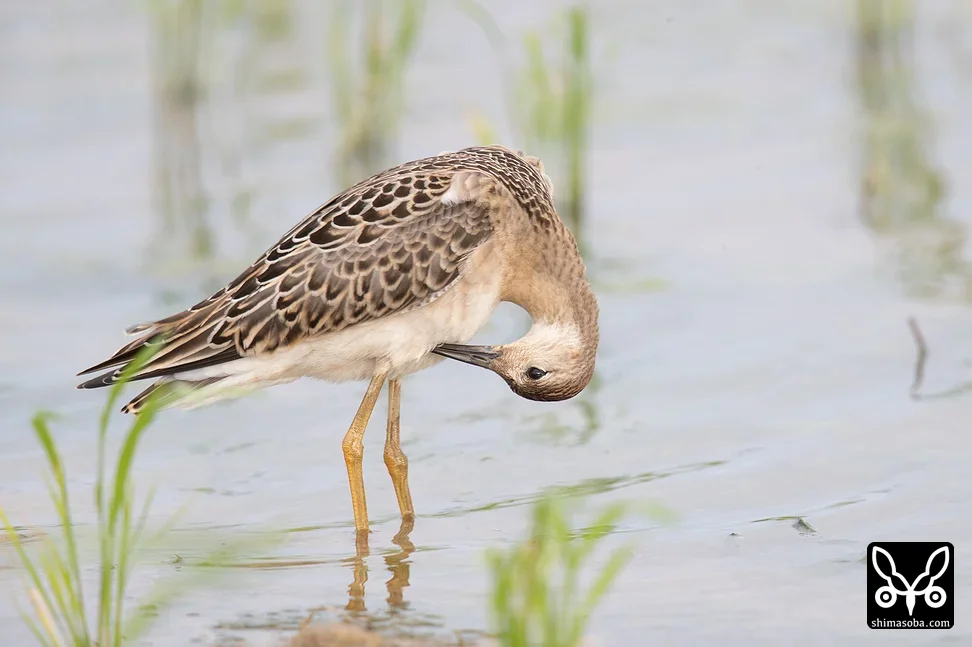
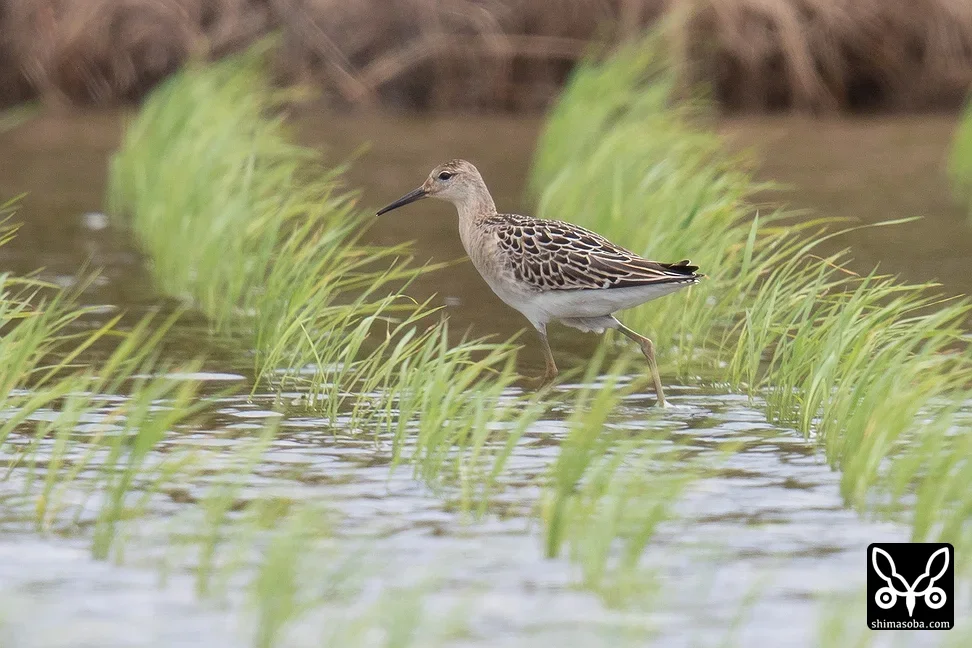
Two juvenile Ruffs were in today. I've been running into more Ruffs over the last few days, and every one has been a juvenile female.

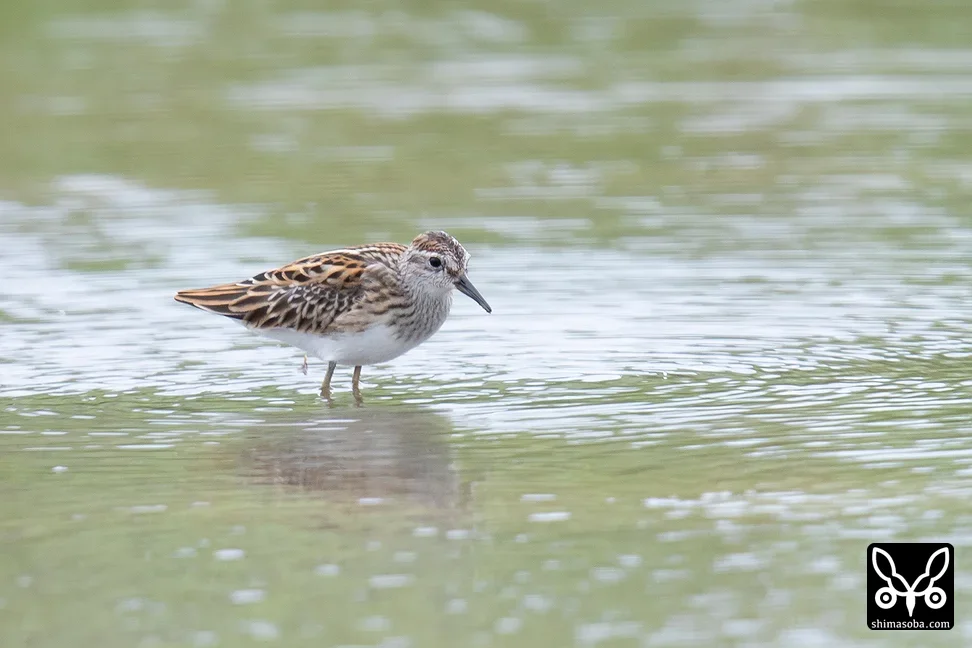
Juvenile Long-toed Stints keep increasing too. In one paddy, most of the flock was juveniles.

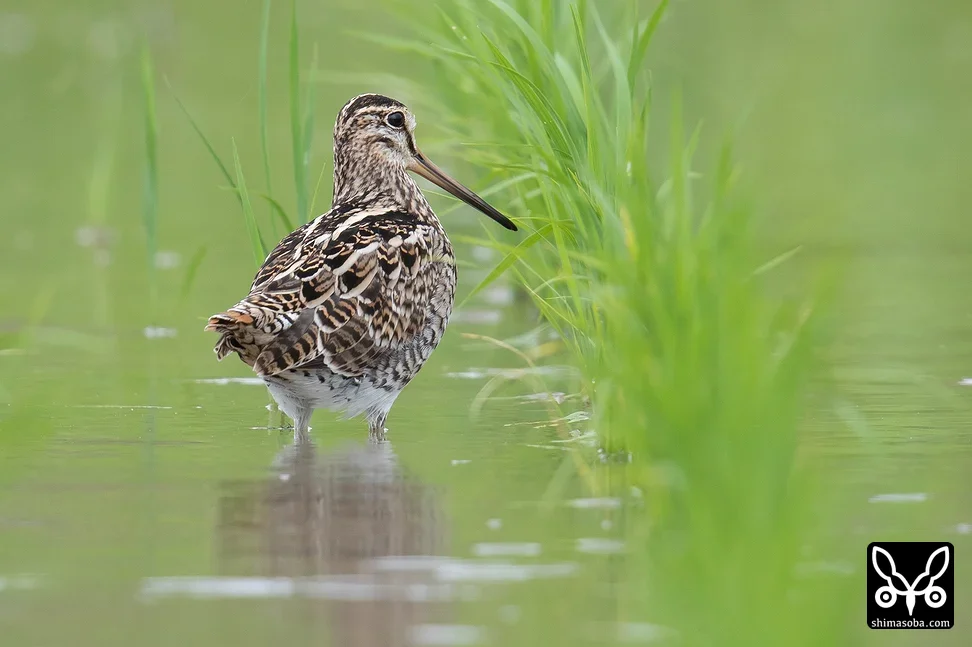
Swinhoe's Snipe seem to be turning over, but there are plenty in every paddy. Common Snipe still haven't arrived.

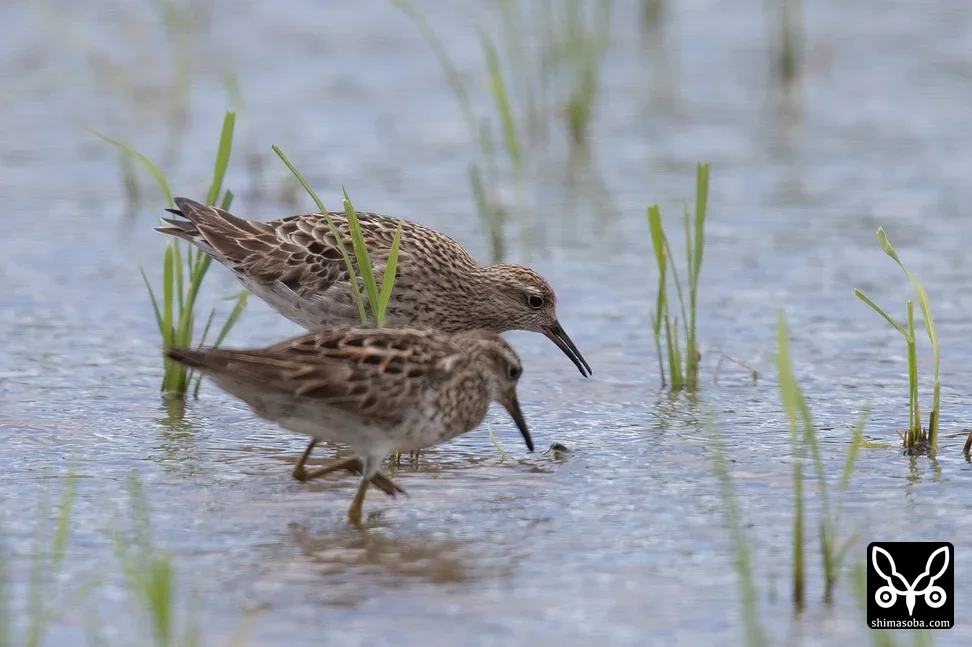
Sharp-tailed Sandpipers are also arriving in greater numbers, though no juveniles yet. My mentor told me where a Pectoral Sandpiper was, but sadly I couldn't find it. A typhoon is approaching, so maybe it has already moved on...

Ruff
Ruff

Female juvenile Ruff. First-winter feathers are partially visible.

Ruff
Ruff

Also a female juvenile Ruff. Just a few winter-plumage feathers coming in.

Sharp-tailed Sandpiper

Adult Sharp-tailed Sandpiper. Moulting into winter plumage.

Swinhoe's Snipe
Swinhoe's Snipe

Swinhoe's Snipe moulting into winter plumage.

Swinhoe's Snipe
Swinhoe's Snipe

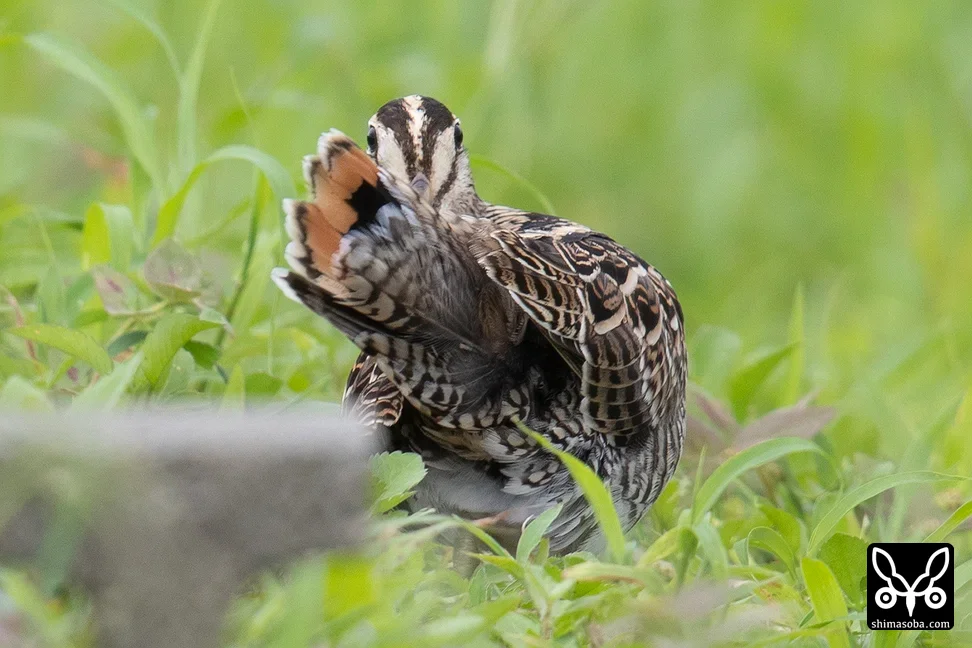
The same individual. It climbed up onto the bank and gave me a view of the tail feathers.

Long-toed Stint
Long-toed Stint

Juvenile Long-toed Stint.

Red-necked Stint
Red-necked Stint

Adult Red-necked Stint. Transitioning into winter plumage.

Swinhoe's Snipe
Swinhoe's Snipe

Swinhoe's Snipe everywhere I go.

Categories: 野鳥