A daily record.
Featuring photos of wild birds and nature, mainly from Okinawa Main Island and Ishigaki Island

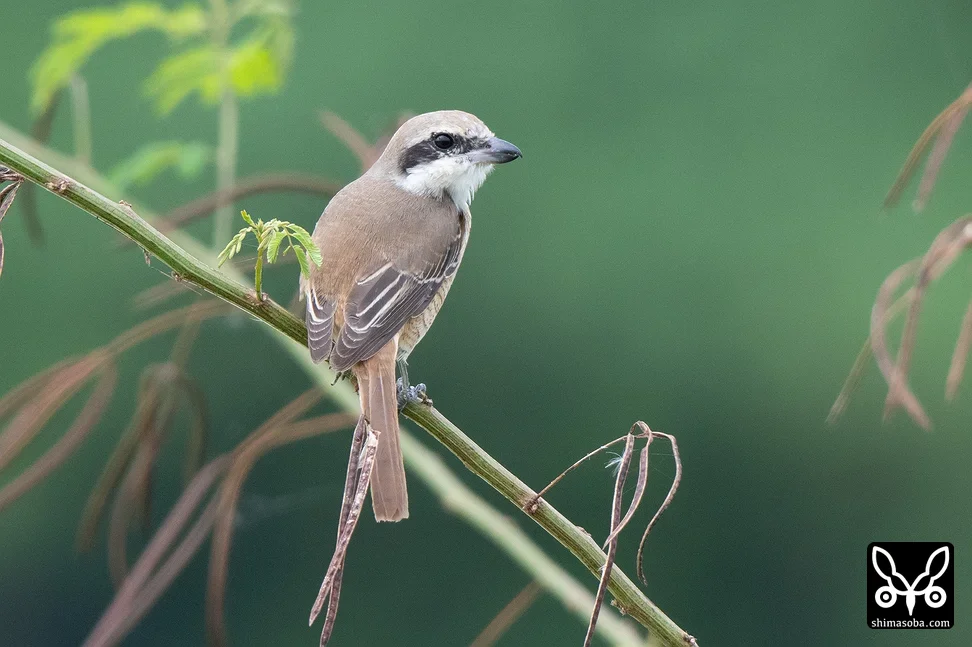
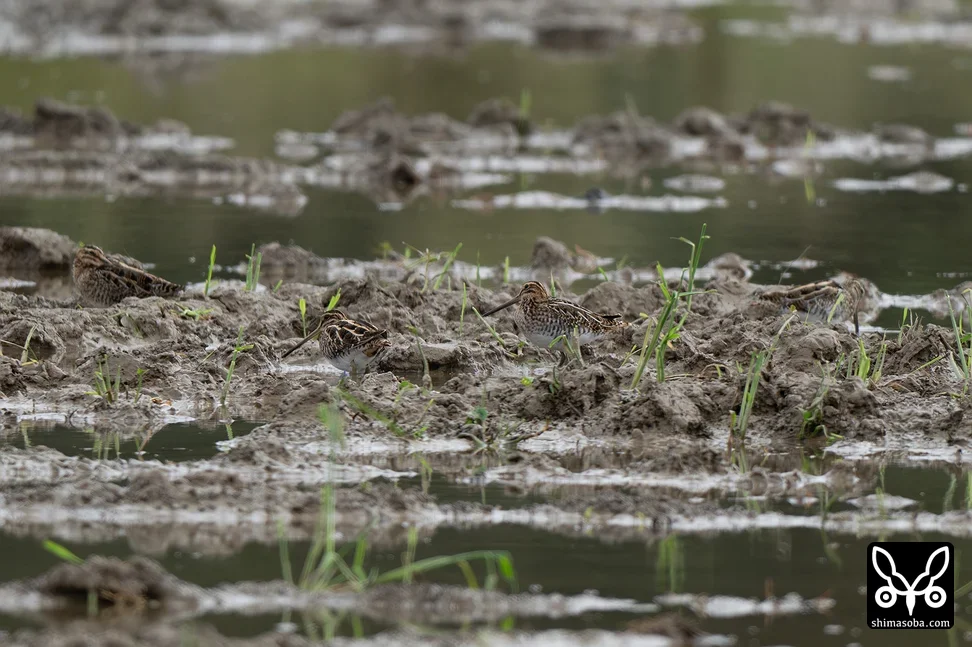
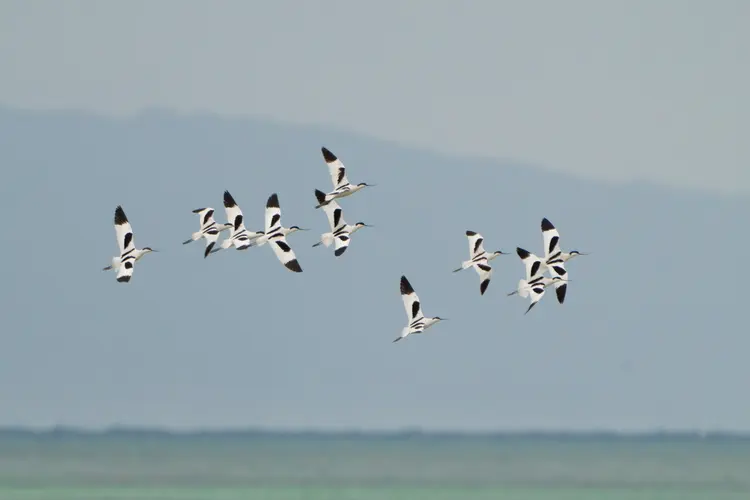
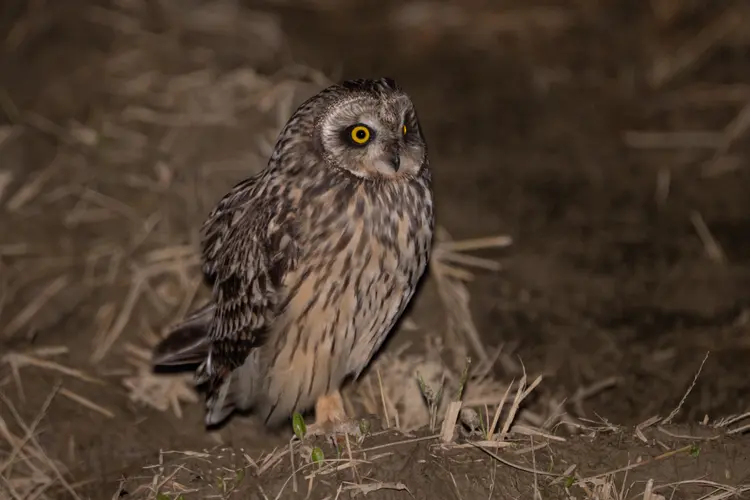
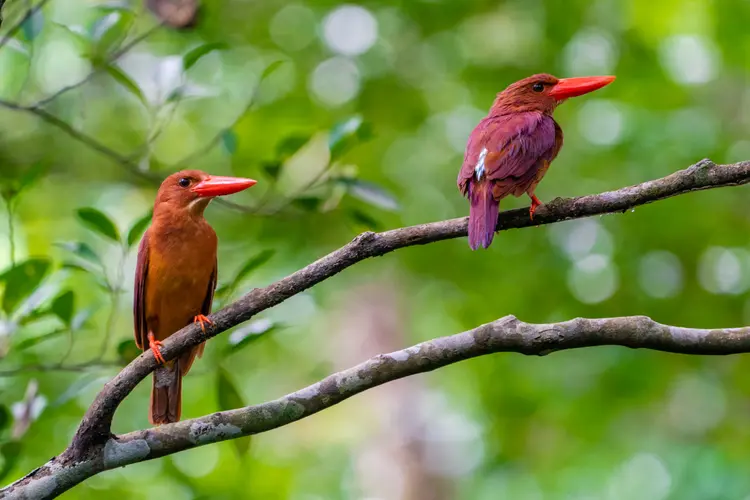
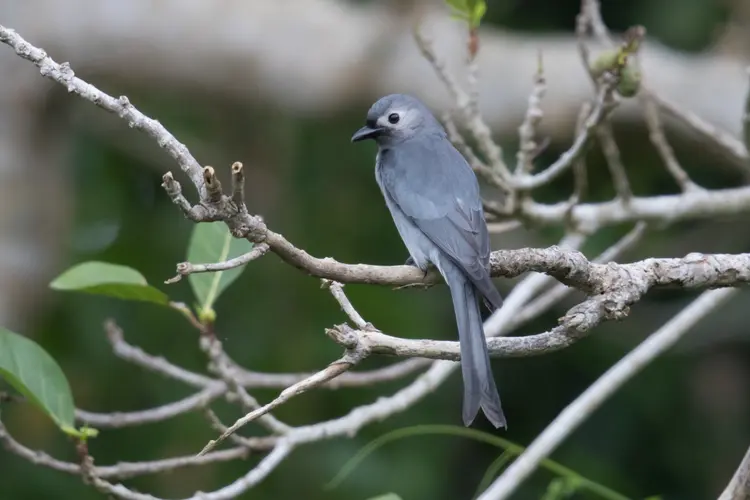
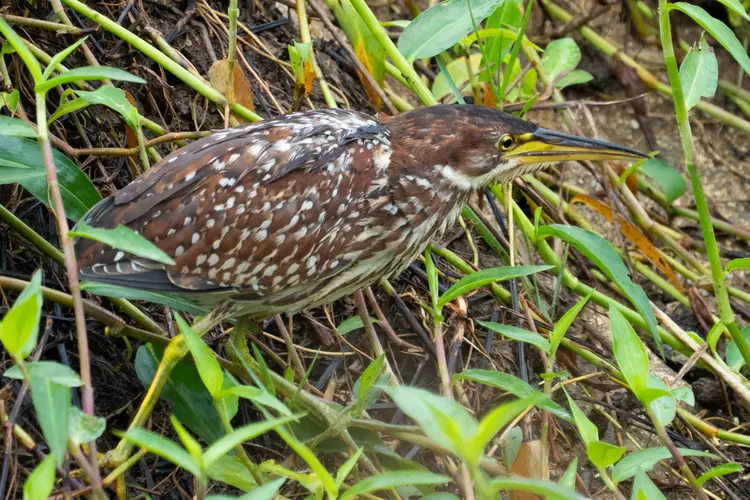
Pied Avocet Short-eared Owl Ruddy Kingfisher Ashy drongo Schrenck's little bittern

GUIDED BIRDWATCHING TOUR

Go where the birds are. The SHIMASOBA Tour launches.

We'll drive you around Ishigaki Island to wherever the birds are showing best that day. Observation is mostly from inside the vehicle, and we keep it to a maximum of 3 guests so everyone can take their time.

Max. 3 guests 4 hours in the morning Beginners welcome
Check availability and book

Pin-tailed Snipe Still Present

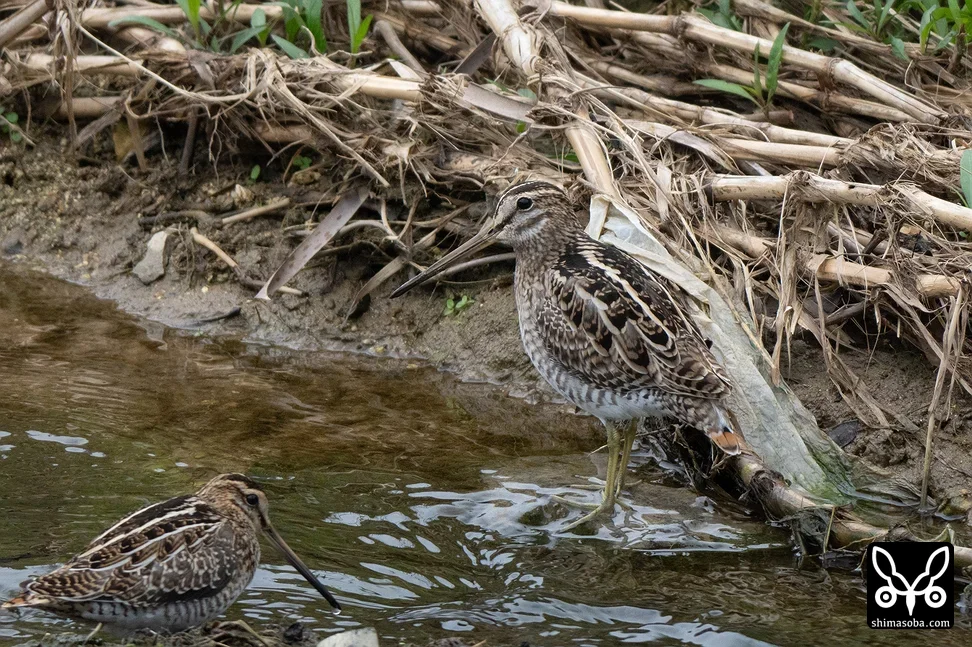
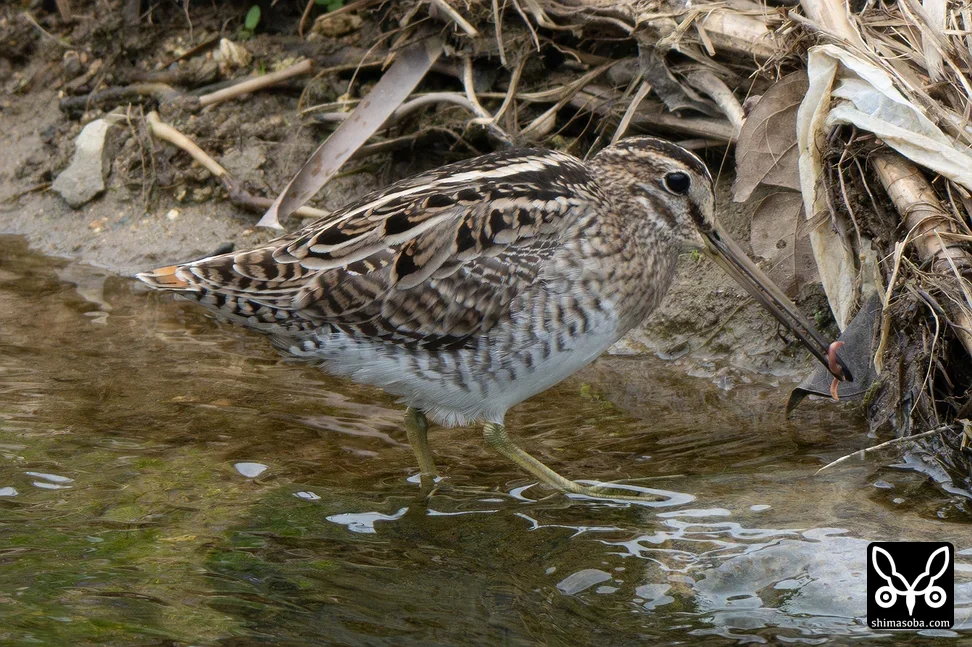
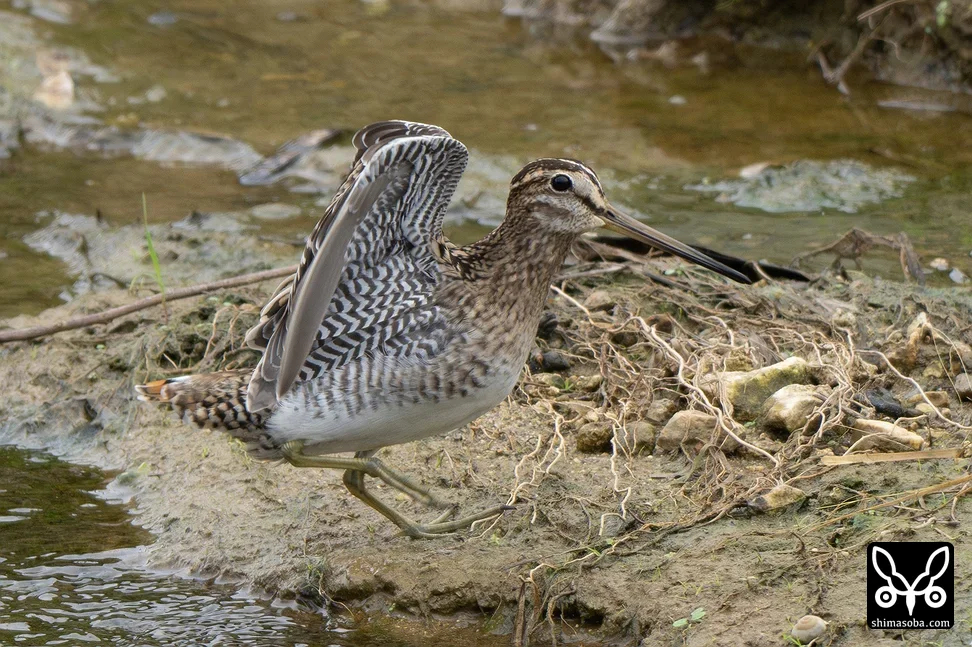
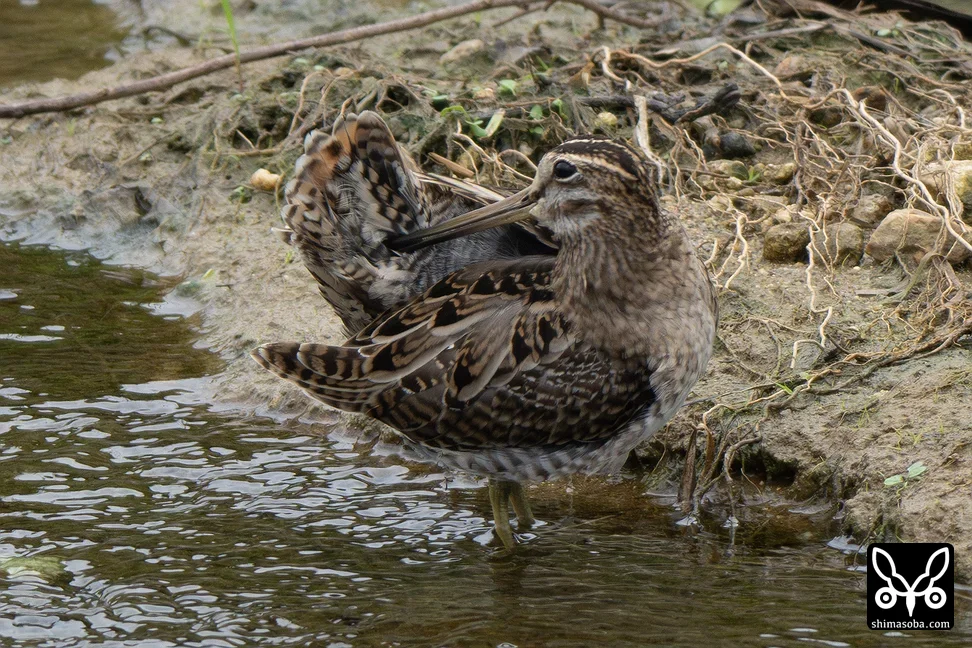
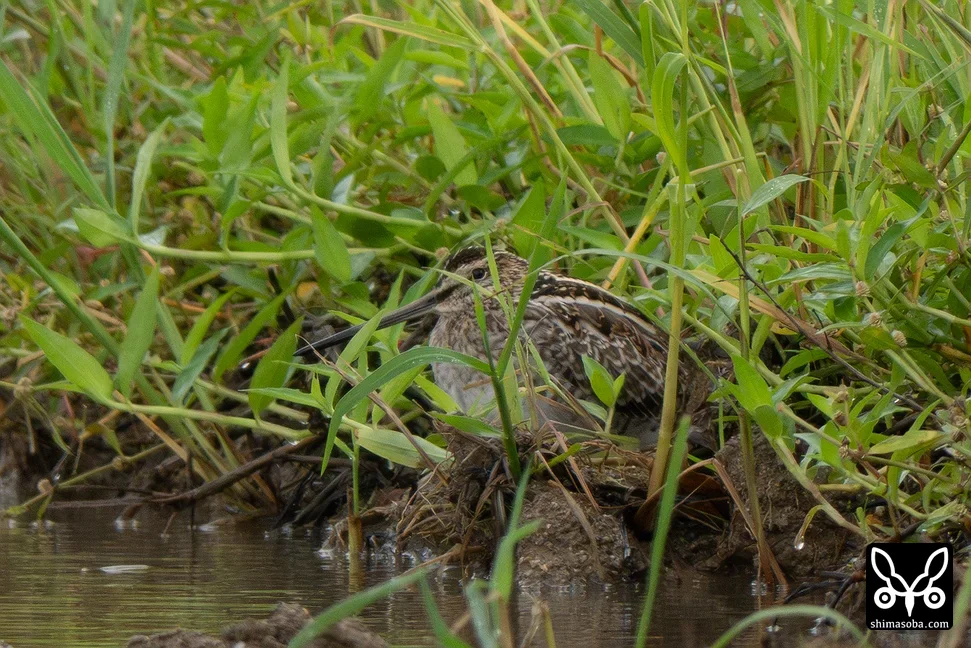
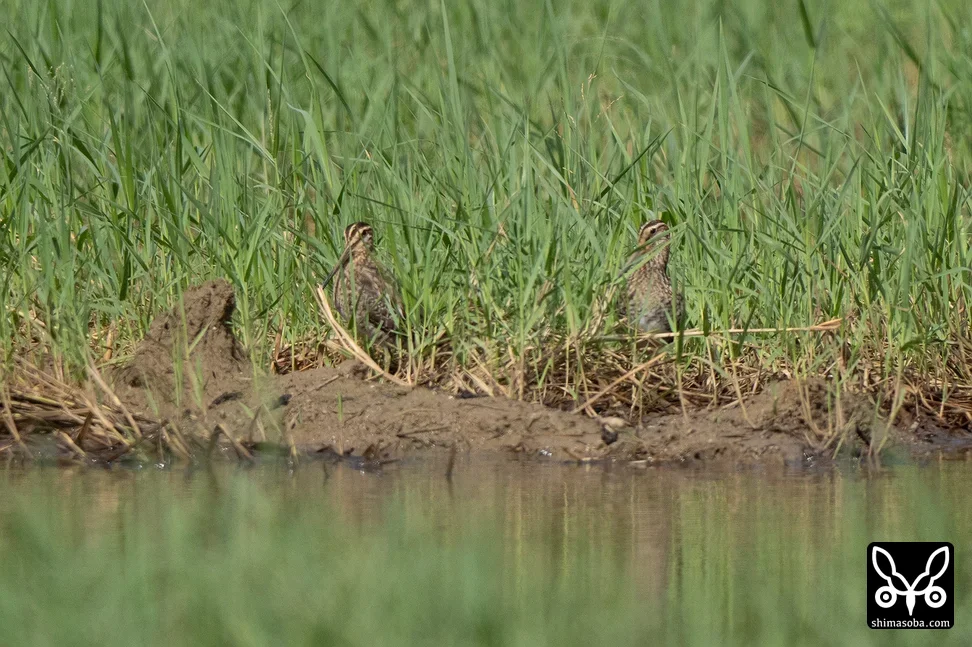
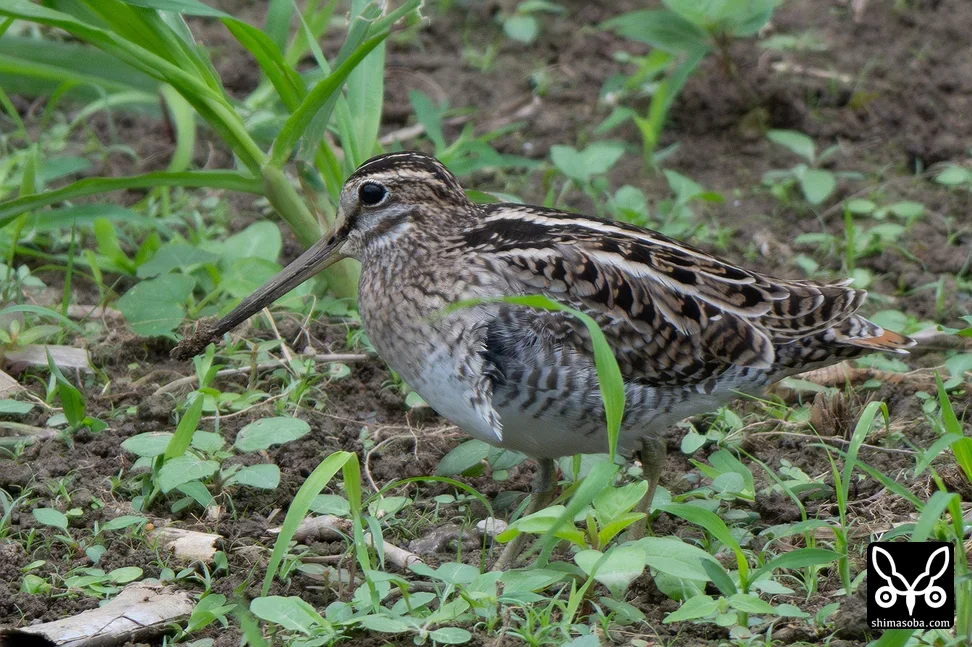
The Pin-tailed Snipe I found the other day was still there, wintering alongside several Common Snipe.
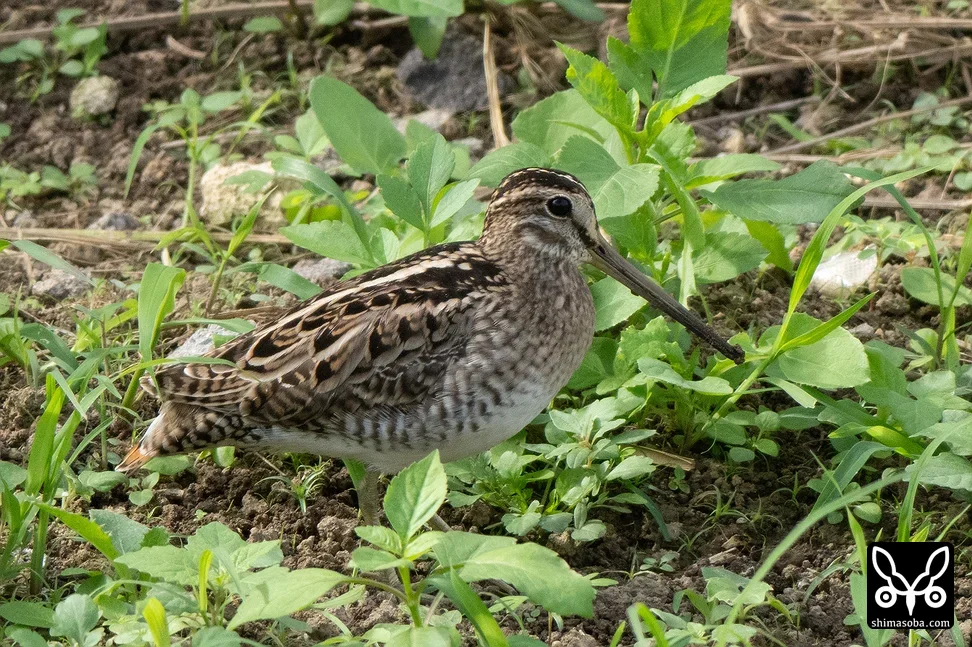
Pin-tailed Snipe
Pin-tailed Snipe

It spent most of the day in the grass.
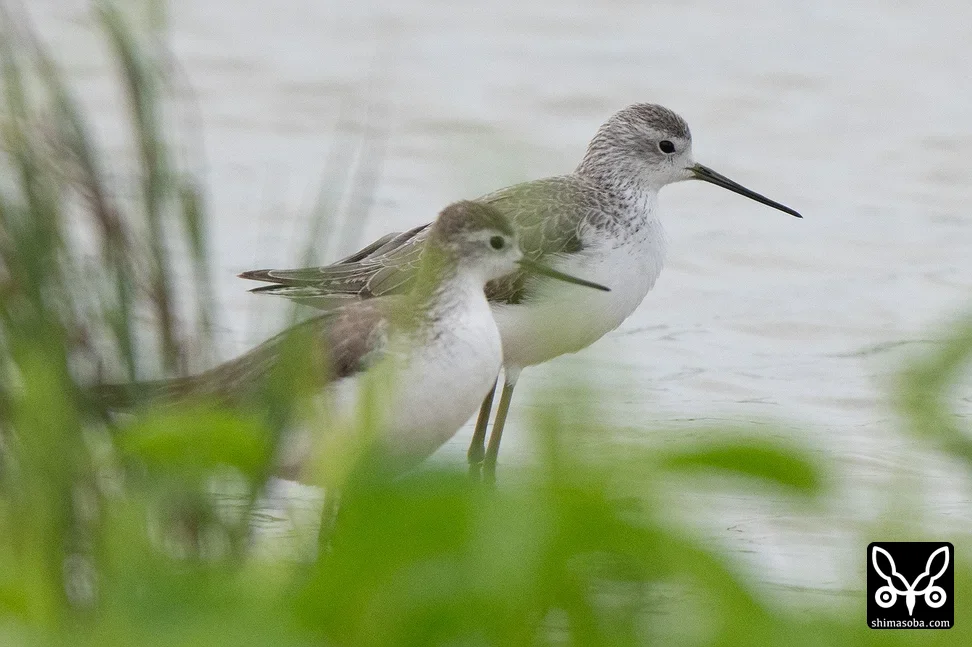
Marsh Sandpiper
Marsh Sandpiper

Marsh Sandpiper, adult winter (background) and first-winter.
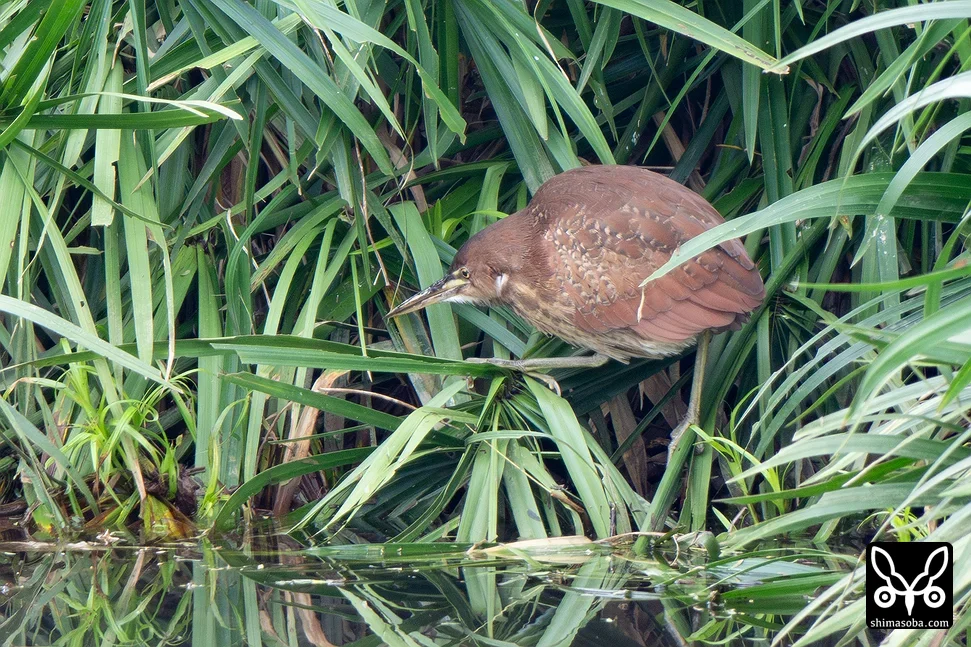
Yellow Bittern
Yellow Bittern

A Ryukyu Least Bittern came out of the grass and was hunting small fish in the irrigation channel.
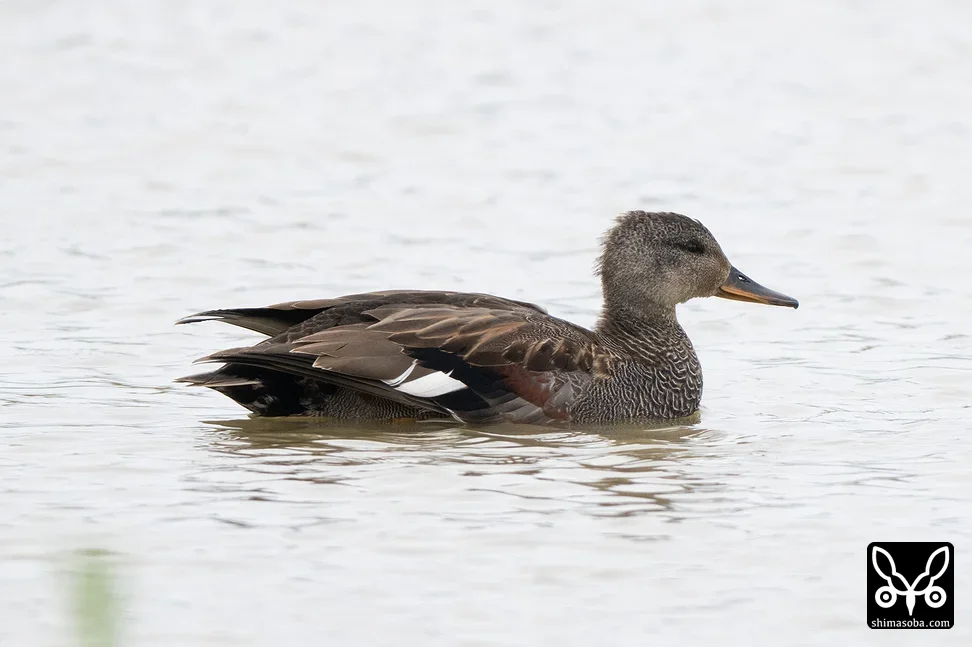
Gadwall
Gadwall

A Gadwall in the rice field with no wariness at all. It looked tired, as if it had just arrived on migration.
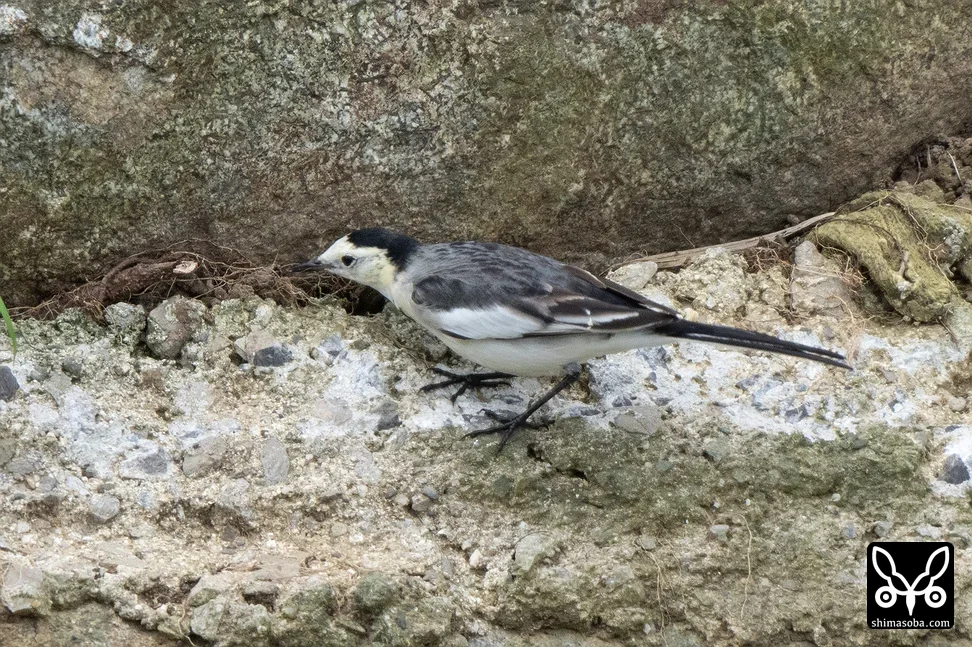
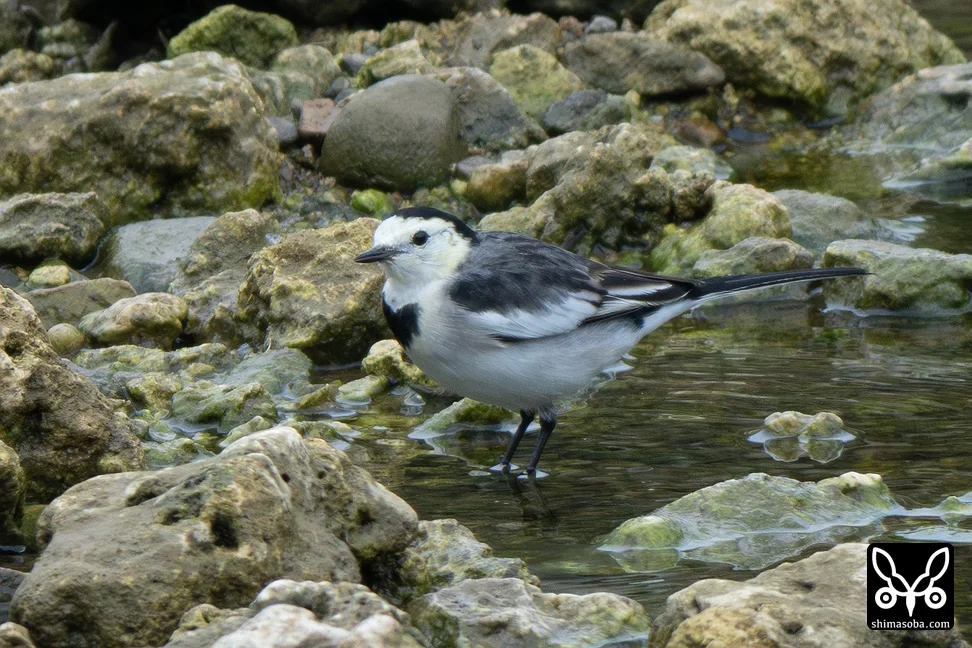
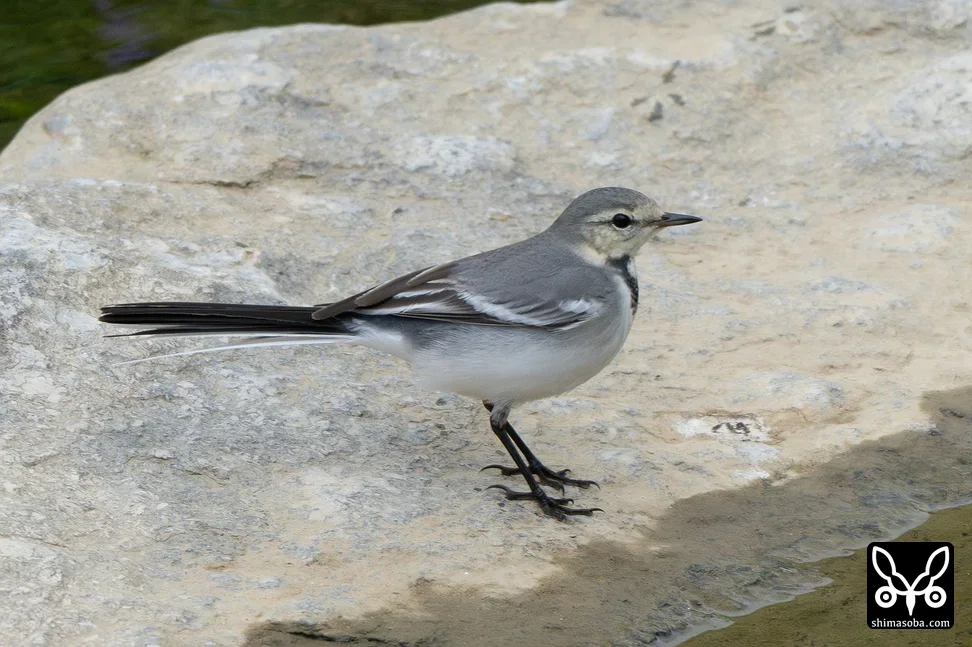
White Wagtail
White Wagtail

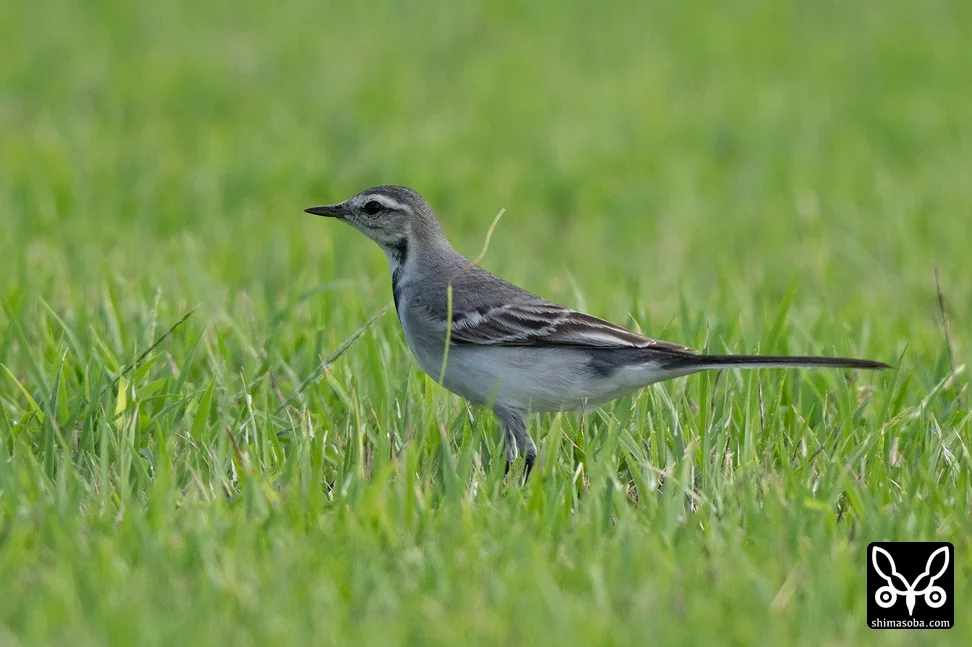
A White Wagtail (ocularis), first-winter, in wintering mode.

Categories: 野鳥
Wintering Pin-tailed Snipe!! (video)

This breaks the latest date record for Pin-tailed Snipe on Ishigaki Island by a full month!!

I found it among a small flock of Common Snipe. It was not a typical Pin-tailed Snipe individual, and at first I wavered between that and Swinhoe's Snipe, but after watching for a while I became certain it was Pin-tailed. I stuck it out for about an hour and managed to get photos of the tail feathers as documentary evidence.

It is an exceptionally Swinhoe's-like individual, which makes it all the more interesting. This is definitely a Pin-tailed Snipe I won't forget in a hurry. ^^

The previous late record for Pin-tailed Snipe on Ishigaki was an adult on 18 October, so this is a substantial update to the record. ^^

Incidentally, the earliest record is a juvenile in late February. That individual may well have been wintering, though.

Pin-tailed Snipe
Pin-tailed Snipe

Pin-tailed Snipe, first-winter plumage.

Pin-tailed Snipe
Pin-tailed Snipe

This is how it looked when I found it. Bottom left is a Common Snipe.

Pin-tailed Snipe
Pin-tailed Snipe

A Pin-tailed Snipe that caught an earthworm.

Pin-tailed Snipe
Pin-tailed Snipe

Underwing and flanks of the Pin-tailed Snipe.

Pin-tailed Snipe
Pin-tailed Snipe

After nearly an hour of tracking, I finally got a clear view of the Pin-tailed Snipe's needle-like tail feathers. ^^

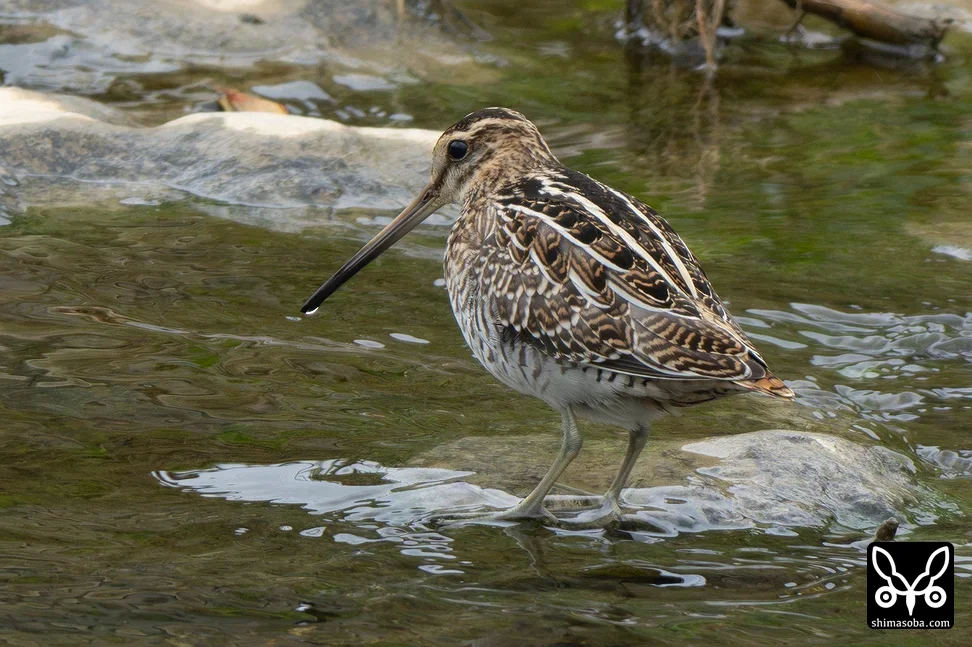
Common Snipe
Common Snipe

Common Snipe, first-winter plumage.

Common Snipe
Common Snipe

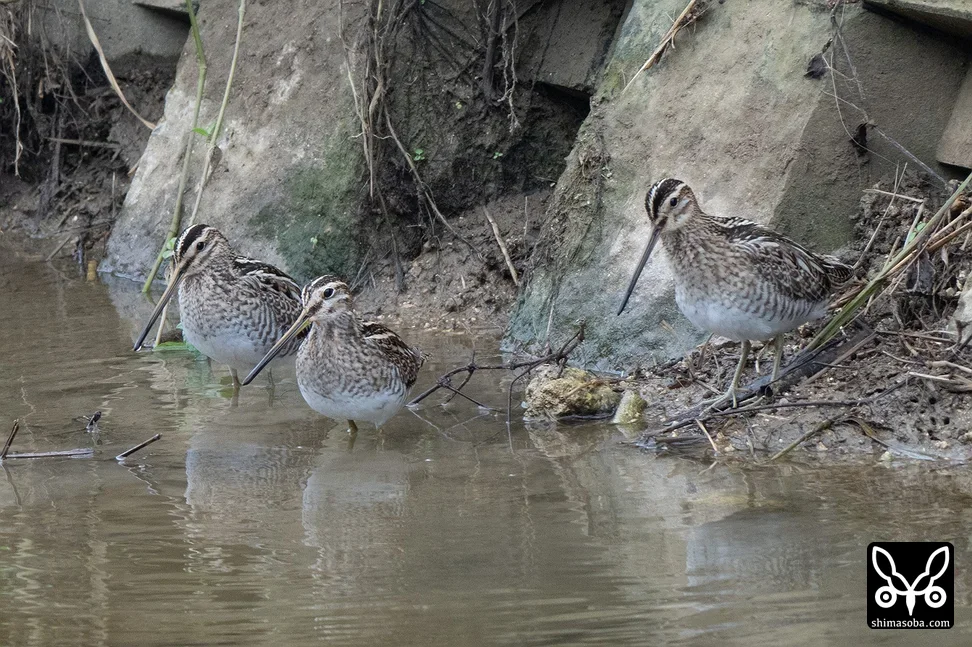
All Common Snipe.

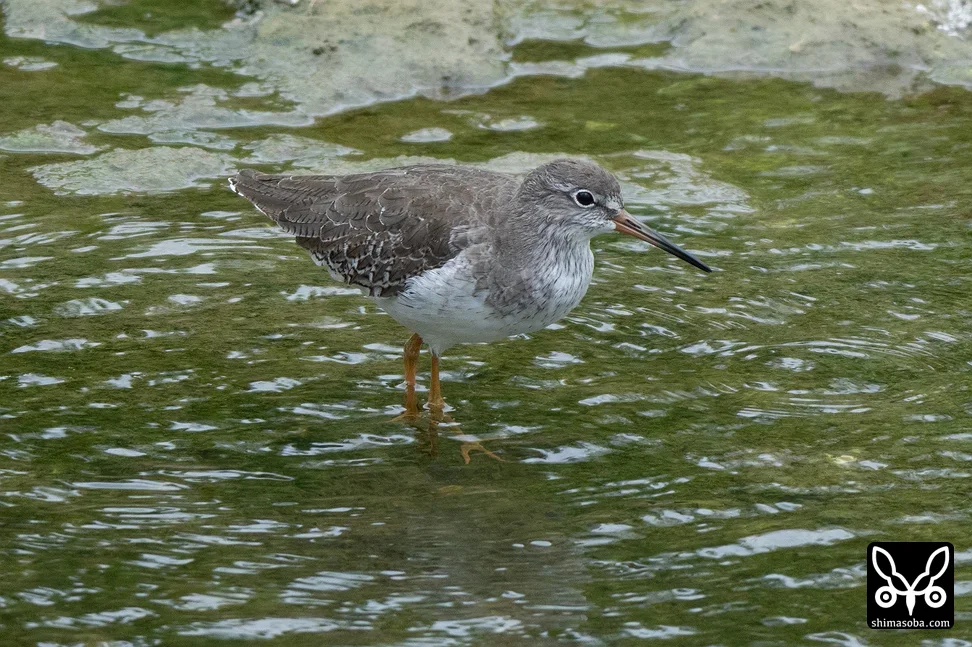
Common Redshank
Common Redshank

Common Redshank, winter plumage.

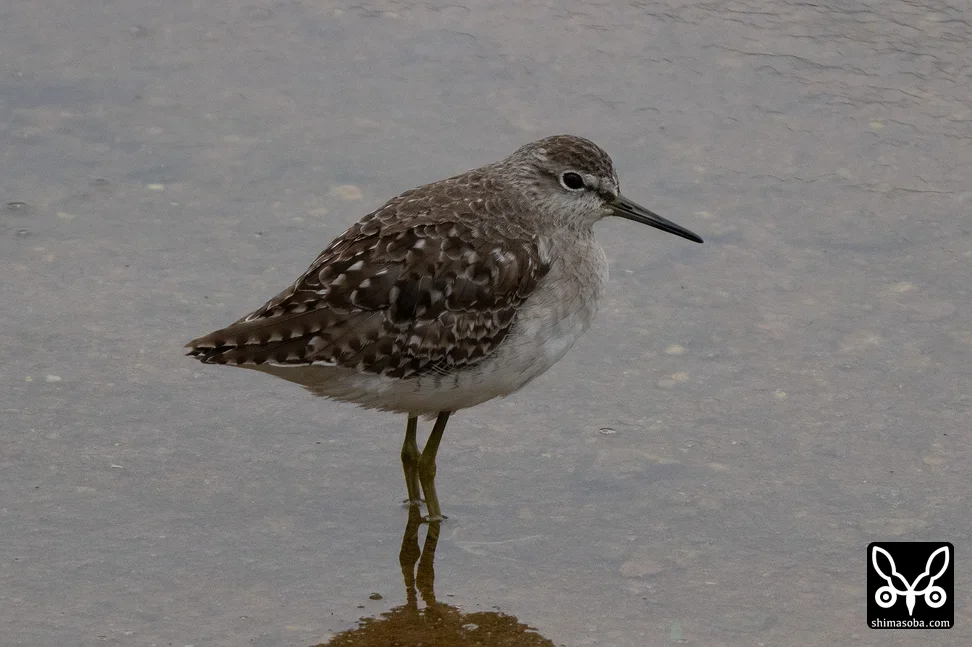
Wood Sandpiper
Wood Sandpiper

Wood Sandpipers were numerous during the migration season, but their numbers thin out at this time of year.

Long-toed Stint
Long-toed Stint

Long-toed Stint, first-winter.

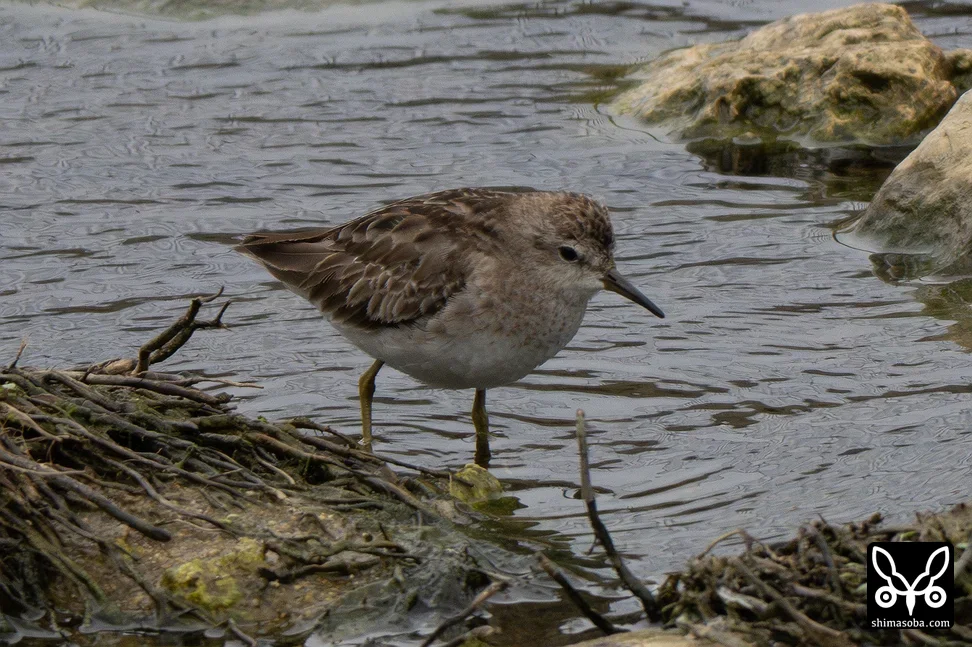
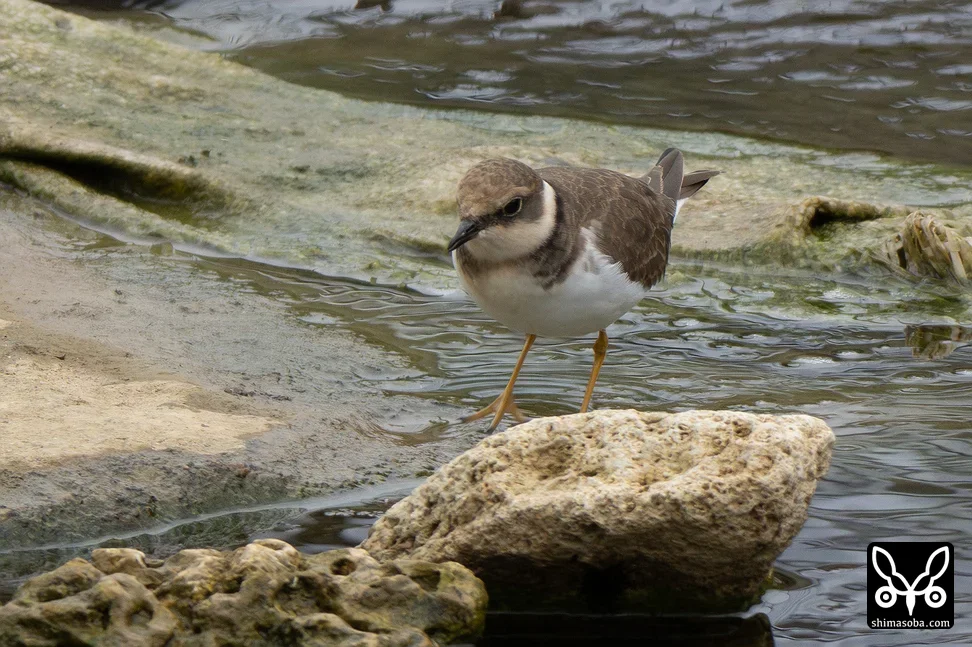
Little Ringed Plover

I see small flocks of Little Ringed Plovers here and there.

White Wagtail
White Wagtail

White Wagtail (ocularis), male, first-winter.

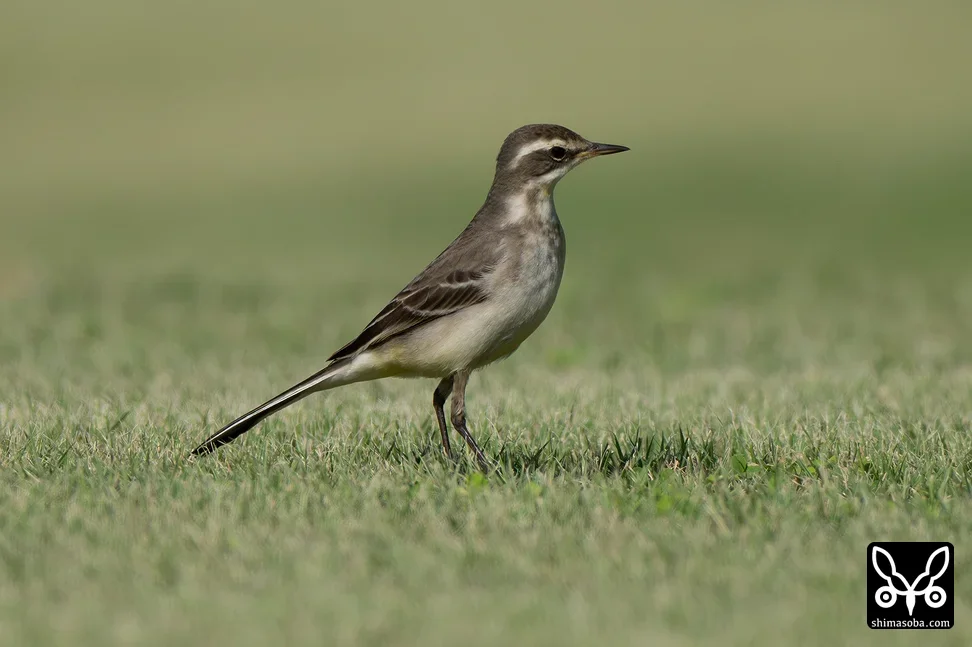
Eastern Yellow Wagtail

Taiwan Yellow Wagtail, first-winter.

Categories: 野鳥
Pied Avocet, Oriental Pratincole, Northern Lapwing, Black-faced Spoonbill and others

Autumn migration on Ishigaki Island is winding down, but an out-of-season typhoon drove in a greater variety of birds.

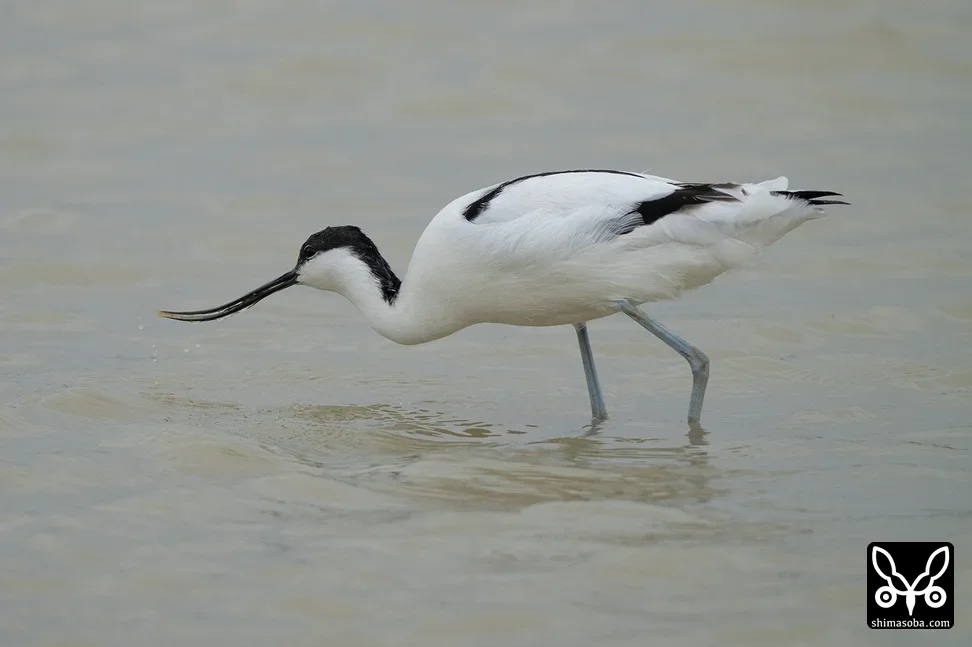
Pied Avocet
Pied Avocet

A Pied Avocet arrived at a paddy field near the town centre.

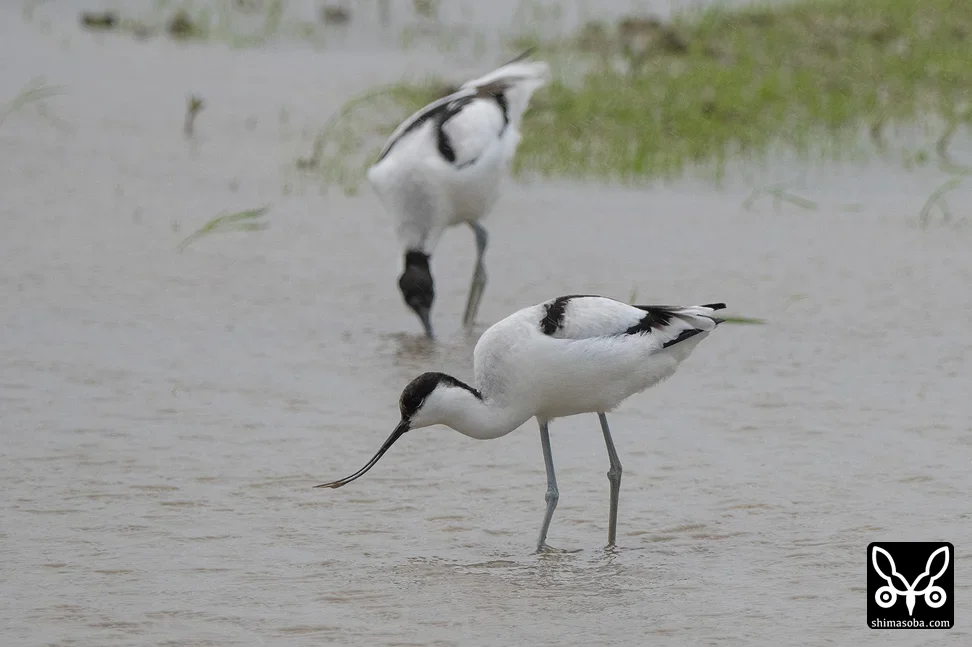
Pied Avocet
Pied Avocet

Four Pied Avocets turned up at a different site from the individual above.

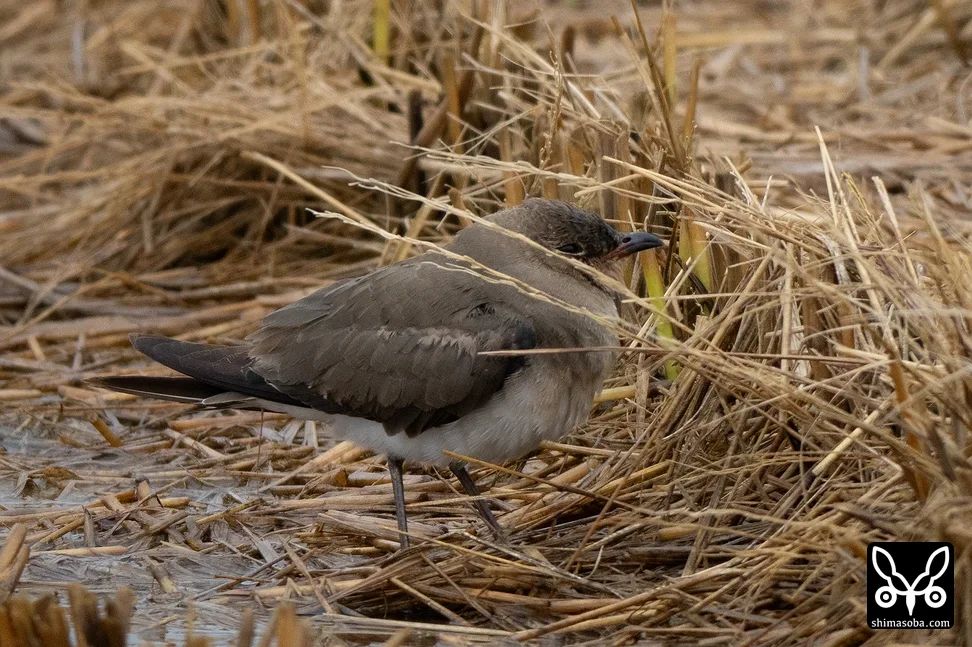
Oriental Pratincole
Oriental Pratincole

The Oriental Pratincole looked quite exhausted.

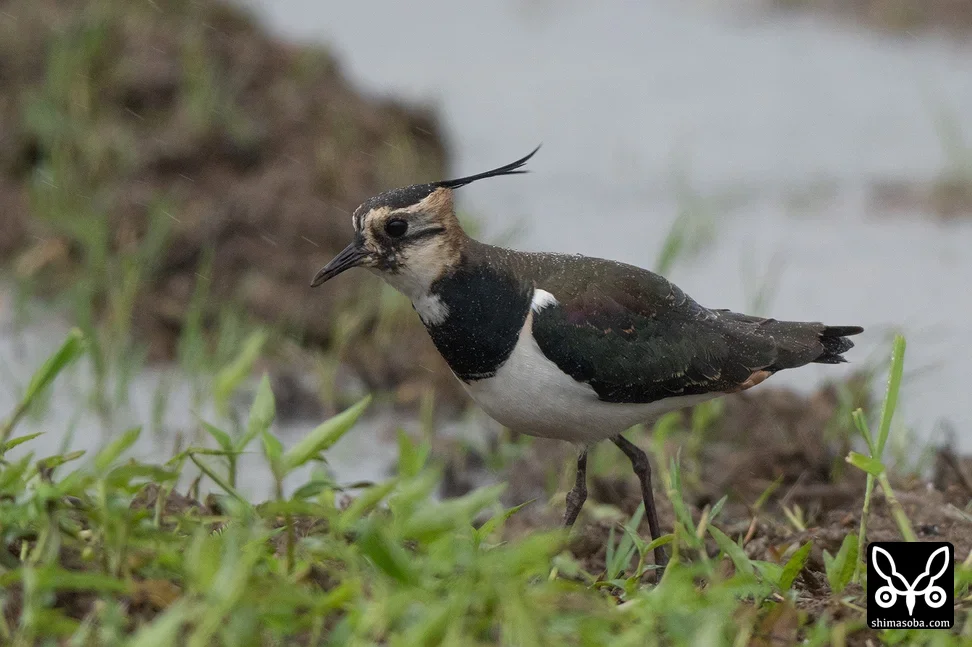
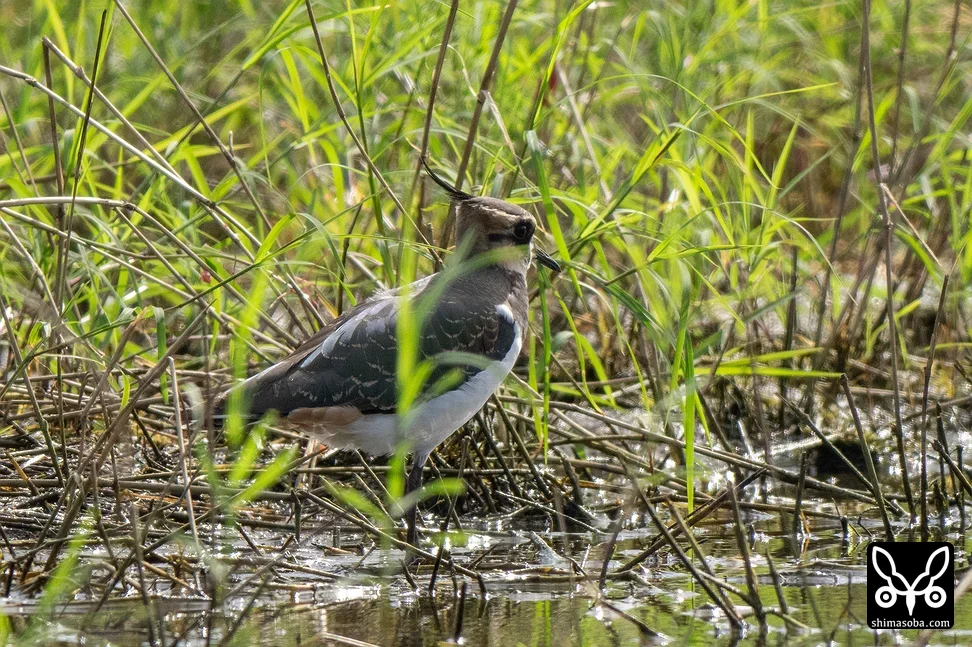
Northern Lapwing
Northern Lapwing

Northern Lapwings confirmed at multiple sites. As in previous years, all are juveniles.

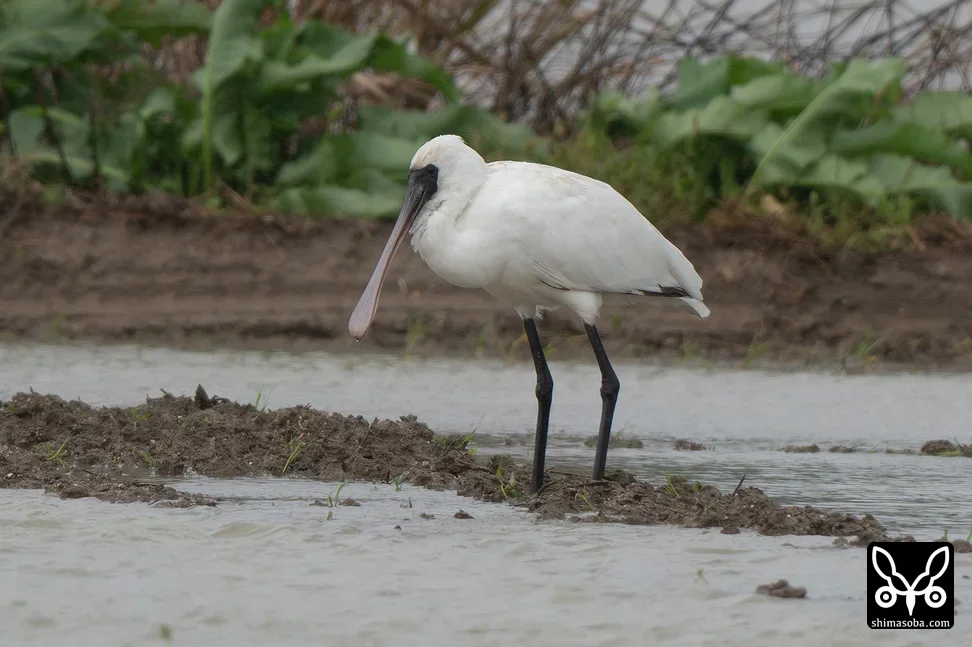
Black-faced Spoonbill

The Black-faced Spoonbill is moving around the island.

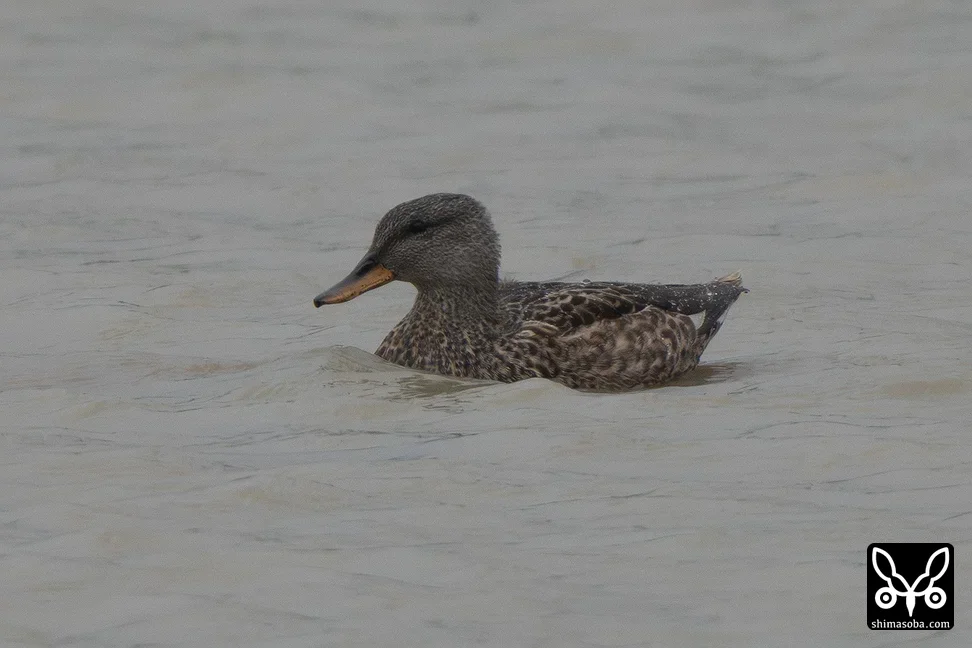
Gadwall
Gadwall

The first Mallards of the season arrived as a pair.

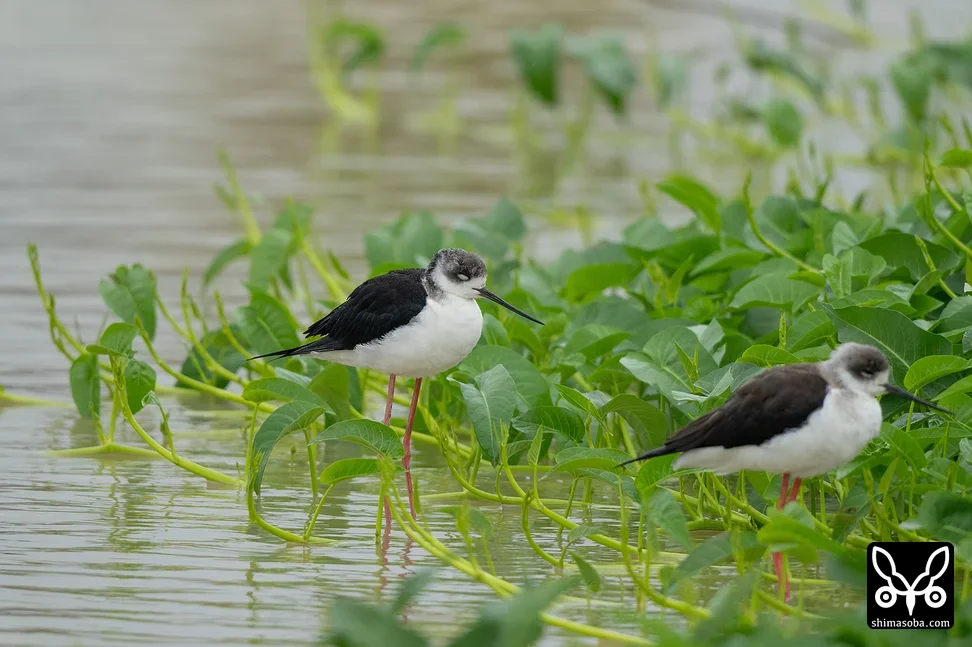
Black-winged Stilt
Black-winged Stilt

Black-winged Stilts looking worn out from the strong wind.

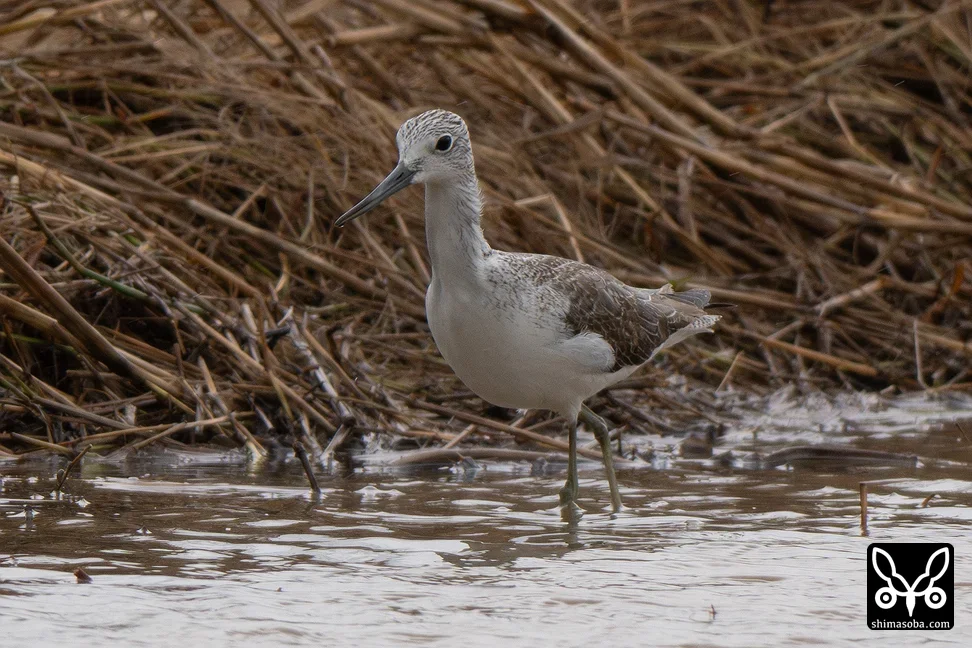
Common Greenshank
Common Greenshank

A wintering Common Greenshank.

Common Snipe
Common Snipe

Common Snipe in wintering mode here and there.

Eurasian Coot
Eurasian Coot

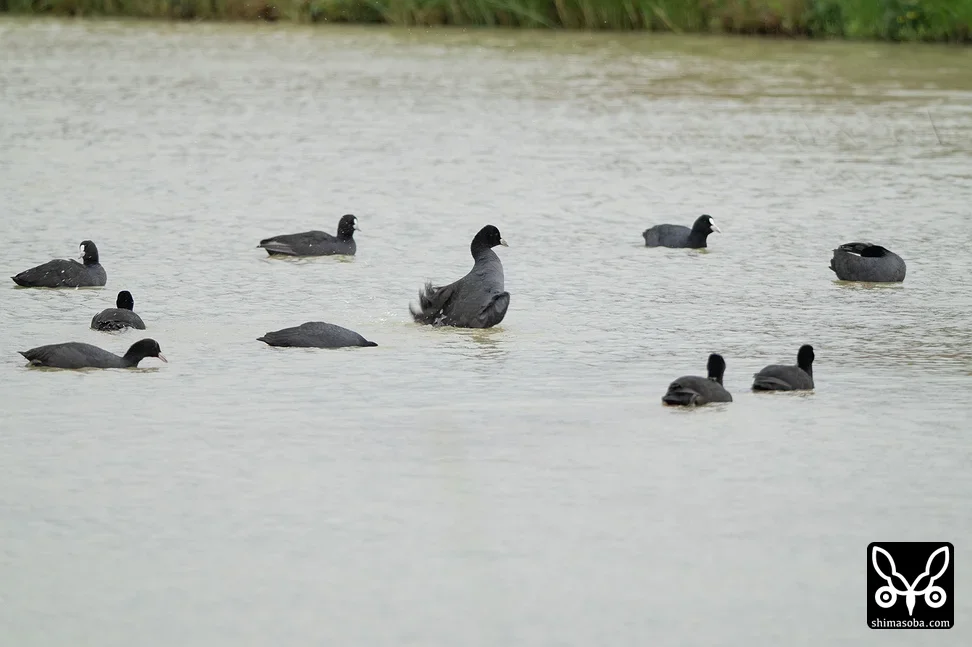
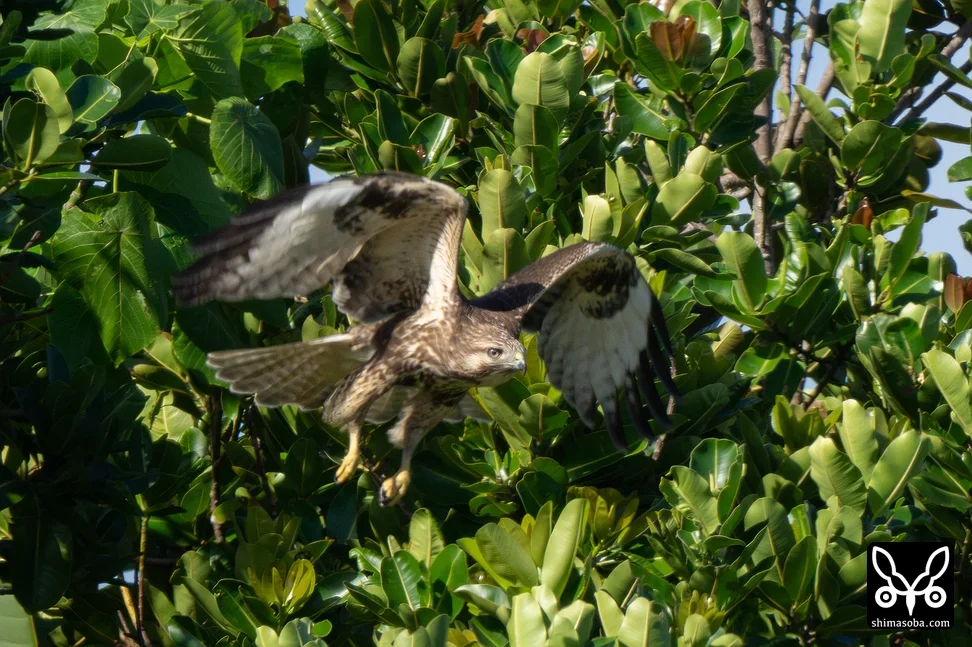
Eurasian Coots, which usually concentrated at Shiromizu, have scattered around the island due to attacks from the Eastern Buzzard.

Categories: 野鳥
Birdwatching on Yonaguni Island

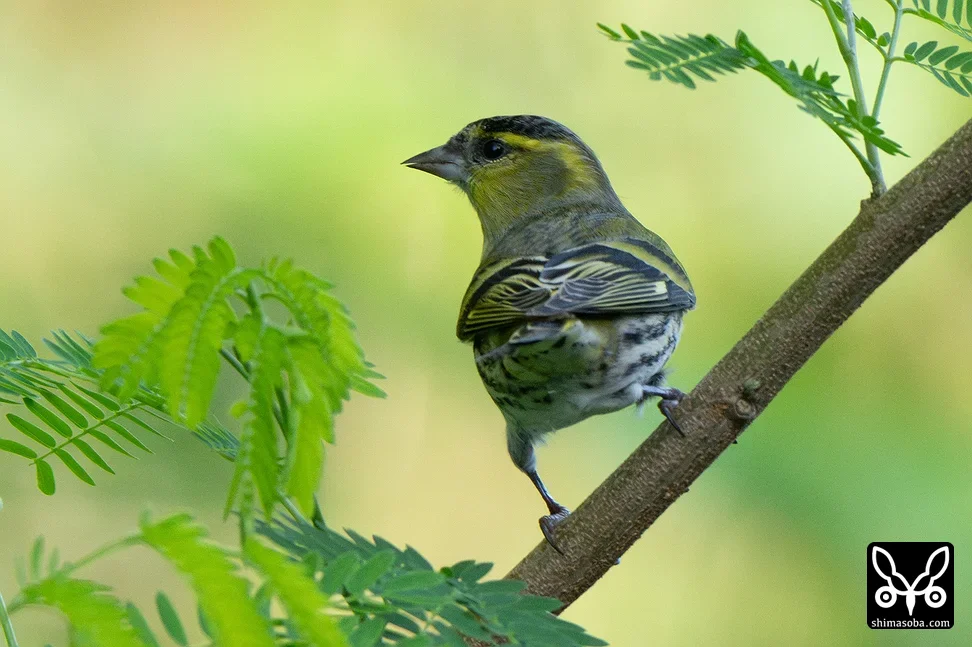
A work trip to Yonaguni Island gave me a little time for birding. I had hoped for rarities like the Chestnut-winged Cuckoo and Grey-faced Buzzard from the previous year, but it didn't quite work out that way. Even so, I got to see a flock of Eurasian Siskins — a species you rarely encounter on Ishigaki — so it was an enjoyable trip.

Dusky Thrush
Dusky Thrush

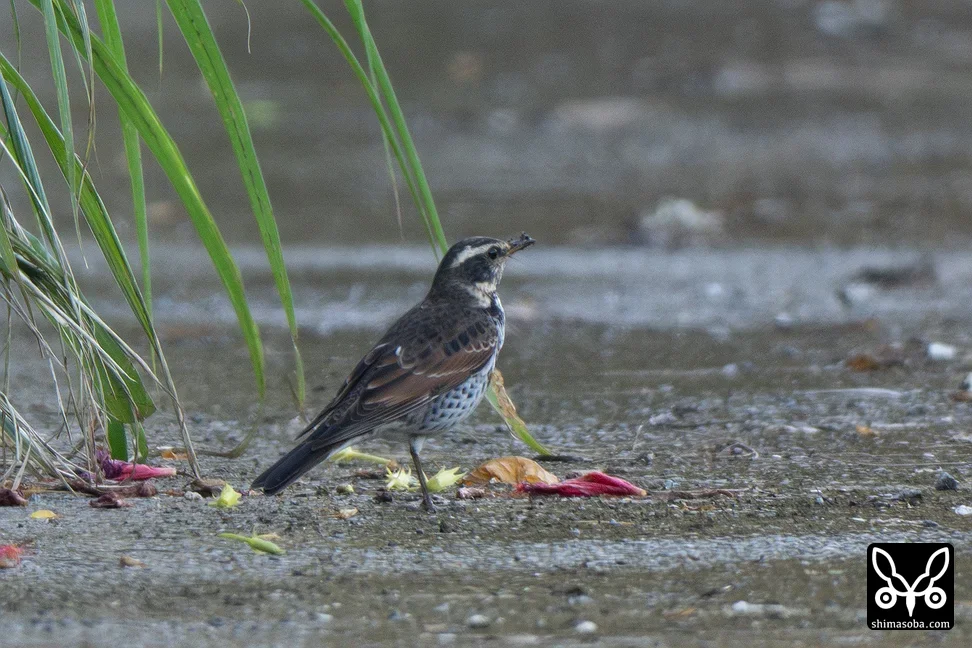
My first Naumann's Thrush of the season turned out to be on Yonaguni Island.

Siberian Stonechat
Siberian Stonechat

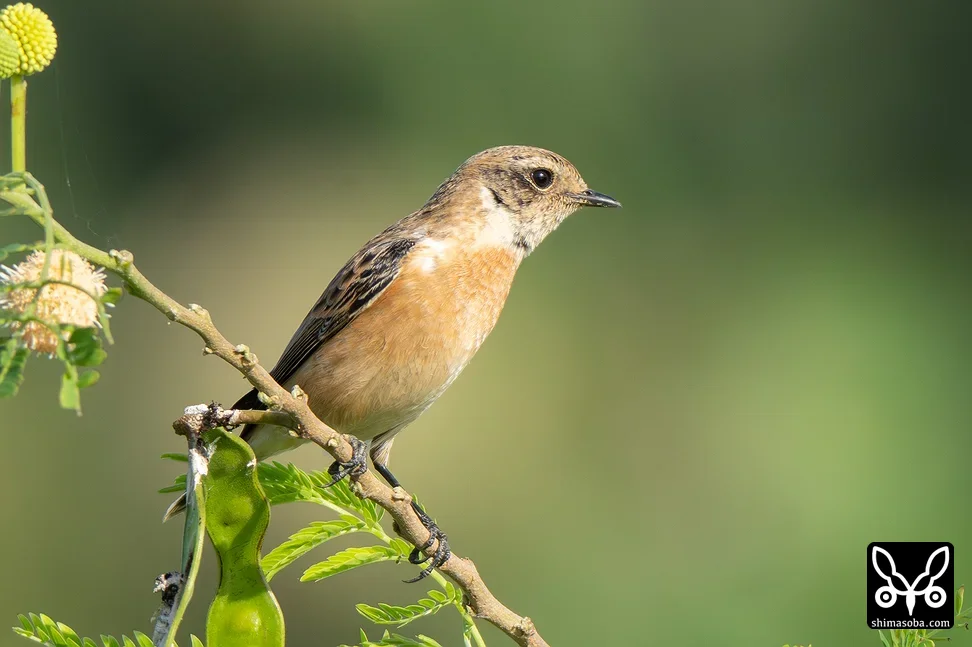
Also my first Siberian Stonechat of the season. Birds were being reported on Ishigaki Island at the same time.

Eurasian Siskin
Eurasian Siskin

Eurasian Siskin — a species I see often on Okinawa Island and Yonaguni Island, but rarely recorded on Ishigaki Island. Strange.

Eastern Yellow Wagtail

White Wagtail (taivana subspecies) in first-winter plumage. White Wagtails of any kind have been scarce in the Yaeyamas this season.

Common Buzzard
Common Buzzard

A juvenile Common Buzzard had turned up.

Northern Lapwing
Northern Lapwing

Northern Lapwing numbers are up in the Yaeyamas too. Most are juveniles.

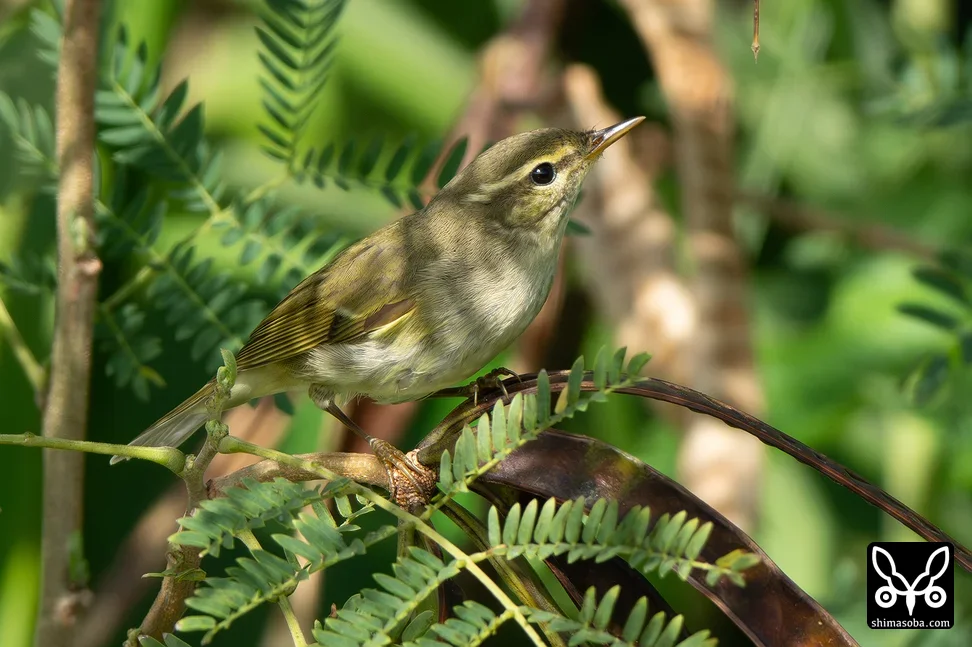
Arctic Warbler
Arctic Warbler

On both Yonaguni Island and Ishigaki Island, almost all the leaf warblers at this time of year are Arctic Warblers. Occasionally a Kamchatka Leaf Warbler turns up, and rarer still is the Japanese Leaf Warbler.

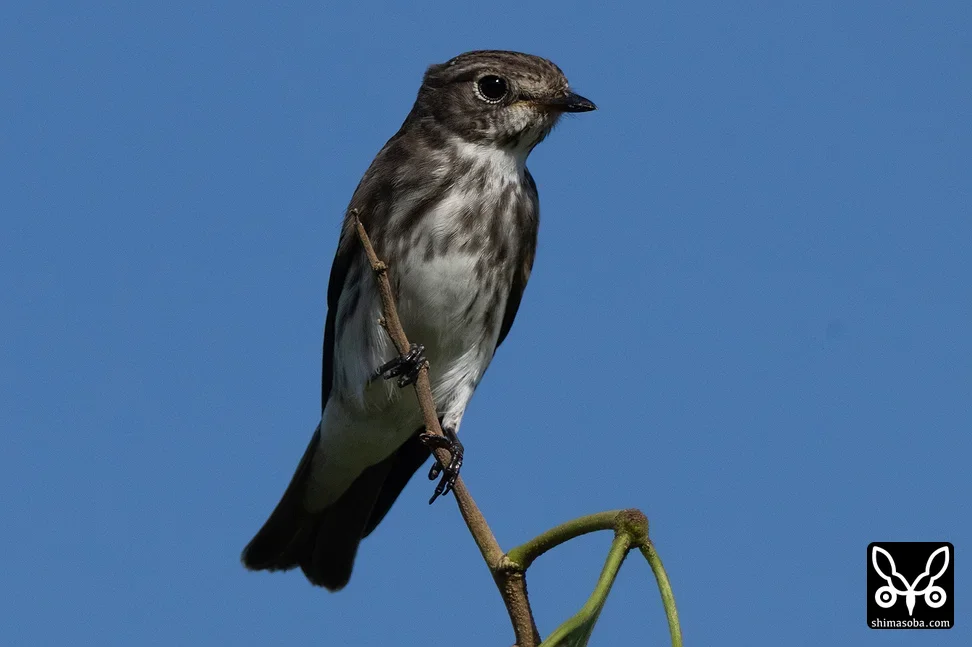
Grey-streaked Flycatcher

Grey-streaked Flycatcher — nearly gone from Ishigaki Island by now, but still quite visible on Yonaguni Island at this time of year. That's the usual pattern.

Eastern Yellow Wagtail

Yellow Wagtails seem to be scarce across the Yaeyamas as a whole this season.

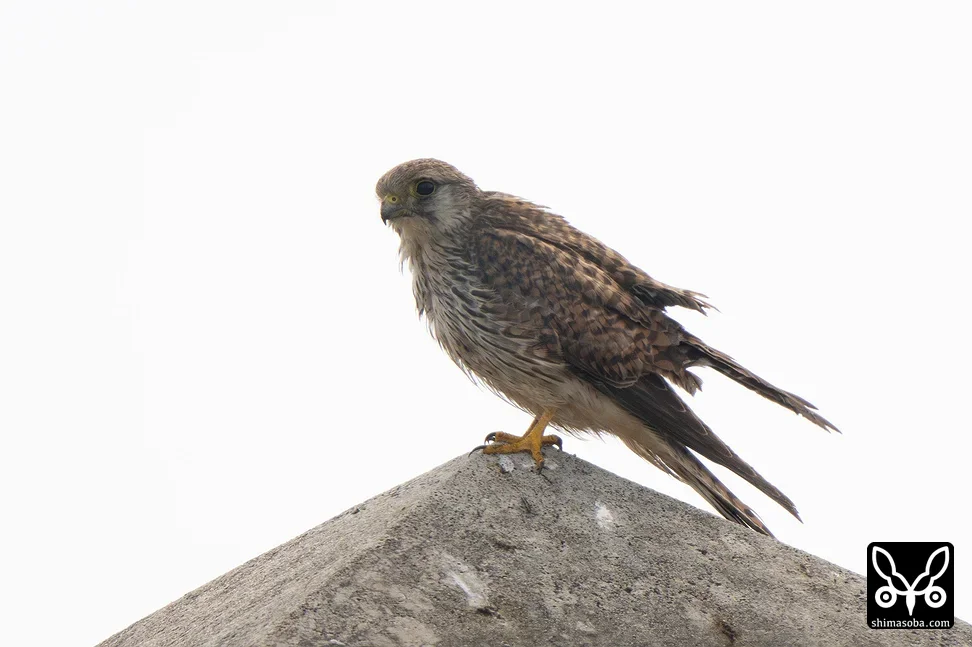
Common Kestrel
Common Kestrel

The wintering Common Kestrels are gradually increasing in number.

Common Snipe
Common Snipe

Yonaguni Island has very few paddies — rice farmers are down to the last one — but a Common Snipe managed to hang on.

Categories: 野鳥
Crested Serpent Eagle vs. Cane Toad Venom

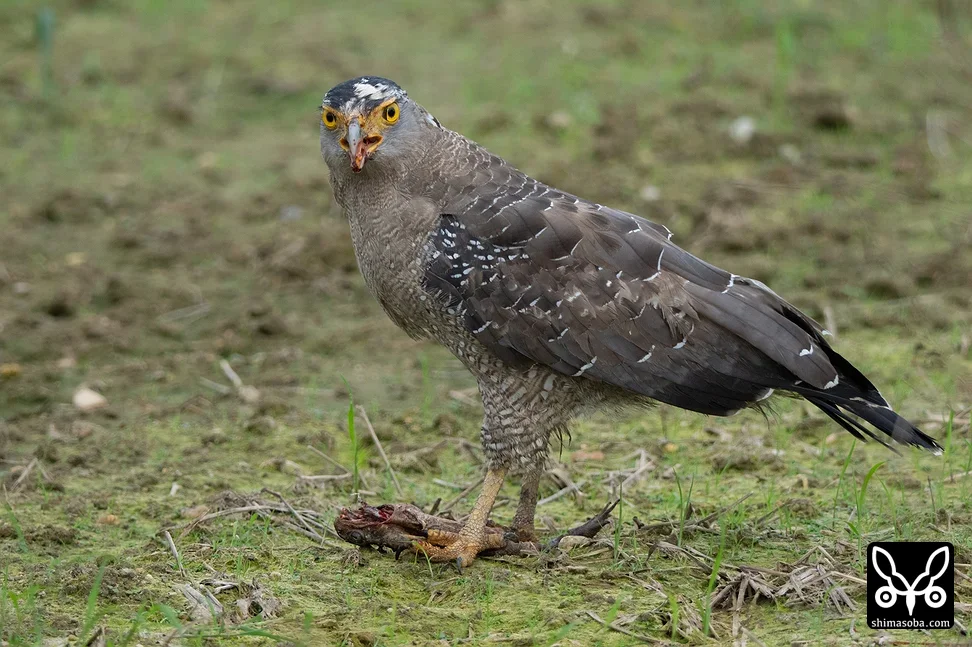
A Crested Serpent Eagle was eating a toxic Cane Toad. Below I reproduce the article I wrote on Crested Serpent Eagle venom resistance, published in the newspaper on 19 July.

Crested Serpent Eagle's Hidden Ability — A Remarkable Coincidence

The Crested Serpent Eagle, found in Japan only on Ishigaki and Iriomote islands, is known to prey on the toxic Cane Toad. A research team led by Arisa Tobe of Kyoto University has used genetic analysis to show that the eagle may carry resistance to the toad's venom. The birds have harboured a venom-resistance gene mutation for tens of thousands — possibly hundreds of thousands — of years, meaning the "hidden ability" was already in place long before Cane Toads were introduced to Ishigaki Island. The findings were published on 14 July in the scientific journal BMC Ecology and Evolution.

No Symptoms

Cane Toads were introduced to Ishigaki Island around 1978 to control sugarcane pests. They secrete a potent cardiotoxic steroid, bufadienolide, from their skin — a toxin that can stop the heart. There are confirmed cases of the native Sakishima Rat Snake dying after eating one. The Crested Serpent Eagle, on the other hand, shows no ill effects even after consuming the toad's highly toxic skin. Local birdwatchers had long noticed this, but no scientific explanation had been established.

A Gene Mutation?

The research team analysed tissue samples from 24 Crested Serpent Eagles that had died from accidents or illness between 2020 and 2023. Focusing on an enzyme responsible for ion transport across cell membranes — the target of the toxin — they discovered an amino-acid substitution in a key region associated with venom resistance, known as the Q111E mutation. This mutation appears to prevent the toad's toxin from binding to the enzyme, neutralising its effects. Similar mutations have been found in snakes that prey on toads and in birds that eat toxic butterflies, and the finding is regarded as an example of convergent evolution — the process by which unrelated lineages independently arrive at similar traits through different evolutionary paths in different places.

An Ancient Defence

Strikingly, Crested Serpent Eagles on Iriomote Island — where Cane Toads have not established — and even a subspecies of Crested Serpent Eagle on the distant Indonesian island of Simeulue carry the same resistance gene. Genetic analysis suggests the trait has been preserved since around the time the Crested Serpent Eagle diverged as a species, long before any alien species was introduced. Tobe of Kyoto University's Wildlife Research Center explains: "The venom resistance of the Crested Serpent Eagle is not a recent adaptation to environmental change, but an ancient trait inherited from its ancestors — one that has, by coincidence, also helped to mitigate the physiological impact of an invasive species. It is a rare example of that."

Other Raptors Too

The study also confirmed similar resistance gene mutations in snake eagles closely related to the Crested Serpent Eagle. There are reports that the Black-chested Snake Eagle in South Africa showed no health problems after being fed toxic toads in captivity for 12 months, suggesting this ability may be characteristic of the group as a whole. Meanwhile, on Japan's Ogasawara Islands, Eastern Buzzards have been recorded preying on the same Cane Toad, but no clear venom-resistance mutation was found in their genes, pointing to the possibility that they cope through a different mechanism.

A New Perspective for Conservation

The study also found that the Crested Serpent Eagle populations on Ishigaki and Iriomote islands are genetically distinct. Despite a separation of only about 20 kilometres, movement of individuals between the two islands appears to be almost nonexistent — a finding the team says "suggests that the Iriomote and Ishigaki populations should be considered independent conservation units." The research demonstrates that an organism's "hidden abilities" may play an important role in responding to environmental change. While the findings offer a significant new perspective for biodiversity conservation, Tobe also sounds a note of caution: "The fact that the eagle is making use of the invasive species does not mean the invasive species problem can be ignored. Once the Crested Serpent Eagle is preying on them, the toads are being incorporated into the ecosystem, and there is a risk of further disrupting the overall balance." As the global impact of invasive species on ecosystems becomes an ever greater concern, this discovery — shining a light on the unexpected adaptive capacity of native species — underscores both the depth of evolutionary processes and the complexity of conservation strategy.

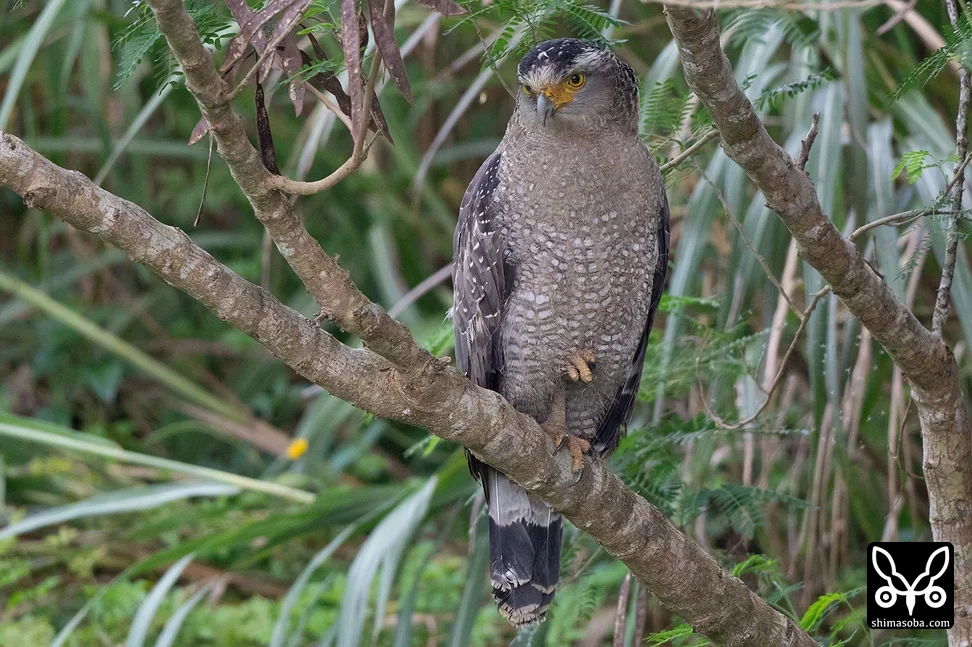
Crested Serpent Eagle

A Crested Serpent Eagle eating a Cane Toad. As the research papers suggest, the toxin seems to pose no problem for it.

Crested Serpent Eagle

A Crested Serpent Eagle targeting something in an irrigation channel.

Isabelline Shrike
Isabelline Shrike

A Brown Shrike was nearby as well.

Common Snipe
Common Snipe

A flock of Common Snipe in the rice fields.

Categories: 野鳥