A daily record.
Featuring photos of wild birds and nature, mainly from Okinawa Main Island and Ishigaki Island

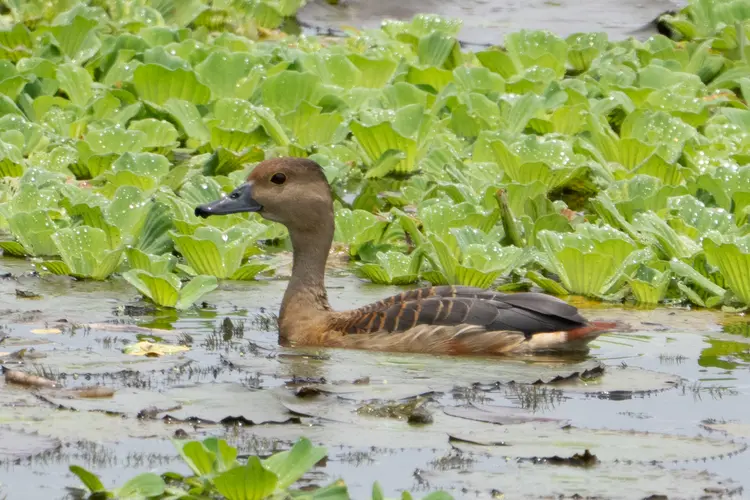
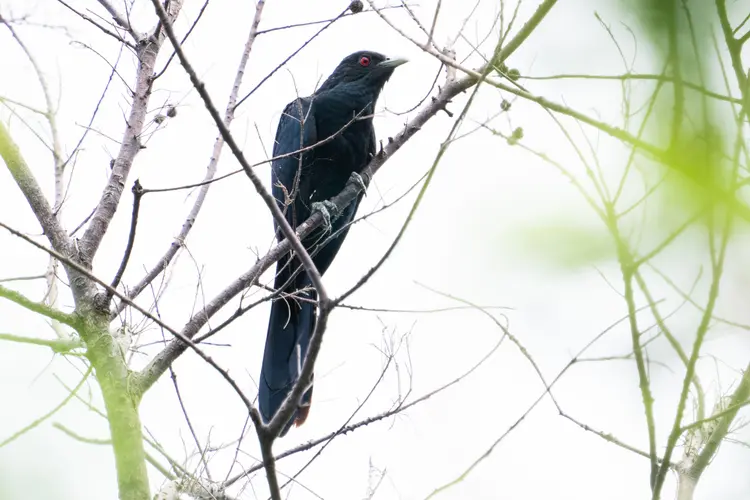
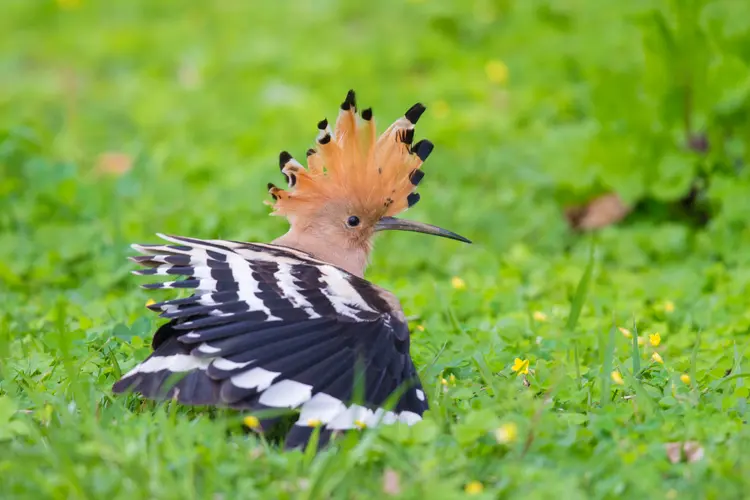
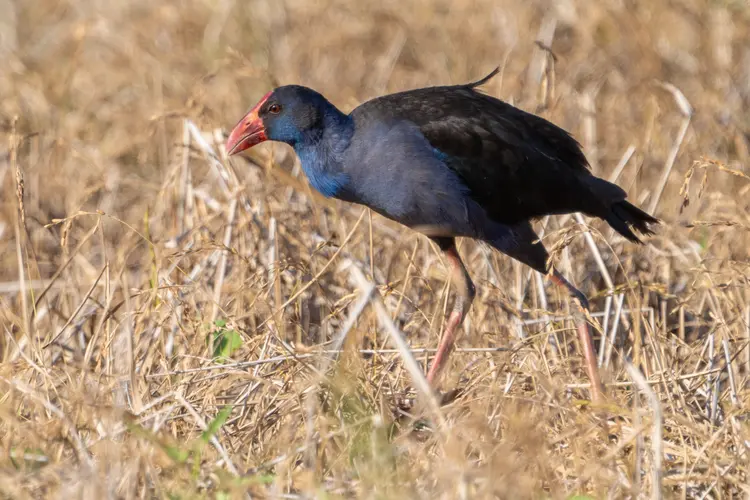
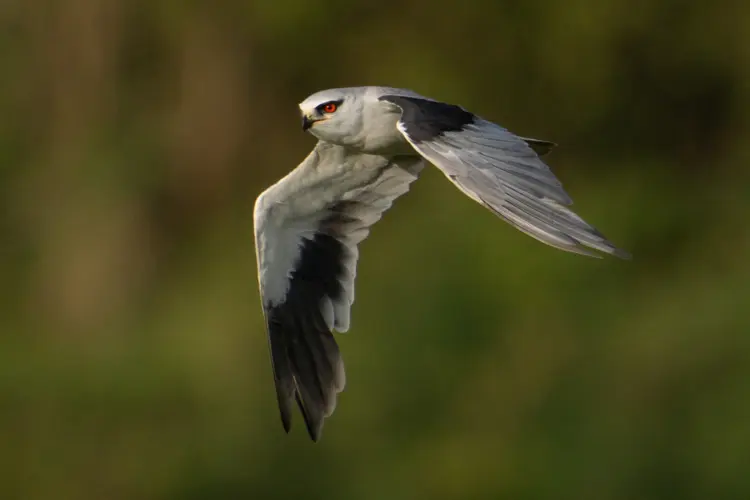
Purple Swamphen Black-winged kite Lesser Whistling Duck Asian koel Eurasian Hoopoe

GUIDED BIRDWATCHING TOUR

Go where the birds are. The SHIMASOBA Tour launches.

We'll drive you around Ishigaki Island to wherever the birds are showing best that day. Observation is mostly from inside the vehicle, and we keep it to a maximum of 3 guests so everyone can take their time.

Max. 3 guests 4 hours in the morning Beginners welcome
Check availability and book

Crested Serpent Eagle Released After 18 Months of Care

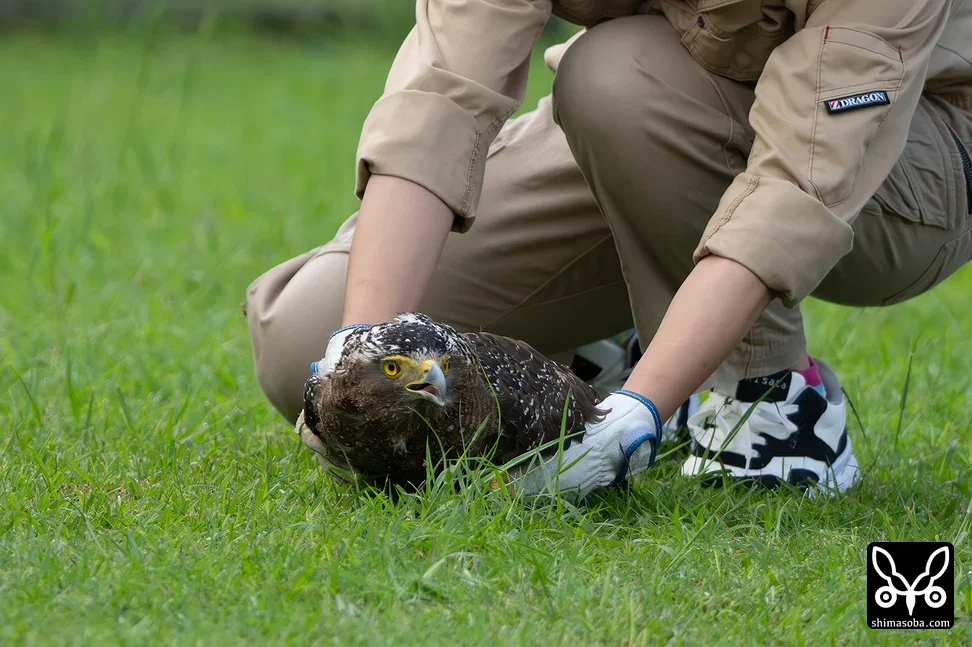
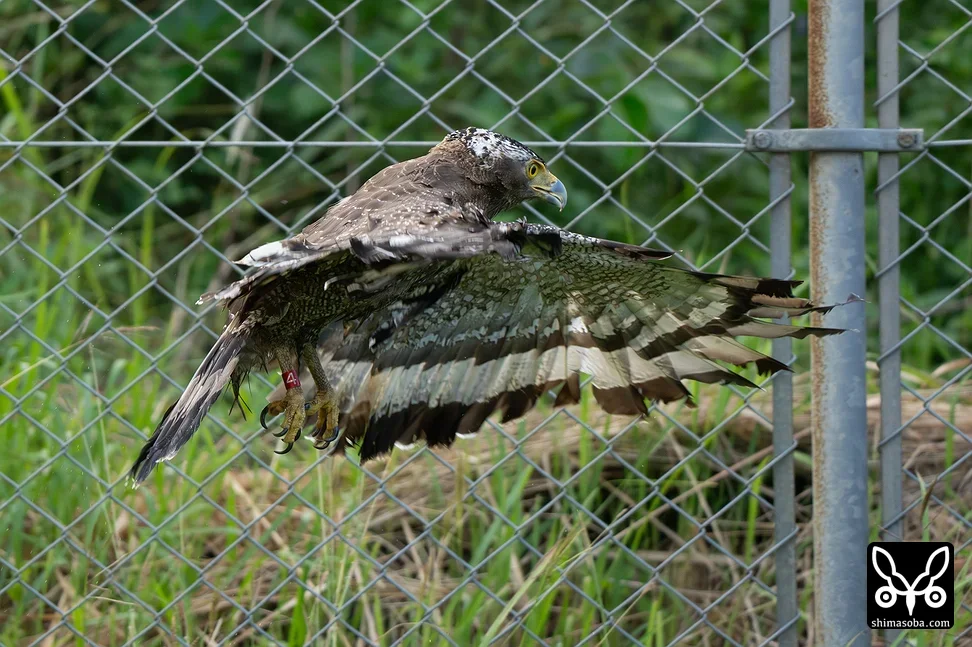
A Crested Serpent Eagle rescued in Nagura in September 2024 has been released back into the wild. It had suffered serious injuries — a broken right wing, a broken left leg, and bleeding from the mouth — but after 18 months of treatment and rehabilitation, it has finally been able to return to nature.

For identification purposes, it is fitted with a ring on the right leg stamped with a red "4". This data is valuable for Crested Serpent Eagle conservation efforts, so please get in touch if you spot it.

Crested Serpent Eagle
Crested Serpent Eagle / Ringed / flagged bird

A Crested Serpent Eagle being released by staff from Ishigaki Yaima Village, which has a rehabilitation facility.

Crested Serpent Eagle
Crested Serpent Eagle / Ringed / flagged bird

The Crested Serpent Eagle finally took flight. The right wing still seems to show some effects of the accident — it didn't extend as far forward as the left — but the bird appeared to fly without difficulty.

Categories: 野鳥

Black-headed Bunting, Forest Wagtail, Arctic Warbler, White-shouldered Starling and others

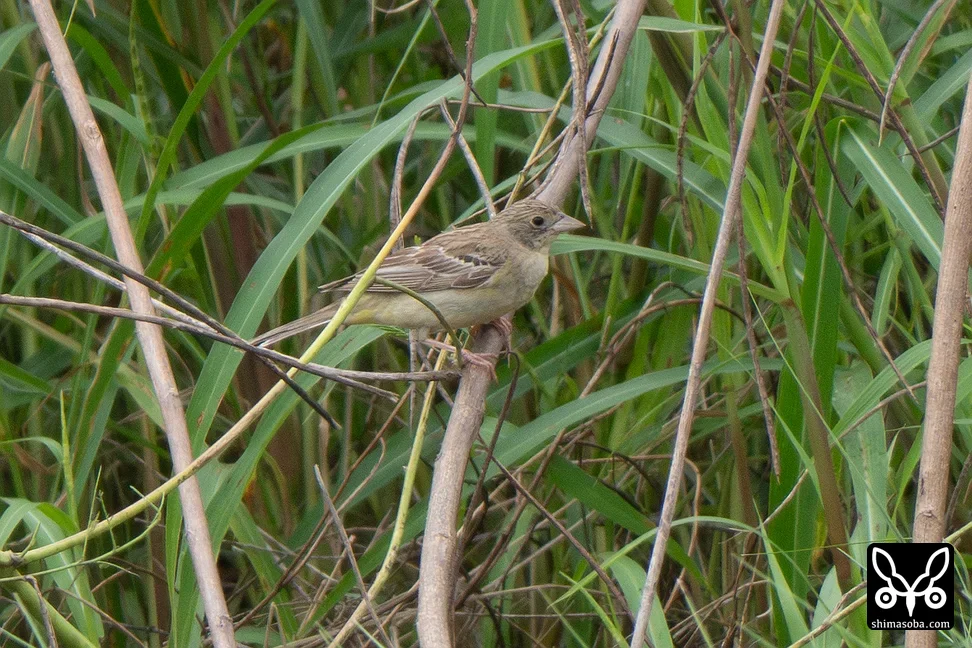
A Black-headed Bunting turned up after a long absence. It was very likely the same individual I briefly glimpsed in the same paddy field about a week ago. It was mixed in with a flock of several hundred Eurasian Tree Sparrows.

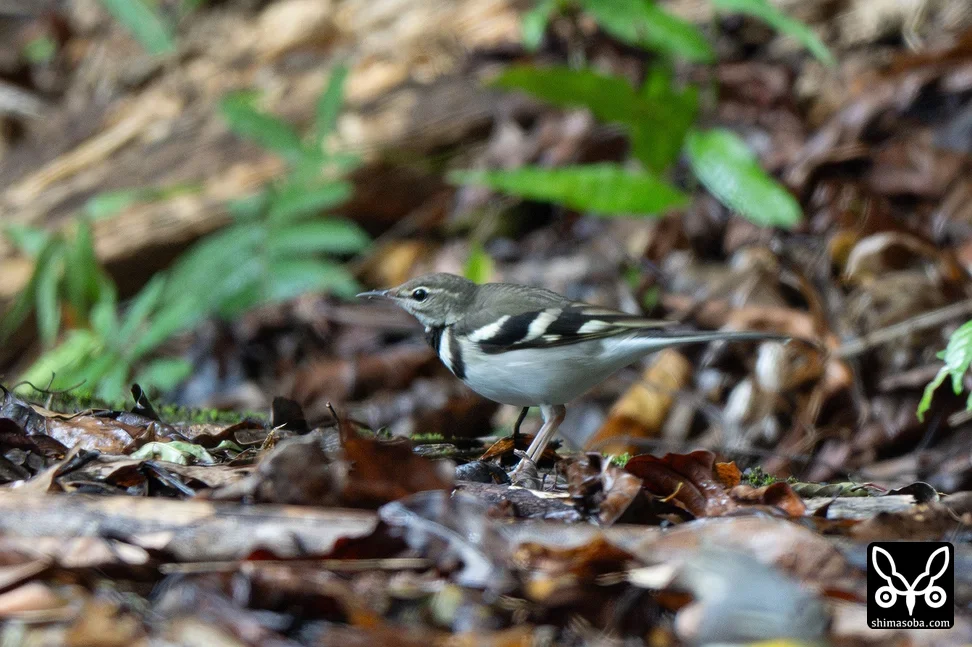
A Forest Wagtail appeared on the usual forest road — the sixth individual this season. Arriving this late in the year, there is a good chance it will winter here. Last year one wintered at the same spot. Once they settle into wintering mode, though, they tend to stay deep inside the forest and become harder to observe.

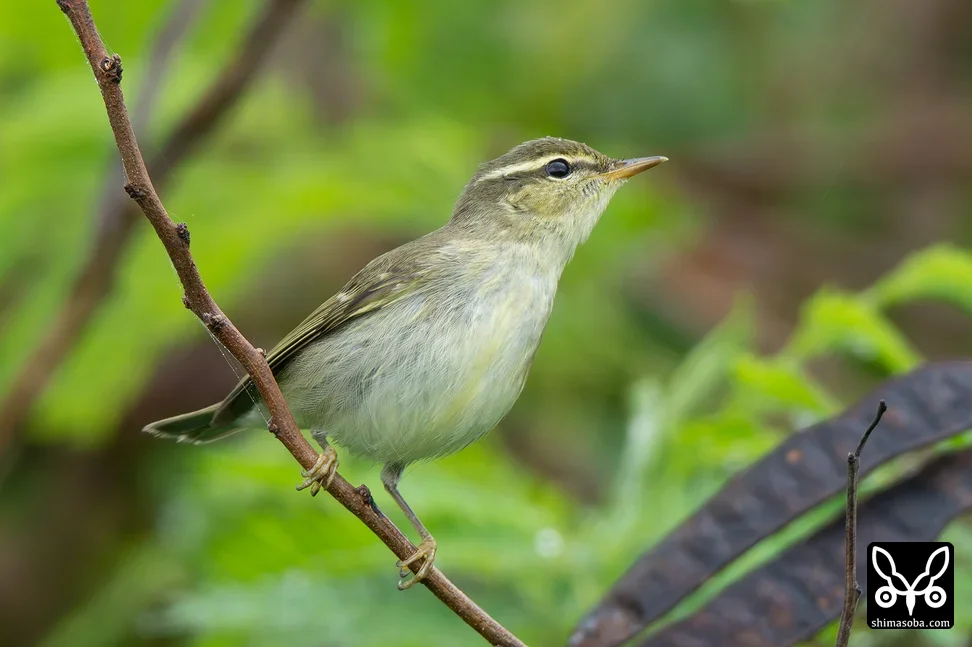
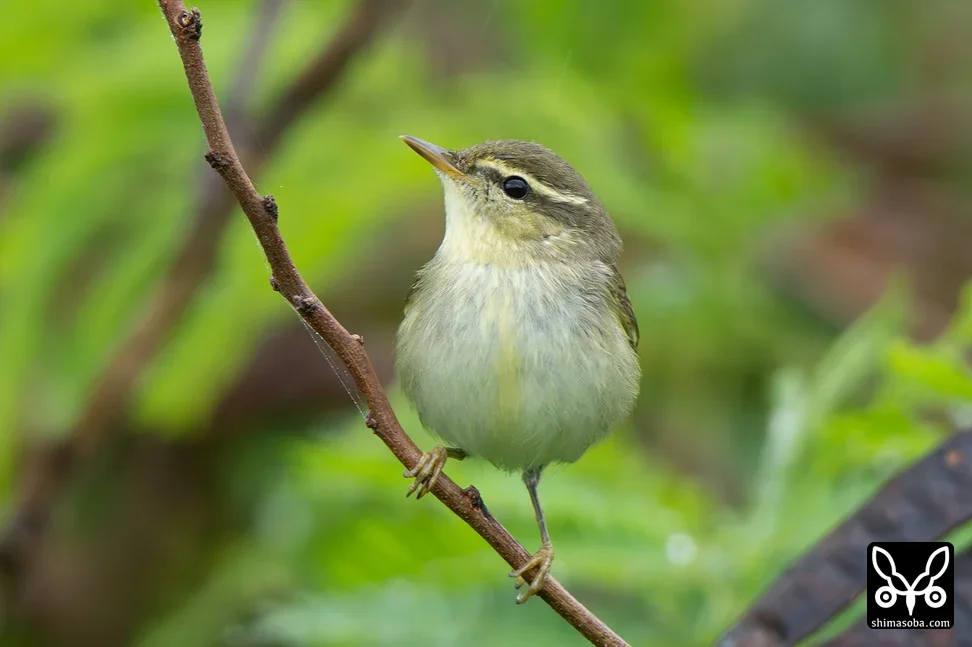
Arctic Warblers have been showing up since early October. Birds fresh in from migration are often in small flocks, but now they have spread across the island and each is holding a small territory. Many individuals will stay through to spring. Come April, they form flocks again in preparation for the northward journey, and some begin to sing.

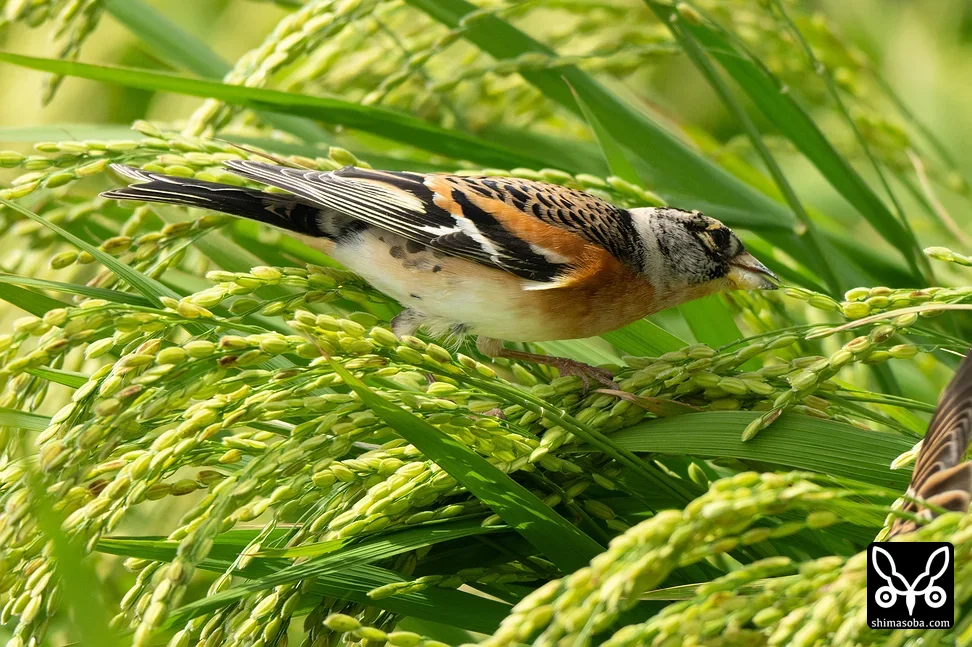
Brambling have also appeared. They joined up with Eurasian Tree Sparrow flocks and were feeding on second-crop rice grain in the paddies.

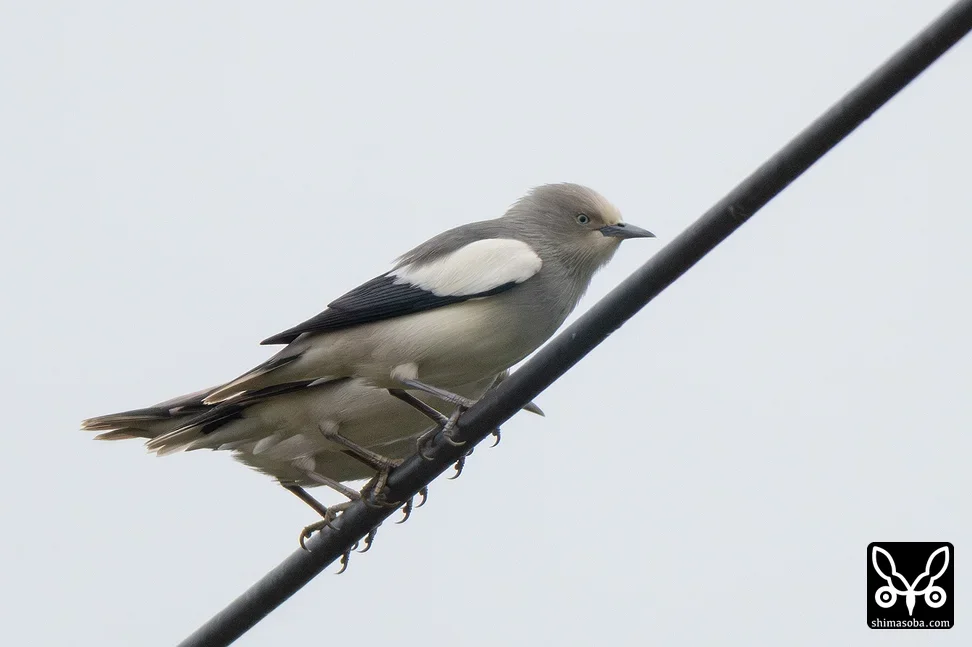
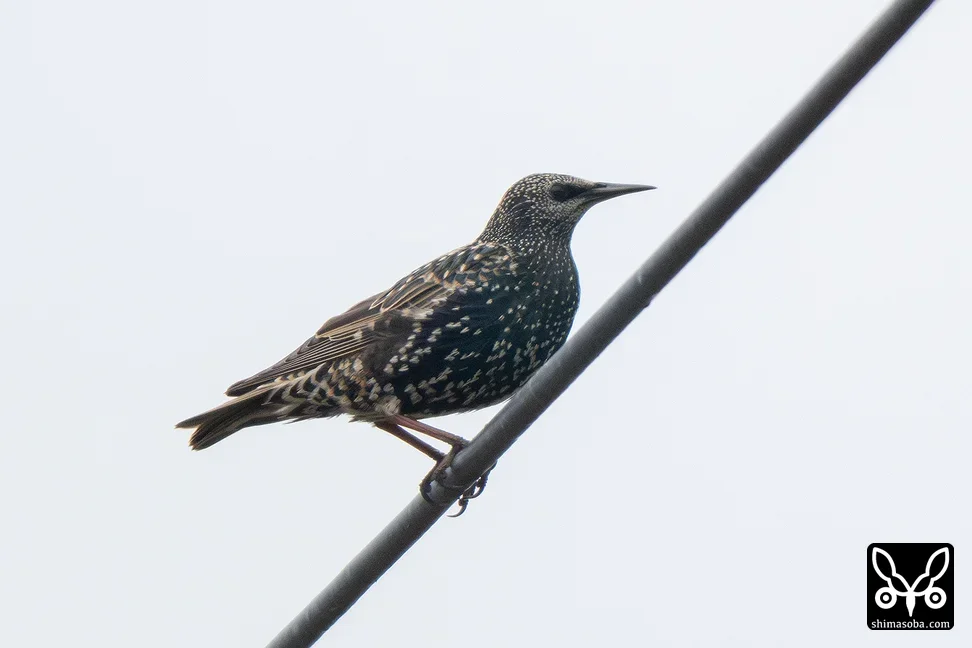
White-shouldered Starlings — a few birds — were mixed into a flock of several tens of White-cheeked Starlings, along with around 20 Common Starlings. The wintering White-shouldered Starling population on the island is sizeable in its own right, and flocks of several tens are regularly seen in parks and the like.

At this time of year, snipe are mostly Common Snipe, but among a flock of ten-odd I found just two Swinhoe's Snipe. I expect them to disappear once the second-crop rice harvest gets under way. Other waders lingering in the paddies include Common Redshank, Common Greenshank, Marsh Sandpiper, Black-winged Stilt, Wood Sandpiper, Green Sandpiper, Common Sandpiper, and Long-toed Stint.

Ducks are increasing too — I recorded my first Mallard of the season on Ishigaki. Mallard used to be quite scarce on Ishigaki and Okinawa, but the numbers being seen seem to grow a little more each year.
Black-headed Bunting

A Black-headed Bunting standing out prominently among a flock of Eurasian Tree Sparrows. It was constantly harassing them….

Grey Wagtail
Grey Wagtail

A White-browed Wagtail on the forest road. It would be nice if it overwinters again this season.

Arctic Warbler
Arctic Warbler

Arctic Warblers are increasingly being heard calling near woodland edges of farmland. You can watch them foraging as they move busily through the trees.

Arctic Warbler
Arctic Warbler

Same individual as above. Snipe are great, but warblers are great too. ^^

Brambling
Brambling

A male Brambling eating rice. It is mid-moult, transitioning from breeding to winter plumage.

White-shouldered Starling

The Chestnut-cheeked Starling is the most numerous species on the island, but only a few were in the mainly White-cheeked Starling-dominated flock. Their foraging styles differ, so even when they join the flock they quickly go their separate ways.

Common Starling
Common Starling

A Common Starling in the same flock. Its foraging style is similar to the White-cheeked Starling's, so it has been staying with the flock for a long time.

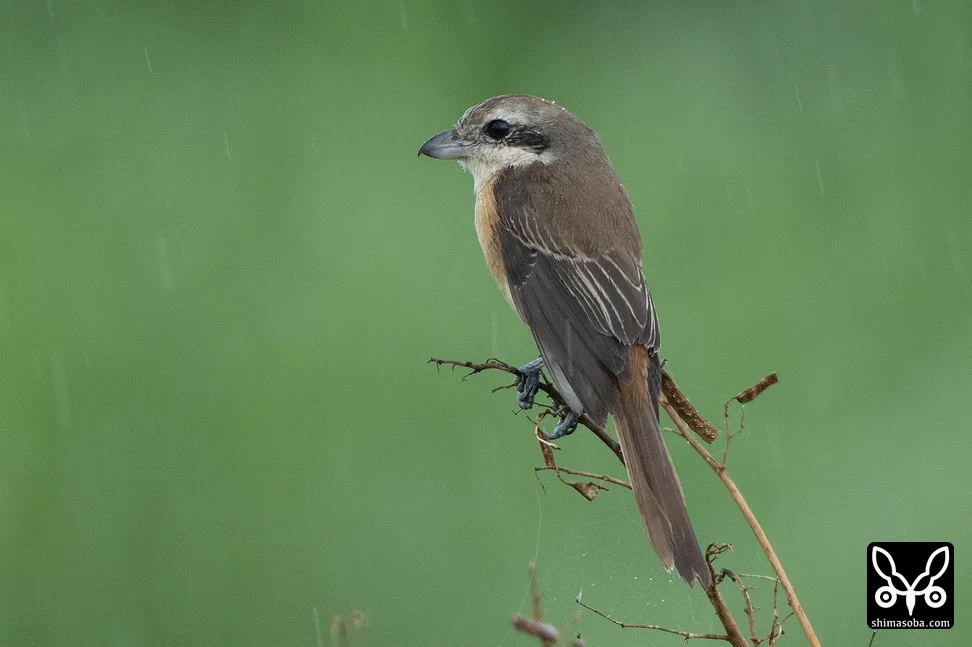
Isabelline Shrike
Isabelline Shrike

A Brown Shrike caught in the rain. It was in a spot with a lot of foot traffic.

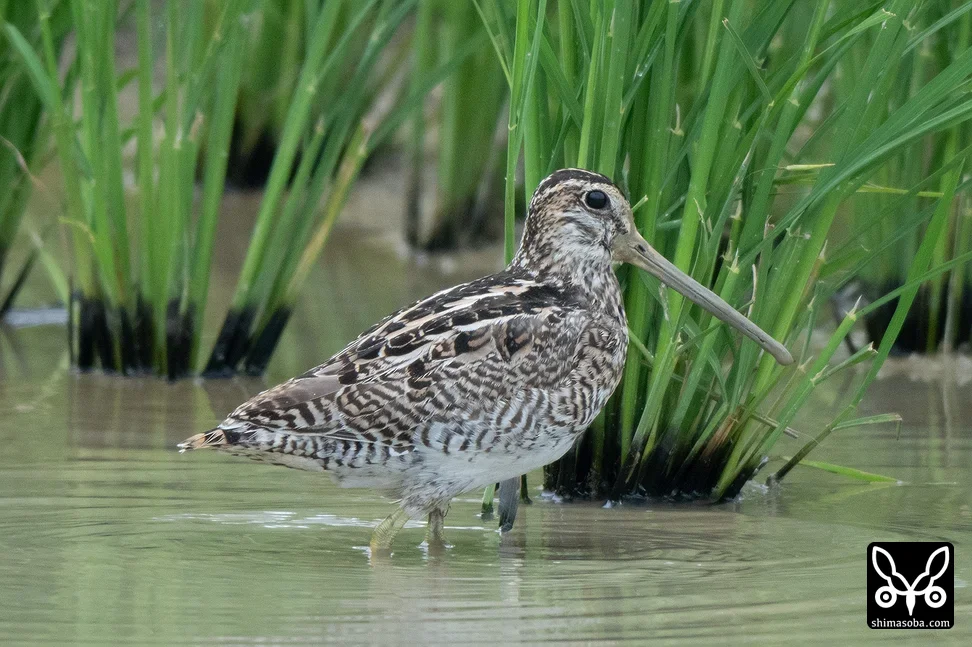
Swinhoe's Snipe
Swinhoe's Snipe

The Swinhoe's Snipe is becoming a scarce sight. I wonder if any overwintering individuals will be seen this season.

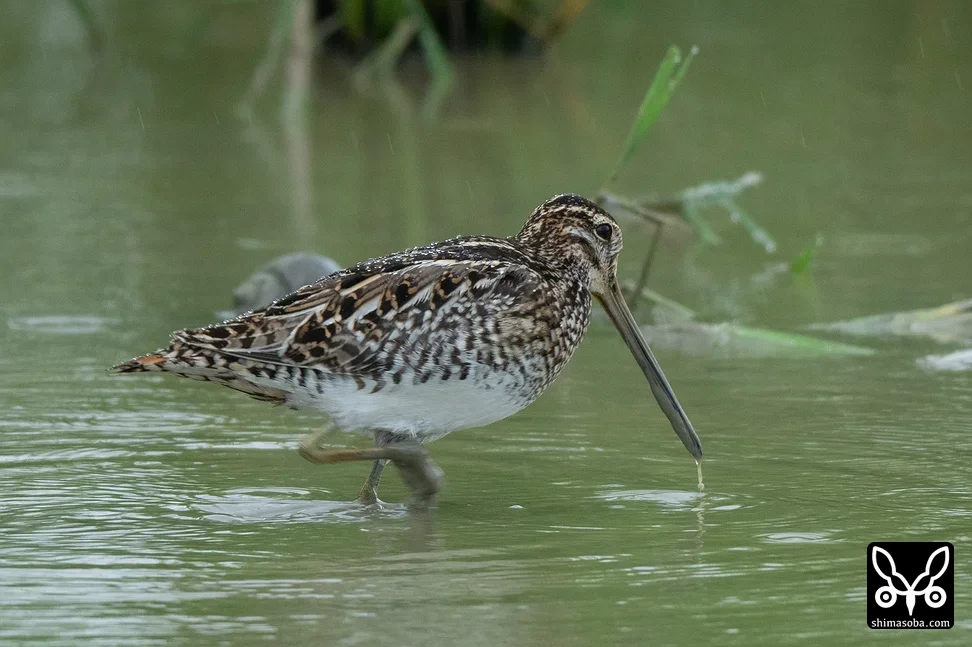
Common Snipe
Common Snipe

Common Snipe are staying in large numbers. Many individuals will go on to overwinter.
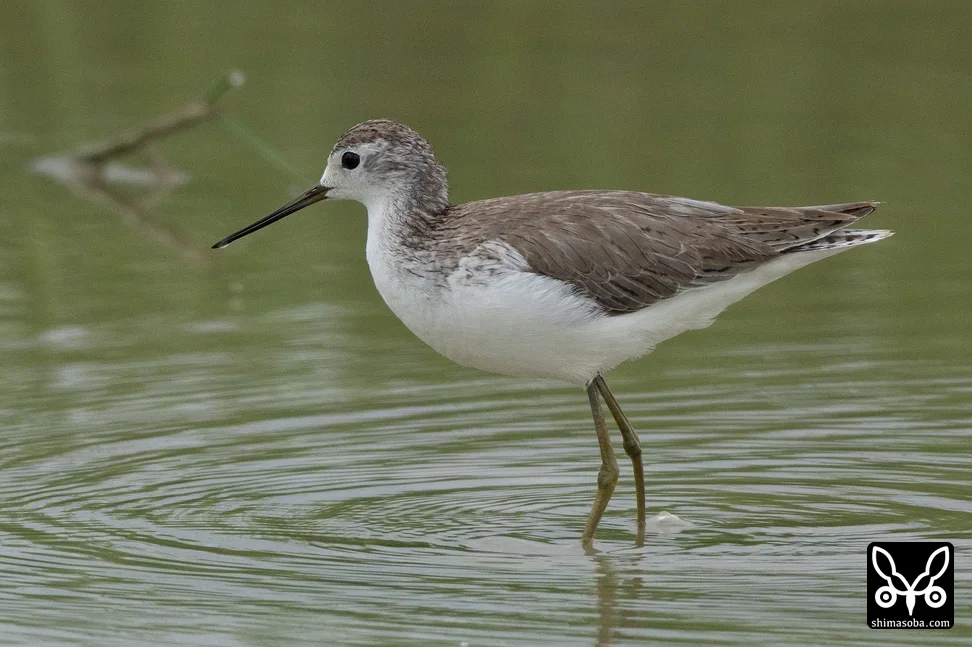
Marsh Sandpiper
Marsh Sandpiper

Common Greenshank in winter plumage. The second rice harvest is coming soon, which will drain the water from the fields, and I expect the sandpipers will disappear with it.
Common Redshank
Common Redshank

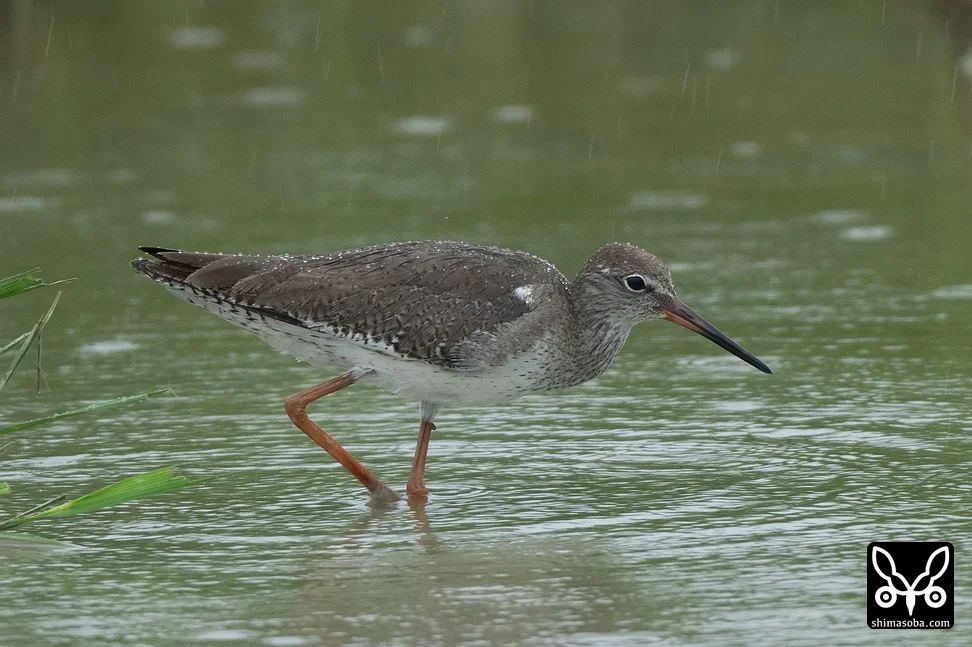
Common Redshanks present include both adults and juveniles. This individual is an adult still retaining some summer plumage.

Wood Sandpiper
Wood Sandpiper

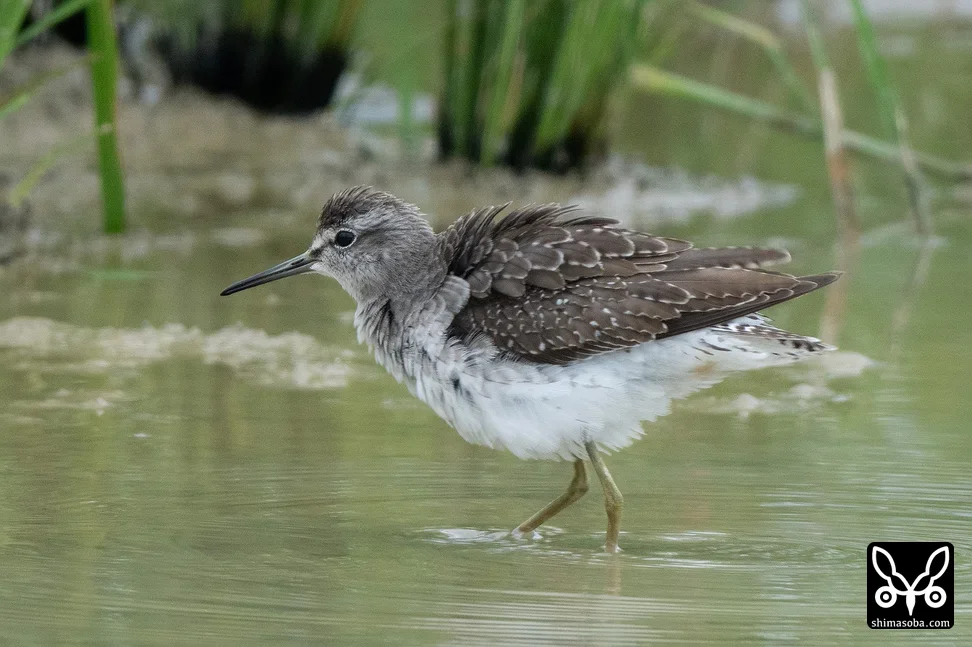
Wood Sandpiper numbers are down, but they are still lingering.

Mallard
Mallard

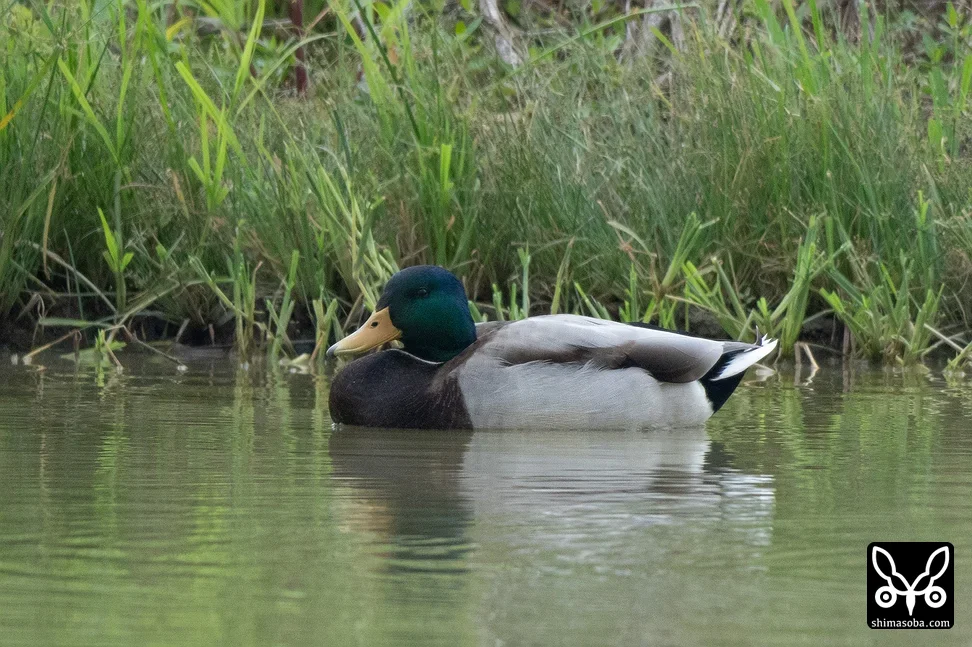
The first Mallard of the season arrived — an adult male.

Crested Serpent Eagle

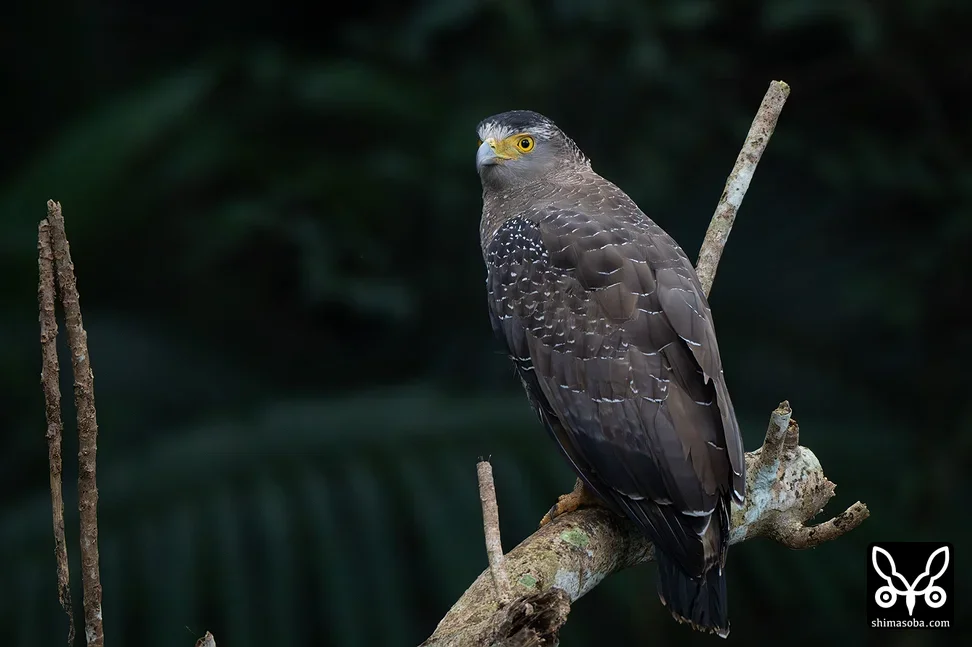
Crested Serpent Eagles are showing up regularly along forest roads and in the rice fields. From now until around March they can appear roadside too, so take care when driving.

Categories: 野鳥

Pied Avocet, Black-faced Spoonbill, Eurasian Spoonbill and others

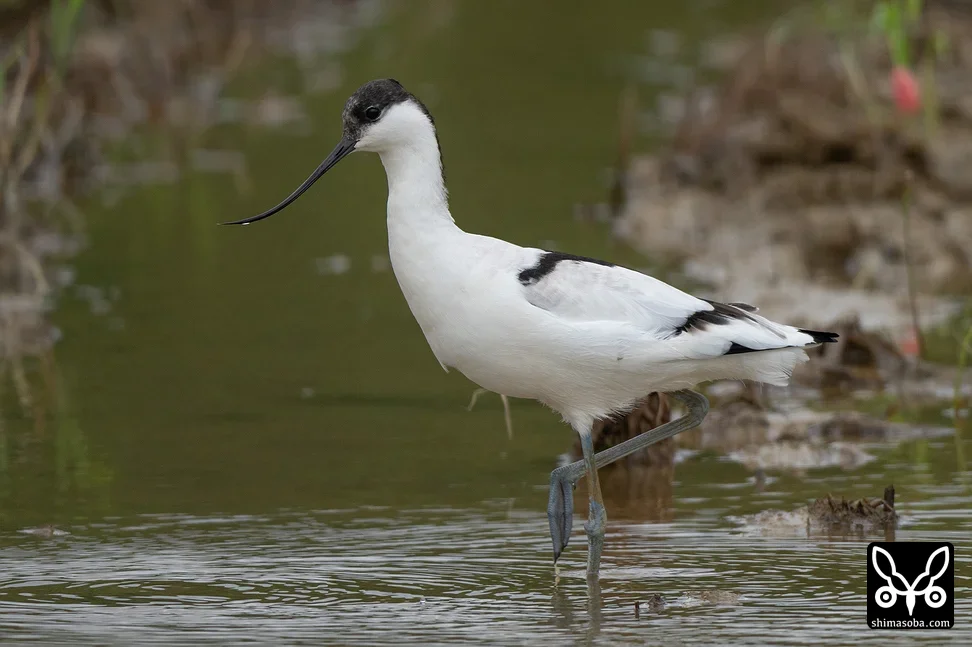
Two Pied Avocets have been present for several days. A flock of Black-faced Spoonbills and Eurasian Spoonbills, Bar-tailed Godwit, and Garganey have been staying a long time. Wintering Eurasian Teal and Northern Shoveler are also steadily building up.

Pied Avocet
Pied Avocet

Two Pied Avocets with zero wariness are staying in the area.

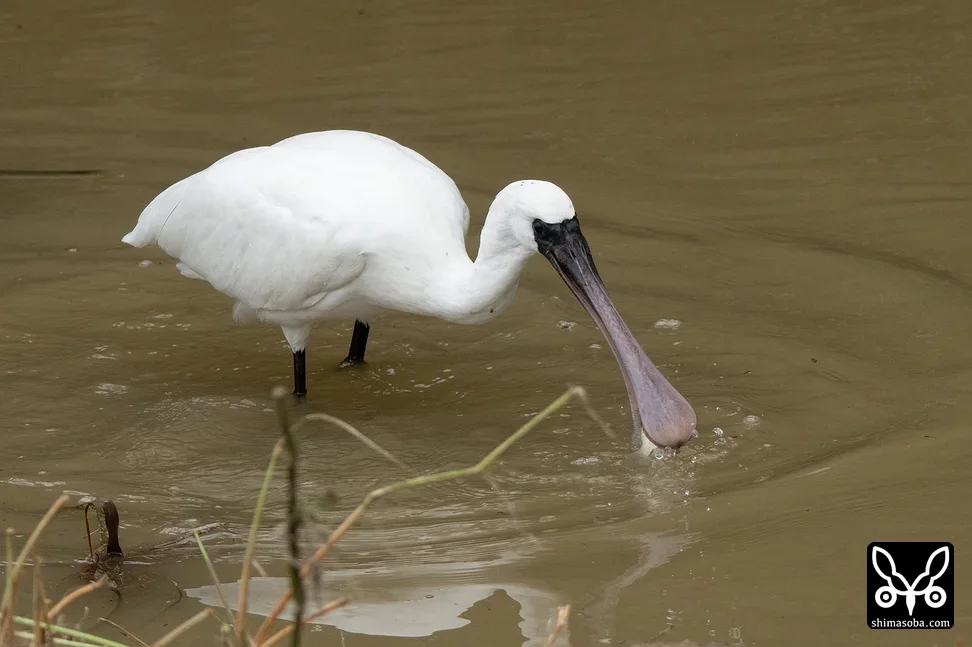
Black-faced Spoonbill

Black-faced Spoonbills in the irrigation channel. They were catching juvenile Nile tilapia.

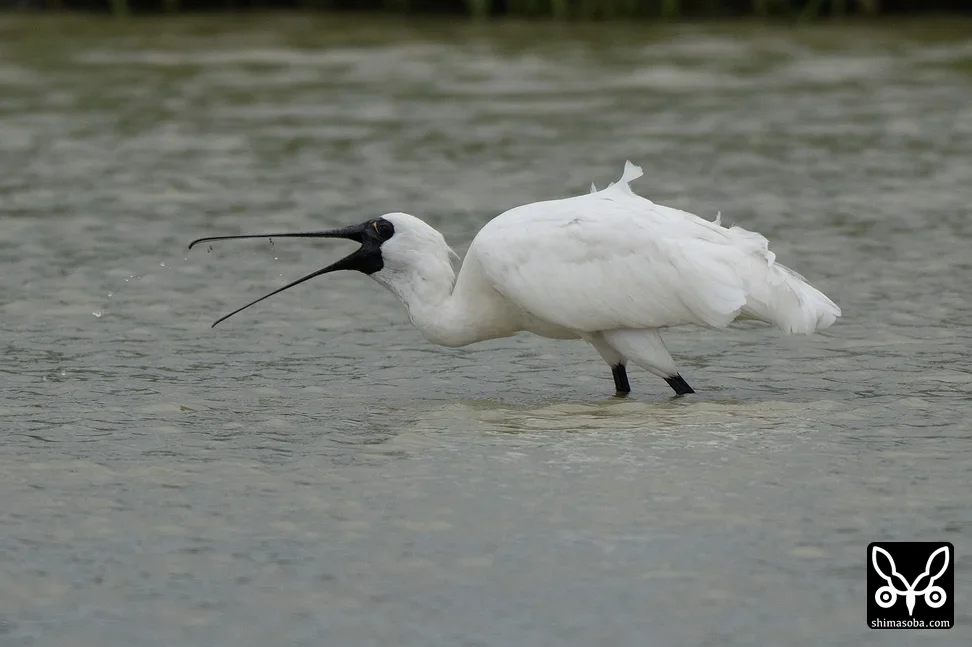
Black-faced Spoonbill

In the rice paddies, it was preying on what appeared to be soldier fly larvae. You'd need quite a large quantity of such tiny prey items.

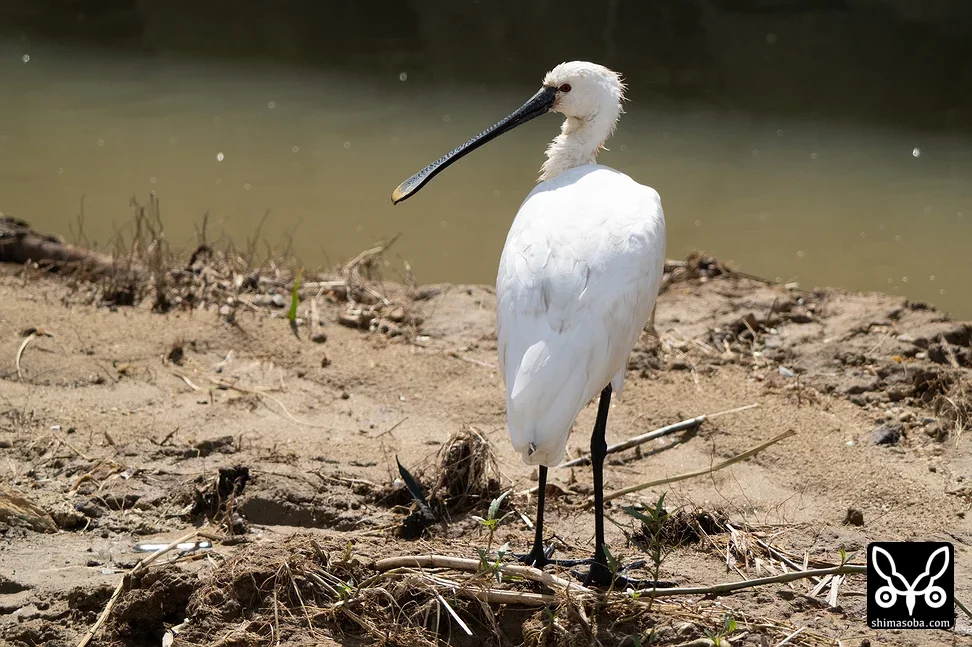
Eurasian Spoonbill
Eurasian Spoonbill

Only a single Eurasian Spoonbill was mixed in with a flock of Black-faced Spoonbills.

Bar-tailed Godwit
Bar-tailed Godwit

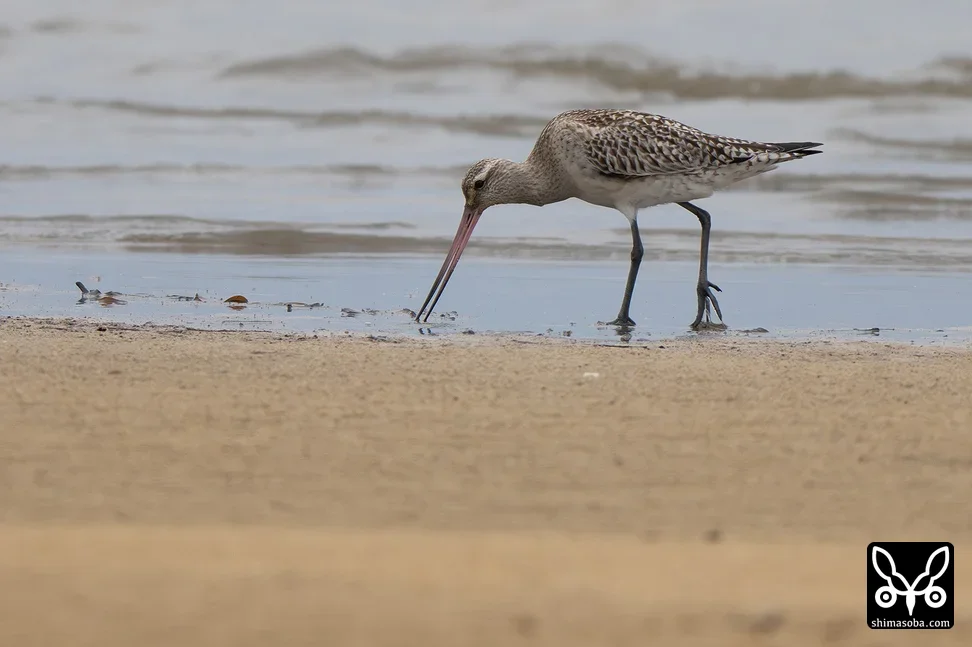
A Bar-tailed Godwit has been making an extended stay on the coast.

Bar-tailed Godwit
Bar-tailed Godwit

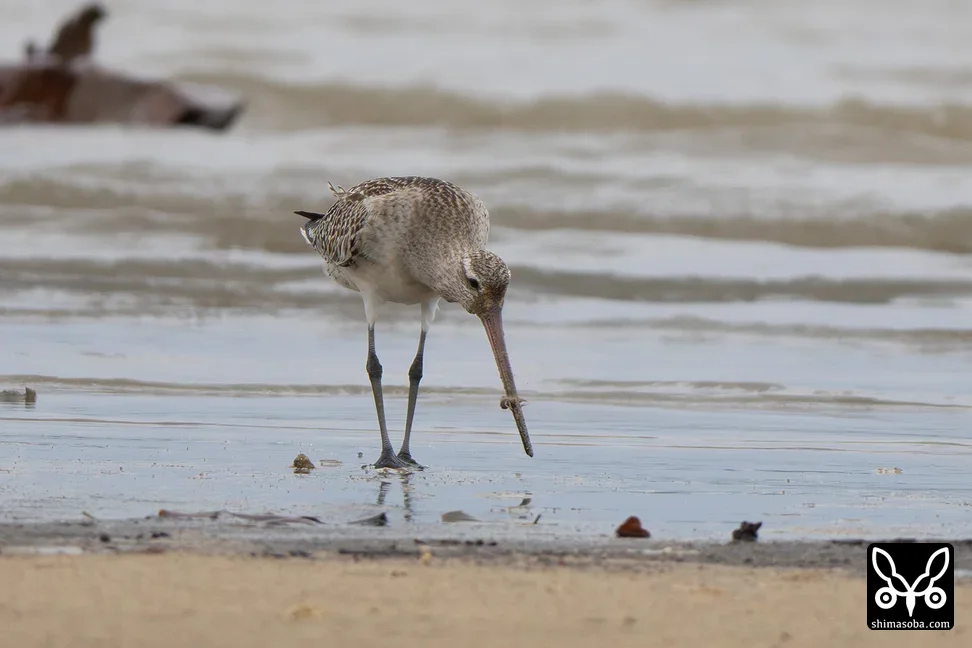
It was plunging its bill into holes in the sandy beach and pulling out crustaceans to eat.

Greater Sand Plover
Greater Sand Plover

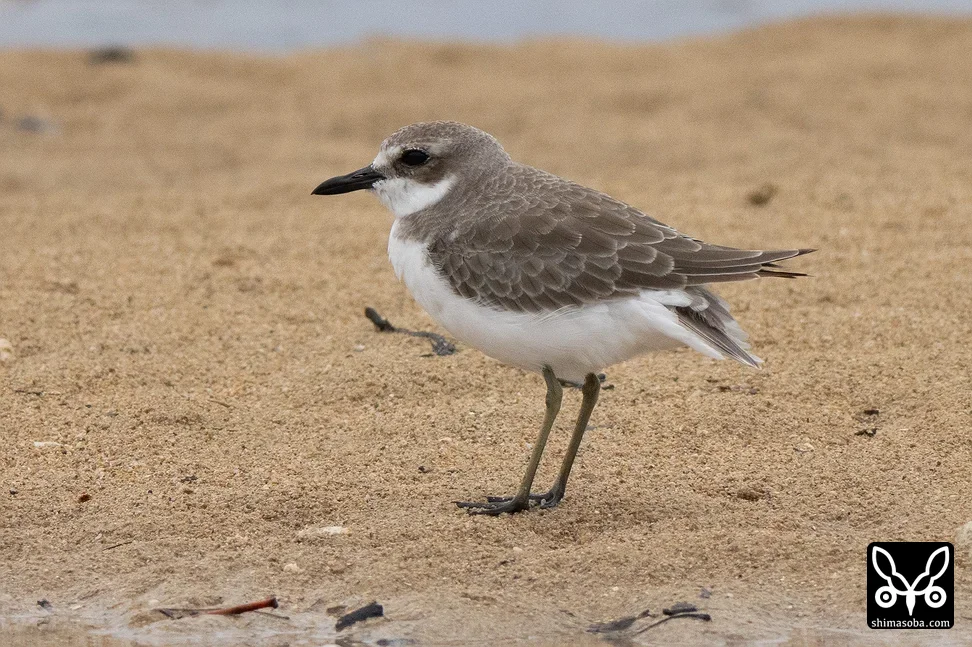
The Greater Sand Plover has moulted into winter plumage and is in overwintering mode.

Kentish Plover
Kentish Plover

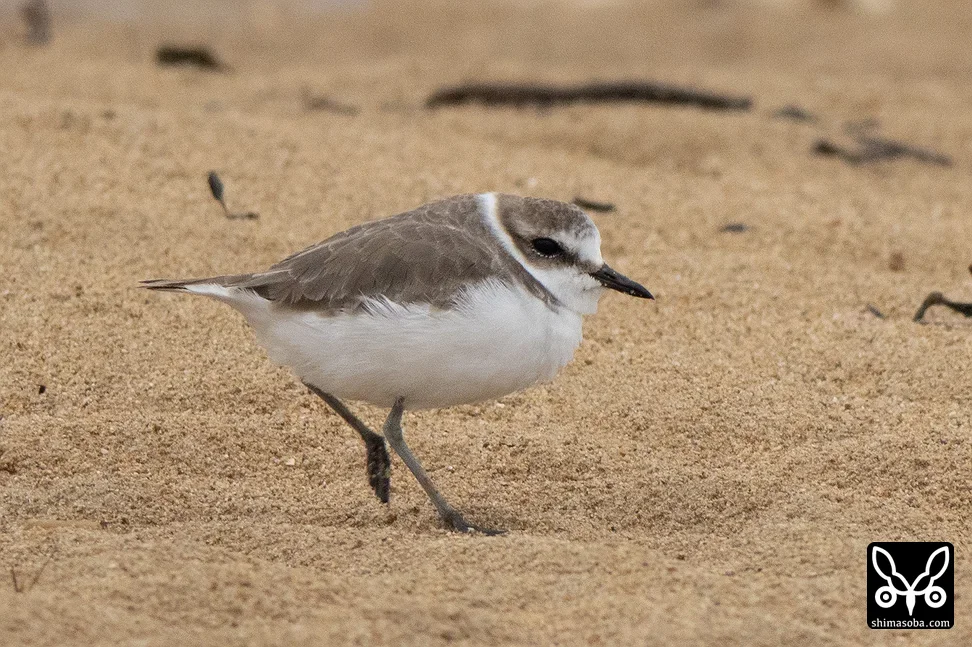
Kentish Plovers pair up during the breeding season, but in winter they live in flocks.

Red-necked Stint
Red-necked Stint

I confirmed a few Red-necked Stints.

Common Snipe
Common Snipe

A Common Snipe, alone in a drainage channel.

Eurasian Teal
Eurasian Teal / Garganey / Northern Shoveler

Garganey, Eurasian Teal, and Northern Shoveler also in flocks. On Ishigaki Island, the Garganey are passage birds, while the Eurasian Teal and Northern Shoveler are overwintering birds.

Crested Serpent Eagle

Both adult and juvenile Crested Serpent Eagles are becoming easier to see.

Categories: 野鳥

Pechora Pipits Arrive!! Brown-cheeked Rail and Northern Shoveler in, Javan Pond Heron Lingers

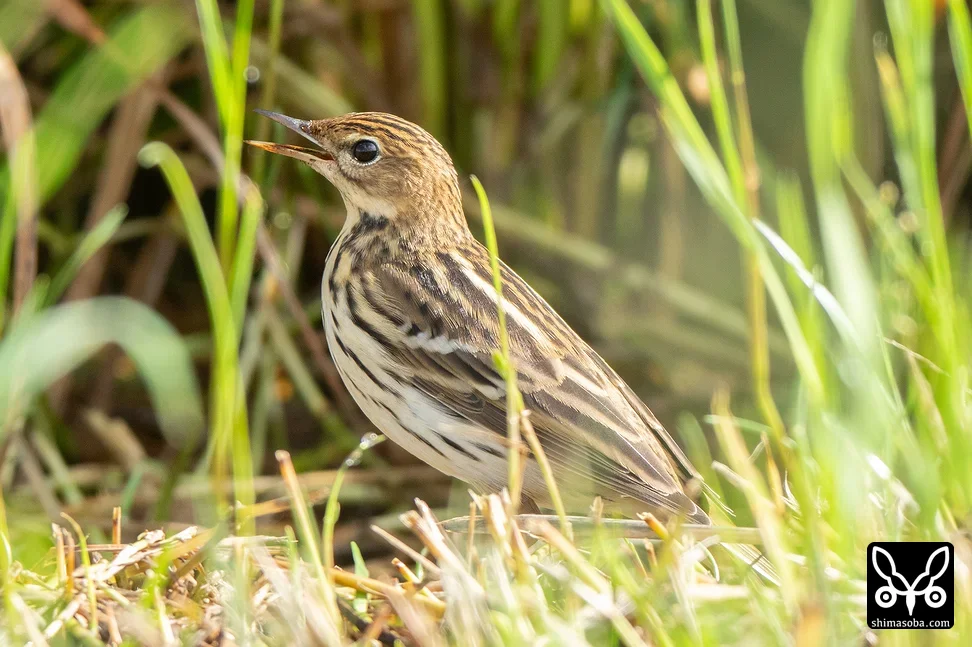
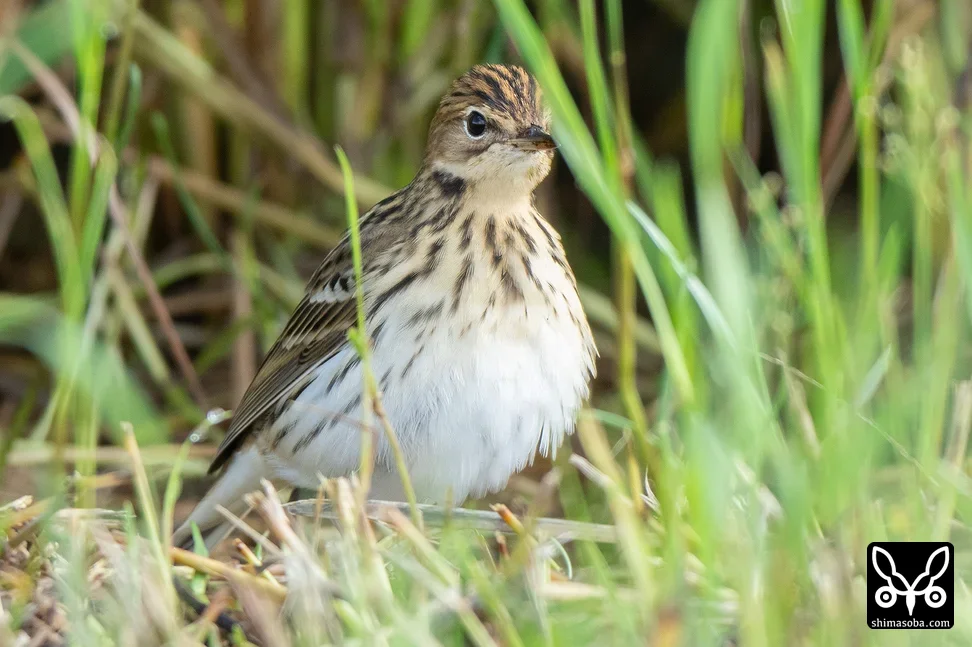
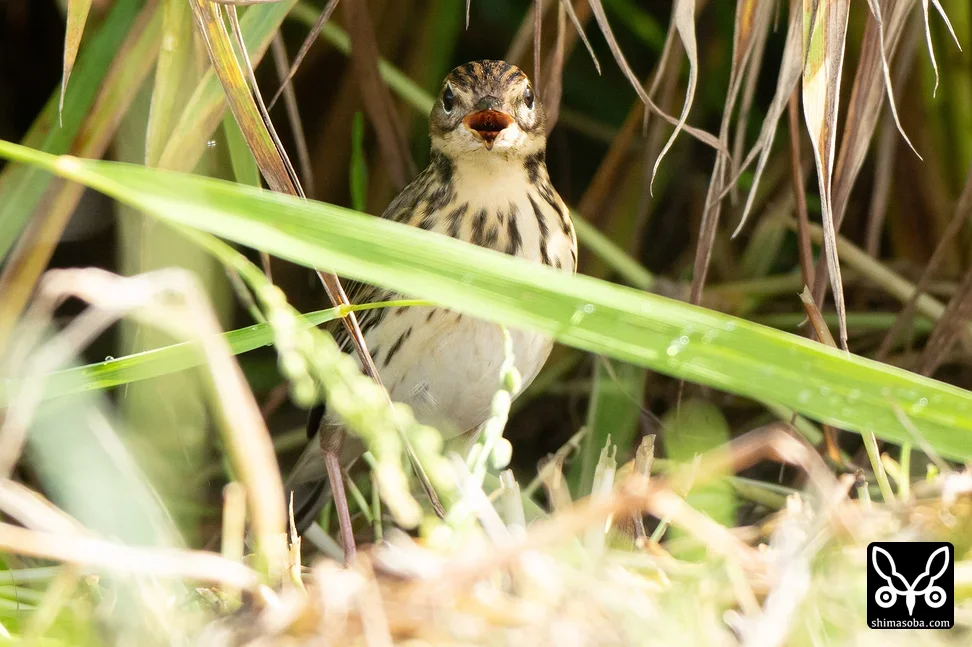
Pechora Pipits have arrived again this season, in small numbers. Last year I found two among a flock of Red-throated Pipits. This time I noticed them by their calls overhead, and after a flock of five dropped into the paddy I searched and found two individuals. ^^

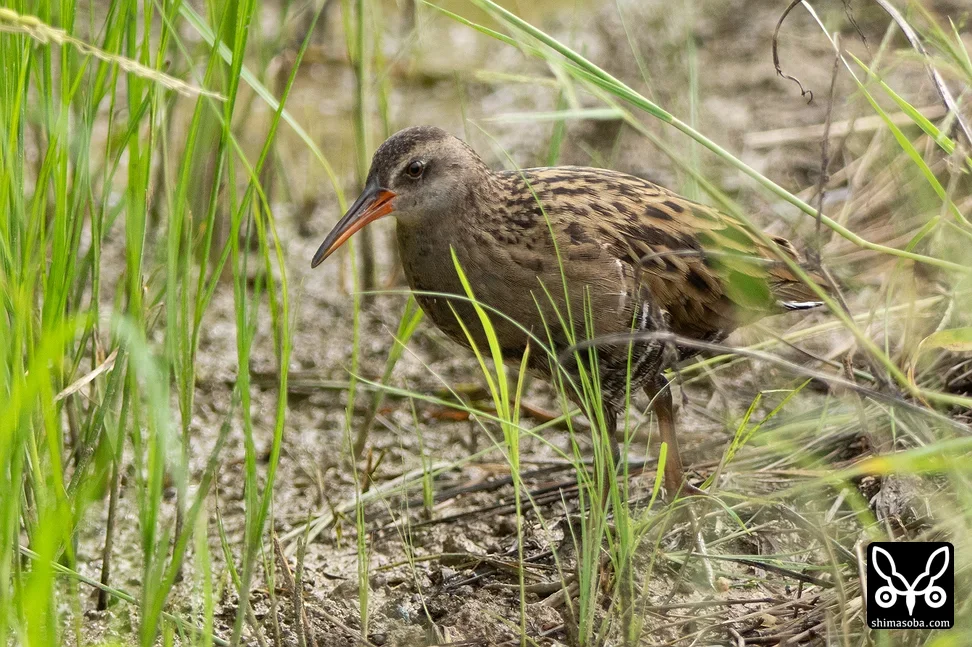
While looking for the Pechora Pipits, a Brown-cheeked Rail also appeared. It was a brief encounter — the bird was very wary — but a welcome one.

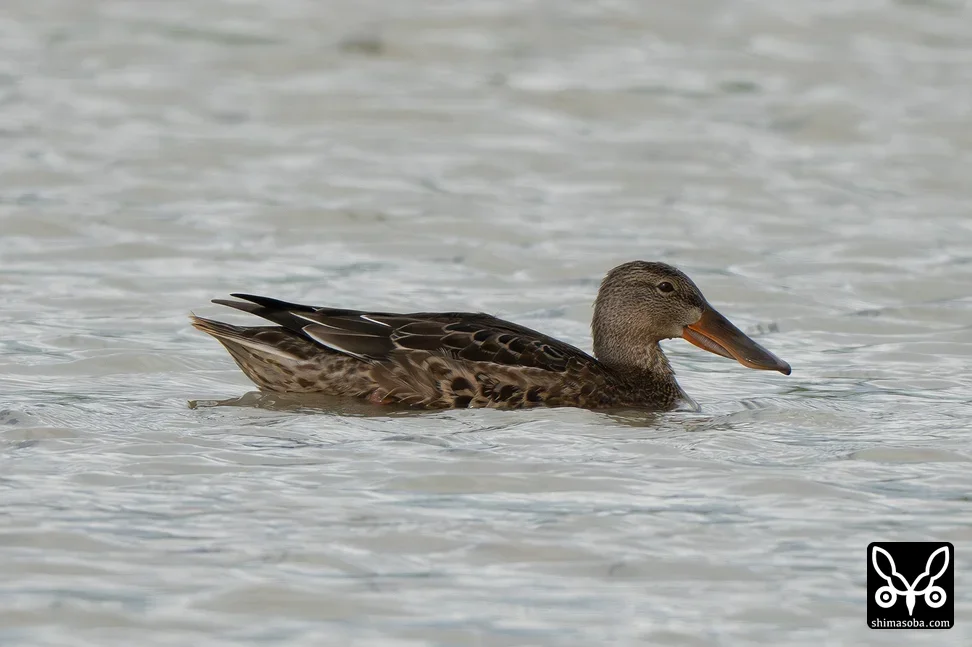
Ducks are growing in number and variety; I had my first Northern Shoveler of the season on this day. By the time the ducks arrive, both Pin-tailed Snipe and Swinhoe's Snipe have already moved on, leaving large numbers of Common Snipe behind.

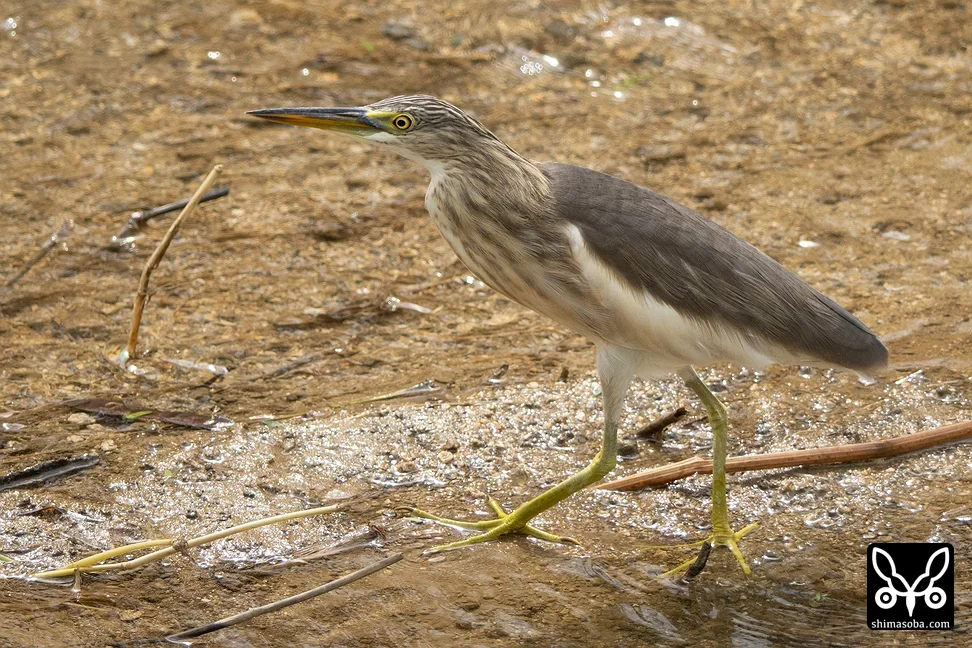
The Javan Pond Heron that arrived in late July was still present. At peak there were three, but now only one remains. It should stay until around February, being in wintering mode.

Elsewhere, I noted Masked Bunting and Yellow Bittern. A Pied Avocet apparently made its way into the grounds of a facility where a friend of mine works.

Buff-bellied Pipit
Buff-bellied Pipit

Paddyfield Pipit seen again this season.

Buff-bellied Pipit
Buff-bellied Pipit

The Paddyfield Pipit, the most beautiful of the Anthus pipits, stands out well even from a distance.

Buff-bellied Pipit
Buff-bellied Pipit

The temperature was not high, but it was panting — apparently having just arrived.

Brown-cheeked Rail
Brown-cheeked Rail

While searching for Paddyfield Pipit, a crake appeared. The encounter lasted only a moment. ^^;

Javan Pond Heron
Javan Pond Heron

A Javan Pond Heron that has been present for three months. It will likely stay on through the winter.

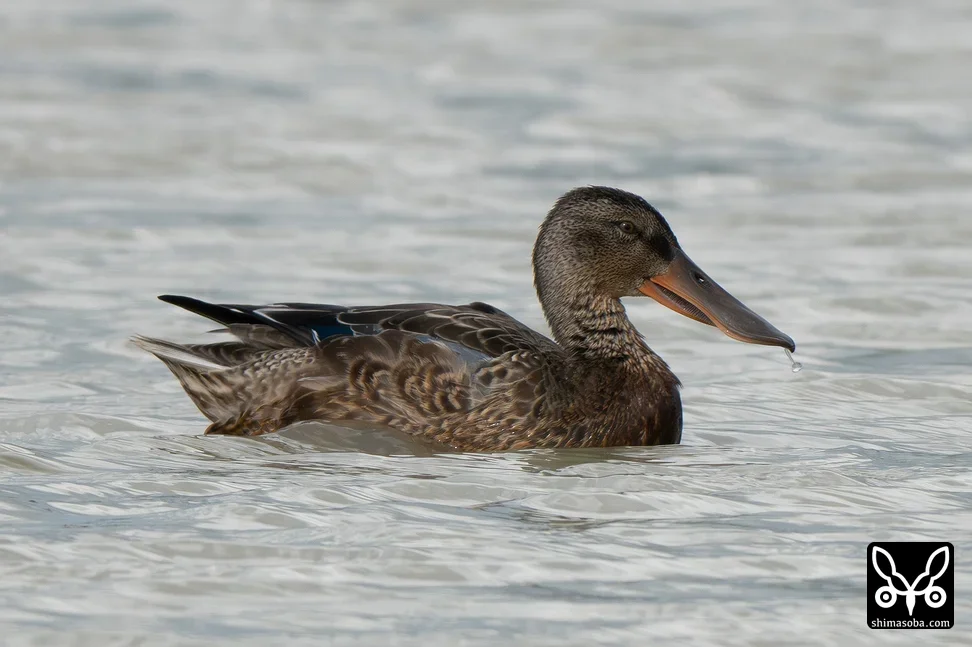
Northern Shoveler
Northern Shoveler

A juvenile female Northern Shoveler.

Northern Shoveler
Northern Shoveler

A juvenile male Northern Shoveler.

Eurasian Teal
Eurasian Teal

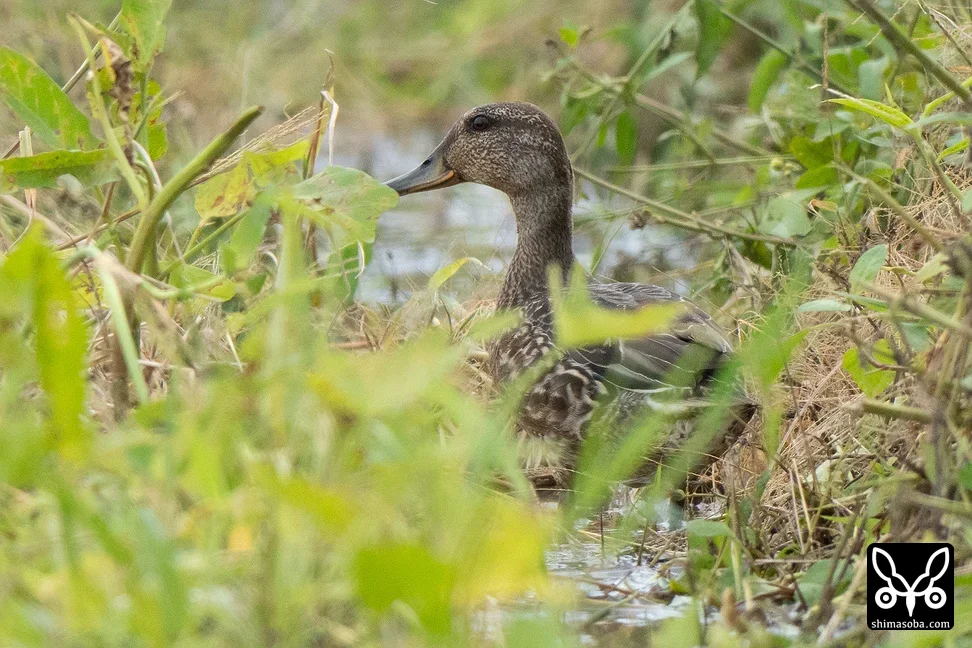
Common Teal are now being seen regularly in paddies and settling ponds.

Common Snipe
Common Snipe

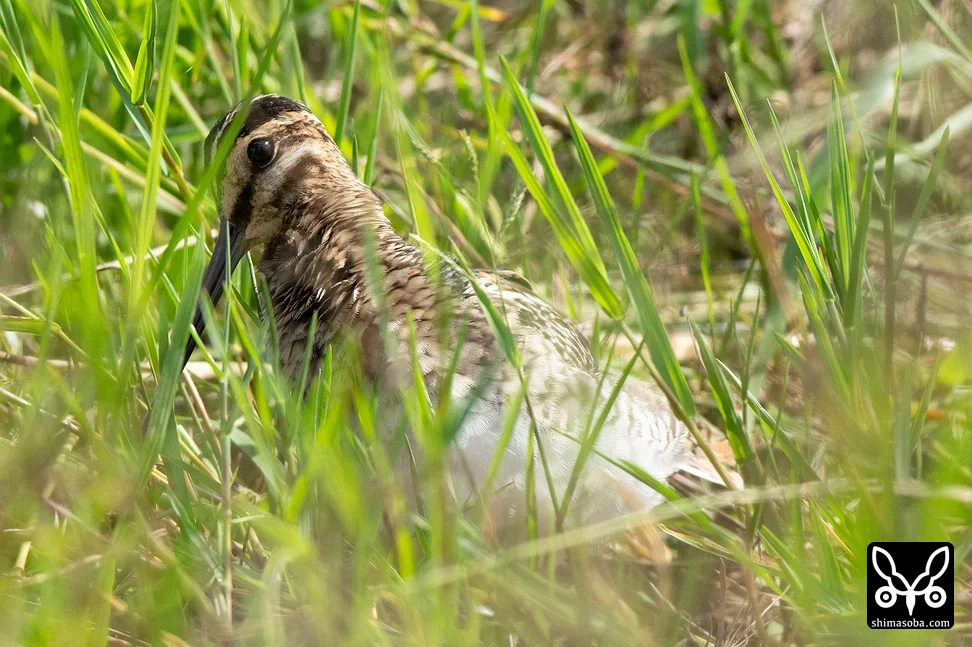
A Common Snipe in the undergrowth. All the snipe I found that day were Common Snipe, but with the rice and grass growing tall they are hard to pick out.

Categories: 魚類

Red Collared Dove Flock, Common Kestrel, Crested Serpent Eagle and others

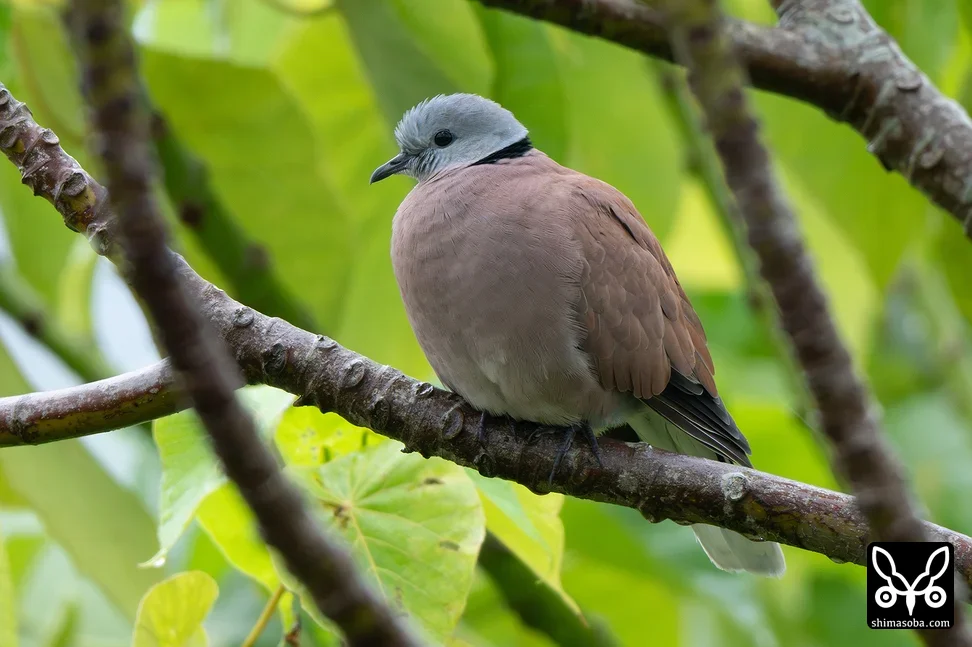
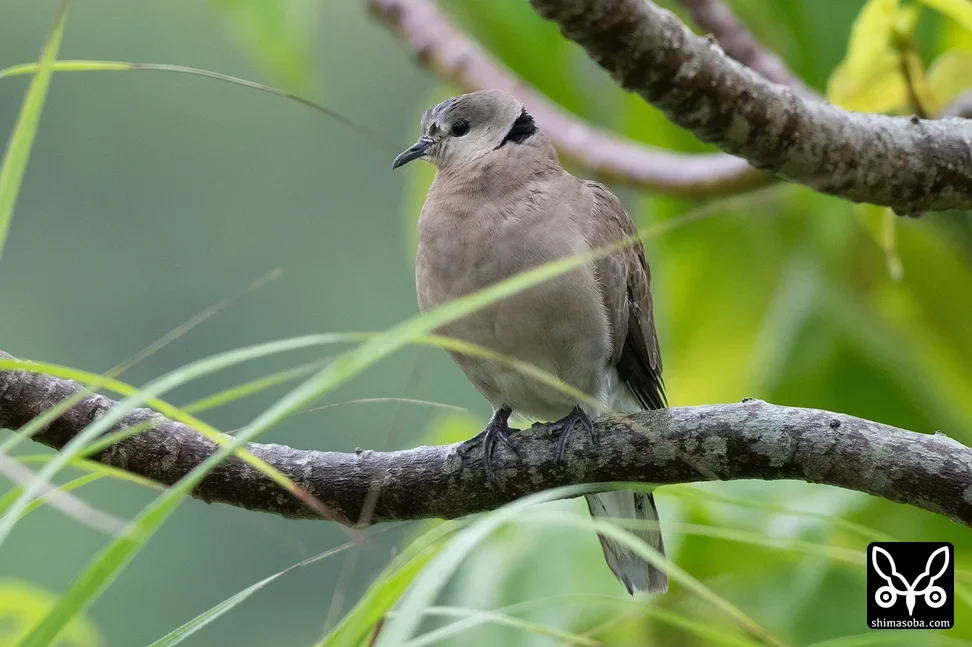
Red Collared Doves have turned up at various spots around the island. The largest flock I saw was nine birds, roughly half male and half female.

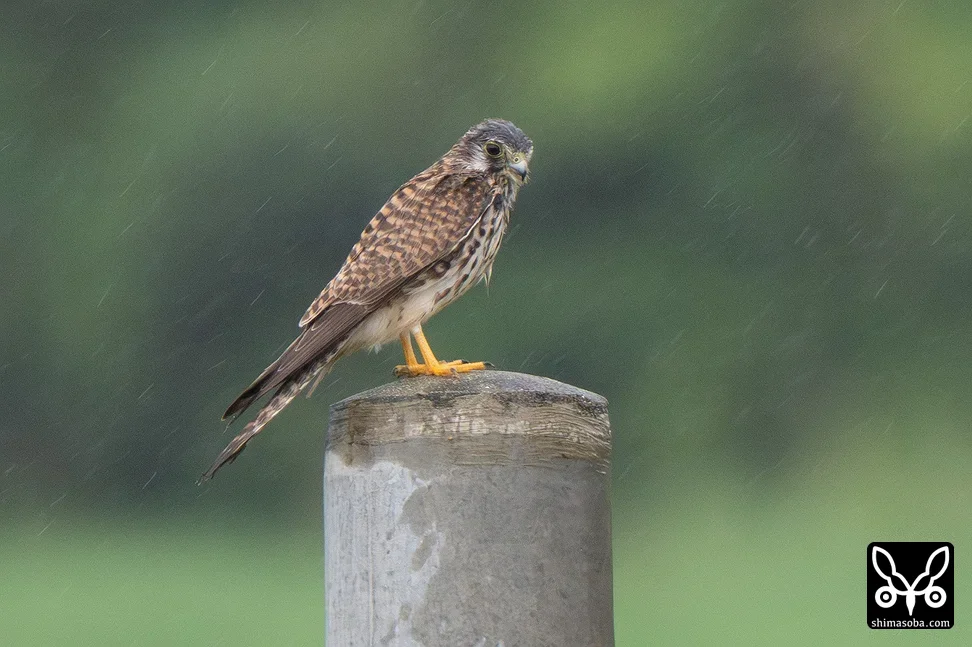
Wintering Common Kestrels are also increasing, and a nearby water area had growing numbers of Little Grebe and Eurasian Coot — these too will be wintering on Ishigaki.

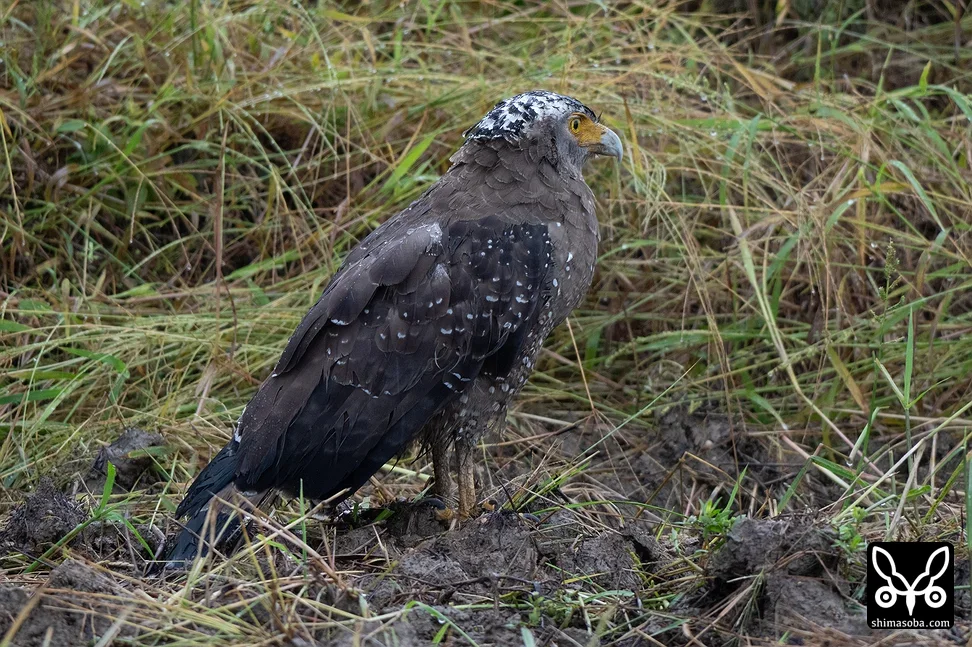
The Crested Serpent Eagles have finished breeding and are now easier to find in open habitats such as paddy fields.

Eurasian Collared Dove

A male Pale-backed Pigeon. Looking worn out after a spell of rough weather.

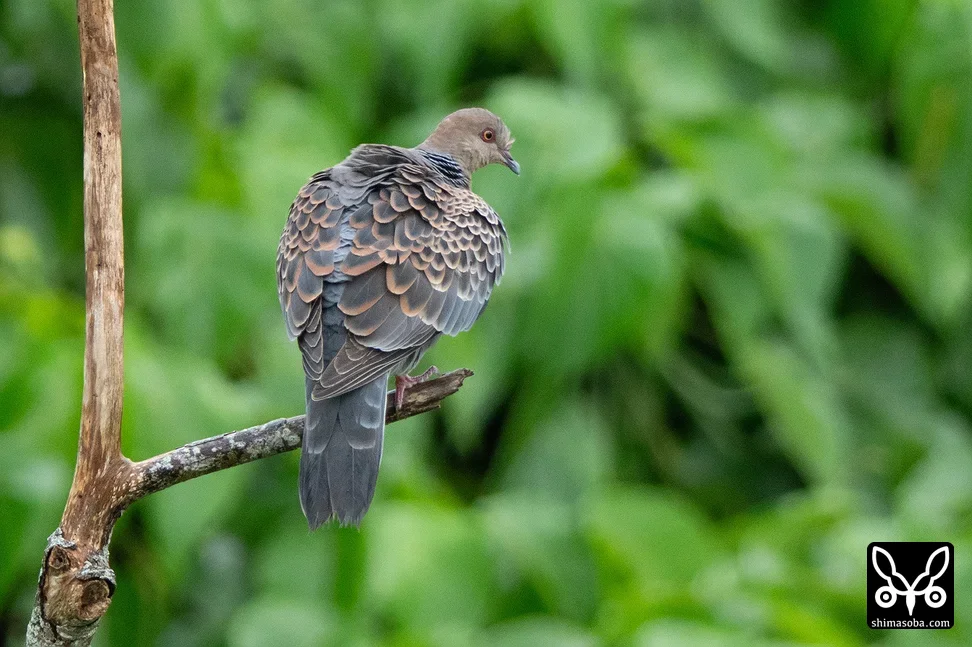
Eurasian Collared Dove

This is the female Pale-backed Pigeon. She was feeding on fallen rice grains in a paddy field.

Ryukyu Green Pigeon
Ryukyu Green Pigeon

The Pale-backed Pigeons were moving around together with Oriental Turtle Doves.

Common Kestrel
Common Kestrel

A wintering Common Kestrel. Soaked to the skin in the rain.

Crested Serpent Eagle

A soaking-wet Crested Serpent Eagle.

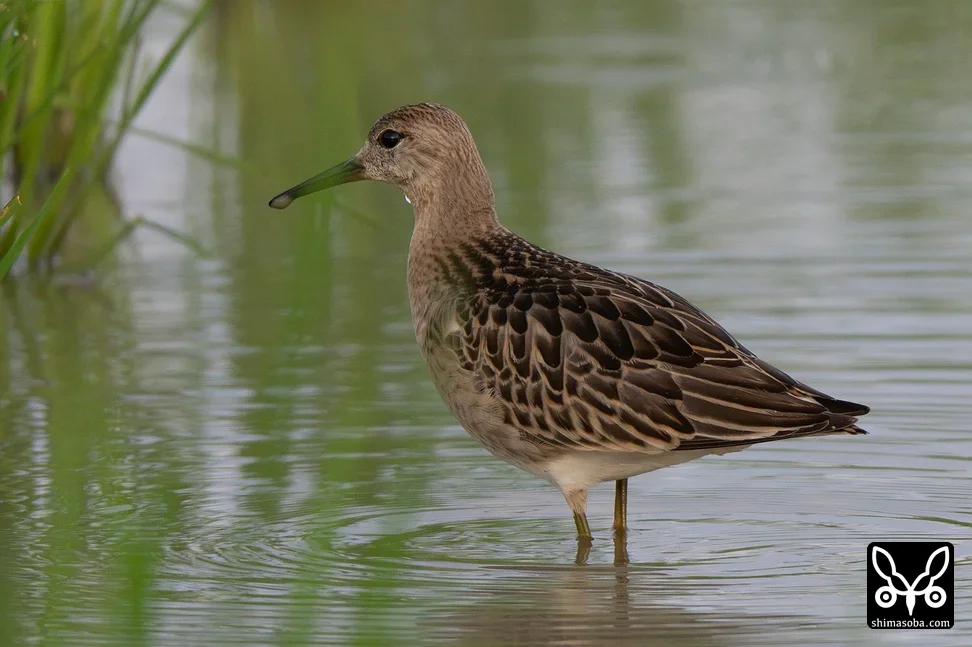
Ruff
Ruff

A juvenile Ruff. The autumn passage peak for Ruff this season was around mid-September, but this individual showed up more than a month late.

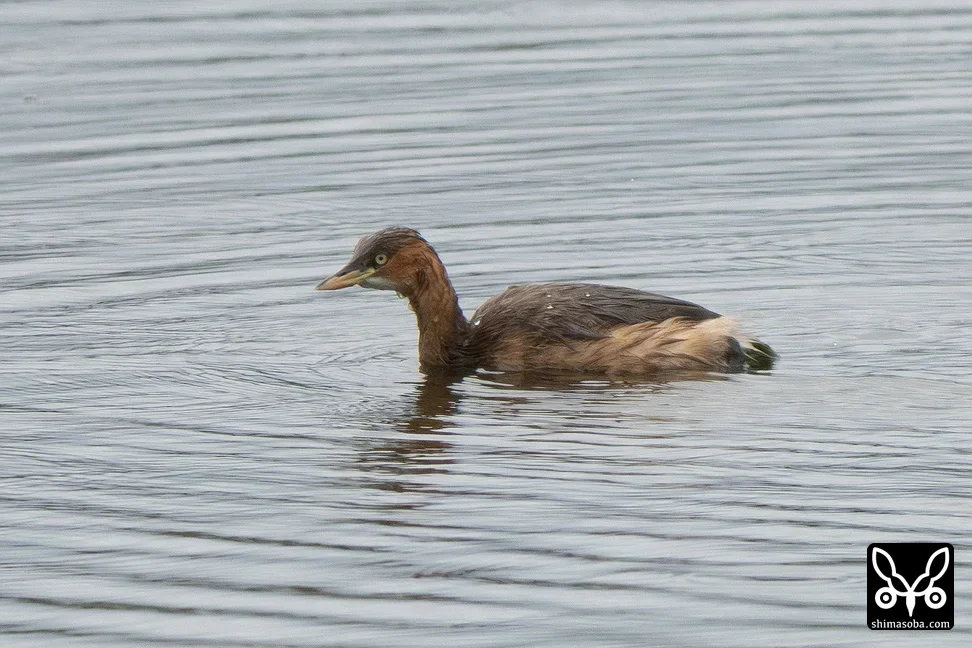
Little Grebe
Little Grebe

Little Grebe have also arrived to overwinter.

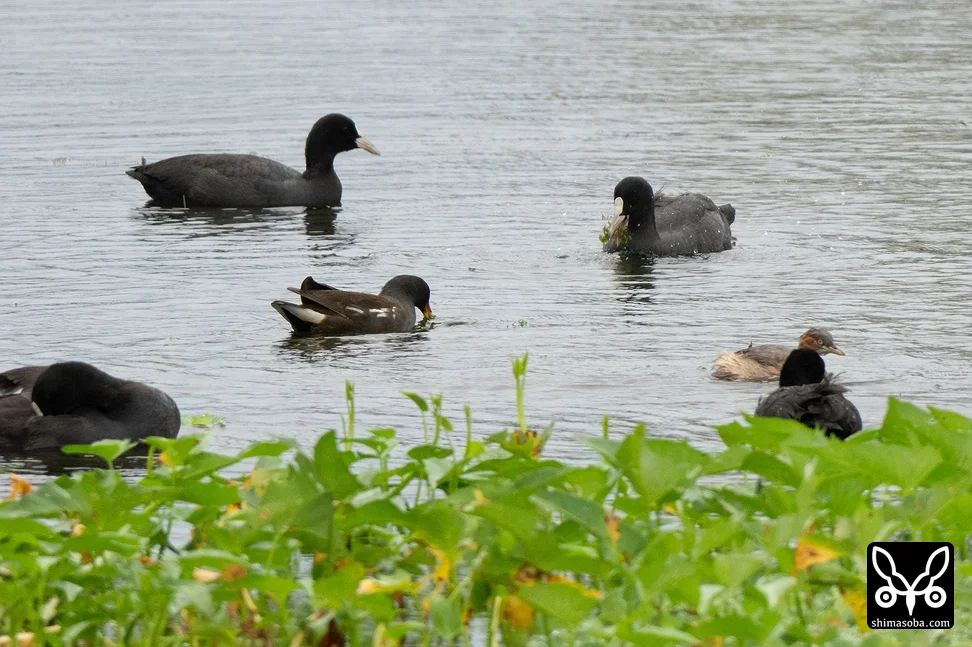
Eurasian Coot
Eurasian Coot / Common Moorhen

A wintering Eurasian Coot and a resident Common Moorhen feeding together peaceably on the pond.

Categories: 野鳥