A daily record.
Featuring photos of wild birds and nature, mainly from Okinawa Main Island and Ishigaki Island

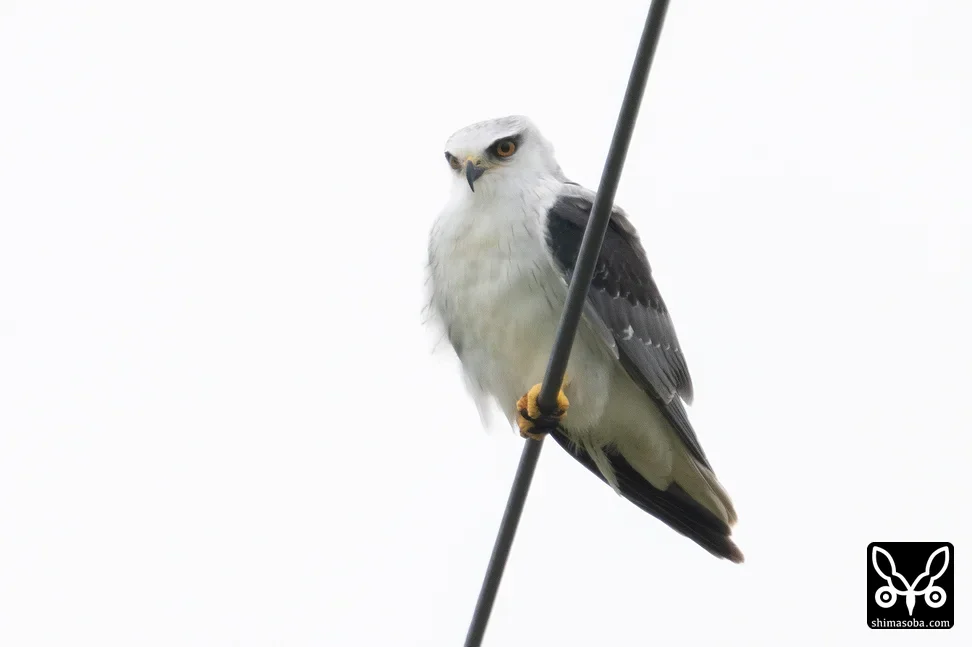
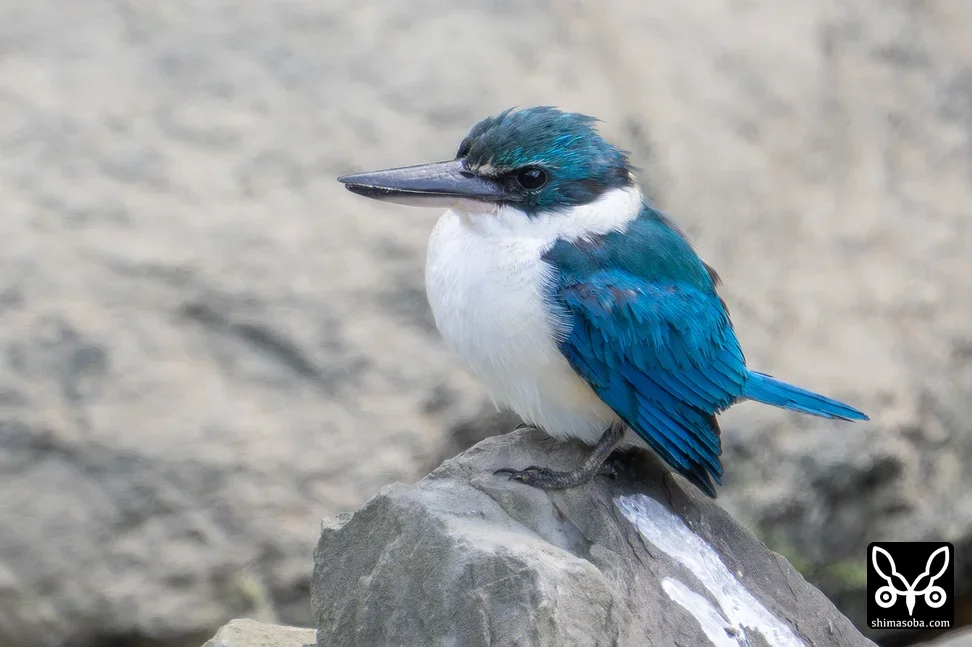
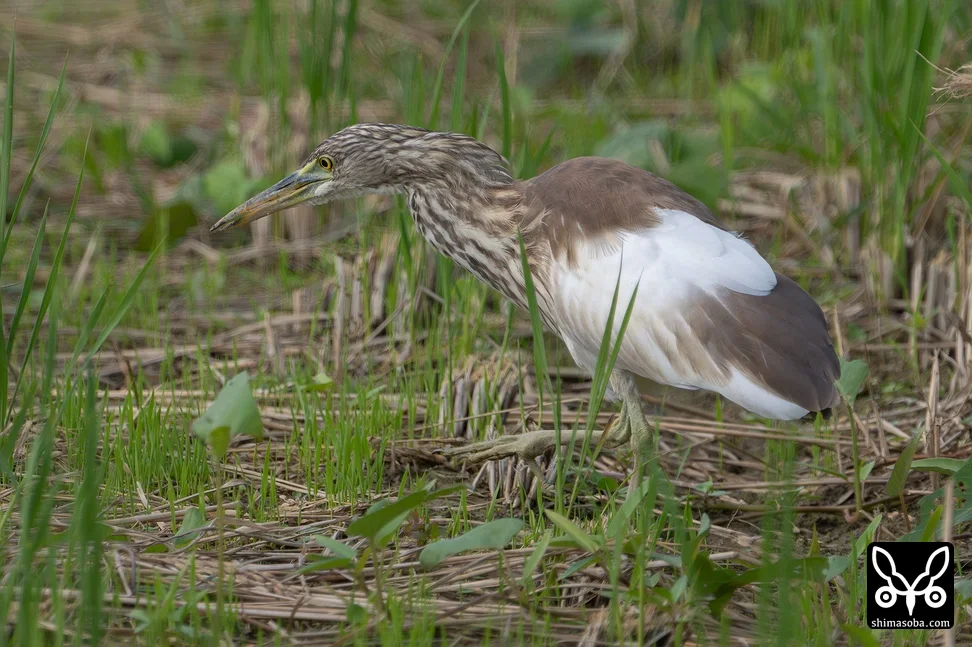
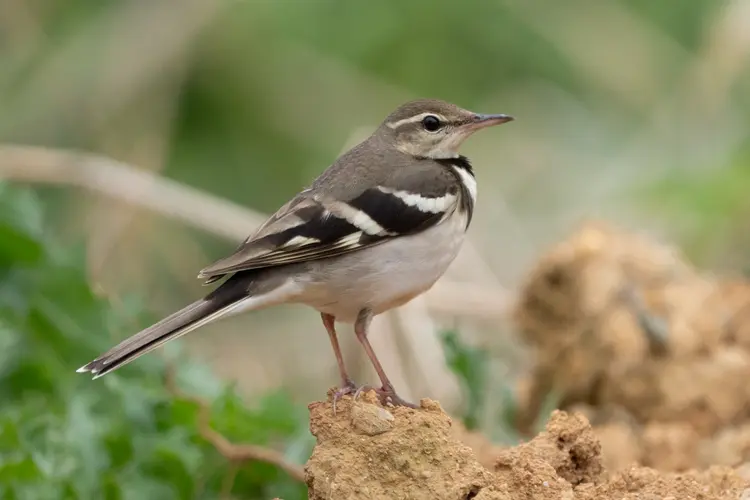
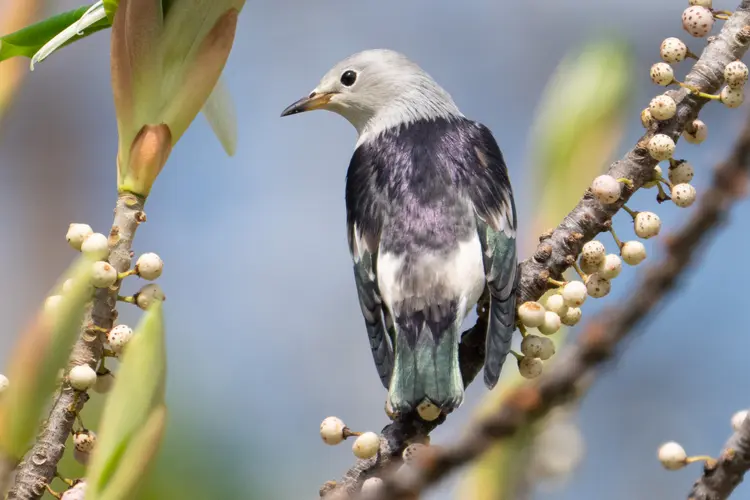
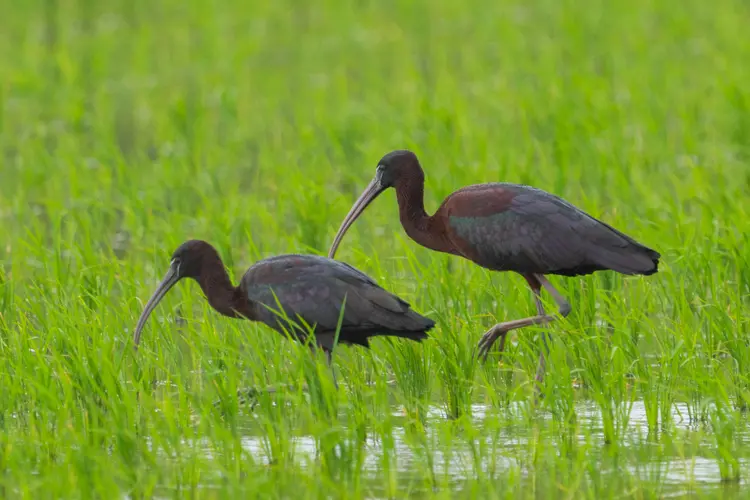
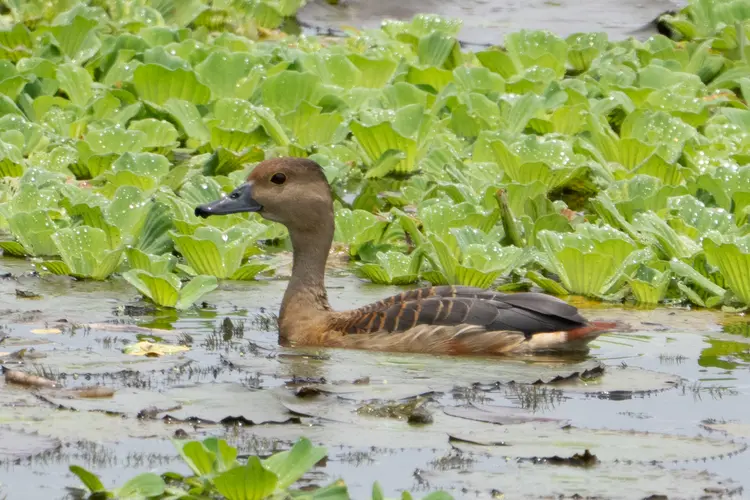
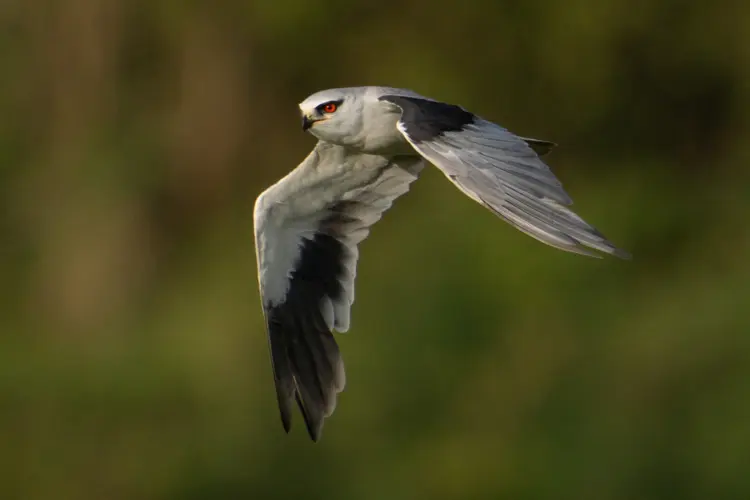
Forest Wagtail Daurian starling Glossy Ibis Lesser Whistling Duck Black-winged kite

GUIDED BIRDWATCHING TOUR

Go where the birds are. The SHIMASOBA Tour launches.

We'll drive you around Ishigaki Island to wherever the birds are showing best that day. Observation is mostly from inside the vehicle, and we keep it to a maximum of 3 guests so everyone can take their time.

Max. 3 guests 4 hours in the morning Beginners welcome
Check availability and book

Crested Serpent Eagle release

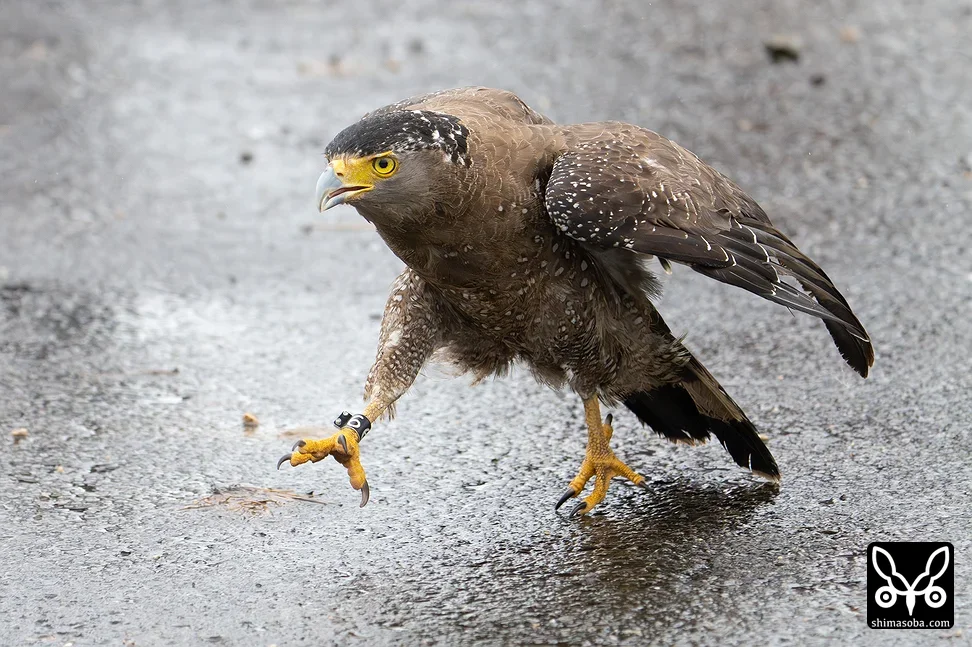
A Crested Serpent Eagle that was rescued after a traffic accident on 21 October has been successfully released. It is an individual that has been continuously monitored with a territory around Uradabaru for about ten years — a female affectionately known as "Point" for a mark on her right eye. Breeding has also been confirmed for the past several years.

At the time of rescue, a black leg ring engraved with "6" was fitted for individual identification. If you spot her, please let me know and I will report it to the relevant authorities.
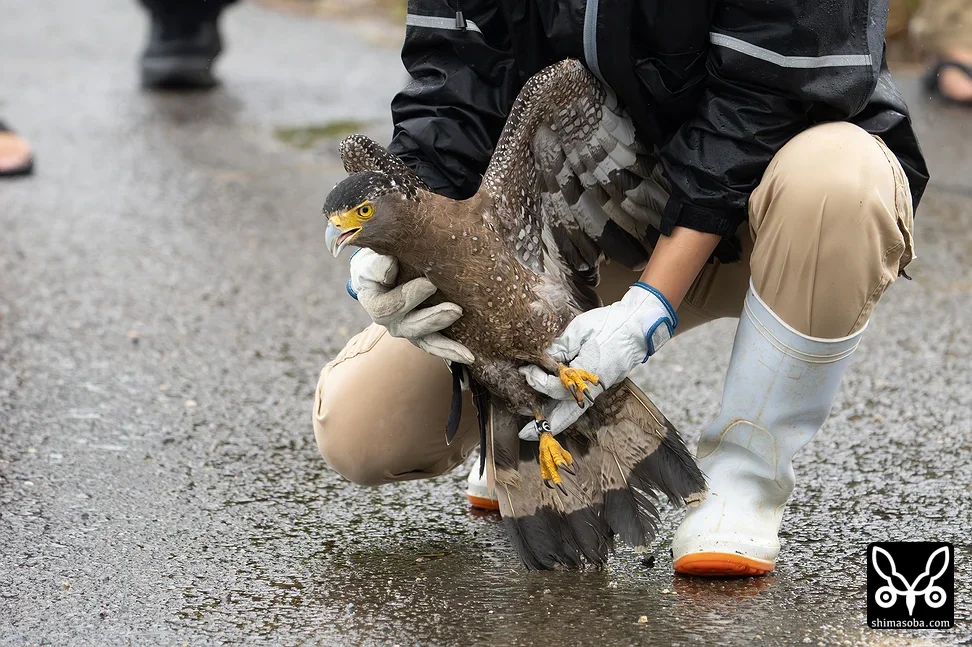
Crested Serpent Eagle
Crested Serpent Eagle / Ringed / flagged bird

Poised and clearly ready to fly.

Crested Serpent Eagle
Crested Serpent Eagle / Ringed / flagged bird

When placed on the ground it walked several metres before stopping.
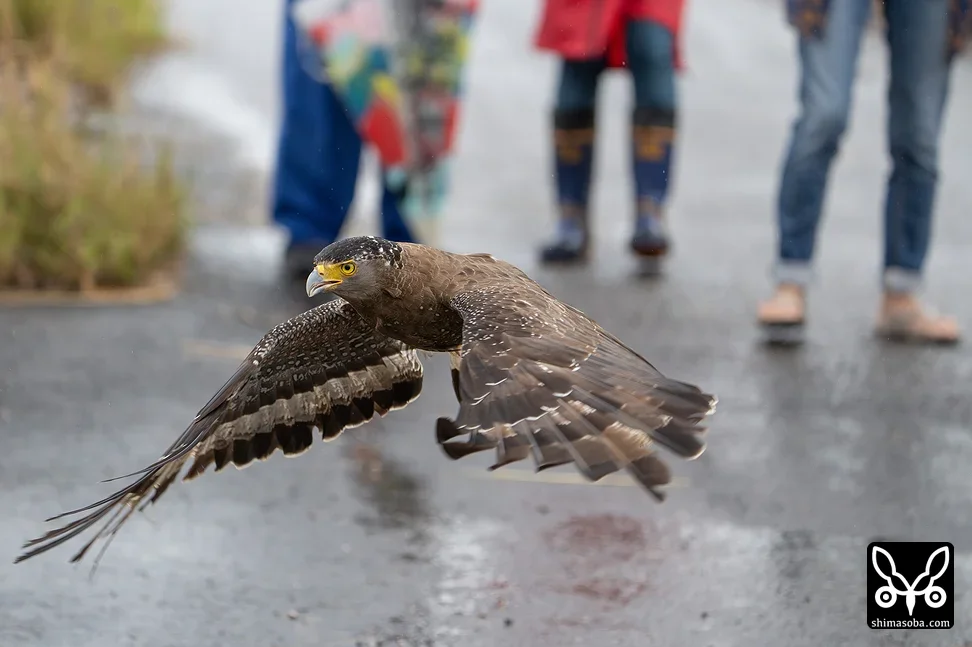
Crested Serpent Eagle
Crested Serpent Eagle / Ringed / flagged bird

After a little while, watched over by the rescue workers, officials, and press, it flew off strongly.
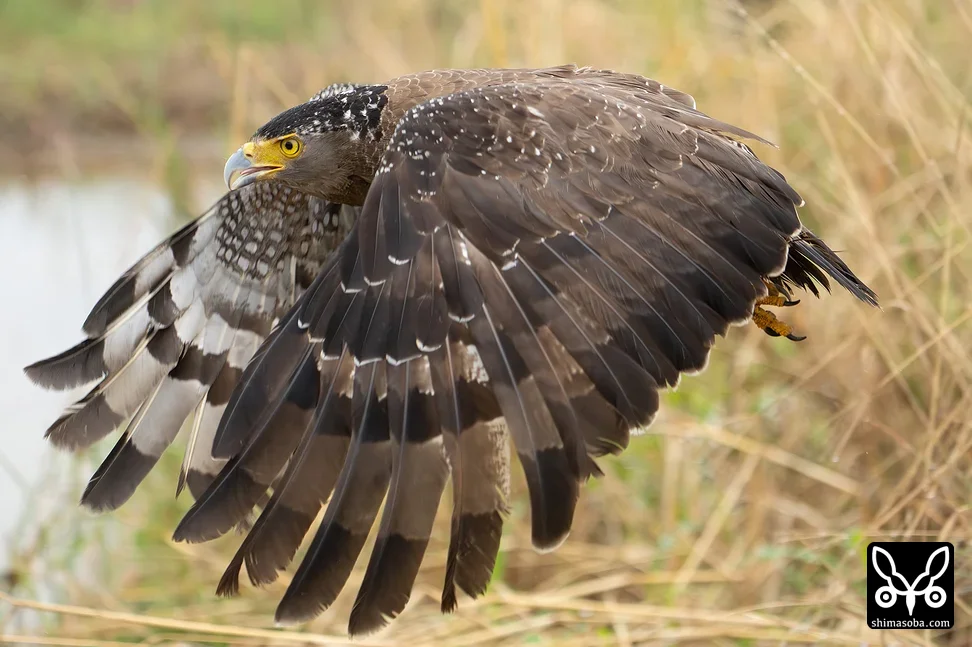
Crested Serpent Eagle
Crested Serpent Eagle / Ringed / flagged bird

Lately, for some reason, I've ended up directing things on site — the direction of flight, the positioning of the media and so on — but this time it flew exactly the course I'd predicted, so I just about managed to save face… ^^;
Categories: 野鳥

Pied Avocet, Crested Serpent Eagle and more

Three Pied Avocets have been staying for several days. Single birds have also been found elsewhere, so they may have dispersed from the flock of eleven that arrived in November.

The first Black-tailed Godwit of the season has turned up. Also wintering in the paddies: Common Greenshanks, Common Sandpipers, Green Sandpipers, Dunlins, Common Snipes, Black-winged Stilts, Common Redshanks and Wood Sandpipers.

Pied Avocet
Pied Avocet

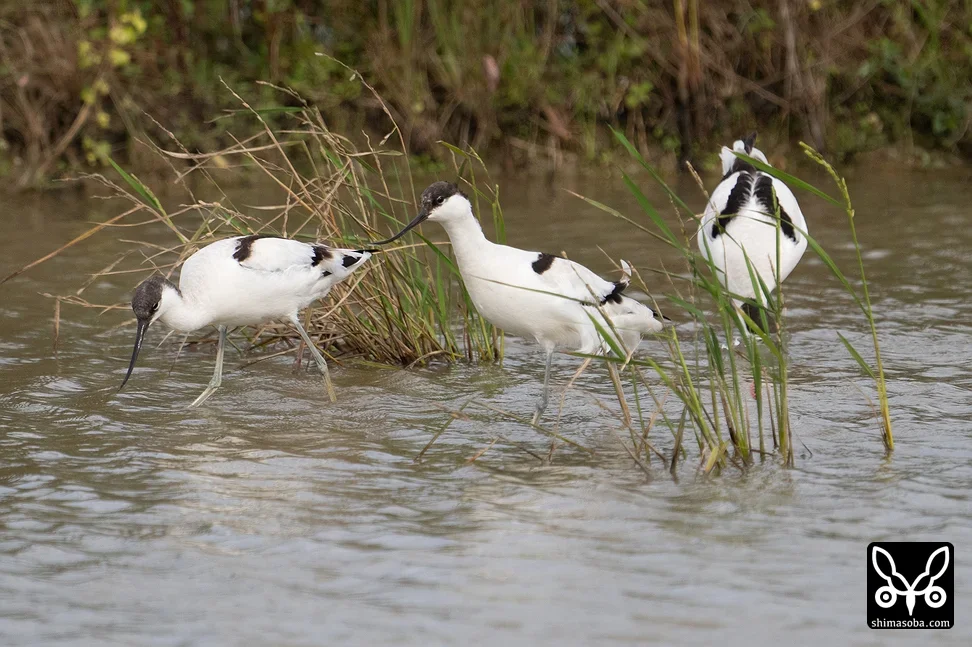
Three Pied Avocets delighting visitors to the island.

Black-tailed Godwit
Black-tailed Godwit

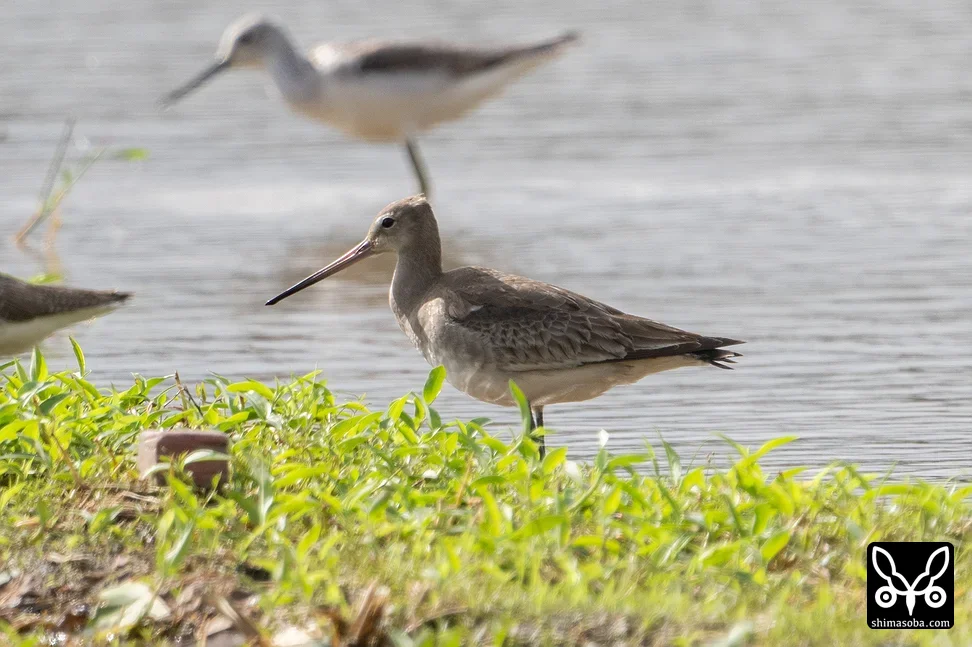
The first Bar-tailed Godwit of the season was a first-winter bird.

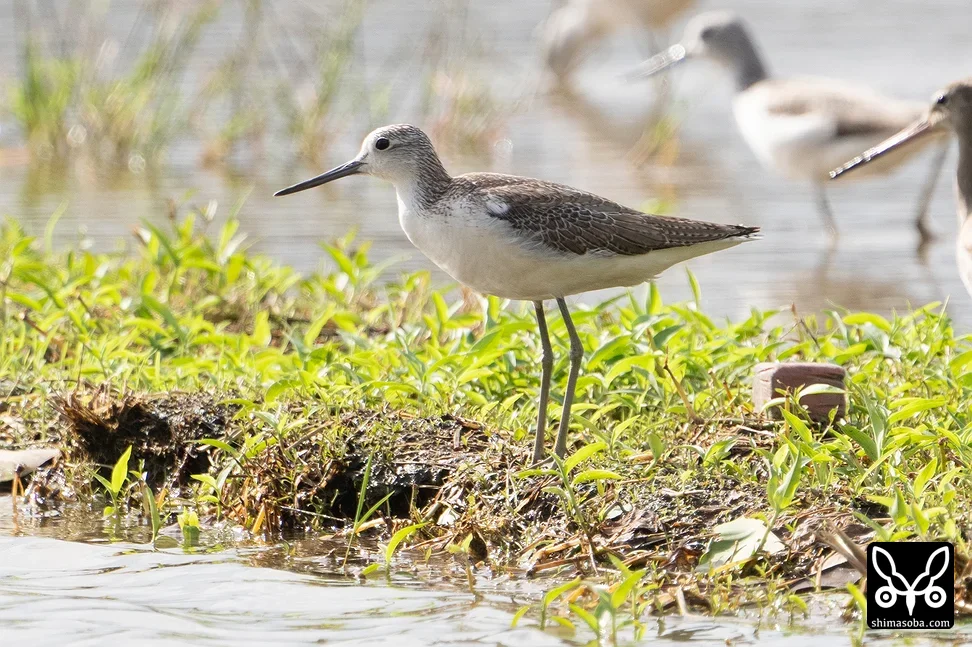
Common Greenshank
Common Greenshank

Common Greenshank, first-winter.

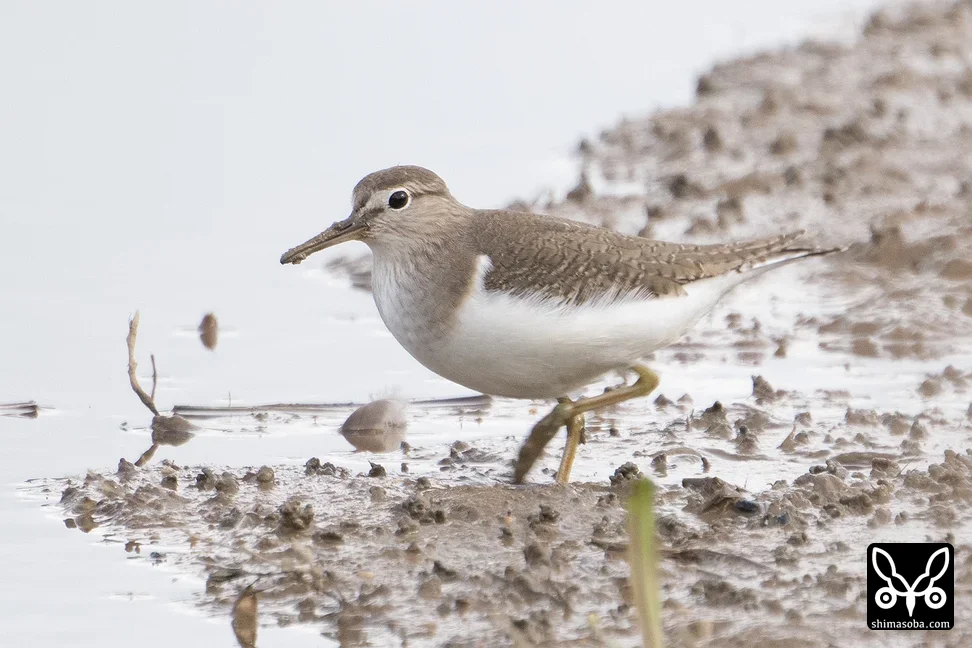
Common Sandpiper
Common Sandpiper

Common Sandpiper.

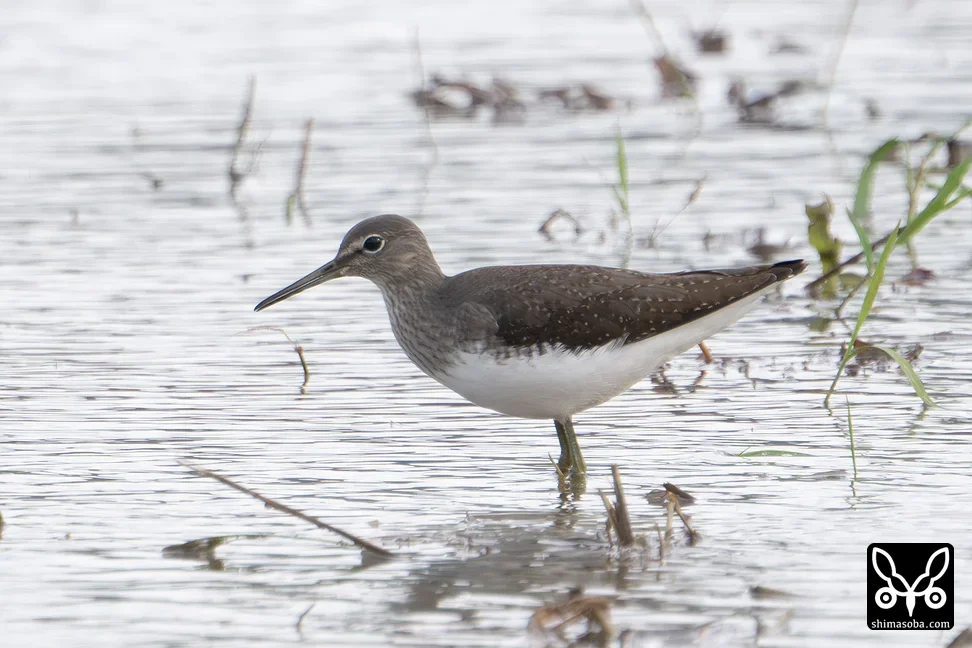
Green Sandpiper
Green Sandpiper

Green Sandpiper.

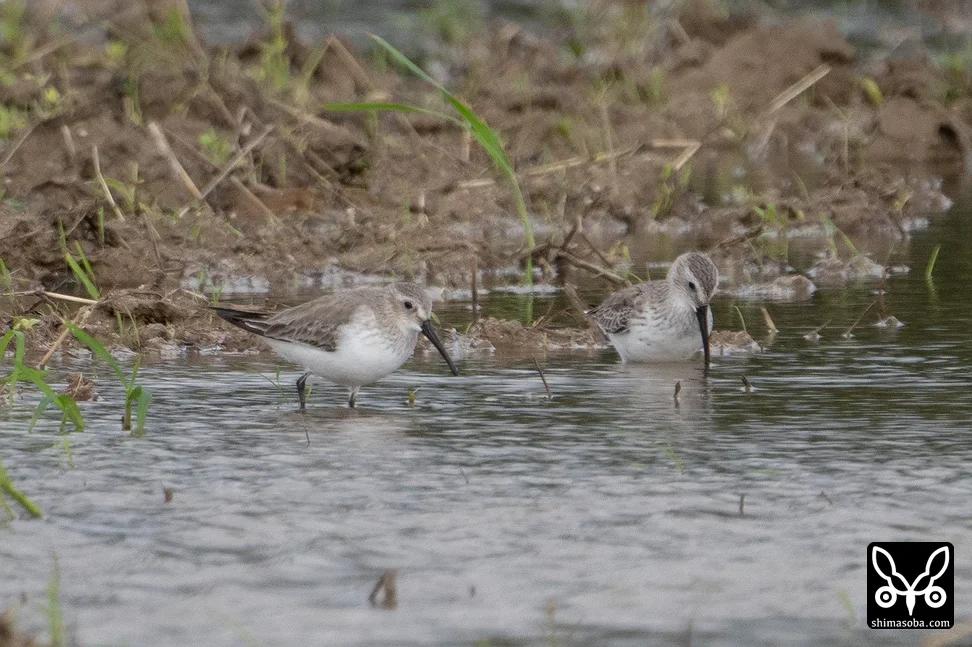
Dunlin
Dunlin

Dunlin.

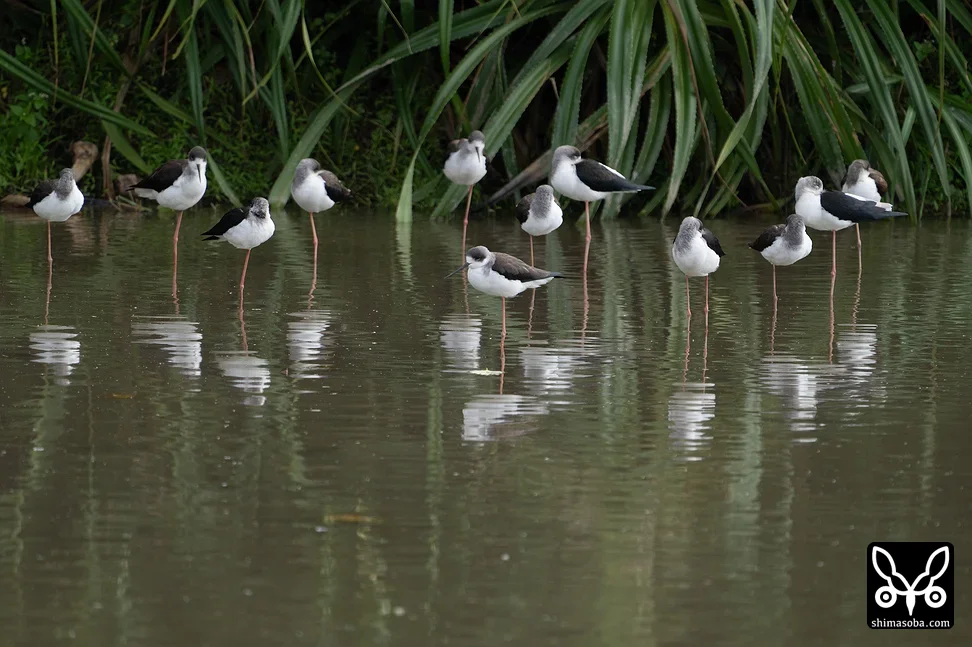
Black-winged Stilt
Black-winged Stilt

Black-winged Stilt.

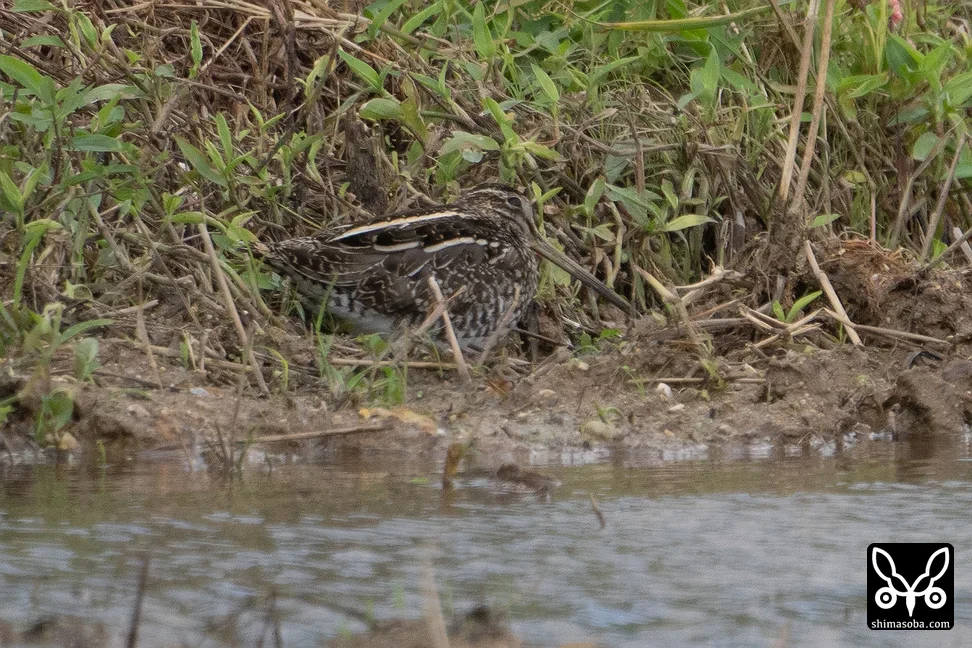
Common Snipe
Common Snipe

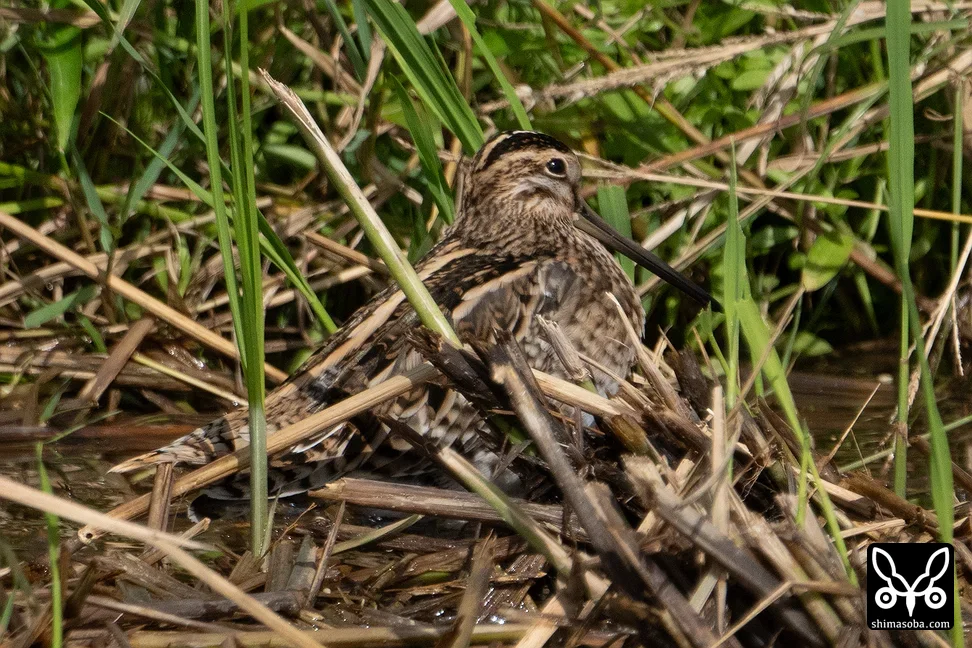
Common Snipe.

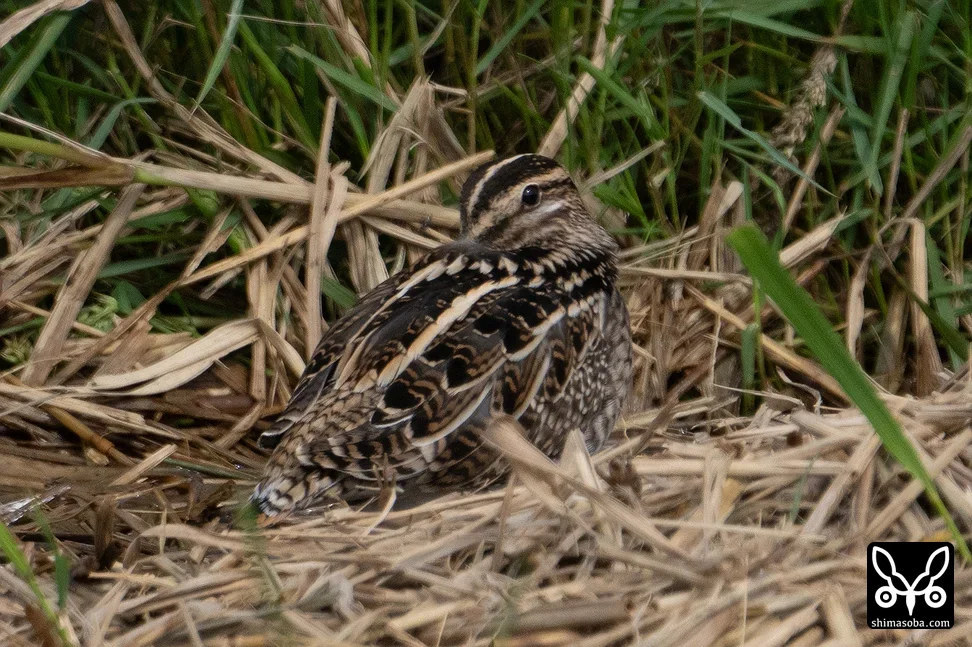
Common Snipe
Common Snipe

Common Snipe.

Common Snipe
Common Snipe

Common Snipe.

Crested Serpent Eagle

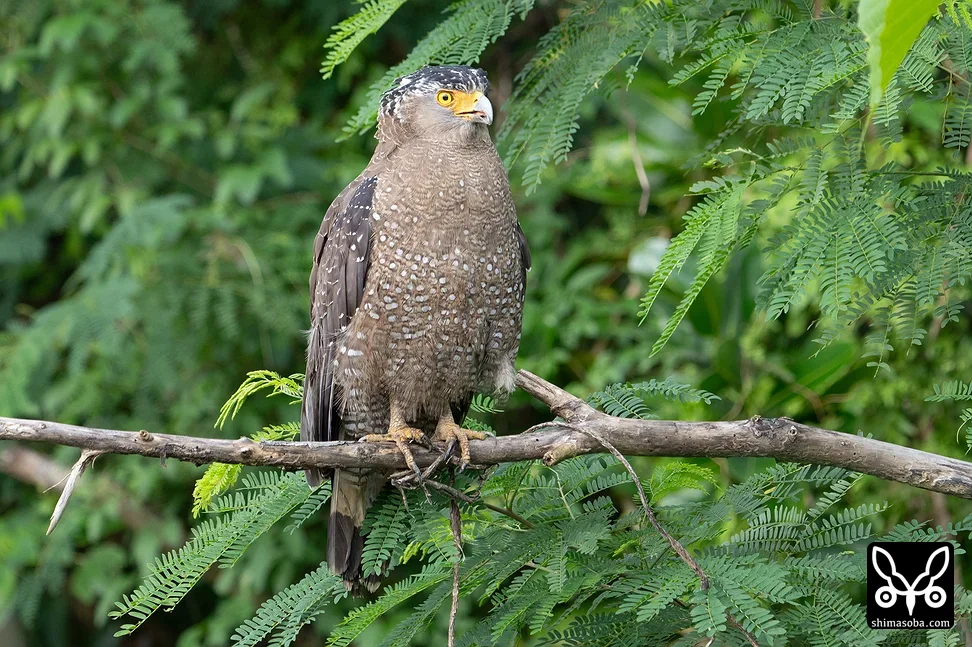
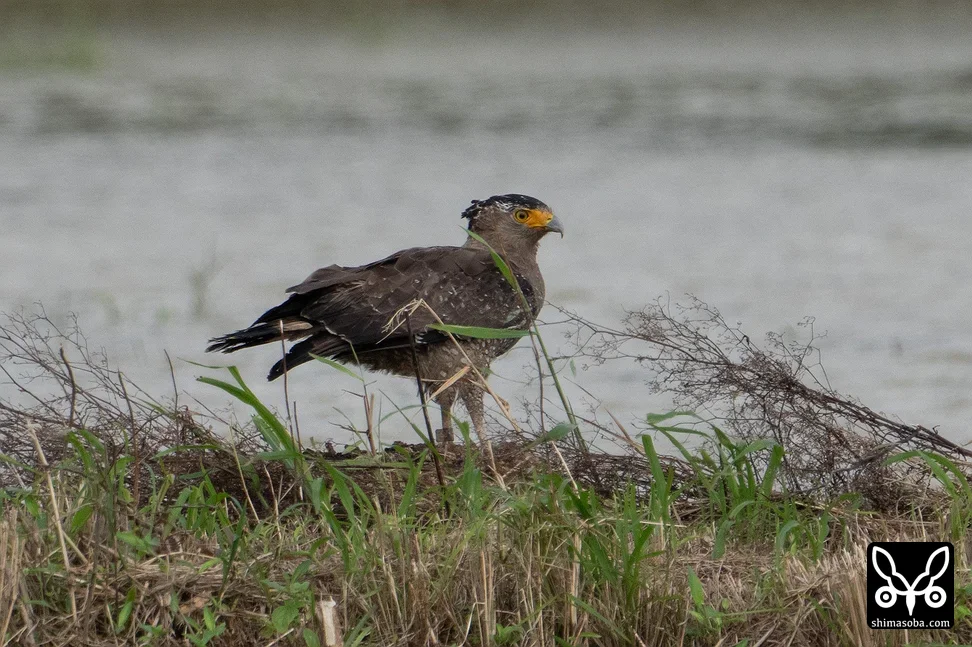
Crested Serpent Eagle.

Crested Serpent Eagle

Crested Serpent Eagle.

Black-headed Gull
Black-headed Gull

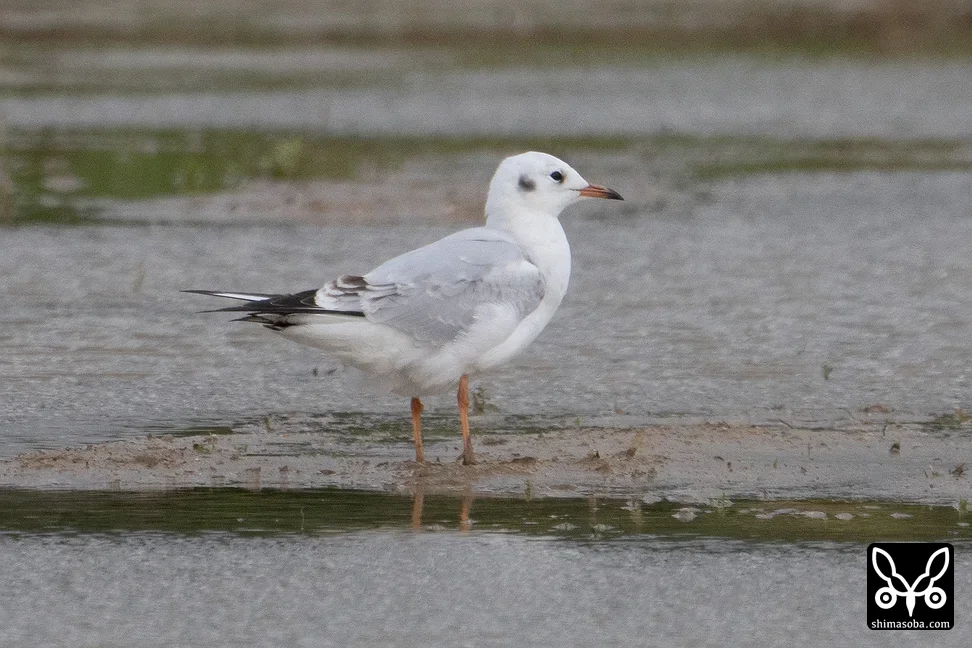
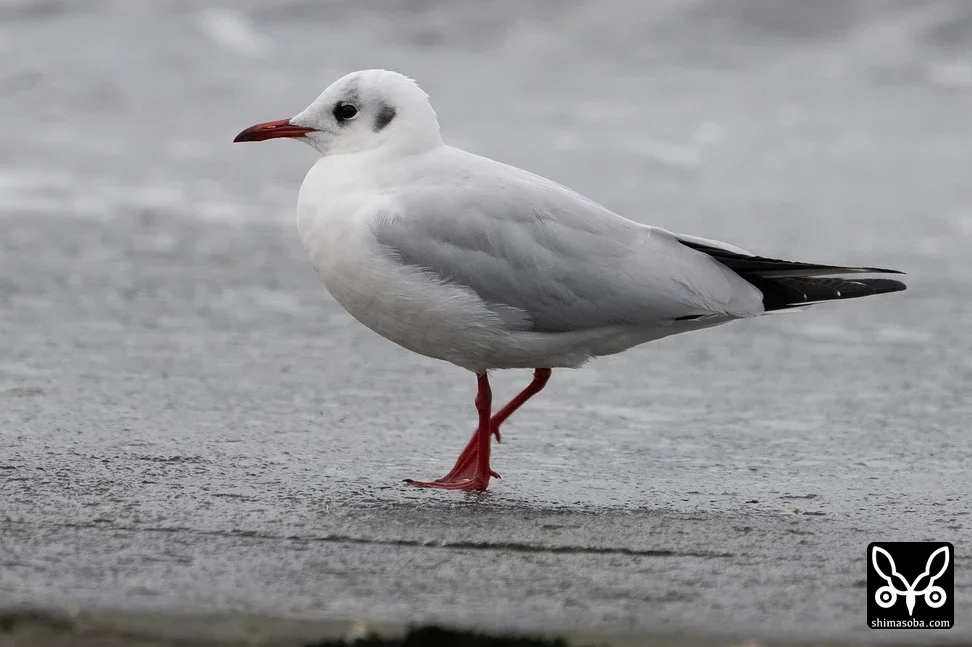
Black-headed Gull, first-winter.

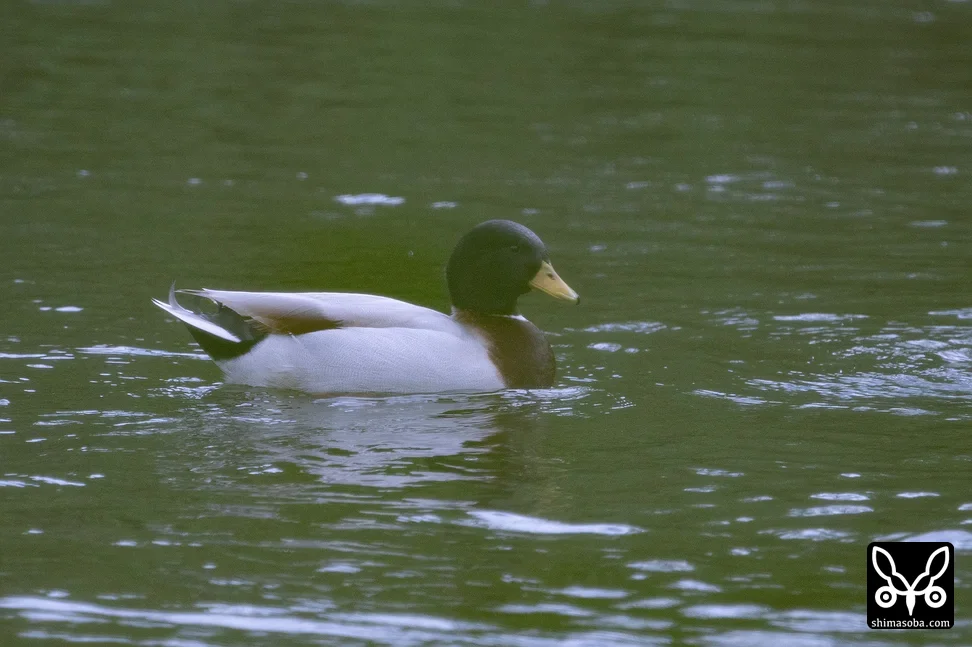
Mallard
Mallard / Hybrid

Mallard × domestic duck? hybrid.

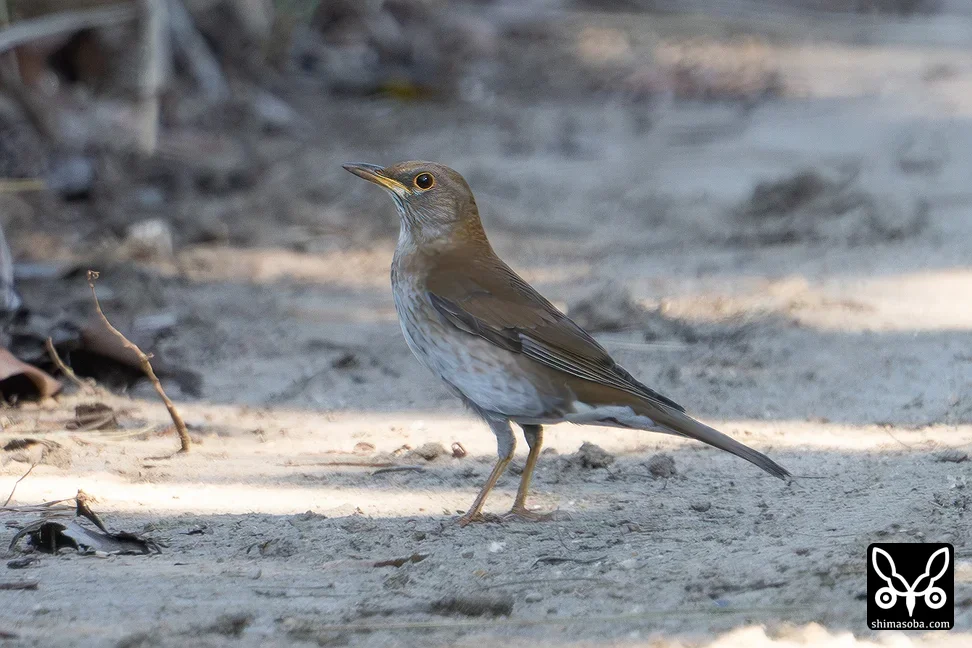
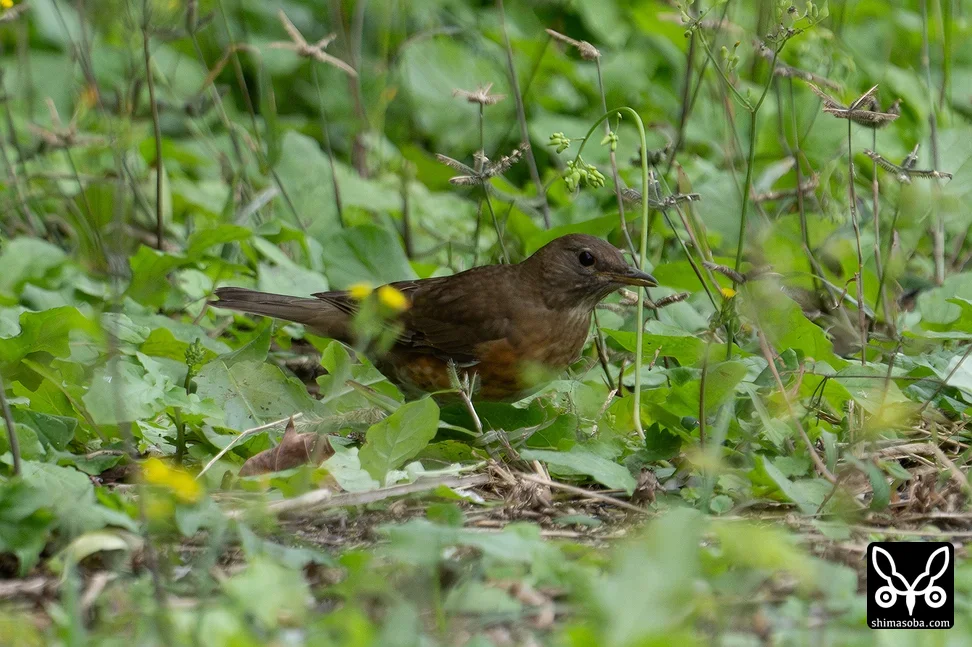
Pale Thrush
Pale Thrush

I had been hearing Pale Thrush calling since around the end of last month, but this day was my first confirmed sighting of the season.

Categories: 野鳥

Citrine Wagtail, Common Shelduck, Black-tailed Godwit and more

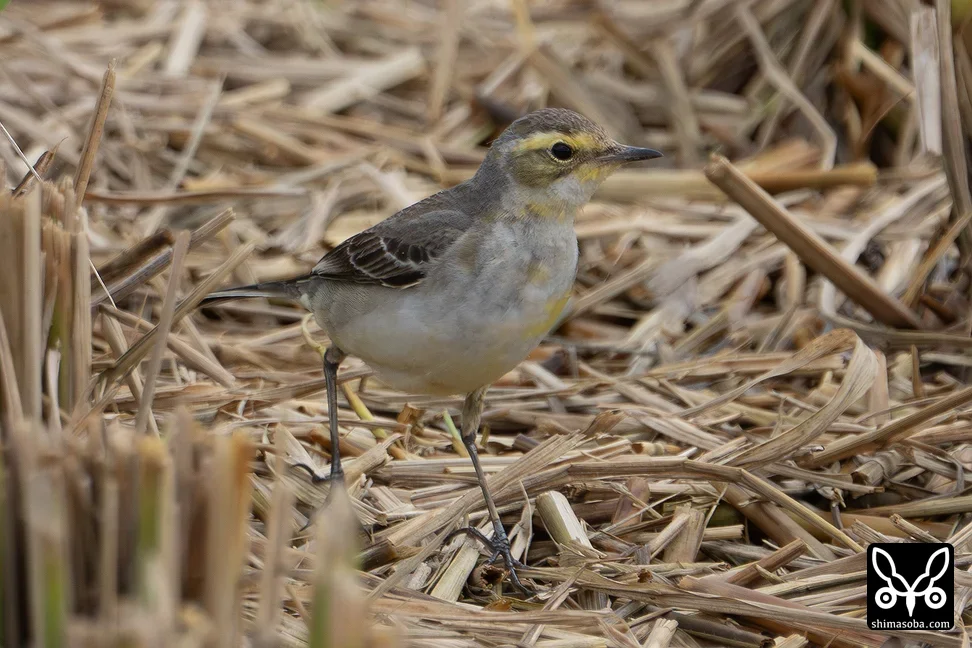
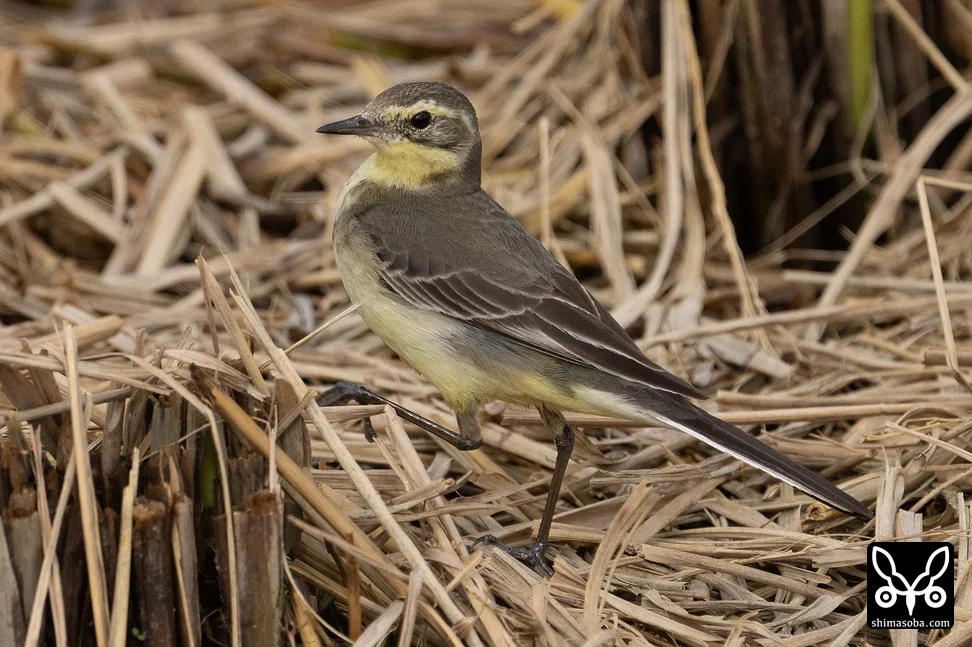
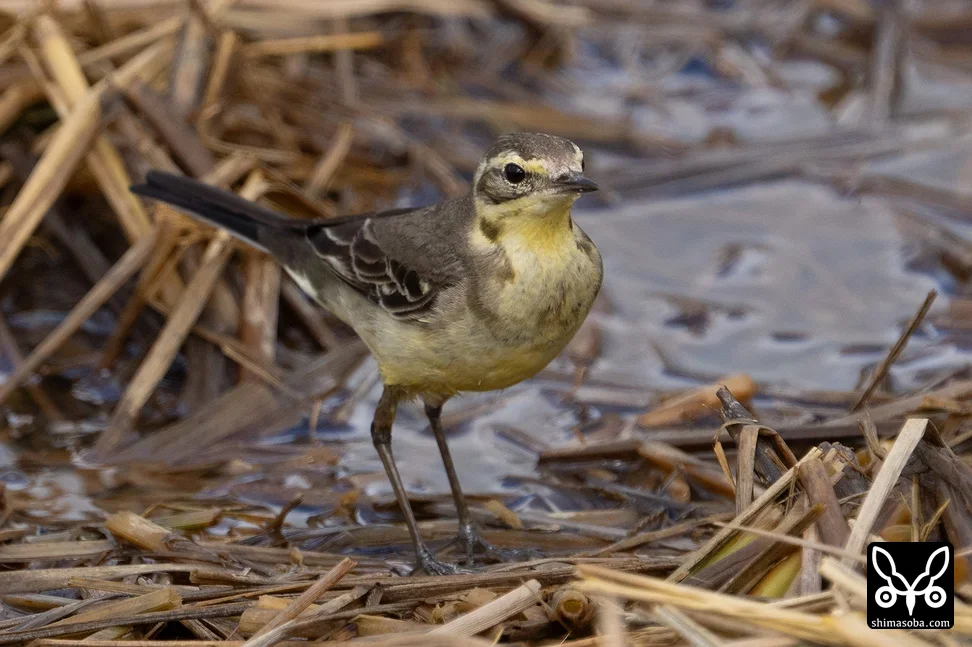
Two Citrine Wagtails were mixed in with a large flock of Eastern Yellow Wagtails feeding in a harvested rice paddy. The difference in character makes them stand out clearly even to the naked eye.

In flooded paddies, Black-tailed Godwits, Eurasian Whimbrels, Common Redshanks, Green Sandpipers, Common Shelducks and Eurasian Coots are wintering. Eurasian Coot numbers have been increasing. They have become a main prey item for the Upland Buzzard and Peregrine Falcon.

Citrine Wagtail
Citrine Wagtail

Citrine Wagtail, first-winter.

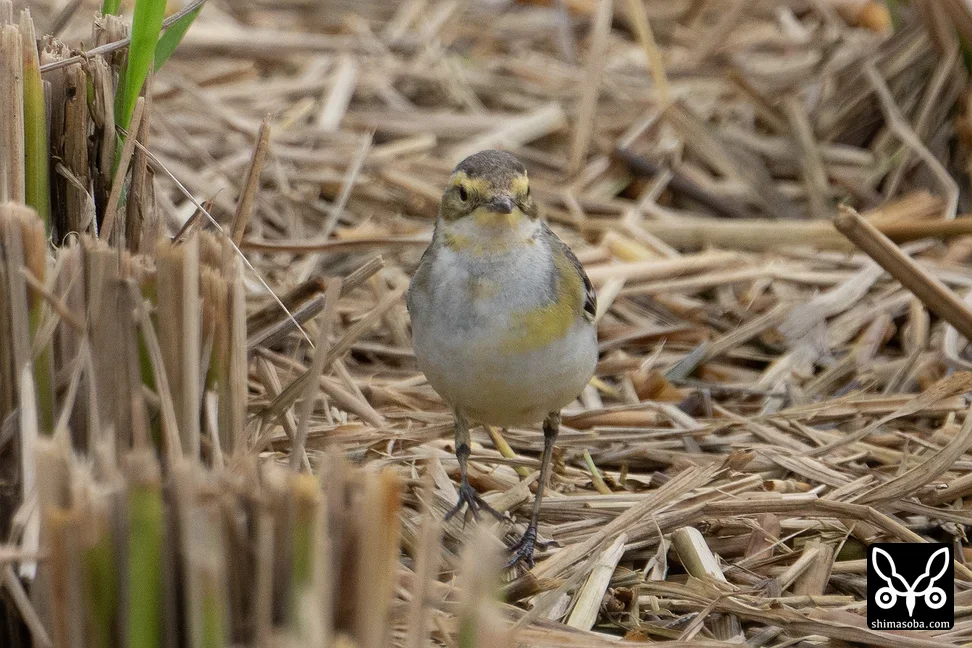
Citrine Wagtail
Citrine Wagtail

The same individual as above, from the front.

Citrine Wagtail
Citrine Wagtail

A different Citrine Wagtail, also first-winter.

Citrine Wagtail
Citrine Wagtail

The same individual as above, from the front.

Black-tailed Godwit
Black-tailed Godwit

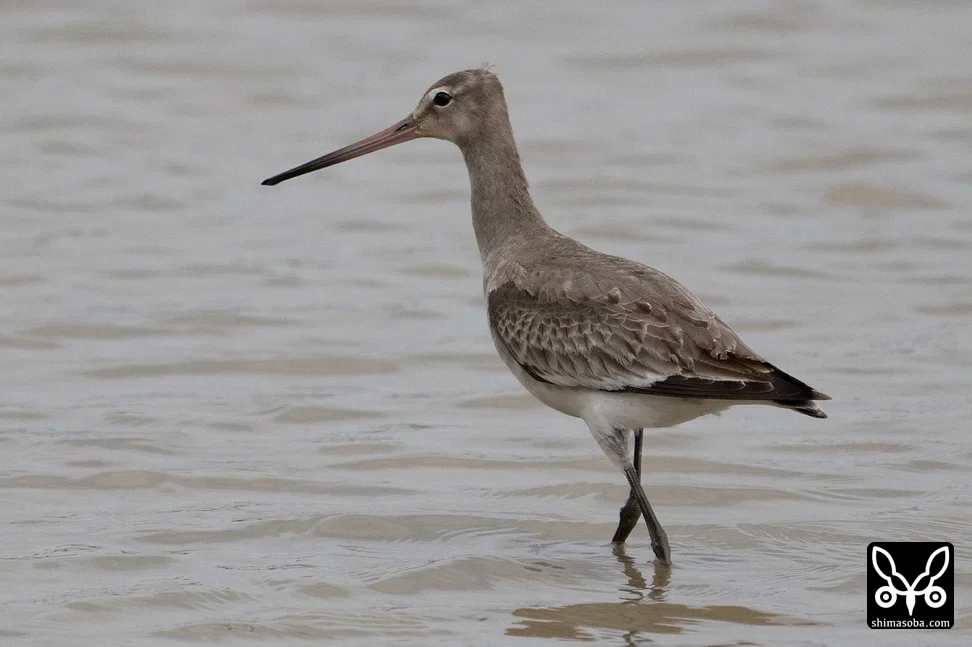
Black-tailed Godwit, first-winter. It was following the Common Greenshanks around.

Whimbrel
Whimbrel

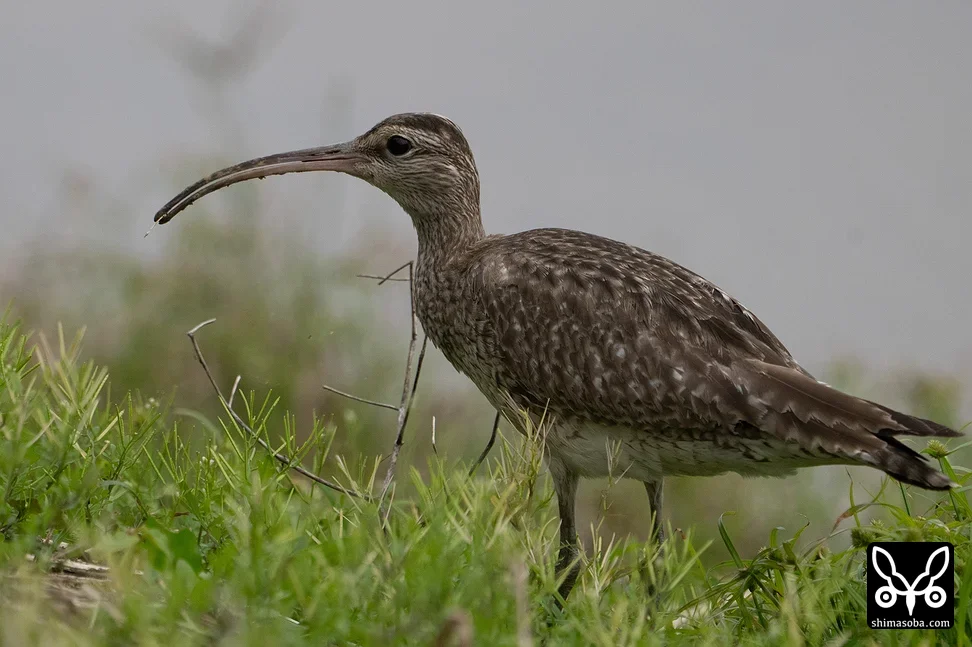
Whimbrel, juvenile.

Common Redshank
Common Redshank

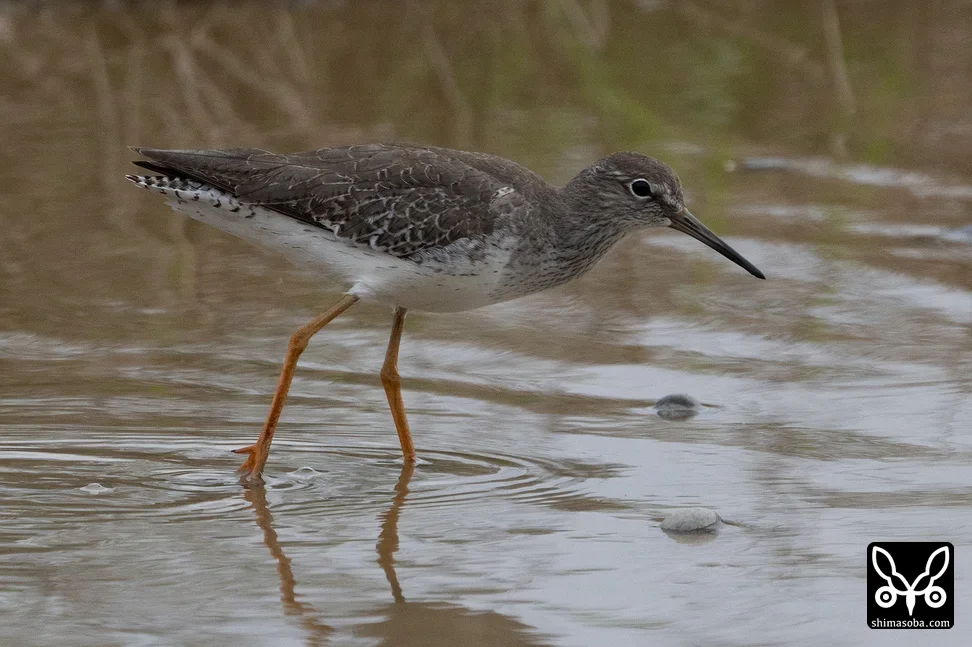
Common Redshank.

Green Sandpiper
Green Sandpiper

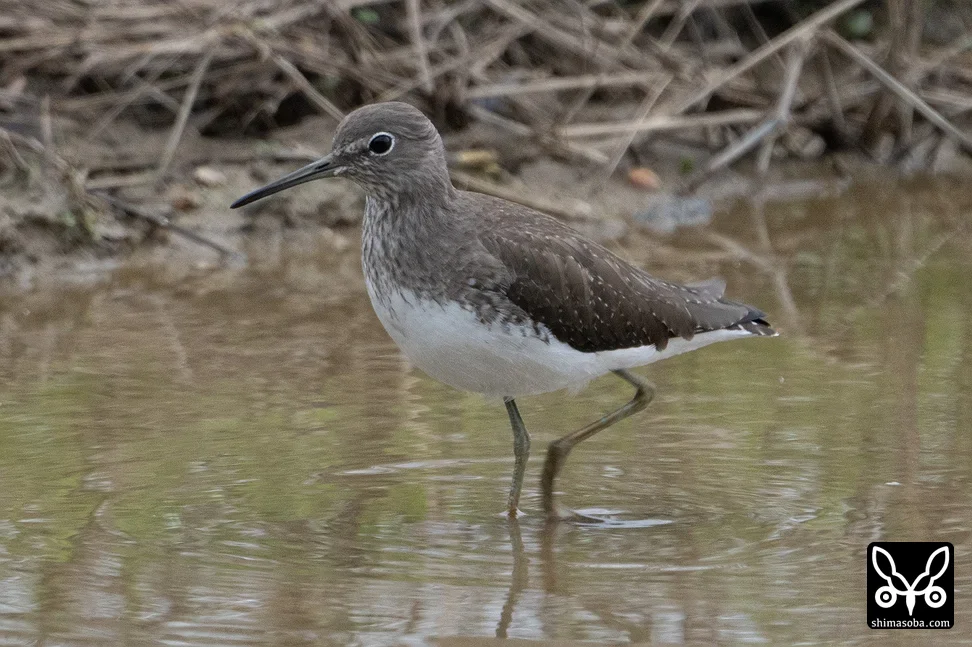
Green Sandpiper.

Ruddy Shelduck
Ruddy Shelduck

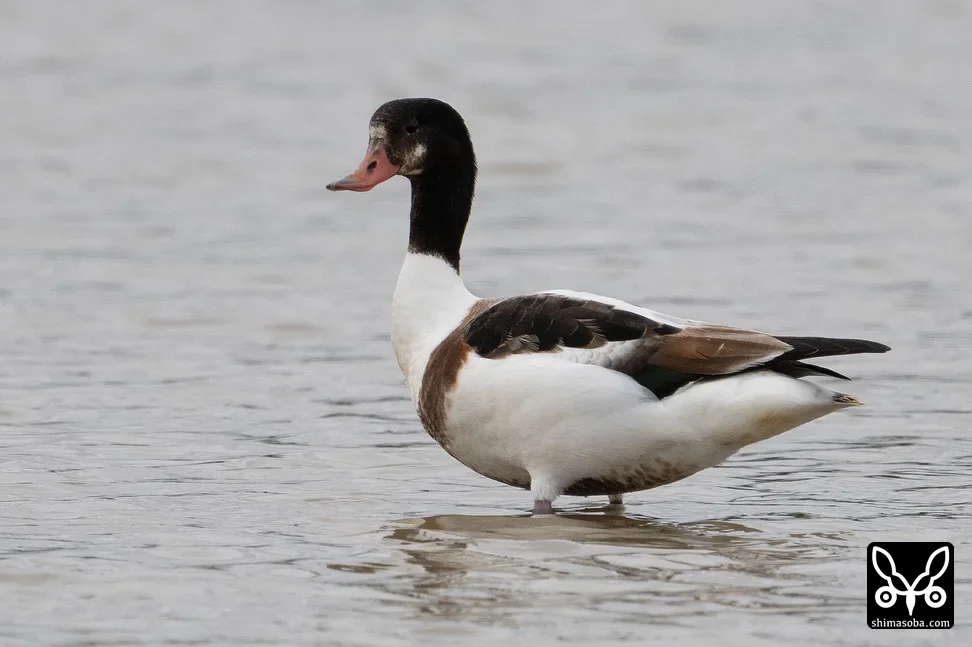
Common Shelduck.

Eurasian Coot
Eurasian Coot

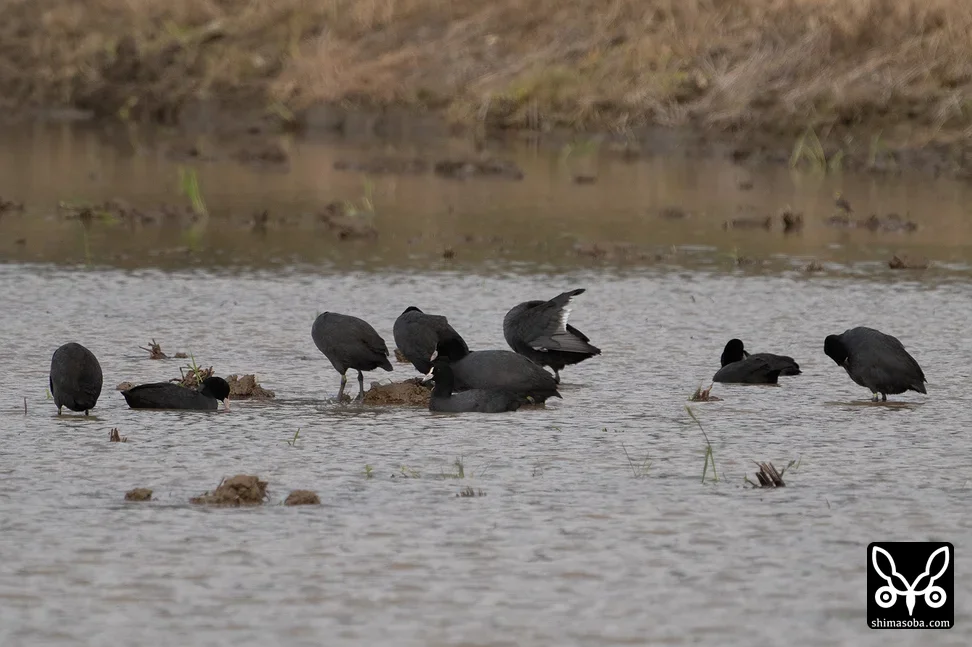
The number of Eurasian Coots is increasing day by day.

Categories: 野鳥

Black-winged Kite, Siberian Peregrine, juvenile Crested Serpent Eagle and more

The juvenile Black-winged Kite seems to have finally become independent recently. Black-winged Kites on Ishigaki breed multiple times a year, so the population keeps growing. The Peregrine Falcon pair that wintered here last year has returned to the same spot again this year. An Upland Buzzard is also in the same area, keeping the Eurasian Coots and herons on edge. A nearby juvenile Crested Serpent Eagle looked startled as the two Peregrines chased it around.

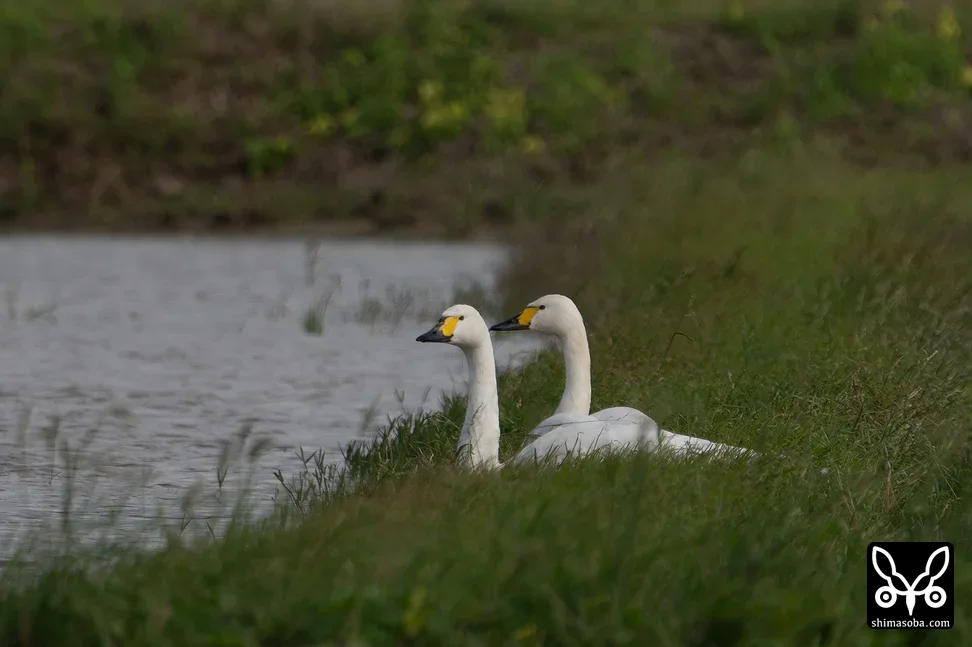
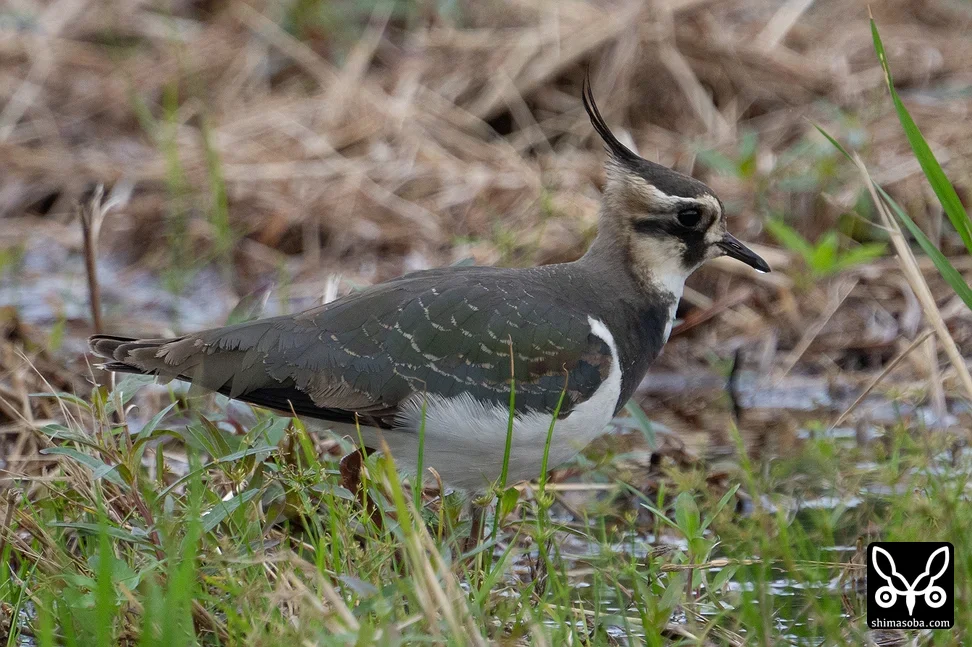
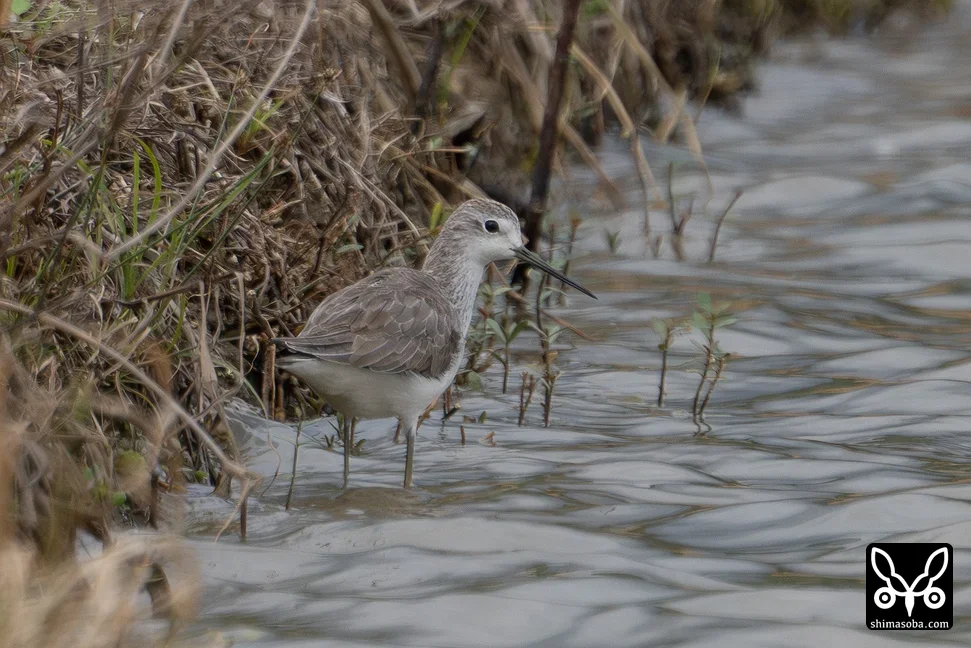
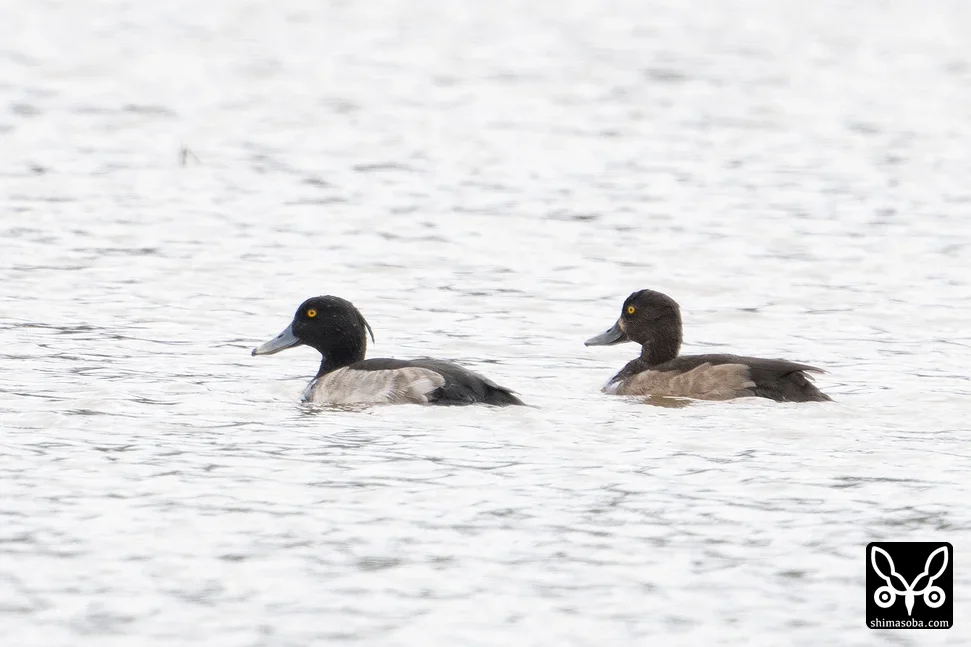
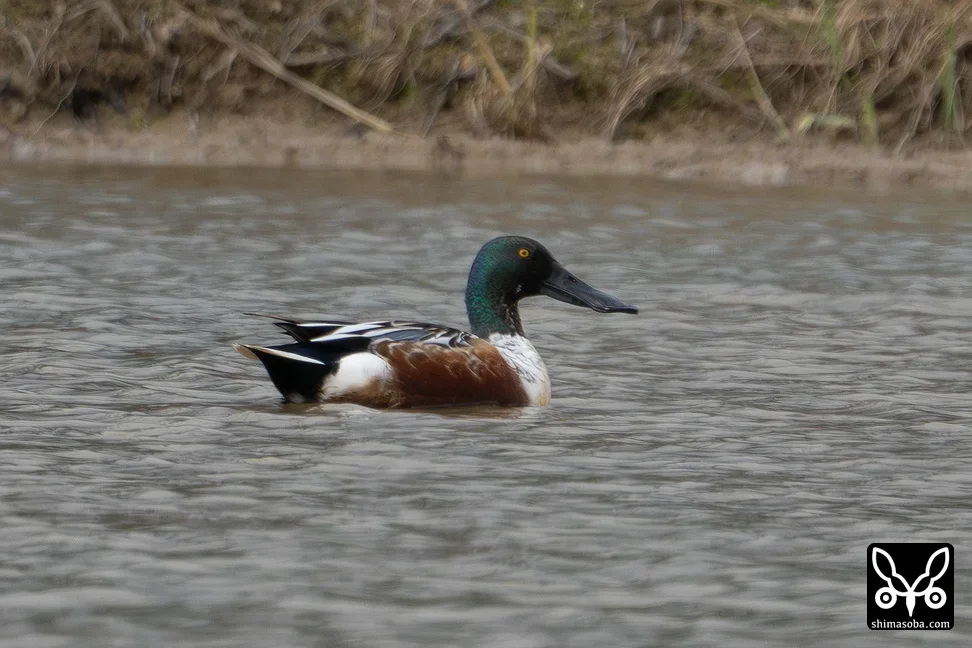
The two Tundra Swans are still present. Around ten Northern Lapwings — all juveniles — have arrived. The rice paddies are busy with Marsh Sandpipers, Common Greenshanks, Common Redshanks, Wood Sandpipers, Northern Shovelers and Eurasian Teals. The first Tufted Duck of the season was also confirmed.

Black-winged Kite
Black-winged Kite

A Black-winged Kite juvenile with zero wariness. Given the location and timing, it may be the individual that was being fed in mid-air by a parent bird previously.

Saker Falcon
Saker Falcon

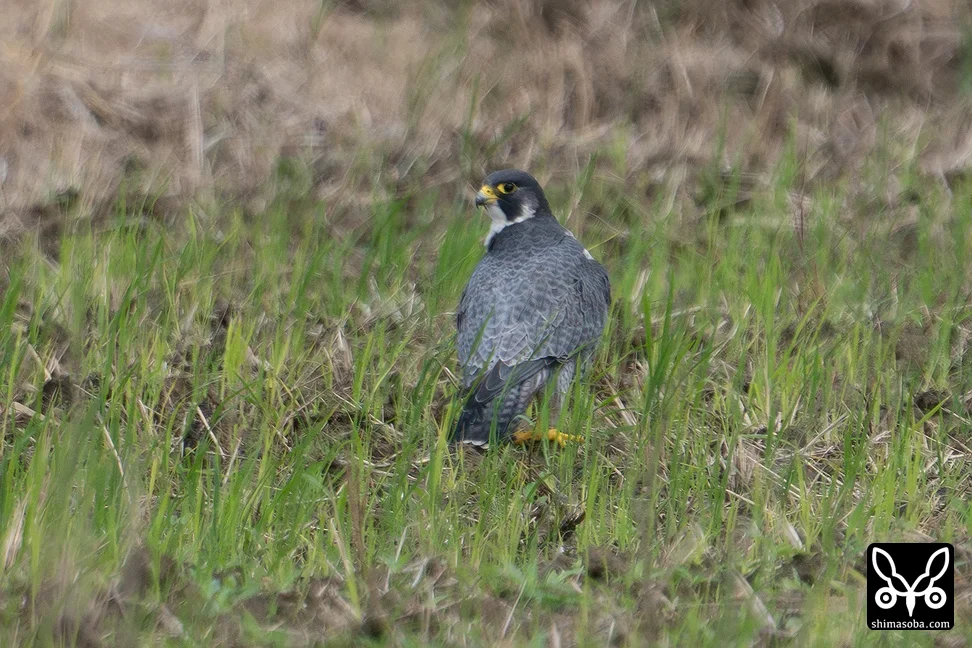
Female Peregrine Falcon. Used to be called the subspecies Siberian Peregrine, but it has been lumped into the subspecies calidus.

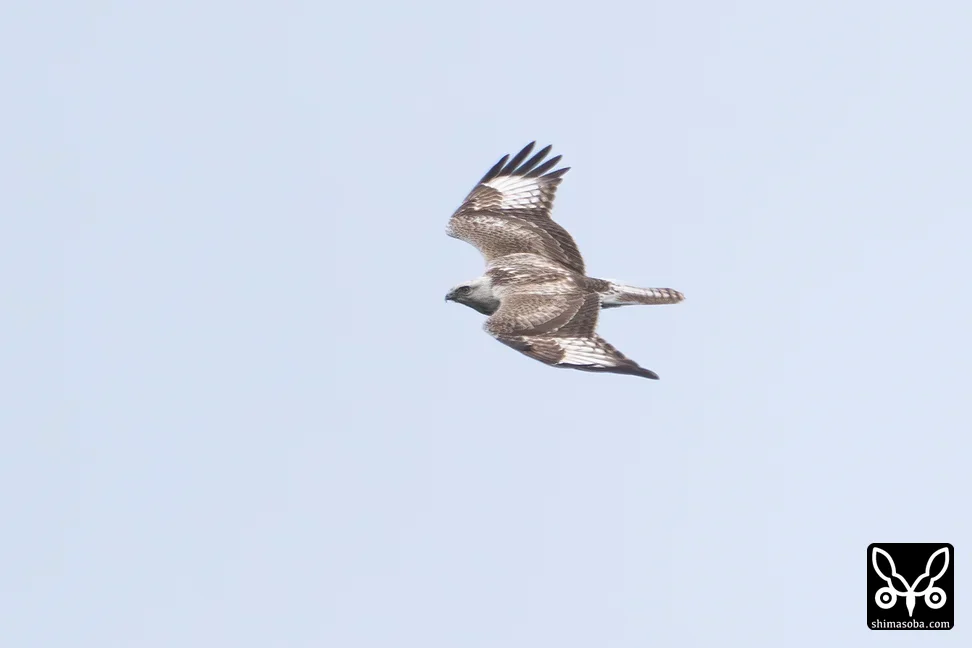
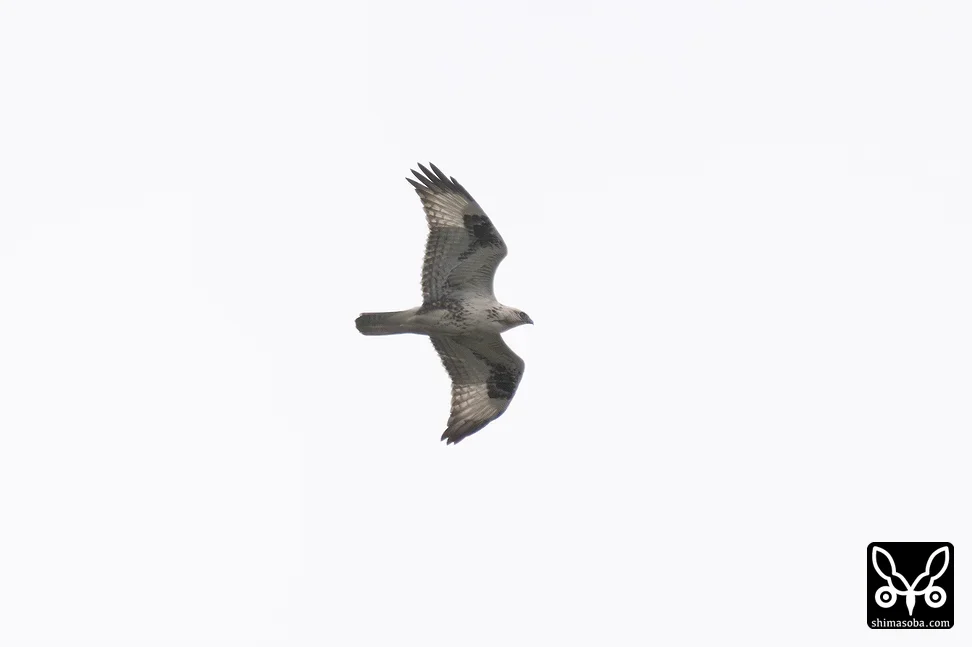
Crested Serpent Eagle

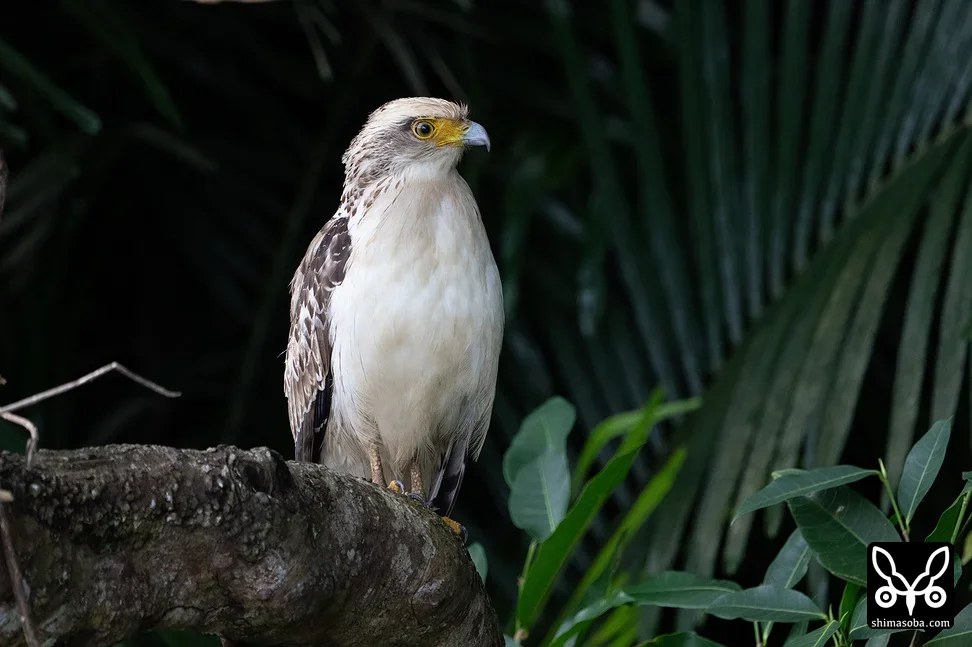
Juvenile Crested Serpent Eagle. It looked annoyed at being harassed by a pair of Peregrine Falcons.

Isabelline Shrike
Isabelline Shrike

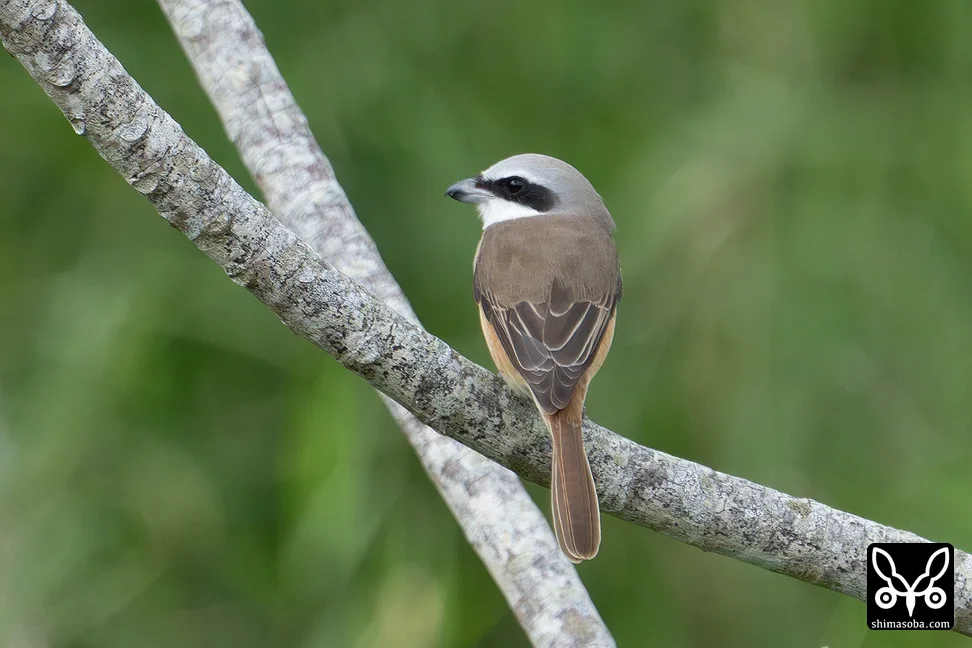
Adult male Brown Shrike. A very beautiful individual.

Tundra Swan
Tundra Swan

Two Tundra Swans. These individuals moved over from Iriomote Island. They have been moving between the dam lake, the coast, and the rice paddies.

Northern Lapwing
Northern Lapwing

A flock of Northern Lapwings arrived — about 10 birds, all juveniles.

Marsh Sandpiper
Marsh Sandpiper

Adult winter-plumage Marsh Sandpiper.

Tufted Duck
Tufted Duck

The first Tufted Ducks of the season. They were always moving around as a pair.

Northern Shoveler
Northern Shoveler

Male Northern Shoveler. Possibly the most numerous duck on Ishigaki Island.

Categories: 野鳥

Upland Buzzard, Little Bunting, Black-tailed Gull and more on Yonaguni

About five days on Yonaguni for work. Managed a little birdwatching in the spare time. Around Yonaguni Airport: two Upland Buzzards, an Eastern Buzzard, a Hen Harrier, a Peregrine Falcon and a Common Kestrel, apparently hunting small birds in the grass along the runway.

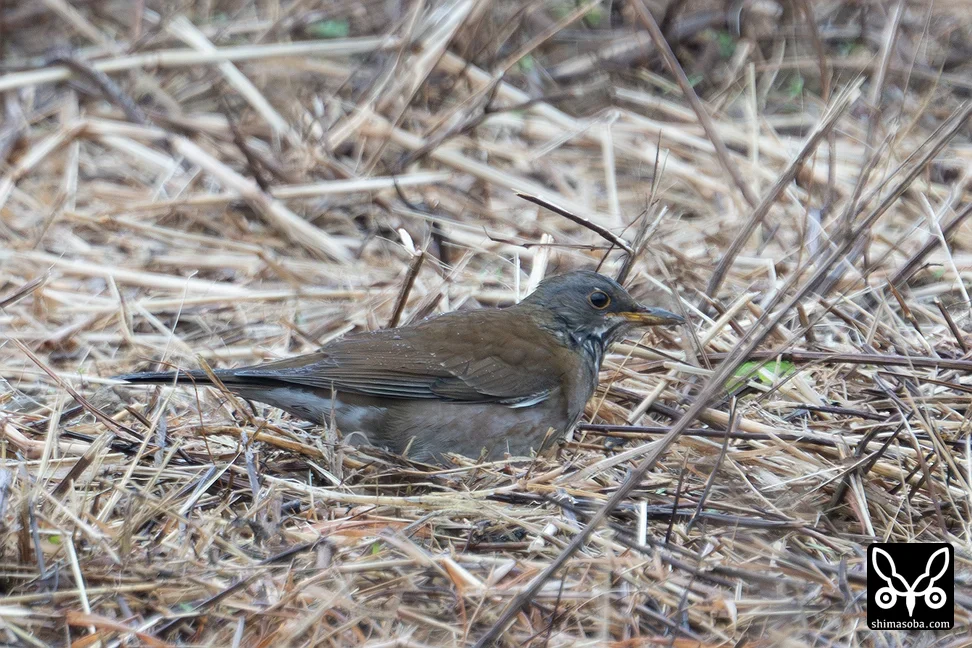
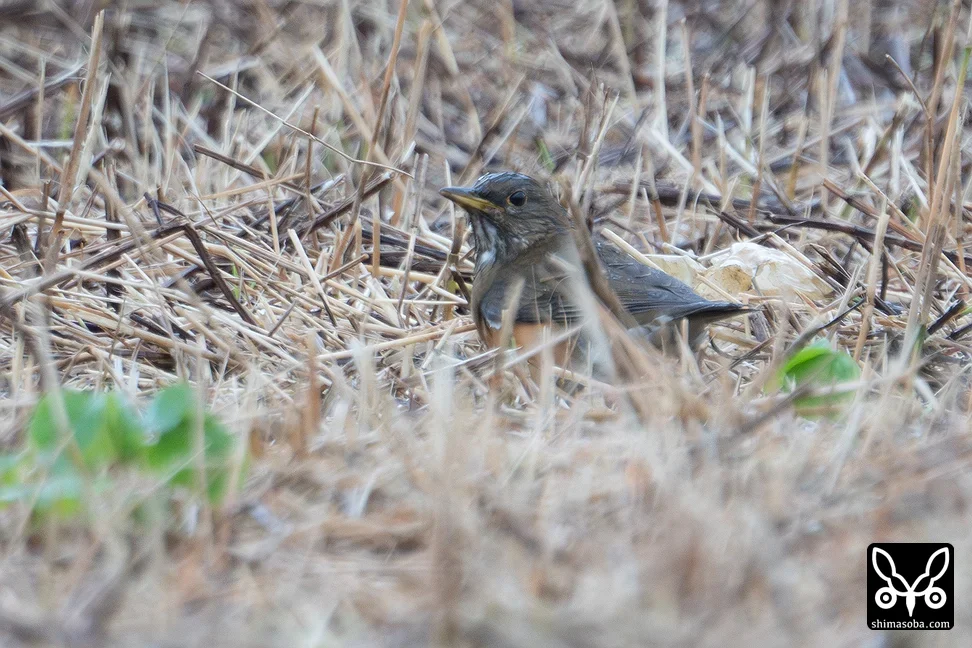
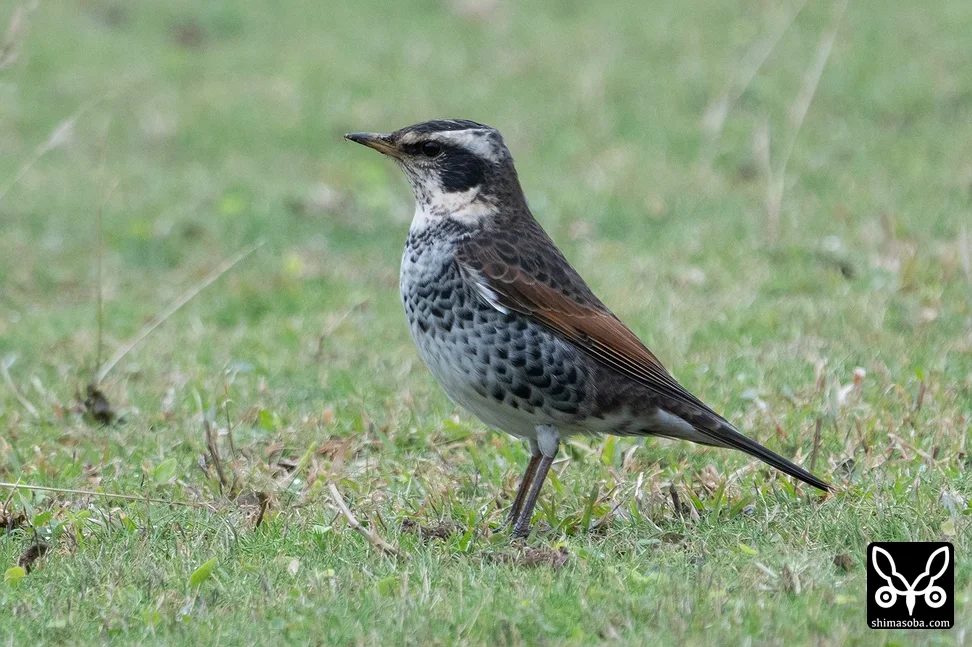
Pale Thrushes were present in large numbers across the island — flocks of thirty or more in the best spots. A few Brown-headed Thrushes were also seen. Pale Thrushes and Brown-headed Thrushes were concentrated mainly in the northern part of the island from Sonai to Kubura, while Dusky Thrushes were conspicuous in the south from Minamimakiba to Hikawa.

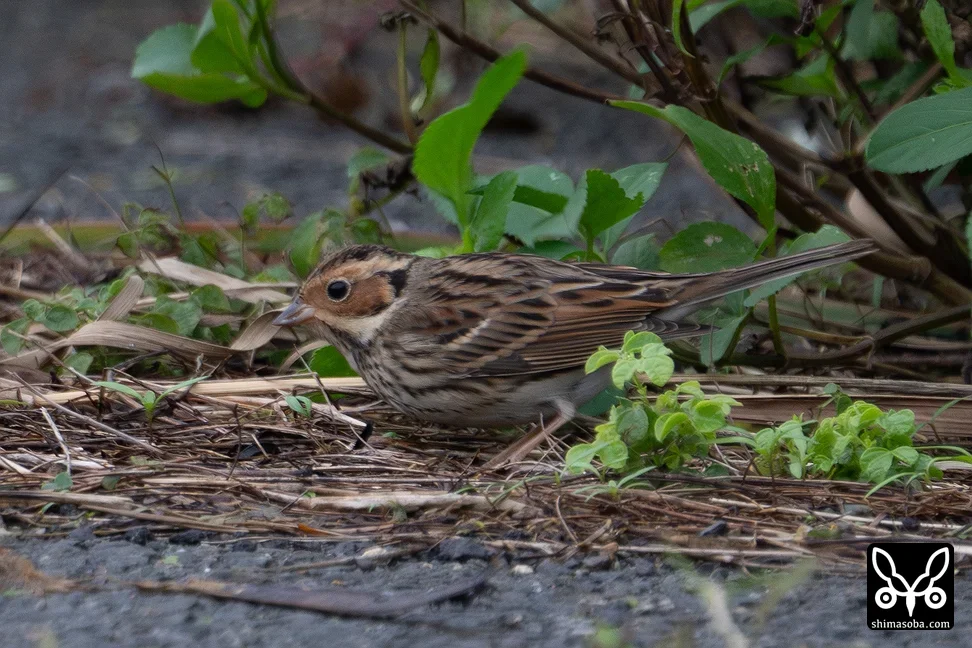
Little Buntings, Eastern Yellow Wagtails, Red-throated Pipits and Daurian Redstarts were all holding on through the strong winds. At Kubura fishing port, two Black-tailed Gulls and four Black-headed Gulls were staying over.

Upland Buzzard
Upland Buzzard

A juvenile Upland Buzzard appeared in the distance.

Upland Buzzard
Upland Buzzard

A second Upland Buzzard also showed up. This one was far away too. The two birds were several hundred metres apart and showed no sign of interacting with each other.

Common Buzzard
Common Buzzard

A Common Buzzard, right between the two Upland Buzzards. A month ago on a work trip to Yonaguni Island I found a Steppe Buzzard, but this time there was none.

Little Bunting
Little Bunting

A few Little Buntings were sheltering from the wind.

Japanese Thrush
Japanese Thrush

A Pale Thrush with almost no wariness at all.

Pale Thrush
Pale Thrush

A flock of about 30 White's Thrushes had moved into the farmland.

Japanese Thrush
Japanese Thrush

Among the flock of 30 White's Thrushes there were also a few Pale Thrushes mixed in.

Dusky Thrush
Dusky Thrush

A Dusky Thrush at a ranch. At this time of year only small numbers have been recorded on Ishigaki Island, but there were plenty on Yonaguni Island.

Red-throated Pipit
Red-throated Pipit

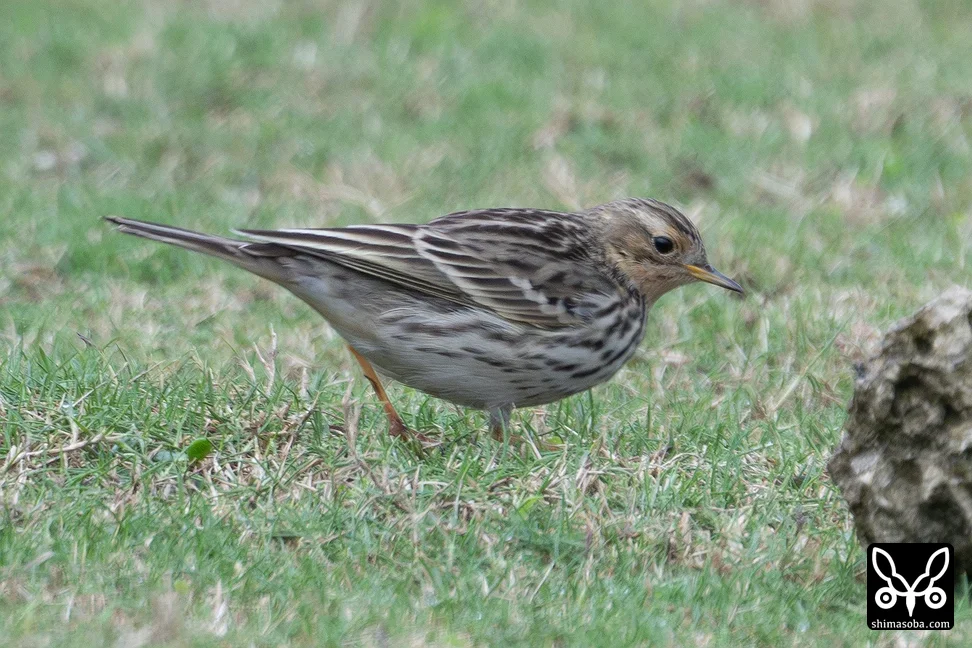
A Red-throated Pipit still retaining some summer plumage on the face.

Red-throated Pipit
Red-throated Pipit

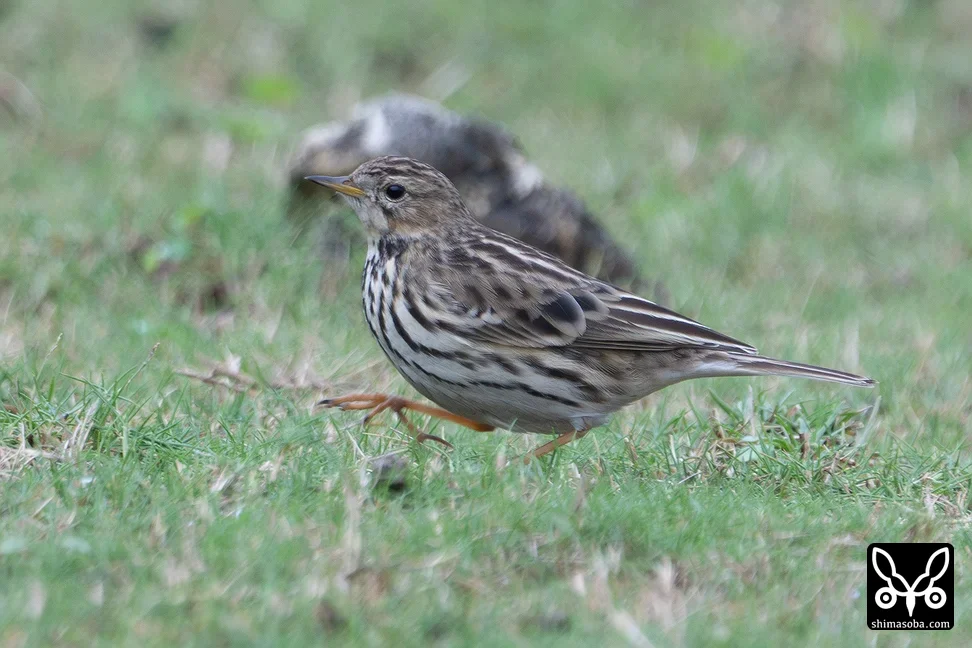
On this individual, the reddish colour on the face has almost completely faded.

Eastern Yellow Wagtail

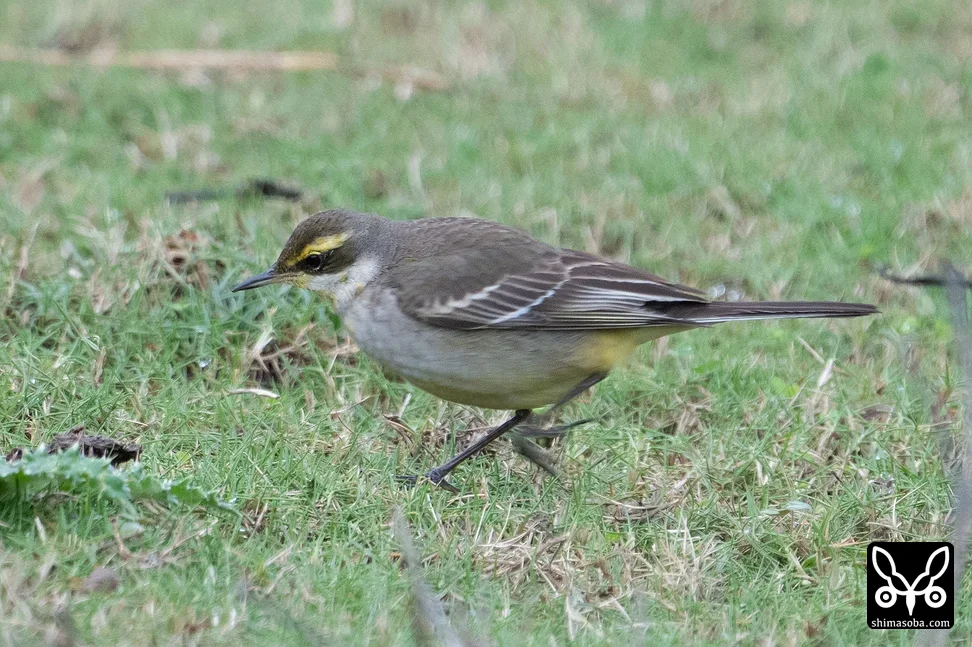
Juvenile (Yellow-browed) Eastern Yellow Wagtail. Almost all the Eastern Yellow Wagtails were juveniles.

Black-tailed Gull
Black-tailed Gull

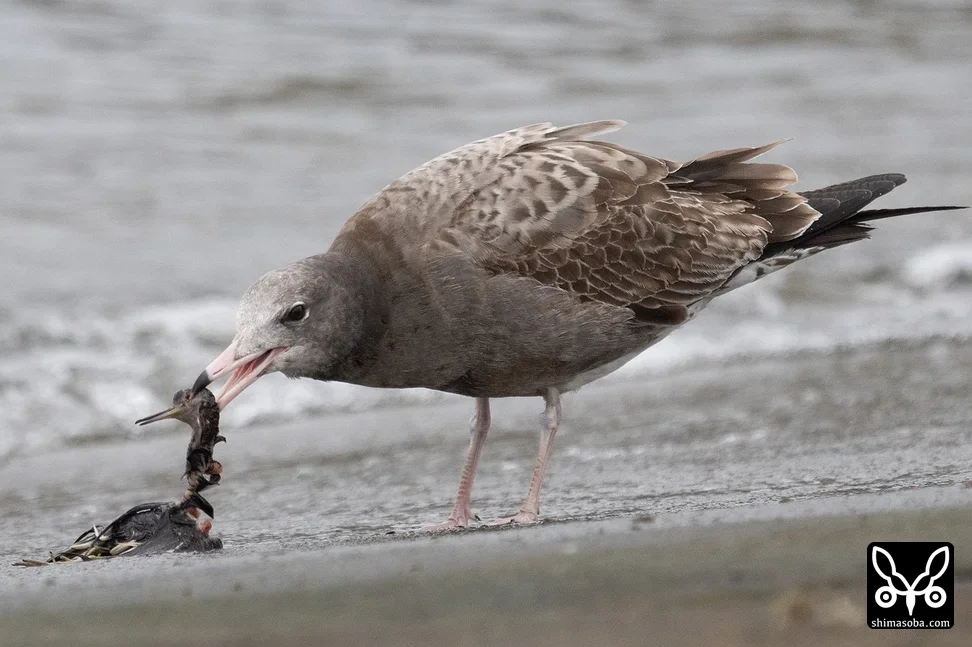
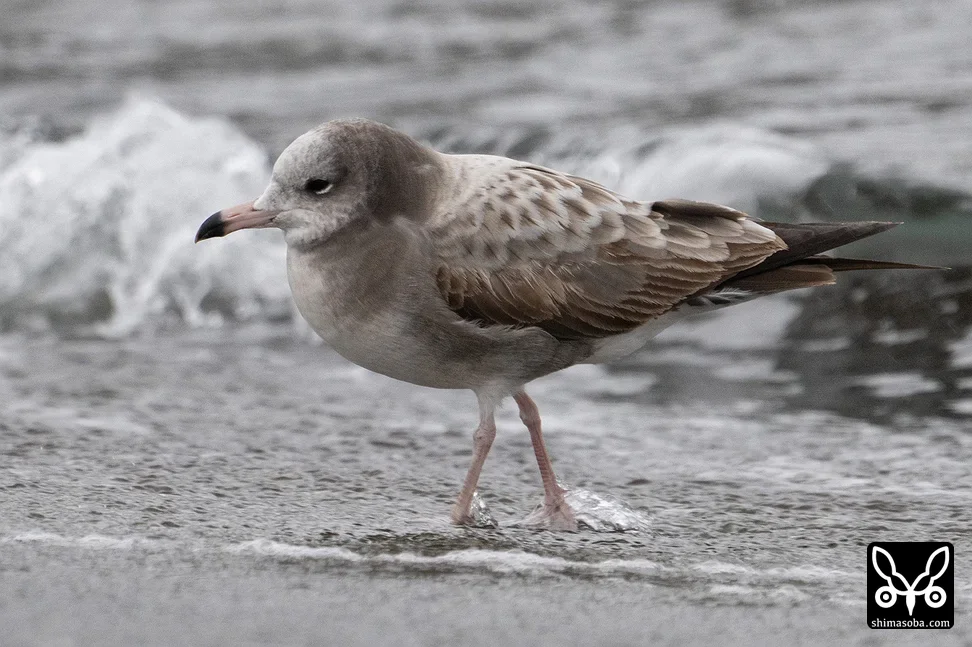
A juvenile Black-tailed Gull eating a Common Sandpiper. First-winter plumage.

Black-tailed Gull
Black-tailed Gull

The moult was more advanced on this individual than the one above. Black-tailed Gull, first-winter.

Black-headed Gull
Black-headed Gull

Black-headed Gull, adult winter. There were four of them.

Daurian Redstart
Daurian Redstart

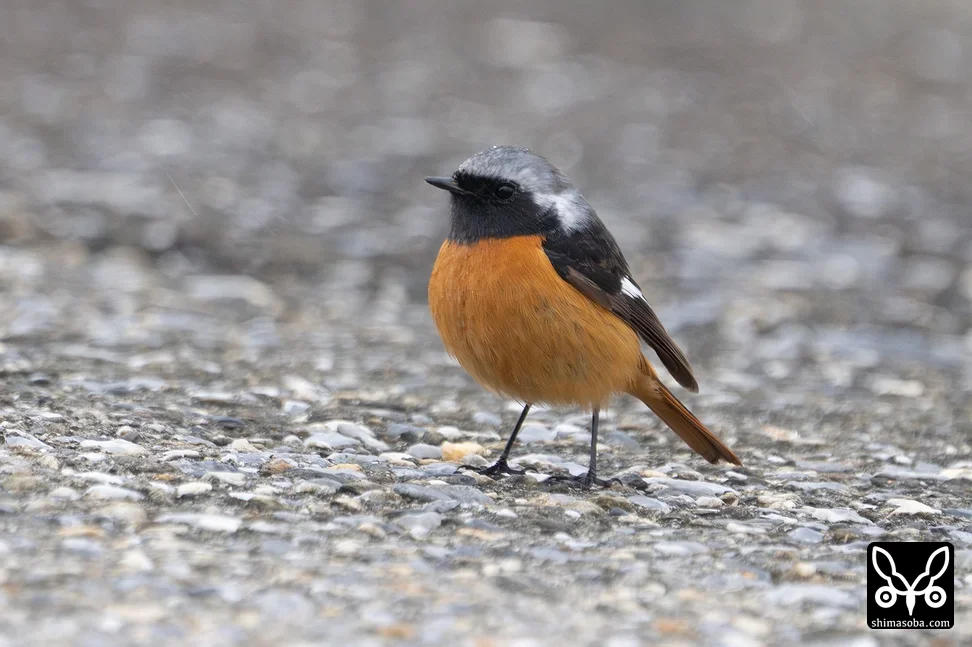
A male Daurian Redstart was at the boat-haul-out area in the harbour. It seemed to be foraging — though I wonder what it was eating.

Categories: 野鳥

Fourth Upland Buzzard of the season (video)

Two Upland Buzzards found within the space of an hour. Combined with the two from Yonaguni and two from Ishigaki, that makes four individuals confirmed this season. All are juveniles.

Upland Buzzard
Upland Buzzard

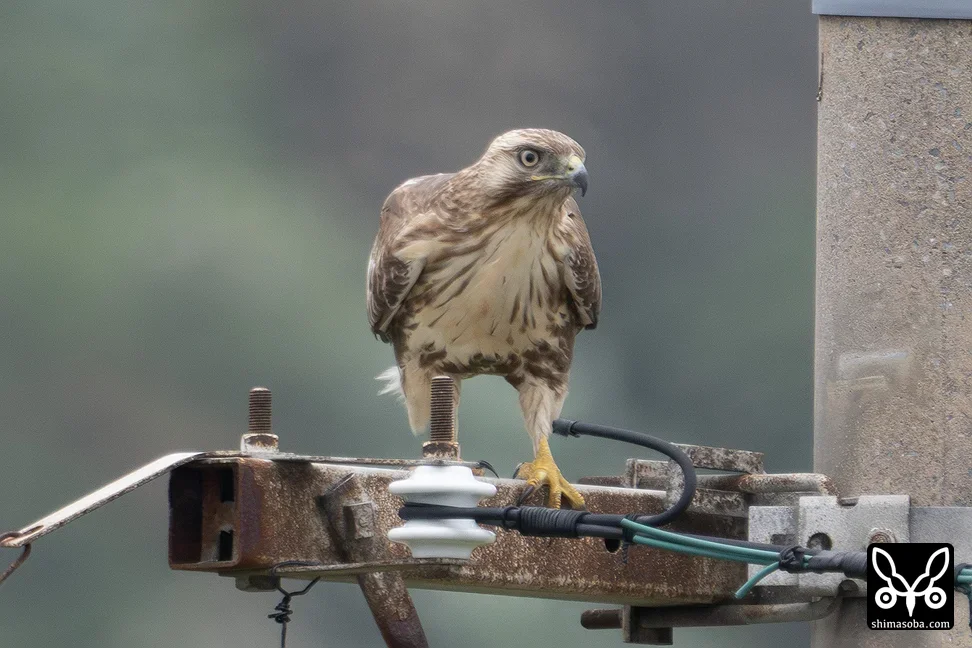
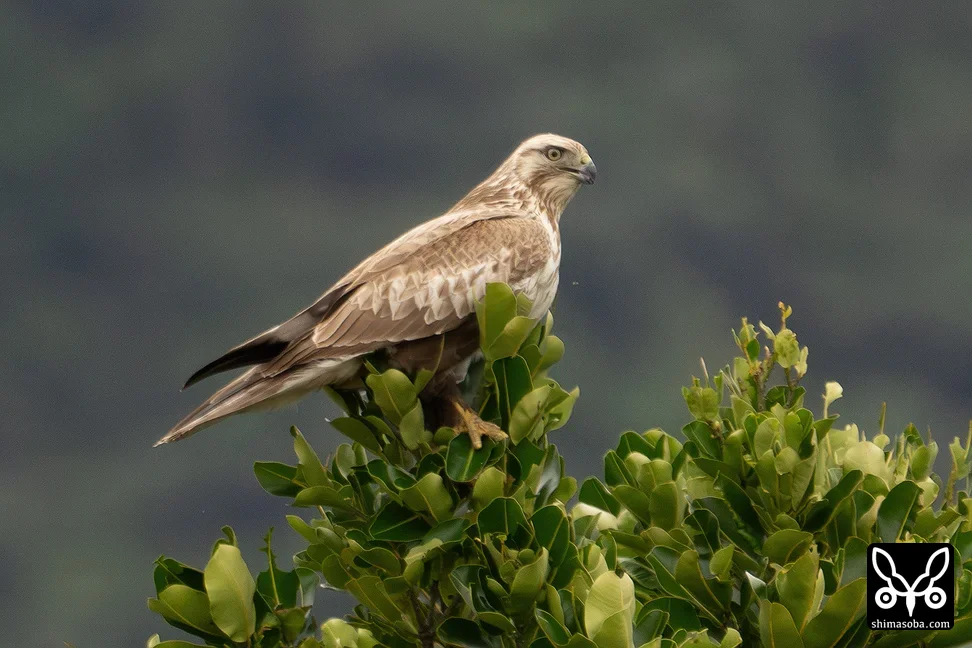
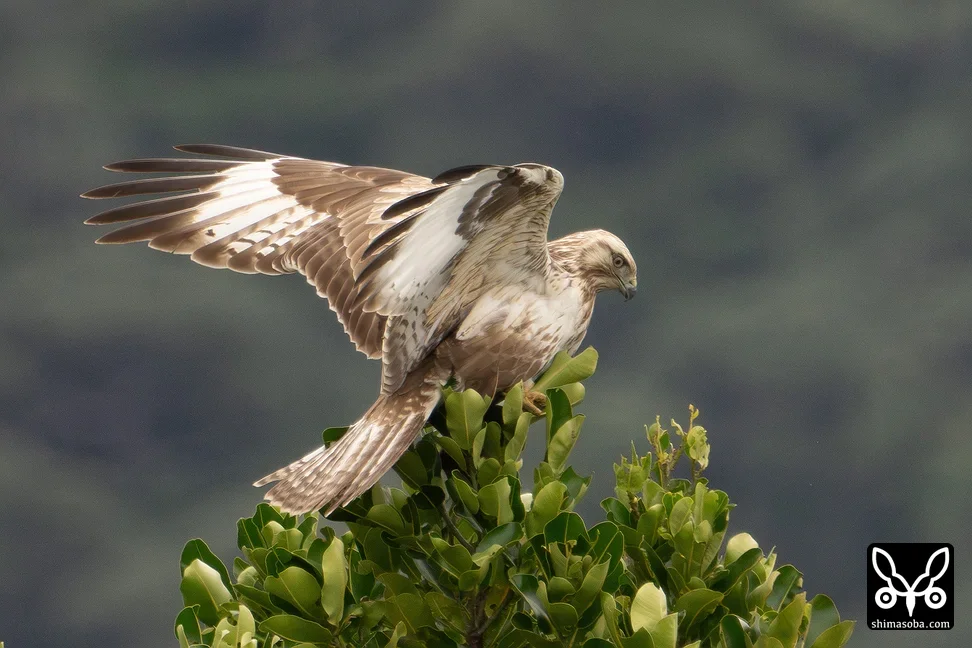
A juvenile Upland Buzzard perched at the top of a windbreak.

Upland Buzzard
Upland Buzzard

When it was startled and lost its balance, the features distinctive of Upland Buzzard were clearly visible.

Upland Buzzard
Upland Buzzard

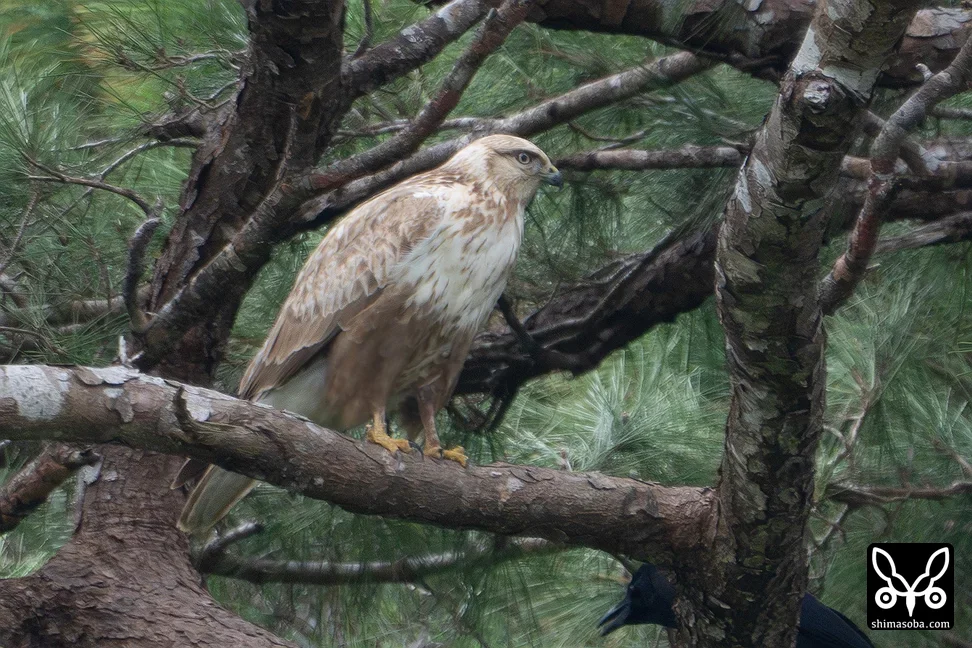
An Upland Buzzard from a different area. Also a juvenile. This Ryukyu Pine seems to be its roost.

Upland Buzzard
Upland Buzzard

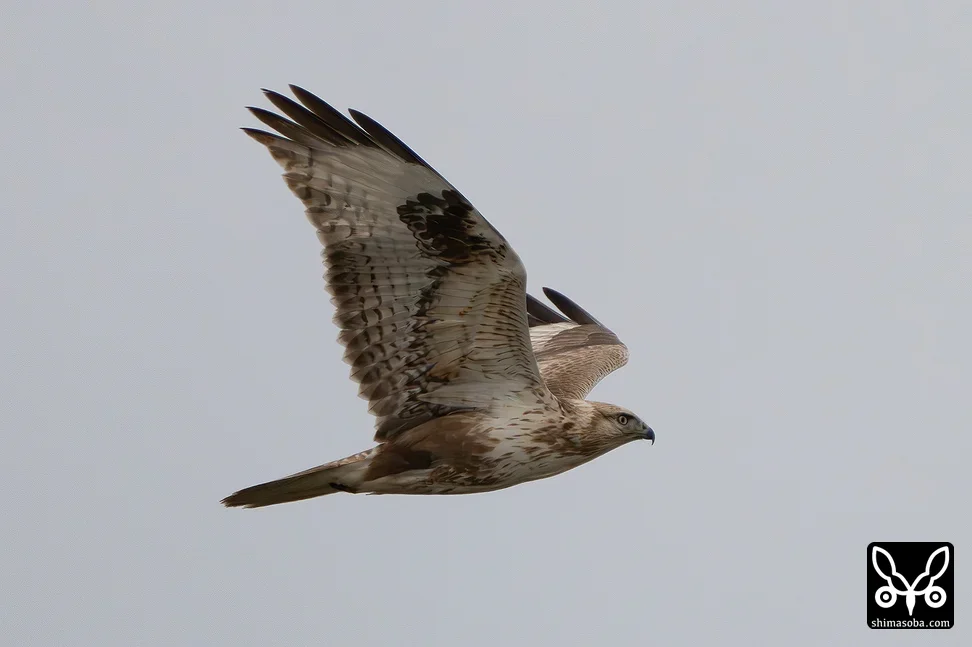
Same individual as above. In flight, the size typical of Upland Buzzard is striking.

Grey-faced Buzzard
Grey-faced Buzzard

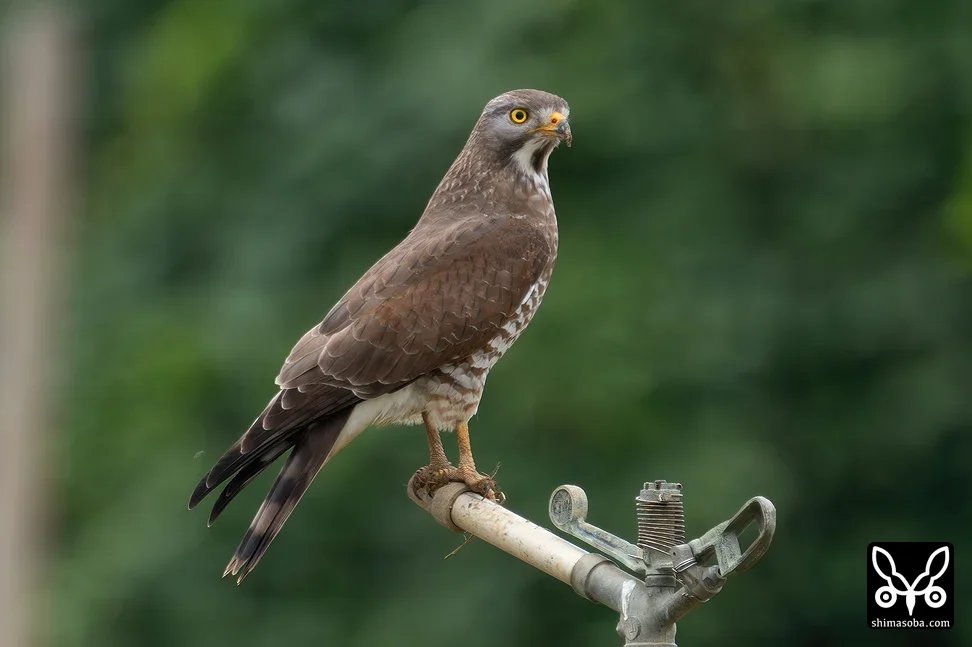
Grey-faced Buzzard, adult male.

Grey-faced Buzzard
Grey-faced Buzzard

Same individual as above. I feel that the number of Grey-faced Buzzards wintering on Ishigaki Island is decreasing year by year.

Categories: 野鳥

Common Hoopoe Appears on Christmas (video)

I went back to see the Common Hoopoe I had found while working the day before, and it was still there. It is in a residential estate, but the bird is so unwary that it may well decide to stay.

Eurasian Hoopoe
Eurasian Hoopoe

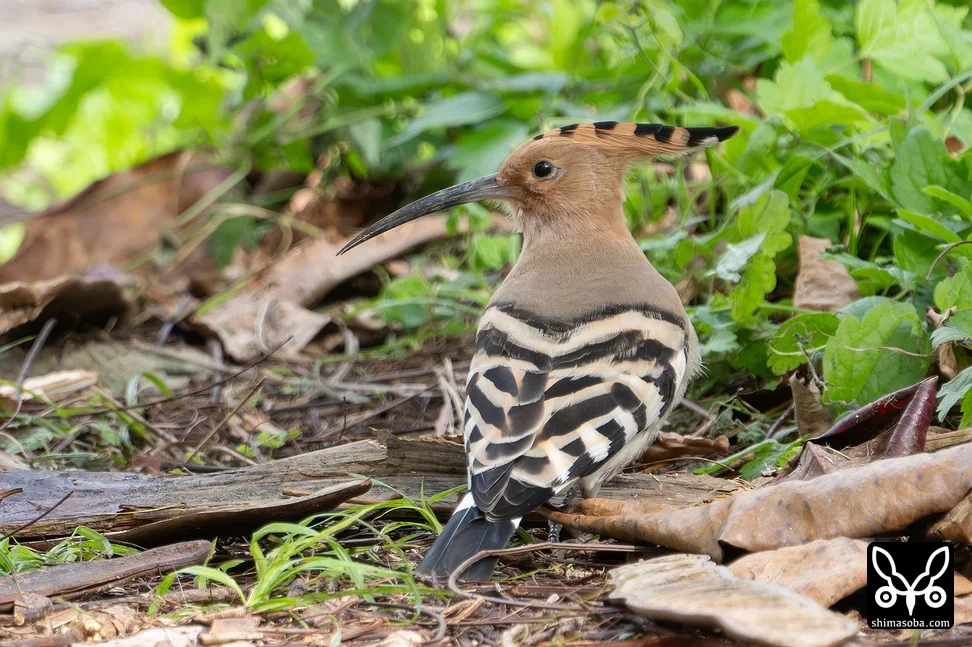
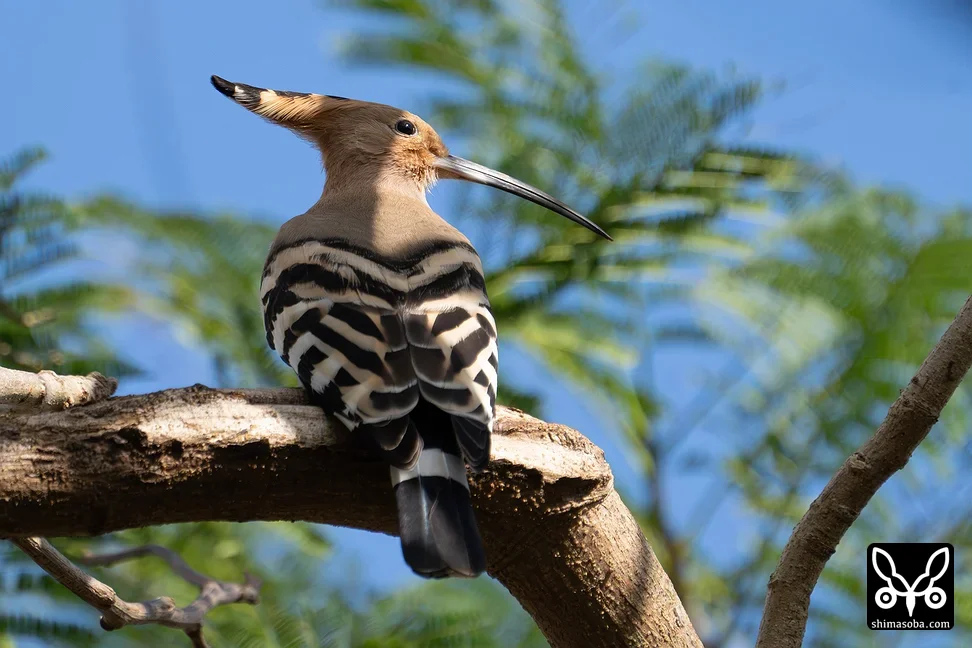
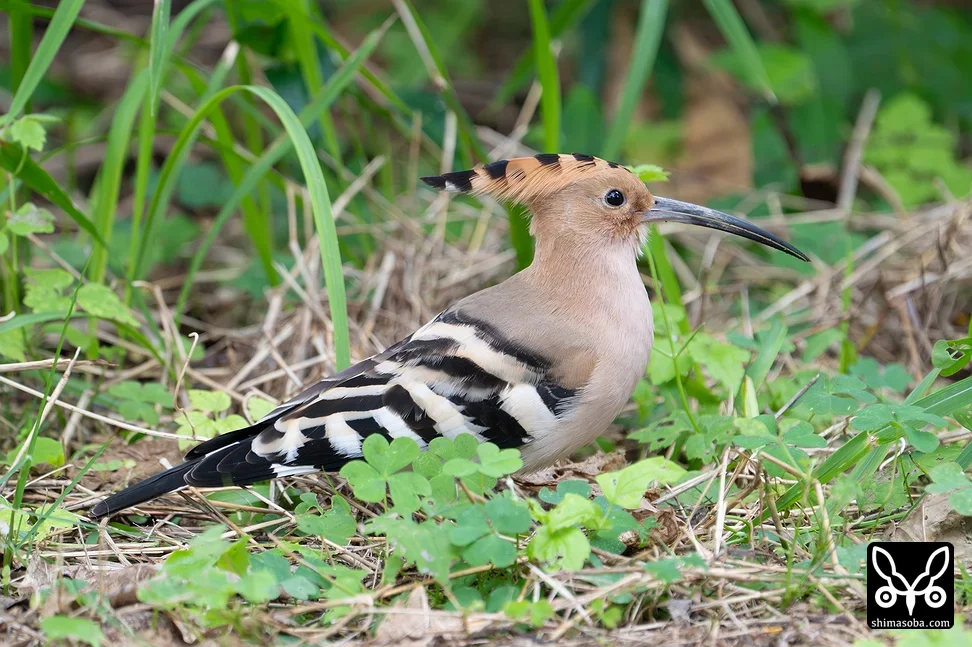
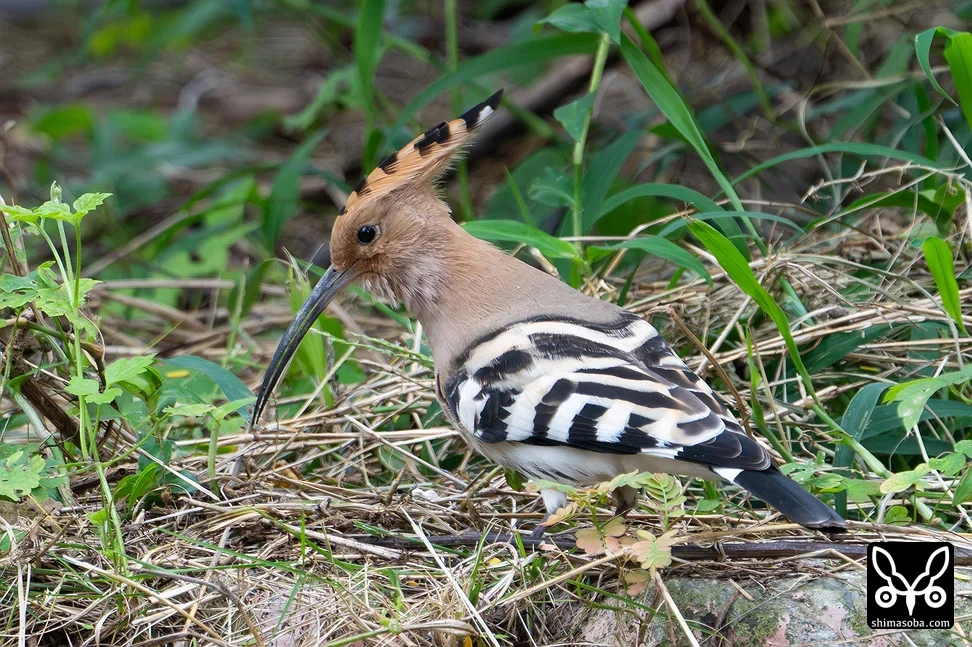
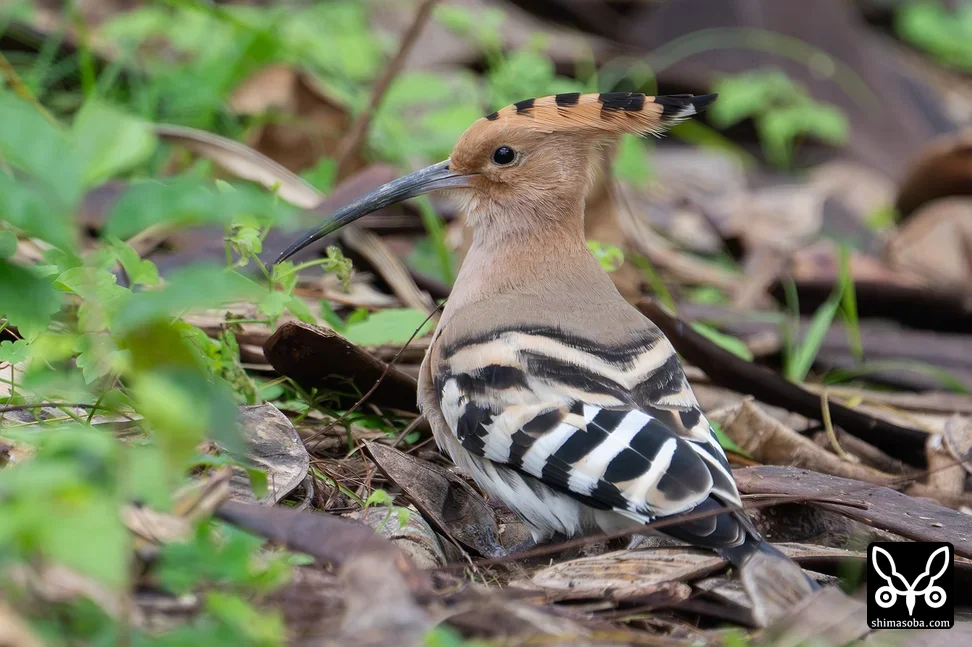
A Eurasian Hoopoe foraging at the base of a tree planted inside a housing complex.

Eurasian Hoopoe
Eurasian Hoopoe

When residents passed by it fled up into the tree, but after a while it came back down and resumed its hearty feeding.

Categories: 野鳥

Common Hoopoe and a Pair of Peregrine Falcons Staying On (video)

The Common Hoopoe that appeared on Christmas Eve is now on its third day. It shows no wariness and isn't being pestered by birders, so I have a feeling it will stick around.

The pair of Peregrine Falcons (former subspecies Siberian Peregrine) that wintered here last year are back again, terrorising the paddies and hunting Eurasian Coots and herons relentlessly. Eurasian Coots are well down on last year's numbers, and Eurasian Teal are completely absent. The Upland Buzzard wintering in the same area alongside the falcons may be a factor.

Common Snipe have moved in all over, including a flock of 47, but they are all Common Snipe.

Eurasian Hoopoe
Eurasian Hoopoe

A Eurasian Hoopoe with little wariness. There is a fair amount of foot traffic, but no birders come, so it is never chased off and is well into wintering mode.

Eurasian Hoopoe
Eurasian Hoopoe

The prey item the Hoopoe was eating here was, again, cockroaches.

Saker Falcon
Saker Falcon

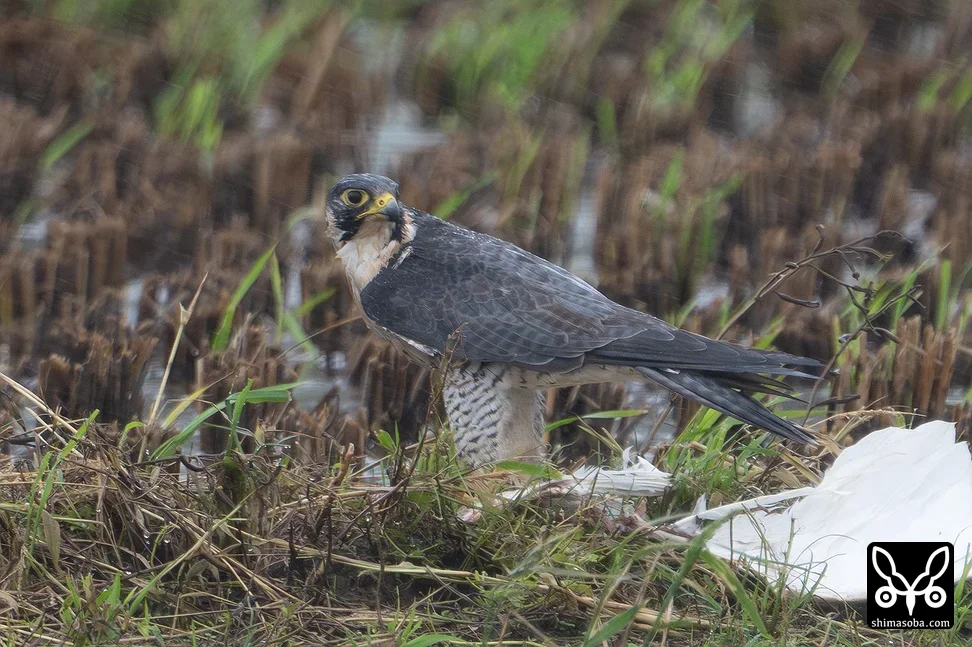
An adult male Peregrine Falcon with a large Intermediate Egret it had caught.

Saker Falcon
Saker Falcon

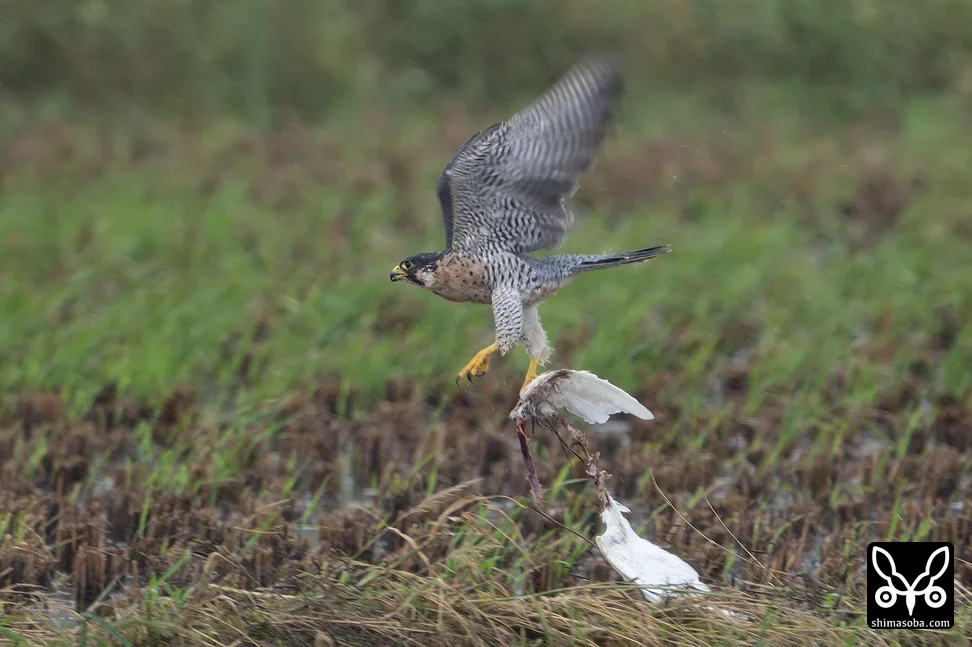
Just as it had nearly finished eating, a passing vehicle startled it into flight and the prey disintegrated in the air….

Common Snipe
Common Snipe

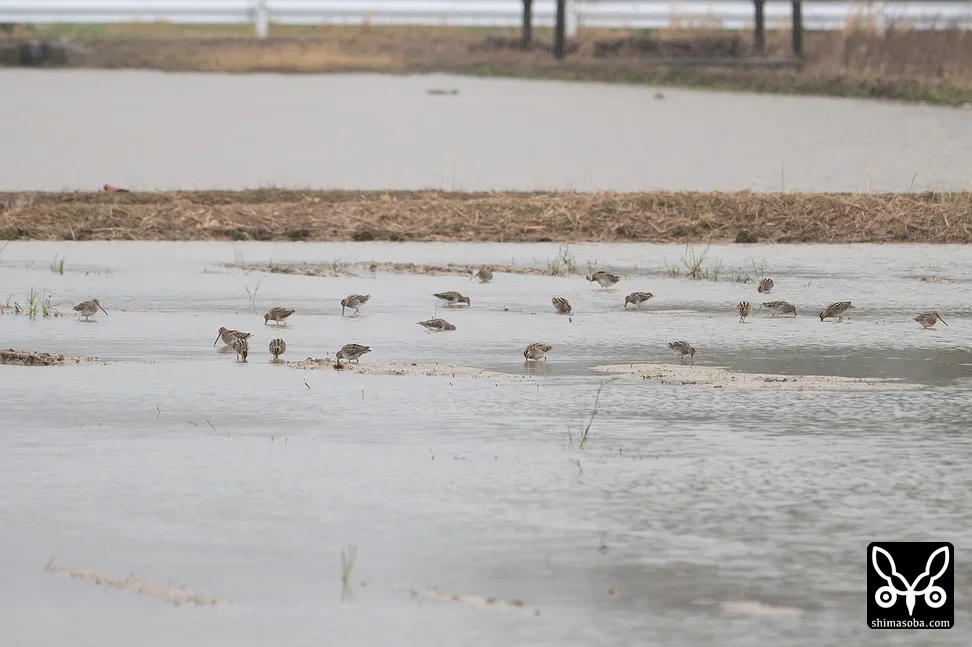
A flock of 47 Common Snipe. All of them Common Snipe, even with that many. At this time of year, any newly arriving snipe are all Common Snipe.

Categories: 野鳥

Common Hoopoe Day 5, Pied Avocet, Ryukyu Scops Owl

It's a hectic schedule at year-end, but I happened to pass nearby during work so I stopped to check on the Common Hoopoe. It was foraging in its usual spot. There are a lot of feral cats around, so I worry about it coming to harm.

In the paddies the Pied Avocet was still present. There were also Long-toed Stints, Wood Sandpipers, Black-winged Stilts, and Common Greenshanks.

In the evening I checked for owls for the first time in a while. No Long-eared Owl or Short-eared Owl found. Ryukyu Scops Owls were fairly numerous. At this time of year moult is complete and they are in fresh winter plumage — well worth a look.

Eurasian Hoopoe
Eurasian Hoopoe

A Eurasian Hoopoe in wintering mode, searching for food at its usual spot.

Pied Avocet
Pied Avocet

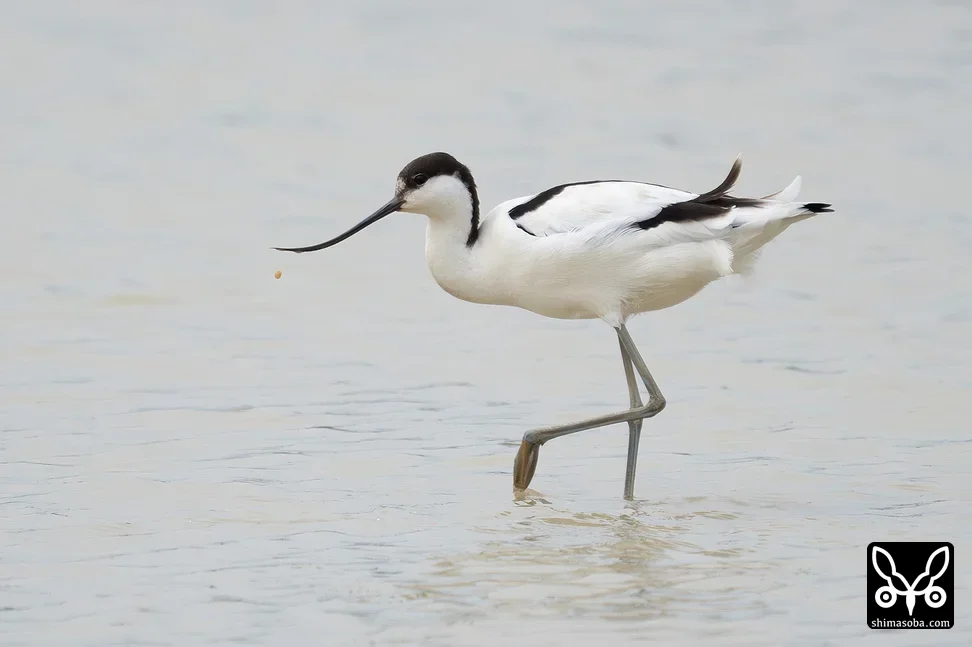
A Pied Avocet also continuing a long stay.

Ryukyu Scops Owl
Ryukyu Scops Owl

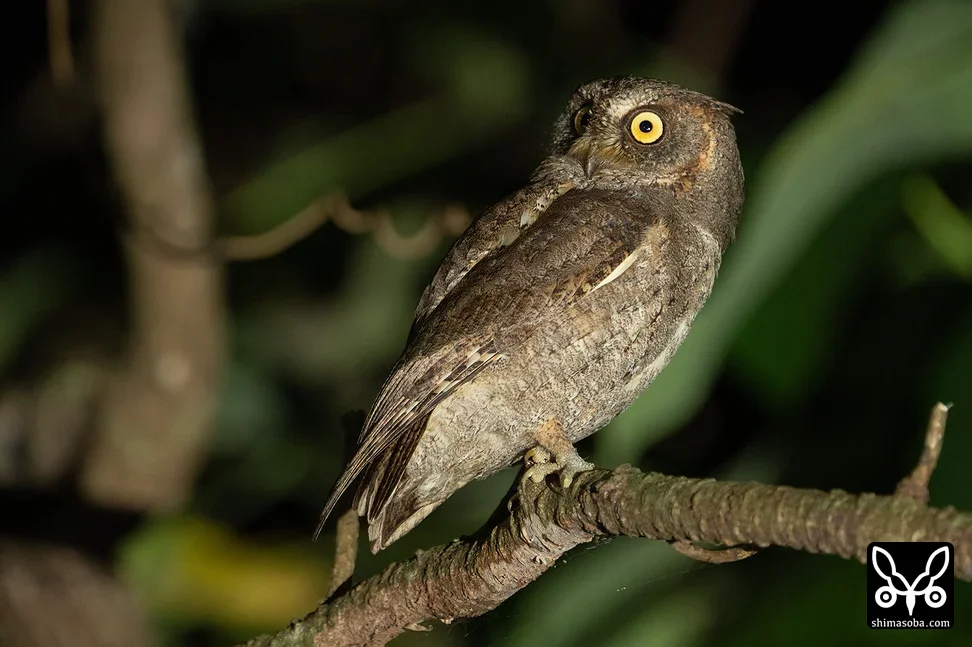
An adult Ryukyu Scops Owl in beautiful fresh plumage after completing its moult.

Ryukyu Scops Owl
Ryukyu Scops Owl

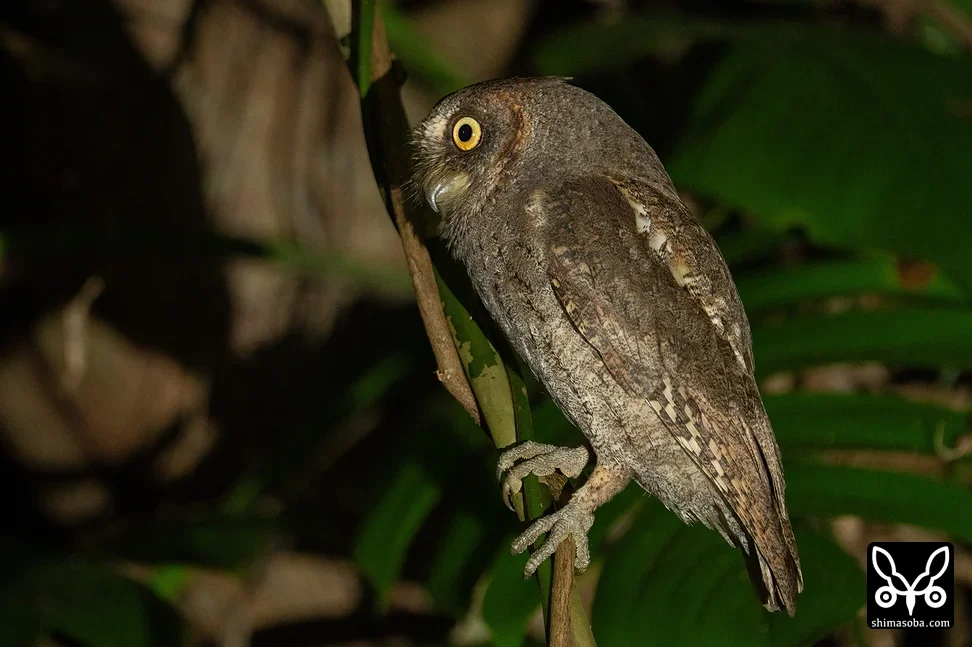
Same individual as above. It caught an insect that had been attracted by a car's lights and flew off somewhere.

Categories: 野鳥

Last Look at the Collared Kingfisher for 2024

Before heading home to Nagoya I went for one last look at the Collared Kingfisher for 2024. Temperatures have dropped and crabs — its main prey — seem to be less available; its ranging area has expanded considerably.
The Common Hoopoe was still present too, but my camera was already packed in the carry-on bag, so no photos this time.

There was also a strangely pale Chinese Pond Heron. Looking closely, the median coverts on the left wing are white. Three Chinese Pond Herons are wintering in the same area.

Collared Kingfisher
Collared Kingfisher

The last Collared Kingfisher of the year. This happy blue bird drew many birdwatchers to Ishigaki Island. Moult appears to have begun slightly, with fresh bright feathers coming in on the head. I hope it stays until the plumage is fully renewed.

Chinese Pond Heron
Chinese Pond Heron

A Chinese Pond Heron with only the left wing coverts white. Hard to tell whether the feathers have dropped out, are dishevelled, or this is partial albinism.

Categories: 野鳥