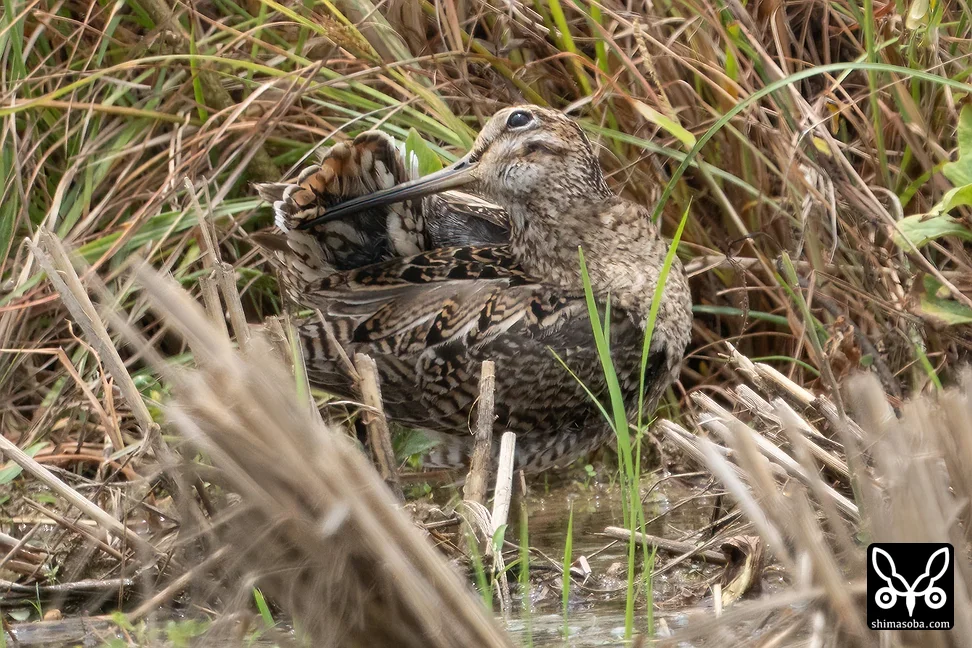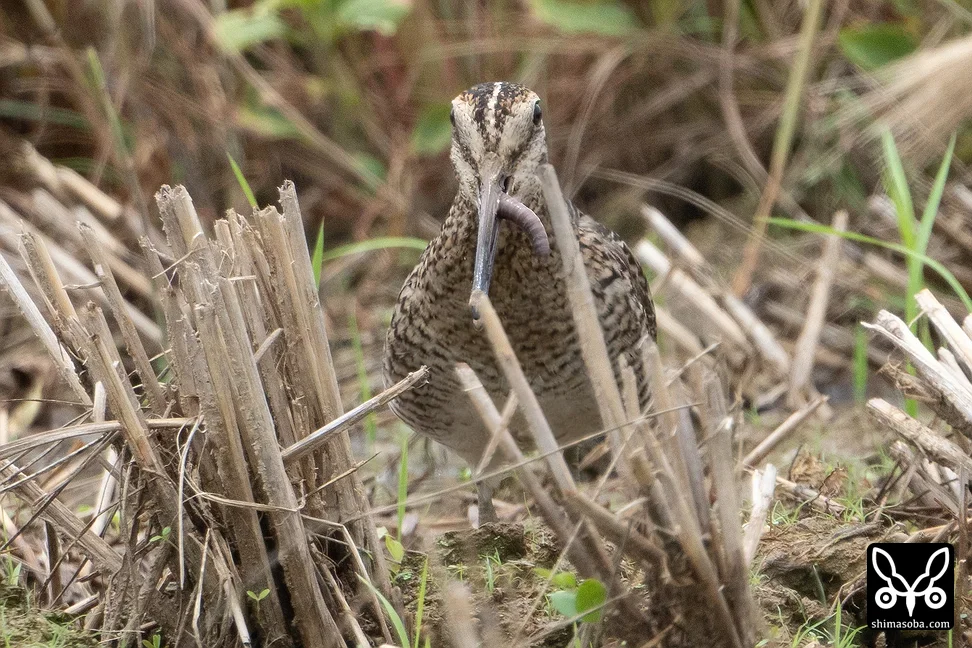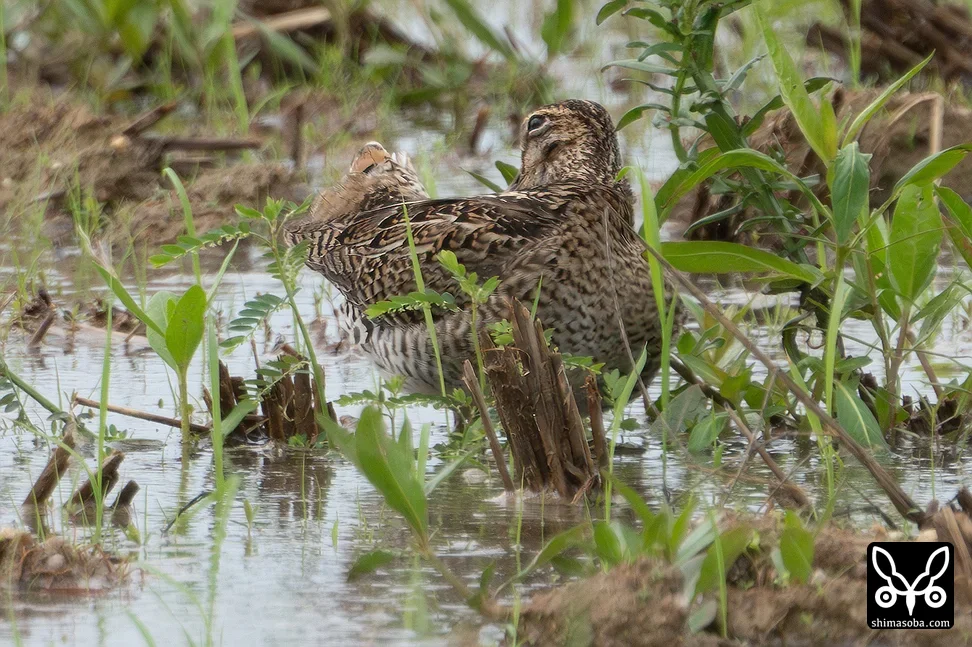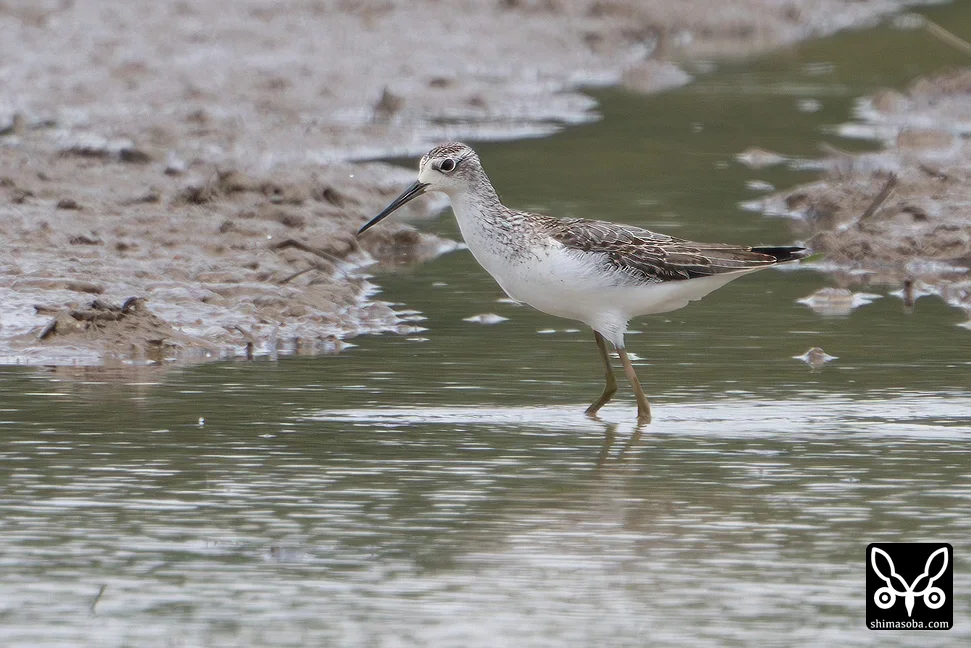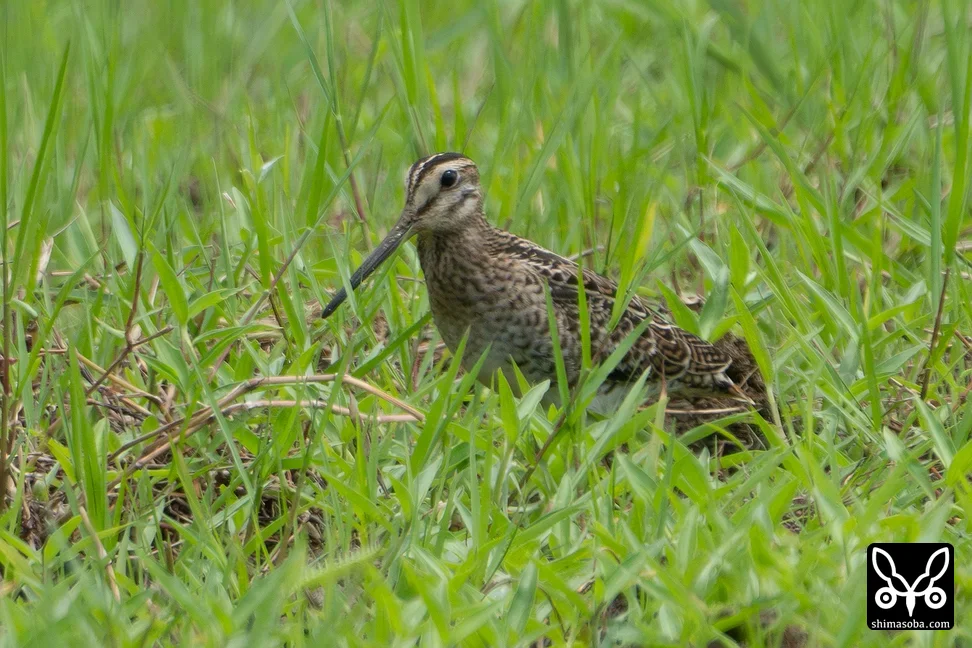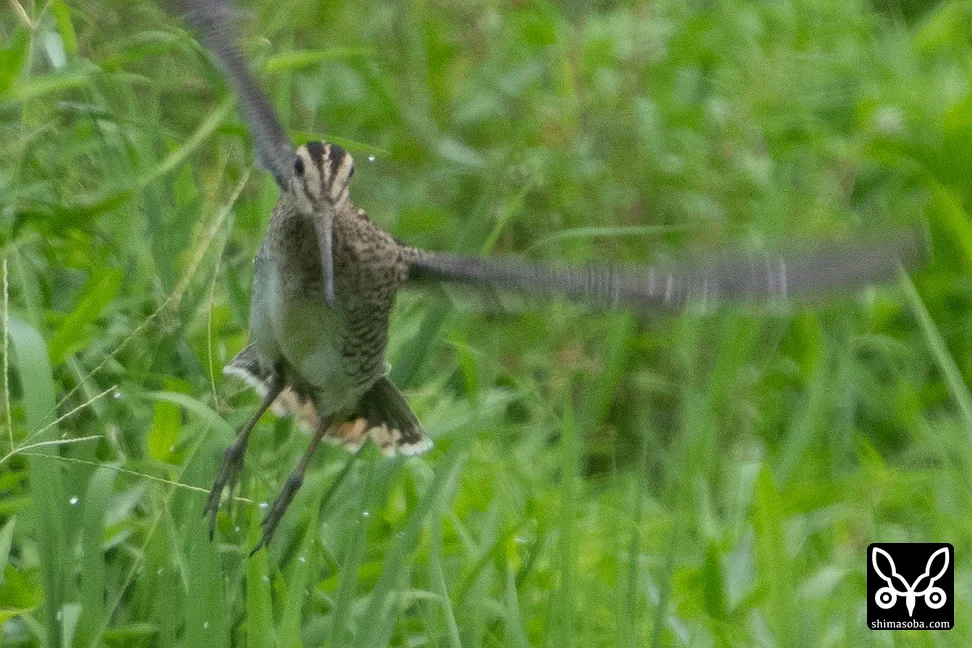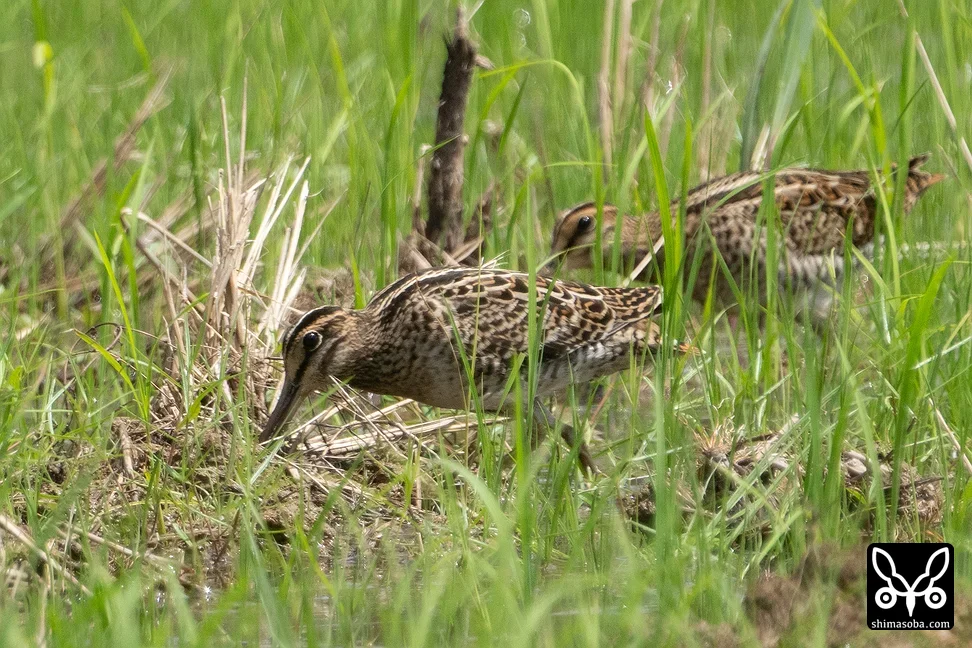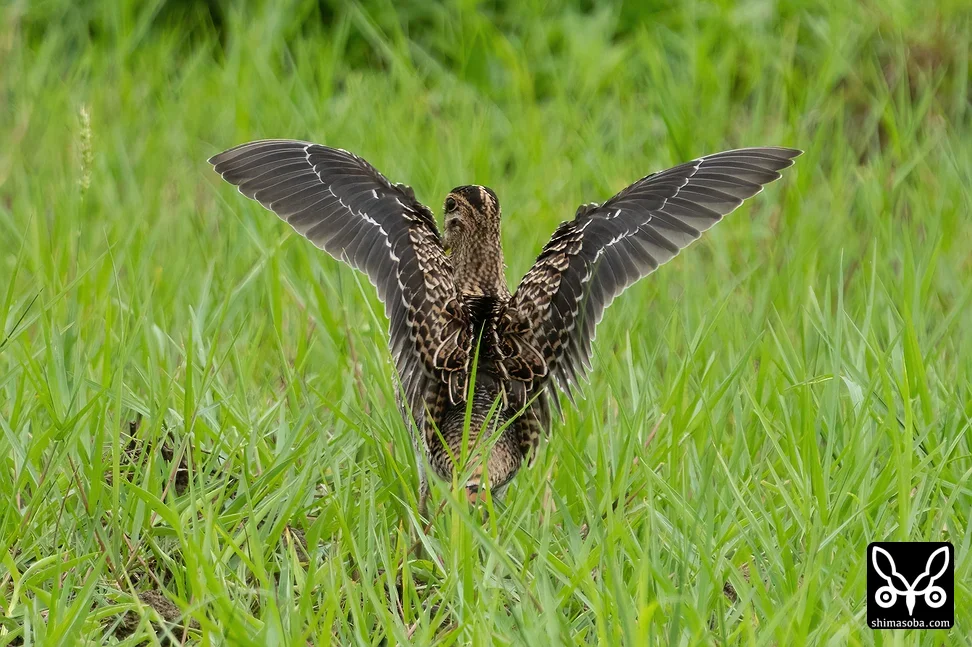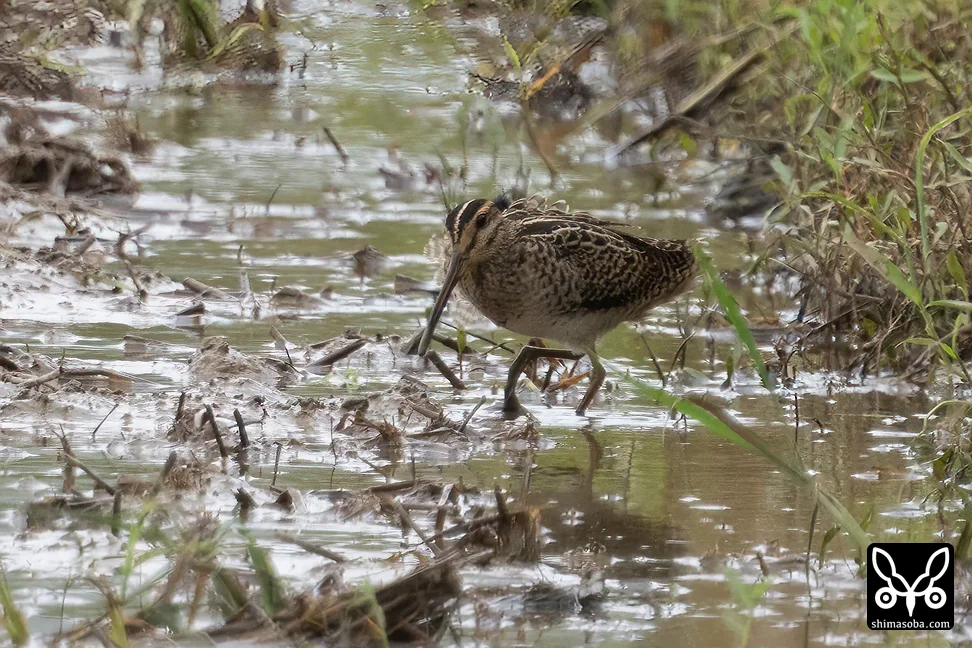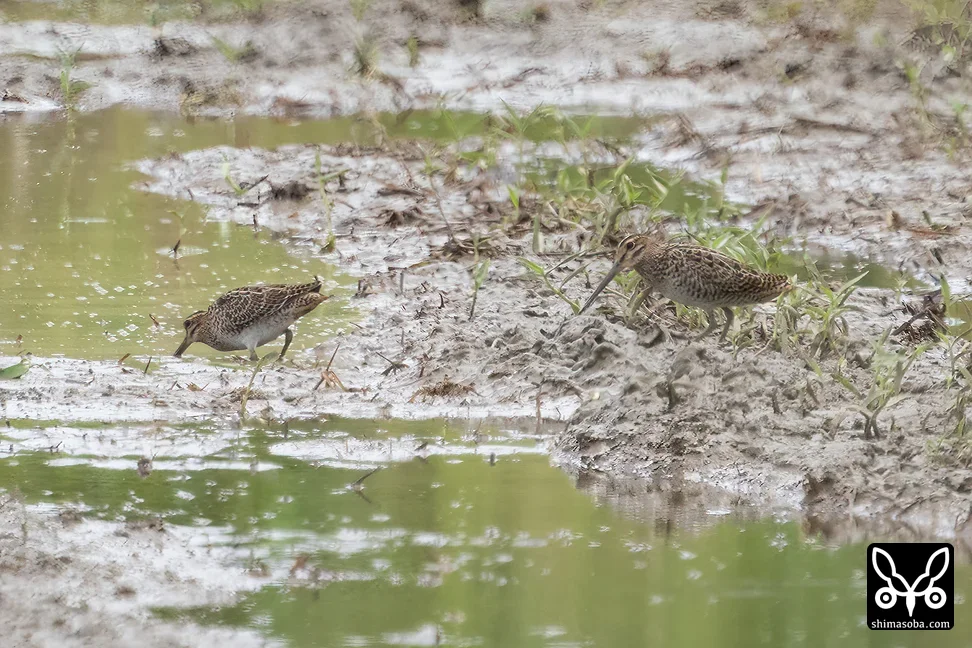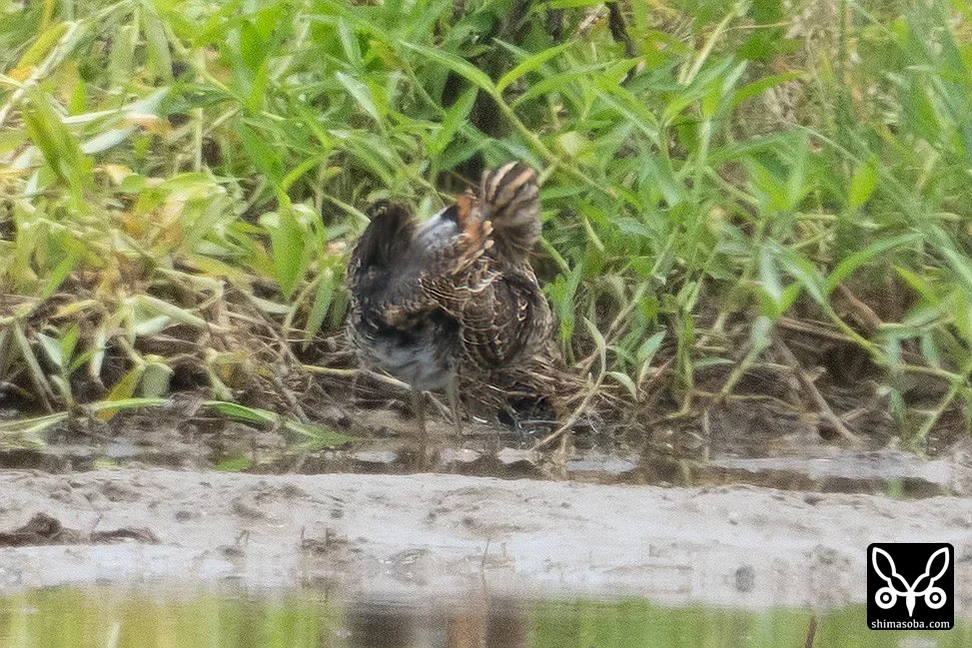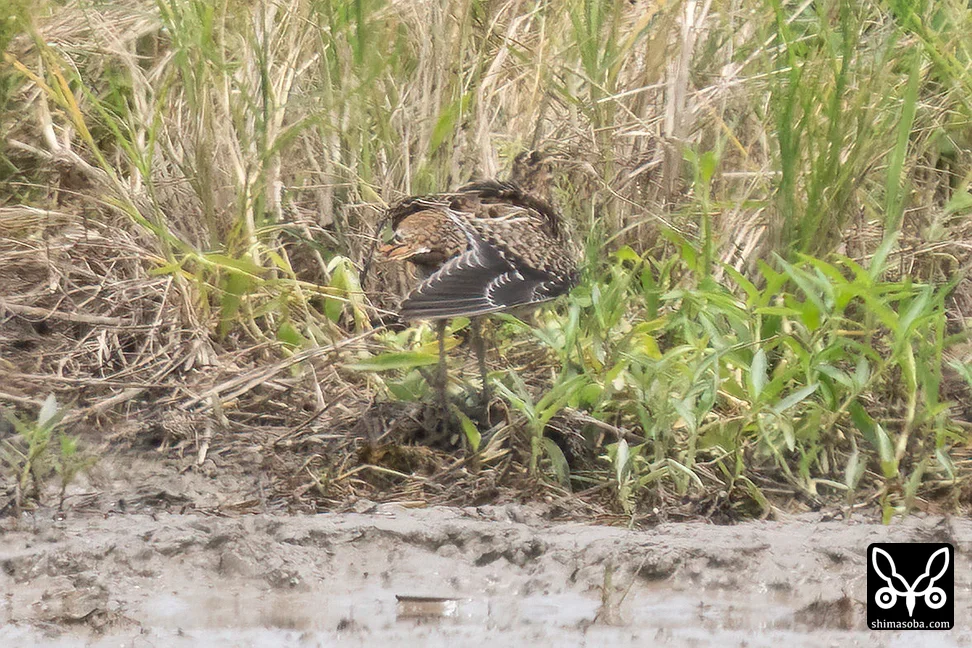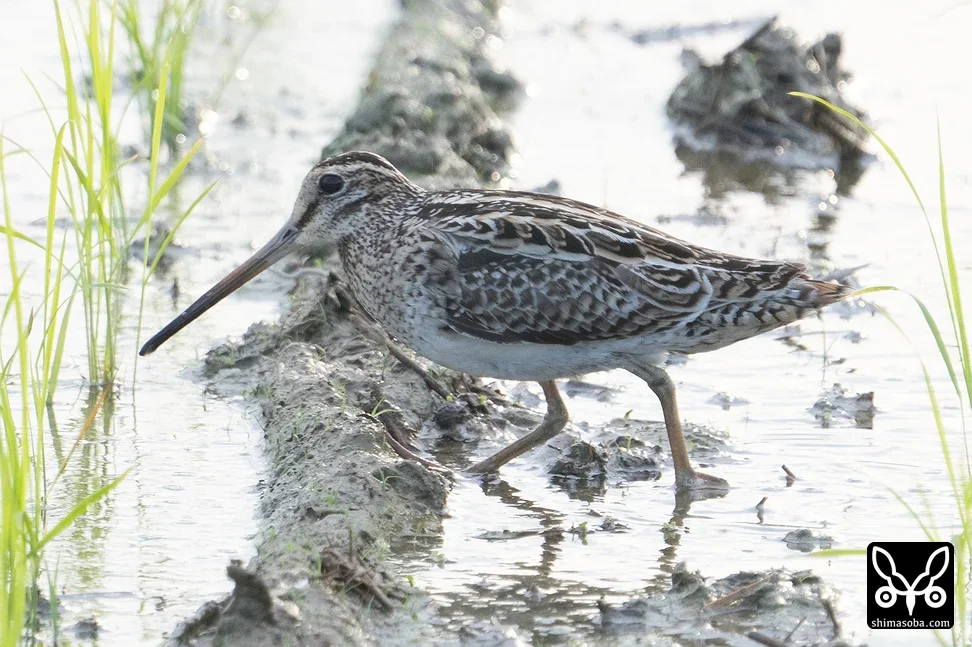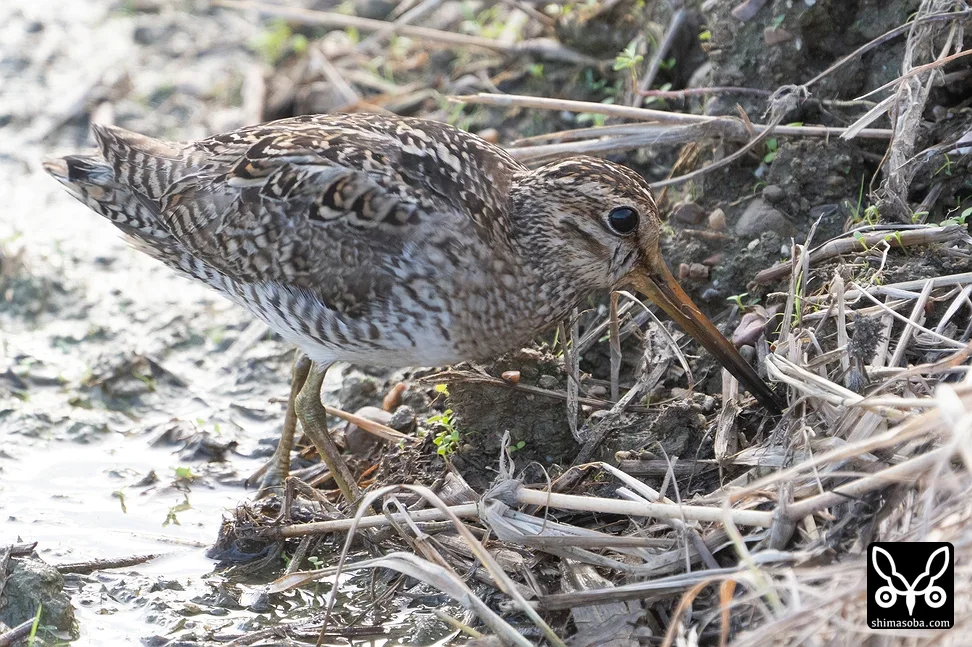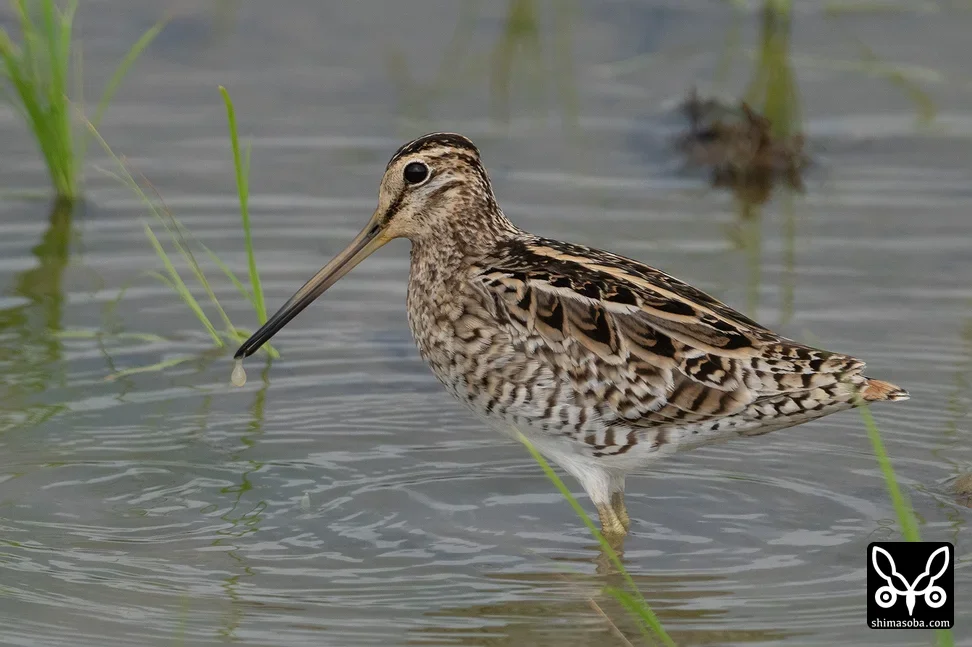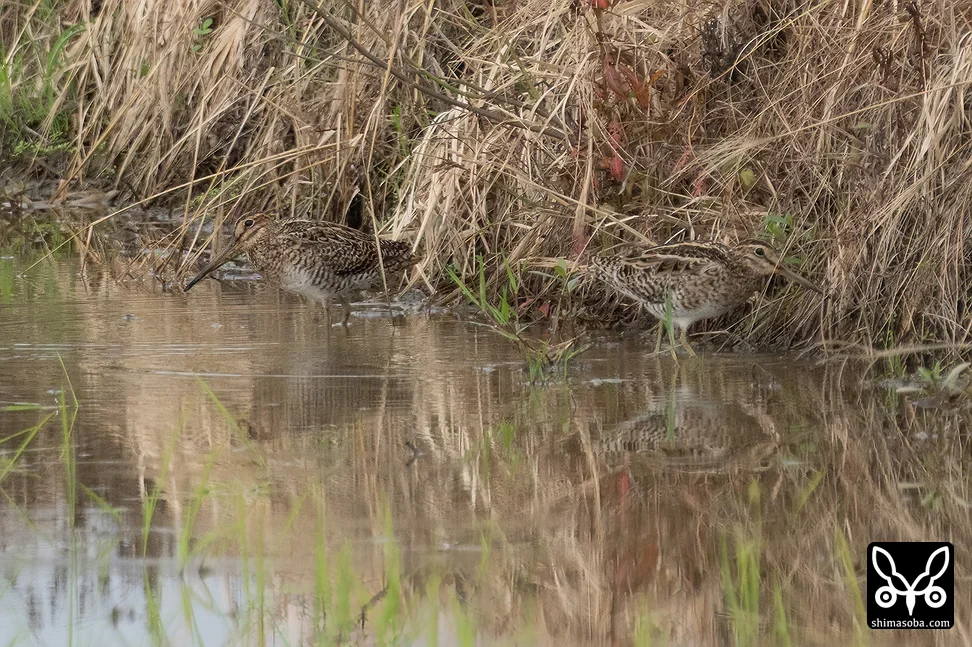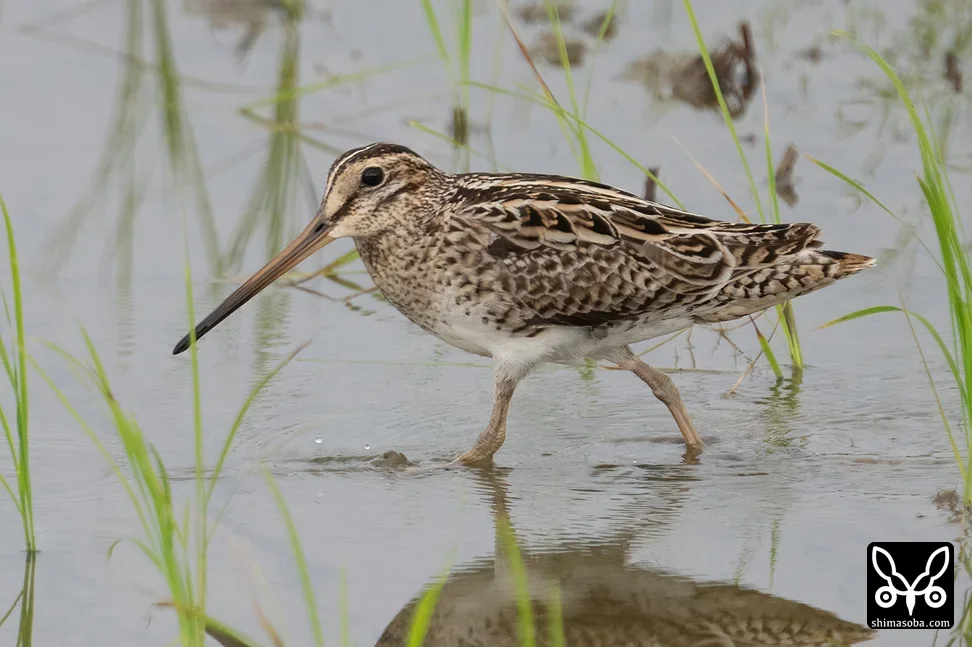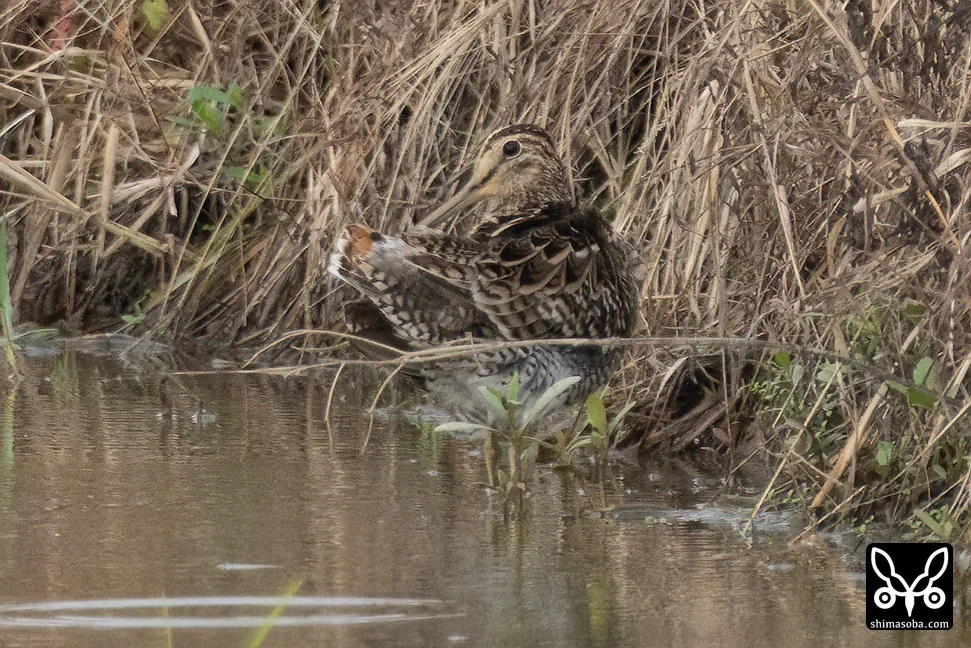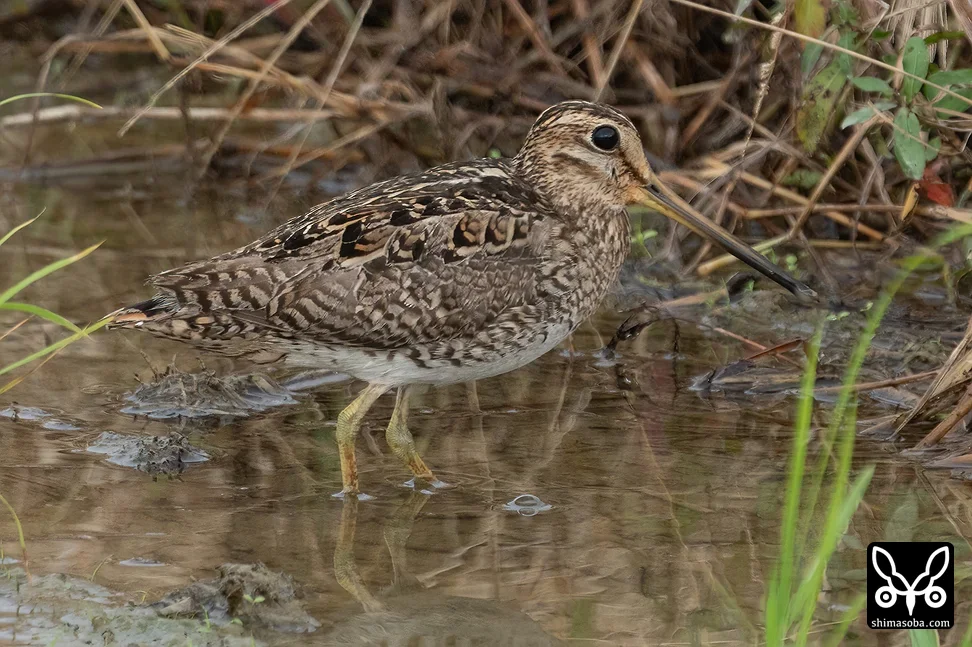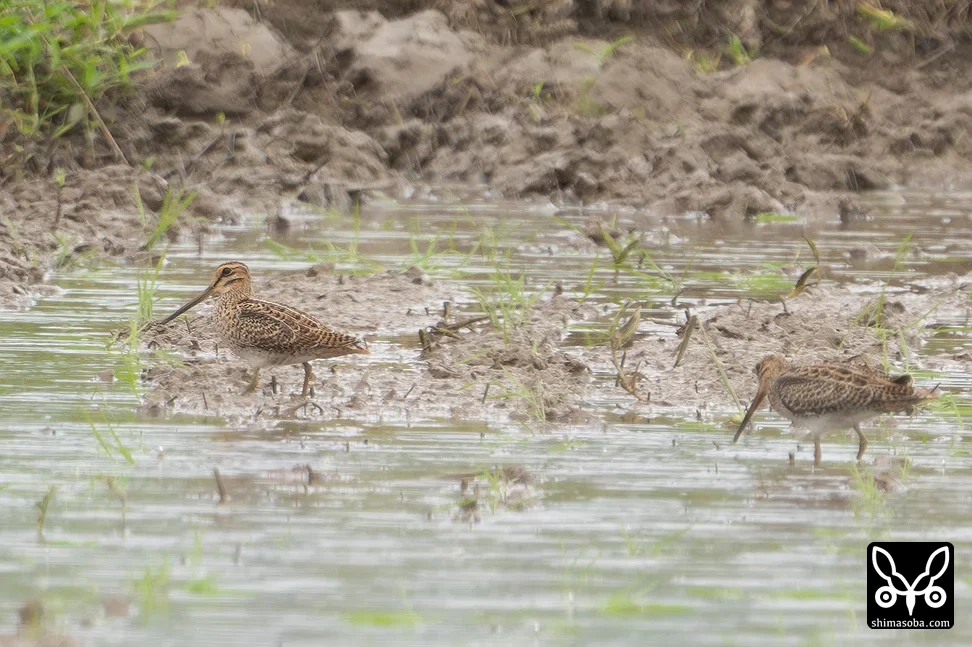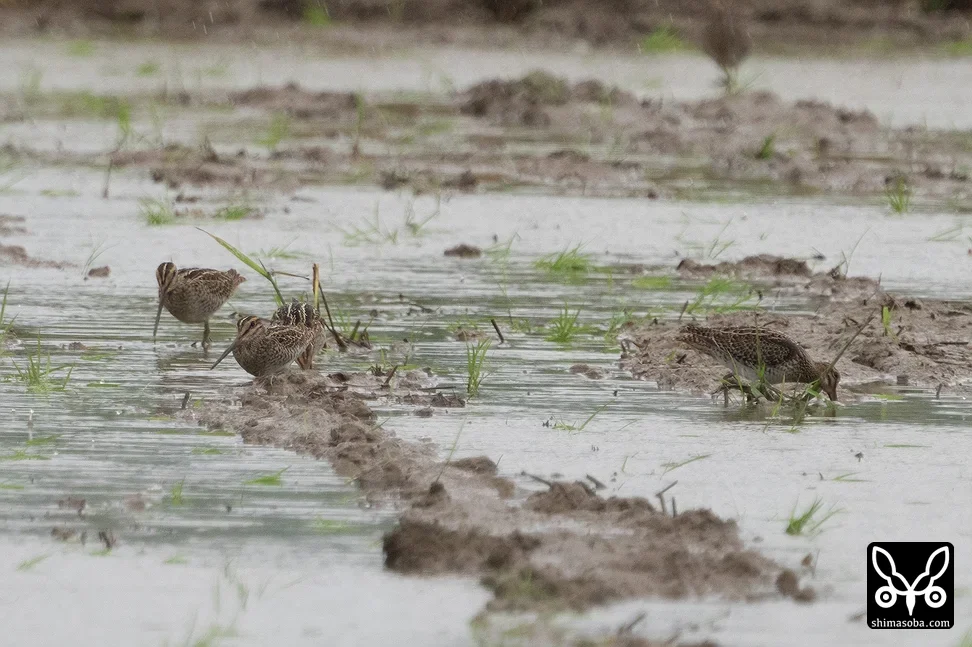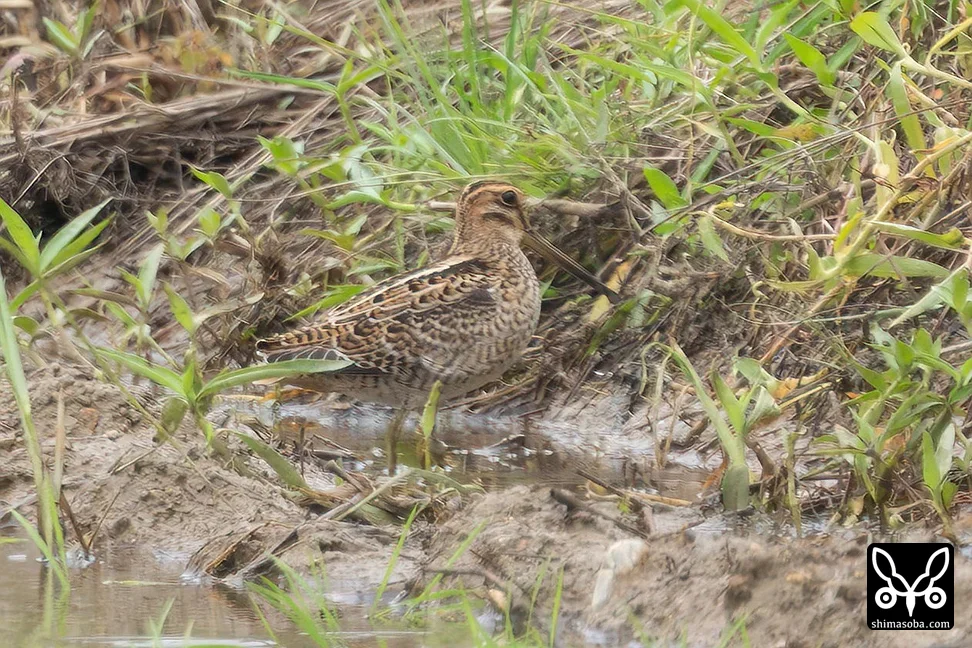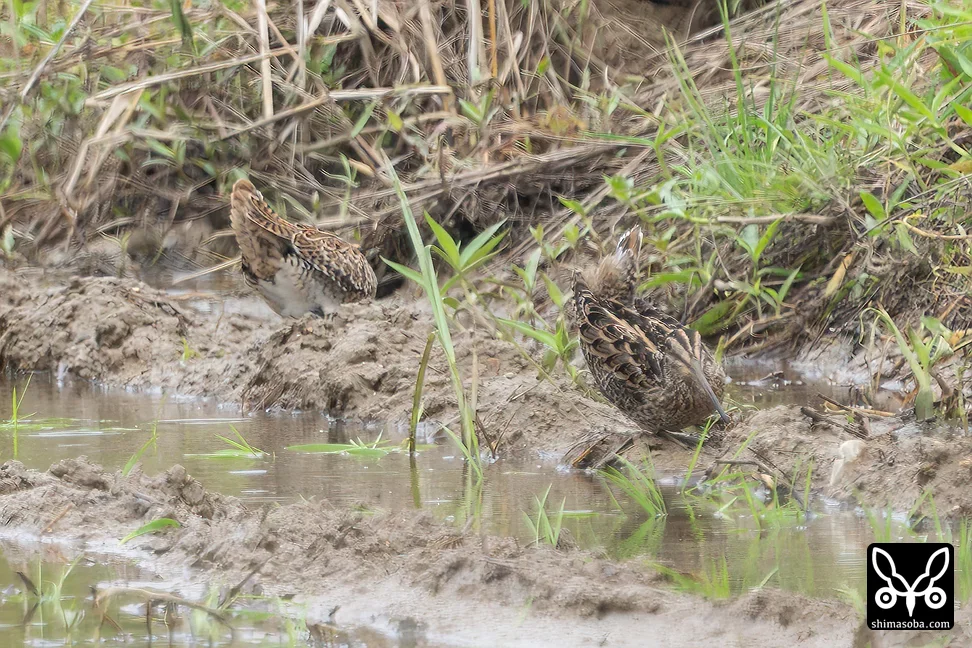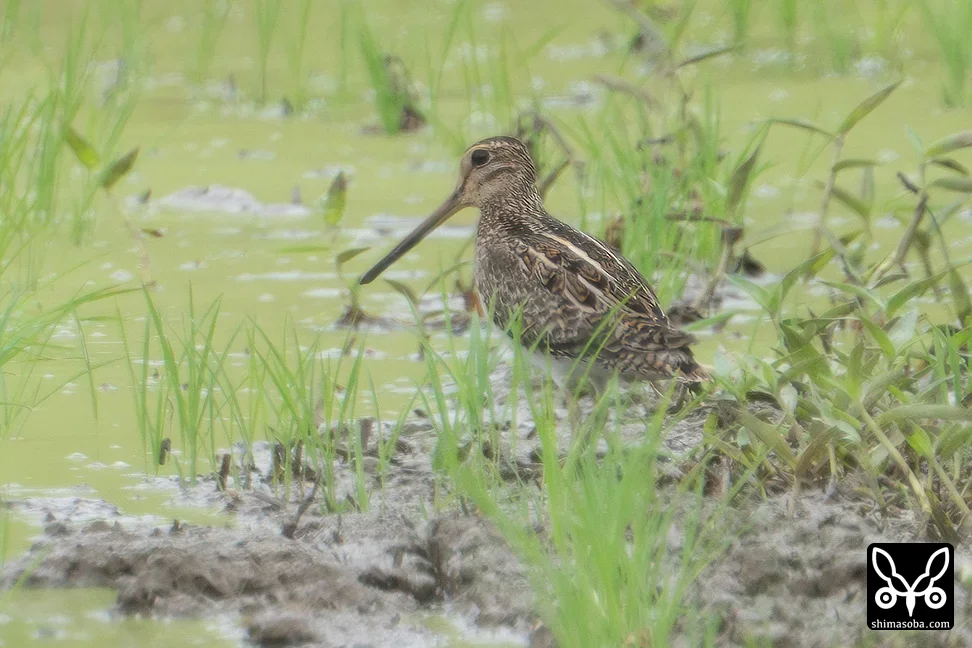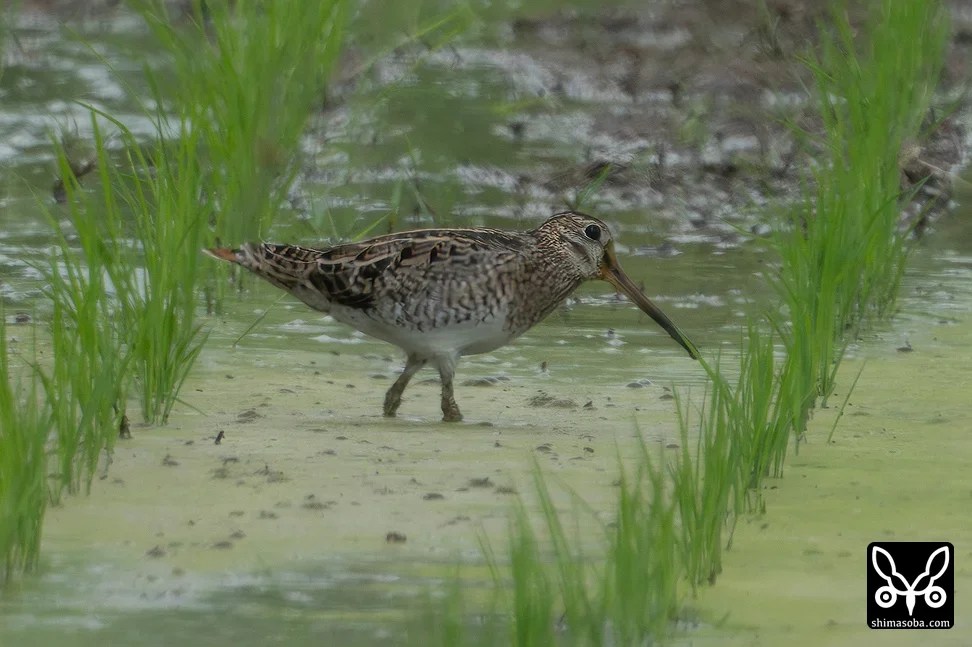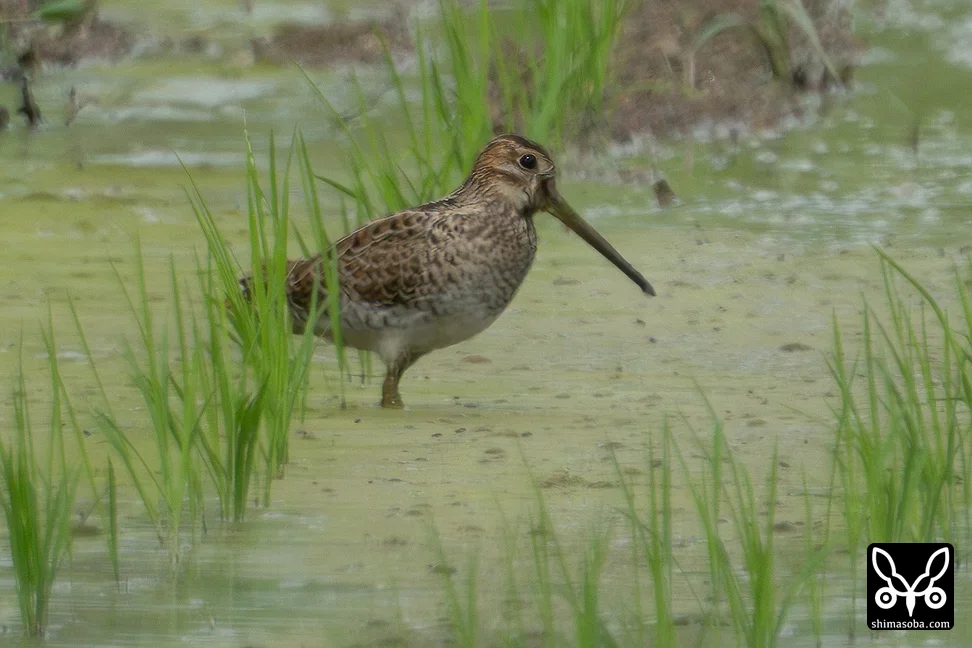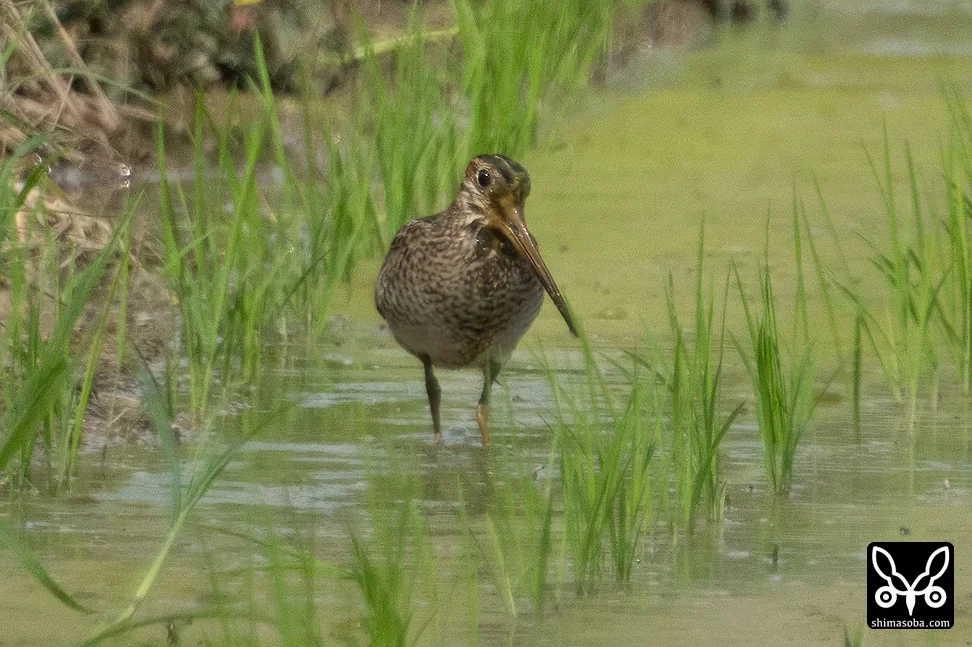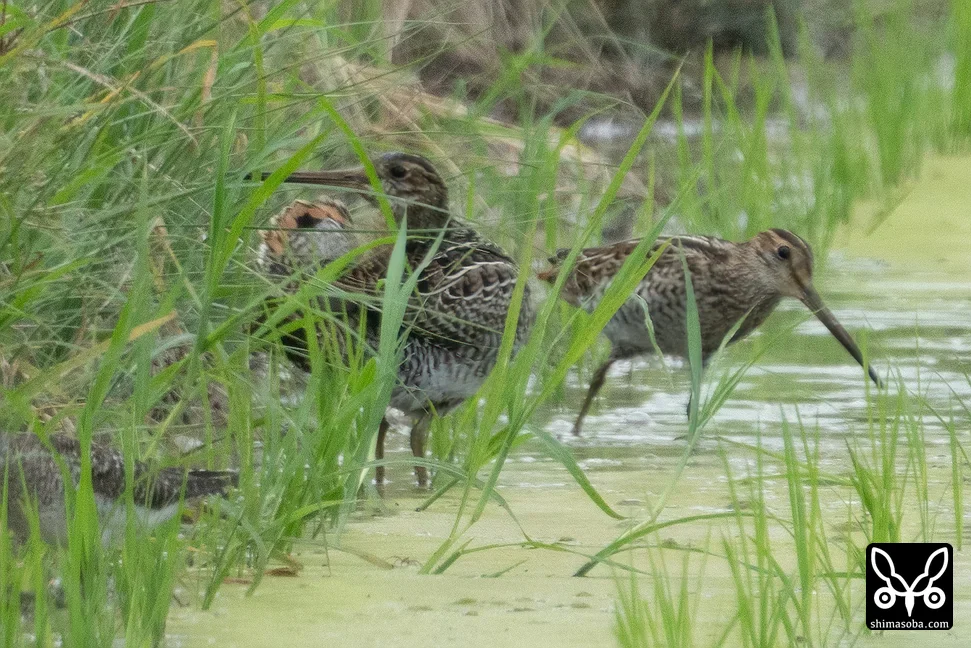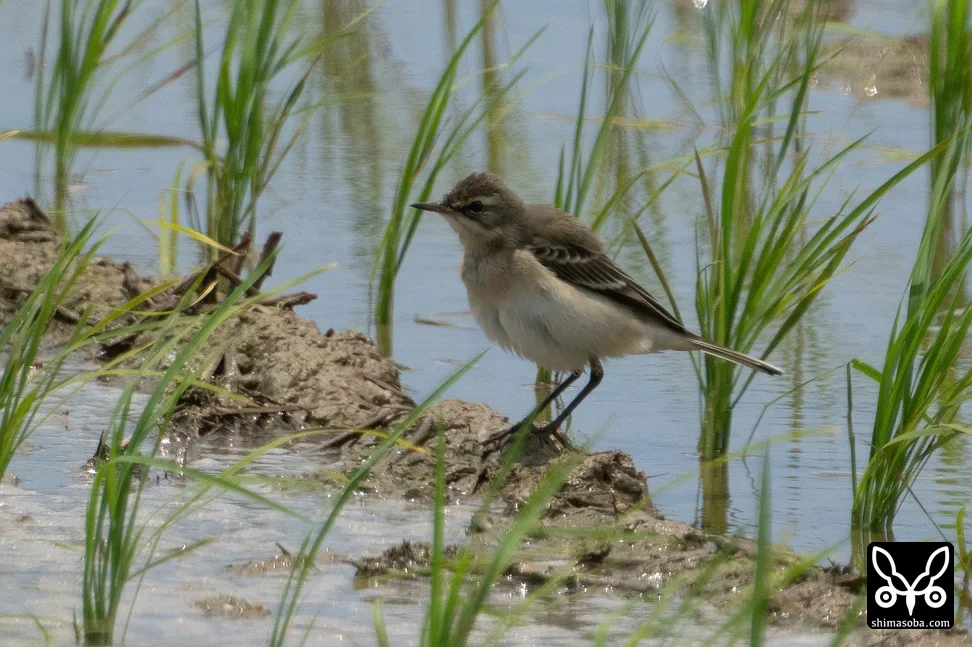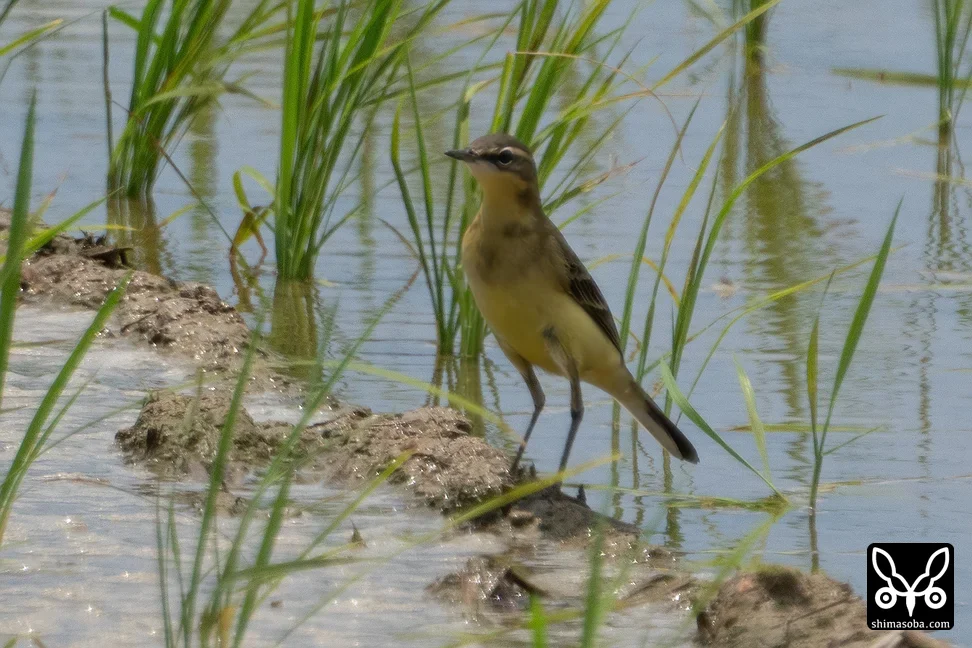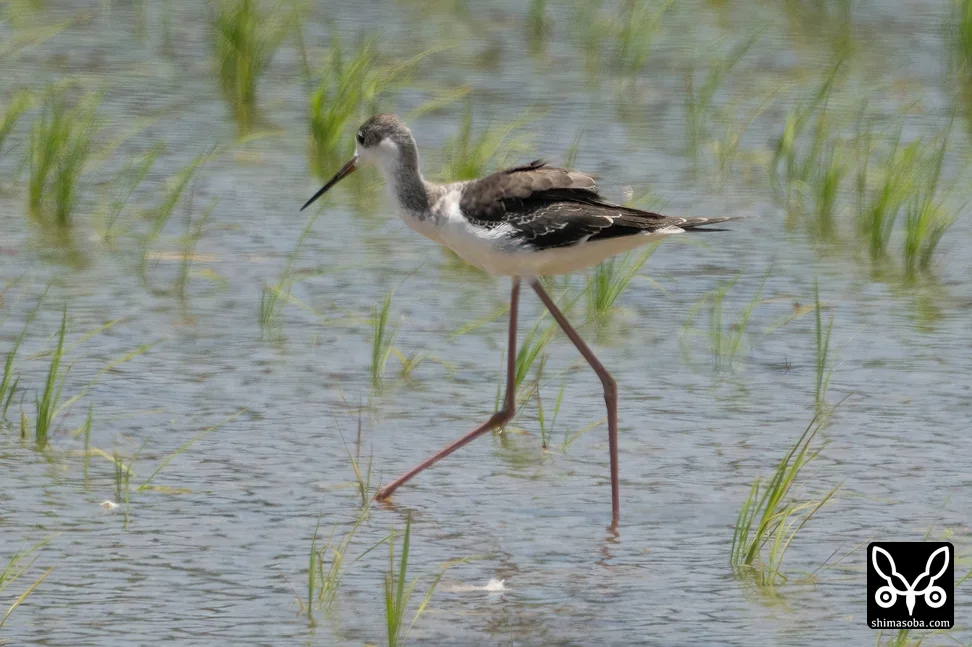
A daily record.
Featuring photos of wild birds and nature, mainly from Okinawa Main Island and Ishigaki Island

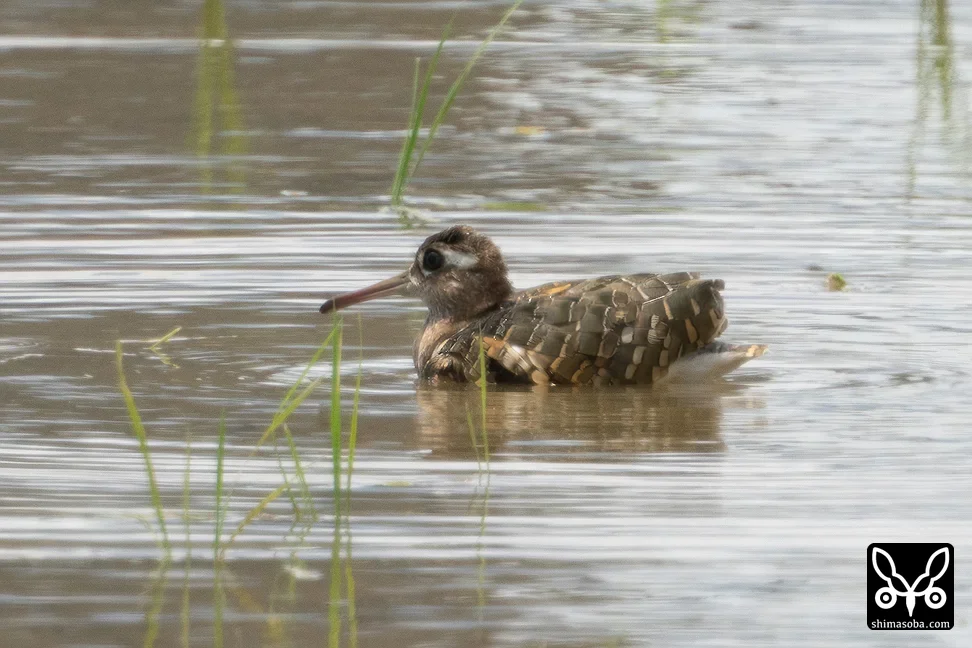
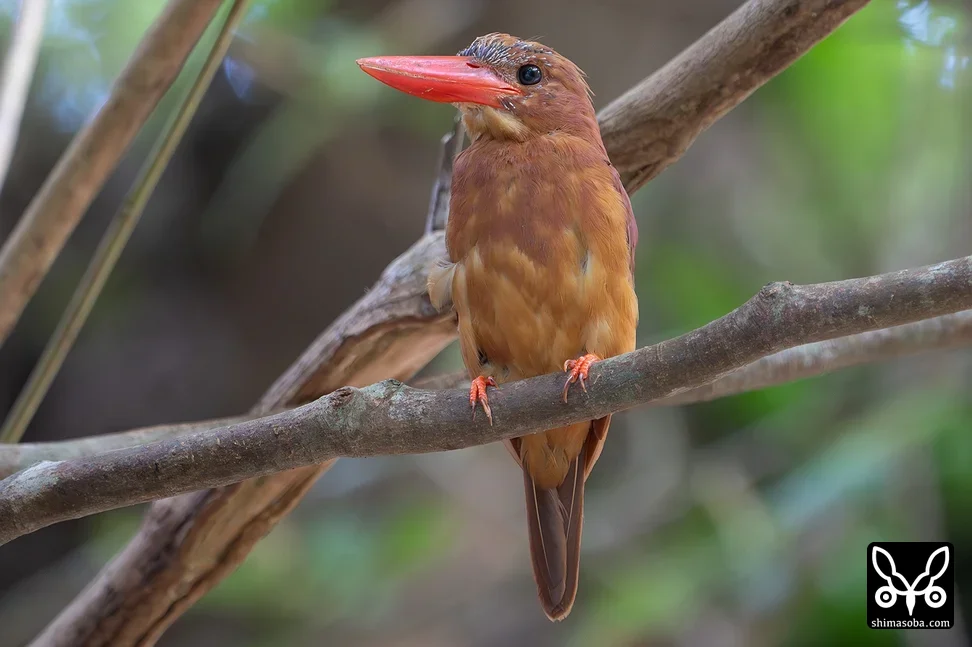
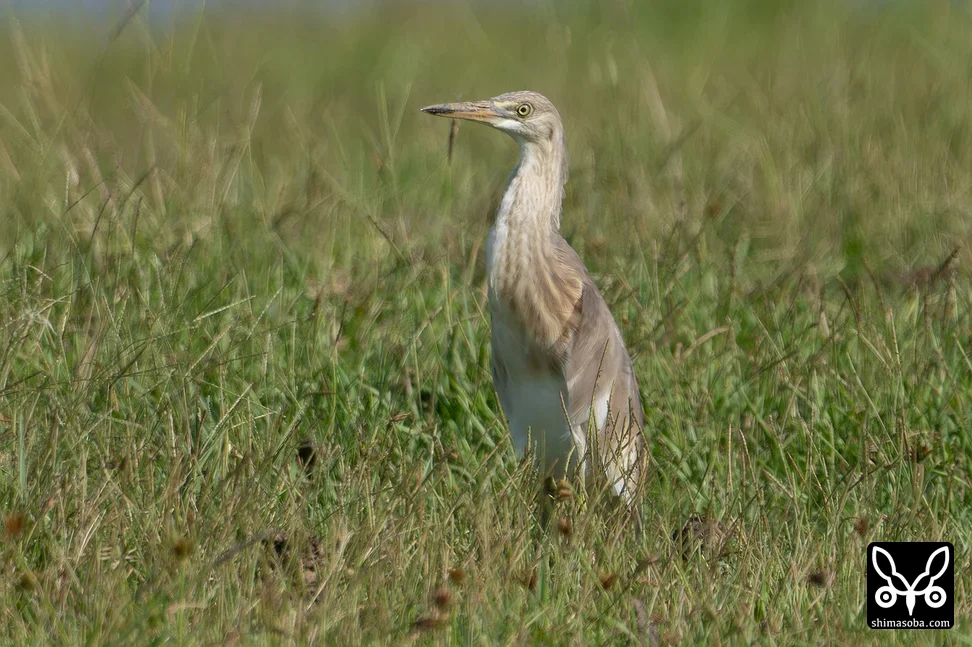
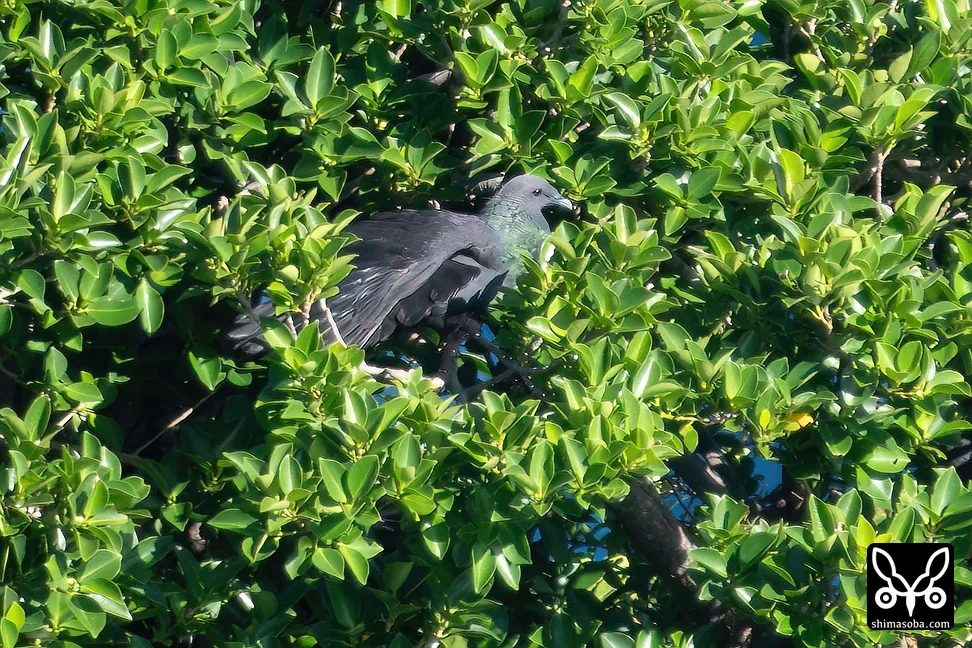
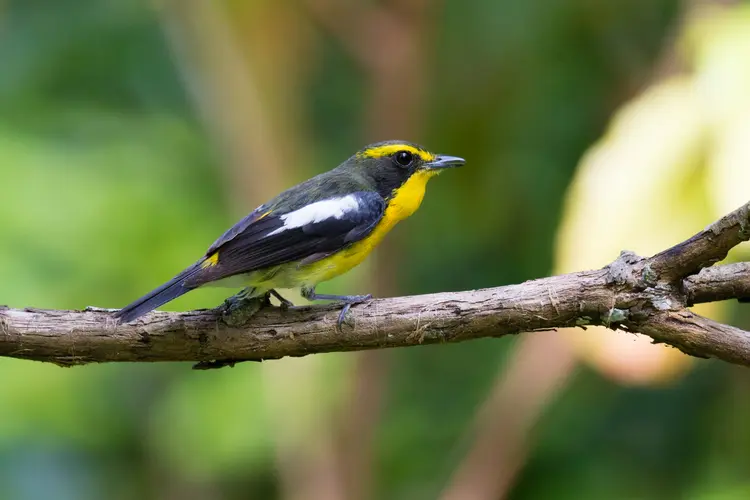
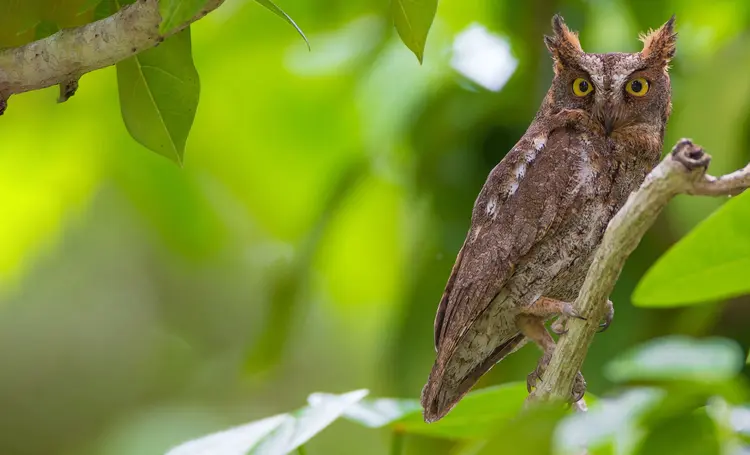
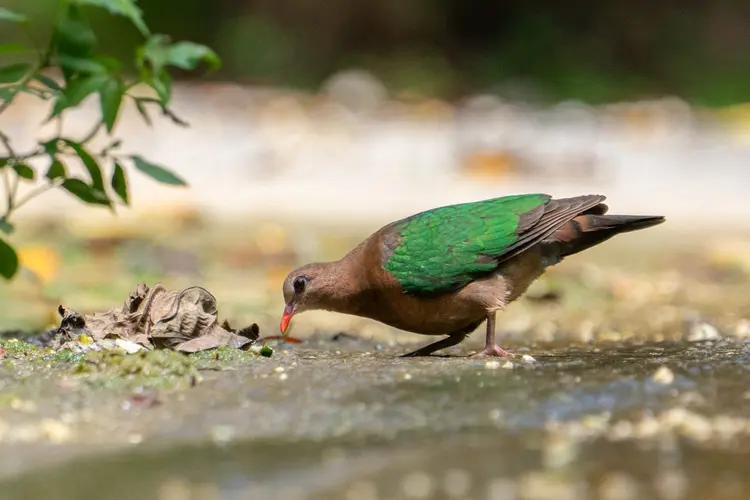
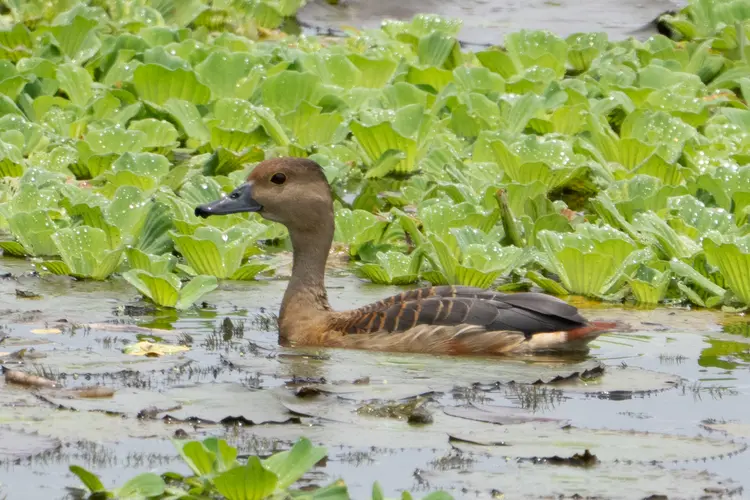
Ryukyu flycatcher Ryukyu scops owl Emerald dove Lesser Whistling Duck Forest Wagtail

GUIDED BIRDWATCHING TOUR

Go where the birds are. The SHIMASOBA Tour launches.

We'll drive you around Ishigaki Island to wherever the birds are showing best that day. Observation is mostly from inside the vehicle, and we keep it to a maximum of 3 guests so everyone can take their time.

Max. 3 guests 4 hours in the morning Beginners welcome
Check availability and book

Oriental Pratincole and Kentish Plover breeding, Little Tern breeding, first juvenile Common Redshank of the season (video)

Oriental Pratincole and Kentish Plover are breeding well, with many fledged chicks on view. The Oriental Pratincoles in particular have formed a flock of nearly 60 juveniles. At the reclaimed land site, chicks from several Kentish Plover pairs have fledged and are running around energetically.

The Little Terns, which share the same site as the Kentish Plovers in a colony, had their nests flooded by heavy rain brought by the typhoon. Some eggs that had been submerged for several hours did hatch, but their prognosis looks poor.

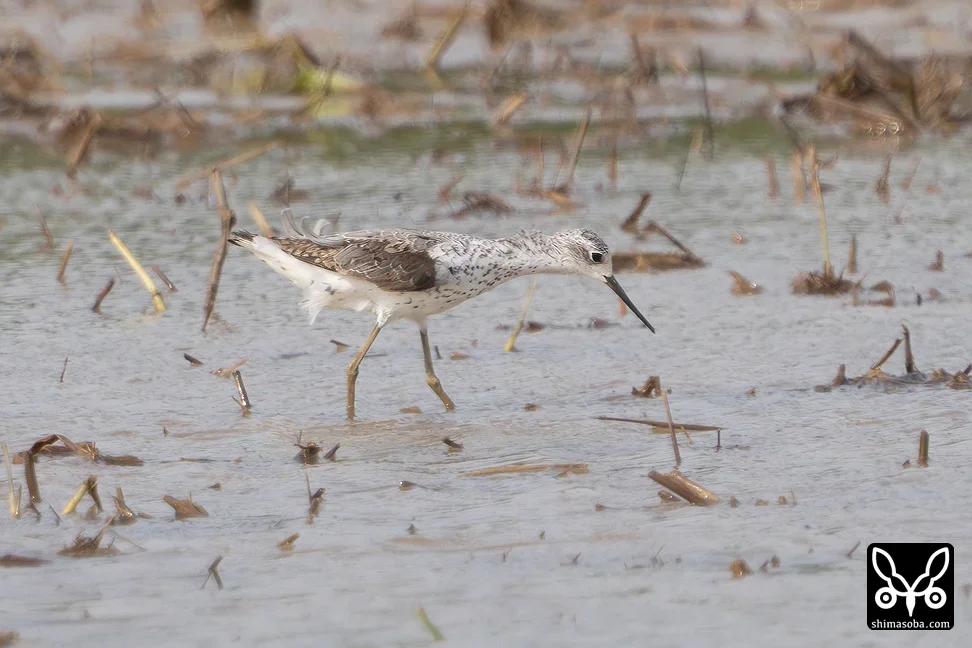
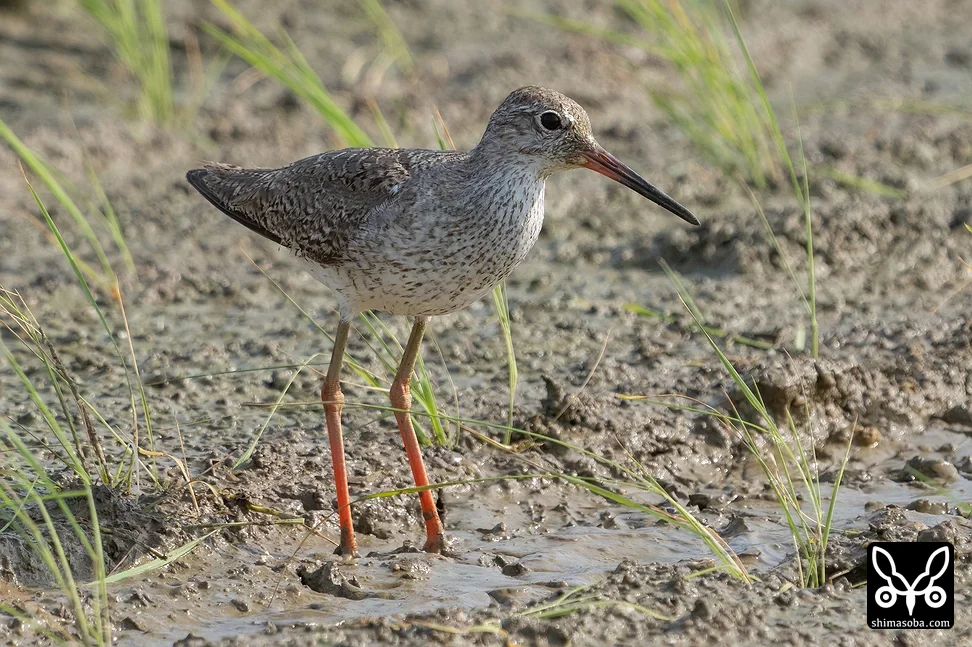
In the rice paddies, juvenile Common Redshank arrived for the first time this season. Every year, Common Redshank is the first shorebird species to arrive as a juvenile.

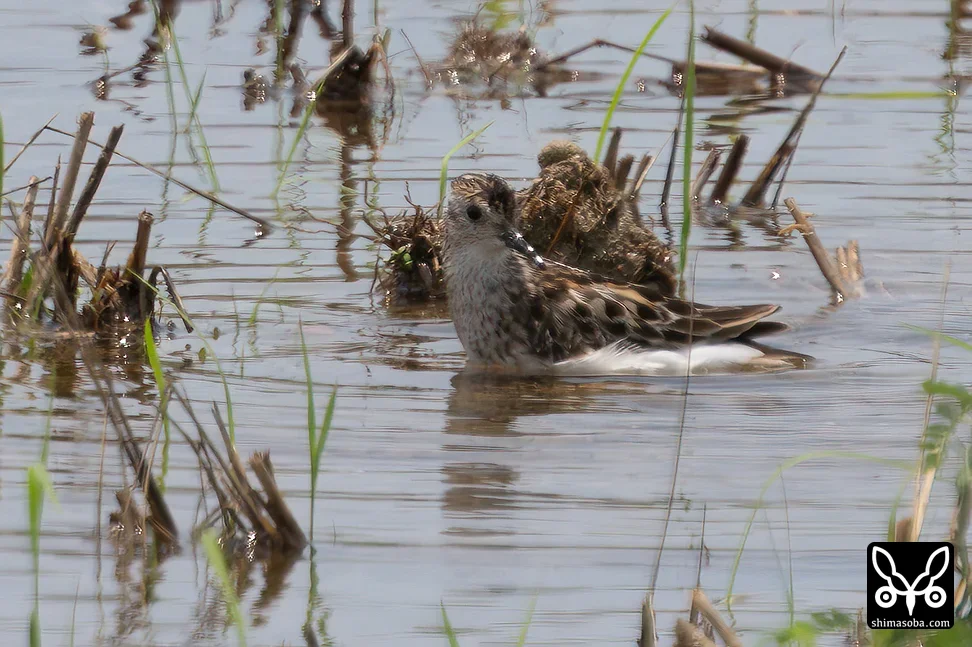
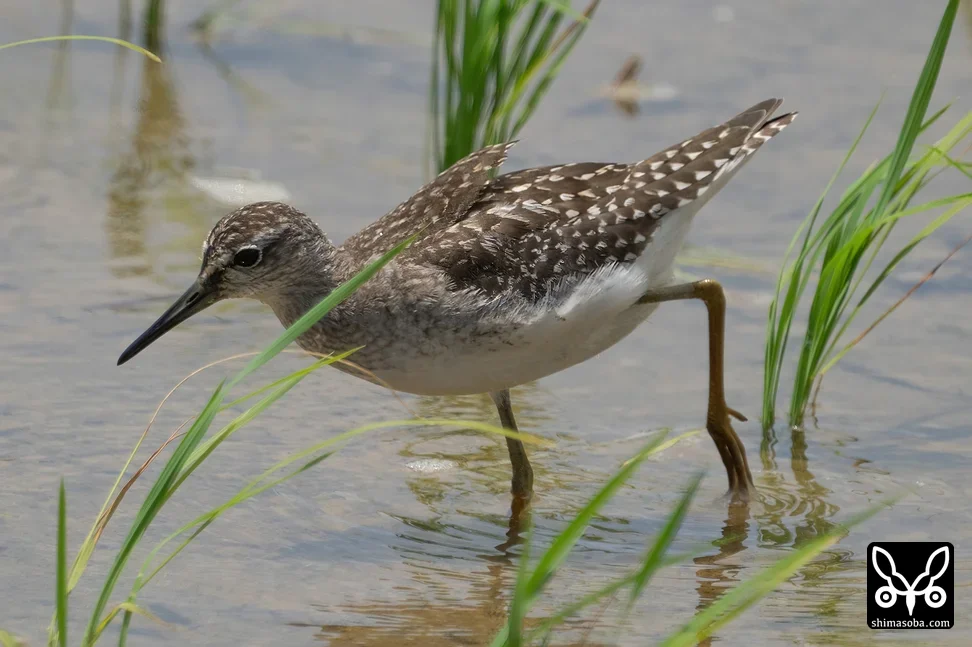
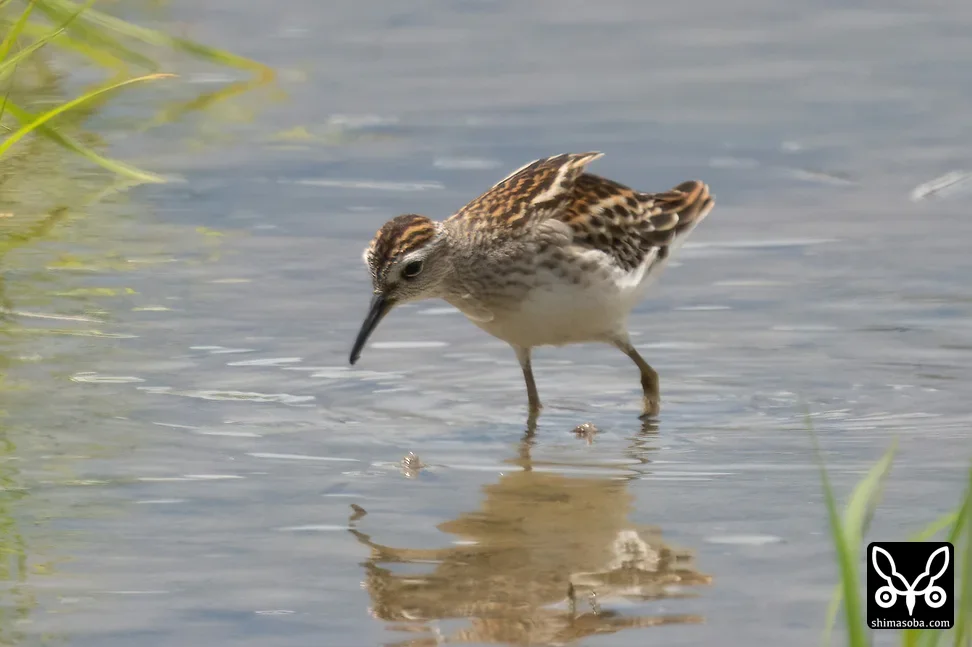
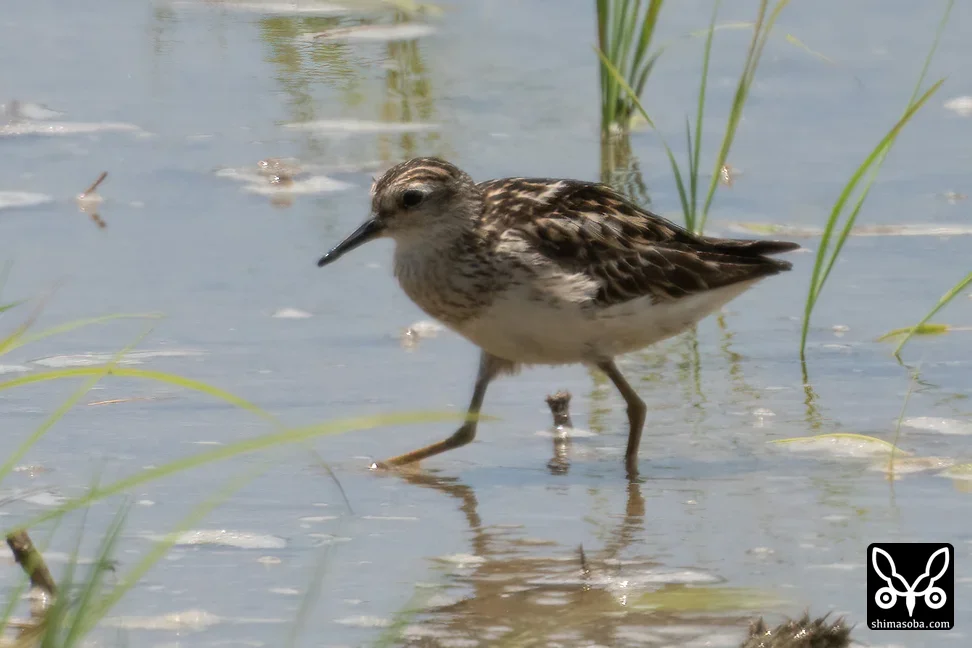
Migrating waders and plovers are gradually increasing. Wood Sandpiper, Long-toed Stint and Grey-tailed Tattler have arrived in the paddies. On the coast, Greater Sand Plover, Siberian Sand Plover and Grey-tailed Tattler numbers are building.
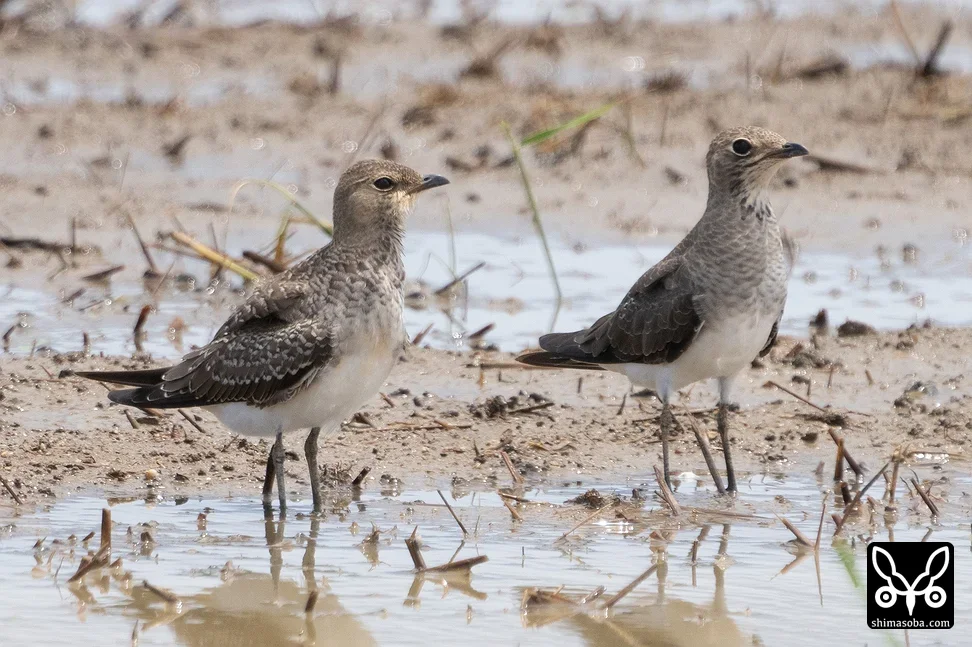
Oriental Pratincole
Oriental Pratincole

Oriental Pratincole in juvenile plumage (left) and first-winter plumage.
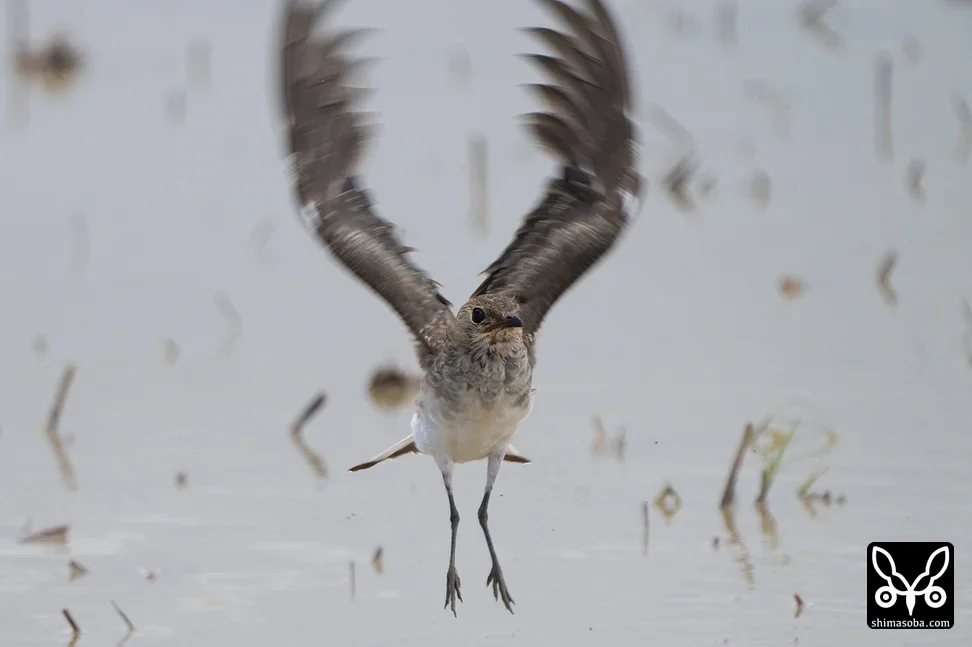
Oriental Pratincole
Oriental Pratincole

A juvenile Oriental Pratincole flapping to shake off water after bathing.
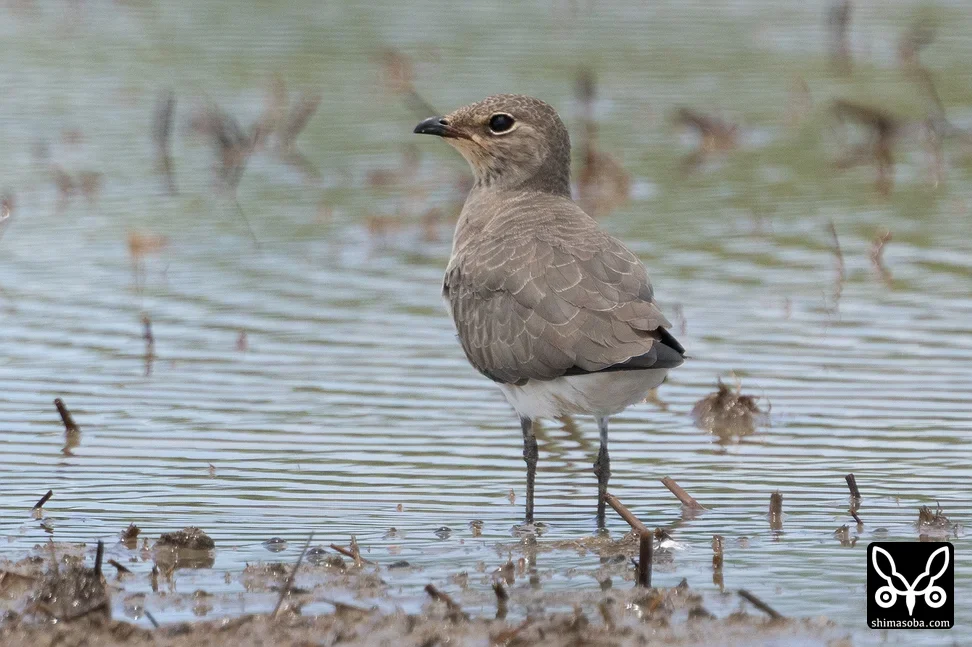
Oriental Pratincole
Oriental Pratincole

Oriental Pratincole in first-winter plumage.
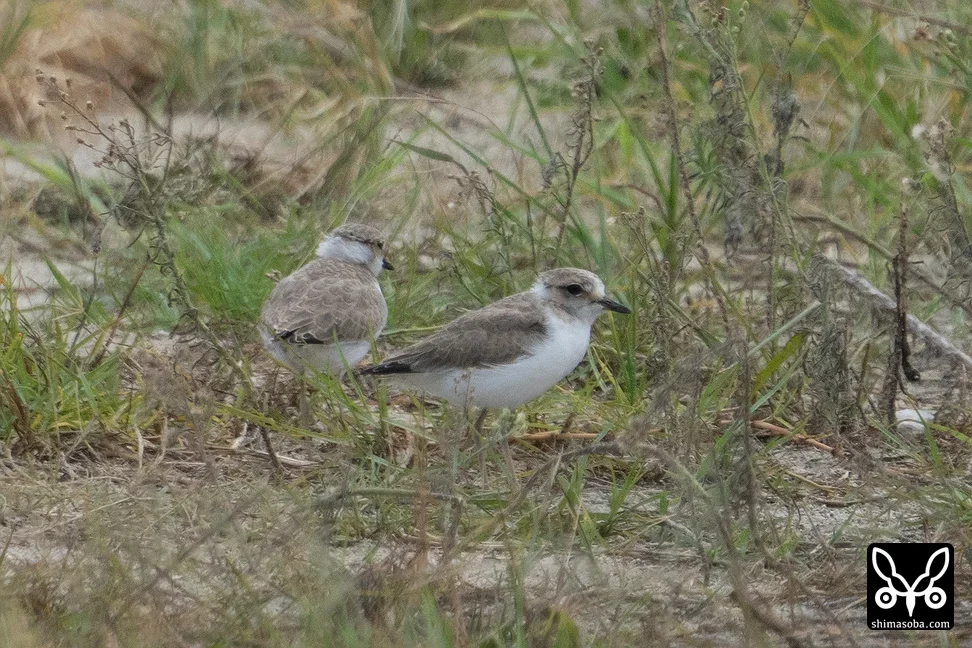
Kentish Plover
Kentish Plover

Juvenile Kentish Plovers. They were always together, so I assume they are siblings.
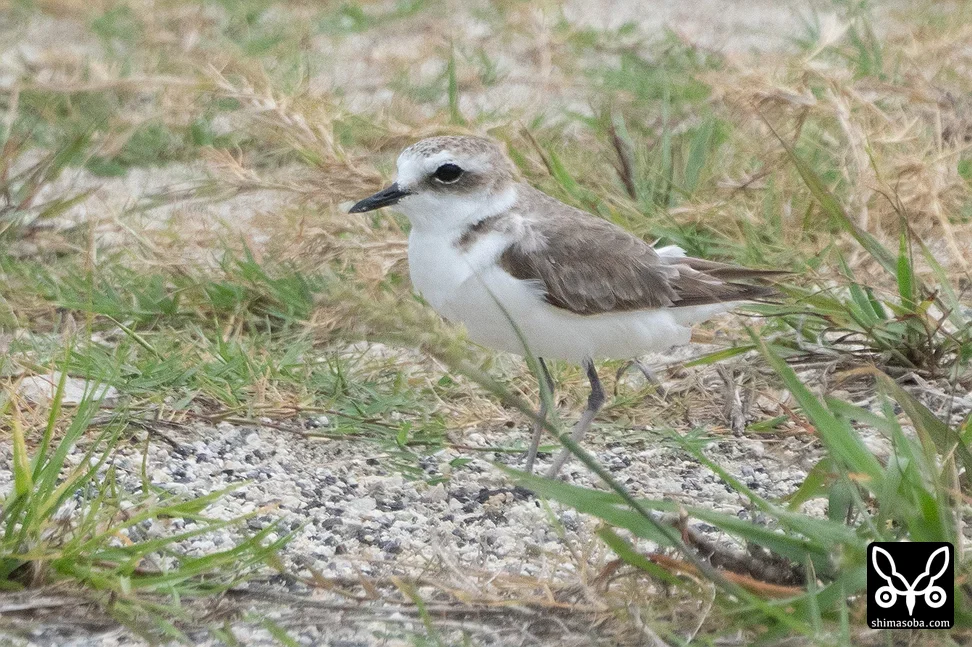
Kentish Plover
Kentish Plover

Adult Kentish Plover. Late summer plumage.
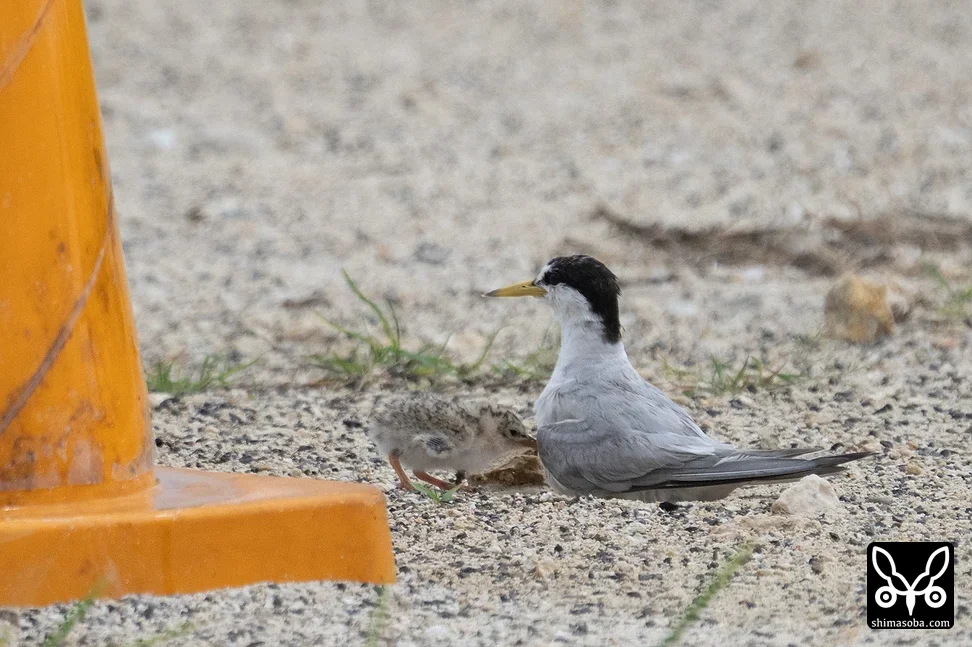
Little Tern
Little Tern

A Little Tern whose chicks have hatched.
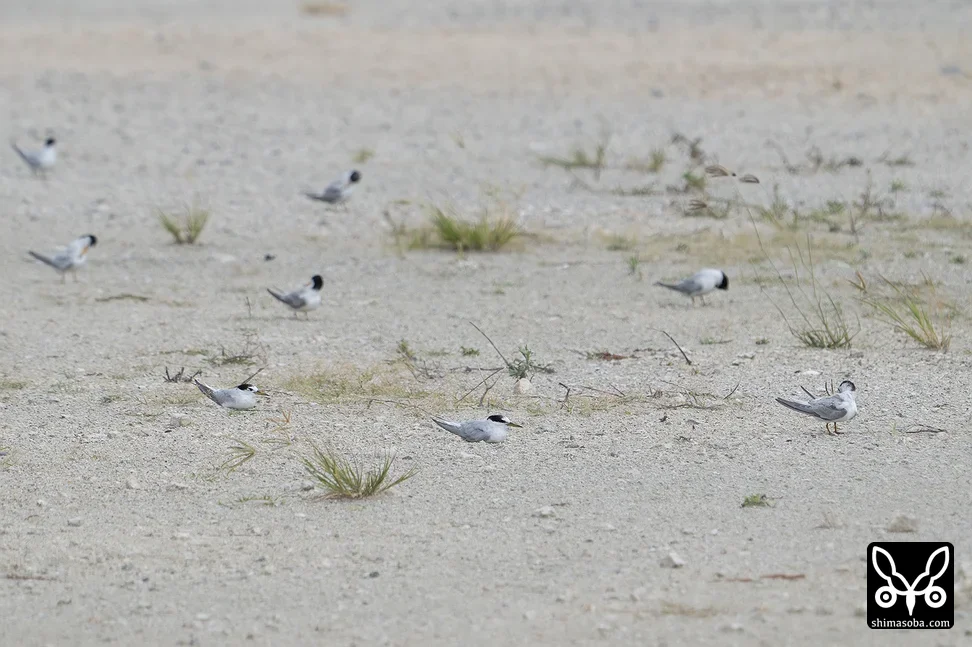
Little Tern
Little Tern

A flock of Little Terns.

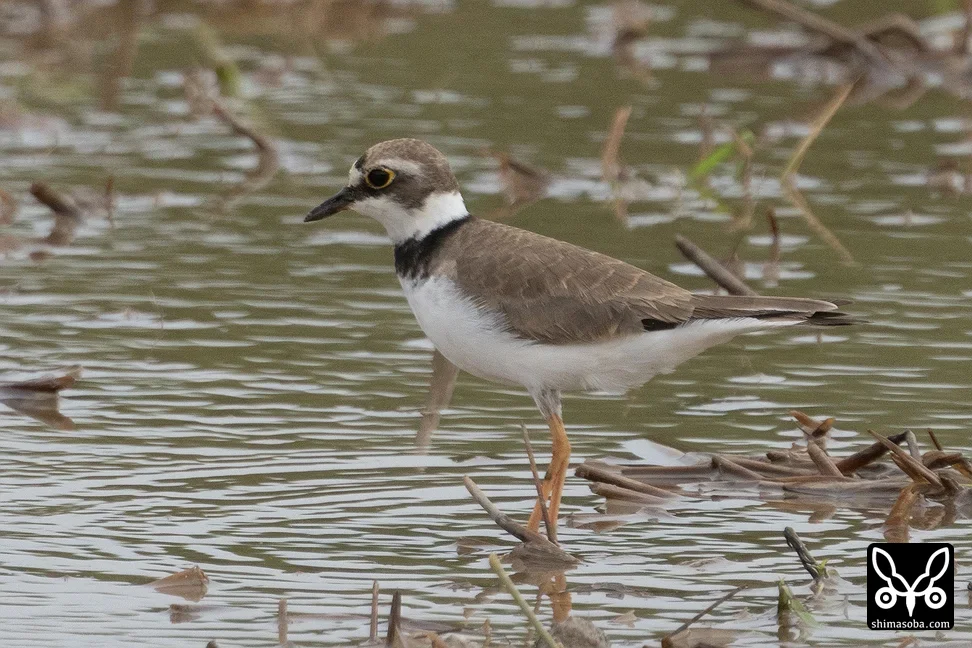
Little Ringed Plover

Little Ringed Plover in first-winter plumage.
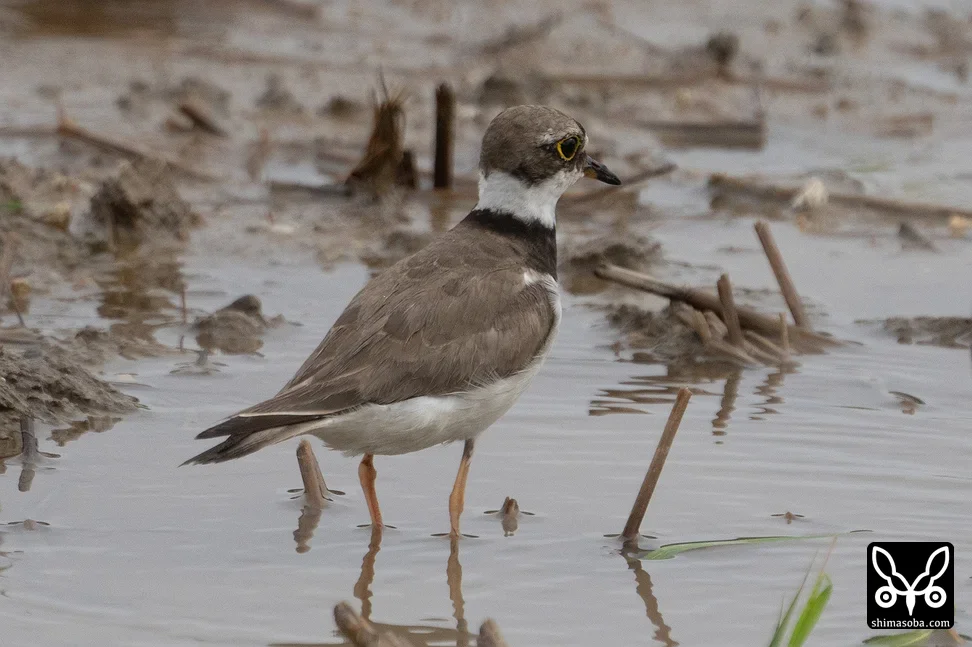
Little Ringed Plover

Adult Little Ringed Plover. Late summer plumage.
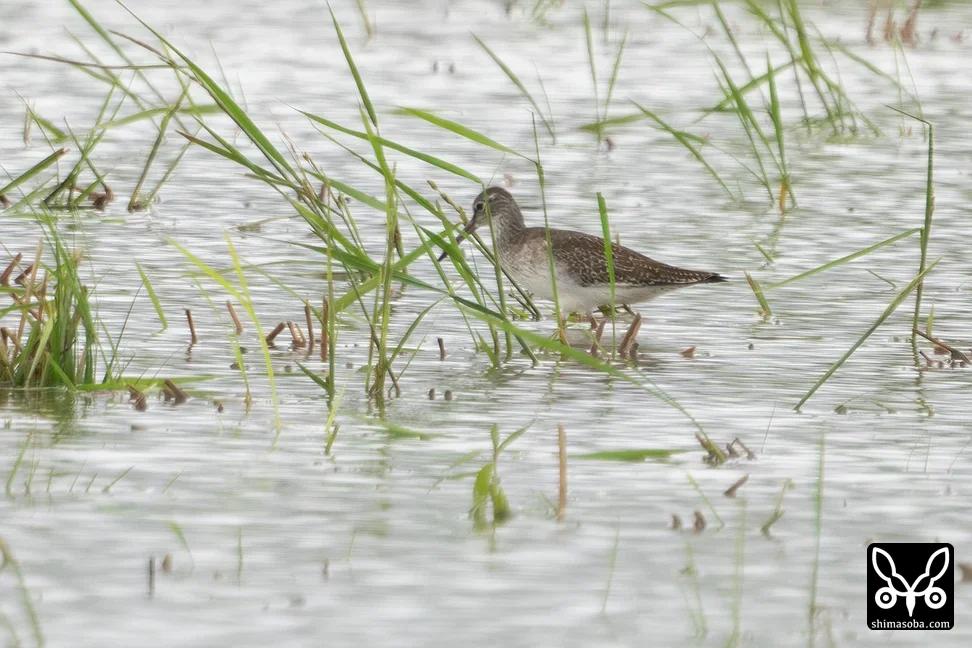
Common Redshank
Common Redshank

It's hard to make out at this distance, but this is a juvenile Common Redshank — the first of the season.
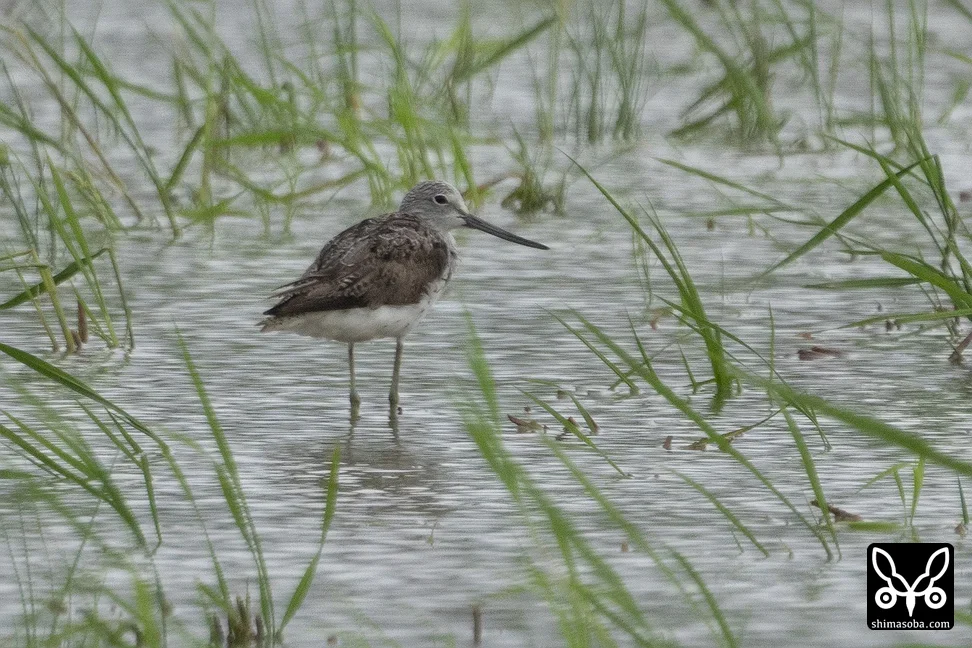
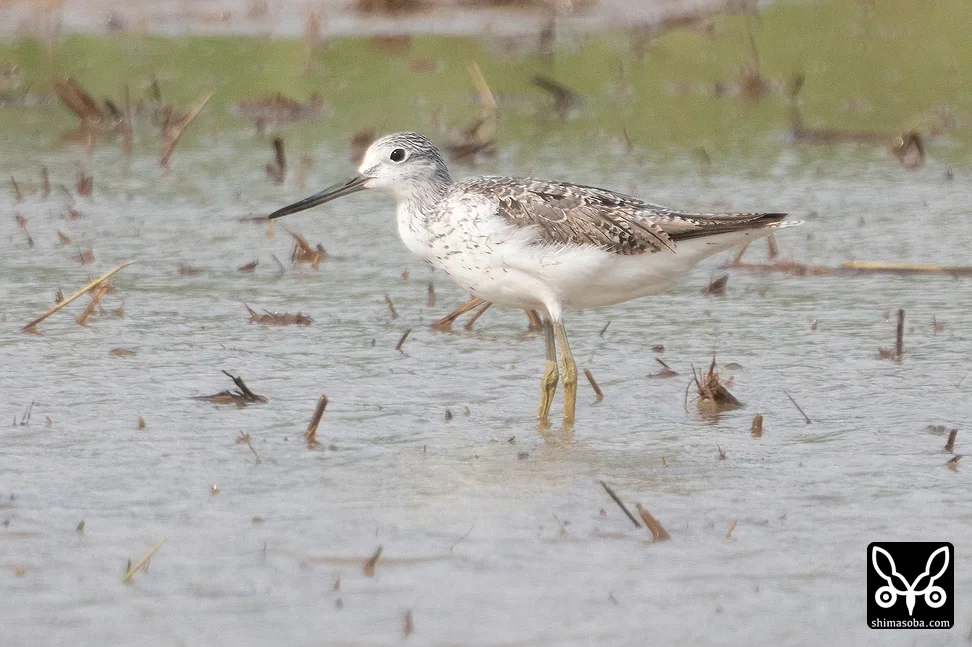
Common Greenshank
Common Greenshank

Common Greenshank in late summer plumage.
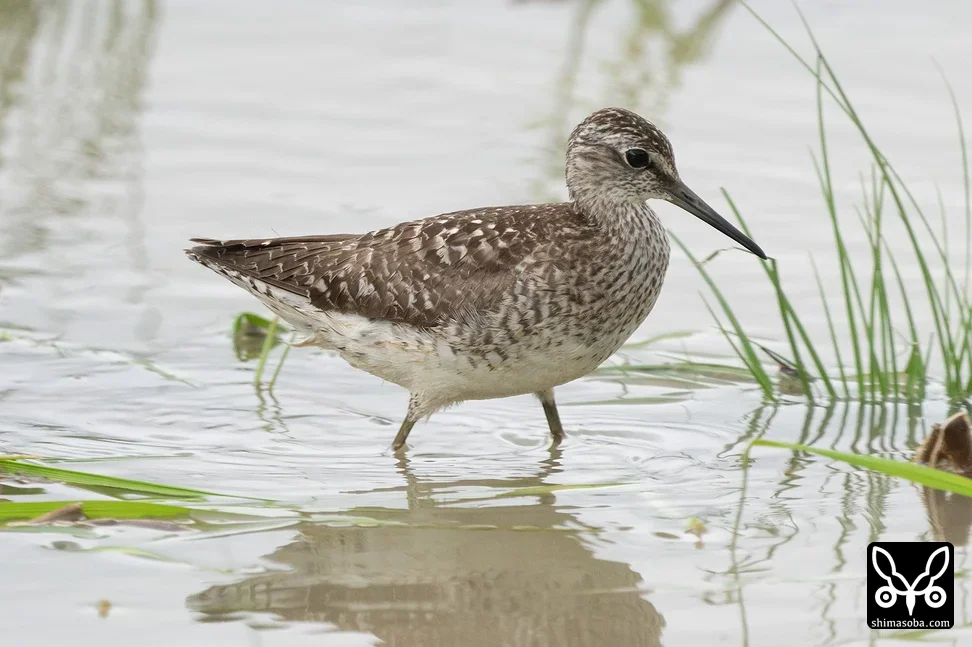
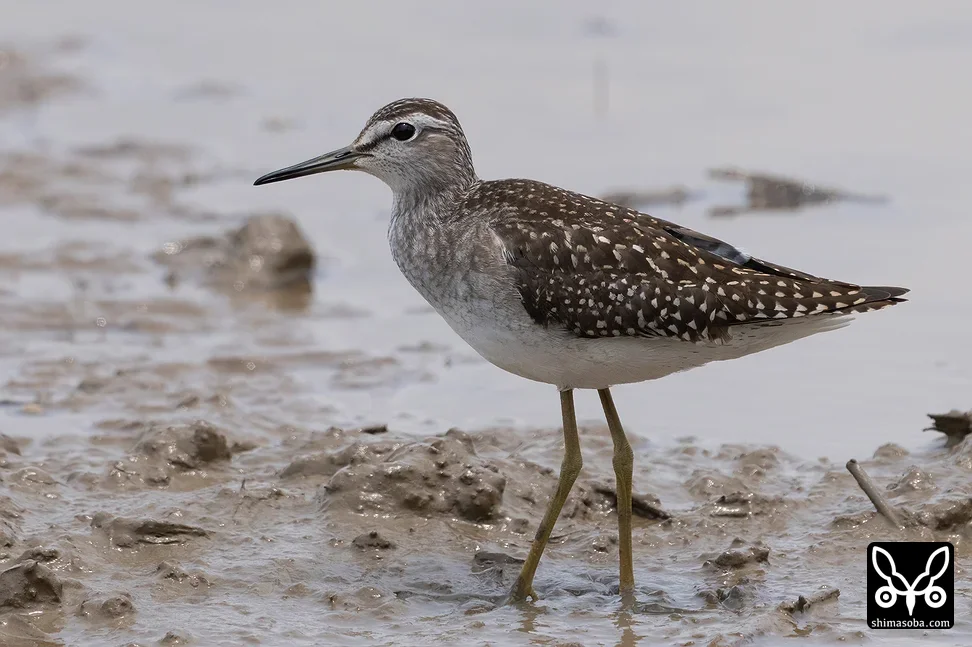
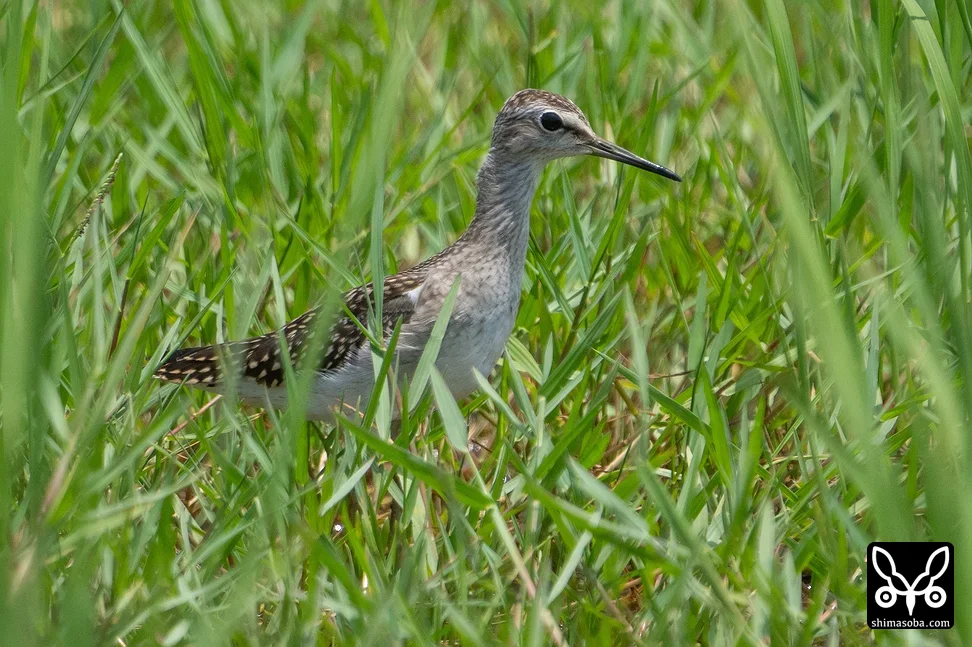
Wood Sandpiper
Wood Sandpiper

Wood Sandpiper in late summer plumage.
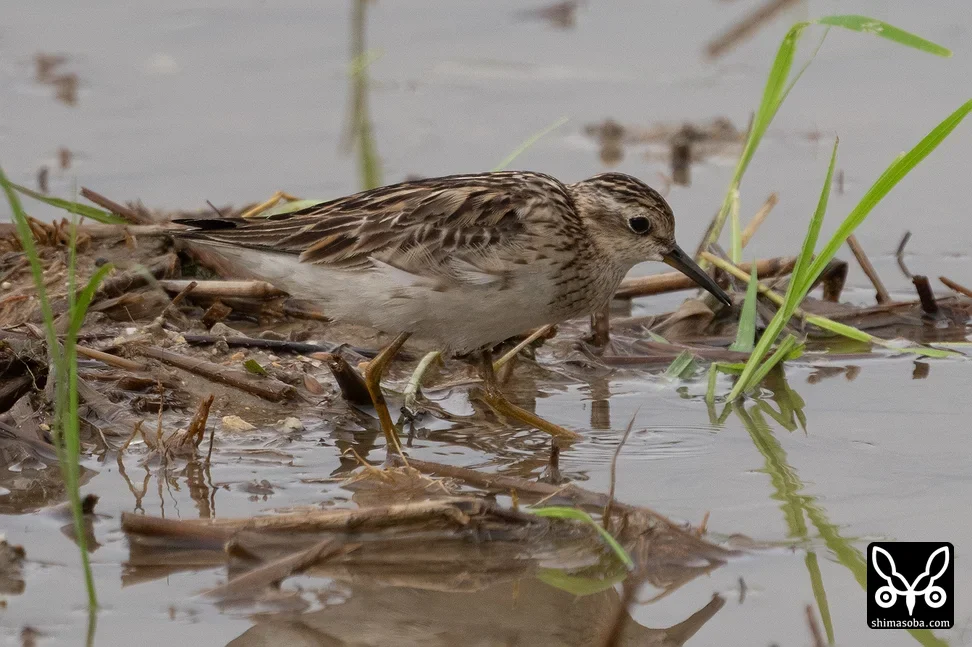
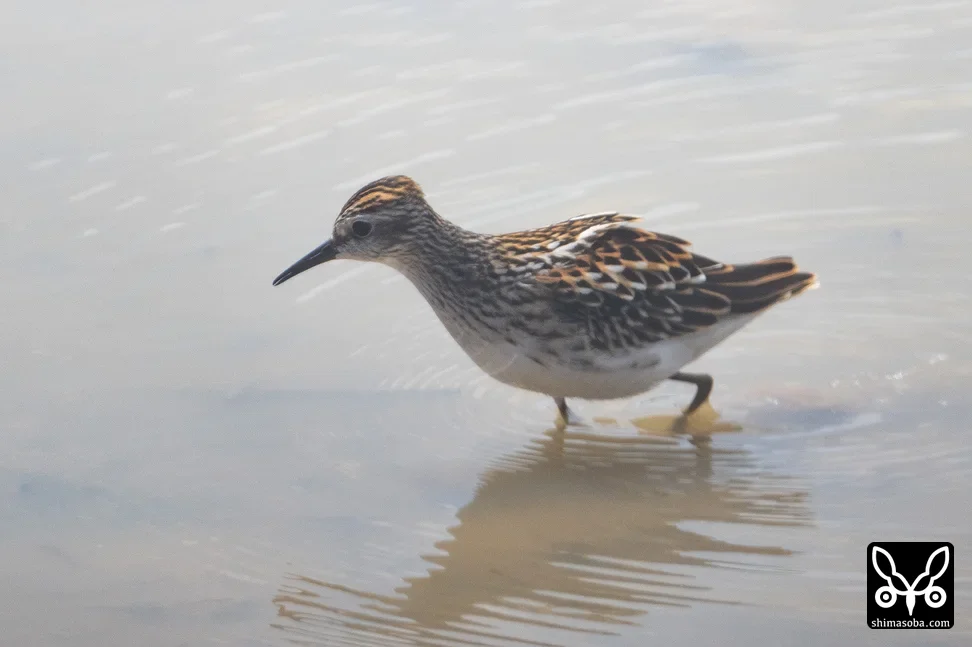
Long-toed Stint
Long-toed Stint

Long-toed Stint numbers are increasing too.
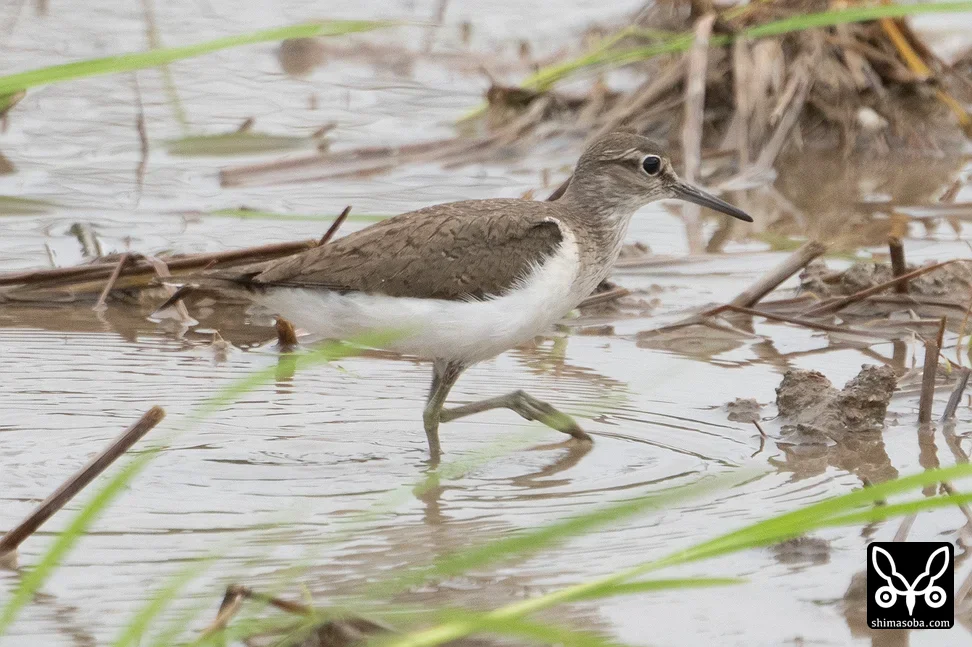
Common Sandpiper
Common Sandpiper

Common Sandpiper in late summer plumage.
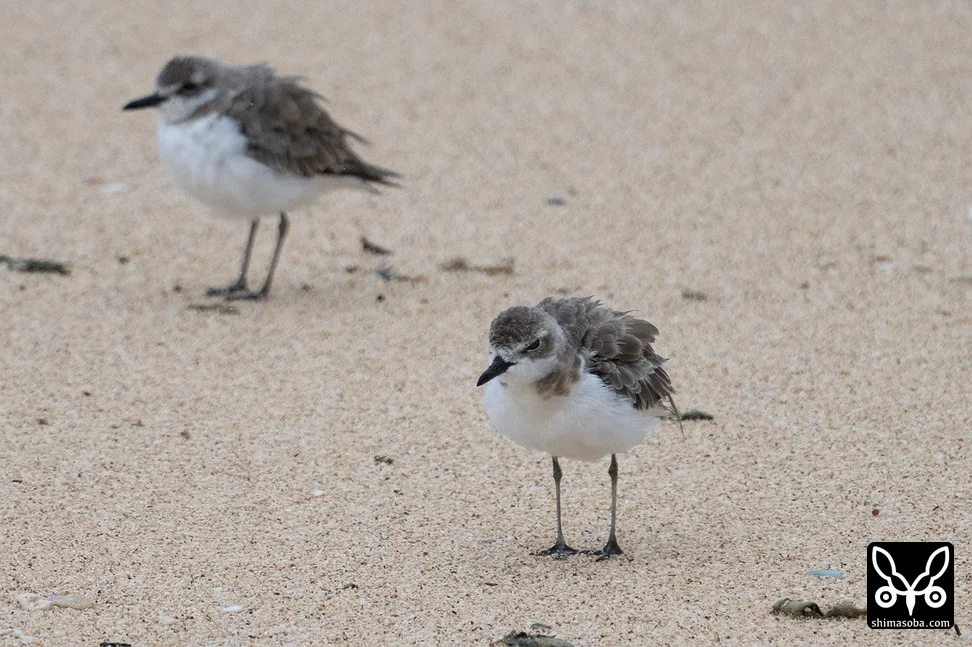
Greater Sand Plover
Greater Sand Plover

Greater Sand Plover. Transitioning from summer to winter plumage.
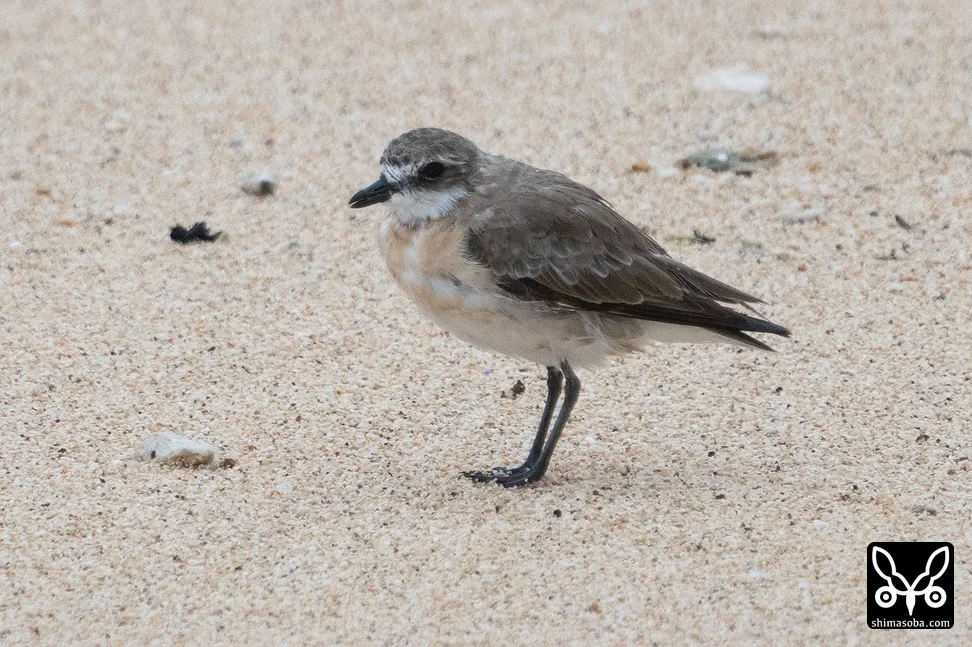
Lesser Sand Plover
Lesser Sand Plover

Lesser Sand Plover in late summer plumage.
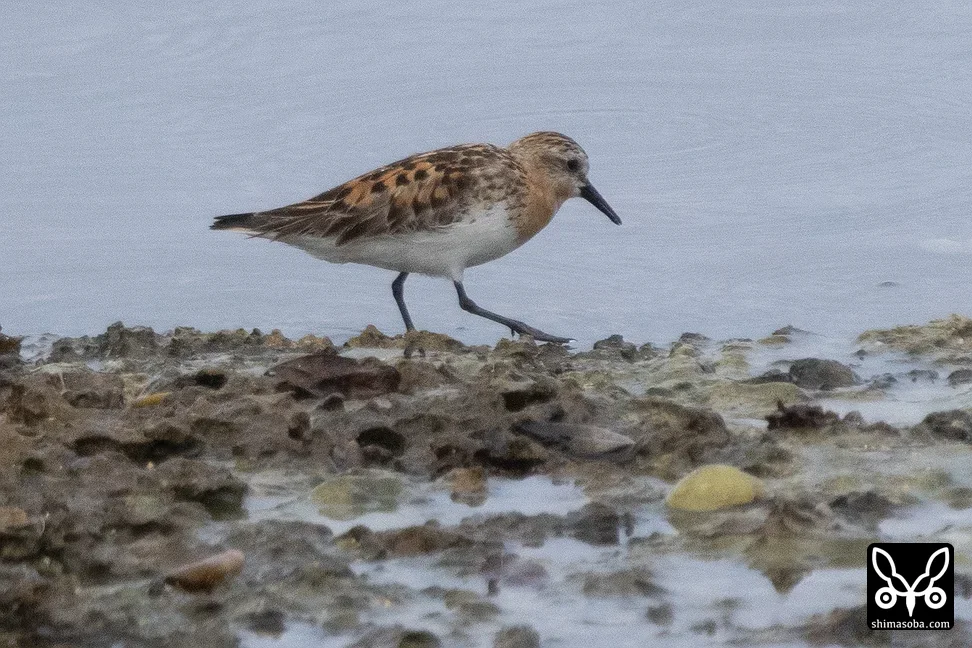
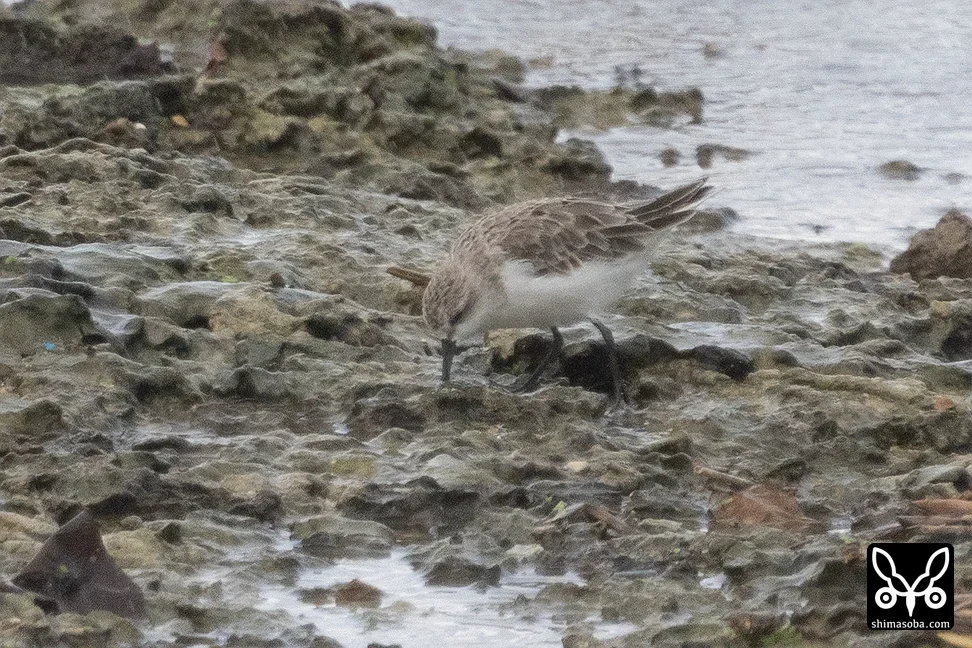
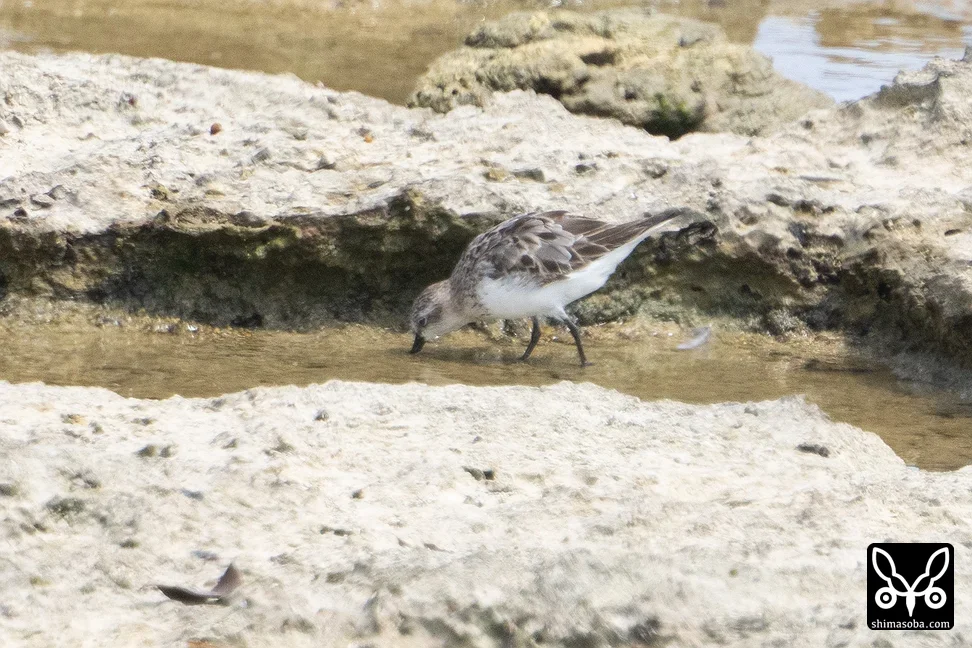
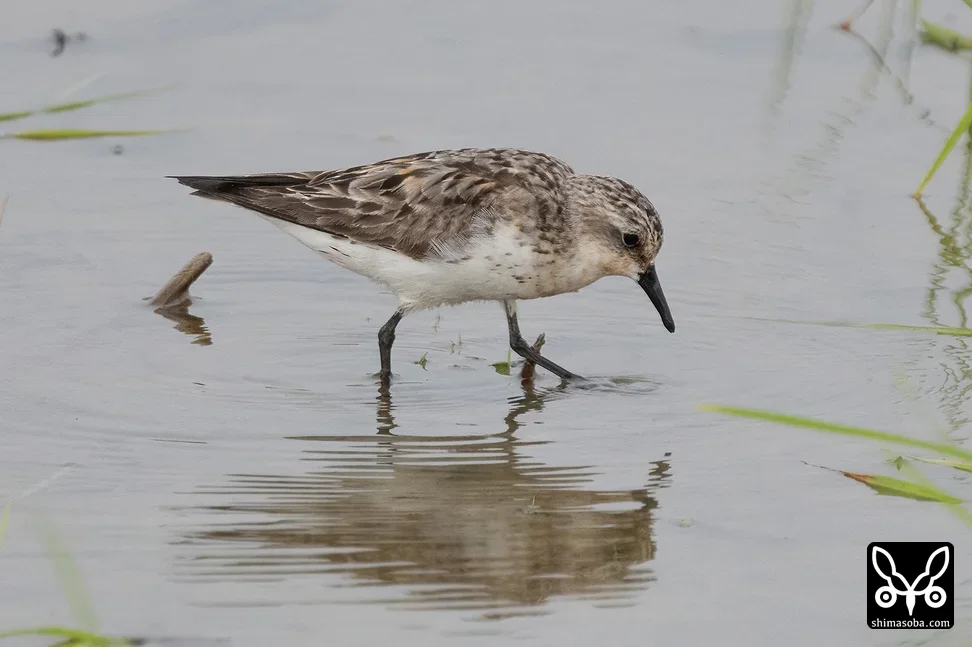
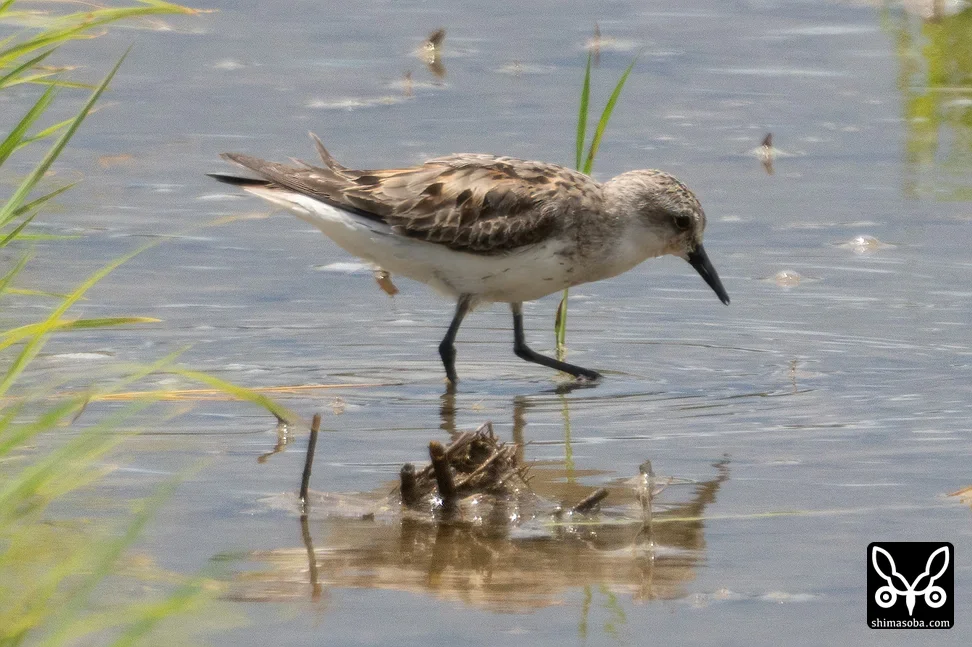
Red-necked Stint
Red-necked Stint

Red-necked Stint in summer plumage.

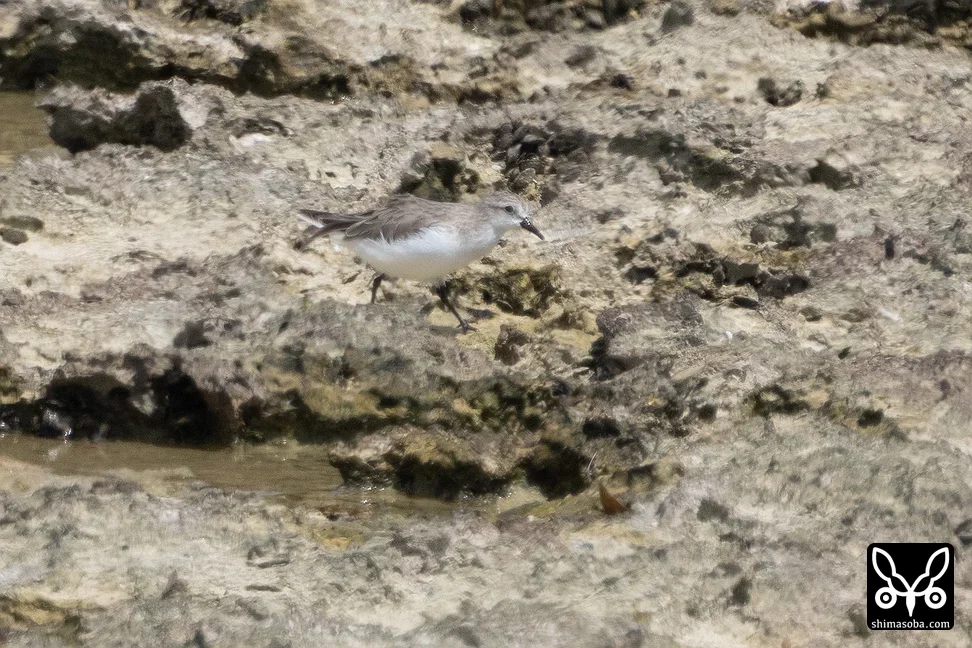
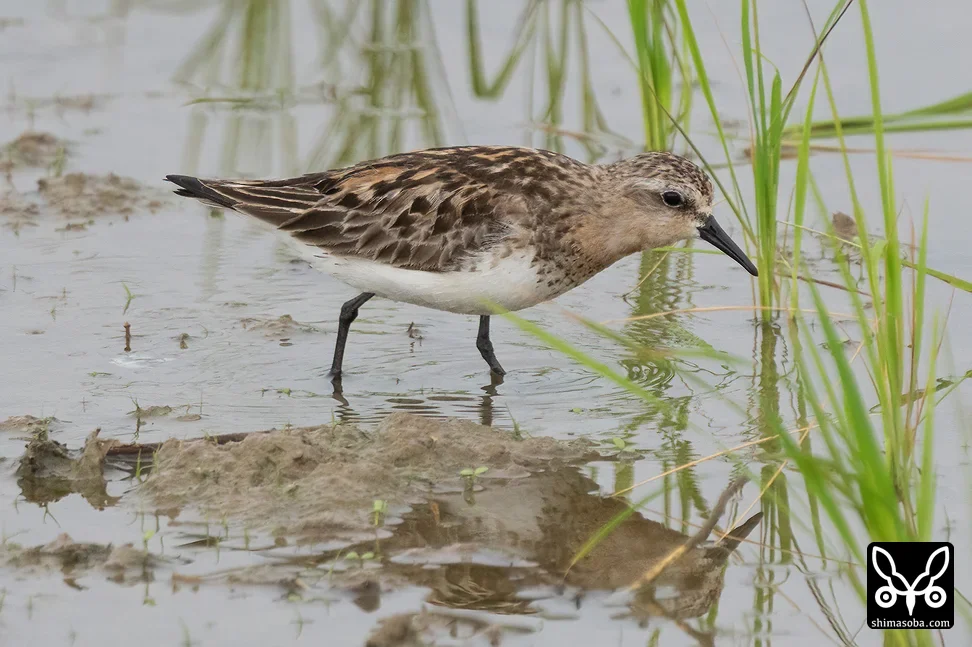
Red-necked Stint
Red-necked Stint

Red-necked Stint, first-summer plumage.
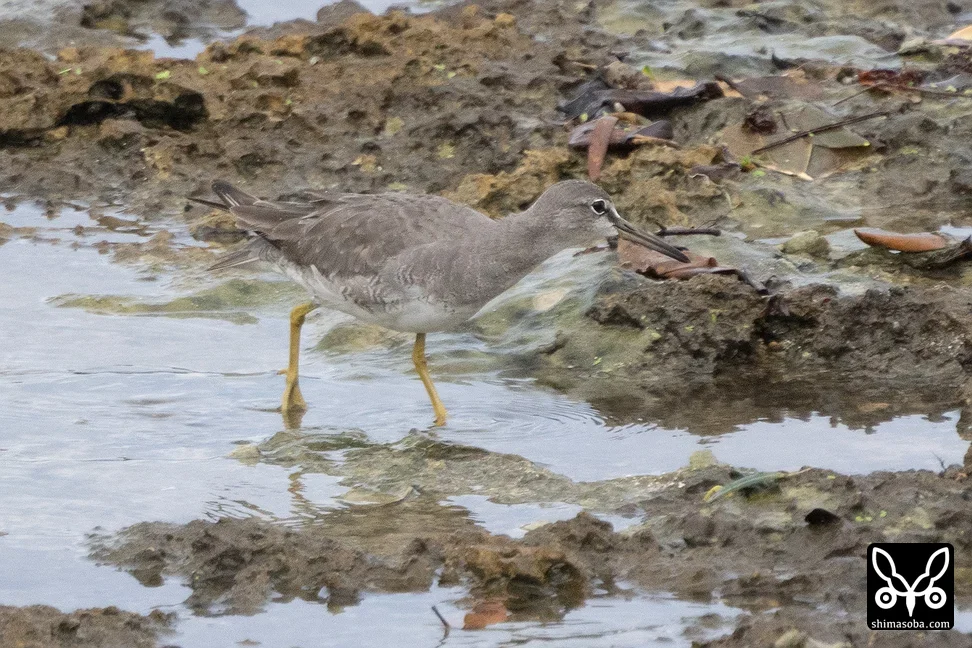
Grey-tailed Tattler
Grey-tailed Tattler

Grey-tailed Tattler transitioning from breeding to non-breeding plumage.
Categories: 野鳥

Common Emerald Dove, Ruddy Kingfisher and Malayan Night Heron (video)

A Common Emerald Dove in the neighbourhood with absolutely no fear of humans was out in the open. The bird didn't flinch even when a dump truck passed right by, and was busy pecking at fallen berries.

Most Ruddy Kingfisher pairs have finished raising their chicks, but there are still about three nests where adults are still bringing food to nestlings. Typhoon No. 6 is approaching, and all I can do is hope it passes without incident.

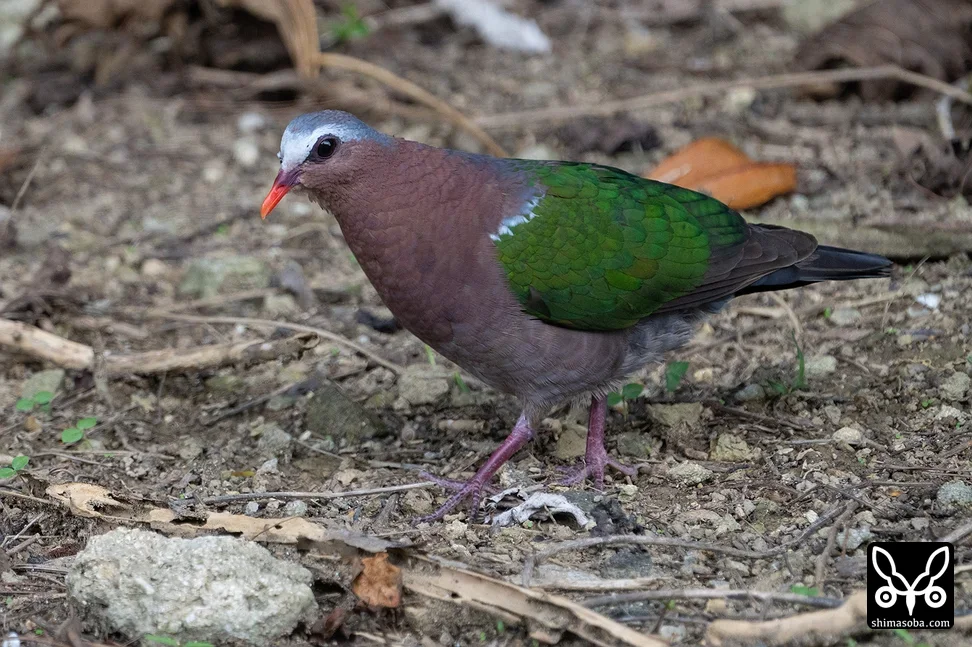
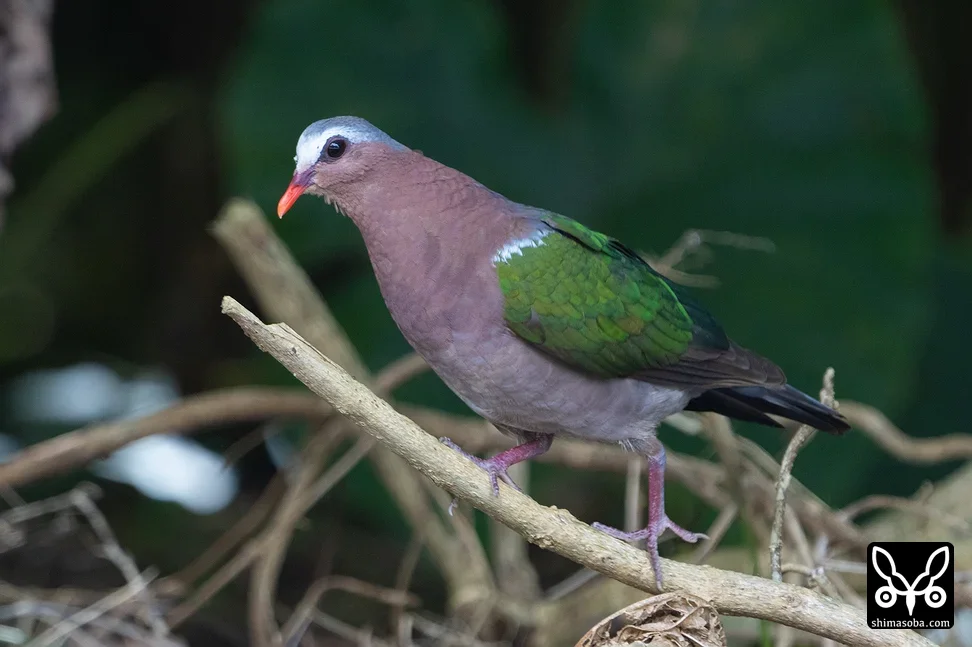
Emerald Dove
Emerald Dove

Emerald Dove, male.

Emerald Dove
Emerald Dove

It appeared to be picking up seeds of Macaranga fallen on the ground.

Emerald Dove
Emerald Dove

A rare look at the Emerald Dove's underwing.

Emerald Dove
Emerald Dove

The bird showed no wariness at all — cars passing by were completely ignored, and a dump truck would only prompt it to hop from the ground up into a tree.

Emerald Dove
Emerald Dove

Females are rarely seen, so the Emerald Doves must still be in the thick of nesting.

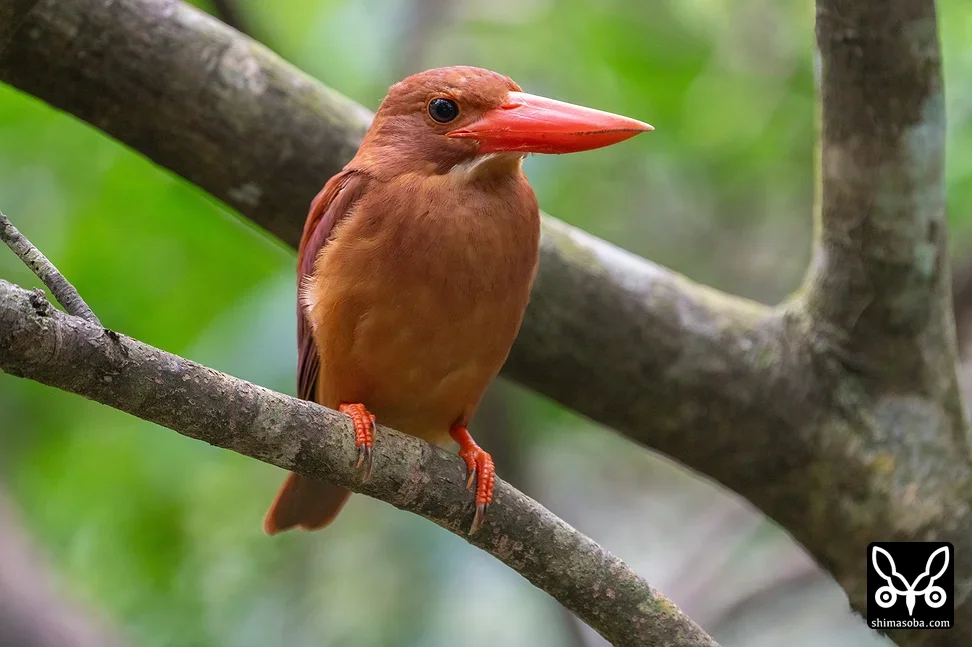
Ruddy Kingfisher
Ruddy Kingfisher

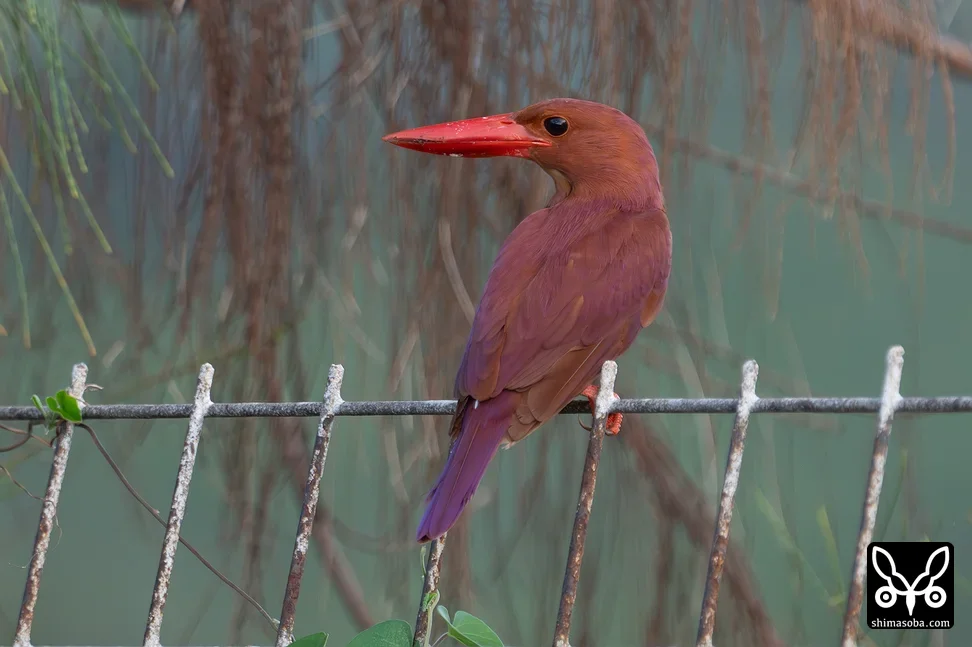
Ruddy Kingfisher, female. She is probably resting and recovering from the effort of raising young, ahead of migration.

Ruddy Kingfisher
Ruddy Kingfisher

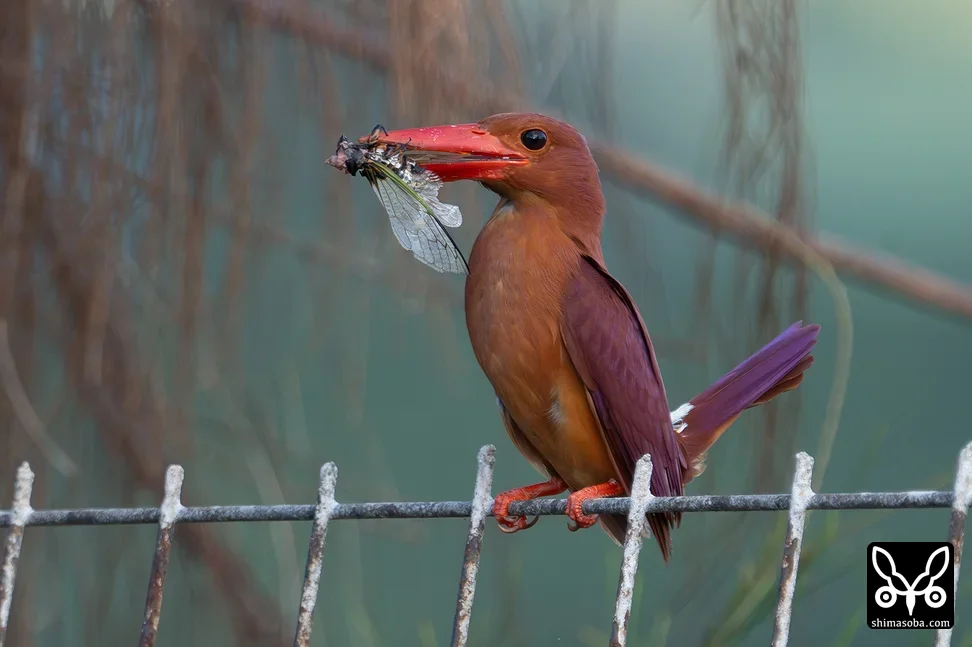
This pair is right in the middle of raising chicks. Three eggs were laid, but only two hatched. The chicks have grown large enough that the parents are bringing in Cryptotympana large cicadas.

Ruddy Kingfisher
Ruddy Kingfisher

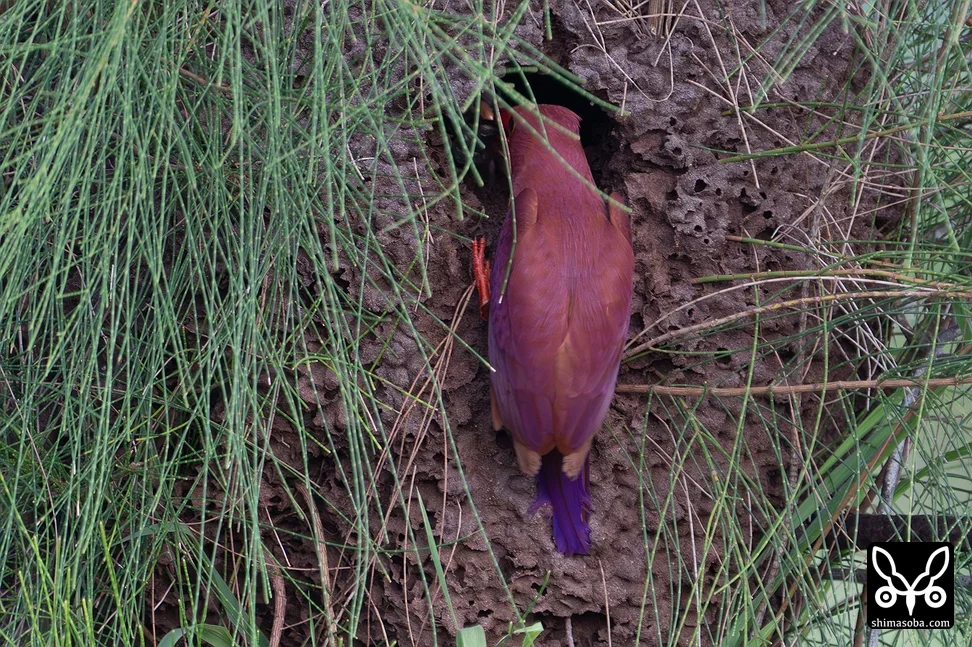
A Ruddy Kingfisher that nested in a Swinhoe's white ant mound built on a beach she-oak.

Ruddy Kingfisher
Ruddy Kingfisher

A male Ruddy Kingfisher passing food to a chick.

Malayan Night Heron
Malayan Night Heron

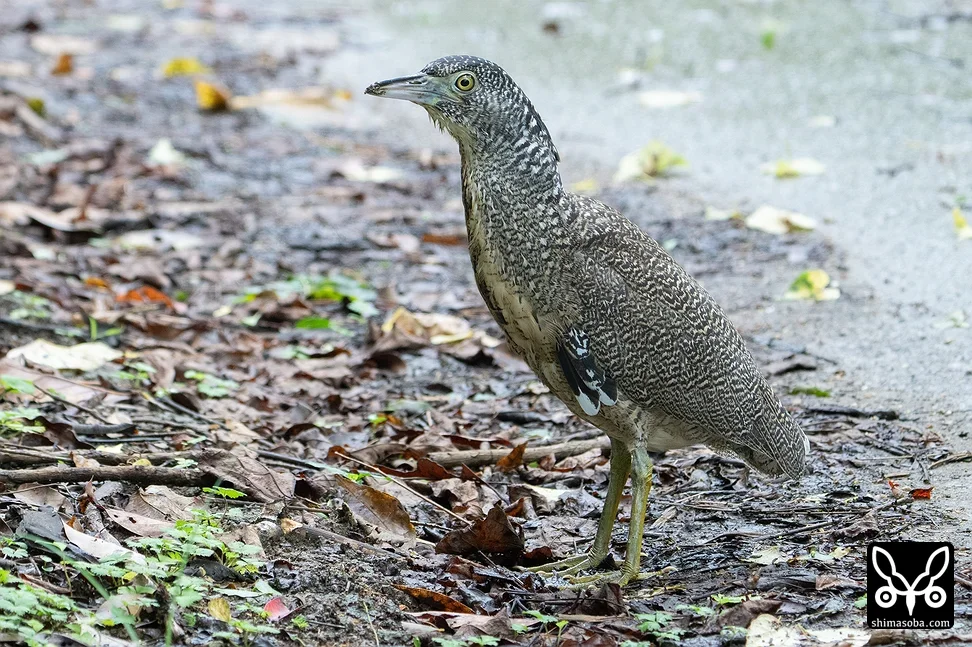
A juvenile Ryukyu Night Heron hatched this year. They'll be appearing more and more from here on.

Categories: 野鳥

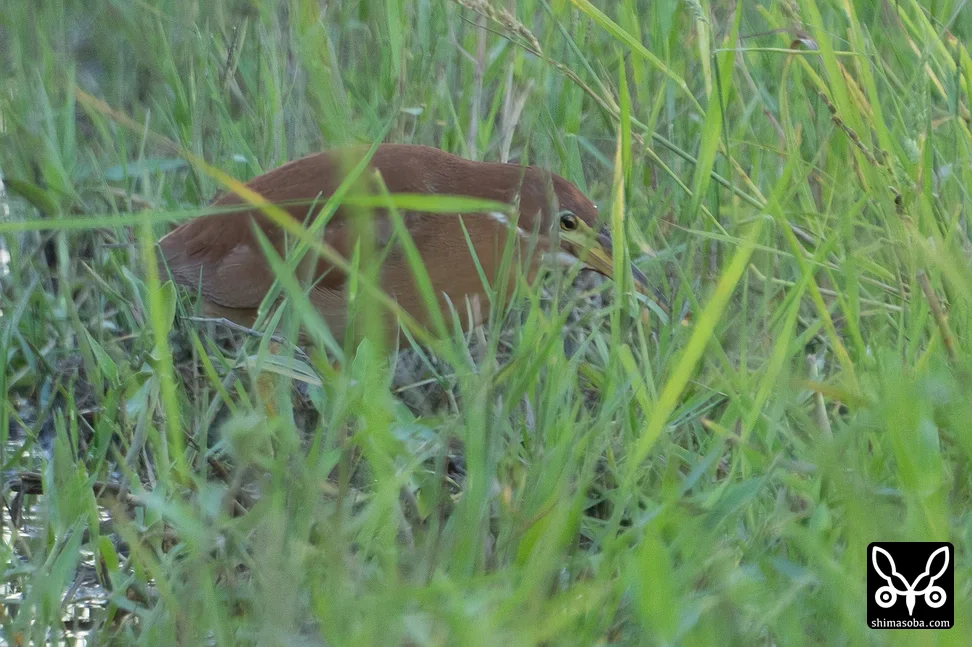
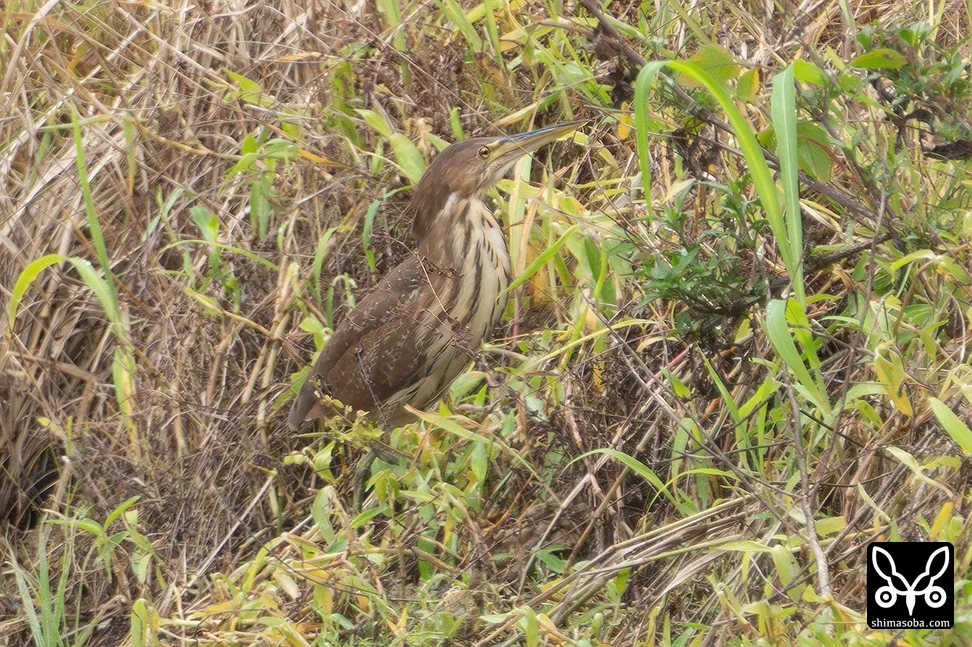
Rescuing a Cinnamon Bittern

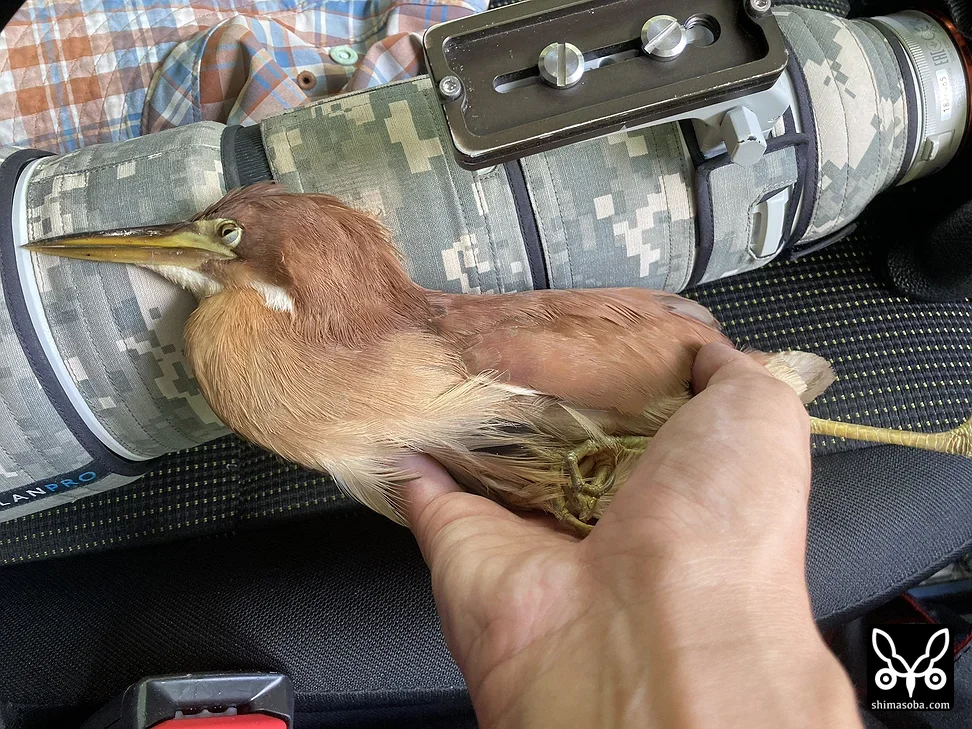
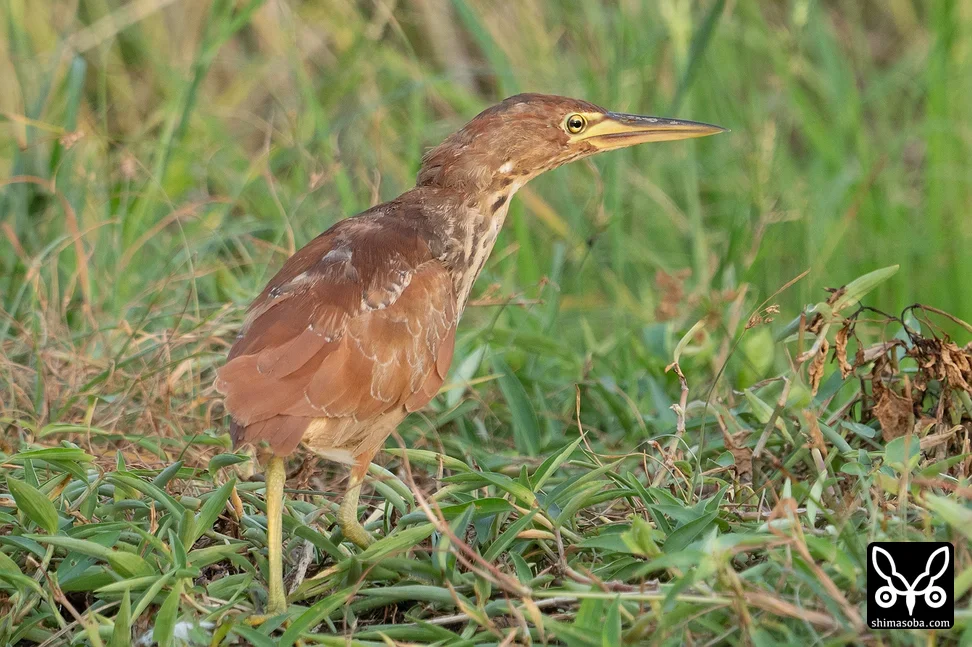
While driving near my house, a light van that had just passed me struck a Cinnamon Bittern.

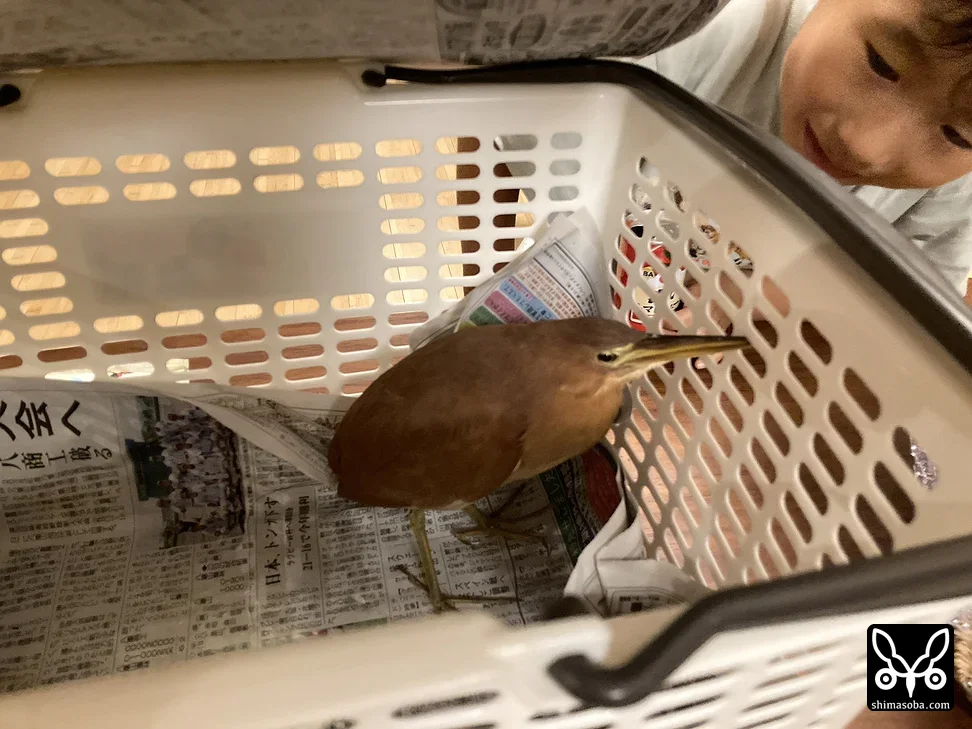
It was unable to move on the road, so I took it in. Its condition was poor and I feared the worst, but remarkably, after about 24 hours it had recovered enough to stand on its own. Herons really do have a strong will to live.

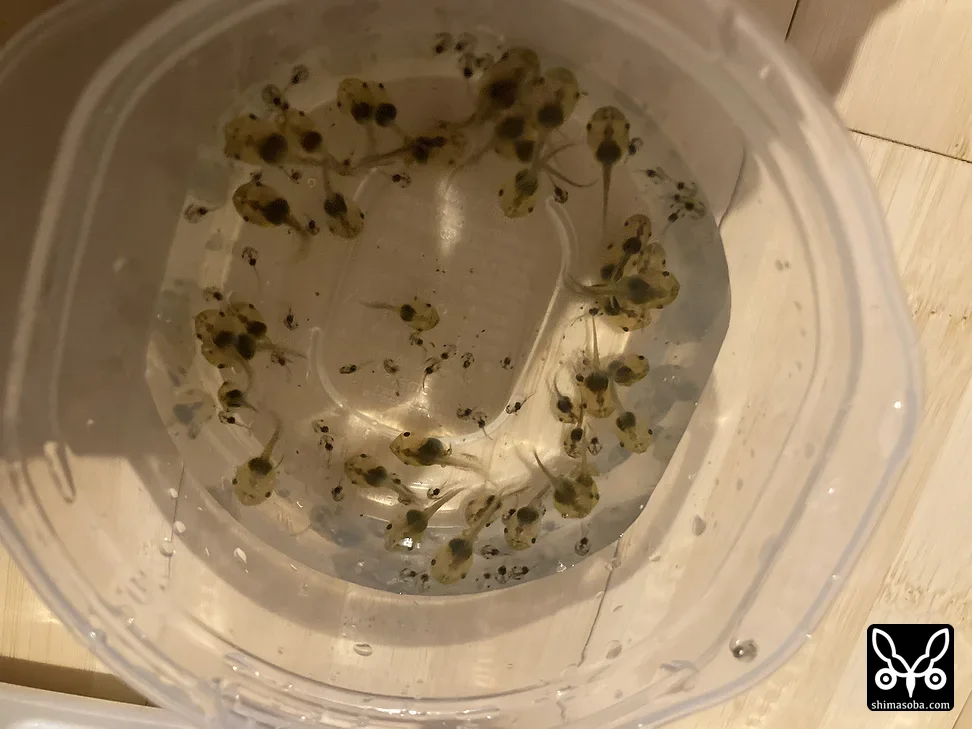
For food I used tadpoles of the Yaeyama tree frog, which live in large numbers in the biotope in my garden. Typhoon No. 6 was closing in on Ishigaki Island, so it was a race against time, but I managed to release the bird safely.

Yellow Bittern
Yellow Bittern

An adult male Ryukyu Bittern immediately after being rescued.

Yellow Bittern
Yellow Bittern

After about 24 hours it was able to get up on its own and had started showing wariness toward people. Remarkable vitality!!

Ryukyu tree frog
Ryukyu tree frog

A tadpole of the Yaeyama Rhacophorus that became its prey.

Yellow Bittern
Yellow Bittern

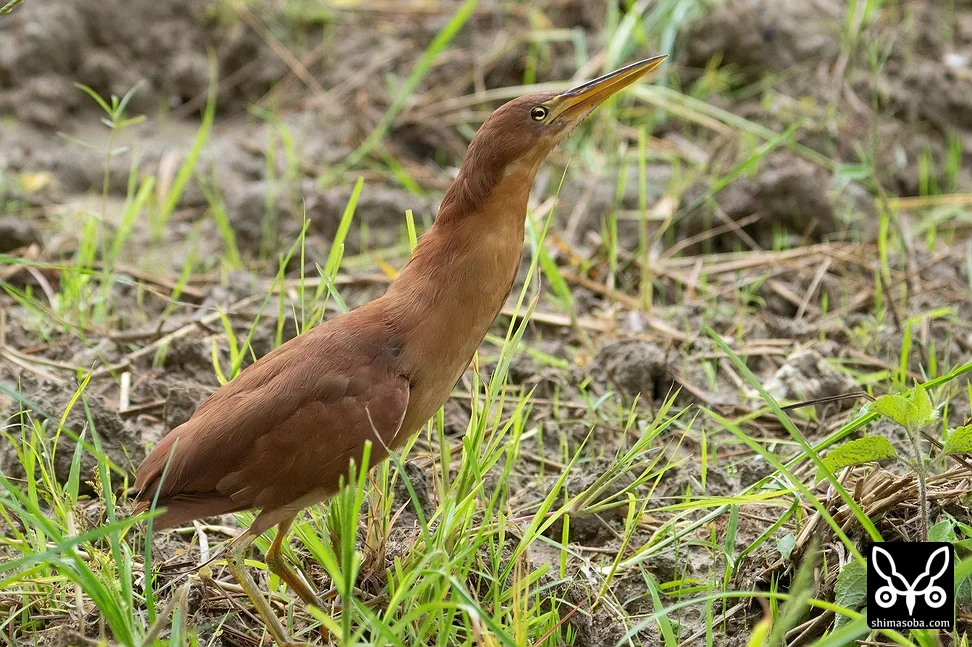
Released into a rice field near the rescue site. It flew off, clucking a grumpy-sounding "kok-kok-kok" as it went.

Categories: 野鳥

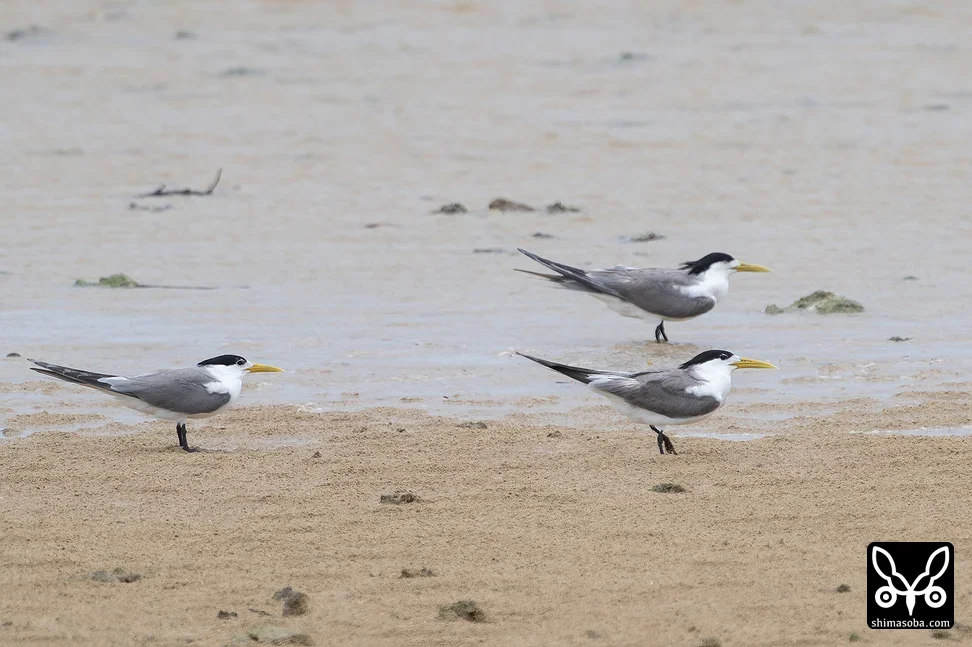
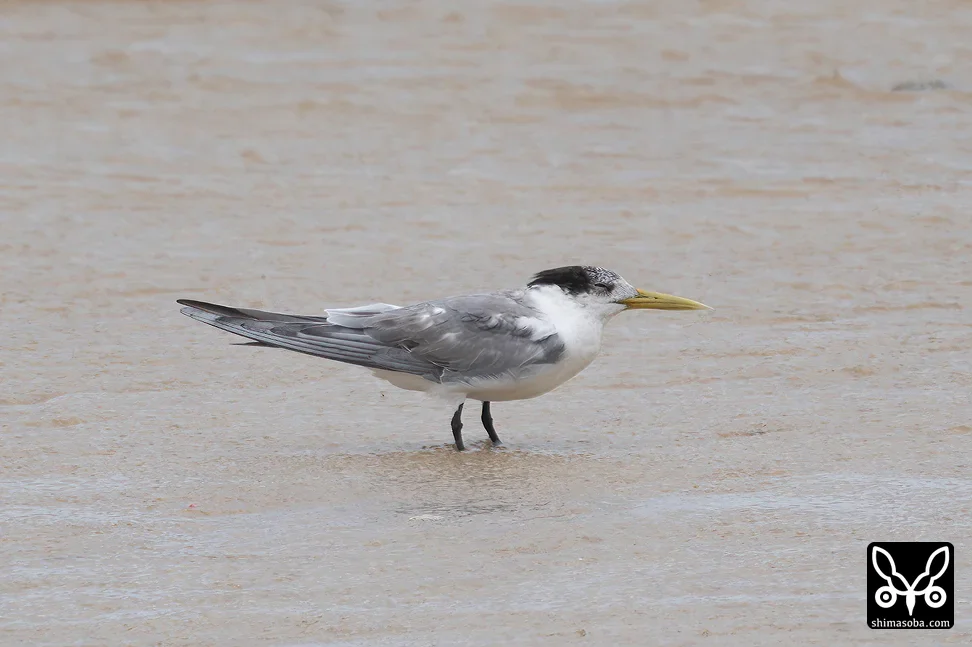
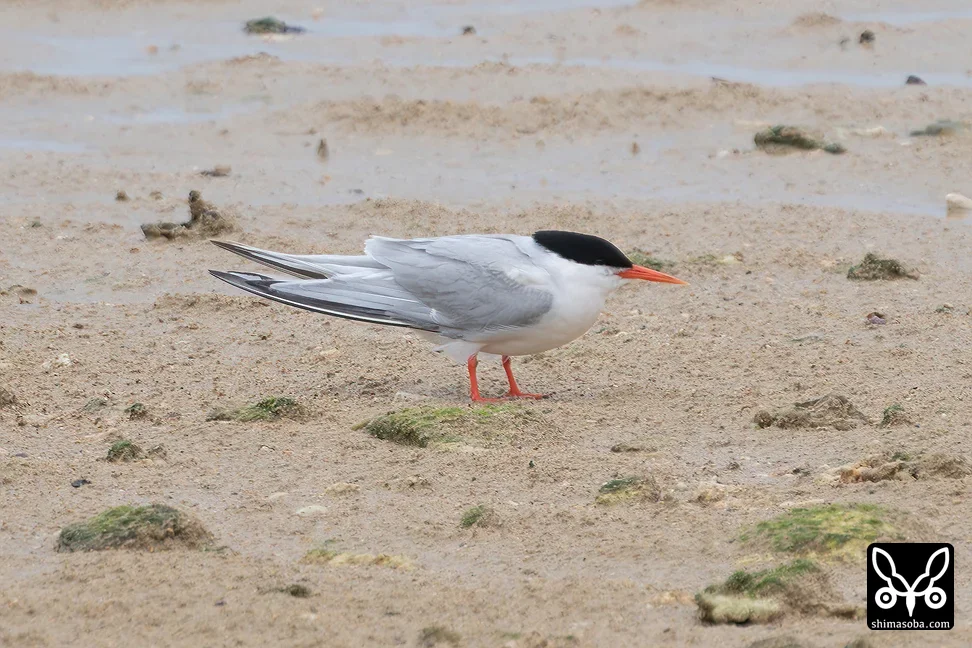
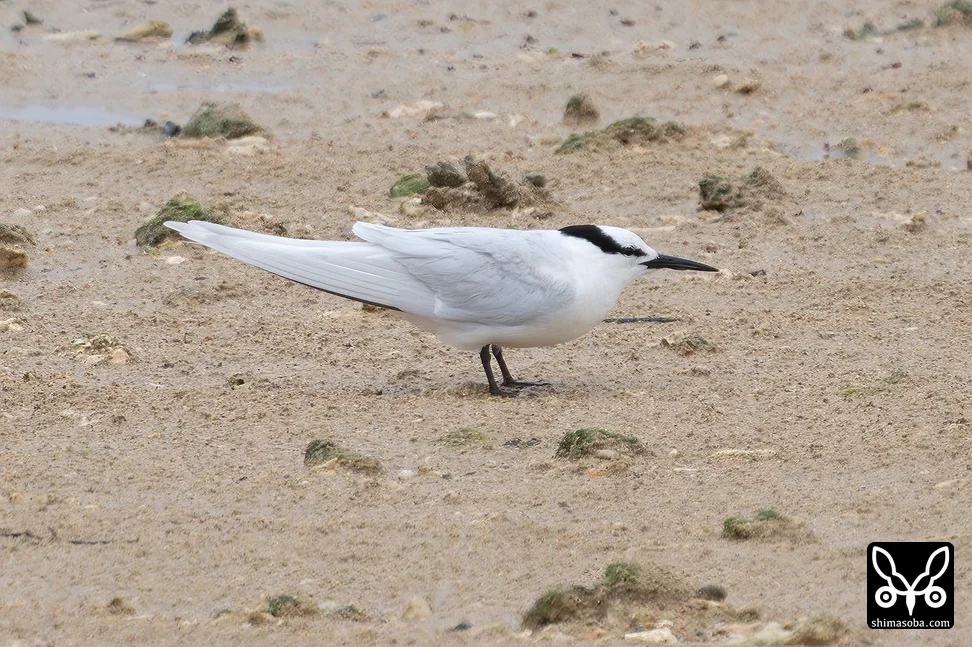
Greater Crested Tern, Roseate Tern and Black-naped Tern sheltering from the typhoon

As Typhoon No. 6 approached Ishigaki Island, Greater Crested Tern, Roseate Tern, and Black-naped Tern were gathered on the sandy beach sheltering from the storm.

Greater Crested Terns are arriving in good numbers as usual, but Black-naped Tern numbers are on the low side, and Roseate Tern even lower. The situation appears to be similar on Okinawa's main island.

Caspian Tern
Caspian Tern

Five Greater Crested Terns resting on the sandy beach. Around 100 were present at the shrimp farm.

Caspian Tern
Caspian Tern

Caspian Tern, first-summer plumage.

Roseate Tern
Roseate Tern

Roseate Terns were scarce this season.

Black-naped Tern
Black-naped Tern

The Black-naped Tern colony appeared to have come through the typhoon.

Categories: 野鳥

First Pin-tailed Snipe, Swinhoe's Snipe and Red-necked Phalarope of the season after the typhoon, and more

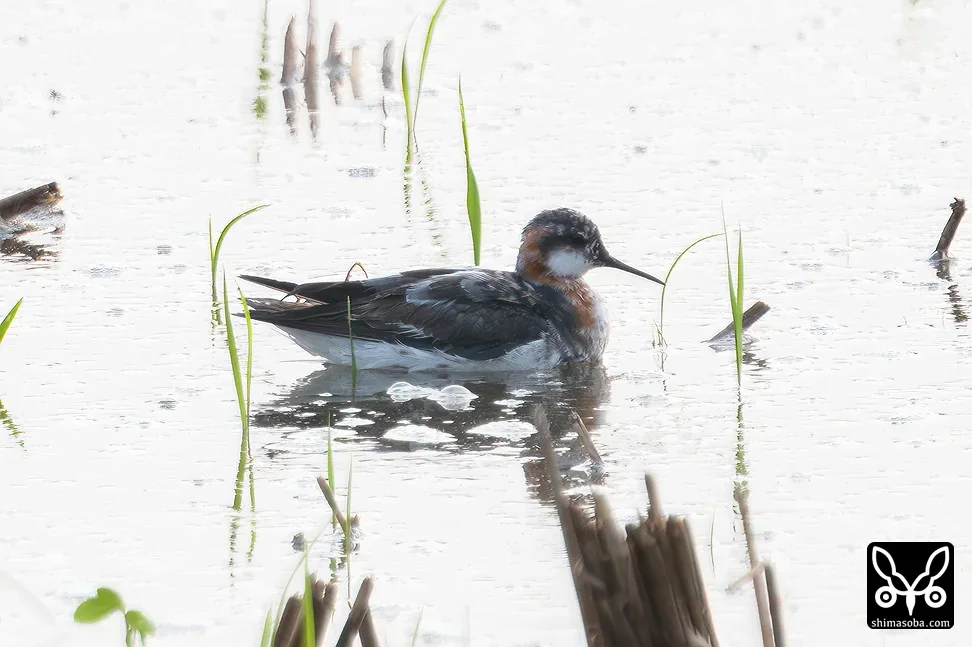
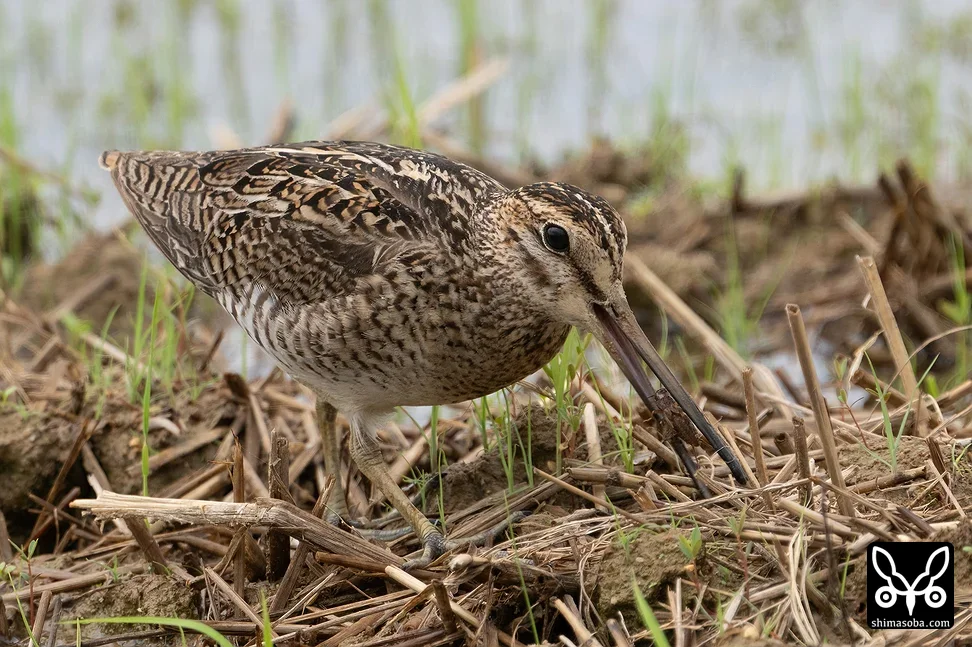
With Typhoon No. 6 moving away from Ishigaki Island, I did a patrol of the rice paddies. Pin-tailed Snipe, Swinhoe's Snipe, and Red-necked Phalarope had all arrived for the first time this season.

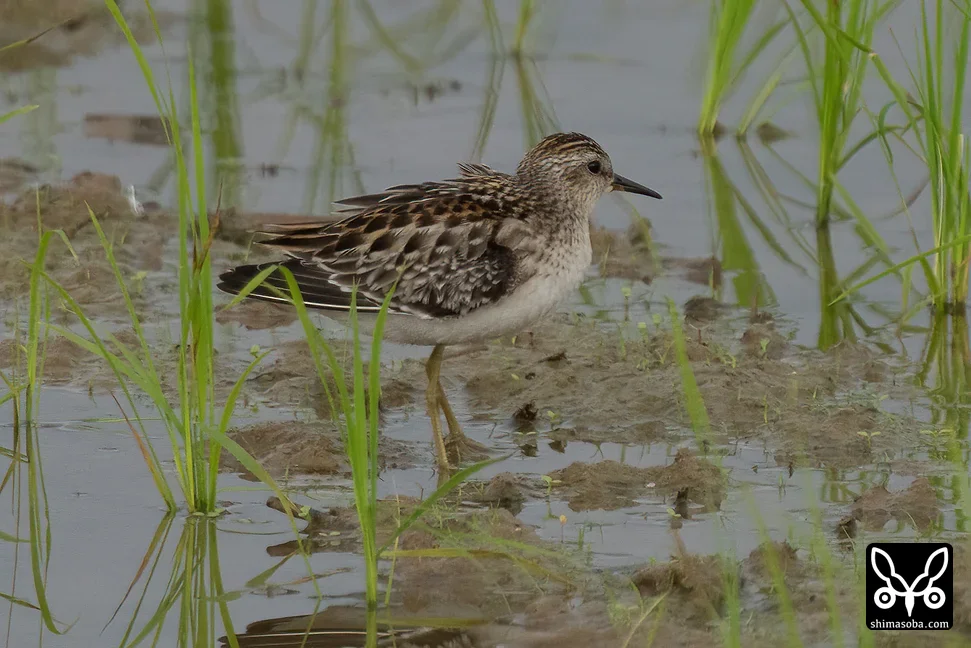
I recorded my first juvenile Wood Sandpiper and Long-toed Stint of the season. Common Greenshank and Little Ringed Plover numbers were also up.

Cinnamon Bitterns breed on the island, and I am encountering recently fledged juveniles more and more often.

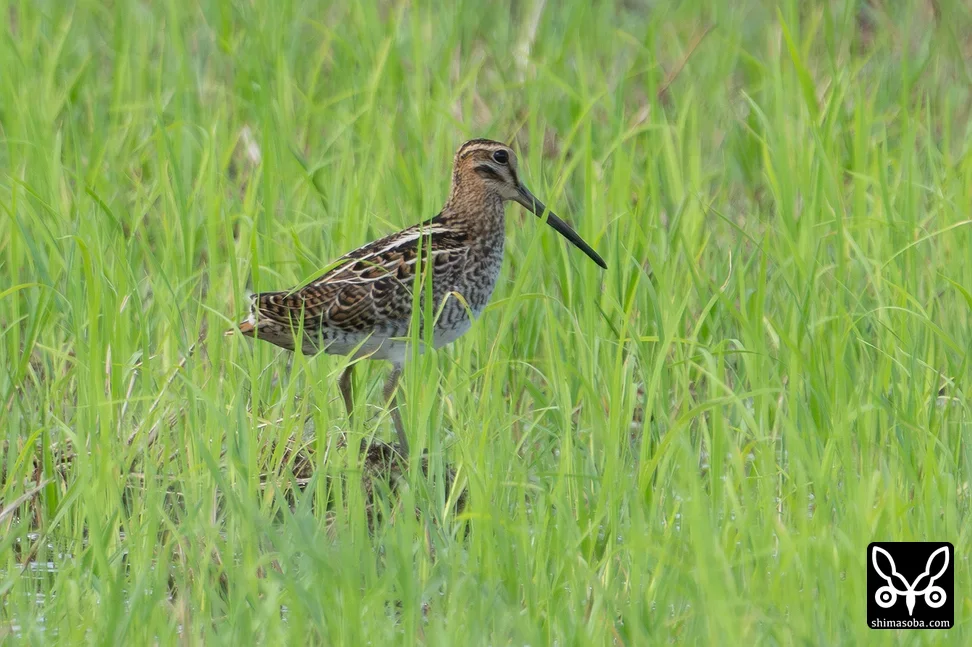
Pin-tailed Snipe
Pin-tailed Snipe

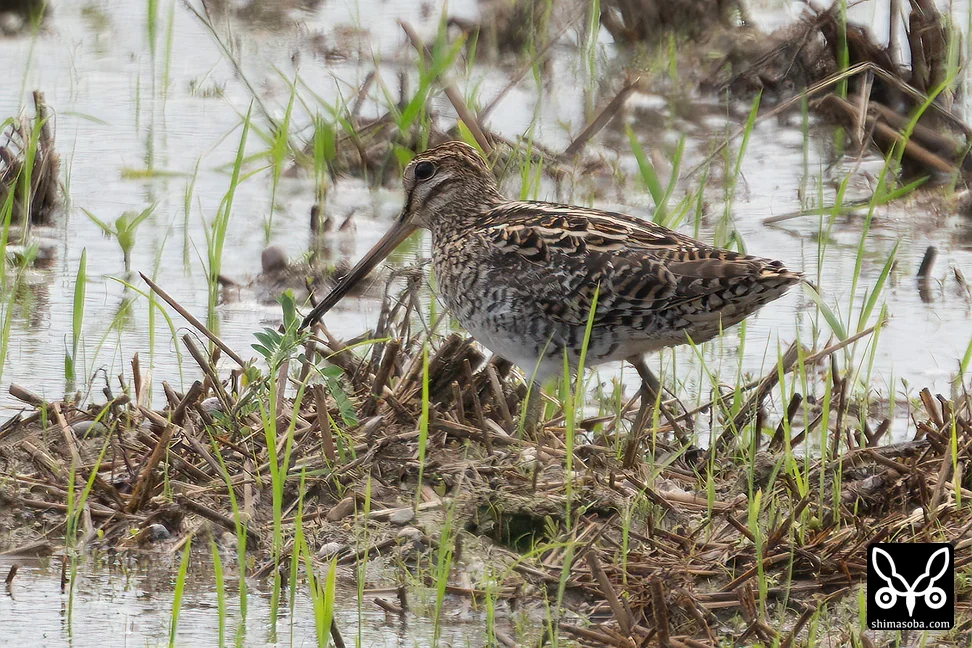
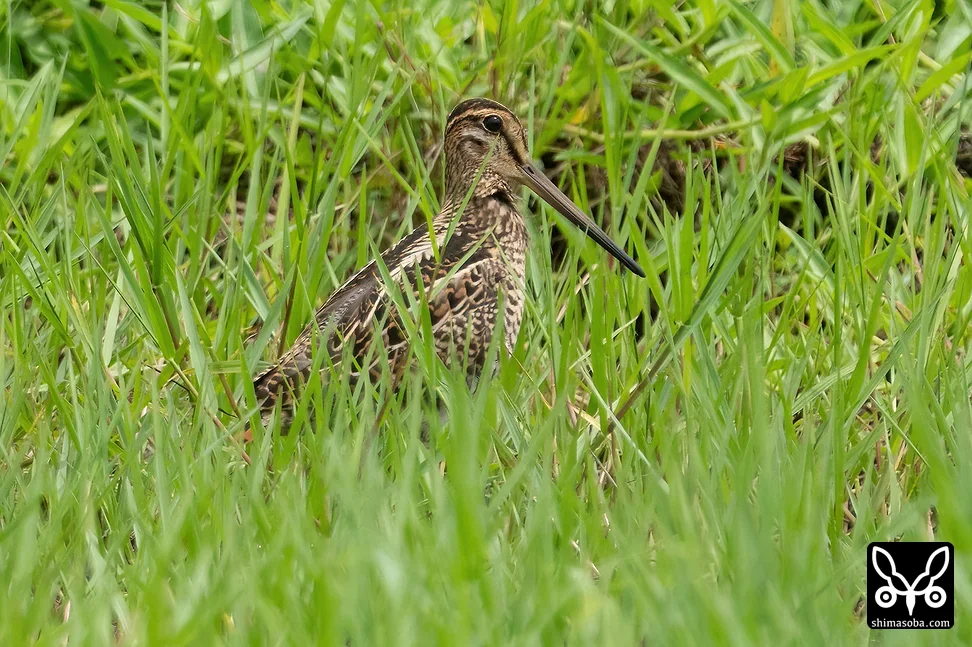
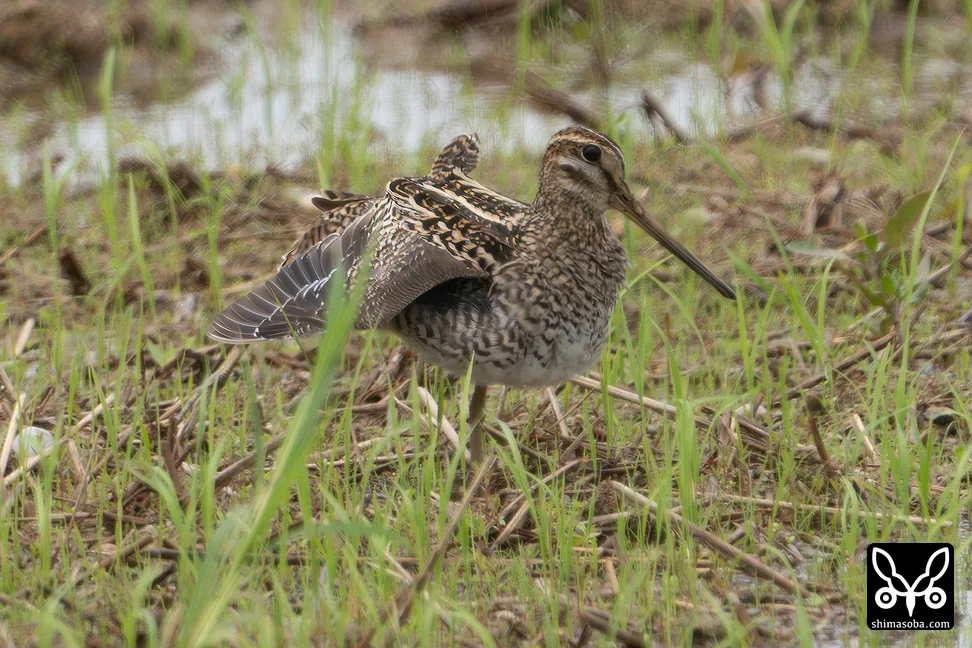
First Pin-tailed Snipe adult of the season.

Pin-tailed Snipe
Pin-tailed Snipe

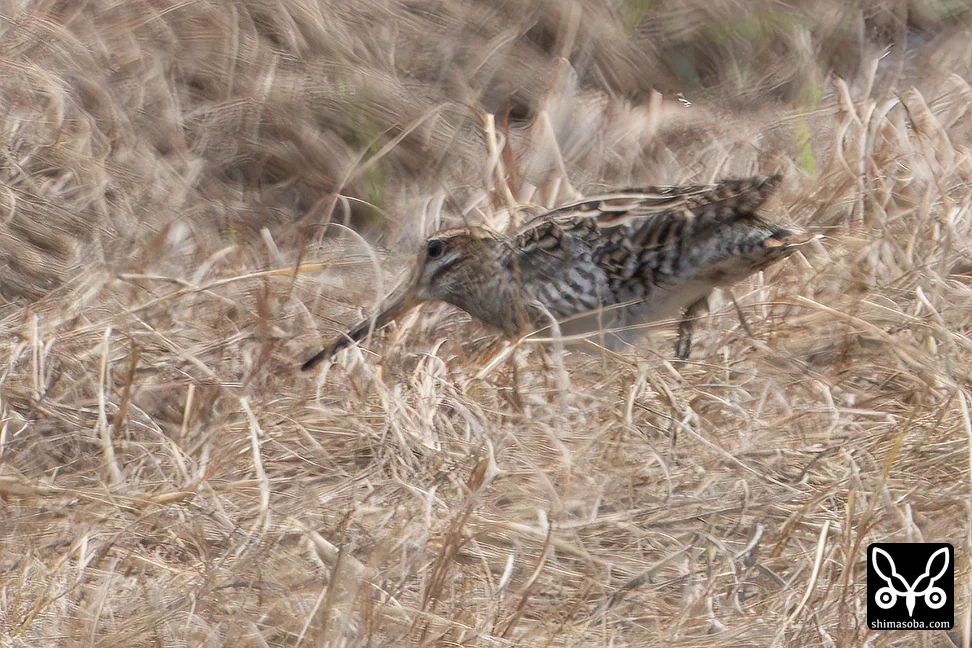
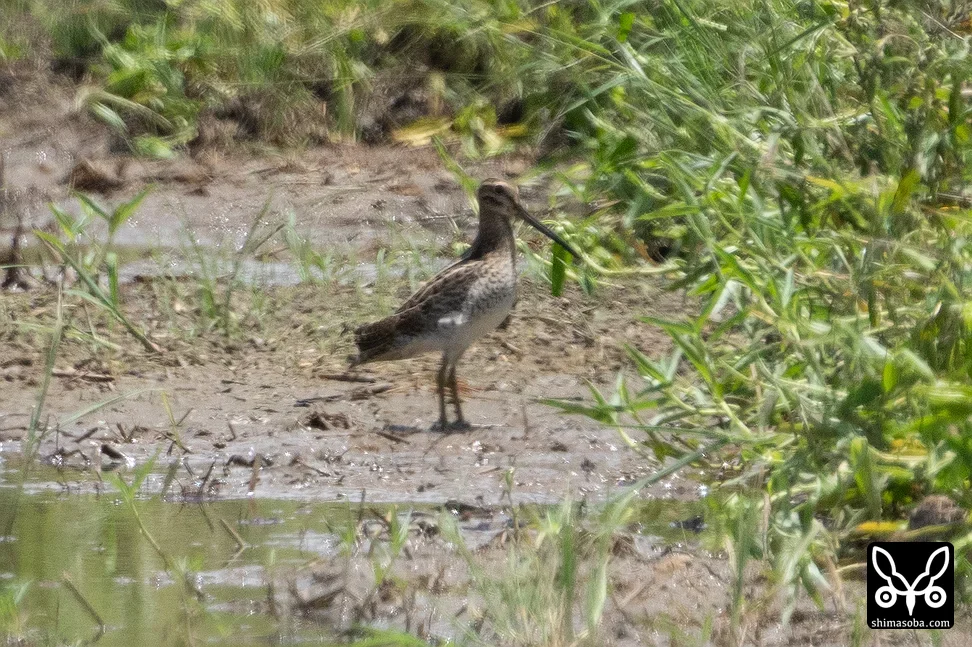
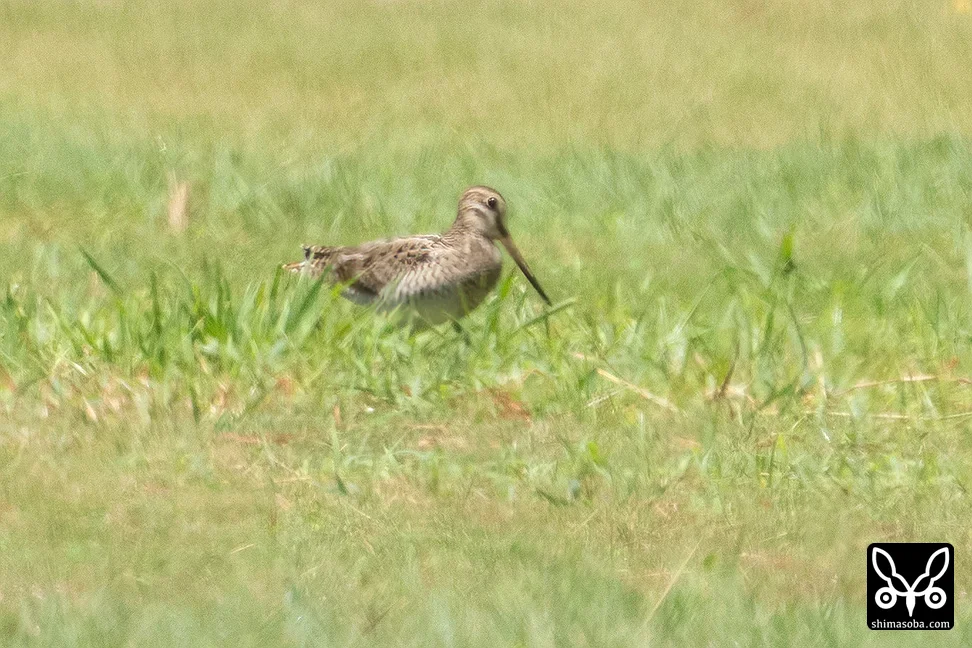
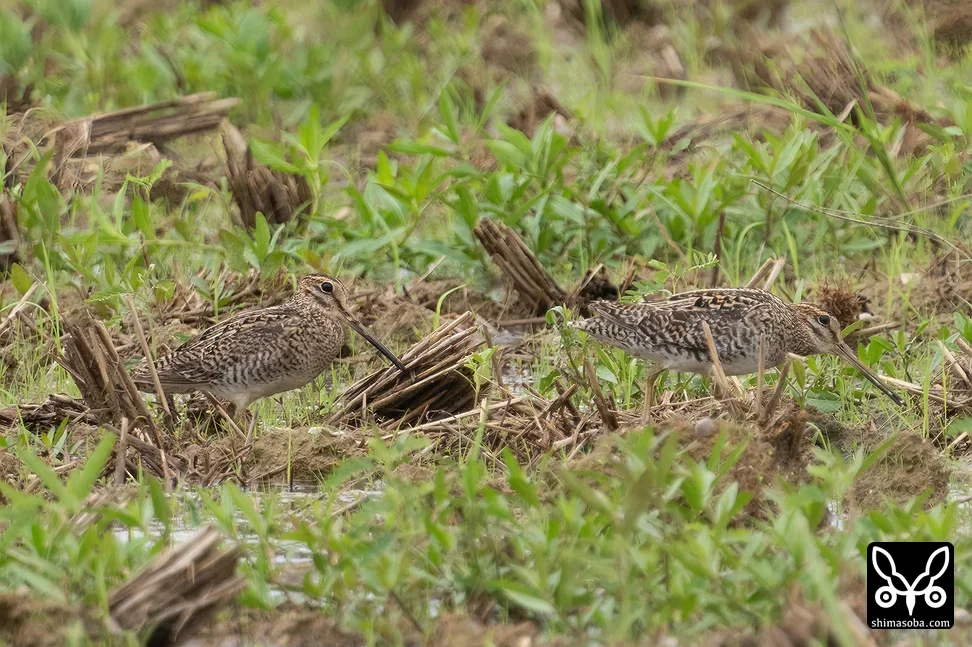
Quite distant, but a running Pin-tailed Snipe.

Pin-tailed Snipe
Pin-tailed Snipe

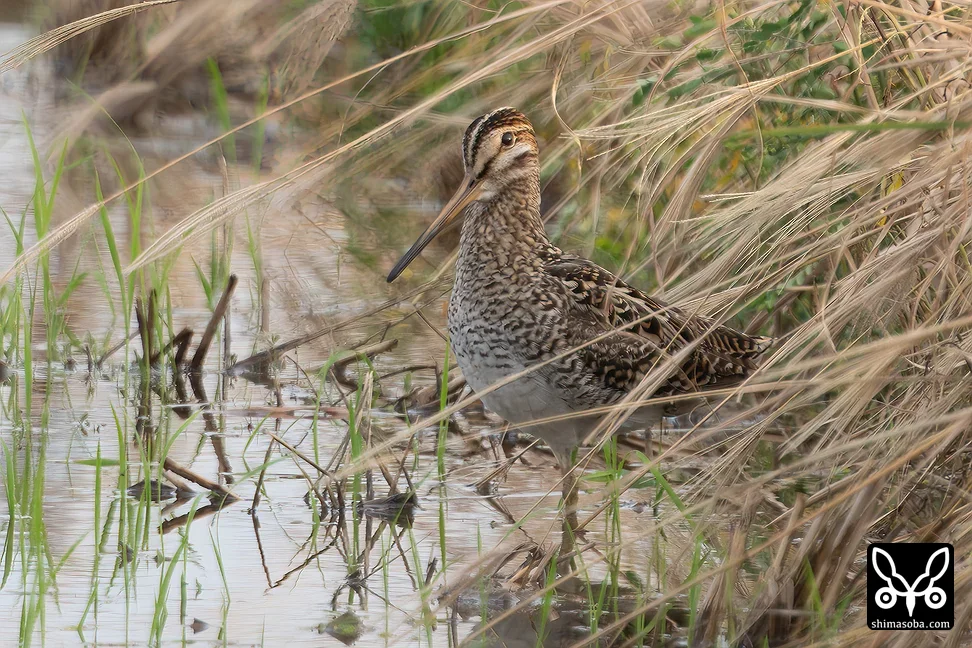
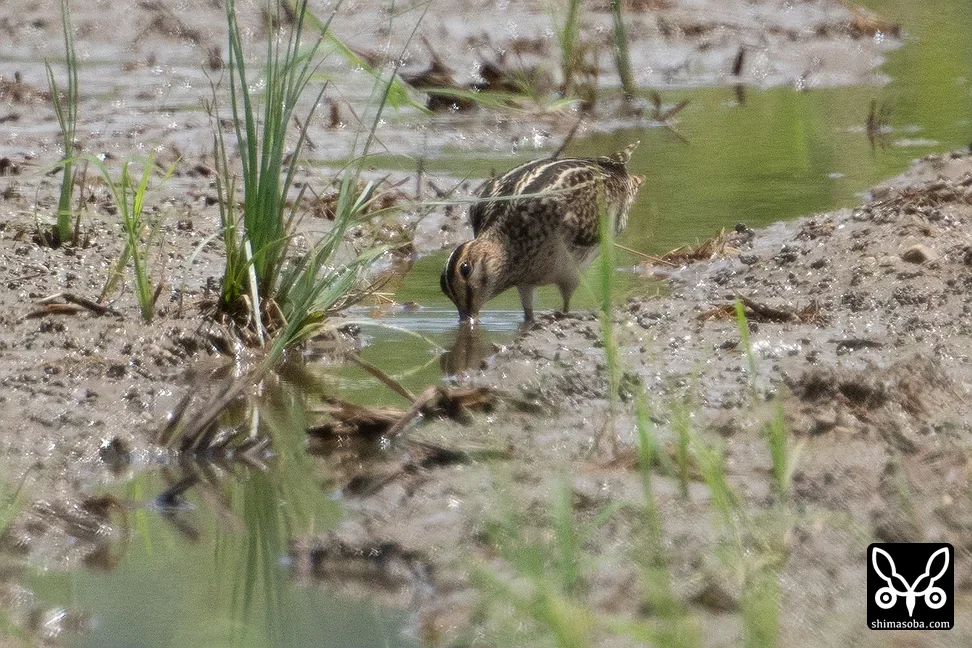
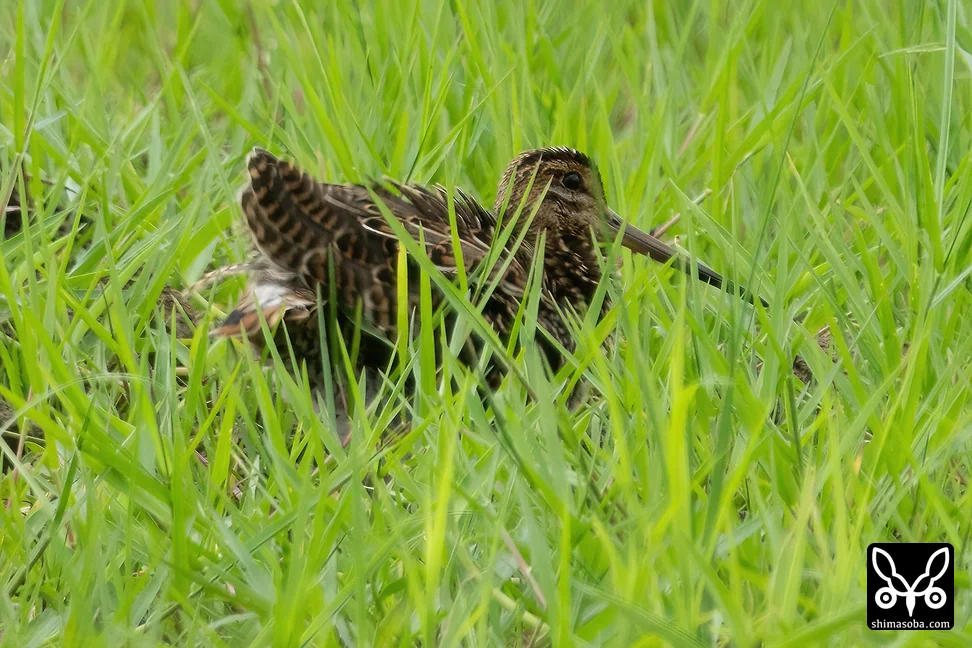
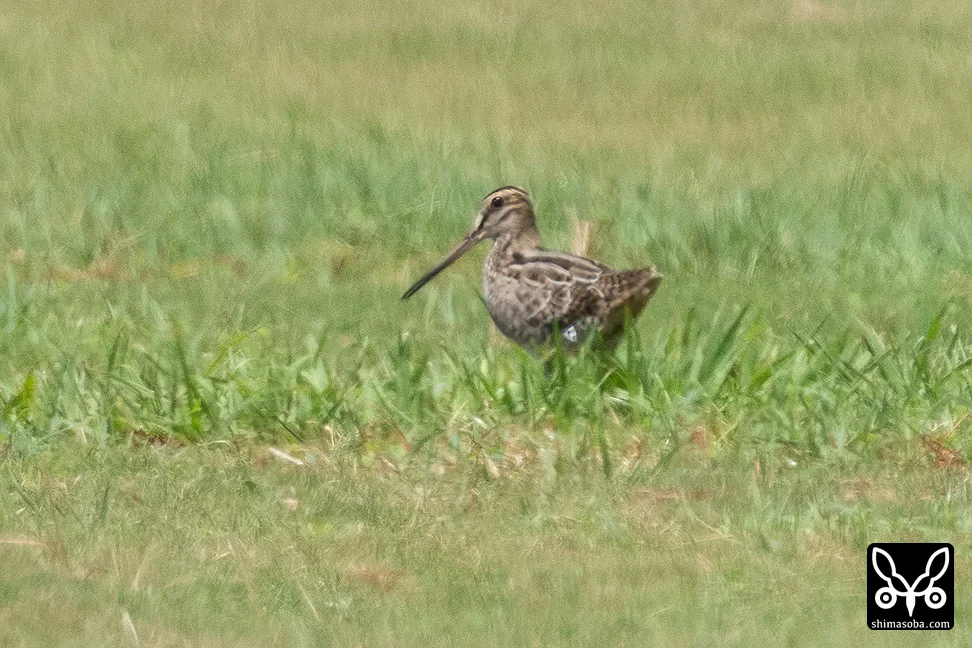
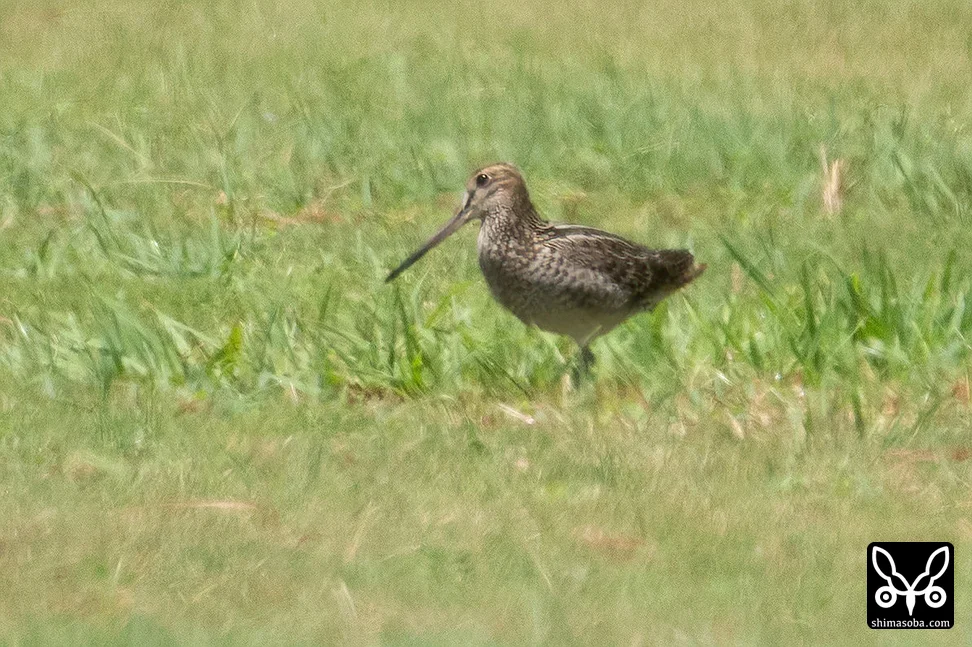
Also a Pin-tailed Snipe. Three individuals confirmed on this day.

Greater Painted-snipe

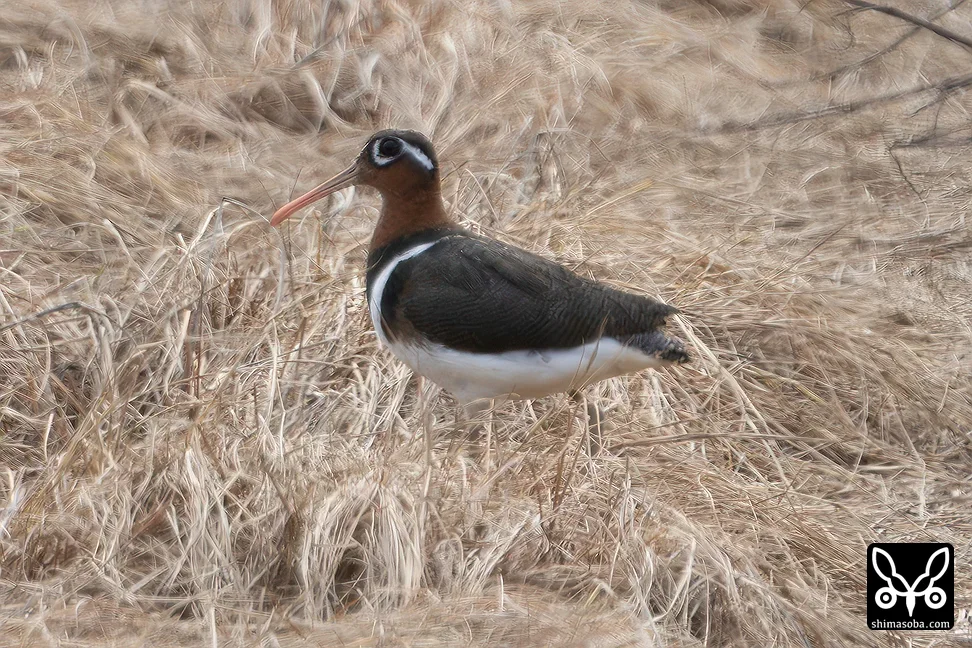
Greater Painted-snipe adult female.

Greater Painted-snipe

A Greater Painted-snipe male accompanying the female above.

Greater Painted-snipe

Another pair in the same paddy field as the Greater Painted-snipe pair above. I watched to see if a territorial dispute would break out, but nothing happened. Perhaps because the breeding season is over?

Wood Sandpiper
Wood Sandpiper

First Wood Sandpiper juvenile of the season. There were several dozen Wood Sandpipers, of which around 10% were juveniles.

Red-necked Phalarope

First Red-necked Phalarope of the season. Moulting from breeding to non-breeding plumage.
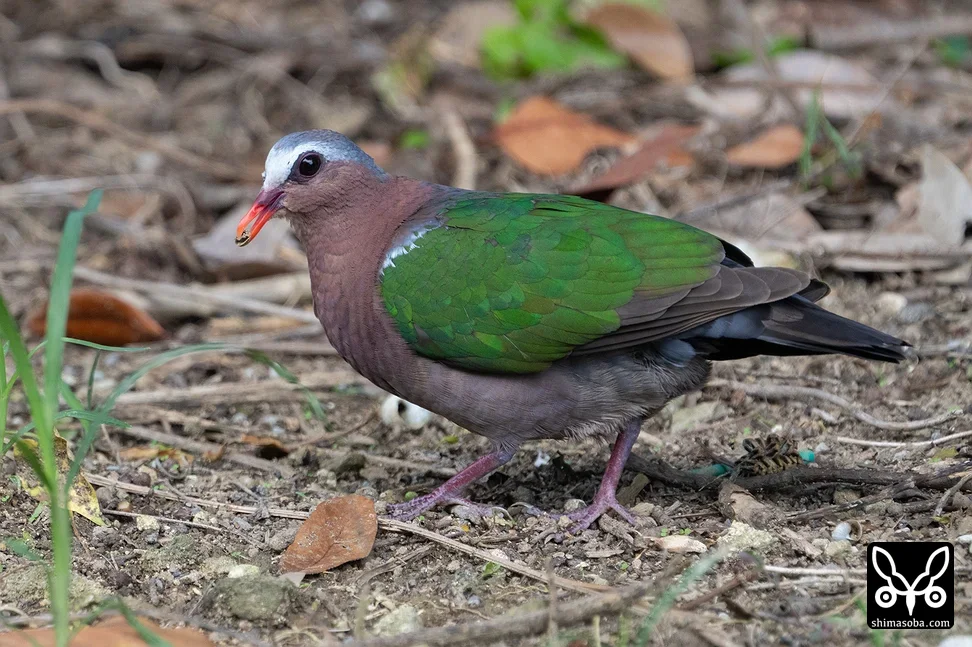
Long-toed Stint
Long-toed Stint

A Long-toed Stint juvenile bathing.

Yellow Bittern
Yellow Bittern

A Ryukyu Dwarf Bittern juvenile. Beginning to transition into first-winter plumage.

Categories: 野鳥

Pin-tailed Snipe, first Marsh Sandpiper and Green Sandpiper of the season, and more (video)

Still stalking Pin-tailed Snipe the day after, trying to get shots of the tail feathers. And then — incredibly!! — I managed to get video with the call of a Pin-tailed Snipe!! It's shaping up to be another wonderful autumn migration season!!

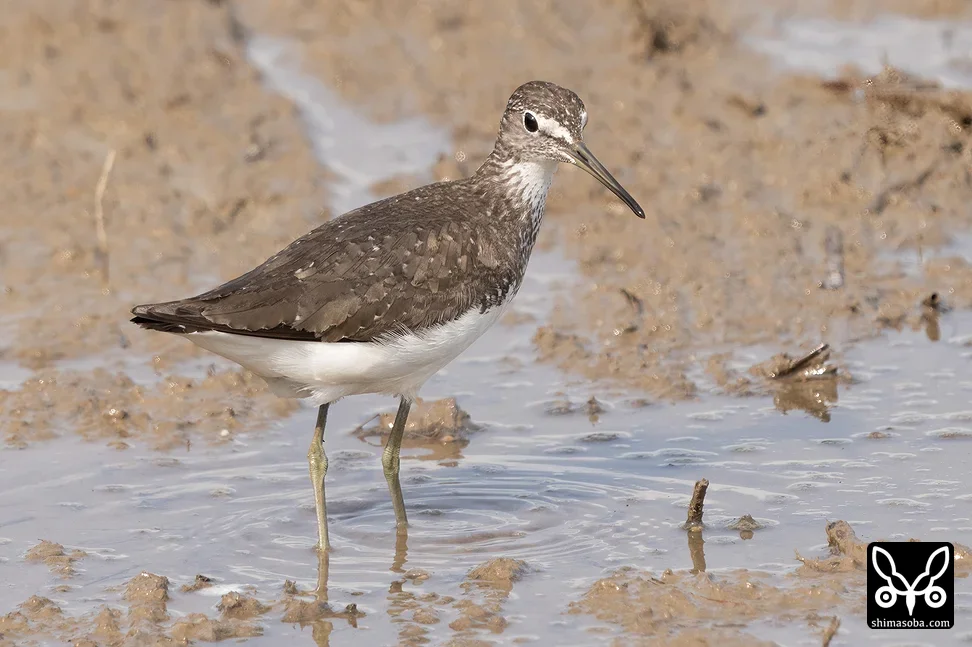
I recorded my first Marsh Sandpiper and Green Sandpiper of the season. Common Redshank and Whiskered Tern had also arrived.

Pin-tailed Snipe
Pin-tailed Snipe

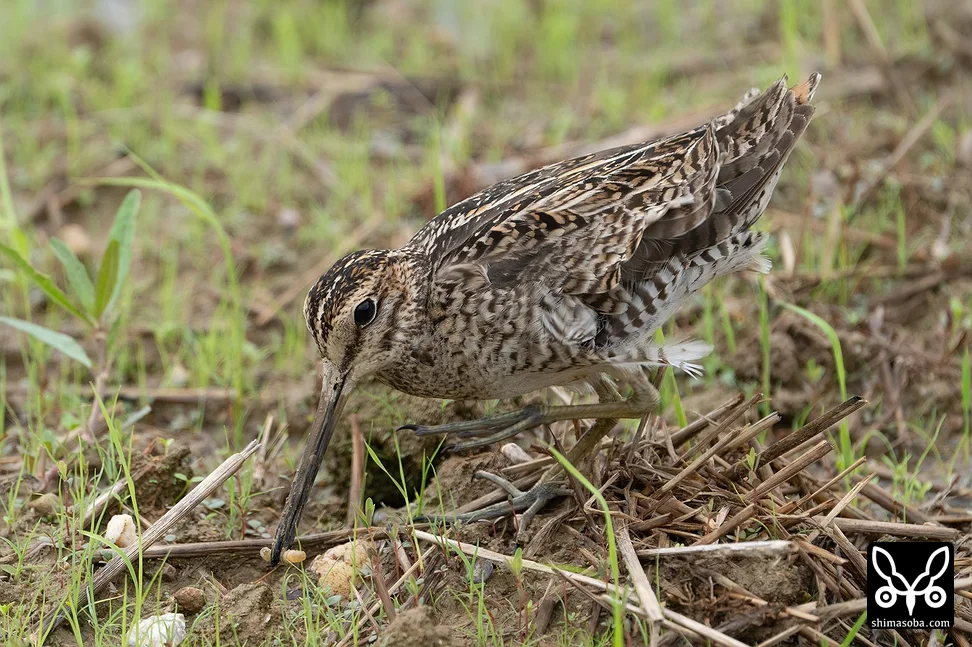
An extremely close Pin-tailed Snipe. Preying on a cricket.

Pin-tailed Snipe
Pin-tailed Snipe

Same individual as above.

Pin-tailed Snipe
Pin-tailed Snipe

Two Pin-tailed Snipes. The left is the same individual as above.

Pin-tailed Snipe
Pin-tailed Snipe

Same individual as the right bird above.

Pin-tailed Snipe
Pin-tailed Snipe

A Pin-tailed Snipe that caught a soldier fly larva.

Pin-tailed Snipe
Pin-tailed Snipe

A Pin-tailed Snipe swallowing a large earthworm.

Pin-tailed Snipe
Pin-tailed Snipe

A dark-morph Pin-tailed Snipe.

Marsh Sandpiper
Marsh Sandpiper

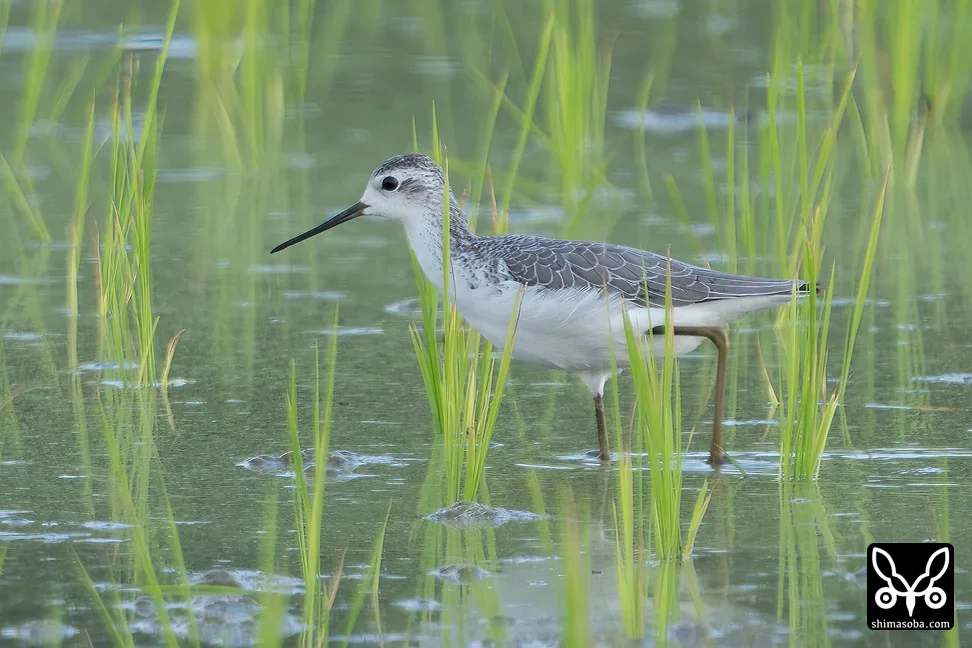
First Marsh Sandpiper of the season. Moulting from juvenile to first-winter plumage.

Marsh Sandpiper
Marsh Sandpiper

Marsh Sandpiper moulting from breeding to non-breeding plumage.
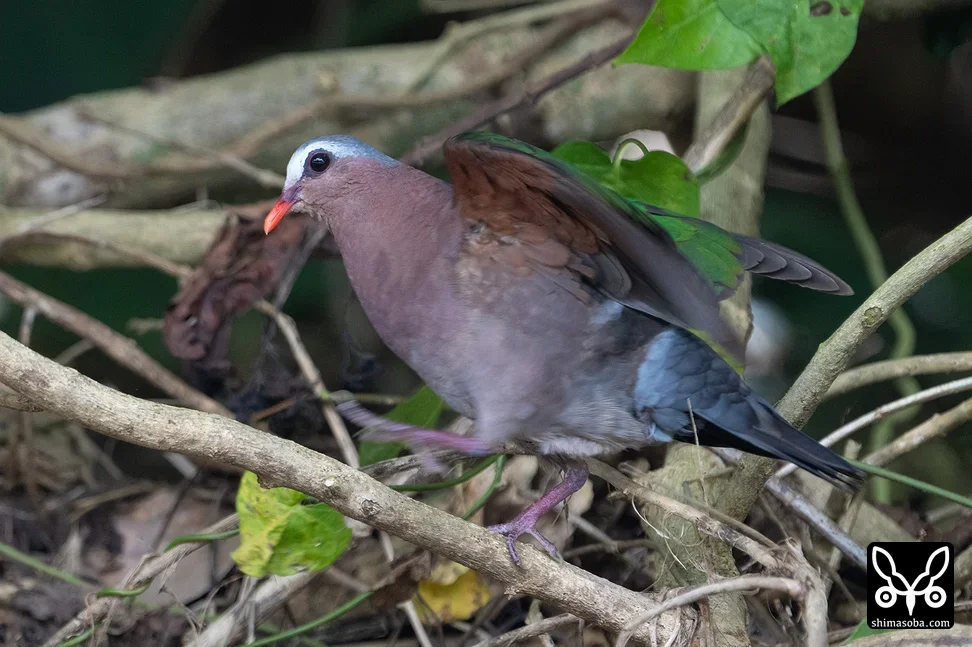
Green Sandpiper
Green Sandpiper

First Green Sandpiper of the season. Late breeding plumage.

Wood Sandpiper
Wood Sandpiper

Juvenile Wood Sandpipers have increased noticeably. When juveniles arrive in good numbers it means breeding went well — a relief.

Common Greenshank
Common Greenshank

Juvenile Common Greenshanks are still a little way off.

Common Redshank
Common Redshank

Common Redshank in late summer plumage.

Whiskered Tern
Whiskered Tern

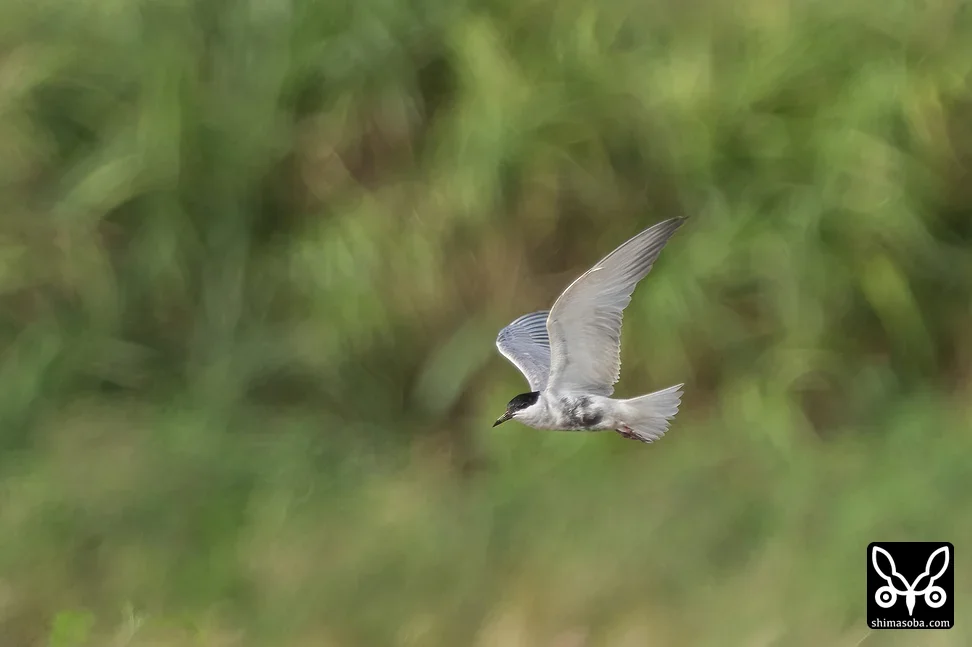
White-winged Tern moulting from summer to winter plumage.

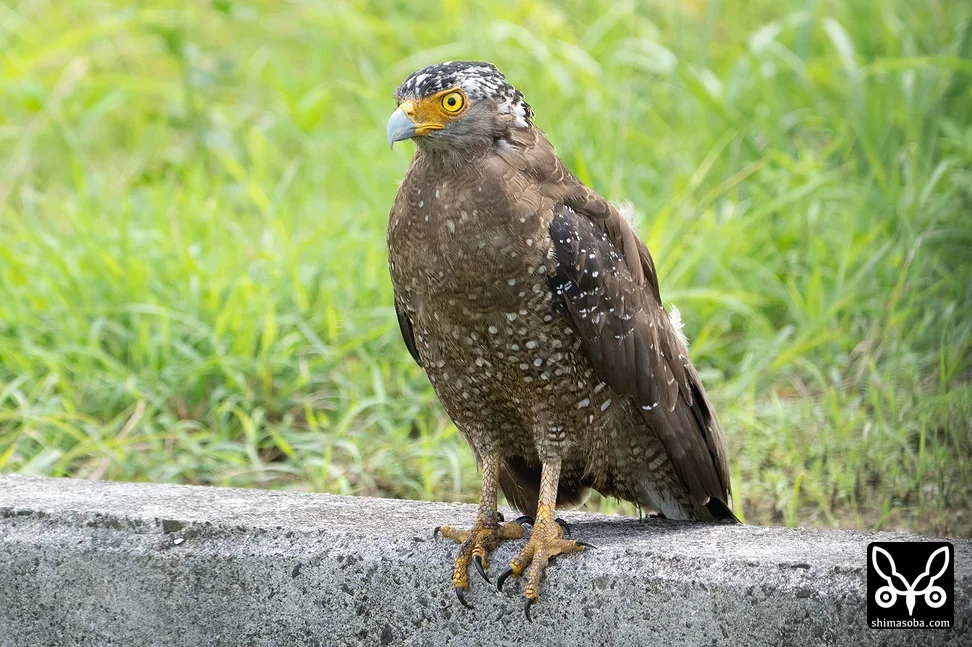
Crested Serpent Eagle

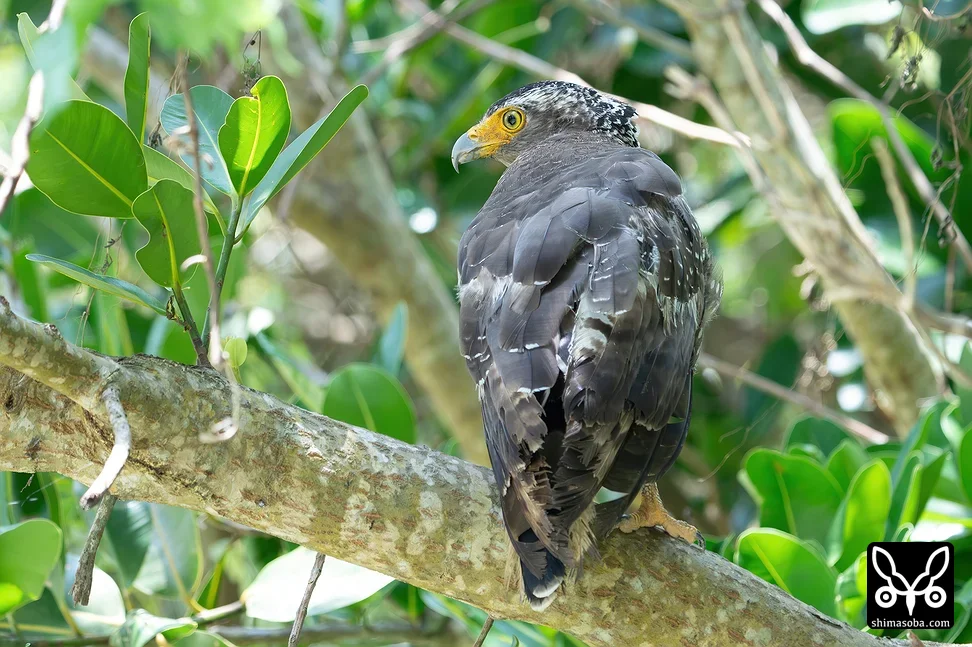
A young Crested Serpent Eagle. Around 3cy?

Categories: 野鳥

Last Ruddy Kingfisher fledgling of the season, first Grey Wagtail

The last Ruddy Kingfisher of the season fledged successfully. I found the nest on June 24, confirmed 2 eggs on July 3, and the chicks fledged on August 12 and 13 in quick succession.

There has been large-scale development in the area, and perhaps because suitable nest sites were scarce, the pair nested in a Formosan subterranean termite colony in a horsetail casuarina tree alongside a fairly busy road. I worried about traffic accidents right after fledging, but they made it safely and disappeared into the shrubs on the ranch.

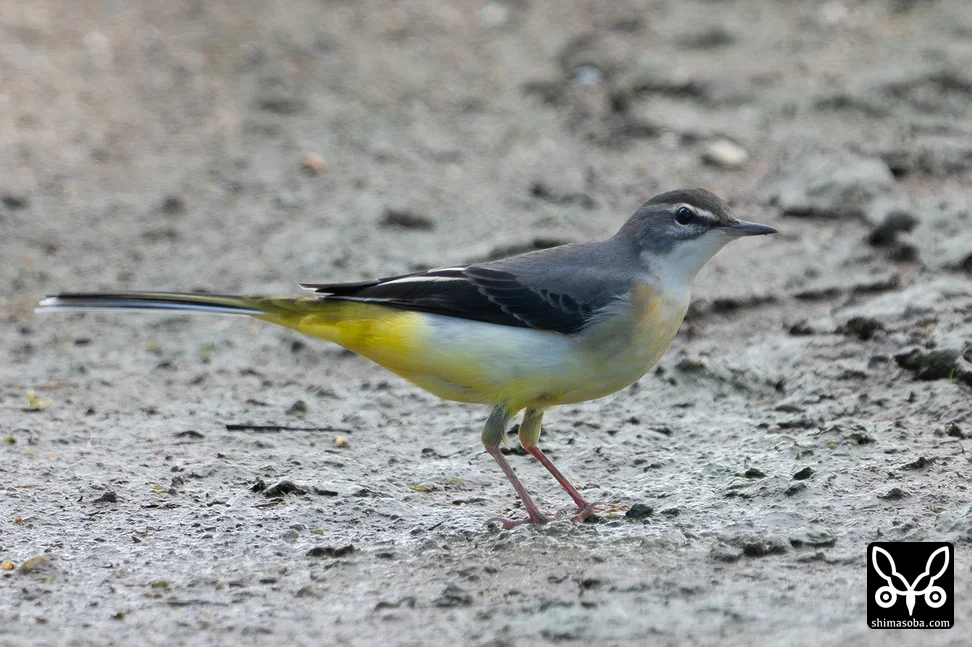
I recorded my first Grey Wagtail of the season — the usual time of year, the usual spot.

Crested Serpent Eagles are approaching their fledging season too, and the adults are turning up regularly in farmland and cultivated fields.

Ruddy Kingfisher
Ruddy Kingfisher

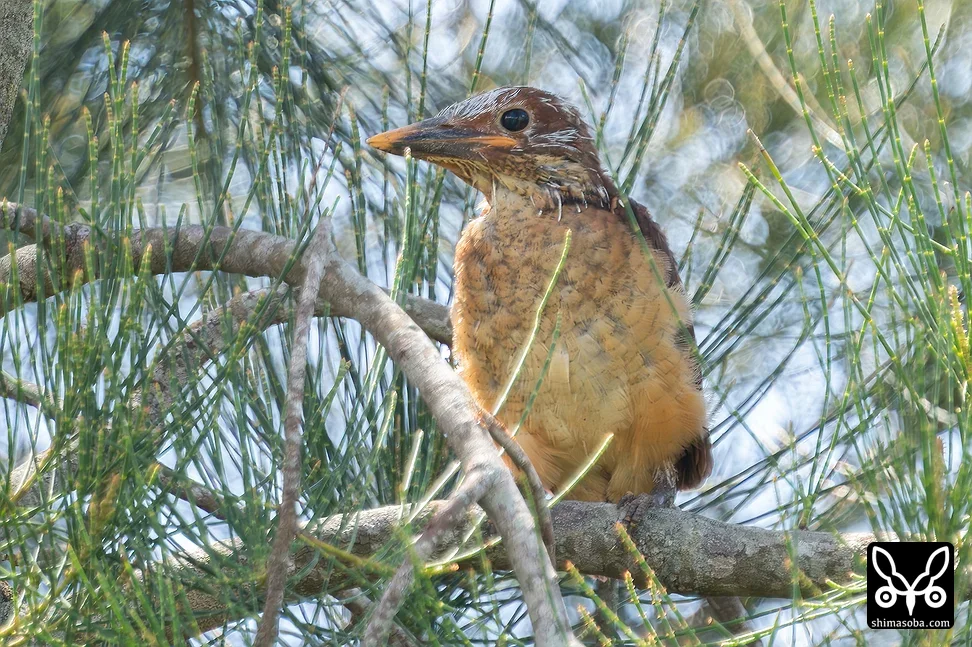
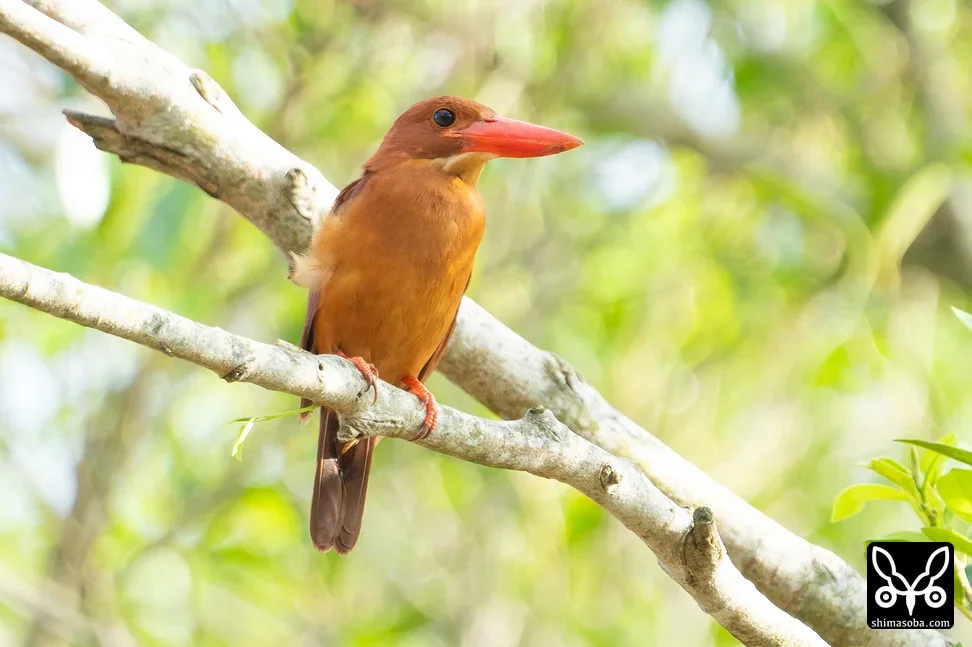
A Ruddy Kingfisher chick that fledged on the 12th. This was taken on the 13th, the second day after fledging, and it was already flying about fairly freely.

Ruddy Kingfisher
Ruddy Kingfisher

The parent of the chick above. It was perched in a nearby tree, encouraging the youngster to fly.

Ruddy Kingfisher
Ruddy Kingfisher

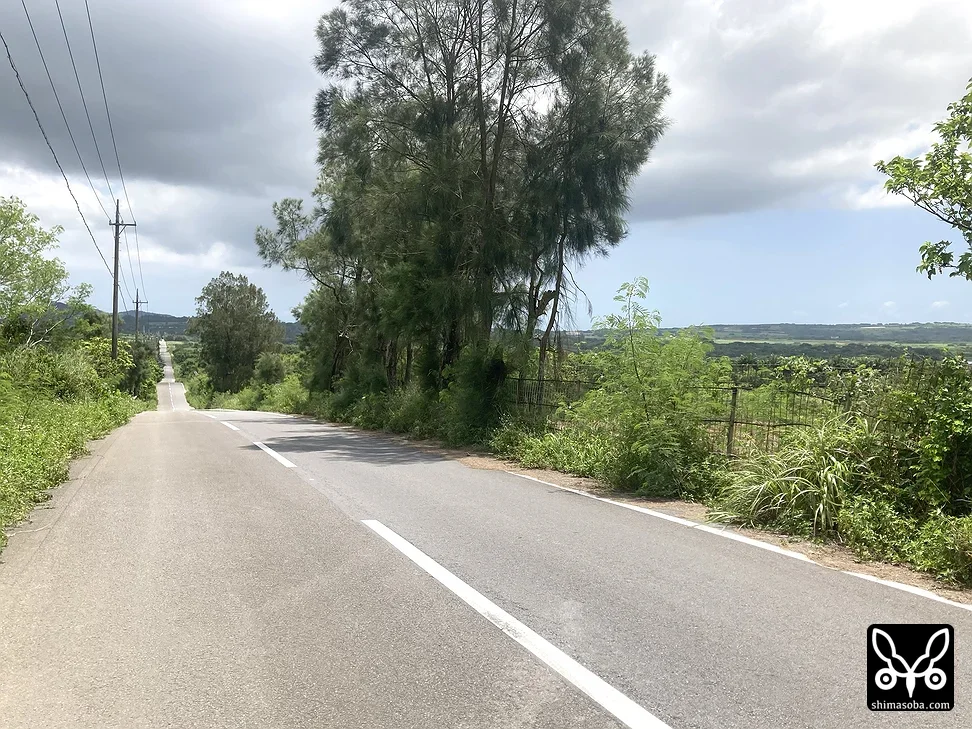
The nest is in the centre of the frame. It faces the road at about 1.5 metres above the ground.

Ruddy Kingfisher
Ruddy Kingfisher

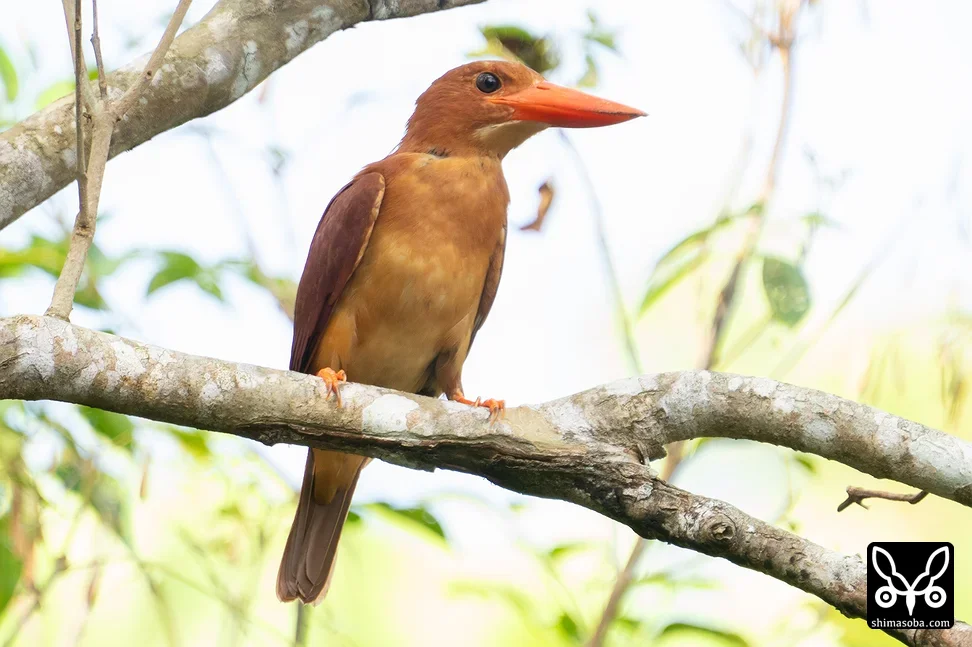
A Ruddy Kingfisher that finished raising its young near my home. It is so used to people that it shows zero wariness.

Grey Wagtail
Grey Wagtail

The first Yellow Wagtail of the season. From here on, Citrine Wagtails, White Wagtails and Eastern Yellow Wagtails will be passing through Ishigaki-jima.

Crested Serpent Eagle

Crested Serpent Eagles are turning up more often. Three individuals on this day. It won't be long before juveniles start appearing too.

Categories: 野鳥

First Terek Sandpiper and Sanderling of the Season

I recorded my first Terek Sandpiper and Sanderling of the season.

There were 3 Terek Sandpipers and 4 Sanderlings, along with Greater Sand Plovers, Siberian Sand Plovers, Grey-tailed Tattlers, Ruddy Turnstones, Red-necked Stints, Pacific Golden Plovers, and Kentish Plovers. Coastal birds are going to keep building from here on.

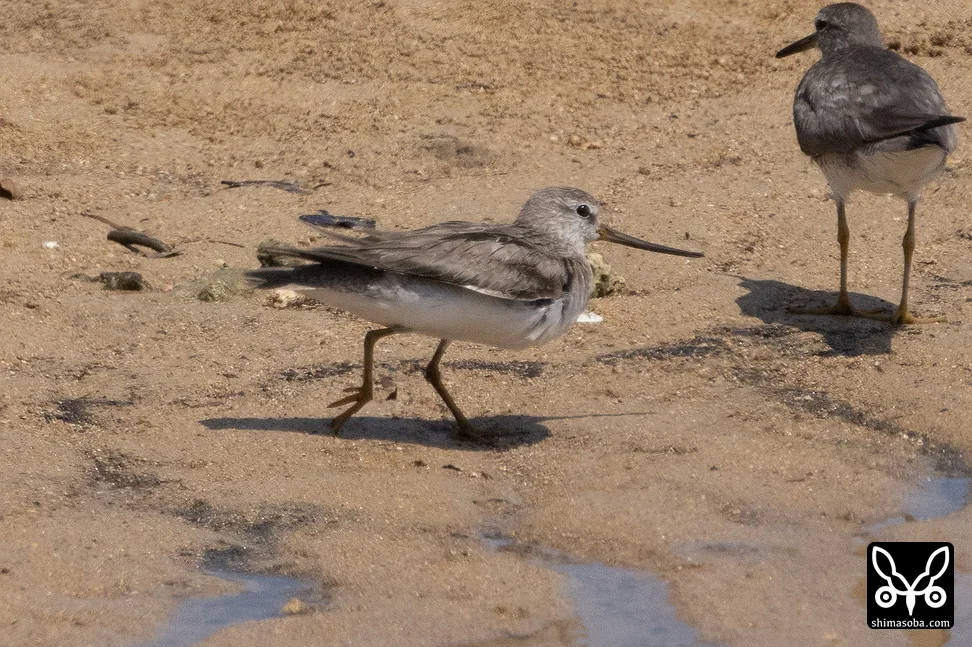
Terek Sandpiper
Terek Sandpiper

Juvenile Terek Sandpiper.

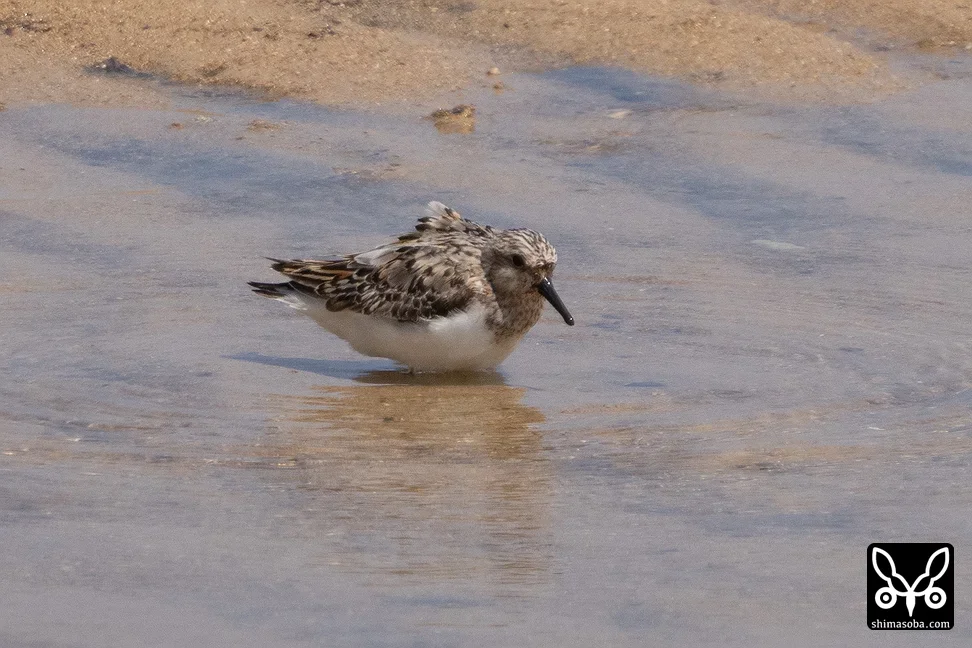
Sanderling
Sanderling

Sanderling moulting from summer to winter plumage.

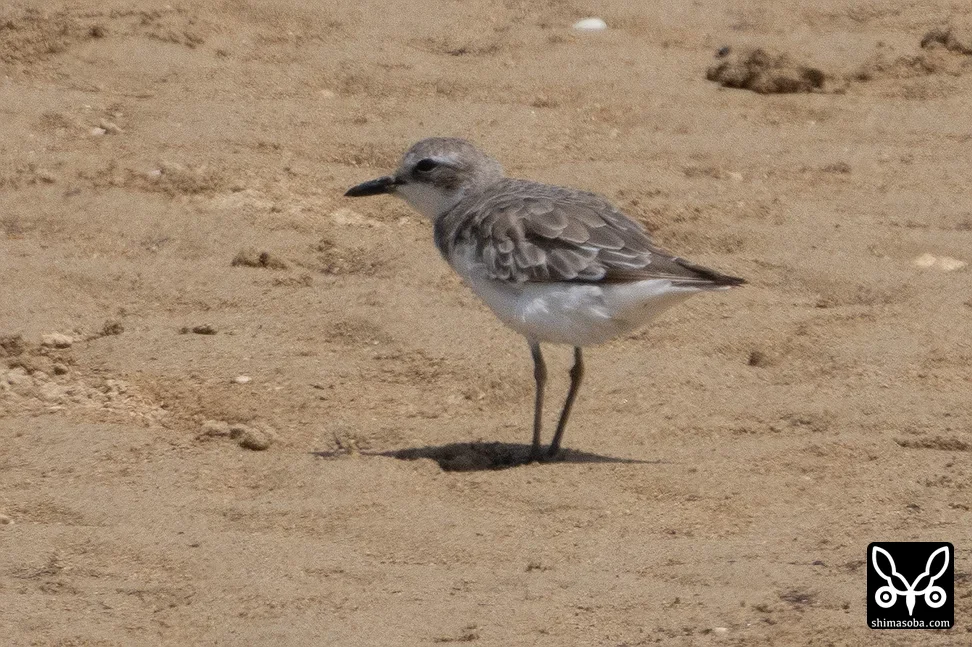
Greater Sand Plover
Greater Sand Plover

Greater Sand Plover in first-winter plumage.

Red-necked Stint
Red-necked Stint

Red-necked Stint moulting from summer to winter plumage.

Red-necked Stint
Red-necked Stint

Red-necked Stint in winter plumage.

Long-toed Stint
Long-toed Stint

Juvenile Long-toed Stint.

Categories: 野鳥

Pin-tailed Snipe and Swinhoe's Snipe Numbers Rising

Pin-tailed Snipes and Swinhoe's Snipes in the paddy fields are steadily increasing. Both species were all juveniles on this day.

I took two local naturalists who wanted to see some birds on a light circuit of the paddies and coast.

Pin-tailed Snipe
Pin-tailed Snipe

Juvenile Swinhoe's Snipe.

Pin-tailed Snipe
Pin-tailed Snipe

Another Swinhoe's Snipe.

Swinhoe's Snipe
Swinhoe's Snipe

Amami Woodcocks.

Swinhoe's Snipe
Swinhoe's Snipe

Swinhoe's Snipe.

Swinhoe's Snipe
Swinhoe's Snipe

A Swinhoe's Snipe looking tired — perhaps just arrived on migration.

Categories: 野鳥

Swinhoe's Snipe and Pin-tailed Snipe Numbers Up Further

The other day I focused squarely on Pin-tailed Snipe tail feathers, so today I went after Swinhoe's Snipe tail feathers. I managed to rack up a good number of individuals. ^^

In the same paddy field there were at least 8 Swinhoe's Snipes and 3 Pin-tailed Snipes. There was another flock of snipe in a neighbouring field, but it was too far away and the heat shimmer was too bad — I will go back and try again another day.

Swinhoe's Snipe
Swinhoe's Snipe

Swinhoe's Snipe, juvenile.

Swinhoe's Snipe
Swinhoe's Snipe

Same individual as above.

Swinhoe's Snipe
Swinhoe's Snipe

Swinhoe's Snipe, juvenile.

Swinhoe's Snipe
Swinhoe's Snipe

The nearer individual from the shot above.

Swinhoe's Snipe
Swinhoe's Snipe

Another Swinhoe's Snipe juvenile.

Swinhoe's Snipe
Swinhoe's Snipe

Same individual as above.

Swinhoe's Snipe
Swinhoe's Snipe

Swinhoe's Snipe, juvenile.

Swinhoe's Snipe
Swinhoe's Snipe

A Swinhoe's Snipe that kept pulling funny faces. ^^;

Swinhoe's Snipe
Swinhoe's Snipe

There were around 8 Swinhoe's Snipe in total.

Pin-tailed Snipe
Pin-tailed Snipe

Pin-tailed Snipe, juvenile.

Pin-tailed Snipe
Pin-tailed Snipe

Another Pin-tailed Snipe.

Pin-tailed Snipe
Pin-tailed Snipe

Quite distant, but Pin-tailed Snipe. Three individuals in all.

Pin-tailed Snipe
Pin-tailed Snipe

Pin-tailed Snipe in a different area. Way too far away….

Swinhoe's Snipe
Swinhoe's Snipe

A Swinhoe's Snipe sharing the same paddy field as the Pin-tailed Snipe above. This one was a little closer.

Categories: 野鳥

Long-toed Stints, Marsh Sandpipers, and Red-necked Stints on the Increase

Long-toed Stints are building up in both adults and juveniles. Red-necked Stints so far are adults only — juveniles have yet to arrive. Marsh Sandpipers, adults and juveniles alike, are passing through steadily.

Long-toed Stint
Long-toed Stint

Long-toed Stint, juvenile. Numbers are steadily increasing.

Marsh Sandpiper
Marsh Sandpiper

Marsh Sandpiper in winter plumage. The bluish winter plumage is really beautiful.

Red-necked Stint
Red-necked Stint

Rufous-necked Stint, adult, moulting into winter plumage.

Red-necked Stint
Red-necked Stint

Rufous-necked Stint in late summer plumage.

Categories: 野鳥

Season's First Javan Pond Heron and White-browed Eastern Yellow Wagtail, Cinnamon Bittern, and More

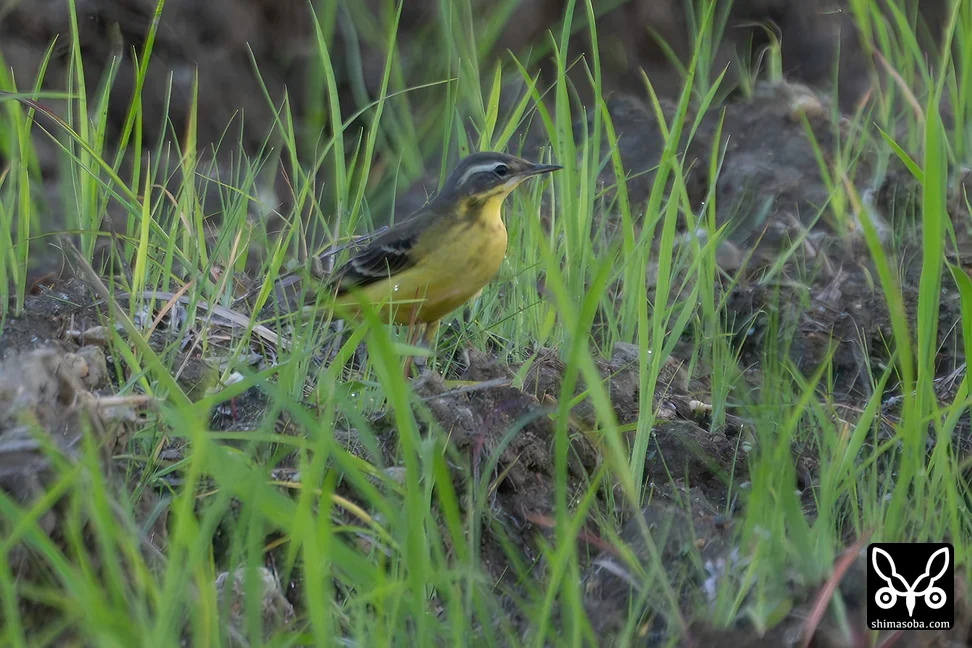
The season's first Javan Pond Heron and White-browed Eastern Yellow Wagtail have arrived. Javan Pond Herons will trickle through from here on, while the Eastern Yellow Wagtails will suddenly surge in numbers.

This year's Cinnamon Bitterns appear to be dispersing; individuals in the same area have been thinning out.

Javan Pond Heron
Javan Pond Heron

Javan Pond Heron with a tadpole it had caught. First record of the season.

Javan Pond Heron
Javan Pond Heron

There are two birds on the island, but this Javan Pond Heron is the same individual as above. Winter plumage.

Yellow Bittern
Yellow Bittern

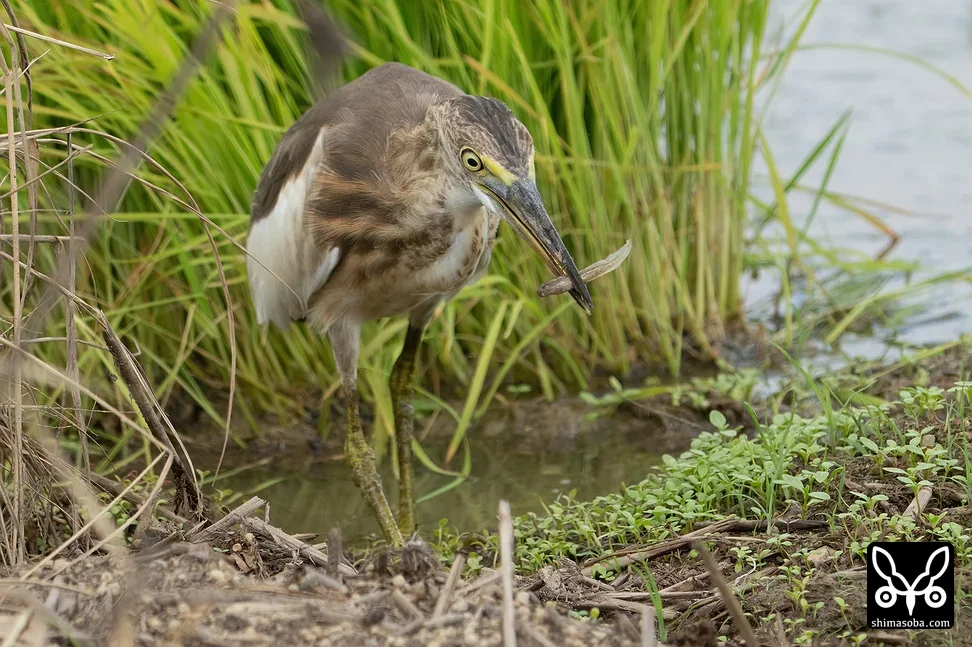
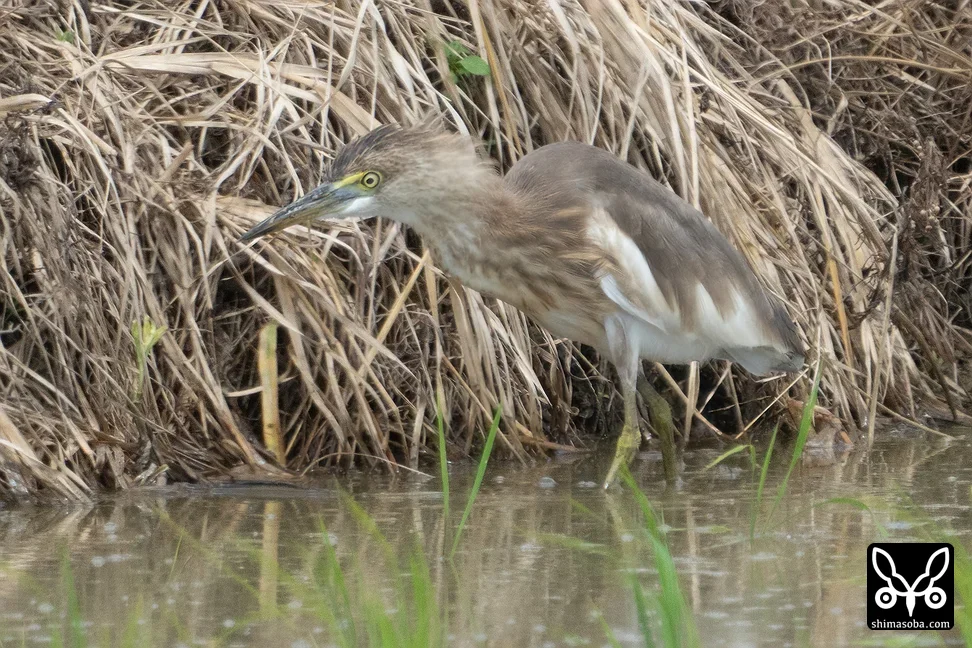
Ryukyu Striated Heron, adult male.

Yellow Bittern
Yellow Bittern

Ryukyu Striated Heron, juvenile. Moulting into first-winter plumage.

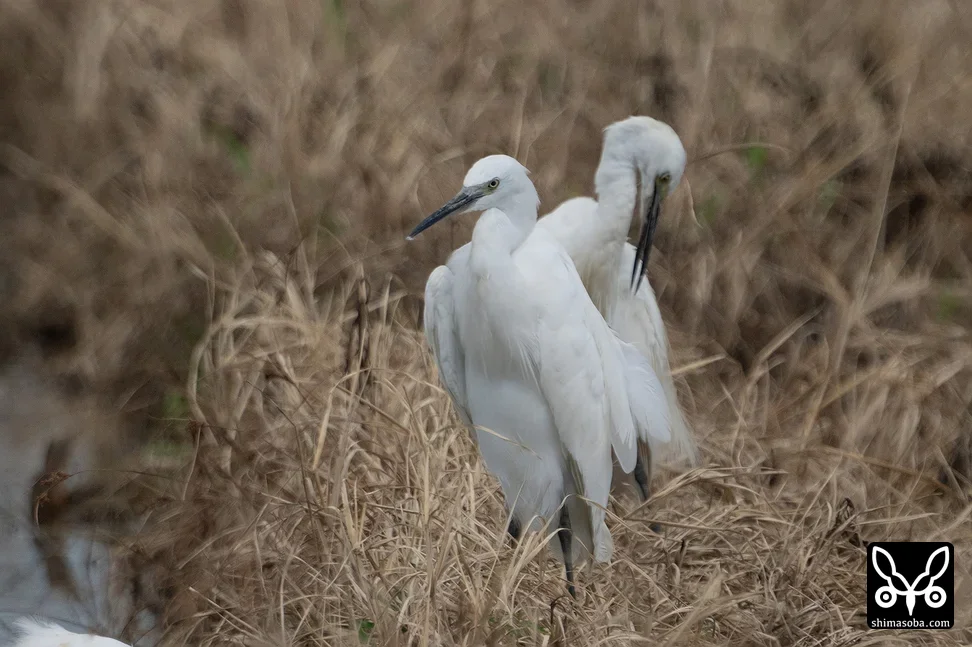
Little Egret
Little Egret

Numbers of migrant Little Egrets are increasing too.

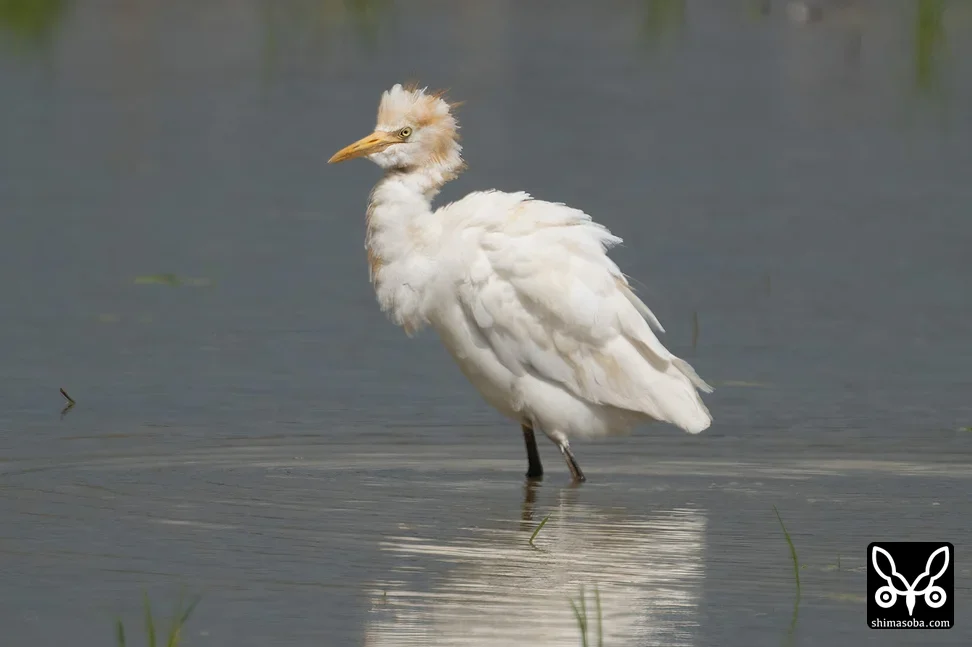
Eastern Cattle Egret

Eastern Cattle Egret transitioning from breeding to non-breeding plumage.
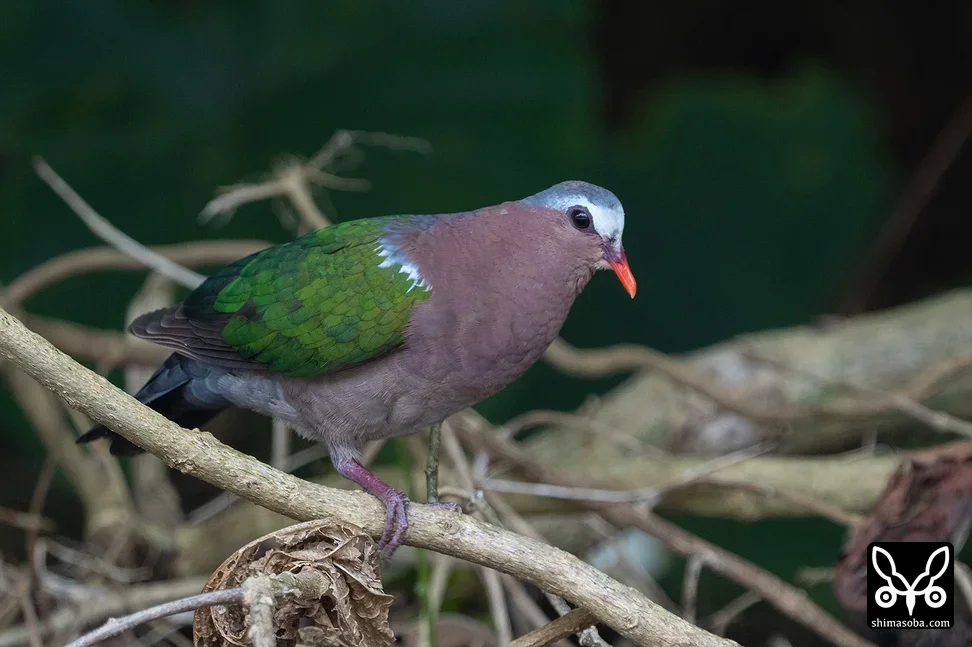
White-breasted Waterhen

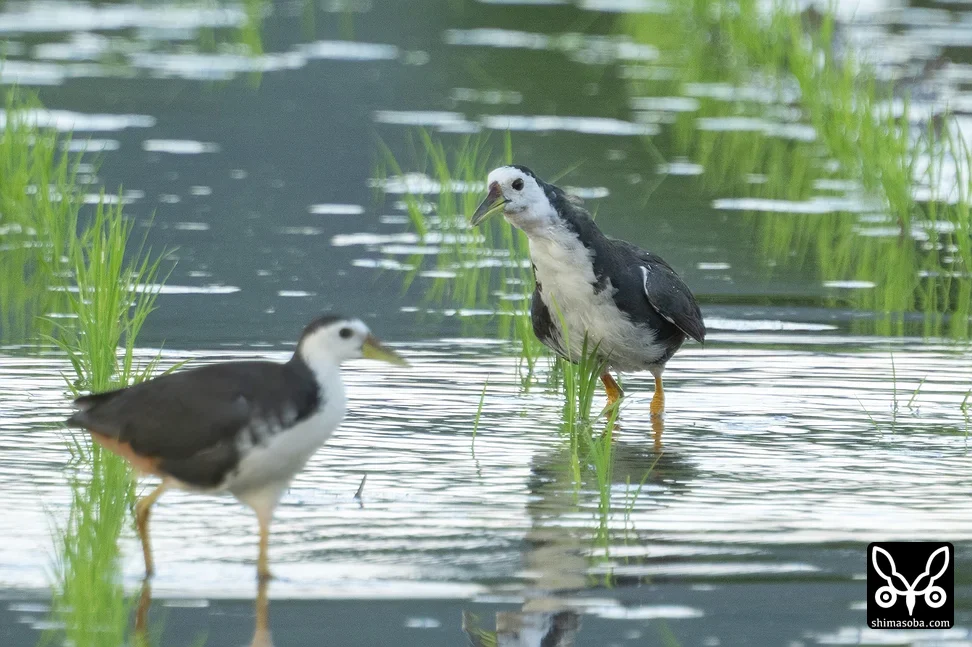
White-breasted Waterhen, male (background) and female.

Citrine Wagtail
Citrine Wagtail

First Citrine Wagtail of the season. Male in winter plumage.

Categories: 野鳥

Pin-tailed and Swinhoe's Snipes Getting More Interesting as Numbers Grow

As late August approaches, snipe numbers keep climbing. In the best spots there were around 7 birds in a single paddy field. The Swinhoe's Snipe migration is reaching its peak, so Pin-tailed Snipe are relatively fewer by comparison.

In one week I will be holding the inaugural Ishigaki Island Snipe Camp. Together with snipe-watchers coming from the mainland, I plan to scrutinize every last snipe on Ishigaki.

Swinhoe's Snipe
Swinhoe's Snipe

Swinhoe's Snipe, juvenile.

Swinhoe's Snipe
Swinhoe's Snipe

Same individual as above.

Swinhoe's Snipe
Swinhoe's Snipe

Same individual as above.

Swinhoe's Snipe
Swinhoe's Snipe

Swinhoe's Snipe, juvenile.

Swinhoe's Snipe
Swinhoe's Snipe / Pin-tailed Snipe

Swinhoe's Snipe (left) and Pin-tailed Snipe. Both juveniles.

Swinhoe's Snipe
Swinhoe's Snipe

Swinhoe's Snipe, juvenile.

Swinhoe's Snipe
Swinhoe's Snipe

This one also a Swinhoe's Snipe juvenile.

Swinhoe's Snipe
Swinhoe's Snipe

Swinhoe's Snipe, adult. Transitioning into winter plumage.

Pin-tailed Snipe
Pin-tailed Snipe

Pin-tailed Snipe, adult in breeding plumage.
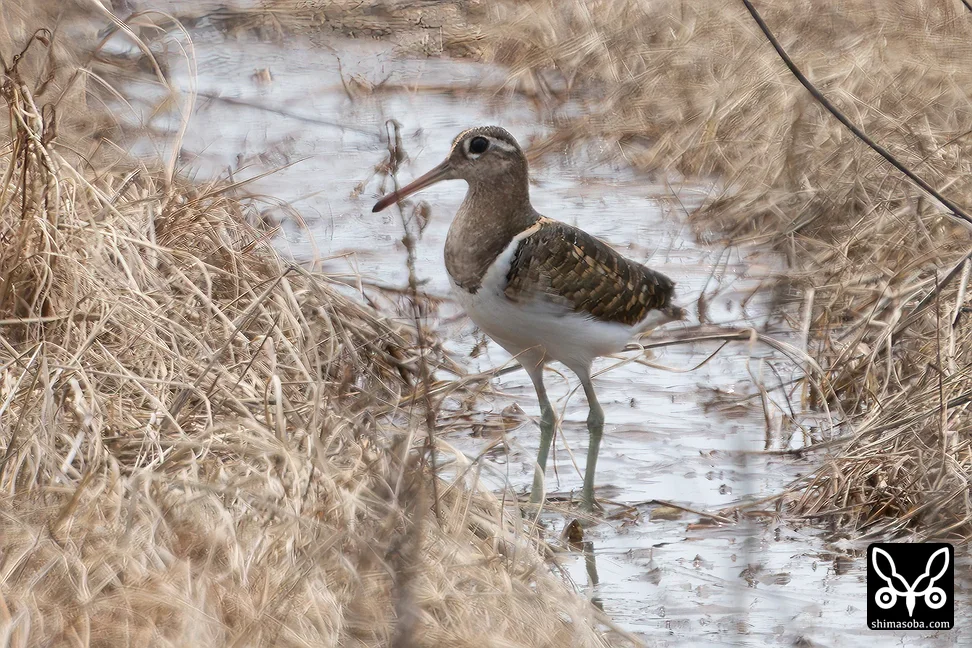
Swinhoe's Snipe
Swinhoe's Snipe

Swinhoe's Snipe, adult. Some winter feathers coming in here too.

Swinhoe's Snipe
Swinhoe's Snipe

Swinhoe's Snipe, juvenile (left) and adult.

Swinhoe's Snipe
Swinhoe's Snipe

Swinhoe's Snipe, adult.

Swinhoe's Snipe
Swinhoe's Snipe

Swinhoe's Snipe, juvenile.

Pin-tailed Snipe
Pin-tailed Snipe

Pin-tailed Snipe, late breeding plumage.
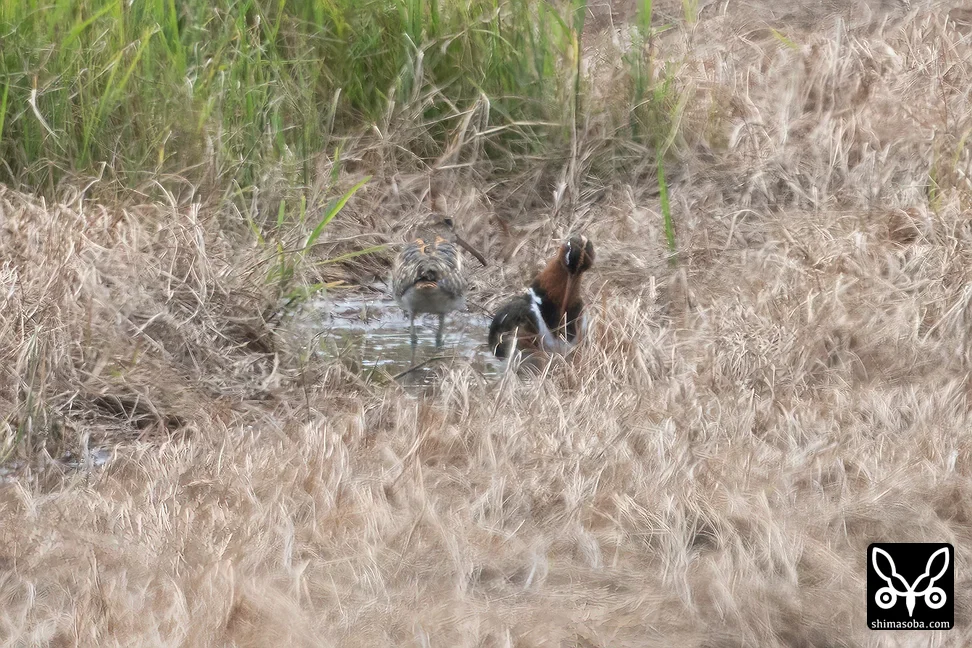
Pin-tailed Snipe
Pin-tailed Snipe

Pin-tailed Snipe, two juveniles.

Swinhoe's Snipe
Swinhoe's Snipe

Swinhoe's Snipe, flock.

Pin-tailed Snipe
Pin-tailed Snipe

Pin-tailed Snipe, juvenile.

Swinhoe's Snipe
Swinhoe's Snipe / Pin-tailed Snipe

Pin-tailed Snipe (left), the same individual as above, with Swinhoe's Snipe.

Pin-tailed Snipe
Pin-tailed Snipe

Pin-tailed Snipe, juvenile.

Swinhoe's Snipe
Swinhoe's Snipe

Swinhoe's Snipe, adult.

Pin-tailed Snipe
Pin-tailed Snipe

Pin-tailed Snipe, juvenile.

Swinhoe's Snipe
Swinhoe's Snipe

Swinhoe's Snipe, juvenile. With mud on the bill like this, for a moment the silhouette can look like a Pin-tailed Snipe.

Swinhoe's Snipe
Swinhoe's Snipe

The Swinhoe's Snipe on the left is the same individual as above.

Categories: 野鳥

Eastern Yellow Wagtails Building Up, Season's First Juvenile Black-winged Stilt, and More

White-browed Eastern Yellow Wagtails are increasing — flocks of up to around 20. I also confirmed the season's first juvenile Black-winged Stilt. Red-necked Stints, Long-toed Stints, and Wood Sandpipers continue to turn over and build in numbers. A Greater Painted-snipe is incubating.

Citrine Wagtail
Citrine Wagtail

Eastern Yellow Wagtail, 1st-winter.

Citrine Wagtail
Citrine Wagtail

Eastern Yellow Wagtail, adult winter.

Black-winged Stilt
Black-winged Stilt

Black-winged Stilt juveniles have also arrived.

Wood Sandpiper
Wood Sandpiper

Wood Sandpiper, 1st-winter.

Long-toed Stint
Long-toed Stint

Long-toed Stint, juvenile plumage.

Long-toed Stint
Long-toed Stint

Long-toed Stint, late breeding plumage.
Red-necked Stint
Red-necked Stint

Red-necked Stint, 1st-summer to winter moult.

Greater Painted-snipe

The incubating Greater Painted-snipe occasionally appears for a bath to cope with the heat.

Categories: 野鳥

First Yonaguni Record of Javan Pond Heron, Yonaguni Wood Pigeon at Tacchigami Rock, and More

I found a Javan Pond Heron on Yonaguni Island — almost certainly a first record. Veterans who have visited the island for decades have not seen one, and it does not appear in any checklist.

Up to about seven Yonaguni Wood Pigeons came to Tacchigami Rock on the south-east side of the island. What draws them there, I wonder?

On the schoolground of Kubura Elementary School after rain there was 1 Pin-tailed Snipe and 2 Swinhoe's Snipes. The rice fields on Yonaguni have completely dried up, so they presumably have nowhere else to go. A few dozen Pacific Golden Plovers had also come down.

Javan Pond Heron
Javan Pond Heron

A Javan Pond Heron — a first record for Yonaguni Island. It was at Agariizaki. This individual was fairly wary.

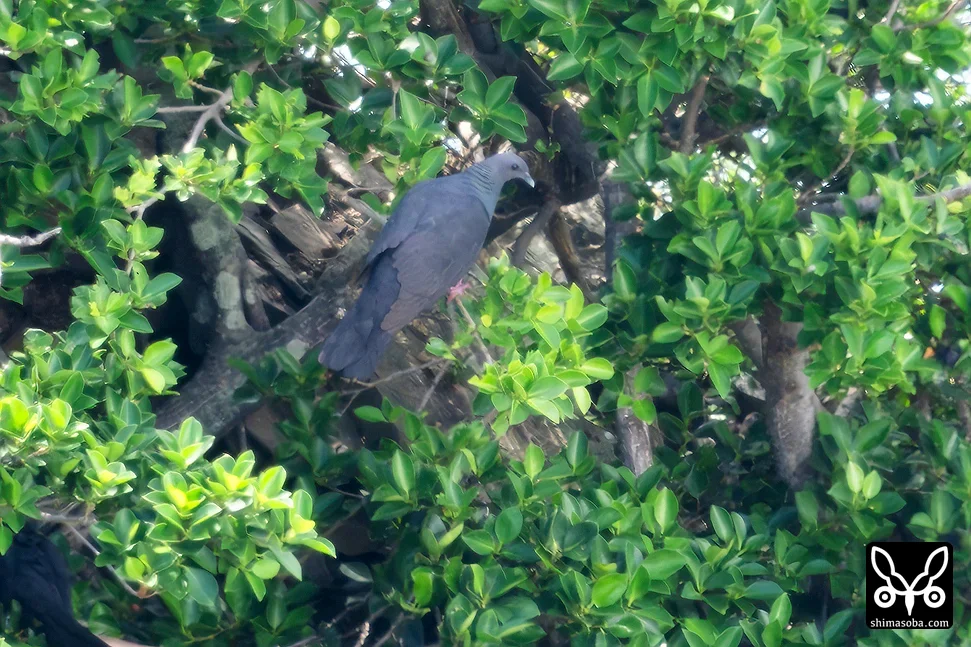
Ryukyu Wood Pigeon
Ryukyu Wood Pigeon

A Ryukyu Wood Pigeon sunbathing with wings spread.

Ryukyu Wood Pigeon
Ryukyu Wood Pigeon

The Ryukyu Wood Pigeons formed a flock of up to around seven birds.

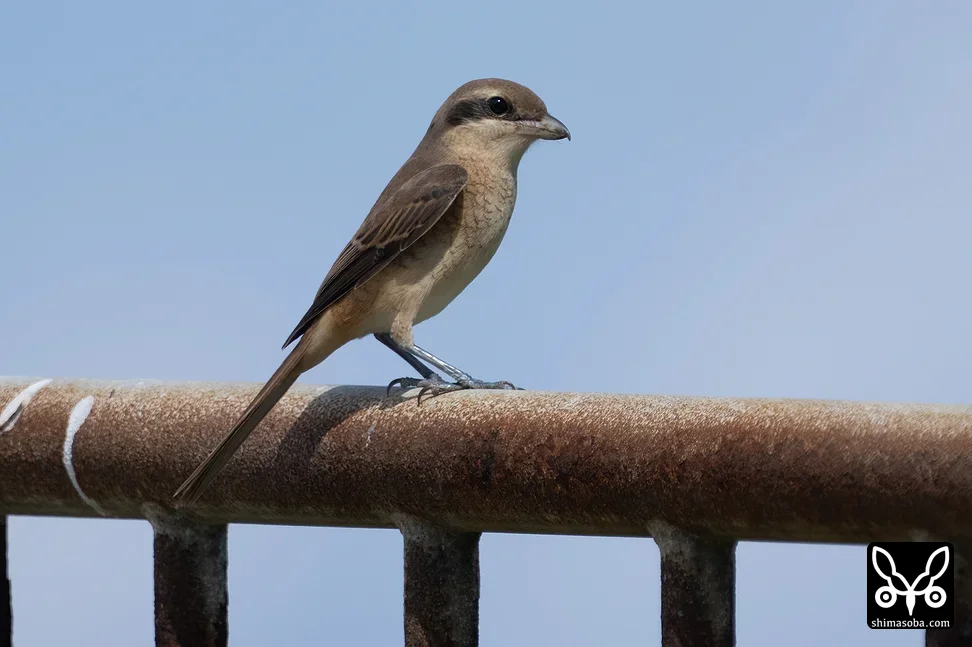
Brown Shrike
Brown Shrike

The first Isabelline Shrike of the season — a female.

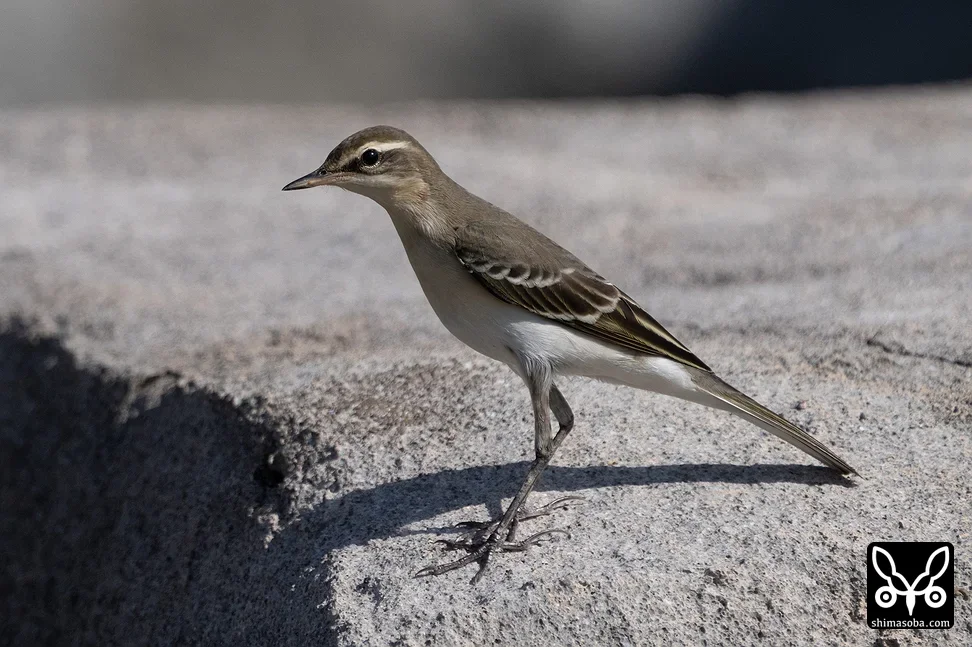
Citrine Wagtail
Citrine Wagtail

A Siberian Wagtail, female, winter plumage.
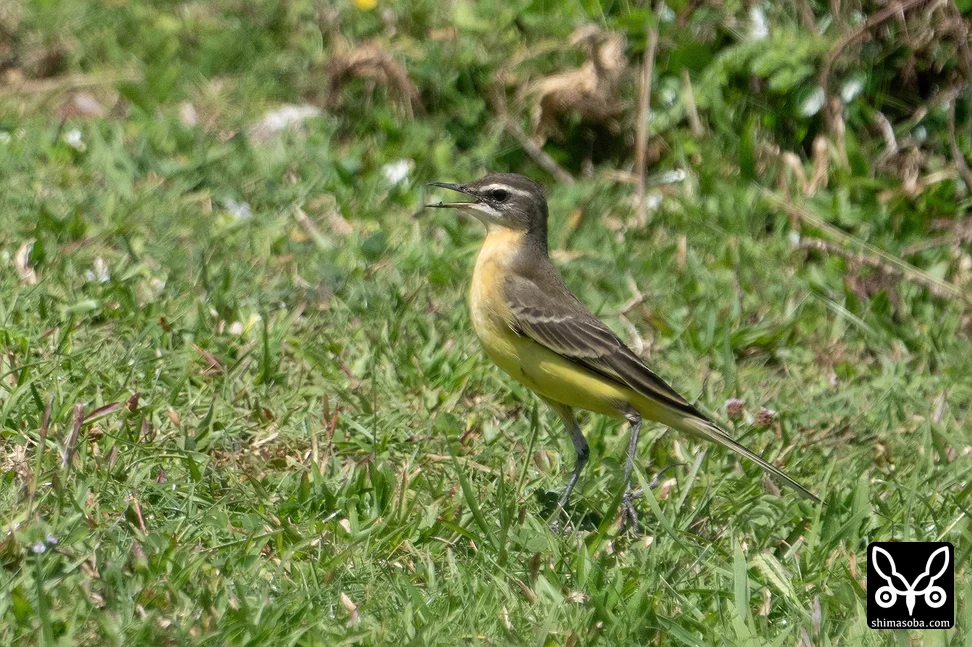
Citrine Wagtail
Citrine Wagtail

A Siberian Wagtail, first-winter plumage.
Pin-tailed Snipe
Pin-tailed Snipe

Pin-tailed Snipe, juvenile.

Swinhoe's Snipe
Swinhoe's Snipe

Swinhoe's Snipe, juvenile.

Swinhoe's Snipe
Swinhoe's Snipe

Another Swinhoe's Snipe, juvenile.

Pacific Golden Plover

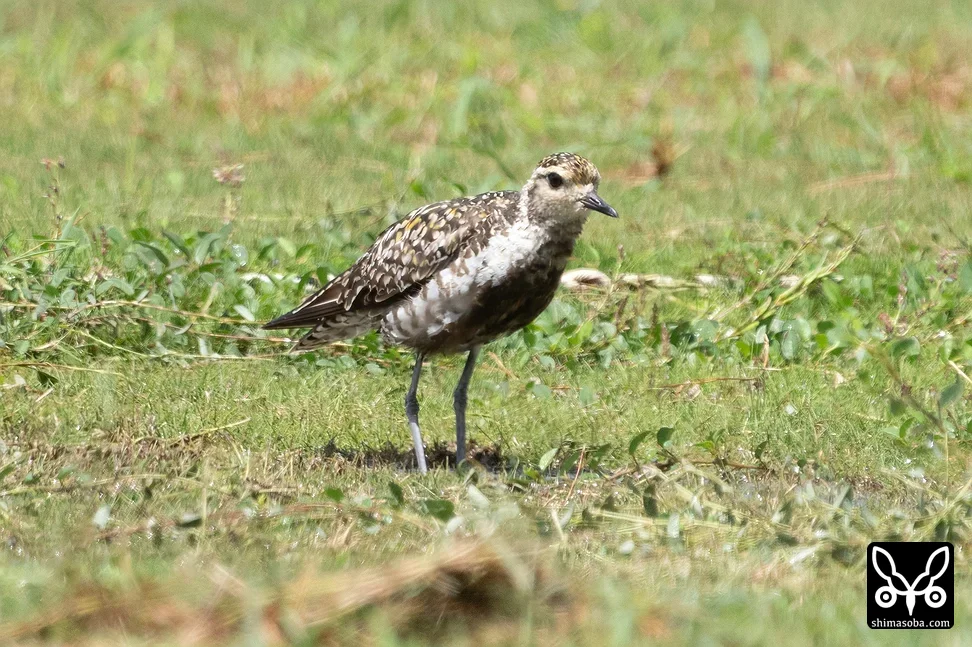
Pacific Golden Plover transitioning from summer to winter plumage.
Categories: 野鳥