Oriental Pratincole and Kentish Plover breeding, Little Tern breeding, first juvenile Common Redshank of the season (video)
Oriental Pratincole and Kentish Plover are breeding well, with many fledged chicks on view. The Oriental Pratincoles in particular have formed a flock of nearly 60 juveniles. At the reclaimed land site, chicks from several Kentish Plover pairs have fledged and are running around energetically.
The Little Terns, which share the same site as the Kentish Plovers in a colony, had their nests flooded by heavy rain brought by the typhoon. Some eggs that had been submerged for several hours did hatch, but their prognosis looks poor.
In the rice paddies, juvenile Common Redshank arrived for the first time this season. Every year, Common Redshank is the first shorebird species to arrive as a juvenile.
Migrating waders and plovers are gradually increasing. Wood Sandpiper, Long-toed Stint and Grey-tailed Tattler have arrived in the paddies. On the coast, Greater Sand Plover, Siberian Sand Plover and Grey-tailed Tattler numbers are building.
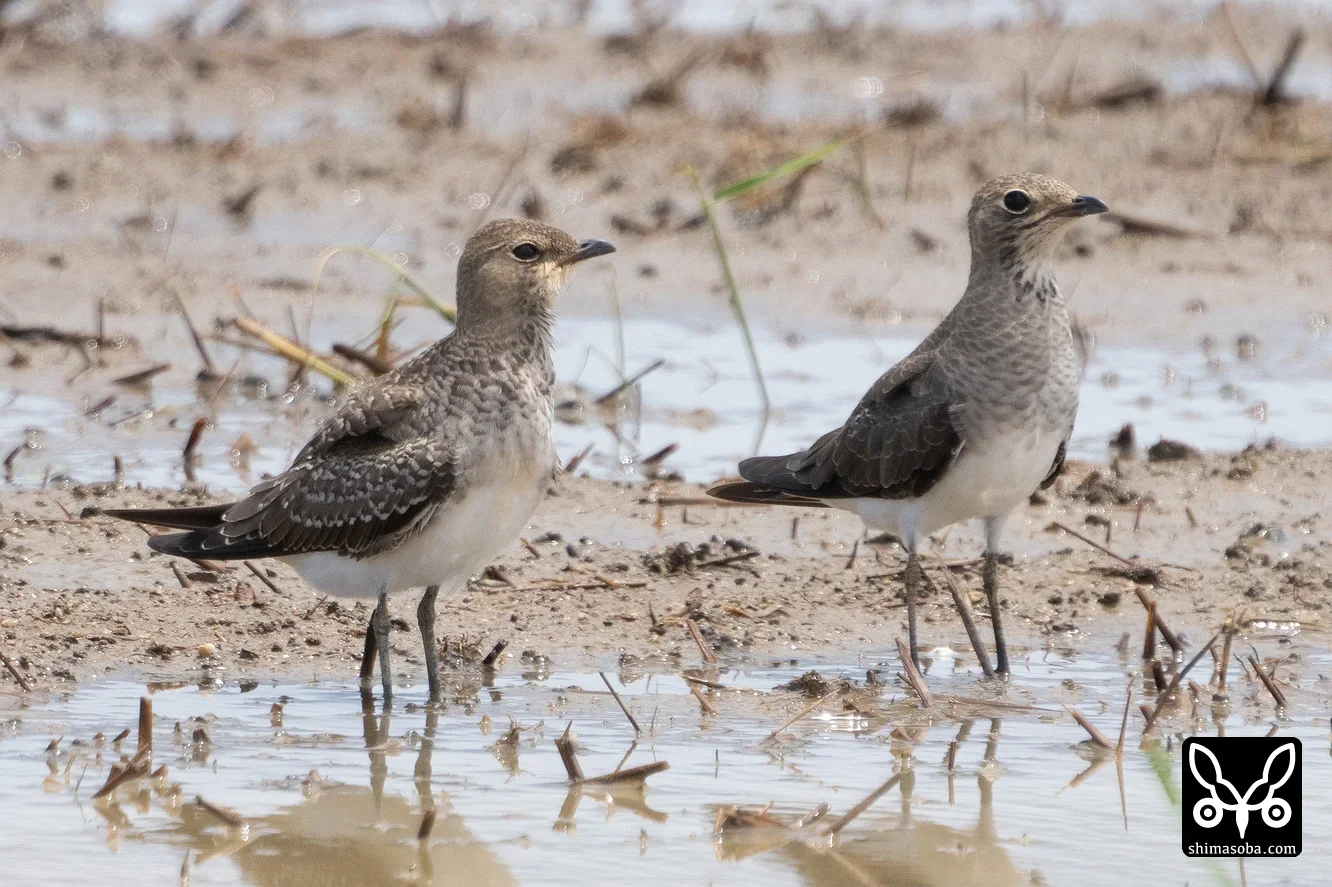
Oriental Pratincole in juvenile plumage (left) and first-winter plumage.
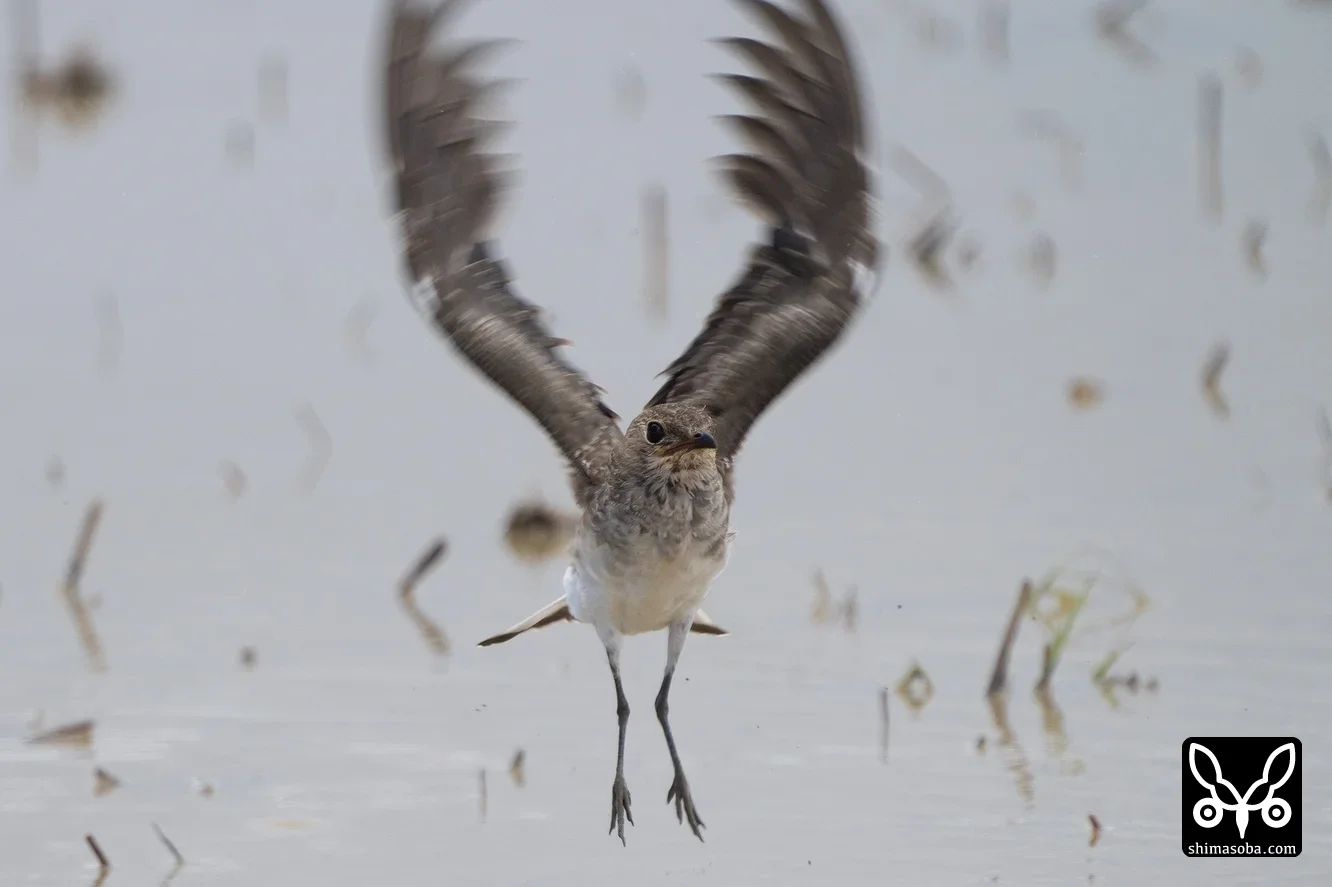
A juvenile Oriental Pratincole flapping to shake off water after bathing.
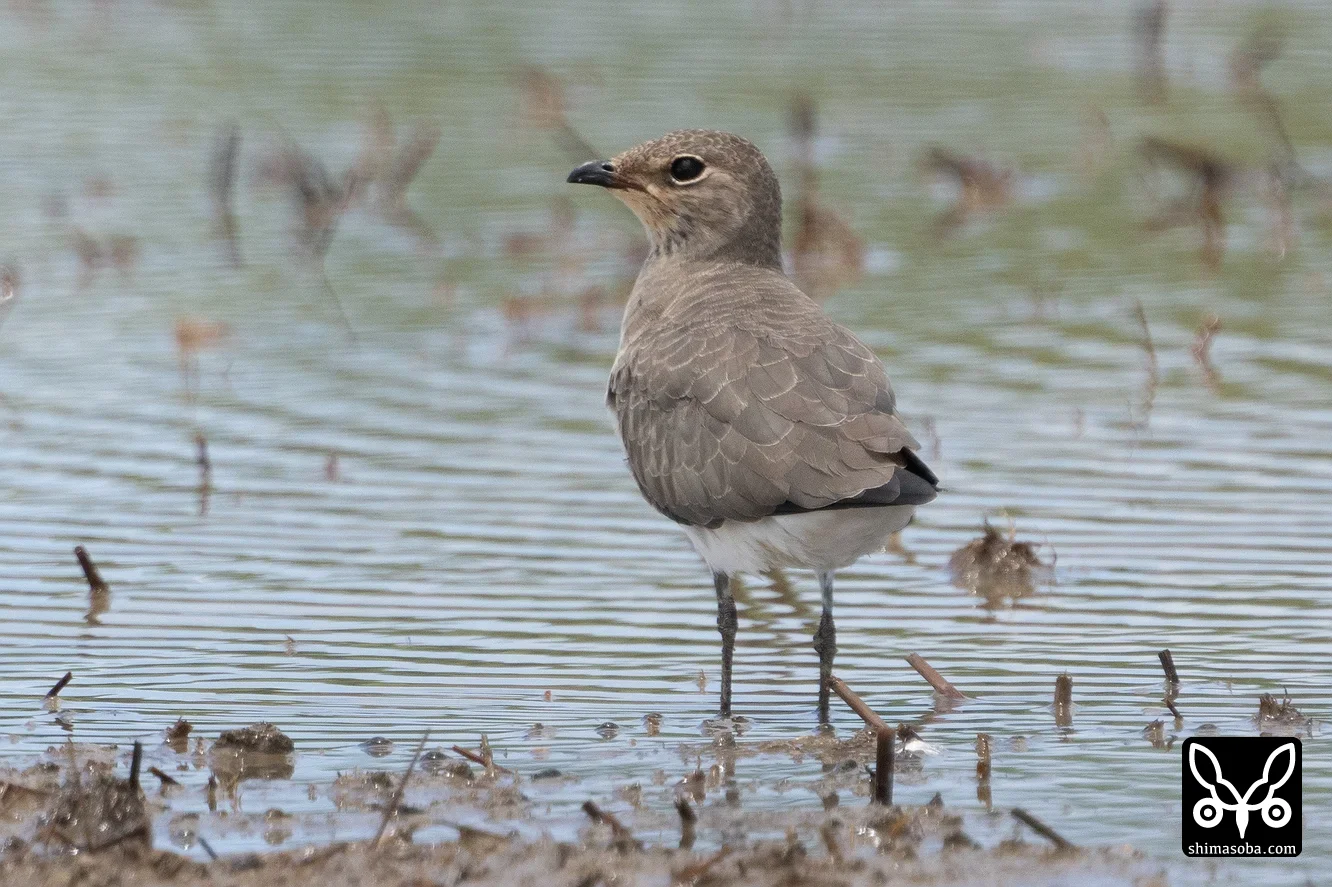
Oriental Pratincole in first-winter plumage.
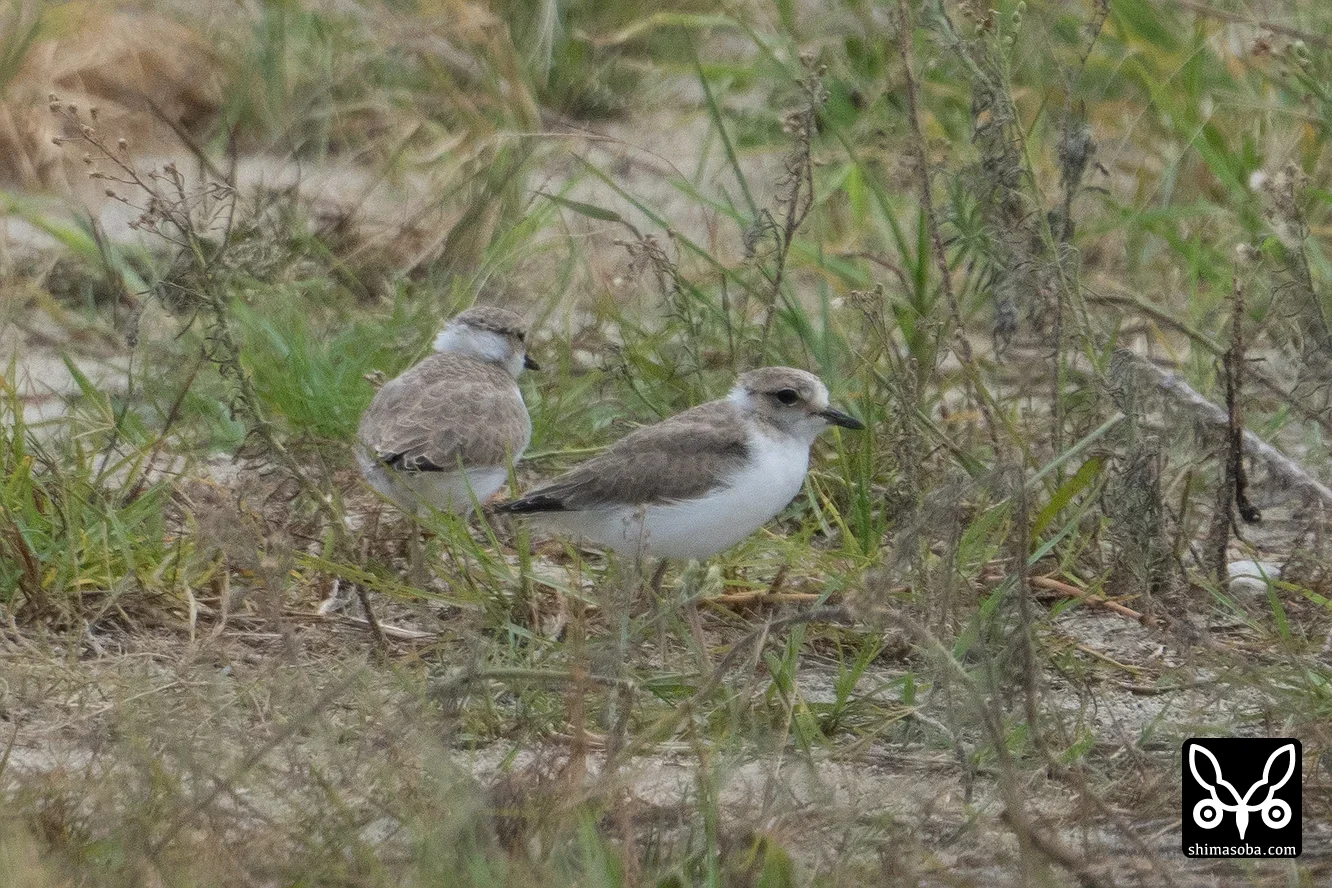
Juvenile Kentish Plovers. They were always together, so I assume they are siblings.
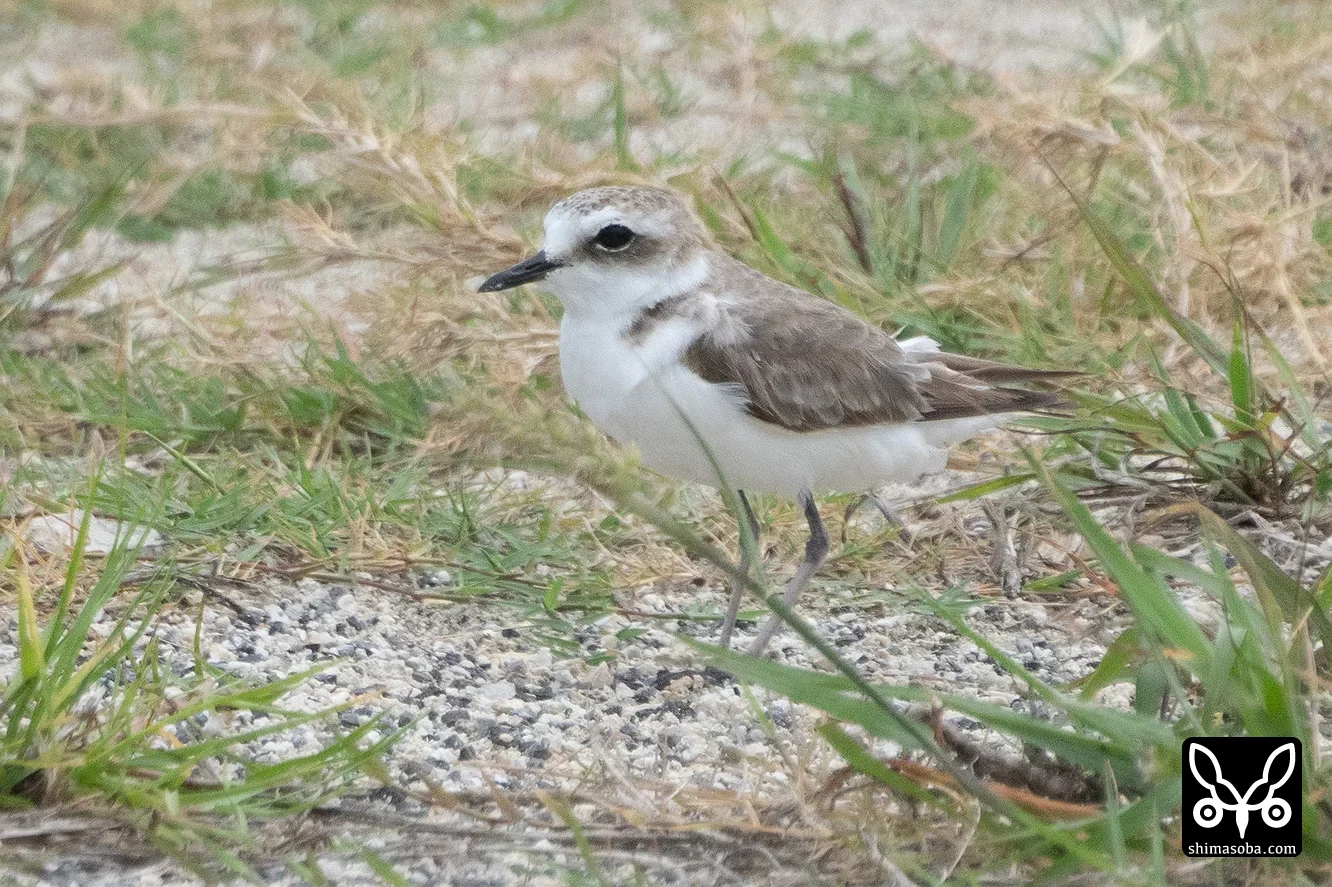
Adult Kentish Plover. Late summer plumage.
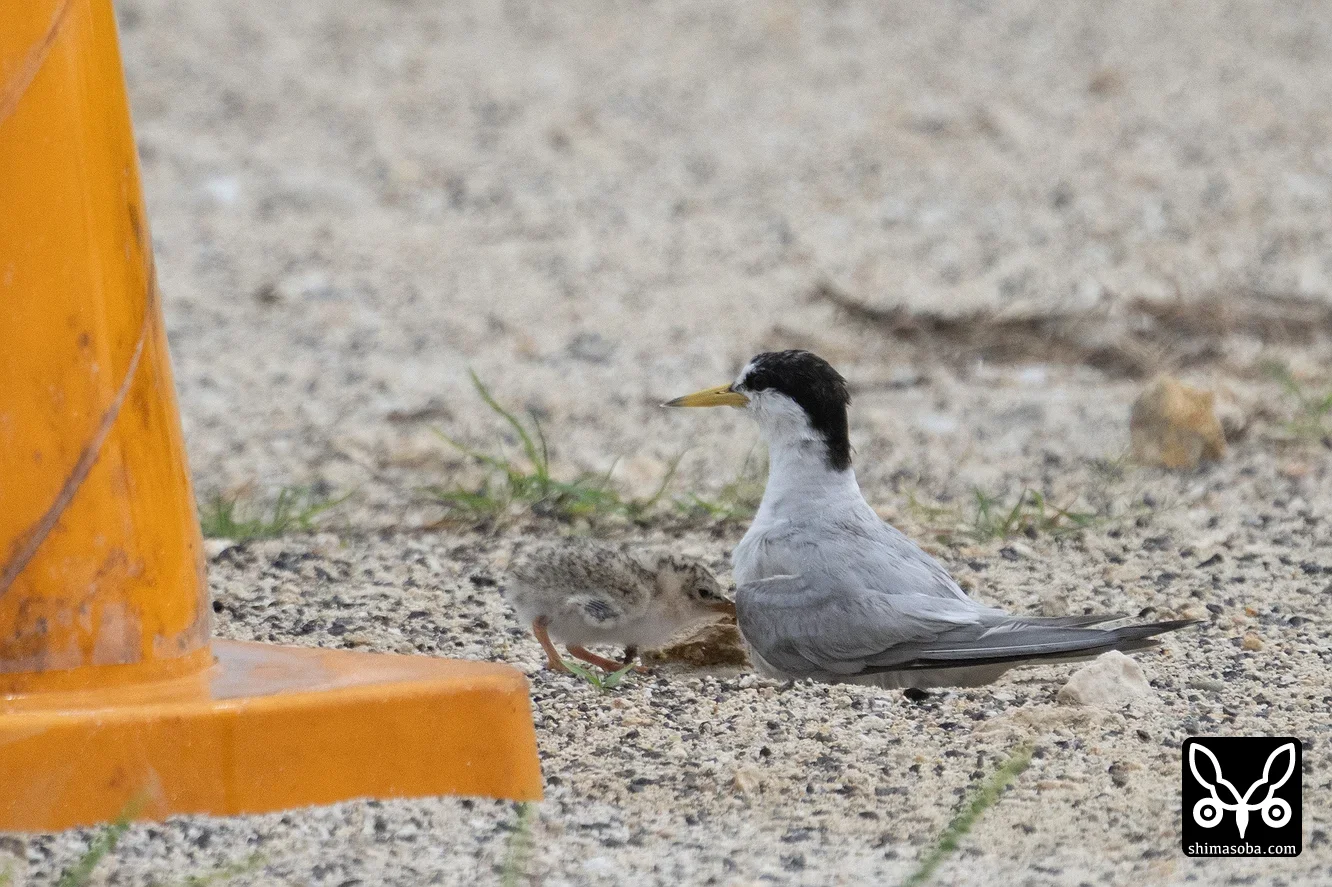
A Little Tern whose chicks have hatched.
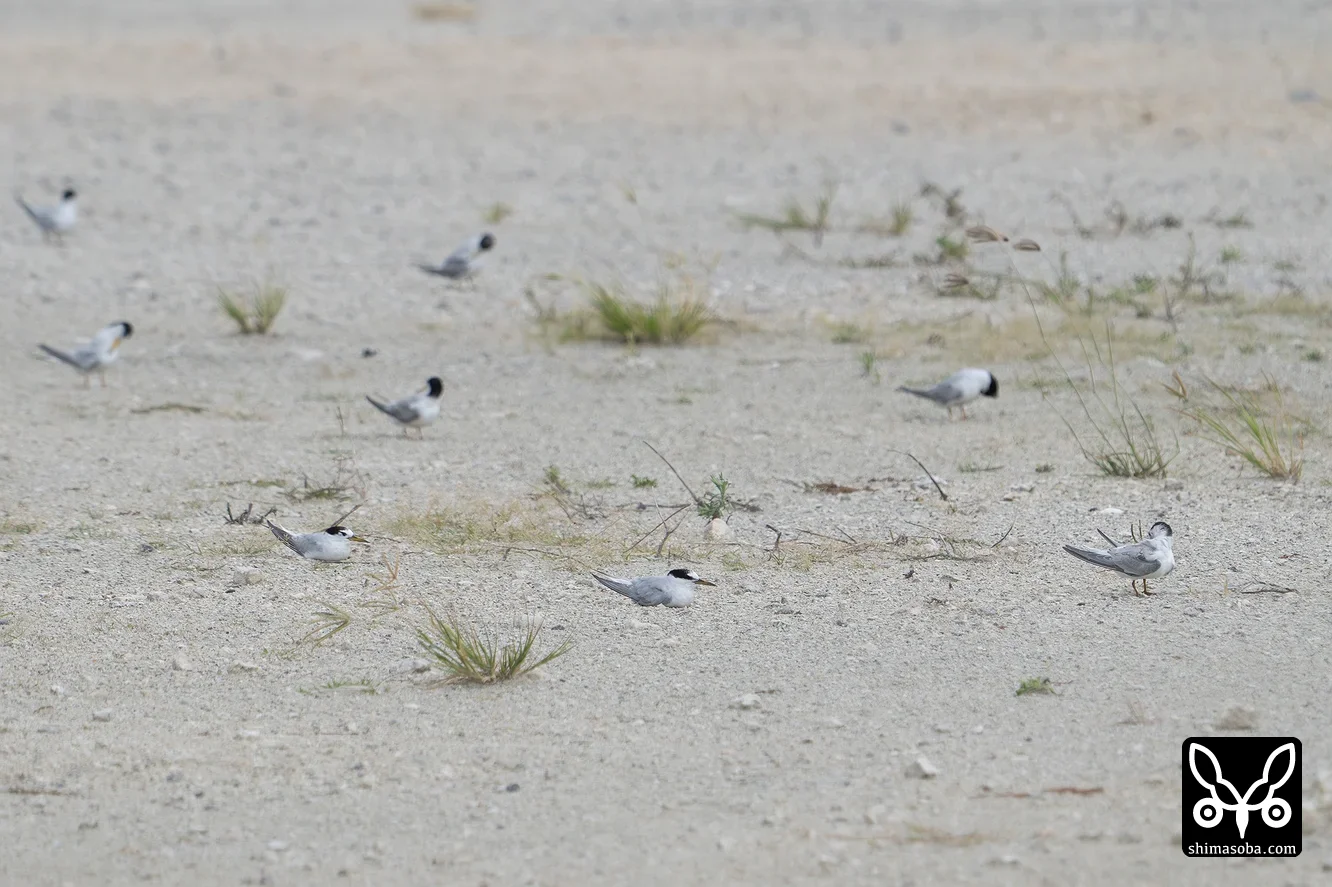
A flock of Little Terns.
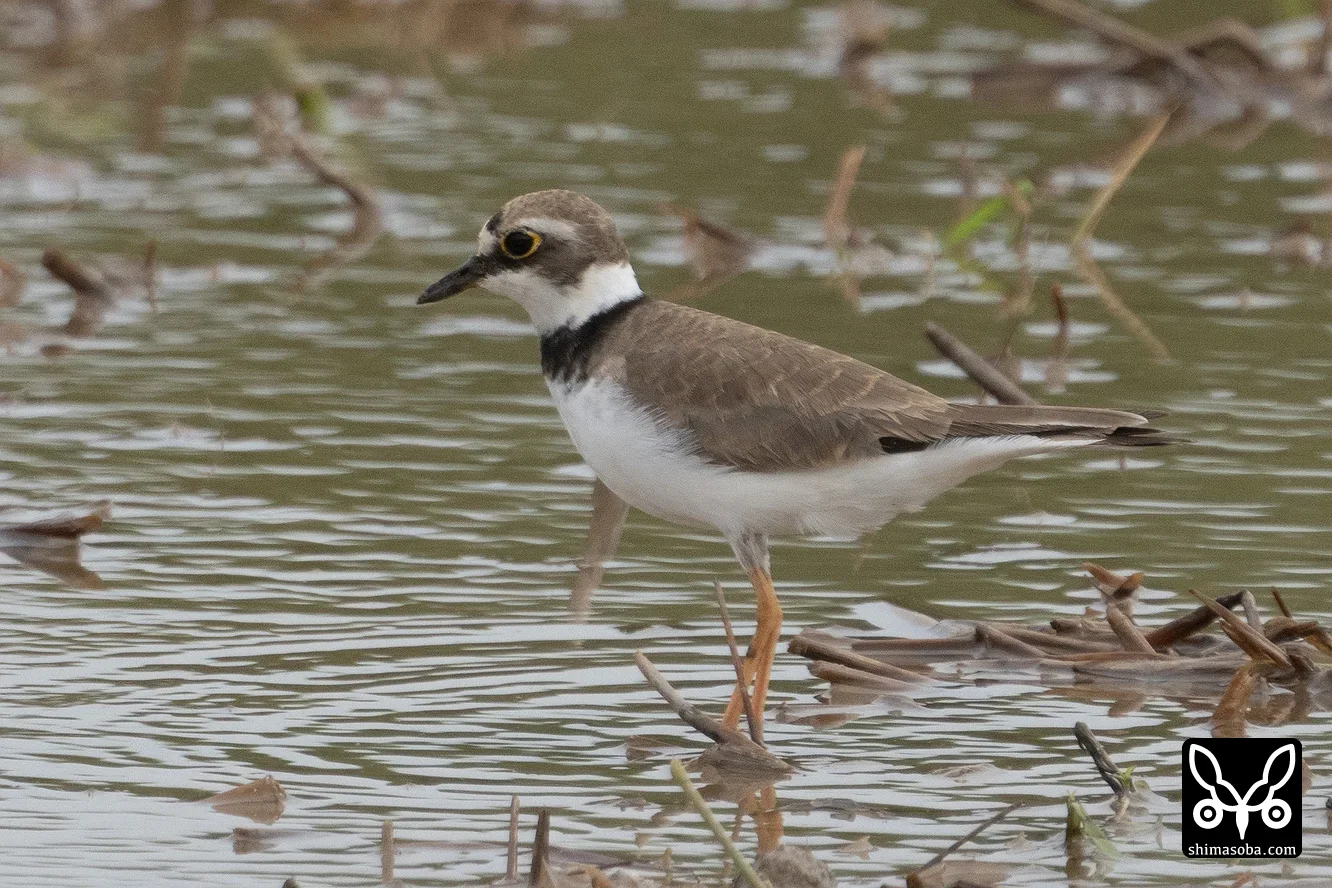
Little Ringed Plover in first-winter plumage.
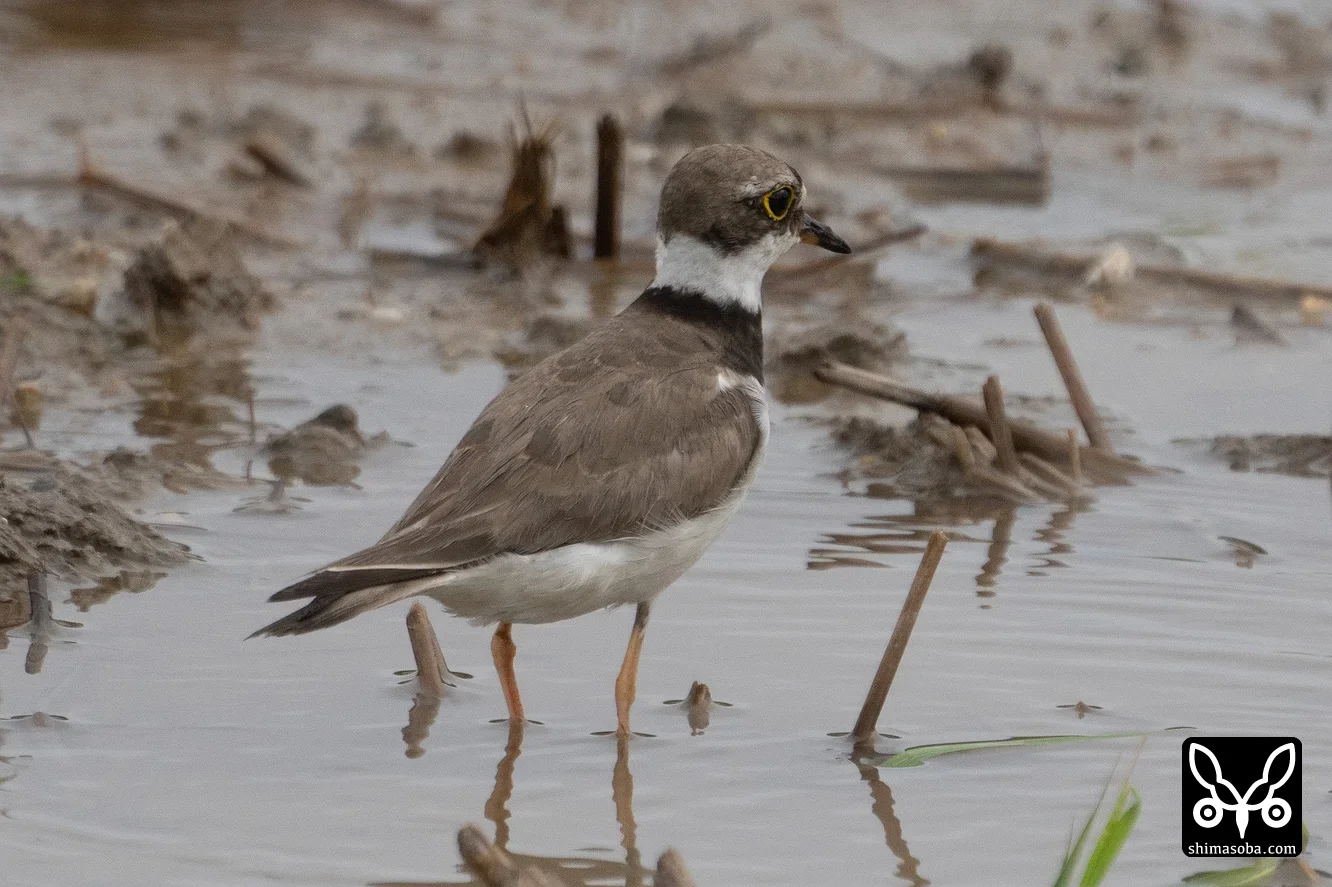
Adult Little Ringed Plover. Late summer plumage.
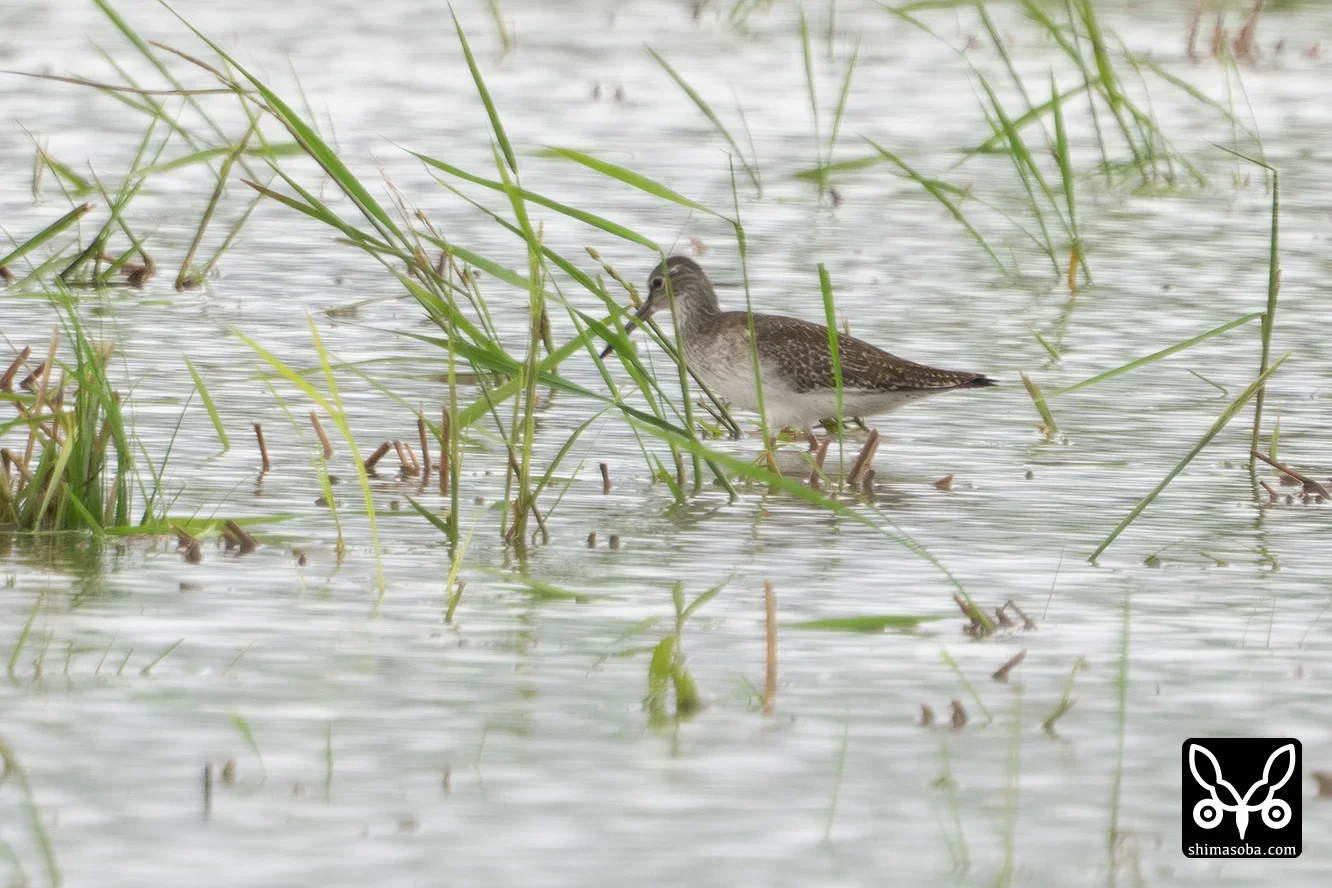
It's hard to make out at this distance, but this is a juvenile Common Redshank — the first of the season.
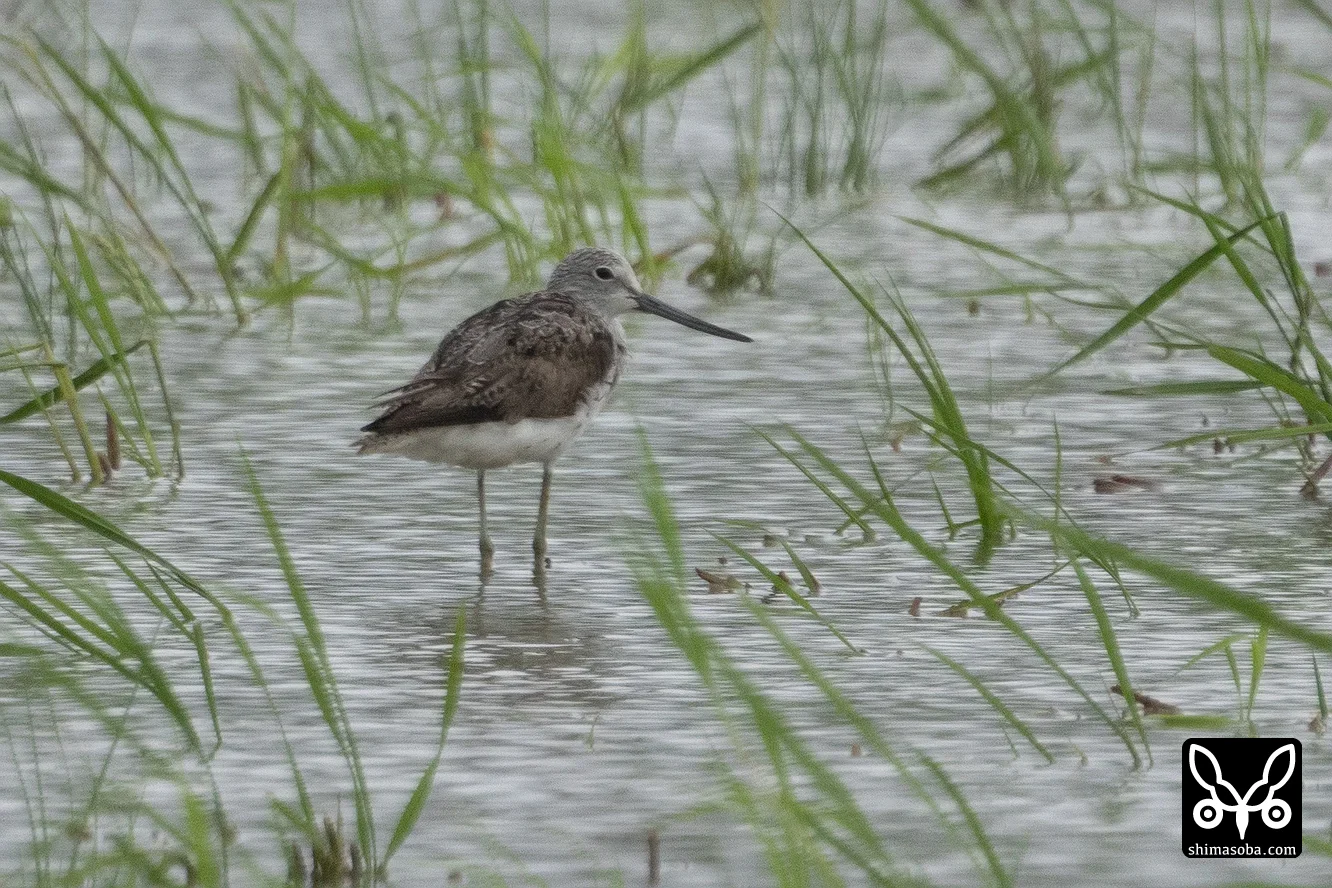
Common Greenshank in late summer plumage.
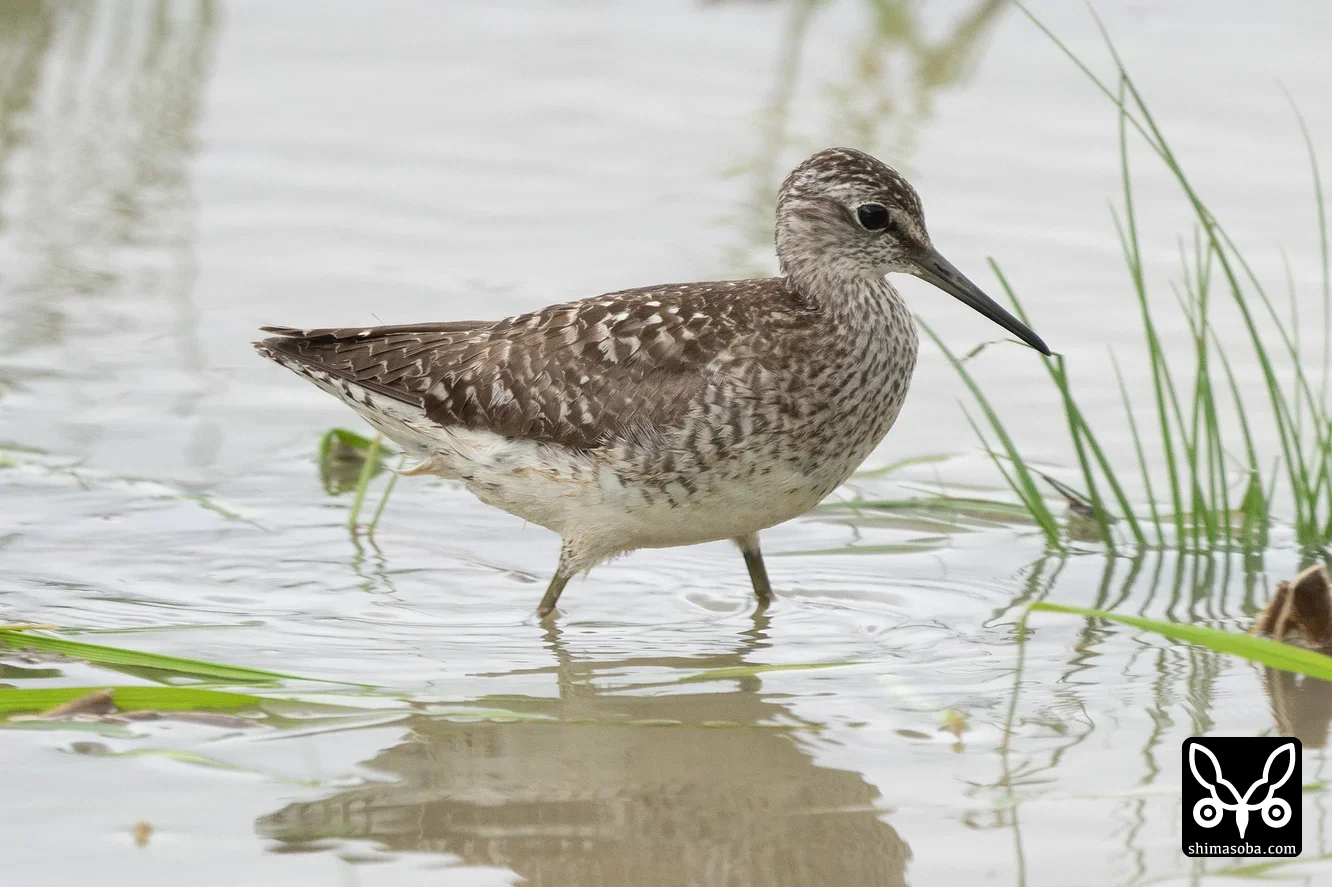
Wood Sandpiper in late summer plumage.
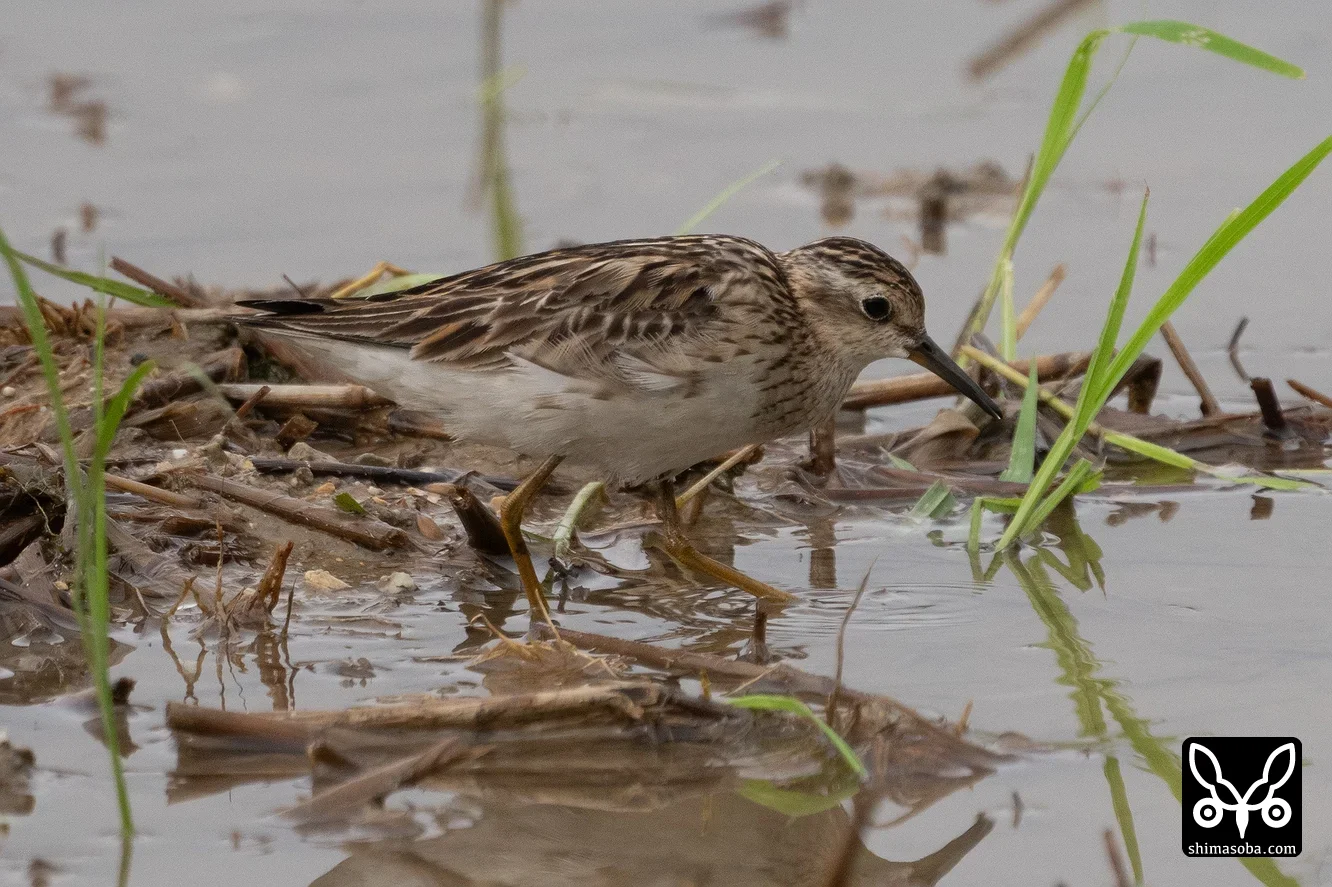
Long-toed Stint numbers are increasing too.
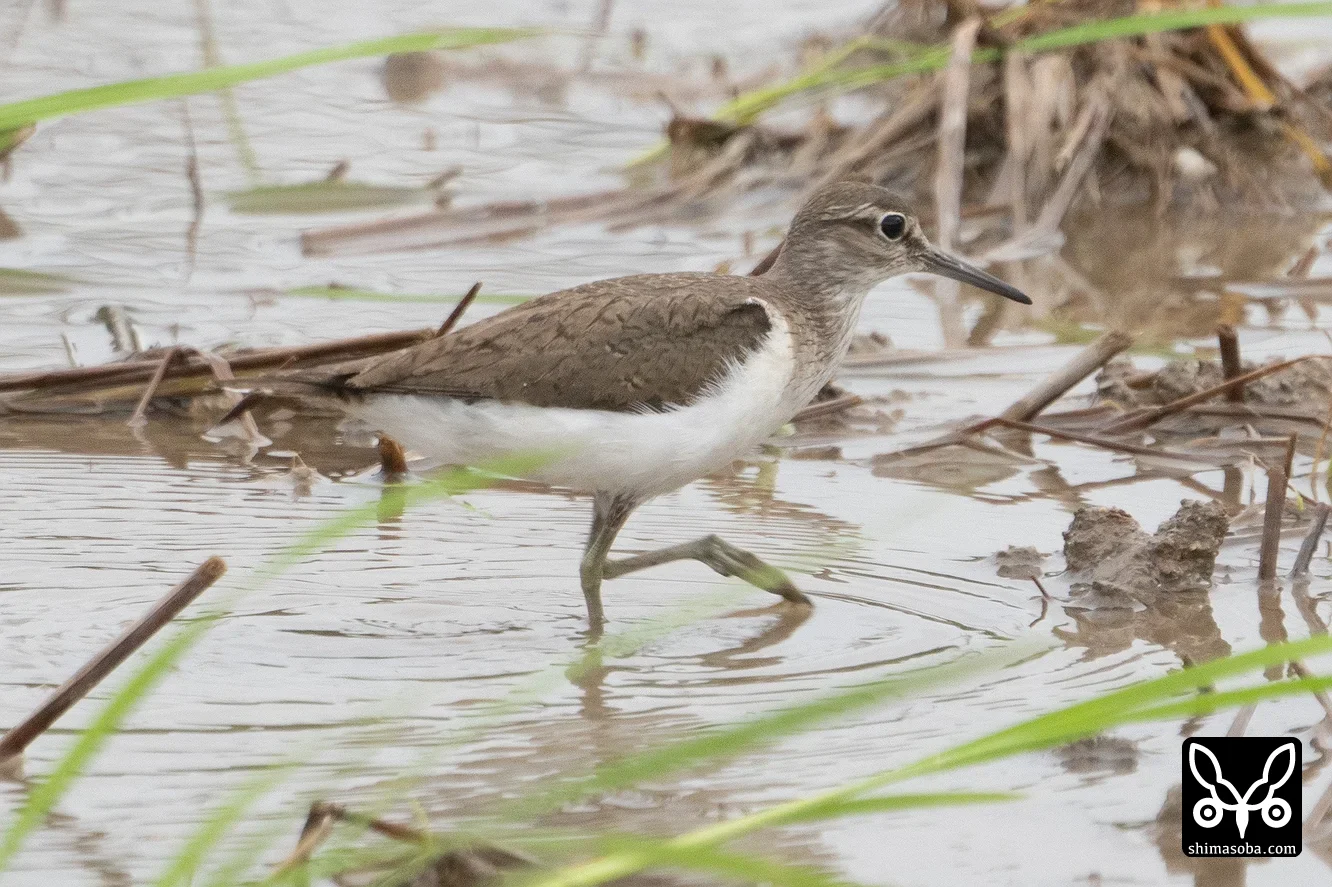
Common Sandpiper in late summer plumage.
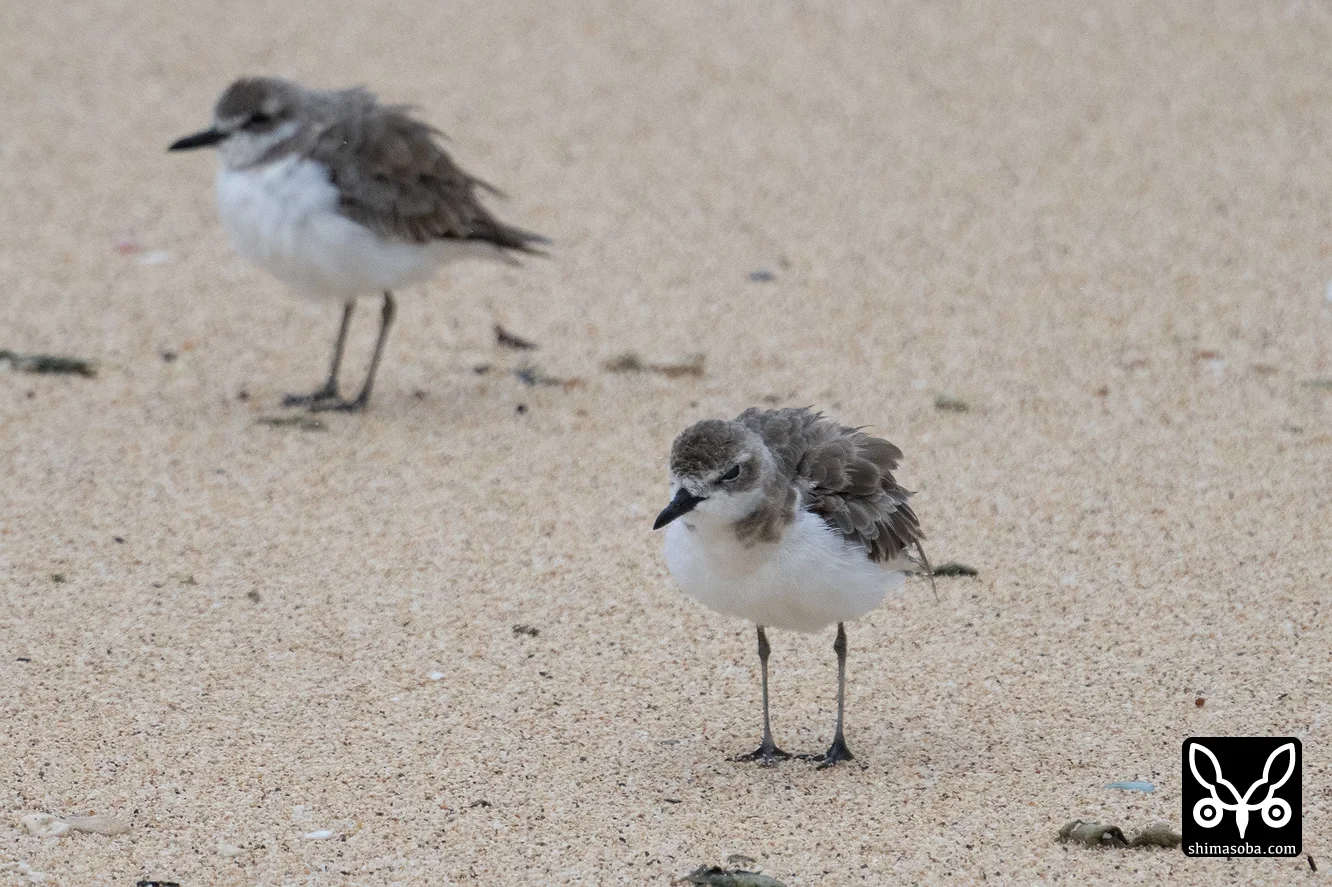
Greater Sand Plover. Transitioning from summer to winter plumage.
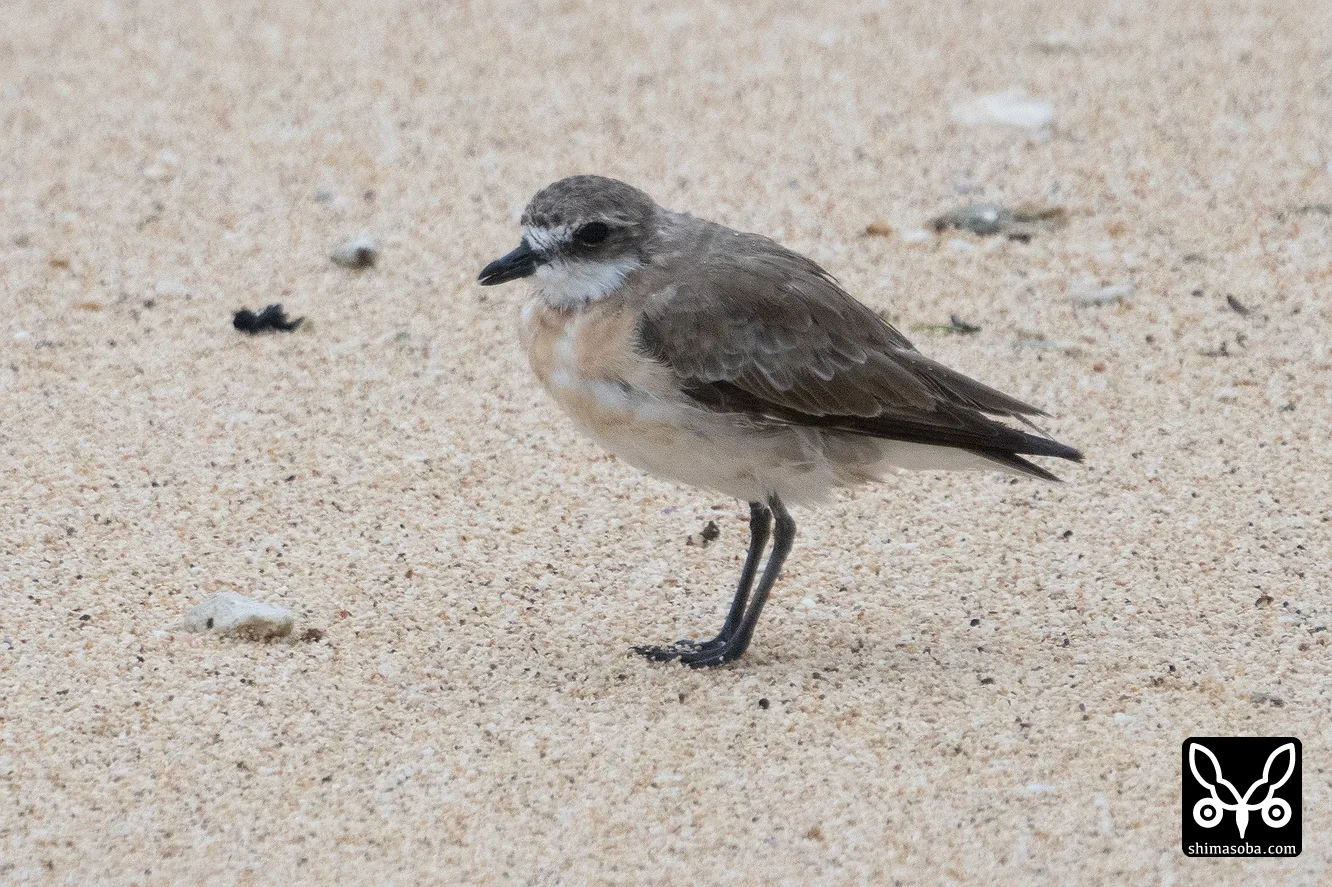
Lesser Sand Plover in late summer plumage.
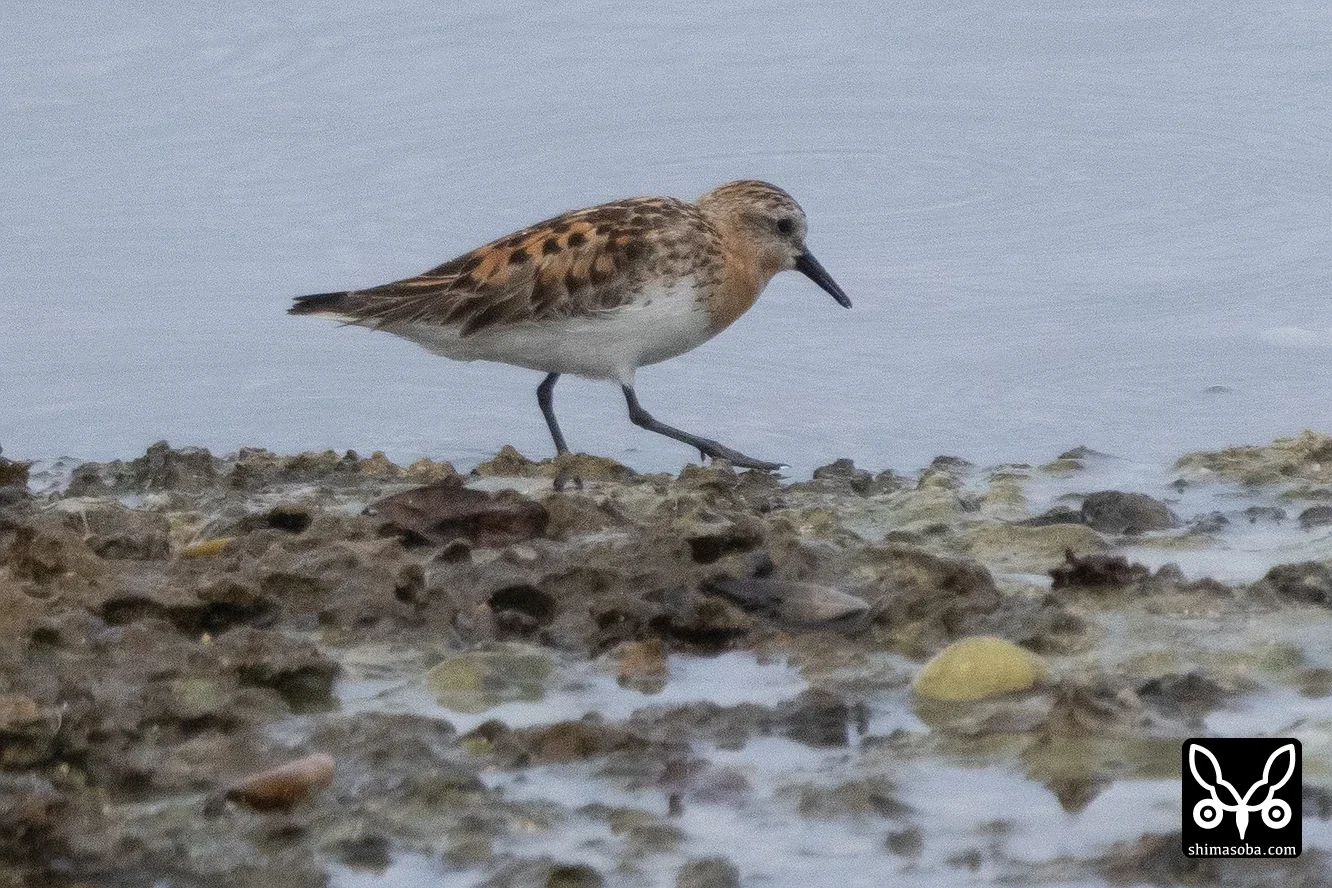
Red-necked Stint in summer plumage.
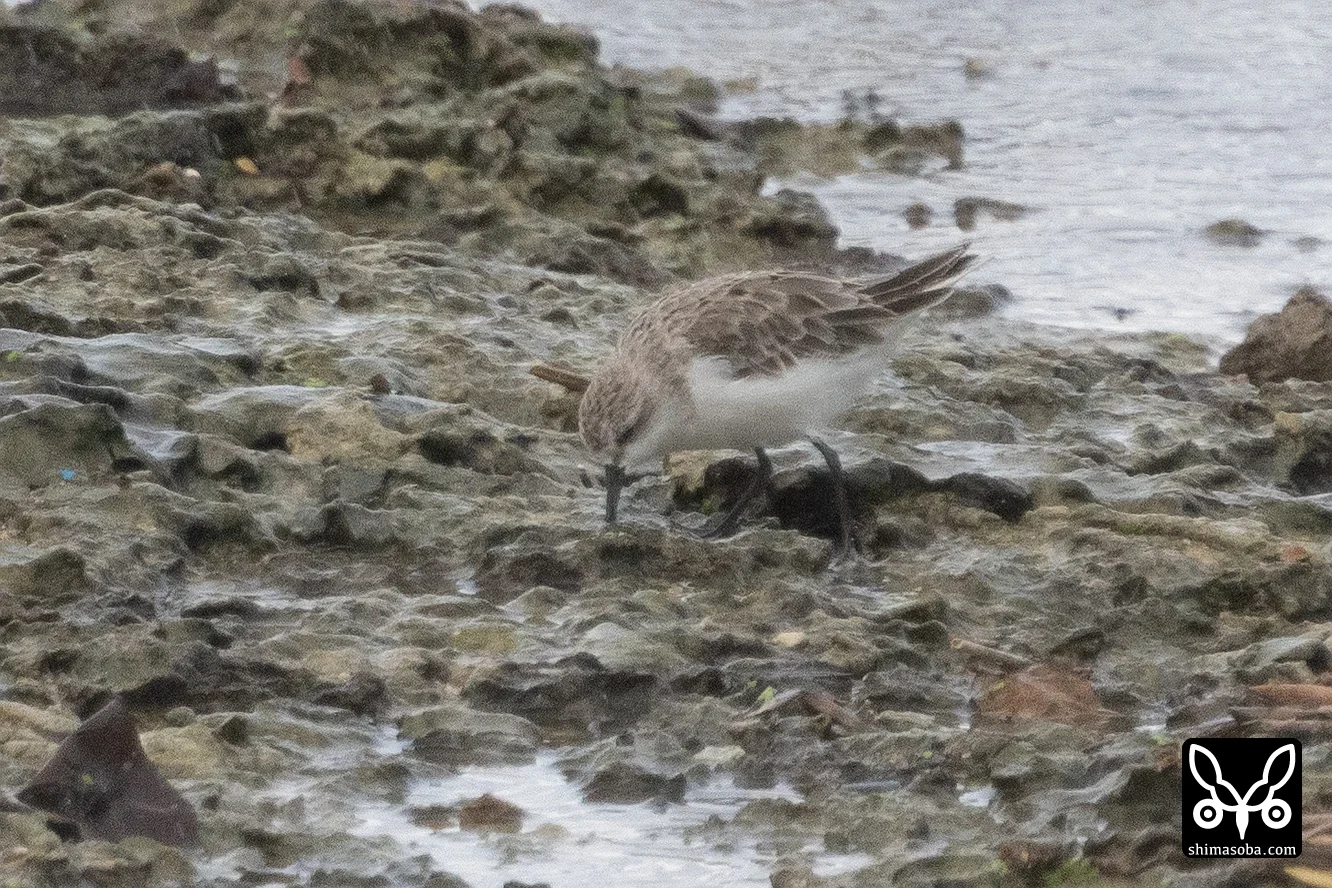
Red-necked Stint, first-summer plumage.
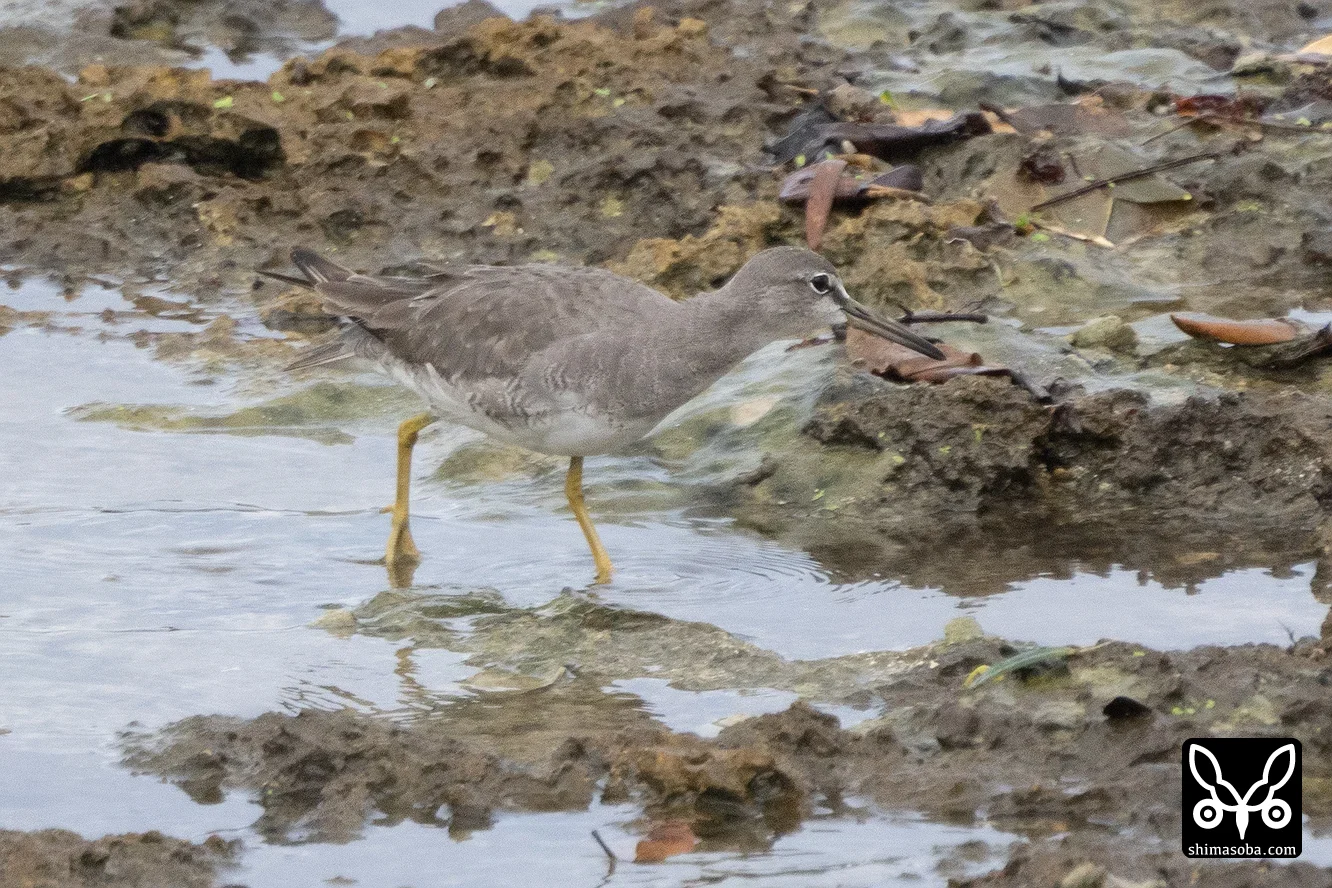
Grey-tailed Tattler transitioning from breeding to non-breeding plumage.
Related Posts
- ナンヨウショウビン、漫湖干潟で4カ月滞在(Dec. 22, 2017)
- 田んぼと海岸のシギ、チドリ(Sept. 1, 2021)
- 今季2羽目のクイナ(Jan. 10, 2022)
- セジロタヒバリに数時間費やし、ベニバトを撮り忘れ(Oct. 24, 2019)
- 今季初アカアシシギの幼鳥ほか(Aug. 1, 2022)
- ツミのヒナ2巣で誕生(June 14, 2018)
- やんばるでノグチゲラ巣立ち間近(動画あり)(May 13, 2018)
- ムラサキサギ2羽のヒナへ給餌(Aug. 13, 2019)
- 台風の中、ソリハシセイタカシギ、ハリオシギ、クロハラアジサシ(動画あり)(Sept. 6, 2022)
- アオバズクのヒナ誕生(June 14, 2018)