A daily record.
Featuring photos of wild birds and nature, mainly from Okinawa Main Island and Ishigaki Island

Ducks, Shorebirds, Wagtails, and Terns on Autumn Migration

Oct. 18, 2025
Ducks have started arriving on Ishigaki-jima. Eurasian Teal and Garganey — the first of the season — are increasing. The first Tufted Duck of the season was also in a drainage ditch on farmland.

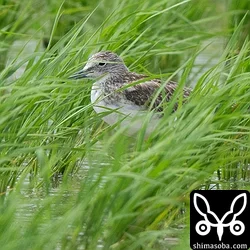
In the rice paddies, the snipe are now down to Common Snipe only. Black-winged Stilt, Common Greenshank, Marsh Sandpiper, Long-toed Stint, Wood Sandpiper, Green Sandpiper, and Common Sandpiper are all still present. Eastern Yellow Wagtails are turning up here and there but numbers aren't building much. Could the heat be slowing their movement?

Whiskered Terns have been lingering along the river near my house.

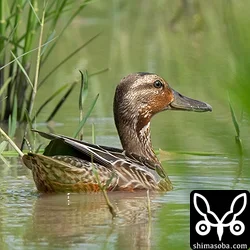
Garganey, juvenile male. Fairly approachable.
Pin-tailed Snipe Numbers Crash; Grey-faced Buzzard Migration Winding Down?

Oct. 16, 2025

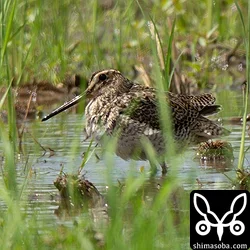
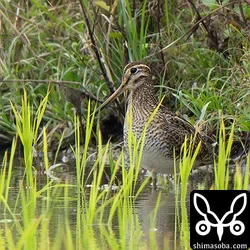
Pin-tailed Snipe have dropped sharply and the fields are now full of Common Snipe. A few Swinhoe's Snipe are still hanging on. Last year the final Pin-tailed Snipe of the autumn migration was recorded on 18 October. I wonder how long they'll be around this season. I don't think the 2024 birds will overwinter, but Pin-tailed Snipe and Swinhoe's Snipe were confirmed in February. I know it's getting ahead of myself, but I'd love to find overwintering birds in 2026.

I went back to check on the Grey-faced Buzzards again today after yesterday's visit, but things were quiet — it felt like the main push had already moved through the day before… ^^; At this time of year my daily snipe rounds make it hard to get out and watch the Chinese Sparrowhawk and Grey-faced Buzzard migration properly…

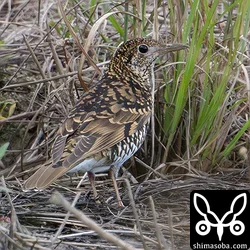
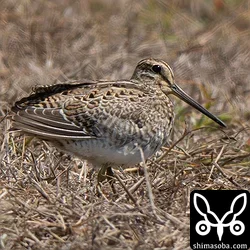
A juvenile Pin-tailed Snipe. This might turn out to be my last Pin-tailed Snipe of the season.

5th Ishigaki-jima Snipe Camp!!

Sept. 28, 2025

We held the Ishigaki-jima Snipe Camp again this season — five years running, thanks to everyone who has taken part. This time there was one participant. We met at 9 a.m. and spent the day watching snipe until around 4 p.m.

Because we held it about a month later than usual, Pin-tailed Snipe numbers were low — only 2 individuals out of several dozen snipe seen. Swinhoe's Snipe were the most numerous and are at peak, so almost all were juveniles. Common Snipe juveniles are now arriving to join the adults, and numbers should peak soon.

Please also have a look at past Ishigaki-jima Snipe Camps. The next one is planned for spring next year. Come and sharpen your skills at separating Pin-tailed Snipe from Swinhoe's Snipe. ^^

First Grey-tailed Tattler juvenile of the season, Great Knot, and Temminck's Stint juvenile were all seen. Common Greenshank juveniles are increasing. While watching the snipe, a Ruddy-breasted Crake appeared — the first in a while.

A Pin-tailed Snipe finally squeezed out after scanning through dozens of snipe.

While watching a group of around ten Swinhoe's Snipes, a snipe appeared in the grass. It was a typical Pin-tailed Snipe juvenile, so I followed it with binoculars hoping to get a look at the tail feathers — and it bathed rather sooner than I expected. ^^

Whiskered Tern, Pin-tailed Snipe, Swinhoe's Snipe

Sept. 25, 2025

A group of around ten Whiskered Terns — adults and juveniles — arrived. Among the snipe, Common Snipe numbers are up while Pin-tailed Snipe have decreased.

Long-toed Stint, Wood Sandpiper, Common Greenshank, and Marsh Sandpiper are also present in good numbers.

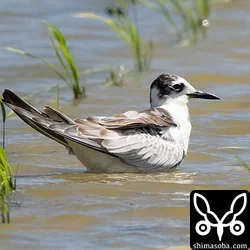
White-winged Tern juvenile. Perhaps due to the lack of typhoons, no large flocks have appeared this season.

Shorebirds in the Rice Paddies

Sept. 23, 2025

The first Common Greenshank and Ruff juvenile of the season arrived. Also still present: Pin-tailed Snipe, Swinhoe's Snipe, Common Snipe, Black-winged Stilt, Long-toed Stint, Red-necked Stint, and Marsh Sandpiper.

The first Common Greenshank of the season.

Birdwatching on Yonaguni-jima

Sept. 20, 2025

Following last week's visit when I was able to see a Willow Warbler, I was on Yonaguni-jima again for work. I made sure to fit in some birding between assignments. ^^

Nothing as noteworthy as last time, but it was striking to find small groups of Black Paradise Flycatchers all over the place. I was of course hoping for Indian Paradise Flycatcher too, but unfortunately didn't come across any likely candidates…

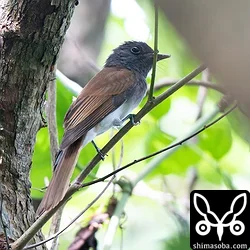
Discovered a flock of Japanese Paradise Flycatchers beside the park car park.

Willow Warbler appears!! Chinese Sparrowhawk and autumn migration in full swing

Sept. 13, 2025

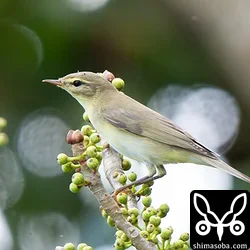
Birding in the gaps between work assignments on Yonaguni Island. As I cruised the forest road with a sense that autumn migration was well and truly getting under way, I spotted a fig tree that birds were gathering in. While watching a flock of Warbling White-eyes, a yellow warbler flew into my field of view. I got it in the binoculars — it was a Willow Warbler!! It was moving from branch to branch, apparently picking off small insects.

I also had first records for the trip of Chinese Sparrowhawk, Oriental Dollarbird, Dark-sided Flycatcher, Asian Brown Flycatcher, Grey-streaked Flycatcher, Garganey, Common Snipe, and White-shouldered Starling. Yonaguni Island delivers, as always. ^^

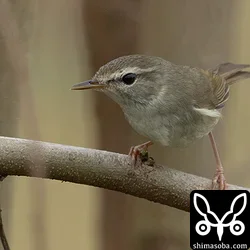
Arctic Warbler makes an appearance. It stands out clearly — obviously different from the other Japanese leaf warblers.

Busy Times: Lingering Winter Birds, Passing Migrants, and Breeding Residents

April 21, 2025

Ishigaki Island is lively with a mix of winter visitors that have not yet headed north, passage migrants stopping over, and resident birds active as breeding season gets underway.

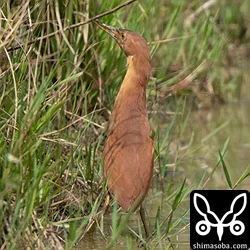
Most conspicuous lately are Cinnamon Bitterns in full breeding season — I am encountering them in rice paddies all over the place. Tufted Duck and Eurasian Coot are among those that should have gone north but are still here; most have departed, but a few individuals appear to remain. I have also recorded snipe on passage.

A male Ryukyu Minivet— I often see it flying about actively.

4th Ishigaki Snipe Camp!

April 15, 2025

We held the 4th Ishigaki Island Snipe Camp again this year. Two participants came down from Hokkaido. That said, snipe numbers were already low during the pre-camp scouting the day before, and I had a bad feeling about it. Sure enough — poor results. It ended up being the worst outing yet: one Pin-tailed Snipe, a few Swinhoe's Snipe, and a few Common Snipe.

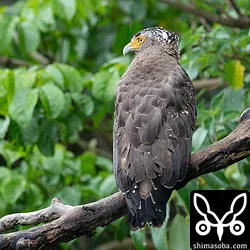
On the plus side, we managed to see around 50 species including Collared Kingfisher, Ryukyu Kingfisher, Crested Serpent Eagle, and various resident and migratory birds, which everyone was happy about, so I'll call it good. Years like this happen.

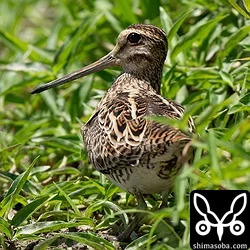
The only Pin-tailed Snipe of the day. A beautiful individual — I knew what it was the moment it came into the binoculars.

Three Little Curlews

April 14, 2025

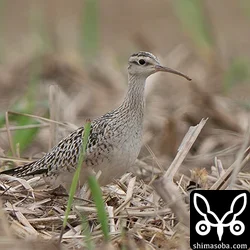
Little Curlews arrived again this year — a small flock of three. While watching them, 13 Oriental Pratincoles also came in.

A Little Whimbrel I noticed by its call while driving slowly through the sugarcane fields. It's a spot where Little Whimbrel turn up every year.

First Pin-tailed Snipe of the Season

April 11, 2025

I confirmed the first Pin-tailed Snipe of the season. Common Snipe and Swinhoe's Snipe numbers are low, and I have a bad feeling about how the snipe season is starting.

Scanning the paddy bunds with binoculars, I spotted a Pin-tailed Snipe!!

Common Hoopoe (video included)

March 22, 2025

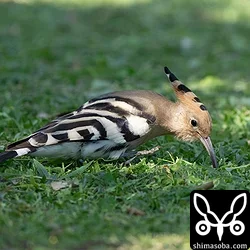
This season seems to be a bumper year for Common Hoopoe on Ishigaki. Reports of sightings are coming in from all over. On this one day alone, a dozen or more individuals were recorded. I myself photographed two while travelling for work.

It looks like snipe migration has finally begun. The birds feel clearly different from the overwintering ones, and there is a real sense of spring passage. ^^

A Eurasian Hoopoe foraging without any sign of concern as a lawnmower carrying a worker roared and trundled around nearby.

Wintering Japanese Bush Warbler, Chinese Pond Heron, Spring Temminck's Stints

March 15, 2025

Among the wintering warblers, Manchurian Bush Warblers can no longer be found, while more and more Japanese Bush Warblers are beginning to practise their song.

The Chinese Pond Heron that has been here since last autumn is still in its winter plumage as before. In the same paddy, a few Temminck's Stints arrived on spring passage. Common Snipe from the overwintering population were scattered, apparently disrupted by rice-planting and other farm work.

A Japanese Bush Warbler showing off its call notes and singing practice.

Chinese Blackbird Arrives

March 13, 2025

The Chinese Blackbird, harbinger of spring on Ishigaki, has arrived. I heard its call nearby as well, so it seems multiple birds are staying. Brown-headed Thrush, Pale Thrush, and Dusky Thrush migration also appears to be approaching its peak — small flocks can be found in patches of grassland in coastal settlements and similar spots.

I heard a Hooded Crane was staying in the north of the island, so I went to have a look. It seemed to favour a field prepared for sugarcane planting, with a pineapple plantation as a backdrop.

Cinnamon Bittern and Purple Heron are also full of vitality with the feel of spring in the air.

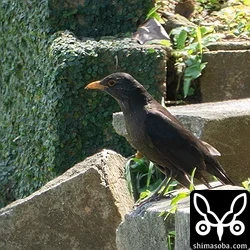
A Common Blackbird turned up in a good patch of habitat. Looks like it may stay a while.

Resident Birds Active, Spring Migration Beginning

March 10, 2025

In early March on Ishigaki, Crested Serpent Eagle activity is surging with breeding season. On fine days it is possible to watch display flights. Malayan Night Herons are also moving into breeding condition and gradually taking on their nuptial colours.

Bramblings, Garganey, Wood Sandpipers, and Common Greenshanks heading north on their return migration have also arrived.

A Crested Serpent Eagle calmly lying in wait for prey in its usual territory.

Ferruginous Duck, Black-winged Kite, Ryukyu Scops Owl, and others

Feb. 22, 2025

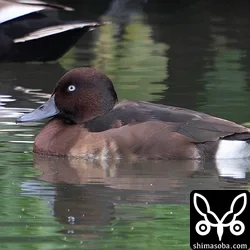
When it comes to quality ducks on Ishigaki Island, the Ferruginous Duck stands out. This season it arrived alone. Not particularly wary, so an easy bird to watch.

While doing some birdwatching in the rice paddies with my daughter, a juvenile Black-winged Kite landed on a branch right in front of us. My daughter, who loves raptors, was thrilled — but afterwards when I tried to start the car, nothing happened. Had to call a tow truck and send it off to the garage. ^^;

A male Ferruginous Duck. No juveniles or adults could be confirmed….

White's Thrush, Pied Avocet, and others

Jan. 22, 2025

White's Thrush has been turning up frequently this season. They're quite wary, so this was the first individual I managed to photograph. Pale Thrush and Brown-headed Thrush are also present on Ishigaki Island at the moment, but Dusky Thrush has been almost nowhere to be seen.

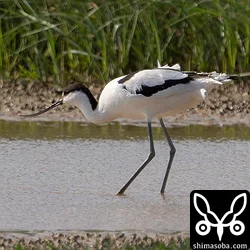
The Pied Avocet has been staying a long time. Temminck's Stint, Little Ringed Plover, Long-toed Stint, and Wood Sandpiper have all increased slightly in number. Spring migration may be getting underway soon.

A White's Thrush in the rice fields. It is noticeably larger than Pale and Brown Thrushes, and the bold patterning adds to its presence.

Siberian Eastern Yellow Wagtail, Siberian Pipit, Red-throated Pipit

Jan. 16, 2025

Among a flock of several dozen Eastern Yellow Wagtails and Red-throated Pipits, there was one Siberian Eastern Yellow Wagtail. This season the numbers of Eastern Yellow Wagtails and Red-throated Pipits have been low — quite disappointing.

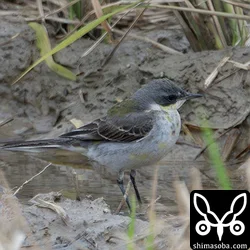
Eastern Yellow Wagtail (beema), first-winter plumage.

Pied Avocet, Northern Lapwing, Grey-headed Lapwing

Jan. 8, 2025

The Pied Avocet is down to one bird, but it shows no wariness and has been staying for an extended period. Nearby, several Northern Lapwings and two Grey-headed Lapwings are also lingering.

A flock of Common Snipe is present at the same site. There are no Swinhoe's Snipe or Pin-tailed Snipe. Two Tundra Swans are happily wintering together on this southern island.

The Pied Avocets that arrived in a group of eleven in November have dwindled one by one, down to a single bird now.

Birdwatching in Nagoya

Jan. 3, 2025

I spent the New Year holiday in Nagoya and managed about an hour of birdwatching. I had hoped to see a Japanese Wagtail, but unfortunately that didn't happen.

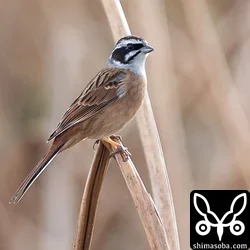
Meadow Bunting — a species I almost never get to see in Okinawa.