Last Birding of 2025 (video)
Dec. 31, 2025
December was hectic with repeated work trips and preparations for Omoto526, a single-unit rental guesthouse opening very soon, so I barely managed to get out birding at all.
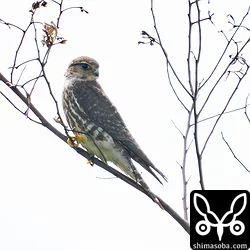
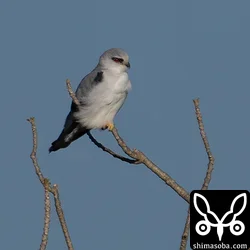
Instead, a Crested Serpent Eagle, a Common Kestrel and Olive-backed Pipits have started turning up in our garden. A Black-winged Kite appears morning and evening.
I'd like to take things more slowly and do some proper birdwatching next year — though who knows how that will go… ^^;
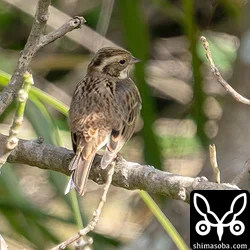
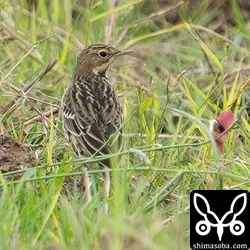
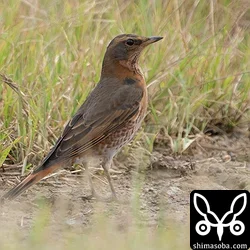
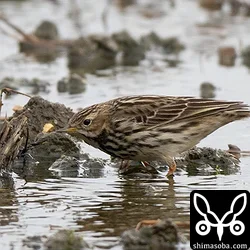
A Red-throated Pipit with a short tail. There were also several Citrine Wagtails in the same condition. Perhaps they were grabbed by the Eurasian Sparrowhawk that has been holding territory over this paddy.