A daily record.
Featuring photos of wild birds and nature, mainly from Okinawa Main Island and Ishigaki Island

All Three Snipe Species Together

Sept. 19, 2026

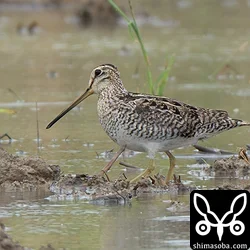
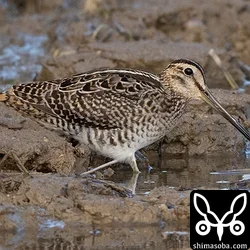
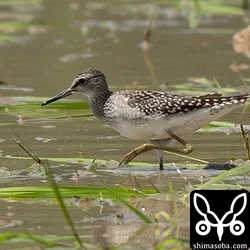
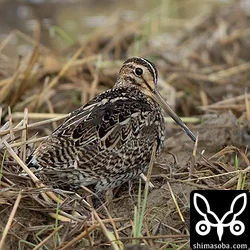
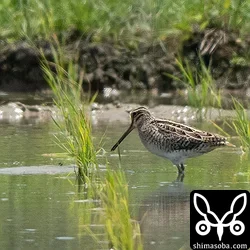
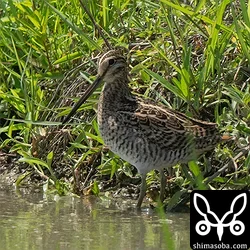
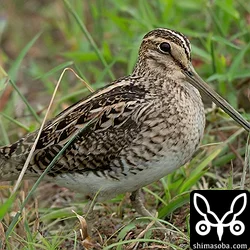
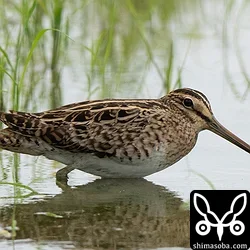
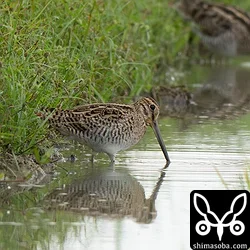
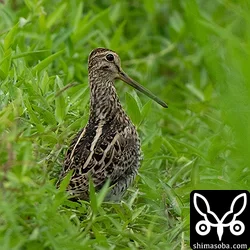
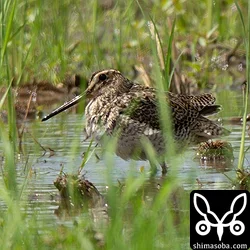
All three snipe species on Ishigaki Island — Pin-tailed Snipe, Swinhoe's Snipe, and Common Snipe — are finally present at the same time. From here, Pin-tailed and Swinhoe's Snipe numbers will decline, while Common Snipe will increase.

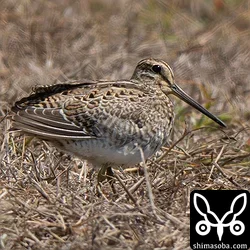
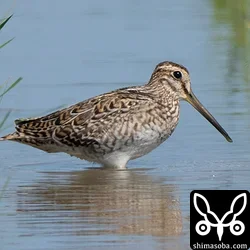
A textbook individual — identifiable as Pin-tailed Snipe at a glance.

Autumn Migration in Full Swing

Sept. 1, 2026

September has arrived, and autumn migration on Ishigaki Island is now in full swing. Eastern Yellow Wagtail numbers jumped overnight, and flocks ranging from small to large can be seen in farmland all over the island.

Among the waders, juveniles have started arriving on the heels of the adults. Flocks in fresh juvenile plumage are coming in.

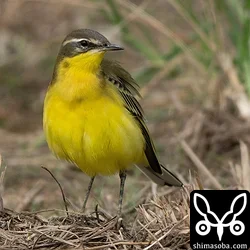
An adult Eastern Yellow Wagtail of the white-supercilium type, transitioning into winter plumage.

7th Ishigaki Island Snipe Camp!!

Aug. 24, 2026

The 7th Ishigaki Island Snipe Camp was held successfully over two days, 22 and 23 August. This time we had two women join us. Both took notes and made sketches with great enthusiasm.

The camp went ahead despite unsettled weather as a typhoon approached. The first day in particular brought occasional heavy rain, and by evening the sky had turned wild with a typhoon look about it.

We shifted the car around to dodge the driving rain and managed solid views of a dozen or so snipe, including both adults and juveniles.

Because of the prefectural governor election and unified local elections, the camp was held earlier than usual this year, and Common Snipe were not recorded.

The bonus post will cover Javan Pond Heron, an out-of-season Roseate Tern, Black-naped Tern, and more.

Arrived at the paddy field with the highest snipe count this season. The first bird I could observe was a pale-looking adult Swinhoe's Snipe.

Swinhoe's Snipe juveniles arrive; Javan Pond Heron lingers (video)

Aug. 20, 2026

The first Swinhoe's Snipe juveniles of the season have finally arrived. This year they came in earlier than the Pin-tailed Snipe juveniles.

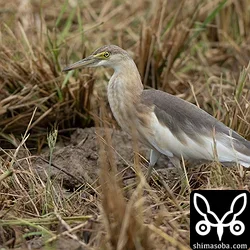
The Javan Pond Heron is also settling in for a long stay.

The long-awaited juvenile Swinhoe's Snipe has appeared. Beautiful. ^^

Migrant waders increasing

Aug. 19, 2026

Migrant waders are building up and the paddies on Ishigaki are getting lively.

Juveniles now make up more than half of the Long-toed Stints present, and I confirmed the first juvenile Wood Sandpiper of the season. I had already found juvenile Common Redshank about two weeks ago, but this was my first time photographing one this season.

Common Greenshank, Marsh Sandpiper, Black-winged Stilt, Pacific Golden Plover, and Black-faced Spoonbill have also been showing up one after another.

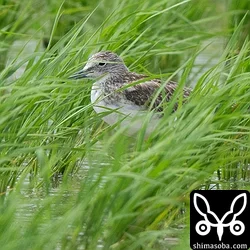
First juvenile Wood Sandpiper of the season. Only one individual confirmed, but numbers will keep climbing from here.

Snipe hunting in the usual paddies

Aug. 16, 2026

With the 7th Ishigaki Island Snipe Camp a week away, I spent concentrated time looking for snipe in the usual paddies. Juveniles had not yet arrived, but both Pin-tailed Snipe and Swinhoe's Snipe adults are present.

Javan Pond Heron and Chinese Pond Heron are also staying on. Grey Herons are slowly increasing.

A Pin-tailed Snipe at relatively close range.

Javan Pond Heron, Chinese Pond Heron, Cinnamon Bittern and more (video)

Aug. 14, 2026

Two Javan Pond Herons and one Chinese Pond Heron are currently present. Encounters with Cinnamon Bittern and Purple Heron — both adults and juveniles — are becoming more frequent.

Snipe numbers are also growing steadily. On this day I found several individuals each of Pin-tailed Snipe and Swinhoe's Snipe.

Javan Pond Heron in winter plumage. Two birds have been present for the past few days.

Shorebirds in the Paddies

April 29, 2026

Temperatures rose and the paddy birds became a little more active — I had good views of bathing behavior and similar scenes.

A distant Pin-tailed Snipe.

Pin-tailed Snipe, Swinhoe's Snipe, and Common Snipe

April 28, 2026

Pin-tailed Snipe, Swinhoe's Snipe, and Common Snipe are all staying in the paddies of Ishigaki Island. Spring snipe identification gets harder than autumn — which is actually quite enjoyable. ^^

Pin-tailed Snipe spotted on a distant paddy bank. The backlight makes observation tough… ^^;

Two Snipe Species

April 26, 2026

Snipe watching again today. The weather was poor and I came across a good number of snipe. Among them, I focused on photographing Pin-tailed Snipe in particular.

I was able to observe a Pin-tailed Snipe at close range. Though too close is its own problem.

Pin-tailed Snipe and Swinhoe's Snipe (video included)

April 22, 2026

Both Pin-tailed Snipe and Swinhoe's Snipe are scarce on Ishigaki Island in spring, but even so I was able to observe several individuals on this day.

A Swinhoe's Snipe that went into alert posture because I got too close.

6th Ishigaki Island Snipe Camp Held!!

April 20, 2026

We held the 6th Ishigaki Island Snipe Camp. This time one woman and one man joined us. Day one was tough going, but on day two we managed reasonable views of both Pin-tailed Snipe and Swinhoe's Snipe.

Spring snipe are harder to identify than autumn birds, and some individuals were left for later determination.

For the main species seen other than snipe, please see the side notes.

Past camps from the 1st onward are also available at past Ishigaki Island Snipe Camps.

Pin-tailed Snipe. The scapulars and other feathers are changing into breeding plumage.

Scouting for the Ishigaki Snipe Camp

April 18, 2026

Ahead of the 6th Ishigaki Island Snipe Camp, I went to scout the paddies around the island. Pin-tailed Snipe, Swinhoe's Snipe, and Common Snipe were all confirmed — a relief. Now there is nothing left to do but hope they stay for a few more days.

First Pin-tailed Snipe of the season!!

Black-headed Bunting, Forest Wagtail, Arctic Warbler, White-shouldered Starling and others

Nov. 3, 2025

A Black-headed Bunting turned up after a long absence. It was very likely the same individual I briefly glimpsed in the same paddy field about a week ago. It was mixed in with a flock of several hundred Eurasian Tree Sparrows.

A Forest Wagtail appeared on the usual forest road — the sixth individual this season. Arriving this late in the year, there is a good chance it will winter here. Last year one wintered at the same spot. Once they settle into wintering mode, though, they tend to stay deep inside the forest and become harder to observe.

Arctic Warblers have been showing up since early October. Birds fresh in from migration are often in small flocks, but now they have spread across the island and each is holding a small territory. Many individuals will stay through to spring. Come April, they form flocks again in preparation for the northward journey, and some begin to sing.

Brambling have also appeared. They joined up with Eurasian Tree Sparrow flocks and were feeding on second-crop rice grain in the paddies.

White-shouldered Starlings — a few birds — were mixed into a flock of several tens of White-cheeked Starlings, along with around 20 Common Starlings. The wintering White-shouldered Starling population on the island is sizeable in its own right, and flocks of several tens are regularly seen in parks and the like.

At this time of year, snipe are mostly Common Snipe, but among a flock of ten-odd I found just two Swinhoe's Snipe. I expect them to disappear once the second-crop rice harvest gets under way. Other waders lingering in the paddies include Common Redshank, Common Greenshank, Marsh Sandpiper, Black-winged Stilt, Wood Sandpiper, Green Sandpiper, Common Sandpiper, and Long-toed Stint.

Ducks are increasing too — I recorded my first Mallard of the season on Ishigaki. Mallard used to be quite scarce on Ishigaki and Okinawa, but the numbers being seen seem to grow a little more each year.

A Black-headed Bunting standing out prominently among a flock of Eurasian Tree Sparrows. It was constantly harassing them….
Pin-tailed Snipe Numbers Crash; Grey-faced Buzzard Migration Winding Down?

Oct. 16, 2025

Pin-tailed Snipe have dropped sharply and the fields are now full of Common Snipe. A few Swinhoe's Snipe are still hanging on. Last year the final Pin-tailed Snipe of the autumn migration was recorded on 18 October. I wonder how long they'll be around this season. I don't think the 2024 birds will overwinter, but Pin-tailed Snipe and Swinhoe's Snipe were confirmed in February. I know it's getting ahead of myself, but I'd love to find overwintering birds in 2026.

I went back to check on the Grey-faced Buzzards again today after yesterday's visit, but things were quiet — it felt like the main push had already moved through the day before… ^^; At this time of year my daily snipe rounds make it hard to get out and watch the Chinese Sparrowhawk and Grey-faced Buzzard migration properly…

A juvenile Pin-tailed Snipe. This might turn out to be my last Pin-tailed Snipe of the season.

5th Ishigaki-jima Snipe Camp!!

Sept. 28, 2025

We held the Ishigaki-jima Snipe Camp again this season — five years running, thanks to everyone who has taken part. This time there was one participant. We met at 9 a.m. and spent the day watching snipe until around 4 p.m.

Because we held it about a month later than usual, Pin-tailed Snipe numbers were low — only 2 individuals out of several dozen snipe seen. Swinhoe's Snipe were the most numerous and are at peak, so almost all were juveniles. Common Snipe juveniles are now arriving to join the adults, and numbers should peak soon.

Please also have a look at past Ishigaki-jima Snipe Camps. The next one is planned for spring next year. Come and sharpen your skills at separating Pin-tailed Snipe from Swinhoe's Snipe. ^^

First Grey-tailed Tattler juvenile of the season, Great Knot, and Temminck's Stint juvenile were all seen. Common Greenshank juveniles are increasing. While watching the snipe, a Ruddy-breasted Crake appeared — the first in a while.

A Pin-tailed Snipe finally squeezed out after scanning through dozens of snipe.

While watching a group of around ten Swinhoe's Snipes, a snipe appeared in the grass. It was a typical Pin-tailed Snipe juvenile, so I followed it with binoculars hoping to get a look at the tail feathers — and it bathed rather sooner than I expected. ^^

Whiskered Tern, Pin-tailed Snipe, Swinhoe's Snipe

Sept. 25, 2025

A group of around ten Whiskered Terns — adults and juveniles — arrived. Among the snipe, Common Snipe numbers are up while Pin-tailed Snipe have decreased.

Long-toed Stint, Wood Sandpiper, Common Greenshank, and Marsh Sandpiper are also present in good numbers.

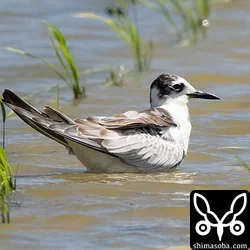
White-winged Tern juvenile. Perhaps due to the lack of typhoons, no large flocks have appeared this season.

Common Ringed Plover, Pacific Golden Plover Juvenile, Javan Pond Heron, Pin-tailed Snipe, and Others

Sept. 24, 2025

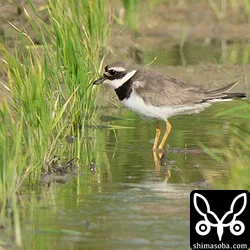
The Common Ringed Plover that appeared in early September was still present — three weeks into its stay. It seems to be moving widely around the island, between the rice paddies and the coast. The Javan Pond Heron is also on an extended visit.

The first Pacific Golden Plover juvenile of the season has also arrived. When these appear, the wader migration is in its final stages.

Pin-tailed Snipe and Swinhoe's Snipe numbers fluctuate daily as residents mix with birds moving through.

A Kentish Plover still present.

Shorebirds in the Rice Paddies

Sept. 23, 2025

The first Common Greenshank and Ruff juvenile of the season arrived. Also still present: Pin-tailed Snipe, Swinhoe's Snipe, Common Snipe, Black-winged Stilt, Long-toed Stint, Red-necked Stint, and Marsh Sandpiper.

The first Common Greenshank of the season.

Birdwatching on Yonaguni-jima

Sept. 20, 2025

Following last week's visit when I was able to see a Willow Warbler, I was on Yonaguni-jima again for work. I made sure to fit in some birding between assignments. ^^

Nothing as noteworthy as last time, but it was striking to find small groups of Black Paradise Flycatchers all over the place. I was of course hoping for Indian Paradise Flycatcher too, but unfortunately didn't come across any likely candidates…

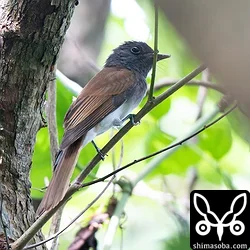
Discovered a flock of Japanese Paradise Flycatchers beside the park car park.