A daily record.
Featuring photos of wild birds and nature, mainly from Okinawa Main Island and Ishigaki Island

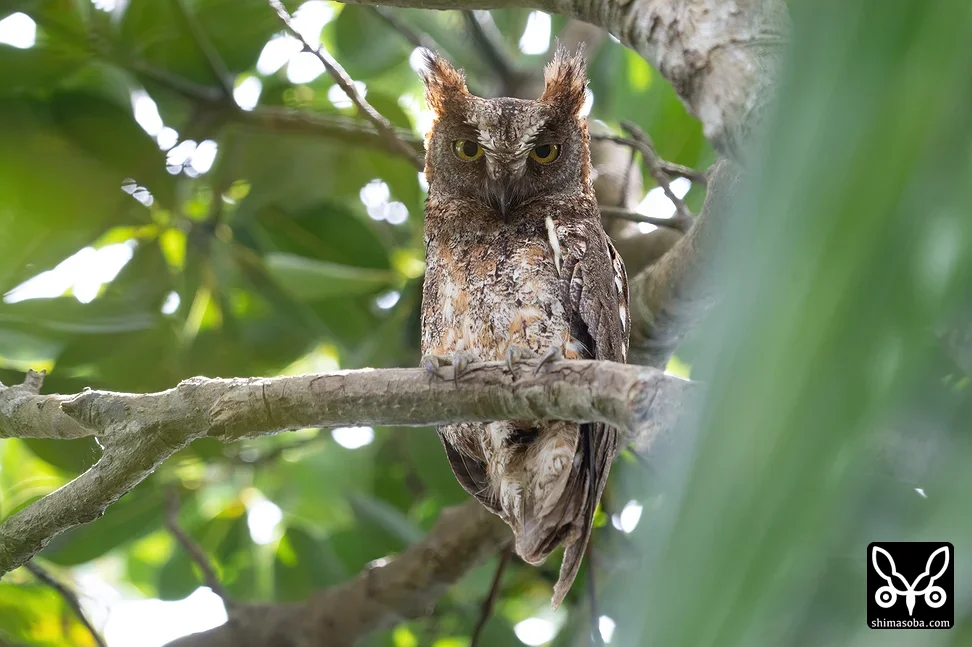
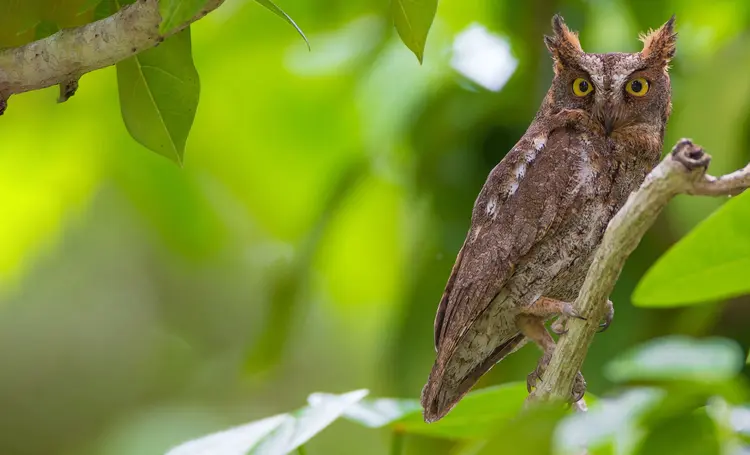
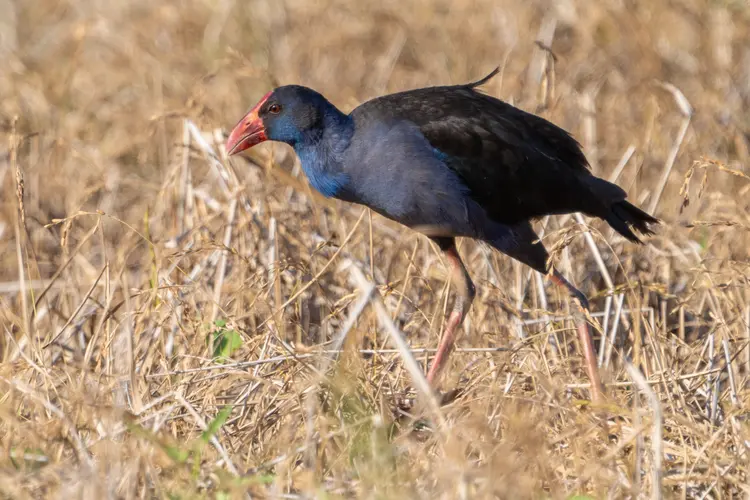
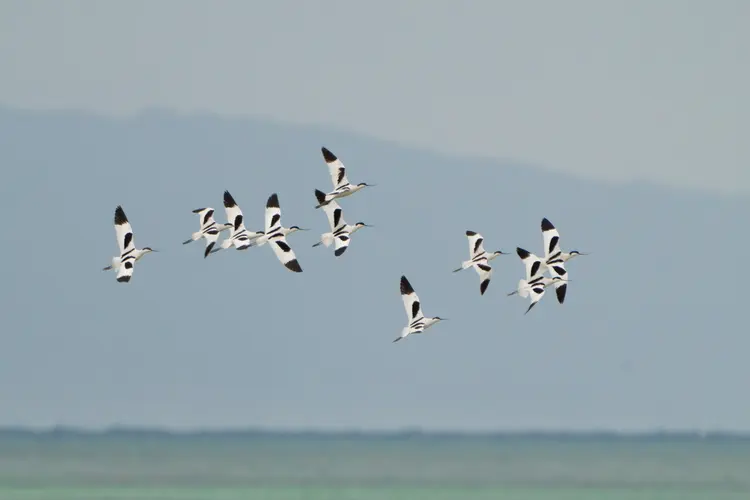
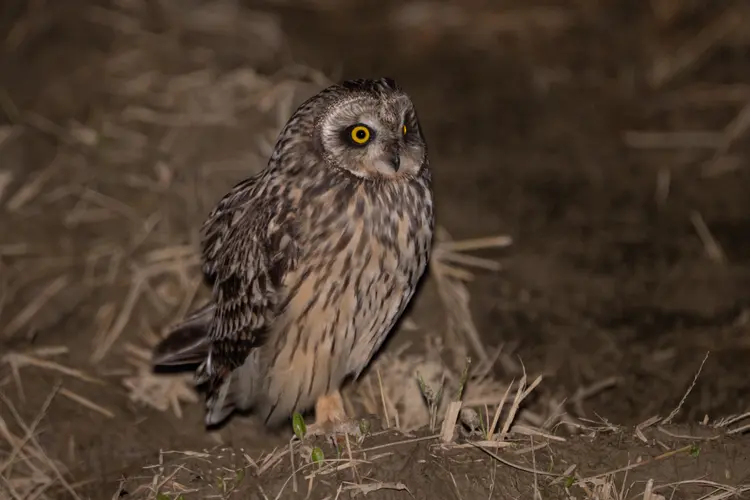
Ryukyu scops owl Purple Swamphen Pied Avocet Short-eared Owl Black-winged Cuckooshrike

GUIDED BIRDWATCHING TOUR

Go where the birds are. The SHIMASOBA Tour launches.

We'll drive you around Ishigaki Island to wherever the birds are showing best that day. Observation is mostly from inside the vehicle, and we keep it to a maximum of 3 guests so everyone can take their time.

Max. 3 guests 4 hours in the morning Beginners welcome
Check availability and book

Rescuing a Cinnamon Bittern

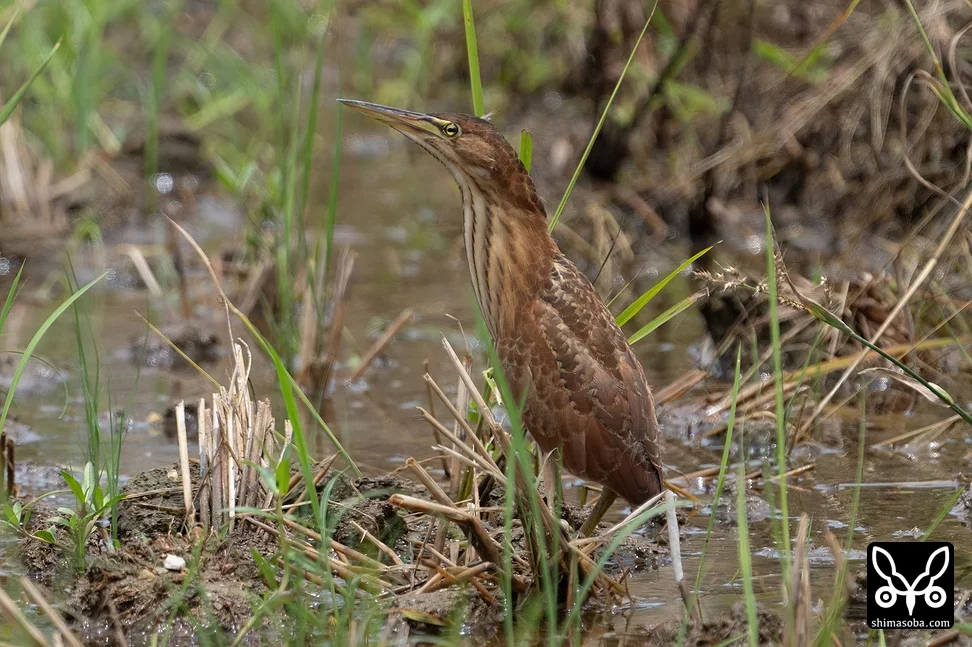
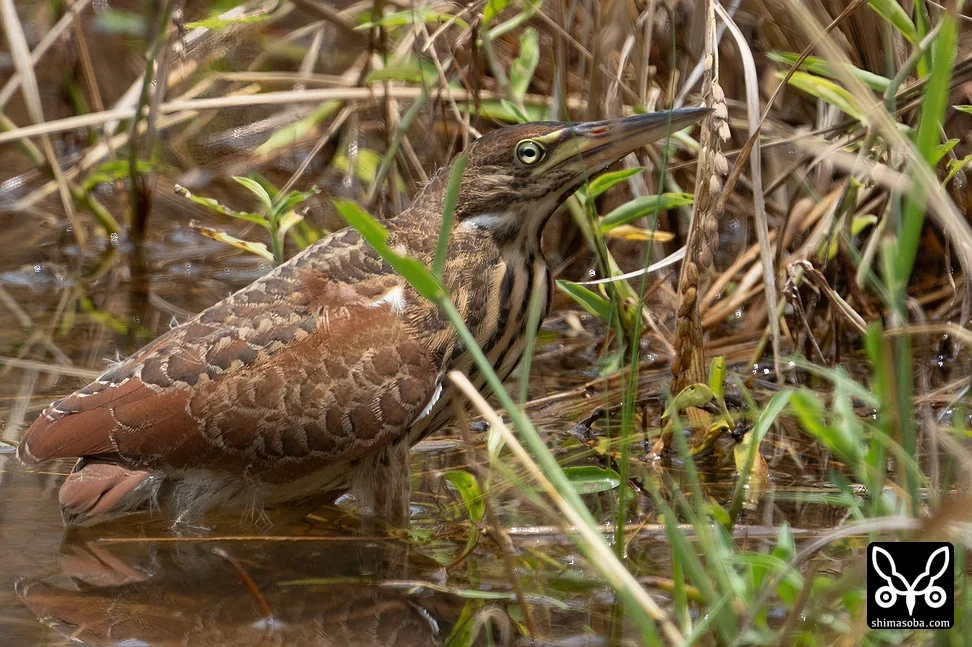
While driving near my house, a light van that had just passed me struck a Cinnamon Bittern.

It was unable to move on the road, so I took it in. Its condition was poor and I feared the worst, but remarkably, after about 24 hours it had recovered enough to stand on its own. Herons really do have a strong will to live.

For food I used tadpoles of the Yaeyama tree frog, which live in large numbers in the biotope in my garden. Typhoon No. 6 was closing in on Ishigaki Island, so it was a race against time, but I managed to release the bird safely.
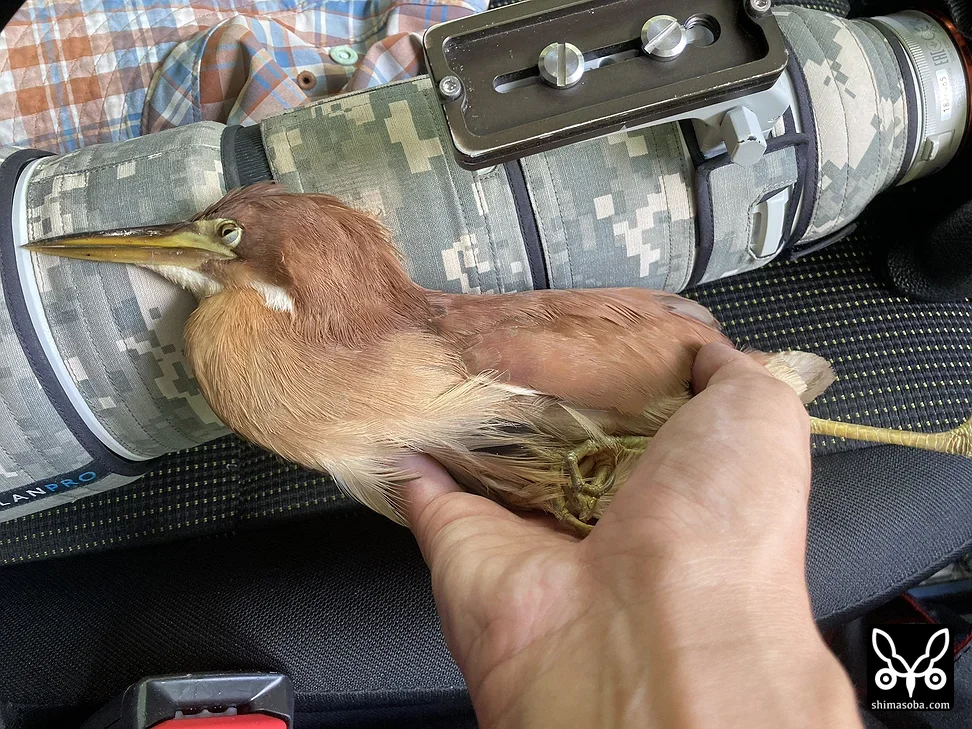
Yellow Bittern
Yellow Bittern

An adult male Ryukyu Bittern immediately after being rescued.
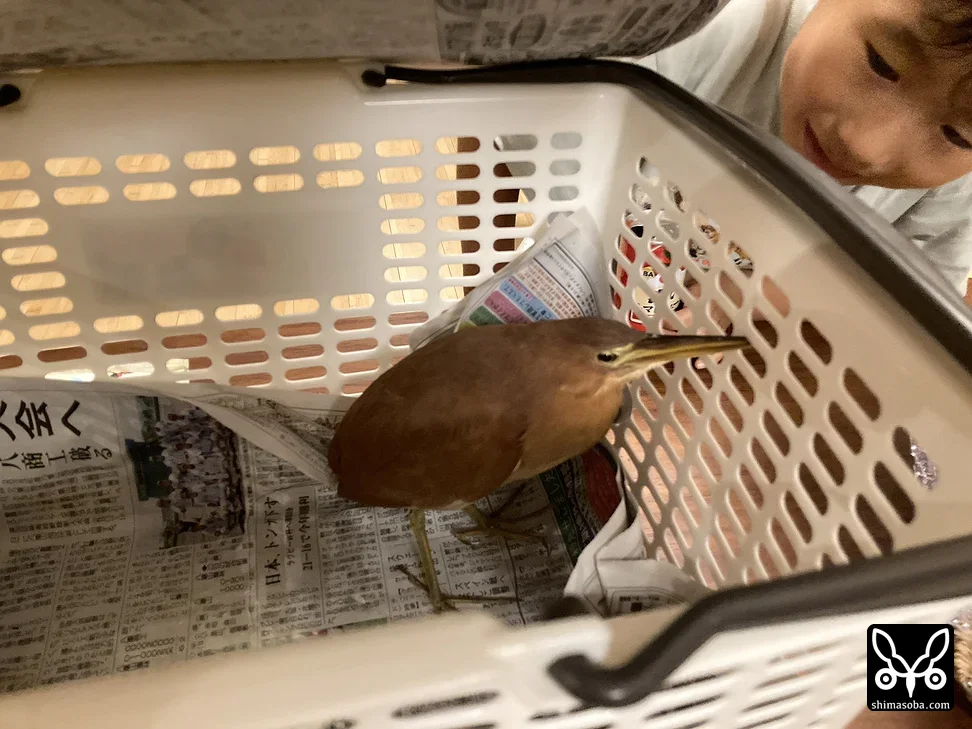
Yellow Bittern
Yellow Bittern

After about 24 hours it was able to get up on its own and had started showing wariness toward people. Remarkable vitality!!
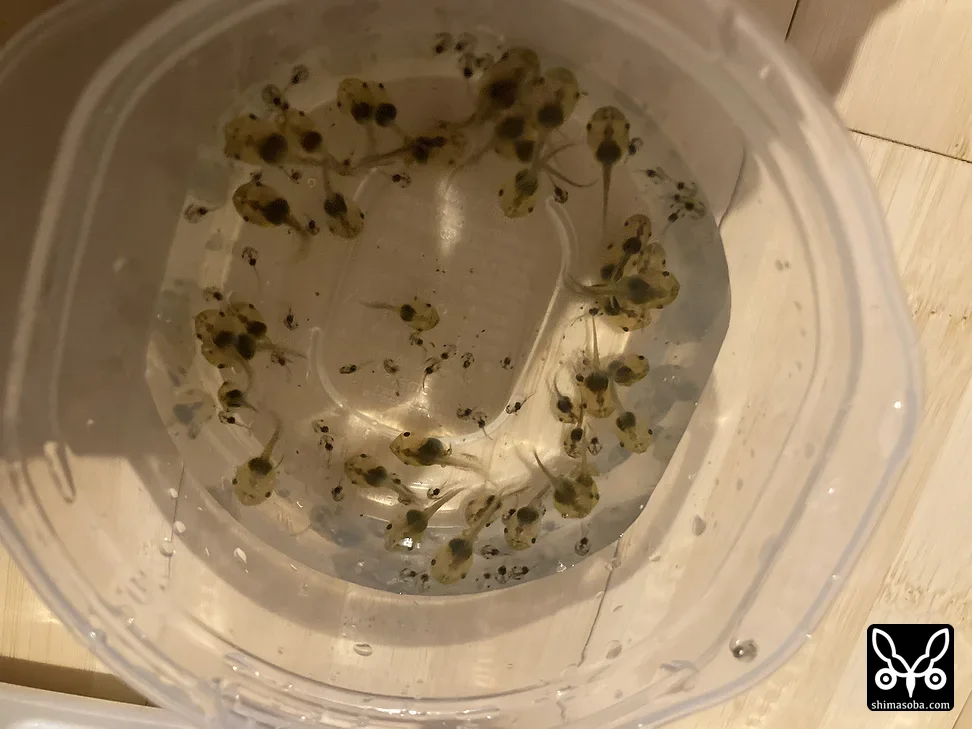
Ryukyu tree frog
Ryukyu tree frog

A tadpole of the Yaeyama Rhacophorus that became its prey.
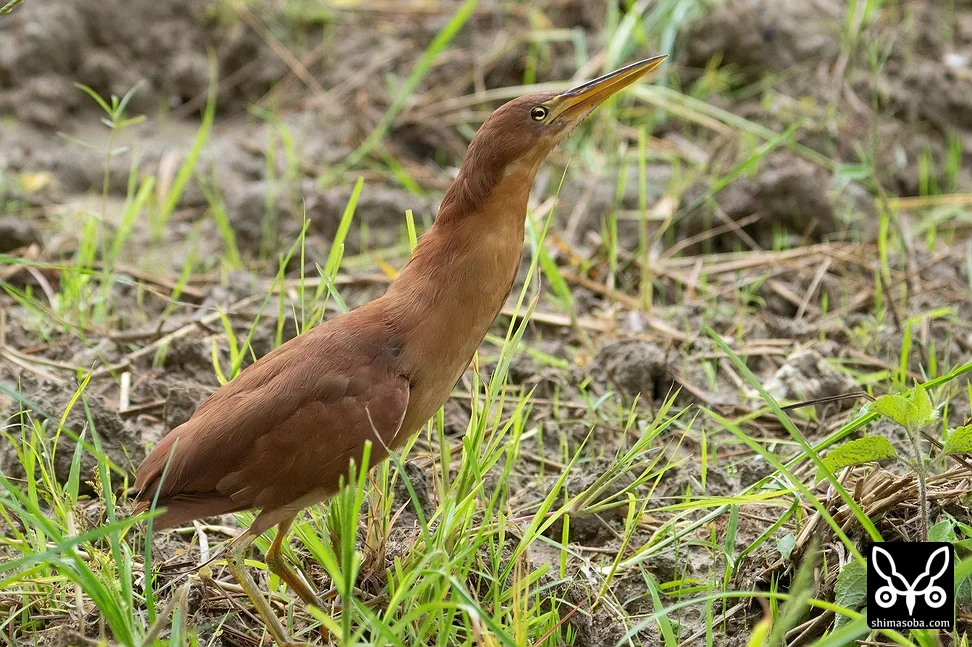
Yellow Bittern
Yellow Bittern

Released into a rice field near the rescue site. It flew off, clucking a grumpy-sounding "kok-kok-kok" as it went.
Categories: 野鳥

Common Emerald Dove, Ruddy Kingfisher and Malayan Night Heron (video)

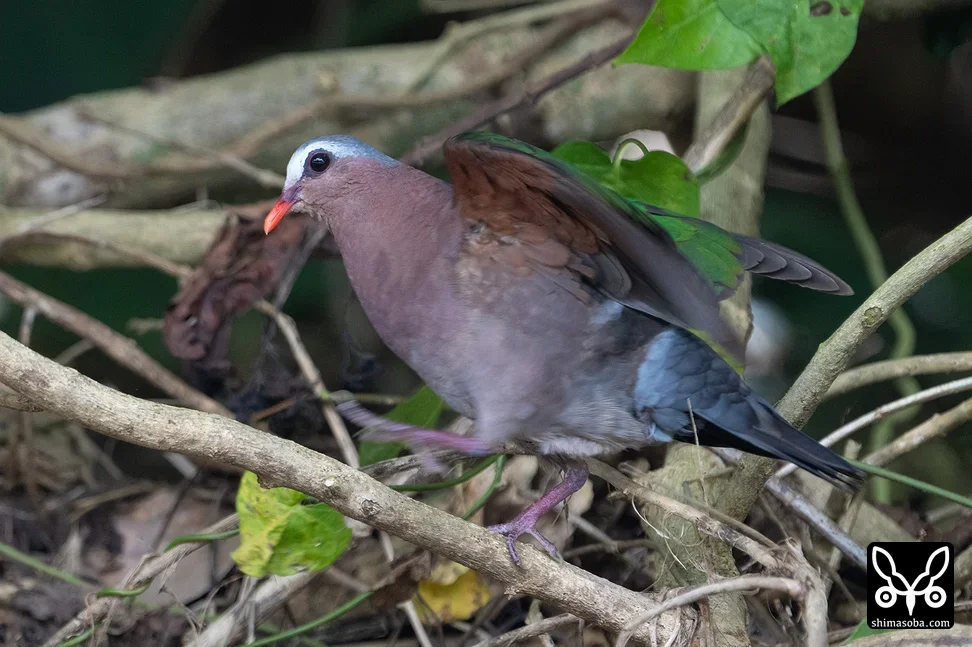
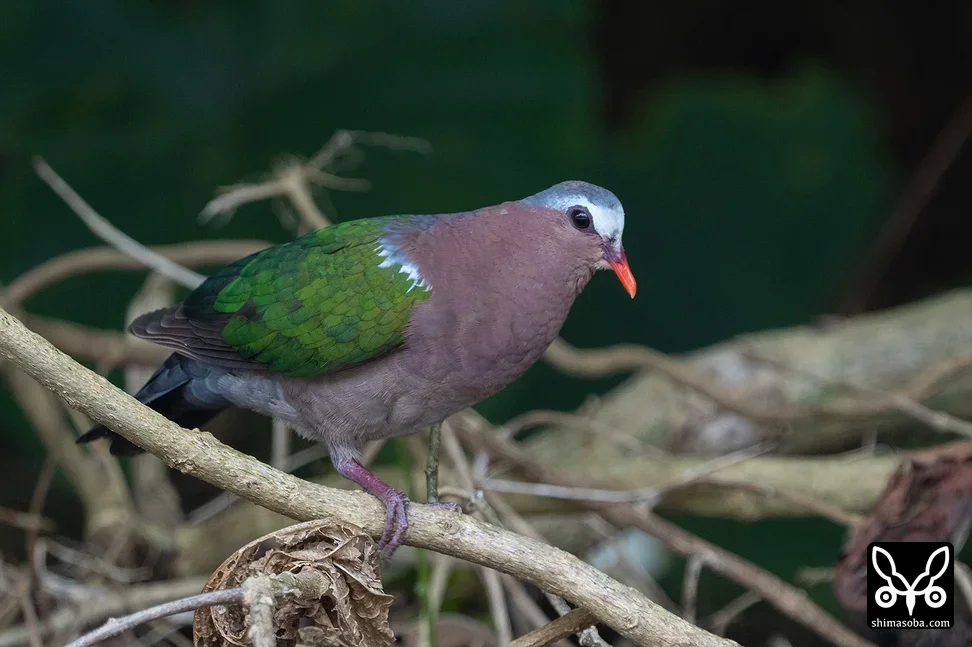
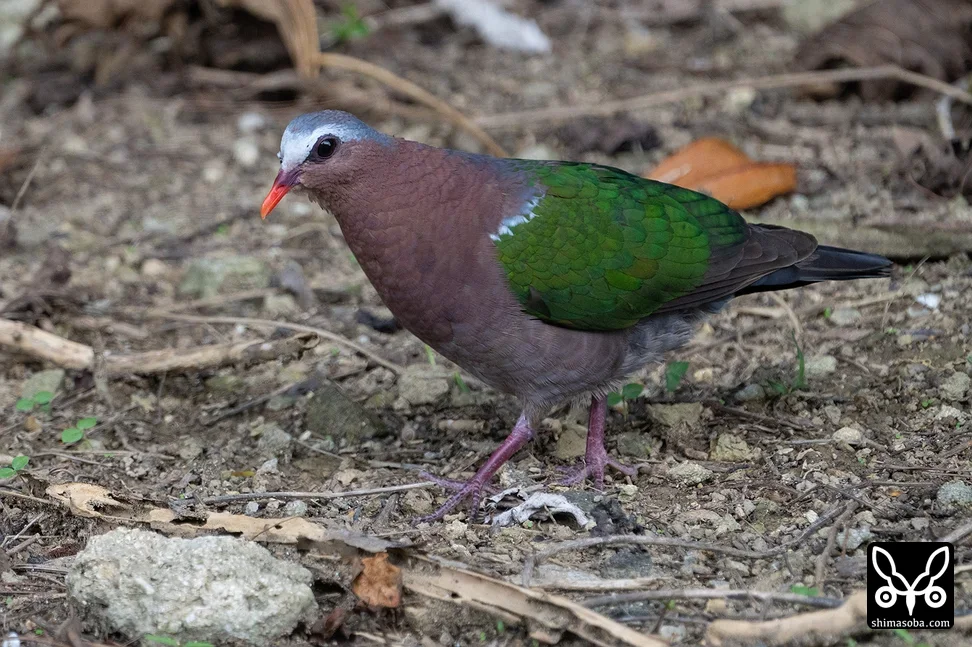
A Common Emerald Dove in the neighbourhood with absolutely no fear of humans was out in the open. The bird didn't flinch even when a dump truck passed right by, and was busy pecking at fallen berries.

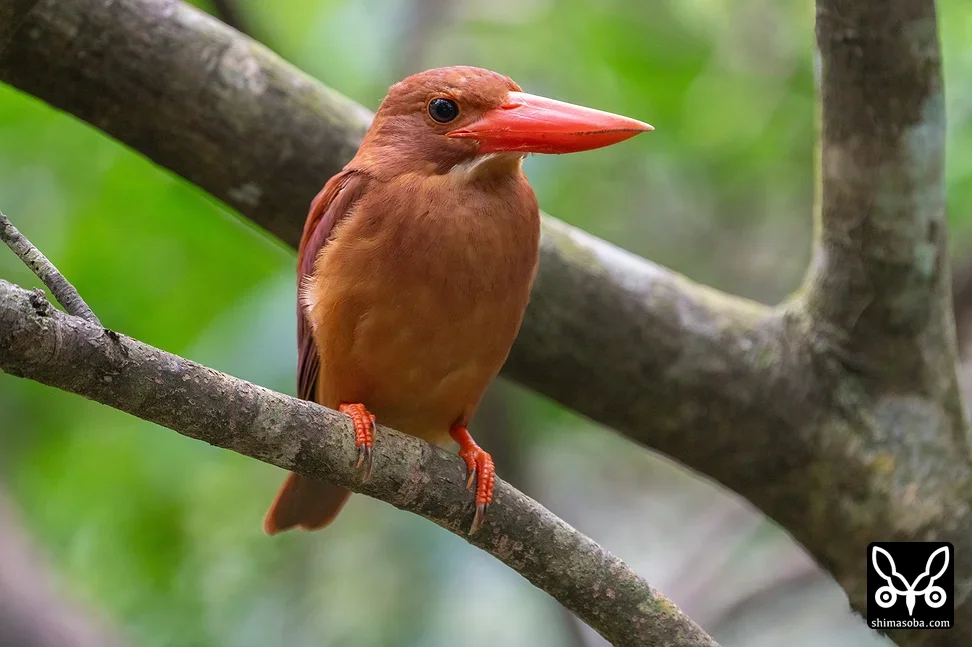
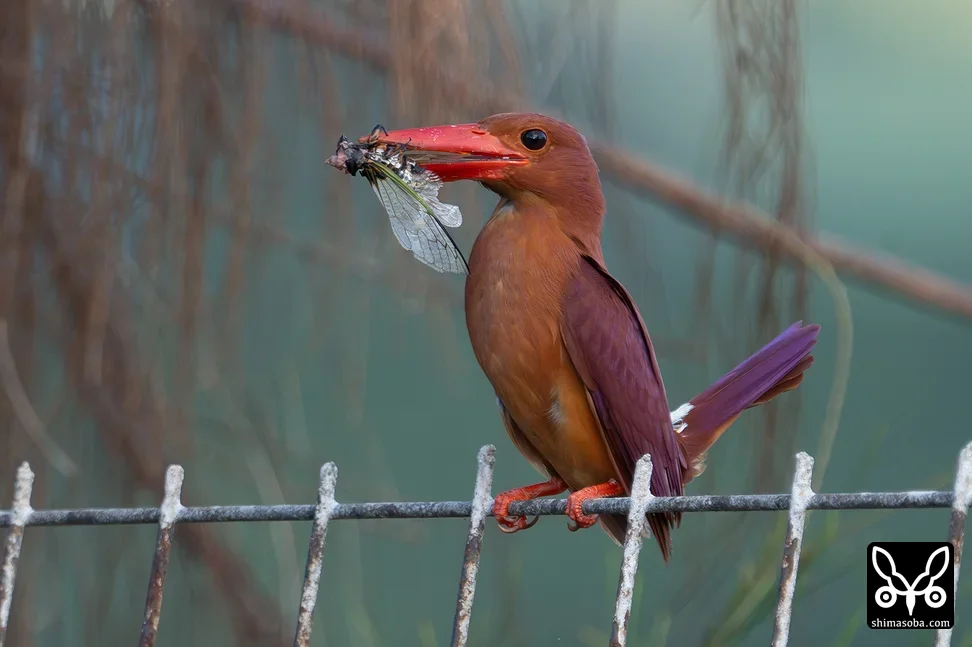
Most Ruddy Kingfisher pairs have finished raising their chicks, but there are still about three nests where adults are still bringing food to nestlings. Typhoon No. 6 is approaching, and all I can do is hope it passes without incident.
Emerald Dove
Emerald Dove

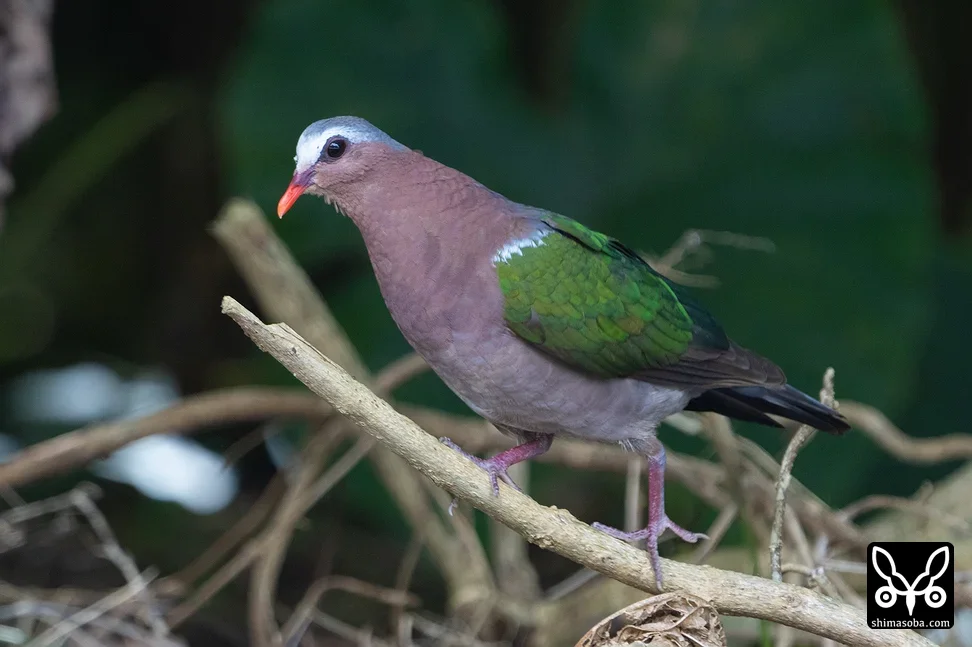
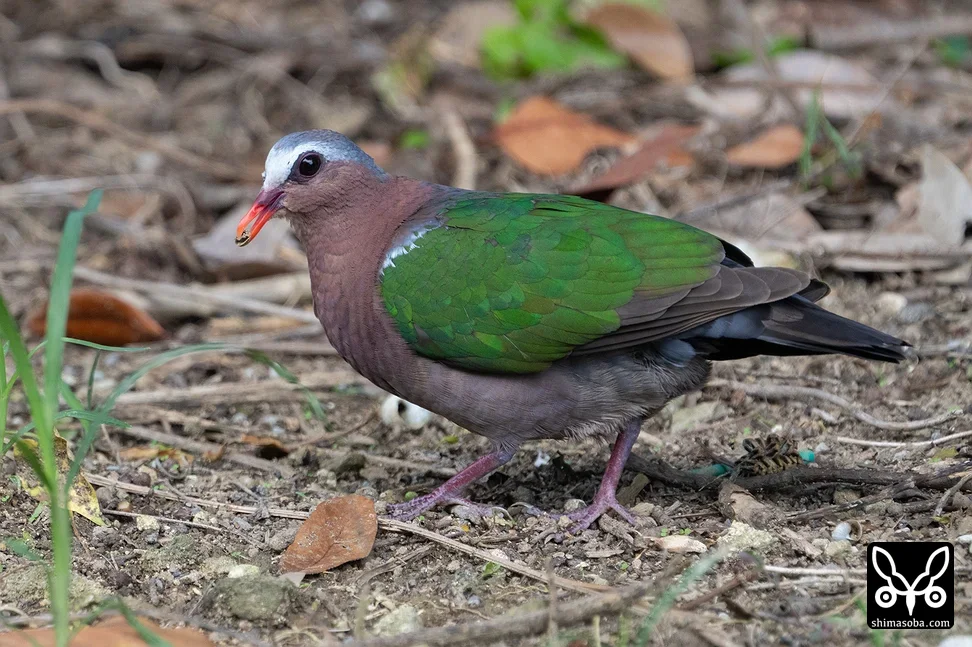
Emerald Dove, male.

Emerald Dove
Emerald Dove

It appeared to be picking up seeds of Macaranga fallen on the ground.

Emerald Dove
Emerald Dove

A rare look at the Emerald Dove's underwing.

Emerald Dove
Emerald Dove

The bird showed no wariness at all — cars passing by were completely ignored, and a dump truck would only prompt it to hop from the ground up into a tree.

Emerald Dove
Emerald Dove

Females are rarely seen, so the Emerald Doves must still be in the thick of nesting.

Ruddy Kingfisher
Ruddy Kingfisher

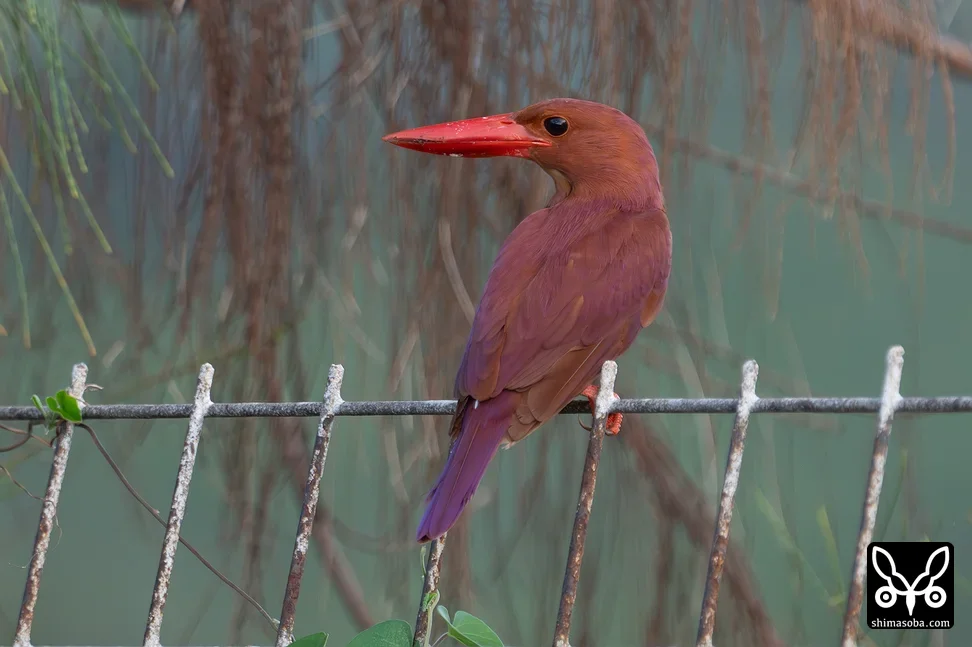
Ruddy Kingfisher, female. She is probably resting and recovering from the effort of raising young, ahead of migration.

Ruddy Kingfisher
Ruddy Kingfisher

This pair is right in the middle of raising chicks. Three eggs were laid, but only two hatched. The chicks have grown large enough that the parents are bringing in Cryptotympana large cicadas.

Ruddy Kingfisher
Ruddy Kingfisher

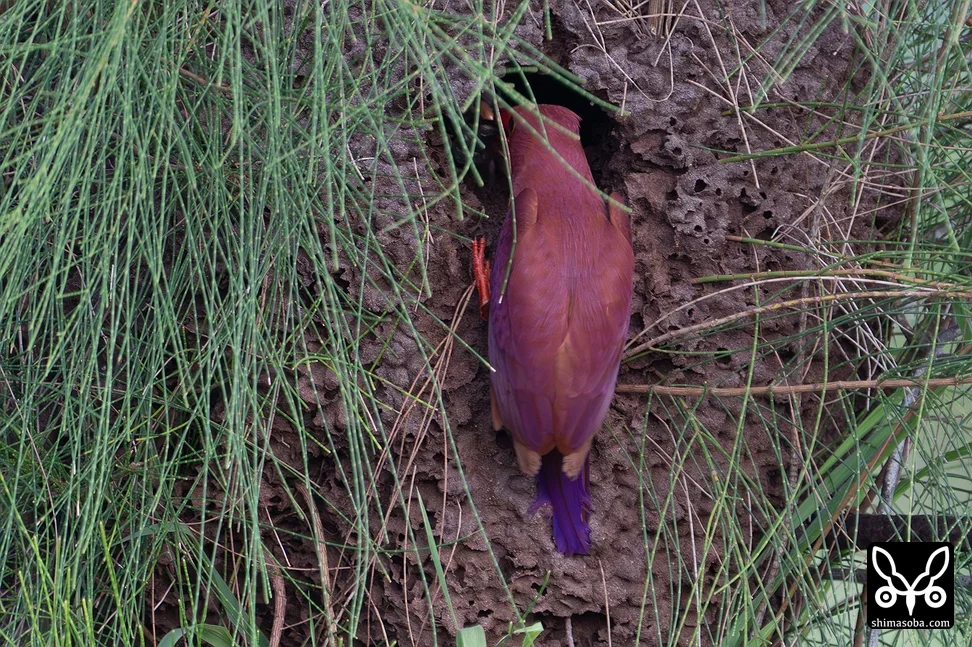
A Ruddy Kingfisher that nested in a Swinhoe's white ant mound built on a beach she-oak.

Ruddy Kingfisher
Ruddy Kingfisher

A male Ruddy Kingfisher passing food to a chick.

Malayan Night Heron
Malayan Night Heron

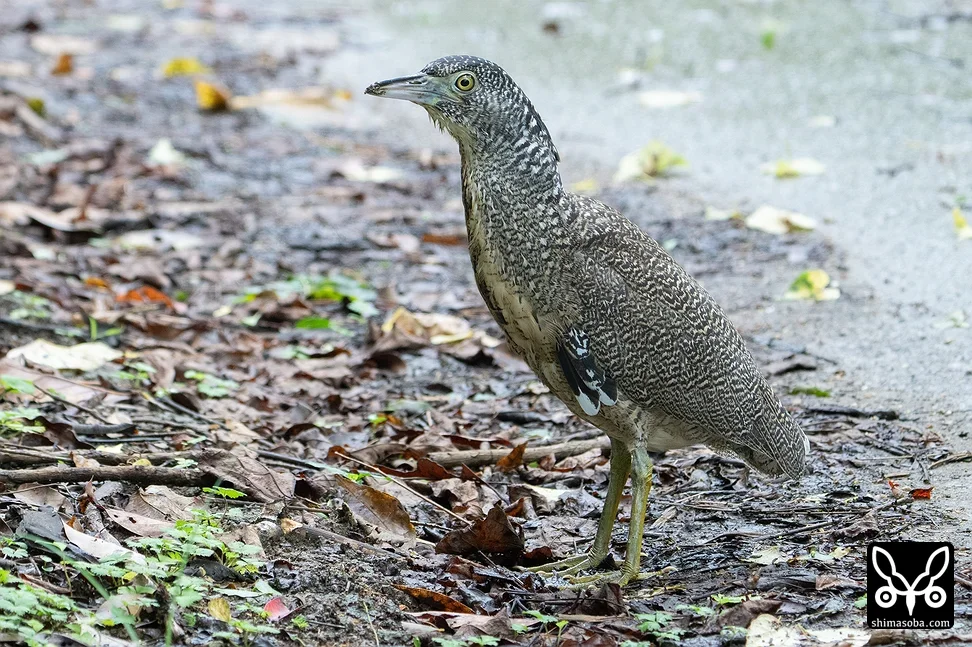
A juvenile Ryukyu Night Heron hatched this year. They'll be appearing more and more from here on.

Categories: 野鳥

Oriental Pratincole and Kentish Plover breeding, Little Tern breeding, first juvenile Common Redshank of the season (video)

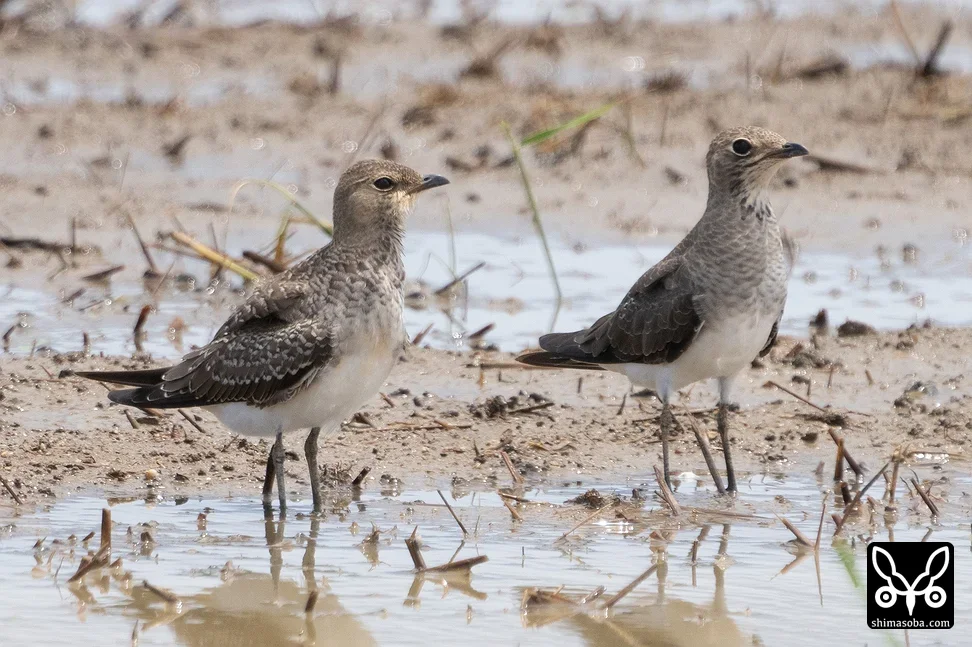
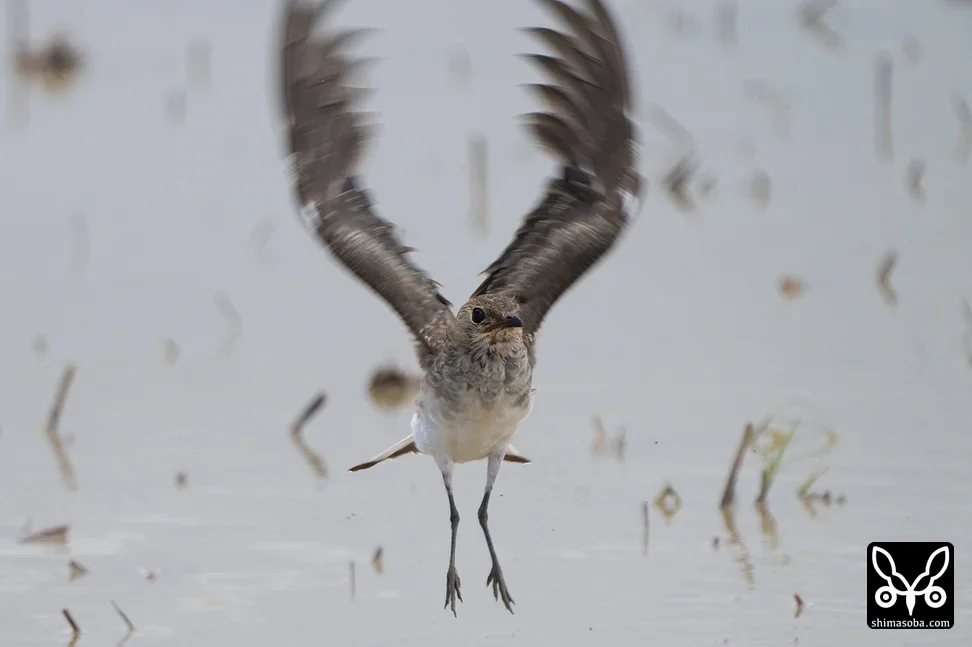
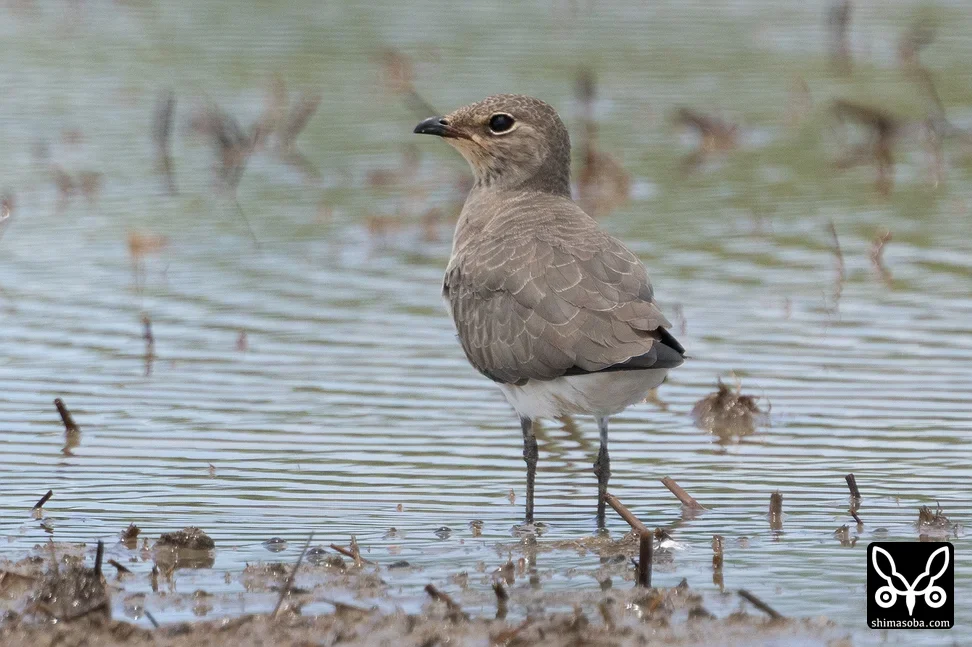
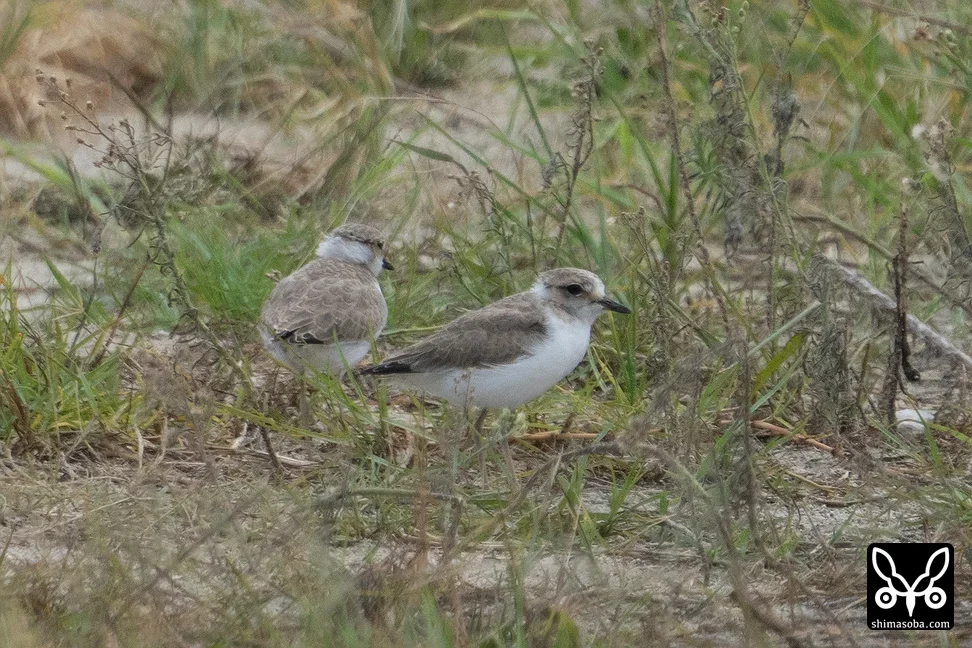
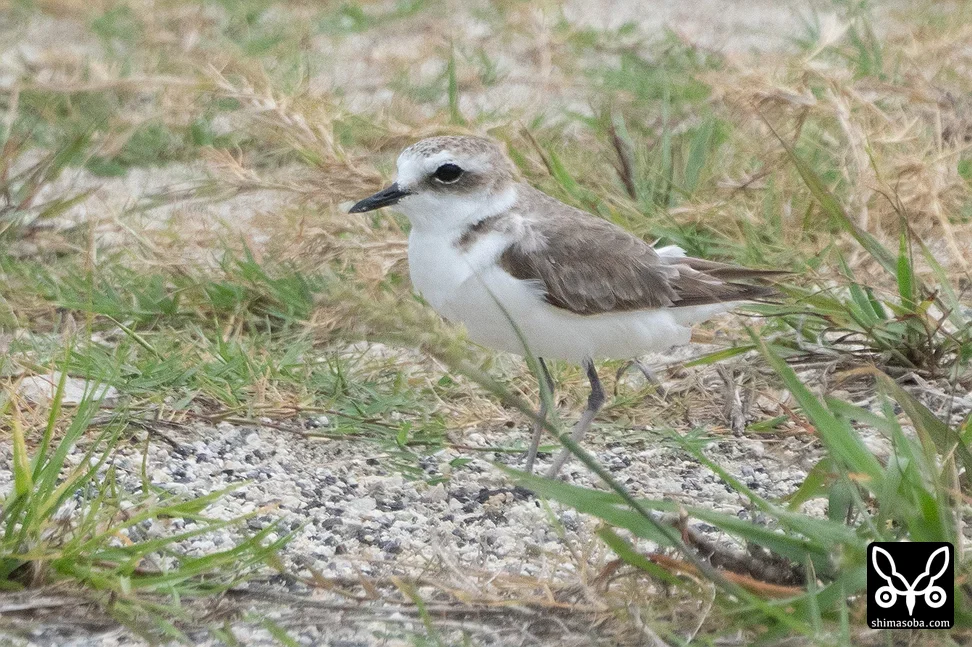
Oriental Pratincole and Kentish Plover are breeding well, with many fledged chicks on view. The Oriental Pratincoles in particular have formed a flock of nearly 60 juveniles. At the reclaimed land site, chicks from several Kentish Plover pairs have fledged and are running around energetically.

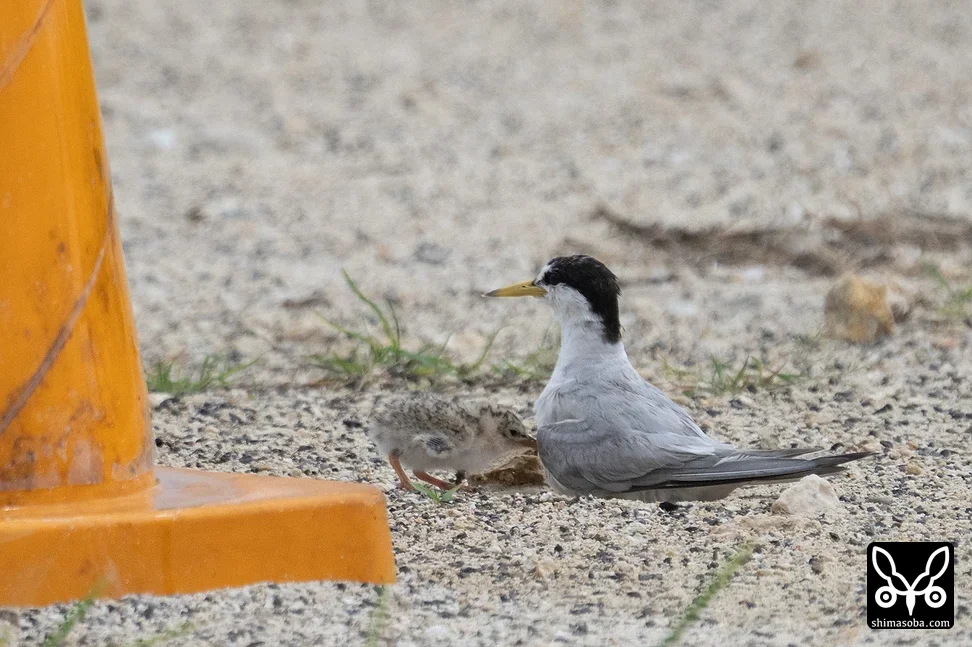
The Little Terns, which share the same site as the Kentish Plovers in a colony, had their nests flooded by heavy rain brought by the typhoon. Some eggs that had been submerged for several hours did hatch, but their prognosis looks poor.

In the rice paddies, juvenile Common Redshank arrived for the first time this season. Every year, Common Redshank is the first shorebird species to arrive as a juvenile.

Migrating waders and plovers are gradually increasing. Wood Sandpiper, Long-toed Stint and Grey-tailed Tattler have arrived in the paddies. On the coast, Greater Sand Plover, Siberian Sand Plover and Grey-tailed Tattler numbers are building.

Oriental Pratincole
Oriental Pratincole

Oriental Pratincole in juvenile plumage (left) and first-winter plumage.

Oriental Pratincole
Oriental Pratincole

A juvenile Oriental Pratincole flapping to shake off water after bathing.

Oriental Pratincole
Oriental Pratincole

Oriental Pratincole in first-winter plumage.

Kentish Plover
Kentish Plover

Juvenile Kentish Plovers. They were always together, so I assume they are siblings.

Kentish Plover
Kentish Plover

Adult Kentish Plover. Late summer plumage.

Little Tern
Little Tern

A Little Tern whose chicks have hatched.

Little Tern
Little Tern

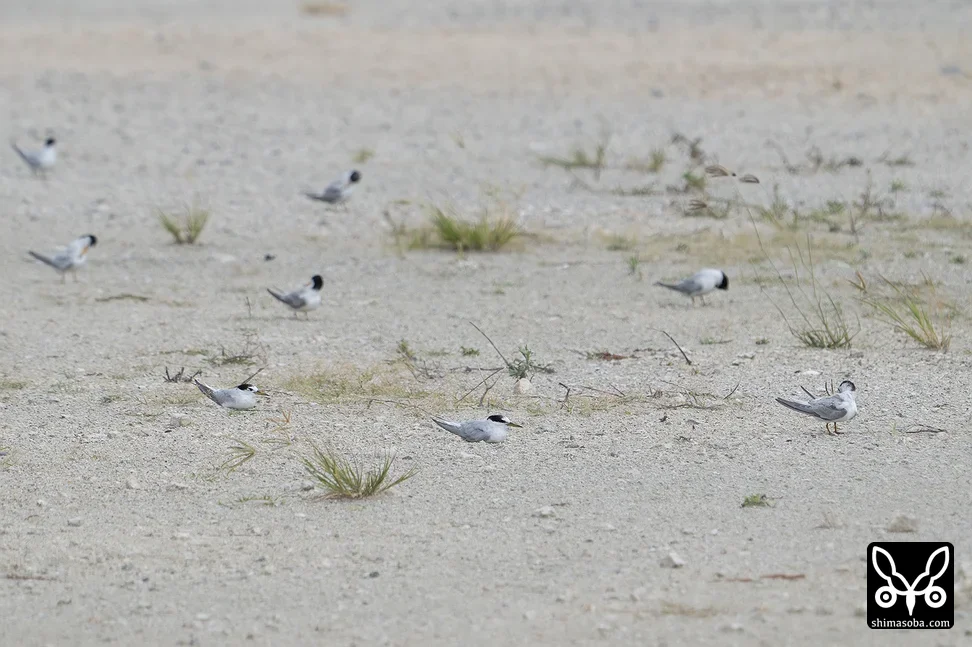
A flock of Little Terns.

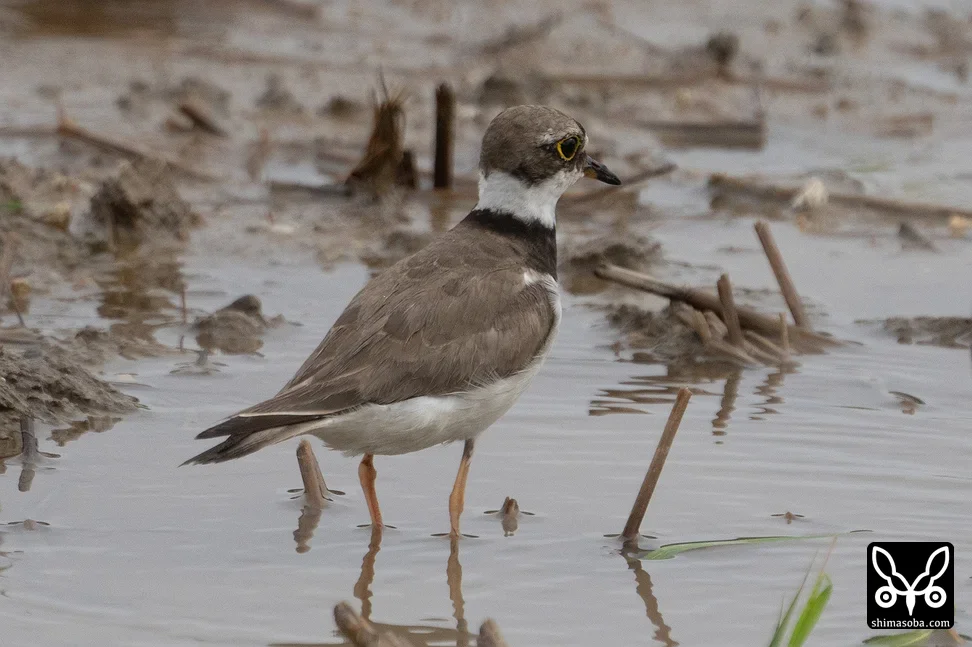
Little Ringed Plover

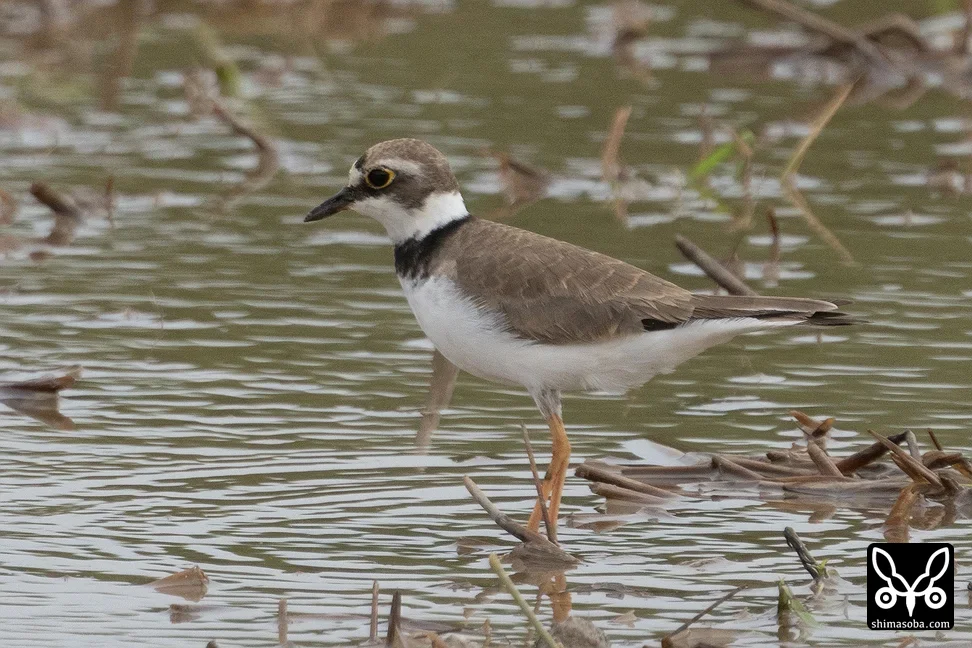
Little Ringed Plover in first-winter plumage.

Little Ringed Plover

Adult Little Ringed Plover. Late summer plumage.

Common Redshank
Common Redshank

It's hard to make out at this distance, but this is a juvenile Common Redshank — the first of the season.

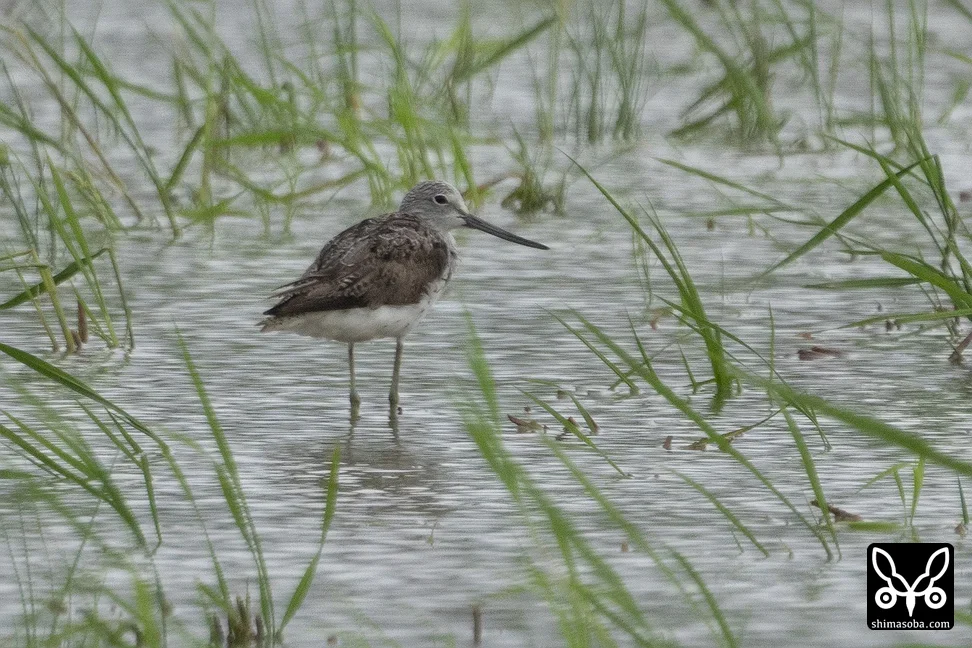
Common Greenshank
Common Greenshank

Common Greenshank in late summer plumage.

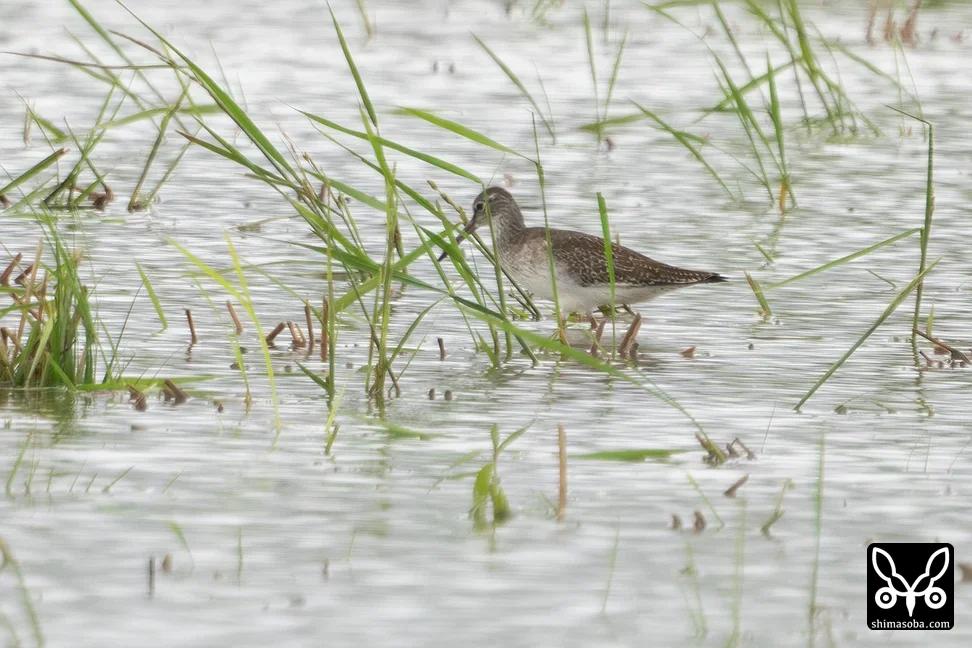
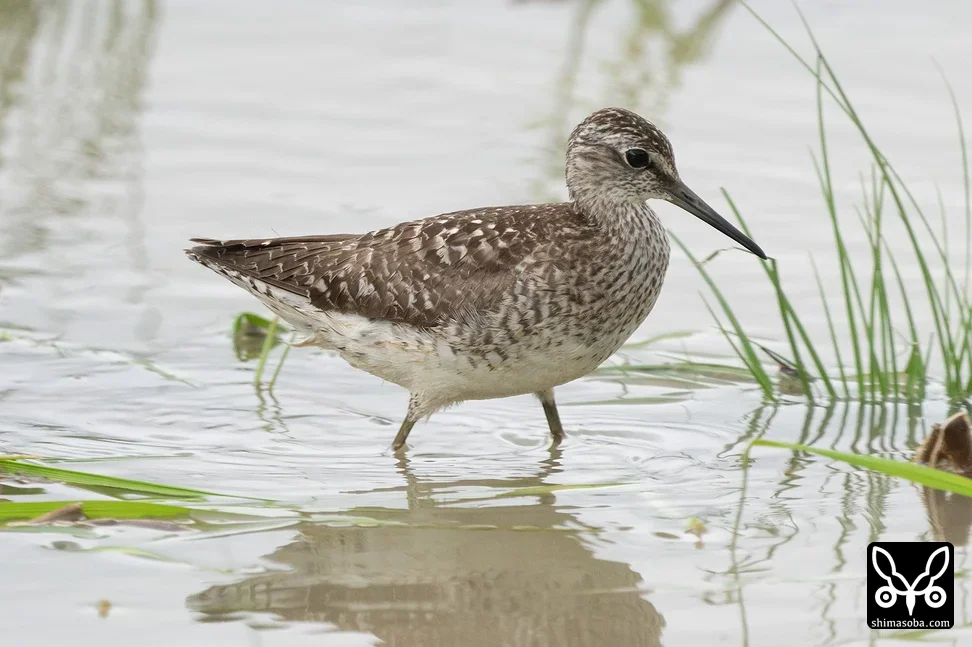
Wood Sandpiper
Wood Sandpiper

Wood Sandpiper in late summer plumage.

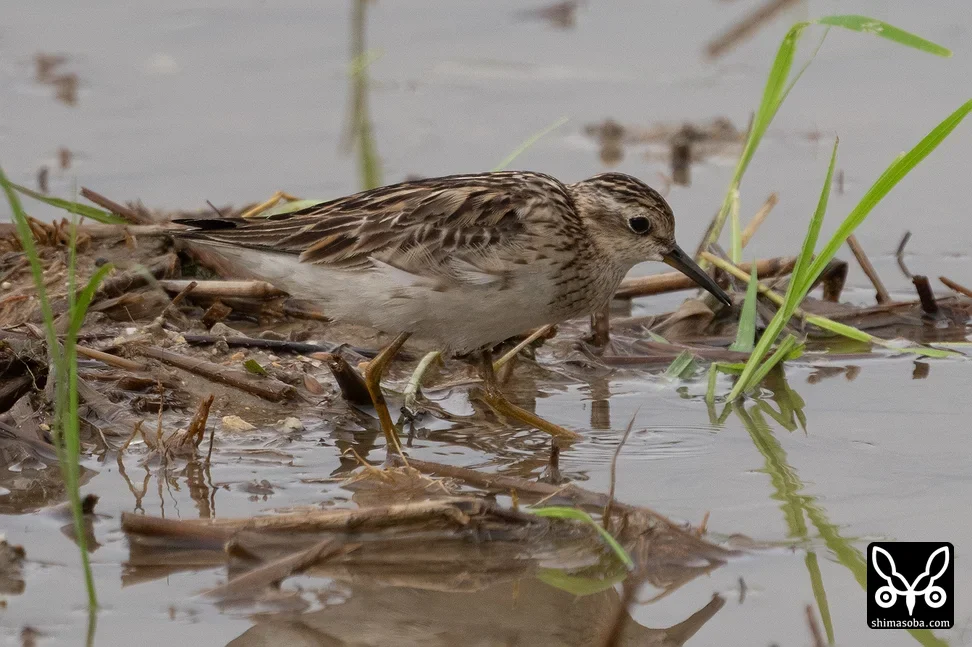
Long-toed Stint
Long-toed Stint

Long-toed Stint numbers are increasing too.

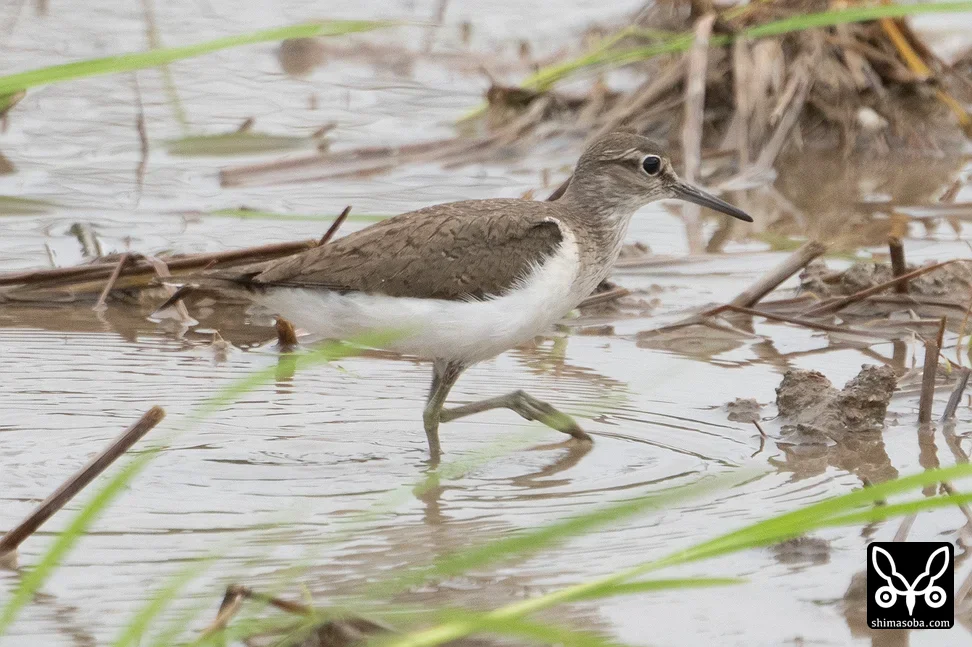
Common Sandpiper
Common Sandpiper

Common Sandpiper in late summer plumage.

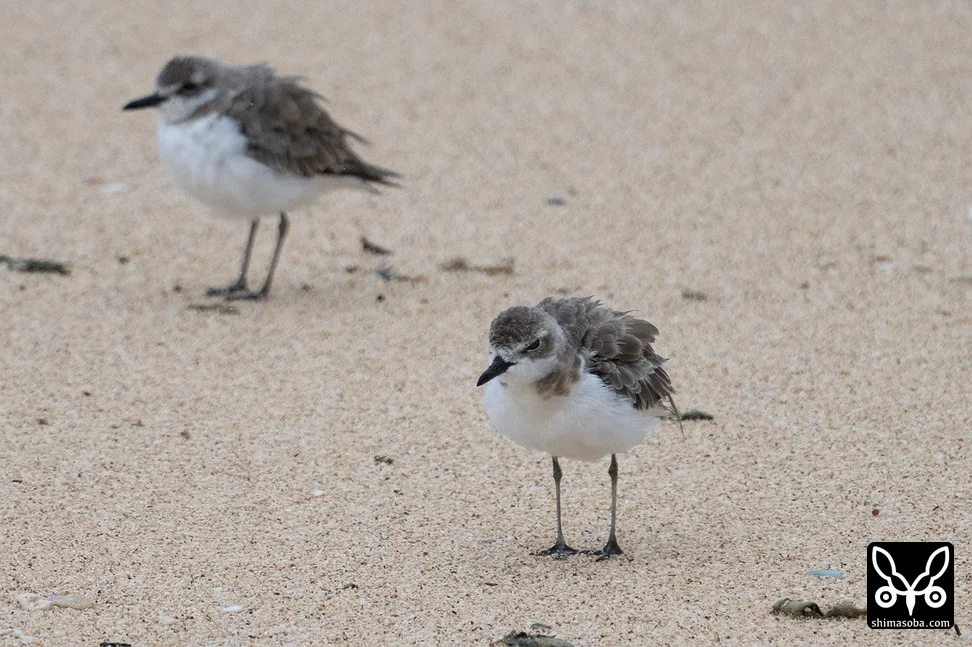
Greater Sand Plover
Greater Sand Plover

Greater Sand Plover. Transitioning from summer to winter plumage.

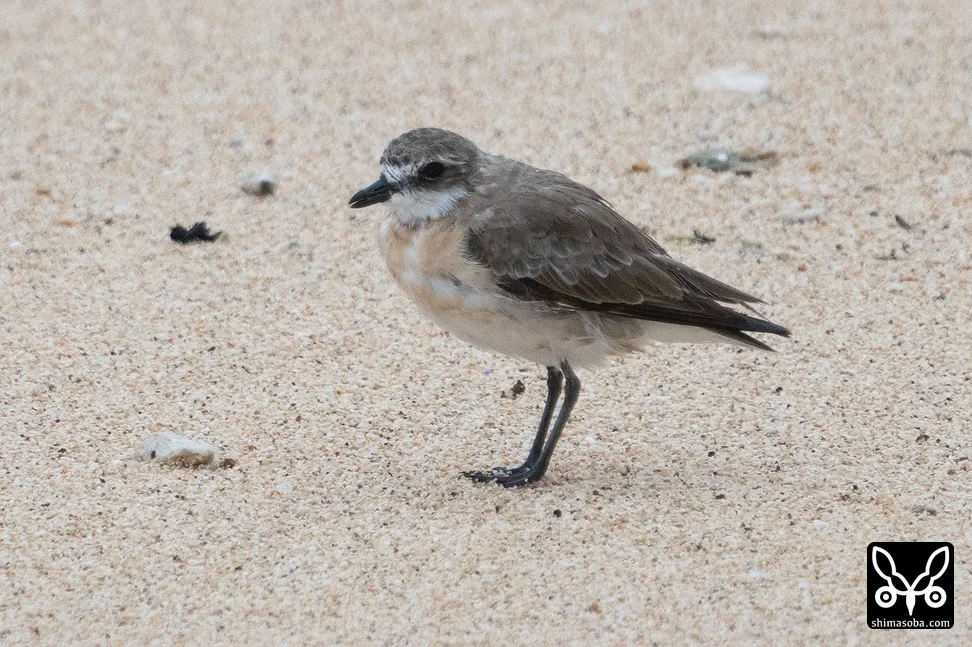
Lesser Sand Plover
Lesser Sand Plover

Lesser Sand Plover in late summer plumage.

Red-necked Stint
Red-necked Stint

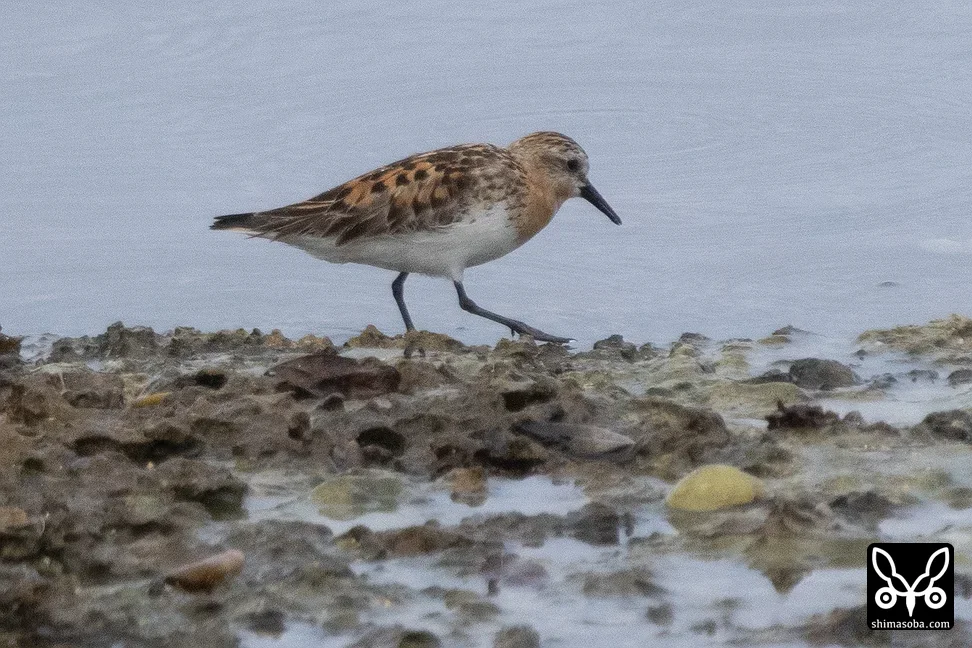
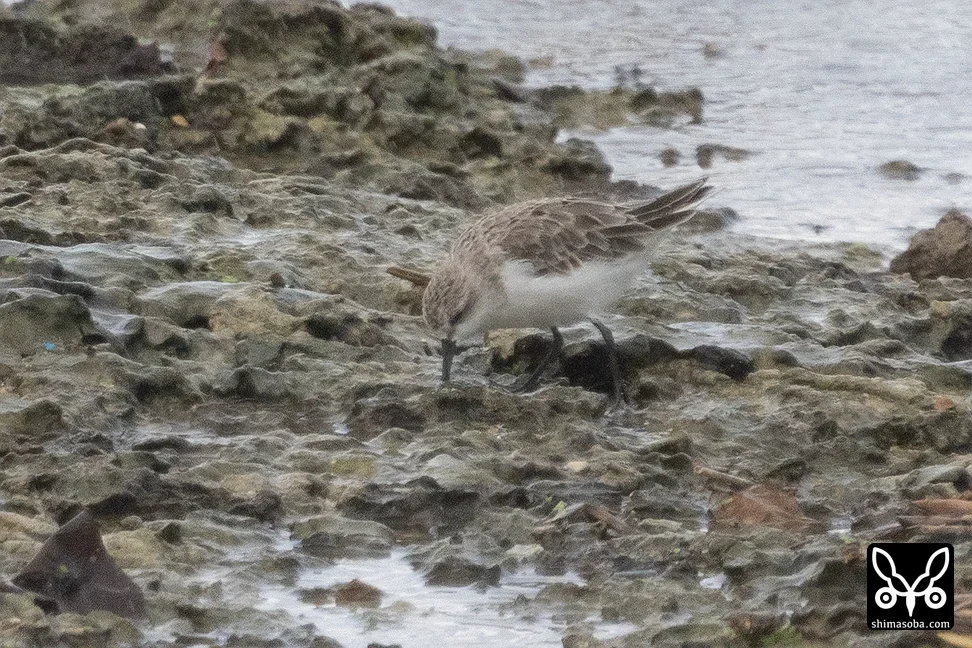
Red-necked Stint in summer plumage.

Red-necked Stint
Red-necked Stint

Red-necked Stint, first-summer plumage.

Grey-tailed Tattler
Grey-tailed Tattler

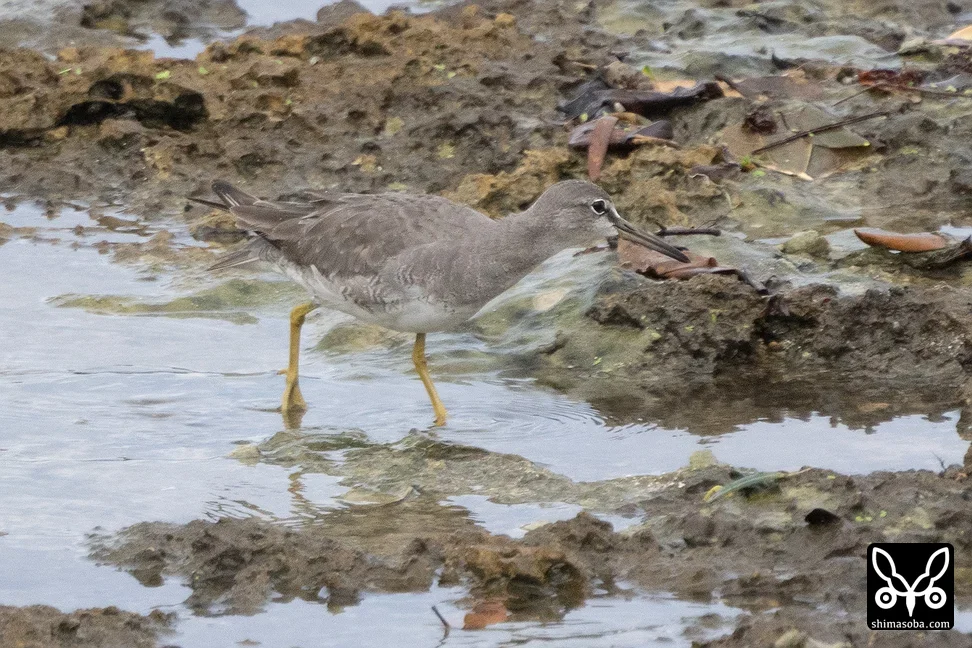
Grey-tailed Tattler transitioning from breeding to non-breeding plumage.

Categories: 野鳥

The eighth Ryukyu Scops Owl pair of the season

I found my eighth Ryukyu Scops Owl pair of the season. I had gone to check on a brood of Northern Boobook chicks that had fledged a few days earlier when I came across them by chance. Both the male and female were outside the nest, so I suspect the chicks are due to fledge very soon.

Ryukyu Scops Owl
Ryukyu Scops Owl

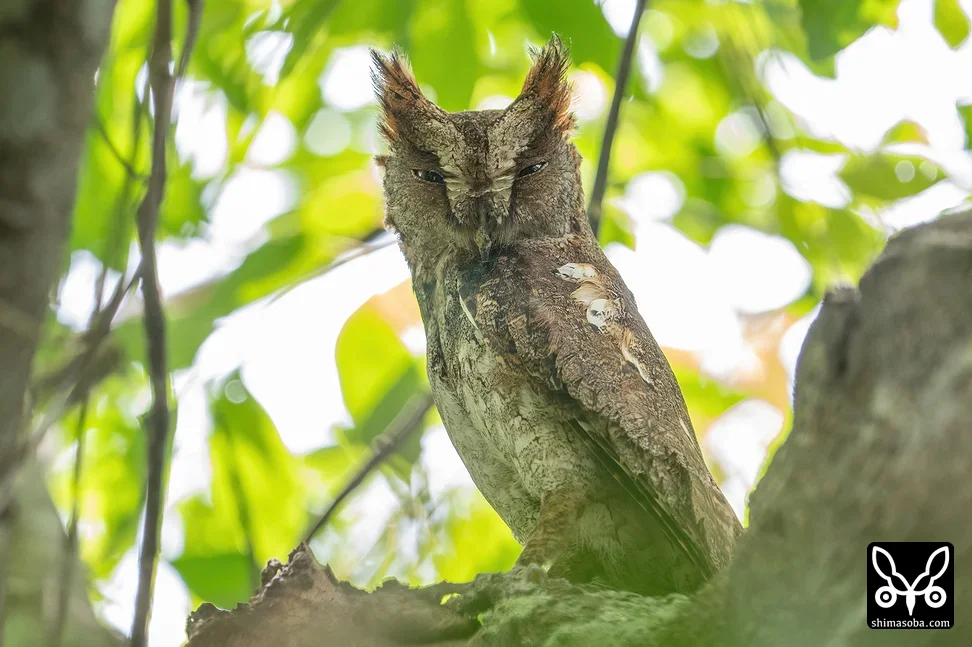
Ryukyu Scops Owl, female.

Ryukyu Scops Owl
Ryukyu Scops Owl

The male, paired with the bird above. Both birds are outside the nest, so fledging appears to be imminent.
Northern Boobook
Northern Boobook

Male Brown Hawk-Owl. Three recently fledged chicks are nearby.

Ruddy Kingfisher
Ruddy Kingfisher

A singing Ruddy Kingfisher. Most pairs have finished raising their young, but three pairs are still incubating.

Ruddy Kingfisher
Ruddy Kingfisher

A Ruddy Kingfisher looking ragged as its moult progresses and feathers fall out.
Categories: 野鳥

Fledgling Cinnamon Bitterns, Purple Heron and Malayan Night Heron; migrating Eastern Cattle Egret and Medium Egret

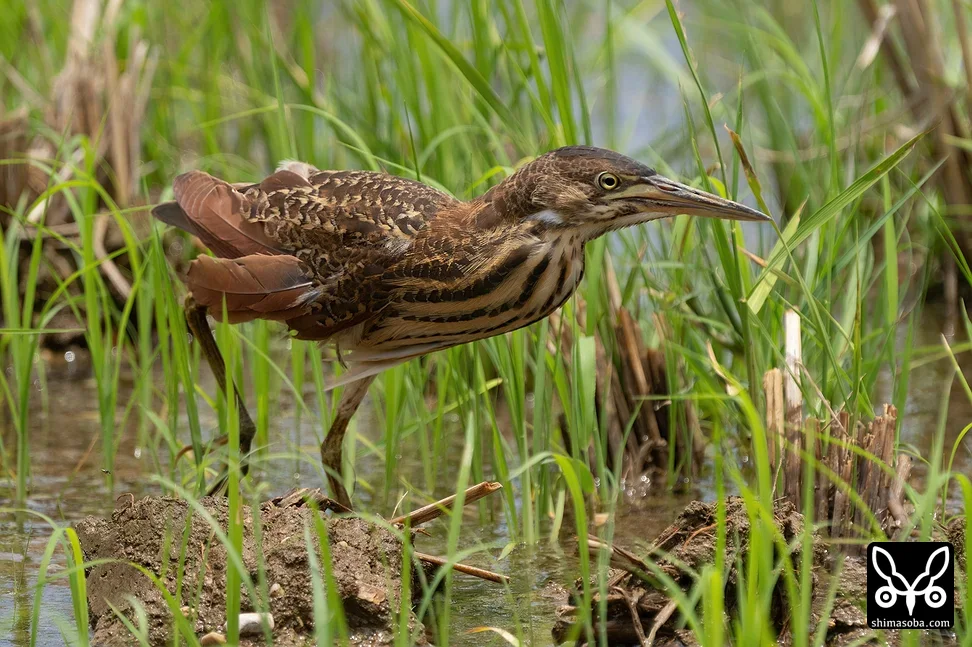
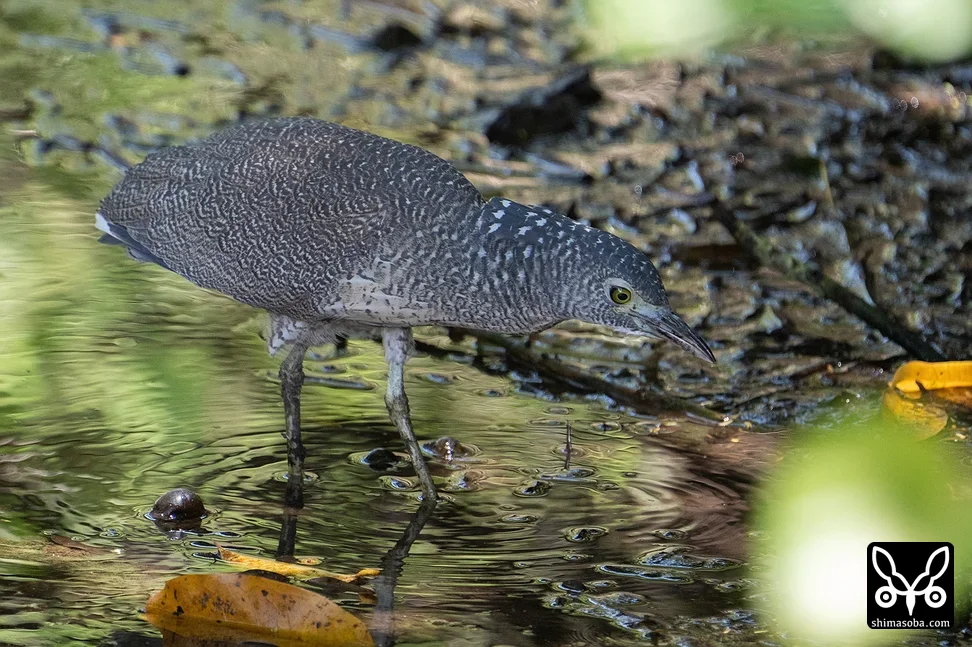
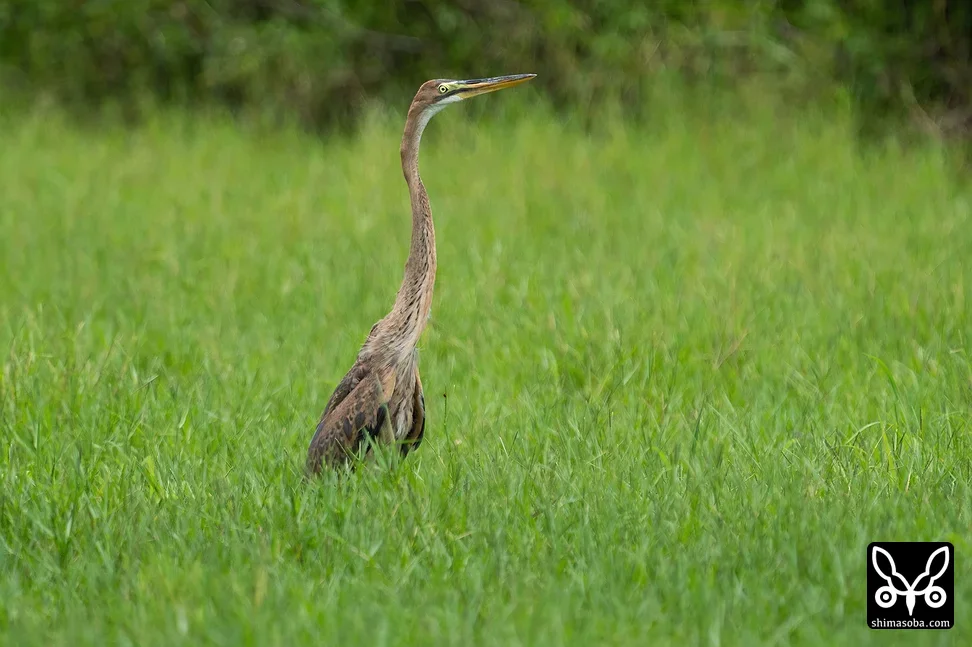
Three juvenile Cinnamon Bitterns were in rice paddies in the same area — likely three siblings. A juvenile Purple Heron was nearby. In the forested hills, Malayan Night Herons are breeding; two fledglings appear to have left their parents.
Yellow Bittern
Yellow Bittern

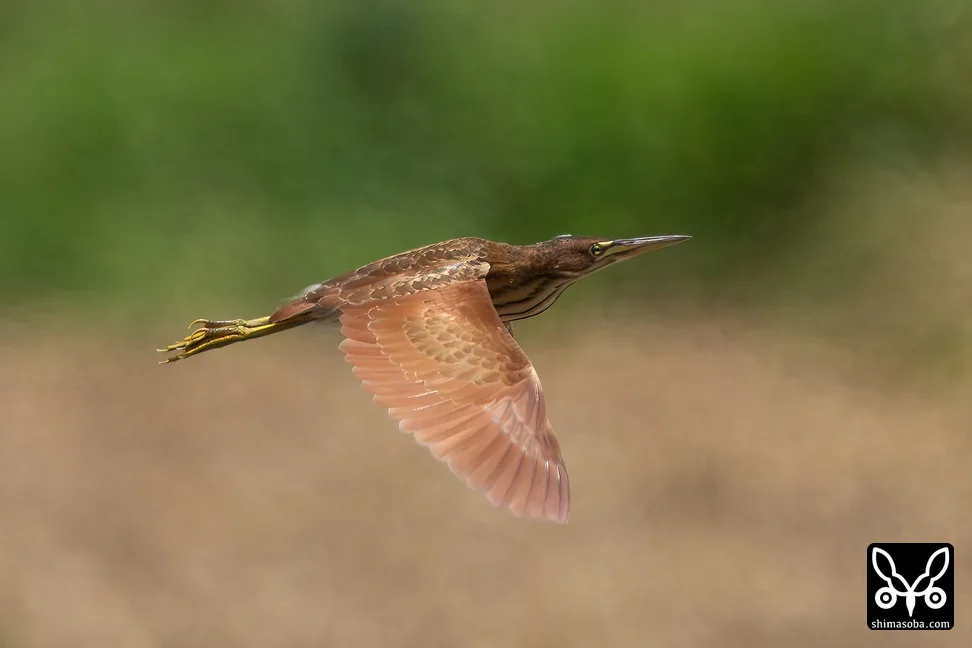
A juvenile Ryukyu Least Bittern. The feathers are ragged — moult seems to be proceeding rapidly.

Yellow Bittern
Yellow Bittern

A juvenile Ryukyu Least Bittern that flew past right in front of me.

Yellow Bittern
Yellow Bittern

I went over to where the bird above had landed, and there it was. White down still remains on the head and tertials.

Yellow Bittern
Yellow Bittern

A different individual. White down also still remains on the head and tertials.

Purple Heron
Purple Heron

A juvenile Purple Heron. Encounters will become more frequent from here on.

Malayan Night Heron
Malayan Night Heron

A juvenile Ryukyu Night Heron. On its own now, catching tadpoles or something in a shallow puddle.

Eastern Cattle Egret

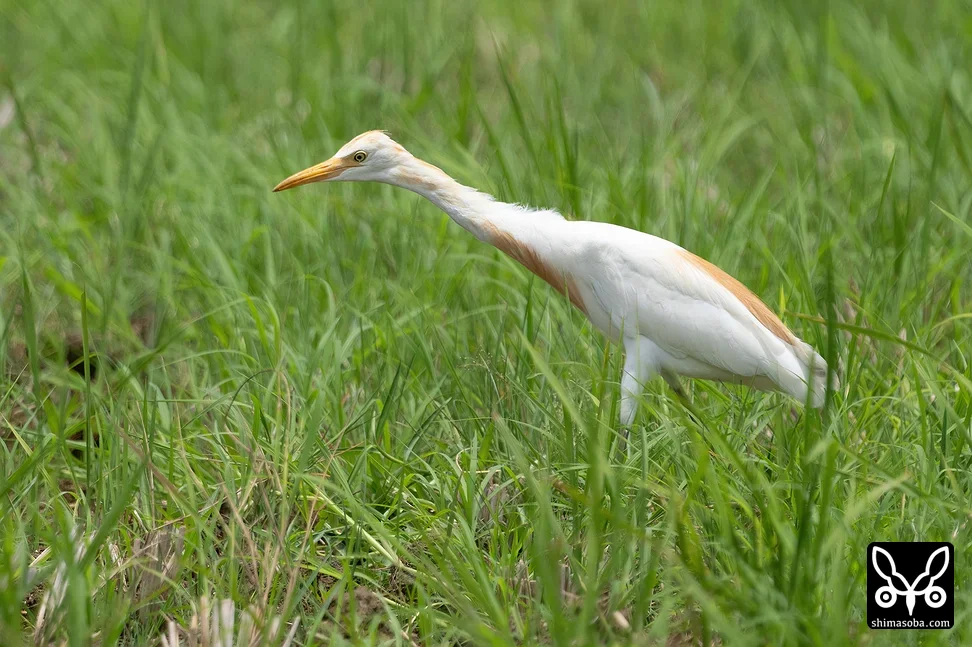
Eastern Cattle Egret, transitioning from summer to winter plumage.

Intermediate Egret
Intermediate Egret

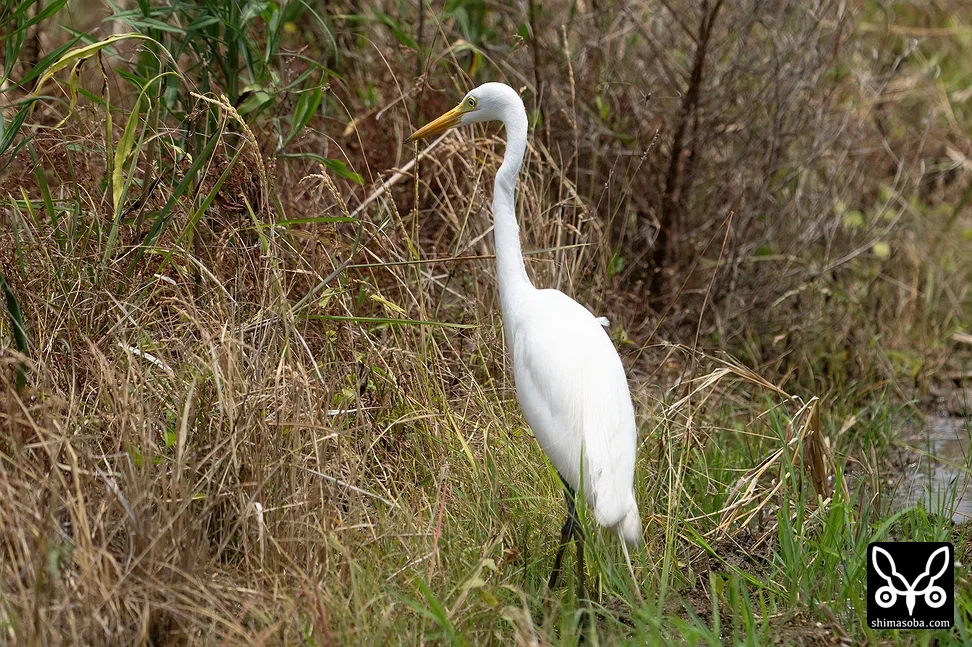
Intermediate Egret, summer plumage.

Categories: 野鳥