A daily record.
Featuring photos of wild birds and nature, mainly from Okinawa Main Island and Ishigaki Island

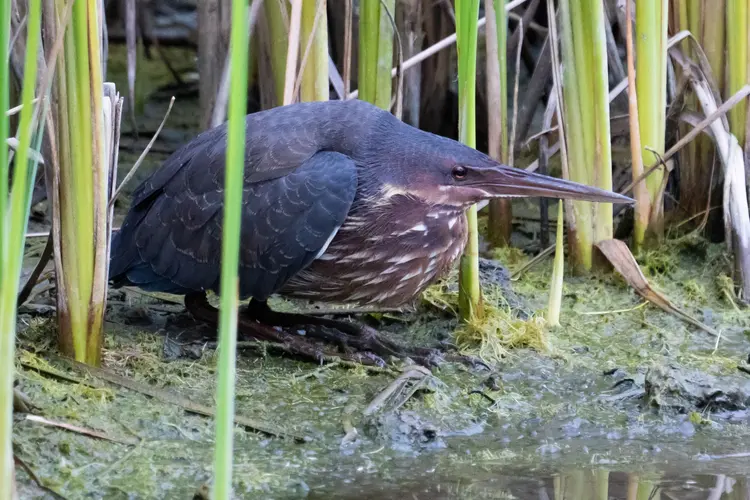
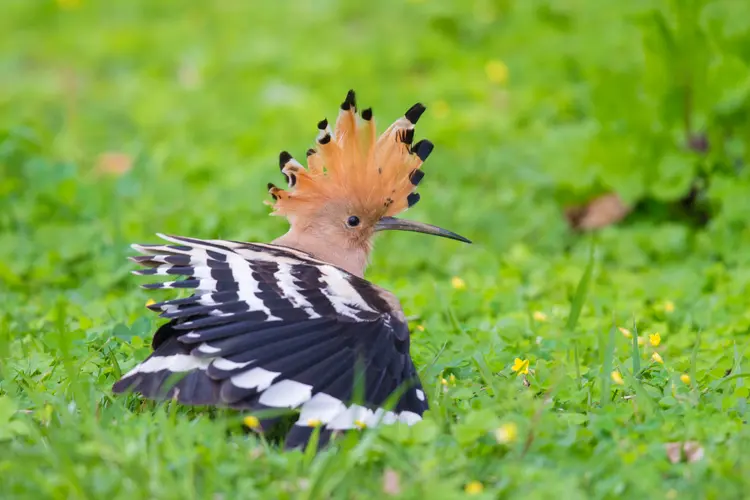
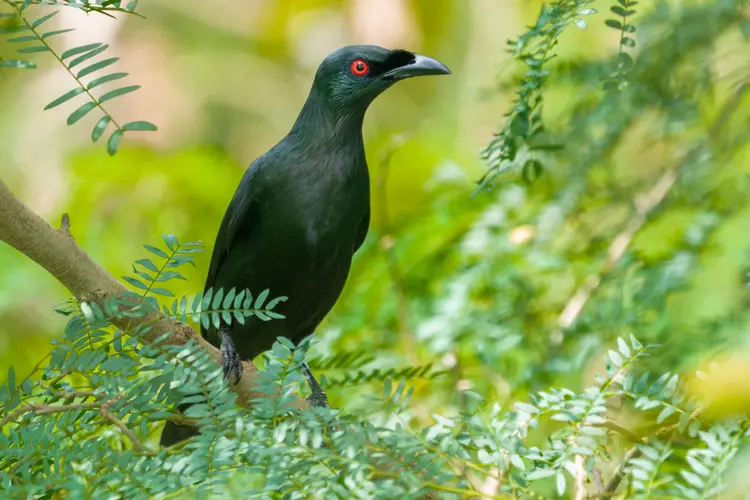
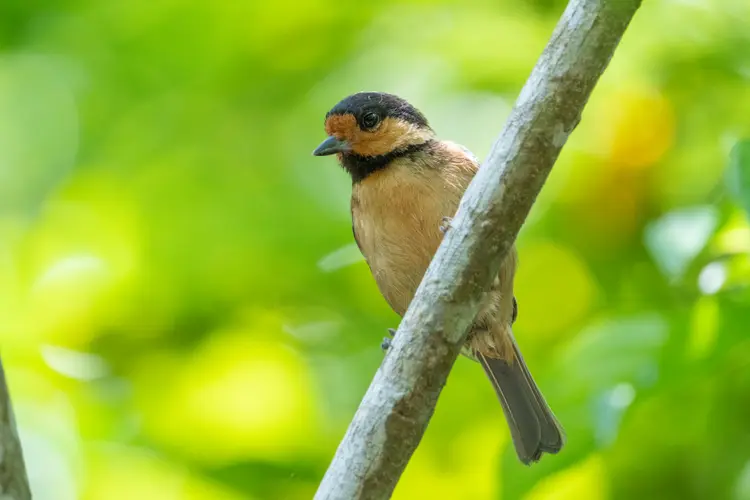
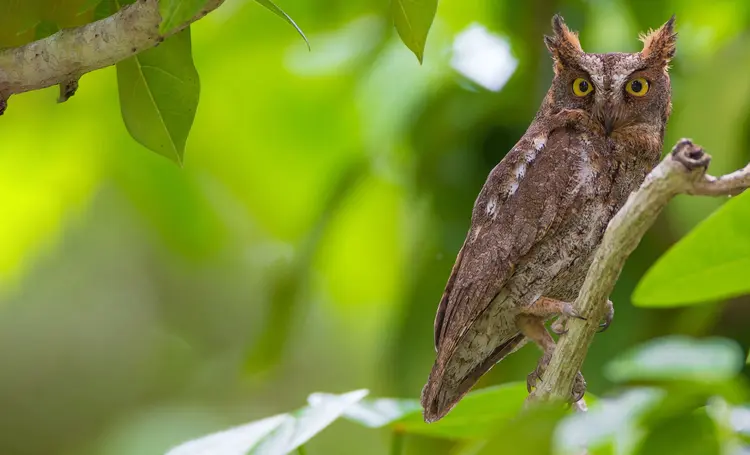
Black Bittern Eurasian Hoopoe Asian Glossy Starling Iriomote Tit Ryukyu scops owl

GUIDED BIRDWATCHING TOUR

Go where the birds are. The SHIMASOBA Tour launches.

We'll drive you around Ishigaki Island to wherever the birds are showing best that day. Observation is mostly from inside the vehicle, and we keep it to a maximum of 3 guests so everyone can take their time.

Max. 3 guests 4 hours in the morning Beginners welcome
Check availability and book

Ryukyu Scops Owl on Okinawa Main Island

I went birding on the side of a work trip to Okinawa Main Island to cover the general election. The confirmed result for Okinawa District 4 came in just after 11 p.m. I quickly wrote and filed the article, returned to the hotel for a shower, then arrived in Yambaru just after 3 a.m.

It was my first night search in Yambaru in nearly three years, but hitting two reliable spots I encountered three Ryukyu Scops Owls. I had forgotten my flash, so I managed to photograph them using the rental car's headlights and a handheld torch. Before 5 a.m. I caught a short nap in the car. On the way back I stopped at Kin and Awase Tidal Flats and saw Eurasian Curlew, Far Eastern Curlew, ducks, snipe and other waders.
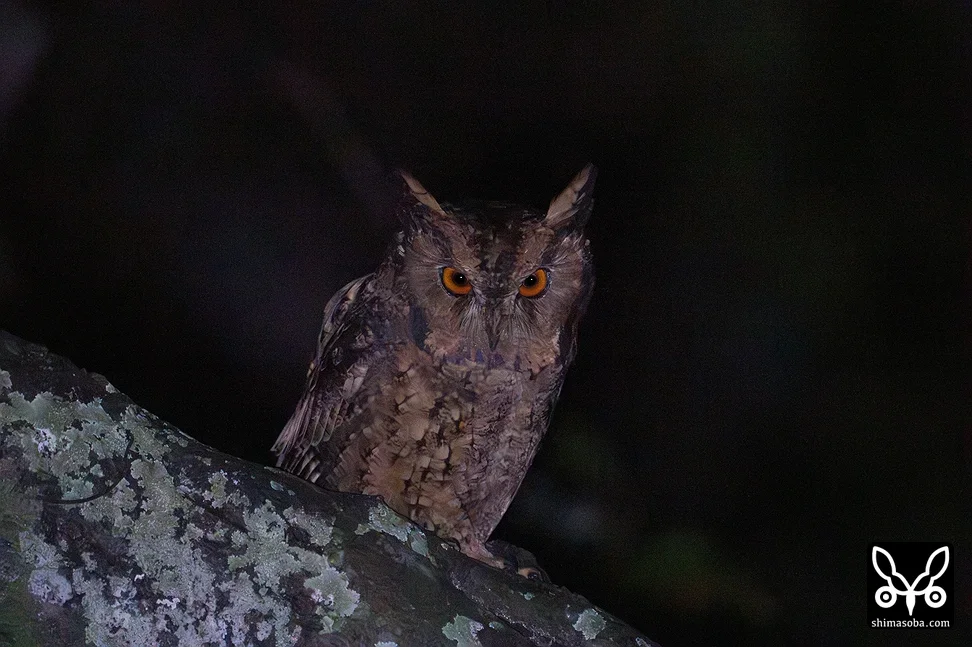
Japanese Scops Owl
Japanese Scops Owl

I visited the usual spot where Ryukyu Scops Owls breed, and sure enough one was there. I was also able to hear the well-known descending call: "Wok, wok, wok, woh."
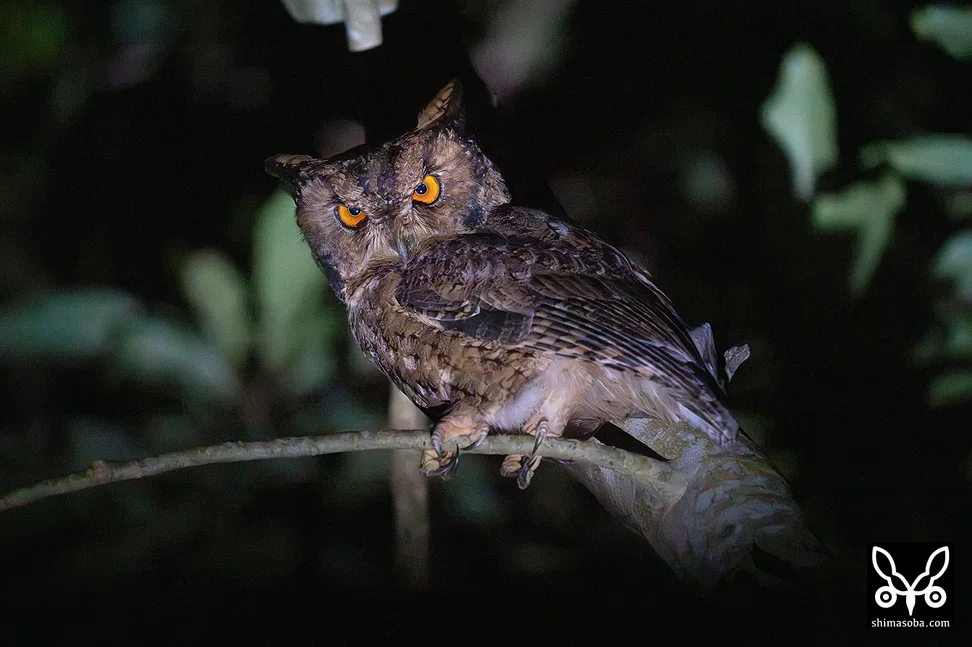
Japanese Scops Owl
Japanese Scops Owl

Shot with a handheld light. LED lights really do throw the colours off. Same individual as above.
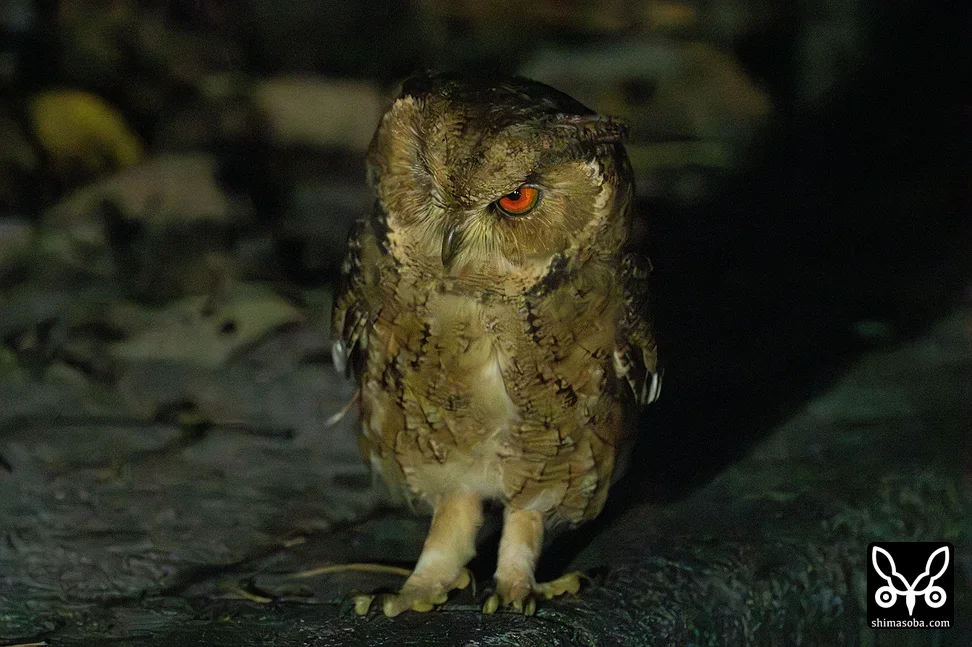
Japanese Scops Owl
Japanese Scops Owl

A Ryukyu Scops Owl that had come down to the ground. The Ryukyu Scops Owl's calls are more varied than those of the Ryukyu Scops Owl [Elegant Scops Owl] or Brown Hawk-Owl; this one was calling "Mew, mew, mew." It is the same as the call recorded in January 2022.
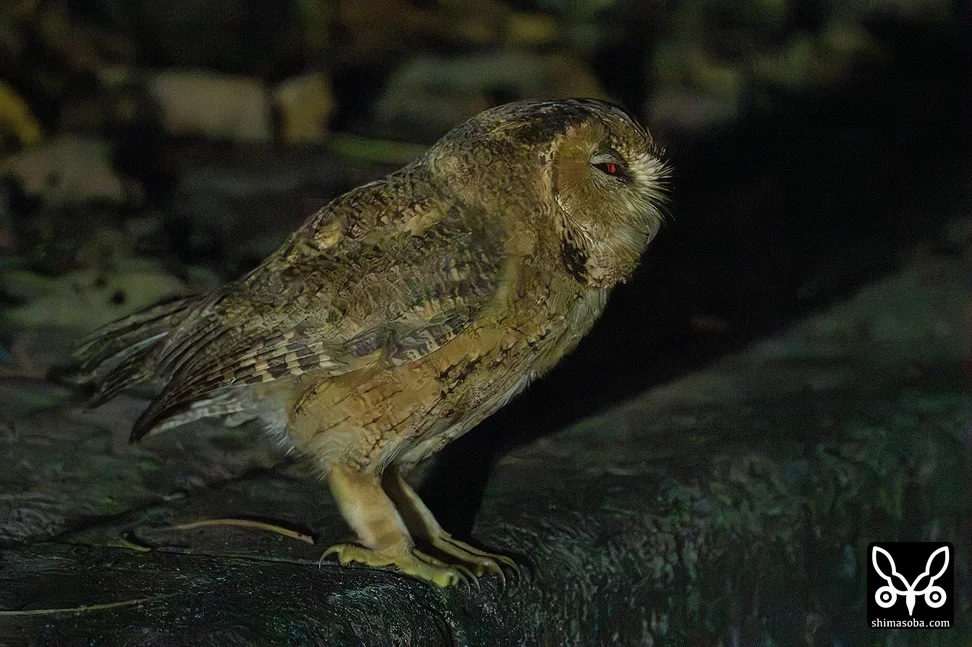
Japanese Scops Owl
Japanese Scops Owl

The right eye appears to be injured. Perhaps it was clipped by a passing vehicle at some point. Shot with a rental car's headlights. Again, the colours aren't accurate. Same individual as above.
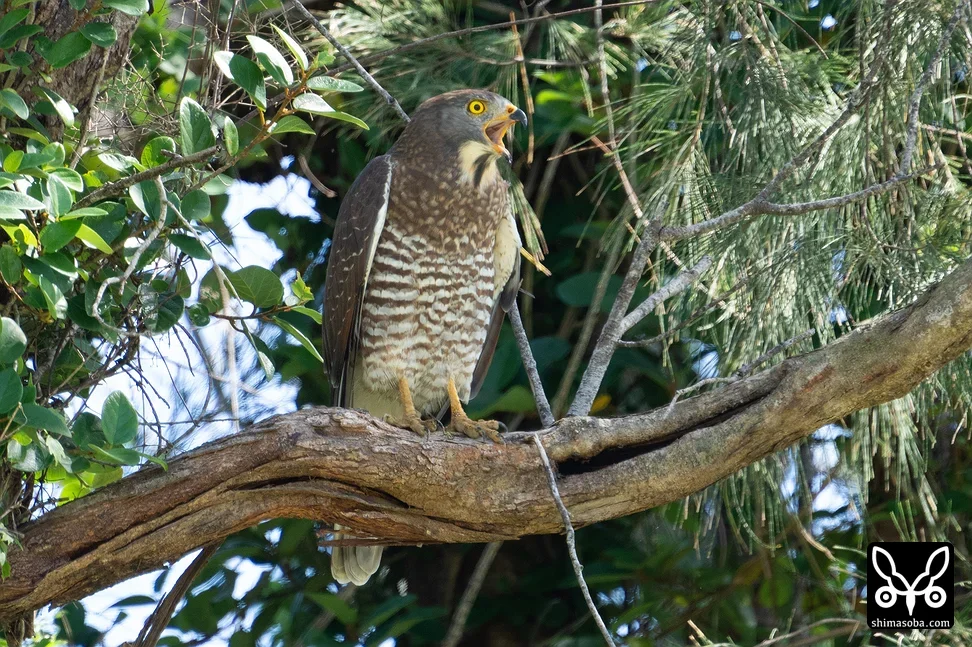
Grey-faced Buzzard
Grey-faced Buzzard

A male Grey-faced Buzzard calling as it was chased by two crows.
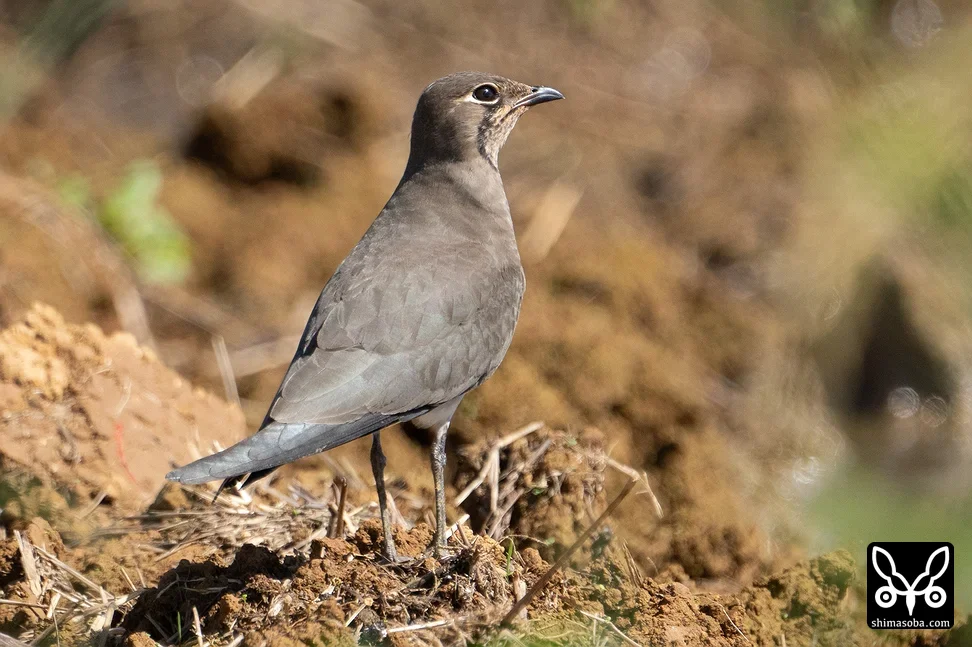
Oriental Pratincole
Oriental Pratincole

Oriental Pratincole in winter plumage. Looks lonely on its own.
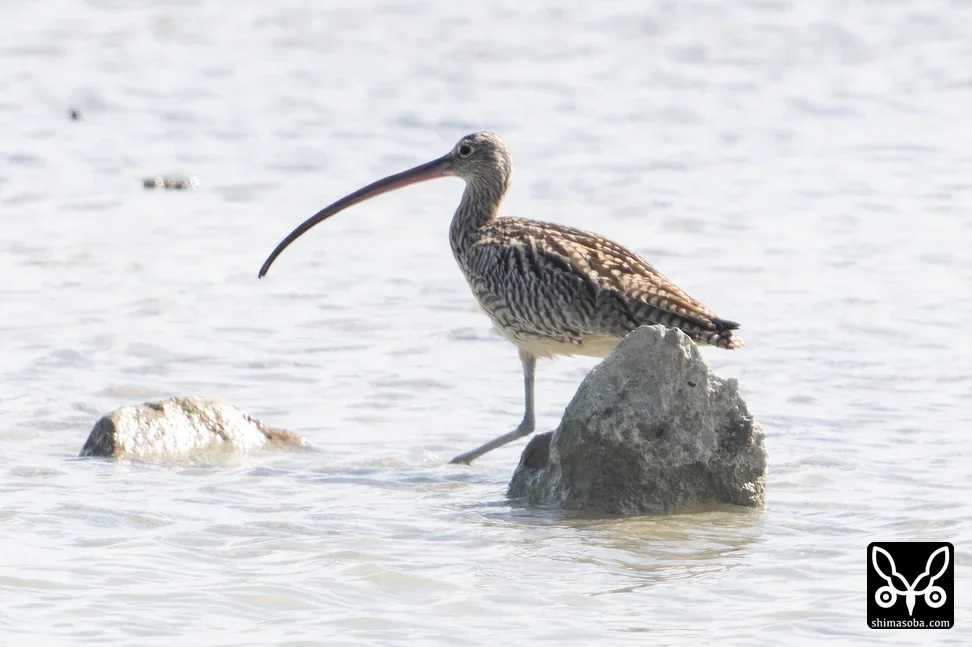
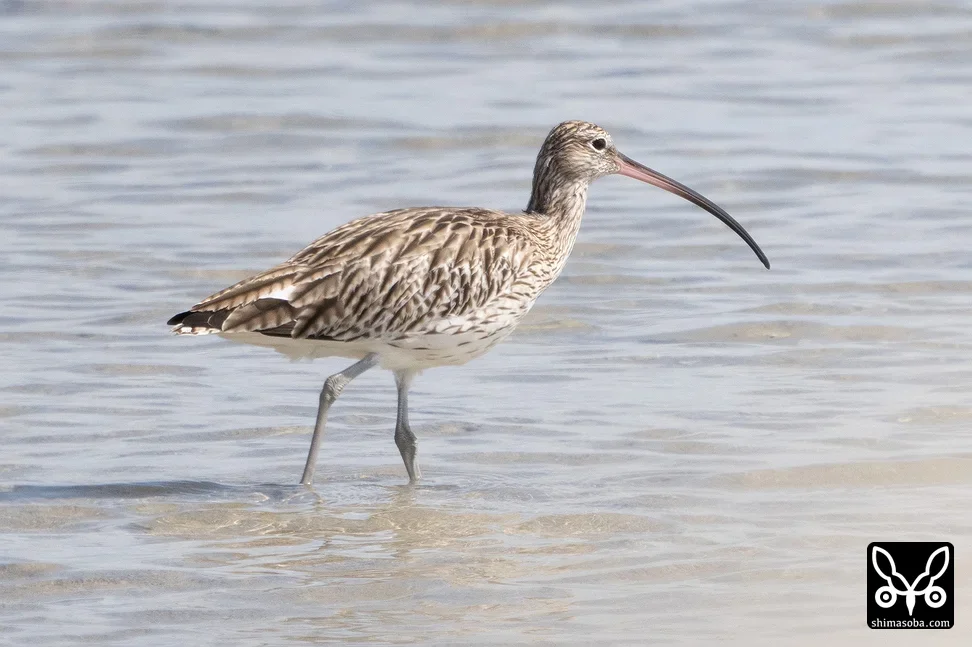
Far Eastern Curlew
Far Eastern Curlew

Far Eastern Curlew adult.

Eurasian Curlew
Eurasian Curlew

Eurasian Curlew adult.

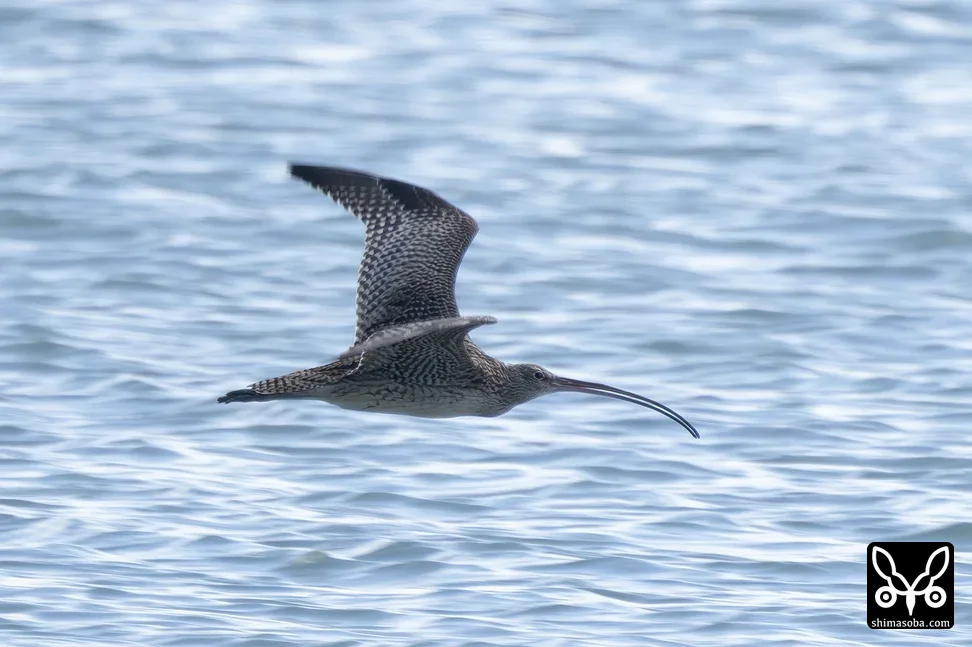
Eurasian Curlew
Eurasian Curlew

A Eurasian Curlew flying over the sea surface. Same individual as above.
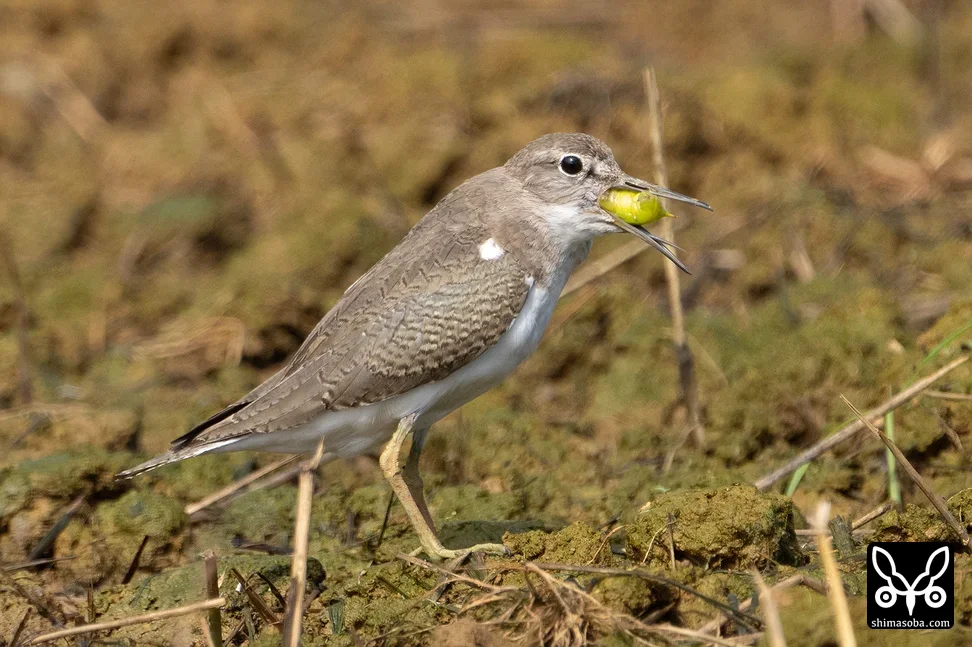
Common Sandpiper
Common Sandpiper

A Common Sandpiper juvenile is doing its best to swallow a large caterpillar.
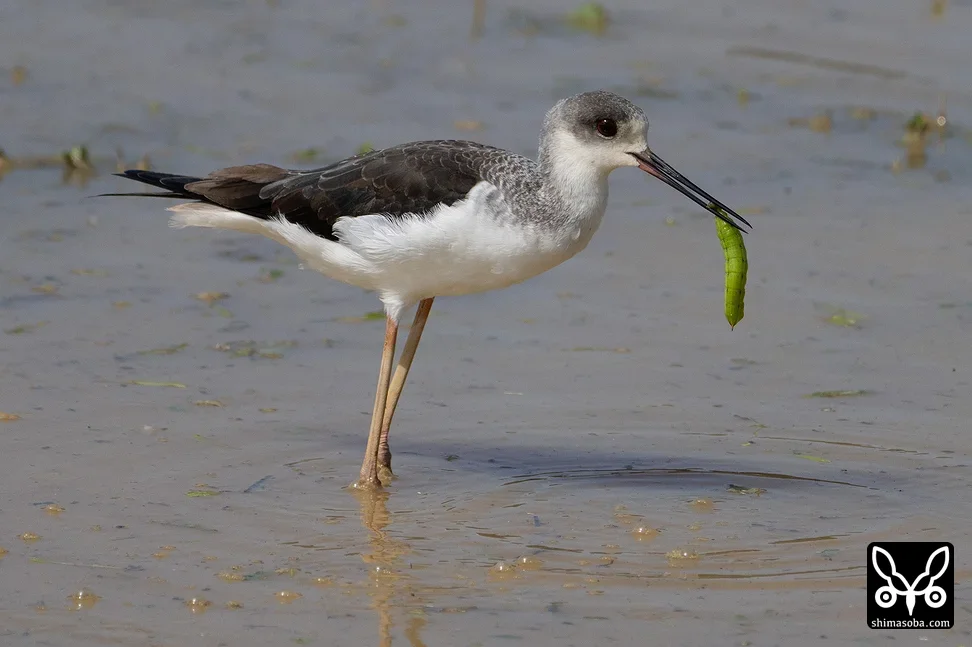
Black-winged Stilt
Black-winged Stilt

A Black-winged Stilt also caught a large caterpillar. It appears to be one found on taro leaves.
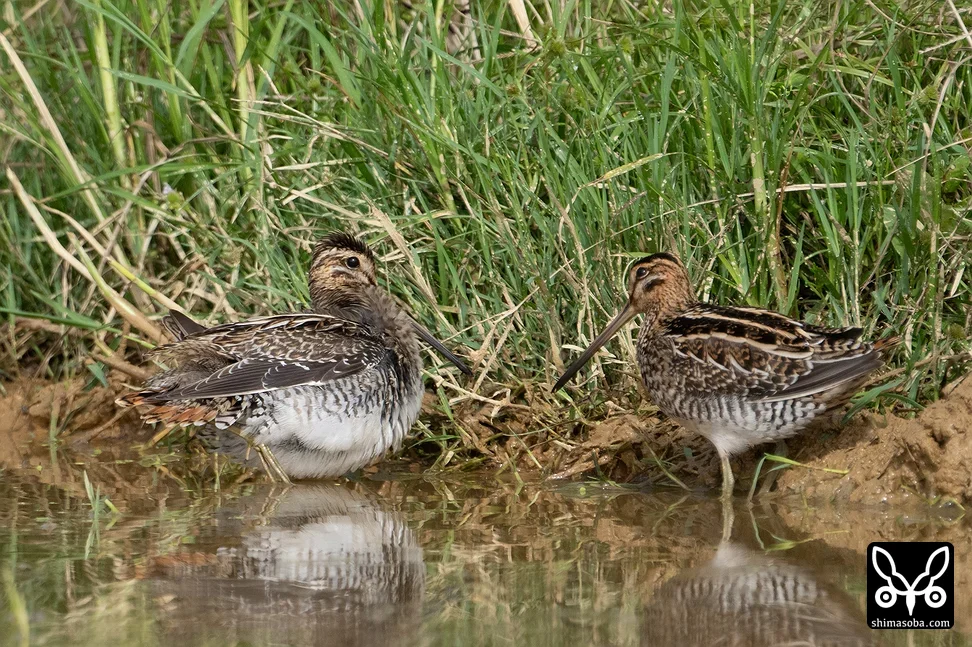
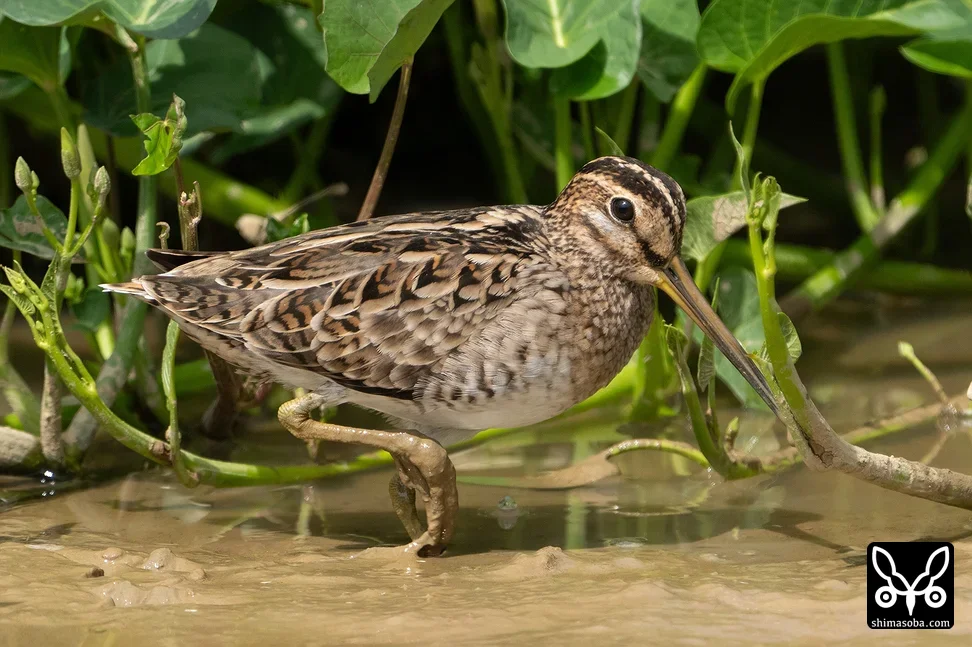
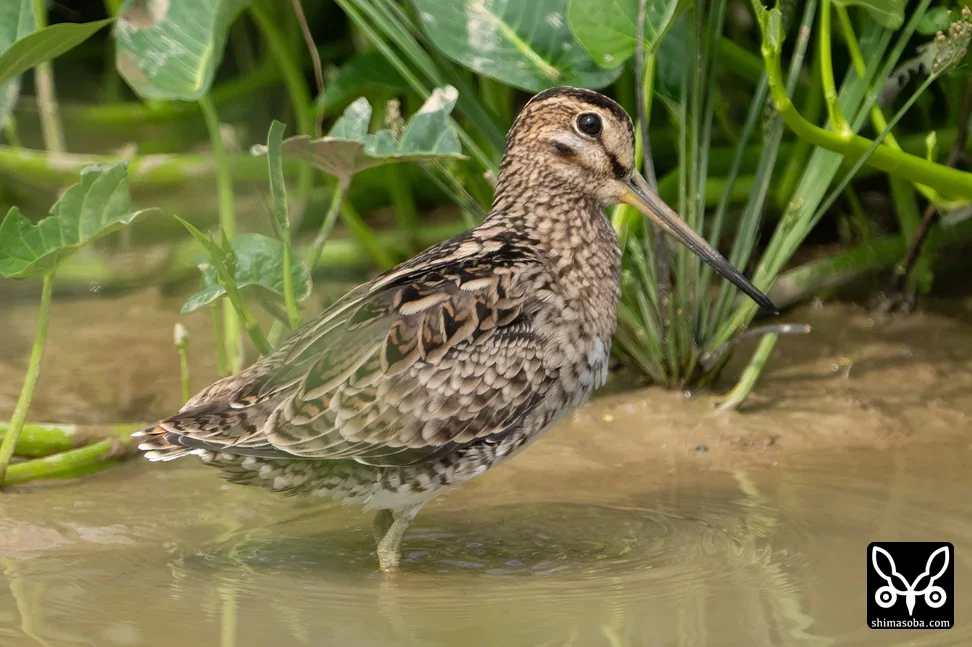
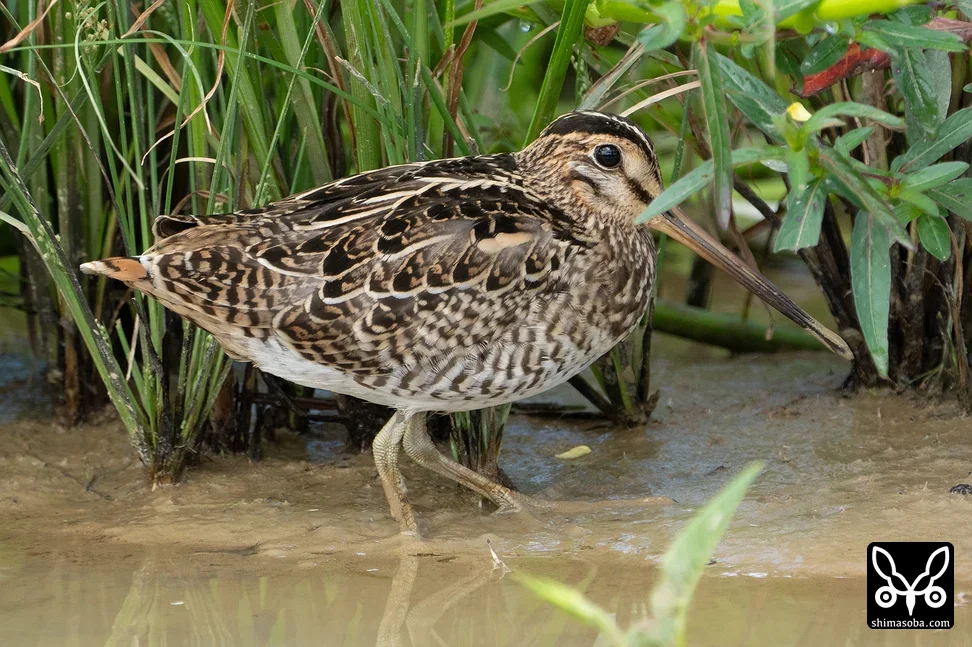
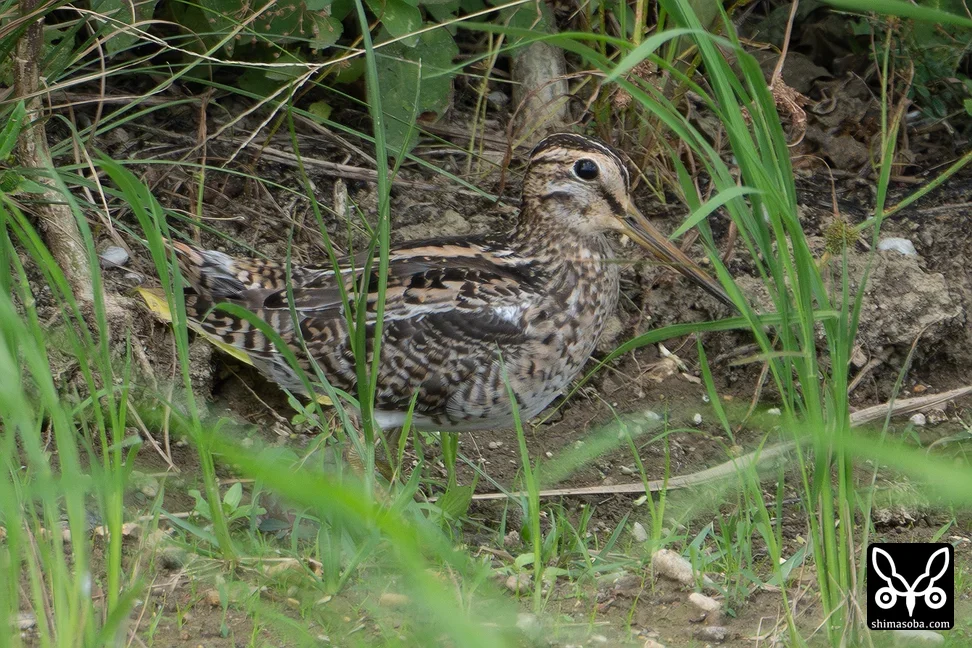
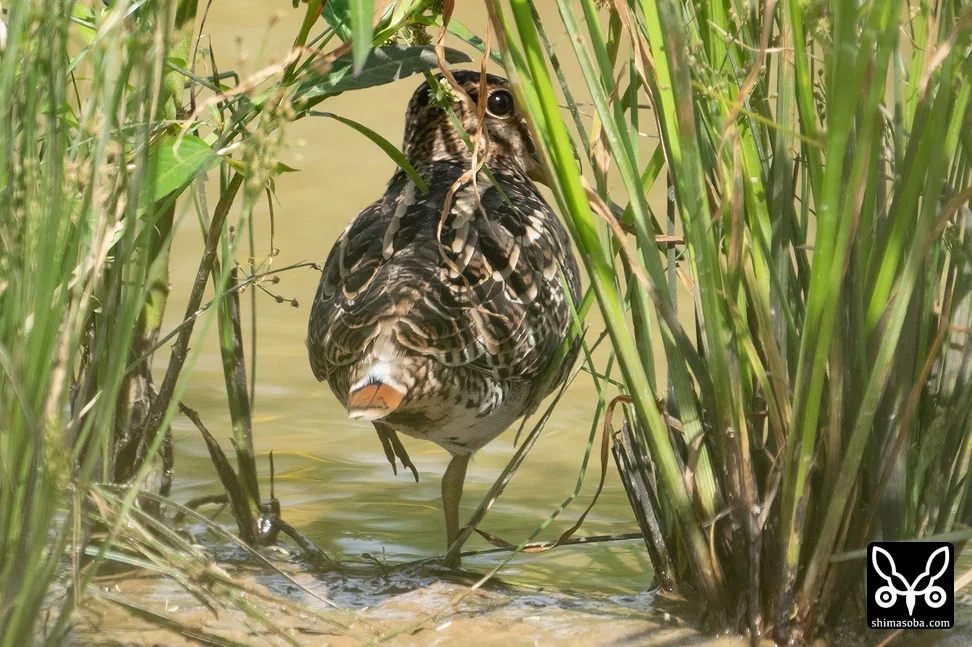
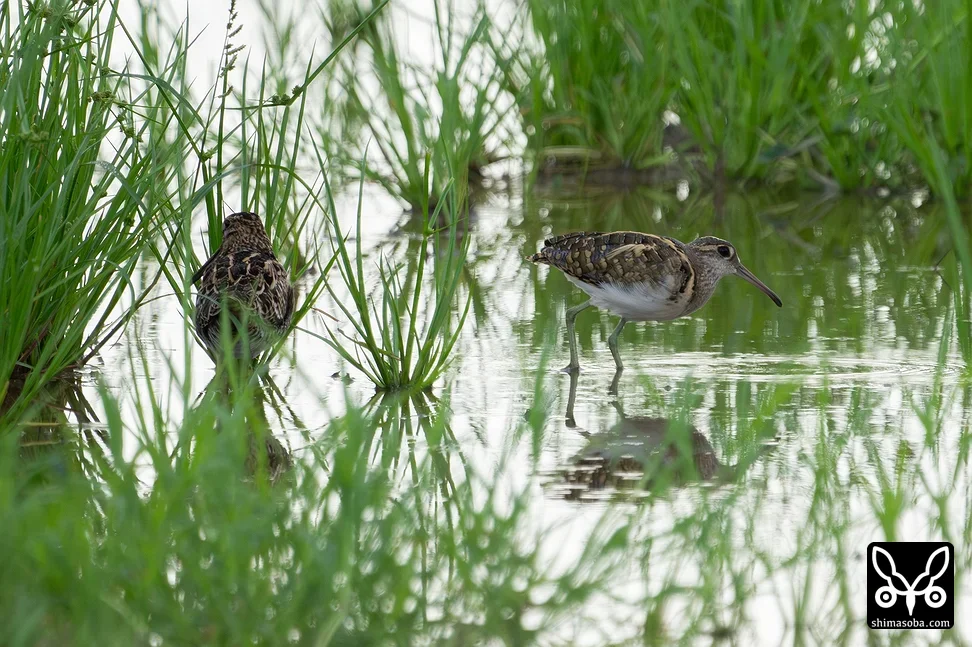
Common Snipe
Common Snipe

I counted nearly 30 snipe, but all were Common Snipe.
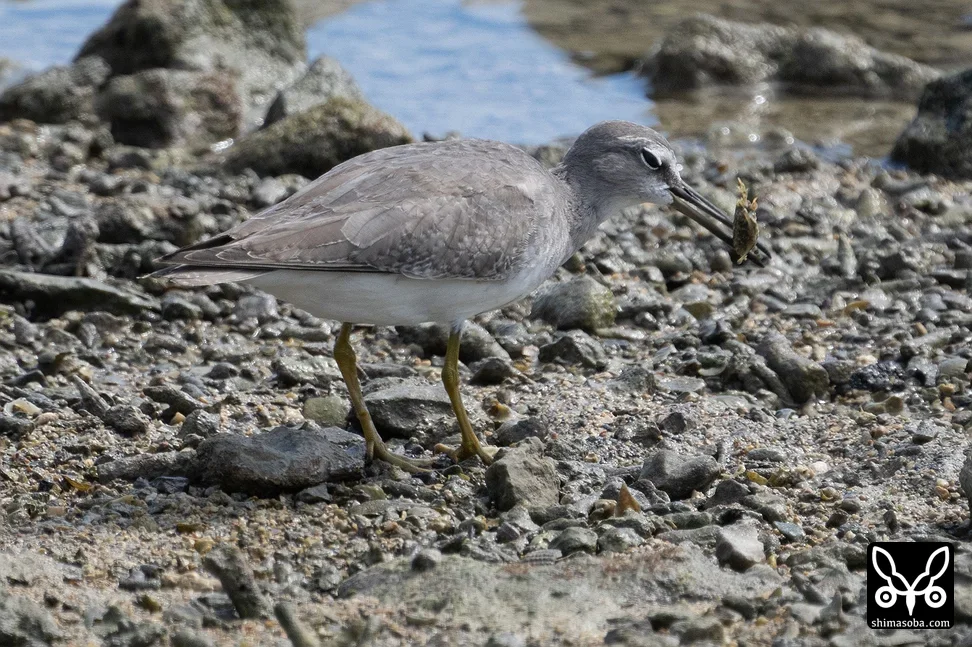
Grey-tailed Tattler
Grey-tailed Tattler

A juvenile Gray-tailed Tattler with a crab it had caught.
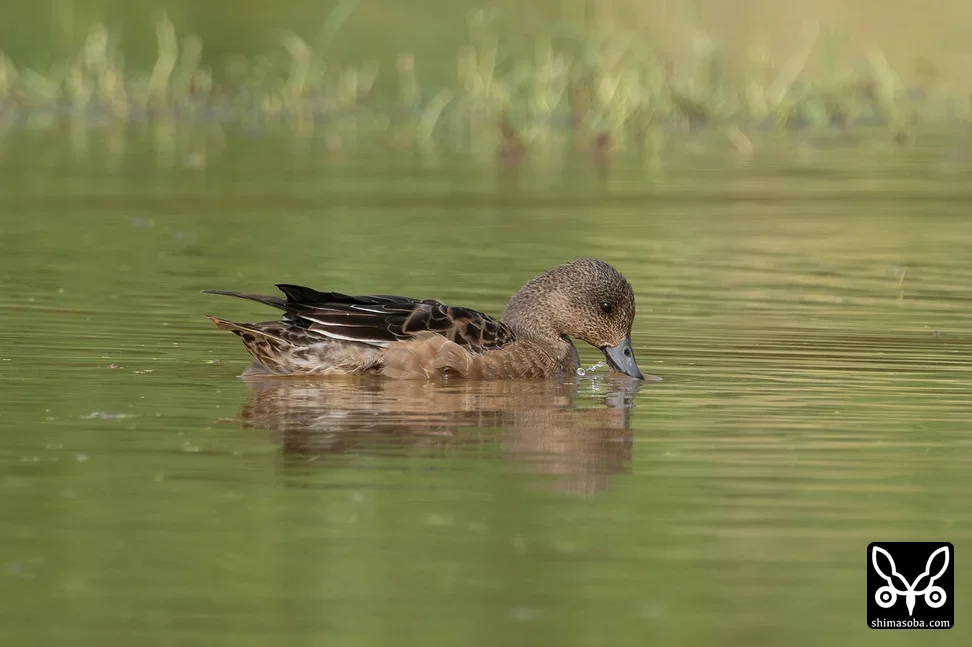
Eurasian Wigeon
Eurasian Wigeon

Adult female Eurasian Wigeon.

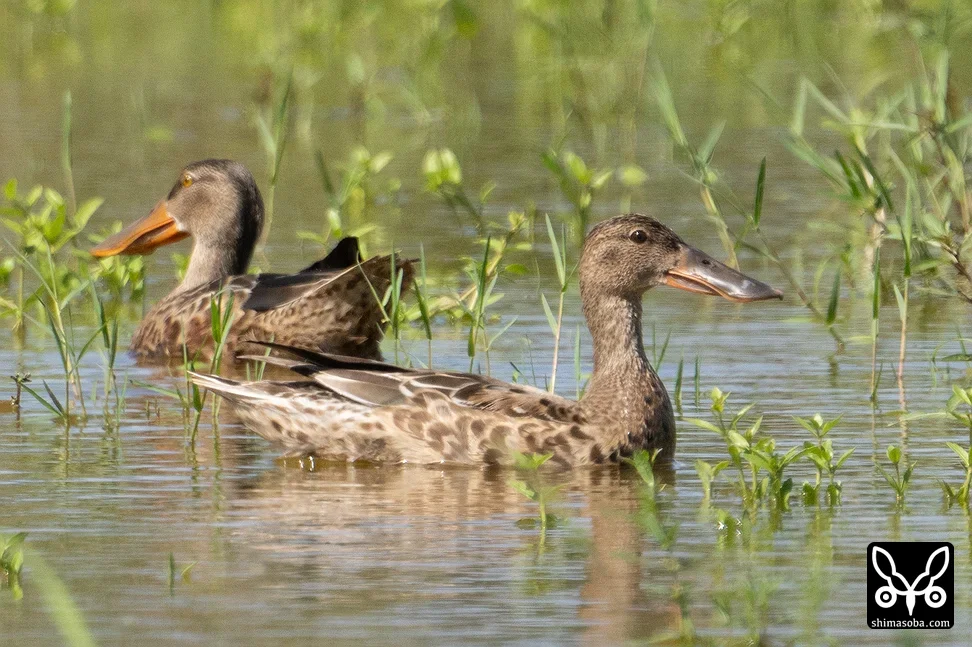
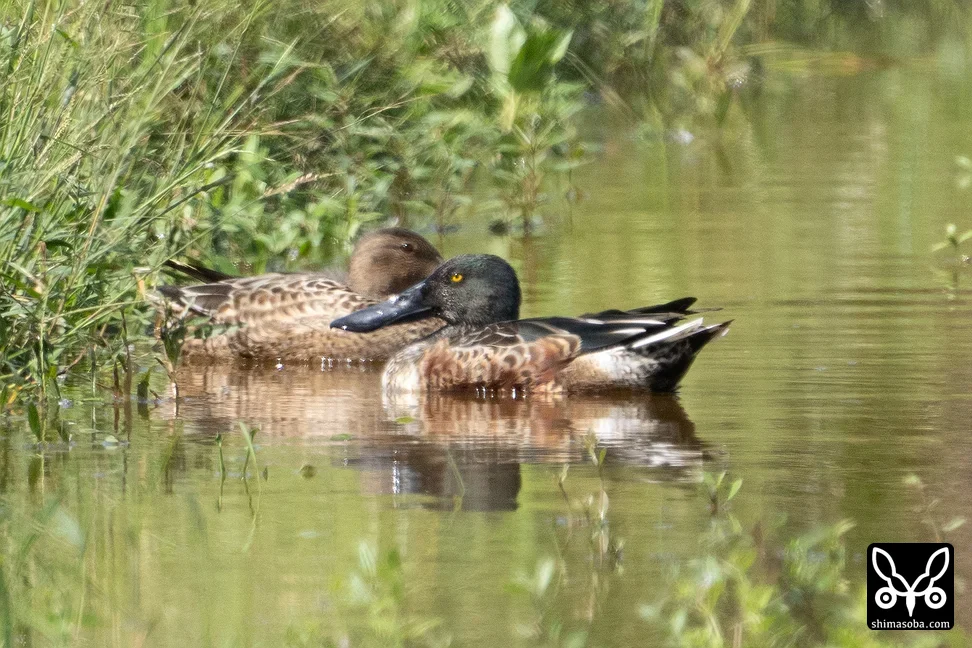
Northern Shoveler
Northern Shoveler

Juvenile female Northern Shoveler.

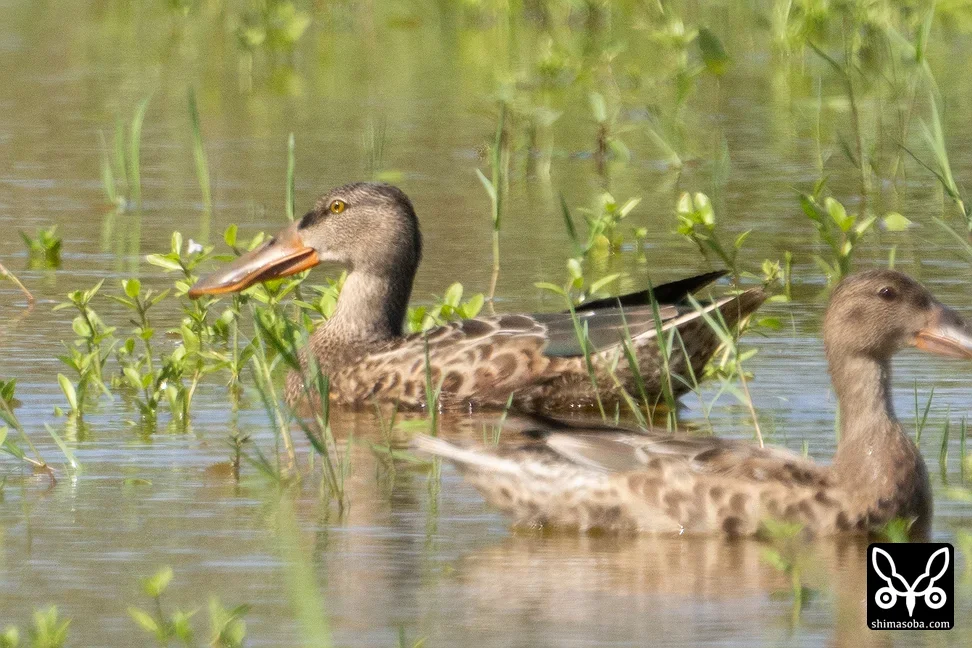
Northern Shoveler
Northern Shoveler

Juvenile male Northern Shoveler.

Northern Shoveler
Northern Shoveler

Adult male Northern Shoveler, moulting from eclipse into breeding plumage.
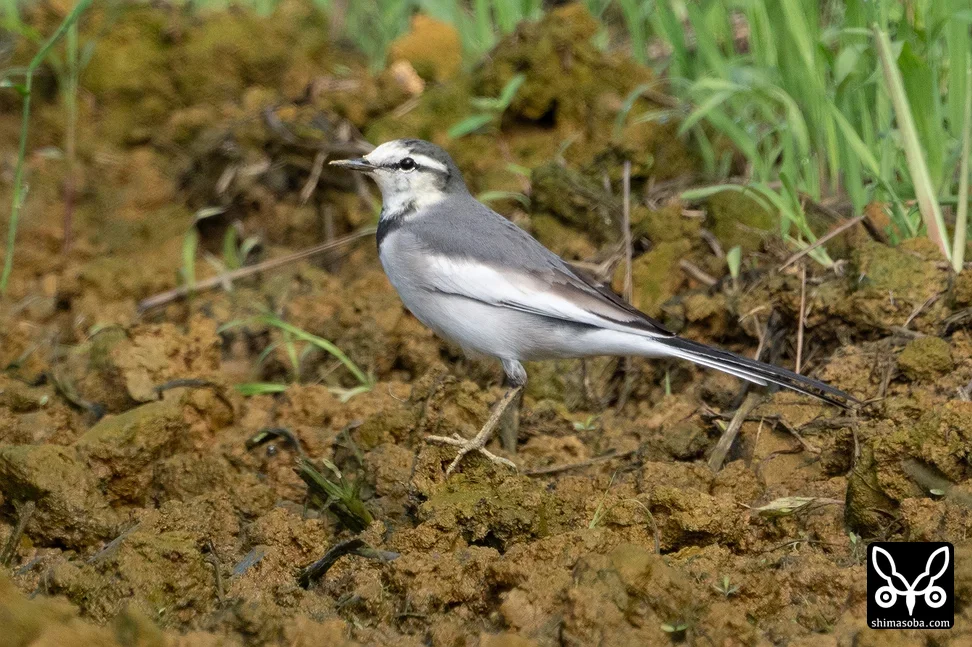
White Wagtail
White Wagtail

Female White Wagtail. A male was courting her.
Categories: 野鳥

Collared Kingfisher Appears on Ishigaki Island!!

A Collared Kingfisher has turned up on Ishigaki Island. There was previously a Collared Kingfisher that stayed at Manko on Okinawa Main Island from August 2017 through April 2018.

I was posted to the Naha bureau at the time, so I saw more than enough of that bird — but it is good to see one close to home. This individual seems more vivid in colour than the Okinawa Main Island bird.

The Collared Kingfisher is said to have 50 subspecies, and this one also appears to be Todiramphus chloris collaris. This year a Collared Kingfisher was also photographed by a friend on Miyako Island, and what looked like one was reported on another island in the Yaeyamas. This may be a bumper year for Collared Kingfishers. There is a good chance more will turn up elsewhere.

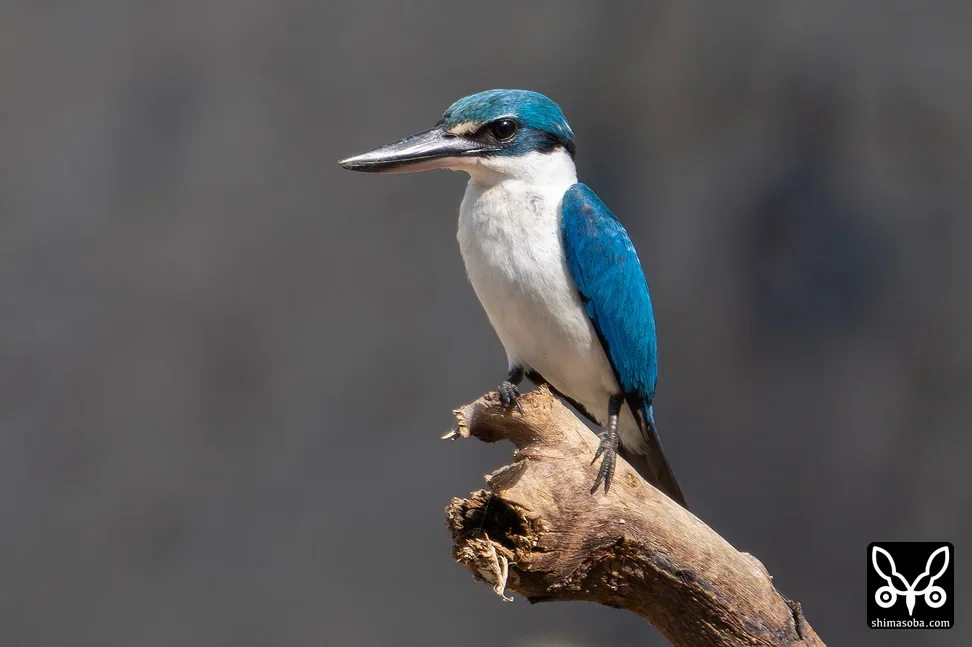
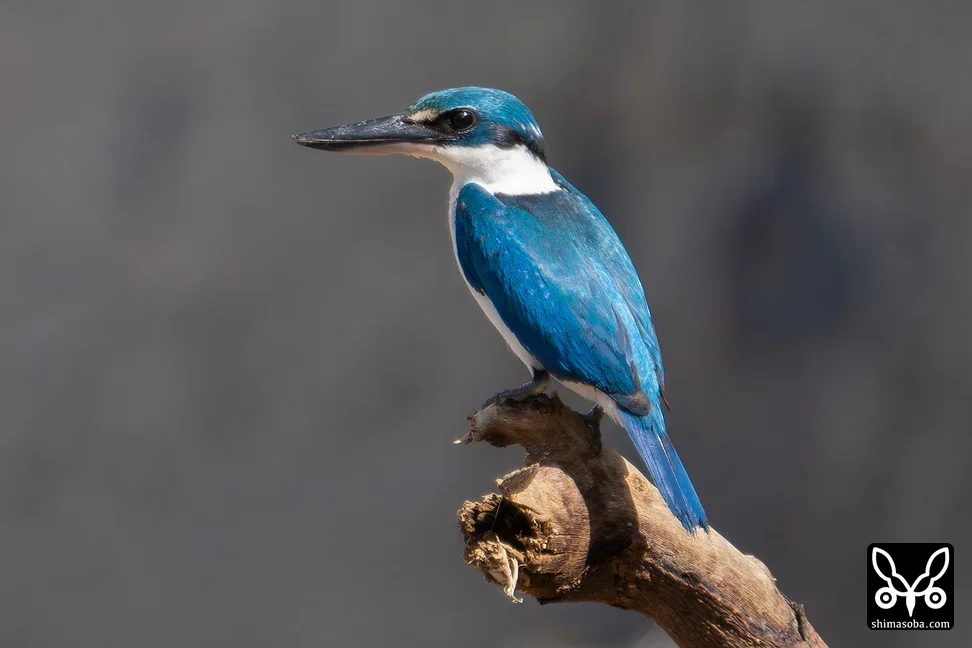
Collared Kingfisher
Collared Kingfisher

An adult Collared Kingfisher with a beautiful vivid-blue back. It appears to be in late summer plumage, so if it stays for a while I may get to see it in winter plumage.

Collared Kingfisher
Collared Kingfisher

The Collared Kingfisher's underparts are pure white and the legs are black. The subspecies appears to be T. c. collaris, which is distributed in the Philippines and surrounding areas. The individuals that have wintered annually on Okinawa Island, Miyako Island, and in the past on Iriomote Island all look like the same subspecies.

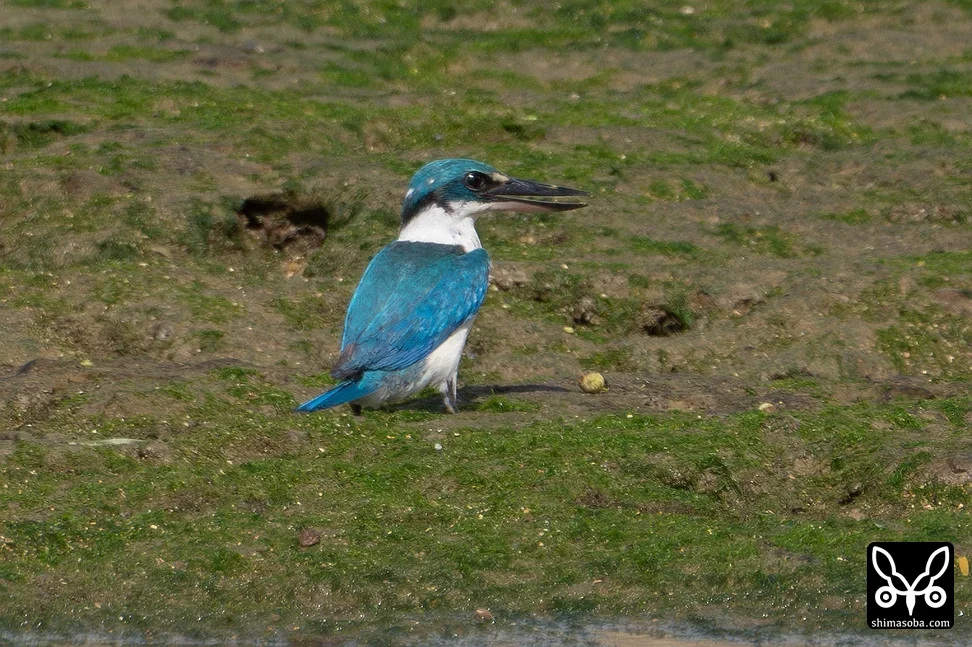
Collared Kingfisher
Collared Kingfisher

It came down onto the tidal flat and seemed to be going after crabs. The Collared Kingfisher on Okinawa Island fed exclusively on crabs, but the individual on Ishigaki Island was also eating what appeared to be hermit crabs in addition to crabs.

Categories: 野鳥

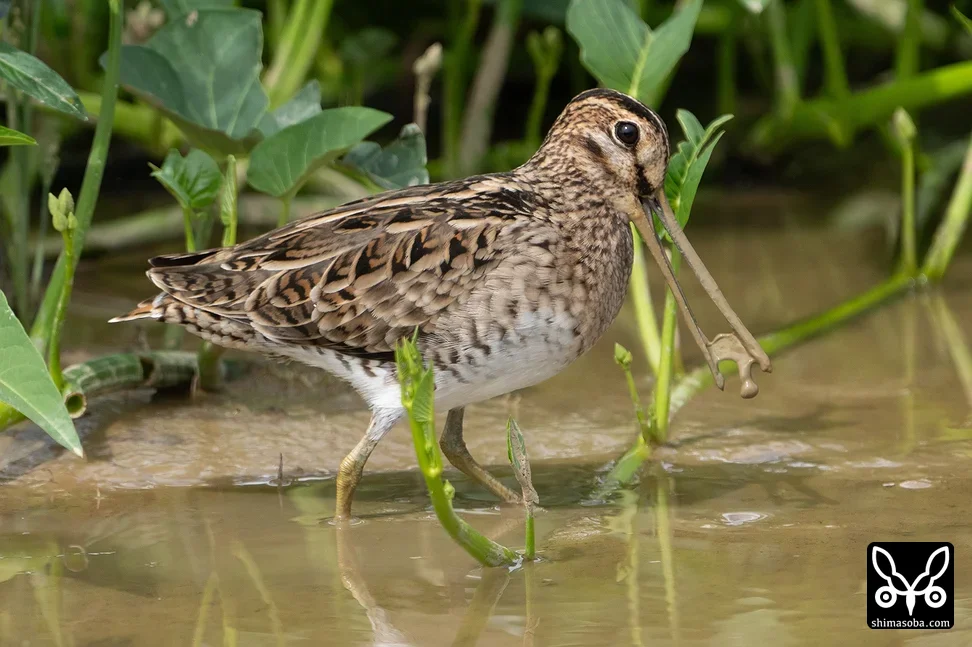
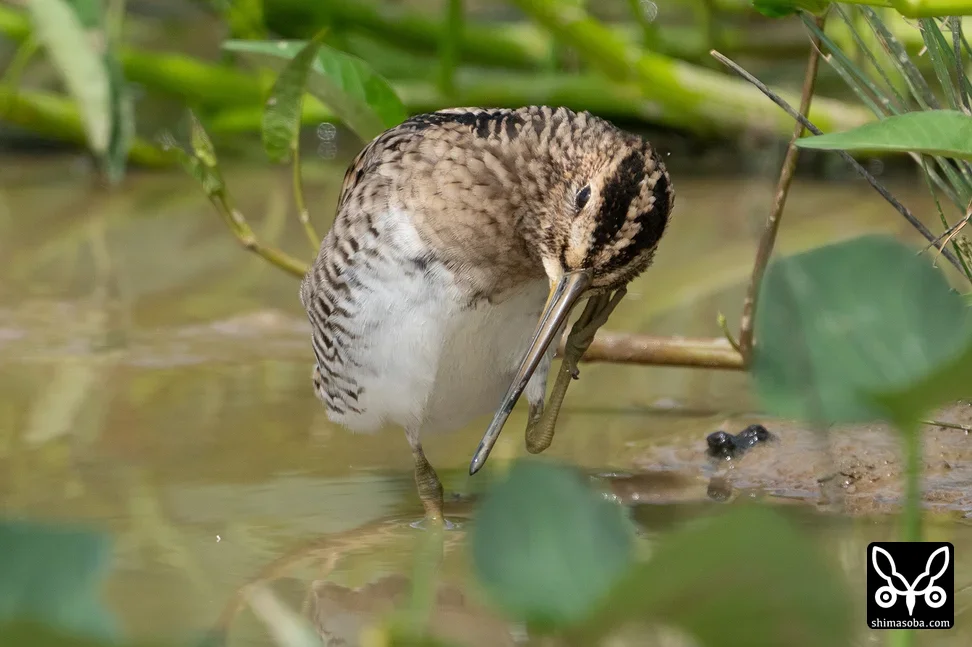
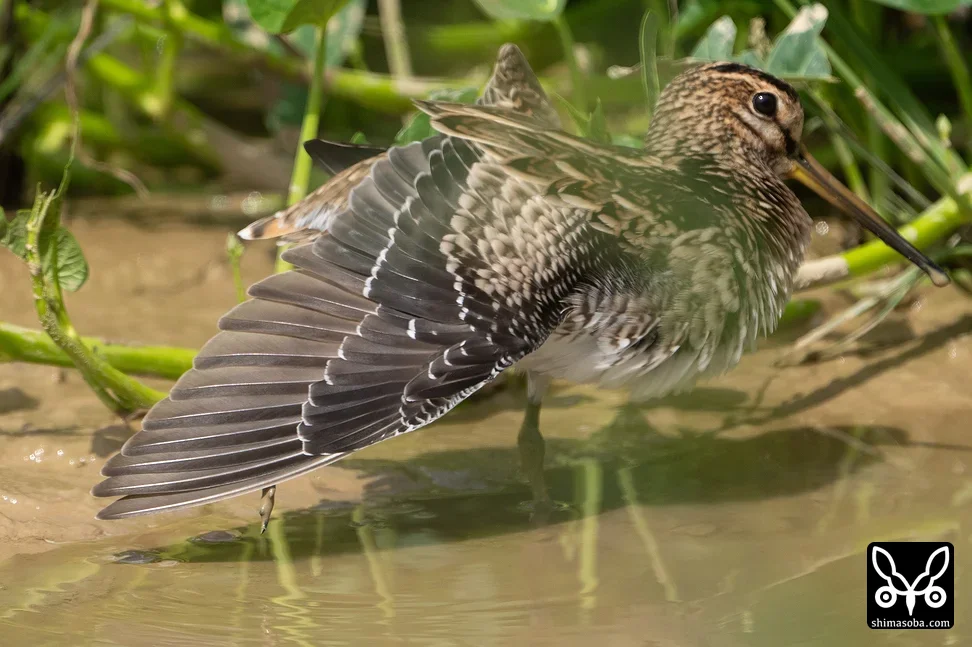
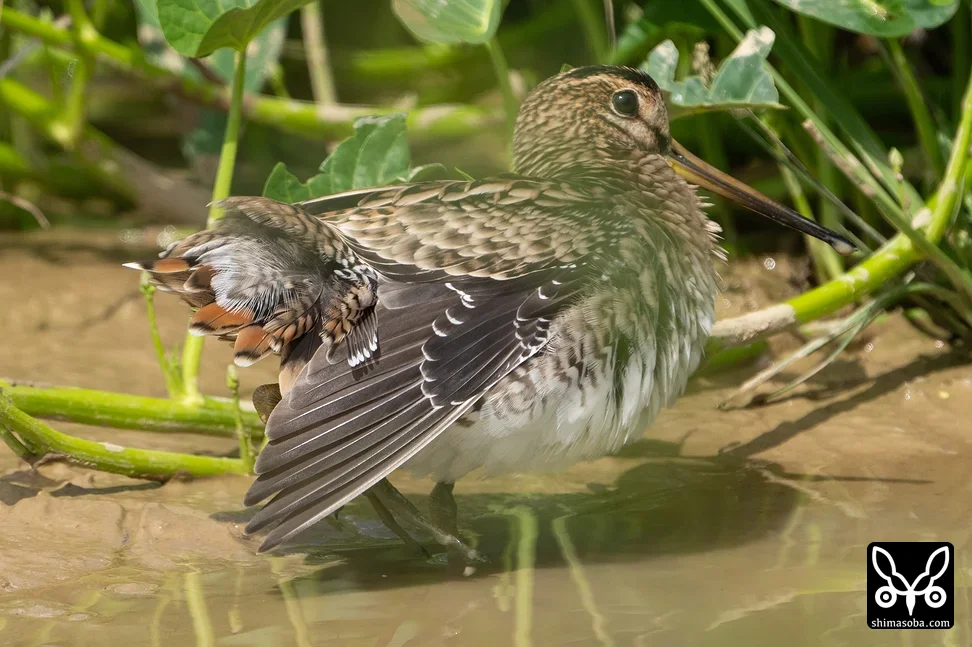
Extremely Rare Adult Pin-tailed Snipe in Winter Plumage!! Swinhoe's Snipe, Common Snipe (video)

I managed to find a Pin-tailed Snipe that has moulted into winter plumage!! I picked it out from among 40 snipe together with Swinhoe's Snipe and Common Snipe. I had been searching with the belief that "there should still be Pin-tailed Snipe around," and the fact that the bird I finally found was an adult that had already finished moulting its scapulars and tertials into winter plumage made the moment even better!! A genuinely rare Pin-tailed Snipe in winter plumage.

Among the snipe still present, Swinhoe's Snipe numbered a few individuals; the rest were all Common Snipe.

Pin-tailed Snipe
Pin-tailed Snipe

Behold!! The splendid appearance of this adult Pin-tailed Snipe cloaked in winter plumage!!

Pin-tailed Snipe
Pin-tailed Snipe

The Pin-tailed Snipe caught a small earthworm-like creature. Same individual as above.

Pin-tailed Snipe
Pin-tailed Snipe

A Pin-tailed Snipe scratching its head. Displaying an otherworldly level of adorableness. Same individual as above.

Pin-tailed Snipe
Pin-tailed Snipe

Reward time. The primaries are still old feathers; some of the primary coverts appear to have already moulted. Same individual as above.

Pin-tailed Snipe
Pin-tailed Snipe

Ultimate reward time. The tail feathers of Pin-tailed Snipe are rarely seen, but all the staking out paid off. It's showing off those needle-thin tail feathers as if to say, take that. Same individual as above.

Pin-tailed Snipe
Pin-tailed Snipe

A Pin-tailed Snipe in winter plumage — a completely different impression from juvenile plumage or late summer plumage of adults.

Swinhoe's Snipe
Swinhoe's Snipe

Swinhoe's Snipe juvenile. A couple of first-winter feathers have come in. Quite a late moult for Swinhoe's Snipe.

Swinhoe's Snipe
Swinhoe's Snipe

Swinhoe's Snipe juvenile. This individual's moult is more advanced than the one above.

Swinhoe's Snipe
Swinhoe's Snipe

Swinhoe's Snipe first-winter.

Greater Painted-snipe
Greater Painted-snipe / Swinhoe's Snipe

Swinhoe's Snipe first-winter and Greater Painted-snipe adult male.

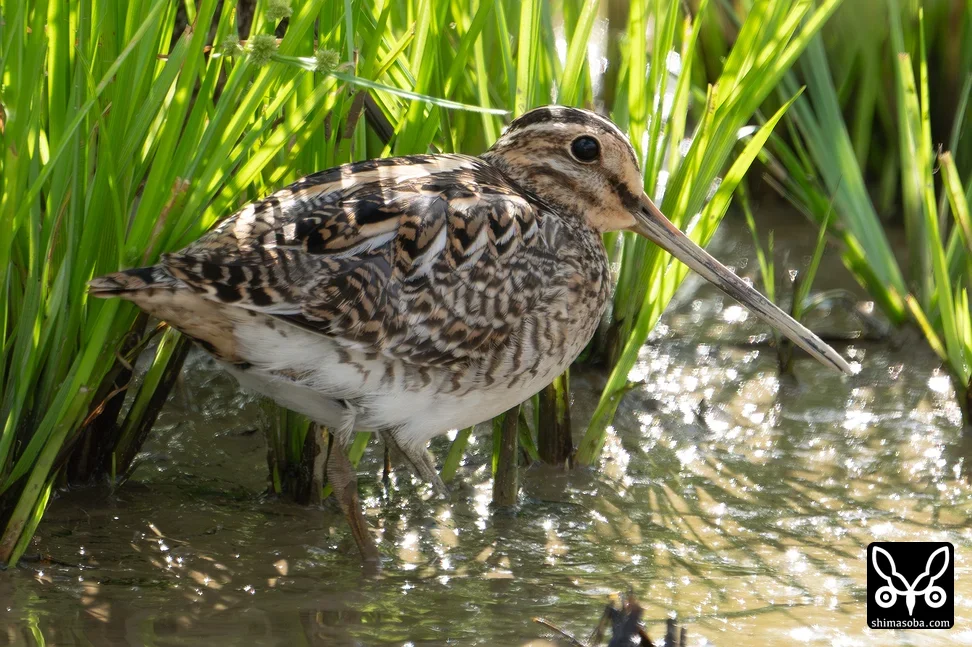
Common Snipe
Common Snipe

Common Snipe juvenile.

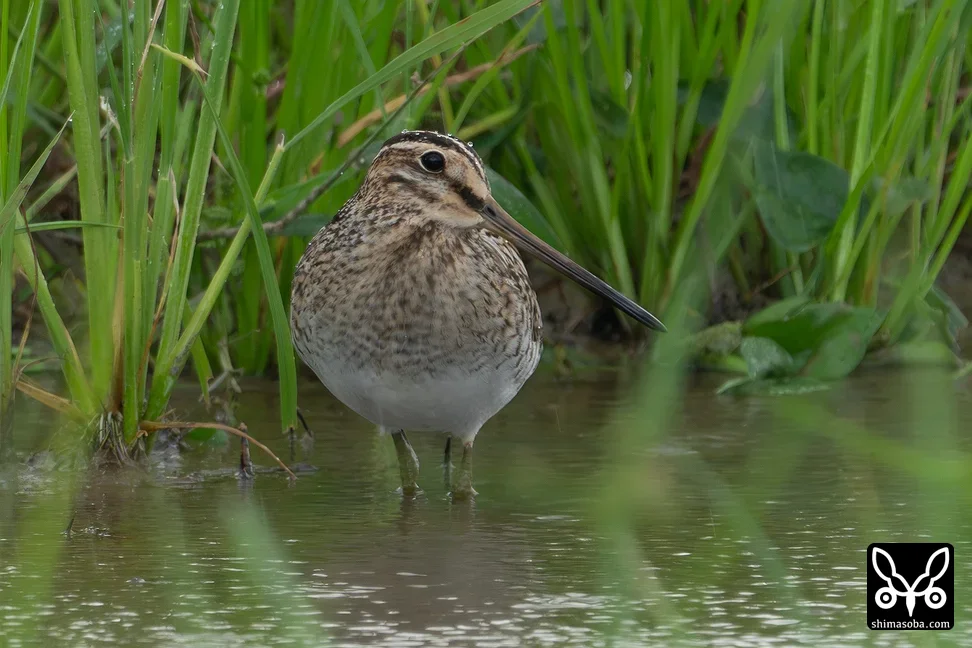
Common Snipe
Common Snipe

Also a Common Snipe juvenile.

Categories: 野鳥

First Mandarin Duck of the Season

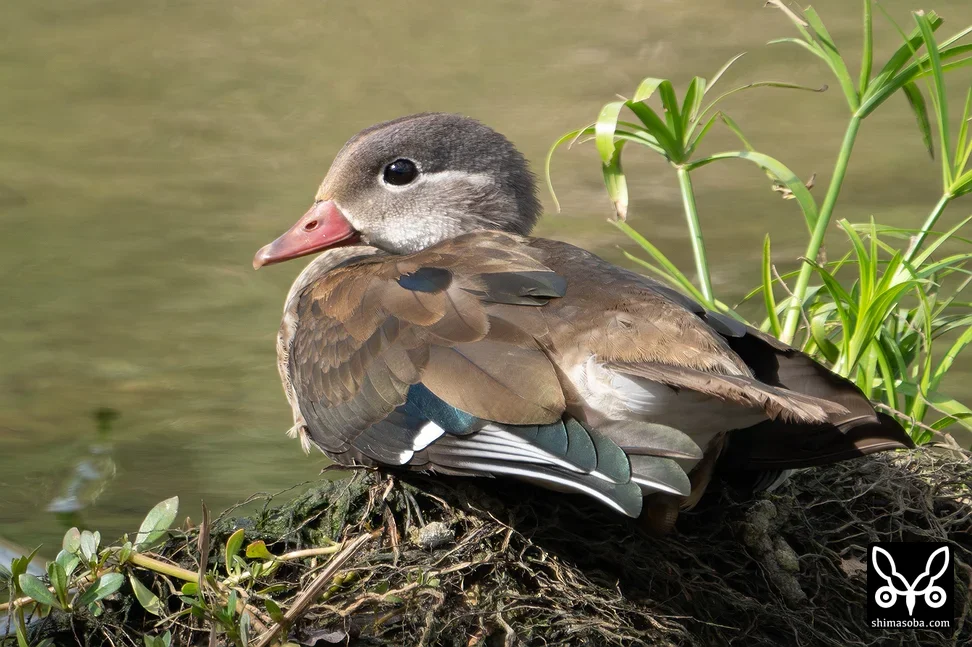
The first Mandarin Duck of the season has arrived. It was a male in eclipse plumage.

Mandarin Duck
Mandarin Duck

Male Mandarin Duck. It's in eclipse plumage, so it doesn't look very Mandarin-like.

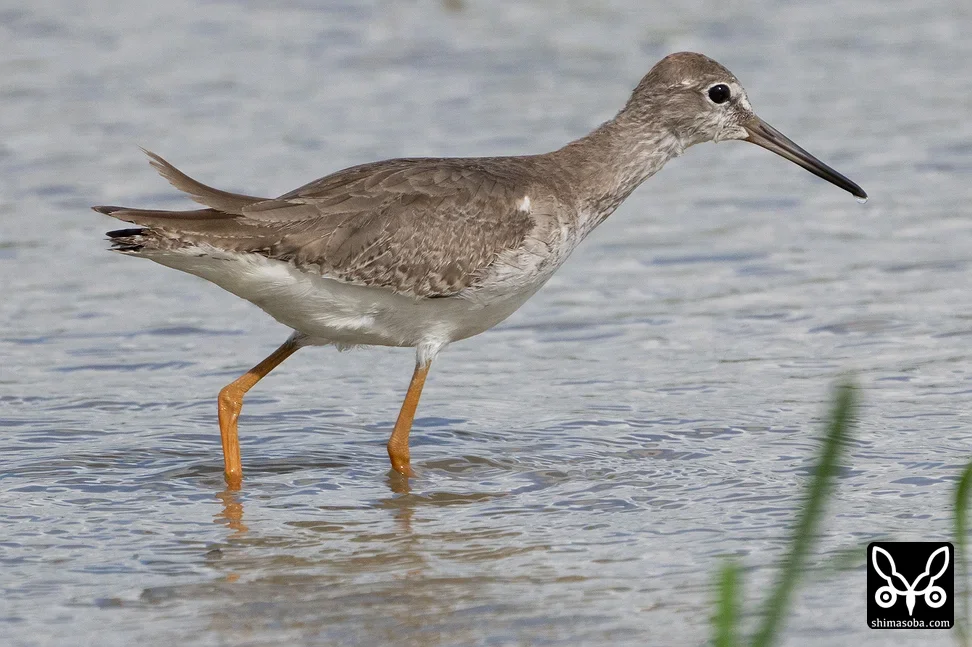
Common Redshank
Common Redshank

First-winter Common Redshank.

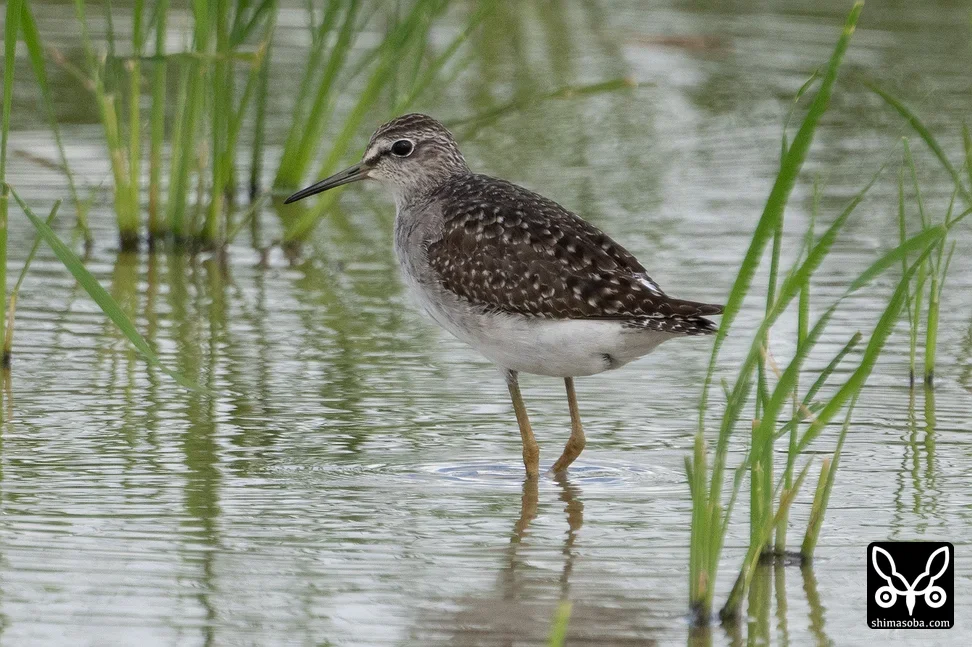
Wood Sandpiper
Wood Sandpiper

First-winter Wood Sandpiper.

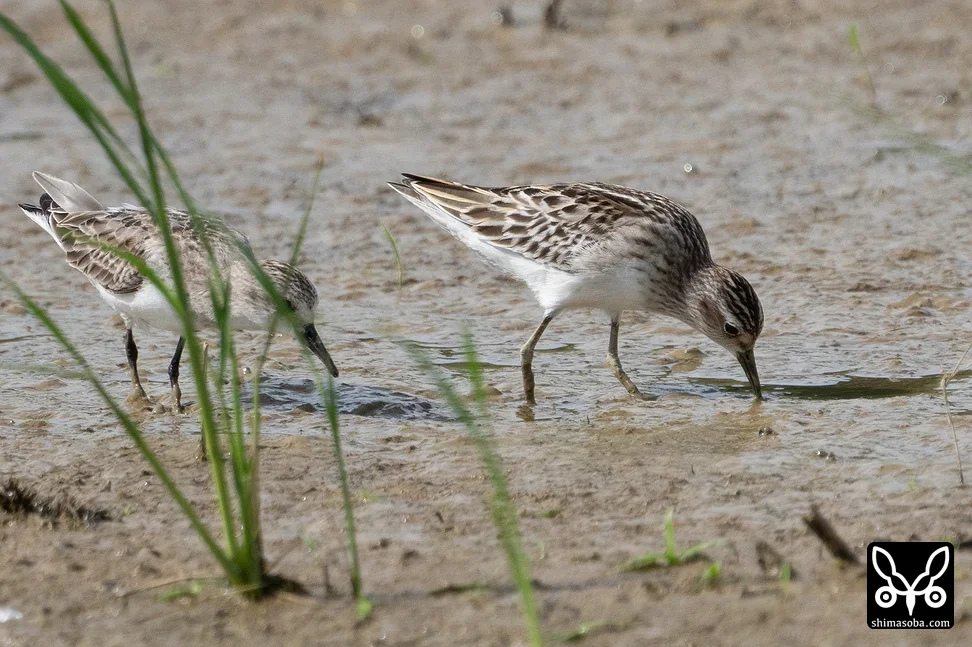
Long-toed Stint
Long-toed Stint

Long-toed Stint.

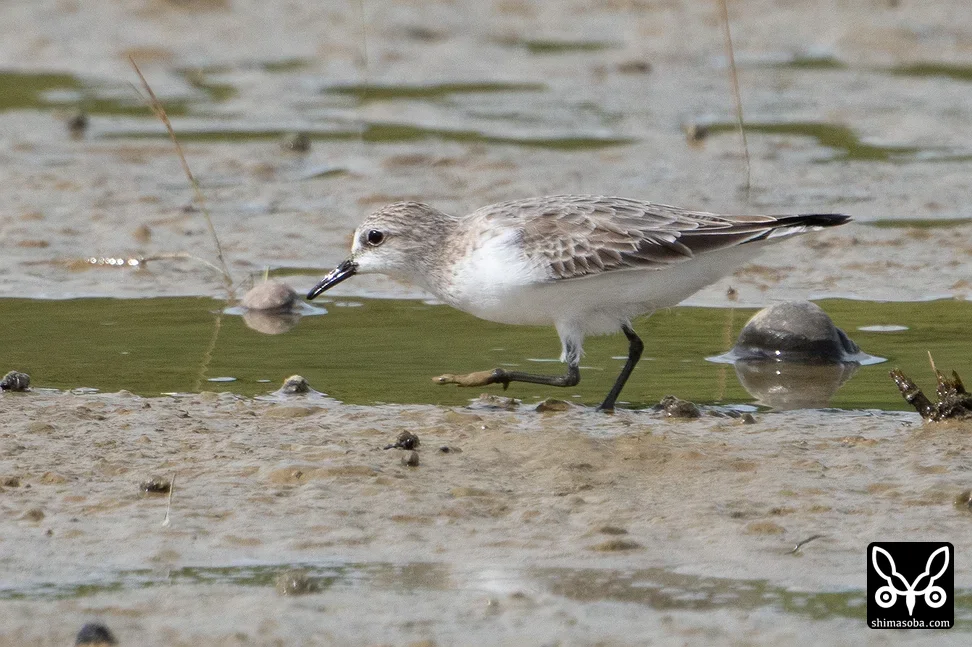
Red-necked Stint
Red-necked Stint

Red-necked Stint.

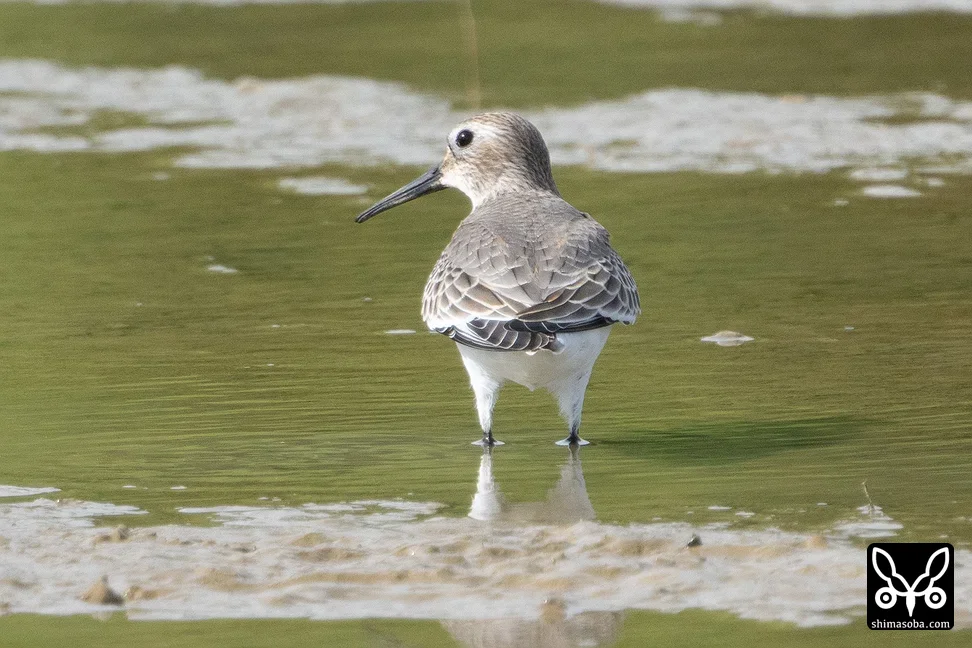
Dunlin
Dunlin

First-winter Dunlin.

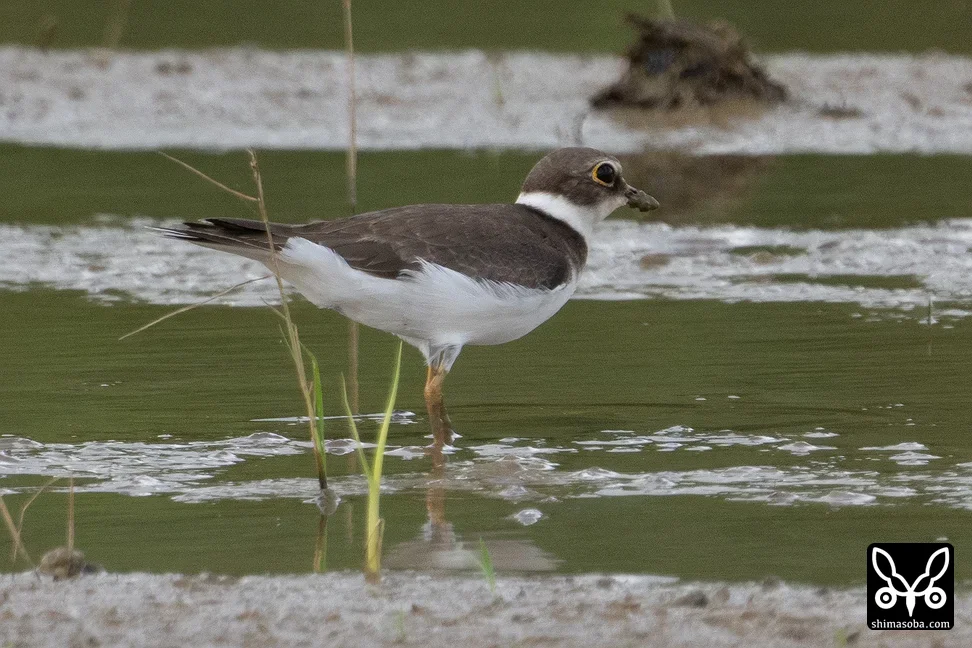
Little Ringed Plover

Little Ringed Plover.

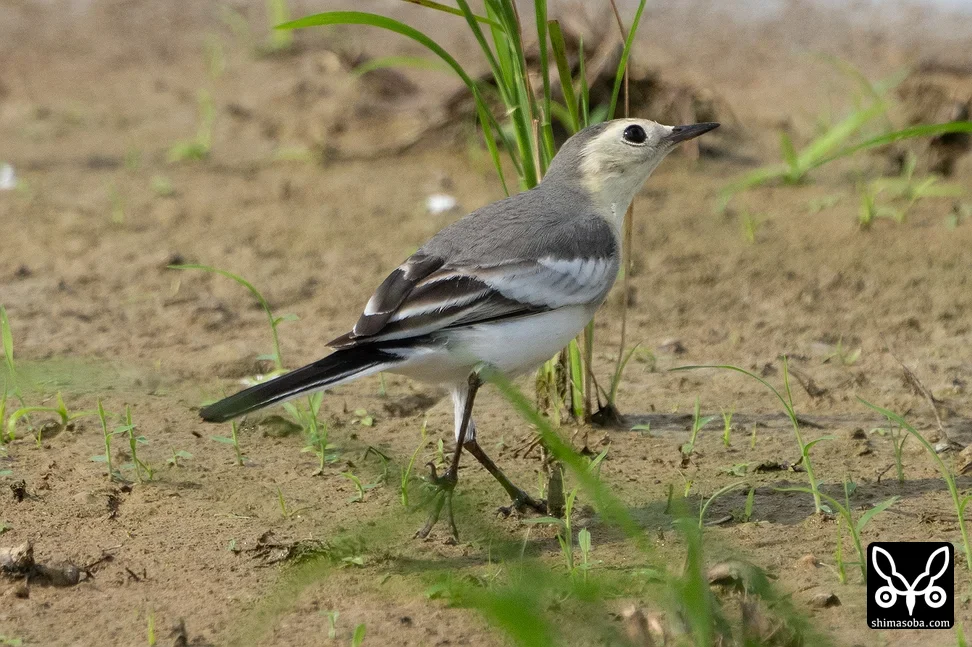
White Wagtail
White Wagtail

Female White-faced Wagtail. First-winter plumage.

Categories: 野鳥

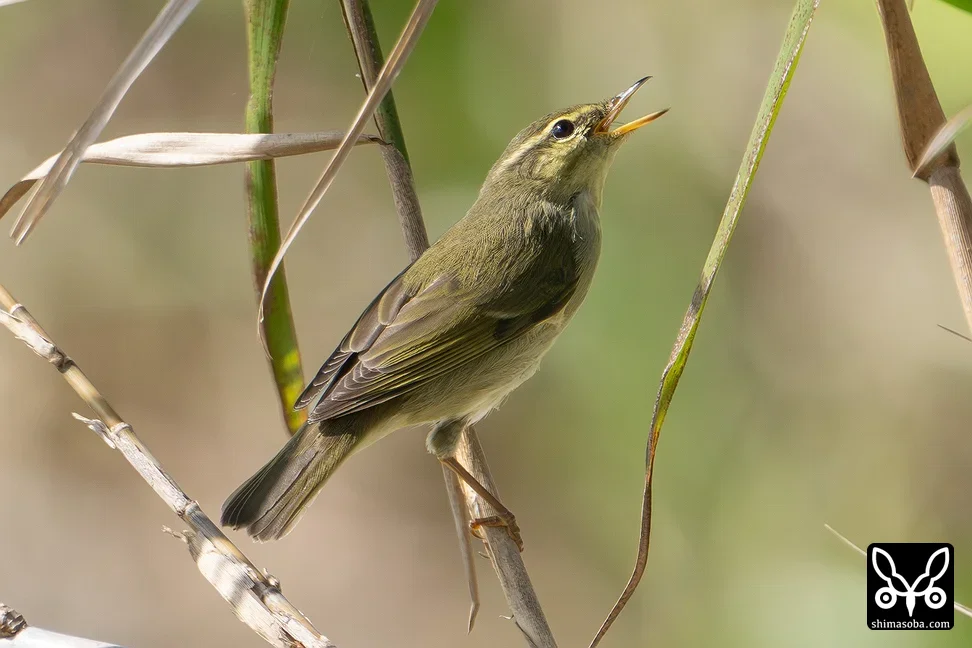
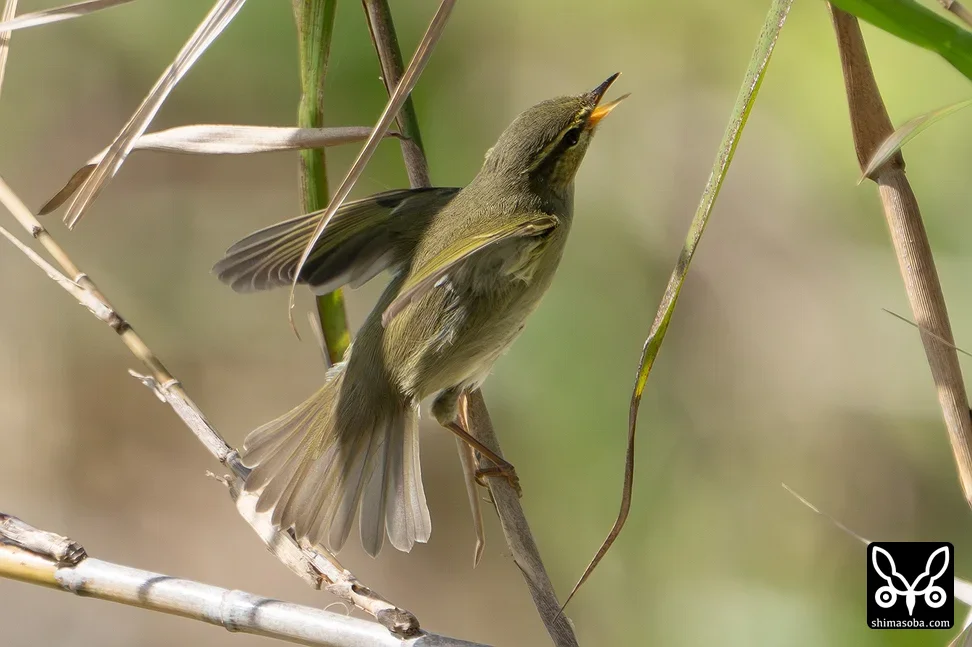
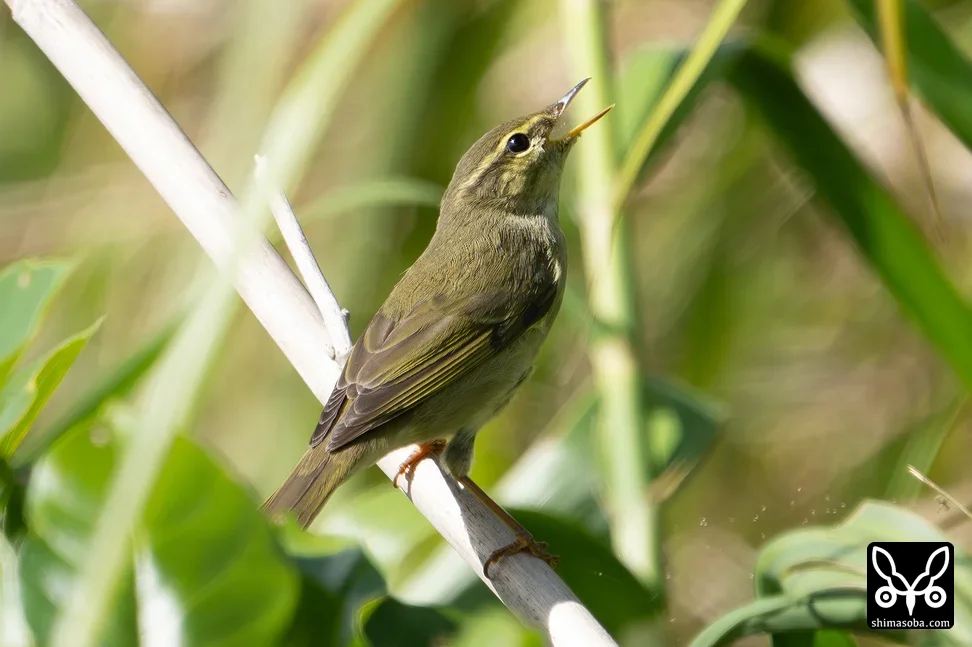
Japanese Leaf Warbler — Close Encounter!!

The Phylloscopus complex that can be found on Ishigaki Island consists of Arctic Warbler, Kamchatka Leaf Warbler and Japanese Leaf Warbler, but the great majority are Arctic Warbler.

I do get to see Japanese Leaf Warbler occasionally, and this time I was lucky enough to get close and photograph one — a rare treat!! I was also able to hear it call, and managed to get more than 10 shots. There are differences in body colour too.

For what it is worth, Kamchatka Leaf Warbler is so scarce that finding even one individual per season is uncertain. I would like to get it on video and in photos someday.

Japanese Leaf Warbler

A very close encounter with a Kamchatka Leaf Warbler. An unusually unwary individual.

Japanese Leaf Warbler

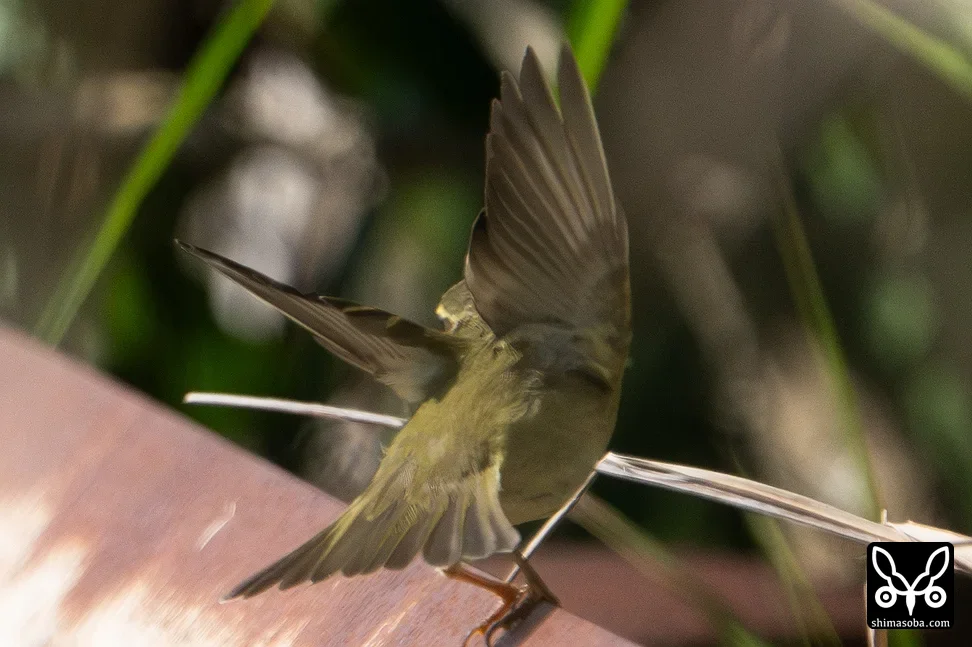
P10, another useful identification clue, can also be confirmed here.

Since the warblers observable on Ishigaki Island can safely be assumed to be either Japanese Leaf Warbler or Kamchatka Leaf Warbler, it seems we may be able to make a reasonable guess from colouration in addition to call. I'd like to put that to the test going forward.

Japanese Leaf Warbler

The all-important P10 of a Kamchatka Leaf Warbler is visible!!

Categories: 野鳥