A daily record.
Featuring photos of wild birds and nature, mainly from Okinawa Main Island and Ishigaki Island

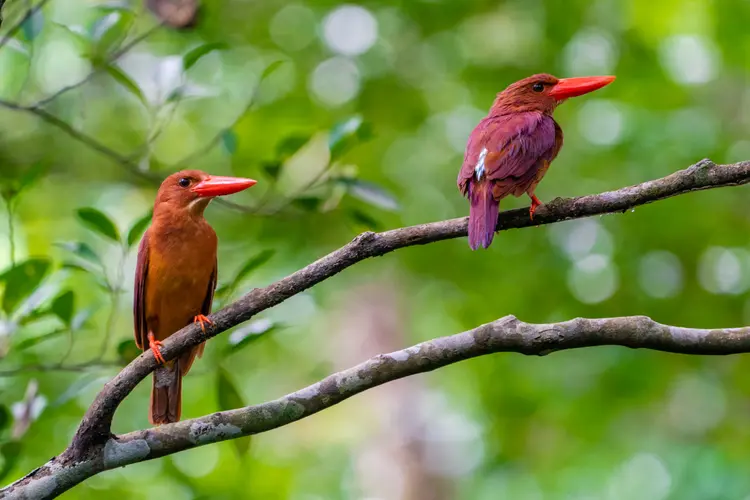
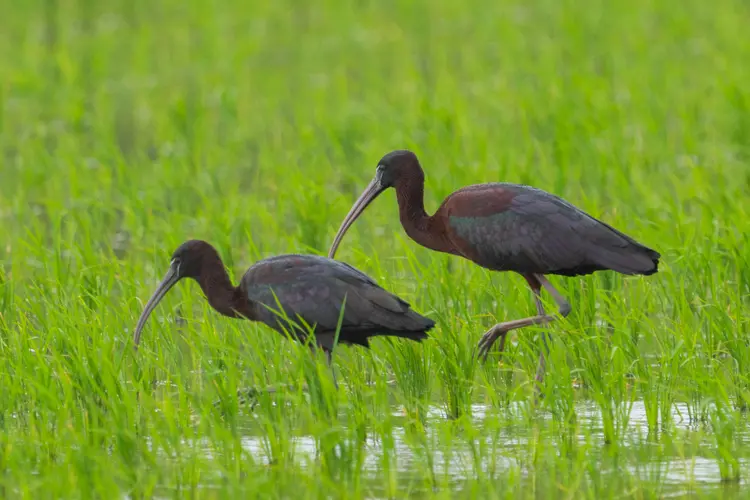
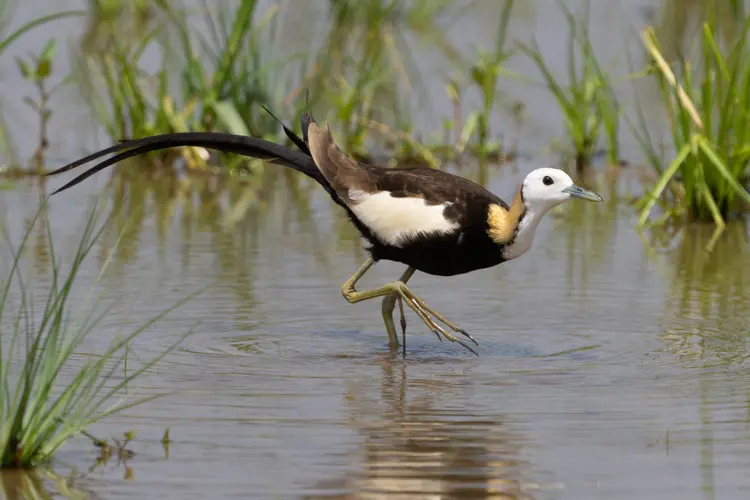
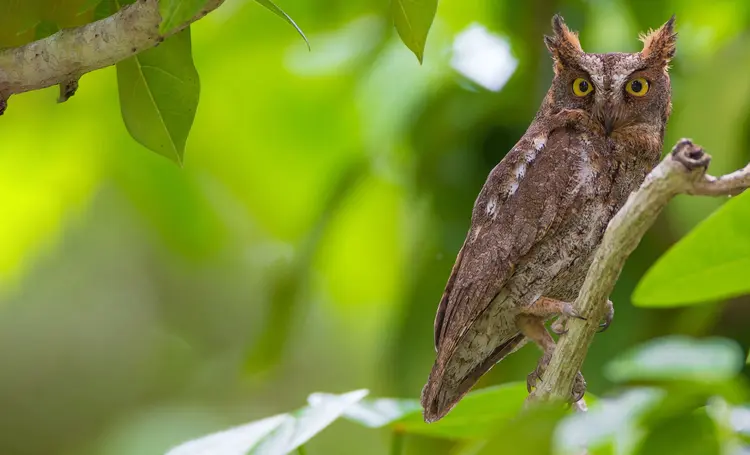
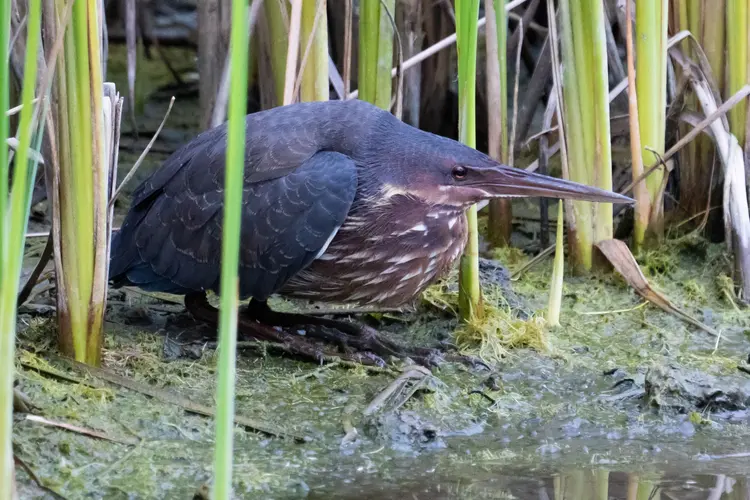
Ruddy Kingfisher Glossy Ibis Pheasant-tailed jacana Ryukyu scops owl Black Bittern

GUIDED BIRDWATCHING TOUR

Go where the birds are. The SHIMASOBA Tour launches.

We'll drive you around Ishigaki Island to wherever the birds are showing best that day. Observation is mostly from inside the vehicle, and we keep it to a maximum of 3 guests so everyone can take their time.

Max. 3 guests 4 hours in the morning Beginners welcome
Check availability and book

Collared Kingfisher — Three Weeks and Counting

Has it decided to winter here? The Collared Kingfisher is now into its third week of stay.

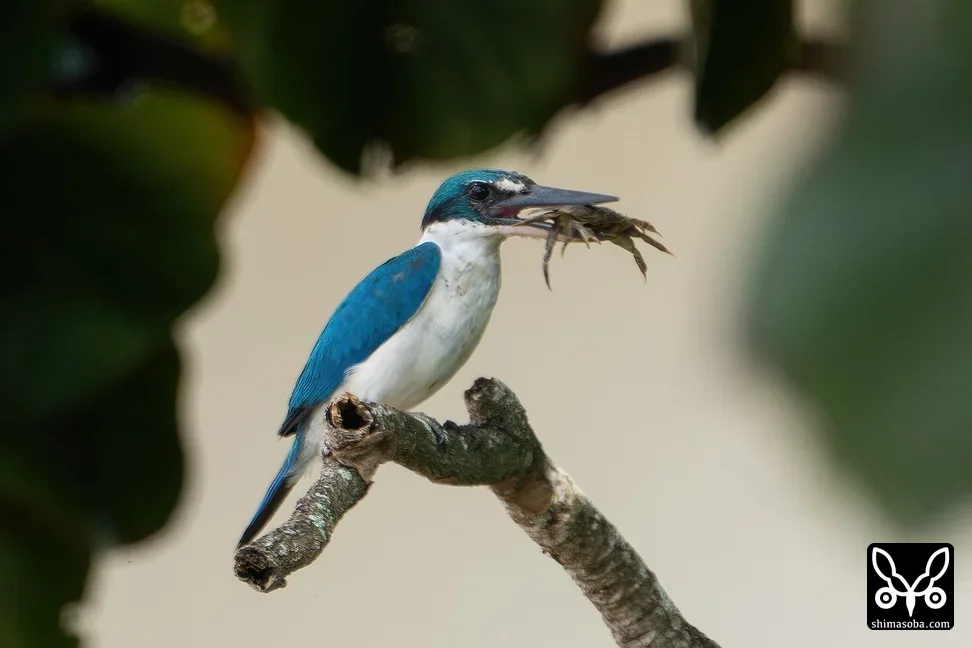
It appeared as if timing the moments when no one was around, then struggled to swallow a large crab whole. When a bicycle passed, it flew off somewhere with the crab still in its bill.
Collared Kingfisher
Collared Kingfisher

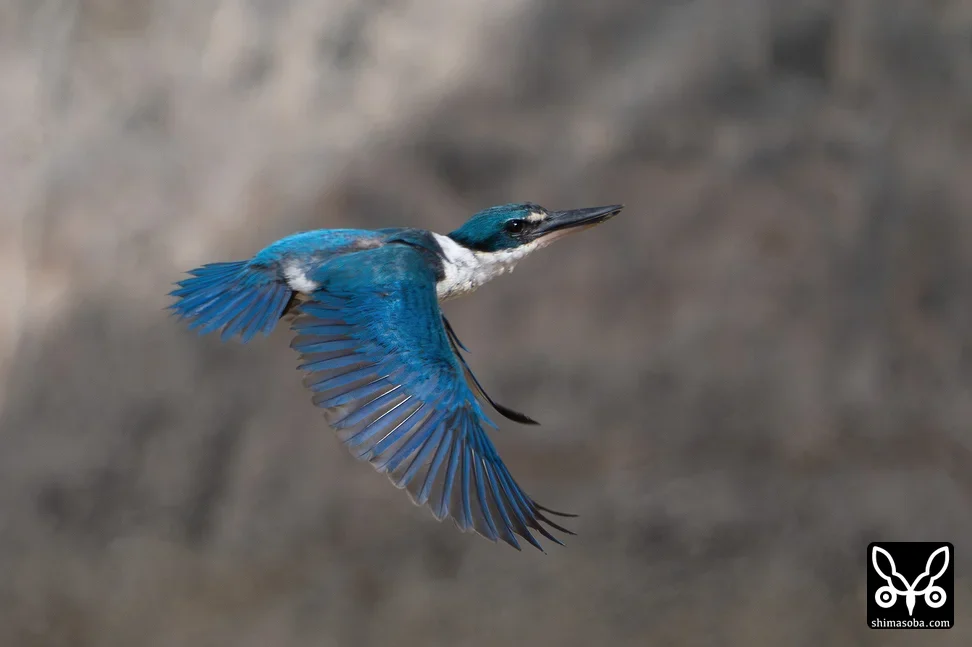
A Collared Kingfisher in flight, showing its beautiful wings.
Collared Kingfisher
Collared Kingfisher

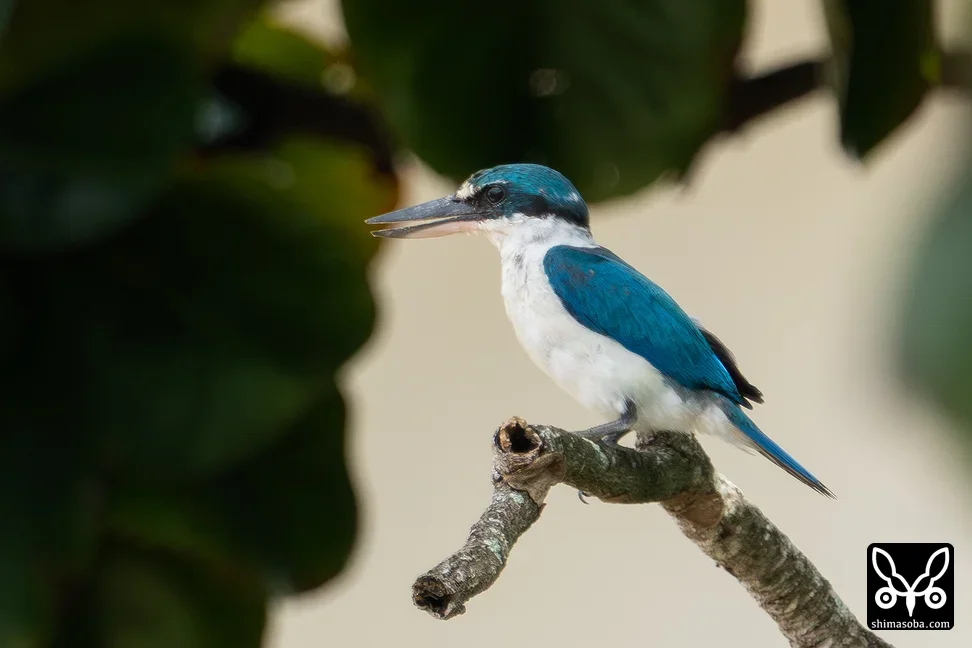
A Collared Kingfisher scanning for prey from its lookout perch.
Collared Kingfisher
Collared Kingfisher

It came back to the lookout with a large crab.
Collared Kingfisher
Collared Kingfisher

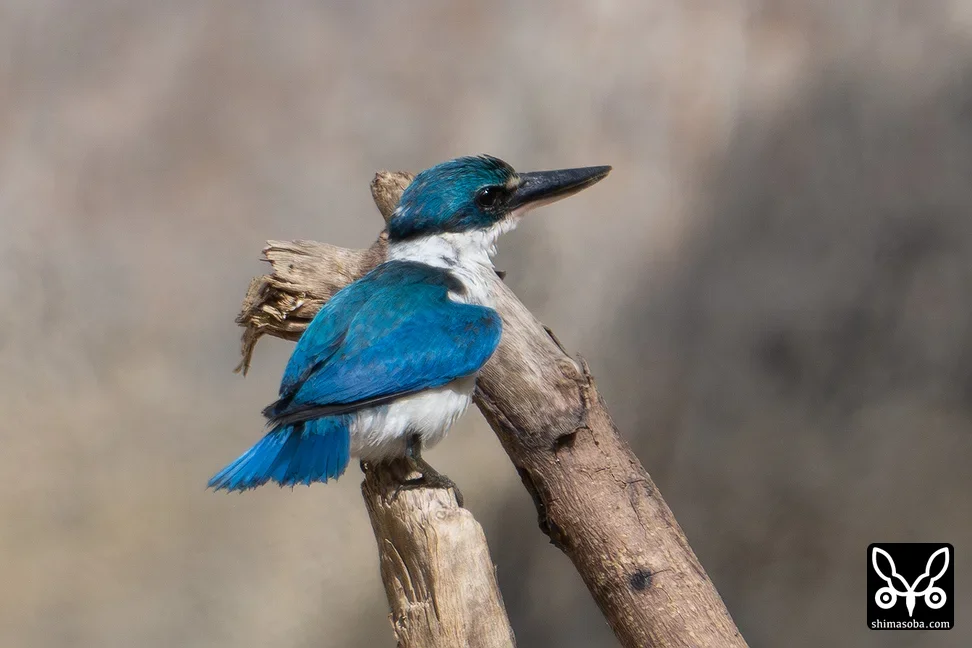
A Collared Kingfisher perched on a piece of driftwood sticking up from the ground — a favourite spot. Perhaps an adult still retaining much of its breeding plumage.
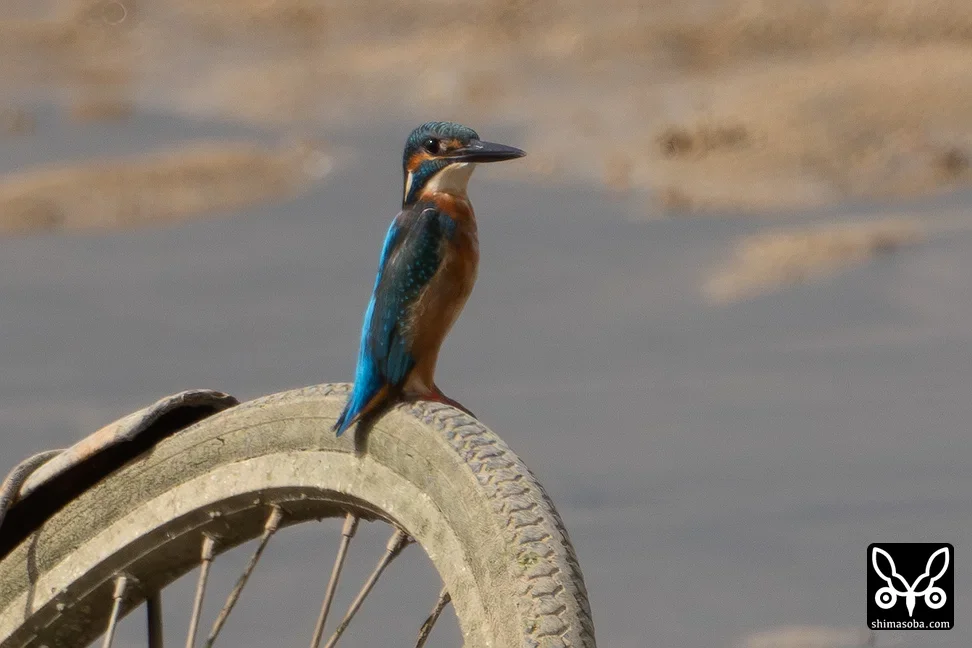
Common Kingfisher
Common Kingfisher

A Common Kingfisher, noticeably smaller, also showed up — hunting for prey from a discarded bicycle.

Categories: 野鳥
Chestnut-winged Cuckoo and Pale Buzzard Show Up!!

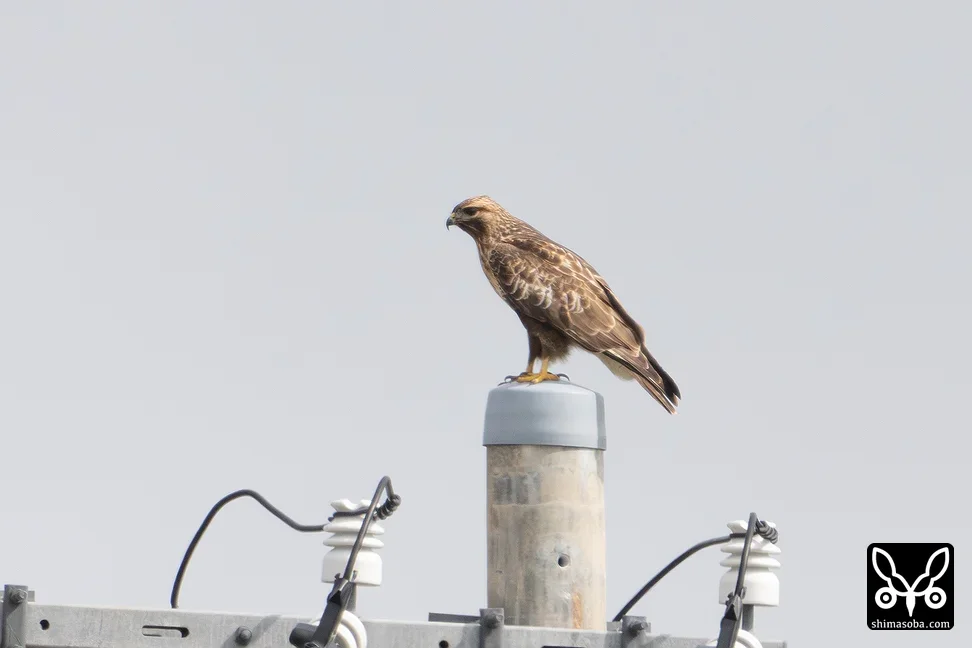
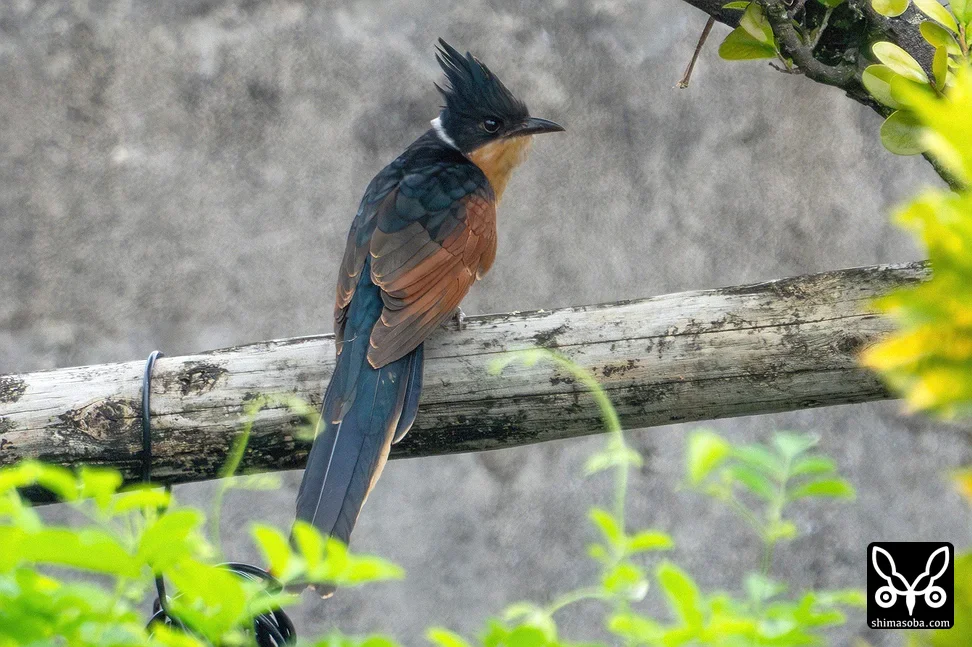
I had a work trip to Yonaguni Island after a long absence, so I went birding in my spare time. I came across a Chestnut-winged Cuckoo — found it at a private house in Sonai. It looked annoyed at being pestered by a Brown-eared Bulbul. I also spotted what appeared to be a Pale Buzzard.

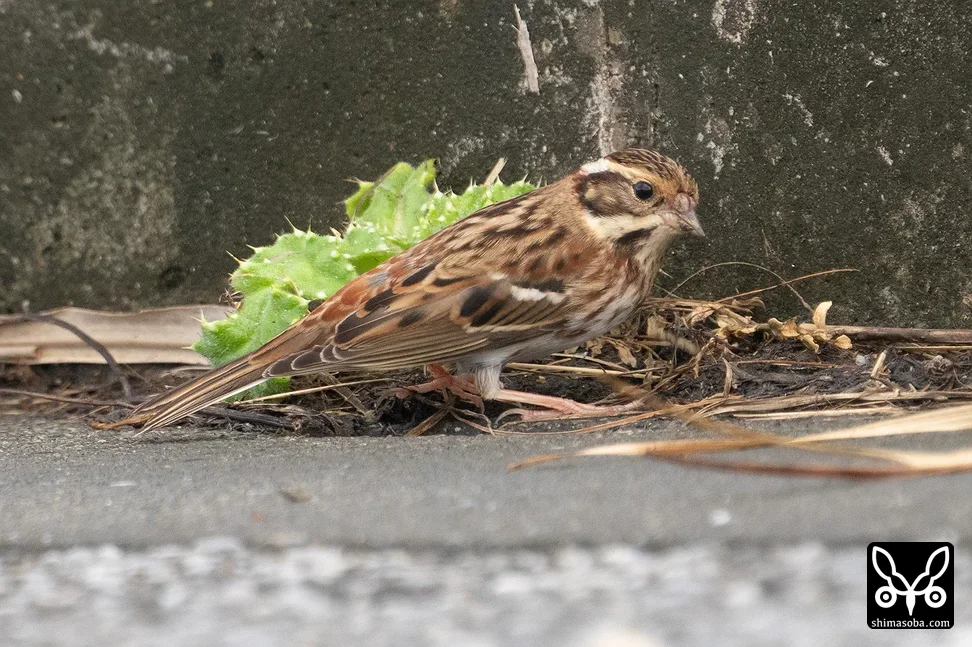
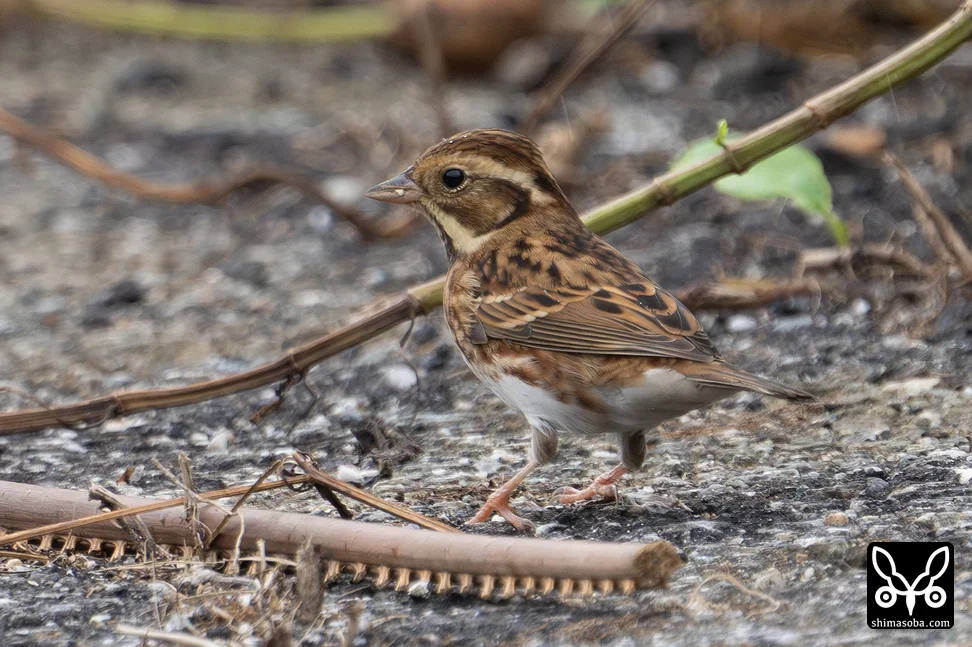
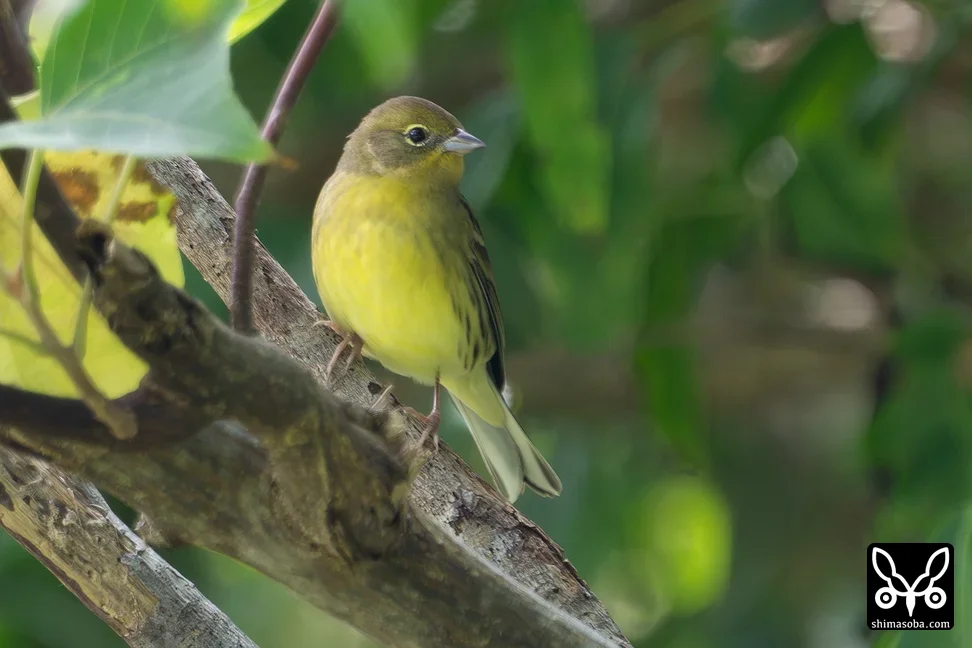
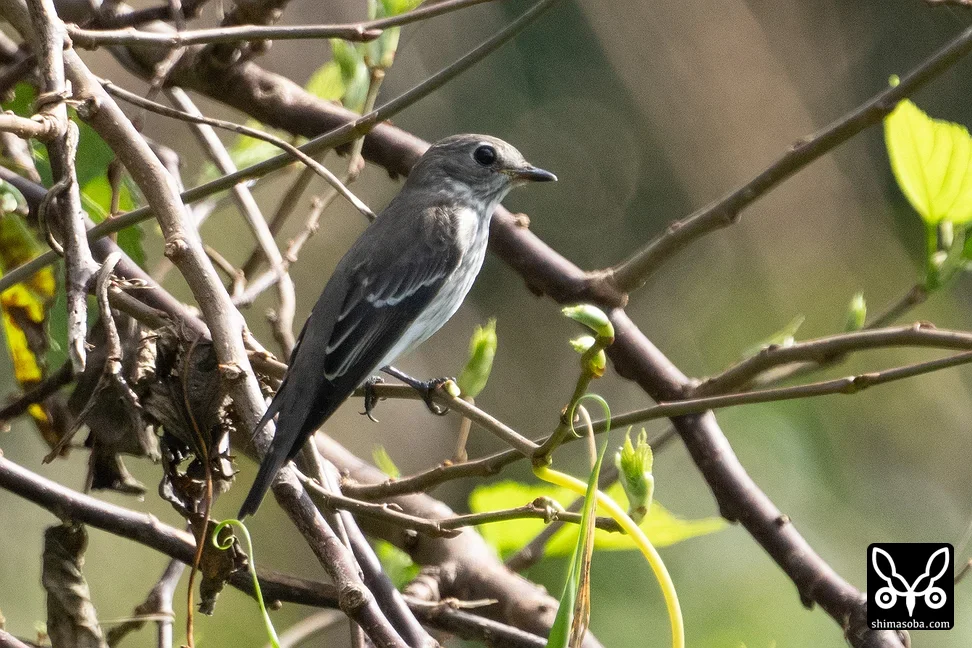
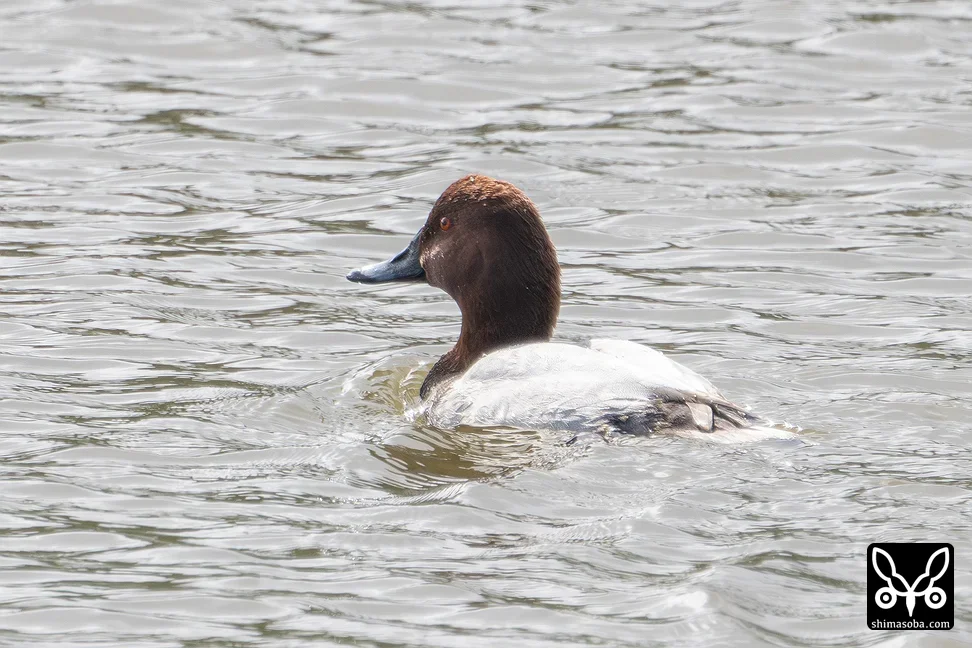
Across the island, Emberizas were coming in in good numbers — Rustic Bunting, Yellow Bunting, Little Bunting and others. Narcissus Flycatcher, Daurian Redstart and Grey-streaked Flycatcher were staying all over the island. One Common Pochard had dropped into Kubura Mitou.

Chestnut-winged Cuckoo

A juvenile Coral-billed Ground Cuckoo. It seemed to be using the drainage channel running behind some houses, but was chased off by a Brown-eared Bulbul and flew away somewhere.

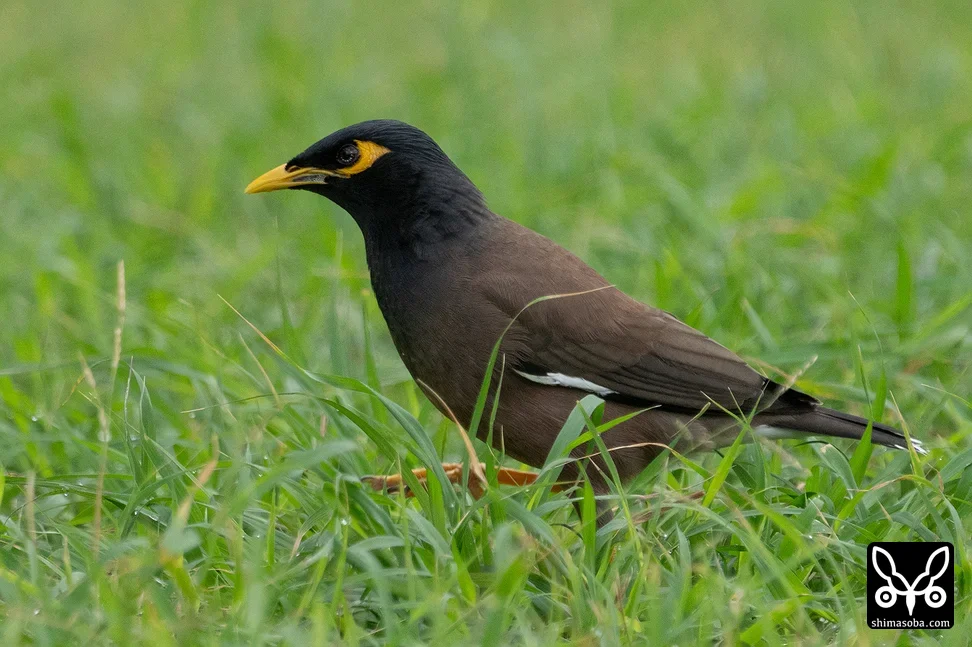
Common Myna
Common Myna

Common Mynas were everywhere.

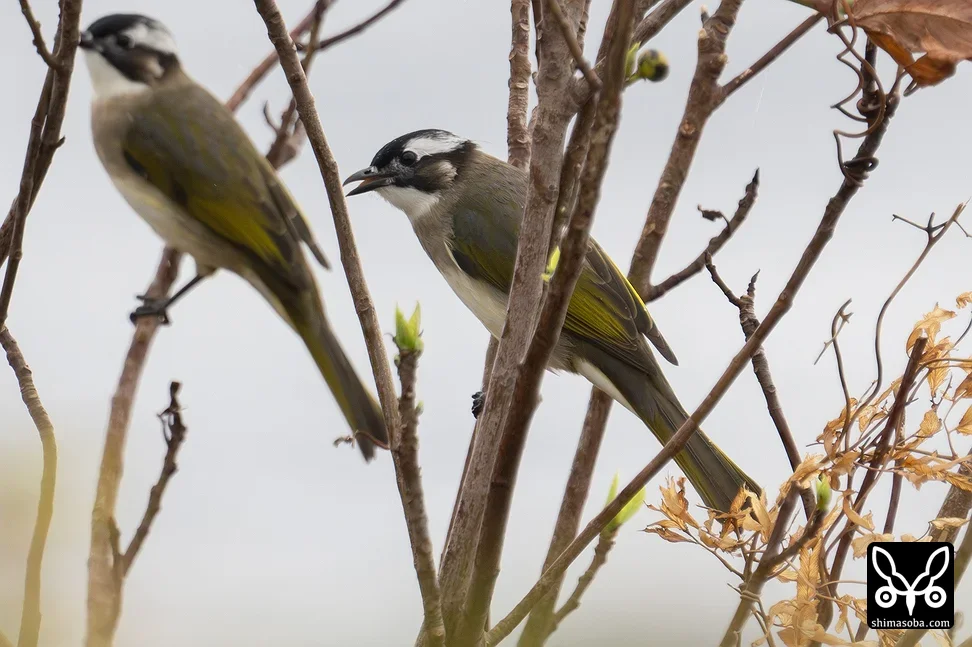
Light-vented Bulbul
Light-vented Bulbul

Large flocks of Light-vented Bulbuls along the coast. A migration movement, perhaps?

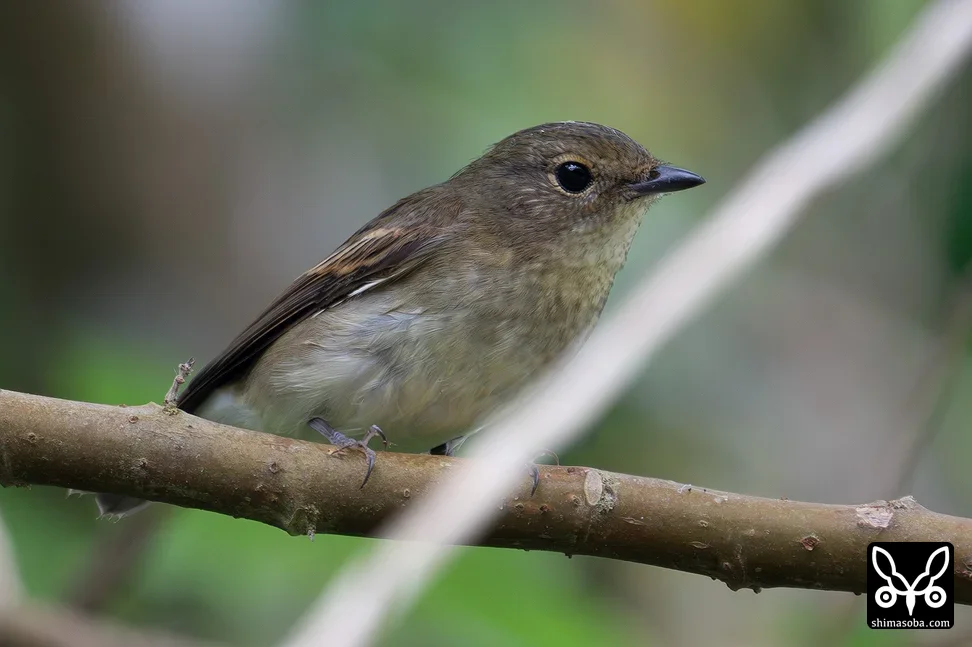
Narcissus Flycatcher

A first-winter female Narcissus Flycatcher. About three individuals present.

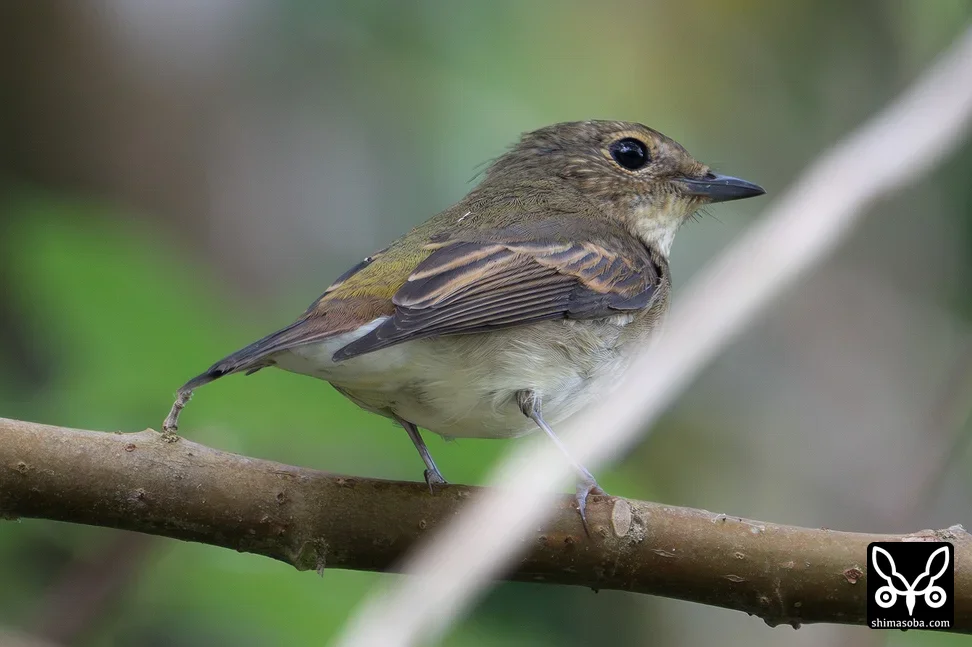
Narcissus Flycatcher

From this angle it's easy to see this is a Narcissus Flycatcher rather than a Ryukyu Flycatcher.

Rustic Bunting
Rustic Bunting

A Rustic Bunting foraging on the road. It looked to have just arrived on migration — even with cars and motorbikes passing, it didn't flush, just kept desperately pecking at seeds of some kind.

Rustic Bunting
Rustic Bunting

Also Rustic Buntings. Several small groups were noted.

Jankowski's Bunting
Jankowski's Bunting

Three Yellow Buntings found in the southern part of the island. Scarce on Okinawa.

Grey-streaked Flycatcher

Multiple Grey-streaked Flycatchers as well. November, but migration appears to be still ongoing.

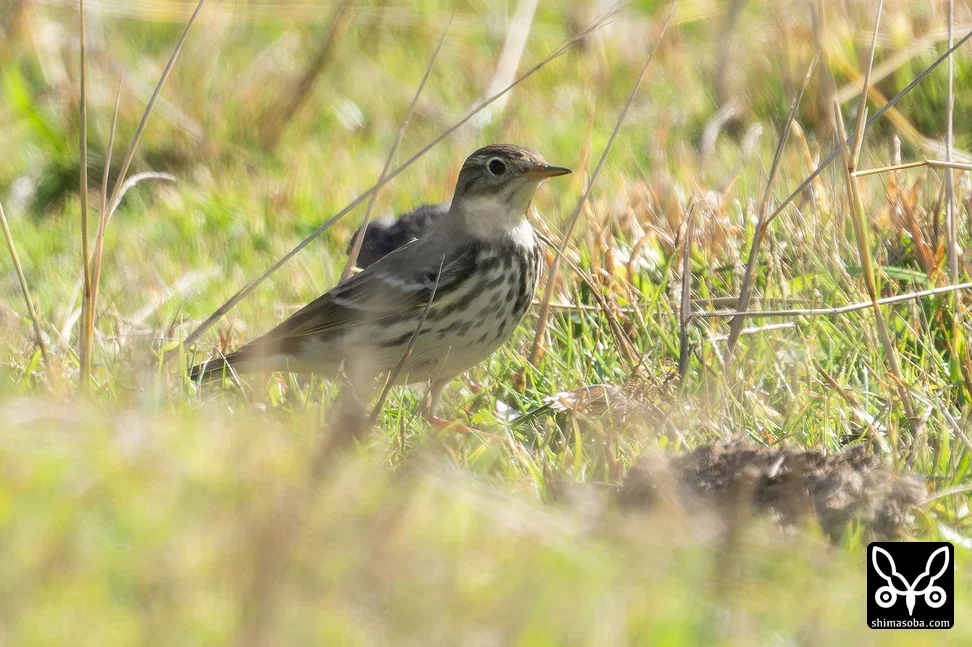
Water Pipit
Water Pipit

At Agari-zaki, a Buff-bellied Pipit among a flock of Eastern Yellow Wagtails.

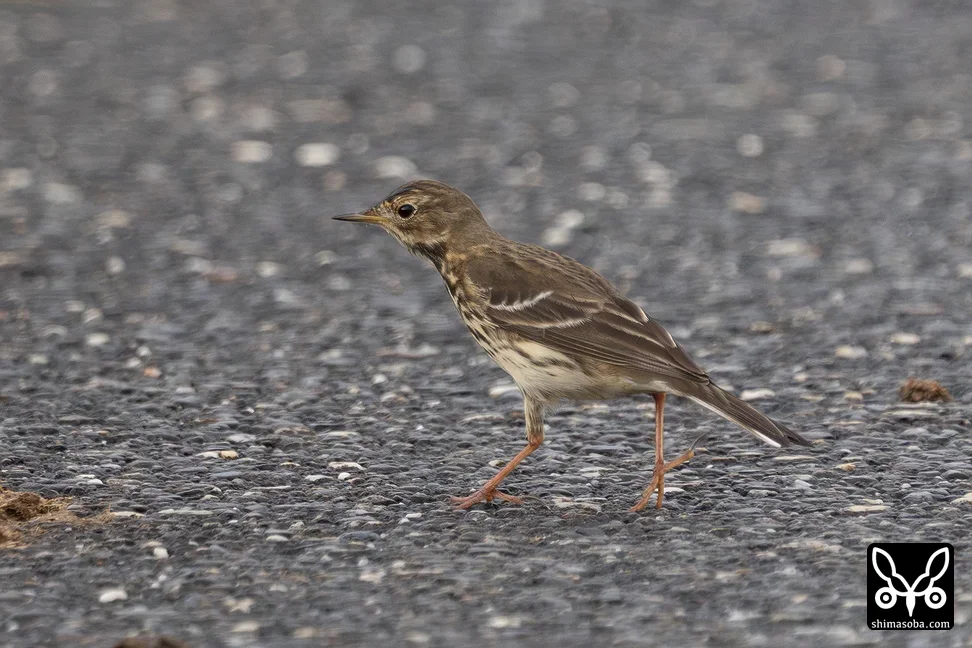
Water Pipit
Water Pipit

A noticeably slender-looking Buff-bellied Pipit. Perhaps it burned through all its fat reserves on migration.

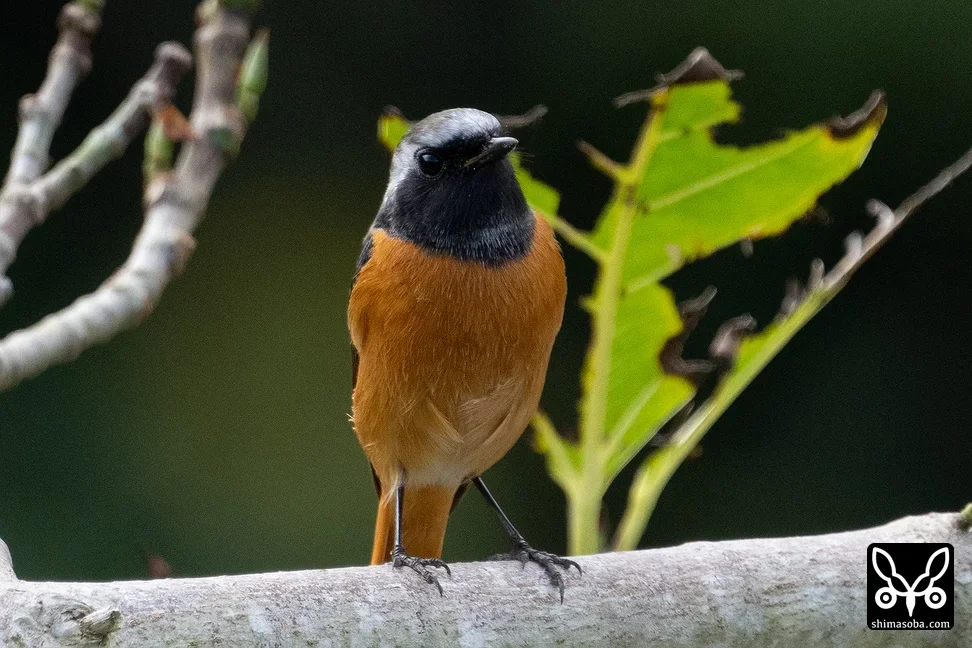
Daurian Redstart
Daurian Redstart

Daurian Redstarts were present in good numbers — I could hear their calls throughout.

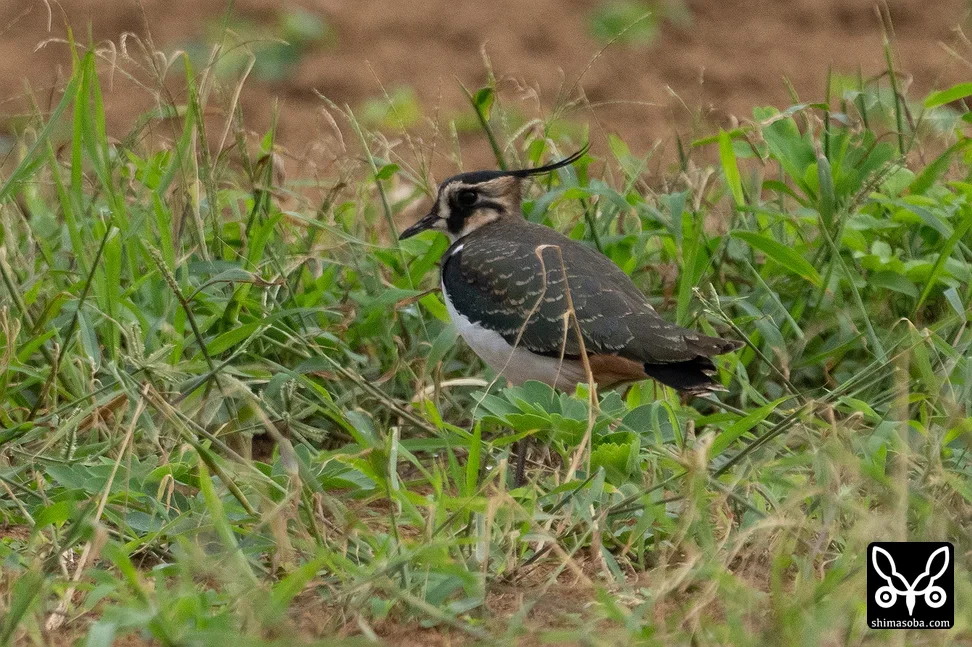
Northern Lapwing
Northern Lapwing

A small group of Northern Lapwings resting in a field. They looked tired.

Eastern Buzzard
Eastern Buzzard

An adult Eastern Buzzard. Several Common Buzzards also present. Other raptors noted: Grey-faced Buzzard, Common Kestrel, Osprey, and Peregrine Falcon.

Common Pochard
Common Pochard

A lone Tufted Duck at Kubura Mitou.

Categories: 野鳥
Black Drongo and 11 Pied Avocets Arrive!! (video)

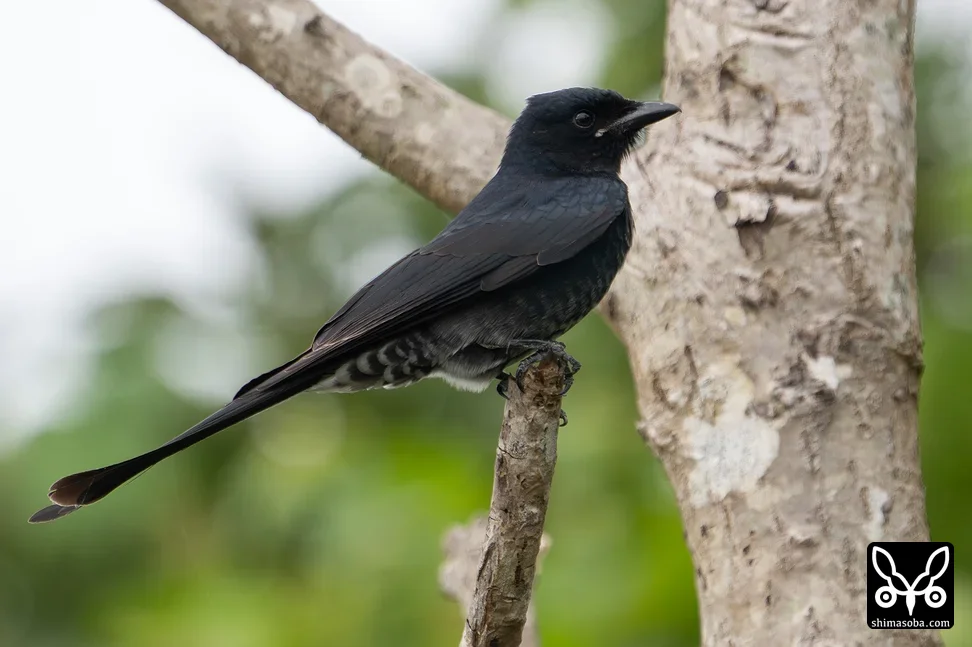
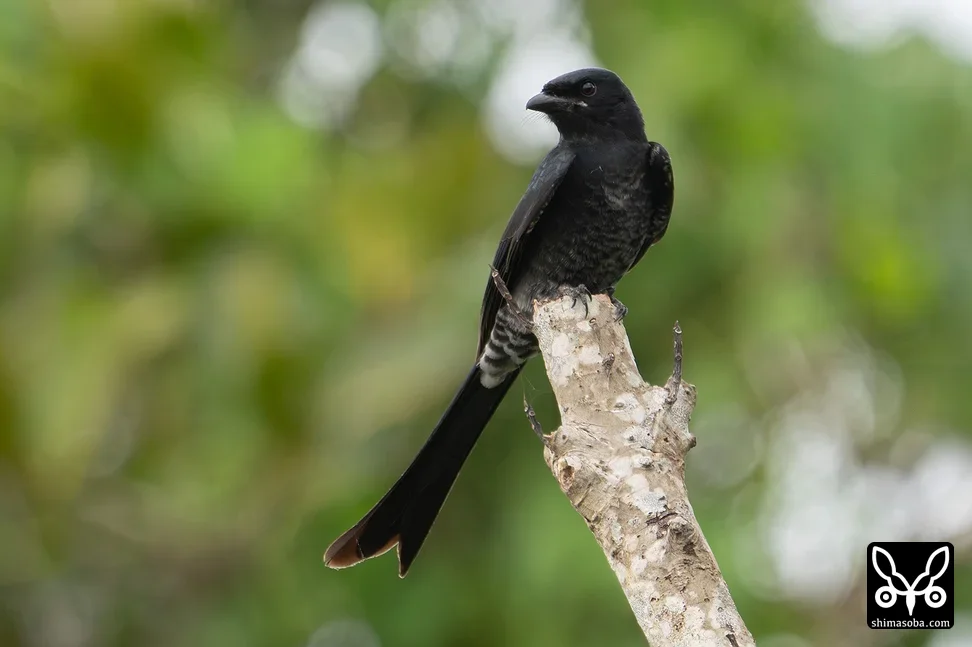
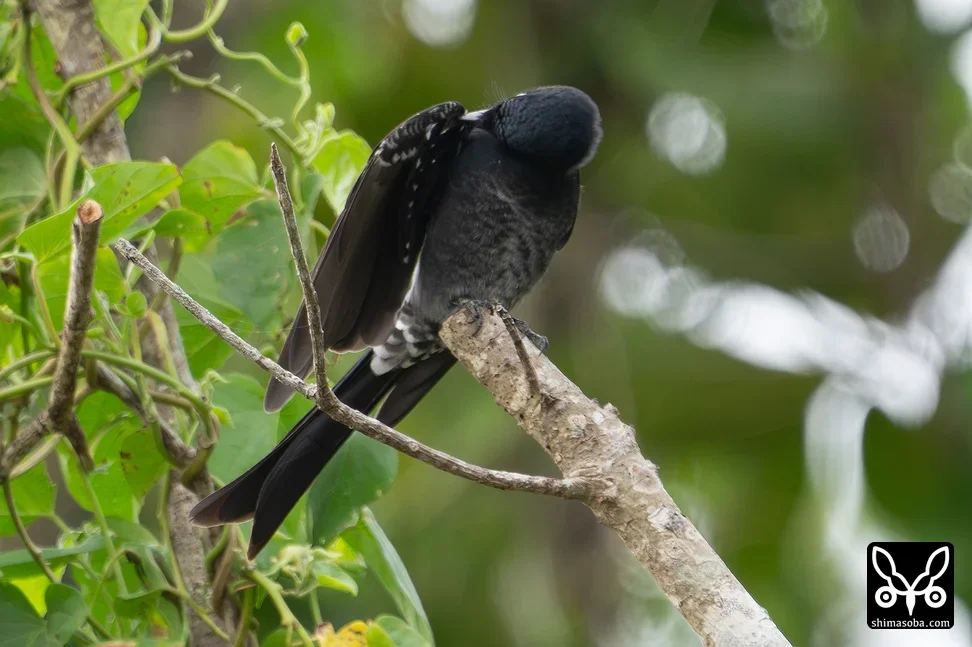
Ishigaki Island is getting strong northerly winds from unseasonably late Typhoon No. 22. I was out searching for the Black Bittern that had been reported the day before and the day before that, thinking "I wonder what else might turn up," when a message came in: "There's a Black Drongo here." I headed over and found a poorly-wary juvenile Black Drongo. It appeared to be preying on dragonflies and the like.

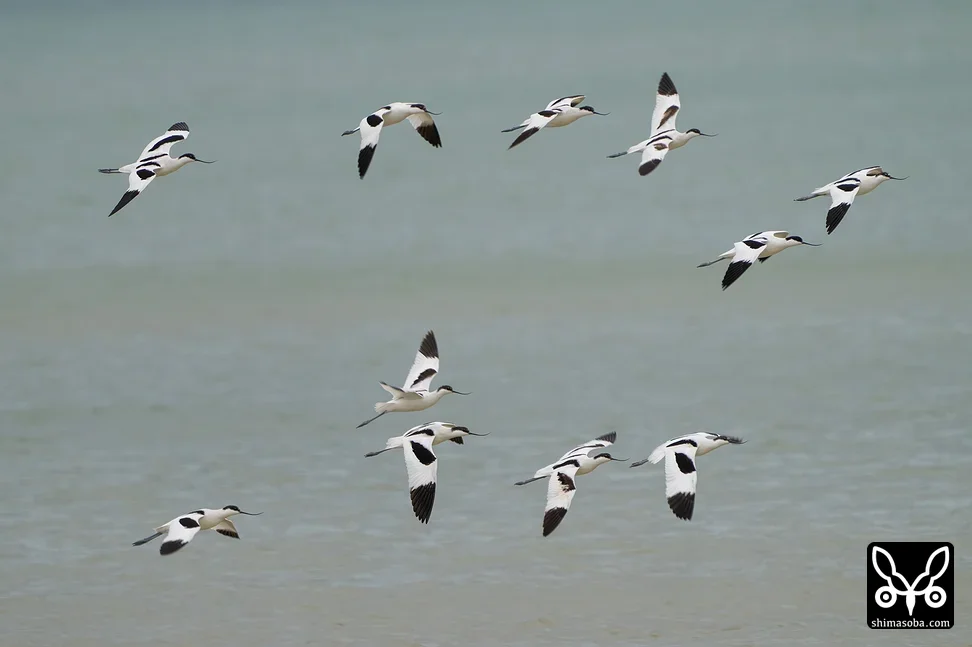
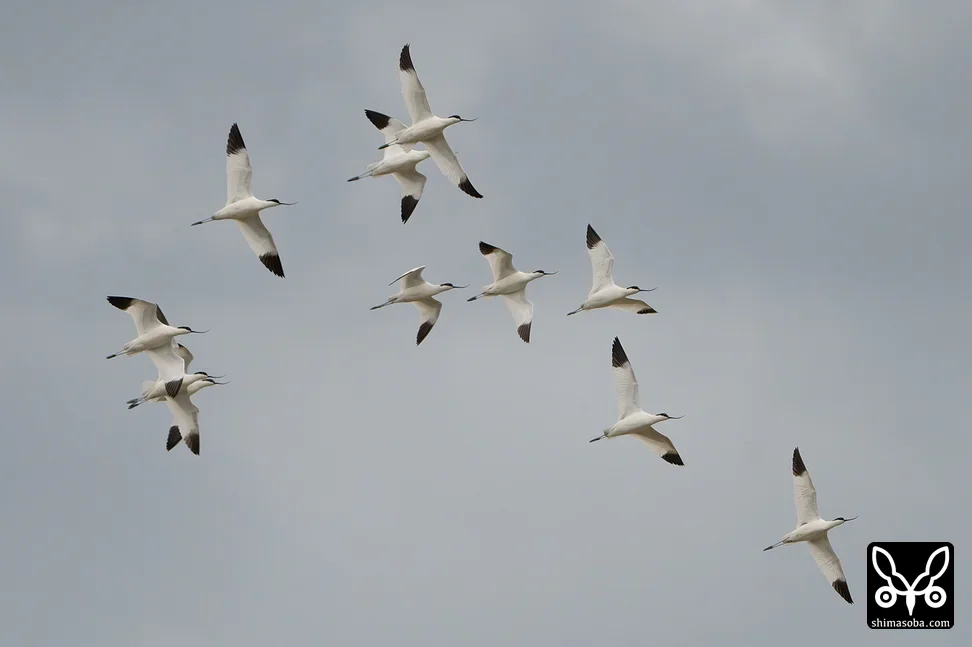
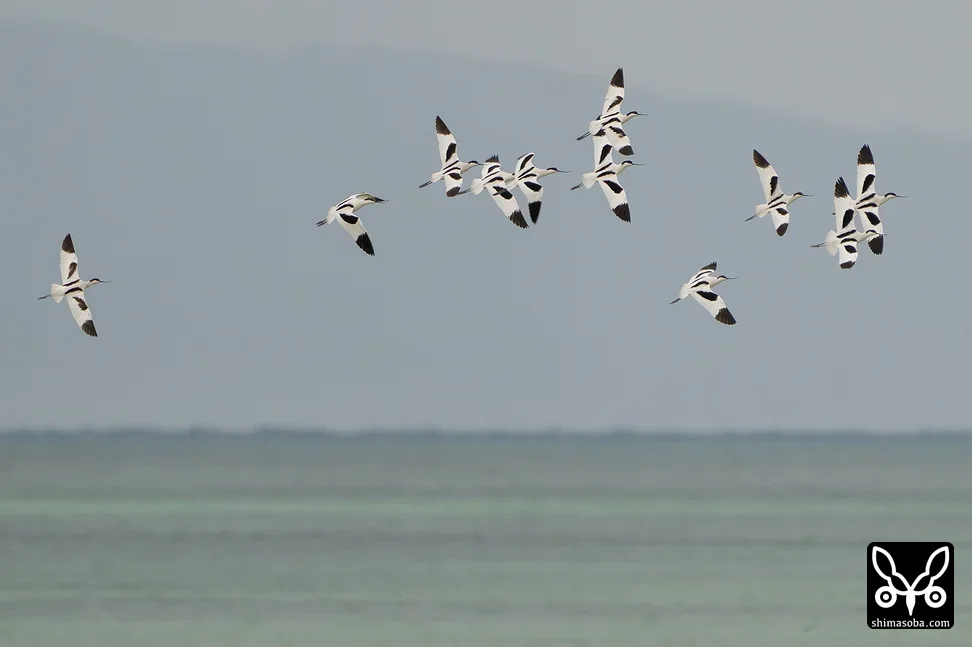
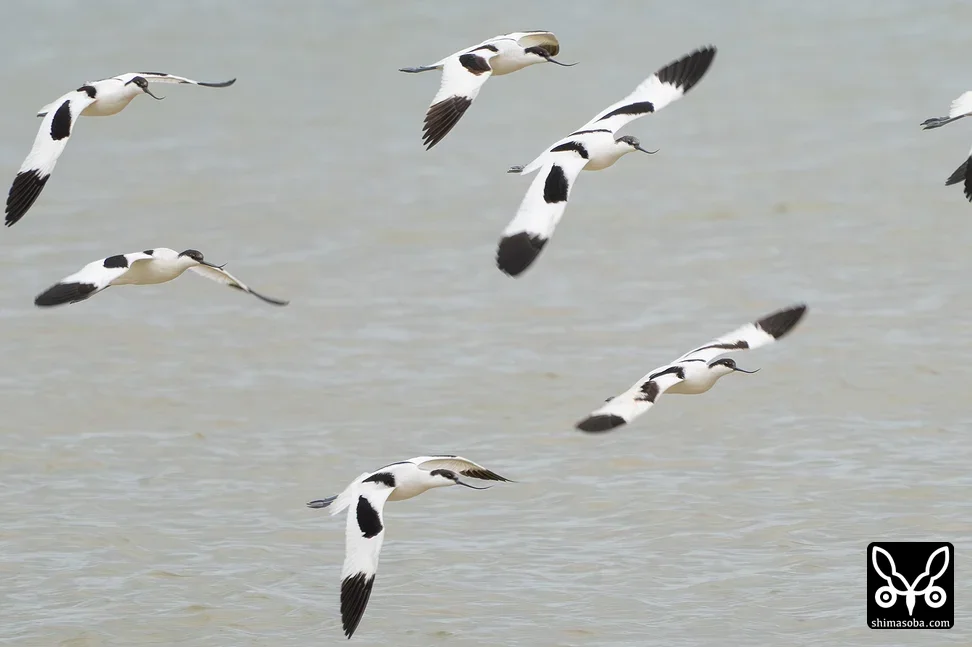
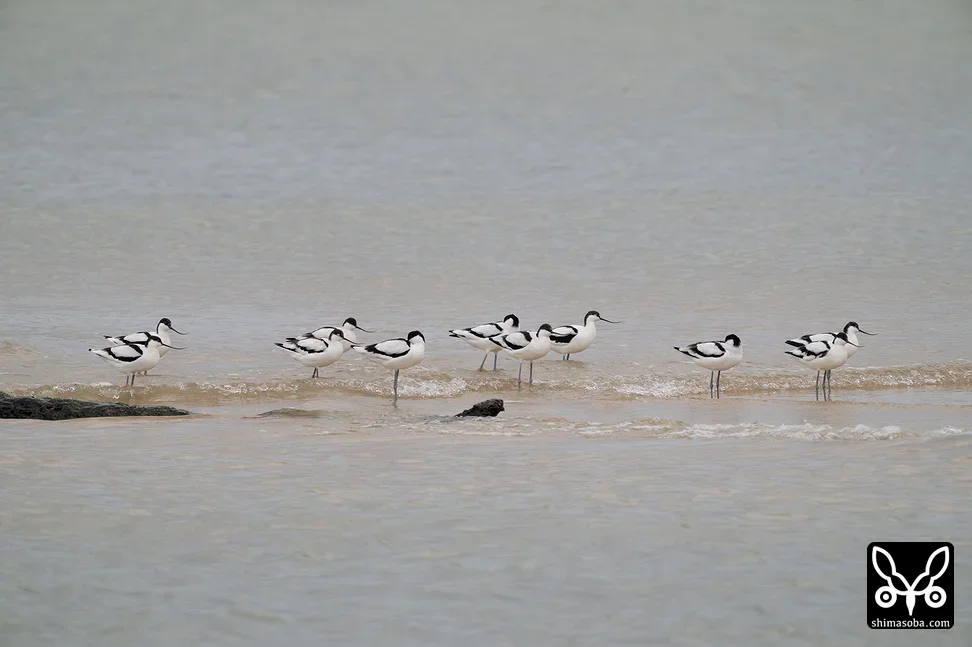
Toward evening, several acquaintances contacted me to say there was a flock of Pied Avocets. I was nearby on my way home from buying groceries at the supermarket, so I stopped in — and there was a flock of 11 Pied Avocets. In 2020 a flock of 7 visited Yonaguni Island, but this was well beyond that. The larger the flock, the more beautiful and impressive a sight it makes.

Black Drongo
Black Drongo

A Black Drongo perched on a branch right in front of me.

Black Drongo
Black Drongo

This individual is a juvenile, so it has white spots from the breast down to the undertail coverts.

Black Drongo
Black Drongo

White spots are present on the underwing as well. From past records, Black Drongo apparently retain white spots on the underwing at least through the first-summer plumage of the year following hatching.

Pied Avocet
Pied Avocet

A dancing flock of 11 Pied Avocets. The monochrome Pied Avocets and the ash-grey sea under overcast skies together create an atmosphere of quiet austerity.

Pied Avocet
Pied Avocet

A flock of Pied Avocets circling overhead. Nine adults and two juveniles.

Pied Avocet
Pied Avocet

A Pied Avocet with Iriomote Island in the background. I had a feeling something like a certain catharsis washed over me.

Pied Avocet
Pied Avocet

Pied Avocets are a familiar sight on Ishigaki and Okinawa, but a flock makes them all the more striking.

Pied Avocet
Pied Avocet

Apparently they came in off the sea and landed on this beach around 4 p.m.

Categories: 野鳥
Black-winged Kite Hunting (video)

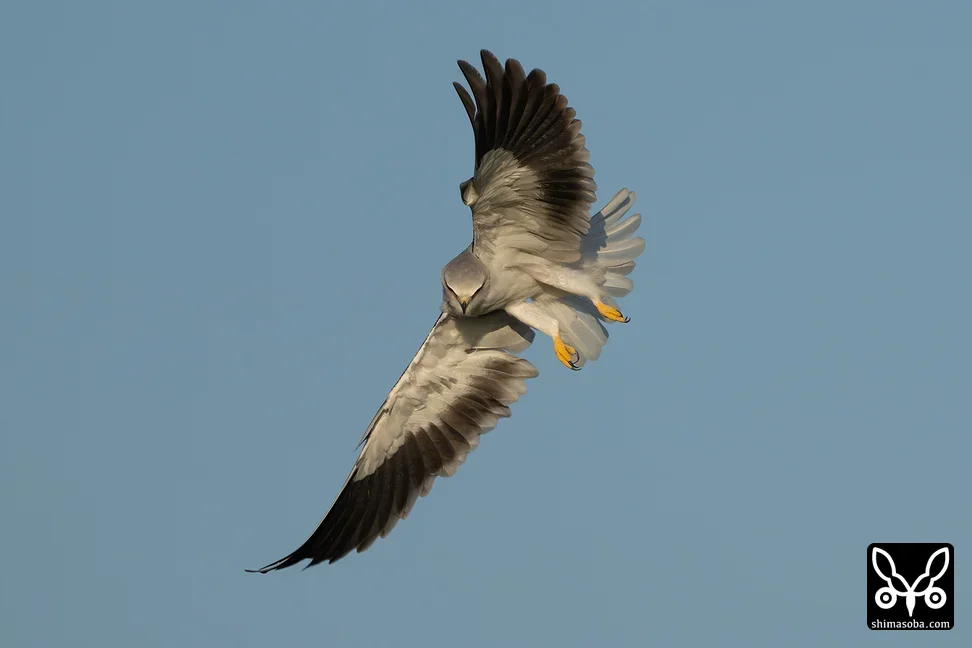
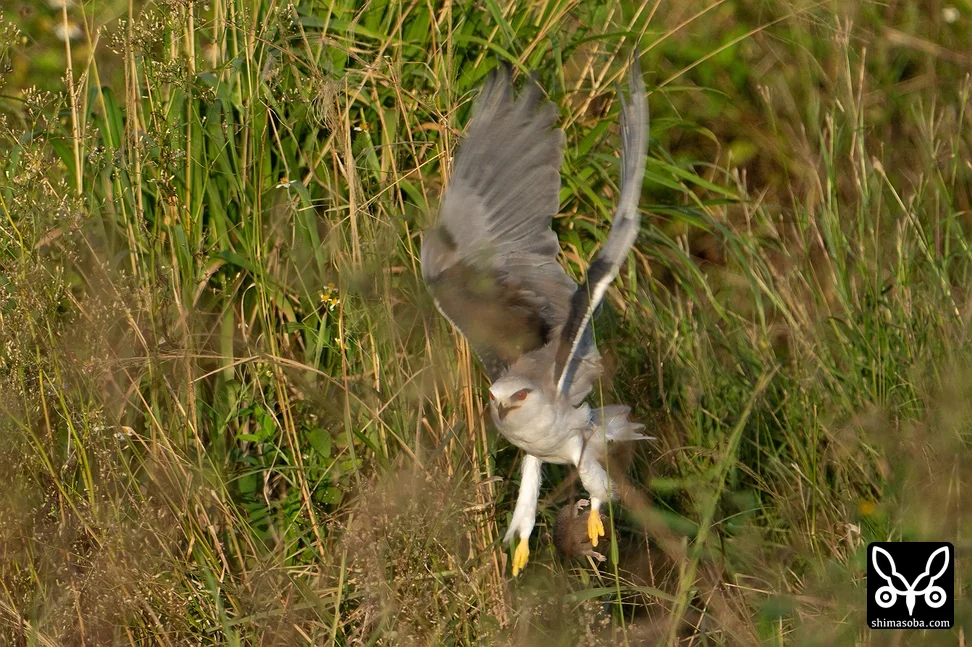
I usually pass on Black-winged Kites when I see them, but this one was zeroing in on prey so I photographed it for the first time in a while.

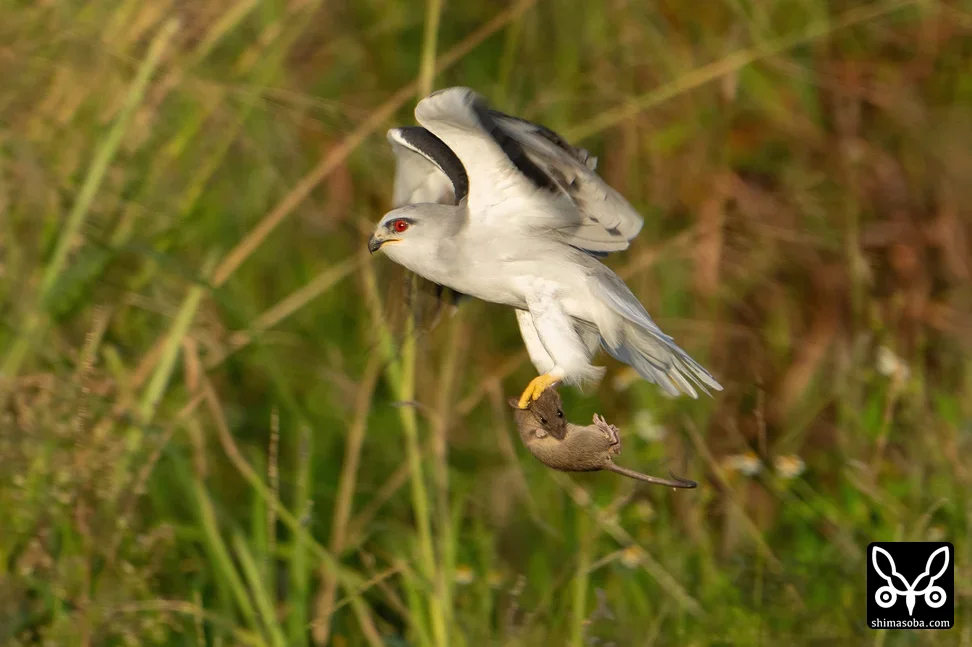
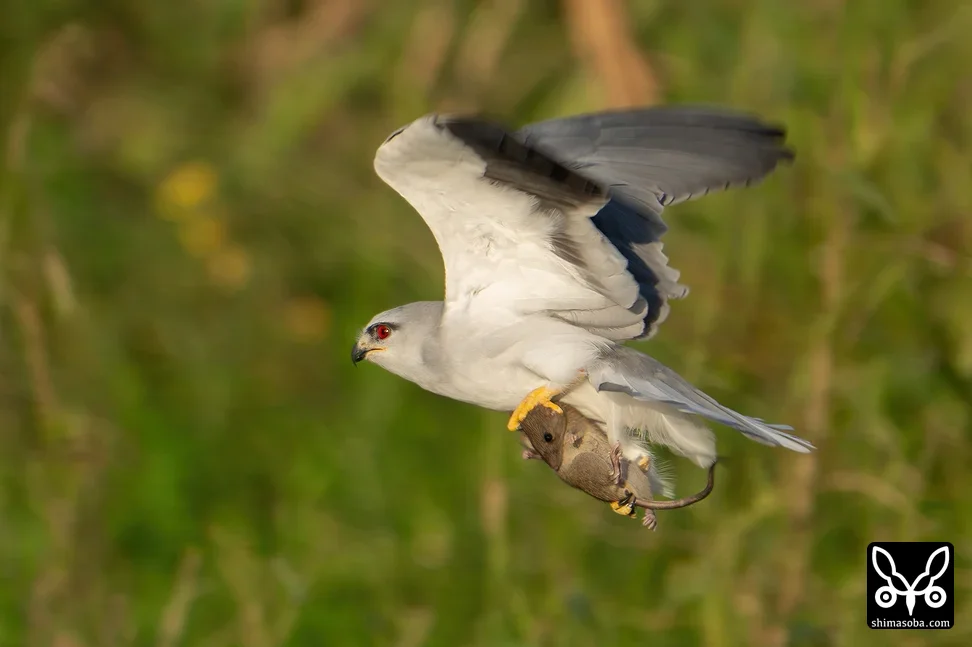
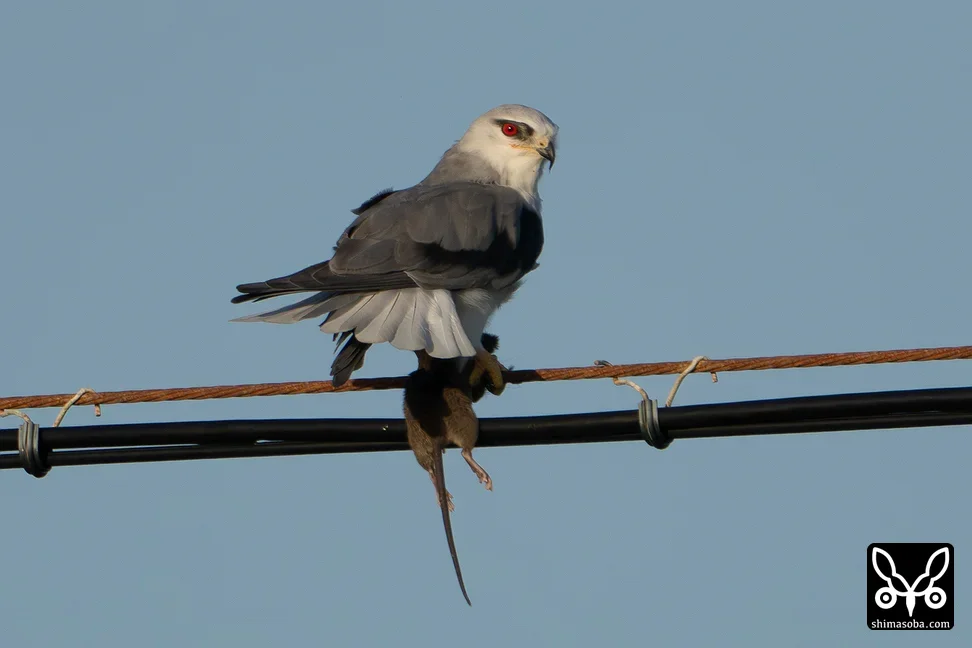
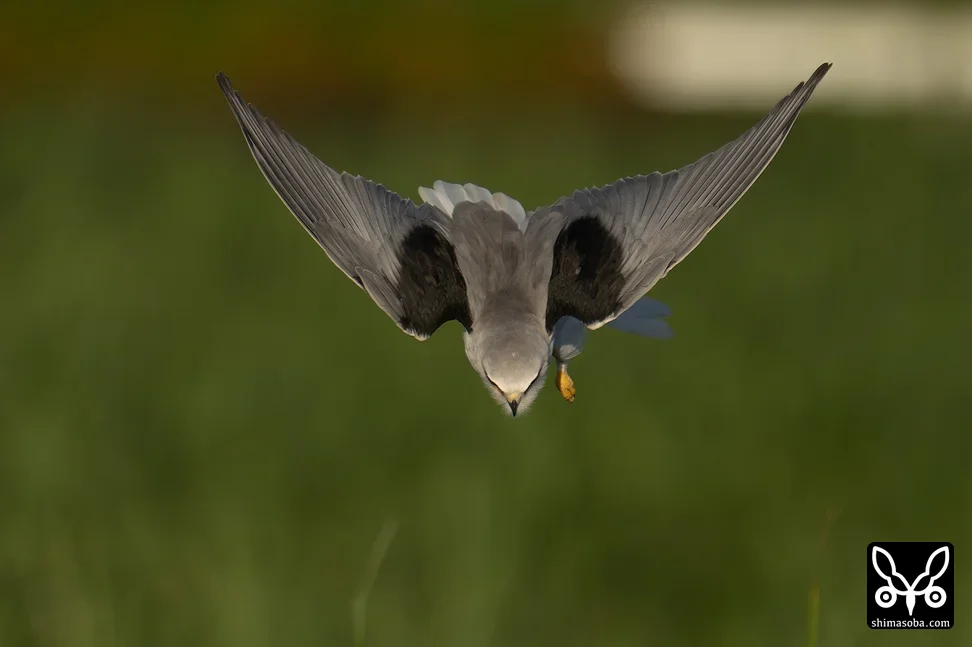
I spotted an adult Black-winged Kite on a power line, repeatedly eyeing the grassland below. It moved from its first perch to a lower telephone wire, then changed orientation and plunged down. A few seconds later it burst out of the grass with a Black Rat already squeezed dead in its talons.

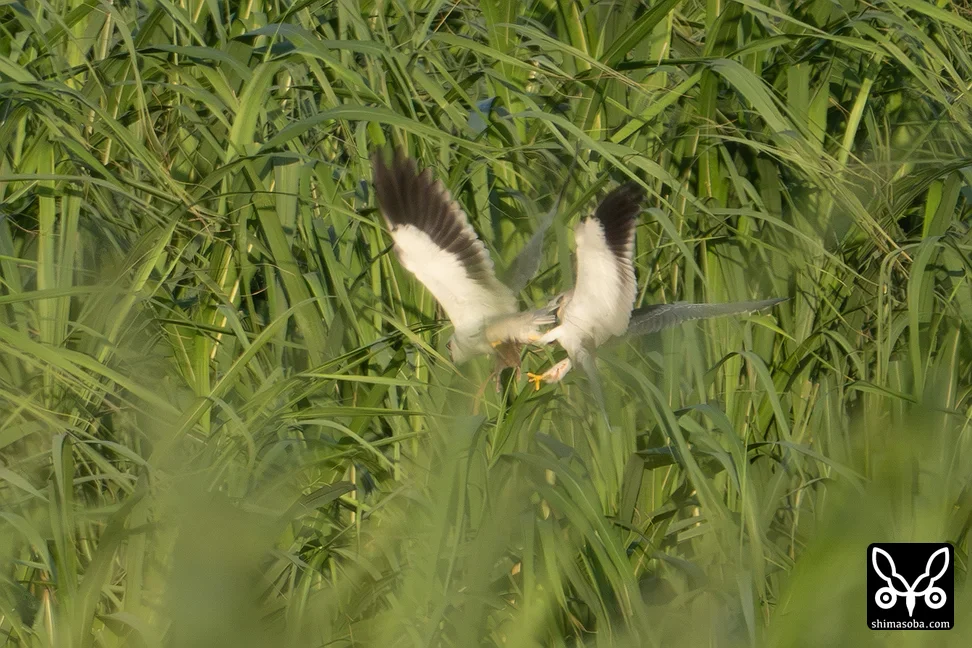
It brought the rat back to the telephone wire and began eating, all the while pumping its tail up and down and calling. I thought a female nearby might be coming to steal the prey, but the bird flew off to the east. Tracking it with the camera, I could see another Black-winged Kite arrive and snatch the rat away. Enlarging the photos, it looked as though the prey was being passed not to a female but to a juvenile.

On Ishigaki Island, Black-winged Kites breed year-round except in the depths of winter. They raise young roughly twice per season, so the population has grown considerably — on busy days you can count around 10 birds in a single day.

Black-winged Kite
Black-winged Kite

A Black-winged Kite locking onto prey.

Black-winged Kite
Black-winged Kite

A Black-winged Kite diving steeply toward a patch of grass.

Black-winged Kite
Black-winged Kite

The hunt appears to have been successful — it has a mouse in its talons.

Black-winged Kite
Black-winged Kite

The Black Rat, with a vacant expression, is already dead.

Black-winged Kite
Black-winged Kite

The Black-winged Kite carrying its prey vertically to minimize air resistance.

Black-winged Kite
Black-winged Kite

It returned to the telephone wire and began eating the prey.

Black-winged Kite
Black-winged Kite

From a distance I could make out the bird being relieved of its prey by a juvenile (right).

Black-winged Kite
Black-winged Kite

The Black-winged Kite here appears every day, morning and evening, catching rats. It is a relatively unwary individual even by Ishigaki Island standards — it does not flush when a car passes beneath it.

Black-winged Kite
Black-winged Kite

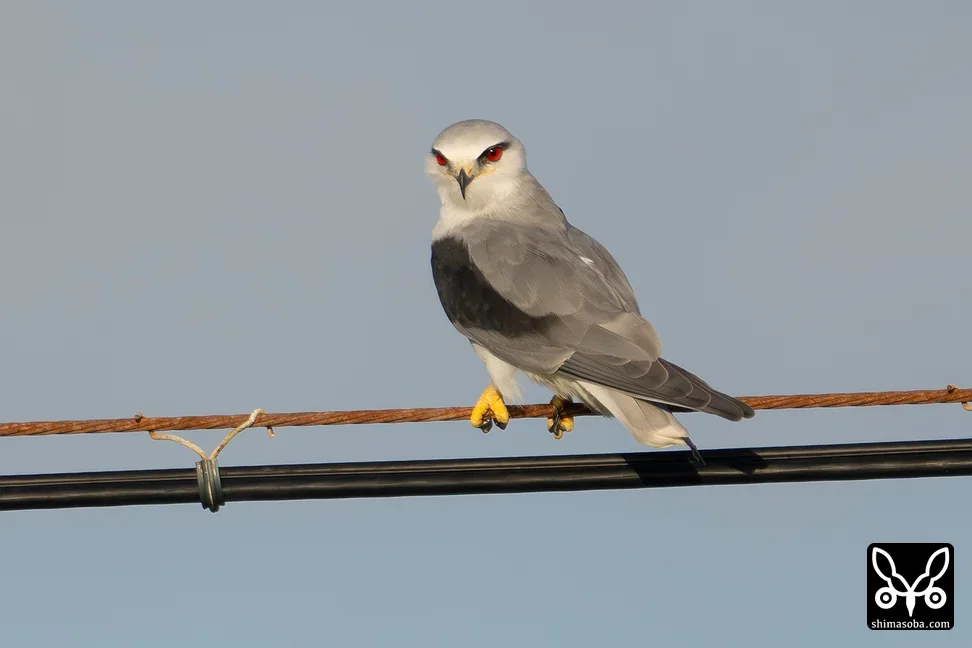
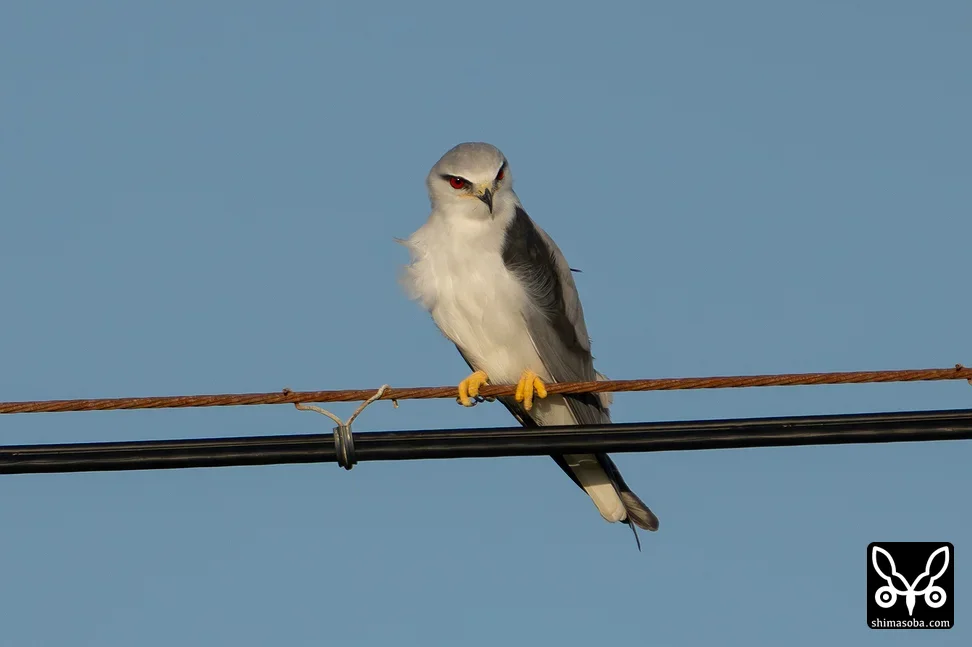
Even from a distance, the whitish underparts from breast to belly are conspicuous.

Categories: 野鳥
Black-faced Spoonbill, Garganey, Northern Lapwing and Others

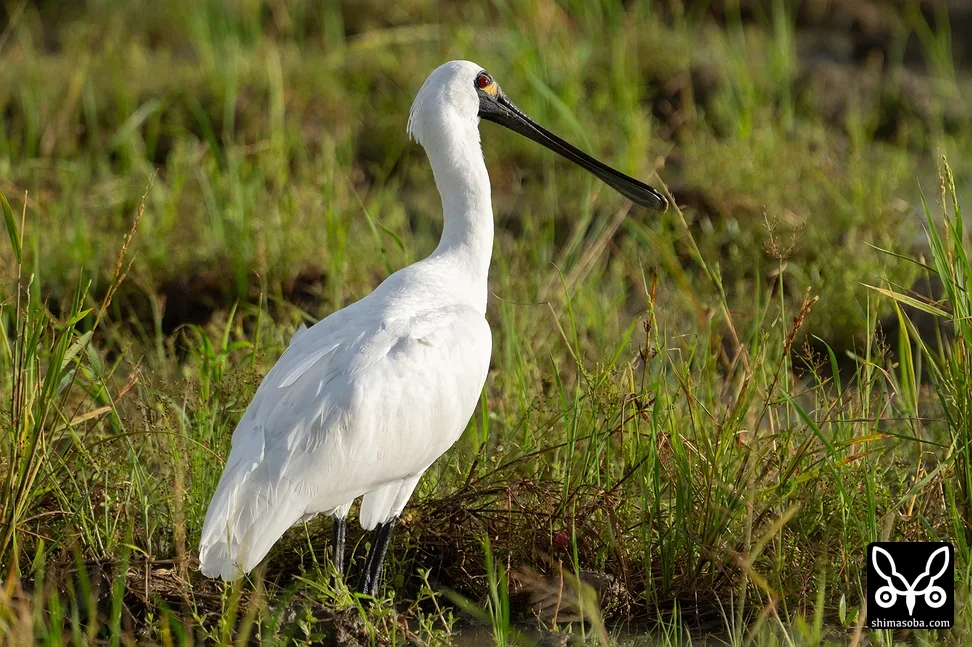
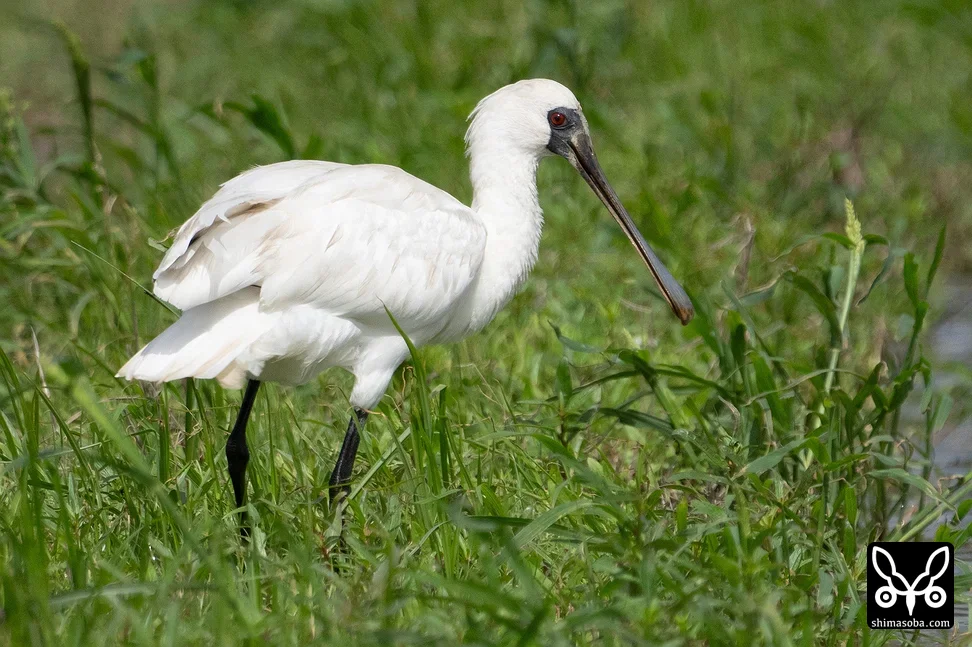
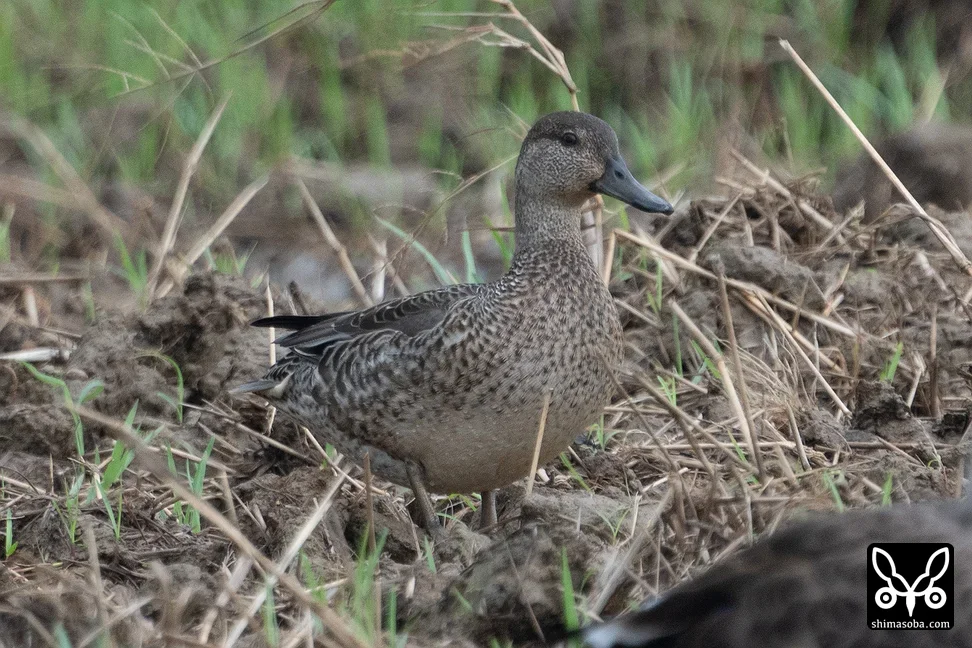
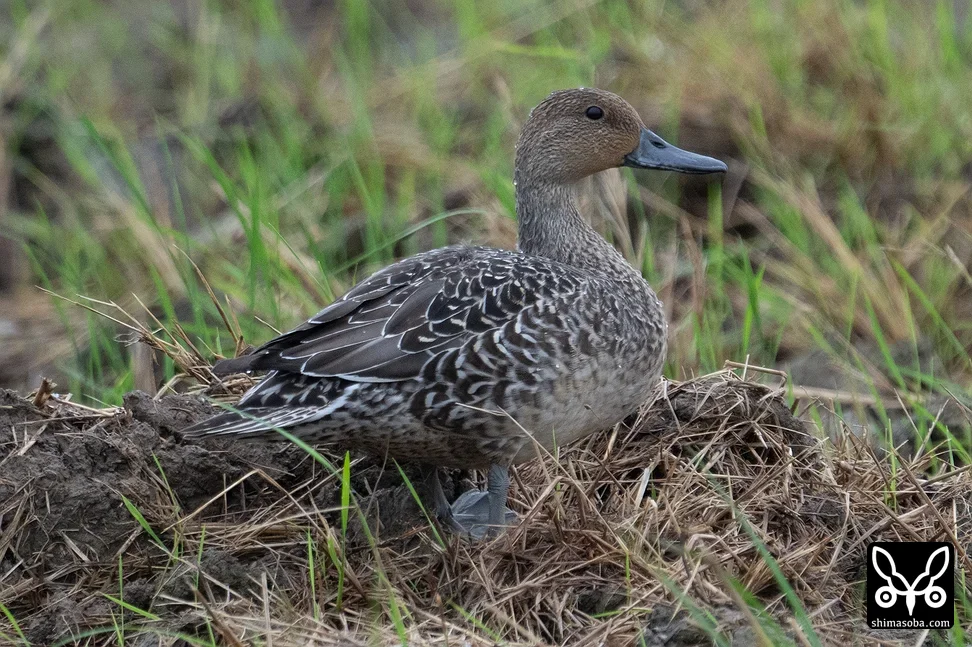
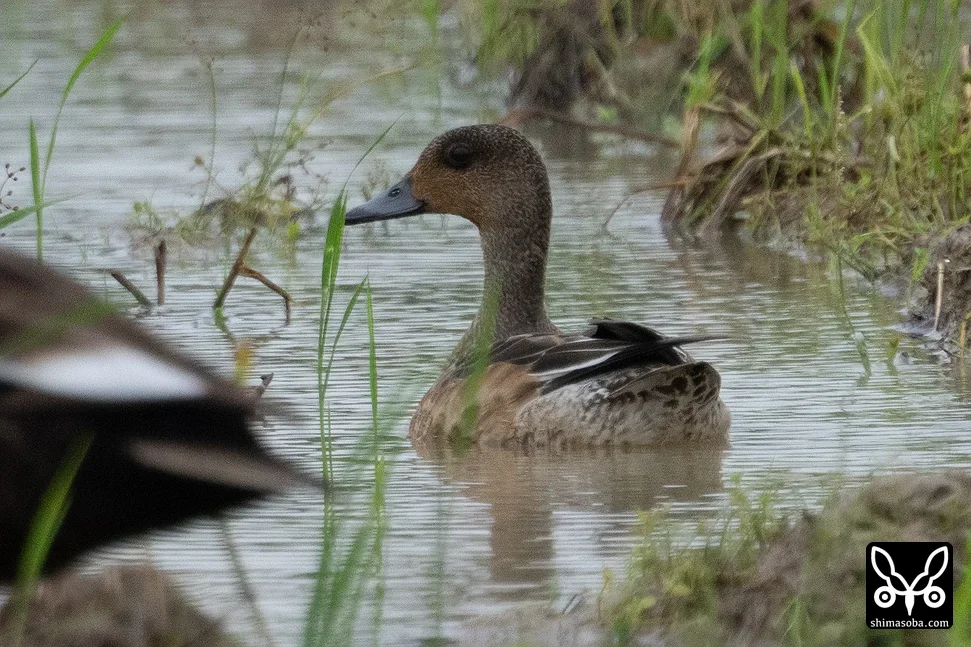
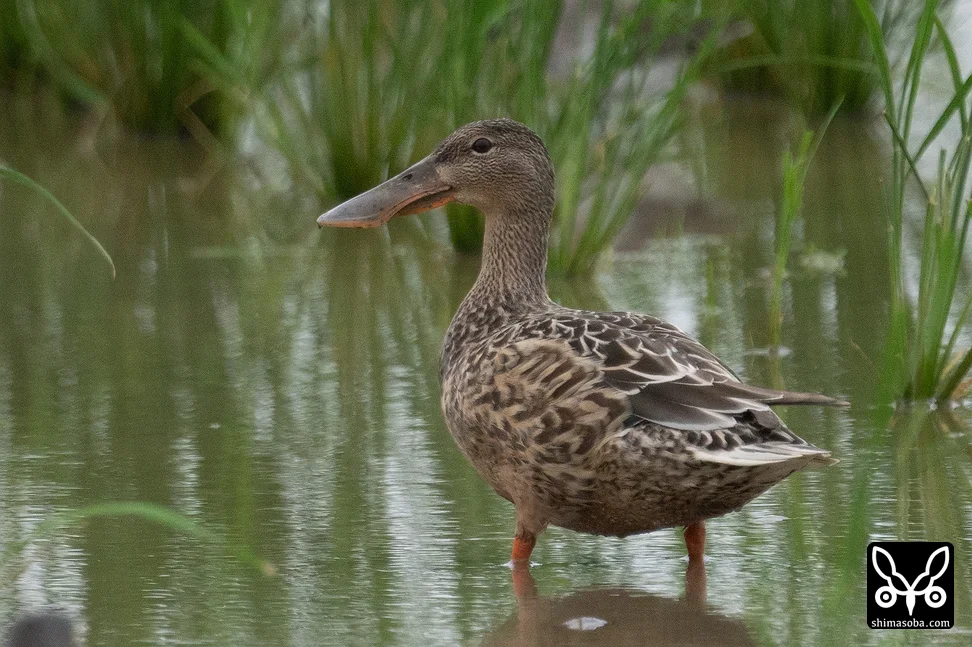
Two Black-faced Spoonbills are roaming and staying around the island. As it gradually starts to feel like autumn, Garganey, Eurasian Teal, Northern Shoveler, Eurasian Wigeon and Northern Pintail are also increasing.

Black-faced Spoonbill

Adult Black-faced Spoonbill.

Black-faced Spoonbill

Black-faced Spoonbill from a different area.

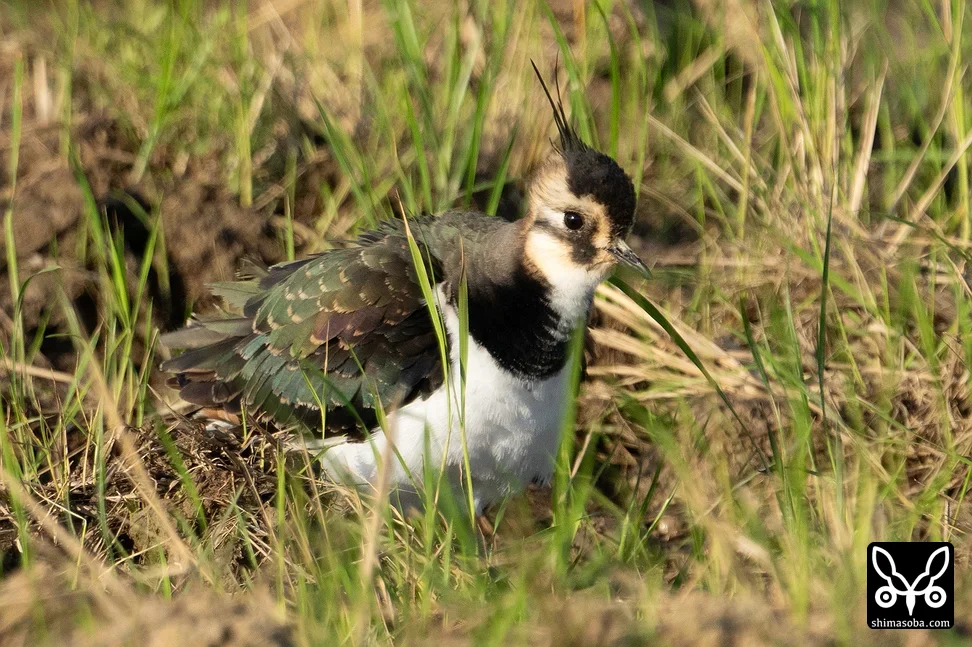
Northern Lapwing
Northern Lapwing

Five Northern Lapwings arrived. As in previous years, all were juveniles.

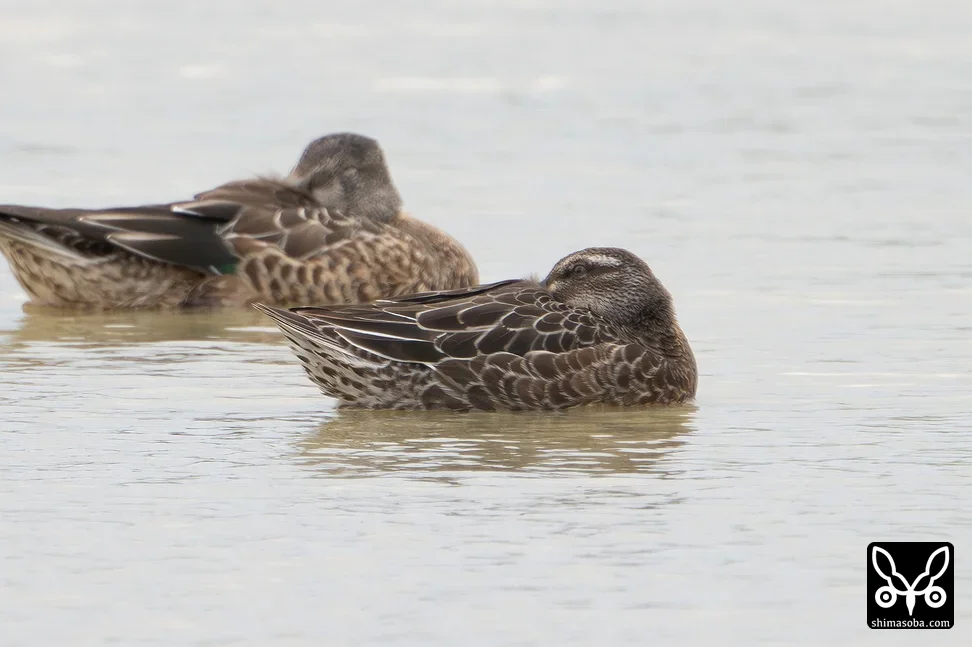
Garganey
Garganey

A juvenile Garganey that stayed like this until the end.

Eurasian Teal
Eurasian Teal

Common Teal also wintering here. Adult female, non-breeding plumage.

Northern Pintail
Northern Pintail

A single adult female Northern Pintail, non-breeding plumage.

Eurasian Wigeon
Eurasian Wigeon

The Eurasian Wigeon also arrived alone and was associating with Spot-billed Ducks.

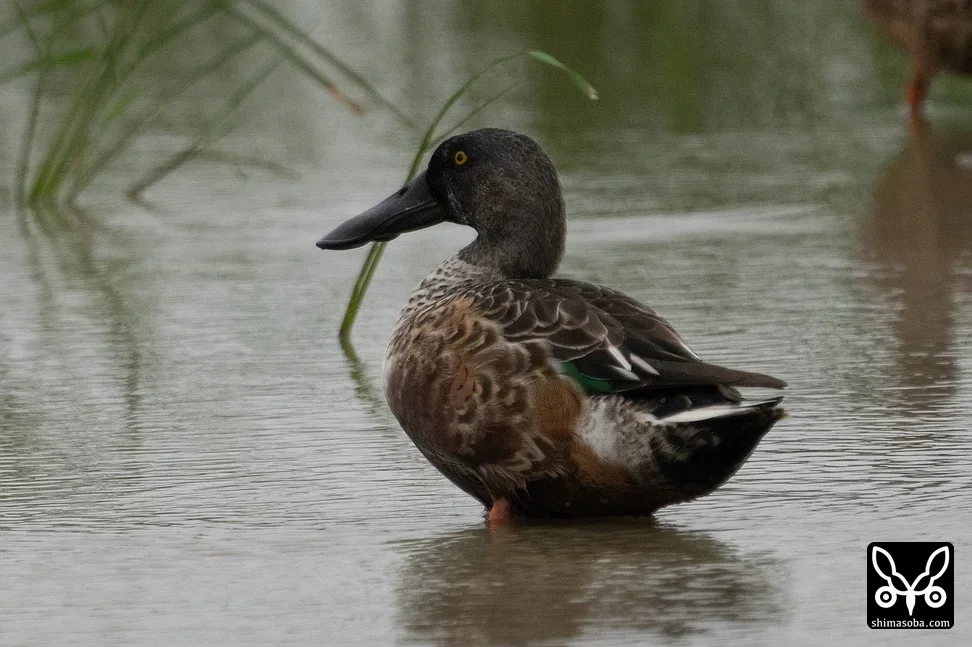
Northern Shoveler
Northern Shoveler

Juvenile female Northern Shoveler.

Northern Shoveler
Northern Shoveler

Male Northern Shoveler, moulting from eclipse into breeding plumage.

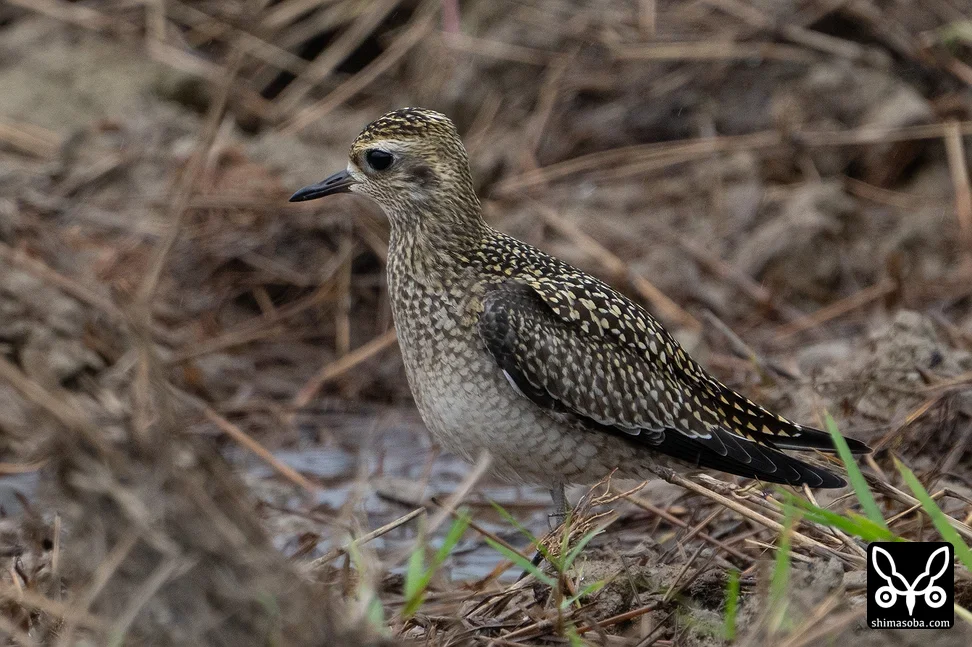
Pacific Golden Plover

A juvenile Pacific Golden Plover on its own.

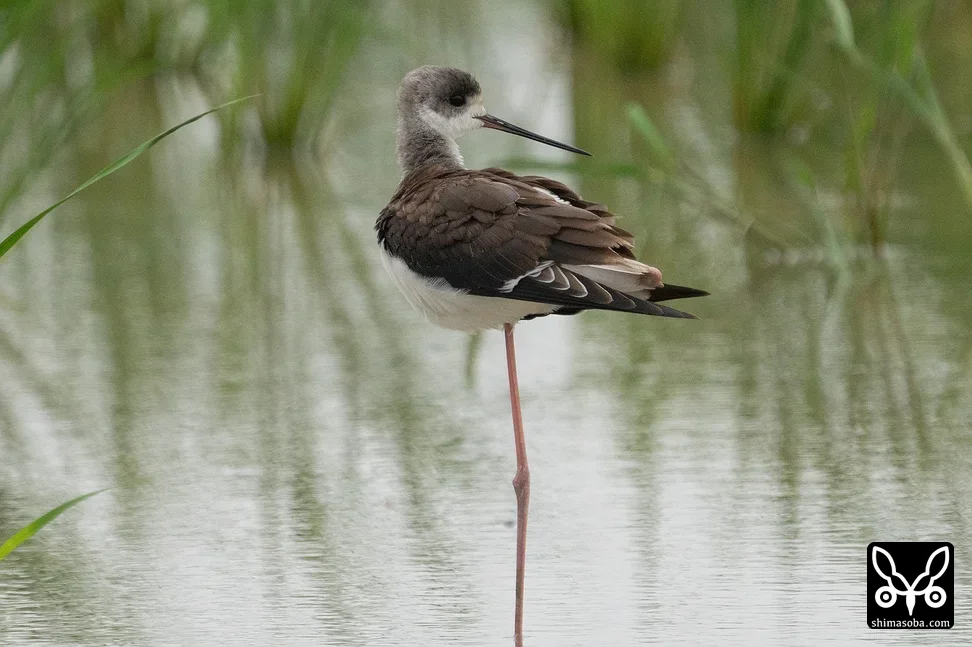
Black-winged Stilt
Black-winged Stilt

Black-winged Stilt, first-winter plumage.

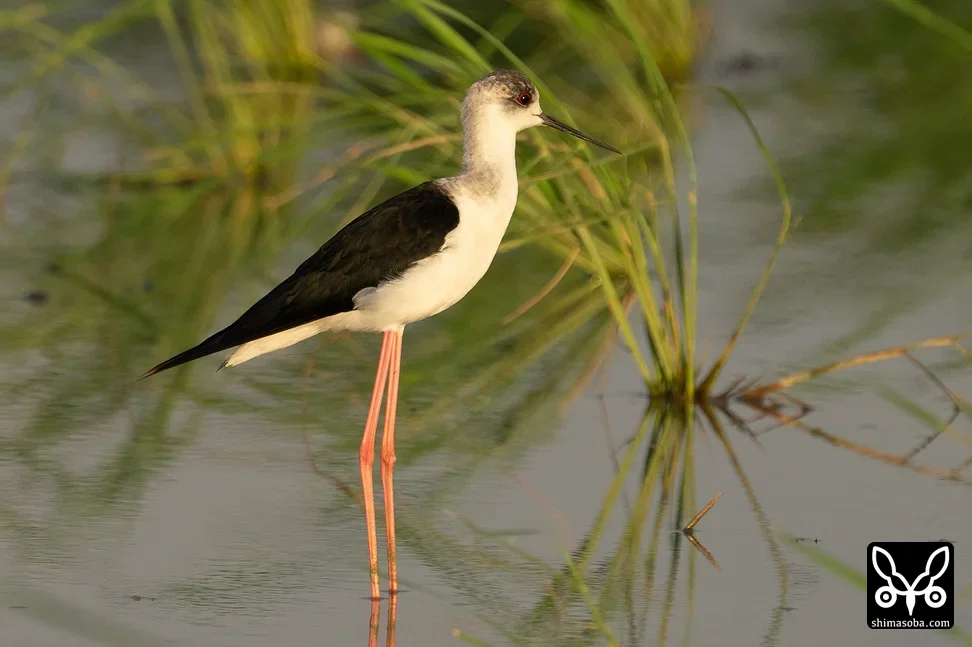
Black-winged Stilt
Black-winged Stilt

Adult male Black-winged Stilt.

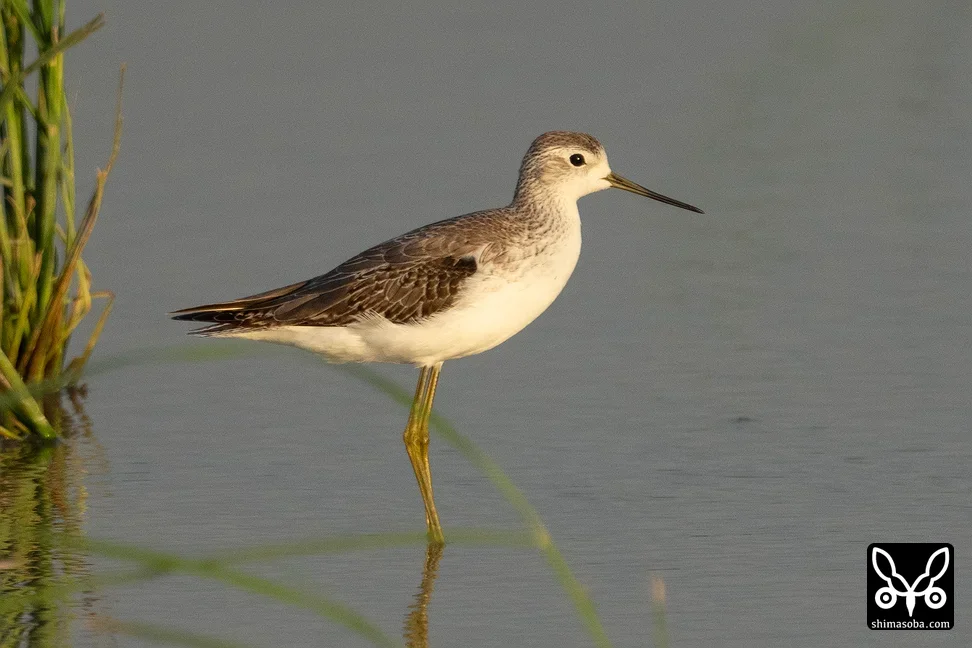
Marsh Sandpiper
Marsh Sandpiper

Common Greenshank, first-winter plumage.

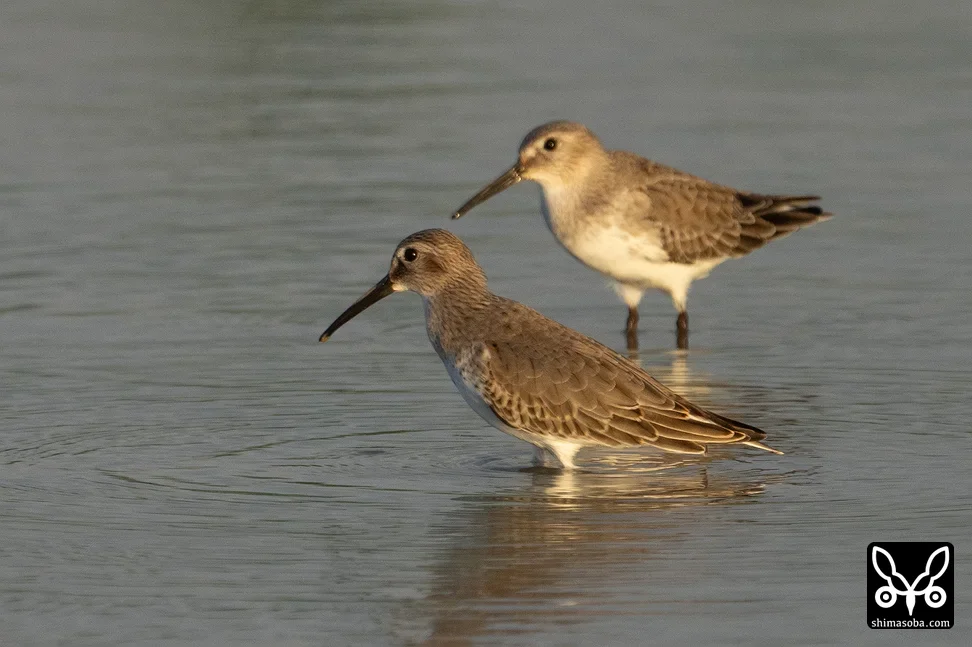
Dunlin
Dunlin

Dunlin are scarce in Okinawa, but this season a flock of up to 20 has been present.

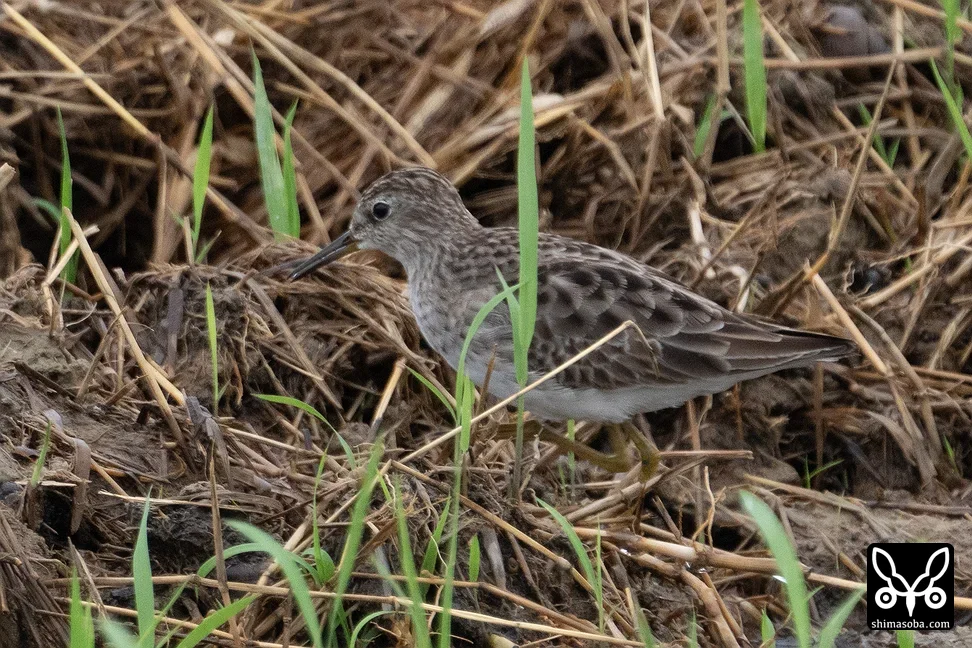
Long-toed Stint
Long-toed Stint

Long-toed Stint numbers have dropped off considerably.

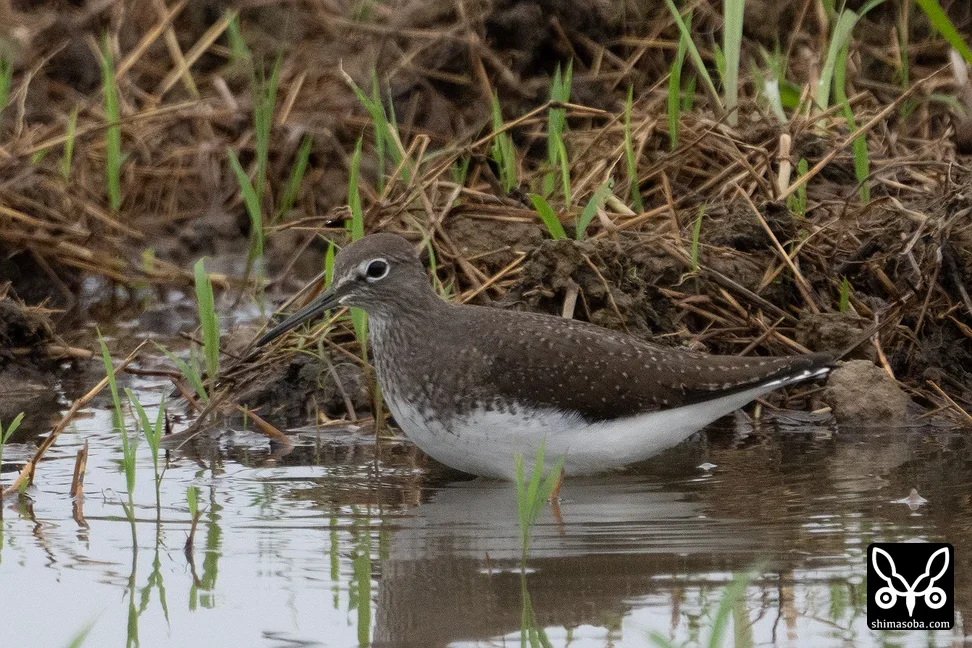
Green Sandpiper
Green Sandpiper

Green Sandpiper, always on its own.

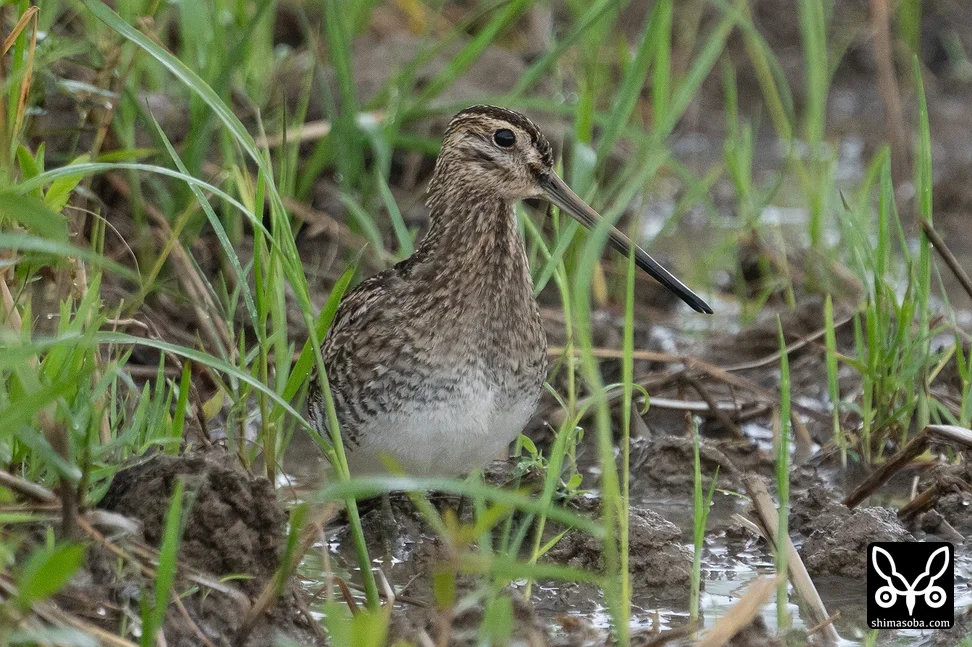
Common Snipe
Common Snipe

All the snipe have turned out to be Common Snipe.

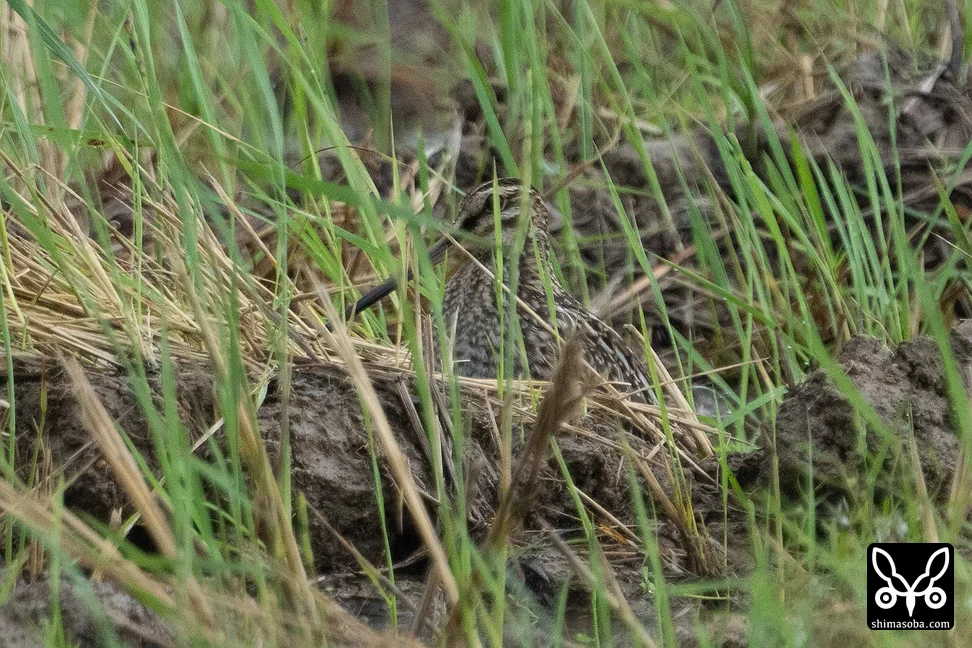
Common Snipe
Common Snipe

Common Snipe are around here and there, like this.

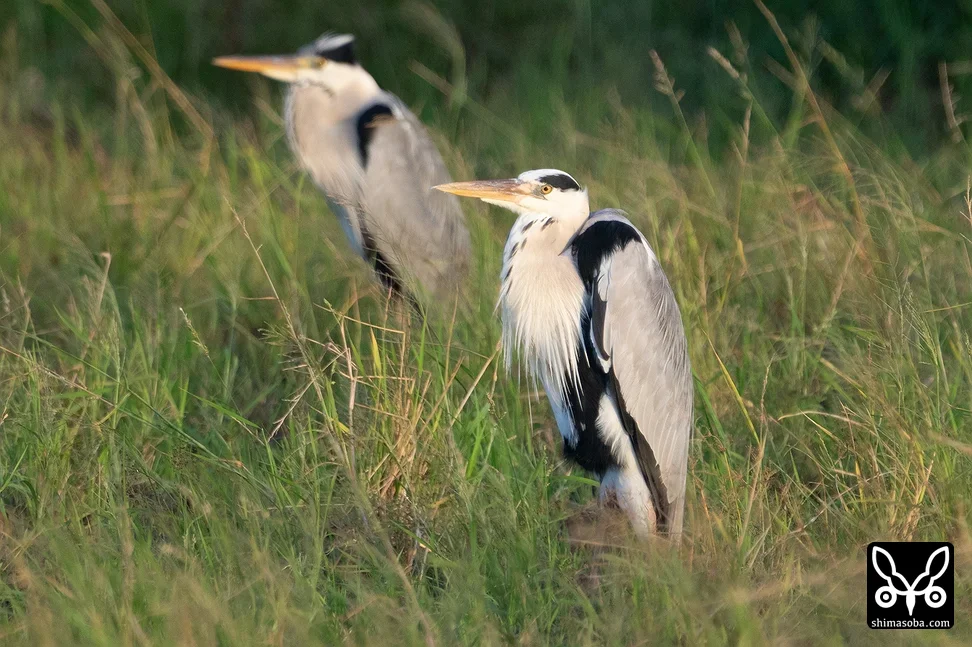
Grey Heron
Grey Heron

The wintering Grey Herons have been increasing too.

Categories: 野鳥