A daily record.
Featuring photos of wild birds and nature, mainly from Okinawa Main Island and Ishigaki Island

Eurasian Hoopoe Asian koel Forest Wagtail Ruddy Kingfisher Emerald dove

GUIDED BIRDWATCHING TOUR

Go where the birds are. The SHIMASOBA Tour launches.

We'll drive you around Ishigaki Island to wherever the birds are showing best that day. Observation is mostly from inside the vehicle, and we keep it to a maximum of 3 guests so everyone can take their time.

Max. 3 guests 4 hours in the morning Beginners welcome
Check availability and book

Red Collared Dove again: four today

Red Collared Dove for the third day running. On day one there were two, but I stayed too long on the Pechora Pipit and didn't get them , on day two there was one , and today I found four.

Yesterday there was a single Red Collared Dove in a flock of several dozen Oriental Turtle Doves. Today there were hardly any Oriental Turtle Doves and the atmosphere felt uneasy. The Eastern Yellow Wagtails and Eurasian Tree Sparrows were on edge too, as if raptors had just been through. Still, searching the area I found an adult male Red Collared Dove in the woods up on the hill side. But it was too far away to photograph properly.

I gave up and was wandering around the area when a flock of several dozen Oriental Turtle Doves arrived from the south. Thinking this might be it, I searched through them and managed to find four Red Collared Doves at two spots. ^^
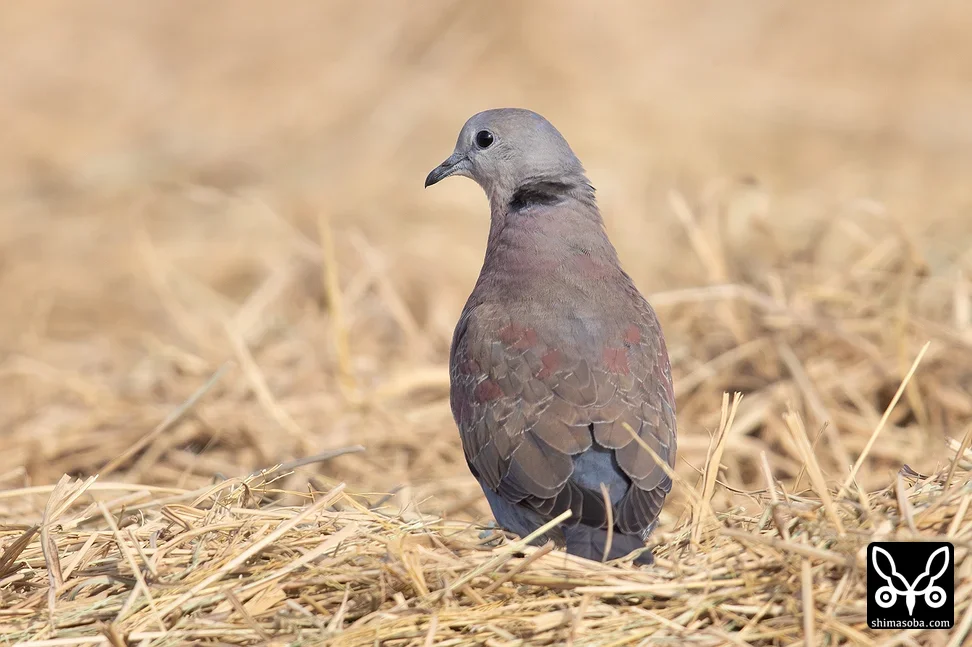
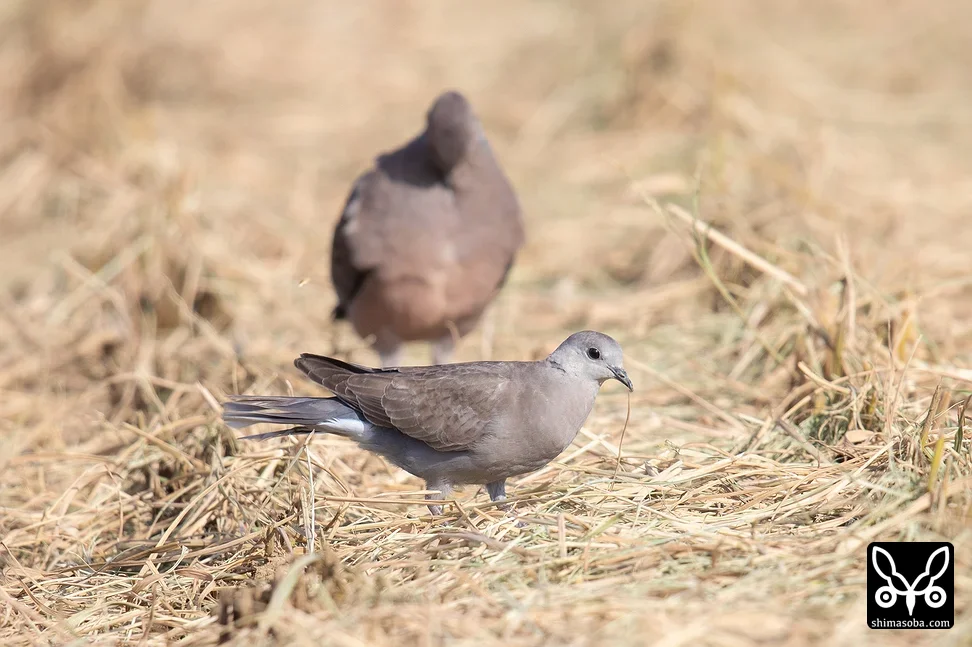
Eurasian Collared Dove

Male Pale-backed Pigeon in first-winter plumage.
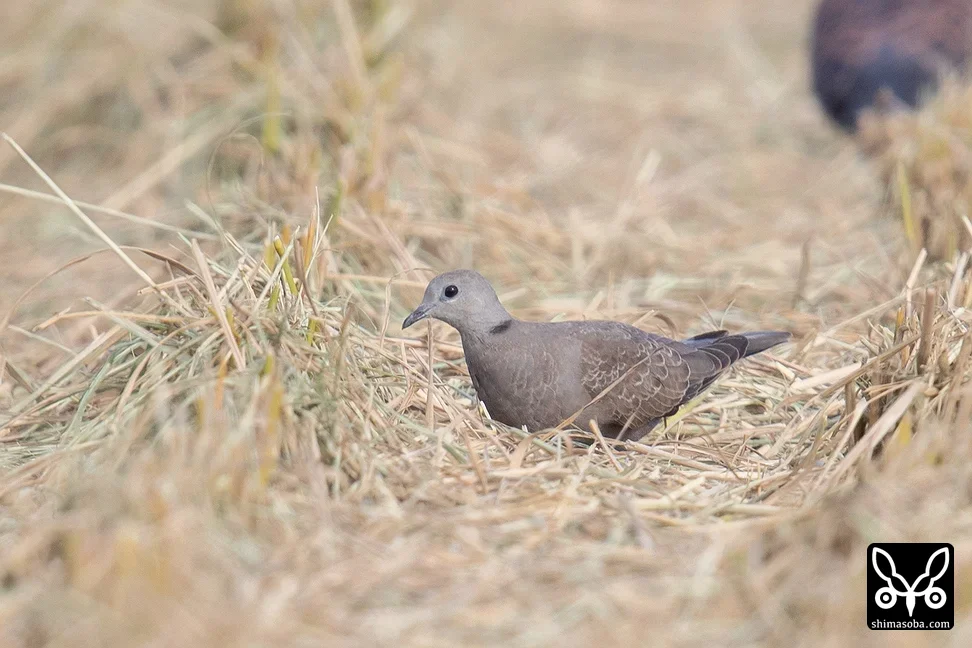
Eurasian Collared Dove

Female Pale-backed Pigeon in first-winter plumage.
Eurasian Collared Dove

Adult female Pale-backed Pigeon. An individual with a faint collar.
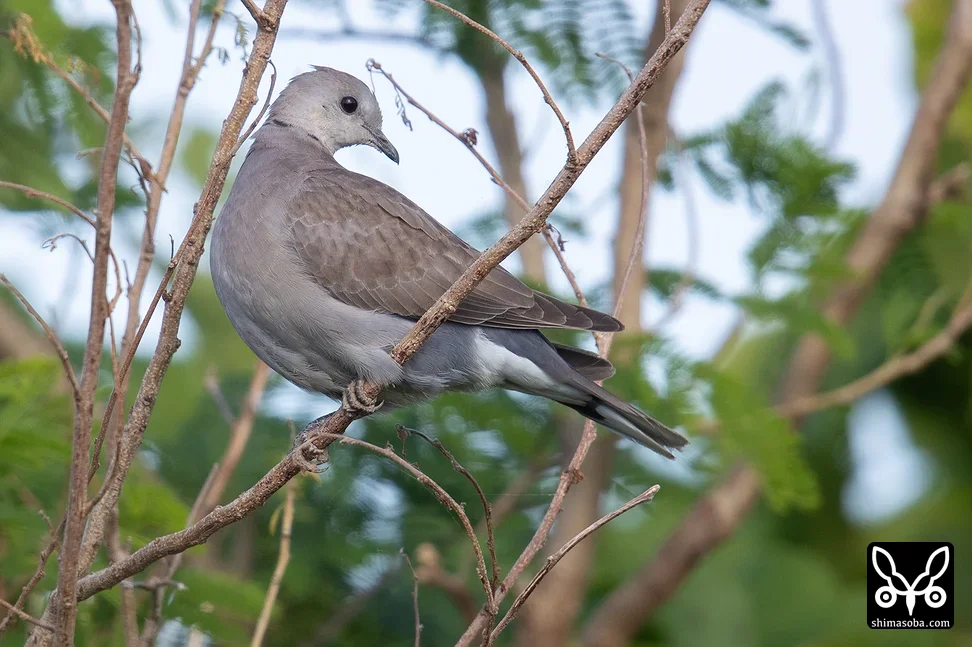
Eurasian Collared Dove

Adult female Pale-backed Pigeon.
Categories: 野鳥

A rare Bull-headed Shrike on Ishigaki!! Also a Brown Shrike and Grey-faced Buzzard

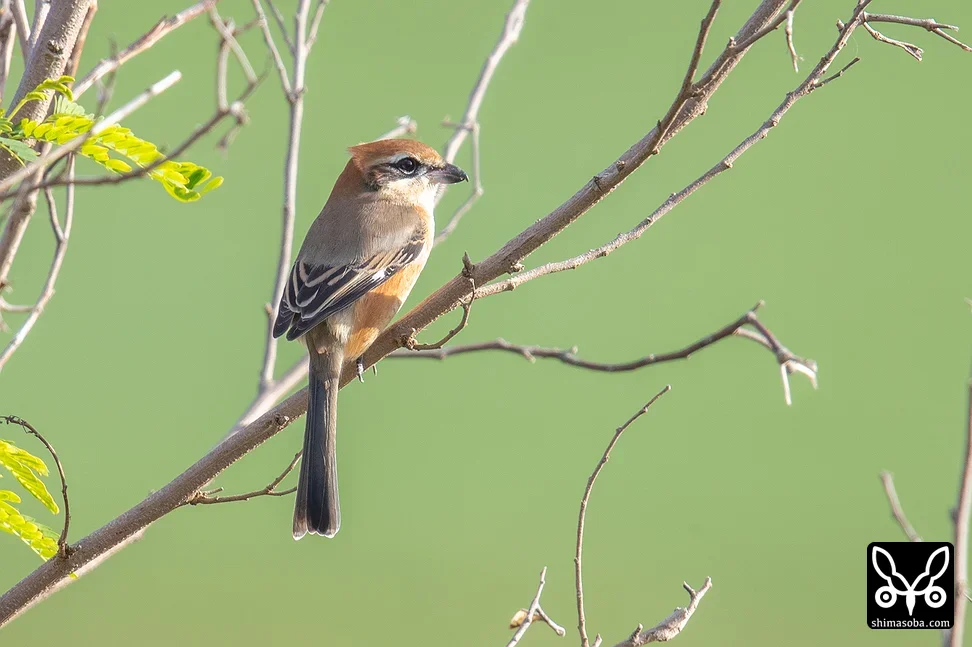
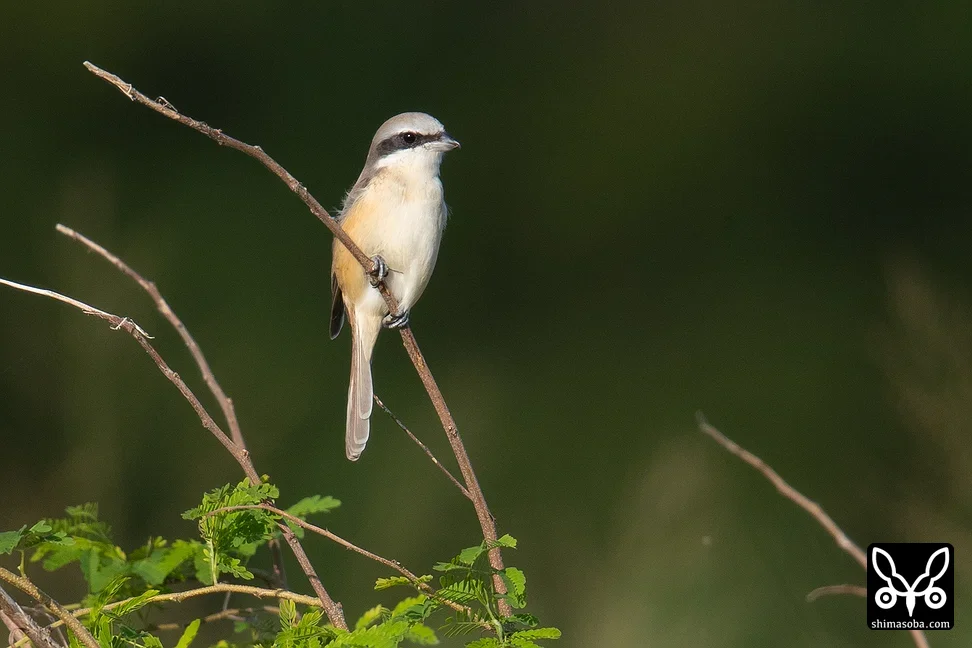
I found a Bull-headed Shrike, a rare bird on Ishigaki and Okinawa!! Its silhouette is different from the Shima Akamozu, so I knew it right away even against the light. When I looked through binoculars it had white patches on the wings and my hands shook. ^^

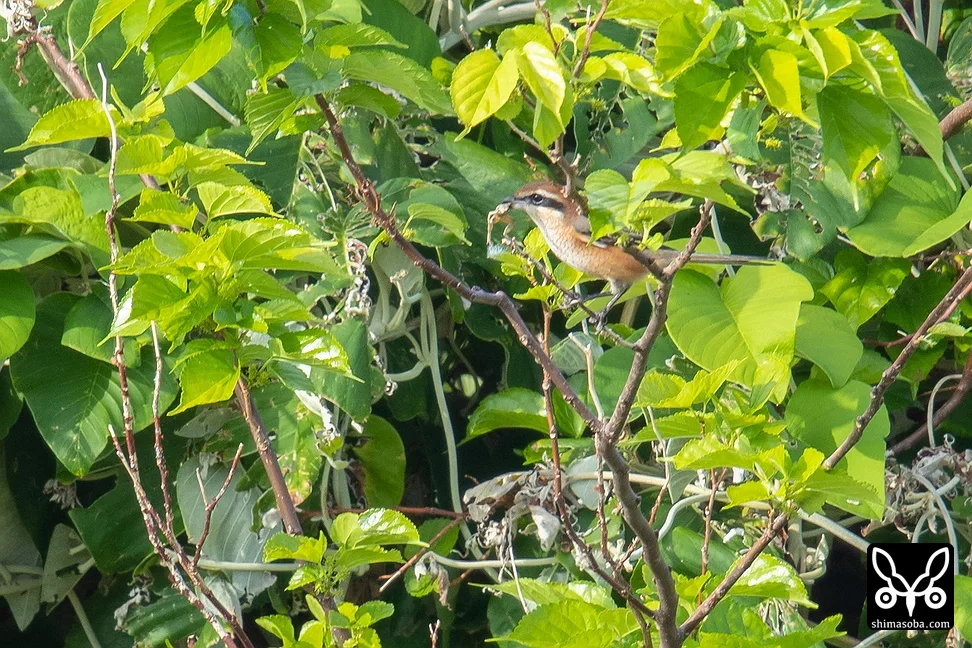
I also got to watch it catch a frog and make a "shrike's larder" (hayanie). I don't know when I'll next see one in Okinawa. ^^;

Bull-headed Shrike
Bull-headed Shrike

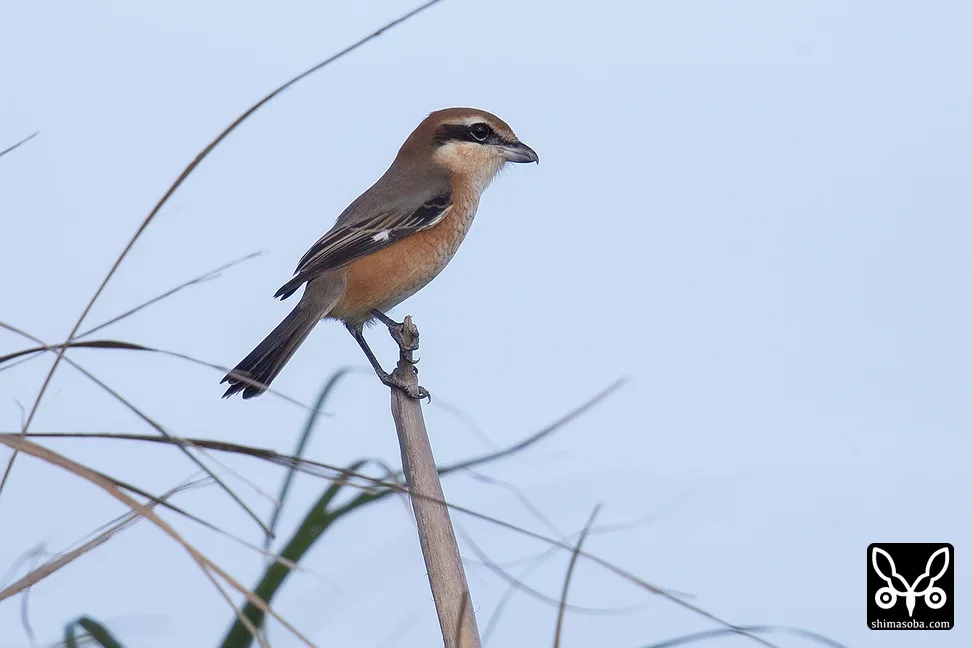
Adult male Bull-headed Shrike. The white wing patch came out clearly — a record shot I have no complaints about!!

Bull-headed Shrike
Bull-headed Shrike

I thought it had dived into the grass, but it had caught a frog and was making a larder.

Bull-headed Shrike
Bull-headed Shrike

The tail-wagging behaviour typical of shrikes was not observed.

Bull-headed Shrike
Bull-headed Shrike

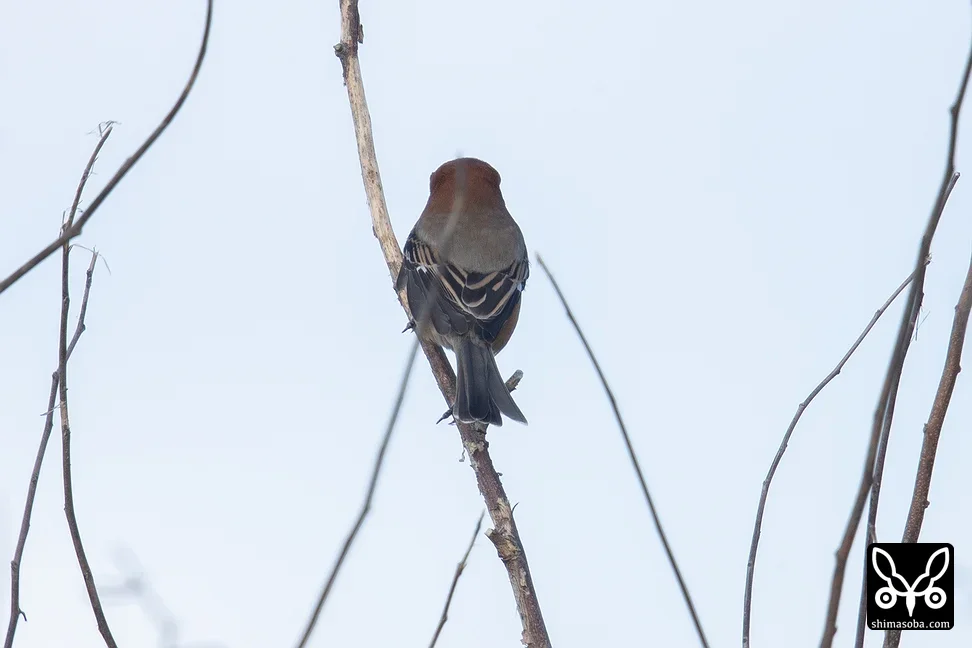
Even just a rear view looks out of place on Ishigaki-jima. The Bull-headed Shrike looks chunkier than the Brown Shrike.

Isabelline Shrike
Isabelline Shrike

This is an adult male Brown Shrike.

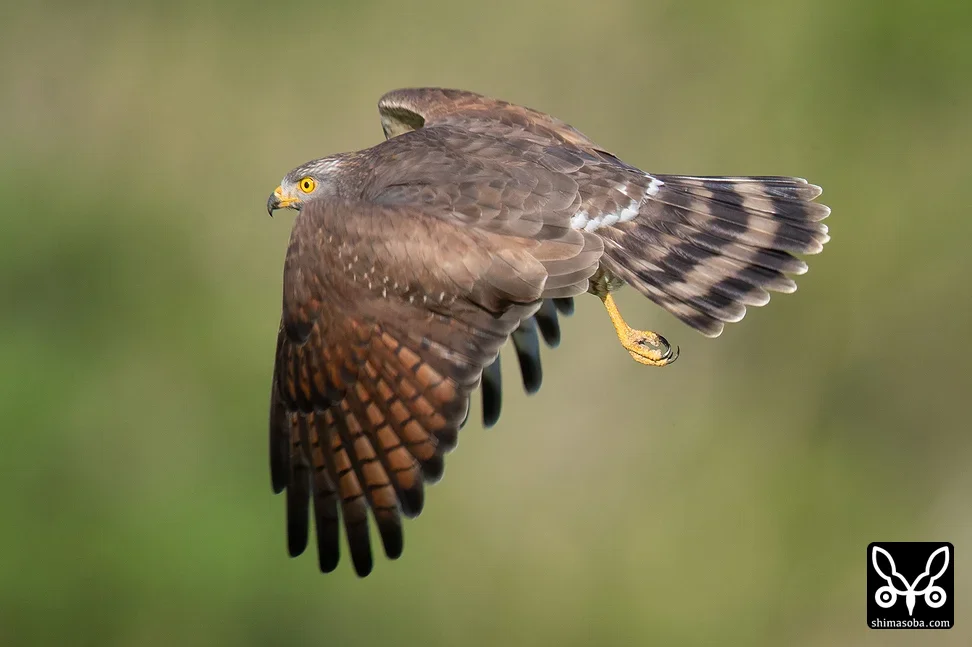
Grey-faced Buzzard
Grey-faced Buzzard

A Gray-faced Buzzard, since we're on the subject of raptors. A wintering bird.

Categories: 野鳥

Taiwan White Wagtail and White Wagtail

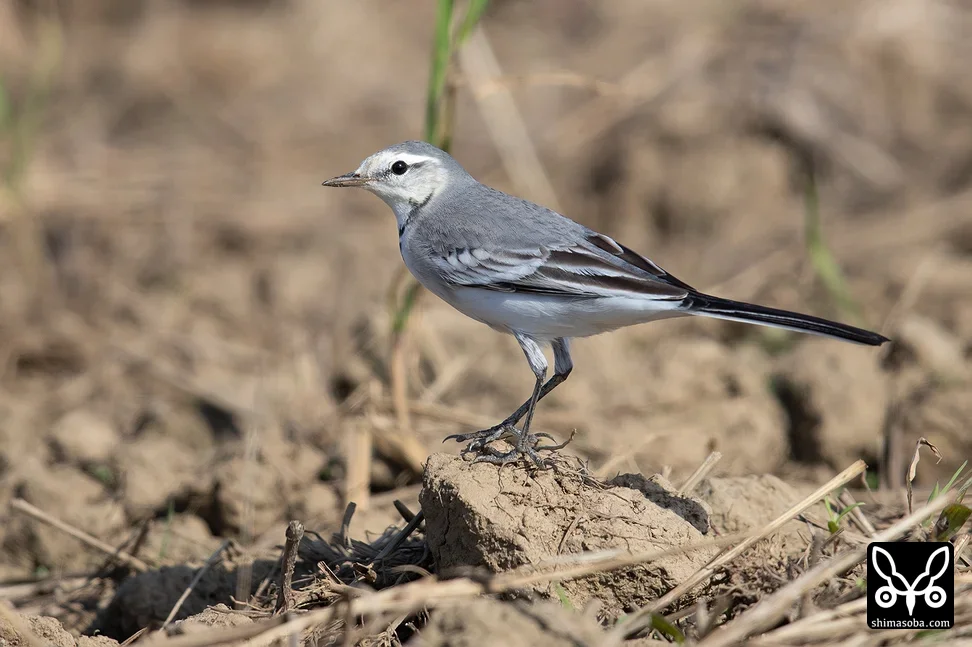
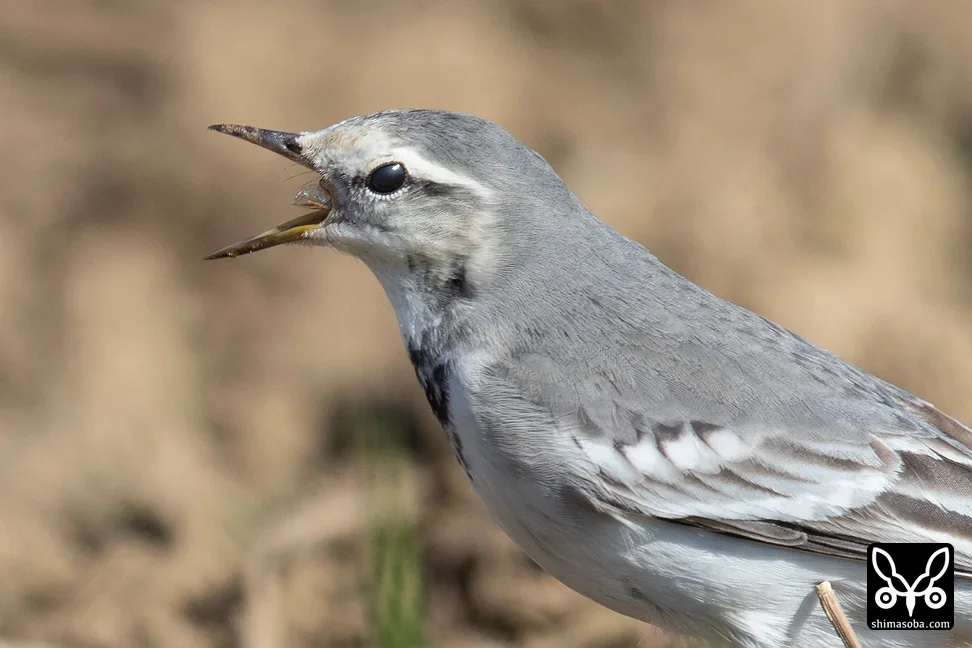
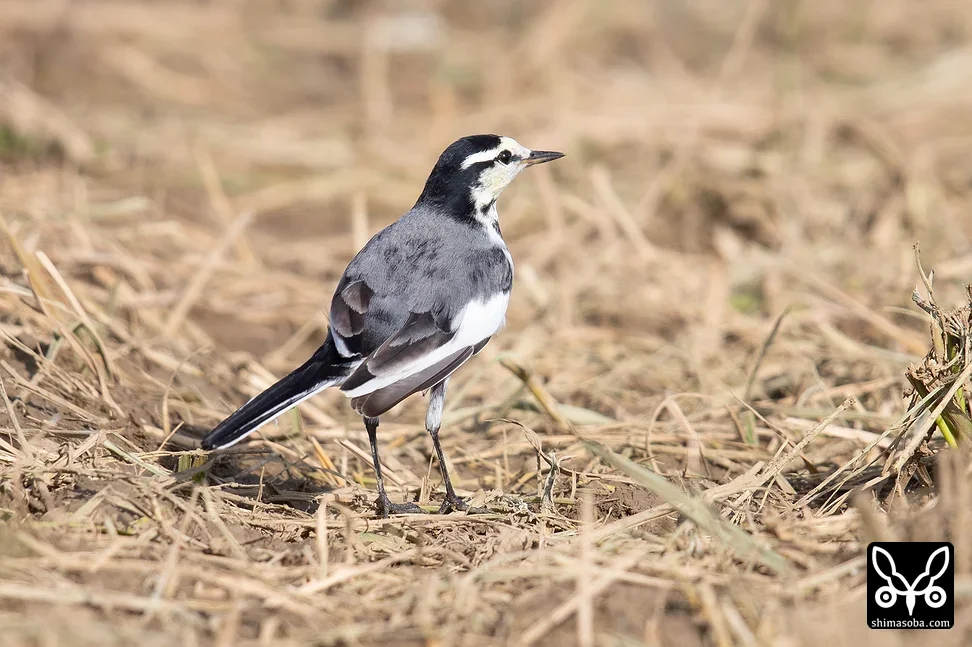
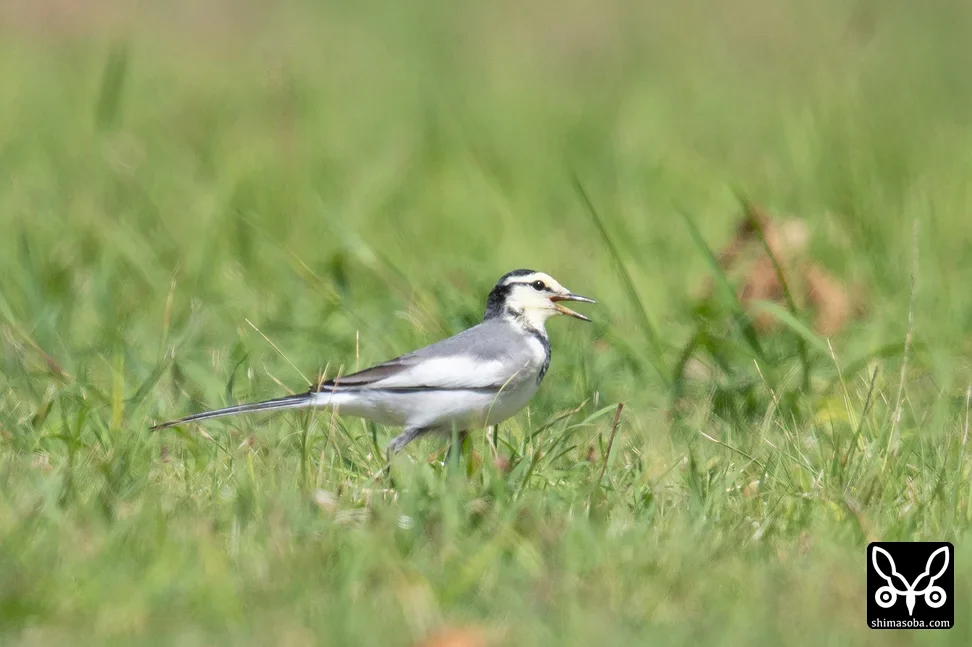
It has been two weeks since the White Wagtails started arriving. After the Amur Wagtail (Hoojiro Hakusekirei), the Taiwan White Wagtail (Taiwan Hakusekirei) can now be seen as well.

Eastern Yellow Wagtails and Pechora Pipits are also staying, but they are frightened of the shadows of raptors and won't come out of the rice plants. I can hear the Pechora Pipits calling.

Eastern Yellow Wagtail

Amur Wagtail, first-winter plumage. Probably a male.

Eastern Yellow Wagtail

It kept flying up to catch insects. You can see insect wings in its bill, but I couldn't tell the species.

White Wagtail
White Wagtail

Male White Wagtail, first-winter plumage. It was flocking together with Amur Wagtails.

Categories: 野鳥

Red Collared Dove reshoot and the usual Javan Pond Heron

I went to photograph the Red Collared Dove I forgot to shoot yesterday . Unlike yesterday there were many raptors and the birds were keeping hidden. Neither the Red Collared Doves nor the Oriental Turtle Doves would come out of the thickets. There were two Red Collared Doves yesterday, but today I could find only one.

The Javan Pond Heron was at its usual spot. It is always at either this waterway or a patch of grass a little further off. When something startles it, it flies to its roosting woods, but you can't see inside from the path.

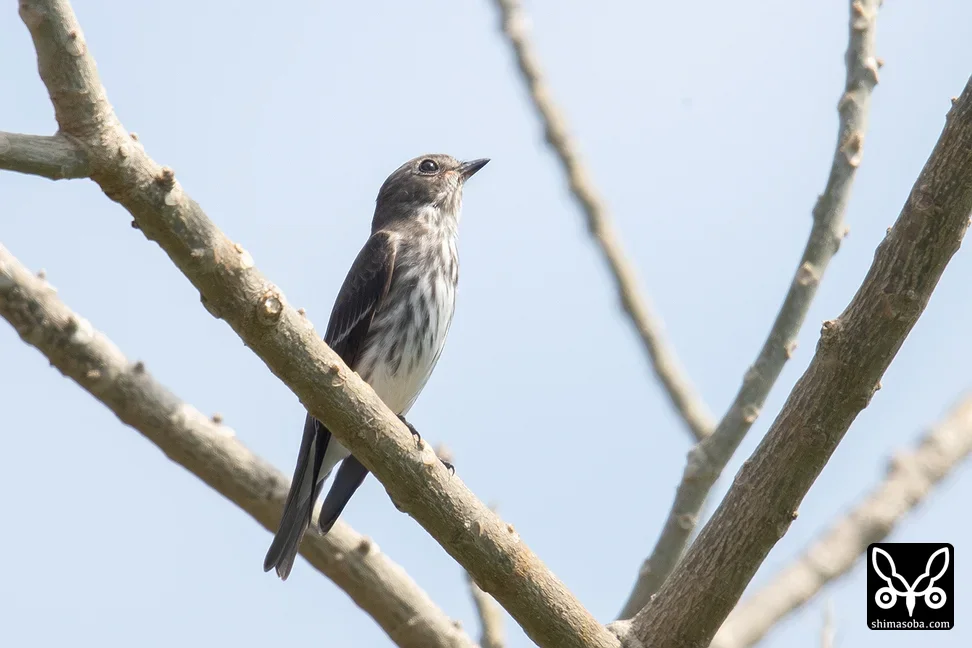
A few Grey-streaked Flycatchers are still around. White Wagtails have also been increasing steadily since the middle of October.

Eurasian Collared Dove

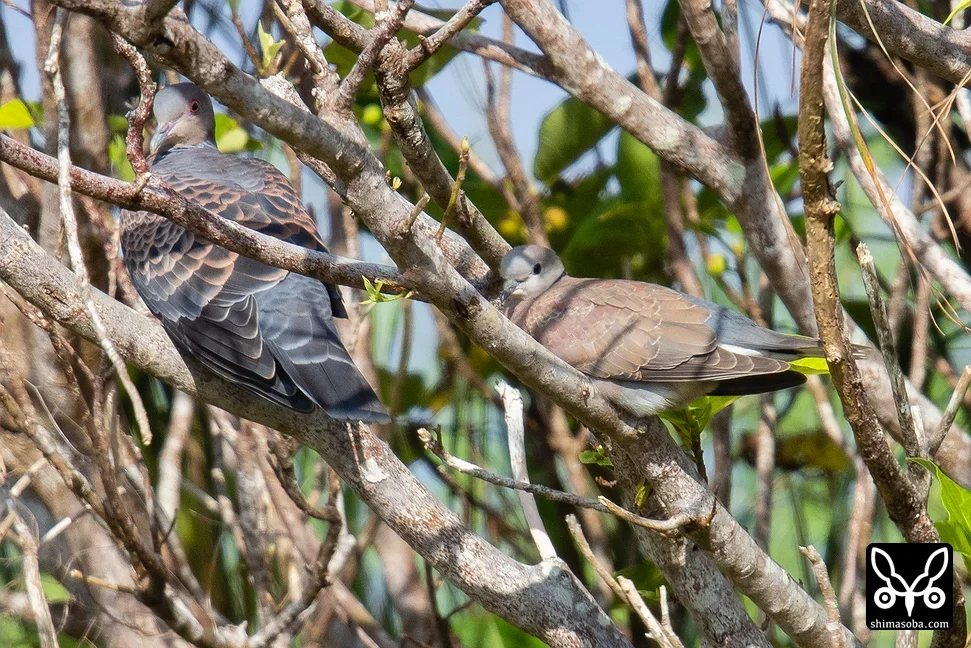
The male Pale-backed Dove (right) moulting into first-winter plumage. It is noticeably smaller than the Oriental Turtle Dove on the left. Yesterday I thought they were an adult male and adult female, but it seems it was an adult male and a juvenile. Both the Pale-backed Dove and the Oriental Turtle Dove would not come out, wary of raptors such as Japanese Sparrowhawk, Common Kestrel, and Eurasian Sparrowhawk.

Javan Pond Heron
Javan Pond Heron

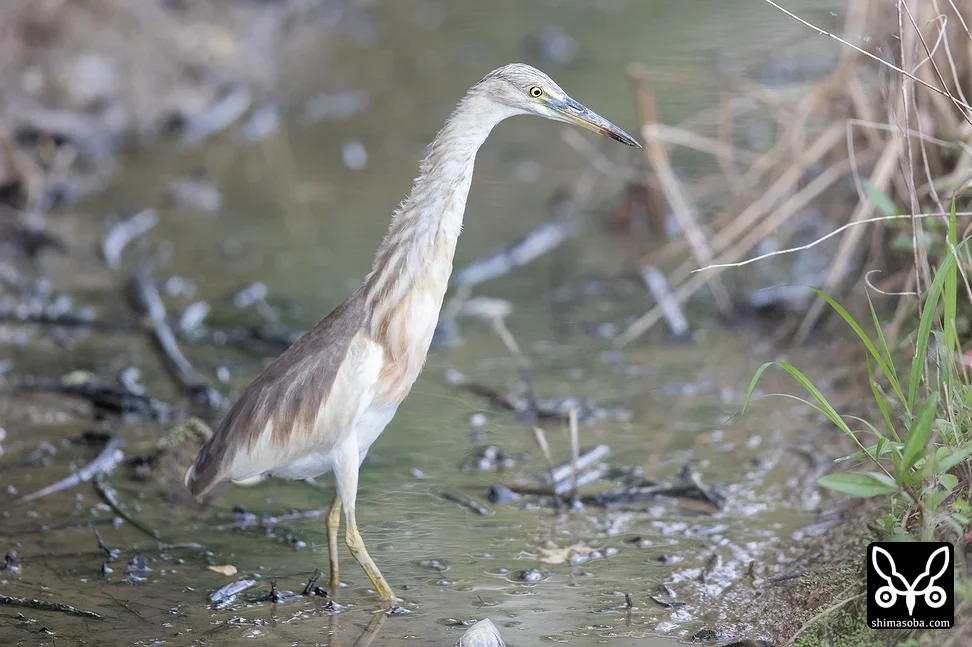
Javan Pond Heron at the usual spot. Its range is narrower than when it was first found.

Javan Pond Heron
Javan Pond Heron

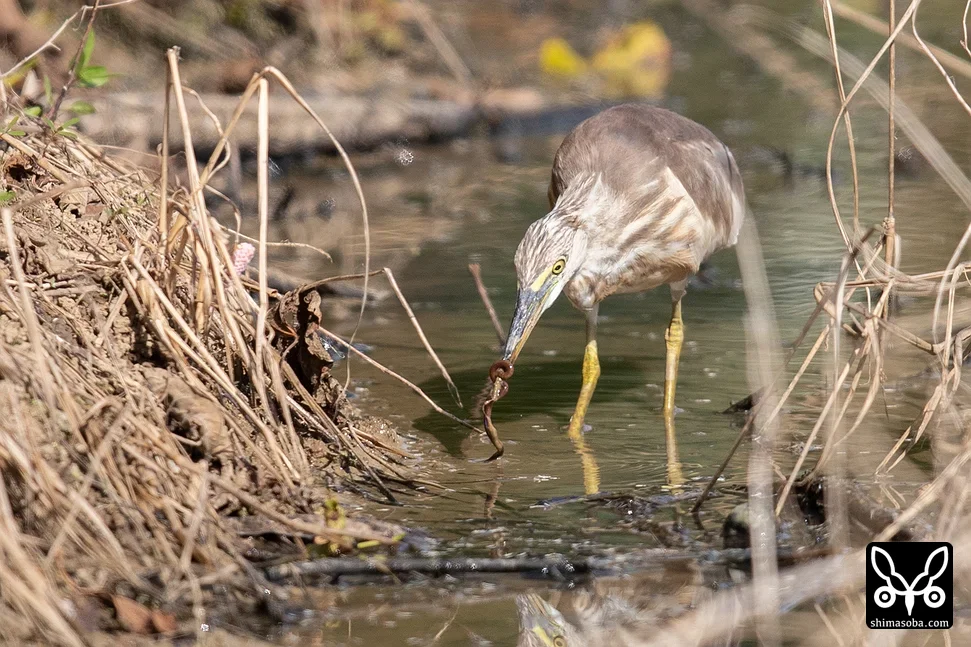
Javan Pond Heron with an earthworm it had caught.

Javan Pond Heron
Javan Pond Heron

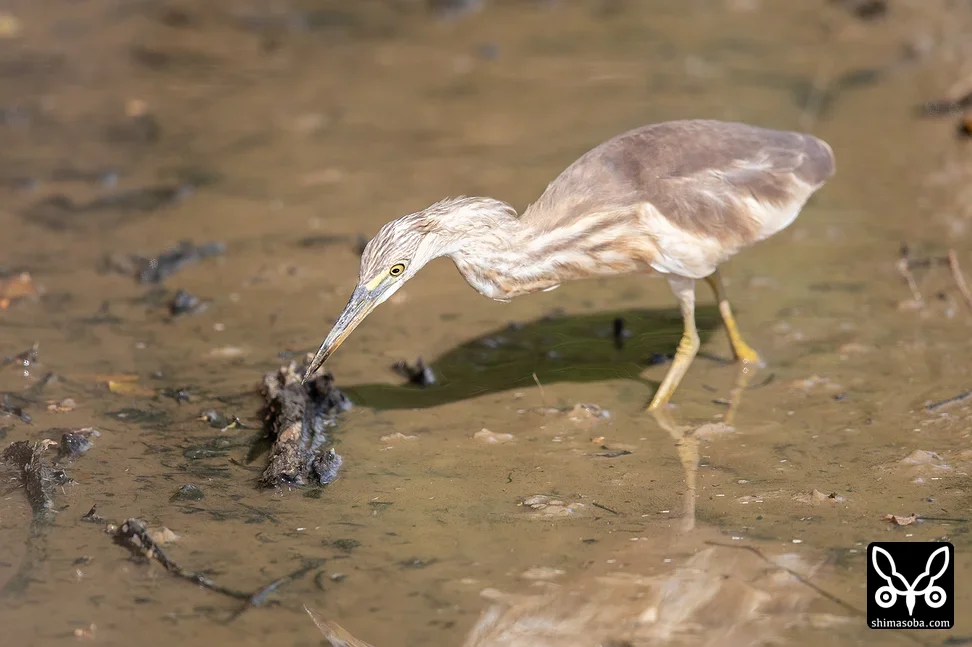
The Javan Pond Heron is not very wary and keeps coming closer and closer.

White Wagtail
White Wagtail

Male White Wagtail, first-winter plumage.

Grey-streaked Flycatcher

Adult Grey-streaked Flycatcher. Numbers are down, but I'm still getting encounters.

Categories: 野鳥

Hours on the Pechora Pipit, and I forgot to photograph the Red Collared Doves

I could hear what sounded like a Pechora Pipit calling from a flock of about 30 Eastern Yellow Wagtails mixed with pipits. I wanted to settle it one way or the other, so I stayed several hours waiting for the extremely wary flock to come closer. In the end I didn't get the Pechora Pipit, and I spent so much time that I forgot to photograph two Red Collared Doves right nearby. There was one male and one female.

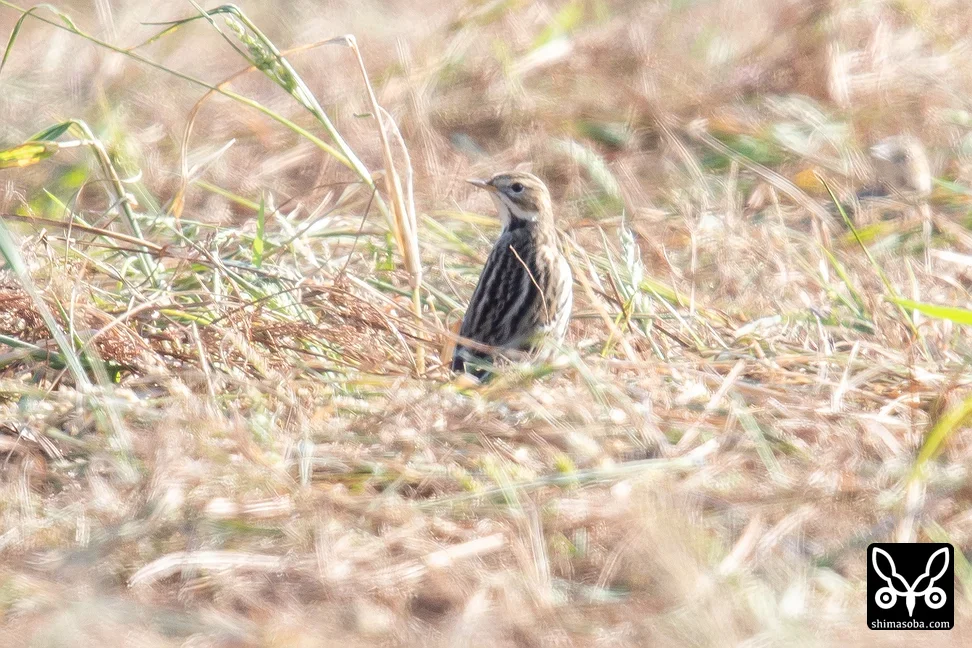
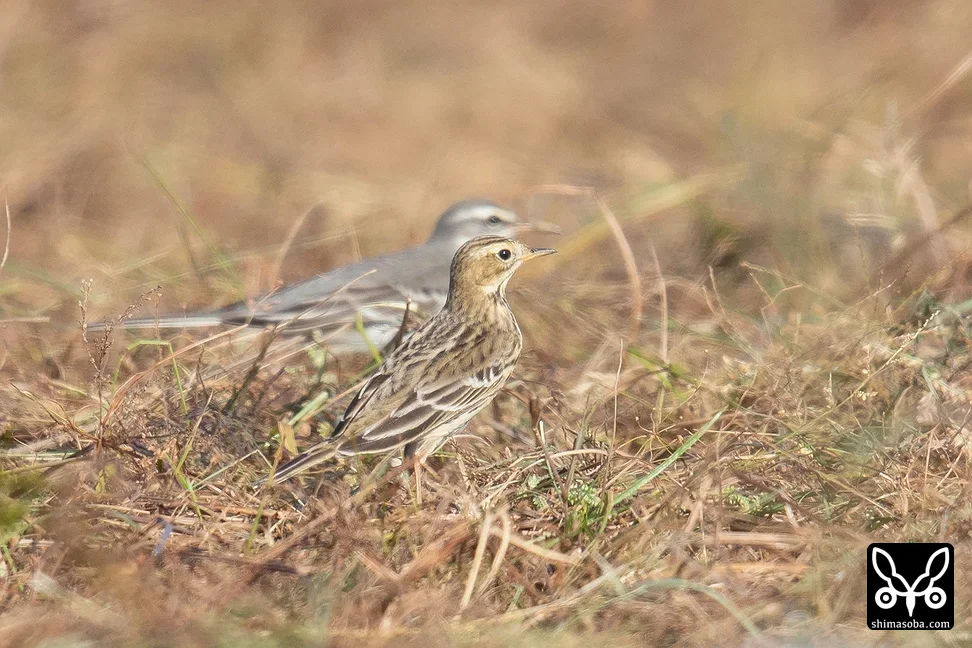
Heat haze was shimmering, but they came to a distance where identification seemed possible, so I photographed the likely individuals. Checking the photos, though, almost all of them look like Red-throated Pipits.

One of them was a bird that made my heart jump because it looked like a Pechora Pipit. But the face and so on are those of a Red-throated Pipit. As expected, skulking species like the Pechora Pipit are hard to find unless you search by call.

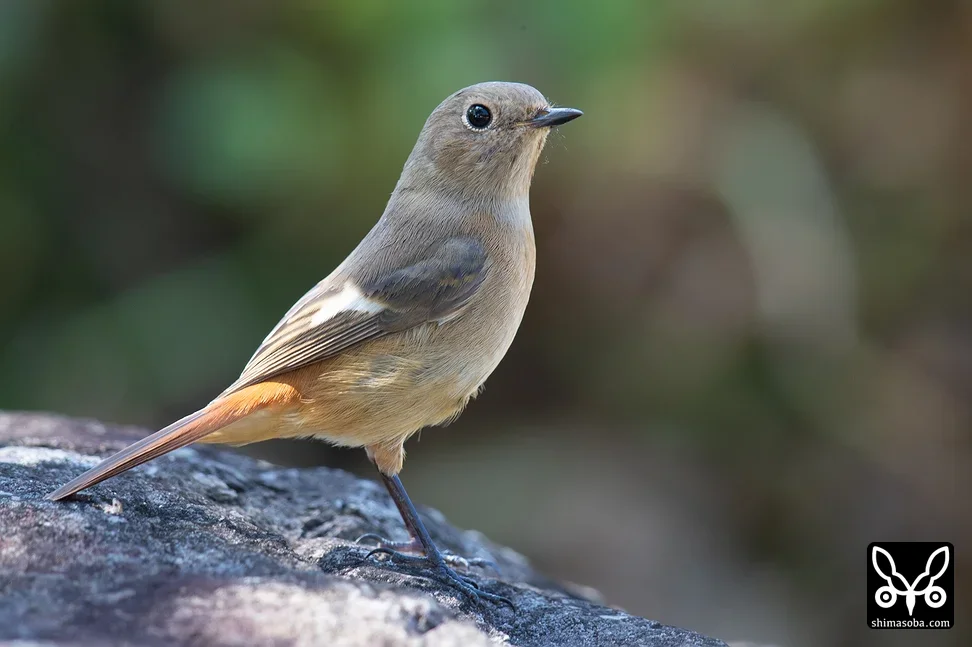
Daurian Redstarts, which began to increase yesterday, had increased further and I could see them all over. I hoped for other small birds too, but all I saw was a few Eurasian Siskins...

The Javan Pond Heron was at its usual place. It is a small area, yet it is in the same place almost every day. Does it like it that much?

Red-throated Pipit
Red-throated Pipit

Harsh image due to backlight and heavy cropping. A Red-throated Pipit that looked like a Buff-bellied Pipit. Raptors were lurking around the paddies, so all the birds were extremely wary and difficult.

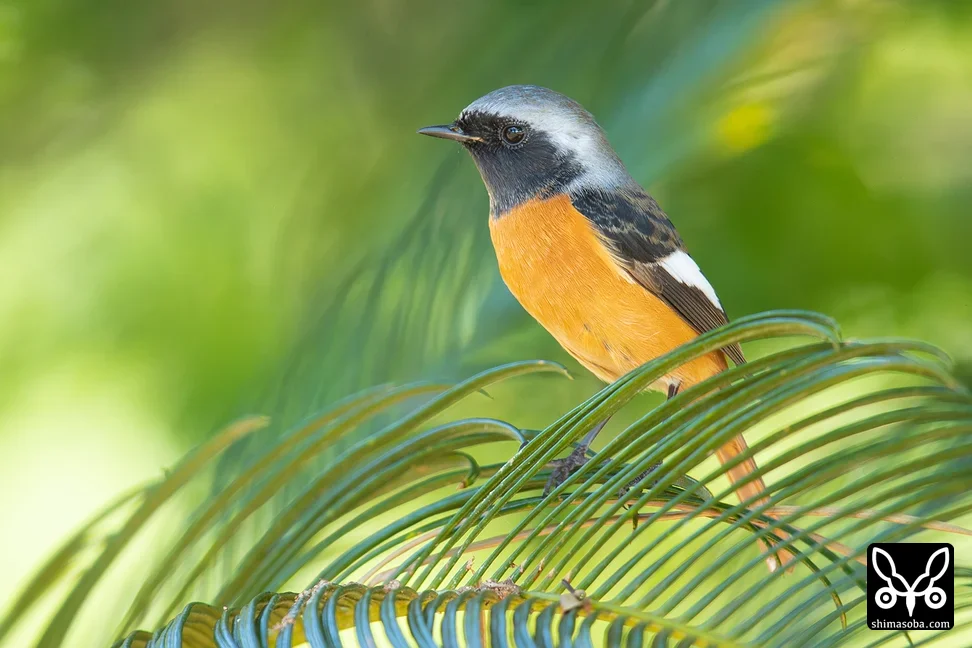
Daurian Redstart
Daurian Redstart

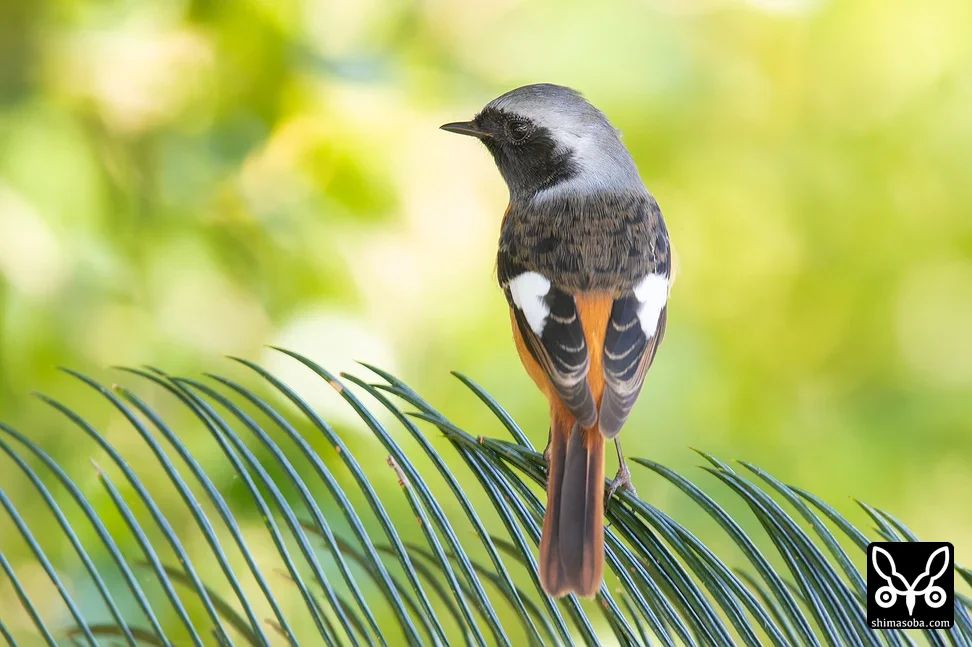
Male Daurian Redstart. Beautiful.

Daurian Redstart
Daurian Redstart

A confiding individual that even showed me its back.

Buff-bellied Pipit
Buff-bellied Pipit

A female was nearby too.

Red-throated Pipit
Red-throated Pipit

Red-throated Pipit in winter plumage. There were over a dozen. The rest are juvenile Yellow Wagtails (taivana).

Eastern Yellow Wagtail

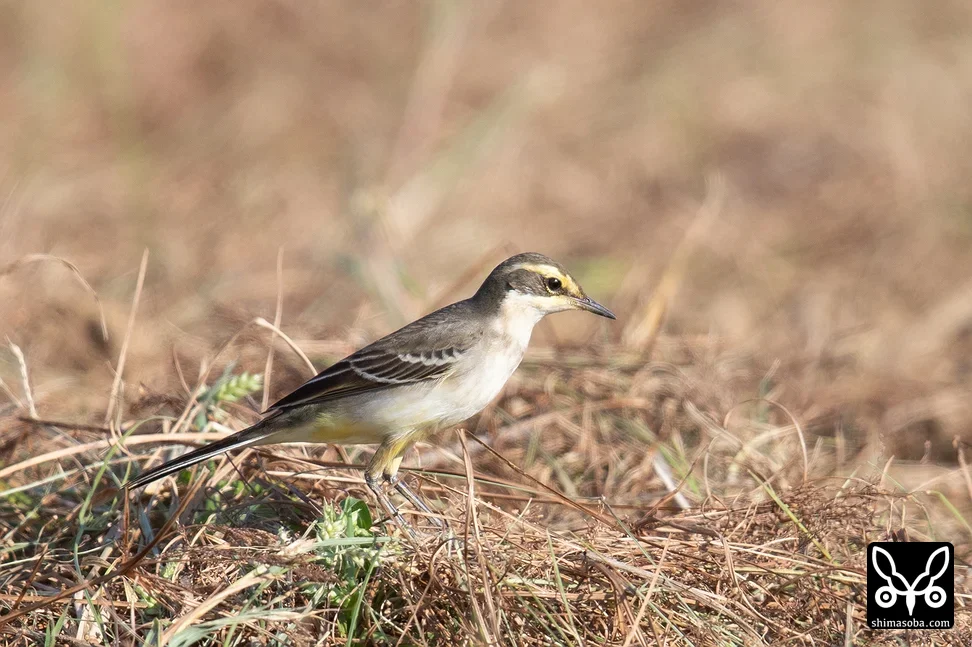
Almost all the Yellow Wagtails were juvenile taivana.

Red-throated Pipit
Red-throated Pipit

A male Red-throated Pipit in mid-moult, with some red still remaining on the face.

Categories: 野鳥