A daily record.
Featuring photos of wild birds and nature, mainly from Okinawa Main Island and Ishigaki Island

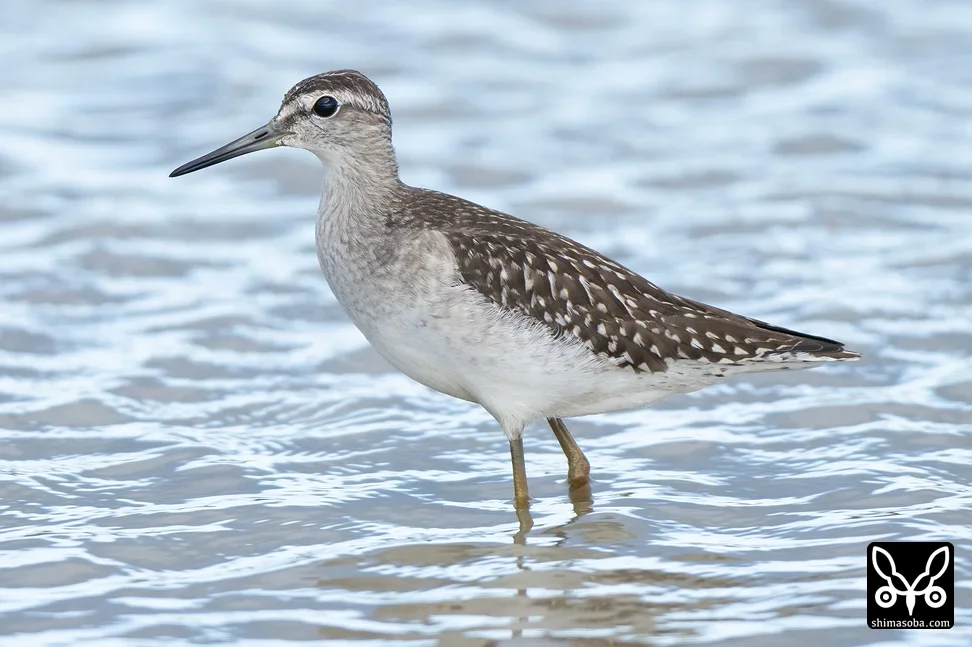
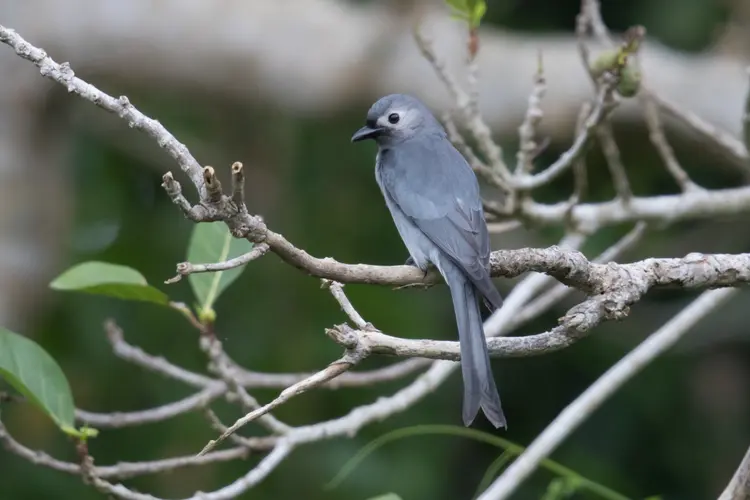
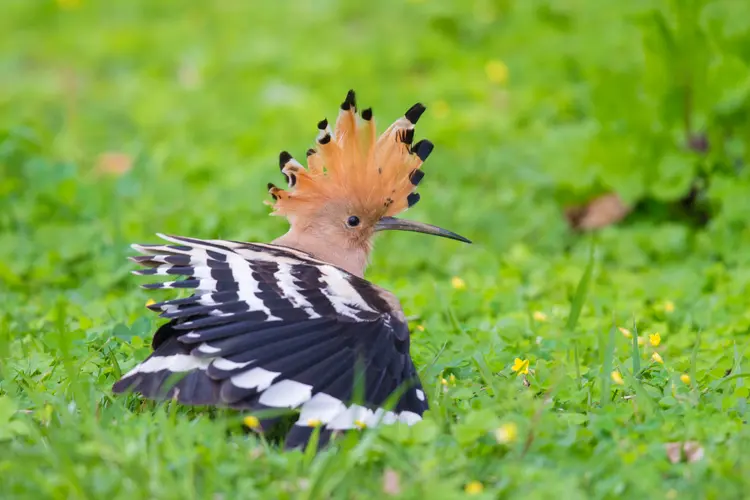
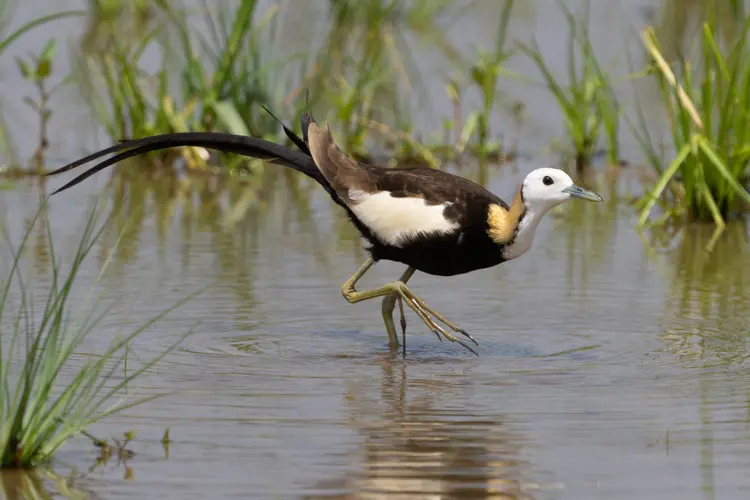
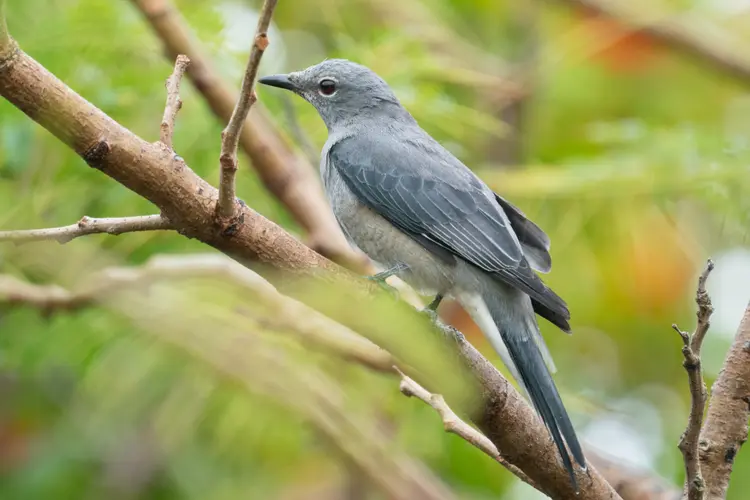
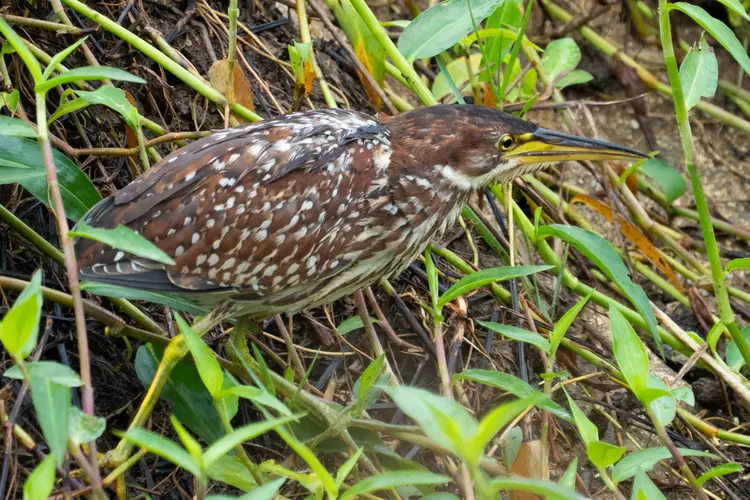
Ashy drongo Eurasian Hoopoe Pheasant-tailed jacana Black-winged Cuckooshrike Schrenck's little bittern

GUIDED BIRDWATCHING TOUR

Go where the birds are. The SHIMASOBA Tour launches.

We'll drive you around Ishigaki Island to wherever the birds are showing best that day. Observation is mostly from inside the vehicle, and we keep it to a maximum of 3 guests so everyone can take their time.

Max. 3 guests 4 hours in the morning Beginners welcome
Check availability and book

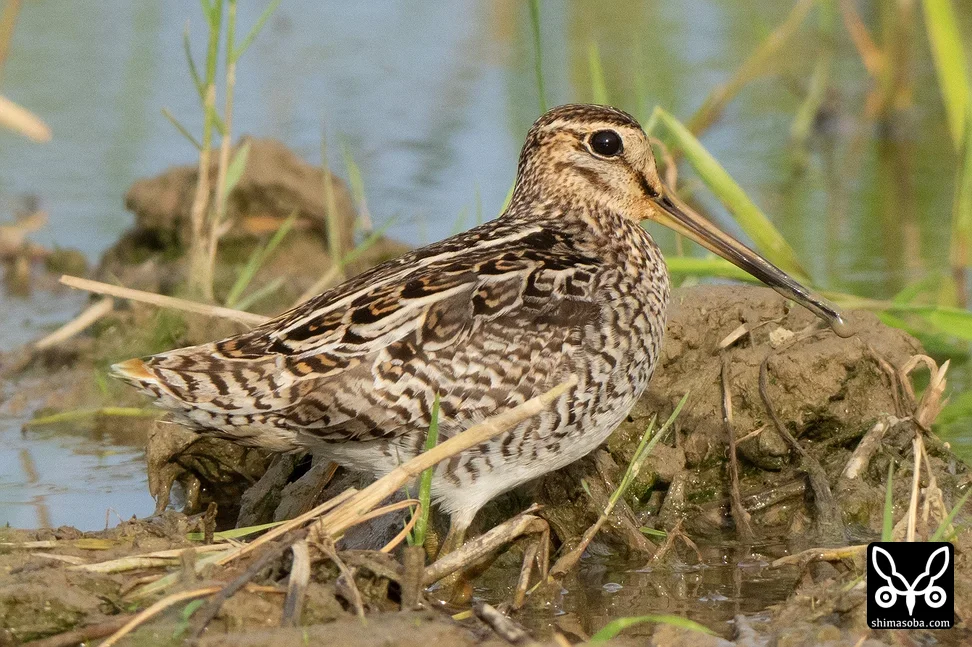
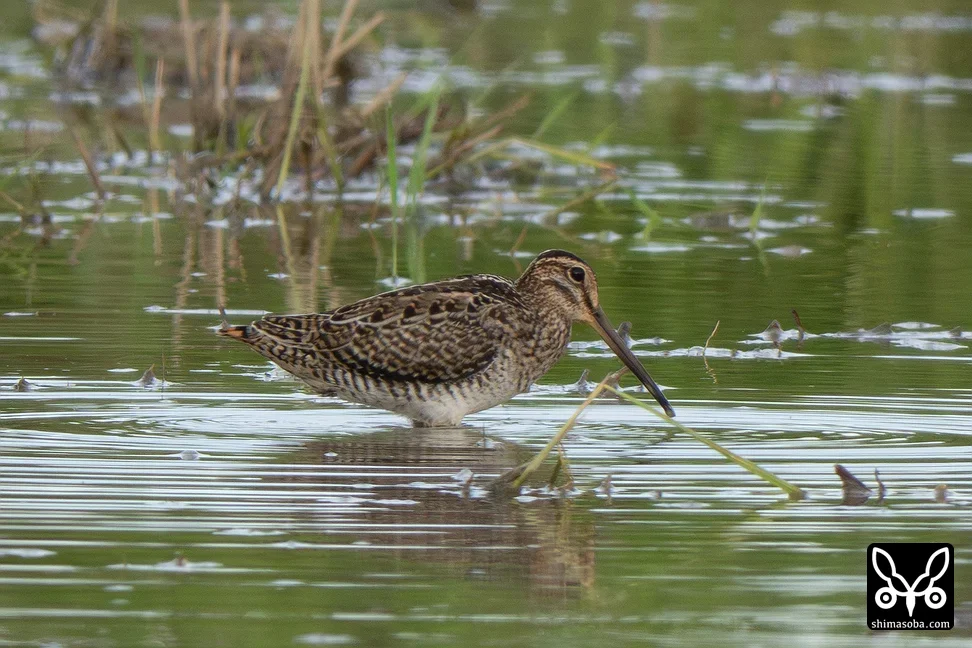
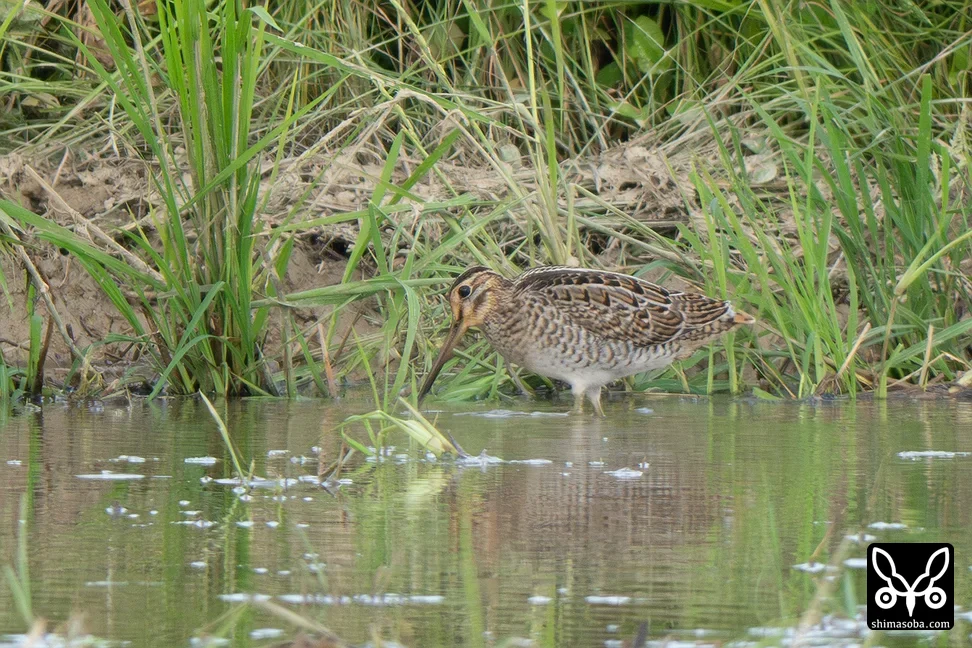
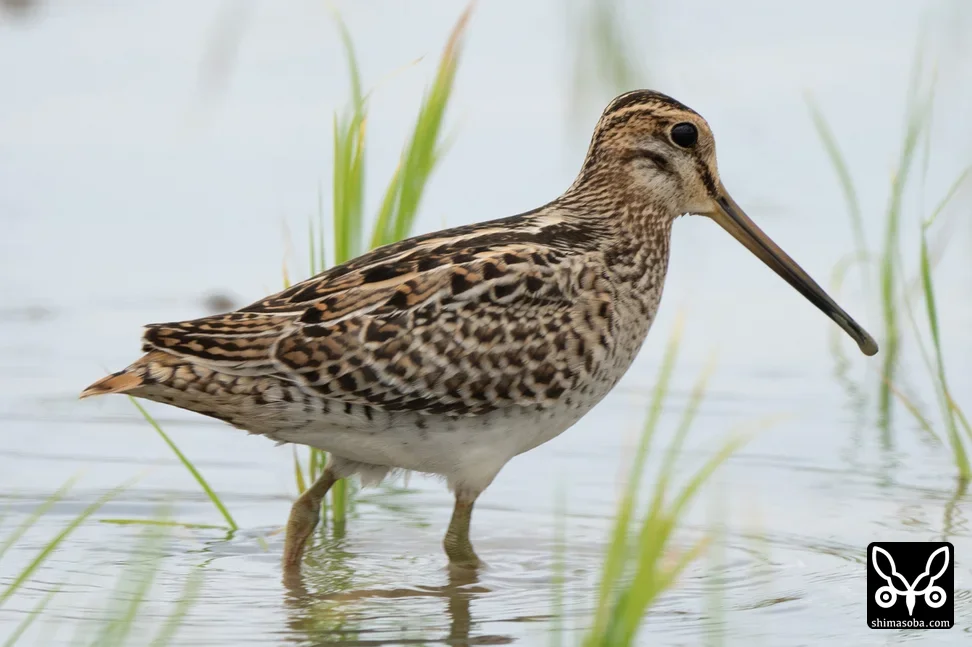
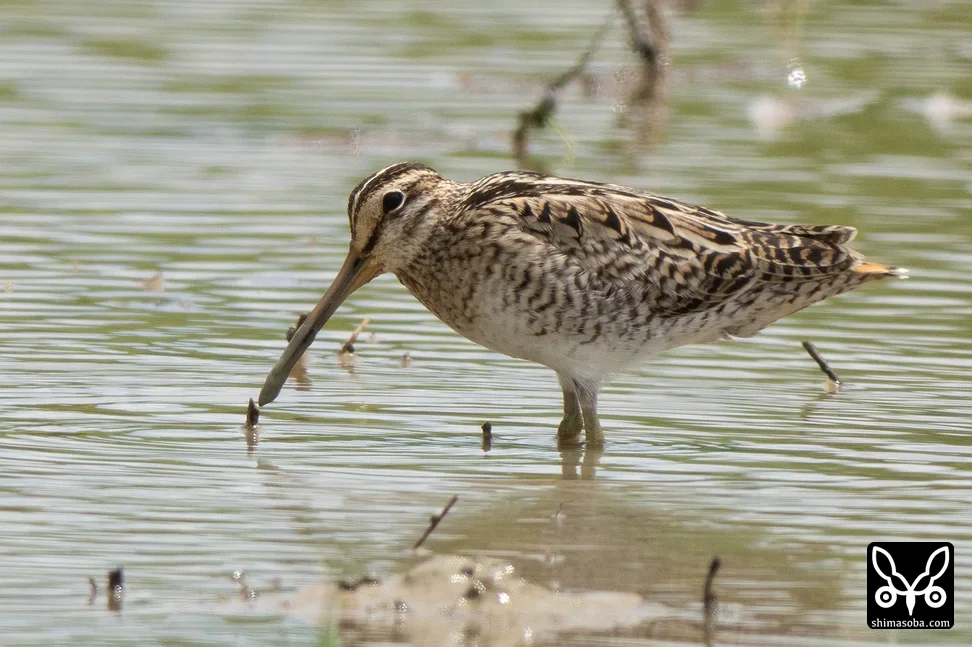
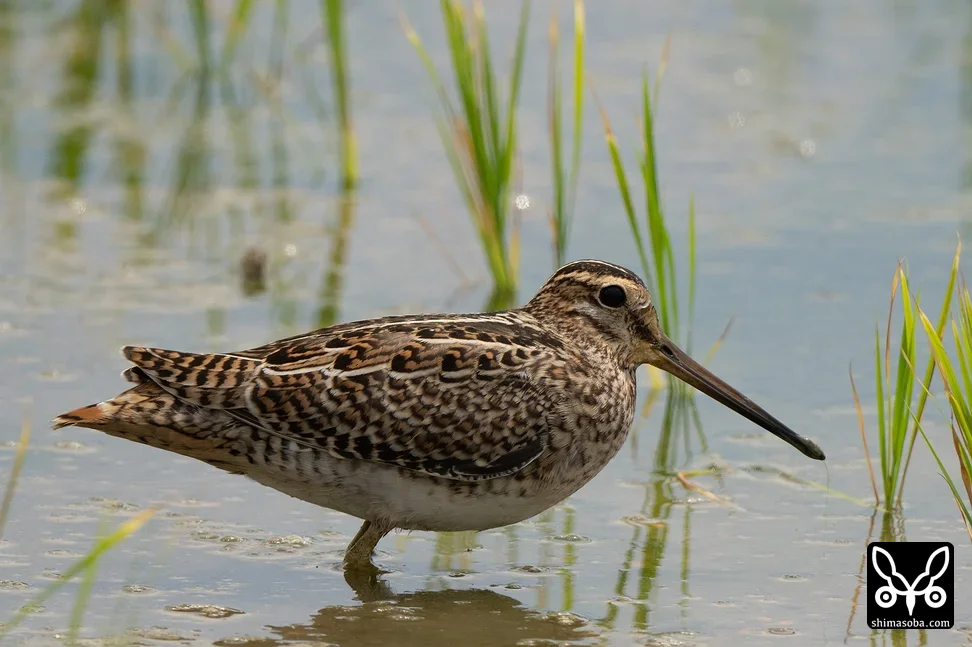
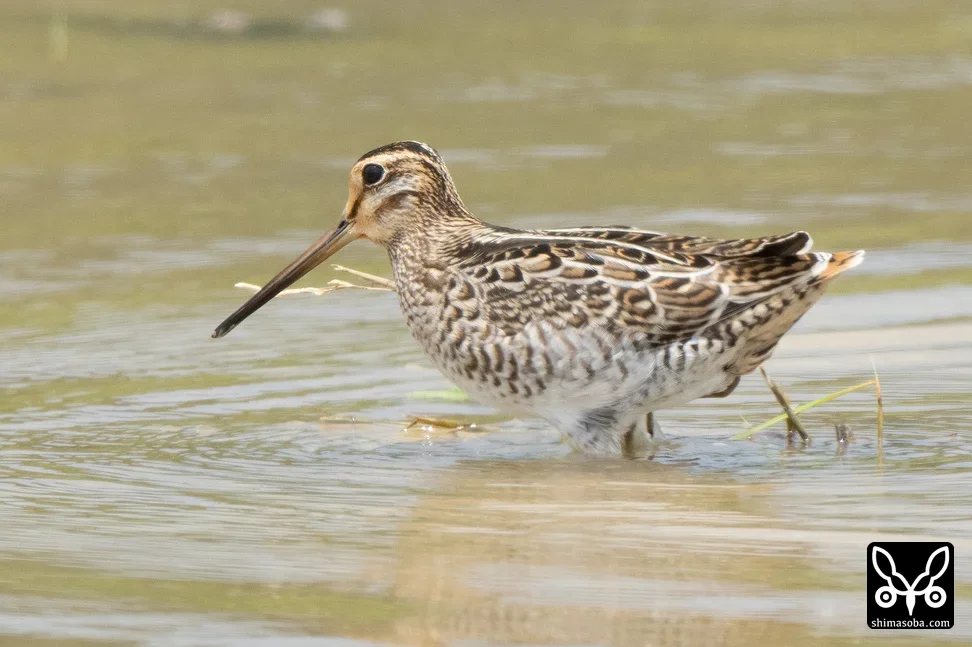
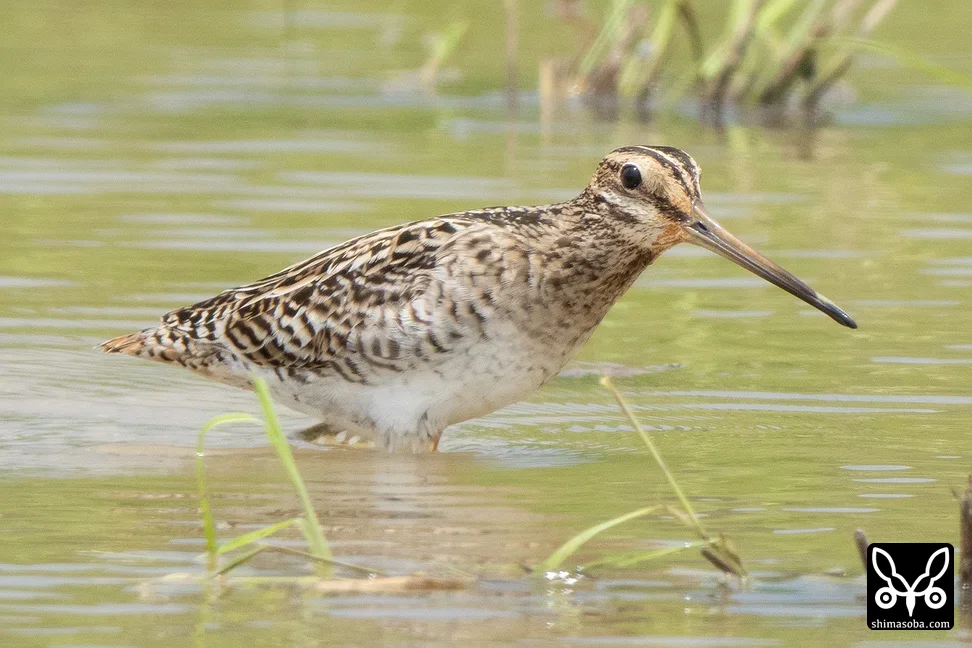
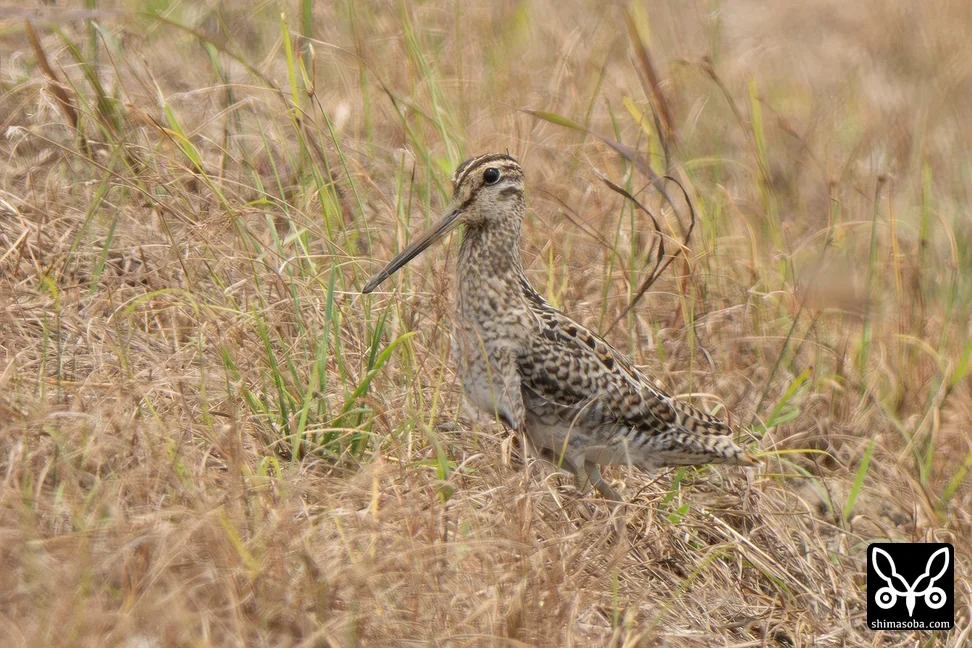
Pin-tailed Snipe and Swinhoe's Snipe

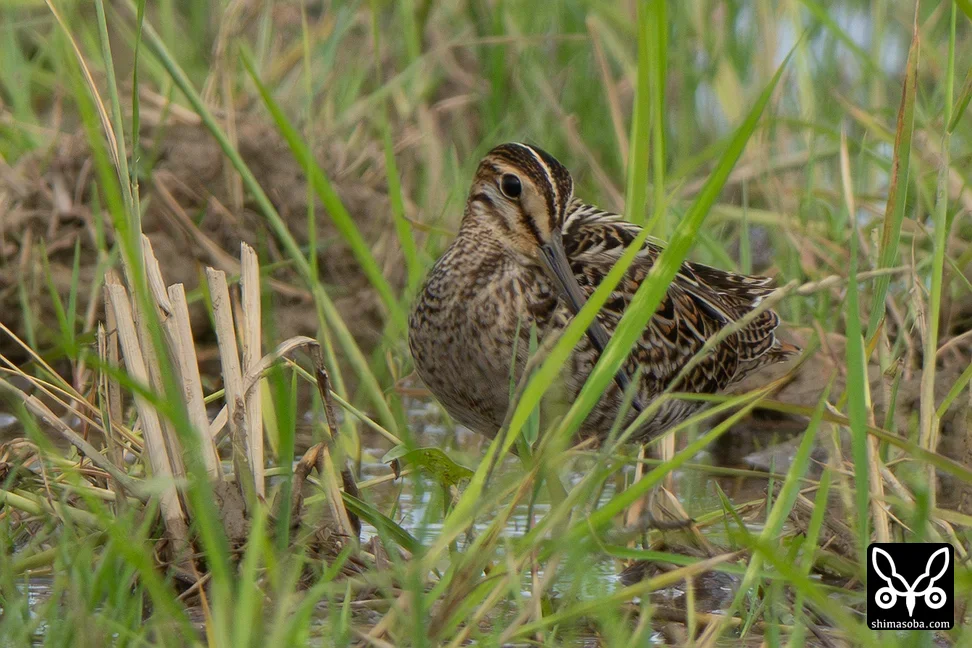
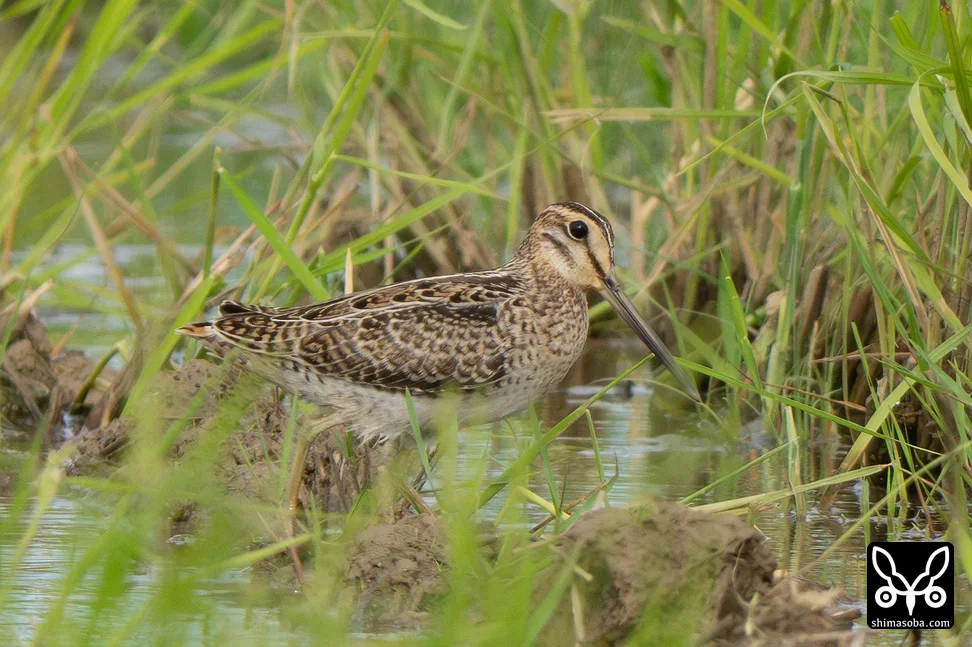
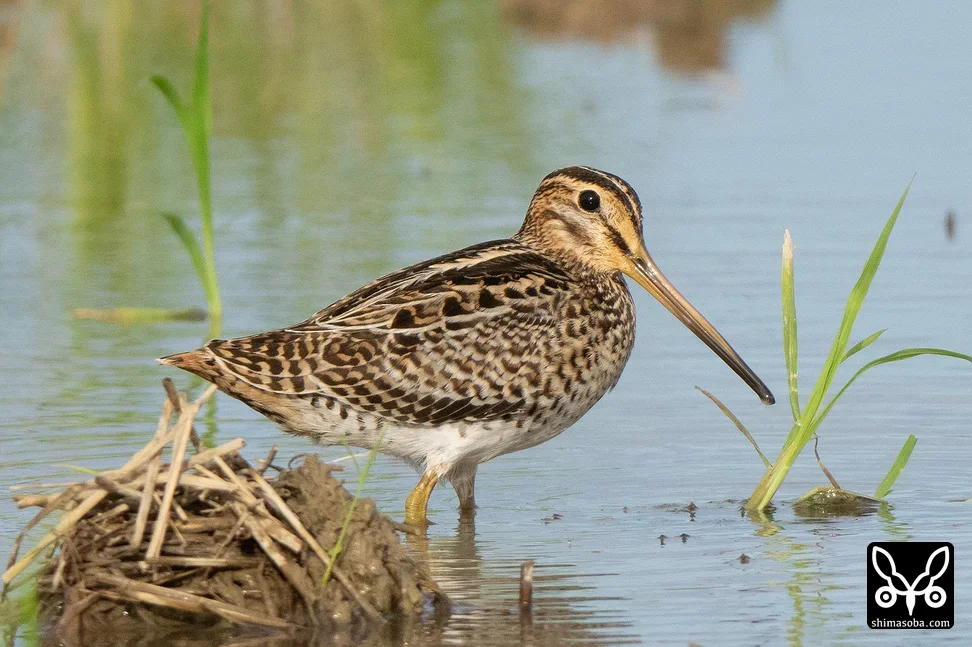
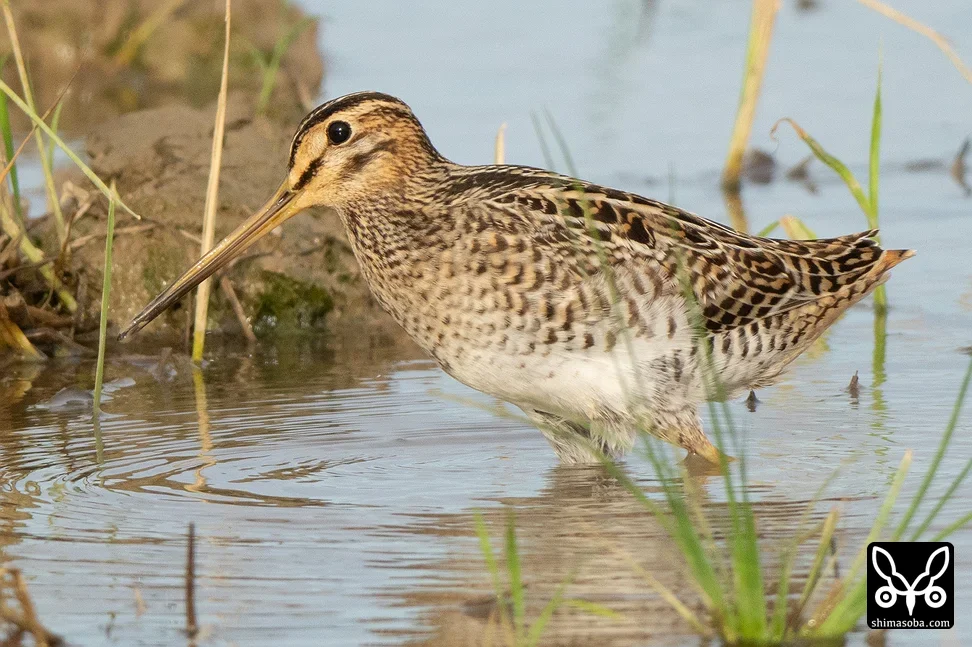
The snipe migration on Ishigaki Island is at its peak. Pin-tailed Snipe and Swinhoe's Snipe are both present in the rice fields, though the balance between the two seems to vary by area.
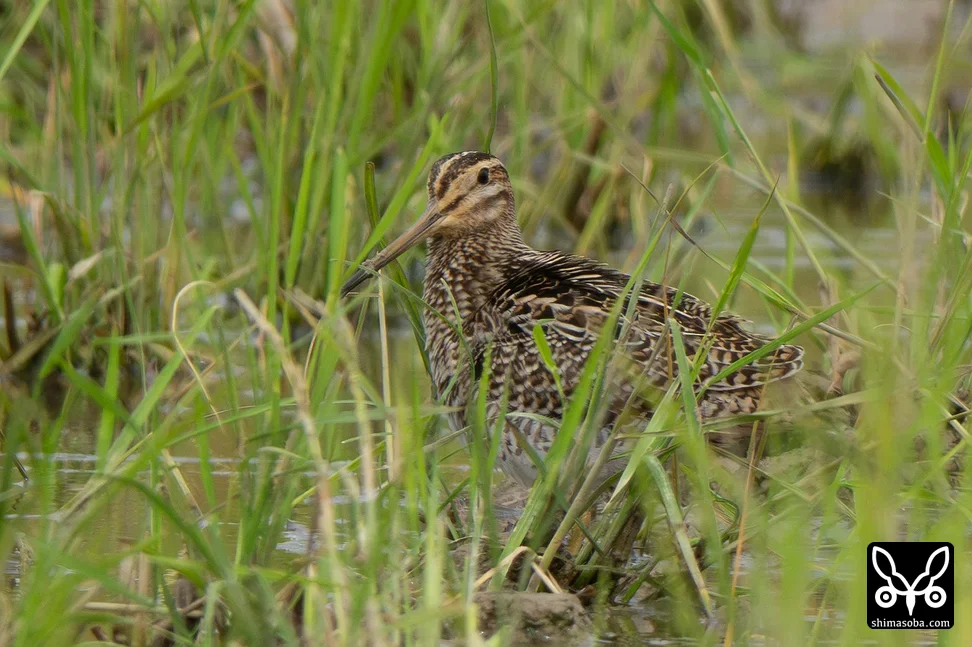
Swinhoe's Snipe
Swinhoe's Snipe

Swinhoe's Snipe, juvenile.

Pin-tailed Snipe
Pin-tailed Snipe

Pin-tailed Snipe, juvenile.

Swinhoe's Snipe
Swinhoe's Snipe

Swinhoe's Snipe, juvenile.

Swinhoe's Snipe
Swinhoe's Snipe

Swinhoe's Snipe, juvenile.

Swinhoe's Snipe
Swinhoe's Snipe

Swinhoe's Snipe, juvenile.

Pin-tailed Snipe
Pin-tailed Snipe

Pin-tailed Snipe, adult. Transitioning from summer to winter plumage.
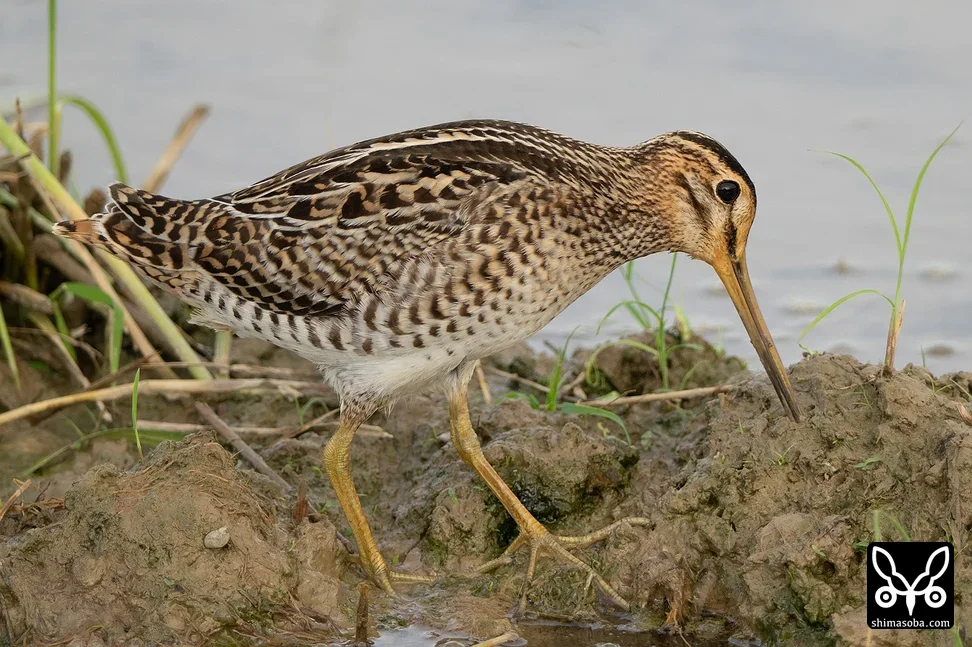
Swinhoe's Snipe
Swinhoe's Snipe

Swinhoe's Snipe, juvenile.

Swinhoe's Snipe
Swinhoe's Snipe

Swinhoe's Snipe, juvenile.

Swinhoe's Snipe
Swinhoe's Snipe

Swinhoe's Snipe, juvenile.

Swinhoe's Snipe
Swinhoe's Snipe

Swinhoe's Snipe, juvenile.

Swinhoe's Snipe
Swinhoe's Snipe

Swinhoe's Snipe, adult winter plumage.
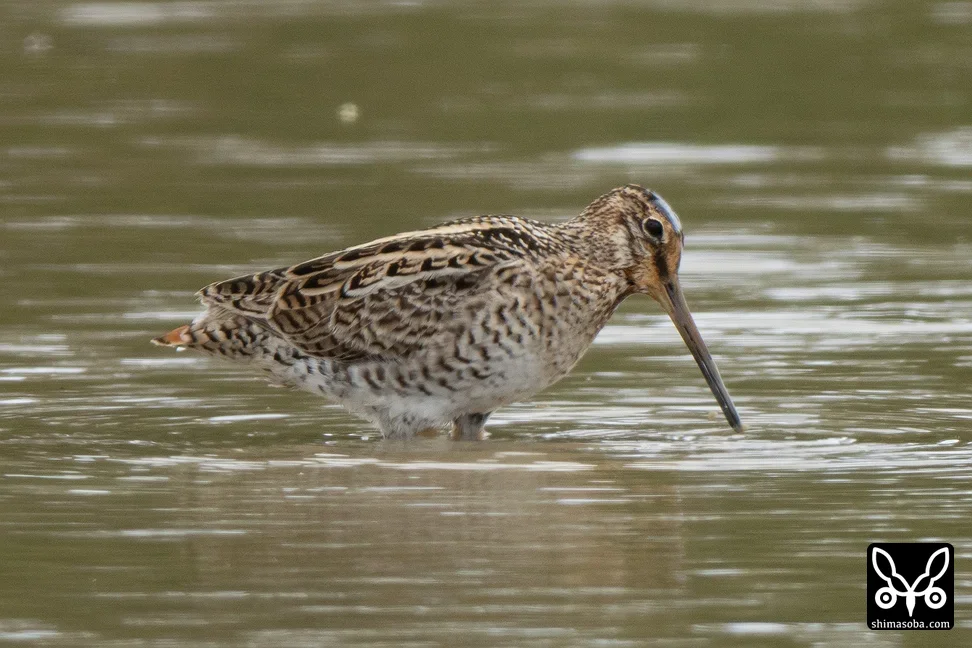
Swinhoe's Snipe
Swinhoe's Snipe

Swinhoe's Snipe, adult. Transitioning from summer to winter plumage.
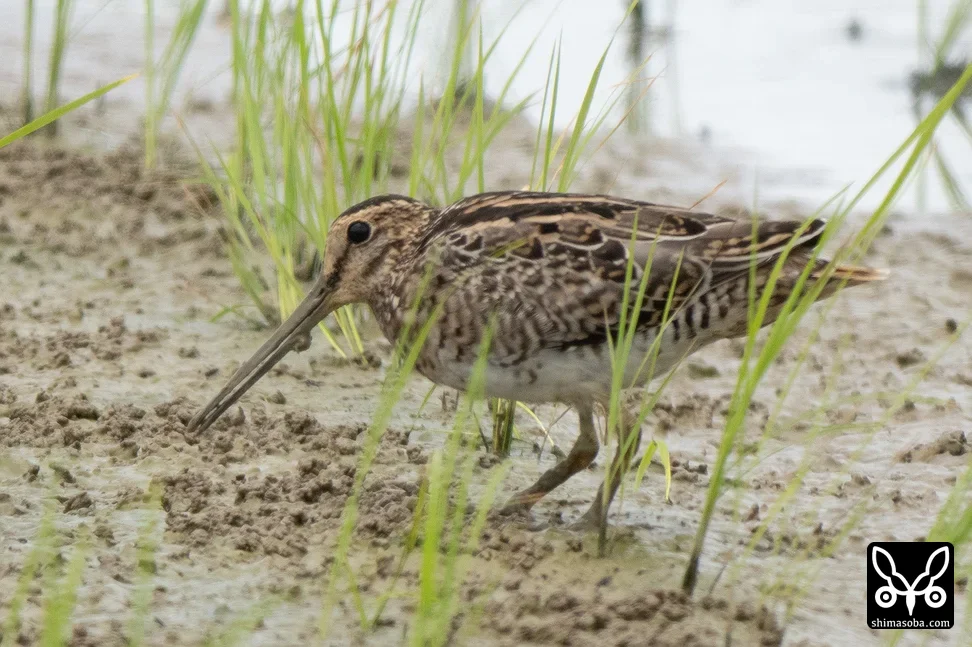
Swinhoe's Snipe
Swinhoe's Snipe

Swinhoe's Snipe, juvenile.

Swinhoe's Snipe
Swinhoe's Snipe

Swinhoe's Snipe, juvenile.

Pin-tailed Snipe
Pin-tailed Snipe

Pin-tailed Snipe, juvenile.

Swinhoe's Snipe
Swinhoe's Snipe

Swinhoe's Snipe, adult.

Swinhoe's Snipe
Swinhoe's Snipe

Swinhoe's Snipe, adult.

Categories: 野鳥
First Chinese Pond Heron of the season, Eastern Yellow Wagtails increasing

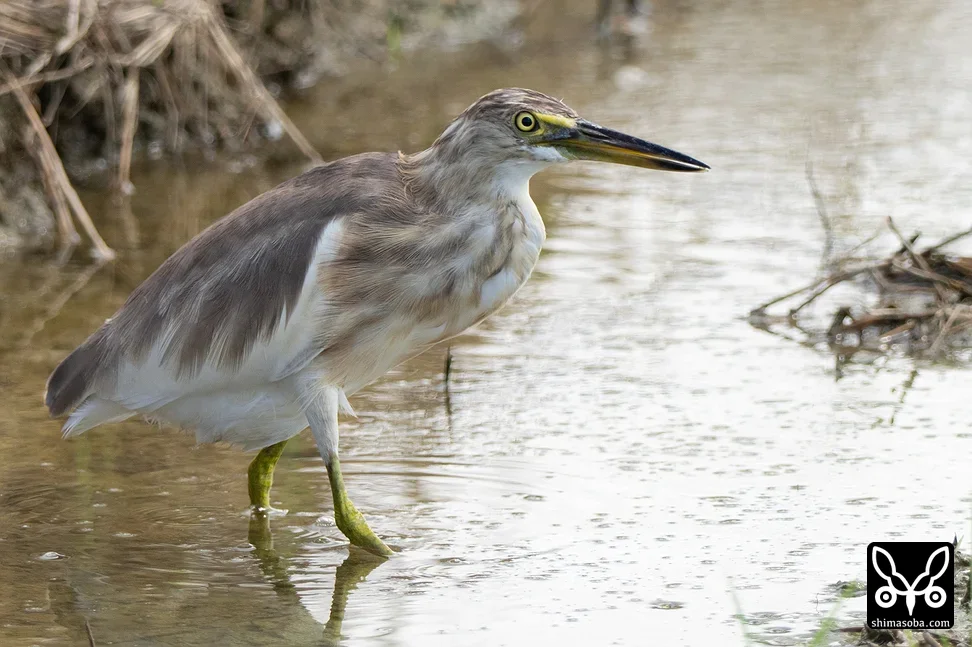
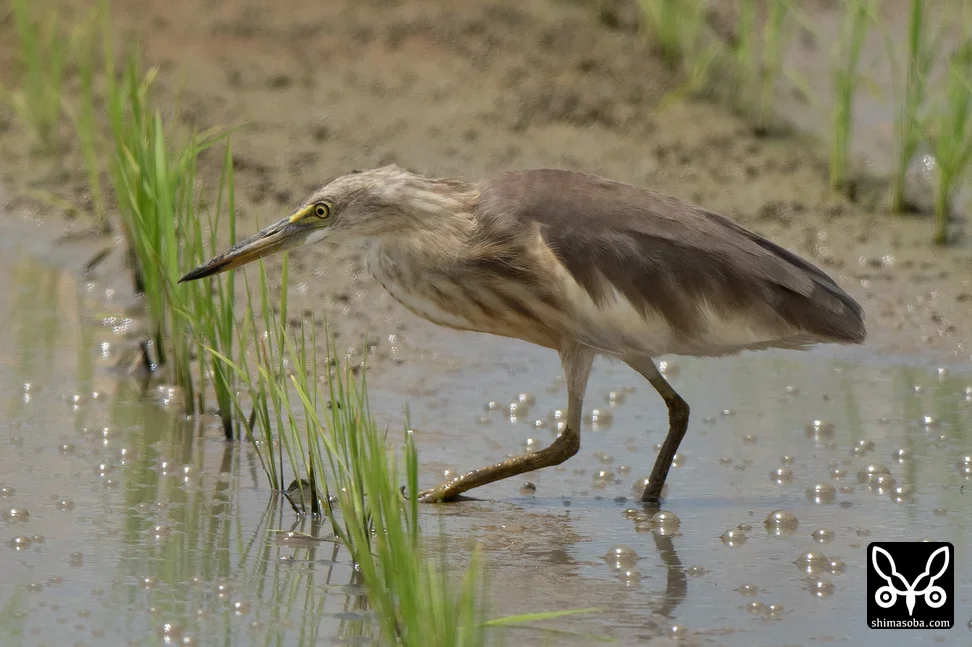
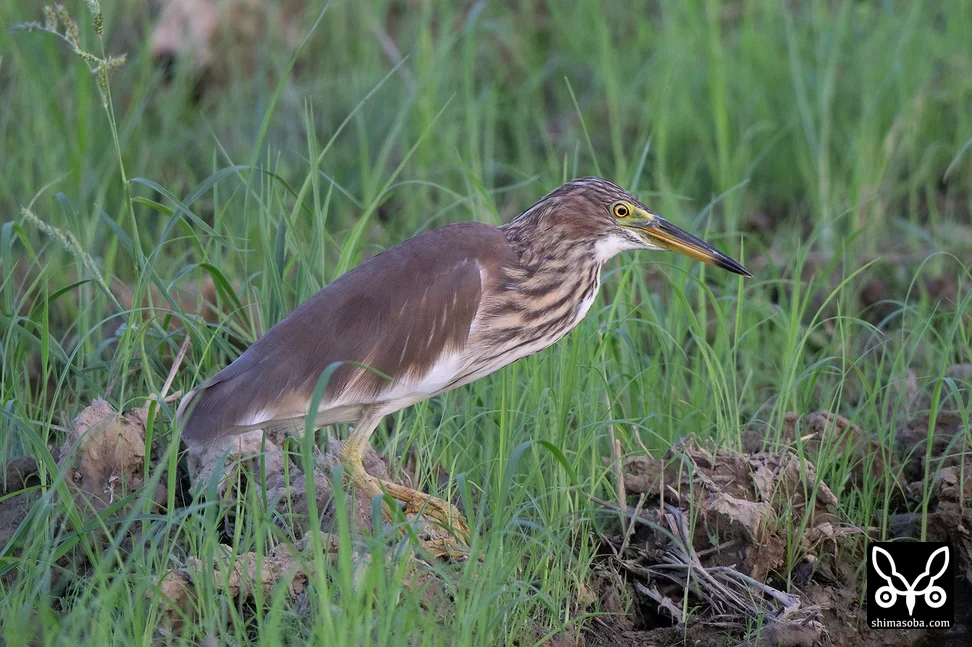
One month after the first Javan Pond Heron, the Chinese Pond Heron has finally arrived. In recent years a pattern has continued in which Chinese Pond Herons arrive after the Javan Pond Herons. There are also more years now when Javan Pond Herons outnumber Chinese Pond Herons.

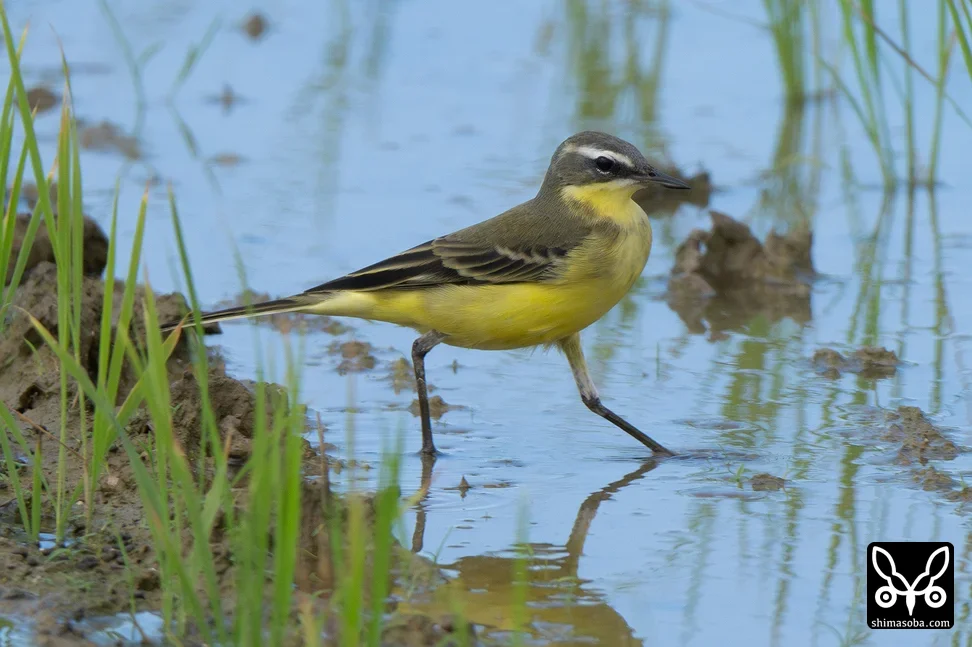
The Eastern Yellow Wagtails first confirmed last month are increasing steadily in number. The white-supercilium form appears to predominate. Every flock is a mix of juveniles and adults.

Chinese Pond Heron
Chinese Pond Heron

The first Chinese Pond Heron of the season. It was eating a tadpole.

Javan Pond Heron
Javan Pond Heron

Three Javan Pond Herons made a long stay in the same paddy field as the Chinese Pond Heron.

Citrine Wagtail
Citrine Wagtail

Sykes's Wagtail, adult winter plumage.

White-breasted Waterhen

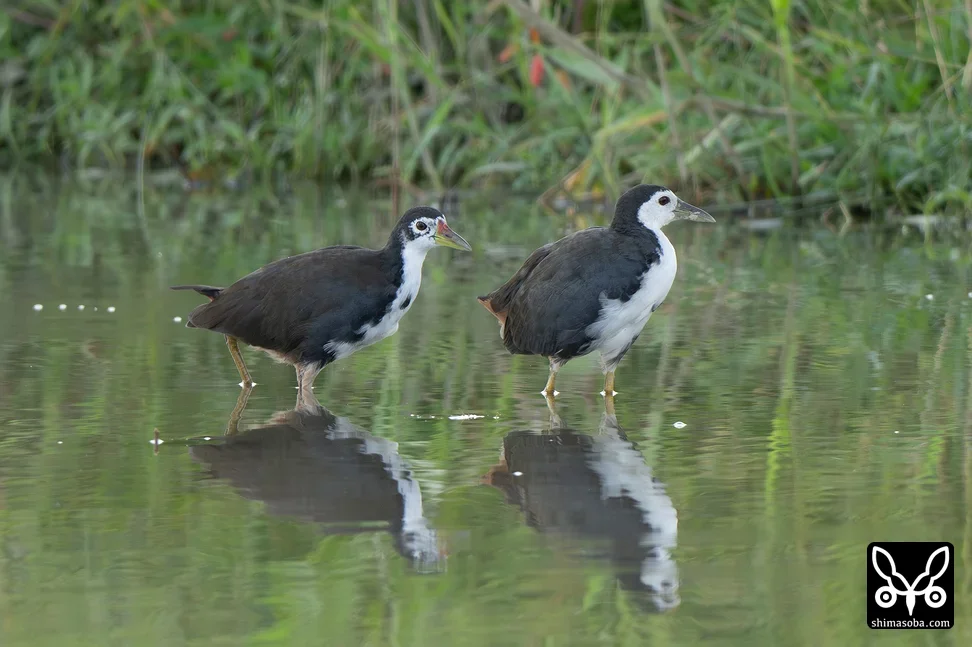
White-breasted Waterhen, male (left) and female.

Categories: 野鳥
Javan Pond Heron, Cinnamon Bittern, White-breasted Waterhen nesting and more (video)

The Javan Pond Heron that arrived in July has been staying long-term and numbers have been building.

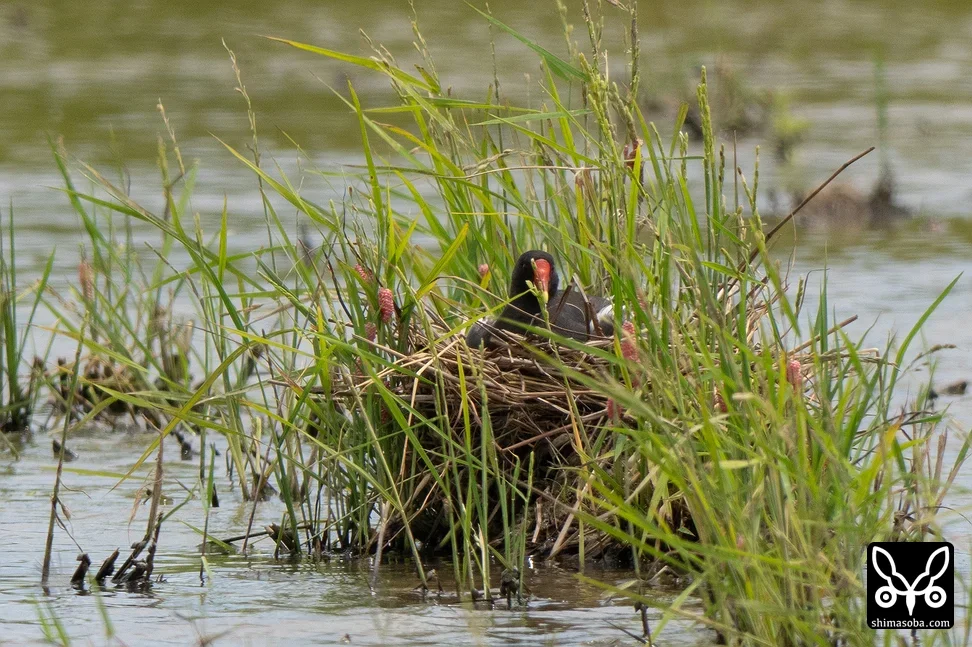
In the same rice field, Greater Painted-snipe and Common Moorhen are incubating eggs. They appear to breed multiple times a year. White-breasted Waterhens are at all sorts of different breeding stages simultaneously — newly hatched chicks alongside large, well-grown ones. They too may be raising several broods a year.

Javan Pond Heron
Javan Pond Heron

Three Javan Pond Herons are staying in the same rice field. They have also been recorded in other areas, and there seem to be a fair number on the island. On the Okinawa main island, arrivals have been confirmed in the north, central, and south. Their range appears to be expanding steadily eastward in recent years.

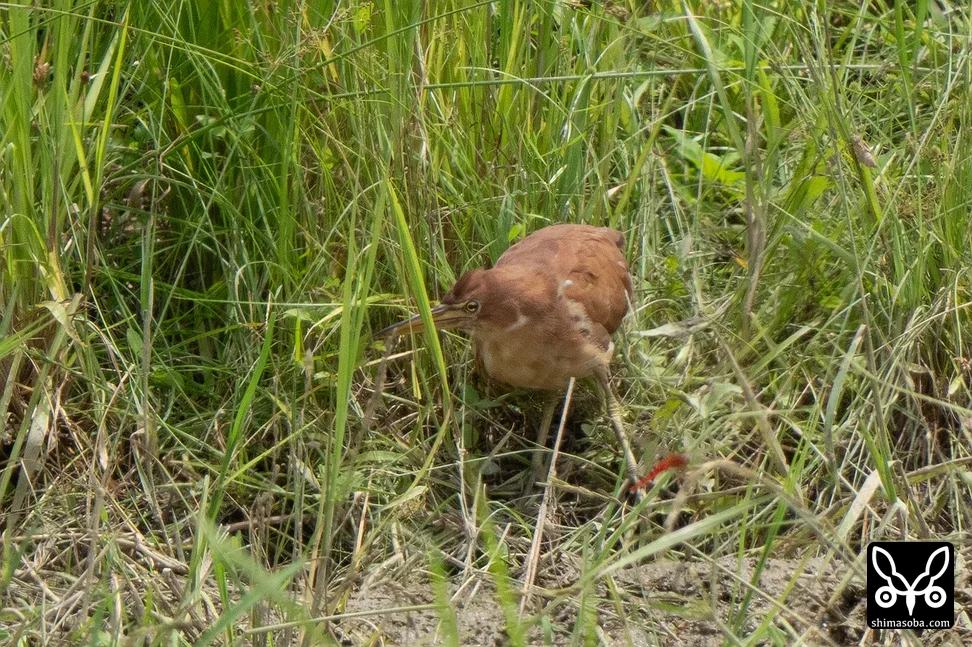
Yellow Bittern
Yellow Bittern

Ryukyu Striated Heron, male.

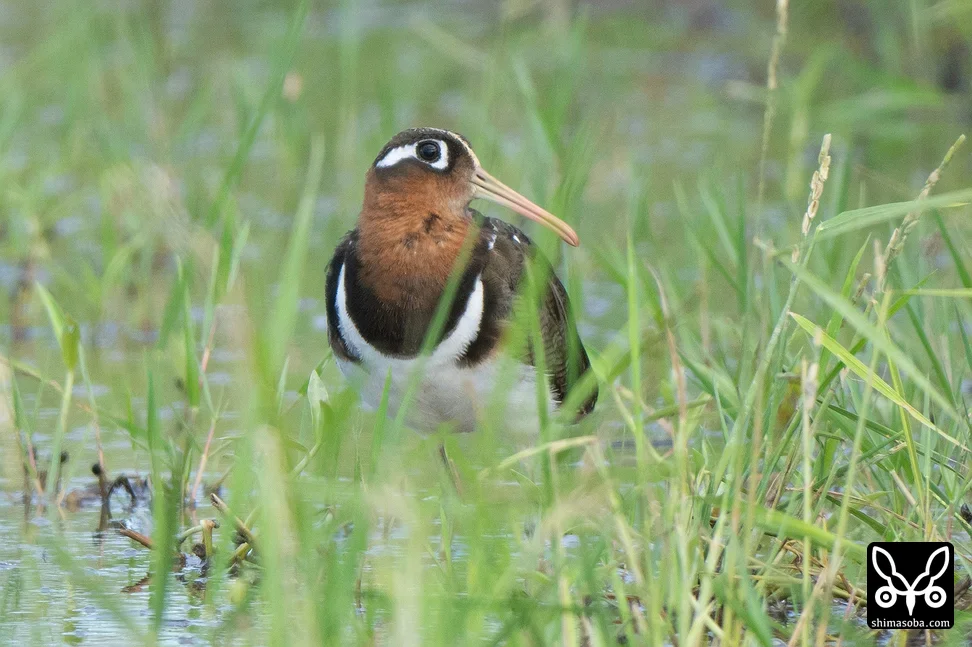
Greater Painted-snipe

Two female Greater Painted-snipes were feeding in close proximity. No exclusion behaviour was observed.

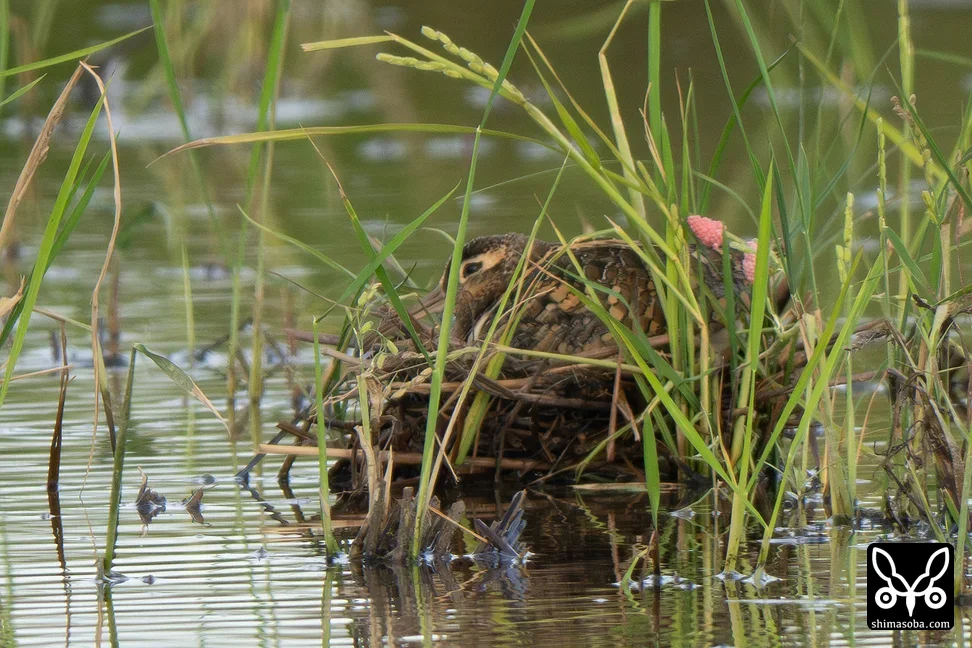
Greater Painted-snipe

A male Greater Painted-snipe incubating.

Common Moorhen
Common Moorhen

A Common Moorhen incubating in the same rice field as the Greater Painted-snipe above.

White-breasted Waterhen

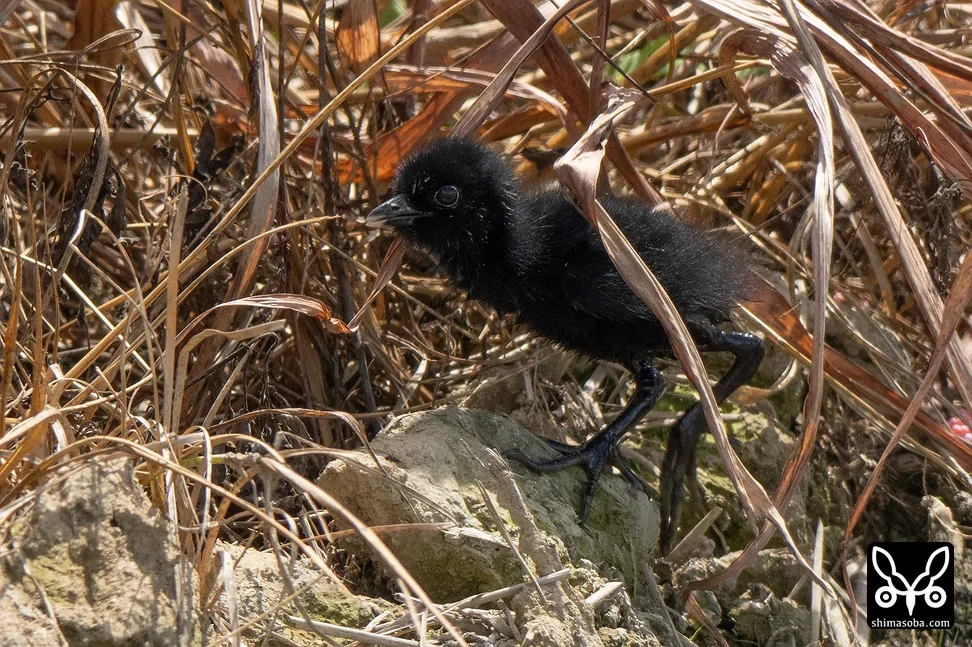
A chick of White-breasted Waterhen. Probably only a few days since hatching.

White-breasted Waterhen

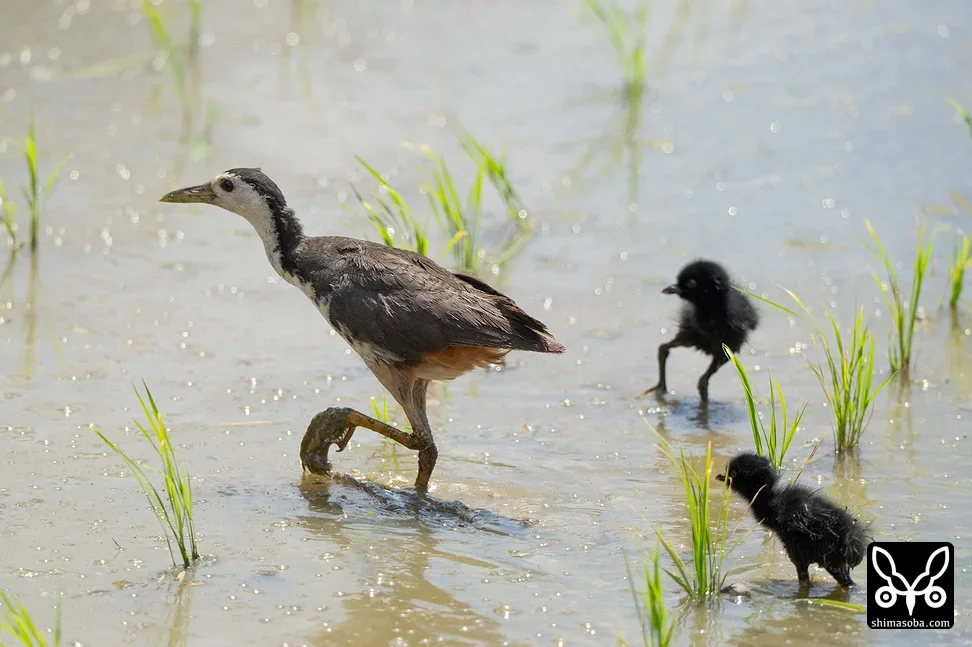
The parent bird, with no wariness at all, came right up in front of me with three chicks in tow.

Categories: 野鳥
Common Ringed Plover appears!!

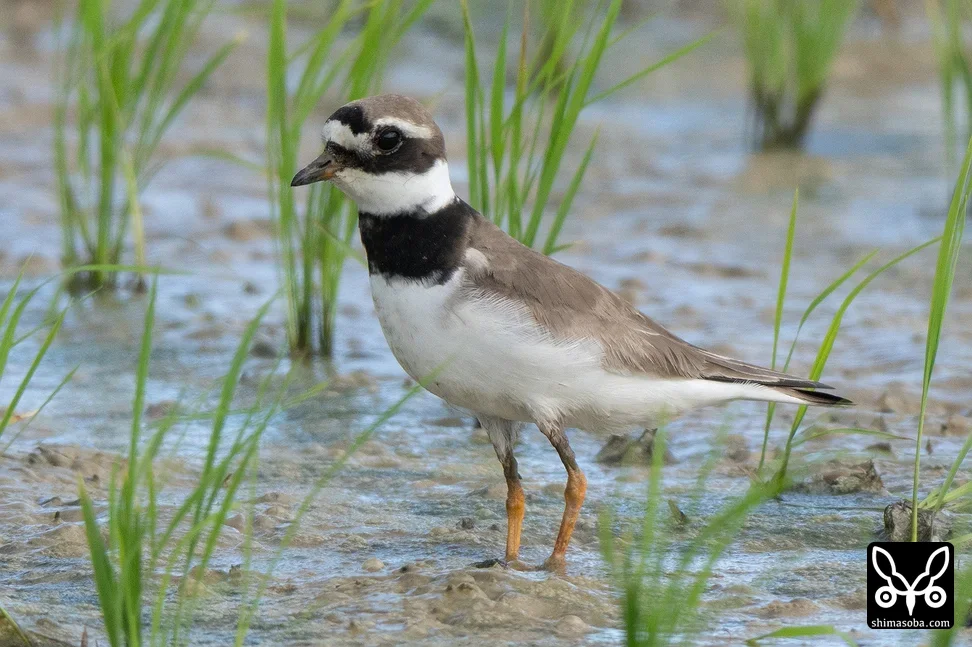
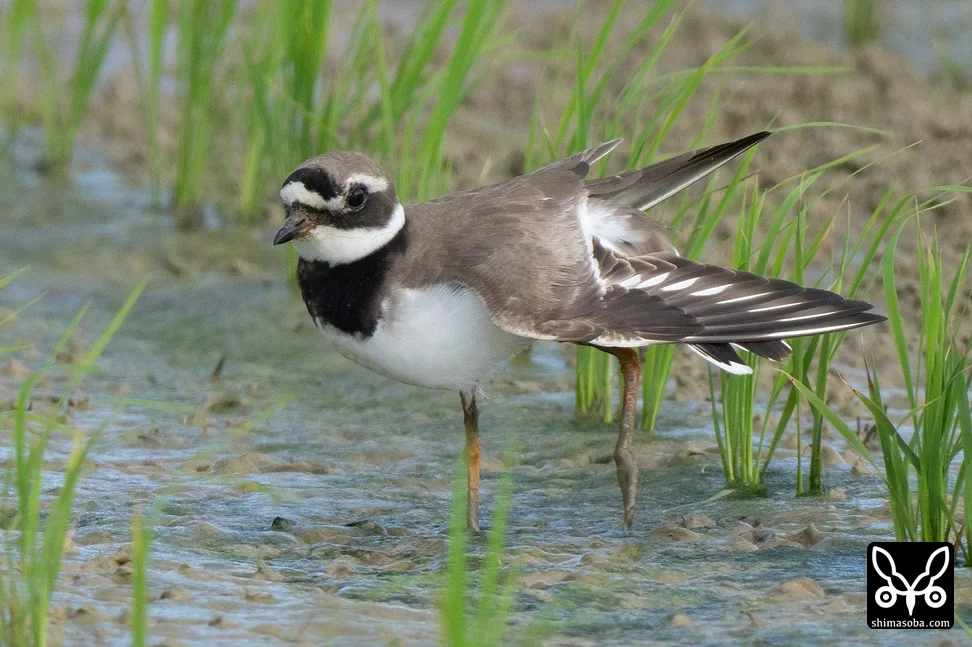
A Common Ringed Plover — a rare bird on Ishigaki Island — has turned up. It's only the second time I've seen one on the island. It was associating with a flock of Little Ringed Plovers. A juvenile Curlew Sandpiper, the first of the season, also arrived. I had noted it a few days earlier, but today I managed to get photographs.

The rice fields have a true migration-season feel, with Common Greenshank, Marsh Sandpiper, Wood Sandpiper, Long-toed Stint, Black-winged Stilt, and Red-necked Stint all coming and going.

Long-banded Plover
Long-banded Plover

The Kentish Plover was in transition from breeding to non-breeding plumage.

Long-banded Plover
Long-banded Plover

The white wing-bar of the Kentish Plover is conspicuous even in flight and helps with identification from Little Ringed Plover.

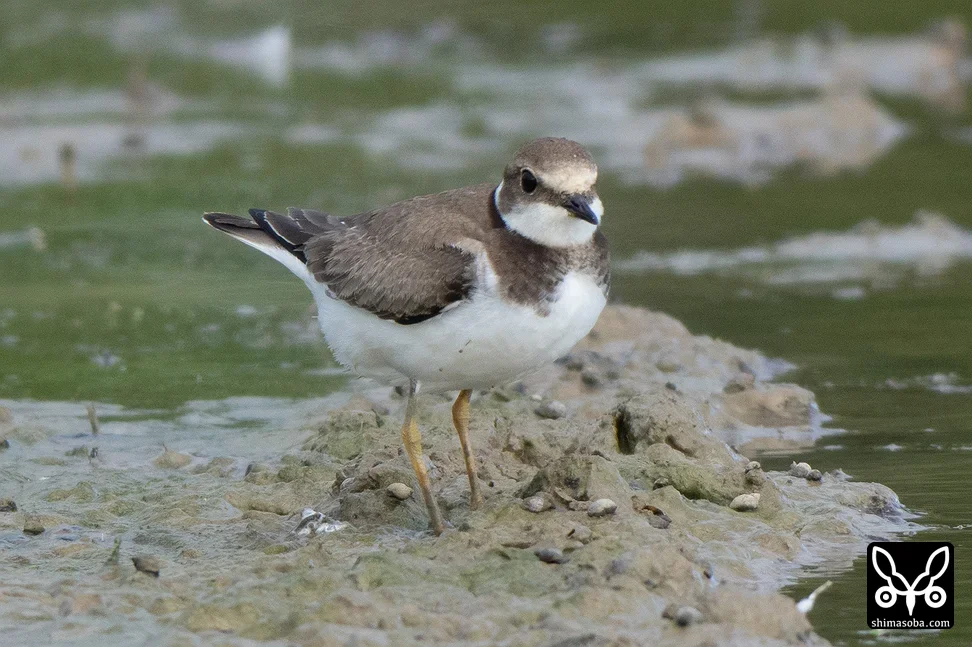
Little Ringed Plover

Little Ringed Plovers were staying in rice fields here and there.

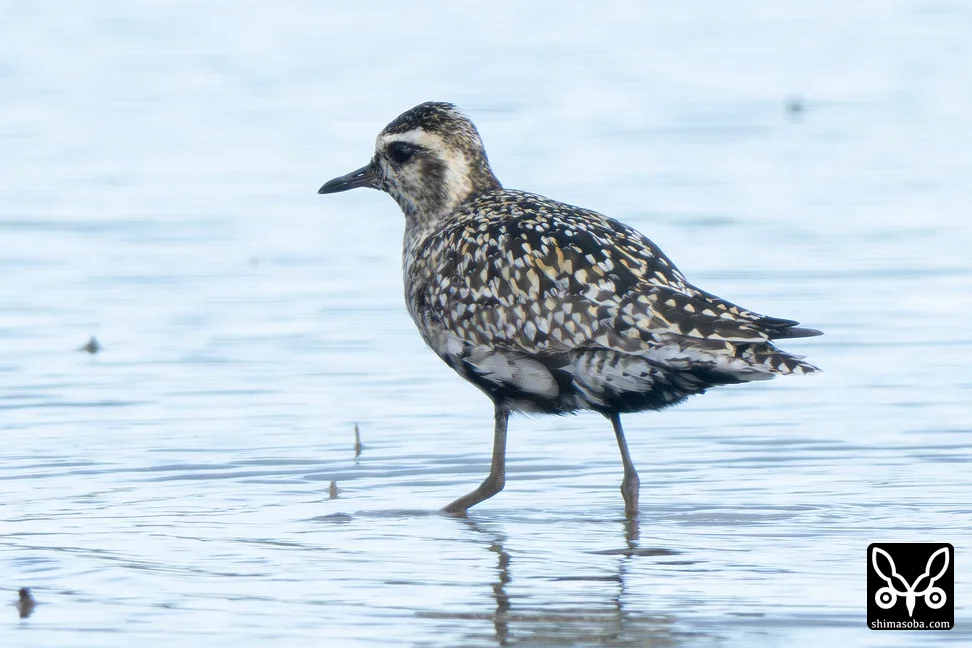
Pacific Golden Plover

Pacific Golden Plover, transitioning from breeding to non-breeding plumage.

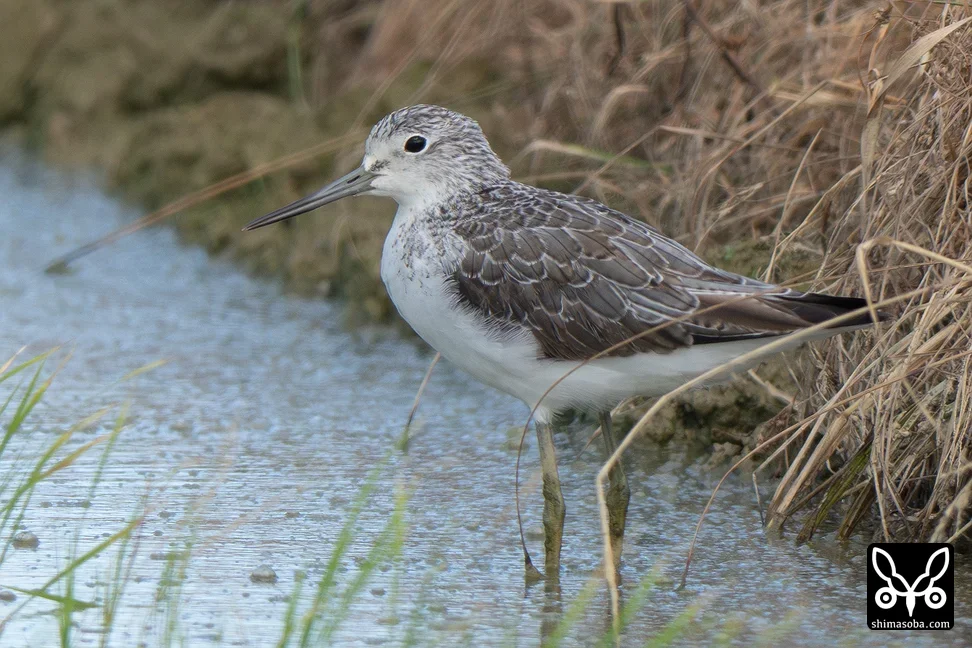
Common Greenshank
Common Greenshank

Common Greenshank is also changing into non-breeding plumage.

Marsh Sandpiper
Marsh Sandpiper

Marsh Sandpiper, transitioning from juvenile to first-winter plumage.

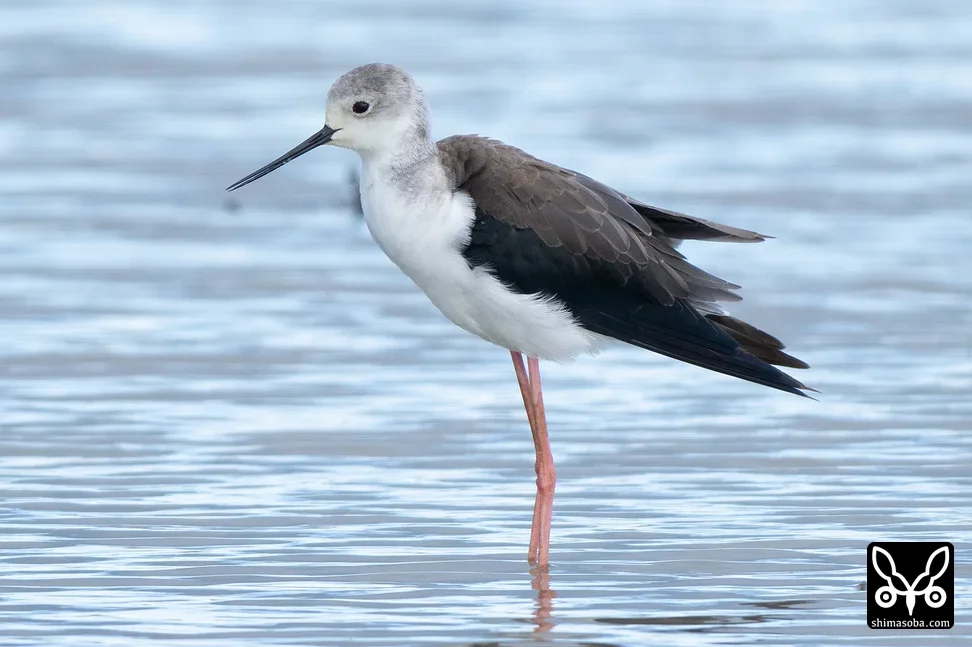
Black-winged Stilt
Black-winged Stilt

Black-winged Stilt, female in non-breeding plumage.

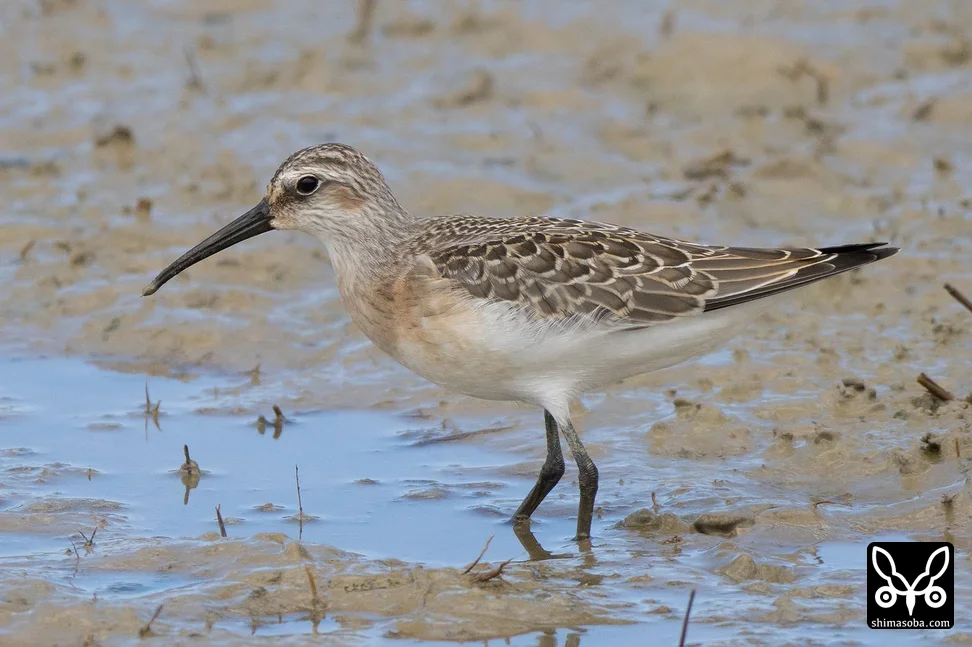
Curlew Sandpiper
Curlew Sandpiper

A juvenile Curlew Sandpiper, the first appearance this season. Adults were first recorded in July.

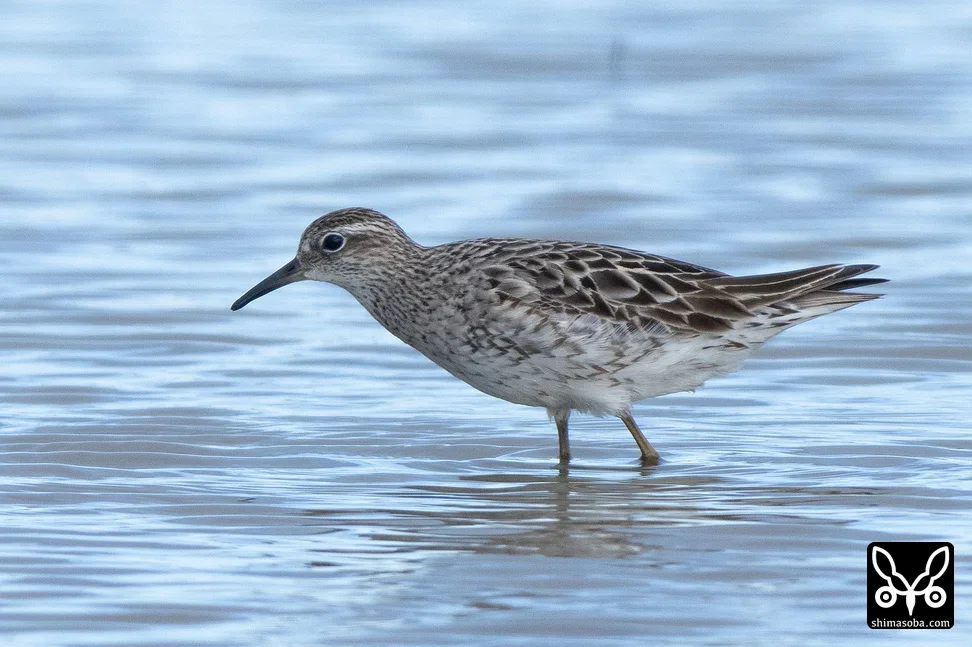
Sharp-tailed Sandpiper

Wood Sandpiper in the process of changing into non-breeding plumage.

Wood Sandpiper
Wood Sandpiper

Wood Sandpipers staying in good numbers.

Categories: 野鳥

Ruddy Kingfisher and Common Emerald Dove in September (video)

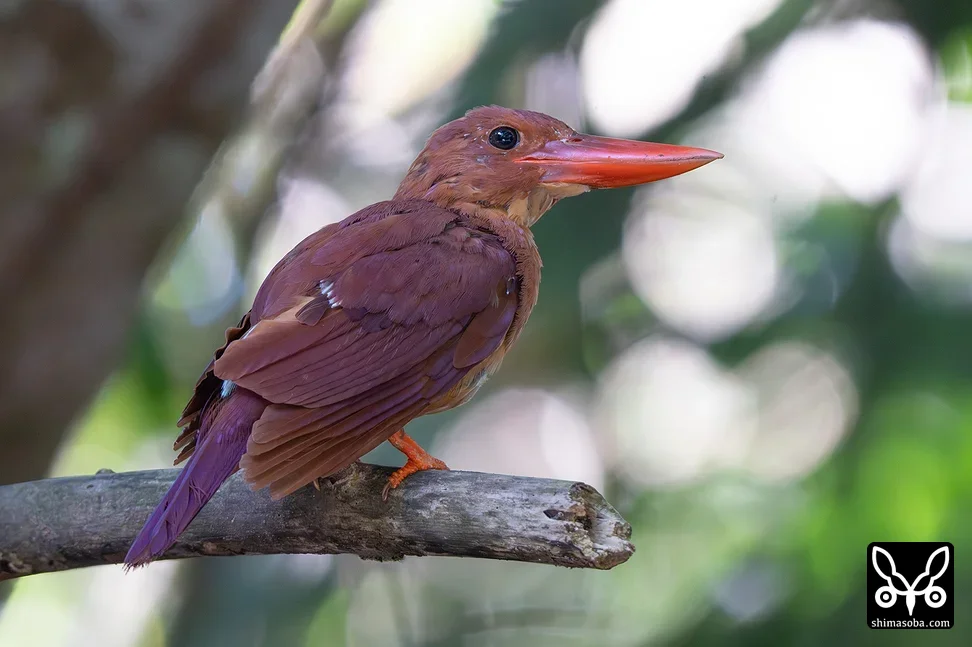
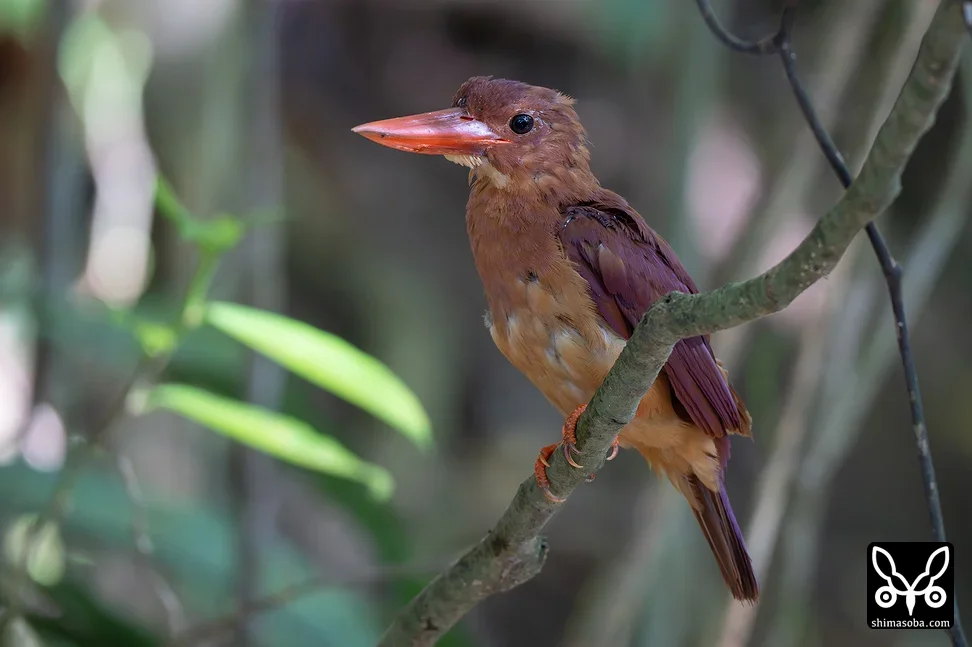
The Ruddy Kingfishers on Ishigaki Island are now rarely heard calling. Moult into winter plumage is under way and every individual looks rather ragged. Most will have moved south by the end of September, and finding a Ruddy Kingfisher is becoming increasingly difficult.

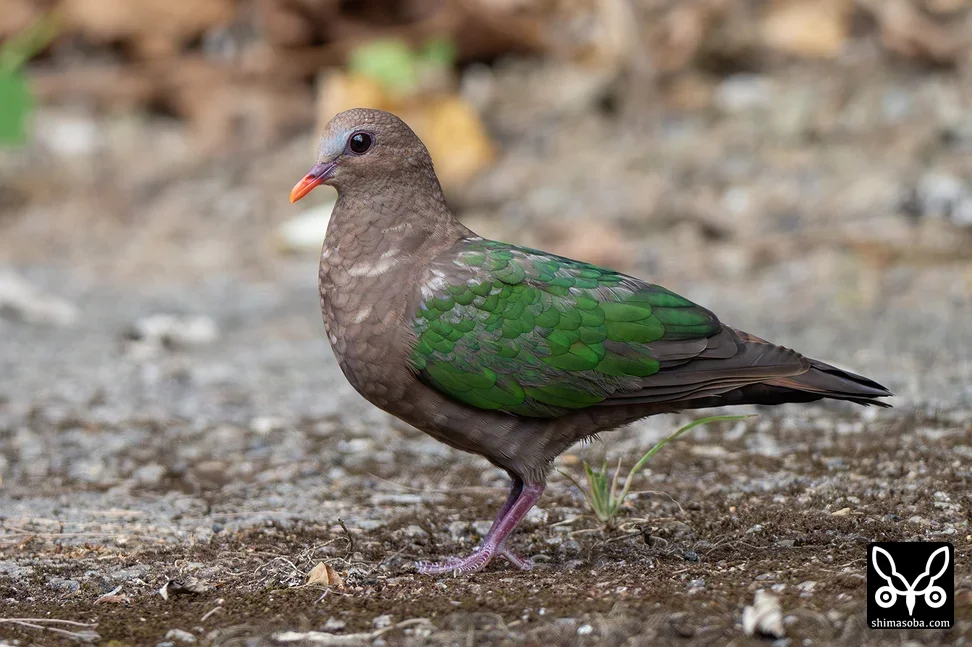
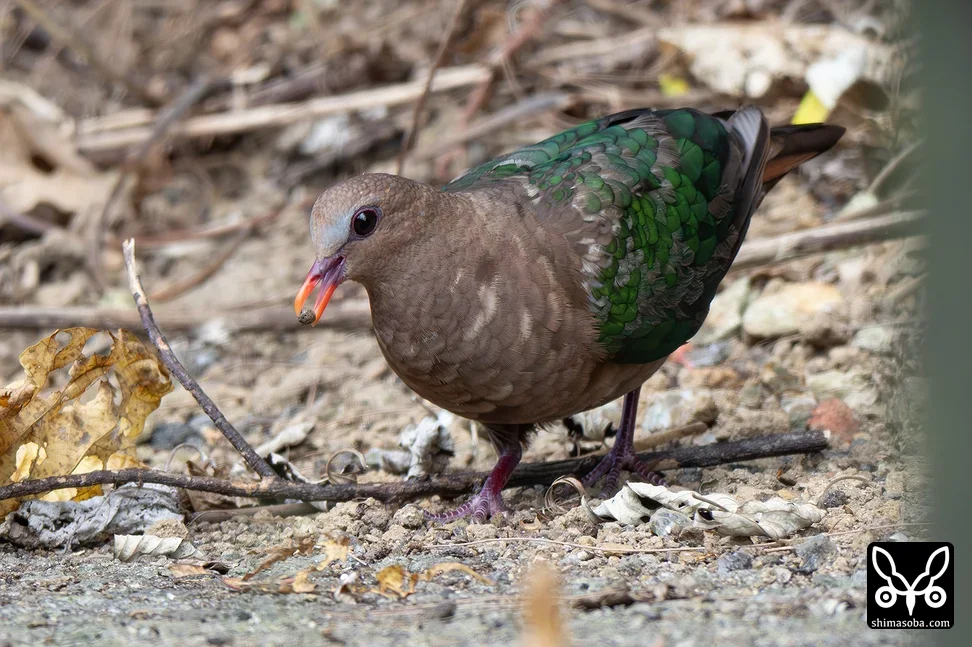
Common Emerald Doves are being seen more often along roadsides, coming to feed on fallen fruits and seeds of Macaranga and related trees.

Ruddy Kingfisher
Ruddy Kingfisher

A Ruddy Kingfisher from the neighbourhood. Moult is well advanced and the plumage looks ragged. September has arrived and departure is not far off. I went out to photograph it while it still looks lively, before it disappears.

Ruddy Kingfisher
Ruddy Kingfisher

From August onwards, singing becomes increasingly rare. They can still be seen throughout September, but by October most individuals have moved on to their wintering grounds.

Emerald Dove
Emerald Dove

A Emerald Dove appearing in the village. Almost no wariness at all.

Emerald Dove
Emerald Dove

An Emerald Dove eating fallen fruit of Okinawa mallotus on the pavement.

Categories: 野鳥