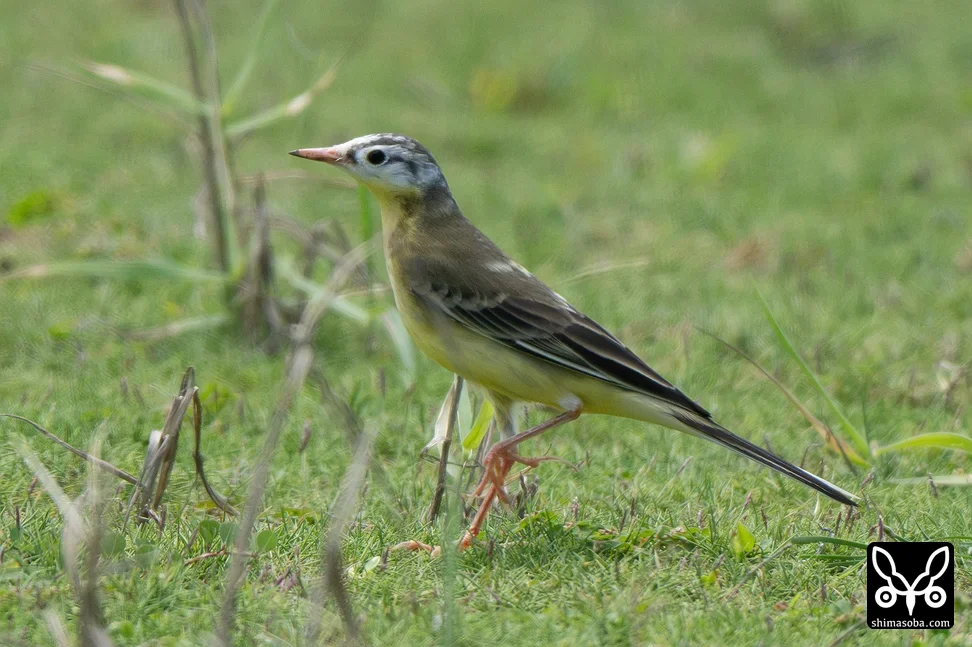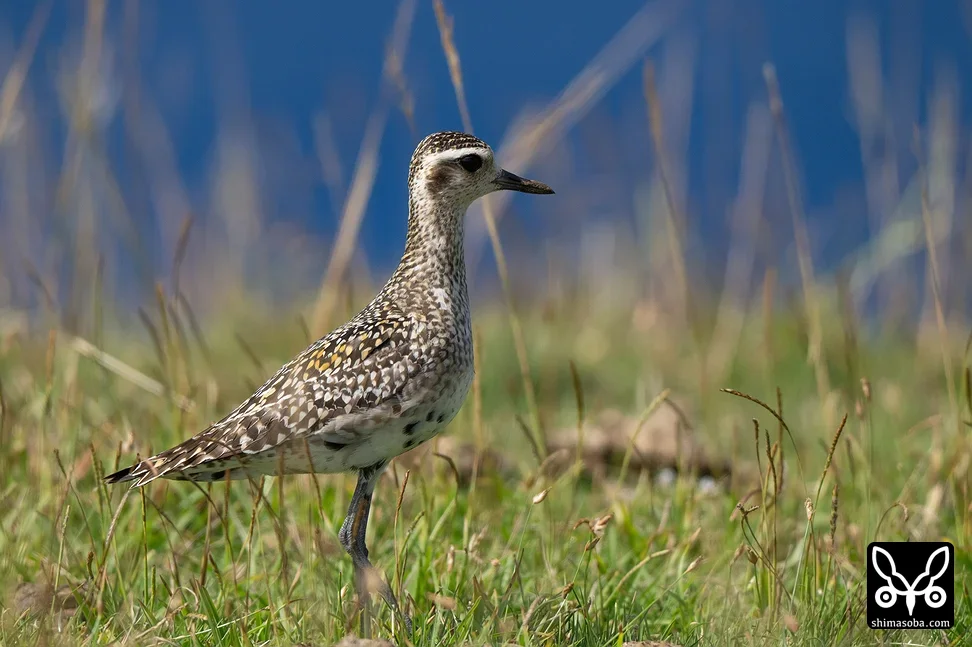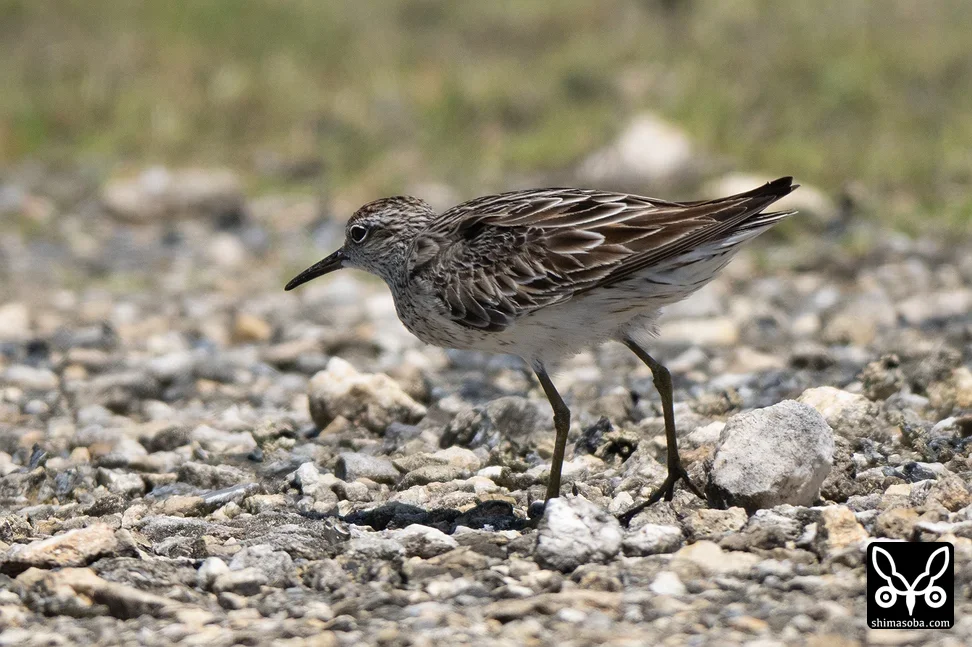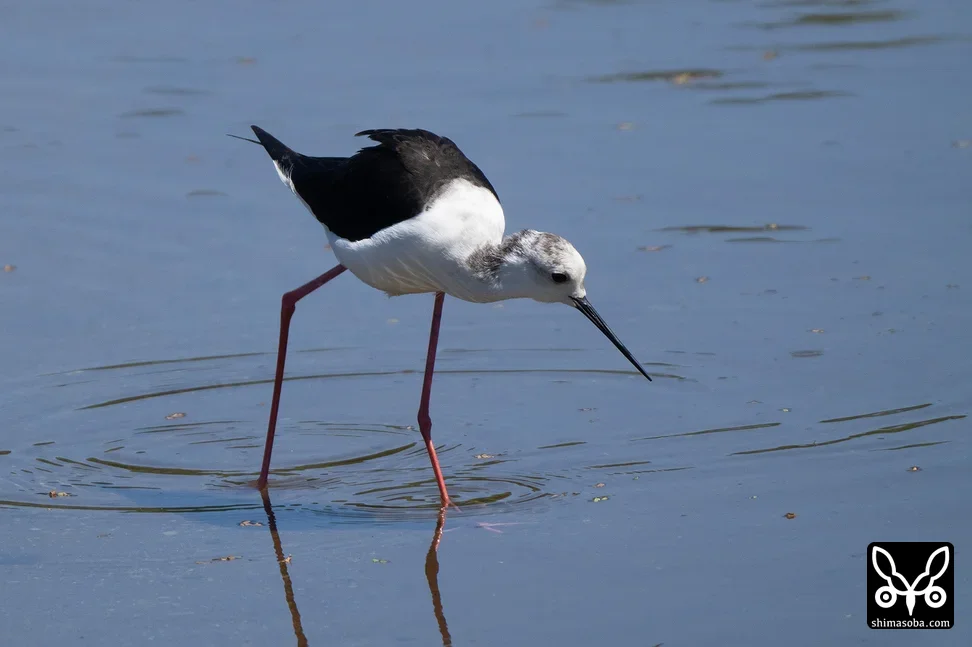
A daily record.
Featuring photos of wild birds and nature, mainly from Okinawa Main Island and Ishigaki Island

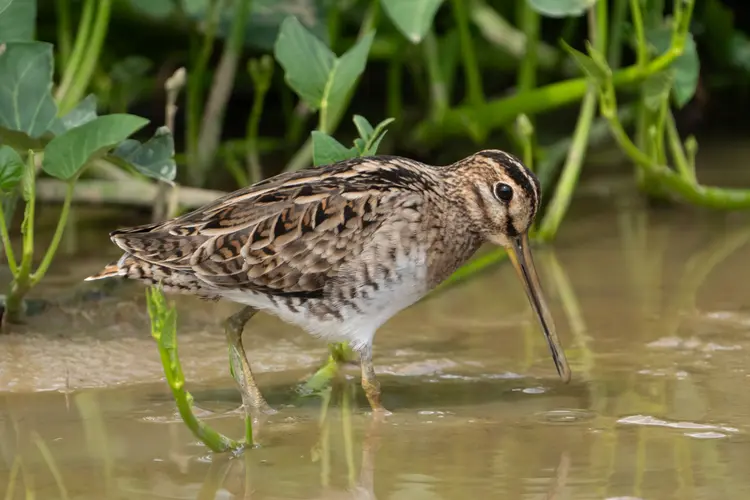
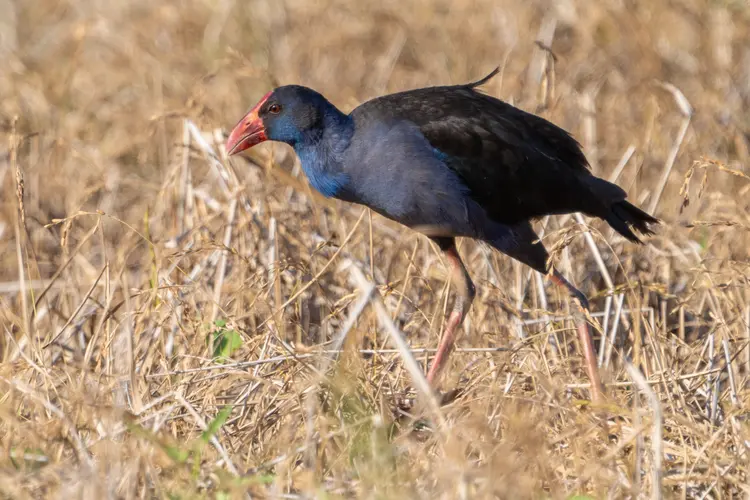
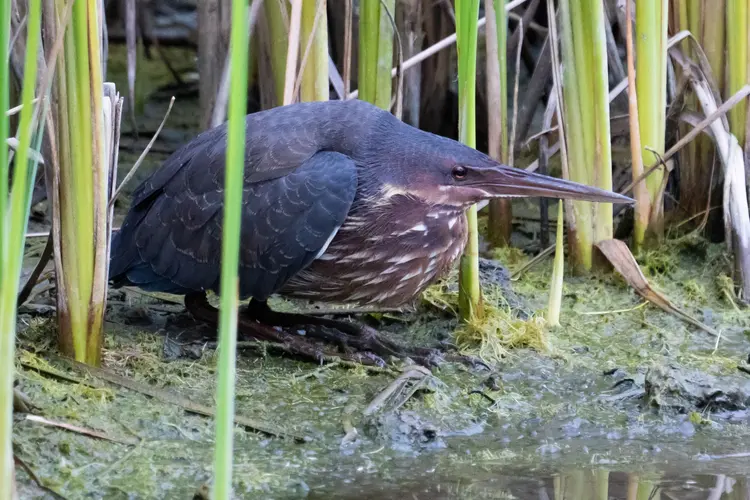
Pied Avocet Glossy Ibis Pintail Snipe Purple Swamphen Black Bittern

GUIDED BIRDWATCHING TOUR

Go where the birds are. The SHIMASOBA Tour launches.

We'll drive you around Ishigaki Island to wherever the birds are showing best that day. Observation is mostly from inside the vehicle, and we keep it to a maximum of 3 guests so everyone can take their time.

Max. 3 guests 4 hours in the morning Beginners welcome
Check availability and book

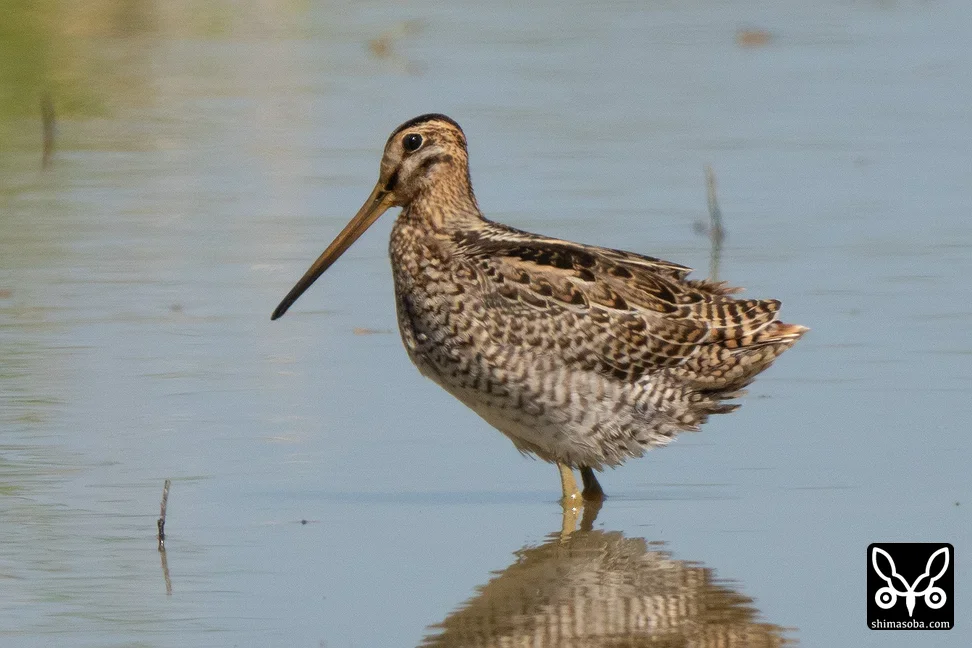
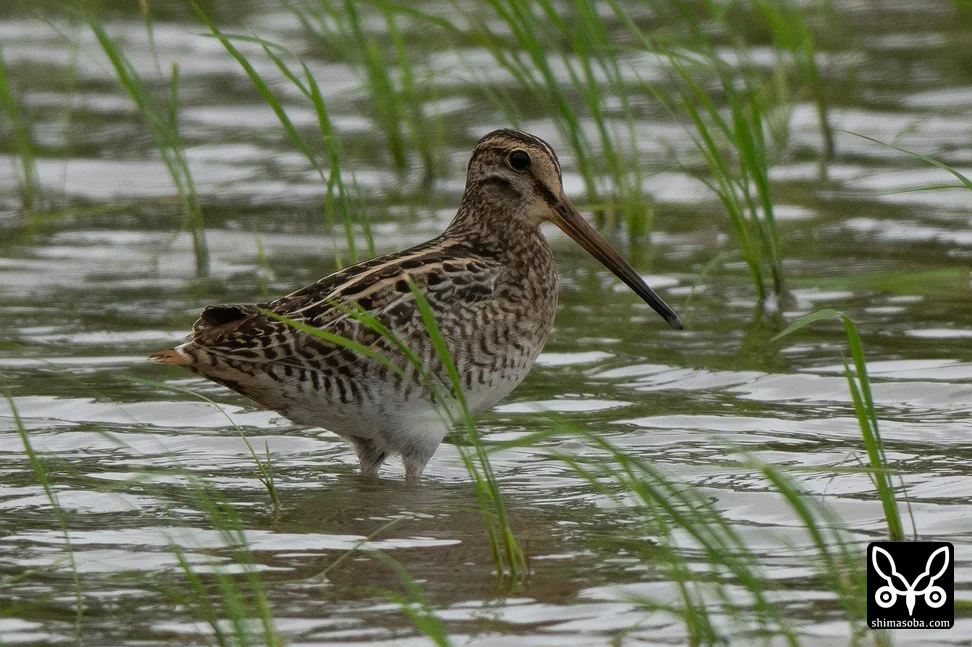
All Three Snipe Species Together

All three snipe species on Ishigaki Island — Pin-tailed Snipe, Swinhoe's Snipe, and Common Snipe — are finally present at the same time. From here, Pin-tailed and Swinhoe's Snipe numbers will decline, while Common Snipe will increase.
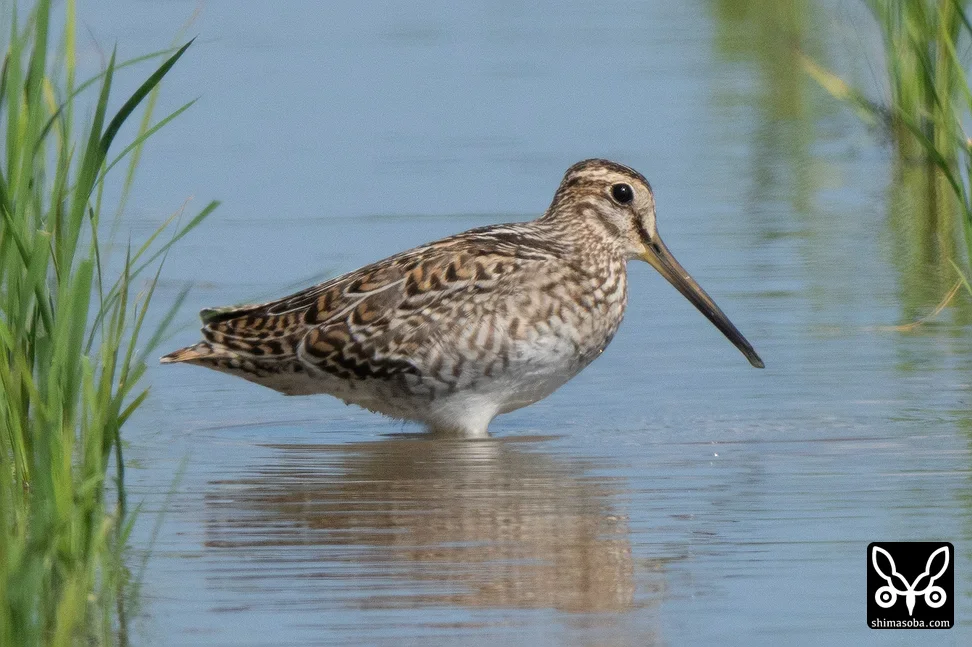
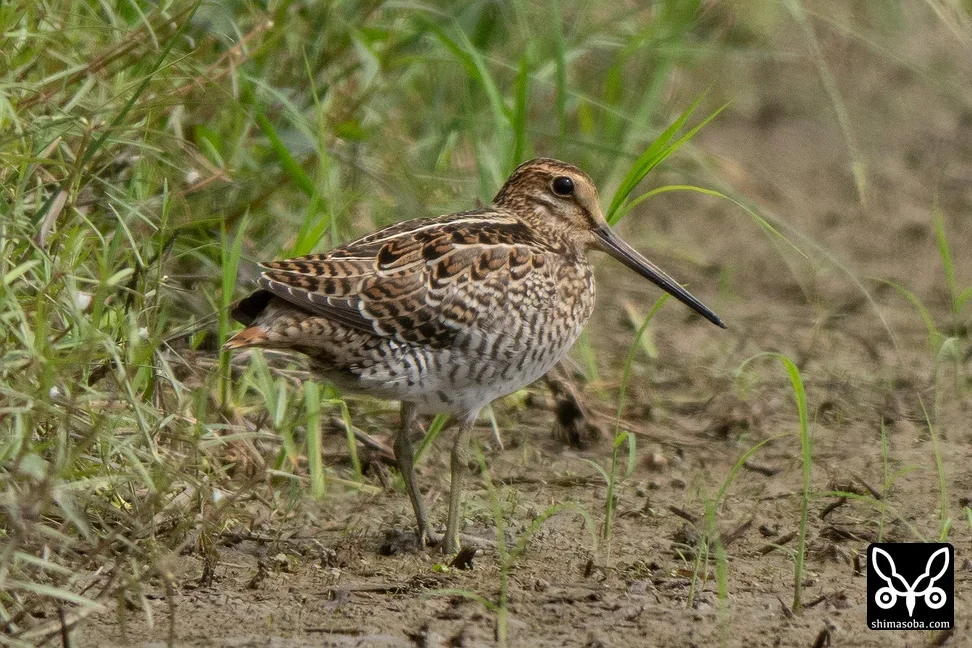
Pin-tailed Snipe
Pin-tailed Snipe

A textbook individual — identifiable as Pin-tailed Snipe at a glance.
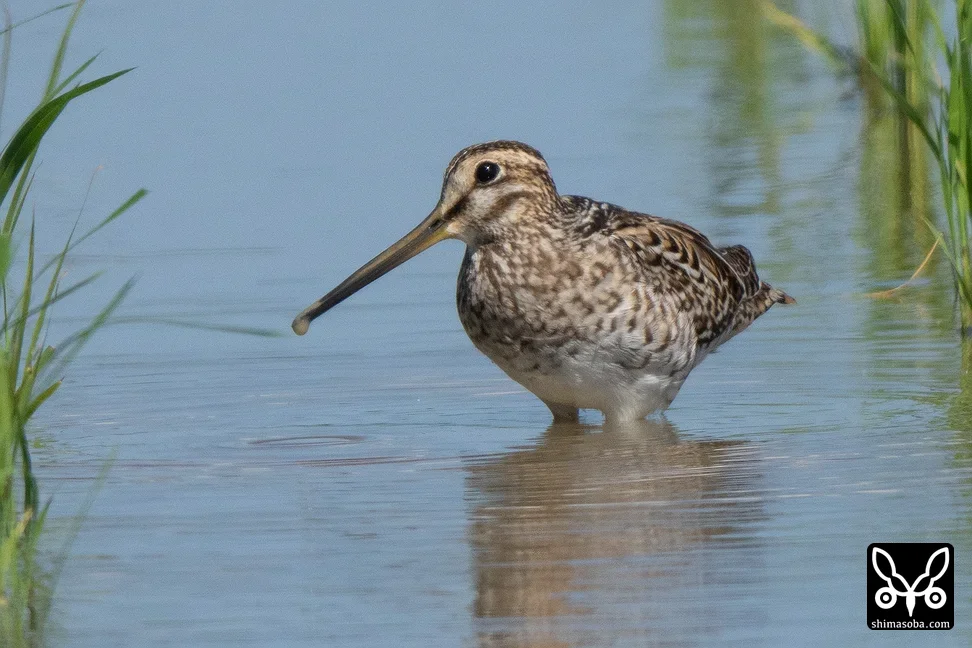
Pin-tailed Snipe
Pin-tailed Snipe

Same individual as above.

Swinhoe's Snipe
Swinhoe's Snipe

This is a Swinhoe's Snipe. A juvenile.
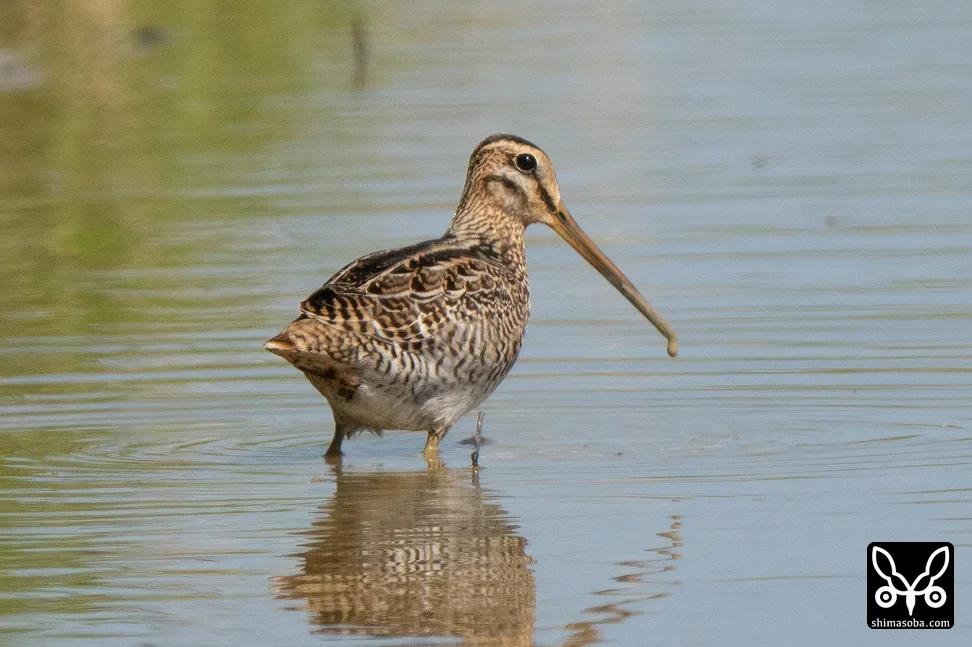
Swinhoe's Snipe
Swinhoe's Snipe

Same individual as above.

Swinhoe's Snipe
Swinhoe's Snipe

This is also a juvenile Swinhoe's Snipe.
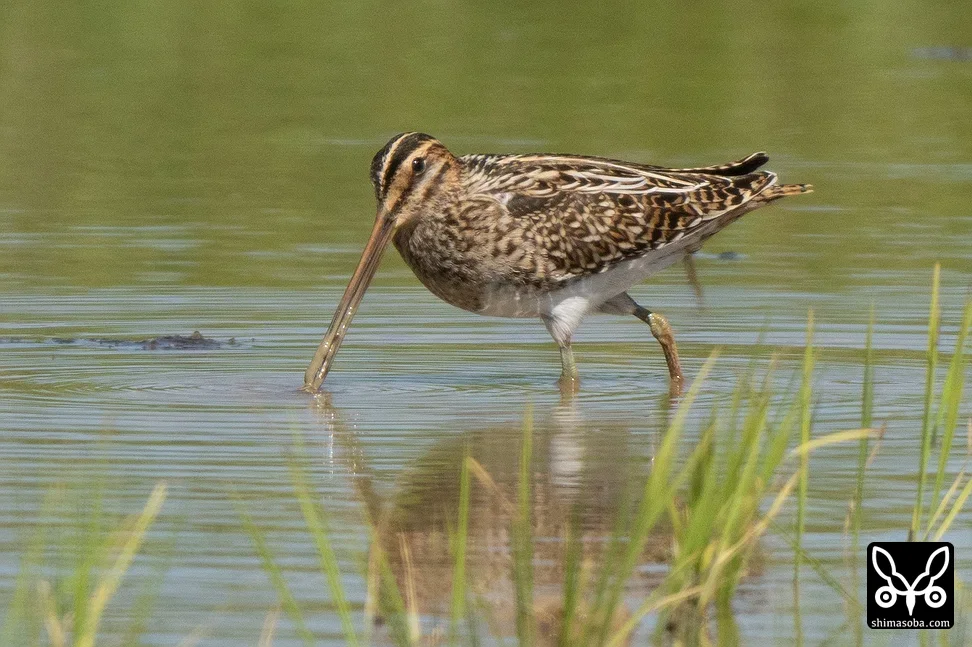
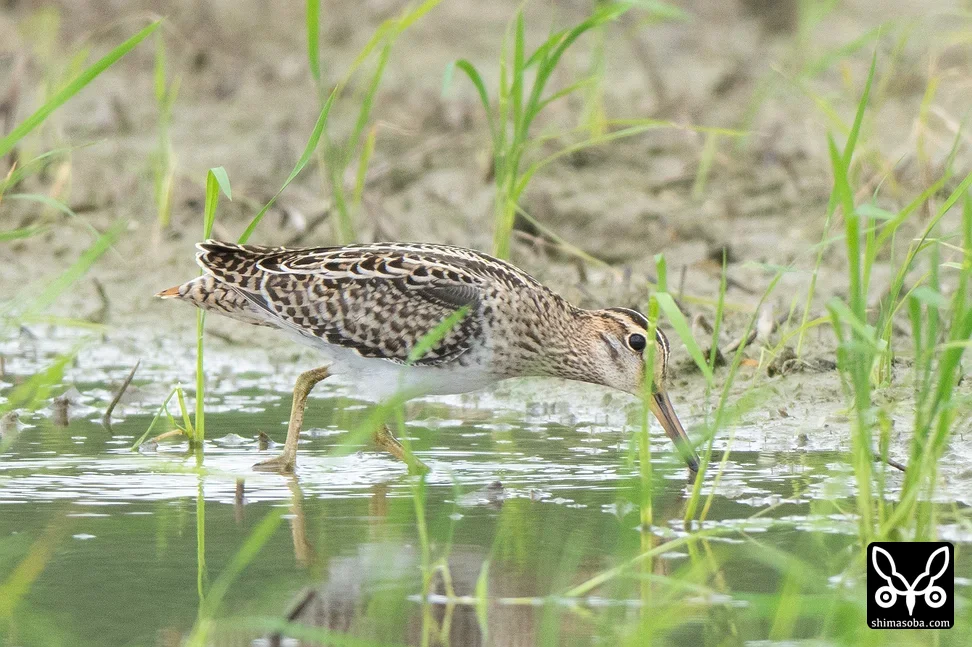
Common Snipe
Common Snipe

This is a Common Snipe. Numbers had been building for several days, but work kept me too busy to get out and see them.
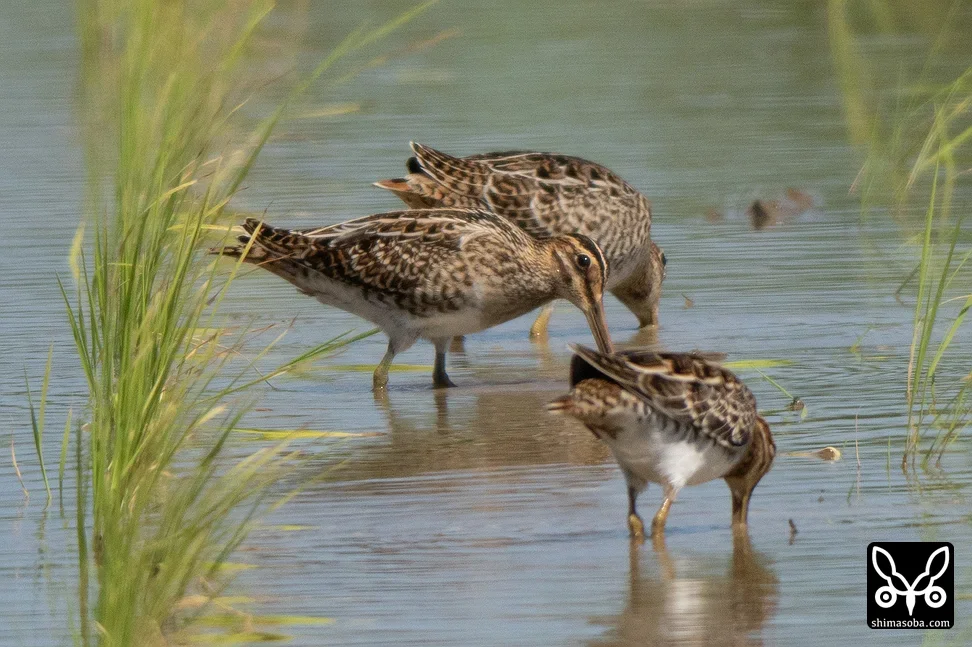
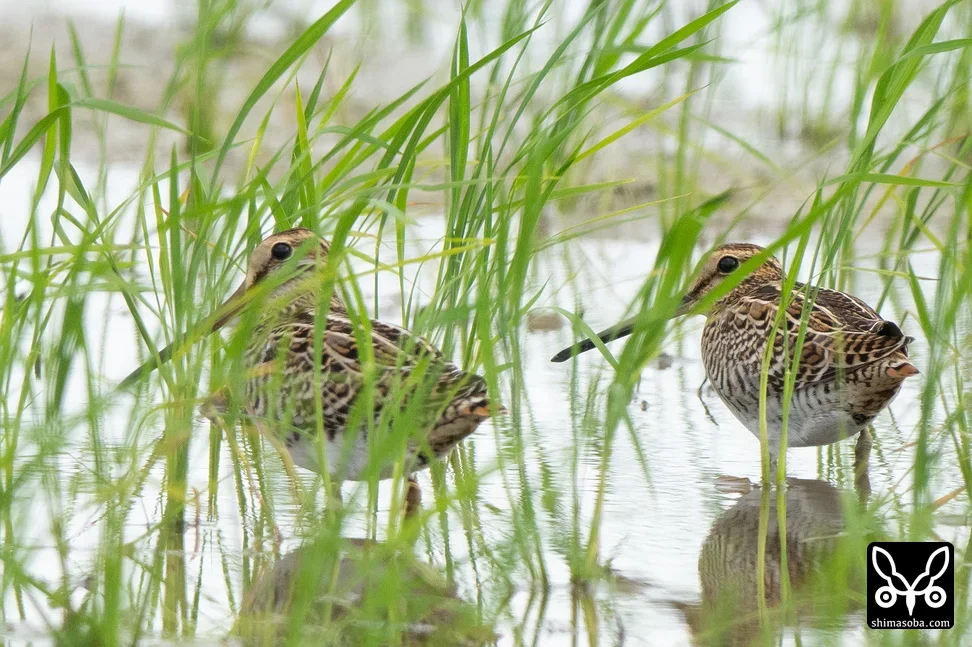
Common Snipe
Common Snipe / Swinhoe's Snipe

Common Snipe (two birds in the foreground) and Swinhoe's Snipe.
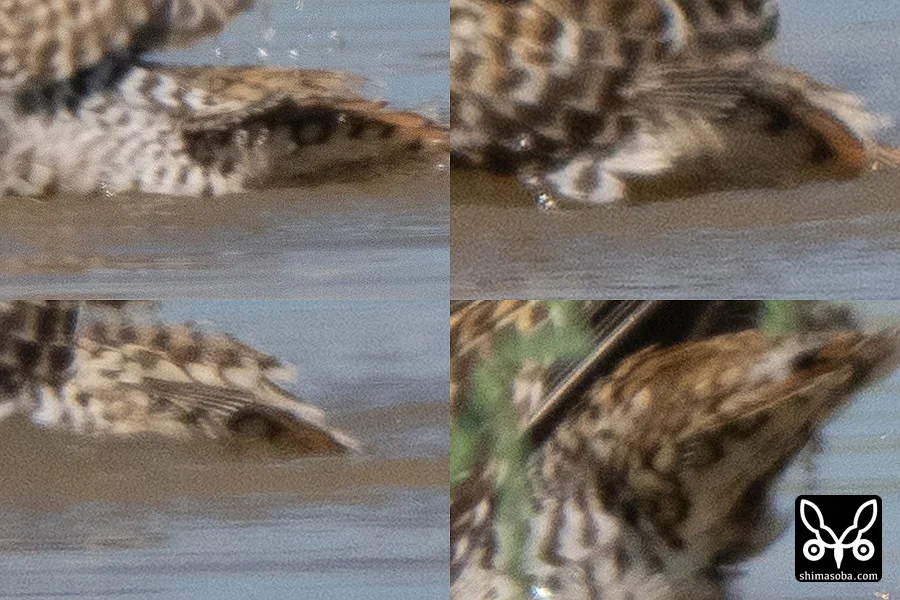
Pin-tailed Snipe
Pin-tailed Snipe

How the tail feathers of Pin-tailed Snipe appear. The look changes depending on the angle. For reference.
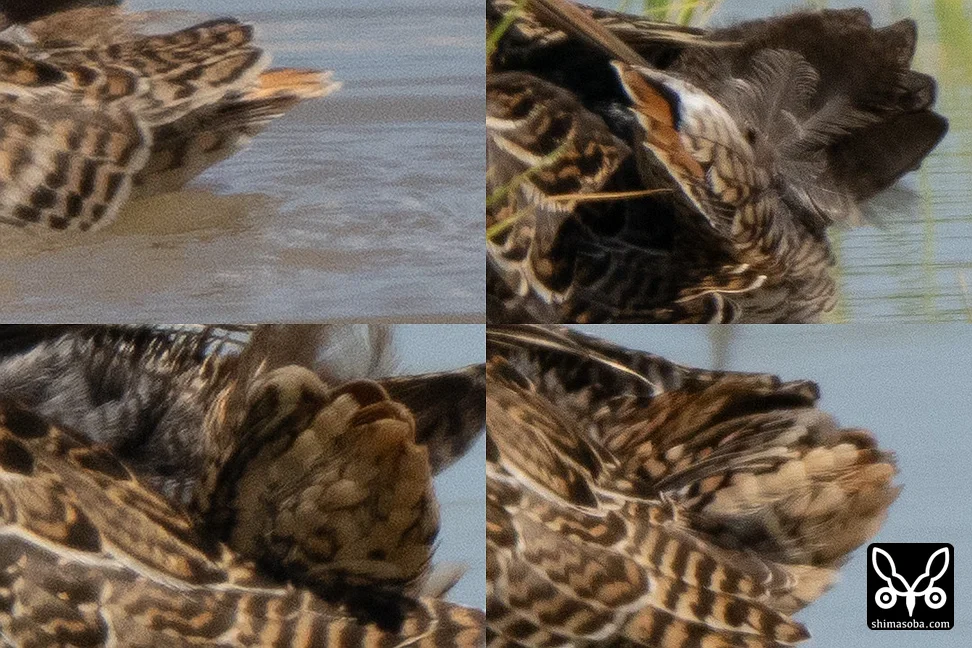
Swinhoe's Snipe
Swinhoe's Snipe

How the tail feathers of Swinhoe's Snipe appear. Depending on the angle, they are often mistaken for Pin-tailed Snipe.
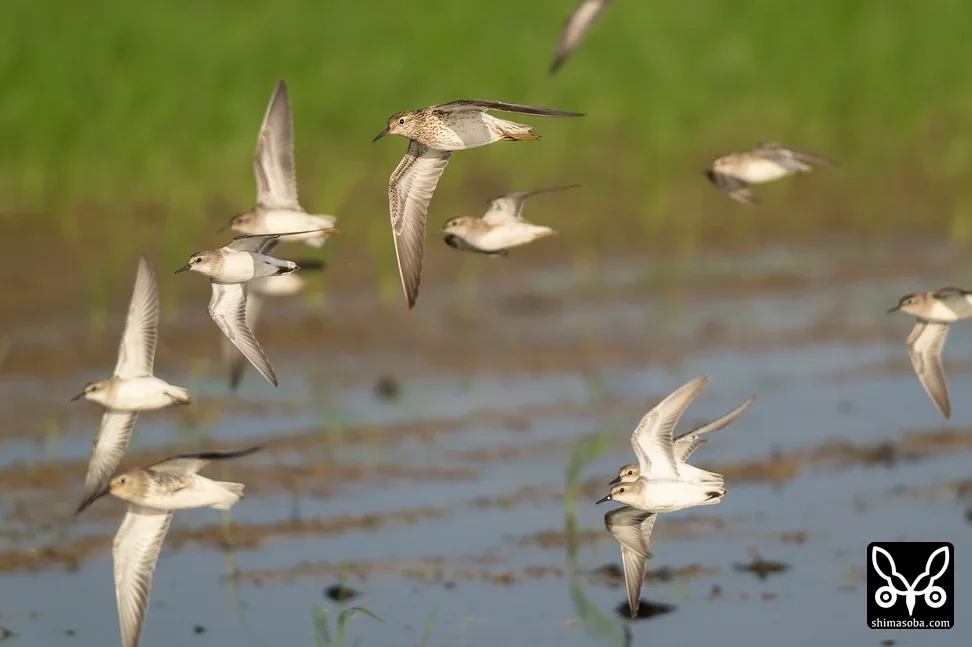
Sharp-tailed Sandpiper
Sharp-tailed Sandpiper / Long-toed Stint

Sharp-tailed Sandpiper and Long-toed Stint, flushed by the arrival of a Common Kestrel.
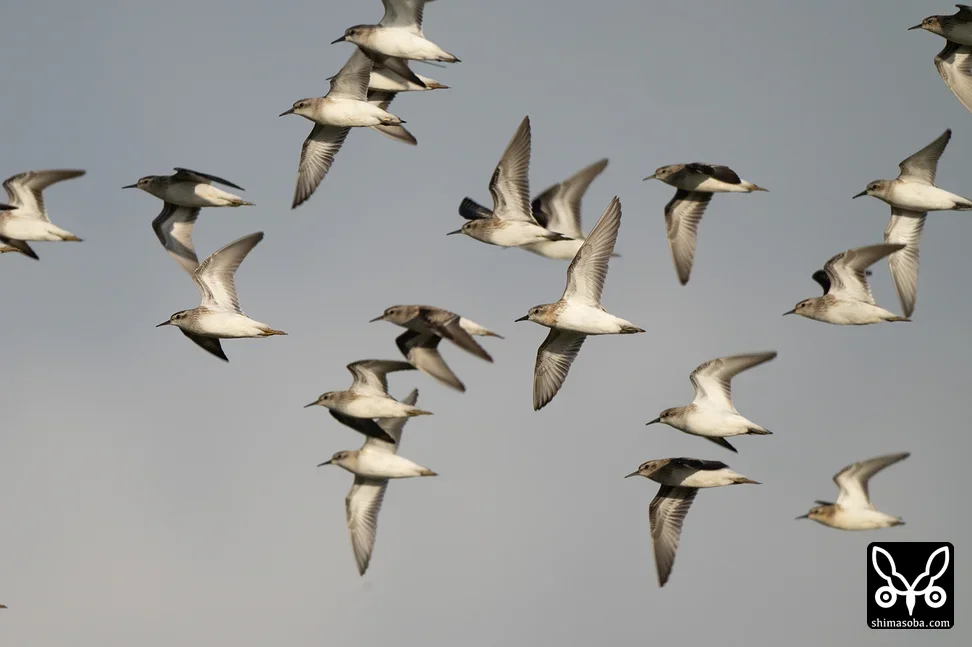
Red-necked Stint
Red-necked Stint / Long-toed Stint

They circled a few times and came back down to the same paddy field.
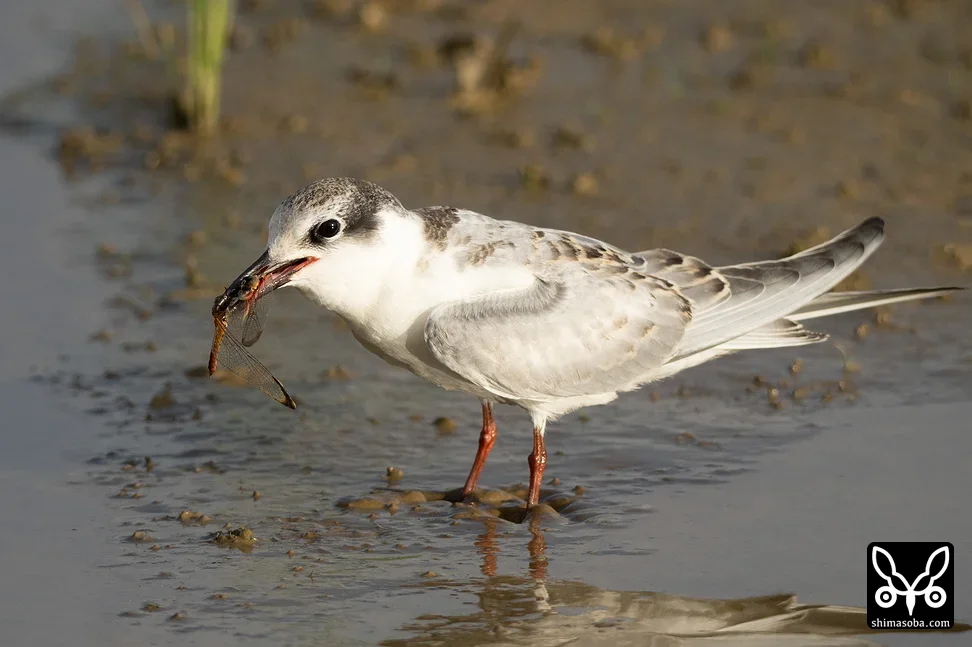
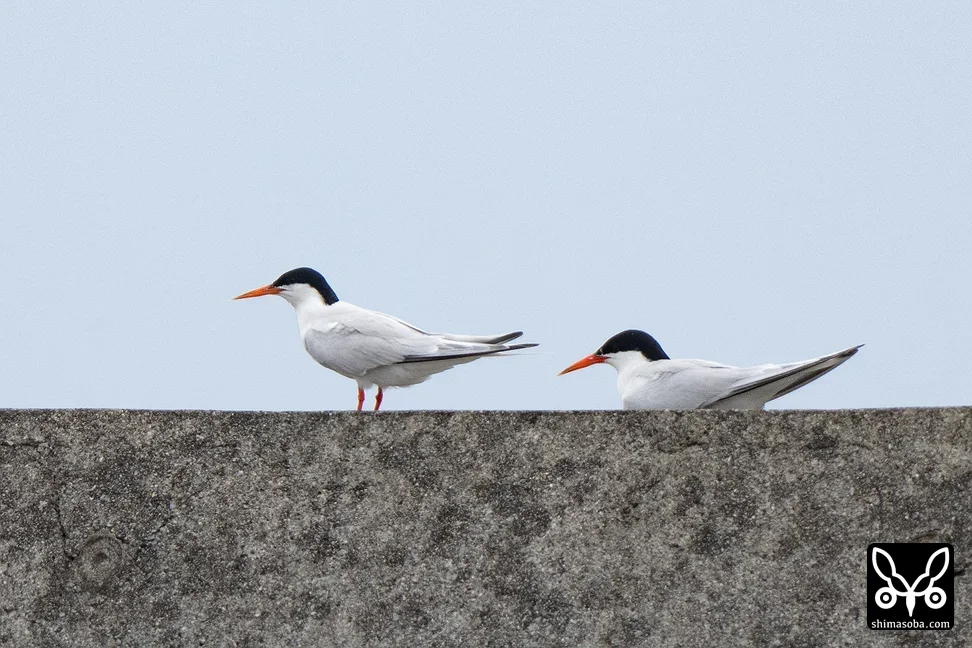
Little Tern
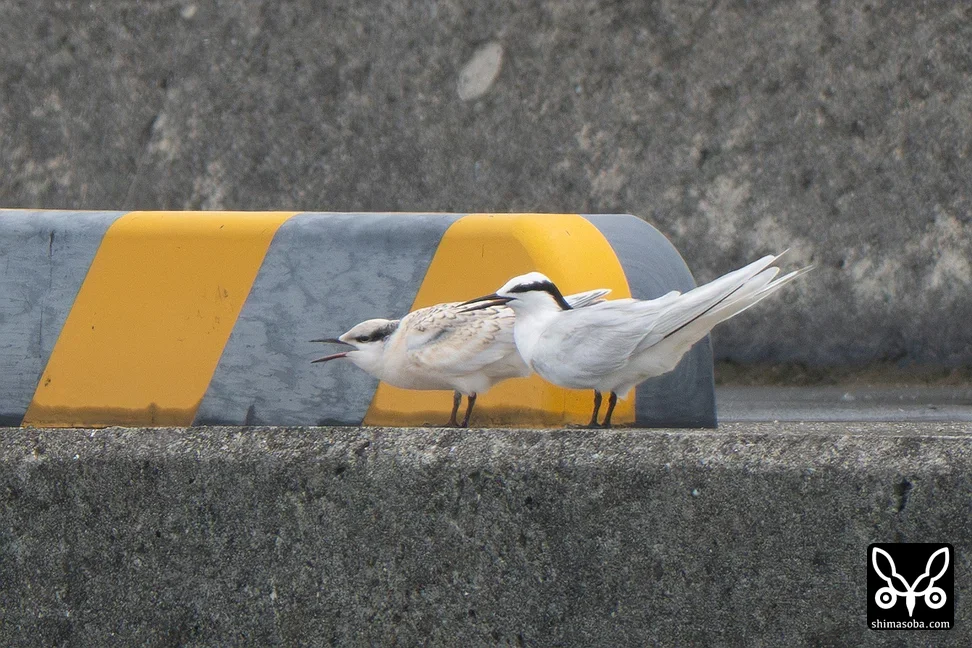
Little Tern

A juvenile Little Tern had caught a dragonfly.
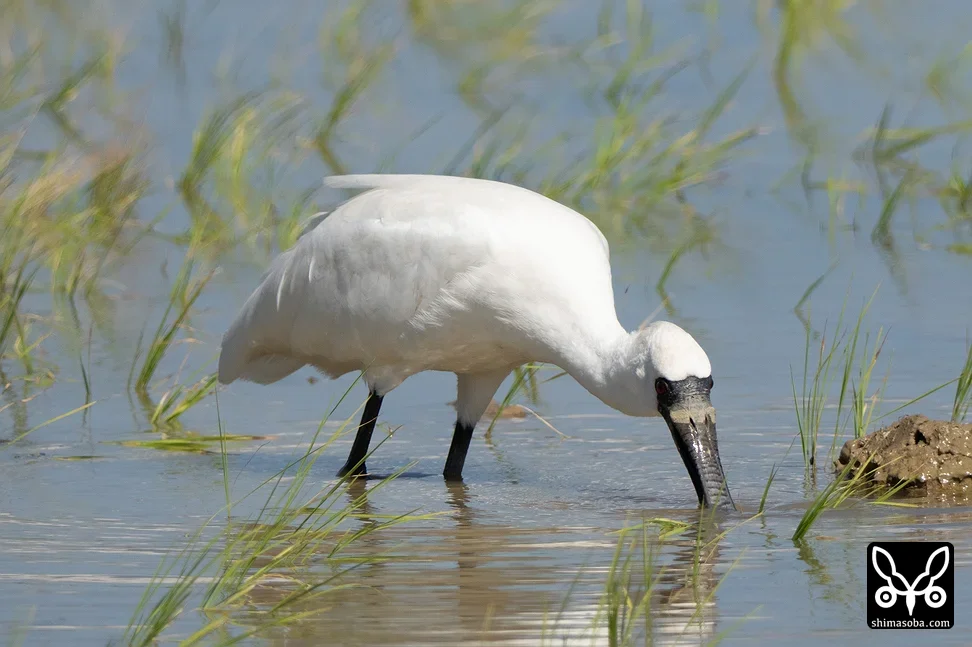
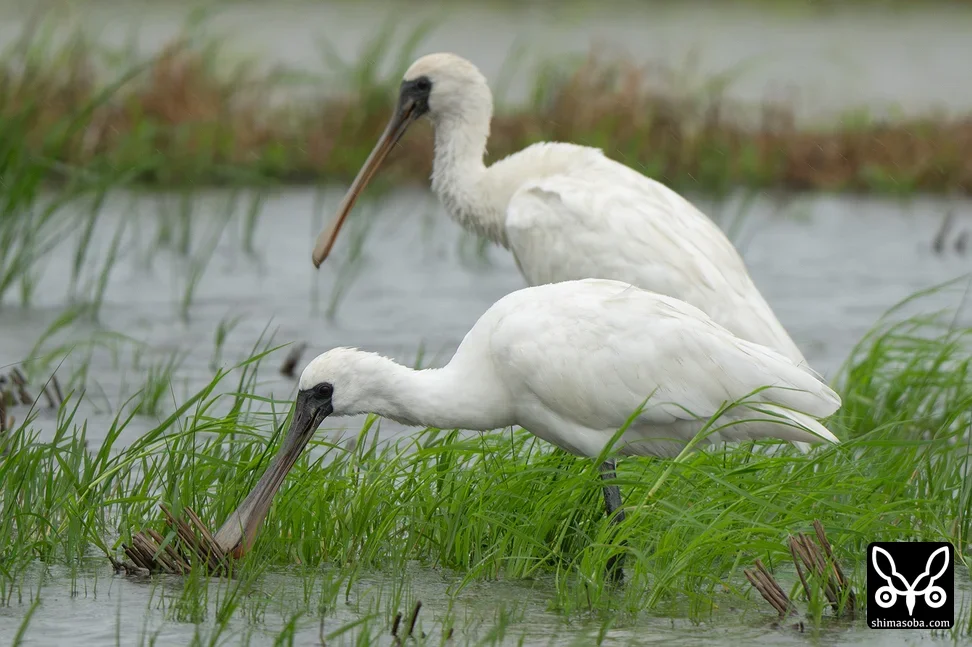
Black-faced Spoonbill

A Black-faced Spoonbill has been staying here for the past few days.
Categories: 野鳥

Yonaguni Island

I went birdwatching on the side while on a work trip to cover the Yonaguni Town Council election. ^^

I confirmed multiple migrating Chinese Sparrowhawk, and Common Kestrel had also arrived to overwinter. Migrating Oriental Dollarbird and Grey-streaked Flycatcher were also present, along with good numbers of overwintering Brown Shrike, Arctic Warbler, and Eastern Yellow Wagtail.

In recent years the rice paddies on Yonaguni Island have decreased, so waders and plovers are sparse — just small numbers of Black-winged Stilt, Sharp-tailed Sandpiper, Common Snipe, Wood Sandpiper, Long-toed Stint, Common Sandpiper, and Red-necked Stint.

Common Emerald Dove, having finished breeding, formed small flocks and I watched them feeding on several occasions.
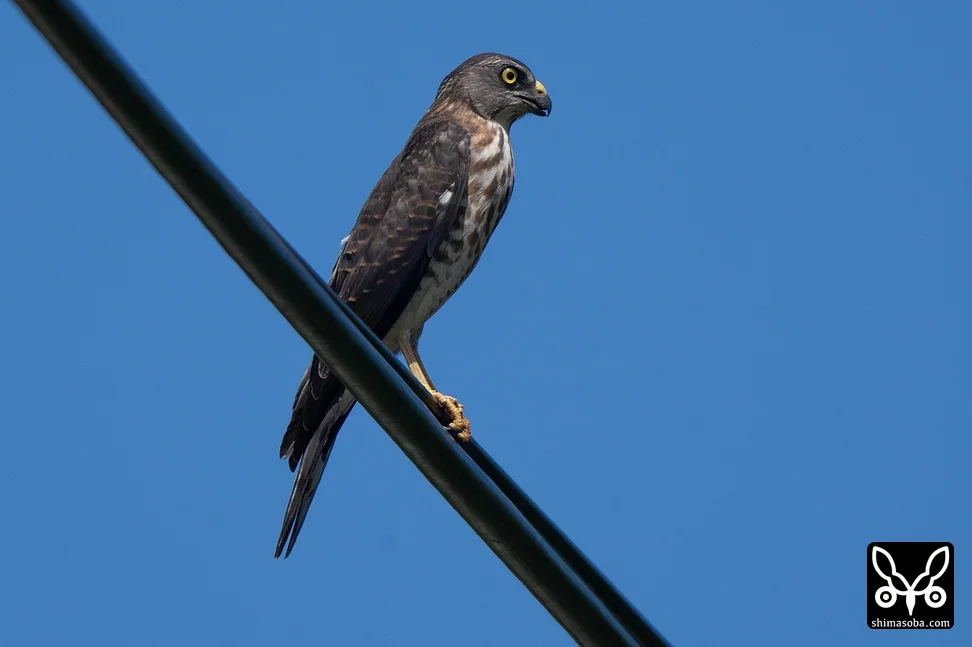
Chinese Sparrowhawk
Chinese Sparrowhawk

Chinese Sparrowhawk, juvenile. I also picked out several adults soaring.
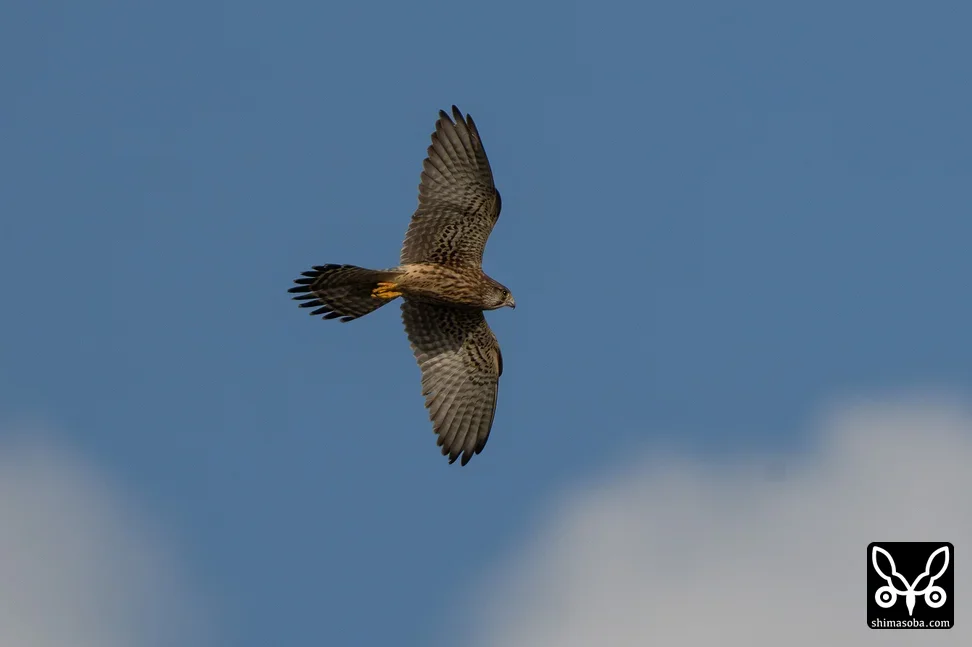
Common Kestrel
Common Kestrel

My first Common Kestrel of the season. It was flying along the cliffs facing the sea.

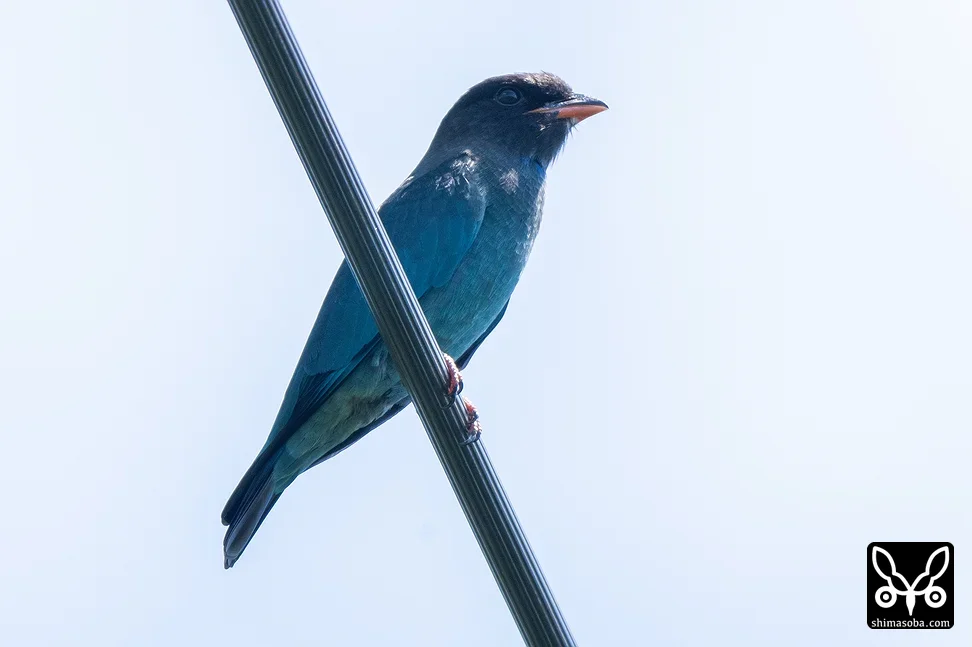
Oriental Dollarbird
Oriental Dollarbird

A few Oriental Dollarbird juveniles confirmed. All were juveniles.

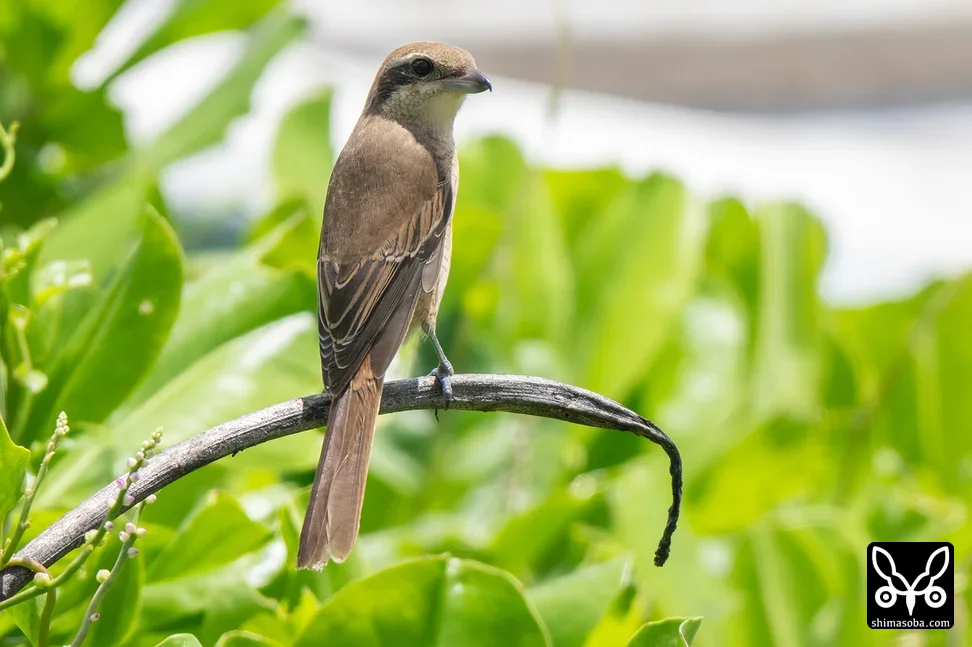
Isabelline Shrike
Isabelline Shrike

Isabelline Shrike were found in a variety of habitats — farmland, residential areas, the harbour, forest tracks and more.

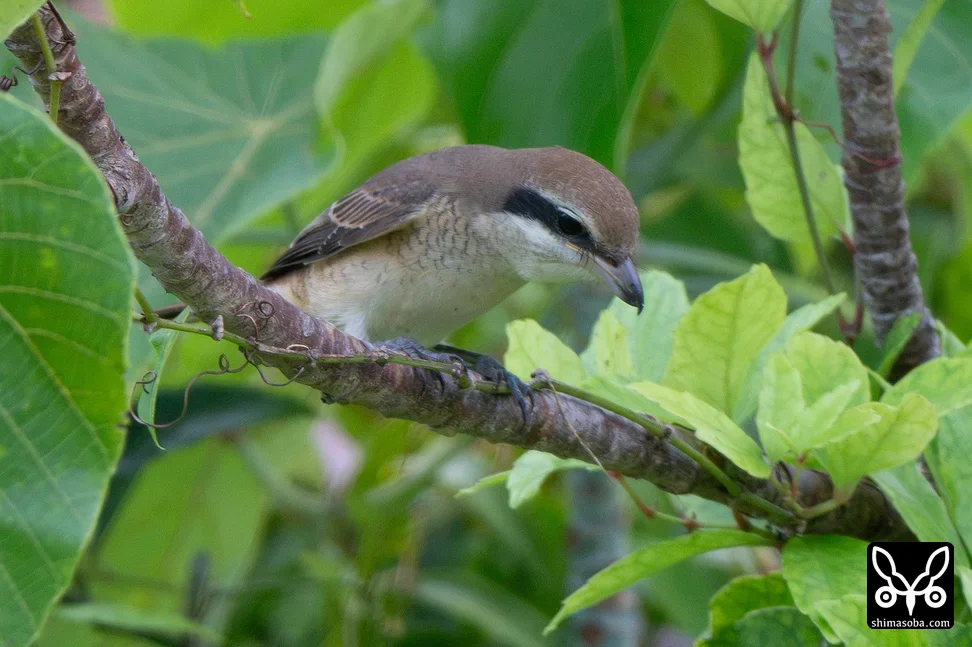
Isabelline Shrike
Isabelline Shrike

Subspecies such as Isabelline Shrike and Chinese Grey Shrike turn up, but the subtle differences make identification tricky, especially for females and juveniles.

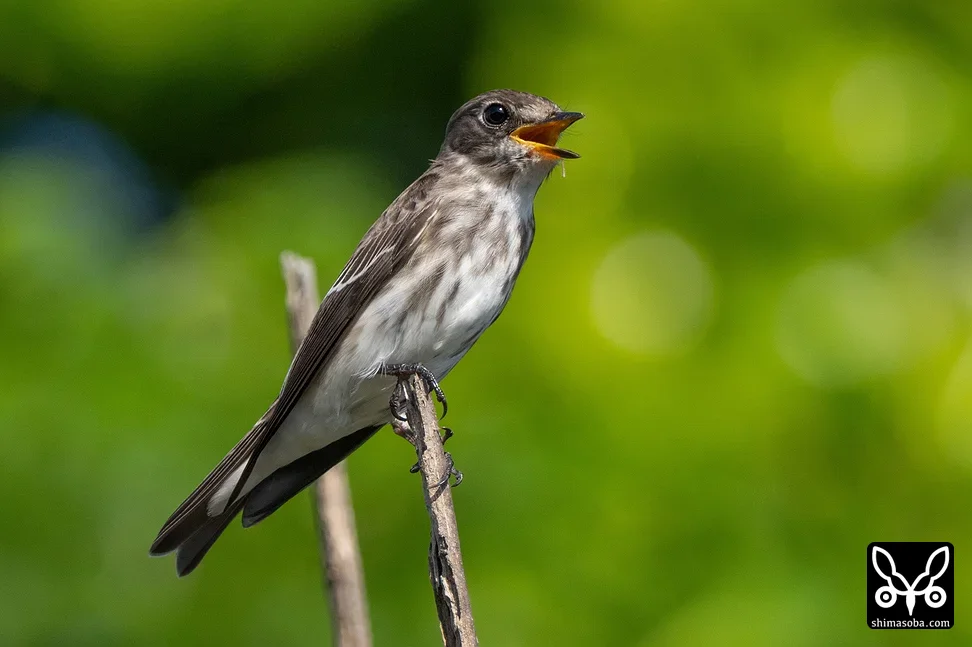
Grey-streaked Flycatcher

Grey-streaked Flycatcher were coming into Yonaguni Island in considerable numbers.

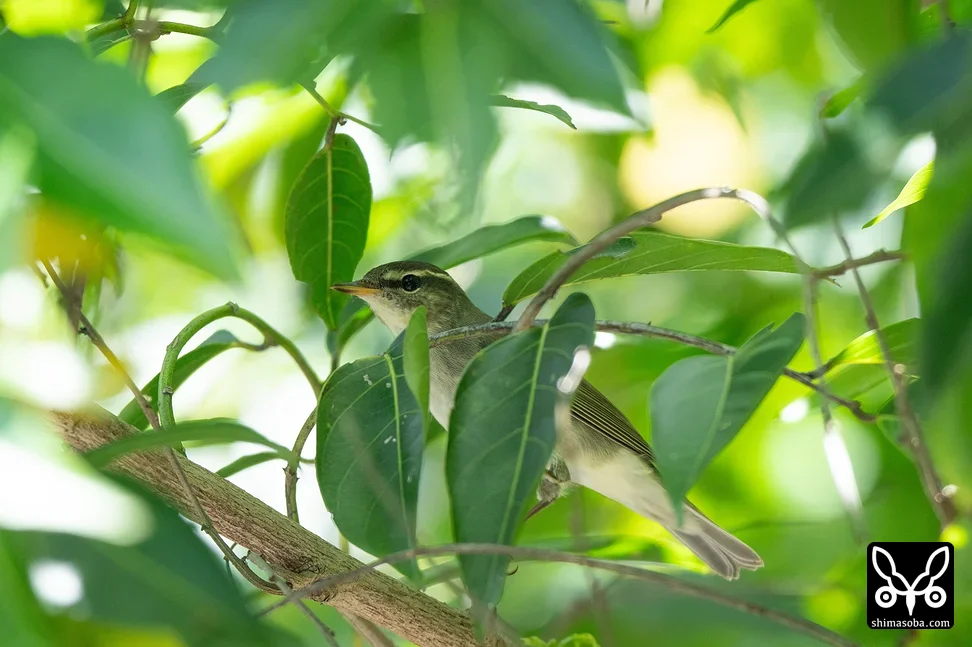
Arctic Warbler
Arctic Warbler

I also heard Arctic Warbler calls. Numbers are still low, but wintering birds will be increasing from now on.

Citrine Wagtail
Citrine Wagtail

Found a leucistic Eastern Yellow Wagtail. It was in a flock of "Siberian Thrush"-type Eastern Yellow Wagtails, so it's probably that subspecies. When I first spotted it I thought it might be a crazy rare subspecies. ^^;

Pacific Golden Plover

Pacific Golden Plovers were also in, with multiple flocks on farmland and grassland.

Sharp-tailed Sandpiper

A single Sharp-tailed Sandpiper mixed in with a flock of Pacific Golden Plovers. It looked quite exhausted.

Black-winged Stilt
Black-winged Stilt

Black-winged Stilt at the reservoir. There are few water sources on Yonaguni Island, and various shorebird species had gathered here.

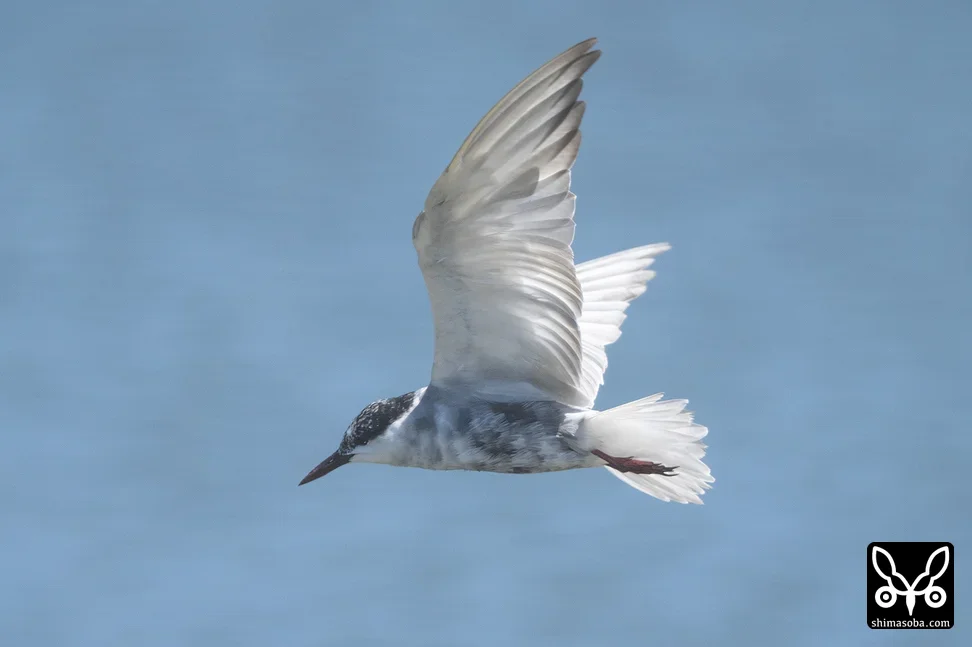
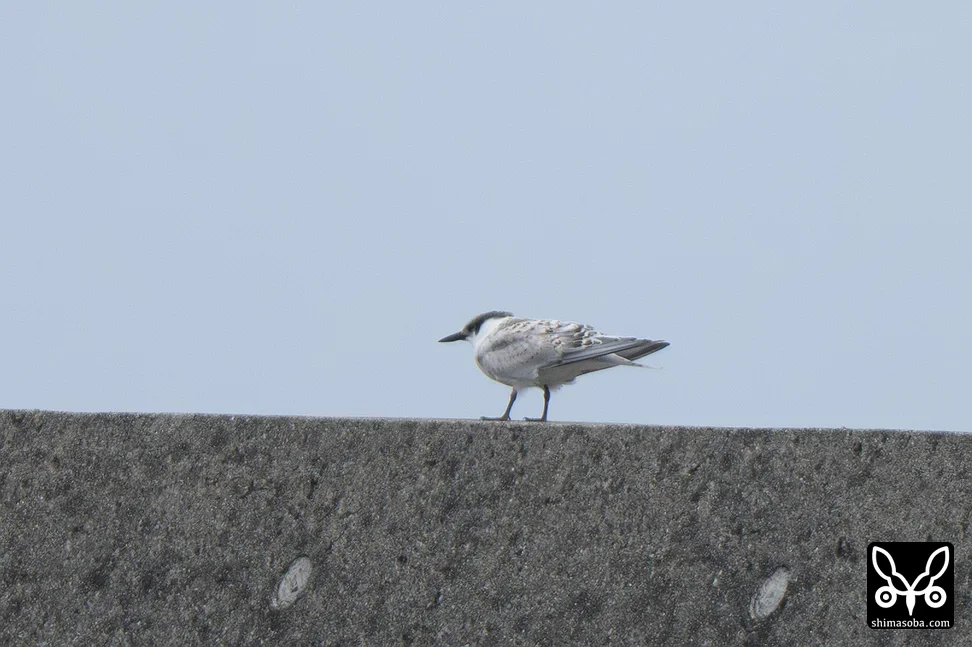
Whiskered Tern
Whiskered Tern

Whiskered Tern at the reservoir.

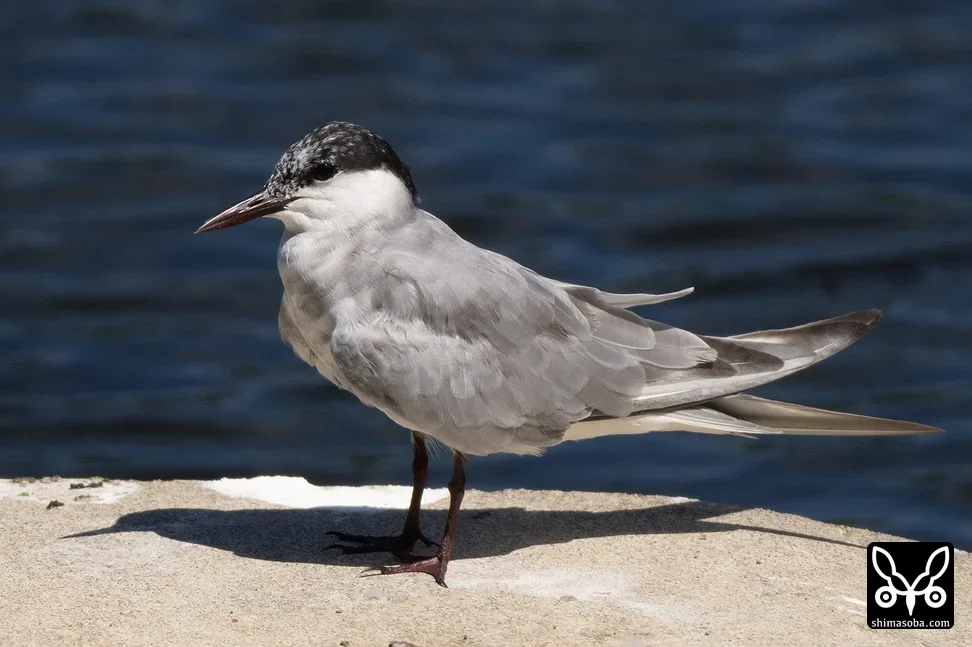
Whiskered Tern
Whiskered Tern

Whiskered Terns could also be observed in grasslands and similar areas.

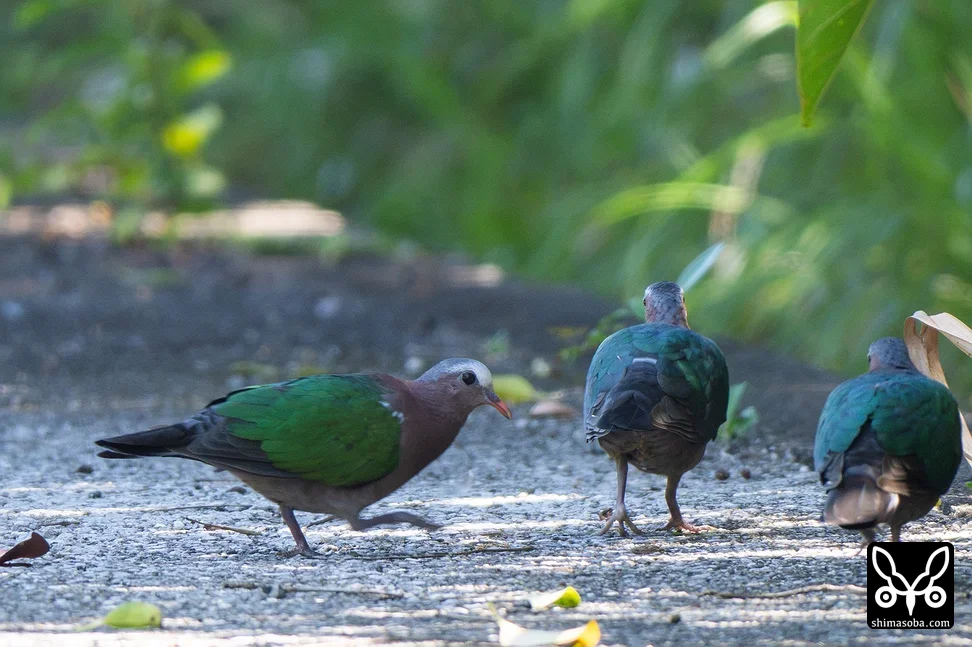
Emerald Dove
Emerald Dove

Encountered small flocks of Common Emerald Dove several times. They are very wary, so photography is a challenge.

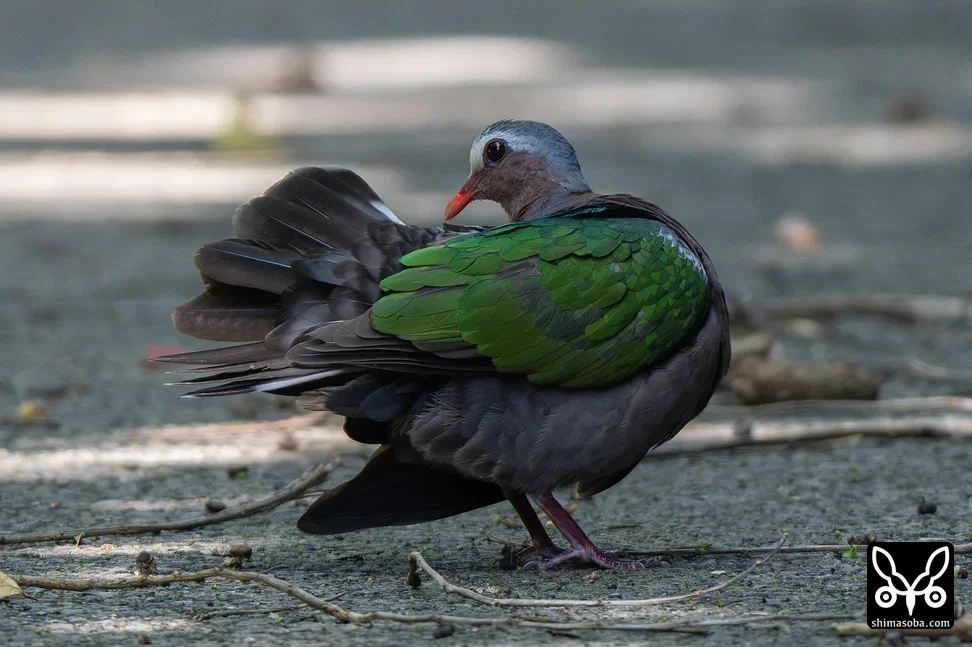
Emerald Dove
Emerald Dove

This Common Emerald Dove was alone, so I was able to photograph it at close range.

Common Kingfisher
Common Kingfisher

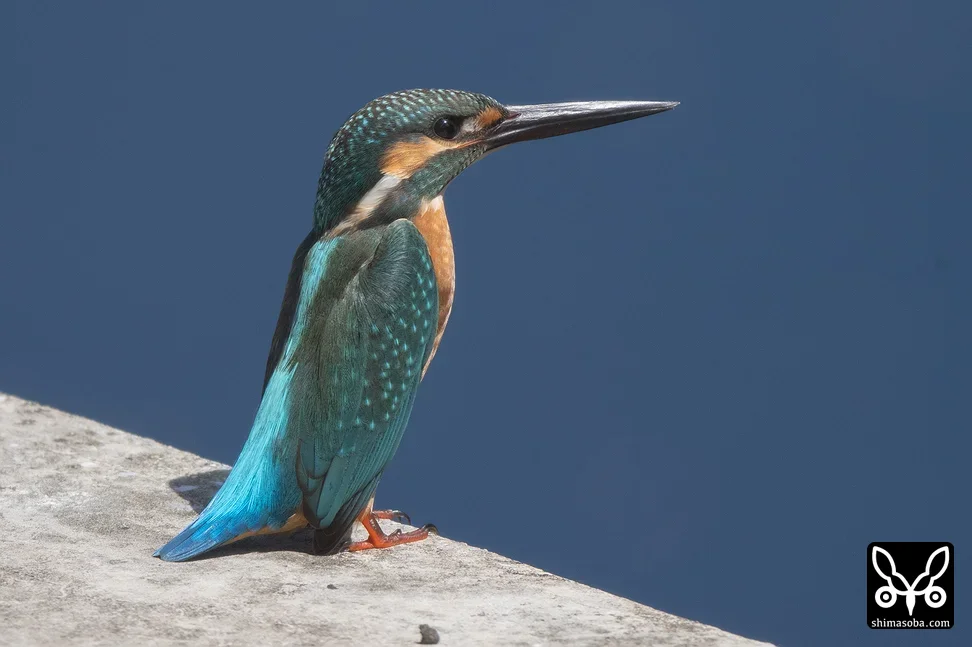
Common Kingfisher at the reservoir. I wonder whether it breeds on Yonaguni Island?

Common Myna
Common Myna

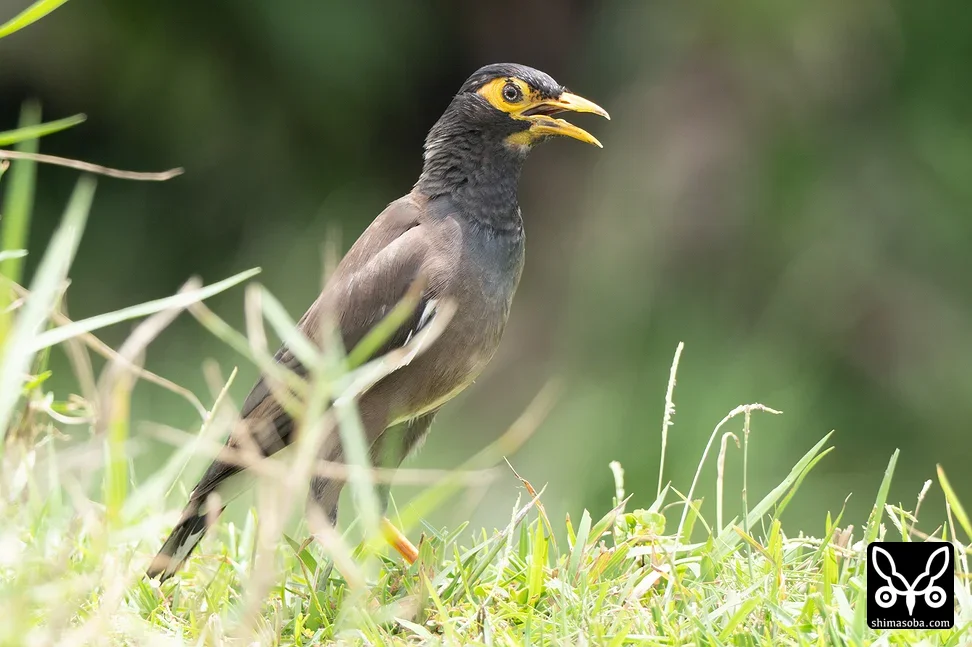
Common Myna numbers are increasing year by year.

Mallard
Mallard

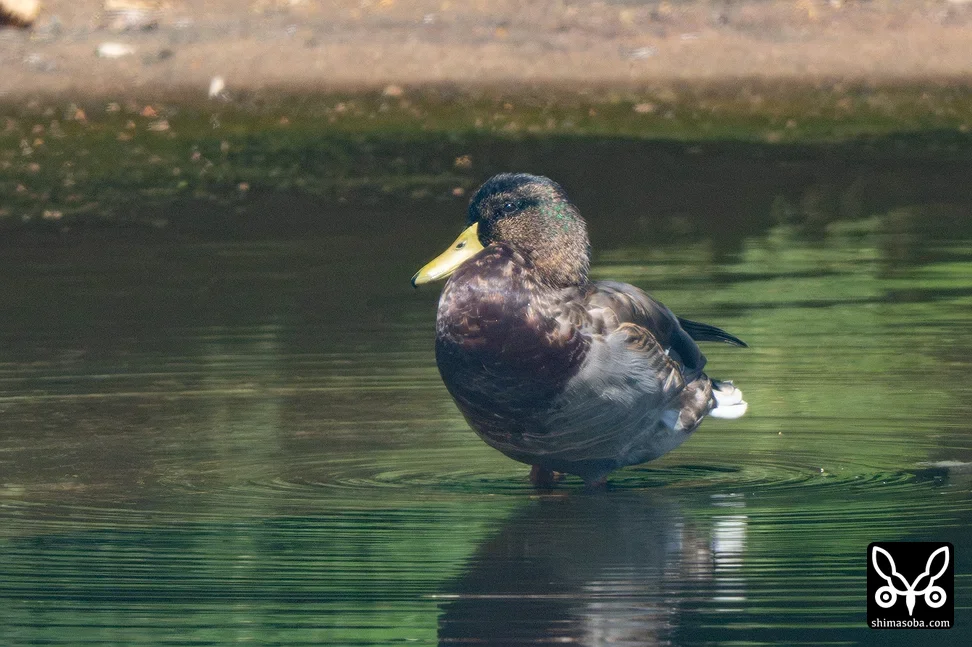
This Mallard was observed at the same reservoir last year as well. It may be spending the entire year at this pond, unable to migrate due to some kind of trouble.

Categories: 野鳥

Autumn Migration in Full Swing

September has arrived, and autumn migration on Ishigaki Island is now in full swing. Eastern Yellow Wagtail numbers jumped overnight, and flocks ranging from small to large can be seen in farmland all over the island.

Among the waders, juveniles have started arriving on the heels of the adults. Flocks in fresh juvenile plumage are coming in.

Citrine Wagtail
Citrine Wagtail

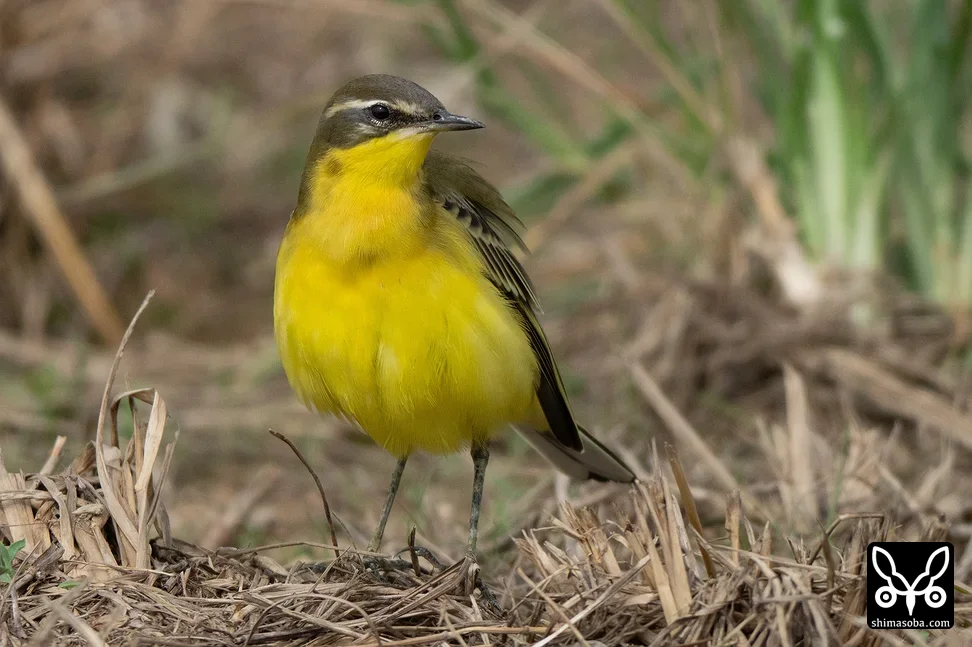
An adult Eastern Yellow Wagtail of the white-supercilium type, transitioning into winter plumage.

Citrine Wagtail
Citrine Wagtail

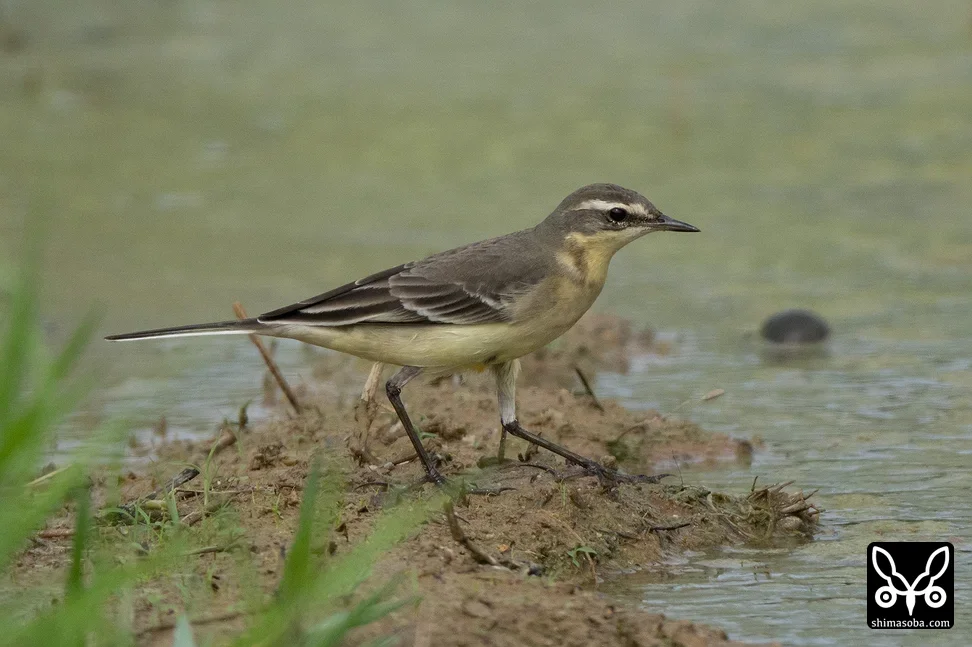
A juvenile Eastern Yellow Wagtail, also beginning to moult into first-winter plumage.

Dunlin
Dunlin

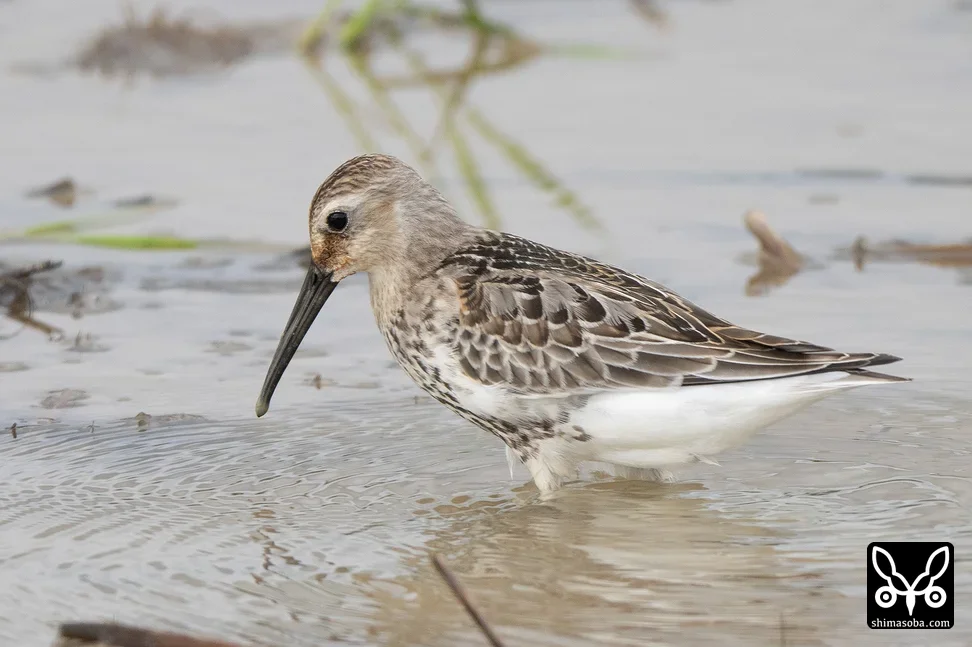
The first Dunlin of the season was a lone juvenile.

Pin-tailed Snipe
Pin-tailed Snipe

Pin-tailed Snipe, juvenile.

Pin-tailed Snipe
Pin-tailed Snipe

Both Pin-tailed Snipe juveniles. Juveniles make up the majority of Pin-tailed Snipe at this time of year.

Swinhoe's Snipe
Swinhoe's Snipe

Swinhoe's Snipe, juvenile. Swinhoe's Snipe numbers will be increasing from here on.

Common Redshank
Common Redshank

Common Redshank, juvenile.

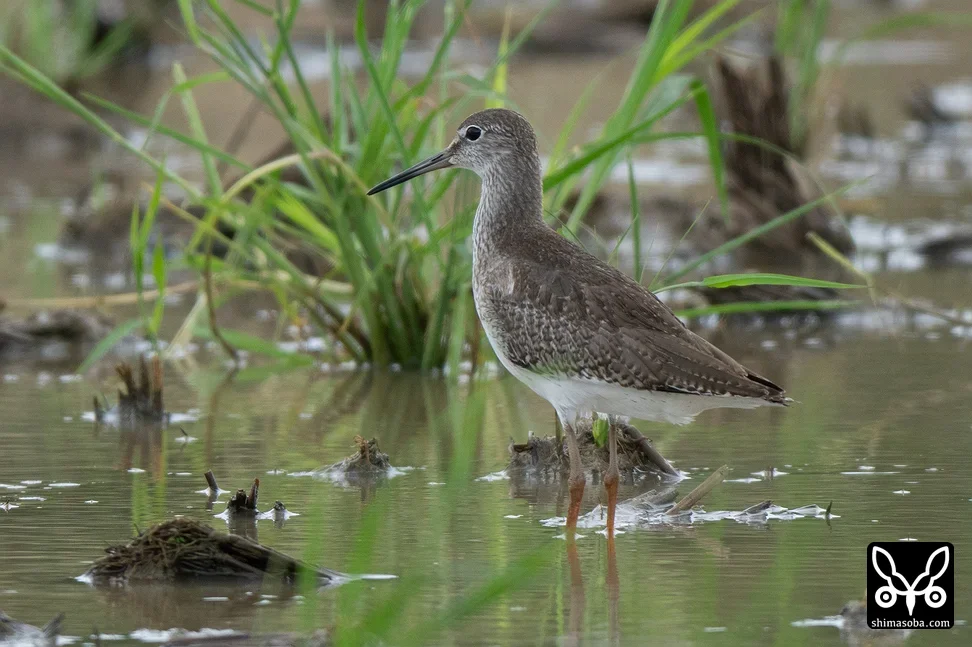
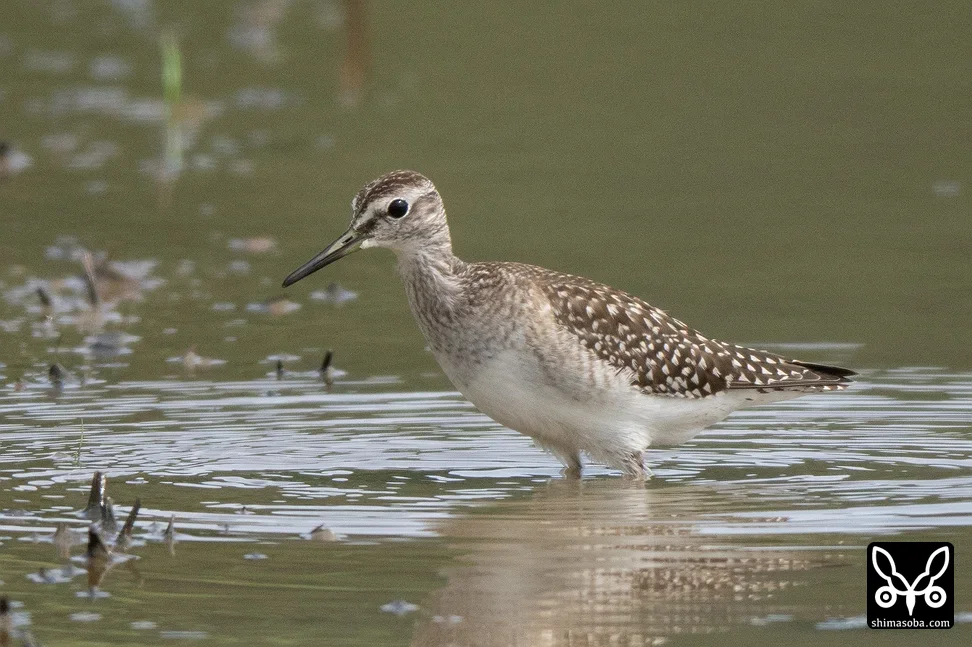
Wood Sandpiper
Wood Sandpiper

Wood Sandpiper, juvenile. Juveniles make up most of the Wood Sandpiper flocks.

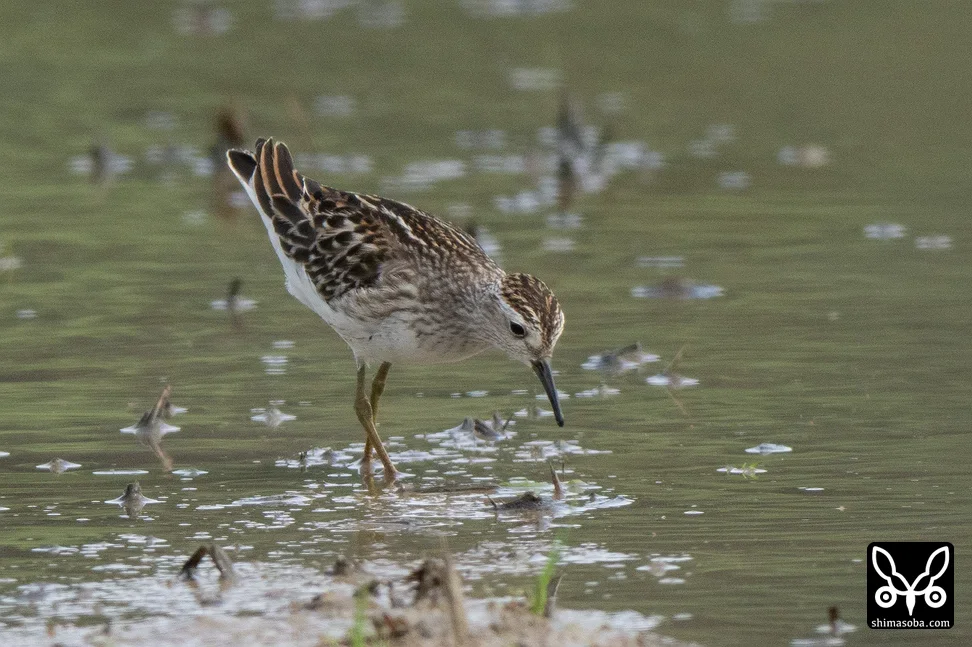
Long-toed Stint
Long-toed Stint

Long-toed Stint numbers are also mostly juveniles.

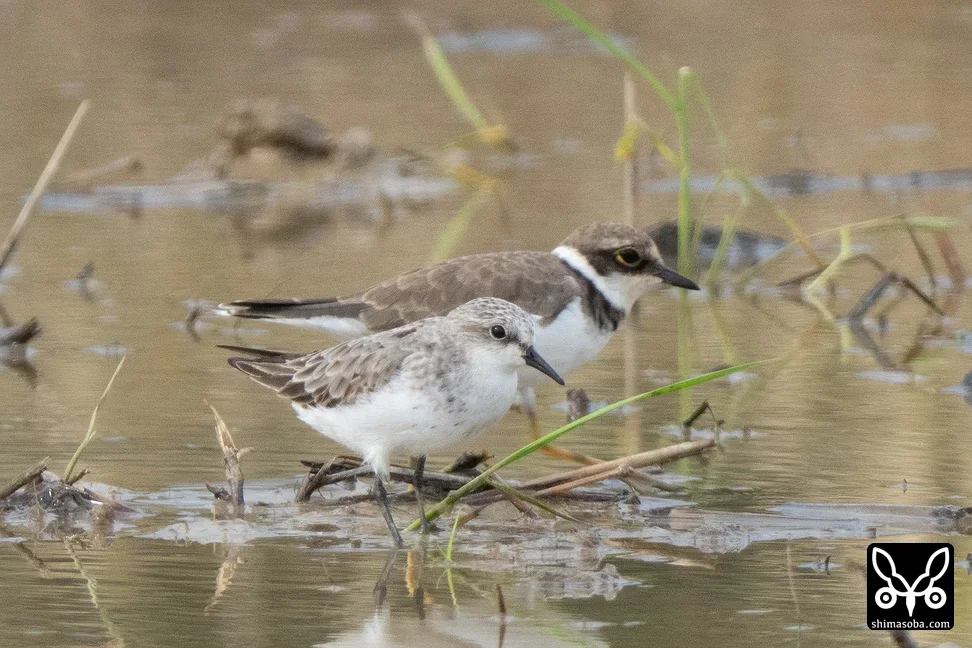
Little Ringed Plover
Little Ringed Plover / Red-necked Stint

Red-necked Stint (foreground) and Little Ringed Plover.

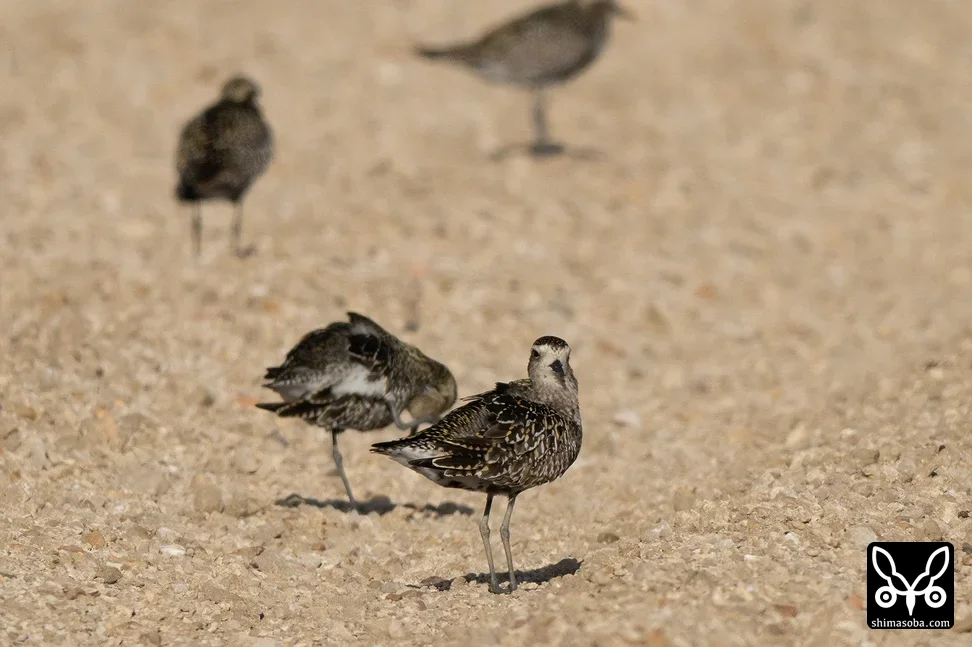
Pacific Golden Plover

A flock of 50 Pacific Golden Plovers had come down onto farmland.

Categories: 野鳥

7th Ishigaki Island Snipe Camp — Extras

This is the extras edition of the 7th Ishigaki Island Snipe Camp. Since we had already observed both adult and juvenile Pin-tailed Snipe and Swinhoe's Snipe to a reasonable degree on the first day, the second day was spent observing a wider variety of species beyond snipe. This post covers those sightings, including observations from day one.

Please also see the main report from the Ishigaki Island Snipe Camp.

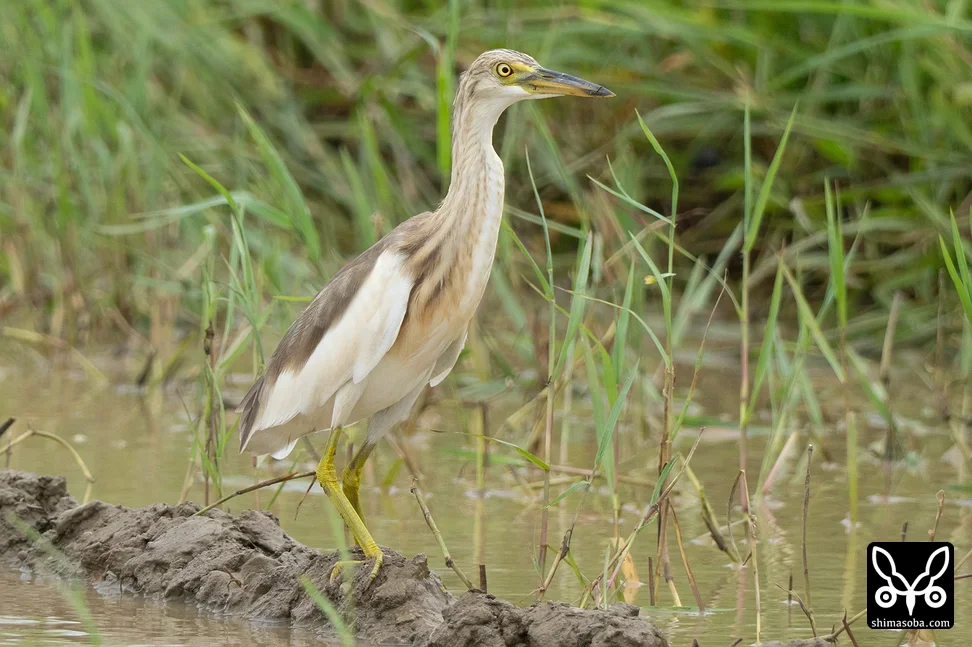
Javan Pond Heron
Javan Pond Heron

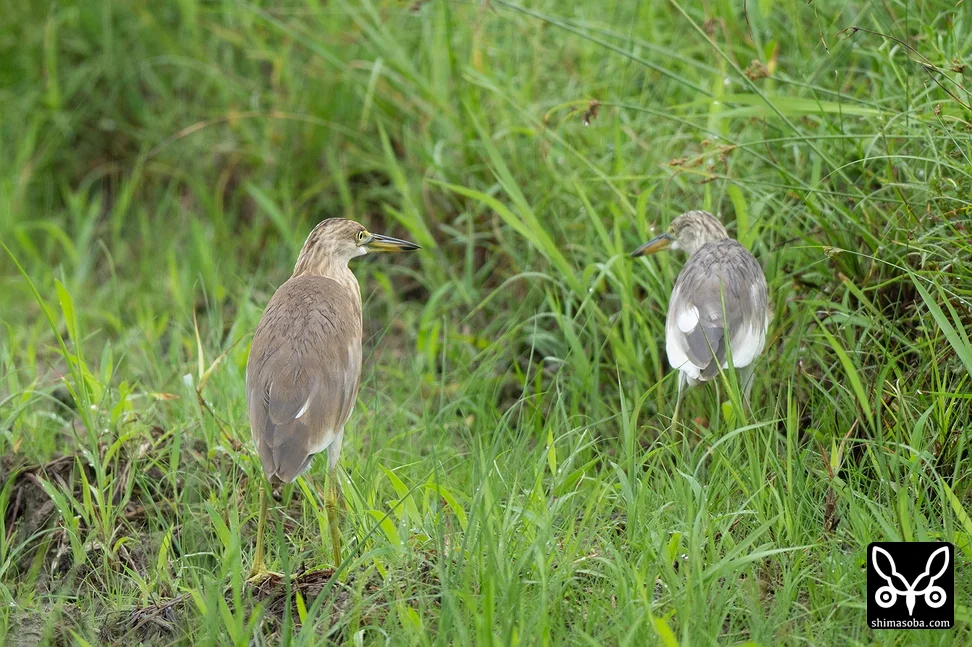
Three Javan Pond Herons confirmed during the Ishigaki Island snipe camp.

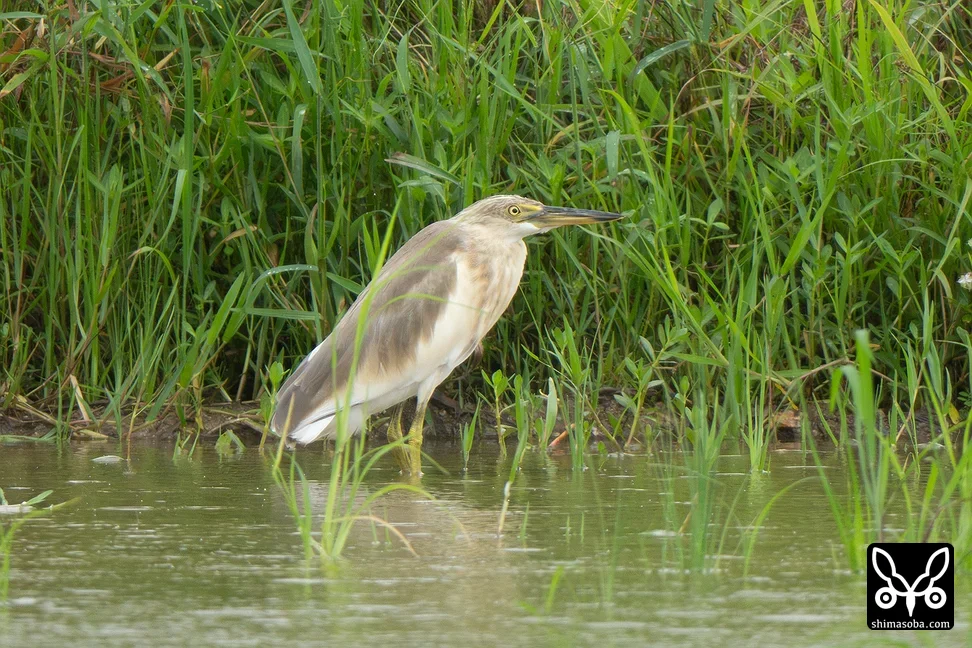
Javan Pond Heron
Javan Pond Heron

A different individual Javan Pond Heron from the one above.

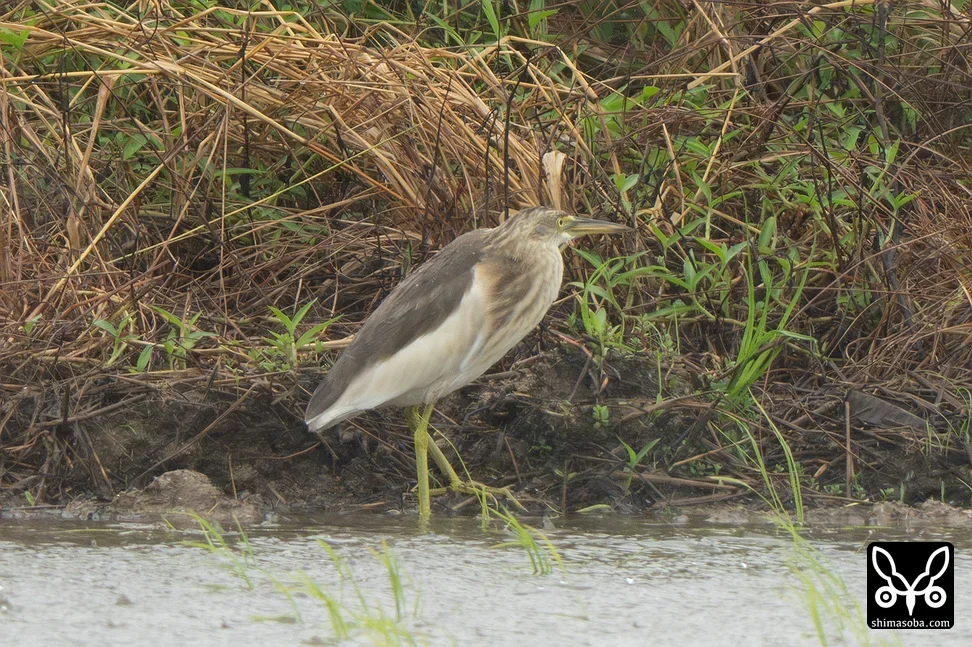
Javan Pond Heron
Javan Pond Heron

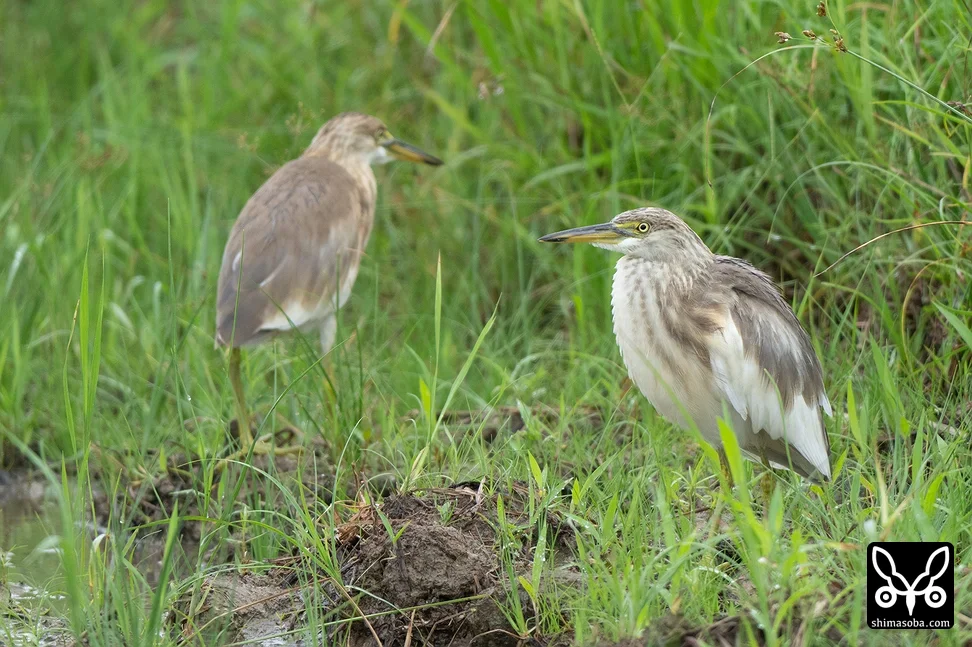
Yet another Javan Pond Heron. In recent years, sightings of Javan Pond Heron on Ishigaki Island have been increasing. It has also become a regular pattern for Javan Pond Herons to arrive first, with Chinese Pond Herons turning up some time later.

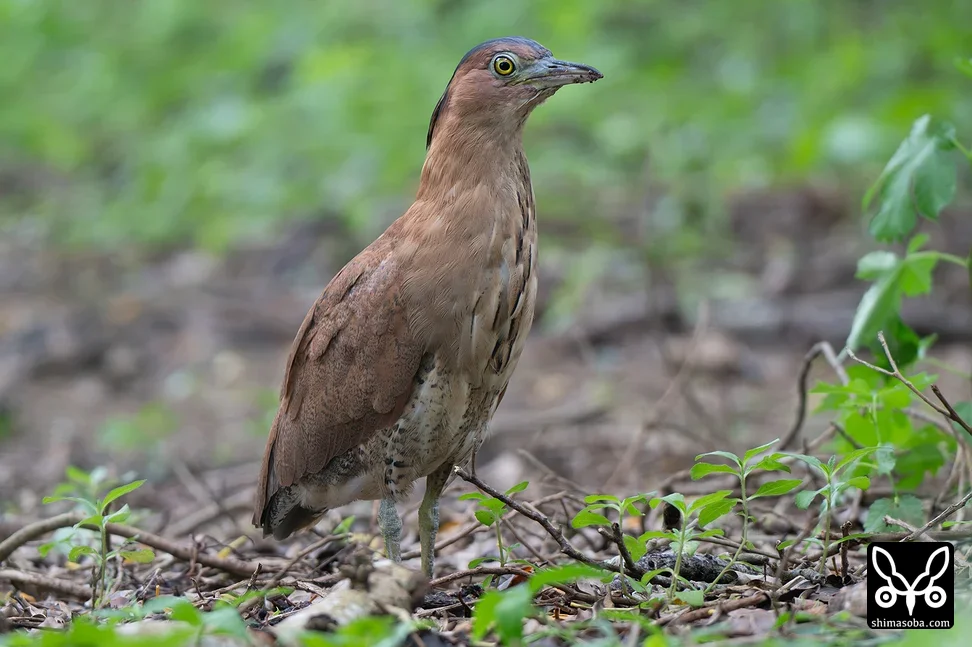
Malayan Night Heron
Malayan Night Heron

An adult Malayan Night Heron in a dim forest. A beautiful individual.

Black-faced Spoonbill

Two young Black-faced Spoonbills.

Roseate Tern
Roseate Tern

Most have moved on after breeding, but a few Roseate Terns were still present.

Roseate Tern
Roseate Tern

One Roseate Tern fledgling also confirmed.

Black-naped Tern
Black-naped Tern

A few Black-naped Terns were present as well. Two fledglings confirmed here.

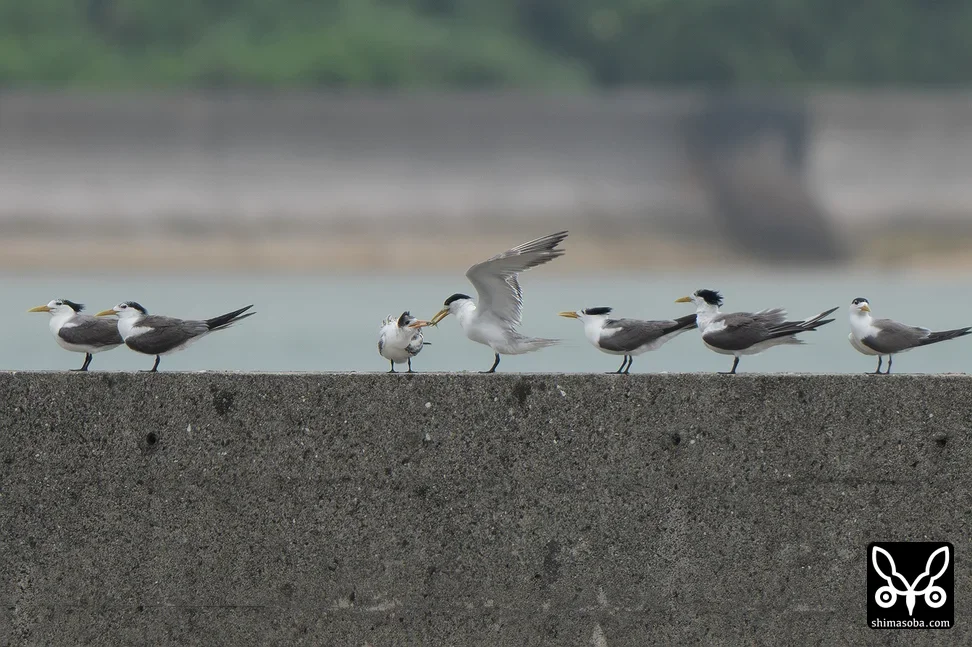
Caspian Tern
Caspian Tern

A flock of around 40 Greater Crested Terns, with a few fledglings mixed in.

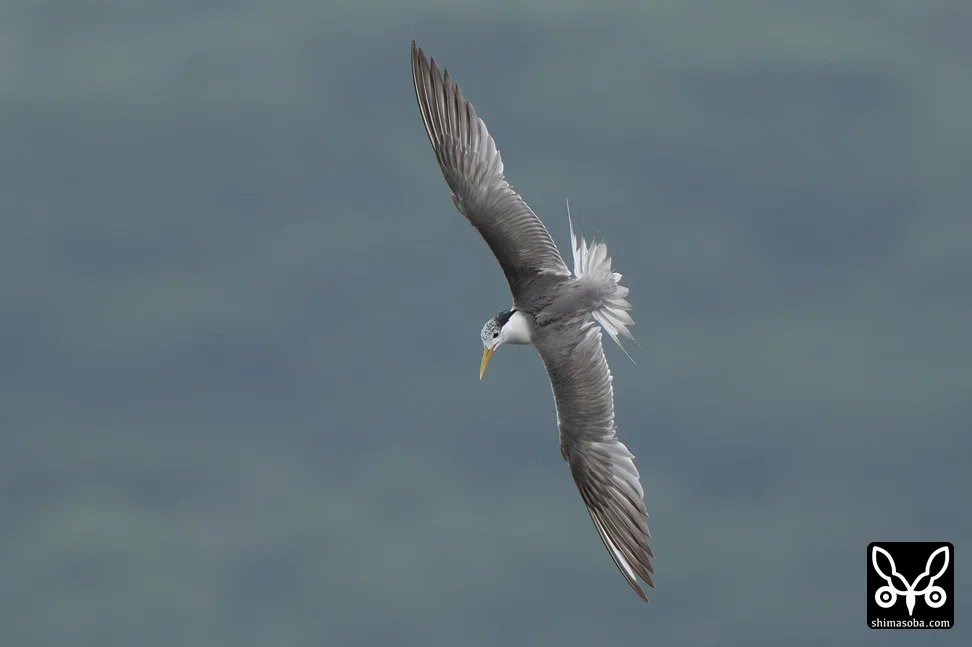
Caspian Tern
Caspian Tern

A Greater Crested Tern diving steeply after prey.

Caspian Tern
Caspian Tern

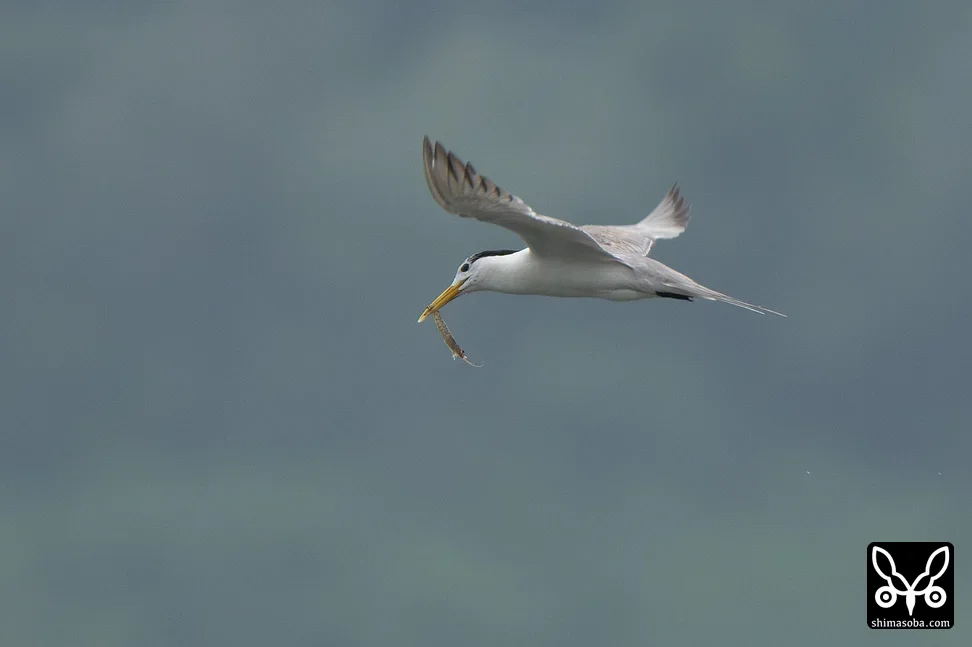
A Greater Crested Tern with a kuruma prawn.

Greater Sand Plover
Greater Sand Plover

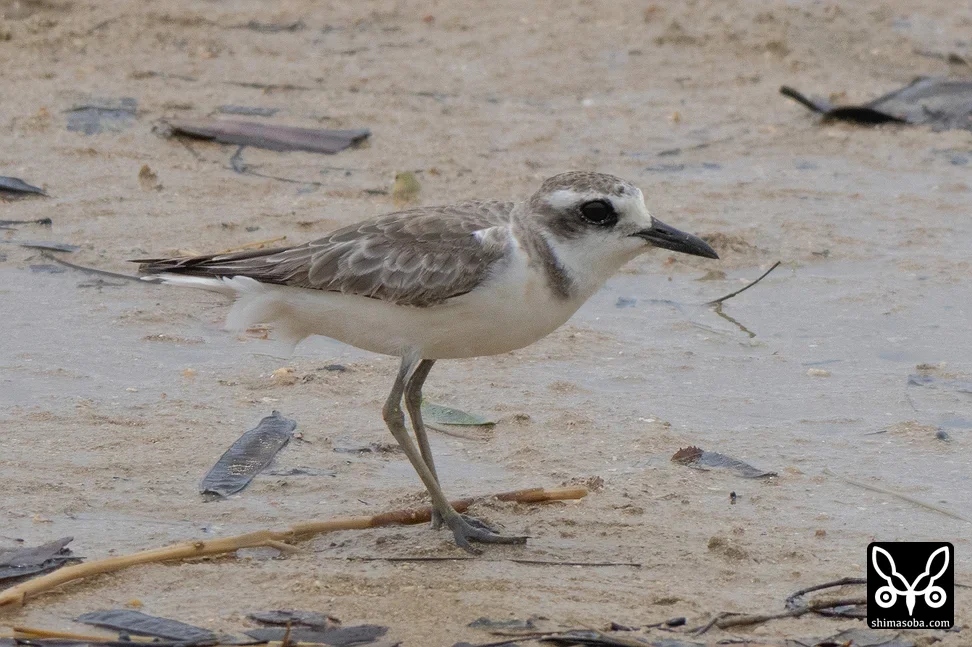
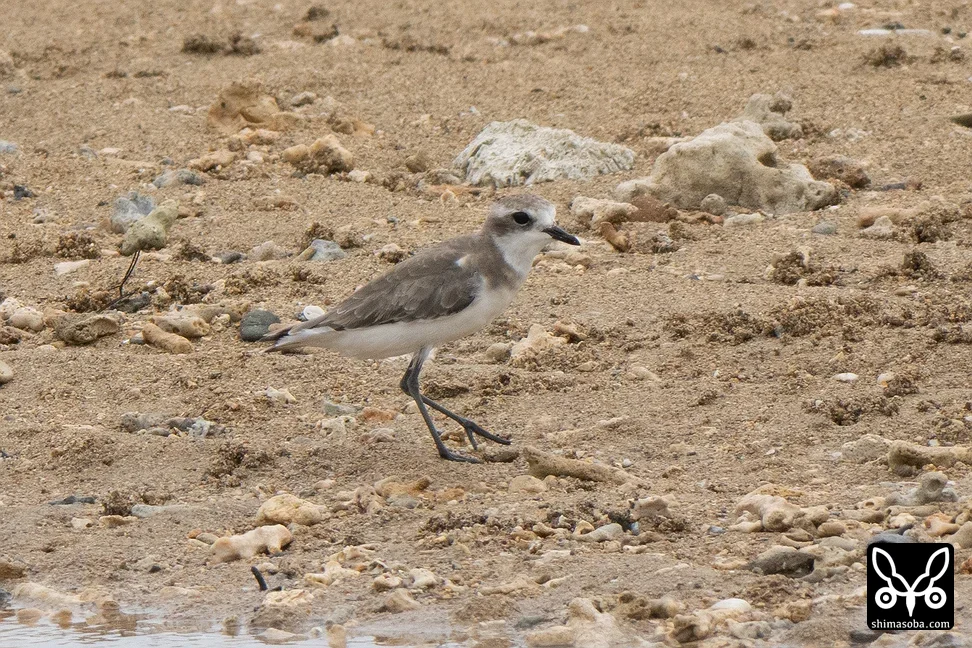
Moving to the river mouth, I found a small flock of adult Greater Sand Plovers.

Greater Sand Plover
Greater Sand Plover

I heard that a Tibetan Sand Plover had turned up on Okinawa-hontō, so I looked for one on Ishigaki-jima as well — no luck. This is an adult Greater Sand Plover.

Whimbrel
Whimbrel

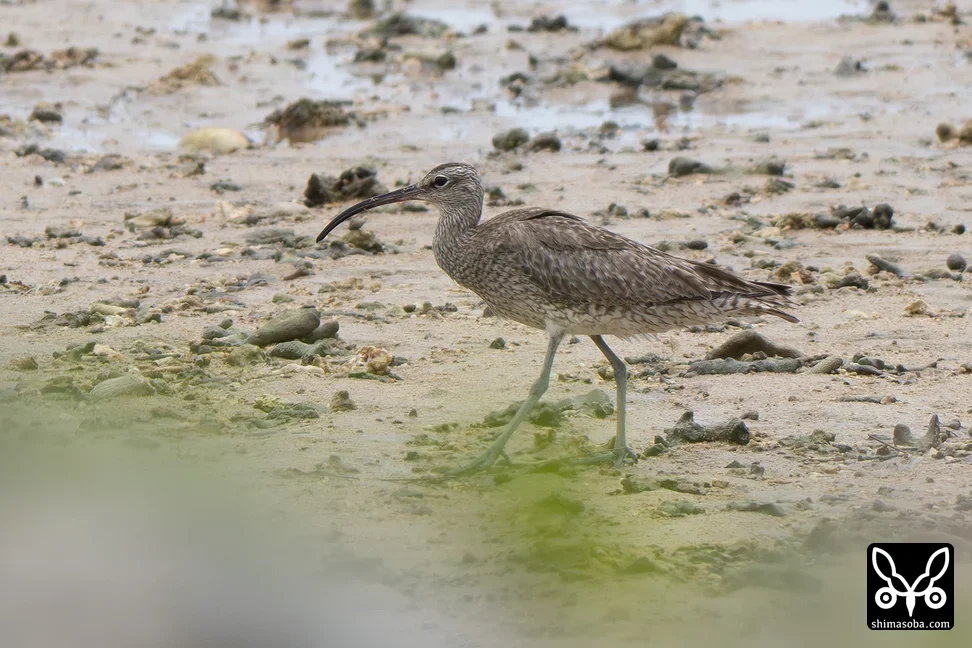
My first Eurasian Whimbrels of the season — a small flock of six, all adults.

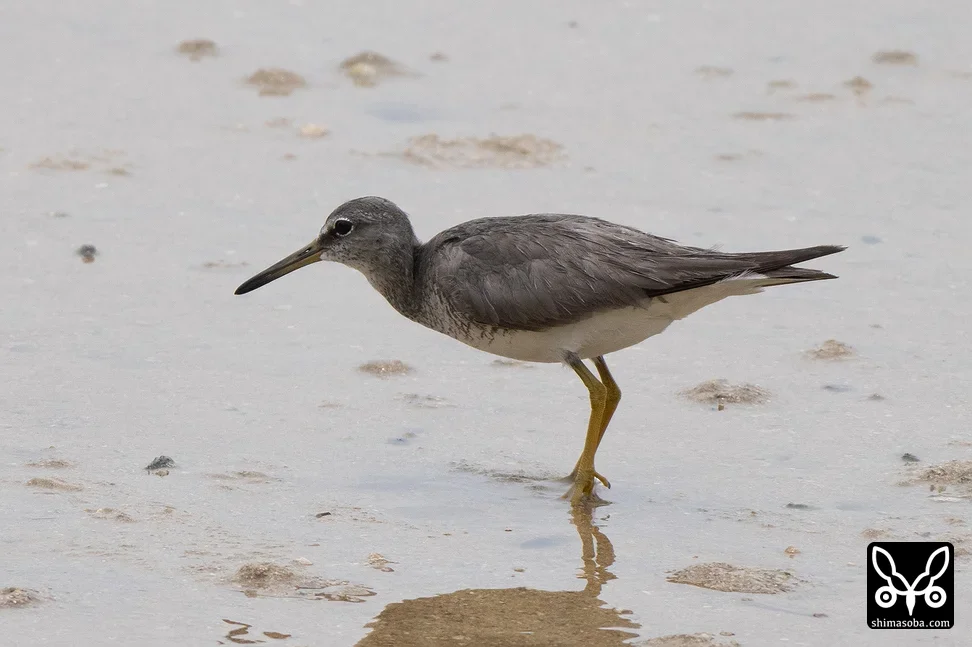
Grey-tailed Tattler
Grey-tailed Tattler

A few Grey-tailed Tattlers confirmed as well. All were adults.

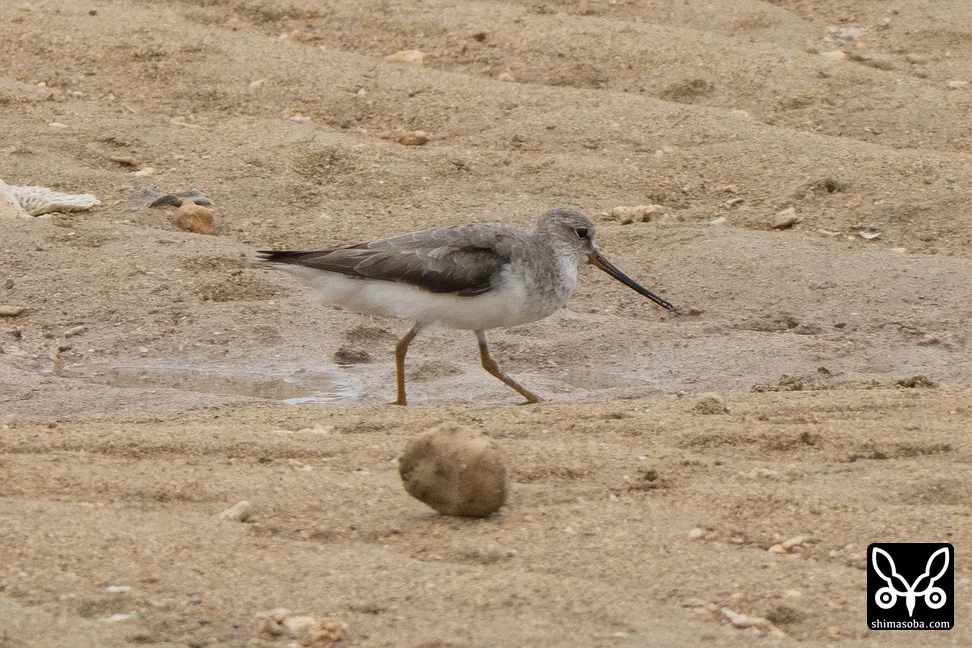
Terek Sandpiper
Terek Sandpiper

Multiple adult Terek Sandpipers observed.

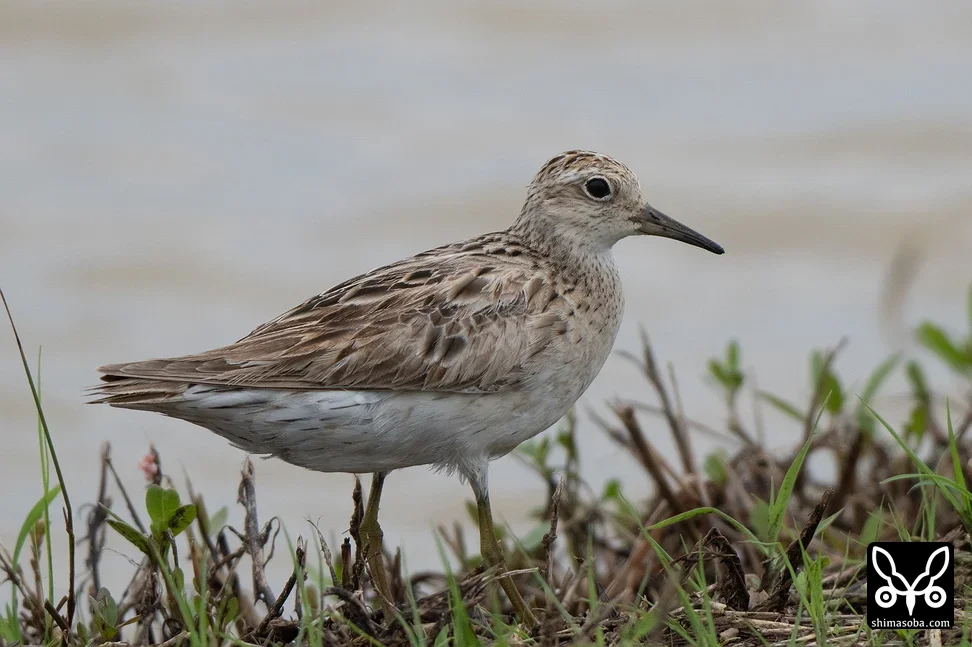
Sharp-tailed Sandpiper

A pale Sharp-tailed Sandpiper found. Whether it is simply faded or a buff variant, I'm not sure.

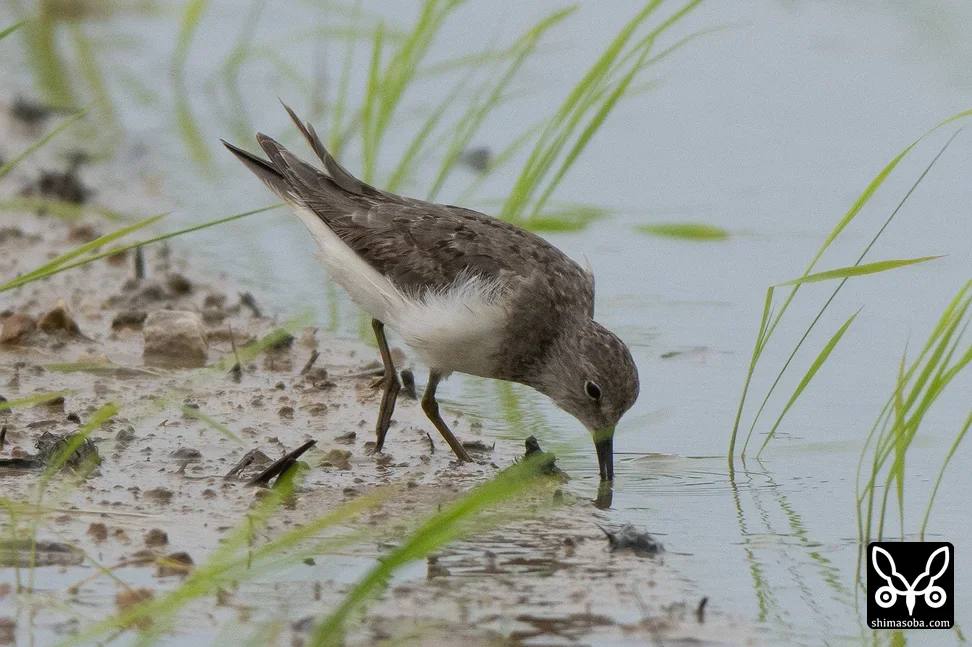
Temminck's Stint
Temminck's Stint

The first Temminck's Stint of the season arrived alone.

Black-tailed Godwit
Black-tailed Godwit

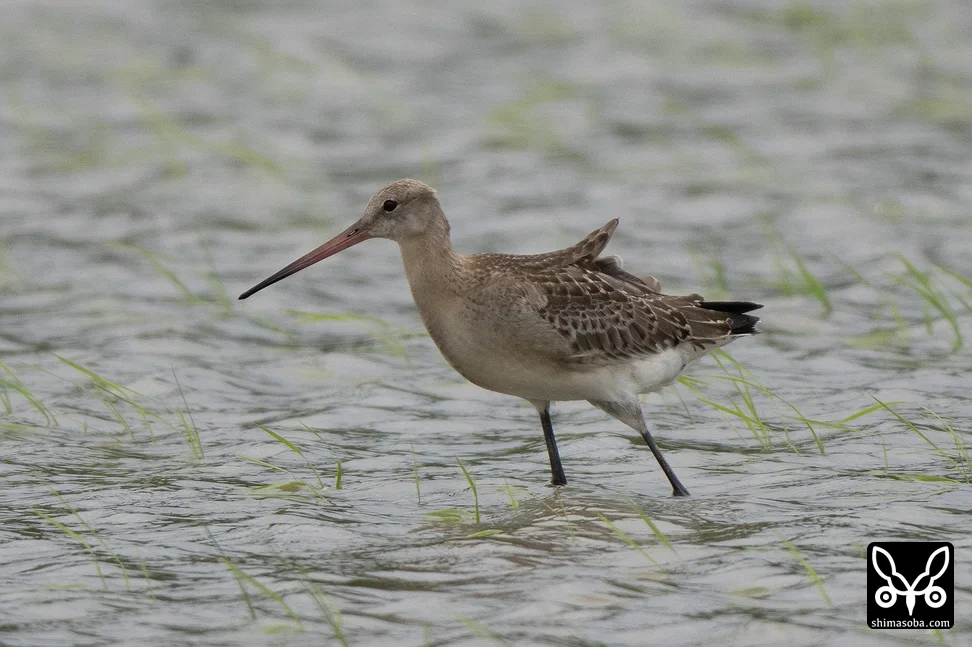
The first Black-tailed Godwit of the season was a juvenile — a solo arrival.

Red-necked Stint
Red-necked Stint

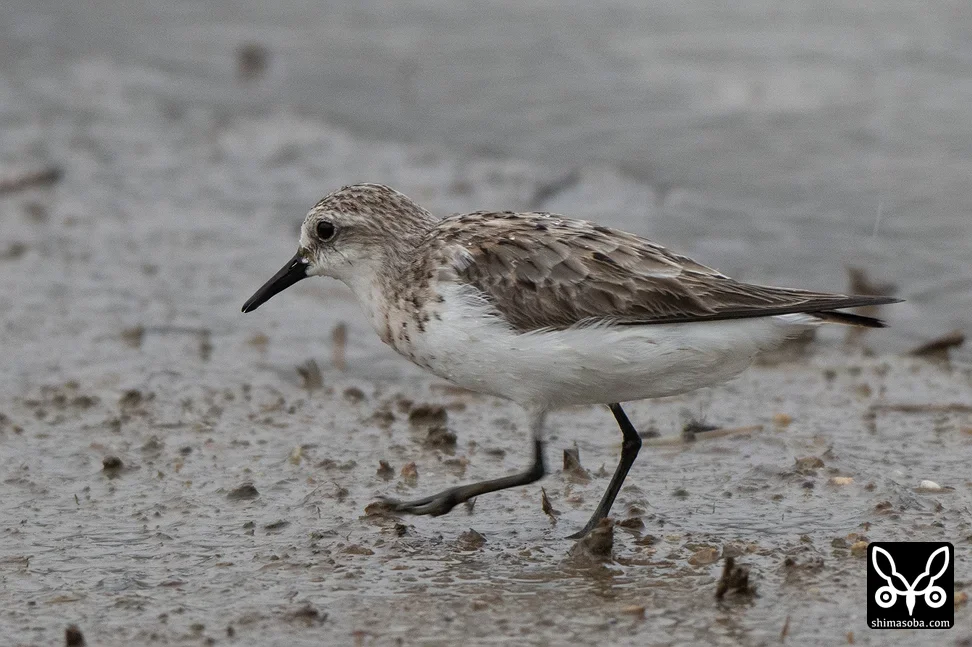
Red-necked Stints are increasing. Juveniles don't seem to have arrived yet; all flocks I checked were adults only.

Categories: 野鳥