I did some birdwatching during free time on a work trip to Yonaguni Island.
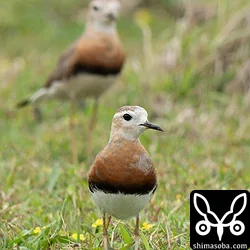
The timing was good — in a short while I was able to see Oriental Plover, Black Redstart, Citrine Wagtail, Common Hoopoe, Pin-tailed Snipe, and Swinhoe's Snipe. It was all thanks to the senior birders staying on the island!!
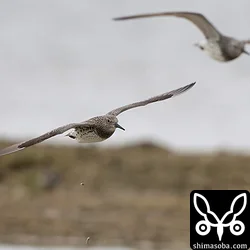
Seven Large Sand Plovers arrived early in the morning at the go-to spot on Yonaguni Island. I got the message while I was at work, so I was fidgeting.
Crested Serpent Eagles are active early in the breeding season. On fine days you can see them displaying high overhead or hear them calling back and forth. The young birds have to keep a low profile so they don't get picked on by the agitated adults.
Overwintering Eastern Marsh Harriers and Grey-faced Buzzards are still present, but they should be heading north before long.
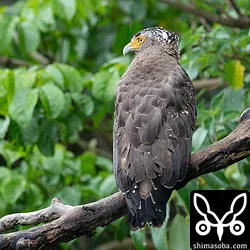
A juvenile Crested Serpent Eagle hatched last year. It has been holding territory in this area since around the end of the year. Sometimes chased off by adults, but it always comes back — a bold individual. ^^
Two consecutive days of bad weather brought large numbers of shorebirds and plovers — apparently mid-migration — dropping in to localized spots. The biggest group was Black-winged Stilts, over 400 birds, followed by Wood Sandpipers at 200+. There were too many to keep counting, so I stopped midway. ^^;
Pied Avocet, Black-tailed Godwit, Marsh Sandpiper, Curlew Sandpiper, Sharp-tailed Sandpiper, and Garganey also arrived, making the paddies extremely lively — though two days later everything was back to normal. ^^;
Along the coast, Greater Sand Plover numbers increased, and a small number of Grey Plovers also came through.
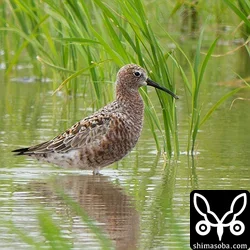
Two Curlew Sandpipers confirmed.
Ishigaki Island has been unsettled since yesterday. When the weather turns rough on Ishigaki, Common Hoopoes tend to fall out of the sky — and sure enough, 4 individuals turned up at 3 locations. A Chinese Blackbird also arrived, but my timing was off and I missed it.
This season, a single bird showed up in late February, followed by a dozen or so in mid-March, then 5 confirmed right at the start of April. Par for the course with spring migration, but stays have all been short — just a few days to at most a week.
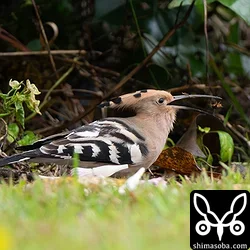
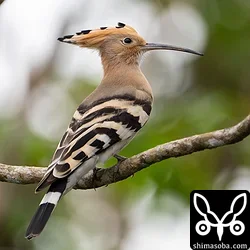
It was perching on a branch looking tired, but after a while it came down to the ground and started searching for food. It caught a cockroach.
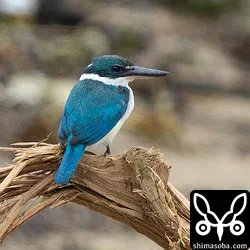
The Collared Kingfisher that had been absent since around mid-February has come back to Ishigaki Island. Based on behavioral patterns and physical features — bill shape and plumage — it appears to be the same individual as before.
In the paddies, Pied Avocet, Broad-billed Sandpiper, Curlew Sandpiper, and Sharp-tailed Sandpiper have been forming impressive mixed flocks, much to the delight of visiting birdwatchers from off the island. ^^
The Collared Kingfisher, which had not been seen for over a month, has returned to Ishigaki Island.
The Black-winged Kites that have been breeding continuously for several years in a woodland near my home appear to be starting their first breeding attempt of the year. Black-winged Kites on Ishigaki breed roughly twice a year, and the timing seems fairly irregular, though warmer periods likely bring higher success rates. Black-winged Kites can now be found everywhere on the island, from the towns in the south to Hirakubo in the north.
Pacific Swifts have arrived at the rice paddies. Around five birds were wheeling through the air together with Barn Swallows. I also recorded my first Sharp-tailed Sandpiper of the season, and Common Redshanks that are hard to separate from overwintering birds but appear to be on passage. Black-winged Stilts are also gradually increasing.
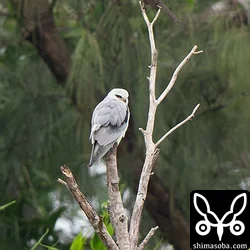
A Black-winged Kite perched on a prominent dead branch, occasionally calling back and forth with another individual perched nearby.
As late March arrives, I am seeing Crested Serpent Eagle pairs more often. This is an active season for them, and road casualties also increase. More and more Purple Herons are beginning to show breeding plumage.
Spring migration is slowly getting underway. Waders are gradually increasing, and I also encountered a large flock of Eastern Yellow Wagtails apparently on the move.
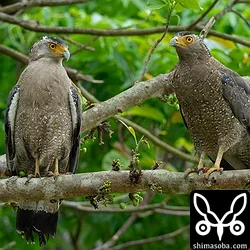
A pair of Crested Serpent Eagles. The male is on the left. The area where this pair lives is surrounded by farmland, so traffic accidents seem unlikely to be a concern.
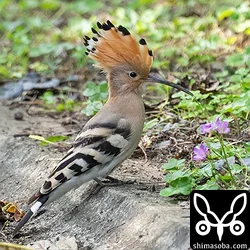
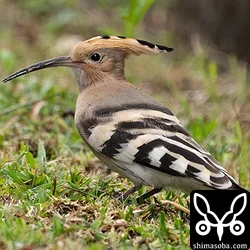
This season seems to be a bumper year for Common Hoopoe on Ishigaki. Reports of sightings are coming in from all over. On this one day alone, a dozen or more individuals were recorded. I myself photographed two while travelling for work.
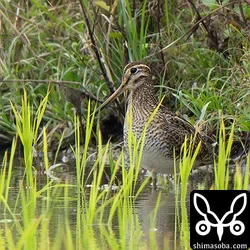
It looks like snipe migration has finally begun. The birds feel clearly different from the overwintering ones, and there is a real sense of spring passage. ^^
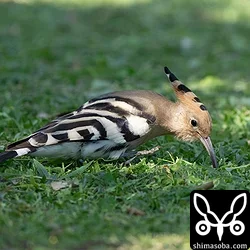
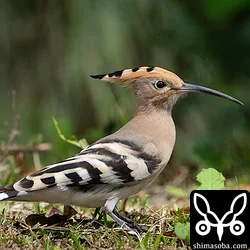
A Eurasian Hoopoe foraging without any sign of concern as a lawnmower carrying a worker roared and trundled around nearby.
Common Hoopoes — which along with Chinese Blackbirds herald spring on Ishigaki — turned up at four locations, five birds in total. This count covers only part of the western side of the island, so the overall number arriving is likely considerable. Perhaps the strong northerly winds the previous day brought many birds down.
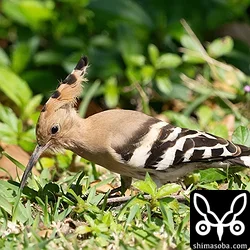
A Eurasian Hoopoe with absolutely no wariness, delighting visiting birdwatchers.
Among the wintering warblers, Manchurian Bush Warblers can no longer be found, while more and more Japanese Bush Warblers are beginning to practise their song.
The Chinese Pond Heron that has been here since last autumn is still in its winter plumage as before. In the same paddy, a few Temminck's Stints arrived on spring passage. Common Snipe from the overwintering population were scattered, apparently disrupted by rice-planting and other farm work.
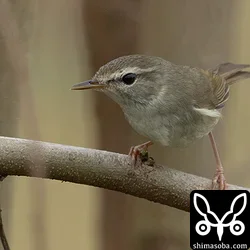
A Japanese Bush Warbler showing off its call notes and singing practice.
The Chinese Blackbird, harbinger of spring on Ishigaki, has arrived. I heard its call nearby as well, so it seems multiple birds are staying. Brown-headed Thrush, Pale Thrush, and Dusky Thrush migration also appears to be approaching its peak — small flocks can be found in patches of grassland in coastal settlements and similar spots.
I heard a Hooded Crane was staying in the north of the island, so I went to have a look. It seemed to favour a field prepared for sugarcane planting, with a pineapple plantation as a backdrop.
Cinnamon Bittern and Purple Heron are also full of vitality with the feel of spring in the air.
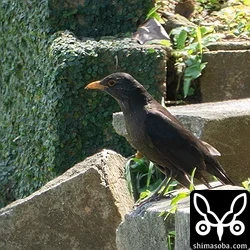
A Common Blackbird turned up in a good patch of habitat. Looks like it may stay a while.
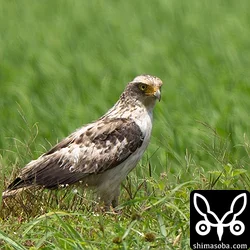
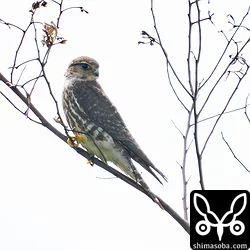
I had a one-night, two-day work trip to Yonaguni Island and managed a little birdwatching on the side. Near the airport I found a Merlin, a species rarely recorded in the Yaeyamas and on Okinawa Island. An Upland Buzzard that has been present since last year was also nearby.
Spring passerines included Amur Stonechat, and a Garganey was among the ducks. I came across thrushes perched several to a branch on several occasions, as if gathering themselves for migration.
Confirmed a Merlin — a scarce species in the Southwestern Islands.
In early March on Ishigaki, Crested Serpent Eagle activity is surging with breeding season. On fine days it is possible to watch display flights. Malayan Night Herons are also moving into breeding condition and gradually taking on their nuptial colours.
Bramblings, Garganey, Wood Sandpipers, and Common Greenshanks heading north on their return migration have also arrived.
A Crested Serpent Eagle calmly lying in wait for prey in its usual territory.
Perhaps because it is not very wary, the Common Hoopoe first recorded on 24 February is still here. I have a feeling it will stay quite a while longer. It no longer flees or hides when people walk past or vehicles go by. It seems to be growing even more relaxed.
It shows no wariness, so it can be watched at close range. It was finding cockroaches one after another.
The Common Hoopoe that arrived on February 24 was still present. Once startled into the woods, it tends not to come back out for a while.
White's Thrush has been unusually numerous across Japan this season, and Ishigaki Island is no exception — birds are being reported all over the place. They're large and impressive.
The Eurasian Hoopoe that has been present since yesterday was raising its crest frequently. I wish it would move somewhere a little more peaceful….
This is the third individual Common Hoopoe of 2025. There's a lot of foot and vehicle traffic here, so it's a restless environment — hard to say how long it will stay.
A Eurasian Hoopoe that kept retreating into the bushes every time a person or vehicle passed by. Prey is plentiful, but it seemed unable to settle.
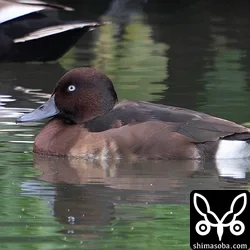
When it comes to quality ducks on Ishigaki Island, the Ferruginous Duck stands out. This season it arrived alone. Not particularly wary, so an easy bird to watch.
While doing some birdwatching in the rice paddies with my daughter, a juvenile Black-winged Kite landed on a branch right in front of us. My daughter, who loves raptors, was thrilled — but afterwards when I tried to start the car, nothing happened. Had to call a tow truck and send it off to the garage. ^^;
A male Ferruginous Duck. No juveniles or adults could be confirmed….