A daily record.
Featuring photos of wild birds and nature, mainly from Okinawa Main Island and Ishigaki Island

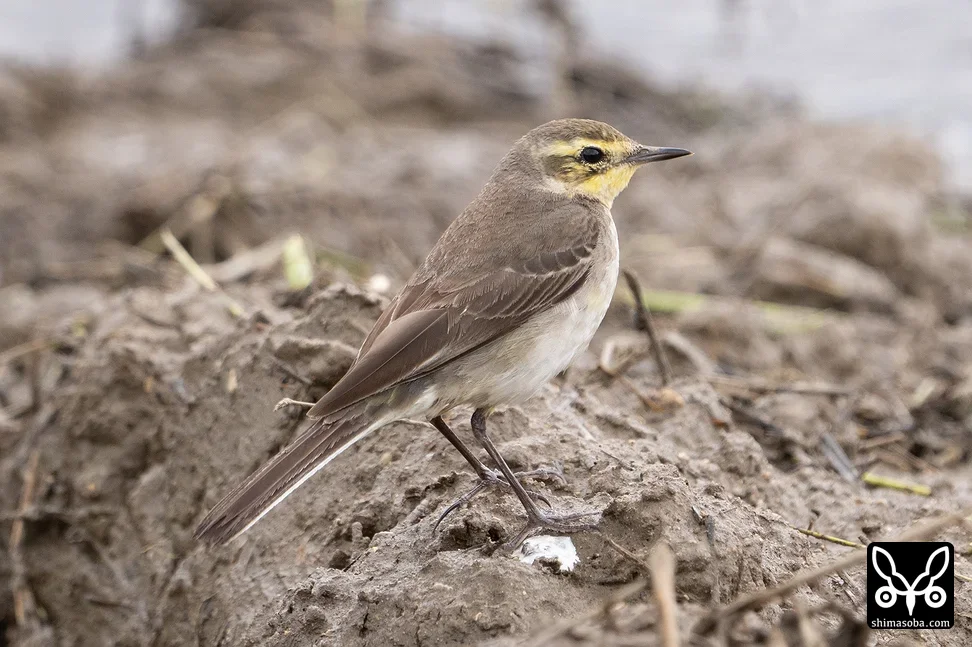
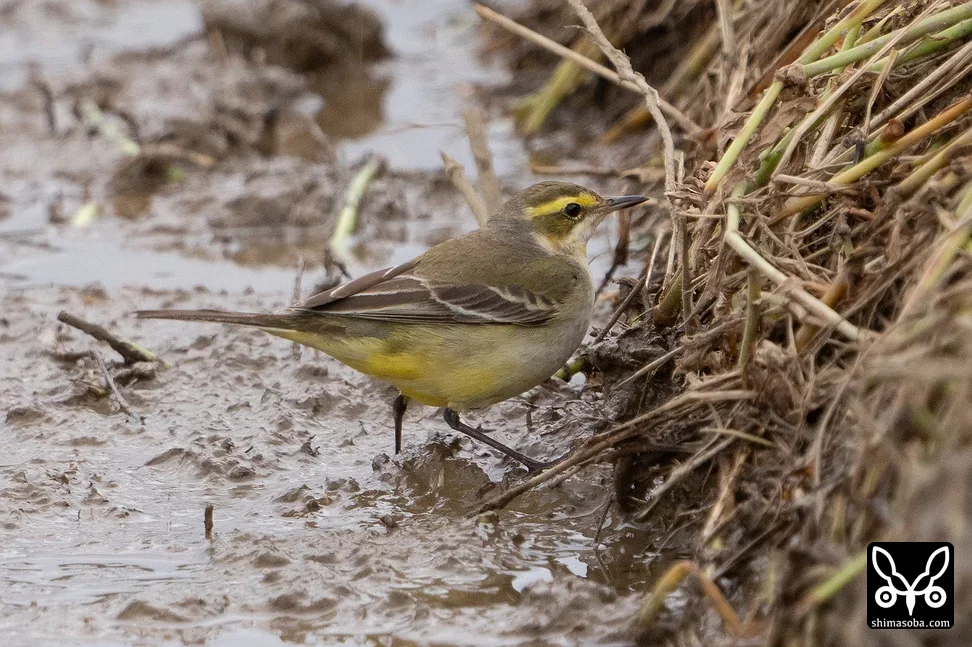
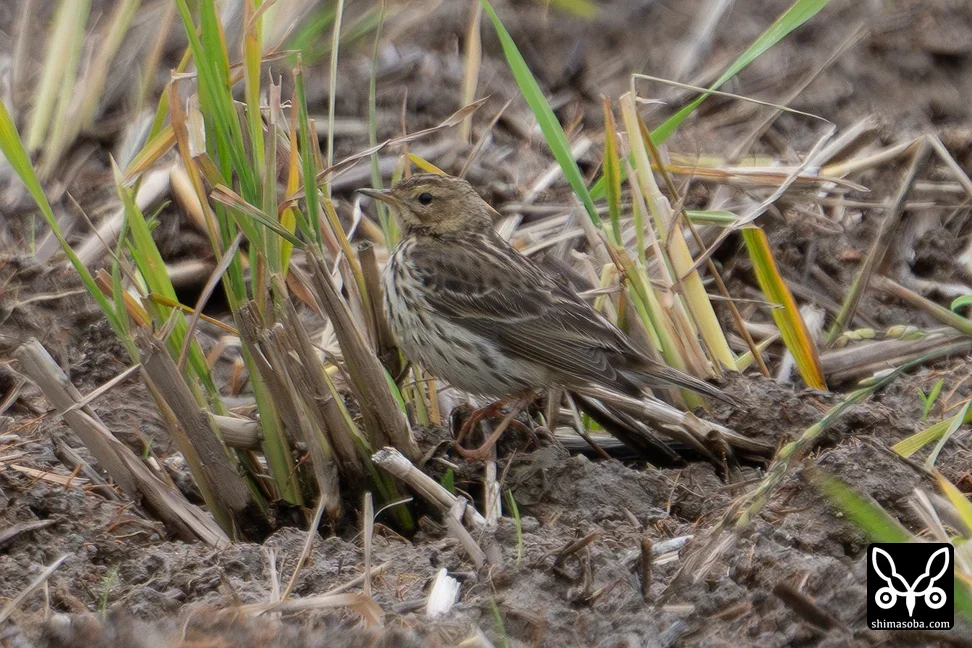
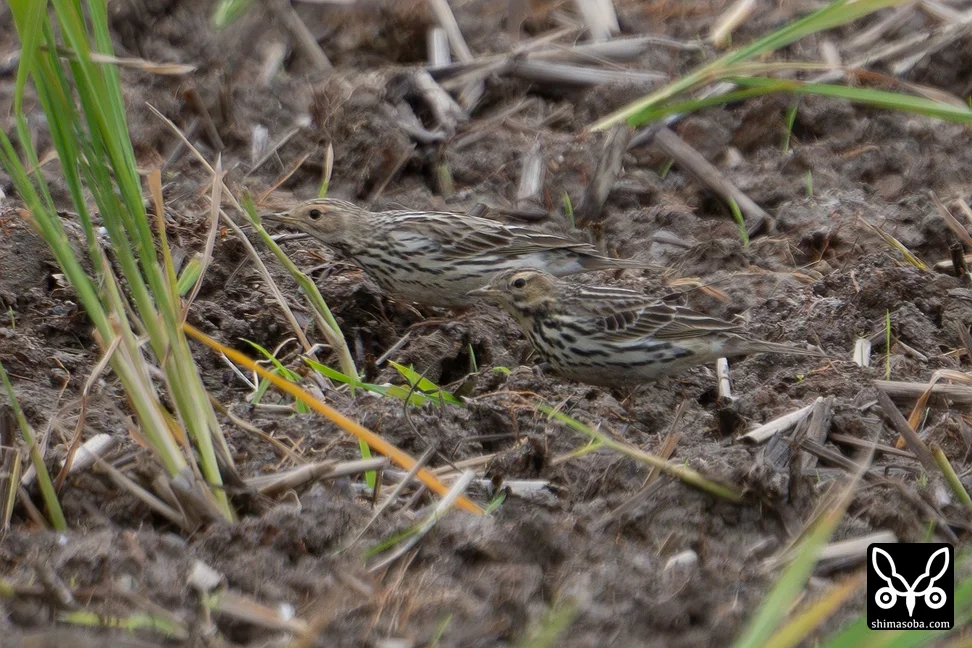
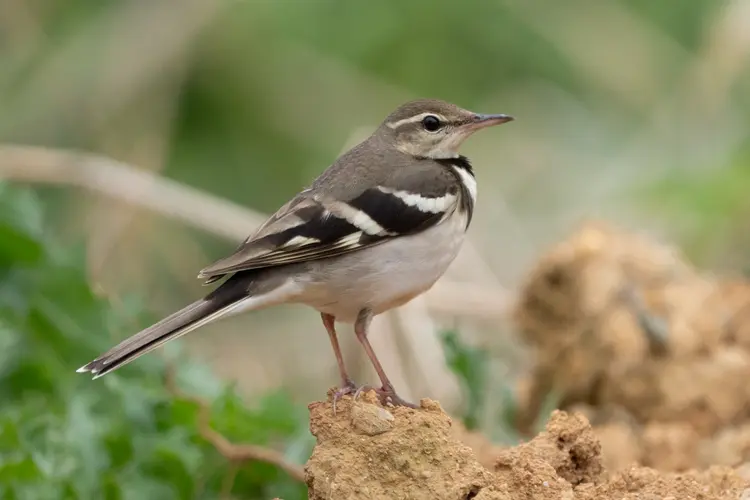
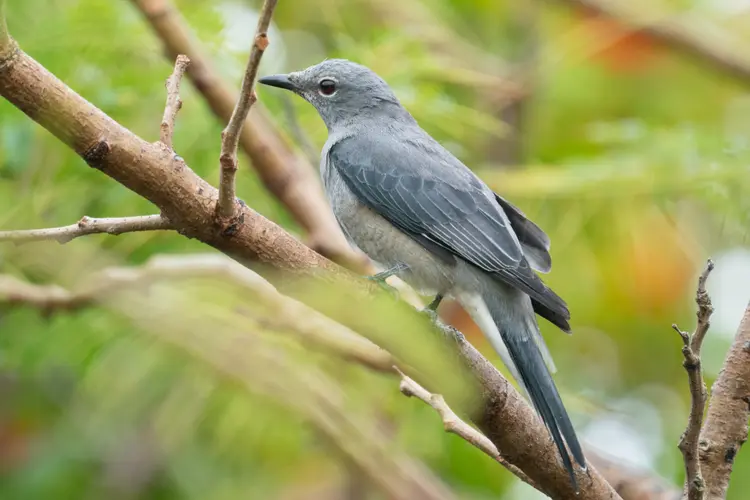
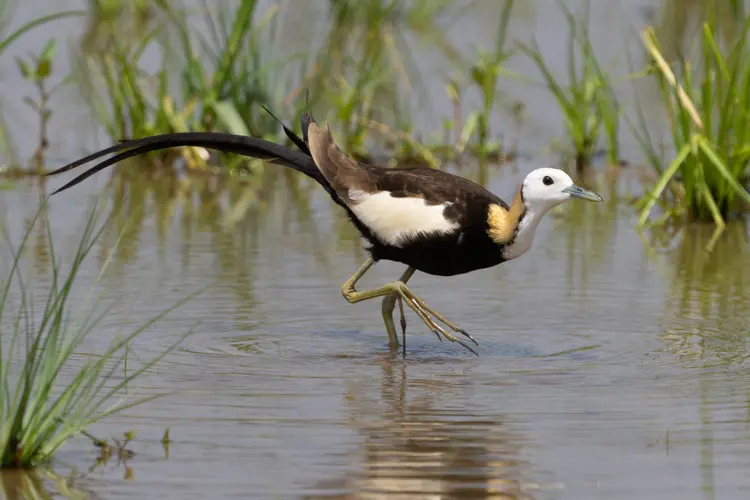
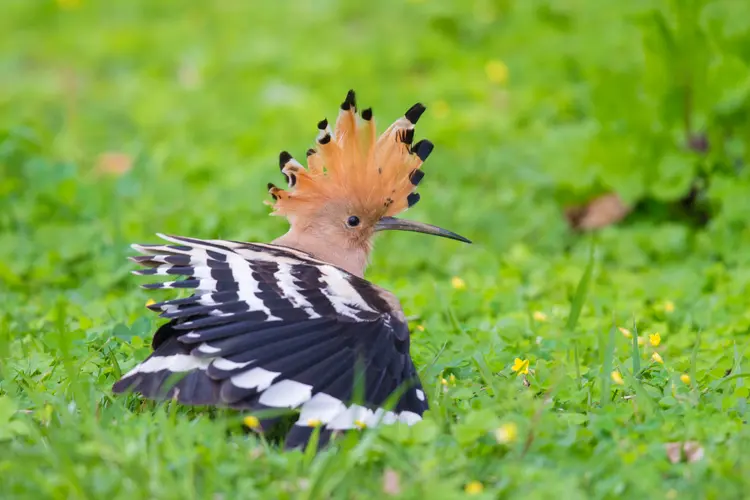
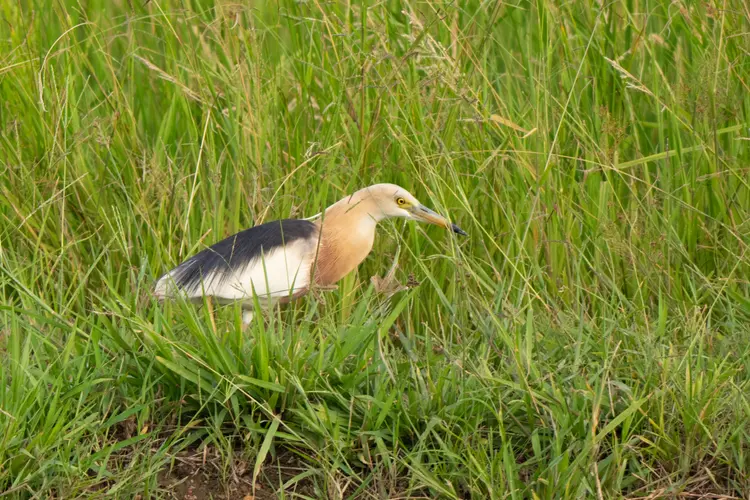
Forest Wagtail Black-winged Cuckooshrike Pheasant-tailed jacana Eurasian Hoopoe Javan pond heron

GUIDED BIRDWATCHING TOUR

Go where the birds are. The SHIMASOBA Tour launches.

We'll drive you around Ishigaki Island to wherever the birds are showing best that day. Observation is mostly from inside the vehicle, and we keep it to a maximum of 3 guests so everyone can take their time.

Max. 3 guests 4 hours in the morning Beginners welcome
Check availability and book

Birdwatching in Nagoya

I spent the New Year holidays in Nagoya, so I squeezed in three hours of birdwatching. There were several bunting species in the same area and it was fun listening to their calls. A short outing, but very satisfying — experiences you simply can't have on Ishigaki Island. ^^ I also got to see Eurasian Skylark and Bull-headed Shrike, both rarely encountered on the island.

There was a Common Starling in the same paddy field, which surprised me. Five birds were mixed in with a flock of White-cheeked Starlings. Northern Lapwing and Grey-headed Lapwing were there too. Grey-headed Lapwings are always around in that area, but it was my first time seeing Northern Lapwing there.
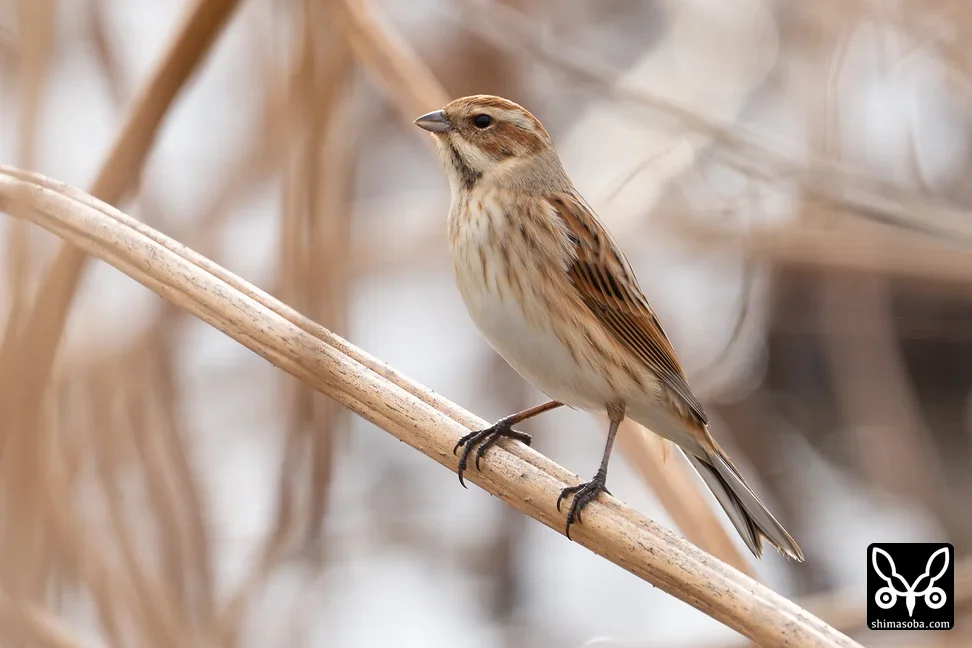
Common Reed Bunting
Common Reed Bunting

I was listening for Emberiza calls when a Reed Bunting appeared right in front of me. You don't get to see these on Ishigaki.
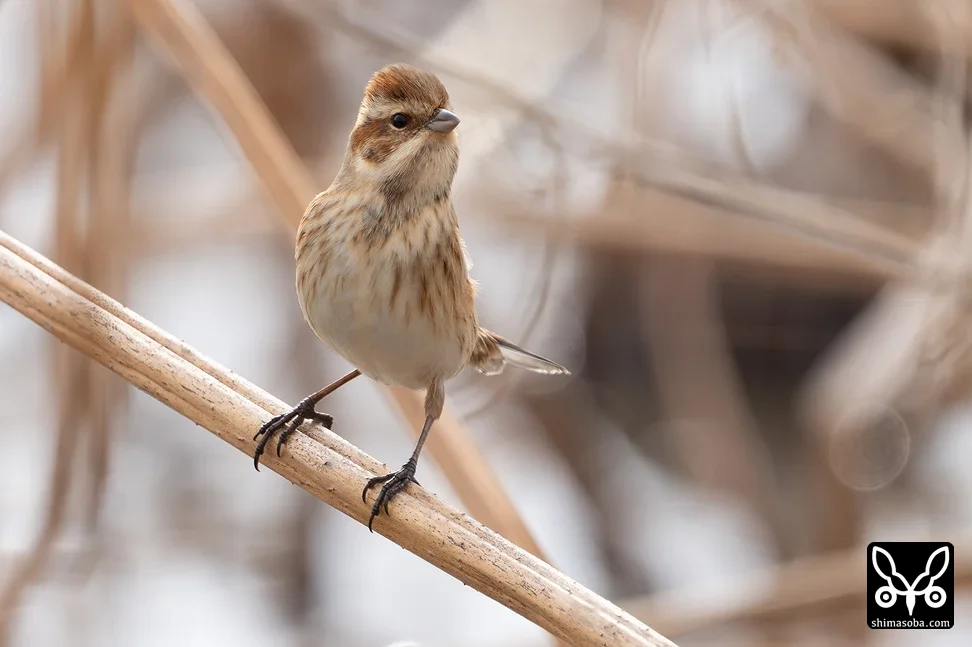
Common Reed Bunting
Common Reed Bunting

Same individual as above. It looked around for a while, then flew off.
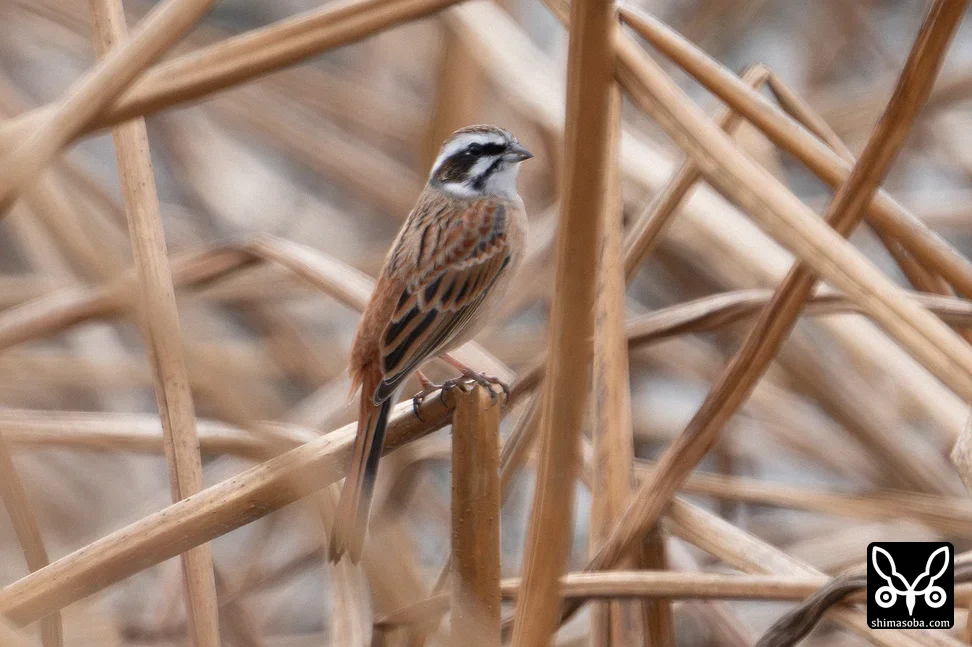
Meadow Bunting
Meadow Bunting

Meadow Bunting, male. A flock of about ten was moving in and out of view.
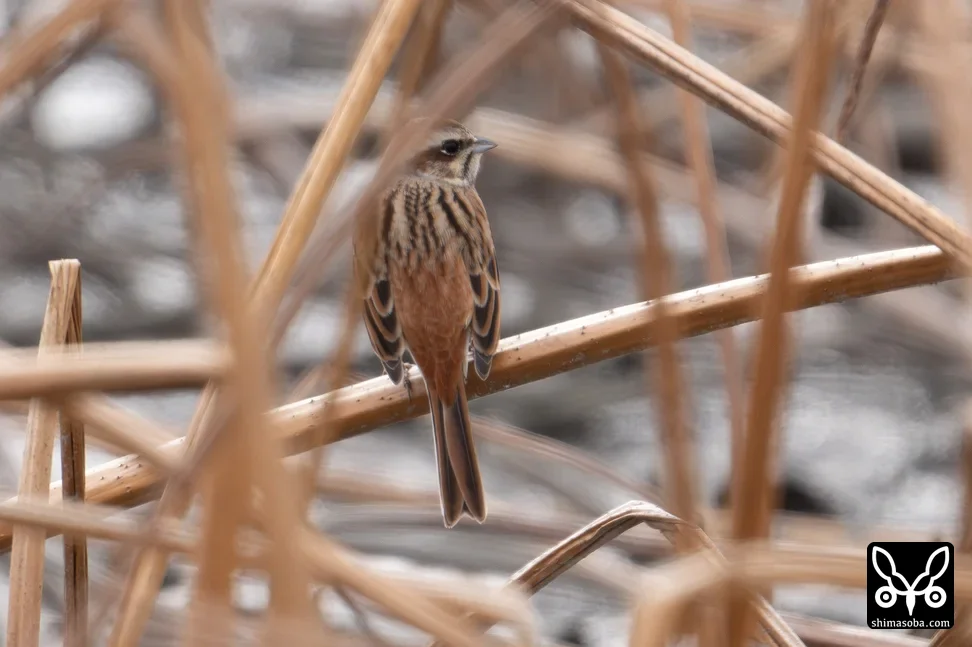
Meadow Bunting
Meadow Bunting

Meadow Bunting, female.

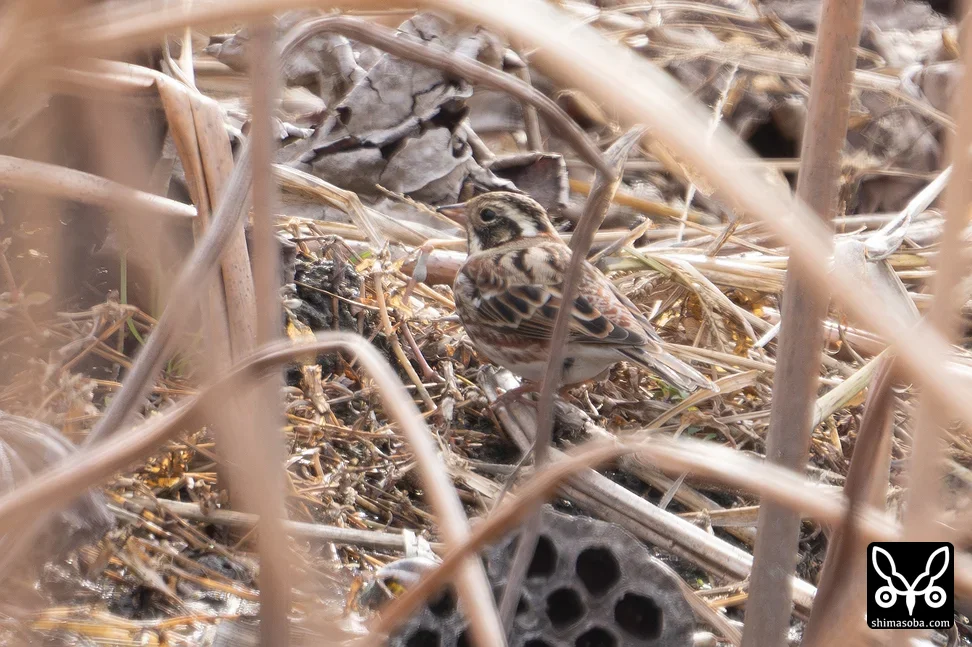
Rustic Bunting
Rustic Bunting

Rustic Bunting, male. There were a few of them in a small flock.
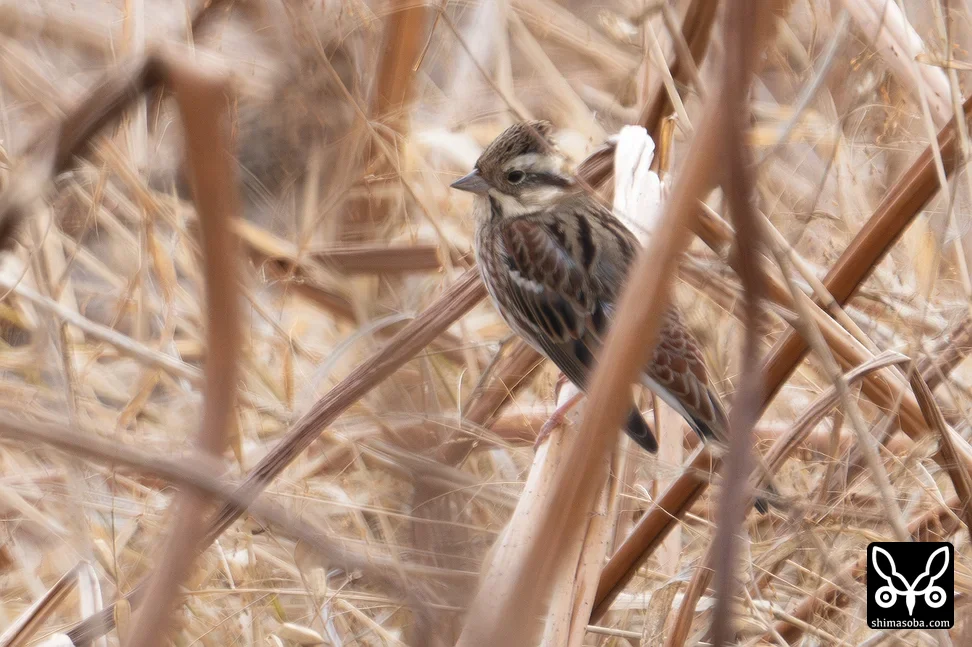
Rustic Bunting
Rustic Bunting

Rustic Bunting, female.

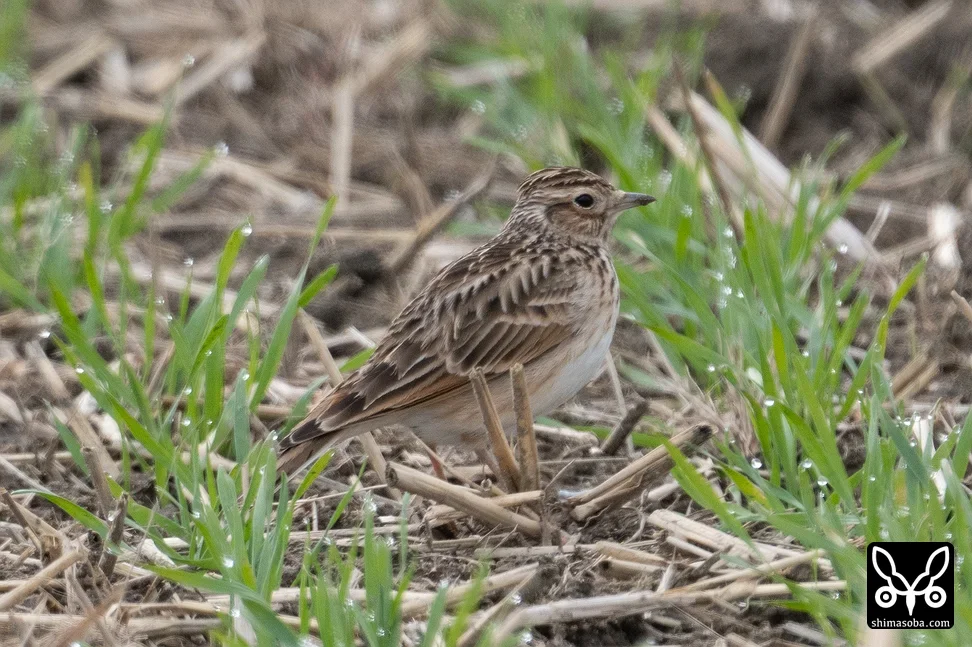
Eurasian Skylark
Eurasian Skylark

Eurasian Skylark was also present in a small flock.
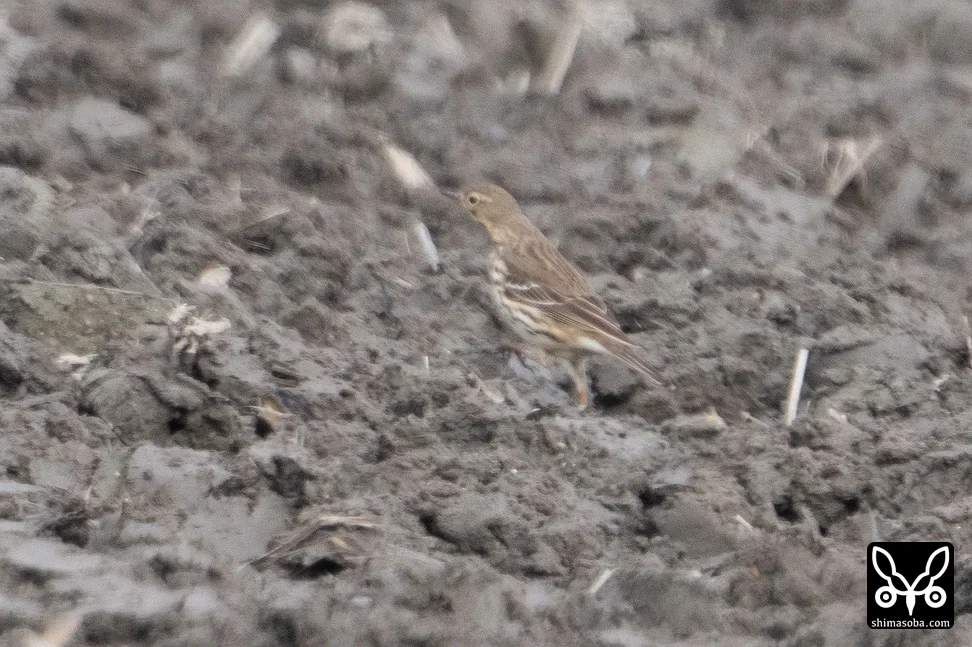
Water Pipit
Water Pipit

A Buff-bellied Pipit in the distance. That was the only pipit.
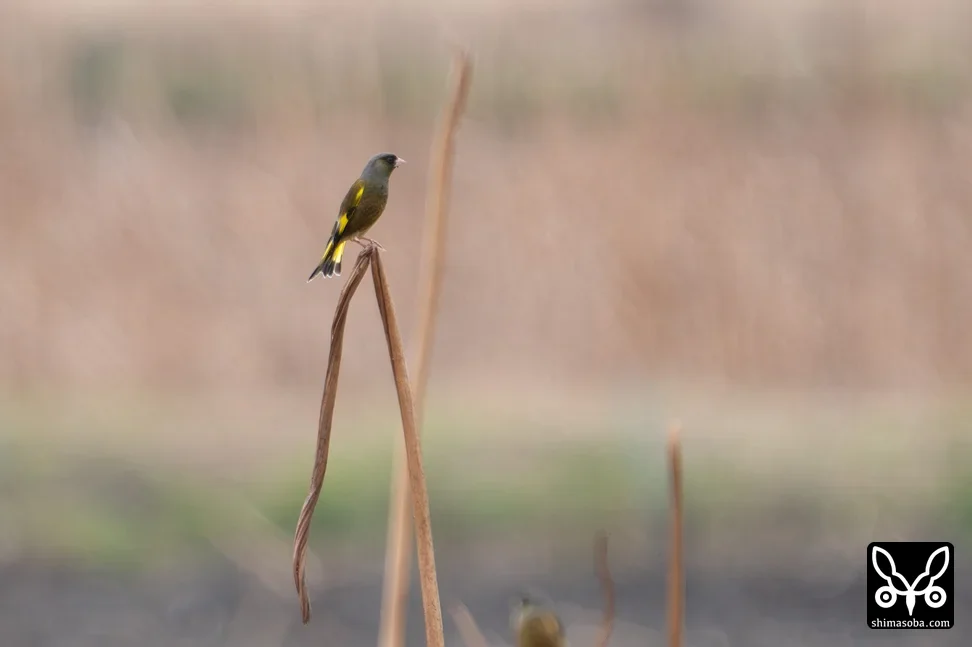
Grey-capped Greenfinch

I heard Oriental Greenfinch calls, then spotted two birds far off.
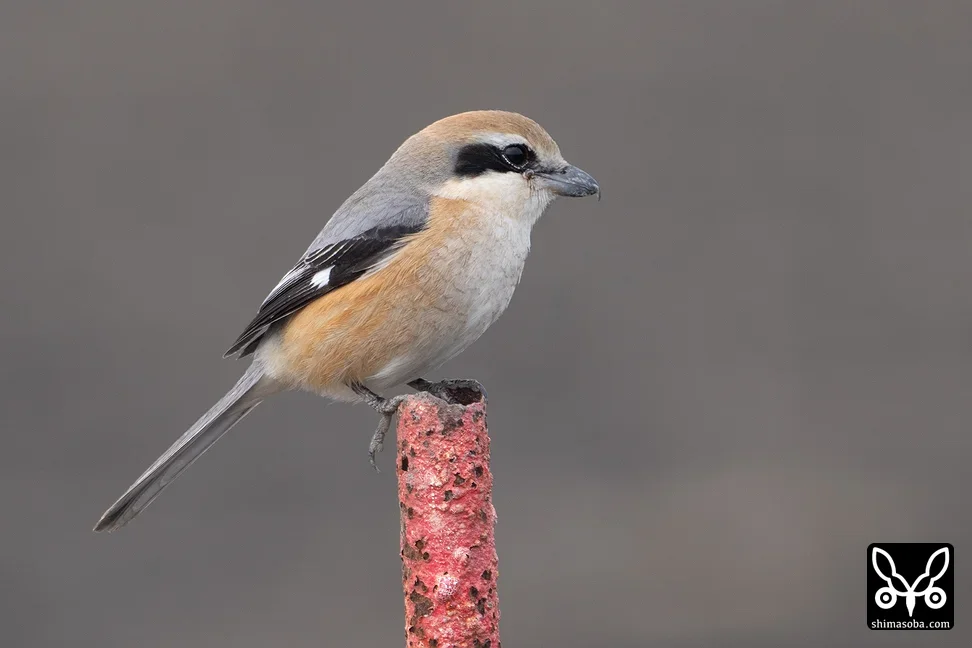
Bull-headed Shrike
Bull-headed Shrike

I saw Bull-headed Shrikes here and there, but this individual was the closest one. It was hunting something like a Common Skimmer nymph.
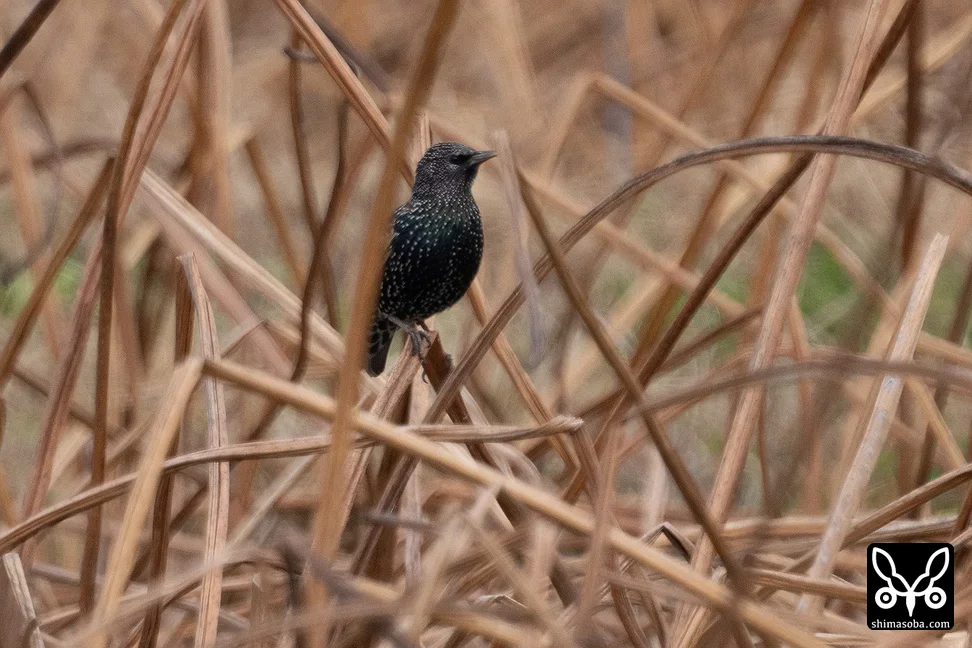
Common Starling
Common Starling

A Spotless Starling among the White-cheeked Starlings.
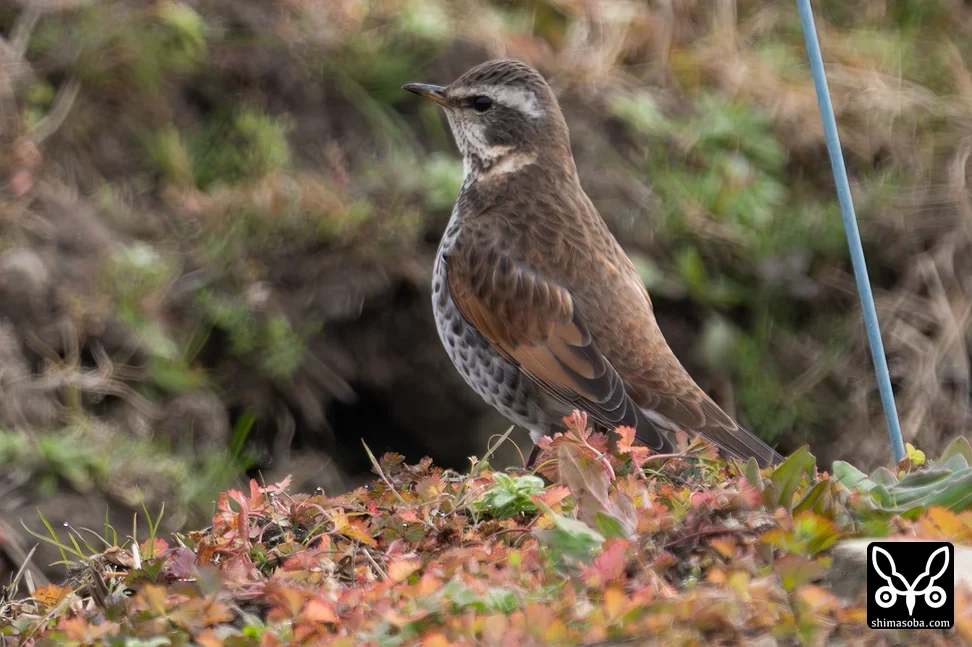
Dusky Thrush
Dusky Thrush

Dusky Thrush were fewer than usual — though I only visit once a year, so… ^^;
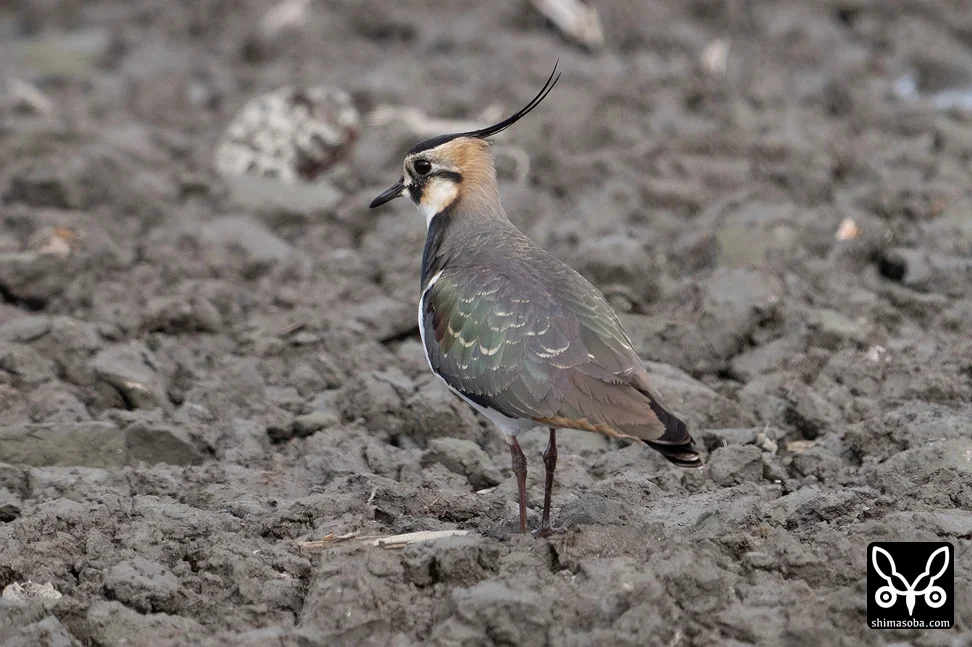
Northern Lapwing
Northern Lapwing

A few Northern Lapwing were moving around in loose association with Grey-headed Lapwing.
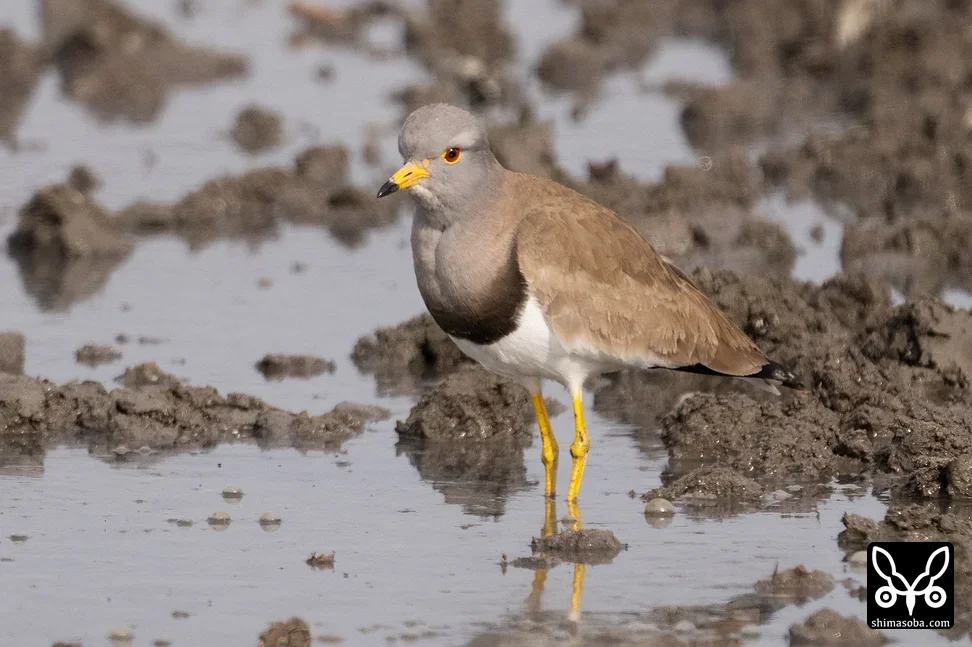
Grey-headed Lapwing
Grey-headed Lapwing

Grey-headed Lapwing were as numerous as ever. They were just casually present in paddies along a busy prefectural road.
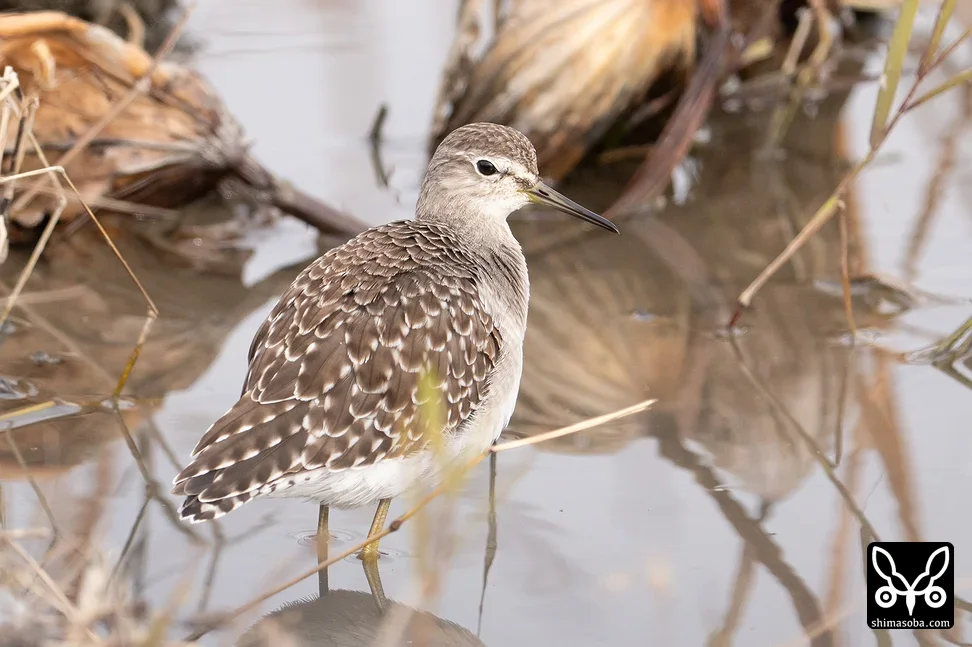
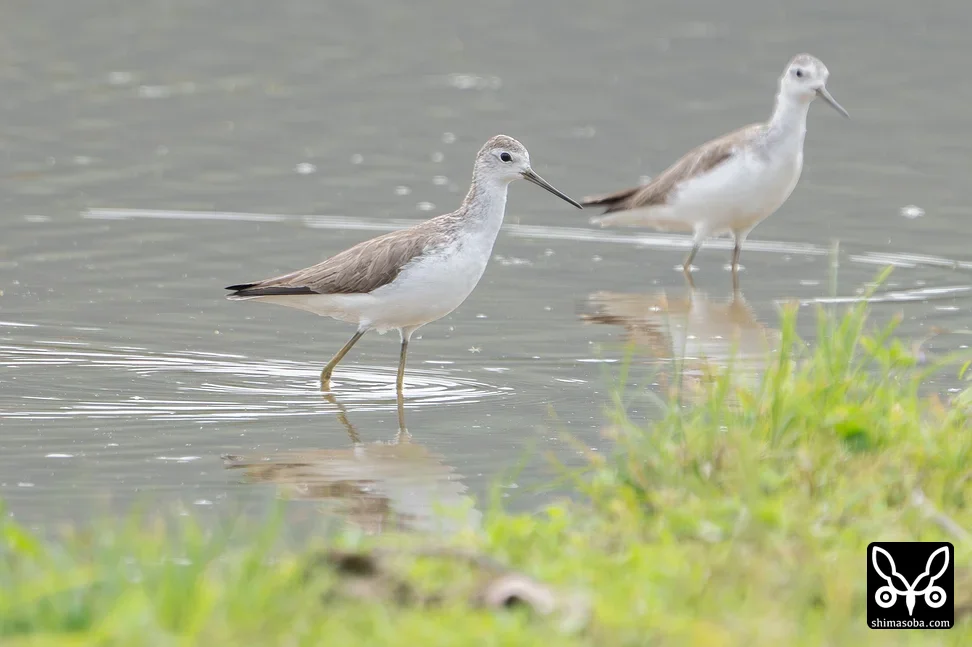
Wood Sandpiper
Wood Sandpiper

The only shaper confirmed was Wood Sandpiper. Fewer than usual, it seemed.
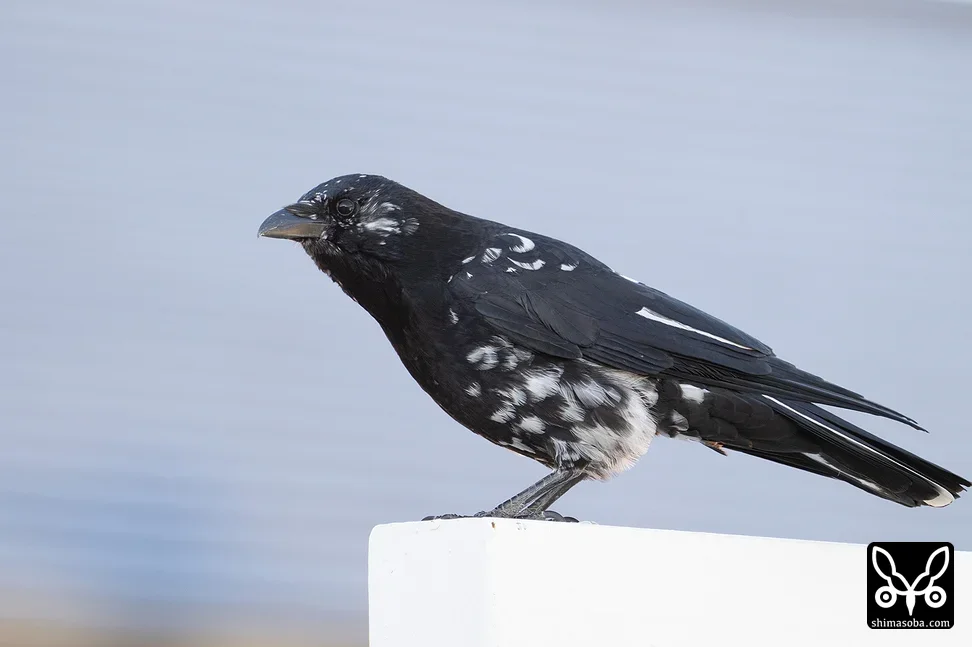
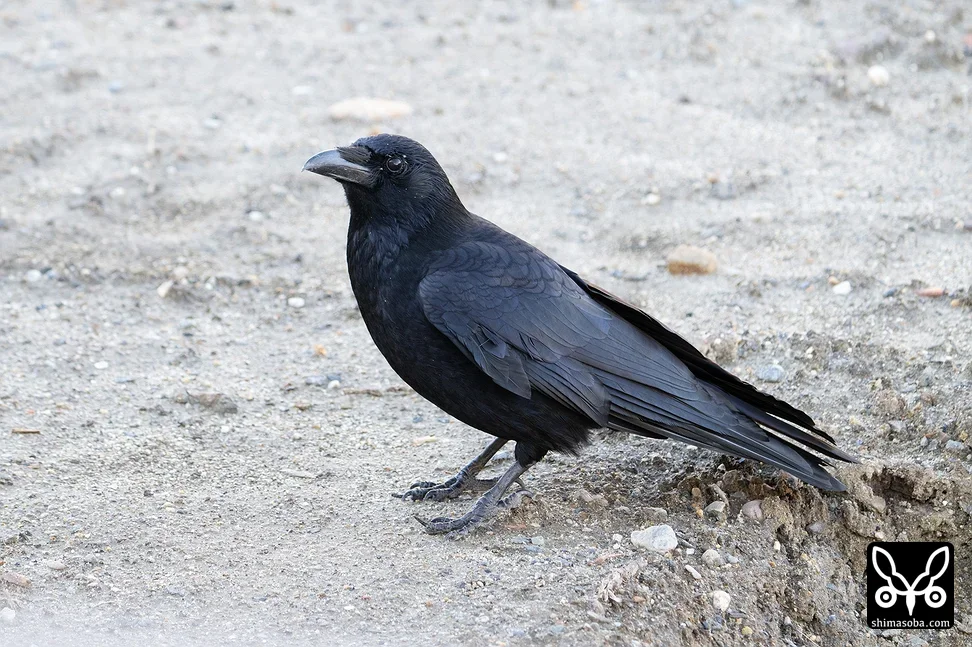
Carrion Crow
Carrion Crow

Carrion Crow, from my family home window. This is the first time a Carrion Crow has appeared on this blog. There are no records of Carrion Crow on Ishigaki.
Carrion Crow
Carrion Crow

A pair with the individual above. Sex unknown.
Categories: 野鳥

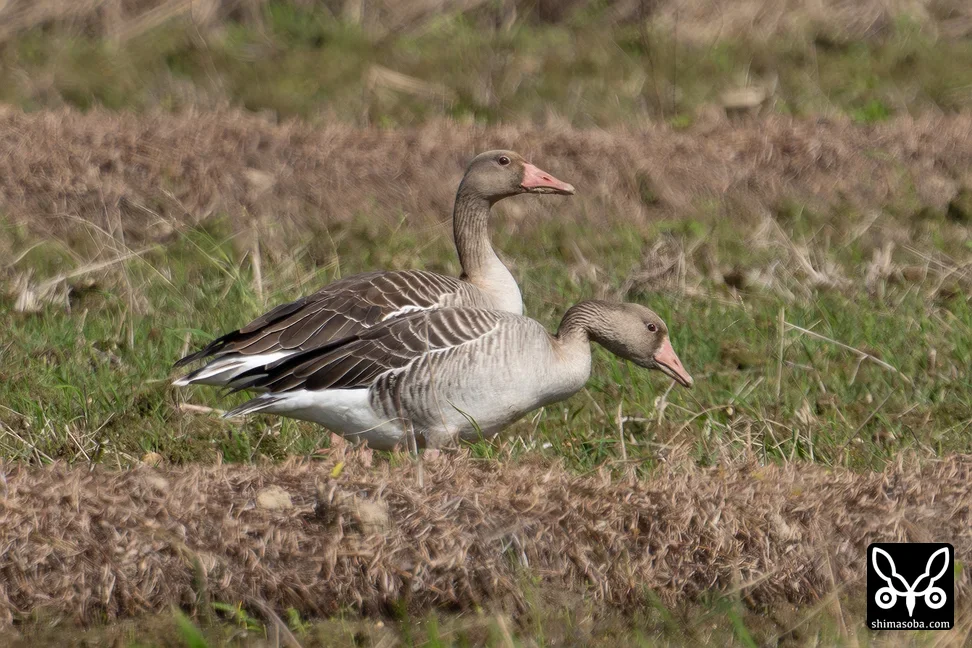
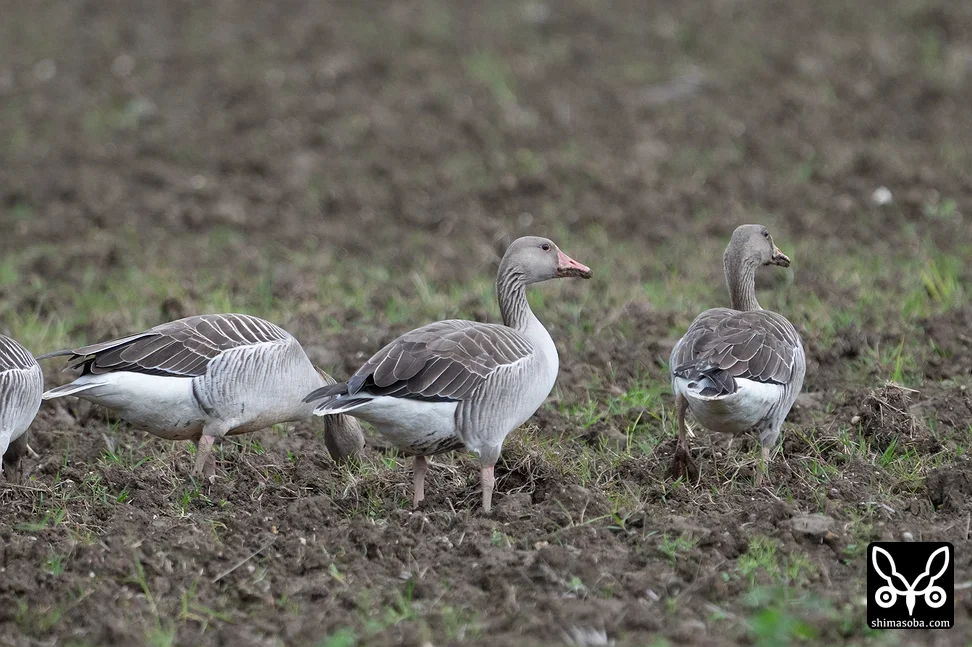
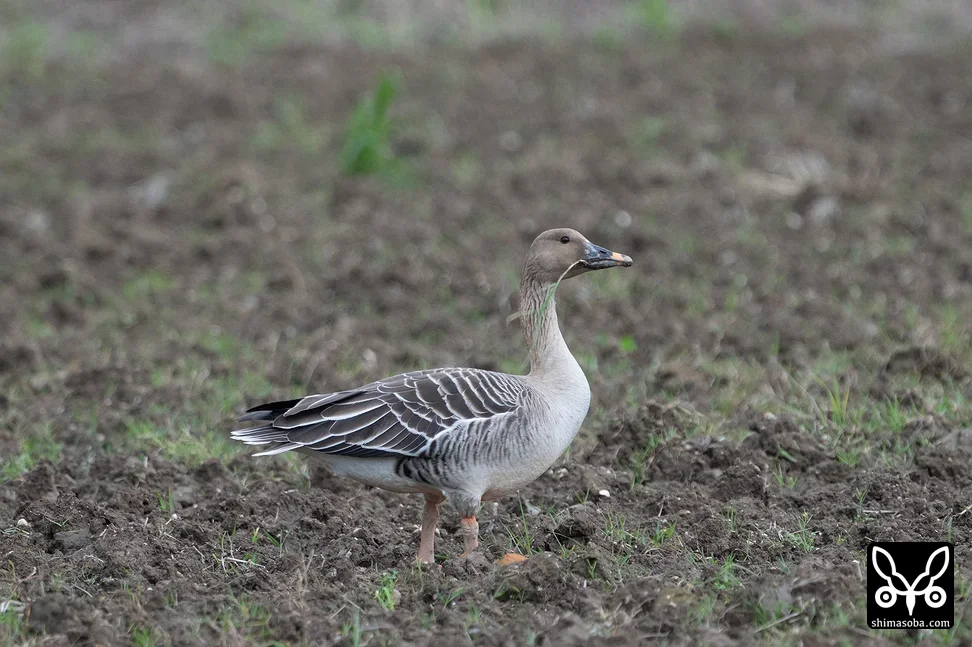
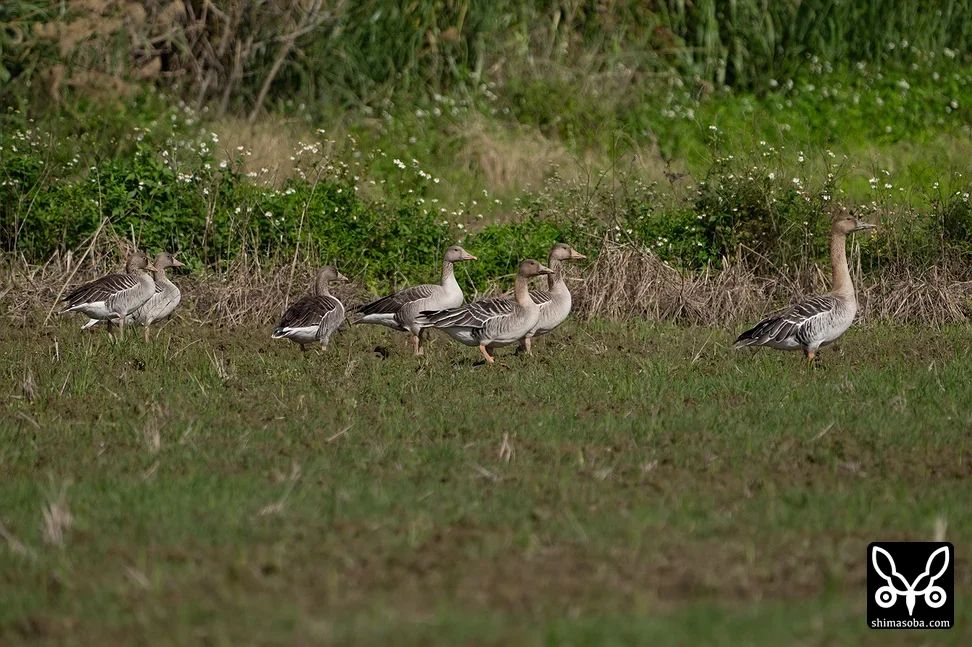
Five Greylag Geese, Taiga Bean Goose, and Tundra Bean Goose

Five Greylag Geese currently staying. They are together with Tundra Bean Geese and Taiga Bean Geese. A group of five Greylag Geese — I hadn't seen that since two years ago in northern Okinawa Island.

Bean Goose
Bean Goose / Greylag Goose / Tundra Bean Goose

Five Greylag Geese with a Tundra Bean Goose (right) and a Bean Goose (third from right). The Bean Goose is of the small type, so possibly the tundra form. All adults. The individual thought to be a Lesser White-fronted Goose appears to have separated from the flock.

Greylag Goose
Greylag Goose

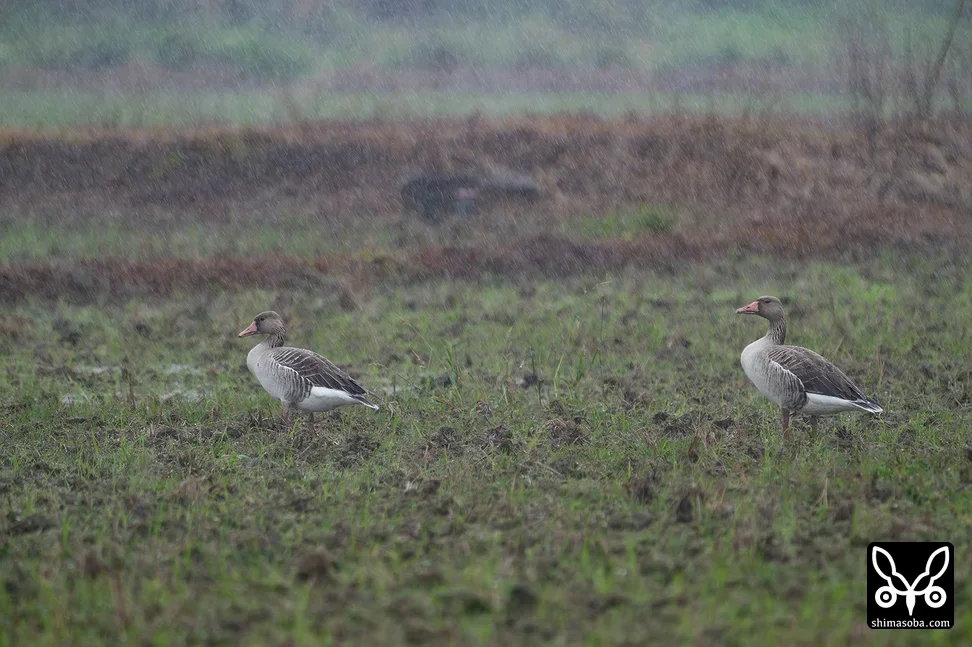
Two Grey-lag Geese — this was back at the end of last year when there were only the two of them.

Greylag Goose
Greylag Goose

Grey-lag Geese in the rain. They made it through the new year. I wonder how long they'll stay.

Categories: 野鳥

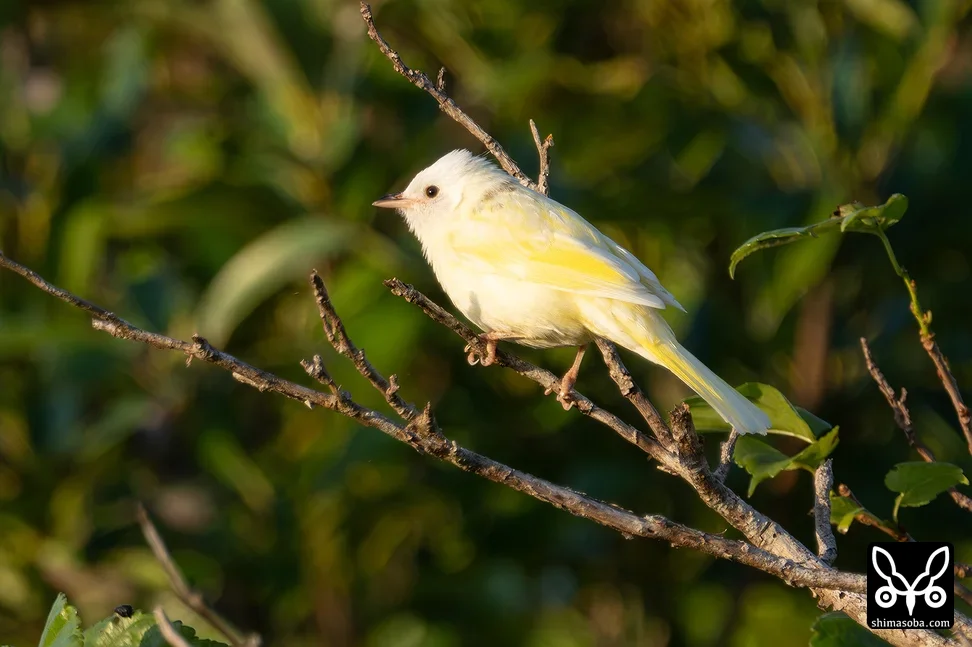
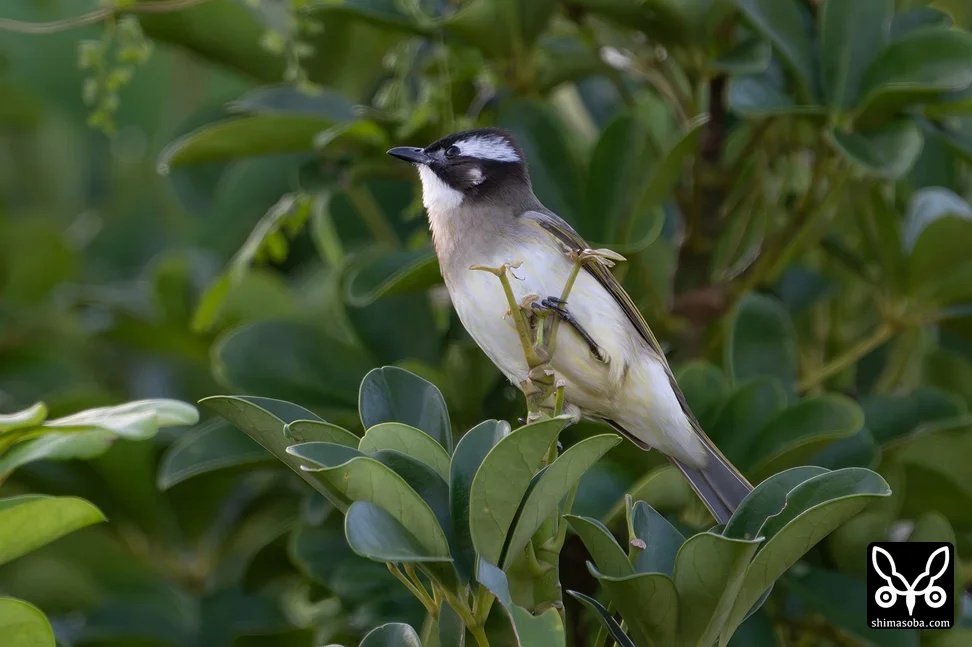
An All-White Light-vented Bulbul

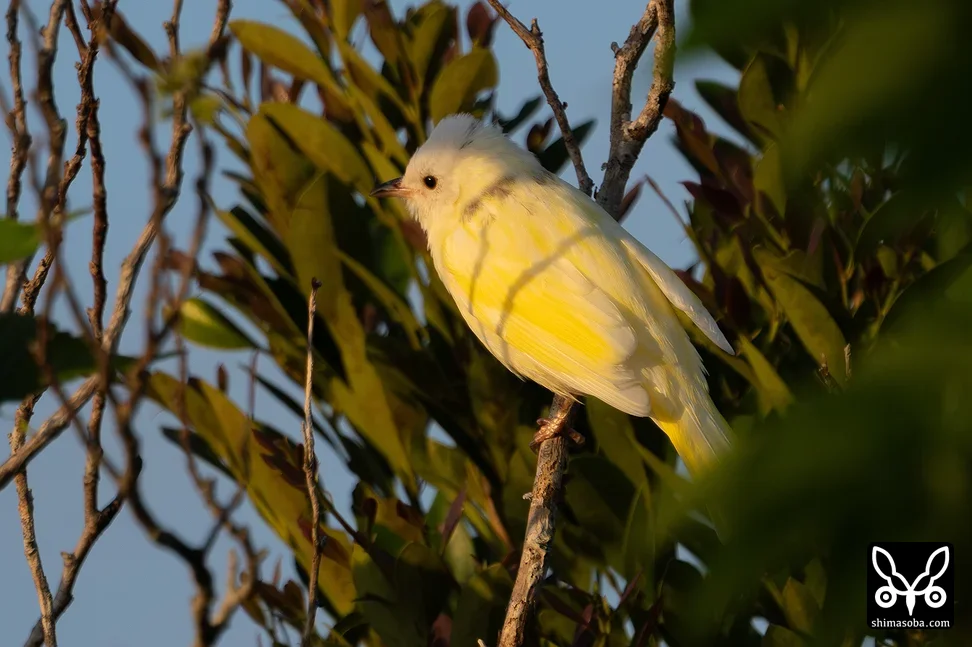
I thought a remarkably white bird had just flown past — and it turned out to be an almost entirely white Light-vented Bulbul. I wondered at first whether it was an albino, but looking at the photos there seems to be a little pigment remaining. Initially I wasn't sure — Light-vented Bulbul? Japanese Bush Warbler? Wagtail? — but the call, "ji-biru, ji-biru," settled it as a Light-vented Bulbul.

While I was photographing it, about ten other Light-vented Bulbuls quickly joined in. They were feeding on the ripe berries of Japanese beautyberry and schefflera.

Light-vented Bulbul
Light-vented Bulbul

A beautiful leucistic Chinese Bulbul.

Light-vented Bulbul
Light-vented Bulbul

In the evening light it feels more lutino than albino.

Light-vented Bulbul
Light-vented Bulbul

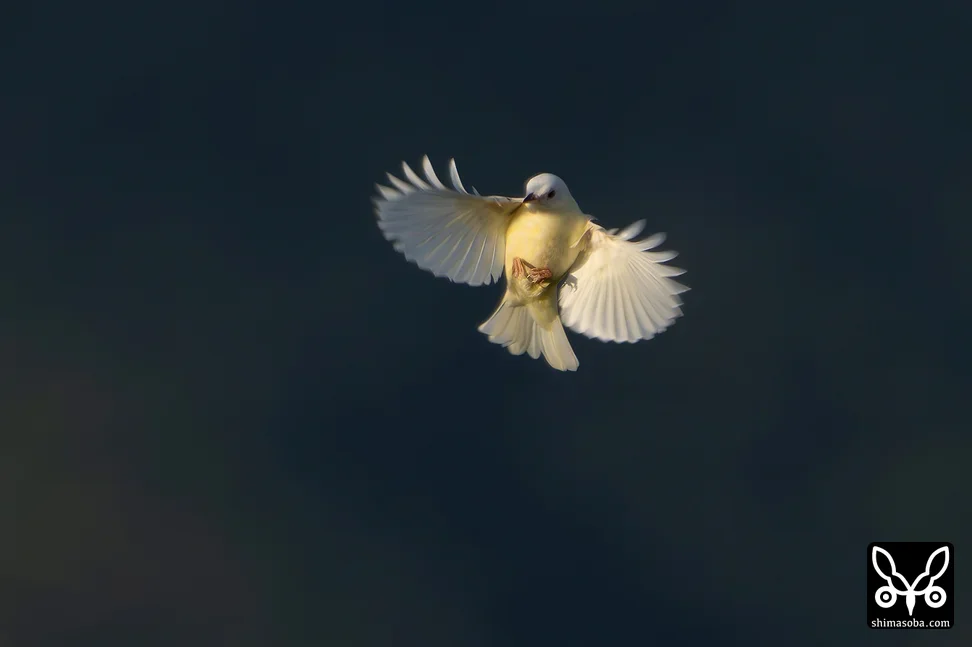
A Chinese Bulbul in flight. Still white!!

Light-vented Bulbul
Light-vented Bulbul

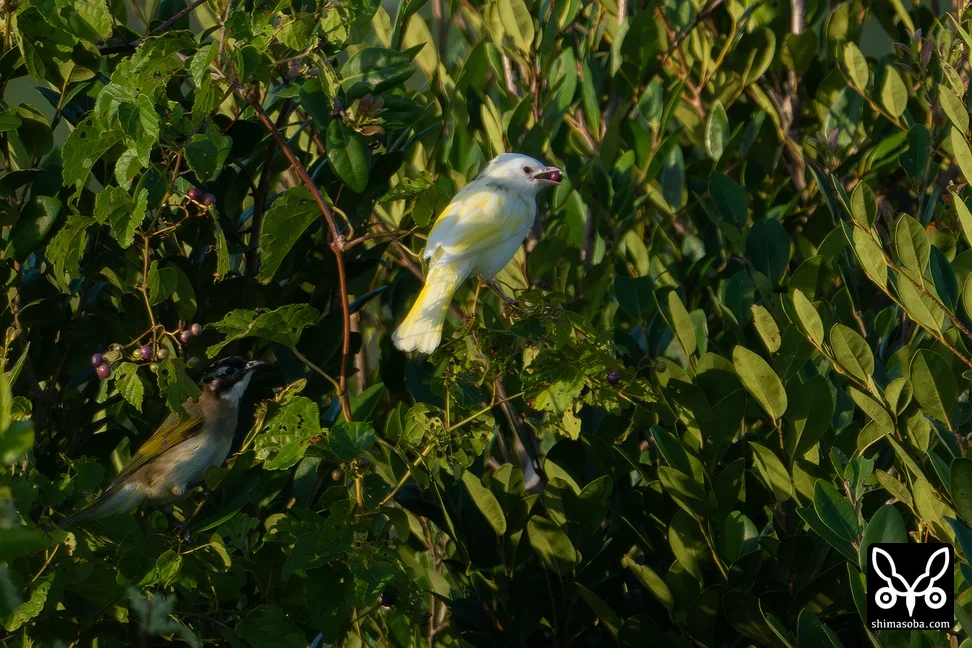
Eating the berries of Callicarpa shikokiana. There's also a normal Chinese Bulbul in the lower left.

Light-vented Bulbul
Light-vented Bulbul

This is a normal Chinese Bulbul, eating Schefflera berries.

Categories: 野鳥

Caspian Tern, Common Gull and others (video)

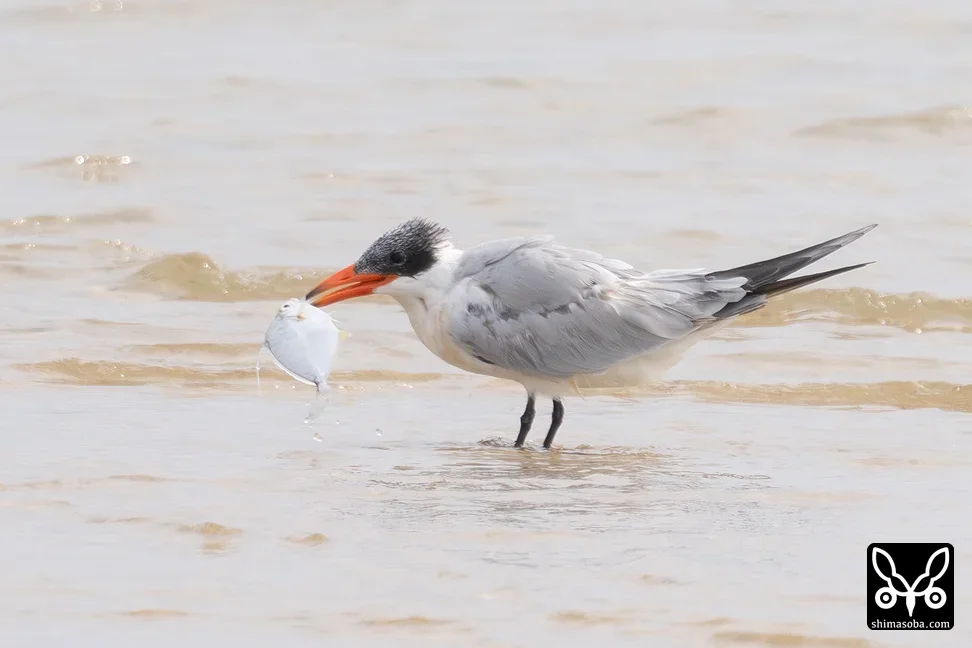
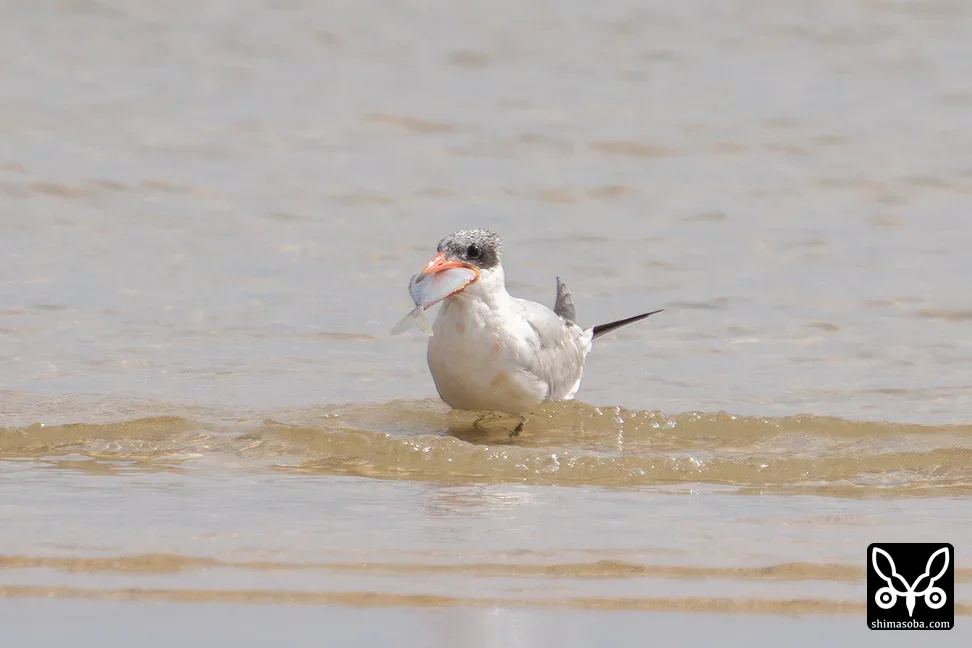
A Caspian Tern was wrestling with a large fish on the coast. The fish was deep-bodied and the tern seemed to have real trouble swallowing it. The thread-like dorsal fin visible in the footage suggests it was a Silvery Moony.

Caspian Tern
Caspian Tern

Greater Crested Terns swallow small fish on the wing, but this Monocle Bream was too large, so the bird carried it to the water's edge. Looking closely, I could see it tearing off the obstructive dorsal and pectoral fins with its bill.

Caspian Tern
Caspian Tern

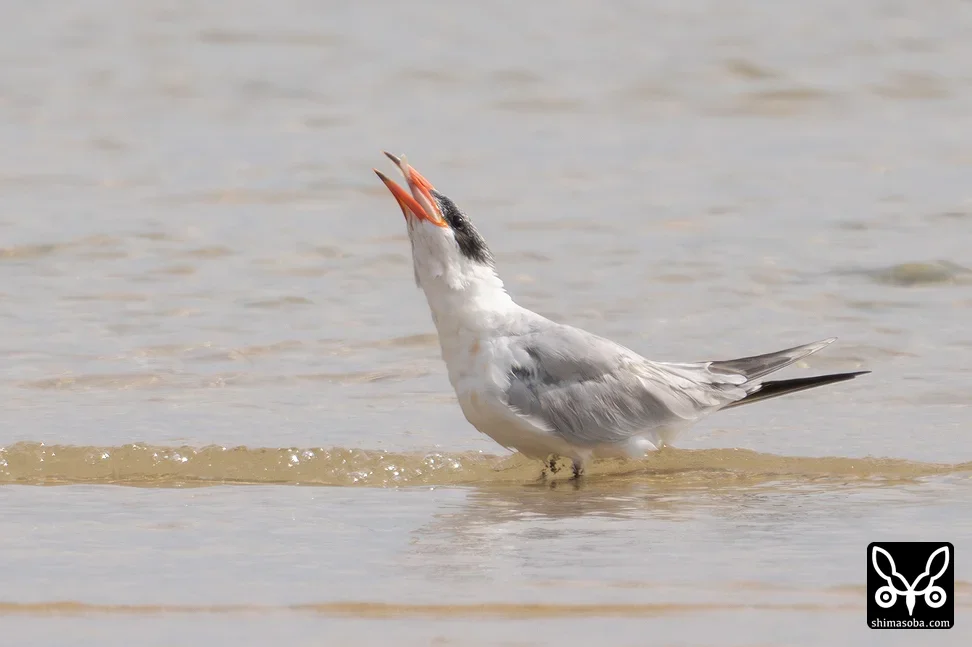
Once the troublesome fins were off, it set about swallowing the fish — which still looked like quite an ordeal.

Caspian Tern
Caspian Tern

It took a while, but the bird finally managed to get it down.
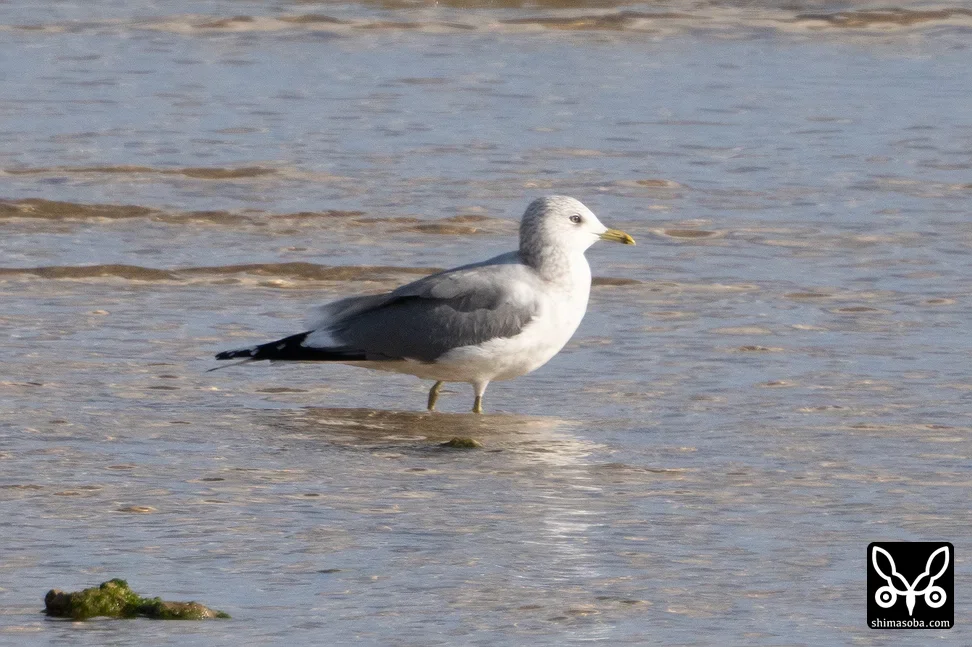
Mew Gull
Mew Gull

Common Gull, adult winter plumage. Common Gulls turn up on Ishigaki Island only about once every ten years, so this was a happy find.

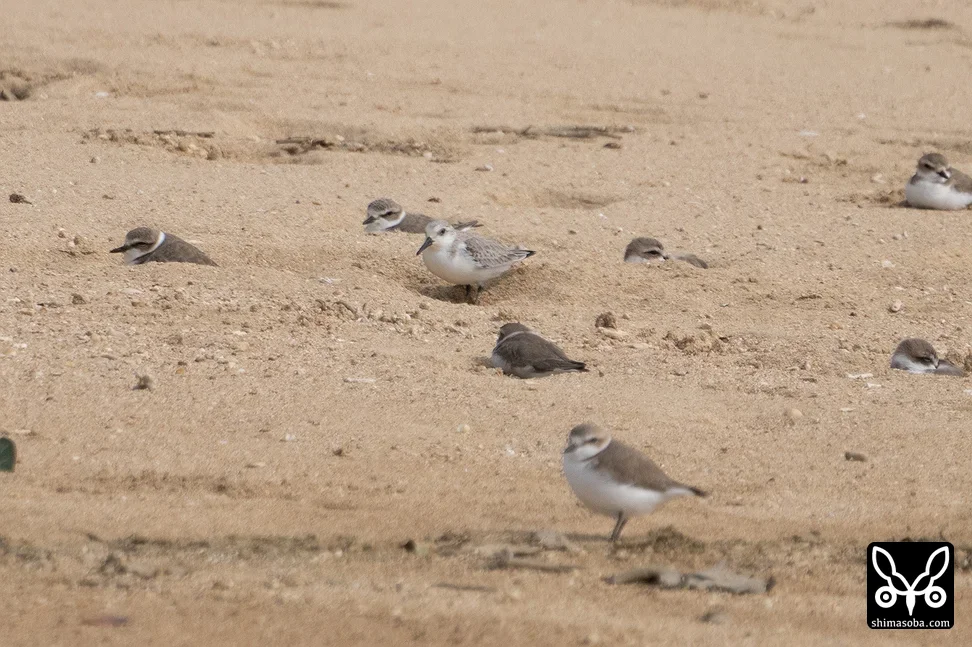
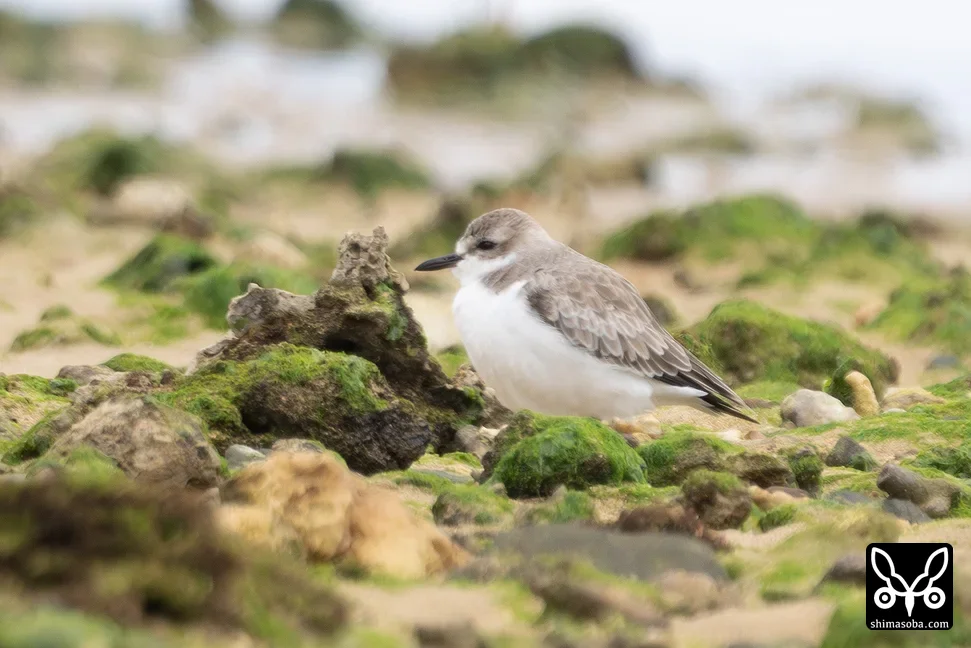
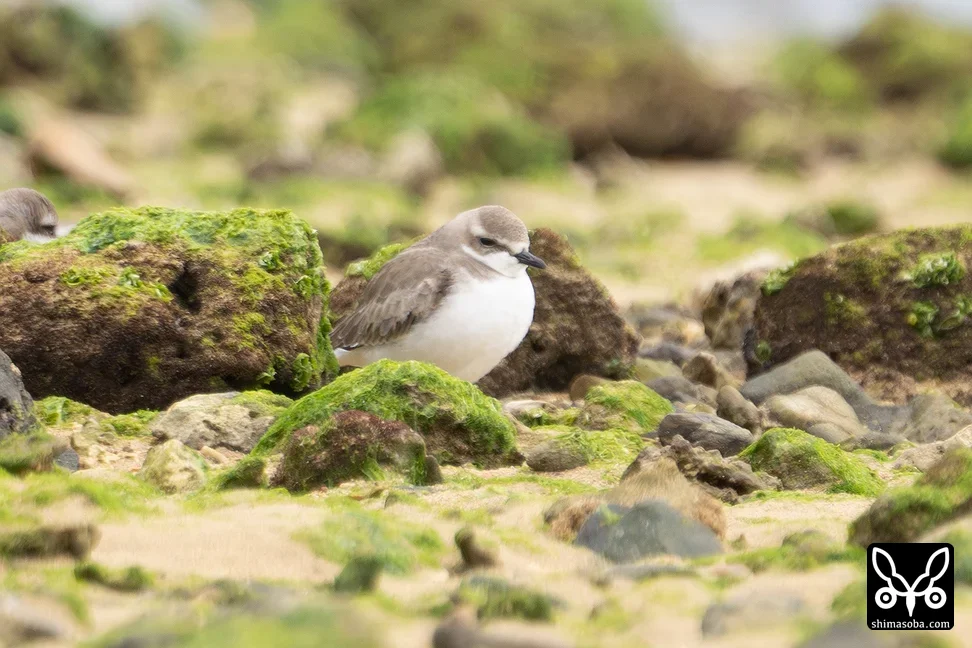
Kentish Plover
Kentish Plover / Sanderling

Sanderling and Kentish Plover, hunkered down in a hollow to escape the strong wind.

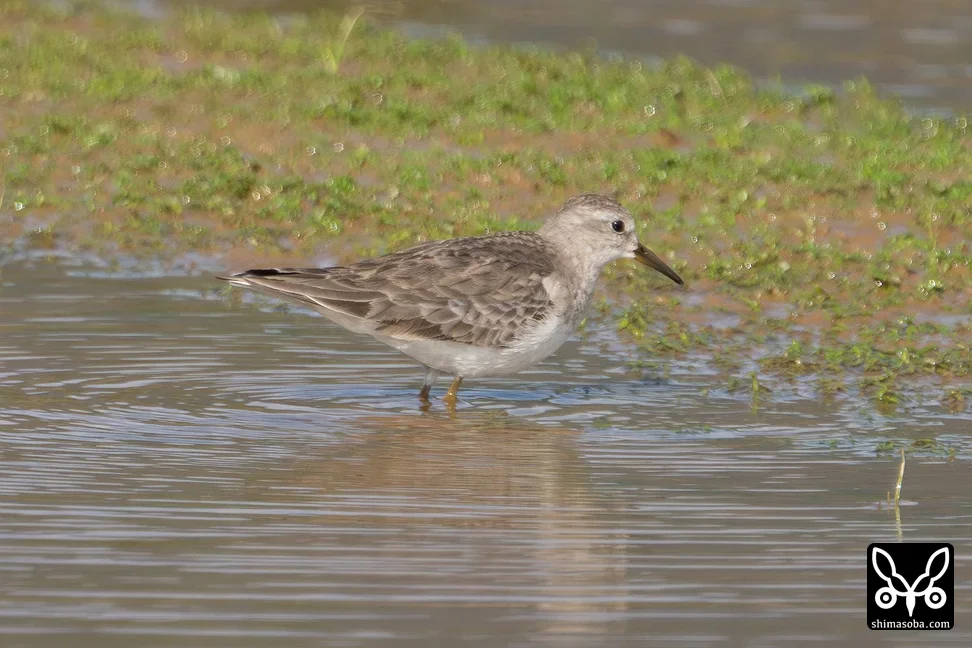
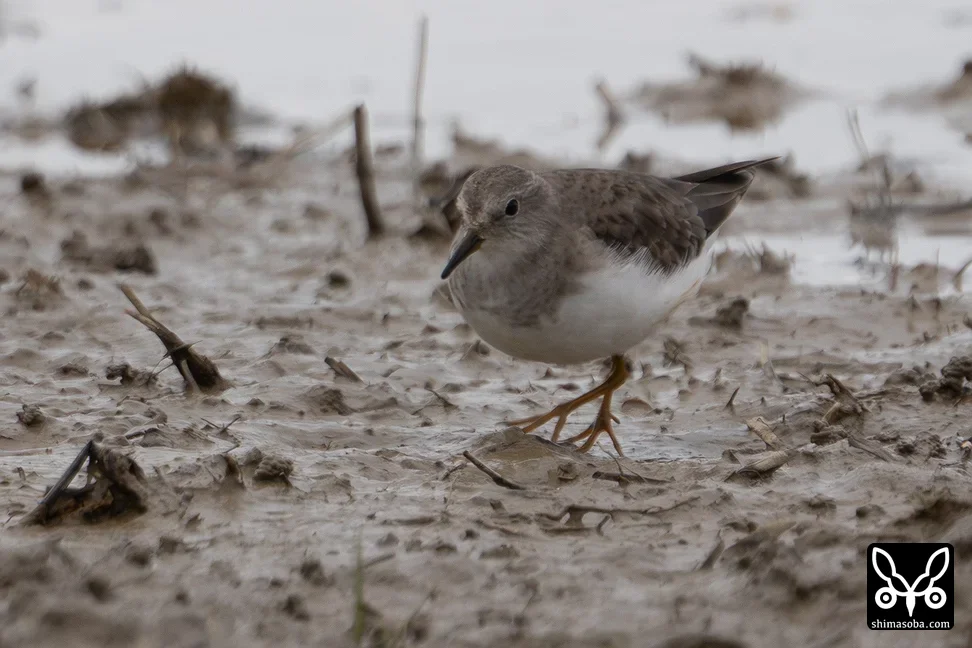
Temminck's Stint
Temminck's Stint

Red-necked Stint, first-winter plumage. There were about three of them.

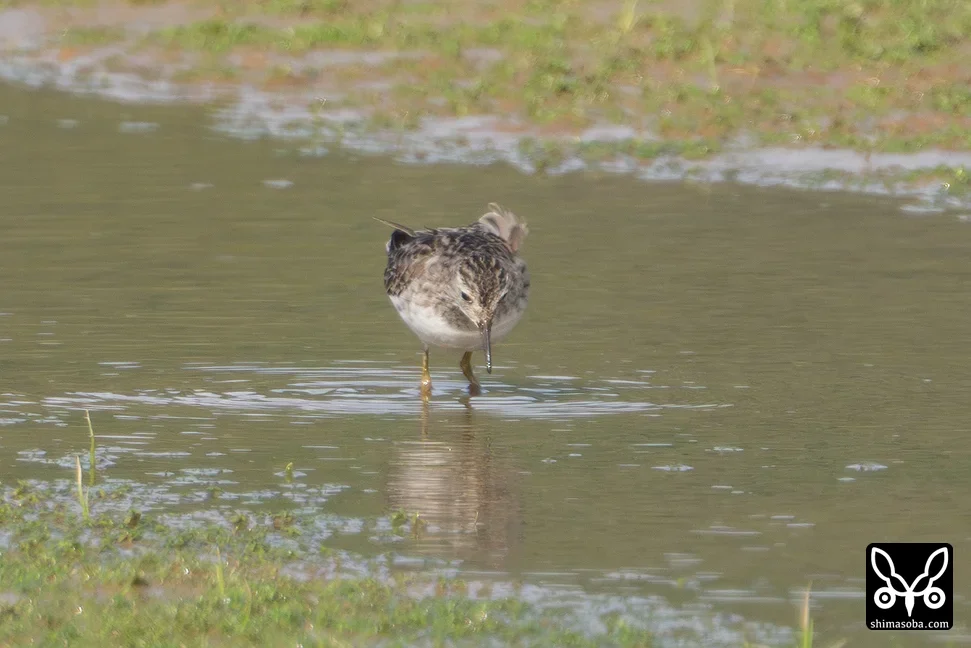
Long-toed Stint
Long-toed Stint

Long-toed Stint, first-winter plumage. There are fewer overwintering birds this year.

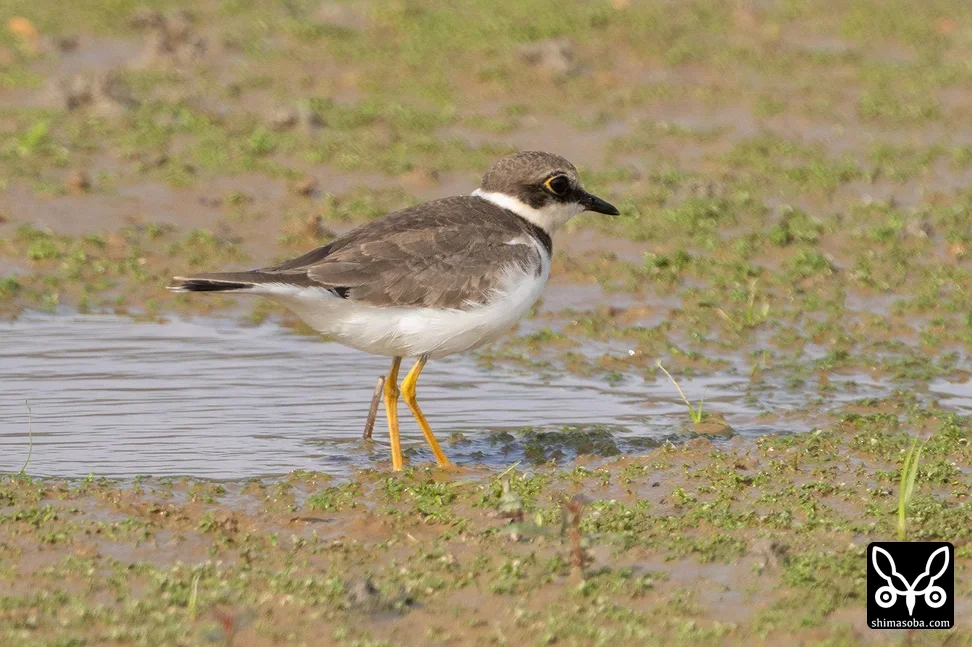
Little Ringed Plover, first-winter plumage.

Categories: 野鳥

Short-eared Owl, Crested Serpent Eagle, Grey-faced Buzzard

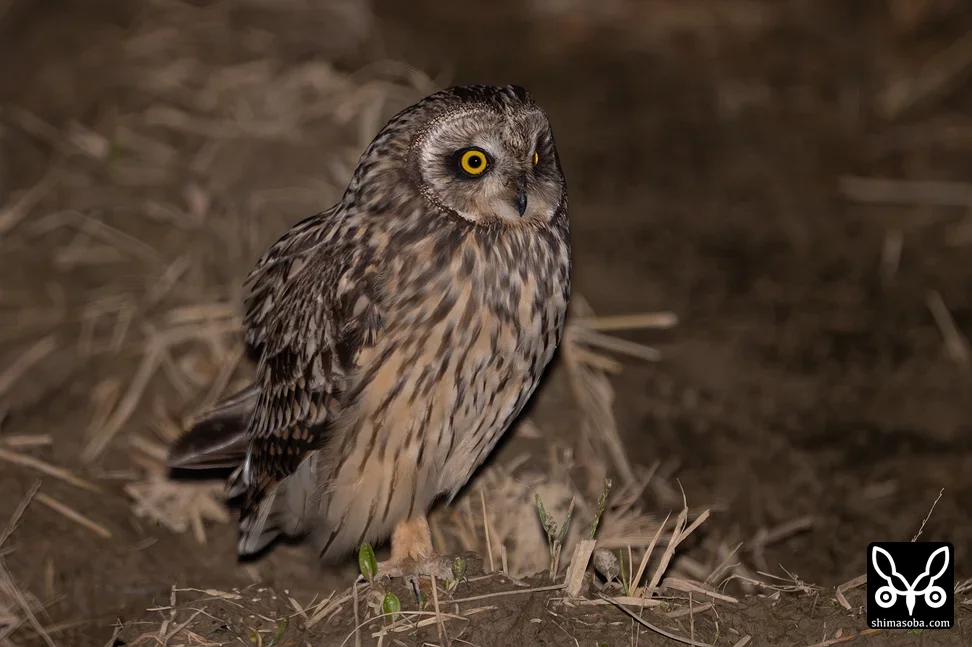
A Short-eared Owl has come to winter here again this season. Many other raptors are also wintering, including Upland Buzzard, Peregrine Falcon, Grey-faced Buzzard, Common Kestrel, and Hen Harrier.
Short-eared Owl
Short-eared Owl

Short-eared Owl in the rice fields. This individual doesn't mind people, so it's easy to watch — but I don't want to disturb its hunting, so I kept the record shots to under a minute.

Crested Serpent Eagle

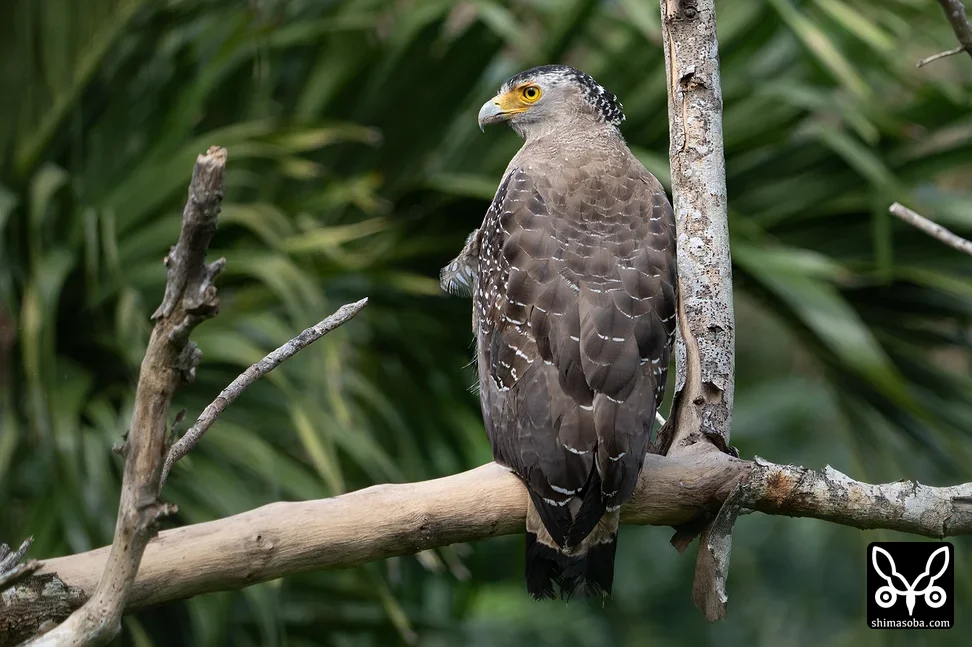
A Crested Serpent Eagle in a spot I don't usually see them.

Grey-faced Buzzard
Grey-faced Buzzard

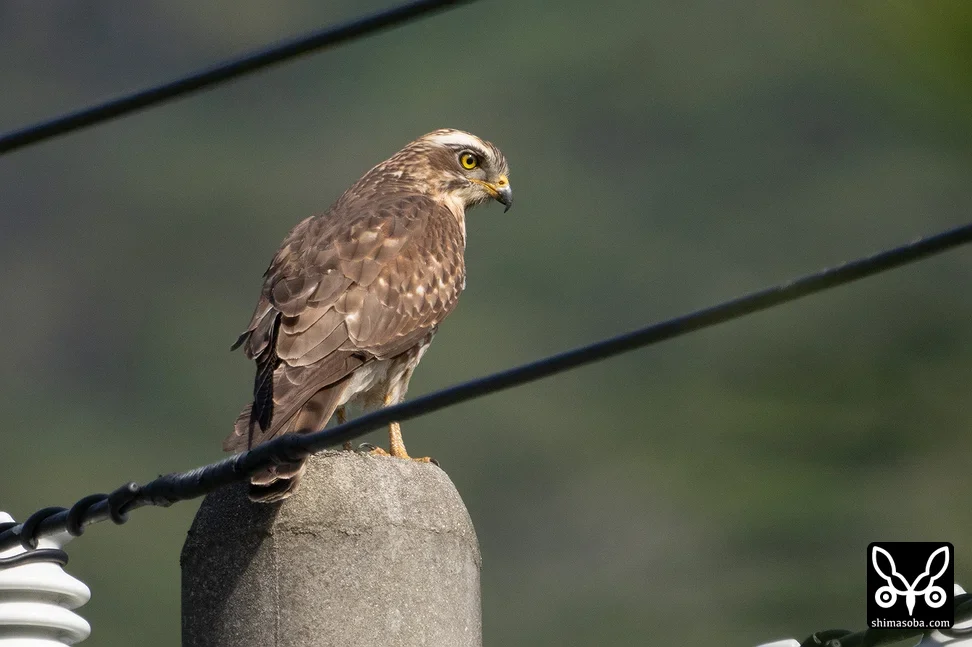
A juvenile Grey-faced Buzzard scanning the grassland for prey.

Categories: 野鳥

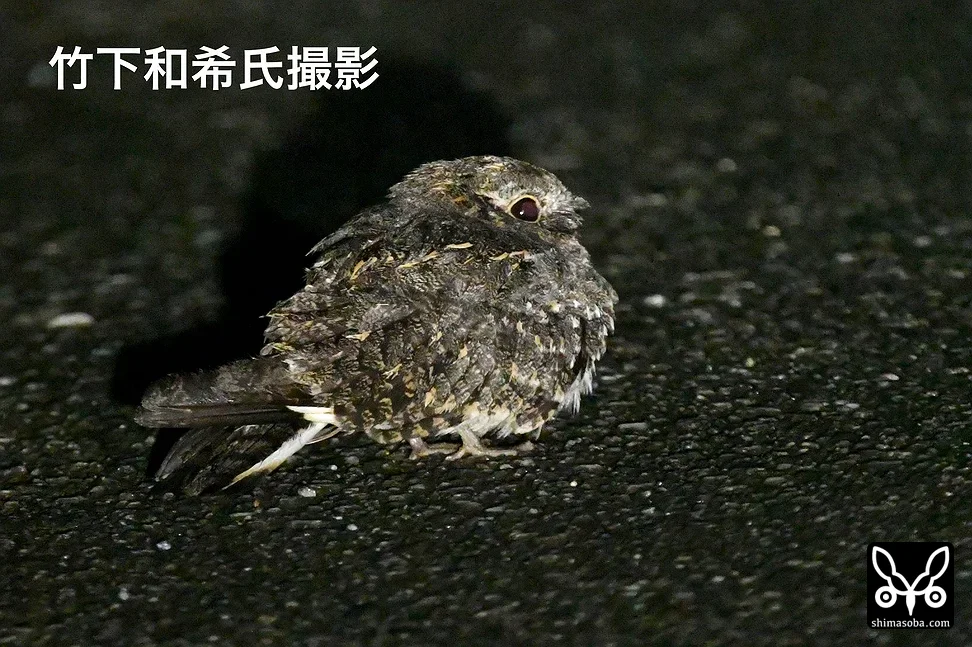
First Japanese Record — Savanna Nightjar!!

Friends on Okinawa's main island contacted me to say a Savanna Nightjar had turned up, so I made a quick dash to see it. I finished covering my company's relay-race event at full speed, jumped on the last ANA flight, and landed at Naha Airport. Takeshita-kun, who had first spotted the Savanna Nightjar, came to meet me, and together with a young businessman just back from Europe we rushed to the site in Yomitan.

Takeshita-kun and a crowd of other Okinawa acquaintances had gathered, and the Savanna Nightjar was found almost as soon as the search began. Congratulating myself as usual on my good bird luck, I thought, "this is easy" — and the three of us took a relaxed attitude, figuring we had plenty of time until the first flight out in the morning and could take a good long look after everyone else had gone home.

Then came the moment to get serious. I took over driving from the jet-lagged young businessman and made circuits of the farmland at the spot. We were overconfident, and time just slipped by without any sign of the bird. Before I knew it, it was 6 a.m. — time to head for the airport. Incredibly, after those first two brief views, the bird never reappeared, and the whirlwind trip was over.

Unfortunately I got no photographs this time, but I did manage to see its compact, charming little shape. ^^

Seeing the location in person, I think there is every chance of finding one in the Yaeyamas too. I hope to track one down on Ishigaki Island before long. ^^

White-throated Nightjar

Large-tailed Nightjar — a first record for Japan!! I wasn't able to get a photo myself, so Takeshita-kun kindly provided one!!

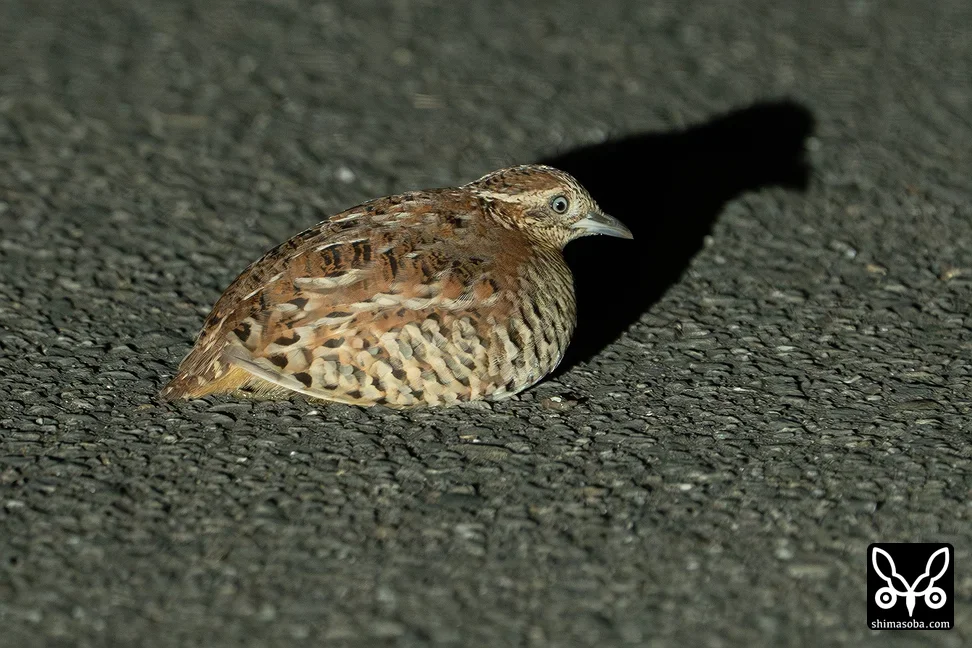
Barred Buttonquail
Barred Buttonquail

This is the Barred Buttonquail I mistook for the Large-tailed Nightjar. ^^; For some reason it was in the middle of the road late at night.

Categories: 野鳥

Geese and Ducks All Present

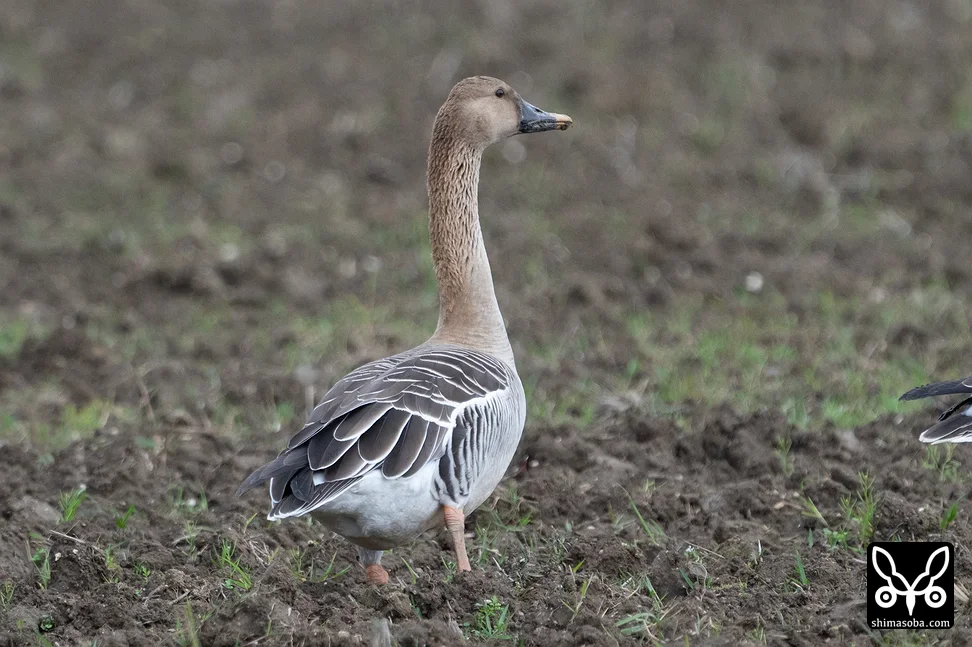
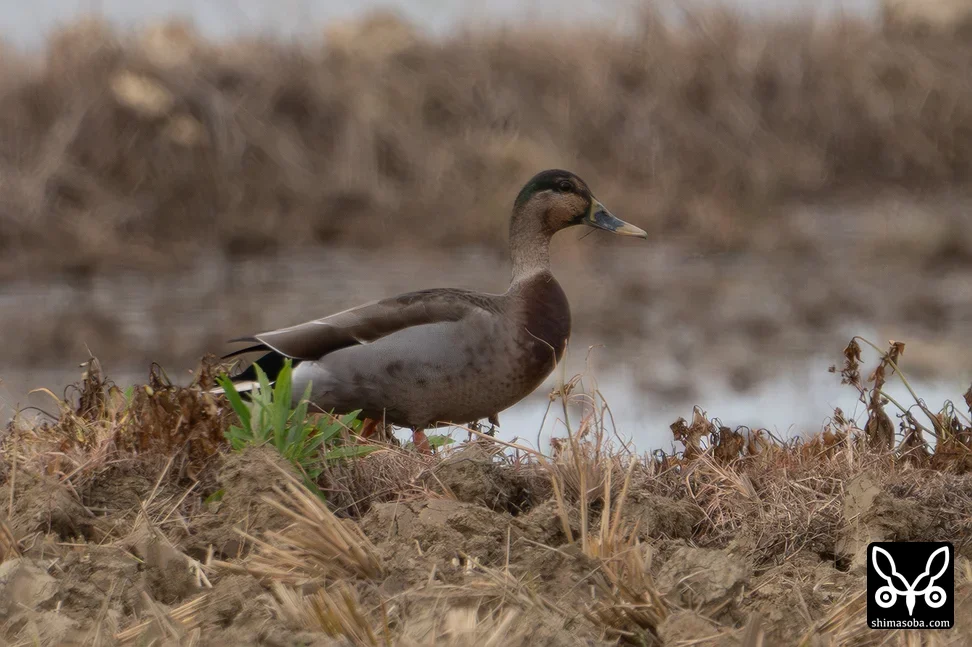
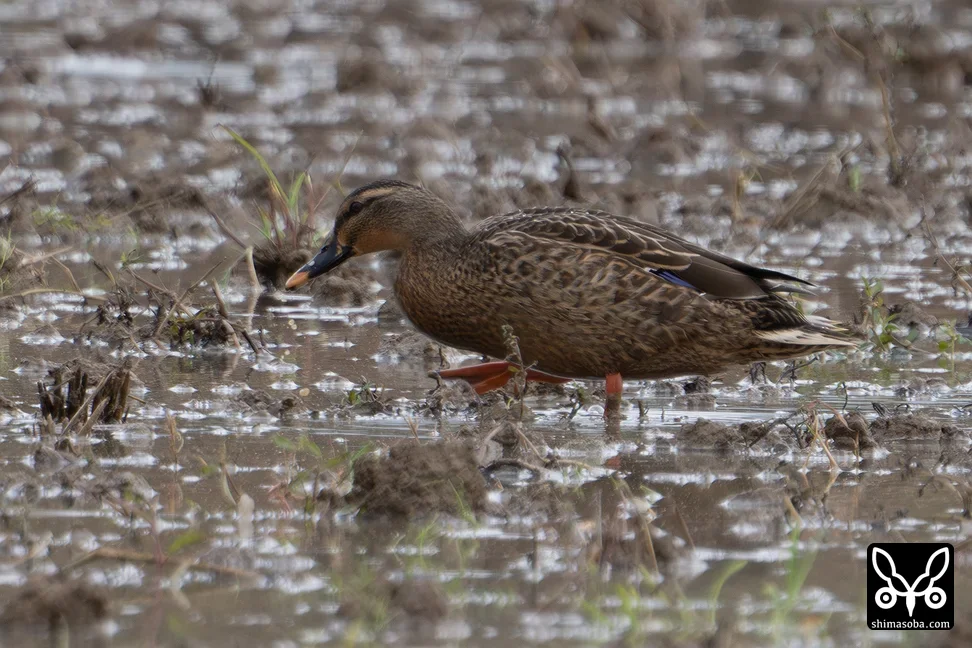
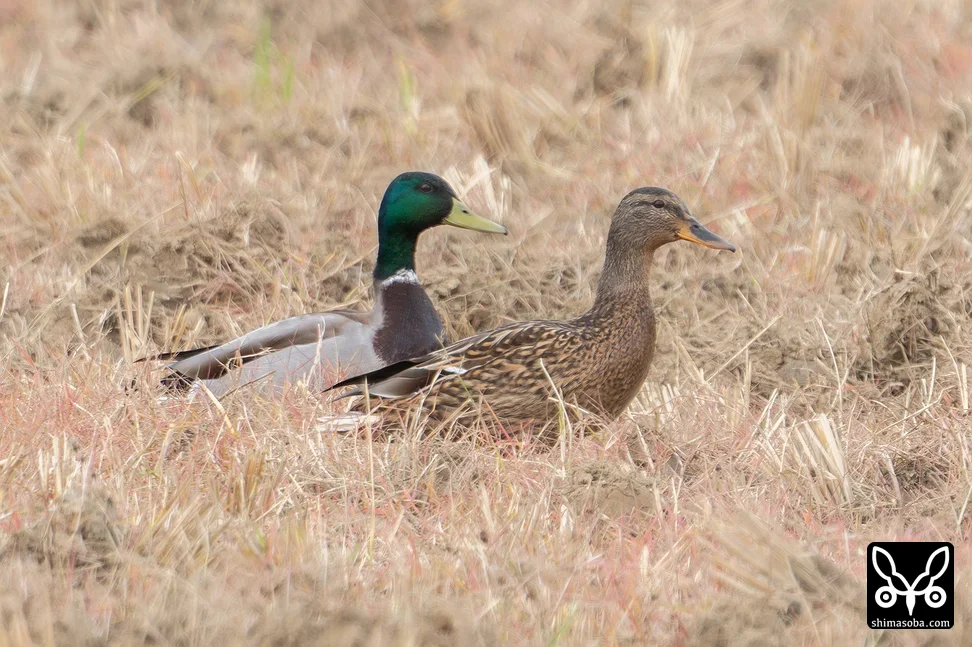
The wintering ducks of Ishigaki Island are all assembled. Six Greylag Geese, Taiga Bean Geese, and Greater Bean Geese have arrived; in the rice paddies the most numerous ducks are Eastern Spot-billed Ducks, Northern Shovelers, and Eurasian Wigeons, while a large flock of Tufted Ducks is on the reservoir. Mallards, Eurasian Teals, Northern Pintails, Gadwalls, and Falcated Ducks are also present. This season I am seeing Mallard × Eastern Spot-billed Duck hybrids frequently.

Update, 3 March 2024

The six Greylag Geese that were on Ishigaki Island until around the end of January were on Kume Island as of late February. I hear a Smew is also there; since the Greylag Geese on Ishigaki sometimes used the same reservoir as a Smew, that bird too may have moved from Ishigaki.

Greylag Goose
Greylag Goose

The Grey-lag Geese have been here since last year — a long stay. All five are present.

Tundra Bean Goose
Tundra Bean Goose

A small-type Bean Goose is also still around.

Bean Goose
Bean Goose

Two Bean Geese staying in the area.

Hybrid
Hybrid

Mallard × Eastern Spot-billed Duck hybrid.

Hybrid
Hybrid

Another Mallard × Eastern Spot-billed Duck hybrid.

Mallard
Mallard

A pair of Mallards.

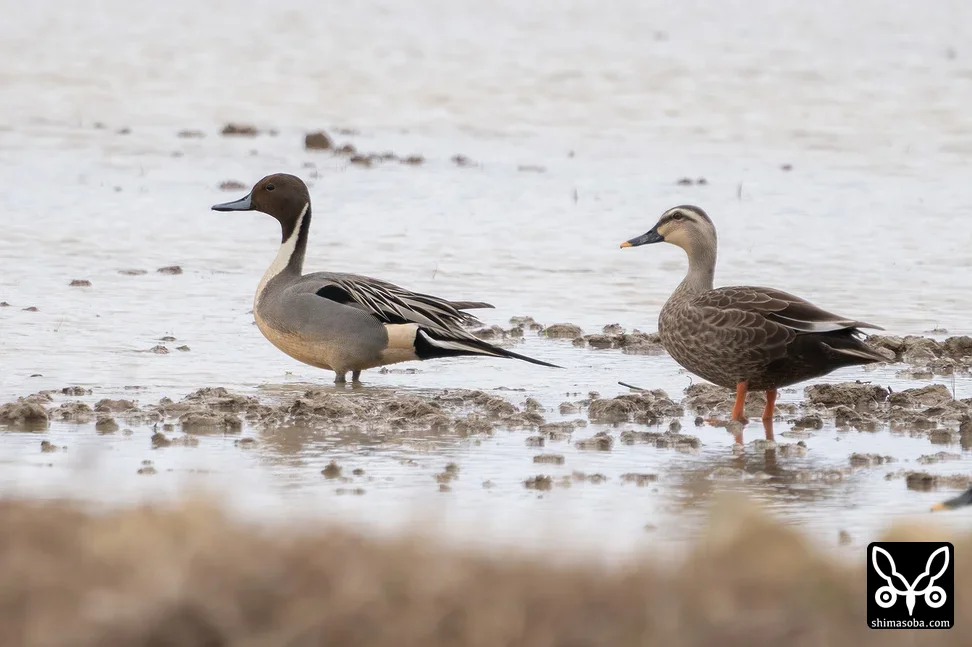
Northern Pintail
Northern Pintail / Eastern Spot-billed Duck

Northern Pintail male (left) and Eastern Spot-billed Duck.

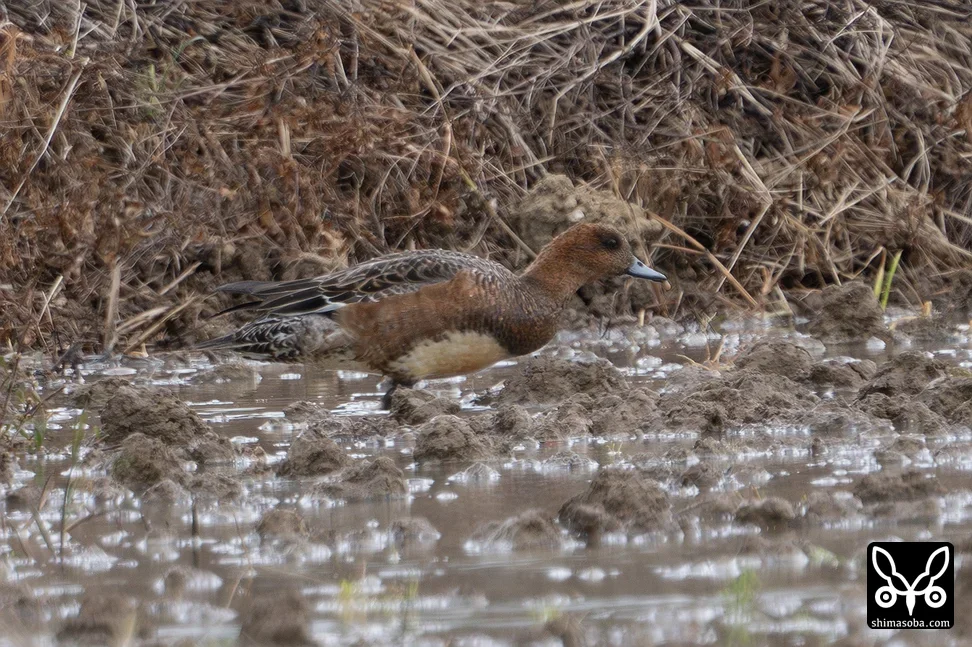
Eurasian Wigeon
Eurasian Wigeon

Eurasian Wigeon female, non-breeding plumage.

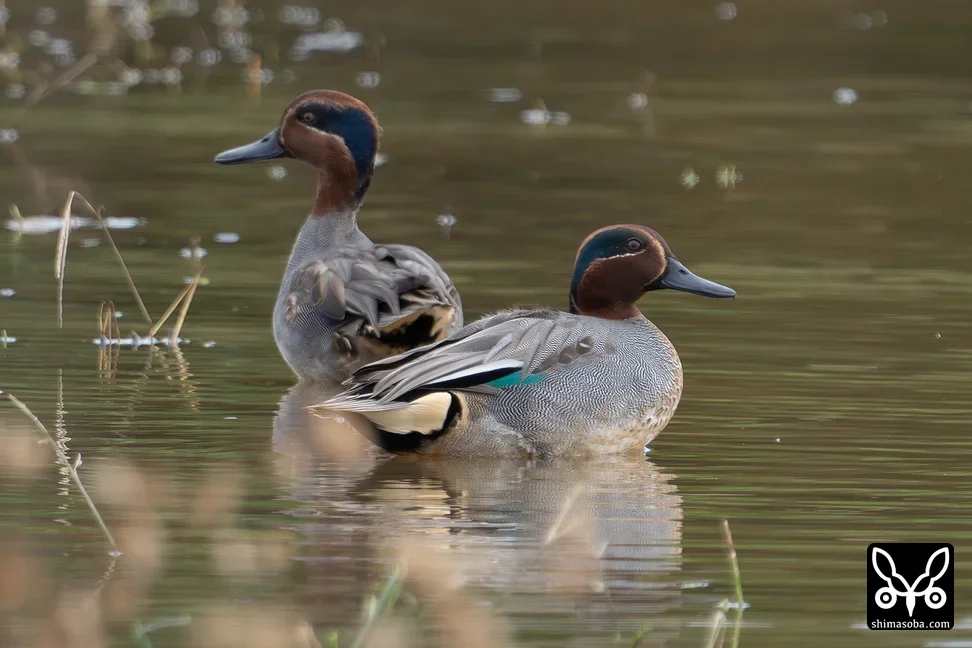
Eurasian Teal
Eurasian Teal

Eurasian Teal male, breeding plumage.

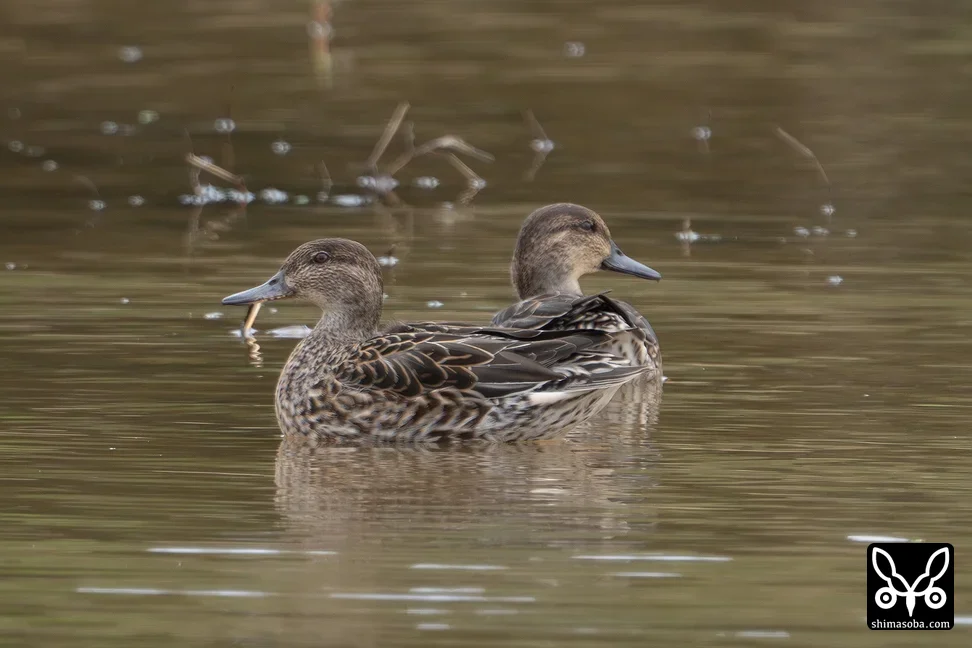
Eurasian Teal
Eurasian Teal

Eurasian Teal female, non-breeding plumage.

Falcated Duck
Falcated Duck

Falcated Duck male. Moulting from juvenile to first-winter breeding plumage.

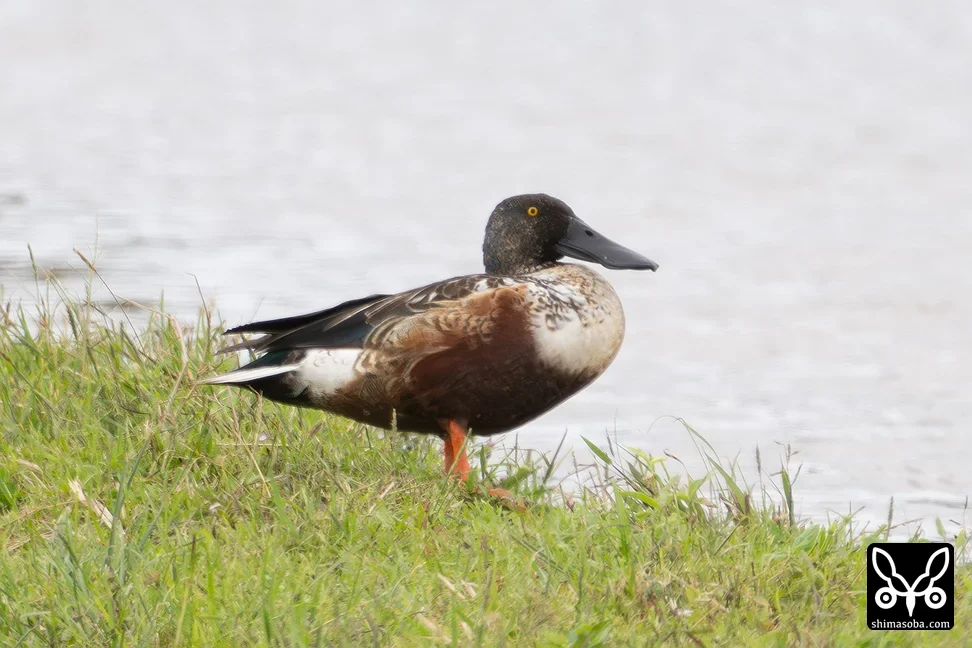
Northern Shoveler
Northern Shoveler

Northern Shoveler male. Transitioning from eclipse to breeding plumage.

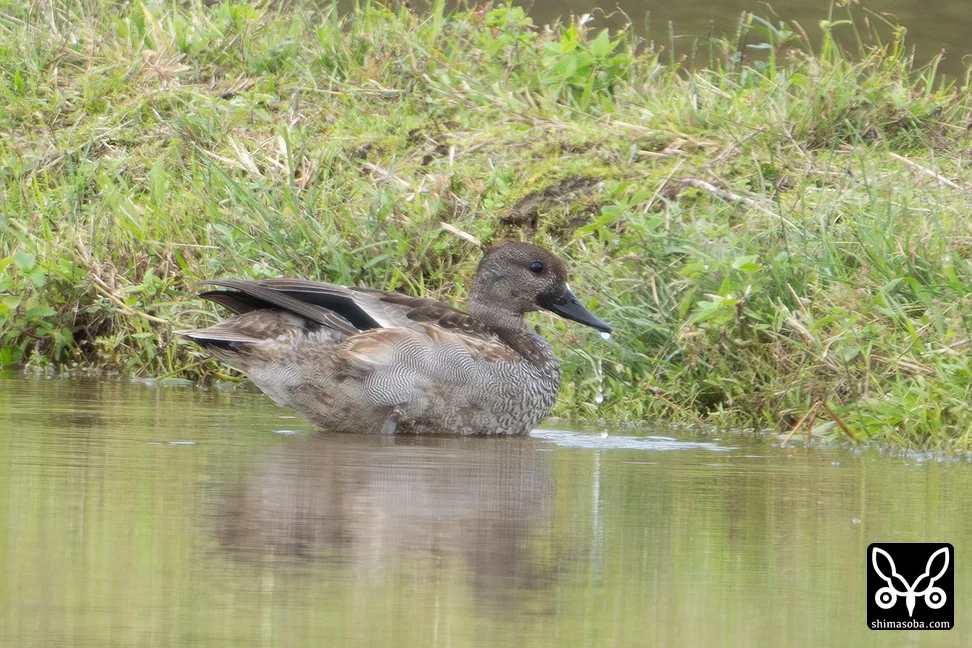
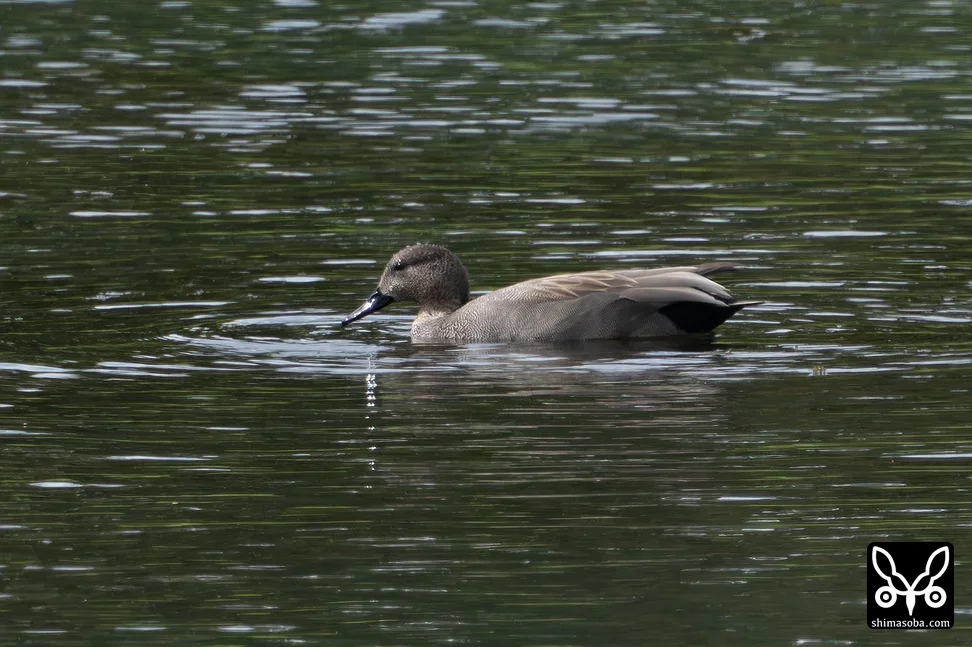
Gadwall
Gadwall

Gadwall male, breeding plumage.

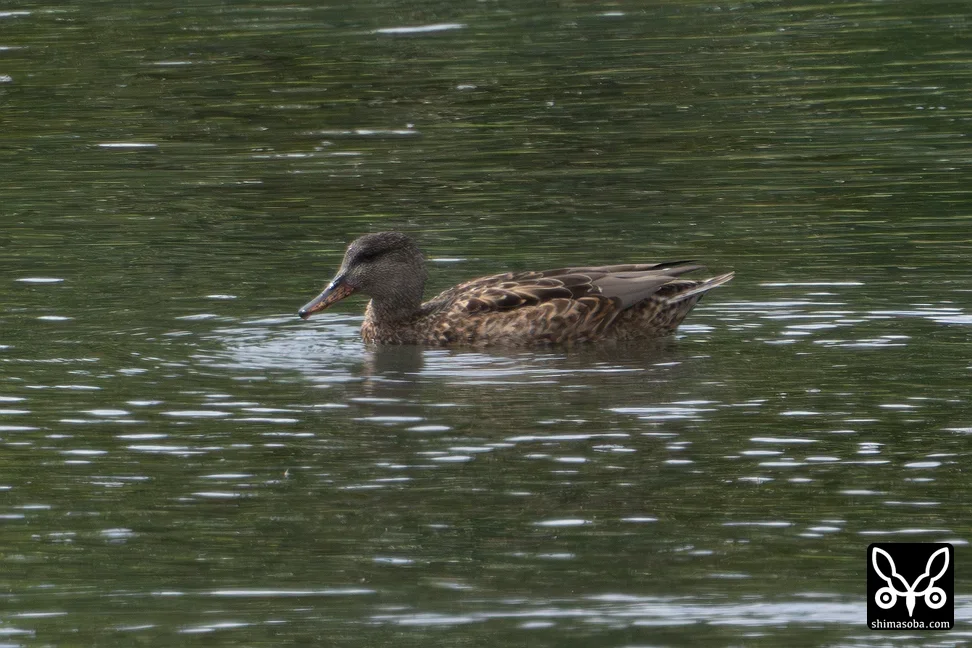
Gadwall
Gadwall

Female non-breeding Gadwall.

Tufted Duck
Tufted Duck / Common Pochard

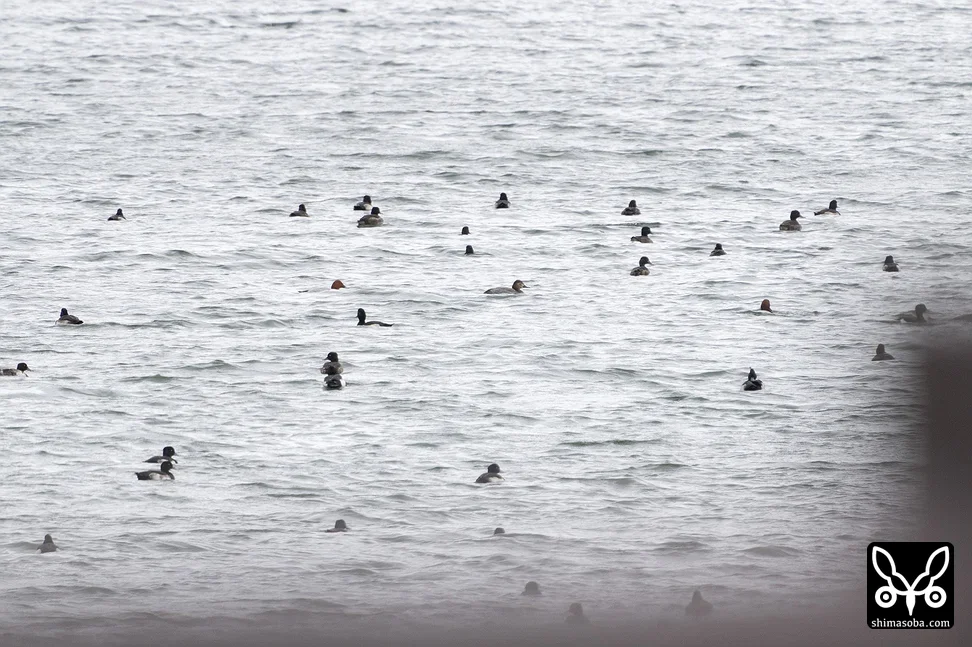
Ten Common Pochards joined a flock of 150 Tufted Ducks.

Categories: 野鳥

Wintering Waders

Shorebirds are wintering along the coast and in the rice paddies. The most numerous are Greater Sand Plovers, Siberian Sand Plovers, and Ruddy Turnstones on the coast. Unusually for Ishigaki Island, a flock of Grey Plovers is also wintering.

Shorebird numbers in the paddies this season are low; species present include Common Greenshank, Marsh Sandpiper, Common Snipe, Wood Sandpiper, and Green Sandpiper.

Marsh Sandpiper
Marsh Sandpiper

Little Stint, winter plumage.

Common Snipe
Common Snipe

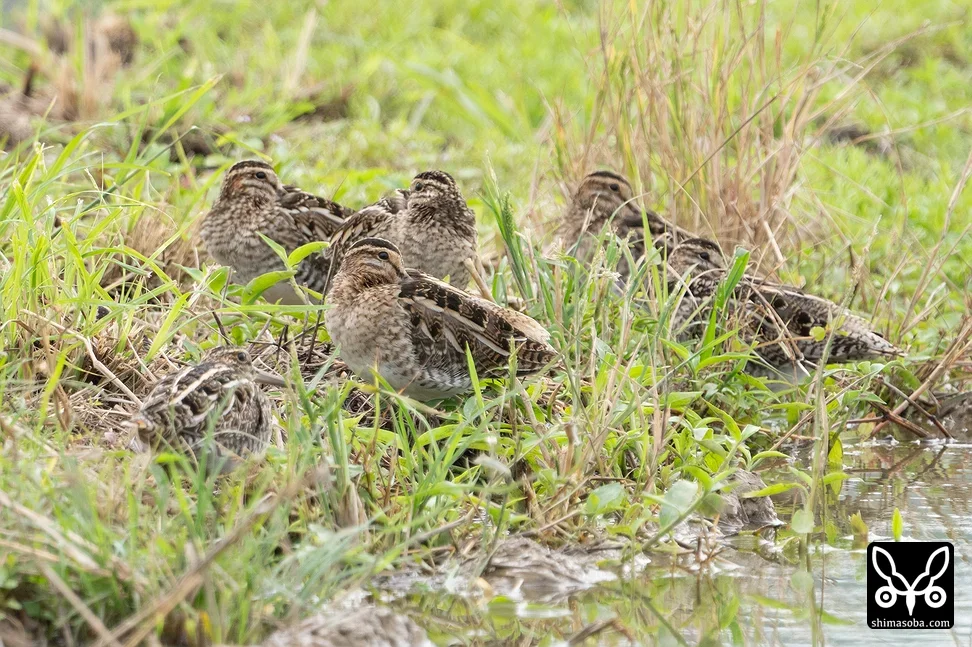
Eight Common Snipe.

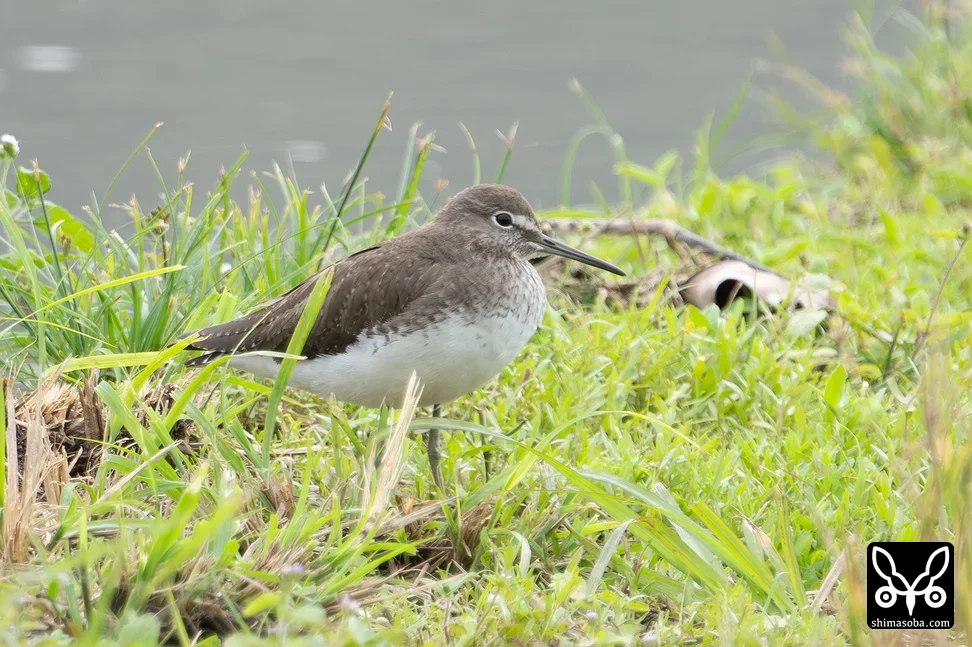
Green Sandpiper
Green Sandpiper

Green Sandpiper, first-winter plumage.

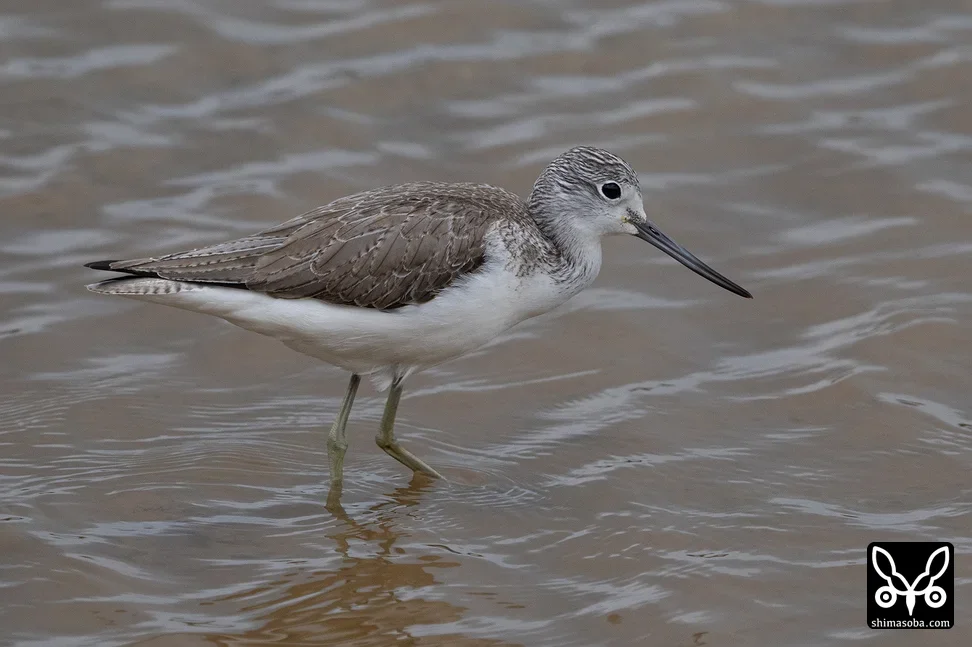
Common Greenshank
Common Greenshank

Solitary Snipe, first-winter plumage.

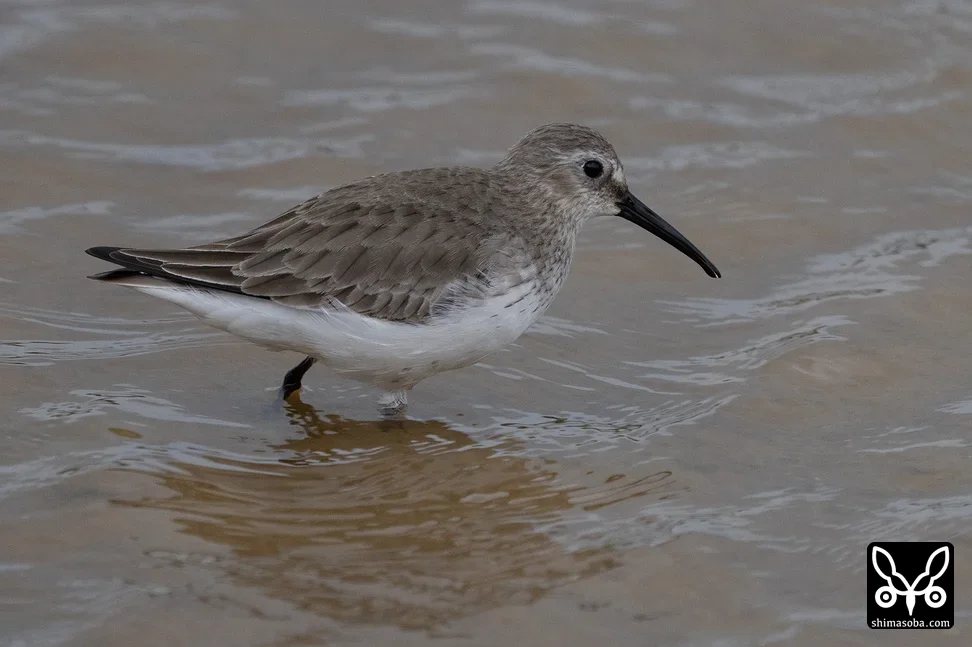
Dunlin
Dunlin

Dunlin, first-winter plumage.

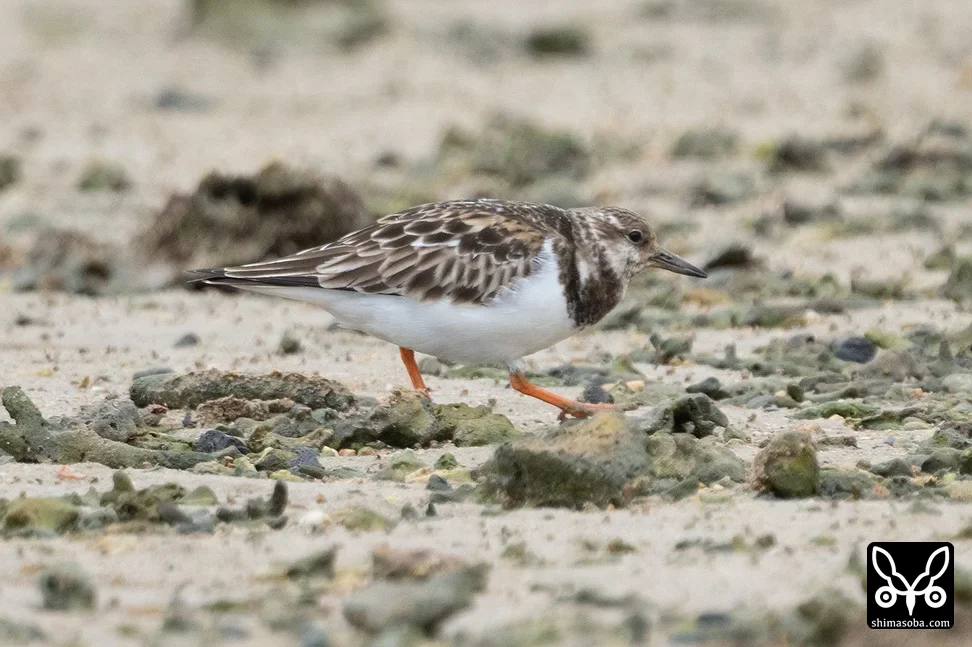
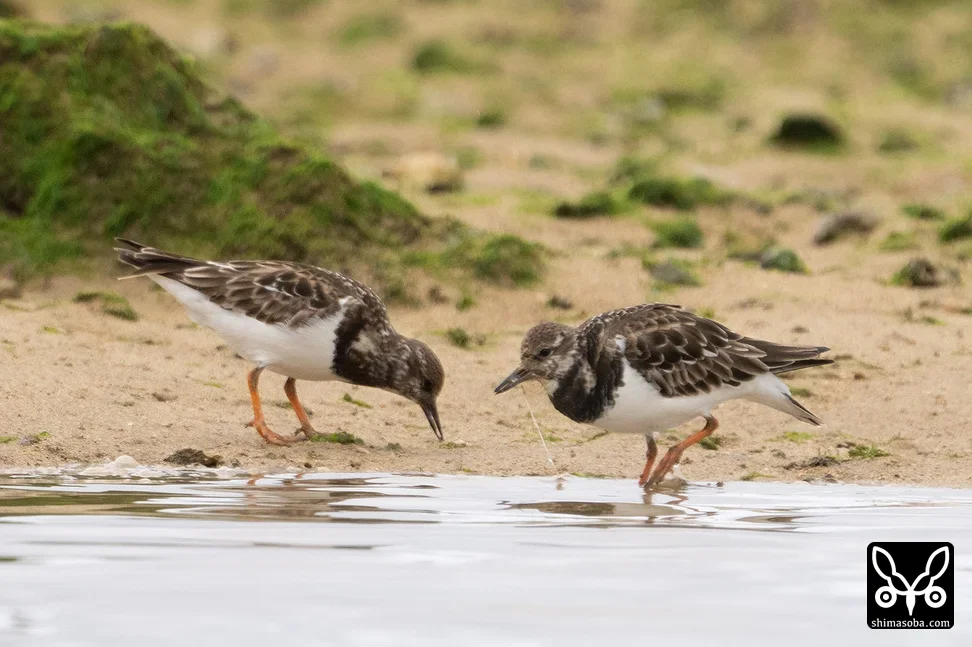
Ruddy Turnstone
Ruddy Turnstone

I was sitting and waiting on the shore when a Ruddy Turnstone came right up in front of me.

Ruddy Turnstone
Ruddy Turnstone

Besides flipping stones to look for food, the Ruddy Turnstone was also eating what appeared to be detritus.

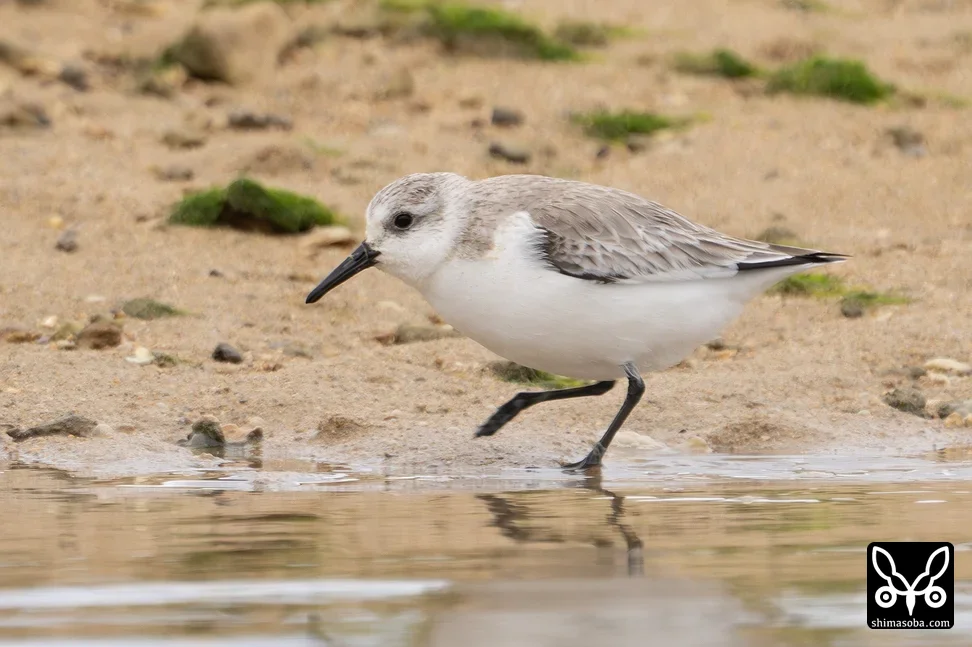
Sanderling
Sanderling

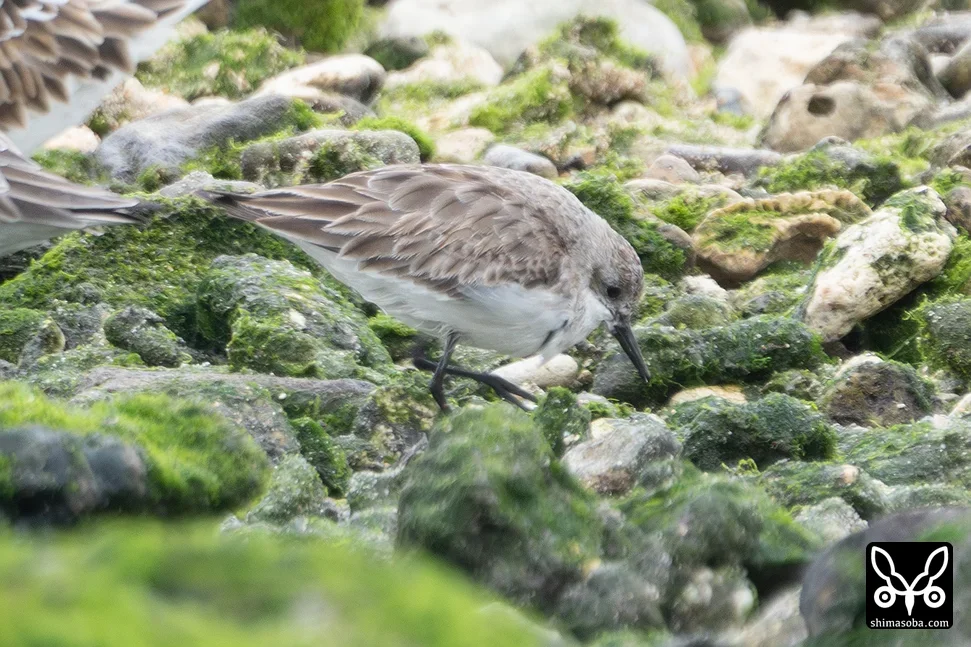
Sanderling, first-winter plumage. Wintering individuals are scarce on Ishigaki-jima.

Greater Sand Plover
Greater Sand Plover

Greater Sand Plover, winter plumage.

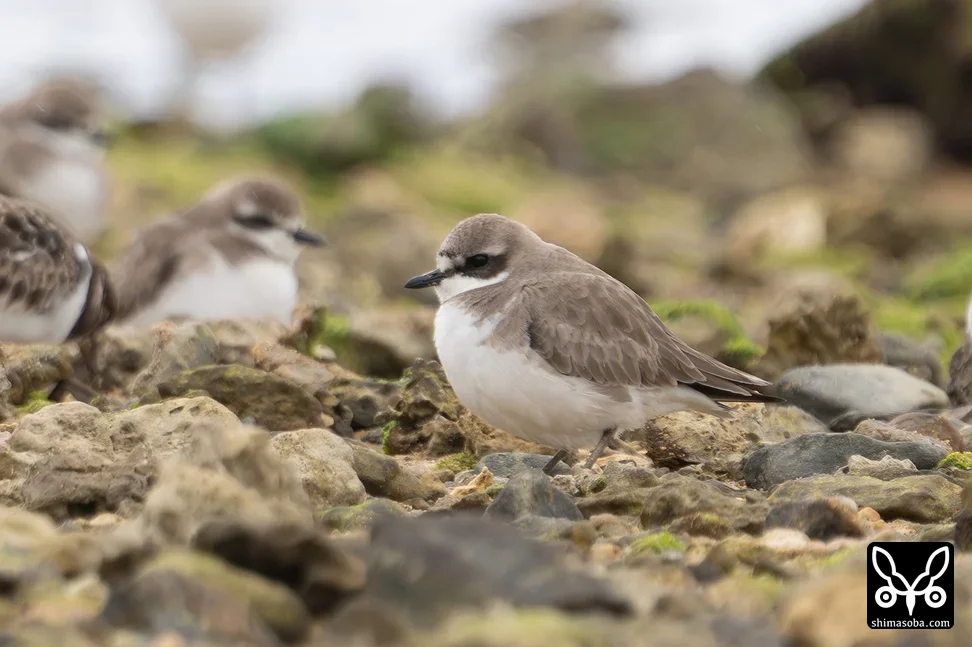
Lesser Sand Plover
Lesser Sand Plover

Lesser Sand Plover, winter plumage.

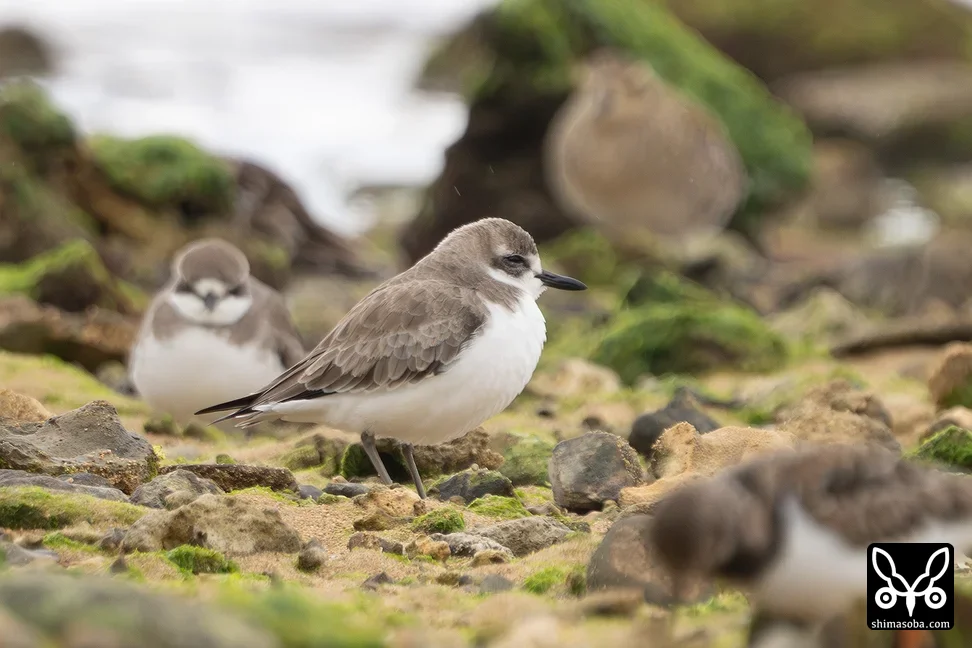
Lesser Sand Plover
Lesser Sand Plover

Lesser Sand Plover, first-winter plumage.

Greater Sand Plover
Greater Sand Plover

Greater Sand Plover, first-winter plumage.

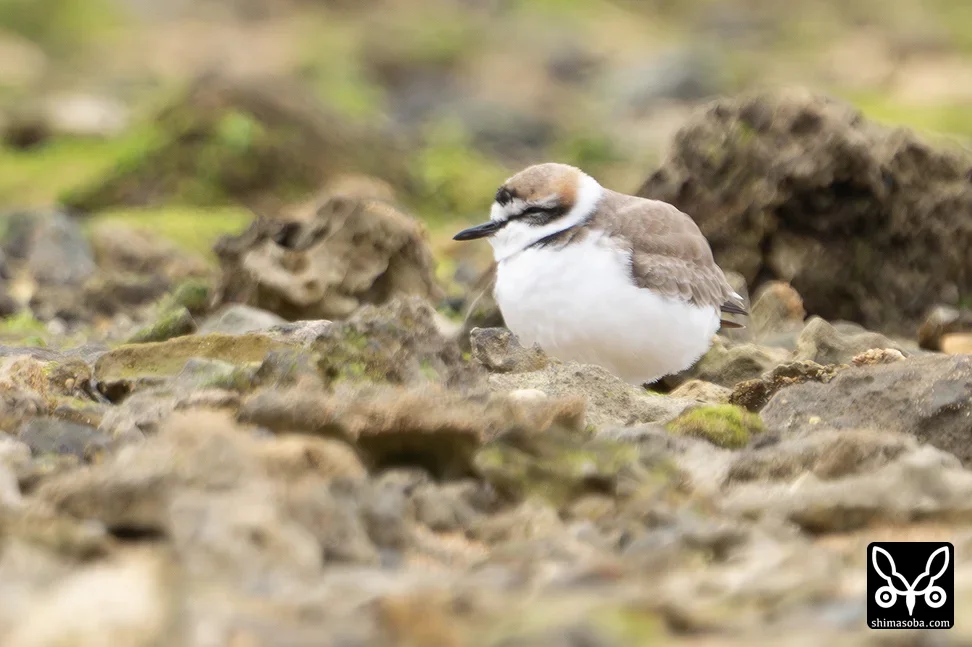
Kentish Plover
Kentish Plover

A male Kentish Plover already transitioning into breeding plumage.

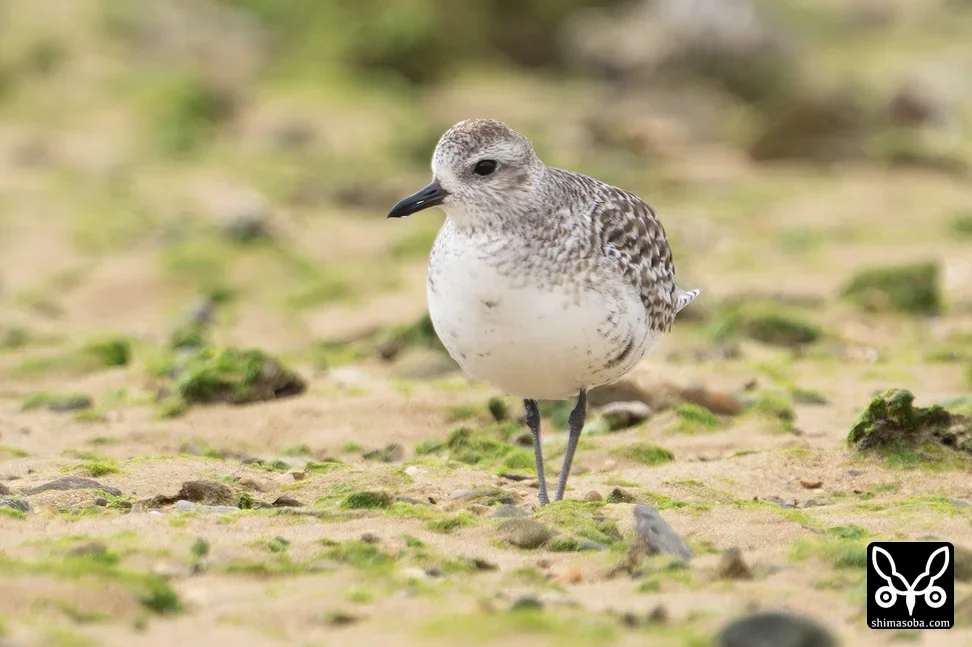
Grey Plover
Grey Plover

Grey Plover, winter plumage.

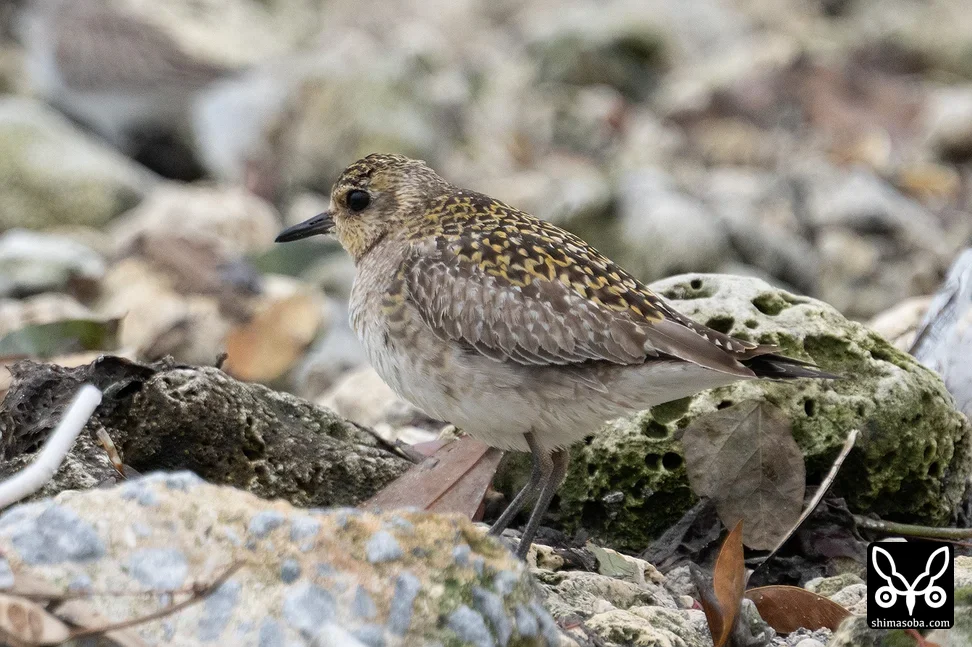
Pacific Golden Plover

Pacific Golden Plover, first-winter plumage.

Greater Sand Plover
Greater Sand Plover / Lesser Sand Plover

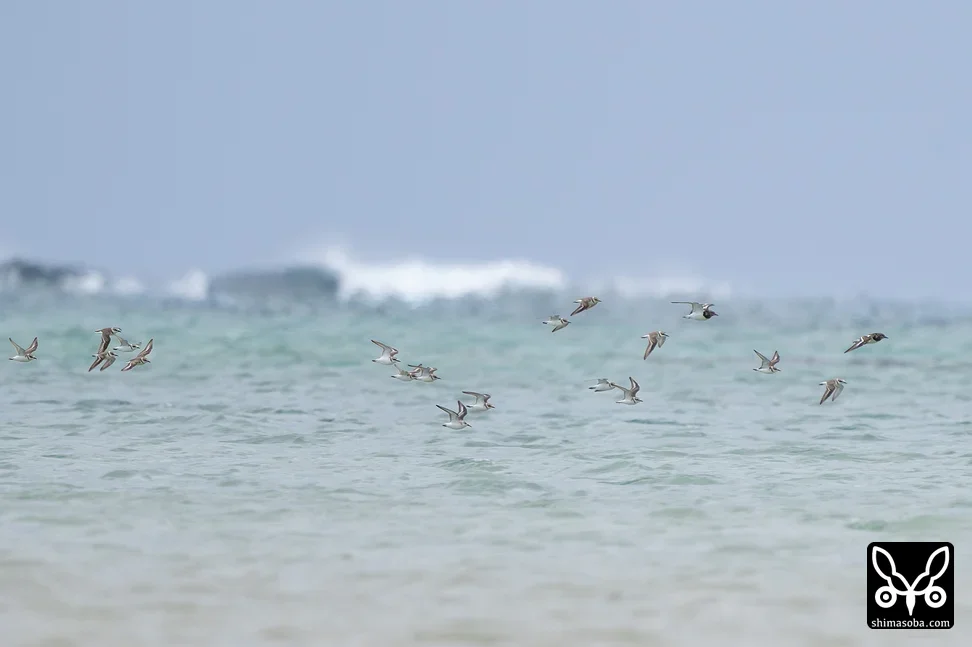
Lesser Sand Plovers and Greater Sand Plovers wheeling about after being startled by a Peregrine Falcon.

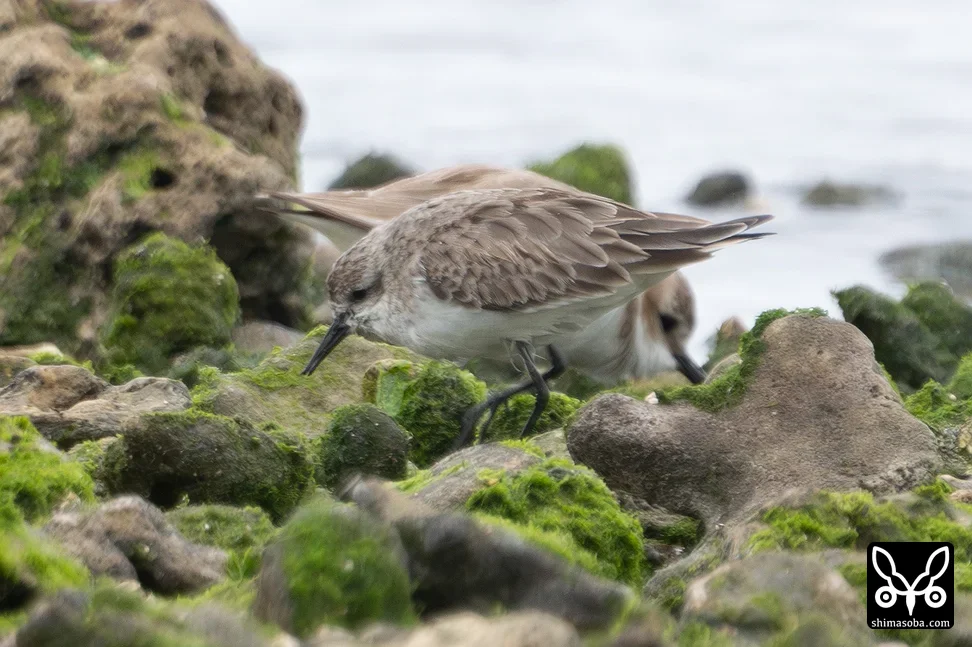
Red-necked Stint
Red-necked Stint

In the field I thought this was a Little Stint, but it appears to be a Red-necked Stint.

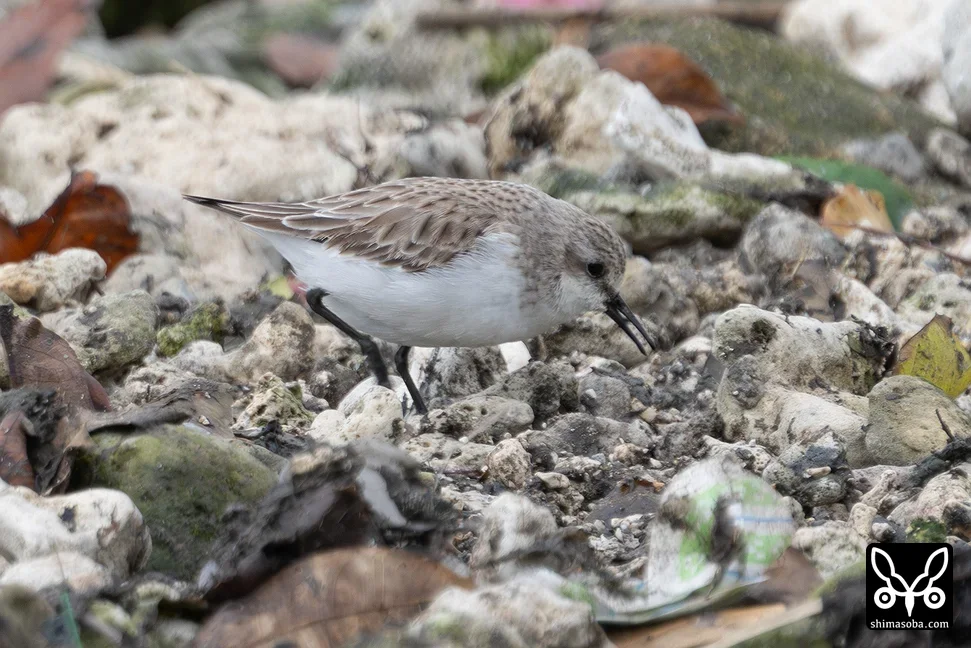
Red-necked Stint
Red-necked Stint

This one also looked like a Little Stint to me — but.

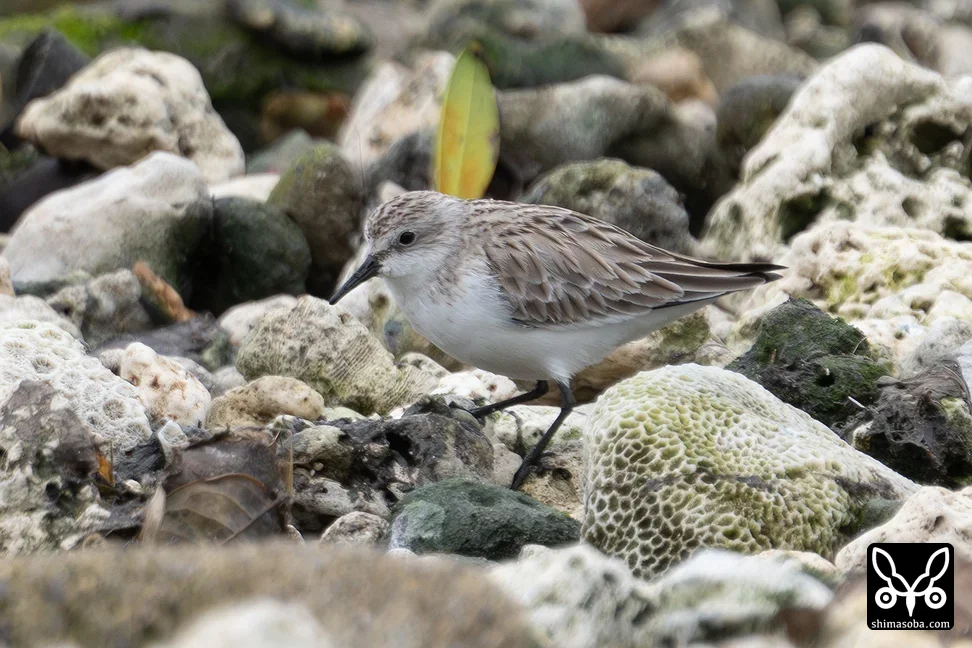
Red-necked Stint
Red-necked Stint

Same individual as above.

Red-necked Stint
Red-necked Stint

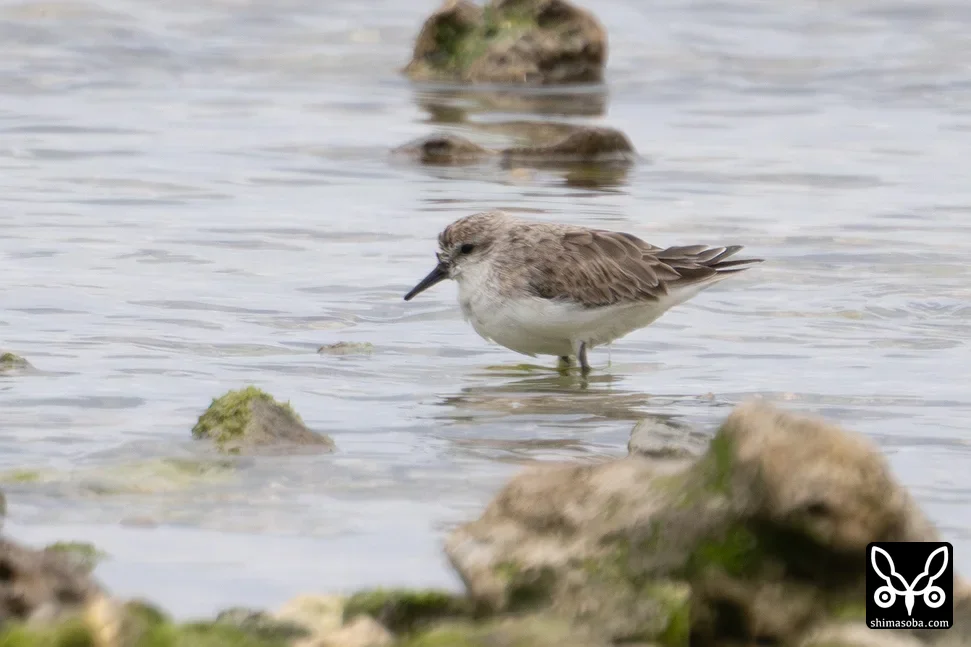
Red-necked Stint, first-winter plumage.

Red-necked Stint
Red-necked Stint

Red-necked Stint, first-winter plumage.

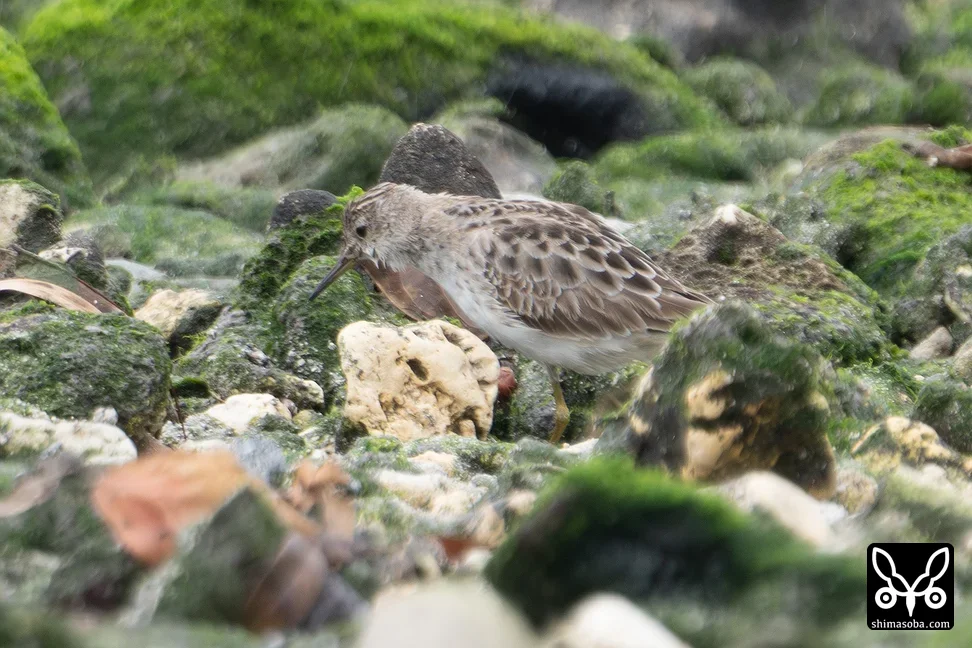
Long-toed Stint
Long-toed Stint

Long-toed Stint, first-winter plumage.

Temminck's Stint
Temminck's Stint

Temminck's Stints usually come in groups of two or three, but this time it was a flock of 12.

Categories: 野鳥

White Wagtail, Eastern Yellow Wagtail, Red-throated Pipit, and Others

Eastern Yellow Wagtails and Red-throated Pipits briefly increased in number, but they are now declining. Numbers are considerably lower than in a typical year.

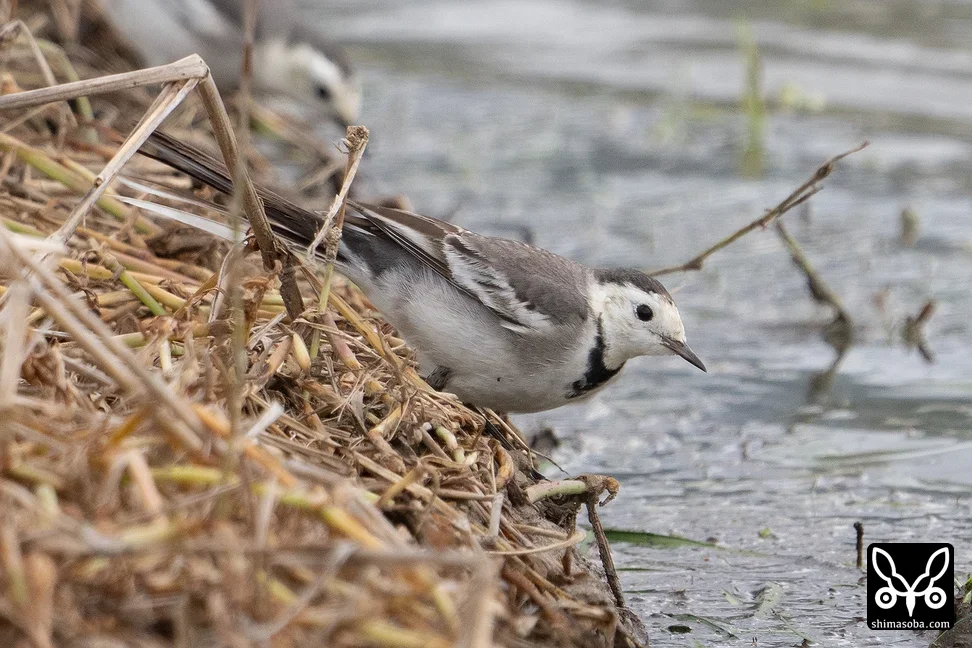
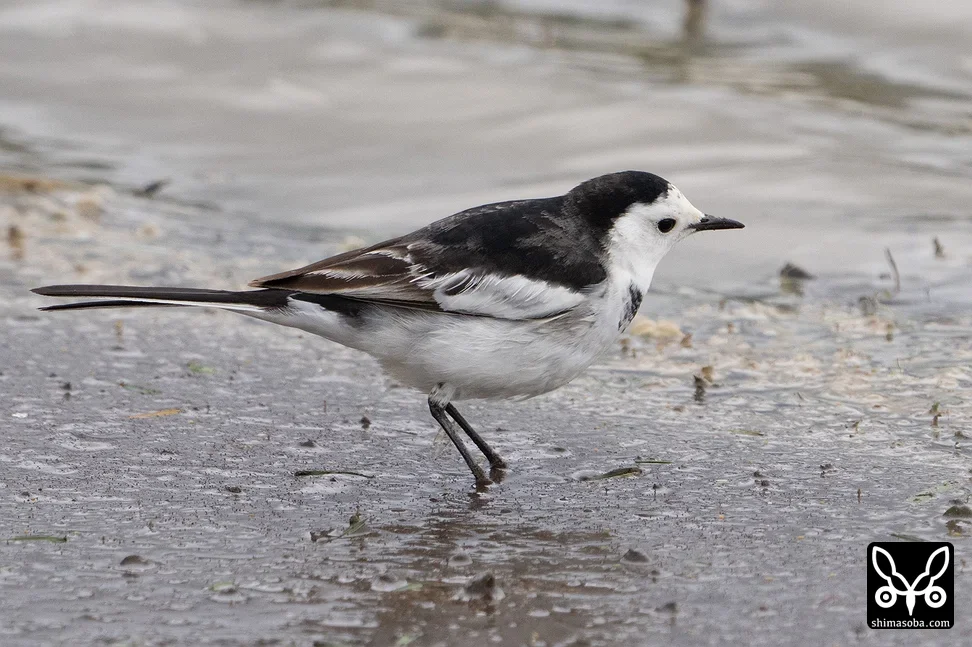
White Wagtail
White Wagtail

White Wagtail (leucopsis), female, first-winter plumage.

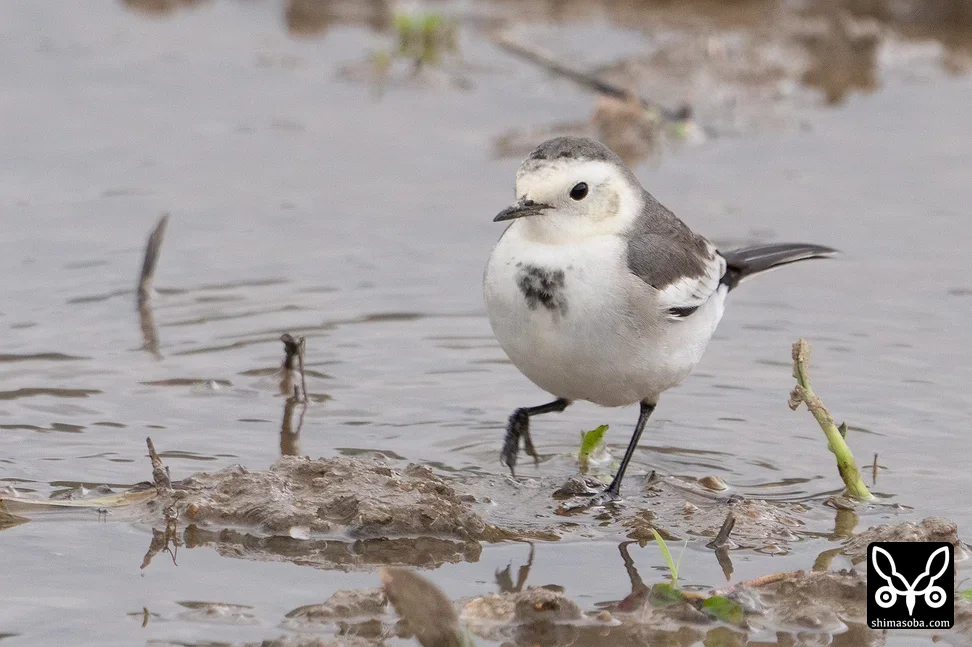
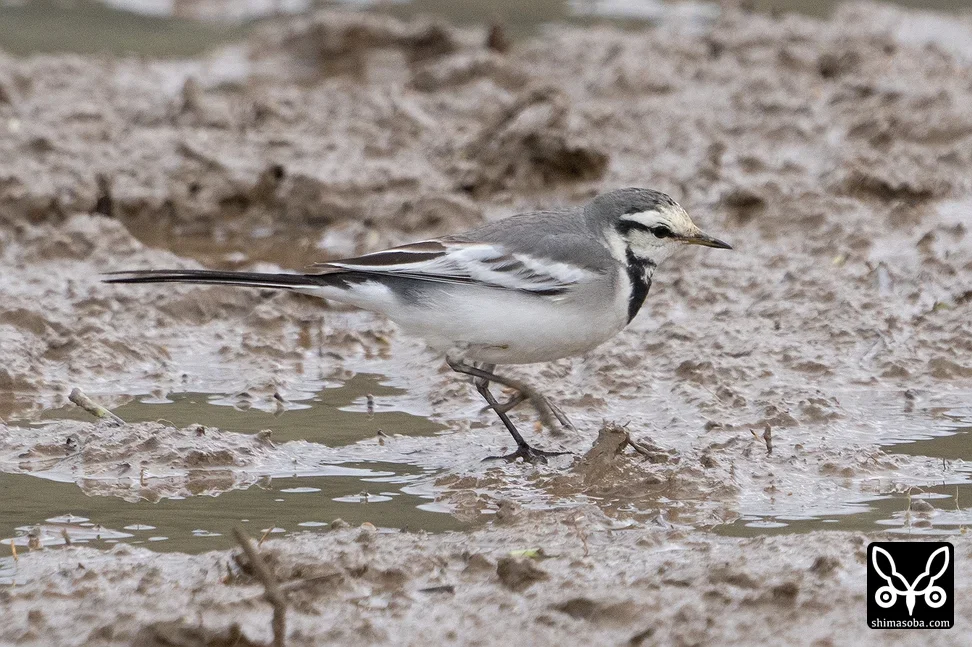
White Wagtail
White Wagtail

Also a White Wagtail (leucopsis), female, first-winter plumage.

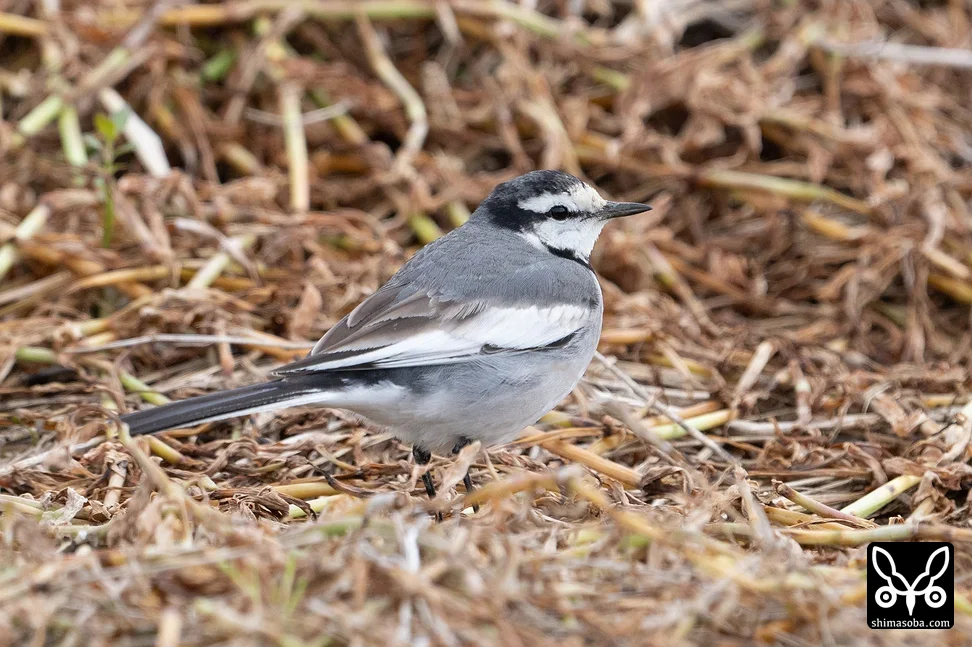
White Wagtail
White Wagtail

Same individual as above. The bib is quite small, isn't it.

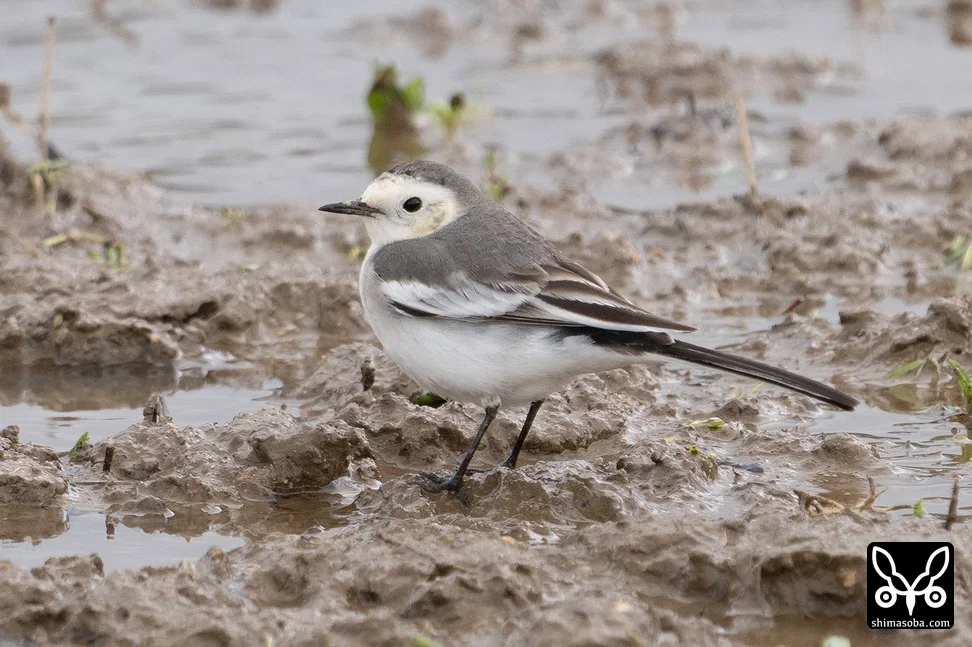
White Wagtail
White Wagtail

White Wagtail (leucopsis), winter plumage.

White Wagtail
White Wagtail

White Wagtail, female, first-winter plumage.

White Wagtail
White Wagtail

White Wagtail, female, winter plumage.

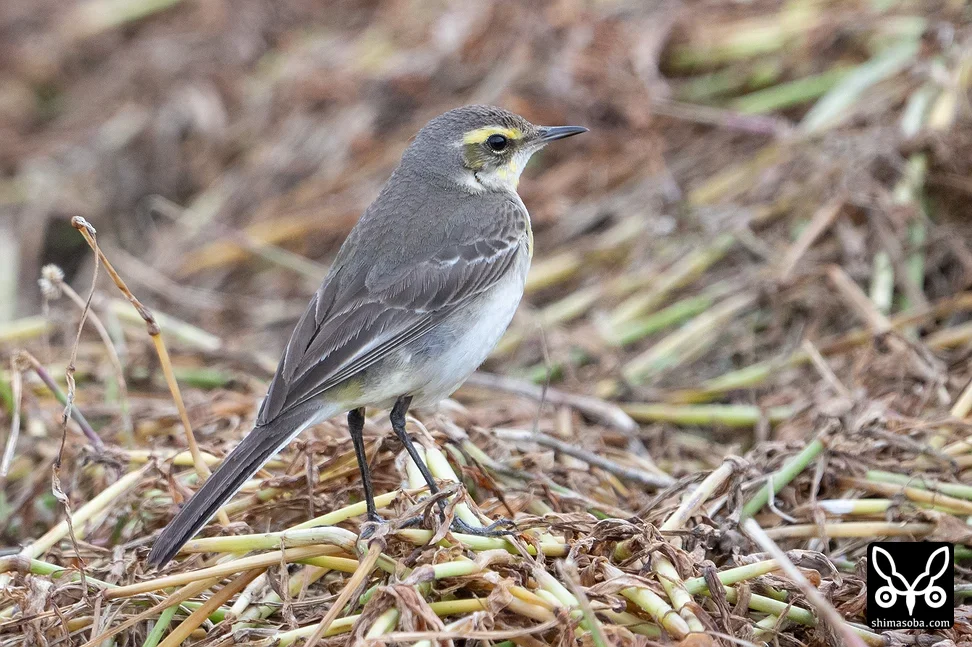
Eastern Yellow Wagtail

(Yellow-browed) Citrine Wagtail, first-winter plumage.

Eastern Yellow Wagtail

First-winter (Yellow-browed) Eastern Yellow Wagtail as well.

Eastern Yellow Wagtail

Female winter (Yellow-browed) Eastern Yellow Wagtail.

Red-throated Pipit
Red-throated Pipit

First-winter Red-throated Pipit.

Red-throated Pipit
Red-throated Pipit

Winter-plumage Red-throated Pipit.

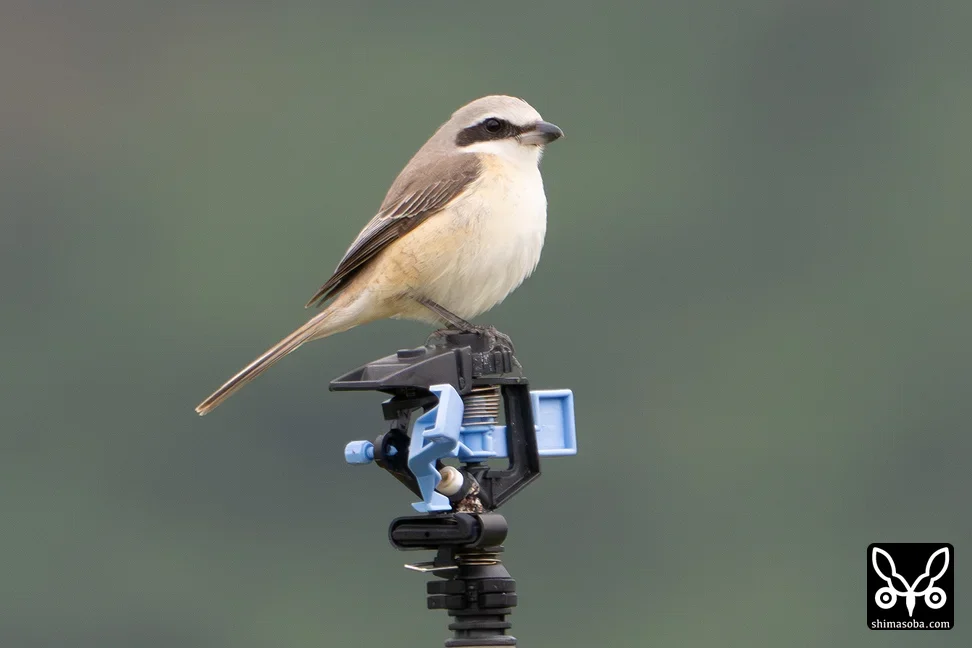
Isabelline Shrike
Isabelline Shrike

Adult female Brown Shrike.

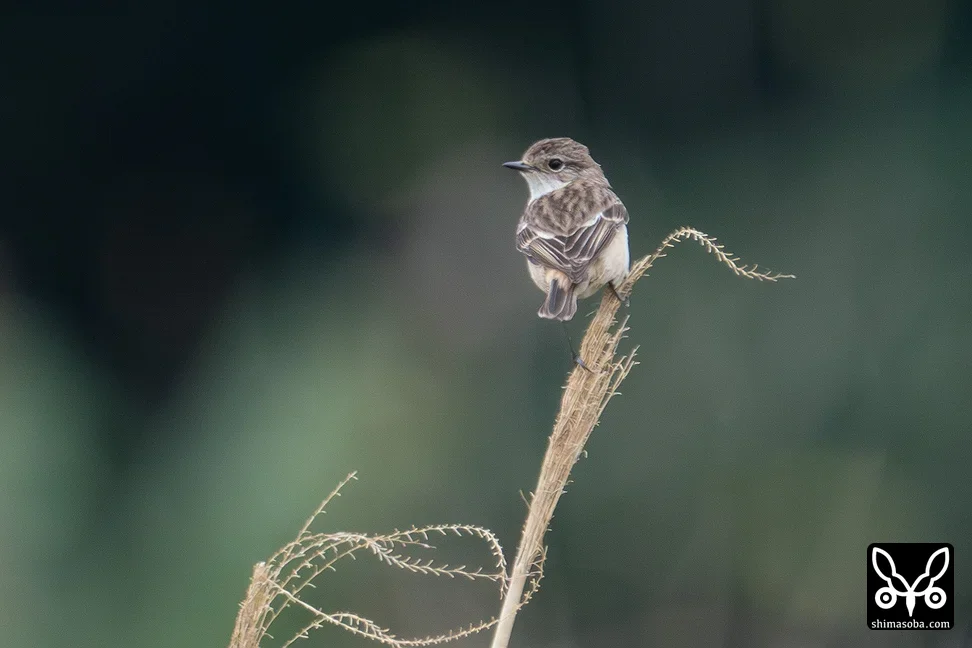
Siberian Stonechat
Siberian Stonechat

Female Siberian Stonechat.

Categories: 野鳥

Black-winged Kite, Upland Buzzard, Crested Serpent Eagle Juvenile, Peregrine Falcons, and More (with Video)

This season Ishigaki Island has a rich variety of raptors, including wintering birds. Upland Buzzards: three birds at two locations on the island. Peregrine Falcons: juveniles, subadults, and adults all seem to be present in unusually high numbers. Common Kestrels are everywhere.

The Black-winged Kites are approaching the end of the breeding season, and the juvenile Crested Serpent Eagles become more active in their foraging as the weather warms.

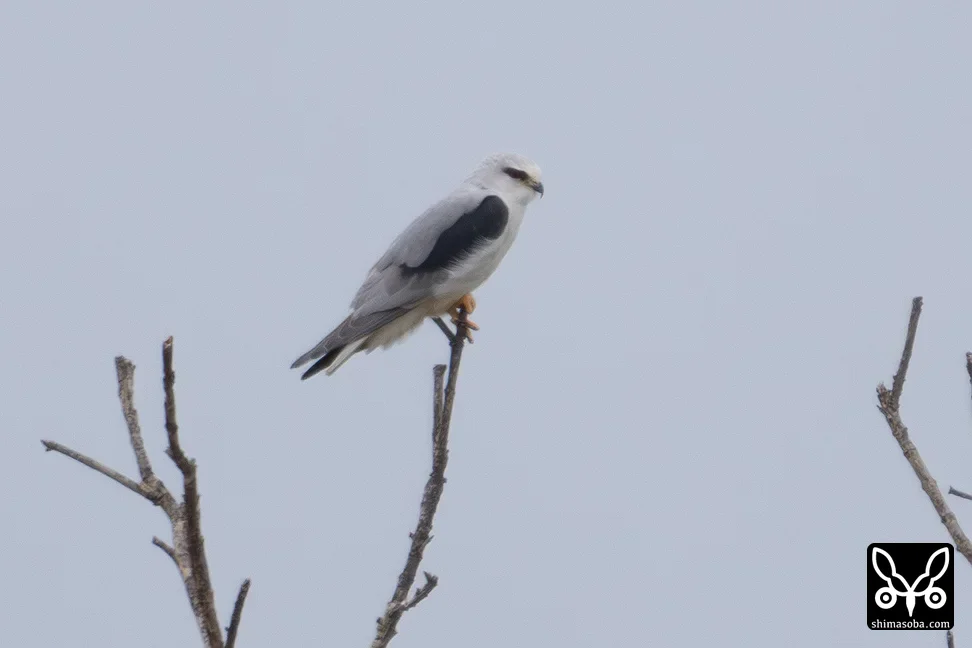
Black-winged Kite
Black-winged Kite

Black-winged Kite in the middle of breeding. The chicks will fledge soon.

Upland Buzzard
Upland Buzzard

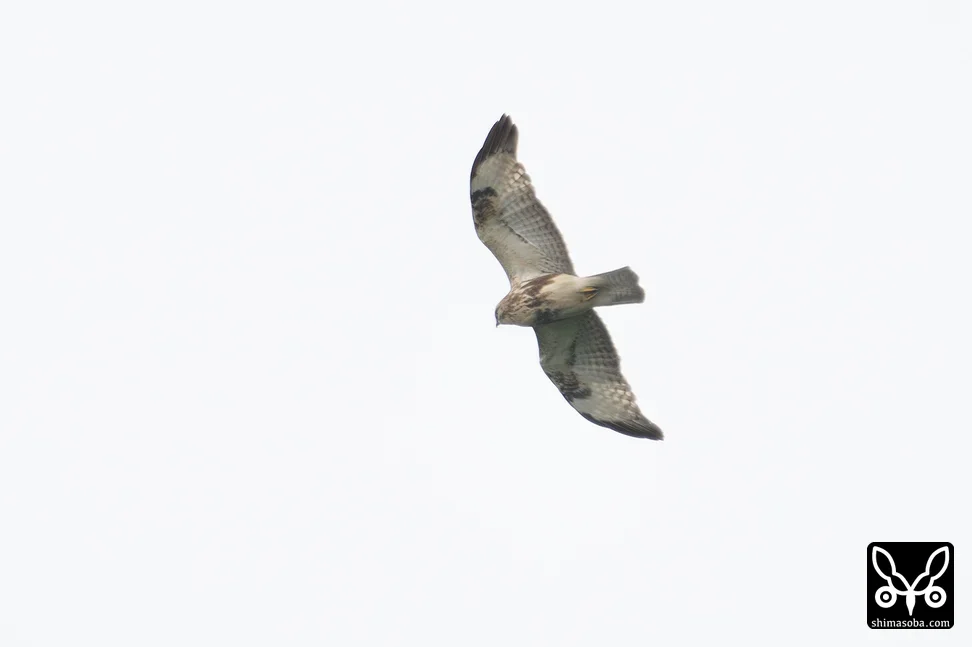
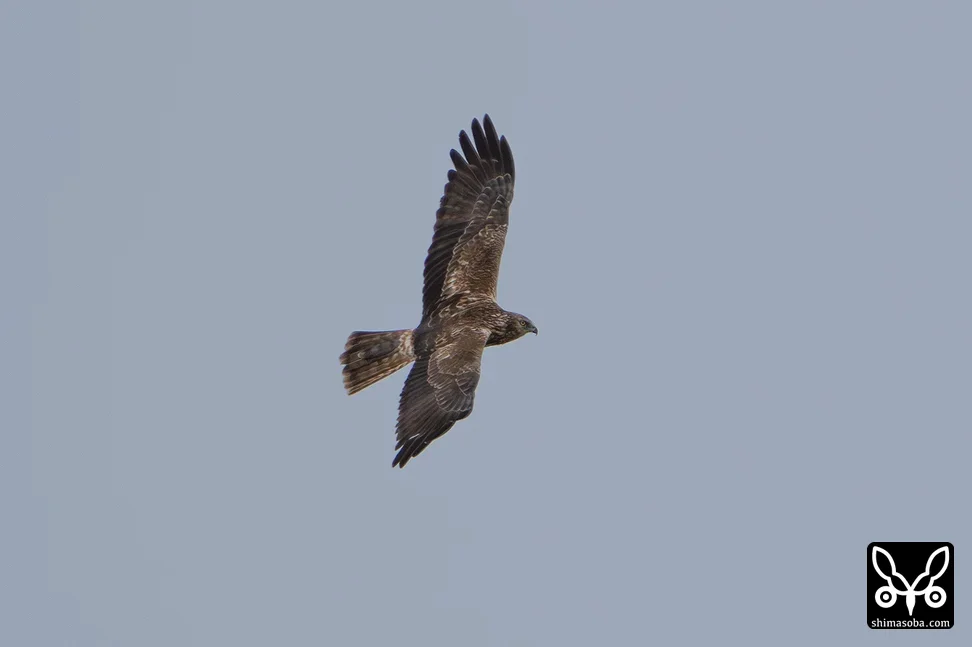
A passing Upland Buzzard. It seems there are three on the island this season.

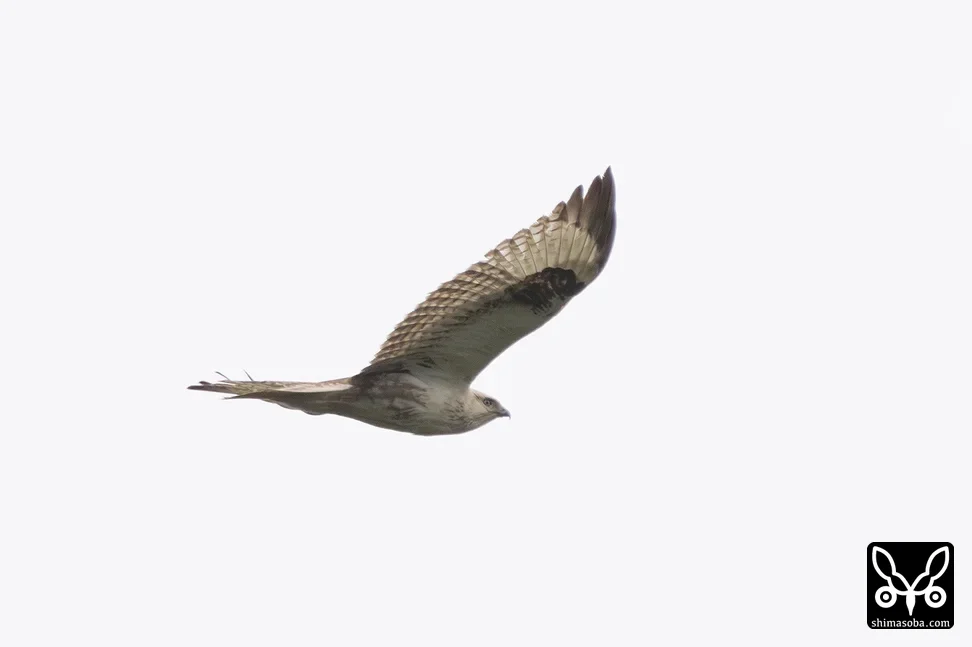
Common Buzzard
Common Buzzard

A Common Buzzard passed overhead.

Eastern Marsh Harrier

A Eastern Marsh Harrier was being mobbed by a Black-winged Kite.

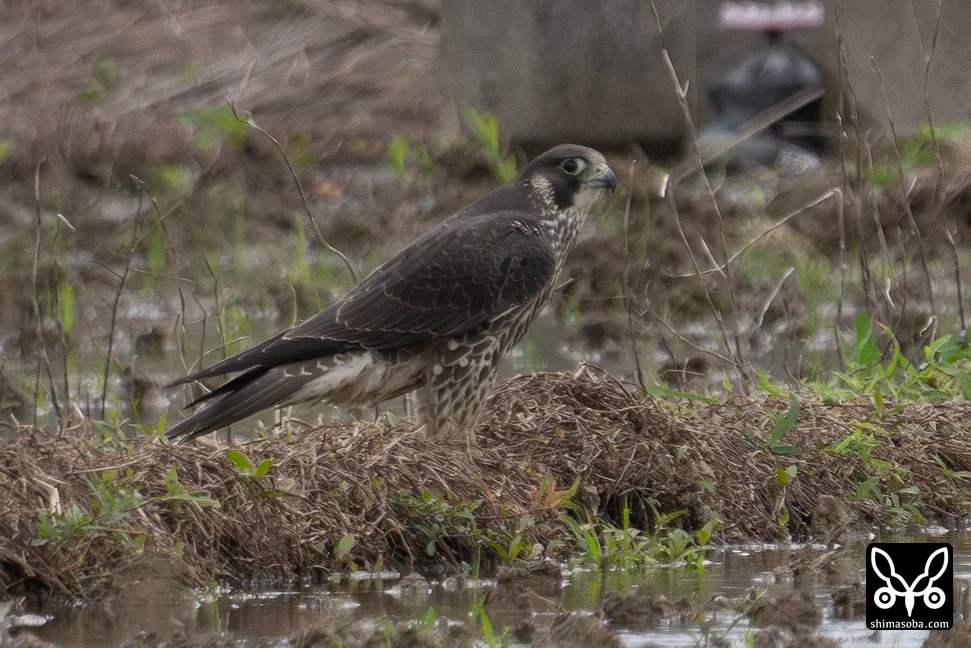
Peregrine Falcon
Peregrine Falcon

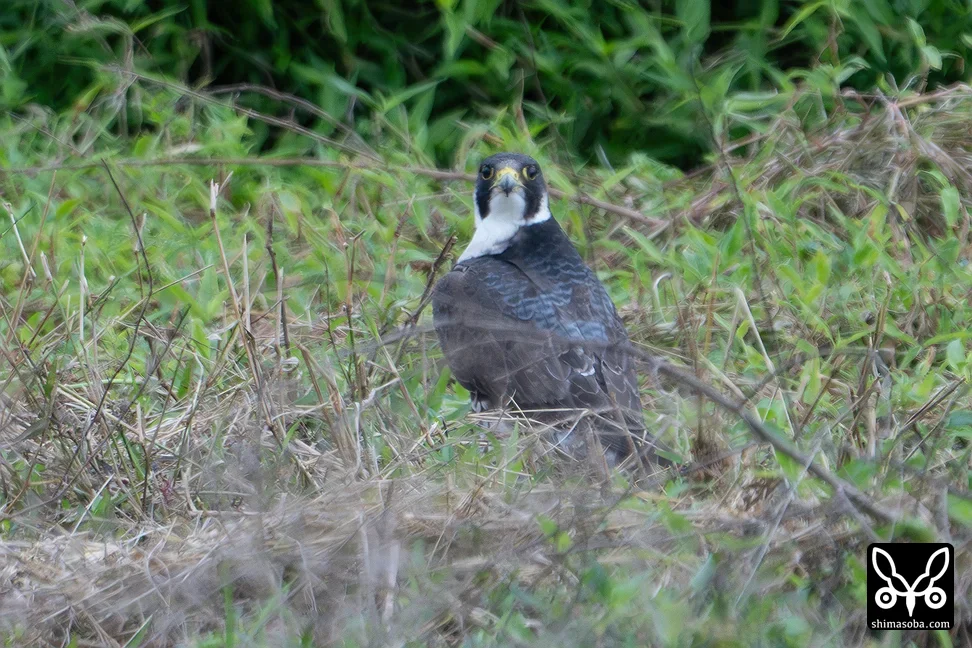
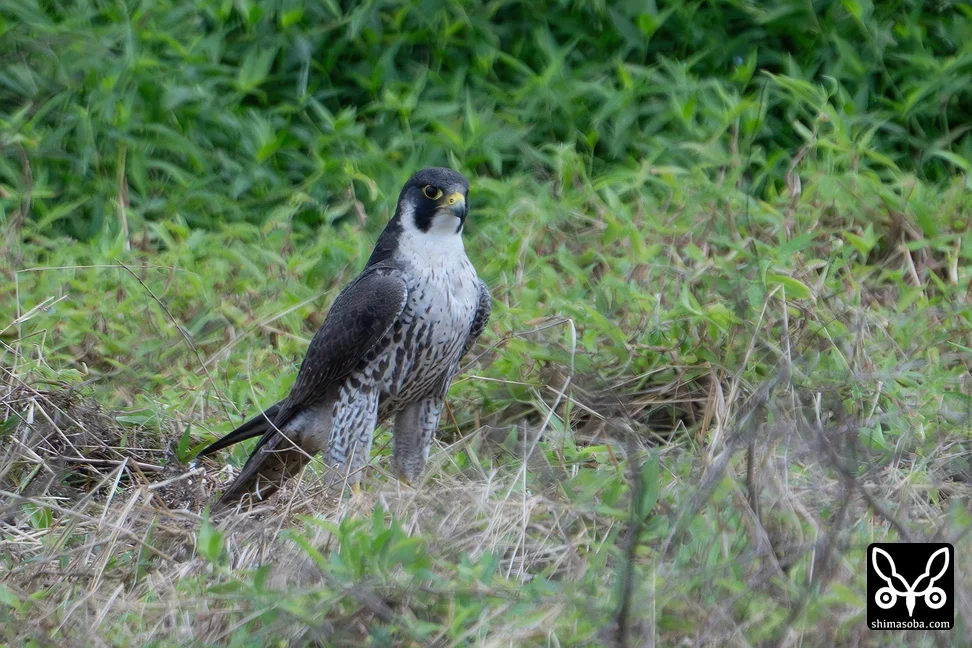
A young Peregrine Falcon. Thought to be 2cy.

Peregrine Falcon
Peregrine Falcon

Same individual as above. A very beautiful bird.

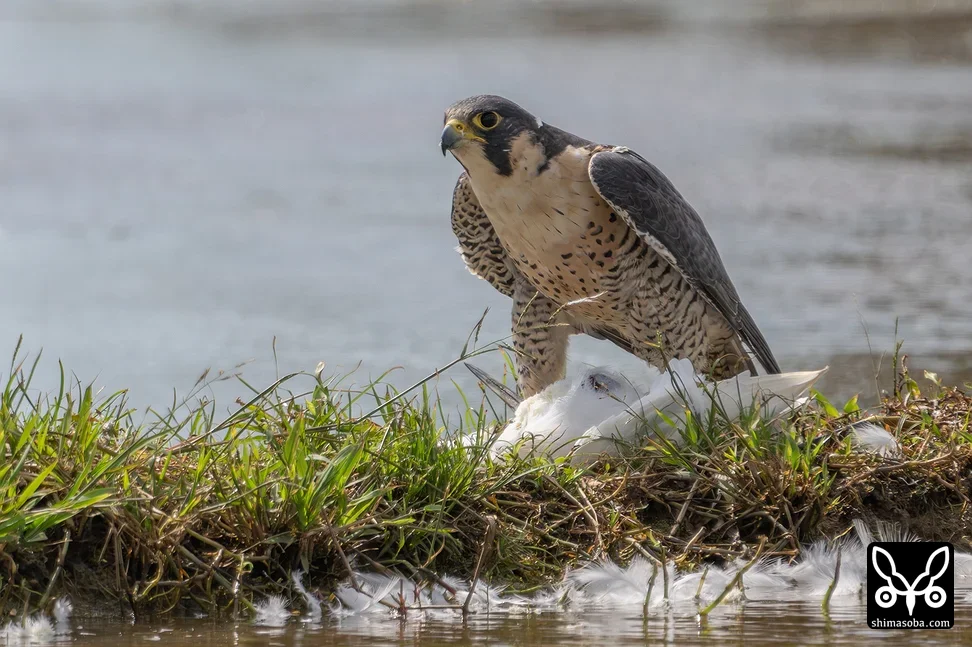
Peregrine Falcon
Peregrine Falcon

Juvenile Peregrine Falcon.

Saker Falcon
Saker Falcon

A Saker Falcon caught a Little Egret. This individual is a very skilled hunter.

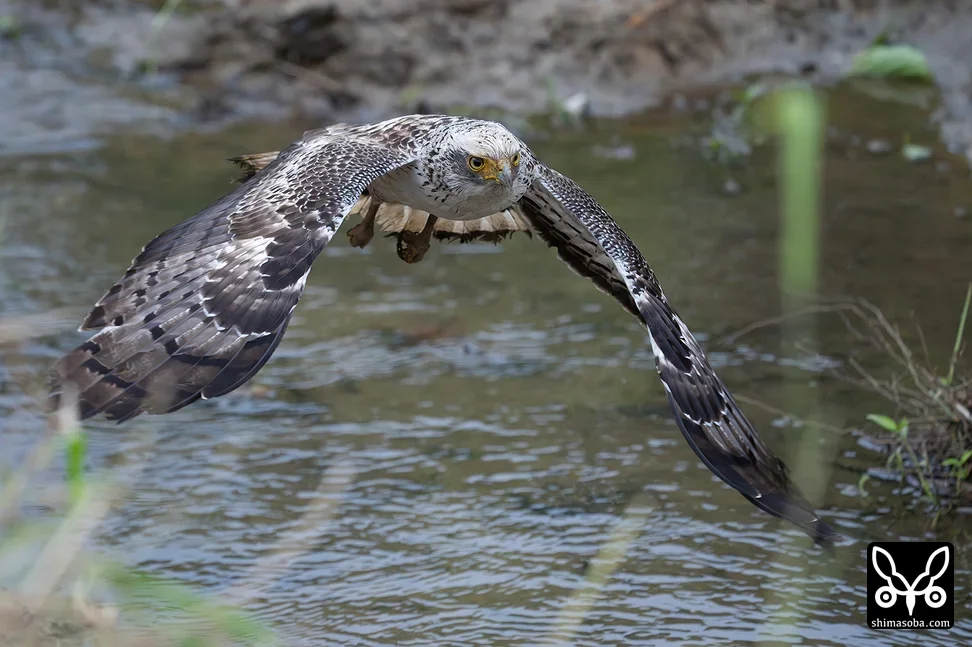
Crested Serpent Eagle

Juvenile Crested Serpent Eagle. It flew toward me along the waterway.

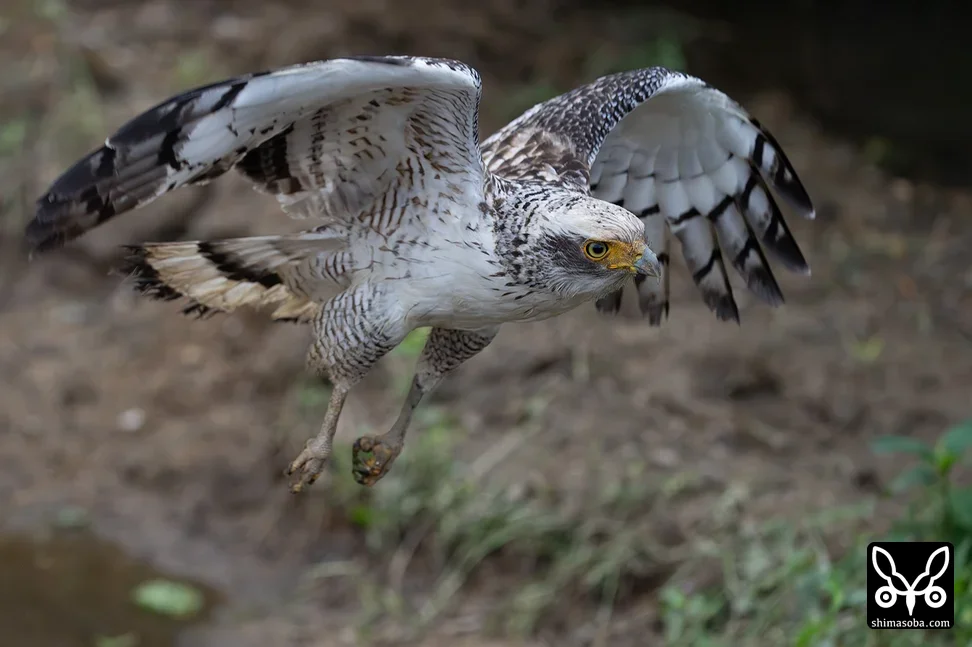
Crested Serpent Eagle

Same individual as above. For what it's worth, the Sony α1 doesn't miss focus even at this distance.

Common Kestrel
Common Kestrel

An unusually slender and small Common Kestrel juvenile. For a moment I thought it might be something else. ^^;

Categories: 野鳥