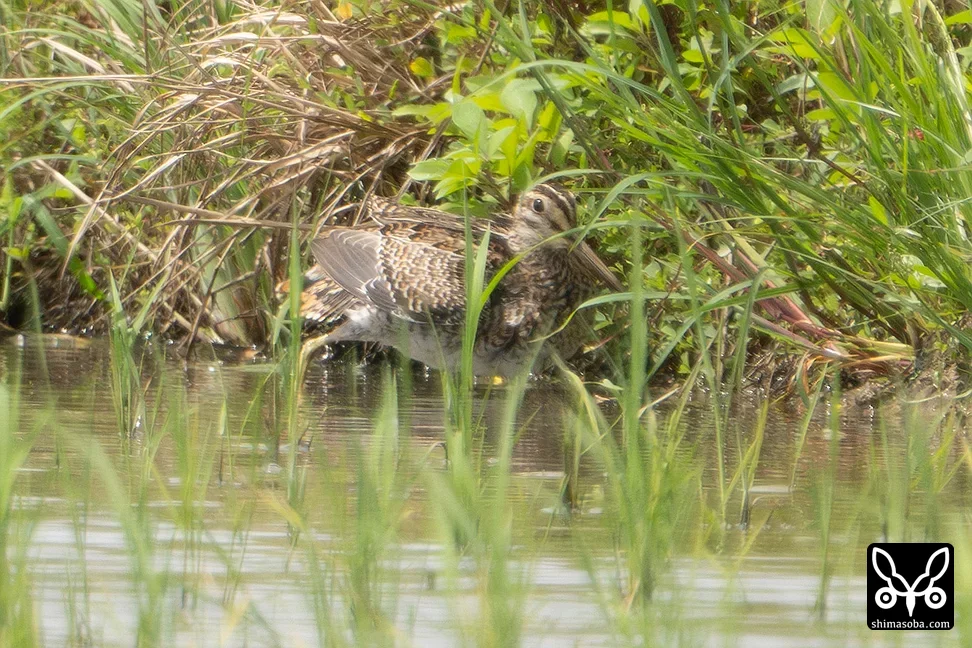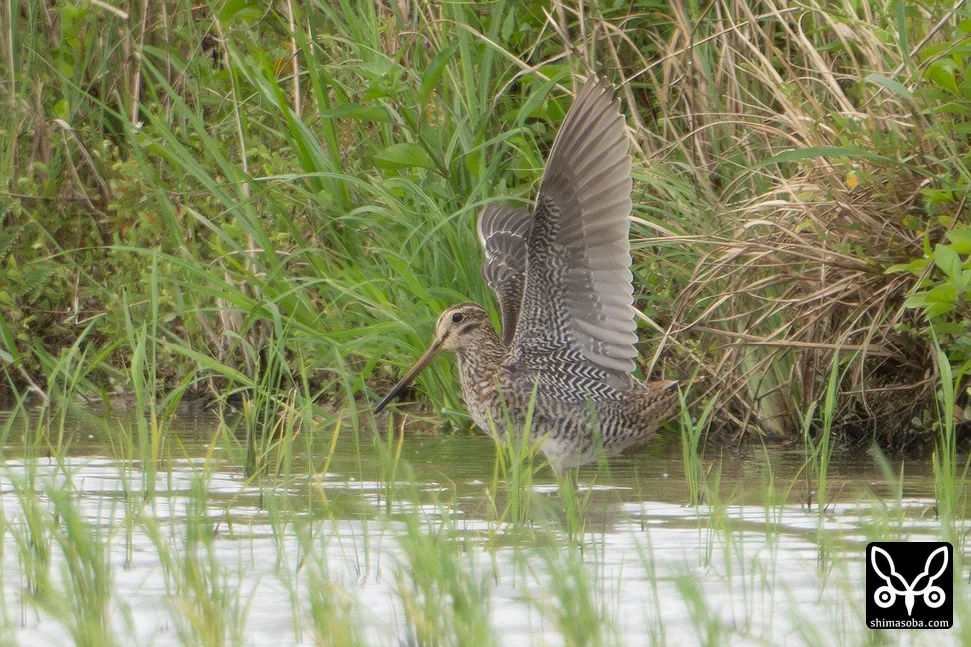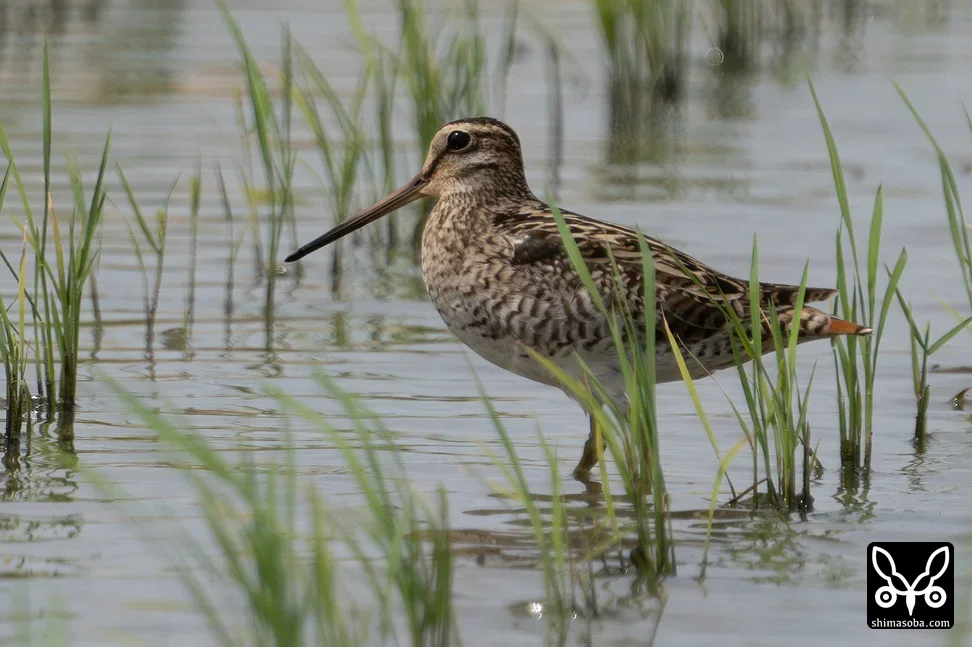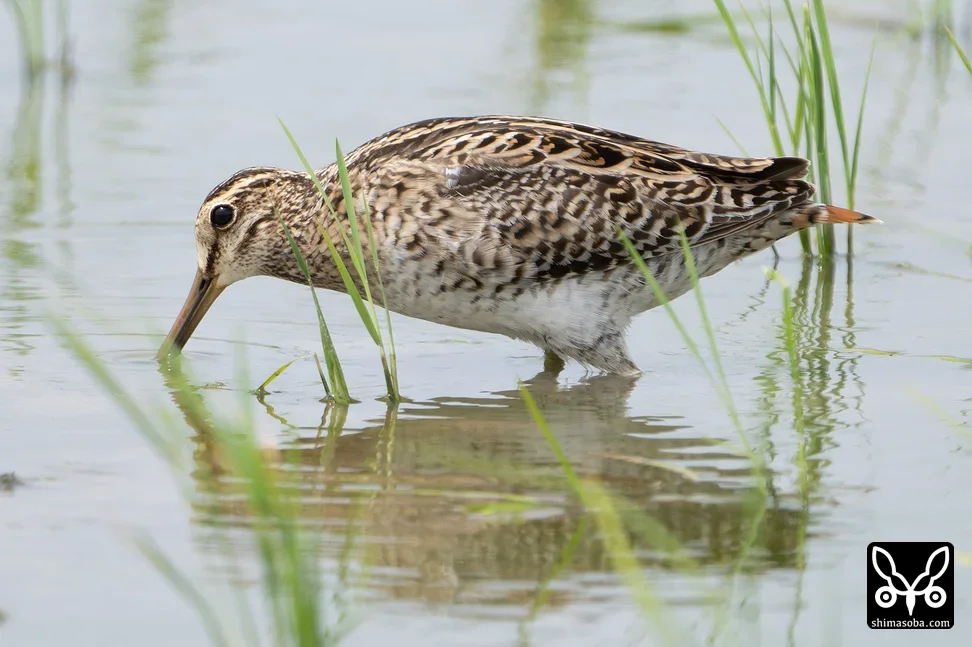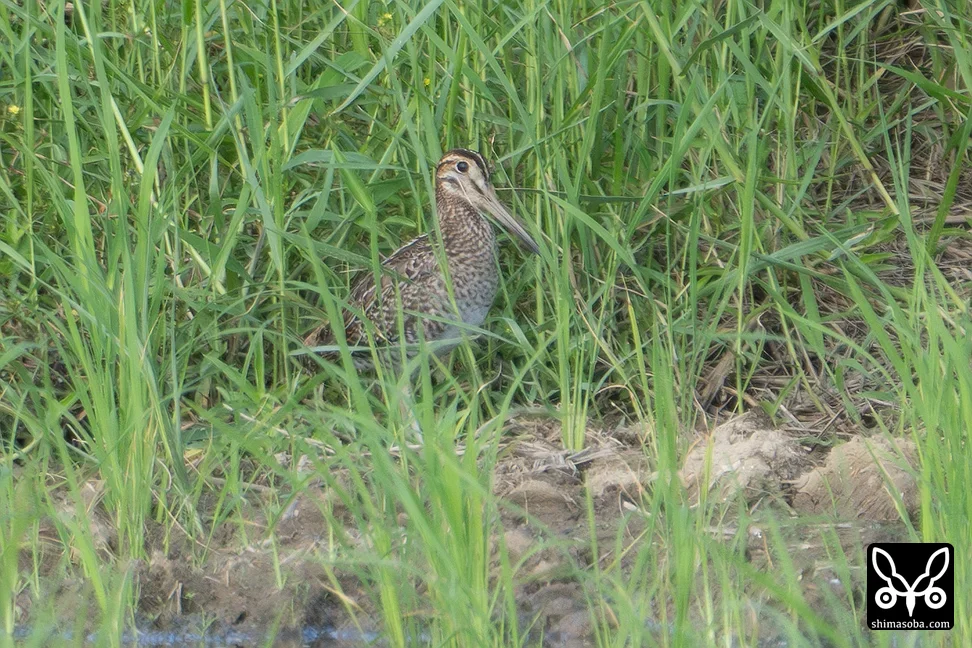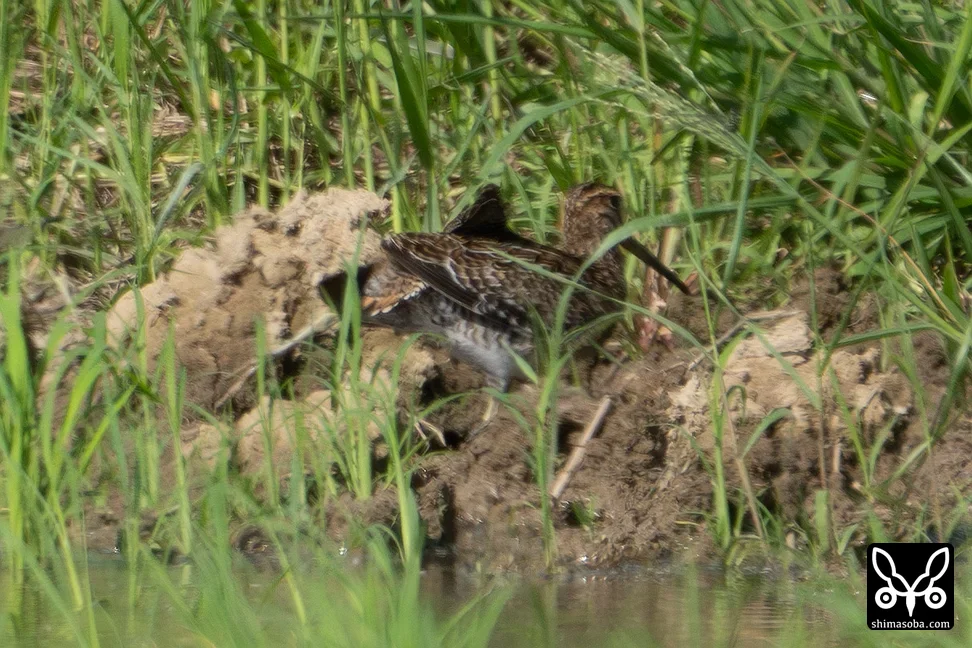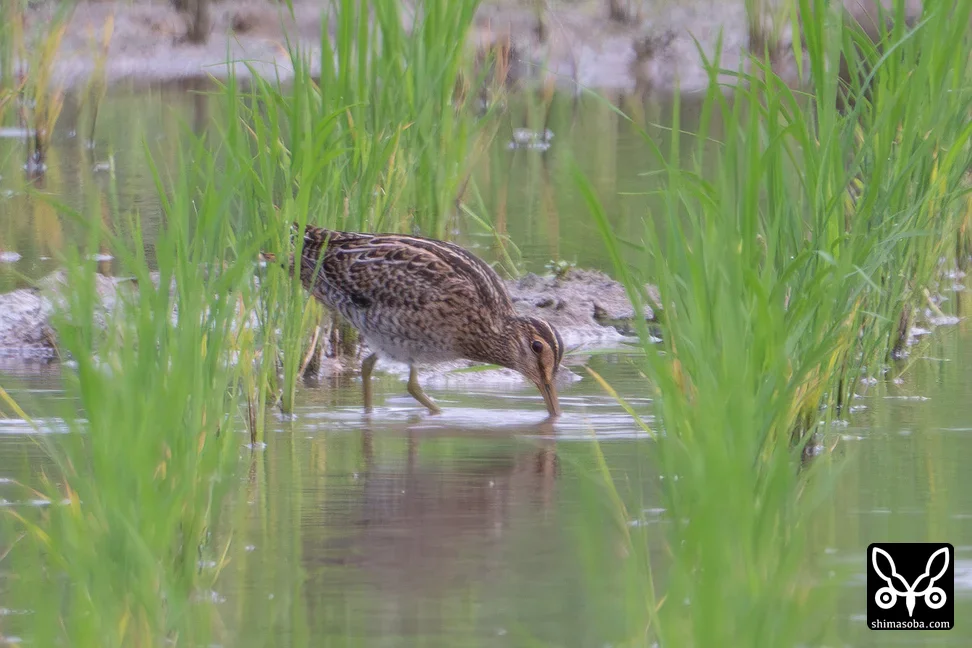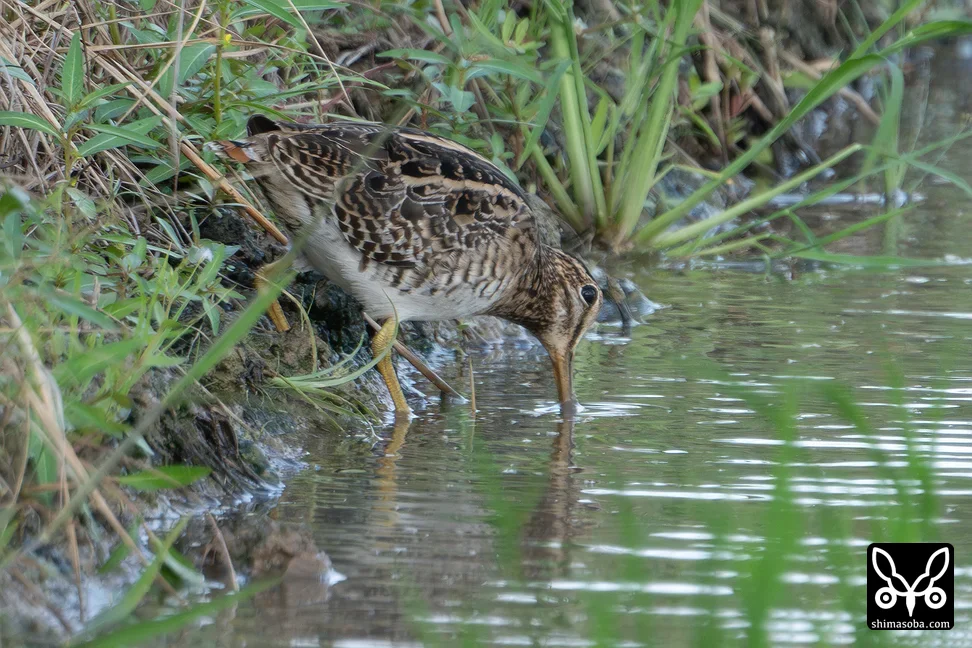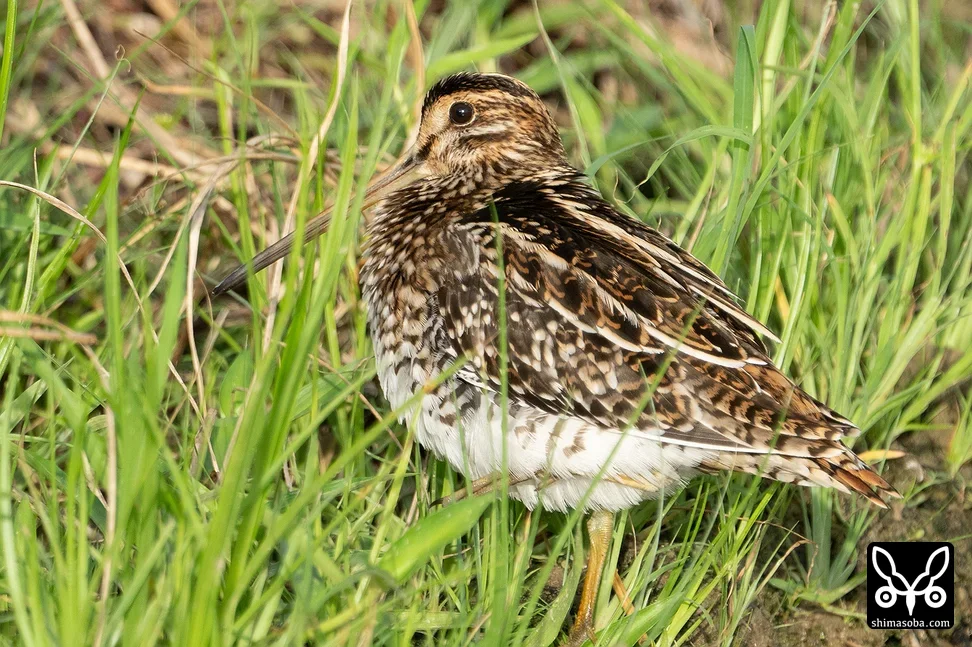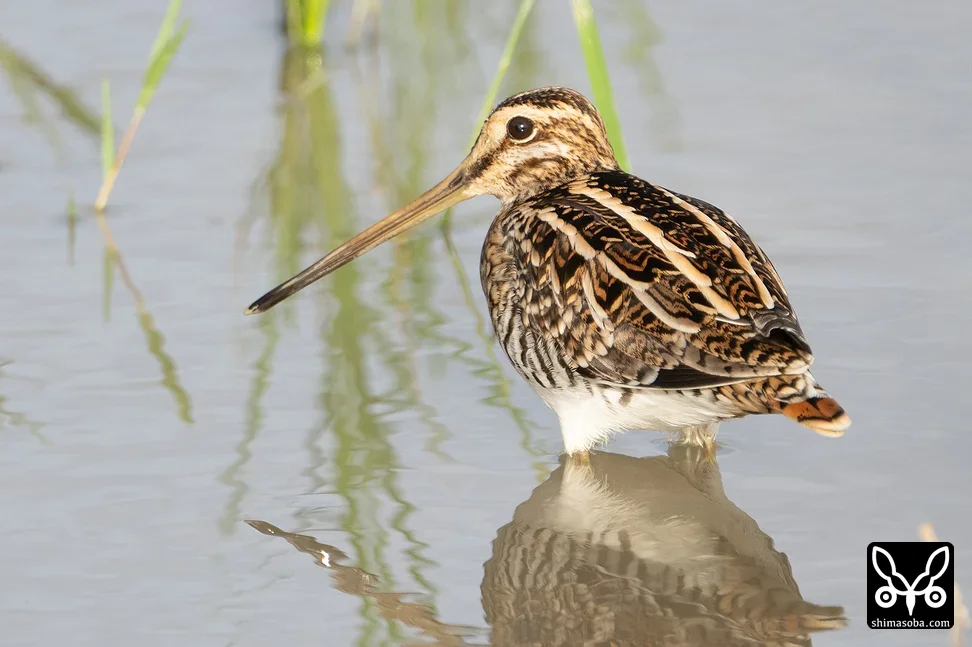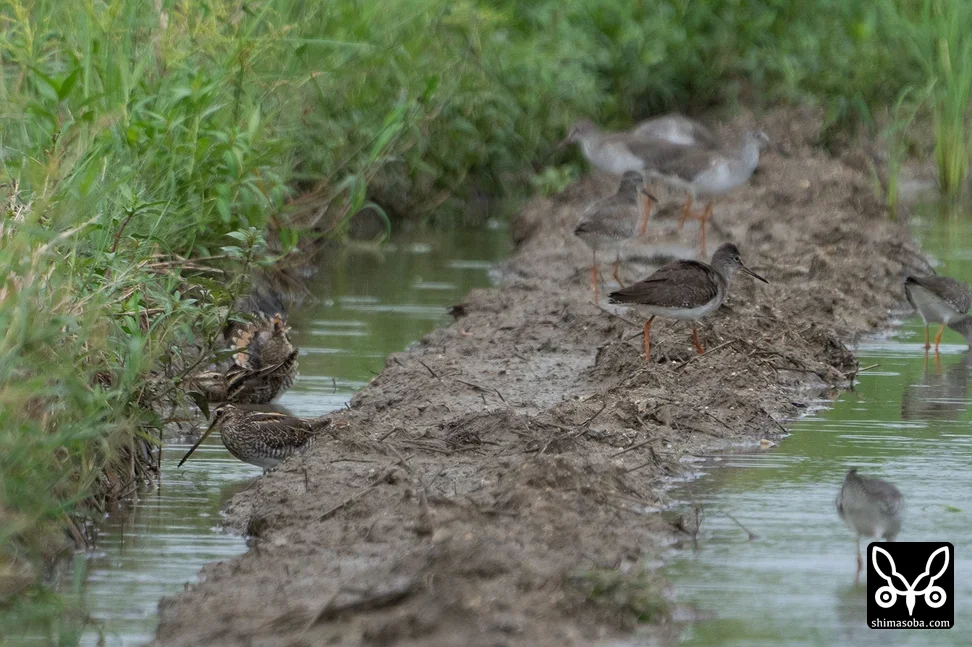
A daily record.
Featuring photos of wild birds and nature, mainly from Okinawa Main Island and Ishigaki Island

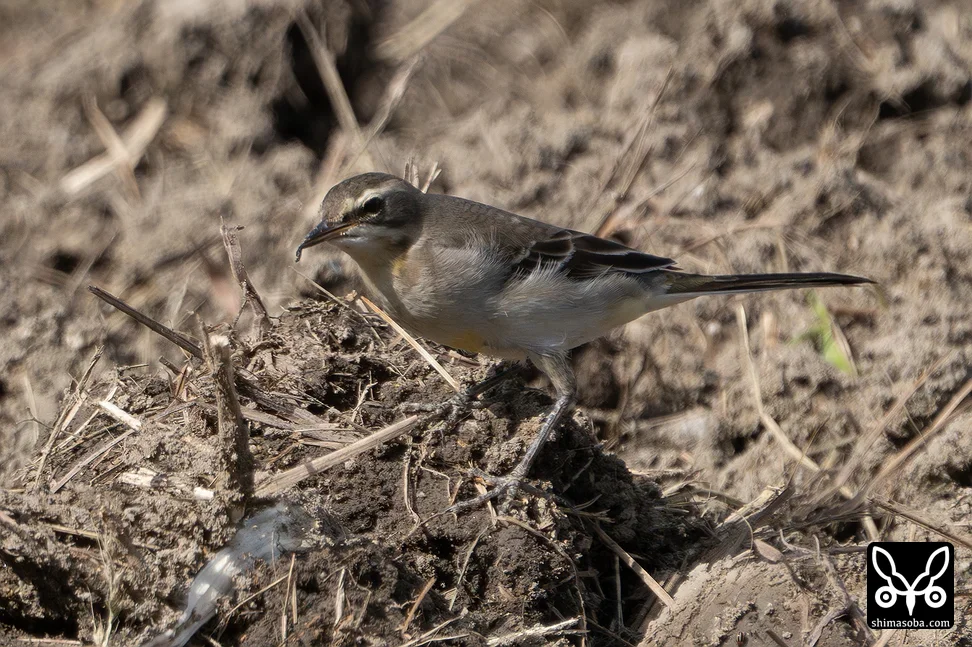
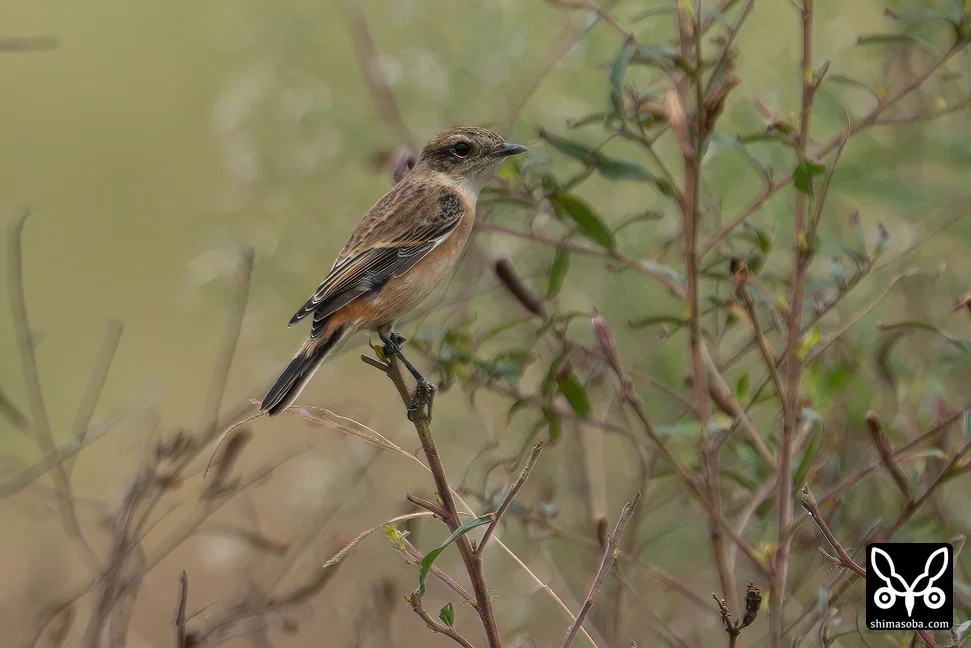
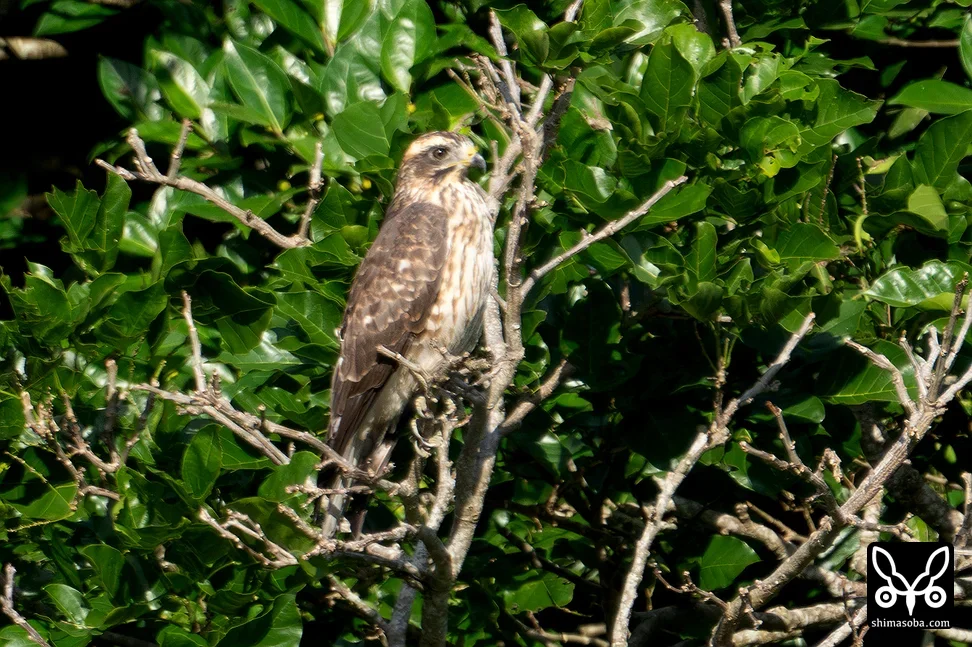
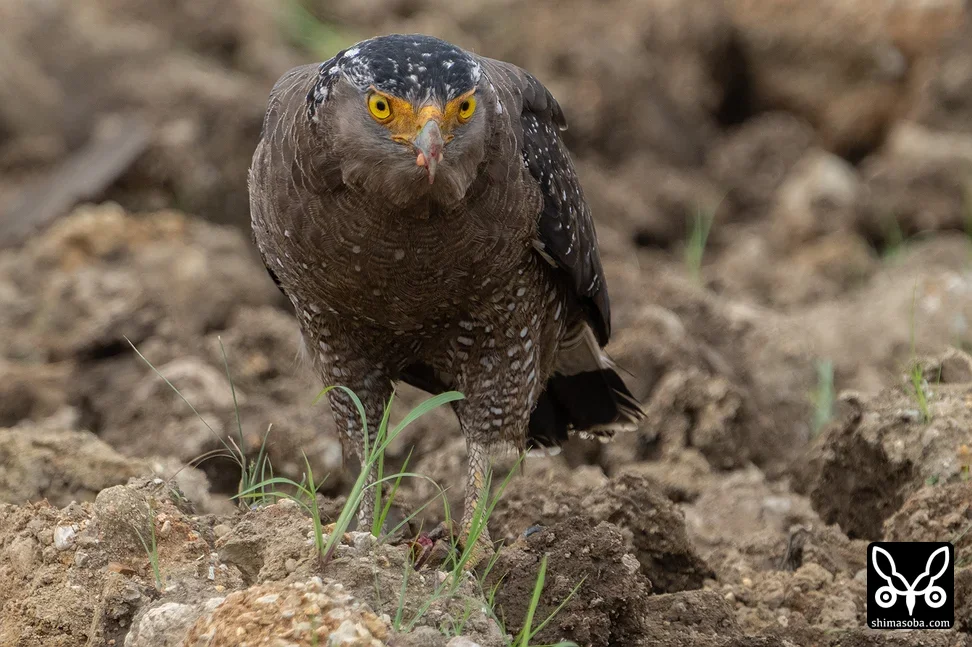
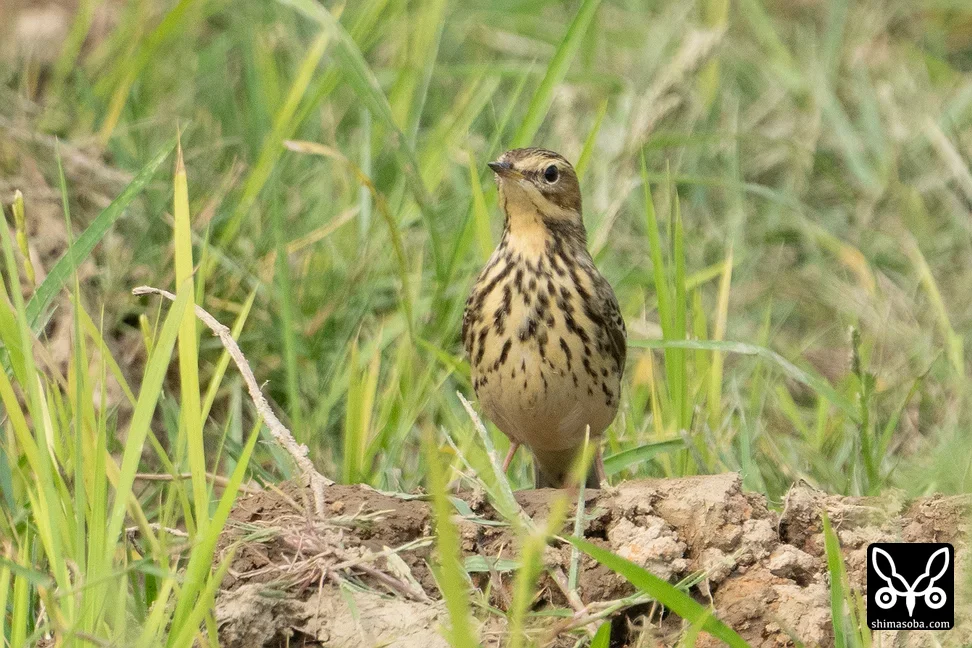
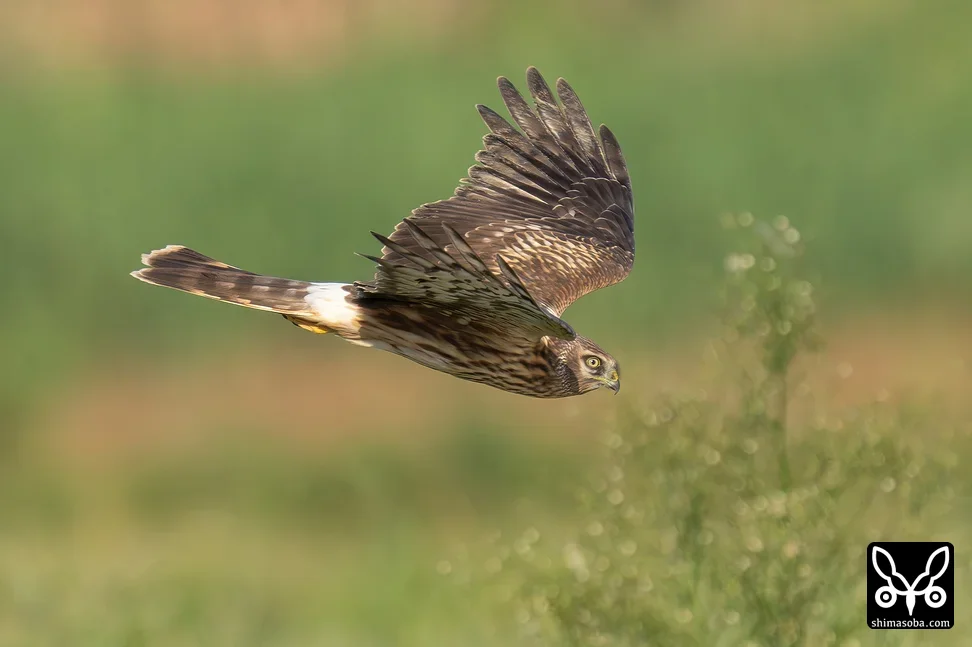
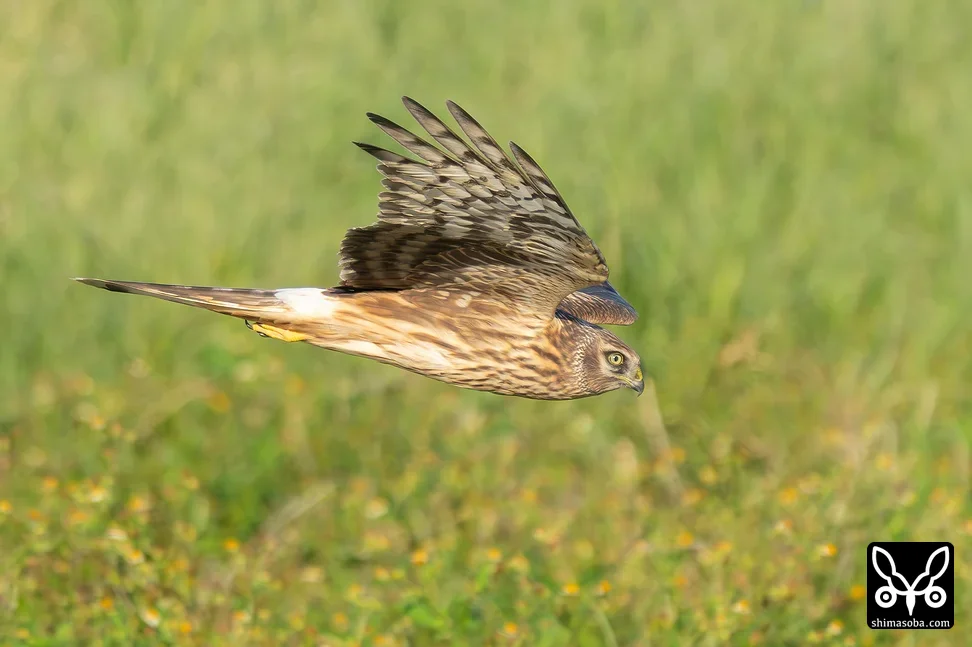
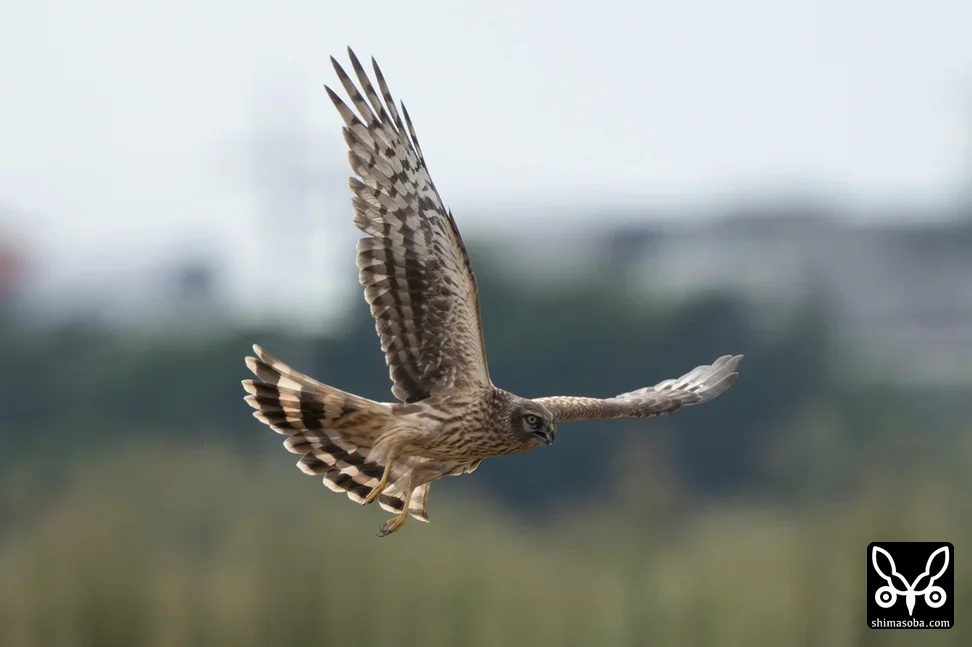
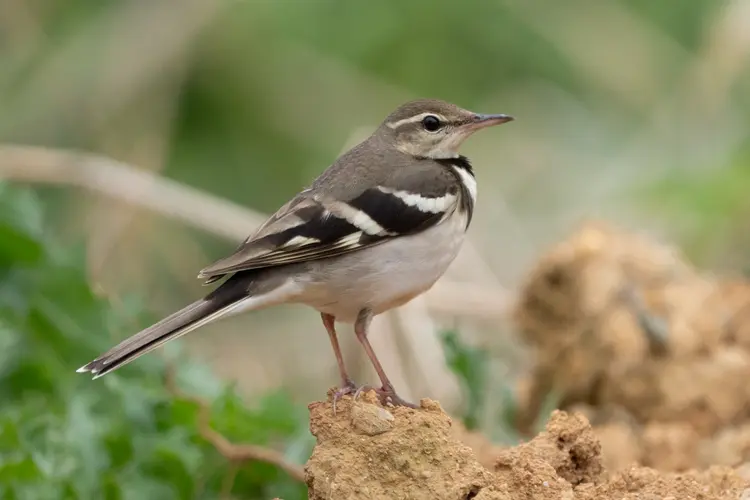
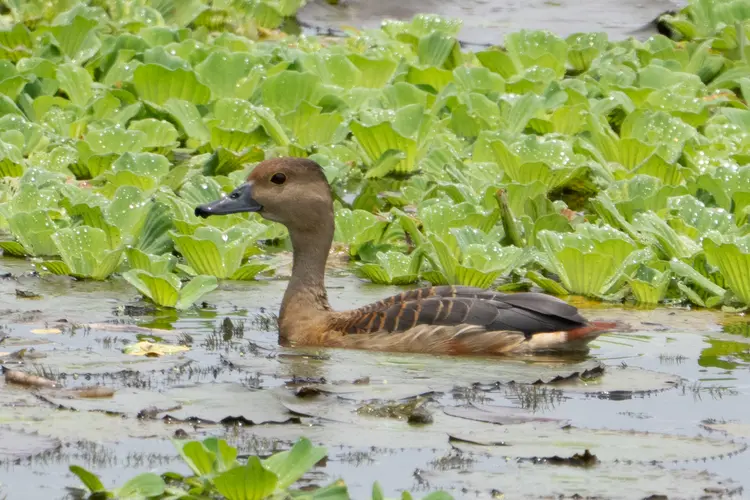
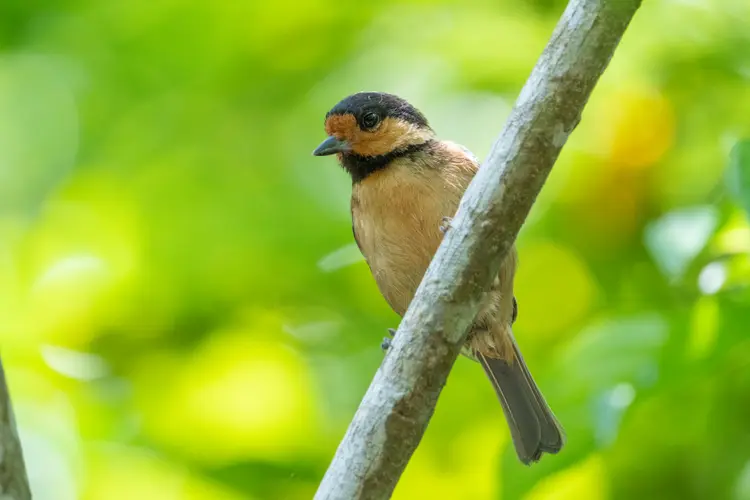
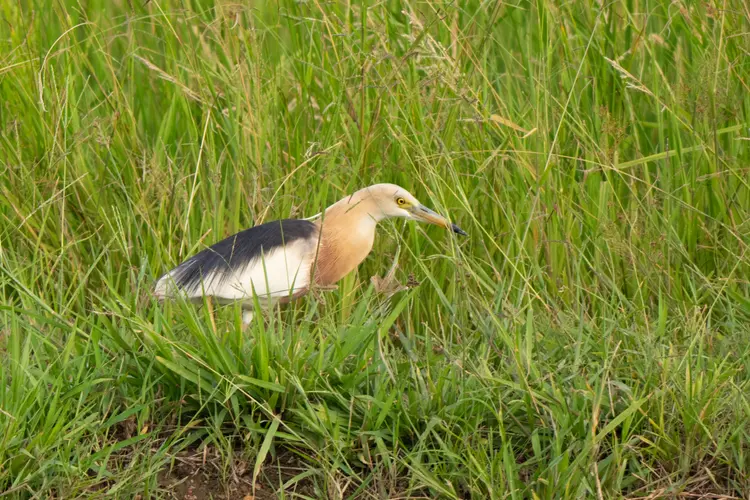
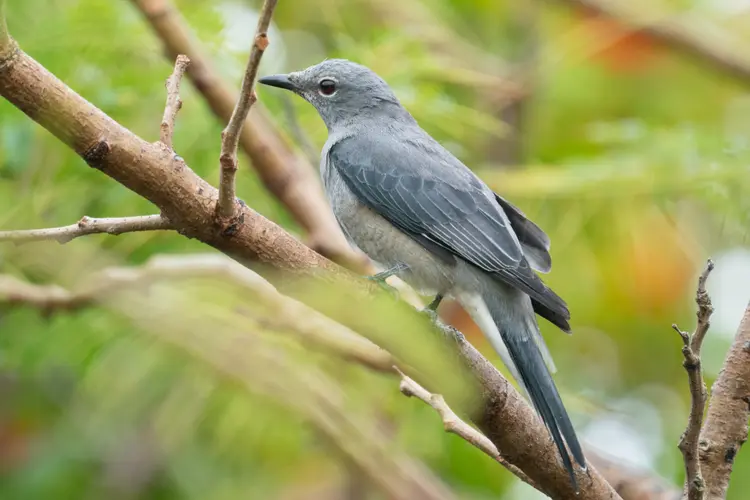
Forest Wagtail Lesser Whistling Duck Iriomote Tit Javan pond heron Black-winged Cuckooshrike

GUIDED BIRDWATCHING TOUR

Go where the birds are. The SHIMASOBA Tour launches.

We'll drive you around Ishigaki Island to wherever the birds are showing best that day. Observation is mostly from inside the vehicle, and we keep it to a maximum of 3 guests so everyone can take their time.

Max. 3 guests 4 hours in the morning Beginners welcome
Check availability and book

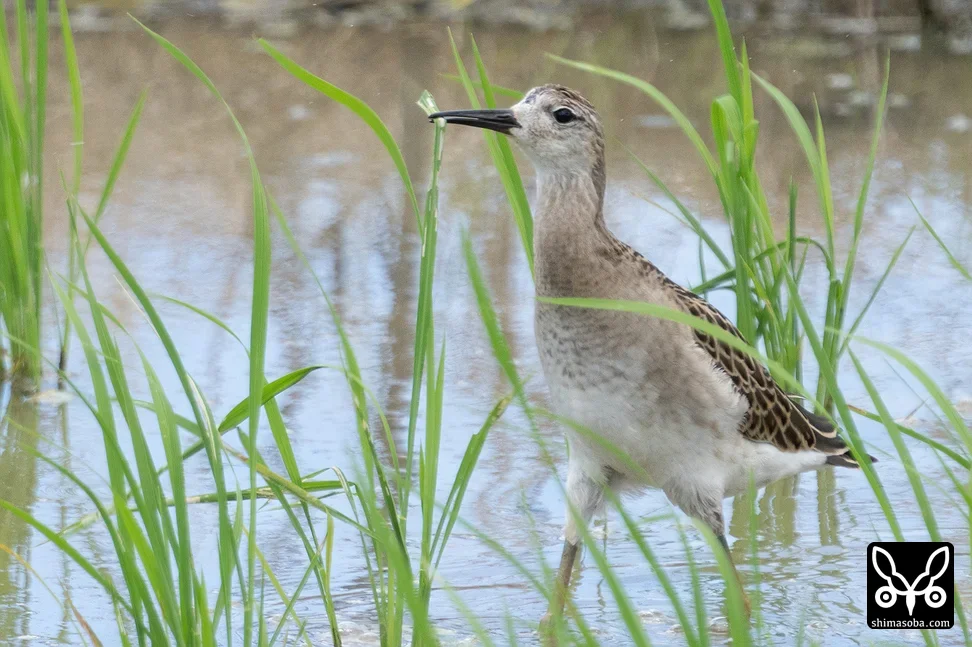
Ruff, Marsh Sandpiper, Common Redshank, and more

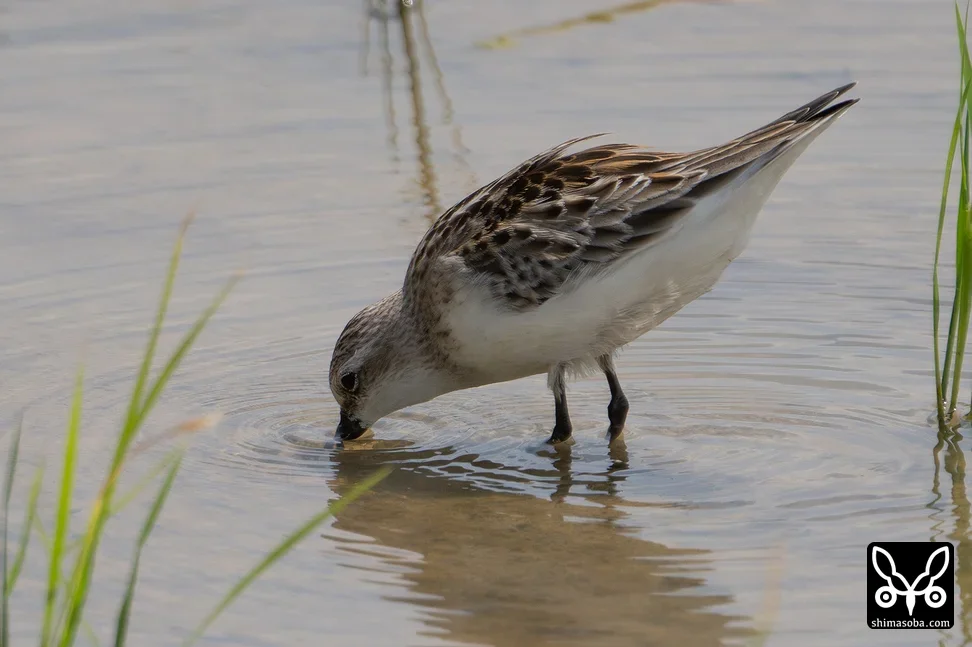
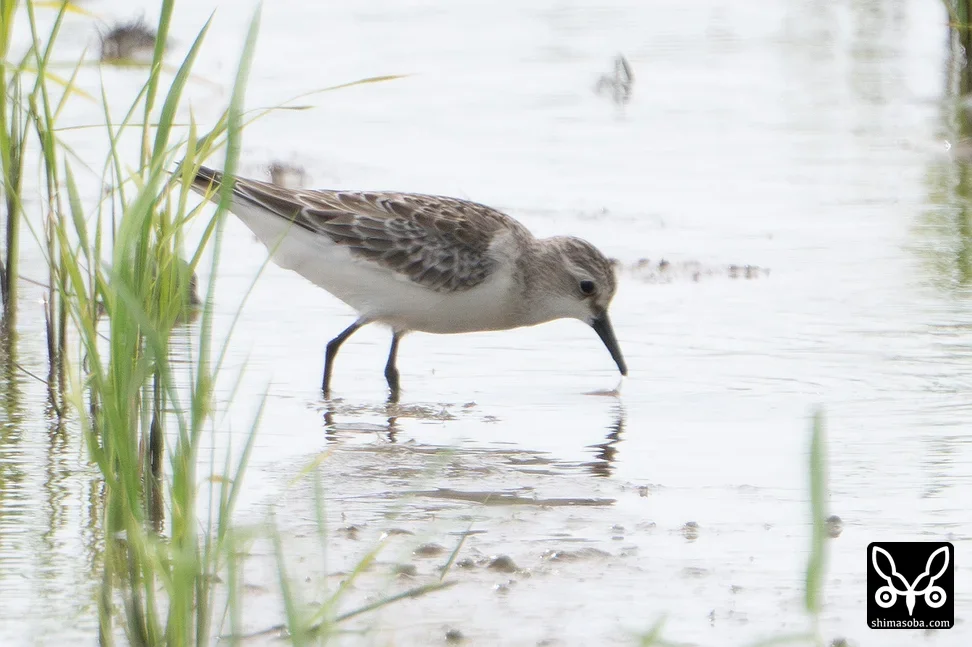
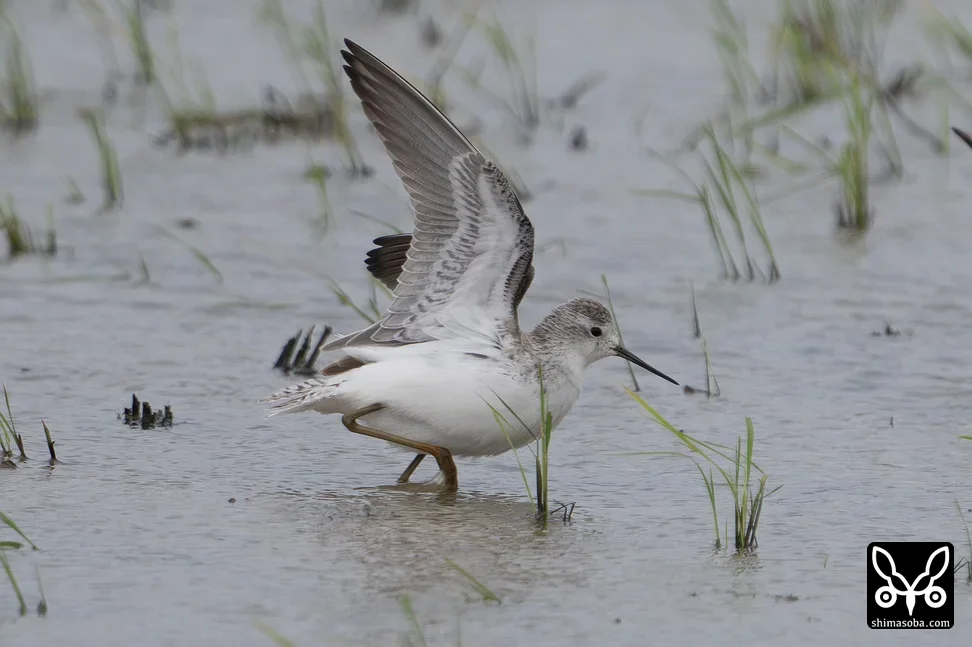
Ruff have turned up at several sites, almost all juveniles. The regulars — Red-necked Stint, Common Greenshank, Marsh Sandpiper, Common Redshank, and Long-toed Stint — are present in paddies everywhere. Dunlin have started to appear as well.

The first Pacific Golden Plovers of the season arrived in small flocks of juveniles. Around the park and cattle sheds, Chestnut-cheeked Starling, Red-billed Starling, and White-shouldered Starling are also increasing.
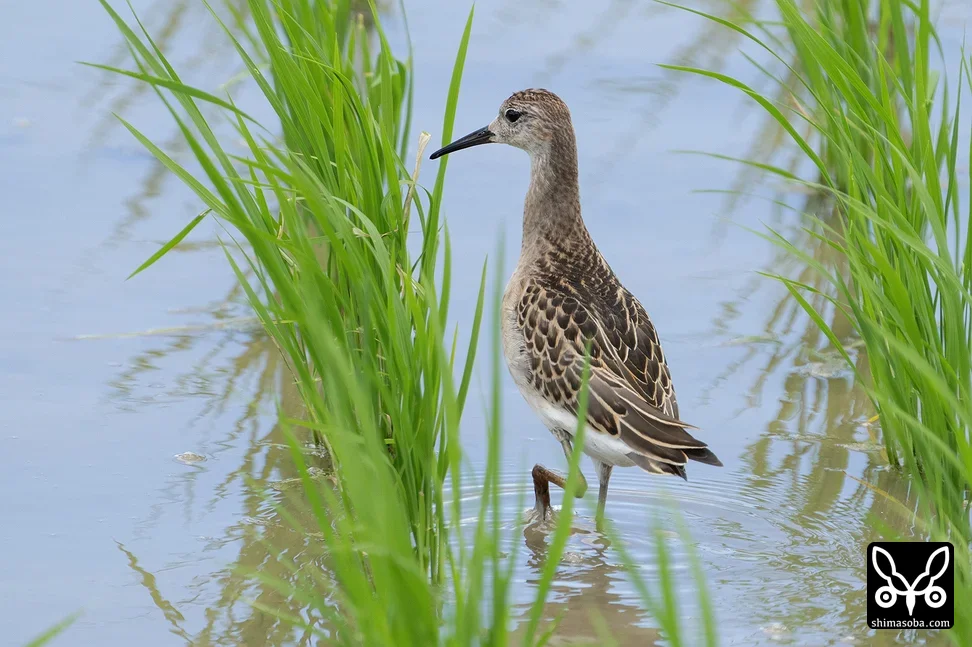
Ruff
Ruff

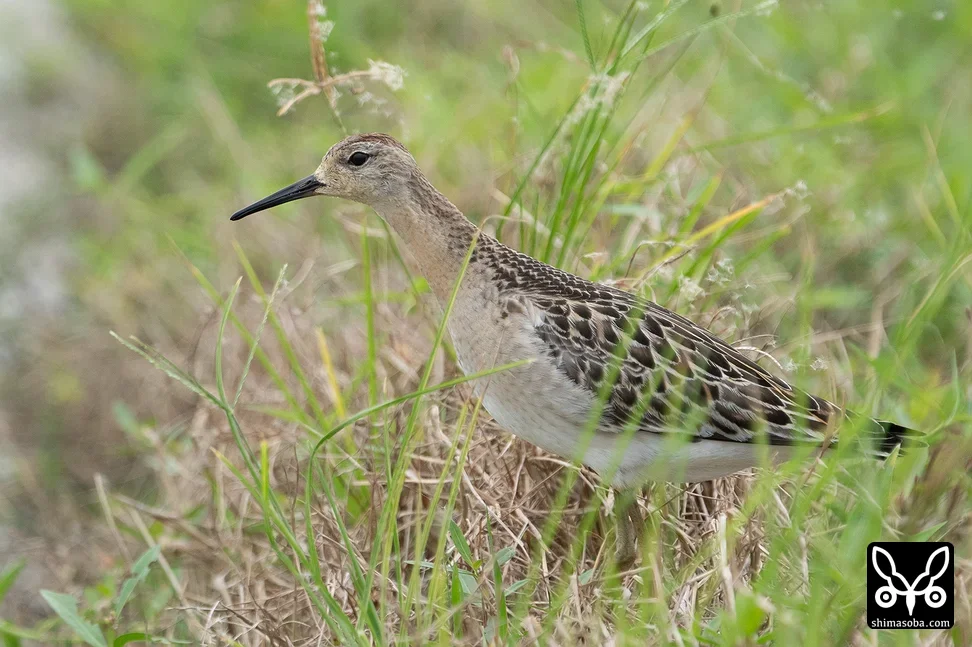
A juvenile Ruff.

Ruff
Ruff

Same individual as above. It was picking off insects on the rice plants.
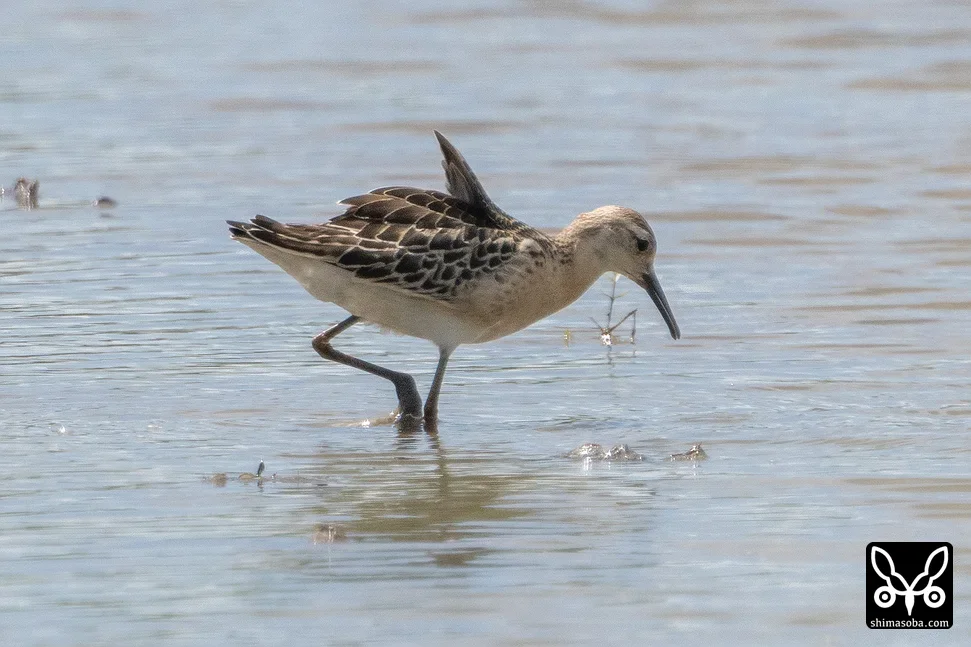
Ruff
Ruff

A juvenile Ruff in a different paddy field.
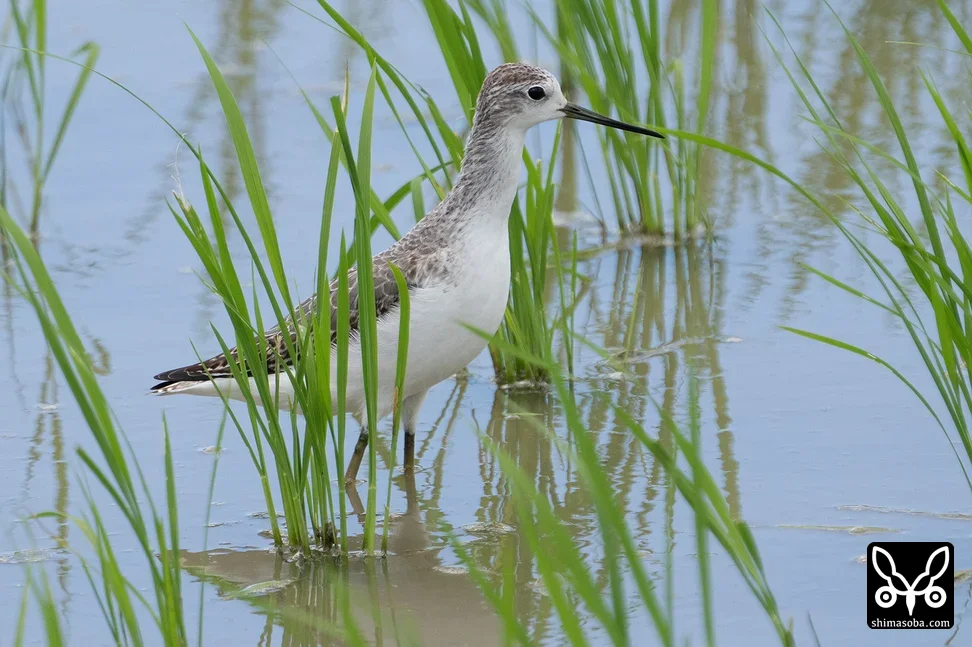
Marsh Sandpiper
Marsh Sandpiper

Marsh Sandpiper in winter plumage.

Red-necked Stint
Red-necked Stint

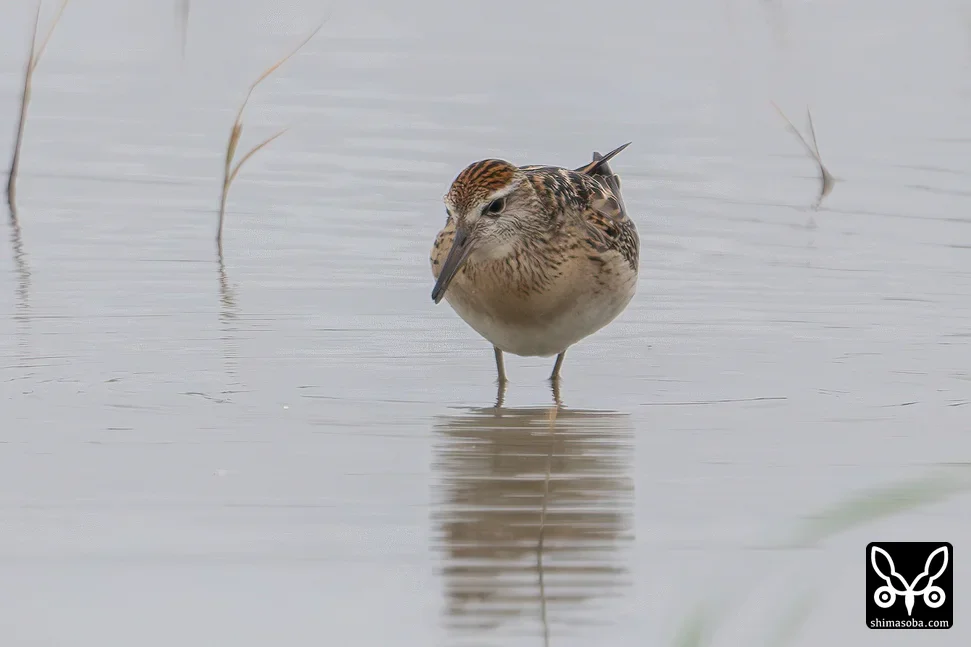
A juvenile Red-necked Stint. I thought it might be a Little Stint based on its shape, but it wasn't.
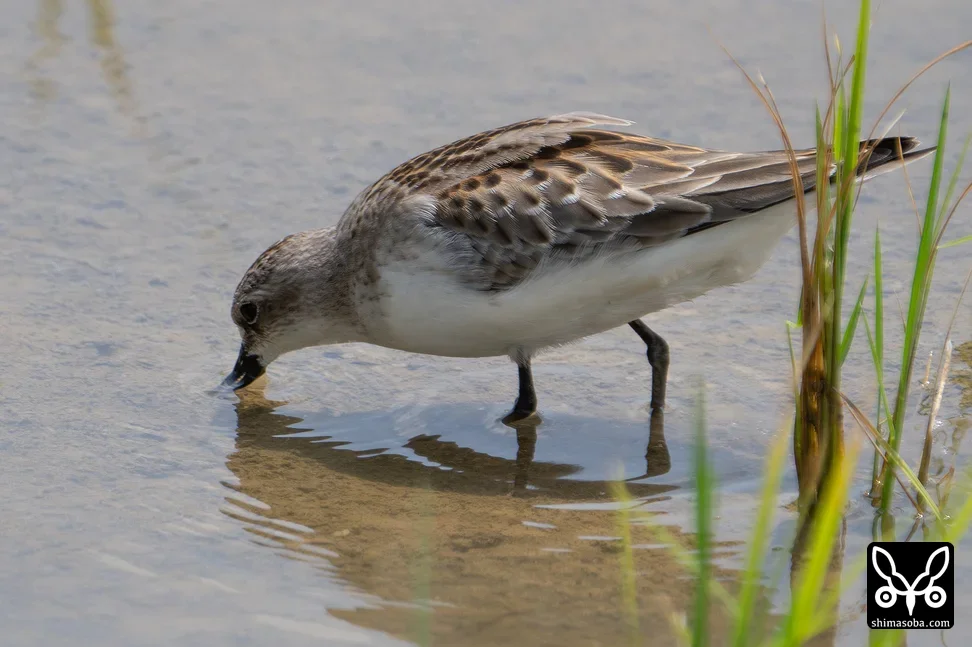
Red-necked Stint
Red-necked Stint

Another Red-necked Stint.

Red-necked Stint
Red-necked Stint

I thought this might be a Little Stint, but no….
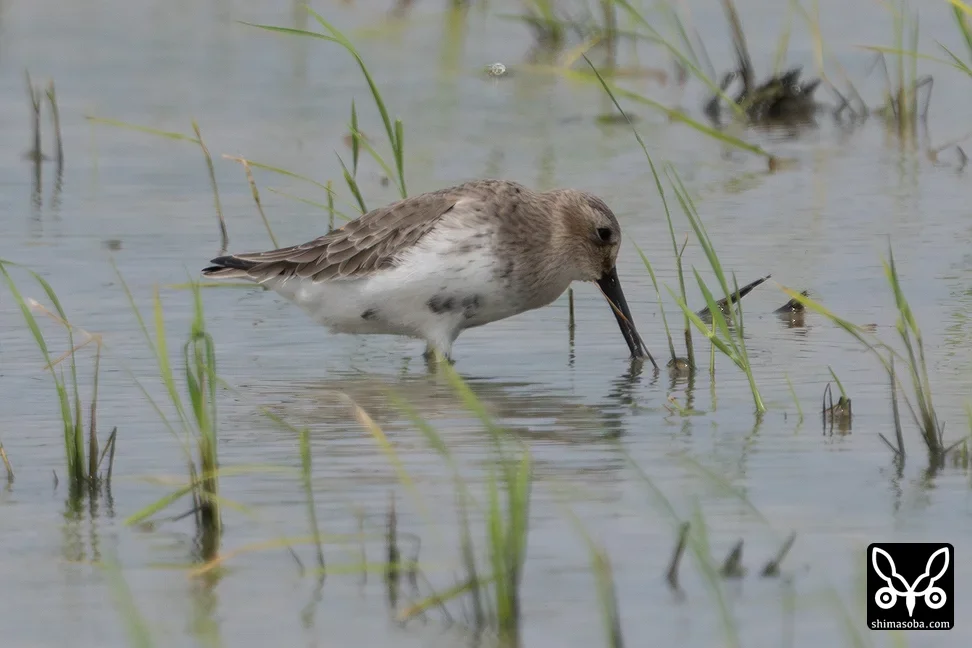
Dunlin
Dunlin

Dunlin, juvenile.

Marsh Sandpiper
Marsh Sandpiper

Marsh Sandpiper, winter plumage.

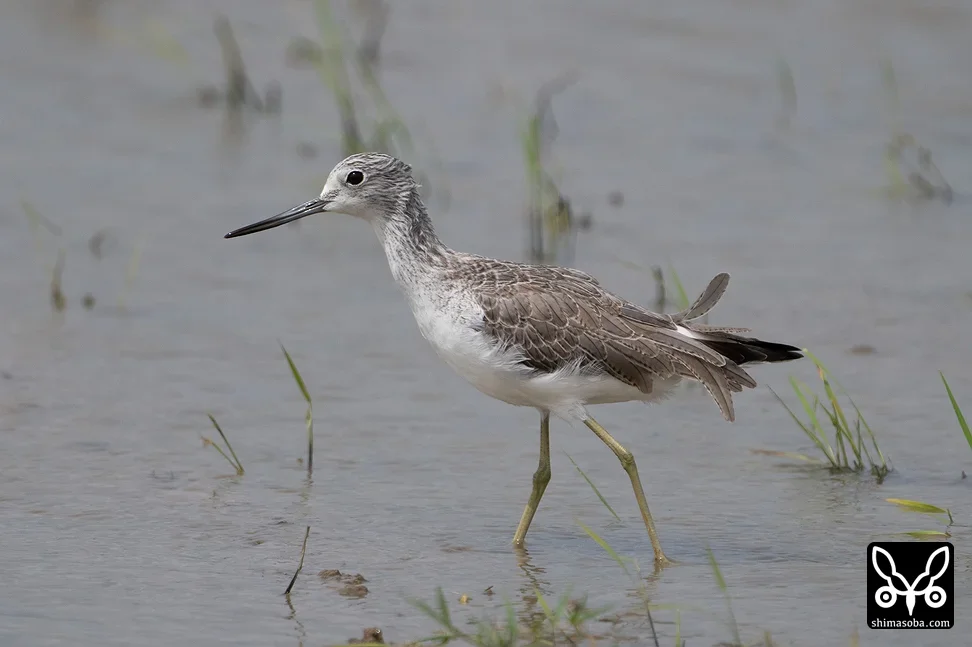
Common Greenshank
Common Greenshank

Common Greenshank, winter plumage.

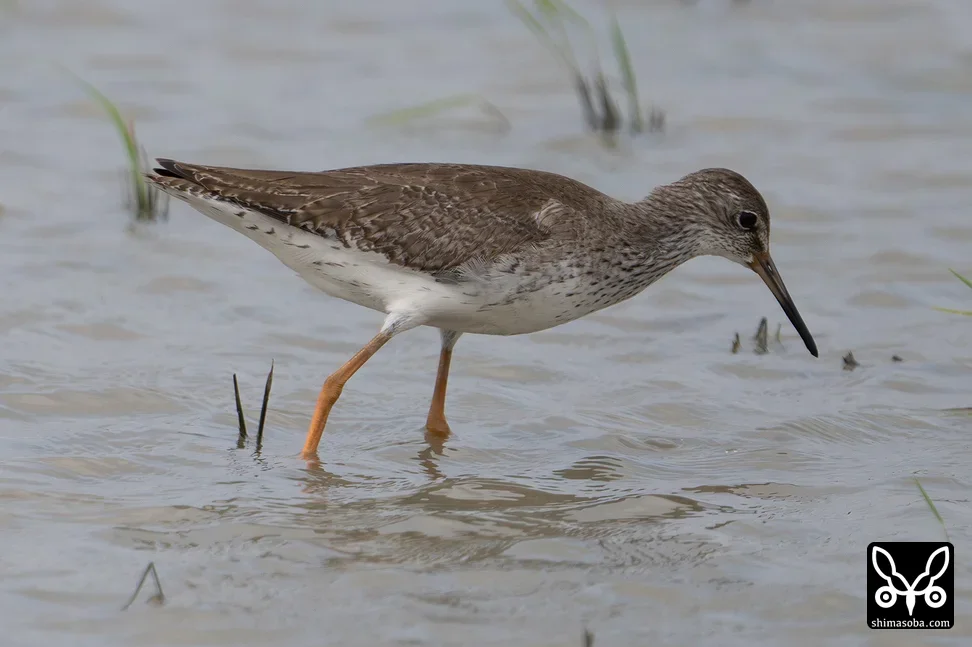
Common Redshank
Common Redshank

Common Redshank, first-winter plumage.
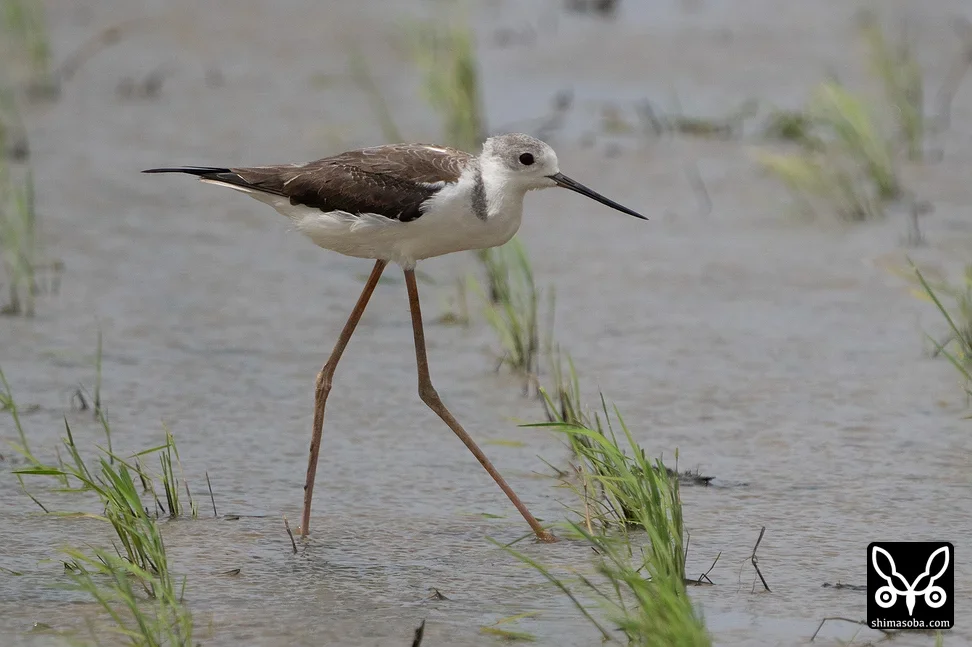
Black-winged Stilt
Black-winged Stilt

Black-winged Stilt, first-winter plumage.
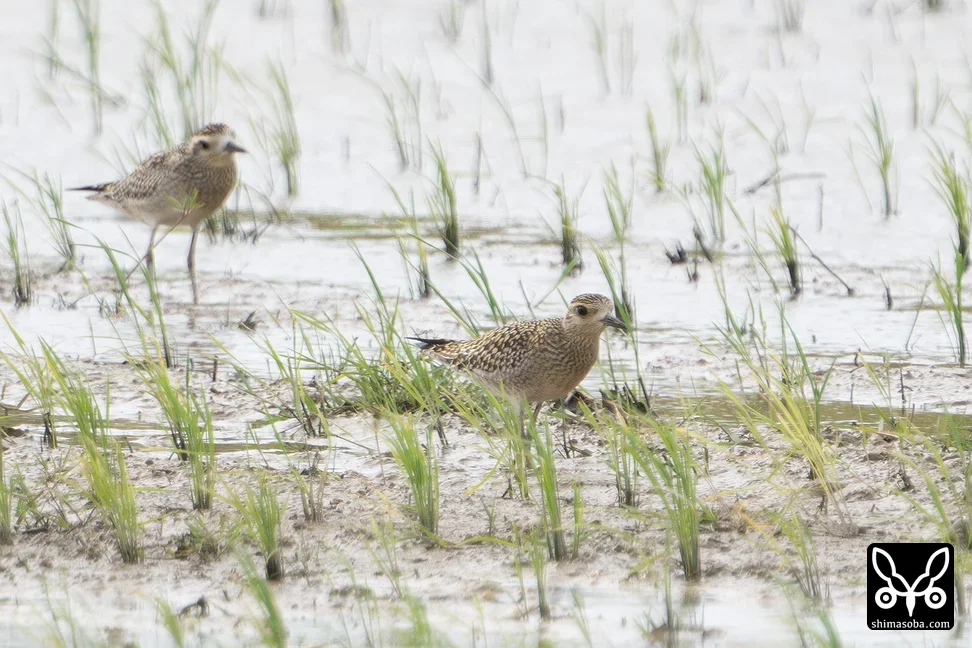
Pacific Golden Plover

First Pacific Golden Plover juvenile of the season.
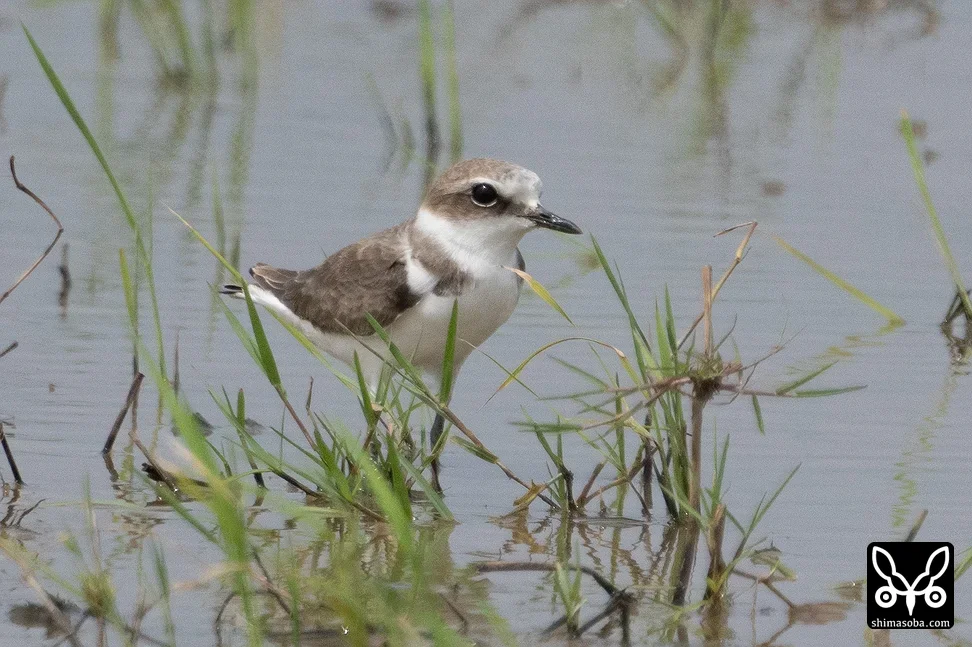
Kentish Plover
Kentish Plover

Kentish Plover, winter plumage.

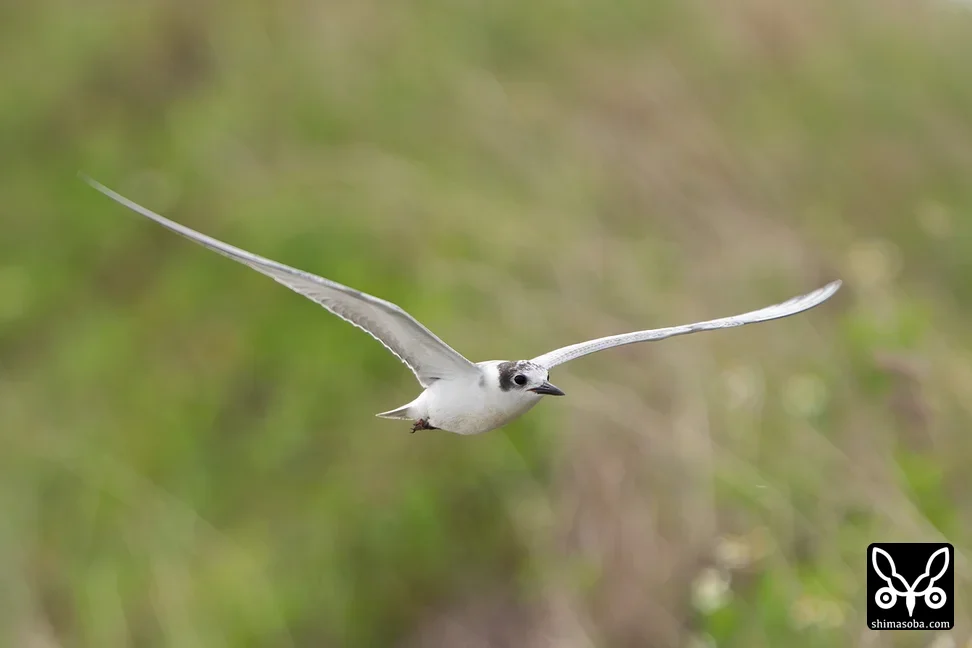
Whiskered Tern
Whiskered Tern

Whiskered Tern, first-winter plumage.
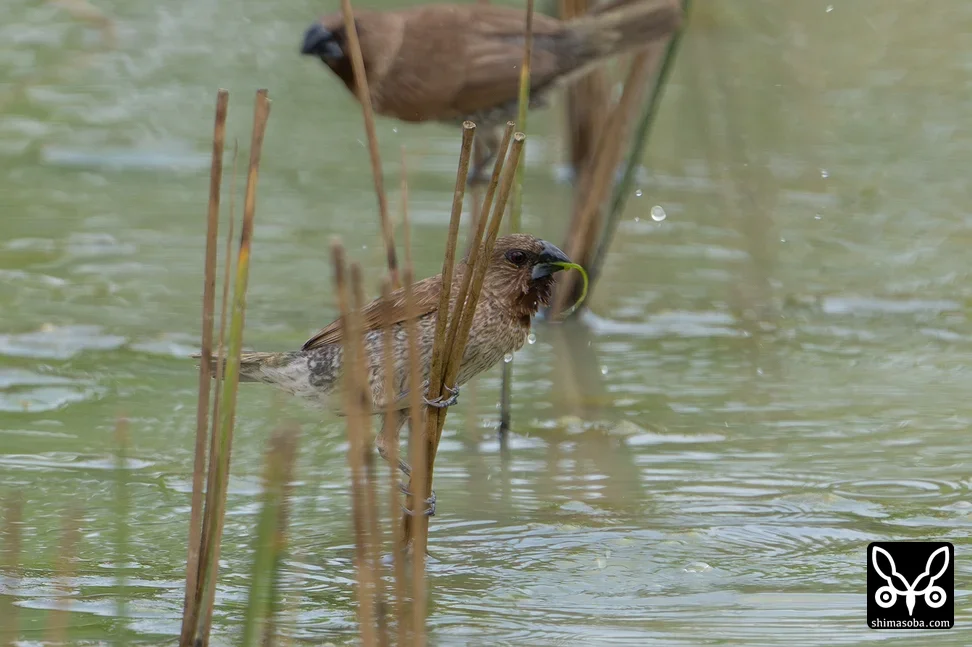
Scaly-breasted Munia

The Scaly-breasted Munias were feeding in a flock on Spirogyra algae that had bloomed in the paddies.
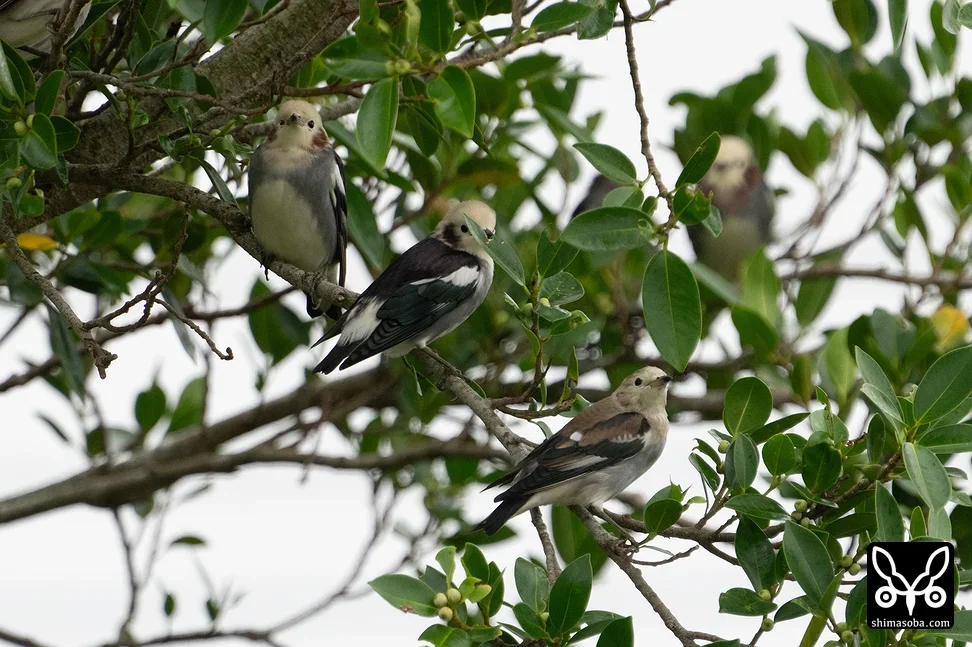
Chestnut-cheeked Starling

A flock of Chestnut-cheeked Starlings. About 50 birds.
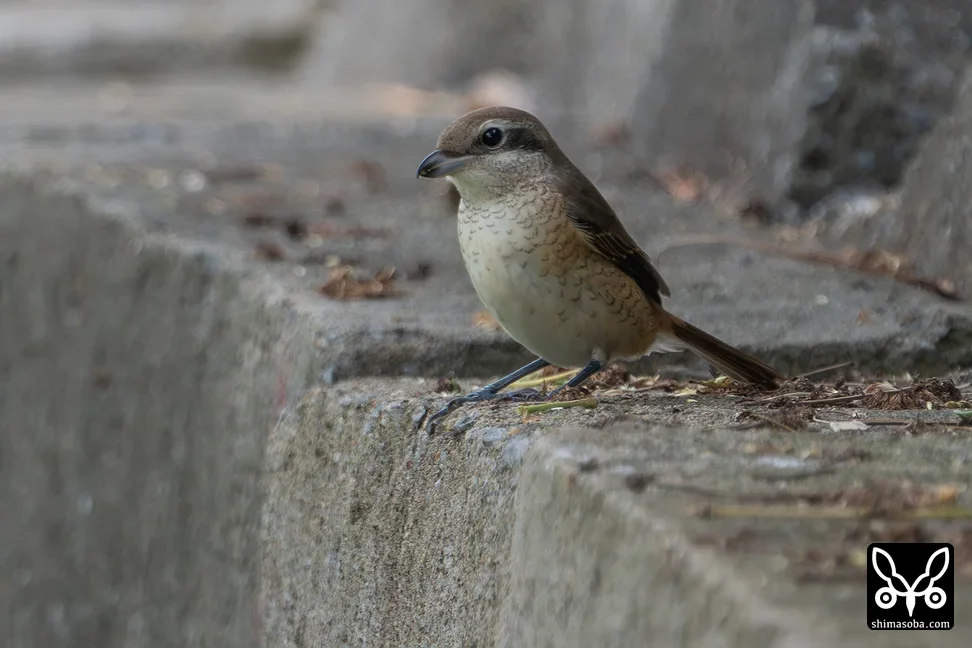
Isabelline Shrike
Isabelline Shrike

Brown Shrike, first-winter plumage.

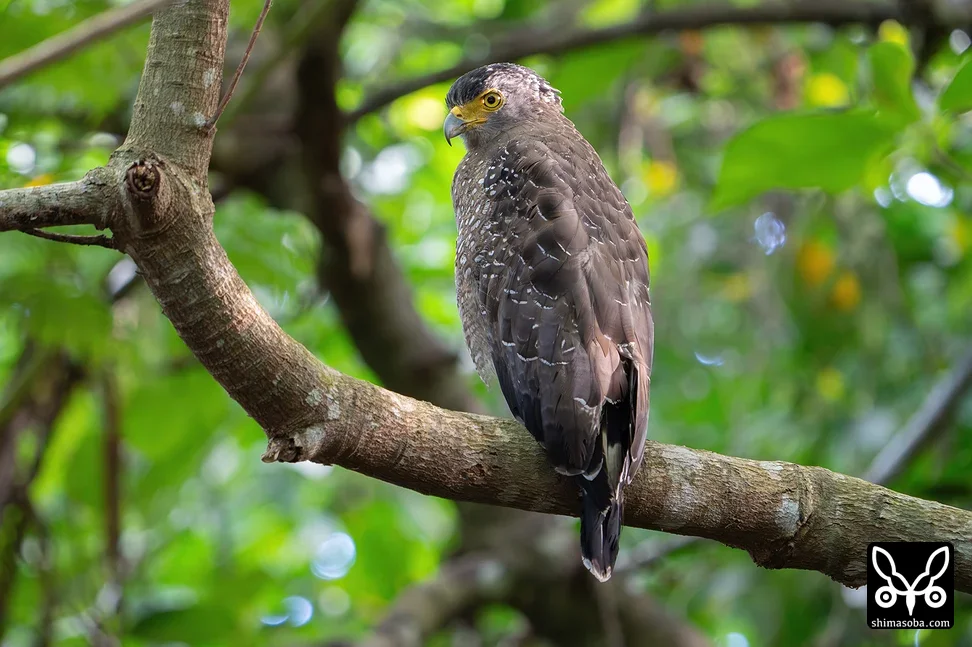
Crested Serpent Eagle

A Crested Serpent Eagle that is often found just a few dozen metres from my house. The village mascot — it'll perch on your hand. ^^
Categories: 野鳥

Pin-tailed Snipe winding down, Swinhoe's Snipe past peak, Common Snipe at their best

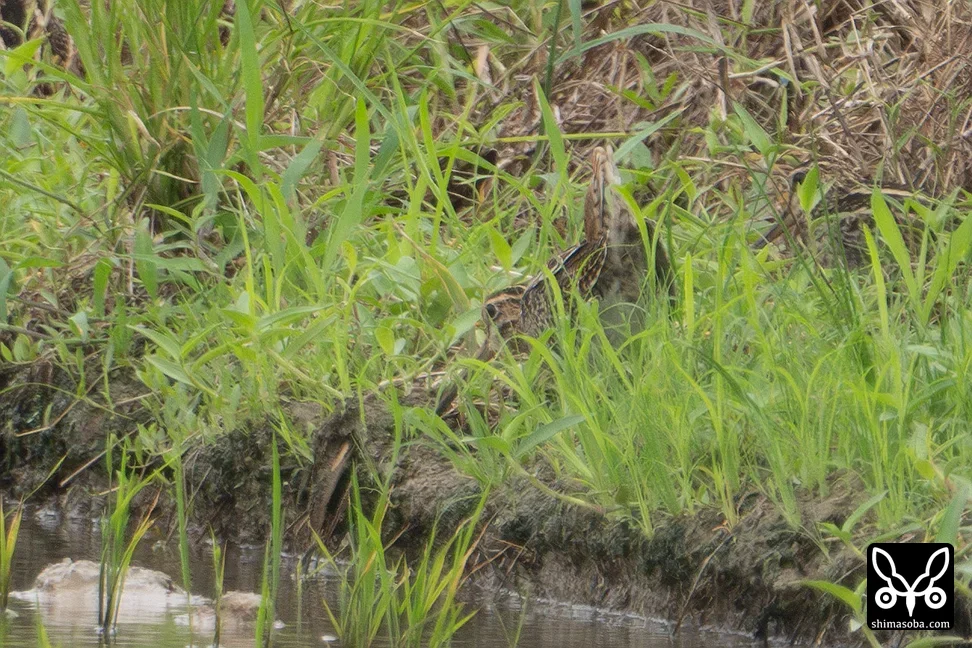
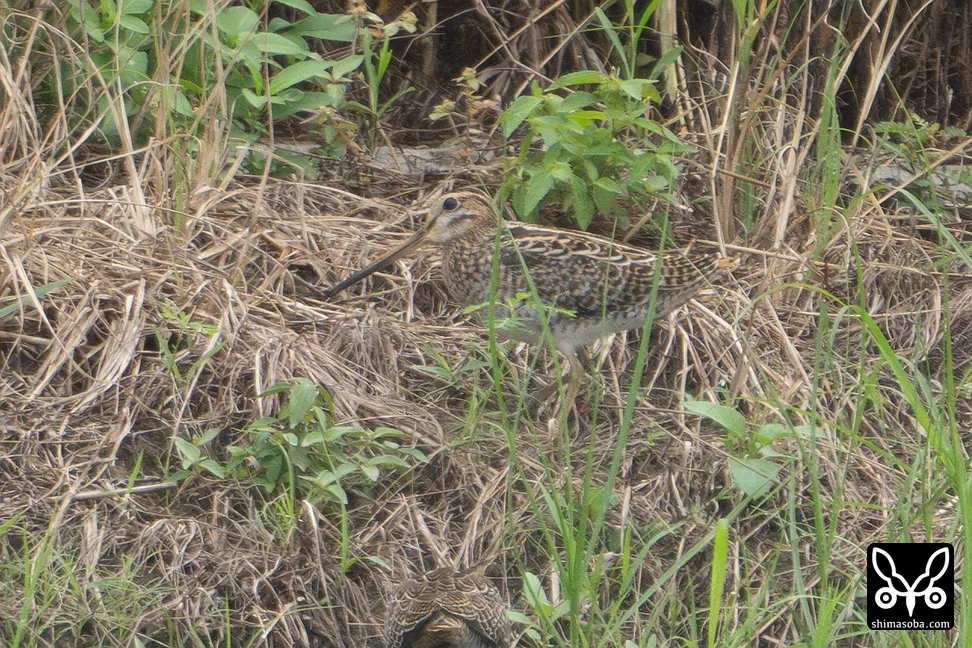
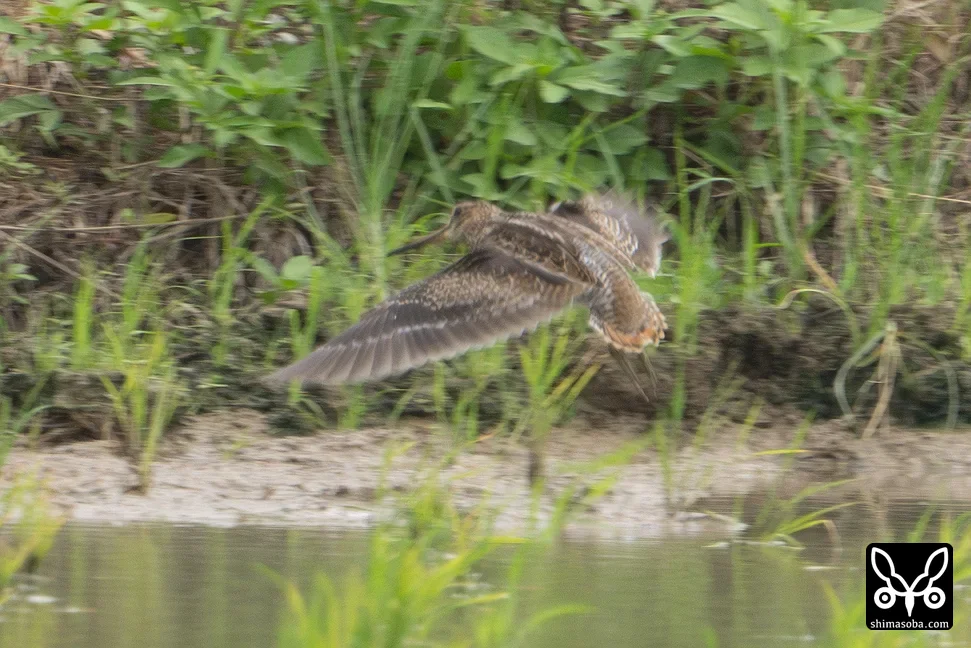
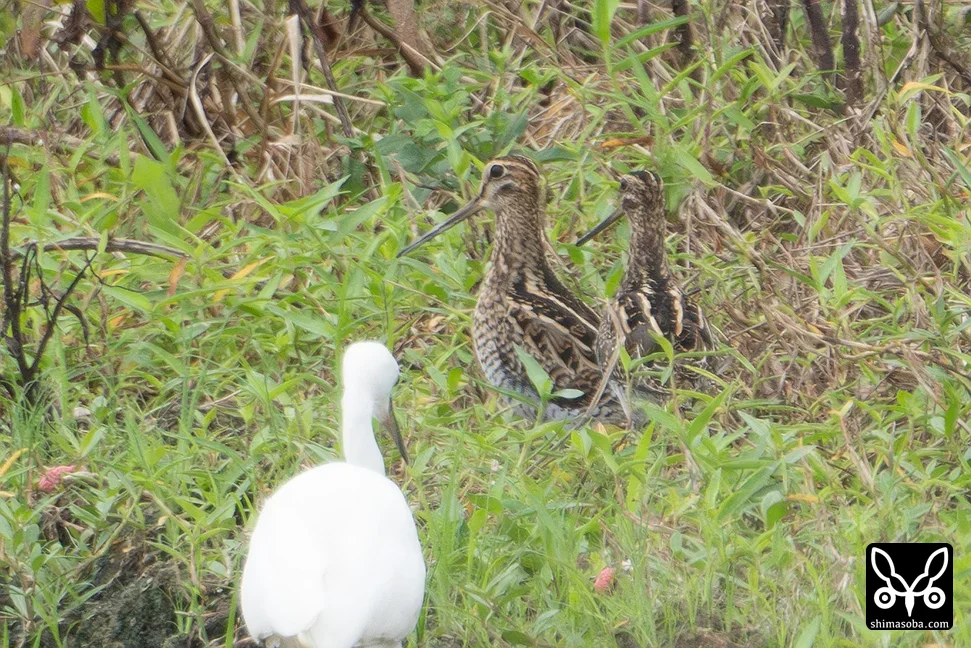
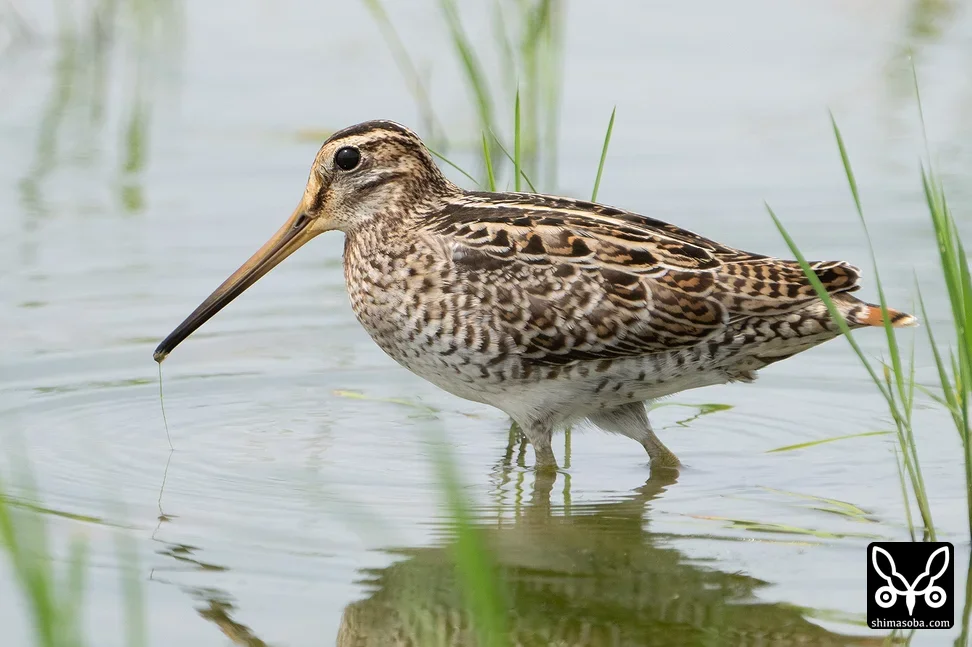
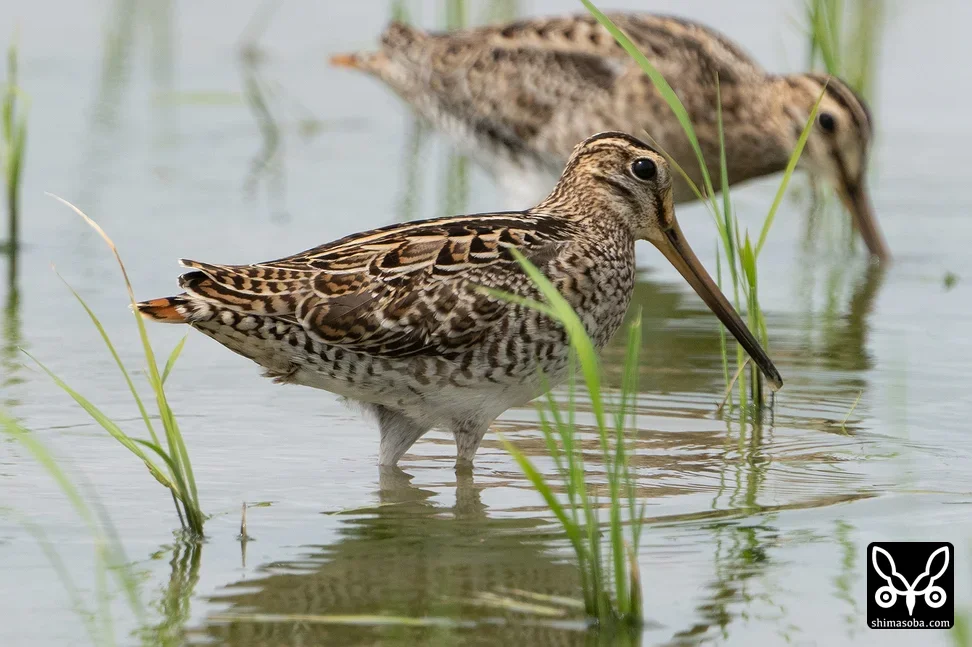
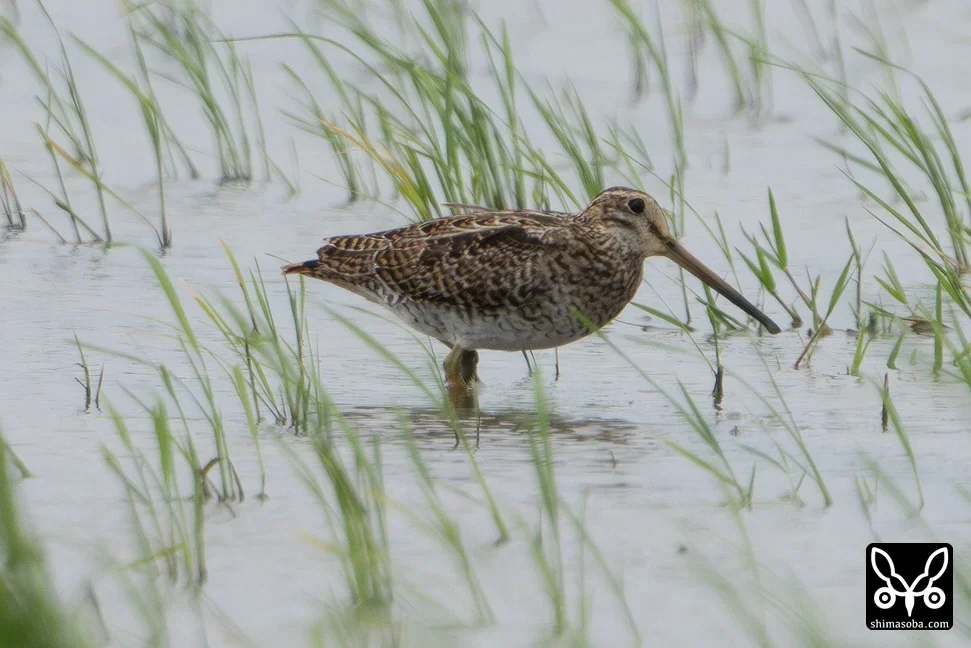
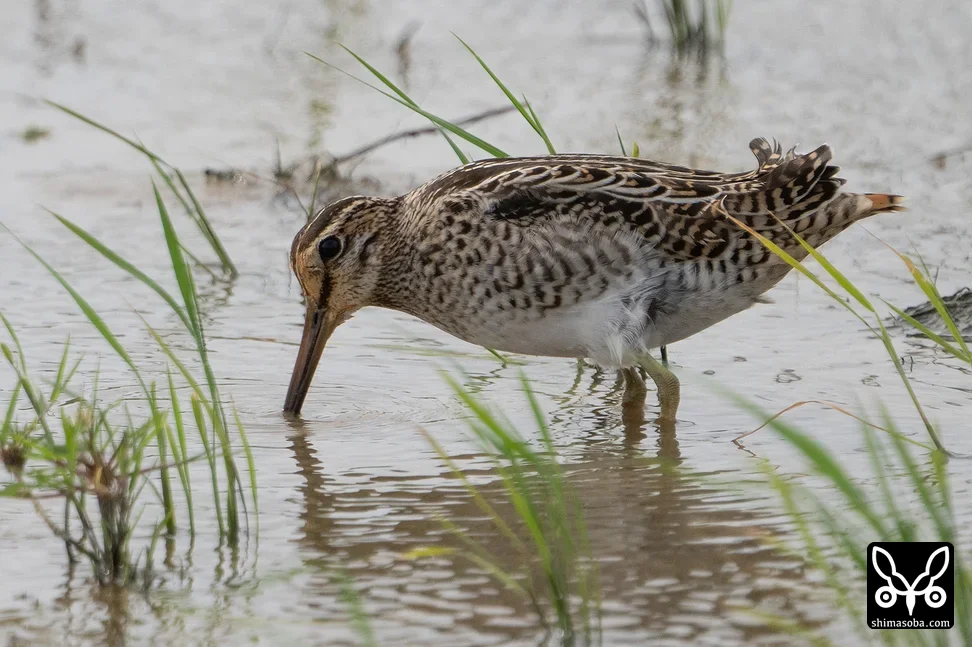
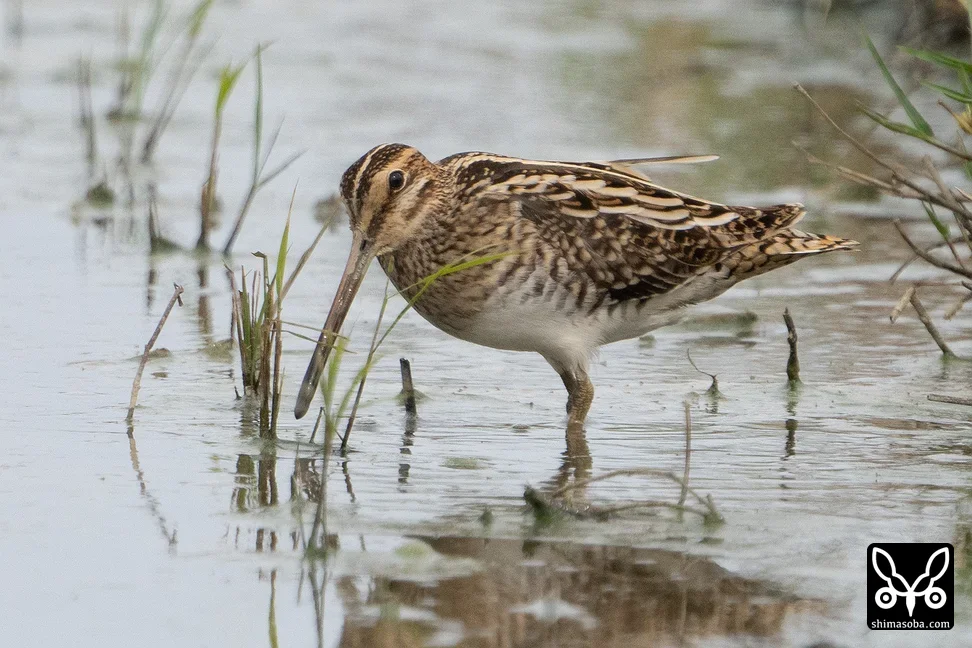
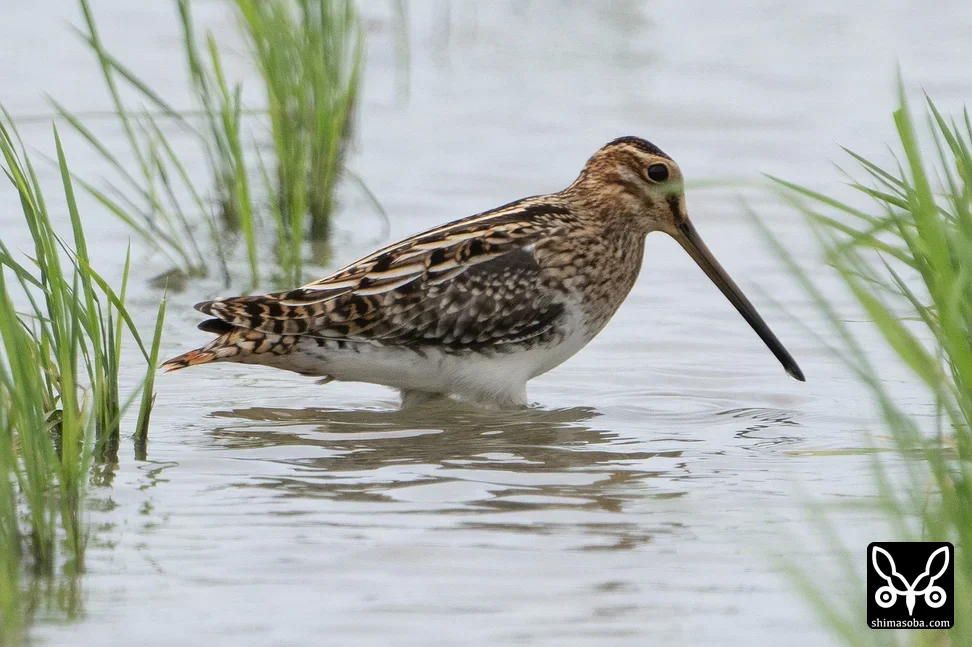
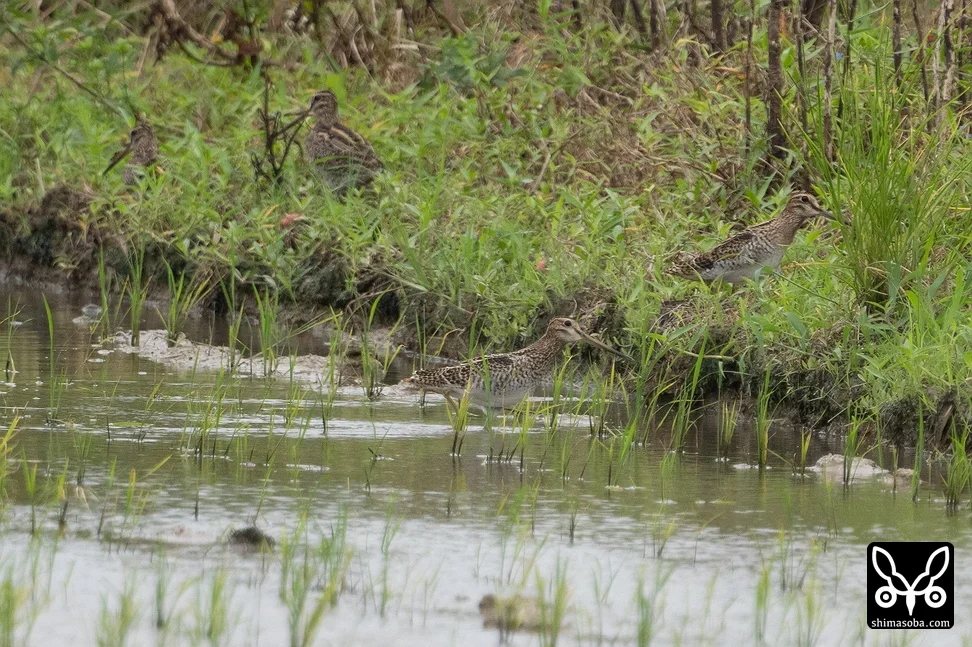
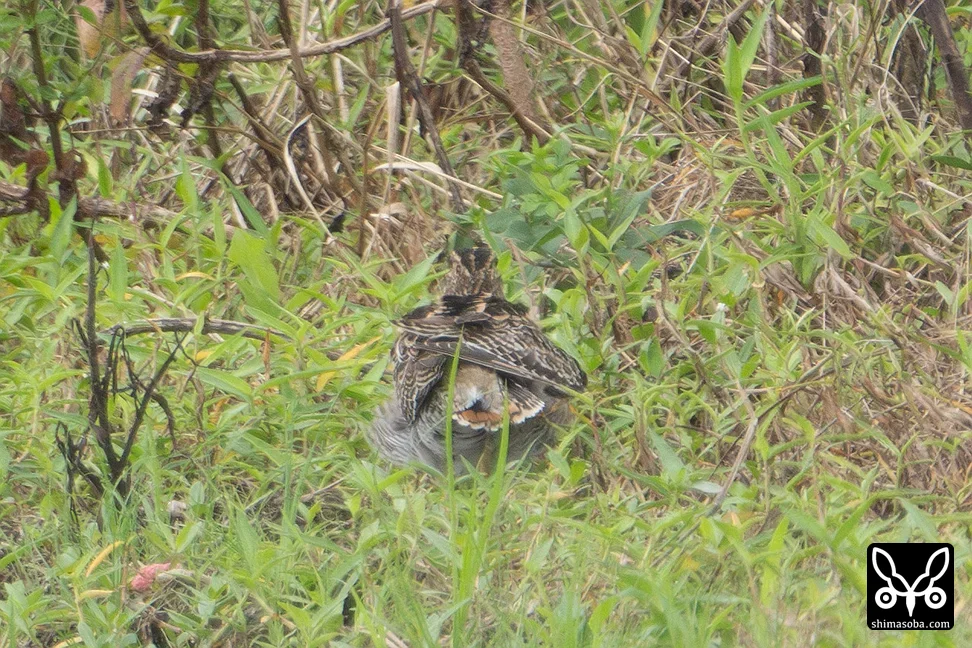
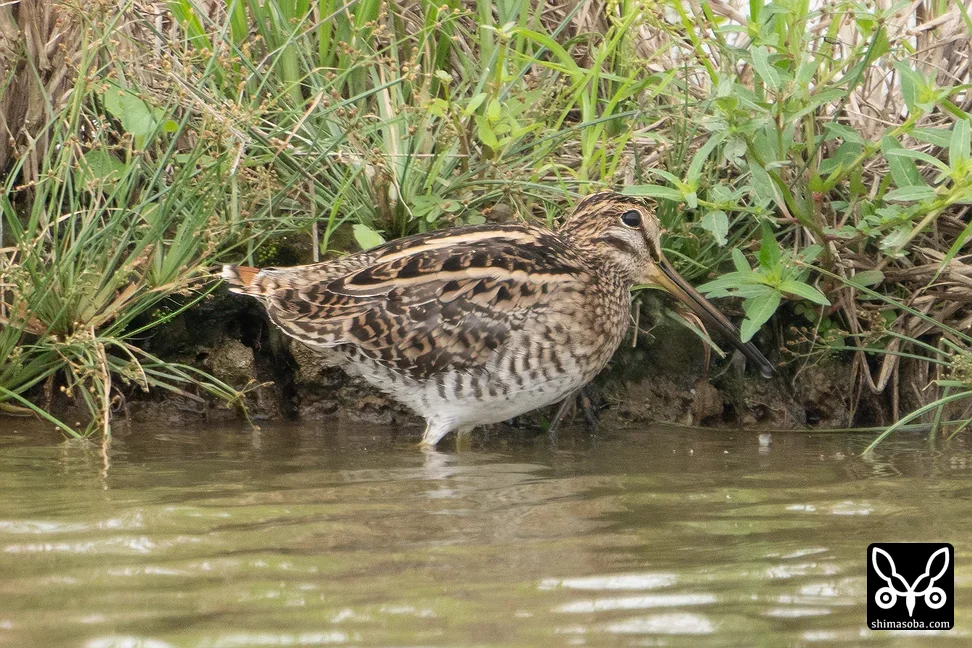
Pin-tailed Snipe have thinned out considerably. Common Snipe are increasing in their place. In terms of numbers, Swinhoe's Snipe are still the most abundant. As usual I concentrated on searching for Pin-tailed Snipe, but found mostly Swinhoe's Snipe.

Pin-tailed Snipe
Pin-tailed Snipe

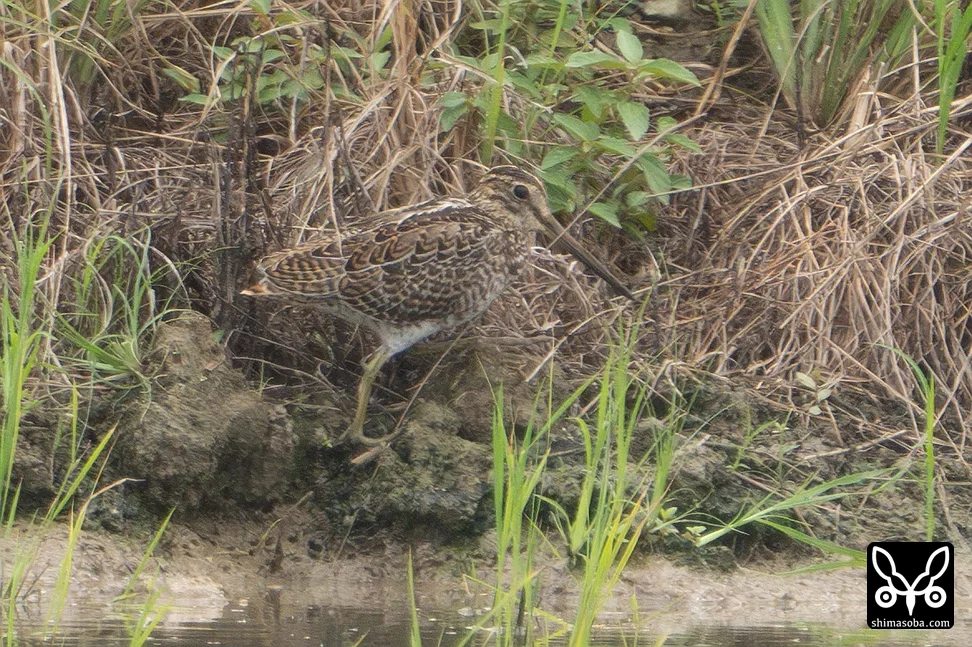
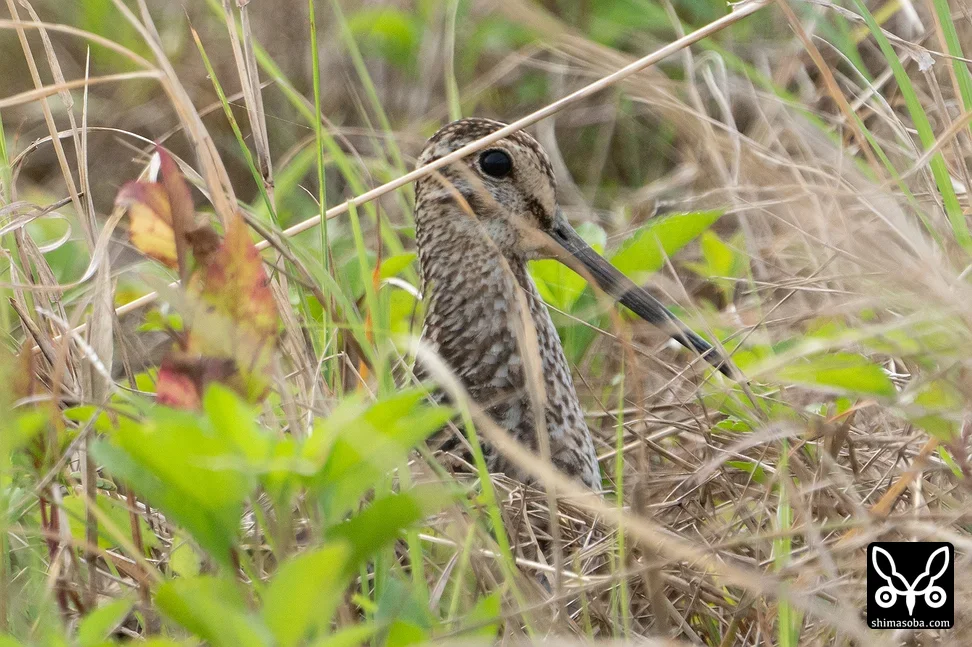
An individual identifiable as a Swinhoe's Snipe by the face alone.

Pin-tailed Snipe
Pin-tailed Snipe

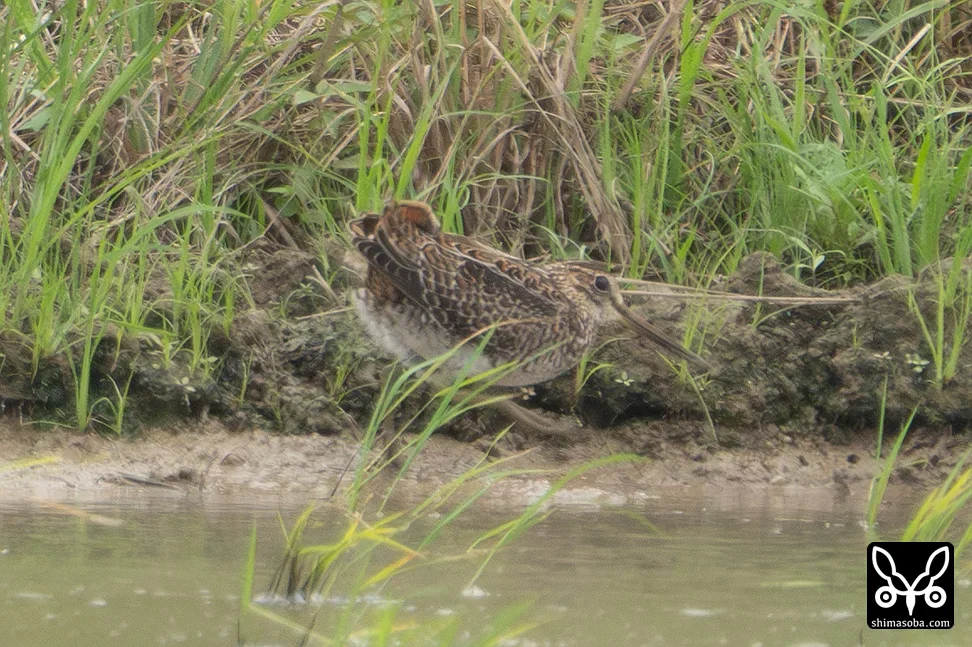
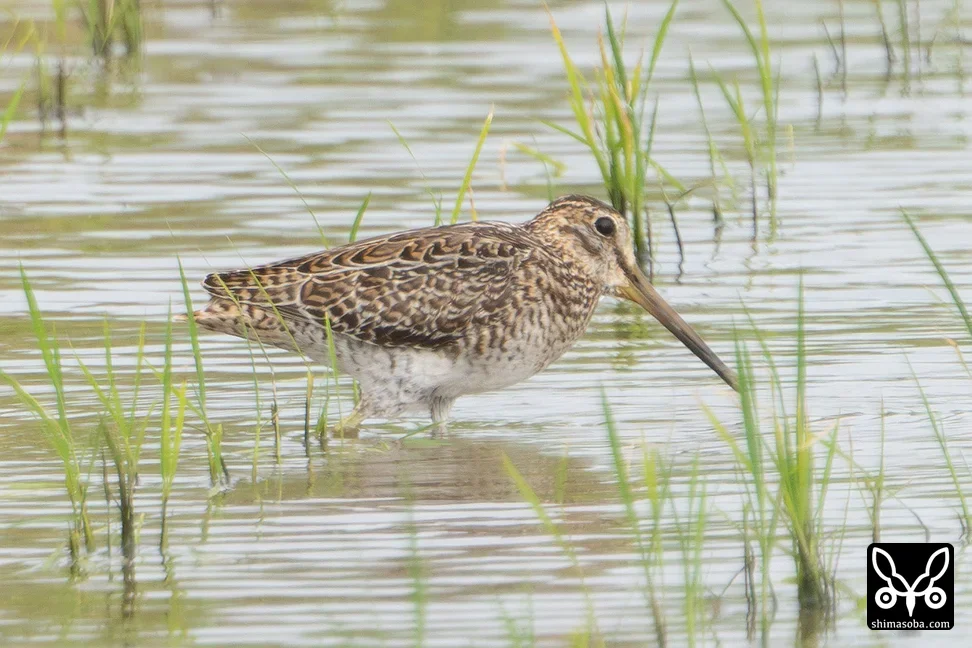
Swinhoe's Snipe, juvenile.

Pin-tailed Snipe
Pin-tailed Snipe

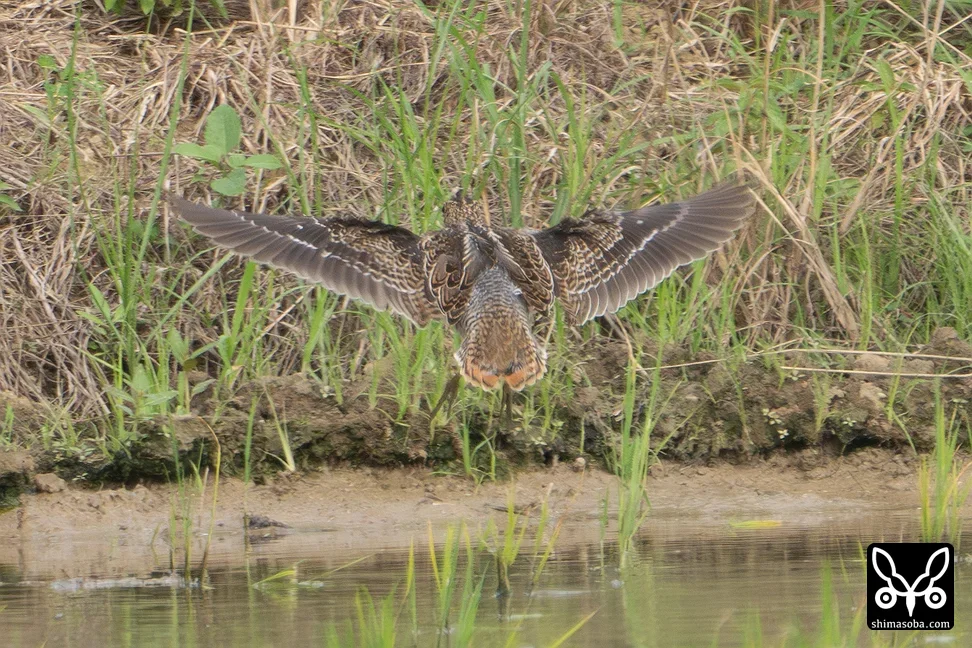
Another Swinhoe's Snipe juvenile.

Pin-tailed Snipe
Pin-tailed Snipe

Same individual as above.

Pin-tailed Snipe
Pin-tailed Snipe

Same individual as above.

Pin-tailed Snipe
Pin-tailed Snipe

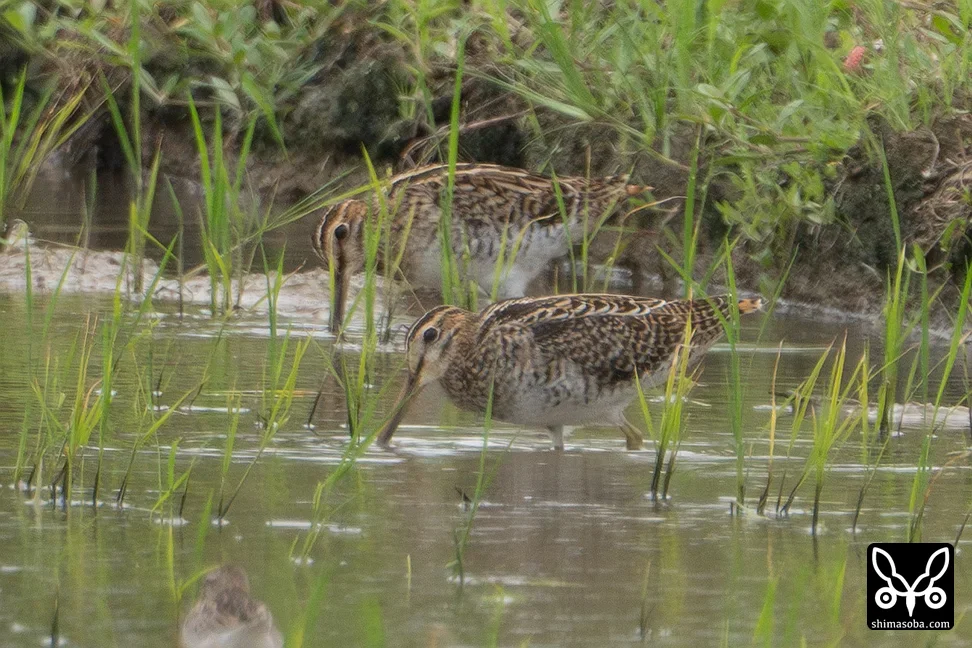
Swinhoe's Snipe (foreground) and Gallinago megala.

Pin-tailed Snipe
Pin-tailed Snipe

Same individual as the Swinhoe's Snipe above.

Pin-tailed Snipe
Pin-tailed Snipe

Pin-tailed Snipe, juvenile.

Pin-tailed Snipe
Pin-tailed Snipe

Same individual as above.

Common Snipe
Common Snipe / Pin-tailed Snipe

Pin-tailed Snipe (left) and Common Snipe.

Swinhoe's Snipe
Swinhoe's Snipe

Swinhoe's Snipe, juvenile.

Swinhoe's Snipe
Swinhoe's Snipe

Swinhoe's Snipe, juveniles. The bird in the background is the same individual as above.

Swinhoe's Snipe
Swinhoe's Snipe

The foreground individual from the shot above.

Swinhoe's Snipe
Swinhoe's Snipe

Swinhoe's Snipe, juvenile.

Swinhoe's Snipe
Swinhoe's Snipe

Same individual as above.

Swinhoe's Snipe
Swinhoe's Snipe

Same individual as above.

Swinhoe's Snipe
Swinhoe's Snipe

Swinhoe's Snipe, adult winter.

Swinhoe's Snipe
Swinhoe's Snipe

Swinhoe's Snipe, first-winter.

Swinhoe's Snipe
Swinhoe's Snipe

Swinhoe's Snipe, juvenile.

Common Snipe
Common Snipe

Common Snipe, first-winter.

Common Snipe
Common Snipe

Also a Common Snipe, first-winter.

Swinhoe's Snipe
Swinhoe's Snipe / Pin-tailed Snipe

From left: Swinhoe's Snipe, Swinhoe's Snipe, Pin-tailed Snipe, Swinhoe's Snipe.

Swinhoe's Snipe
Swinhoe's Snipe

Same individual as the second from the left in the shot above.

Categories: 野鳥

Pied Avocet, Pin-tailed Snipe, Spotted Redshank, Japanese Leaf Warbler, and more

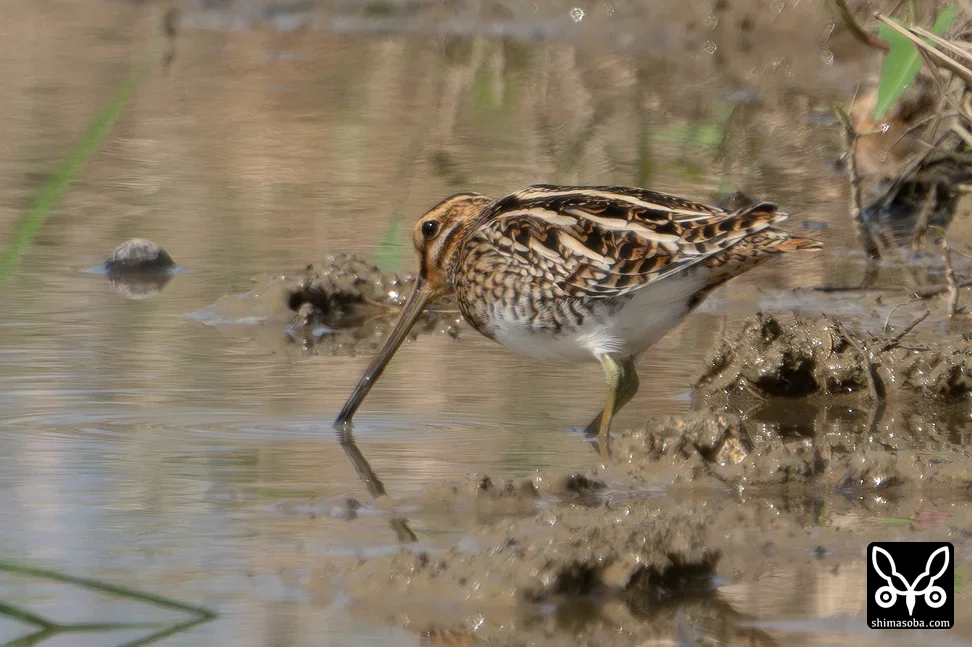
The first Pied Avocet, Spotted Redshank, Eurasian Wigeon, and Northern Shoveler of the season have arrived. I had been hearing Japanese Leaf Warbler by call for several days, but this time I finally managed a photograph.

Pin-tailed Snipe numbers have dropped; today I could only squeeze out a single bird. Swinhoe's Snipe are past their peak but still well represented. Common Snipe are increasing.

Pied Avocet
Pied Avocet

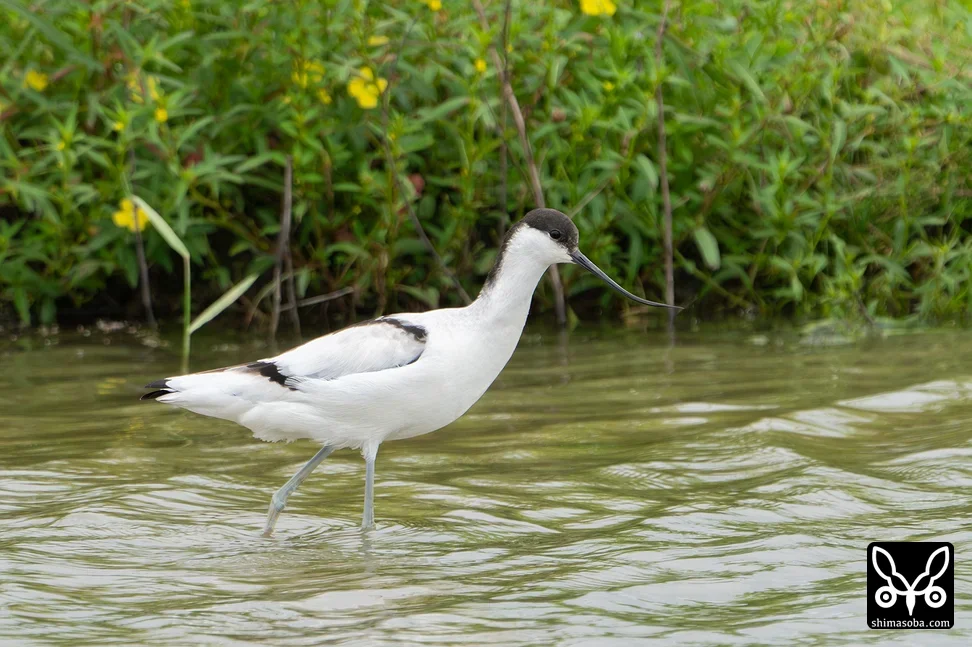
Pied Avocet, juvenile.

Pied Avocet
Pied Avocet

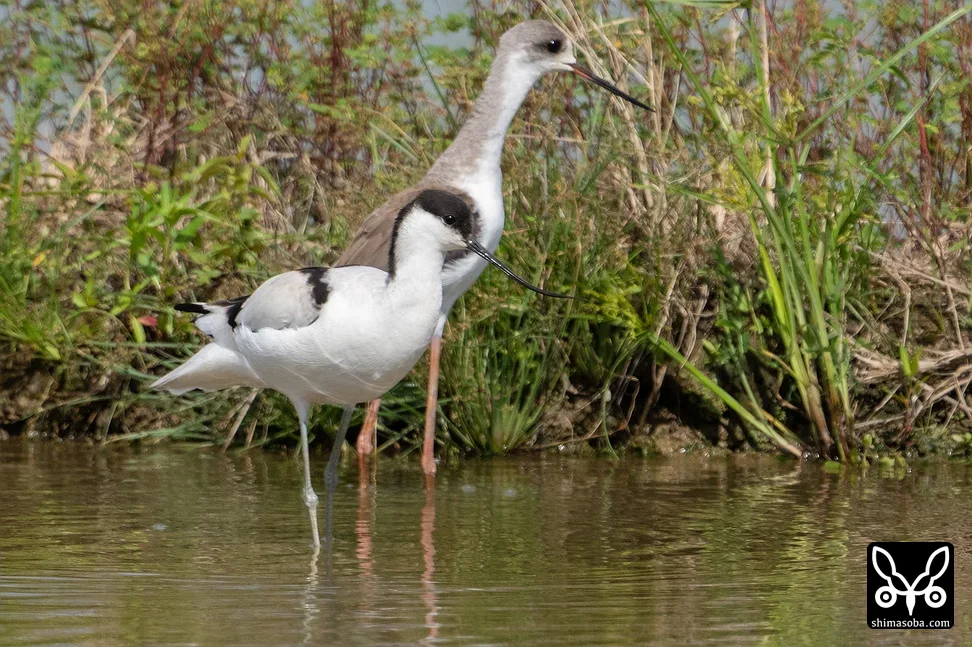
Pied Avocet and Black-winged Stilt. Both juveniles.

Marsh Sandpiper
Marsh Sandpiper / Spotted Redshank

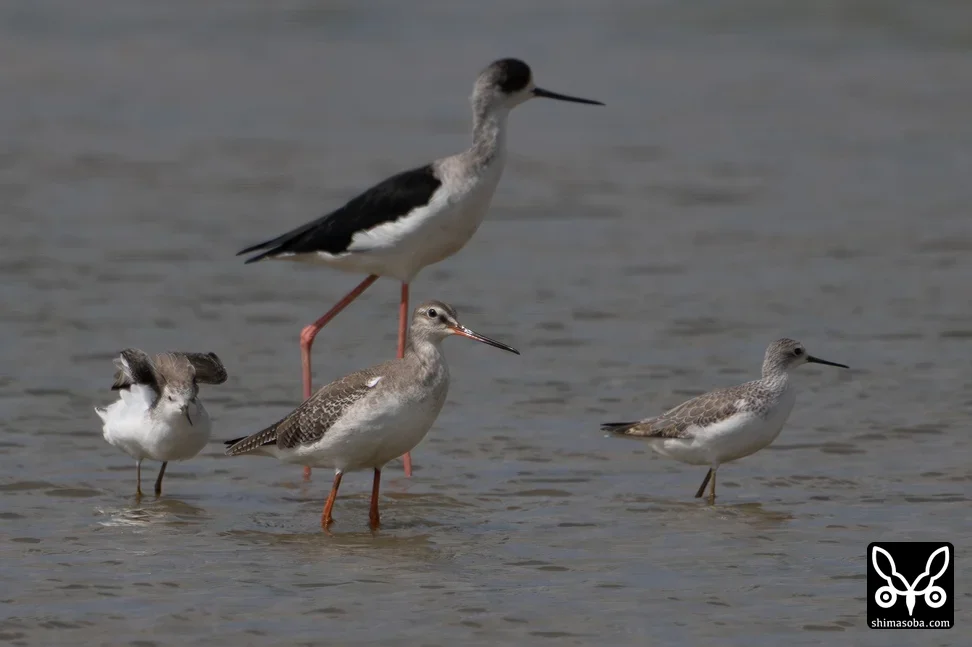
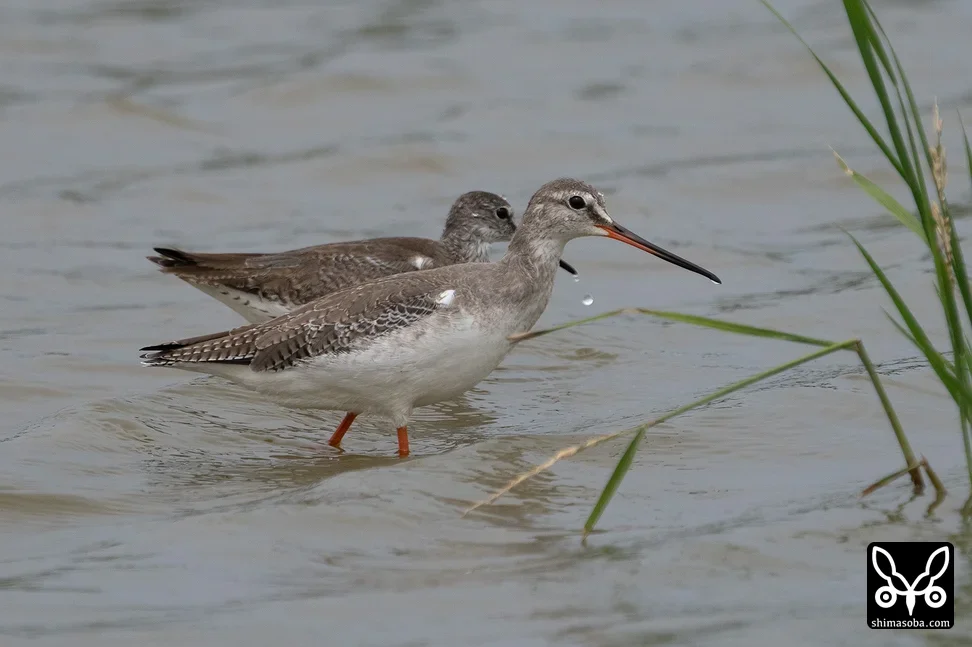
The Spotted Redshank is in first-winter plumage. It was keeping company with a Marsh Sandpiper.

Pin-tailed Snipe
Pin-tailed Snipe

Swinhoe's Snipe, juvenile.

Pin-tailed Snipe
Pin-tailed Snipe

Same individual as above.

Pin-tailed Snipe
Pin-tailed Snipe

Same individual as above.

Swinhoe's Snipe
Swinhoe's Snipe

Megasnipe, juvenile.

Swinhoe's Snipe
Swinhoe's Snipe

Megasnipe, first-winter plumage.

Common Snipe
Common Snipe

Common Snipe, juvenile.

Common Snipe
Common Snipe

Common Snipe, adult.

Common Redshank
Common Redshank / Common Snipe

Common Snipe and Common Redshanks had gathered here.

Common Snipe
Common Snipe

Common Snipe, adult.

Common Snipe
Common Snipe

Common Snipe, juvenile.

Common Redshank
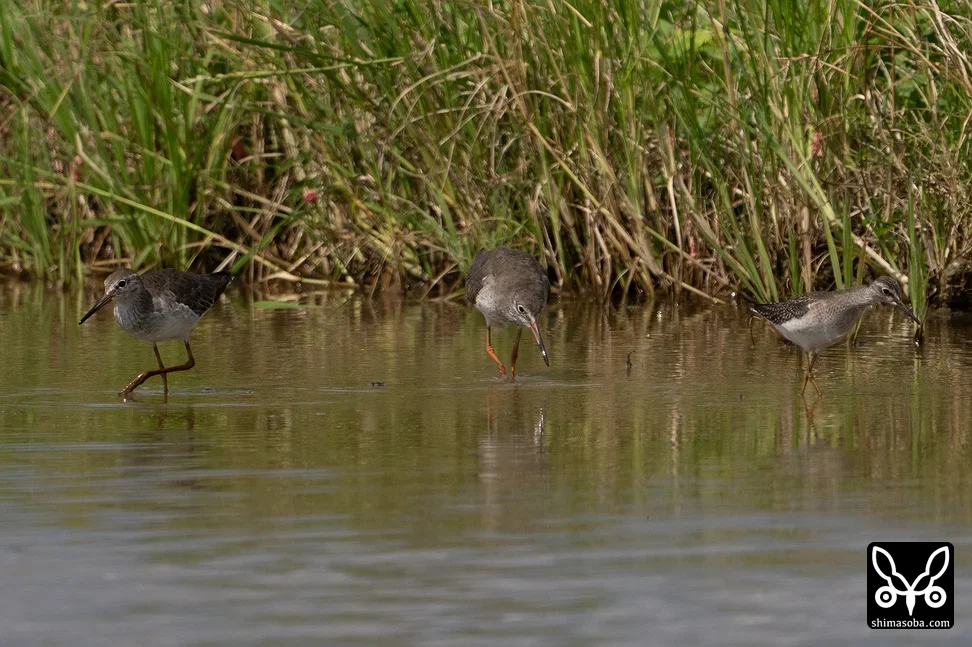
Common Redshank / Wood Sandpiper

Common Redshank and Wood Sandpiper foraging side by side.

Eurasian Wigeon
Eurasian Wigeon

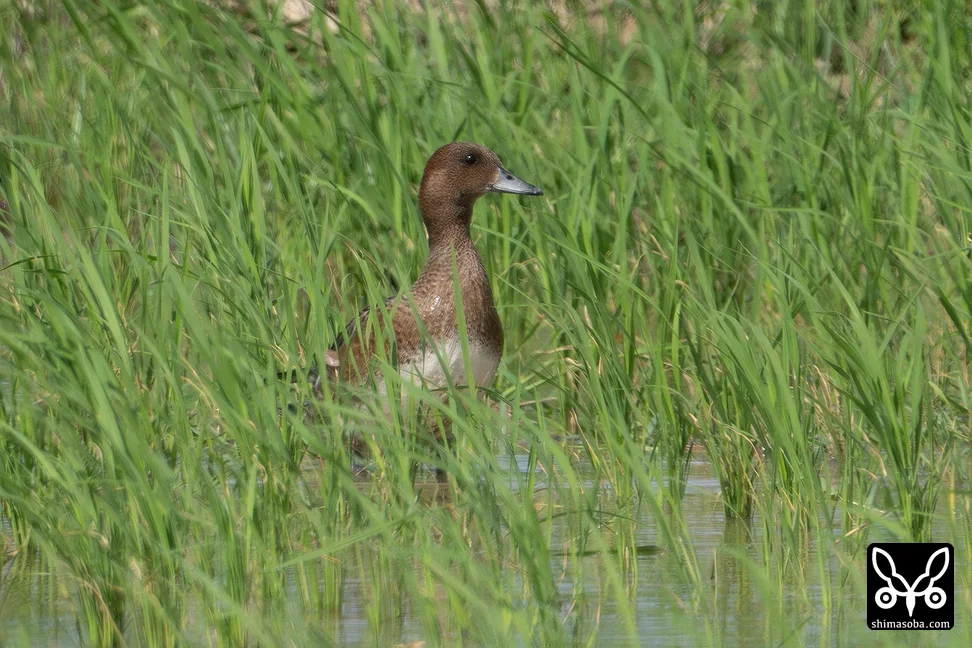
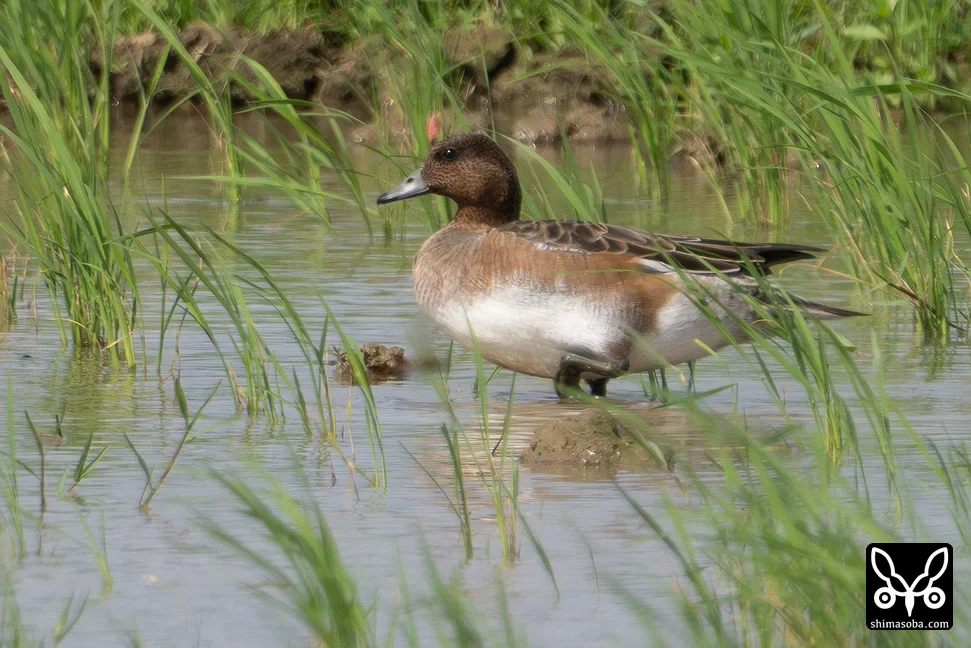
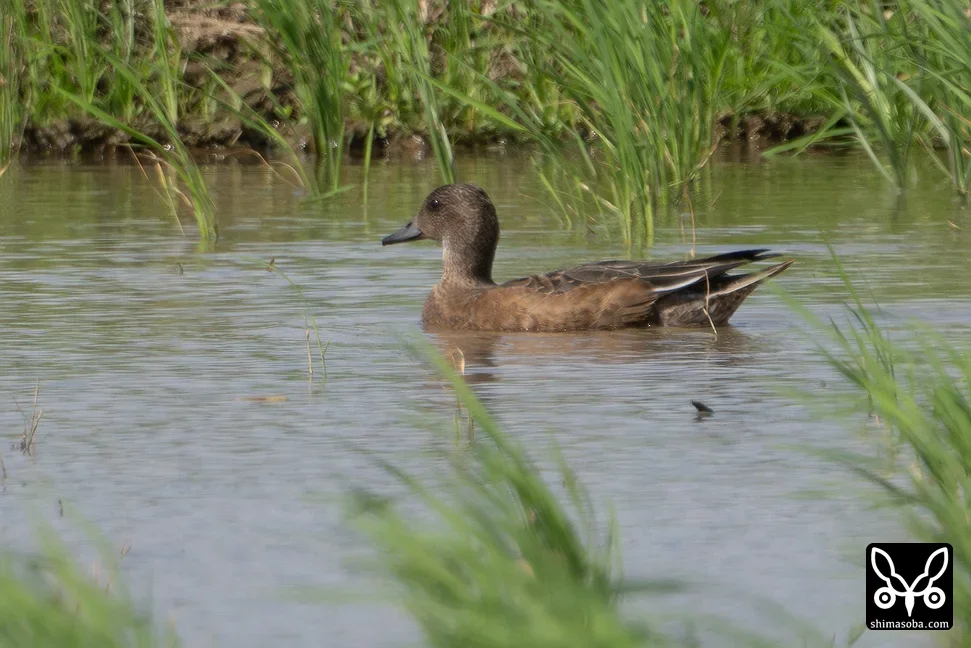
Eurasian Wigeon, male. Eclipse plumage.

Eurasian Wigeon
Eurasian Wigeon

Also eclipse plumage.

Eurasian Wigeon
Eurasian Wigeon

Eurasian Wigeon, female non-breeding plumage.

Northern Shoveler
Northern Shoveler

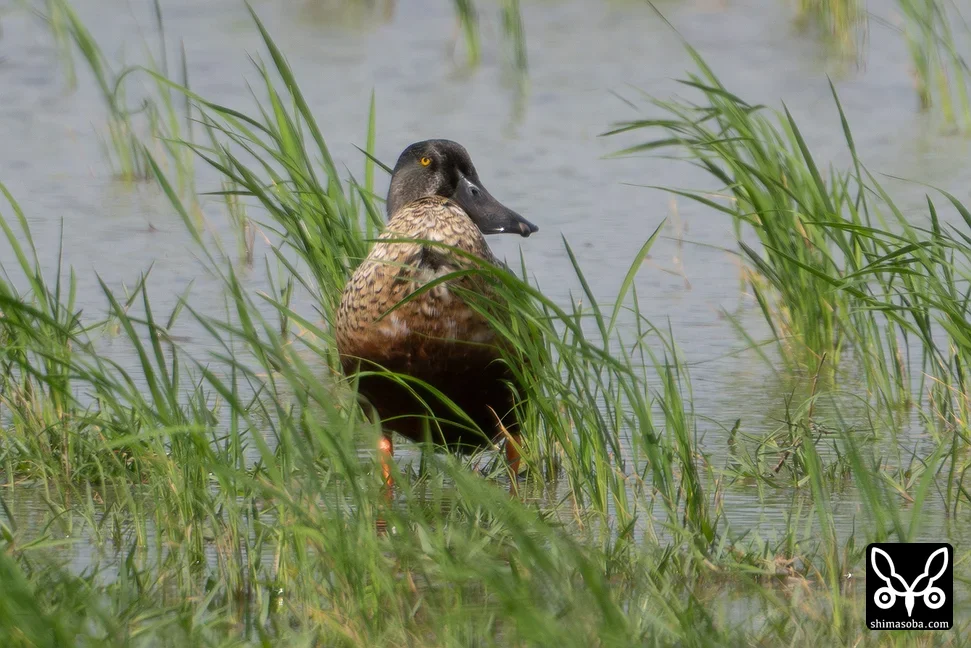
Northern Shoveler, male. Moulting from eclipse into breeding plumage.

Japanese Leaf Warbler

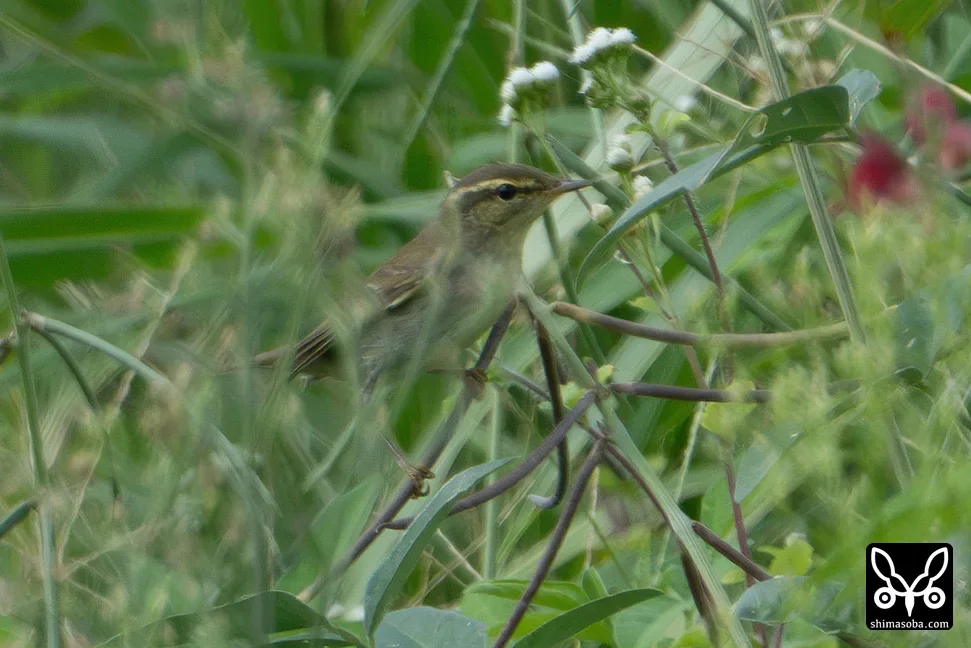
Japanese Leaf Warbler. I was able to identify it because I could hear its call.

Japanese Leaf Warbler

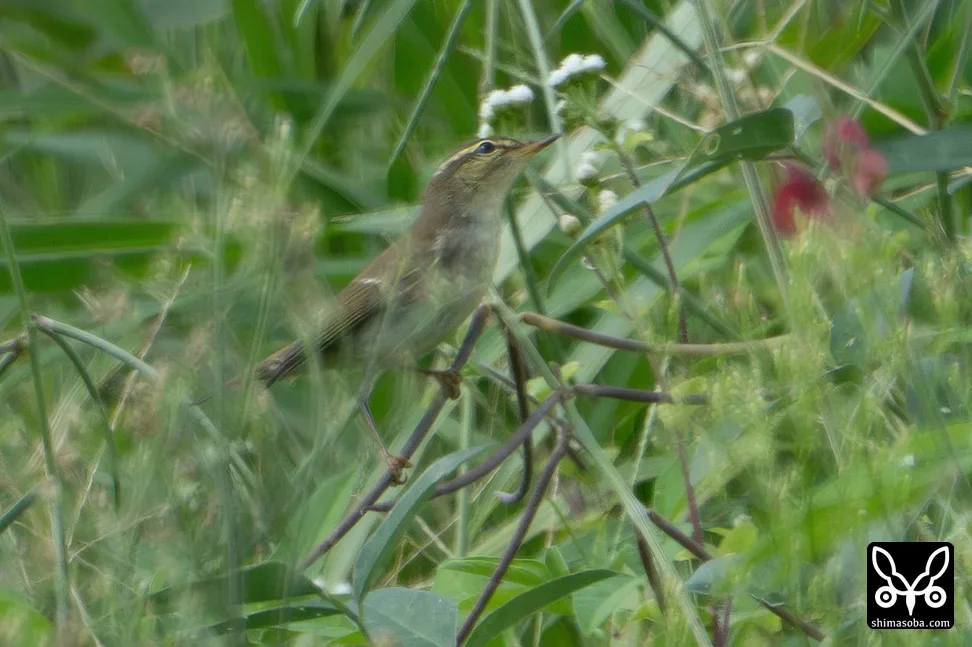
Same individual as above.

Grey-streaked Flycatcher

Grey-streaked Flycatcher, juvenile, near my home.

Categories: 野鳥

Peak Grey-faced Buzzard migration (video)

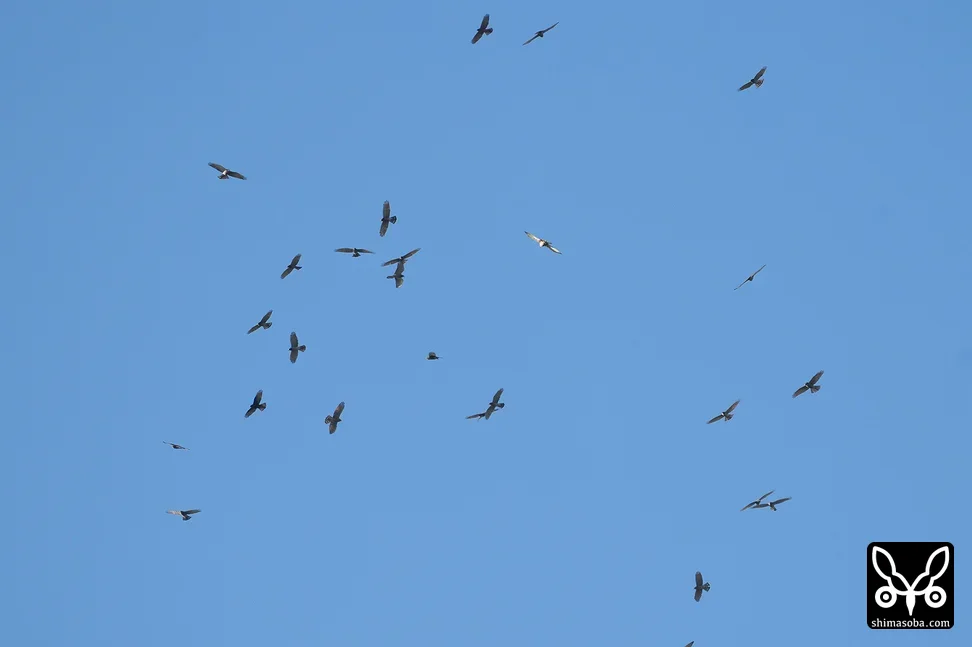
Grey-faced Buzzard migration is at its peak. On this day, more than 3,000 birds passed through — what I believe is an all-time record. I was on Kuroshima for work, so after returning to Ishigaki I rushed over to the usual migration watchpoint. Even on the way there, Grey-faced Buzzards were boiling up from all directions. Apparently there was also a kettle of more than 1,000 birds.

After I arrived, Grey-faced Buzzards continued to pour in from everywhere and form kettles. Among them I could pick out dark-morph individuals — the so-called black Grey-faced Buzzard.

A considerable number came down into the woodlands without completing the crossing, so tomorrow morning's roost departure should be spectacular.

Grey-faced Buzzard
Grey-faced Buzzard

Grey-faced Buzzard, adult male.

Grey-faced Buzzard
Grey-faced Buzzard

Grey-faced Buzzard, adult female.

Grey-faced Buzzard
Grey-faced Buzzard

This is a juvenile.

Grey-faced Buzzard
Grey-faced Buzzard

The dark-morph Black Honey Buzzard is visible slightly to the lower left of center in the image.

Categories: 野鳥

First-ever Grey-headed Swamphen!! Pheasant-tailed Jacana and Javan Pond Heron also in residence (video)

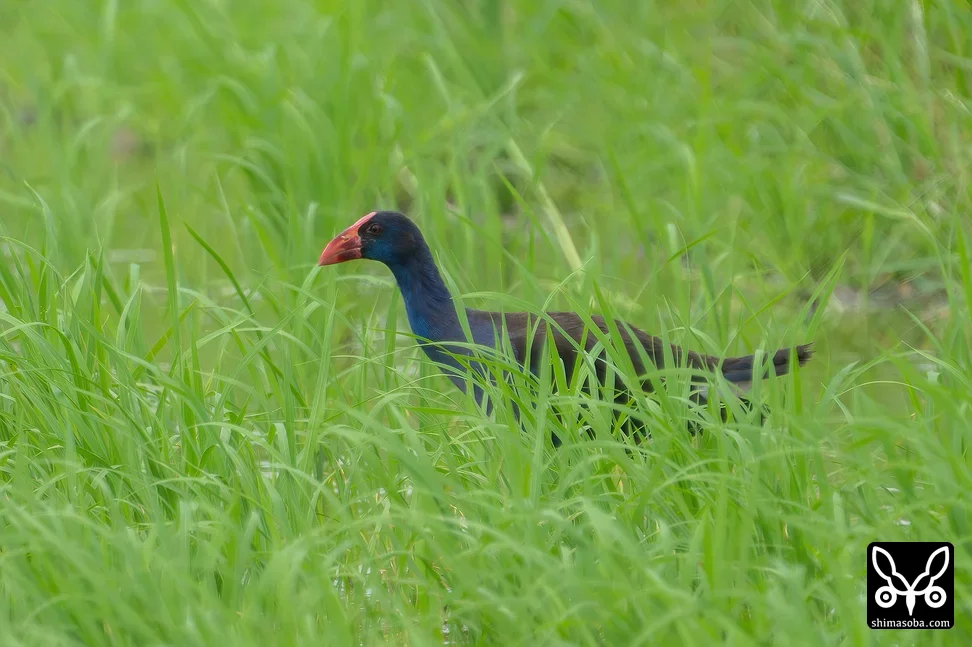
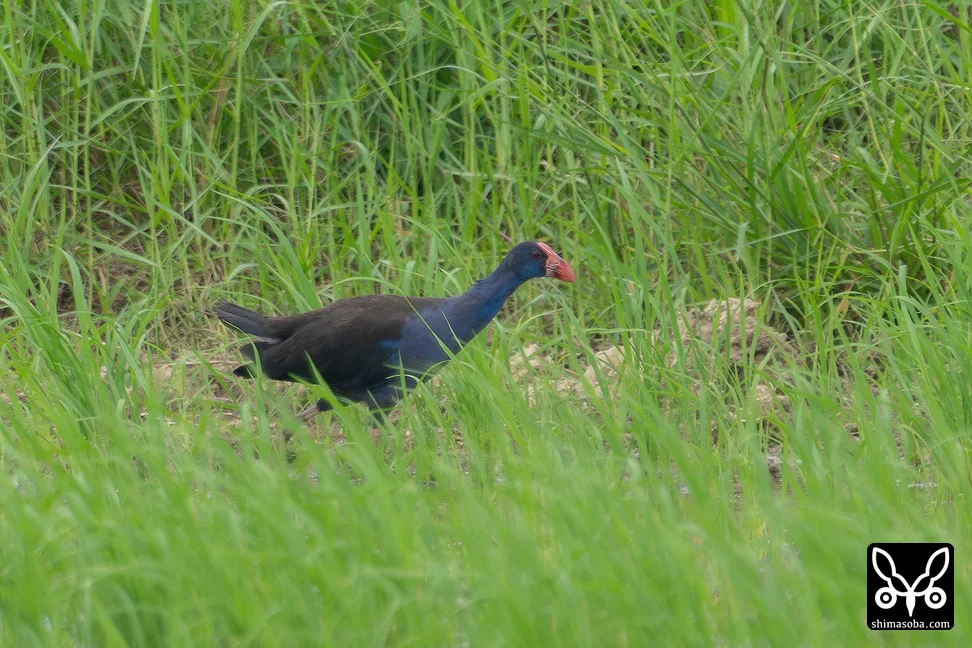
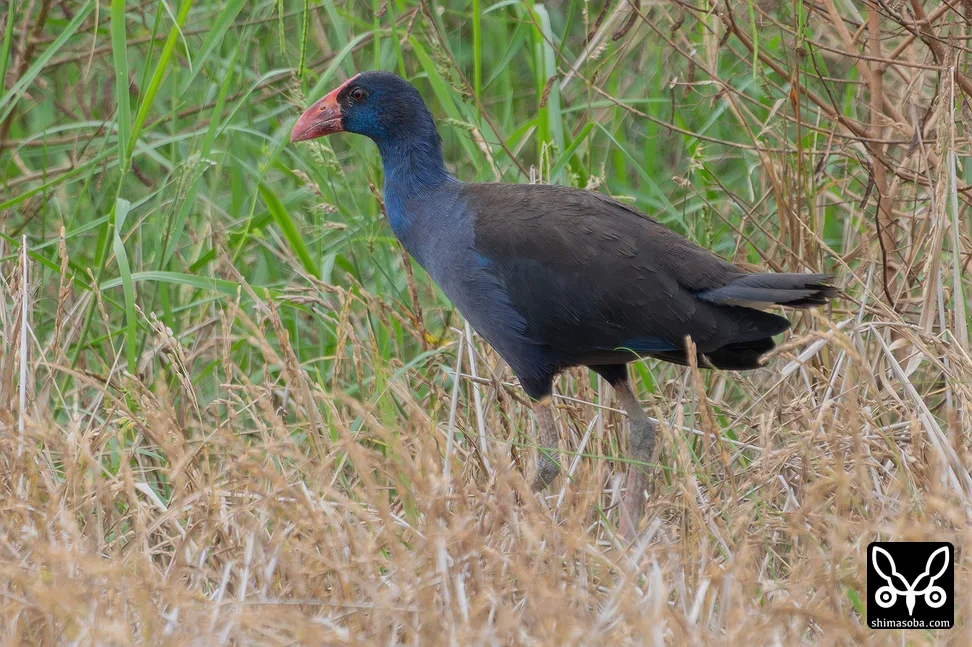
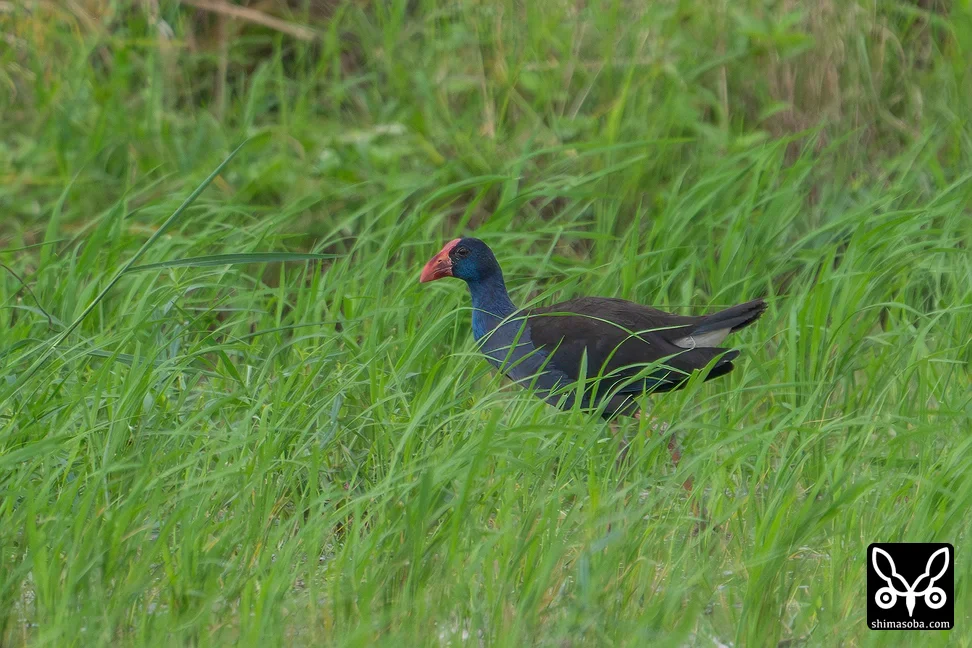
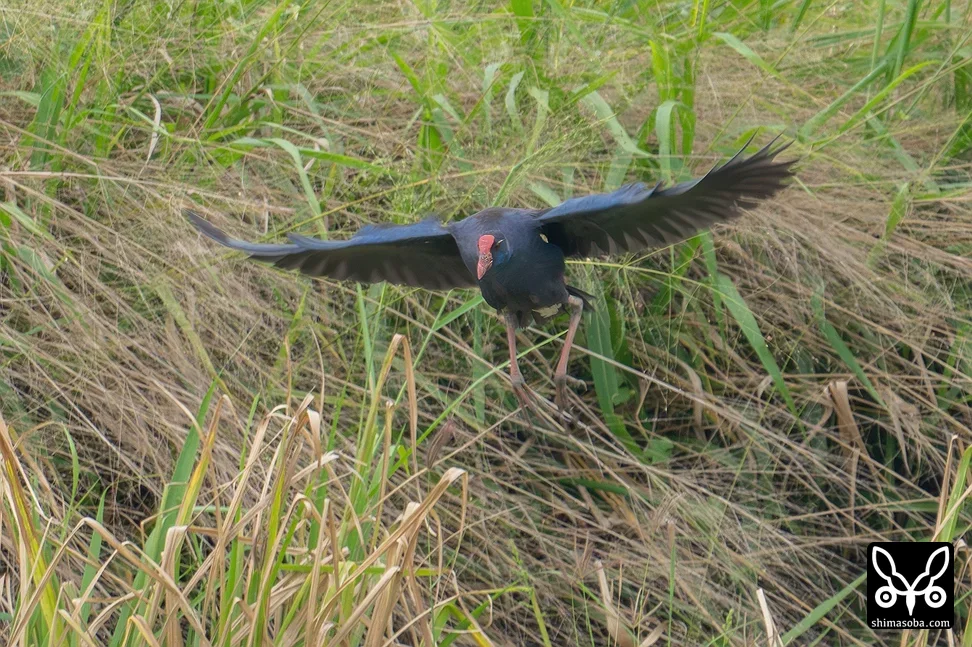
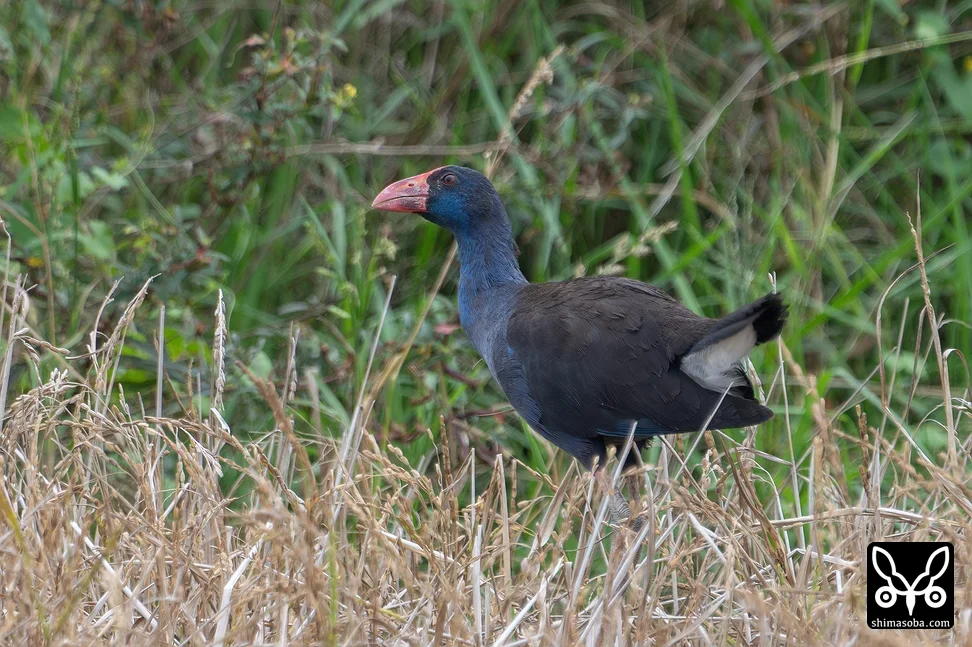
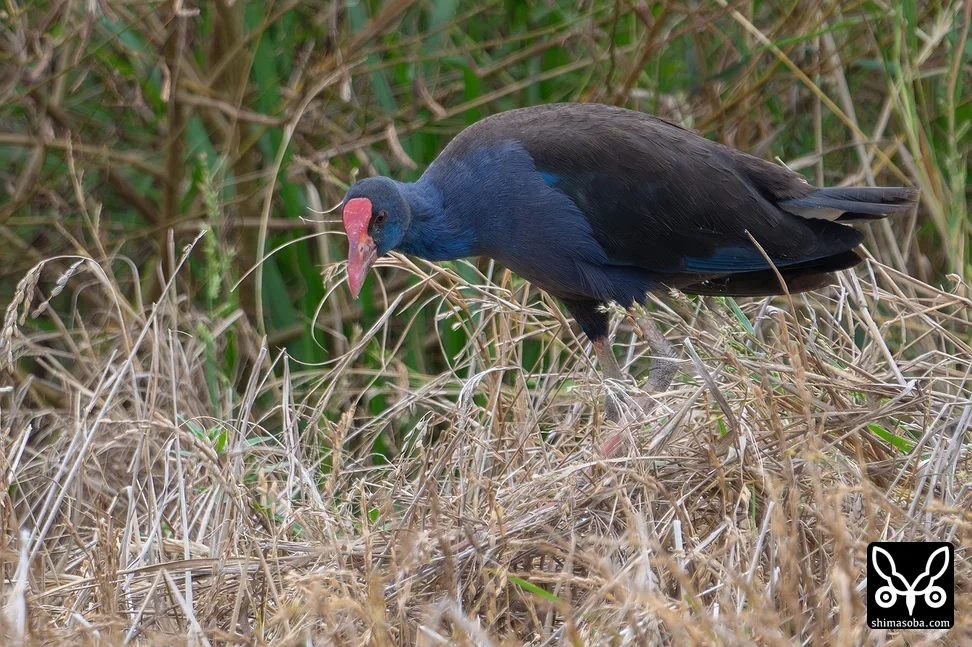
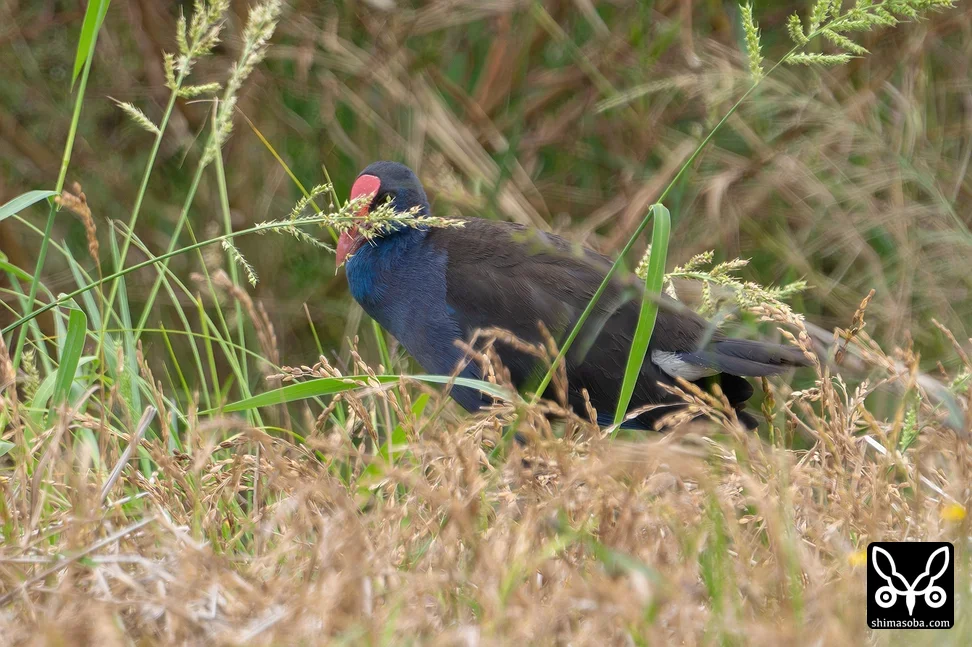
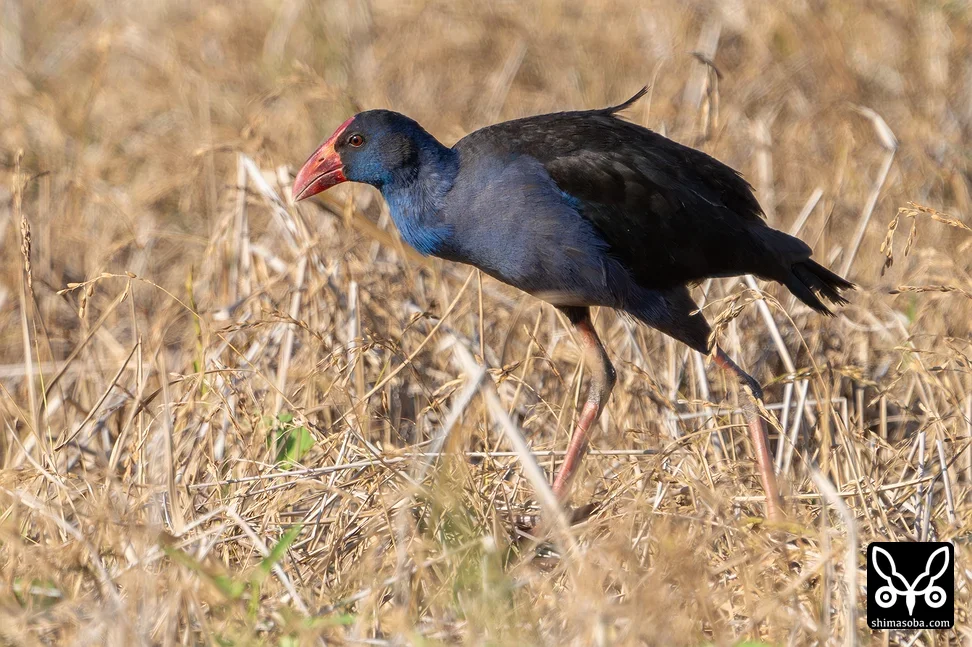
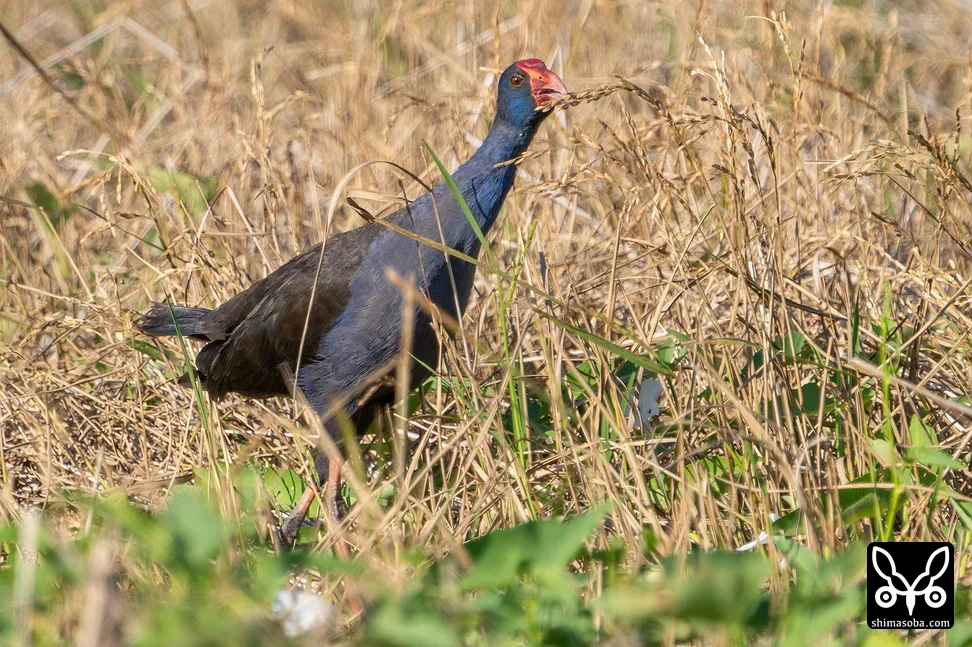
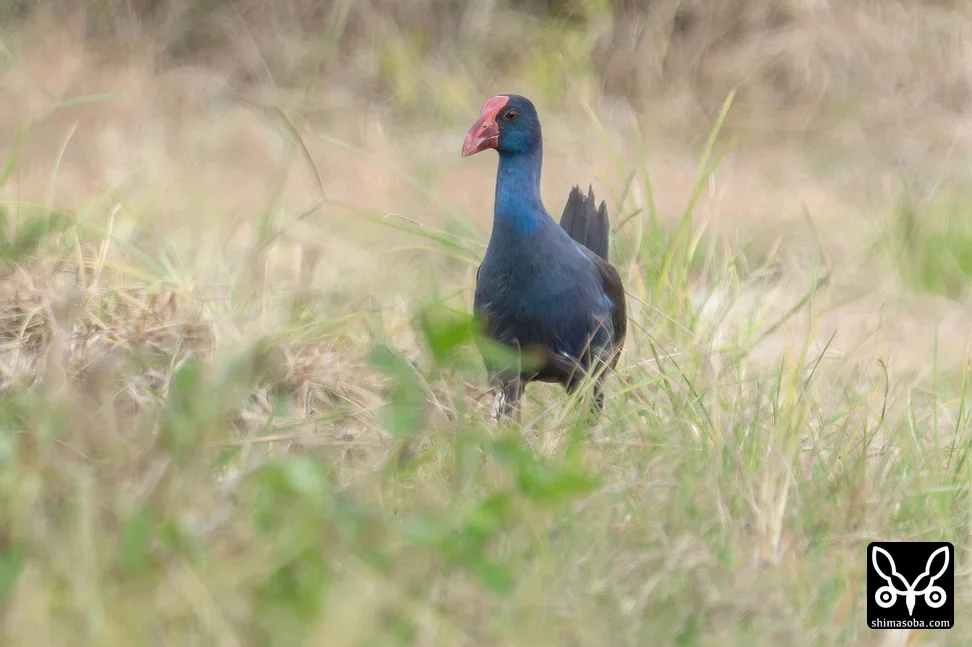
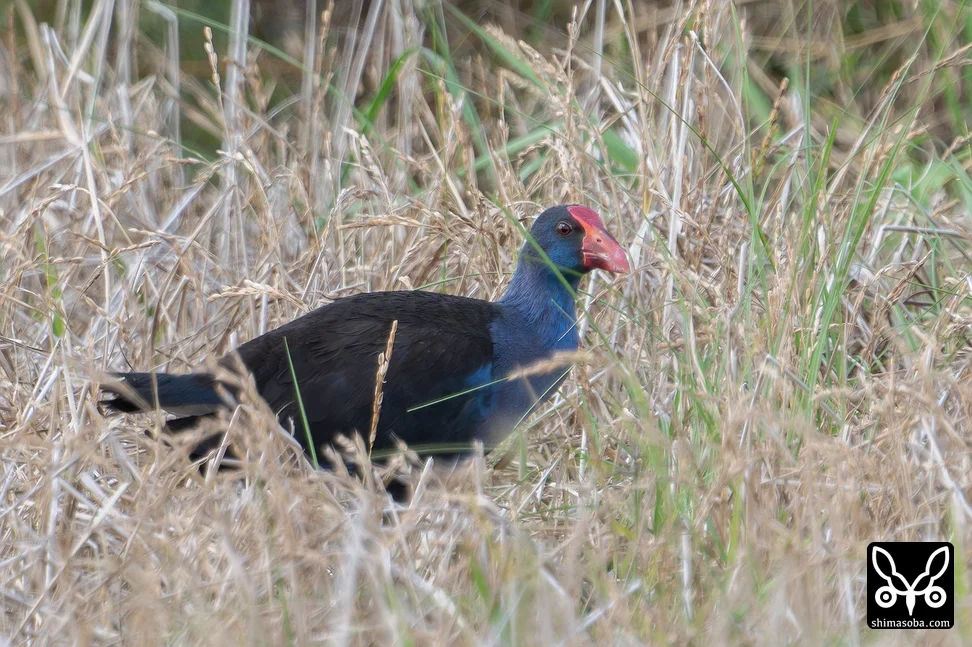
I have found a Grey-headed Swamphen — a first record!! There were apparently three records on the mainland in the 1970s and one on Okinawa Island in 1995, but all have been ruled as escapes, so there is no accepted record. There is therefore a strong possibility this will become the first accepted national record after further review.

A planned assignment was cancelled, so I reluctantly stopped by the paddies — and found it. At first I thought it was a Watercock, but when I put binoculars on it, question marks started spinning through my head. "Wait, a Takahē?" "No, Takahē can't fly." "Could this be a Grey-headed Swamphen!!!!!!" — and the enormity of it became real.

The genus Porphyrio has several members worldwide; they were formerly treated as subspecies, but after splitting the IOC list now recognises at least seven species. Among them, this bird struck me as closest to the Philippine Swamphen.

In the 2023 eighth edition of the Check-List of Japanese Birds it is listed as a species under consideration. I would like to take this opportunity to write up a report and have it elevated from that status.

Purple Swamphen
Purple Swamphen

When a bird you hadn't even considered turns up, you have no idea what you're looking at…. ^^;

Purple Swamphen
Purple Swamphen

It was eating the seeds and roots of grass growing on the paddy berm.

Pheasant-tailed Jacana

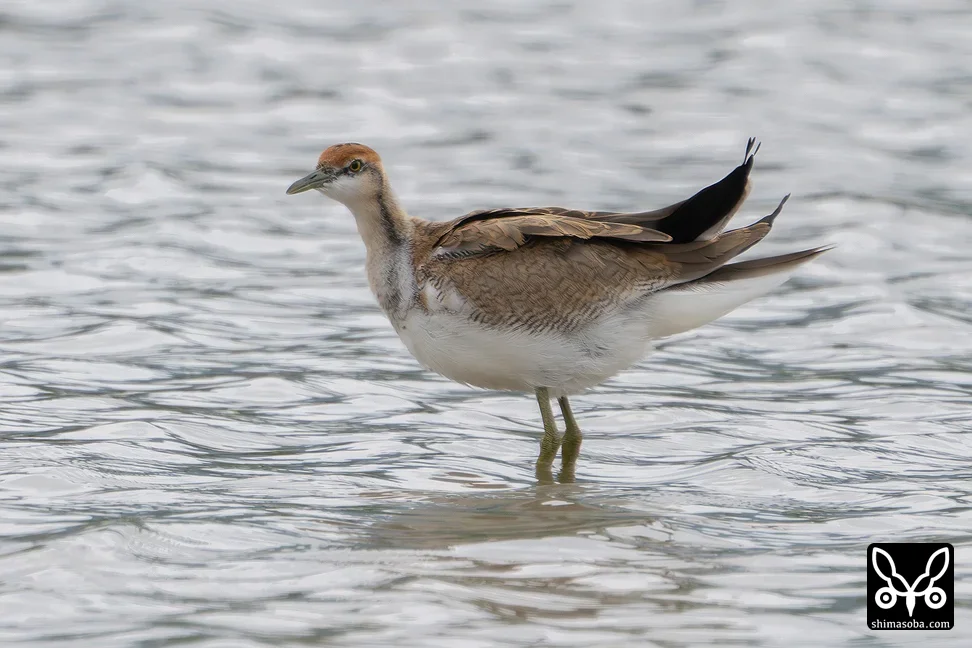
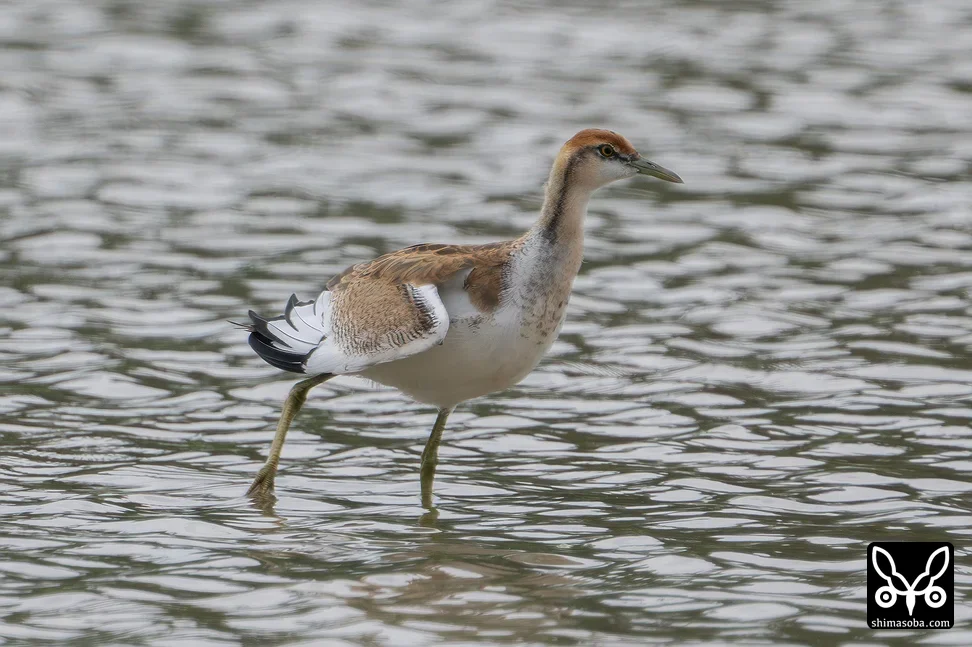
A juvenile Pheasant-tailed Jacana also turned up, but was completely upstaged by the Purple Swamphen.

Pheasant-tailed Jacana

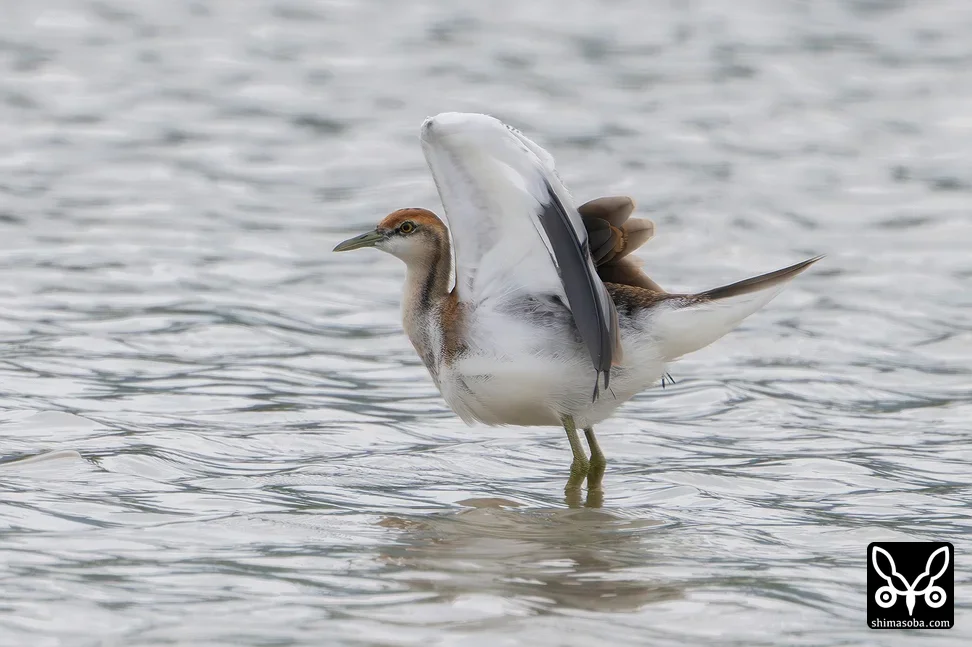
Same individual as above. A Pheasant-tailed Jacana stretching.

Pheasant-tailed Jacana

The distinctive ornamental tips of the flight feathers are also visible.

Javan Pond Heron
Javan Pond Heron

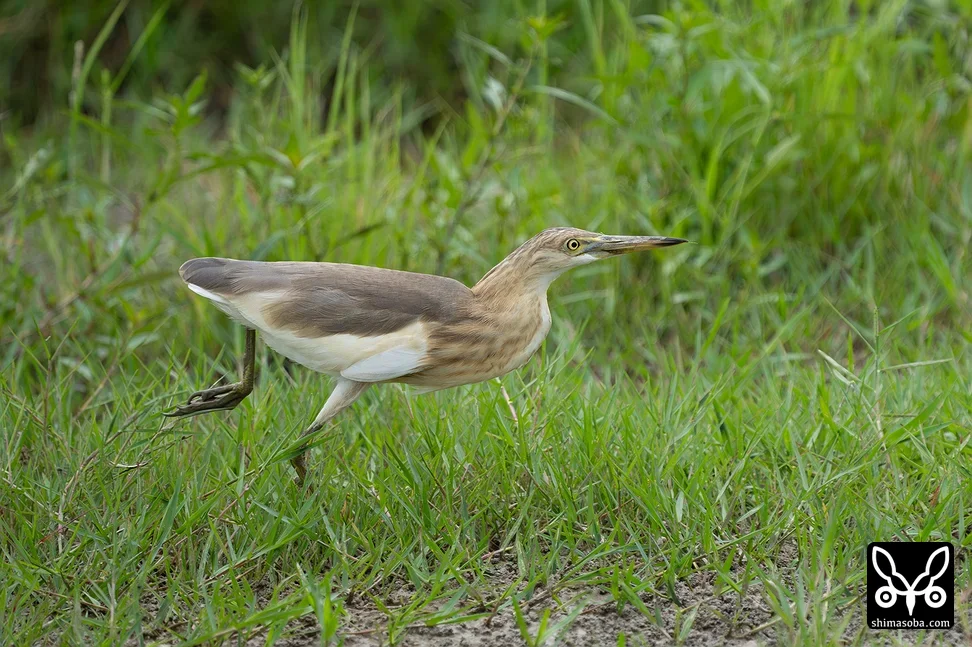
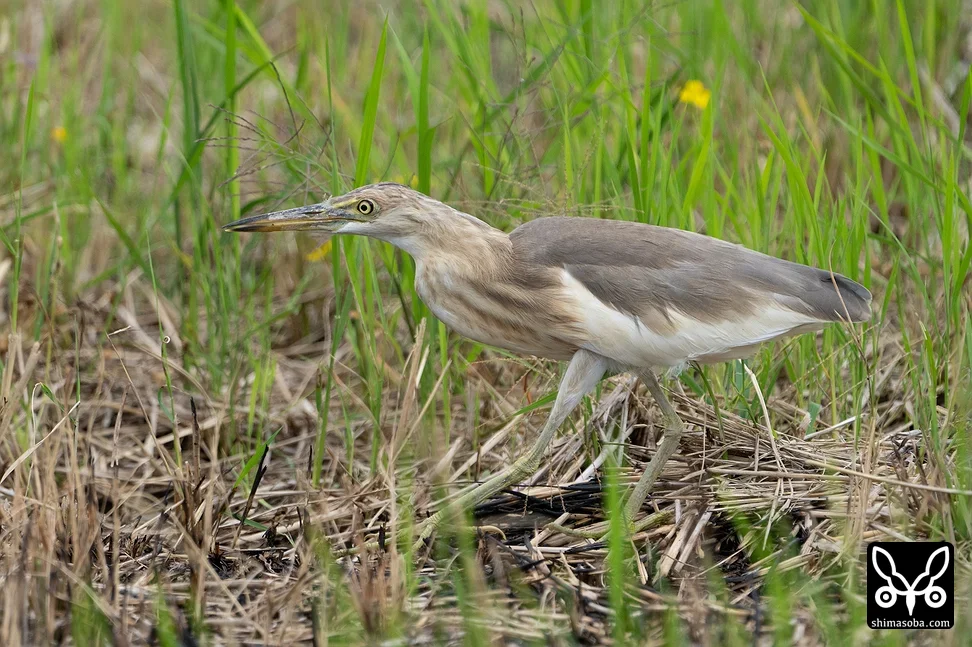
A Javan Pond Heron currently staying at several locations around the island.

Purple Heron
Purple Heron

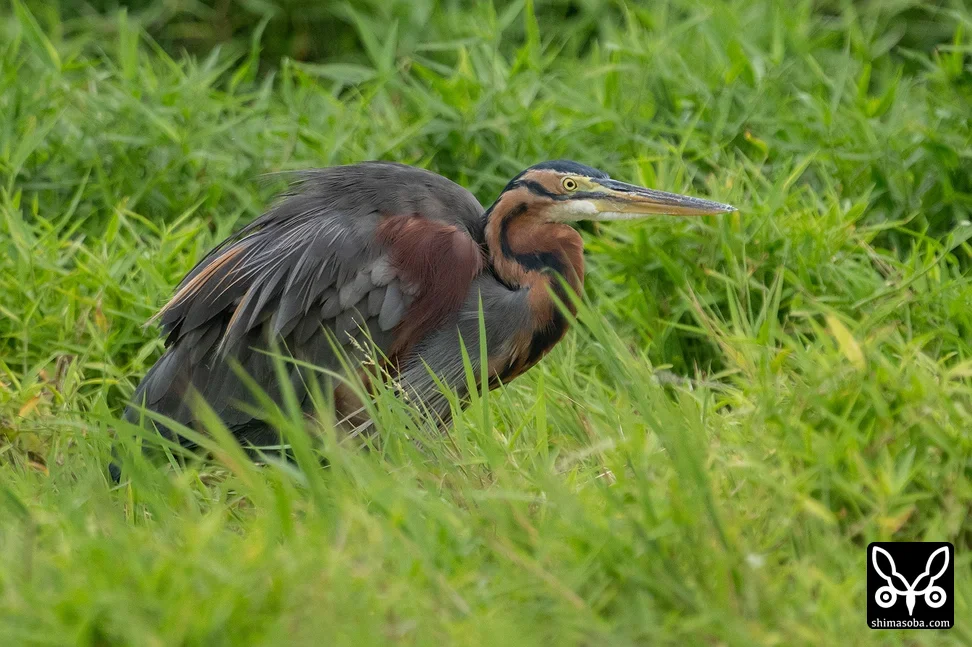
The Purple Heron was waiting in its usual spot.

Swinhoe's Snipe
Swinhoe's Snipe

The Pin-tailed Snipe have disappeared entirely, but a few Common Snipe remain.

Spotted Redshank
Spotted Redshank

A first-winter Spotted Redshank also turned up.

Ruff
Ruff

Ruff are turning up in rice paddies here and there this season as well.

Sharp-tailed Sandpiper

Sharp-tailed Sandpiper, juvenile.

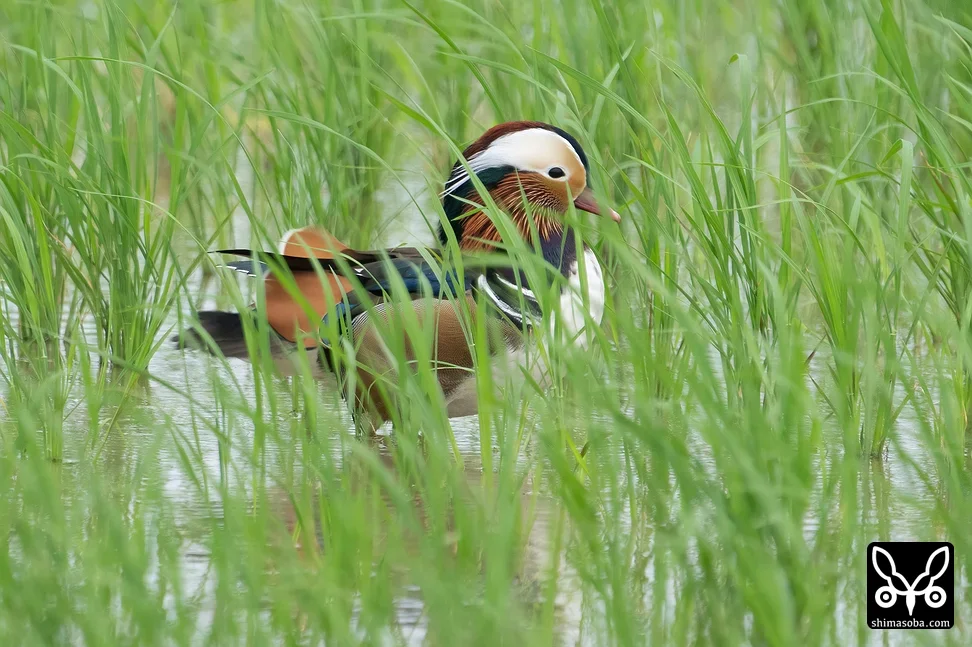
Mandarin Duck
Mandarin Duck

A male Mandarin Duck had also turned up. There is apparently a Garganey among them too, but I couldn't find it….

Categories: 野鳥

Red-throated Pipit, Eastern Yellow Wagtail, Amur Stonechat, and more

Small birds are building in number. Red-throated Pipit and Eastern Yellow Wagtail can be seen everywhere.

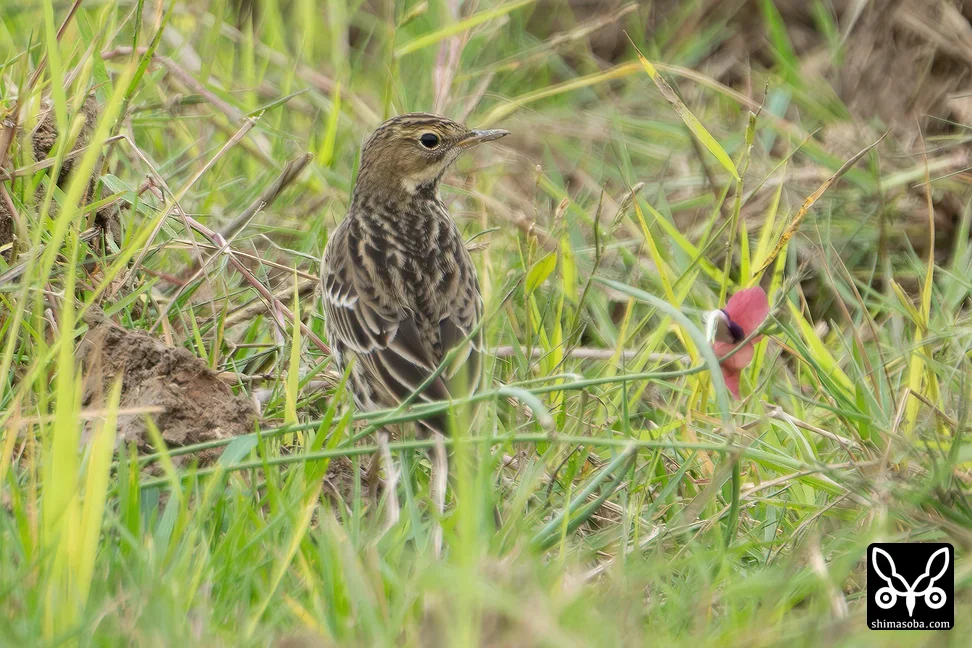
Red-throated Pipit
Red-throated Pipit

Red-throated Pipit numbers are steadily increasing.

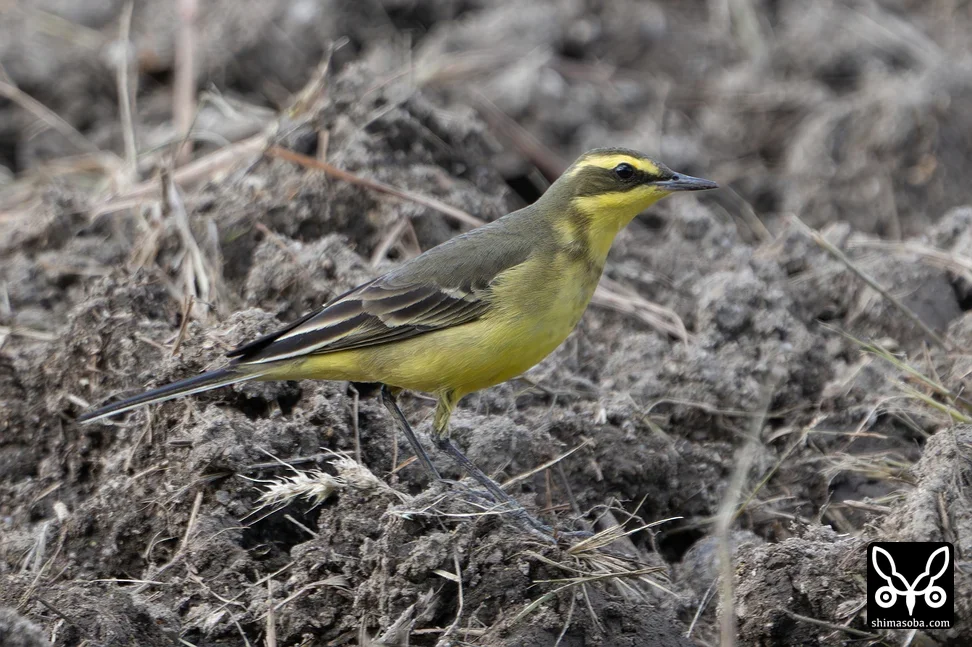
Eastern Yellow Wagtail

(Yellow-browed) Eastern Yellow Wagtail, winter plumage. Large flocks move around in units of 100 birds.

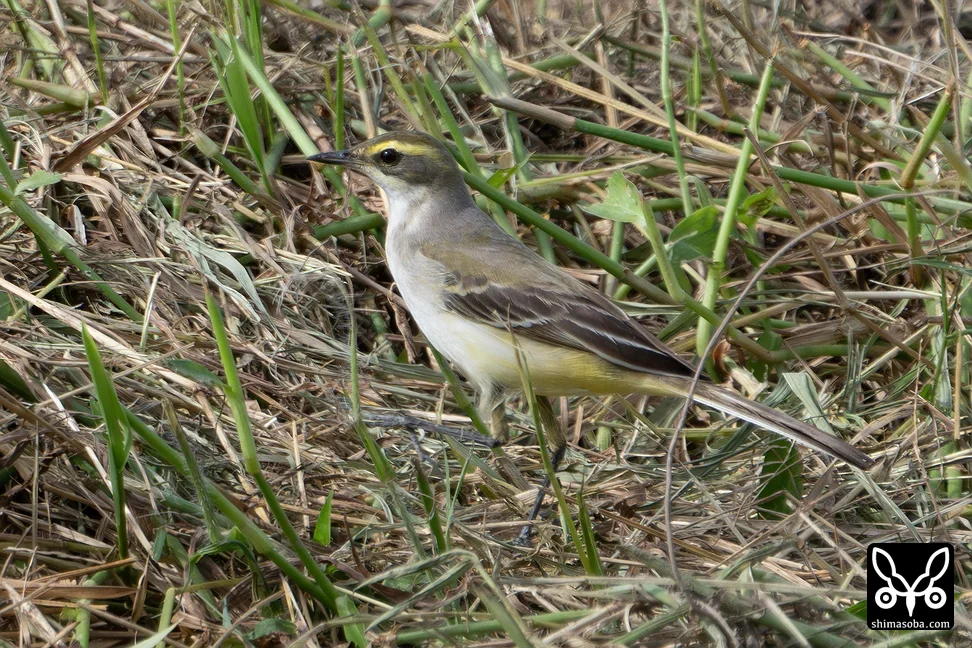
Eastern Yellow Wagtail

(Yellow-browed) Eastern Yellow Wagtail, first-winter plumage.

Eastern Yellow Wagtail

(Yellow-browed) Eastern Yellow Wagtail, first-winter plumage.

Siberian Stonechat
Siberian Stonechat

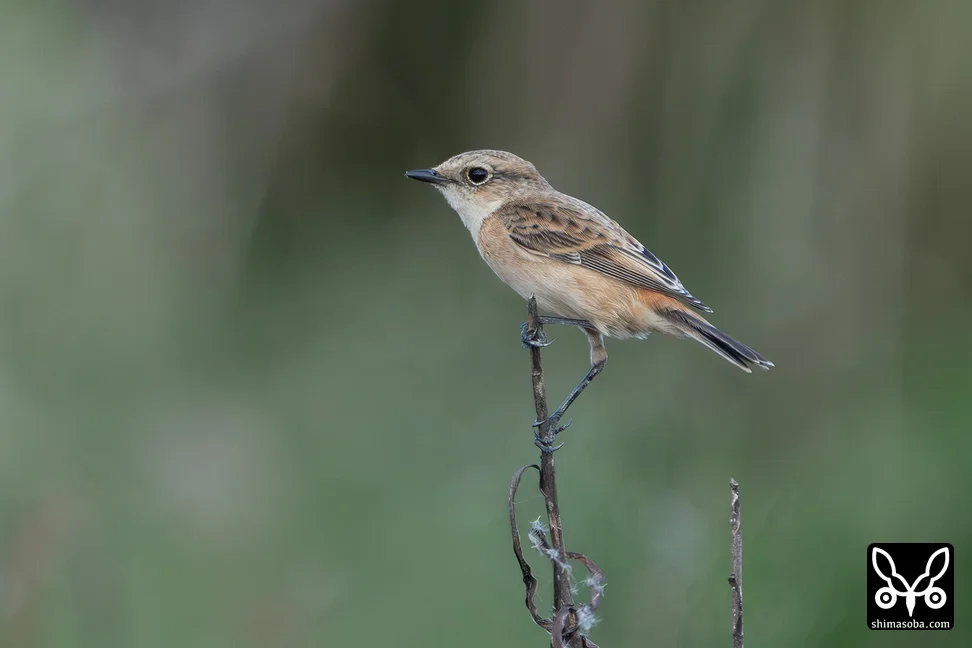
A female Siberian Stonechat. Two were in the same paddy field and occasionally squabbled.

Grey-faced Buzzard
Grey-faced Buzzard

I went to check the paddy field where a dark-morph Grey-faced Buzzard that has been wintering on Ishigaki-jima for five consecutive years as of last year comes to, but it hadn't arrived yet. There was a juvenile in its place.

Crested Serpent Eagle

A Crested Serpent Eagle eating a turtle.

Categories: 野鳥

Grey-headed Swamphen day 2 (video)

The Grey-headed Swamphen is now into its second day. On this day I was able to photograph it in good conditions. It shows almost no wariness toward cars, motorbikes, or bicycles, so it has the feel of a bird that will stay a long time.

If a Grey-headed Swamphen — a species not in any field guide — were to winter on Ishigaki, it would surely become a huge draw. Please take care not to cause any inconvenience to the local farmers.

Purple Swamphen
Purple Swamphen

A Western Swamphen photographed at about 30 metres. It has an air of quiet intensity about it.

Purple Swamphen
Purple Swamphen

A Western Swamphen that moved into the paddy field. It was pulling up rice plants and eating the roots.

Purple Swamphen
Purple Swamphen

A Western Swamphen taking flight from the grass.

Purple Swamphen
Purple Swamphen

In an abandoned, unharvested paddy field, it was feeding on the remaining rice.

Purple Swamphen
Purple Swamphen

At a glance the head alone might be mistaken for a Common Moorhen, but the size is completely different. The Western Swamphen is larger than you might expect.

Purple Swamphen
Purple Swamphen

Whenever seeds of grass-family weeds were available, it preferred those.

Categories: 野鳥

Grey-headed Swamphen day 4 (video)

Day 4 of the Grey-headed Swamphen's stay on Ishigaki. The video is from day 3. Every day it follows the same routine — eating rice and drinking water — and takes the same flight path when it moves. Lately it has stopped being startled by people out for a walk.

Purple Swamphen
Purple Swamphen

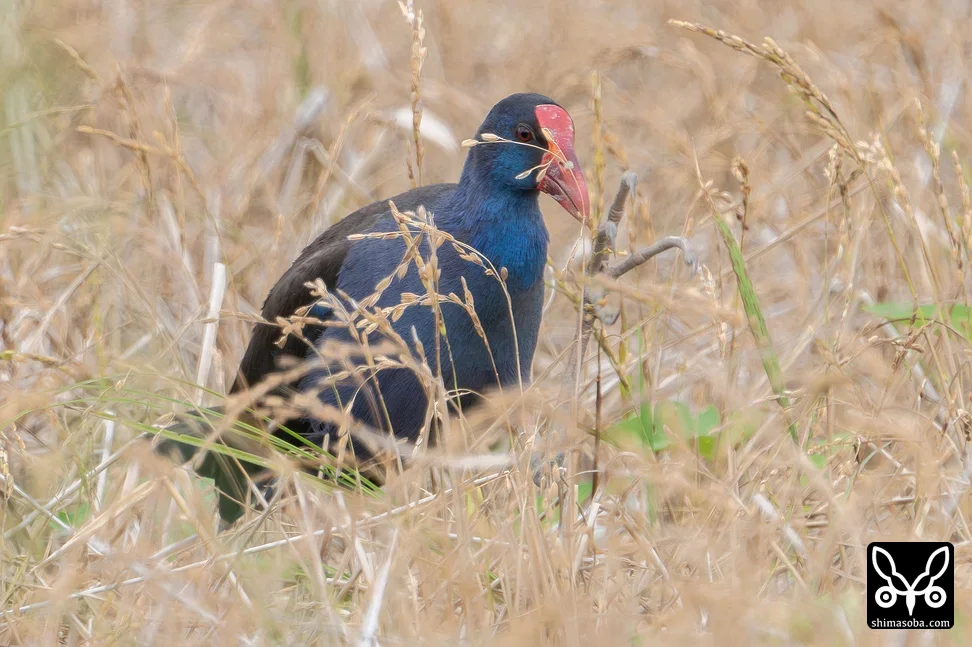
A Western Swamphen that had gradually been coming closer.

Purple Swamphen
Purple Swamphen

Pecking at rice grains.

Purple Swamphen
Purple Swamphen

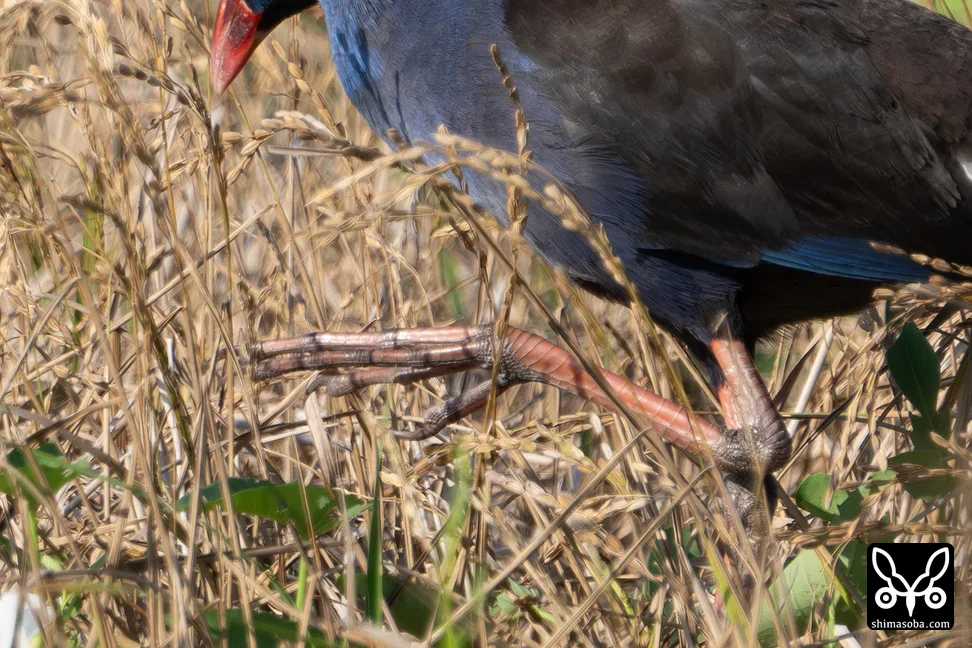
A Western Swamphen's feet, enormous in proportion to its body.

Purple Swamphen
Purple Swamphen

The Western Swamphen used these large feet to draw food toward itself before eating.

Purple Swamphen
Purple Swamphen

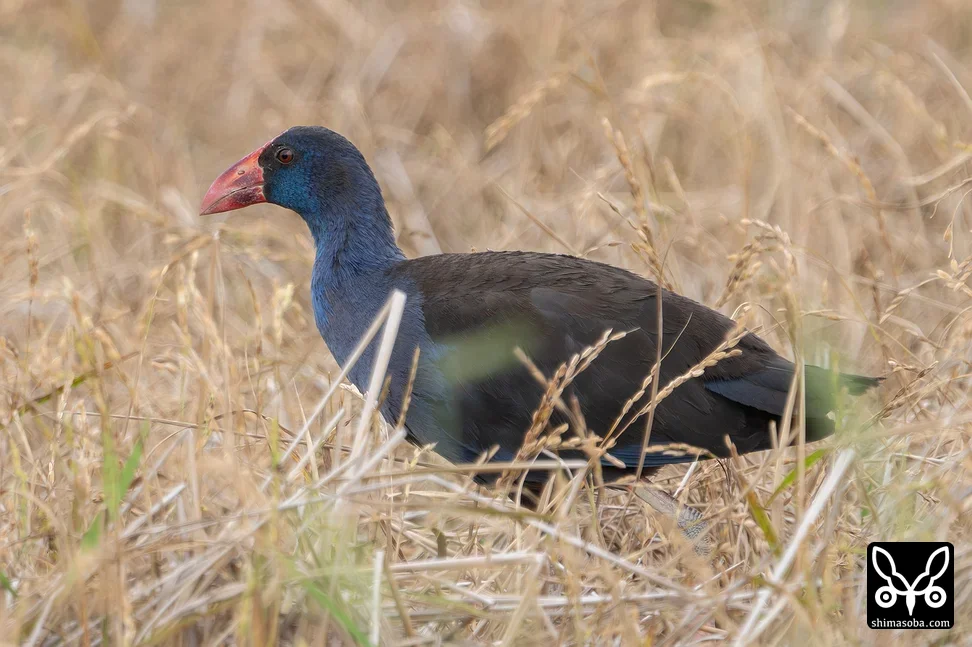
A Western Swamphen on an overcast day.

Purple Swamphen
Purple Swamphen

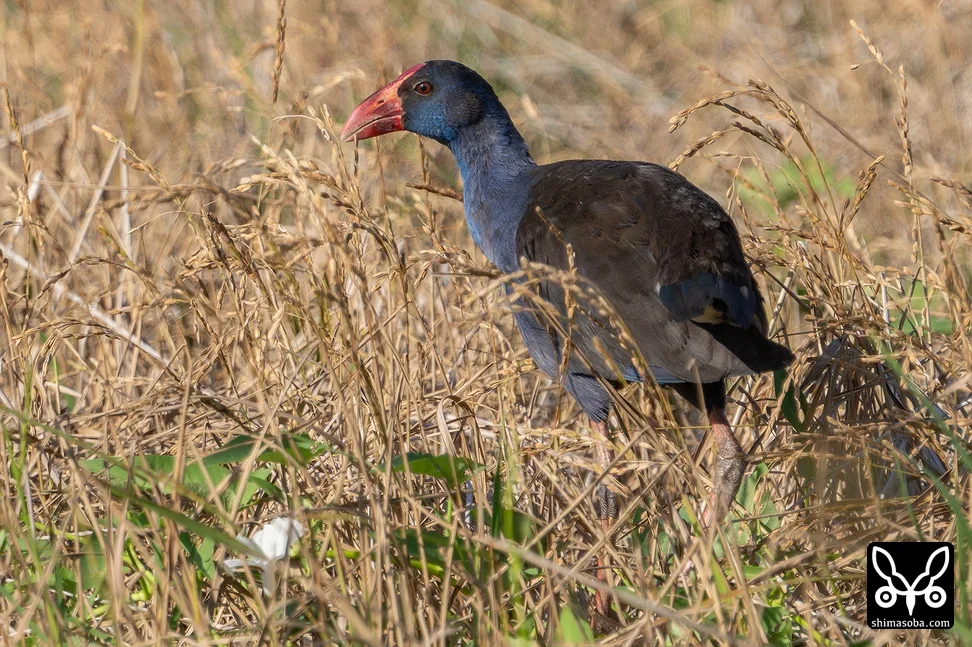
When the sun hits it, the colours become even more brilliant.

Purple Swamphen
Purple Swamphen

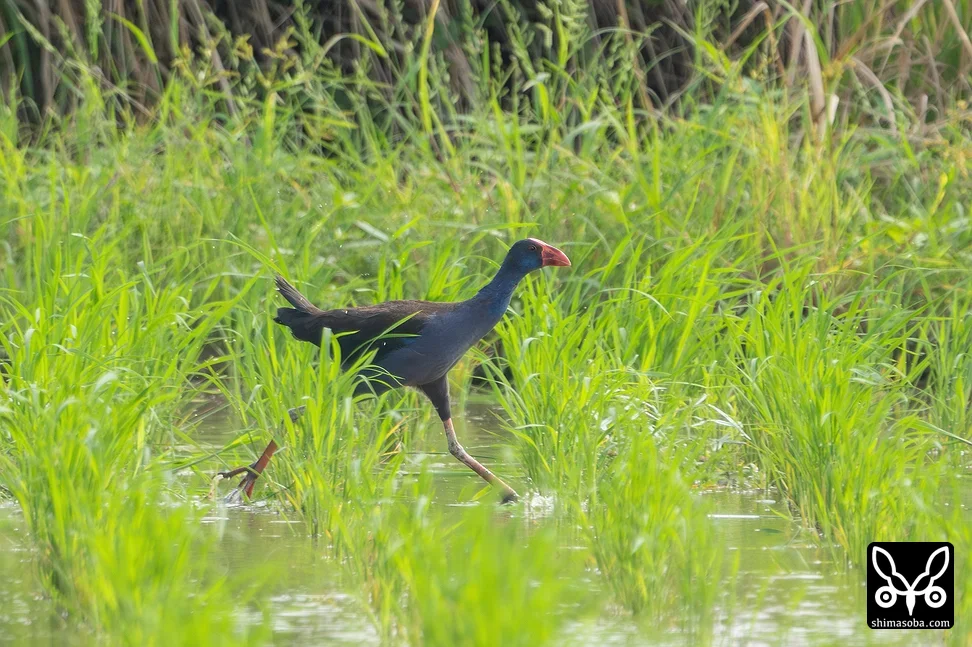
A Western Swamphen running across the paddy fields. A typical day consists of eating rice here, or moving to another field to drink water and eat plant stems.

Great Reed Warbler
Great Reed Warbler

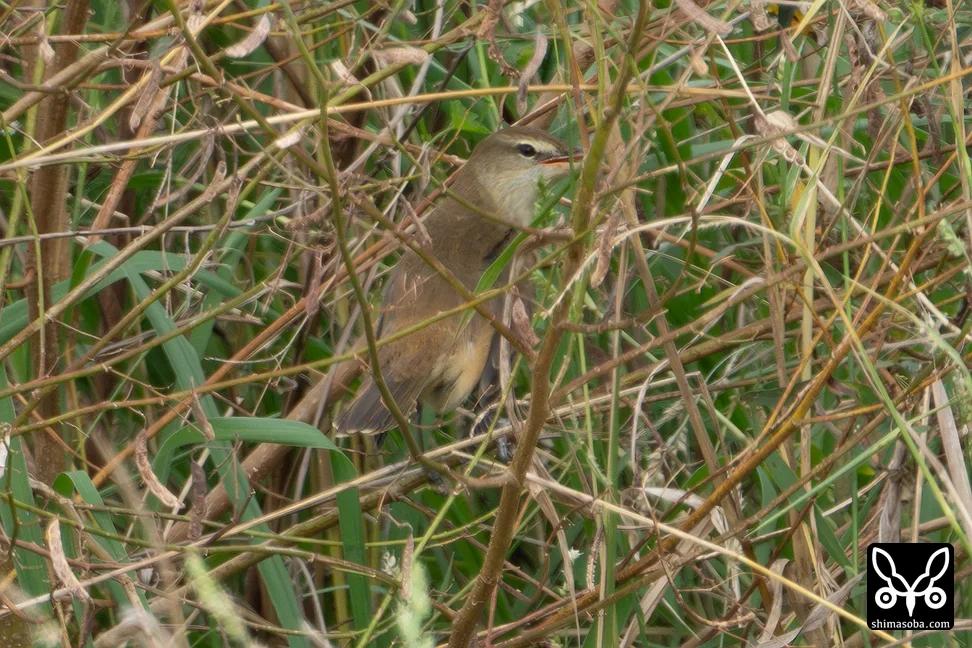
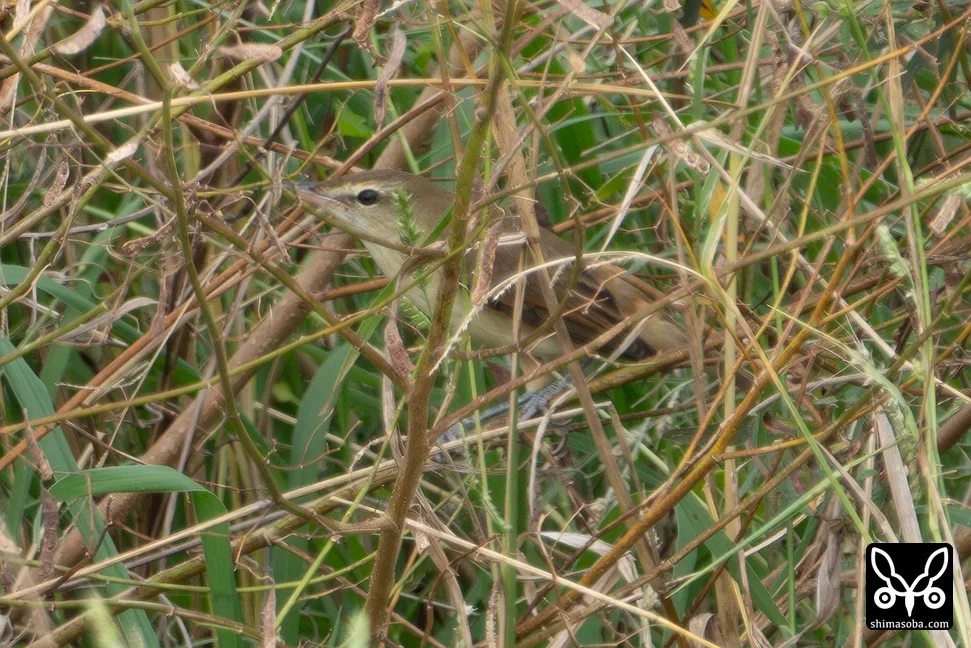
While watching the Western Swamphen, an Oriental Reed Warbler appeared.

Great Reed Warbler
Great Reed Warbler

It wouldn't come out of the thicket…

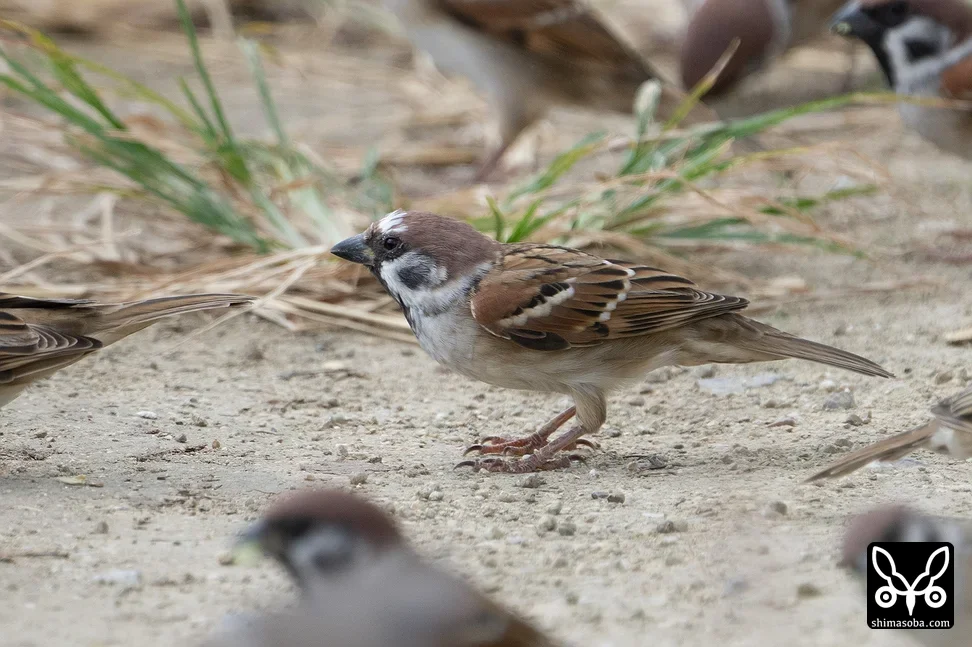
Eurasian Tree Sparrow

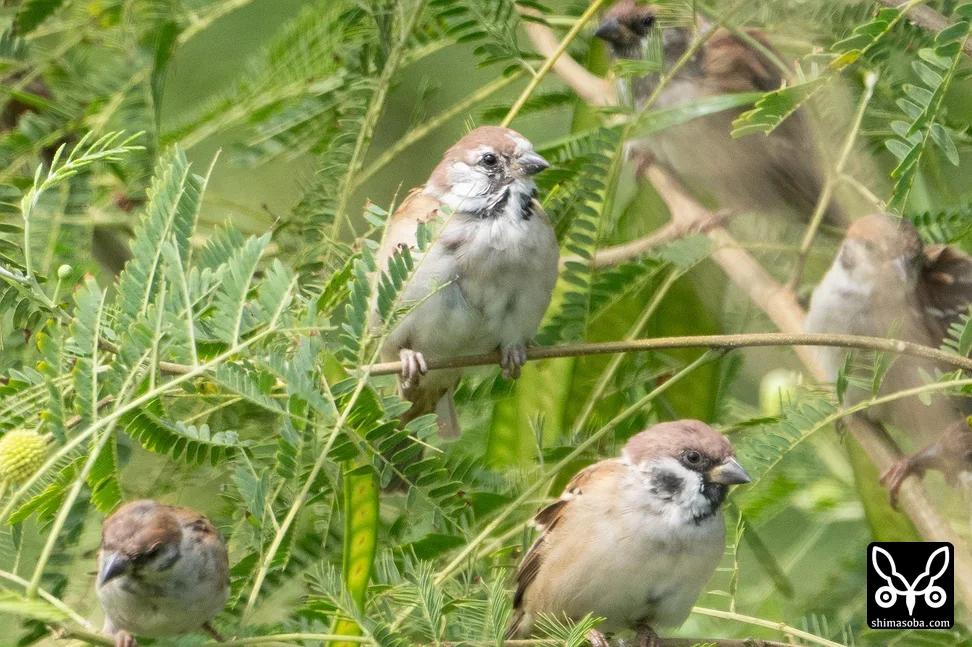
A Eurasian Tree Sparrow with partial leucism on its face.

Red-throated Pipit
Red-throated Pipit

Red-throated Pipits have been increasing.

Categories: 野鳥

Hen Harrier, Pheasant-tailed Jacana, Garganey, first Greater White-fronted Goose of the season, and more

The Grey-headed Swamphen staying on Ishigaki has had a Hen Harrier turning up at its paddy field for the past few days, causing havoc. Several friends have come to Ishigaki to see the Swamphen, but it has become wary and is showing poorly, so they are having a hard time.

A Pheasant-tailed Jacana is also in residence and going about its business peacefully. I had noted Garganey several times over the past two weeks or so, but this time I finally managed to get it on camera.

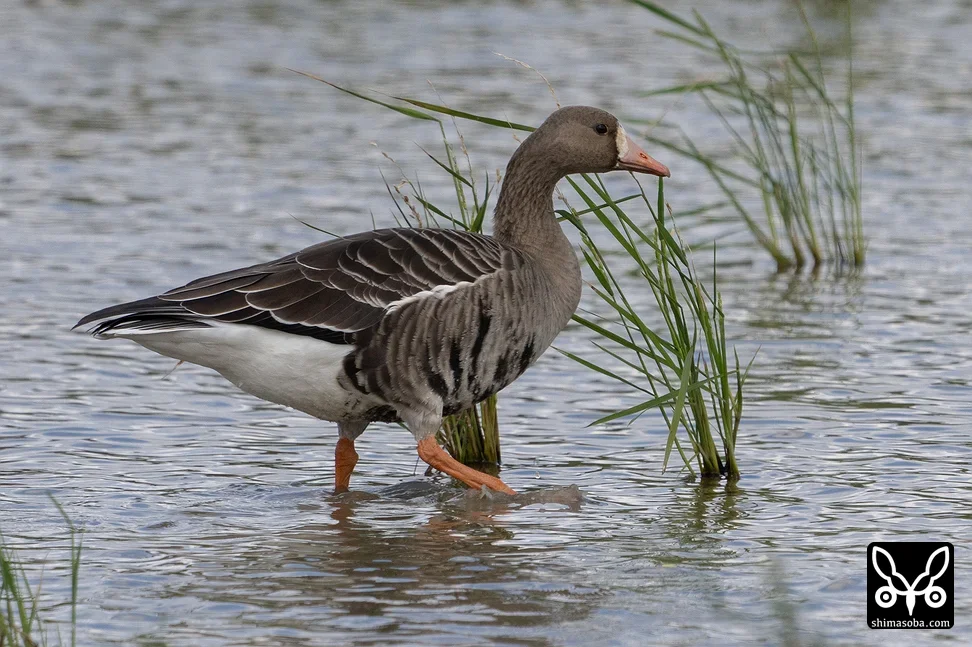
I also recorded my first Greater White-fronted Goose and White-faced Wagtail of the season.

The paddies are lively, with Ruff, Dunlin, Common Greenshank, Marsh Sandpiper, Long-toed Stint, Red-necked Stint, Common Snipe, and Black-winged Stilt, as well as Eastern Red-rumped Swallow, Amur Stonechat, Eastern Yellow Wagtail, Grey Wagtail, Red-throated Pipit, and Little Bunting.

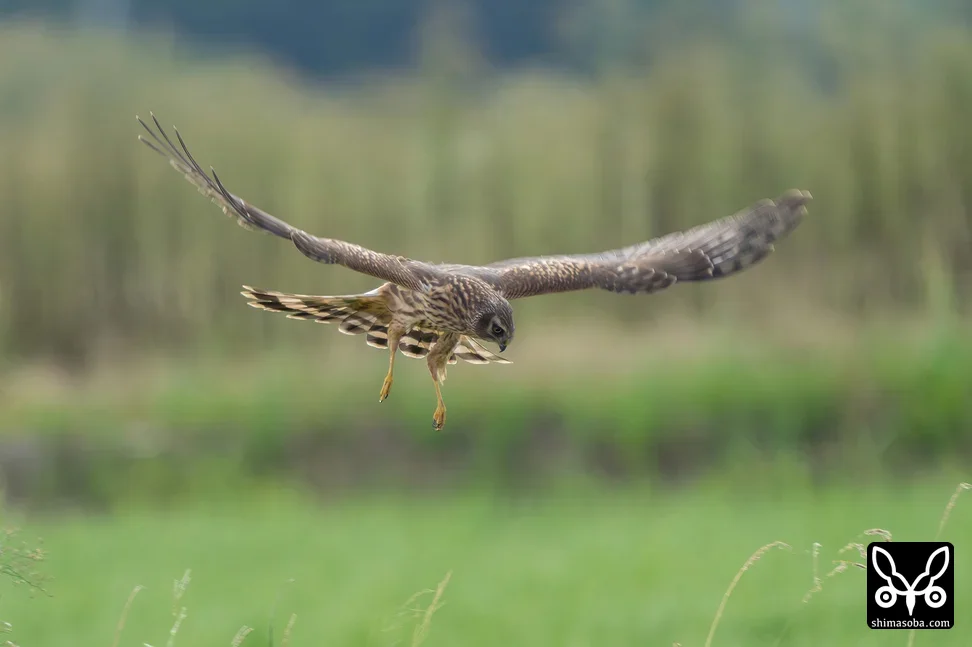
Hen Harrier
Hen Harrier

A completely unwariness Hen Harrier juvenile. It was an extremely aggressive hunter, and the upper surface of its flight feathers was stained with mud.

Hen Harrier
Hen Harrier

It was stooping and harassing a Common Pheasant.

Hen Harrier
Hen Harrier

Every time the Hen Harrier swept low over the paddies, the waders and small birds panicked. The Purple Swamphen scrambled into the undergrowth in a hurry too.

Hen Harrier
Hen Harrier

A Hen Harrier hovering with its eye on something.

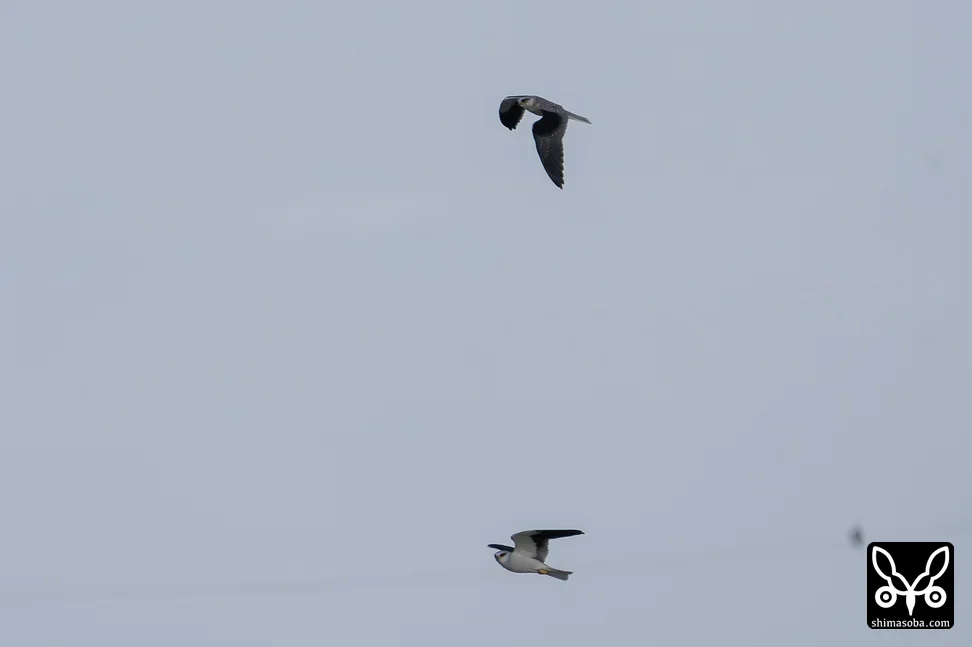
Black-winged Kite
Black-winged Kite

While the Hen Harrier was quartering the area, a parent and juvenile Black-winged Kite — the ones that hold this paddy as their territory — scrambled into the air. The bird above is the juvenile, the one below the adult.

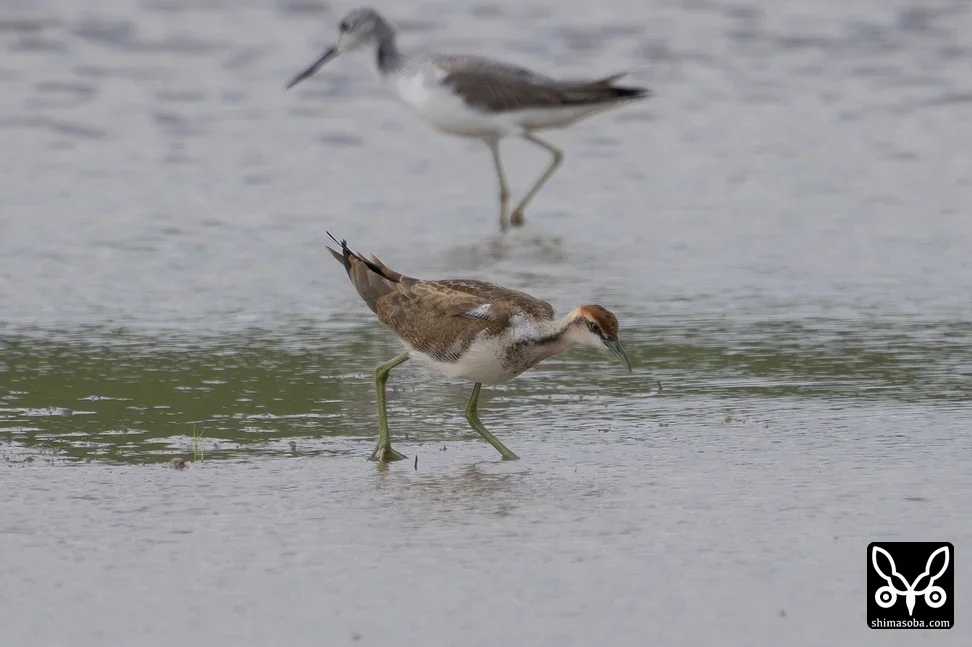
Pheasant-tailed Jacana

A juvenile Pheasant-tailed Jacana, currently staying in the area.

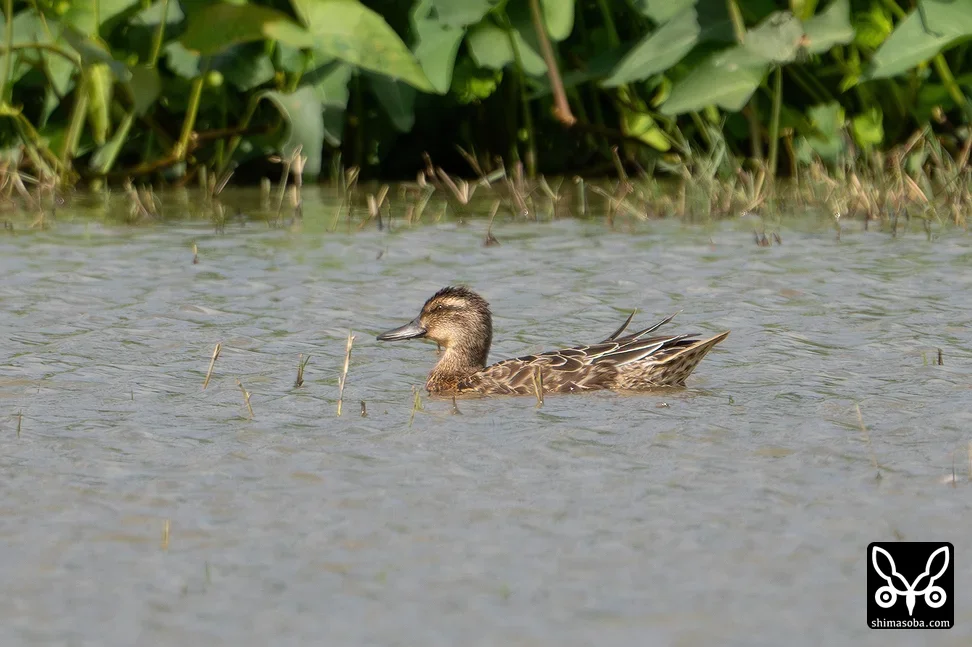
Garganey
Garganey

A Garganey among a flock of Common Teal.

Greater White-fronted Goose

Two Greater White-fronted Geese arrived — the first of the season.

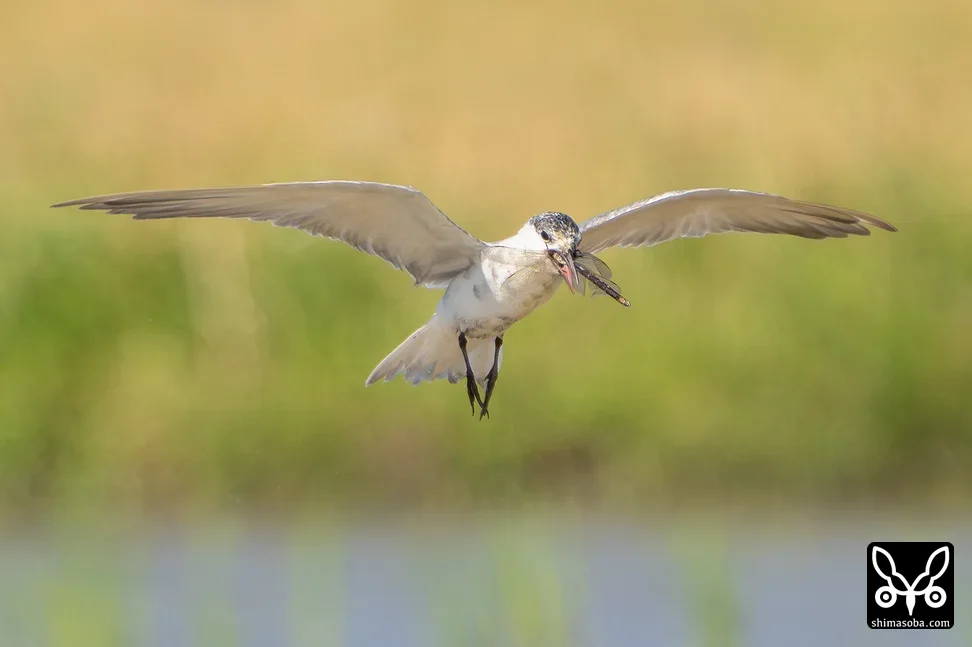
Whiskered Tern
Whiskered Tern

A Whiskered Tern that caught a large Lesser Emperor dragonfly. Even a master flier seems no match for a bird.

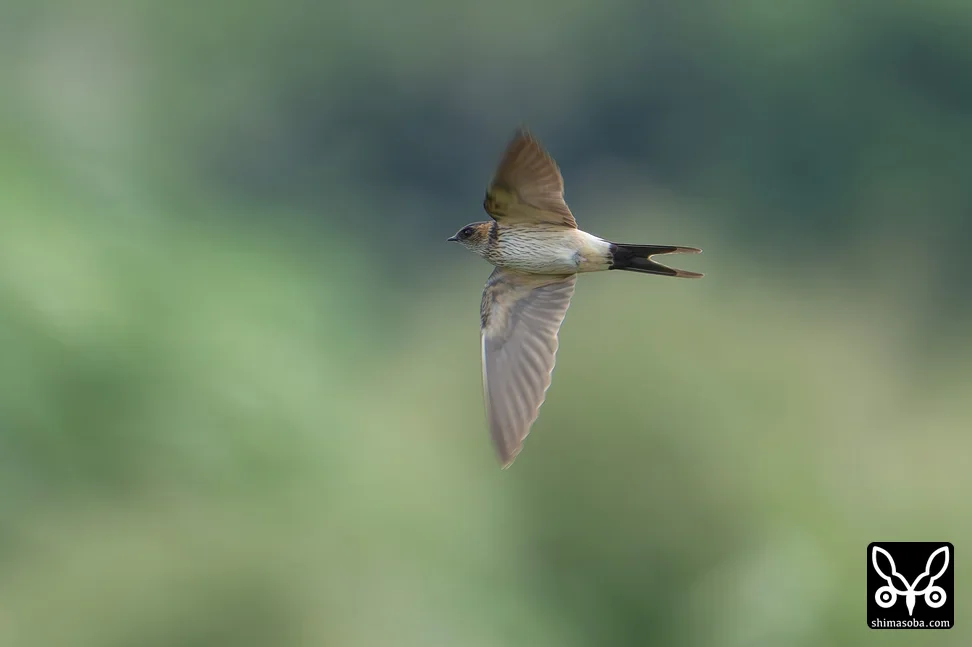
Red-rumped Swallow
Red-rumped Swallow

Juvenile Red-rumped Swallow. A flock of around ten birds was flying around the paddies.

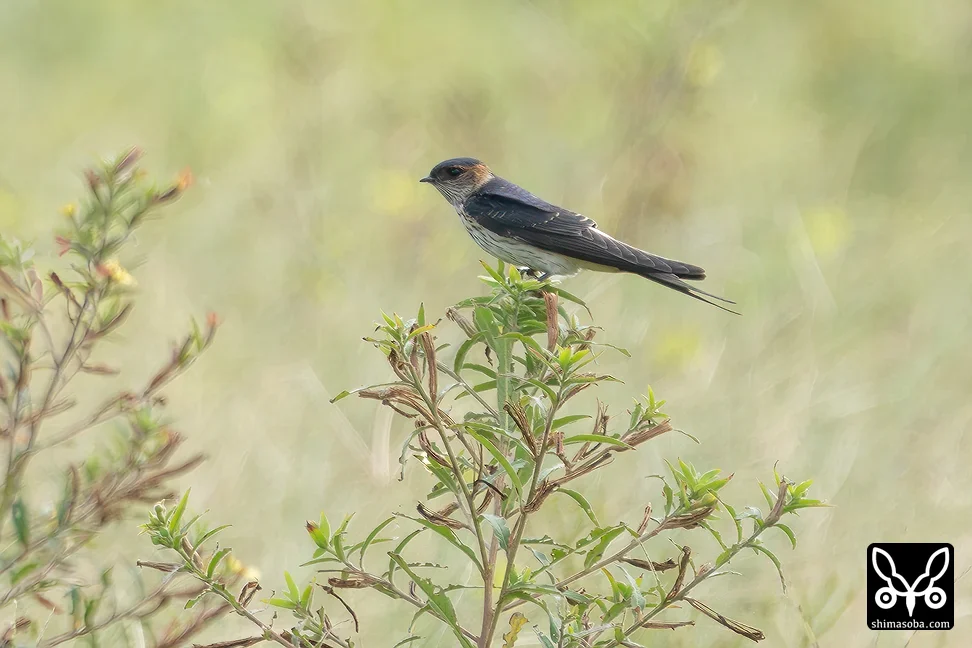
Red-rumped Swallow
Red-rumped Swallow

Also a juvenile.

Siberian Stonechat
Siberian Stonechat

A female Siberian Stonechat. Birds have turned up at several sites across the island.

White Wagtail
White Wagtail

The first White Wagtail of the season was of the subspecies leucopsis. Every year, leucopsis is the first to arrive.

Common Moorhen
Common Moorhen

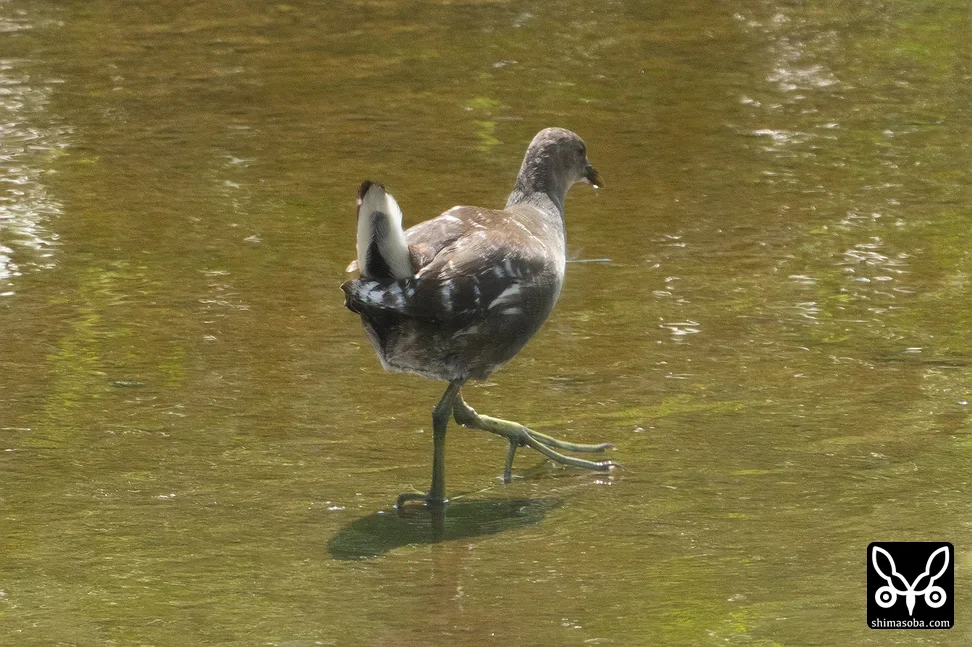
A partially leucistic juvenile Common Moorhen.

Ruff
Ruff

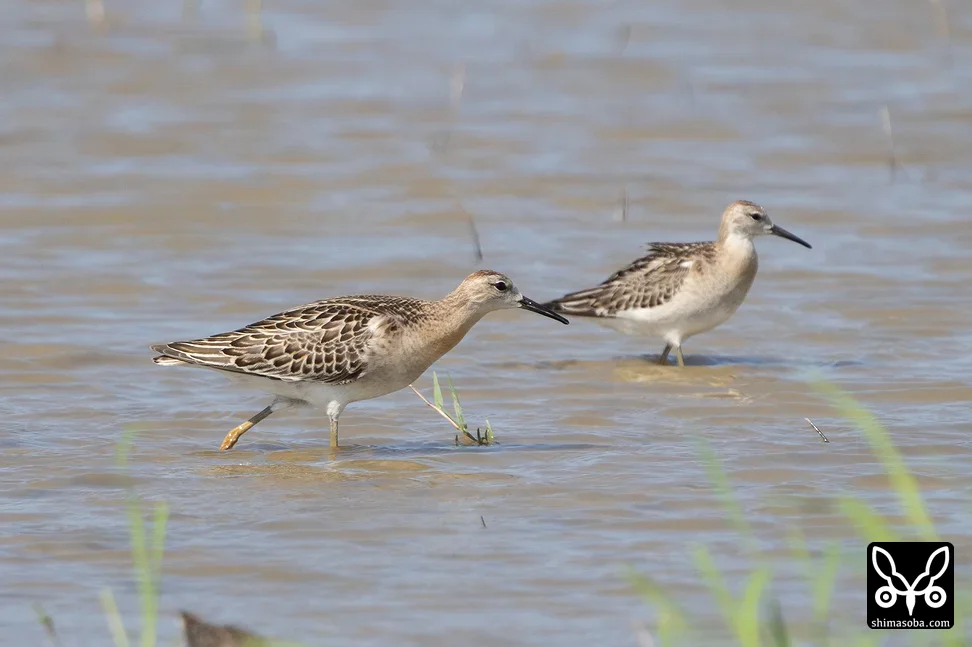
Juvenile Ruff. The bird in front is male, the one behind female.

Eurasian Tree Sparrow

A partially leucistic Eurasian Tree Sparrow. Birds with leucism and other colour variations turn up fairly often among the sparrows in this area.

Categories: 野鳥

Grey-headed Swamphen stay passes 10 days

The Grey-headed Swamphen had become difficult to see for a while, but from this day it started showing well again. It may be because the Hen Harrier, which had been causing the poor appearance rate, was no longer around.

I had been kept waiting 40 minutes for a work appointment, so in frustration I stopped by the paddies — and there was the Swamphen, walking along the farm track.

I contacted several acquaintances who had come to Ishigaki specifically to see it, and we all got to watch it together. Hearing them say "I can see it!! The trip was worth it!!" made me happy too. ^^
Purple Swamphen
Purple Swamphen

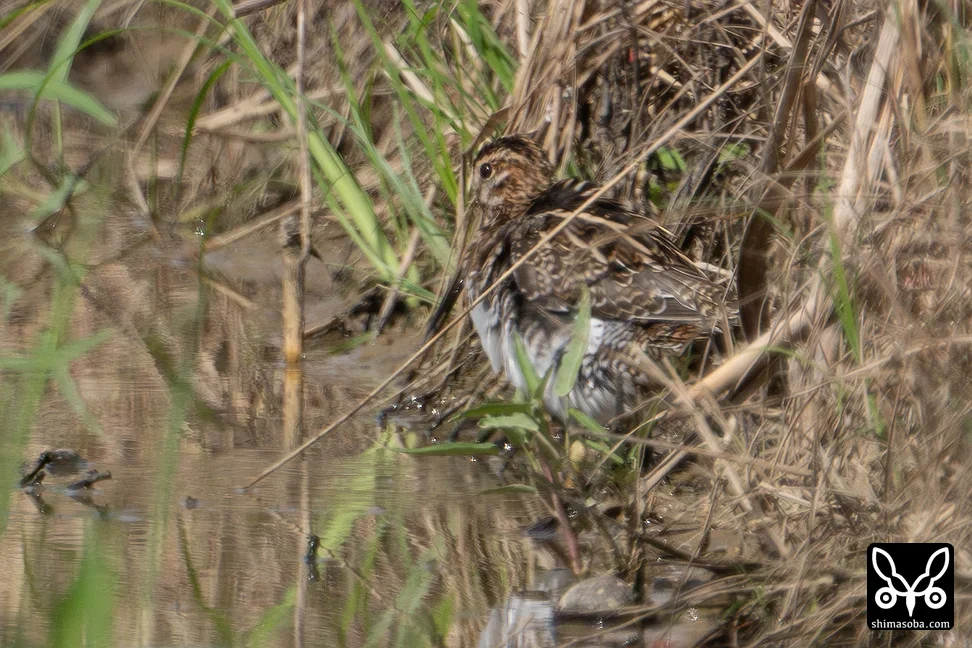
A Purple Swamphen walking along a farm track toward me.

Purple Swamphen
Purple Swamphen

After it disappeared into the undergrowth for a while, it reappeared at its usual spot to eat rice.

Javan Pond Heron
Javan Pond Heron

The Javan Pond Heron was feeding on dragonflies and grasshoppers around flocks of Eastern Cattle Egrets and Great Egrets.

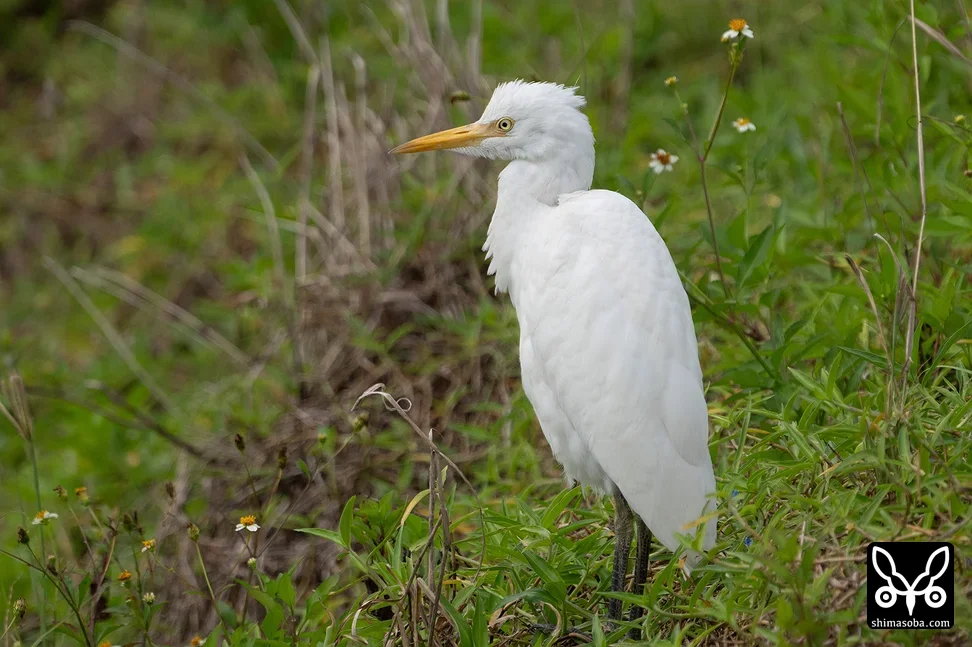
Eastern Cattle Egret

Eastern Cattle Egrets now fully in non-breeding plumage. These and Great Egrets are what's in the paddies at the moment.

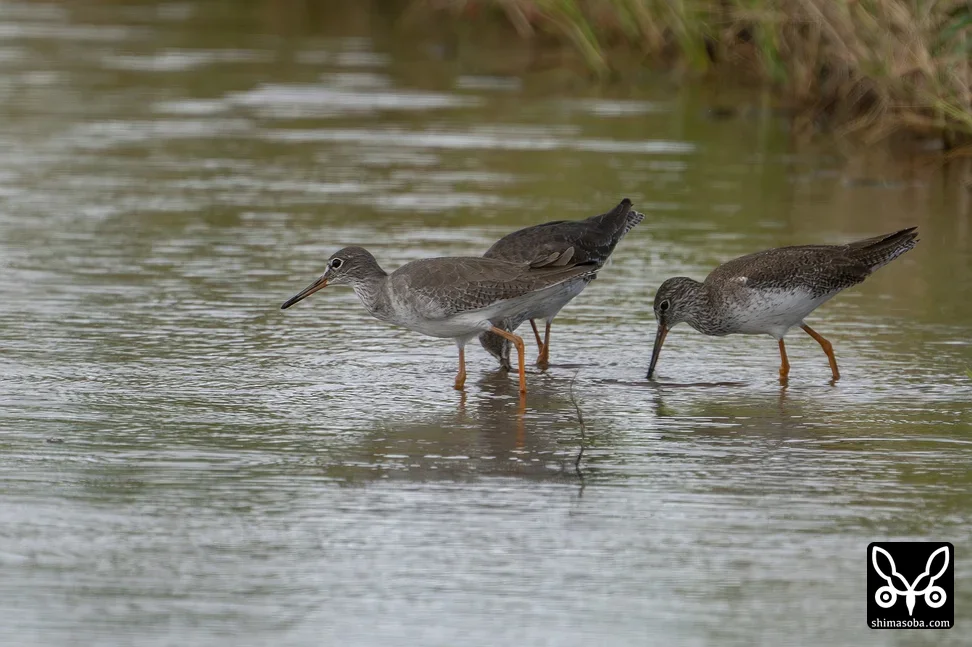
Common Redshank
Common Redshank

A flock of a dozen or so Common Redshanks is staying in the area.

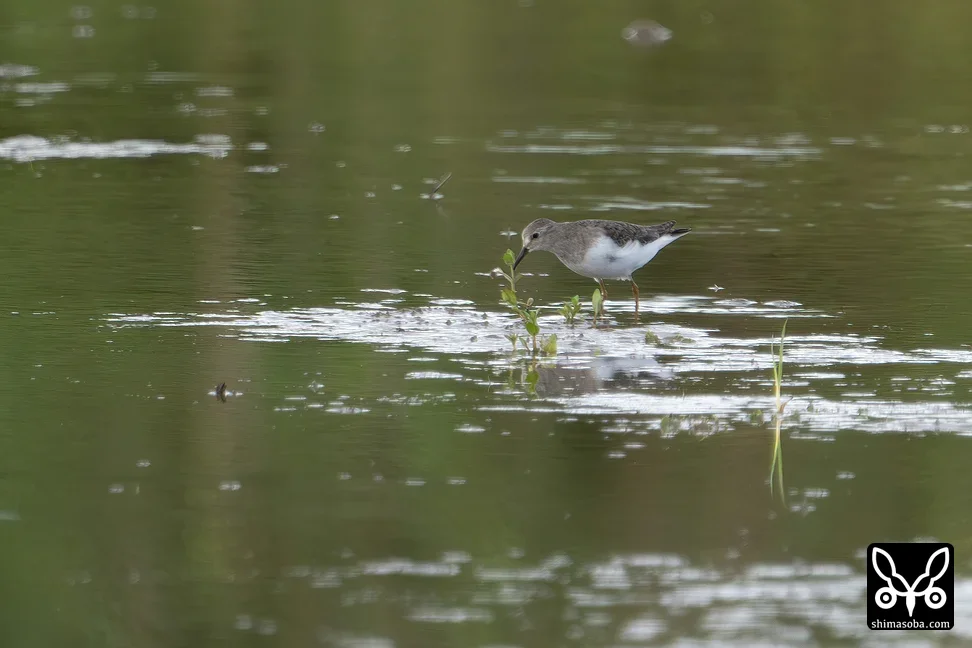
Temminck's Stint
Temminck's Stint

Temminck's Stints are scarce, but some are also lingering.

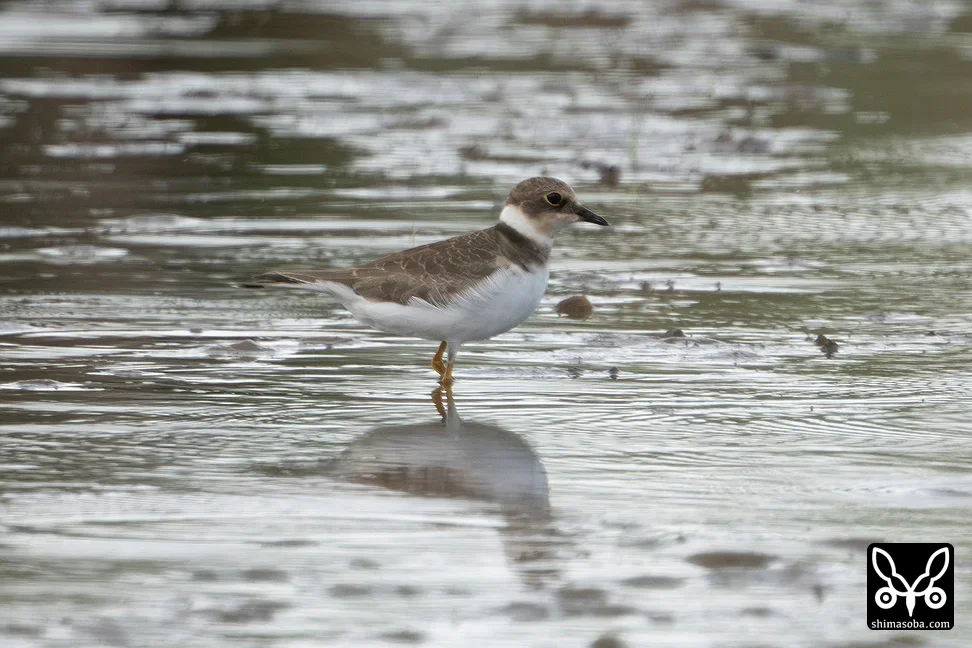
Little Ringed Plover

Little Ringed Plover, first-winter. The most common plover in the rice paddies.

Categories: 野鳥