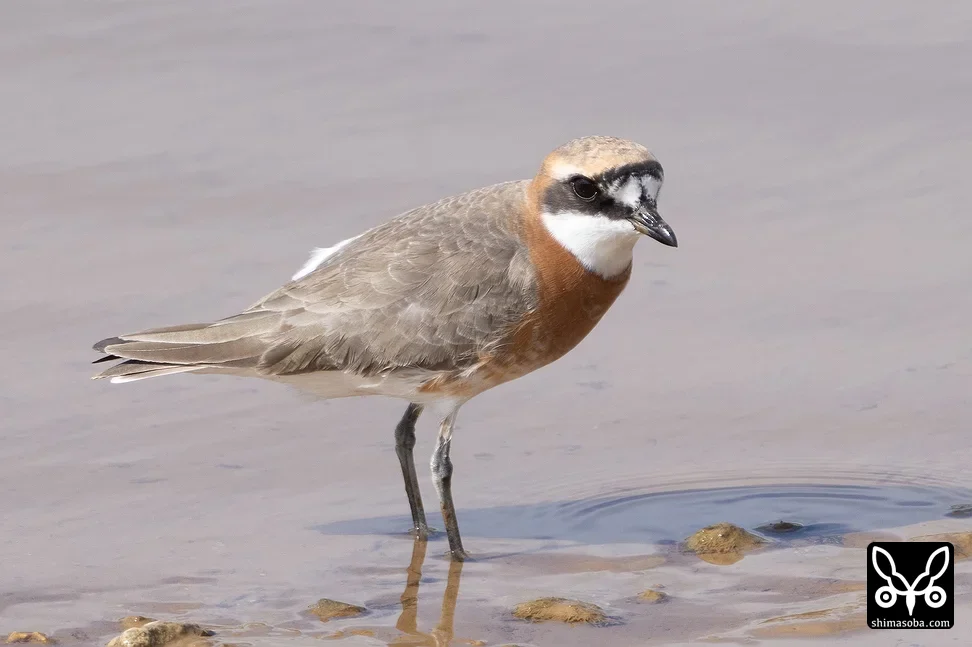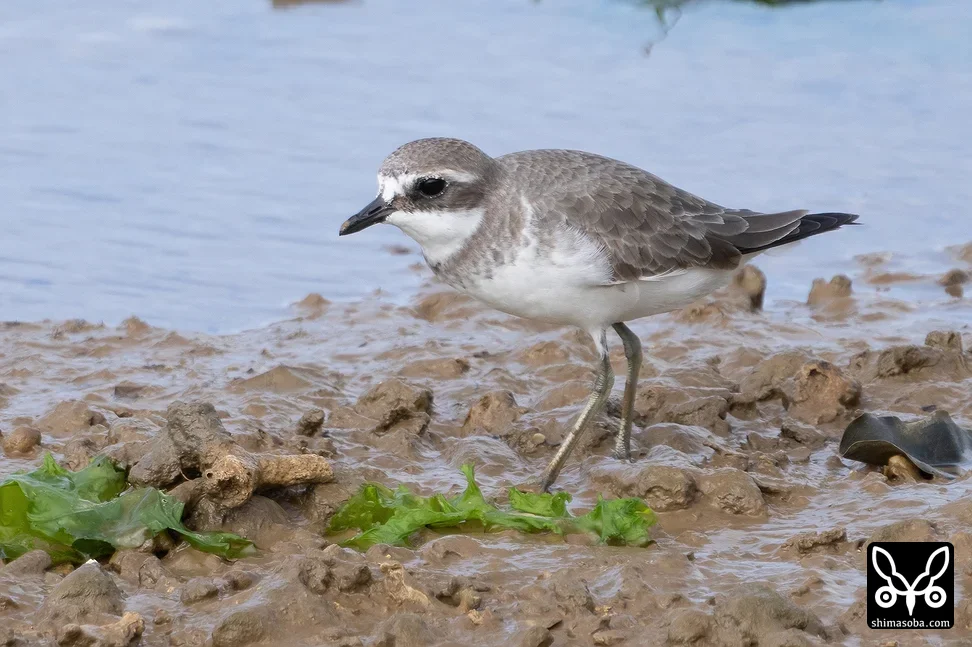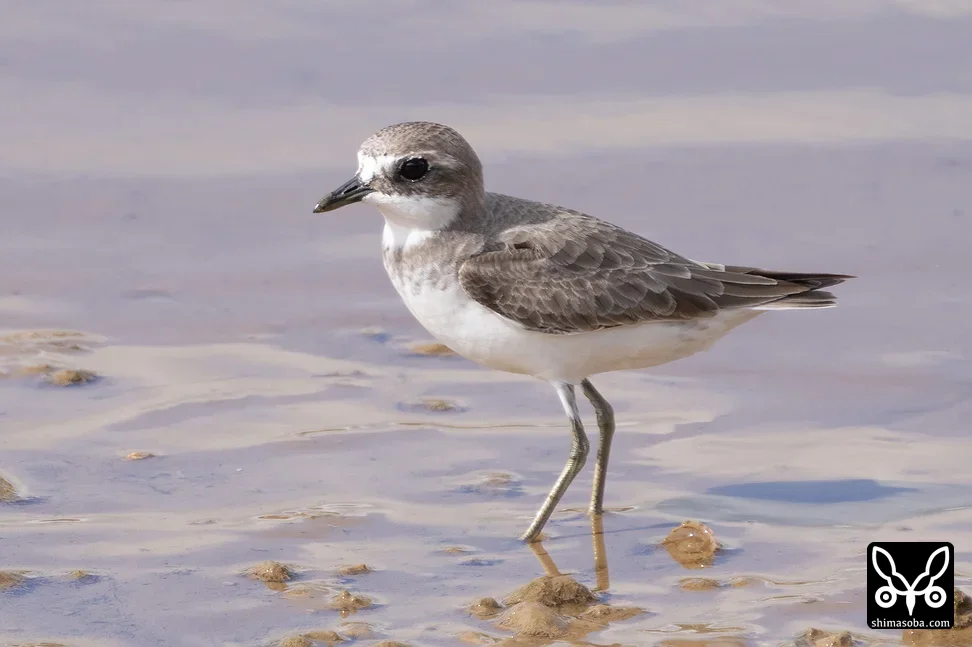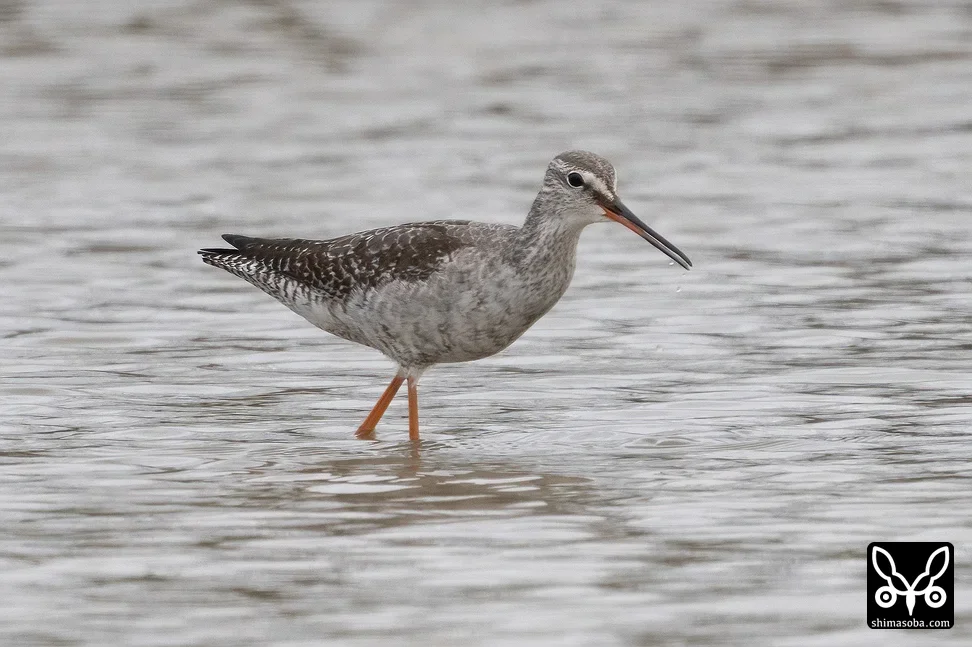
A daily record.
Featuring photos of wild birds and nature, mainly from Okinawa Main Island and Ishigaki Island

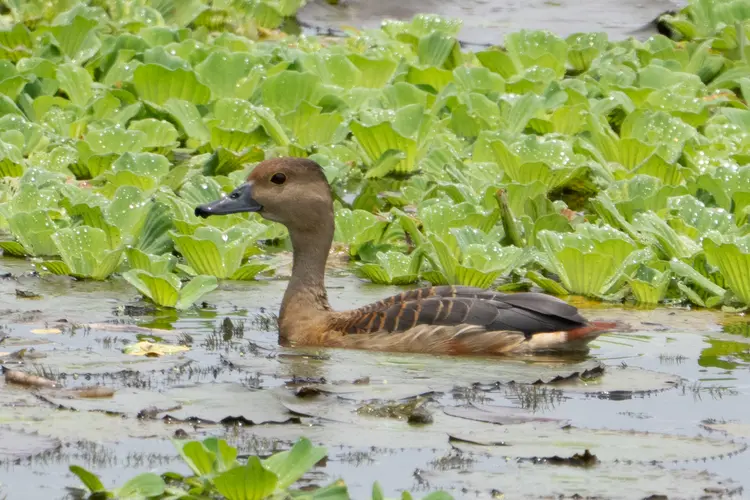
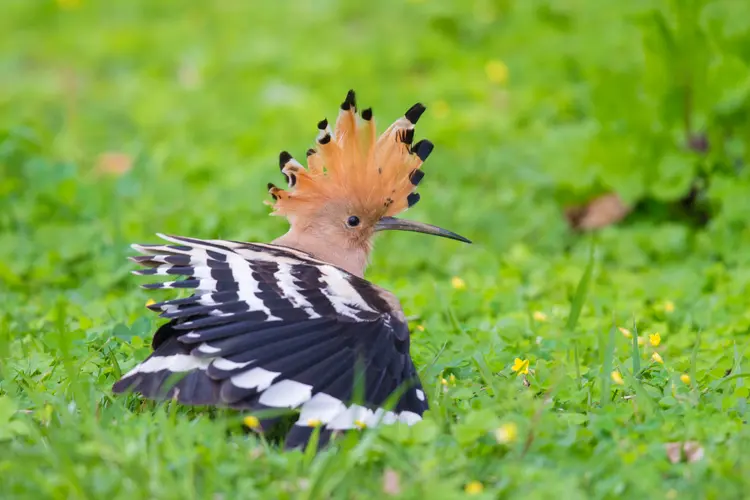
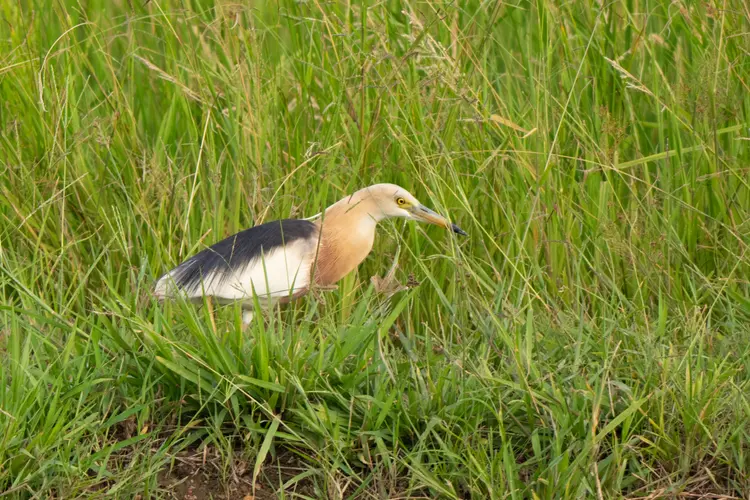
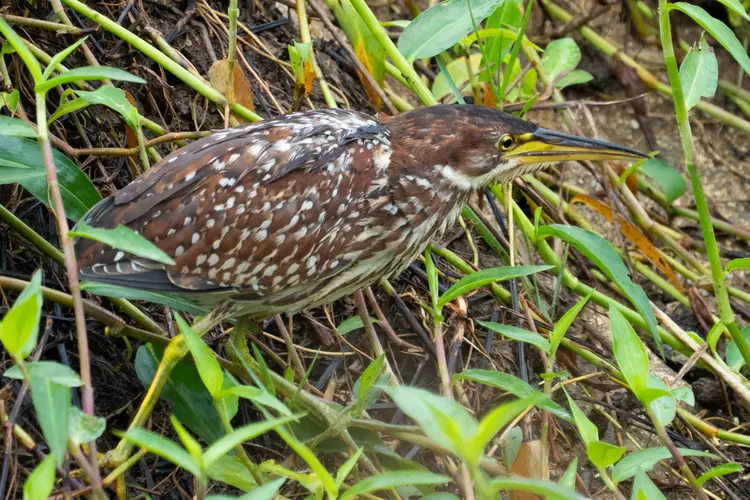
Lesser Whistling Duck Eurasian Hoopoe Javan pond heron Schrenck's little bittern Daurian starling

GUIDED BIRDWATCHING TOUR

Go where the birds are. The SHIMASOBA Tour launches.

We'll drive you around Ishigaki Island to wherever the birds are showing best that day. Observation is mostly from inside the vehicle, and we keep it to a maximum of 3 guests so everyone can take their time.

Max. 3 guests 4 hours in the morning Beginners welcome
Check availability and book

Hair-crested Drongo — First Record for Ishigaki Island (with video)

A Hair-crested Drongo appeared on Ishigaki Island, a first record for the island. In strong wind and rain it was catching insects flying — or being blown — past it. It is noticeably larger and more solidly built than a Black Drongo, and despite the overcast conditions the gloss on its plumage was quite striking.

The Hair-crested Drongo was first recorded in Japan on Yonaguni Island in 2000. Since then, a handful of records have followed from the Okinawa main island and surrounding islands.

With today's Hair-crested Drongo, all three species of the genus Dicrurus recorded in Japan are now on my list. Hopes are now turning to the possible arrival of the Bronzed Drongo, which has yet to be recorded in Japan.
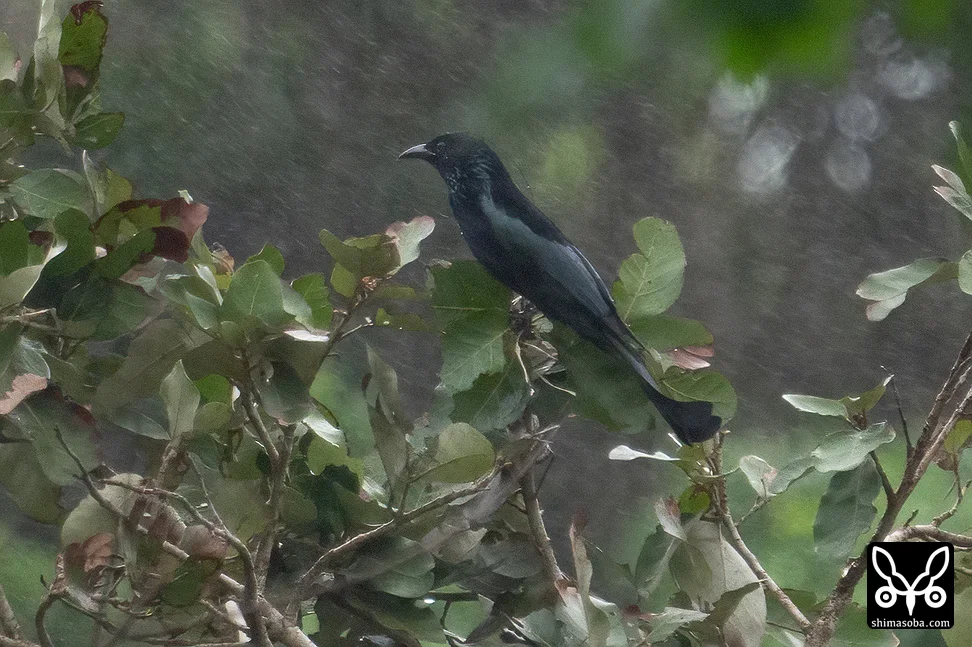
Hair-crested Drongo
Hair-crested Drongo

While at work, a message came in through our group chat: "Greater Racket-tailed Drongo confirmed." I fidgeted through the rest of my shift, then rushed to the spot two hours after the alert — and managed to find the bird in driving rain and wind!!

Thanks to 石垣島BIRD観察, the first to find it, my life list got a new entry. ^^
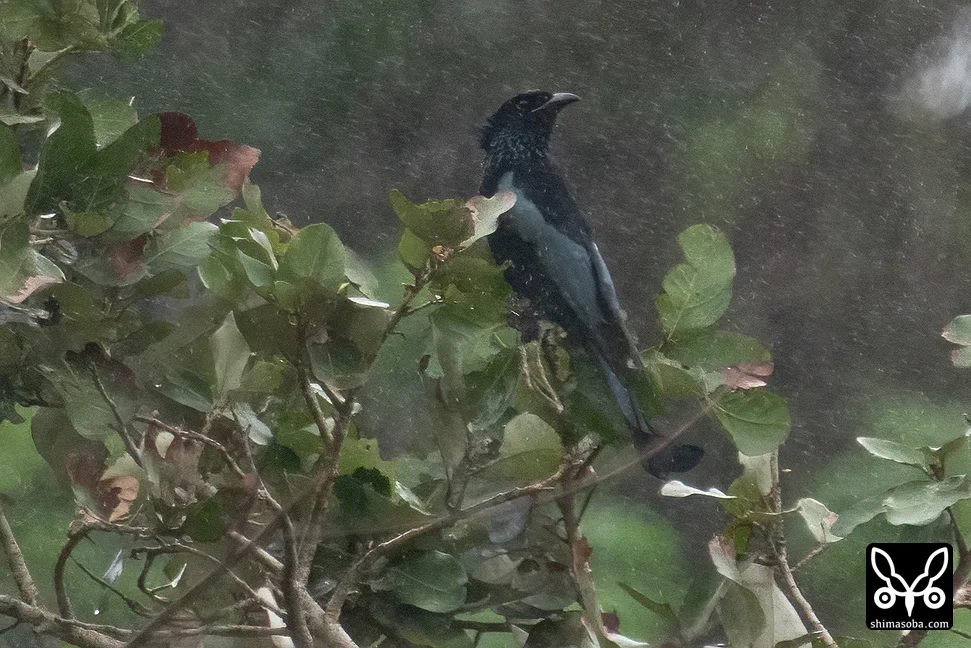
Hair-crested Drongo
Hair-crested Drongo

It was larger than Black Drongo and Ashy Drongo, and gave an impression of being more composed. Slightly wary of crows and Grey-faced Buzzards, it still perched at branch tips and caught insects blown in by the strong wind.
Categories: 野鳥

Ruddy Shelduck, Red Collared Dove, Pied Avocet and More

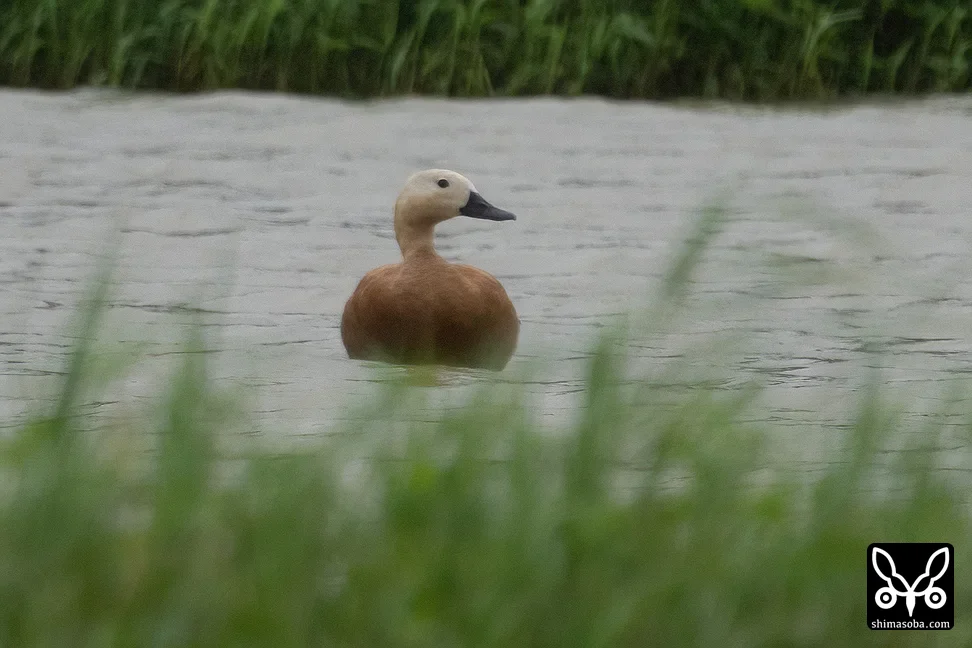
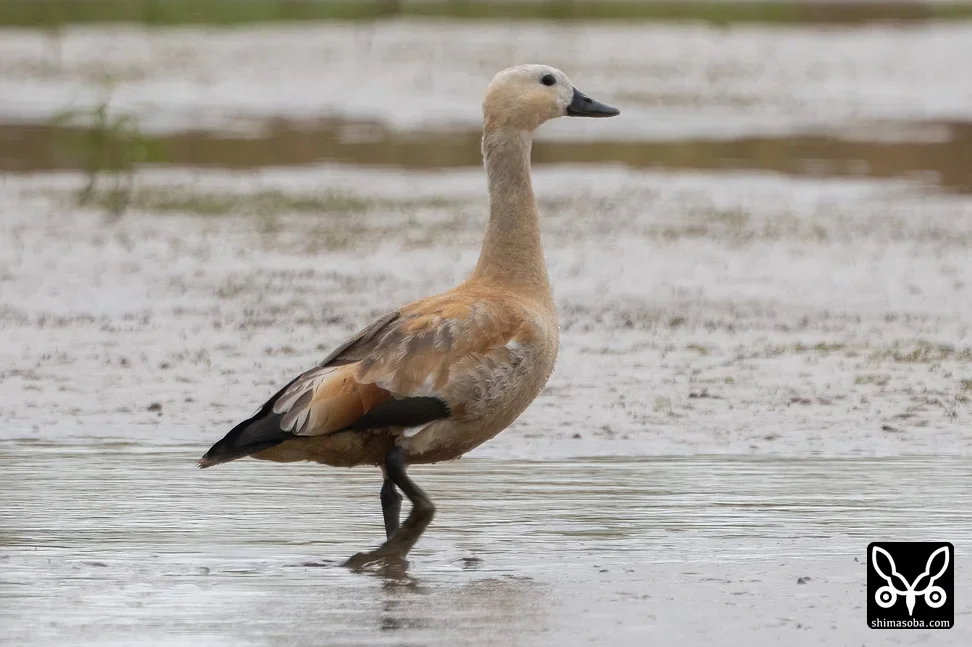
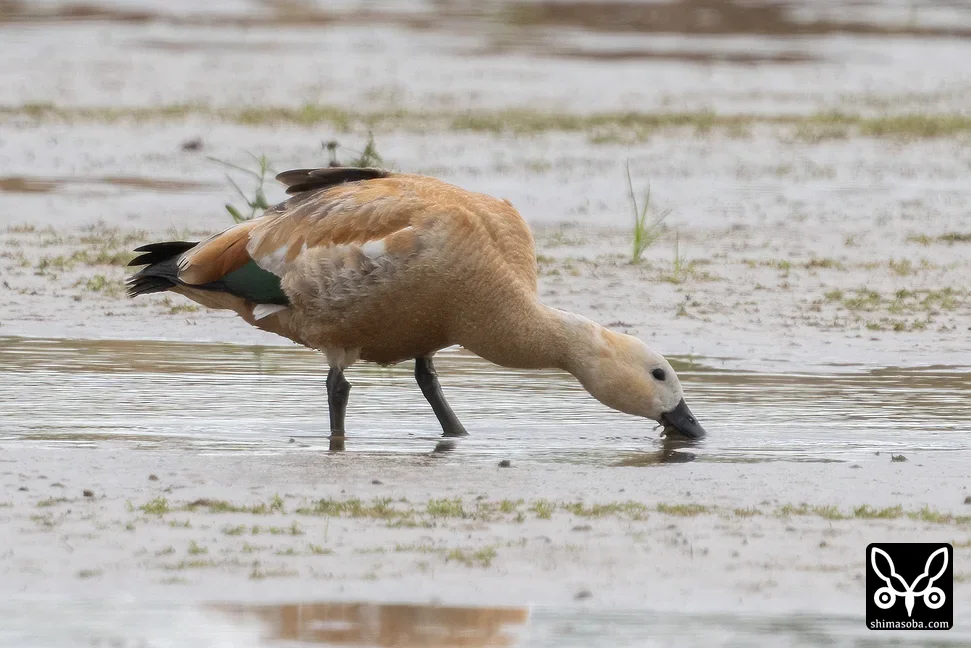
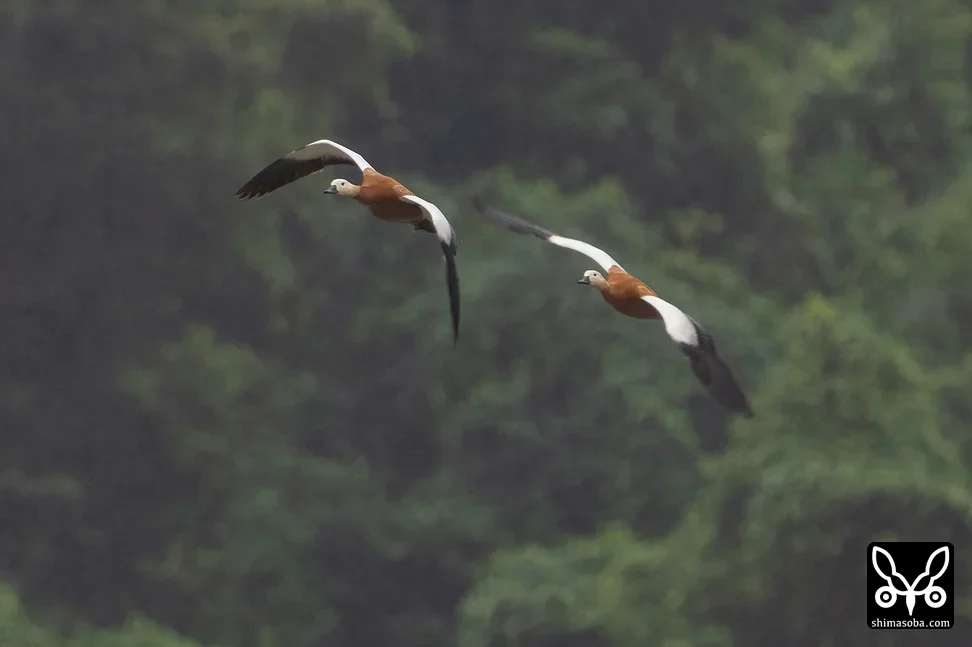
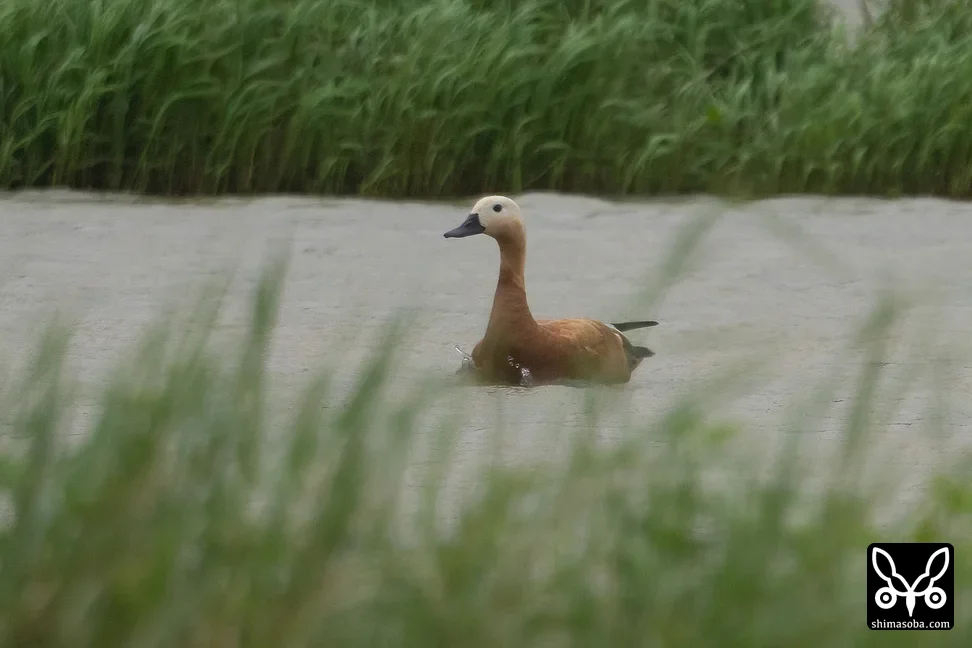
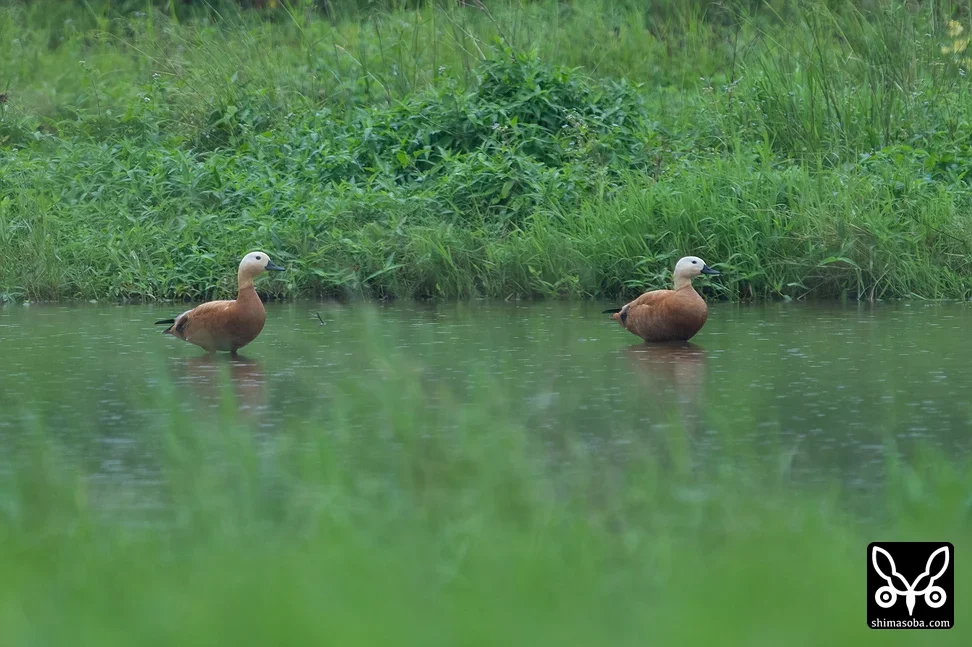
Following last year, Ruddy Shelduck has arrived again this year. This season there are two birds and they are extremely wary.

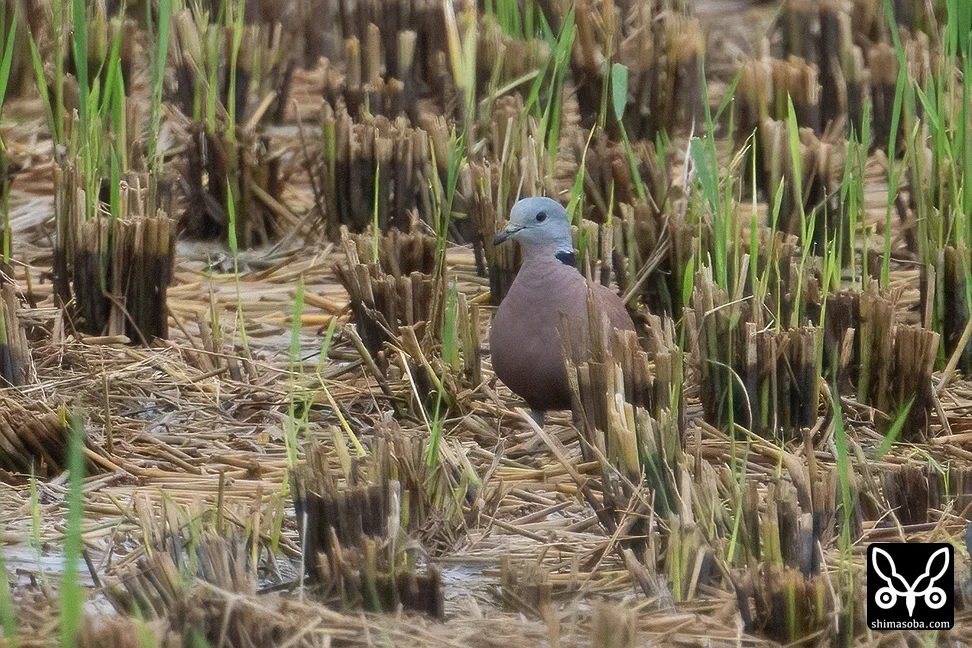
The Red Collared Dove from the other day has now been here for 10 days. It's probably unable to move on due to bad weather.

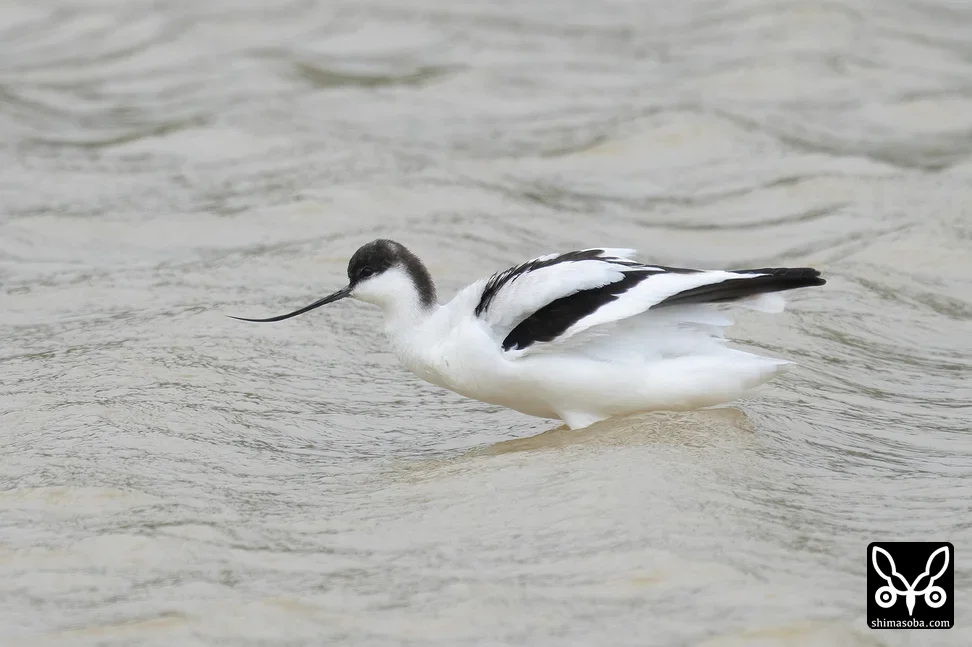
The Pied Avocet present since 26 October is also still lingering — 10 days for that bird as well.

Ruddy Shelduck
Ruddy Shelduck

It was skittish, taking flight every time a rental car approached.

Ruddy Shelduck
Ruddy Shelduck

Female Ruddy Shelduck.

Ruddy Shelduck
Ruddy Shelduck

A different individual from the one above. Also a female.

Eurasian Collared Dove

After the harvest, many Oriental Turtle Doves gather in the paddies to pick up fallen grain — and on Ishigaki, there is almost always a Crimson Sunbird among them.

Eurasian Collared Dove

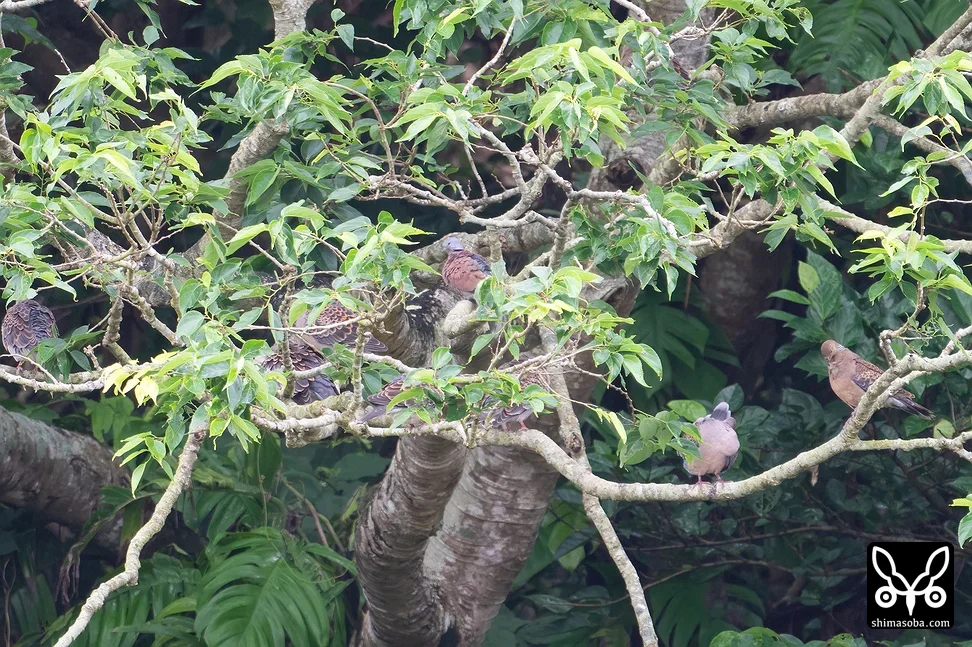
Crimson Sunbirds and Oriental Turtle Doves that had taken refuge at the forest edge, startled by a raptor.

Pied Avocet
Pied Avocet

The Pied Avocets that have been staying for a long time. There are two of them, but they are being harassed by a raptor.

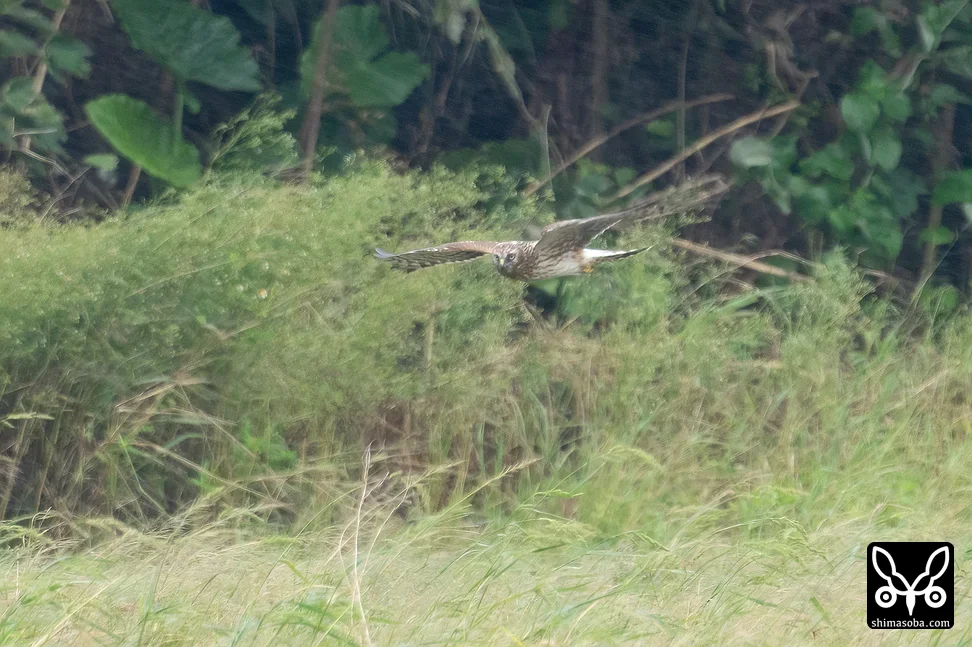
Hen Harrier
Hen Harrier

A Hen Harrier appeared in the strong wind. The Black-winged Stilts and Eurasian Teals panicked.
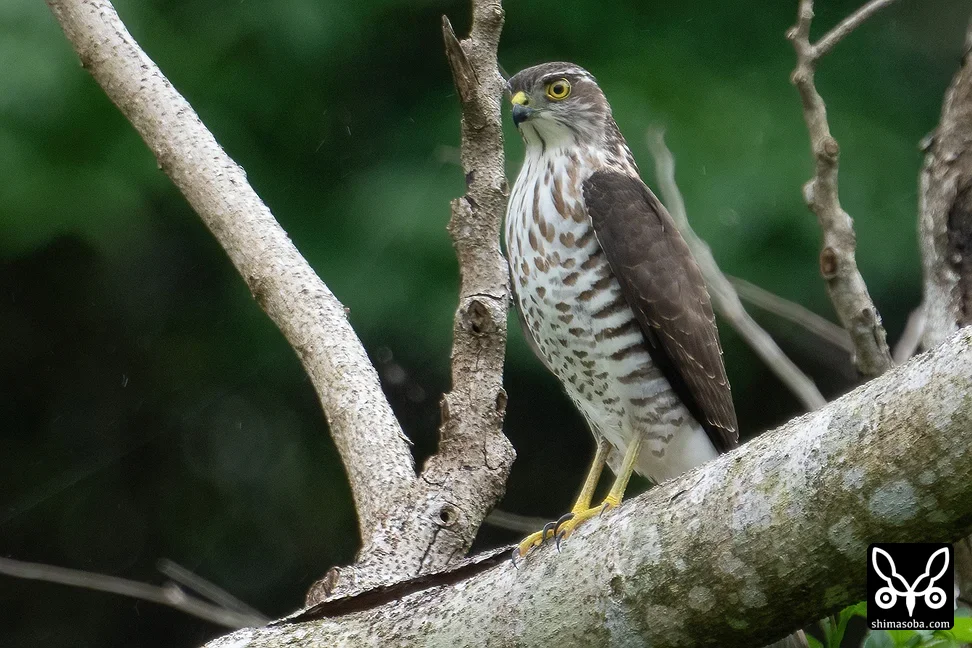
Ryukyu Sparrowhawk
Ryukyu Sparrowhawk

A juvenile Ryukyu Sparrowhawk that appeared while I was watching the Greater Racket-tailed Drongo.

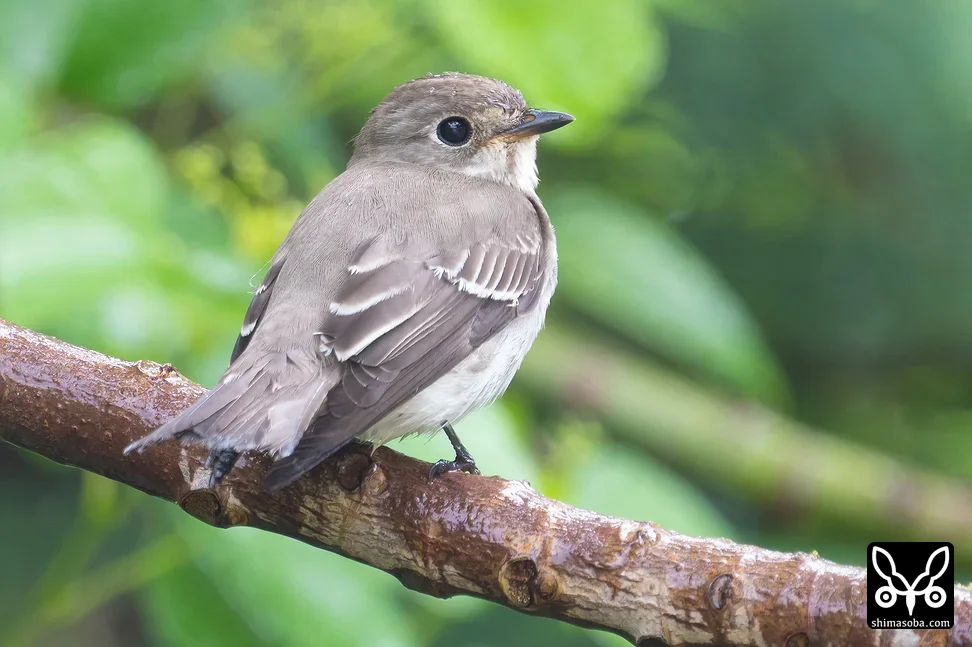
Grey-streaked Flycatcher

A small number of Grey-streaked Flycatchers are also lingering.

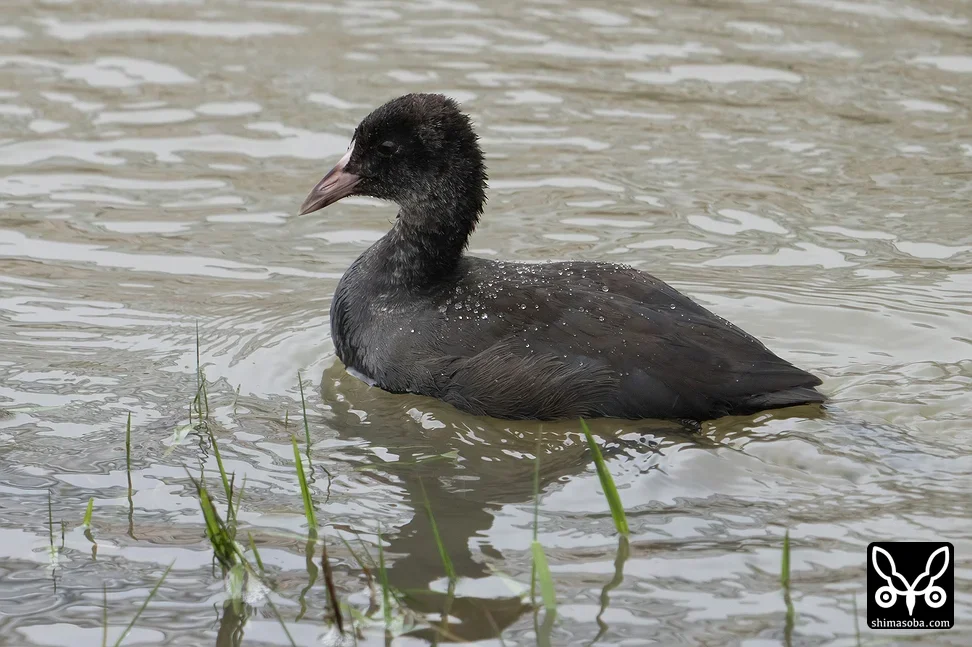
Eurasian Coot
Eurasian Coot

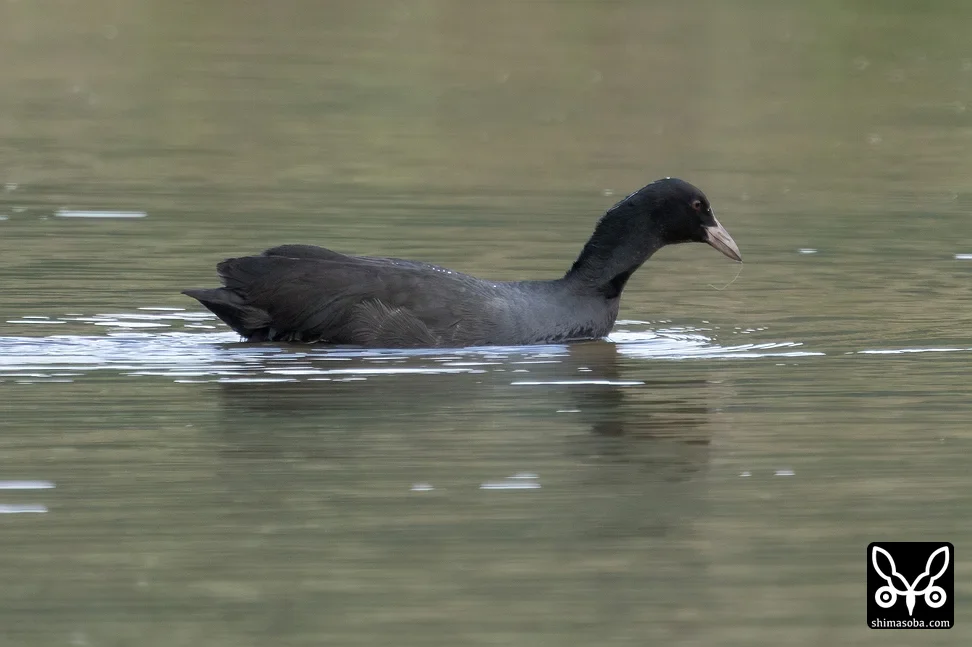
Juvenile Common Coot. There are a few white feathers around the neck. Partial albinism?

Categories: 野鳥

Tundra Swan Arrives; Chinese Pond Heron Overwintering

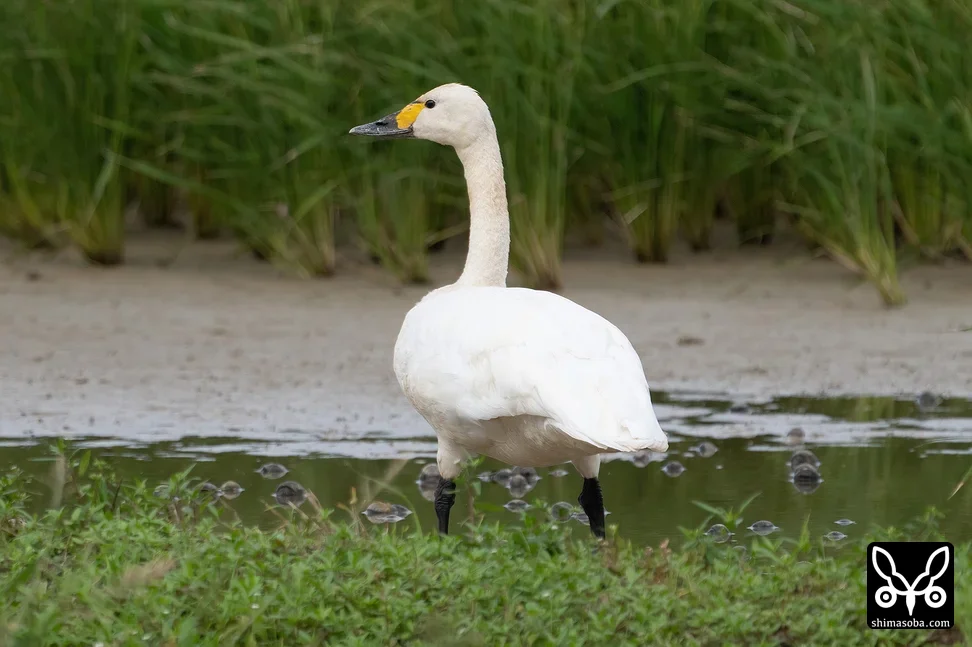
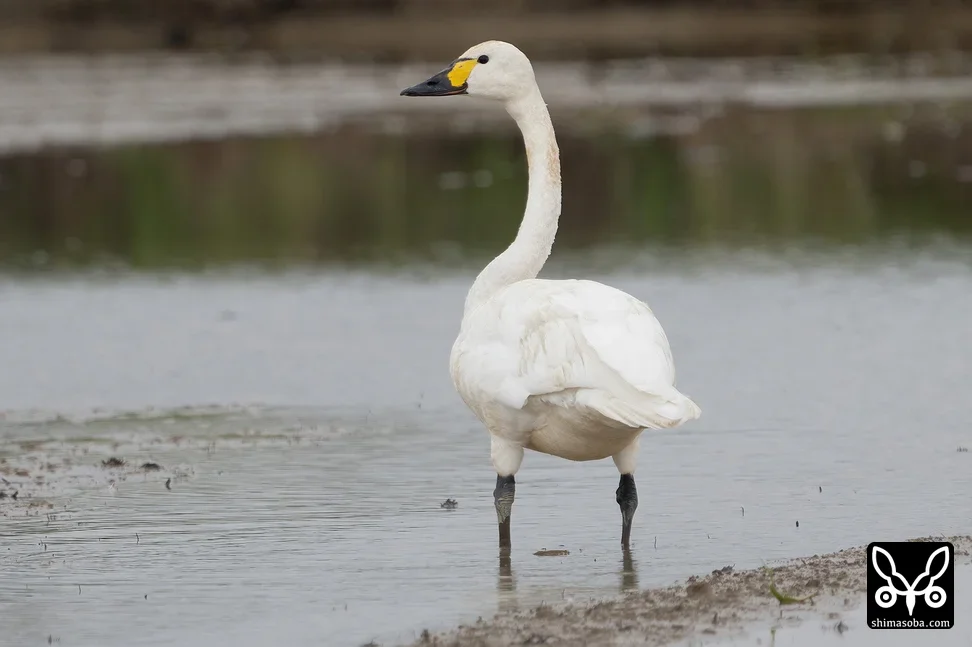
A Tundra Swan arrived for the first time in about two years. Last time it stayed until spring — I wonder how long this one will stick around. It shows almost no wariness, so it would be great if it settles in for a long stay.
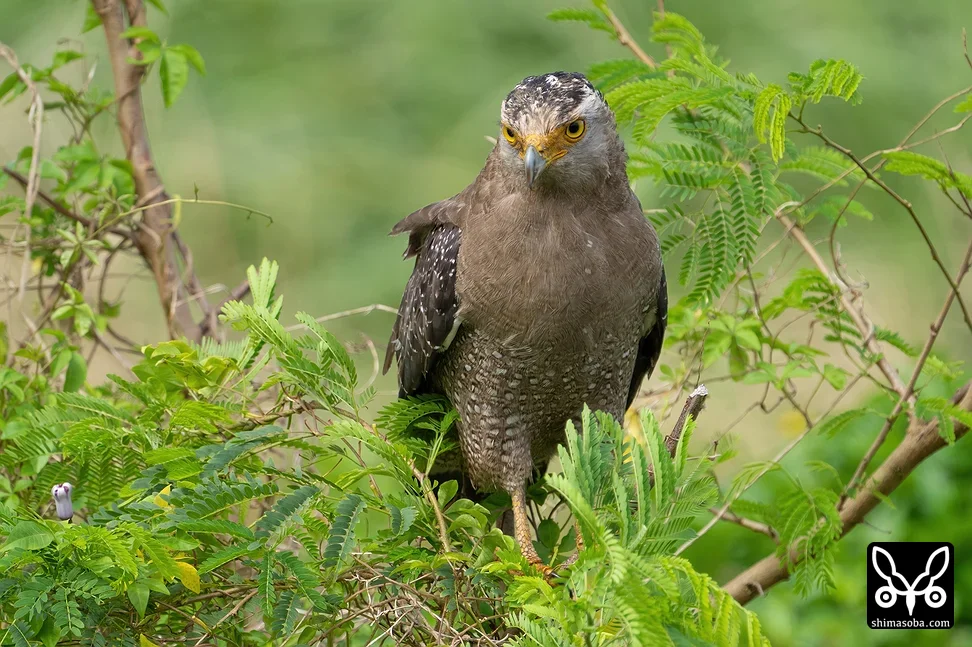
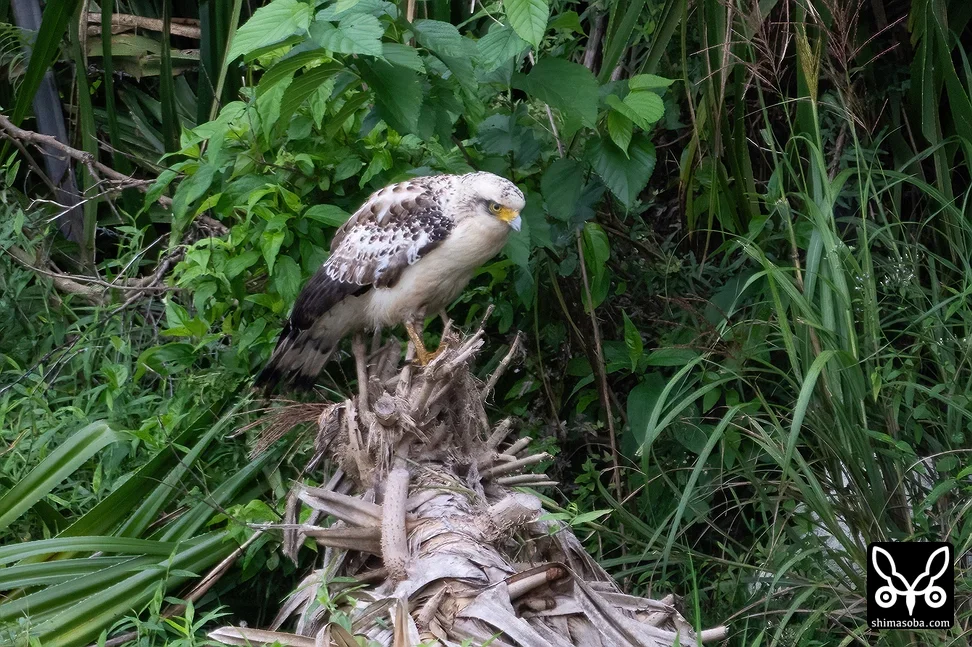
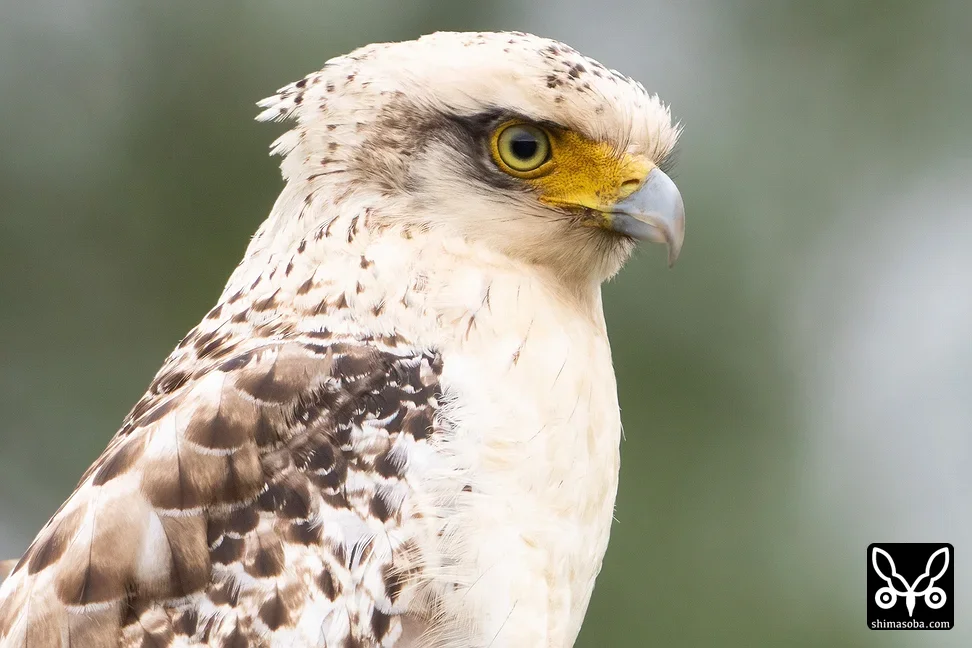
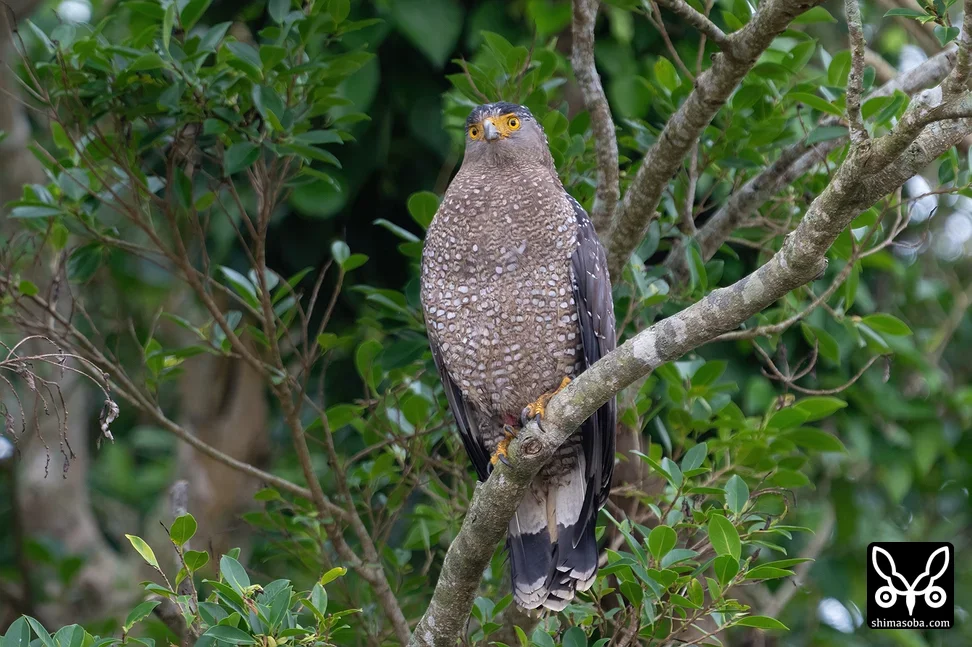
Crested Serpent Eagles are becoming more active ahead of the breeding season. I've been hearing them calling back and forth and often seeing them soaring over their territories.

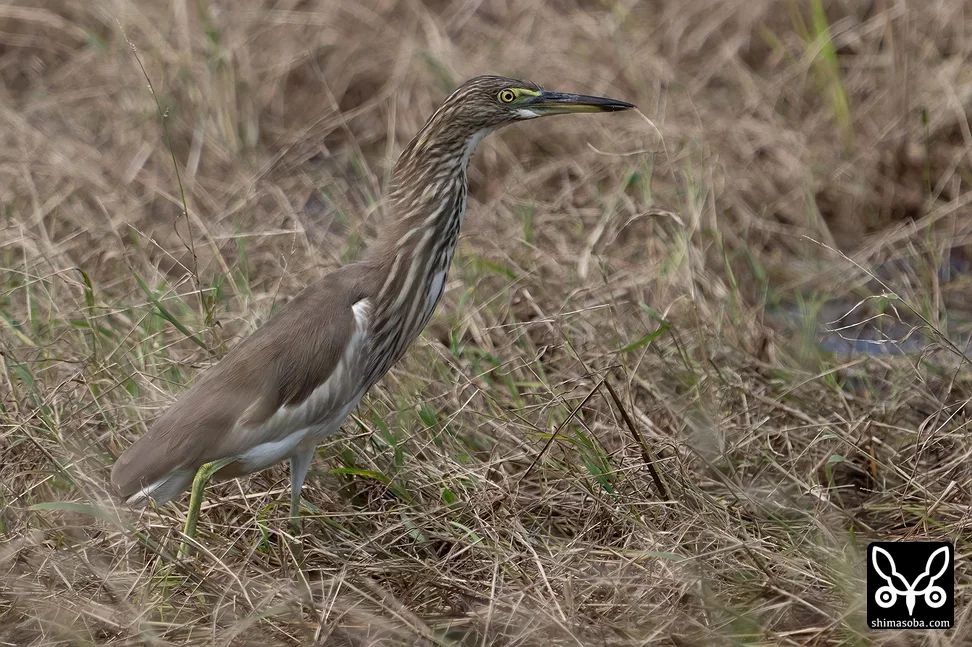
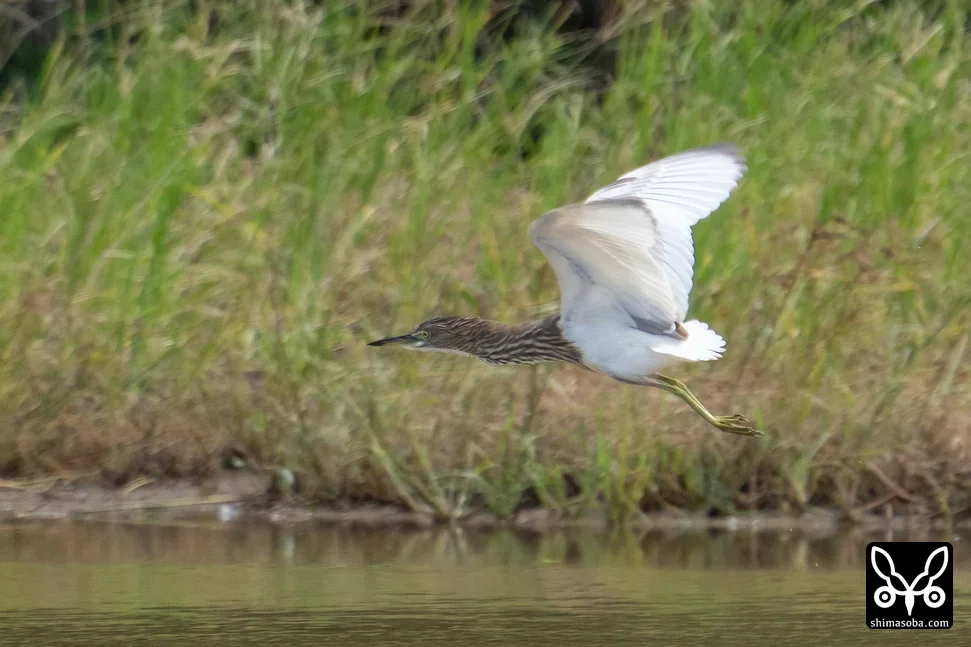
Chinese Pond Herons are overwintering at several locations. Once they step into the grass they blend right in and become very hard to spot.

Eurasian Coots increased sharply after November began. Two years ago they were frequently attacked by Upland Buzzard. This season an Eastern Marsh Harrier, Hen Harrier, and Peregrine Falcon are all present, so it looks like it will be a tense winter for the coots.
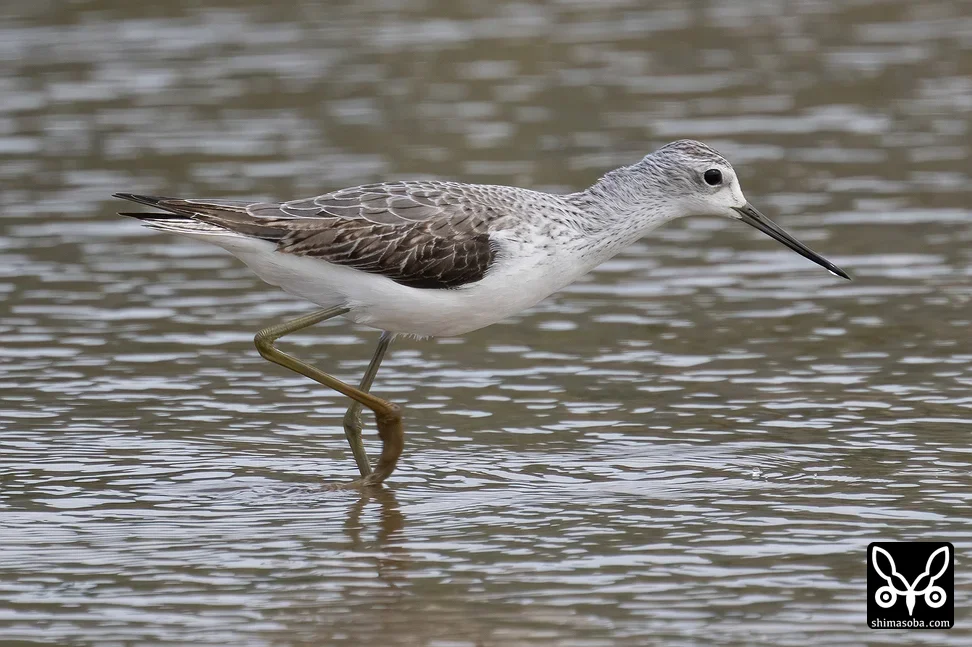
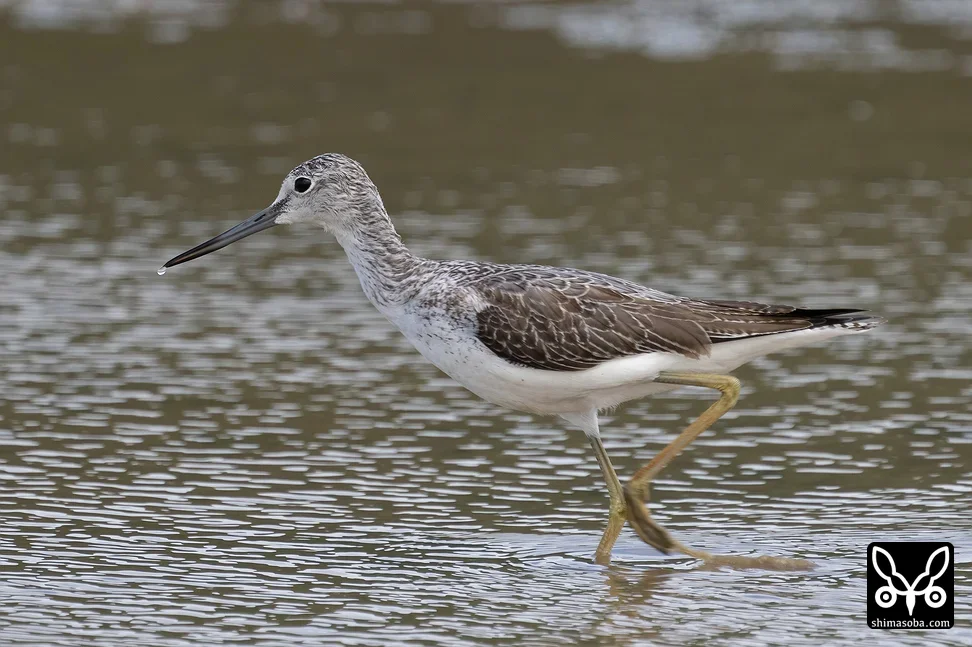
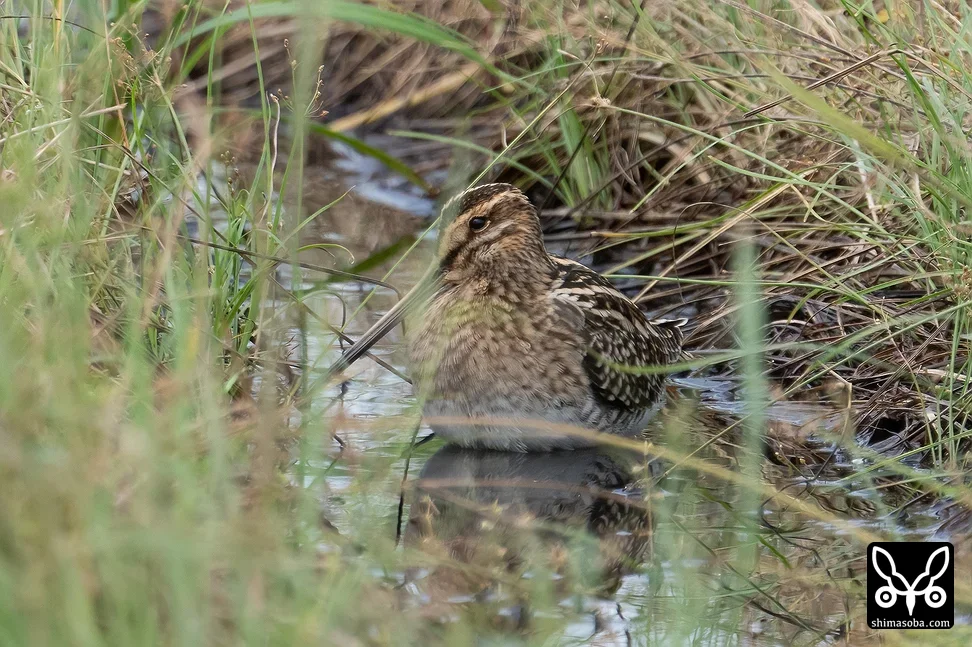
For waders, Common Greenshank, Marsh Sandpiper, Black-winged Stilt, Long-toed Stint, Common Snipe, and Wood Sandpiper are all staying on.

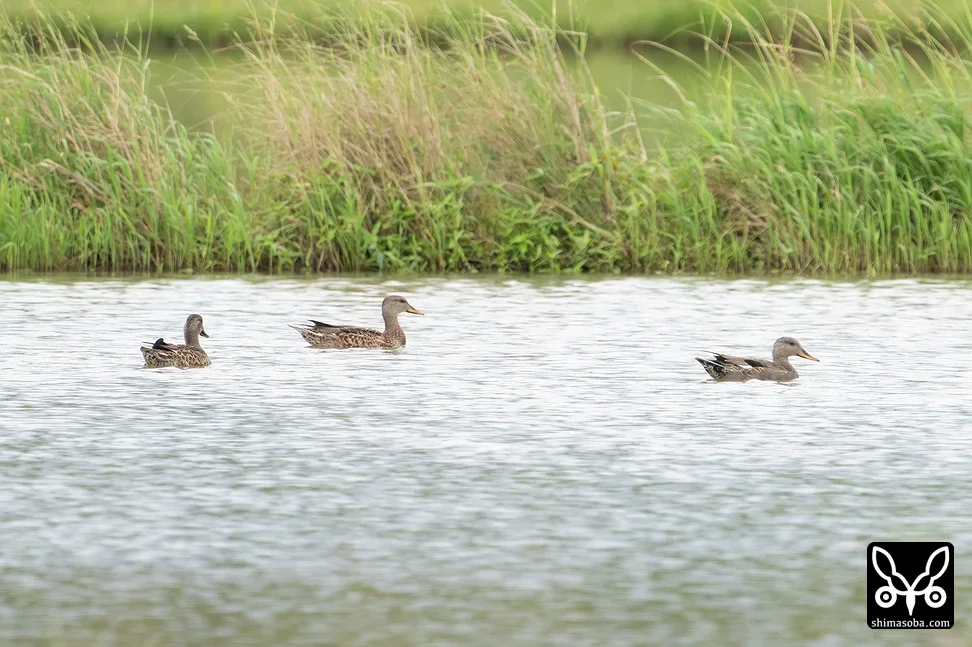
I recorded my first Gadwall of the season. Tufted Duck and Eurasian Wigeon numbers are also building up at the dam.

Tundra Swan
Tundra Swan

Tundra Swan for the first time in two years. It doesn't seem particularly wary.

Crested Serpent Eagle

A Crested Serpent Eagle perched beside a waterway, hunting for prey.

Chinese Pond Heron
Chinese Pond Heron

The number of Chinese Pond Herons goes up and down. There were 2 that day, but 5 were recorded the following day.

Chinese Pond Heron
Chinese Pond Heron

Chinese Pond Herons flushed by a raptor.

Eurasian Coot
Eurasian Coot

Common Coots suddenly increased to several dozen.

Marsh Sandpiper
Marsh Sandpiper

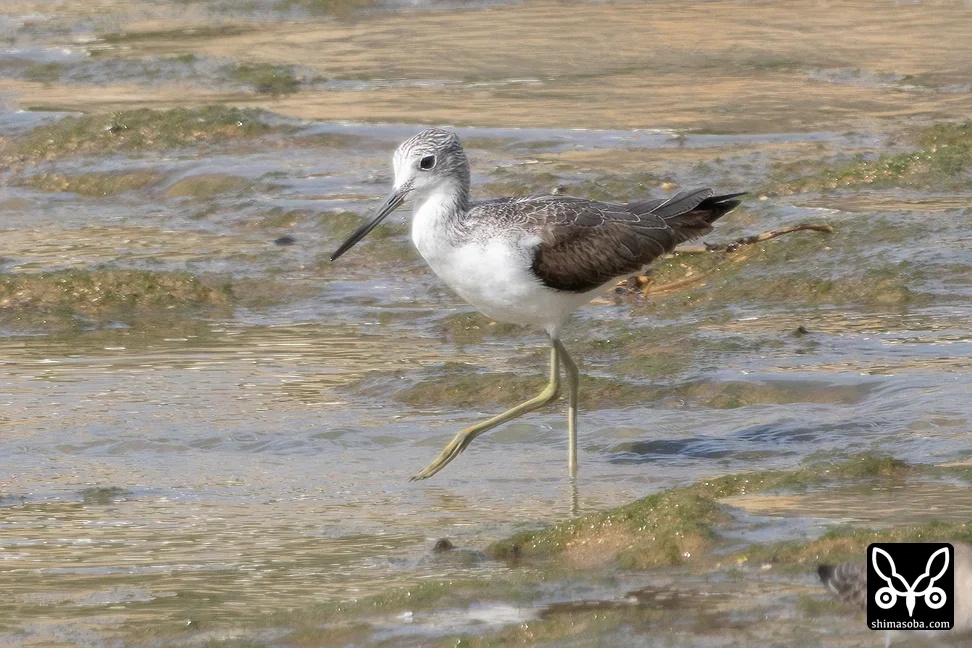
Common Greenshank moving from juvenile to first-winter plumage.

Common Greenshank
Common Greenshank

Common Greenshank moving from juvenile to first-winter plumage.

Common Snipe
Common Snipe

Common Snipe in wintering mode.

Gadwall
Gadwall

First Eurasian Wigeon of the season. All males in eclipse. The individual on the right is mid-transition into breeding plumage.

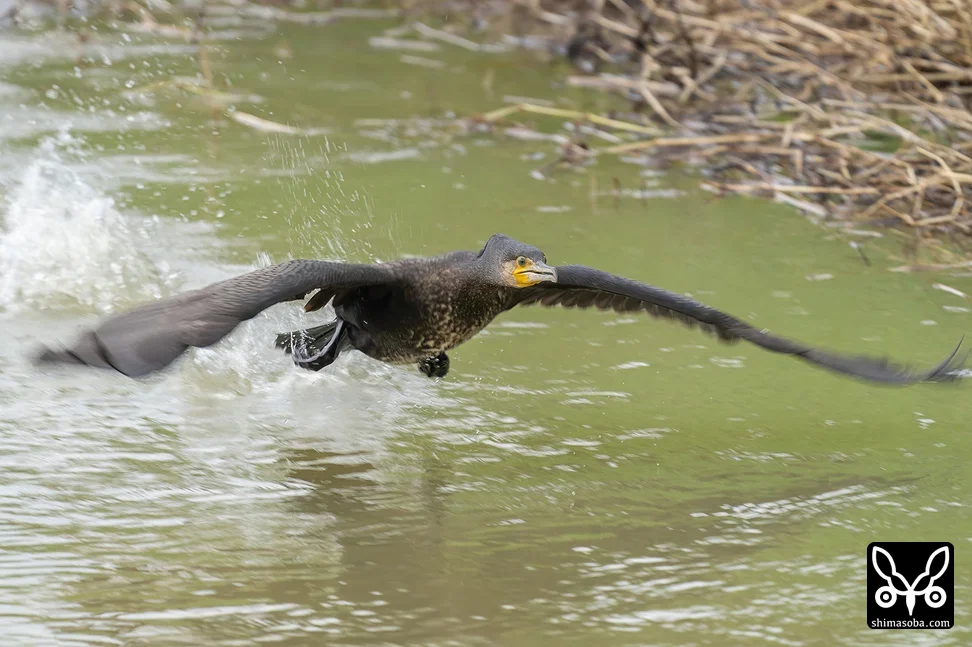
Japanese Cormorant
Japanese Cormorant

A Great Cormorant came running toward me along the waterway. ^^

Categories: 野鳥

Lunar Eclipse and Uranus Occultation

Apparently it has been 442 years since a lunar eclipse and a planetary occultation occurred simultaneously. This time the planet was Uranus. The family watched together while having a barbecue on the deck at home. ^^

The lunar eclipse reached maximum at 7:59 p.m. The tiny point of light at lower left is Uranus.

Categories: 天体

Dark-morph Grey-faced Buzzard for Fifth Consecutive Year; Black-winged Kite Encounters Up (with video)

The dark-morph Grey-faced Buzzard that has been overwintering on Ishigaki Island every year since 2018 has returned again this year. It was a juvenile in the first year, so it is now 5 years old. It has been gradually becoming less wary, and this year I was able to observe it at quite close range.

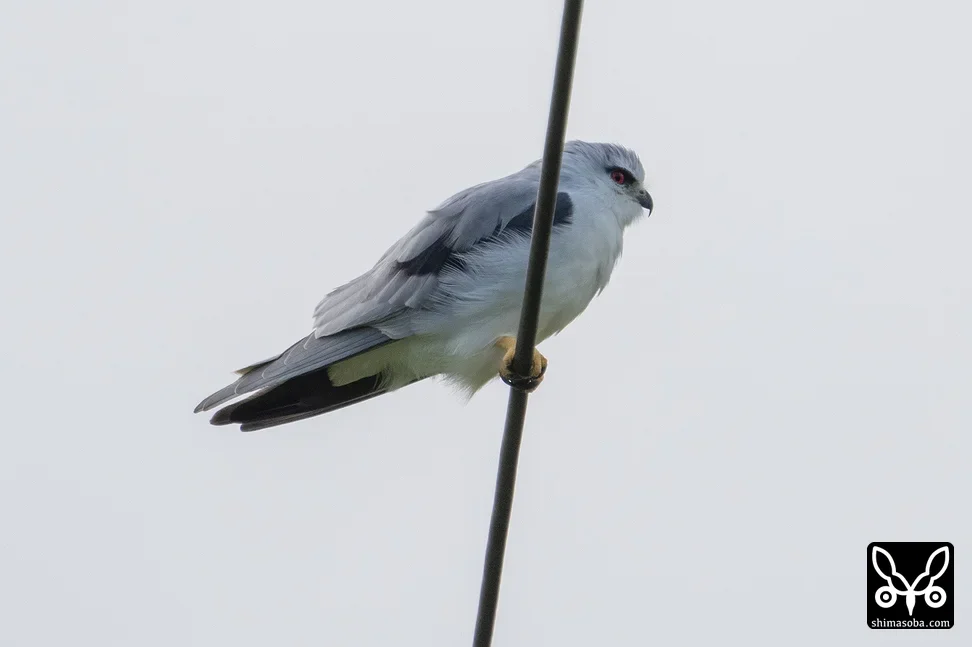
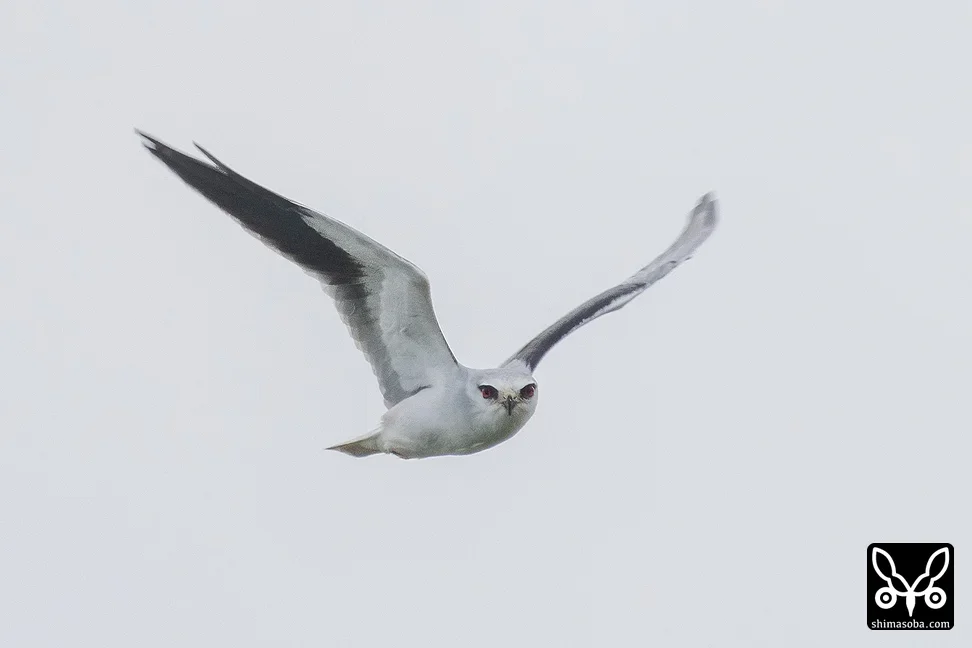
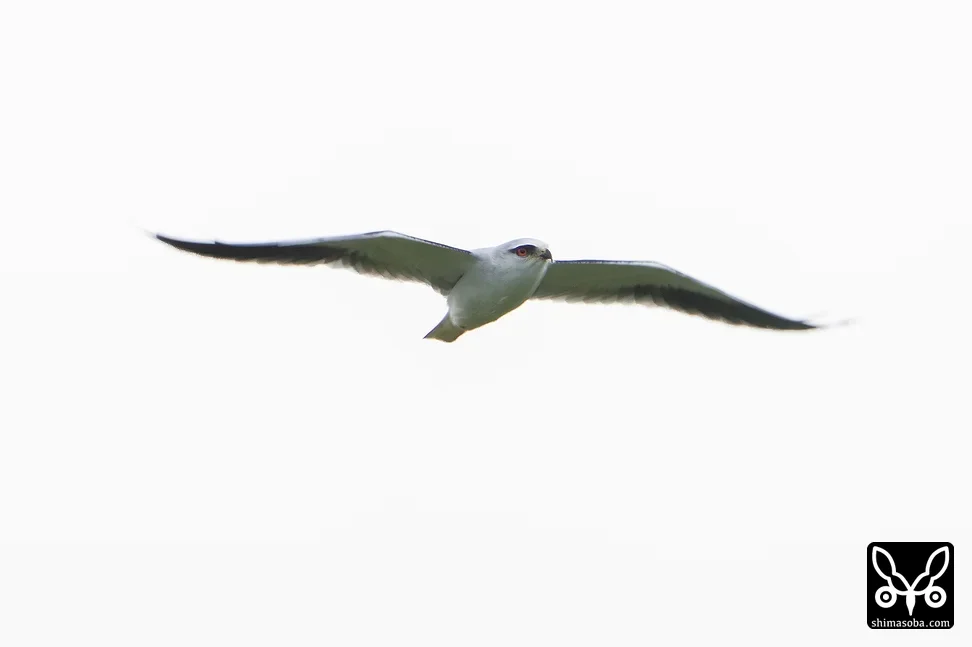
The Black-winged Kite first appeared on Ishigaki Island in 2015 and has been breeding steadily ever since, to the point where it can now be seen all over the island — and it has finally moved into town as well. On this day I confirmed two birds flying together over the MaxValu in Maesato. I also frequently see them foraging on the wasteland to the east of Ishigaki City Hall.

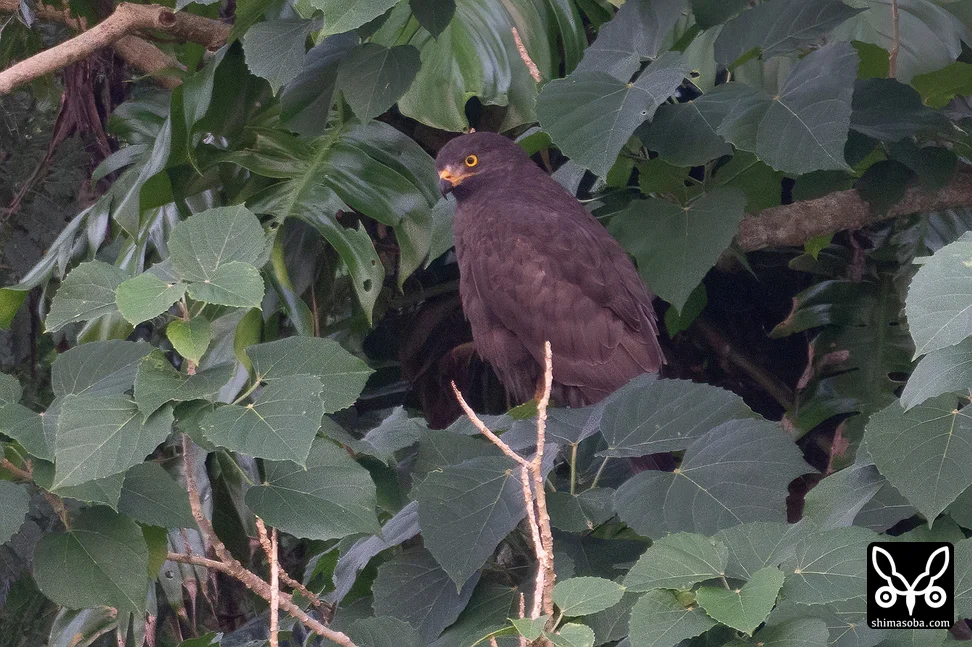
Grey-faced Buzzard
Grey-faced Buzzard

A Black Baza wintering on Ishigaki Island. This marks its fifth year visiting. It typically stays until around March.

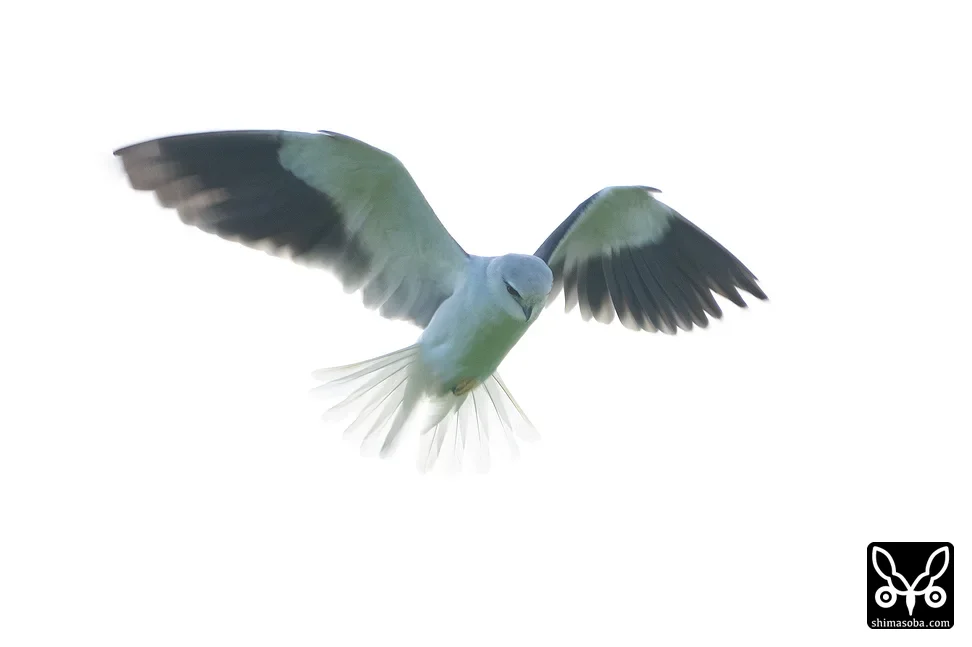
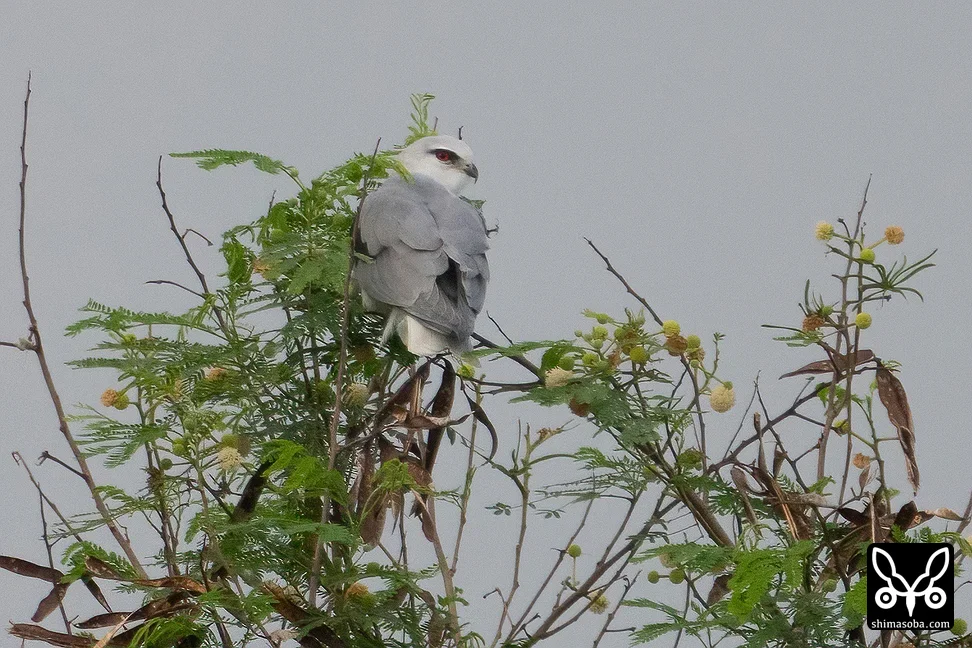
Black-winged Kite
Black-winged Kite

A Black-winged Kite in a mown grassland. An extremely unwary individual.

Black-winged Kite
Black-winged Kite

A Black-winged Kite hovering right in front of me.

Black-winged Kite
Black-winged Kite

It was completely unfazed even when cars passed beneath the wire it was perched on.

Black-winged Kite
Black-winged Kite

A Black-winged Kite at a different location.

Black-winged Kite
Black-winged Kite

In the evenings, I often see Black-winged Kites hunting over rice paddies, sugarcane fields, and pastures.

White Wagtail
White Wagtail

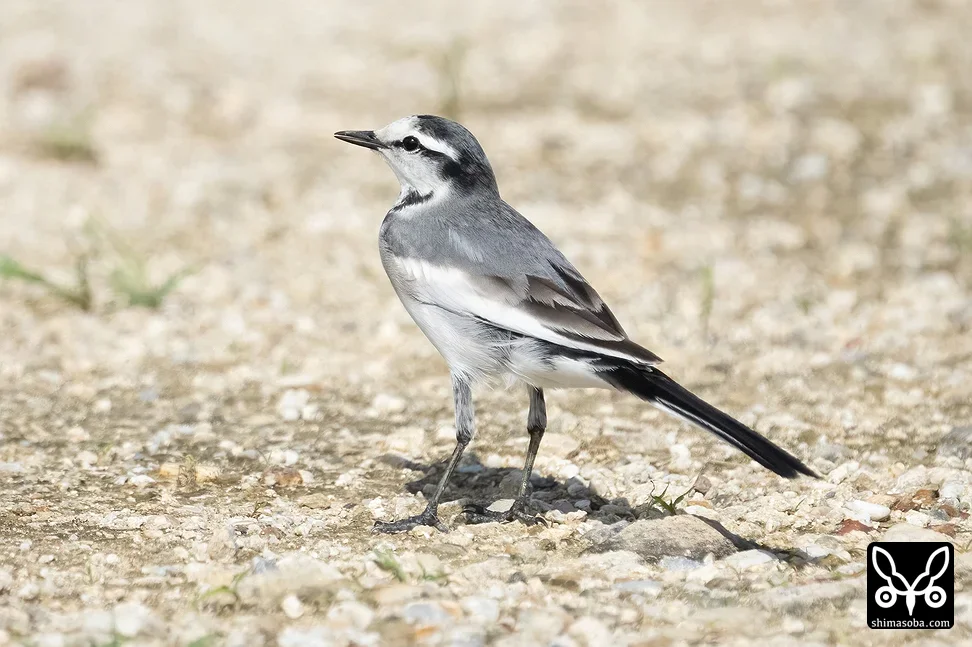
White Wagtails have been increasing too.

Grey Wagtail
Grey Wagtail

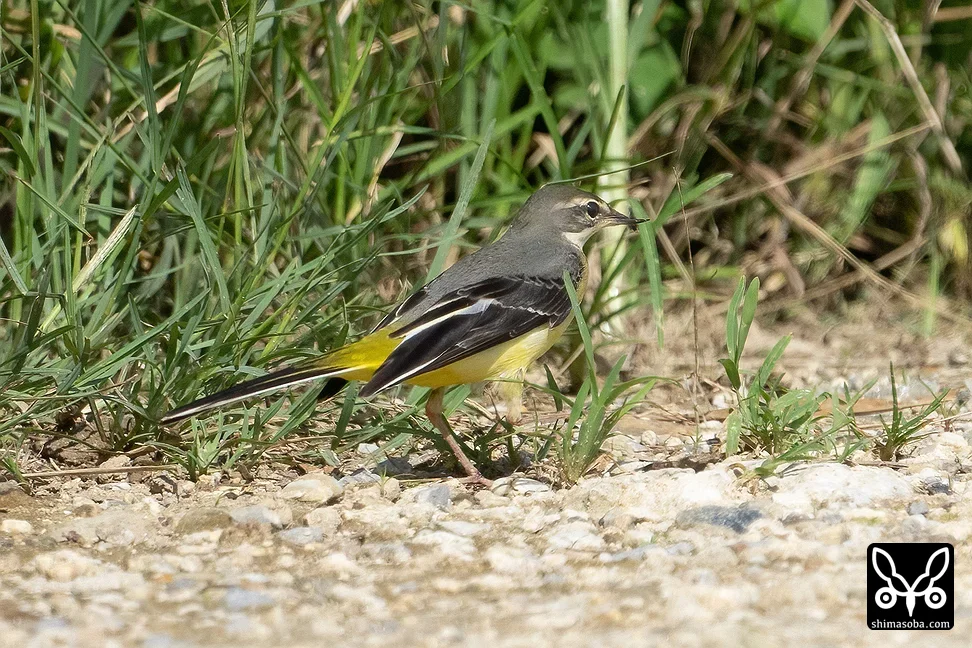
A Grey Wagtail with a deformed bill. Whether from injury or congenital, I'm not sure.

Sharp-tailed Sandpiper

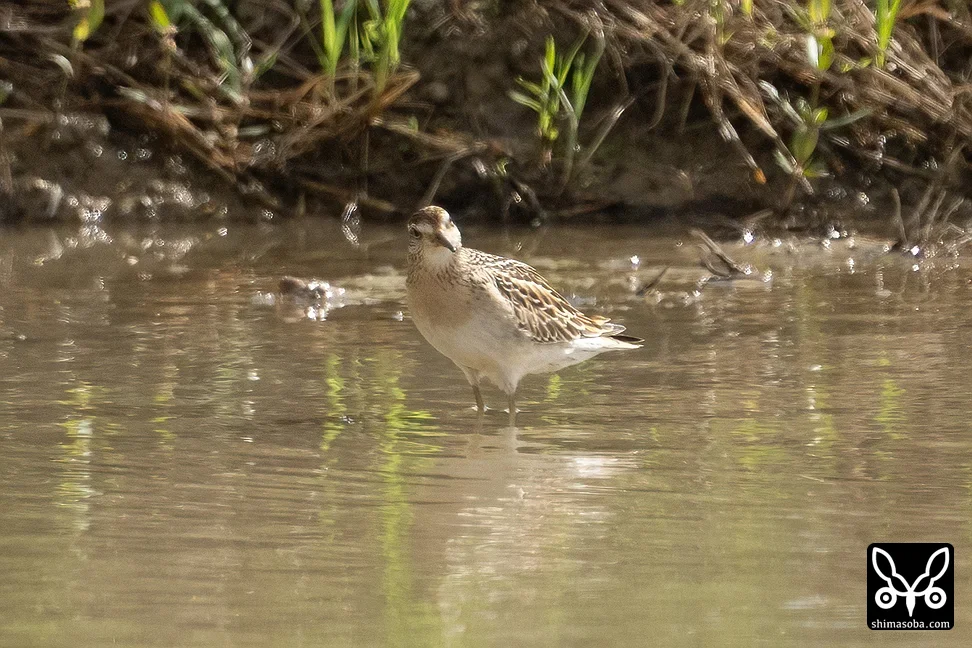
Sharp-tailed Sandpiper in late juvenile plumage.

Common Snipe
Common Snipe

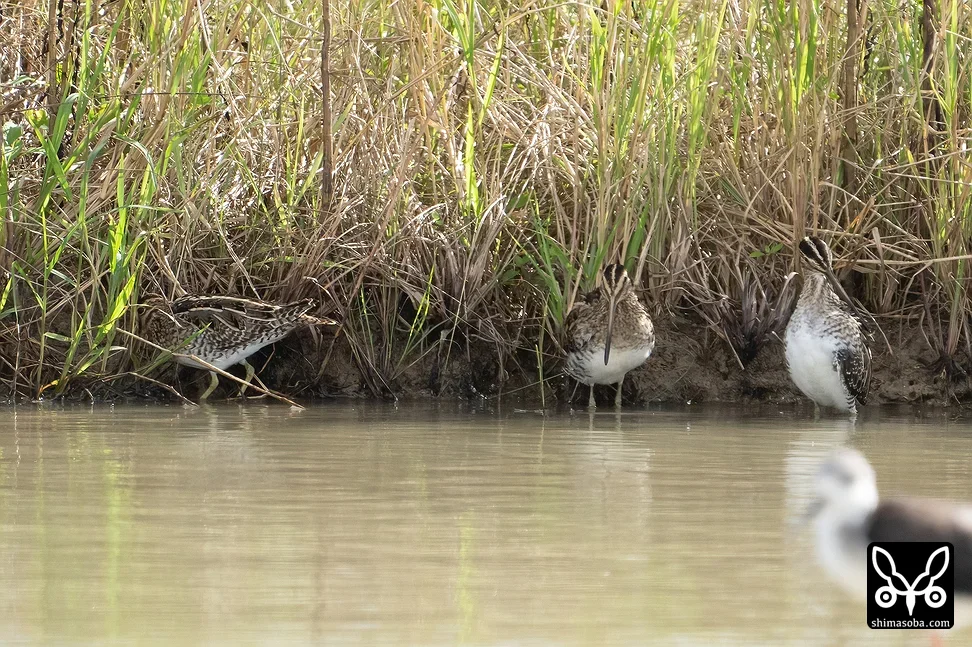
The snipe in the rice paddies are all Common Snipe. All juveniles.

Categories: 野鳥

Odd Daurian Redstart, Dusky Warbler, Masked Bunting

The overwintering small birds are increasing on Ishigaki Island.

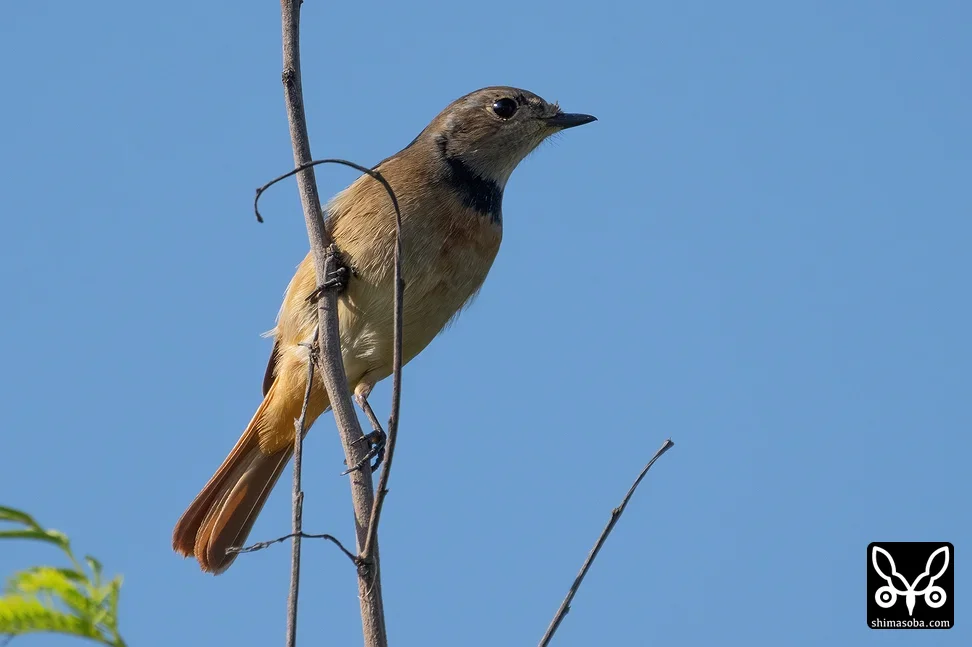
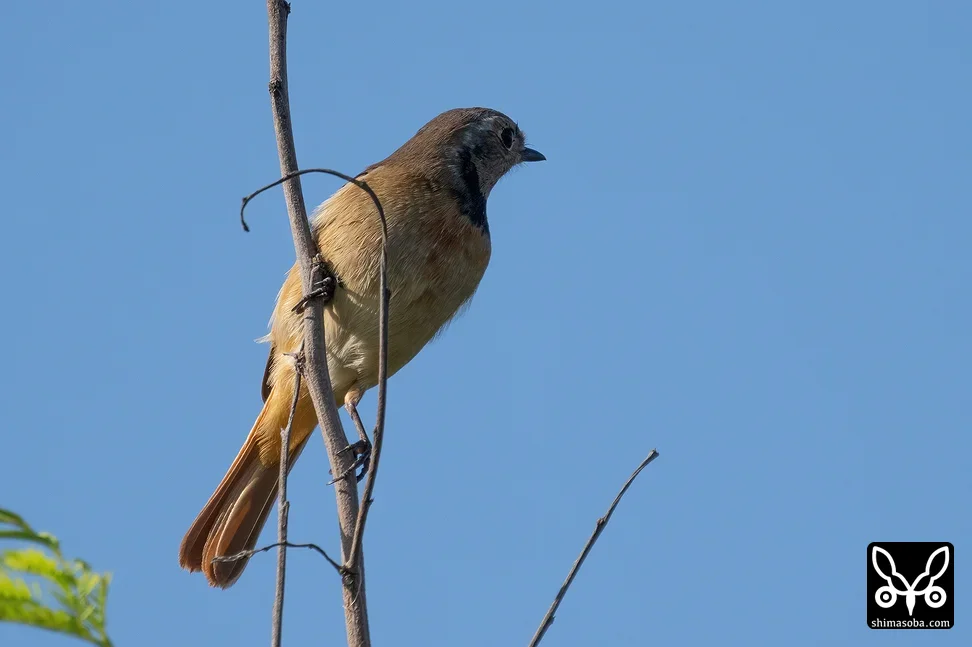
Among them, I found a strange Daurian Redstart. At first I thought it might be a male juvenile transitioning into its first-winter plumage, but that doesn't seem to be the case — it's been suggested the bird may be a female-type individual with unusual plumage. Either way, it was an interesting Daurian Redstart.

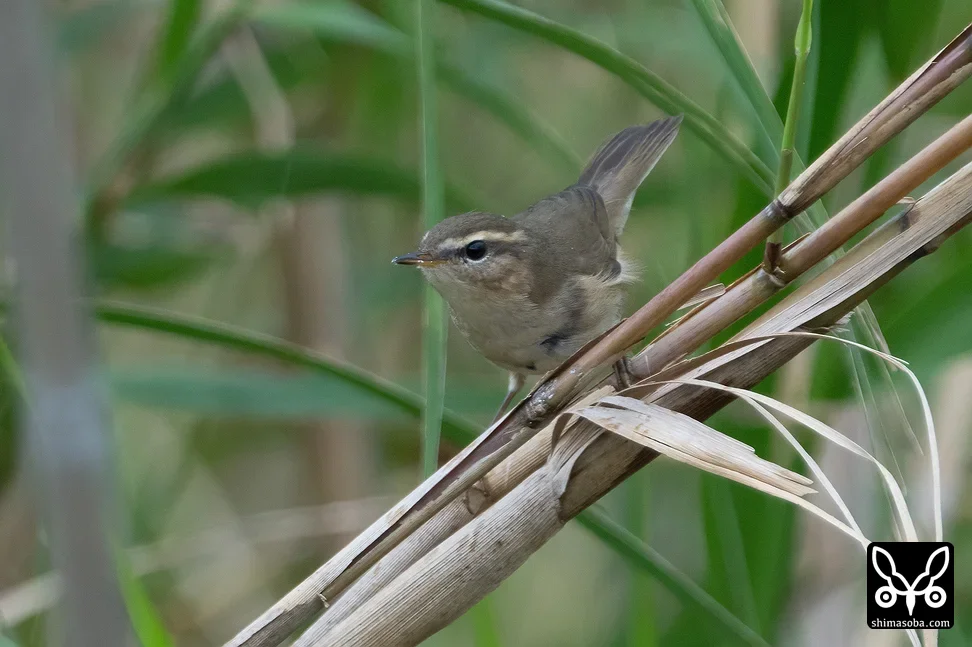
Dusky Warblers appear to be arriving in decent numbers in the riverside thickets. Getting a good photo of them is not easy.

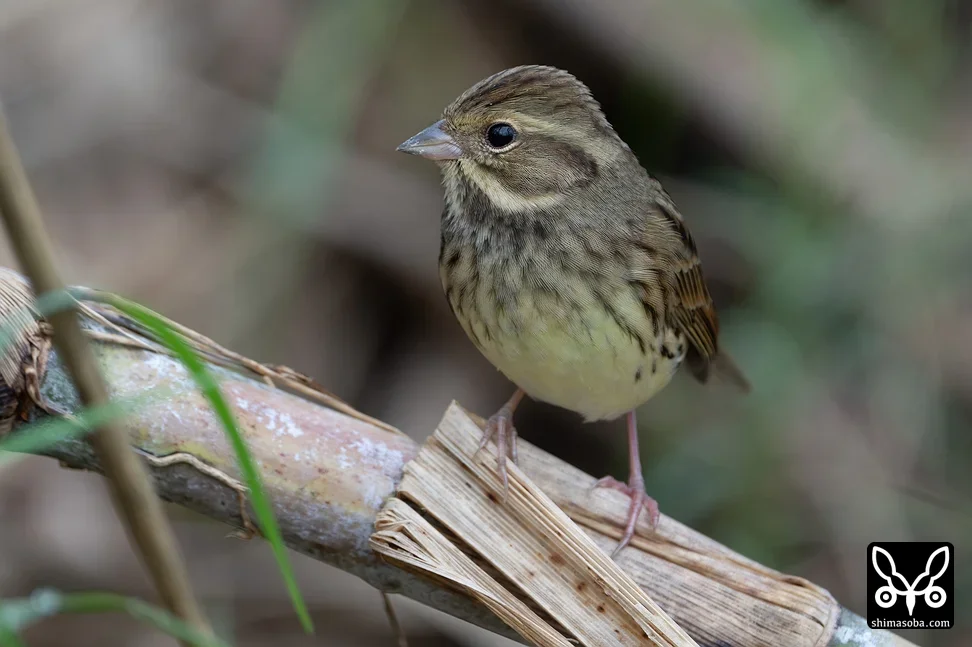
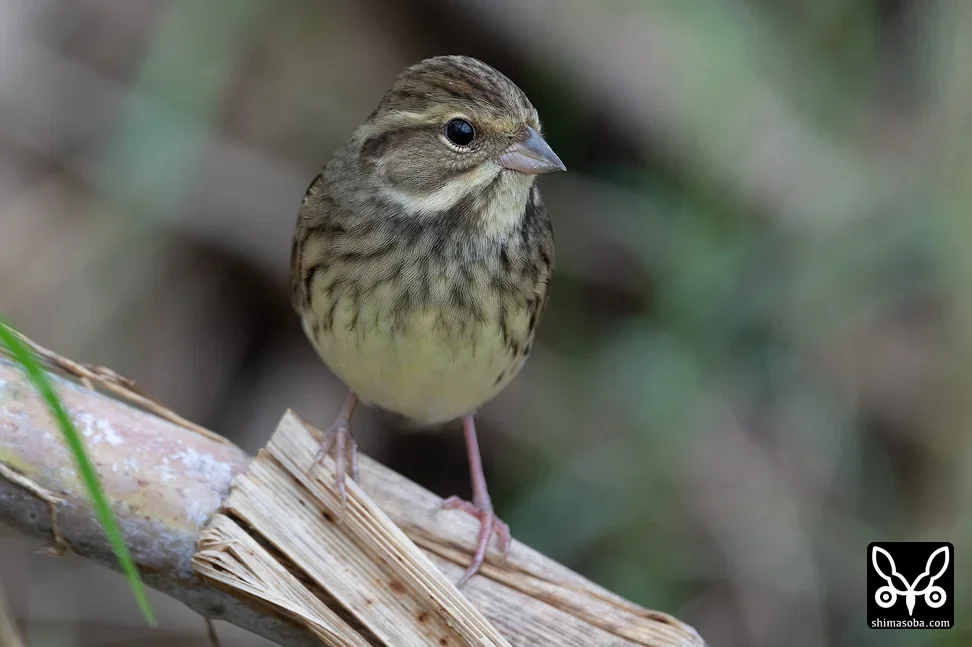
A fair number of Black-faced Buntings were lurking in the sugarcane fields. Some individuals that looked more like Masked Buntings were mixed in as well.

Daurian Redstart
Daurian Redstart

I thought the area around the throat might be partway through changing to adult male plumage, but it looks as though feathers have been lost, exposing the black area beneath. Even so, the whitish feathering from above the eye toward the cheek area looks like a male's.

That said, when Daurian Redstarts transition from juvenile to first-winter plumage, male individuals apparently develop vivid orange feathers. This individual shows some orange in places, but is otherwise brown.

Daurian Redstart
Daurian Redstart

The hindcrown and hindneck are a pale brownish buff, more like a female. A genuinely puzzling and intriguing individual.

Plain Leaf Warbler
Plain Leaf Warbler

A Pale-legged Leaf Warbler — I could hear several calling. One came up into view.

Black-faced Bunting
Black-faced Bunting

A female Black-faced Bunting. I could hear many calls coming from the sugarcane field, and after waiting a short while it came in very close.

Black-faced Bunting
Black-faced Bunting

The small birds fell silent when the rain started, but were active again once it stopped.

Categories: 野鳥

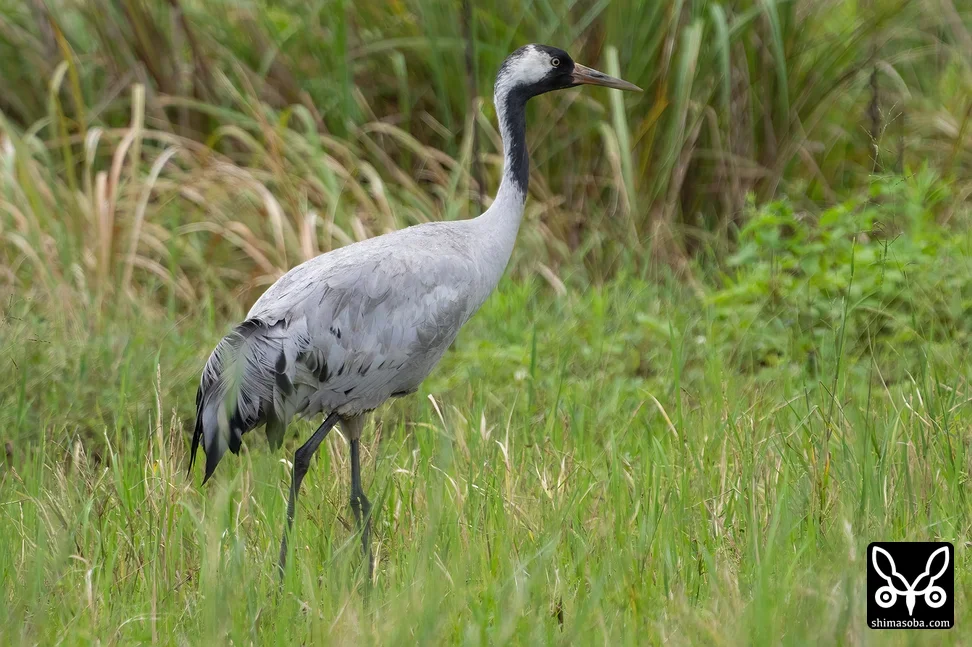
Ruddy Shelduck, Lesser White-fronted Goose, Common Crane and others — long stay continues (video)

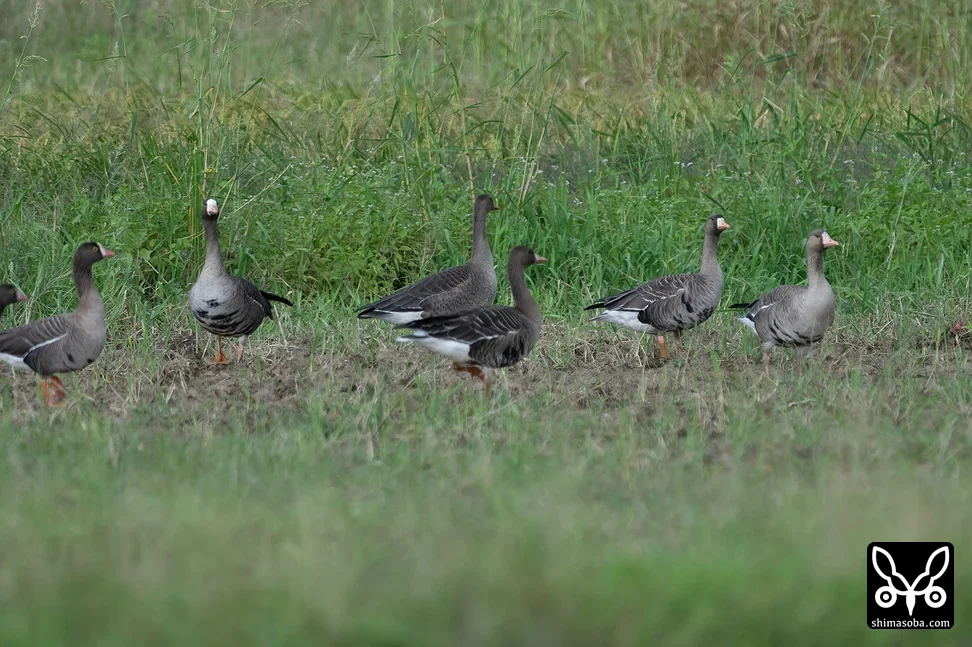
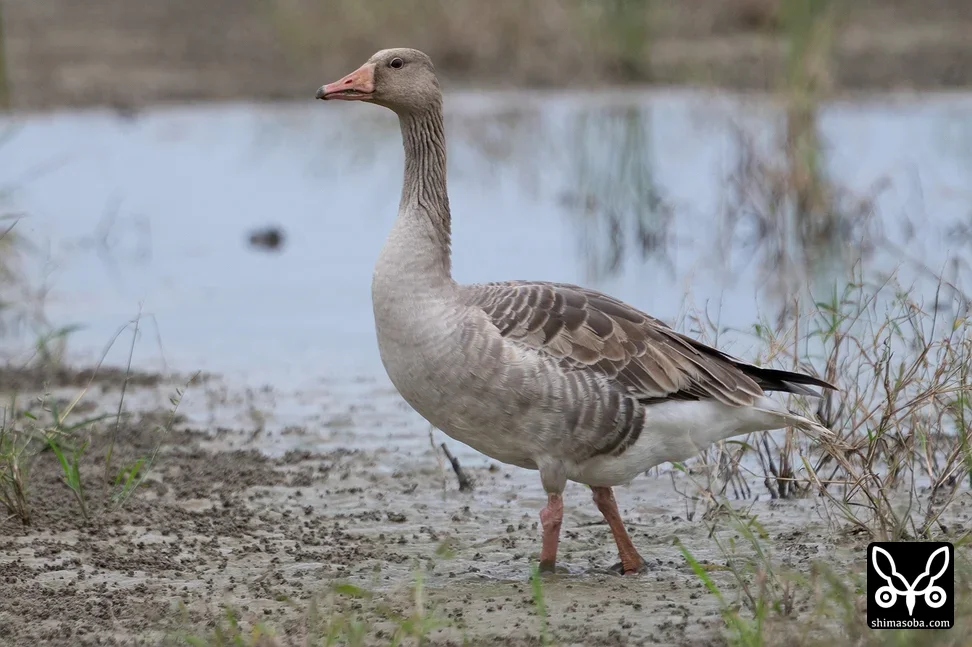
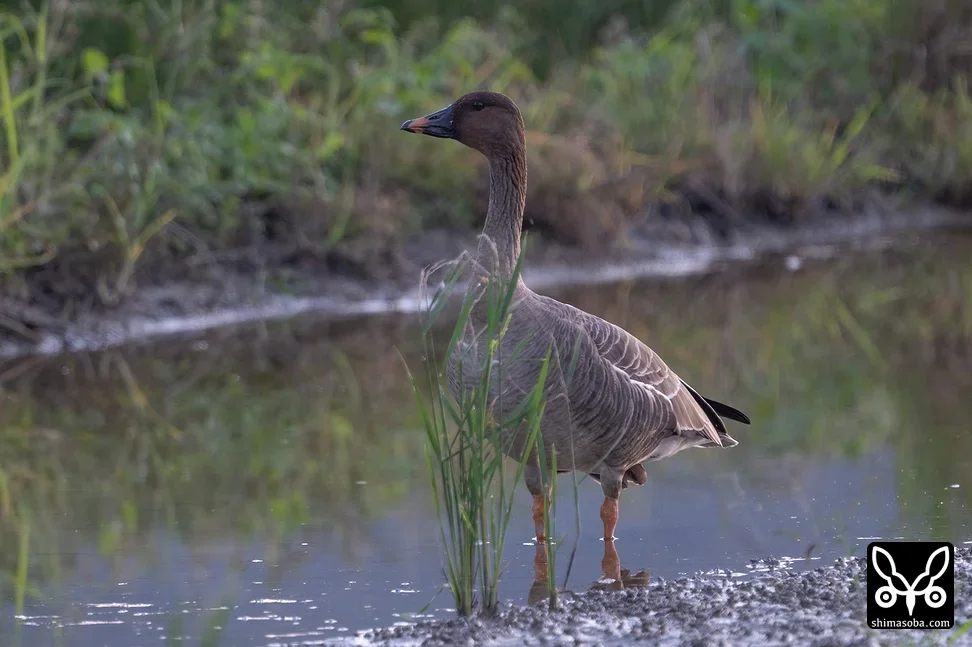
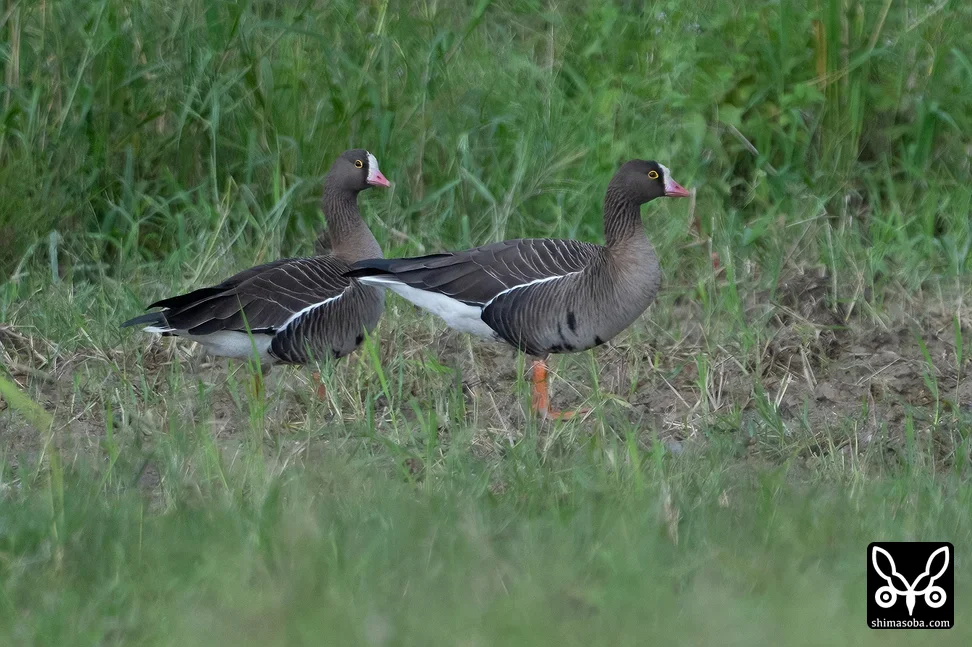
Two Ruddy Shelducks, two Lesser White-fronted Geese, a Common Crane, and a Greater White-fronted Goose are all on an extended stay. On this day I couldn't find the Greylag Goose or the Taiga Bean Goose. They were quite wary, so perhaps they've retreated to the Ampar wetlands area.

Ruddy Shelduck
Ruddy Shelduck

Two female Ruddy Shelducks. Both are adults.

Lesser White-fronted Goose

Adult Lesser White-fronted Goose.

Hooded Crane
Hooded Crane

The Common Crane has become less wary than at first and is now easier to observe.

Greater White-fronted Goose

There were 22 Greater White-fronted Geese in total.

Tundra Swan
Tundra Swan

A Tundra Swan is also staying. It shows little wariness and does not flee even when walkers pass by.

Categories: 野鳥

Greylag Goose, juvenile Crested Serpent Eagle, Caspian Tern and others

The Greylag Goose that appeared about ten days ago is still here. Alongside the Greylag Goose, Ishigaki currently hosts a Lesser White-fronted Goose, a Greater White-fronted Goose, a Taiga Bean Goose, a Tundra Swan, and a Common Crane — quite an unlikely lineup for a southern island.

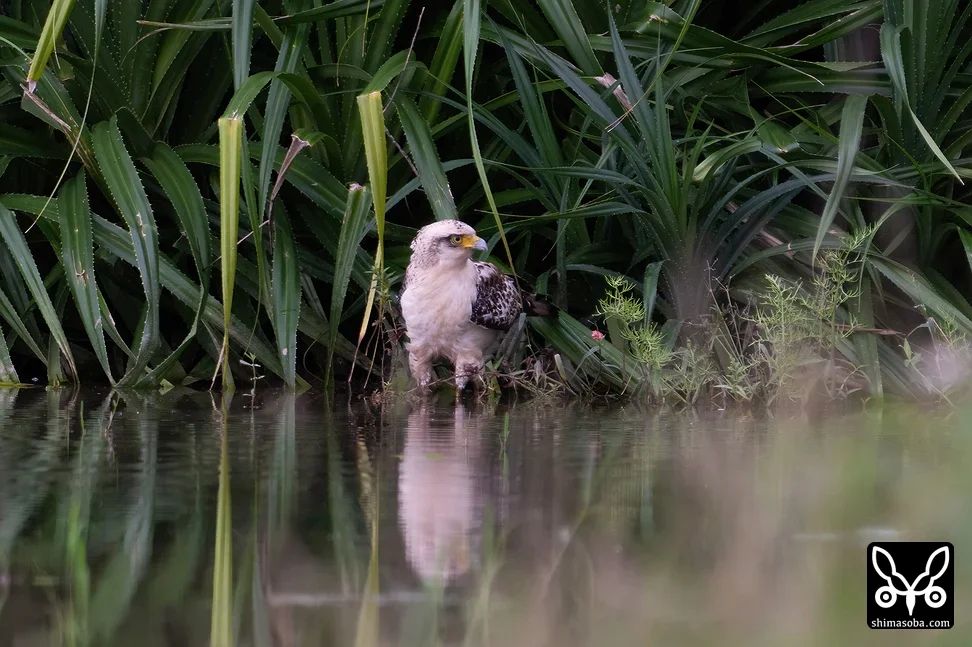
The juvenile Crested Serpent Eagle was the ninth individual of the season. A very active bird, it was catching prey in the rice paddies and mown grasslands.

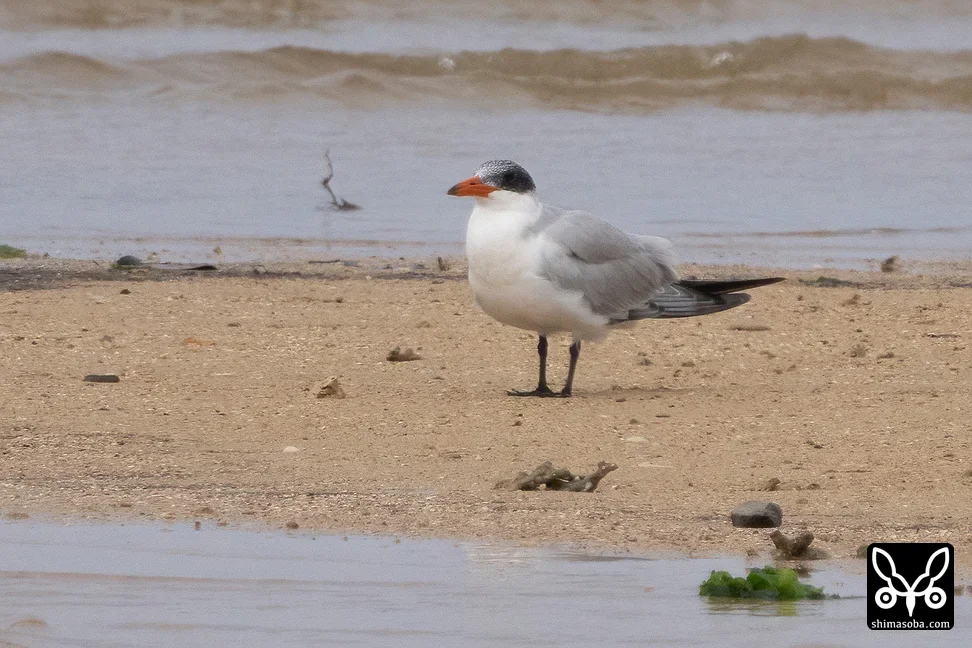
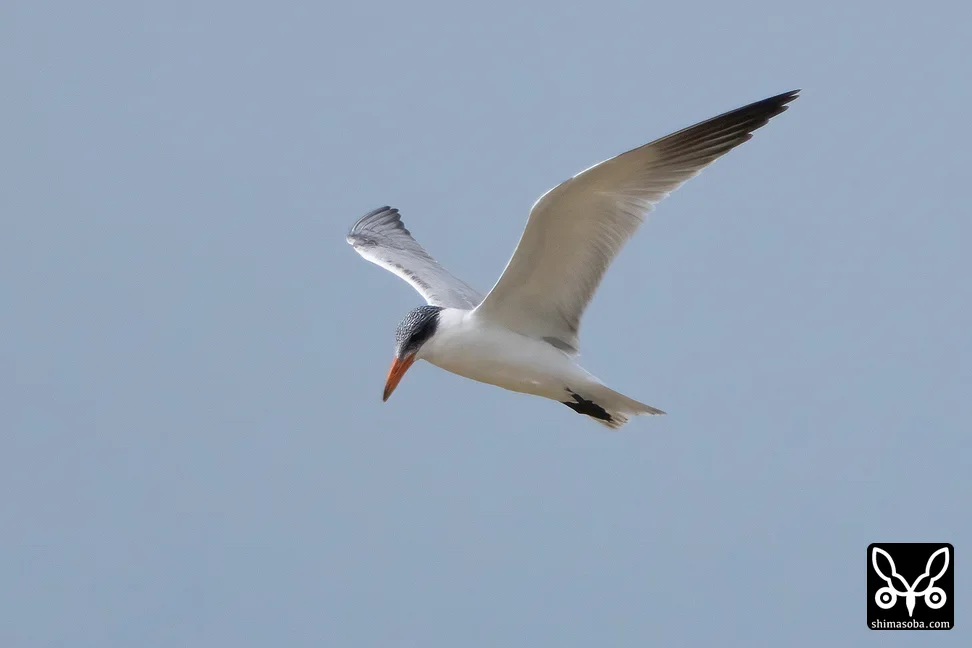
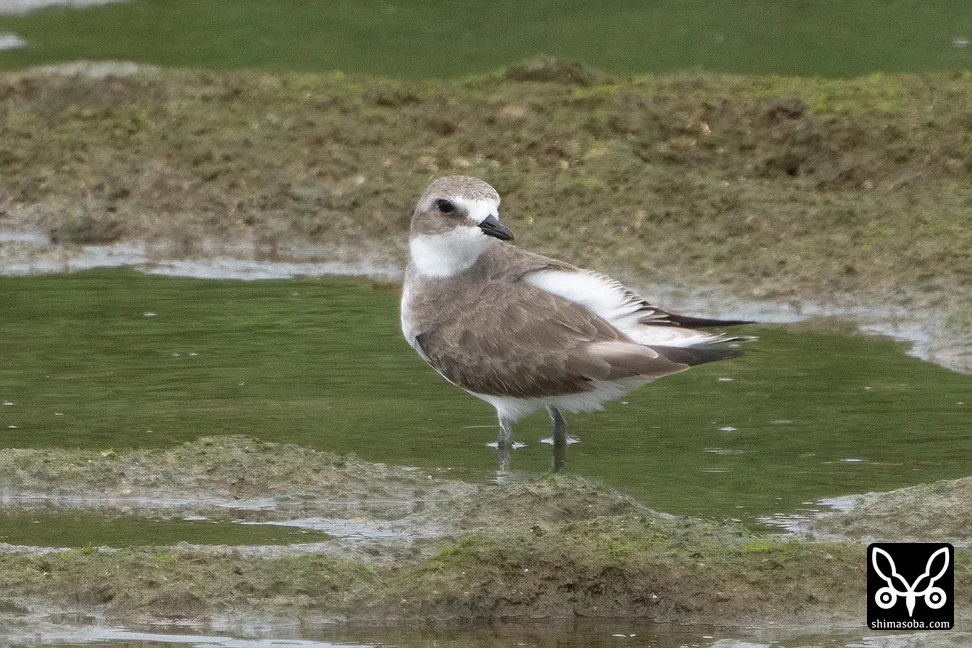
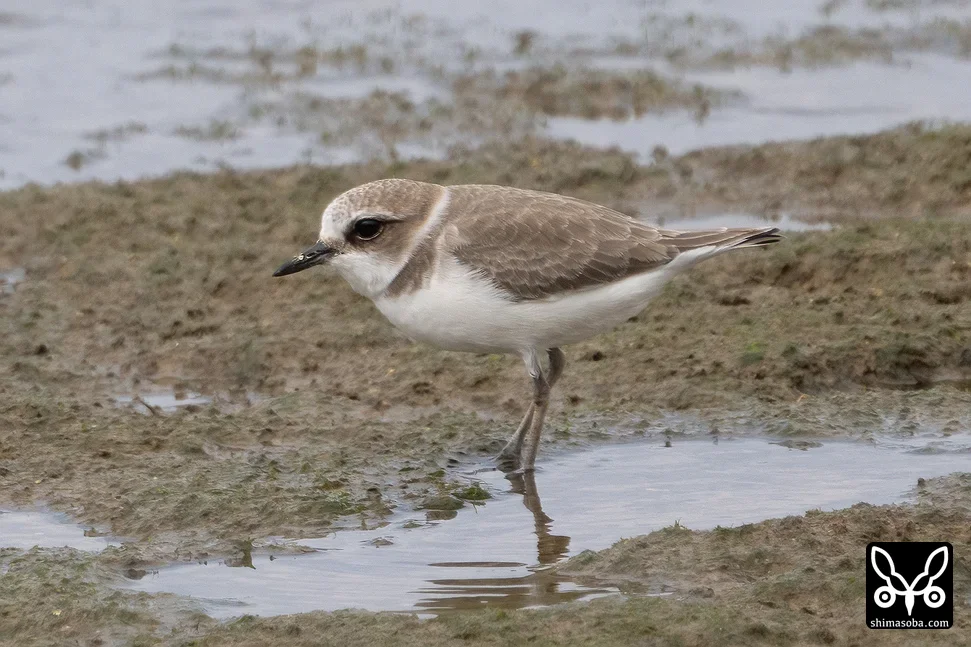
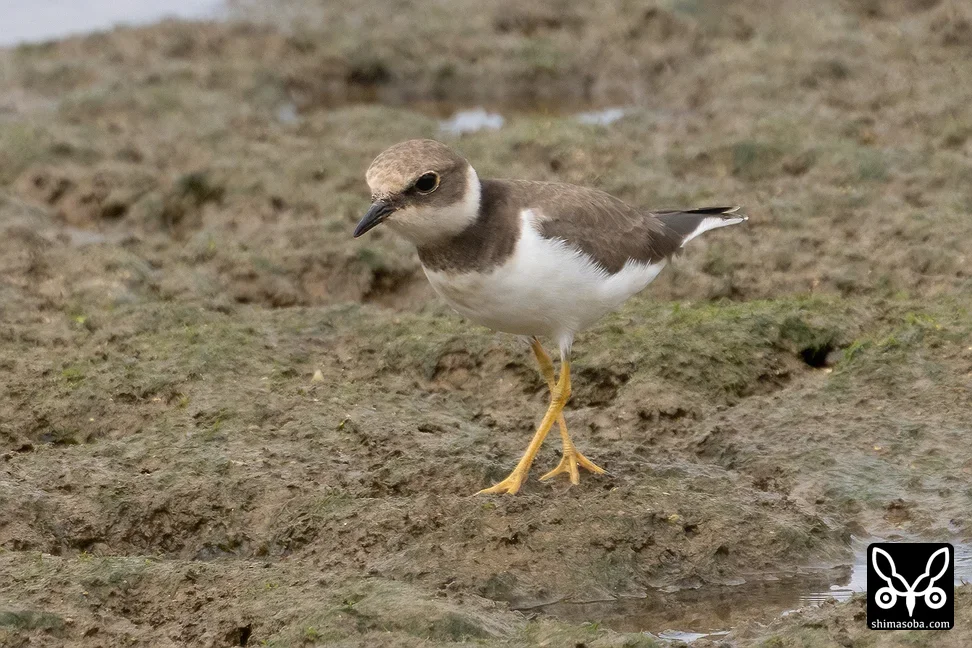
Caspian Terns have also been coming in over the past few days. They usually stay for a while each year but rarely winter over. On the coast, Siberian Sand Plovers, Kentish Plovers, Little Ringed Plovers, Pacific Golden Plovers, Grey-tailed Tattlers, Common Greenshanks, and Ruddy Turnstones are present in fluctuating numbers.

Greylag Goose
Greylag Goose

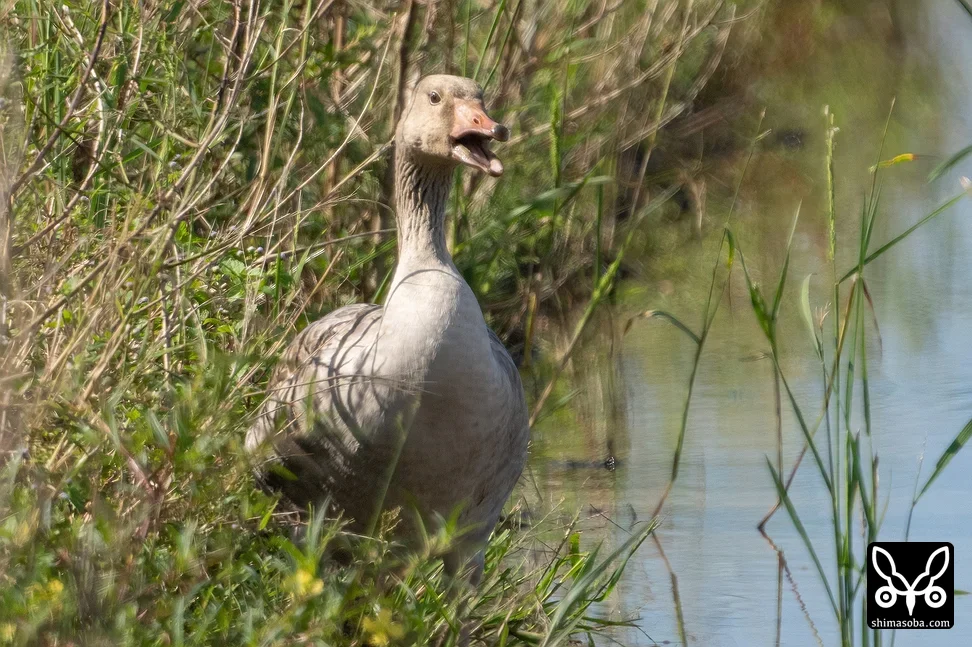
I had already seen a flock of five Greylag Geese at the end of last year on Okinawa Island, but this was my first encounter with the species on Ishigaki Island.

Crested Serpent Eagle

A juvenile Crested Serpent Eagle that plunged into a rice paddy. Did the hunt fail?

Crested Serpent Eagle

Scanning for prey from a good vantage point.

Crested Serpent Eagle

An individual with no fear of people — it came and perched on the wire right in front of me.

Crested Serpent Eagle
Crested Serpent Eagle / Ringed / flagged bird

An adult female Crested Serpent Eagle. This is 'Kikki,' an individual rescued in 2009, with a red band on the right leg.

Caspian Tern
Caspian Tern

A Caspian Tern resting on a sandy beach.

Caspian Tern
Caspian Tern

It took off, but flew off somewhere without hunting.

Lesser Sand Plover
Lesser Sand Plover

Lesser Sand Plover in winter plumage. Numbers have dropped from their peak but birds are still present along various stretches of coastline.

Kentish Plover
Kentish Plover

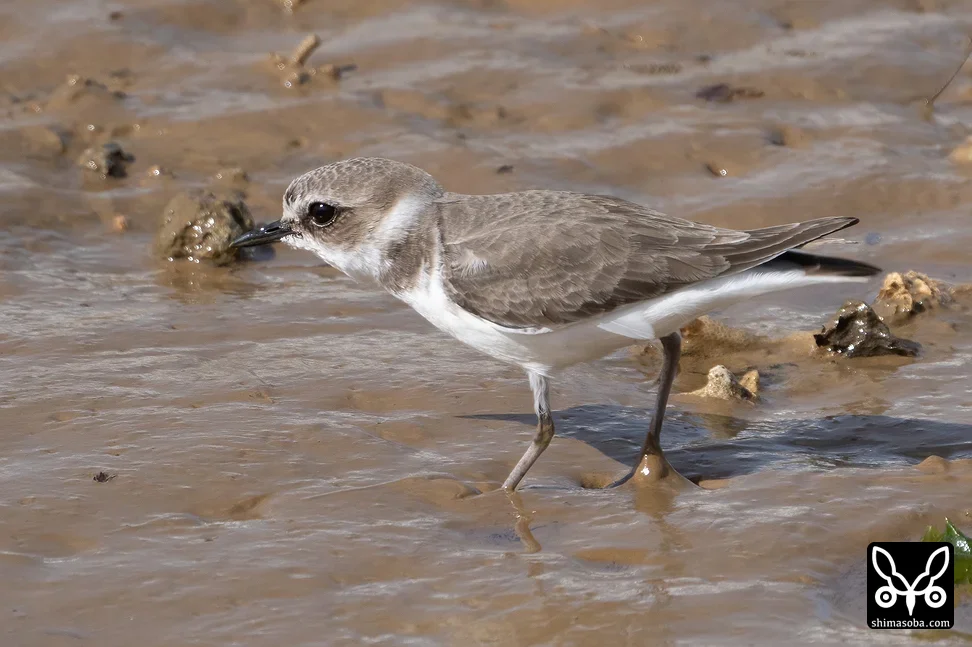
Kentish Plover in winter plumage. Numbers are well down compared to the peak here too.

Little Ringed Plover

Little Ringed Plover in winter plumage. Still present on beaches and in rice paddies.

Categories: 野鳥

Third Ruddy Shelduck of the season, long-staying Greylag Goose, summer-plumage Siberian Sand Plover (video)

Following the previous two adults, a juvenile Ruddy Shelduck has now arrived. The adults were extremely wary, but this juvenile showed almost no wariness — perhaps a sign of its youth — and was easy to observe.

The Greylag Goose has been staying a long time; it looks like it may well winter over. Taiga Bean Goose, Greater White-fronted Goose, Lesser White-fronted Goose, and Common Crane are also still present.

On the coast, small numbers of Siberian Sand Plovers, Kentish Plovers, Pacific Golden Plovers, Ruddy Turnstones, Common Greenshanks, and Dunlins are staying on. In the paddies, Spotted Redshanks, Black-winged Stilts, Wood Sandpipers, Long-toed Stints, Sharp-tailed Sandpipers, and Common Snipe are conspicuous. Whiskered Terns — both adults and juveniles — are also still present.

This season, the starling family is represented by several species but numbers are low.

Dusky Thrushes, Pale Thrushes, Brown-headed Thrushes, and Eyebrowed Thrushes have started arriving.

Ruddy Shelduck
Ruddy Shelduck

The third Ruddy Shelduck of the season was a juvenile — in the process of moulting from juvenile plumage into first breeding plumage.

Ruddy Shelduck
Ruddy Shelduck

Feeding in a dry, unflooded rice paddy. I wonder what it's eating.

Greylag Goose
Greylag Goose

The Greylag Goose, completely unafraid, is in the middle of a long stay. Does it intend to winter here?

Tundra Bean Goose
Tundra Bean Goose

The bird always accompanying the Greylag Goose is a Tundra Bean Goose. For some reason these two never join the flocks of Greater White-fronted Geese and Lesser White-fronted Geese.

Lesser Sand Plover
Lesser Sand Plover

Lesser Sand Plover in breeding plumage. At this season almost all individuals are in winter plumage, but every now and then one turns up that still hasn't shaken off its summer mood. Where do they come from?

Lesser Sand Plover
Lesser Sand Plover

Lesser Sand Plover in winter plumage. This is what the vast majority look like.

Lesser Sand Plover
Lesser Sand Plover

Lesser Sand Plover, juvenile. Molting into first-winter plumage.

Spotted Redshank
Spotted Redshank

Spotted Redshank, adult. Molting into winter plumage.

Common Greenshank
Common Greenshank

Common Greenshank, juvenile.

Kentish Plover
Kentish Plover

Kentish Plover, juvenile.

Dunlin
Dunlin

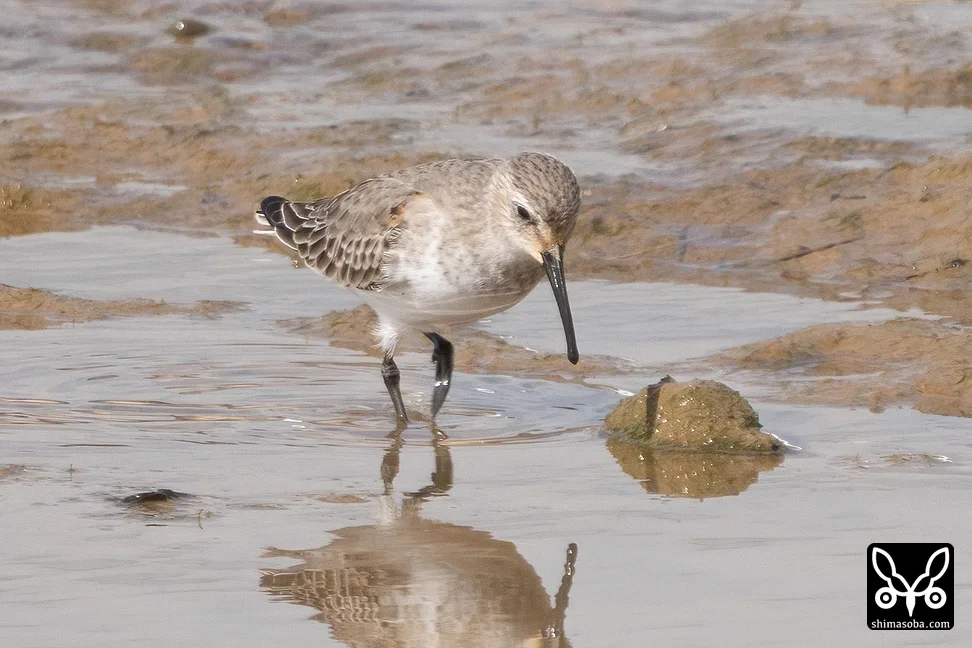
Dunlin, winter plumage.

Dunlin
Dunlin

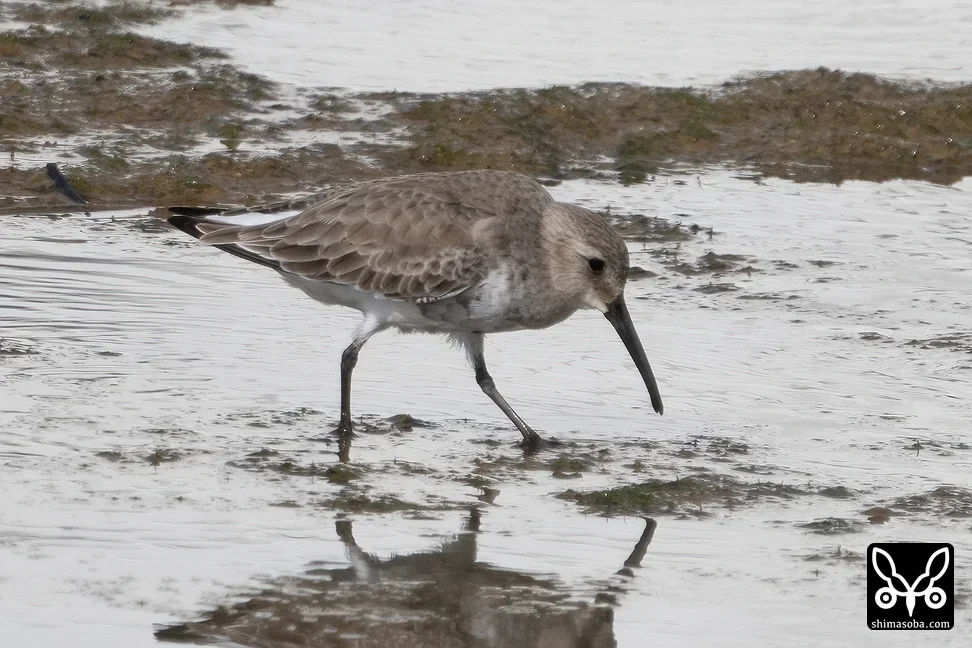
Dunlin resting on the coast and in rice fields.

Whiskered Tern
Whiskered Tern

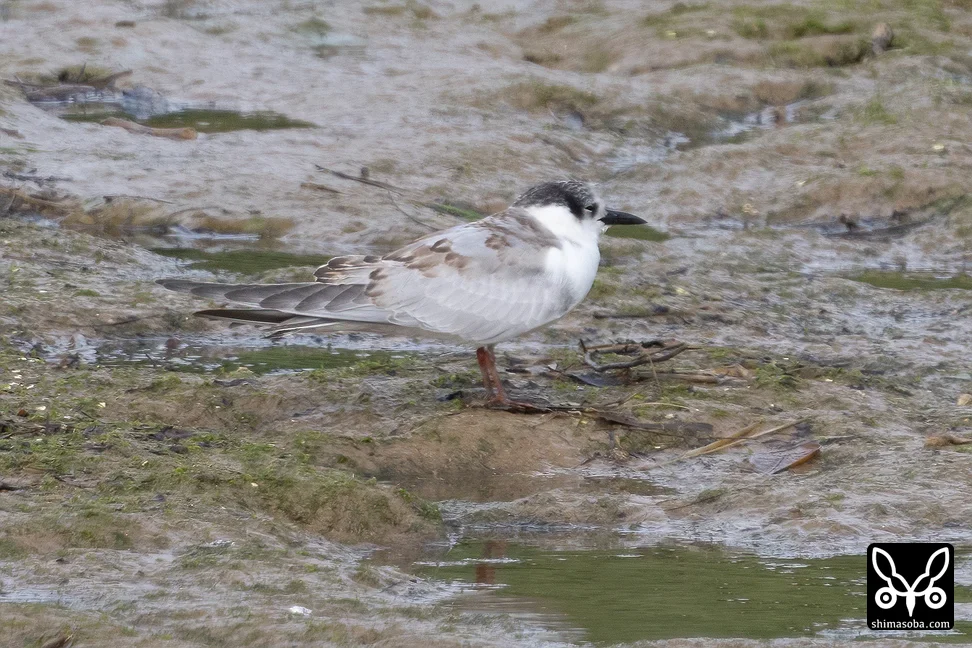
White-winged Tern, juvenile.

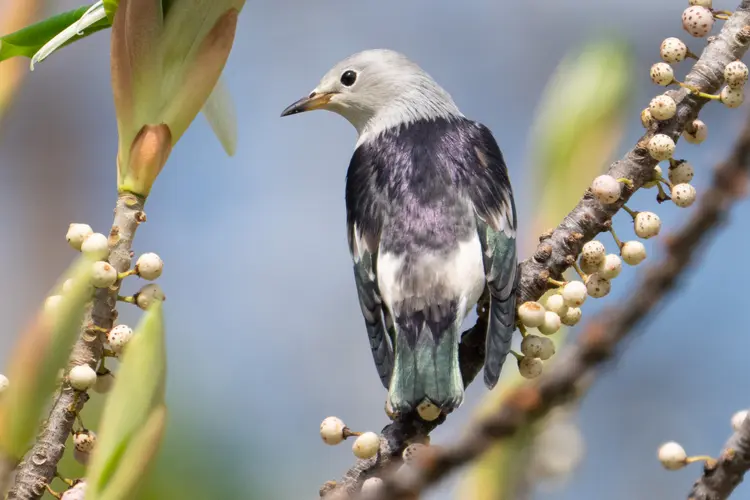
White-shouldered Starling

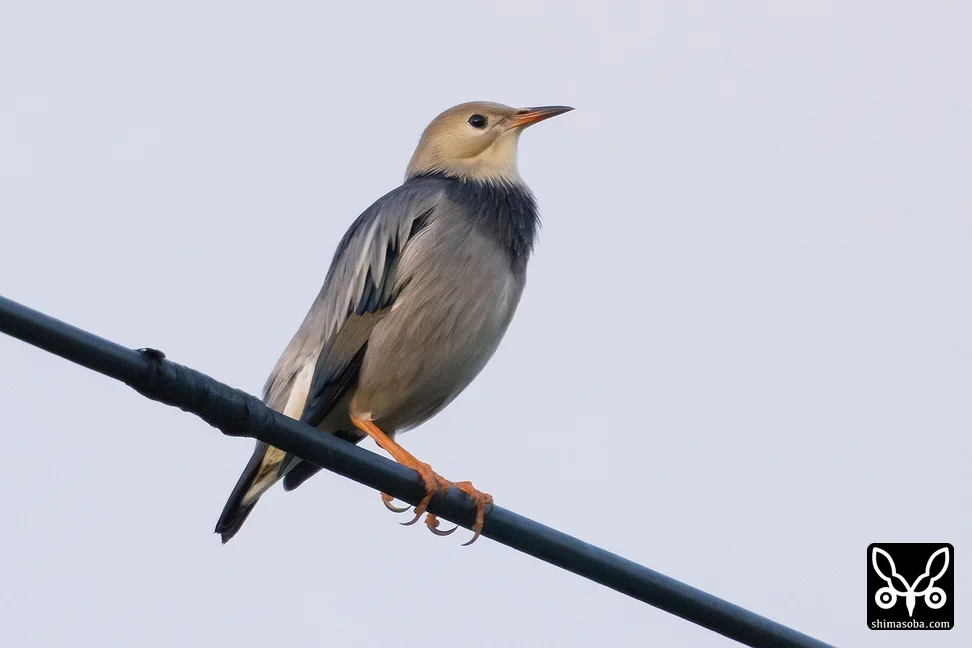
Rosy Starling, adult male. Most of this year's flocks have been on the small side.

Categories: 野鳥

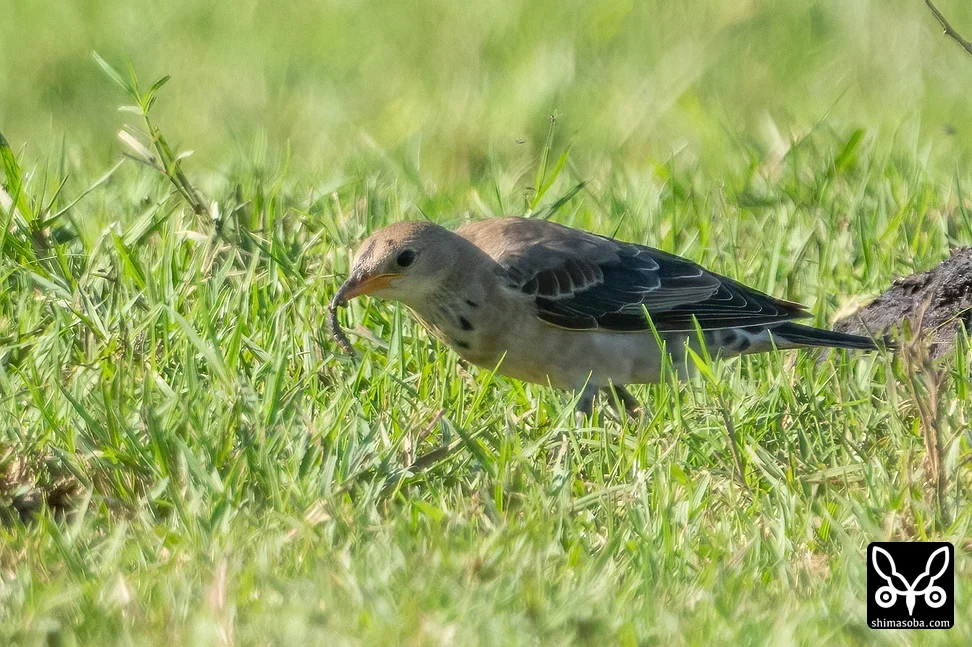
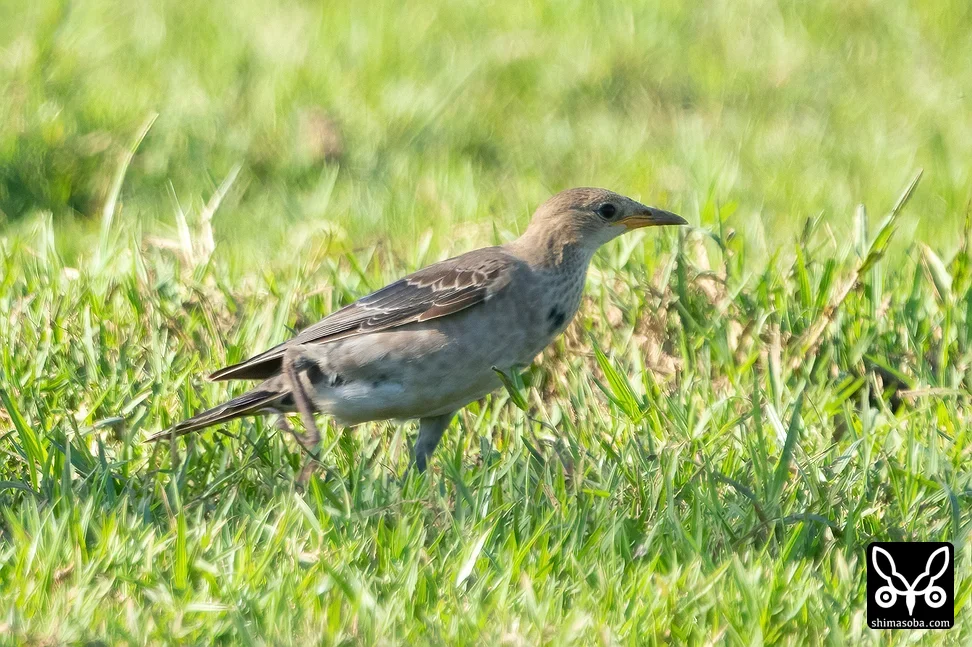
Juvenile Rosy Starling

Since around mid-November, Rosy Starlings have been appearing at two locations. Today I went to see the one closer to home.

It seems to be touring the farmland day by day, mixing with flocks of Common Starlings and Red-billed Starlings. On this occasion it had joined a flock of about ten White-cheeked Starlings. I was on the move between work assignments, so I had only about fifteen minutes to observe.

On the coast, Ruddy Turnstones, Grey-tailed Tattlers, Siberian Sand Plovers, Pacific Golden Plovers, and Red-necked Stints were present. Again, about fifteen minutes of observation. Lately I've been too busy to get out properly.

Rosy Starling
Rosy Starling

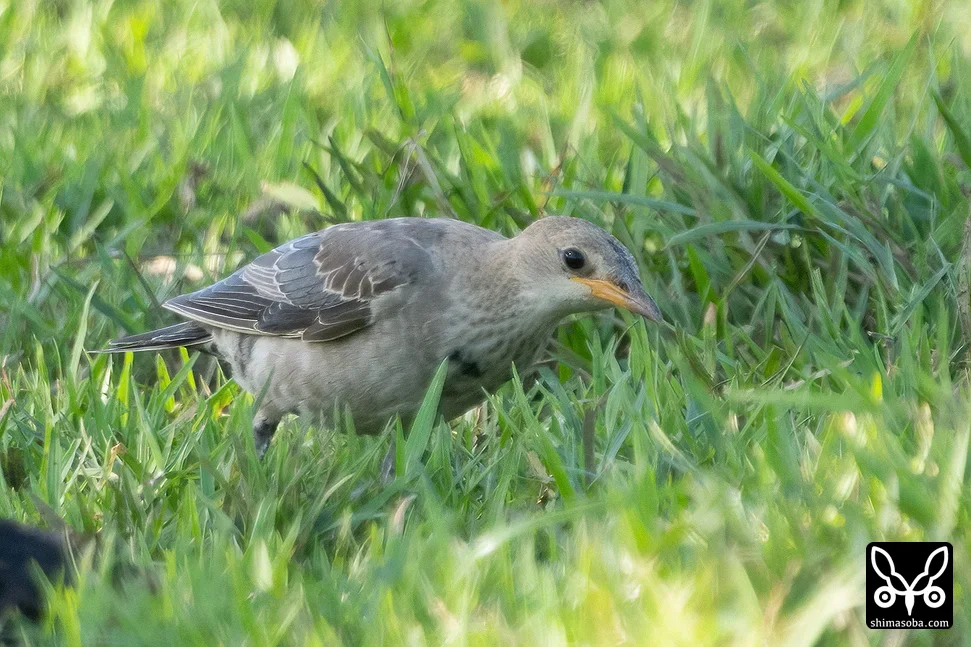
Rosy Starling, juvenile. Molting from juvenile into first-winter plumage.

Rosy Starling
Rosy Starling

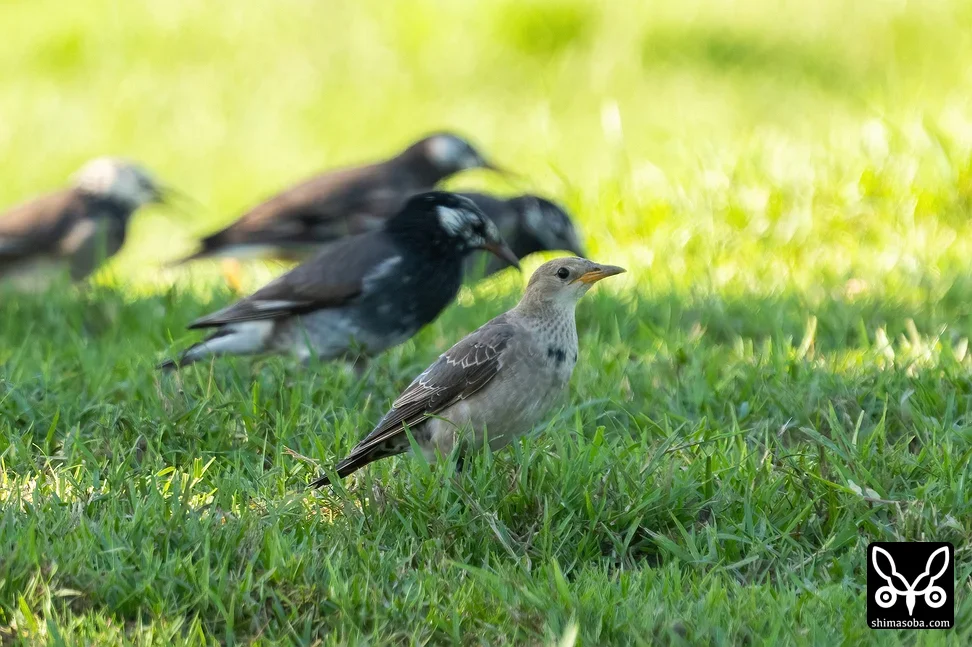
Size comparison with White-cheeked Starling. The Rosy Starling looks slightly smaller.

Rosy Starling
Rosy Starling

A Rosy Starling that caught some kind of larva.

Rosy Starling
Rosy Starling

By around the new year, the molt should have progressed and the bird will likely have taken on the colors typical of a Rosy Starling.

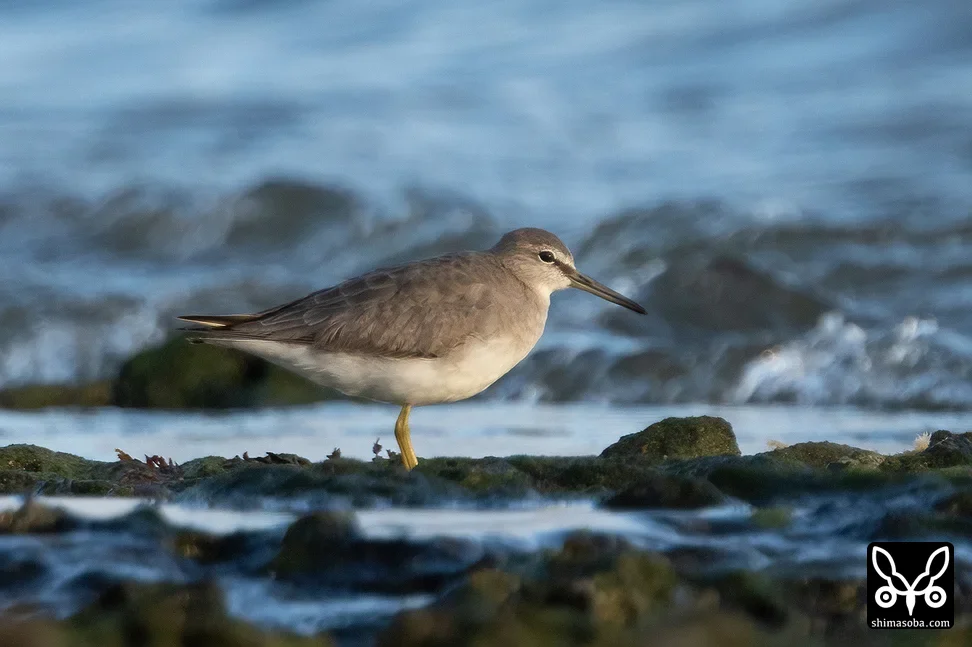
Grey-tailed Tattler
Grey-tailed Tattler

Grey-tailed Tattler, first-winter plumage.

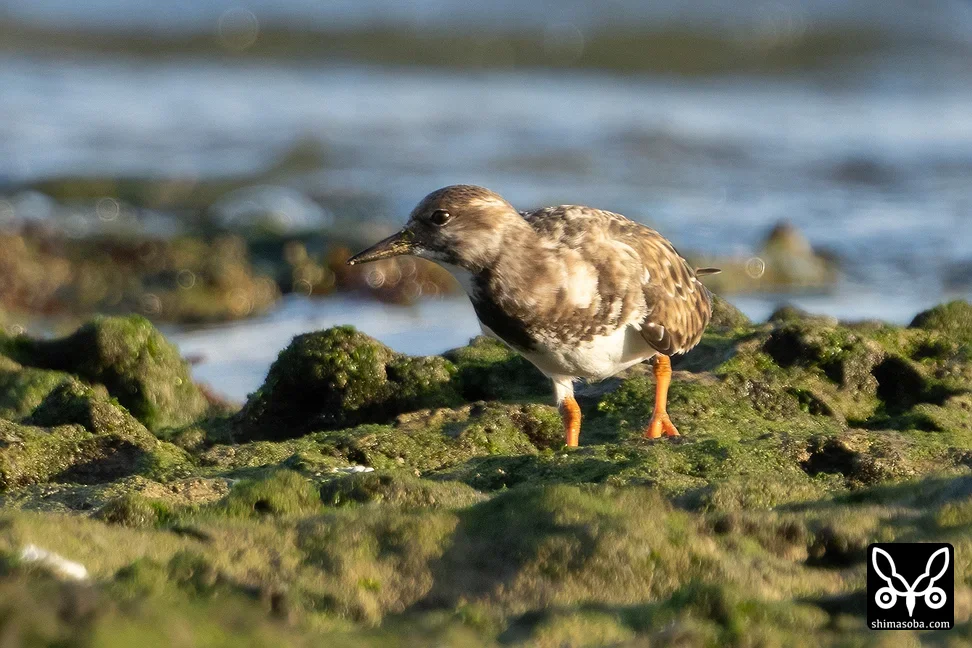
Ruddy Turnstone
Ruddy Turnstone

Ruddy Turnstone, winter plumage.

Categories: 野鳥