A daily record.
Featuring photos of wild birds and nature, mainly from Okinawa Main Island and Ishigaki Island

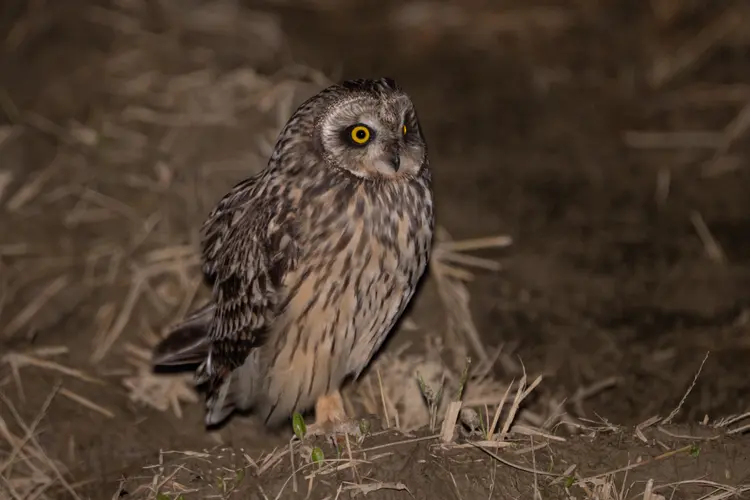
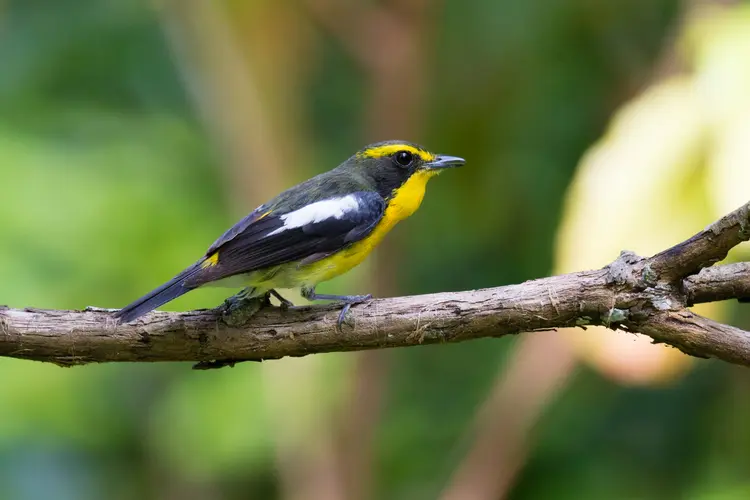
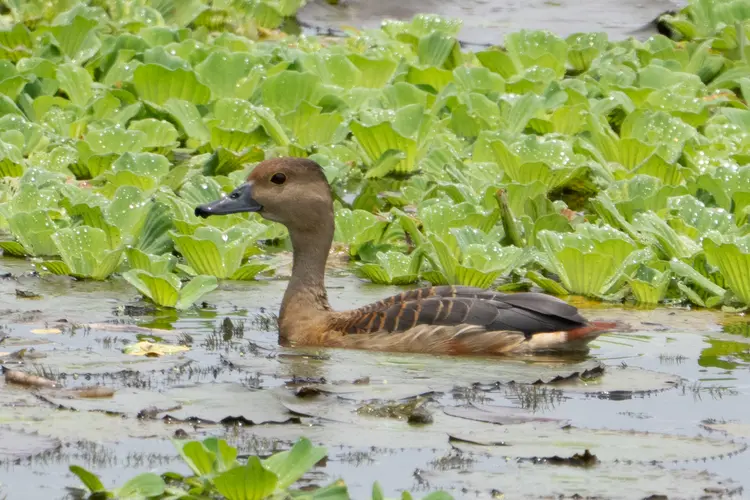
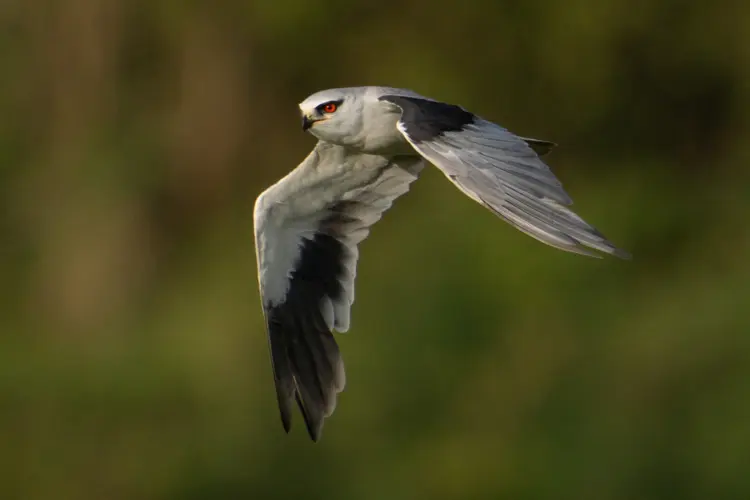
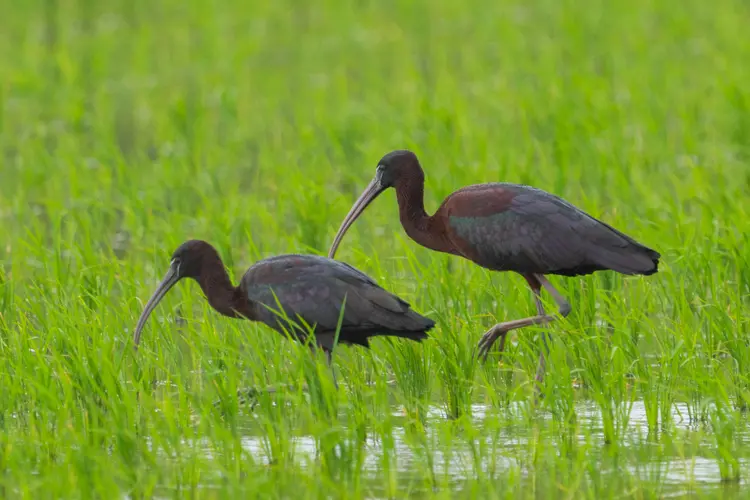
Short-eared Owl Ryukyu flycatcher Lesser Whistling Duck Black-winged kite Glossy Ibis

GUIDED BIRDWATCHING TOUR

Go where the birds are. The SHIMASOBA Tour launches.

We'll drive you around Ishigaki Island to wherever the birds are showing best that day. Observation is mostly from inside the vehicle, and we keep it to a maximum of 3 guests so everyone can take their time.

Max. 3 guests 4 hours in the morning Beginners welcome
Check availability and book

Long-toed Stint arrives; Wood Sandpiper, Black-winged Stilt, Greater Painted-snipe and others

The long-awaited autumn wader migration has begun. Six Long-toed Stints have arrived. A few Wood Sandpipers as well. Black-winged Stilt and Common Greenshank are present in small numbers sporadically throughout the year. Little Ringed Plover has also arrived.
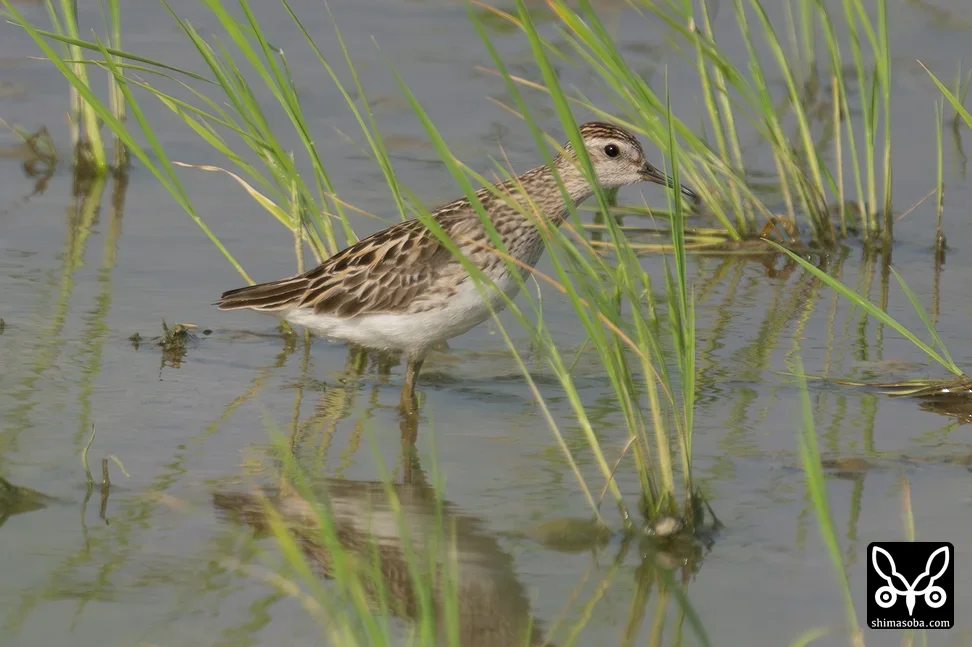
Long-toed Stint
Long-toed Stint

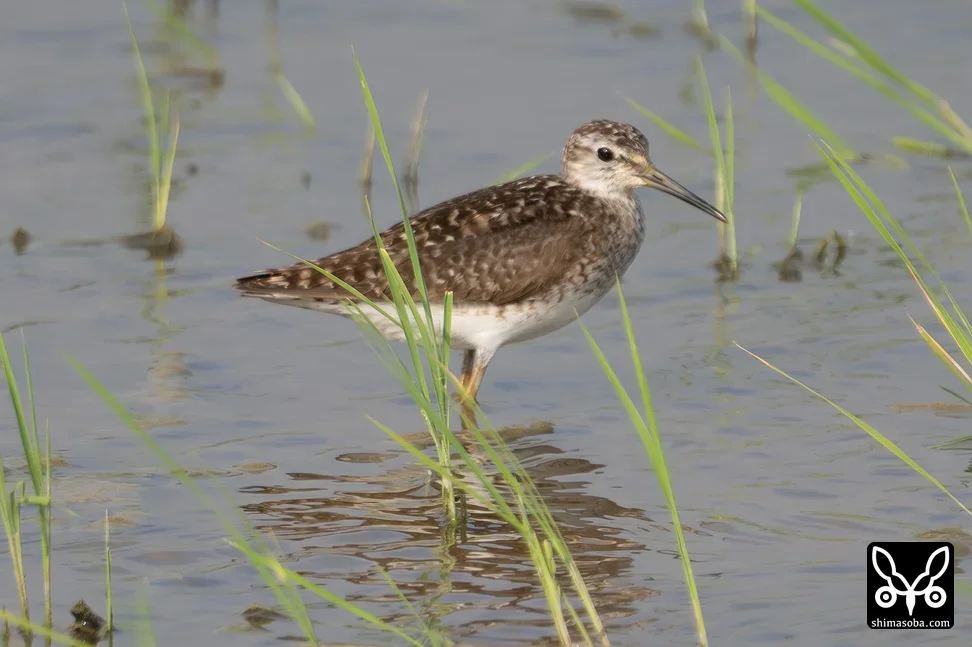
First Wood Sandpiper of the season. Summer plumage.
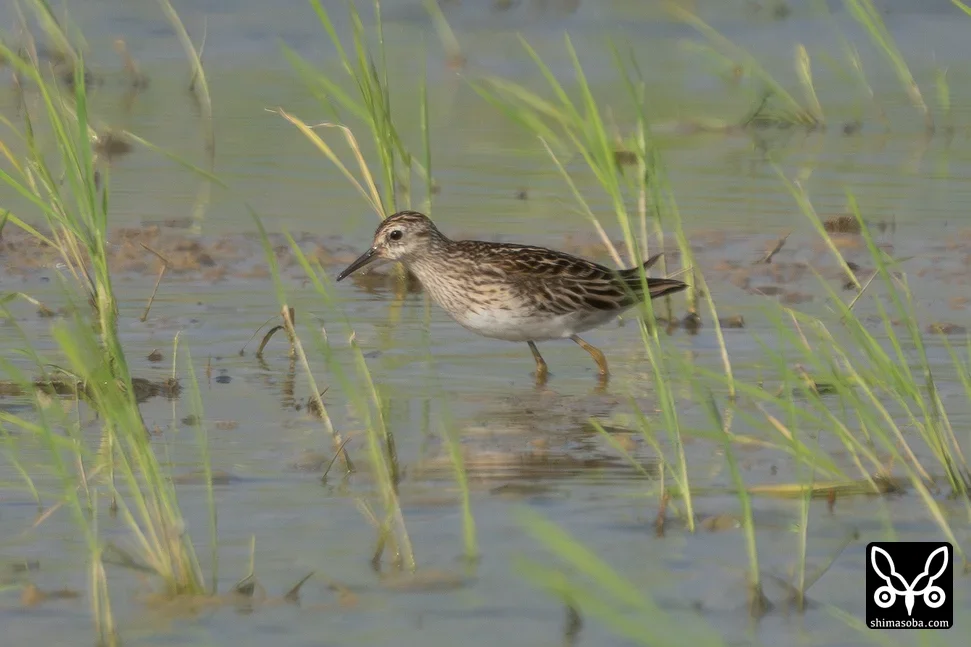
Long-toed Stint
Long-toed Stint

Also summer plumage.

Wood Sandpiper
Wood Sandpiper

Wood Sandpiper, summer plumage.

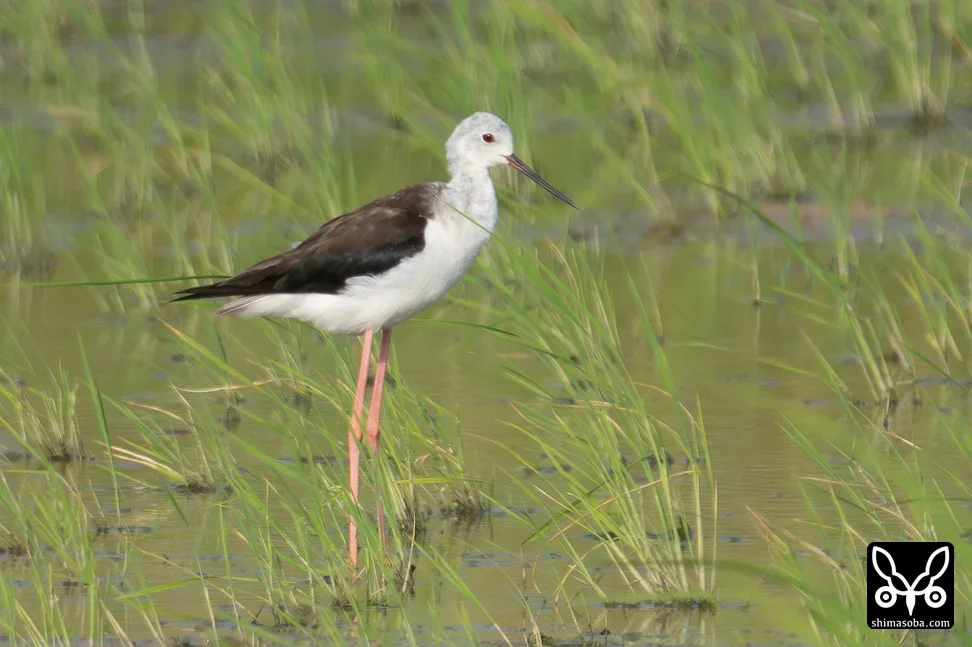
Black-winged Stilt
Black-winged Stilt

Black-winged Stilt, female, summer plumage.
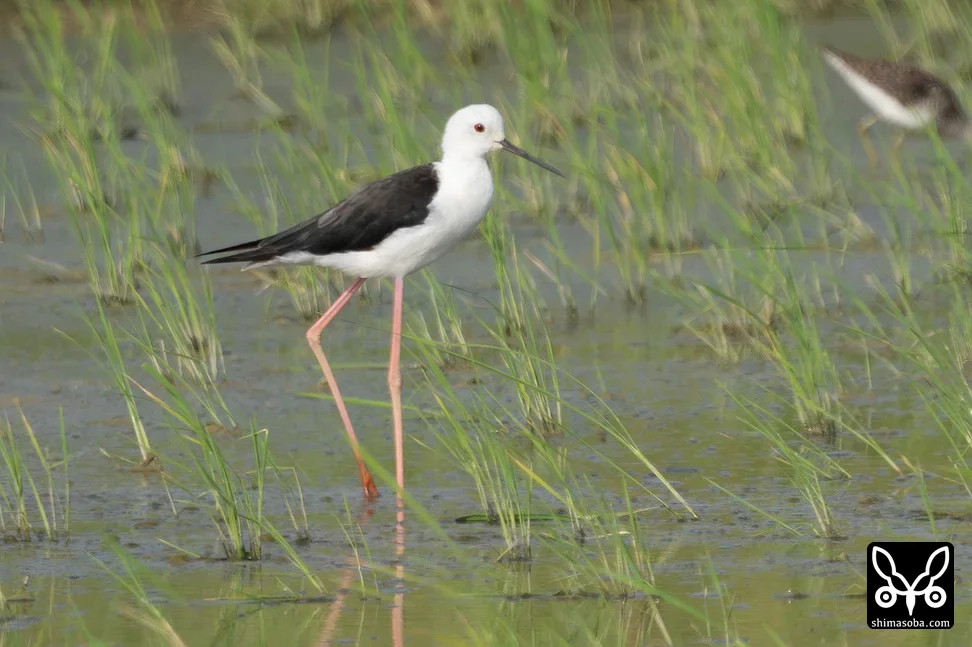
Black-winged Stilt
Black-winged Stilt

Black-winged Stilt, male, summer plumage.
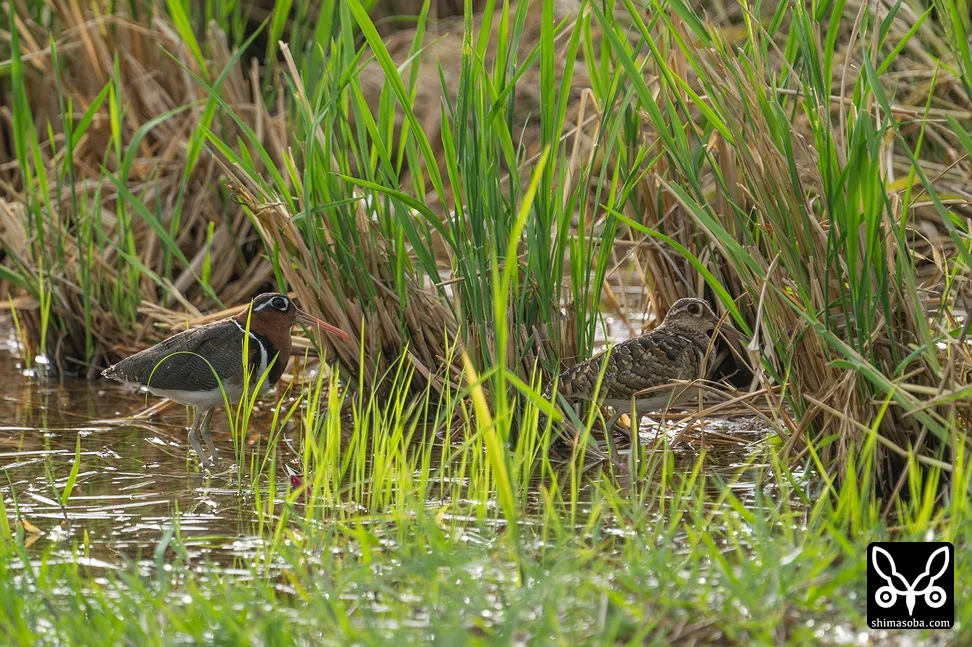
Greater Painted-snipe

Greater Painted-snipe, female (left) and male.
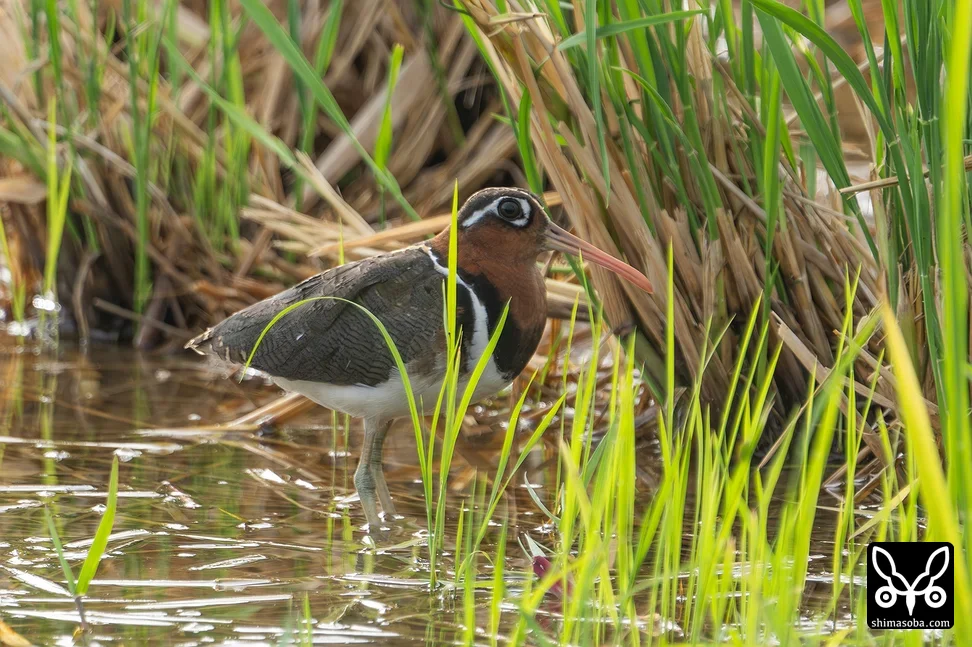
Greater Painted-snipe

Greater Painted-snipe, female, first-summer plumage.
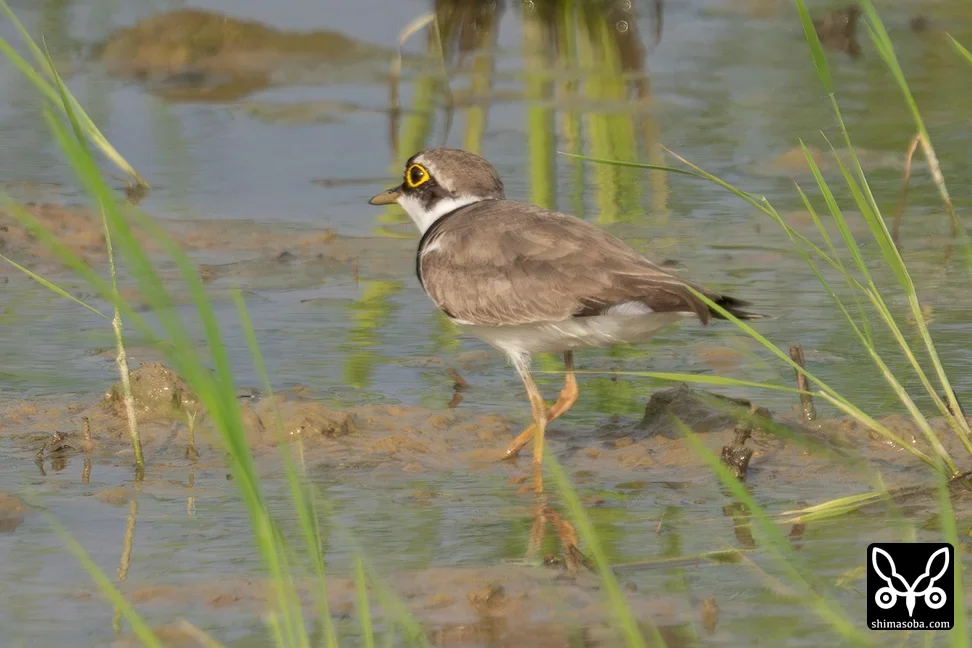
Little Ringed Plover

Little Ringed Plover may also have been a first for the season. I've been busy lately and may have missed some records.
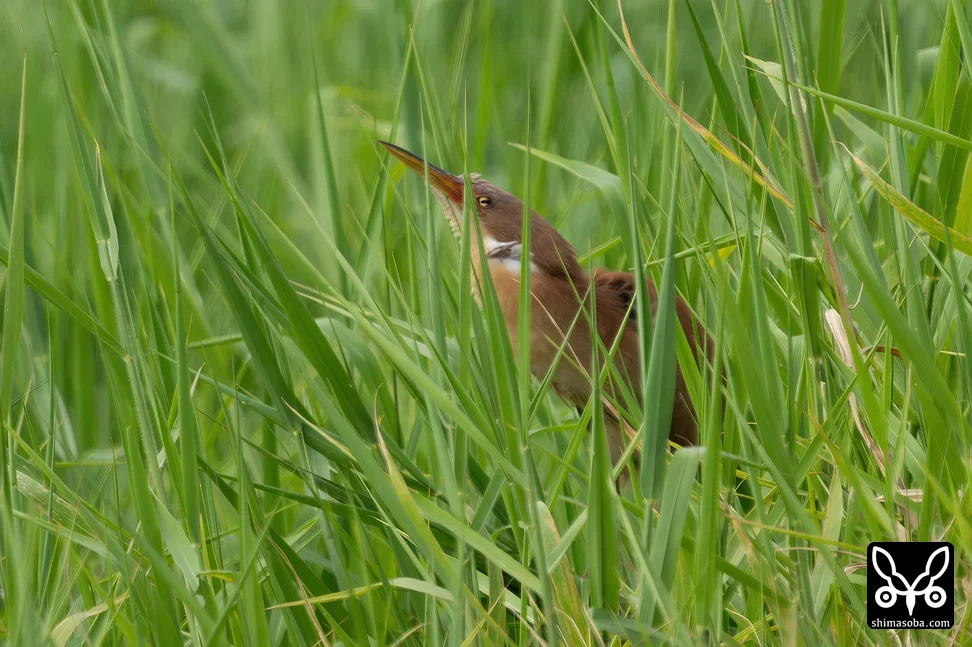
Yellow Bittern
Yellow Bittern

Ryukyu Little Bittern, male. Singing. It was moving between several spots within the area and singing at each one.
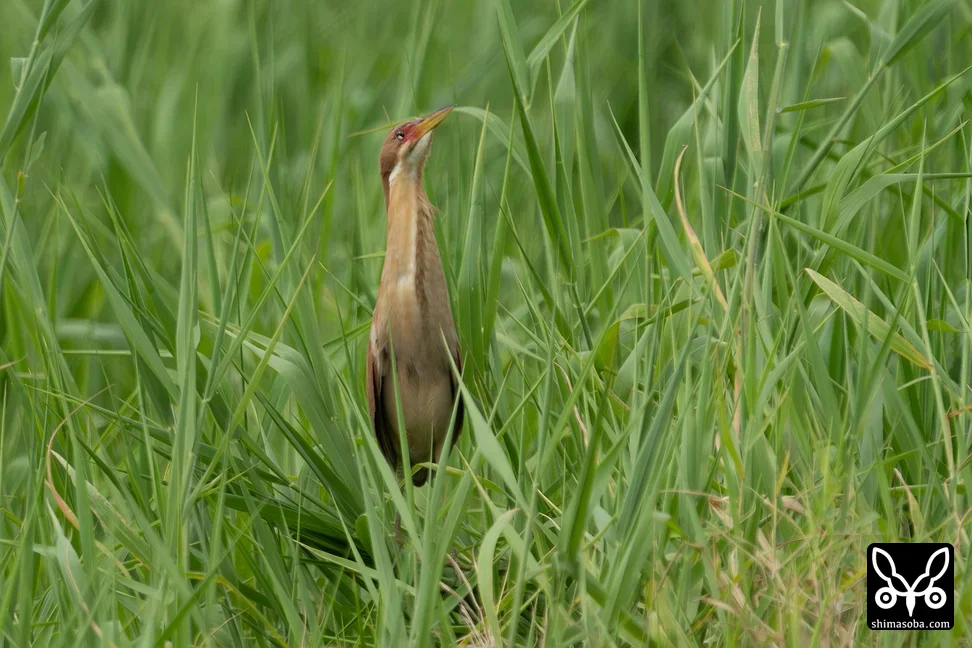
Yellow Bittern
Yellow Bittern

Breeding colour has come in.
Categories: 野鳥

Black Paradise Flycatcher almost ready to fledge; Ruddy Kingfisher, Northern Boobook fledge; Ryukyu Scops Owl (video)

The Ryukyu Black Paradise Flycatcher chicks are coming along well — fledging is imminent. One Ryukyu Northern Boobook fledged, though by evening it had returned to the nest.

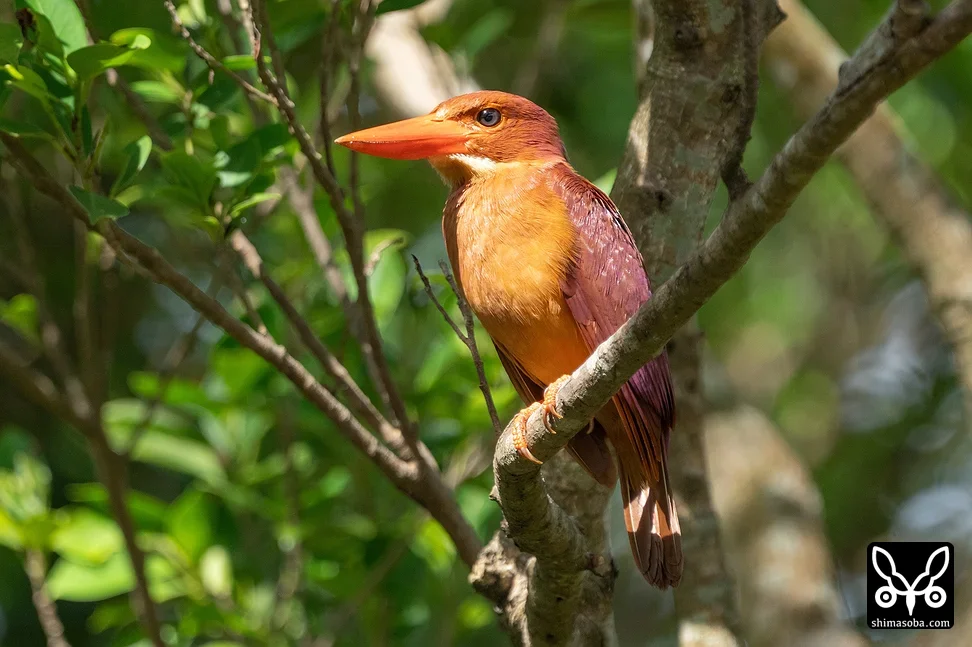
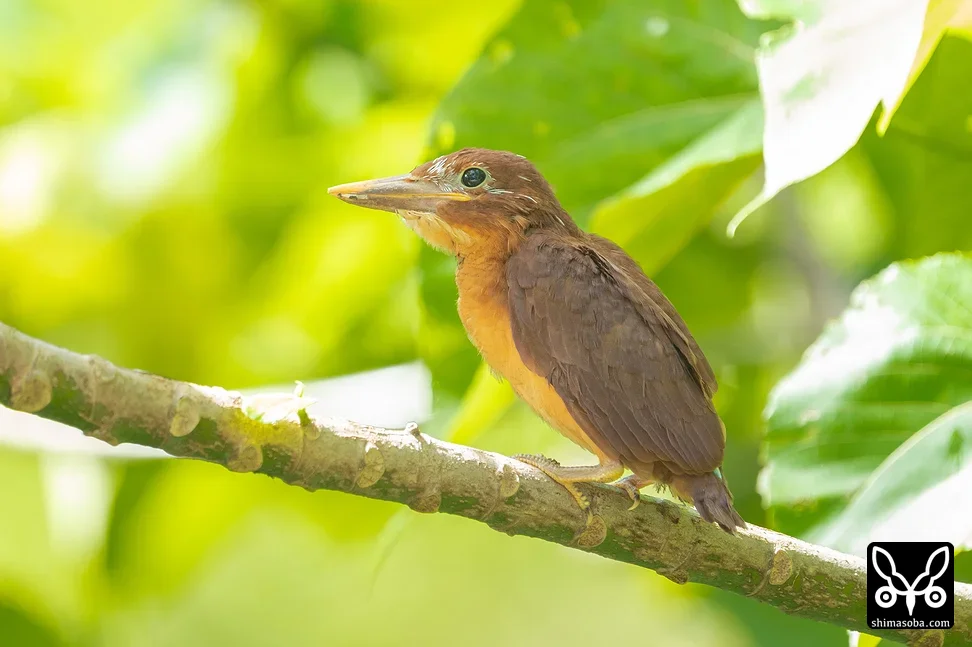
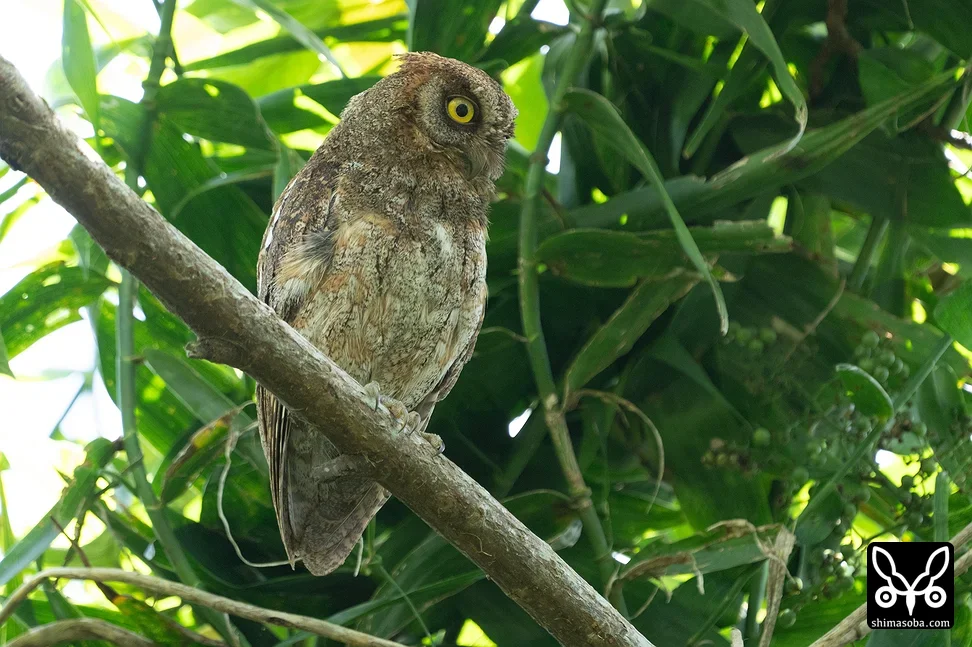
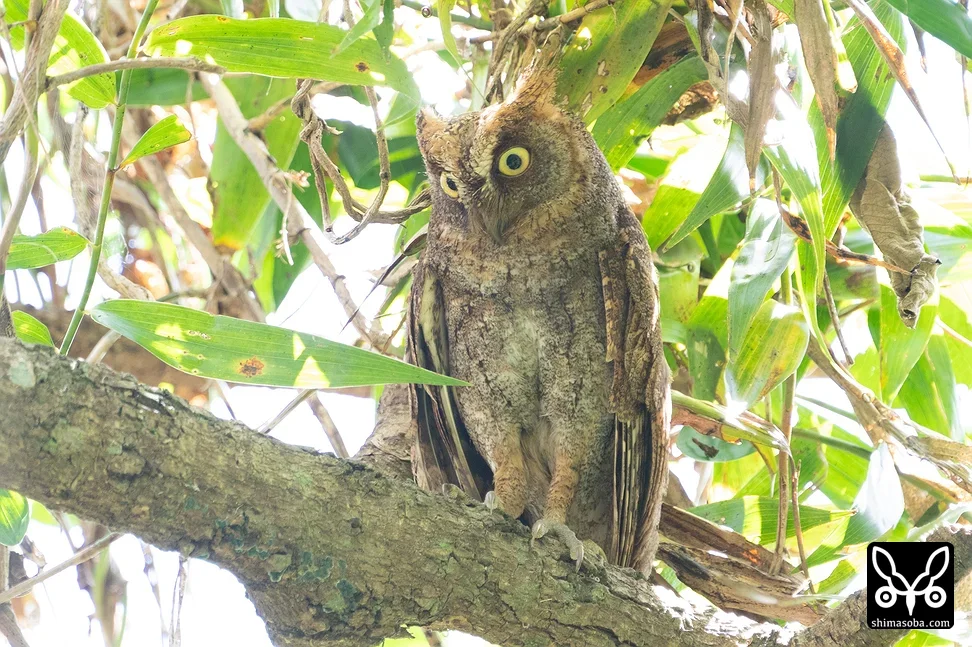
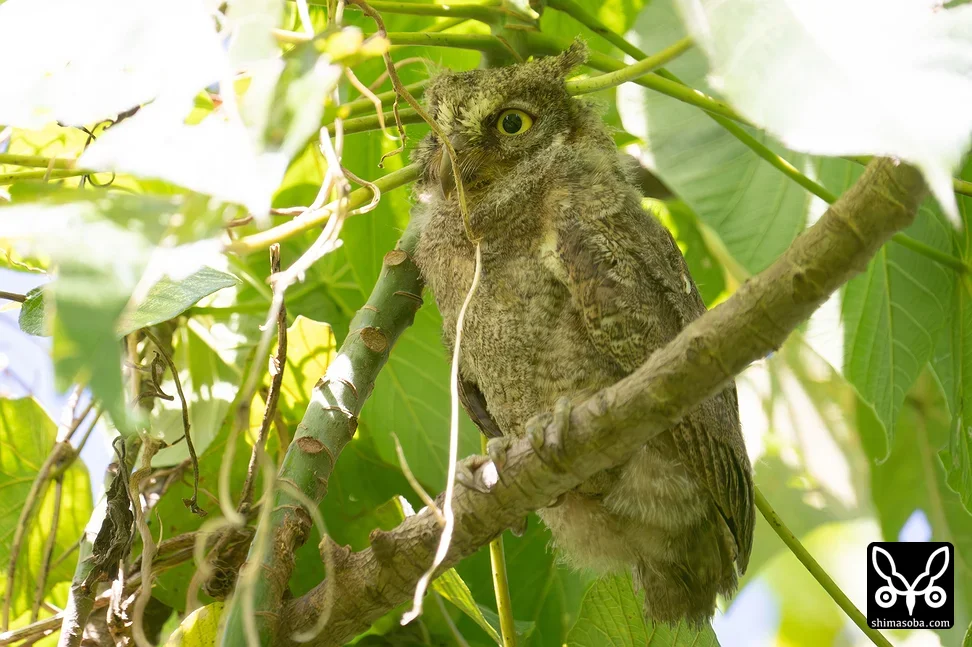
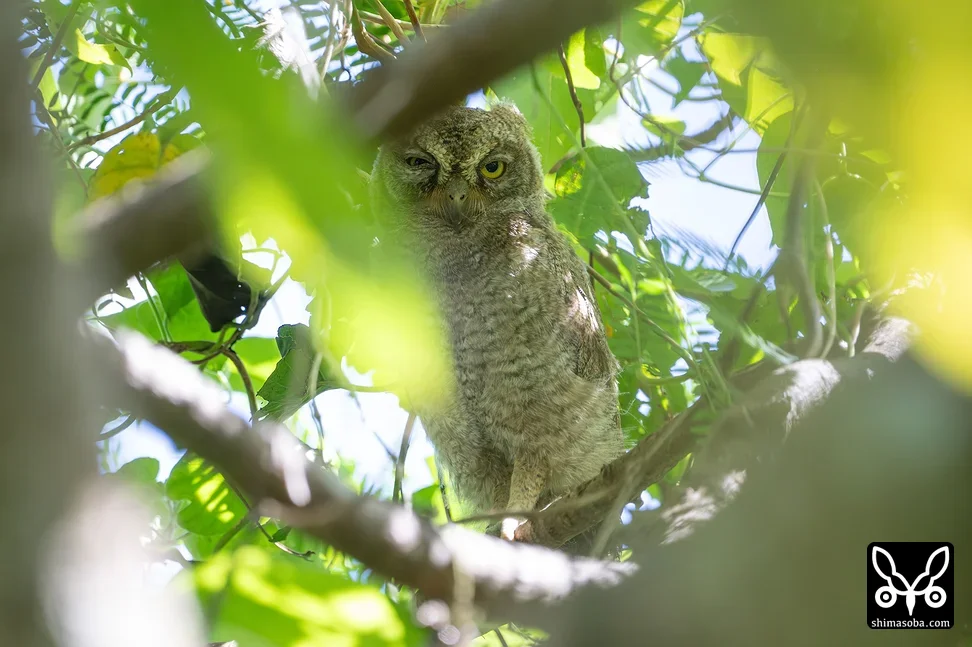
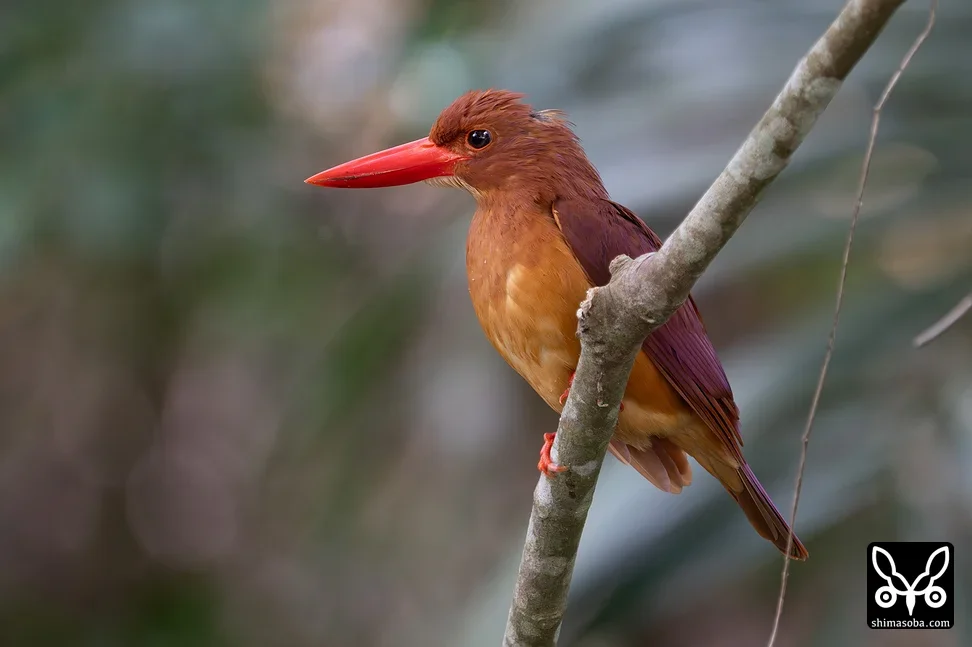
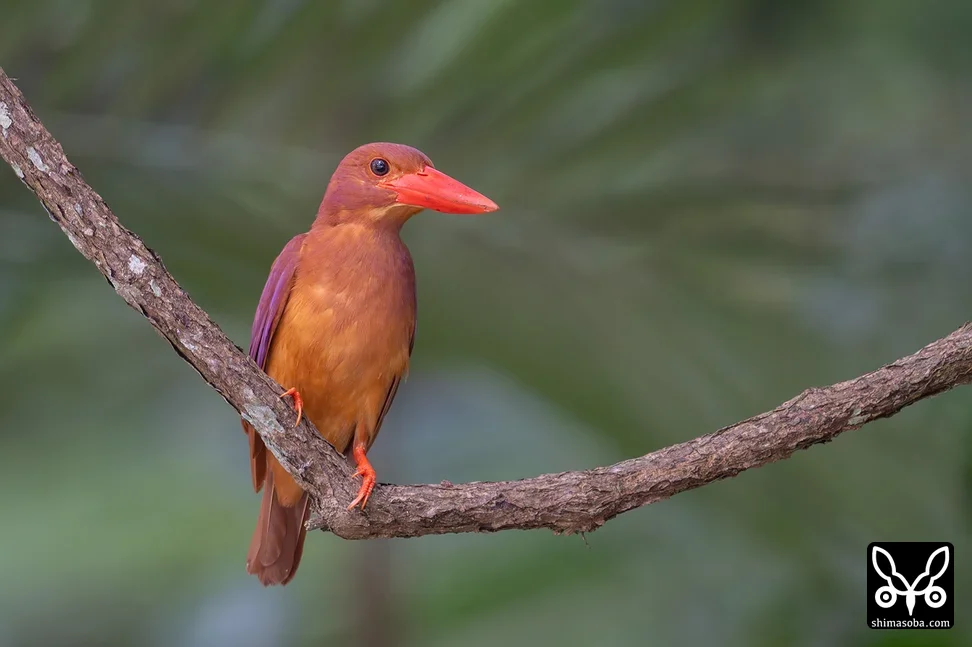
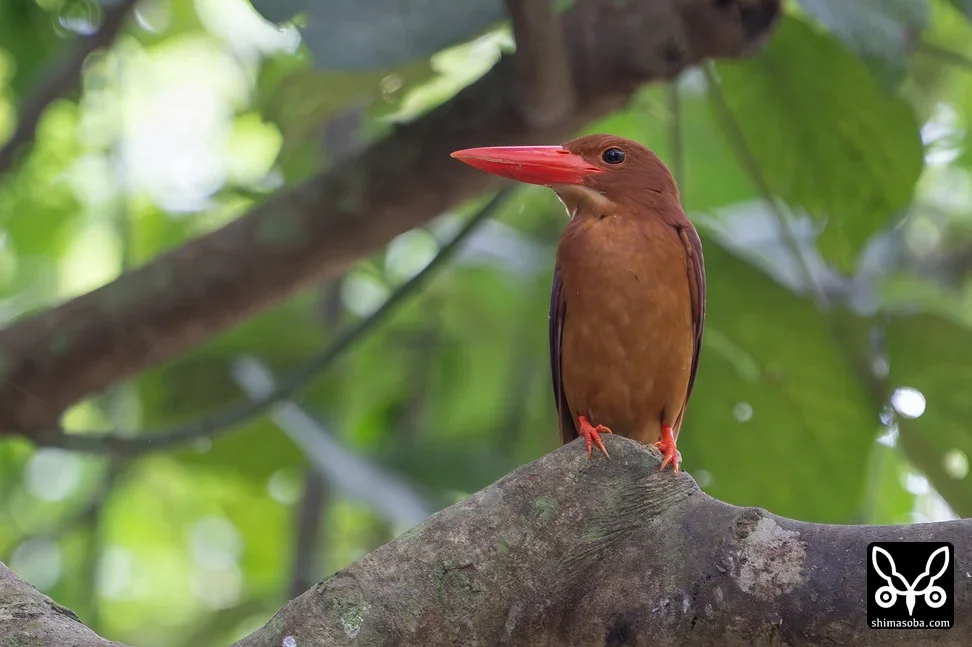
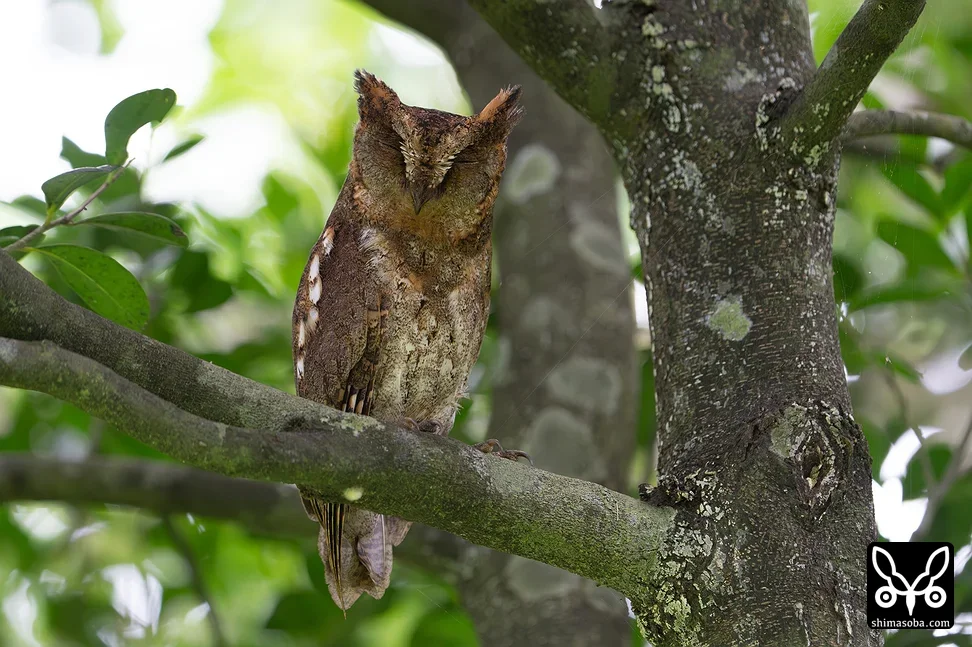
Near my home, a Ryukyu Scops Owl is raising young; in the grounds of a nearby primary school, a Ryukyu Ruddy Kingfisher is doing the same. One chick has fledged from the Ruddy Kingfisher nest at a mango orchard — around three more appear to still be inside.

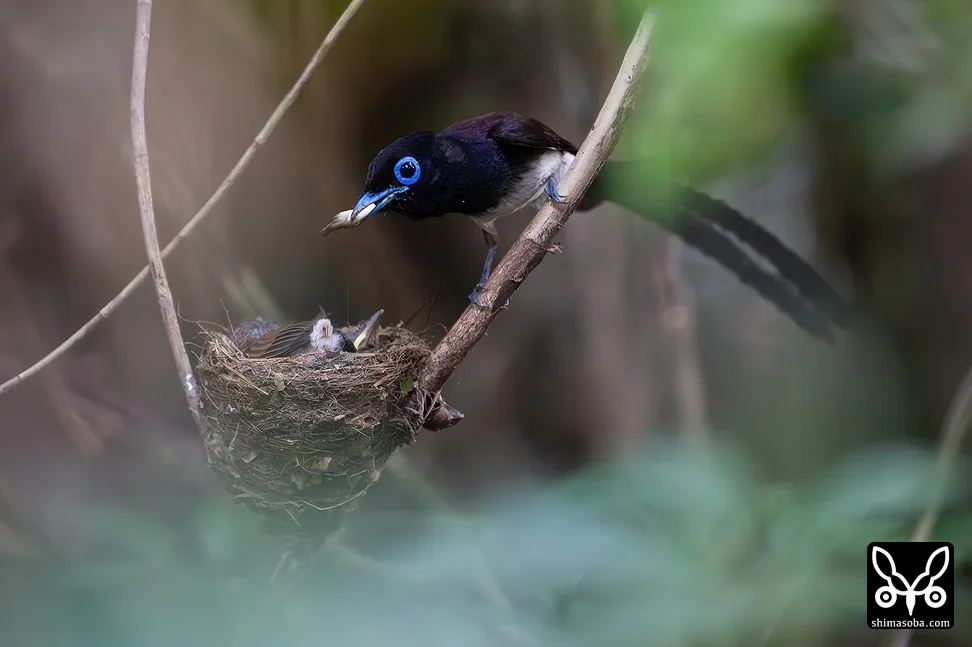
Japanese Paradise Flycatcher

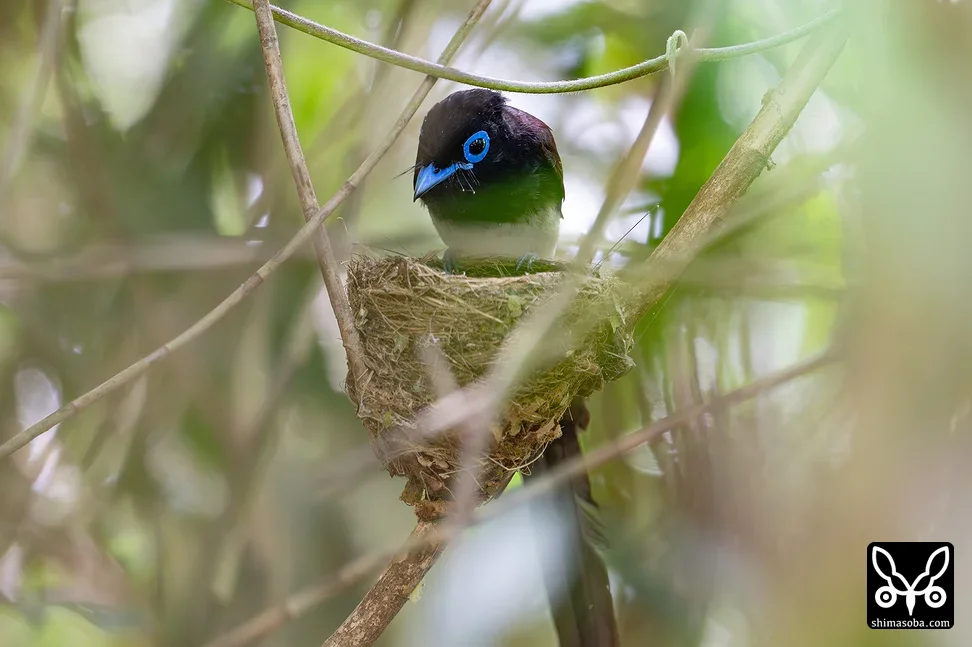
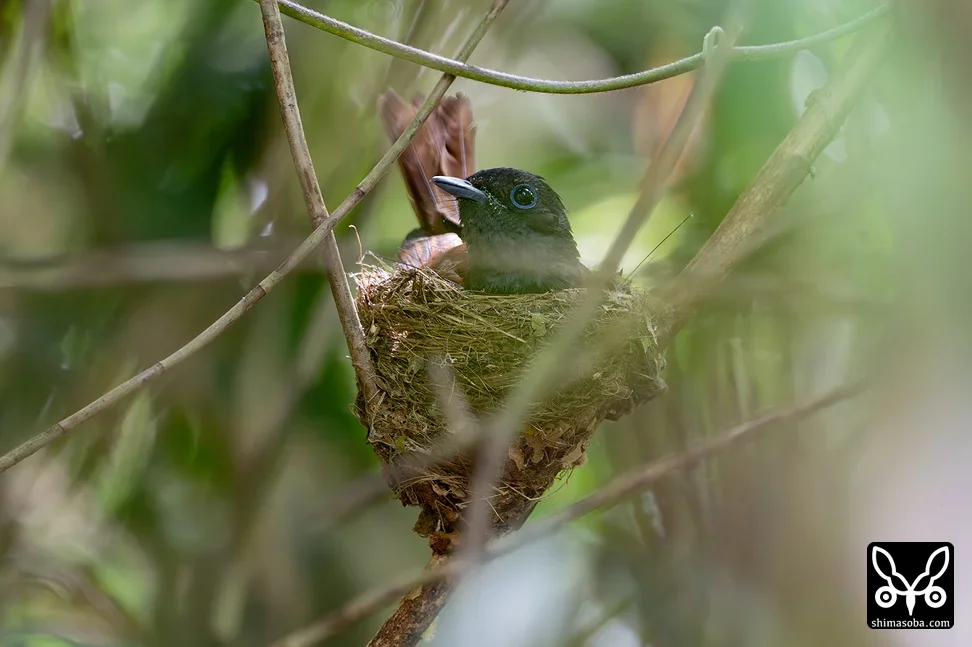
There appear to be two Japanese Paradise Flycatcher chicks. The male parent came to the nest. After feeding them, he carried their droppings away from the nest in his bill.

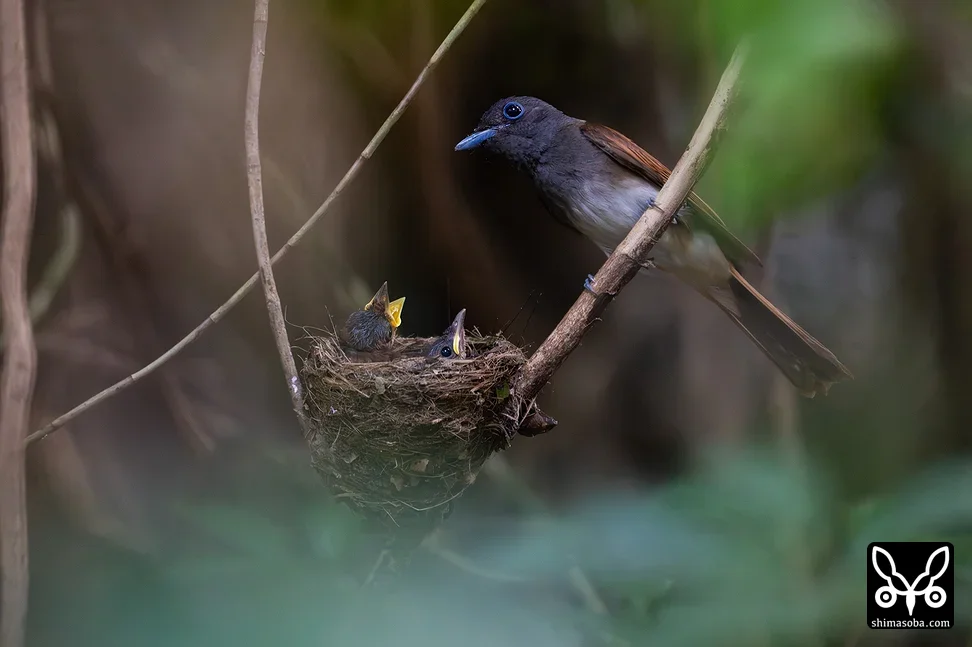
Japanese Paradise Flycatcher

This is the female parent.

Northern Boobook
Northern Boobook

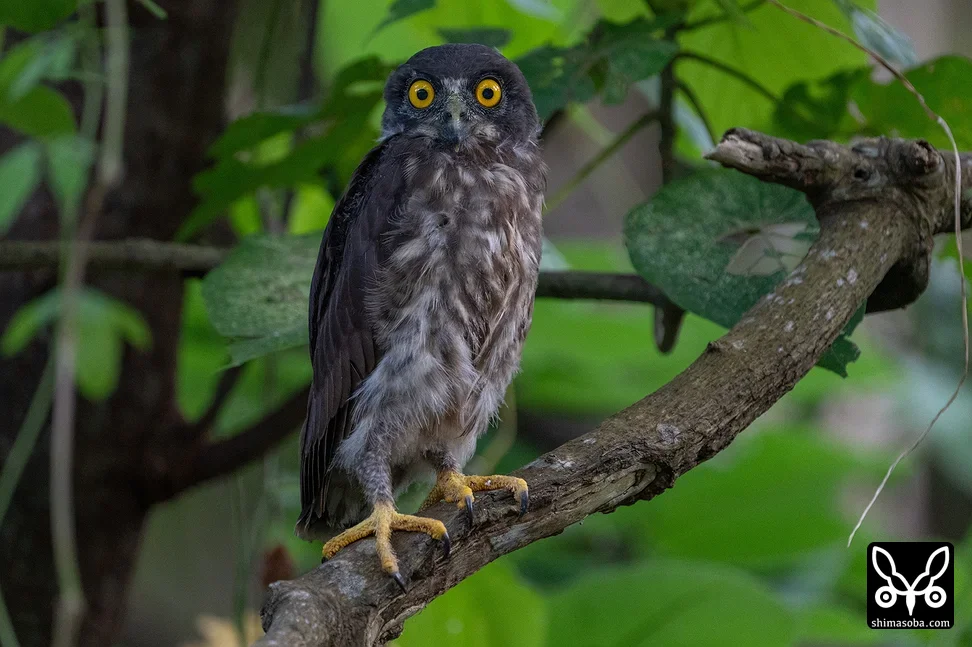
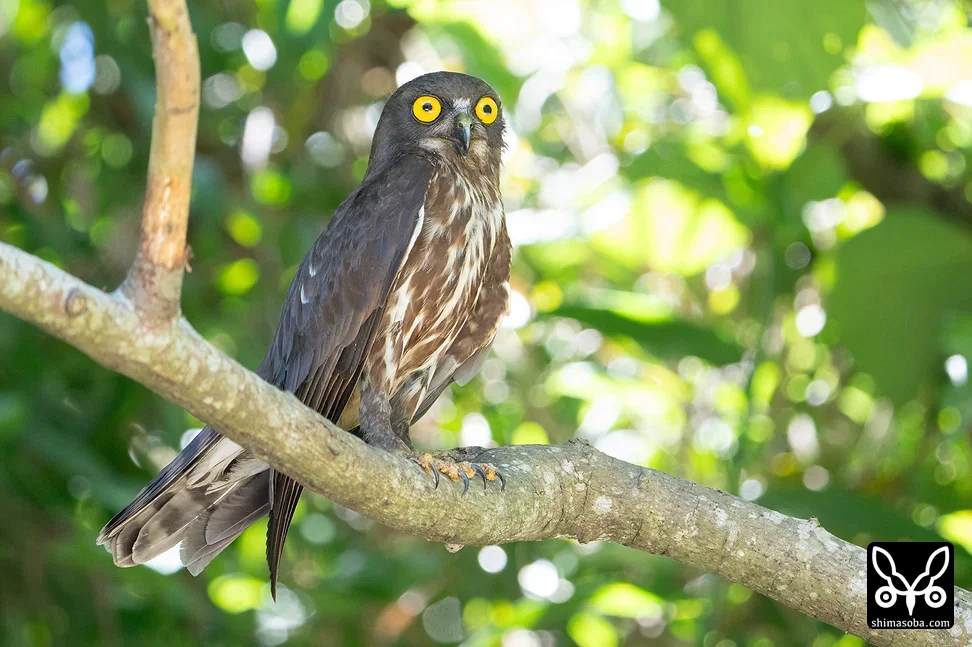
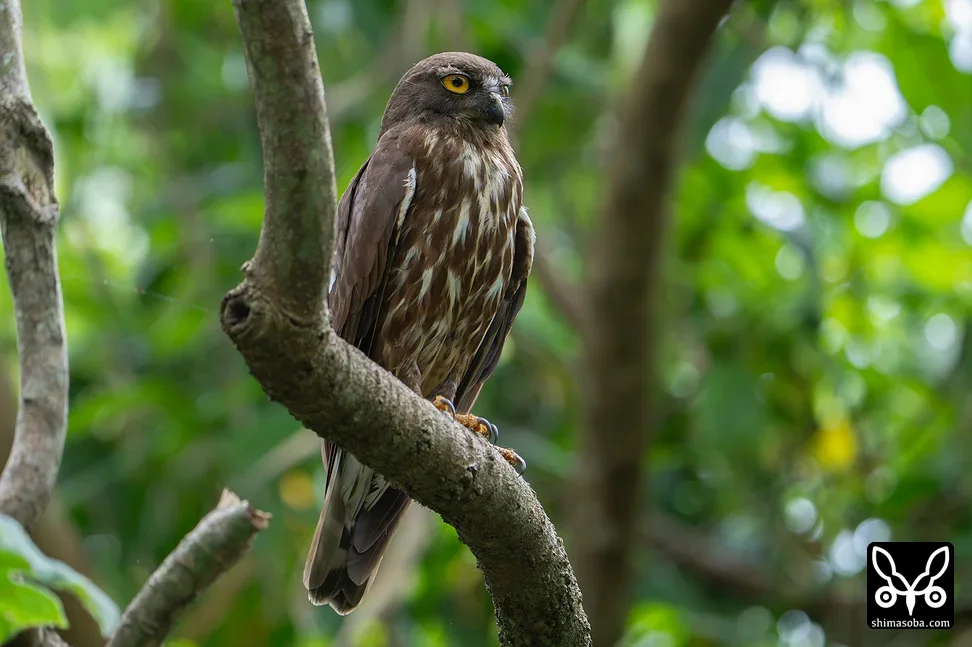
A Brown Hawk-Owl chick that had fledged. It returned to the nest again that same day. Like the Ryukyu Scops Owl earlier this season, it was the first time I had seen this.

Northern Boobook
Northern Boobook

The female parent watching over the fledgling.

Northern Boobook
Northern Boobook

The male parent a short distance away.

Ryukyu Scops Owl
Ryukyu Scops Owl

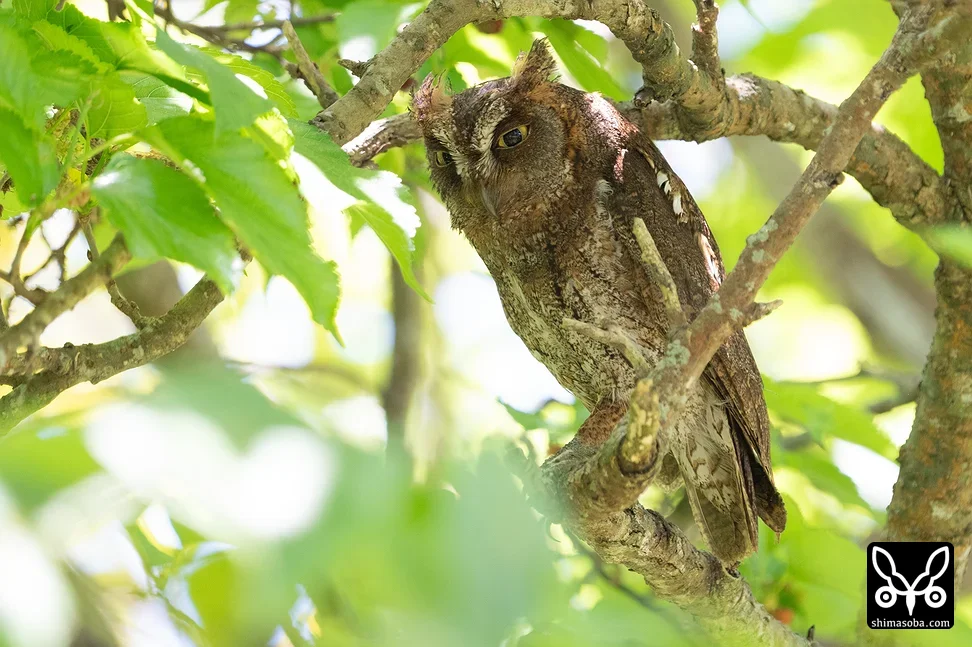
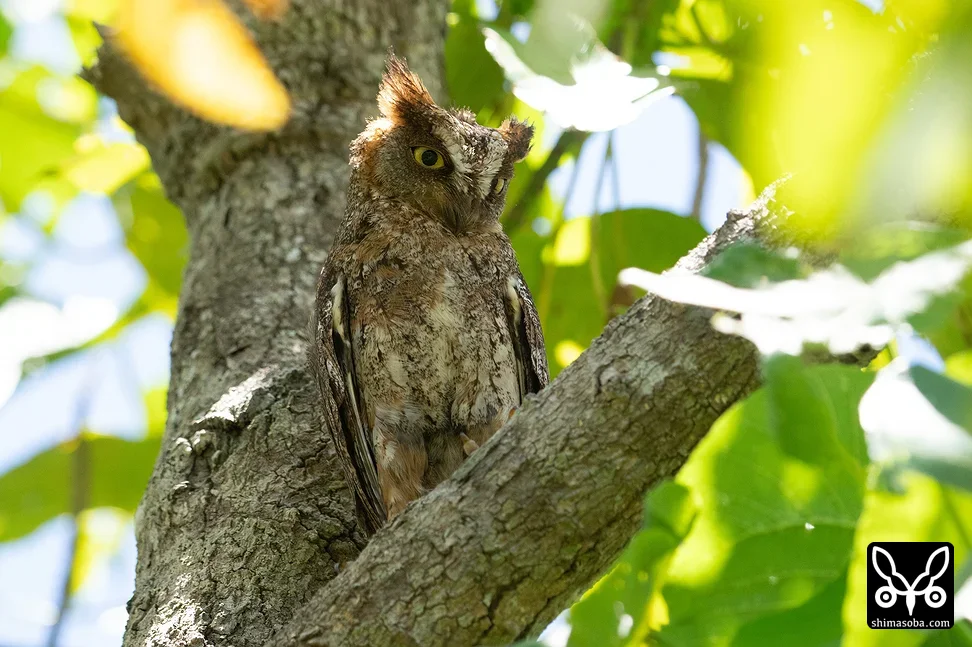
At the Ryukyu Scops Owl nest near my home, only the male is keeping watch, so the chicks are probably still small.

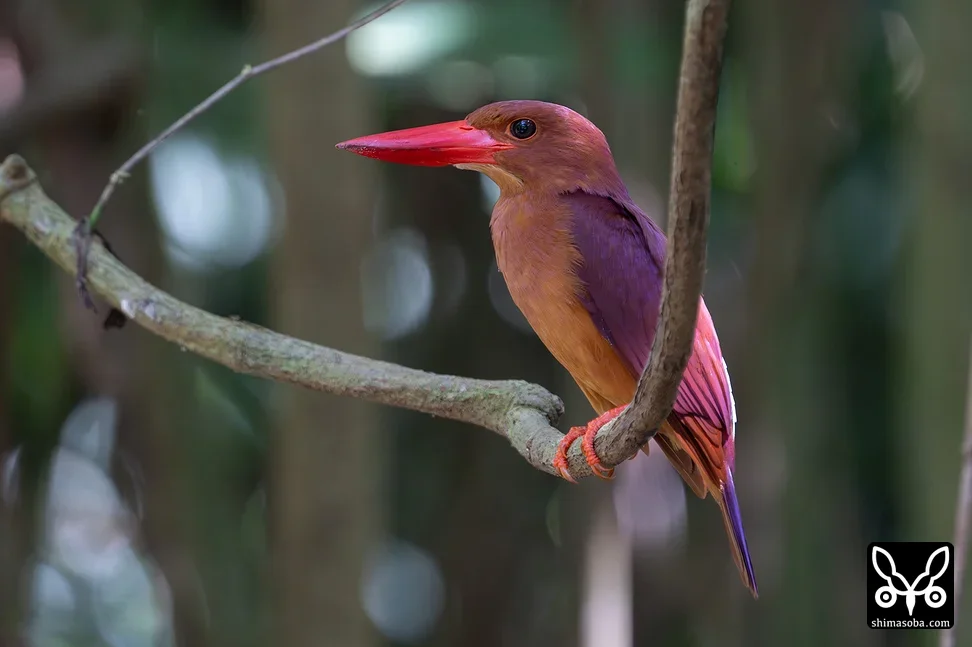
Ruddy Kingfisher
Ruddy Kingfisher

A Ruddy Kingfisher raising chicks in a primary school playground. It was perched in front of the nest hole, giving the impression it was encouraging the chicks to fledge.

Ruddy Kingfisher
Ruddy Kingfisher

The first Ruddy Kingfisher fledgling of the season was at a mango farm.

Categories: 野鳥

Japanese Sparrowhawk, Ryukyu Scops Owl fledge; Black Paradise Flycatcher raising young (video)

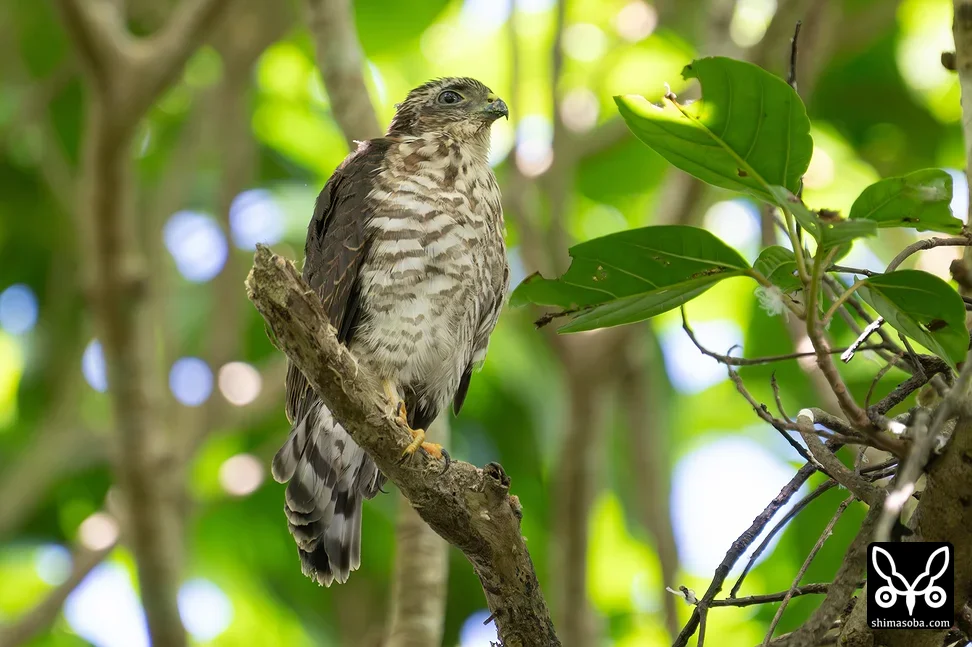
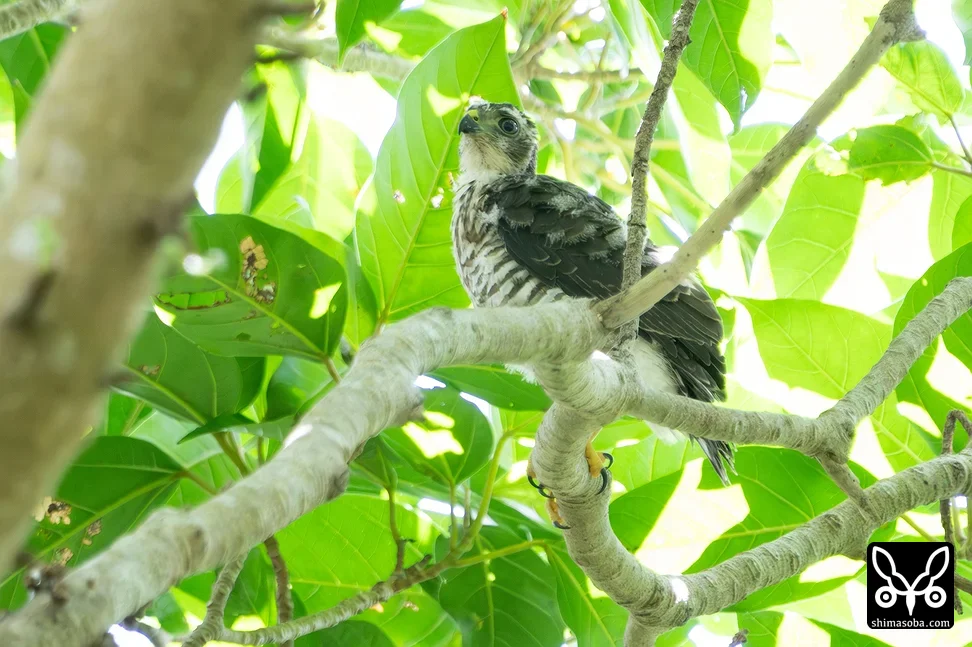
The Ryukyu Japanese Sparrowhawk chicks have started moving between branches. The eldest is already flying about.

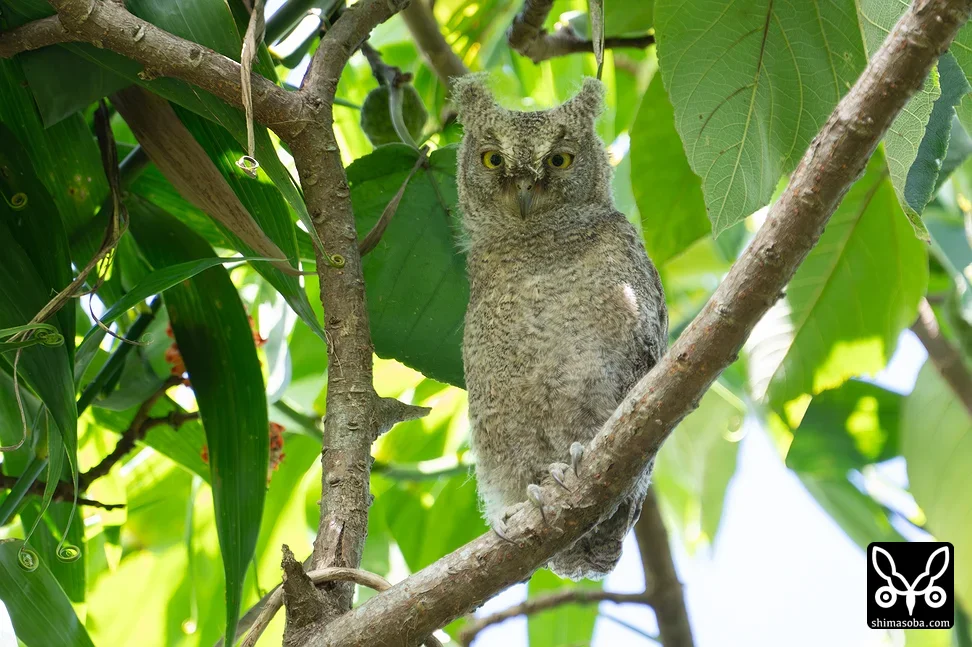
Ryukyu Scops Owls fledged at two locations — I got to meet five adorable chicks in all.

The Ryukyu Northern Boobook also looks close to fledging.

The Ryukyu Black Paradise Flycatcher chicks have just hatched; fledging looks likely around Tanabata.

The Ryukyu Ruddy Kingfisher has had a late breeding season — there was still a pair digging out a nest hole.

Ryukyu Sparrowhawk
Ryukyu Sparrowhawk

The eldest of three siblings. It seems able to fly short distances.

Ryukyu Sparrowhawk
Ryukyu Sparrowhawk

This is the second brother. He was nervously making his way along the branches.

Ryukyu Scops Owl
Ryukyu Scops Owl

A Ryukyu Scops Owl fledgling that left the nest on the night of 24 June. Three days since fledging.

Ryukyu Scops Owl
Ryukyu Scops Owl

The father of the fledgling above.

Ryukyu Scops Owl
Ryukyu Scops Owl

Likewise, the mother.

Ryukyu Scops Owl
Ryukyu Scops Owl

The Ryukyu Scops Owls at a different site from the family above have also fledged. The first chick apparently left on the night of 27 June.

Ryukyu Scops Owl
Ryukyu Scops Owl

This is a sibling of the one above. It probably fledged on the night of the 28th. It was in the tree next to the individual above.

Ryukyu Scops Owl
Ryukyu Scops Owl

The father of the two fledglings above.

Ryukyu Scops Owl
Ryukyu Scops Owl

Likewise, the mother.

Northern Boobook
Northern Boobook

A male Brown Hawk-Owl. The female has been appearing more often, so fledging may be imminent.

Japanese Paradise Flycatcher

A male Japanese Paradise Flycatcher brought food to the nest. The prey was small spiders and moths, so the chicks are probably still quite small.

Japanese Paradise Flycatcher

The female parent was sitting on the nest occasionally.

Ruddy Kingfisher
Ruddy Kingfisher

This is the male digging out the nest hole. A late start — will he make it in time for the autumn migration?

Categories: 野鳥

Ryukyu Flycatcher, Ruddy Kingfisher, Ryukyu Scops Owl, Northern Boobook

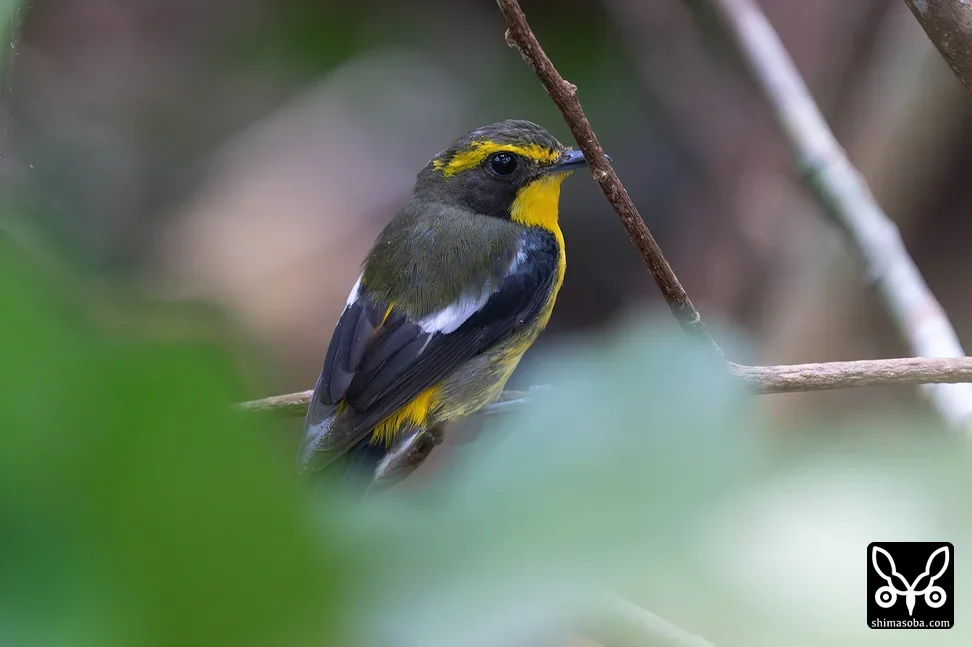
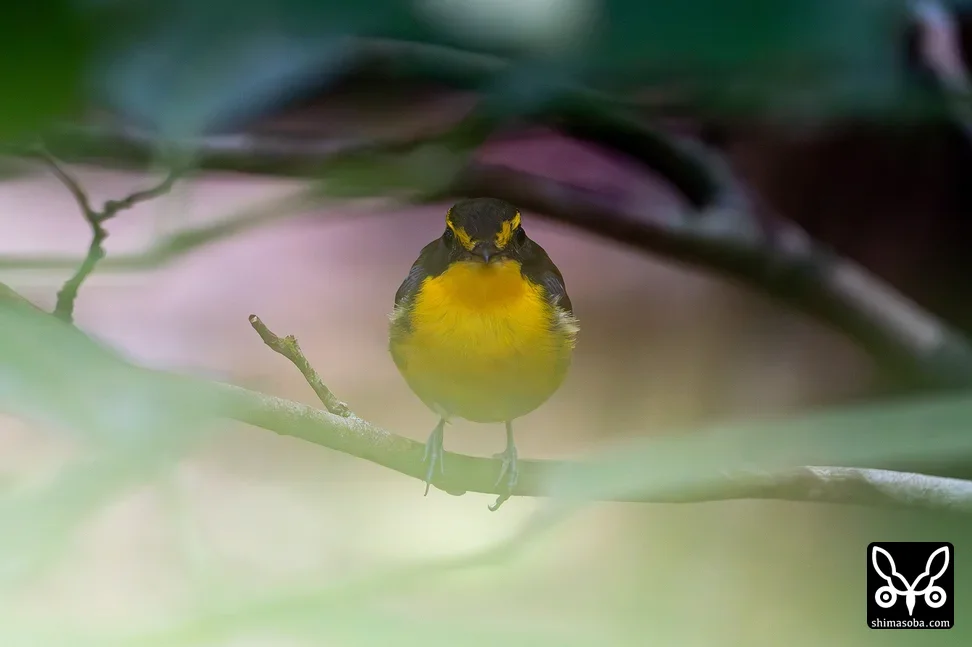
A Ryukyu Flycatcher — whose calls I always hear but rarely get a proper view of — was singing beside a forest road. It was singing from less than a metre off the ground. On the mainland, Narcissus Flycatcher tends to use higher perches, but perhaps on Ishigaki Island, with no Japanese Robin to compete with, it is free to use the lower storey?

Ryukyu Ruddy Kingfishers are at various breeding stages; some pairs have still not started nesting.

Ryukyu Scops Owl and Ryukyu Northern Boobook breeding is going well everywhere.

Ryukyu Flycatcher
Ryukyu Flycatcher

Ryukyu Fantail, adult male.

Ryukyu Flycatcher
Ryukyu Flycatcher

Same individual as above. It was singing frequently while moving at low height, less than one metre from the ground.

Ruddy Kingfisher
Ruddy Kingfisher

Ruddy Kingfisher, male.

Ruddy Kingfisher
Ruddy Kingfisher

A different male individual.

Ruddy Kingfisher
Ruddy Kingfisher

Also a different male individual. They are paired, but have not yet started digging a nest hole. They are in a small patch of greenery — perhaps they cannot find a suitable spot?

Ryukyu Scops Owl
Ryukyu Scops Owl

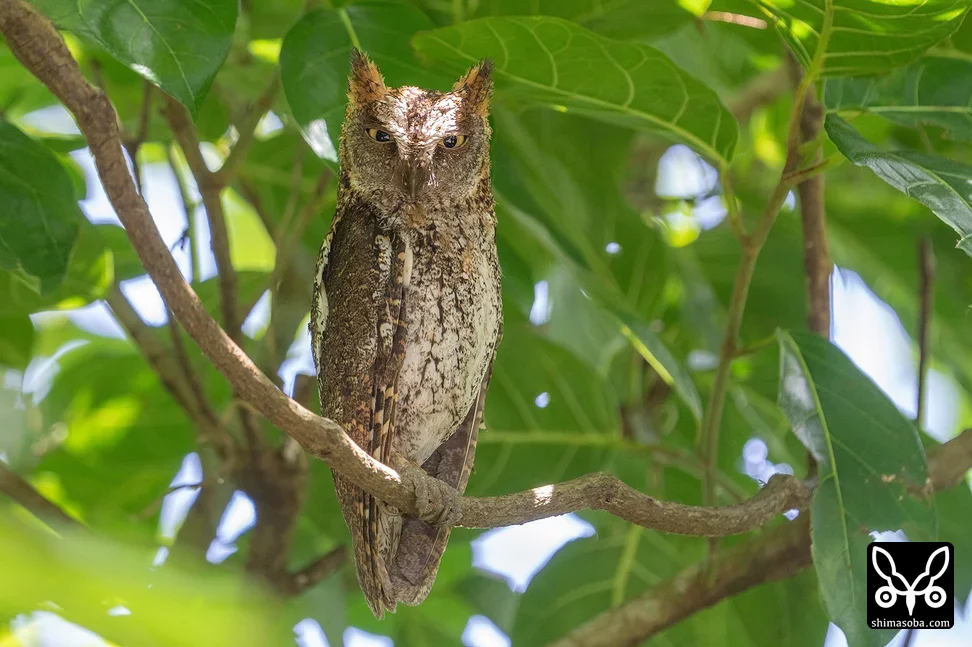
Ryukyu Scops Owl breeding at the same nest tree for several consecutive years. This male is strikingly rufous and very handsome.

Northern Boobook
Northern Boobook

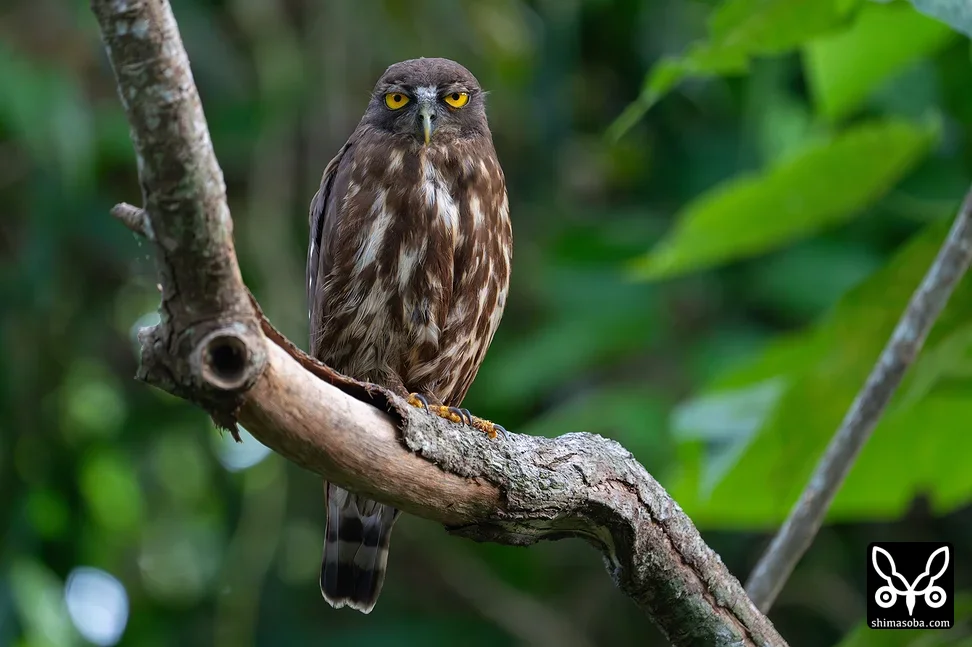
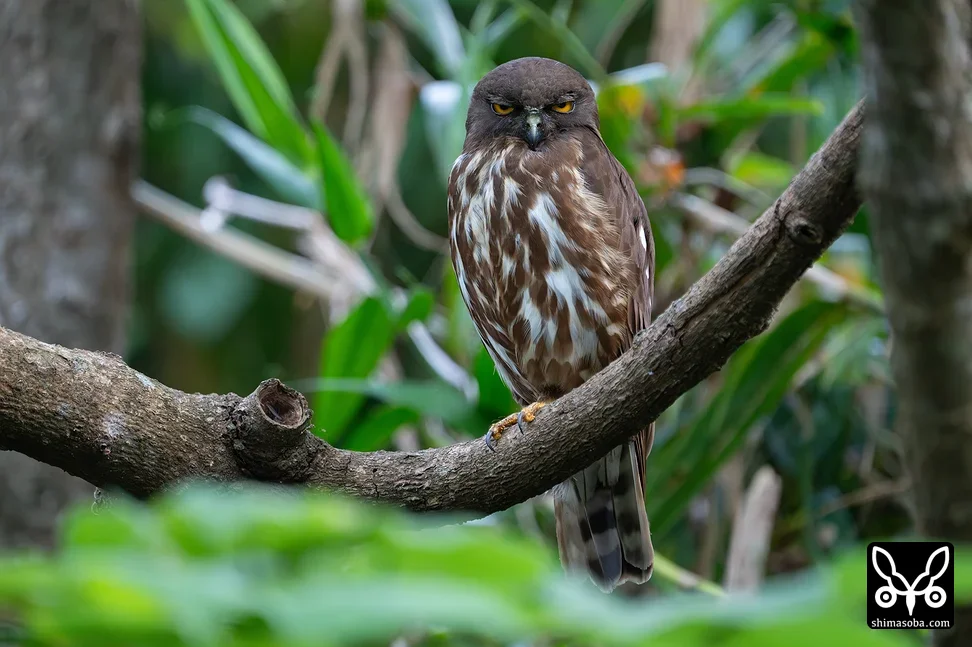
A male Brown Hawk-Owl standing guard at the nest. The spot sees a lot of foot traffic, but it shows no reaction to people.

Categories: 野鳥

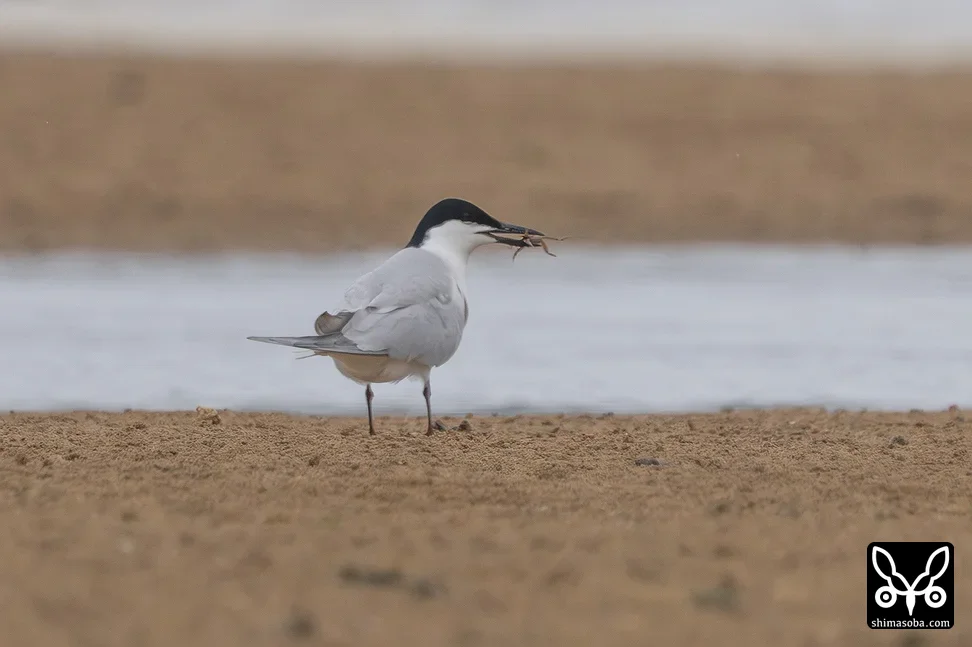
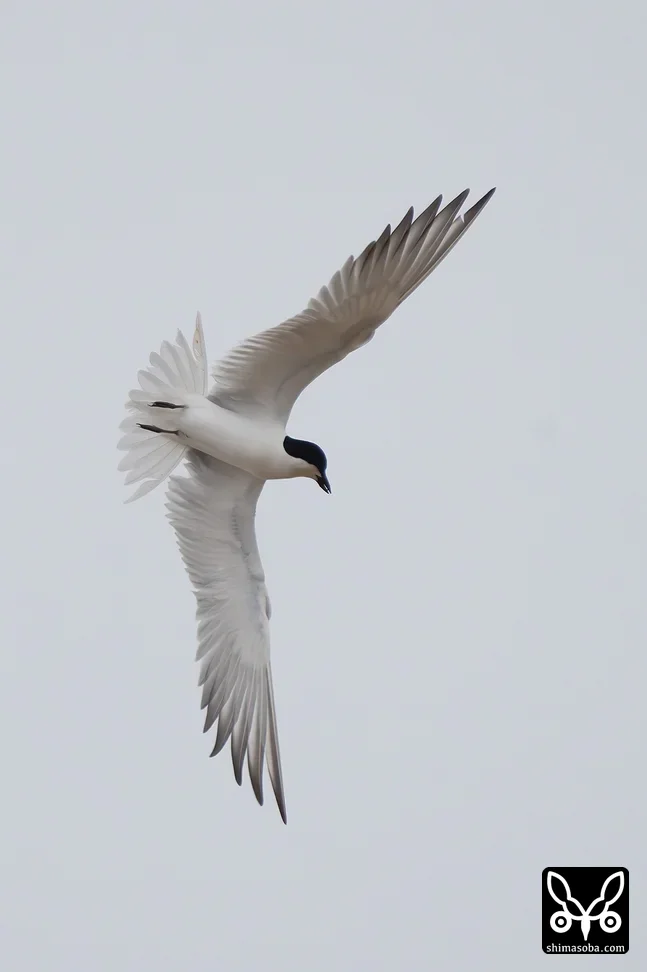
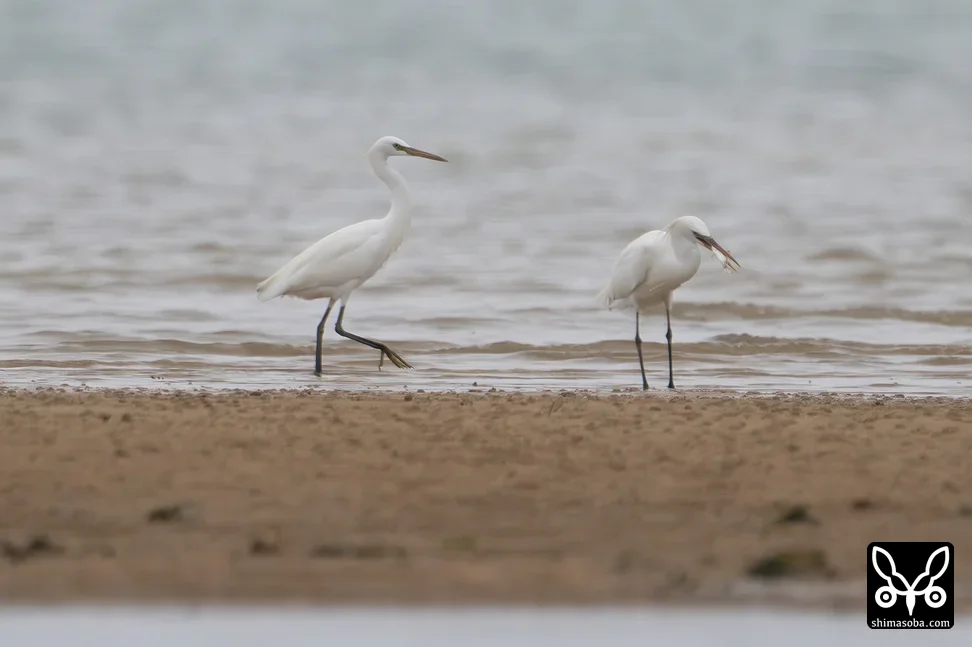
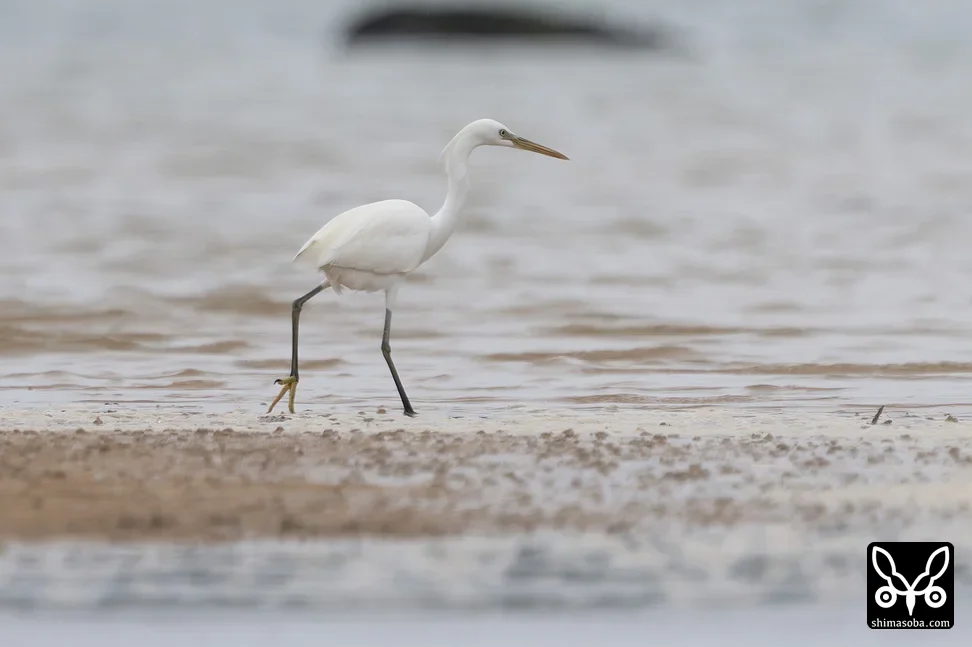
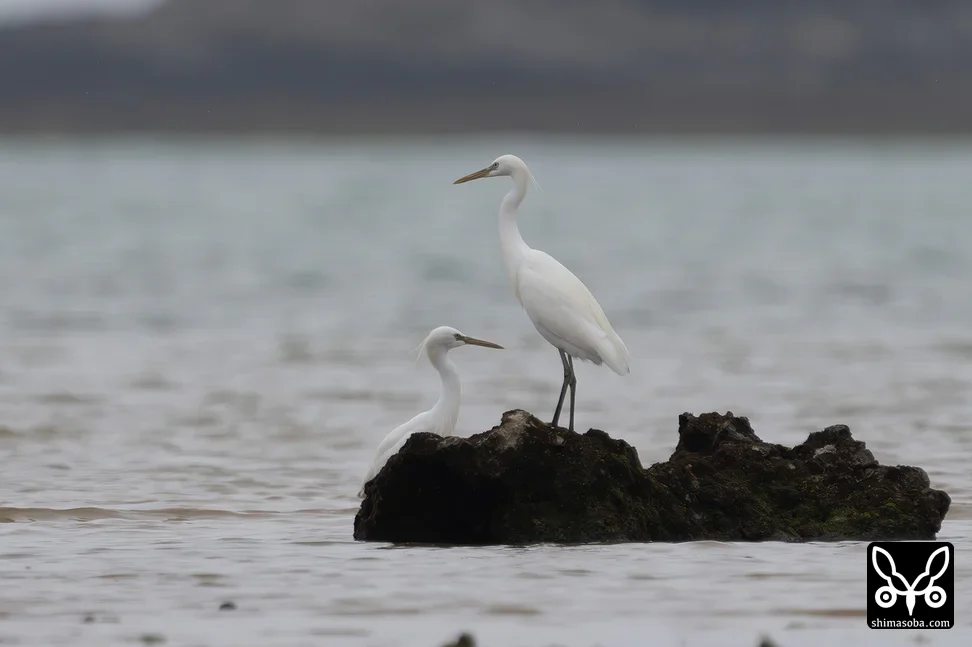
Four Gull-billed Terns, two Chinese Egrets

I took my children to the shore to catch crabs and found four Gull-billed Terns and two Chinese Egrets. Both species seemed completely unafraid — even with the kids making a racket, they did not appear bothered at all. ^^

Lesser Crested Tern
Lesser Crested Tern

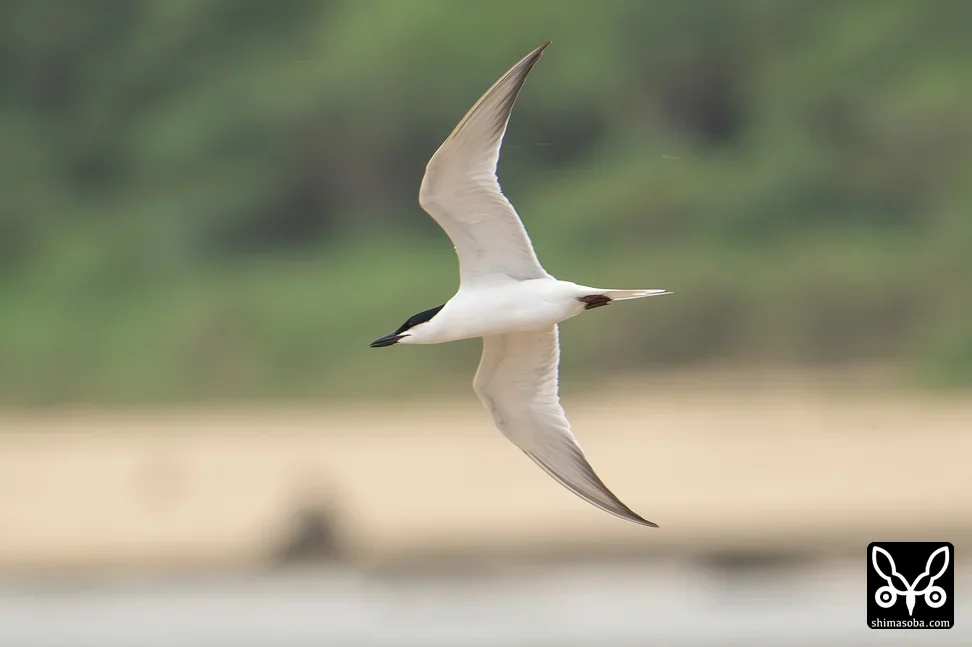
Bridled Terns wheeling right in front of me. Three were in breeding plumage and one was in non-breeding plumage.

Lesser Crested Tern
Lesser Crested Tern

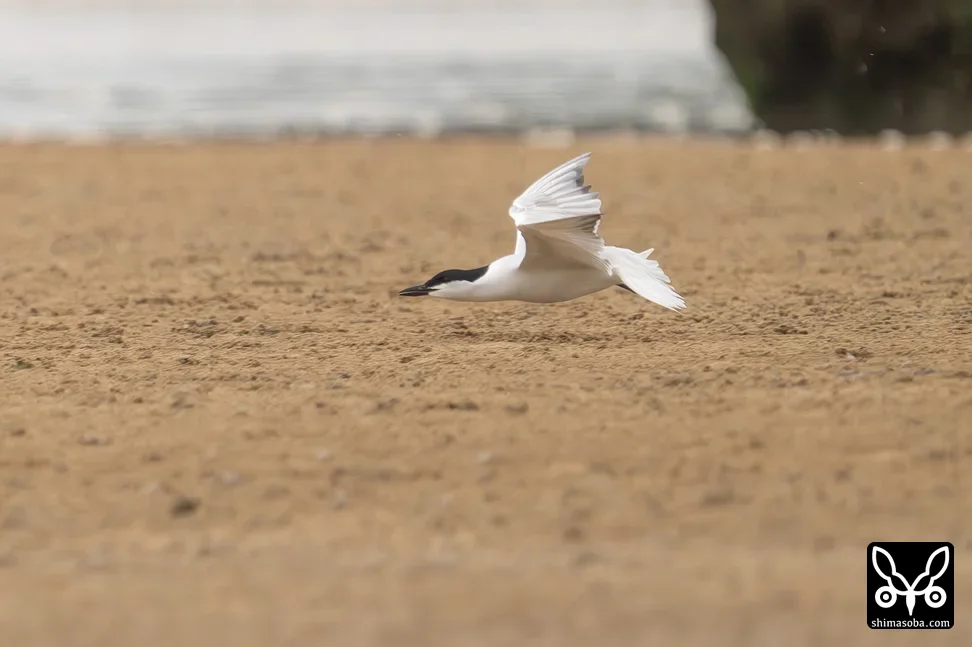
The crab-specialist Bridled Tern, once it has a target, hugs the ground at ultra-low altitude and creeps up on the crab.

Lesser Crested Tern
Lesser Crested Tern

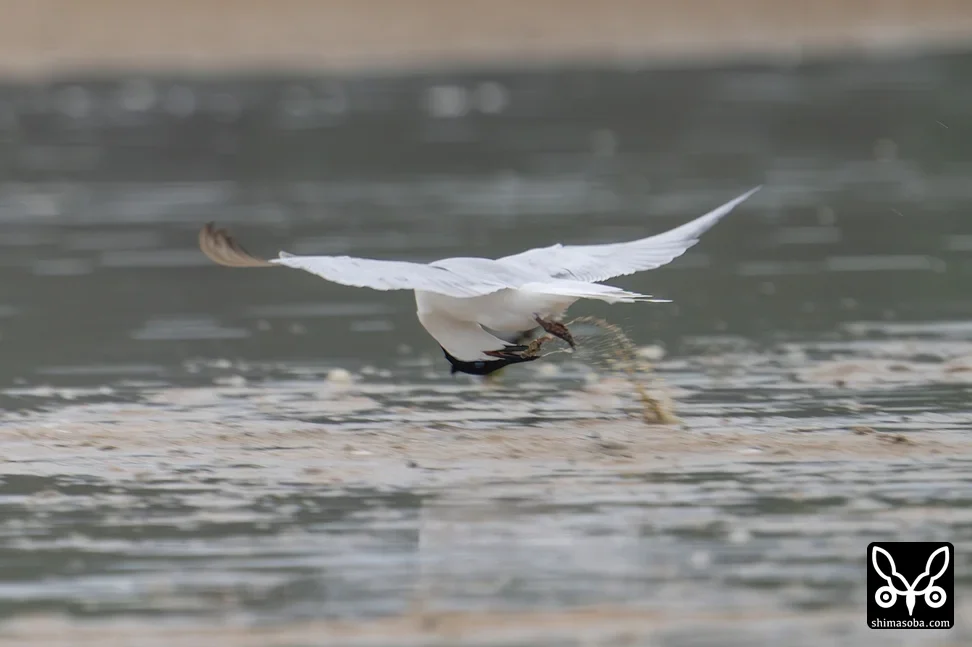
A Bridled Tern that caught a Soldier Crab.

Lesser Crested Tern
Lesser Crested Tern

A Bridled Tern eating a Soldier Crab.

Lesser Crested Tern
Lesser Crested Tern

When it spots a crab, it wheels sharply and dives.

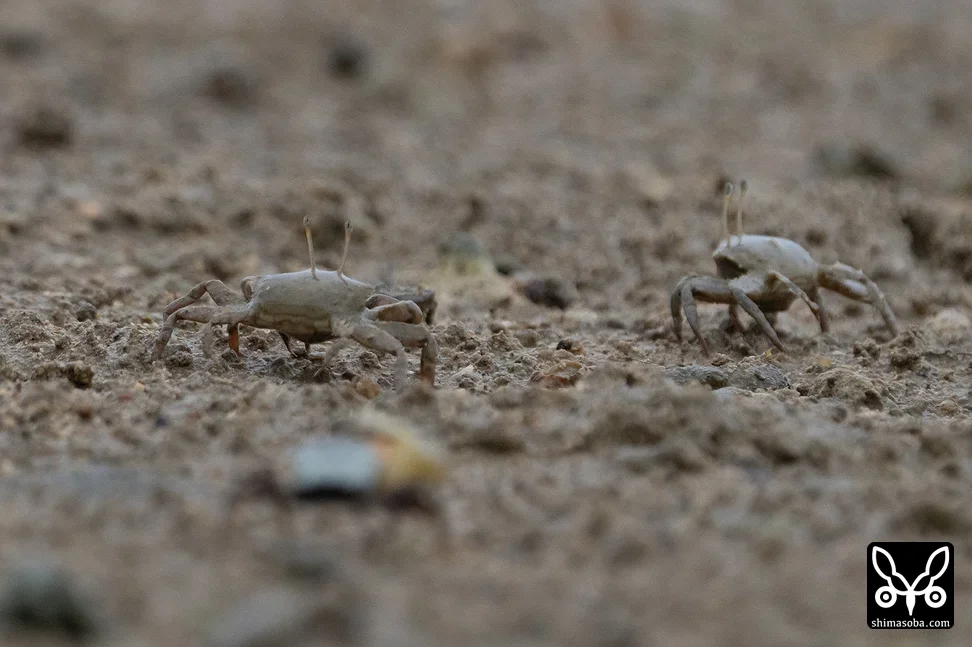
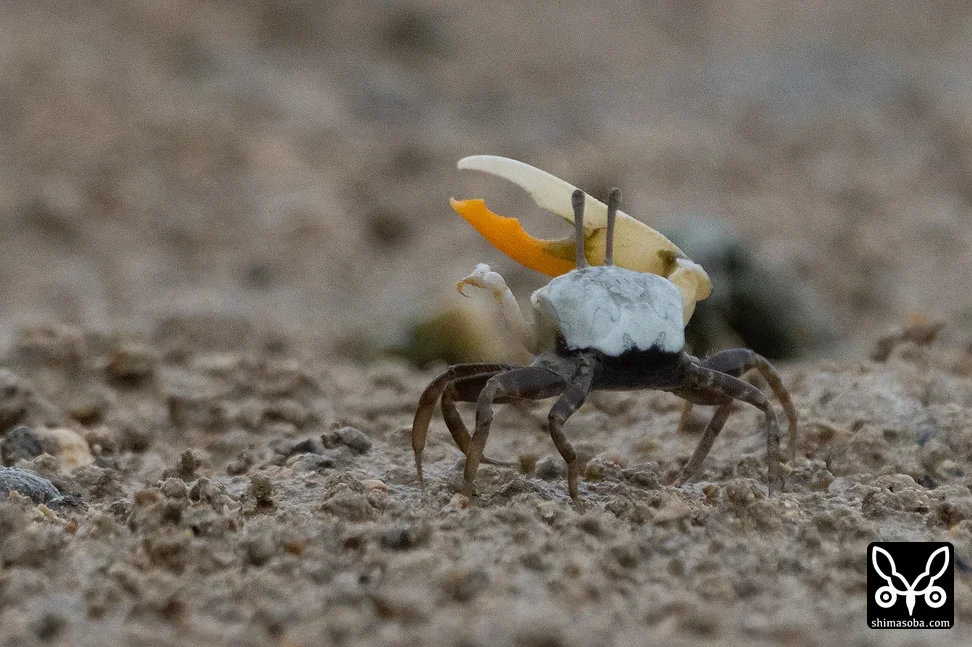
Soldier Crabs are abundant on Ishigaki Island. Besides Bridled Terns, Whimbrels and Grey-tailed Tattlers also take them.

Fiddler crabs were also on the menu.

Chinese Egret
Chinese Egret

The Chinese Egrets are now up to two. They were catching juvenile mullet.

Chinese Egret
Chinese Egret

The tide came in and it moved closer.

As the tide approached full, it moved to the rocky area.

Categories: 野鳥