A daily record.
Featuring photos of wild birds and nature, mainly from Okinawa Main Island and Ishigaki Island

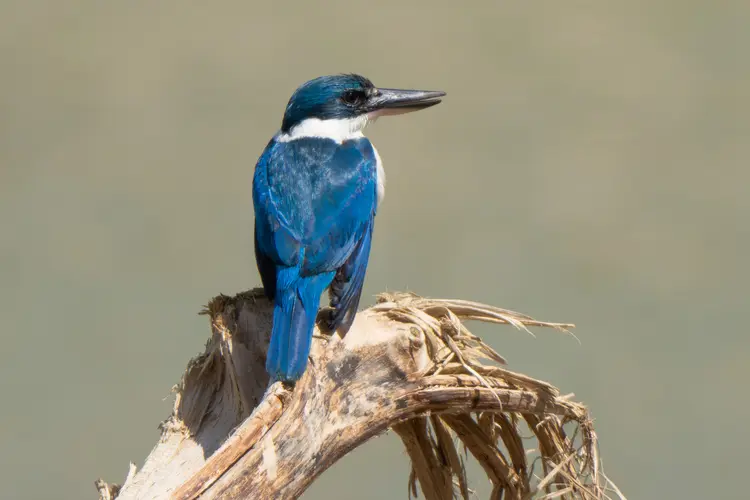
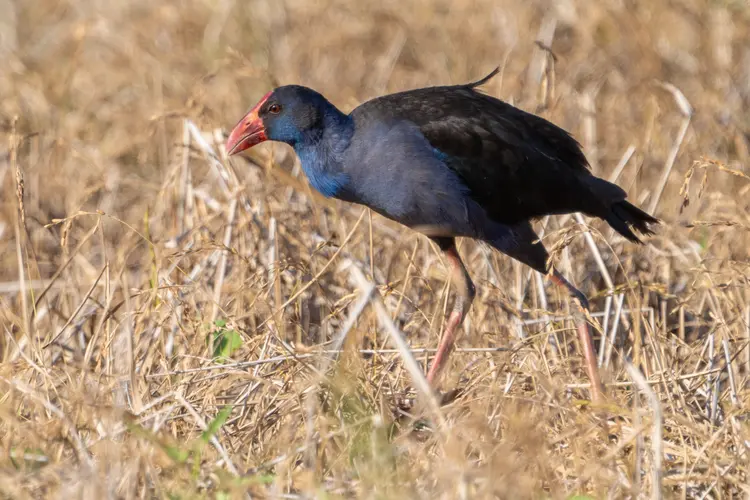
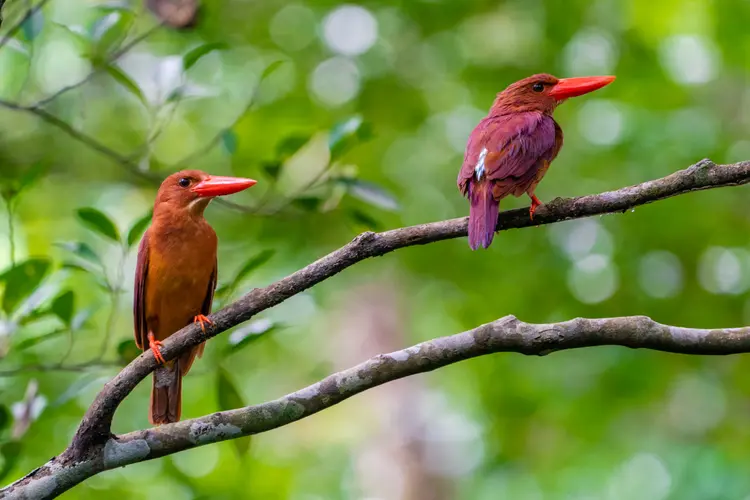
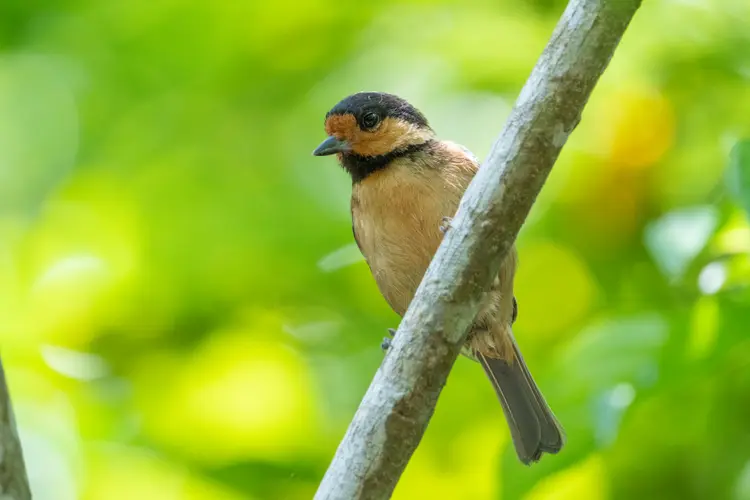
Black Bittern Collared Kingfisher Purple Swamphen Ruddy Kingfisher Iriomote Tit

GUIDED BIRDWATCHING TOUR

Go where the birds are. The SHIMASOBA Tour launches.

We'll drive you around Ishigaki Island to wherever the birds are showing best that day. Observation is mostly from inside the vehicle, and we keep it to a maximum of 3 guests so everyone can take their time.

Max. 3 guests 4 hours in the morning Beginners welcome
Check availability and book

7 Oriental Plovers, Black Redstart, Citrine Wagtail, Common Hoopoe, Pin-tailed Snipe (video)

I did some birdwatching during free time on a work trip to Yonaguni Island.

The timing was good — in a short while I was able to see Oriental Plover, Black Redstart, Citrine Wagtail, Common Hoopoe, Pin-tailed Snipe, and Swinhoe's Snipe. It was all thanks to the senior birders staying on the island!!
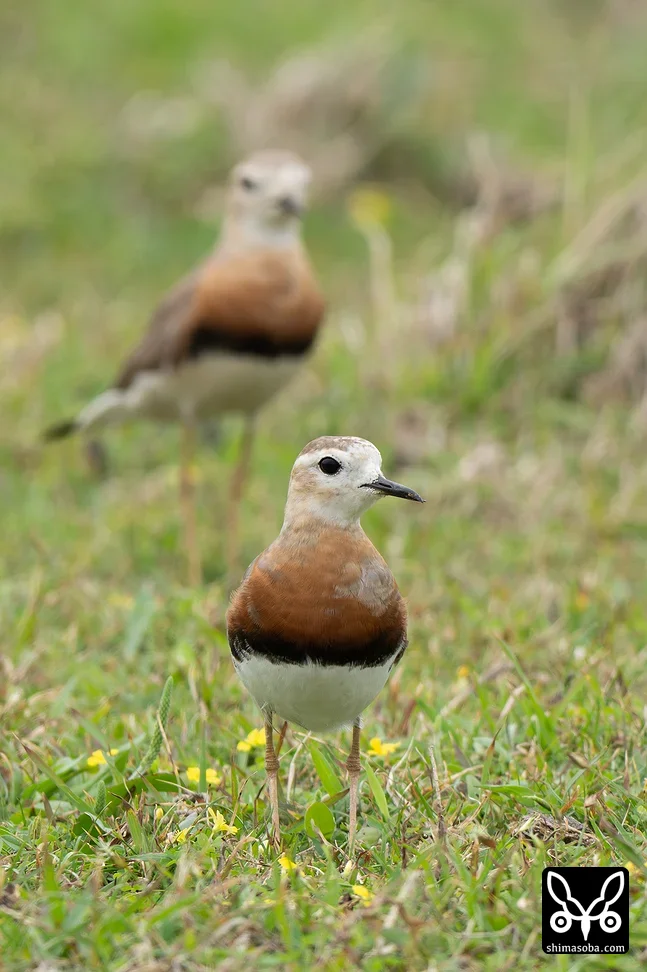
Greater Sand Plover
Greater Sand Plover

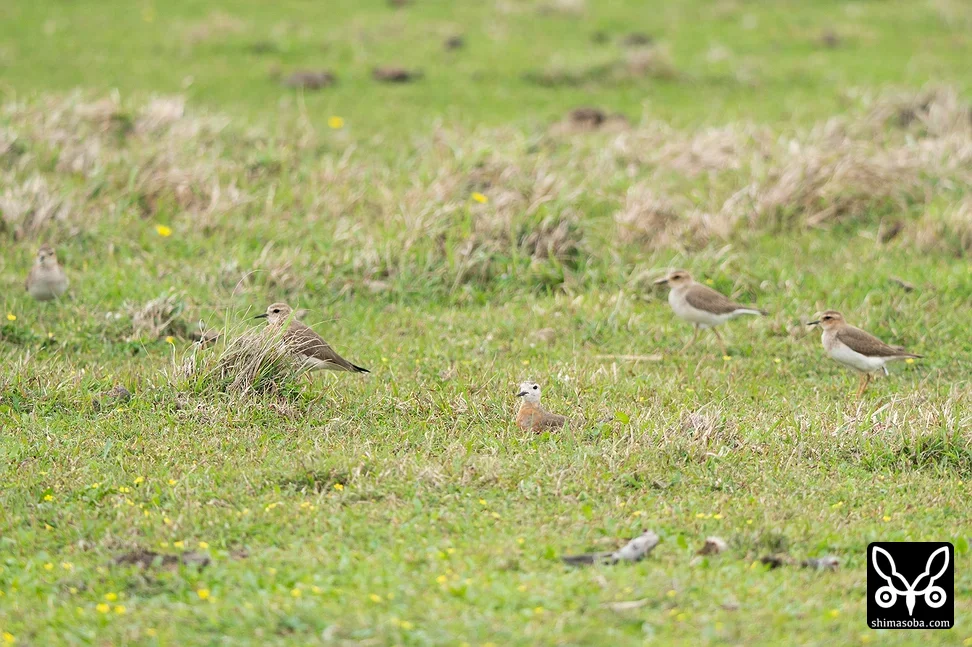
Seven Large Sand Plovers arrived early in the morning at the go-to spot on Yonaguni Island. I got the message while I was at work, so I was fidgeting.
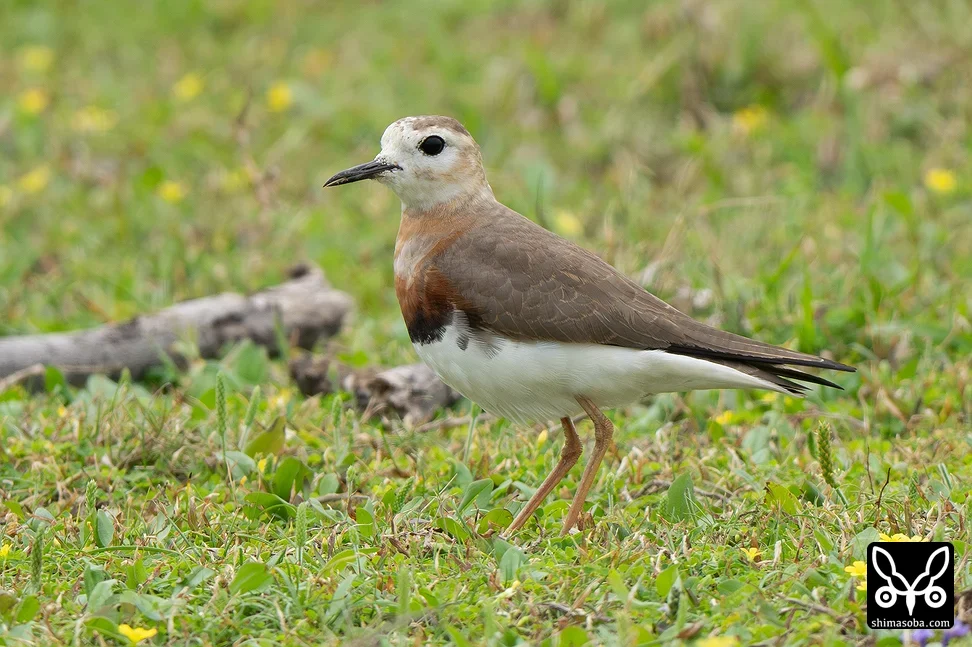
Greater Sand Plover
Greater Sand Plover

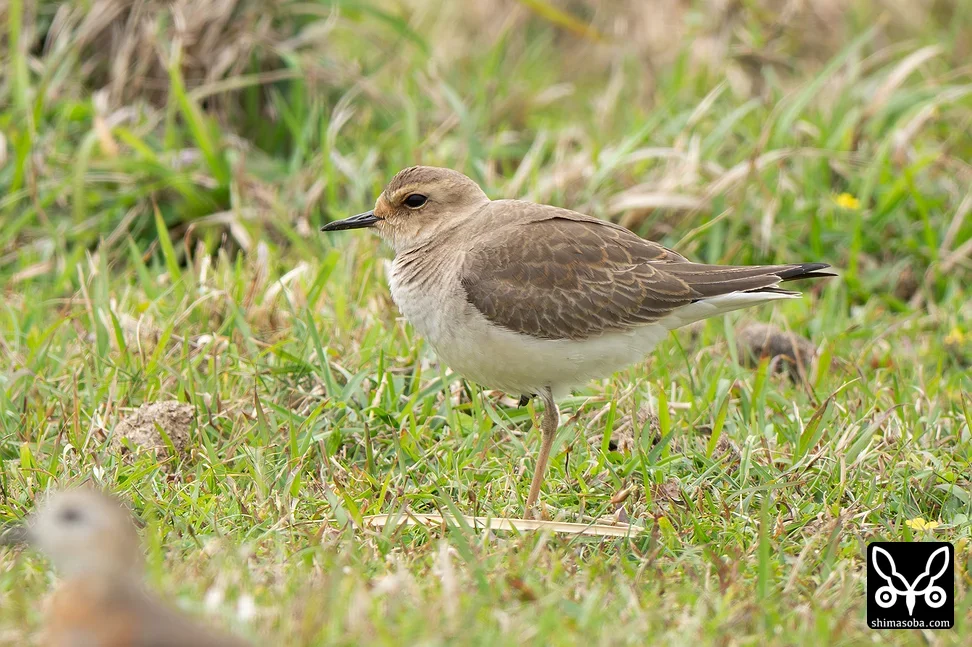
I enjoyed close-range views of a Large Sand Plover. A male coming into summer plumage.
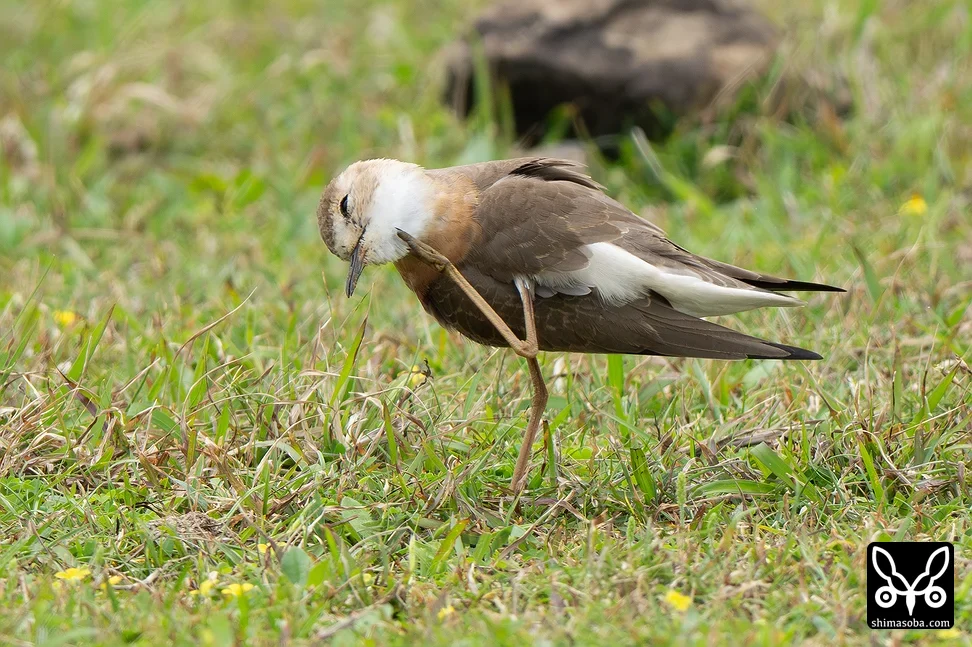
Greater Sand Plover
Greater Sand Plover

Scratching its head.

Greater Sand Plover
Greater Sand Plover

Is this one a female?

Greater Sand Plover
Greater Sand Plover

There were seven Large Sand Plovers in total, but getting five into a single frame was the best I could manage.
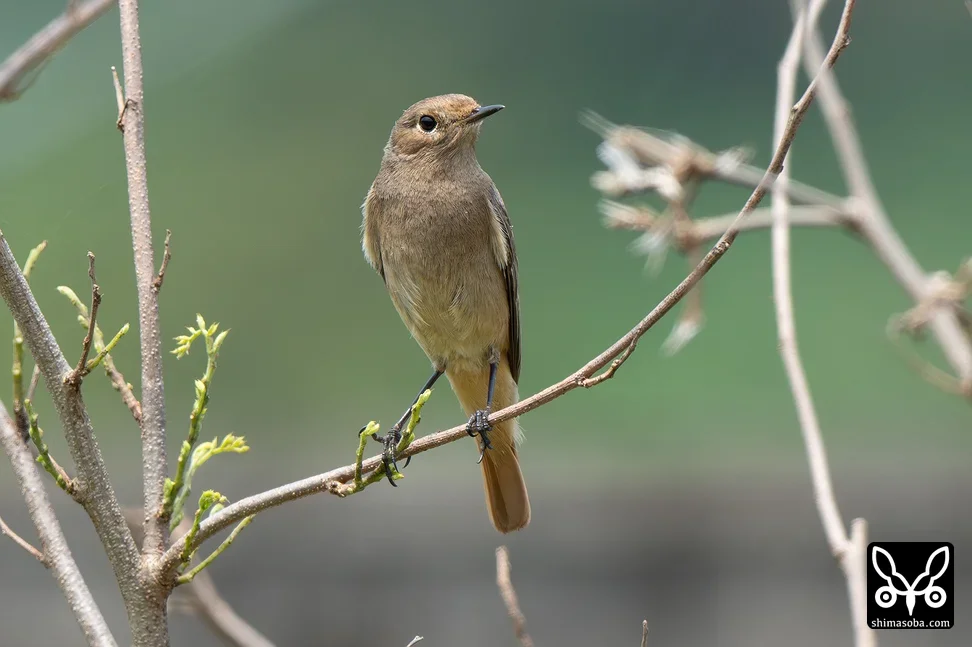
Black Redstart
Black Redstart

A Daurian Redstart — recorded on Ishigaki Island only about twice in the past.
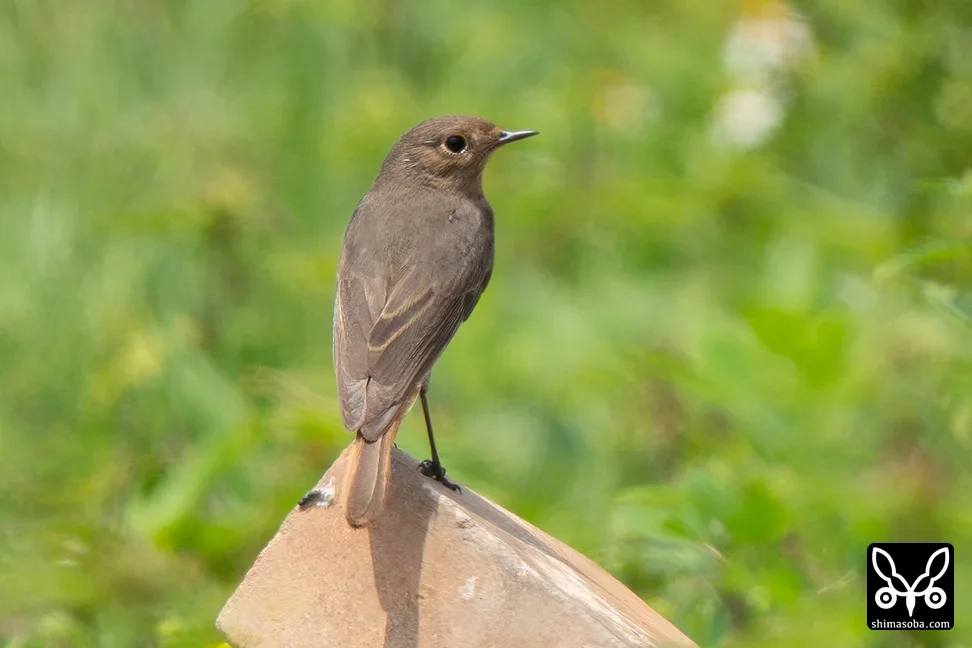
Black Redstart
Black Redstart

Same individual as above. It was moving between a ranch and the hedges of a private house. This female was at Hikawa, but apparently a male was also present at Sonai. I was given directions but couldn't find it….
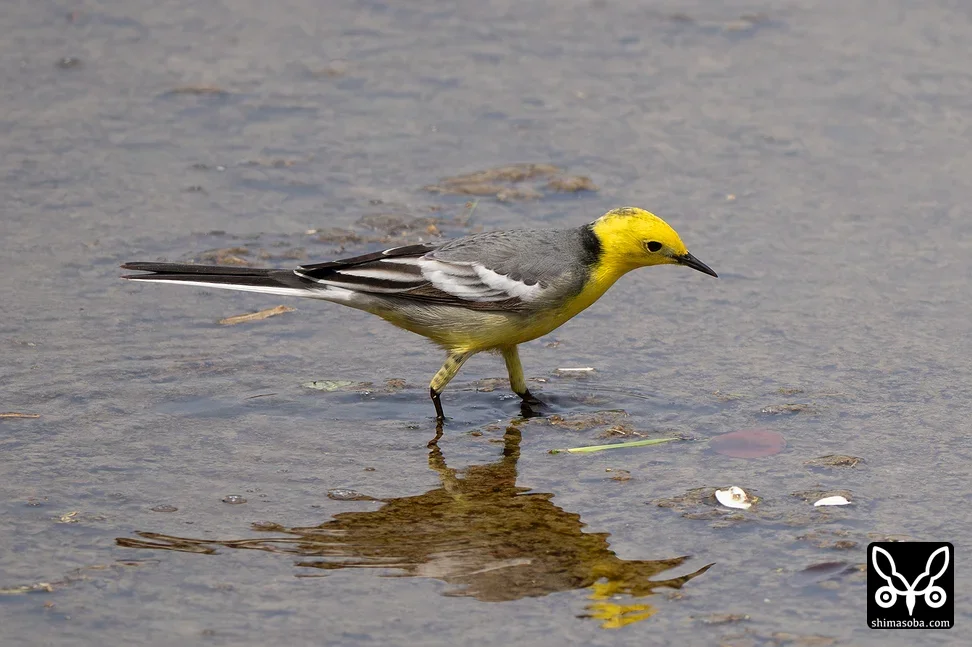
Citrine Wagtail
Citrine Wagtail

There were four Citrine Wagtails on the island. A good spring migration here is heaven, but a bad one is hell. The old hands stay about a month every year, so they seem to have experienced both. ^^;
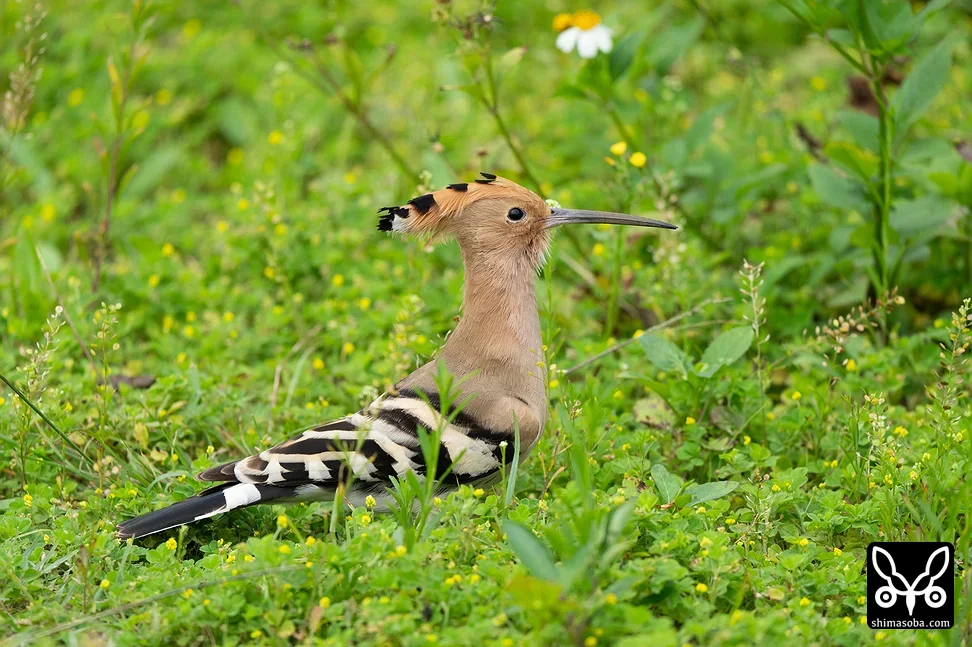
Eurasian Hoopoe
Eurasian Hoopoe

Four Eurasian Hoopoes confirmed. Nobody gave them a second glance….
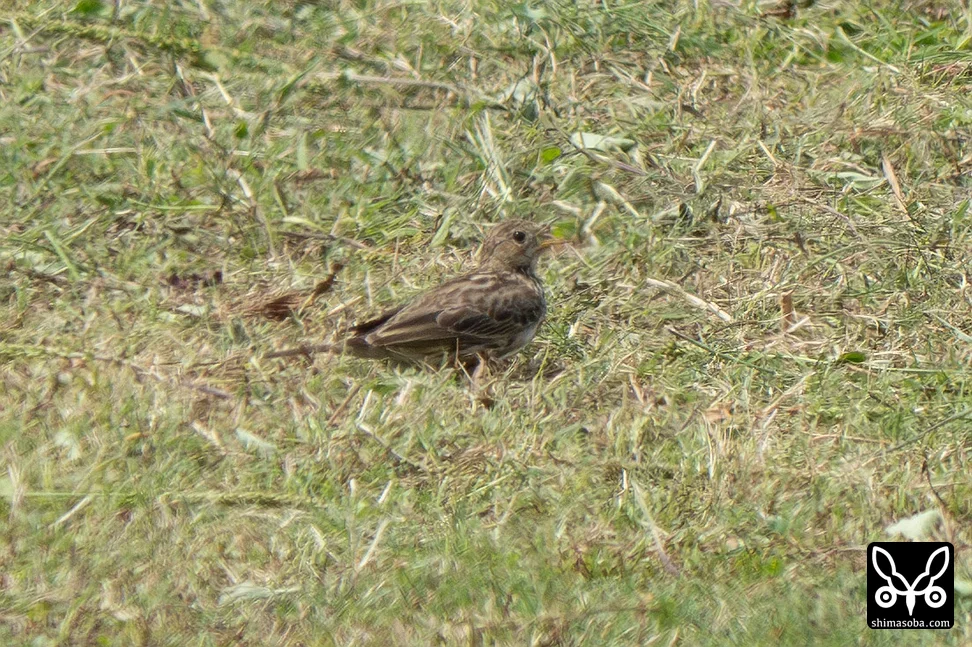
Buff-bellied Pipit
Buff-bellied Pipit

A suspicious-looking pipit in the distance. The image quality is poor due to atmospheric shimmer, but I believe it is a Australasian Pipit.
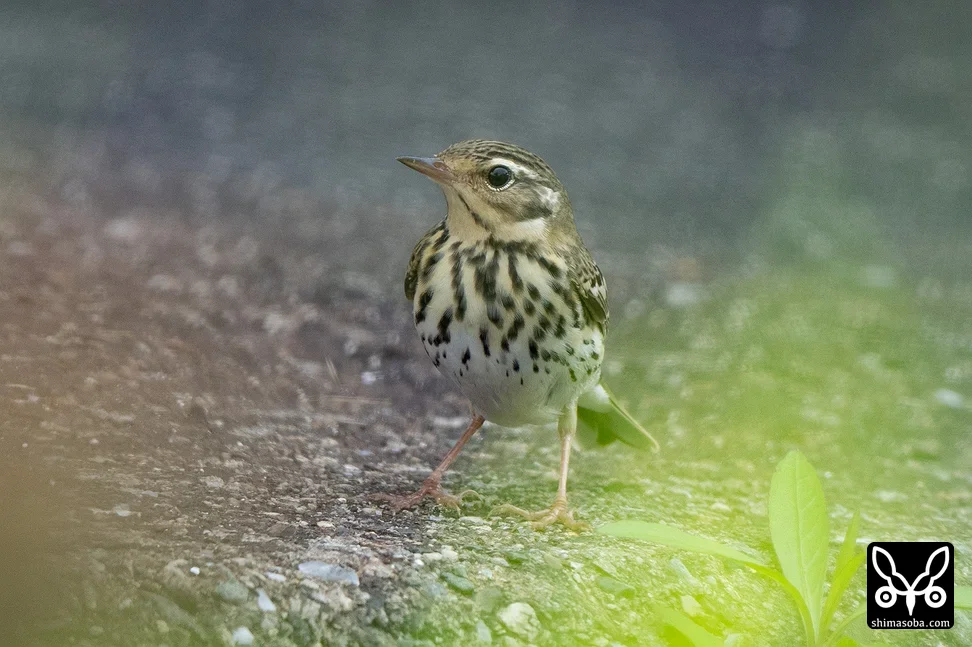
Olive-backed Pipit
Olive-backed Pipit

I heard a call and went looking — found one Olive-backed Pipit.
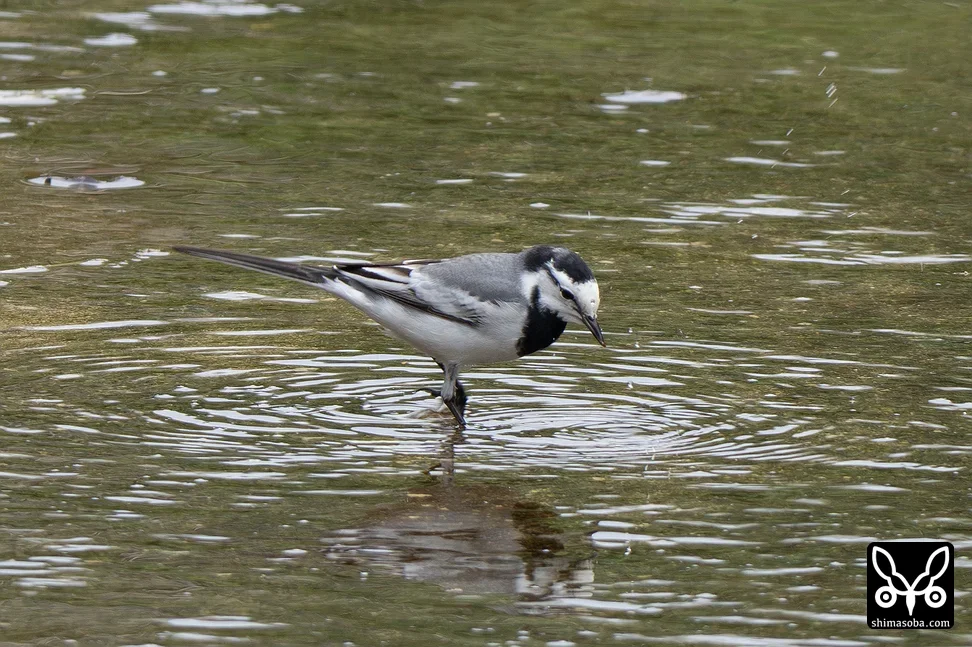
Eastern Yellow Wagtail

The Eastern Yellow Wagtail seemed to be on bad terms with the Citrine Wagtail.
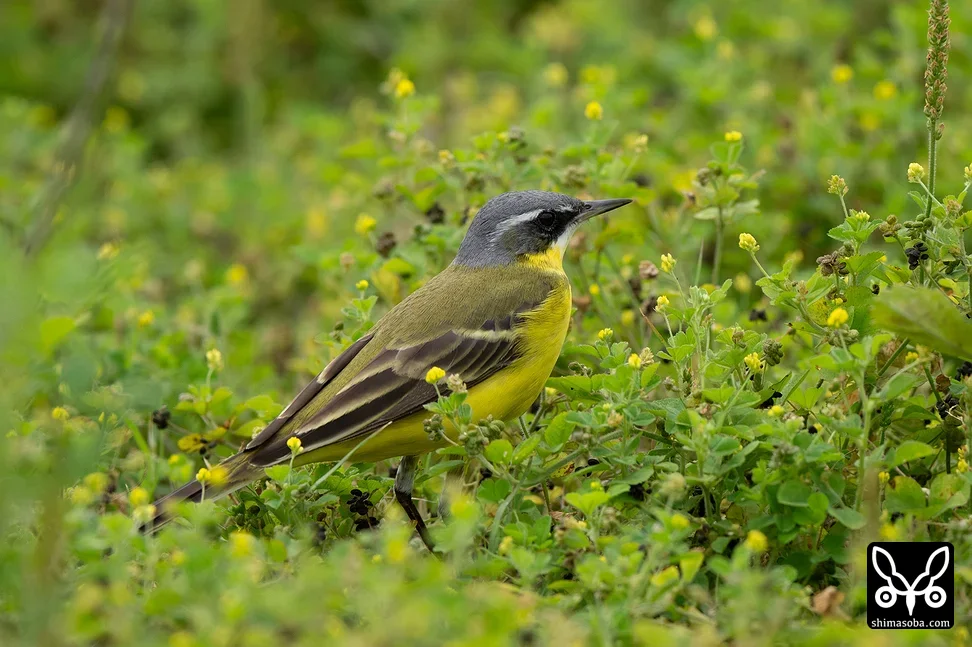
Citrine Wagtail
Citrine Wagtail

A Sykes's Wagtail with a noticeably narrow supercilium. The breeding plumage is beautiful.
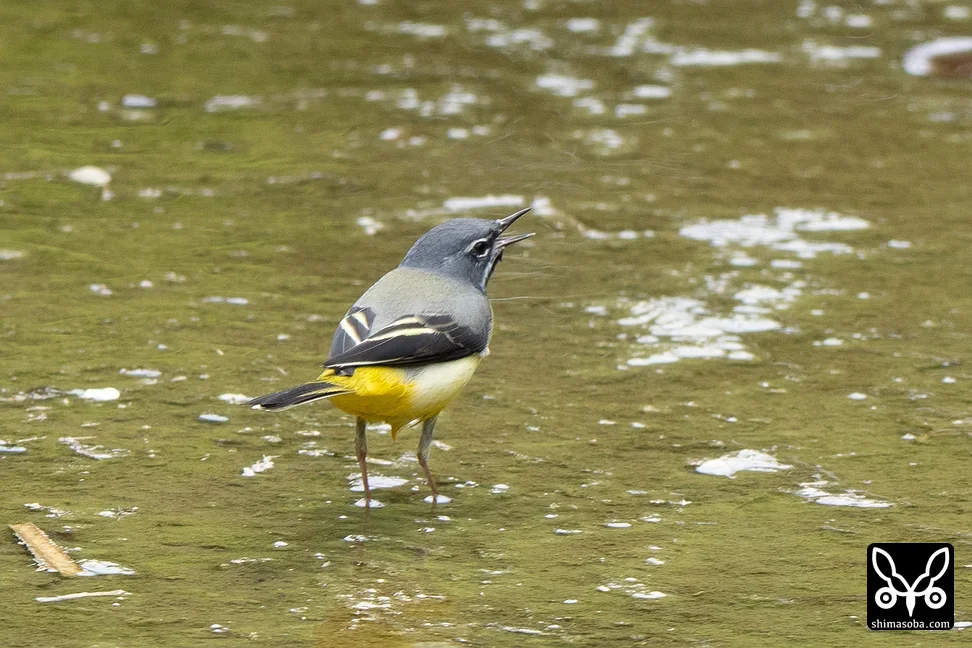
Grey Wagtail
Grey Wagtail

The Grey Wagtail was also in breeding plumage and was singing from time to time.
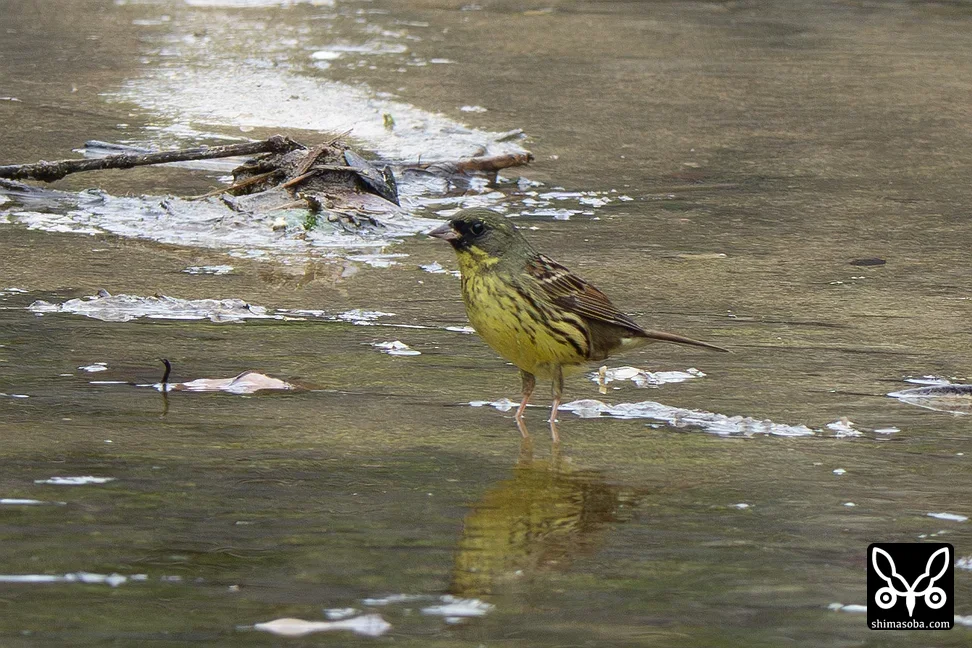
Black-faced Bunting
Black-faced Bunting

There was a Black-faced Bunting and a Siberian Bunting, but the Citrine Wagtail kept chasing them around, so I only managed to photograph the Black-faced Bunting.
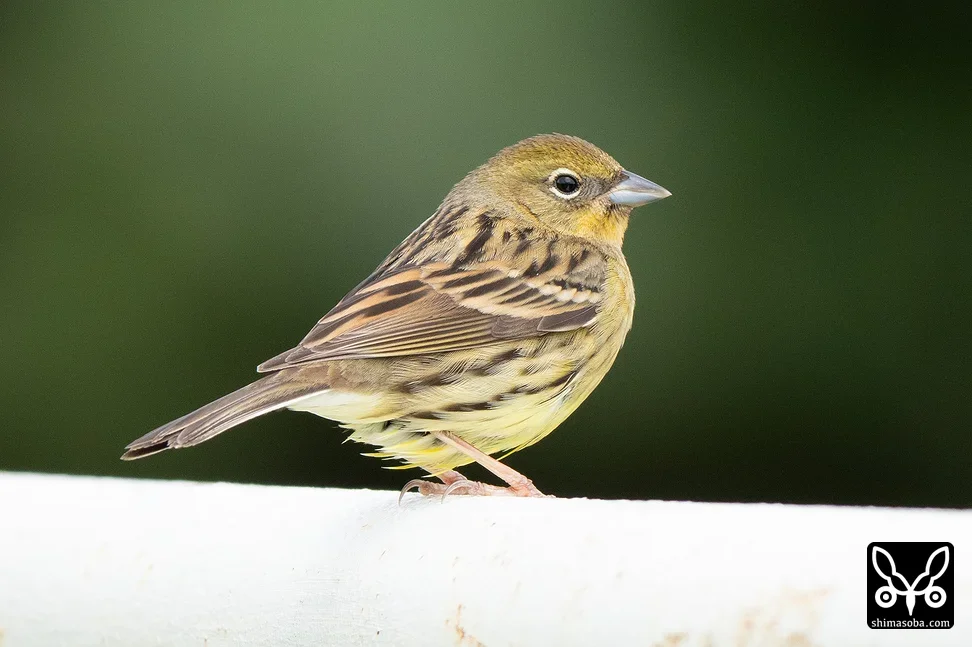
Jankowski's Bunting
Jankowski's Bunting

Yellow-breasted Buntings arrived in a small flock.
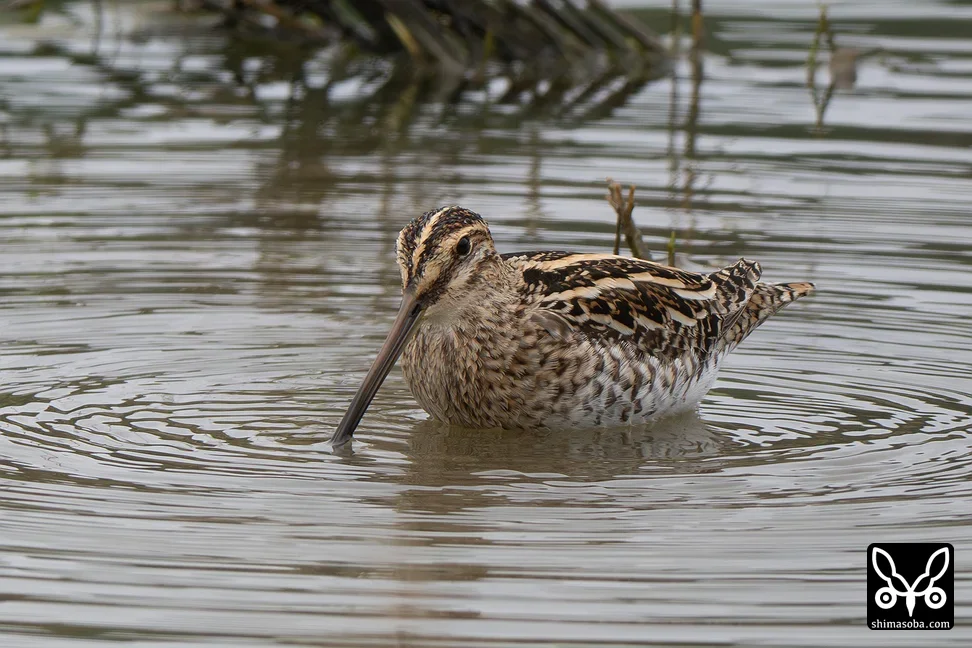
Swinhoe's Snipe
Swinhoe's Snipe

A Swinhoe's Snipe in the rice paddies.
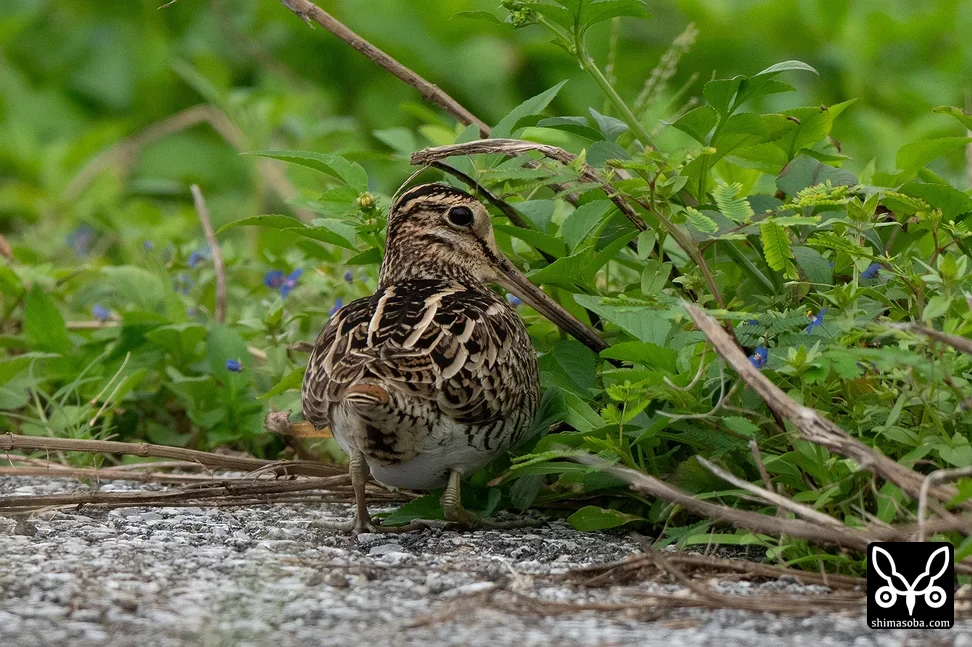
Swinhoe's Snipe
Swinhoe's Snipe

Here, a Swinhoe's Snipe on the footpath. There's a real sense of migration about it — nice.
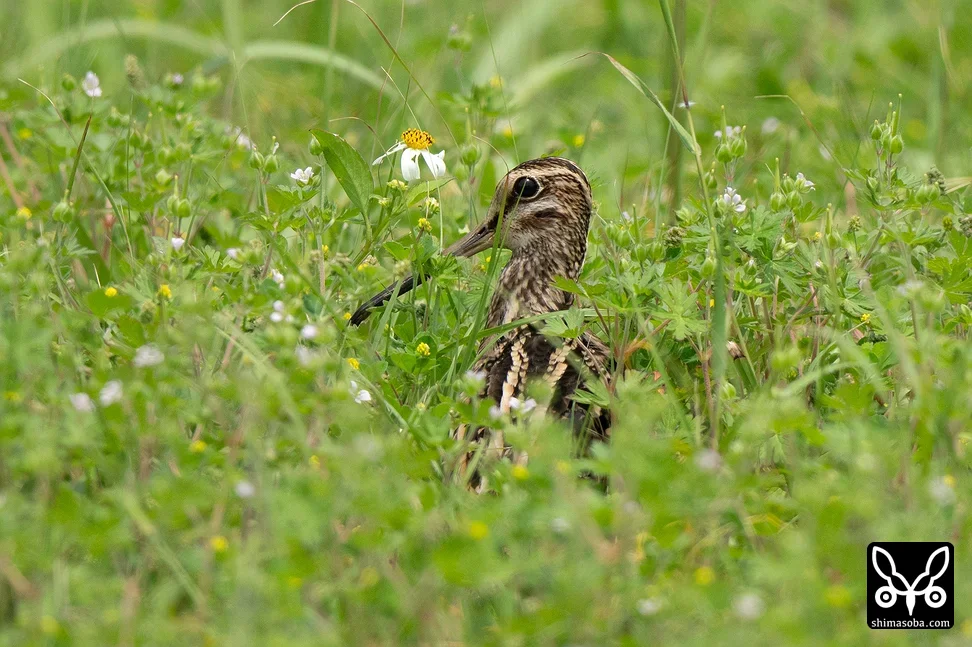
Pin-tailed Snipe
Pin-tailed Snipe

A Pin-tailed Snipe on the lawn.

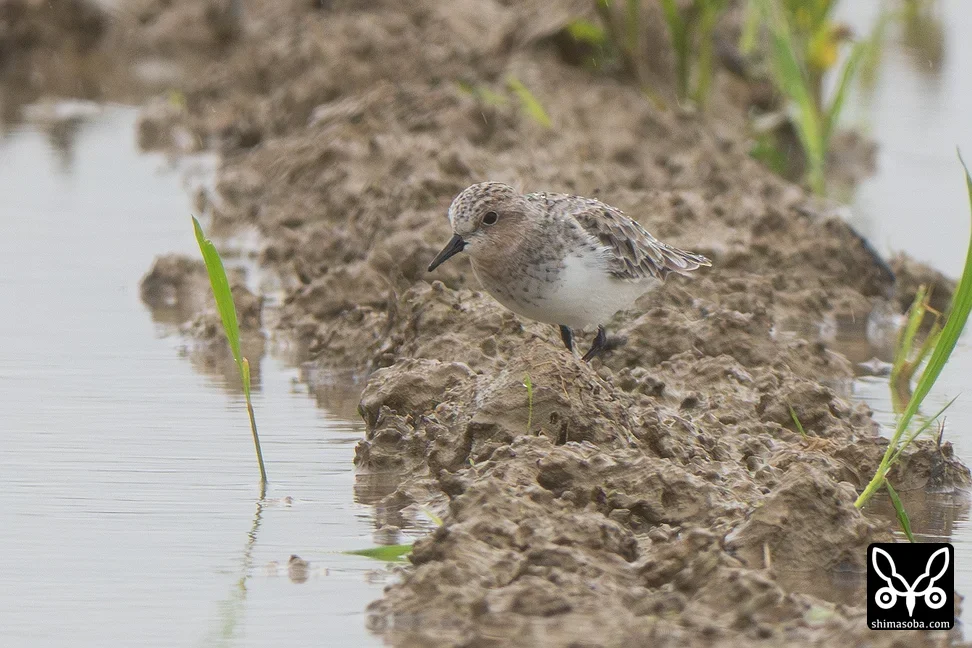
Red-necked Stint
Red-necked Stint

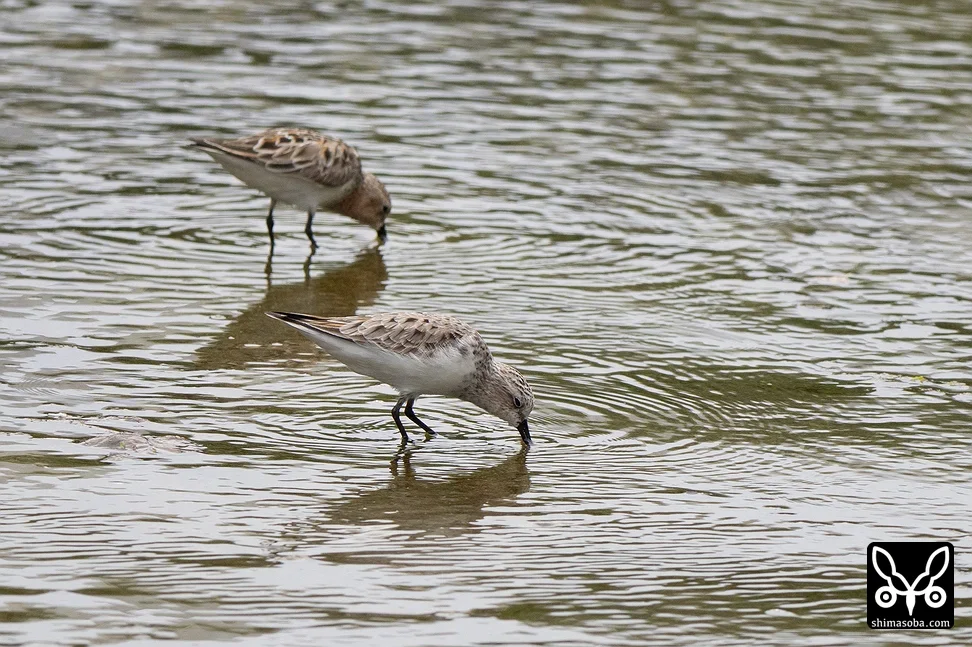
A few Red-necked Stints arrived together.
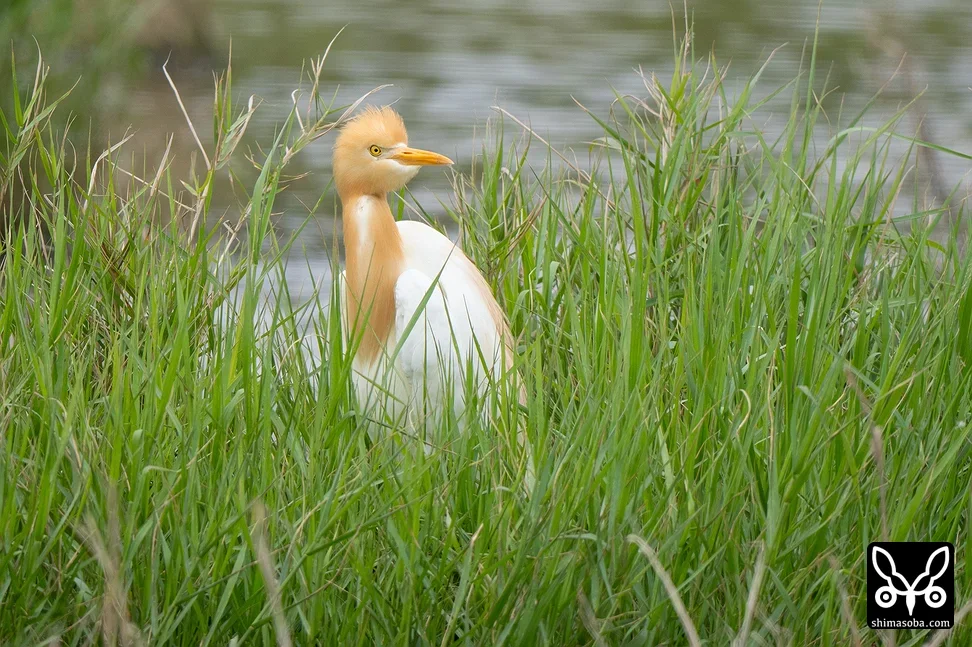
Eastern Cattle Egret

The Eastern Cattle Egret is also beautiful in breeding plumage.
Categories: 野鳥

Crested Serpent Eagle, Eastern Marsh Harrier, Grey-faced Buzzard

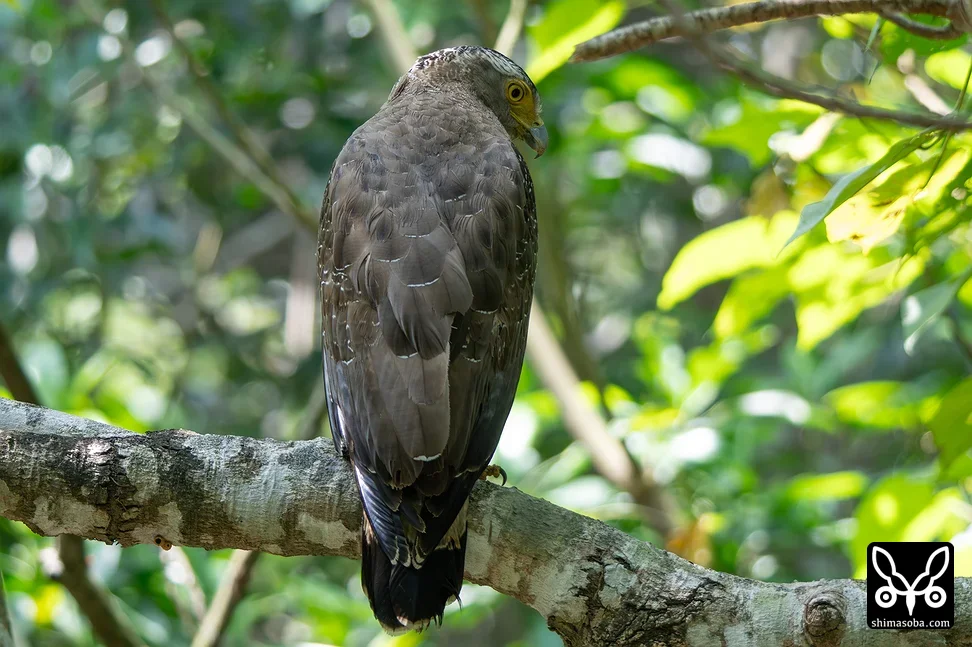
Crested Serpent Eagles are active early in the breeding season. On fine days you can see them displaying high overhead or hear them calling back and forth. The young birds have to keep a low profile so they don't get picked on by the agitated adults.

Overwintering Eastern Marsh Harriers and Grey-faced Buzzards are still present, but they should be heading north before long.

Crested Serpent Eagle

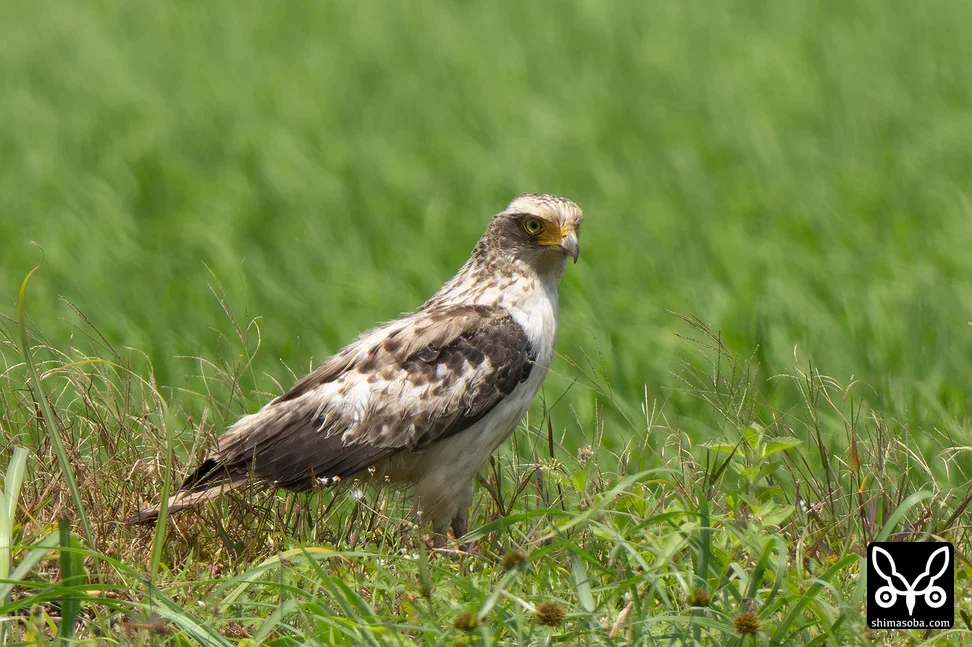
A juvenile Crested Serpent Eagle hatched last year. It has been holding territory in this area since around the end of the year. Sometimes chased off by adults, but it always comes back — a bold individual. ^^

Crested Serpent Eagle

A Crested Serpent Eagle on a forest road. A female with no wariness of people.
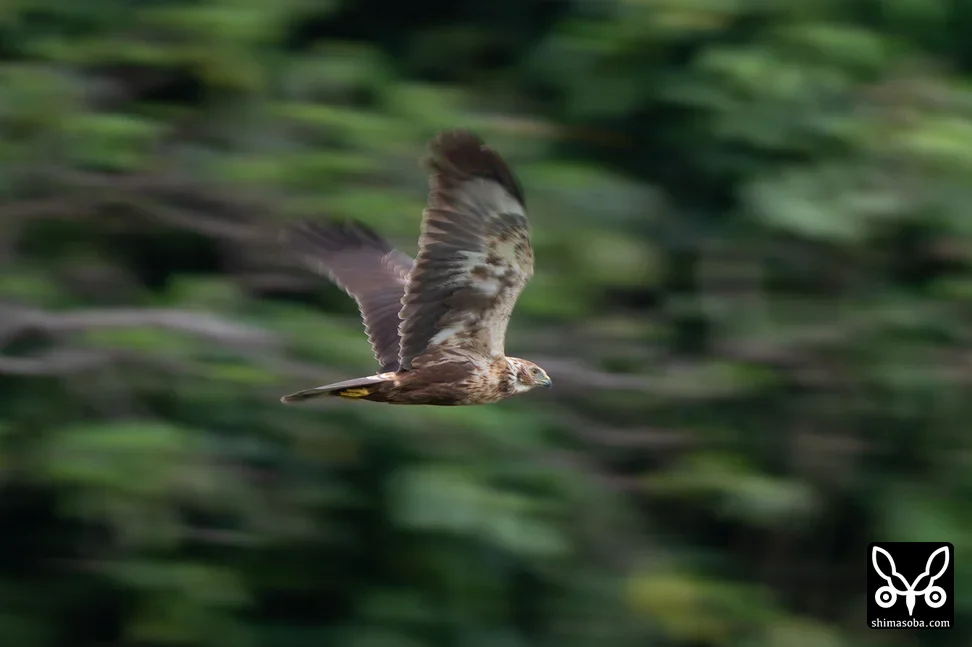
Eastern Marsh Harrier

A Hen Harrier that overwintered. I forgot to raise the camera's ISO and ended up with something that looks like a panned shot… ^^;
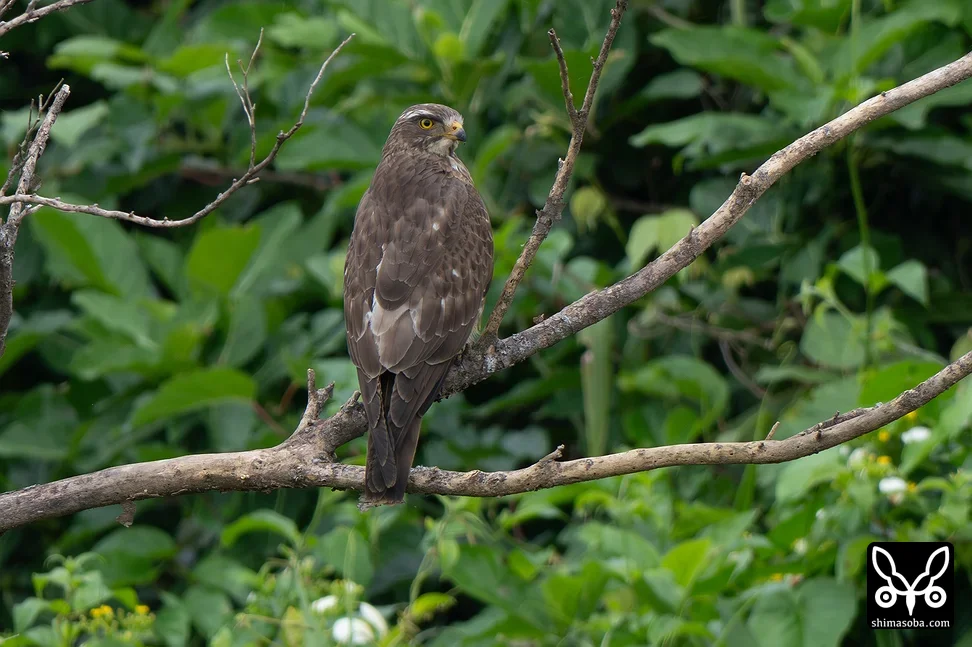
Grey-faced Buzzard
Grey-faced Buzzard

A Grey-faced Buzzard that successfully overwintered in front of my house. It arrived as a juvenile this time, so if nothing untoward happens, it should return to the same spot as an adult this autumn.

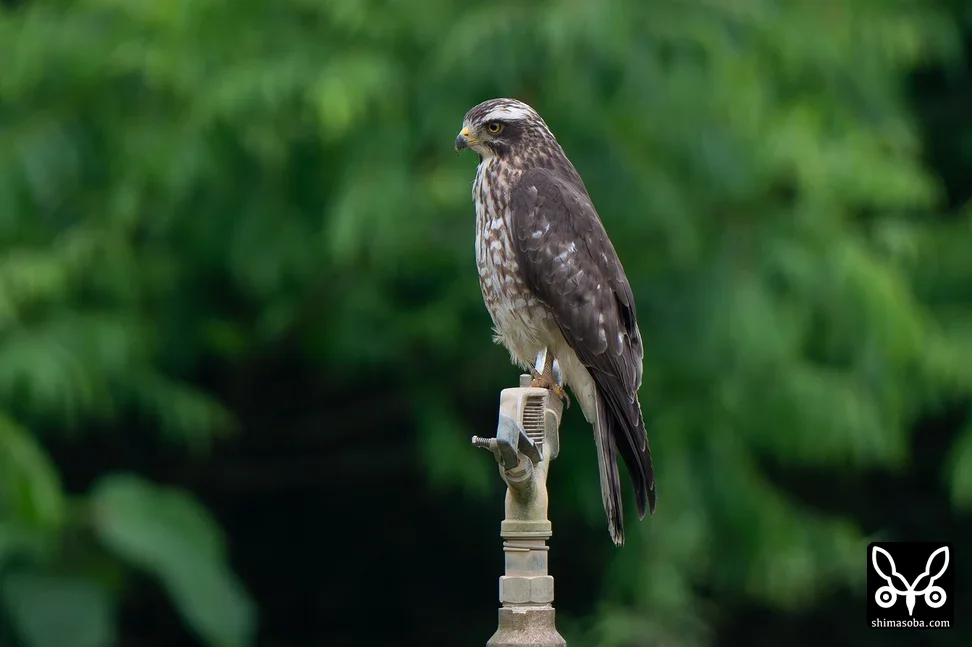
Grey-faced Buzzard
Grey-faced Buzzard

This Grey-faced Buzzard overwintered in a sugarcane field near my house. Also a juvenile.

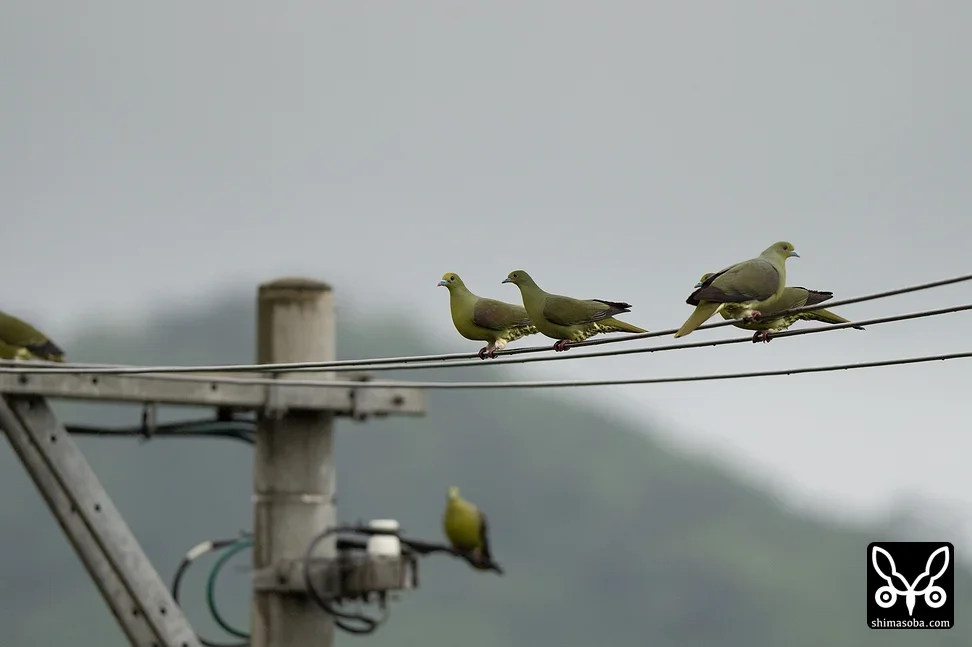
Ryukyu Green Pigeon
Ryukyu Green Pigeon

A flock of Whistling Green Pigeons photographed from my living room. About ten birds come every day to eat mulberries.

Ryukyu Green Pigeon
Ryukyu Green Pigeon

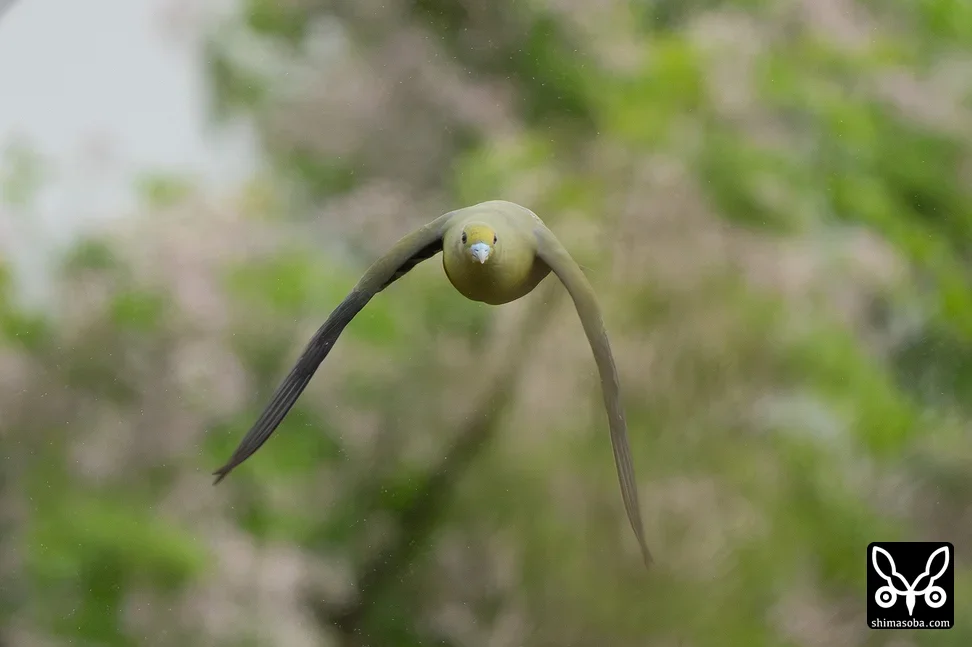
A Whistling Green Pigeon that flew toward me. They hit the living-room window glass roughly once a year. I wonder if they strike it even with the blind down because the outside scenery is reflected in it?

Categories: 野鳥

Migrants Grounded by Bad Weather

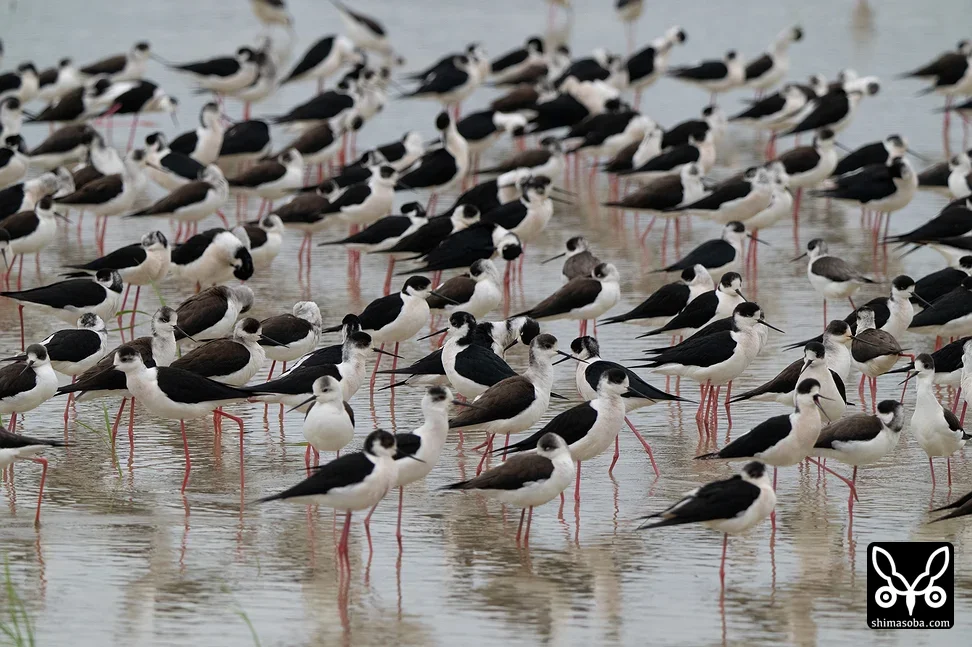
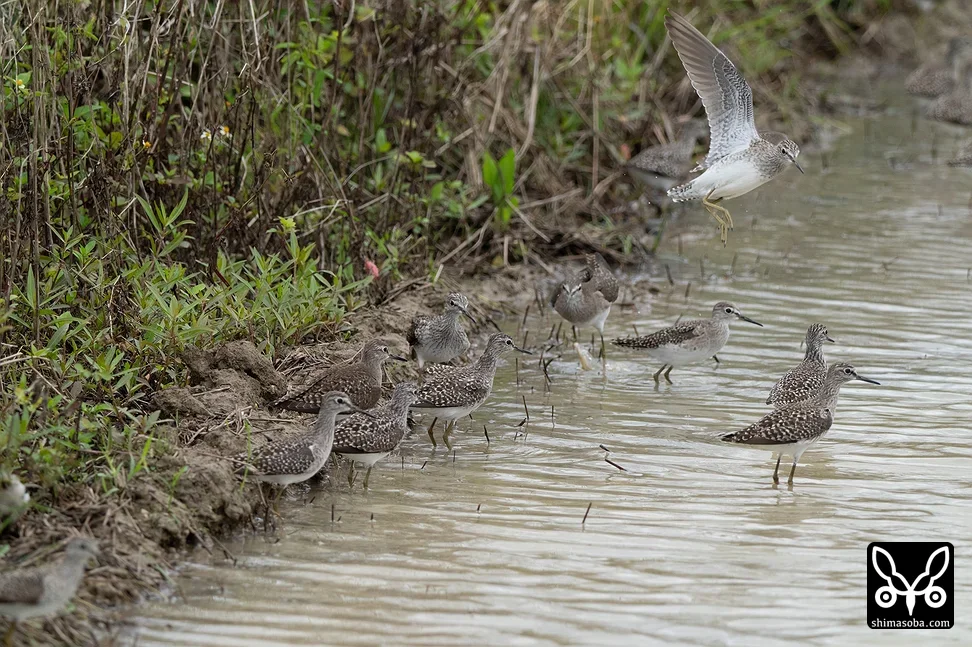
Two consecutive days of bad weather brought large numbers of shorebirds and plovers — apparently mid-migration — dropping in to localized spots. The biggest group was Black-winged Stilts, over 400 birds, followed by Wood Sandpipers at 200+. There were too many to keep counting, so I stopped midway. ^^;

Pied Avocet, Black-tailed Godwit, Marsh Sandpiper, Curlew Sandpiper, Sharp-tailed Sandpiper, and Garganey also arrived, making the paddies extremely lively — though two days later everything was back to normal. ^^;

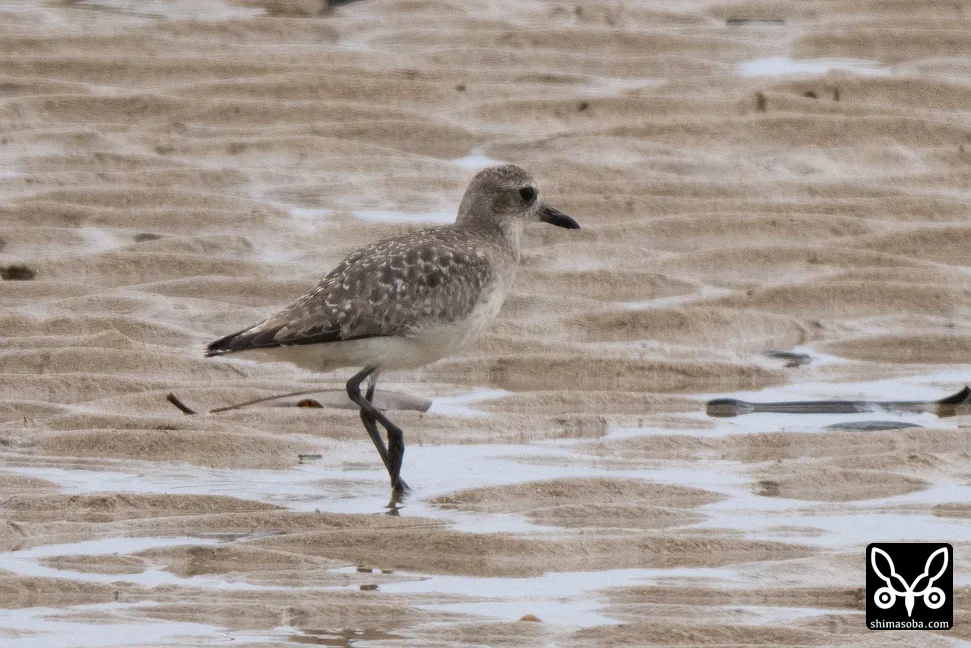
Along the coast, Greater Sand Plover numbers increased, and a small number of Grey Plovers also came through.

Curlew Sandpiper
Curlew Sandpiper

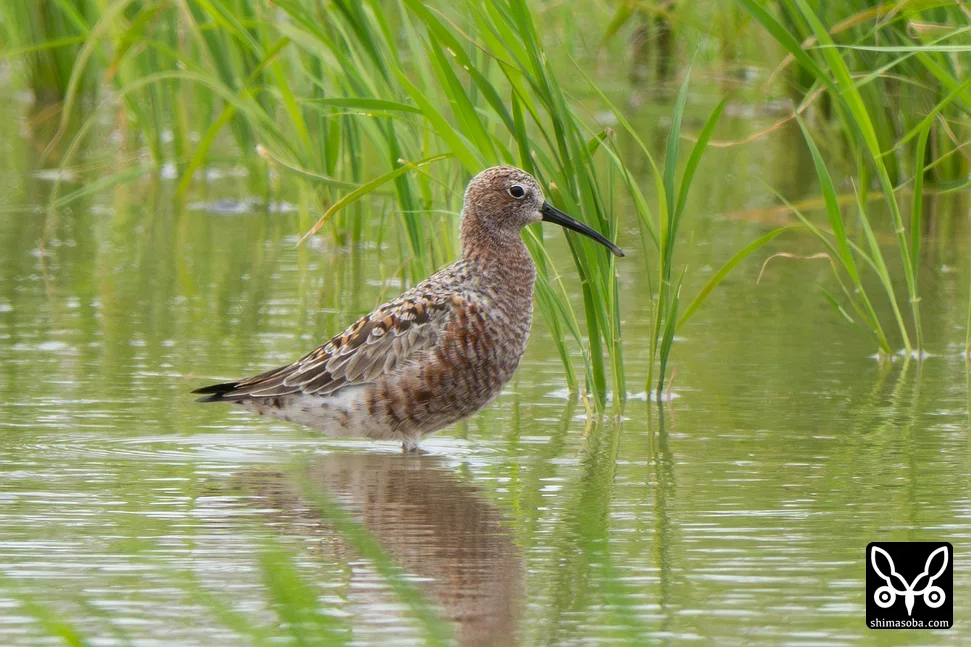
Two Curlew Sandpipers confirmed.

Pied Avocet
Pied Avocet

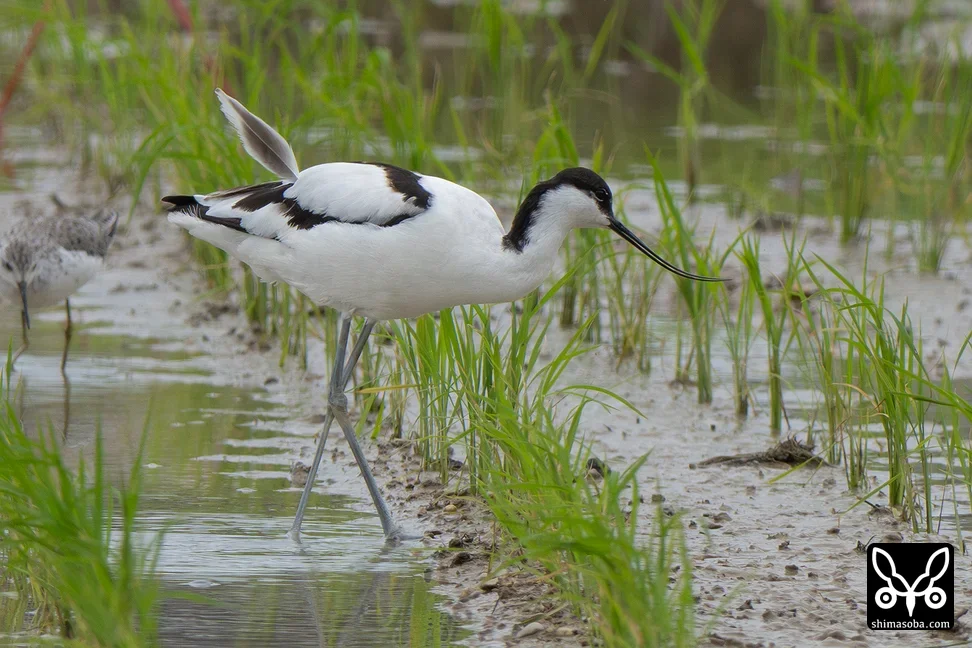
A single Pied Avocet flew in.

Black-tailed Godwit
Black-tailed Godwit

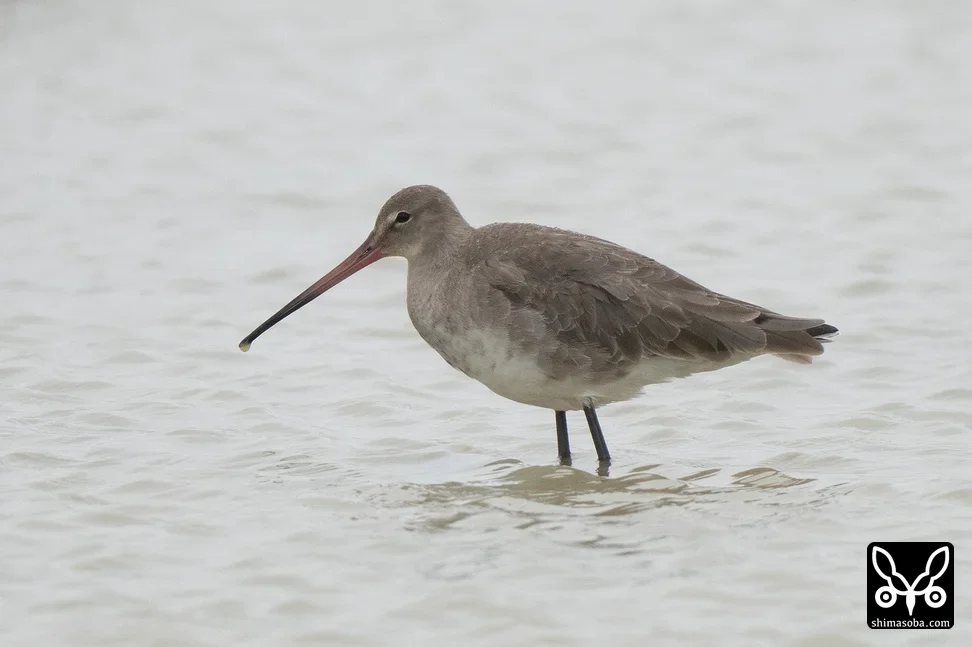
A Bar-tailed Godwit — a species that tends to pass straight through Ishigaki on fine days thanks to its strong flight — was also resting among a flock of Black-winged Stilts in the rice paddies.

Black-winged Stilt
Black-winged Stilt

Black-winged Stilts in impressive numbers: over 400. The sight of them in flight was breathtaking.

Wood Sandpiper
Wood Sandpiper

Over 200 Wood Sandpipers arrived as well.

Sharp-tailed Sandpiper

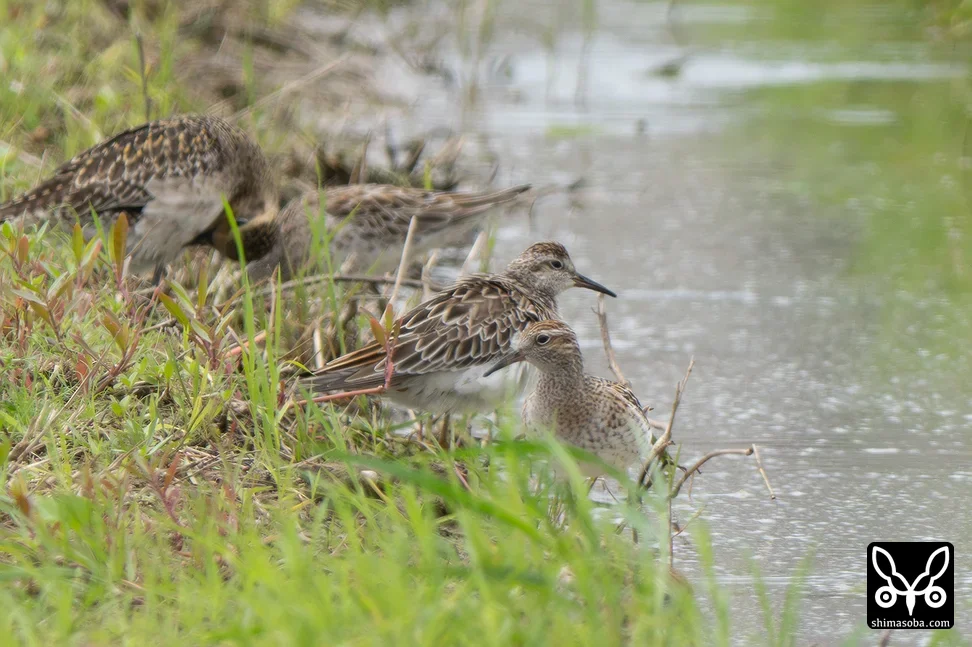
A group of ten-odd Pectoral Sandpipers.

Common Greenshank
Common Greenshank / Marsh Sandpiper

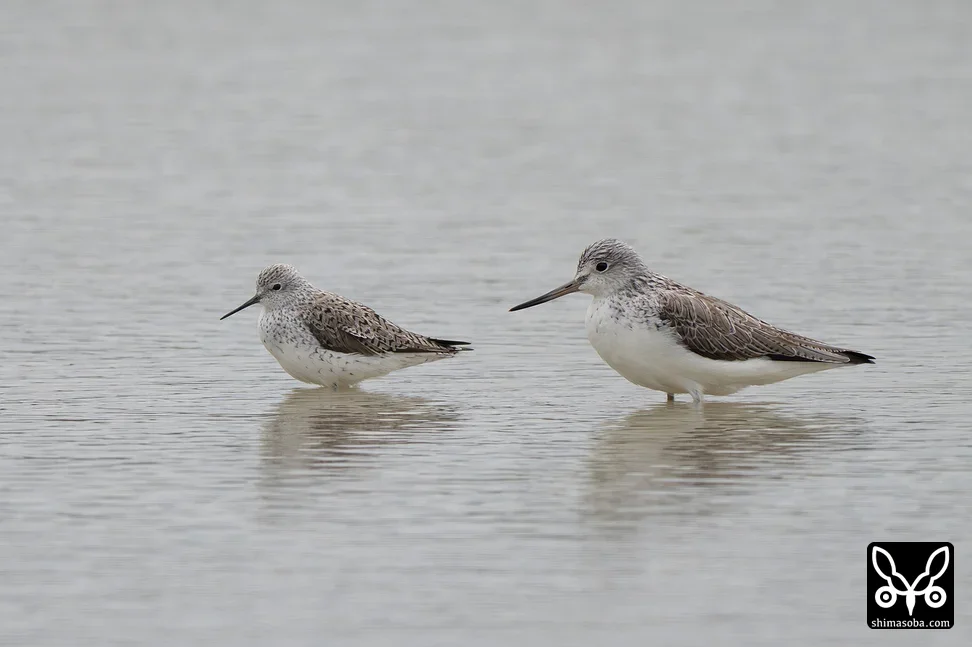
Common Greenshank and Marsh Sandpiper (left) also came down on the island.

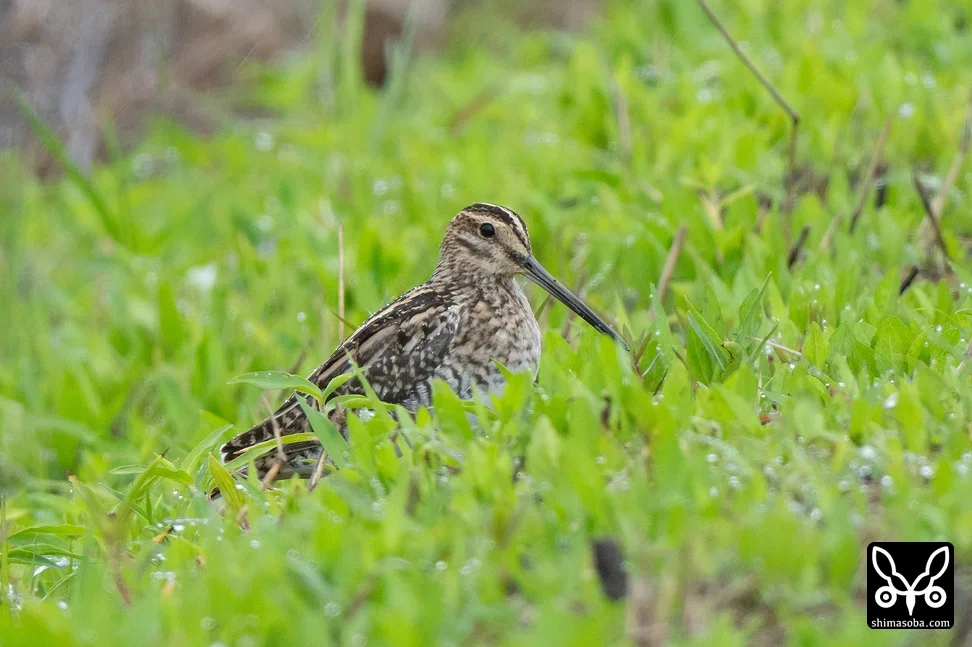
Swinhoe's Snipe
Swinhoe's Snipe

A few Swinhoe's Snipe — first of the season — confirmed.

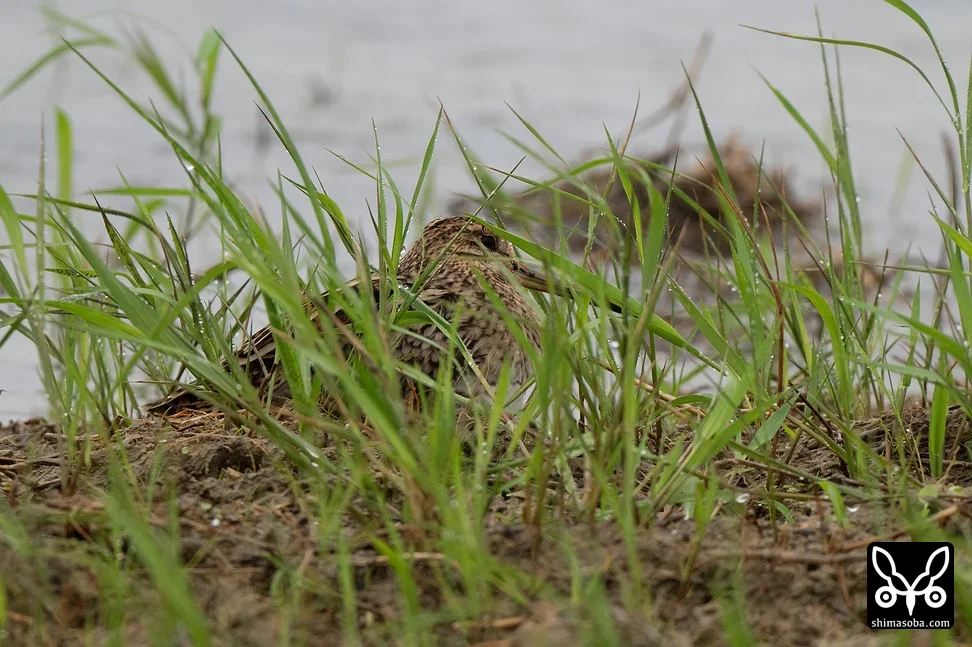
Swinhoe's Snipe
Swinhoe's Snipe

Perhaps out of exhaustion, nearly every individual I found was sitting still.

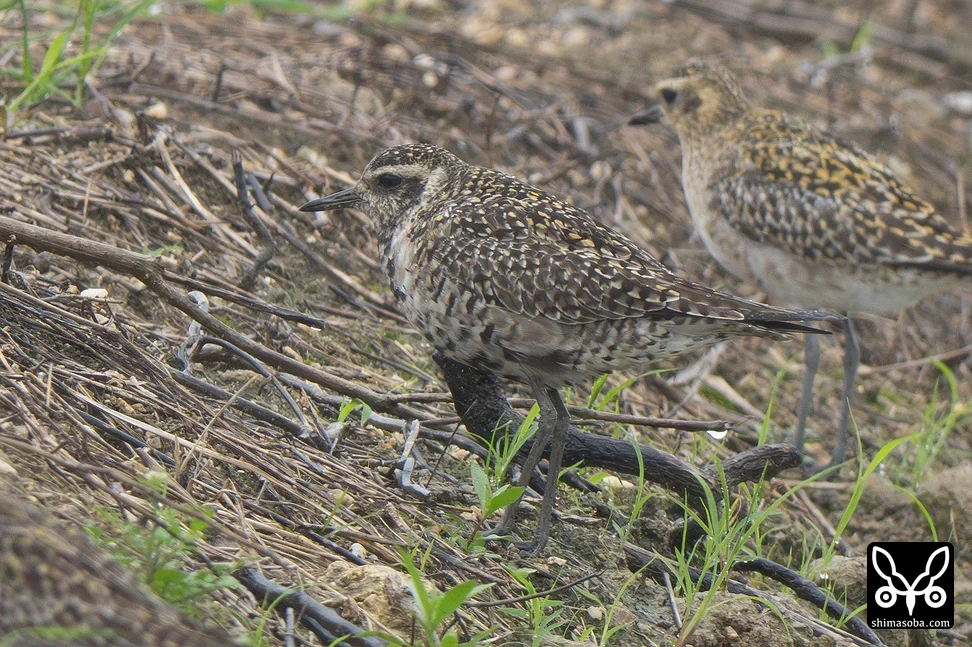
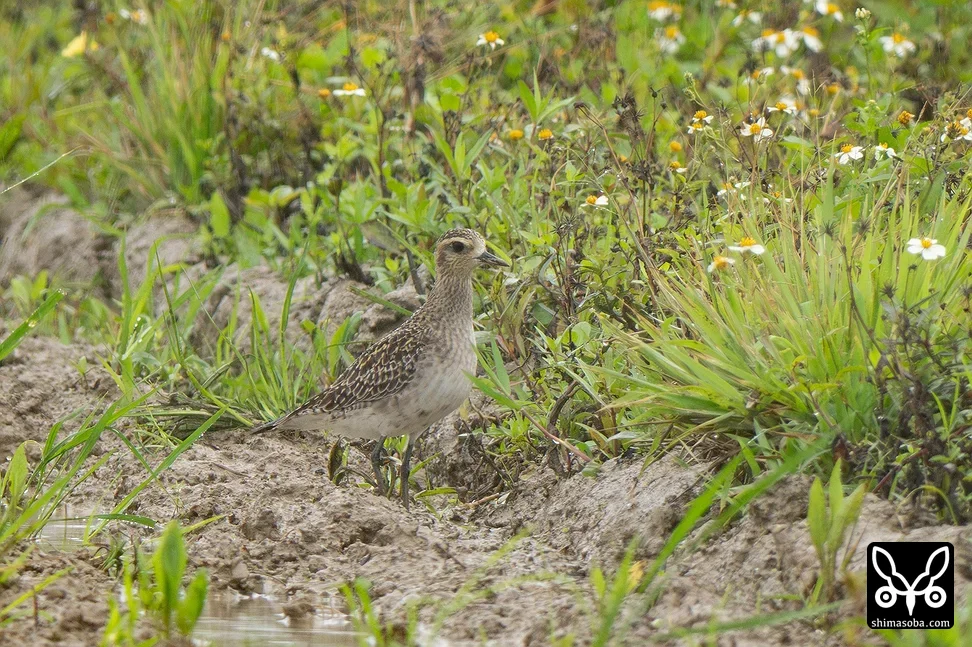
Pacific Golden Plover

Around ten Pacific Golden Plovers confirmed.

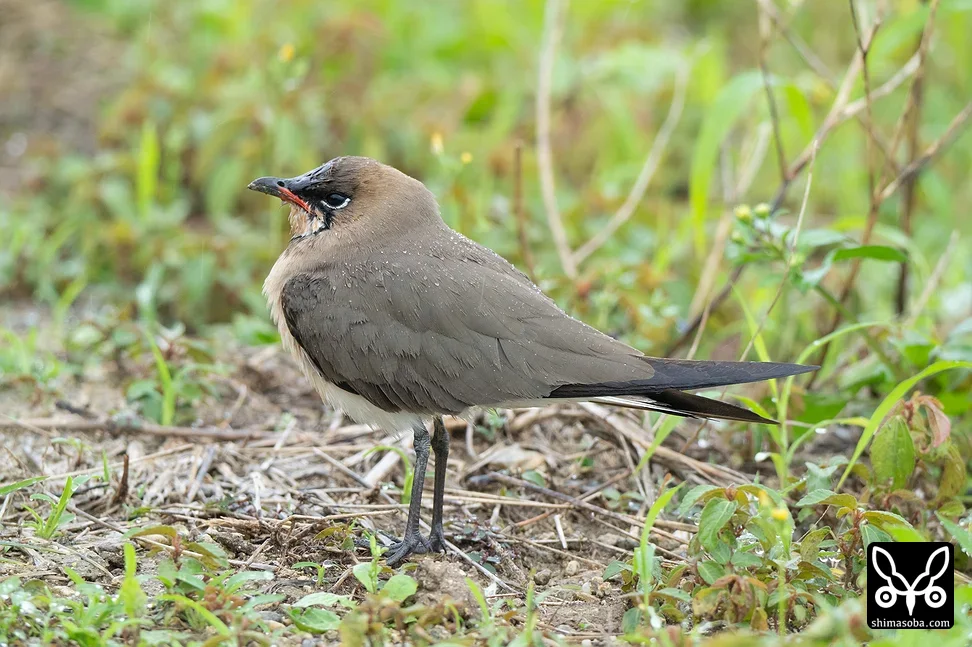
Oriental Pratincole
Oriental Pratincole

The Oriental Pratincoles looked utterly exhausted.

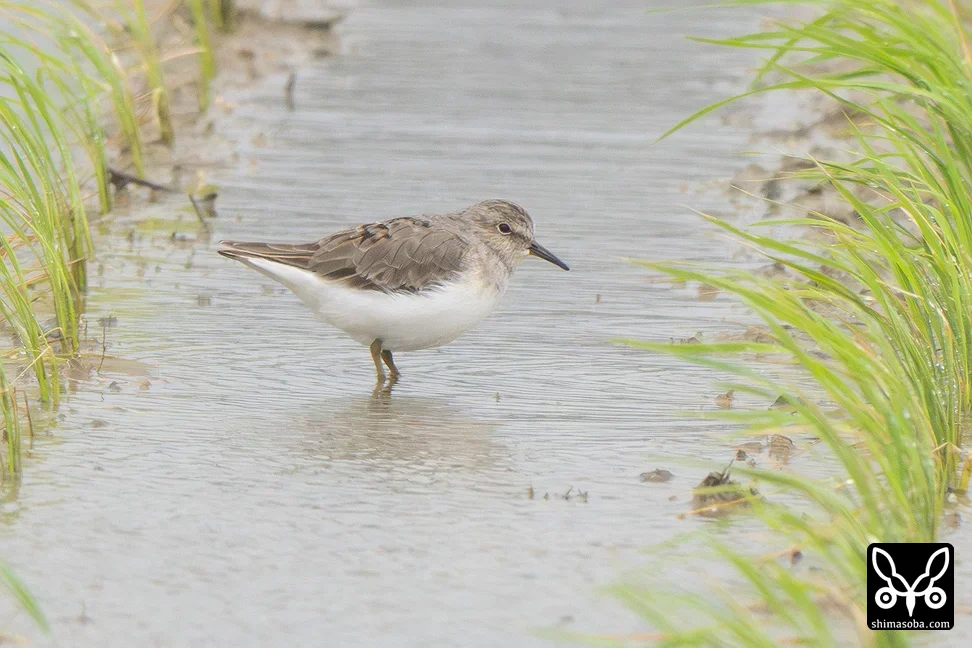
Temminck's Stint
Temminck's Stint

A small group of a few Temminck's Stints arrived.

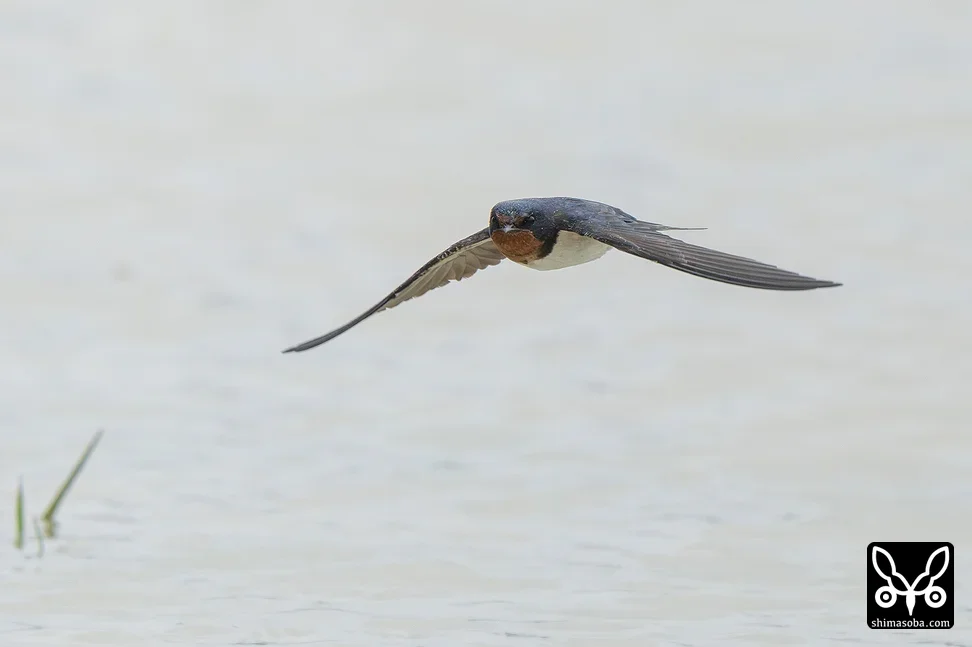
Barn Swallow
Barn Swallow

Barn Swallows were wheeling in flocks at low altitude.

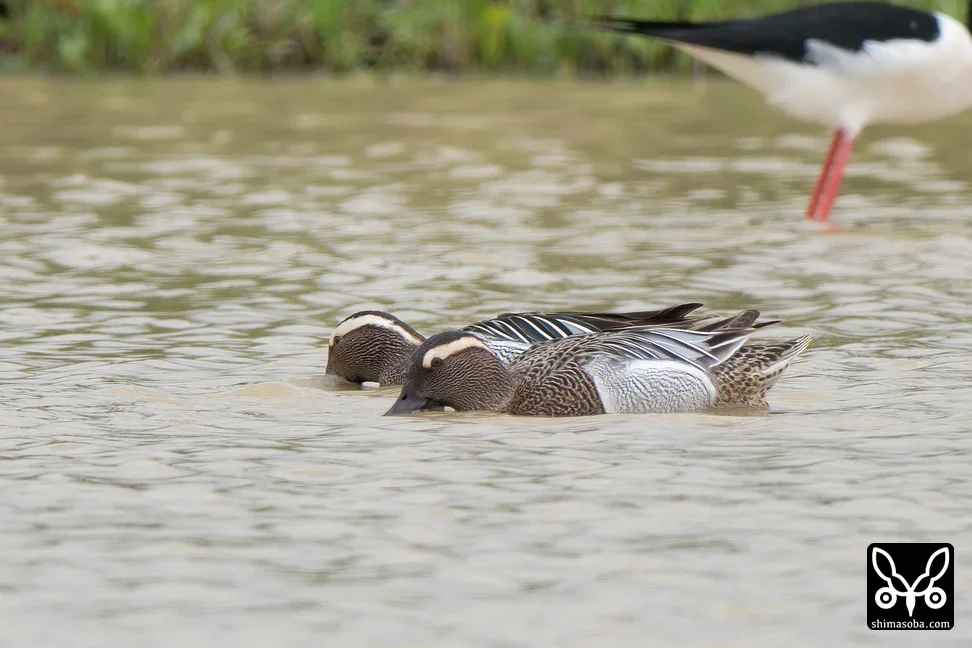
Garganey
Garganey

Two male Garganeys arrived. Several more appeared to have come in at another site as well.

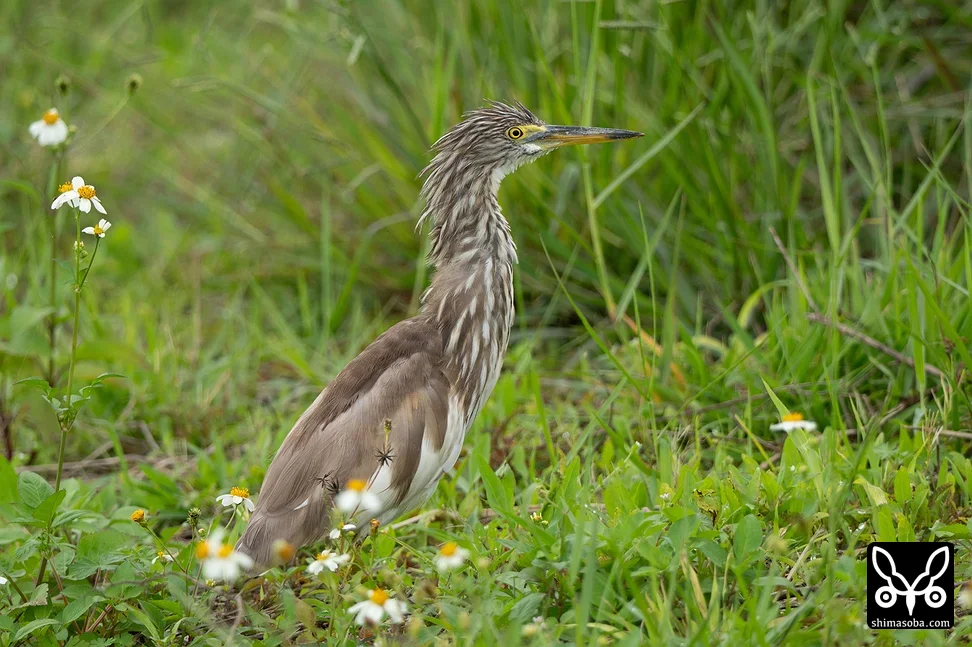
Chinese Pond Heron
Chinese Pond Heron

The Striated Heron that has been staying since last autumn has finally started to moult.

Grey Plover
Grey Plover

A few Grey Plovers were on the sandy beach.

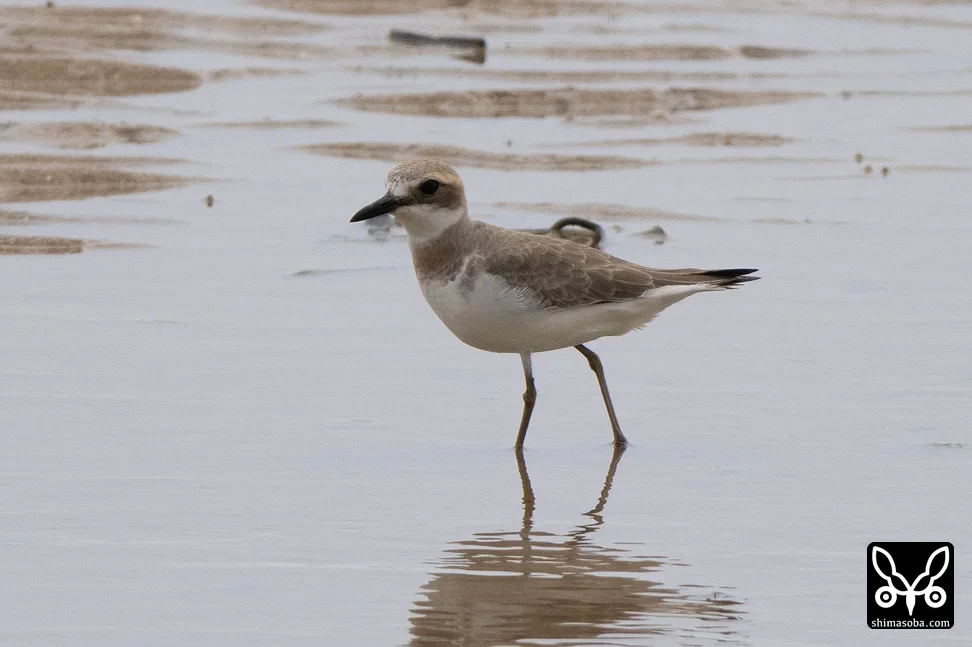
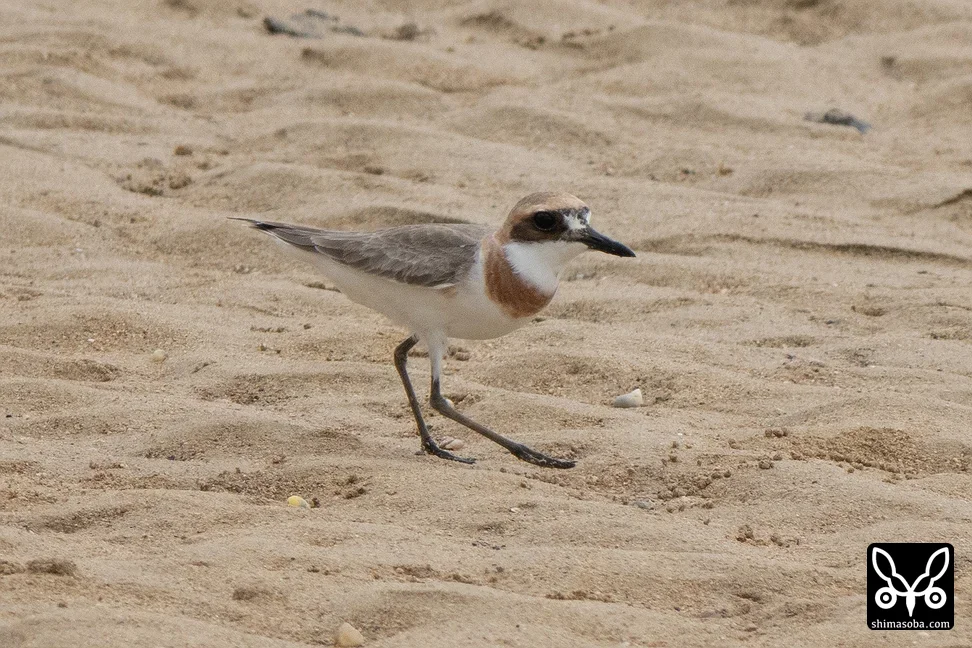
Greater Sand Plover
Greater Sand Plover

There were no Lesser Sand Plovers that day — nothing but Greater Sand Plovers.

Greater Sand Plover
Greater Sand Plover

A Greater Sand Plover in active moult.

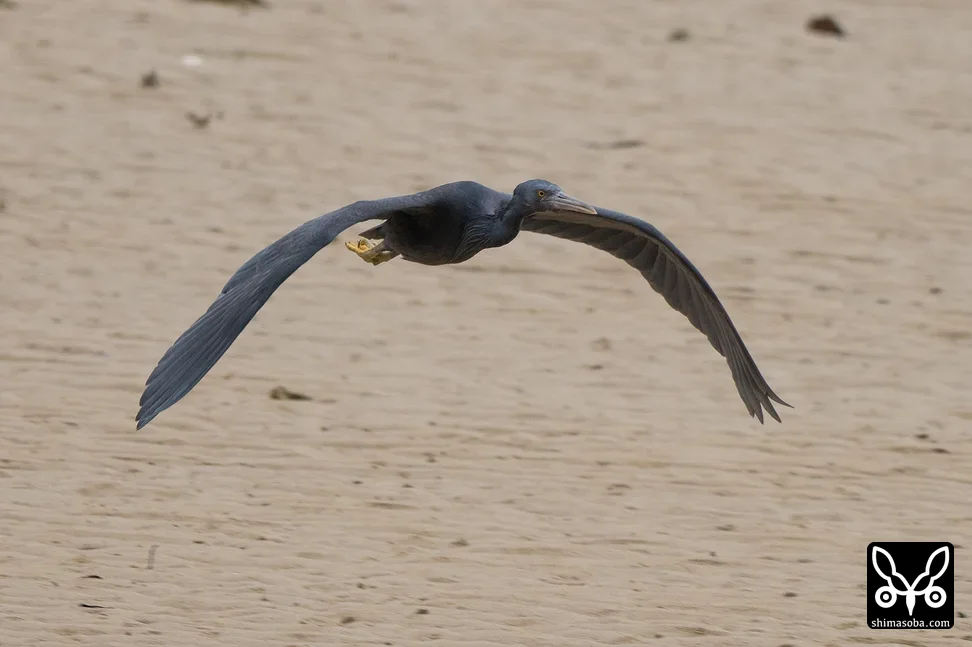
Pacific Reef Heron
Pacific Reef Heron

A dark-morph Pacific Reef Heron. It was being chased around by a white-morph individual.

Categories: 野鳥

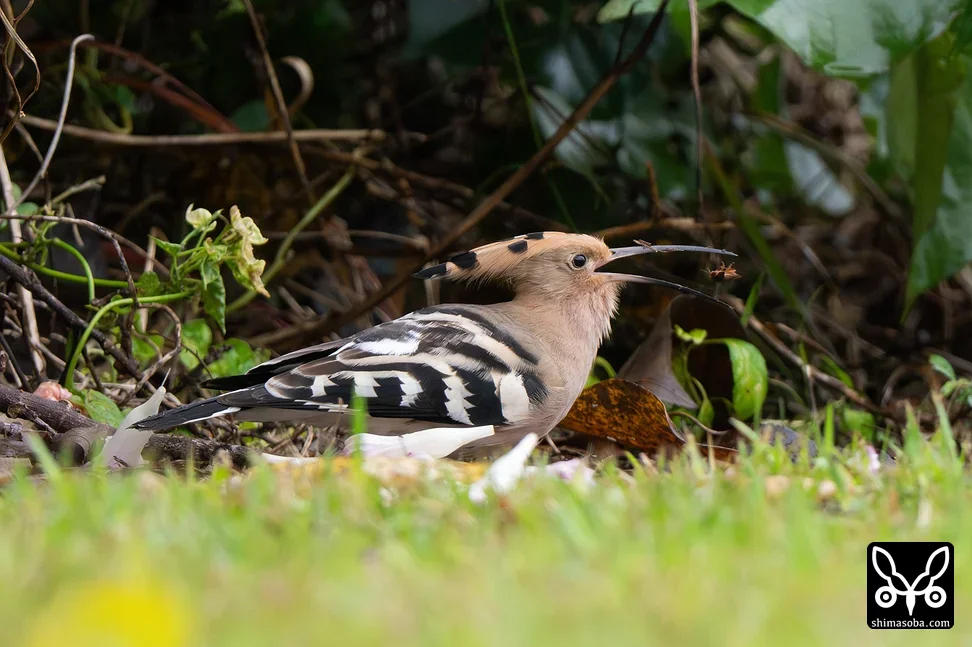
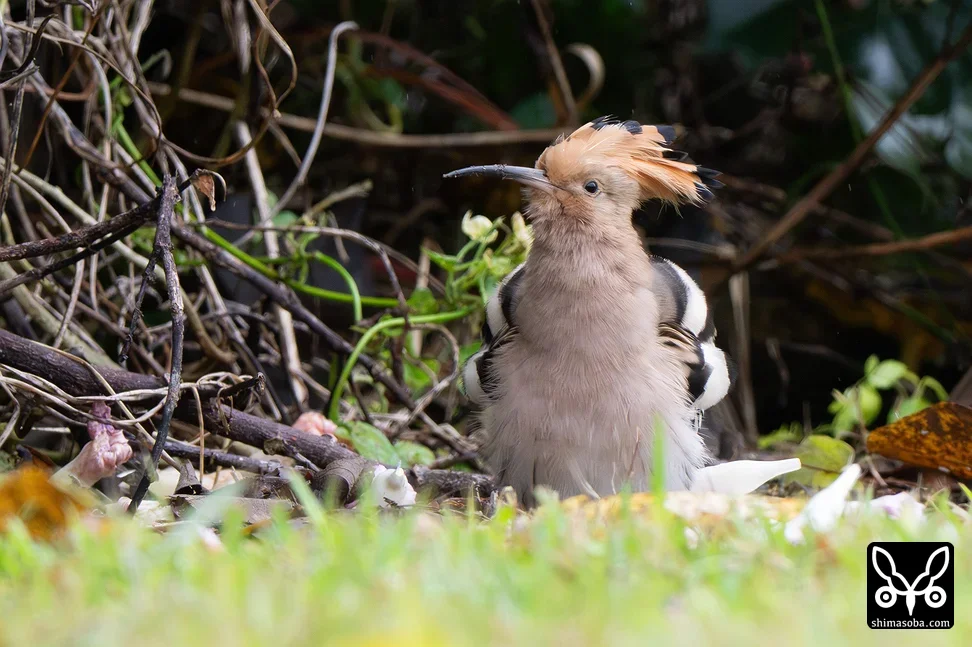
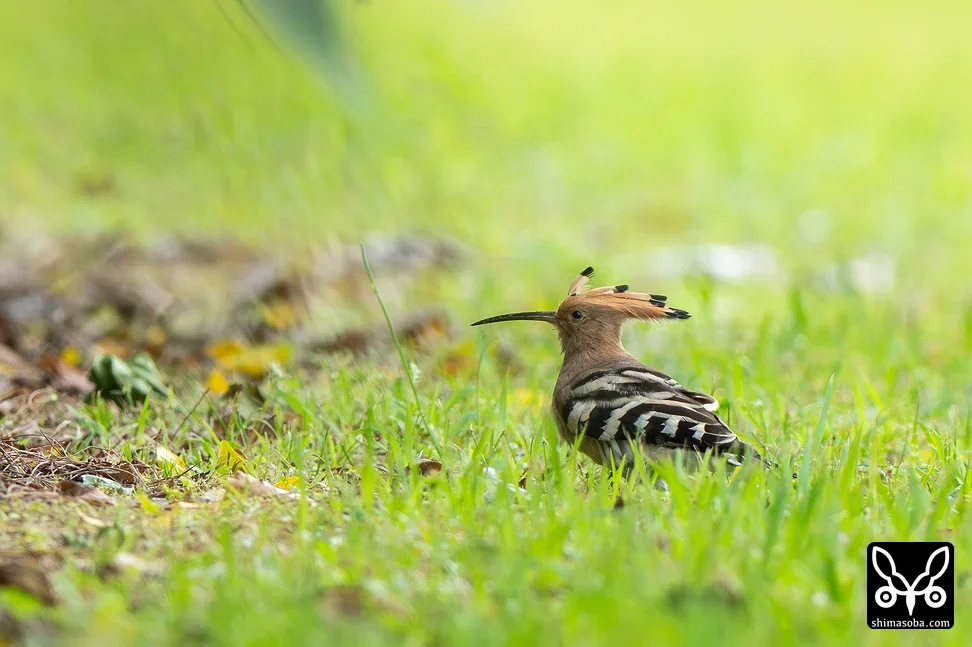
Second Wave of Common Hoopoes Arrives in Rough Weather (video)

Ishigaki Island has been unsettled since yesterday. When the weather turns rough on Ishigaki, Common Hoopoes tend to fall out of the sky — and sure enough, 4 individuals turned up at 3 locations. A Chinese Blackbird also arrived, but my timing was off and I missed it.

This season, a single bird showed up in late February, followed by a dozen or so in mid-March, then 5 confirmed right at the start of April. Par for the course with spring migration, but stays have all been short — just a few days to at most a week.

Eurasian Hoopoe
Eurasian Hoopoe

It was perching on a branch looking tired, but after a while it came down to the ground and started searching for food. It caught a cockroach.

Eurasian Hoopoe
Eurasian Hoopoe

It rested and fed on large numbers of insects and arthropods.

Eurasian Hoopoe
Eurasian Hoopoe

A Eurasian Hoopoe on the lawn is a staple sight on Ishigaki Island. This individual was fairly wary.

Categories: 野鳥

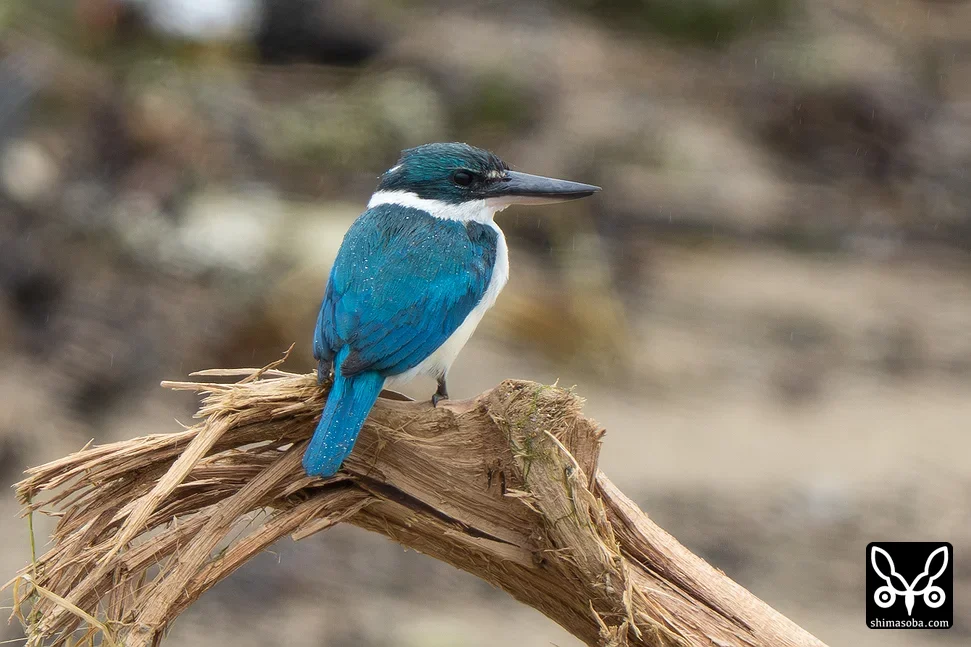
Collared Kingfisher Returns to Ishigaki!!

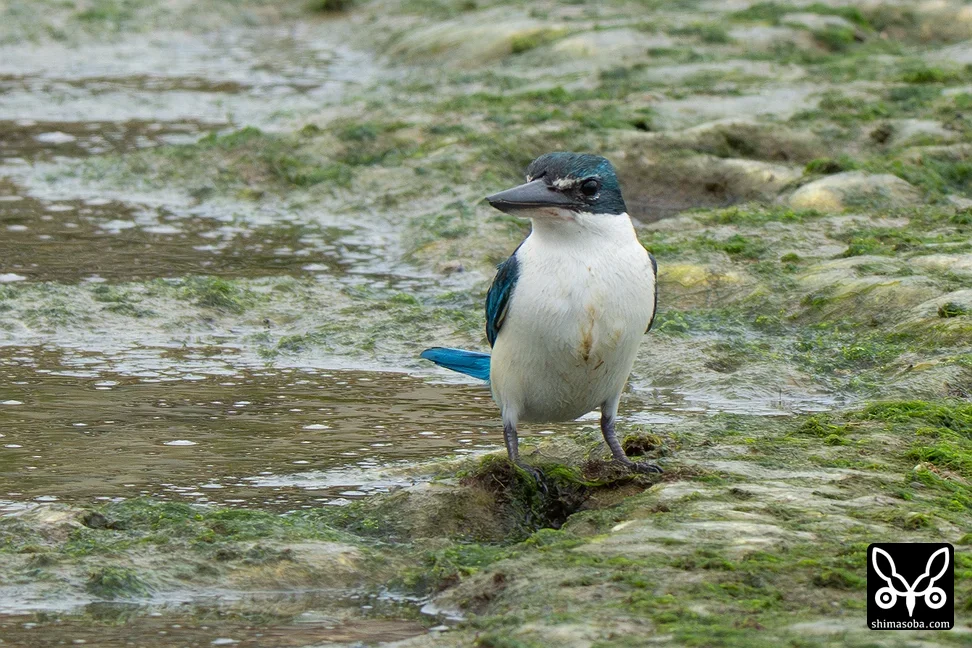
The Collared Kingfisher that had been absent since around mid-February has come back to Ishigaki Island. Based on behavioral patterns and physical features — bill shape and plumage — it appears to be the same individual as before.

In the paddies, Pied Avocet, Broad-billed Sandpiper, Curlew Sandpiper, and Sharp-tailed Sandpiper have been forming impressive mixed flocks, much to the delight of visiting birdwatchers from off the island. ^^

Collared Kingfisher
Collared Kingfisher

The Collared Kingfisher, which had not been seen for over a month, has returned to Ishigaki Island.

Collared Kingfisher
Collared Kingfisher

It dived from its perch toward a crab — and missed.

Collared Kingfisher
Collared Kingfisher

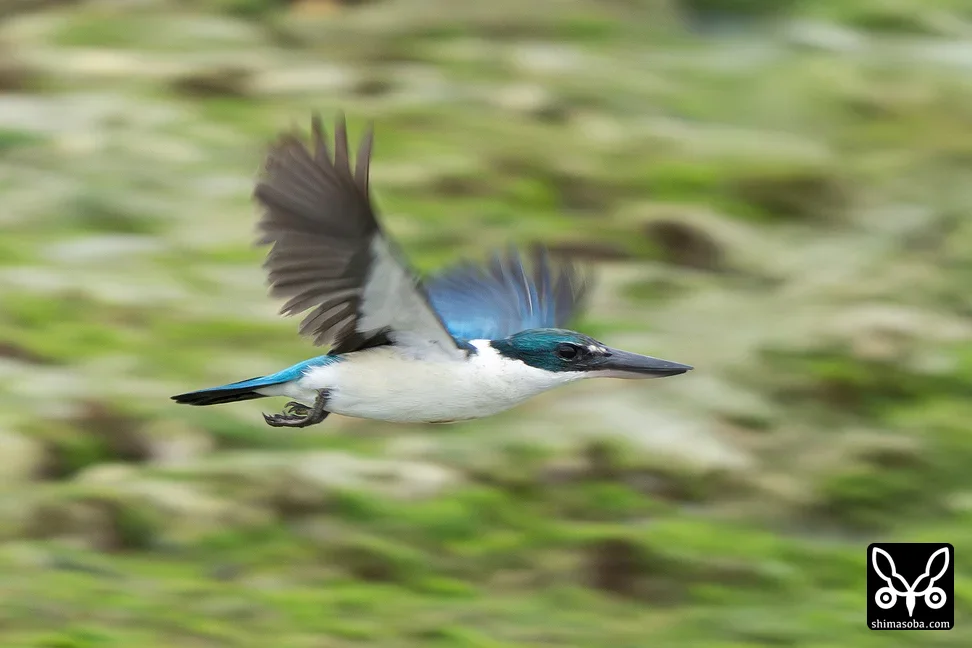
A Collared Kingfisher flying around right in front of me.

Collared Kingfisher
Collared Kingfisher

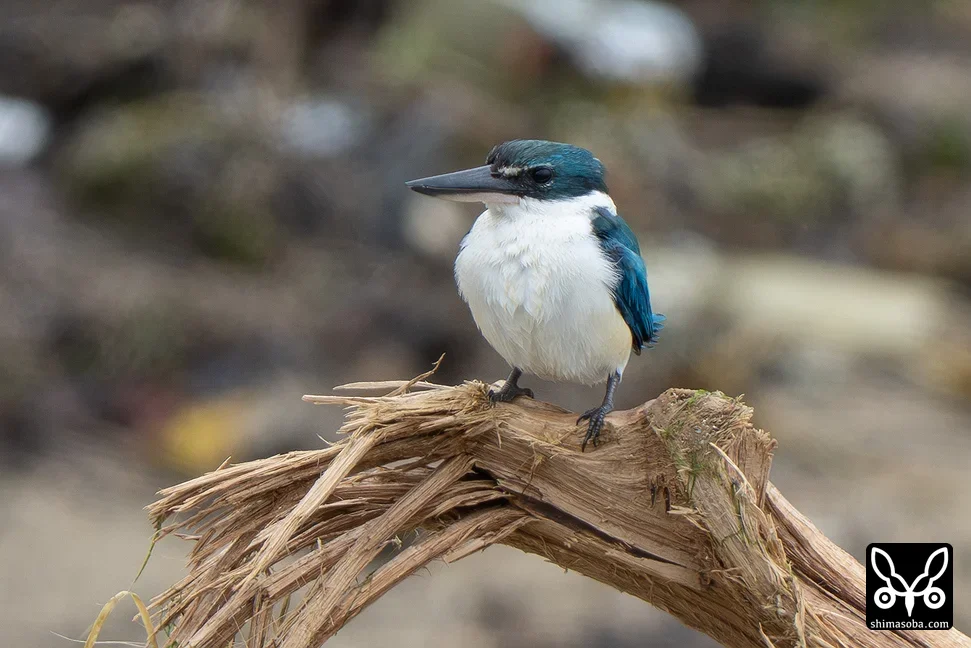
A large driftwood branch that had washed ashore a few days earlier had become a perch for the Collared Kingfisher.

Pied Avocet
Pied Avocet

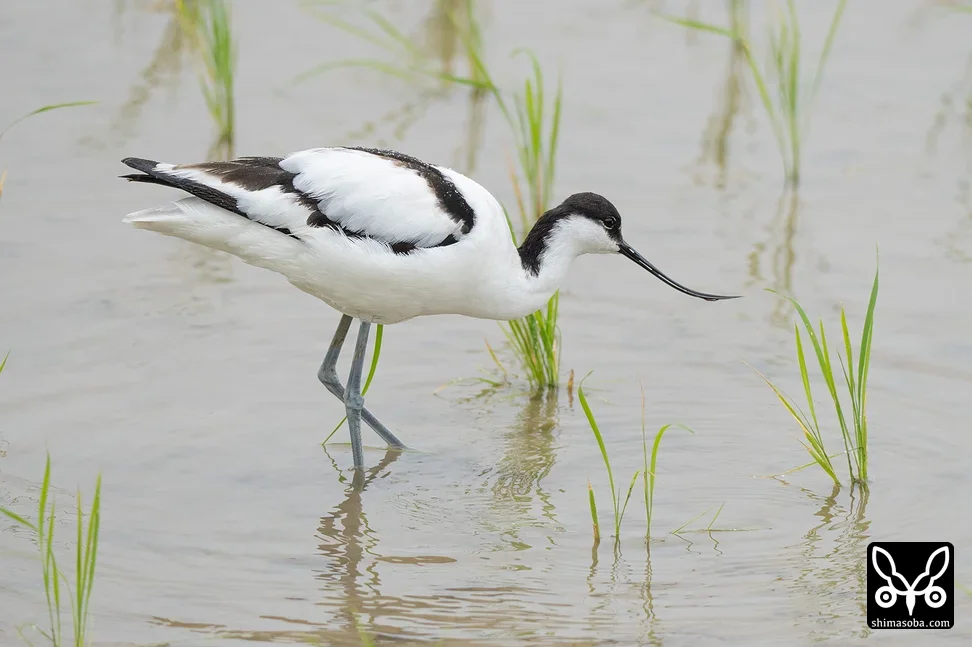
The first Pied Avocet of the season. This individual has zero wariness — almost too close to deal with.

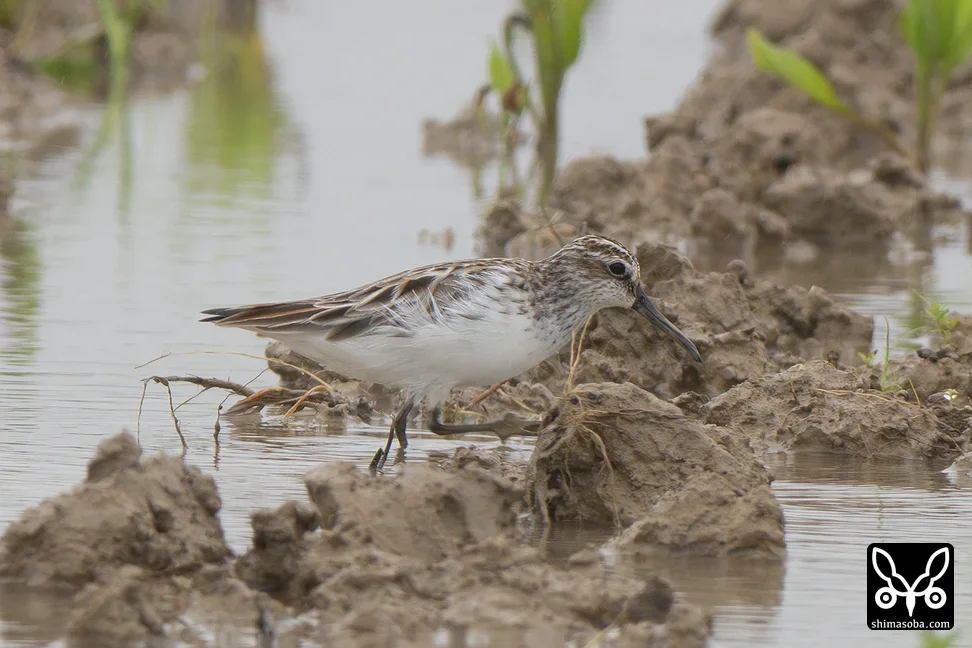
Broad-billed Sandpiper

The first Broad-billed Sandpiper of the season.

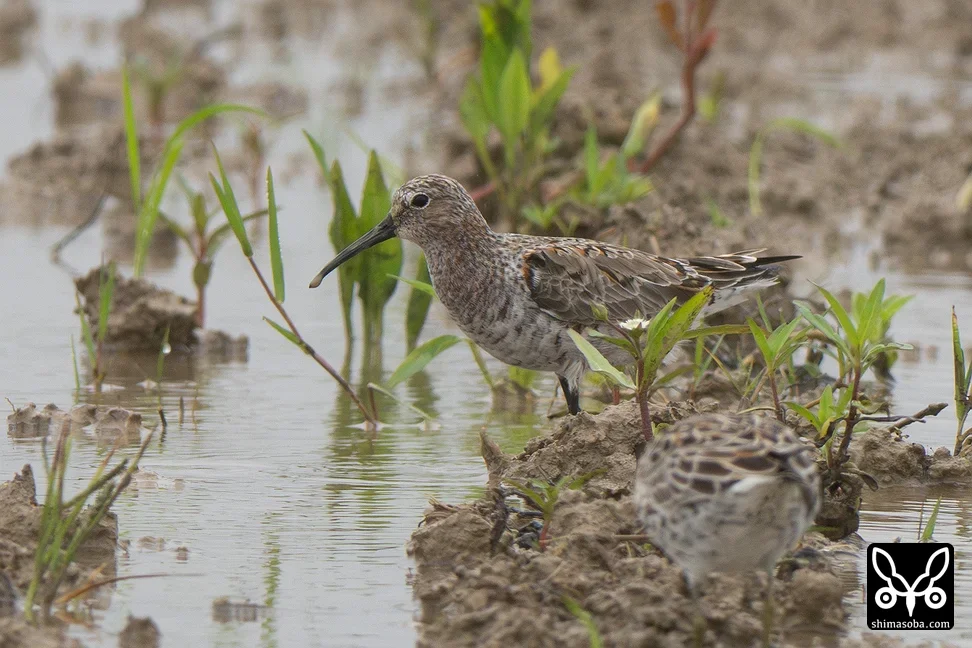
Curlew Sandpiper
Curlew Sandpiper

The first Curlew Sandpiper of the season.

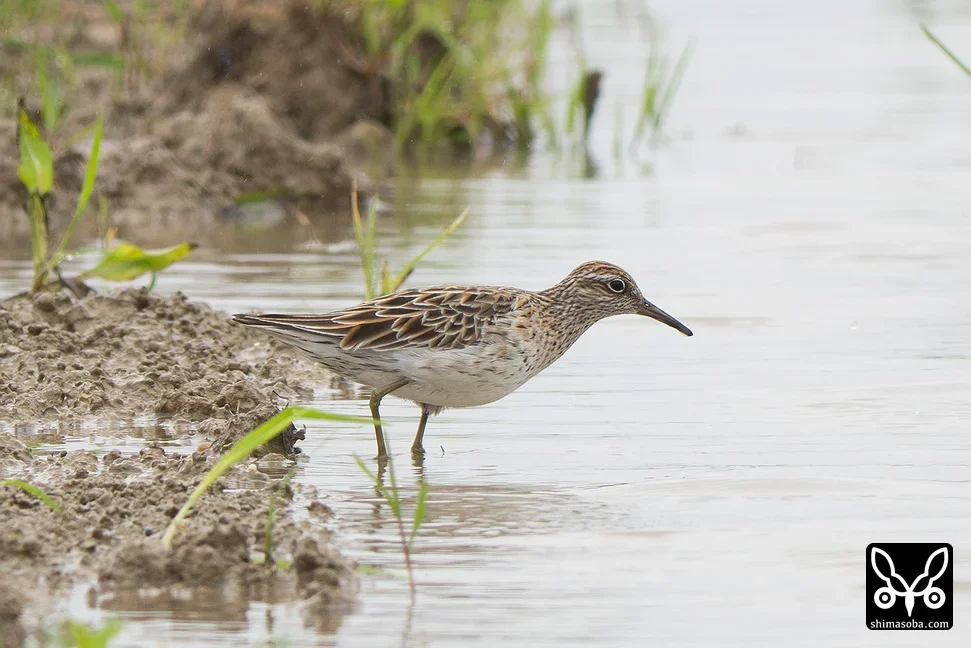
Sharp-tailed Sandpiper

The Sharp-tailed Sandpipers had increased in number.

Pacific Golden Plover

A flock of eight Pacific Golden Plovers arrived. I've seen lone birds at odd times of year, but as a spring migrant this counts as my first record of the season.

Red-necked Stint
Red-necked Stint

Little Stints arrived too. First of the season.

Categories: 野鳥