A daily record.
Featuring photos of wild birds and nature, mainly from Okinawa Main Island and Ishigaki Island

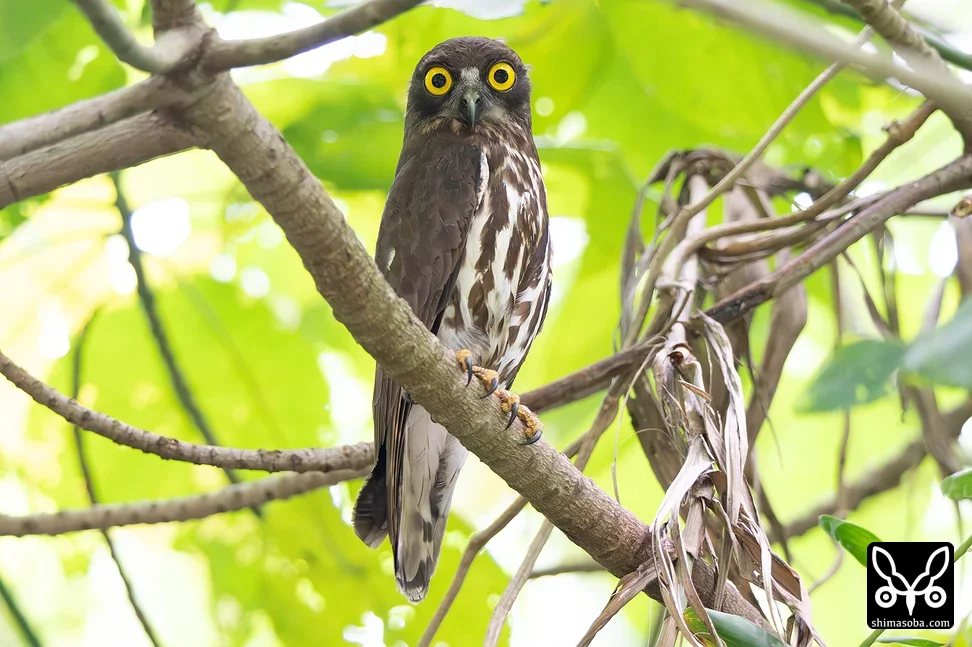
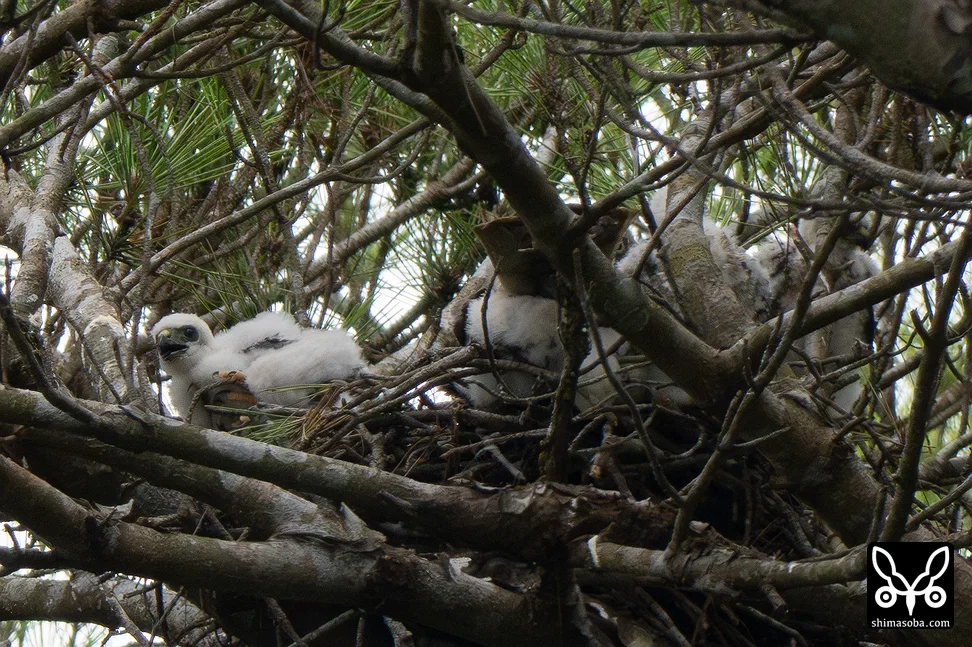
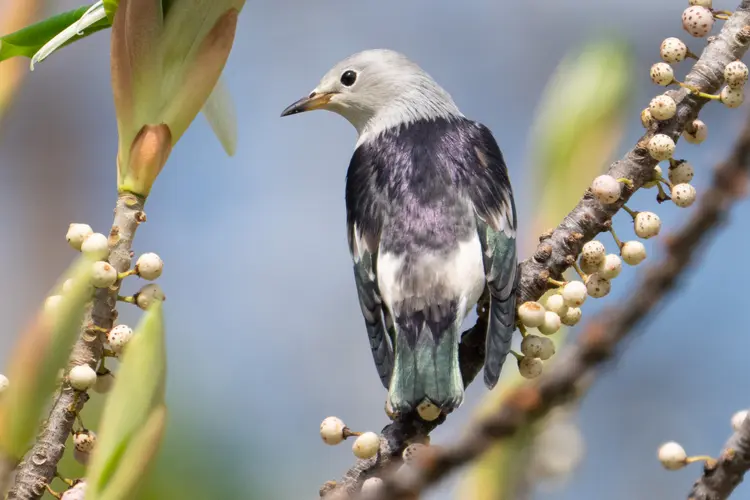
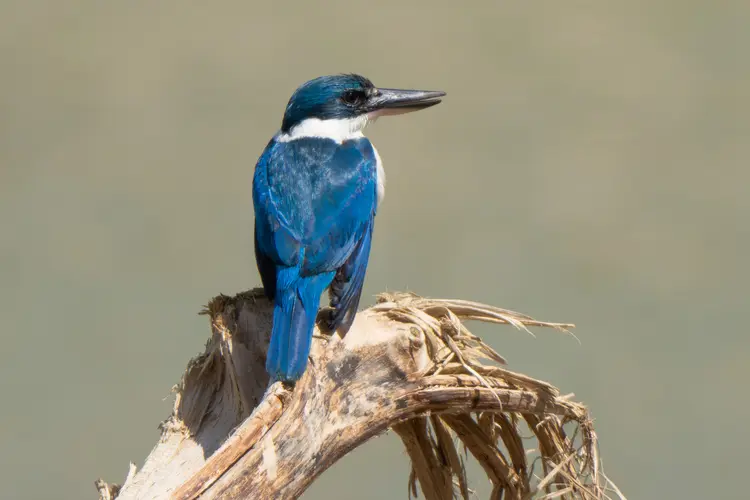
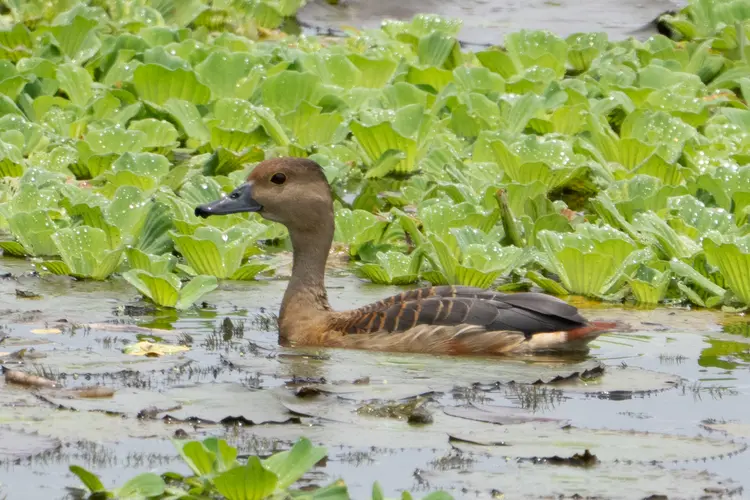
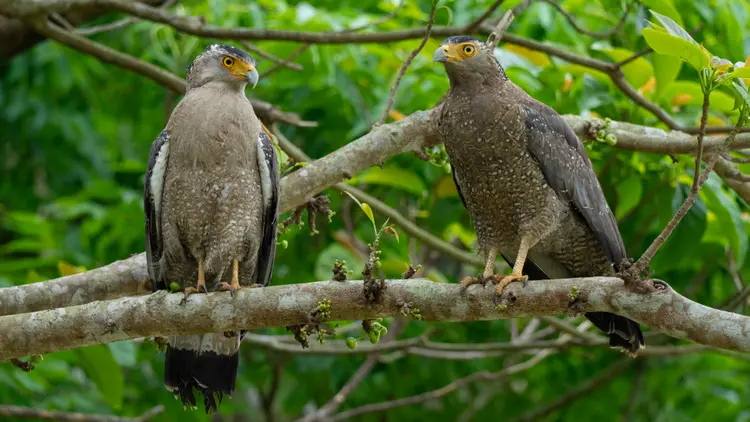
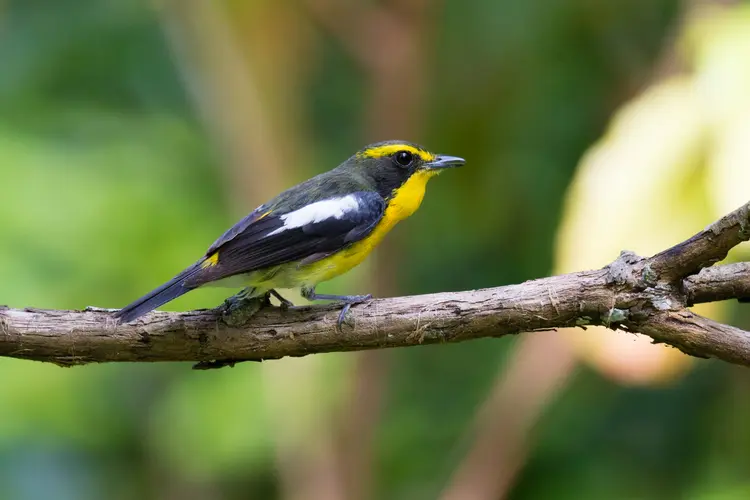
Daurian starling Collared Kingfisher Lesser Whistling Duck Crested serpent eagle Ryukyu flycatcher

GUIDED BIRDWATCHING TOUR

Go where the birds are. The SHIMASOBA Tour launches.

We'll drive you around Ishigaki Island to wherever the birds are showing best that day. Observation is mostly from inside the vehicle, and we keep it to a maximum of 3 guests so everyone can take their time.

Max. 3 guests 4 hours in the morning Beginners welcome
Check availability and book

Javan Pond Heron Arrives

The Javan Pond Heron has arrived. Over the past ten years or so it has become a regular sight on Ishigaki Island and Okinawa Island. In recent years the pattern has become standard: Javan Pond Herons arrive first, followed by Chinese Pond Herons.
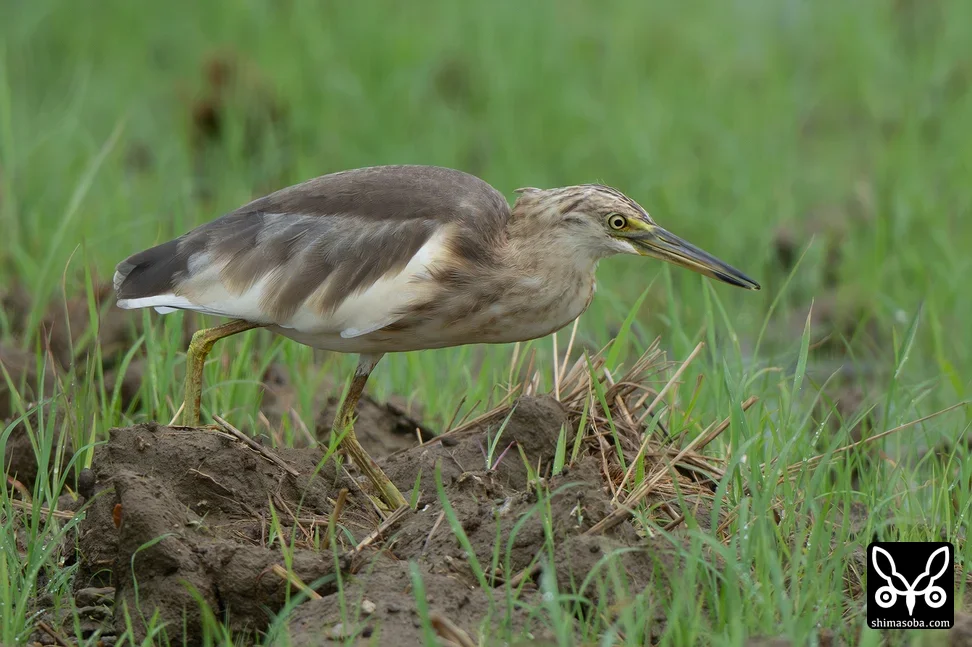
Javan Pond Heron
Javan Pond Heron

A Javan Pond Heron appearing alone. It was catching tadpoles and insects in the rice paddies.
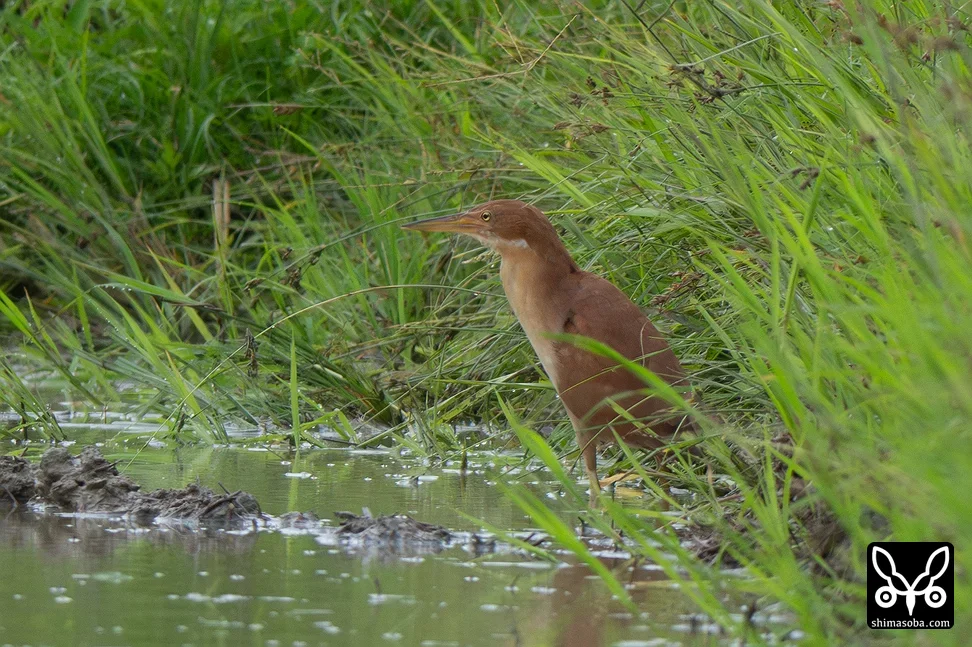
Yellow Bittern
Yellow Bittern

Encounters with Cinnamon Bitterns — both adults and juveniles — are increasing now that breeding has finished.
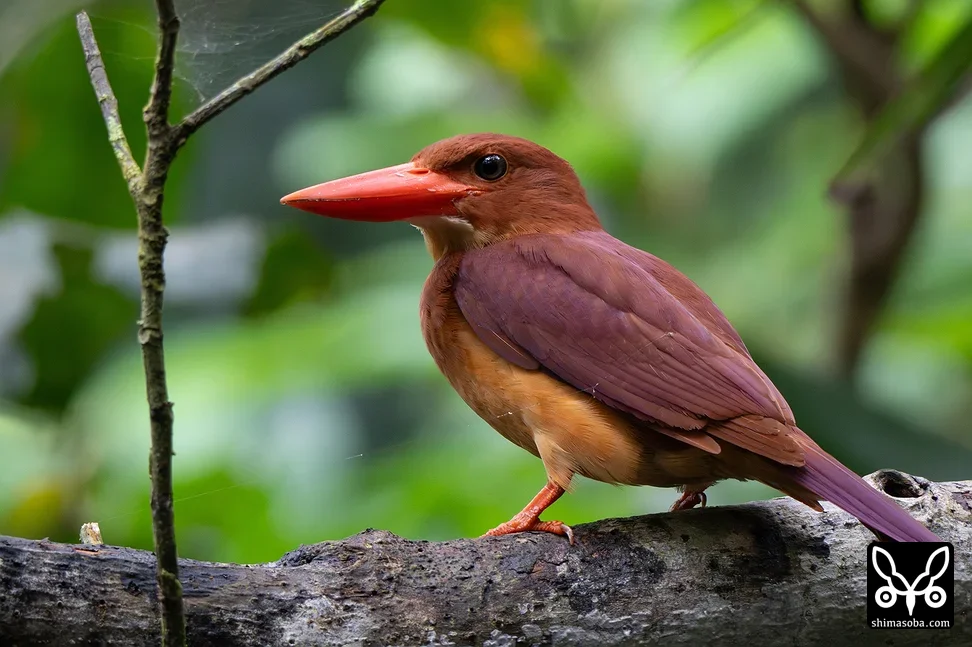
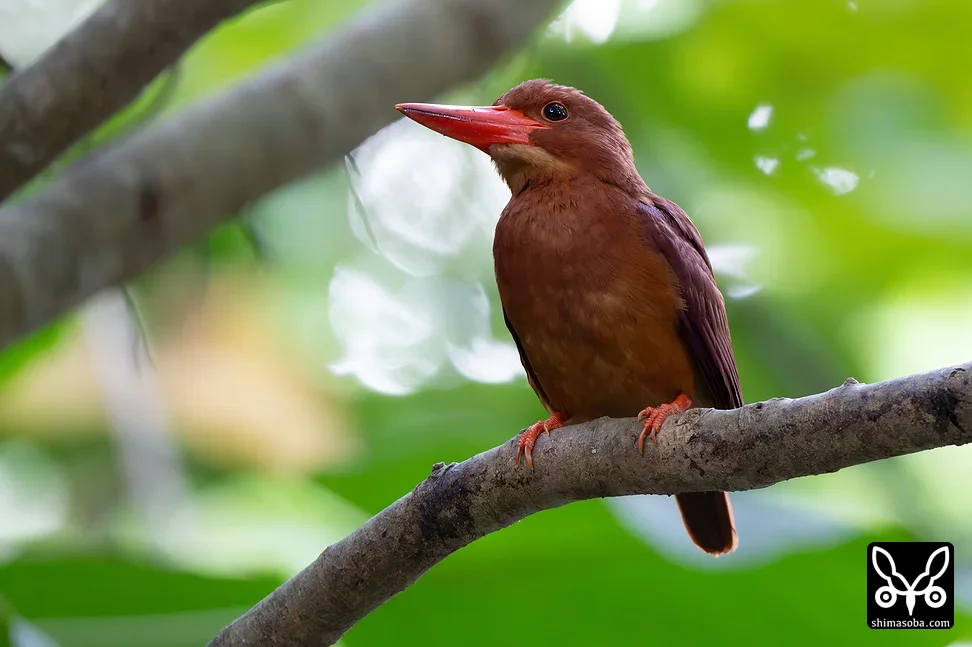
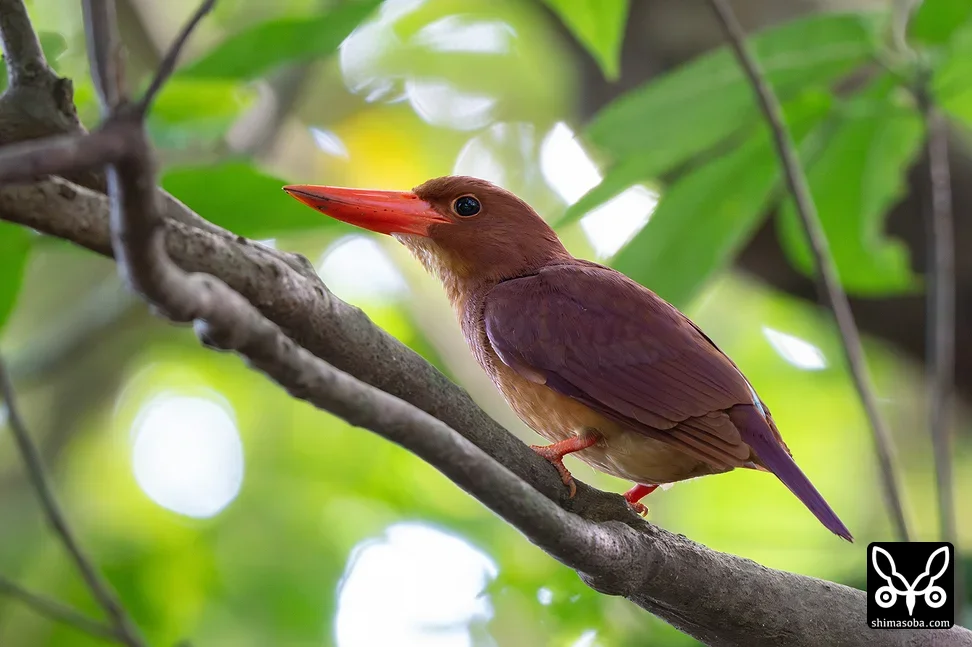
Ruddy Kingfisher
Ruddy Kingfisher

Ruddy Kingfishers have also finished breeding. They will remain on Ishigaki-jima until around early October.

Categories: 野鳥
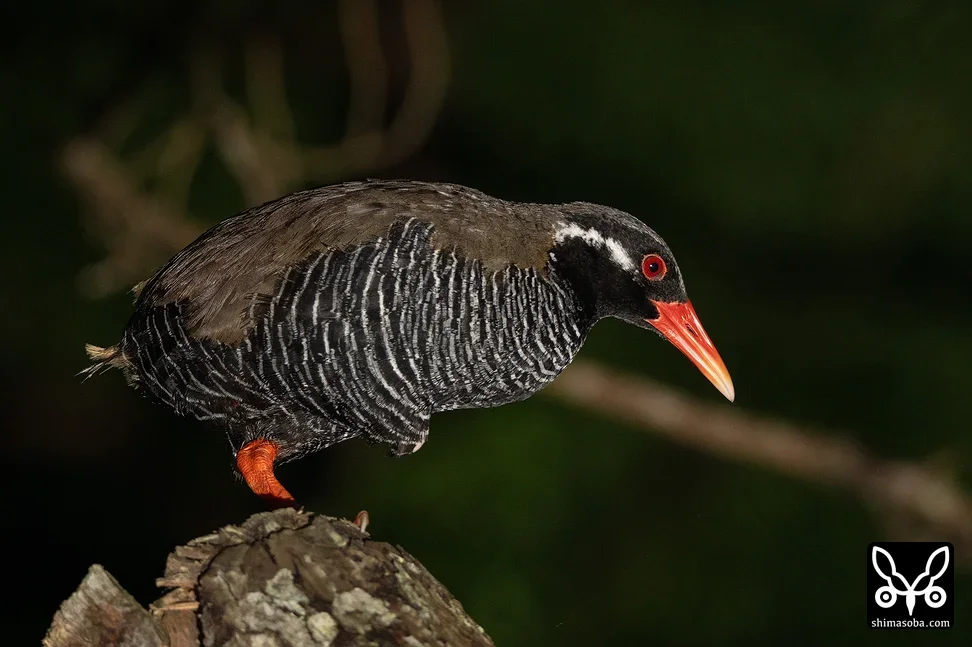
Okinawa Rail in Yanbaru

I made a trip to Yanbaru while I was already in Naha on assignment for the House of Councillors election.

Results started coming in around 9:30 p.m. By 11 p.m. I had filed my story and taken a shower, then headed north. I reached Yanbaru around 1 a.m. Conditions were good after the rain, but the owls were uncooperative — one Japanese Scops Owl, two Ryukyu Scops Owls, and zero Northern Boobooks. On the other hand, I found six Okinawa Rails in total: four sleeping in trees and two walking along the road. I also ran into an Okinawa Spiny Rat along the way.

Okinawa Rail
Okinawa Rail

A Okinawa Rail roosting in a tree. Unfortunately I was unable to photograph a Ryukyu Scops Owl — the first time I've visited Yanbaru and come away without one.

Categories: 野鳥
Common Emerald Dove, Northern Boobook, Malayan Night Heron, Cinnamon Bittern, Purple Heron, and More

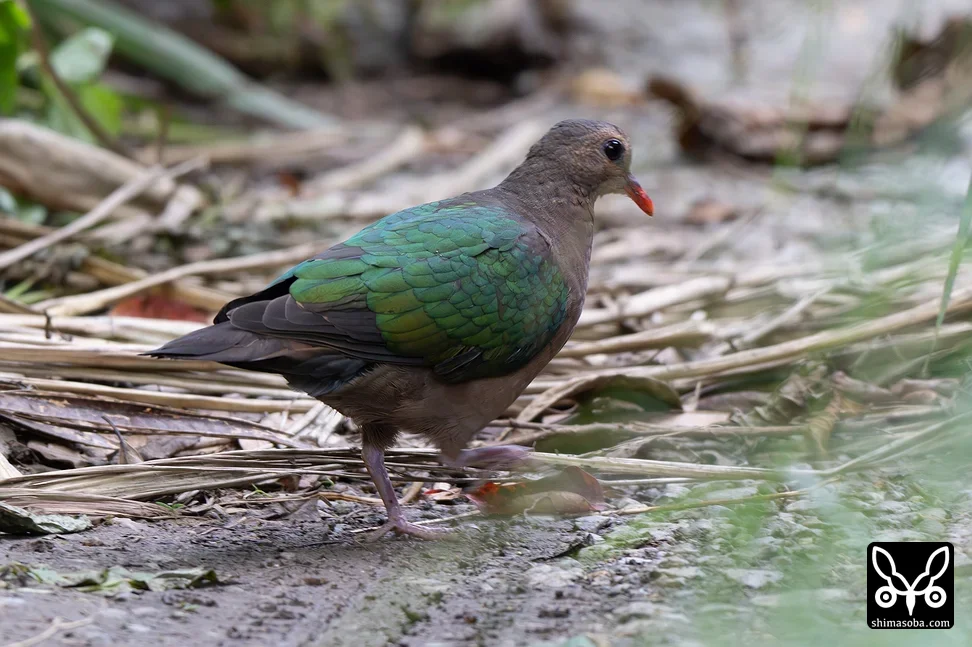
Common Emerald Doves are approaching the end of the breeding season, and encounters are becoming more frequent. Northern Boobooks, Ryukyu Scops Owls, and Ruddy Kingfishers are fledging one after another.

I recorded my first Cinnamon Bittern and Purple Heron of the season, along with a juvenile Little Egret.

Emerald Dove
Emerald Dove

A Emerald Dove near home. A few juvenile feathers remain. Perhaps a second-calendar-year female.

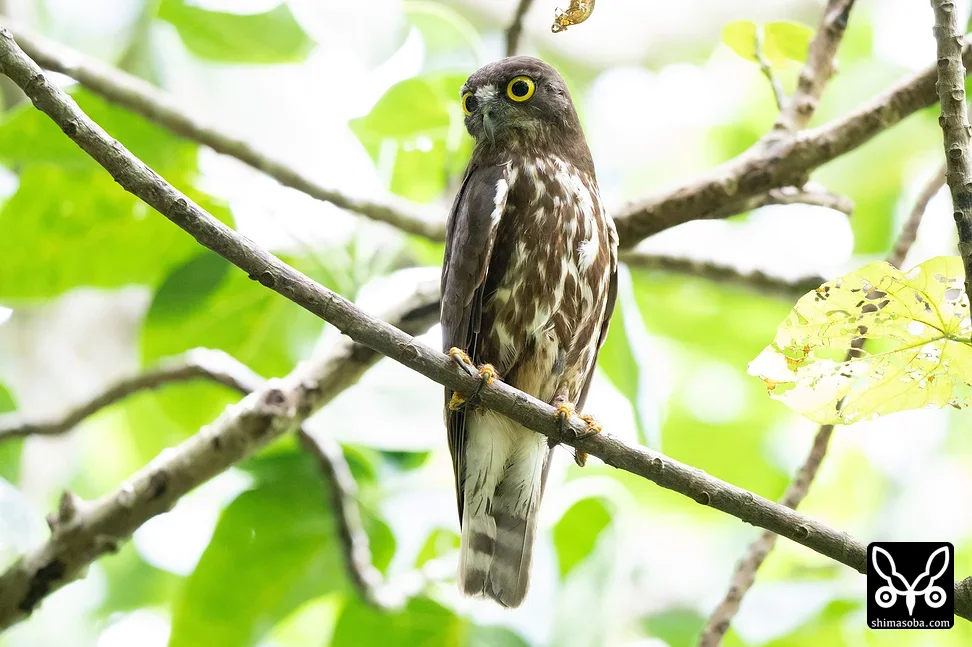
Northern Boobook
Northern Boobook

The Brown Hawk-Owl at the utaki. As happens every year, freshly fledged crows have shown up and are causing quite a commotion.

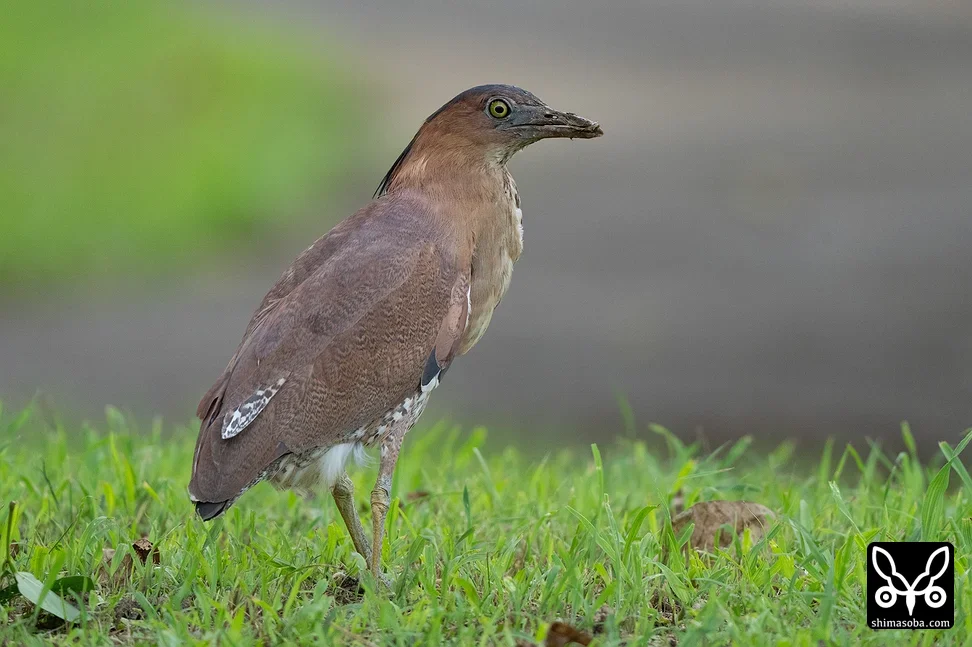
Malayan Night Heron
Malayan Night Heron

Male Malayan Night Heron. At this time of year the breeding plumage has almost completely faded.

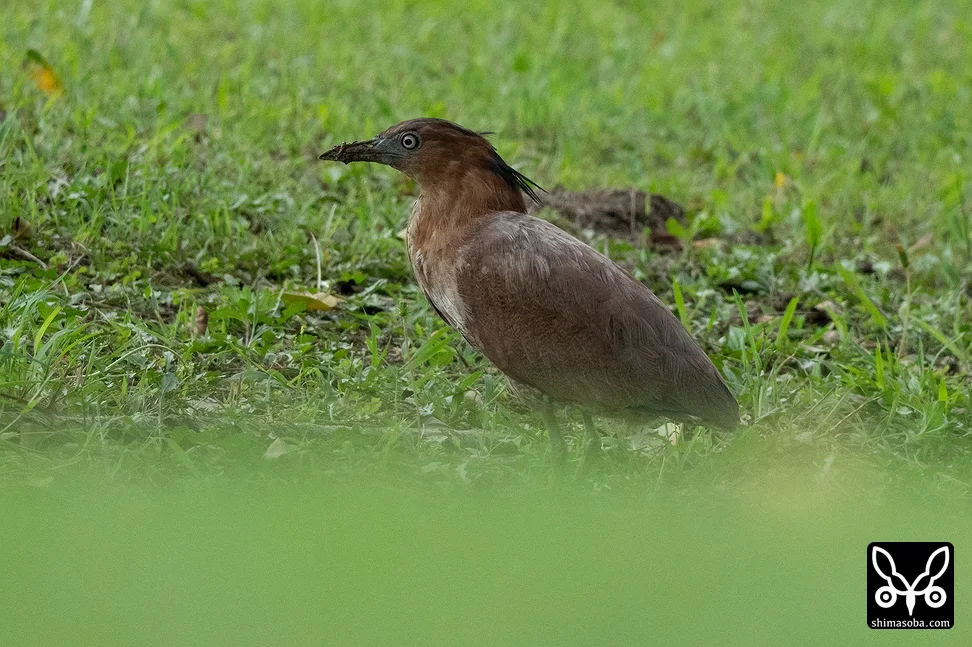
Malayan Night Heron
Malayan Night Heron

A female Malayan Night Heron that was with the individual above. I wonder whether this season's breeding was successful.

Yellow Bittern
Yellow Bittern

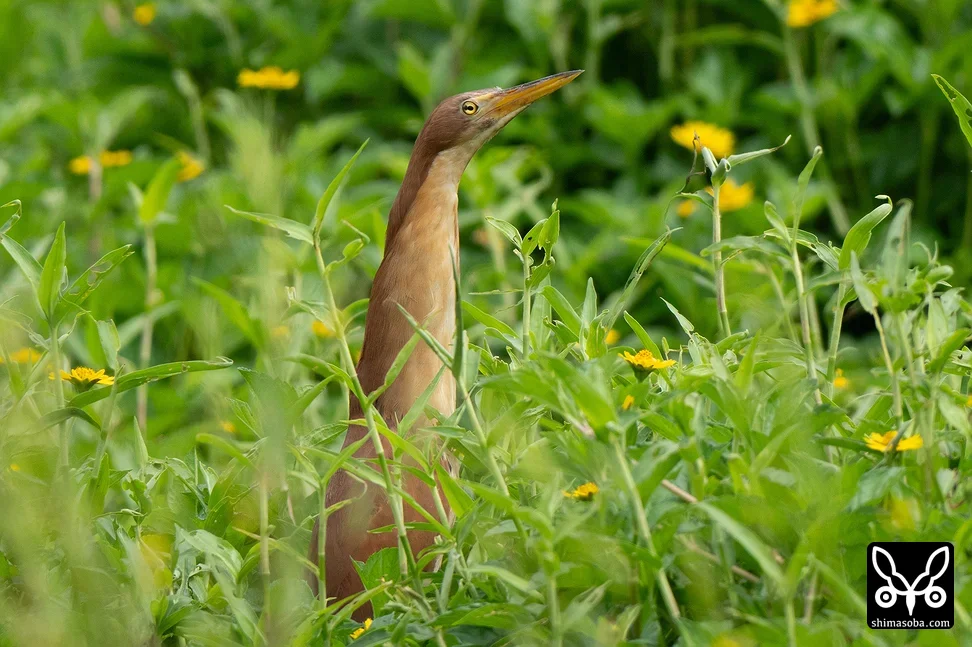
A male Ryukyu Least Bittern peering out from an uncultivated paddy field.

Yellow Bittern
Yellow Bittern

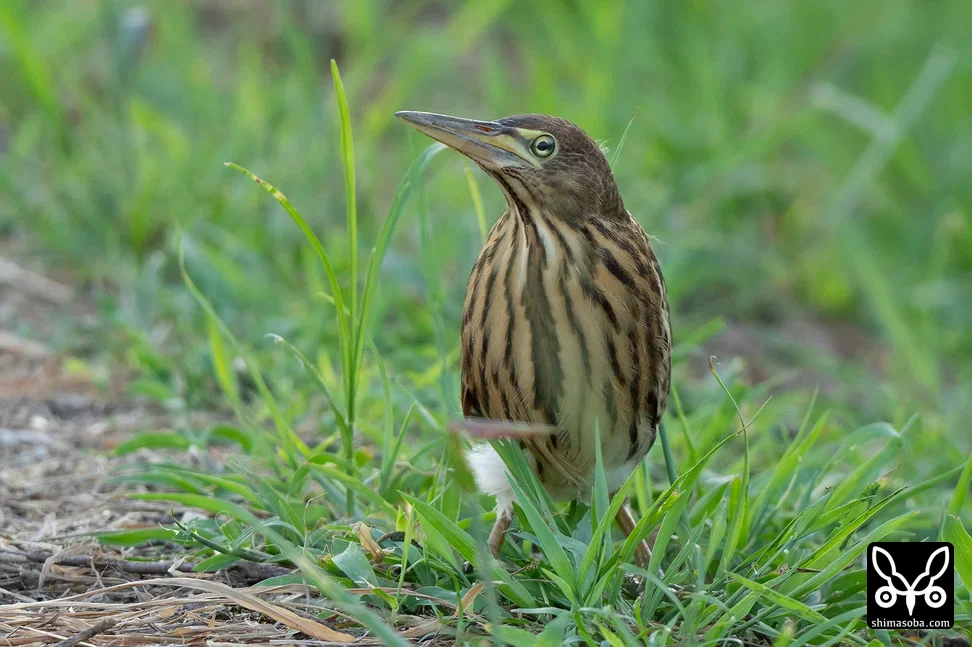
First juvenile Ryukyu Least Bittern confirmed this season.

Purple Heron
Purple Heron

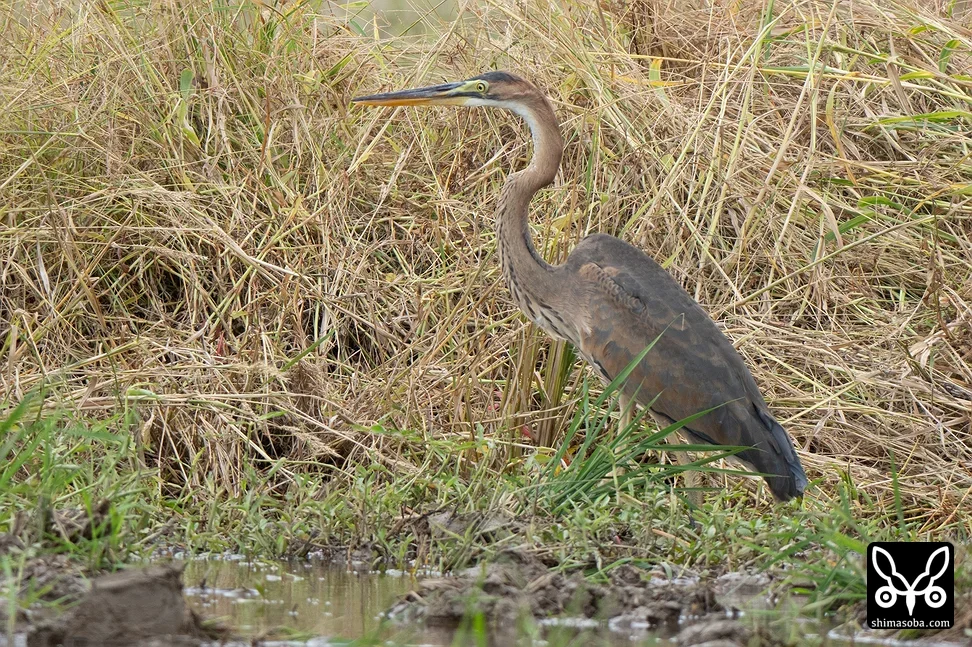
A juvenile Purple Heron. From here on they will keep increasing, and I'll be seeing more and more of them being chased off by adults.

Little Egret
Little Egret

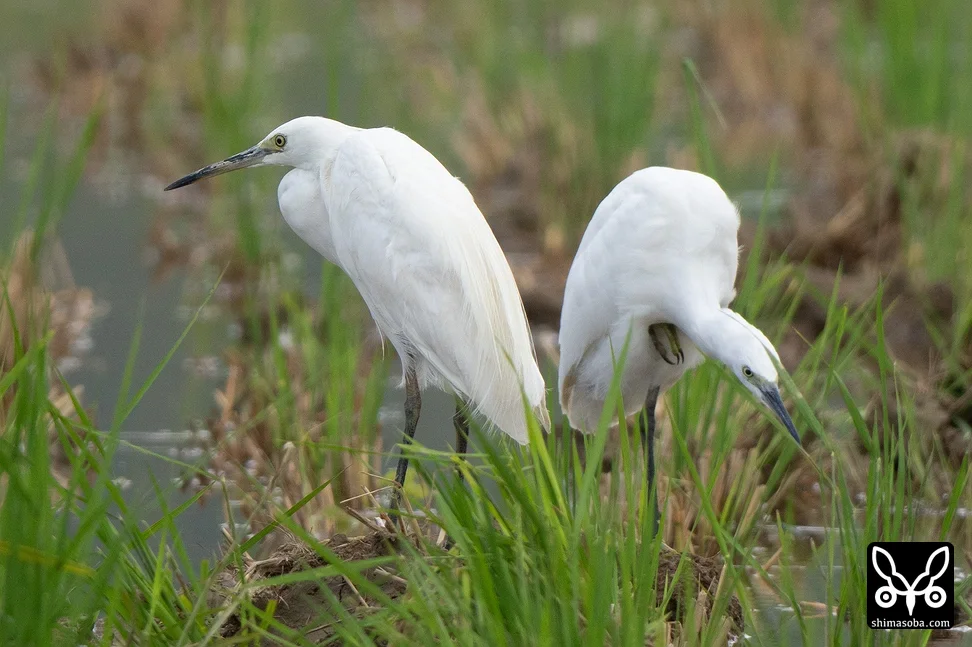
Juvenile Little Egrets have also started to arrive.

White-breasted Waterhen

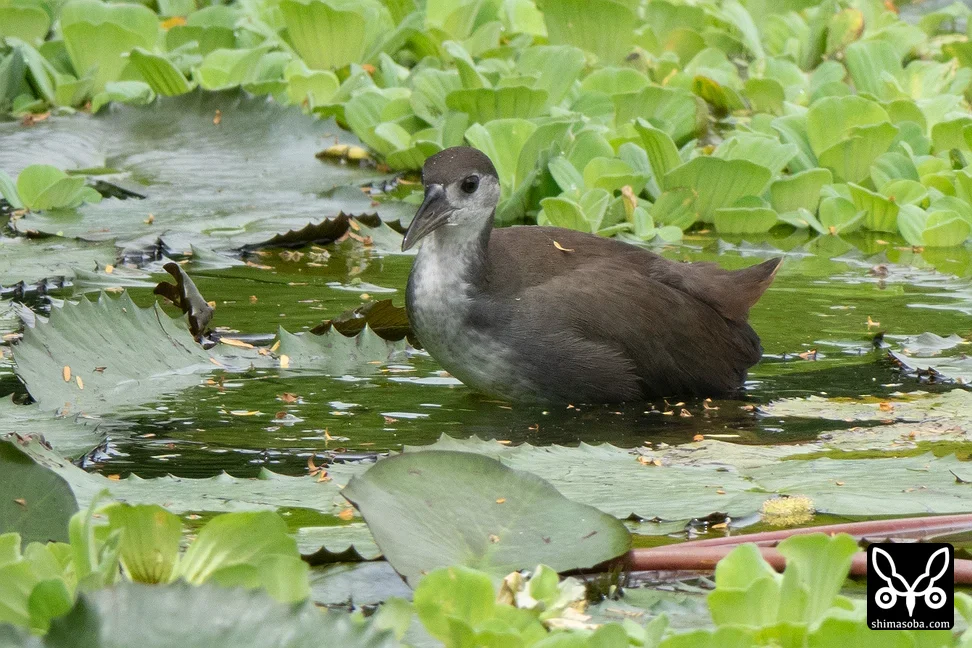
A juvenile White-breasted Waterhen. I often come across pairs with jet-black chicks in tow. They may be breeding multiple times in a single season.

Eurasian Coot
Eurasian Coot

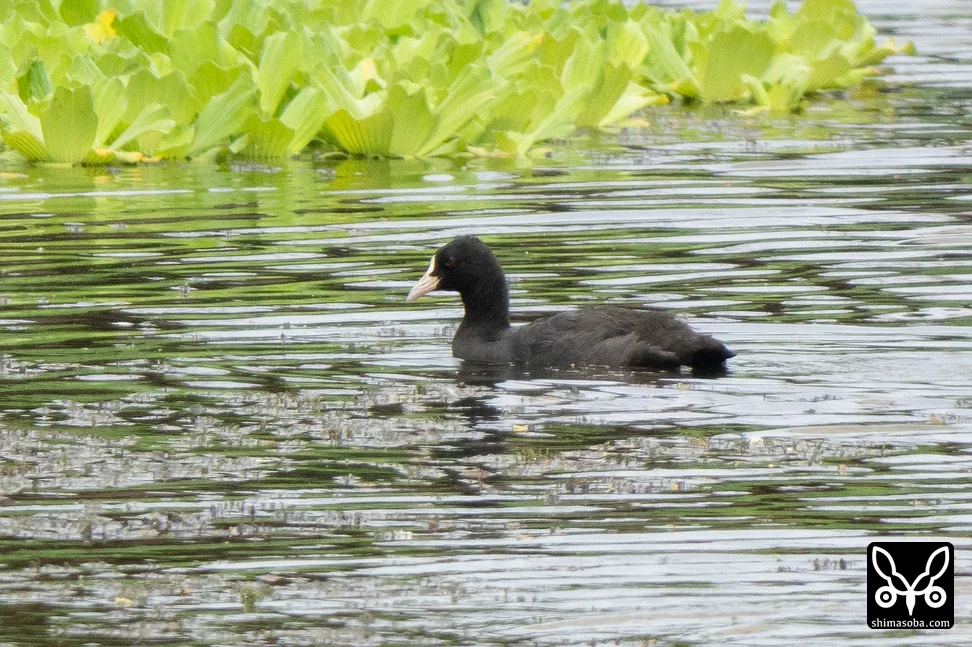
A Eurasian Coot that summered on Ishigaki-jima. On Okinawa's main island, birds have been summering for several years now. Numbers on Ishigaki may increase in the future as well.

Categories: 野鳥
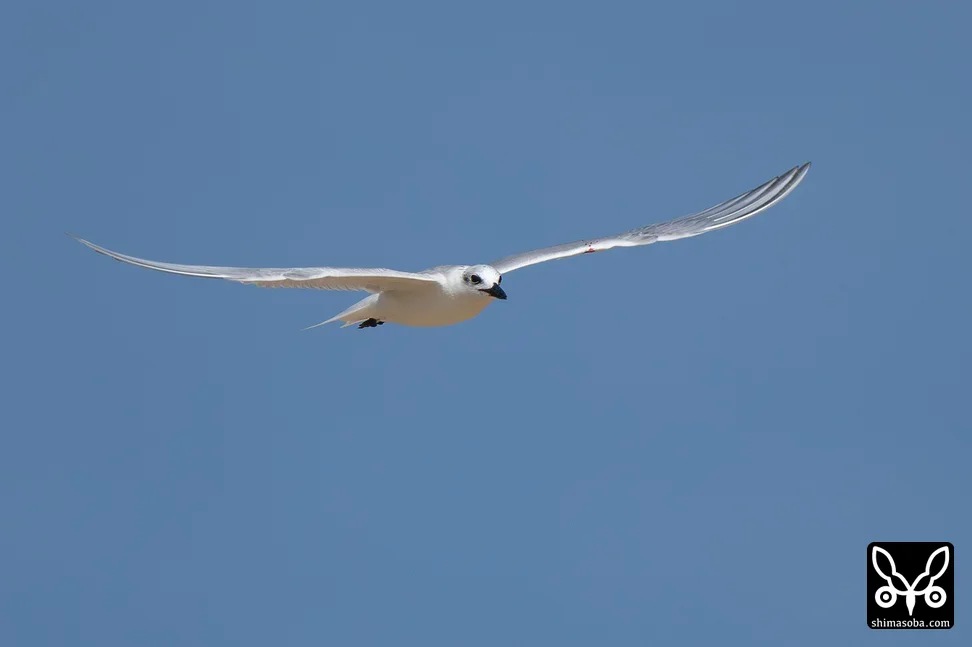
Shorebird Migration Under Way — Gull-billed Tern Arrives

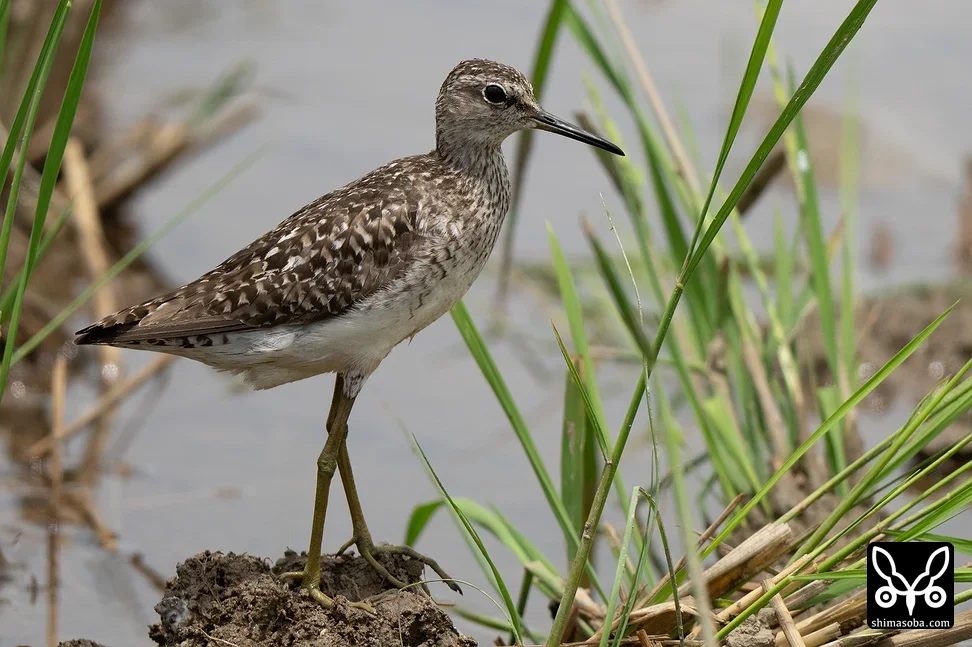
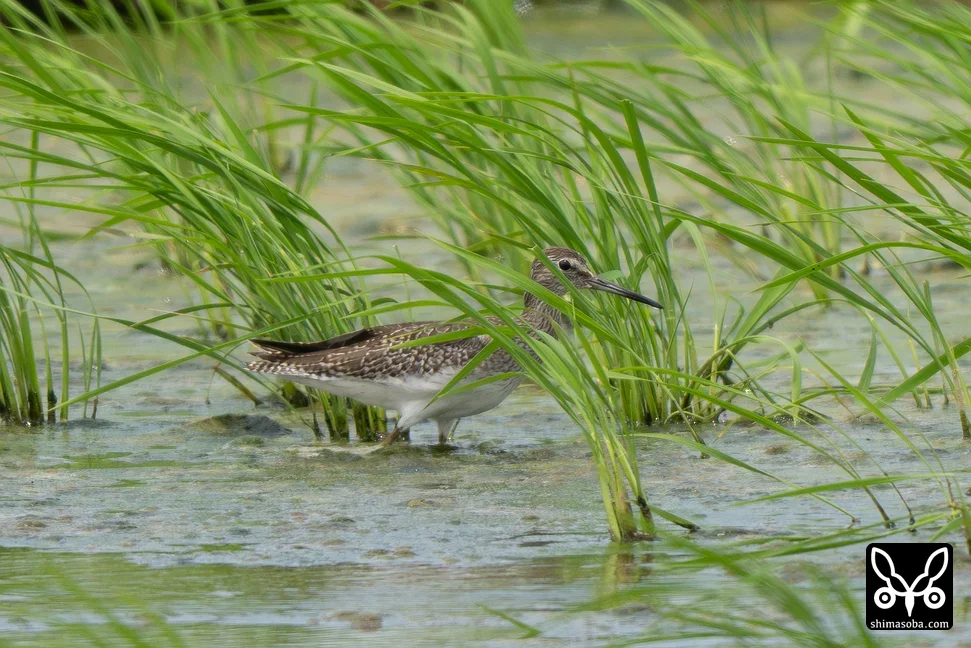
The wader migration has started on Ishigaki Island. Along the coast, Grey-tailed Tattlers, Terek Sandpipers, Eurasian Whimbrels, and Greater Sand Plovers have appeared, while the paddyfields have received Common Greenshanks, Black-winged Stilts, Wood Sandpipers, Long-toed Stints, and Little Ringed Plovers. Numbers and species will keep building from here. With any luck, the snipe we have all been waiting for will show up in late August.

Grey-tailed Tattler
Grey-tailed Tattler / Terek Sandpiper

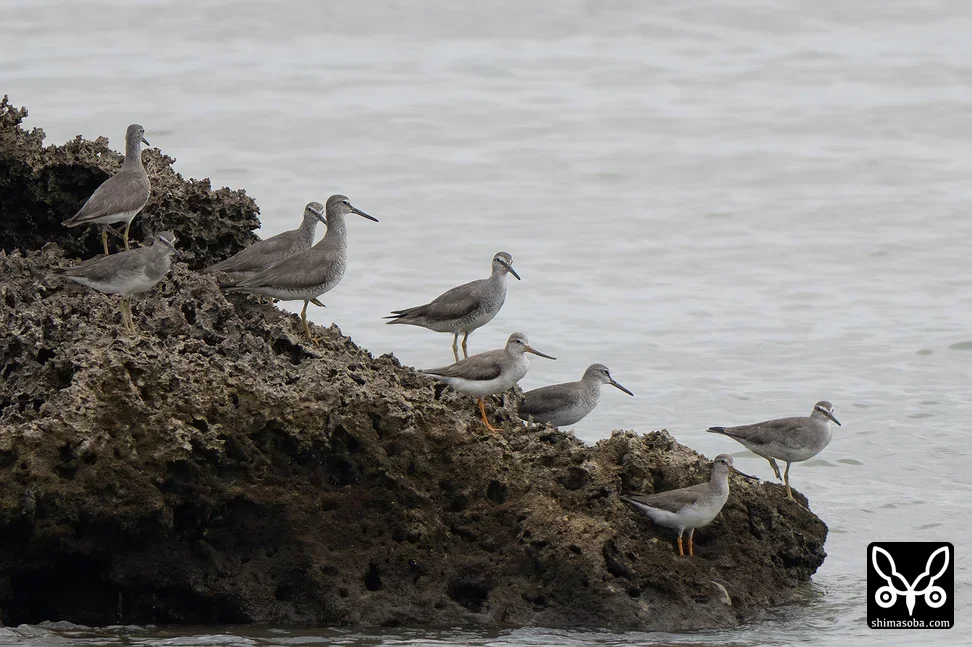
As the tide came close to high, Grey-tailed Tattlers and Terek Sandpipers gathered on the coastal rocks.

Common Greenshank
Common Greenshank

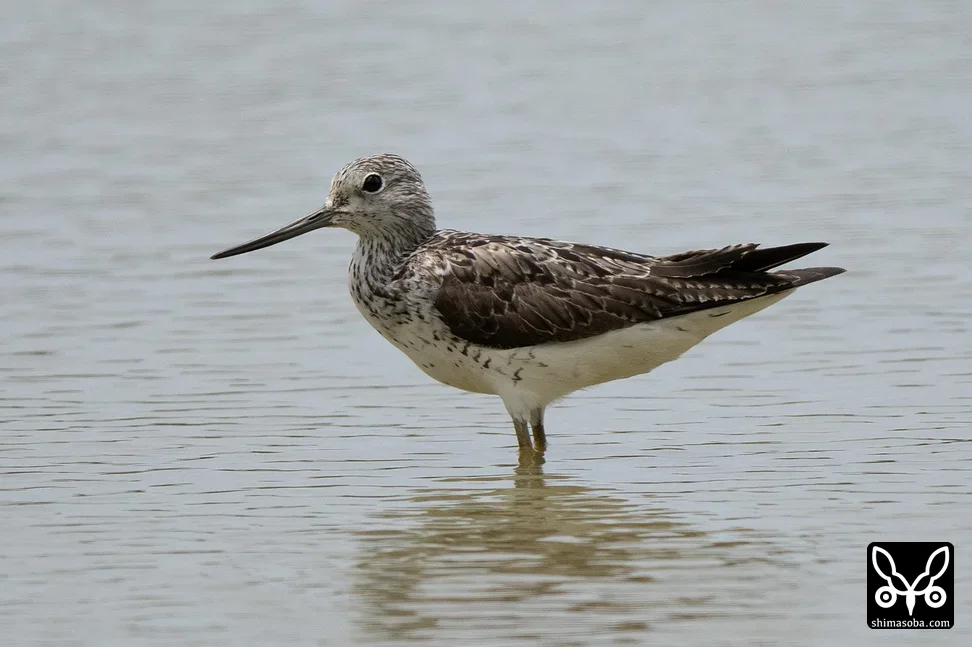
The first Greenshank of the season appeared in the rice paddies.

Wood Sandpiper
Wood Sandpiper

Also the first Wood Sandpiper of the season. Considerable numbers had moved into rice paddies here and there.

Common Redshank
Common Redshank

Every year, Common Redshank is the first to arrive as a juvenile. It showed up again right away this season.

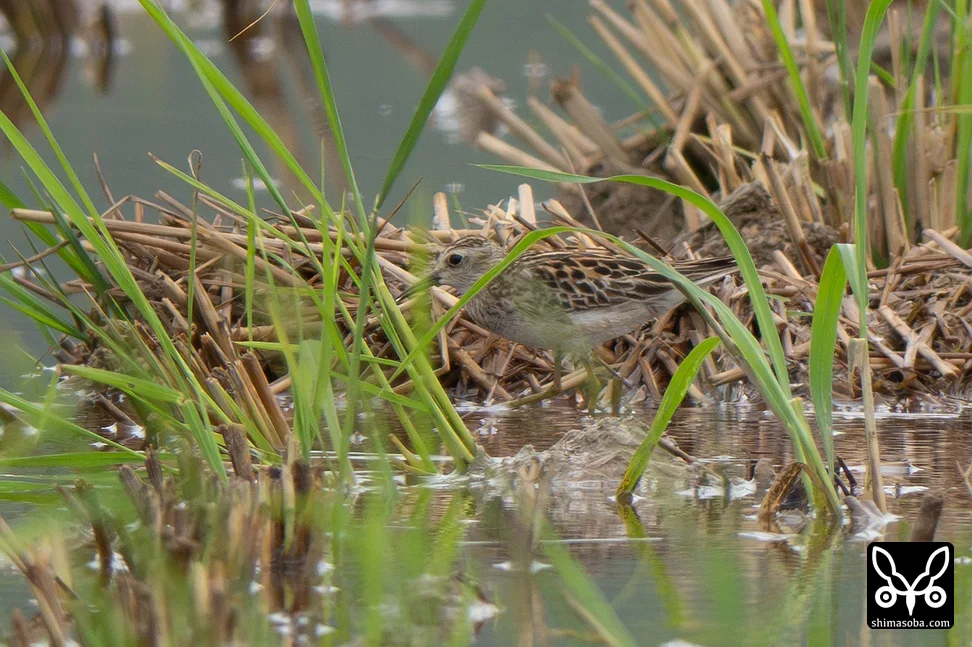
Long-toed Stint
Long-toed Stint

Little Stint also confirmed at multiple locations. First of the season.

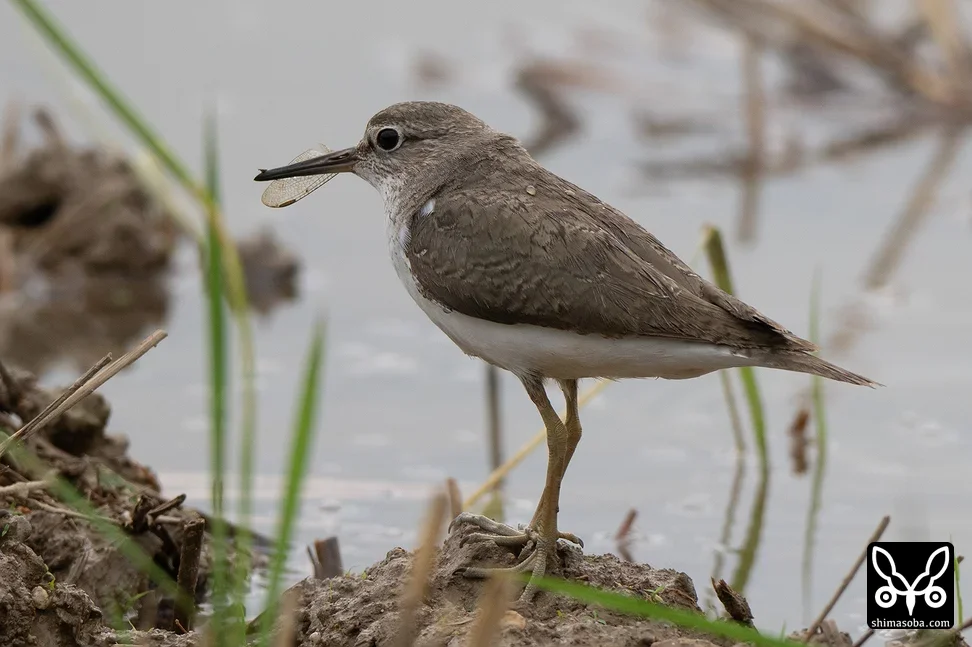
Common Sandpiper
Common Sandpiper

Common Sandpipers have been increasing. Migrants appear to be moving through. One was competing with a Wood Sandpiper over a Cryptotympana cicada wing.

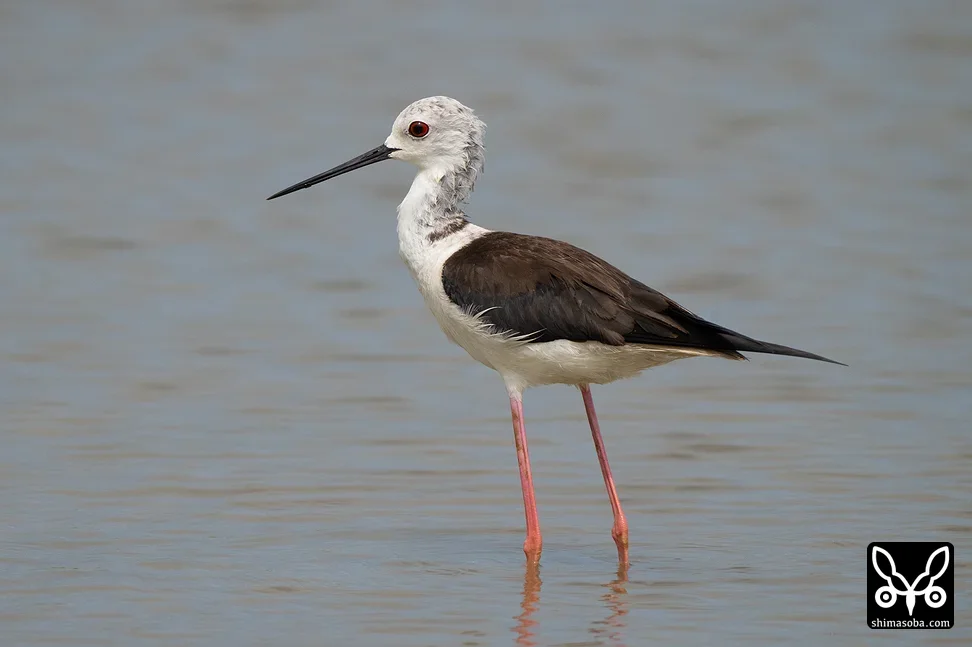
Black-winged Stilt
Black-winged Stilt

Black-winged Stilts have increased a little as well.

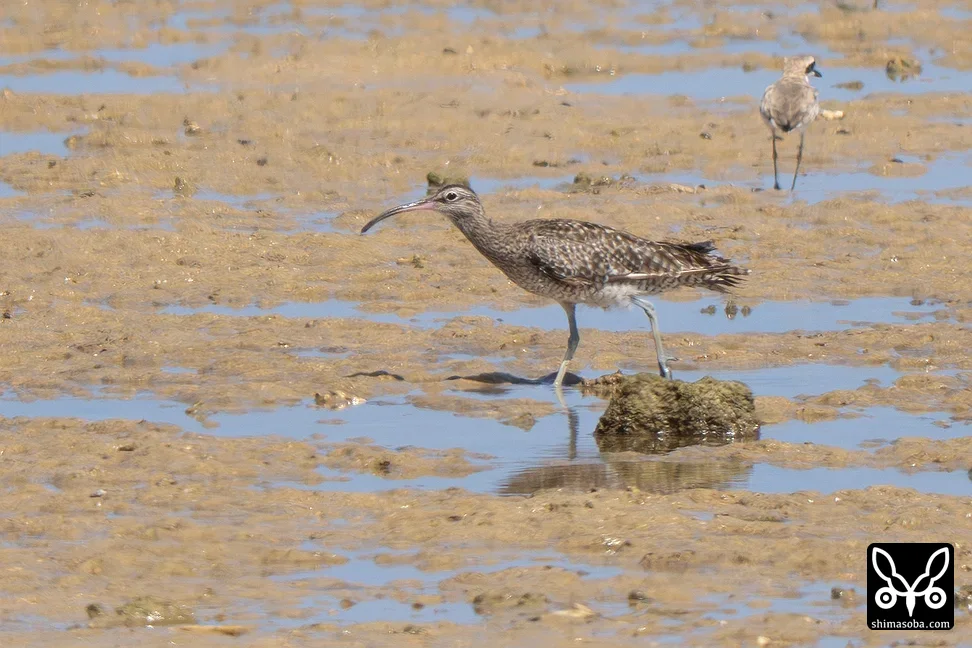
Whimbrel
Whimbrel

First Whimbrel of the season.

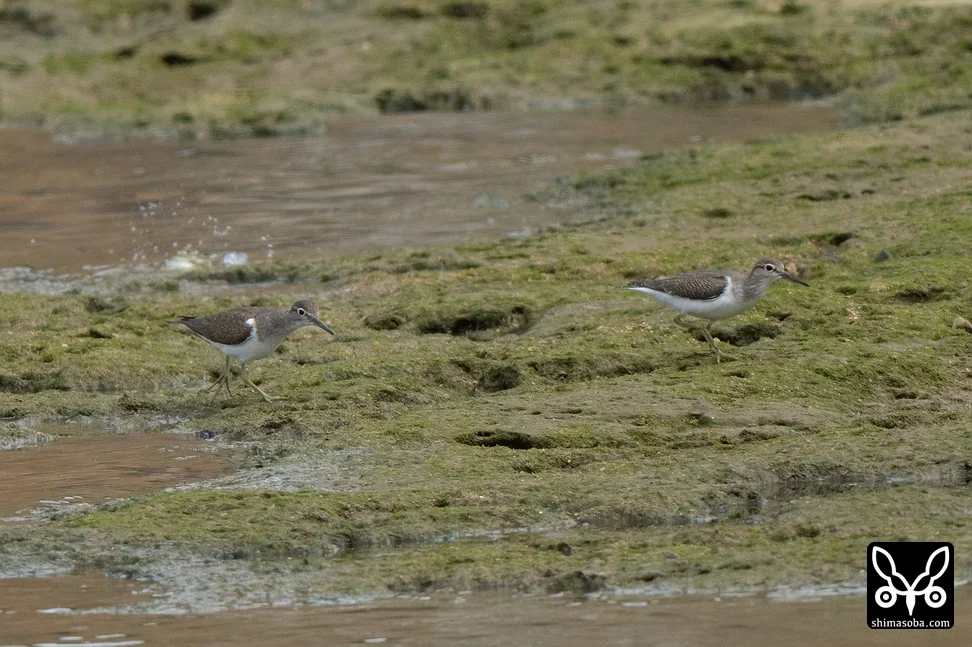
Common Sandpiper
Common Sandpiper

First juvenile Common Sandpiper (right) confirmed this season.

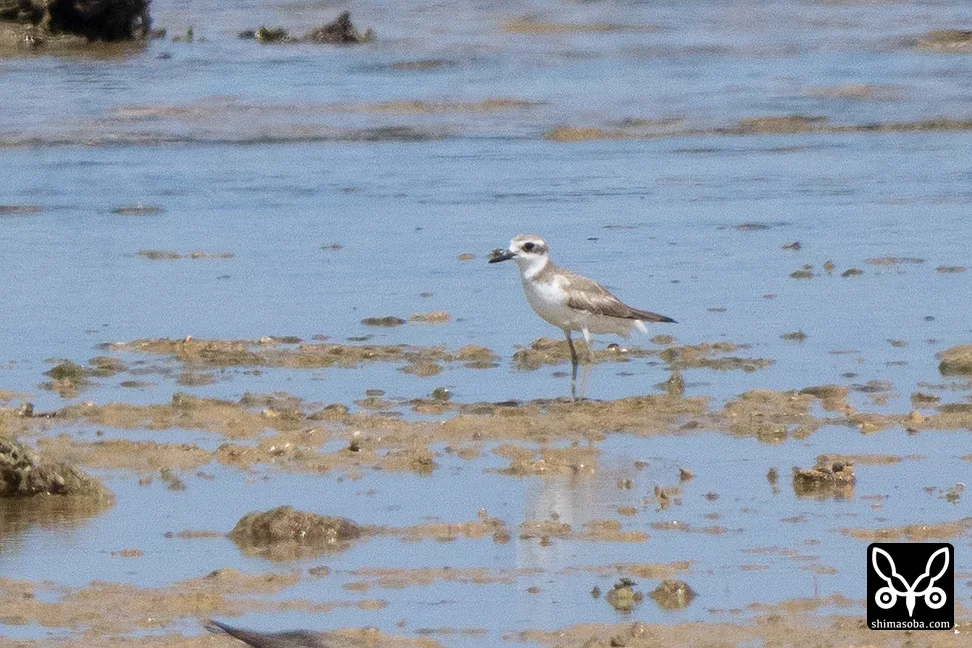
Greater Sand Plover
Greater Sand Plover

Greater Sand Plover migrants also seem to be arriving.

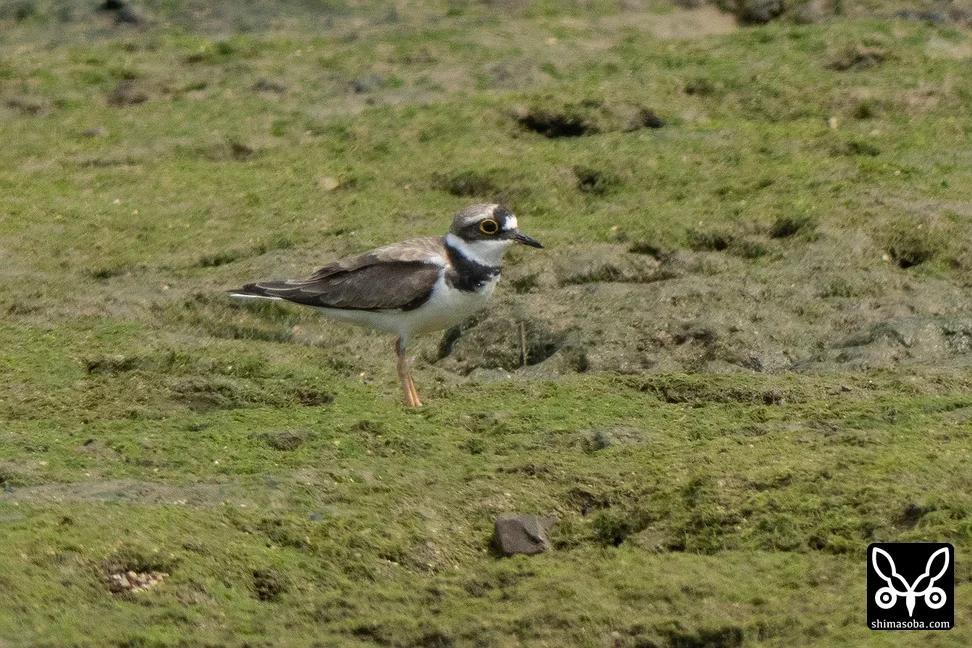
Little Ringed Plover

Little Ringed Plover confirmed for the first time this season.

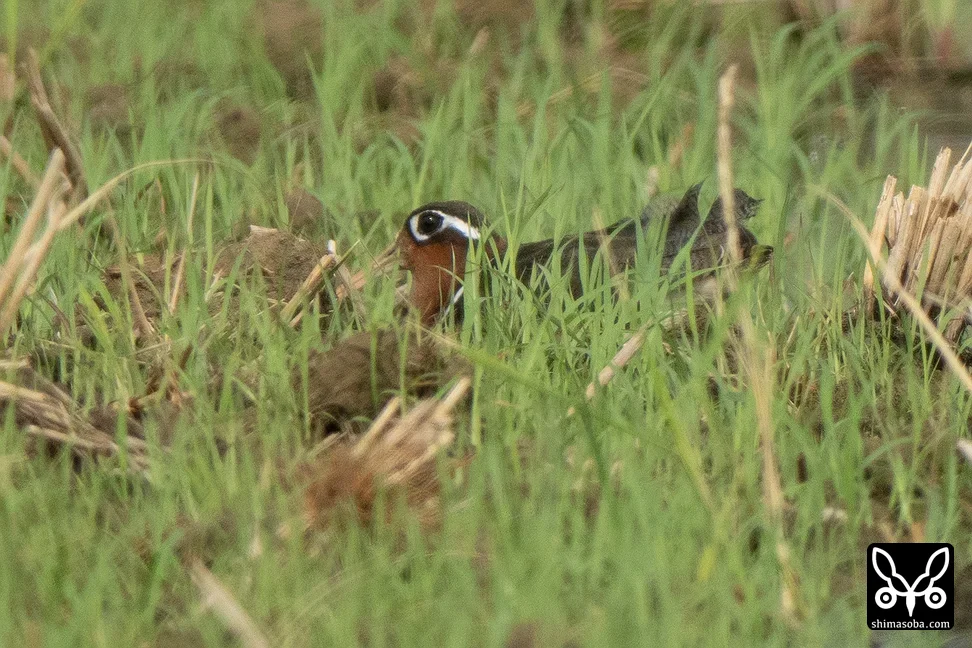
Greater Painted-snipe

Greater Painted-snipe is a resident breeder on Ishigaki Island. A female was at the usual paddy field.

Lesser Crested Tern
Lesser Crested Tern

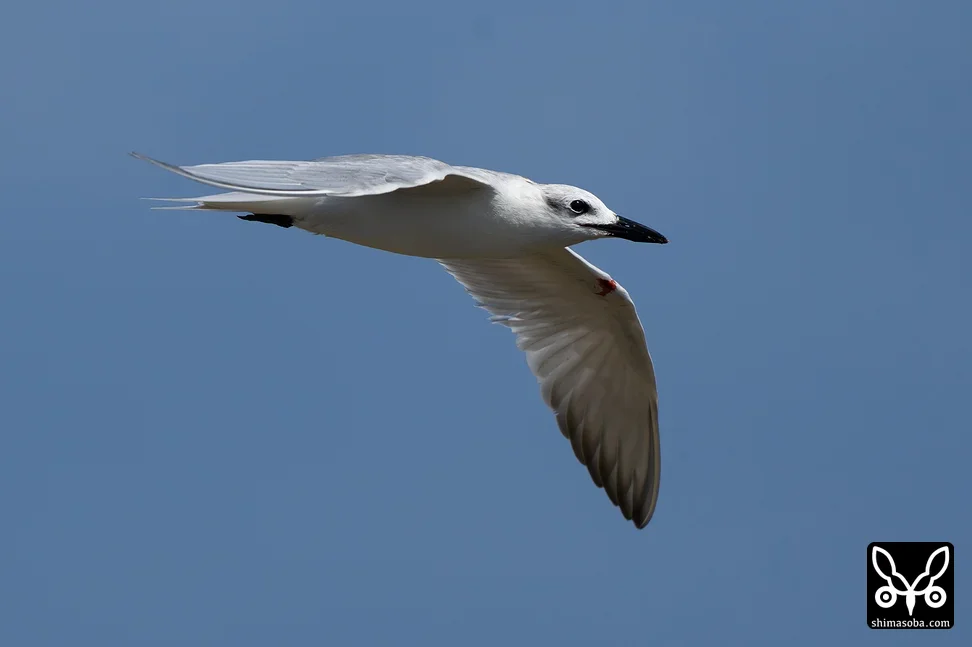
The first Lesser Crested Tern of the season has also arrived. It appeared to be bleeding from the left wing.

Lesser Crested Tern
Lesser Crested Tern

There are plenty of crabs at the river mouth, so it was diving down and catching them repeatedly.

Black-naped Tern
Black-naped Tern

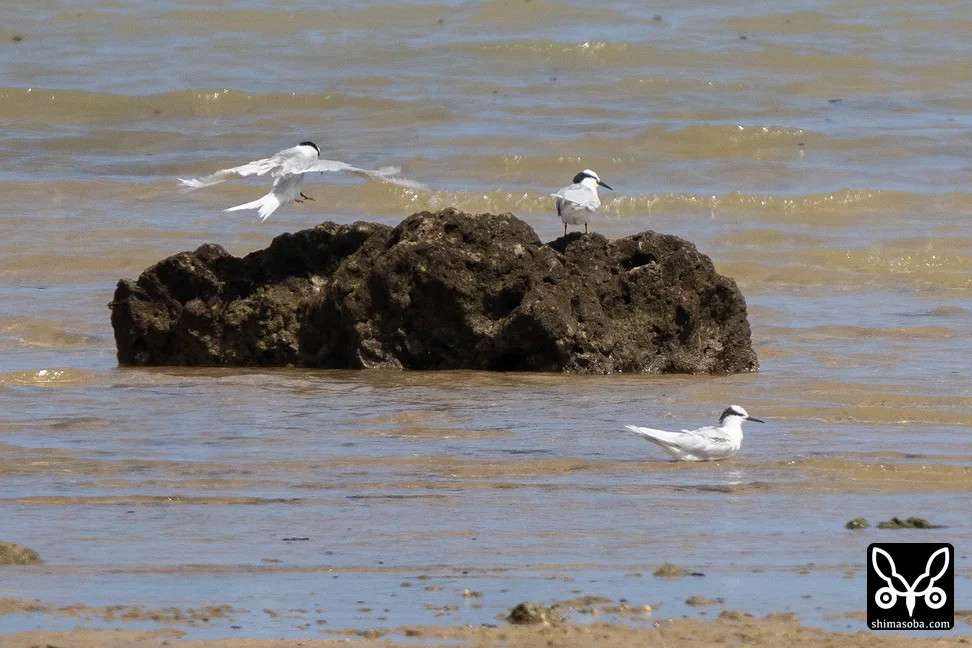
Black-naped Terns breeding on the offshore rocks come to bathe near the river mouth when the tide comes in.

Categories: 野鳥
Ruddy Kingfisher, Ryukyu Scops Owl, Northern Boobook, Japanese Sparrowhawk (video)

Breeding is progressing steadily for Ruddy Kingfisher, Ryukyu Scops Owl, Northern Boobook, and Japanese Sparrowhawk alike.

Ruddy Kingfisher
Ruddy Kingfisher

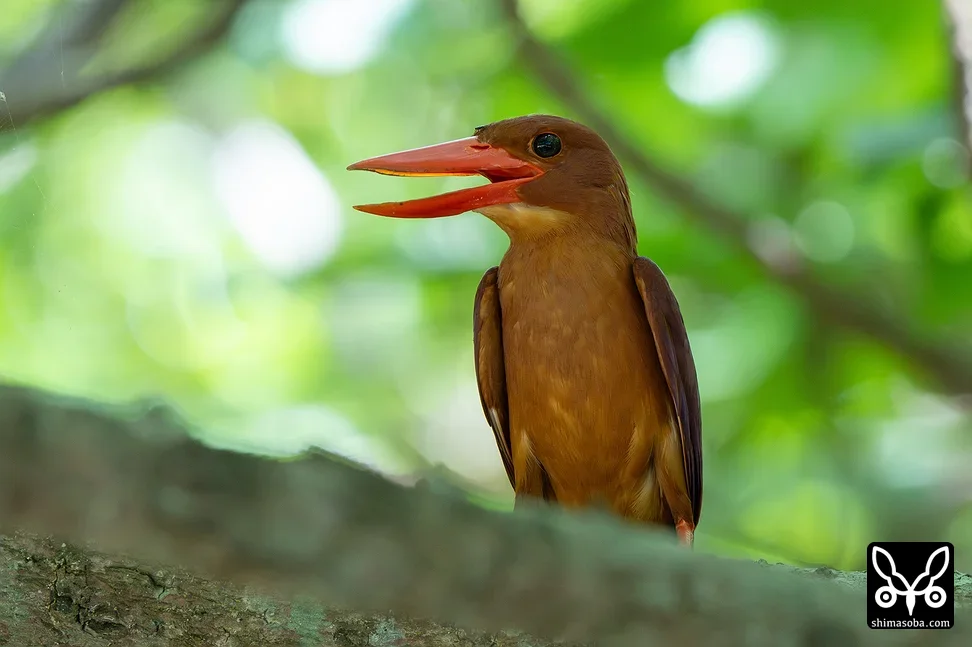
Two pairs of Ruddy Kingfishers breeding near home. This season's nests are out of sight from the house, so I can't tell exactly how things are going, but since they're carrying food I assume all is well.

Ruddy Kingfisher
Ruddy Kingfisher

A Ruddy Kingfisher spotted in the northern part of the island.

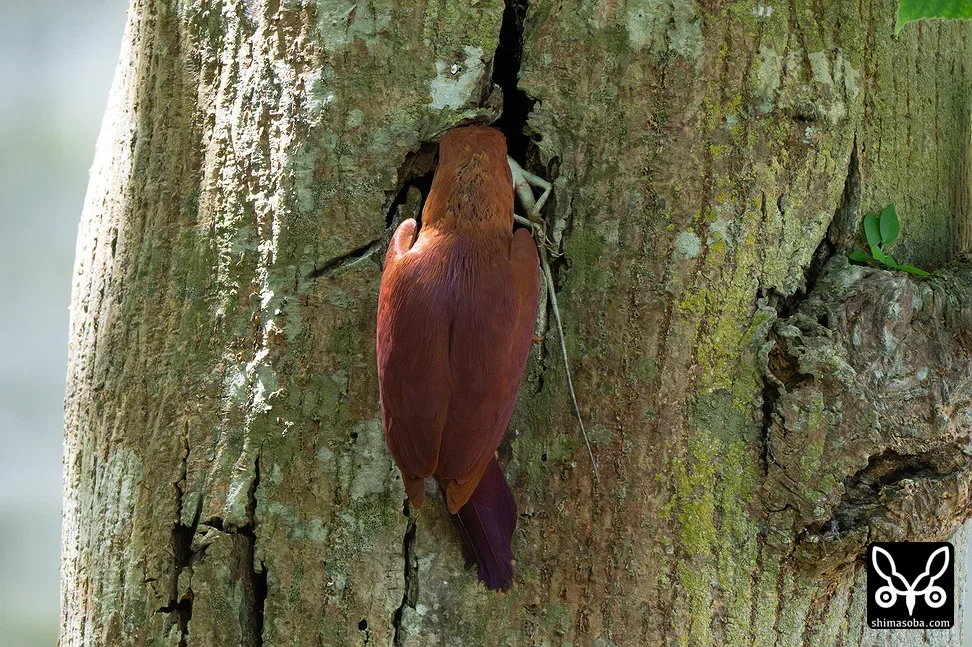
A Ruddy Kingfisher arriving with food for the chick. The prey was a large Crested Tree Lizard.

Same individual as above. After passing off the food, it perched in a nearby tree.

Ryukyu Scops Owl
Ryukyu Scops Owl

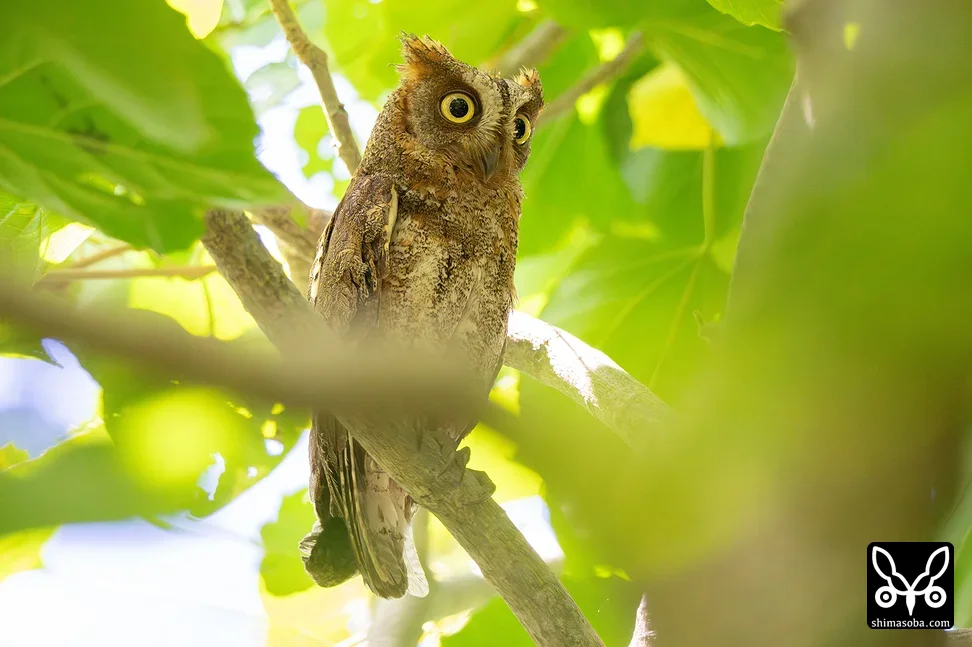
The male Ryukyu Scops Owl at the plaza is standing guard over the nest.

Ryukyu Scops Owl
Ryukyu Scops Owl

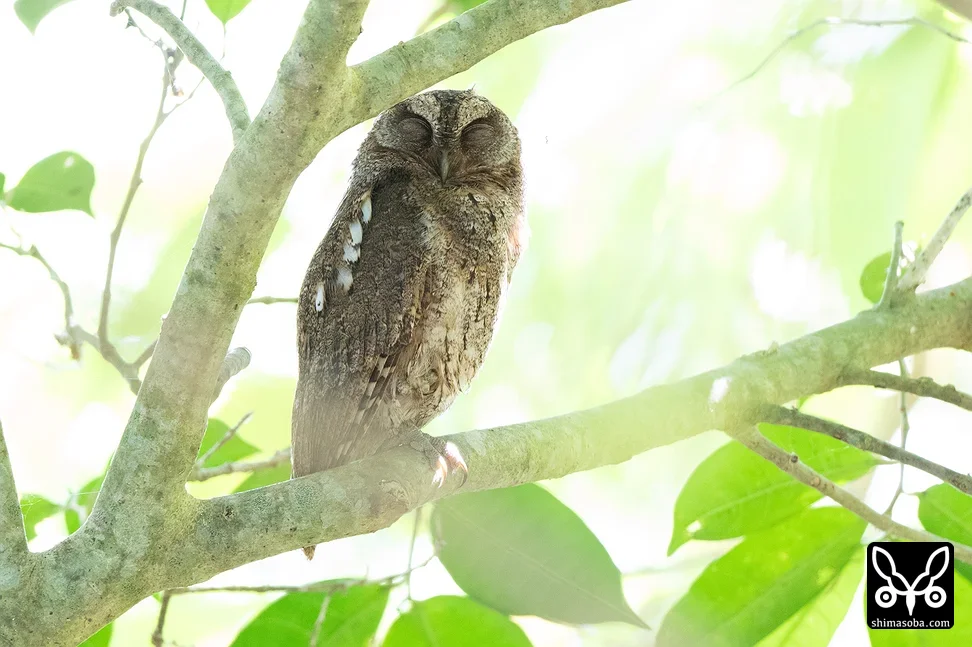
A male Ryukyu Scops Owl deep in the undergrowth. Eyes closed, but it is aware of me.

Northern Boobook
Northern Boobook

The male Brown Hawk-Owl in the park is also on watch. A high-density area with three pairs nesting within a radius of a few dozen meters.

Ryukyu Sparrowhawk
Ryukyu Sparrowhawk

Japanese Sparrowhawks that breed in the Ryukyu pine grove every year. This year there appear to be four chicks, more than usual.

Categories: 閑話