県道沿いのキンバト
林縁部の道路はキンバトの餌場になっています。繁殖期最盛期の5月下旬ごろから観察しやすくなっており、今季初の幼鳥も確認できました。今年は何月まで観察できるでしょうか。
An adult female Emerald Dove picking up fallen berries on a footpath.
An Emerald Dove hatched this year. A few juvenile feathers remain.
GUIDED BIRDWATCHING TOUR
We'll drive you around Ishigaki Island to wherever the birds are showing best that day. Observation is mostly from inside the vehicle, and we keep it to a maximum of 3 guests so everyone can take their time.
林縁部の道路はキンバトの餌場になっています。繁殖期最盛期の5月下旬ごろから観察しやすくなっており、今季初の幼鳥も確認できました。今年は何月まで観察できるでしょうか。
An adult female Emerald Dove picking up fallen berries on a footpath.
An Emerald Dove hatched this year. A few juvenile feathers remain.
台風で巣が壊れて保護し、段ボールで自作した人工巣とともに親元へ帰し、5羽のうち1羽が巣立ったアカショウビン の続き。翌日の28日には2羽目が巣立ちました。
さらにその翌日の29日に3番目が巣立ち。残る2羽は30日も巣立ちなし。なかなか巣立ちませんね。^^;
31日になって残る2羽が巣立ち、無事に5羽すべてが巣立ちと相成りました。
The chick that fledged on July 27, photographed on its third day out. The sheaths covering the feathers have come off and it's looking noticeably cuter. ^^
The second chick fledged around 4:30 p.m. on the 28th, the day after the first. The feathers on the head are still covered in white sheaths.
The first chick to fledge. It has started moving around little by little.
Same individual as above. It came out into a slightly open spot and called out to advertise its presence to the parent bringing food.
July 29. Only 2 remain in a nest that had 5 chicks. One fledged each day on the 27th, 28th, and 29th, but none fledged on the 30th. These last 2 finally fledged on the 31st.
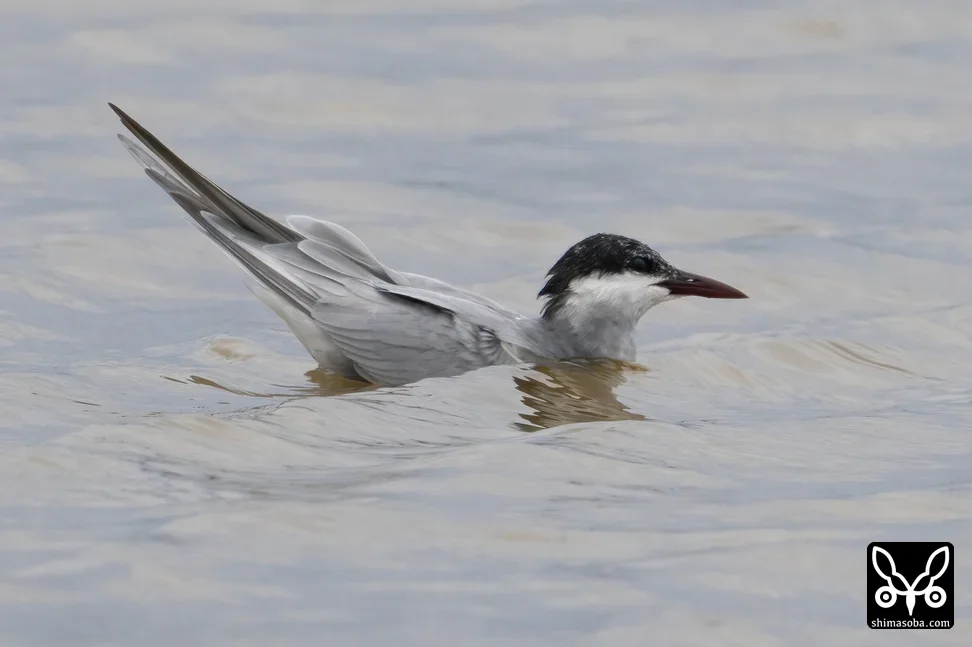
今季、3羽目となるハシブトアジサシが飛来しました。 前回の2羽 とはことなり鷹揚な個体で目の前を軽快に飛び回っていました。
台風6号でコロニーが全滅したエリグロアジサシは再繁殖に挑戦するようで岩礁を変えてその上を飛び回っています。
今季初のオオバンが田んぼに飛来。島内では 越夏個体が2羽 いますが、それとは別エリア。
海岸のソリハシシギや田んぼのヒバリシギも少しだけ増量。
A summer-plumaged Lesser Crested Tern flying around near the breakwater.
The Black-naped Tern is making a second breeding attempt.
The first Eurasian Coot of the season on migration.
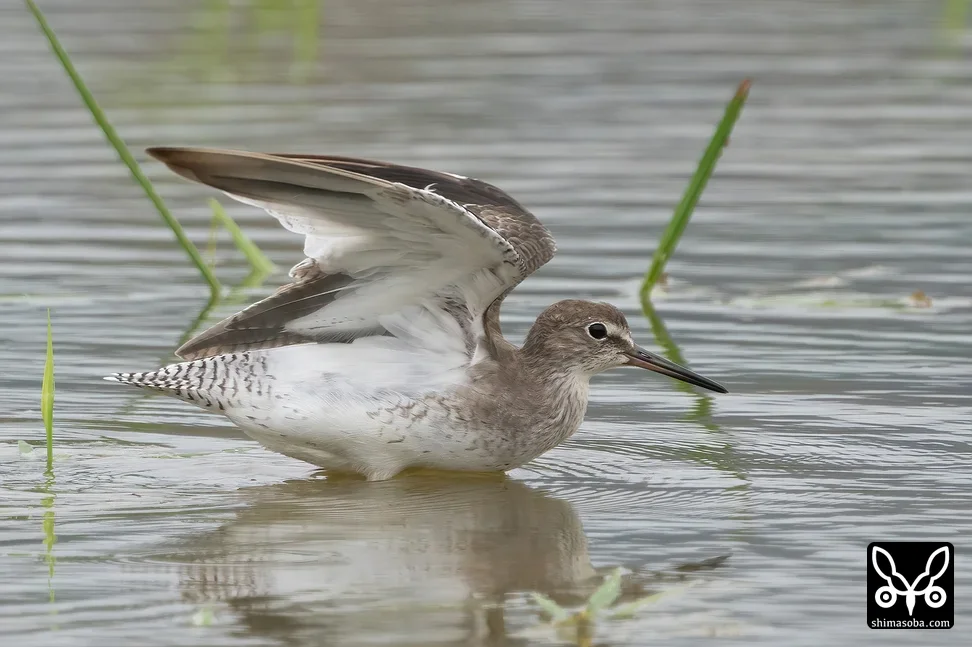
Terek Sandpipers are gradually increasing along the shore. Adult in late summer plumage.
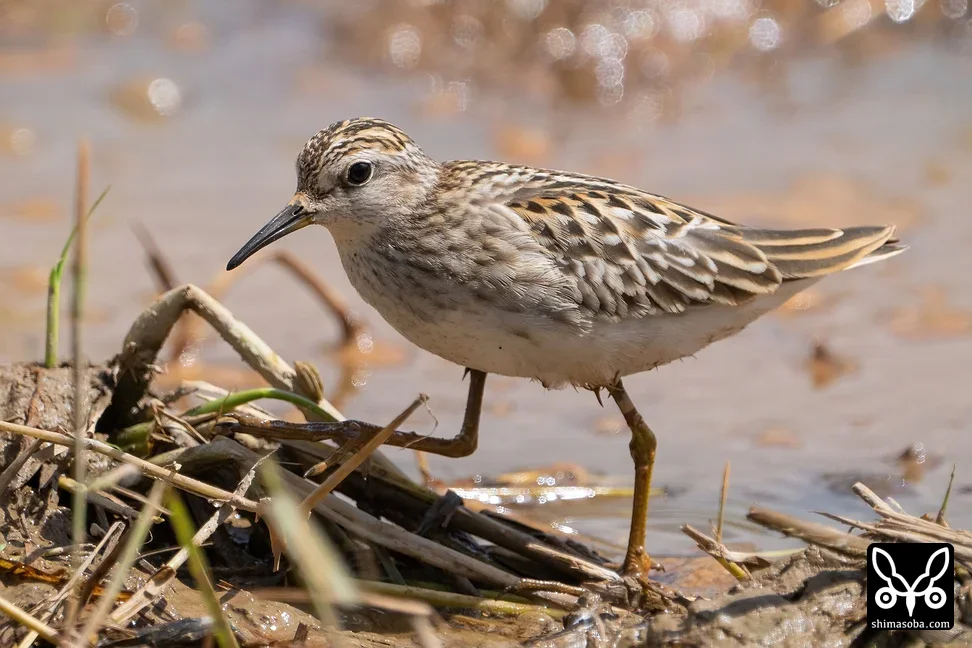
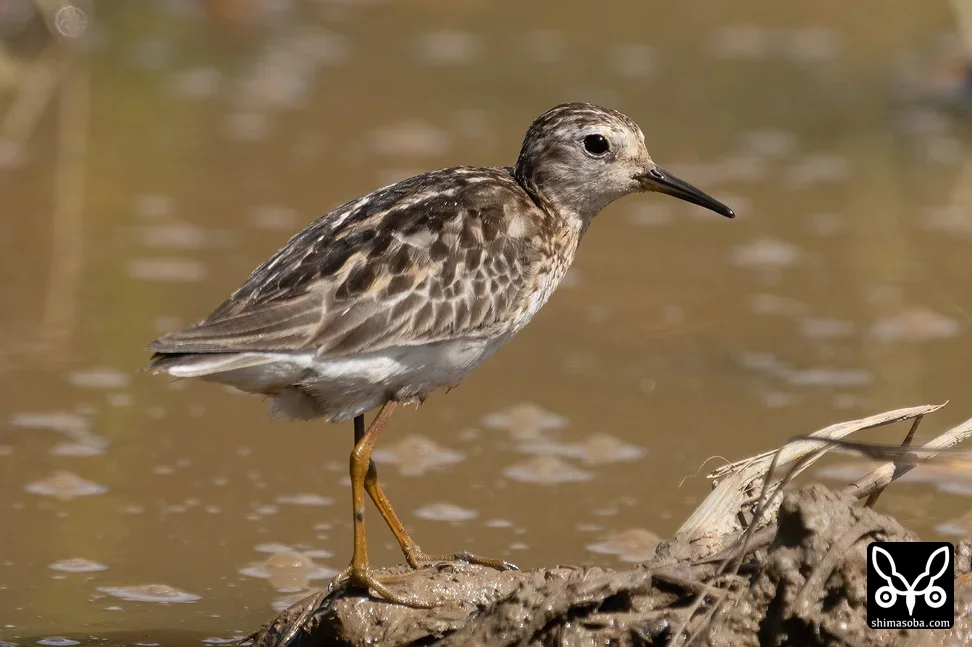
Long-toed Stint, first-summer plumage.
7月1日に発見したリュウキュウアカショウビンの巣 が台風6号の襲来により7月23日に損壊。嫌な予感がしていたので、台風ということもあり仕事を早めに切り上げて巣を見にいってみると、ヒナ5羽が暴風雨の吹き付ける巣外に放り出されてしまいました。
丈の伸びた草むらの中から全てのヒナを救助。体温が低下して元気がないので急いで自宅へ連れて帰り、洗濯物の乾燥部屋で乾燥と保温。しばらくすると元気を取り戻したようなので餌やりにチャレンジ。
アカショウビンのヒナは警戒心が強く、餌付けるのは難しいと聞いていたので部屋を暗くしたまま、食欲をそそらせるために親鳥が餌を持ってきたときに出す鳴き声を真似てみると「ピョッ、ピョッ」と餌を欲しがるような仕草が見られました。台風なので餌を買いにも行けないので冷凍庫にあったムール貝を与えてみると5羽のうちの2羽が勢いよく食ってくれました。
そこからは1時間おきに日付が変わって午前3時ごろまで給餌。全てのヒナが競うように餌を食うようになりました。その間に翌朝、営巣木にひっかける人工巣を段ボールで工作しました。
翌日は午前6時ごろから給餌。親鳥がすぐに給餌してくれるとも限らないので目一杯ムール貝を食わせました。
午前10時半、バードウオッチングガイドのスポッターさんと師匠に手伝ってもらい、折れた営巣木へ人工巣を設置。ヒナ5羽を投入して待つこと1時間ほどでやっと親鳥の給餌が確認できました。これで一安心。
人工物に興味を持ってカラスがやってこないか一抹の不安もありましたが、無事に人工巣設置から4日目の27日午後に巣立ち第1号を確認することができました。
死ぬほど大変なのでヒナの保護はなるべくしたくないですね…。^^;
** 追記 **
1羽目が巣立ってから4日後、保護してから8日後の 7月31日夕方には、5羽全てが無事に巣立ち ました。
July 19 — chicks around 10 days after hatching. At this point it became apparent there were apparently about 5 chicks.
The mother.
A parent bringing a beetle.
Typhoon No. 6 snapped the nest tree and sent all 5 chicks tumbling out; they were rescued at 6:26 p.m. on the 23rd.
Five hours after the rescue. Warming and drying with two dehumidifiers had brought it around enough to sit up properly.
July 24, the day the artificial nest was installed. At first it was wary, but unable to hold out against the chicks' begging calls, it started bringing food.
The artificial nest in its full glory. Clearly suspicious-looking… ^^;
The nest box itself, up close.
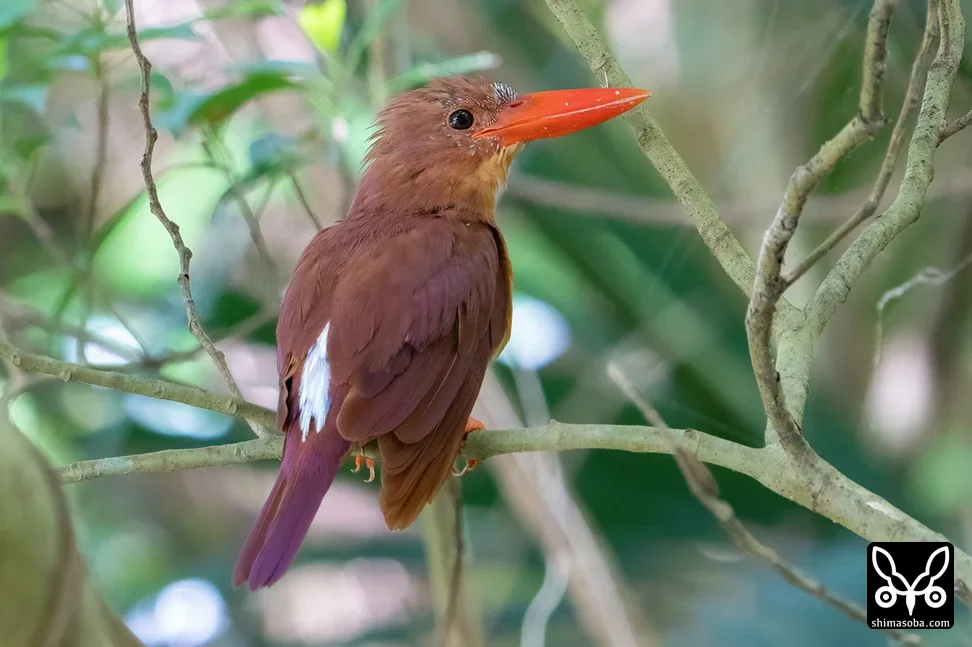
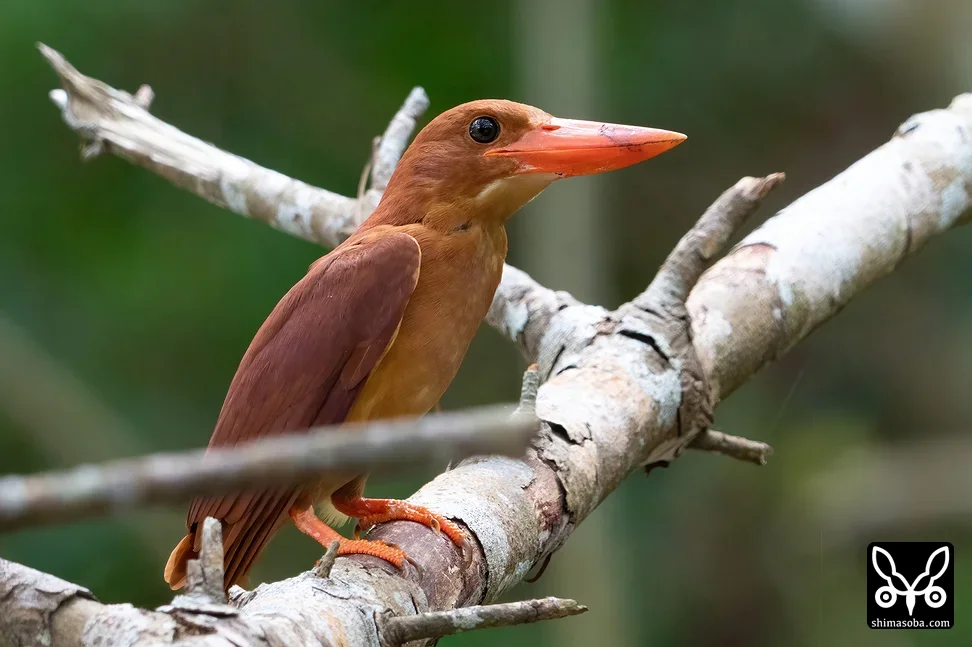
A Ruddy Kingfisher carrying prey.
The prey looks like a large grasshopper.
The autofocus on the SONY α1 is remarkable. It doesn't miss focus even when a small bird is coming straight at the camera.
Day three after installing the artificial nest, one day before fledging. The chicks' feathers have filled in considerably.
I shoot with the car window open about 20 cm and a blind covering it.
Maybe the duct tape is slippery — mid-air feeding.
July 27. The Ruddy Kingfisher chicks are spending more and more time peering outside, looking ready to fledge any day now.
Five days since the rescue, four days since being returned to the parents — the Ruddy Kingfishers have finally fledged!! The first to go was neither of the two individuals shown with their heads out at the top.
It doesn't seem able to perch on branches yet and is moving around on foot. The four remaining in the nest also look healthy. It will probably take another two or three days for all of them to fledge.
まだ7月というのにアカアシシギの幼鳥が登場です。ずいぶん早いですね。
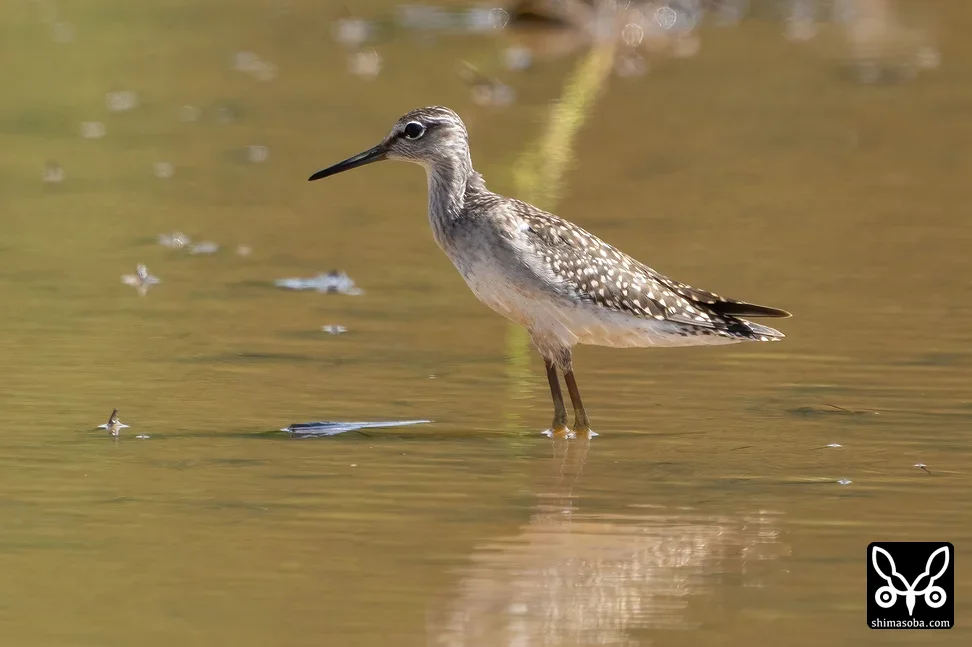
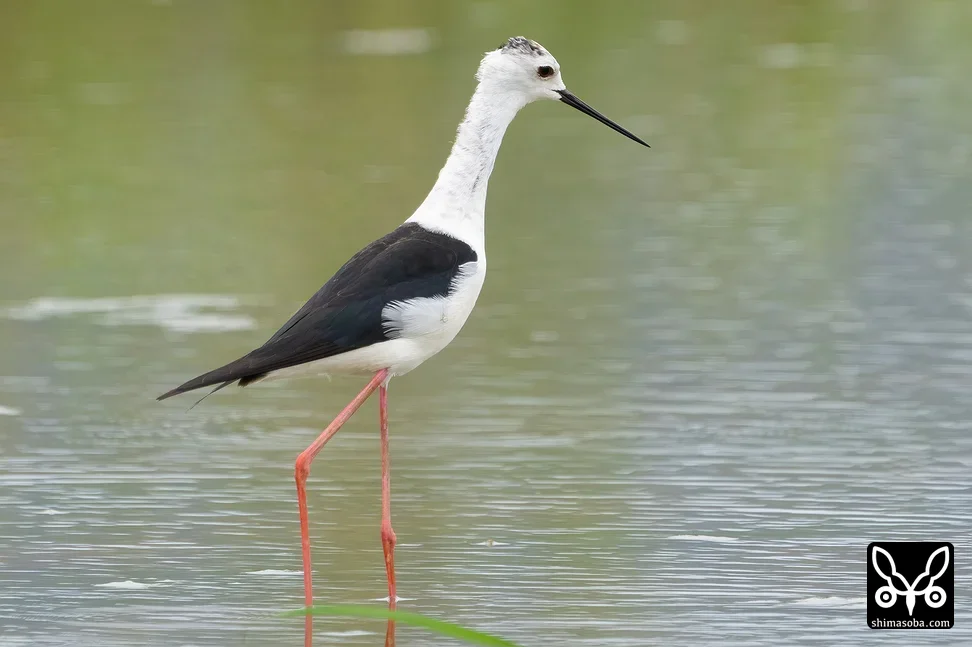
田んぼにはアカアシシギ以外にもアオアシシギやタカブシギ、セイタカシギなどがいました。
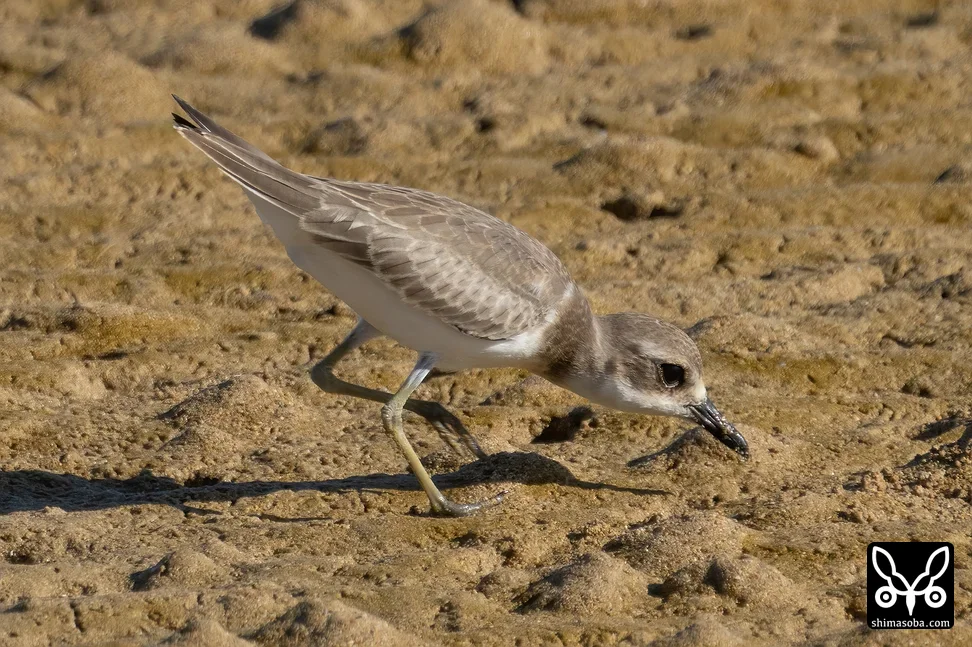
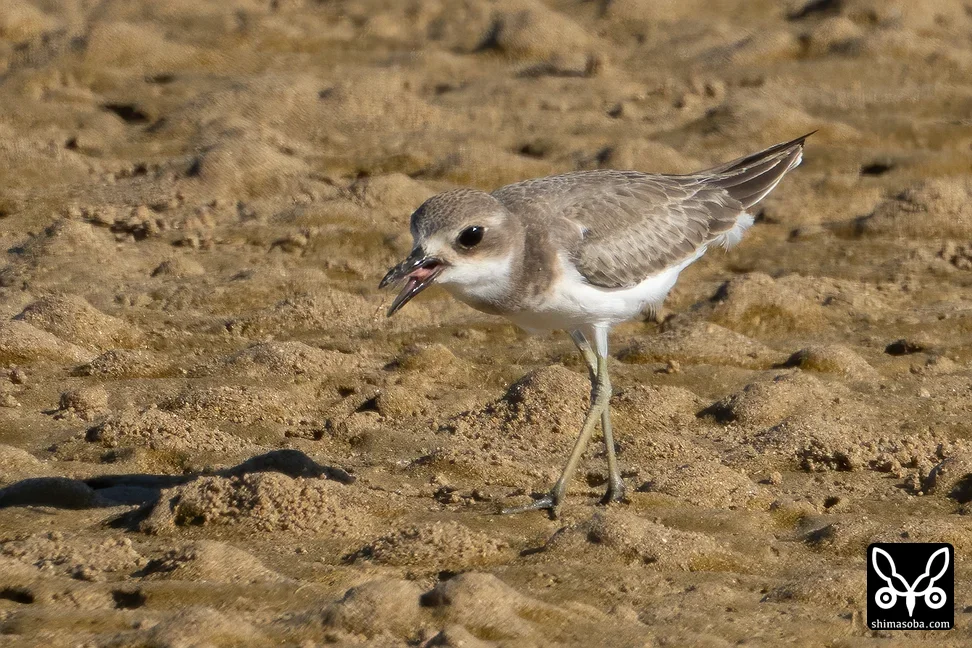
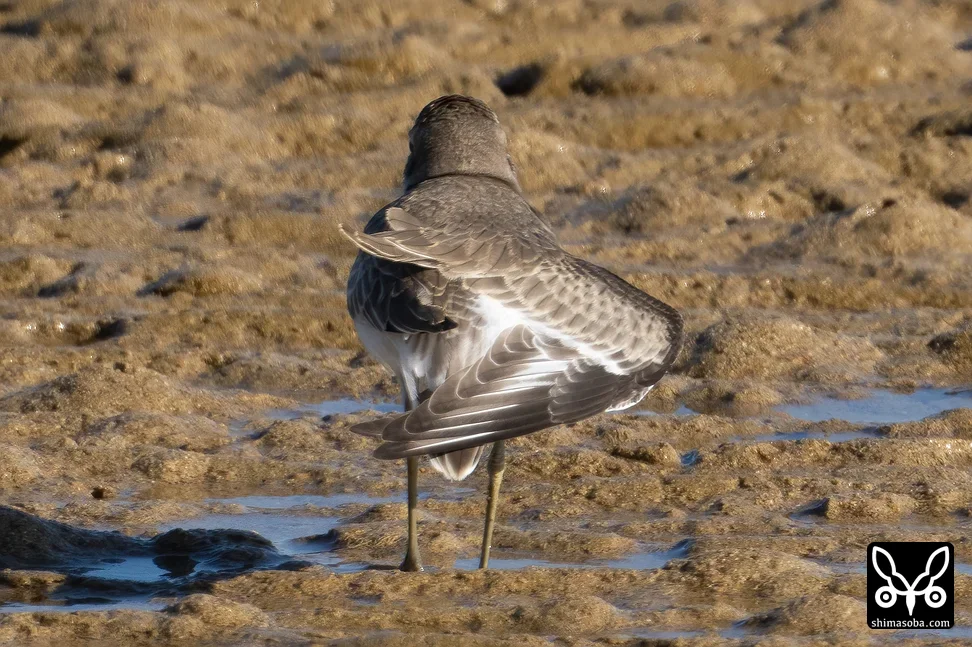
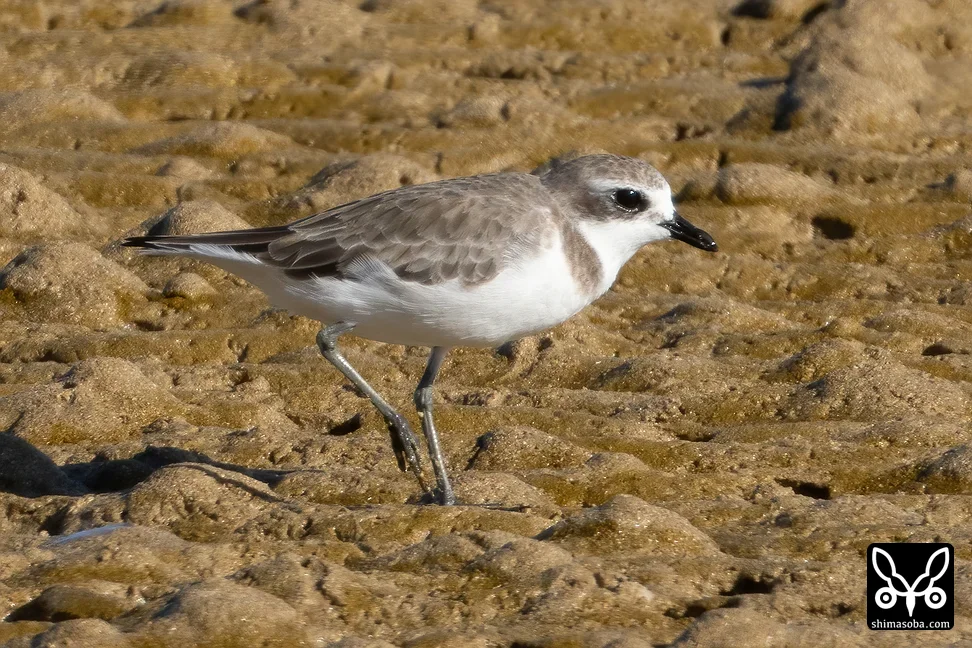
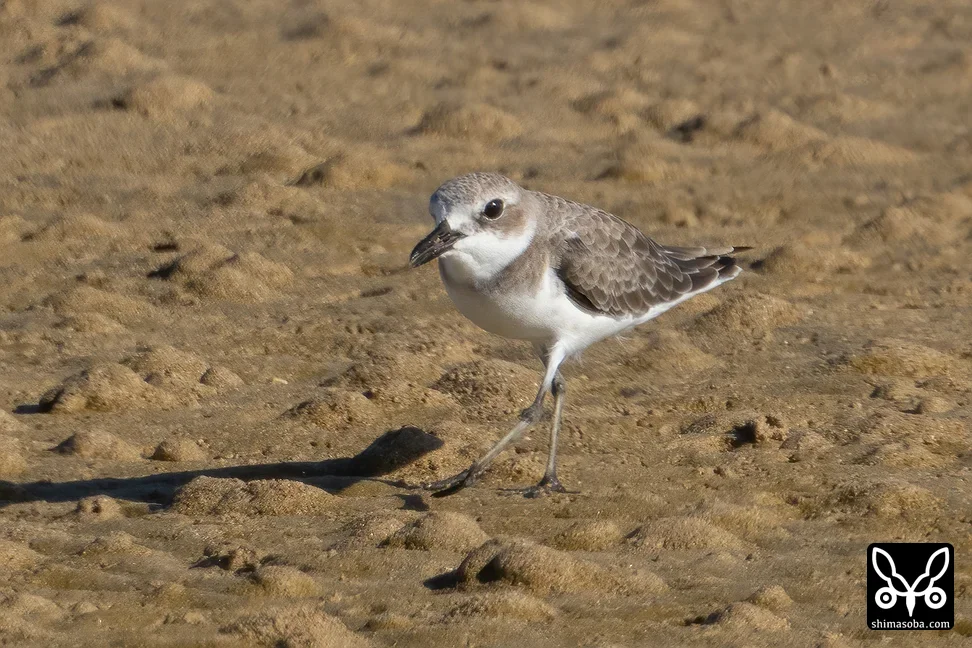
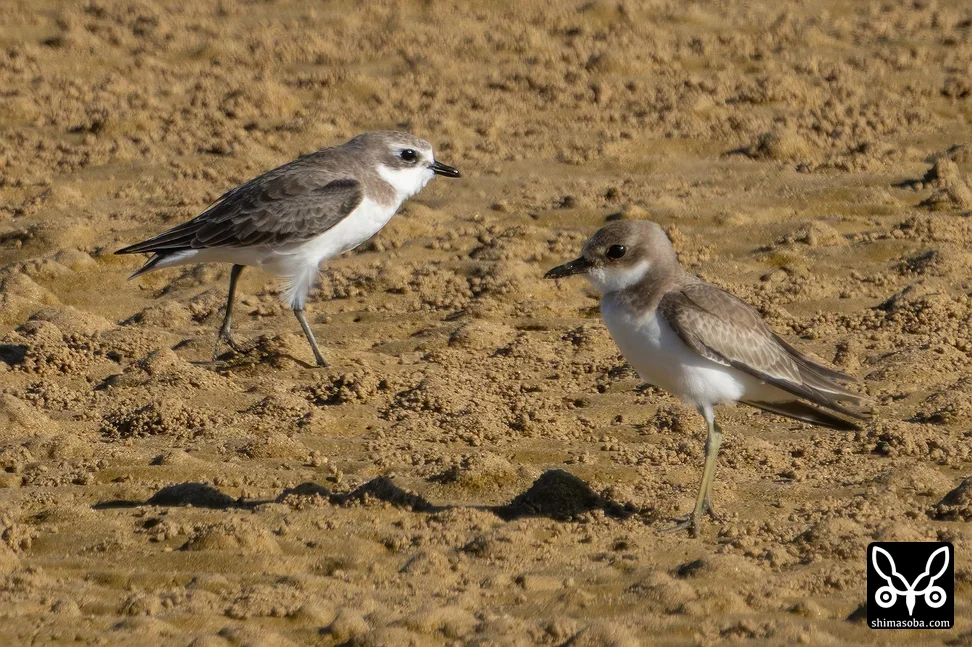
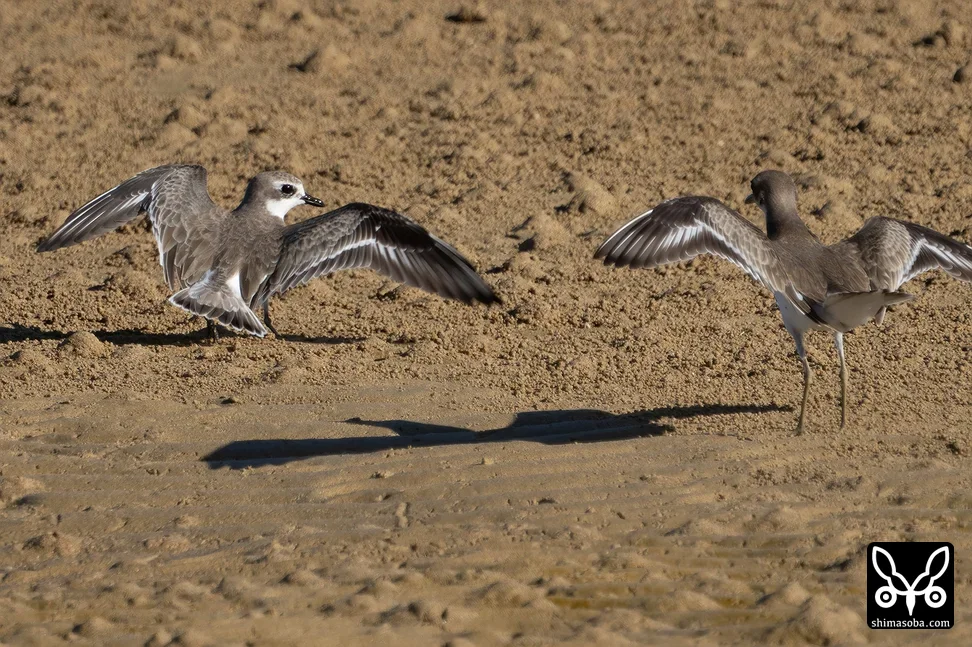
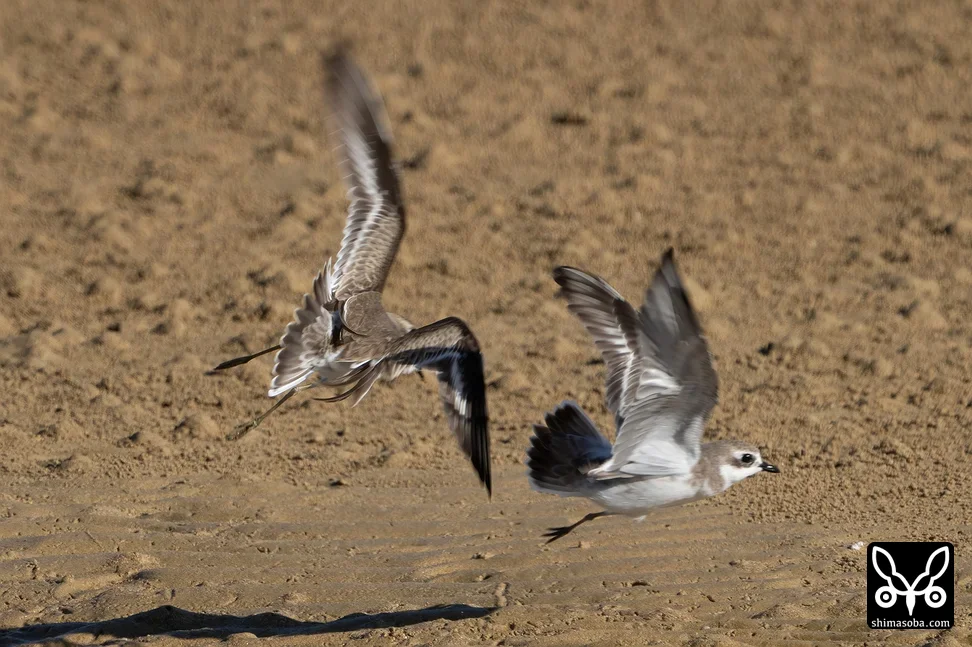
海岸にはオオメダイチドリ20羽ほどの群れやソリハシシギ、トウネン、シロチドリ、チュウシャクシギなどが滞在中です。
Common Redshank, juvenile plumage moulting into 1st-winter plumage.
Common Redshanks are increasing, with a dozen or so birds confirmed at multiple locations.
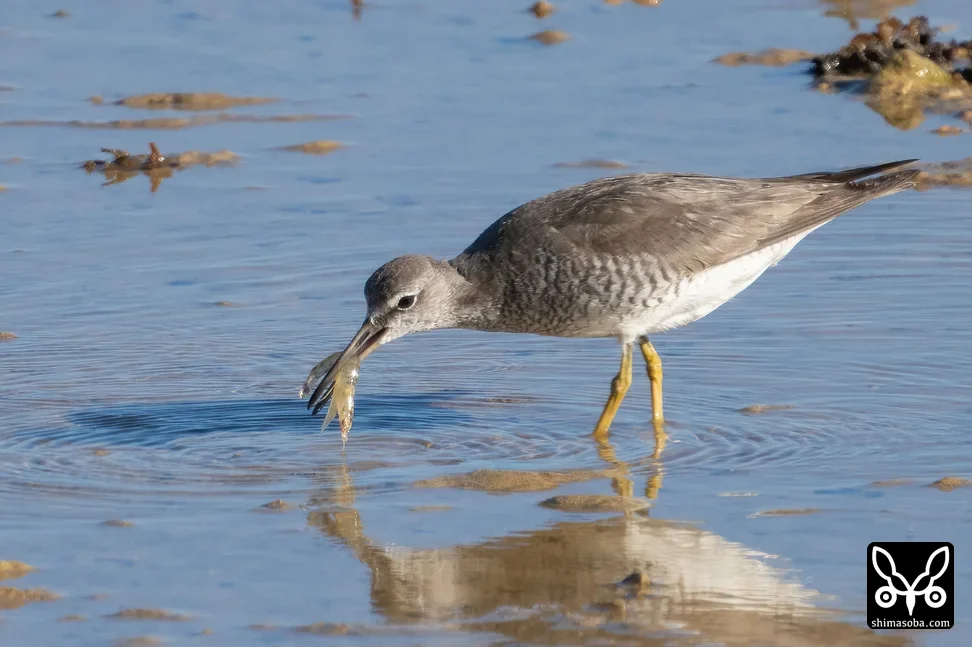
Common Greenshank, late summer plumage.
Terek Sandpiper, late summer plumage.
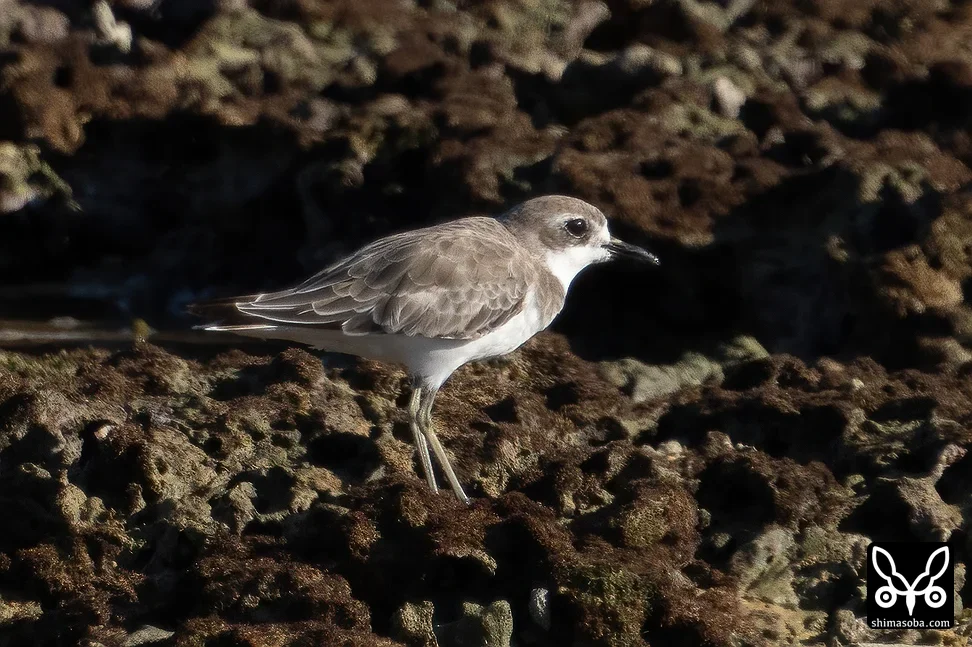
Greater Sand Plover, moulting into winter plumage.
Greater Sand Plover, winter plumage.
Whimbrel, winter plumage.