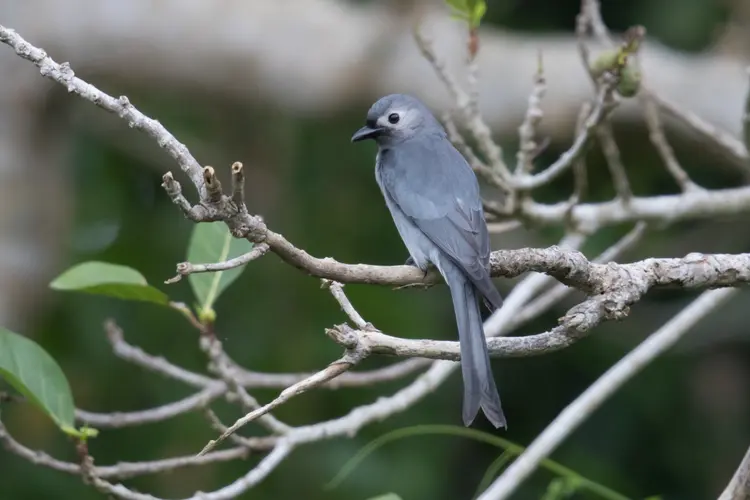
Olive-backed Pipit, White Wagtail, Red-throated Pipit, and Others
Olive-backed Pipits have been wintering at several sites since last year, but they are hard to photograph. This day I found them by call — six birds had come down onto a lawn. Among the many small birds that dart around constantly, the Olive-backed Pipit's unhurried movements are a real pleasure to watch.
Nearby was a Dusky Thrush. This winter Dusky Thrushes, Pale Thrushes, and Brown-headed Thrushes have all been very scarce. Driving the forest roads I can hear them calling from the undergrowth, but almost none are coming out onto farmland. Some winters are full of Naumann's Thrushes, but there seems to be a year-to-year cycle driven by something or other.
In the rice paddies, flocks of several dozen Eastern Yellow Wagtails and Red-throated Pipits. Among a group of around fifteen White Wagtails there was also a leucopsis White Wagtail. This season leucopsis birds are scarce and ocularis birds are plentiful.
Temminck's Stints, Common Greenshanks, Wood Sandpipers, and Little Ringed Plovers are also present here and there.
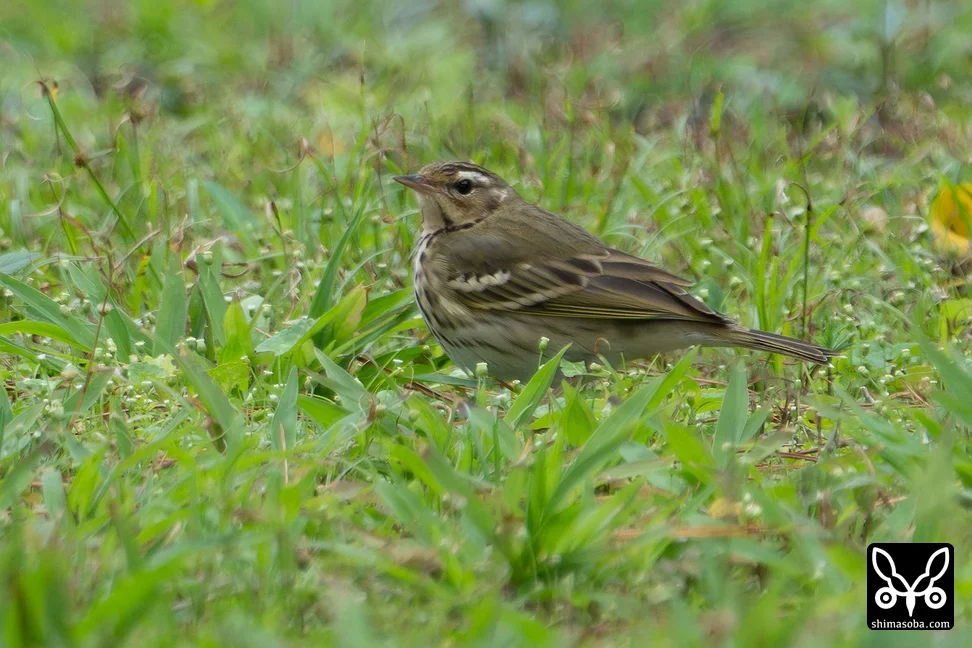
A Tree Pipit I finally managed to photograph. There are several around my house, but they are so wary I haven't been able to get a shot.
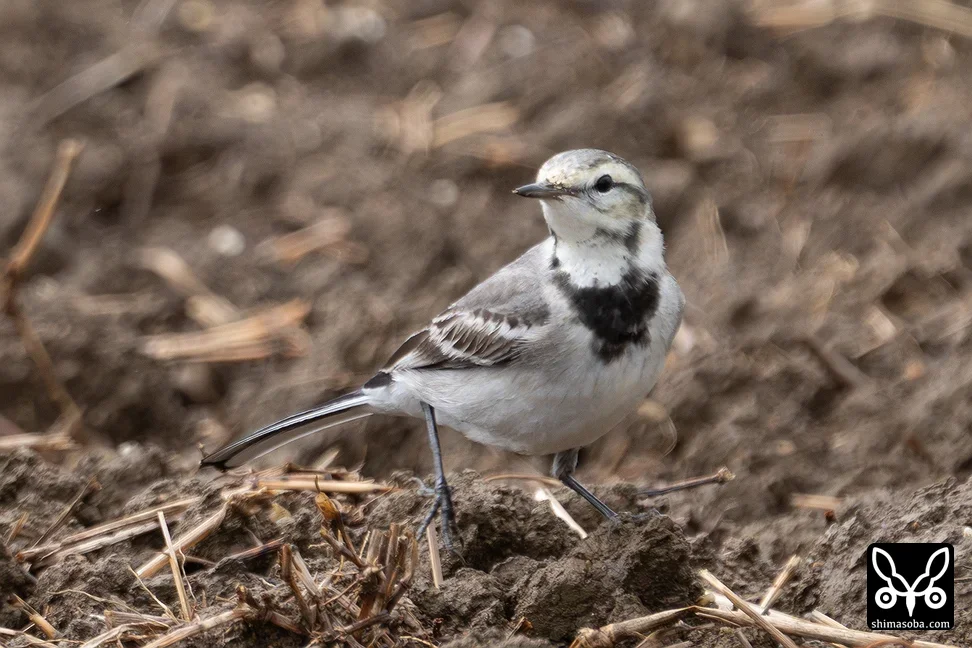
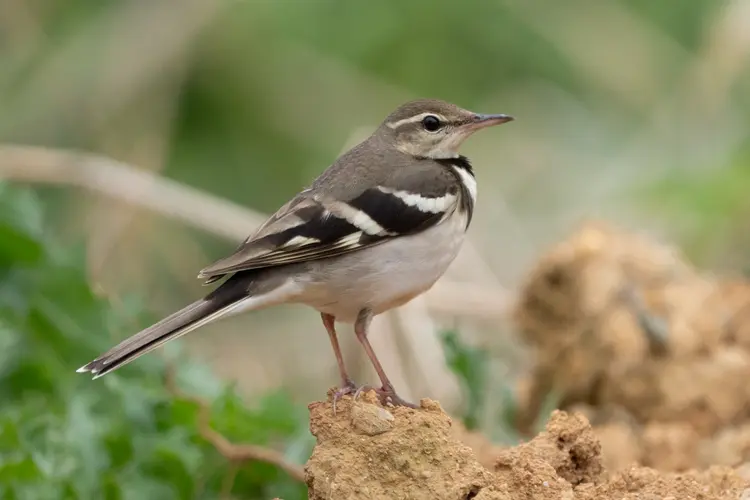
Taiwan Wagtails are fewer than usual this season. White-faced Wagtails are more numerous than ever. Black-backed Wagtails are as always. A Masked Wagtail turned up on Okinawa main island, so I'm hoping for one on Ishigaki too… ^^;
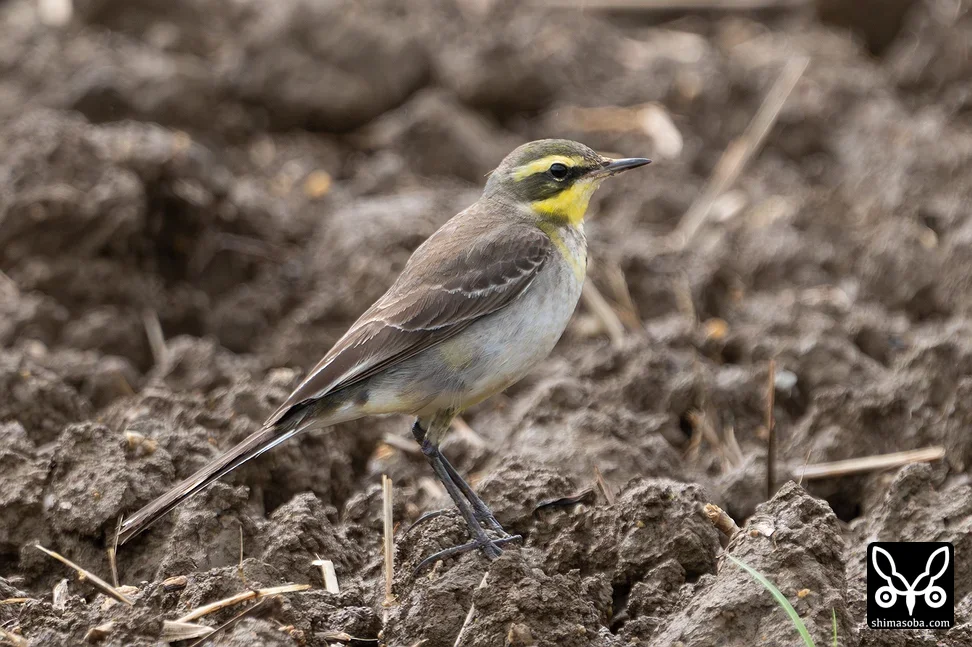
Yellow Wagtail (superciliosa), first-winter.
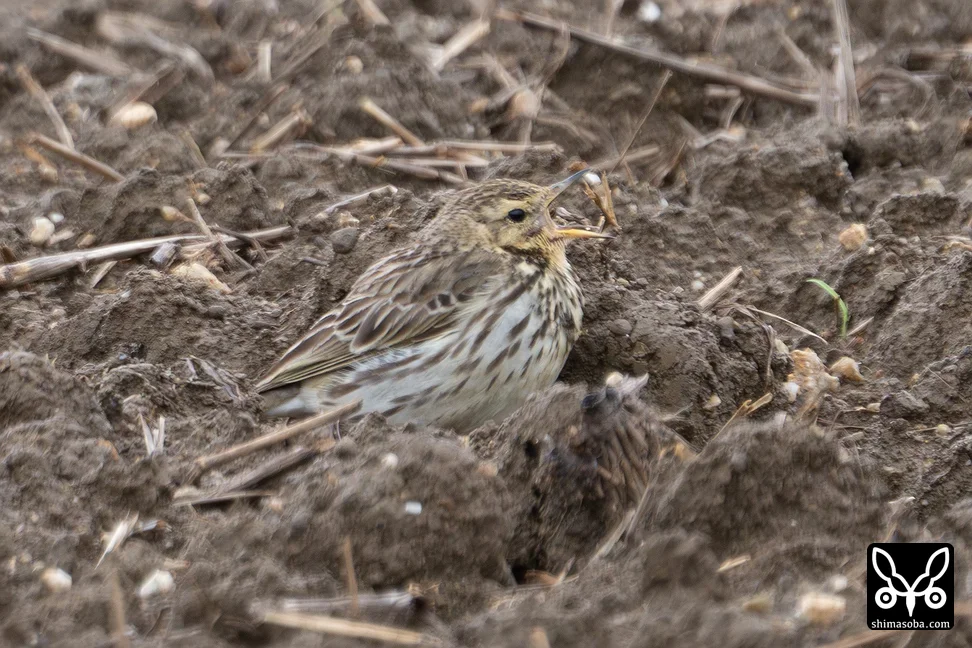
When the weather turns rough, Red-throated Pipits — normally very wary — become easier to observe.
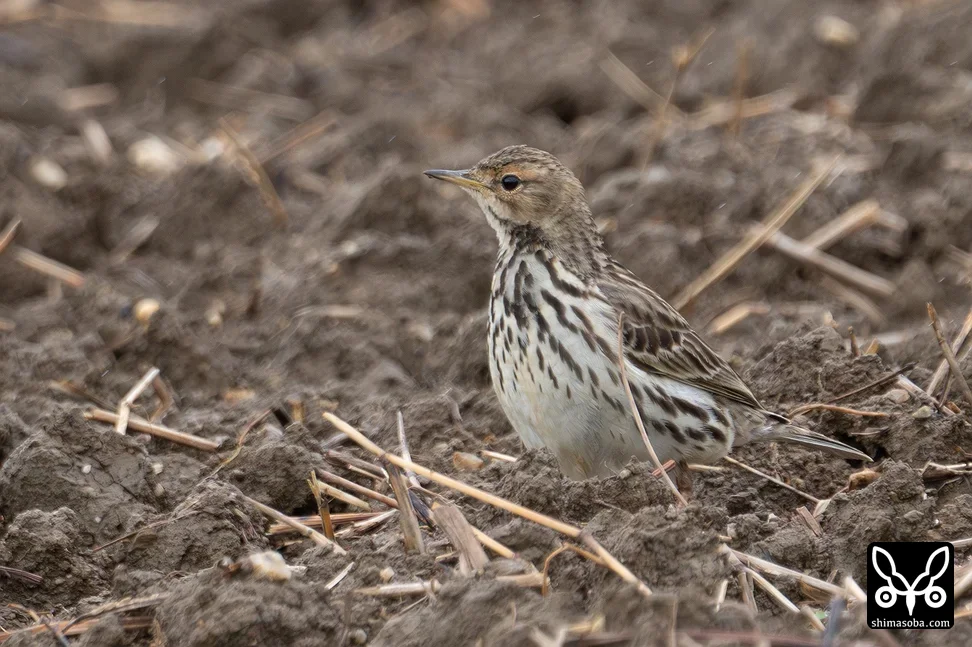
A Red-throated Pipit with a slightly flushed face. It is keeping a wary eye on a nearby Common Kestrel.
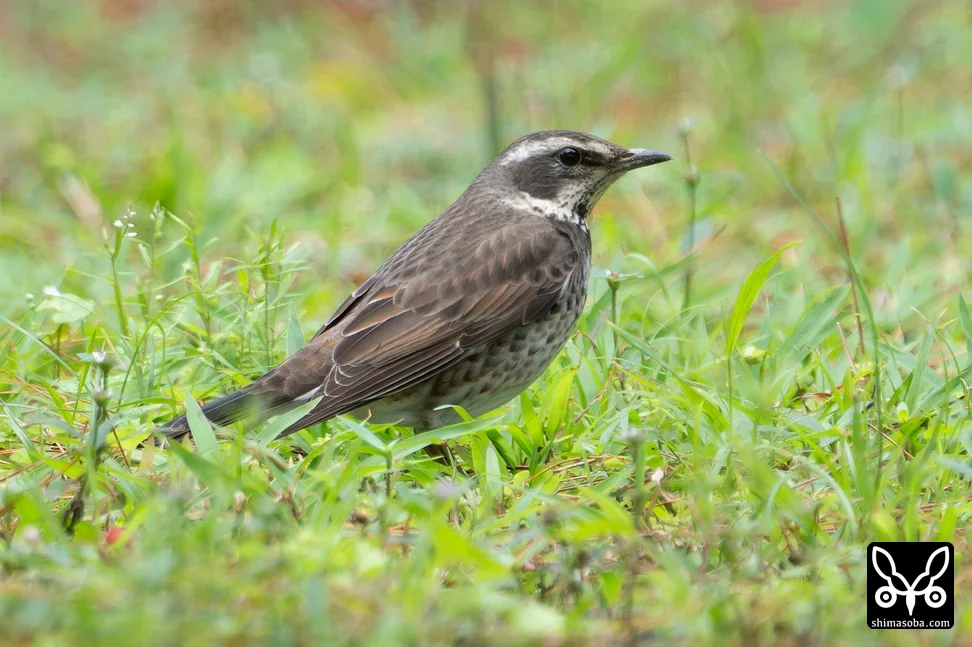
Adult female Dusky Thrush. A Naumann's Thrush is also wintering at another site, but thrushes in general are scarce this winter.
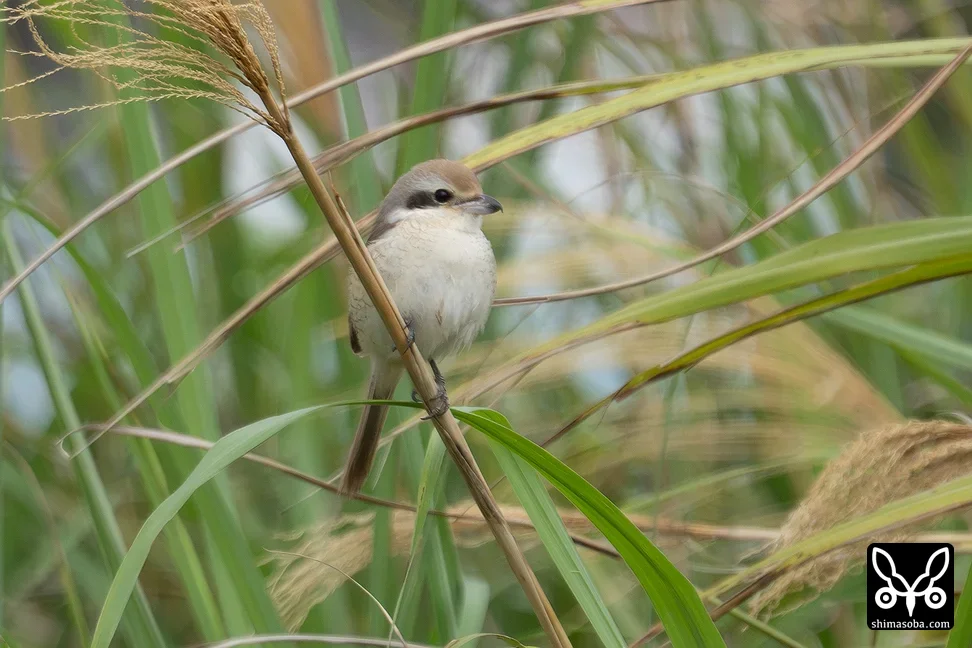
First-winter female Brown Shrike.
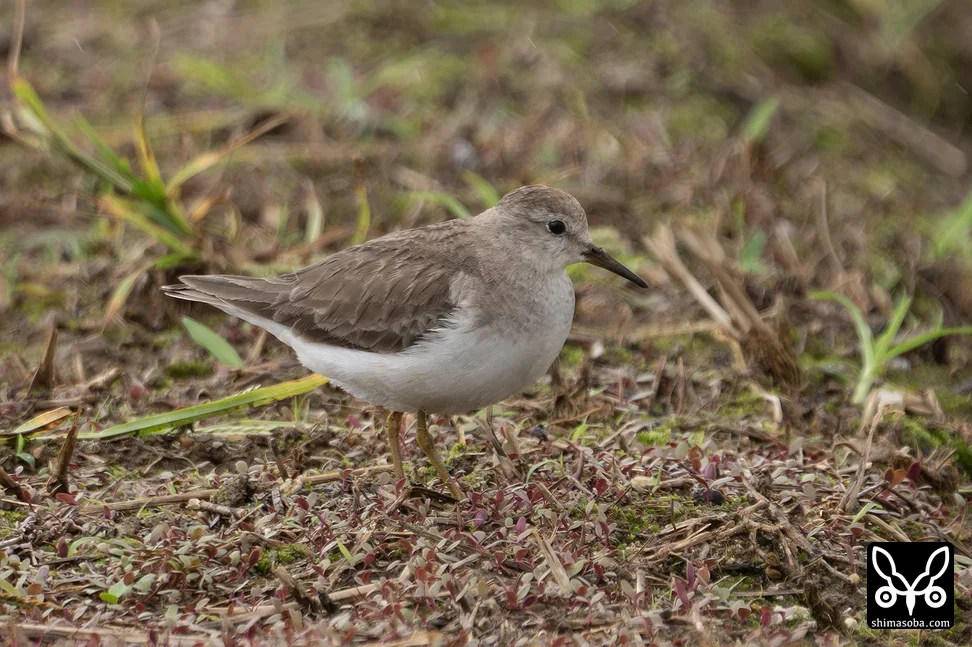
First-winter Temminck's Stint.
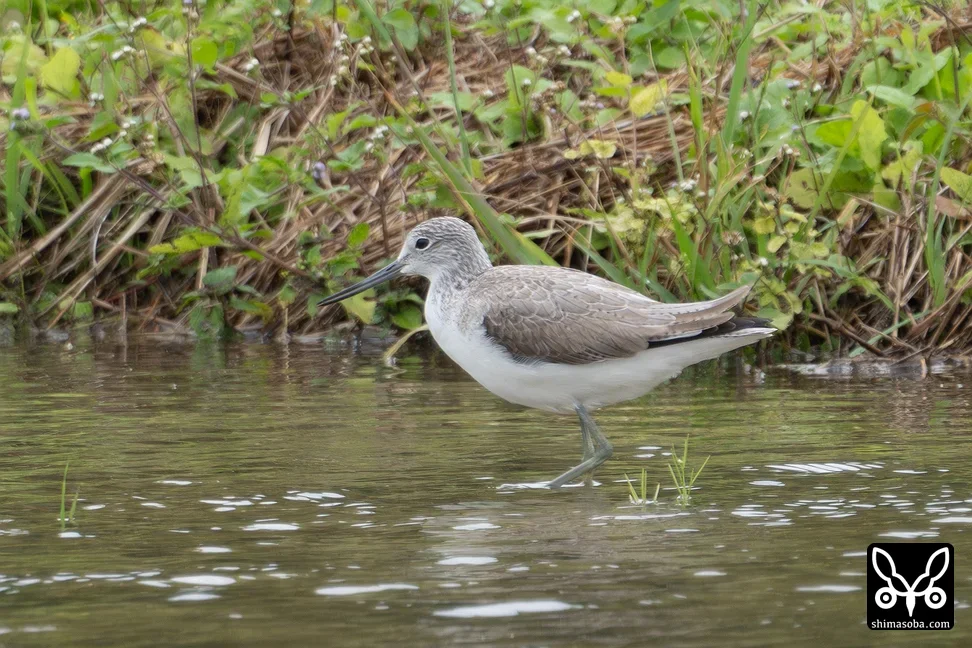
First-winter Common Greenshank.