A daily record.
Featuring photos of wild birds and nature, mainly from Okinawa Main Island and Ishigaki Island

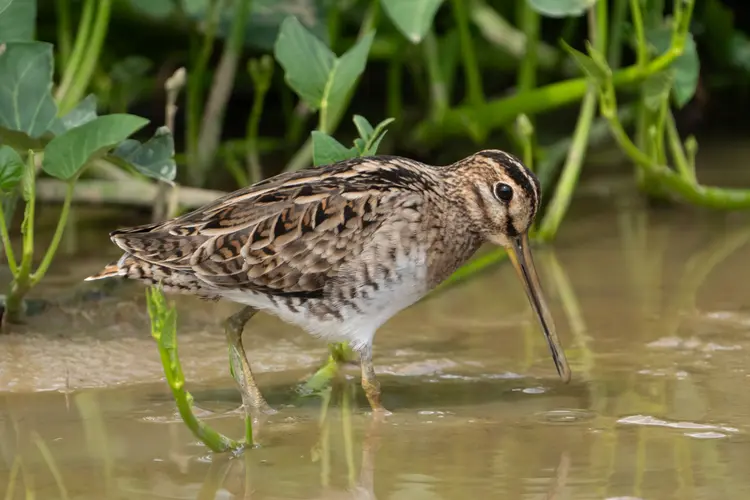
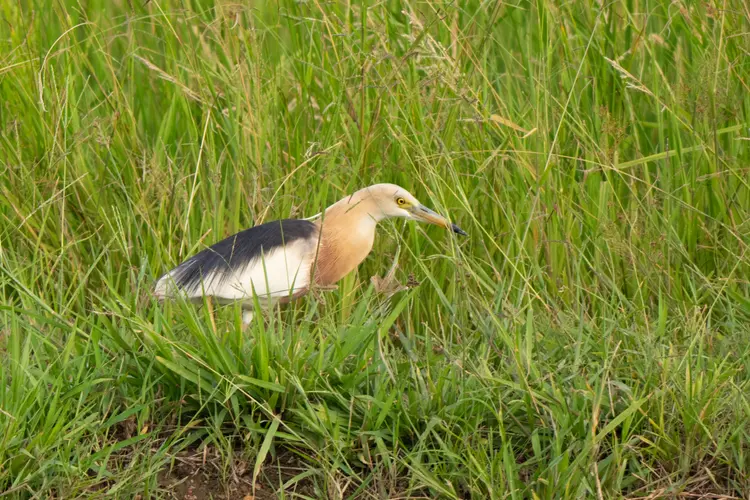
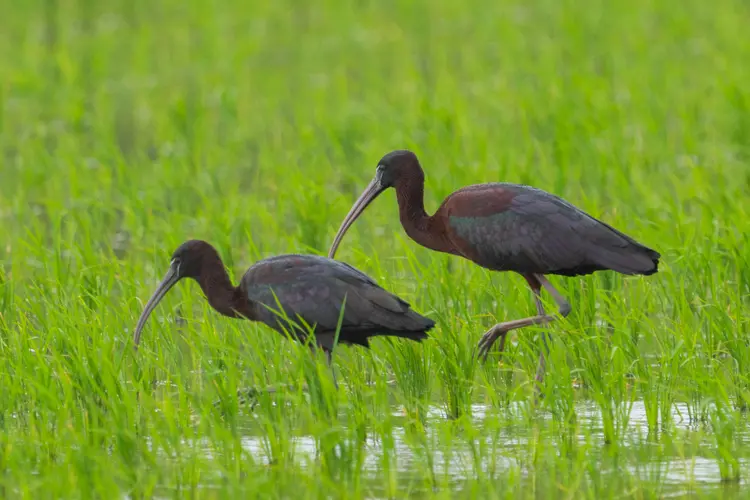
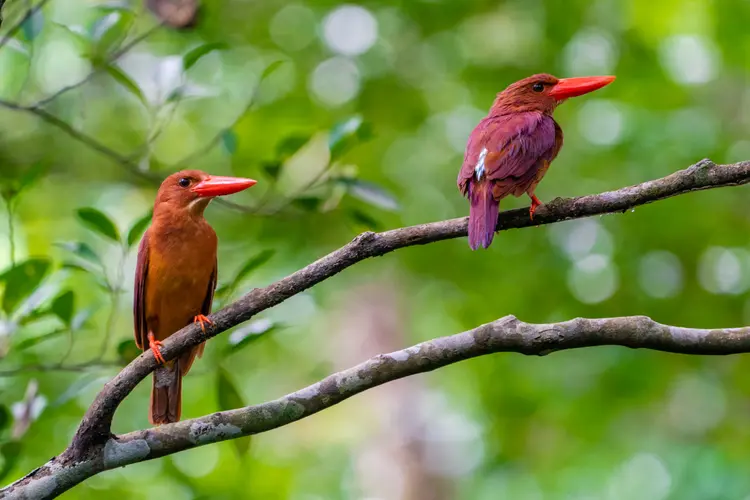
Pintail Snipe Javan pond heron Glossy Ibis Ruddy Kingfisher Asian Glossy Starling

GUIDED BIRDWATCHING TOUR

Go where the birds are. The SHIMASOBA Tour launches.

We'll drive you around Ishigaki Island to wherever the birds are showing best that day. Observation is mostly from inside the vehicle, and we keep it to a maximum of 3 guests so everyone can take their time.

Max. 3 guests 4 hours in the morning Beginners welcome
Check availability and book

Black-faced Spoonbill, Garganey, Northern Lapwing and Others

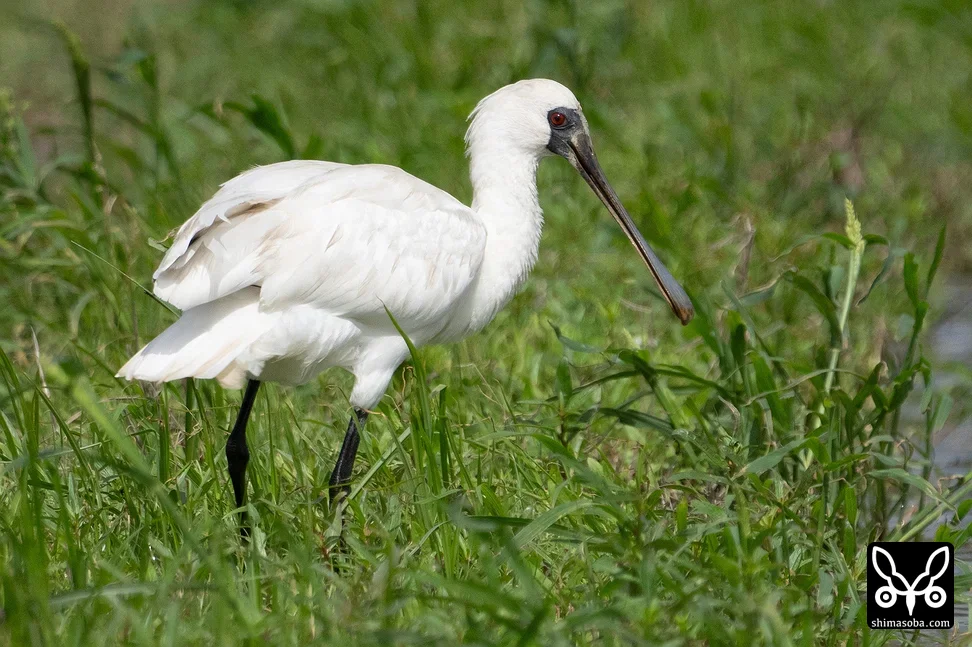
Two Black-faced Spoonbills are roaming and staying around the island. As it gradually starts to feel like autumn, Garganey, Eurasian Teal, Northern Shoveler, Eurasian Wigeon and Northern Pintail are also increasing.
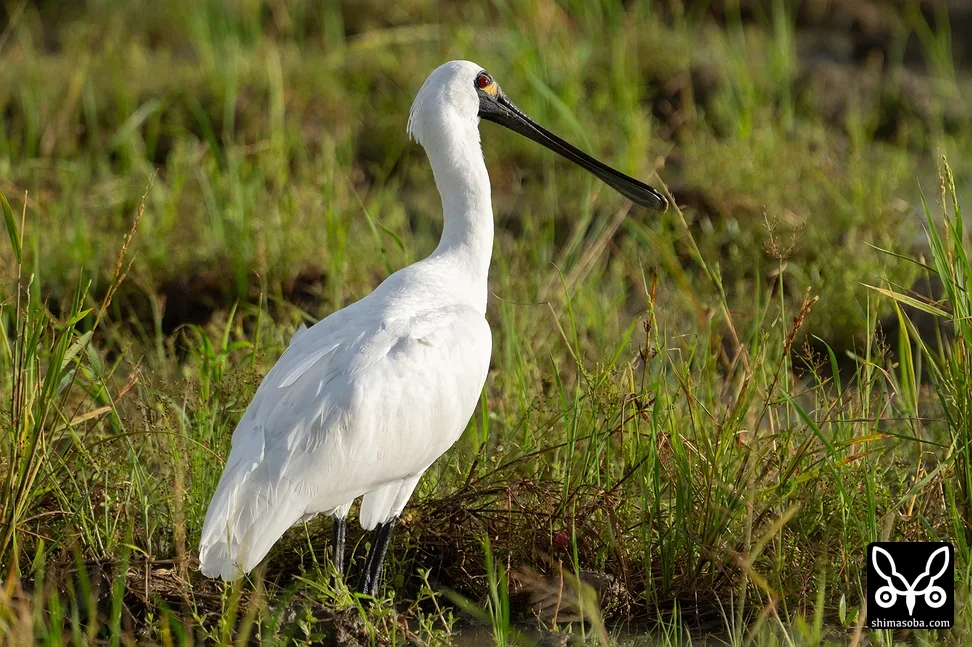
Black-faced Spoonbill

Adult Black-faced Spoonbill.

Black-faced Spoonbill

Black-faced Spoonbill from a different area.
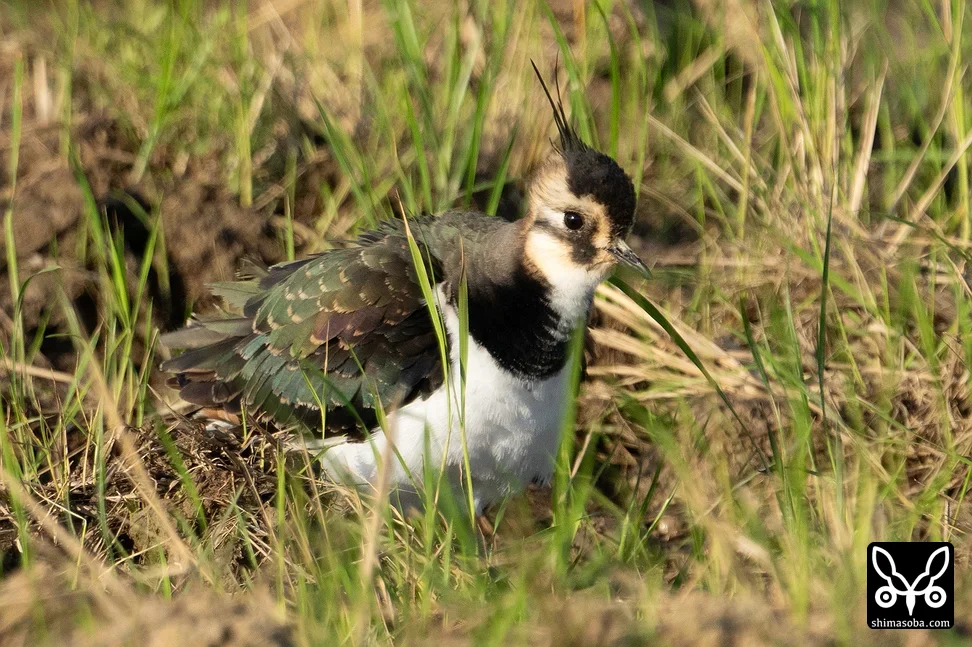
Northern Lapwing
Northern Lapwing

Five Northern Lapwings arrived. As in previous years, all were juveniles.
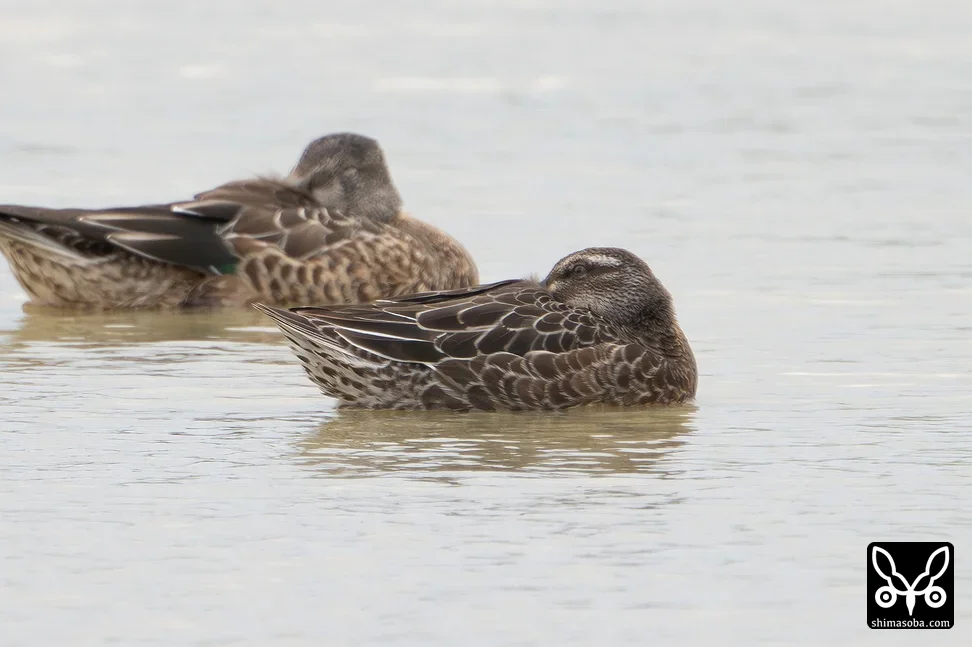
Garganey
Garganey

A juvenile Garganey that stayed like this until the end.
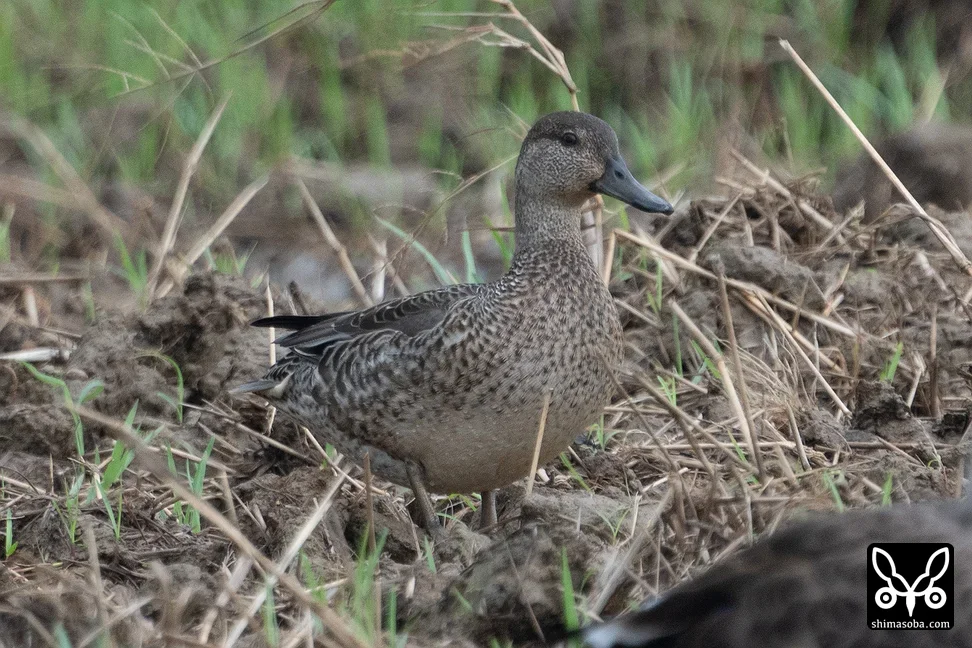
Eurasian Teal
Eurasian Teal

Common Teal also wintering here. Adult female, non-breeding plumage.
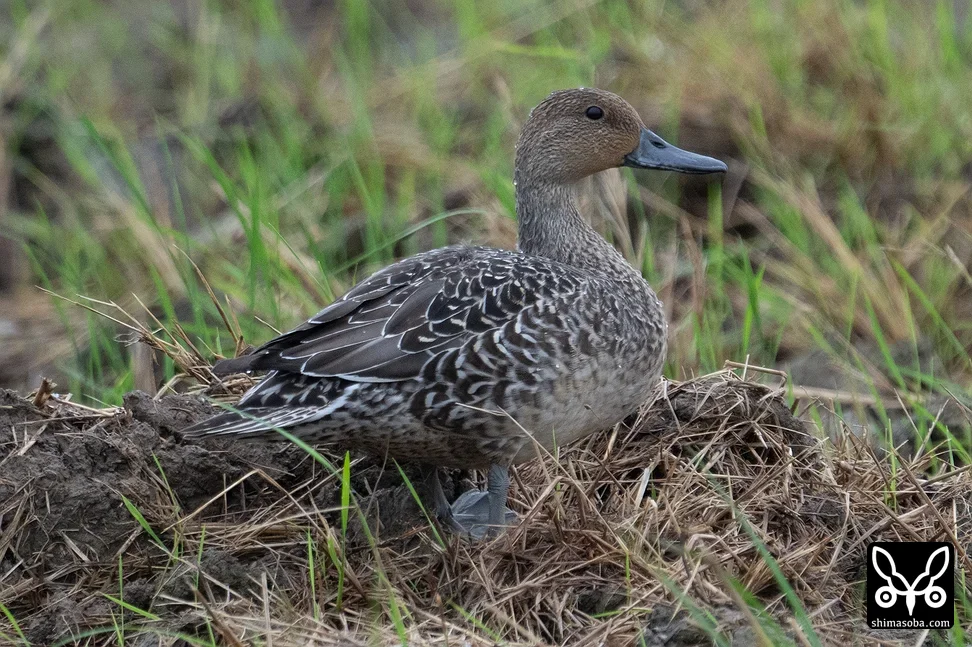
Northern Pintail
Northern Pintail

A single adult female Northern Pintail, non-breeding plumage.
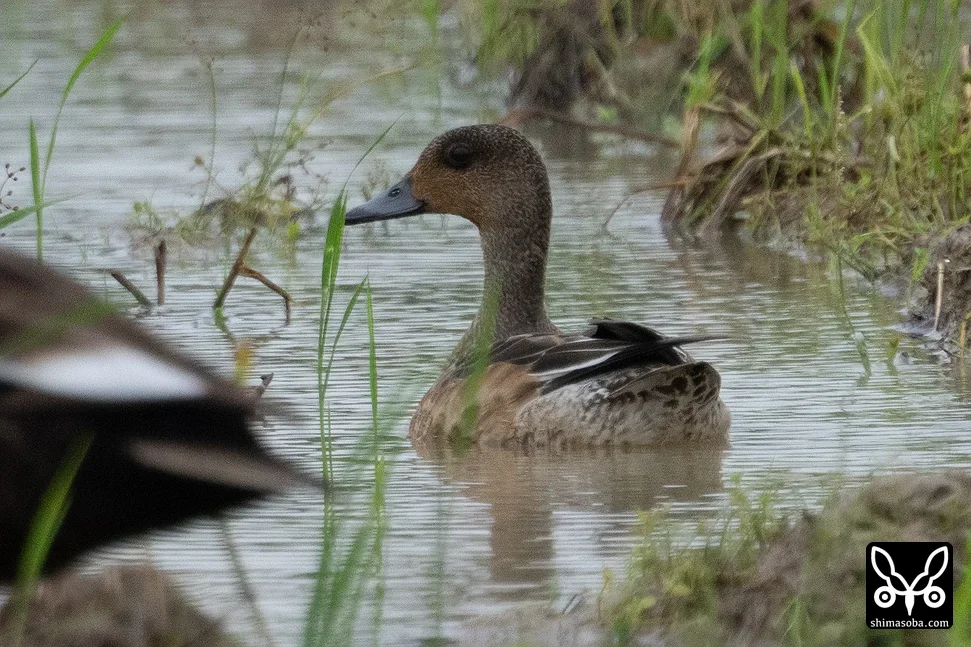
Eurasian Wigeon
Eurasian Wigeon

The Eurasian Wigeon also arrived alone and was associating with Spot-billed Ducks.
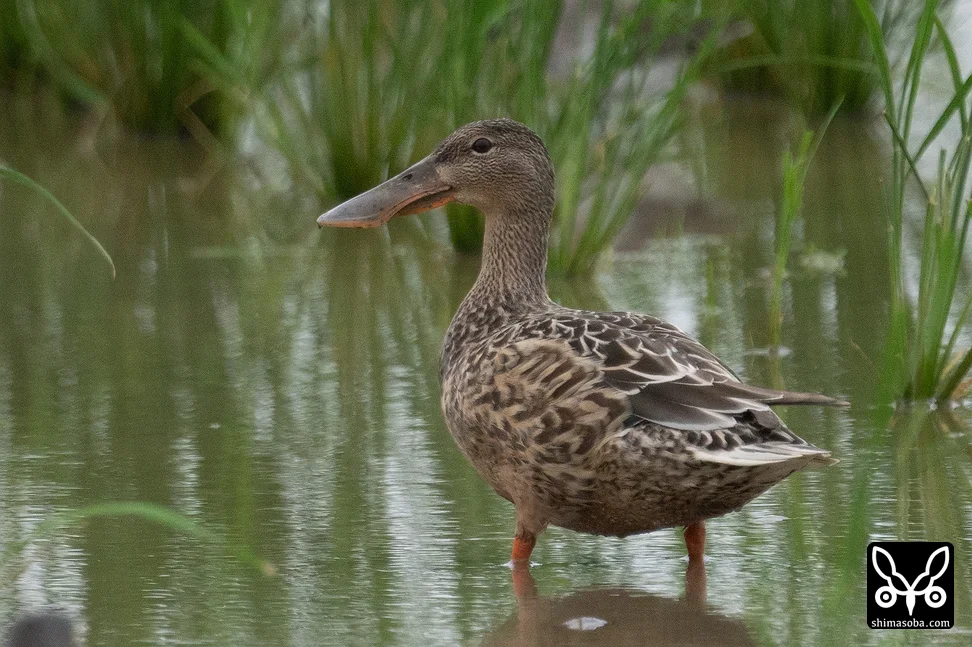
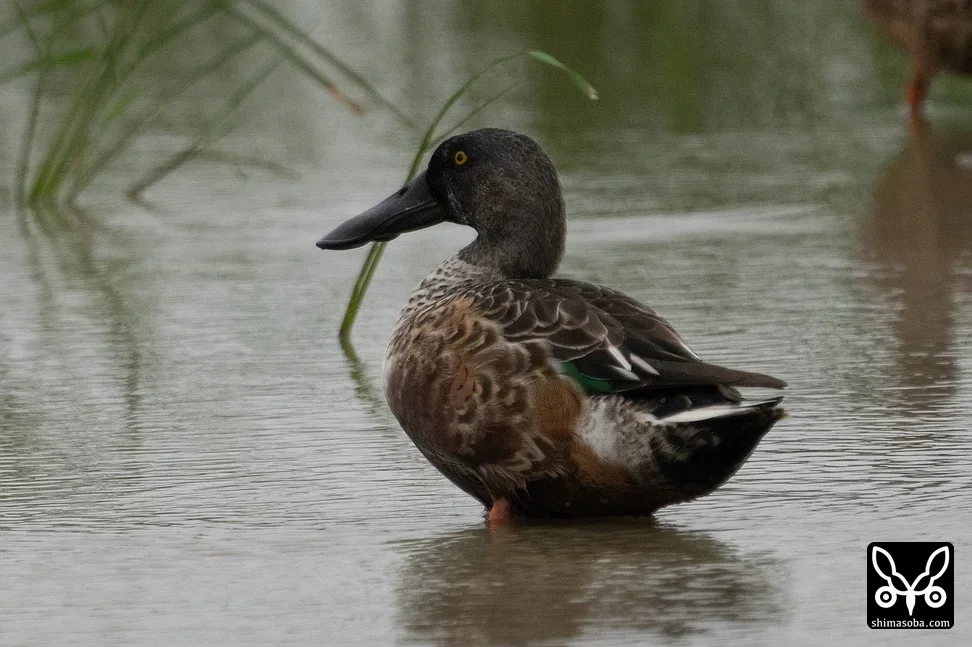
Northern Shoveler
Northern Shoveler

Juvenile female Northern Shoveler.

Northern Shoveler
Northern Shoveler

Male Northern Shoveler, moulting from eclipse into breeding plumage.
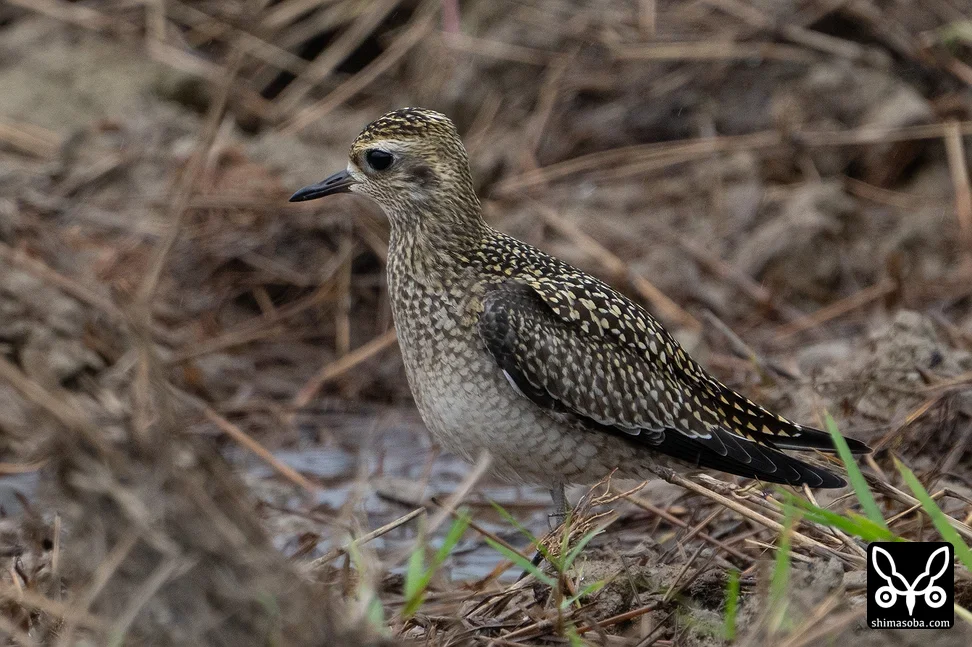
Pacific Golden Plover

A juvenile Pacific Golden Plover on its own.
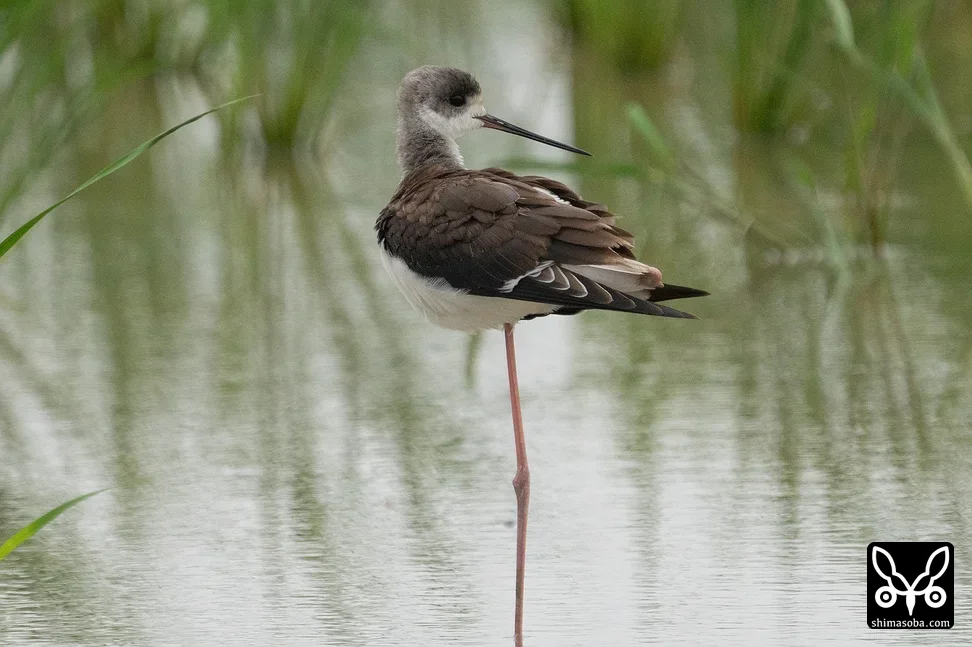
Black-winged Stilt
Black-winged Stilt

Black-winged Stilt, first-winter plumage.
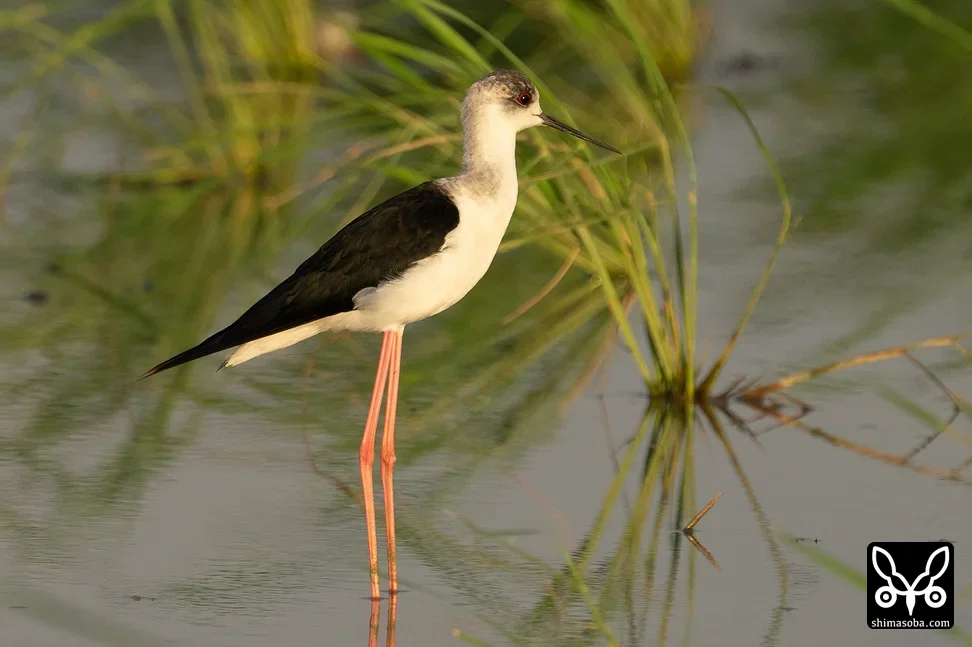
Black-winged Stilt
Black-winged Stilt

Adult male Black-winged Stilt.

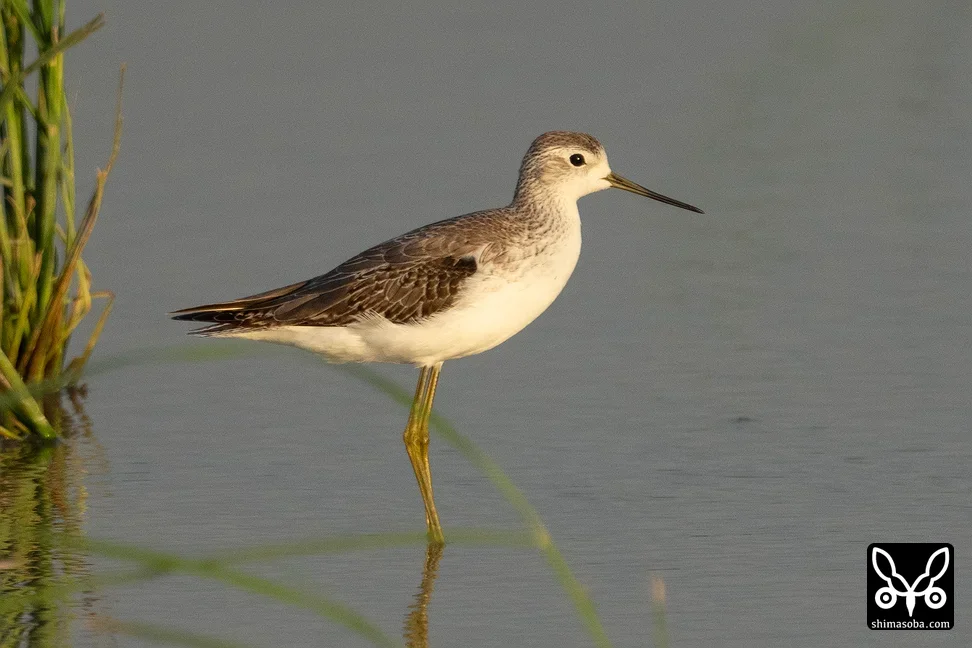
Marsh Sandpiper
Marsh Sandpiper

Common Greenshank, first-winter plumage.
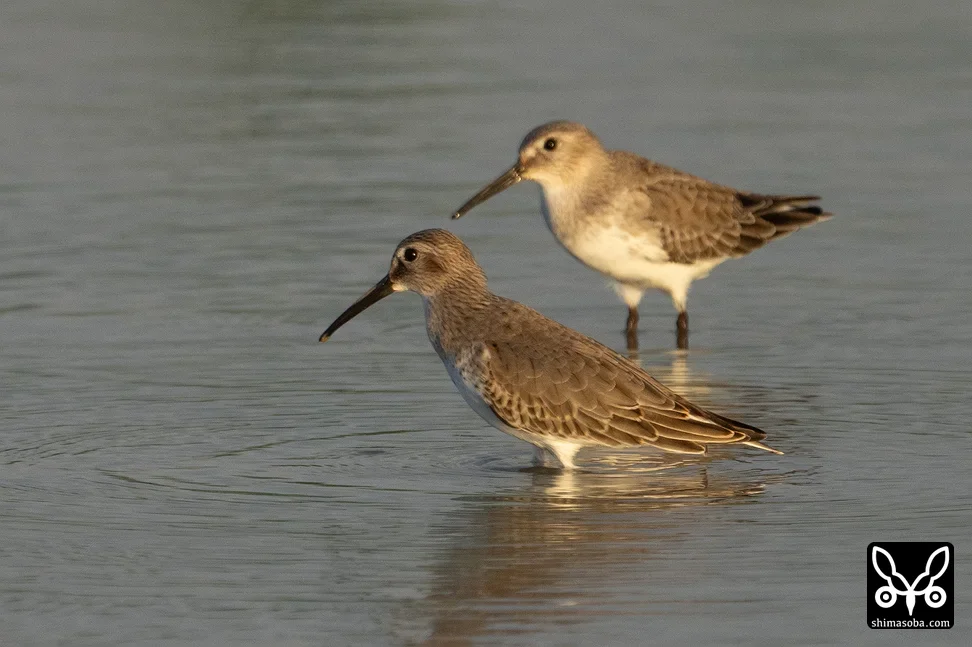
Dunlin
Dunlin

Dunlin are scarce in Okinawa, but this season a flock of up to 20 has been present.
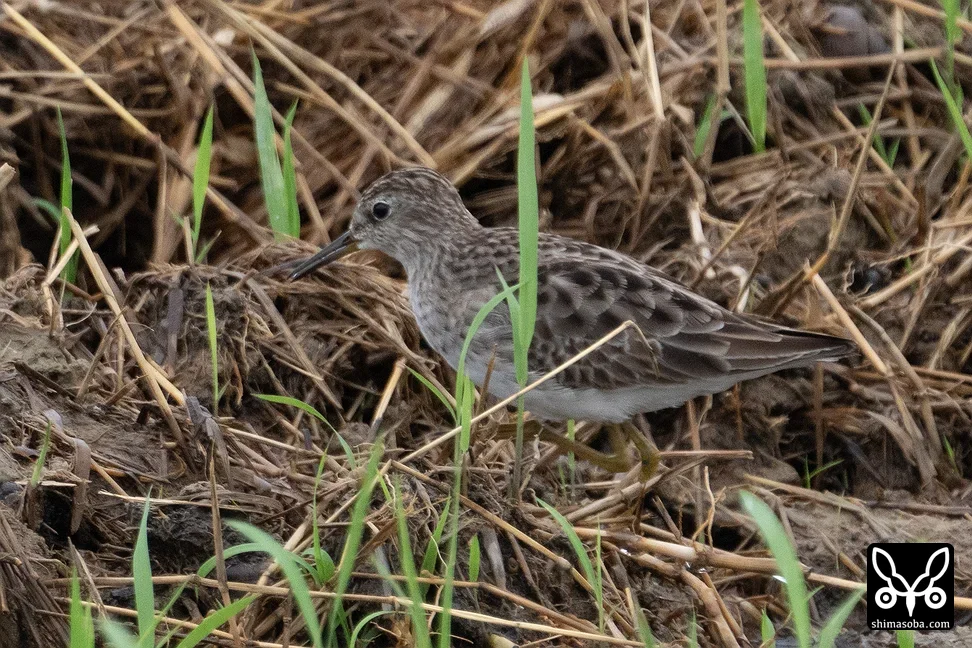
Long-toed Stint
Long-toed Stint

Long-toed Stint numbers have dropped off considerably.
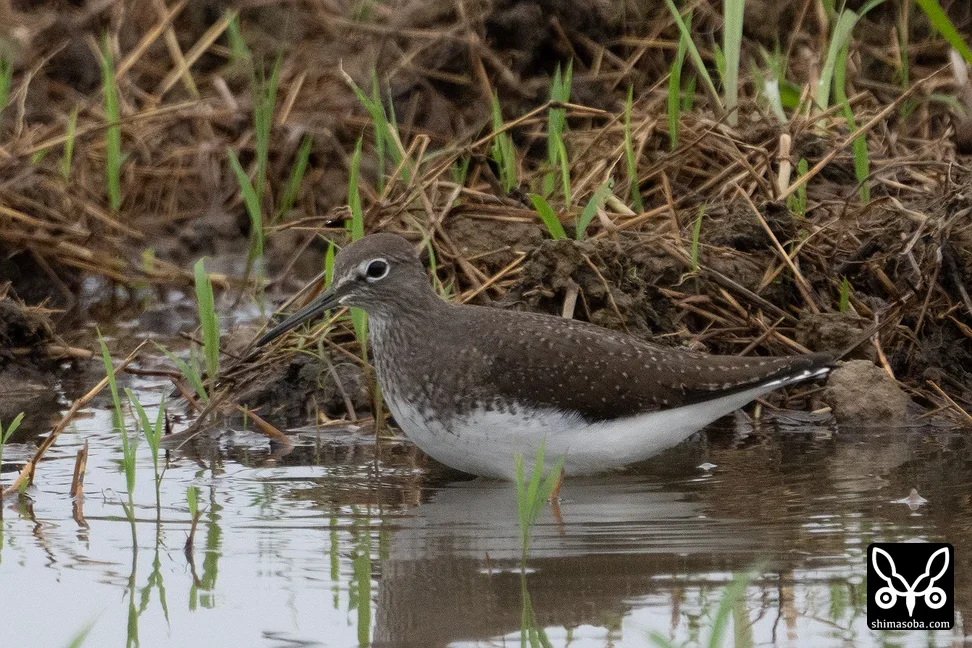
Green Sandpiper
Green Sandpiper

Green Sandpiper, always on its own.

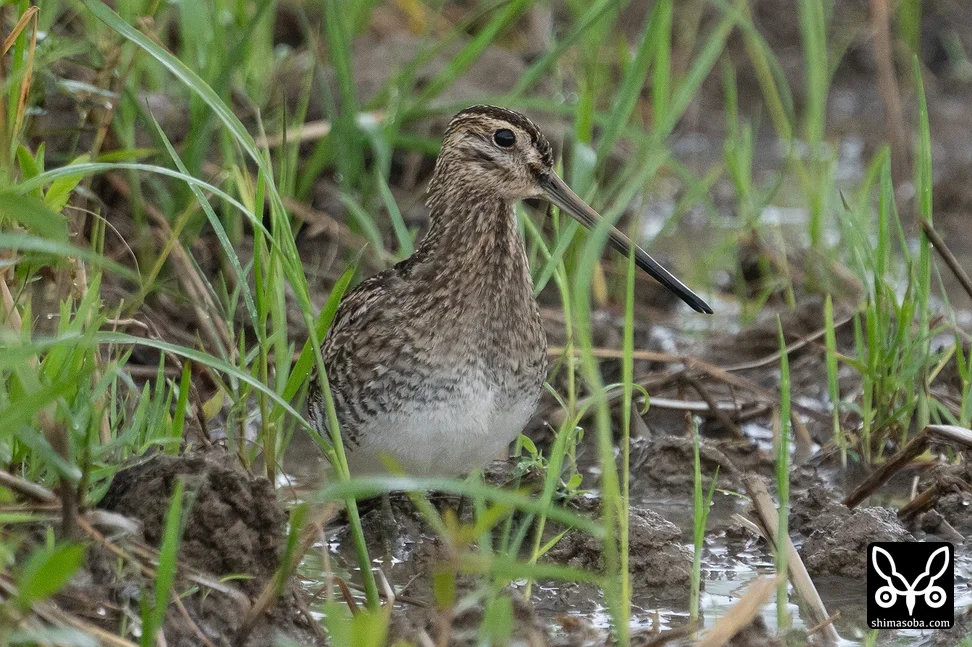
Common Snipe
Common Snipe

All the snipe have turned out to be Common Snipe.
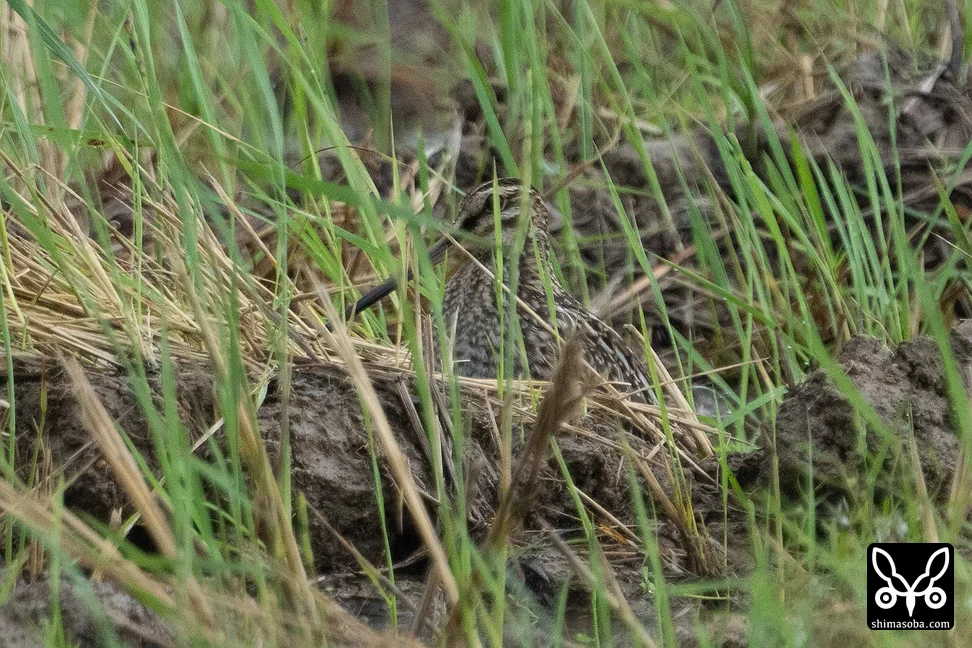
Common Snipe
Common Snipe

Common Snipe are around here and there, like this.
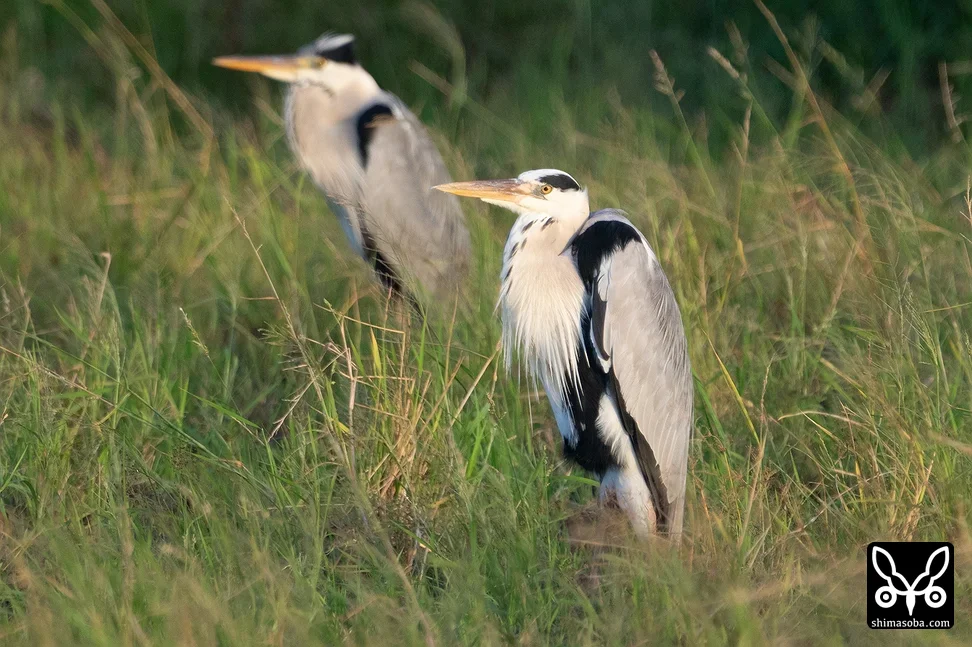
Grey Heron
Grey Heron

The wintering Grey Herons have been increasing too.
Categories: 野鳥

Black-winged Kite Hunting (video)

I usually pass on Black-winged Kites when I see them, but this one was zeroing in on prey so I photographed it for the first time in a while.

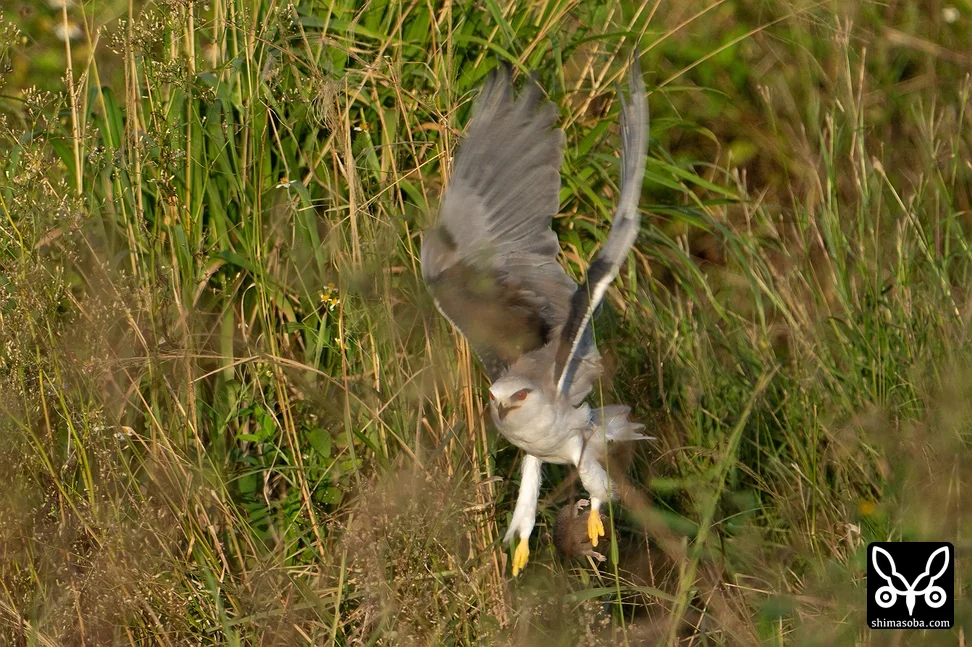
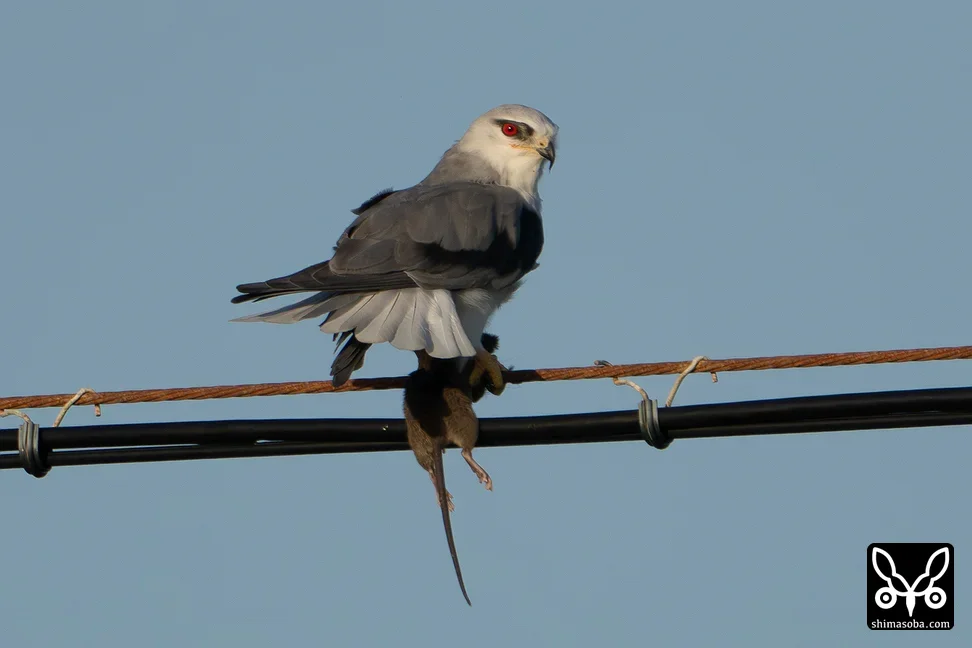
I spotted an adult Black-winged Kite on a power line, repeatedly eyeing the grassland below. It moved from its first perch to a lower telephone wire, then changed orientation and plunged down. A few seconds later it burst out of the grass with a Black Rat already squeezed dead in its talons.

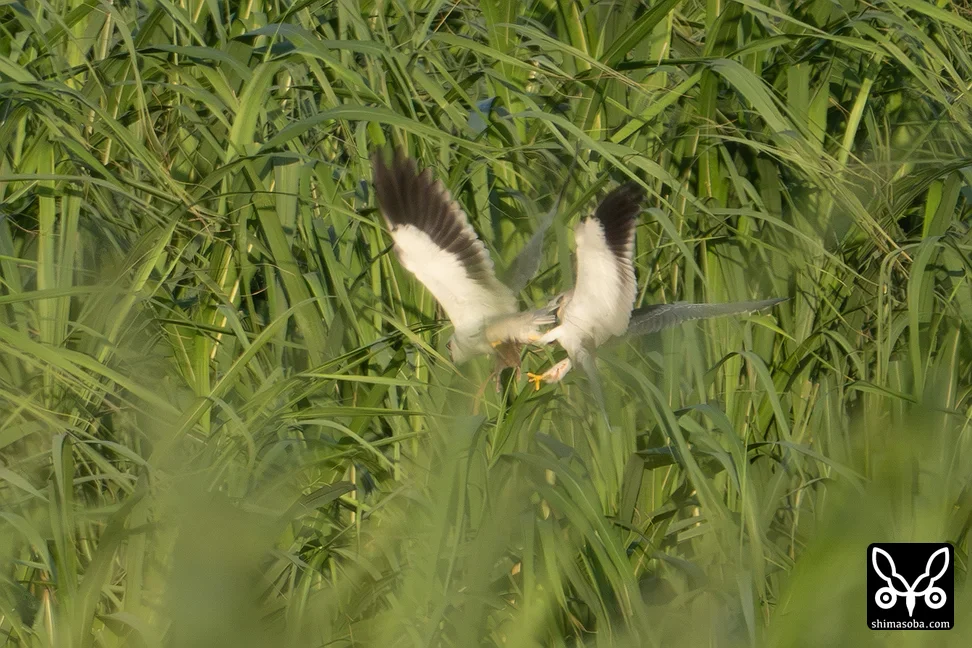
It brought the rat back to the telephone wire and began eating, all the while pumping its tail up and down and calling. I thought a female nearby might be coming to steal the prey, but the bird flew off to the east. Tracking it with the camera, I could see another Black-winged Kite arrive and snatch the rat away. Enlarging the photos, it looked as though the prey was being passed not to a female but to a juvenile.

On Ishigaki Island, Black-winged Kites breed year-round except in the depths of winter. They raise young roughly twice per season, so the population has grown considerably — on busy days you can count around 10 birds in a single day.

Black-winged Kite
Black-winged Kite

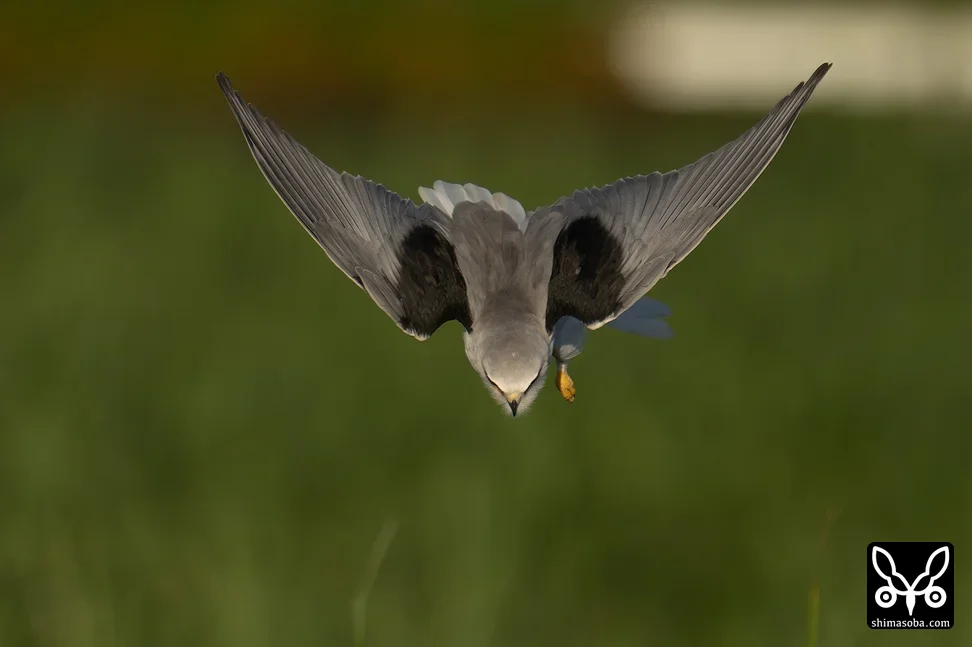
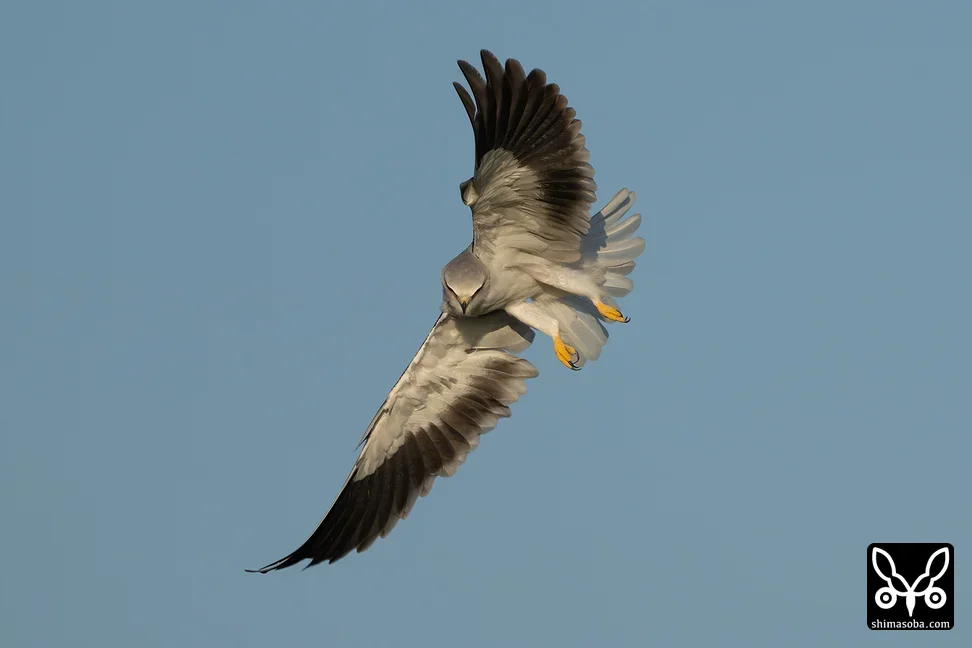
A Black-winged Kite locking onto prey.

Black-winged Kite
Black-winged Kite

A Black-winged Kite diving steeply toward a patch of grass.

Black-winged Kite
Black-winged Kite

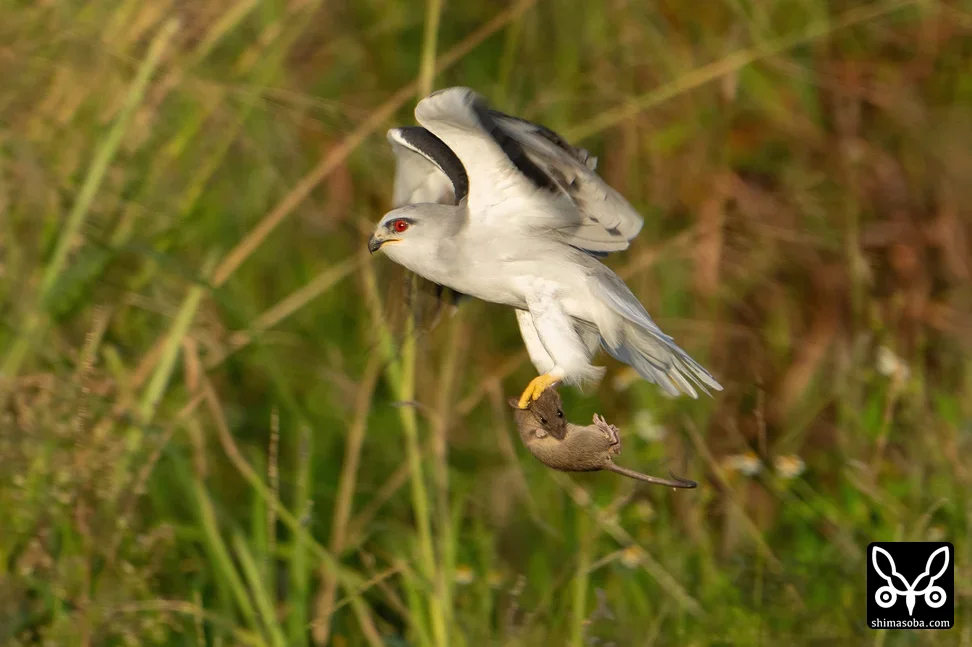
The hunt appears to have been successful — it has a mouse in its talons.

Black-winged Kite
Black-winged Kite

The Black Rat, with a vacant expression, is already dead.

Black-winged Kite
Black-winged Kite

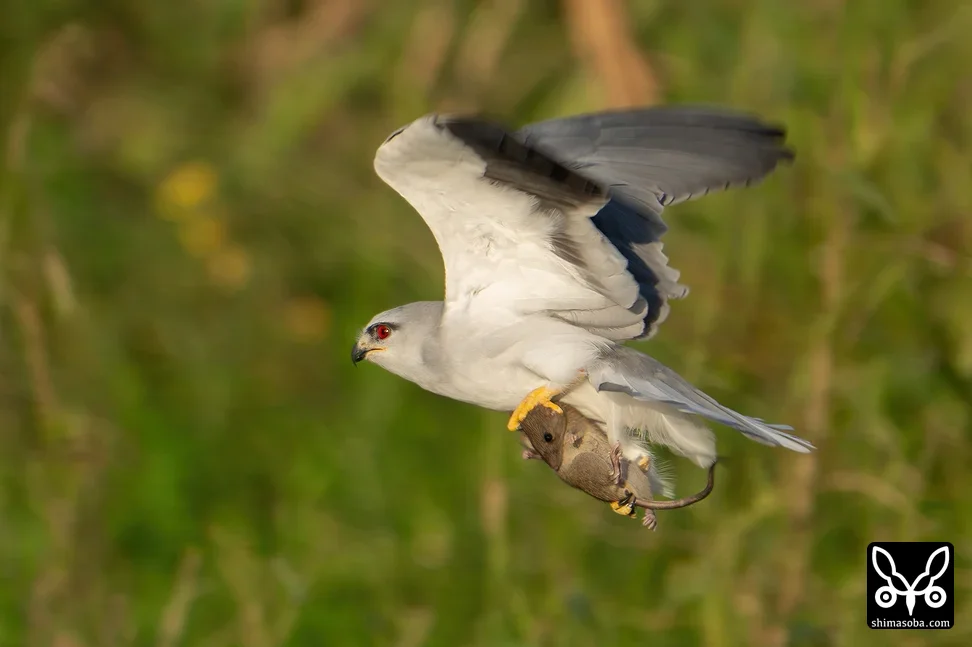
The Black-winged Kite carrying its prey vertically to minimize air resistance.

Black-winged Kite
Black-winged Kite

It returned to the telephone wire and began eating the prey.

Black-winged Kite
Black-winged Kite

From a distance I could make out the bird being relieved of its prey by a juvenile (right).

Black-winged Kite
Black-winged Kite

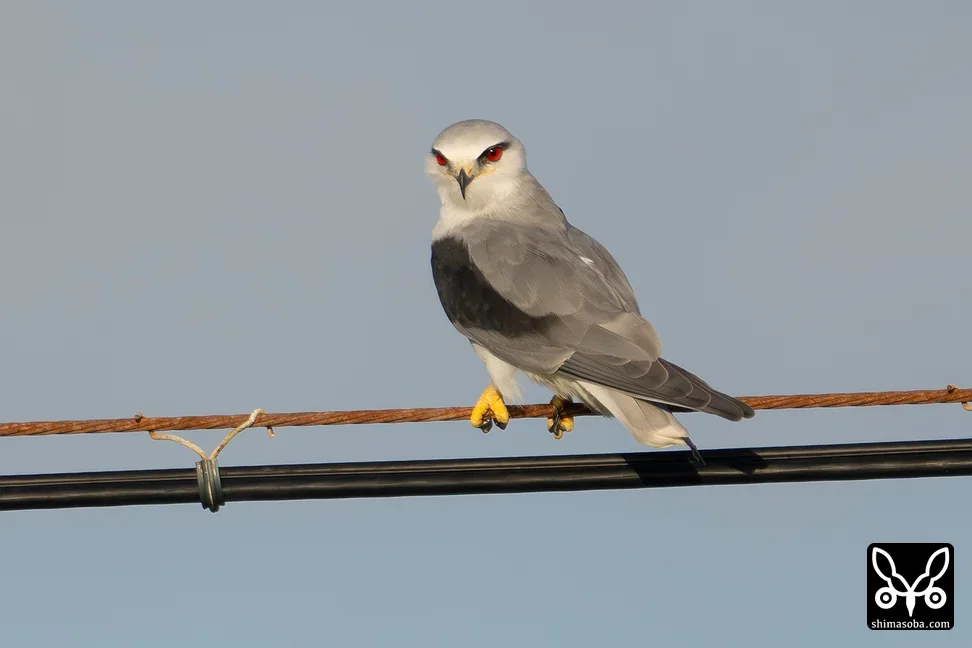
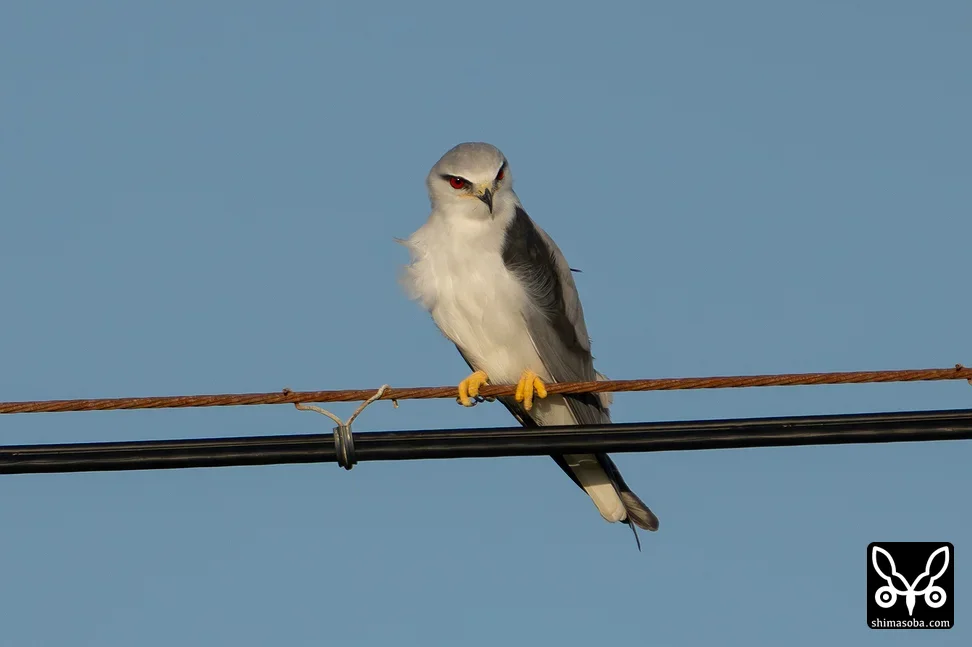
The Black-winged Kite here appears every day, morning and evening, catching rats. It is a relatively unwary individual even by Ishigaki Island standards — it does not flush when a car passes beneath it.

Black-winged Kite
Black-winged Kite

Even from a distance, the whitish underparts from breast to belly are conspicuous.

Categories: 野鳥