A daily record.
Featuring photos of wild birds and nature, mainly from Okinawa Main Island and Ishigaki Island

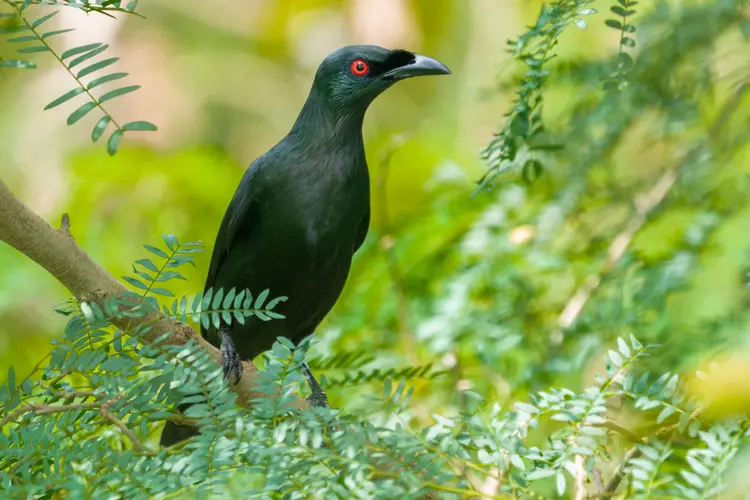
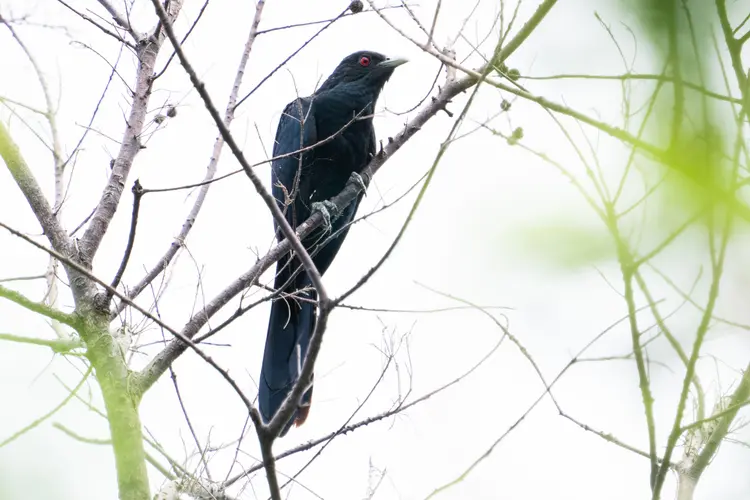
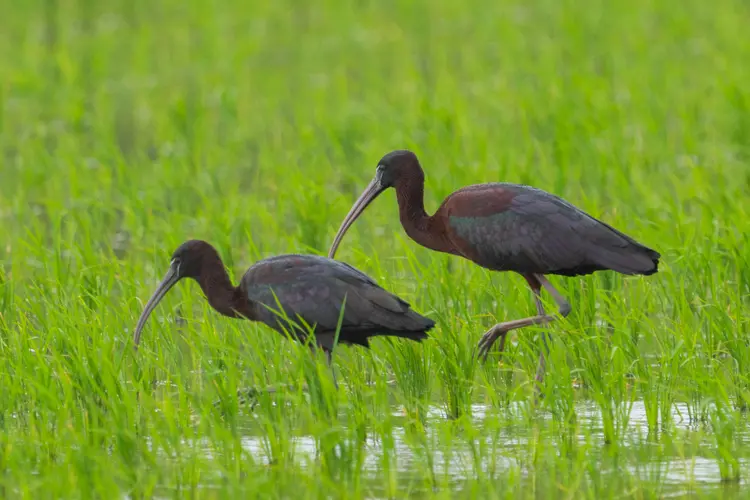
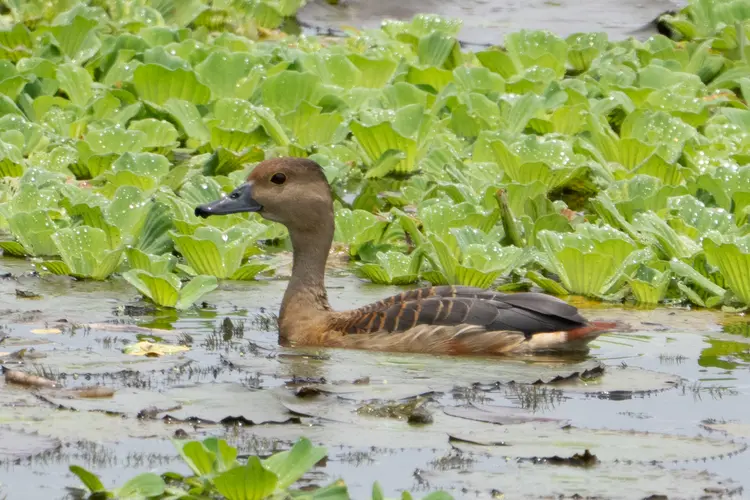
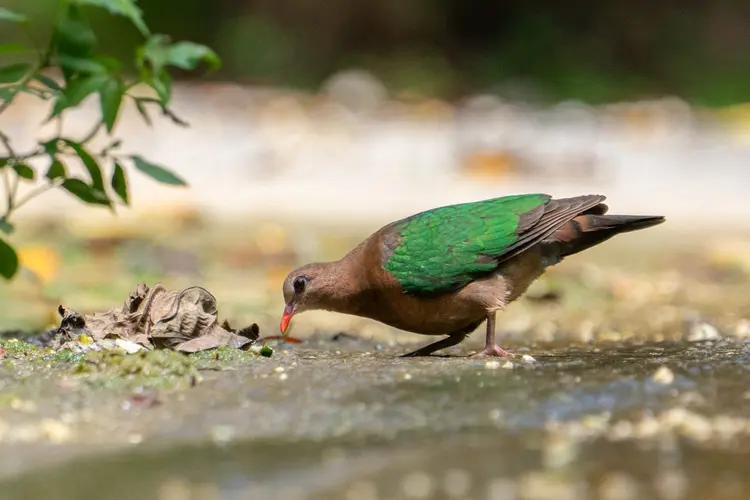
Asian Glossy Starling Asian koel Glossy Ibis Lesser Whistling Duck Emerald dove

GUIDED BIRDWATCHING TOUR

Go where the birds are. The SHIMASOBA Tour launches.

We'll drive you around Ishigaki Island to wherever the birds are showing best that day. Observation is mostly from inside the vehicle, and we keep it to a maximum of 3 guests so everyone can take their time.

Max. 3 guests 4 hours in the morning Beginners welcome
Check availability and book

Chinese Pond Heron, Purple Heron, Malayan Night Heron, and More

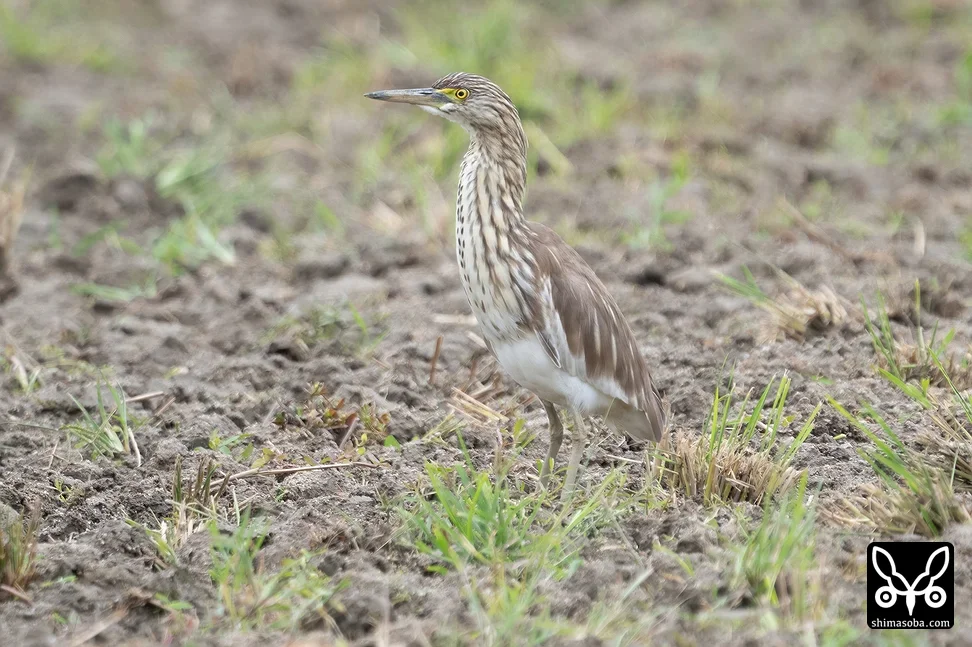
The Chinese Pond Herons that have been wintering since last year — about four of them. One individual appears to be a Javan Pond Heron. When the tractors started turning over the paddies, they joined the Eastern Cattle Egrets and took part in the attendant feeding.

Purple Herons can be found as young birds from last year as well as adults. The adults are in nuptial colour and looking particularly fine.

Wader numbers in the paddies have dropped considerably; just scattered Common Greenshank, Common Redshank, Green Sandpiper, and Black-winged Stilt. The wintering Common Snipe seem to have headed north, and almost none remain. Looking forward to the arrival of passage birds.
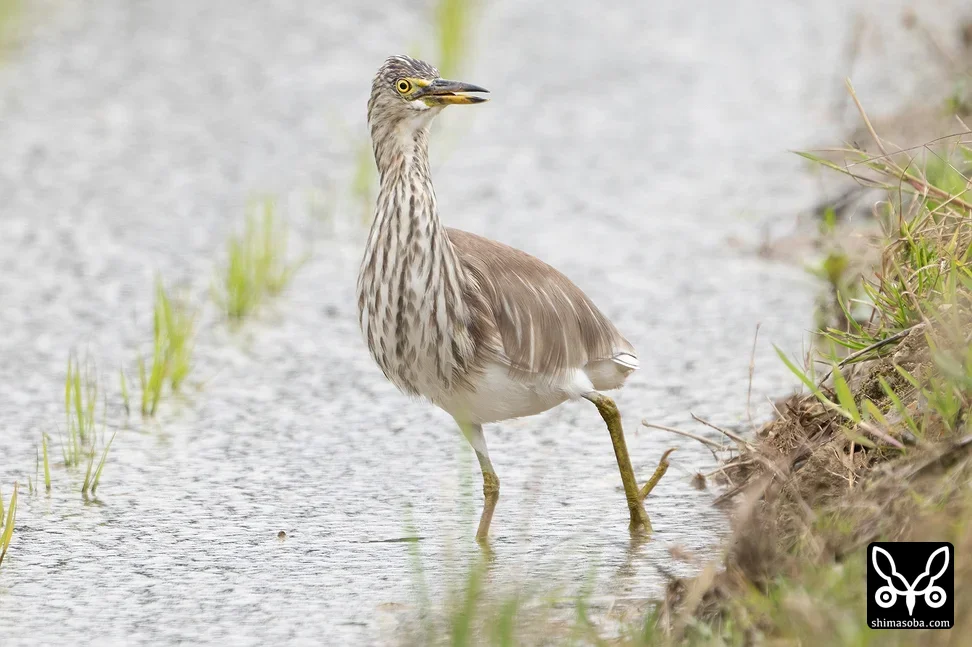
Chinese Pond Heron
Chinese Pond Heron

Chinese Pond Heron, winter plumage.

Chinese Pond Heron
Chinese Pond Heron

A Chinese Pond Heron that was right beside the individual above.
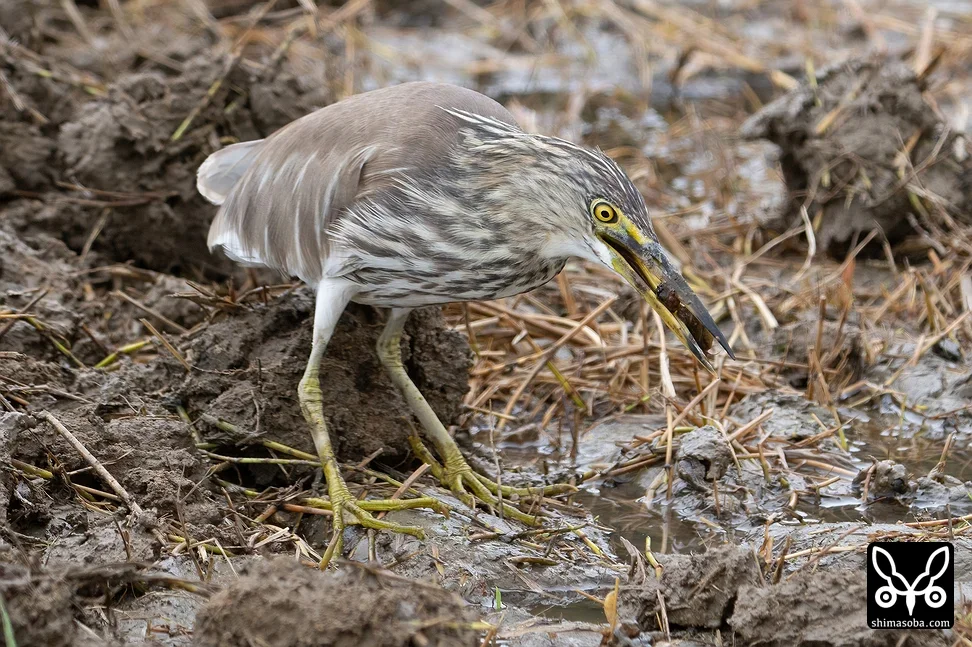
Chinese Pond Heron
Chinese Pond Heron

A Chinese Pond Heron predating a woodpecker.
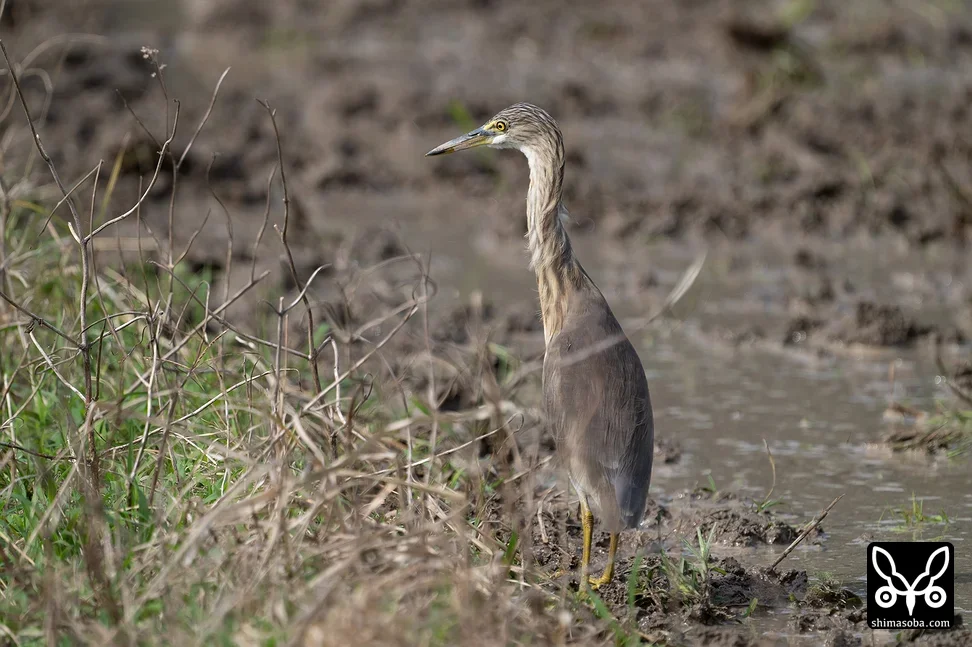
Chinese Pond Heron
Chinese Pond Heron

With multiple individuals present, it becomes hard to tell which is which. ^^;
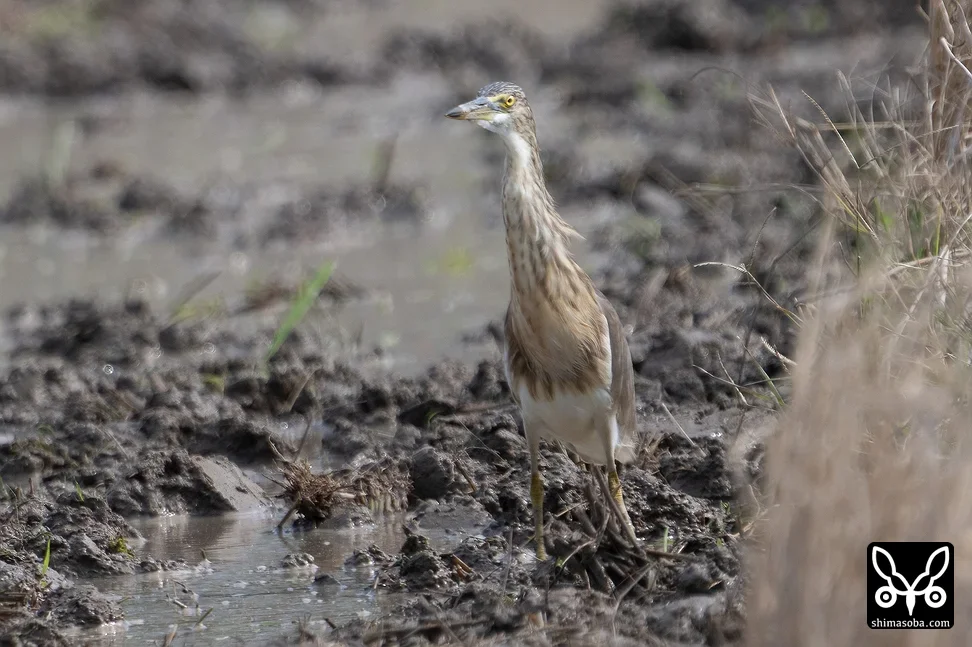
Chinese Pond Heron
Chinese Pond Heron

This one was wandering around a paddled rice field.
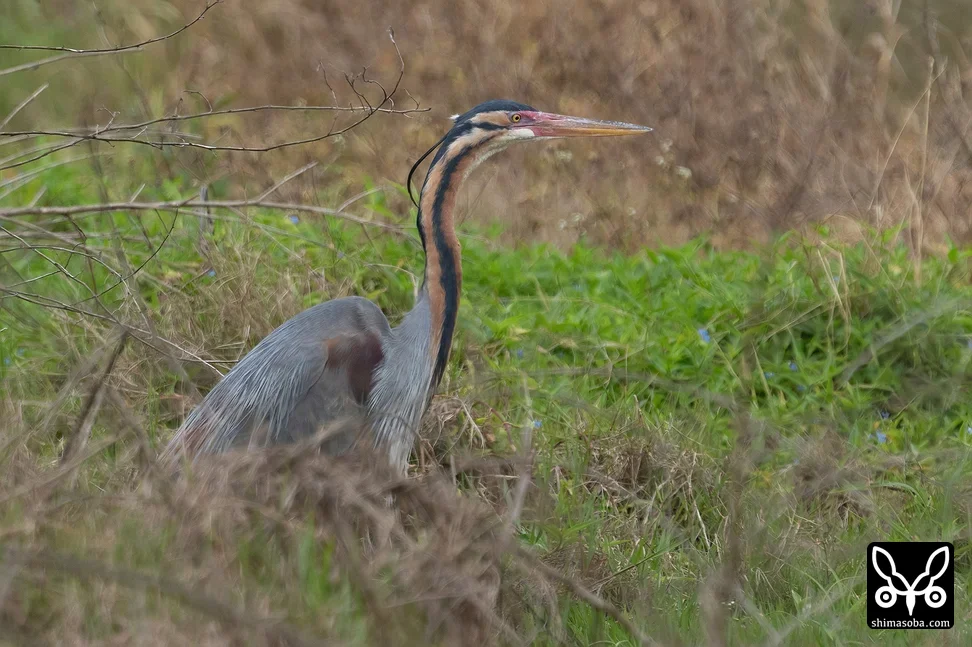
Purple Heron
Purple Heron

A Purple Heron in breeding plumage. Some of the earlier individuals were already carrying nest material.
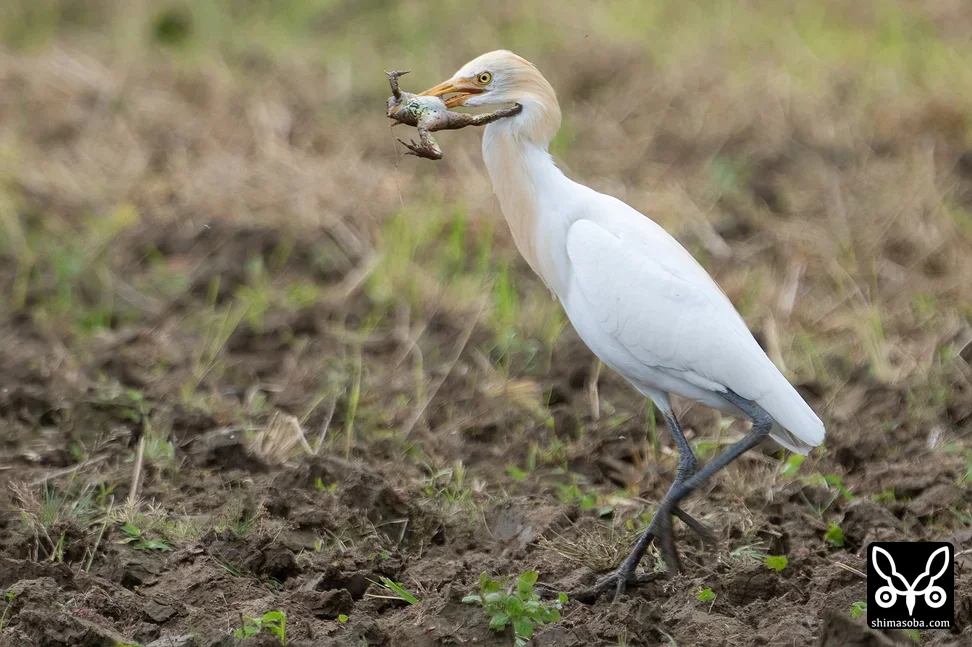
Eastern Cattle Egret

A Cattle Egret that caught a Sakishima brown frog. The frog was letting out a rather plaintive call.
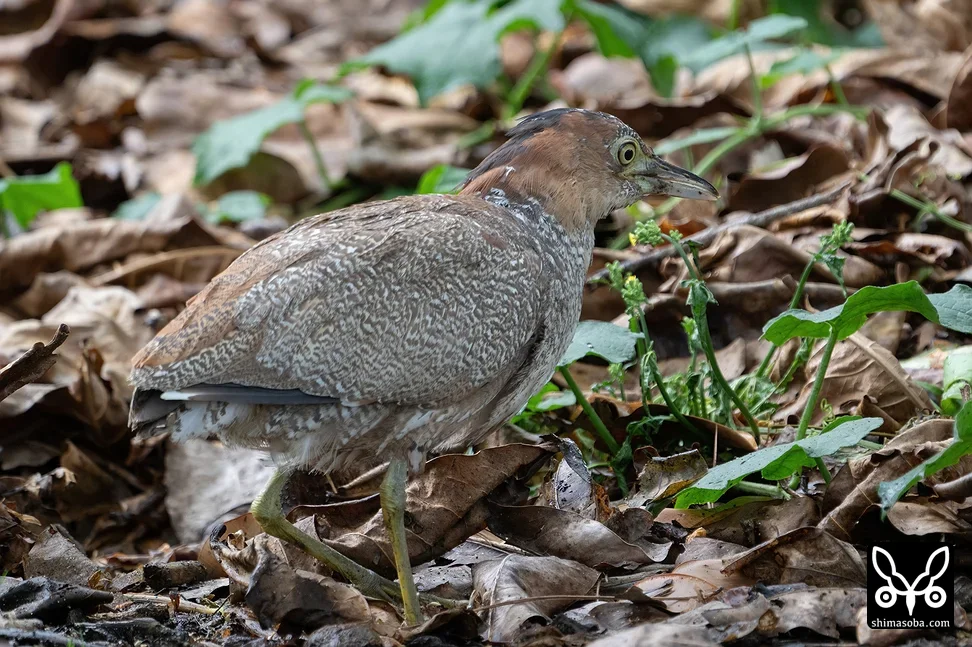
Malayan Night Heron
Malayan Night Heron

A Japanese Night Heron transitioning from juvenile to adult plumage. This individual was hatched last year.
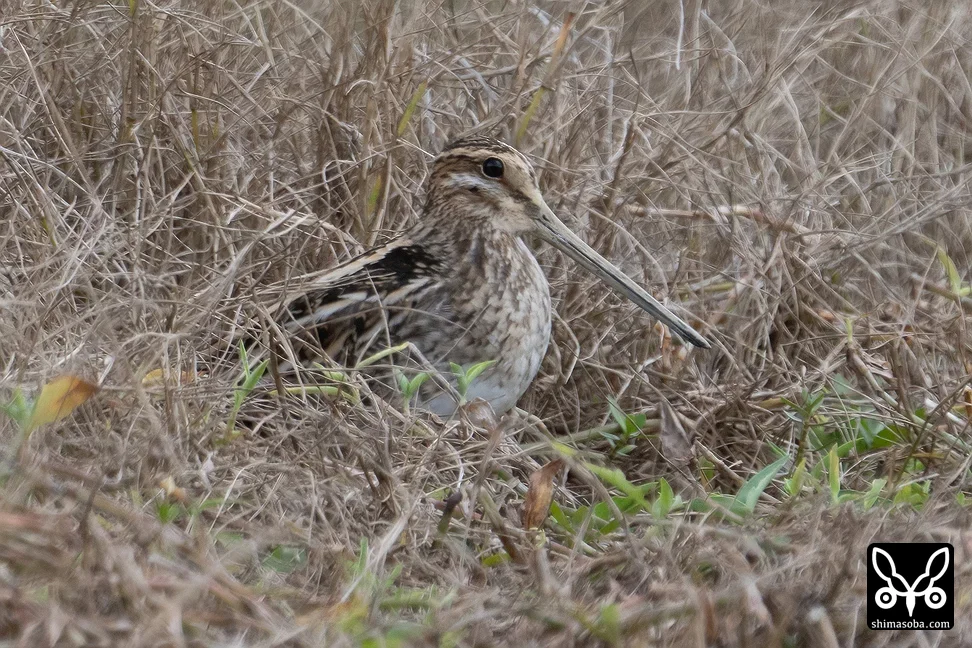
Common Snipe
Common Snipe

I checked several rice paddies, but the only snipe I found was this single Common Snipe.
Categories: 野鳥

Common Hoopoe, Rosy Starling, Red-billed Starling, White's Thrush, and More (video)

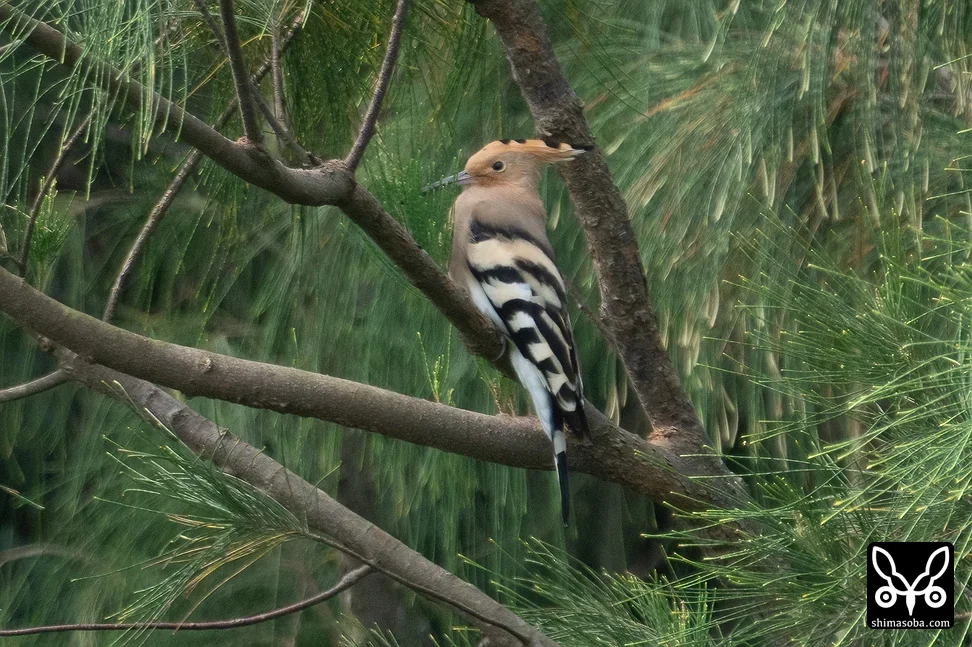
Common Hoopoes are being reported from all over the island. It looks like a decent start to the season.

The Rosy Starling that has been wintering since last year is gradually moulting. I'm hoping it will stay as long as possible, but I have a feeling it may move on soon…

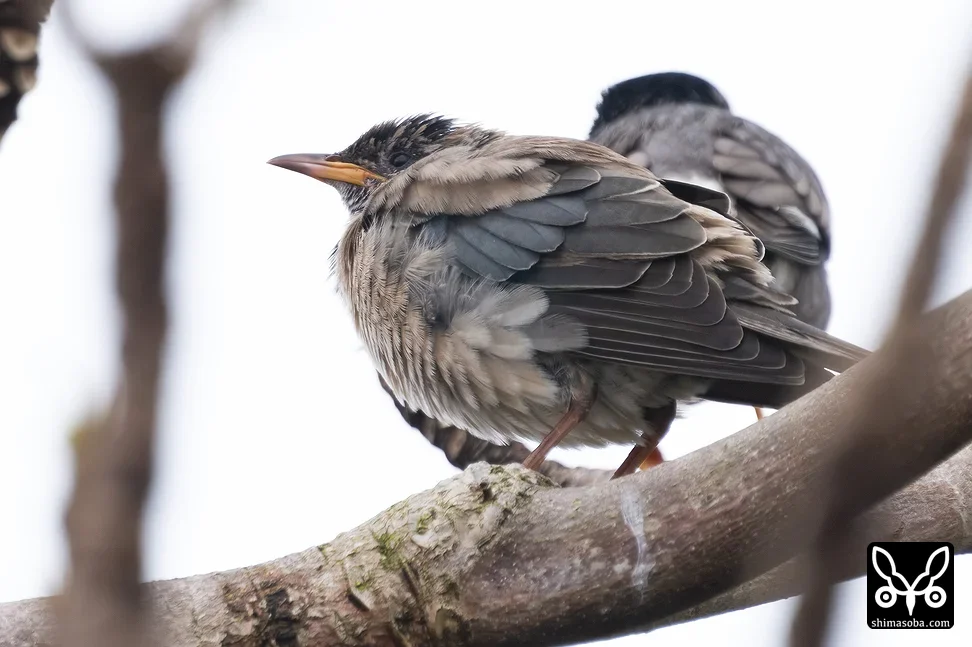
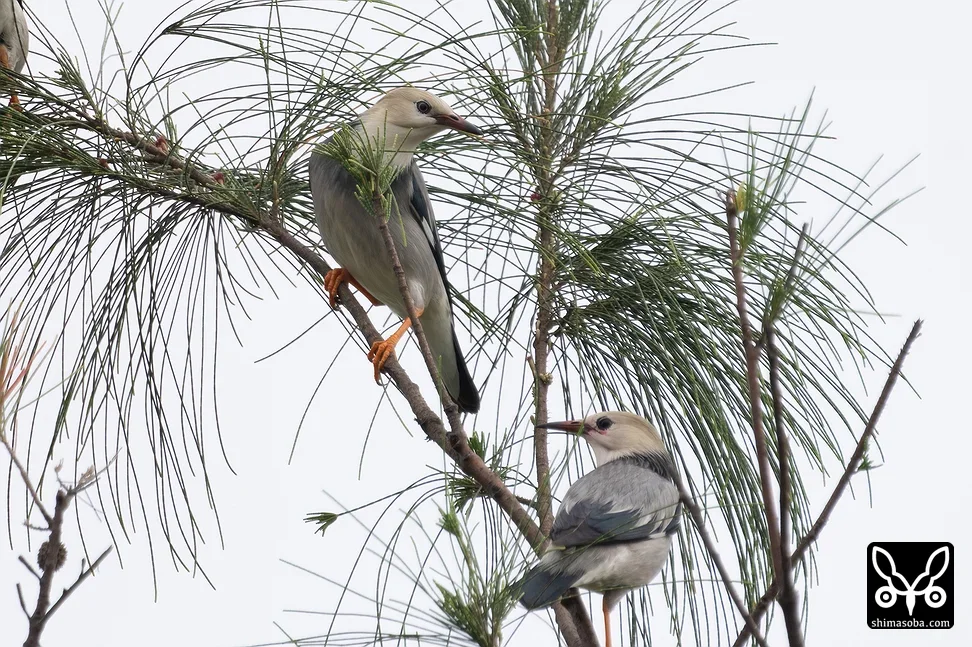
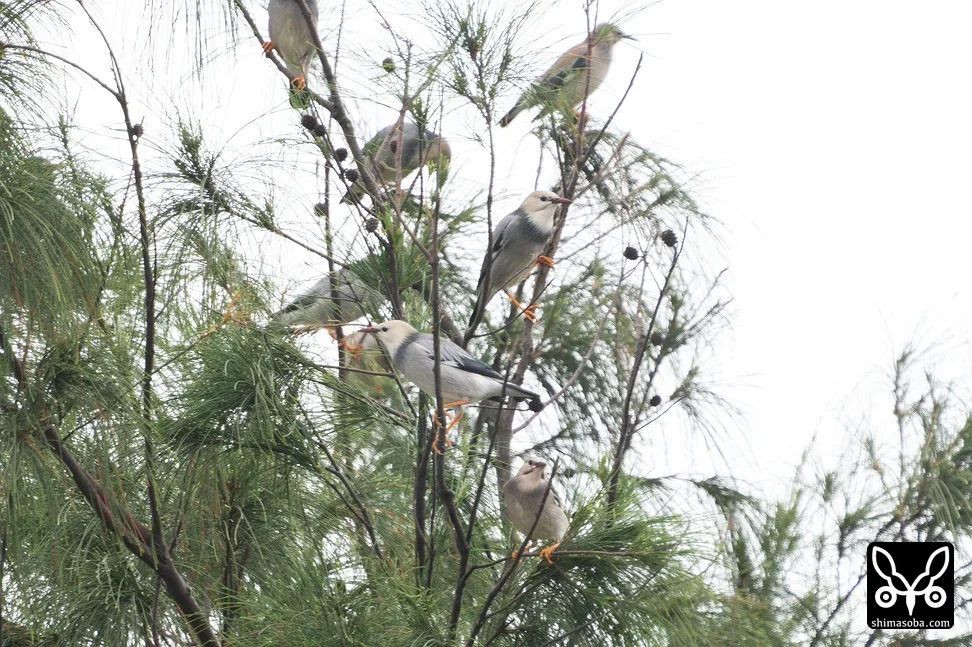
Lately, a fairly large flock of Red-billed Starlings has been coming to the car park at my workplace. They appear to be feeding on the fruits of the planted ironwood trees.

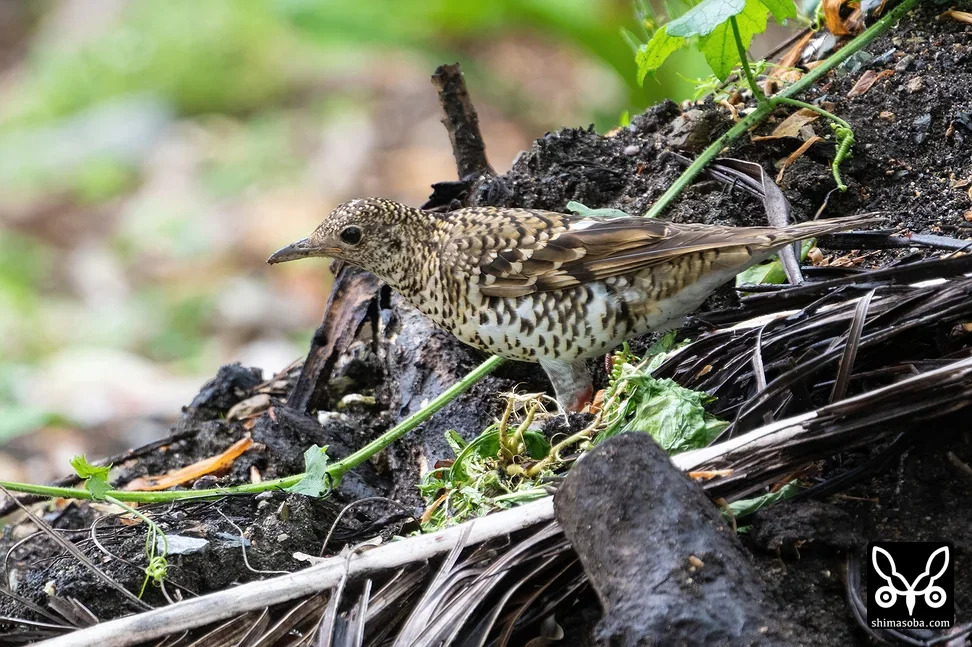
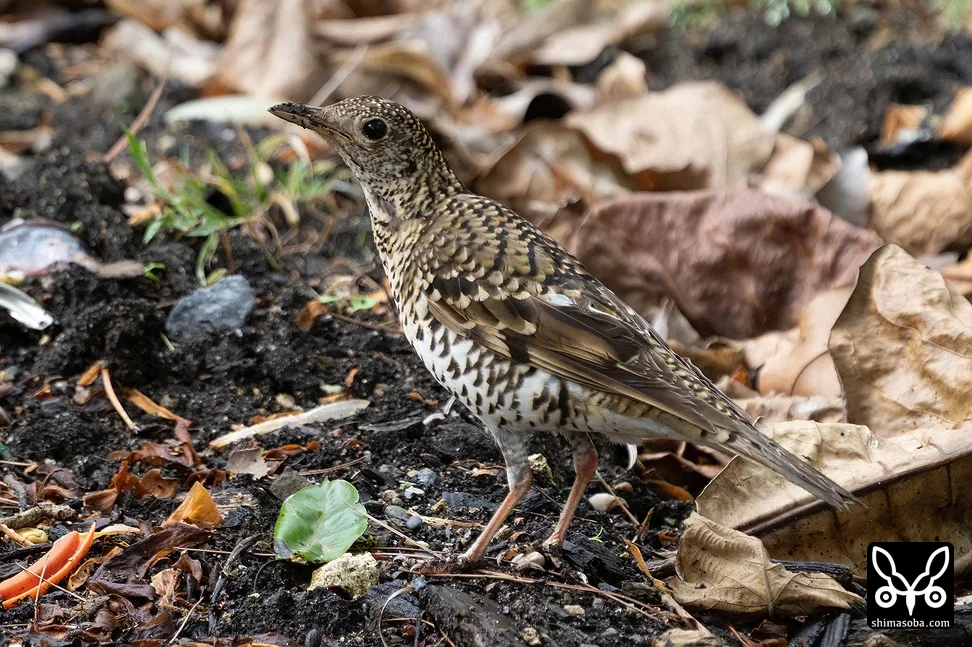
A completely fearless White's Thrush turned up — spotted and pointed out to me by a friend visiting from Akita Prefecture. I had several encounters with White's Thrush from late last year into early January, but after that they vanished. This individual seems to have stopped in on spring passage.

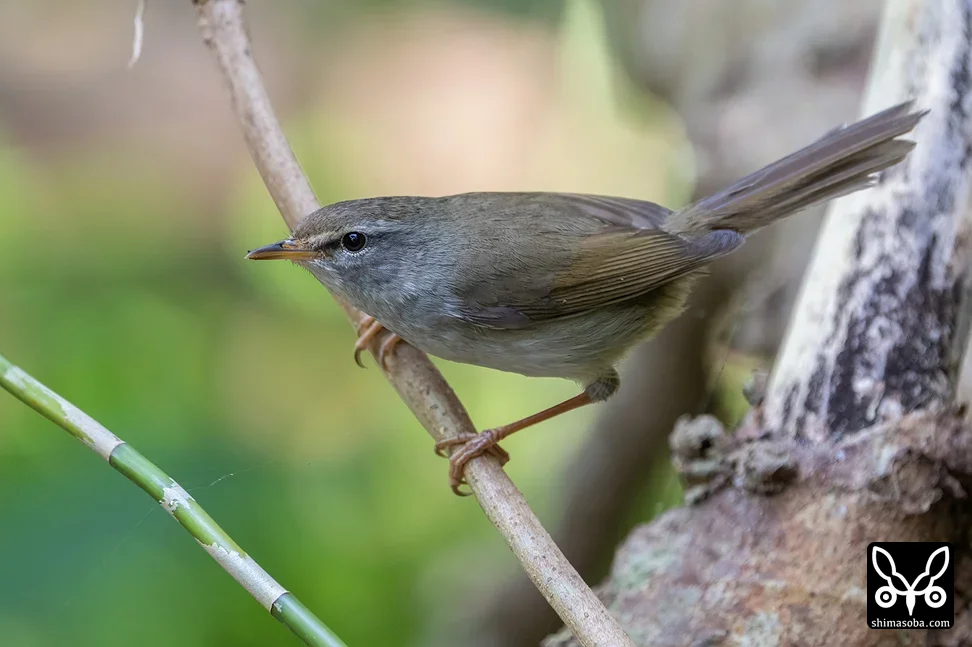
Japanese Bush Warblers have increased sharply, just as the Manchurian Bush Warblers have completely disappeared. I'm hearing subsong frequently these days. Little Buntings and Red-throated Pipits — whether they're on passage or moving around within the island I can't say — are fluctuating, with numbers going up and down.

Eurasian Hoopoe
Eurasian Hoopoe

Eurasian Hoopoes at the reliable spot. There appeared to be around four of them.

Rosy Starling
Rosy Starling

A Rosy Starling mid-moult.

White-shouldered Starling

White-shouldered Starlings gathering in ironwood trees.

White-shouldered Starling

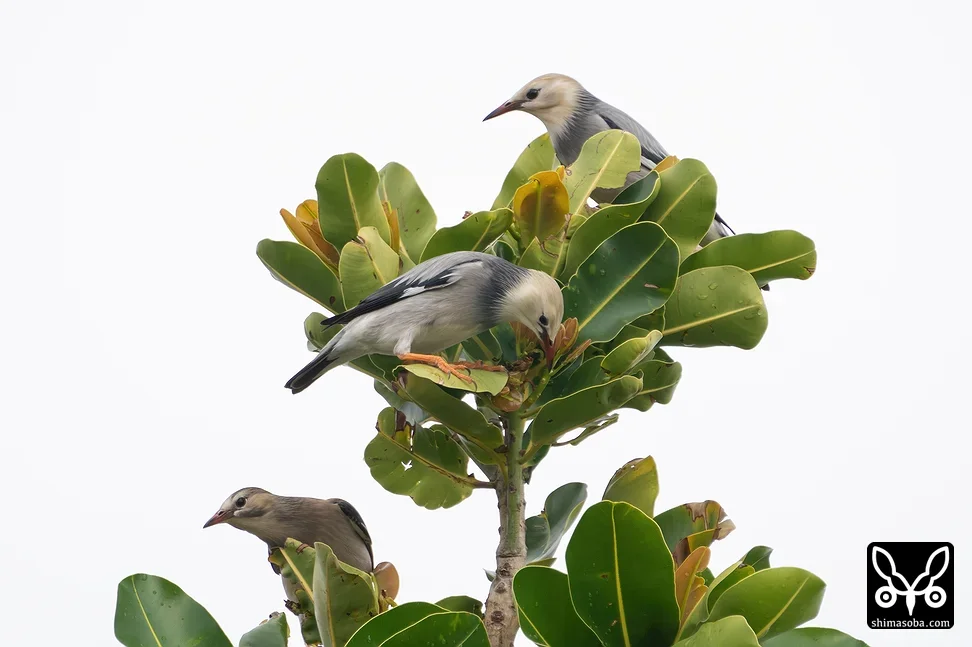
This one was probing its bill into gaps between the leaves of Calophyllum inophyllum. Looking for insects, perhaps.

White-shouldered Starling

Twenty to forty of them show up at my workplace car park almost every day — quite lively.

White's Thrush
White's Thrush

A White's Thrush that paid no attention to me whatsoever. It even treated me to a spot of the tiger dance.

White's Thrush
White's Thrush

It was flipping over fallen leaves and eating earthworms and the like.

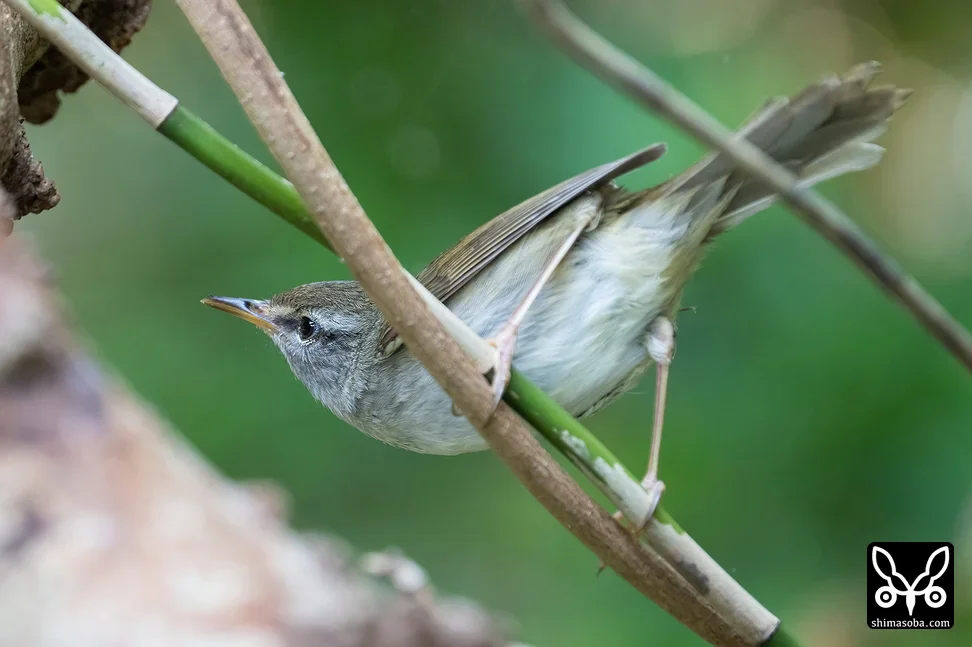
Japanese Bush Warbler

Japanese Bush Warblers, whose presence I often notice first by their call notes, are now at high density. The Korean Bush Warblers, on the other hand, have disappeared almost entirely.

Japanese Bush Warbler

It was moving busily through the undergrowth.

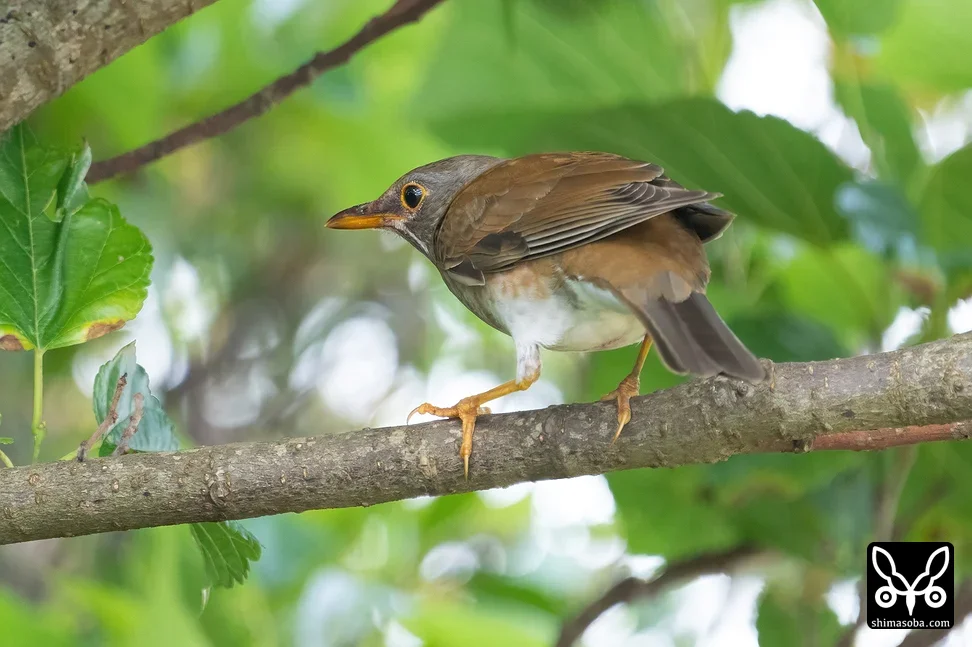
Pale Thrush
Pale Thrush

Pale Thrushes sometimes turn up mixed in with flocks of White-cheeked Starlings.

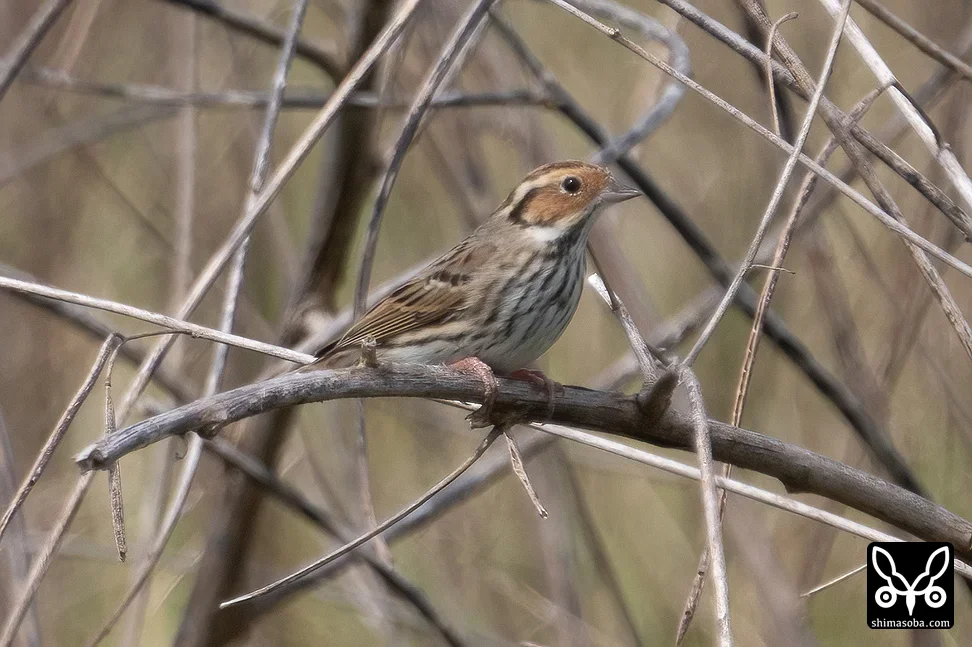
Little Bunting
Little Bunting

Little Buntings, which I also often notice first by their call notes. Wintering numbers are decent enough, but they're difficult to photograph.

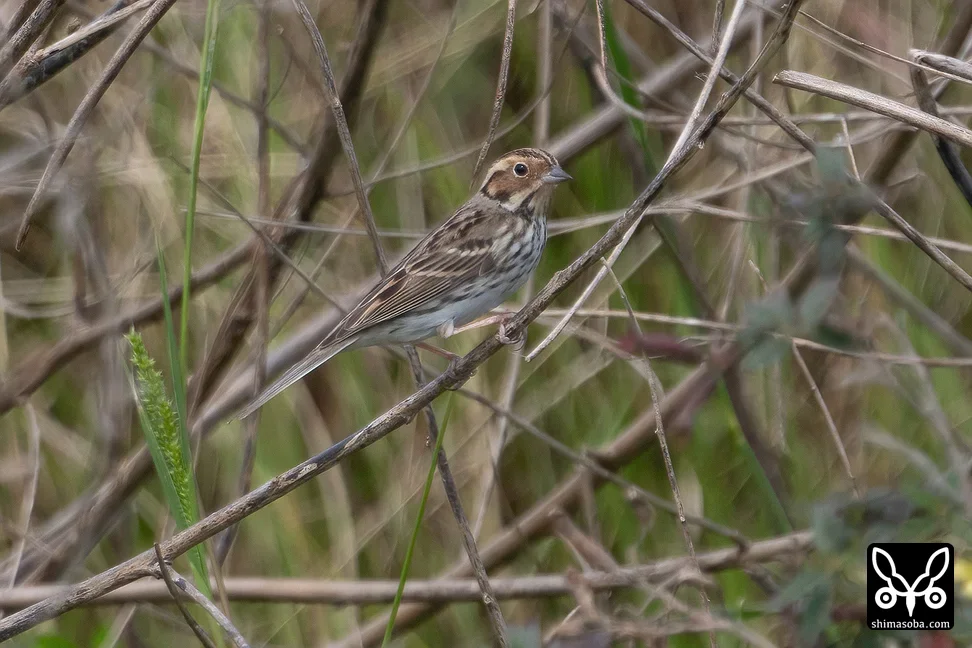
Little Bunting
Little Bunting

Little Buntings, always tucked away in the grass.

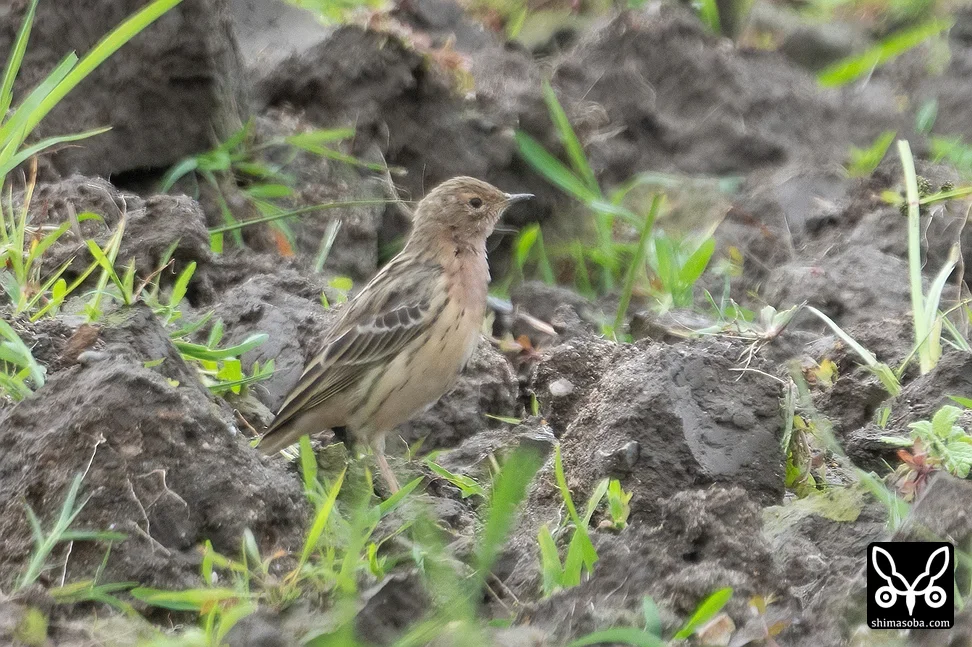
Red-throated Pipit
Red-throated Pipit

I've been encountering Red-throated Pipits in larger flocks more often too. Some individuals in summer plumage are visible among them.

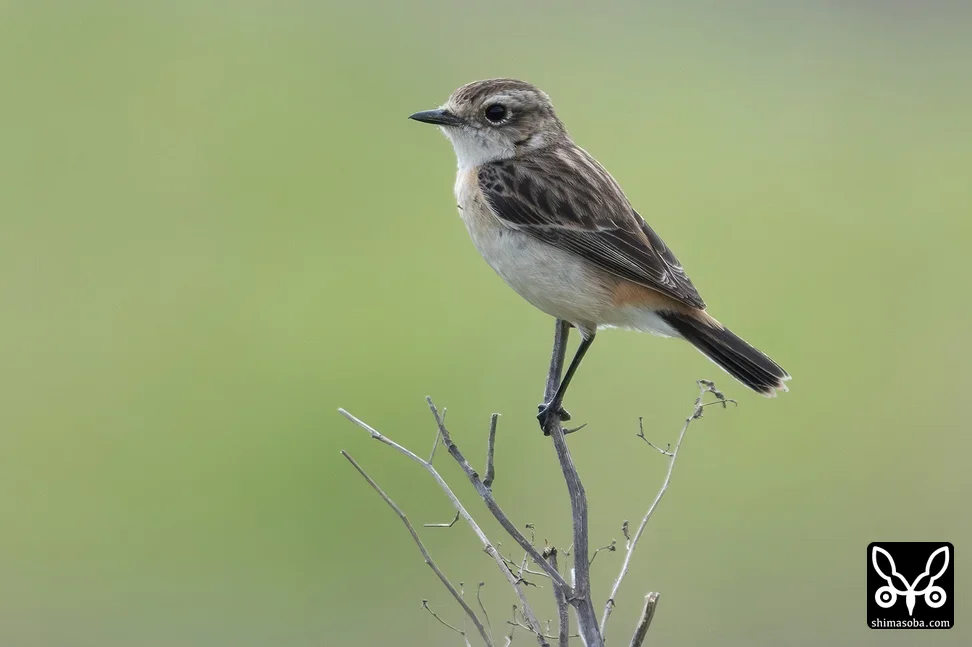
Siberian Stonechat
Siberian Stonechat

A Siberian Stonechat that wintered here. Individuals wintering on Ishigaki Island are few.

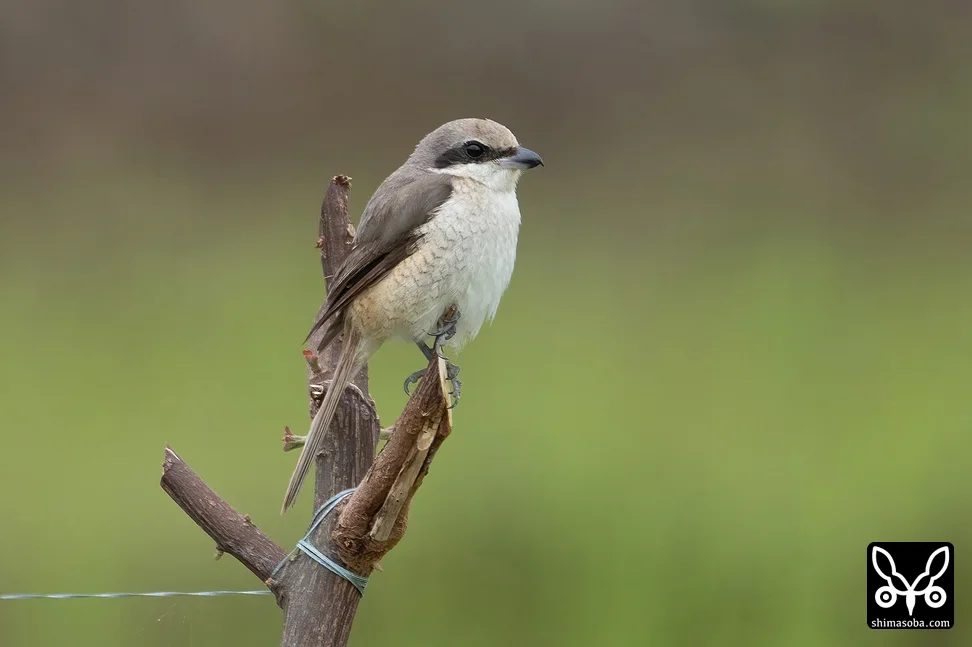
Isabelline Shrike
Isabelline Shrike

Wintering Brown Shrikes are everywhere. Around this time of year their moult tends to accelerate rapidly.

Categories: 野鳥