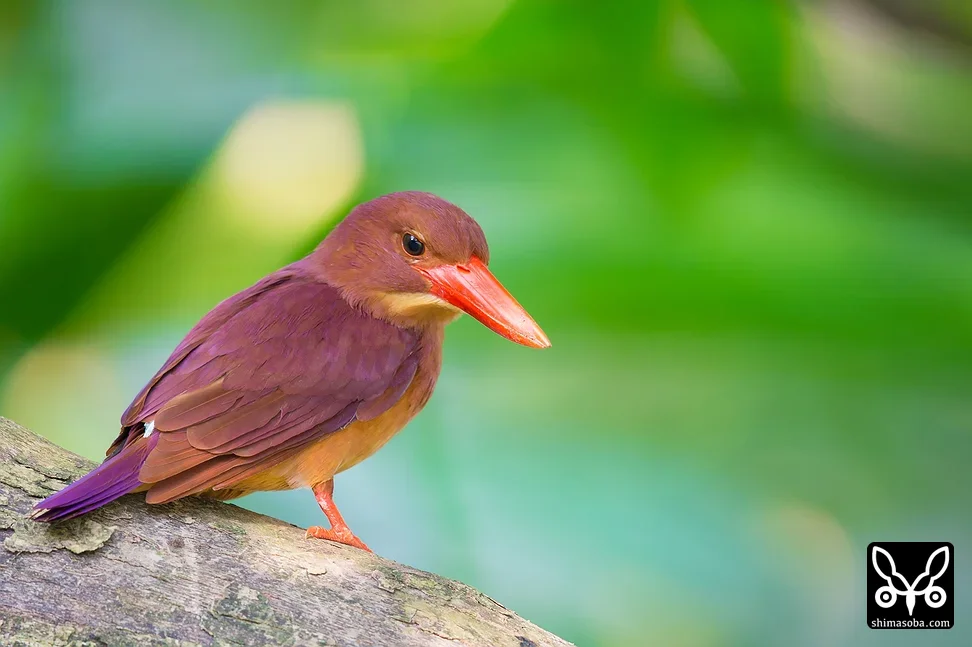
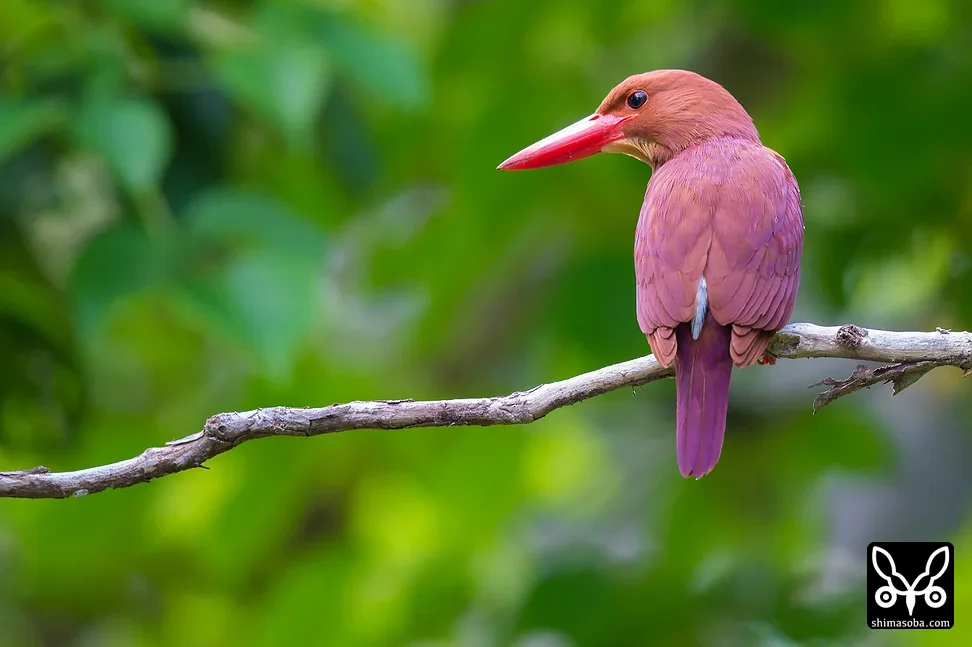
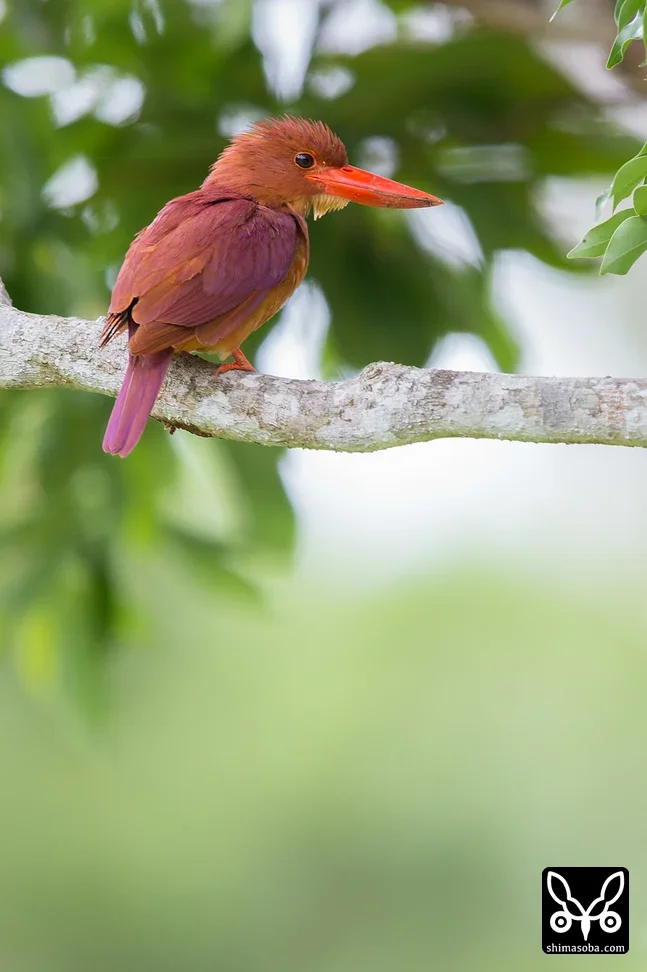
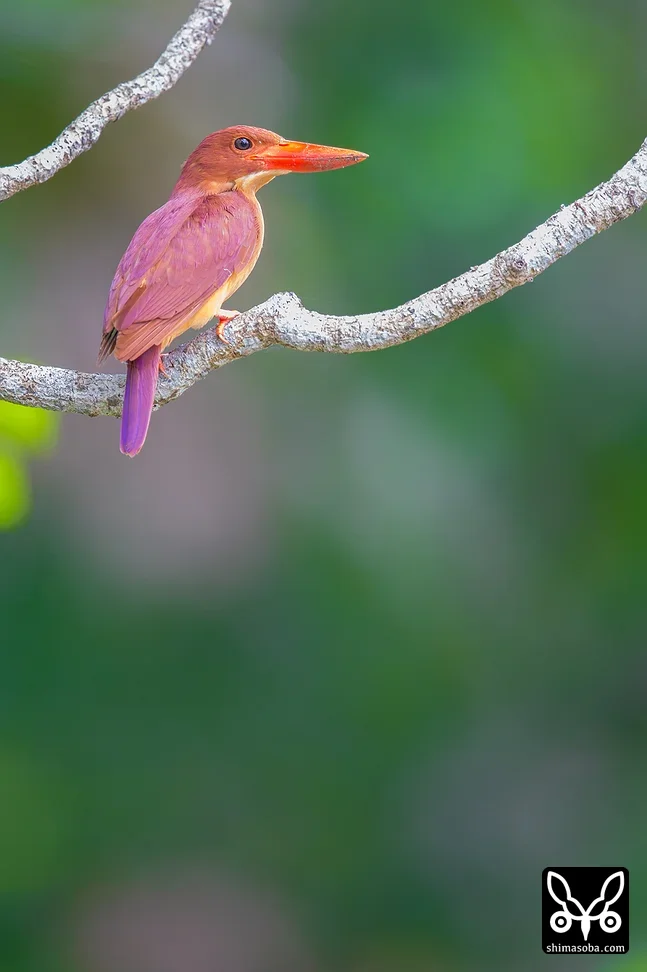
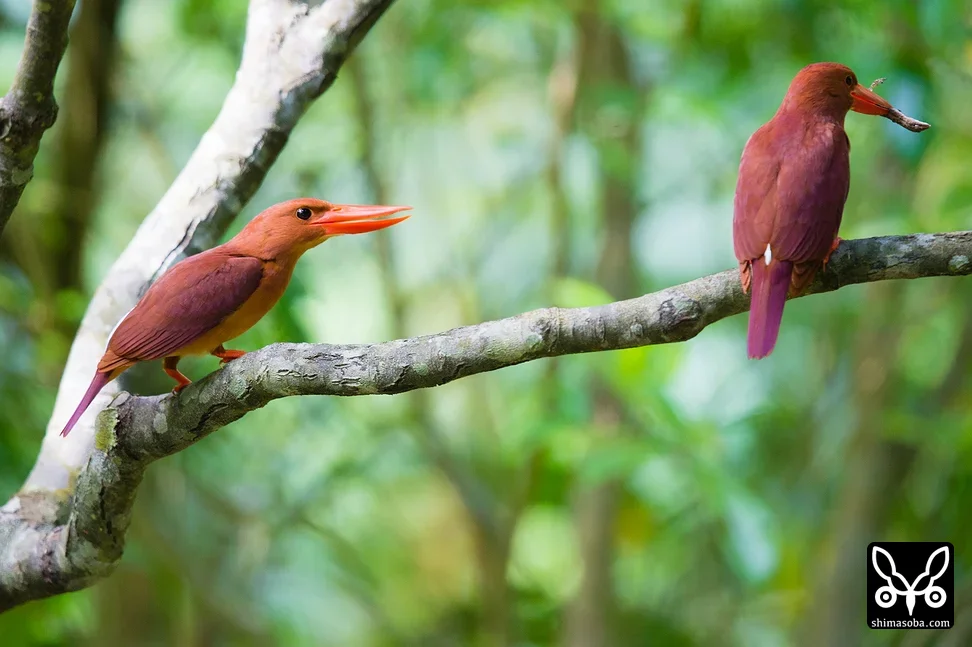
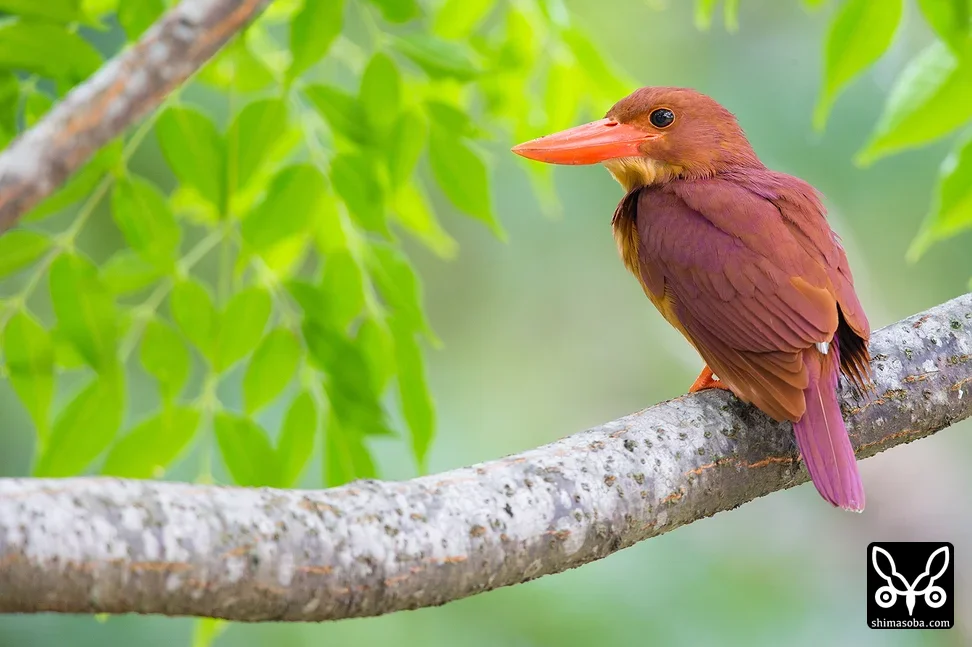
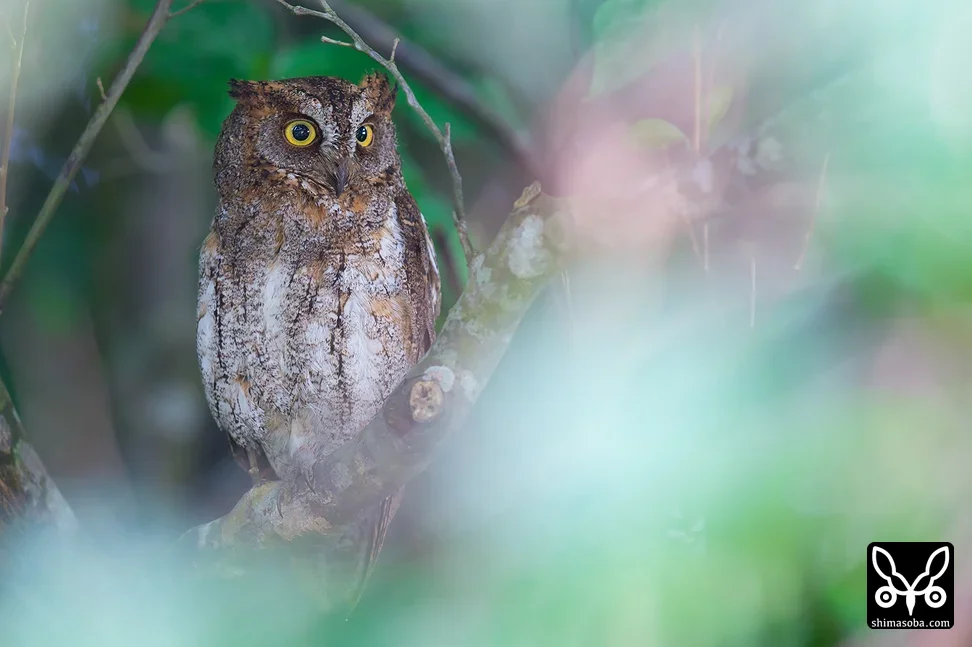
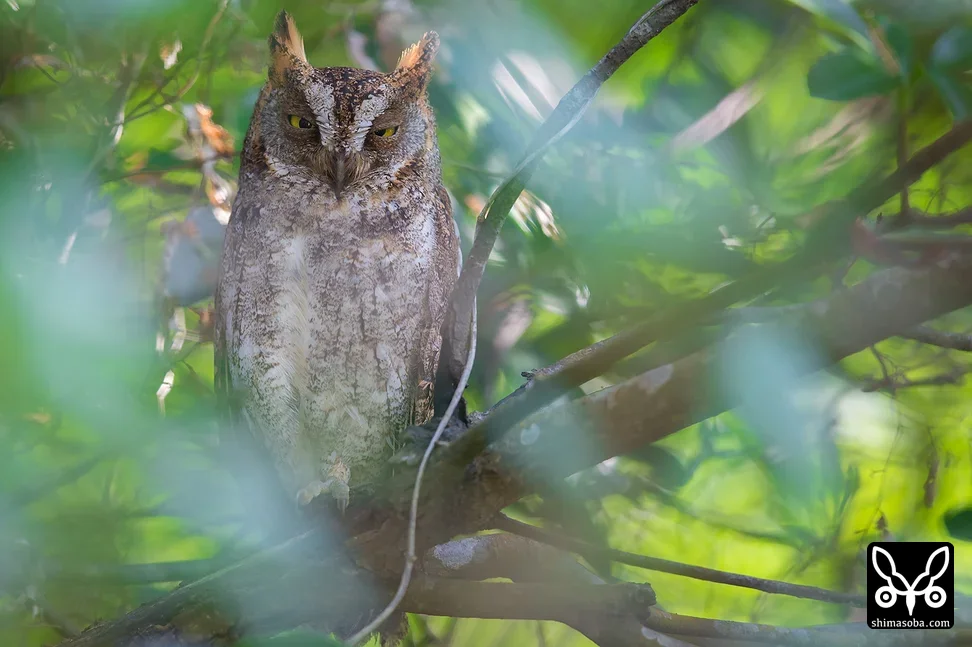
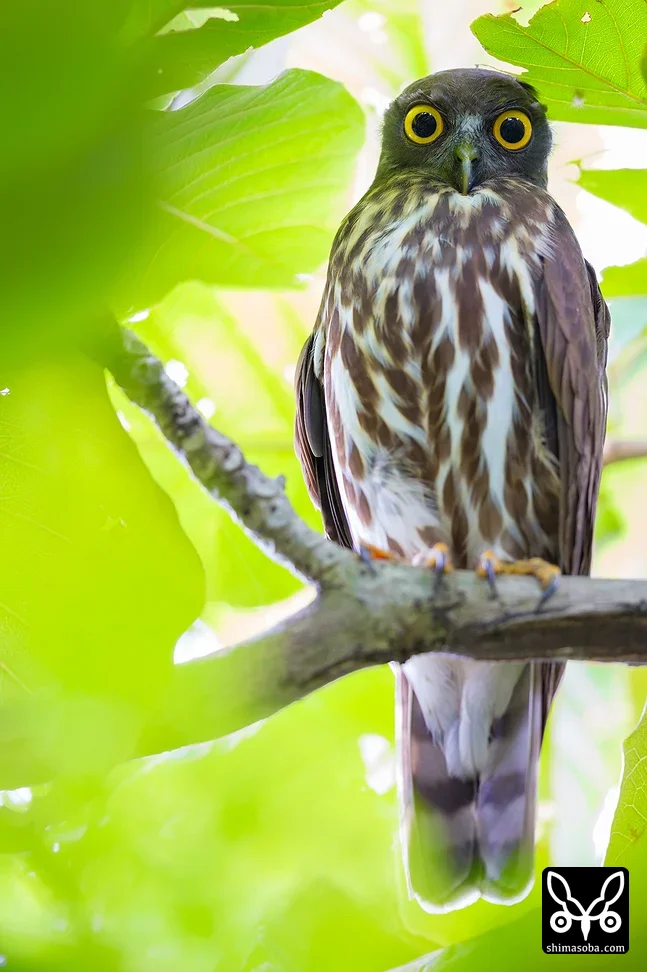
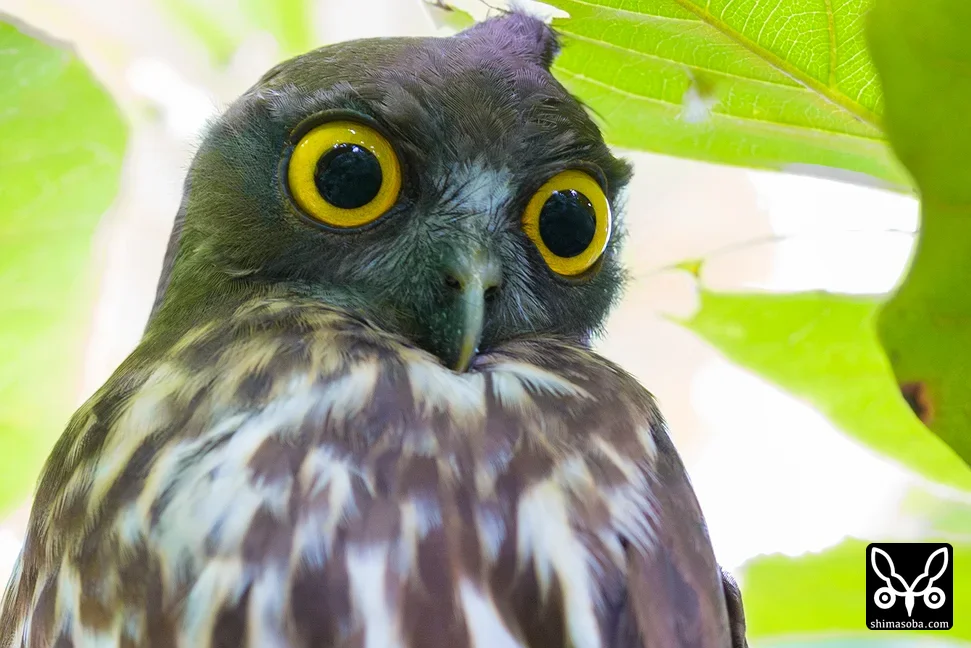
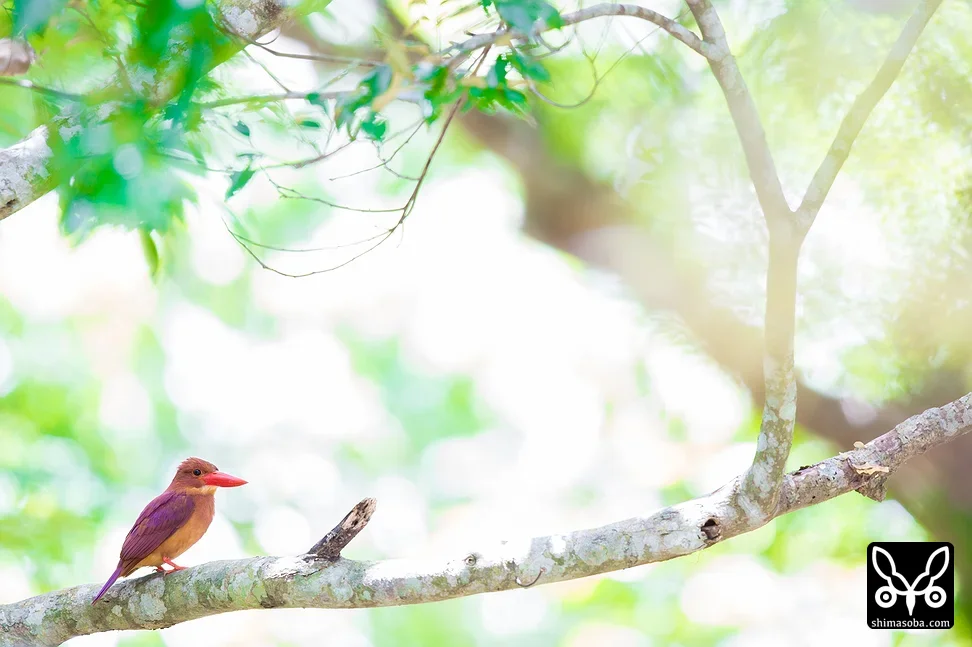
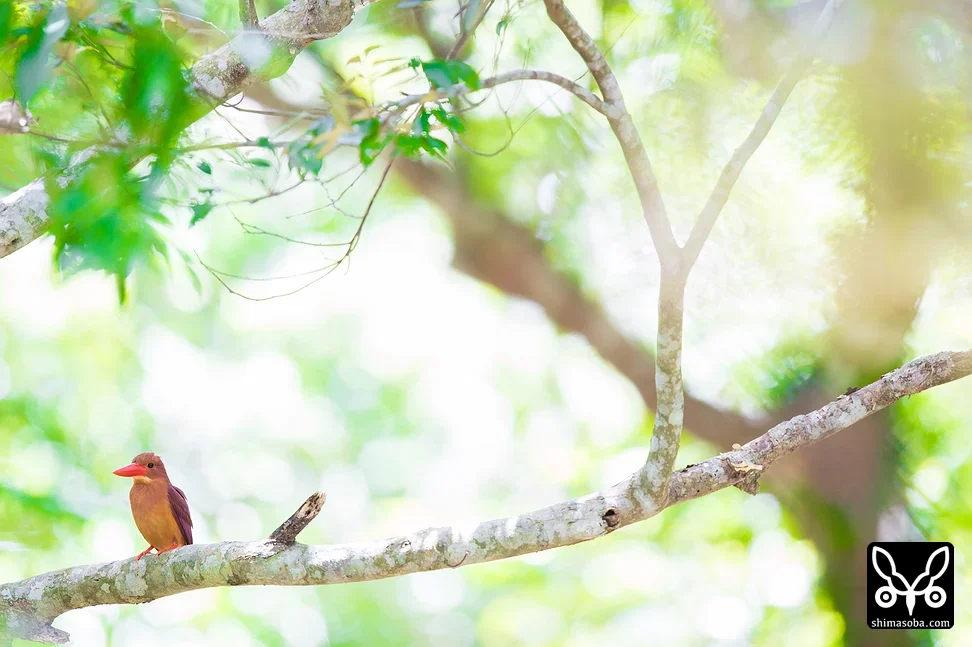
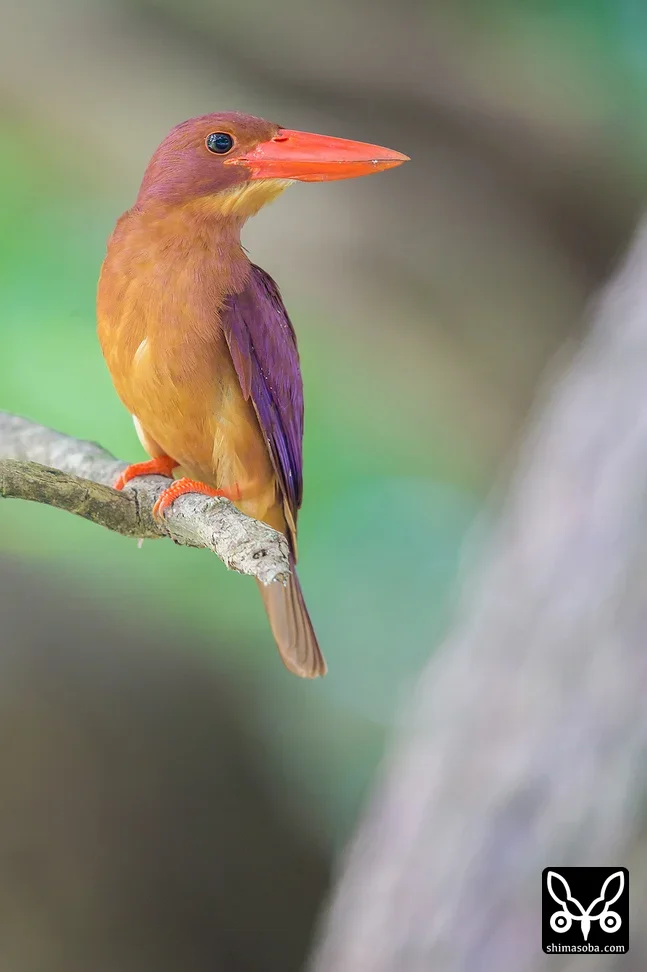
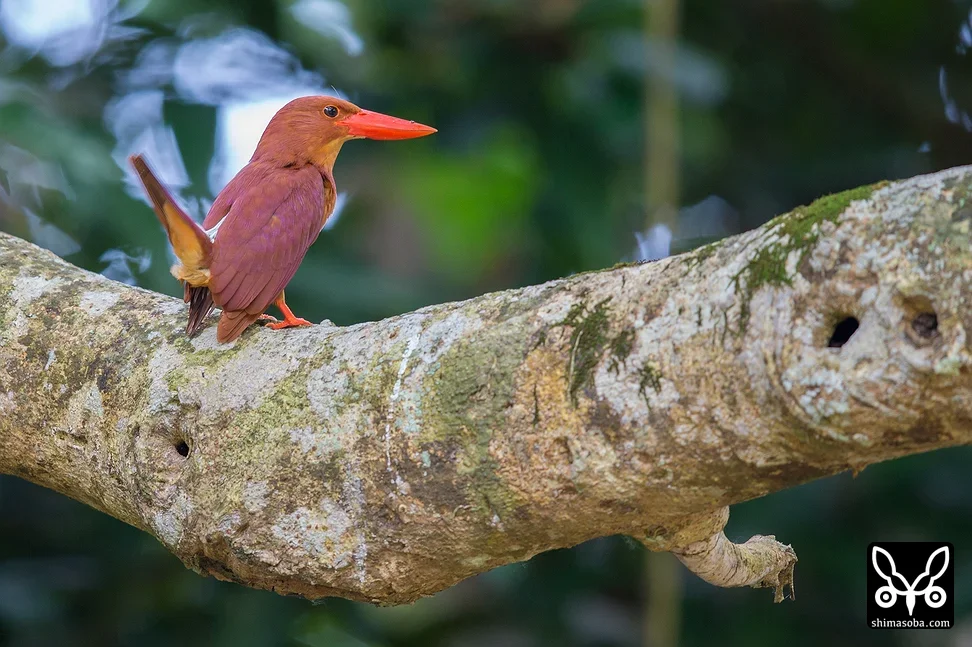
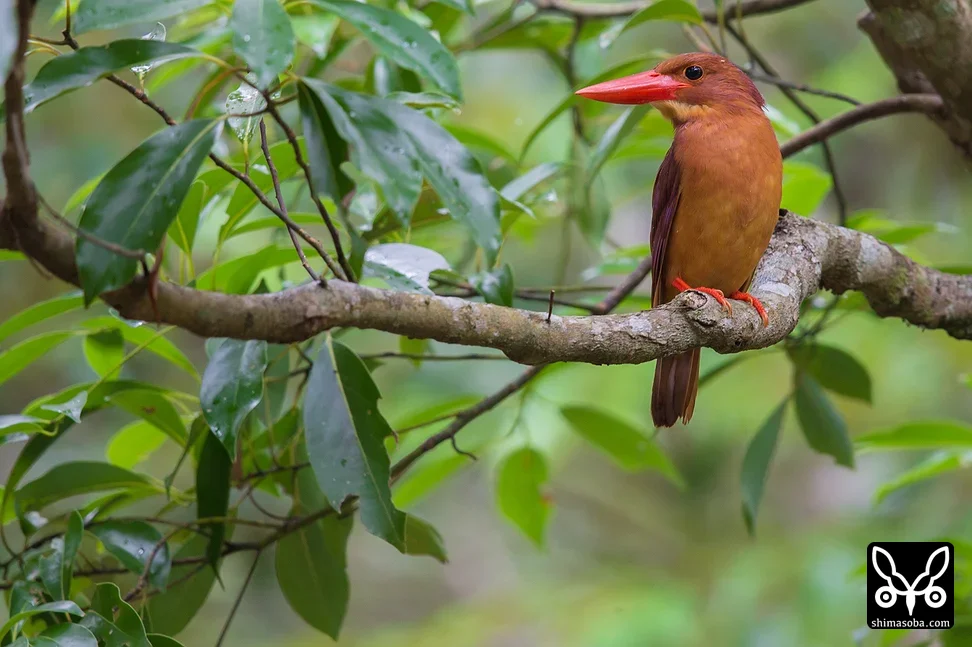
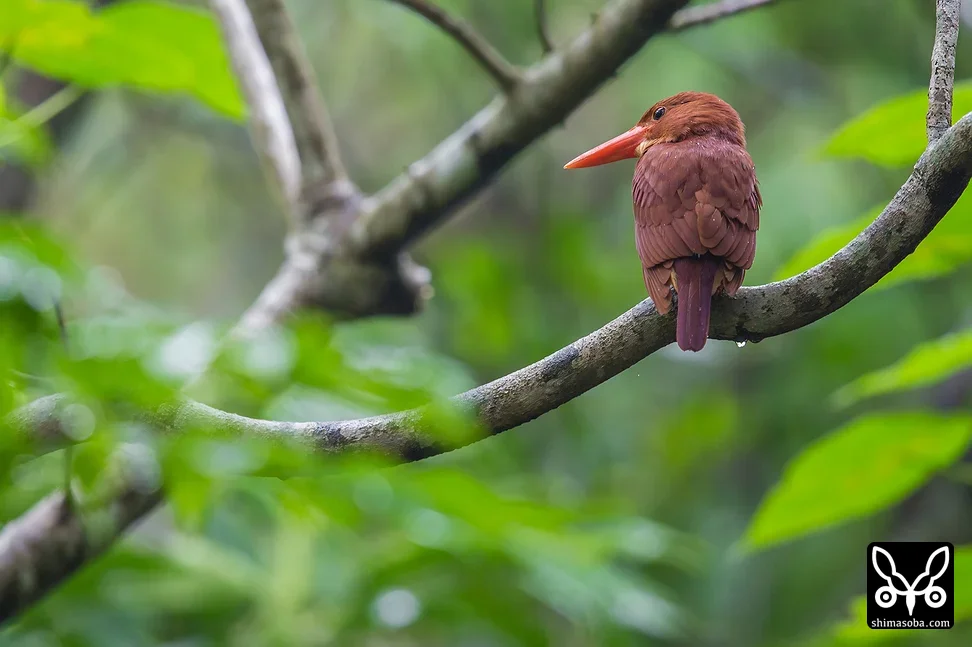
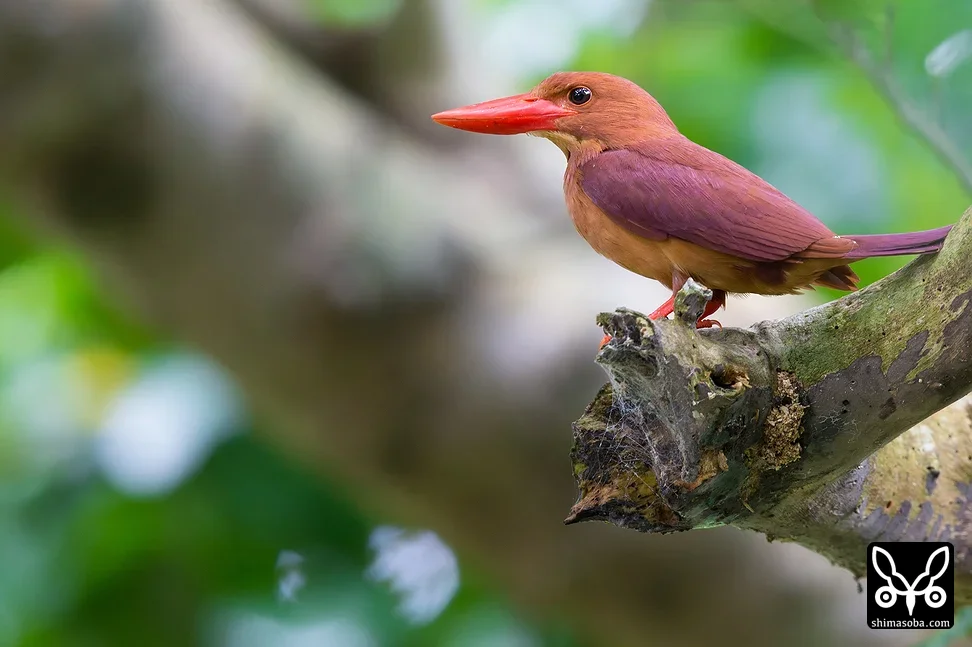
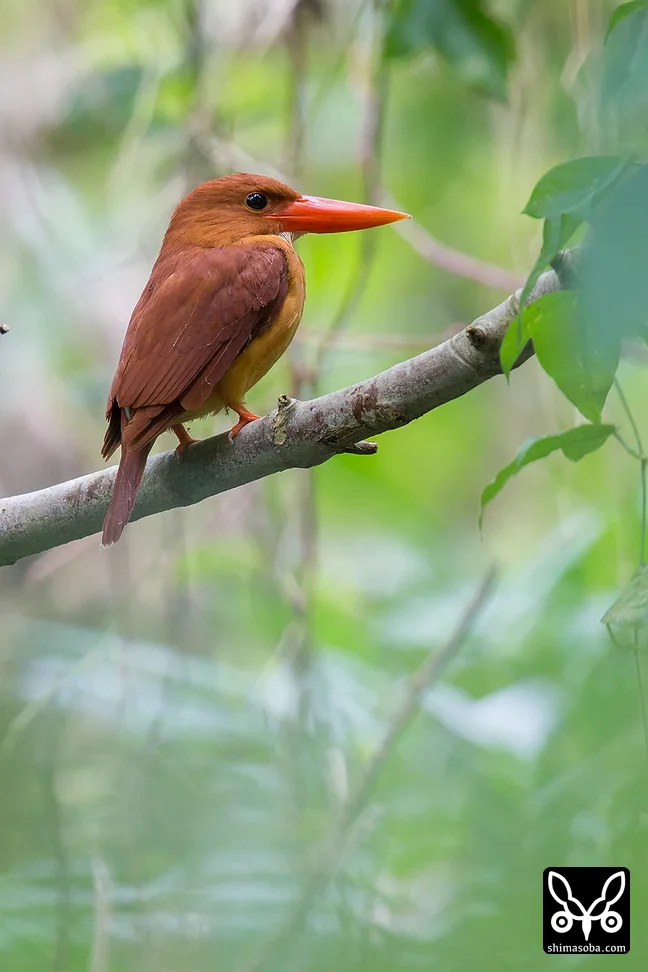
本日のリュウキュウアカショウビン
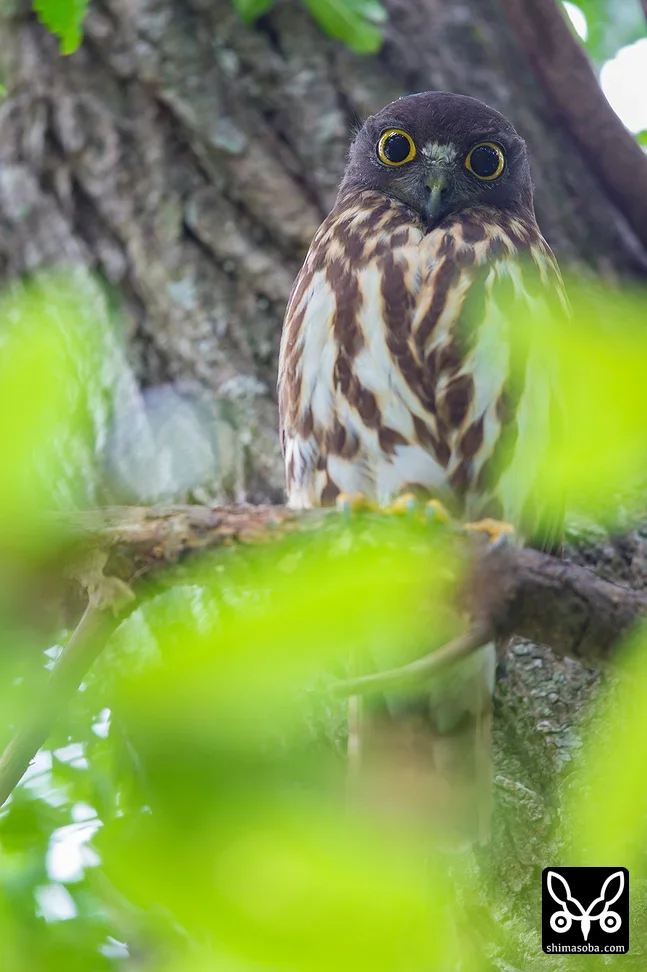
コノハズクを見つけたのですが、カメラや三脚を取りに戻った間に何処かへ行ってしまいました…。^^;
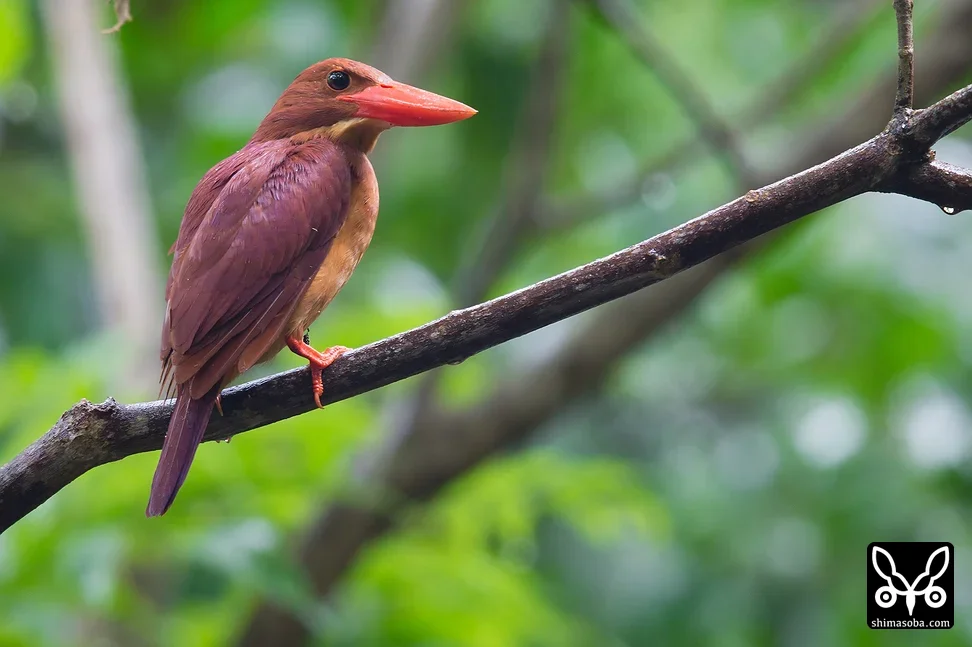
代わりに、アカショウビンを撮ってきました。
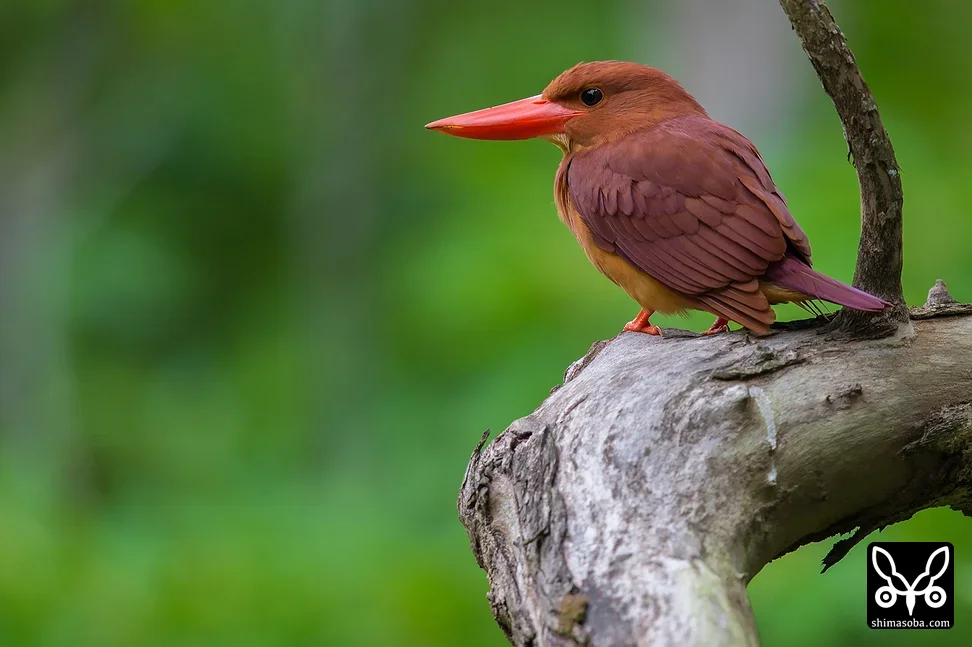
Hunting for prey in its favorite tree as usual. ^^
A Ruddy Kingfisher that paid no attention to a passerby walking by.
GUIDED BIRDWATCHING TOUR
We'll drive you around Ishigaki Island to wherever the birds are showing best that day. Observation is mostly from inside the vehicle, and we keep it to a maximum of 3 guests so everyone can take their time.
コノハズクを見つけたのですが、カメラや三脚を取りに戻った間に何処かへ行ってしまいました…。^^;
代わりに、アカショウビンを撮ってきました。
Hunting for prey in its favorite tree as usual. ^^
A Ruddy Kingfisher that paid no attention to a passerby walking by.
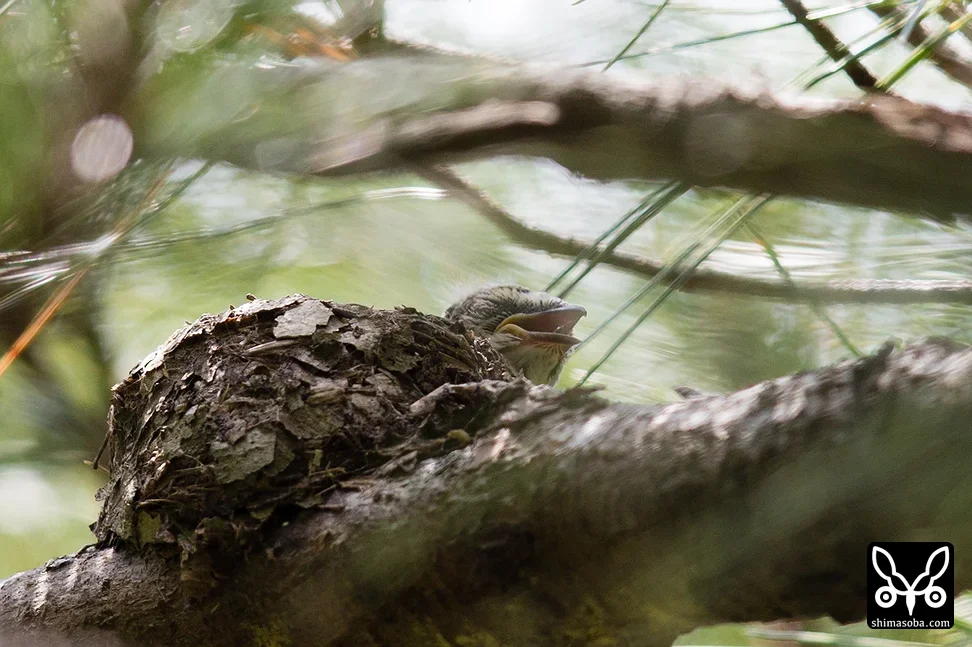
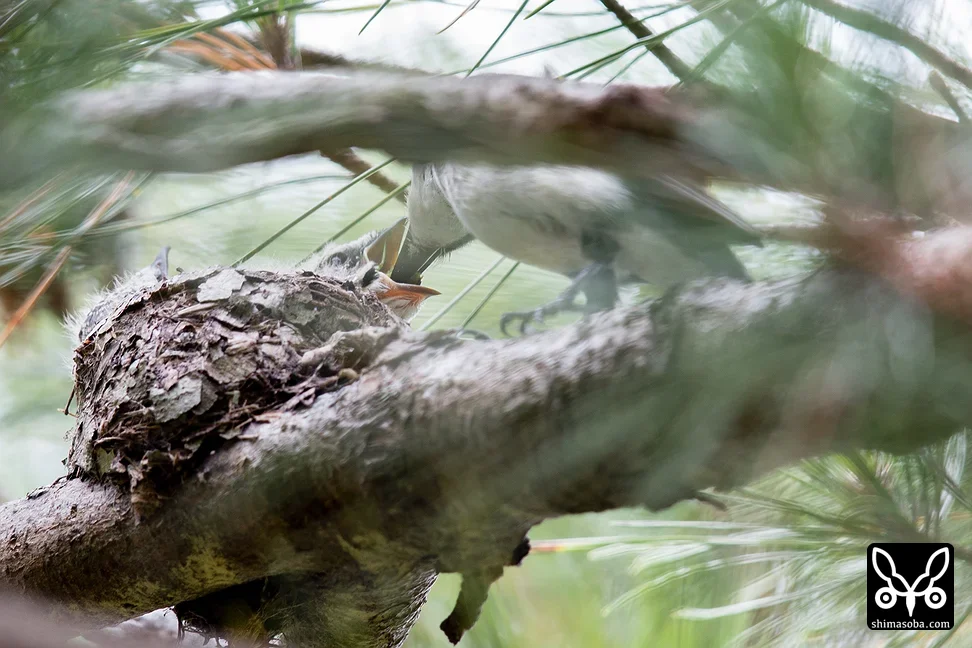
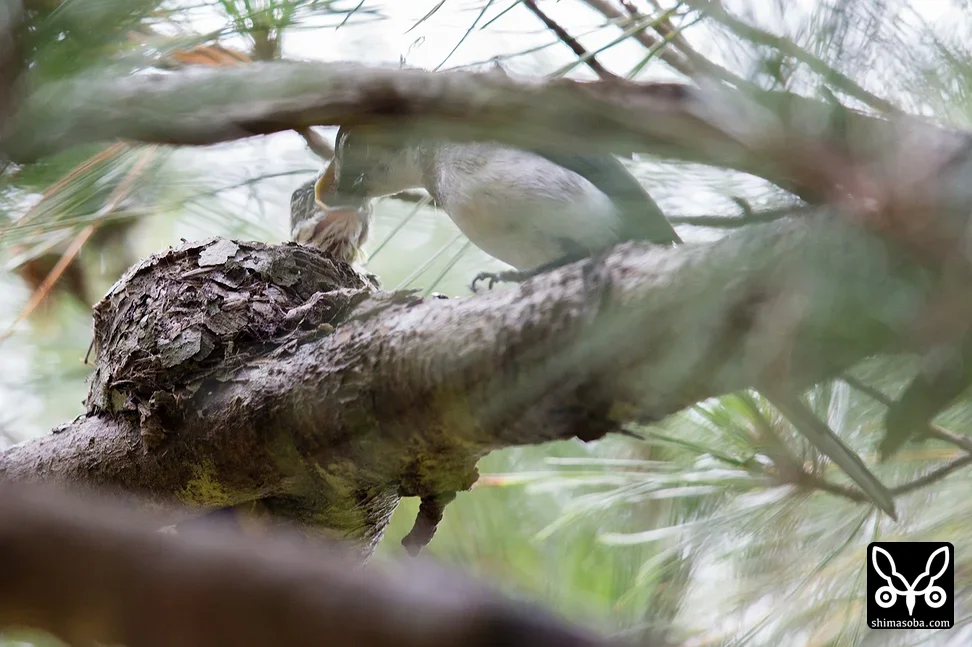
サンショウクイが松林で営巣していました。うーん、師匠はなんでこんな巣まで見つけられるんだろうか…。^^;
近くで、イシガキシジュウカラも営巣していましたが、サンショウクイが来るたびに大騒ぎ。サンショウクイのことが嫌いなのだろうか…。^^;
Perhaps from the heat, the chick is sleeping with its mouth slightly open.
A Ryukyu Minivet carrying a grasshopper.
I only watched for about an hour, but it brought food around five times. The Ryukyu Minivet seems to feed its young frequently.
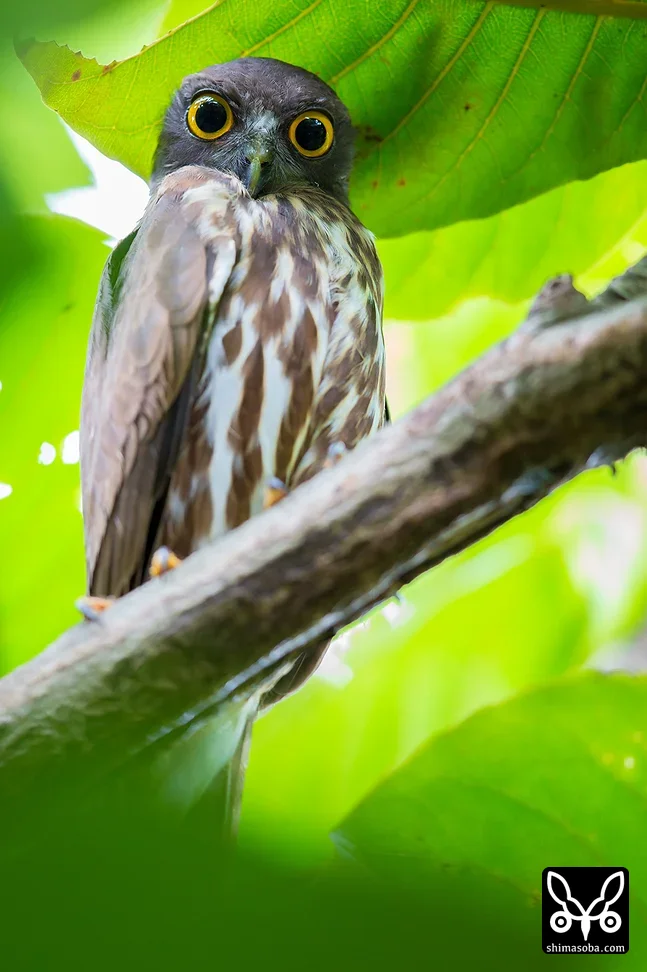
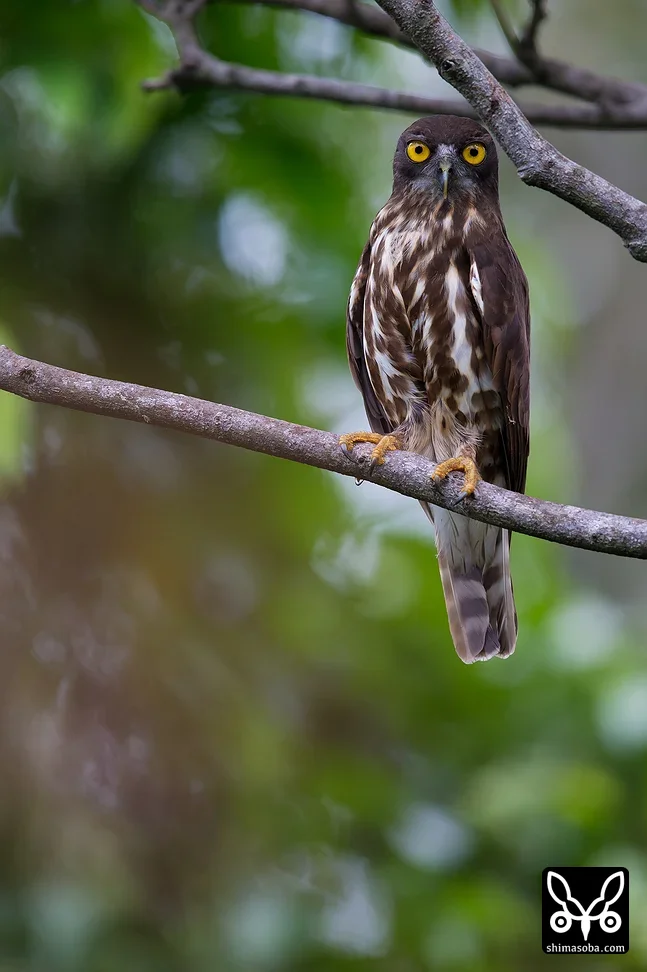
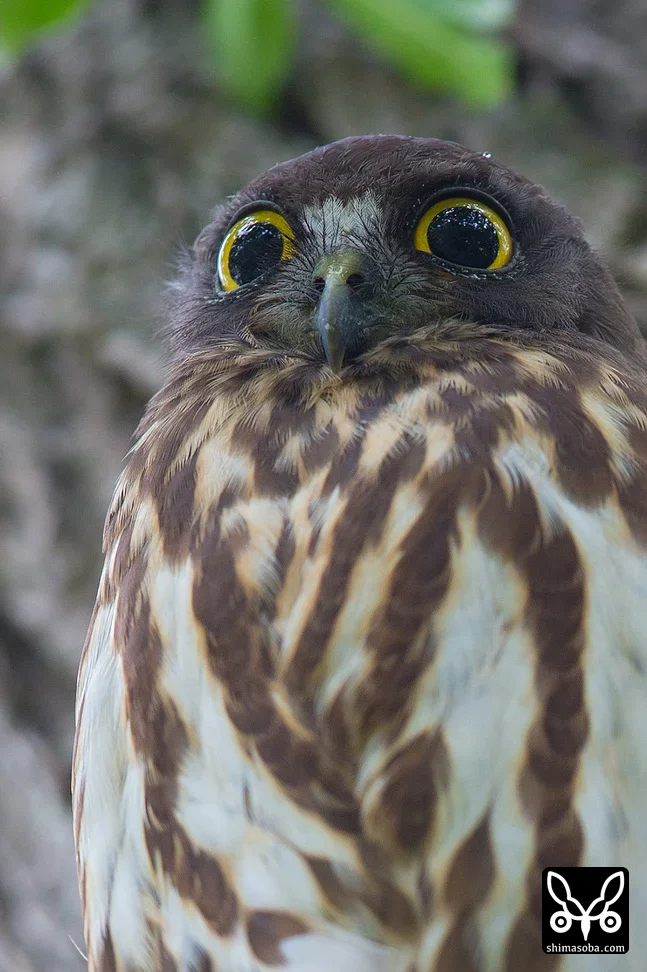
今年もアオバズクの営巣が始まったようです。
A Brown Hawk-Owl was deep in the dense foliage. So thick that this was just about the only gap to see through. ^^
It appears to be nesting.
Walking through the brush, a Brown Hawk-Owl burst out.
この時季にしては寒い一日でした。ホタルの出もいまいち。野鳥の方は、八重山では珍しいアカモズがいました。
アオバズク、コノハズク、アカショウビンは営巣の準備に入っています。サンコウチョウは鳴き声をあちこちの藪から聞こえるのですが、姿は見せず。リュウキュウキビタキも同じような状況です。
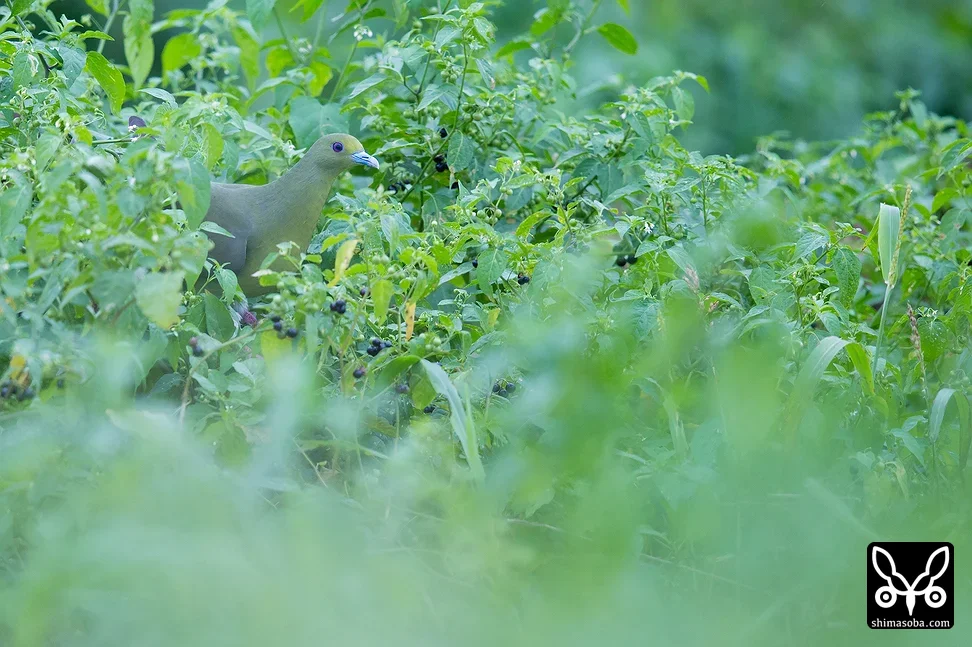
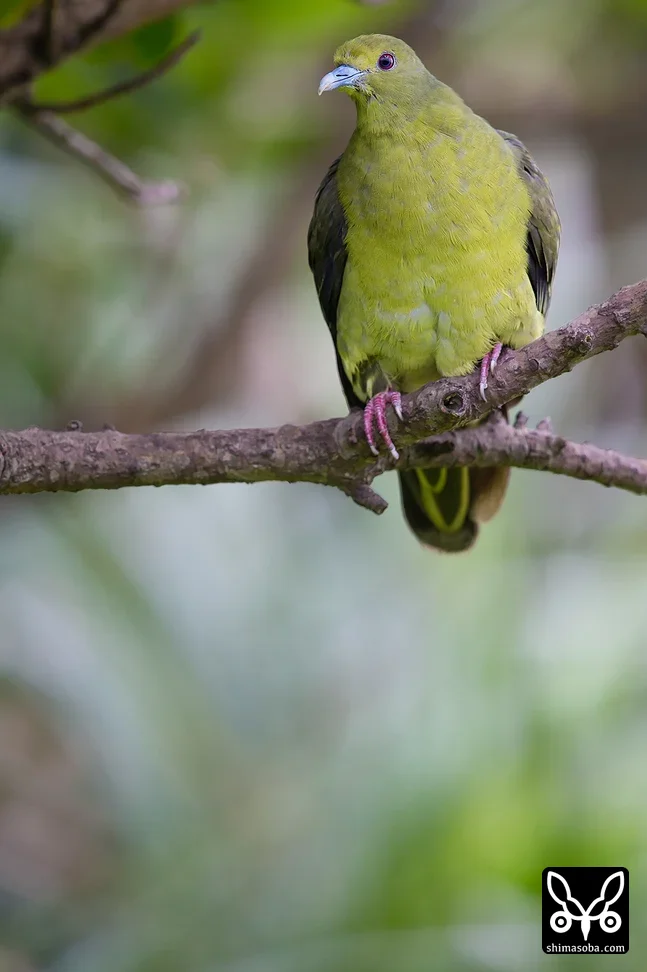
A green manure plant? A flock of several dozen Whistling Green Pigeons were eating the berries. They blended beautifully into the green.
A Whistling Green Pigeon resting on a branch. The eye color is striking.
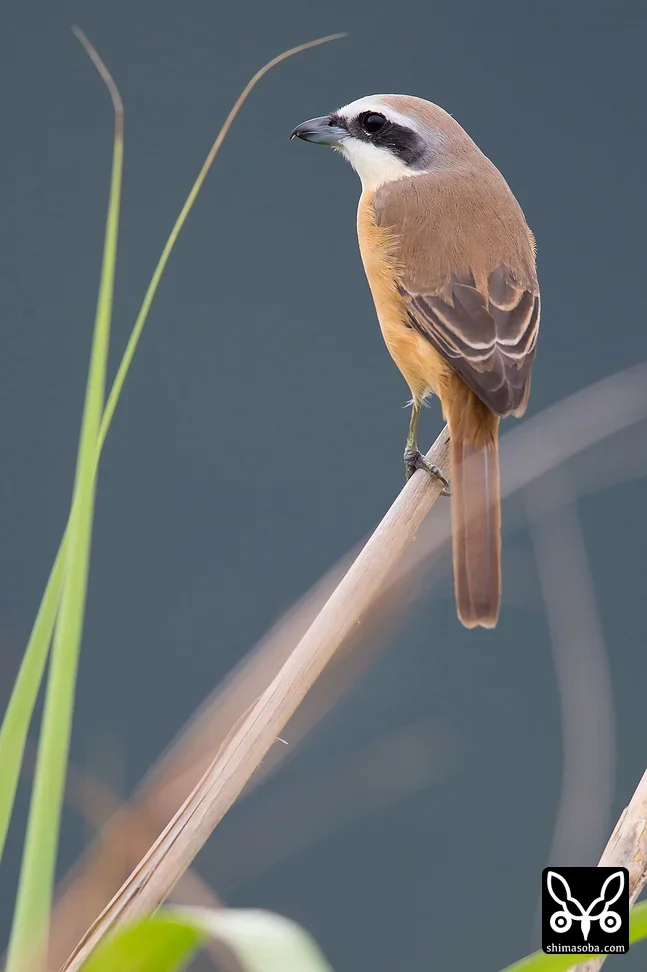
There was a beautiful male Bull-headed Shrike in summer plumage.
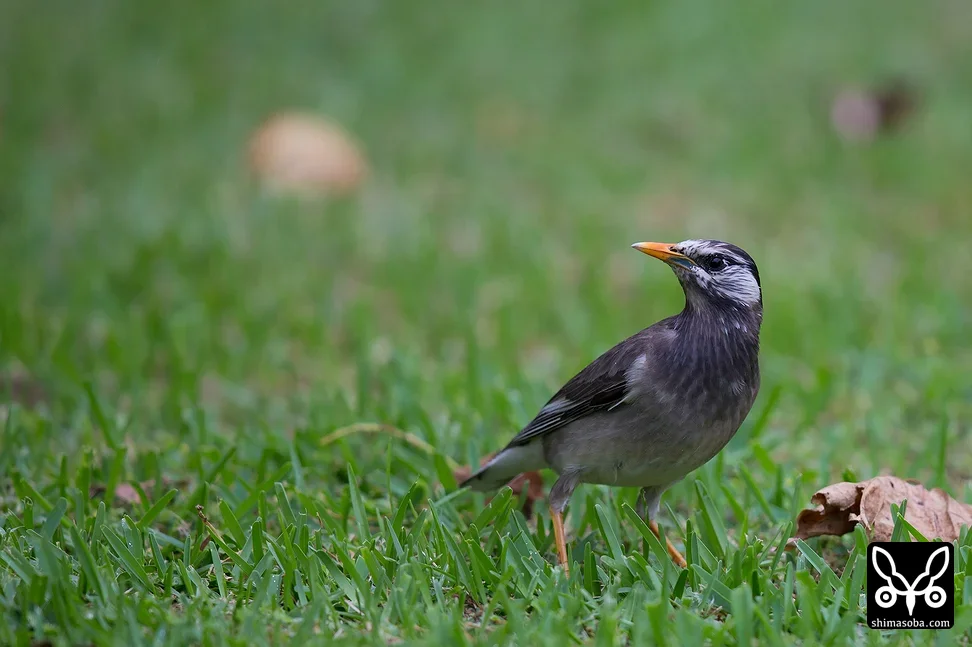
There were still some White-cheeked Starlings around. The Pale Thrushes, Brown-headed Thrushes, and Dusky Thrushes seem to have already moved on.
In the evening I waited over two hours for a Ruddy Kingfisher courtship feeding, but in the end saw nothing… ^^;
仕事の合間に時間が空いたのでアカショウビンを見に行きました。^^
途中で、昨日弁当をくれた島外のバードウォッチャーが来たので交代しました。その後、求愛給餌をしたのだろうか…?
A Ruddy Kingfisher looking a little startled, feathers all ruffled up.
I blew the exposure. But I managed to rescue the shot by pulling it down two stops in post.
アカショウビンが求愛給餌をしていましたが、ことしは近くに他のペアの縄張りがないからか、あまり情熱的ではありません…。^^; 3回ほど観察できました。
アカショウビンの数自体も例年より少ないような気がします。
The male Ruddy Kingfisher did show up with a gecko in his bill, but in the end he didn't pass it to the female — just ate it himself. The female was begging for it, too. ^^;
This pair was together as well.
盛大にさえずっているリュウキュウキビタキがいました。^^
三脚にカメラを据えてじっとしていると私の頭上に来たりしていました。成鳥にしては警戒心の薄いリュウキュウキビタキでしたが、 昨年のリュウキュウキビタキ のように動画が撮れるほど同じ場所でさえずってはくれませんでした。^^;
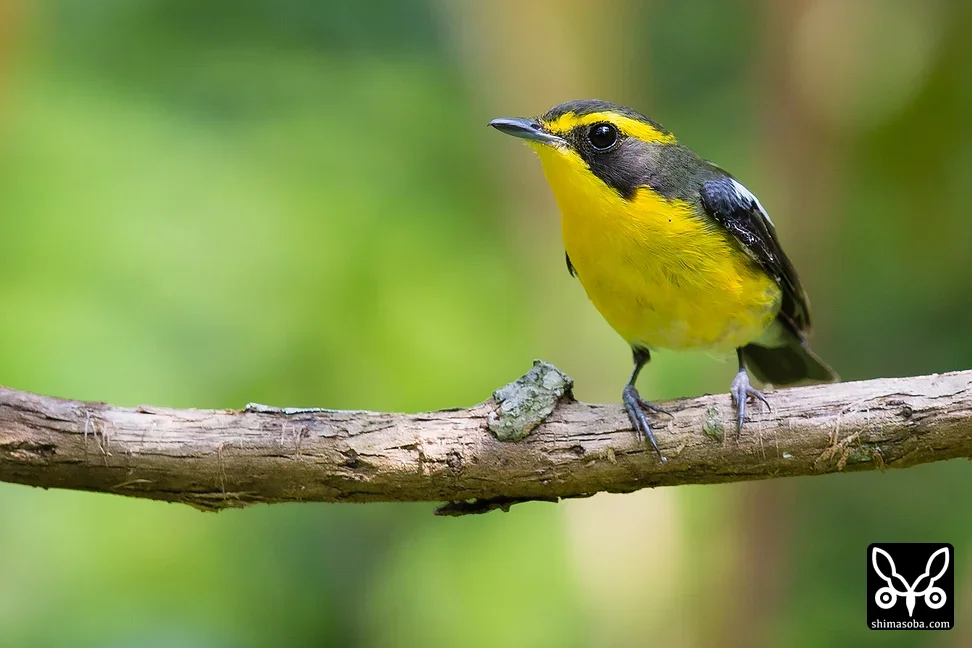
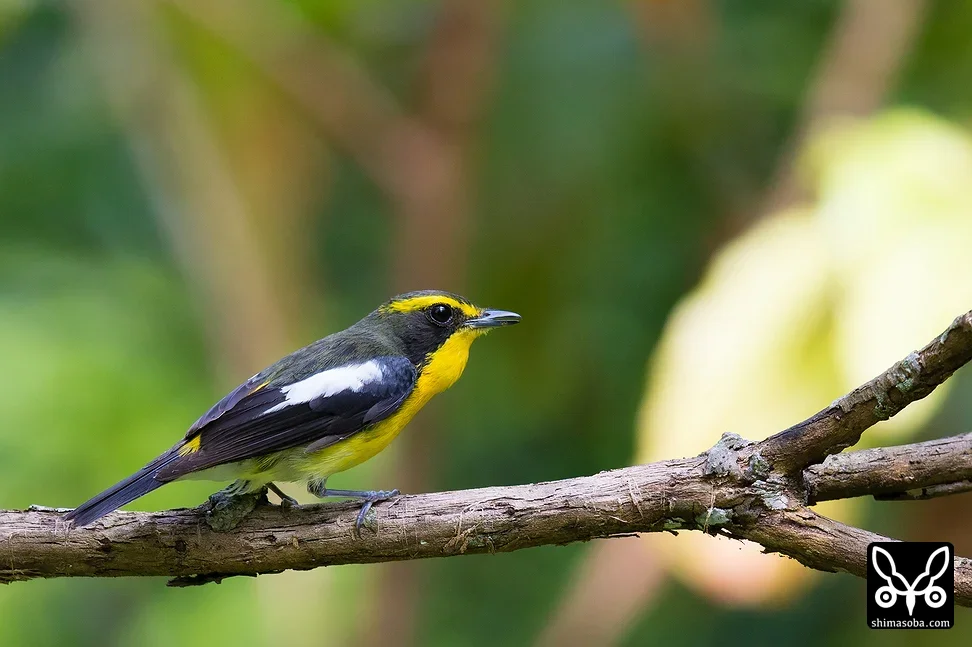
Ryukyu Flycatcher males often sing from deep inside the undergrowth, making them difficult to photograph, but this one had come out to a branch at the forest edge to sing. ^^
The differences from the mainland Narcissus Flycatcher are the call, the colour of the throat and breast, and the back colour. The mainland bird's call is complex, while the Ryukyu Flycatcher's is a simple "fee-fee." The Ryukyu Flycatcher also lacks the orange on the throat seen in the Narcissus Flycatcher — from the throat down to the vent it is a vivid yellow throughout. And while the mainland Narcissus Flycatcher has a black back, the Ryukyu Flycatcher's is an olive-tinged black, somewhat duller.
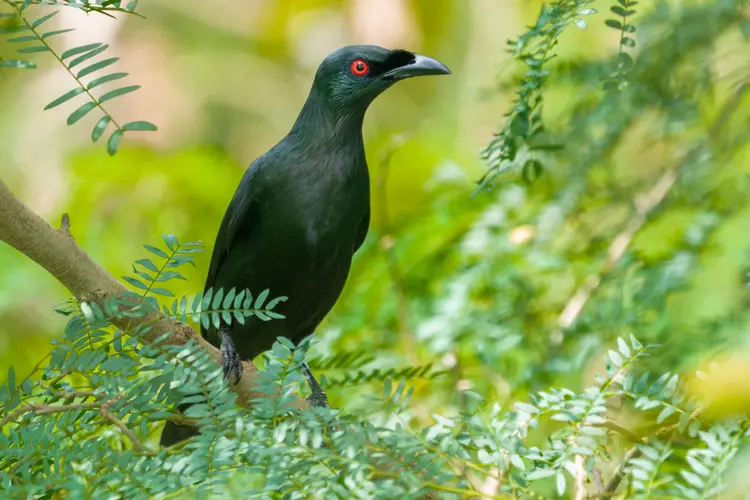
Singing its heart out. You can see the olive-tinged black of the back.
なんと、10メートルも離れていないところにコノハズクが2ペアいました。いつも、斜面の上から背中が見えていたコノハズクがいたのですが、その個体のペアのメスのようです。
いつも不思議に思っていたのが、ふつう昼間に鳴くコノハズクは「ホッ ホッ」とふた声しか鳴かないのですが、ここのコノハズクは昼間でも数十秒「ホッ ホッ、ホッ ホッ…」と鳴いていました。近くに他のペアがいるからお互いプレッシャーをかけているのですね。きょうは、両ペアのオス(姿は見えませんでしたが)が鳴き交わしていました。
This one was relaxed, preening and so on. A female.
Behind this female there was a male Ryukyu Scops Owl, but I could only confirm it by call. ^^;
A female Ryukyu Scops Owl that was very close to the individual above.
The male of this pair, too, was voice only — same as above.
美しいモモタマナの緑の中にアオバズクがいました。11日夜から12日朝にかけて猛烈な台風6号が八重山地方を襲うので、この美しいモモタマナの葉も、もぎ取られてしまうかもしれません。
今日から16日まで愛鳥週間。野鳥愛護と自然保護に勤しみましょう!!
この日は、先日、マイフィールドで知り合った写真家と同行しました。やはり、プロの方は集中力と撮影時のオーラが違いますね。
The strong sunlight caused a heavy green cast, making processing quite difficult. ^^; Since I only had the 600mm, I backed up as far as I could and got this size. Next time I'll bring the 200mm.
The Brown Hawk-Owl is an owl that suits greenery.
Large eyes with a glassy, crystal-clear transparency.
この時季なのに、ペアになれずにいるアカショウビンです。近くの2ペアはすでに巣穴を掘り始めています。
雌雄は不明ですが、メスの可能性が濃厚。
It is often perched on this branch.
I tried to shoot it looking a little lonely. ^^;
本日、沖縄地方も奄美地方に遅れて梅雨入りしました。平年より11日遅れです。沖縄では梅雨のことを小満芒種(スーマンボースー)といいます。
アカショウビンたちは、曇天で湿度の高い中、活発に動いていました。
After catching prey, it carried it off into the undergrowth. This appears to be courtship feeding for the female.
When this male Ruddy Kingfisher hears the female's call, he gets excited and bobs his tail up and down.
繁殖期に入って観察する機会が減っているカンムリワシですが、きょうは雨の中3羽ほど見ることができました。^^
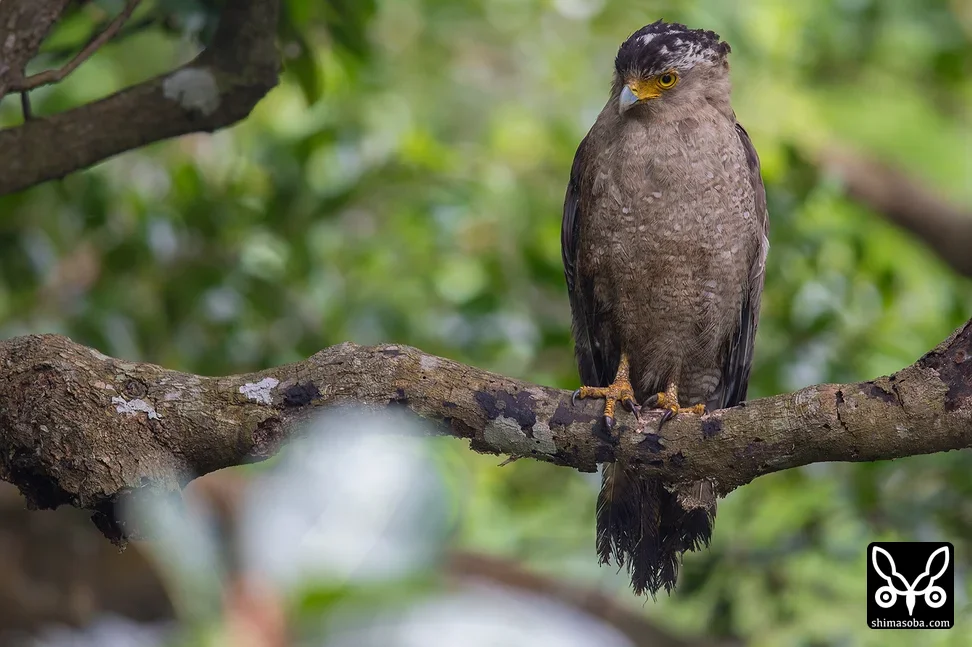
A Crested Serpent Eagle had taken up position on the branch where the Ruddy Kingfisher often perches.
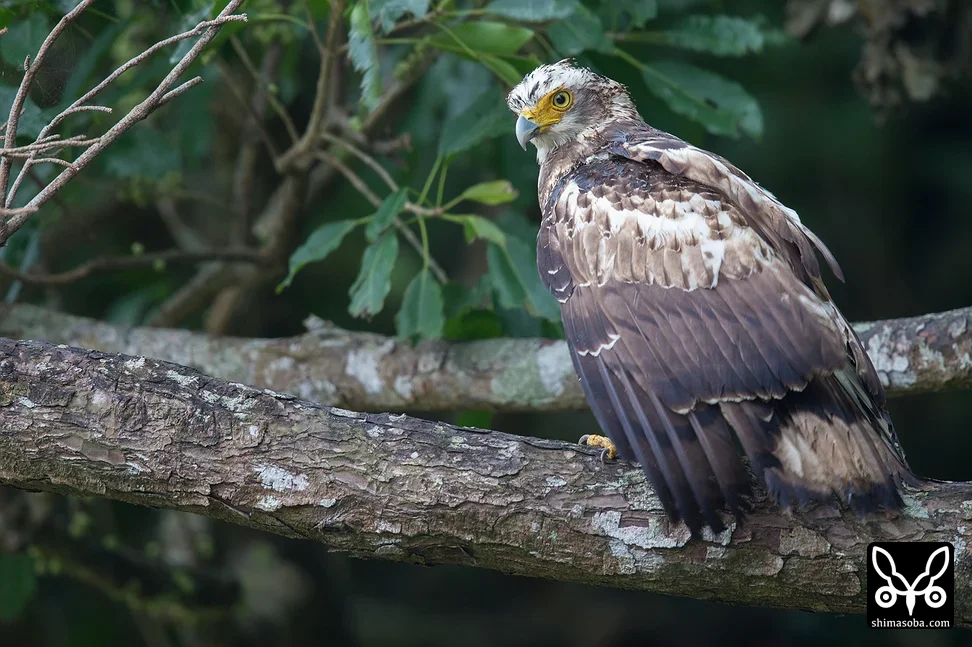
A juvenile Crested Serpent Eagle in the process of moulting into adult plumage.
一日中小雨が降り、梅雨らしい石垣島地方です。小雨の中、アカショウビンは活発に動き回り、きょうは8羽ほど観察できました。^^
The bachelor Ruddy Kingfisher looks lonely again today, all on its own… ^^;
Female Ruddy Kingfisher. Around three pairs are moving about actively along the forest road on Yarabu-dake. Perhaps they are looking for a nesting site.
Male Ruddy Kingfisher. Paired with the individual above.
営巣木が工事現場に取り囲まれてしまい、今年の営巣は絶望視していたのですが、なんと今夏も戻ってきていました。^^
休む木は、毎年利用していた木からはかなり離れ、高いところにいました。
Shooting into the light, the fresh young leaves were glowing green. A Brown Hawk-Owl that suits the new foliage. ^^
An extreme close-up — still an utterly adorable Brown Hawk-Owl. ^^
Every time a Brown-eared Bulbul came to eat the berries, it got mobbed and looked thoroughly fed up.
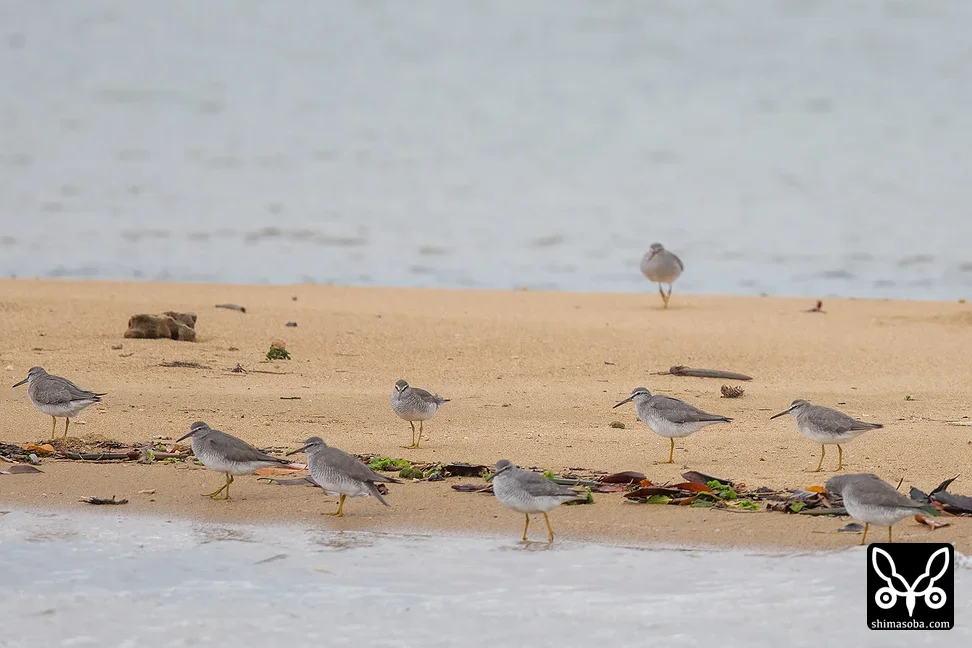
宮良川河口に干潮待ちのオニアジサシとキアシシギ、キョウジョシギなどがいました。他に、シロチドリやイソシギ、カルガモ、カワセミなども数羽。
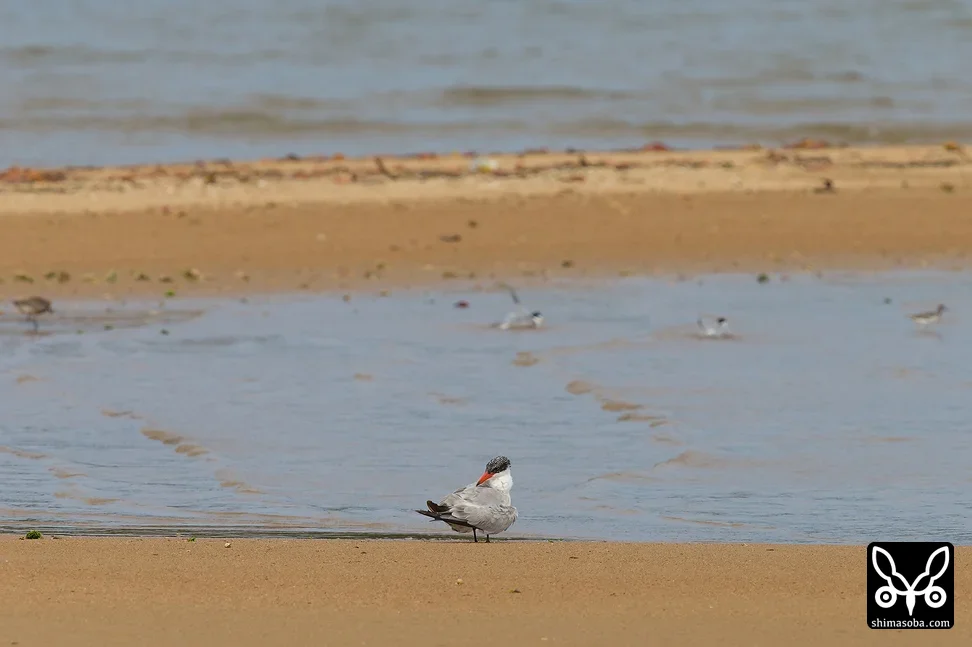
A Great Crested Tern on a sandbar. I waited for it to fly, but it tucked its head into its feathers and went to sleep. ^^;
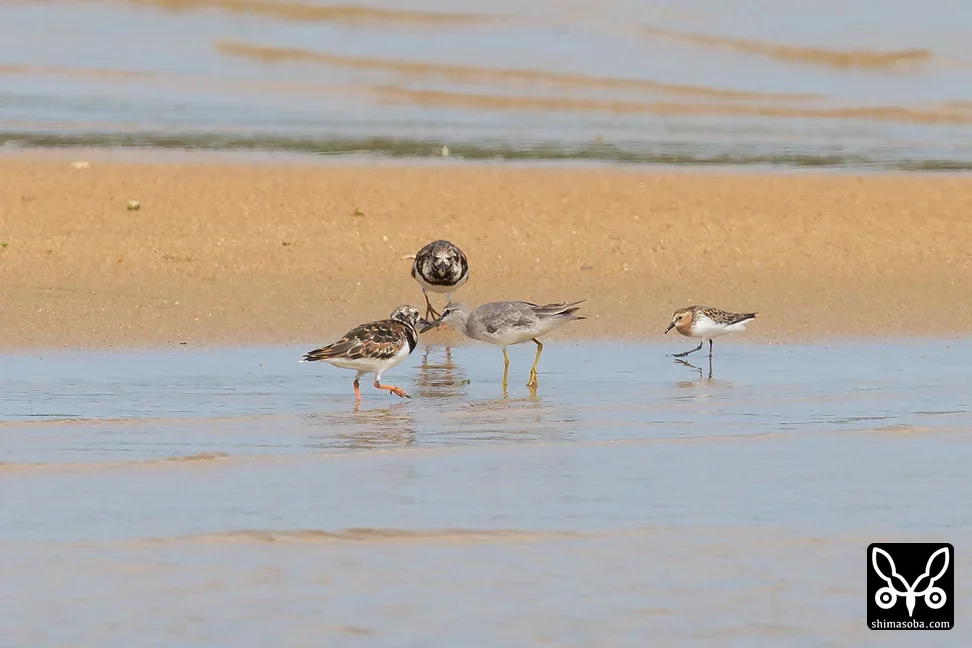
The third Grey-tailed Tattler from the right was missing one leg.
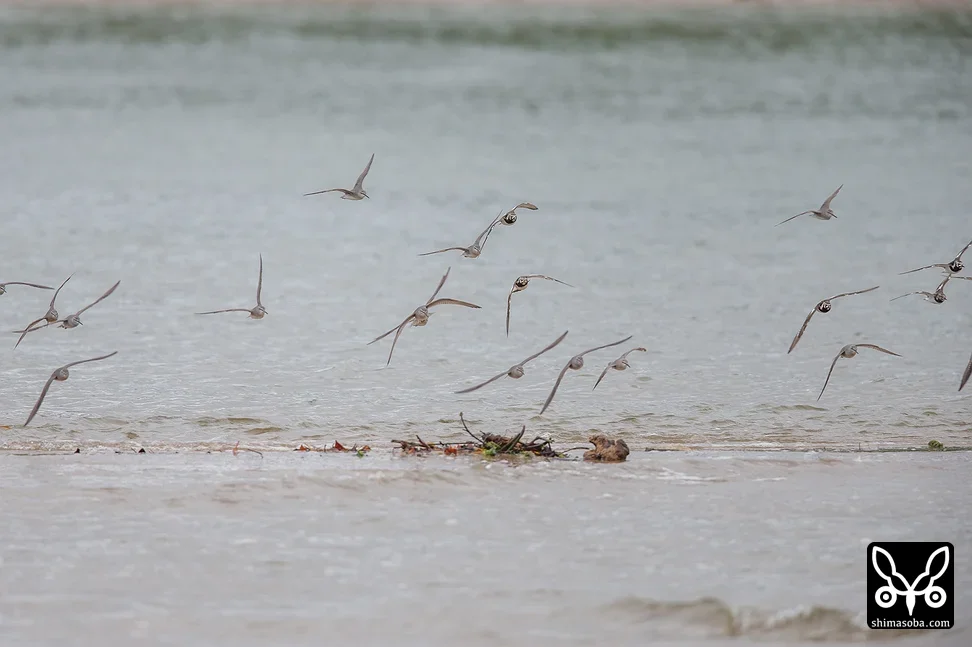
The Grey-tailed Tattlers and Ruddy Turnstones were startled by the sound of an aircraft and took flight.
アカショウビンのペアがいました。サンコウチョウやキンバトなどの鳴き声もしています。
Probably male.
The female paired with the Ruddy Kingfisher above.
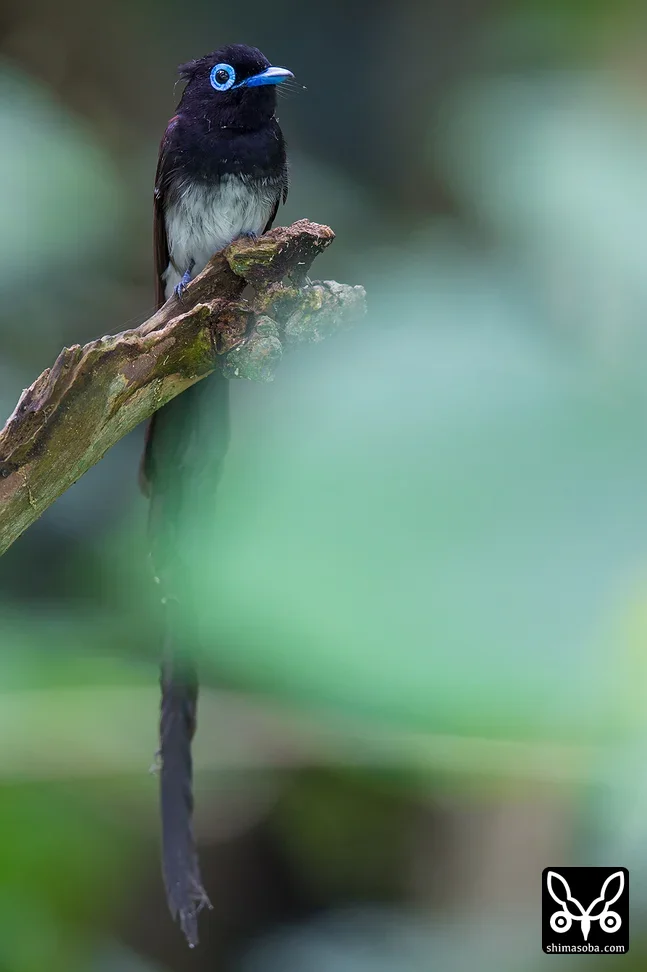
姿、鳴き声はあちこちであるのですが、やっとまともにオスのサンコウチョウが撮影できました。カラスにアタックしていたので、近くに巣があると思われます。もう一箇所の巣は、ほぼ出来上がっていましたが、見やすい場所にあるのでカラスの被害が心配。^^;
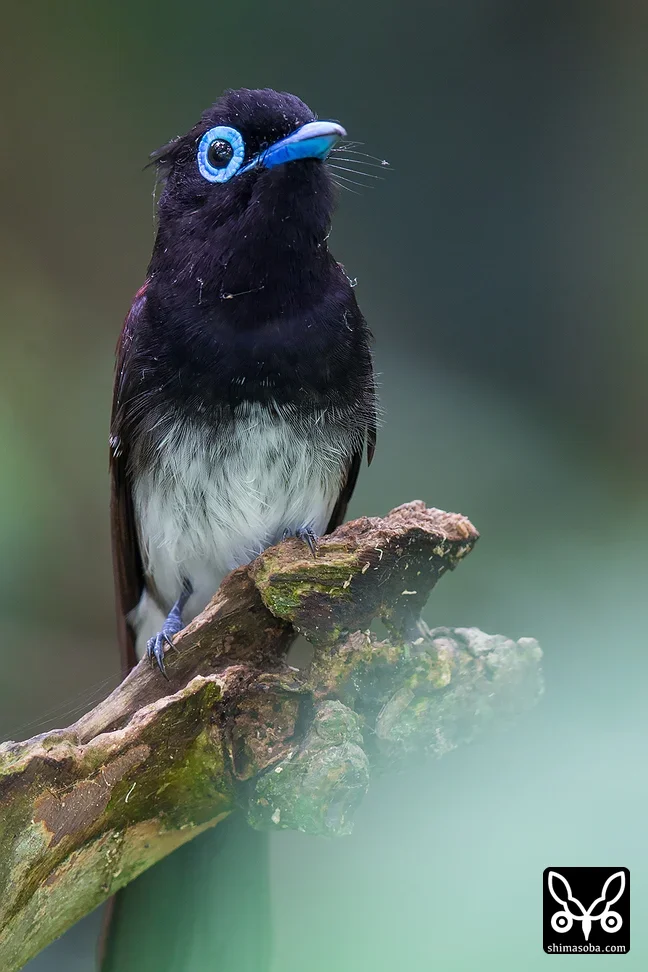
A male Japanese Paradise Flycatcher covered in spider webs. He must want a bath. Even so, the eye-ring and bill are strikingly vivid and beautiful.
Argh. The leaf in the foreground is in the way!!
The female Japanese Paradise Flycatcher appeared for just a moment but I couldn't get a shot.
宮良川河口から磯辺川にかけての沿岸には干潮になると多くの水鳥が集まります。
国道を走っていると磯辺川になにやら見慣れないアジサシが飛んでいました。これはと思い、狭い(軽自動車がぎりぎりすれ違える)堤防に車を回したのですが、対向車が来てごちゃごちゃ…。ハシブトアジサシだったようで、撮れずにがっかりです。^^;
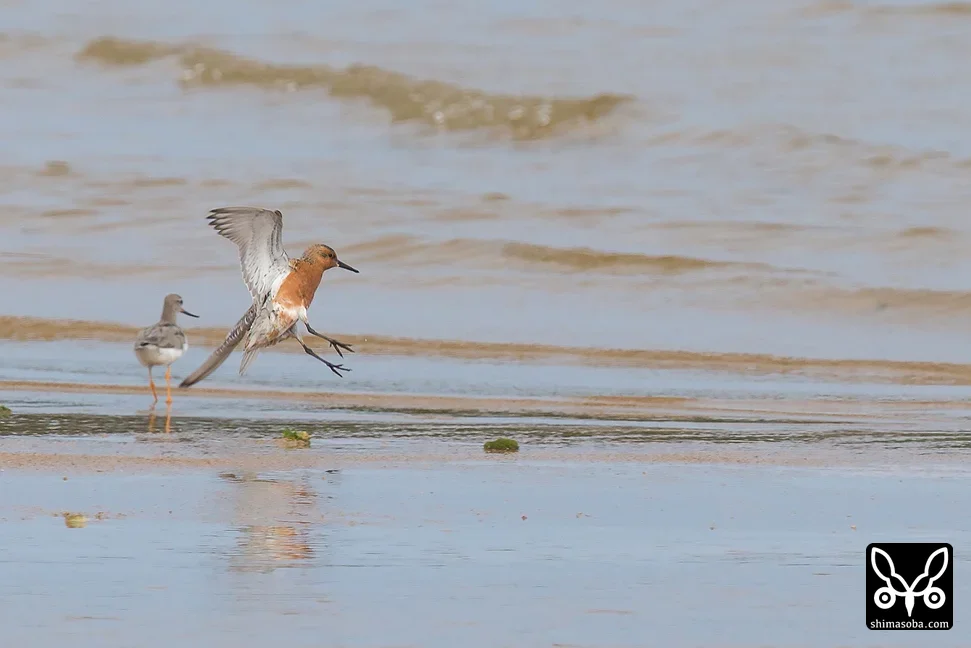
ほかは、オニアジサシをはじめ、コアジサシ、コオバシギ、キアシシギ、ソリハシシギ、キョウジョシギ、トウネン、メダイチドリ、クロサギなどがいました。
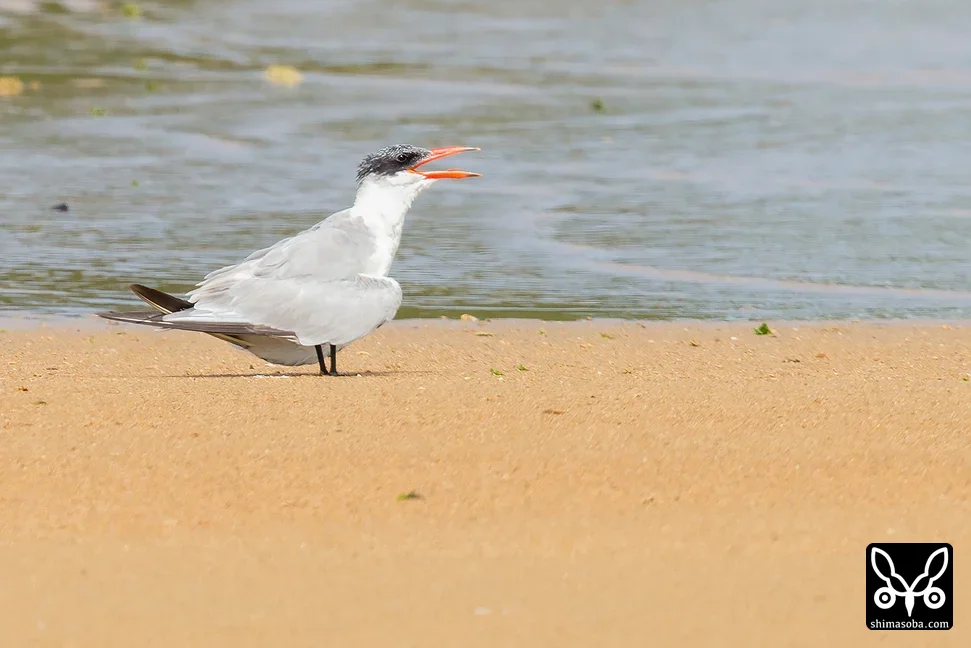
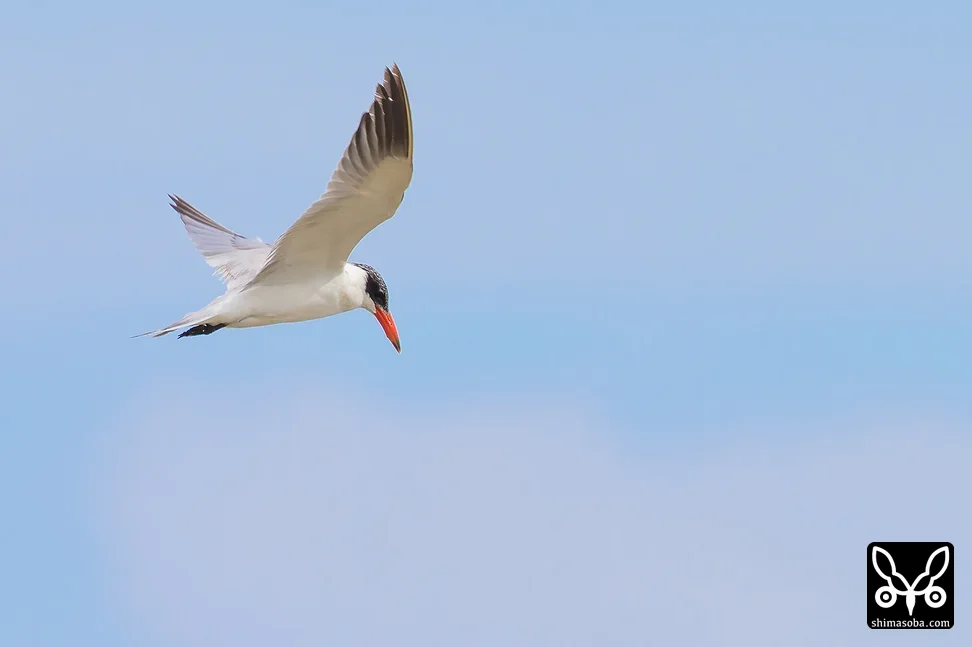
A Caspian Tern was resting at the mouth of the Miyara River. It can fly without difficulty, but its left wing tends to droop.
When it took off, it moved to the mouth of the Isobe River this time.
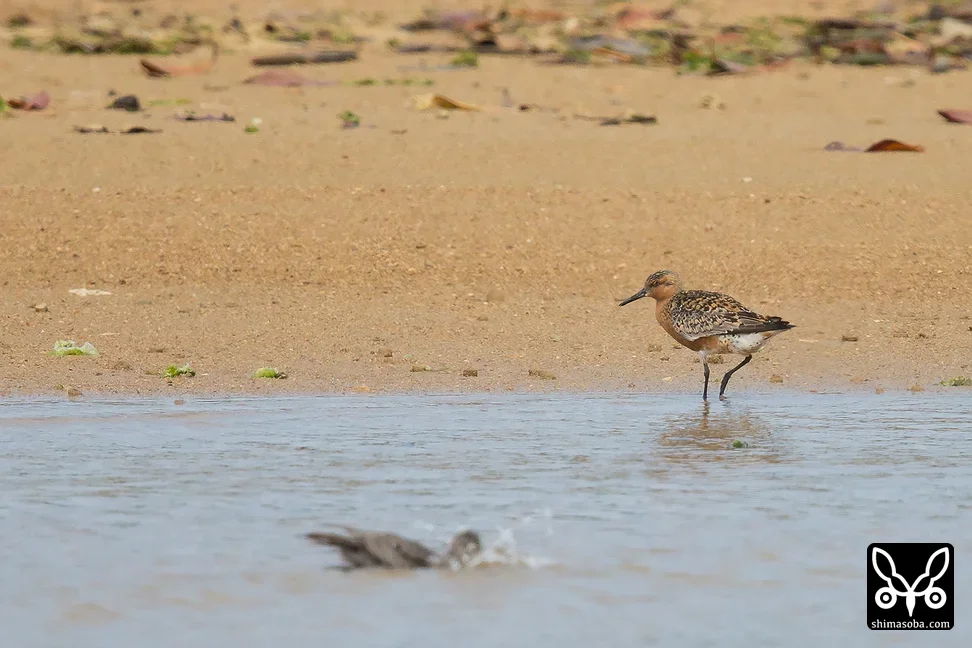
The breeding plumage of the Great Knot is beautiful. Actually, this was my first time seeing a Great Knot, so at first I thought it was a Curlew Sandpiper. ^^;
Great Knot. The one bathing in the foreground is a Grey-tailed Tattler.
Ruddy Turnstone, Grey-tailed Tattler, Red-necked Stint.
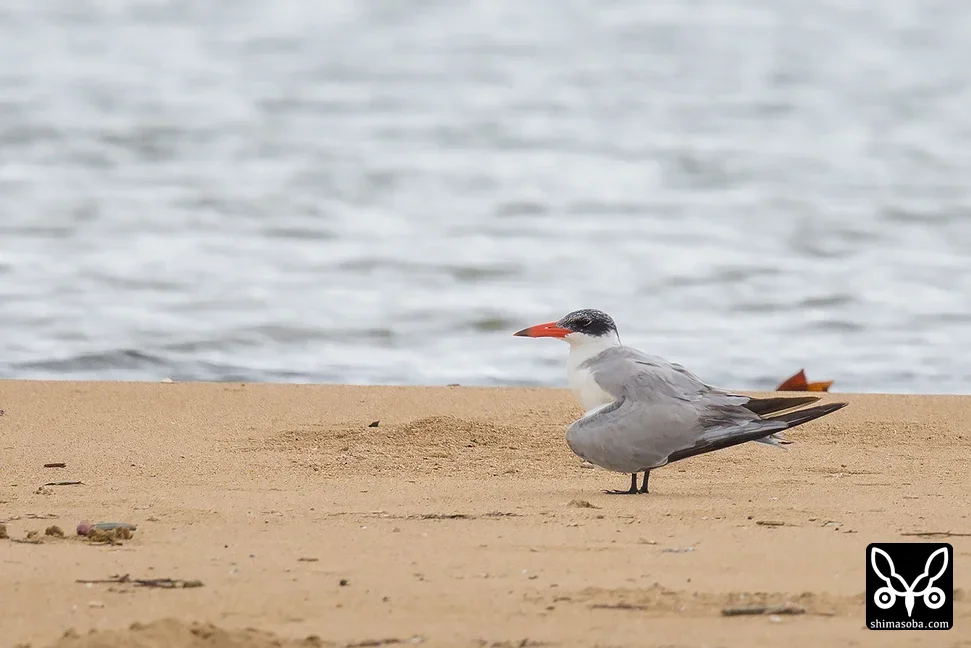
A Caspian Tern and two Little Terns in the background.
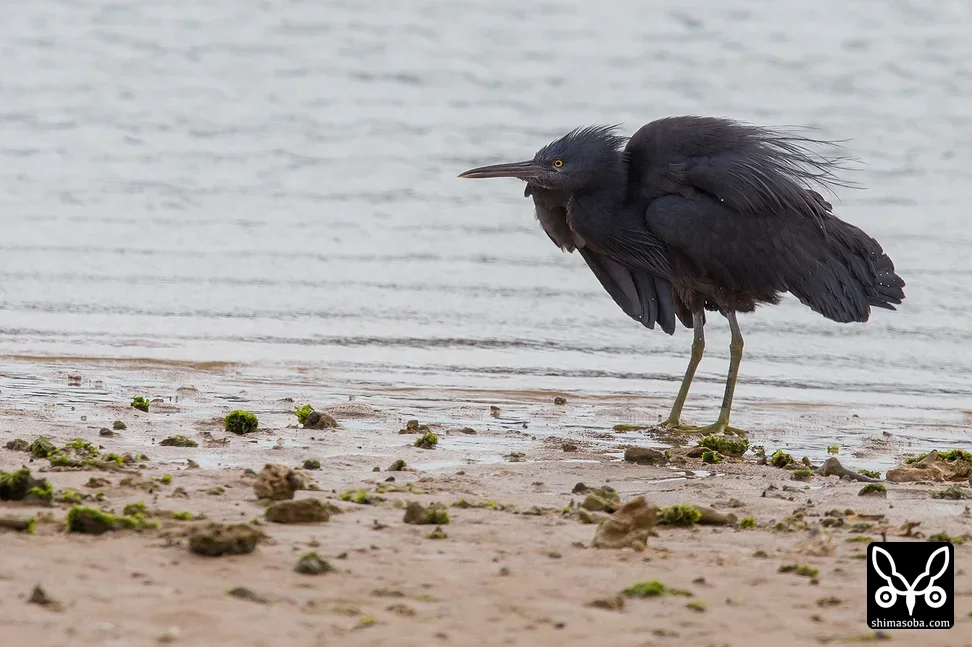
The Black Heron's breeding plumes are also beautiful.
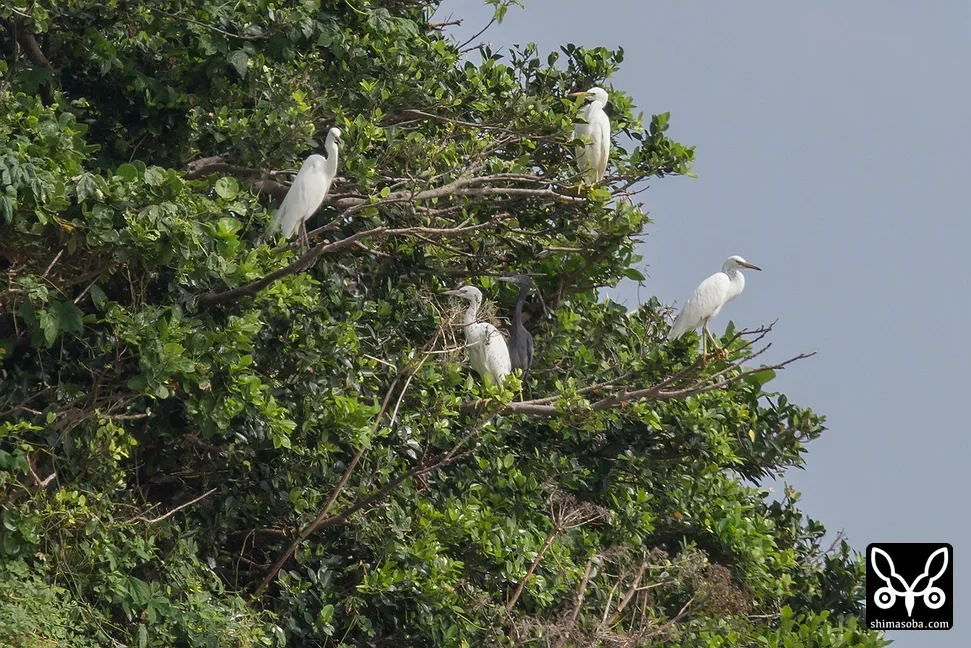
A heron tree. One Little Egret (left) and four Black Herons.
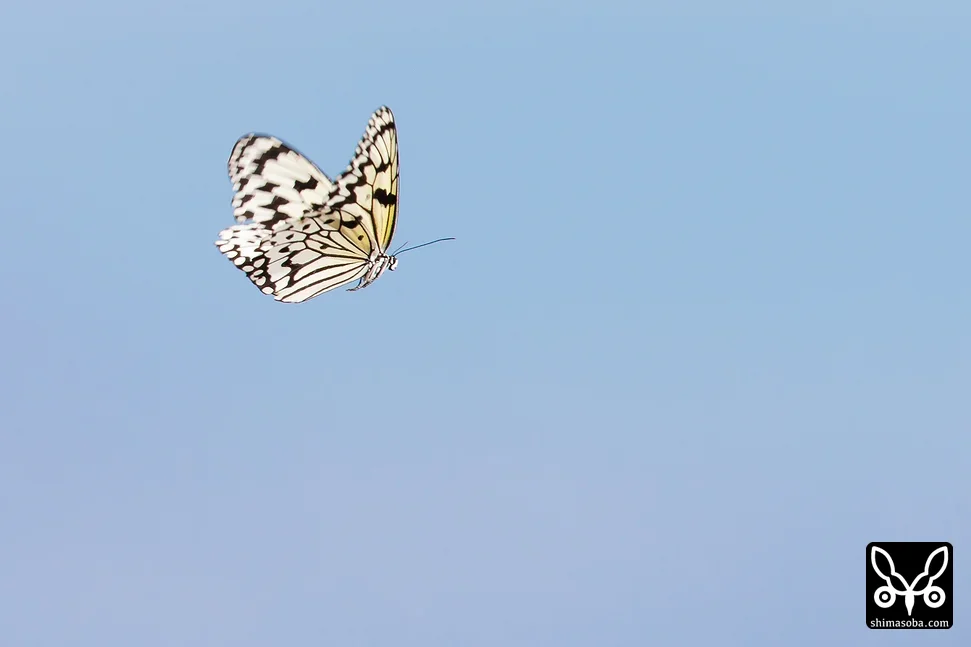
A Parantica sita crossed over the sea. Not just Parantica sita — I often see various butterflies flying over the ocean, but I wonder if they are crossing with a purpose?
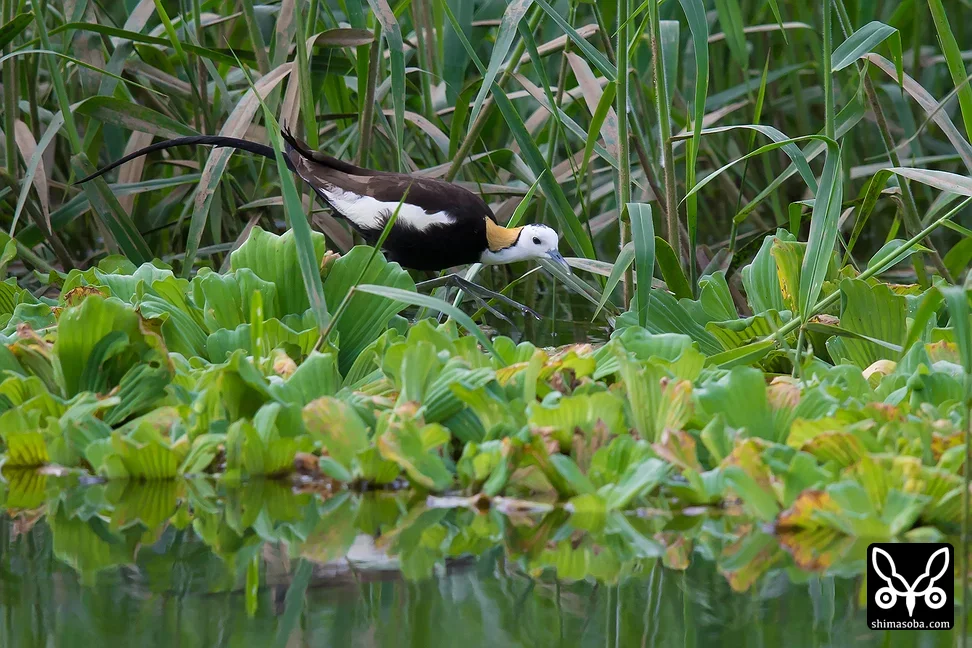
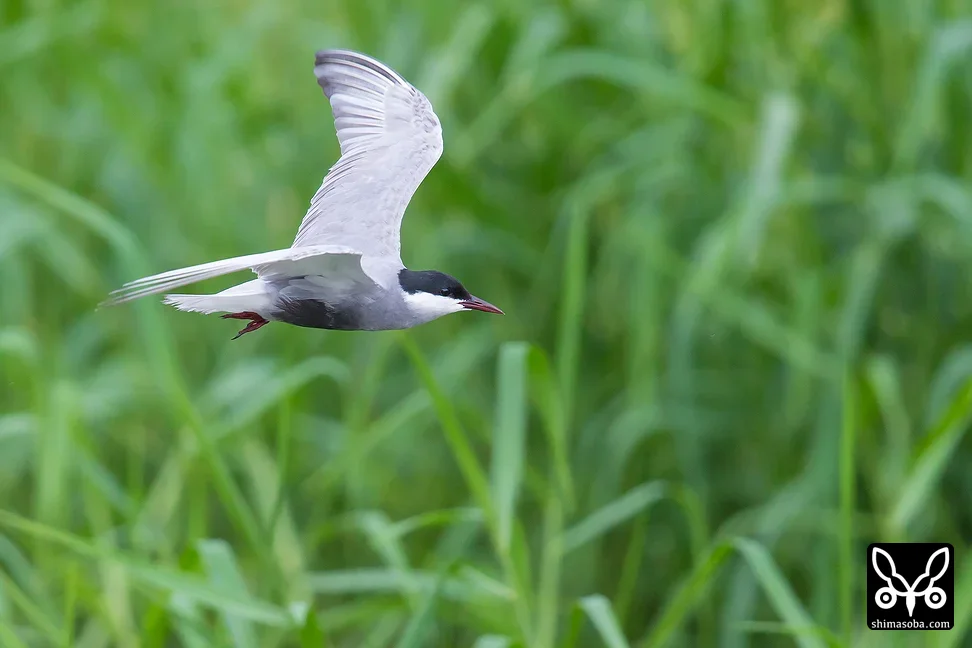
久しぶりに石垣島にレンカクの夏羽が入りました。同じ川ではクロハラアジサシの数羽の群れが虫を捕まえていました。
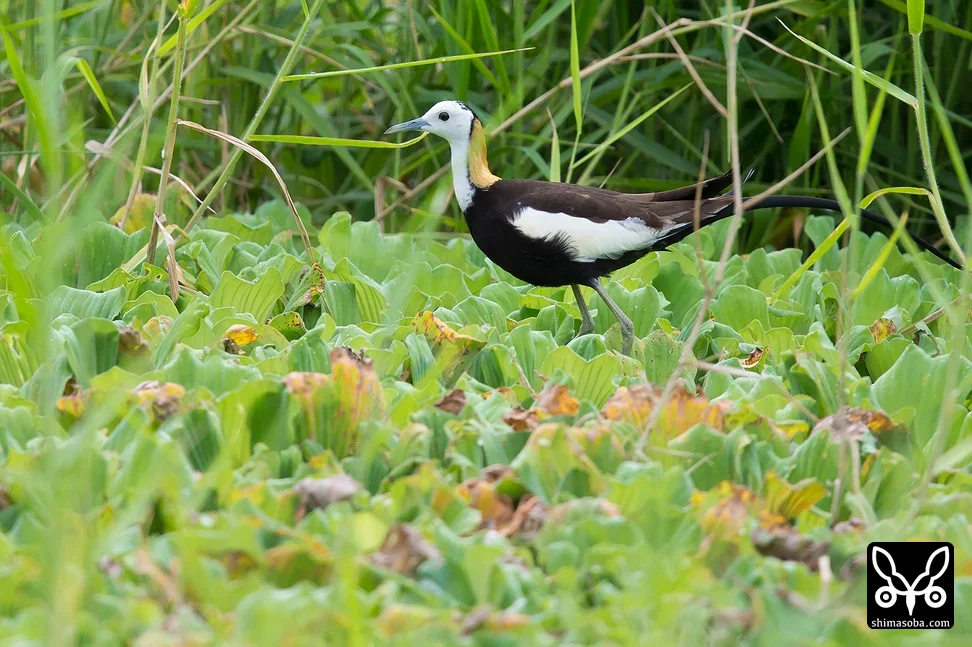
This is the breeding plumage of a Pheasant-tailed Jacana — beautiful in both colouring and plumes. It is a bird with a somehow exotic feel to it.
Because it walks on lotus pads and similar plants, it has remarkably large feet for its body size. There are no lotus plants in this river, so it was walking on water lettuce instead.
These are Whiskered Terns in breeding plumage. A flock of five or six was flying back and forth over the reed beds along the riverbank, occasionally diving sharply to catch what appeared to be grasshoppers.
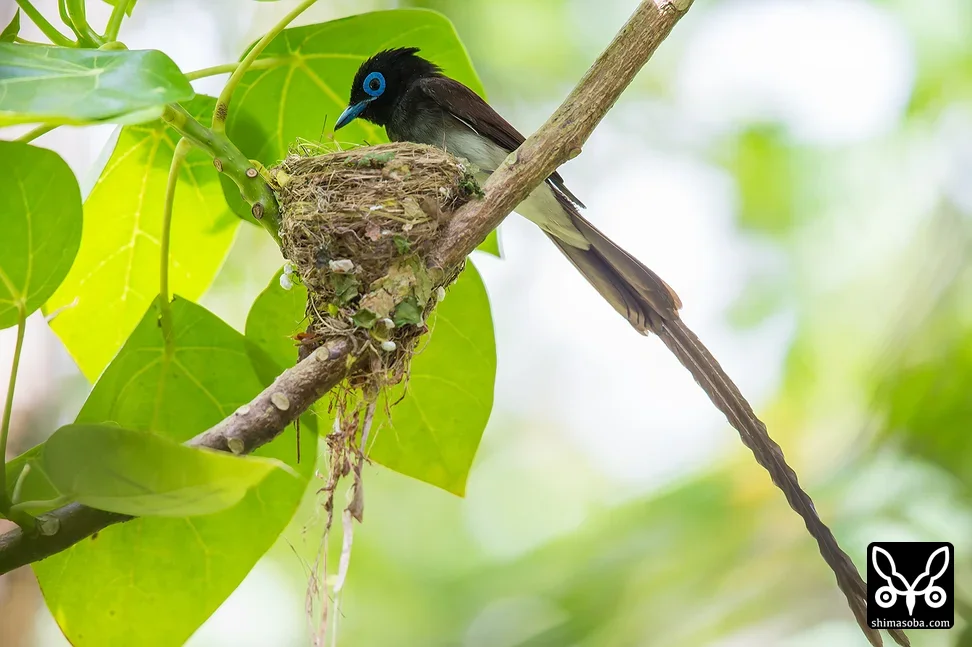
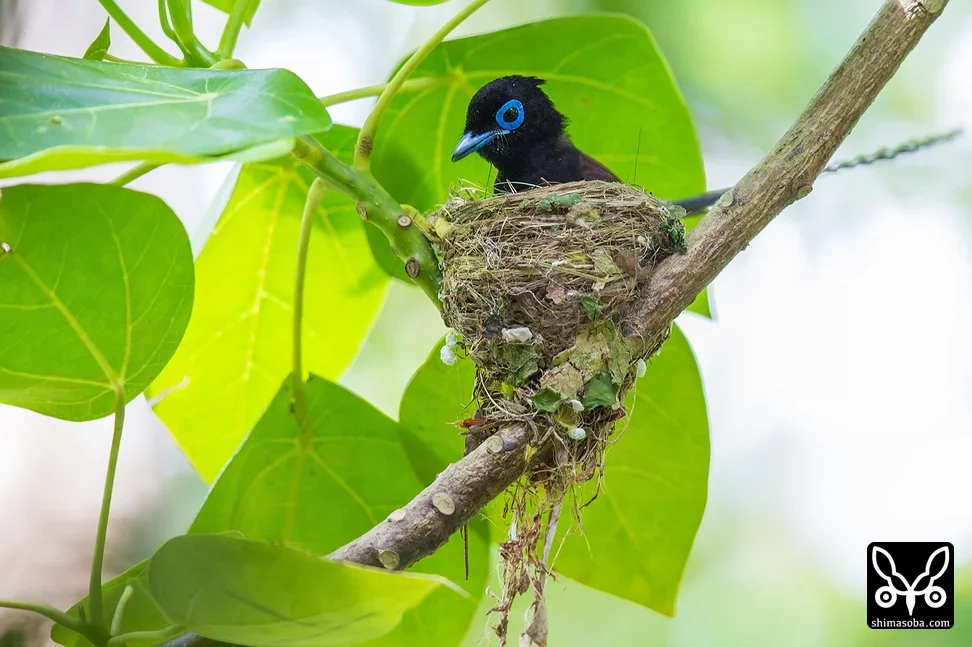
サンコウチョウが巣作りをしています。ブラインドから2時間ほど観察している間にメス、オスともに1回ずつ巣にやってきました。まだ、巣作りは終わっていないようです。
近くでは、アカショウビンが地上50センチぐらいのところに巣穴を掘っていました。そして同じ敷地内のアオバズクはまだ到着せず。昨年、ヒナを何かに食われてるから場所を変えたのかなー?
A male Japanese Paradise Flycatcher came by, and I wondered what it was going to do —
— it sat on the nest, adjusting the lining and touching up the outer wall. This lasted a few dozen seconds. Since Japanese Paradise Flycatchers lay eggs about three days after the nest is complete, if laying is around the end of this month — roughly June 23–26 — we should be able to see the chicks fledge. ^^