SEASONAL ARCHIVE

Wild Birds of July

When and what wild birds might you see — a timeline sorted by date taken

  1. 1
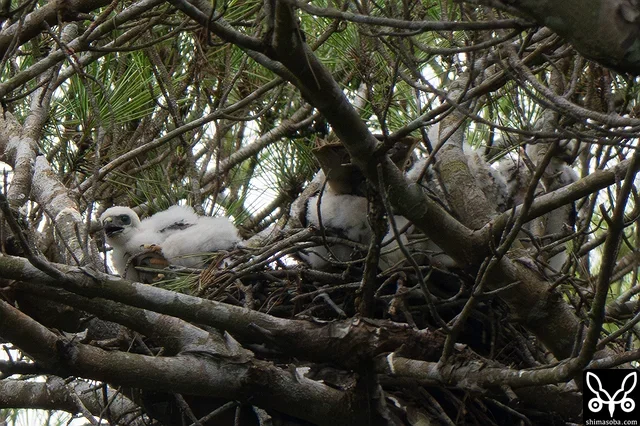
    Japanese Sparrowhawks that breed in the Ryukyu pine grove every year. This year there appear to be four chicks, more than usual.
    Ryukyu Sparrowhawk
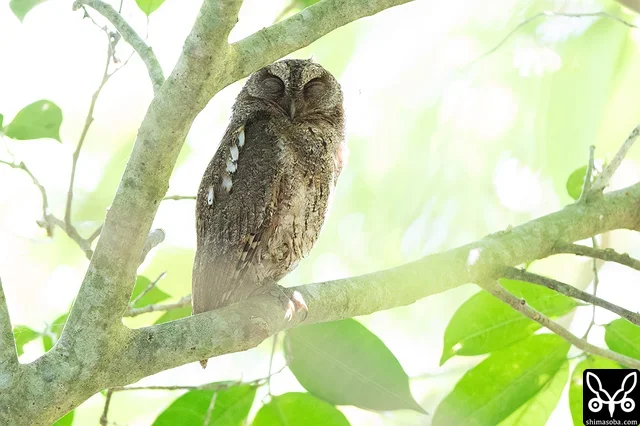
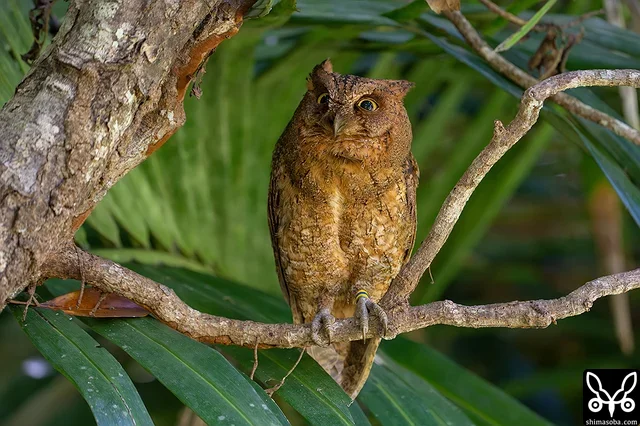
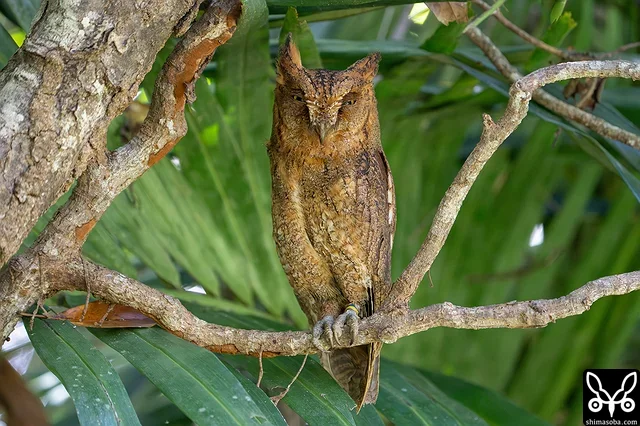
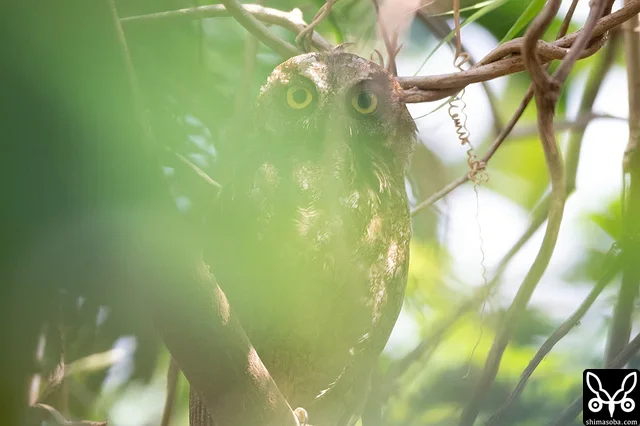
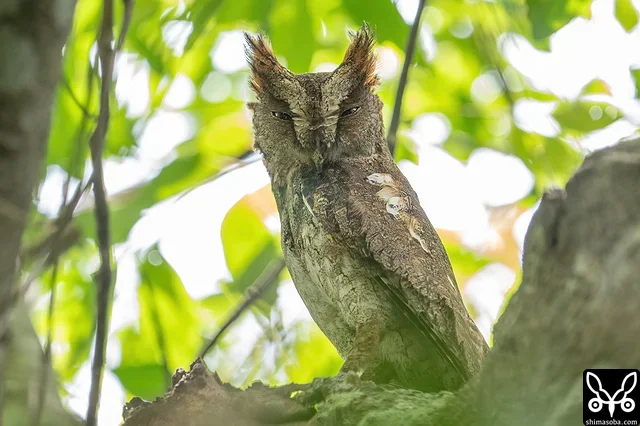
  2. A male Ryukyu Scops Owl deep in the undergrowth. Eyes closed, but it is aware of me.
    Ryukyu Scops Owl
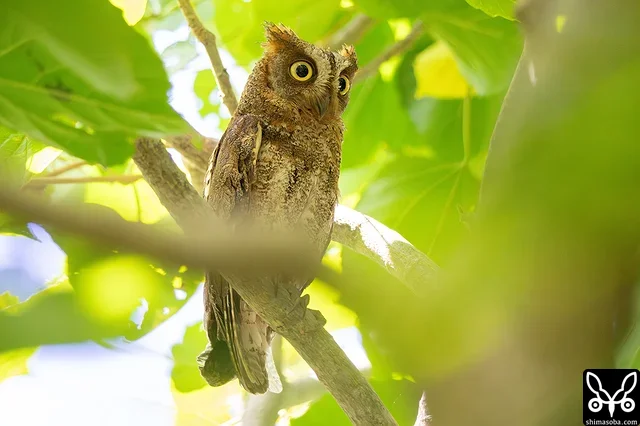
  3. The male Ryukyu Scops Owl at the plaza is standing guard over the nest.
    Ryukyu Scops Owl
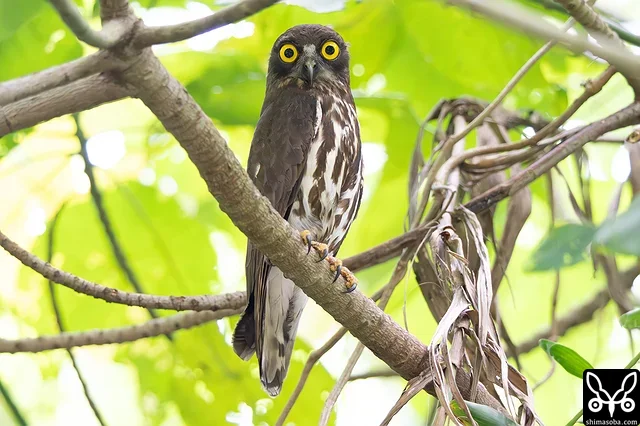
  4. 3
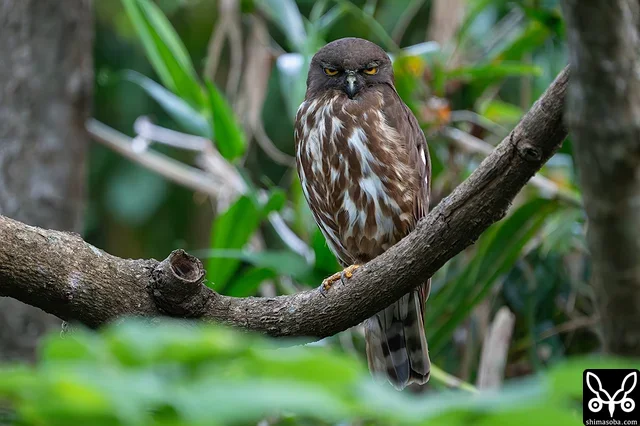
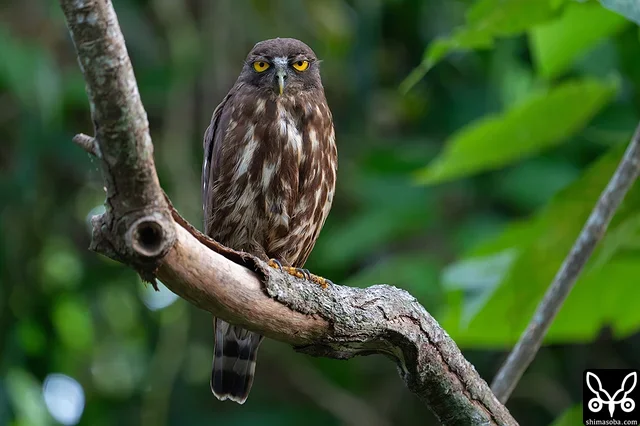
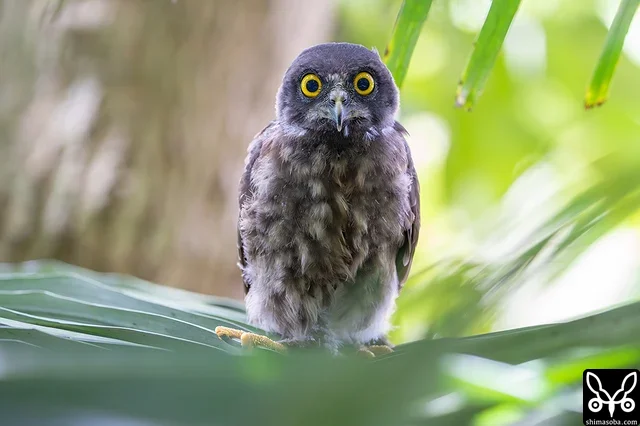
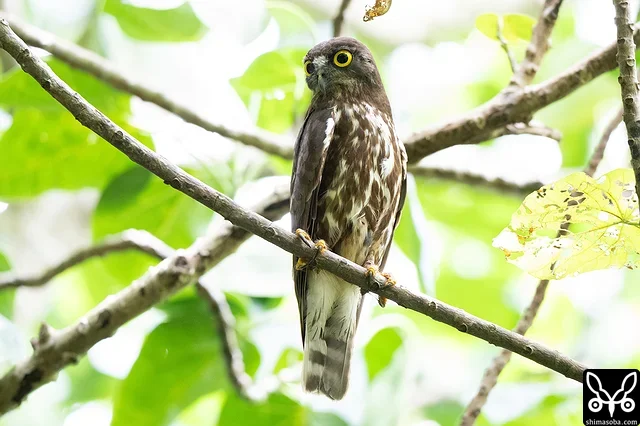
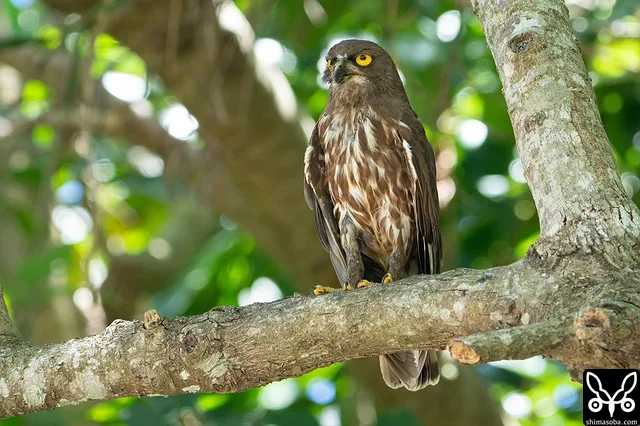
    The male Brown Hawk-Owl in the park is also on watch. A high-density area with three pairs nesting within a radius of a few dozen meters.
    Northern Boobook
  5. 4
    Ryukyu Scops Owl
  6. Ryukyu Scops Owl
  7. 5
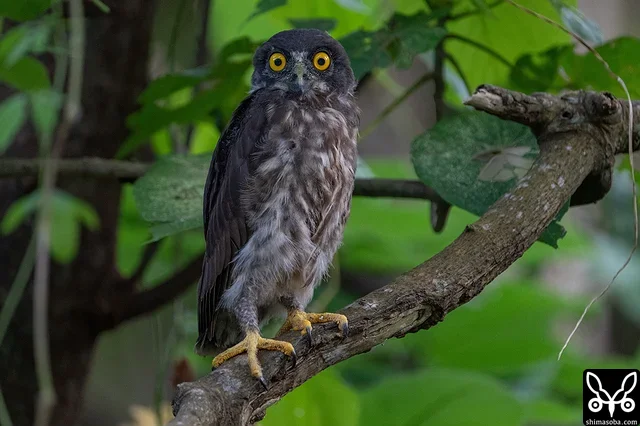
    A Brown Hawk-Owl chick that had fledged. It returned to the nest again that same day. Like the Ryukyu Scops Owl earlier this season, it was the first time I had seen this.
    Northern Boobook
  8. The male parent a short distance away.
    Northern Boobook
  9. The female parent watching over the fledgling.
    Northern Boobook
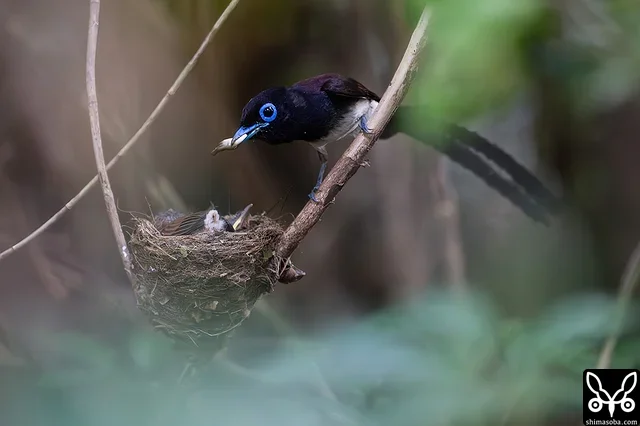
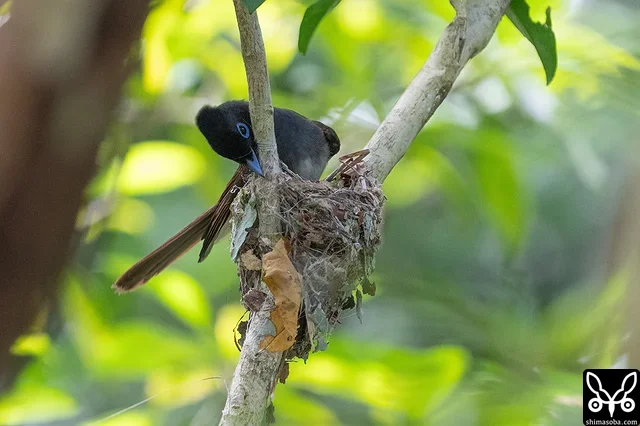
  10. There appear to be two Japanese Paradise Flycatcher chicks. The male parent came to the nest. After feeding them, he carried their droppings away from the nest in his bill.
    Japanese Paradise Flycatcher
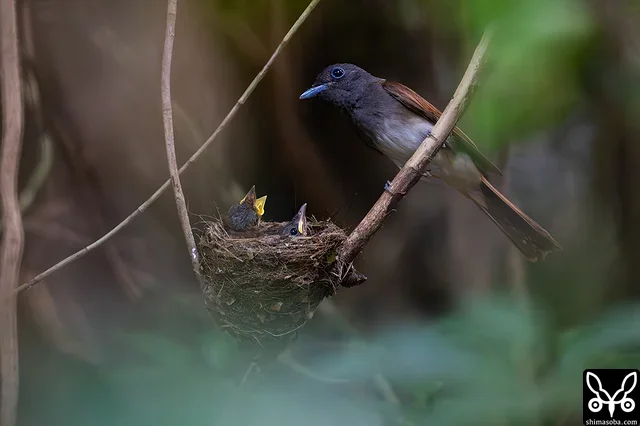
  11. This is the female parent.
    Japanese Paradise Flycatcher
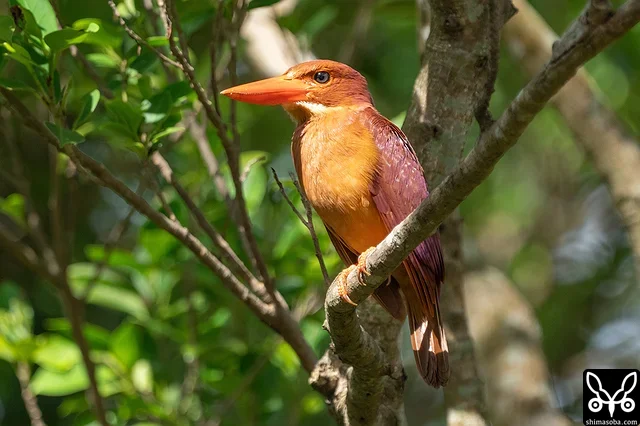
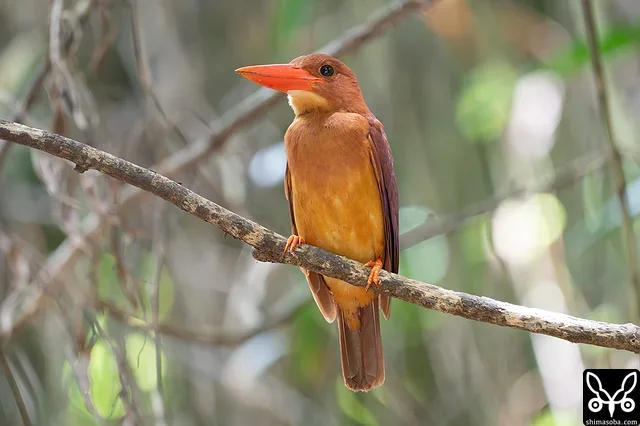
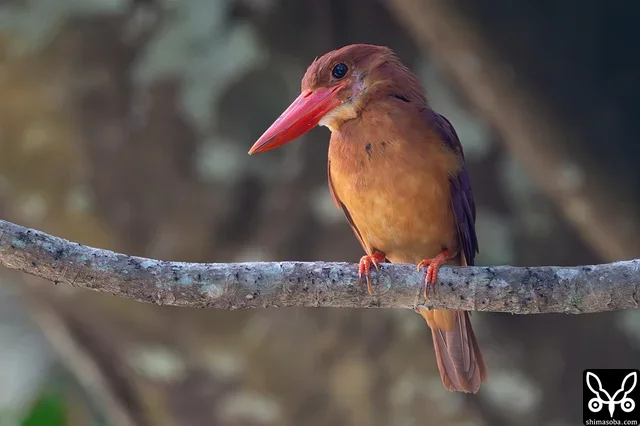
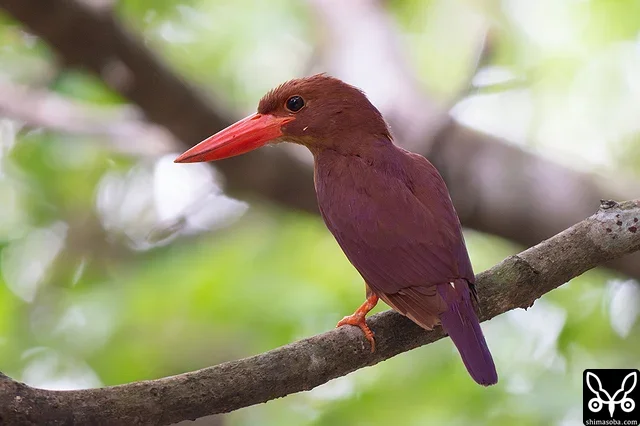
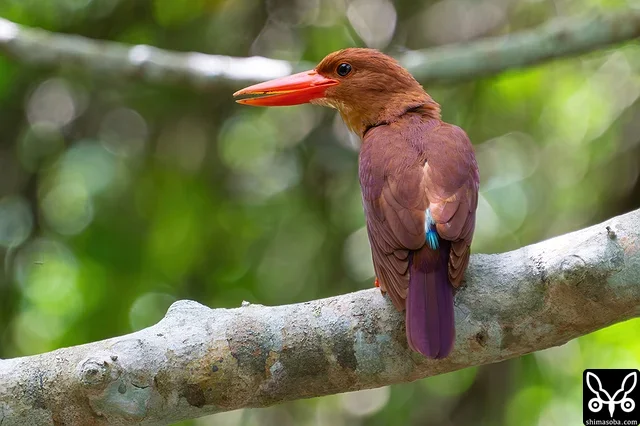
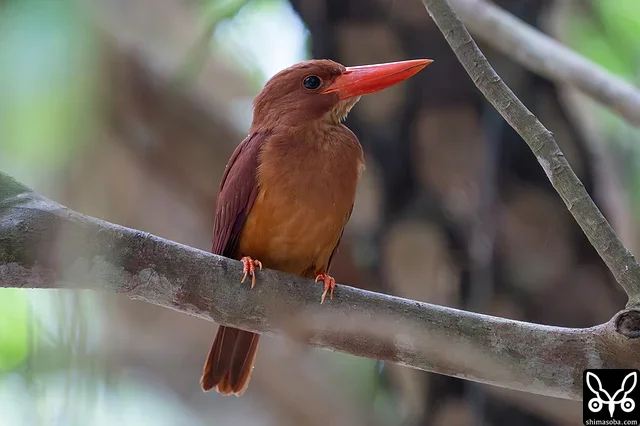
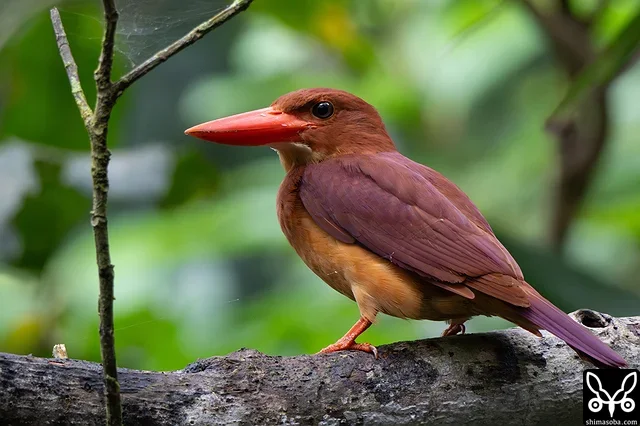
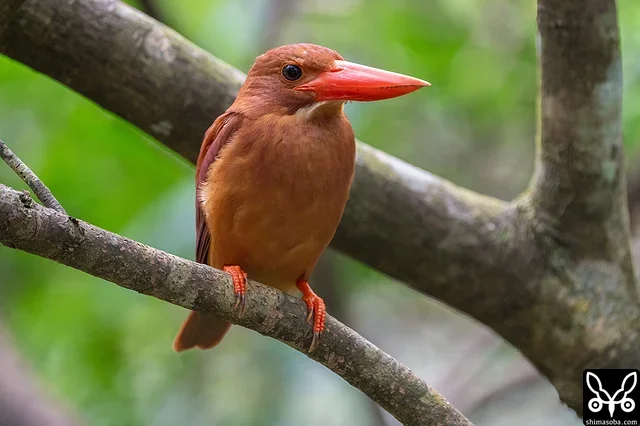
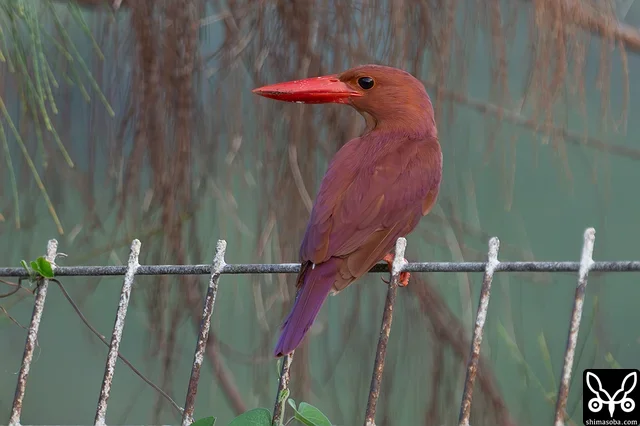
  12. A Ruddy Kingfisher raising chicks in a primary school playground. It was perched in front of the nest hole, giving the impression it was encouraging the chicks to fledge.
    Ruddy Kingfisher
  13. 6
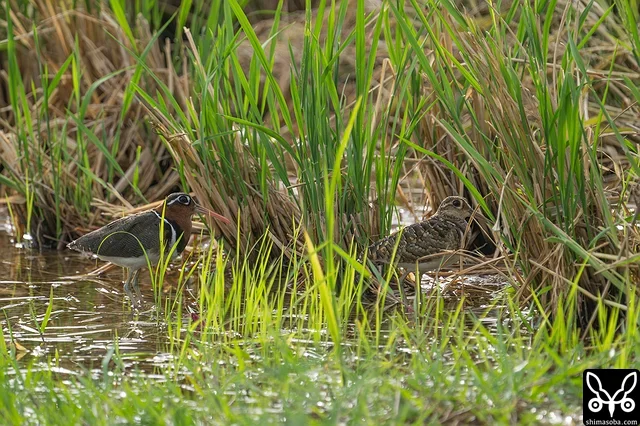
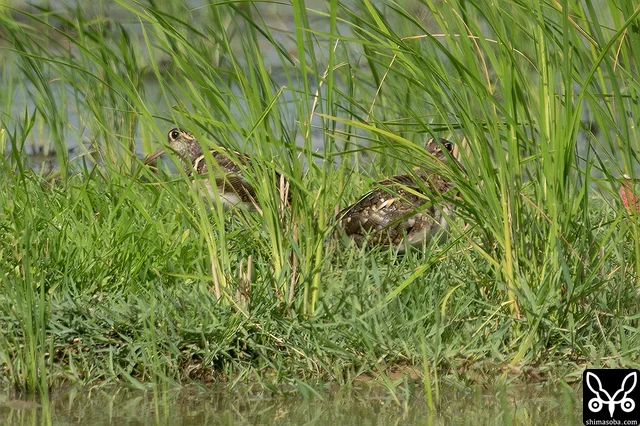
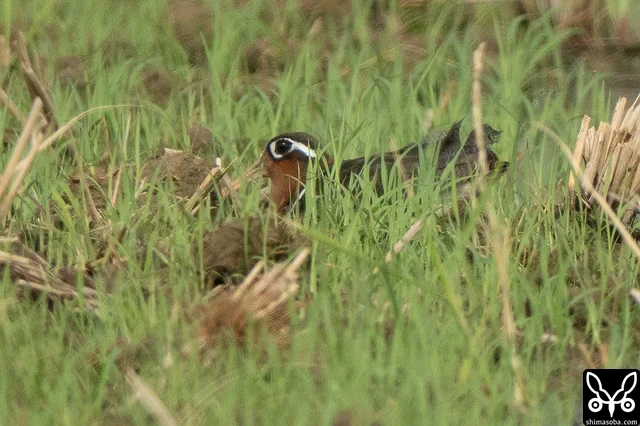
    Greater Painted-snipe, female (left) and male.
    Greater Painted-snipe
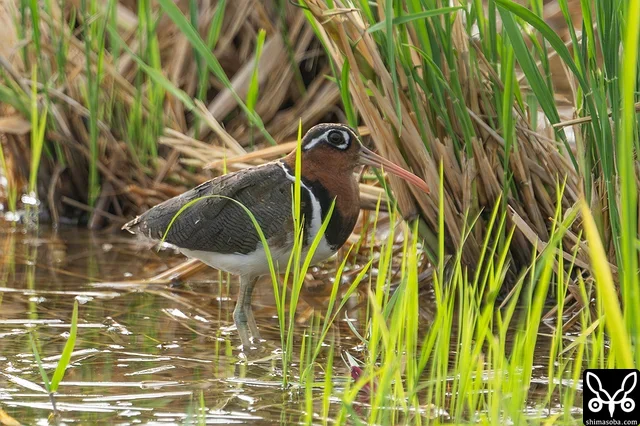
  14. Greater Painted-snipe, female, first-summer plumage.
    Greater Painted-snipe
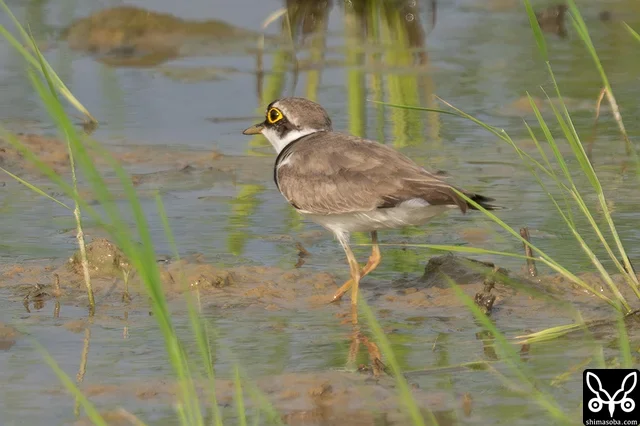
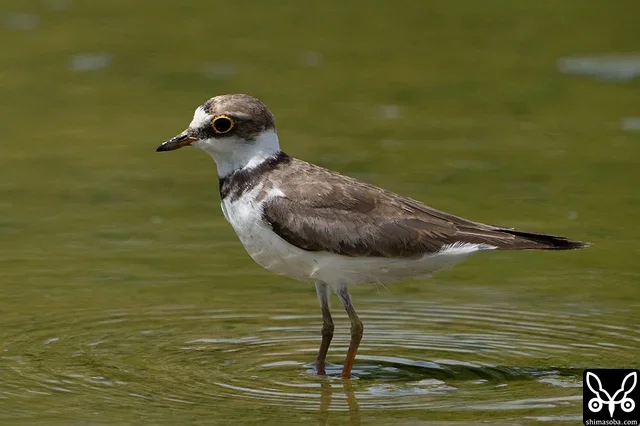
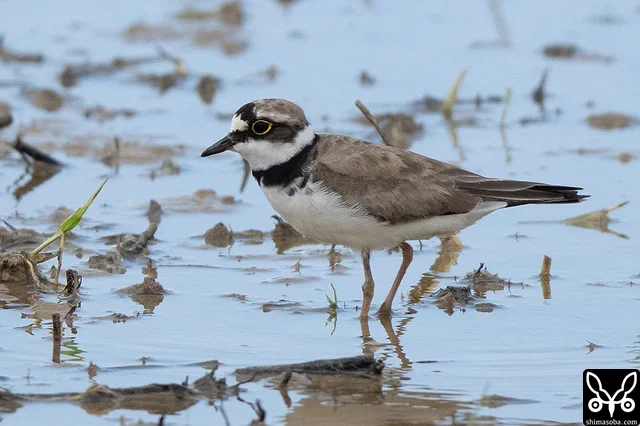
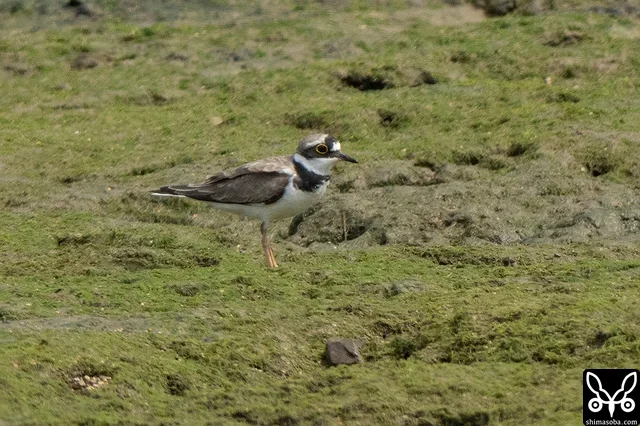
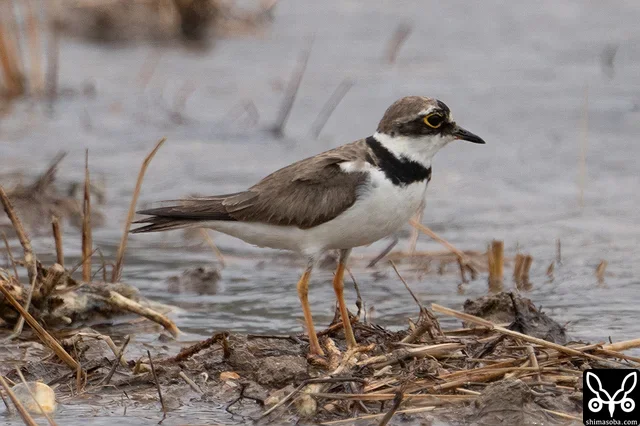
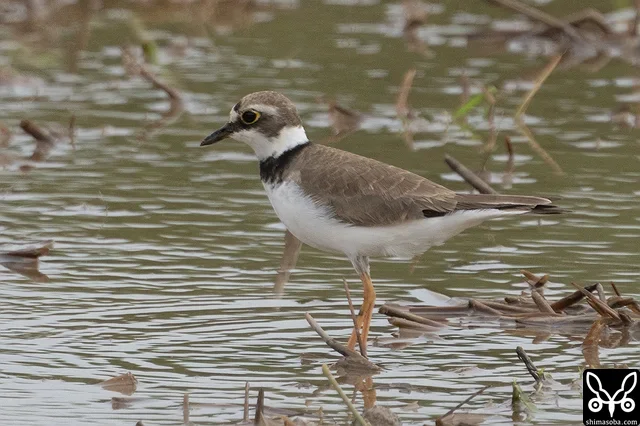
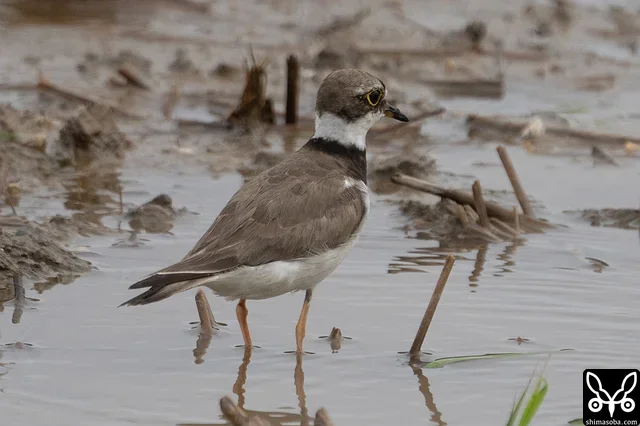
  15. Little Ringed Plover may also have been a first for the season. I've been busy lately and may have missed some records.
    Little Ringed Plover
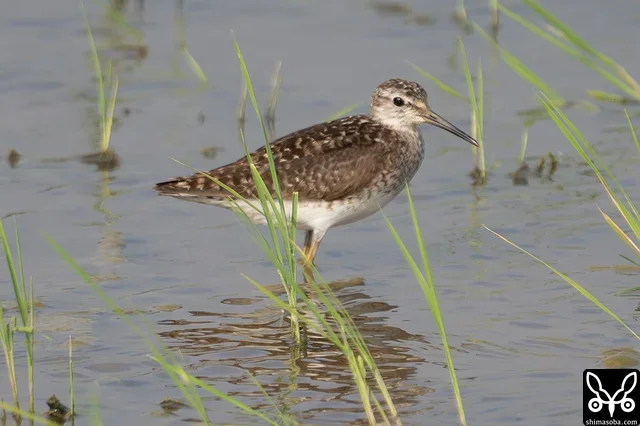
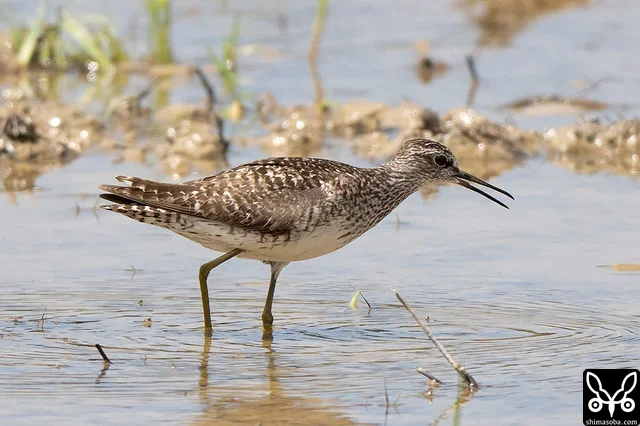
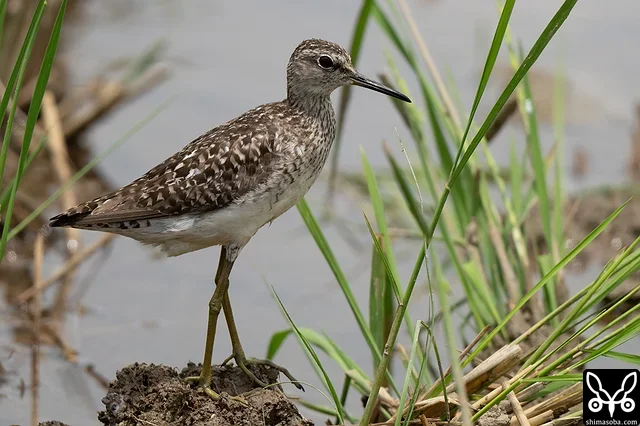
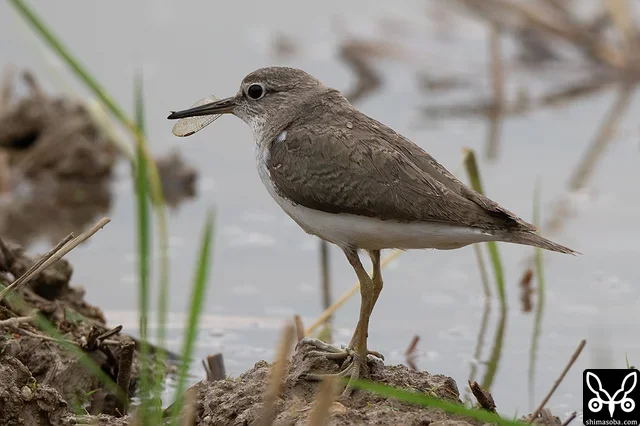
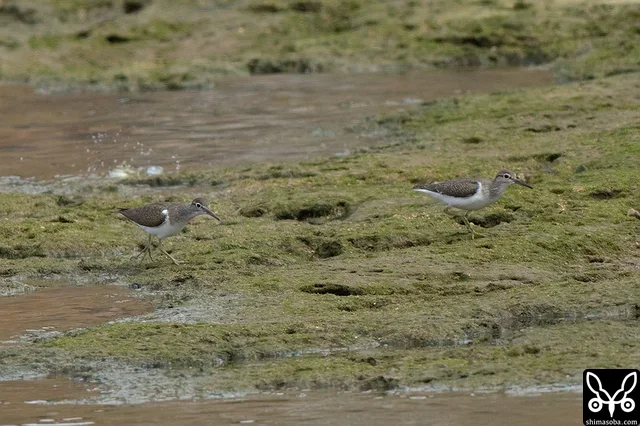
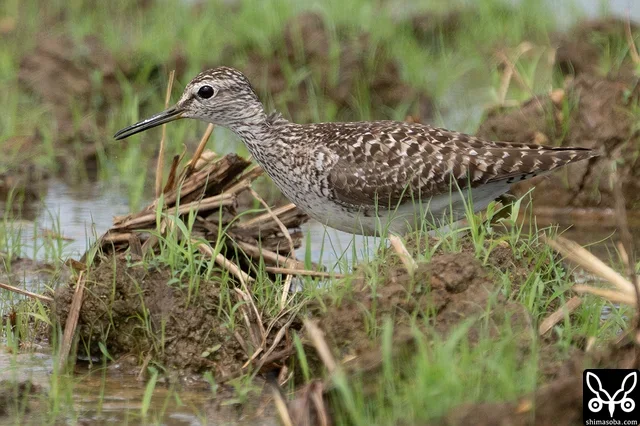
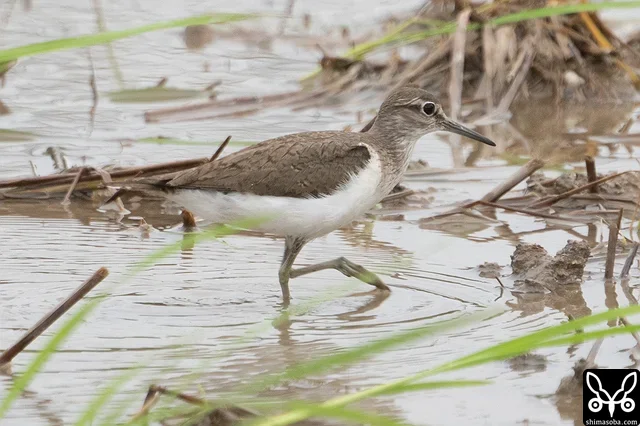
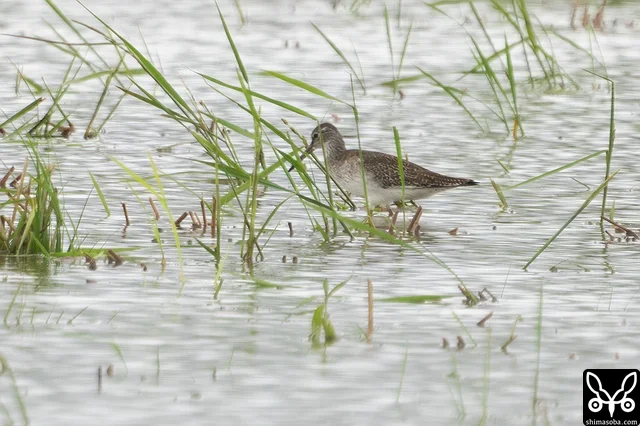
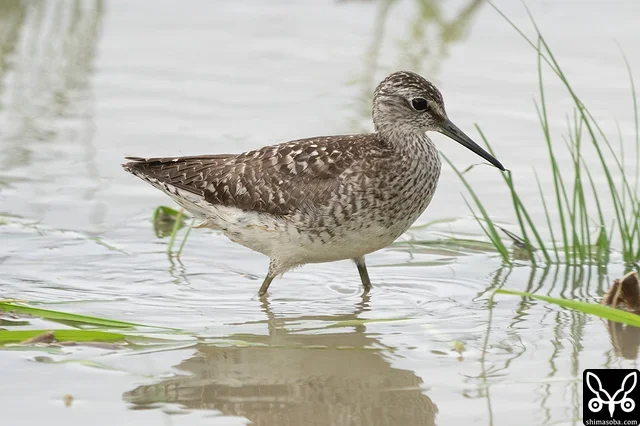
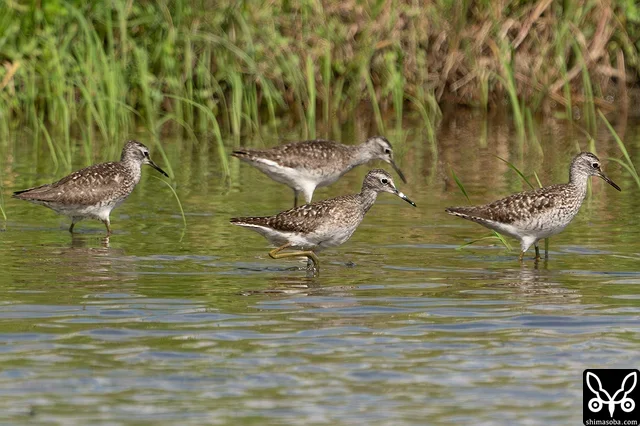
  16. Wood Sandpiper, summer plumage.
    Wood Sandpiper
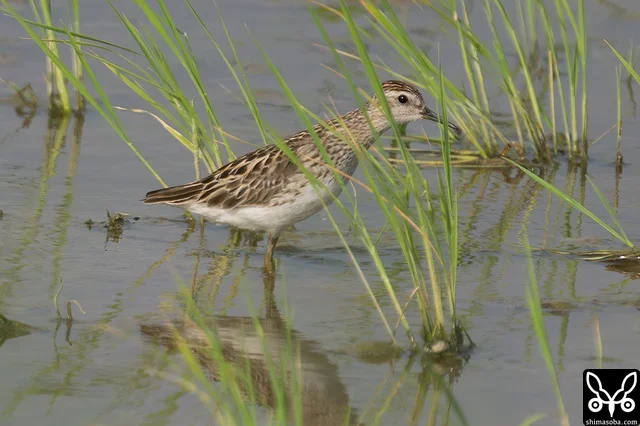
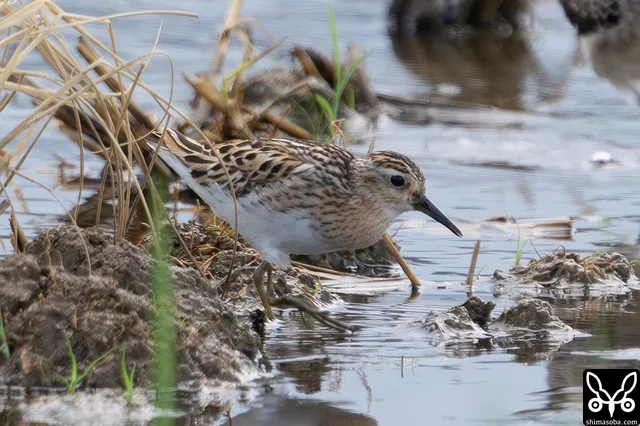
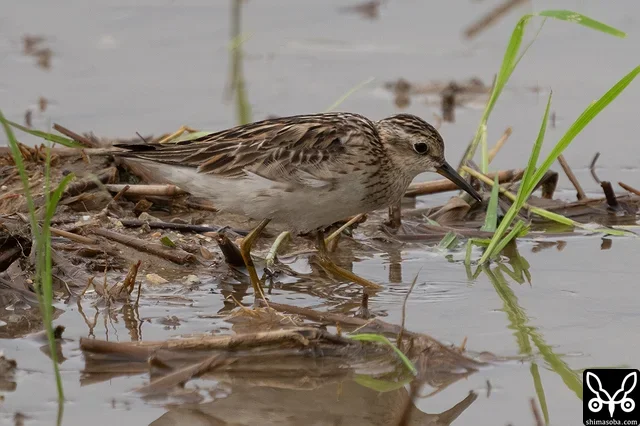
  17. First Wood Sandpiper of the season. Summer plumage.
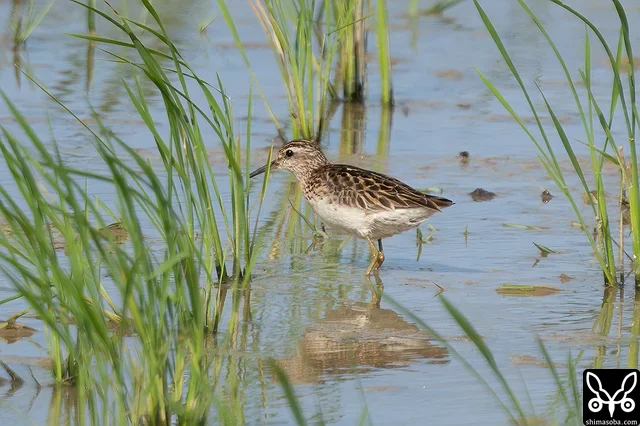
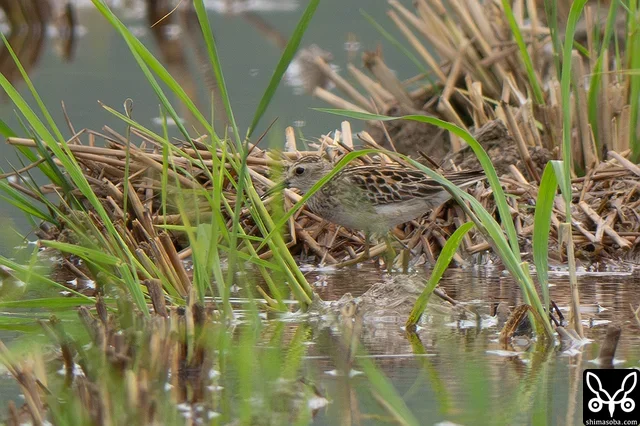
    Long-toed Stint
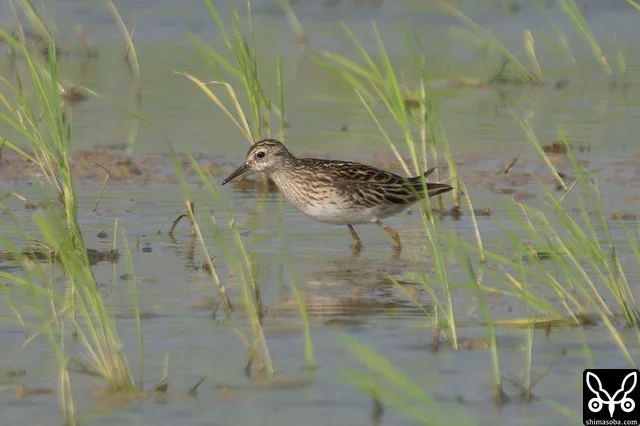
  18. Also summer plumage.
    Long-toed Stint
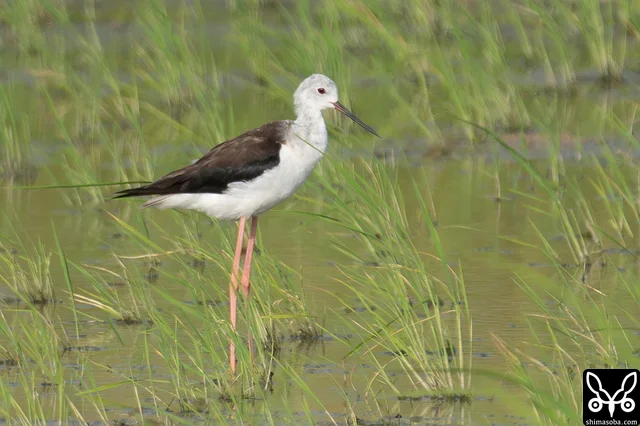
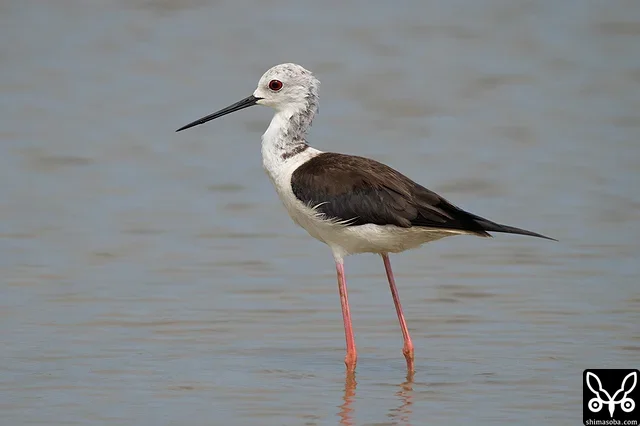
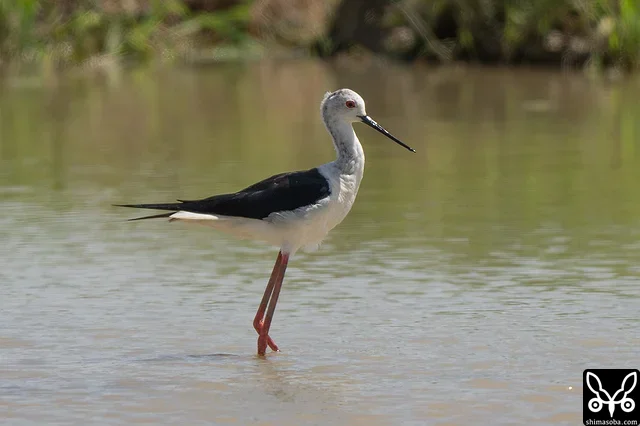
  19. Black-winged Stilt, female, summer plumage.
    Black-winged Stilt
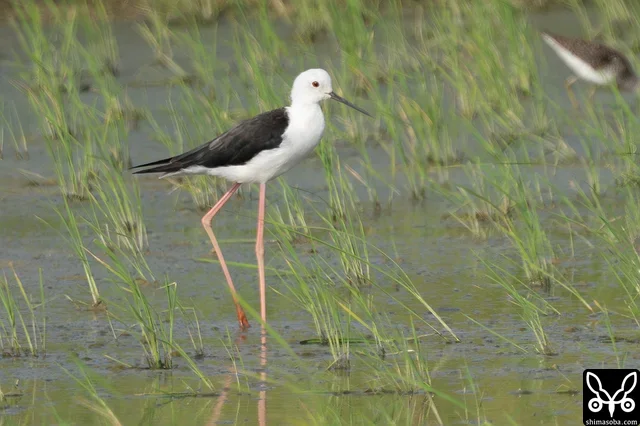
  20. Black-winged Stilt, male, summer plumage.
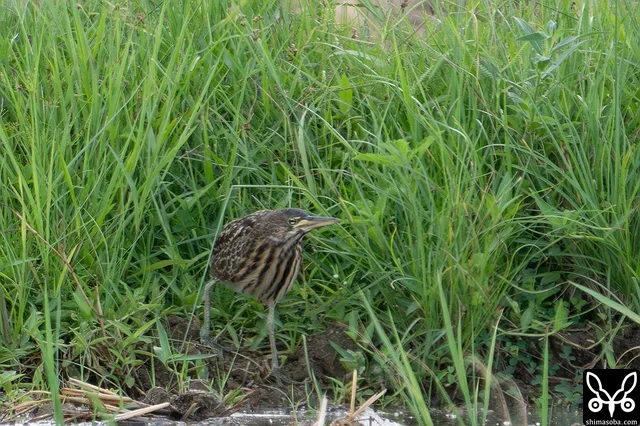
    Black-winged Stilt
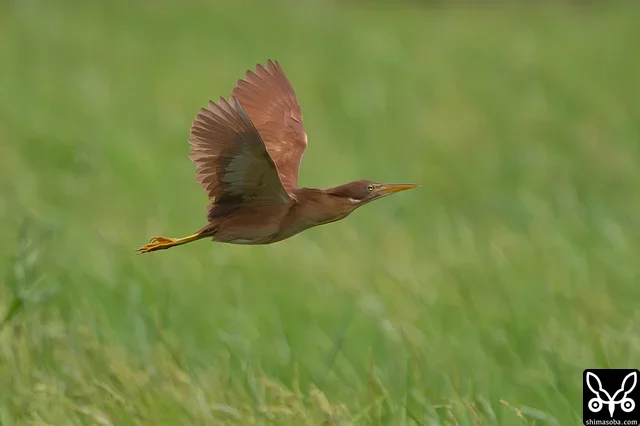
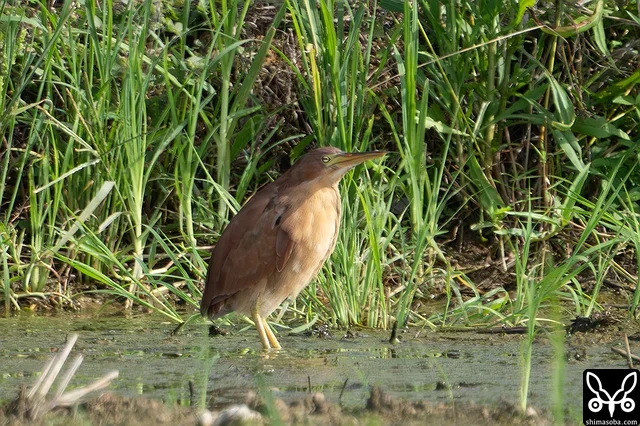
  21. Ryukyu Little Bittern, male. Singing. It was moving between several spots within the area and singing at each one.
    Yellow Bittern
  22. Breeding colour has come in.
    Yellow Bittern
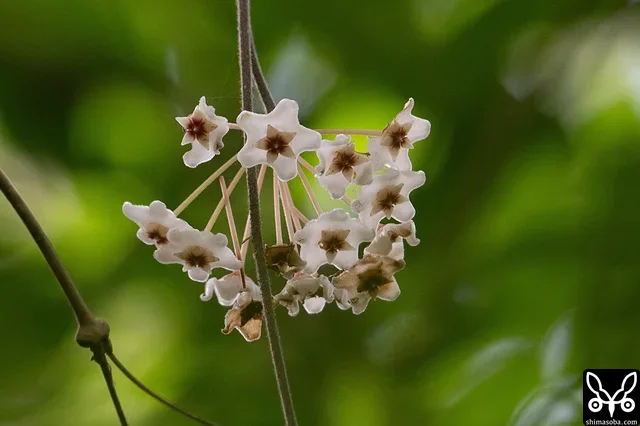
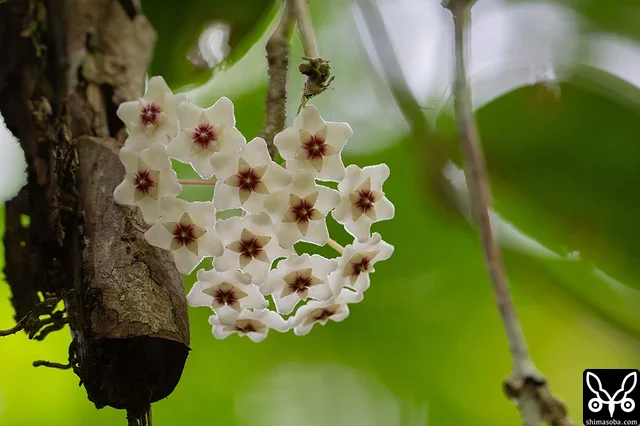
  23. Hoya blooming.
    Wax plant
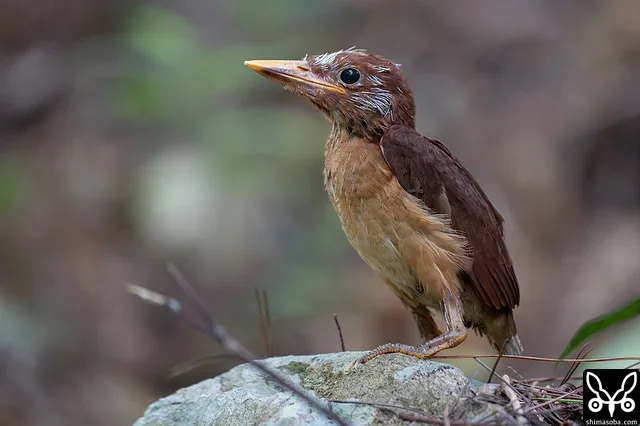
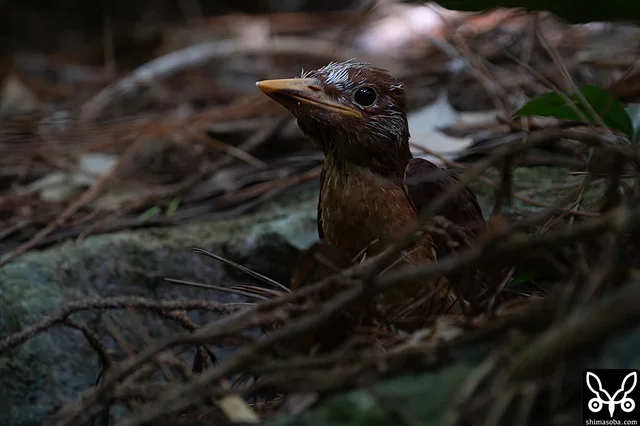
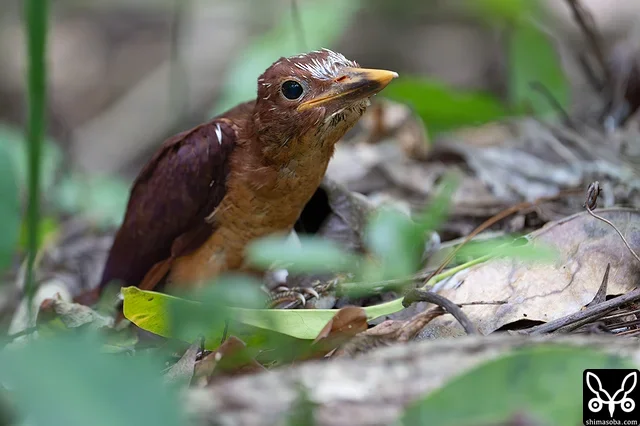
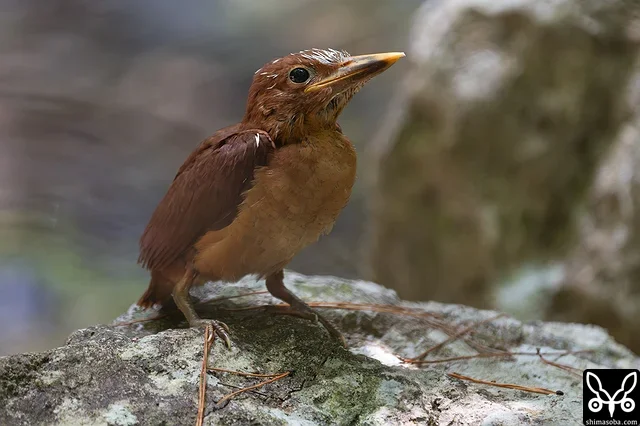
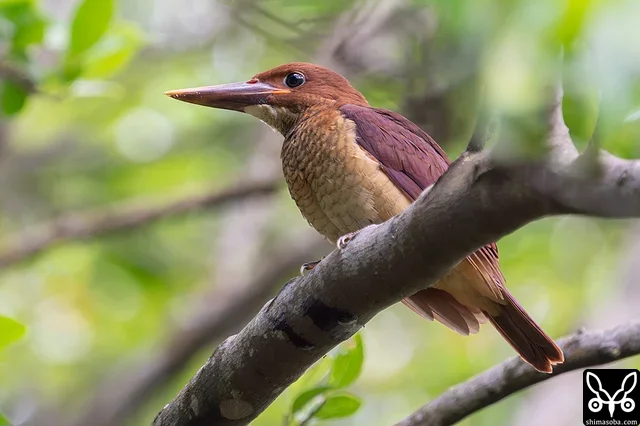
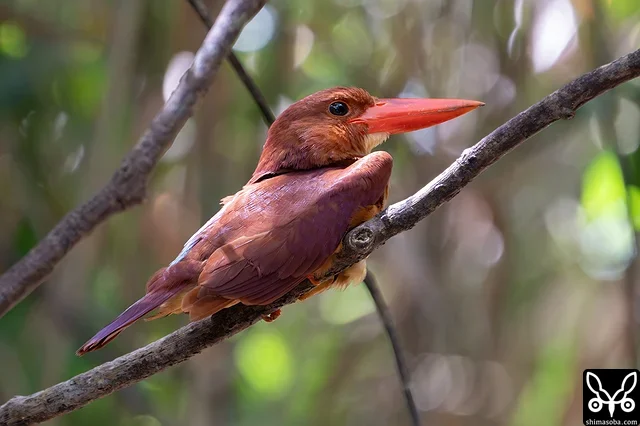
  24. A fledgling Ruddy Kingfisher perched on a rock.
    Ruddy Kingfisher
  25. The forest interior is dark — the light in this photo is about what it actually looks like. Without the call, finding one would be impossible.
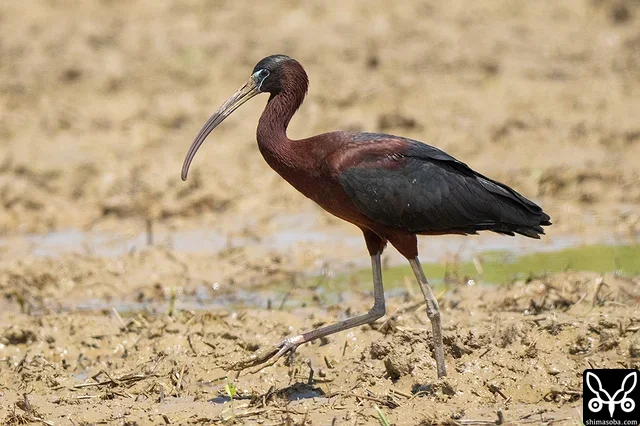
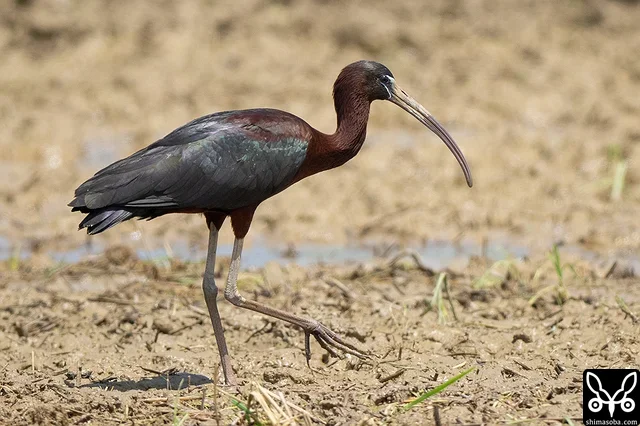
    Ruddy Kingfisher
  26. A female Japanese Paradise Flycatcher putting effort into nest building.
    Japanese Paradise Flycatcher
  27. 7
    A fledgling Ruddy Kingfisher confirmed on two consecutive days.
    Ruddy Kingfisher
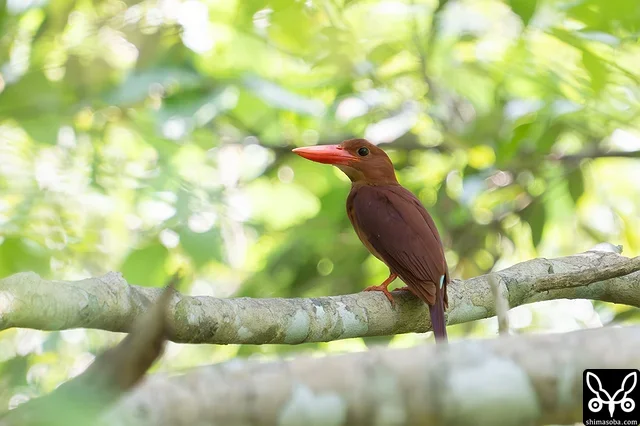
  28. The parent of the chick above.
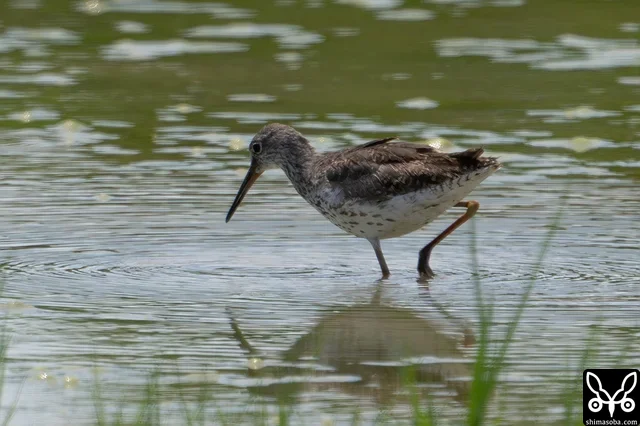
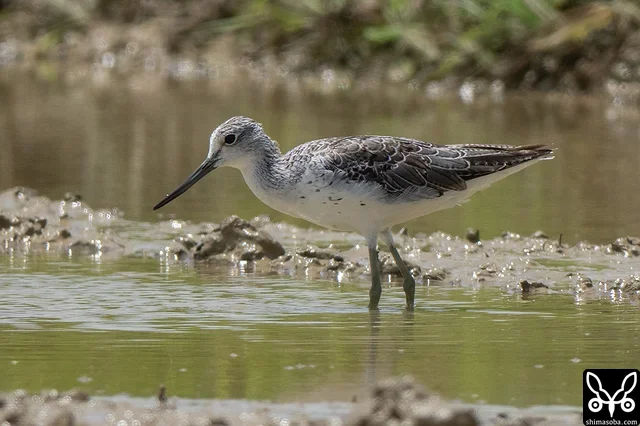
    Ruddy Kingfisher
  29. Same individual as above.
    Ruddy Kingfisher
  30. Up in the hills, the Hoya flowers are increasing.
    Wax plant
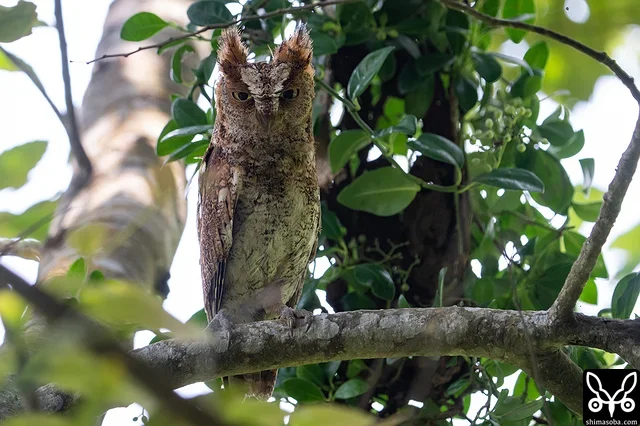
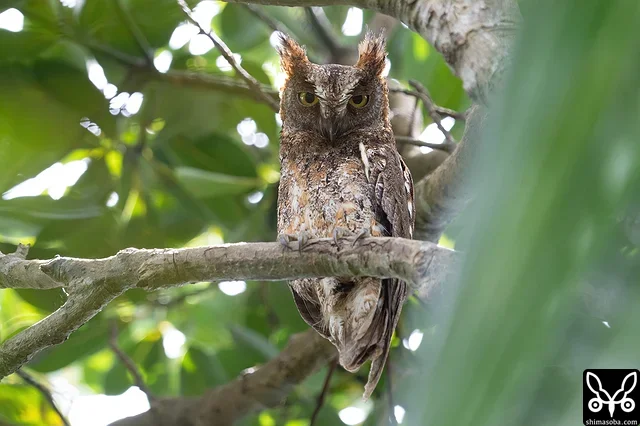
  31. The seventh Ryukyu Scops Owl nest of the season.
    Ryukyu Scops Owl
  32. Only the male was keeping watch outside, so fledging still appears to be some time away.
    Ryukyu Scops Owl
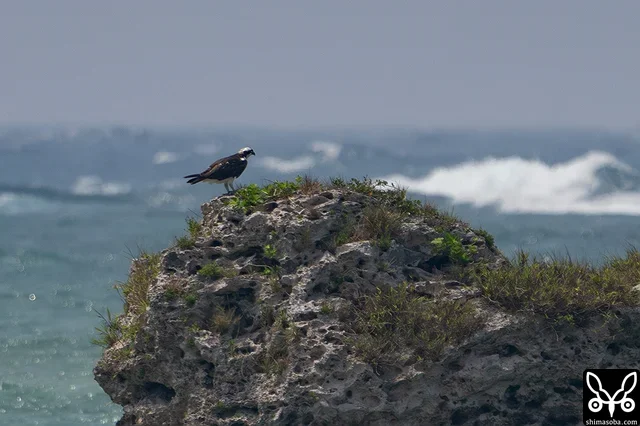
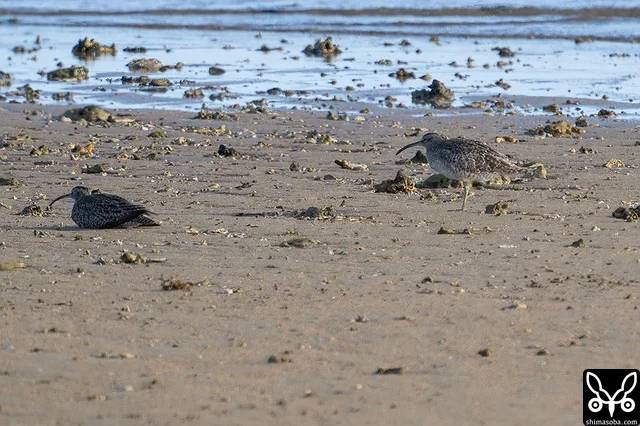
  33. An Osprey summering on the reef in the background.
    Osprey
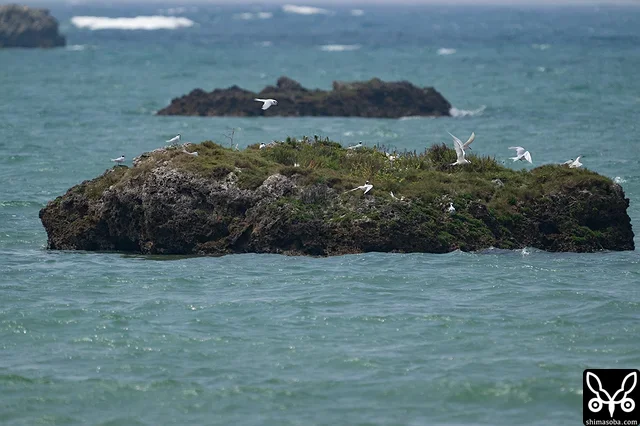
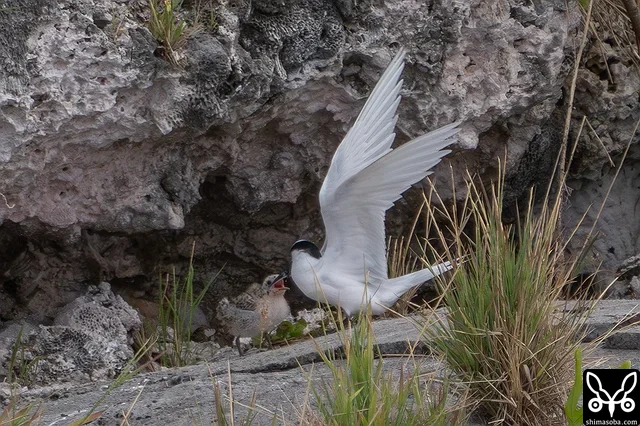
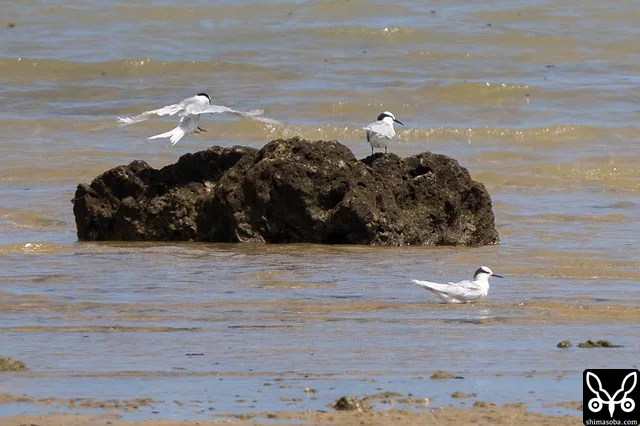
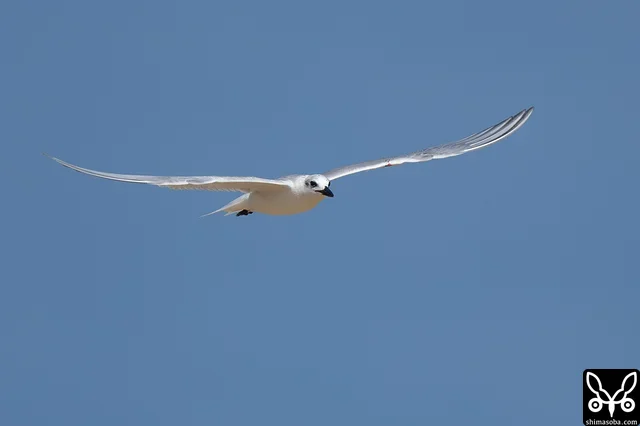
  34. The reef where Black-naped Terns form a colony every year. It is high tide, so the sea level is up.
    Black-naped Tern
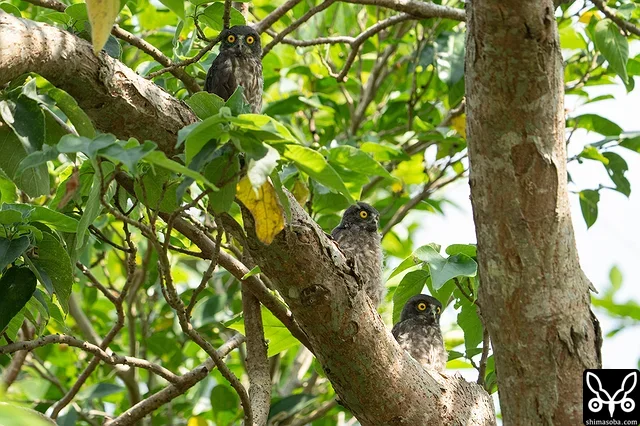
  35. Fledgling Brown Hawk-Owls perched on the nest tree.
    Northern Boobook
  36. 8
    The Ruddy Kingfisher just a stone's throw from home fledged around three chicks again, as it did last year.
    Ruddy Kingfisher
  37. There were three fledgling Ryukyu Bitterns — a trio of siblings.
    Yellow Bittern
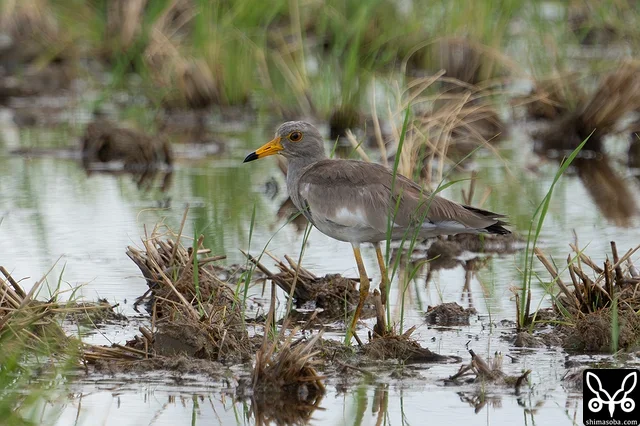
  38. Grey-headed Lapwing, first-summer plumage.
    Grey-headed Lapwing
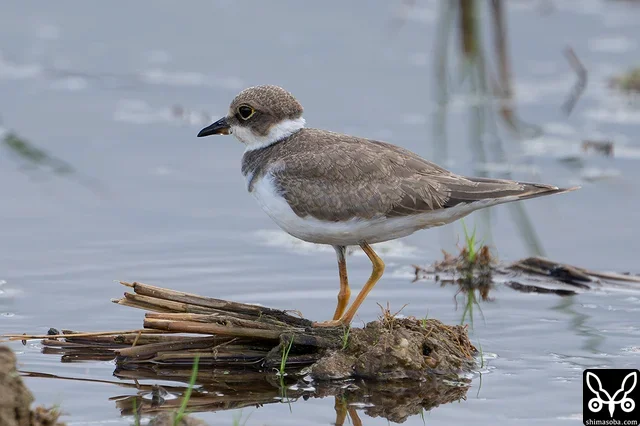
  39. A juvenile Little Ringed Plover. There were two. There is a possibility they bred somewhere on Ishigaki Island.
    Little Ringed Plover
  40. Long-toed Stint, first-summer plumage.
    Long-toed Stint
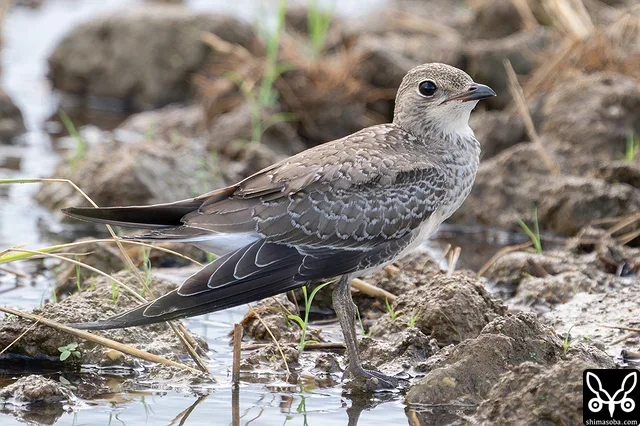
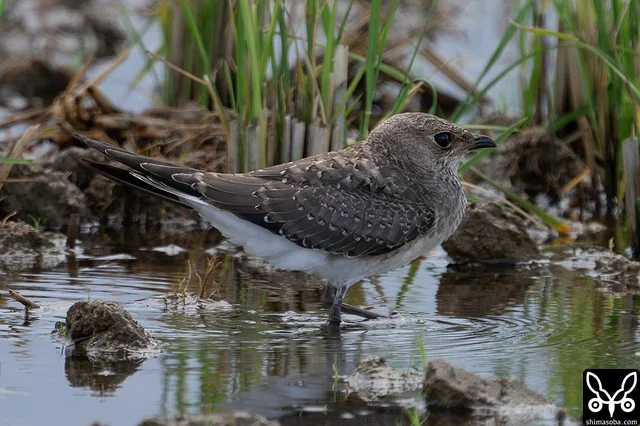
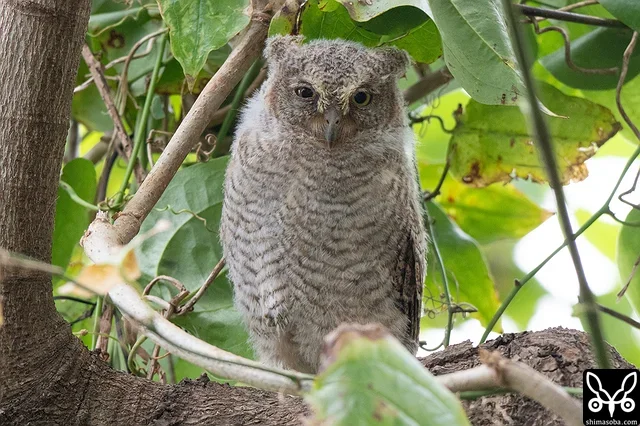
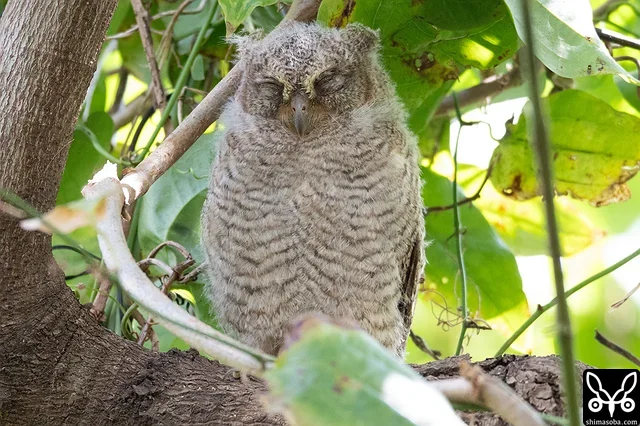
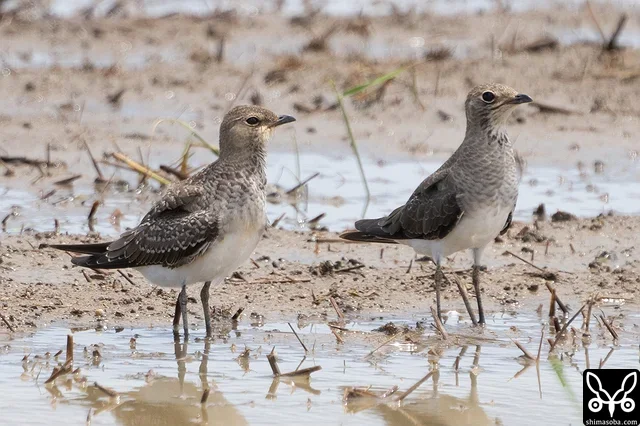
  41. An adult Oriental Pratincole, in the process of moulting into winter plumage.
    Oriental Pratincole
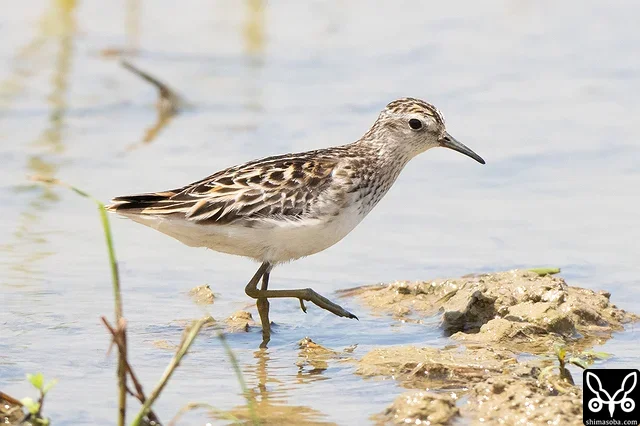
  42. Long-toed Stint, breeding plumage.
    Long-toed Stint
  43. This individual appeared to have injured a wing, but the injury seems minor so it should be fine.
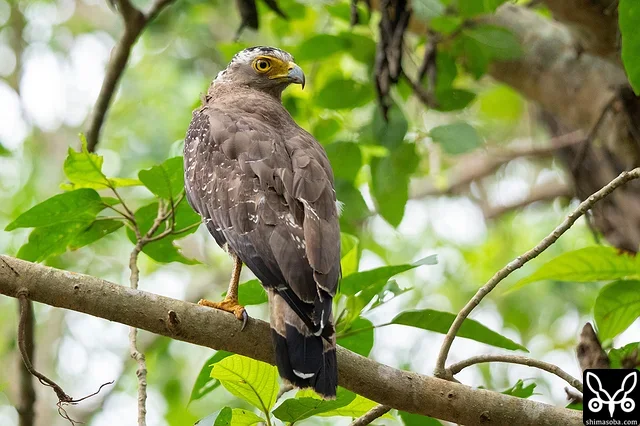
    Oriental Pratincole
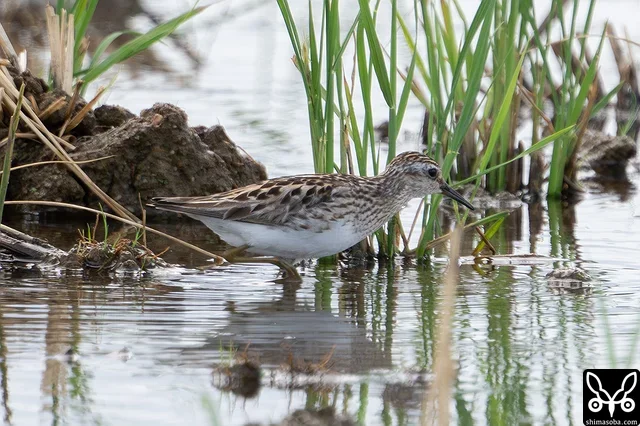
  44. Oriental Pratincoles had a good breeding season, and many fledged chicks were recorded.
    Oriental Pratincole
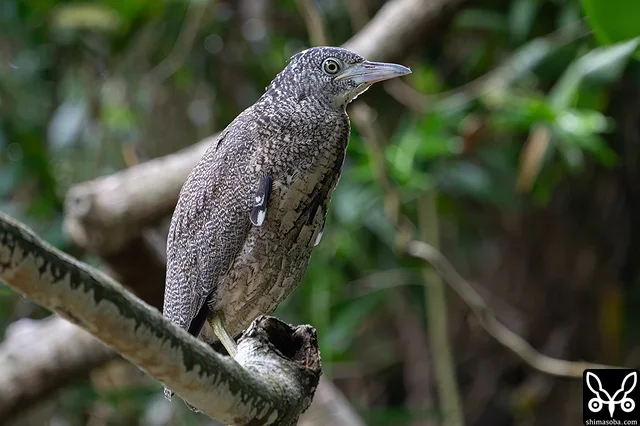
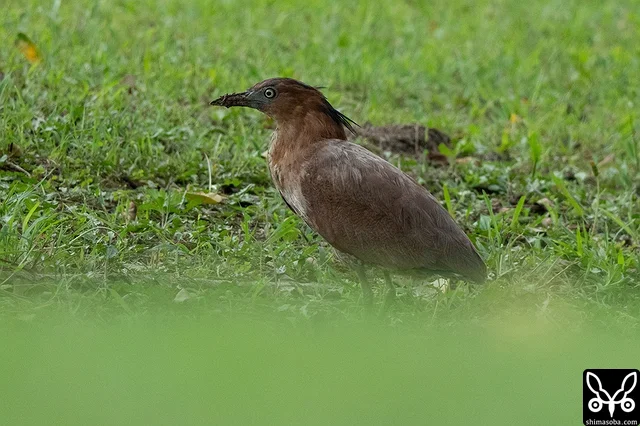
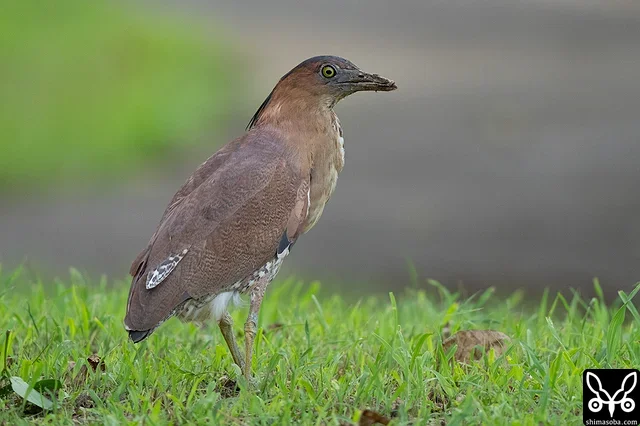
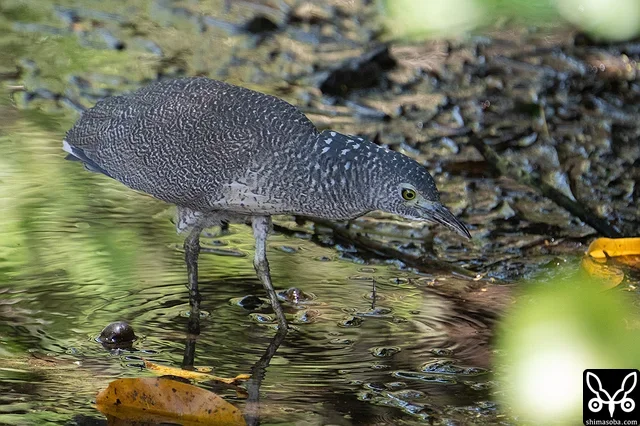
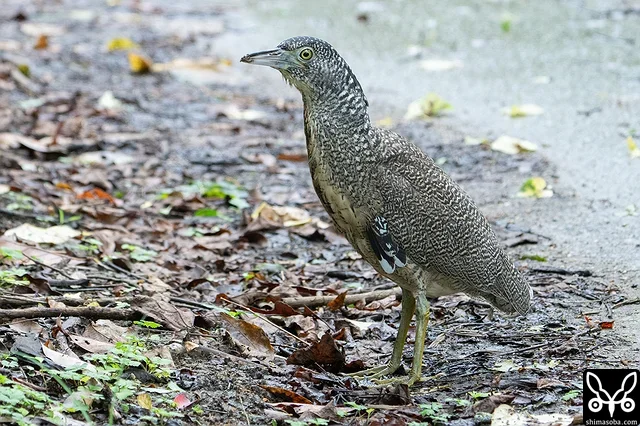
  45. A Malayan Night Heron a few days after fledging.
    Malayan Night Heron
  46. 9
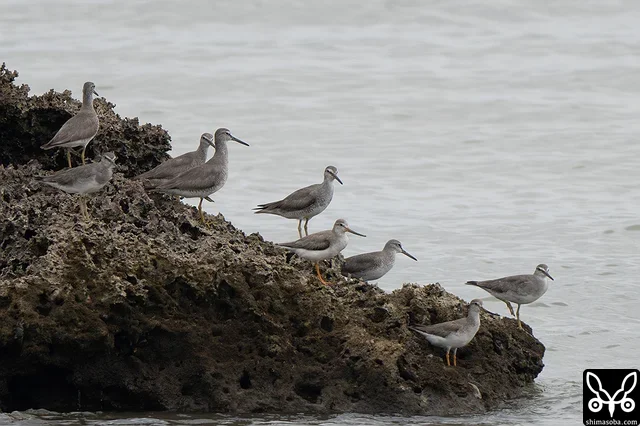
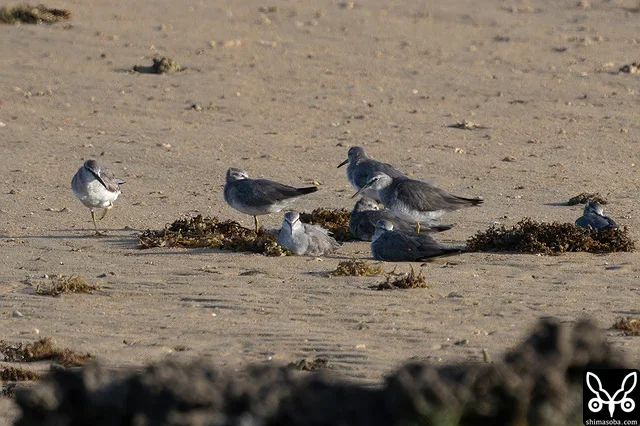
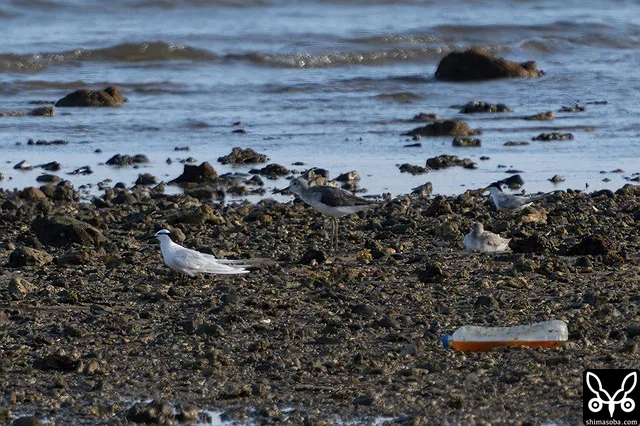
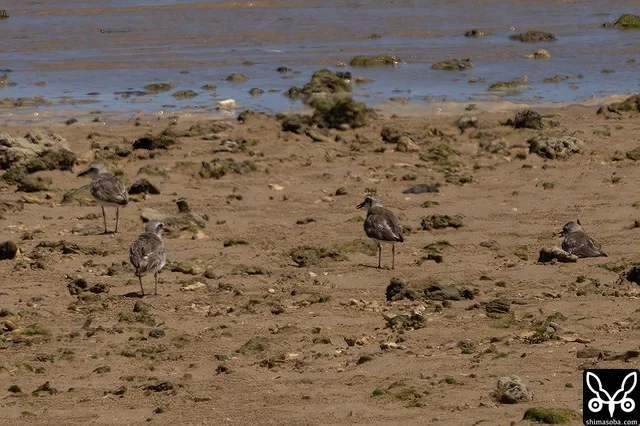
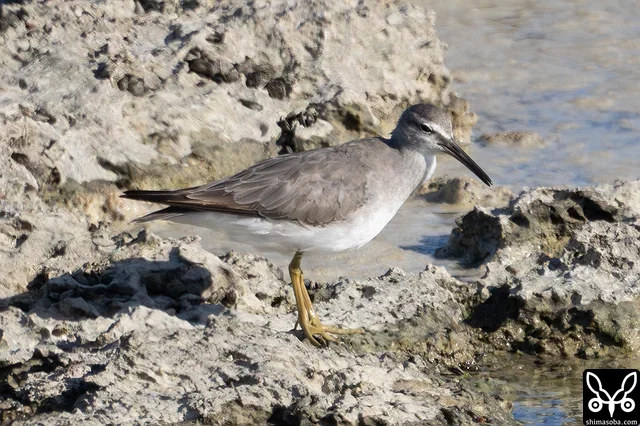
    As the tide came close to high, Grey-tailed Tattlers and Terek Sandpipers gathered on the coastal rocks.
    Grey-tailed Tattler
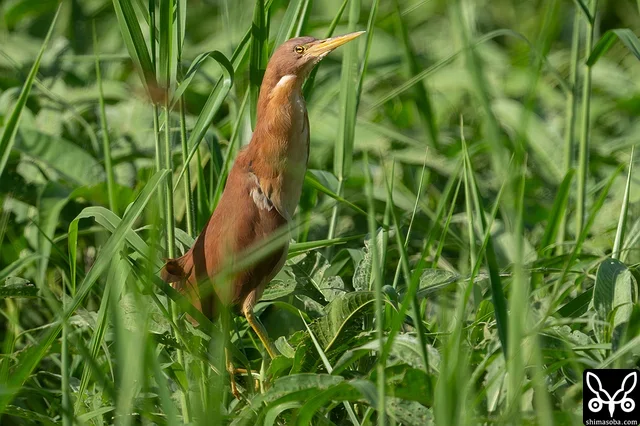
  47. Ryukyu Least Bittern, male. The nuptial coloration has faded, but the beautiful breeding plumage remains.
    Yellow Bittern
  48. 10
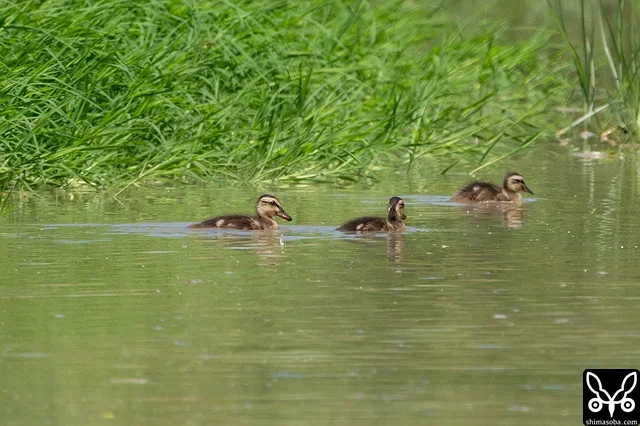
    Three Eastern Spot-billed Ducks growing up together after losing their parent. Whenever a Common Moorhen with chicks appeared, they would follow along as if longing for a family, but they kept getting left behind.
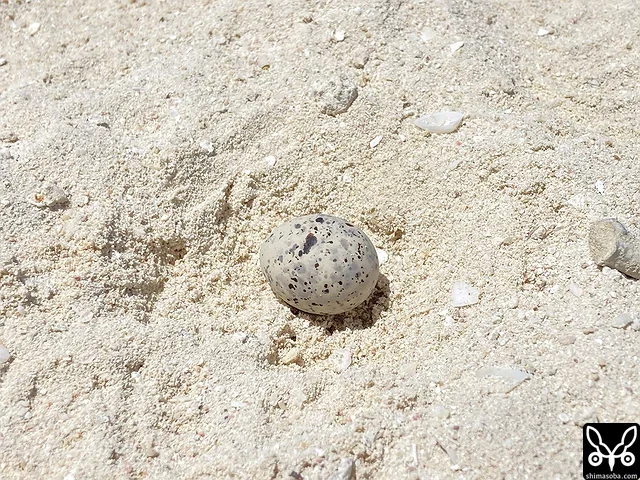
    Eastern Spot-billed Duck
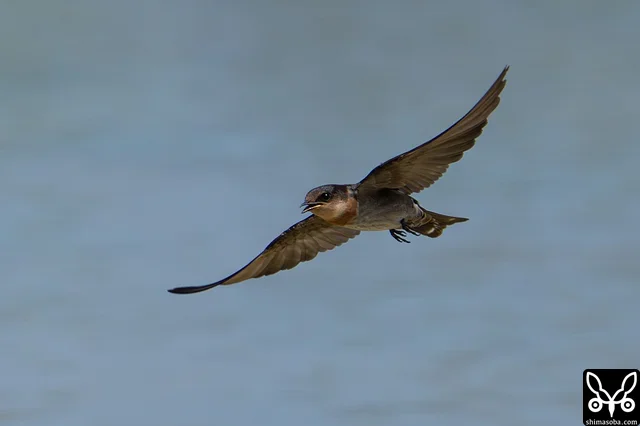
  49. A fledgling Ryukyu Swallow. It had come to the rice paddy to drink water.
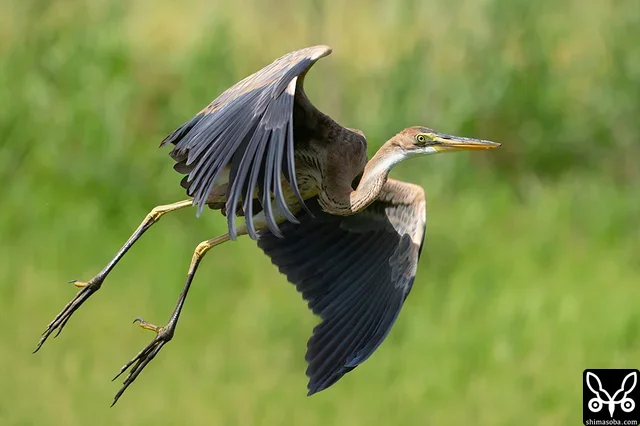
    Pacific Swallow
  50. 11
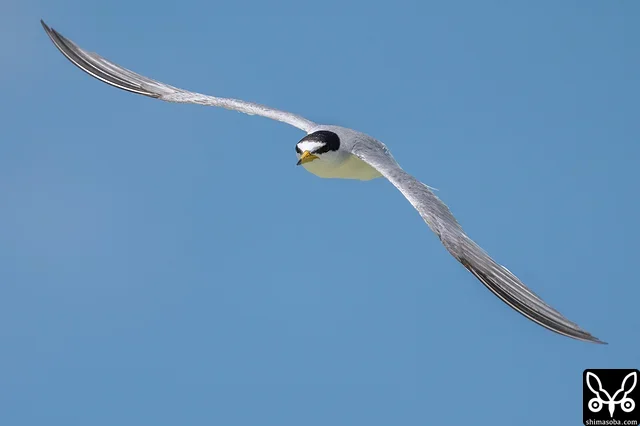
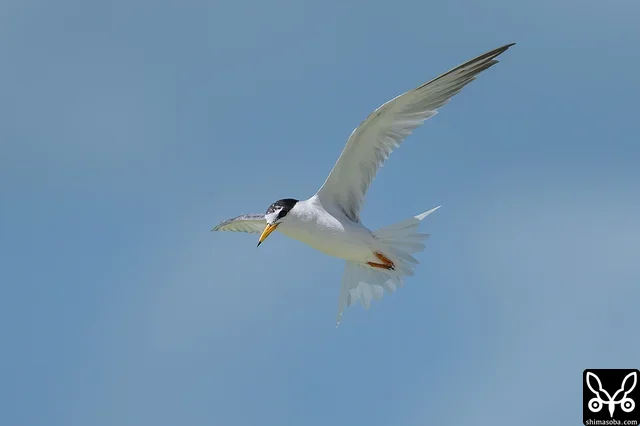
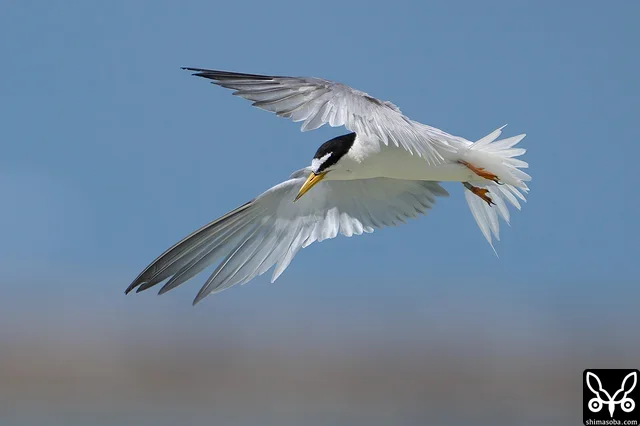
    They were alarm-calling and mobbing beachgoers, but most of the nests had been crushed by heavy machinery, and no one paid the Little Terns any attention.
    Little Tern
  51. It was a flock of about 70. I hope they find a new nesting site…
    Little Tern
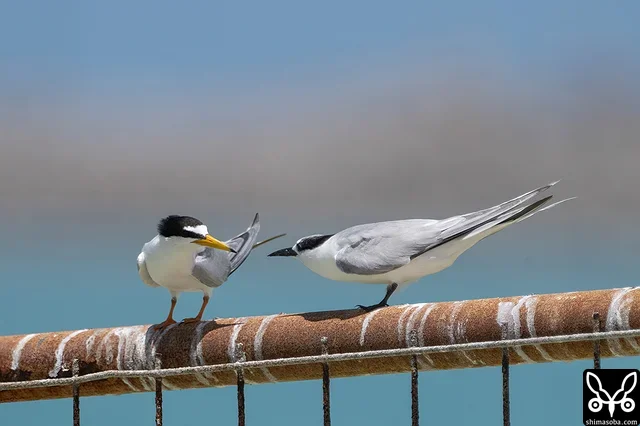
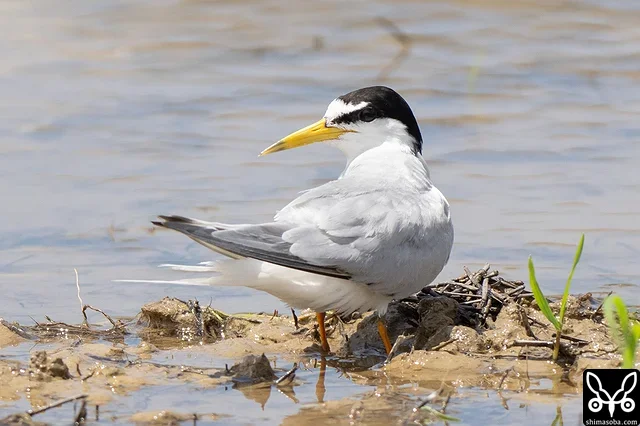
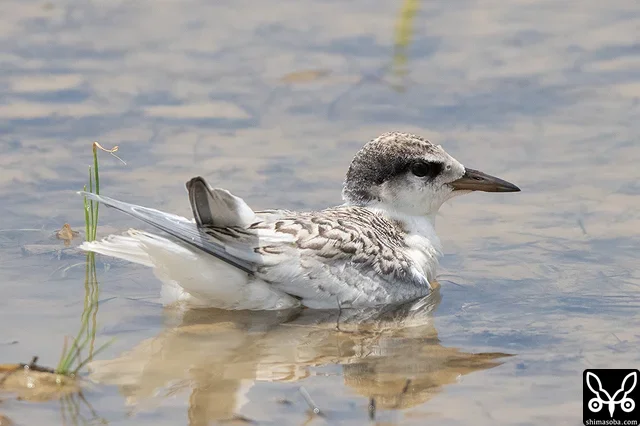
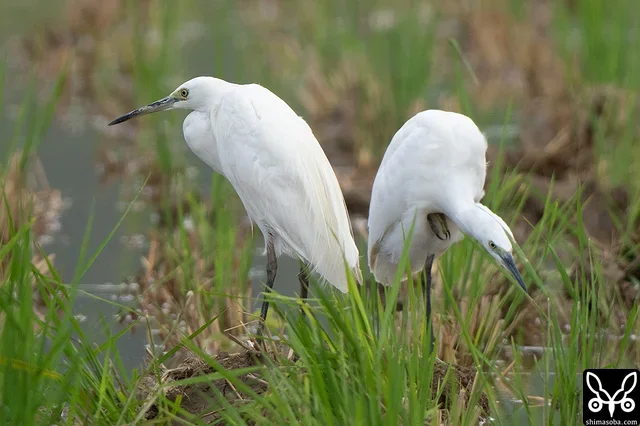
  52. Little Tern in summer plumage (left) and first-summer plumage.
    Little Tern
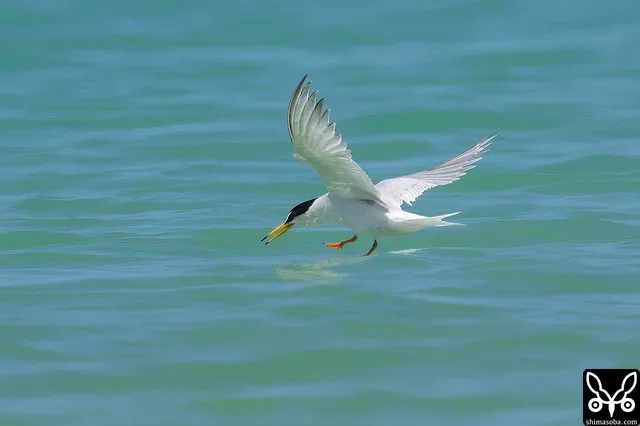
  53. A Little Tern catching fish at the beach.
    Little Tern
  54. Among the flock driven off the beach, there were banded individuals.
    Little Tern
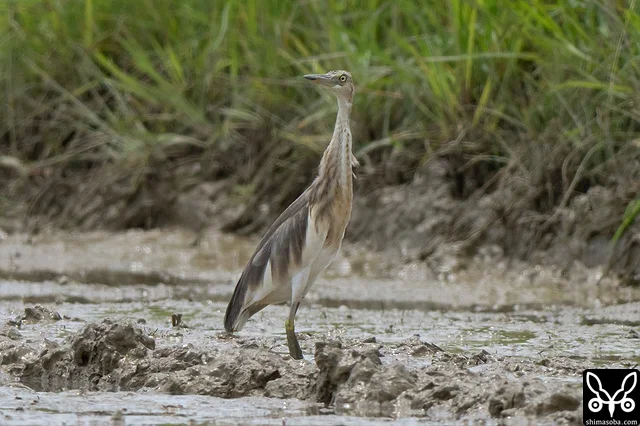
  55. 12
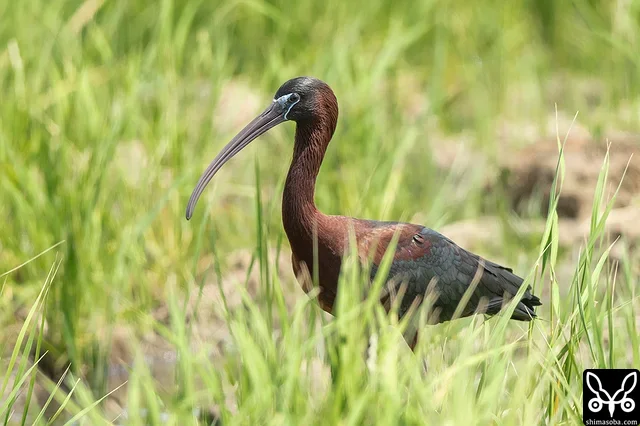
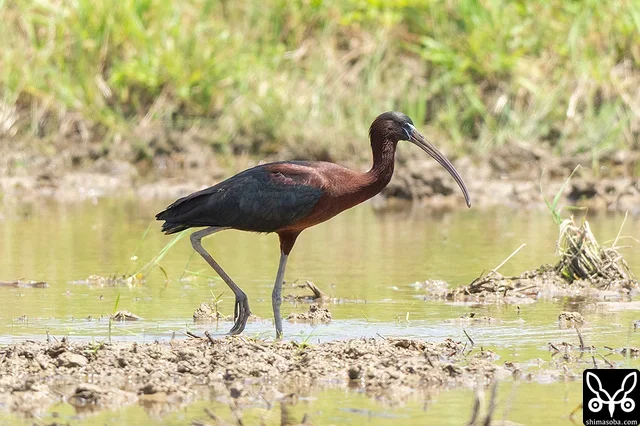
    A Glossy Ibis — the first record on Ishigaki-jima in five years. Likely a post-typhoon vagrant.
    Glossy Ibis
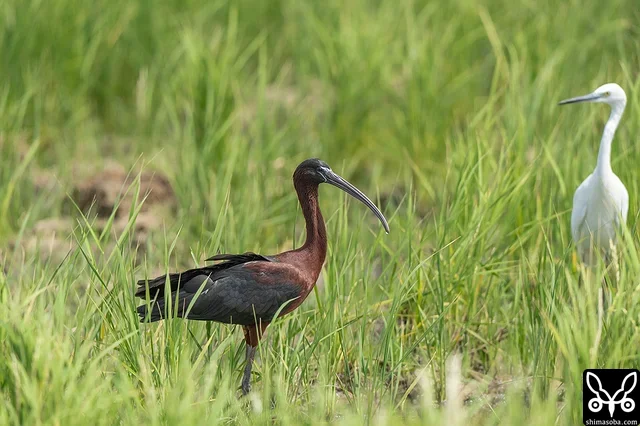
  56. Size comparison with a Little Egret. The Glossy Ibis is surprisingly small. It appeared to be foraging on small gastropods and similar prey.
    Glossy Ibis
  57. A female Malayan Night Heron that was with the individual above. I wonder whether this season's breeding was successful.
    Malayan Night Heron
  58. Male Malayan Night Heron. At this time of year the breeding plumage has almost completely faded.
    Malayan Night Heron
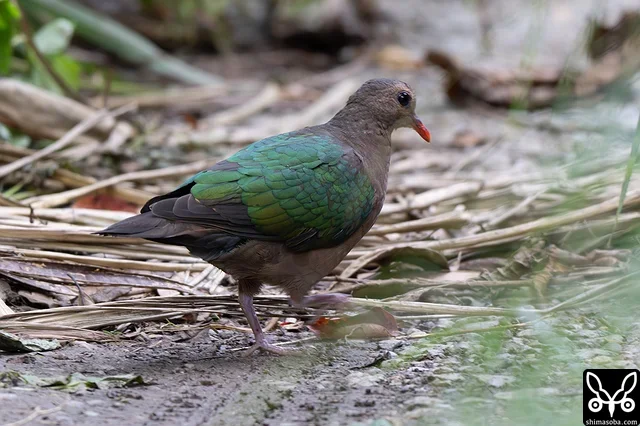
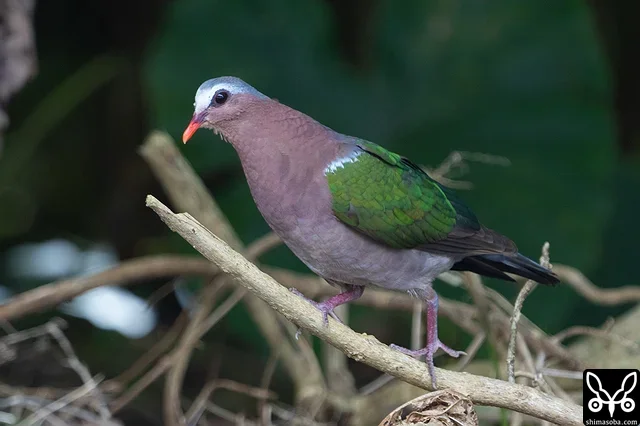
  59. A Emerald Dove near home. A few juvenile feathers remain. Perhaps a second-calendar-year female.
    Emerald Dove
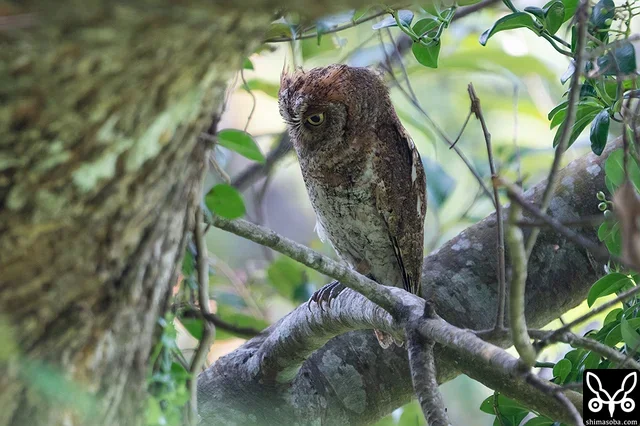
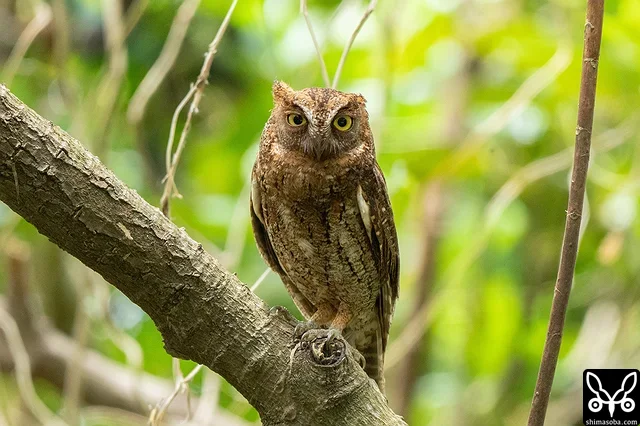
  60. A Black-naped Tern chick, about ten days to two weeks post-hatch. At least two pairs and three chicks were visible.
    Black-naped Tern
  61. Little Ringed Plovers arrived in a group of about ten. They looked tired, having just arrived.
    Little Ringed Plover
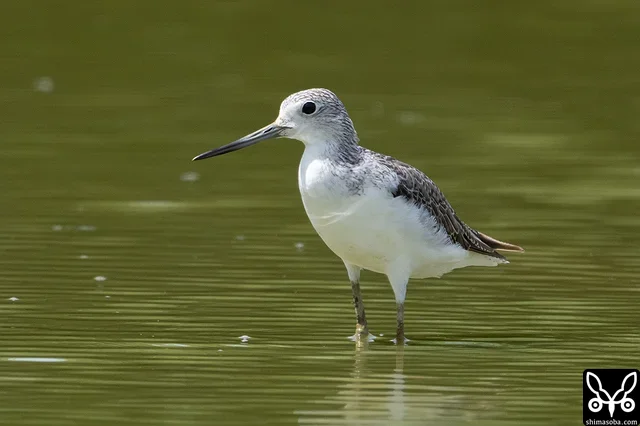
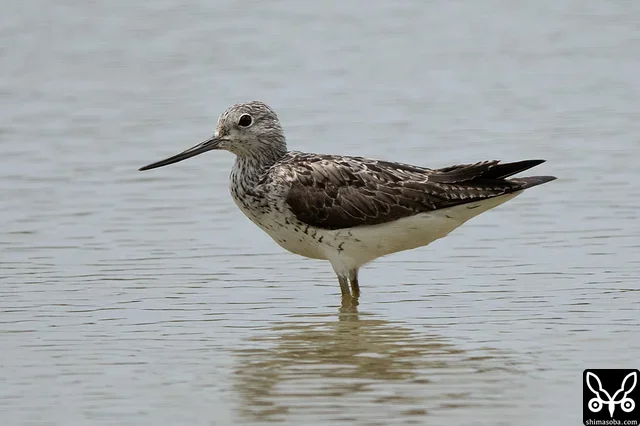
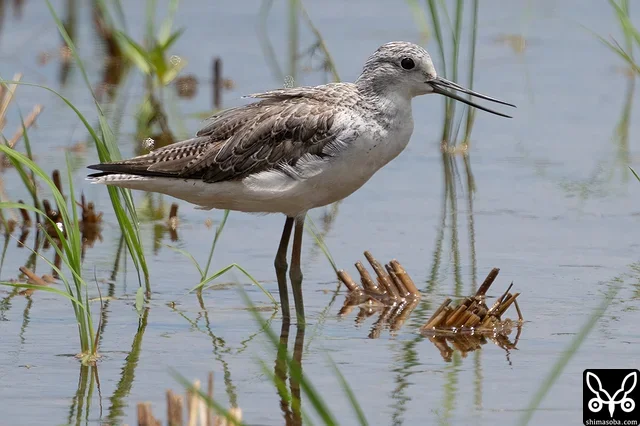
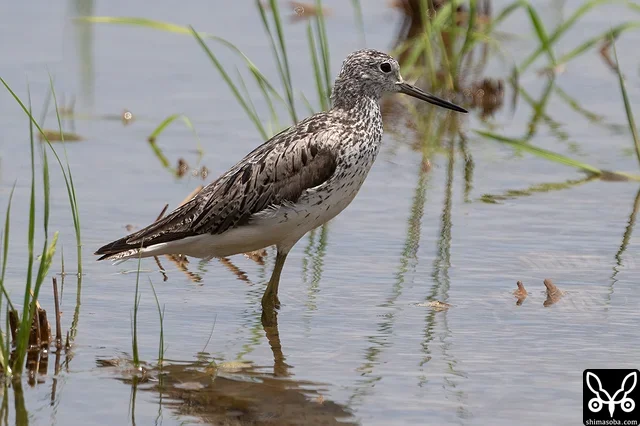
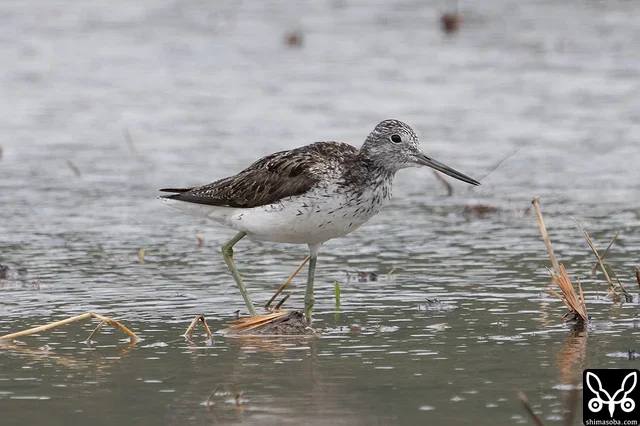
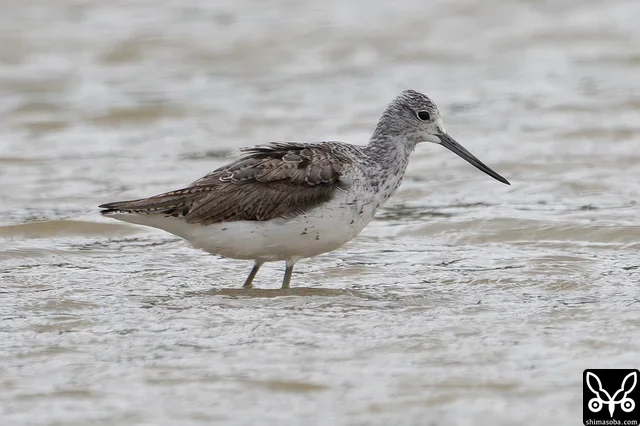
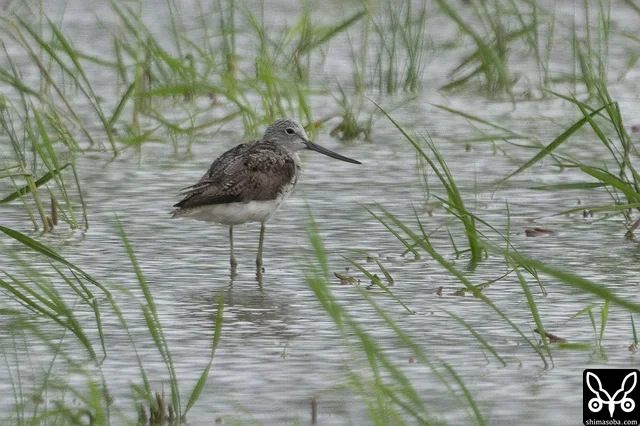
  62. A few Greenshank arrived together. The extent of moult varied among individuals.
    Common Greenshank
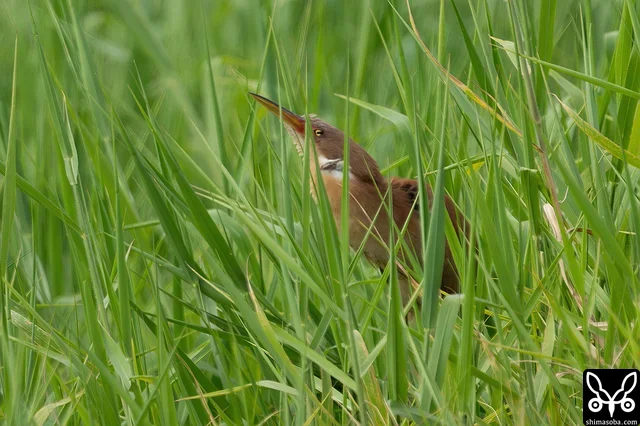
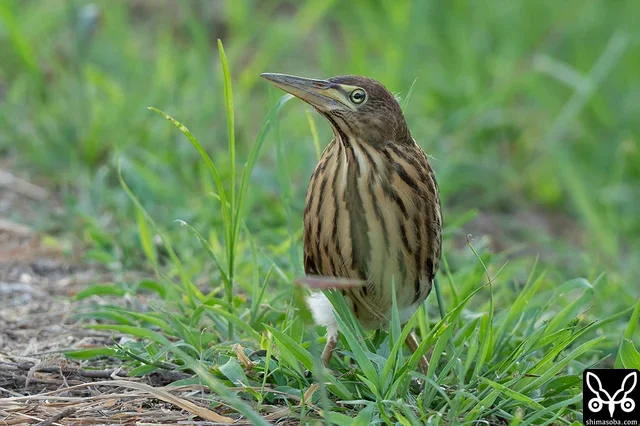
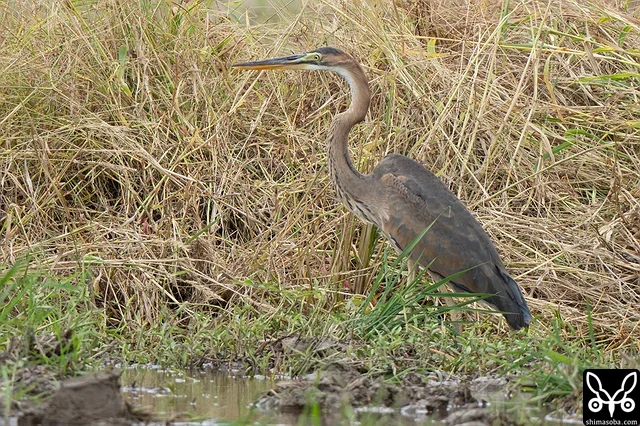
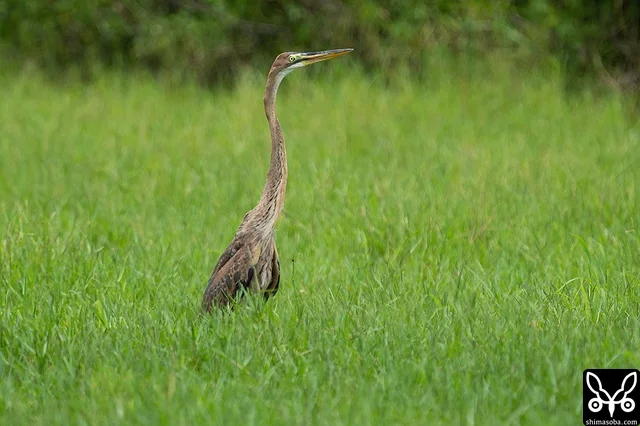
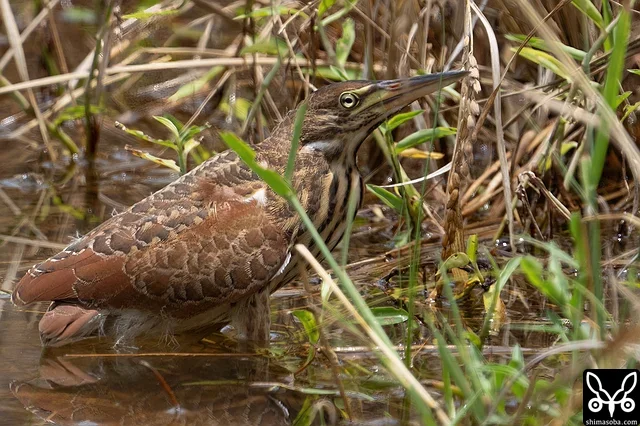
  63. Purple Heron, juvenile. Being seen here and there.
    Purple Heron
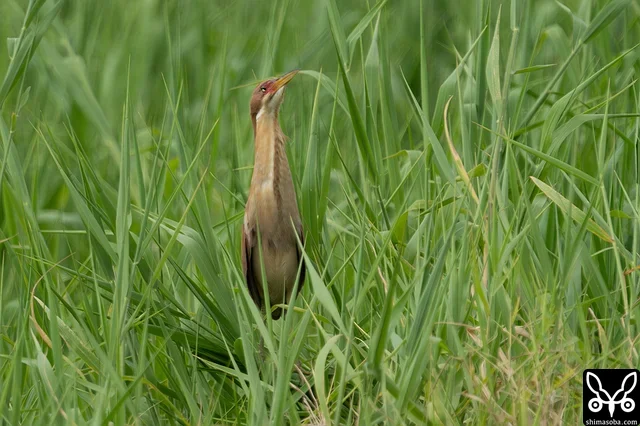
  64. Same individual as above. Even with a car passing under the branch, it was this relaxed. I ended up sitting down to watch.
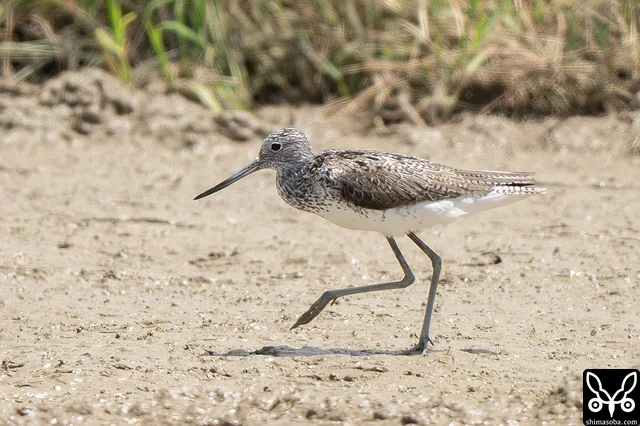
    Ruddy Kingfisher
  65. A Ruddy Kingfisher that had finished raising its young. Zero wariness in this individual.
    Ruddy Kingfisher
  66. The last fledgling of the season for the Brown Hawk-Owl. There were still some remaining in the nest.
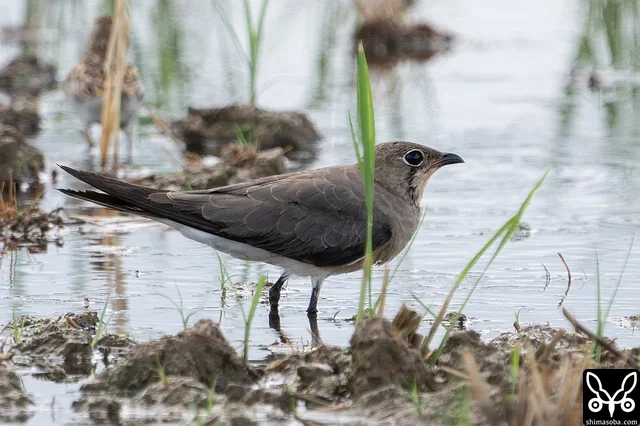
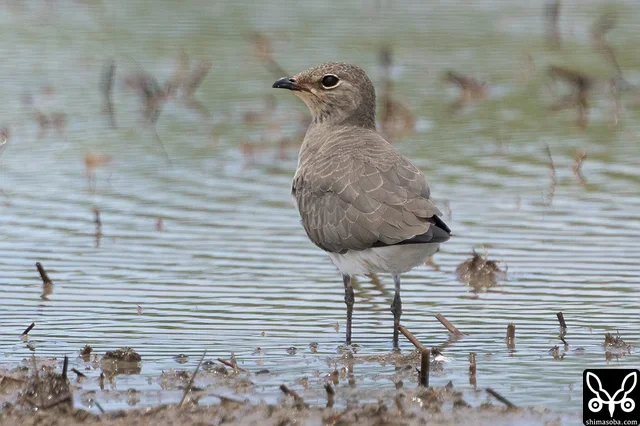
    Northern Boobook
  67. 13
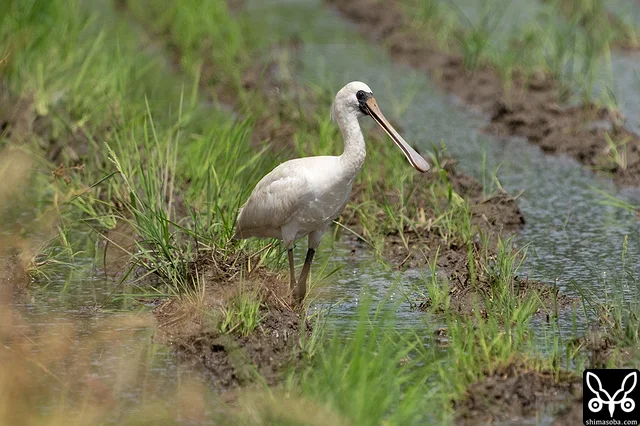
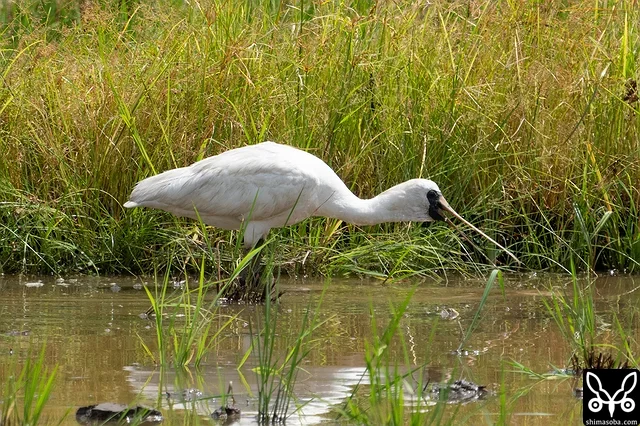
    Two Black-faced Spoonbills have been staying together for several days now.
    Black-faced Spoonbill
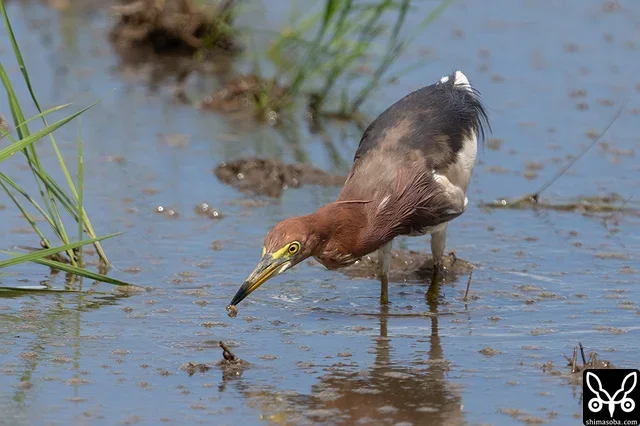
  68. A Chinese Pond Heron with a little winter plumage just starting to come in over the breeding plumage.
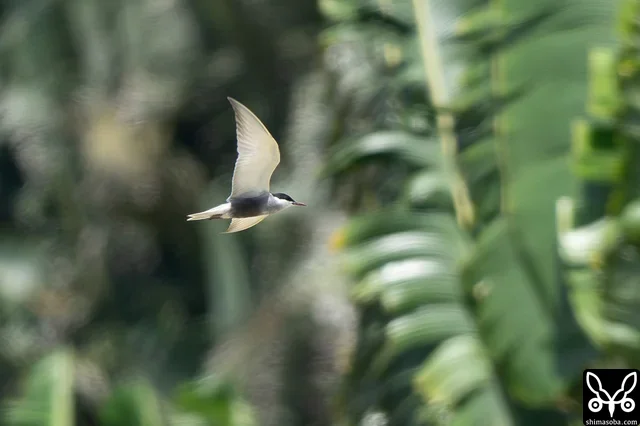
    Chinese Pond Heron
  69. A Black-faced Spoonbill with prey. It was walking along the field edge catching something.
    Black-faced Spoonbill
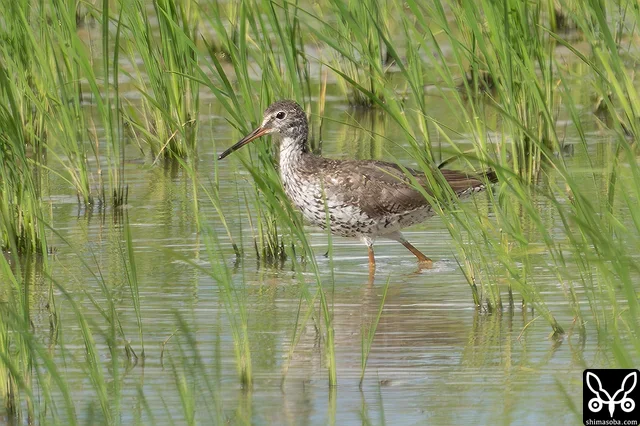
  70. Common Redshank, first-summer plumage.
    Common Redshank
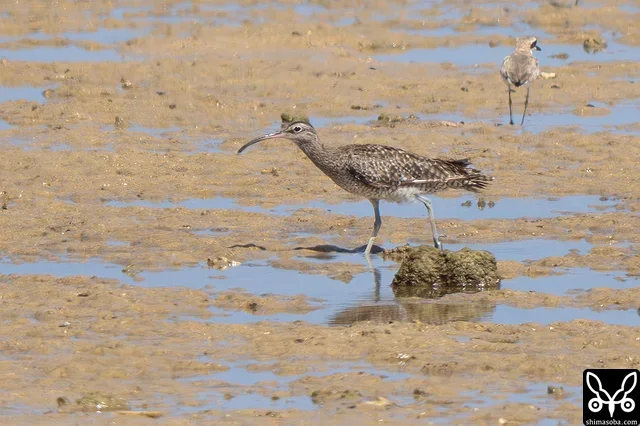
  71. Whimbrel also passing through in small numbers.
    Whimbrel
  72. A dozen or so Grey-tailed Tattlers lingering.
    Grey-tailed Tattler
  73. Bridled Terns and Little Terns are breeding. Common Greenshanks and Grey-tailed Tattlers are on the move.
    Common Greenshank
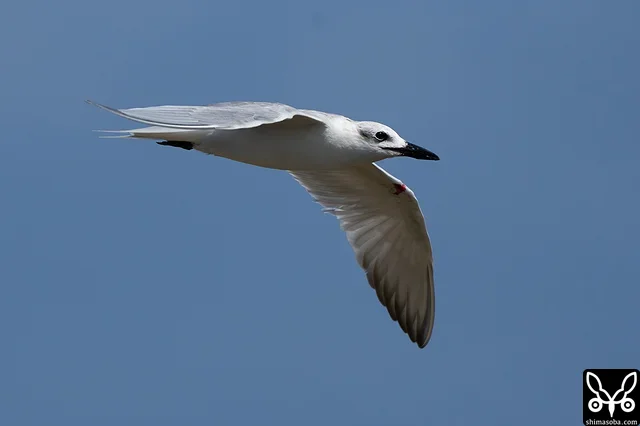
  74. 14
    Long-toed Stint, late summer plumage.
    Long-toed Stint
  75. Greater Painted-snipe, male. First-summer plumage.
    Greater Painted-snipe
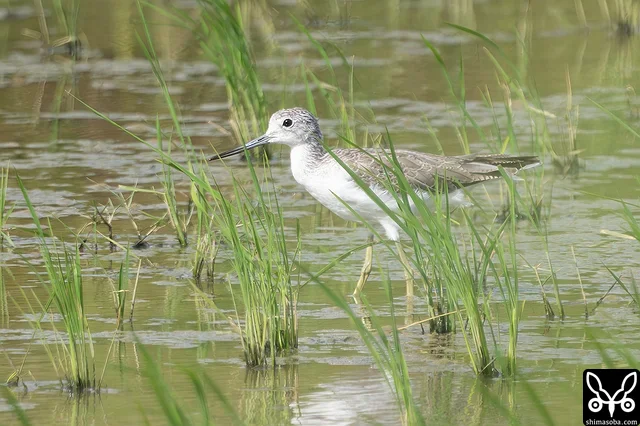
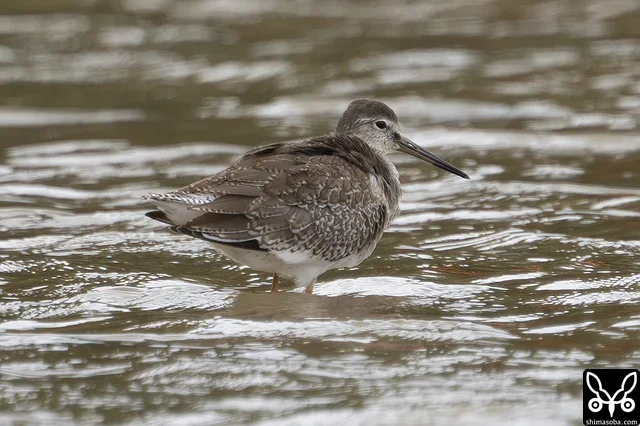
  76. Common Greenshank, first-winter plumage.
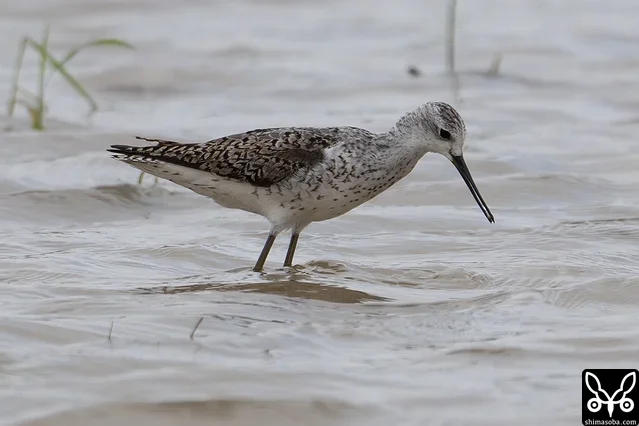
    Common Greenshank
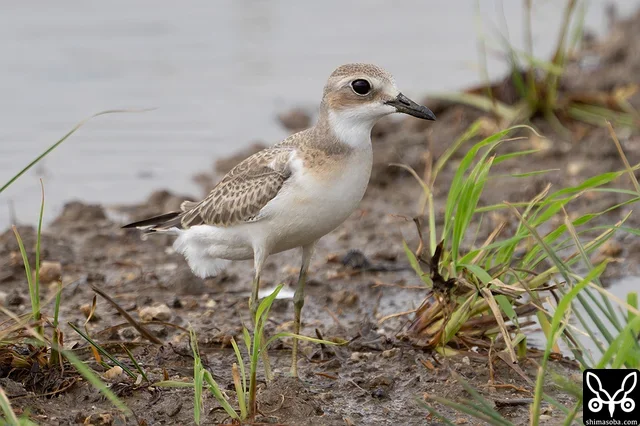
  77. Common Redshank, first-summer plumage.
    Common Redshank
  78. A Ruddy Kingfisher looking ragged as its moult progresses and feathers fall out.
    Ruddy Kingfisher
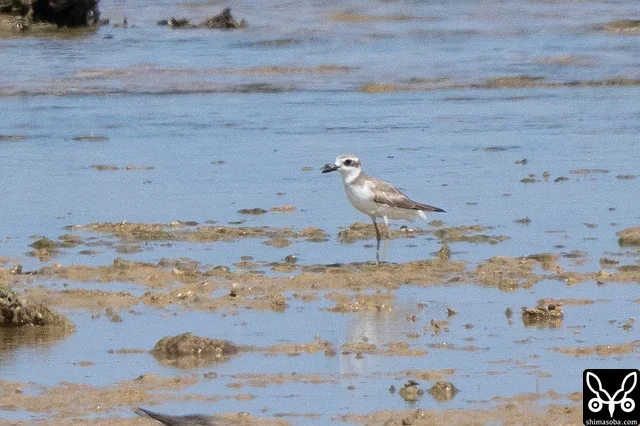
  79. Around ten Greater Sand Plovers have arrived.
    Greater Sand Plover
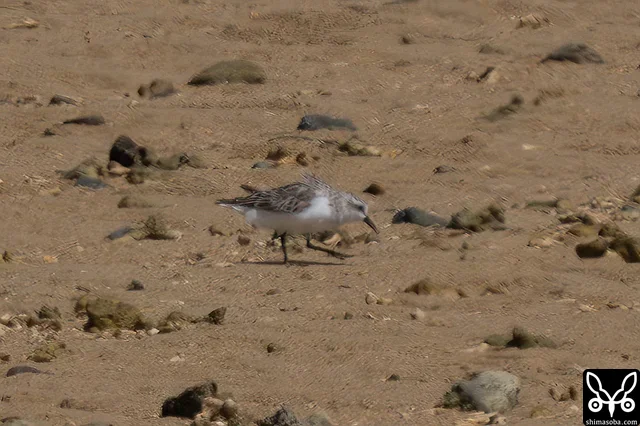
  80. Distant Red-necked Stints. About four have stayed through the summer.
    Red-necked Stint
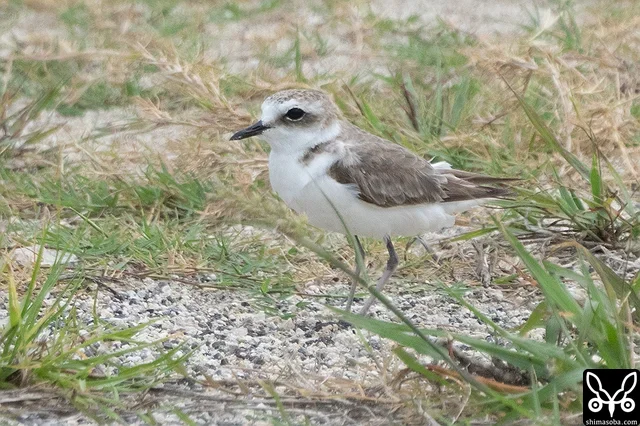
  81. 16
    The Ruddy Kingfishers appear to have mostly finished raising their young.
    Ruddy Kingfisher
  82. An adult Little Tern. Around four family groups had come to a rice paddy to bathe.
    Little Tern
  83. Wood Sandpipers that began arriving a few days ago have increased rapidly. Flocks are showing up in rice paddies here and there. Still all adults.
    Wood Sandpiper
  84. A fledgling Little Tern. The juvenile plumage is still very much in evidence, and the tail feathers are short.
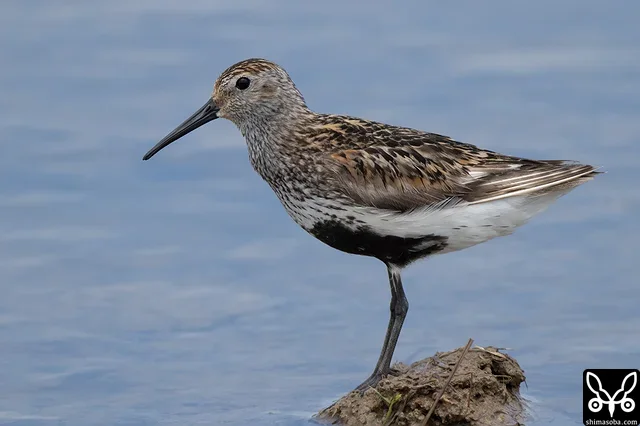
    Little Tern
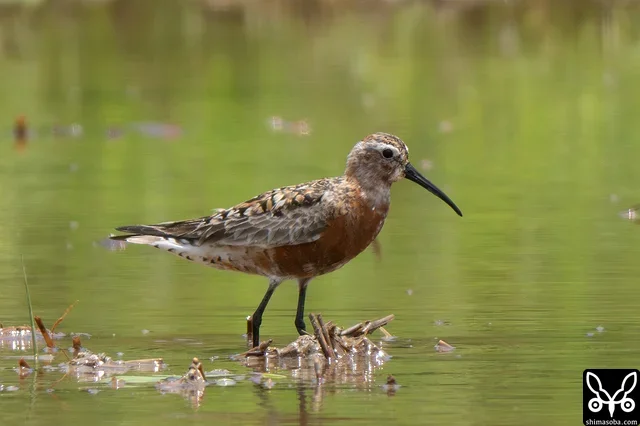
  85. Little Ringed Plovers are also building in numbers. Again, a flock made up entirely of adults.
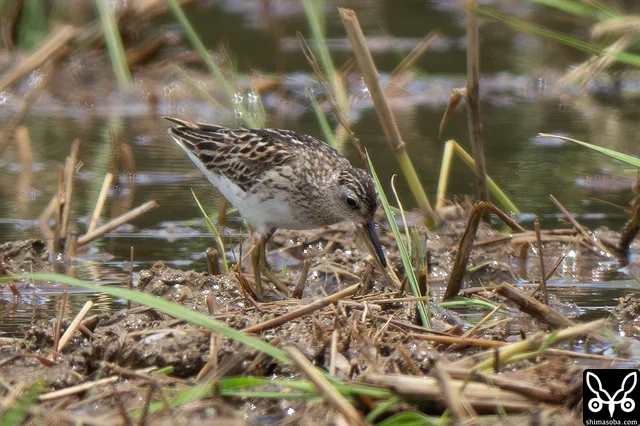
    Little Ringed Plover
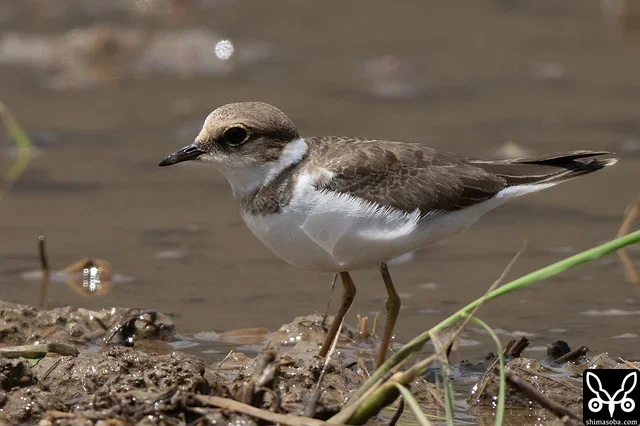
  86. By the fifth day of its stay, wariness had faded. It stopped flushing even when tractors and kei trucks passed by.
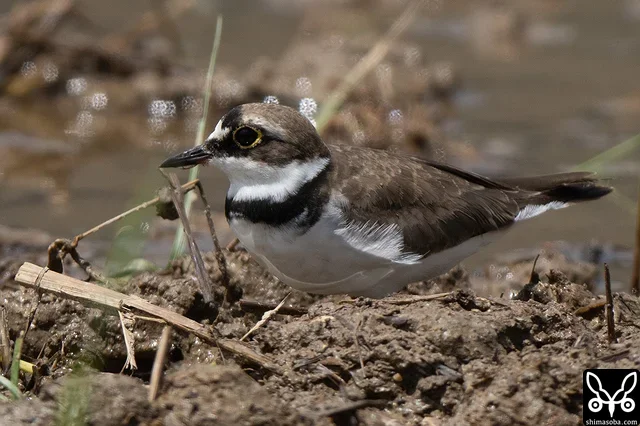
    Glossy Ibis
  87. The metallic sheen of the feathers catches the light beautifully.
    Glossy Ibis
  88. A juvenile Ryukyu Scops Owl that apparently fledged last night. Downy feathers still remain.
    Ryukyu Scops Owl
  89. A parent bird keeping watch nearby. If a crow or similar approached, it would scramble immediately to defend its chick.
    Ryukyu Scops Owl
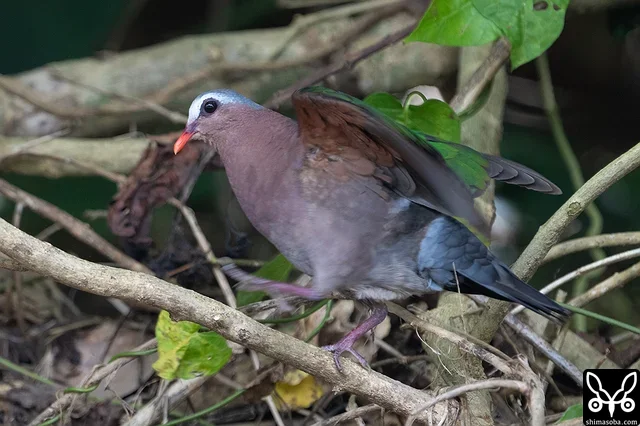
  90. It was asleep most of the time. This shot was taken with a friend's α1 II on loan. Little difference from the α1, but the image stabilisation was noticeably effective.
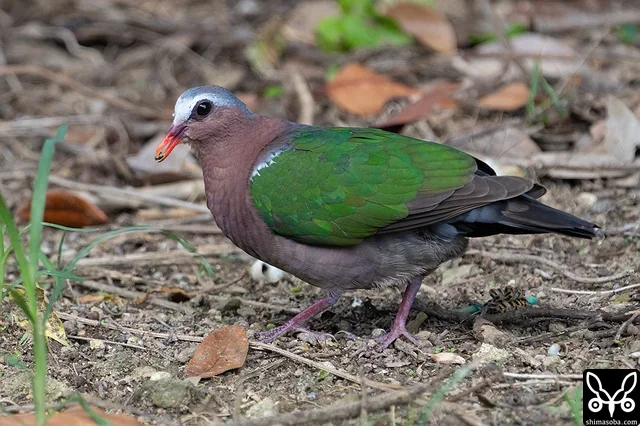
    Ryukyu Scops Owl
  91. First juvenile Ryukyu Least Bittern confirmed this season.
    Yellow Bittern
  92. 17
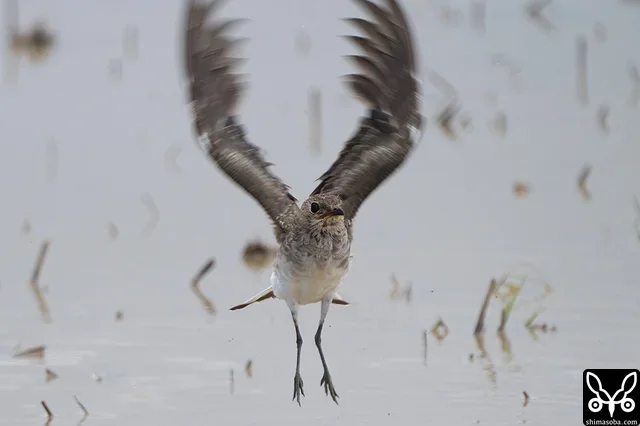
    A Ryukyu Scops Owl that had been locked in a battle with a crow.
    Ryukyu Scops Owl
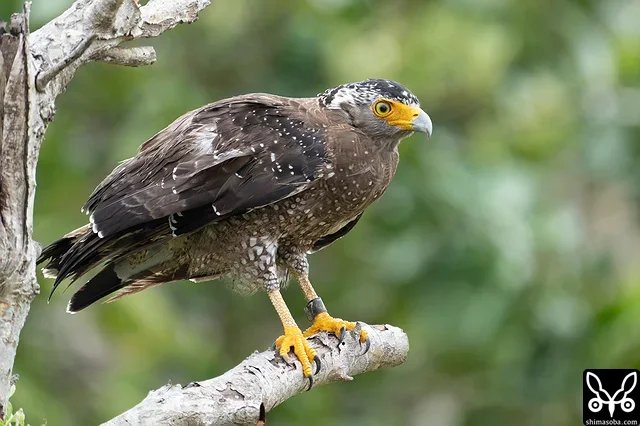
  93. An adult Crested Serpent Eagle on the forest road. Let's hope it can finish raising its chicks safely.
    Crested Serpent Eagle
  94. Confirmed a few Long-toed Stints. Late summer plumage — no birds in winter plumage yet.
    Long-toed Stint
  95. A Common Greenshank — my first confirmed record of the season. More and more will be passing through from here on.
    Common Greenshank
  96. The Glossy Ibis seems to have a favourite paddy — it is always in the same spot.
    Glossy Ibis
  97. Black-naped Terns breeding on the offshore rocks come to bathe near the river mouth when the tide comes in.
    Black-naped Tern
  98. First Whimbrel of the season.
    Whimbrel
  99. The first Lesser Crested Tern of the season has also arrived. It appeared to be bleeding from the left wing.
    Lesser Crested Tern
  100. There are plenty of crabs at the river mouth, so it was diving down and catching them repeatedly.
    Lesser Crested Tern
  101. Greater Sand Plover migrants also seem to be arriving.
    Greater Sand Plover
  102. Every year, Common Redshank is the first to arrive as a juvenile. It showed up again right away this season.
    Common Redshank
  103. Also the first Wood Sandpiper of the season. Considerable numbers had moved into rice paddies here and there.
    Wood Sandpiper
  104. The first Greenshank of the season appeared in the rice paddies.
    Common Greenshank
  105. A Little Tern nest abandoned after a single egg was laid.
    Little Tern
  106. 18
    The Brown Hawk-Owl at the utaki. As happens every year, freshly fledged crows have shown up and are causing quite a commotion.
    Northern Boobook
  107. A juvenile Purple Heron. From here on they will keep increasing, and I'll be seeing more and more of them being chased off by adults.
    Purple Heron
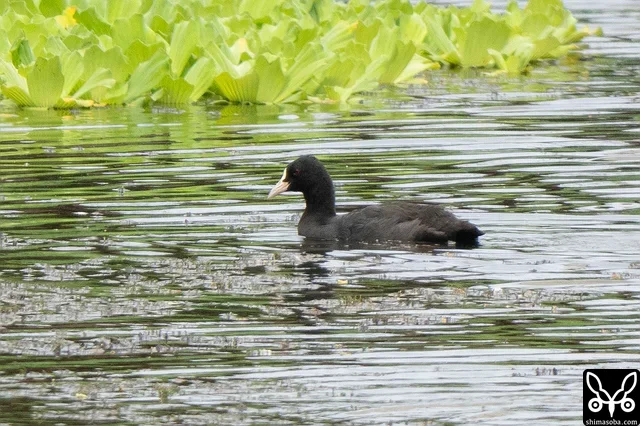
  108. A Eurasian Coot that summered on Ishigaki-jima. On Okinawa's main island, birds have been summering for several years now. Numbers on Ishigaki may increase in the future as well.
    Eurasian Coot
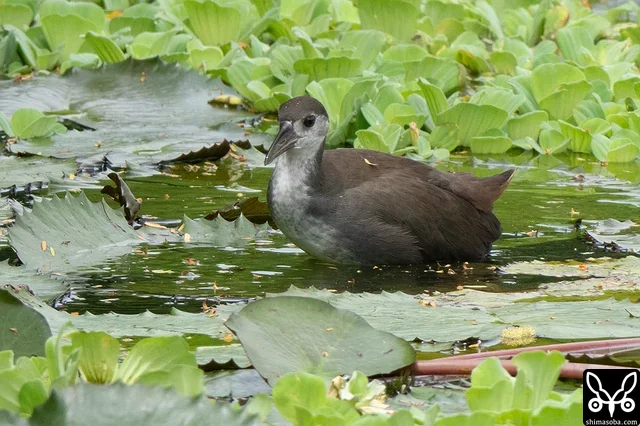
  109. A juvenile White-breasted Waterhen. I often come across pairs with jet-black chicks in tow. They may be breeding multiple times in a single season.
    White-breasted Waterhen
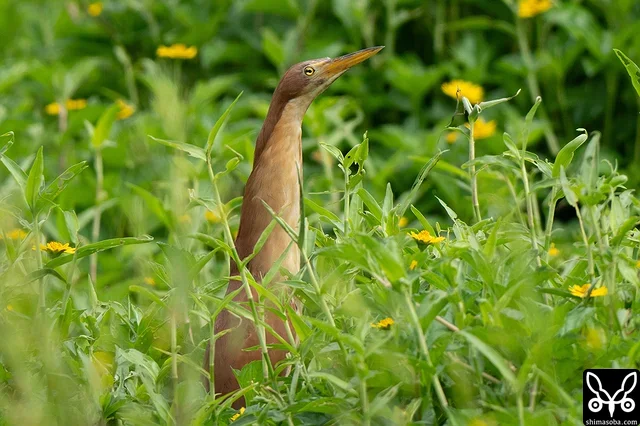
  110. A male Ryukyu Least Bittern peering out from an uncultivated paddy field.
    Yellow Bittern
  111. Common Sandpipers have been increasing. Migrants appear to be moving through. One was competing with a Wood Sandpiper over a Cryptotympana cicada wing.
    Common Sandpiper
  112. Little Stint also confirmed at multiple locations. First of the season.
    Long-toed Stint
  113. Juvenile Little Egrets have also started to arrive.
    Little Egret
  114. Black-winged Stilts have increased a little as well.
    Black-winged Stilt
  115. Little Ringed Plover confirmed for the first time this season.
    Little Ringed Plover
  116. First juvenile Common Sandpiper (right) confirmed this season.
    Common Sandpiper
  117. Greater Painted-snipe is a resident breeder on Ishigaki Island. A female was at the usual paddy field.
    Greater Painted-snipe
  118. 19
    First Black-winged Stilt of the season as well. Just a single male.
    Black-winged Stilt
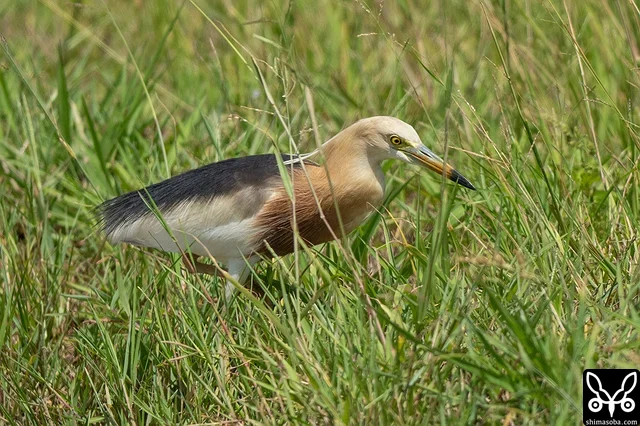
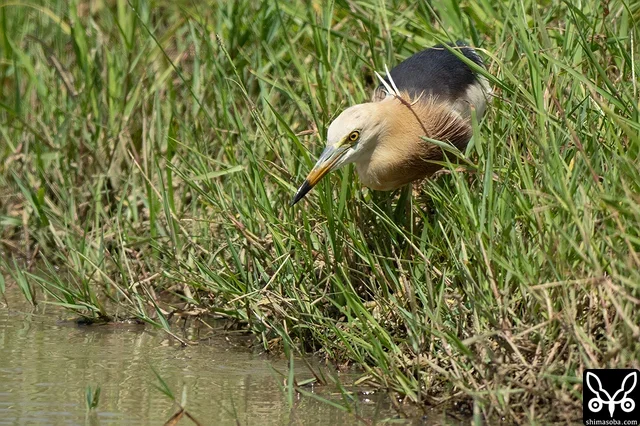
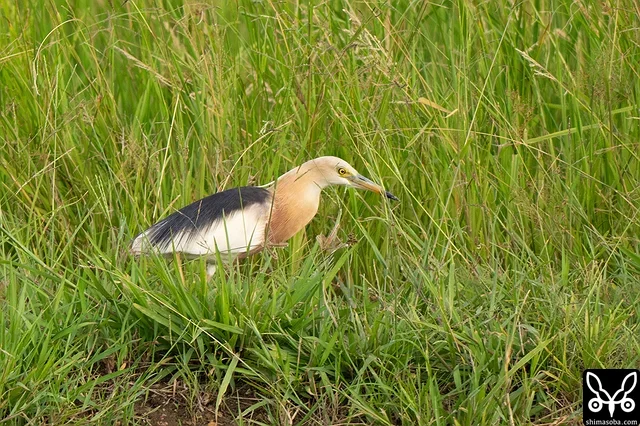
  119. A Javan Pond Heron in breeding plumage — a long-awaited visitor. It has a different kind of beauty from the Chinese Pond Heron.
    Javan Pond Heron
  120. The Javan Pond Heron was catching small creatures in the grass along the paddy bunds and in the rice paddies.
    Javan Pond Heron
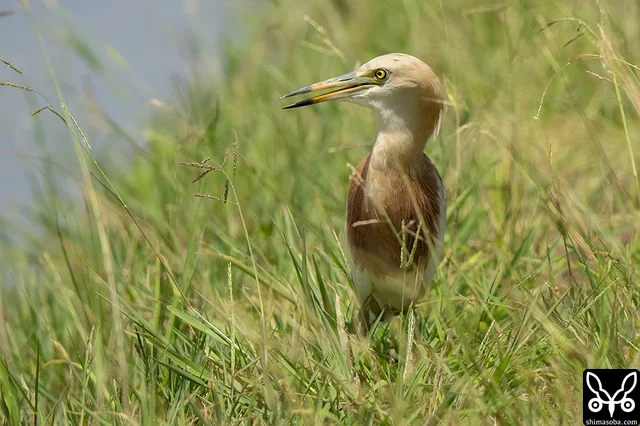
  121. On Ishigaki-jima the temperature is around 32°C, so it is breathing with its mouth open. It looks hot.
    Javan Pond Heron
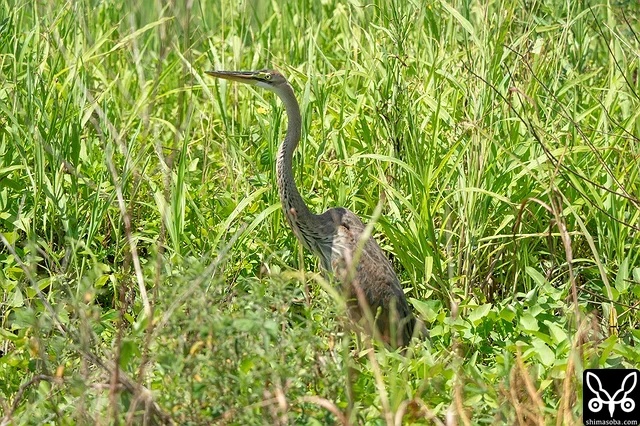
  122. First Purple Heron juvenile of the season. Things should get lively with adults and juveniles from here on.
    Purple Heron
  123. A juvenile Ryukyu Night Heron. On its own now, catching tadpoles or something in a shallow puddle.
    Malayan Night Heron
  124. Male Brown Hawk-Owl. Three recently fledged chicks are nearby.
    Northern Boobook
  125. 20
    The Javan Pond Heron appears to have moved on after staying about a week.
    Javan Pond Heron
  126. 21
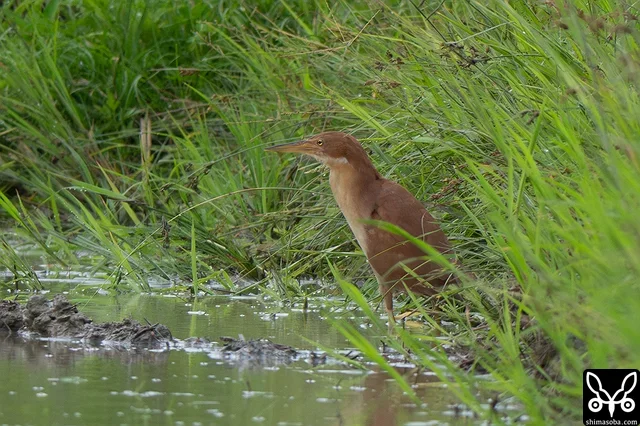
    Encounters with Cinnamon Bitterns — both adults and juveniles — are increasing now that breeding has finished.
    Yellow Bittern
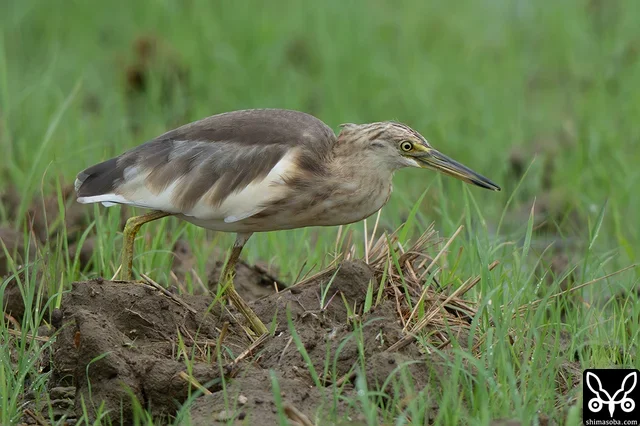
  127. A Javan Pond Heron appearing alone. It was catching tadpoles and insects in the rice paddies.
    Javan Pond Heron
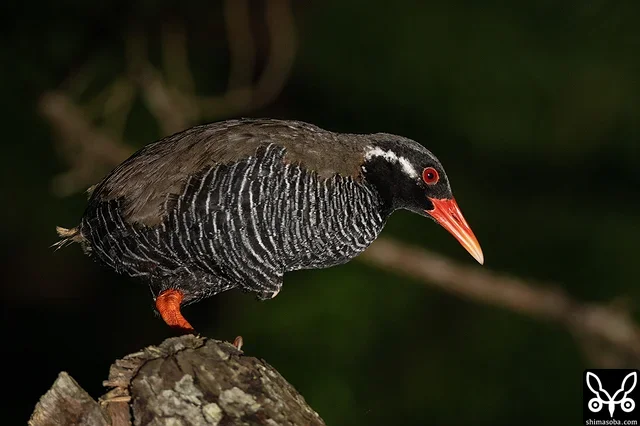
  128. A Okinawa Rail roosting in a tree. Unfortunately I was unable to photograph a Ryukyu Scops Owl — the first time I've visited Yanbaru and come away without one.
    Okinawa Rail
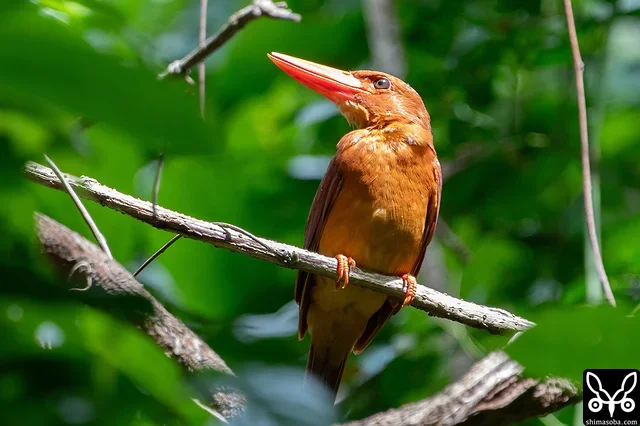
  129. A slow drive along the usual forest road turned up several Ruddy Kingfishers in a short time.
    Ruddy Kingfisher
  130. The male, paired with the bird above. Both birds are outside the nest, so fledging appears to be imminent.
    Ryukyu Scops Owl
  131. Ryukyu Scops Owl, female.
    Ryukyu Scops Owl
  132. A singing Ruddy Kingfisher. Most pairs have finished raising their young, but three pairs are still incubating.
    Ruddy Kingfisher
  133. A juvenile Purple Heron. Encounters will become more frequent from here on.
    Purple Heron
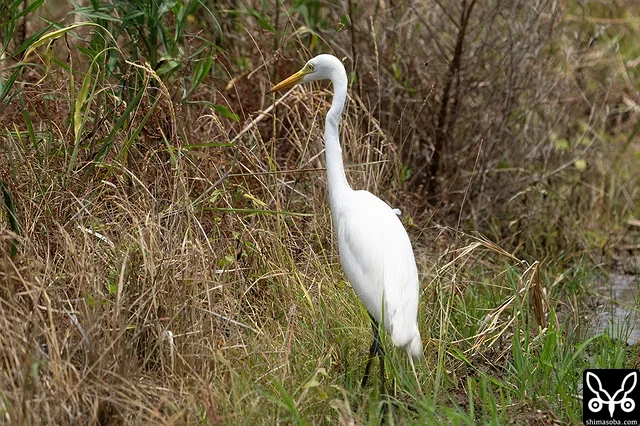
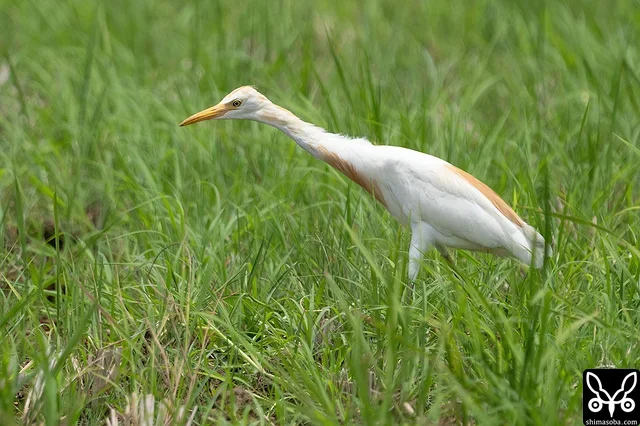
  134. Intermediate Egret, summer plumage.
    Intermediate Egret
  135. Eastern Cattle Egret, transitioning from summer to winter plumage.
    Eastern Cattle Egret
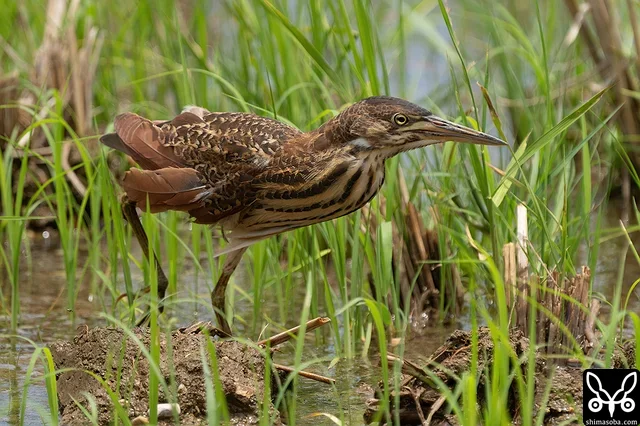
  136. A juvenile Ryukyu Least Bittern. The feathers are ragged — moult seems to be proceeding rapidly.
    Yellow Bittern
  137. I went over to where the bird above had landed, and there it was. White down still remains on the head and tertials.
    Yellow Bittern
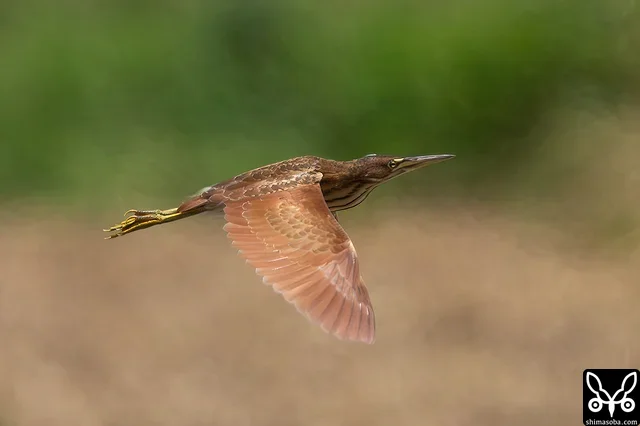
  138. A juvenile Ryukyu Least Bittern that flew past right in front of me.
    Yellow Bittern
  139. Common Greenshank, first-summer plumage.
    Common Greenshank
  140. Common Greenshank, summer plumage.
    Common Greenshank
  141. A different individual. White down also still remains on the head and tertials.
    Yellow Bittern
  142. 22
    This is the Ruddy Kingfisher near my home. The fledglings seem to have dispersed — they were nowhere to be found.
    Ruddy Kingfisher
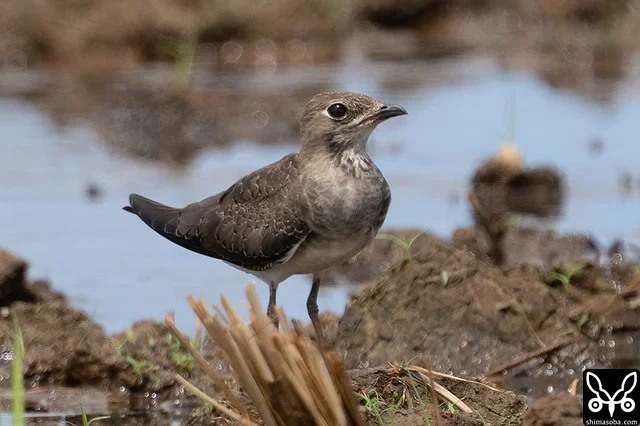
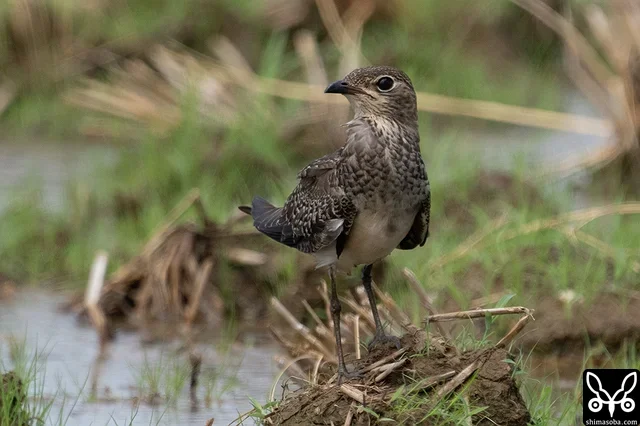
  143. Oriental Pratincole, juvenile. Moult is progressing.
    Oriental Pratincole
  144. Wood Sandpipers are increasing in number day by day.
    Wood Sandpiper
  145. This one still has plenty of fresh juvenile plumage remaining.
    Oriental Pratincole
  146. 24
    Ruddy Kingfishers have also finished breeding. They will remain on Ishigaki-jima until around early October.
    Ruddy Kingfisher
  147. 25
    In strong winds, a female Crested Serpent Eagle was hunting for prey. She has a black ring marked "7" on her left leg, so this is "Mitchan," an individual that was rescued and rehabilitated in the past. She was released in early April this year, and I recorded her in the same area in `April <https://shimasoba.com/blog/2347/>`_ and `May <https://shimasoba.com/blog/2364/>`_ as well.
    Crested Serpent Eagle
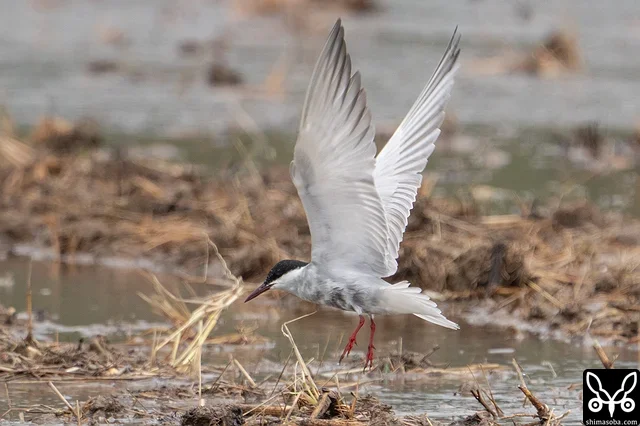
  148. Black-bellied Terns were often seen sleeping, looking tired.
    Whiskered Tern
  149. Long-toed Stints have been increasing too.
    Long-toed Stint
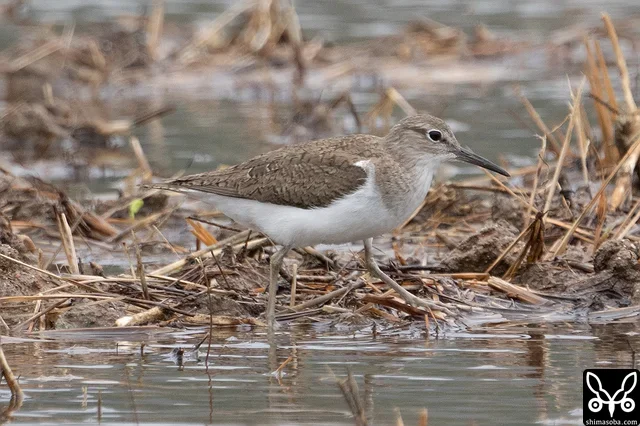
  150. Common Sandpiper — also a first for the season.
    Common Sandpiper
  151. Little Ringed Plovers also arrived in a flock of around a dozen.
    Little Ringed Plover
  152. A Common Greenshank still largely in summer plumage.
    Common Greenshank
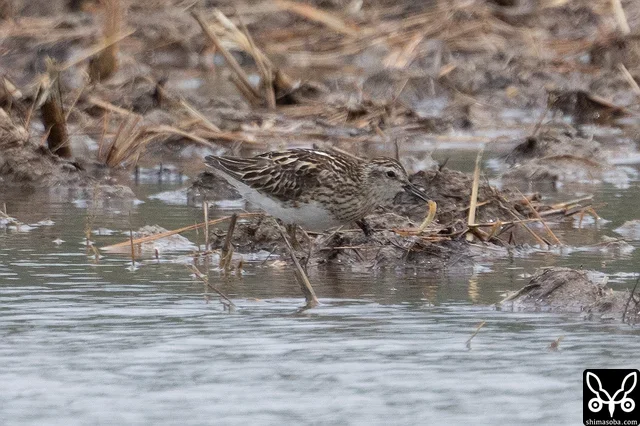
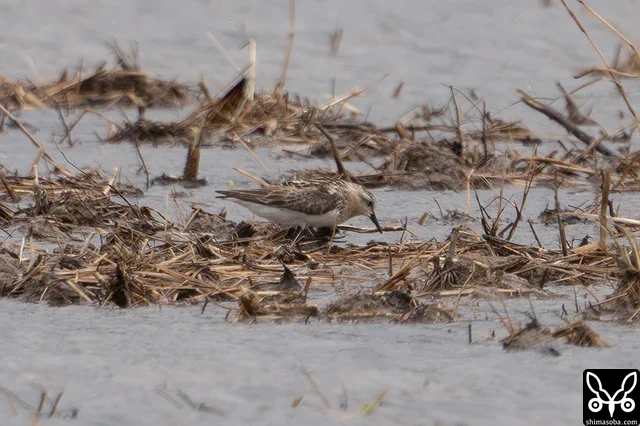
  153. My first Long-toed Stint of the season.
    Red-necked Stint
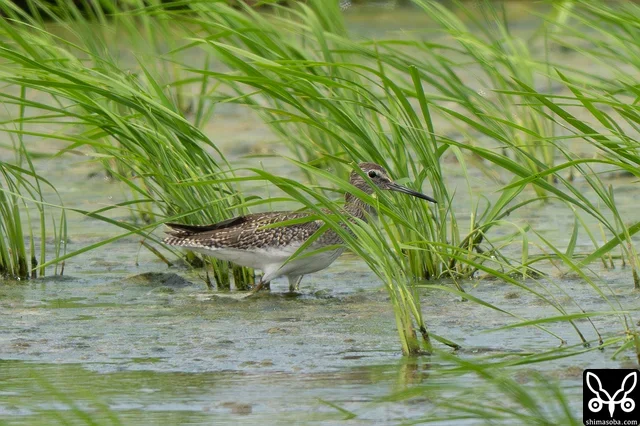
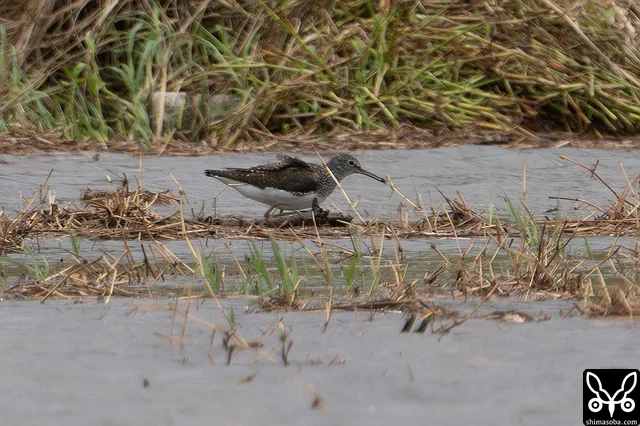
  154. My first Green Sandpiper of the season, seen distantly.
    Green Sandpiper
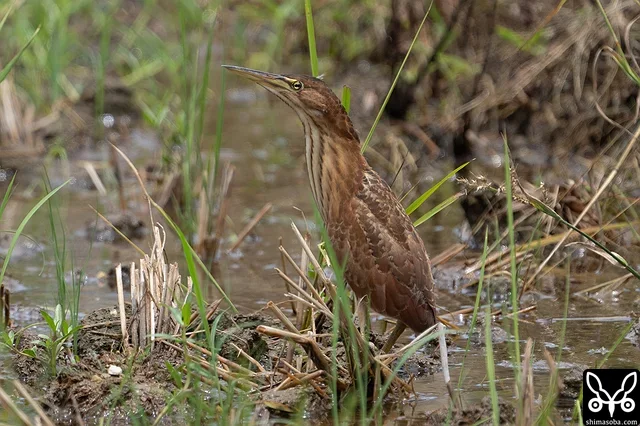
  155. At this time of year I encounter Ryukyu Bitterns very frequently. Perhaps the adults are beginning to drive the juveniles out of their territories.
    Yellow Bittern
  156. 26
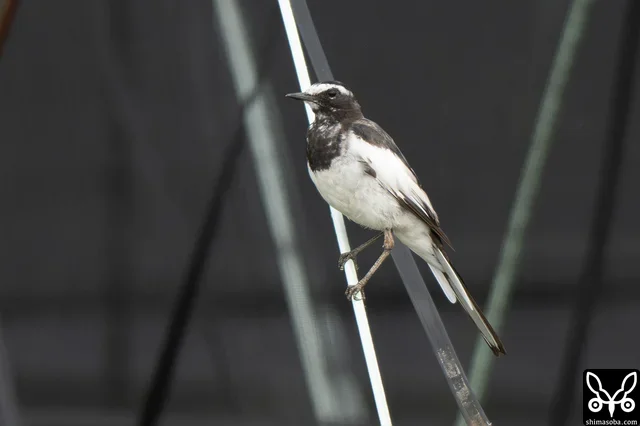
    Heard that distinctive call and went looking — found two Japanese Wagtails on a distant greenhouse. There are a handful of records for Okinawa Island, but none yet for Ishigaki.
    Japanese Wagtail
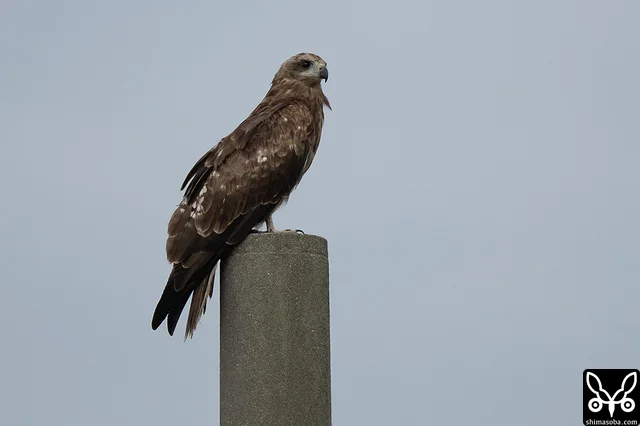
  157. Black Kite records are rare on Ishigaki too; it feels like one turns up maybe once every few years. There are plenty of Black-winged Kites, though… ^^;
    Black Kite
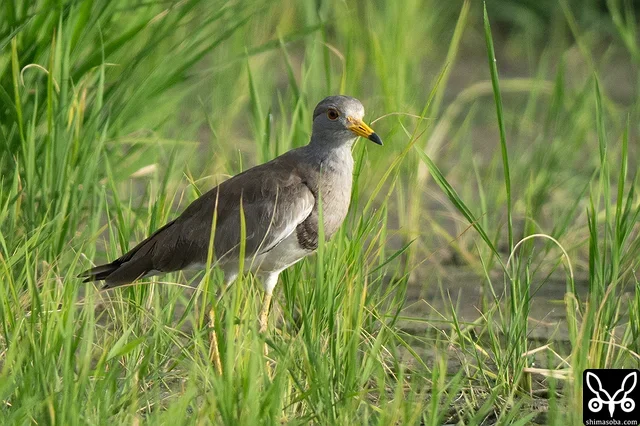
  158. A Grey-headed Lapwing turns up on Ishigaki about once a year. They breed in rice paddies all over Aichi Prefecture — must be nice.
    Grey-headed Lapwing
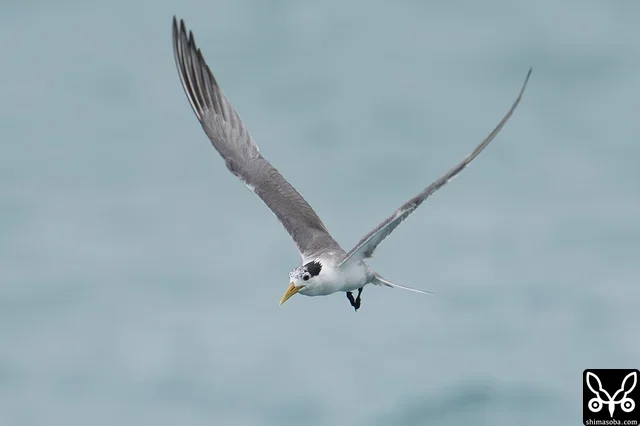
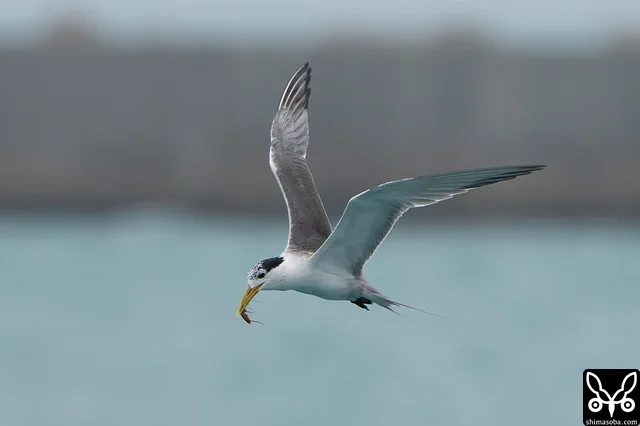
  159. Several Great Crested Terns were flying around the fishing port area. Every individual is in the process of moulting into winter plumage. It will be a little while yet before they bring in juveniles.
    Caspian Tern
  160. I'd really rather the Great Crested Terns were eating fish… ^^;
    Caspian Tern
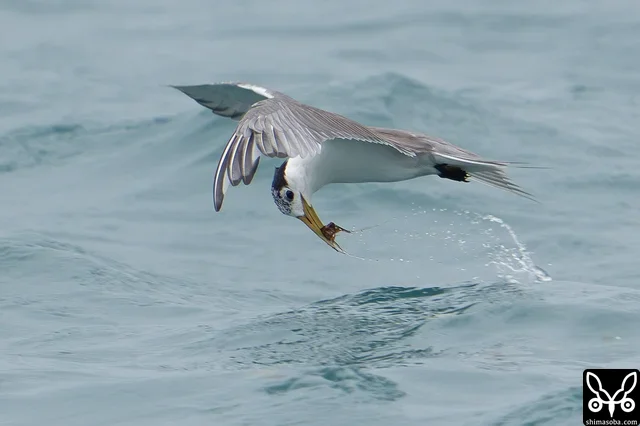
  161. A Great Crested Tern at the fishing port was catching cockroaches. Perhaps they were washed out of the drains by the typhoon rain.
    Caspian Tern
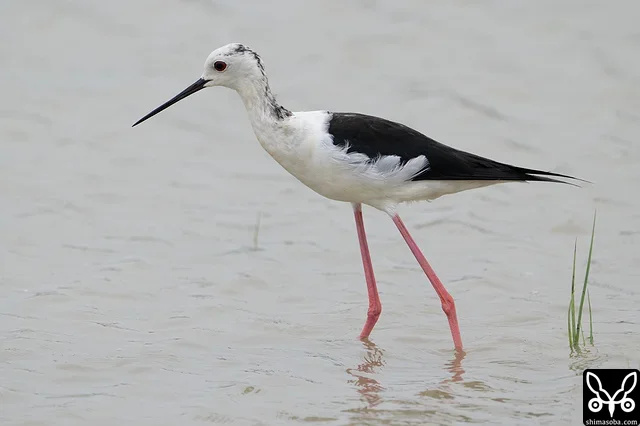
  162. Black-winged Stilts appear here and there in small groups of a few birds.
    Black-winged Stilt
  163. 27
    Some Common Greenshanks are also showing a little winter plumage.
    Common Greenshank
  164. A juvenile Common Redshank. It was mixing alone into a flock of Wood Sandpipers.
    Common Redshank
  165. My first Marsh Sandpiper of the season is transitioning from summer to winter plumage.
    Marsh Sandpiper
  166. A juvenile Greater Sand Plover. It was found in a rice paddy — possibly due to the influence of the typhoon.
    Greater Sand Plover
  167. Common Sandpiper in late summer plumage.
    Common Sandpiper
  168. Little Ringed Plover in first-winter plumage.
    Little Ringed Plover
  169. Adult Little Ringed Plover. Late summer plumage.
    Little Ringed Plover
  170. Long-toed Stint numbers are increasing too.
    Long-toed Stint
  171. Common Greenshank in late summer plumage.
    Common Greenshank
  172. It's hard to make out at this distance, but this is a juvenile Common Redshank — the first of the season.
    Common Redshank
  173. Wood Sandpiper in late summer plumage.
    Wood Sandpiper
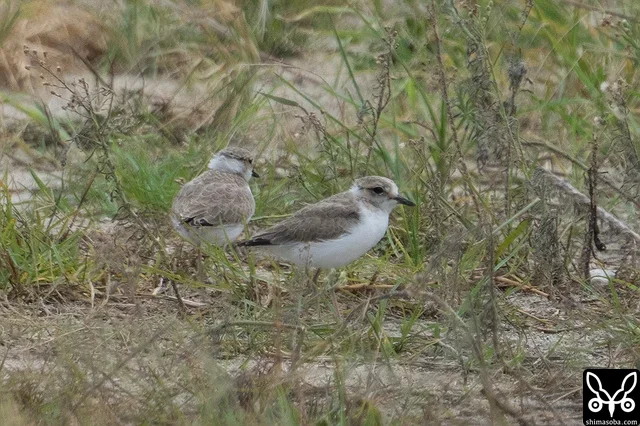
  174. Adult Kentish Plover. Late summer plumage.
    Kentish Plover
  175. Juvenile Kentish Plovers. They were always together, so I assume they are siblings.
    Kentish Plover
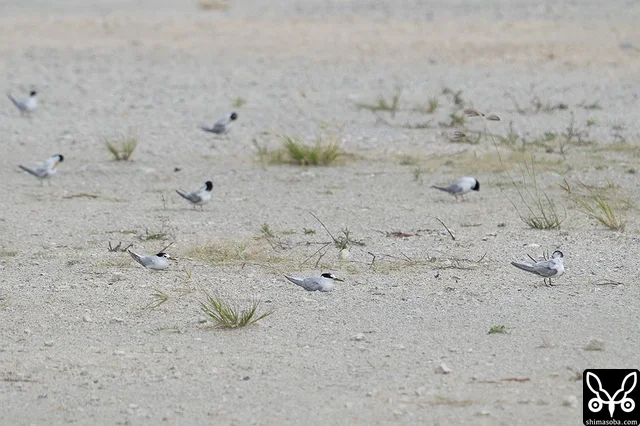
  176. A flock of Little Terns.
    Little Tern
  177. 28
    Ruddy Kingfisher, female. She is probably resting and recovering from the effort of raising young, ahead of migration.
    Ruddy Kingfisher
  178. A juvenile Ryukyu Night Heron hatched this year. They'll be appearing more and more from here on.
    Malayan Night Heron
  179. 29
    A small flock of Whiskered Terns was flying around over the paddy fields.
    Whiskered Tern
  180. Large numbers of Common Greenshanks arriving, mostly adults.
    Common Greenshank
  181. The Javan Pond Heron is still present. In recent years, the number of wintering individuals has been increasing.
    Javan Pond Heron
  182. Also the first Dunlin of the season — just squeaking in before the end of July. The summer plumage is looking pretty ragged at this time of year.
    Dunlin
  183. The first Curlew Sandpiper of the season.
    Curlew Sandpiper
  184. A few Long-toed Stints arrived among a flock of Wood Sandpipers. First record of the season.
    Long-toed Stint
  185. 30
    First juvenile Little Ringed Plover of the season.
    Little Ringed Plover
  186. Little Ringed Plovers are increasing too.
    Little Ringed Plover
  187. 31
    Grey-tailed Tattler, first-summer transitioning to winter plumage.
    Grey-tailed Tattler
  188. The Ryukyu Yellow Bittern — a bird I encounter almost every day when searching for waders and plovers.
    Yellow Bittern
  189. Wood Sandpipers have been arriving in large numbers — I saw several hundred in half a day. Juveniles have not yet arrived.
    Wood Sandpiper
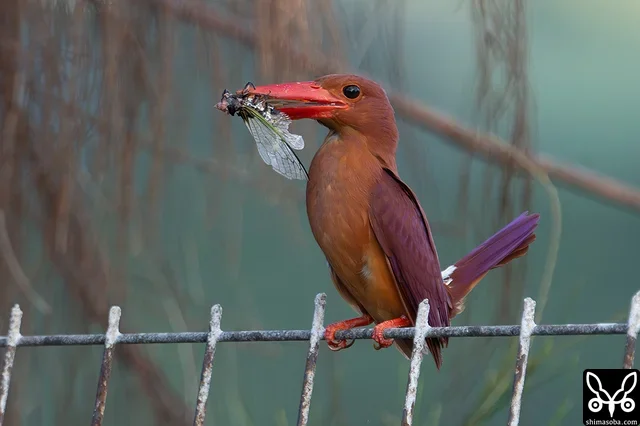
  190. A male Ruddy Kingfisher passing food to a chick.
    Ruddy Kingfisher
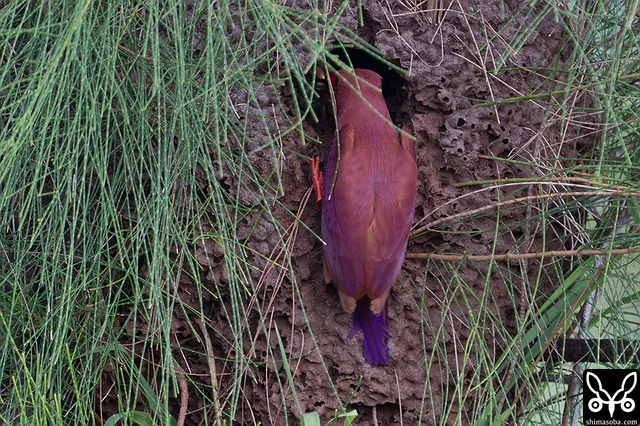
  191. A Ruddy Kingfisher that nested in a Swinhoe's white ant mound built on a beach she-oak.
    Ruddy Kingfisher
  192. This pair is right in the middle of raising chicks. Three eggs were laid, but only two hatched. The chicks have grown large enough that the parents are bringing in Cryptotympana large cicadas.
    Ruddy Kingfisher
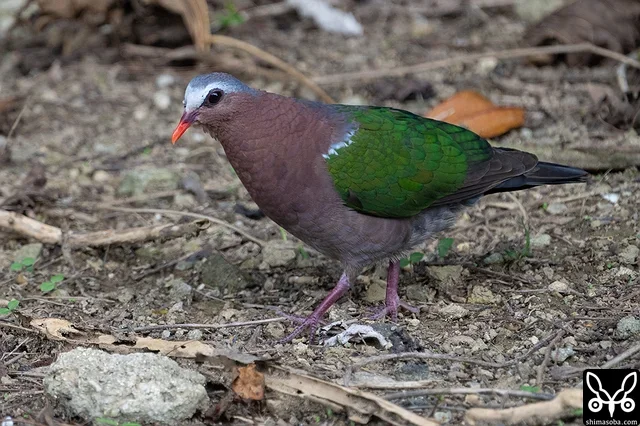
  193. Females are rarely seen, so the Emerald Doves must still be in the thick of nesting.
    Emerald Dove
  194. The bird showed no wariness at all — cars passing by were completely ignored, and a dump truck would only prompt it to hop from the ground up into a tree.
    Emerald Dove
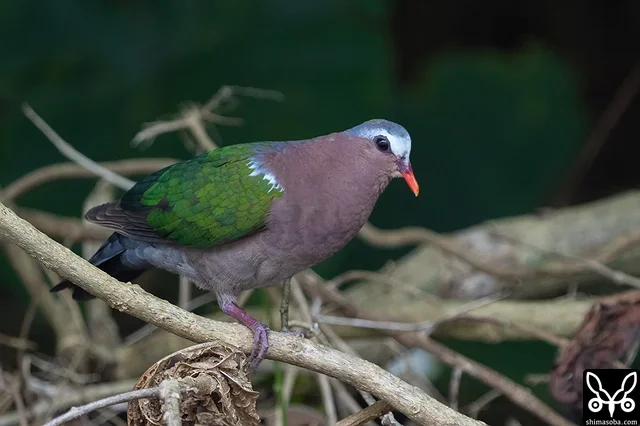
  195. Emerald Dove, male.
    Emerald Dove
  196. A rare look at the Emerald Dove's underwing.
    Emerald Dove
  197. It appeared to be picking up seeds of Macaranga fallen on the ground.
    Emerald Dove
  198. A juvenile Oriental Pratincole flapping to shake off water after bathing.
    Oriental Pratincole
  199. Oriental Pratincole in juvenile plumage (left) and first-winter plumage.
    Oriental Pratincole
  200. Oriental Pratincole in first-winter plumage.
    Oriental Pratincole