SEASONAL ARCHIVE

Wild Birds of February

When and what wild birds might you see — a timeline sorted by date taken

  1. 1
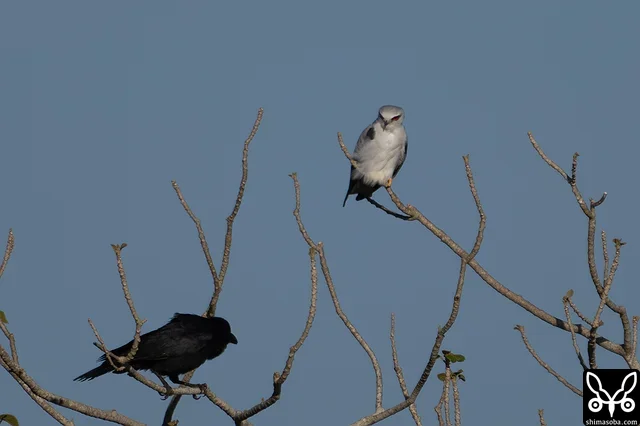
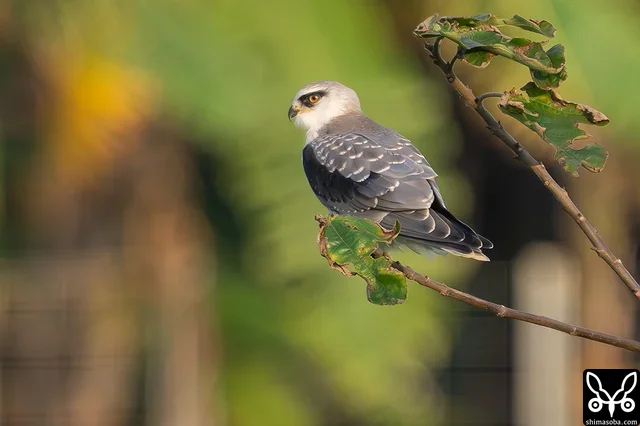
    After a while, two crows flew in and drove the Black-winged Kite away. A Black-winged Kite was mating on a nearby utility pole, so they are presumably breeding in the area.
    Black-winged Kite
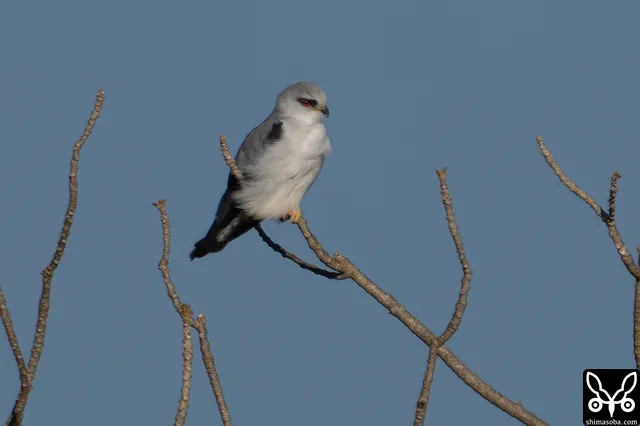
  2. A Black-winged Kite observed at eye level at one of my regular spots. It's perching on its favourite branch as usual, eyes gleaming red.
    Black-winged Kite
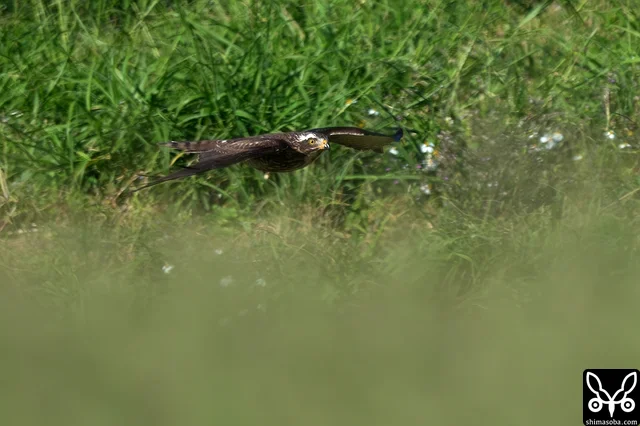
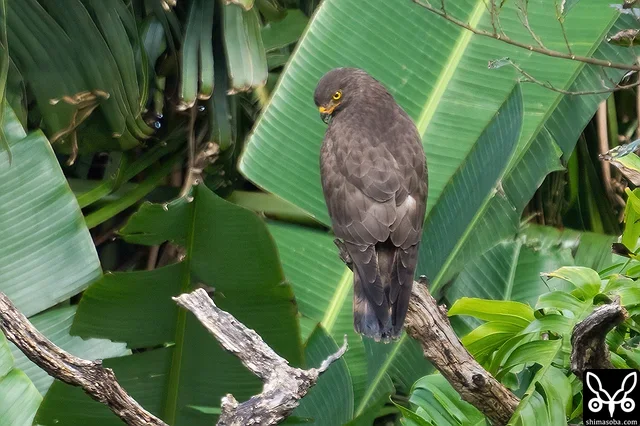
  3. A distant Grey-faced Buzzard. It was probably taking mainly grasshoppers.
    Grey-faced Buzzard
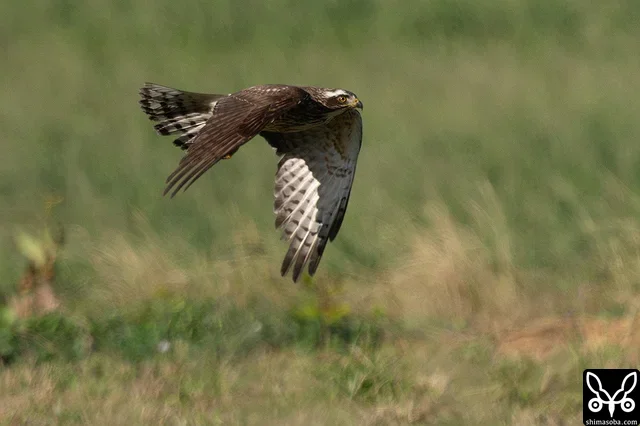
  4. Same individual as above. At this kind of distance, a blind isn't necessary.
    Grey-faced Buzzard
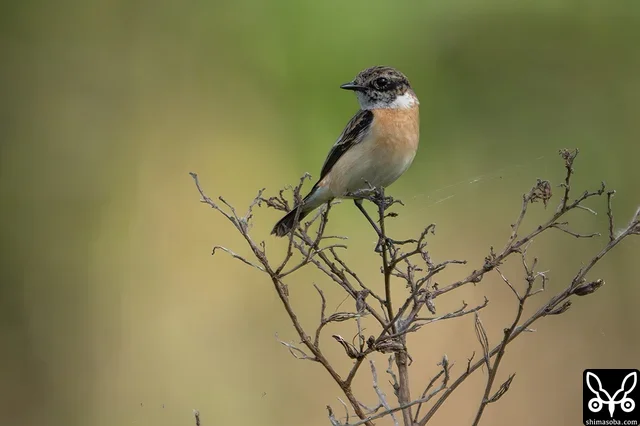
  5. A male Siberian Stonechat had arrived. Several birds are currently staying on the island.
    Siberian Stonechat
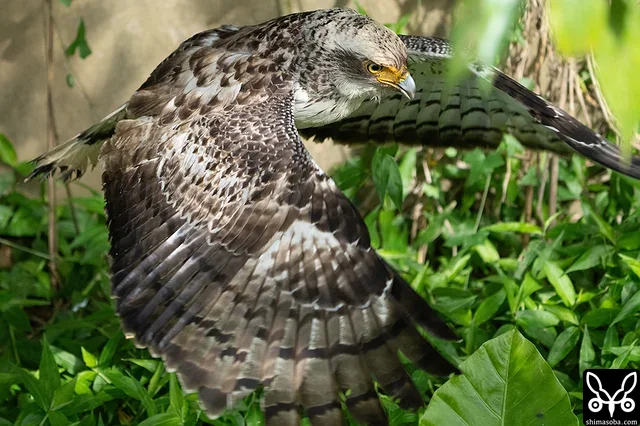
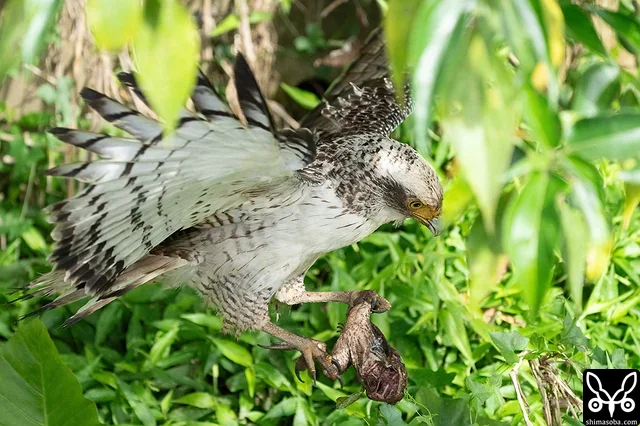
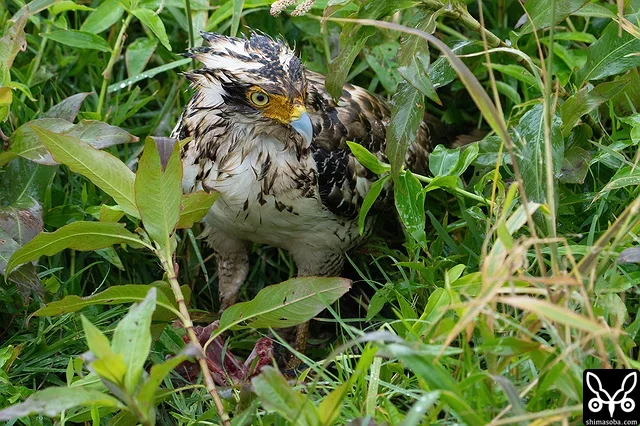
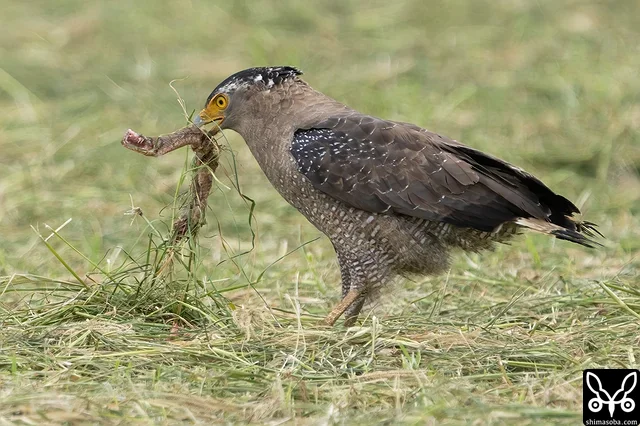
  6. It carried the frog off into the undergrowth, apparently wanting to avoid the nuisance crows.
    Crested Serpent Eagle
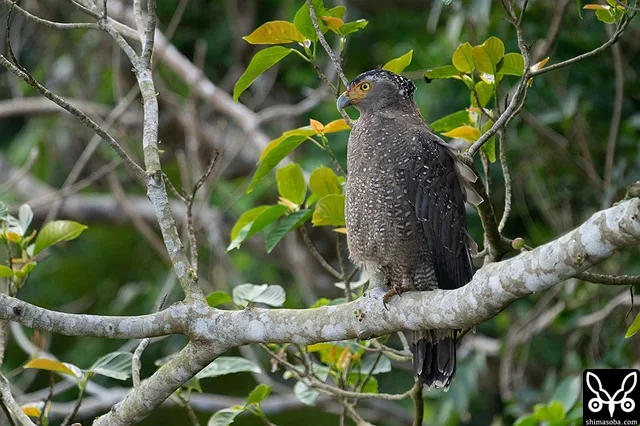
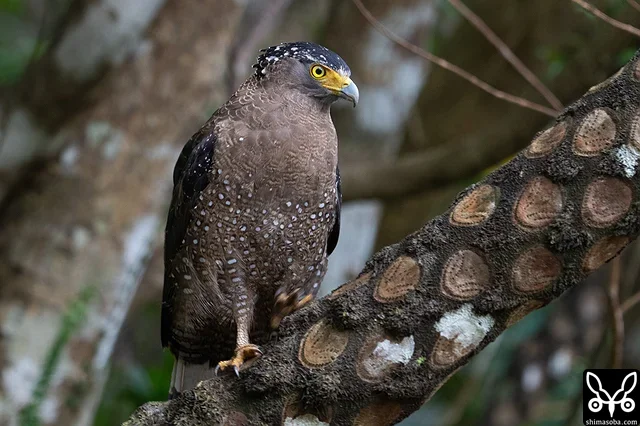
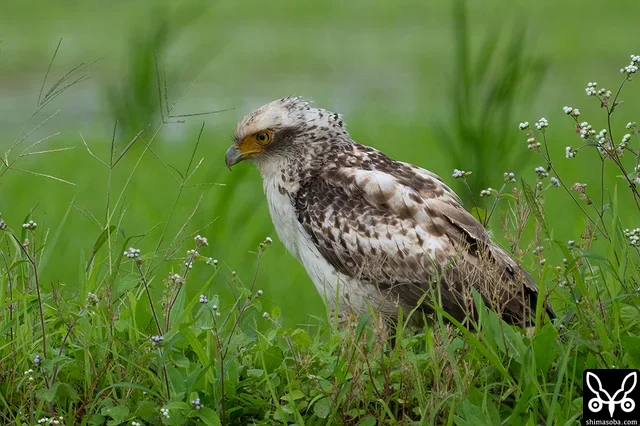
  7. A Crested Serpent Eagle juvenile that caught a frog in a drainage channel.
    Crested Serpent Eagle
  8. 2
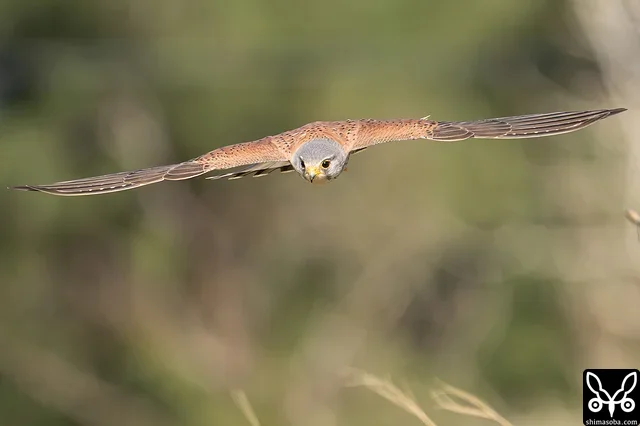
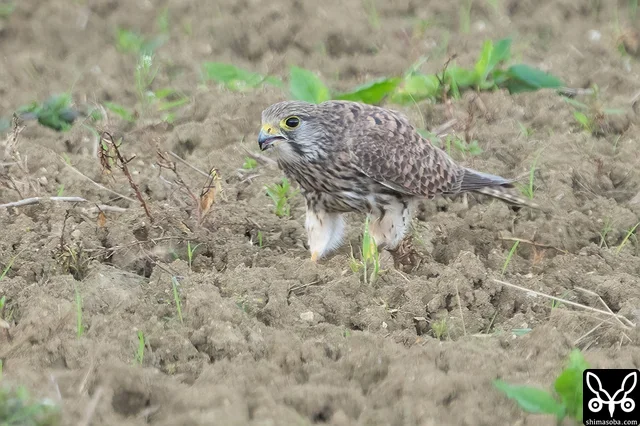
    It was a relatively unwary individual — when I put up a blind and watched, it sometimes hunted right in front of me.
    Common Kestrel
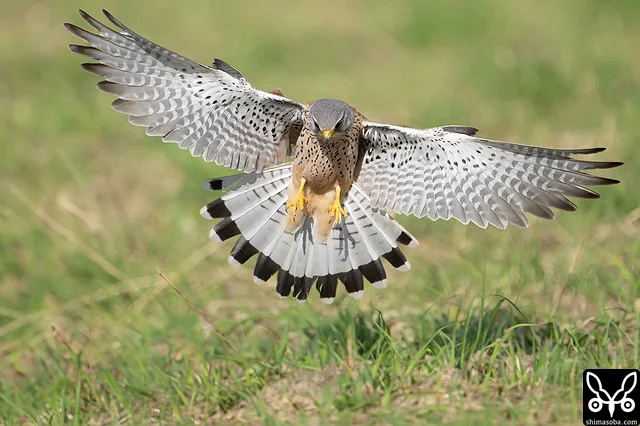
  9. A Common Kestrel hunting over a pasture. It was catching mole crickets and grasshoppers.
    Common Kestrel
  10. Juvenile Crested Serpent Eagle eating prey. No idea what it was eating….
    Crested Serpent Eagle
  11. 3
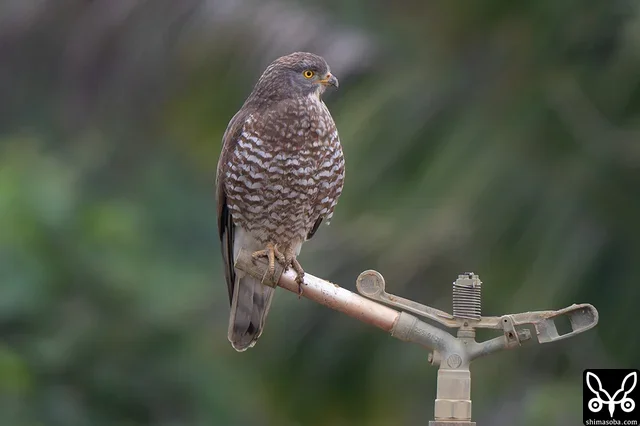
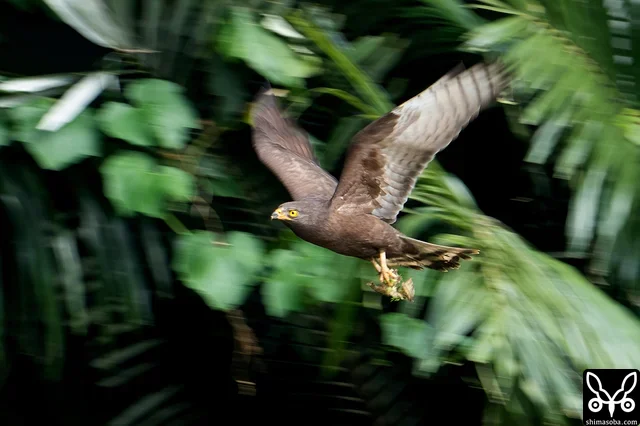
    A wintering Grey-faced Buzzard. A male.
    Grey-faced Buzzard
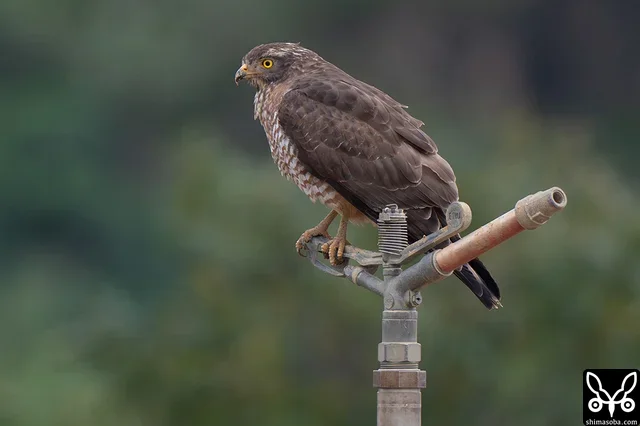
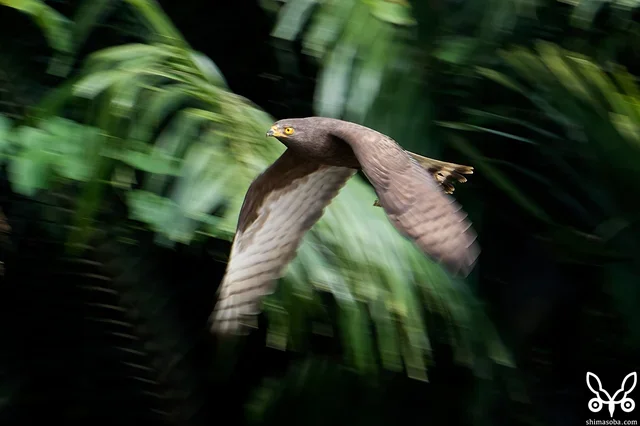
  12. This one is a female Grey-faced Buzzard.
    Grey-faced Buzzard
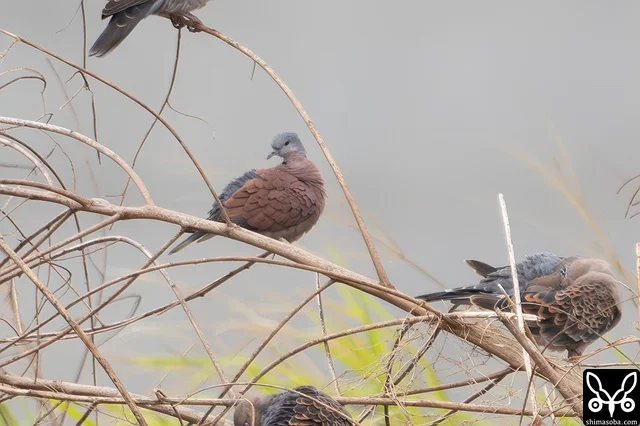
  13. The male Pink-necked Green Pigeon was mixed in with a flock of Oriental Turtle Doves. A familiar sight on Ishigaki-jima.
    Eurasian Collared Dove
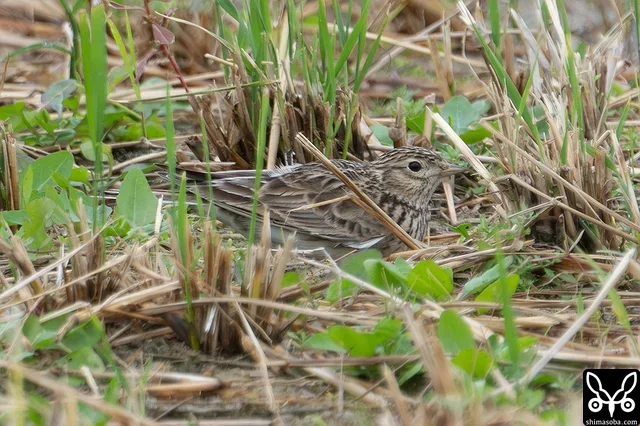
  14. Eurasian Skylark is a rare visitor not only to Ishigaki-jima but across Okinawa as a whole. While watching a flock of Red-throated Pipits I heard a call, so I searched from one end and found it.
    Eurasian Skylark
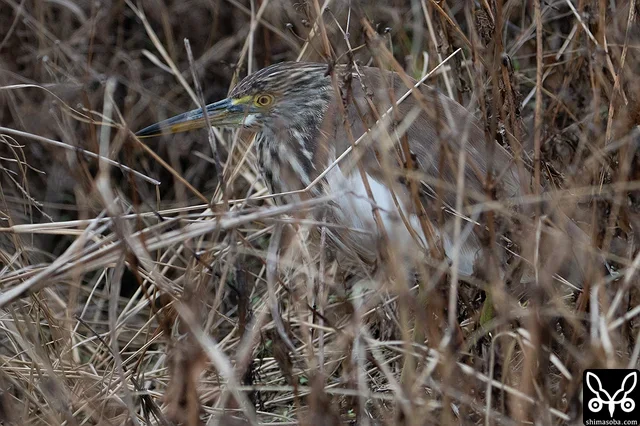
  15. A Chinese Pond Heron that has been wintering since last year. At least two are in the same paddy field.
    Chinese Pond Heron
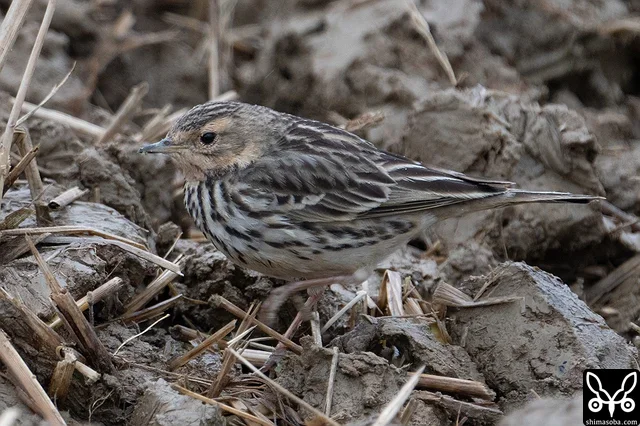
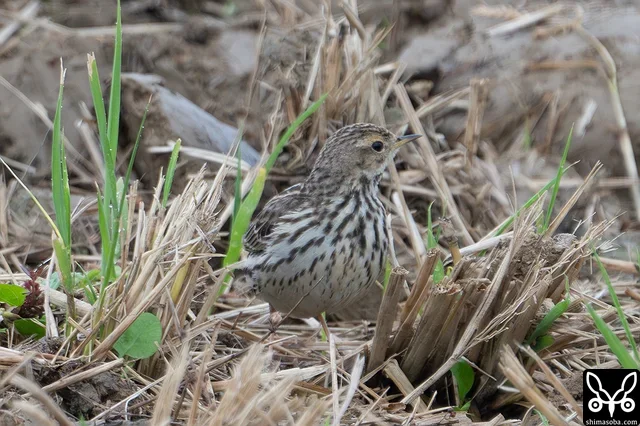
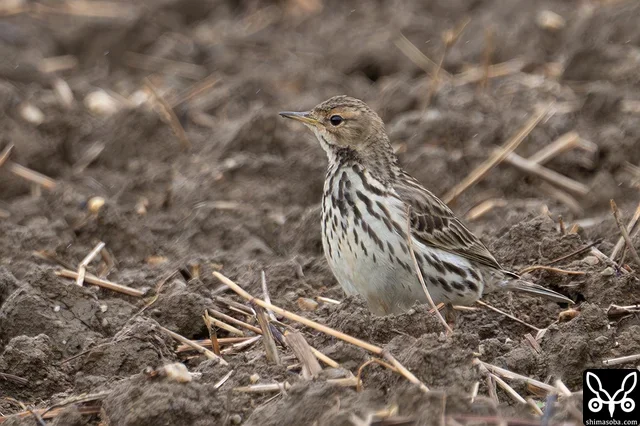
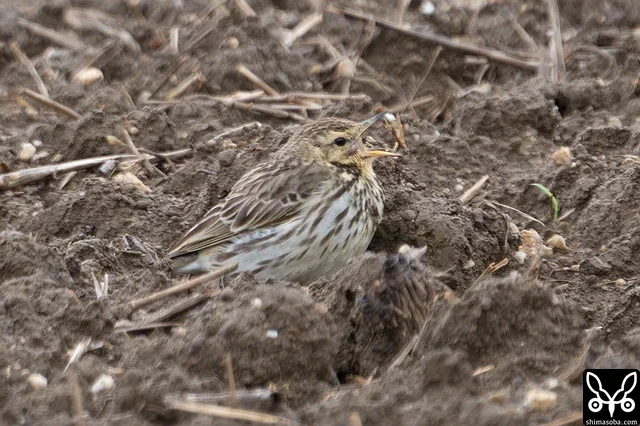
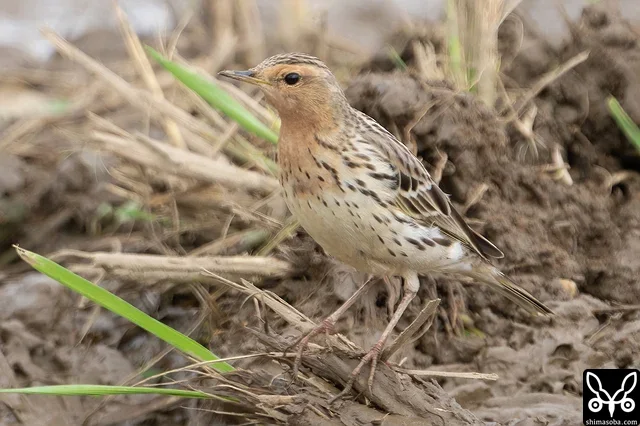
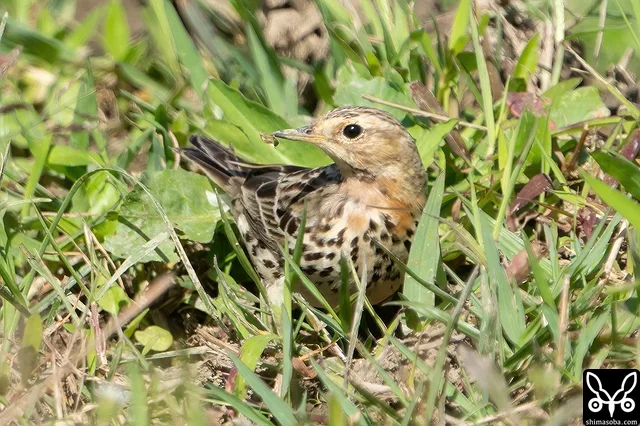
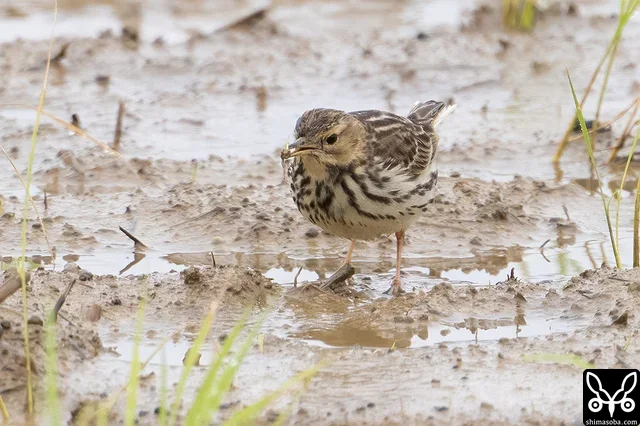
  16. They are in various stages of moult, and many individuals still show strong reddish tones.
    Red-throated Pipit
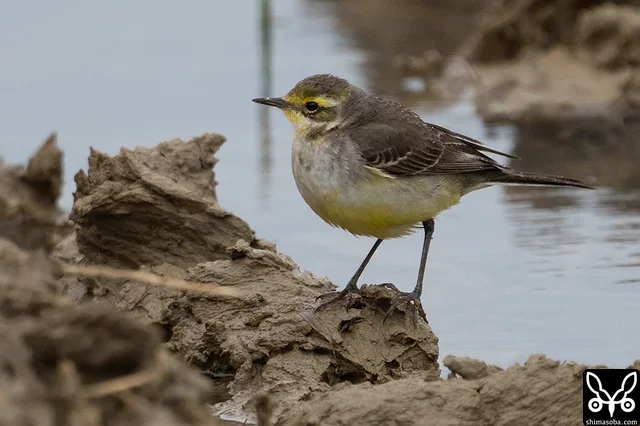
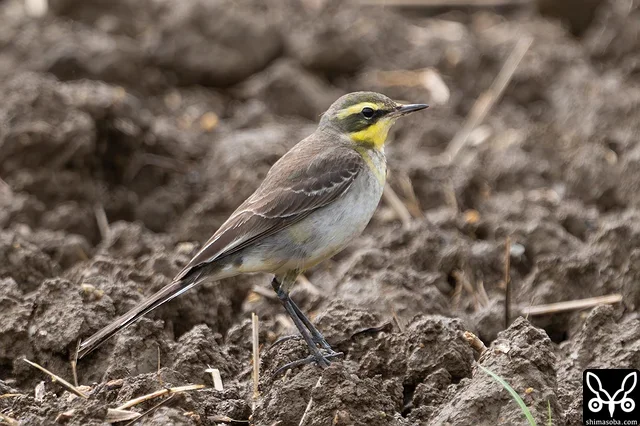
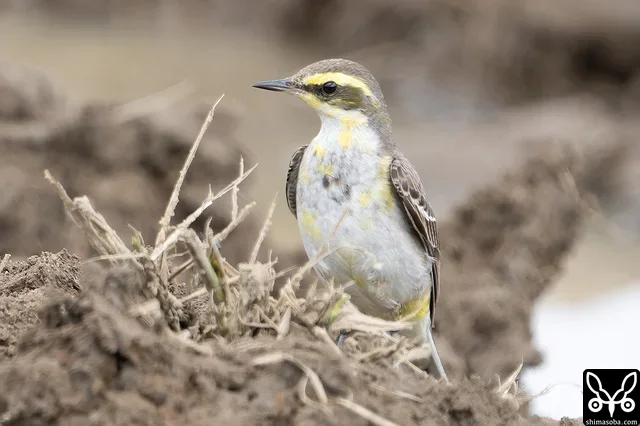
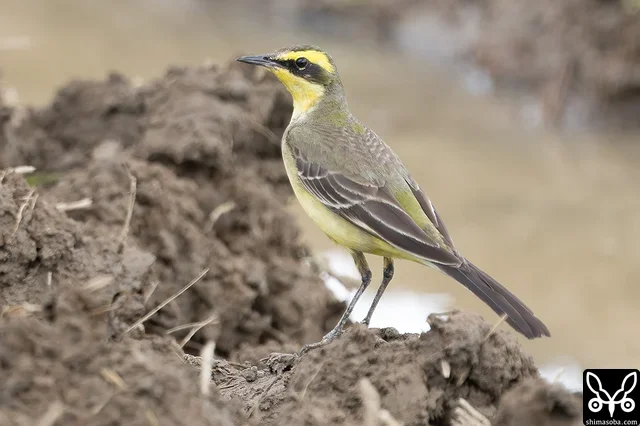
  17. Eastern Yellow Wagtail, first-winter. About 20 of these were moving together with the Red-throated Pipits.
    Eastern Yellow Wagtail
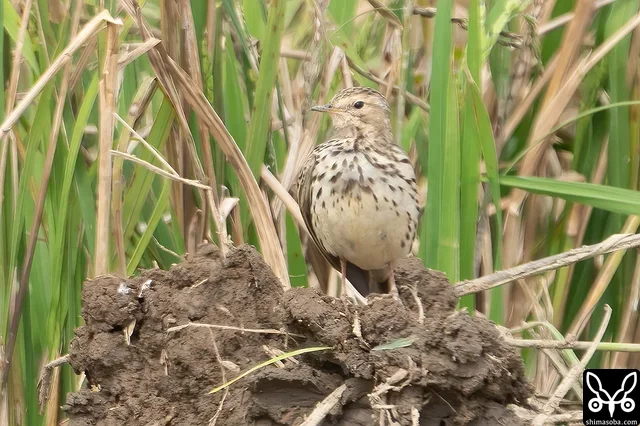
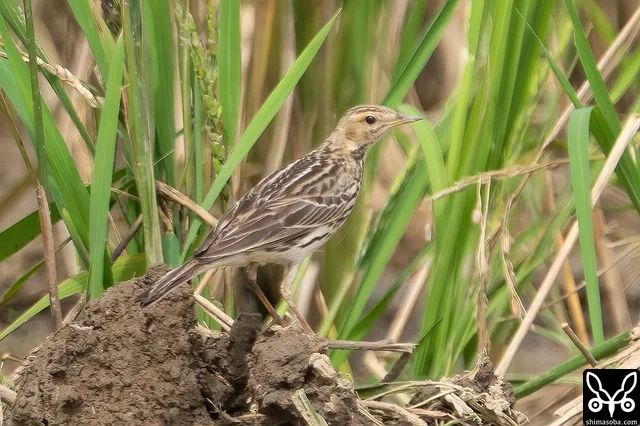
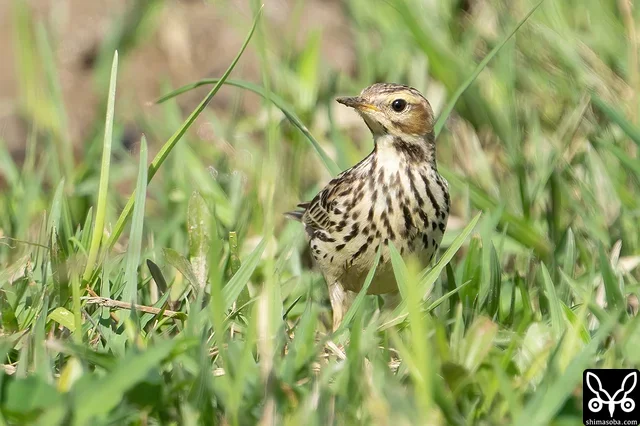
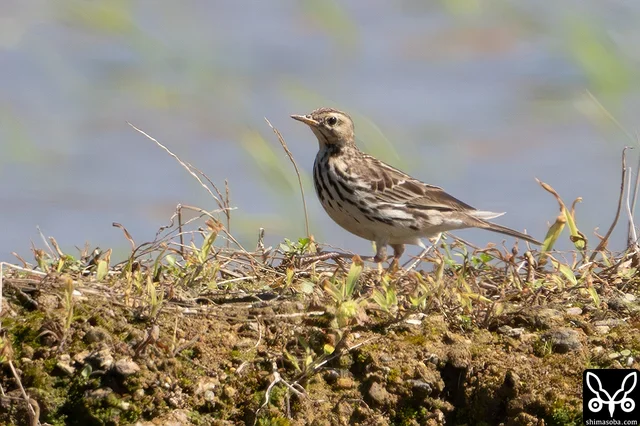
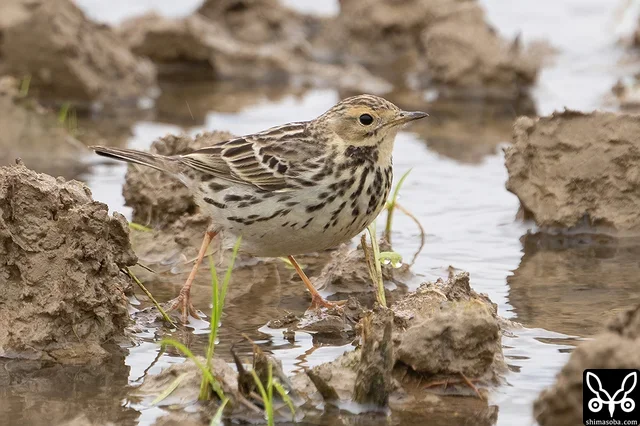
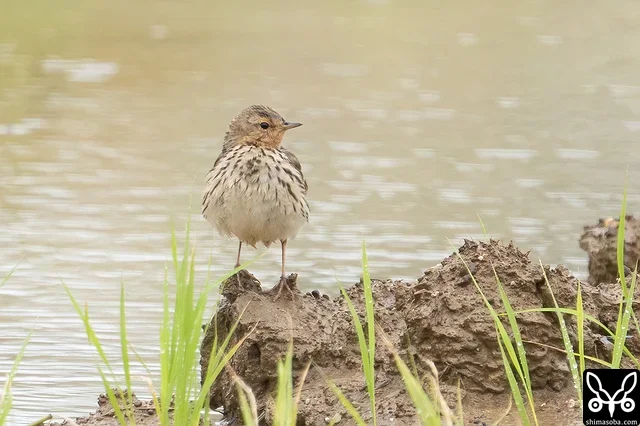
  18. Around 50 Red-throated Pipits are currently staying.
    Red-throated Pipit
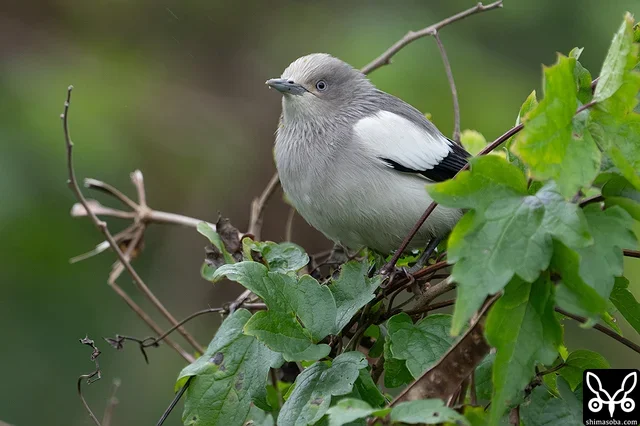
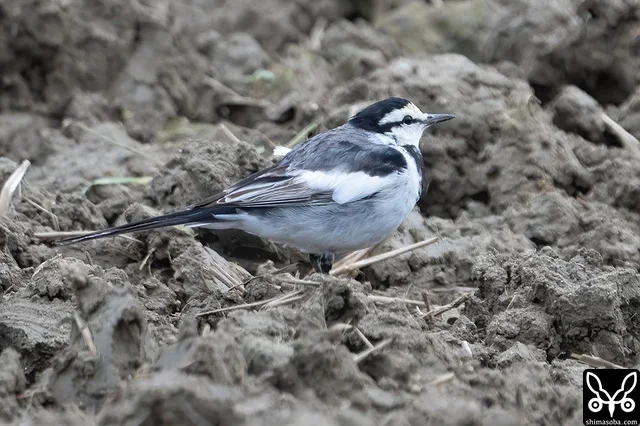
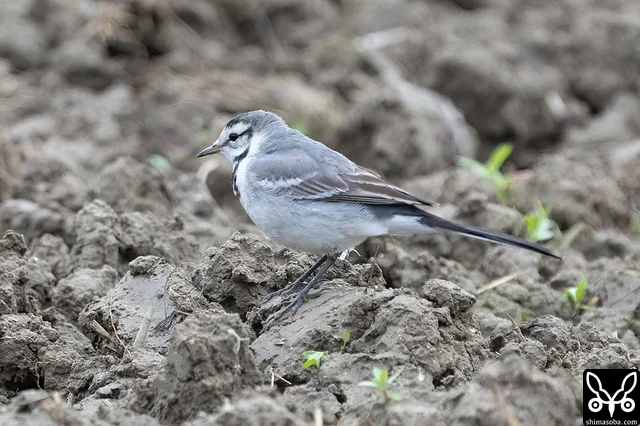
  19. This one is the male.
    White-shouldered Starling
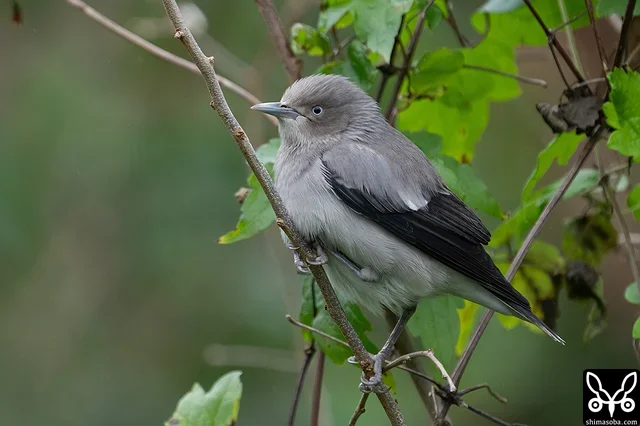
  20. A female Daurian Starling appeared right in front of me.
    White-shouldered Starling
  21. 4
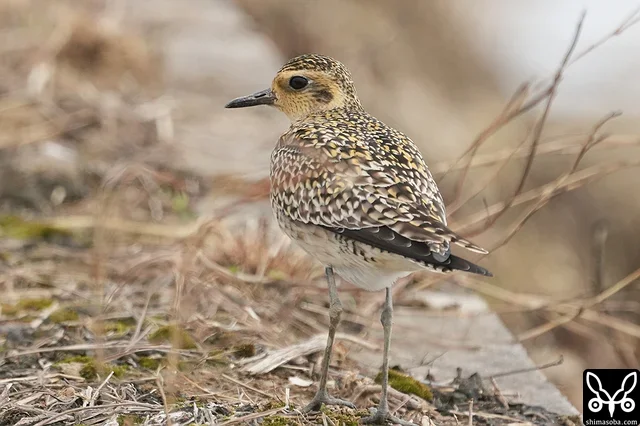
    Pacific Golden Plovers recorded in rice paddies and sugarcane fields. These too don't build up until April.
    Pacific Golden Plover
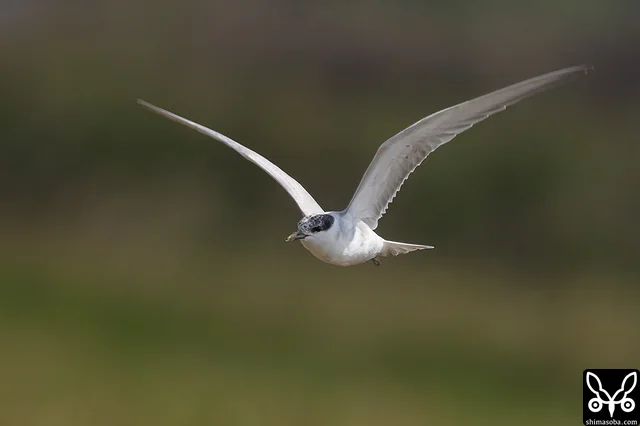
  22. White-winged Tern in winter plumage. Numbers increase sharply come April.
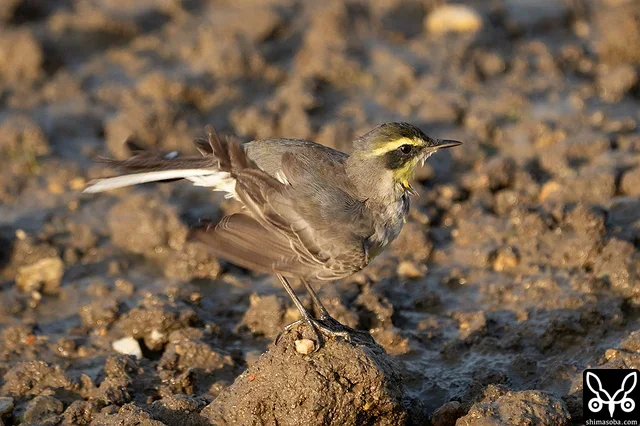
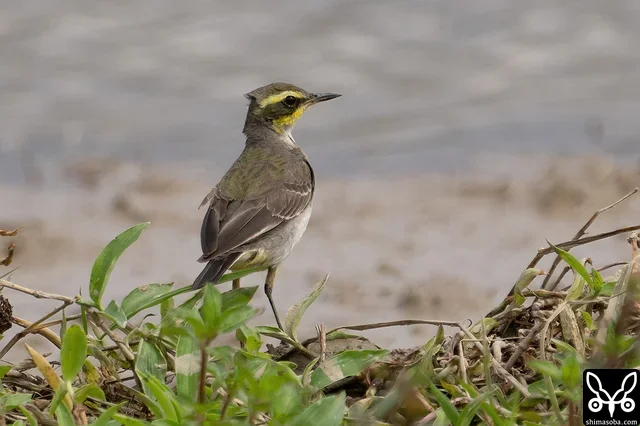
    Whiskered Tern
  23. 5
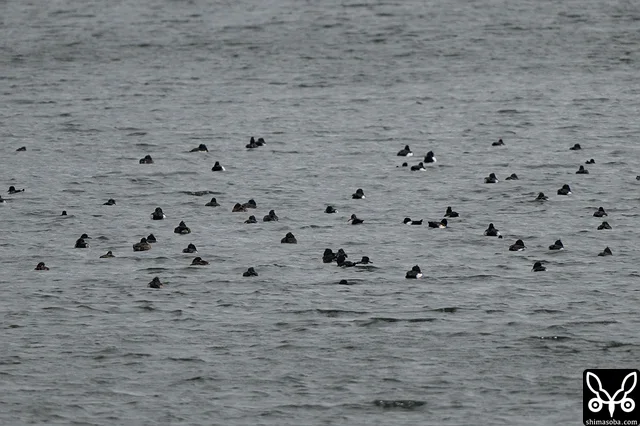
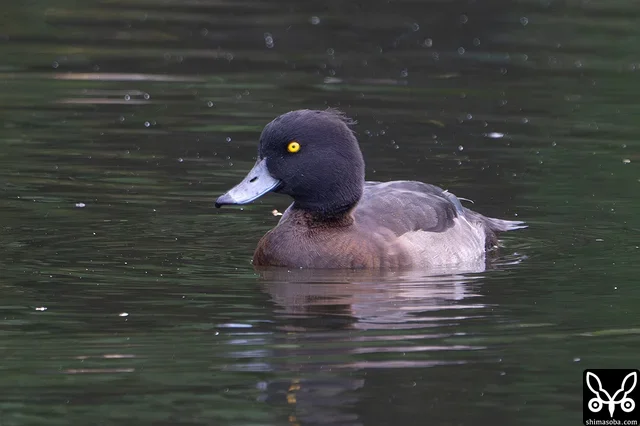
    Tufted Ducks winter here in large numbers every year. `Last year a Baer's Pochard was mixed in among them <https://shimasoba.com/blog/2463/>`_, but none has been found this season.
    Tufted Duck
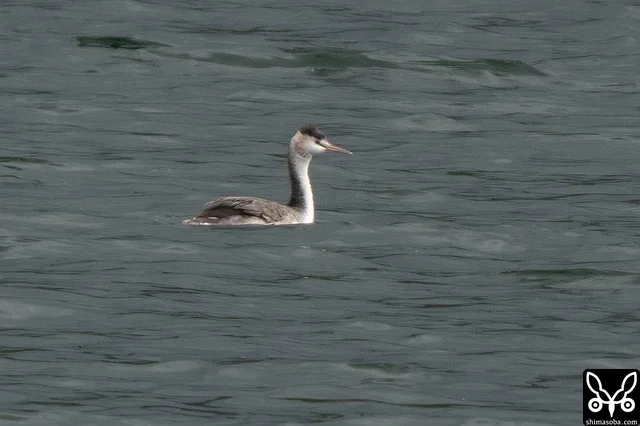
  24. A Great Crested Grebe, an uncommon bird on Ishigaki Island.
    Great Crested Grebe
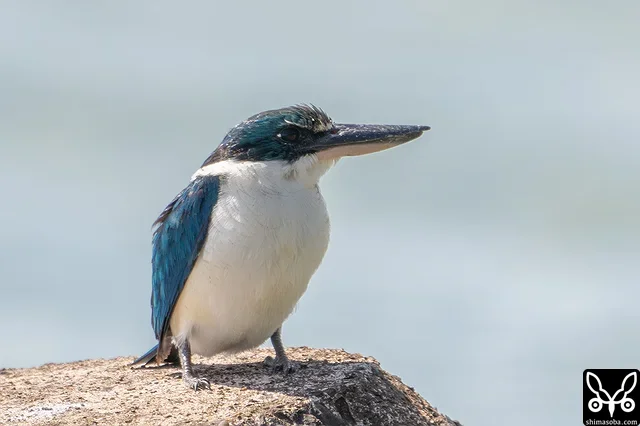
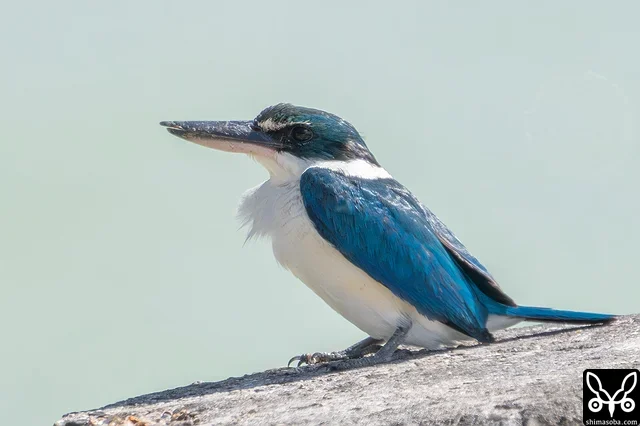
  25. Daurian Starlings visiting my workplace. At peak times a flock of around 30 will come by.
    White-shouldered Starling
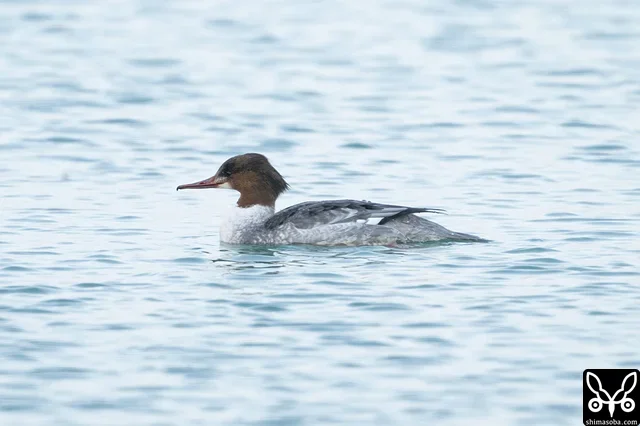
  26. It was out at sea, but a Common Merganser. Male, 1st-winter.
    Common Merganser
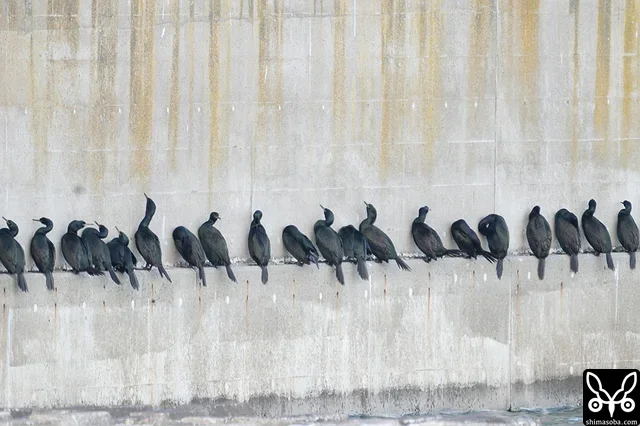
  27. I spotted a cormorant flock and thought I'd see if there were any Pelagic Cormorants among them — but they were all Pelagic Cormorants. They seem to be using it as a roost; there were nearly 200 birds.
    Pelagic Cormorant
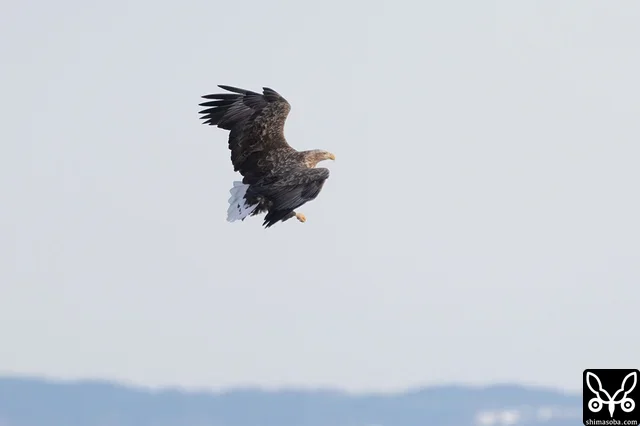
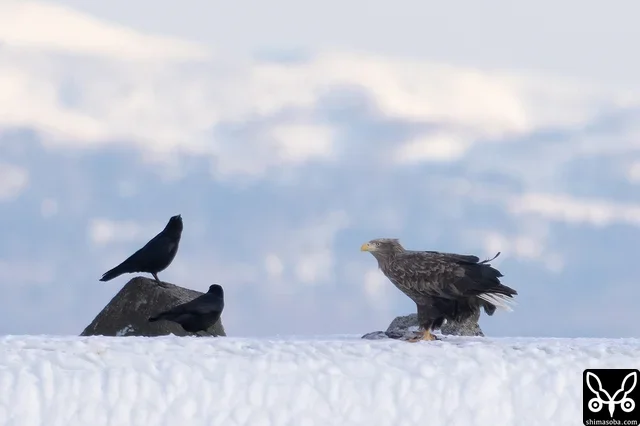
  28. Adult White-tailed Eagle.
    White-tailed Eagle
  29. Adult White-tailed Eagle with Kunashir Island in the background.
    White-tailed Eagle
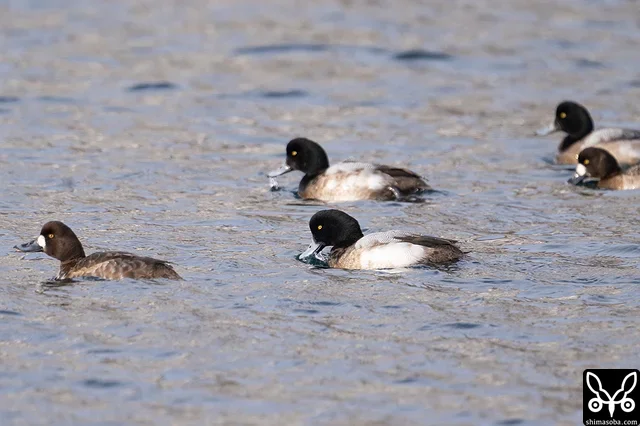
  30. There were plenty of Greater Scaup too. They're in the rarity category for Okinawa.
    Greater Scaup
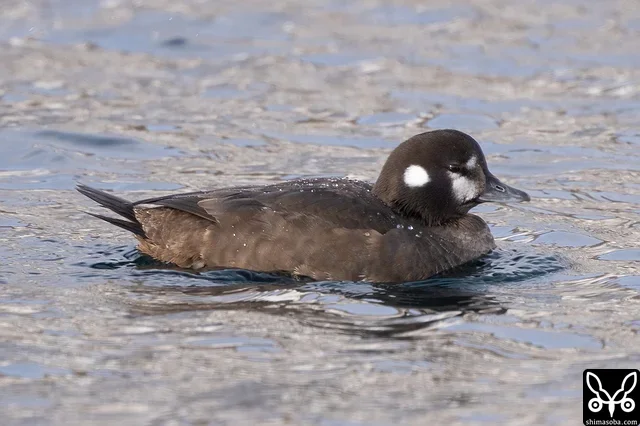
  31. A female Harlequin Duck floating in the fishing harbour.
    Harlequin Duck
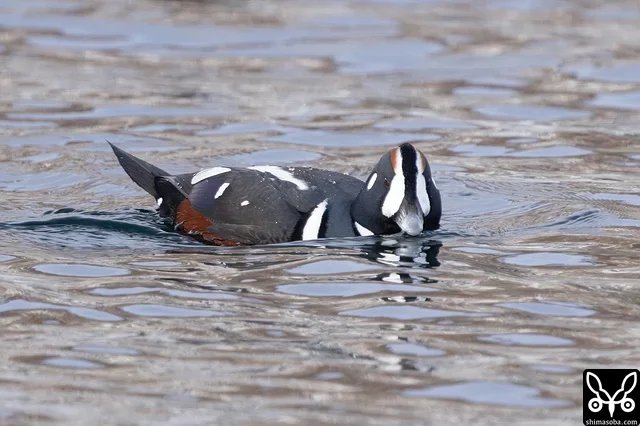
  32. Adult male Harlequin Duck.
    Harlequin Duck
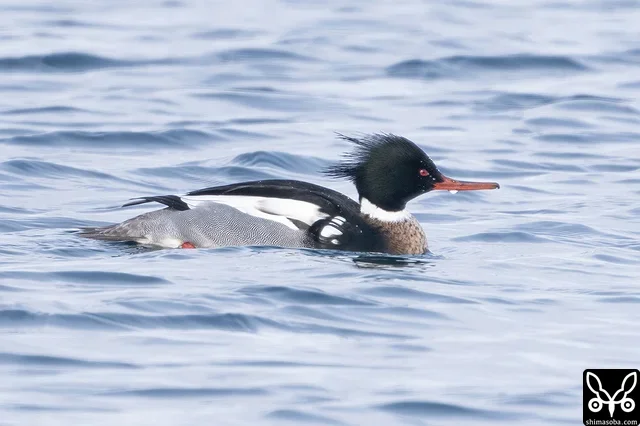
  33. Adult male Red-breasted Merganser.
    Red-breasted Merganser
  34. 6
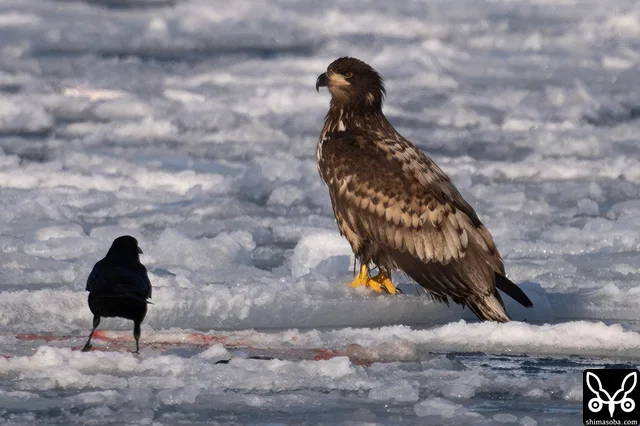
    Juvenile White-tailed Eagle on ice that had collected inside the harbour.
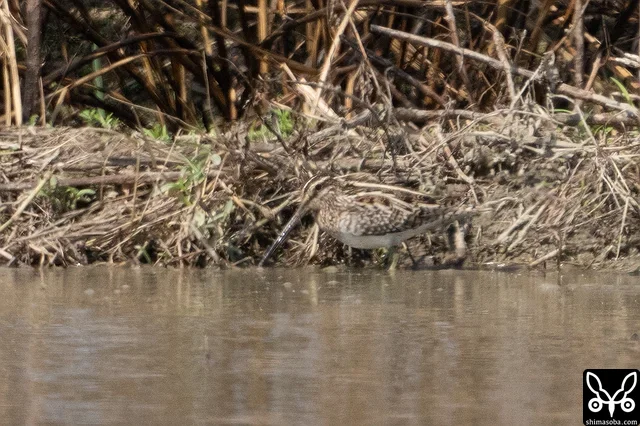
    White-tailed Eagle
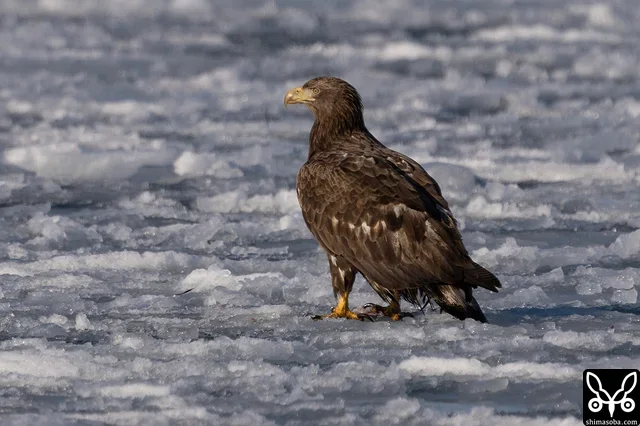
  35. Young White-tailed Eagle. 4W perhaps.
    White-tailed Eagle
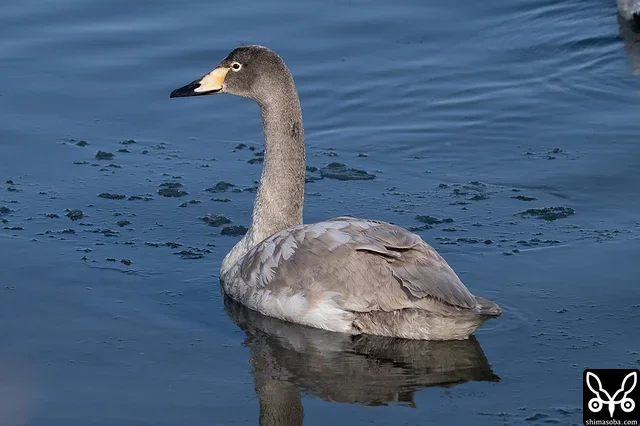
  36. There were a few juveniles as well.
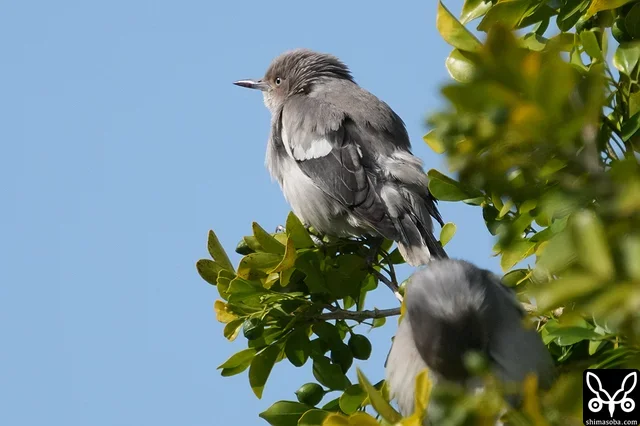
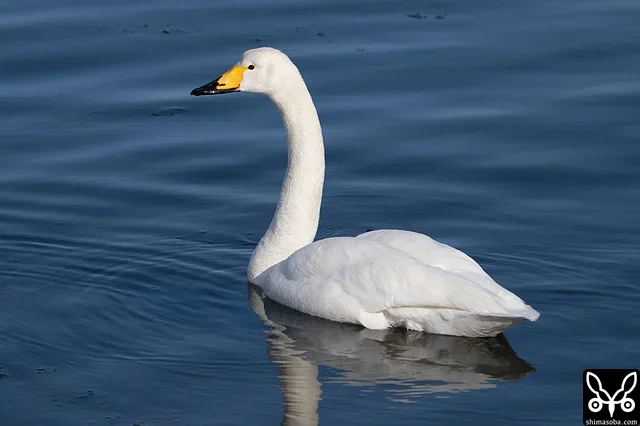
    Whooper Swan
  37. A Whooper Swan on an unremarkable stretch of coast. It came right up to me, so it's probably been fed by people. ^^;
    Whooper Swan
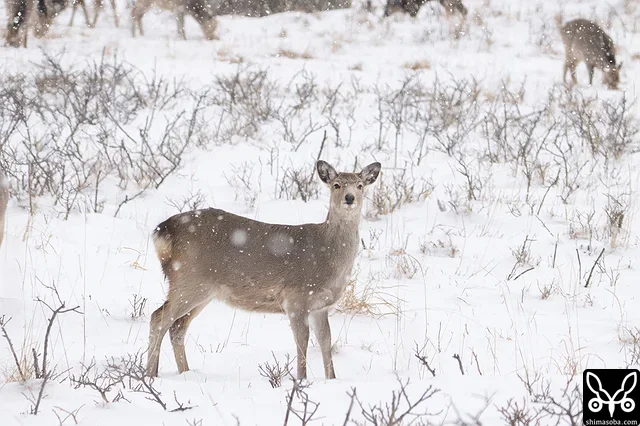
  38. Hokkaido Sika Deer were everywhere. The males and females seemed to be in separate groups.
    Deer
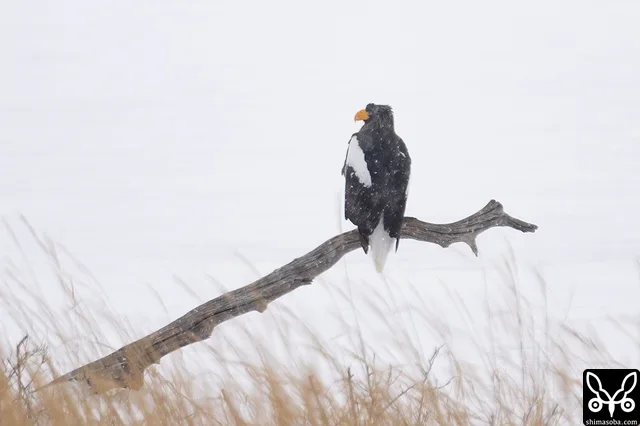
  39. Adult Steller's Sea Eagle at the Notsuke Peninsula.
    Steller's Sea Eagle
  40. 9
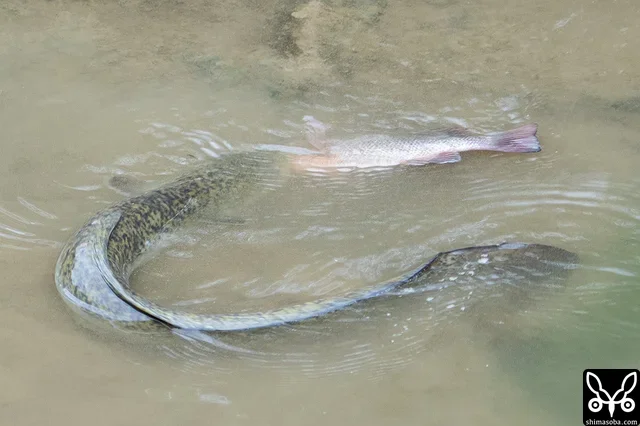
    While watching the Collared Kingfisher, a Giant Mottled Eel was eating what appeared to be a tilapia.
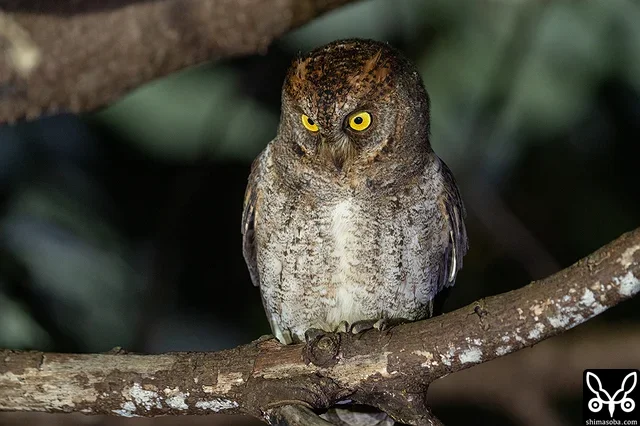
    Giant Mottled Eel
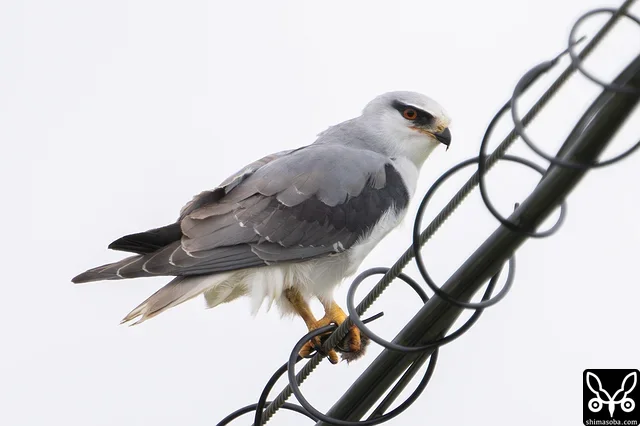
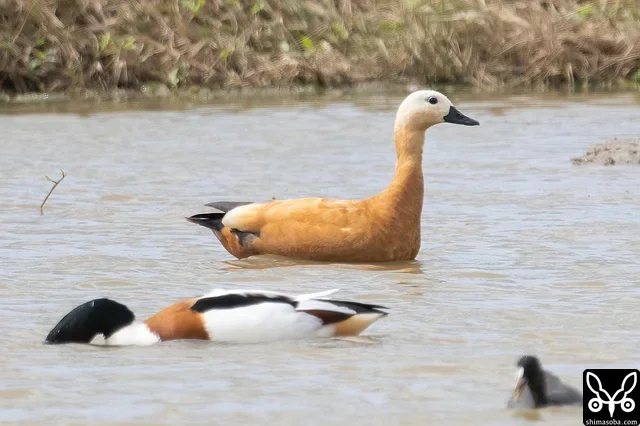
  41. Black-winged Kites on Ishigaki-jima breed multiple times a year, so I'm not sure what to call the season, but this individual is in the process of moulting out of juvenile plumage.
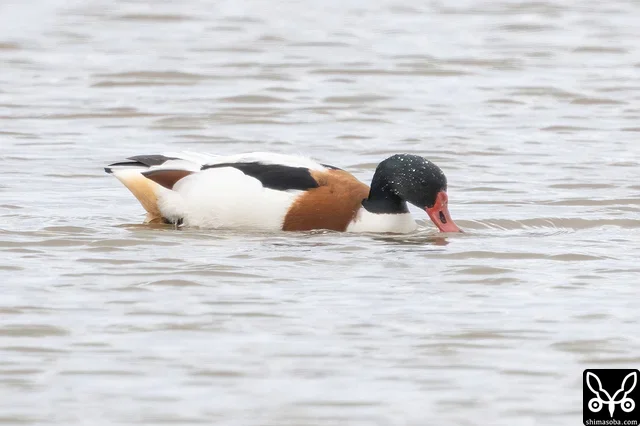
    Black-winged Kite
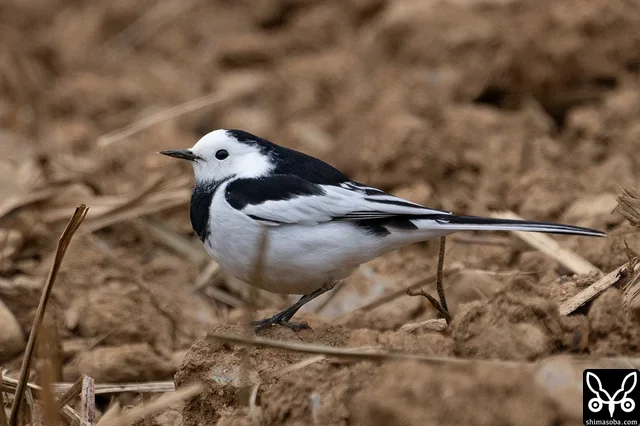
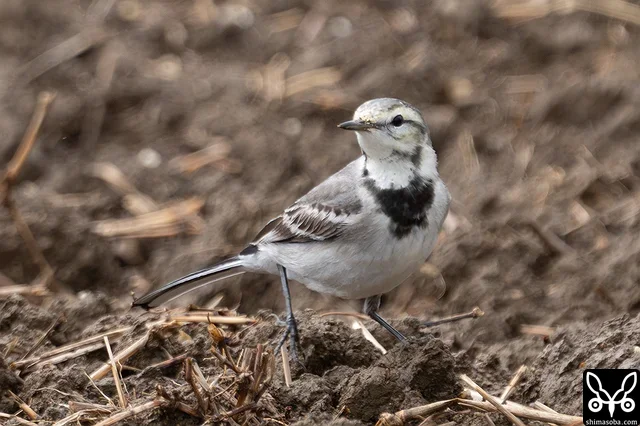
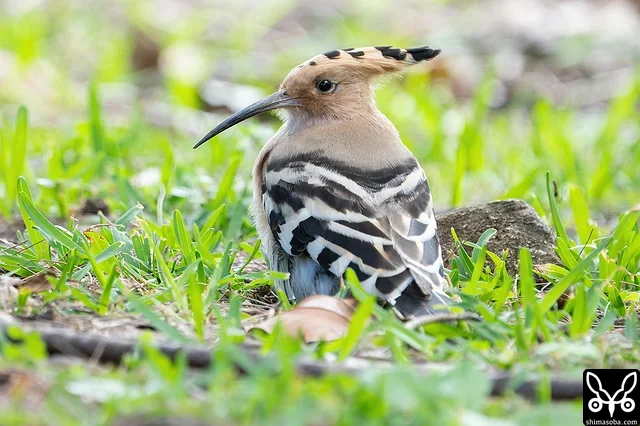
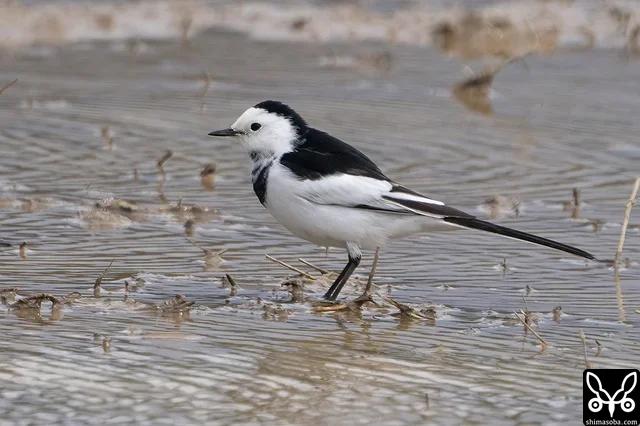
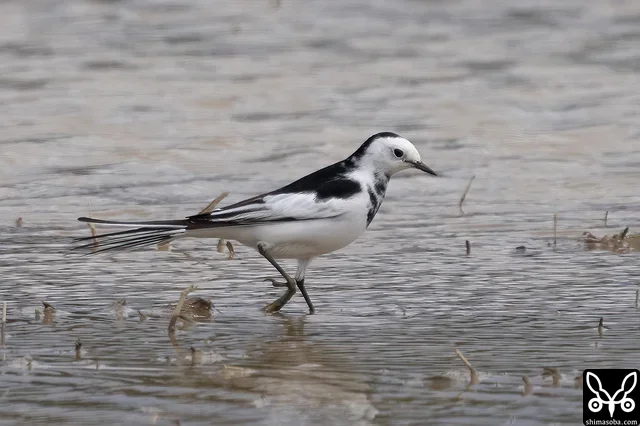
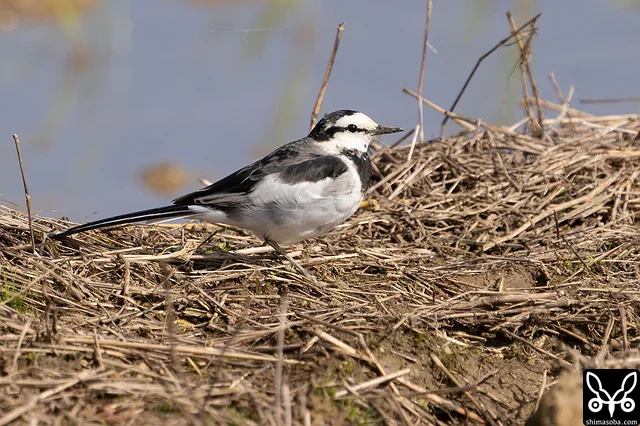
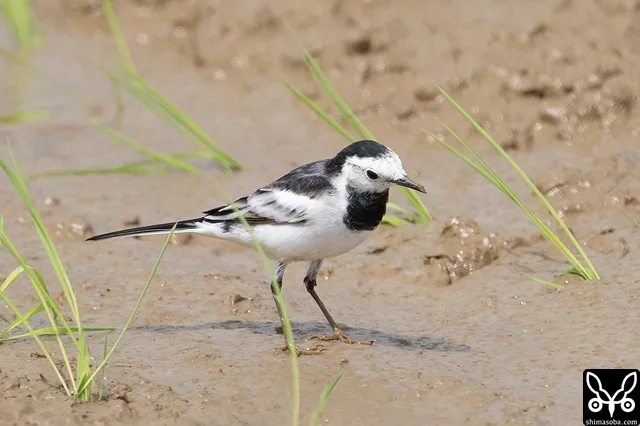
  42. A male White Wagtail of the leucopsis type. The season has come when I start seeing White Wagtails passing through on migration as well.
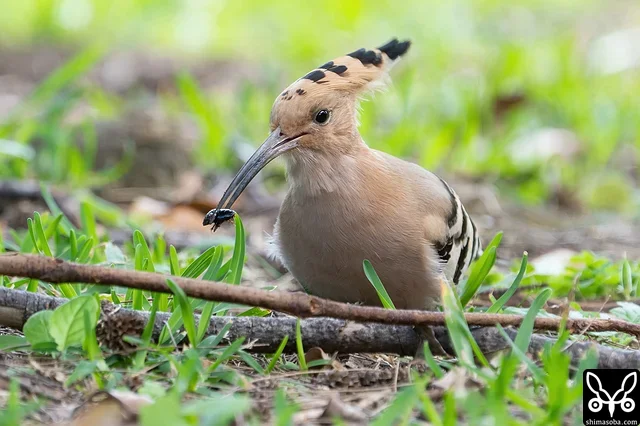
    White Wagtail
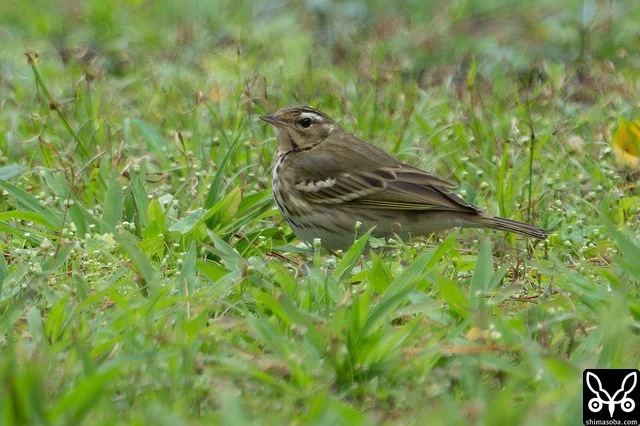
  43. A Tree Pipit I finally managed to photograph. There are several around my house, but they are so wary I haven't been able to get a shot.
    Olive-backed Pipit
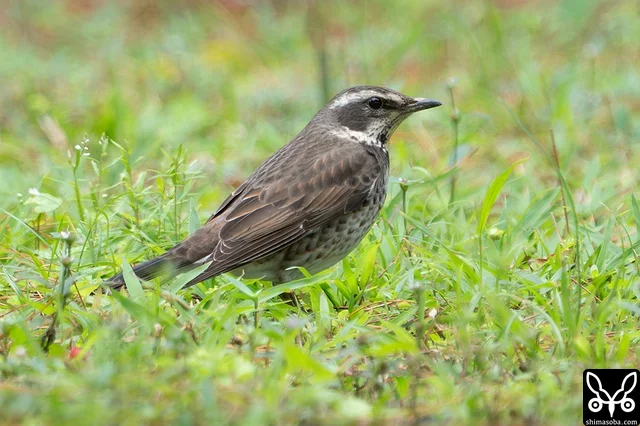
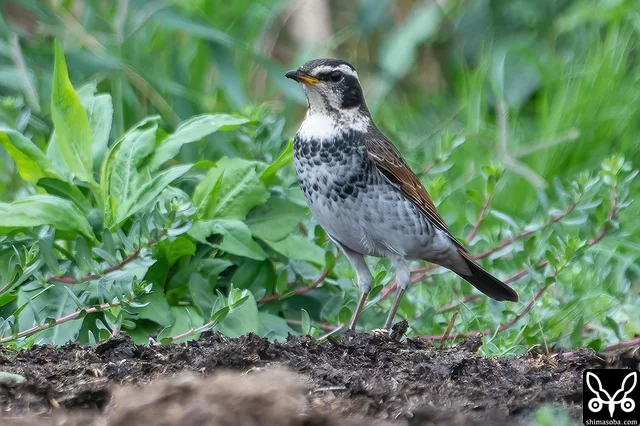
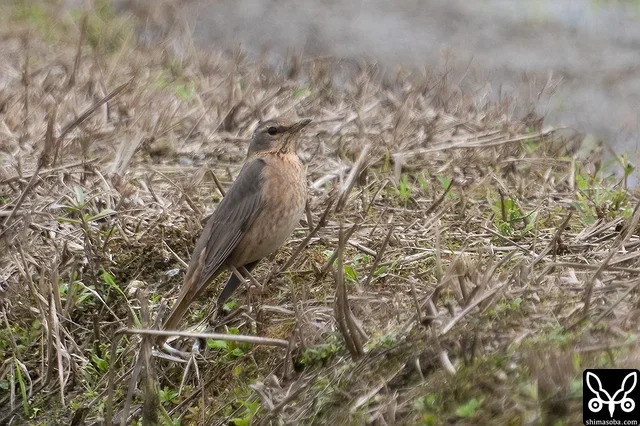
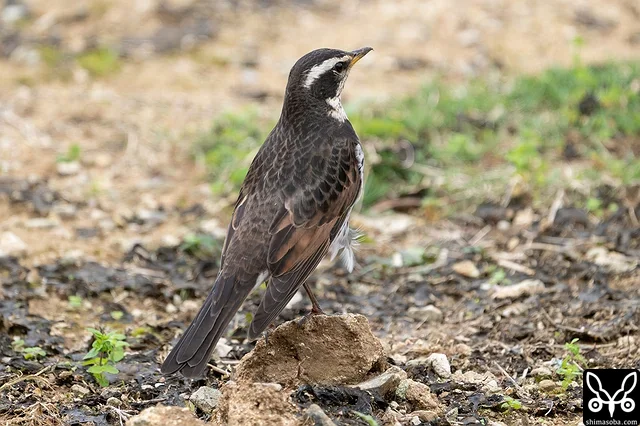
  44. Adult female Dusky Thrush. A Naumann's Thrush is also wintering at another site, but thrushes in general are scarce this winter.
    Dusky Thrush
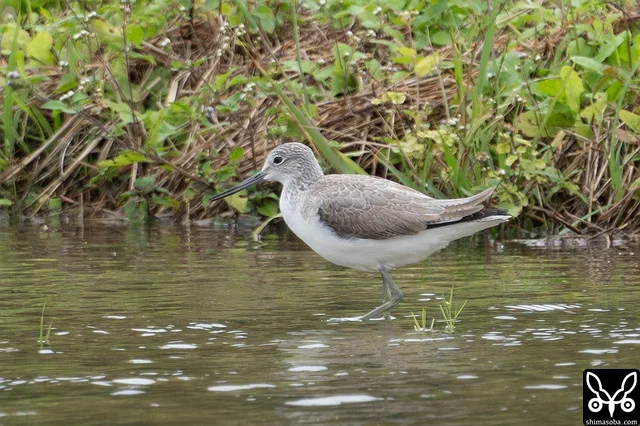
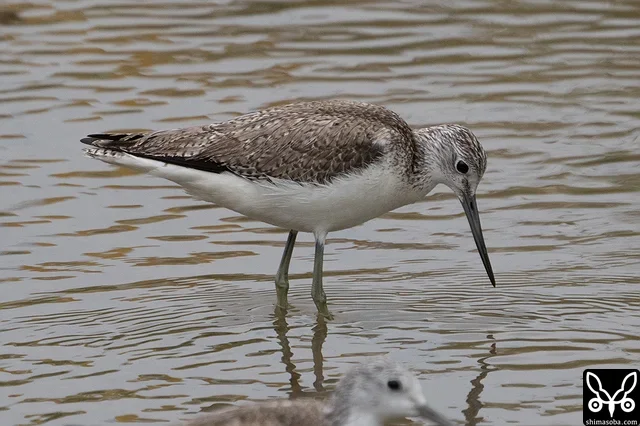
  45. First-winter Common Greenshank.
    Common Greenshank
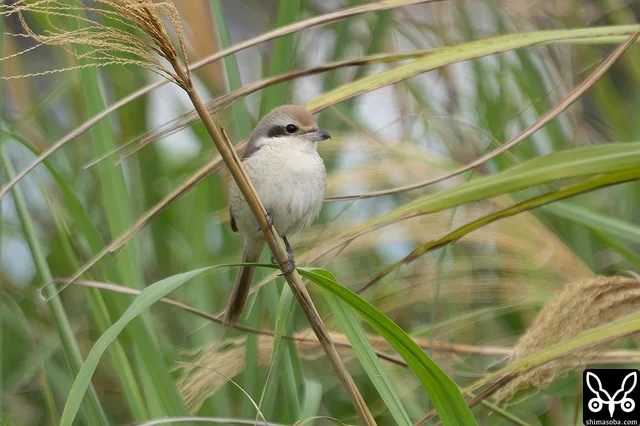
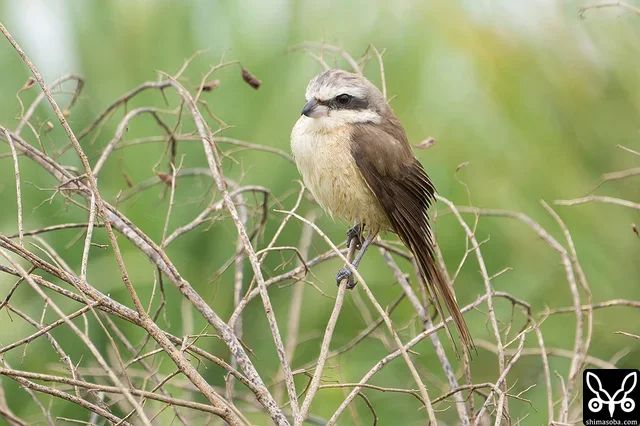
  46. First-winter female Brown Shrike.
    Isabelline Shrike
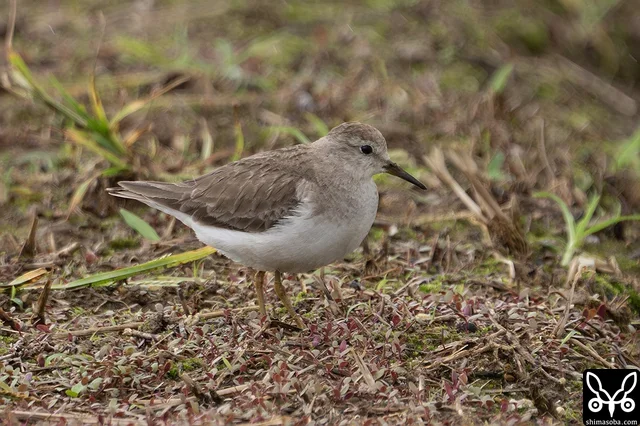
  47. First-winter Temminck's Stint.
    Temminck's Stint
  48. A Red-throated Pipit with a slightly flushed face. It is keeping a wary eye on a nearby Common Kestrel.
    Red-throated Pipit
  49. When the weather turns rough, Red-throated Pipits — normally very wary — become easier to observe.
    Red-throated Pipit
  50. Yellow Wagtail (superciliosa), first-winter.
    Eastern Yellow Wagtail
  51. Taiwan Wagtails are fewer than usual this season. White-faced Wagtails are more numerous than ever. Black-backed Wagtails are as always. A Masked Wagtail turned up on Okinawa main island, so I'm hoping for one on Ishigaki too… ^^;
    Eastern Yellow Wagtail
  52. 10
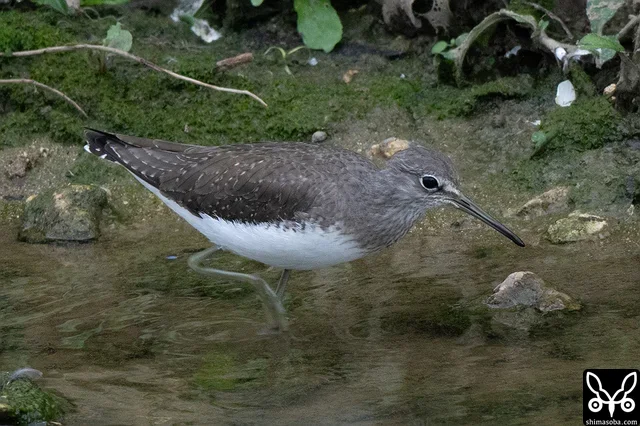
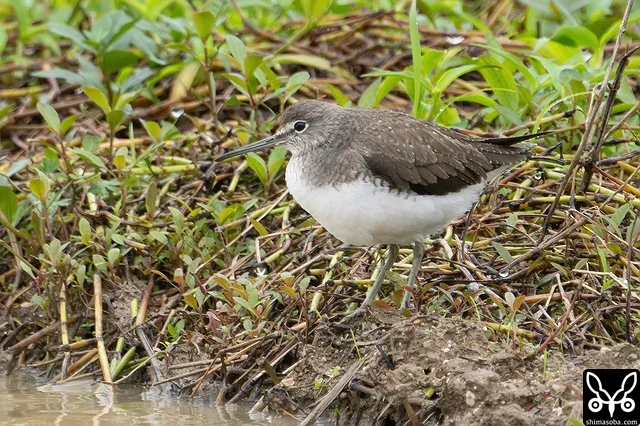
    Green Sandpipers are also wintering here.
    Green Sandpiper
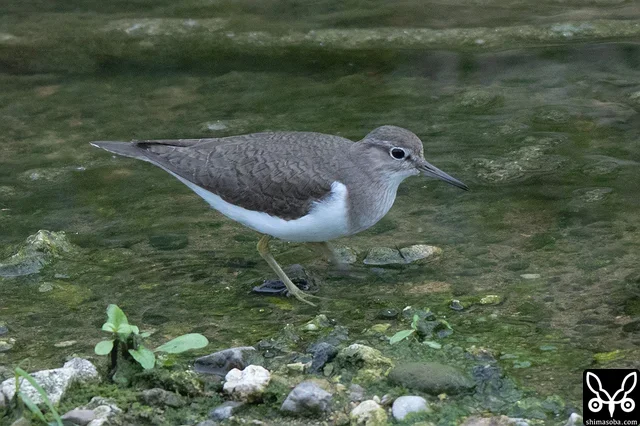
  53. Common Sandpipers seem to be around all year.
    Common Sandpiper
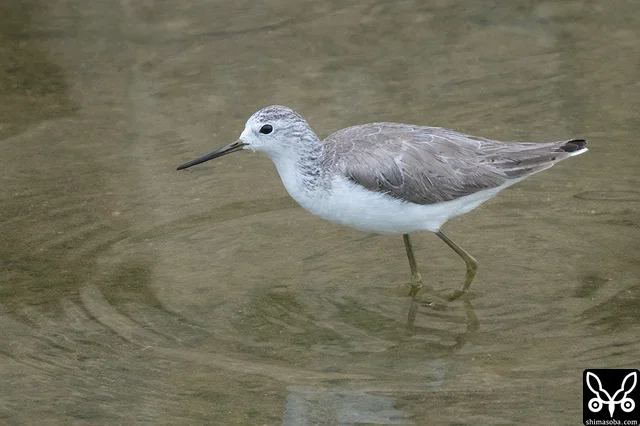
  54. A few Marsh Sandpipers are wintering here.
    Marsh Sandpiper
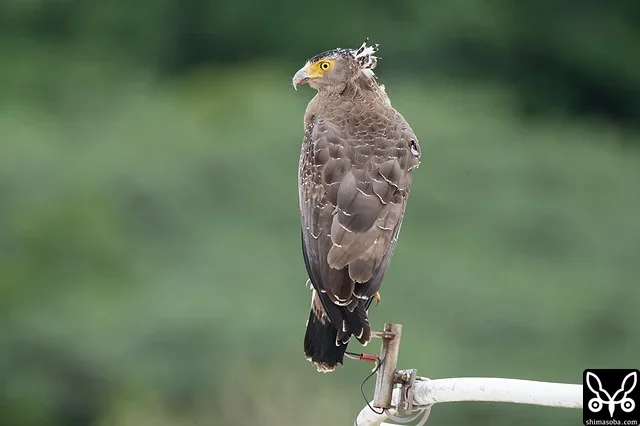
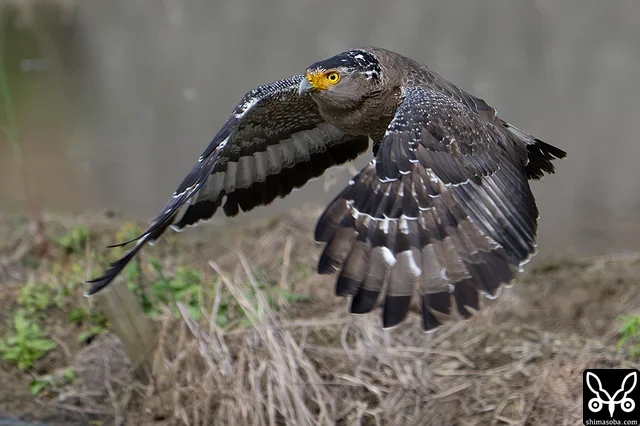
  55. The Crested Serpent Eagle has entered the breeding season and is moving around actively. You can hear territorial calls coming from all directions.
    Crested Serpent Eagle
  56. It is quite close, but because I am watching through gaps in the vegetation it is relaxed.
    Collared Kingfisher
  57. A Collared Kingfisher on a tetrapod. Perching on spots like this is probably why its tail feathers are so heavily worn.
    Collared Kingfisher
  58. White Wagtails were the most numerous.
    White Wagtail
  59. Taiwan White Wagtail, first-winter to summer plumage.
    Eastern Yellow Wagtail
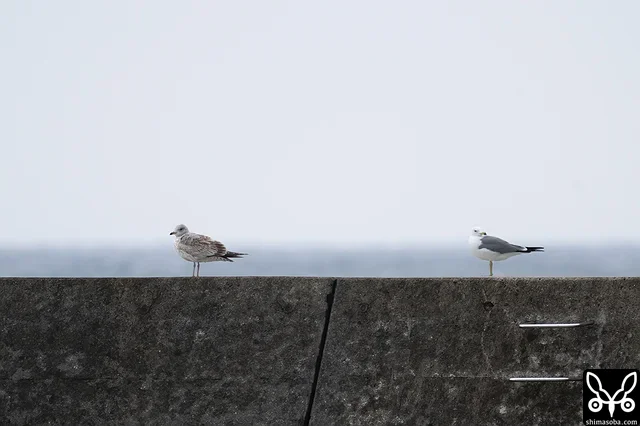
  60. Black-tailed Gulls at the fishing port. First-summer (left) and adult summer plumage. Black-tailed Gulls moult as fast as Kentish Plovers, don't they.
    Black-tailed Gull
  61. The familiar Common Kestrel.
    Common Kestrel
  62. A Crested Serpent Eagle eating a habu.
    Crested Serpent Eagle
  63. (Yellow-browed) Yellow Wagtail, first-winter to summer plumage.
    Eastern Yellow Wagtail
  64. (Yellow-browed) Yellow Wagtail.
    Eastern Yellow Wagtail
  65. A Red-throated Pipit moulting into summer plumage.
    Red-throated Pipit
  66. Preening calmly.
    Red-throated Pipit
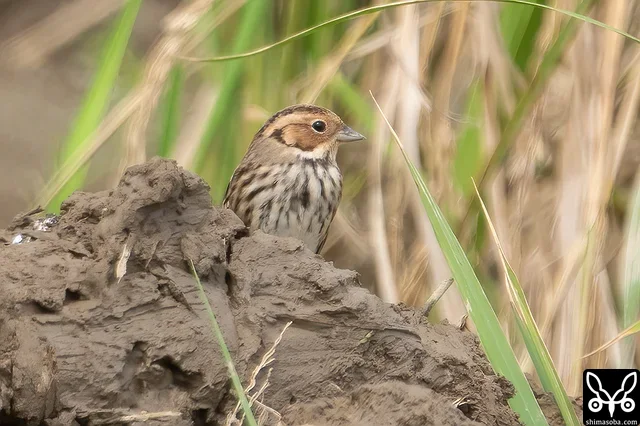
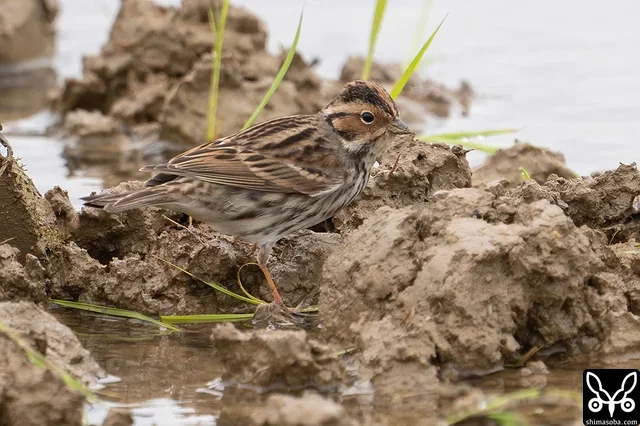
  67. A fair number of Little Buntings are wintering in the rice paddies on the island, but they're difficult to photograph.
    Little Bunting
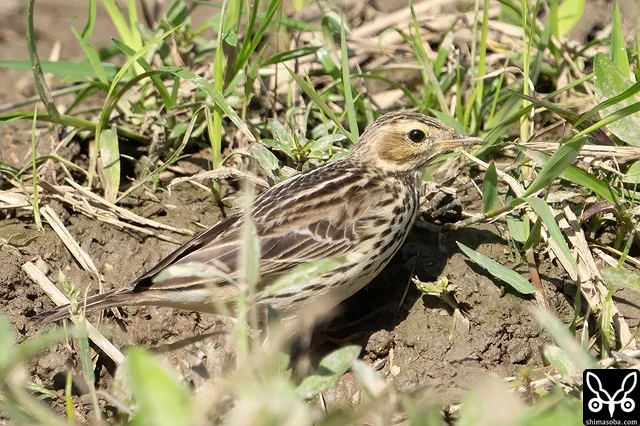
  68. Red-throated Pipit, first-winter plumage.
    Red-throated Pipit
  69. 11
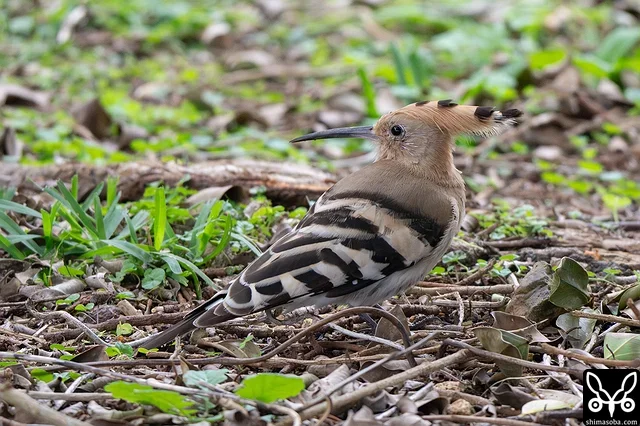
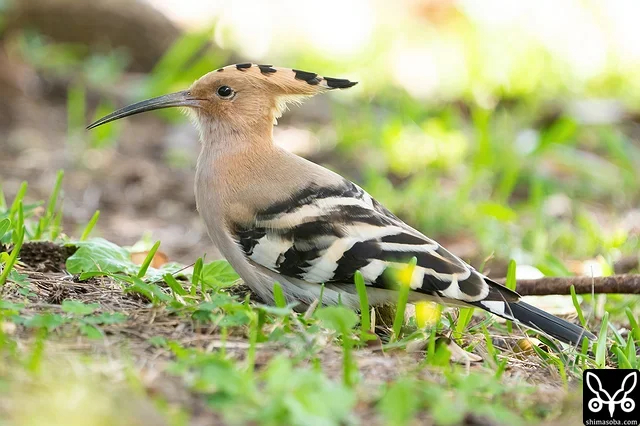
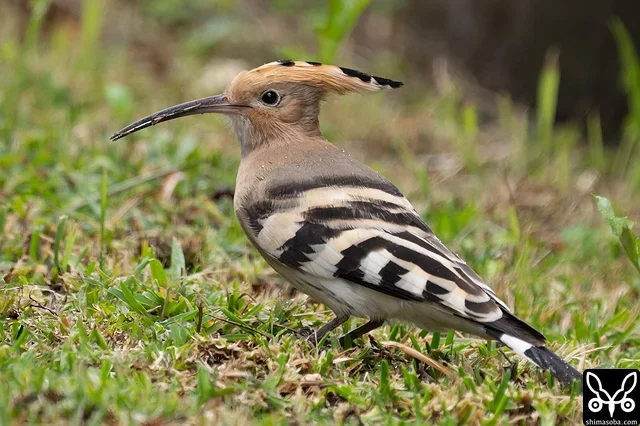
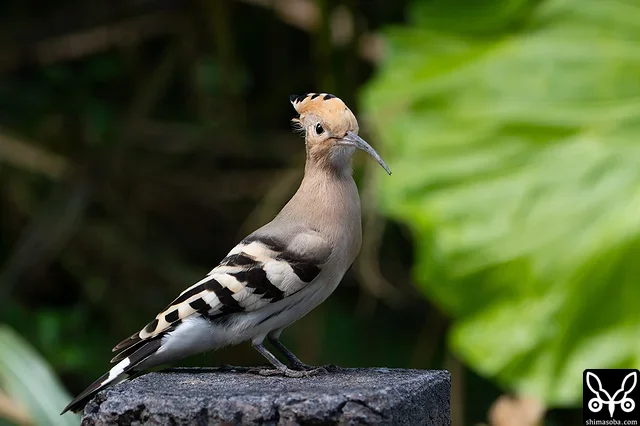
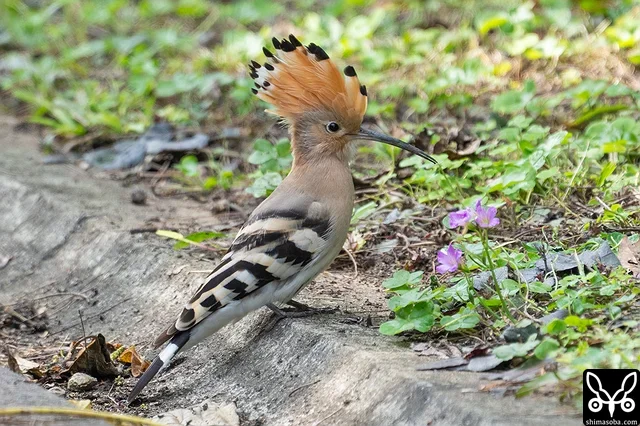
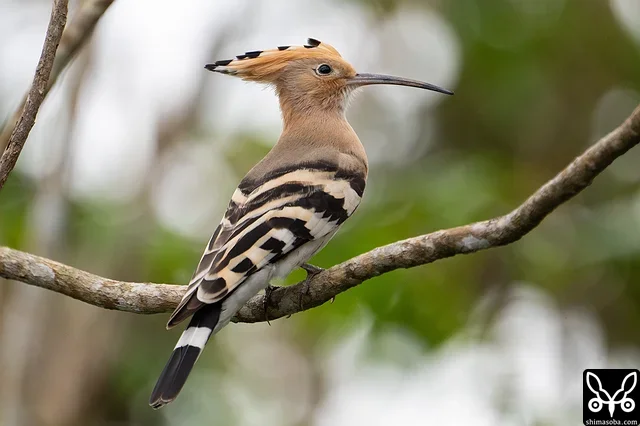
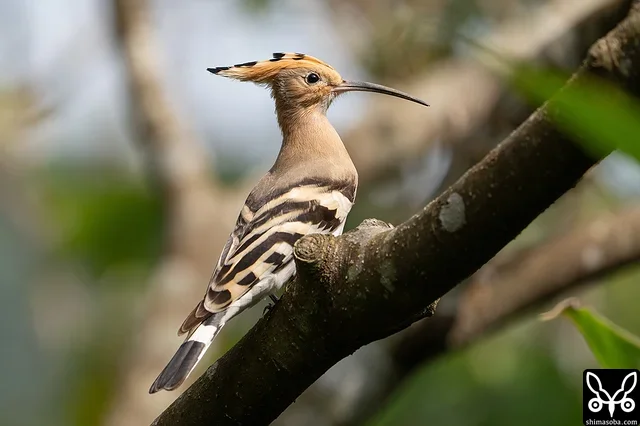
    A Eurasian Hoopoe that turned up a little early. There are good years every few years, but I have a feeling this season will see a large influx of Eurasian Hoopoes on Ishigaki Island.
    Eurasian Hoopoe
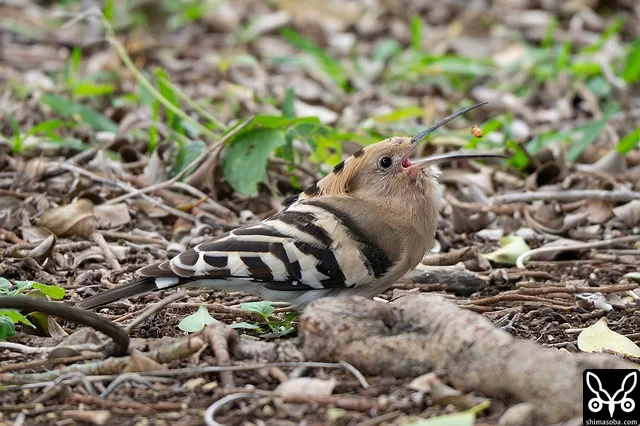
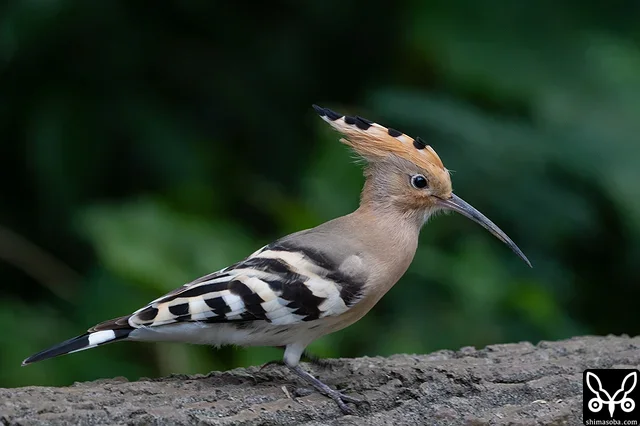
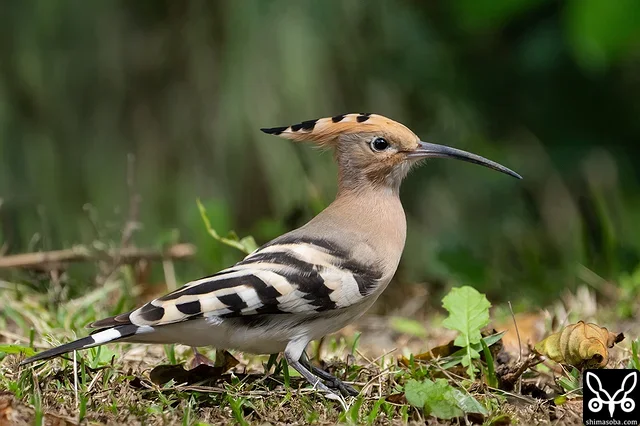
  70. Foraging for insects from the ground to fuel up. The Eurasian Hoopoe is quite the hearty eater — it puts away a considerable amount.
    Eurasian Hoopoe
  71. 12
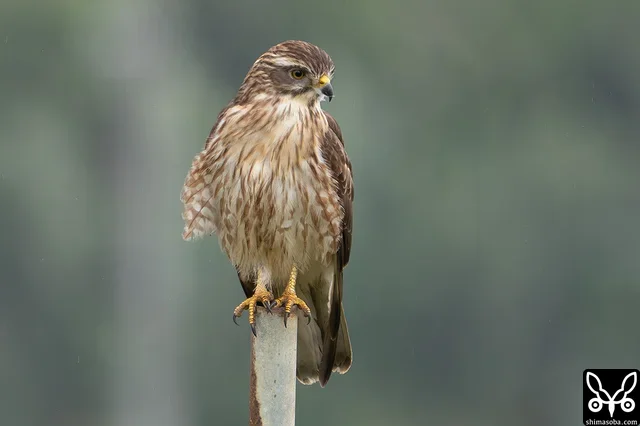
    A wintering juvenile Grey-faced Buzzard. It will likely head north next month.
    Grey-faced Buzzard
  72. 13
    First-winter (Yellow-browed) Eastern Yellow Wagtail.
    Eastern Yellow Wagtail
  73. Red-throated Pipits offer plenty of variety in their moult — always interesting.
    Red-throated Pipit
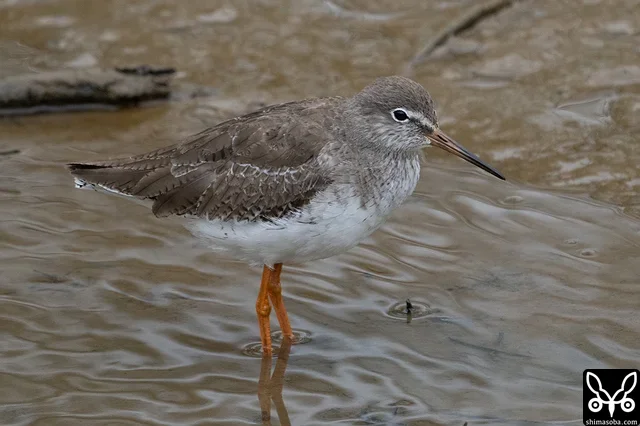
  74. Changing into summer plumage.
    Red-throated Pipit
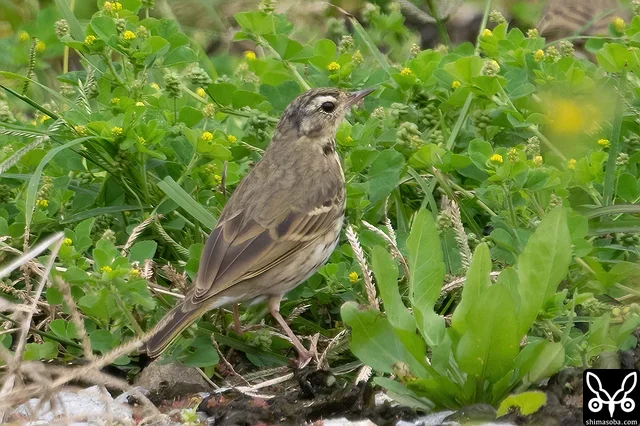
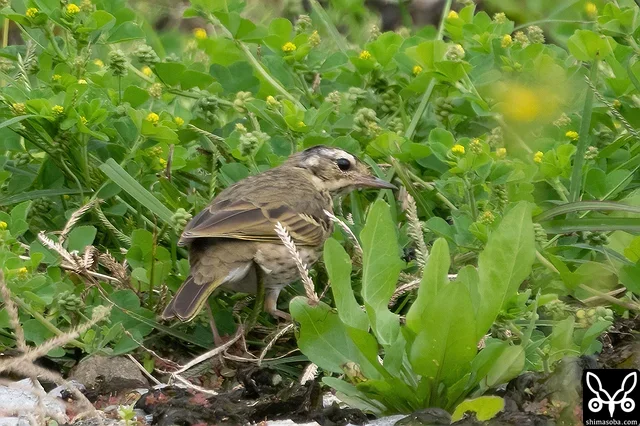
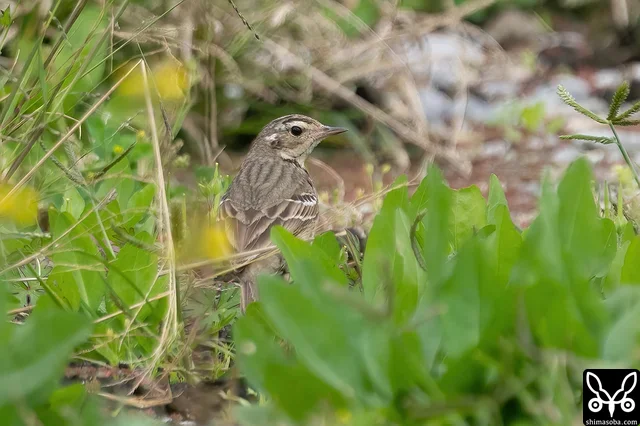
  75. A close flock of Red-throated Pipits. They were feeding on grass seeds.
    Red-throated Pipit
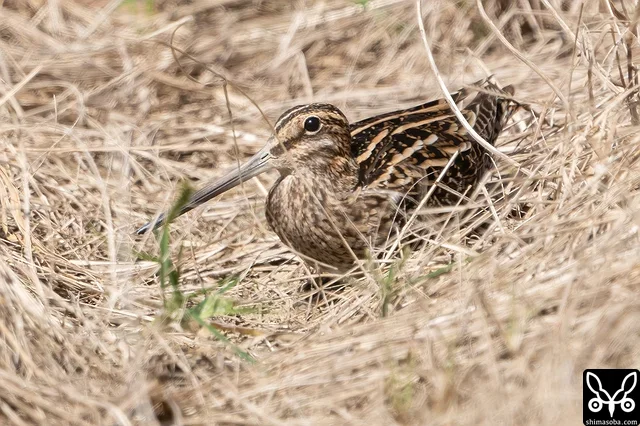
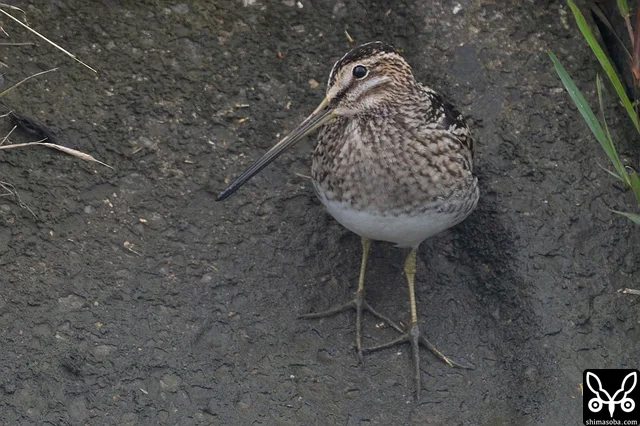
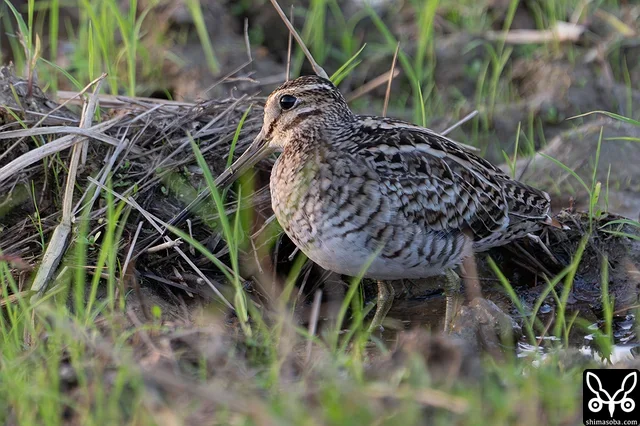
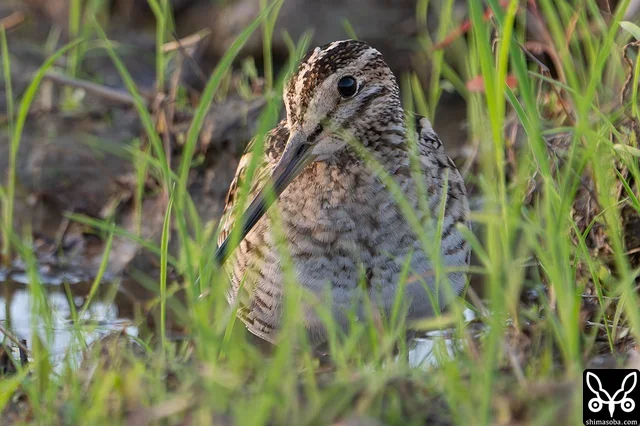
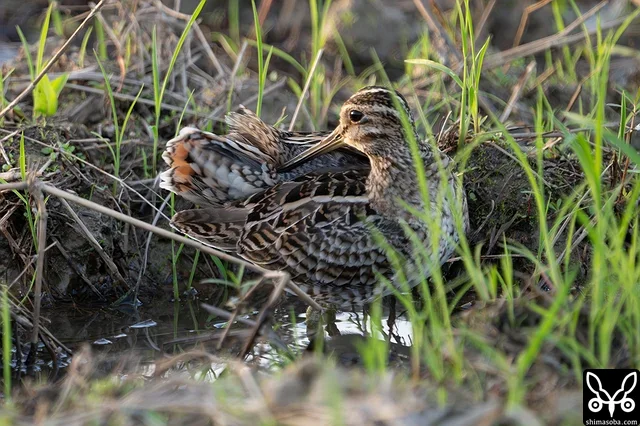
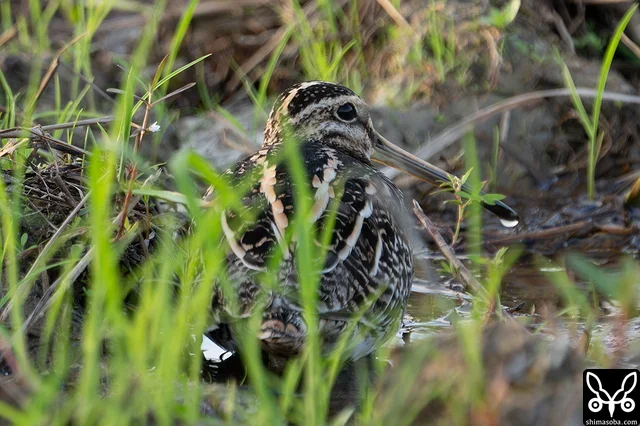
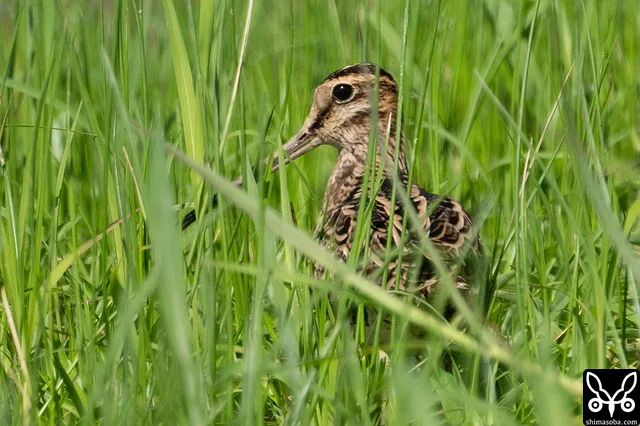
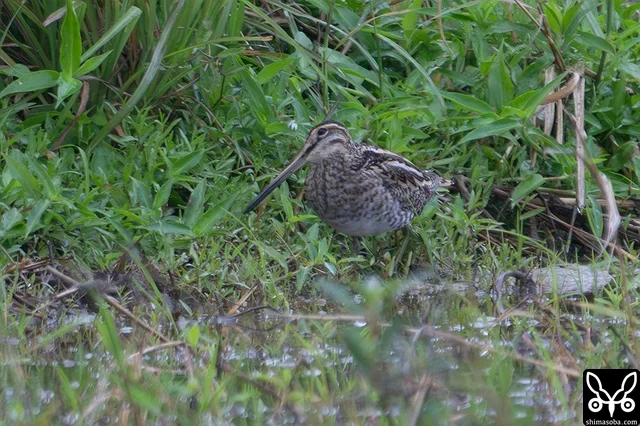
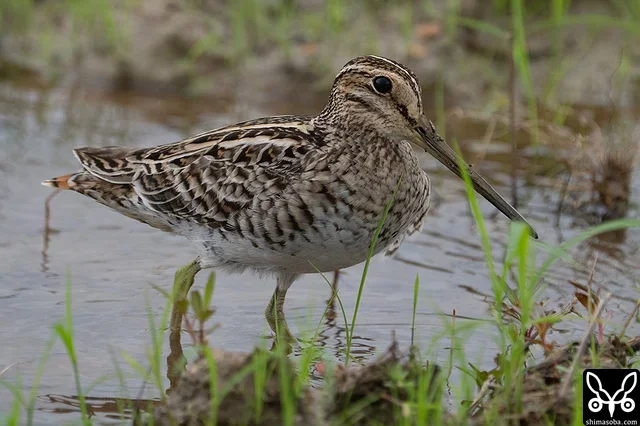
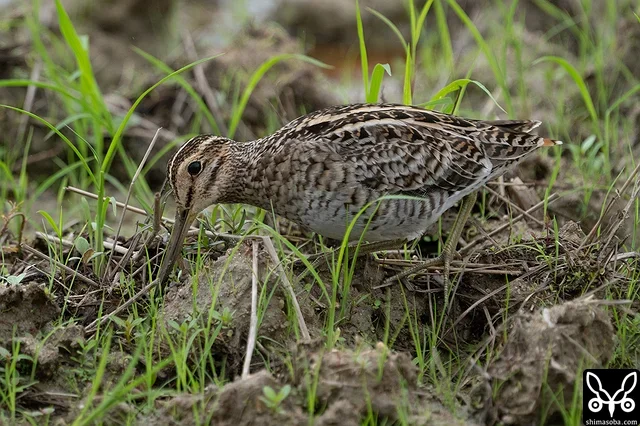
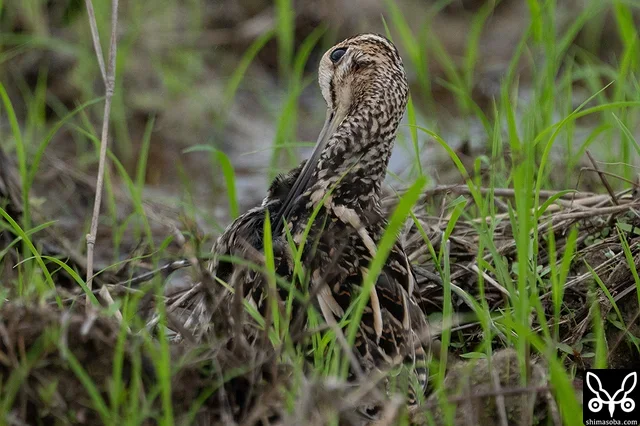
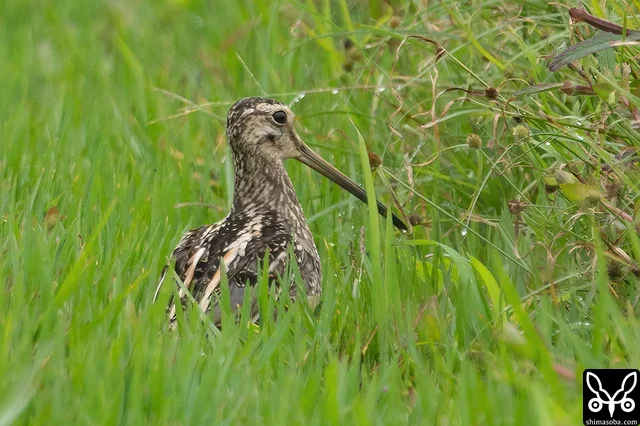
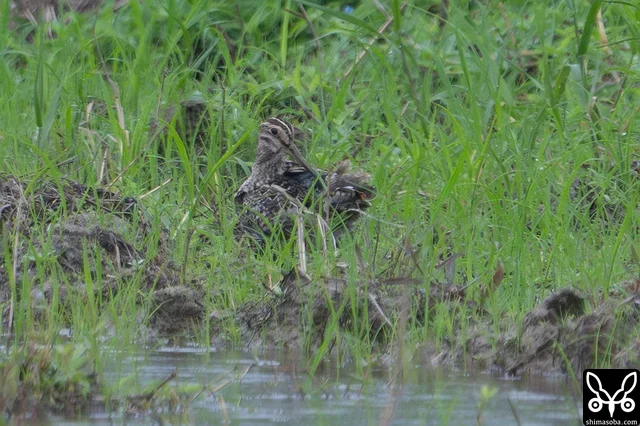
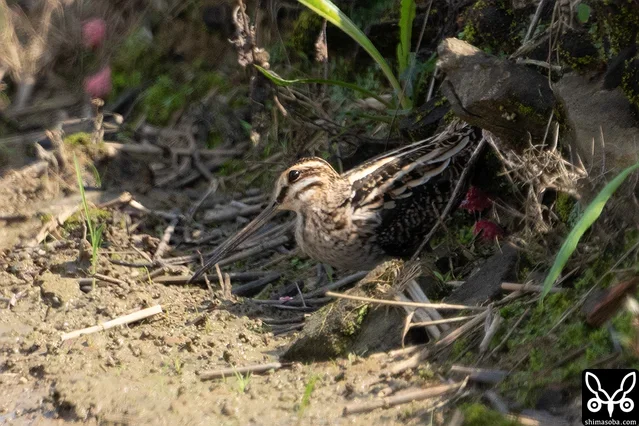
  76. A Common Snipe in the grass. Someone was calling it a Swinhoe's Snipe, but it's a Common Snipe.
    Common Snipe
  77. 14
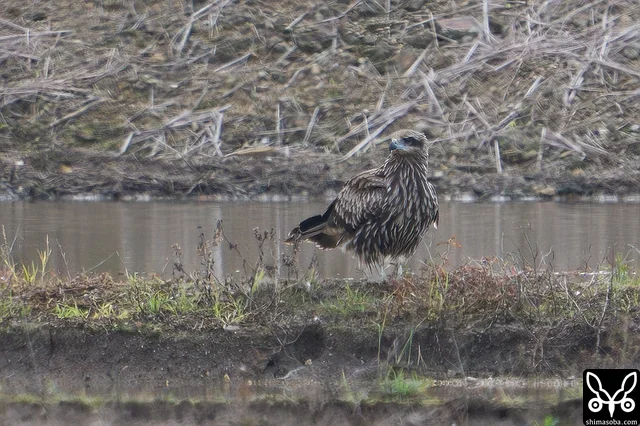
    Black Kite is a rare bird on Ishigaki Island and Okinawa. It is recorded roughly once every ten years, and always juveniles.
    Black Kite
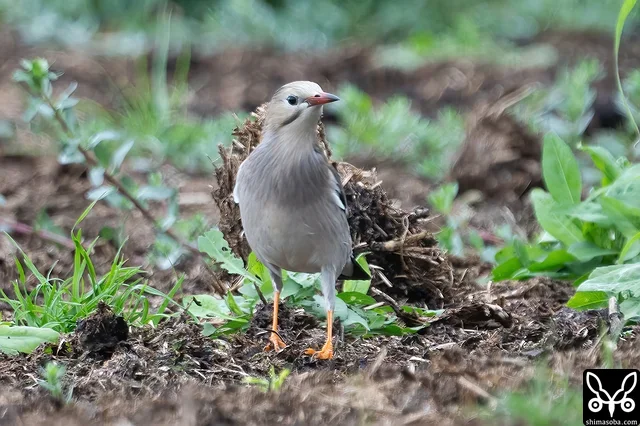
  78. Rosy Starling on cattle dung. It has made this a favourite feeding spot and turns up almost every day.
    White-shouldered Starling
  79. Dusky Thrush, first-winter plumage.
    Dusky Thrush
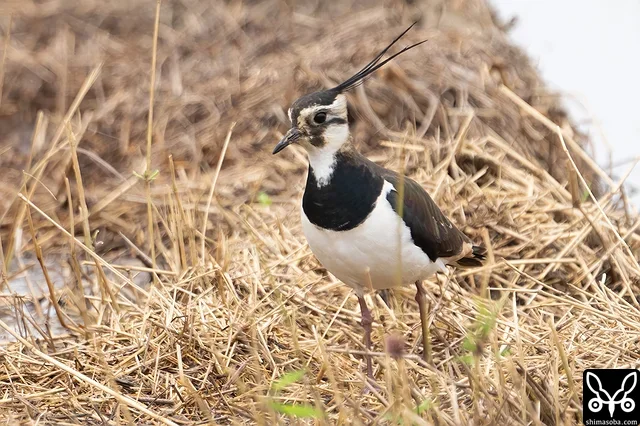
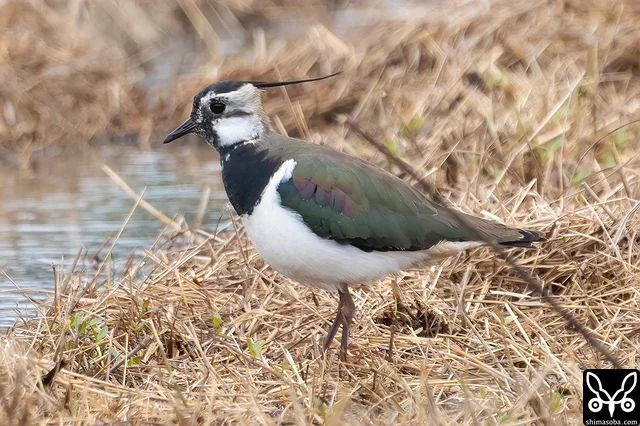
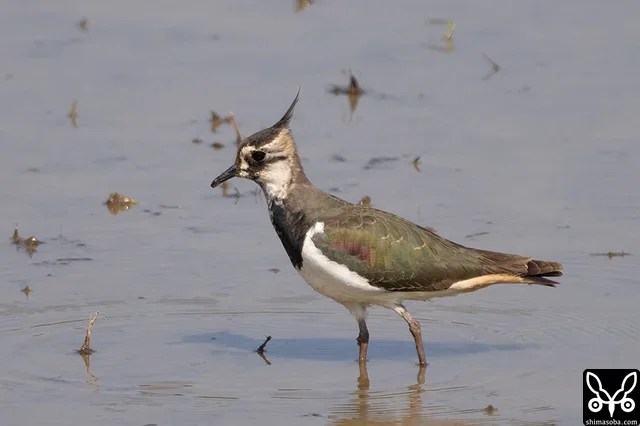
  80. Northern Lapwing, female. Also transitioning into first-summer plumage.
    Northern Lapwing
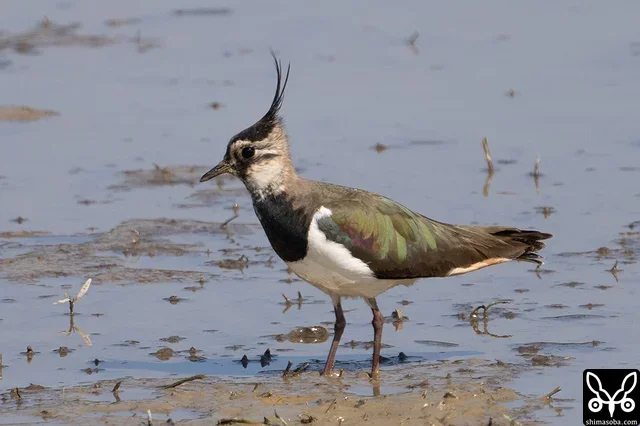
  81. Northern Lapwing, male. Moulting into first-summer plumage.
    Northern Lapwing
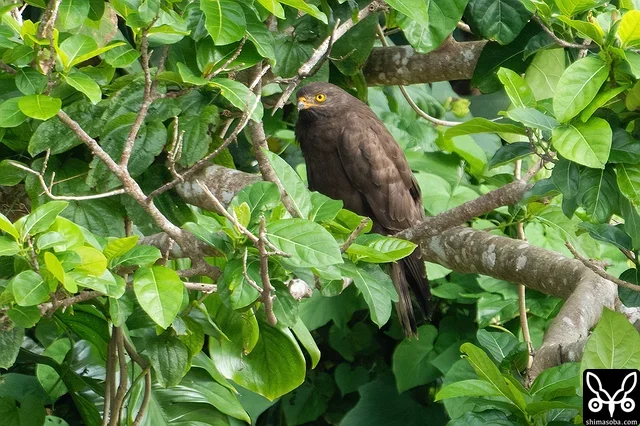
  82. 15
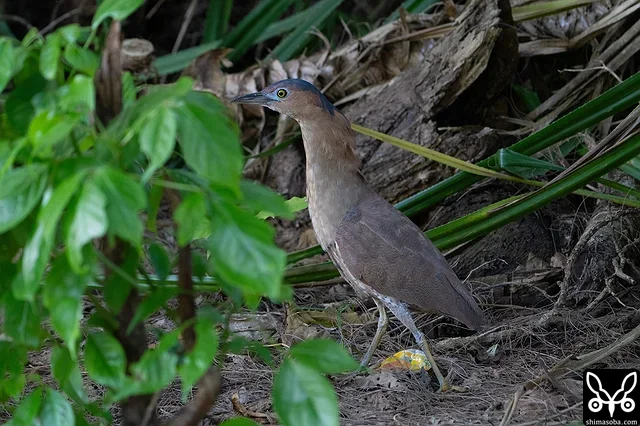
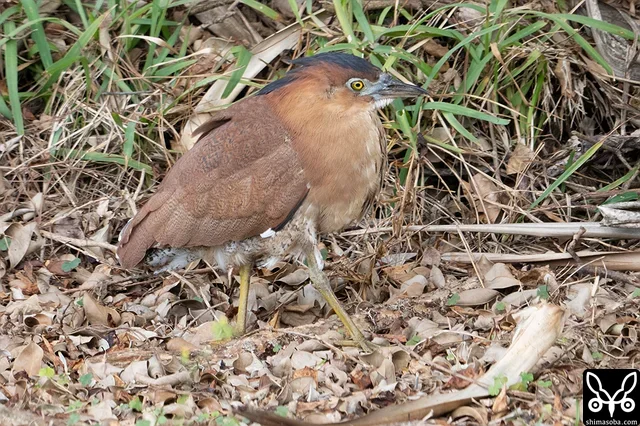
    Adult male Malayan Night Heron.
    Malayan Night Heron
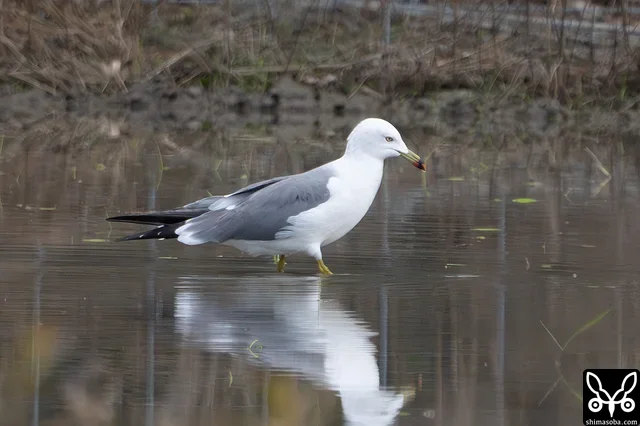
  83. Black-tailed Gulls are already in summer plumage. Two individuals confirmed this season.
    Black-tailed Gull
  84. Crested Serpent Eagle in a rice paddy.
    Crested Serpent Eagle
  85. Crested Serpent Eagle on a forest road.
    Crested Serpent Eagle
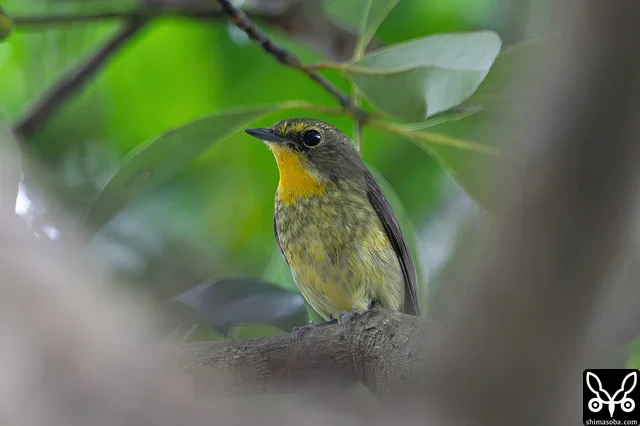
  86. Ryukyu Flycatcher heading into second-summer plumage.
    Ryukyu Flycatcher
  87. 16
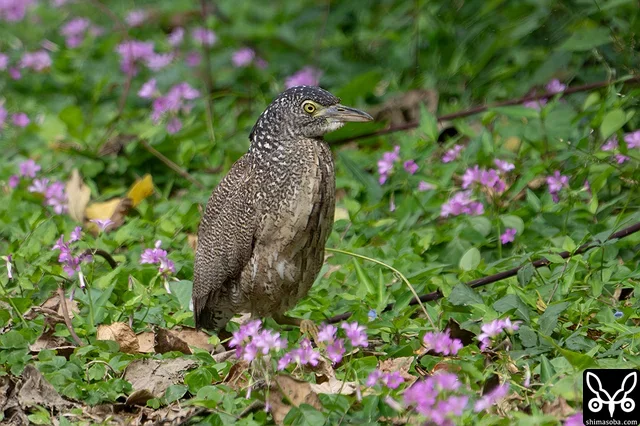
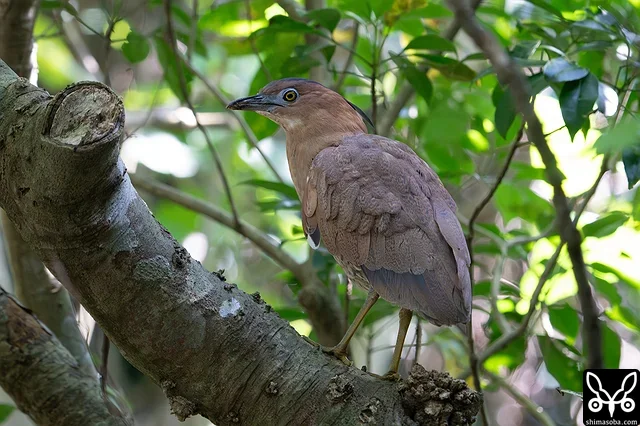
    Juvenile Malayan Night Heron hatched last year. Moult has barely progressed.
    Malayan Night Heron
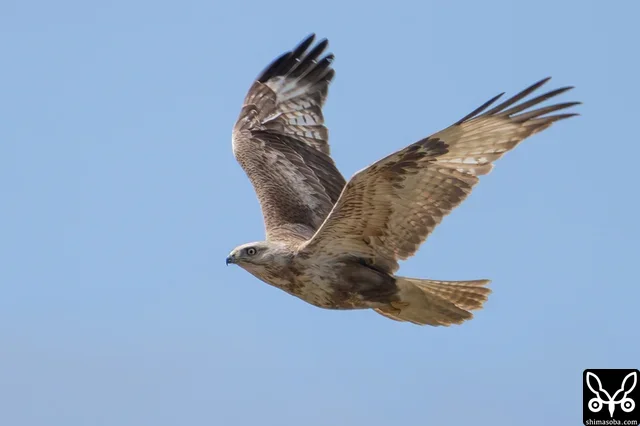
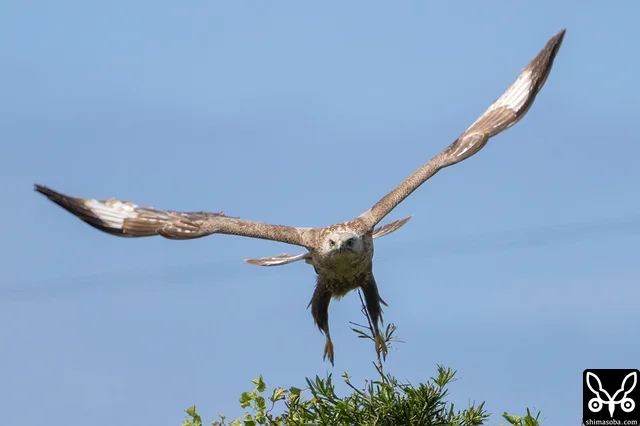
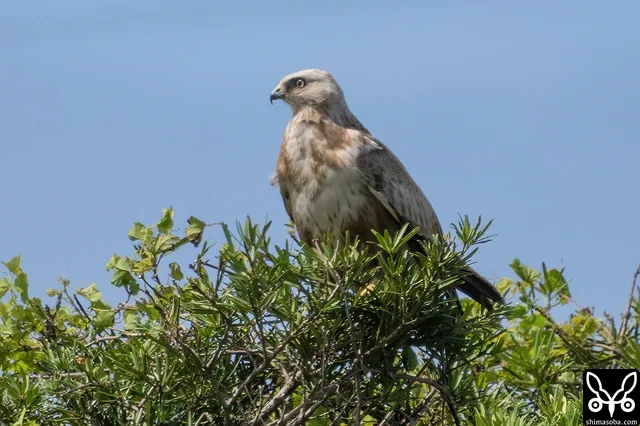
  88. 17
    A juvenile Black-winged Kite. It came right in front of me repeatedly, searching for prey.
    Black-winged Kite
  89. First night outing in quite a while. Stopped by a convenience store and observed several Ryukyu Scops Owls along the way.
    Ryukyu Scops Owl
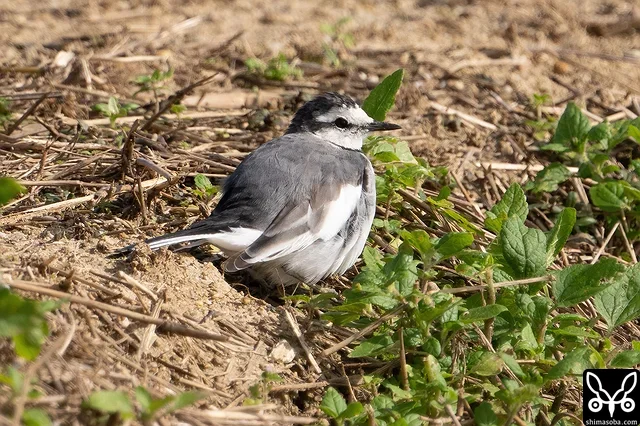
  90. A Ruddy Shelduck that has been staying since last year. There are around five individuals on the island.
    Ruddy Shelduck
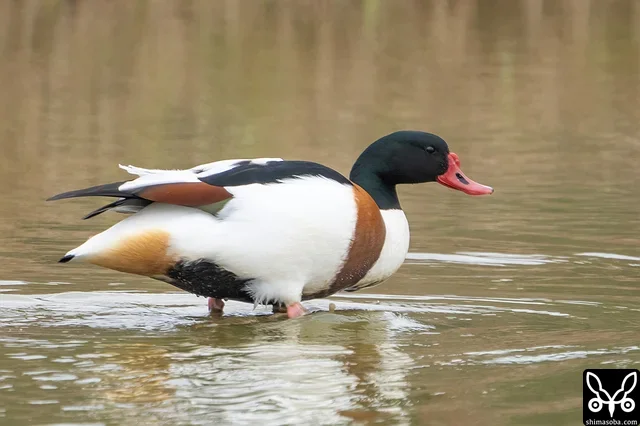
  91. Common Shelduck, adult male in breeding plumage. An adult male visiting Ishigaki is unusual.
    Ruddy Shelduck
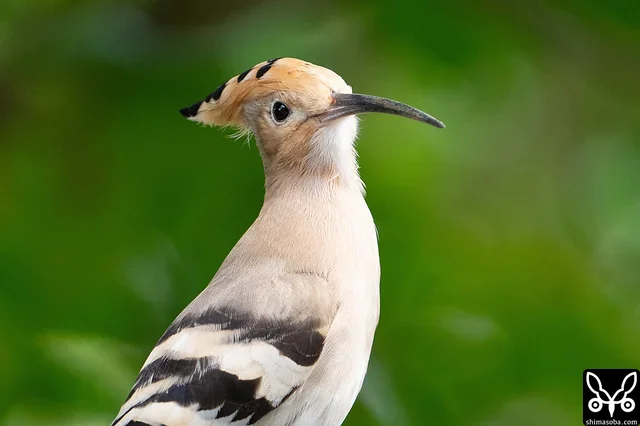
  92. Eurasian Hoopoe. Judging by the arrival numbers so far, I have a feeling this spring will bring a lot of Hoopoes to Ishigaki.
    Eurasian Hoopoe
  93. A Eurasian Hoopoe that caught a cockroach. Cockroaches are the main food of Hoopoes on Ishigaki.
    Eurasian Hoopoe
  94. A relaxed Eurasian Hoopoe. Distance: a few metres.
    Eurasian Hoopoe
  95. 19
    Adult Crested Serpent Eagle. Returning to its usual perch after finishing off its prey.
    Crested Serpent Eagle
  96. 20
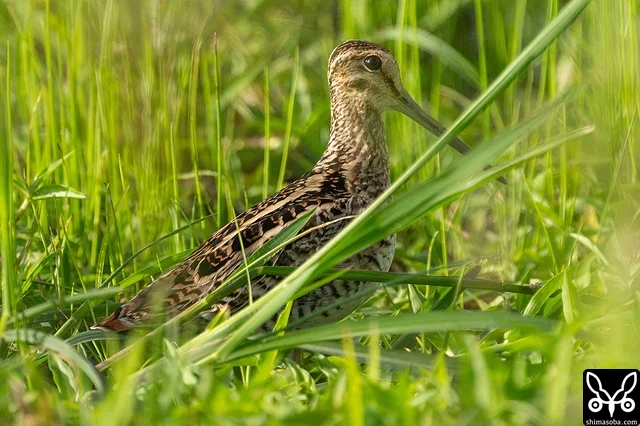
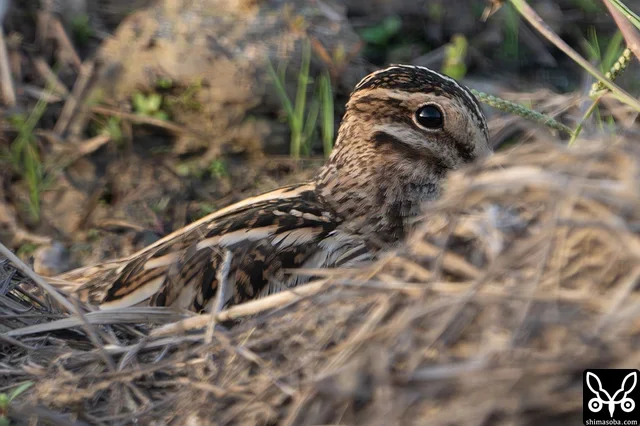
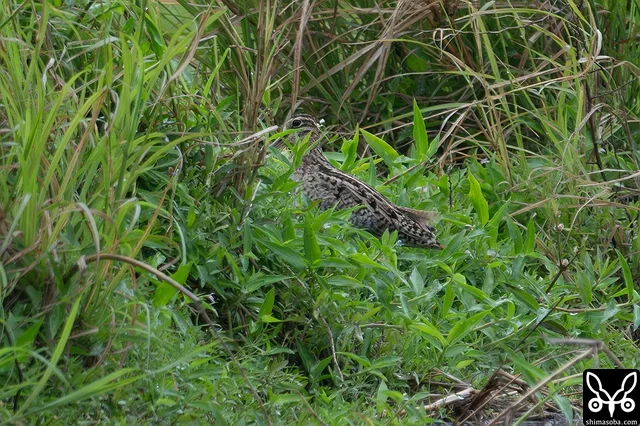
    The first Pin-tailed Snipe of the season. An easy-to-read individual. It did not move at all from the grass, then when a Black-winged Kite appeared it hid completely in the undergrowth.
    Pin-tailed Snipe
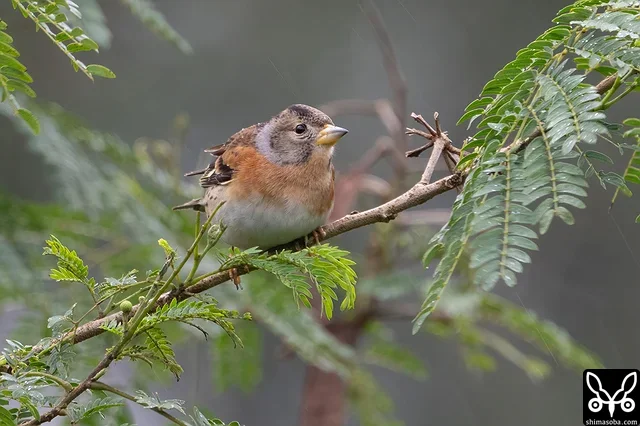
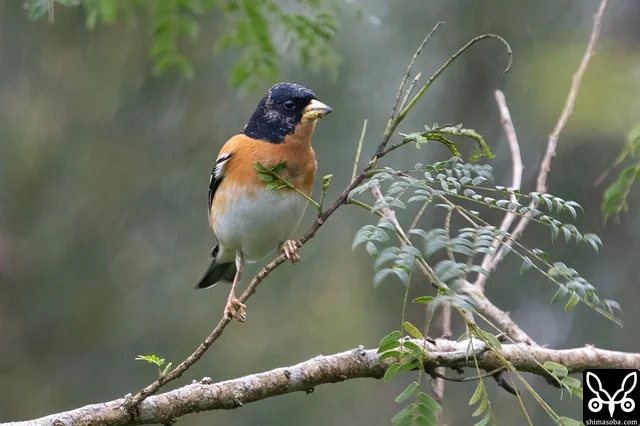
  97. Female Brambling.
    Brambling
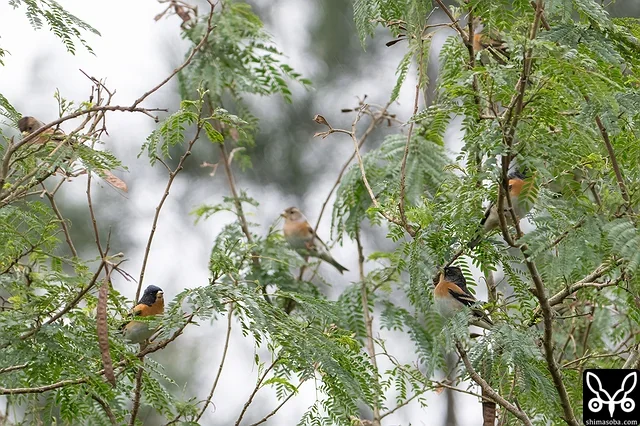
  98. They were gathered in leucaena, eating something. New shoots, perhaps.
    Brambling
  99. Male Brambling. Almost fully in breeding plumage.
    Brambling
  100. 21
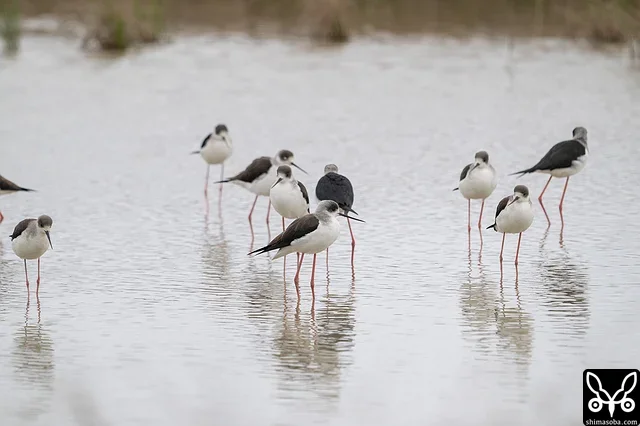
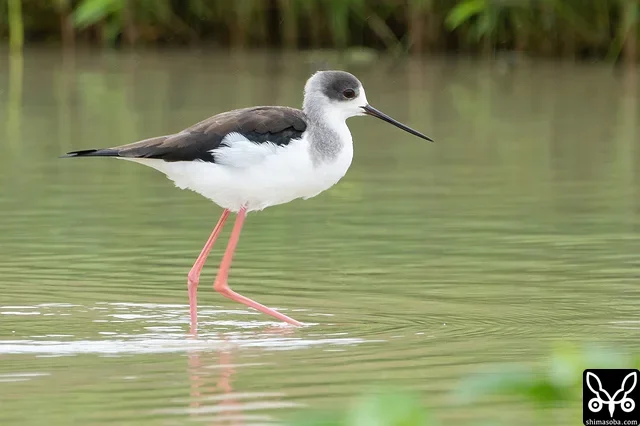
    15 Black-winged Stilts arrived. Spring migration is underway.
    Black-winged Stilt
  101. Common Snipe were moving actively in mid-January, but things have settled down now. Come April, large numbers will be passing through Ishigaki Island.
    Common Snipe
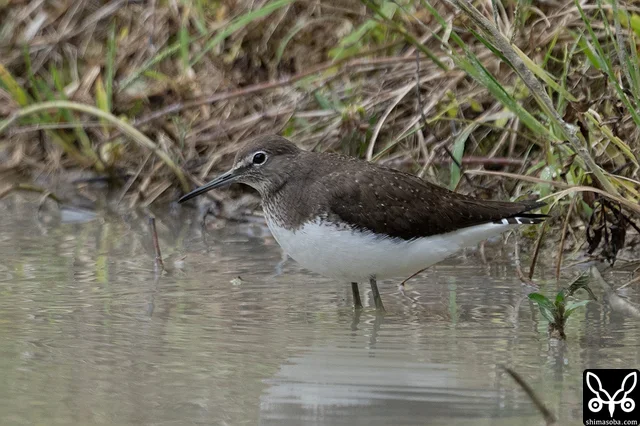
  102. Green Sandpipers on the move also seem to be increasing.
    Green Sandpiper
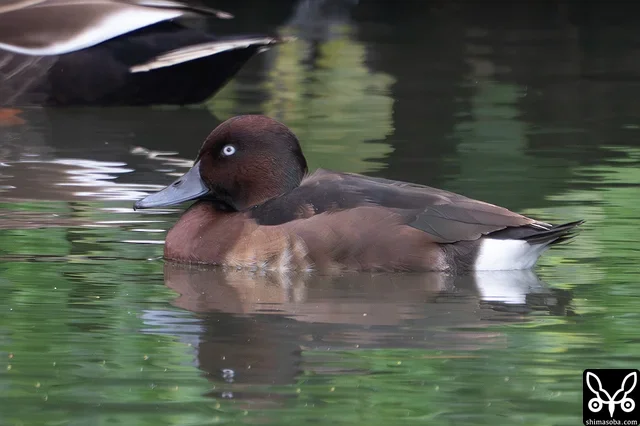
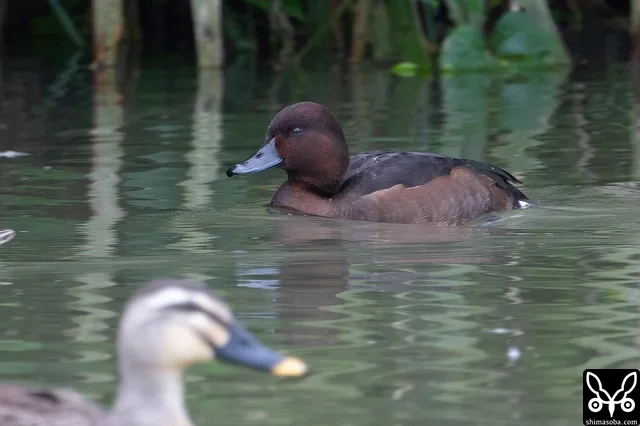
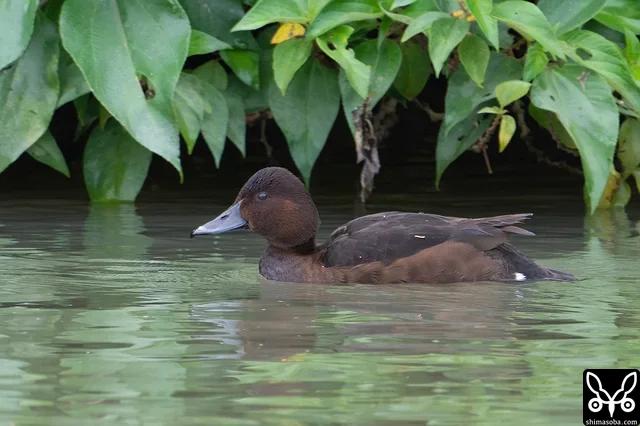
  103. A male Ferruginous Duck. No juveniles or adults could be confirmed….
    Ferruginous Duck
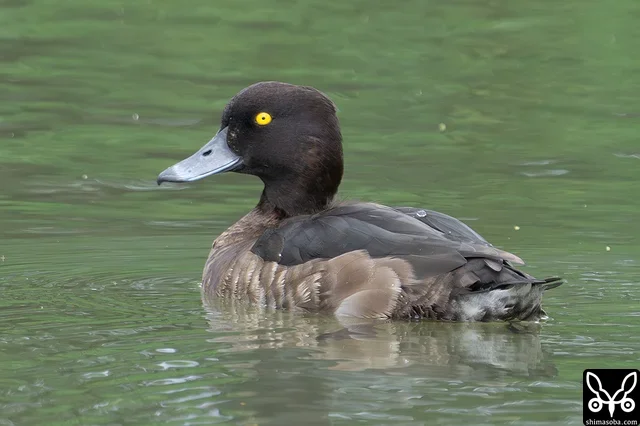
  104. Tufted Ducks number in the hundreds at the dam, but there were 4 at this sedimentation pond.
    Tufted Duck
  105. First-winter Pin-tailed Snipe. Same individual as the `previous day <https://shimasoba.com/blog/2331/>`__.
    Pin-tailed Snipe
  106. Same individual as above. A charming bird.
    Pin-tailed Snipe
  107. Same individual as above. Observing after finishing work. Shortly after arriving on site, it showed its tail feathers.
    Pin-tailed Snipe
  108. First-winter Common Snipe.
    Common Snipe
  109. Adult winter Common Snipe.
    Common Snipe
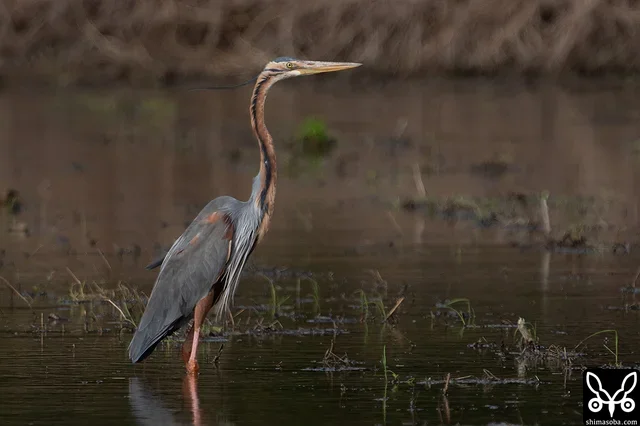
  110. Purple Heron, adult. The legs are taking on their breeding colour.
    Purple Heron
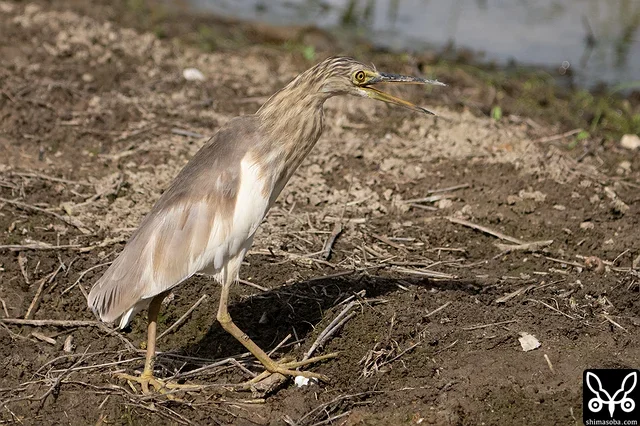
  111. Javan Pond Heron, winter plumage. Still not the slightest trace of wariness in this individual.
    Javan Pond Heron
  112. The first Swinhoe's Snipe of the season. It has just arrived and is on edge.
    Swinhoe's Snipe
  113. Red-throated Pipit, first-winter plumage.
    Red-throated Pipit
  114. A different female Ferruginous Duck from the one above.
    Ferruginous Duck
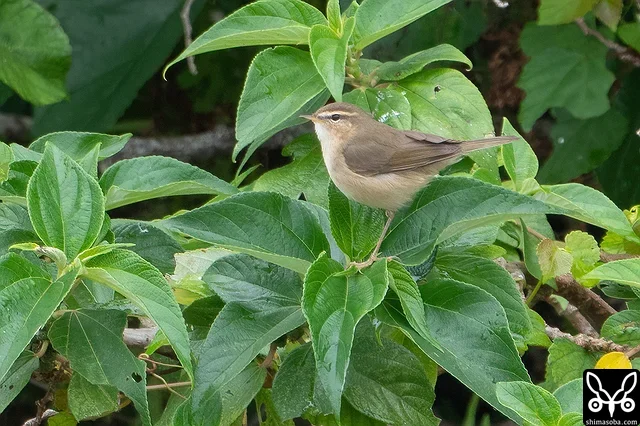
  115. An overwintering Plain Leaf Warbler. It is spending its time in a small area.
    Plain Leaf Warbler
  116. That day it appeared at branch tips frequently, and I was able to get video footage as well.
    Plain Leaf Warbler
  117. Female Ferruginous Duck.
    Ferruginous Duck
  118. Little Buntings have arrived in large numbers this season.
    Little Bunting
  119. Mixed in with the Little Bunting flock were a small number of Red-throated Pipits.
    Red-throated Pipit
  120. Black-winged Stilts are overwintering in paddies and irrigation channels.
    Black-winged Stilt
  121. Adult female Isabelline Shrike.
    Isabelline Shrike
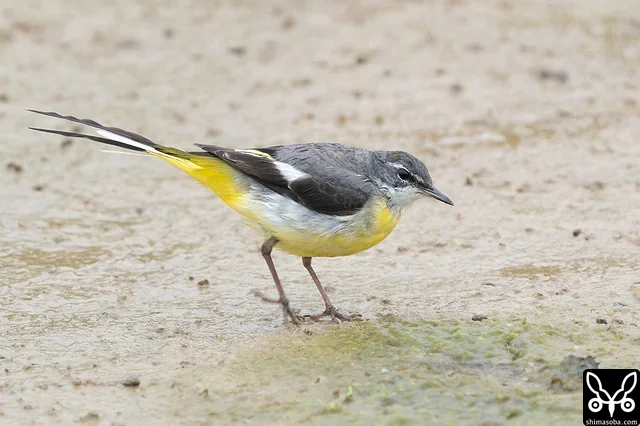
  122. Many Grey Wagtails are also well advanced in their moult.
    Grey Wagtail
  123. This individual appears to be transitioning into breeding plumage.
    Red-throated Pipit
  124. The Red-throated Pipits were feeding on poorly germinated rice in paddies where planting had already been done.
    Red-throated Pipit
  125. 22
    The Japanese Bush Warbler calls loudly but rarely shows itself.
    Korean Bush Warbler
  126. Brown Shrike, adult female.
    Isabelline Shrike
  127. A flock of about 20 Common Snipe. Up until the end of December there was a single Swinhoe's Snipe mixed in, but…
    Common Snipe
  128. Common Snipe, first-winter plumage.
    Common Snipe
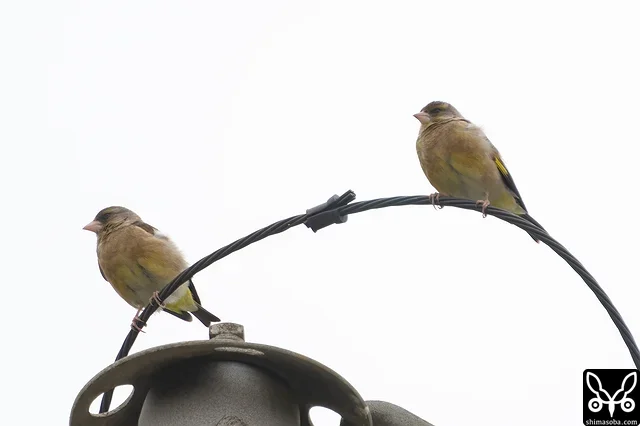
  129. Seven Oriental Greenfinches on a long stay. The plumage is pale — perhaps a continental subspecies.
    Grey-capped Greenfinch
  130. Common Shelduck, adult male. An adult visiting Ishigaki is unusual.
    Ruddy Shelduck
  131. 23
    Common Snipe numbers are up and down as wintering birds and northbound migrants mix together.
    Common Snipe
  132. A Swinhoe's Snipe in the distance. The second of the season.
    Swinhoe's Snipe
  133. The Pin-tailed Snipe I found a few days ago is still present. It's a relaxed individual and keeps walking closer and closer.
    Pin-tailed Snipe
  134. Same individual as above. It's probing its bill into the soil, searching for prey.
    Pin-tailed Snipe
  135. Pin-tailed Snipe preening.
    Pin-tailed Snipe
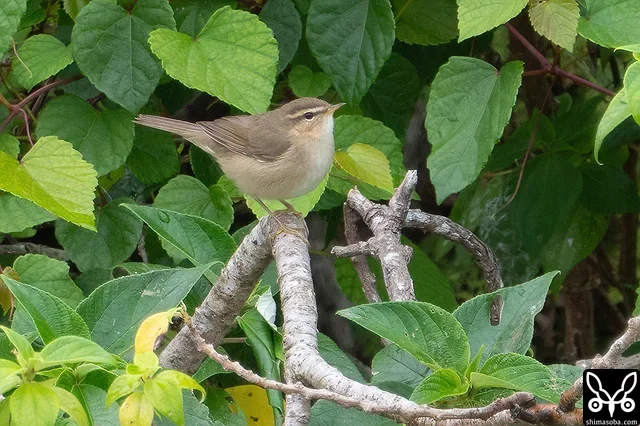
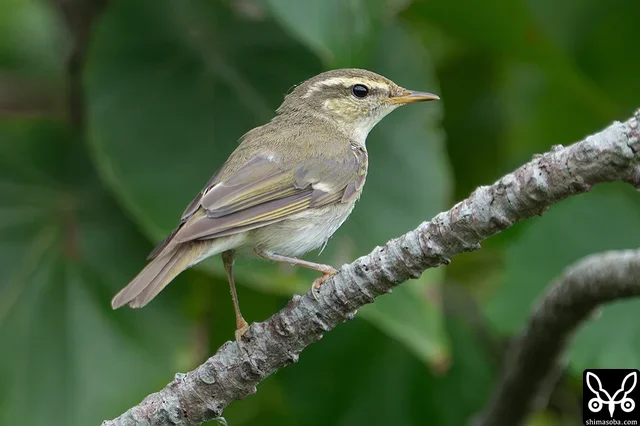
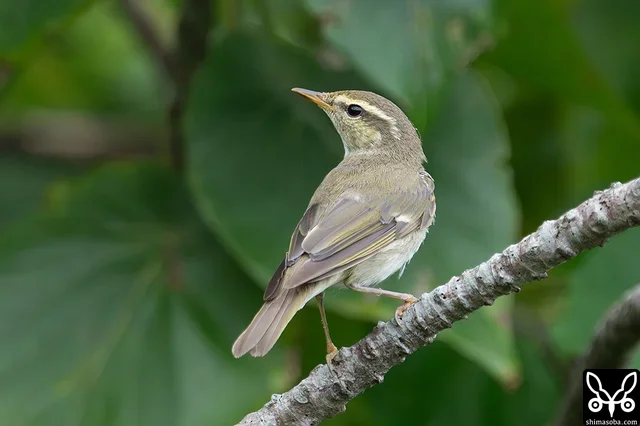
  136. An overwintering Lesser Whitethroat appeared right in front of me. I've confirmed the ID by call, but I also think I can make out the classic Lesser Whitethroat feature of P10 being shorter than the primary coverts. ^^;
    Arctic Warbler
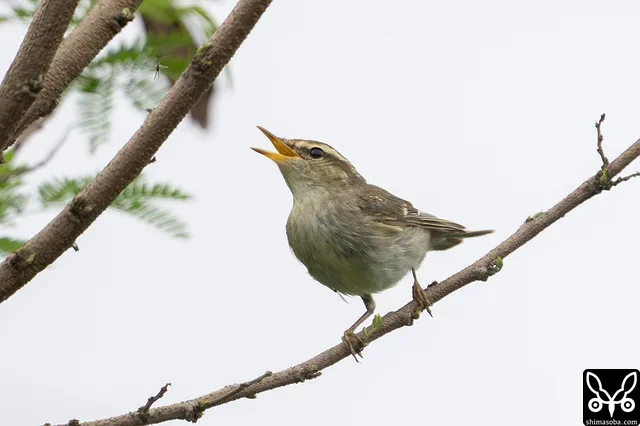
  137. Same individual as above. It was moving along the branches searching for insects to eat.
    Arctic Warbler
  138. The Lesser Whitethroat spotted prey at a branch tip and lunged for it.
    Arctic Warbler
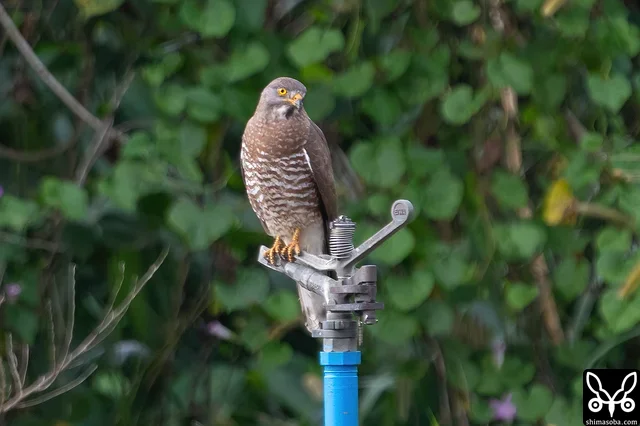
  139. This is a regular Grey-faced Buzzard. Adult male.
    Grey-faced Buzzard
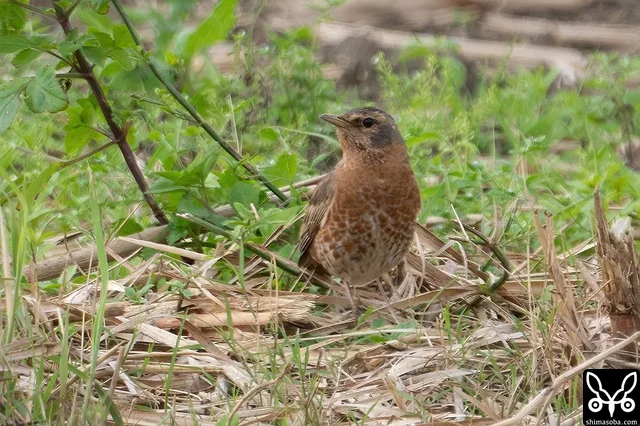
  140. A strikingly vivid Naumann's Thrush. It was conspicuous enough to catch the eye even at a distance.
    Naumann's Thrush
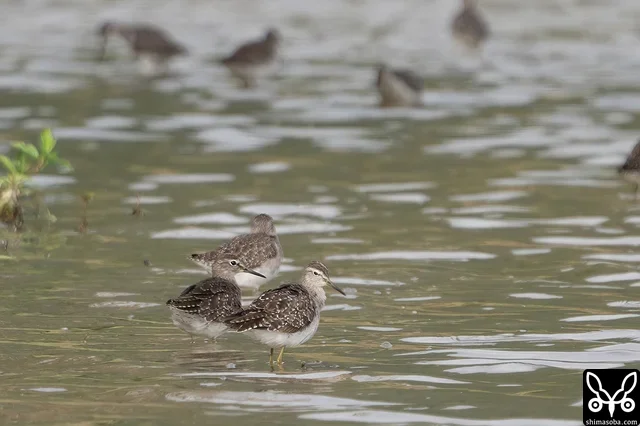
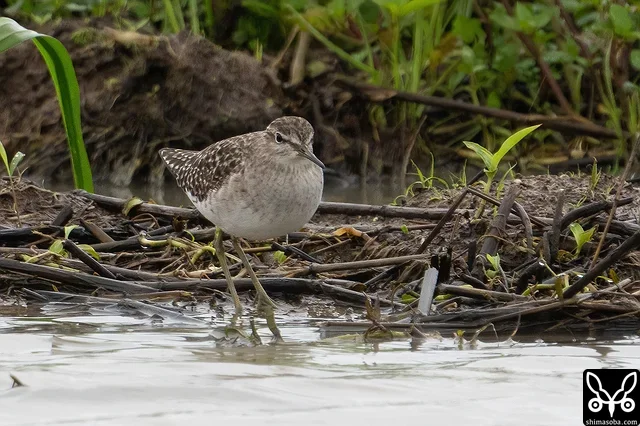
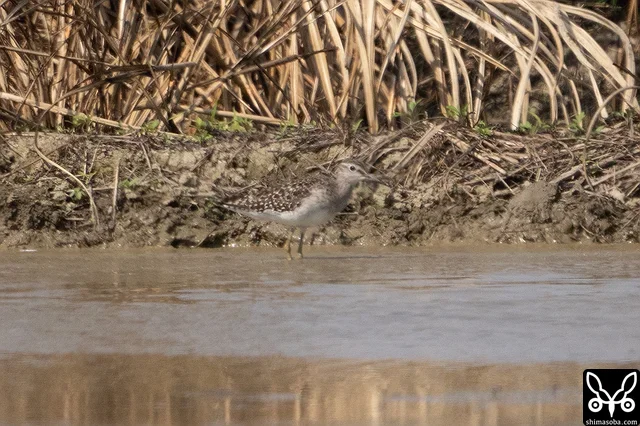
  141. A group of a dozen or so Wood Sandpipers — probably the first wave of spring migrants. Year after year, in both spring and autumn, Wood Sandpiper is the earliest to arrive.
    Wood Sandpiper
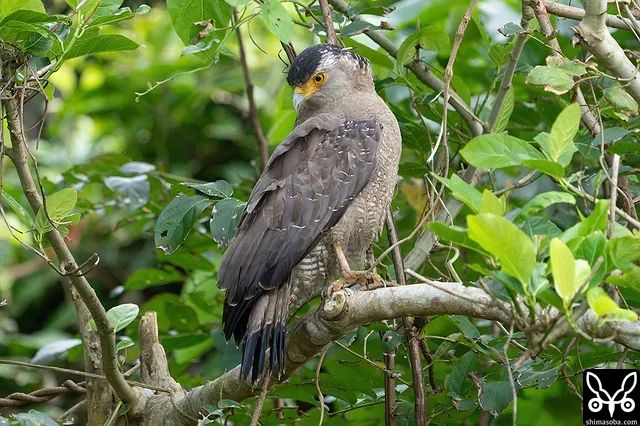
  142. Crested Serpent Eagle, adult. The breeding season has begun and it is very active.
    Crested Serpent Eagle
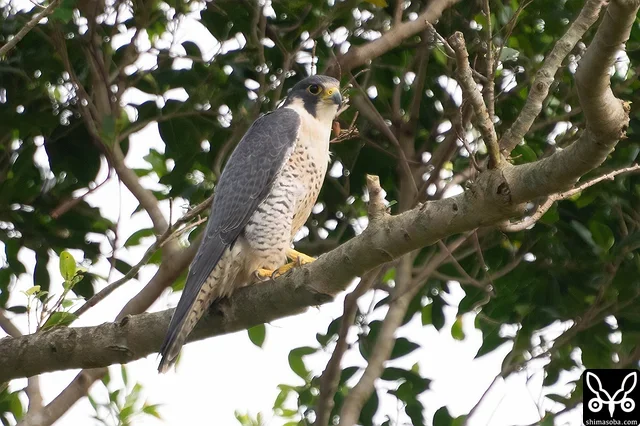
  143. Peregrine Falcon, adult male. A threat to the birds wintering in the rice fields… ^^;
    Peregrine Falcon
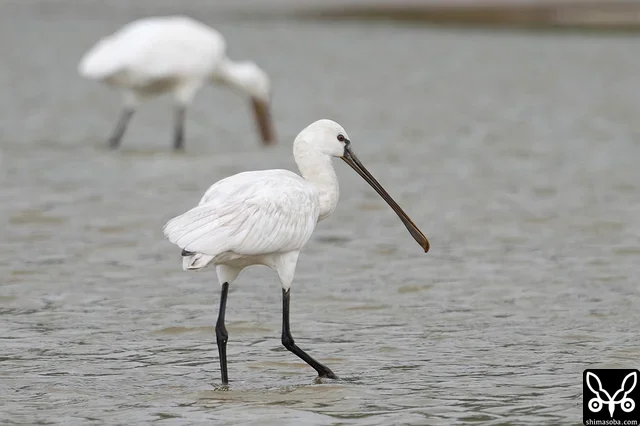
  144. Two Eurasian Spoonbills, moving back and forth between Anparu wetland and the rice fields.
    Eurasian Spoonbill
  145. A dull-plumaged Naumann's Thrush, first-winter.
    Naumann's Thrush
  146. 24
    A Eurasian Hoopoe that kept retreating into the bushes every time a person or vehicle passed by. Prey is plentiful, but it seemed unable to settle.
    Eurasian Hoopoe
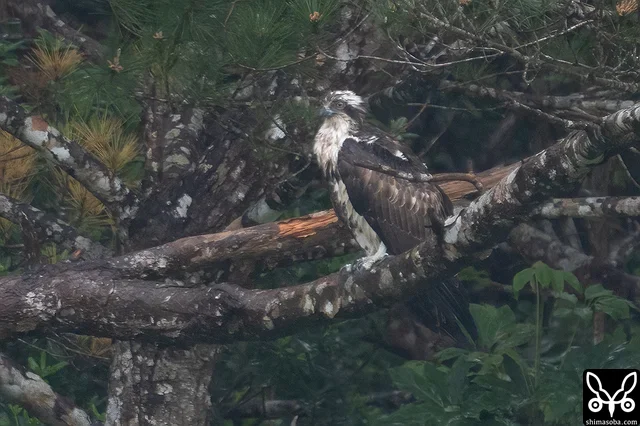
  147. Osprey in the rain. It looked as though it had just finished a good meal.
    Osprey
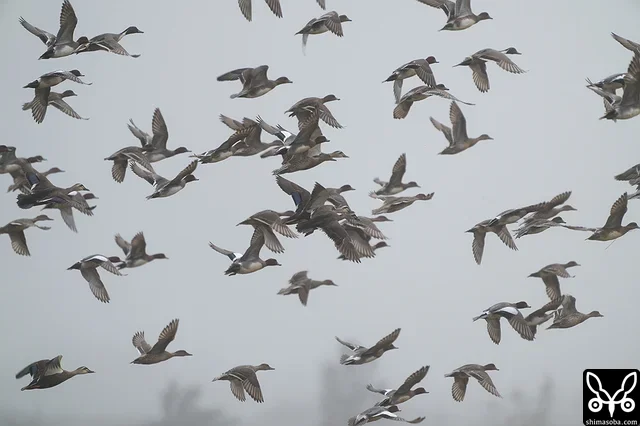
  148. A mixed flock of around 150 Northern Pintail and Eurasian Wigeon gleaning fallen grain in the rice fields.
    Northern Pintail
  149. Common Snipe in a nearby rice field. A few birds are wintering here.
    Common Snipe
  150. A small number of Green Sandpipers are wintering, individually.
    Green Sandpiper
  151. Wood Sandpipers arrived in a flock. Both in spring and autumn, Wood Sandpipers are the first shorebirds to pass through Ishigaki-jima.
    Wood Sandpiper
  152. 25
    Perched on the artificial log right in front of me.
    Eurasian Hoopoe
  153. The Eurasian Hoopoe that has been present since yesterday was raising its crest frequently. I wish it would move somewhere a little more peaceful….
    Eurasian Hoopoe
  154. An adult Malayan Night Heron. The breeding season is approaching, and they will soon be showing their vivid nuptial colours.
    Malayan Night Heron
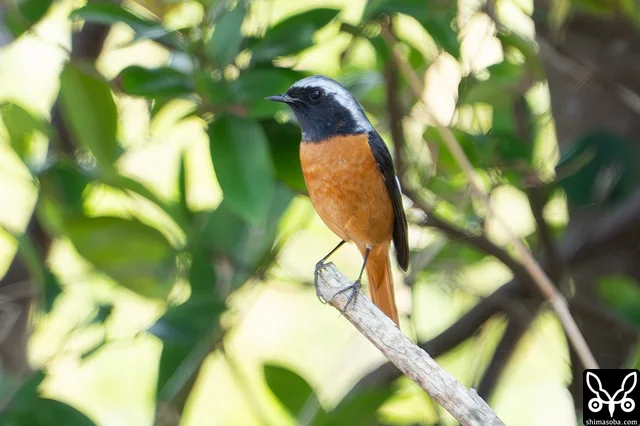
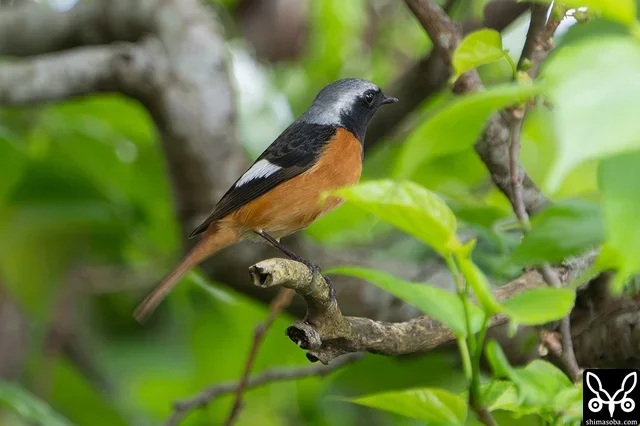
  155. Daurian Redstarts were increasing. I suspect they are birds moving through on migration.
    Daurian Redstart
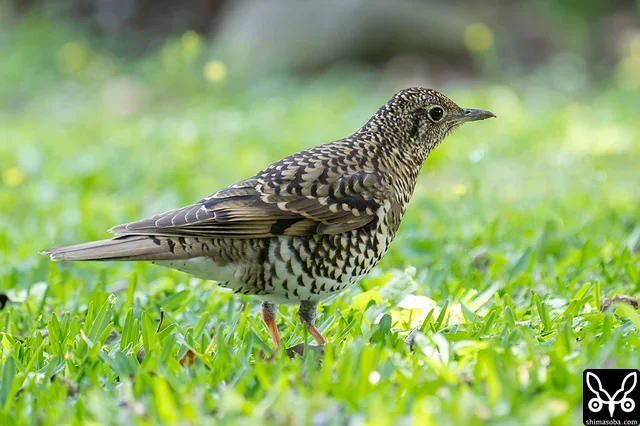
  156. A Scaly Thrush that has completely lost its wariness. Reactions to people vary enormously from individual to individual.
    White's Thrush
  157. 26
    A Eurasian Hoopoe that flew up into a branch, startled by a passing vehicle.
    Eurasian Hoopoe
  158. Scenes of it walking along the top of the artificial log were also frequently observed.
    Eurasian Hoopoe
  159. Spotted a Pin-tailed Snipe in the distance. About 80 metres away.
    Pin-tailed Snipe
  160. Common Greenshank — a flock of four. Also passage birds.
    Common Greenshank
  161. There are overwintering Common Redshanks, but passage birds have been conspicuous lately as well.
    Common Redshank
  162. Same individual as above.
    Olive-backed Pipit
  163. Adult Olive-backed Pipit moulting into summer plumage.
    Olive-backed Pipit
  164. Olive-backed Pipit, first-winter, that dropped into my garden.
    Olive-backed Pipit
  165. 27
    I also witnessed it being chased by a crow on several occasions.
    Eurasian Hoopoe
  166. The Eurasian Hoopoe, charming in appearance, is quite the hearty eater. There seem to be many cockroaches lurking in the grass on Ishigaki Island, and it was plunging its long bill into the ground and catching them one after another.
    Eurasian Hoopoe
  167. It shows no wariness, so it can be watched at close range. It was finding cockroaches one after another.
    Eurasian Hoopoe
  168. A completely fearless Crested Serpent Eagle, juvenile.
    Crested Serpent Eagle
  169. Grey-headed Lapwing — scarce in Okinawa.
    Grey-headed Lapwing
  170. Ryukyu Crake, adult.
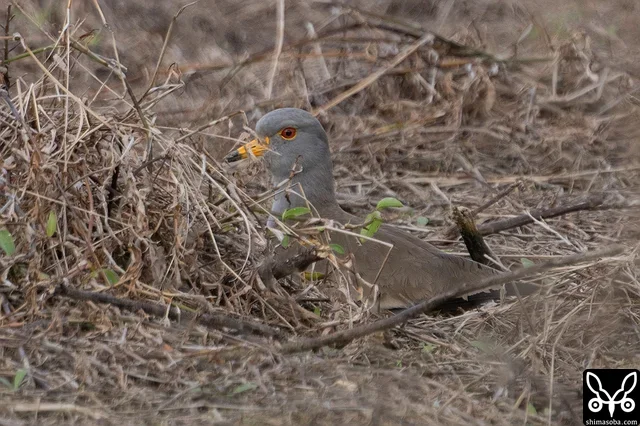
    Malayan Night Heron
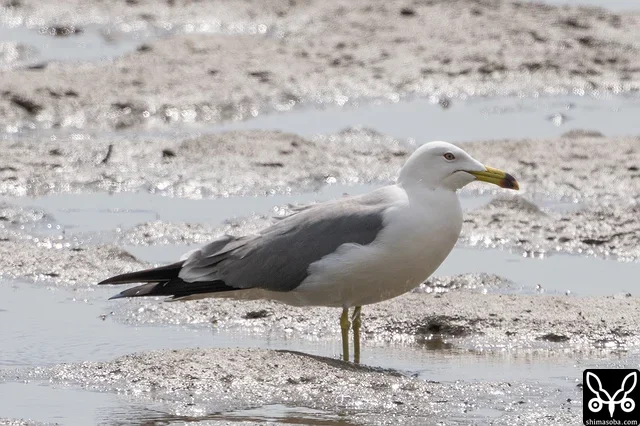
  171. Black-tailed Gull, adult summer plumage. The third individual this season.
    Black-tailed Gull
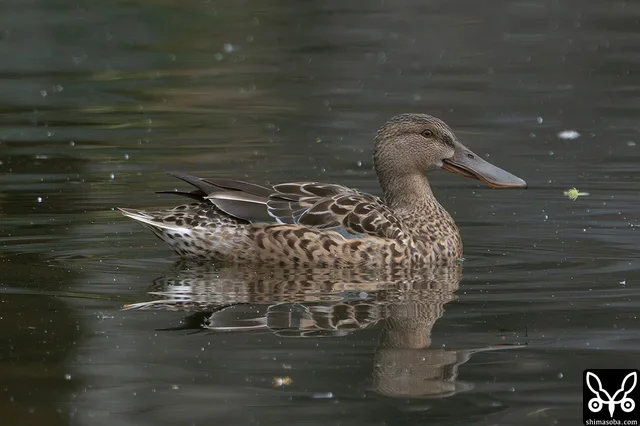
  172. Northern Shoveler, male juvenile. It's already late February yet still largely covered in juvenile plumage.
    Northern Shoveler
  173. Tufted Duck, female.
    Tufted Duck
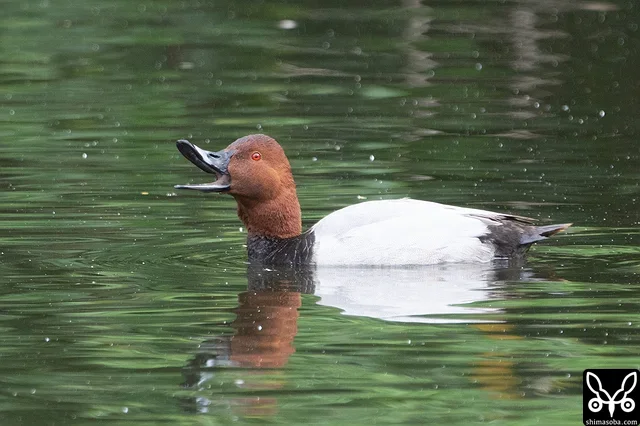
  174. Common Pochard, male breeding plumage.
    Common Pochard
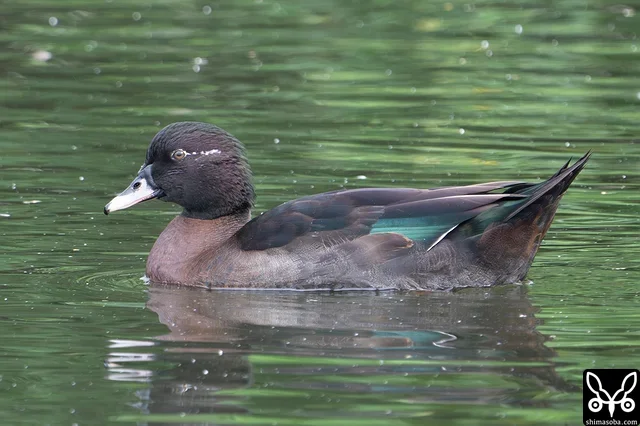
  175. A hybrid duck. I have no idea what's going on… ^^;
    Hybrid
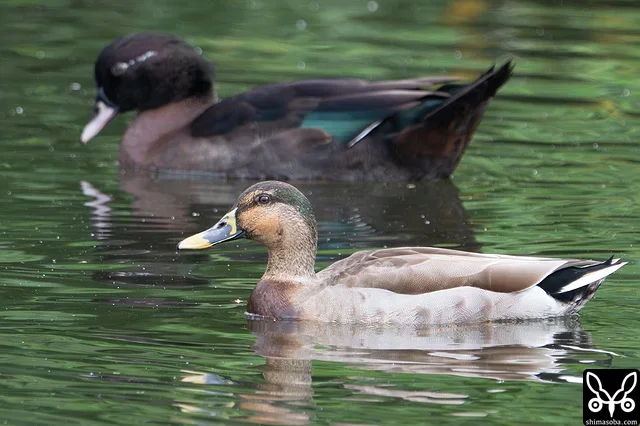
  176. This one is also a hybrid, but both parents are Mallard and Eastern Spot-billed Duck.
    Hybrid
  177. The dark-morph Grey-faced Buzzard, returning for the fifth consecutive year since it was a juvenile.
    Grey-faced Buzzard
  178. It appears to have caught some prey.
    Grey-faced Buzzard
  179. Year by year it has been letting its guard down.
    Grey-faced Buzzard
  180. The dark-morph Grey-faced Buzzard is really stunning.
    Grey-faced Buzzard
  181. White-faced Wagtail, male. Transitioning from first-winter to summer plumage.
    White Wagtail
  182. (Yellow-browed) Eastern Yellow Wagtail, transitioning from first-winter to summer plumage.
    Eastern Yellow Wagtail
  183. White-faced Wagtail, male. This one also transitioning from first-winter to summer plumage.
    White Wagtail
  184. 28
    Distant Common Snipe.
    Common Snipe
  185. Wood Sandpipers have been increasing too.
    Wood Sandpiper
  186. Northern Lapwing, male. Transitioning from first-winter to summer plumage.
    Northern Lapwing
  187. Northern Lapwing, female. Also in transition from first-winter to summer plumage.
    Northern Lapwing
  188. Common Snipe freezing in alarm.
    Common Snipe
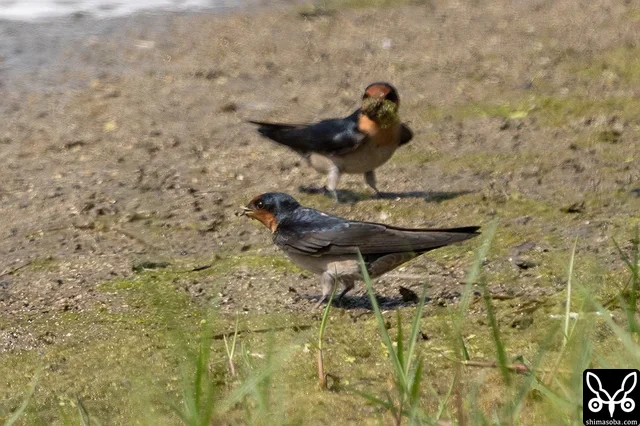
  189. Barn Swallows visiting the tidal flat to collect nesting material. Several birds were coming and going looking busy.
    Pacific Swallow
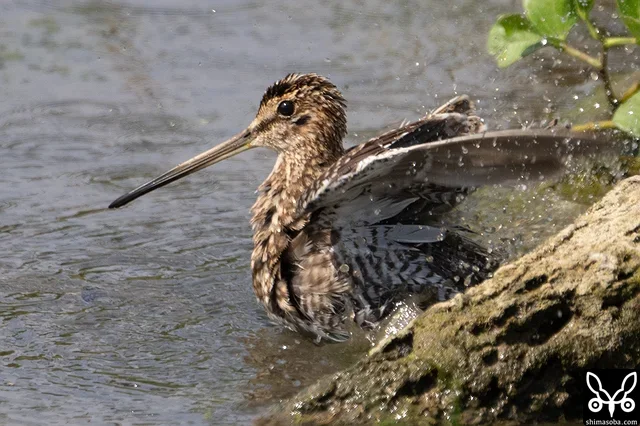
  190. Common Snipe bathing.
    Common Snipe
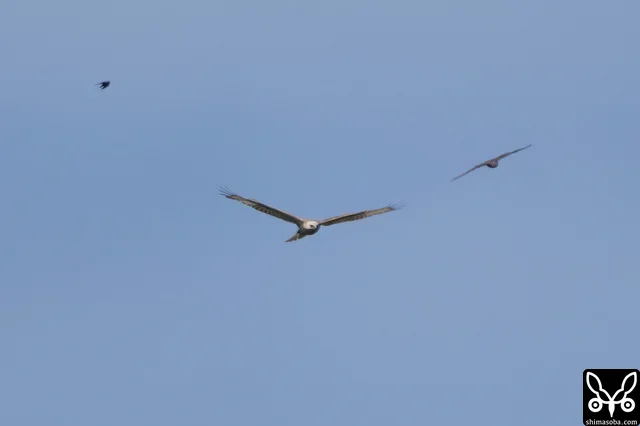
  191. A Japanese Sparrowhawk and a Barn Swallow were mobbing the Upland Buzzard.
    Upland Buzzard
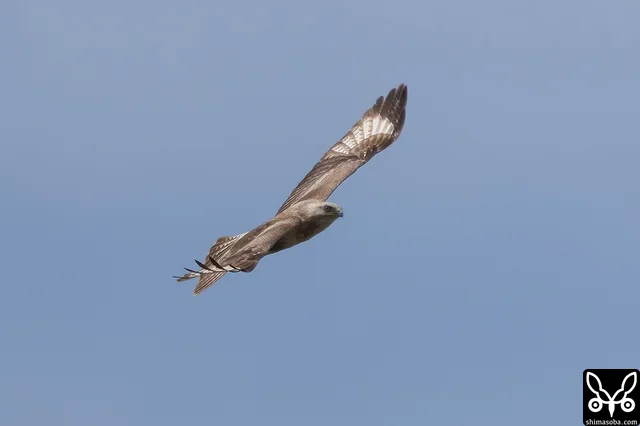
  192. Upland Buzzard riding a thermal.
    Upland Buzzard
  193. Every year, Upland Buzzards winter on Ishigaki Island.
    Upland Buzzard
  194. The Upland Buzzard came flying straight toward me.
    Upland Buzzard
  195. A striking Upland Buzzard. The expression is particularly fierce.
    Upland Buzzard
  196. A female White Wagtail.
    White Wagtail
  197. A male White Wagtail.
    White Wagtail
  198. An adult Dusky Thrush. I thought what remains around the central tail feathers might be juvenile plumage, but apparently not.
    Dusky Thrush
  199. A White Wagtail with a black-eared face pattern. There is a faint eye stripe, so it may be a hybrid.
    White Wagtail
  200. 29
    A male Common Redstart that has been at my front door for several days now. After the berries of the Japanese beautyberry?
    Daurian Redstart